EP3059876B1 - Downlink-ressourcenanzeigeverfahren, vorrichtung und system für mehrpunktkoordinationsnetzwerk in einem lte-system - Google Patents
Downlink-ressourcenanzeigeverfahren, vorrichtung und system für mehrpunktkoordinationsnetzwerk in einem lte-system Download PDFInfo
- Publication number
- EP3059876B1 EP3059876B1 EP14864923.9A EP14864923A EP3059876B1 EP 3059876 B1 EP3059876 B1 EP 3059876B1 EP 14864923 A EP14864923 A EP 14864923A EP 3059876 B1 EP3059876 B1 EP 3059876B1
- Authority
- EP
- European Patent Office
- Prior art keywords
- pdsch
- cell
- control region
- station
- control
- Prior art date
- Legal status (The legal status is an assumption and is not a legal conclusion. Google has not performed a legal analysis and makes no representation as to the accuracy of the status listed.)
- Active
Links
Images


Classifications
-
- H—ELECTRICITY
- H04—ELECTRIC COMMUNICATION TECHNIQUE
- H04L—TRANSMISSION OF DIGITAL INFORMATION, e.g. TELEGRAPHIC COMMUNICATION
- H04L5/00—Arrangements affording multiple use of the transmission path
- H04L5/003—Arrangements for allocating sub-channels of the transmission path
- H04L5/0032—Distributed allocation, i.e. involving a plurality of allocating devices, each making partial allocation
- H04L5/0035—Resource allocation in a cooperative multipoint environment
-
- H—ELECTRICITY
- H04—ELECTRIC COMMUNICATION TECHNIQUE
- H04B—TRANSMISSION
- H04B7/00—Radio transmission systems, i.e. using radiation field
- H04B7/02—Diversity systems; Multi-antenna system, i.e. transmission or reception using multiple antennas
- H04B7/022—Site diversity; Macro-diversity
- H04B7/024—Co-operative use of antennas of several sites, e.g. in co-ordinated multipoint or co-operative multiple-input multiple-output [MIMO] systems
-
- H—ELECTRICITY
- H04—ELECTRIC COMMUNICATION TECHNIQUE
- H04L—TRANSMISSION OF DIGITAL INFORMATION, e.g. TELEGRAPHIC COMMUNICATION
- H04L5/00—Arrangements affording multiple use of the transmission path
- H04L5/003—Arrangements for allocating sub-channels of the transmission path
- H04L5/0048—Allocation of pilot signals, i.e. of signals known to the receiver
-
- H—ELECTRICITY
- H04—ELECTRIC COMMUNICATION TECHNIQUE
- H04L—TRANSMISSION OF DIGITAL INFORMATION, e.g. TELEGRAPHIC COMMUNICATION
- H04L5/00—Arrangements affording multiple use of the transmission path
- H04L5/0091—Signalling for the administration of the divided path, e.g. signalling of configuration information
-
- H—ELECTRICITY
- H04—ELECTRIC COMMUNICATION TECHNIQUE
- H04W—WIRELESS COMMUNICATION NETWORKS
- H04W72/00—Local resource management
-
- H—ELECTRICITY
- H04—ELECTRIC COMMUNICATION TECHNIQUE
- H04W—WIRELESS COMMUNICATION NETWORKS
- H04W72/00—Local resource management
- H04W72/20—Control channels or signalling for resource management
- H04W72/23—Control channels or signalling for resource management in the downlink direction of a wireless link, i.e. towards a terminal
-
- H—ELECTRICITY
- H04—ELECTRIC COMMUNICATION TECHNIQUE
- H04L—TRANSMISSION OF DIGITAL INFORMATION, e.g. TELEGRAPHIC COMMUNICATION
- H04L5/00—Arrangements affording multiple use of the transmission path
- H04L5/003—Arrangements for allocating sub-channels of the transmission path
- H04L5/0053—Allocation of signalling, i.e. of overhead other than pilot signals
Definitions
- the present invention relates to the field of wireless communication technology, and specifically, to a method, apparatus and system for indicating downlink resources of a coordinated multi-point network in a Long-Term Evolution (LTE) system.
- LTE Long-Term Evolution
- control region is primarily used for transmitting control signals of a system or a User Equipment (UE), which comprise a Common Reference Signal (CRS), a Physical Control Format Indicator Channel (PCFICH), a Physical Hybrid-ARQ Indicator Channel (PHICH), a Physical Downlink Control Channel (PDCCH) or the like.
- UE User Equipment
- CRS Common Reference Signal
- PCFICH Physical Control Format Indicator Channel
- PHICH Physical Hybrid-ARQ Indicator Channel
- PDCCH Physical Downlink Control Channel
- the data region is primarily used for transmitting a Physical Downlink Shared Channel (PDSCH) of the UE.
- PDSCH Physical Downlink Shared Channel
- one downlink subframe comprises 14 Orthogonal Frequency Division Multiplexing (OFDM) symbols, wherein the first 1-3 OFDM symbols are the control region, and the number of OFDM symbols occupied by the control region is notified by a base station to the UE through the PCFICH channel. Except for the control region, the remaining OFDM symbols are used as the data region to transmit the PDSCH.
- OFDM Orthogonal Frequency Division Multiplexing
- the base station transmits scheduling information to the UE through the PDCCH channel.
- the resource positions in the scheduling information only comprise positions in the frequency domain allocated to the UE, and in the time domain, resource positions are remaining OFDM symbols excluding the control region by default for the UE.
- the control region occupies the first 3 OFDM symbols, and then the 4 th to 14 th OFDM symbols in the time domain belong to the data region by default for the UE, i.e., the data region occupies 11 OFDM symbols.
- the coordinated multi-point network in the LTE system refers to that different stations/cells transmit information to the same UE in the LTE system. Different stations/cells may transmit the same information to the same UE for example downlink Joint Transmission (JT) transmission technology in the Coordinated Multi-Point (CoMP). Different stations/cells may also transmit different information to the same UE, for example, one station/cell transmits the PDCCH to a UE, and another station/cell transmits the downlink PDSCH to the UE.
- JT downlink Joint Transmission
- CoMP Coordinated Multi-Point
- Different stations/cells may also transmit different information to the same UE, for example, one station/cell transmits the PDCCH to a UE, and another station/cell transmits the downlink PDSCH to the UE.
- the coordinated multi-point network described here refers to a scenario where different stations/cells transmit different information to the same UE, for example, one station/cell transmits the PDCCH to a UE, and another station/cell transmit
- a station/cell which transmits the PDCCH to a UE is referred to as a control station/cell, and a station/cell which transmits the PDSCH to a UE is referred to as a service station/cell.
- a control station/cell a station/cell which transmits the PDSCH to a UE
- a service station/cell a station/cell which transmits the PDSCH to a UE
- the control region thereof is idle and cannot transmit the PDSCH, which wastes valuable radio resources.
- the PDCCH and the PDSCH of the UE are on different carriers respectively, and a carrier on which the PDCCH is transmitted to the UE is referred to as a control carrier, and a carrier on which the PDSCH is transmitted to the UE is referred to as a service carrier. If the carrier on which the PDSCH is transmitted have no control channel for transmission, the control region thereof is idle, which wastes valuable radio resources.
- an enhanced Physical Downlink Control Channel ePDCCH is introduced in the standard Release 11 (R11) of the 3rd Generation Partnership Project (3GPP).
- the ePDCCH has the same function and purpose as those of the PDCCH in the standard R8/9 of the 3GPP, and may be used to indicate the scheduling information of the PDSCH or PUSCH of a UE.
- resource positions of the ePDCCH are different from those of the PDCCH/PHICH of the 3GPP standard R8/9 release , and the ePDCCH no longer transmits in the control region of backward compatible carriers, and instead, transmits Downlink Control Information (DCI) information by sharing the data region in the 3GPP standard R8/9 with the PDSCH by means of Frequency Division Multiplexing (FDM); additionally, the ePDCCH also no longer uses a Cell-specific Reference Signal (CRS) for demodulation, and instead, uses a Demodulation Reference Signal (DMRS) for demodulation.
- DCI Downlink Control Information
- FDM Frequency Division Multiplexing
- CRS Cell-specific Reference Signal
- DMRS Demodulation Reference Signal
- the ePDCCH can not only exist in compatible carriers, but also can be a New Carrier Type (NCT) of downlink control channel.
- NCT New Carrier Type
- the ePDCCH When the ePDCCH is used for controlling scheduling, if there is no need to transmit a control channel of another UE in a control region of the cell, the PDSCH also cannot use the resources in the control region, and thus there is also a problem of a waste of radio resources.
- the document WO2013157894A1 discloses a method for receiving downlink data in a wireless communication system.
- the embodiments of the present invention provide a method, apparatus and system for indicating downlink resources of a coordinated multi-point network in an LTE system.
- a method according to claim 1, a wireless communication system according to claim 7 and a computer readable storage medium according to claim 13 are provided. Further improvements and embodiments are provided in the dependent claims.
- determining a control station/cell and a service station/cell of a UE comprises: determining which station/cell in the system is the control station/cell of the UE and which station/cell in the system is the service station/cell of the UE.
- the control station/cell and the service station/cell of the UE are not the same station/cell, that the PDSCH of the UE occupies the radio resources of the service station/cell in the control region are occupied by the PDSCH of the UE may be indicated through the signaling.
- the start position of the PDSCH allocated for the UE by the service station/cell is indicated by signaling CFI, epdcch-StartSymbol-r11, pdsch-Start-r10 or l EPDCCHStart according to existing standards.
- a strategy of indicating through the signaling that a PDSCH of the UE occupies radio resources of the service station/cell which does not transmit a control channel in the control region is:
- the PDSCH extension flag , the PDSCH extension field or the ePDSCH extension flag has a length of 1 bit, and a value of the bit is used to indicate whether the PDSCH can use the radio resources in the control region.
- determining a control station/cell and a service station/cell of a UE by the determination unit comprises: determining which station/cell in the system is the control station/cell of the UE and which station/cell in the system is the service station/cell of the UE.
- the determination unit can transmit a notification to the processing unit to notify that the processing unit can indicate through the signaling that the PDSCH of the UE occupies the radio resources of the service station/cell in the control region.
- the processing unit indicates through the signaling that the PDSCH of the UE does not occupy the radio resources of the service station/cell in the control region
- the start position of the PDSCH allocated for the UE by the service station/cell is indicated by signaling CFI, epdcch-StartSymbol-r11, pdsch-Start-r10 or l EPDCCHStart according to existing standards.
- a strategy of indicating by the processing unit through the signaling that the PDSCH of the UE occupies the radio resources of the service station/cell which does not transmit a control channel in the control region is:
- the PDSCH extension flag , the PDSCH extension field or the ePDSCH extension flag has a length of 1 bit, and a value of the bit is used to indicate whether the PDSCH can use the radio resources in the control region.
- a wireless communication system provided by the embodiments of the present invention comprising the apparatus for indicating downlink resources of a coordinated multi-point network in an LTE system as described above, the apparatus comprising:
- Also provided is a computer readable storage medium comprising a set of computer executable instructions for implementing the method for indicating downlink resources of a coordinated multi-point network in an LTE system according to the embodiments of the present invention.
- the method for indicating downlink resources indicates, when a PDSCH is transmitted by a service station/cell which does not transmit a control channel to a UE, whether the PDSCH can be transmitted to the UE on resources in a control region, so as to make full use of radio resources, and improve the throughput and system capacity of the cell.
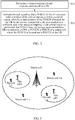
- a method for indicating downlink resources of a coordinated multi-point network in an LTE system comprises the following steps:
- the method for indicating downlink resources may be used to indicate that the PDSCH can be transmitted to the UE on resources of a service station/cell which does not transmit a control channel in a control region in a coordinated multi-point network, so as to make full use of radio resources, and improve the throughput and system capacity of the cell.
- the method for indicating downlink resources primarily comprises the steps as follows: In a first step, a control station/cell and a service station/cell of a UE are determined.
- the system determines the control station/cell and the service station/cell of the UE respectively. For example, for one given UE, the system determines which station/cell in the system is the control station/cell of the UE and which station/cell in the system is the service station/cell of the UE, and further determines whether the control station/cell and the service station/cell of the UE are the same station/cell or not.
- the control station/cell is a station/cell which transmits a PDCCH to the UE, so the control station/cell cannot use the radio resources in the control region to transmit a PDSCH of a user to the UE.
- the service station/cell is a station/cell which transmits the PDSCH to the UE. If the control station/cell and the service station/cell of the UE are not the same station/cell, the service station/cell doesn't need to transmit the PDCCH. Therefore, the service station/cell can use the radio resources in the control region to transmit the PDSCH of users to the UE.
- control information is indicated.
- the radio resources in the control region being not used by the PDSCH of the UE means that the start position of the PDSCH of the UE is indicated by signaling CFI, epdcch-StartSymbol-r11, pdsch-Start-r10 or l EPDCCHStart or the like according to existing standards; and the radio resources in the control region being used by the PDSCH of the UE means that the start position of the PDSCH of the UE is the first symbol of a subframe, and when a resource mapping in the control region is performed, the PDSCH does not occupy resources elements REs occupied by a CRS, a PCFICH, a PHICH of a carrier and a PDCCH of the UE.
- the way of indicating through the signaling whether the PDSCH of the UE occupies the radio resources of the service station/cell which does not transmit a control channel in the control region comprises but is not limited to the following manners:
- a flag bit i.e. PDSCHextension flag
- DCI Downlink Control Information
- the PDSCHextension flag has a length of 1 bit, and the bit indicates whether the PDSCH corresponding to the PDCCH can use the radio resources in the control region.
- the value of the bit is "0" represents that the PDSCH corresponding to the PDCCH cannot use the radio resources in the control region, and that the value of the bit is "1”represents that the PDSCH corresponding to the PDCCH can use the radio resources in the control region; or that the value of the bit is "1” represents that the PDSCH corresponding to the PDCCH cannot use the radio resources in the control region, and that the value of the bit is "0” represents that the PDSCH corresponding to the PDCCH can use the radio resources in the control region. If there is no flag bit of PDSCH extension flag in the scheduling information DCI of the PDCCH channel, the PDSCH corresponding to the PDCCH cannot use the radio resources in the control region by default.
- the radio resources in the control region being not used by the PDSCH corresponding to the PDCCH means that the start position of the PDSCH corresponding to the PDCCH is indicated by signaling CFI, epdcch-StartSymbol-r11, pdsch-Start-r10 or l EPDCCHStart or the like according to existing standards; and the radio resources in the control region being used by the PDSCH corresponding to the PDCCH means that the start position of the PDSCH corresponding to the PDCCH of the UE is the first symbol of a subframe, and when a resource mapping in the control region is performed, the PDSCH does not occupy REs occupied by a CRS, a PCFICH, a PHICH of a cell where the PDSCH is located and a PDCCH required to be received by the UE in the cell where the PDSCH is located.
- a flag field i.e. PDSCH extension field
- the PDSCH extension field has a length of 1 bit, and the bit indicates whether the PDSCH of the UE can use the radio resources in the control region.
- the value of the bit is "0" represents that the PDSCH of the UE cannot use the radio resources in the control region, and that the value of the bit is "1” represents that the PDSCH of the UE can use the radio resources in the control region; or that the value of the bit is "1”represents that the PDSCH of the UE cannot use the radio resources in the control region, and that the value of the bit is "0” represents that the PDSCH of the UE can use the radio resources in the control region. If there is no flag field PDSCH extension field in the RRC signaling, the PDSCH of the UE cannot use the radio resources in the control region by default.
- the radio resources in the control region being not used by the PDSCH of the UE means that the start position of the PDSCH corresponding to the PDCCH is indicated by signaling CFI, epdcch-StartSymbol-r11, pdsch-Start-r10 or l EPDCCHStart or the like according to existing standards; and the radio resources in the control region being used by the PDSCH corresponding to the PDCCH means that the start position of the PDSCH corresponding to the PDCCH of the UE is the first symbol of a subframe, and when a resource mapping in the control region is performed, the PDSCH does not occupy REs occupied by a CRS, a PCFICH, a PHICH of a cell where the PDSCH is located and a PDCCH required to be received by the UE in the cell where the PDSCH is located.
- a flag bit i.e. ePDSCH extension flag
- the ePDSCH extension flag has a length of 1 bit, and the bit indicates whether the PDSCH corresponding to the ePDCCH can use the radio resources in the control region.
- the value of the bit is "0" represents that the PDSCH corresponding to the ePDCCH cannot use the radio resources in the control region, and that the value of the bit is "1” represents that the PDSCH corresponding to the ePDCCH can use the radio resources in the control region; or that the value of the bit is "1” represents that the PDSCH corresponding to the ePDCCH cannot use the radio resources in the control region, and that the value of the bit is "0” represents that the PDSCH corresponding to the ePDCCH can use the radio resources in the control region. If there is no flag bit PDSCH extension flag in the scheduling information DCI of the ePDCCH channel, the PDSCH corresponding to the ePDCCH cannot use the radio resources in the control region by default.
- the radio resources in the control region being not used by the PDSCH corresponding to the ePDCCH means that the start position of the PDSCH corresponding to the ePDCCH is indicated by signaling CFI, epdcch-StartSymbol-r11, pdsch-Start-r10 or l EPDCCHStart or the like according to existing standards; and the radio resources in the control region being used by the PDSCH corresponding to the ePDCCH means that the start position of the PDSCH corresponding to the ePDCCH of the UE is the first symbol of a subframe, and when a resource mapping in the control region is performed, the PDSCH does not occupy REs occupied by a CRS, a PCFICH, a PHICH of a cell where the PDSCH is located and a PDCCH required to be received by the UE in the cell where the PDSCH is located.
- resources are allocated and data is mapped.
- the start position of the PDSCH allocated for the UE by the service station/cell is indicated by signaling CFI, epdcch-StartSymbol-r11, pdsch-Start-r10 or l EPDCCHStart .
- the start position of the PDSCH allocated for the UE by the service station/cell is the first symbol of a subframe, and when a resource mapping in the control region is performed, the PDSCH does not occupy REs occupied by a CRS, a PCFICH, a PHICH of a cell where the PDSCH is located and a PDCCH required to be received by the UE in the cell where the PDSCH is located.
- HetNet Heterogeneous Net
- LPNs Low Power Nodes
- a Pico base station with small power being an LPN is taken as an example.
- Fig. 3 illustrates a diagram of the HetNet.
- a Pico Cell is deployed in a Macro, which can increase the capacity of the hot spots.
- the Macro and the Pico may be set to have the same Cell ID, and at this time, the Macro and the Pico are considered to belong to the same logic cell.
- the Macro can control all UEs in the coverage region, while the Pico can act as a service station for the hot spot.
- a manner for resource configuration as follows may be used: only the Macro transmits a reference signal CRS and a control channel, and the Pico doesn't need to transmit the CRS and the control channel.
- Control information of a Pico UE in the coverage region of the Pico is transmitted by the Macro, and service data of the Pico UE is transmitted by the Pico.
- This scenario is a coordinated multi-point scenario where the Macro and the Pico transmit different information to the Pico UE.
- Fig. 3 illustrates a diagram of such transmission manner.
- the Macro needs to transmit Control Format Indication (CFI) information to the Pico UE on a PCFICH channel, i.e., the number of OFDM symbols occupied by the control region in the current subframe. And the whole cell can only have a unique CFI value.
- CFI Control Format Indication
- the Pico doesn't need to transmit the CRS and the control information on the 1 st to 3 rd OFDM symbols, the Pico still cannot use these resources to transmit data services of the Pico UE, which results in a waste of radio resources.
- QoS Quality of Service
- Fig. 4 there is one Pico in a coverage range of the Macro Cell, there is one Macro UE in a coverage range of the Macro, and there is one Pico UE in a coverage range of the Pico.
- a control station and a service station of a UE are determined.
- the Macro transmits a PDCCH to the Macro UE and the Pico UE, and the Pico doesn't need not to transmit the PDCCH; a PDSCH of the Macro UE is transmitted by the Macro, and a PDSCH of service data of the Pico UE is transmitted by the Pico. Therefore, the Macro is the control station of the Macro UE and the Pico UE, the Macro is the service station of the Macro UE, and the Pico is the service station of the Pico UE.
- a second step it is to indicate through the signaling whether the PDSCH of the UE occupies the radio resources in the control region.
- the radio resources in the control region being not used by the PDSCH of the UE means that the start position of the PDSCH of the UE is indicated by signaling CFI, epdcch-StartSymbol-r11, pdsch-Start-r10 or l EPDCCHStart or the like according to existing standards; and the radio resources in the control region being used by the PDSCH of the UE means that the start position of the PDSCH of the UE is the first symbol of a subframe, and when a resource mapping in the control region is performed, the PDSCH does not occupy REs occupied by a CRS, a PCFICH, a PHICH and a PDCCH of the UE of a carrier.
- the method of indicating through the signaling whether the PDSCH of the UE occupies the radio resources in the control region comprises but is not limited to the following manners:
- a flag bit i.e. PDSCH extension flag
- the PDSCH extension flag has a length of 1 bit, and the bit indicates whether the PDSCH corresponding to the PDCCH can use the radio resources in the control region.
- the value of the bit is "0" represents that the PDSCH corresponding to the PDCCH cannot use the radio resources in the control region, and that the value of the bit is "1” represents that the PDSCH corresponding to the PDCCH can use the radio resources in the control region; or that the value of the bit is "1” represents that the PDSCH corresponding to the PDCCH cannot use the radio resources in the control region, and that the value of the bit is "0” represents that the PDSCH corresponding to the PDCCH can use the radio resources in the control region. If there is no flag bit PDSCH extension flag in the scheduling information DCI of the PDCCH channel, the PDSCH corresponding to the PDCCH cannot use the radio resources in the control region by default.
- the radio resources in the control region being not used by the PDSCH corresponding to the PDCCH means that the start position of the PDSCH corresponding to the PDCCH is indicated by signaling CFI, epdcch-StartSymbol-r11, pdsch-Start-r10 or l EPDCCHStart or the like according to existing standards; and the radio resources in the control region being used by the PDSCH corresponding to the PDCCH means that the start position of the PDSCH corresponding to the PDCCH of the UE is the first symbol of a subframe, and when a resource mapping in the control region is performed, the PDSCH does not occupy REs occupied by a CRS, a PCFICH, a PHICH of a cell where the PDSCH is located and a PDCCH required to be received by the UE in the cell where the PDSCH is located.
- the filling in the PDSCH extension flag is an indication that the radio resources in the control region cannot be used or there is no flag bit PDSCH extension flag in the scheduling information DCI of the PDCCH channel of the Macro UE, and the scheduling control information of the Macro UE is transmitted to the Macro UE through the PDCCH channel.
- the filling in the PDSCH extension flag is an indication that the radio resources in the control region are used and the scheduling control information of the Pico UE is transmitted to the Pico UE through the PDCCH channel.
- the filling in the PDSCH extension flag is an indication that the radio resources in the control region cannot be used or there is no flag bit PDSCH extension flag in the scheduling information DCI of the PDCCH channel of the Pico UE, and the scheduling control information of the Pico UE is transmitted to the Pico UE through the PDCCH channel.
- a flag field i.e. PDSCH extension field
- the PDSCH extension field has a length of 1 bit, and the bit indicates whether the PDSCH of the UE can use the radio resources in the control region: for example, that the value of the bit is "0" represents that the PDSCH of the UE cannot use the radio resources in the control region, and that the value of the bit is "1" represents that the PDSCH of the UE can use the radio resources in the control region; or if the value of the bit is "1" represents that the PDSCH of the UE cannot use the radio resources in the control region, and that the value of the bit is "0” represents that the PDSCH of the UE can use the radio resources in the control region. If there is no flag field PDSCH extension field in the RRC signaling, the PDSCH of the UE cannot use the radio resources in the control region by default.
- the radio resources in the control region being not used by the PDSCH of the UE means that the start position of the PDSCH of the UE is indicated by signaling CFI, epdcch-StartSymbol-r11, pdsch-Start-r10 or l EPDCCHStart or the like according to existing standards; and the radio resources in the control region being used by the PDSCH of the UE means that the start position of the PDSCH of the UE is the first symbol of a subframe, and when a resource mapping in the control region is performed, the PDSCH does not occupy REs occupied by a CRS, a PCFICH, a PHICH of a cell where the PDSCH is located and a PDCCH required to be received by the UE in the cell where the PDSCH is located.
- the filling in the PDSCH extension field is an indication that the radio resources in the control region cannot be used or there is no flag field PDSCH extension field in the RRC signaling.
- the filling in the PDSCH extension field is an indication that the radio resources in the control region are used. If the resources in the control region aren't used to transmit user service data to the Pico UE, in the RRC signaling transmitted by the Macro to the Pico UE, the filling in the PDSCH extension field is an indication that the radio resources in the control region cannot be used or there is no flag field of PDSCH extension field in the RRC signaling of the Pico UE.
- a flag bit i.e., ePDSCH extension flag
- the ePDSCH extension flag has a length of 1 bit, and the bit indicates whether the PDSCH corresponding to the ePDCCH can use the radio resources in the control region.
- the value of the bit is "0" represents that the PDSCH corresponding to the ePDCCH cannot use the radio resources in the control region, and that the value of the bit is "1” represents that the PDSCH corresponding to the ePDCCH can use the radio resources in the control region; or that the value of the bit is "1” represents that the PDSCH corresponding to the ePDCCH cannot use the radio resources in the control region, and that the value of the bit is "0” represents that the PDSCH corresponding to the ePDCCH can use the radio resources in the control region. If there is no flag bit ePDSCH extension flag in the DCI scheduling information of the ePDCCH channel, the PDSCH corresponding to the ePDCCH cannot use the radio resources in the control region by default.
- the radio resources in the control region being not used by the PDSCH for the ePDCCH means that the start position of the PDSCH corresponding to the ePDCCH is indicated by signaling CFI, epdcch-StartSymbol-r11, pdsch-Start-r10 or l EPDCCHStart or the like according to existing standards; and the radio resources in the control region being used by the PDSCH corresponding to the ePDCCH means that the start position of the PDSCH corresponding to the ePDCCH of the UE is the first symbol of a subframe, and when a resource mapping in the control region is performed, the PDSCH does not occupy REs occupied by a CRS, a PCFICH, a PHICH of a cell where the PDSCH is located and a PDCCH required to be received by the UE in the cell where the PDSCH is located.
- the filling in the ePDSCH extension flag is an indication that the radio resources in the control region cannot be used or there is no flag bit ePDSCH extension flag in the scheduling information DCI of the ePDCCH channel of the Macro UE, and the scheduling control information of the Macro UE is transmitted to the Macro UE through the ePDCCH channel.
- the filling in the ePDSCH extension flag is an indication that the radio resources in the control region are used and the scheduling control information of the Pico UE is transmitted to the Pico UE through the ePDCCH channel.
- the filling in the ePDSCH extension flag is an indication that the radio resources in the control region cannot be used is filled or there is no flag bit of ePDSCH extension flag in the scheduling information DCI of the ePDCCH channel of the Pico UE, and the scheduling control information of the Pico UE is transmitted to the Pico UE through the ePDCCH channel.
- the Macro transmits the PDSCH to the Macro UE and transmits the scheduling control information of the Pico UE to the Pico.
- the Macro allocates the resources and data mapping of the PDSCH for the Macro UE.
- the Pico receives scheduling information transmitted by the Macro, and determines that the Pico is a service station of the Pico UE and is not a control station of the Pico UE.
- a second step if the resources in the control region are used by the scheduling to transmit the PDSCH to the Pico UE, when the resources of the PDSCH are allocated by the Pico UE, the resources in the control region may be occupied, but it needs to exclude the REs occupied by a CRS, a PCFICH, a PHICH of the Pico and a PDCCH required to be received by the Pico UE on a carrier. If the resources in the control region aren't used by the scheduling to transmit user service data to the Pico UE, when the resources of the PDSCH are allocated by the Pico UE, the resources in the control region cannot be occupied, and only the resources in the data region can be used.
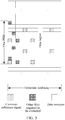
- Fig. 5 is a diagram of resource allocation of the Pico.
- the Pico maps and transmits resources of the PDSCH for the Pico UE according to the scheduling information of the Pico UE and the result of the second step. If it is indicated that the resources in the control region are used to transmit the PDSCH to the Pico UE, the Pico maps and transmits the resources of the PDSCH for the Pico UE, and the resources of the PDSCH occupied by the Pico UE start from the first OFDM symbol; and if it is indicated that the resources in the control region are not used to transmit the PDSCH to the Pico UE, the Pico maps and transmits the resources of the PDSCH to the Pico UE, and the start position of the resources of the PDSCH occupied by the Pico UE is determined by the signaling CFI, epdcch-StartSymbol-r11, pdsch-Start-r10 or l EPDCCHStart or the like, as shown in Fig. 5 .
- scheduling control information is received and parsed. It is confirmed whether the PDSCH of the UE occupies the resources in the control region.
- the scheduling control information refers to signaling which indicates whether the PDSCH of the UE occupies the resources in the control region, which comprises but is not limited to following manners:
- scheduling information DCI of the PDCCH channel is received and parsed, and it is determined whether a flag bit PDSCH extension flag exists and the flag bit is parsed according to the same interpretation rule as that of the base station side.
- the flag bit indicates whether the radio resources in the control region can be used by the PDSCH corresponding to the PDCCH. If there is no flag bit PDSCH extension flag in the scheduling information DCI of the PDCCH channel, the PDSCH corresponding to the PDCCH cannot use the radio resources in the control region by default.
- the radio resources in the control region being not used by the PDSCH corresponding to the PDCCH means that the start position of the PDSCH corresponding to the PDCCH is indicated by signaling CFI, epdcch-StartSymbol-r11, pdsch-Start-r10 or l EPDCCHStart or the like according to existing standards; and the radio resources in the control region being used by the PDSCH corresponding to the PDCCH means that the start position of the PDSCH corresponding to the PDCCH of the UE is the first symbol of a subframe, and when a resource mapping in the control region is performed, the PDSCH does not occupy REs occupied by a CRS, a PCFICH, a PHICH of a cell where the PDSCH is located and a PDCCH required to be received by the UE in the cell where the PDSCH is located.
- the PDSCH extension flag is interpreted as that it is unable to use the radio resources in the control region or there is no flag bit PDSCH extension flag in the scheduling information DCI of the PDCCH channel of the Macro UE.
- the indication of the PDSCH extension flag is interpreted according to the same interpretation rule as that of the base station side.
- a flag field PDSCH extension field in the RRC signaling is received and interpreted, and whether the PDSCH extension field exists is determined and the flag field is interpreted according to the same interpretation rule as that of the base station side.
- the flag field indicates whether the radio resources in the control region can be used by the PDSCH of the UE. If there is no flag field of PDSCH extension field in the RRC signaling, the radio resources in the control region cannot be used by the PDSCH of the UE by default.
- the radio resources in the control region being not used by the PDSCH of the UE means that the start position of the PDSCH of the UE is indicated by signaling CFI, epdcch-StartSymbol-r11, pdsch-Start-r10 or l EPDCCHStart or the like according to existing standards; and the radio resources in the control region being used by the PDSCH of the UE means that the start position of the PDSCH of the UE is the first symbol of a subframe, and when a resource mapping in the control region is performed, the PDSCH does not occupy REs occupied by a CRS, a PCFICH, a PHICH of a cell where the PDSCH is located and a PDCCH required to be received by the UE in the cell where the PDSCH is located.
- the RRC signaling is received, and according to the same interpretation rule as that of the base station side, the PDSCH extension field is interpreted as that it is unable to use the radio resources in the control region or there is no flag field PDSCH extension field in the scheduling information DCI of the PDCCH channel of the Macro UE.
- the RRC signaling is received, and the indication of the PDSCH extension field is interpreted according to the same interpretation rule as that of the base station side.
- scheduling information DCI of the ePDCCH channel is received and parsed, and whether a flag bit ePDSCH extension flag exists is determined and the flag bit is parsed according to the same interpretation rule as that of the base station side.
- the flag bit indicates whether the radio resources in the control region can be used by the PDSCH corresponding to the ePDCCH. If there is no flag bit of ePDSCH extension flag in the scheduling information DCI of the ePDCCH channel, the PDSCH corresponding to the ePDCCH cannot use the radio resources in the control region by default.
- the radio resources in the control region being not used by the PDSCH for the ePDCCH means that the start position of the PDSCH corresponding to the ePDCCH is indicated by signaling CFI, epdcch-StartSymbol-r11, pdsch-Start-r10 or l EPDCCHStart or the like according to existing standards; and the radio resources in the control region being used by the PDSCH corresponding to the ePDCCH means that the start position of the PDSCH corresponding to the ePDCCH of the UE is the first symbol of a subframe, and when a resource mapping in the control region is performed, the PDSCH does not occupy REs occupied by a CRS, a PCFICH, a PHICH of a cell where the PDSCH is located and a PDCCH required to be received by the UE in the cell where the PDSCH is located.
- the PDSCH extension flag is interpreted as that it is unable to use the radio resources in the control region or there is no flag bit PDSCH extension flag in the scheduling information DCI of the ePDCCH channel of the Macro UE.
- the indication of the ePDSCH extension flag is interpreted according to the same interpretation rule as that of the base station side.
- the UE receives the PDSCH according to the signaling interpreted in the second step of whether the PDSCH of the UE occupies the radio resources in the control region and an indication of other scheduling control information.
- the Macro UE receives the PDSCH on corresponding OFDM symbols according to an indication such as the signaling CFI, epdcch-StartSymbol-r11, pdsch-Start-r10 or l EPDCCHStart .
- the Pico UE interprets the signaling as indicating that the resources in the control region are used by the PDSCH, the PDSCH is received from the first OFDM symbol, and REs occupied by a CRS, a PCFICH, a PHICH of a cell where the PDSCH is located and a PDCCH required to be received by the UE in the cell where the PDSCH is located are excluded from the control region; if the Pico UE interprets the signaling as indicating that the resources in the control region are not used to transmit user service data to the Pico UE, the PDSCH is received on corresponding OFDM symbols according to an indication such as the signaling CFI, epdcch-StartSymbol-r11, pdsch-Start-r10 or l EPDCCHStart or the like.
- the method according to the present invention is described in a particular scenario with a HetNet in the LTE/LTE-A system as a coordinated multi-point network.
- the present invention is not merely limited to the HetNet scenario, and instead, the present invention is applicable to any coordinated multi-point scenario where different stations transmit different information to the same UE.
- a carrier aggregation is introduced in the LTE-A: the UE supports several component carriers for data transmission, in order to obtain a larger bandwidth (for example, a maximum of 100MHz), each component carrier is a serving cell, and each UE has a primary serving cell and several secondary serving cells, and in order to better support flexibility of the networking and scheduling, cross-carrier scheduling among component carriers is supported.
- Cell 1 is the primary serving cell of the UE
- Cell 2 is the secondary serving cell of the UE
- downlink cross-carrier scheduling is implemented, i.e., scheduling information of the PDSCH transmitted in the Cell 2 using a carrier frequency f2 is indicated by transmitting the PDCCH/ePDCCH of the UE in the Cell 1 using a carrier frequency f1.
- a control region and a service cell of the UE are determined.
- the scheduling information of the PDSCH transmitted by the UE in the Cell 2 using a carrier frequency f2 is indicated by transmitting the PDCCH/ePDCCH of the UE in the Cell 1 using a carrier frequency f1. Therefore, the Cell 1 is the control region of the UE, the Cell 2 is the service station of the UE.
- a second step it is to indicate through the signaling whether the PDSCH of the UE in the Cell 2 occupies the radio resources in the control region.
- the radio resources in the control region being not used by the PDSCH of the UE in the Cell 2 means that the start position of the PDSCH of the UE in the Cell 2 is indicated by signaling CFI, epdcch-StartSymbol-r11, pdsch-Start-r10 or l EPDCCHStart or the like of the Cell 2; and the radio resources in the control region being used by the PDSCH of the UE in the Cell 2 means that the start position of the PDSCH of the UE in the Cell 2 is the first symbol of a subframe, and when a resource mapping in the control region is performed, the PDSCH does not occupy REs occupied by a CRS, a PCFICH, a PHICH of the Cell 2 and a PDCCH required to be received by the UE in the Cell 2.
- Indicating through the signaling whether the PDSCH of the UE occupies the radio resources in the control region of the Cell 2 comprises but is not limited to the following manners:
- a flag bit i.e., PDSCH extension flag
- the PDSCH extension flag has a length of 1 bit, and the bit indicates whether the PDSCH corresponding to the PDCCH can use the radio resources in the control region.
- the value of the bit is "0" represents that the PDSCH corresponding to the PDCCH cannot use the radio resources in the control region, and that the value of the bit is "1” represents that the PDSCH corresponding to the PDCCH can use the radio resources in the control region; or that the value of the bit is "1” represents that the PDSCH corresponding to the PDCCH cannot use the radio resources in the control region, and that the value of the bit is "0” represents that the PDSCH corresponding to the PDCCH can use the radio resources in the control region. If there is no flag bit PDSCH extension flag in the scheduling information DCI of the PDCCH channel, the PDSCH corresponding to the PDCCH cannot use the radio resources in the control region by default.
- a flag field i.e. PDSCH extension field
- the PDSCH extension field has a length of 1 bit, and the bit indicates whether the PDSCH of the UE in the Cell 2 can use the radio resources in the control region.
- the value of the bit is "0" represents that the PDSCH of the UE in the Cell 2 cannot use the radio resources in the control region, and that the value of the bit is "1” represents that the PDSCH of the UE in the Cell 2 can use the radio resources in the control region; or that the value of the bit is "1” represents that the PDSCH of the UE in the Cell 2 cannot use the radio resources in the control region, and that the value of the bit is "0” represents that the PDSCH of the UE in the Cell 2 can use the radio resources in the control region. If there is no flag field PDSCH extension field in the RRC signaling, the PDSCH of the UE in the Cell 2 cannot use the radio resources in the control region by default.
- a flag bit i.e. ePDSCH extension flag
- the ePDSCH extension flag has a length of 1 bit, and the bit indicates whether the PDSCH corresponding to the ePDCCH can use the radio resources in the control region.
- the value of the bit is "0" represents that the PDSCH corresponding to the ePDCCH cannot use the radio resources in the control region, and that the value of the bit is "1” represents that the PDSCH corresponding to the ePDCCH can use the radio resources in the control region; or that the value of the bit is "1” represents that the PDSCH corresponding to the ePDCCH cannot use the radio resources in the control region, and that the value of the bit is "0” represents that the PDSCH corresponding to the ePDCCH can use the radio resources in the control region. If there is no flag bit ePDSCH extension flag in the scheduling information DCI of the ePDCCH channel, the PDSCH corresponding to the ePDCCH cannot use the radio resources in the control region by default.
- the radio resources in the control region being not used by the PDSCH for the ePDCCH means that the start position of the PDSCH corresponding to the ePDCCH is indicated by signaling CFI, epdcch-StartSymbol-r11, pdsch-Start-r10 or l EPDCCHStart or the like according to existing standards; and the radio resources in the control region being used by the PDSCH corresponding to the ePDCCH means that the start position of the PDSCH corresponding to the ePDCCH of the UE is the first symbol of a subframe, and when a resource mapping in the control region is performed, the PDSCH does not occupy REs occupied by a CRS, a PCFICH, a PHICH of a cell where the PDSCH is located and a PDCCH required to be received by the UE in the cell where the PDSCH is located.
- scheduling control information related to the UE is transmitted by the Cell 1 to the Cell 2.
- a control region and a service cell of the UE are determined.
- the Cell 2 is a service station of the UE.
- the scheduling control information related to the UE which is transmitted by the Cell 1 is interpreted, and it is determined whether the PDSCH of the UE in the Cell 2 occupies the radio resources in the control region.
- a resource mapping is performed for the PDSCH of the UE in the Cell 2 and the PDSCH of the UE in the Cell 2 is transmitted.
- the start position of the PDSCH of the UE in the Cell 2 is indicated by signaling CFI, epdcch-StartSymbol-r11, pdsch-Start-r10 or l EPDCCHStart or the like of the Cell 2; and if it is to indicate that the PDSCH of the UE in the Cell 2 does not use the radio resources in the control region, the start position of the PDSCH of the UE in the Cell 2 is the first symbol of a subframe, and when a resource mapping in the control region is performed, the PDSCH does not occupy REs occupied by a CRS, a PCFICH, a PHICH of the Cell 2 and a PDCCH required to be received by the UE in the Cell 2.
- a first step signaling transmitted by the primary cell, i.e., Cell 1 is received and parsed, determining to implement downlink cross-carrier scheduling, i.e., scheduling information of the UE for the PDSCH transmitted in the Cell 2 using a carrier frequency f2 is indicated by transmitting the PDCCH of the UE in the Cell 1 using a carrier frequency f1. Therefore, it is determined that the Cell 1 is the control region of the UE, and the Cell 2 is the service cell for the UE.
- downlink cross-carrier scheduling i.e., scheduling information of the UE for the PDSCH transmitted in the Cell 2 using a carrier frequency f2 is indicated by transmitting the PDCCH of the UE in the Cell 1 using a carrier frequency f1. Therefore, it is determined that the Cell 1 is the control region of the UE, and the Cell 2 is the service cell for the UE.
- scheduling control information transmitted by the Cell 1 is received and parsed, determining whether the PDSCH of the UE in the Cell 2 occupies the resources in the control region.
- the scheduling control information refers to the signaling which indicates whether the PDSCH of the UE in the Cell 2 occupies the resources in the control region, which comprises but is not limited to the following manners:
- scheduling information DCI of the PDCCH channel transmitted by the Cell 1 is received and parsed, and whether a flag bit PDSCH extension flag exists is determined and the flag bit is parsed according to the same interpretation rule as that of the base station side.
- the flag bit indicates whether the radio resources in the control region can be used by the PDSCH corresponding to the PDCCH. If there is no flag bit PDSCH extension flag in the DCI scheduling information of the PDCCH channel, the PDSCH corresponding to the PDCCH cannot use the radio resources in the control region by default.
- the radio resources in the control region being not used by the PDSCH for the PDCCH means that the start position of the PDSCH corresponding to the PDCCH is indicated by signaling CFI, epdcch-StartSymbol-r11, pdsch-Start-r10 or l EPDCCHStart or the like according to existing standards; and the radio resources in the control region being used by the PDSCH corresponding to the PDCCH means that the start position of the PDSCH corresponding to the PDCCH of the UE is the first symbol of a subframe, and when a resource mapping in the control region is performed, the PDSCH does not occupy REs occupied by a CRS, a PCFICH, a PHICH of a cell (i.e., Cell 2) where the PDSCH is located and a PDCCH required to be received by the UE in the cell (i.e., Cell 2) where the PDSCH is located.
- a flag field PDSCH extension field in the RRC signaling transmitted by the primary cell, i.e., Cell 1 is received and interpreted, and whether the PDSCH extension field of the PDSCH of the Cell 2 exists is determined and the flag field is interpreted according to the same interpretation rule as that of the base station side.
- the flag field indicates whether the radio resources in the control region can be used by the PDSCH of the UE in the Cell 2. If there is no flag field of PDSCH extension field in the RRC signaling, the radio resources in the control region cannot be used by the PDSCH of the UE in the Cell 2 by default.
- the radio resources in the control region being not used by the PDSCH of the UE in the Cell 2 means that the start position of the PDSCH of the UE in the Cell 2 is indicated by signaling CFI, epdcch-StartSymbol-r11, pdsch-Start-r10 or l EPDCCHStart or the like of the Cell 2; and the radio resources in the control region being used by the PDSCH of the UE in the Cell 2 means that the start position of the PDSCH of the UE in the Cell 2 is the first symbol of a subframe, and when a resource mapping in the control region is performed, the PDSCH does not occupy REs occupied by a CRS, a PCFICH, a PHICH of a cell (i.e., Cell 2) where the PDSCH is located and a PDCCH required to be received by the UE in the cell (i.e., Cell 2) where the PDSCH is located.
- the UE receives the PDSCH according to the signaling interpreted in the second step of whether the PDSCH of the UE in the Cell 2 occupies the radio resources in the control region and an indication of other scheduling control information. If the UE interprets the signaling as indicating that the resources in the control region are used by the PDSCH, the PDSCH is received from the first OFDM symbol from the Cell 2, and REs occupied by a CRS, a PCFICH, a PHICH of the Cell 2 and a PDCCH required to be received by the UE in the Cell 2 are excluded from the control region.
- the Pico UE interprets the signaling as indicating that the resources in the control region are not used to transmit the PDSCH of the user to the Pico UE, the PDSCH is received on corresponding OFDM symbols according to an indication such as the signaling CFI, epdcch-StartSymbol-r11, pdsch-Start-r10 or l EPDCCHStart or the like.
- the method according to the present invention is described in a downlink two-carrier aggregation scenario in the LTE/LTE-A system.
- the present invention is not merely limited to the downlink two-carrier aggregation scenario, and instead, the present invention is applied to a multi-carrier aggregation scenario.
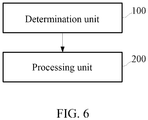
- the embodiments of the present invention further correspondingly provide an apparatus for indicating downlink resources of a coordinated multi-point network in an LTE system, comprising:
- determining a control station/cell and a service station/cell of a UE by the determination unit 100 comprises:
- the determination unit 100 determines that the control station/cell and the service station/cell of the UE are not the same station/cell , the determination unit transmits a notification to the processing unit 200 to notify that the processing unit 200 can indicate through the signaling that the PDSCH of the UE occupies the radio resources of the service station/cell in the control region.
- the processing unit 200 indicates through the signaling that the PDSCH of the UE does not occupy the radio resources of the service station/cell which does not transmit a control channel in the control region
- the start position of the PDSCH allocated by the service station/cell to the UE is indicated by signaling CFI, epdcch-StartSymbol-r11, pdsch-Start-r10 or l EPDCCHStart or the like according to existing standards.
- a strategy of indicating by the processing unit 200 through the signaling that the PDSCH of the UE occupies the radio resources of the service station/cell which does not transmit a control channel in the control region is:
- the PDSCH extension flag has a length of 1 bit, and a value of the bit is used to indicate whether the PDSCH can use the radio resources in the control region.
- the determination unit 100 and the processing unit 200 described above may be achieved by a Central Processing Unit (CPU), a Micro Processing Unit (MPU), a Digital Signal Processor (DSP) or a Field Programmable Gate Array (FPGA) of the apparatus for indicating downlink resources.
- CPU Central Processing Unit
- MPU Micro Processing Unit
- DSP Digital Signal Processor
- FPGA Field Programmable Gate Array
- the embodiments of the present invention further provide a wireless communication system comprising the apparatus for indicating downlink resources of a coordinated multi-point network in an LTE system described above, and as also shown in Fig. 6 , the apparatus comprises:
- the apparatus for indicating downlink resources of a coordinated multi-point network in an LTE system may be deployed at the base station side. Specific description of the apparatus can be known with reference to the above content, and will not be repeated here.
- the ePDCCH can not only exist in compatible carriers, but also can be a New Carrier Type (NCT) of downlink control channel.
- NCT New Carrier Type
- the ePDCCH is used for controlling scheduling, if there is no need to transmit a control signal in a control region of the cell, the PDSCH also cannot use the resources in the control region, and thus there is also a problem of a waste of radio resources.
- the present invention can solve the problem of a waste of radio resources due to being incapable of using the resources in the control region by the PDSCH if there is no need to transmit a control signal in a control region of the cell when the ePDCCH is used for controlling scheduling.
- scheduling information of a part of the PDSCH (for example, the PDSCH which carries a part of the RRC signaling) of the UE is transmitted by a base station through the PDCCH
- scheduling information of a part of the PDSCH (for example, the PDSCH which carries service data) of the UE is transmitted by the base station through the ePDCCH.
- a control region and a service cell of the UE are determined.
- the base station is not only a control region of the UE, but also a service station of the UE.
- a second step it is to indicate through the signaling whether the PDSCH corresponding to the ePDCCH of the UE occupies the radio resources in the control region.
- the radio resources in the control region being not used by the PDSCH corresponding to the ePDCCH of the UE means that the start position of the PDSCH corresponding to the ePDCCH of the UE is indicated by signaling CFI, epdcch-StartSymbol-r11, pdsch-Start-r10 or l EPDCCHStart or the like according to existing standards; and the radio resources in the control region being used by the PDSCH corresponding to the ePDCCH of the UE means that the start position of the PDSCH of the UE is the first symbol of a subframe, and when a resource mapping in the control region is performed, the PDSCH does not occupy REs occupied by a CRS, a PCFICH, a PHICH and a PDCCH required to be received by the UE in a cell.
- Indicating through the signaling whether the PDSCH of the UE occupies the radio resources in the control region comprises but is not limited to the following manners:
- a flag bit i.e. PDSCH extension flag
- the PDSCH extension flag has a length of 1 bit, and of the bit indicates whether the PDSCH corresponding to the ePDCCH can use the radio resources in the control region.
- the value of the bit is "0" represents that the PDSCH corresponding to the ePDCCH cannot use the radio resources in the control region, and that the value of the bit is "1” represents that the PDSCH corresponding to the ePDCCH can use the radio resources in the control region; or that the value of the bit is "1” represents that the PDSCH corresponding to the ePDCCH cannot use the radio resources in the control region, and that the value of the bit is "0” represents that the PDSCH corresponding to the ePDCCH can use the radio resources in the control region. If there is no flag bit PDSCH extension flag in the scheduling information DCI of the ePDCCH channel, the PDSCH corresponding to the ePDCCH cannot use the radio resources in the control region by default.
- a flag field i.e. PDSCH extension field
- the PDSCH extension field has a length of 1 bit, and the bit indicates whether the PDSCH corresponding to the ePDCCH of the UE can use the radio resources in the control region. For example, that the value of the bit is "0" represents that the PDSCH corresponding to the ePDCCH of the UE cannot use the radio resources in the control region, and that the value of the bit is "1" represents that the PDSCH corresponding to the ePDCCH of the UE can use the radio resources in the control region;.
- the value of the bit is "1" represents that the PDSCH corresponding to the ePDCCH of the UE cannot use the radio resources in the control region
- that the value of the bit is "0" represents that the PDSCH corresponding to the ePDCCH of the UE can use the radio resources in the control region. If there is no flag field of PDSCH extension field in the RRC signaling, the PDSCH corresponding to the ePDCCH of the UE cannot use the radio resources in the control region by default.
- the base station performs the resource mapping of the PDSCH and the transmission of the PDSCH for the UE. If the resources in the control region are used to transmit the PDSCH to the UE, the base station performs the resource mapping of the PDSCH and the transmission of the PDSCH for the UE, and the resources of the PDSCH occupied by the UE start from the first OFDM symbol.
- the base station performs the resource mapping of the PDSCH and the transmission of the PDSCH for the UE, and the start position of the downlink data resources occupied by the UE is determined according to indication information such as the signaling CFI, epdcch-StartSymbol-r11, pdsch-Start-r10 or l EPDCCHStart or the like.
- scheduling control information is received and parsed, determining whether the PDSCH corresponding to the ePDCCH of the UE occupies the resources in the control region.
- the scheduling control information refers to signaling which indicates whether the PDSCH corresponding to the ePDCCH of the UE occupies the resources in the control region, which comprises but is not limited to following manners:
- scheduling information DCI of the ePDCCH channel is received and parsed, and whether a flag bit PDSCH extension flag exists is determined and the flag bit is parsed according to the same interpretation rule as that of the base station side.
- the flag bit indicates whether the radio resources in the control region can be used by the PDSCH corresponding to the ePDCCH. If there is no flag bit PDSCH extension flag in the scheduling information DCI of the ePDCCH channel, the PDSCH corresponding to the ePDCCH cannot use the radio resources in the control region by default.
- the radio resources in the control region being not used by the PDSCH for the ePDCCH means that the start position of the PDSCH corresponding to the ePDCCH is indicated by signaling CFI, epdcch-StartSymbol-r11, pdsch-Start-r10 or l EPDCCHStart or the like according to existing standards; and the radio resources in the control region being used by the PDSCH corresponding to the ePDCCH means that the start position of the PDSCH corresponding to the ePDCCH of the UE is the first symbol of a subframe, and when a resource mapping in the control region is performed, the PDSCH does not occupy REs occupied by a CRS, a PCFICH, a PHICH of a cell where the PDSCH is located and a PDCCH required to be received by the UE in the cell where the PDSCH is located.
- a flag field PDSCH extension field in the RRC signaling is received and interpreted, and whether the PDSCH extension field exists is determined and the flag field is interpreted according to the same interpretation rule as that of the base station side.
- the flag field indicates whether the radio resources in the control region can be used by the PDSCH corresponding to the ePDCCH of the UE. If there is no flag field PDSCH extension field in the RRC signaling, the radio resources in the control region cannot be used by the PDSCH corresponding to the ePDCCH of the UE by default.
- the radio resources in the control region being not used by the PDSCH corresponding to the ePDCCH of the UE means that the start position of the PDSCH corresponding to the ePDCCH of the UE is indicated by signaling CFI, epdcch-StartSymbol-r11, pdsch-Start-r10 or l EPDCCHStart or the like according to existing standards; and the radio resources in the control region being used by the PDSCH corresponding to the ePDCCH of the UE means that the start position of the PDSCH corresponding to the ePDCCH of the UE is the first symbol of a subframe, and when a resource mapping in the control region is performed, the PDSCH does not occupy REs occupied by a CRS, a PCFICH, a PHICH of a cell where the PDSCH is located and a PDCCH required to be received by the UE in the cell where the PDSCH is located.
- the UE receives the PDSCH corresponding to the ePDCCH according to the signaling interpreted in the second step of whether the PDSCH of the UE in the Cell 2 occupies the radio resources in the control region and an indication of other scheduling control information. If the UE interprets the signaling as indicating that the resources in the control region are used by the PDSCH, the PDSCH is received from the first OFDM symbol, and REs occupied by a CRS, a PCFICH, a PHICH and a PDCCH required to be received by the UE is located are excluded from the control region.
- the UE interprets the signaling as indicating that the resources in the control region are not used to transmit the PDSCH corresponding to the ePDCCH of the UE to the UE, the PDSCH corresponding to the ePDCCH is received on corresponding OFDM symbols according to an indication such as the signaling CFI, epdcch-StartSymbol-r11, pdsch-Start-r10 or l EPDCCHStart or the like.
- the method according to the present invention is described in a particular scenario with compatible carriers in the LTE/LTE-A system where downlink DCI scheduling information is transmitted through the ePDCCH.
- the present invention is not merely limited to the compatible carrier scenario, and instead, the present invention is applicable to any scenario of using the ePDCCH to transmit the downlink DCI scheduling information.
- the embodiments of the present invention further provide a computer readable storage medium comprising a set of computer executable instructions for implementing the method for indicating downlink resources of a coordinated multi-point network in an LTE system according to the embodiments of the present invention.
Landscapes
- Engineering & Computer Science (AREA)
- Signal Processing (AREA)
- Computer Networks & Wireless Communication (AREA)
- Mobile Radio Communication Systems (AREA)
Claims (14)
- Verfahren zum Anzeigen von Abwärtsverbindungsressourcen eines koordinierten Mehrpunktnetzwerks, bei dem sich das koordinierte Mehrpunktnetzwerk in einem System langfristiger Entwicklung, LTE, befindet, wobei das Verfahren umfasst:ein Bestimmen (S10) einer Steuerstation und -zelle und einer Dienststation und -zelle eines Benutzergeräts, UE, undein Anzeigen (S20) durch die Steuerstation und -zelle durch ein Signalisieren, dass ein gemeinsam genutzter physikalischer Abwärtsverbindungskanal, PDSCH, des UE Funkressourcen in einem Steuerbereich der Steuerstation und -zelle belegt, wobei eine Startposition des PDSCH, die dem UE von der Steuerstation und -zelle zugewiesen worden ist, ein erstes Symbol eines Unterrahmens ist, und wenn ein Abgleich von Ressourcen in dem Steuerbereich durchgeführt wird, der PDSCH keine Ressourcenelemente, REs, belegt, die von einem Zellenreferenzsignal, CRS, einem Anzeigekanal für das physikalische Befehlsformat, PCFICH, einem physikalischen ARQ-Hybrid-Anzeigekanal, PHICH und einem physikalischen Abwärtsverbindungssteuerungskanal, PDCCH, des UE belegt werden.
- Verfahren zum Anzeigen von Abwärtsverbindungsressourcen eines koordinierten Mehrpunktnetzwerks nach Anspruch 1, wobei das Bestimmen einer Steuerstation und -zelle und einer Dienststation und -zelle des UE umfasst:
ein Bestimmen, welche Station und Zelle in dem System die Steuerstation und -zelle des UE ist, und welche Station und Zelle in dem System die Dienststation und -zelle des UE ist. - Verfahren zum Anzeigen von Abwärtsverbindungsressourcen eines koordinierten Mehrpunktnetzwerks nach Anspruch 2, wobei, wenn die Steuerstation und -zelle und die Dienststation und -zelle des UE nicht dieselben Stationen und Zellen sind, dann durch das Signalisieren angezeigt werden soll, dass der PDSCH des UE die Funkressourcen der Dienststation und -zelle in dem Steuerbereich belegt.
- Verfahren zum Anzeigen von Abwärtsverbindungsressourcen eines koordinierten Mehrpunktnetzwerks nach Anspruch 1, wobei durch das Signalisieren angezeigt werden soll, dass der PDSCH des UE die Funkressourcen der Dienststation und - zelle in dem Steuerbereich nicht belegt, dann die Startposition des PDSCH, die dem UE von der Station oder Dienstzelle zugewiesen worden ist, durch ein Signalisieren von einer Befehlsformatanzeige, CFI, einem epdcch-StartSymbol-r11, einem pdsch-Start-r10 oder einem lEPDCCHStart gemäß den bestehenden Standards angezeigt wird.
- Verfahren zum Anzeigen von Abwärtsverbindungsressourcen eines koordinierten Mehrpunktnetzwerks nach Anspruch 1, wobei eine Strategie des Anzeigens durch das Signalisieren, dass ein gemeinsam genutzter physikalischer Abwärtsverbindungskanal, PDSCH, des UE Funkressourcen der Dienststation und -zelle in dem Steuerbereich belegt, ist:wenn die Steuerstation und -zelle einen PDCCH an das UE sendet, ein Hinzufügen eines PDSCHErweiterungsflag in die DCI-Planungsinformationen des PDCCH-Kanals, um anzuzeigen, dass ein PDCCH, der dem PDSCH entspricht, die Funkressourcen der Dienststation und -zelle in dem Steuerbereich verwenden kann,oder wenn die Steuerstation und -zelle eine Funkressourcensteuerung, RRC, sendet, ein Signalisieren an das UE, ein Hinzufügen eines PDSCHErweiterungsfeld in die RRC-Signalisierung, um anzuzeigen, dass das PDSCH des UE die Funkressourcen der Dienststation und -zelle in dem Steuerbereich verwenden kann,oder wenn die Steuerstation und -zelle einen verbesserten physikalischen Abwärtsverbindungskanal, ePDCCH, an das UE sendet, ein Hinzufügen eines ePDSCHErweiterungsflag in der DCI des ePDCCH-Kanals, um anzuzeigen, dass ein PDSCH, der dem ePDCCH entspricht, die Funkressourcen der Steuerstation und - zelle in dem Steuerbereich verwenden kann.
- Verfahren zum Anzeigen von Abwärtsverbindungsressourcen eines koordinierten Mehrpunktnetzwerks nach Anspruch 5, bei dem das PDSCHErweiterungsflag, das PDSCHErweiterungsfeld oder das ePDSCHErweiterungsflag eine Länge von 1 Bit haben und ein Bitwert verwendet wird, um anzuzeigen, ob der PDSCH Funkressourcen in dem Steuerbereich verwenden kann.
- Drahtloses Kommunikationssystem, welches eine Vorrichtung zum Anzeigen von Abwärtsverbindungsressourcen eines koordinierten Mehrpunktnetzwerks, in dem sich das koordinierte Mehrpunktnetzwerk in einem System langfristiger Entwicklung, LTE, befindet, aufweist, wobei die Vorrichtung ferner aufweist:eine Bestimmungseinheit (100), die ausgestaltet ist, um eine Steuerstation und -zelle und eine Dienststation und -zelle eines Benutzergeräts, UE, zu bestimmen, undeine Bearbeitungseinheit (200), die ausgestaltet ist, um durch die Steuerstation und -zelle durch ein Signalisieren anzuzeigen, dass ein gemeinsam genutzter physikalischer Abwärtsverbindungskanal (PDSCH) des UE Funkressourcen in einem Steuerbereich der Steuerstation und -zelle belegt, wobei eine PDSCH-Startposition, die dem UE von der Dienststation und -zelle zugewiesen worden ist, ein erstes Symbol eines Unterrahmens ist, und wenn eine Ressourcenabbildung in dem Steuerbereich ausgeführt wird, der PDSCH keine Ressourcenelemente, REs, belegt, die von einem Zellenreferenzsignal, CRS, einem Anzeigekanal für das physikalische Befehlsformat, PCFICH, einem physikalischen ARQ-Hybrid-Anzeigekanal, PHICH und einem physikalischen Abwärtsverbindungssteuerungskanal, PDCCH, des UE belegt sind.
- Vorrichtung zum Anzeigen von Abwärtsverbindungsressourcen eines koordinierten Mehrpunktnetzwerks nach Anspruch 7.
- Vorrichtung zum Anzeigen von Abwärtsverbindungsressourcen eines koordinierten Mehrpunktnetzwerks nach Anspruch 8, wobei das Bestimmen einer Steuerstation und -zelle und einer Dienststation und -zelle eines UE durch die Bestimmungseinheit ferner ein Bestimmen umfasst, welche Station und Zelle in dem System die Steuerstation und -zelle des UE ist, und welche Station und Zelle in dem System die Dienststation und -zelle des UE ist.
- Vorrichtung zum Anzeigen von Abwärtsverbindungsressourcen eines koordinierten Mehrpunktnetzwerks nach Anspruch 9, wobei, wenn die Bestimmungseinheit bestimmt, dass die Steuerstation und -zelle und die Dienststation und -zelle des UE nicht dieselben Stationen oder Zellen sind, die Bestimmungseinheit ausgestaltet ist, um eine Benachrichtigung an die Bearbeitungseinheit zu senden, um zu benachrichtigen, dass die Bearbeitungseinheit durch das Signalisieren anzeigen kann, dass der PDSCH des UE die Funkressourcen der Dienststation und -zelle in dem Steuerbereich belegt.
- Vorrichtung zum Anzeigen von Abwärtsverbindungsressourcen eines koordinierten Mehrpunktnetzwerks nach Anspruch 8, wobei, wenn die Bearbeitungseinheit durch das Signalisieren anzeigt, dass der PDSCH des UE die Funkressourcen des UE der Dienststation und -zelle nicht belegt, die keinen Steuerkanal in dem Steuerbereich sendet, dann wird die Startposition des PDSCH, die dem UE von der Dienststation und -zelle zugewiesen worden ist, durch ein Signalisieren von einer Befehlsformatanzeige, CFI, einem epdcch-StartSymbol-r11, einem pdsch-Start-r10 oder einem lEPDCCHStart nach den bestehenden Standards angezeigt.
- Vorrichtung zum Anzeigen von Abwärtsverbindungsressourcen eines koordinierten Mehrpunktnetzwerks nach Anspruch 8, wobei eine Strategie zum Anzeigen durch die Signalisierungsverarbeitungseinheit, dass der PDSCH des UE die Funkressourcen der Dienststation und -zelle belegt, die keinen Steuerkanal in dem Steuerbereich sendet, ist:wenn die Steuerstation und -zelle einen PDCCH an das UE sendet, ein Hinzufügen eines Flag-Bit-PDSCHErweiterungsflag durch die Bearbeitungseinheit in den DCI-Planungsinformationen des PDCCH-Kanals, um anzuzeigen, dass ein PDSCH, der dem PDCCH entspricht, die Funkressourcen der Dienststation und -zelle in dem Steuerbereich verwenden kann,oder wenn die Steuerstation und -zelle eine Funkressourcensteuerung, eine RRC-Signalisierung an das UE durch die Bearbeitungseinheit sendet, um ein Indikatorfeld-PDSCHErweiterungsfeld in die RRC-Signalisierung einzufügen, um anzuzeigen, dass der EU-PDSCH die Funkressourcen der Dienststation und -zelle in dem Steuerbereich nutzen kann,oder wenn die Steuerstation und -zelle einen verbesserten physikalischen Abwärtsverbindungskanal, ePDCCH, an das UE sendet, um durch die Bearbeitungseinheit ein Indikatorbit-ePDSCHErweiterungsflag in der DCI des Kanals ePDCCH hinzuzufügen, um anzuzeigen, dass ein PDSCH, der dem ePDCCH entspricht, die Funkressourcen der Station oder Dienstzelle in dem Steuerbereich verwenden kann.
- Vorrichtung zum Anzeigen von Abwärtsverbindungsressourcen eines koordinierten Mehrpunktnetzwerks nach Anspruch 12, wobei das PDSCHErweiterungsflag, das PDSCHErweiterungsfeld oder das ePDSCHErweiterungsflag eine Länge von 1 Bit aufweisen und ein Bitwert verwendet wird, um anzuzeigen, ob der PDSCH Funkressourcen in dem Steuerbereich verwenden kann.
- Computerlesbares Speichermedium, welches einen Satz von computerausführbaren Anweisungen aufweist, die, wenn sie von einem Computer ausgeführt werden, den Computer veranlassen, das Verfahren nach einem der Ansprüche 1 bis 6 auszuführen.
Applications Claiming Priority (2)
| Application Number | Priority Date | Filing Date | Title |
|---|---|---|---|
| CN201310598013.9A CN104661309A (zh) | 2013-11-22 | 2013-11-22 | Lte系统中多点协作网络的下行资源指示方法、装置及系统 |
| PCT/CN2014/080210 WO2015074413A1 (zh) | 2013-11-22 | 2014-06-18 | Lte系统中多点协作网络的下行资源指示方法、装置及系统 |
Publications (3)
| Publication Number | Publication Date |
|---|---|
| EP3059876A1 EP3059876A1 (de) | 2016-08-24 |
| EP3059876A4 EP3059876A4 (de) | 2016-10-19 |
| EP3059876B1 true EP3059876B1 (de) | 2020-05-06 |
Family
ID=53178885
Family Applications (1)
| Application Number | Title | Priority Date | Filing Date |
|---|---|---|---|
| EP14864923.9A Active EP3059876B1 (de) | 2013-11-22 | 2014-06-18 | Downlink-ressourcenanzeigeverfahren, vorrichtung und system für mehrpunktkoordinationsnetzwerk in einem lte-system |
Country Status (4)
| Country | Link |
|---|---|
| US (1) | US9979521B2 (de) |
| EP (1) | EP3059876B1 (de) |
| CN (1) | CN104661309A (de) |
| WO (1) | WO2015074413A1 (de) |
Families Citing this family (9)
| Publication number | Priority date | Publication date | Assignee | Title |
|---|---|---|---|---|
| CN111294191B (zh) * | 2016-05-12 | 2021-01-01 | 华为技术有限公司 | 数据传输方法及装置 |
| CN107370520B (zh) * | 2016-05-13 | 2021-08-24 | 上海诺基亚贝尔股份有限公司 | 通信方法、基站和终端设备 |
| CN107666718B (zh) * | 2016-07-29 | 2021-04-30 | 电信科学技术研究院 | 一种传输资源确认方法、用户终端、基站和系统 |
| CN107769896B (zh) * | 2016-08-18 | 2020-10-16 | 上海诺基亚贝尔股份有限公司 | 无线网络中向用户设备提供接收反馈的方法、装置和基站 |
| CN108282316B (zh) * | 2017-01-06 | 2020-12-15 | 华为技术有限公司 | 一种数据传输的方法和装置 |
| CN108282875B (zh) * | 2017-01-06 | 2022-04-29 | 华为技术有限公司 | 一种数据收发方法及设备 |
| CN116667986A (zh) * | 2017-02-06 | 2023-08-29 | 瑞典爱立信有限公司 | 控制区域的数据传输 |
| EP3596966A4 (de) * | 2017-03-15 | 2020-11-18 | Qualcomm Incorporated | Verfahren zur anzeige von pdsch/pusch-ressourcenelement-mapping |
| CN112954803B (zh) * | 2017-09-29 | 2022-05-31 | 上海朗帛通信技术有限公司 | 一种被用于无线通信的用户设备、基站中的方法和装置 |
Family Cites Families (13)
| Publication number | Priority date | Publication date | Assignee | Title |
|---|---|---|---|---|
| CN101777941B (zh) * | 2009-01-12 | 2014-10-08 | 华为技术有限公司 | 协作多点传输系统中的下行传输方法、网络设备和无线系统 |
| CN101841851B (zh) * | 2009-03-18 | 2013-06-12 | 电信科学技术研究院 | 一种多小区传输数据的方法及装置 |
| JP5255537B2 (ja) * | 2009-08-18 | 2013-08-07 | 株式会社エヌ・ティ・ティ・ドコモ | 無線通信制御方法、無線基地局装置及び移動端末装置 |
| CN102026393A (zh) * | 2009-09-10 | 2011-04-20 | 华为技术有限公司 | 中继链路的资源分配指示方法、获知分配信息方法及装置 |
| CN102014503B (zh) * | 2009-09-29 | 2013-07-31 | 电信科学技术研究院 | 中继系统控制信道配置方法、检测方法及设备 |
| US8917614B2 (en) | 2010-02-05 | 2014-12-23 | Qualcomm Incorporated | Resource allocation and transmission for coordinated multi-point transmission |
| US10244500B2 (en) * | 2011-03-30 | 2019-03-26 | Wei Lu | Open wireless architecture (OWA) mobile cloud infrastructure and method |
| WO2012140309A1 (en) | 2011-04-14 | 2012-10-18 | Nokia Siemens Networks Oy | JOINT TRANSMISSION CoMP WITH SINGLE CARRIER CELL AGGREGATION |
| US9276709B2 (en) * | 2011-11-08 | 2016-03-01 | Futurewei Technologies, Inc. | System and method for interference management in cellular networks |
| CN103220802B (zh) | 2012-01-19 | 2019-04-05 | 中兴通讯股份有限公司 | 下行数据处理方法及装置 |
| CN103650379B (zh) * | 2012-01-27 | 2016-12-07 | 日本电气株式会社 | 协作多点传输和接收的方法及装置 |
| WO2013157894A1 (en) * | 2012-04-20 | 2013-10-24 | Lg Electronics Inc. | Method and apparatus for receiving downlink data in a wireless communication system |
| CN103414679B (zh) * | 2013-08-16 | 2016-05-18 | 北京北方烽火科技有限公司 | Lte系统中资源粒子的映射方法与装置 |
-
2013
- 2013-11-22 CN CN201310598013.9A patent/CN104661309A/zh active Pending
-
2014
- 2014-06-18 WO PCT/CN2014/080210 patent/WO2015074413A1/zh not_active Ceased
- 2014-06-18 EP EP14864923.9A patent/EP3059876B1/de active Active
- 2014-06-18 US US15/038,044 patent/US9979521B2/en active Active
Non-Patent Citations (1)
| Title |
|---|
| None * |
Also Published As
| Publication number | Publication date |
|---|---|
| WO2015074413A1 (zh) | 2015-05-28 |
| CN104661309A (zh) | 2015-05-27 |
| EP3059876A4 (de) | 2016-10-19 |
| US9979521B2 (en) | 2018-05-22 |
| EP3059876A1 (de) | 2016-08-24 |
| US20160308648A1 (en) | 2016-10-20 |
Similar Documents
| Publication | Publication Date | Title |
|---|---|---|
| US11317396B2 (en) | PDSCH/PUSCH repetition enhancements for URLLC | |
| EP3059876B1 (de) | Downlink-ressourcenanzeigeverfahren, vorrichtung und system für mehrpunktkoordinationsnetzwerk in einem lte-system | |
| US11323236B2 (en) | Narrowband PDCCH DMRS bundling with enhanced coverage | |
| US10687356B2 (en) | Channel reservation signal in NR shared spectrum | |
| CN104205689B (zh) | 增强物理下行链路控制信道(ePDCCH)小区间干扰协调(ICIC) | |
| RU2604639C1 (ru) | Способ обработки улучшенного физического канала управления нисходящей линии связи, устройство на стороне сети и пользовательское оборудование | |
| EP2804433B1 (de) | Downlink-steuerungsinformationsübertragungsverfahren und vorrichtung | |
| CN104054290B (zh) | 用于无线通信网络中的e-pdcch的搜索空间设计 | |
| CN104137435B (zh) | 在协作多小区无线通信系统中减小小区间干扰的方法及设备 | |
| CN109952803A (zh) | 控制资源集配置的设计 | |
| JP6243115B2 (ja) | 無線基地局、ユーザ端末及び無線通信方法 | |
| JP2020507952A (ja) | 位相追跡基準信号のための周波数領域パターンを選択または送信するためのシステムおよび方法 | |
| JP7104051B2 (ja) | 拡大された帯域幅を使用した狭帯域通信のためのリソース割振り | |
| TW201843976A (zh) | 針對可變長度上行鏈路控制通道的可配置的時槽內頻率躍變 | |
| TW201808051A (zh) | 設備到設備通訊系統中基於優先順序的資源選擇 | |
| CN107079440A (zh) | 用户终端、无线基站以及无线通信方法 | |
| TW201735672A (zh) | 支援車輛對車輛通訊中的高速 | |
| CN108029101A (zh) | 用于交通工具到交通工具通信的基于位置和先听后调度的资源分配 | |
| JP2013236340A (ja) | 無線通信システム、無線基地局装置、ユーザ端末および通信制御方法 | |
| CN103797878B (zh) | 一种lte系统中的干扰协调方法 | |
| JP2020518161A (ja) | 低レイテンシシステムにおける物理ダウンリンク制御チャネル構造 | |
| CN104106292A (zh) | 无线通信系统、基站装置、终端装置以及无线通信控制方法 | |
| US20180123759A1 (en) | Method for indicating resource of multi-user superposition transmission, base station and user equipment | |
| US20250240804A1 (en) | Demodulation reference signal grouping for full duplex wireless communications | |
| US12581487B2 (en) | Search space set for monitoring physical downlink control channel (PDCCH) of one cell in multiple cells |
Legal Events
| Date | Code | Title | Description |
|---|---|---|---|
| PUAI | Public reference made under article 153(3) epc to a published international application that has entered the european phase |
Free format text: ORIGINAL CODE: 0009012 |
|
| 17P | Request for examination filed |
Effective date: 20160519 |
|
| AK | Designated contracting states |
Kind code of ref document: A1 Designated state(s): AL AT BE BG CH CY CZ DE DK EE ES FI FR GB GR HR HU IE IS IT LI LT LU LV MC MK MT NL NO PL PT RO RS SE SI SK SM TR |
|
| AX | Request for extension of the european patent |
Extension state: BA ME |
|
| A4 | Supplementary search report drawn up and despatched |
Effective date: 20160921 |
|
| RIC1 | Information provided on ipc code assigned before grant |
Ipc: H04B 7/02 20060101AFI20160915BHEP Ipc: H04L 5/00 20060101ALI20160915BHEP Ipc: H04W 28/18 20090101ALI20160915BHEP |
|
| DAX | Request for extension of the european patent (deleted) | ||
| REG | Reference to a national code |
Ref country code: DE Ref legal event code: R079 Ref document number: 602014065250 Country of ref document: DE Free format text: PREVIOUS MAIN CLASS: H04B0007020000 Ipc: H04B0007024000 |
|
| GRAP | Despatch of communication of intention to grant a patent |
Free format text: ORIGINAL CODE: EPIDOSNIGR1 |
|
| STAA | Information on the status of an ep patent application or granted ep patent |
Free format text: STATUS: GRANT OF PATENT IS INTENDED |
|
| INTG | Intention to grant announced |
Effective date: 20191122 |
|
| RIC1 | Information provided on ipc code assigned before grant |
Ipc: H04L 5/00 20060101ALI20191108BHEP Ipc: H04B 7/024 20170101AFI20191108BHEP |
|
| GRAS | Grant fee paid |
Free format text: ORIGINAL CODE: EPIDOSNIGR3 |
|
| GRAA | (expected) grant |
Free format text: ORIGINAL CODE: 0009210 |
|
| STAA | Information on the status of an ep patent application or granted ep patent |
Free format text: STATUS: THE PATENT HAS BEEN GRANTED |
|
| AK | Designated contracting states |
Kind code of ref document: B1 Designated state(s): AL AT BE BG CH CY CZ DE DK EE ES FI FR GB GR HR HU IE IS IT LI LT LU LV MC MK MT NL NO PL PT RO RS SE SI SK SM TR |
|
| REG | Reference to a national code |
Ref country code: GB Ref legal event code: FG4D |
|
| REG | Reference to a national code |
Ref country code: CH Ref legal event code: EP Ref country code: AT Ref legal event code: REF Ref document number: 1268487 Country of ref document: AT Kind code of ref document: T Effective date: 20200515 |
|
| REG | Reference to a national code |
Ref country code: IE Ref legal event code: FG4D |
|
| REG | Reference to a national code |
Ref country code: DE Ref legal event code: R096 Ref document number: 602014065250 Country of ref document: DE |
|
| REG | Reference to a national code |
Ref country code: LT Ref legal event code: MG4D |
|
| REG | Reference to a national code |
Ref country code: NL Ref legal event code: MP Effective date: 20200506 |
|
| PG25 | Lapsed in a contracting state [announced via postgrant information from national office to epo] |
Ref country code: SE Free format text: LAPSE BECAUSE OF FAILURE TO SUBMIT A TRANSLATION OF THE DESCRIPTION OR TO PAY THE FEE WITHIN THE PRESCRIBED TIME-LIMIT Effective date: 20200506 Ref country code: LT Free format text: LAPSE BECAUSE OF FAILURE TO SUBMIT A TRANSLATION OF THE DESCRIPTION OR TO PAY THE FEE WITHIN THE PRESCRIBED TIME-LIMIT Effective date: 20200506 Ref country code: FI Free format text: LAPSE BECAUSE OF FAILURE TO SUBMIT A TRANSLATION OF THE DESCRIPTION OR TO PAY THE FEE WITHIN THE PRESCRIBED TIME-LIMIT Effective date: 20200506 Ref country code: IS Free format text: LAPSE BECAUSE OF FAILURE TO SUBMIT A TRANSLATION OF THE DESCRIPTION OR TO PAY THE FEE WITHIN THE PRESCRIBED TIME-LIMIT Effective date: 20200906 Ref country code: GR Free format text: LAPSE BECAUSE OF FAILURE TO SUBMIT A TRANSLATION OF THE DESCRIPTION OR TO PAY THE FEE WITHIN THE PRESCRIBED TIME-LIMIT Effective date: 20200807 Ref country code: NO Free format text: LAPSE BECAUSE OF FAILURE TO SUBMIT A TRANSLATION OF THE DESCRIPTION OR TO PAY THE FEE WITHIN THE PRESCRIBED TIME-LIMIT Effective date: 20200806 Ref country code: PT Free format text: LAPSE BECAUSE OF FAILURE TO SUBMIT A TRANSLATION OF THE DESCRIPTION OR TO PAY THE FEE WITHIN THE PRESCRIBED TIME-LIMIT Effective date: 20200907 |
|
| PG25 | Lapsed in a contracting state [announced via postgrant information from national office to epo] |
Ref country code: LV Free format text: LAPSE BECAUSE OF FAILURE TO SUBMIT A TRANSLATION OF THE DESCRIPTION OR TO PAY THE FEE WITHIN THE PRESCRIBED TIME-LIMIT Effective date: 20200506 Ref country code: HR Free format text: LAPSE BECAUSE OF FAILURE TO SUBMIT A TRANSLATION OF THE DESCRIPTION OR TO PAY THE FEE WITHIN THE PRESCRIBED TIME-LIMIT Effective date: 20200506 Ref country code: RS Free format text: LAPSE BECAUSE OF FAILURE TO SUBMIT A TRANSLATION OF THE DESCRIPTION OR TO PAY THE FEE WITHIN THE PRESCRIBED TIME-LIMIT Effective date: 20200506 Ref country code: BG Free format text: LAPSE BECAUSE OF FAILURE TO SUBMIT A TRANSLATION OF THE DESCRIPTION OR TO PAY THE FEE WITHIN THE PRESCRIBED TIME-LIMIT Effective date: 20200806 |
|
| REG | Reference to a national code |
Ref country code: AT Ref legal event code: MK05 Ref document number: 1268487 Country of ref document: AT Kind code of ref document: T Effective date: 20200506 |
|
| PG25 | Lapsed in a contracting state [announced via postgrant information from national office to epo] |
Ref country code: NL Free format text: LAPSE BECAUSE OF FAILURE TO SUBMIT A TRANSLATION OF THE DESCRIPTION OR TO PAY THE FEE WITHIN THE PRESCRIBED TIME-LIMIT Effective date: 20200506 Ref country code: AL Free format text: LAPSE BECAUSE OF FAILURE TO SUBMIT A TRANSLATION OF THE DESCRIPTION OR TO PAY THE FEE WITHIN THE PRESCRIBED TIME-LIMIT Effective date: 20200506 |
|
| PG25 | Lapsed in a contracting state [announced via postgrant information from national office to epo] |
Ref country code: CZ Free format text: LAPSE BECAUSE OF FAILURE TO SUBMIT A TRANSLATION OF THE DESCRIPTION OR TO PAY THE FEE WITHIN THE PRESCRIBED TIME-LIMIT Effective date: 20200506 Ref country code: RO Free format text: LAPSE BECAUSE OF FAILURE TO SUBMIT A TRANSLATION OF THE DESCRIPTION OR TO PAY THE FEE WITHIN THE PRESCRIBED TIME-LIMIT Effective date: 20200506 Ref country code: ES Free format text: LAPSE BECAUSE OF FAILURE TO SUBMIT A TRANSLATION OF THE DESCRIPTION OR TO PAY THE FEE WITHIN THE PRESCRIBED TIME-LIMIT Effective date: 20200506 Ref country code: EE Free format text: LAPSE BECAUSE OF FAILURE TO SUBMIT A TRANSLATION OF THE DESCRIPTION OR TO PAY THE FEE WITHIN THE PRESCRIBED TIME-LIMIT Effective date: 20200506 Ref country code: AT Free format text: LAPSE BECAUSE OF FAILURE TO SUBMIT A TRANSLATION OF THE DESCRIPTION OR TO PAY THE FEE WITHIN THE PRESCRIBED TIME-LIMIT Effective date: 20200506 Ref country code: DK Free format text: LAPSE BECAUSE OF FAILURE TO SUBMIT A TRANSLATION OF THE DESCRIPTION OR TO PAY THE FEE WITHIN THE PRESCRIBED TIME-LIMIT Effective date: 20200506 Ref country code: SM Free format text: LAPSE BECAUSE OF FAILURE TO SUBMIT A TRANSLATION OF THE DESCRIPTION OR TO PAY THE FEE WITHIN THE PRESCRIBED TIME-LIMIT Effective date: 20200506 Ref country code: IT Free format text: LAPSE BECAUSE OF FAILURE TO SUBMIT A TRANSLATION OF THE DESCRIPTION OR TO PAY THE FEE WITHIN THE PRESCRIBED TIME-LIMIT Effective date: 20200506 |
|
| REG | Reference to a national code |
Ref country code: CH Ref legal event code: PL |
|
| REG | Reference to a national code |
Ref country code: DE Ref legal event code: R097 Ref document number: 602014065250 Country of ref document: DE |
|
| PG25 | Lapsed in a contracting state [announced via postgrant information from national office to epo] |
Ref country code: MC Free format text: LAPSE BECAUSE OF FAILURE TO SUBMIT A TRANSLATION OF THE DESCRIPTION OR TO PAY THE FEE WITHIN THE PRESCRIBED TIME-LIMIT Effective date: 20200506 Ref country code: SK Free format text: LAPSE BECAUSE OF FAILURE TO SUBMIT A TRANSLATION OF THE DESCRIPTION OR TO PAY THE FEE WITHIN THE PRESCRIBED TIME-LIMIT Effective date: 20200506 Ref country code: PL Free format text: LAPSE BECAUSE OF FAILURE TO SUBMIT A TRANSLATION OF THE DESCRIPTION OR TO PAY THE FEE WITHIN THE PRESCRIBED TIME-LIMIT Effective date: 20200506 |
|
| PLBE | No opposition filed within time limit |
Free format text: ORIGINAL CODE: 0009261 |
|
| STAA | Information on the status of an ep patent application or granted ep patent |
Free format text: STATUS: NO OPPOSITION FILED WITHIN TIME LIMIT |
|
| PG25 | Lapsed in a contracting state [announced via postgrant information from national office to epo] |
Ref country code: LU Free format text: LAPSE BECAUSE OF NON-PAYMENT OF DUE FEES Effective date: 20200618 |
|
| 26N | No opposition filed |
Effective date: 20210209 |
|
| REG | Reference to a national code |
Ref country code: BE Ref legal event code: MM Effective date: 20200630 |
|
| PG25 | Lapsed in a contracting state [announced via postgrant information from national office to epo] |
Ref country code: CH Free format text: LAPSE BECAUSE OF NON-PAYMENT OF DUE FEES Effective date: 20200630 Ref country code: IE Free format text: LAPSE BECAUSE OF NON-PAYMENT OF DUE FEES Effective date: 20200618 Ref country code: LI Free format text: LAPSE BECAUSE OF NON-PAYMENT OF DUE FEES Effective date: 20200630 Ref country code: FR Free format text: LAPSE BECAUSE OF NON-PAYMENT OF DUE FEES Effective date: 20200706 |
|
| PG25 | Lapsed in a contracting state [announced via postgrant information from national office to epo] |
Ref country code: BE Free format text: LAPSE BECAUSE OF NON-PAYMENT OF DUE FEES Effective date: 20200630 Ref country code: SI Free format text: LAPSE BECAUSE OF FAILURE TO SUBMIT A TRANSLATION OF THE DESCRIPTION OR TO PAY THE FEE WITHIN THE PRESCRIBED TIME-LIMIT Effective date: 20200506 |
|
| PG25 | Lapsed in a contracting state [announced via postgrant information from national office to epo] |
Ref country code: TR Free format text: LAPSE BECAUSE OF FAILURE TO SUBMIT A TRANSLATION OF THE DESCRIPTION OR TO PAY THE FEE WITHIN THE PRESCRIBED TIME-LIMIT Effective date: 20200506 Ref country code: MT Free format text: LAPSE BECAUSE OF FAILURE TO SUBMIT A TRANSLATION OF THE DESCRIPTION OR TO PAY THE FEE WITHIN THE PRESCRIBED TIME-LIMIT Effective date: 20200506 Ref country code: CY Free format text: LAPSE BECAUSE OF FAILURE TO SUBMIT A TRANSLATION OF THE DESCRIPTION OR TO PAY THE FEE WITHIN THE PRESCRIBED TIME-LIMIT Effective date: 20200506 |
|
| PG25 | Lapsed in a contracting state [announced via postgrant information from national office to epo] |
Ref country code: MK Free format text: LAPSE BECAUSE OF FAILURE TO SUBMIT A TRANSLATION OF THE DESCRIPTION OR TO PAY THE FEE WITHIN THE PRESCRIBED TIME-LIMIT Effective date: 20200506 |
|
| PGFP | Annual fee paid to national office [announced via postgrant information from national office to epo] |
Ref country code: DE Payment date: 20250402 Year of fee payment: 12 |
|
| PGFP | Annual fee paid to national office [announced via postgrant information from national office to epo] |
Ref country code: GB Payment date: 20250401 Year of fee payment: 12 |