EP3065548B1 - Composés inhibiteurs de fibrose pour prévenir ou traiter les maladies fibrotiques - Google Patents
Composés inhibiteurs de fibrose pour prévenir ou traiter les maladies fibrotiques Download PDFInfo
- Publication number
- EP3065548B1 EP3065548B1 EP14849792.8A EP14849792A EP3065548B1 EP 3065548 B1 EP3065548 B1 EP 3065548B1 EP 14849792 A EP14849792 A EP 14849792A EP 3065548 B1 EP3065548 B1 EP 3065548B1
- Authority
- EP
- European Patent Office
- Prior art keywords
- compound
- fibrosis
- sap
- antibodies
- crp
- Prior art date
- Legal status (The legal status is an assumption and is not a legal conclusion. Google has not performed a legal analysis and makes no representation as to the accuracy of the status listed.)
- Active
Links
- 0 COOCC(CC(C(C1)OC(C(C2O)O)OC(CO)C2O)OCC*)C1OOC Chemical compound COOCC(CC(C(C1)OC(C(C2O)O)OC(CO)C2O)OCC*)C1OOC 0.000 description 3
Images




Classifications
-
- C—CHEMISTRY; METALLURGY
- C07—ORGANIC CHEMISTRY
- C07K—PEPTIDES
- C07K16/00—Immunoglobulins [IG], e.g. monoclonal or polyclonal antibodies
- C07K16/18—Immunoglobulins [IG], e.g. monoclonal or polyclonal antibodies against material from animals or humans
- C07K16/28—Immunoglobulins [IG], e.g. monoclonal or polyclonal antibodies against material from animals or humans against receptors, cell surface antigens or cell surface determinants
- C07K16/2851—Immunoglobulins [IG], e.g. monoclonal or polyclonal antibodies against material from animals or humans against receptors, cell surface antigens or cell surface determinants against the lectin superfamily, e.g. CD23, CD72
-
- A—HUMAN NECESSITIES
- A61—MEDICAL OR VETERINARY SCIENCE; HYGIENE
- A61K—PREPARATIONS FOR MEDICAL, DENTAL OR TOILETRY PURPOSES
- A61K31/00—Medicinal preparations containing organic active ingredients
- A61K31/185—Acids; Anhydrides, halides or salts thereof, e.g. sulfur acids, imidic, hydrazonic or hydroximic acids
- A61K31/19—Carboxylic acids, e.g. valproic acid
- A61K31/192—Carboxylic acids, e.g. valproic acid having aromatic groups, e.g. sulindac, 2-aryl-propionic acids, ethacrynic acid
-
- A—HUMAN NECESSITIES
- A61—MEDICAL OR VETERINARY SCIENCE; HYGIENE
- A61K—PREPARATIONS FOR MEDICAL, DENTAL OR TOILETRY PURPOSES
- A61K31/00—Medicinal preparations containing organic active ingredients
- A61K31/33—Heterocyclic compounds
- A61K31/395—Heterocyclic compounds having nitrogen as a ring hetero atom, e.g. guanethidine or rifamycins
- A61K31/41—Heterocyclic compounds having nitrogen as a ring hetero atom, e.g. guanethidine or rifamycins having five-membered rings with two or more ring hetero atoms, at least one of which being nitrogen, e.g. tetrazole
- A61K31/415—1,2-Diazoles
- A61K31/4155—1,2-Diazoles non condensed and containing further heterocyclic rings
-
- A—HUMAN NECESSITIES
- A61—MEDICAL OR VETERINARY SCIENCE; HYGIENE
- A61K—PREPARATIONS FOR MEDICAL, DENTAL OR TOILETRY PURPOSES
- A61K31/00—Medicinal preparations containing organic active ingredients
- A61K31/33—Heterocyclic compounds
- A61K31/395—Heterocyclic compounds having nitrogen as a ring hetero atom, e.g. guanethidine or rifamycins
- A61K31/41—Heterocyclic compounds having nitrogen as a ring hetero atom, e.g. guanethidine or rifamycins having five-membered rings with two or more ring hetero atoms, at least one of which being nitrogen, e.g. tetrazole
- A61K31/425—Thiazoles
- A61K31/427—Thiazoles not condensed and containing further heterocyclic rings
-
- A—HUMAN NECESSITIES
- A61—MEDICAL OR VETERINARY SCIENCE; HYGIENE
- A61K—PREPARATIONS FOR MEDICAL, DENTAL OR TOILETRY PURPOSES
- A61K31/00—Medicinal preparations containing organic active ingredients
- A61K31/33—Heterocyclic compounds
- A61K31/395—Heterocyclic compounds having nitrogen as a ring hetero atom, e.g. guanethidine or rifamycins
- A61K31/495—Heterocyclic compounds having nitrogen as a ring hetero atom, e.g. guanethidine or rifamycins having six-membered rings with two or more nitrogen atoms as the only ring heteroatoms, e.g. piperazine or tetrazines
- A61K31/496—Non-condensed piperazines containing further heterocyclic rings, e.g. rifampin, thiothixene or sparfloxacin
-
- A—HUMAN NECESSITIES
- A61—MEDICAL OR VETERINARY SCIENCE; HYGIENE
- A61K—PREPARATIONS FOR MEDICAL, DENTAL OR TOILETRY PURPOSES
- A61K31/00—Medicinal preparations containing organic active ingredients
- A61K31/33—Heterocyclic compounds
- A61K31/395—Heterocyclic compounds having nitrogen as a ring hetero atom, e.g. guanethidine or rifamycins
- A61K31/495—Heterocyclic compounds having nitrogen as a ring hetero atom, e.g. guanethidine or rifamycins having six-membered rings with two or more nitrogen atoms as the only ring heteroatoms, e.g. piperazine or tetrazines
- A61K31/498—Pyrazines or piperazines ortho- and peri-condensed with carbocyclic ring systems, e.g. quinoxaline, phenazine
-
- A—HUMAN NECESSITIES
- A61—MEDICAL OR VETERINARY SCIENCE; HYGIENE
- A61K—PREPARATIONS FOR MEDICAL, DENTAL OR TOILETRY PURPOSES
- A61K31/00—Medicinal preparations containing organic active ingredients
- A61K31/63—Compounds containing para-N-benzenesulfonyl-N-groups, e.g. sulfanilamide, p-nitrobenzenesulfonyl hydrazide
- A61K31/635—Compounds containing para-N-benzenesulfonyl-N-groups, e.g. sulfanilamide, p-nitrobenzenesulfonyl hydrazide having a heterocyclic ring, e.g. sulfadiazine
-
- A—HUMAN NECESSITIES
- A61—MEDICAL OR VETERINARY SCIENCE; HYGIENE
- A61K—PREPARATIONS FOR MEDICAL, DENTAL OR TOILETRY PURPOSES
- A61K31/00—Medicinal preparations containing organic active ingredients
- A61K31/70—Carbohydrates; Sugars; Derivatives thereof
- A61K31/7028—Compounds having saccharide radicals attached to non-saccharide compounds by glycosidic linkages
- A61K31/7034—Compounds having saccharide radicals attached to non-saccharide compounds by glycosidic linkages attached to a carbocyclic compound, e.g. phloridzin
-
- A—HUMAN NECESSITIES
- A61—MEDICAL OR VETERINARY SCIENCE; HYGIENE
- A61K—PREPARATIONS FOR MEDICAL, DENTAL OR TOILETRY PURPOSES
- A61K31/00—Medicinal preparations containing organic active ingredients
- A61K31/70—Carbohydrates; Sugars; Derivatives thereof
- A61K31/7042—Compounds having saccharide radicals and heterocyclic rings
- A61K31/7052—Compounds having saccharide radicals and heterocyclic rings having nitrogen as a ring hetero atom, e.g. nucleosides, nucleotides
- A61K31/7056—Compounds having saccharide radicals and heterocyclic rings having nitrogen as a ring hetero atom, e.g. nucleosides, nucleotides containing five-membered rings with nitrogen as a ring hetero atom
-
- A—HUMAN NECESSITIES
- A61—MEDICAL OR VETERINARY SCIENCE; HYGIENE
- A61P—SPECIFIC THERAPEUTIC ACTIVITY OF CHEMICAL COMPOUNDS OR MEDICINAL PREPARATIONS
- A61P1/00—Drugs for disorders of the alimentary tract or the digestive system
-
- A—HUMAN NECESSITIES
- A61—MEDICAL OR VETERINARY SCIENCE; HYGIENE
- A61P—SPECIFIC THERAPEUTIC ACTIVITY OF CHEMICAL COMPOUNDS OR MEDICINAL PREPARATIONS
- A61P1/00—Drugs for disorders of the alimentary tract or the digestive system
- A61P1/16—Drugs for disorders of the alimentary tract or the digestive system for liver or gallbladder disorders, e.g. hepatoprotective agents, cholagogues, litholytics
-
- A—HUMAN NECESSITIES
- A61—MEDICAL OR VETERINARY SCIENCE; HYGIENE
- A61P—SPECIFIC THERAPEUTIC ACTIVITY OF CHEMICAL COMPOUNDS OR MEDICINAL PREPARATIONS
- A61P11/00—Drugs for disorders of the respiratory system
-
- A—HUMAN NECESSITIES
- A61—MEDICAL OR VETERINARY SCIENCE; HYGIENE
- A61P—SPECIFIC THERAPEUTIC ACTIVITY OF CHEMICAL COMPOUNDS OR MEDICINAL PREPARATIONS
- A61P11/00—Drugs for disorders of the respiratory system
- A61P11/06—Antiasthmatics
-
- A—HUMAN NECESSITIES
- A61—MEDICAL OR VETERINARY SCIENCE; HYGIENE
- A61P—SPECIFIC THERAPEUTIC ACTIVITY OF CHEMICAL COMPOUNDS OR MEDICINAL PREPARATIONS
- A61P13/00—Drugs for disorders of the urinary system
- A61P13/12—Drugs for disorders of the urinary system of the kidneys
-
- A—HUMAN NECESSITIES
- A61—MEDICAL OR VETERINARY SCIENCE; HYGIENE
- A61P—SPECIFIC THERAPEUTIC ACTIVITY OF CHEMICAL COMPOUNDS OR MEDICINAL PREPARATIONS
- A61P17/00—Drugs for dermatological disorders
-
- A—HUMAN NECESSITIES
- A61—MEDICAL OR VETERINARY SCIENCE; HYGIENE
- A61P—SPECIFIC THERAPEUTIC ACTIVITY OF CHEMICAL COMPOUNDS OR MEDICINAL PREPARATIONS
- A61P19/00—Drugs for skeletal disorders
-
- A—HUMAN NECESSITIES
- A61—MEDICAL OR VETERINARY SCIENCE; HYGIENE
- A61P—SPECIFIC THERAPEUTIC ACTIVITY OF CHEMICAL COMPOUNDS OR MEDICINAL PREPARATIONS
- A61P43/00—Drugs for specific purposes, not provided for in groups A61P1/00-A61P41/00
-
- A—HUMAN NECESSITIES
- A61—MEDICAL OR VETERINARY SCIENCE; HYGIENE
- A61P—SPECIFIC THERAPEUTIC ACTIVITY OF CHEMICAL COMPOUNDS OR MEDICINAL PREPARATIONS
- A61P9/00—Drugs for disorders of the cardiovascular system
-
- C—CHEMISTRY; METALLURGY
- C07—ORGANIC CHEMISTRY
- C07K—PEPTIDES
- C07K2317/00—Immunoglobulins specific features
- C07K2317/70—Immunoglobulins specific features characterized by effect upon binding to a cell or to an antigen
- C07K2317/76—Antagonist effect on antigen, e.g. neutralization or inhibition of binding
Definitions
- the present invention relates to a CD209-binding compound for use in a method of suppressing fibrocyte or profibrotic macrophage formation, wherein the compound is administered to monocytes in a target location in a lung of a mammal that has fibrosis or a fibrosing disease affecting the lung.
- Fibrosis is an important part of the natural wound healing process. However, when fibrosis is not regulated properly by the body, it results in scar tissue being formed in places where it does not belong, often causing serious injury and pain to patients and, in many cases, even endangering their lives.
- Common fibrosing diseases include scleroderma (a skin and internal organ fibrosis), pulmonary fibrosis, cirrhosis of the liver, renal fibrosis, and cardiac fibrosis. In each of these fibrosing diseases, scar tissue is formed in the affected organs, impeding their function, often eventually to the point where the patient dies from organ failure. Thousands of patients are affected by these and other fibrosing diseases each year in the US alone. Despite the high prevalence of fibrosing diseases, there are no effective FDA-approved therapies to dates.
- Fibrosis is largely controlled by the immune system and a variety of immune system cells participate in the process of scar tissue formation and fibrosis.
- a normal wound site such as a cut, monocytes, a circulating immune cell, leave the blood, enter the tissue near the lesion, and differentiate into profibrotic macrophages and fibrocytes, both of which contribute to fibrosis and wound healing.
- fibrocytes express components of scar tissue, such as collagen. After adequate healing has taken place, production of wound healing signals and materials by fibrocytes and profibrotic macrophages ceases.
- Fibrotic lesions may appear inappropriately.
- the movement of monocytes into a tissue may occur where there is no wound. Too many monocytes may enter the wound.
- Fibrocytes may not cease production of wound healing materials at the appropriate time.
- Profibrotic macrophages may release signaling molecules to initiate scar tissue formation where there is no damage.
- Other problems may also occur, however, the effects of all of these and potentially other inappropriate responses may be prevented or diminished by decreasing the ability of monocytes to form fibrocytes, by shifting macrophages towards an immuno-regulatory M2 phenotype, or inhibiting the formation of profibrotic macrophages.
- SAP Serum Amyloid P
- CRP C - reactive protein
- Serum amyloid P is a 125 kDa, pentameric, pentraxin protein that has recently been identified as an anti-fibrotic agent able to inhibit the formation of fibrocytes from monocytes.
- SAP also inhibits the formation of profibrotic macrophages in mouse models of pulmonary fibrosis.
- SAP promotes the formation of immuno-regulatory M2 macrophages that can suppress the immune system and thus fibrosis via the secretion of the signaling protein interleukin 10.
- SAP has been proven to alleviate fibrosis in animal models of pulmonary fibrosis, kidney fibrosis and cardiac fibrosis.
- SAP mediates its effect partly through a group of extracellular receptors known as Fc gamma receptors, which are better known for binding IgG antibodies. SAP may also bind unknown receptors on monocytes.
- CRP C-reactive protein
- Glycosylation refers to the attachment of carbohydrate molecules to proteins. Glycosylation is typically triggered by certain amino acids on the proteins. Cells can create diverse patterns of protein glycosylation to convey different messages. This phenomenon can be observed in antibodies (gamma globulins). Antibodies with fully processed N-linked glycans terminating in sialic acid bind macrophages and dendritic cells to up-regulate Interleukin 33 in the immune system. This ultimately leads to decreased sensitivity of macrophages to proinflammatory signals. In contrast, antibodies lacking terminal sialic acid bind immune cells to initiate an immune response.
- Glycosylation in addition to providing a plethora of conveyable messages, also acts as an identification key because the glycosylation patterns used by cells can be species specific. This uniqueness allows the immune system to recognize foreign and sometimes dangerous proteins or pathogens and to initiate an immune response.
- receptors on their surfaces that detect glycosylated proteins. These receptors are called lectin receptors and are important in receiving messages conveyed by glycosylation and in recognizing glycosylation patterns.
- CD209 (also known as Dendritic Cell-Specific Intercellular adhesion molecule-3-Grabbing Non-integrin (DC-SIGN)) is a lectin receptor that uses calcium as a co-factor to bind glycosylated proteins.
- CD209 can be found on the surface of monocytes, macrophages, and dendritic cells and binds mannose carbohydrates on pathogens and partially glycosylated proteins to initiate an immune response. This receptor also binds to fucose carbohydrates on the surface of fully processed glycosylated proteins to prevent the immune system from attacking the host.
- CD209 was also recognized as a receptor for immuno-suppressive gamma globulins containing ⁇ (2,6)-glycosidic linkages of sialic acid as the terminal carbohydrate on their surfaces. This specific type of glycosylation binds CD209 to up-regulate the secretion of the cytokine, Interleukin 33. The end result of this up-regulation is decreased sensitivity of macrophages to proinflammatory molecules that signal through Fc gamma receptors.
- WO 2013/095973 A1 describes DC-SIGN binding peptides and proteins and uses thereof in modulating immune responses and treating immune disorders.
- the present invention relates to the following items:
- Described herein is a method of inhibiting fibrocyte or profibrotic macrophage formation by administering a CD209-binding compound to monocytes in a target location in an amount and for a time sufficient to suppress formation of fibrocytes or profibrotic macrophages from the monocytes. Further, described herein are compounds and pharmaceutical formulations for use in such methods. Furthermore, described herein is a method of treating a fibrosing disease by administering a CD209-binding compound or antibody to the patient in an amount and for a time sufficient to suppress formation of fibrocytes or profibrotic macrophages from the monocytes.
- the mammal may be a human.
- the compound may be administered by a mode selected from the group consisting of: topically, oral, by injection, by inhalation, continuous release by depot or pump, or any combinations thereof.
- C. The compound may be administered by intravenous injection.
- D. The mammal may have a fibrosing disease.
- E. The mammal may have scleroderma.
- F. The mammal may have pulmonary fibrosis.
- G. The mammal may have asthma. H.
- the mammal may havefibrosis or a fibrosing disease affecting the liver, lung, heart, pericardium, eye, skin, mouth, esophagus, pancreas, gastrointestinal tract, brain, breast, bone, bone marrow, or genitourinary system, or resulting from radiation.
- Administering may include administering until the target location in the mammal contains the compound in an amount of at least 3 pM.
- Administering may include administering until the target location in the mammal contains the compound in an amount of at least 300 pM.
- Administering may include administering until the target location in the mammal contains the compound in an amount of at least 2 nM.
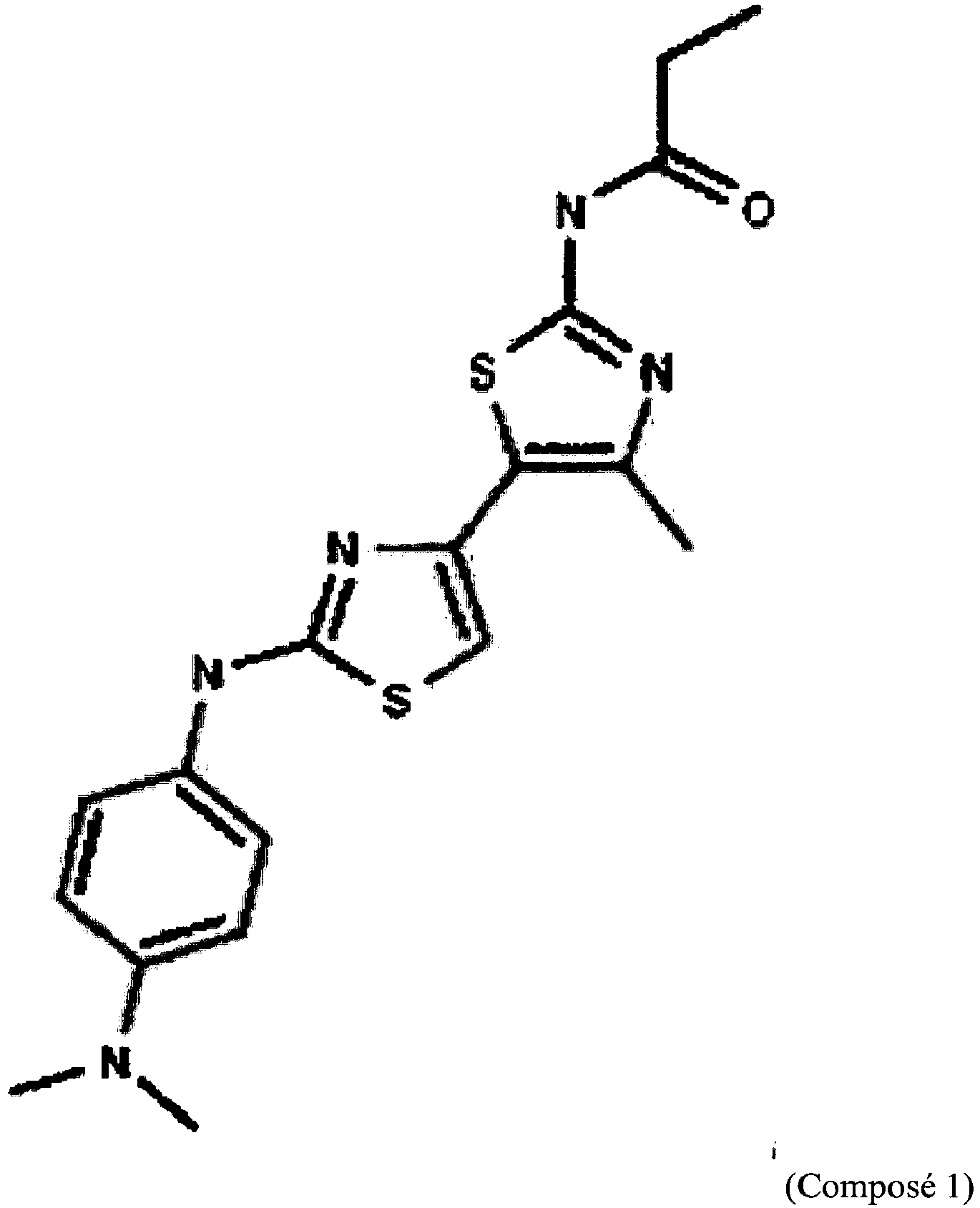
- the compound may include Compound 1. M.
- the compound may include a compound of formula I in which R 1 includes an aryl group, an alkyl group, a substituent with both aryl and alkyl components, or H. N.
- the compound may include Compound 2.
- the compound may include Compound 3.
- the compound may include a compound of formula II, wherein R 1 includes an aryl group, an alkyl group, a substituent with both aryl and alkyl components, or H, and R 2 and R 3 both include a monovalent halide, an aryl, an alkyl, a substituent with both aryl or alkyl components, or H. Q.
- the compound may include a compound of formula III, wherein R 1 , R 2 , and R 3 each include an alkyl group, an aryl group, a substituent with both aryl and alkyl components, or H.
- the compound includes a compound of formula IV or its derivatives.
- the compound includes a compound of formula V and/or its derivatives.
- the compound includes a compound of formula VI, wherein R includes an aryl group, an alkyl group, a substituent with both aryl and alkyl components, or H. V.
- the compound includes a compound of formula VII, wherein R comprises an aryl group, an alkyl group, a substituent with both aryl and alkyl components, or H. W.
- the compound includes Compound 24.
- the compound includes Compound 25.
- the compound includes Compound 26.
- the compound includes Compound 27.
- the antibody includes anti-human CD209 anti bodies.
- the anti-human CD209 antibody is selected from the group consisting of clone 9E9A8, clone H-200, clone DCN4. clone eB-h209, and clone ERP5588. CC.
- Antibodies may include monoclonal antibodies, polyclonal antibodies, antibody fragments, human antibodies, humanized antibodies, chimeric antibodies, bispecific antibodies, recombinant antibodies, IgG1 antobodies, and IgG2 antibodies.
- LL. Antibodies may include antibodies that bind to the same epitopes as clone 9E9A8, clone H-200, clone DCN4, clone eB-h209, or clone ERP5588.
- MM. Antibodies may be administered at a concentration of 10 micrograms/ml or less.
- NN Antibodies may be administered at a concentration of 1 micrograms/ml or less.
- Antibodies may be administered at a concentration of 0.1 micrograms/ml or less. PP. Antibodies may be administered at a concentration of between 0.1 micrograms/ml and 10 micrograms/ml. QQ. Antibodies may be administered at a concentration of between 0.1 micrograms/ml and 10 micrograms/ml.
- screening method including screening a compound or antibody to detect whether it binds CD209, then selecting a compound or antibody able to bind CD209 and further screening the compound or antibody to determine if it inhibits fibrocyte or profibrotic macrophage formation.
- the present disclosure relates to compounds able to inhibit fibrosis by inhibiting the formation of fibrocytes or profibrotic macrophages from monocytes.
- it relates to compounds able to bind to CD209 on the surface of monocytes or monocyte-derived cells.
- the present disclosure further relates to pharmaceutical formulations of such compounds suitable for the invention or treatment of fibrosing diseases and to method of preventing or treating fibrosing diseases using such compounds.
- CD209 is an extracellular protein found on the surface of monocytes and other immune system cells. CD209 binds to ⁇ (2,6)-glycoside linkages of sialic acids on gamma globulins to up-regulate the secretion of the cytokine Interleukin 33. The end result of this up-regulation is decreased sensitivity of macrophages to proinflammatory molecules that signal through Fc gamma receptors.
- the SAP protein has this type of glycosylation, while CRP does not. This difference in glycosylation accounts for the different effects of these two proteins on CD209.
- compounds able to bind to CD209 in the same manner as ⁇ (2,6)-glycoside linkages of sialic acid or to otherwise bind to it in such a way as to alter monocyte function may inhibit the formation of fibrocytes or profibrotic macrophages from monocytes, for example by either preventing or decreasing such formation, such as by inhibiting differentiation of monocytes into fibrocytes or by shifting macrophage polarization from the proinflammatory M1 phenotype or the profibrotic M2 phenotype to the immuno-regulatory M2 phenotype.
- Such compounds may be used to prevent or treat fibrosing diseases.
- Compounds able to bind CD209 may include both small molecules and biological molecules, such as antibodies.
- small molecule compounds may be based on mannose, mannose-containing oligosaccharides, or mannose mimetics.
- Mannose is a natural ligand for CD209.
- small molecule or biological molecule compounds may contain a mannose or mannose-like sugar epitope on a peptide, dendrimeric scaffold, or a polymer.
- Embodiments containing multiple epitopes may be capable of multivalent binding. Multivalent binding may lead to greater inhibition of fibrocyte formation.
- small molecule compounds may be based on fucose, fucose-containing oligosaccharides, or fucose mimics.
- Fucose is a natural ligand for CD209.
- small molecule or biological molecule compounds may contain a fucose or fucose-like sugar epitope on a peptide, dendrimeric scaffold, or a polymer.
- Embodiments containing multiple epitopes may be capable of multivalent binding. Multivalent binding may lead to greater inhibition of fibrocyte formation.
- the compound may be a non-carbohydrate small molecule inhibitor. Such inhibitors may bind CD209 much more strongly than carbohydrate-based small molecules.
- such a compound may contain at least one amide carbonyl group, which may interact with a cation, particularly a divalent cation, such as Ca 2+ , when binding to CD209.
- such a compound may contain at least one aromatic group.
- the compound may contain both at least one amide carbonyl group and at least one aromatic group.
- R 1 may be a propyl (Pr) group (Compound 2).
- R 1 may be a methyl (Me) group (Compound 3).
- R 1 may be an aryl group, an alkyl group, a substituent with both aryl and alkyl components, or H.
- R 1 may be an aryl group, an alkyl group, a substituent with both aryl and alkyl components, or H.
- R 2 and R 3 may be a monovalent halide, an aryl, an alkyl, a substituent with both aryl or alkyl components or H.
- R 1 , R 2 and R 3 are presented in TABLE 1 for various compounds.
- Table 1 - R groups for Formula III Compound R 1 R 2 R 3 IC 50 ( ⁇ M)* 9 propyl (Pr) ethyl (Et) ethyl (Et) 370 +/- 70.0 10 ethyl (Et) methyl (Me) ethyl (Et) 360 +/- 69.2 11 methyl (Me) methyl (Me) methyl (Me) 329 +/- 65.8 12 methyl (Me) H methyl (Me) 313 +/- 47.7 13 tert-Butoxycarbonyl (Boc) ethyl (Me) methyl (Me) 270 +/- 43.8 14 benzyl (Bn) 170 +/- 28.5 15 H 113 +/- 20.4 16 H 71 +/- 11 17 ethyl (Et) 170 +/- 28.5 15 H 113 +/
- Variations of each of the above compounds may additionally contain spacers, such as carbon chains, and in particular carbon chains containing between 2 and 50-carbon atoms, between the formula III molecule and the R 3 group.
- the compound may have the general chemical formula of formula (III), in which R 1 , R 2 , and R 3 may each be an alkyl group, an aryl group, a substituent with both aryl and alkyl components, or H.
- R 1 may be more determinative of the ability to bind to CD209 than the identity of R 2 or R 3 .
- R 1 may be a piperazine derivative functionalized with an aliphatic substituent, but for a more strongly binding compound, R 1 may contain an aryl group, particularly a nitrogen heterocycle.
- R 2 may be H or another small substituent, with a decrease in CD209 binding observed with larger substituents.
- R 3 may contain an aryl group with a polar substituent in order to improve CD209 binding.
- both R 1 and R 3 may contain an aryl group for improved CD209 binding.
- the compound may contain or be derived from a quinoxalinone scaffold of the general chemical formula: or a pyrazolone scaffold of the general chemical formula:
- the compound may contain or may be conjugated to a carrier protein (e.g. Albumin) to form a glycoprotein ligand of CD209.
- a carrier protein e.g. Albumin
- the compound may contain or be conjugated to a variety of scaffolds to form multivalent systems.
- the compound may include an artificial fucose mimic with the general chemical formula:
- the compound may have the general chemical formula of formula (VI), in which R may be an alkyl group, an aryl group, a substituent with both aryl and alkyl components, or H.
- the identity of R is determinative of the ability to bind to CD209.
- the cis - ⁇ - amino acid backbone of compound (VI) may determine the specificity and the ability of this compound to bind CD209.
- the compound may have the general chemical formula of formula (VII), in which R may be an alkyl group, an aryl group, a substituent with both aryl and alkyl components, or H.
- the identity of R is determinative of the ability to bind to CD209.
- the compound (VII) may be conjugated to Bolton-type dendrons to form multivalent structures.
- the compound may contain glactoside or mannoside in a polymeric form
- compound 27 may have anywhere between 1 to hundreds of X or Y monomers to form a polymeric ligand of CD209.
- the number of X and Y monomers present in compound 27 determines its affinity for CD209.
- CD209 plays a role in human immunodeficiency virus (HIV) infection, Ebola, Dengue fever, and Hepatitis C.
- HIV human immunodeficiency virus
- small molecules able to bind to CD209 and block binding of these pathogens to CD209 may also generally be used to prevent or treat fibrosing diseases.
- Anti-human CD209 antibodies may also be used to inhibit fibrocyte formation, profibrotic macrophages, and fibrosis. These antibodies include but are not limited to clone 9E9A8 anti-CD209 antibody (Biolegend, San Diego, CA), clone H-200 and 1B10 anti-CD209 antibody (Santa Cruz biotechnology, Dallas, TX), clone DCN46 (BD Biosciences, San Jose, CA), clone eB-h209 (eBioscience, San Diego, CA), and clone ERP5588 (Epitomics, Burlingame, CA).
- Antibodies may include monoclonal antibodies, polyclonal antibodies, antibody fragments, human antibodies, humanized antibodies, chimeric antibodies, bispecific antibodies, recombinant antibodies, IgG1 antobodies, and IgG2 antibodies. LL. Antibodies may include antibodies that bind to the same epitopes as clone 9E9A8, clone 1B10 clone H-200, clone DCN46, clone eB-h209, or clone ERP5588.
- compositions may contain at least one or a combination of compounds or antibodies able to bind CD209 and inhibit formation of fibrocytes, inhibit profibrotic macrophages, or promote the formation of immunoregulatory macrophages from monocytes.
- the formulation may be tailored for its intended use.
- the formulation may be suitable for administration via oral administration, topical administration, injection or inhalation.
- An inhalable formulation may be suitable for use in a nebulizer.
- Topical formulations may include any suitable cream, ointment, emollient, gel, foam, or transdermal patch as a carrier.
- An oral formulation may include pills, tablets, capsules, liquids, syrups, and food or drink supplements, which may include extended release formulations.
- the compound or compounds may be contained in therapeutically effective amounts, which may vary depending on the intended mode of administration and the ease of access to the blood stream or fibrosis site using the selected mode of administration.
- a therapeutically effective amount may be that sufficient to result in a concentration of at least 3 pM at the site of a fibrotic lesion or in the vicinity of a monocyte likely to inappropriately form a fibrocyte or profibrotic macrophage.
- the therapeutically effective amount may result in a concentration of at least 300 pM or at least 2 nM in the same types of locations.
- a therapeutically effective amount may be that sufficient to result in a concentration of at least 3 pM, at least 300 pM, at least 2 nM, or another concentration able to inhibit fibrocyte or profibrotic macrophage formation when the concentration is measured in blood serum.
- Formulations of these compounds may also include a pharmaceutically acceptable carrier, in particular a carrier suitable for the intended mode of administration, or salts, buffers, or preservatives.
- a pharmaceutically acceptable carrier in particular a carrier suitable for the intended mode of administration, or salts, buffers, or preservatives.
- the pharmaceutically acceptable carrier may be tailored to allow the biological molecule to retain an active conformation and to avoid degradation.
- the formulation may contain a sufficient amount of Ca 2+ or other cation, such as a divalent cation to allow or enhance binding.
- the pharmaceutical formulation may contain stabilizers to prevent or decrease degradation of the compound or to otherwise render the formulation stable at temperatures able to prevent or decrease degradation of the compound.
- Sulfur (S)-containing compounds may, in particular, be prone to thermal degradation and may thus need stabilizers or storage at a low temperature.
- compositions may include other pharmaceutically effective materials.
- formulations may include Serum Amyloid P (SAP).
- SAP Serum Amyloid P
- compositions may also be prepared for antibodies, which may be administered at a concentration of 10 micrograms/ml or less, at a concentration of 1 micrograms/ml or less, at a concentration of 0.1 micrograms/ml or less, at a concentration of between 0.1 micrograms/ml and 10 micrograms/ml, or at a concentration of between 0.1 micrograms/ml and 10 micrograms/ml.
- any of the above compounds and pharmaceutical formulations may be used to inhibit the formation of fibrocytes or profibrotic macrophages from monocytes or to treat or prevent a fibrosing disease in a target location by administering the compound or formulation to the target location in a sufficient dose for a sufficient amount of time.
- fibrocytes or profibrotic macrophages may not represent an end-stage of fibrosis.
- fibrocytes further differentiate into myofibroblasts, which persist in thickened airway walls.
- compounds and pharmaceutical formulations may treat or prevent fibrosis resulting from conditions including but not limited to rheumatoid arthritis, lupus, pathogenic fibrosis, fibrosing disease, fibrotic lesions such as those formed after Schistosoma japonicum infection, radiation damage, autoimmune diseases, Lyme disease, chemotherapy induced fibrosis, HIV or infection-induced focal sclerosis, failed back syndrome due to spinal surgery scarring, abdominal adhesion post-surgery scarring, fibrocystic formations, fibrosis after spinal injury, surgery-induced fibrosis, mucosal fibrosis, peritoneal fibrosis caused by dialysis, Adalimumab-associated pulmonary fibrosis, and nephrogenic fibrosing dermopathy.
- conditions including but not limited to rheumatoid arthritis, lupus, pathogenic fibrosis, fibrosing disease, fibrotic lesions such as those formed after Schistosoma japonicum
- compounds and pharmaceutical formulations may treat or prevent fibrosis resulting from conditions including but not limited to alcohol, drug, or chemically induced cirrhosis, ischemia-reperfusion injury after hepatic transplant, necrotizing hepatitis, hepatitis B, hepatitis C, primary biliary cirrhosis, and primary sclerosing cholangitis.
- Relating to the kidney, compounds and pharmaceutical formulations may treat or prevent fibrosis resulting from conditions including but not limited to proliferative and sclerosing glomerulonephritis, nephrogenic fibrosing dermopathy, diabetic nephropathy, renal tubulointerstitial fibrosis, and focal segmental glomerulosclerosis.
- Relating to the lung, compounds and pharmaceutical formulations may treat or prevent fibrosis resulting from conditions including but not limited to pulmonary interstitial fibrosis, sarcoidosis, pulmonary fibrosis, idiopathic pulmonary fibrosis, asthma, chronic obstructive pulmonary disease, diffuse alveolar damage disease, pulmonary hypertension, neonatal bronchopulmonary dysplasia, chronic asthma, and emphysema.
- pulmonary fibrosis there are several sub-names or synonyms for pulmonary fibrosis including, but not limited to, cryptogenic fibrosing alveolitis, diffuse interstitial fibrosis, idiopathic interstitial pneumonitis, Hamman-Rich syndrome, silicosis, asbestosis, berylliosis, coal worker's pneumoconiosis, coal miner's disease, miner's asthma, anthracosis, and anthracosilicosis.
- compounds and pharmaceutical formulations may treat or prevent fibrosis resulting from conditions including but not limited to myocardial fibrosis, atherosclerosis, coronary artery restenosis, congestive cardiomyopathy, heart failure, and other post-ischemic conditions.
- compounds and pharmaceutical formulations may treat or prevent fibrosis resulting from conditions including but not limited to exophthalmos of Grave's disease, proliferative vitreoretinopathy, anterior capsule cataract, corneal fibrosis, corneal scarring due to surgery, trabeculectomy-induced fibrosis, progressive subretinal fibrosis, multifocal granulomatous chorioretinitis, fibrosis due to wide angle glaucoma trabeculotomy, and other eye fibrosis.
- conditions including but not limited to exophthalmos of Grave's disease, proliferative vitreoretinopathy, anterior capsule cataract, corneal fibrosis, corneal scarring due to surgery, trabeculectomy-induced fibrosis, progressive subretinal fibrosis, multifocal granulomatous chorioretinitis, fibrosis due to wide angle glaucoma trabeculotomy, and other eye fibrosis.
- Relating to the brain they may treat or prevent fibrosis resulting from conditions including but not limited to glial scar tissue.
- Relating to the skin, compounds and pharmaceutical formulations may treat or prevent fibrosis resulting from conditions including but not limited to Depuytren's contracture, scleroderma, keloid scarring, psoriasis, hypertrophic scarring due to burns, atherosclerosis, restenosis, and psuedoscleroderma caused by spinal cord injury.
- Relating to the mouth or esophagus, compounds and pharmaceutical formulations may treat or prevent fibrosis resulting from conditions including but not limited to periodontal disease scarring, gingival hypertrophy secondary to drugs, and congenital esophageal stenosis.
- Relating to the pancreas, compounds and pharmaceutical formulations may treat or prevent fibrosis resulting from conditions including but not limited to pancreatic fibrosis, stromal remodeling pancreatitis, and stromal fibrosis.
- compounds and pharmaceutical formulations may treat or prevent fibrosis resulting from conditions including but not limited to collagenous colitis, villous atrophy, crypt hyperplasia, polyp formation, fibrosis of Crohn's disease, and healing gastric ulcer.
- compounds and pharmaceutical formulations may treat or prevent fibrosis resulting from conditions including but not limited to fibrocystic disease and desmoplastic reaction to breast cancer.
- Relating to the bone marrow, compounds and pharmaceutical formulations may treat or prevent fibrosis resulting from conditions including but not limited to fibrosis in myelodysplasia and neoplastic diseases.
- Relating to the bone, compounds and pharmaceutical formulations may treat or prevent fibrosis resulting from conditions including but not limited to rheumatoid pannus formation.
- compounds and pharmaceutical formulations may treat or prevent fibrosis resulting from conditions including but not limited to endometriosis, uterine fibroids, ovarian fibroids, and Peyronie's disease.
- Relating to radiation induced damage, compounds and pharmaceutical formulations may treat or prevent fibrosis related to, but not limited to, treatment of head and neck cancer, ovarian cancer, prostate cancer, lung cancer, gastrointestinal cancer, colon cancer, and breast cancer.
- Fibrosing diseases may be treated in any patients, including mammals and humans.
- One or more target locations may be present in the patient.
- the present disclosure further includes methods of screening for compounds and antibodies able to reduce or suppress formation of fibrocytes or profibrotic macrophages from monocytes.
- Such methods involve first screening compound and antibodies to determine if they bind to CD209, then screening any binding compounds to detect whether they also to reduce or suppress formation of fibrocytes or profibrotic macrophages from monocytes. Binding screening may be conducted using high-throughput techniques.
- CRP was glycosylated by mutating its 32 nd amino acid from alanine to asparagine, the glycosylated amino acid on SAP.
- the crystal structure of CRP revealed that this 32 nd amino acid is located on the surface of CRP, where it may be glycosylated.
- a SDS-PAGE gel showed an apparent molecular mass of 25 KDa for modified CRP (CRP A32N), similar to SAP, and dissimilar to wild type CRP, which has an apparent molecular mass of 23 KDa ( FIGURE 1A ).
- the modified-glycosylated CRP (CRP A32N) was able to able to inhibit fibrocyte formation, although not as well as SAP ( FIGURE 2 ). Specifically, at 0.25 microgram/ml and above for SAP, and 1 microgram/ml and above for modified-glycosylated CRP, the proteins significantly inhibited fibrocyte formation, with p ⁇ 0.05 (t-test).
- Enzymatically desialylated SAP SAP NA
- FIGURE 1B had reduced inhibitory effect on fibrocyte differentiation ( FIGURE 3 ).
- CD209 was identified as a candidate glycosylation receptor for SAP and modified-glycosylated CRP because it is present on the surface of monocytes.
- CD209 normally binds the ⁇ (2,6)-glycosidic linkages of sialic acid on immunoglobulins to increase Interleukin 33 production and therefore decrease macrophage activation in presence of proinflammatory signals.
- ⁇ (2,6)-glycosidic linkages of sialic acid are also found on SAP.
- PBMCs peripheral blood mononuclear cells
- PBMCs peripheral blood mononuclear cells
- Three anti-CD209 antibodies clones DCN46, eB-h209, and H-200
- Anti-CD209 antibody clone ab89186 had no significant effect on human fibrocyte differentiation ( FIGURE 5D ). More specifically, at 2.5 microgram/ml the anti-CD209 antibody clone DCN46 significantly inhibited fibrocyte formation, while the mouse IgG2b had only a modest effect on fibrocyte formation ( FIGURE 5A ).
- the anti-CD209 antibody clone eB-h209 significantly inhibited fibrocyte formation, whereas the rat IgG2a had only a modest effect on fibrocyte formation ( FIGURE 5B ).
- the anti-CD209 antibody clone H-200 significantly inhibited fibrocyte formation, whereas the rabbit IgG had only a modest effect on fibrocyte formation ( FIGURE 5C ).
- Example 3 Small molecule CD209 ligands inhibit fibrocyte formation
- Compound 1 inhibited fibrocyte formation from human PBMCs with an IC 50 of 3.1 pM ( FIGURE 6 ).
- Compound 2 inhibited fibrocyte formation from human PBMCs as well with an IC 50 of 330 pM ( FIGURE 6 ).
- Compound 3 also significantly inhibited fibrocyte formation with an IC 50 of 2.2 nM ( FIGURE 7 ).
- Compound 3 significantly inhibited fibrocyte formation at all tested concentrations with p ⁇ 0.05 (t-test).
- CD209 compounds able to inhibit mannose binding to CD209 clearly also have the capacity to inhibit fibrocyte formation from monocytes, often at very low concentrations.
- Other CD209 ligands are expected to have the same effect.
- Example 4 A small molecule CD209 ligands inhibit fibrosis in mice
- pulmonary fibrosis was selected as a model. Pulmonary fibrosis was induced in C57/BL6 mice by oropharyngeal aspiration of bleomycin into their lungs. 24 hour after bleomycin administration, mice received daily intraperitoneal injections of compound 1. At day 21 mice were euthanized and the bronchoalveolar lavage fluid (BAL) and the lungs were harvested. At 0.1 mg/kg, 0.01mg/kg, and 0.001 mg/kg, compound 1 significantly decreased CD11b positive inflammatory macrophages in the BAL as compared to the bleomycin control ( FIGURE 9A ).
- CD11c positive macrophages were increased significantly in the BAL following bleomycin treatment but were not altered significantly with daily injections of compound 1 ( FIGURE 9A ). At 0.1 mg/kg and 0.01mg/kg, compound 1 significantly decreased the number of CD11b positive inflammatory macrophages in the lung sections after weakly-adherent cells were removed by BAL ( FIGURE 9B ). Together, these results indicate that compound 1 decreases the number of inflammatory macrophages in the lungs.
- FIGURE 9 Cryosections of the mouse lungs were stained with picrosirius red to estimate the collagen content of the lungs. These collagen measurements are summarized in FIGURE 9 . Specifically, collagen content in the lungs of mice that had received bleomycin alone was significantly higher compared to that of mice administered only 0.9% saline ( FIGURE 10 ). In contrast, mice administered bleomycin and compound 1 (at 0.1 mg/kg, 0.01mg/kg, and 0.001 mg/kg) showed significantly less collagen in the lungs than mice that received bleomycin, indicating that compound 1 helps prevent the development of fibrosis in the lungs and the accompanying accumulation of collagen.
- Mouse anti-human CD209 antibody clone H200 was obtained from Santa Cruz Biotechnology (Dallas, TX). Mouse anti-human CD163 and ICAM-1 antibodies were obtained from Biolegend Inc (San Diego, CA). Mouse anti-human CD209 antibody clone DCN46 was obtained from BD Biosciences (San Jose, CA). Rat anti-human CD209 antibody clone eB-h209 was obtained from eBioscience (San Jose, CA). Rabbit anti-human CD209 antibody clone ab89186 was obtained from Abcam (Cambridge, MA). Compound 1 (Cat#5931866) was purchased from ChemBridge (San Diego, CA). Compound 2 (Cat#545-1519) and compound 3 (Cat#4545-1530) were purchased from ChemDiv (San Diego, CA).
- Proteins were diluted in 20 mM sodium phosphate, pH 7.4 to a concentration of 40 microgram/ml. Samples were then mixed with Laemmli's sample buffer, containing 20 mM dithiothreitol, and heated to 100°C for 5 minutes. Samples (10 microliters) were loaded onto 4-20% Tris/glycine polyacrylamide gels (Bio-Rad, Hercules, CA). Gels were stained with silver stain as described previously by Pilling, D. et al., Inhibition of fibrocyte differentiation by serum amyloid p, Journal of Immunology 171:5537-5546 (2003 ).
- proteins from gels were transferred to polyvinylidene difluoride membranes (Immobilon P; Millipore, Bedford, MA) in Tris/glycine/SDS buffer containing 20% methanol following the manufacturer's protocol. Filters were blocked for 30 minutes at room temperature in Carbo-Free Blocking Solution (Vector Laboratories, Burlingame, CA). Membranes were then incubated in PBS containing 10 microgram/ml of Biotinylated Sambucus Nigra Lectin (Vector Laboratories) for 30 minutes at room temperature to detect ⁇ (2,6)-glycosidic linkages of sialic acid following the manufacturer's protocol.
- a Vectastain N Elite ABC peroxidase kit (Vector Laboratories) was used to detect the biotinnylated lectin following manufacturer's protocol. Chemiluminescence (Clarity Western ECL substrate, Bio-Rad) was used following the manufacturer's protocol to visualize the peroxidase, using a Bio-Rad ChemiDoc XRS+ System.
- PBMCs Human blood was collected into heparin tubes (BD Bioscience, San Jose, CA) from adult volunteers who gave written consent and with specific approval from the Texas A&M University human subjects Institutional Review Board. PBMCs were then isolated as previously described in Pilling, D. et al., Improved serum-free culture conditions for differentiation of human and murine fibrocytes, Journal of Immunology Methods 351:62-70 (2009 ). Alamar Blue (Life Technologies, Grand Island, NY) was used to assess cell viability following the manufacturer's protocol. Fibrocyte differentiation assays in the presence of different compounds were performed in serum-free medium as described in Pilling, D.
- Macrophage polarization assays to detect formation of proinflammatory macrophages with an M1 phenotype were carried out in serum-free medium, in which case monocytes were left to differentiate to macrophages for 5 days and then the medium was replaced with fresh medium containing 3 microgram/ml of the tested protein.
- mice 4-week-old 20 g C57/BL6 mice (Jackson, Bar Harbor, ME.) were treated with an oropharyngeal aspiration of 50 microliters of 0.9% saline or 3 U/kg bleomycin (Calbiochem, EMD Millipore, Billerica, MA.) in 50 microliters of 0.9% saline as described previously by Lakatos, HF. et al., Oropharyngeal aspiration of a silica suspension produces a superior model of silicosis in the mouse when compared to intratracheal instillation, Experimental Lung Reasearch 32:181-199 (2006 .
- mice were treated daily with intraperitoneal injections of 50 microliters of PBS containing 2 microliters of 1 mg/ml of compound 1 (ChemBridge Corporation, San Diego, CA) (0.1 mg/kg) dissolved in DMSO (SigmaAldrich), 2 microliters of 0.1 mg/ml of compound 1 (0.01 mg/kg) dissolved in DMSO, 2 microliters of 0.01 mg/ml of compound 1 (0.001 mg/kg) dissolved in DMSO, or an equal volume of PBS containing 2 microliters of DMSO.
- mice All animals were used in accordance with rules published by the National Institutes of Health and with a protocol approved by the Texas A&M University Institutional Animal Care and Use Committee. Mice were weighed daily, and euthanized using CO 2 following NIH guidelines at day 21 after bleomycin aspiration. No injections were done on day 21. After euthanasia, the lungs were perfused with 300 microliters of phosphate buffered saline (PBS), pH 7.4, three times to collect cells by bronchoalveolar lavage (BAL) as described previously by Lakatos, HF.
- PBS phosphate buffered saline
- BAL bronchoalveolar lavage
- the cells were resuspended in 500 microliters of 4% (w/v) BSA-PBS and counted with a hemocytometer. 100 microliters of diluted cells were then aliquoted into cytospin funnels and were then spun onto glass slides (Superfrost plus white slides, VWR) at 400 ⁇ g for 5 minutes using a cytospin centrifuge (Shandon, Cheshire, England). These cells were then air-dried, and stained for CD11b (Biolegend) or CD11c (MBL International, Woburn, MA) as described below.
- CD11b Biolegend
- CD11c MBL International, Woburn, MA
- Macrophage staining with anti-CD163 and anti-ICAM-1 antibodies was carried out as described in Pilling, D. et al., Identification of markers that distinguish monocyte-derived fibrocytes from monocytes, macrophages, and fibroblasts, PloS one 10:e7475 (2009 ). Both primary antibodies were used at a concentration of 5 microgram/ml.
- mice lungs were inflated with prewarmed OCT (VWR, Radnor, PA) and then embedded in OCT, frozen on dry ice, and then stored at -80°C. 6-micron cryosections of mouse lung were mounted on Superfrost Plus microscope slides (VWR). Sections were fixed in acetone for 20 min at room temperature. Nonspecific binding was then blocked by incubation in 4% BSA (SigmaAldrich) in PBS for 60 min. Slides were then incubated with 5 microgram/ml primary antibodies in PBS containing 4% BSA for 60 min. Mouse lung sections were stained for CD11b (Biolegend, San Diego, CA) and CD11c (MBL International).
- Isotype-matched mouse antibody (Biolegend) was used as negative control. Slides were then washed in three changes of PBS over 30 minutes and incubated for 30 minutes with 2 microgram/ml biotinylated donkey anti-rat IgG (Jackson ImmunoResearch Laboratories, Inc., West Grove, PA) in PBS. After washing, the biotinylated antibodies were detected by streptavidin-alkaline phosphatase (Vector Laboratories) following the manufacturer's protocol. For picrosirius red staining, 6- ⁇ m cryosections of mouse lung were mounted on Superfrost Plus microscope slides (VWR) and fixed in acetone for 20 minutes. Sections were then left to dry for 10 minutes.
- VWR Superfrost Plus microscope slides
- lung section were hydrated in water for 10 minutes and then incubated for 5 minutes with 0.2% phosphomolybdic acid.
- Cryosection were rinsed 3x in water and incubated with 1 mg/ml Sirius Red (Polysciences, Warrington, PA) in water saturated with picric acid for 10 minutes.
- the lung section were washed 2x, 5 minutes each with PBS.
- Lung sections were then rinsed in acidified water (5 ml acetic acid in 1 L of water) twice and washed in water for 5 minutes. Lung sections were air dried for 10 minutes, mounted, and imaged.
- the cDNA for human CRP was mutated at residue 32 using a QuickChange II Site-Directed Mutagenesis Kit (Agilent, Santa Clara, CA) and the primer 5' AAGGCGCGCCATGGAGAAGCTGTTG 3'(SEQ. ID. NO. 1).
- CRP cDNA was inserted into a pCMV6-AC-His (ORigene, Rockville, MD) vector and then expressed in HEK293 cells (Life Technologies, Grand Island, NY) as previously described for the expression SAP in Crawford, JR, et al., Fc gamma RI mediates serum amyloid P inhibition of fibrocyte differentiation, J. Leukoc. Biol. 92: 699-711 (2012 ).
- CRP was purified using immobilized p-aminophenyl phosphoryl choline beads as described previously in Roper, MG, et al., Extraction of C-reactive protein from serum on a microfluidic chip. Analytica Chimica Acta 569: 195-202 (2006 ).
Landscapes
- Health & Medical Sciences (AREA)
- Chemical & Material Sciences (AREA)
- Life Sciences & Earth Sciences (AREA)
- General Health & Medical Sciences (AREA)
- Medicinal Chemistry (AREA)
- Veterinary Medicine (AREA)
- Pharmacology & Pharmacy (AREA)
- Animal Behavior & Ethology (AREA)
- Public Health (AREA)
- Epidemiology (AREA)
- Organic Chemistry (AREA)
- Chemical Kinetics & Catalysis (AREA)
- General Chemical & Material Sciences (AREA)
- Nuclear Medicine, Radiotherapy & Molecular Imaging (AREA)
- Bioinformatics & Cheminformatics (AREA)
- Engineering & Computer Science (AREA)
- Molecular Biology (AREA)
- Immunology (AREA)
- Pulmonology (AREA)
- Proteomics, Peptides & Aminoacids (AREA)
- Biochemistry (AREA)
- Biophysics (AREA)
- Genetics & Genomics (AREA)
- Gastroenterology & Hepatology (AREA)
- Urology & Nephrology (AREA)
- Physical Education & Sports Medicine (AREA)
- Cardiology (AREA)
- Heart & Thoracic Surgery (AREA)
- Dermatology (AREA)
- Medicines Containing Antibodies Or Antigens For Use As Internal Diagnostic Agents (AREA)
- Peptides Or Proteins (AREA)
- Medicines That Contain Protein Lipid Enzymes And Other Medicines (AREA)
Claims (3)
- Composé de fixation à CD209 destiné à être utilisé dans un procédé de suppression de la formation de fibrocytes ou macrophages profibrotiques, dans lequel le composé est le Composé 1
- Composé destiné à être utilisé selon la revendication 1, dans lequel le composé est administré par un mode sélectionné parmi le groupe constitué de : voie topique, orale, par injection, par injection intraveineuse, par inhalation, libération continue par dépôt ou pompe, ou toutes combinaisons de ceux-ci.
- Composé destiné à être utilisé selon la revendication 1, dans lequel le composé est administré en une quantité et pendant une durée jusqu'à ce que l'emplacement cible chez le mammifère contienne le composé en une quantité d'au moins 3 pM.
Applications Claiming Priority (2)
| Application Number | Priority Date | Filing Date | Title |
|---|---|---|---|
| US201361884384P | 2013-09-30 | 2013-09-30 | |
| PCT/US2014/058040 WO2015048641A2 (fr) | 2013-09-30 | 2014-09-29 | Composés inhibiteurs de fibrose et leurs méthodes d'utilisation pour prévenir ou traiter les maladies fibrotiques |
Publications (3)
| Publication Number | Publication Date |
|---|---|
| EP3065548A2 EP3065548A2 (fr) | 2016-09-14 |
| EP3065548A4 EP3065548A4 (fr) | 2017-07-12 |
| EP3065548B1 true EP3065548B1 (fr) | 2019-08-21 |
Family
ID=52744723
Family Applications (1)
| Application Number | Title | Priority Date | Filing Date |
|---|---|---|---|
| EP14849792.8A Active EP3065548B1 (fr) | 2013-09-30 | 2014-09-29 | Composés inhibiteurs de fibrose pour prévenir ou traiter les maladies fibrotiques |
Country Status (4)
| Country | Link |
|---|---|
| US (1) | US20160272713A1 (fr) |
| EP (1) | EP3065548B1 (fr) |
| AU (2) | AU2014324574B2 (fr) |
| WO (1) | WO2015048641A2 (fr) |
Families Citing this family (3)
| Publication number | Priority date | Publication date | Assignee | Title |
|---|---|---|---|---|
| EP3216861A1 (fr) * | 2016-03-11 | 2017-09-13 | Fropharm GmbH | Cellules immunorégulatrices et leurs procédés de production |
| EP3873532A1 (fr) | 2018-10-31 | 2021-09-08 | Novartis AG | Conjugué médicament-anticorps anti-dc-sign |
| KR20240161147A (ko) | 2022-03-14 | 2024-11-12 | 슬랩 파마슈티컬스 엘엘씨 | 다중 사이클릭 화합물 |
Family Cites Families (2)
| Publication number | Priority date | Publication date | Assignee | Title |
|---|---|---|---|---|
| WO2009132130A2 (fr) * | 2008-04-22 | 2009-10-29 | The Rockefeller University | Procédés d'identification de composés anti-inflammatoires |
| WO2013095973A1 (fr) * | 2011-12-19 | 2013-06-27 | The Rockefeller University | Peptides de liaison à hdc-sign |
-
2014
- 2014-09-29 EP EP14849792.8A patent/EP3065548B1/fr active Active
- 2014-09-29 WO PCT/US2014/058040 patent/WO2015048641A2/fr not_active Ceased
- 2014-09-29 AU AU2014324574A patent/AU2014324574B2/en not_active Ceased
-
2016
- 2016-03-29 US US15/083,989 patent/US20160272713A1/en not_active Abandoned
-
2018
- 2018-08-30 AU AU2018222979A patent/AU2018222979A1/en not_active Abandoned
Non-Patent Citations (1)
| Title |
|---|
| None * |
Also Published As
| Publication number | Publication date |
|---|---|
| EP3065548A2 (fr) | 2016-09-14 |
| AU2014324574B2 (en) | 2018-06-07 |
| US20160272713A1 (en) | 2016-09-22 |
| WO2015048641A3 (fr) | 2015-06-11 |
| AU2018222979A1 (en) | 2018-09-20 |
| WO2015048641A2 (fr) | 2015-04-02 |
| AU2014324574A1 (en) | 2016-04-21 |
| EP3065548A4 (fr) | 2017-07-12 |
Similar Documents
| Publication | Publication Date | Title |
|---|---|---|
| DK2683397T3 (en) | FACTOR XII INHIBITORS FOR ADMINISTRATION OF MEDICAL PROCEDURES COMPREHENSIVE CONTACT WITH ARTIFICIAL SURFACES | |
| US9169315B2 (en) | Heparin cofactor II fragments with anti-inflammatory and anti-coagulant activity | |
| US8187608B2 (en) | Treatment of Fibrosis related disorders | |
| US7879793B2 (en) | Treatment of medical condition with A2 domain of von willebrand factor | |
| CA2632400A1 (fr) | Utilisation d'un inhibiteur de c1 pour la prevention des lesions d'ischemie-reperfusion | |
| KR20130054953A (ko) | 간질성 폐 질환을 치료하기 위한 인자 xii 억제제 | |
| EP3065548B1 (fr) | Composés inhibiteurs de fibrose pour prévenir ou traiter les maladies fibrotiques | |
| WO2015096756A1 (fr) | Utilisation de polypeptide et de dérivés de ce dernier pour préparer des médicaments anti-fibrose pulmonaire | |
| PT1079843E (pt) | Utilização dos inibidores do receptor de integrina 1 1 e dos inibidores de fct- 1 no tratamento de doenças do rim | |
| US20220218678A1 (en) | Use of 1-phenyl-2-pyridinyl alkyl alcohol derivatives for treating cystic fibrosis | |
| WO2018049003A1 (fr) | Composés inhibiteurs de sialidase anti-fibrotique et leurs méthodes d'utilisation | |
| US20220372111A1 (en) | Polypeptide inhibitors of neutrophil elastase activity and uses thereof | |
| EP2136831B1 (fr) | Peptides anti-angiogéniques | |
| HK1257590A1 (zh) | 预防和治疗药物性肾损伤的药物及其用途 | |
| US20210179680A1 (en) | Polypeptide, derivatives thereof, and application thereof in preparation of drugs having resistance to pulmonary fibrosis | |
| HK1193570A (en) | Factor xii inhibitors for the administration with medical procedures comprising contact with artificial surfaces | |
| HK1193570B (en) | Factor xii inhibitors for the administration with medical procedures comprising contact with artificial surfaces |
Legal Events
| Date | Code | Title | Description |
|---|---|---|---|
| PUAI | Public reference made under article 153(3) epc to a published international application that has entered the european phase |
Free format text: ORIGINAL CODE: 0009012 |
|
| 17P | Request for examination filed |
Effective date: 20160414 |
|
| AK | Designated contracting states |
Kind code of ref document: A2 Designated state(s): AL AT BE BG CH CY CZ DE DK EE ES FI FR GB GR HR HU IE IS IT LI LT LU LV MC MK MT NL NO PL PT RO RS SE SI SK SM TR |
|
| AX | Request for extension of the european patent |
Extension state: BA ME |
|
| DAX | Request for extension of the european patent (deleted) | ||
| RIC1 | Information provided on ipc code assigned before grant |
Ipc: A61P 1/00 20060101ALI20170301BHEP Ipc: A01N 37/18 20060101ALI20170301BHEP Ipc: A61P 1/16 20060101ALI20170301BHEP Ipc: A61P 11/00 20060101ALI20170301BHEP Ipc: A61P 11/06 20060101ALI20170301BHEP Ipc: A61P 19/00 20060101ALI20170301BHEP Ipc: A61K 31/33 20060101ALI20170301BHEP Ipc: A61P 43/00 20060101ALI20170301BHEP Ipc: A61P 17/00 20060101ALI20170301BHEP Ipc: A61K 31/425 20060101ALI20170301BHEP Ipc: A61P 9/00 20060101ALI20170301BHEP Ipc: A61K 31/38 20060101ALI20170301BHEP Ipc: A61K 31/16 20060101ALI20170301BHEP Ipc: A01N 43/00 20060101AFI20170301BHEP Ipc: A61P 13/12 20060101ALI20170301BHEP Ipc: A61K 31/41 20060101ALI20170301BHEP |
|
| A4 | Supplementary search report drawn up and despatched |
Effective date: 20170614 |
|
| RIC1 | Information provided on ipc code assigned before grant |
Ipc: A61K 31/16 20060101ALI20170608BHEP Ipc: A61K 31/41 20060101ALI20170608BHEP Ipc: A61K 31/38 20060101ALI20170608BHEP Ipc: A61P 19/00 20060101ALI20170608BHEP Ipc: A61K 31/425 20060101ALI20170608BHEP Ipc: A01N 43/00 20060101AFI20170608BHEP Ipc: A61P 9/00 20060101ALI20170608BHEP Ipc: A61P 43/00 20060101ALI20170608BHEP Ipc: A61P 17/00 20060101ALI20170608BHEP Ipc: A01N 37/18 20060101ALI20170608BHEP Ipc: A61K 31/33 20060101ALI20170608BHEP Ipc: A61P 13/12 20060101ALI20170608BHEP Ipc: A61P 11/06 20060101ALI20170608BHEP Ipc: A61P 1/00 20060101ALI20170608BHEP Ipc: A61P 1/16 20060101ALI20170608BHEP Ipc: A61P 11/00 20060101ALI20170608BHEP |
|
| STAA | Information on the status of an ep patent application or granted ep patent |
Free format text: STATUS: EXAMINATION IS IN PROGRESS |
|
| 17Q | First examination report despatched |
Effective date: 20180626 |
|
| GRAP | Despatch of communication of intention to grant a patent |
Free format text: ORIGINAL CODE: EPIDOSNIGR1 |
|
| STAA | Information on the status of an ep patent application or granted ep patent |
Free format text: STATUS: GRANT OF PATENT IS INTENDED |
|
| INTG | Intention to grant announced |
Effective date: 20190314 |
|
| GRAS | Grant fee paid |
Free format text: ORIGINAL CODE: EPIDOSNIGR3 |
|
| GRAA | (expected) grant |
Free format text: ORIGINAL CODE: 0009210 |
|
| STAA | Information on the status of an ep patent application or granted ep patent |
Free format text: STATUS: THE PATENT HAS BEEN GRANTED |
|
| AK | Designated contracting states |
Kind code of ref document: B1 Designated state(s): AL AT BE BG CH CY CZ DE DK EE ES FI FR GB GR HR HU IE IS IT LI LT LU LV MC MK MT NL NO PL PT RO RS SE SI SK SM TR |
|
| REG | Reference to a national code |
Ref country code: GB Ref legal event code: FG4D |
|
| REG | Reference to a national code |
Ref country code: CH Ref legal event code: EP |
|
| REG | Reference to a national code |
Ref country code: DE Ref legal event code: R096 Ref document number: 602014052288 Country of ref document: DE |
|
| REG | Reference to a national code |
Ref country code: AT Ref legal event code: REF Ref document number: 1168635 Country of ref document: AT Kind code of ref document: T Effective date: 20190915 |
|
| REG | Reference to a national code |
Ref country code: IE Ref legal event code: FG4D |
|
| REG | Reference to a national code |
Ref country code: LT Ref legal event code: MG4D |
|
| REG | Reference to a national code |
Ref country code: NL Ref legal event code: MP Effective date: 20190821 |
|
| PG25 | Lapsed in a contracting state [announced via postgrant information from national office to epo] |
Ref country code: HR Free format text: LAPSE BECAUSE OF FAILURE TO SUBMIT A TRANSLATION OF THE DESCRIPTION OR TO PAY THE FEE WITHIN THE PRESCRIBED TIME-LIMIT Effective date: 20190821 Ref country code: SE Free format text: LAPSE BECAUSE OF FAILURE TO SUBMIT A TRANSLATION OF THE DESCRIPTION OR TO PAY THE FEE WITHIN THE PRESCRIBED TIME-LIMIT Effective date: 20190821 Ref country code: FI Free format text: LAPSE BECAUSE OF FAILURE TO SUBMIT A TRANSLATION OF THE DESCRIPTION OR TO PAY THE FEE WITHIN THE PRESCRIBED TIME-LIMIT Effective date: 20190821 Ref country code: PT Free format text: LAPSE BECAUSE OF FAILURE TO SUBMIT A TRANSLATION OF THE DESCRIPTION OR TO PAY THE FEE WITHIN THE PRESCRIBED TIME-LIMIT Effective date: 20191223 Ref country code: NO Free format text: LAPSE BECAUSE OF FAILURE TO SUBMIT A TRANSLATION OF THE DESCRIPTION OR TO PAY THE FEE WITHIN THE PRESCRIBED TIME-LIMIT Effective date: 20191121 Ref country code: NL Free format text: LAPSE BECAUSE OF FAILURE TO SUBMIT A TRANSLATION OF THE DESCRIPTION OR TO PAY THE FEE WITHIN THE PRESCRIBED TIME-LIMIT Effective date: 20190821 Ref country code: LT Free format text: LAPSE BECAUSE OF FAILURE TO SUBMIT A TRANSLATION OF THE DESCRIPTION OR TO PAY THE FEE WITHIN THE PRESCRIBED TIME-LIMIT Effective date: 20190821 Ref country code: BG Free format text: LAPSE BECAUSE OF FAILURE TO SUBMIT A TRANSLATION OF THE DESCRIPTION OR TO PAY THE FEE WITHIN THE PRESCRIBED TIME-LIMIT Effective date: 20191121 |
|
| PG25 | Lapsed in a contracting state [announced via postgrant information from national office to epo] |
Ref country code: RS Free format text: LAPSE BECAUSE OF FAILURE TO SUBMIT A TRANSLATION OF THE DESCRIPTION OR TO PAY THE FEE WITHIN THE PRESCRIBED TIME-LIMIT Effective date: 20190821 Ref country code: LV Free format text: LAPSE BECAUSE OF FAILURE TO SUBMIT A TRANSLATION OF THE DESCRIPTION OR TO PAY THE FEE WITHIN THE PRESCRIBED TIME-LIMIT Effective date: 20190821 Ref country code: AL Free format text: LAPSE BECAUSE OF FAILURE TO SUBMIT A TRANSLATION OF THE DESCRIPTION OR TO PAY THE FEE WITHIN THE PRESCRIBED TIME-LIMIT Effective date: 20190821 Ref country code: GR Free format text: LAPSE BECAUSE OF FAILURE TO SUBMIT A TRANSLATION OF THE DESCRIPTION OR TO PAY THE FEE WITHIN THE PRESCRIBED TIME-LIMIT Effective date: 20191122 Ref country code: ES Free format text: LAPSE BECAUSE OF FAILURE TO SUBMIT A TRANSLATION OF THE DESCRIPTION OR TO PAY THE FEE WITHIN THE PRESCRIBED TIME-LIMIT Effective date: 20190821 Ref country code: IS Free format text: LAPSE BECAUSE OF FAILURE TO SUBMIT A TRANSLATION OF THE DESCRIPTION OR TO PAY THE FEE WITHIN THE PRESCRIBED TIME-LIMIT Effective date: 20191221 |
|
| REG | Reference to a national code |
Ref country code: AT Ref legal event code: MK05 Ref document number: 1168635 Country of ref document: AT Kind code of ref document: T Effective date: 20190821 |
|
| PG25 | Lapsed in a contracting state [announced via postgrant information from national office to epo] |
Ref country code: TR Free format text: LAPSE BECAUSE OF FAILURE TO SUBMIT A TRANSLATION OF THE DESCRIPTION OR TO PAY THE FEE WITHIN THE PRESCRIBED TIME-LIMIT Effective date: 20190821 |
|
| PG25 | Lapsed in a contracting state [announced via postgrant information from national office to epo] |
Ref country code: PL Free format text: LAPSE BECAUSE OF FAILURE TO SUBMIT A TRANSLATION OF THE DESCRIPTION OR TO PAY THE FEE WITHIN THE PRESCRIBED TIME-LIMIT Effective date: 20190821 Ref country code: EE Free format text: LAPSE BECAUSE OF FAILURE TO SUBMIT A TRANSLATION OF THE DESCRIPTION OR TO PAY THE FEE WITHIN THE PRESCRIBED TIME-LIMIT Effective date: 20190821 Ref country code: RO Free format text: LAPSE BECAUSE OF FAILURE TO SUBMIT A TRANSLATION OF THE DESCRIPTION OR TO PAY THE FEE WITHIN THE PRESCRIBED TIME-LIMIT Effective date: 20190821 Ref country code: AT Free format text: LAPSE BECAUSE OF FAILURE TO SUBMIT A TRANSLATION OF THE DESCRIPTION OR TO PAY THE FEE WITHIN THE PRESCRIBED TIME-LIMIT Effective date: 20190821 Ref country code: DK Free format text: LAPSE BECAUSE OF FAILURE TO SUBMIT A TRANSLATION OF THE DESCRIPTION OR TO PAY THE FEE WITHIN THE PRESCRIBED TIME-LIMIT Effective date: 20190821 Ref country code: IT Free format text: LAPSE BECAUSE OF FAILURE TO SUBMIT A TRANSLATION OF THE DESCRIPTION OR TO PAY THE FEE WITHIN THE PRESCRIBED TIME-LIMIT Effective date: 20190821 |
|
| PG25 | Lapsed in a contracting state [announced via postgrant information from national office to epo] |
Ref country code: SM Free format text: LAPSE BECAUSE OF FAILURE TO SUBMIT A TRANSLATION OF THE DESCRIPTION OR TO PAY THE FEE WITHIN THE PRESCRIBED TIME-LIMIT Effective date: 20190821 Ref country code: CZ Free format text: LAPSE BECAUSE OF FAILURE TO SUBMIT A TRANSLATION OF THE DESCRIPTION OR TO PAY THE FEE WITHIN THE PRESCRIBED TIME-LIMIT Effective date: 20190821 Ref country code: IS Free format text: LAPSE BECAUSE OF FAILURE TO SUBMIT A TRANSLATION OF THE DESCRIPTION OR TO PAY THE FEE WITHIN THE PRESCRIBED TIME-LIMIT Effective date: 20200224 Ref country code: MC Free format text: LAPSE BECAUSE OF FAILURE TO SUBMIT A TRANSLATION OF THE DESCRIPTION OR TO PAY THE FEE WITHIN THE PRESCRIBED TIME-LIMIT Effective date: 20190821 Ref country code: SK Free format text: LAPSE BECAUSE OF FAILURE TO SUBMIT A TRANSLATION OF THE DESCRIPTION OR TO PAY THE FEE WITHIN THE PRESCRIBED TIME-LIMIT Effective date: 20190821 |
|
| REG | Reference to a national code |
Ref country code: CH Ref legal event code: PL |
|
| REG | Reference to a national code |
Ref country code: DE Ref legal event code: R097 Ref document number: 602014052288 Country of ref document: DE |
|
| PLBE | No opposition filed within time limit |
Free format text: ORIGINAL CODE: 0009261 |
|
| STAA | Information on the status of an ep patent application or granted ep patent |
Free format text: STATUS: NO OPPOSITION FILED WITHIN TIME LIMIT |
|
| PG2D | Information on lapse in contracting state deleted |
Ref country code: IS |
|
| PG25 | Lapsed in a contracting state [announced via postgrant information from national office to epo] |
Ref country code: LU Free format text: LAPSE BECAUSE OF NON-PAYMENT OF DUE FEES Effective date: 20190929 Ref country code: IE Free format text: LAPSE BECAUSE OF NON-PAYMENT OF DUE FEES Effective date: 20190929 Ref country code: LI Free format text: LAPSE BECAUSE OF NON-PAYMENT OF DUE FEES Effective date: 20190930 Ref country code: CH Free format text: LAPSE BECAUSE OF NON-PAYMENT OF DUE FEES Effective date: 20190930 |
|
| 26N | No opposition filed |
Effective date: 20200603 |
|
| REG | Reference to a national code |
Ref country code: BE Ref legal event code: MM Effective date: 20190930 |
|
| PG25 | Lapsed in a contracting state [announced via postgrant information from national office to epo] |
Ref country code: SI Free format text: LAPSE BECAUSE OF FAILURE TO SUBMIT A TRANSLATION OF THE DESCRIPTION OR TO PAY THE FEE WITHIN THE PRESCRIBED TIME-LIMIT Effective date: 20190821 Ref country code: BE Free format text: LAPSE BECAUSE OF NON-PAYMENT OF DUE FEES Effective date: 20190930 |
|
| PG25 | Lapsed in a contracting state [announced via postgrant information from national office to epo] |
Ref country code: CY Free format text: LAPSE BECAUSE OF FAILURE TO SUBMIT A TRANSLATION OF THE DESCRIPTION OR TO PAY THE FEE WITHIN THE PRESCRIBED TIME-LIMIT Effective date: 20190821 |
|
| PG25 | Lapsed in a contracting state [announced via postgrant information from national office to epo] |
Ref country code: HU Free format text: LAPSE BECAUSE OF FAILURE TO SUBMIT A TRANSLATION OF THE DESCRIPTION OR TO PAY THE FEE WITHIN THE PRESCRIBED TIME-LIMIT; INVALID AB INITIO Effective date: 20140929 Ref country code: MT Free format text: LAPSE BECAUSE OF FAILURE TO SUBMIT A TRANSLATION OF THE DESCRIPTION OR TO PAY THE FEE WITHIN THE PRESCRIBED TIME-LIMIT Effective date: 20190821 |
|
| PG25 | Lapsed in a contracting state [announced via postgrant information from national office to epo] |
Ref country code: MK Free format text: LAPSE BECAUSE OF FAILURE TO SUBMIT A TRANSLATION OF THE DESCRIPTION OR TO PAY THE FEE WITHIN THE PRESCRIBED TIME-LIMIT Effective date: 20190821 |
|
| P01 | Opt-out of the competence of the unified patent court (upc) registered |
Effective date: 20230601 |
|
| PGFP | Annual fee paid to national office [announced via postgrant information from national office to epo] |
Ref country code: DE Payment date: 20250919 Year of fee payment: 12 |
|
| PGFP | Annual fee paid to national office [announced via postgrant information from national office to epo] |
Ref country code: GB Payment date: 20250918 Year of fee payment: 12 |
|
| PGFP | Annual fee paid to national office [announced via postgrant information from national office to epo] |
Ref country code: FR Payment date: 20250926 Year of fee payment: 12 |