EP3068105B1 - Procédé et serveur de synchronisation de données - Google Patents
Procédé et serveur de synchronisation de données Download PDFInfo
- Publication number
- EP3068105B1 EP3068105B1 EP14869808.7A EP14869808A EP3068105B1 EP 3068105 B1 EP3068105 B1 EP 3068105B1 EP 14869808 A EP14869808 A EP 14869808A EP 3068105 B1 EP3068105 B1 EP 3068105B1
- Authority
- EP
- European Patent Office
- Prior art keywords
- terminal
- server
- data
- area network
- local area
- Prior art date
- Legal status (The legal status is an assumption and is not a legal conclusion. Google has not performed a legal analysis and makes no representation as to the accuracy of the status listed.)
- Active
Links
Images
Classifications
-
- H—ELECTRICITY
- H04—ELECTRIC COMMUNICATION TECHNIQUE
- H04L—TRANSMISSION OF DIGITAL INFORMATION, e.g. TELEGRAPHIC COMMUNICATION
- H04L67/00—Network arrangements or protocols for supporting network services or applications
- H04L67/01—Protocols
- H04L67/10—Protocols in which an application is distributed across nodes in the network
-
- H—ELECTRICITY
- H04—ELECTRIC COMMUNICATION TECHNIQUE
- H04L—TRANSMISSION OF DIGITAL INFORMATION, e.g. TELEGRAPHIC COMMUNICATION
- H04L67/00—Network arrangements or protocols for supporting network services or applications
- H04L67/01—Protocols
- H04L67/10—Protocols in which an application is distributed across nodes in the network
- H04L67/1095—Replication or mirroring of data, e.g. scheduling or transport for data synchronisation between network nodes
Definitions
- the present invention relates to the field of synchronization technologies, and in particular, to a synchronization method, a terminal, and a server.
- Cloud synchronization refers to data synchronization between a cloud device and a server on a cloud platform, or individual-centered data sharing between different devices.
- a conventional manner for cloud synchronization between different devices is that a source device can synchronize data to a target device only by using a cloud server, that is, the source device needs to synchronize, to a cloud server first, data that needs to be synchronized, and then the cloud server synchronizes the data to the target device.
- US2013054527A1 discloses a terminal, including a communication unit to communicate with a synchronization server and a market; a short-range communication unit to communicate with a second terminal; and a controller to control the terminal, wherein the communication unit receives an application from the market, and communicates a request to the synchronization server to synchronize the application with the second communication terminal.
- a method for synchronizing an application includes: transmitting, from a first communication terminal, information about an application to a synchronization server; searching for a second communication terminal associated with the first communication terminal; and retrieving a second application from a market based on the information about the application.
- US2013290256A1 relates to a method of operating a server to manage user data in a plurality of storage appliances.
- the method involves establishing in a database system, via the server, information for each registered user; establishing and storing in the database system a set of relationships, based on designations by the users, among registered storage appliances and container designations; and using a central service running on the server to deliver storage appliance-container relationship data to the storage appliances so as to enable the appliances to substantiate the containers therein, and to replicate user data with other storage appliances that have substantiated corresponding containers, in a manner consistent with the stored relationships, and wherein the central service operates without interaction with user data stored in the containers.
- WO12177253A1 users specify that a file set comprising their files, folders, or other content owned by the users should be made accessible via a link, such as a uniform resource locator.
- the users may distribute the link to recipients with whom the file set is to be shared, and the distribution may be performed in any manner that the users choose.
- US 8 019 900 B1 discloses a method for providing an opportunistic peer-to-peer synchronization on a local network which is initiated by the peer device.
- US 2012/166516 A1 discloses a server initiating a peer-to-peer connection.
- the present invention provides a synchronization method and a server according to the independent claims, so as to reduce time consumption of synchronization between devices in a same local area network and improve synchronization efficiency.
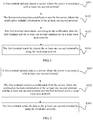
- FIG. 1 is a flowchart of a synchronization method according to an embodiment of the present invention. As shown in the figure, the method includes: S101. A first terminal uploads data to a server, where the server is associated with at least one second terminal.
- the first terminal logs in to the server, and uploads, to the server, data updated by the first terminal. Specifically, the first terminal has completed uploading of the data, and the server has received the data uploaded by the first terminal.
- the first terminal performs a subsequent operation, for example, searching for at least one second terminal in the local area network in which the first terminal is located, only after the first terminal completes uploading of the data updated by the terminal.
- the first terminal uploads, to the server, data updated by the terminal.
- the first terminal is in a process of uploading data to the server, and uploading of the updated data has not been completed, and the server has not received complete data updated by the first terminal.
- the first terminal may perform an operation such as searching for at least one second terminal in a local area network in which the first terminal is located.
- the server is associated with the at least one second terminal, where the association may be that the server is connected to the at least one second terminal.
- the first terminal and the at least one second terminal log in to the same server.
- An account that the at least one second terminal uses to log in to the server may be the same as or different from an account that the first terminal uses to log in to the server.
- the first terminal receives a notification sent by the server, where the notification includes information of the at least one second terminal.
- the first terminal After logging in to the server, the first terminal receives the notification sent by the server.
- the notification includes the information of the at least one second terminal.
- the information of the at least one second terminal may be address information of the at least one second terminal, such as an IP address.
- the information of the at least one second terminal may specifically be login information of the at least one second terminal, including account information for the at least one second terminal to log in to the server, and the like.
- the first terminal determines, according to the notification, that the first terminal and the at least one second terminal are in a same local area network.
- the first terminal acquires the information of the at least one second terminal according to the notification, and the first terminal determines, according to the information of the at least one second terminal, that the at least one second terminal is in the same local area network.
- the first terminal acquires the address information of the at least one second terminal; and the first terminal determines, according to the IP address of the at least one second terminal, that the at least one second terminal and the first terminal are in the same local area network.
- the server determines, according to address information of the first terminal and the address information of the at least one second terminal, that the first terminal and the at least one second terminal are in the same local area network, where the notification includes information indicating that the first terminal and the at least one second terminal are in the same local area network.
- the first terminal acquires the login information of the at least one second terminal, sends a probe request to one or more other terminals in the local area network in which the first terminal is located, receives responses of one or more other terminals in the local area network in which the first terminal is located, and determines that the first terminal and the at least one second terminal are in the same local area network.
- the first terminal sends the data to the at least one second terminal by using the local area network.
- the first terminal sends, in the local area network, the data to the at least one second terminal.
- the data sent by the first terminal to the at least one second terminal is the same as the data sent by the first terminal to the server.
- the first terminal implements data synchronization with the at least one second terminal in the same local area network. In this way, time consumption of synchronization is reduced, and synchronization efficiency is improved.
- the information of the at least one second terminal is specifically the login information for the at least one second terminal to log in to the server; the first terminal and the at least one second terminal use a same account to log in to the server; and that first terminal determines, according to the notification, that the first terminal and the at least one second terminal are in a same local area network is specifically: the first terminal sends a probe request to one or more other terminals in the local area network in which the first terminal is located, where the probe request includes login information for the first terminal to log in to the server; and the first terminal receives a response message from the at least one second terminal, and determines, according to the response message, that the at least one second terminal and the first terminal are in the same local area network, where the response message is a response of the at least one second terminal to the probe request sent by the first terminal.
- the login information may include account information and address information of the at least one second terminal.
- the probe request includes at least one of: the account information for the first terminal to log in to the server and the address information of the first terminal; and that the first terminal sends a probe request to one or more other terminals in the local area network+k is specifically:
- the at least one second terminal After receiving the probe request sent by the first terminal, the at least one second terminal acquires the account information for the first terminal to log in to the server. The at least one second terminal sends a response to the probe request to the first terminal, where the response includes at least one of: the account information for the at least one second terminal to log in to the server and the address information of the at least one second terminal. The first terminal receives the response of the at least one second terminal to the probe request, and determines, according to the response message, that the at least one second terminal and the first terminal are in the same local area network.
- the method further includes: the first terminal sends an indication message to the server, where the indication message is used to indicate that the first terminal sends, in the local area network, the data to the at least one second terminal.
- the server After receiving the indication message, the server no longer sends, to the at least one second terminal, the data uploaded by the first terminal.
- the at least one second terminal may also send the indication message to the server.
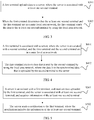
- FIG. 2 is a flowchart of a synchronization method according to an embodiment of the present invention. As shown in the figure, the method includes:
- the first terminal After logging in to the server, the first terminal receives the notification sent by the server.
- the notification includes the information of the at least one second terminal.
- the first terminal and the at least one second terminal are in the same local area network.
- the notification received by the first terminal from the server may include the information of the at least one second terminal and information indicating that the at least one second terminal and the first terminal are in the same local area network.
- the information of the at least one second terminal may specifically be address information of the at least one second terminal, such as an IP address, or a hardware interface parameter for receiving the data.
- the information of the at least one second terminal may specifically be login information of the at least one second terminal, including account information for the at least one second terminal to log in to the server, and the like.
- the first terminal sends the data to the at least one second terminal by using the local area network.
- the first terminal implements data synchronization with the at least one second terminal in the same local area network. In this way, time consumption of synchronization is reduced, and synchronization efficiency is improved.
- the method further includes: the first terminal sends an indication message to the server, where the indication message is used to indicate that the first terminal sends, in the local area network, the data to the at least one second terminal.
- the server After receiving the indication message, the server no longer sends, to the at least one second terminal, the data uploaded by the first terminal.
- the at least one second terminal may also send the indication message to the server.
- FIG. 3 is a flowchart of a synchronization method according to an embodiment of the present invention. As shown in the figure, the method includes:
- the first terminal sends, in the local area network, the data to the at least one second terminal.
- the data sent by the first terminal to the at least one second terminal is the same as the data sent by the first terminal to the server.
- the first terminal determines that the at least one second terminal and the first terminal are in a same local area network is specifically: the first terminal sends a probe request to one or more other terminals in the local area network in which the first terminal is located, where the probe request may include at least one of: account information or address information of the first terminal; the first terminal receives a response message from the at least one second terminal in the local area network, where the response message is a response of the at least one second terminal to the probe request; and the first terminal determines, according to the response message, that the first terminal and the at least one second terminal are in the same local area network.
- the first terminal implements data synchronization with the at least one second terminal in the same local area network. In this way, time consumption of synchronization is reduced, and synchronization efficiency is improved.
- the method further includes: the first terminal sends an indication message to the server, where the indication message is used to notify that the first terminal has sent the to-be-synchronized data to the at least one second terminal.
- the at least one second terminal may also send the indication message to the server.
- the first terminal and the at least one second terminal use a same account to log in to the server; and that the first terminal determines that the at least one second terminal and the first terminal are in a same local area network is specifically: the first terminal sends a probe request to one or more other terminals in the local area network in which the first terminal is located, where the probe request includes login information for the first terminal to log in to the server; and the first terminal receives a response message from the at least one second terminal, and determines, according to the response message, that the at least one second terminal and the first terminal are in the same local area network, where the response message is a response of the at least one second terminal to the probe request sent by the first terminal.
- the probe request includes at least one of: the account information for the first terminal to log in to the server and the address information of the first terminal; and that the first terminal sends a probe request to one or more other terminals in the local area network is specifically:
- the at least one second terminal After receiving the probe request sent by the first terminal, the at least one second terminal acquires the account information for the first terminal to log in to the server. The at least one second terminal sends a response to the probe request to the first terminal, where the response includes at least one of: account information for the at least one second terminal to log in to the server and address information of the at least one second terminal. The first terminal receives the response of the at least one second terminal to the probe request, and determines, according to the response message, that the at least one second terminal and the first terminal are in the same local area network.
- FIG. 4 is a flowchart of a synchronization method according to an embodiment of the present invention. As shown in the figure, the method includes: S401.
- a first terminal is associated with a server, where the server is associated with the second terminal, and the first terminal and the second terminal are in a same local area network.
- the first terminal logs in to the server, and uploads, to the server, data updated by the first terminal. Specifically, the first terminal has completed uploading of the data, and the server has received the data uploaded by the first terminal.
- the first terminal performs a subsequent operation, for example, searching for at least one second terminal in the local area network in which the first terminal is located, only after the first terminal completes uploading of the data updated by the terminal.
- the first terminal uploads, to the server, the data updated by the terminal.
- the first terminal is in a process of uploading data to the server, and uploading of the updated data has not been completed, and the server has not received complete data updated by the first terminal.
- the first terminal may perform an operation such as searching for at least one second terminal in the local area network in which the first terminal is located.
- the server is associated with the at least one second terminal, where the association may be that the server is connected to the at least one second terminal.
- the first terminal and the at least one second terminal log in to the same server.
- An account that the at least one second terminal uses to log in to the server may be the same as or different from an account that the first terminal uses to log in to the server.
- the first terminal and the second terminal are in the same local area network.
- the first terminal receives a notification from the server, where the notification includes information of the at least one second terminal that is in the same local area network as the first terminal, such as login information and/or address information of the at least one second terminal.
- the first terminal sends a probe request to one or more other terminals in the local area network in which the first terminal is located, to probe the at least one second terminal that logs in to the same server as the first terminal, and determines, according to responses of the one or more other terminals to the probe request, the at least one second terminal that is in the same local area network as the first terminal.
- the first terminal receives data that is sent by the second terminal by using the local area network, where the data is to-be-synchronized data that is uploaded by the second terminal to the server.
- the first terminal implements data synchronization with the at least one second terminal in the same local area network. In this way, time consumption of synchronization is reduced, and synchronization efficiency is improved.
- the first terminal and the at least one second terminal use a same account to log in to the server; and before the first terminal receives the data that is sent by the second terminal by using the local area network, the method further includes: the first terminal receives a probe request that is sent by the second terminal by using the local area network, where the probe request includes login information for the first terminal to log in to the server; and the first terminal sends a response message to the second terminal, where the response message is used to indicate that the first terminal and the second terminal are in the same local area network, and the response message is a response of the at least one second terminal to the probe request sent by the first terminal.
- the probe request includes at least one of: account information for the first terminal to log in to the server and address information of the first terminal; and that the first terminal sends a probe request to one or more other terminals in the local area network is specifically:
- the at least one second terminal After receiving the probe request sent by the first terminal, the at least one second terminal acquires the account information for the first terminal to log in to the server. The at least one second terminal sends a response to the probe request to the first terminal, where the response includes at least one of: account information for the at least one second terminal to log in to the server and the address information of the at least one second terminal. The first terminal receives the response of the at least one second terminal to the probe request, and determines, according to the response message, that the at least one second terminal and the first terminal are in the same local area network.
- the method before the first terminal receives the data that is sent by the second terminal by using the local area network, the method further includes: the first terminal receives a request for performing data synchronization in the local area network sent by the second terminal; and the first terminal sends a response to the data synchronization request to the second terminal.
- the second terminal may send, by using the server, the request for performing data synchronization to the first terminal.
- the second terminal may send, in the local area network, the request for performing data synchronization to the first terminal.
- the data synchronization request includes a synchronization credential, where the synchronization credential includes at least identity information of the data; and after the first terminal receives the data that is sent by the second terminal by using the local area network, the method further includes: when it is determined that the synchronization credential matches the data, the first terminal determines that the data is the to-be-synchronized data sent by the second terminal.
- the synchronization credential includes at least the identity information of the data that is sent by the second terminal to the first terminal.
- the first terminal matches the synchronization credential with the data received by the terminal, and when it is determined that the synchronization credential matches the data received by the terminal, determines that the data is the to-be-synchronized data sent by the second terminal.
- the synchronization credential may be one or more of identities such as a digest, a hash value, a name, and a size of the data. Introduction of the synchronization credential may ensure correctness and integrity of transmitted data.
- the method further includes: the first terminal extracts the identity information of the data; the first terminal sends a verification request to the server, where the verification request is used to request the server to verify whether the identity information matches the synchronized data that is sent by the second terminal and received by the server, and the verification request includes the identity information; and the first terminal receives confirmation information that is sent by the server according to the verification request when the identity information matches the to-be-synchronized data that is sent by the second terminal and received by the server, where the confirmation information is used to confirm that the data received by the terminal is consistent with the synchronized data that is sent by the second terminal to the server.
- the first terminal may save the data.
- the method further includes: the first terminal receives an indication message that is sent by the server according to the verification request when the identity information does not match the synchronized data that is sent by the second terminal and received by the server, where the indication message is used to indicate that the data received by the first terminal does not match the to-be-synchronized data sent by the second terminal.
- the first terminal may delete the data.
- the first terminal may further receive the to-be-synchronized data sent by the server.
- FIG. 5 is a flowchart of a synchronization method according to an embodiment of the present invention. As shown in the figure, the method includes: S501.
- a server is associated with a first terminal, and receives data uploaded by the first terminal; and the server is associated with at least one second terminal, and acquires information of the at least one second terminal.
- the server is associated with the first terminal.
- the association may be that the first terminal is connected to the server.
- the first terminal has to-be-synchronized data.
- the first terminal sends the to-be-synchronized data to the server, and the server receives the data uploaded by the first terminal.
- the server is associated with the at least one second terminal.
- the association may be that the second terminal is connected to the server.
- the server acquires the information of the at least one second terminal.
- the information of the at least one second terminal may include one or more of: address information, login information and the like of the at least one second terminal.
- the server sends a notification to the first terminal, where the notification includes the information of the at least one second terminal.
- the server After the server acquires the information of the at least one second terminal, the server sends the notification to the first terminal, where the notification includes at least the information of the at least one second terminal.
- the first terminal After acquiring the notification sent by the server, the first terminal determines, according to the notification, the at least one second terminal that is in a same local area network as the first terminal. After the first terminal determines the at least one second terminal in the local area network in which the first terminal is located, the first terminal sends, in the local area network, the data to the at least one second terminal.
- the first terminal determines, according to the notification sent by the server, the at least one second terminal that is in the same local area network as the terminal, and implements data synchronization in the same local area network. In this way, time consumption of synchronization is reduced, and synchronization efficiency is improved.
- the method further includes: the server receives an indication message sent by the first terminal, where the indication message is used to indicate that the first terminal sends, in the local area network, the data to the at least one second terminal. After acquiring the indication message, the server no longer sends, to the at least one second terminal, the data that is sent by the first terminal and received by the server.
- the method further includes: the server receives a verification request sent by the at least one second terminal, where the verification request includes identity information of the data that is sent by the first terminal in the local area network and received by the at least one second terminal, and the verification request is used to request the server to verify whether the identity information matches the data that is uploaded by the first terminal and received by the server; and when it is confirmed that the data that is uploaded by the first terminal and received by the server is consistent with the identity information, the server sends confirmation information to the at least one second terminal, where the confirmation information is used to confirm that the data received by the at least one second terminal matches the data received by the server.
- the identity information may be one or more of identities such as a digest, a hash value, a name, and a size of the data.
- the method further includes: when it is confirmed that the data that is uploaded by the first terminal and received by the server is inconsistent with the identity information, the server sends an indication message to the at least one second terminal, where the indication message is used to confirm that the data received by the at least one second terminal does not match the data received by the server.
- the server may further send, to the at least one second terminal, the data that is sent by the first terminal and received by the server.
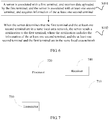
- FIG. 6 is a flowchart of a synchronization method according to an embodiment of the present invention. As shown in the figure, the method includes:
- the server when the server determines, according to information of the first terminal and the information of the at least one second terminal, that the first terminal and the at least one second terminal are in the same local area network, the server sends the notification to the first terminal.
- the information of the first terminal and the at least one second terminal may be address information of the at least one second terminal.
- the notification may be in a form of signaling, or may be in a form of text information, or may further include address information of the first terminal and/or the at least one second terminal.
- the first terminal After the first terminal determines the at least one second terminal in the local area network in which the first terminal is located, the first terminal sends, in the local area network, the data to the at least one second terminal.
- the first terminal determines, according to the notification sent by the server, the at least one second terminal that is in the same local area network as the terminal, and implements data synchronization in the same local area network. In this way, time consumption of synchronization is reduced, and synchronization efficiency is improved.
- the method further includes: the server receives an indication message sent by the first terminal, where the indication message is used to indicate that the first terminal sends, in the local area network, the data to the at least one second terminal. After receiving the indication message, the server no longer sends, to the at least one second terminal, the data uploaded by the first terminal.
- the at least one second terminal may also send the indication message to the server.
- the method further includes: the server receives a verification request sent by the at least one second terminal, where the verification request includes identity information of the data that is sent by the first terminal in the local area network and received by the at least one second terminal, and the verification request is used to request the server to verify whether the identity information matches the data that is uploaded by the first terminal and received by the server; and when it is confirmed that the data that is uploaded by the first terminal and received by the server is consistent with the identity information, the server sends confirmation information to the at least one second terminal, where the confirmation information is used to confirm that the data received by the at least one second terminal matches the data received by the server.
- the identity information may be one or more of identities such as a digest, a hash value, a name, and a size of the data.
- the method further includes: when it is confirmed that the data that is uploaded by the first terminal and received by the server is inconsistent with the identity information, the server sends an indication message to the at least one second terminal, where the indication message is used to confirm that the data received by the at least one second terminal does not match the data received by the server.
- the server may further send, to the at least one second terminal, the data that is sent by the first terminal and received by the server.
- the terminal apparatus disclosed in the present invention may be seen as a separate apparatus, or integrated in various media data playing apparatuses, for example, a mobile phone, a tablet computer (Tablet Personal Computer), a laptop computer (Laptop Computer), a multimedia player, a personal digital assistant (personal digital assistant, PDA for short), a mobile Internet device (Mobile Internet Device, MID), or a wearable device (Wearable Device).
- a mobile phone for example, a mobile phone, a tablet computer (Tablet Personal Computer), a laptop computer (Laptop Computer), a multimedia player, a personal digital assistant (personal digital assistant, PDA for short), a mobile Internet device (Mobile Internet Device, MID), or a wearable device (Wearable Device).
- a processor is a control center of the terminal electronic device, and uses various interfaces and lines to connect each part of the whole electronic device, and by running or executing a software program and/or a module stored in a storing unit and invoking data stored in the storing unit, executes various functions of the electronic device and/or processes data.
- the processor may include an integrated circuit (Integrated Circuit, IC for short), for example, may be formed by a single packaged IC, or may be formed by multiple interconnected packaged ICs that have same functions or different functions.
- the processor may include only a central processing unit (Central Processing Unit, CPU for short), or may be a combination of a GPU, a digital signal processor (Digital Signal Processor, DSP for short), and a control chip (for example, a baseband chip) in a communication unit.
- the CPU may be a single-operation core, or may include a multi-operation core.
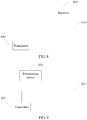
- FIG. 7 is a schematic structural diagram of an embodiment of a terminal according to the present invention.
- the terminal includes: A transmitter 730 is configured to upload data to a server, where the server is associated with at least one second terminal.
- the first terminal is connected to the server, and the transmitter uploads, to the server, data updated by the terminal.
- a receiver 740 is configured to receive a notification sent by the server, where the notification includes information of the at least one second terminal.
- the information of the at least one second terminal that is received by the receiver may specifically be address information of the at least one second terminal, such as an IP address.
- the information of the at least one second terminal that is received by the receiver may specifically be login information of the at least one second terminal, including account information for the at least one second terminal to log in to the server, and the like.
- a processor 720 is configured to determine, according to the notification, that the first terminal and the at least one second terminal are in a same local area network.
- the processor acquires the address information of the at least one second terminal; and the processor determines, according to the IP address of the at least one second terminal, that the at least one second terminal and the first terminal are in the same local area network.
- the server determines, according to address information of the first terminal and the address information of the at least one second terminal, that the first terminal and the at least one second terminal are in the same local area network, where the notification includes information indicating that the first terminal and the at least one second terminal are in the same local area network.
- the processor acquires the notification, and determines that the first terminal and the at least one second terminal are in the same local area network.
- the processor acquires the login information of the at least one second terminal.
- the processor instructs the transmitter to send a probe request to one or more other terminals in the local area network in which the first terminal is located, and the receiver receives responses of the one or more other terminals in the local area network in which the first terminal is located.
- the processor determines, according to the responses, that the first terminal and the at least one second terminal are in the same local area network.
- the transmitter 730 is further configured to send the data to the at least one second terminal by using the local area network.
- the transmitter After the processor determines that the first terminal and the at least one second terminal are in the same local area network, the transmitter sends the data to the at least one second terminal by using the local area network.
- the data sent by the first terminal to the at least one second terminal is the same as the data sent by the first terminal to the server.
- a communication bus 710 is configured to implement connection and communication between the processor 720, the transmitter 730, and the receiver.
- the first terminal implements data synchronization with the at least one second terminal in the same local area network. In this way, time consumption of synchronization is reduced, and synchronization efficiency is improved.
- the information of the at least one second terminal is specifically the login information for the at least one second terminal to log in to the server; the first terminal and the at least one second terminal use a same account to log in to the server; the transmitter is further configured to send a probe request to one or more other terminals in the local area network in which the first terminal is located, where the probe request includes login information for the first terminal to log in to the server; the receiver is further configured to receive a response message from the at least one second terminal, where the response message is a response of the at least one second terminal to the probe request sent by the first terminal; and the processor is further configured to determine, according to the response message, that the at least one second terminal and the first terminal are in the same local area network.
- the login information may include account information and address information of the at least one second terminal.
- the probe request includes at least one of: the account information for the first terminal to log in to the server and the address information of the first terminal; and that the transmitter sends a probe request to one or more other terminals in the local area network is specifically:
- the at least one second terminal After receiving the probe request sent by the first terminal, the at least one second terminal acquires the account information for the first terminal to log in to the server. The at least one second terminal sends a response to the probe request to the first terminal, where the response includes at least one of: the account information for the at least one second terminal to log in to the server and the address information of the at least one second terminal.
- the receiver receives the response of the at least one second terminal to the probe request, and the processor determines, according to the response message, that the at least one second terminal and the first terminal are in the same local area network.
- the transmitter is further configured to send an indication message to the server, where the indication message is used to indicate that the first terminal sends, in the local area network, the data to the at least one second terminal.
- the server After receiving the indication message, the server no longer sends, to the at least one second terminal, the data uploaded by the first terminal.
- FIG. 8 is a schematic structural diagram of an embodiment of a terminal according to the present invention.
- the terminal includes: A transmitter 830 is configured to upload data to a server, where the server is associated with at least one second terminal, and the at least one second terminal and the first terminal are in a same local area network.
- a receiver 820 is configured to receive a notification from the server, where the notification includes information of the at least one second terminal.
- the information of the at least one second terminal that is received by the receiver may specifically be address information of the at least one second terminal, such as an IP address.
- the information of the at least one second terminal that is received by the receiver may specifically be login information of the at least one second terminal, including account information for the at least one second terminal to log in to the server, and the like.
- the notification received by the receiver from the server may include the information of the at least one second terminal and information indicating that the at least one second terminal and the first terminal are in the same local area network.
- the transmitter 830 is further configured to send the data to the at least one second terminal by using the local area network.
- a communication bus 810 is configured to implement connection and communication between the transmitter 830 and the receiver 820.
- the first terminal implements data synchronization with the at least one second terminal in the same local area network. In this way, time consumption of synchronization is reduced, and synchronization efficiency is improved.
- the transmitter is further configured to send an indication message to the server, where the indication message is used to indicate that the first terminal sends, in the local area network, the data to the at least one second terminal.
- the server After receiving the indication message, the server no longer sends, to the at least one second terminal, the data uploaded by the first terminal.
- FIG. 9 is a schematic structural diagram of an embodiment of a terminal according to the present invention.
- the terminal is called a first terminal in this embodiment of the present invention.
- the first terminal includes: A transmitter 930 is configured to upload data to a server, where the server is associated with at least one second terminal.
- a determining circuit 920 is configured to determine that the at least one second terminal and the first terminal are in a same local area network.
- a communication bus 910 is configured to implement connection and communication between the transmitter 930 and the determining circuit 920.
- the determining circuit searches for the at least one second terminal that is associated with the same server as the terminal in the local area network in which the first terminal is located, and determines that the at least one second terminal and the terminal are in the same local area network.
- the determining circuit 920 includes a transmitter 931, a receiver 941, and a processor 951; and that the determining circuit determines that the at least one second terminal and the first terminal are in the same local area network is specifically:
- the transmitter is further configured to: after the determining circuit determines that the at least one second terminal and the first terminal are in the same local area network, send the data to the at least one second terminal by using the local area network.
- the first terminal implements data synchronization with the at least one second terminal in the same local area network. In this way, time consumption of synchronization is reduced, and synchronization efficiency is improved.
- the transmitter is further configured to send an indication message to the server, where the indication message is used to indicate that the first terminal sends, in the local area network, the data to the at least one second terminal.
- the server After receiving the indication message, the server no longer sends, to the at least one second terminal, the data uploaded by the first terminal.
- the first terminal and the at least one second terminal use a same account to log in to the server;
- the determining circuit includes a transmitter, a receiver, and a processor; and that the determining circuit determines that the at least one second terminal and the first terminal are in the same local area network is specifically: the transmitter is further configured to send a probe request to one or more other terminals in the local area network in which the first terminal is located, where the probe request includes login information for the first terminal to log in to the server;
- the receiver is configured to receive a response message from the at least one second terminal, where the response message is a response of the at least one second terminal to the probe request sent by the first terminal;
- the processor is configured to determine, according to the response message, that the at least one second terminal and the first terminal are in the same local area network.
- the login information may include account information and address information of the at least one second terminal.
- the probe request includes at least one of: the account information for the first terminal to log in to the server and the address information of the first terminal; and that the transmitter sends a probe request to one or more other terminals in the local area network is specifically:
- the at least one second terminal After receiving the probe request sent by the first terminal, the at least one second terminal acquires the account information for the first terminal to log in to the server. The at least one second terminal sends a response to the probe request to the first terminal, where the response includes at least one of: the account information for the at least one second terminal to log in to the server and the address information of the at least one second terminal.
- the receiver receives the response of the at least one second terminal to the probe request, and the processor determines, according to the response message, that the at least one second terminal and the first terminal are in the same local area network.
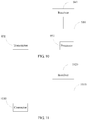
- FIG. 11 is a schematic structural diagram of an embodiment of a terminal according to the present invention.
- the terminal is called a first terminal in this embodiment of the present invention.
- the first terminal includes: A connector 1030 is associated with a server, where the server is associated with the second terminal, and the first terminal and the second terminal are in a same local area network.
- the server is associated with the at least one second terminal, where the association may be that the server is connected to the at least one second terminal.
- the first terminal and the at least one second terminal log in to the same server.
- An account that the at least one second terminal uses to log in to the server may be the same as or different from an account that the first terminal uses to log in to the server.
- the first terminal and the second terminal are in the same local area network.
- the first terminal receives a notification from the server, where the notification includes information of the at least one second terminal that is in the same local area network as the first terminal, such as login information and/or address information of the at least one second terminal.
- the first terminal sends a probe request to one or more other terminals in the local area network in which the first terminal is located, to probe the at least one second terminal that logs in to the same server as the first terminal, and determines, according to responses of the one or more other terminals to the probe request, the at least one second terminal that is in the same local area network as the first terminal.
- a receiver 1020 receives data that is sent by the second terminal by using the local area network, where the data is to-be-synchronized data that is uploaded by the second terminal to the server.
- the first terminal and the second terminal are in the same local area network.
- the second terminal sends the data to the first terminal by using the local area network, and the receiver receives the data that is sent by the second terminal by using the local area network.
- a communication bus 1010 is configured to implement connection and communication between the connector 1030 and the receiver 1020.
- the first terminal implements data synchronization with the at least one second terminal in the same local area network. In this way, time consumption of synchronization is reduced, and synchronization efficiency is improved.
- the first terminal and the at least one second terminal use a same account to log in to the server; the receiver is further configured to receive, before receiving the data that is sent by the second terminal by using the local area network, a probe request that is sent by the second terminal by using the local area network, where the probe request includes login information for the first terminal to log in to the server.
- the first terminal further includes: a transmitter, configured to send a response message to the second terminal after the receiver receives the probe request, where the response message is used to indicate that the first terminal and the second terminal are in the same local area network, and the response message is a response of the at least one second terminal to the probe request sent by the first terminal.
- the receiver is further configured to receive, before receiving the data that is sent by the second terminal by using the local area network, a request for performing data synchronization in the local area network sent by the second terminal.
- the first terminal further includes: a transmitter, configured to send a response to the data synchronization request to the second terminal after the receiver receives the request for performing data synchronization in the local area network.
- the response may be used to indicate that the first terminal agrees to the request for performing data synchronization in the local area network sent by the second terminal.
- the data synchronization request includes a synchronization credential, where the synchronization credential includes at least identity information of the data; and the terminal further includes: a processor, configured to: after the receiver receives the data that is sent by the second terminal by using the local area network, when it is determined that the synchronization credential matches the data, determine that the data is the to-be-synchronized data sent by the second terminal.
- the synchronization credential may be one or more of identities such as a digest, a hash value, a name, and a size of the data.
- the processor matches the synchronization credential with the data received by the terminal, and when the synchronization credential matches the data, determines that the data is the to-be-synchronized data sent by the second terminal.
- the processor is further configured to extract the identity information of the data after the receiver receives the data that is sent by the second terminal by using the local area network.
- the identity information may include one or more of identities such as a digest, a hash value, a name, and a size of the data.
- the transmitter is further configured to send a verification request to the server, where the verification request is used to request the server to verify whether the identity information matches the synchronized data that is sent by the second terminal and received by the server, and the verification request includes the identity information.
- the receiver is further configured to receive confirmation information that is sent by the server according to the verification request when the identity information matches the to-be-synchronized data that is sent by the second terminal and received by the server, where the confirmation information is used to confirm that the data received by the terminal is consistent with the synchronized data that is sent by the second terminal to the server.
- the receiver is further configured to receive an indication message that is sent by the server according to the verification request when the identity information does not match the synchronized data that is sent by the second terminal and received by the server, where the indication message is used to indicate that the data received by the first terminal does not match the to-be-synchronized data sent by the second terminal.
- the receiver may be further configured to receive the data that is sent by the second terminal and received by the server and sent by the server.
- the processor is further configured to delete the data that is sent by the second terminal and received by the first terminal.
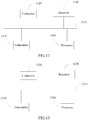
- FIG. 12 is a schematic structural diagram of an embodiment of a server according to the present invention.
- the server includes: A connector 1120 is configured to associate with a first terminal and associate with at least one second terminal.
- the connector is associated with the first terminal, where the association may be that the first terminal is connected to the server.
- the server is associated with the at least one second terminal, where the association may be that the at least one second terminal is connected to the server.
- a receiver 1140 is configured to receive data uploaded by the first terminal; the first terminal has to-be-synchronized data; and the first terminal sends the to-be-synchronized data to the server, and the receiver receives the data uploaded by the first terminal.
- a processor 1150 is configured to acquire information of the at least one second terminal, where the server is associated with the at least one second terminal.
- the association may be that the second terminal is connected to the server.
- the processor acquires the information of the at least one second terminal.
- the information of the at least one second terminal may include one or more of: address information, login information and the like of the at least one second terminal.
- a transmitter 1130 is configured to send a notification to the first terminal, where the notification includes the information of the at least one second terminal.
- a communication bus 1110 is configured to implement connection and communication between the connector 1120, the transmitter 1130, the receiver 1140, and the processor 1150.
- the first terminal determines, according to the notification sent by the server, the at least one second terminal that is in a same local area network as the terminal, and implements data synchronization in the same local area network. In this way, time consumption of synchronization is reduced, and synchronization efficiency is improved.
- the receiver is further configured to receive an indication message sent by the first terminal, where the indication message is used to indicate that the first terminal sends, in the local area network, the data to the at least one second terminal.
- the processor After acquiring the indication message, the processor sends an instruction to the transmitter, so that the data that is sent by the first terminal and received by the server is no longer sent to the at least one second terminal.
- the receiver is further configured to receive a verification request sent by the at least one second terminal, where the verification request includes identity information of the data that is sent by the first terminal in the local area network and received by the at least one second terminal, and the verification request is used to request the server to verify whether the identity information matches the data that is uploaded by the first terminal and received by the server;
- the processor is further configured to confirm whether the data that is uploaded by the first terminal and received by the server is consistent with the identity information;
- the transmitter is further configured to: when the processor confirms that the data that is uploaded by the first terminal and received by the server is consistent with the identity information, send confirmation information to the at least one second terminal, where the confirmation information is used to confirm that the data received by the at least one second terminal matches the data received by the server.
- the identity information may be one or more of identities such as a digest, a hash value, a name, and a size of the data.
- the transmitter is further configured to: when the processor confirms that the data that is uploaded by the first terminal and received by the server is inconsistent with the identity information, send an indication message to the at least one second terminal, where the indication message is used to confirm that the data received by the at least one second terminal does not match the data received by the server.
- FIG. 13 is a schematic structural diagram of an embodiment of a server according to the present invention.
- the server includes: A connector 1220 is configured to associate with a first terminal and associate with at least one second terminal.
- a receiver 1240 is configured to receive data uploaded by the first terminal.
- a processor 1250 is configured to acquire information of the at least one second terminal, and determine whether the first terminal and the at least one second terminal are in a same local area network.
- the processor acquires the information of the at least one second terminal.
- the information of the at least one second terminal may include one or more of: address information, login information and the like of the at least one second terminal.
- the processor acquires information of the first terminal.
- the information of the first terminal may include one or more of: address information, login information and the like of the at least one second terminal.
- the processor determines, according to the information of the first terminal and the information of the at least one second terminal, that the first terminal and the at least one second terminal are in the same local area network.
- a transmitter 1230 is configured to: when the processor determines that the first terminal and the at least one second terminal are in the same local area network, send a notification to the first terminal, where the notification includes the information of the at least one second terminal, and the at least one second terminal and the first terminal are in the same local area network.
- a communication bus 1210 is configured to implement connection and communication between the connector 1220, the transmitter 1230, the receiver 1240, and the processor 1250.
- the first terminal determines, according to the notification sent by the server, the at least one second terminal that is in the same local area network as the terminal, and implements data synchronization in the same local area network. In this way, time consumption of synchronization is reduced, and synchronization efficiency is improved.
- the receiver is further configured to receive an indication message sent by the first terminal, where the indication message is used to indicate that the first terminal sends, in the local area network, the data to the at least one second terminal.
- the processor After acquiring the indication message, the processor sends an instruction to the transmitter, so that the data that is sent by the first terminal and received by the server is no longer sent to the at least one second terminal.
- the receiver is further configured to receive a verification request sent by the at least one second terminal, where the verification request includes identity information of the data that is sent by the first terminal in the local area network and received by the at least one second terminal, and the verification request is used to request the server to verify whether the identity information matches the data that is uploaded by the first terminal and received by the server;
- the processor is further configured to confirm whether the data that is uploaded by the first terminal and received by the server is consistent with the identity information;
- the transmitter is further configured to: when the processor confirms that the data that is uploaded by the first terminal and received by the server is consistent with the identity information, send confirmation information to the at least one second terminal, where the confirmation information is used to confirm that the data received by the at least one second terminal matches the data received by the server.
- the identity information may be one or more of identities such as a digest, a hash value, a name, and a size of the data.
- the transmitter is further configured to: when the processor confirms that the data that is uploaded by the first terminal and received by the server is inconsistent with the identity information, send an indication message to the at least one second terminal, where the indication message is used to confirm that the data received by the at least one second terminal does not match the data received by the server.
- the technical solutions described in the foregoing embodiments of the present invention are not only applicable to cloud synchronization, but also applicable to synchronization between servers on the Internet.
- the cloud synchronization includes data synchronization between a cloud device and a server, and further includes individual-centered data sharing between different devices.
- the program may be stored in a computer-readable storage medium. When the program runs, the processes of the methods in the foregoing embodiments are performed.
- the storage medium may include: a magnetic disk, an optical disc, a read-only memory (Read-Only Memory, ROM), or a random access memory (Random Access Memory, RAM).
Landscapes
- Engineering & Computer Science (AREA)
- Computer Networks & Wireless Communication (AREA)
- Signal Processing (AREA)
- Information Transfer Between Computers (AREA)
- Mobile Radio Communication Systems (AREA)
- Telephonic Communication Services (AREA)
Claims (10)
- Procédé de synchronisation, le procédé comprenant les étapes consistant à :associer (S501) un serveur à un premier terminal et recevoir des données téléchargées par le premier terminal ; et associer le serveur à au moins un second terminal, et acquérir des informations du second terminal ou des seconds terminaux, dans lequel l'association (S601) comprend la connexion du premier terminal au serveur ; etlorsque le serveur détermine que le premier terminal et le second terminal ou les seconds terminaux se trouvent dans un même réseau local, envoyer (S602), par le serveur, après la connexion au serveur, une notification au premier terminal, dans lequel la notification comprend les informations du second terminal ou des seconds terminaux, et le second terminal ou les seconds terminaux et le premier terminal se trouvent dans le même réseau local ;recevoir, par le serveur, un message d'indication envoyé par le premier terminal, dans lequel le message d'indication est utilisé pour indiquer que le premier terminal envoie, dans le réseau local, les données au second terminal ou aux seconds terminaux ;recevoir, par le serveur, une demande de vérification envoyée par le second terminal ou les seconds terminaux, dans lequel la demande de vérification comprend des informations d'identité des données qui sont envoyées par le premier terminal dans le réseau local et reçues par le second terminal ou les seconds terminaux, et la demande de vérification est utilisée pour demander au serveur de vérifier si les informations d'identité correspondent aux données qui sont téléchargées par le premier terminal et reçues par le serveur ; etlorsqu'il est confirmé que les données qui sont téléchargées par le premier terminal et reçues par le serveur concordent avec les informations d'identité, envoyer, par le serveur, des informations de confirmation au second terminal ou aux seconds terminaux, dans lequel les informations de confirmation sont utilisées pour confirmer que les données reçues par le second terminal ou les seconds terminaux correspondent aux données reçues par le serveur.
- Procédé selon la revendication 1, le procédé comprenant en outre l'étape consistant à :
lorsqu'il est confirmé que les données qui sont téléchargées par le premier terminal et reçues par le serveur ne concordent pas avec les informations d'identité, envoyer, par le serveur, un message d'indication au second terminal ou aux seconds terminaux, dans lequel le message d'indication est utilisé pour confirmer que les données reçues par le second terminal ou les seconds terminaux ne correspondent pas aux données reçues par le serveur. - Procédé selon l'une quelconque des revendications 1 et 2, le procédé comprenant en outre les étapes consistant à :télécharger (S101), par le premier terminal, des données sur le serveur, dans lequel le serveur est associé au second terminal ou aux seconds terminaux, et le téléchargement (S101) consiste à se connecter au serveur et à télécharger sur le serveur des données mises à jour par le premier terminal ;recevoir (S102), par le premier terminal, après la connexion au serveur, une notification envoyée par le serveur, dans lequel la notification comprend des informations du second terminal ou des seconds terminaux ;déterminer (S103), par le premier terminal en fonction de la notification, que le premier terminal et le second terminal ou les seconds terminaux se trouvent dans un même réseau local ;envoyer (S104), par le premier terminal, les données au second terminal ou aux seconds terminaux en utilisant le réseau local; etenvoyer, par le premier terminal, un message d'indication au serveur, dans lequel le message d'indication est utilisé pour indiquer que le premier terminal envoie, dans le réseau local, les données au second terminal ou aux seconds terminaux, dans lequel les données envoyées par le premier terminal au second terminal ou aux seconds terminaux sont les données mises à jour par le premier terminal.
- Procédé selon la revendication 3, dans lequel : les informations du second terminal ou des seconds terminaux sont en particulier des informations de connexion permettant au second terminal ou aux seconds terminaux de se connecter au serveur ; le premier terminal et le second terminal ou les seconds terminaux utilisent un même compte pour se connecter au serveur; et la détermination (S103), par le premier terminal en fonction de la notification, du fait que le premier terminal et le second terminal ou les seconds terminaux se trouvent dans un même réseau local comprend en particulier les étapes consistant à :envoyer, par le premier terminal, une demande de sondage à un ou plusieurs autres terminaux dans le réseau local dans lequel se trouve le premier terminal, dans lequel la demande de sondage comprend des informations de connexion permettant au premier terminal de se connecter au serveur ; etrecevoir, par le premier terminal, un message de réponse du second terminal ou des seconds terminaux, et déterminer, en fonction du message de réponse, que le second terminal ou les seconds terminaux et le premier terminal se trouvent dans le même réseau local, dans lequel le message de réponse est une réponse du second terminal ou des seconds terminaux à la demande de sondage envoyée par le premier terminal.
- Procédé de synchronisation selon la revendication 3, dans lequel la dans lequel la notification comprend des informations selon lesquelles le second terminal ou les second terminaux et le premier terminal se trouvent dans un même réseau local.
- Serveur, le serveur comprenant :un connecteur (1120) configuré pour être associé à un premier terminal et associé à au moins un second terminal ;un récepteur (1140) configuré pour recevoir des données téléchargées par le premier terminal ;un processeur (1150) configuré pour acquérir des informations du second terminal ou des seconds terminaux ; etun émetteur (1130) configuré pour envoyer une notification au premier terminal, dans lequel la notification comprend Les informations du second terminal ou des seconds terminaux, dans lequel :le récepteur (1140) est en outre configuré pour recevoir un message d'indication envoyé par le premier terminal, dans lequel le message d'indication est utilisé pour indiquer que le premier terminal envoie, dans le réseau local, les données au second terminal ou aux seconds terminaux ;
etle récepteur (1140) est en outre configuré pour recevoir une demande de vérification envoyée par le second terminal ou les seconds terminaux, dans lequel la demande de vérification comprend des informations d'identité des données qui sont envoyées par le premier terminal dans le réseau local et reçues par le second terminal ou les seconds terminaux, et la demande de vérification est utilisée pour demander au serveur de vérifier si les informations d'identité correspondent aux données qui sont téléchargées par le premier terminal et reçues par le serveur ;le processeur (1150) est en outre configuré pour confirmer si les données qui sont téléchargées par le premier terminal et reçues par le serveur concordent avec les informations d'identité ; etl'émetteur (1130) est en outre configuré pour : lorsque le processeur (1150) confirme que les données qui sont téléchargées par le premier terminal et reçues par le serveur concordent avec les informations d'identité, envoyer des informations de confirmation au second terminal ou aux seconds terminaux, dans lequel les informations de confirmation sont utilisées pour confirmer que les données reçues par le second terminal ou les seconds terminaux correspondent aux données reçues par le serveur. - Serveur selon la revendication 6, dans lequel :
l'émetteur (1130) est en outre configuré pour : lorsque le processeur (1150) confirme que les données qui sont téléchargées par le premier terminal et reçues par le serveur ne concordent pas avec les informations d'identité, envoyer un message d'indication au second terminal ou aux seconds terminaux, dans lequel le message d'indication est utilisé pour confirmer que les données reçues par le second terminal ou les seconds terminaux ne correspondent pas aux données reçues par le serveur. - Système comprenant le serveur selon l'une quelconque des revendications 6 et 7 et un terminal, dans lequel le terminal est le premier terminal et dans lequel le premier terminal est configuré pour se connecter au serveur et télécharger des données mises à jour par le premier terminal sur le serveur, le premier terminal comprenant :un émetteur (730) configuré pour télécharger les données sur le serveur, dans lequel le serveur est associé au second terminal ou aux seconds terminaux ; et envoyer les données au second terminal ou aux seconds terminaux en utilisant le réseau local, dans lequel les données envoyées par le premier terminal au second terminal ou aux seconds terminaux sont les données mises à jour par le premier terminal ;un récepteur (740), configuré pour recevoir, après la connexion au serveur, la notification envoyée par le serveur, dans lequel la notification comprend des informations du second terminal ou des seconds terminaux ; etun processeur (720) configuré pour déterminer, en fonction de la notification, que le premier terminal et le second terminal ou les seconds terminaux se trouvent dans le même réseau local ; dans lequel :
l'émetteur (730) est en outre configuré pour envoyer le message d'indication au serveur, dans lequel le message d'indication est utilisé pour indiquer que le premier terminal envoie, dans le réseau local, les données au second terminal ou aux seconds terminaux. - Système selon la revendication 8, dans lequel : les informations du second terminal ou des seconds terminaux sont en particulier des informations de connexion permettant au second terminal ou aux seconds terminaux de se connecter au serveur ; le premier terminal et le second terminal ou les seconds terminaux utilisent un même compte pour se connecter au serveur ;
l'émetteur (730) est en outre configuré pour envoyer une demande de sondage à un ou plusieurs autres terminaux dans le réseau local dans lequel se trouve le terminal, dans lequel la demande de sondage comprend des informations de connexion permettant au premier terminal de se connecter au serveur ;
le récepteur (740) est en outre configuré pour recevoir un message de réponse du second terminal ou des seconds terminaux, dans lequel le message de réponse est une réponse du second terminal ou des seconds terminaux à la demande de sondage envoyée par le premier terminal ; et
le processeur (720) est en outre configuré pour déterminer, en fonction du message de réponse, que le second terminal ou les seconds terminaux et le premier terminal se trouvent dans le même réseau local. - Système selon la revendication 8, dans lequel la notification comprend des informations selon lesquelles le premier terminal et le second terminal ou les second terminaux se trouvent dans un même réseau local.
Applications Claiming Priority (2)
| Application Number | Priority Date | Filing Date | Title |
|---|---|---|---|
| PCT/CN2013/088974 WO2015085485A1 (fr) | 2013-12-10 | 2013-12-10 | Procédé de synchronisation, terminal et serveur |
| PCT/CN2014/070464 WO2015085664A1 (fr) | 2013-12-10 | 2014-01-10 | Procédé, terminal, et serveur de synchronisation |
Publications (3)
| Publication Number | Publication Date |
|---|---|
| EP3068105A1 EP3068105A1 (fr) | 2016-09-14 |
| EP3068105A4 EP3068105A4 (fr) | 2016-11-23 |
| EP3068105B1 true EP3068105B1 (fr) | 2019-09-04 |
Family
ID=53370455
Family Applications (1)
| Application Number | Title | Priority Date | Filing Date |
|---|---|---|---|
| EP14869808.7A Active EP3068105B1 (fr) | 2013-12-10 | 2014-01-10 | Procédé et serveur de synchronisation de données |
Country Status (4)
| Country | Link |
|---|---|
| US (1) | US10673931B2 (fr) |
| EP (1) | EP3068105B1 (fr) |
| BR (1) | BR112016013332B1 (fr) |
| WO (2) | WO2015085485A1 (fr) |
Families Citing this family (9)
| Publication number | Priority date | Publication date | Assignee | Title |
|---|---|---|---|---|
| CN103646573B (zh) | 2013-12-11 | 2016-01-06 | 闫健 | 一种全景模式教学系统的专用格式文件的生成方法 |
| CN105072146B (zh) * | 2015-06-30 | 2020-07-28 | Oppo广东移动通信有限公司 | 一种音乐信息的共享方法及装置 |
| TWI590072B (zh) * | 2015-12-29 | 2017-07-01 | 宏碁股份有限公司 | 雲端管理系統及其裝置管理方法 |
| CN109005204B (zh) * | 2017-06-07 | 2021-08-20 | 腾讯科技(深圳)有限公司 | 一种直播处理方法、装置及系统 |
| CN112788151B (zh) * | 2017-09-08 | 2024-02-06 | 创新先进技术有限公司 | 数据同步的方法、装置和系统 |
| CN111431957B (zh) * | 2019-01-10 | 2023-09-26 | 钉钉控股(开曼)有限公司 | 文件处理方法、装置、设备和系统 |
| CN110674157B (zh) * | 2019-09-29 | 2022-04-19 | 成都吉胜科技有限责任公司 | 一种基于局域网的数据缓存方法 |
| CN111416760B (zh) | 2020-03-30 | 2022-11-08 | 京东方科技集团股份有限公司 | 一种信息同步方法、终端及信息同步系统 |
| CN114884972B (zh) * | 2022-03-17 | 2024-03-22 | 网易(杭州)网络有限公司 | 数据同步方法、服务器、网关设备和数据同步系统 |
Citations (3)
| Publication number | Priority date | Publication date | Assignee | Title |
|---|---|---|---|---|
| US8019900B1 (en) * | 2008-03-25 | 2011-09-13 | SugarSync, Inc. | Opportunistic peer-to-peer synchronization in a synchronization system |
| US20120166516A1 (en) * | 2010-07-28 | 2012-06-28 | Admiemobile Llc | Systems and methods for establishing and maintaining virtual computing clouds |
| WO2012177253A1 (fr) * | 2011-06-22 | 2012-12-27 | Dropbox Inc. | Partage de fichiers par génération de liens |
Family Cites Families (41)
| Publication number | Priority date | Publication date | Assignee | Title |
|---|---|---|---|---|
| US5978813A (en) * | 1995-09-25 | 1999-11-02 | International Business Machines Corporation | System for providing synchronization between a local area network and a distributing computer environment |
| KR19990072122A (ko) * | 1995-12-12 | 1999-09-27 | 바자니 크레이그 에스 | 실시간 영상 전송 방법 및 장치 |
| US5862325A (en) * | 1996-02-29 | 1999-01-19 | Intermind Corporation | Computer-based communication system and method using metadata defining a control structure |
| US7260094B1 (en) | 1998-12-22 | 2007-08-21 | Aol Llc | Localization of clients and servers |
| US20020090934A1 (en) * | 2000-11-22 | 2002-07-11 | Mitchelmore Eliott R.D. | Content and application delivery and management platform system and method |
| US7440994B2 (en) * | 2001-07-06 | 2008-10-21 | Intel Corporation | Method and apparatus for peer-to-peer services to shift network traffic to allow for an efficient transfer of information between devices via prioritized list |
| US7243103B2 (en) * | 2002-02-14 | 2007-07-10 | The Escher Group, Ltd. | Peer to peer enterprise storage system with lexical recovery sub-system |
| TWI220713B (en) * | 2002-10-04 | 2004-09-01 | Hon Hai Prec Ind Co Ltd | System and method for synchronizing documents between multi-nodes |
| US7441180B1 (en) * | 2002-12-17 | 2008-10-21 | Mediadefender, Inc. | Computer network file synchronization system and method |
| US7512783B2 (en) * | 2003-03-14 | 2009-03-31 | Naghian Siamaek | Provision of security services for an ad-hoc network |
| CA2422334C (fr) * | 2003-03-17 | 2009-06-09 | British Telecommunications Public Limited Company | Authentification d'utilisateurs de reseau |
| US20060053368A1 (en) * | 2004-05-20 | 2006-03-09 | Bea Systems, Inc. | Conduit manager for occasionally-connected application server |
| US7970017B2 (en) * | 2005-07-13 | 2011-06-28 | At&T Intellectual Property I, L.P. | Peer-to-peer synchronization of data between devices |
| WO2007097748A1 (fr) * | 2006-02-21 | 2007-08-30 | Thomson Licensing | Réseau de distribution pair à pair de contenu vidéo basé sur un stockage en réseau personnel |
| US20080040181A1 (en) * | 2006-04-07 | 2008-02-14 | The University Of Utah Research Foundation | Managing provenance for an evolutionary workflow process in a collaborative environment |
| US20090210631A1 (en) * | 2006-09-22 | 2009-08-20 | Bea Systems, Inc. | Mobile application cache system |
| US20080077635A1 (en) * | 2006-09-22 | 2008-03-27 | Digital Bazaar, Inc. | Highly Available Clustered Storage Network |
| CN101257375B (zh) | 2006-12-31 | 2012-08-08 | 华为技术有限公司 | 实现多终端的消息同步的方法及装置 |
| US8578416B1 (en) * | 2007-04-27 | 2013-11-05 | Rovi Guides, Inc. | Systems and methods for providing blackout recording and summary information |
| US20090043867A1 (en) * | 2007-08-06 | 2009-02-12 | Apple Inc. | Synching data |
| JP4942686B2 (ja) * | 2008-03-18 | 2012-05-30 | 株式会社リコー | ネットワーク同期システム及び情報処理装置 |
| CN101340274A (zh) * | 2008-08-21 | 2009-01-07 | 北京搜狗科技发展有限公司 | 一种数据同步的方法及装置 |
| US9614924B2 (en) | 2008-12-22 | 2017-04-04 | Ctera Networks Ltd. | Storage device and method thereof for integrating network attached storage with cloud storage services |
| US9083762B2 (en) | 2010-05-28 | 2015-07-14 | Greg Saunders | System and method for providing hybrid on demand services to a work unit |
| KR20130023490A (ko) * | 2011-08-29 | 2013-03-08 | 주식회사 팬택 | 애플리케이션 동기화 시스템 및 방법 |
| US9591069B2 (en) * | 2011-10-31 | 2017-03-07 | Adobe Systems Incorporated | Peer-to-peer assist for live media streaming |
| EP2631817A1 (fr) * | 2012-02-23 | 2013-08-28 | Fujitsu Limited | Base de données, appareil et procédé permettant de stocker les triplets codés |
| CN103327037B (zh) | 2012-03-20 | 2017-09-29 | 中兴通讯股份有限公司 | 数据同步方法及装置 |
| US9218406B2 (en) * | 2012-04-26 | 2015-12-22 | Connected Data, Inc. | System and method for managing user data in a plurality of storage appliances over a wide area network for collaboration, protection, publication, or sharing |
| CN102739808B (zh) | 2012-07-27 | 2016-05-11 | 优视科技有限公司 | 云存储服务器、用户终端以及云端数据的传输系统及方法 |
| US9075954B2 (en) * | 2012-08-29 | 2015-07-07 | Dropbox, Inc. | Requesting modification rights to a linked file set |
| CN102882985B (zh) * | 2012-10-23 | 2015-08-05 | 上海够快网络科技有限公司 | 基于云存储的文件共享方法 |
| US9032050B2 (en) * | 2012-10-31 | 2015-05-12 | Vmware, Inc. | Systems and methods for accelerating remote data retrieval via peer nodes |
| TW201419006A (zh) * | 2012-11-14 | 2014-05-16 | Inst Information Industry | 通知並提供快速開啟同步資料的方法、系統以及儲存有此方法之電腦可讀取記錄媒體 |
| CN103108051A (zh) | 2013-02-27 | 2013-05-15 | 上海够快网络科技有限公司 | 一种从云端服务器同步共享文件的方法 |
| CN103118032B (zh) * | 2013-03-01 | 2015-09-30 | 北京奇艺世纪科技有限公司 | 一种终端登录账号同步的方法、终端与服务器 |
| US20150032690A1 (en) * | 2013-07-25 | 2015-01-29 | Microsoft Corporation | Virtual synchronization with on-demand data delivery |
| US9454541B2 (en) * | 2013-09-24 | 2016-09-27 | Cyberlink Corp. | Systems and methods for storing compressed data in cloud storage |
| US20150120662A1 (en) * | 2013-10-29 | 2015-04-30 | Microsoft Corporation | Synchronizing event history for multiple clients |
| US10158693B2 (en) * | 2015-05-14 | 2018-12-18 | Vmware, Inc. | Peer-to-peer network download optimization |
| JP6769106B2 (ja) * | 2016-05-18 | 2020-10-14 | 富士通株式会社 | ストレージ制御方法、ストレージ制御プログラムおよび情報処理装置 |
-
2013
- 2013-12-10 WO PCT/CN2013/088974 patent/WO2015085485A1/fr not_active Ceased
-
2014
- 2014-01-10 WO PCT/CN2014/070464 patent/WO2015085664A1/fr not_active Ceased
- 2014-01-10 EP EP14869808.7A patent/EP3068105B1/fr active Active
- 2014-01-10 BR BR112016013332-3A patent/BR112016013332B1/pt active IP Right Grant
- 2014-01-10 US US15/103,772 patent/US10673931B2/en active Active
Patent Citations (3)
| Publication number | Priority date | Publication date | Assignee | Title |
|---|---|---|---|---|
| US8019900B1 (en) * | 2008-03-25 | 2011-09-13 | SugarSync, Inc. | Opportunistic peer-to-peer synchronization in a synchronization system |
| US20120166516A1 (en) * | 2010-07-28 | 2012-06-28 | Admiemobile Llc | Systems and methods for establishing and maintaining virtual computing clouds |
| WO2012177253A1 (fr) * | 2011-06-22 | 2012-12-27 | Dropbox Inc. | Partage de fichiers par génération de liens |
Also Published As
| Publication number | Publication date |
|---|---|
| US20160316000A1 (en) | 2016-10-27 |
| WO2015085664A1 (fr) | 2015-06-18 |
| US10673931B2 (en) | 2020-06-02 |
| BR112016013332B1 (pt) | 2023-11-14 |
| EP3068105A4 (fr) | 2016-11-23 |
| BR112016013332A2 (pt) | 2018-06-26 |
| EP3068105A1 (fr) | 2016-09-14 |
| WO2015085485A1 (fr) | 2015-06-18 |
Similar Documents
| Publication | Publication Date | Title |
|---|---|---|
| US10673931B2 (en) | Synchronizing method, terminal, and server | |
| CN111643907B (zh) | 一种游戏登录方法、装置、存储介质和电子设备 | |
| US10193971B2 (en) | Method, server and system for application synchronization | |
| CN102916866B (zh) | 一种数据分享方法、终端、服务器以及系统 | |
| CN102891890B (zh) | 一种终端之间的交互方法及相关设备、系统 | |
| CN102713951B (zh) | 跨越多个社交网络站点自动同步新联络人 | |
| US9774642B2 (en) | Method and device for pushing multimedia resource and display terminal | |
| US20220109730A1 (en) | Method and proxy server for establishing communication connection | |
| CN106302308B (zh) | 一种信任登录方法和装置 | |
| CN105009549B (zh) | 一种同步方法及终端、服务器 | |
| CN103581230A (zh) | 文件传输系统和方法、接收端、发送端 | |
| US11789765B2 (en) | Collaborative hosted virtual systems and methods | |
| JP2018512660A (ja) | 中継サーバを用いて電子デバイスに遠隔端末支援を提供する方法、装置およびシステム | |
| WO2015043455A1 (fr) | Procédé de transmission de données, dispositif, et système | |
| CN103067919B (zh) | 计算设备和移动设备之间的连接建立方法和认证方法 | |
| CN112291364A (zh) | 一种消息推送处理方法和装置 | |
| CN104967646B (zh) | 文件下载方法及装置 | |
| CN103561063B (zh) | 一种登录机顶盒的方法及终端 | |
| CN104394171A (zh) | 一种数据操作方法及装置 | |
| US20180020490A1 (en) | Service data group sending method, apparatus, and server | |
| US20110202625A1 (en) | Storage device, system and method for data share | |
| CN115686542A (zh) | 应用安装方法、装置、设备及存储介质 | |
| CN105847286A (zh) | 多媒体文件的获取方法及装置 | |
| CN103067469B (zh) | 一种计算设备、移动设备和服务器 | |
| CN107105098B (zh) | 信息处理方法、装置及系统 |
Legal Events
| Date | Code | Title | Description |
|---|---|---|---|
| PUAI | Public reference made under article 153(3) epc to a published international application that has entered the european phase |
Free format text: ORIGINAL CODE: 0009012 |
|
| 17P | Request for examination filed |
Effective date: 20160608 |
|
| AK | Designated contracting states |
Kind code of ref document: A1 Designated state(s): AL AT BE BG CH CY CZ DE DK EE ES FI FR GB GR HR HU IE IS IT LI LT LU LV MC MK MT NL NO PL PT RO RS SE SI SK SM TR |
|
| AX | Request for extension of the european patent |
Extension state: BA ME |
|
| A4 | Supplementary search report drawn up and despatched |
Effective date: 20161024 |
|
| RIC1 | Information provided on ipc code assigned before grant |
Ipc: H04L 29/08 20060101AFI20161018BHEP |
|
| DAX | Request for extension of the european patent (deleted) | ||
| STAA | Information on the status of an ep patent application or granted ep patent |
Free format text: STATUS: EXAMINATION IS IN PROGRESS |
|
| 17Q | First examination report despatched |
Effective date: 20170511 |
|
| RAP1 | Party data changed (applicant data changed or rights of an application transferred) |
Owner name: HUAWEI DEVICE (DONGGUAN) CO., LTD. |
|
| GRAP | Despatch of communication of intention to grant a patent |
Free format text: ORIGINAL CODE: EPIDOSNIGR1 |
|
| STAA | Information on the status of an ep patent application or granted ep patent |
Free format text: STATUS: GRANT OF PATENT IS INTENDED |
|
| INTG | Intention to grant announced |
Effective date: 20190321 |
|
| RAP1 | Party data changed (applicant data changed or rights of an application transferred) |
Owner name: HUAWEI DEVICE CO., LTD. |
|
| GRAS | Grant fee paid |
Free format text: ORIGINAL CODE: EPIDOSNIGR3 |
|
| GRAA | (expected) grant |
Free format text: ORIGINAL CODE: 0009210 |
|
| STAA | Information on the status of an ep patent application or granted ep patent |
Free format text: STATUS: THE PATENT HAS BEEN GRANTED |
|
| AK | Designated contracting states |
Kind code of ref document: B1 Designated state(s): AL AT BE BG CH CY CZ DE DK EE ES FI FR GB GR HR HU IE IS IT LI LT LU LV MC MK MT NL NO PL PT RO RS SE SI SK SM TR |
|
| REG | Reference to a national code |
Ref country code: GB Ref legal event code: FG4D |
|
| REG | Reference to a national code |
Ref country code: CH Ref legal event code: EP |
|
| REG | Reference to a national code |
Ref country code: AT Ref legal event code: REF Ref document number: 1176981 Country of ref document: AT Kind code of ref document: T Effective date: 20190915 |
|
| REG | Reference to a national code |
Ref country code: DE Ref legal event code: R096 Ref document number: 602014053195 Country of ref document: DE |
|
| REG | Reference to a national code |
Ref country code: IE Ref legal event code: FG4D |
|
| REG | Reference to a national code |
Ref country code: NL Ref legal event code: FP |
|
| REG | Reference to a national code |
Ref country code: LT Ref legal event code: MG4D |
|
| PG25 | Lapsed in a contracting state [announced via postgrant information from national office to epo] |
Ref country code: BG Free format text: LAPSE BECAUSE OF FAILURE TO SUBMIT A TRANSLATION OF THE DESCRIPTION OR TO PAY THE FEE WITHIN THE PRESCRIBED TIME-LIMIT Effective date: 20191204 Ref country code: NO Free format text: LAPSE BECAUSE OF FAILURE TO SUBMIT A TRANSLATION OF THE DESCRIPTION OR TO PAY THE FEE WITHIN THE PRESCRIBED TIME-LIMIT Effective date: 20191204 Ref country code: LT Free format text: LAPSE BECAUSE OF FAILURE TO SUBMIT A TRANSLATION OF THE DESCRIPTION OR TO PAY THE FEE WITHIN THE PRESCRIBED TIME-LIMIT Effective date: 20190904 Ref country code: FI Free format text: LAPSE BECAUSE OF FAILURE TO SUBMIT A TRANSLATION OF THE DESCRIPTION OR TO PAY THE FEE WITHIN THE PRESCRIBED TIME-LIMIT Effective date: 20190904 Ref country code: SE Free format text: LAPSE BECAUSE OF FAILURE TO SUBMIT A TRANSLATION OF THE DESCRIPTION OR TO PAY THE FEE WITHIN THE PRESCRIBED TIME-LIMIT Effective date: 20190904 Ref country code: HR Free format text: LAPSE BECAUSE OF FAILURE TO SUBMIT A TRANSLATION OF THE DESCRIPTION OR TO PAY THE FEE WITHIN THE PRESCRIBED TIME-LIMIT Effective date: 20190904 |
|
| PG25 | Lapsed in a contracting state [announced via postgrant information from national office to epo] |
Ref country code: AL Free format text: LAPSE BECAUSE OF FAILURE TO SUBMIT A TRANSLATION OF THE DESCRIPTION OR TO PAY THE FEE WITHIN THE PRESCRIBED TIME-LIMIT Effective date: 20190904 Ref country code: LV Free format text: LAPSE BECAUSE OF FAILURE TO SUBMIT A TRANSLATION OF THE DESCRIPTION OR TO PAY THE FEE WITHIN THE PRESCRIBED TIME-LIMIT Effective date: 20190904 Ref country code: GR Free format text: LAPSE BECAUSE OF FAILURE TO SUBMIT A TRANSLATION OF THE DESCRIPTION OR TO PAY THE FEE WITHIN THE PRESCRIBED TIME-LIMIT Effective date: 20191205 Ref country code: RS Free format text: LAPSE BECAUSE OF FAILURE TO SUBMIT A TRANSLATION OF THE DESCRIPTION OR TO PAY THE FEE WITHIN THE PRESCRIBED TIME-LIMIT Effective date: 20190904 Ref country code: ES Free format text: LAPSE BECAUSE OF FAILURE TO SUBMIT A TRANSLATION OF THE DESCRIPTION OR TO PAY THE FEE WITHIN THE PRESCRIBED TIME-LIMIT Effective date: 20190904 |
|
| REG | Reference to a national code |
Ref country code: AT Ref legal event code: MK05 Ref document number: 1176981 Country of ref document: AT Kind code of ref document: T Effective date: 20190904 |
|
| PG25 | Lapsed in a contracting state [announced via postgrant information from national office to epo] |
Ref country code: PT Free format text: LAPSE BECAUSE OF FAILURE TO SUBMIT A TRANSLATION OF THE DESCRIPTION OR TO PAY THE FEE WITHIN THE PRESCRIBED TIME-LIMIT Effective date: 20200106 Ref country code: IT Free format text: LAPSE BECAUSE OF FAILURE TO SUBMIT A TRANSLATION OF THE DESCRIPTION OR TO PAY THE FEE WITHIN THE PRESCRIBED TIME-LIMIT Effective date: 20190904 Ref country code: AT Free format text: LAPSE BECAUSE OF FAILURE TO SUBMIT A TRANSLATION OF THE DESCRIPTION OR TO PAY THE FEE WITHIN THE PRESCRIBED TIME-LIMIT Effective date: 20190904 Ref country code: EE Free format text: LAPSE BECAUSE OF FAILURE TO SUBMIT A TRANSLATION OF THE DESCRIPTION OR TO PAY THE FEE WITHIN THE PRESCRIBED TIME-LIMIT Effective date: 20190904 Ref country code: PL Free format text: LAPSE BECAUSE OF FAILURE TO SUBMIT A TRANSLATION OF THE DESCRIPTION OR TO PAY THE FEE WITHIN THE PRESCRIBED TIME-LIMIT Effective date: 20190904 Ref country code: RO Free format text: LAPSE BECAUSE OF FAILURE TO SUBMIT A TRANSLATION OF THE DESCRIPTION OR TO PAY THE FEE WITHIN THE PRESCRIBED TIME-LIMIT Effective date: 20190904 |
|
| PG25 | Lapsed in a contracting state [announced via postgrant information from national office to epo] |
Ref country code: CZ Free format text: LAPSE BECAUSE OF FAILURE TO SUBMIT A TRANSLATION OF THE DESCRIPTION OR TO PAY THE FEE WITHIN THE PRESCRIBED TIME-LIMIT Effective date: 20190904 Ref country code: SM Free format text: LAPSE BECAUSE OF FAILURE TO SUBMIT A TRANSLATION OF THE DESCRIPTION OR TO PAY THE FEE WITHIN THE PRESCRIBED TIME-LIMIT Effective date: 20190904 Ref country code: SK Free format text: LAPSE BECAUSE OF FAILURE TO SUBMIT A TRANSLATION OF THE DESCRIPTION OR TO PAY THE FEE WITHIN THE PRESCRIBED TIME-LIMIT Effective date: 20190904 Ref country code: IS Free format text: LAPSE BECAUSE OF FAILURE TO SUBMIT A TRANSLATION OF THE DESCRIPTION OR TO PAY THE FEE WITHIN THE PRESCRIBED TIME-LIMIT Effective date: 20200224 |
|
| REG | Reference to a national code |
Ref country code: DE Ref legal event code: R097 Ref document number: 602014053195 Country of ref document: DE |
|
| PLBE | No opposition filed within time limit |
Free format text: ORIGINAL CODE: 0009261 |
|
| STAA | Information on the status of an ep patent application or granted ep patent |
Free format text: STATUS: NO OPPOSITION FILED WITHIN TIME LIMIT |
|
| PG2D | Information on lapse in contracting state deleted |
Ref country code: IS |
|
| PG25 | Lapsed in a contracting state [announced via postgrant information from national office to epo] |
Ref country code: DK Free format text: LAPSE BECAUSE OF FAILURE TO SUBMIT A TRANSLATION OF THE DESCRIPTION OR TO PAY THE FEE WITHIN THE PRESCRIBED TIME-LIMIT Effective date: 20190904 Ref country code: IS Free format text: LAPSE BECAUSE OF FAILURE TO SUBMIT A TRANSLATION OF THE DESCRIPTION OR TO PAY THE FEE WITHIN THE PRESCRIBED TIME-LIMIT Effective date: 20200105 |
|
| 26N | No opposition filed |
Effective date: 20200605 |
|
| PG25 | Lapsed in a contracting state [announced via postgrant information from national office to epo] |
Ref country code: SI Free format text: LAPSE BECAUSE OF FAILURE TO SUBMIT A TRANSLATION OF THE DESCRIPTION OR TO PAY THE FEE WITHIN THE PRESCRIBED TIME-LIMIT Effective date: 20190904 Ref country code: MC Free format text: LAPSE BECAUSE OF FAILURE TO SUBMIT A TRANSLATION OF THE DESCRIPTION OR TO PAY THE FEE WITHIN THE PRESCRIBED TIME-LIMIT Effective date: 20190904 |
|
| REG | Reference to a national code |
Ref country code: CH Ref legal event code: PL |
|
| REG | Reference to a national code |
Ref country code: BE Ref legal event code: MM Effective date: 20200131 |
|
| PG25 | Lapsed in a contracting state [announced via postgrant information from national office to epo] |
Ref country code: LU Free format text: LAPSE BECAUSE OF NON-PAYMENT OF DUE FEES Effective date: 20200110 |
|
| PG25 | Lapsed in a contracting state [announced via postgrant information from national office to epo] |
Ref country code: LI Free format text: LAPSE BECAUSE OF NON-PAYMENT OF DUE FEES Effective date: 20200131 Ref country code: BE Free format text: LAPSE BECAUSE OF NON-PAYMENT OF DUE FEES Effective date: 20200131 Ref country code: CH Free format text: LAPSE BECAUSE OF NON-PAYMENT OF DUE FEES Effective date: 20200131 |
|
| PG25 | Lapsed in a contracting state [announced via postgrant information from national office to epo] |
Ref country code: IE Free format text: LAPSE BECAUSE OF NON-PAYMENT OF DUE FEES Effective date: 20200110 |
|
| REG | Reference to a national code |
Ref country code: DE Ref legal event code: R079 Ref document number: 602014053195 Country of ref document: DE Free format text: PREVIOUS MAIN CLASS: H04L0029080000 Ipc: H04L0065000000 |
|
| PG25 | Lapsed in a contracting state [announced via postgrant information from national office to epo] |
Ref country code: TR Free format text: LAPSE BECAUSE OF FAILURE TO SUBMIT A TRANSLATION OF THE DESCRIPTION OR TO PAY THE FEE WITHIN THE PRESCRIBED TIME-LIMIT Effective date: 20190904 Ref country code: MT Free format text: LAPSE BECAUSE OF FAILURE TO SUBMIT A TRANSLATION OF THE DESCRIPTION OR TO PAY THE FEE WITHIN THE PRESCRIBED TIME-LIMIT Effective date: 20190904 Ref country code: CY Free format text: LAPSE BECAUSE OF FAILURE TO SUBMIT A TRANSLATION OF THE DESCRIPTION OR TO PAY THE FEE WITHIN THE PRESCRIBED TIME-LIMIT Effective date: 20190904 |
|
| PG25 | Lapsed in a contracting state [announced via postgrant information from national office to epo] |
Ref country code: MK Free format text: LAPSE BECAUSE OF FAILURE TO SUBMIT A TRANSLATION OF THE DESCRIPTION OR TO PAY THE FEE WITHIN THE PRESCRIBED TIME-LIMIT Effective date: 20190904 |
|
| PGFP | Annual fee paid to national office [announced via postgrant information from national office to epo] |
Ref country code: GB Payment date: 20251204 Year of fee payment: 13 |
|
| PGFP | Annual fee paid to national office [announced via postgrant information from national office to epo] |
Ref country code: FR Payment date: 20251208 Year of fee payment: 13 Ref country code: NL Payment date: 20251215 Year of fee payment: 13 |
|
| PGFP | Annual fee paid to national office [announced via postgrant information from national office to epo] |
Ref country code: DE Payment date: 20251203 Year of fee payment: 13 |