EP3071592B1 - Protéines artificielles se liant à l'adn et leurs utilisations - Google Patents
Protéines artificielles se liant à l'adn et leurs utilisations Download PDFInfo
- Publication number
- EP3071592B1 EP3071592B1 EP14802414.4A EP14802414A EP3071592B1 EP 3071592 B1 EP3071592 B1 EP 3071592B1 EP 14802414 A EP14802414 A EP 14802414A EP 3071592 B1 EP3071592 B1 EP 3071592B1
- Authority
- EP
- European Patent Office
- Prior art keywords
- seq
- dbd
- dna
- protein
- vector
- Prior art date
- Legal status (The legal status is an assumption and is not a legal conclusion. Google has not performed a legal analysis and makes no representation as to the accuracy of the status listed.)
- Active
Links
Images








Classifications
-
- C—CHEMISTRY; METALLURGY
- C07—ORGANIC CHEMISTRY
- C07K—PEPTIDES
- C07K14/00—Peptides having more than 20 amino acids; Gastrins; Somatostatins; Melanotropins; Derivatives thereof
- C07K14/435—Peptides having more than 20 amino acids; Gastrins; Somatostatins; Melanotropins; Derivatives thereof from animals; from humans
- C07K14/46—Peptides having more than 20 amino acids; Gastrins; Somatostatins; Melanotropins; Derivatives thereof from animals; from humans from vertebrates
- C07K14/47—Peptides having more than 20 amino acids; Gastrins; Somatostatins; Melanotropins; Derivatives thereof from animals; from humans from vertebrates from mammals
- C07K14/4701—Peptides having more than 20 amino acids; Gastrins; Somatostatins; Melanotropins; Derivatives thereof from animals; from humans from vertebrates from mammals not used
- C07K14/4702—Regulators; Modulating activity
- C07K14/4703—Inhibitors; Suppressors
-
- A—HUMAN NECESSITIES
- A61—MEDICAL OR VETERINARY SCIENCE; HYGIENE
- A61K—PREPARATIONS FOR MEDICAL, DENTAL OR TOILETRY PURPOSES
- A61K48/00—Medicinal preparations containing genetic material which is inserted into cells of the living body to treat genetic diseases; Gene therapy
- A61K48/005—Medicinal preparations containing genetic material which is inserted into cells of the living body to treat genetic diseases; Gene therapy characterised by an aspect of the 'active' part of the composition delivered, i.e. the nucleic acid delivered
-
- C—CHEMISTRY; METALLURGY
- C12—BIOCHEMISTRY; BEER; SPIRITS; WINE; VINEGAR; MICROBIOLOGY; ENZYMOLOGY; MUTATION OR GENETIC ENGINEERING
- C12N—MICROORGANISMS OR ENZYMES; COMPOSITIONS THEREOF; PROPAGATING, PRESERVING, OR MAINTAINING MICROORGANISMS; MUTATION OR GENETIC ENGINEERING; CULTURE MEDIA
- C12N15/00—Mutation or genetic engineering; DNA or RNA concerning genetic engineering, vectors, e.g. plasmids, or their isolation, preparation or purification; Use of hosts therefor
- C12N15/09—Recombinant DNA-technology
- C12N15/63—Introduction of foreign genetic material using vectors; Vectors; Use of hosts therefor; Regulation of expression
- C12N15/79—Vectors or expression systems specially adapted for eukaryotic hosts
- C12N15/85—Vectors or expression systems specially adapted for eukaryotic hosts for animal cells
- C12N15/86—Viral vectors
-
- C—CHEMISTRY; METALLURGY
- C12—BIOCHEMISTRY; BEER; SPIRITS; WINE; VINEGAR; MICROBIOLOGY; ENZYMOLOGY; MUTATION OR GENETIC ENGINEERING
- C12N—MICROORGANISMS OR ENZYMES; COMPOSITIONS THEREOF; PROPAGATING, PRESERVING, OR MAINTAINING MICROORGANISMS; MUTATION OR GENETIC ENGINEERING; CULTURE MEDIA
- C12N7/00—Viruses; Bacteriophages; Compositions thereof; Preparation or purification thereof
-
- A—HUMAN NECESSITIES
- A61—MEDICAL OR VETERINARY SCIENCE; HYGIENE
- A61K—PREPARATIONS FOR MEDICAL, DENTAL OR TOILETRY PURPOSES
- A61K38/00—Medicinal preparations containing peptides
-
- A—HUMAN NECESSITIES
- A61—MEDICAL OR VETERINARY SCIENCE; HYGIENE
- A61K—PREPARATIONS FOR MEDICAL, DENTAL OR TOILETRY PURPOSES
- A61K48/00—Medicinal preparations containing genetic material which is inserted into cells of the living body to treat genetic diseases; Gene therapy
-
- C—CHEMISTRY; METALLURGY
- C12—BIOCHEMISTRY; BEER; SPIRITS; WINE; VINEGAR; MICROBIOLOGY; ENZYMOLOGY; MUTATION OR GENETIC ENGINEERING
- C12N—MICROORGANISMS OR ENZYMES; COMPOSITIONS THEREOF; PROPAGATING, PRESERVING, OR MAINTAINING MICROORGANISMS; MUTATION OR GENETIC ENGINEERING; CULTURE MEDIA
- C12N2750/00—MICROORGANISMS OR ENZYMES; COMPOSITIONS THEREOF; PROPAGATING, PRESERVING, OR MAINTAINING MICROORGANISMS; MUTATION OR GENETIC ENGINEERING; CULTURE MEDIA ssDNA viruses
- C12N2750/00011—Details
- C12N2750/14011—Parvoviridae
- C12N2750/14111—Dependovirus, e.g. adenoassociated viruses
- C12N2750/14141—Use of virus, viral particle or viral elements as a vector
- C12N2750/14143—Use of virus, viral particle or viral elements as a vector viral genome or elements thereof as genetic vector
-
- C—CHEMISTRY; METALLURGY
- C12—BIOCHEMISTRY; BEER; SPIRITS; WINE; VINEGAR; MICROBIOLOGY; ENZYMOLOGY; MUTATION OR GENETIC ENGINEERING
- C12N—MICROORGANISMS OR ENZYMES; COMPOSITIONS THEREOF; PROPAGATING, PRESERVING, OR MAINTAINING MICROORGANISMS; MUTATION OR GENETIC ENGINEERING; CULTURE MEDIA
- C12N2750/00—MICROORGANISMS OR ENZYMES; COMPOSITIONS THEREOF; PROPAGATING, PRESERVING, OR MAINTAINING MICROORGANISMS; MUTATION OR GENETIC ENGINEERING; CULTURE MEDIA ssDNA viruses
- C12N2750/00011—Details
- C12N2750/14011—Parvoviridae
- C12N2750/14111—Dependovirus, e.g. adenoassociated viruses
- C12N2750/14171—Demonstrated in vivo effect
-
- C—CHEMISTRY; METALLURGY
- C12—BIOCHEMISTRY; BEER; SPIRITS; WINE; VINEGAR; MICROBIOLOGY; ENZYMOLOGY; MUTATION OR GENETIC ENGINEERING
- C12N—MICROORGANISMS OR ENZYMES; COMPOSITIONS THEREOF; PROPAGATING, PRESERVING, OR MAINTAINING MICROORGANISMS; MUTATION OR GENETIC ENGINEERING; CULTURE MEDIA
- C12N2830/00—Vector systems having a special element relevant for transcription
- C12N2830/008—Vector systems having a special element relevant for transcription cell type or tissue specific enhancer/promoter combination
Definitions
- the present invention relates to proteins consisting of an artificial DNA-binding domain (DBD) and related molecules and uses thereof.
- the proteins are ZF-DBD or TALE-DBD and are used for the treatment of eye disorders caused by gain of function mutation.
- the disorder may be ADRP, in particular ADRP caused by mutation in the rhodopsin gene.
- the present disclosure relates to a method to identify cis-regulatory elements.
- gene regulation is fundamentally a dynamic process involving the combinatorial interactions between genomic DNA and nuclear protein machinery. What is apparent is that the wiring of specific CREs determine cell type-selective DNA regulatory transcriptional network. Therefore, what is emerging is that gene regulation, rather than function, had to evolve to associate regulatory alternatives to particular genes, and this in turn generate diversity intra and inter individuals and among species. Therefore, cell-specific diversity is generated by regulatory combinatorial properties contained in genomic regulatory regions, CREs, eventually modulating genes sets.
- ENCODE The Encyclopedia of DNA Elements (ENCODE) Consortium is an international collaboration of research groups funded by the National Human Genome Research Institute (NHGRI).
- NHGRI National Human Genome Research Institute
- ENCODE is to build a comprehensive parts list of functional elements in the human genome, including elements that act at the protein and RNA levels, and regulatory elements that control cells and circumstances in which a gene is active.
- the same DNA element may be recognized by different (generally related) transcription factors in different cellular environments, with alternative functional consequences.
- the authors now know that the biochemical signatures of many ENCODE-defined elements exhibit complex trans-cellular patterns of activity (The ENCODE Project Consortium. 2012. An integrated encyclopedia of DNA elements in the human genome Nature. 2012 Sep 6;489(7414):57-74.
- cis regulatory elements and trans elements strongly depend on the cis regulatory elements in elegant unique cellular subtype milieu and trans-binding elements properties (biochemical properties) that change accordingly to a specific cellular subtype ( Stamatoyannopoulos JA. Genome Res. 2012 Sep;22(9):1602-11 ).
- Gene therapy for dominantly inherited genetic disease is more difficult than gene-based therapy for recessive disorders, which can be treated with gene supplementation.
- Treatment of dominant disease requires gene supplementation partnered with suppression of the expression of the mutant gene either at the DNA level, by gene repair, or at the RNA level by RNA interference or transcriptional repression.
- RNA interference has great promise for treating dominant diseases in both mutation dependent and -independent manners, through its efficiency of mRNA transcript cleavage ( LaVail et al. 2000 PNAS USA 97:11488-11493 ; Lewin et al. 1998 Nat Med 4:967-971 ; O'Reilly et al. 2007 Am J Hum Genet 81:127-135 ; Xia et al. 2004 Nat Med 10:816-820 ). Nevertheless, studies have shown that high levels of siRNAs can cause cellular toxicity through various mechanisms (Boudreau et al, 2009; Grimm et al, 2006).
- RNA-targeting approaches are the modulation of gene expression at the transcriptional level, by using zinc-finger (ZF)-based artificial transcription factors (ZF-ATFs) that can be tailored to a desired DNA target sequence.
- ZF zinc-finger
- ZF-ATFs zinc-finger-based artificial transcription factors
- Such artificial ZF proteins are becoming a novel and powerful technological platform for both gene manipulation and development of therapeutics ( Jamieson et al. 2003 Nat Rev Drug Discov 2:361-368 ; Pearson 2008 Nature 455:160-164 ; Segal & Barbas 2001 Curr Opin Biotechnol 12:632-637 ).
- Artificial ZFPs are composed of a DNA-binding domain (DBD, i.e.
- a DBD can recognize a specific DNA sequence (a recognition sequence) or have a general affinity to DNA.) that is based on the Cys2His2 ZF scaffold fused with a transcriptional regulation domain (such as an activator or repressor).
- a transcriptional regulation domain such as an activator or repressor
- WO2012106725 relates to a fusion protein comprising an engineered DNA binding domain and a functional domain, wherein the protein binds to a target site in, and modulates expression of, at least one endogenous rhodopsin allele.
- rhodopsin-targeted zinc finger proteins comprising nucleases as effector domain. Such proteins recognize specific target sequences of the rhodopsin gene. Such sequences correspond to the location of the cleavage site of the specific nuclease and are located in the vicinity of specific RHO mutations. Therefore, each described zinc finger proteins acts only on a specific mutation of rhodopsin that can be modified by ZFN-driven DNA repair.
- artificial TAL (transcription activator-like) effectors protein may be used. They are composed of a DBD that can recognize DNA sequences through a central repeat domain consisting of a variable number of around 34 amino acid repeats fused with a transcriptional regulation domain (such as an activator or repressor). There appears to be a one-to-one correspondence between the identity of two critical amino acids in each repeat and each DNA base in the target sequence. Numerous groups have designed artificial TAL effectors capable of recognizing new DNA sequences in a variety of experimental systems. Such engineered TAL effectors have been used to create artificial transcription factors that can be used to target and activate or repress endogenous genes also in human cells ( Miller et al. (2010).
- ADRP Autosomal dominant retinitis pigmentosa
- Dominant forms of retinitis pigmentosa include those that molecularly are owed to gain of function mutation but either those due to aplo-insufficiency or dominant negative effect. This genetic heterogeneity is associated with differences in rate and the extent of the degeneration.
- ADRP autosomal dominant retinitis pigmentosa
- Valproic acid blocks T-type calcium channels and voltage-gated sodium channels, and is associated with significant side effects such as hearing loss and diarrhea. Therefore, the use of valproic acid as a treatment for retinitis pigmentosa has been questioned ( Rossmiller et al. Molecular Vision 2012; 18:2479-2496 ).
- pages S147-S148 discloses delivery of a protein designated ZF6-DBD binding a Rho gene regulatory region to an ADRP mouse model with recovery of ERG wave responses.
- the authors generated a novel functional DNA binding domain and surprisingly determined novel properties of this isolated domain by comparing it to a previously described system comprising also repressor domains and by functionally assessing the transcriptional output and the physiological and pathophysiological consequences on a healthy and diseased retina photoreceptor cellular specific subtypes in two animal species.
- the authors also studied the consequences of altering the cis-acting elements on a DNA target site in photoreceptor cellular specific subtypes.
- ZF6-DBD an artificial DNA-binding domain targeted to 20 base-pair (bp) long sequence of human RHODOPSIN (RHO) proximal promoter when expressed via somatic gene transfer to retinal-rod photoreceptors blocks per se Rhodopsin expression.
- bp base-pair
- RHO RHODOPSIN
- TF natural transcription factor
- the authors demonstrate that the sole ZF-DBD, without other functional domain such as the repressor domain, is surprisingly able to repress the human disease gene rhodopsin in two different animal settings (mouse and pig).
- the present finding is an example and is also applicable to other DNA binding domains, e.g. other zinc finger and TAL derived DNA binding domains and RNA-guided DNA-binding domain (Crispr/cas 9).
- Natural transcription factors have both a DBD and effectors domains, which attracts by protein-protein interactions a number of other proteins which can ultimately result in either transcriptional repression or transcriptional activation. Transcriptional repression and transcriptional activation generate cell-specific signaling, including whole cell-specific transcriptome map.
- artificial DBDs are external and independent to the topology of the regulatory network (they are driven as in the example thereof by a CMV promoter and they are not connected by protein-protein regulatory maps) and are transcriptionally independent from the endogenous cell-specific regulatory code (whole cell-specific transcriptome map).
- natural TFs theyself belong to a cell-specific transcriptome map, i.e. regulators of regulators, therefore they are finely tuned by other cell-specific TFs sets which control through binding to TFs binding sites either transcriptional activation or repression eventually resulting in cell-specific function.
- the authors propose a two-step repression-replacement strategy: (i) mutational-independent silencing of the human rhodopsin gene (transcriptional silencing targeted to both wild-type and mutated RHO alleles) through ZF-DBDs; and optionally (ii) gene replacement of the endogenous RHO copies by vector-mediated photoreceptor exogenous gene transfer.
- a vector that incorporates both the ZF-DBD and the replacement gene will ensure their simultaneous action in the same transduced photoreceptors e.g. with bidirectional promoters allowing the coordinated expression of the two transgenes.
- the disclosure provides a protein consisting of a DNA binding domain targeting a DNA regulatory sequence of a gene selected from the group consisting of: RHO, BEST1, CA4, RP17, CRX, FSCN2, RP30, GUCA1B, RP48, IMPDH1, RP10, KLHL7, RP42, NR2E3, NRL, RP27, ORP1, DCDC4A, RP1, PRPF3, RP18, PRPF31, PRPF6, rp60, PRPF8, PRPH2, RDS, RP7, ROM1, RP1, L1, RP63, RP9, RPE65, RP20, SEMA4A, RP35, MERTK, RP33, TOPORS, HK1, PRPF4, RDH12, LCA13, RP53, SNRNP200, ASCC3L1, BRR2, HECIC2, RP33.
- the targeting of the DNA regulatory sequence induces the repression of the expression of said gene.
- said gene is in a mutated form or a wild-type form.
- the mutated form of said genes is responsible for an inherited eye disease, preferably an autosomal dominant inherited eye disease, preferably an autosomal recessive inherited eye disease. It can be any mutation in the genes reported in Table 1.
- the gene is in a mutated form.
- the DNA binding domain is selected from the group consisting of: a zinc finger domain, a transcription activator-like (TAL) DNA binding domain or a RNA-guided DNA-binding domain or a functional fragment thereof or a derivative thereof.
- TAL transcription activator-like
- the DNA regulatory sequence is comprised in a promoter region sequence of said gene.
- DNA regulatory sequence is comprised in the promoter region sequence of RHO.
- the DNA regulatory sequence comprises a sequence selected from the group of: GGGGGTTAGAGGGTCTACGA (SEQ ID No. 22), CACCCCCAATCTCCCAGATGCTGAT (SEQ ID No. 23), TCAGCATCTGGGAGATTG (SEQ ID No. 24), GGGGGTTAGAGGGTCT (SEQ ID No. 25), GGGGGTTAGAGGGTCTA (SEQ ID No. 26), TGAACACCCCCAATCTCC (SEQ ID No. 27) or GTGGGGGTTAGAGGGT (SEQ ID No. 28).
- the DNA regulatory sequence has essentially a sequence selected from the group of: GGGGGTTAGAGGGTCTACGA (SEQ ID No. 22), CACCCCCAATCTCCCAGATGCTGAT (SEQ ID No. 23), TCAGCATCTGGGAGATTG (SEQ ID No. 24), GGGGGTTAGAGGGTCT (SEQ ID No. 25), GGGGGTTAGAGGGTCTA (SEQ ID No. 26), TGAACACCCCCAATCTCC (SEQ ID No. 27) or GTGGGGGTTAGAGGGT (SEQ ID No. 28).
- the protein consists essentially of a sequence selected from the group consisting of: SEQ ID No. 3, SEQ ID No. 5, SEQ ID No. 7, SEQ ID No. 9, SEQ ID No. 13, SEQ ID No. 15, SEQ ID No. 17, or a fragment or derivative thereof.
- the present invention provides a nucleic acid molecule encoding a protein used in the invention.
- the present invention provides a vector comprising the nucleic acid molecule of the invention.
- said vector is a viral vector.
- the vector is selected from the group consisting of: adenoviral vectors, lentiviral vectors, retroviral vectors, adeno associated vectors (AAV) or naked plasmid DNA vectors.
- said vector further comprises a nucleotide sequence of a gene selected from the group consisting of: RHO, BEST1, CA4, RP17, CRX, FSCN2, RP30, GUCA1B, RP48, IMPDH1, RP10, KLHL7, RP42, NR2E3, NRL, RP27, ORP1, DCDC4A, RP1, PRPF3, RP18, PRPF31, PRPF6, rp60, PRPF8, PRPH2, RDS, RP7, ROM1, RP1, L1, RP63, RP9, RPE65, RP20, SEMA4A, RP35, MERTK, RP33, TOPORS, HK1, PRPF4, RDH12, LCA13, RP53, SNRNP200, ASCC3L1, BRR2, HECIC2 and RP33.
- a gene selected from the group consisting of: RHO, BEST1, CA4, RP17, CRX, FSCN2, RP30, GUCA1B
- the vector further comprises a retina specific promoter and, optionally, regulatory sequences.
- the retina specific promoter is the rhodopsin kinase (RHOK) promoter or the transducin 1 (GNAT1) promoter, preferably the human transducin 1 (GNAT1) promoter.
- RHOK rhodopsin kinase
- GNAT1 transducin 1
- GNAT1 human transducin 1
- the present invention provides a host cell transformed by the vector of the invention.
- the present invention provides a viral particle containing the vector of the invention.
- the present invention provides a pharmaceutical composition
- a pharmaceutical composition comprising a protein, nucleic acid, host cell, vector or viral particle of the invention and a pharmaceutically acceptable excipient.
- the present invention provides a pharmaceutical composition
- a pharmaceutical composition comprising a vector of the invention and a pharmaceutically acceptable excipient.
- any combination of the protein, nucleic acid, host cell or vector of the invention may be used in the pharmaceutical composition.
- the composition further comprises a vector comprising a nucleotide sequence of a gene selected from the group consisting of: RHO, BEST1, CA4, RP17, CRX, FSCN2, RP30, GUCA1B, RP48, IMPDH1, RP10, KLHL7, RP42, NR2E3, NRL, RP27, ORP1, DCDC4A, RP1, PRPF3, RP18, PRPF31, PRPF6, rp60, PRPF8, PRPH2, RDS, RP7, ROM1, RP1, L1, RP63, RP9, RPE65, RP20, SEMA4A, RP35, MERTK, RP33, TOPORS, HK1, PRPF4, RDH12, LCA13, RP53, SNRNP200, ASCC3L1, BRR2, HECIC2 and RP33.
- a vector comprising a nucleotide sequence of a gene selected from the group consisting of: RHO, BEST1, CA4, RP
- the protein or the nucleic acid or the vector or the host cell or the viral particle or the pharmaceutical composition of the invention as defined above is for use in the treatment of an autosomal dominant inherited eye disease
- BEST1, NR2E3, NRL, RHO, RP1, RPE65 are genes that cause both autosoma dominant and recessive inherited eye disease, such as Autosomal Dominant Retinitis Pigmentosa and Autosomal Recessive Retinitis Pigmentosa.
- the treatment is a gene therapy.
- the autosomal dominant inherited eye disease is autosomal dominant retinitis pigmentosa (ADRP) or Congenital Stationary Night Blindness.
- the autosomal dominant inherited eye disease is autosomal dominant retinitis pigmentosa (ADRP).
- An autosomal recessive inherited eye disease may be autosomal recessive retinitis pigmentosa.
- the disclosure provides a method for the treatment of an autosomal dominant inherited eye disease or of an autosomal recessive inherited eye disease of a subject in need thereof, said method comprising administering a suitable amount of the protein or the nucleic acid or the vector or the host cell or the viral or the pharmaceutical composition as defined above.
- the disclosure provides a method to identify a DNA binding domain targeting a potential DNA regulatory sequence comprising:
- the disclosure provides a DNA binding domain targeting a potential DNA regulatory sequence identified by the method as defined above.
- the DNA binding domain targeting a potential DNA regulatory sequence identified by the above method is as defined above.
- the targeting of the DNA regulatory sequence by means of the sole DNA-binding domain induces the repression of the expression of the gene of interest.
- the term repression means inhibition, lowering, decreasing gene expression.
- the gene therapy may be achieved by the administration of a single vector comprising:
- two vectors may be used, each comprising i) or ii), respectively.
- the doses to be administered may be determined easily based on the desired effect and known methods.
- the molecule or the composition of the invention is administered in the retina.
- the delivery vehicles of the present invention may be administered to a patient.
- a skilled worker would be able to determine appropriate dosage rates.
- the term "administered” includes delivery by viral or non-viral techniques.
- the vectors may, for example, be plasmid vectors, mRNA vectors (e.g. in vitro transcribed mRNA vectors) or viral vectors.
- Viral delivery mechanisms include but are not limited to adenoviral vectors, adeno-associated viral (AAV) vectors, herpes viral vectors, retroviral vectors, lentiviral vectors, and baculoviral vectors vaccinia viruses, foamy viruses, cytomegaloviruses, Semliki forest virus, poxviruses, RNA virus vector and DNA virus vector.
- AAV adeno-associated viral
- Non-viral delivery mechanisms include lipid mediated transfection, liposomes, immunoliposomes, lipofectin, cationic facial amphiphiles (CFAs) and combinations thereof.
- the DBD of the present invention may be delivered to cells by protein transduction.
- the protein transduction may, for example, be via vector delivery or by direct protein delivery.
- the present invention also provides a pharmaceutical composition for treating an individual, wherein the composition comprises a therapeutically effective amount of the protein/nucleic acid/vector or host cell of the present invention or a viral particle produced by or obtained from same.
- the pharmaceutical composition may be for human or animal usage. Typically, a physician will determine the actual dosage which will be most suitable for an individual subject and it will vary with the age, weight and response of the particular individual.
- the composition may optionally comprise a pharmaceutically acceptable carrier, diluent, excipient or adjuvant. The choice of pharmaceutical carrier, excipient or diluent can be selected with regard to the intended route of administration and standard pharmaceutical practice.
- compositions may comprise as - or in addition to - the carrier, excipient or diluent any suitable binder(s), lubricant(s), suspending agent(s), coating agent(s), solubilising agent(s), and other carrier agents that may aid or increase the viral entry into the target site (such as for example a lipid delivery system).
- the pharmaceutical compositions can be administered by any one or more of: inhalation, in the form of a suppository or pessary, topically in the form of a lotion, solution, cream, ointment or dusting powder, by use of a skin patch, orally in the form of tablets containing excipients such as starch or lactose, or in capsules or ovules either alone or in admixture with excipients, or in the form of elixirs, solutions or suspensions containing flavouring or colouring agents, or they can be injected parenterally, for example intracavernosally, intravenously, intramuscularly or subcutaneously.
- the parenteral administration route may be intraocular administration.
- Intraocular administration of the present composition can be accomplished by injection or direct (e.g., topical) administration to the eye.
- suitable intraocular routes of administration include intravitreal, intraretinal, subretinal, subtenon, peri- and retro-orbital, trans-corneal and trans-scleral administration.
- intraocular administration routes are within the skill in the art.
- compositions may be best used in the form of a sterile aqueous solution which may contain other substances, for example enough salts or monosaccharides to make the solution isotonic with blood.
- compositions may be administered in the form of tablets or lozenges which can be formulated in a conventional manner.
- host cell or host cell genetically engineered relates to host cells which have been transduced, transformed or transfected with the construct or with the vector here described.
- bacterial cells such as E. coli, Streptomyces, Salmonella typhimurium, fungal cells such as yeast, insect cells such as Sf9, animal cells such as CHO or COS, plant cells, etc.
- said host cell is an animal cell, and most preferably a human cell.
- the host cell can be a cultured cell or a primary cell, i.e., isolated directly from an organism, e.g., a human.
- the host cell can be an adherent cell or a suspended cell, i.e., a cell that grows in suspension..
- a therapeutically active amount of the pharmaceutical compositions of the present invention is defined as an amount effective at dosages and for periods of time, necessary to achieve the desired result of increasing/decreasing the production of proteins.
- a therapeutically effective amount of a substance may vary according to factors such as the disease state/health, age, sex, and weight of the recipient, and the inherent ability of the particular polypeptide, nucleic acid coding therefore, or recombinant virus to elicit the desired response.
- Dosage regimen may be adjusted to provide the optimum therapeutic response. For example, several divided doses may be administered daily or at periodic intervals, and/or the dose may be proportionally reduced as indicated by the exigencies of the therapeutic situation. For instance, in general for viral vectors administration, suitable dosages will vary from 108 to 1013 vg (vector genomes)/eye.
- the transcriptional, mutational-independent strategy used in the present study is aimed at improving the use of ZFs to overcome the hurdles in the development of an effective therapeutic strategy for gain-of function mutations in autosomal dominant inherited eye diseases.
- a "protein domain” is a conserved part of a given protein sequence and structure that can evolve, function, and exist independently of the rest of the protein chain. Each domain forms a compact three-dimensional structure and often can be independently stable and folded. Many proteins consist of several structural domains. Molecular evolution uses domains as building blocks and these may be recombined in different arrangements to create proteins with different functions. Domains vary in length from between about 25 amino acids up to 500 amino acids in length. Because they are independently stable, domains can be "swapped" by genetic engineering between one protein and another to make chimeric proteins.
- a "DNA-binding domain” is an independently folded protein domain that contains at least one motif that recognizes double- or single-stranded DNA.
- a DBD can recognize a specific DNA sequence (a recognition or regulatory sequence) or have a general affinity to DNA.
- One or more DNA-binding domains are usually part of a so-called DNA binding protein, i.e. a larger protein consisting of additional domains with differing function. The additional domains often regulate the activity of the DNA-binding domain.
- the function of DNA binding is either structural or involving transcription regulation, with the two roles sometimes overlapping.
- the DNA binding domain may be a zinc finger domain (ZF domain) or a transcription activator-like DNA binding domain (TAL domain) or a RNA-guided DNA-binding domain (Crispr/cas 9).
- ZF domain zinc finger domain
- TAL domain transcription activator-like DNA binding domain
- Crispr/cas 9 RNA-guided DNA-binding domain
- the DNA binding domain may be a functional fragment or a functional derivative of the above domain.
- a functional fragment is a domain that lacks one or more modules and that nevertheless maintains the ability to recognize the specific regulatory sequence.
- a man skilled in the art is well aware of the methods for designing ZF or TAL or Crispr/cas domains and functional fragments and functional derivative thereof and testing specificity.
- a single ZF motif also called module
- Each ZF module primarily recognizes an overlapping 3-4-bp DNA sequence, where the last base pair is the first of the following target (the fourth base of each target is on the opposite strand). The binding takes place through key amino-acid residues, which can be exchanged to generate ZF modules with different sequence specificities.
- a sequence longer than 18 bp is needed, and this can be achieved by consecutive linking of one or more ZF modules, in particular at least two ZF modules, at least three ZF modules, at least four ZF modules, at least five ZF modules or six ZF modules.
- this theoretical sequence length is a general speculation that does not take into account cell-specific genomic features of human photoreceptors. Therefore, a specific sequence shorter than 18 bp could be equally uniquely recognized in specific tissue and cell types.
- TALEs transcription activator-like effectors
- TAL-DBD are composed of tandem arrays of 33-35 amino acid repeats, each of which recognizes a single base-pair in the major groove.
- the nucleotide specificity of each repeat module is determined by the two amino acids at positions 12 and 13 ( Moscou, M. J.
- RVDs repeat variable diresidues
- the CRISPR (clustered regularly interspaced short palindromic repeats) system provides a potential platform for targeted gene regulation (Barrangou et al., 2007).
- CRISPR systems have been found in different organisms; one of the simplest is the type II CRISPR system from Streptococcus pyogenes. In this system a single gene encoding the Cas9 protein and two RNAs, a mature CRISPR RNA (crRNA) and a partially complementary trans-acting RNA (tracrRNA), are necessary and sufficient for RNA-guided silencing of foreign DNAs.
- the mutant protein Cas9 which is defective in DNA cleavage, can actually act as a simple RNA-guided DNA-binding domain.
- the CRISPR/Cas system of Streptococcus pyogenes can be programmed to design DNA binding domain to specific eukaryotic regulatory sequences through the simple engineering of guide RNAs with base-pairing complementarity to such regulatory DNA sites.
- Cas9 can be used as a customizable RNA-guided DNA-binding platform.
- DNA-binding domains i.e. DNA-binding proteins lacking an effector domain
- DNA-binding proteins lacking an effector domain are potent by their nature because they are acting at the source of signaling (genomic DNA), mimicking the intrinsic robustness of the nature of transcriptional signaling and outperforming it considering the specificity and thus, in therapeutic perspective safety and efficacy.
- Transcription factors are DNA-binding proteins composed of two main functional domains, the effector domain and the DNA binding domain.
- the effector domains are responsible of transcription activation and repression.
- the activator-domain and repressor-domain work mainly by recruitment of large transcriptional coactivators and corepressors complexes via protein-protein interactions These cofactors then act both directly and indirectly to regulate the activity of the RNA polymerase II transcriptional machinery at the core promoter.
- the DNA binding domains have the function of determining DNA recognition properties (DNA-binding specificities) .
- Members of a particular class i.e., paralogous TFs
- Members of a particular class i.e., paralogous TFs
- TFs might exhibit non-conserved binding properties.
- protein-protein interactions occurring typically between the effector domain and other cell-specific nuclear proteins are thought to be responsible for differential in vivo DNA binding of TFs.
- KRAB-mediated gene silencing requires binding to the corepressor KAP-1.
- the KRAB:KAP-1 interaction requires the RING-B box-coiled coil (RBCC) domain (Peng H. et al). Therefore, also protein-protein interactions participate in generating different DNA-binding specificities.
- Another factor that determines in vivo TF binding is the local chromatin environment (Arvey et al., 2012).
- natural TFs themself belong to a cell-specific transcriptome map (regulators of regulators), therefore they are finely tuned by other cell-specific TF sets which control their activation or repression eventually resulting in cell-specific function.
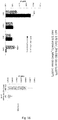
- Figure 1 A- Schematic representation of the ZF6 transcriptional repressor (ZF6-KRAB; Mussolino et al 2011 (EMBO Mol Med. 2011 Mar;3(3):118-28 ) and the novel ZF6-DBD.
- FIG. 2 Electrophysiological responses of retina recorded by ERG analysis, on P347S mice injected subretinally with AAV8-CMV-ZF6-DBD or AAV8-CMV-ZF6-KRAB or AAV8-CMV-EGFP (1x10E9 vg) at P30.
- A-C The amplitudes represent retinal responses evoked by increasing light intensities under scotopic (dim light) and photopic (bright light) conditions.
- B-wave amplitudes before treatment base-line: P30; black circles,) and after treatment (P50; triangles).
- figure 2.A [eyes before injection of eGFP (baseline, P30) vs eyes injected with eGFP (P50)]; figure 2.B [eyes before injection of ZF6-KRAB (baseline, P30) vs eyes injected with ZF6-KRAB (P50)]; figure 2.B [eyes before injection of ZF6-DBD (baseline, P30) vs eyes injected with ZF6-DBD (P50)].
- Figure 3 Figure 3 .
- FIG. 7 Mean delta ERG response between ZF6-DBD injected eyes vs contralateral eyes injected with eGFP at different time point.
- Figure 7 A.Chromosome localization of proximal rhodopsin promoter. Schematic representation of the rhodopsin proximal promoter, indicating the transcription start site and the location of cis-regulatory elements and their cognate binding proteins.
- B Alignment of human and porcine proximal promoter; Bold ZF6-DBD Cis - seq ; in red the mismatch between human and porcine ZF6-DBD Cis-seq .
- C Schematic representation of binding of the ZF6-DBD with human and porcine rhodopsin promoter.
- FIG 8 Treatment of wild type pig's retinae with AAV8-CMV-ZF6-DBD or AAV8-CMV-ZF6-KRAB at P90 and sacrificed after 15 days (vector dose 2x10e10 vg).
- the ZF6-DBD reduced the endogenous rhodopsin expression compared with eGFP treated eyes, whereas the other genes of the retina are unaltered; **pvalue ⁇ 0,01 B Western Blot analysis of lysate of pigs retinas using an ⁇ -RHO (1D4); ⁇ -Tubulin antibody was used for normalization.
- Figure 9 A.
- Figure 13 A. Intersection between the ZF6-KRABand ZF-DBD Differentially Expressed Genes; B.
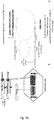
- Figure 15 Assessment in porcine adult retinae of human GNAT1 promoter strength for RHO replacement step of the silencing replacement strategy.
- Upper left panel picture representing the GNAT1 promoter locus including a mutation in the CRX TF binding site, which enables enhancement of gene expression ( J. Lee et al, Gene Therapy 2010 ).
- EGFP reporter
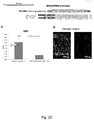
- FIG. 21 B eGFP expression levels of AAV8-hRHO-5'UTR-EGFP and AAV8-hRHO-MutZF6-5'UTR-EGFP in injected eyes by histological analysis.
- Figure 21 A. Sequences of rhodopsin proximal promoter: hRHOs, mRHOs, hRHOs insMurine, mRHO insHuman, hRHOs ⁇ Evo, hRHOs Mevo, hRHOs 5G and hRHOs T3C. (in green CRX binding sites, in blue NRL binding site, in bold ZF6-DBD Cis - seq , in red the mutated and deleted sequences).
- FIG. 24 Histogram showing the extent of repression relative to CRX transactivation of the luciferase activity mediated by ZF6-KRAB, ZF6-DBD, TALE-DBD and a control ZF9-KRAB.
- ZF6-KRAB, ZF6-DBD and TALE-DBD significantly repress the luciferase activity induced by CRX.
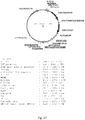
- Figure 24 pAAV2.1-CMV-ZF6-DBD.
- Nucleotide sequence of human rhodopsin promoter and its 5'UTR (SEQ ID No. 1) Nucleotide sequence of ZF6-DBD (SEQ ID No. 2) Protein Sequence of ZF6-DBD (SEQ ID No. 3) Nucleotide sequence of ZF2 (SEQ ID No. 4) Protein sequence of ZF2 (SEQ ID No. 5) Nucleotide sequence of TAL01 (SEQ ID No. 6) Protein Sequence of TAL01 (SEQ ID No. 7) Nucleotide sequence of TAL02 (on reverse strand of human Rhodopsin promoter) (SEQ ID No. 8) Protein Sequence of TAL02 (SEQ ID No.
- Nucleotide sequence of ZF6-5F also called ZF6-5)
- SEQ ID No. 12 Protein sequence of ZF6-5F (also called ZF6-5)
- SEQ ID No. 13 Nucleotide sequence of TAL7-DBD
- SEQ ID No. 14 Protein sequence of TAL7-DBD
- SEQ ID No. 15 Nucleotide sequence of TALRHO(02)DBD
- SEQ ID No. 16 Protein sequence of TALRHO02DBD (SEQ ID No. 17) pAAV2.1 hGNAT1-hRHO (SEQ ID No.
- RNAs from tissues were isolated using RNAeasy Mini Kit (Qiagen), according to the manufacturer protocol.
- cDNA was amplified from 1000 ⁇ g isolated RNA using QuantiTect Reverse Transcription Kit (Qiagen), as indicated in the manufacturer instructions.
- Transcript levels of transcripts were measured by real-time PCR using the LightCycler 480 (Roche) and the following primers:
- the PCRs with cDNA were carried out in a total volume of 20 ⁇ l, using 10 ⁇ l LightCycler 480 SYBR Green I Master Mix (Roche) and 400nM primers under the following conditions: preIncubation, 50°C for 5 min, cycling: 45 cycles of 95°C for 10 s, 60°C for 20 s and 72°C for 20 s. All of the reactions were standardized against murine GAPDH and Act ⁇ using the following primers:
- Frozen retinal sections were washed once with PBS and then fixed for 10 min in 4% PFA. Sections were immerse in a retrieval solution (0,01 M sodium citrate buffer, pH 6.0) and boiled three times in a microwave. After the Blocking solution (10%FBS,10%NGS,1%BSA) was added for 1 hour. The primary antibody mouse anti-HA (1:300, Covance) was diluited in a Blocking solution and incubated overnight at 4°C. The secondary antibody (Alexa Fluor® 594,anti-mouse 1:1000, Molecular Probes, Invitrogen, Carlsbad, CA) has been incubated for 1 hour. Vectashield (Vector Lab Inc., Peterborough, UK) was used to visualize nuclei. Sections were photographed using either a Zeiss 700 Confocal Microscope (Carl Zeiss, Oberkochen, Germany) or a Leica Fluorescence Microscope System (Leica Microsystems GmbH, Wetzlar, Germany).
- AAV vectors were produced by the TIGEM AAV Vector Core, by triple transfection of HEK293 cells followed by two rounds of CsCl2 purification [ Auricchio A, Hildinger M, O'Connor E, Gao GP, Wilson JM (2001) Isolation of highly infectious and pure adeno-associated virus type 2 vectors with a single-step gravity-flow column. Hum Gene Ther 12: 71-76 .].
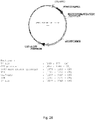
- pAAV2.1-CMV--ZF6-5F, pAAV2.1-CMV-TAL7-DDB and pAAV2.1-CMV-TALRHO02DBD used for vector preparation are represented respectively in figures 27 , 28 and 29 .
- pAAV2.1-CMV was used for all vector preparation ( Figure 26 ).
- the pAAV8-hRHO-AZF6-5'UTR-EGFP was generated via pAAV2.1 hRhoPromoter_eGFP plasmid mutagenesis by QuikChange II XL Site-Directed Mutagenesis Kit (Agilent Technologies) as indicated in the manufacturer instructions using the following primers:
- the pAAV8-hRHO-MutZF6-5'UTR-EGFP was generated via pAAV2.1 hRhoPromoter_eGFP plasmid mutagenesis by QuikChange II XL Site-Directed Mutagenesis Kit (Agilent Technologies) as indicated in the manufacturer instructions using the following primers:
- the log unit interval between stimuli was 0.3 log from -5.4 to 0.0 log cd*s/m 2 , and 0.6 log from 0.0 to +1.3 log cd*s/m 2 .
- the responses evoked by 11 stimuli from -4 to +1.3 log cd*s/m 2
- an interval of 0.6 log unit were considered.
- three ERG responses were averaged at each 0.6 log unit stimulus from -4 to 0.0 log cd*s/m 2 while one ERG response was considered for higher (0.0-+1.3 log cd*s/m 2 ) stimuli.
- the time interval between stimuli was 10 seconds from -5.4 to 0.7 log cd*s/m 2 , 30 sec from 0.7 to +1 log cd*s/m 2 , or 120 seconds from +1 to +1.3 log cd*s/m 2 .
- a- and b-waves amplitudes recorded in scotopic conditions were plotted as a function of increasing light intensity (from -4 to +1.3 log cd*s/m 2 , Fig. 1 , S1 and S2).
- the photopic ERG was recorded after the scotopic session by stimulating the eye with ten 10 ms flashes of 20.0 cd*s/m 2 over a constant background illumination of 50 cd/m 2 .
- mice were anesthetized with an intraperitoneal injection of 2 mL/100 g body weight of avertin [1.25% w/v of 2,2,2-tribromoethanol and 2.5% v/v of 2-methyl-2-butanol (Sigma-Aldrich, Milan, Italy)], then AAV vectors were delivered subretinally via a trans-scleral transchoroidal approach as described by Liang et al. [ Liang FQ, Anand V, Maguire AM, Bennett J (2000) Intraocular delivery of recombinant virus. In: Rakoczy PE editor. Vision Research Protocols.Totowa: Humana Press Inc. 125-139 .].
- AAV vectors were inoculated subretinally in the avascular nasal area of the posterior pole between the two main vascular arches, as performed in Mussolino et al [ Mussolino C, della Corte M, Rossi S, Viola F, Di Vicino U, et al. (2011) AAV-mediated photoreceptor transduction of the pig cone-enriched retina. Gene Ther 18: 637-645 ].
- This retinal region is crossed by a streak-like region that extends from the nasal to the temporal edge parallel to the horizontal meridian, where cone density is high, reaching 20000 to 35000 cone cells mm 2 .
- Each viral vector was injected in a total volume of 100 ⁇ l, resulting in the formation of a subretinal bleb with a typical 'dome-shaped' retinal detachment, with a size corresponding to 5 optical discs.
- DNA fragments encoding the sequence of the engineered transcription factors ZF6-KRAB and ZF6-DBD to be expressed as maltose-binding protein (MBP) fusion were generated by PCR using the plasmids pAAV2.1 CMV ZF6-KRAB and pAAV2.1 CMV ZF6-DBD as a DNA template.
- the following oligonucleotides were used as primers: primer 1, 5' - GGAATTCCATATGGAATTCCCCATGGATGC - 3' [SEQ ID No. 47] and primer 2, 5' - CGGGATCCCTATCTAGAAGTCTTTTTACCGGTATG - 3' [SEQ ID No.
- oligonucleotides were synthetized on the basis of the published sequences (GeneBank accession number NM_014079.3 and NM_014249.3 respectively): primer 5, 5' - GGAATTCCATATG GAGACCAGACCAACAGCTC - 3' [SEQ ID No. 51] and primer 6, 5' - CGGAATTCCTAGTTTTTGAACATATCAC - 3' [SEQ ID No. 52] for hNR2e3; primer 7, 5' - GGAATTCCATATGGTGGACCACTTACTTCCAG- 3' [SEQ ID No. 53] and primer 8, 5' - CGGGATCC TCAGTTCACGGAGCGCACGGAG - 3' [SEQ ID No.
- hKlf15 The hKlf15 PCR product was digested with the restriction enzymes Ndel and BamH1 and cloned into Ndel BamH1-digested pMal C5G and the Nr2e3 PCR product was digested with the restriction enzymes Ndel and EcoRI and cloned into Ndel EcoRI-digested pMal C5G (New England Biolabs). All the plasmids obtained were sequenced to confirm that there were no mutations in the coding sequences. The fusion proteins were expressed in the Escherichia coli BL21DE3 host strain.
- the transformed cells were grown in rich medium plus 0.2% glucose (according to protocol from New England Biolabs) at 37 °C until the absorbance at 600 nm was 0.6-0.8, at which time the medium was supplemented with 200 ⁇ M ZnSO4, and protein expression was induced with 0.3 mM isopropyl 1-thio- ⁇ -D-galactopyranoside and was allowed to proceed for 2 h.
- the cells were then harvested, resuspended in 1X PBS (pH 7.4) (25), 1 mM phenylmethylsulfonyl fluoride, 1 ⁇ M leupeptin, 1 ⁇ M aprotinin, and 10 ⁇ g/ml lysozyme, sonicated, and centrifuged for 30 min at 27,500 relative centrifugal force. The supernatant was then loaded on amylose resin (New England Biolabs) according to the manufacturer's protocol. Following washes with 1X PBS, purified fractions were eluted in maltose elution buffer (10 mM maltose, 100 mM Tris (pH 8.0), and 100 mM NaCl).
- Protein concentration was determined by a modified version of the Bradford procedure (Bio-Rad protein assay). In the case of the NR2E3 protein, an apparent higher protein concentration (20, 50 and 100 pmol) was required likely because not all the protein sample was correctly folded (see Fig S1).
- the apparent affinity binding assay were measured by a gel mobility shift assay by performing a titration of the proteins with the hRho 65bp and hRho 43 bp oligonucleotides. The fraction of protein - bound DNA was plotted against the protein concentration in the reaction mixture. All numerical values were obtained by computer quantification of the image using a Amersham Biosciences Typhoon Trio++ apparatus.
- ChIP was performed as follow: Retina was homogenized mechanically and cross linked using 1% formaldehyde in PBS at room temperature for 10 minutes, then quenched by adding glycine at final concentration 125mM and incubated at room temperature for 5 minutes. Retina was washed three times in cold PBS 1X then cells were lysed in cell lysis buffer (Pipes 5mM pH 8.0, Igepal 0,5%, Kcl 85mM) for 15 min. Nuclei were lysed in nuclei lysis buffer (Tris HCI pH8.0 50mM, EDTA 10mM, SDS 0,8 %) for 30 min.
- Chromatin was shared using Covaris s220.
- the shared chromatin was immunoprecipitated over night with anti HA ChIP grade (abcam, ab 9110).
- the immunoprecipitated chromatin was incubated 3 hours with magnetic protein A/G beads (Invitrogen.). Beads were than washed with wash buffers and DNA eluted in elution buffer (Tris HCl pH 8 50mM, EDTA 1mM, SDS 1%). Then real time was performed using primers on rhodopsin TSS and Rpl30 TSS.
- Frozen retinal sections were washed once with PBS and then fixed for 10 min in 4% PFA. Sections were immerse in a retrieval solution (0,01 M sodium citrate buffer, pH 6.0) and boiled three times in a microwave. After the Blocking solution (10%FBS,10%NGS,1%BSA) was added for 1 hour. The two primary antibody mouse anti-HA (1:300, Covance) and rabbit G ⁇ T1 (Santacruz Biotechnology), were diluited in a Blocking solution and incubated overnight at 4°C.
- the secondary antibodies (Alexa Fluor® 594,anti-mouse 1:800, Molecular Probes, and Alexa Fluor® 488,anti-rabbit 1:500, Molecular Probes, Invitrogen, Carlsbad, CA) have been incubated for 1 hour, followed by three rinses with PBS. After the slides were incubated in blocking solution (10% NGS) for 1 hour and then incubated O.N with primary antibody mouse-1D4 (1:500, Abcam).
- the secondary antibodies Alexa Fluor® 405,anti-mouse 1:200, Molecular Probes, Invitrogen
- Vectashield Vector Lab Inc., Peterborough, UK
- Genes in the experiment were ranked by their Fold Change value to get a gene list comprising the total 15508 genes of the filtered experiment. From that dataset we extracted 10734 Gene Ontology Categories (biomaRt package) and we filtered out those which had less than 10 genes, obtaining 1426 GO categories that we used as gene sets.
- DNA-binding specificities of artificial zinc-finger-based protein Generation and characterization of ZF6-DBD.
- a ZF6-KRAB construct was generated.
- This construct contains a DNA-binding domain generated by the sequential assembling of artificial Zinc finger based platform to target the human RHODOPSIN proximal region of the human RHO proximal promoter, the human- derived Krüppel-associated box (KRAB) repression domain at N-terminus of the protein, a Nuclear Localization Signal (NLS) and a HA tag.
- KRAB Krüppel-associated box
- KRAB domain The authors removed from the construct the KRAB domain ( Figure 1 ).
- the resulting construct ZF6-DBD encodes for a protein that possesses exclusively the DNA-binding domain, thus with in principle a significant reduced functional content and no repression ability and smaller in molecular weight than the ZF6-KRAB counterpart ( Figure 1C ).
- the KRAB domain confer major functional genomic and epigenomic consequences on transcription output.
- KRAB-ZFPs Krüppel-associated box domain-zinc finger proteins
- KRAB-ZFPs are vertebrate-restricted transcriptional repressors encoded in the hundreds by the mouse and human genomes.
- KAP1 an essential cofactor
- the KRAB/KAP1 can mediate long-range transcriptional repression through heterochromatin spreading, and this process is at times countered by endogenous influences.
- the lack of the KRAB domain should not produce distinct biological outcomes upon delivery to the retina.
- the authors generated an Adeno-associated virus (AAV) vector serotype 8 containing the ZF6-DBD under the transcriptional control of the ubiquitous Cytomegalovirus promoter fragment (CMV).
- AAV Adeno-associated virus
- CMV ubiquitous Cytomegalovirus promoter fragment
- ZF6-DBD treated eye show conserved responses compared to base-line measurements whereas a decrease of ERG responses was observed in the ZF6-KRAB, consistently with equivalent data in Mussolino et al 2011 (EMBO Mol Med. 2011 Mar;3(3):118-28 ).
- the authors selected an earlier time point of subretinal AAV8-CMV-ZF6-DBD vector delivery in P347S mice, i.e. P14. At this stage the retina is fully differentiated and the P347S pathology is not yet evident.
- the eyes treated with AAV8-CMV-ZF6-DBD demonstrate robust and consistent recovery of the ERG a-wave and b-wave responses along a wide range of luminance in both scotopic and photopic conditions when compared to EGFP treated eyes.
- ZF6-DBD treated eyes were compared to AAV8-CMV-ZF6-KRAB treated eyes a statistically significant higher responses were observed in AAV8-CMV-ZF6-DBD treated eyes ( Figure 3C ).
- the direct comparison of ERG responses between ZF6-DBD and ZF6-KRAB before and after treatment show a statistical significant decrease of progression of P347S retinal responses loss in ZF6-DBD treated eyes ( Figure 3D ).
- the authors calculate the average expression levels of the AAV8 vector transgenes upon subretinal injections of 1x10E9 vector particles of AAV8-CMV-EGFP, AAV8-CMV-ZF6-DBD and AAV8-CMV-ZF6-KRAB ( Figure 4B ) and found no statistically significant differences.
- the authors performed a western blot analysis on RHO in retinal samples treated with AAV8-CMV-EGFP, AAV8-CMV-ZF6-DBD and AAV8-CMV-ZF6-KRAB.
- FIG. 4D depicts the nuclear localization of the ZF6-DBD 20 days after AAV8 subretinal gene transfer in P347S mice at P30.
- Anti-HA tag staining showed high transduction efficiency of photoreceptor cells and a nuclear localization.
- the EGFP control retina show significant reduction of photoreceptor nuclei.
- the regulatory DNA elements and epigenetics landscapes are dynamically activated during cell-fate transitions, lineage relationships, and dysfunction. Therefore, the accessibility of DNA-binding protein to DNA dynamically changes synchronously. In essence, one may assume that a DNA-binding protein may encounter a completely different genomic landscape depending on the developmental and metabolic status of the target cell. In this perspective the authors decided to test during active photoreceptor differentiation state, whether ZF6-DBD impact on retinal differentiation and whether a functional recovery of P347S retinal function may be, consistently with previous results, observable. The authors injected P347S mice at P4 subretinally with the AAV8-CMV-ZF6-DBD.
- Figure 6 shows the major increase of therapeutic outcome when the AAV8-CMV-ZF6-DBD are performed at early time point.
- Co-immunostaining with a rod-specific marker shows that expression of ZF6-DBD inversely correlates with rhodopsin protein expression levels.
- rhodopsin is virtually absent.
- the outer segments of ZF6-DBD transduced rods appear completely collapsed, consistently with the fact that rod outer segments is composed quantitatively for 90 % of rhodopsin which confers to the outer segment structural properties (as observed in rho knock out mice).
- the missexpression of ZF6-DBD in cones does not affect their morphological appearance, as also shown by the levels of cone specific transcript Arrestin 3 ( Figure 8 ).
- RNA-Seq enables the detection of RNA-transcripts and levels resulting from the transcriptional machinery activity.
- RNA-seq measures the final output of target and off targets activity of DNA-binding protein.
- ChIP-seq analysis in which a whole genome map of a given DBD is provided, RNA-seq enables the detection of relevant functional activity (transcripts) deriving from binding in functional relevant genome sites (transcriptionally sensitive).
- the authors processed 11 retinae from pigs injected with ZF6-KRAB or ZF6-DBD at 3 months and sacrificed after 8 or 15 days post injection.
- the dataset consisted of 3 ZF6-KRAB treated and 3 ZF6-DBD treated retinae plus 5 Controls (non transduced areas of the same retinae as internal controls, Table2).
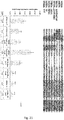
- Table 3A ZF6-DBD differentially expressed genes (81, FDR ⁇ 0.05) IogFC IogCPM PValue FDR ensembl_gene_id external_gene_id 6,161438875 -1,321679658 4,18E-09 2,03E-06 eGFP eGFP 1,487261172 2,283931402 7,94E-05 0,017591012 ENSSSCG00000000362 RDH5 1,482647156 1,817939463 0,000120014 0,024755682 ENSSSCG00000000371 2,364830195 7,971622814 2,51E-11 1,72E-08 ENSSSCG00000000660 A2M 1,643825956 4,355513069 4,21E-06 0,001242435 ENSSSCG00000001427 C4A 1,583349095 4,333804953 9,16E-06 0,002463978 ENSSSCG00000001544 TEAD3 1,726632938 0,175566867 0,000
- ENSSSCG00000001544 TEAD3 TEA domain family member 3
- ENSSSCG00000002800 Uncharacterized protein [Source:UniProtKB/TrEMBL;Acc:F1RFT2] ENSSSCG00000002977 AQN-3 Sus scrofa seminal plasma sperm motility inhibitor/spermadhesin AQN-3-like protein (SPMI), mRNA.
- ENSSSCG00000003794 RPE65 retinal pigment epithelium-specific protein 65kDa [Source:HGNC Symbol;Acc:10294] ENSSSCG00000004195 ARG1 Arginase-1 [Source:UniProtKB/Swiss-Prot;Acc:Q95JC8] ENSSSCG00000006025 PKHD1L1 polycystic kidney and hepatic disease 1 (autosomal recessive)-like 1 [Source:HGNC Symbol;Acc:20313] ENSSSCG00000006276 CEBPD CCAAT/enhancer binding protein (C/EBP), delta [Source:HGNC Symbol;Acc:1835] ENSSSCG00000006780 WNT2B wingless-type MMTV integration site family, member 2B [Source:HGNC Symbol;Acc:12781] ENSSSCG00000008101 Uncharacterized protein [Source:UniProtKB/TrEMBL
- ENSSSCG00000011579 PPARG Sus scrofa peroxisome proliferator-activated receptor gamma (PPARG), mRNA.
- PPARG peroxisome proliferator-activated receptor gamma
- ENSSSCG00000011700 CP ceruloplasmin (ferroxidase)
- Source:HGNC Symbol;Acc:2295 ENSSSCG00000011796 CRYGS crystallin, gamma S
- ENSSSCG00000012040 OLIG1 oligodendrocyte transcription factor 1
- ENSSSCG00000016187 Sus scrofa chromosome 2 open reading frame 62 (C15H2orf62), mRNA.
- ENSSSCG00000017343 GFAP Sus scrofa glial fibrillary acidic protein (GFAP), mRNA.
- ENSSSCG00000017445 KRT13 keratin 13 [Source:HGNC Symbol;Acc:6415] ENSSSCG00000017956 CD68 Uncharacterized protein
- ENSSSCG00000023489 CXCL9 Sus scrofa chemokine (C-X-C motif) ligand 9 (CXCL9), mRNA.
- ENSSSCG00000023511 Importin subunit alpha
- ENSSSCG00000023684 Sus scrofa metallothionein 1A (MT1A), mRNA.
- TTR Sus scrofa transthyretin (TTR), mRNA.
- the number of DEGs related to ZF6-DBD treatment (81) is consistently small if compared to those of a natural transcription factor such as the rod-specific transcription factor NRL (457).
- ZF6-DBD silences RHO transcription with 148 folds less expression levels of NRL, measured with qRT-PCR.
- ZF6-DBD or ZF6-KRAB ZF6-DBD or ZF6-KRAB genome bound
- ZF6-DBD is per se potent and mimics the intrinsic robustness of transcriptional signaling outperforming it, thanks to the fact that:
- the authors also hypothesize that the ZF6-DBD may have a safer profile than ZF6-KRAB during AAV vector production in which the plasmid containing the transgene (between the AAV-ITRs) is cotransfected with REP and CAP plasmids in HEK 293 cells (for methods see Auricchio et al, 2001).
- the transgene between the ITRs i.e. ZF-KRAB or ZF-DBD
- ZF-KRAB or ZF-DBD ubiquitous promoter like CMV
- Cis-regulatory potential of bound and not bound DNA genomic sequence motifs are determined by 1- chemical-physical properties of the DNA per se (the A, C, G, and T bases are chemical entities that, along with the inclusion of the backbone sugar and phosphate groups, create a three-dimensional double-stranded structure in which each base pair has a specific chemical and conformational signature) and by 2- epigenetics constrains, 3- complex of protein-protein interactions, 4- long distance physical connectivity (3D physical connectivity among distant genomic loci including distinct chromosomes) ( Stamatoyannopoulos JA. Genome Res.
- DNA sequence features or DNA information content is way more than a nucleotide sequence view as a one-dimensional string of letters based on an alphabet consisting of only four characters: A, C, G, and T, on the contrary a higher-order complexes between protein and genomic DNA exists ( Stamatoyannopoulos JA. Genome Res. 2012 Sep;22(9):1602-11 and Rohs R, Jin X, West SM, Joshi R, Honig B, Mann RS. Annu Rev Biochem. 2010;79:233-69 ).
- ZF6-DBDCis-seq a short sequence within ZF6-DBD target site
- Such cognate 20 bp ZF6-DBD target site is located on the human genomic promoter in position - 94 from the transcription start site ( Figure 7 ).
- AAV8 vectors containing human RHO promoter with its 5' UTR and with the ⁇ ZF6 or MutZF6 embedded in their RHO promoter sequence to control EGFP expression (AAV8-hRHO- ⁇ ZF6-5'UTR-EGFP and AAV8-hRHO-MutZF6-5'UTR-EGFP).
- wild type mice received or the AAV8-hRHO- ⁇ ZF6-5'UTR-EGFP, or AAV8-hRHO-MutZF6-5'UTR-EGFP, or AAV8-hRHO-5'UTR-EGFP as positive control at a vector dose of 1x10e9 vg.
- TF binding sites mapping shows that NRL and CRX binding sites are flanking the ZF6-DBDCis-seq. Humans presents a further CRX binding site conserved in vertebrates that appears lacking in mouse. Thus, authors tested the hypothesis of whether the CRX and NRL binding sites together with the ZF6-DBDCis-seq generate a functional unit. Insertion of the murine "functional unit" (hRHOs InsMurine) in the human hRHOs remarkably mimics the transcriptional activity of the murine promoter fragment ( Figure 21 ). The reverse (mRHOs InsHuman), the human fragment in the murine RHO proximal promoter results in a slightly higher expression compared to hRHOs.
- This novel protein can generate an interference specifically centered to the RHO Cis-acting element CCCCCA [SEQ ID NO. 30] .
- an AAV8 vector (AAV8-CMV-ZF6-5F) was injected in P347S mice at P15 and the functional outcome was assessed by ERG analysis at P30 (15 days after vector administration).
- the activity of ZF6-5 generated a preservation of retinal function compared to controls (AAV8-EGFP).
- the authors generated two TAL-based DNA binding domains as reported in figure 30 .
- KLF15 which is expressed in the retina with the exception of photoreceptors it was suggested that its function may rely on rhodopsin transcriptional expression blocking in non rods cells of the retina.
- ZF technology and AAV retinal gene transfer allowed determining the function of a regulatory DNA element in two reciprocal manners:
- Barrow et al PNAS 2012 test the hypothesis of using the Zinc finger technology for a known cis-regulatory element of the ⁇ -globin and used transgenesis method to proof that Zinc fingers without an effector domain can be used for study and modulating the function of a known cis-regulatory DNA elements but not a method to identify novel CREs.
- the transgenesis used by Barrow was employed with germ-line approach (random integration of the transgene with uncontrolled time and space expression and dosage) and not a germ-line targeted approach with the ZF-DBD under the control of an ubiquitous promoter.
- TALE Transcription activator-like effector
Landscapes
- Health & Medical Sciences (AREA)
- Life Sciences & Earth Sciences (AREA)
- Chemical & Material Sciences (AREA)
- Genetics & Genomics (AREA)
- Organic Chemistry (AREA)
- Engineering & Computer Science (AREA)
- Zoology (AREA)
- General Health & Medical Sciences (AREA)
- Biotechnology (AREA)
- Wood Science & Technology (AREA)
- Bioinformatics & Cheminformatics (AREA)
- Molecular Biology (AREA)
- Biomedical Technology (AREA)
- Biochemistry (AREA)
- General Engineering & Computer Science (AREA)
- Medicinal Chemistry (AREA)
- Biophysics (AREA)
- Virology (AREA)
- Microbiology (AREA)
- Physics & Mathematics (AREA)
- Proteomics, Peptides & Aminoacids (AREA)
- Gastroenterology & Hepatology (AREA)
- Toxicology (AREA)
- Plant Pathology (AREA)
- Veterinary Medicine (AREA)
- Public Health (AREA)
- Animal Behavior & Ethology (AREA)
- Epidemiology (AREA)
- Pharmacology & Pharmacy (AREA)
- Immunology (AREA)
- Micro-Organisms Or Cultivation Processes Thereof (AREA)
- Peptides Or Proteins (AREA)
- Medicines That Contain Protein Lipid Enzymes And Other Medicines (AREA)
- Medicines Containing Material From Animals Or Micro-Organisms (AREA)
Claims (10)
- Protéine consistant en un domaine se liant à l'ADN ciblant une séquence régulatrice d'ADN du gène RHO dans laquelle le ciblage de la séquence régulatrice d'ADN induit la répression de l'expression dudit gène et dans laquelle la protéine est essentiellement constituée d'une séquence sélectionnée dans le groupe consistant en :
MIDLEPGEKPYKCPECGKSFSQSGHLTEHQRTHTGEKPYKCPECGKSFSQNSTL TEHQRTHTGEKPYKCPECGKSFSTSGHLVRHQRTHQNKKGGSGDGKKKQHACPE CGKSFSREDNLHTHQRTHTGEKPYKCPECGKSFSTSGHLVRHQRTHTGEKPYKC PECGKSFSRSDKLVRHQRTHTGKKTSSRYPYDVPDYAS (SEQ ID NO : 3), SEQ ID NO : 13, SEQ ID NO : 15 et SEQ ID NO : 17 ou un fragment fonctionnel de celle-ci dans laquelle ledit fragment conserve la capacité à reconnaître la séquence régulatrice d'ADN pour son utilisation dans le traitement d'une maladie oculaire héréditaire dominante autosomique. - Protéine pour son utilisation selon la revendication 1 dans laquelle ledit gène est sous une forme mutée ou sous une forme de type sauvage, de préférence ledit gène est sous une forme mutée.
- Protéine pour son utilisation selon l'une quelconque des revendications précédentes, dans laquelle la séquence régulatrice d'ADN comprend une séquence sélectionnée dans le groupe de : GGGGGTTAGAGGGTCTACGA (SEQ ID NO: 22), CACCCCCAATCTCCCAGATGCTGAT (SEQ ID NO: 23), TCAGCATCTGGGAGATTG (SEQ ID NO: 24), GGGGGTTAGAGGGTCT (SEQ ID NO: 25), GGGGGTTAGAGGGTCTA (SEQ ID NO: 26), TGAACACCCCCAATCTCC (SEQ ID NO: 27) ou GTGGGGGTTAGAGGGT (SEQ ID NO: 28), de préférence la séquence régulatrice d'ADN a essentiellement une séquence sélectionnée dans le groupe de : GGGGGTTAGAGGGTCTACGA (SEQ ID NO: 22), CACCCCCAATCTCCCAGATGCTGAT (SEQ ID NO: 23), TCAGCATCTGGGAGATTG (SEQ ID NO: 24), GGGGGTTAGAGGGTCT (SEQ ID NO: 25), GGGGGTTAGAGGGTCTA (SEQ ID NO: 26), TGAACACCCCCAATCTCC (SEQ ID NO: 27) ou GTGGGGGTTAGAGGGT (SEQ ID NO: 28).
- Molécule d'acide nucléique codant pour la protéine telle que définie dans l'une quelconque des revendications 1 à 3 pour son utilisation dans le traitement d'une maladie oculaire héréditaire dominante autosomique, laquelle molécule d'acide nucléique en termes d'une protéine quelconque se liant à l'ADN code uniquement pour la protéine à laquelle il est fait référence dans la revendication 1.
- Vecteur comprenant la molécule d'acide nucléique selon la revendication 4 pour son utilisation dans le traitement d'une maladie oculaire héréditaire dominante autosomique, de préférence ledit vecteur est un vecteur viral, de préférence ledit vecteur est sélectionné dans le groupe consistant en : des vecteurs adénoviraux, des vecteurs lentiviraux, des vecteurs rétroviraux, des vecteurs adéno-associés (AAV) ou des vecteurs d'ADN plasmidique nu, de préférence ledit vecteur comprend en outre une séquence nucléotidique du gène RHO, de préférence ledit vecteur comprend en outre un promoteur spécifique de la rétine, facultativement des séquences régulatrices, de préférence le promoteur spécifique de la rétine est le promoteur de la rhodopsine kinase (RHOK) ou le promoteur de la transducine 1 (GNAT1), de préférence le promoteur de la transducine 1 humaine (GNAT1).
- Cellule hôte comprenant le vecteur tel que défini dans la revendication 5 pour son utilisation dans le traitement d'une maladie oculaire héréditaire dominante autosomique.
- Particule virale contenant le vecteur tel que défini dans la revendication 5 pour son utilisation dans le traitement d'une maladie oculaire héréditaire dominante autosomique.
- Composition pharmaceutique comprenant la protéine selon l'une quelconque des revendications 1 à 3 ou l'acide nucléique selon la revendication 4 ou la cellule hôte selon la revendication 6 ou la particule virale selon la revendication 7 et un excipient pharmaceutiquement acceptable pour son utilisation dans le traitement d'une maladie oculaire héréditaire dominante autosomique.
- Composition pharmaceutique comprenant le vecteur selon la revendication 5 et un excipient pharmaceutiquement acceptable, de préférence la composition pharmaceutique comprend en outre un vecteur comprenant une séquence nucléotidique du gène RHO, pour son utilisation dans le traitement d'une maladie oculaire héréditaire dominante autosomique.
- Protéine pour son utilisation selon l'une quelconque des revendications 1 à 3 ou l'acide nucléique pour son utilisation selon la revendication 4 ou le vecteur pour son utilisation selon la revendication 5 ou la cellule hôte pour son utilisation selon la revendication 6 ou la particule virale pour son utilisation selon la revendication 7 ou la composition pharmaceutique pour son utilisation selon l'une quelconque des revendications 8 ou 9, dans laquelle le traitement est une thérapie génique, de préférence la maladie oculaire héréditaire dominante autosomique est la rétinite pigmentaire dominante autosomique (ADRP) ou la cécité nocturne stationnaire congénitale, de préférence la maladie oculaire héréditaire dominante autosomique est la rétinite pigmentaire dominante autosomique (ADRP).
Priority Applications (1)
| Application Number | Priority Date | Filing Date | Title |
|---|---|---|---|
| EP14802414.4A EP3071592B1 (fr) | 2013-11-20 | 2014-11-20 | Protéines artificielles se liant à l'adn et leurs utilisations |
Applications Claiming Priority (3)
| Application Number | Priority Date | Filing Date | Title |
|---|---|---|---|
| EP13193739 | 2013-11-20 | ||
| PCT/EP2014/075212 WO2015075154A2 (fr) | 2013-11-20 | 2014-11-20 | Protéines artificielles se liant à l'adn et leurs utilisations |
| EP14802414.4A EP3071592B1 (fr) | 2013-11-20 | 2014-11-20 | Protéines artificielles se liant à l'adn et leurs utilisations |
Publications (2)
| Publication Number | Publication Date |
|---|---|
| EP3071592A2 EP3071592A2 (fr) | 2016-09-28 |
| EP3071592B1 true EP3071592B1 (fr) | 2021-01-06 |
Family
ID=49619835
Family Applications (1)
| Application Number | Title | Priority Date | Filing Date |
|---|---|---|---|
| EP14802414.4A Active EP3071592B1 (fr) | 2013-11-20 | 2014-11-20 | Protéines artificielles se liant à l'adn et leurs utilisations |
Country Status (5)
| Country | Link |
|---|---|
| US (1) | US11098094B2 (fr) |
| EP (1) | EP3071592B1 (fr) |
| CN (1) | CN105960413B (fr) |
| CA (1) | CA2930282C (fr) |
| WO (1) | WO2015075154A2 (fr) |
Families Citing this family (41)
| Publication number | Priority date | Publication date | Assignee | Title |
|---|---|---|---|---|
| JP6261500B2 (ja) | 2011-07-22 | 2018-01-17 | プレジデント アンド フェローズ オブ ハーバード カレッジ | ヌクレアーゼ切断特異性の評価および改善 |
| US20150044192A1 (en) | 2013-08-09 | 2015-02-12 | President And Fellows Of Harvard College | Methods for identifying a target site of a cas9 nuclease |
| US9359599B2 (en) | 2013-08-22 | 2016-06-07 | President And Fellows Of Harvard College | Engineered transcription activator-like effector (TALE) domains and uses thereof |
| US9340799B2 (en) | 2013-09-06 | 2016-05-17 | President And Fellows Of Harvard College | MRNA-sensing switchable gRNAs |
| US9388430B2 (en) | 2013-09-06 | 2016-07-12 | President And Fellows Of Harvard College | Cas9-recombinase fusion proteins and uses thereof |
| US9526784B2 (en) | 2013-09-06 | 2016-12-27 | President And Fellows Of Harvard College | Delivery system for functional nucleases |
| AU2014346559B2 (en) | 2013-11-07 | 2020-07-09 | Editas Medicine,Inc. | CRISPR-related methods and compositions with governing gRNAs |
| US20150165054A1 (en) | 2013-12-12 | 2015-06-18 | President And Fellows Of Harvard College | Methods for correcting caspase-9 point mutations |
| WO2016022363A2 (fr) | 2014-07-30 | 2016-02-11 | President And Fellows Of Harvard College | Protéines cas9 comprenant des intéines dépendant de ligands |
| JP7109784B2 (ja) | 2015-10-23 | 2022-08-01 | プレジデント アンド フェローズ オブ ハーバード カレッジ | 遺伝子編集のための進化したCas9蛋白質 |
| WO2017137493A1 (fr) | 2016-02-09 | 2017-08-17 | Fondazione Telethon | Promoteurs de synthèse et leurs utilisations |
| US11197936B2 (en) * | 2016-07-08 | 2021-12-14 | The Trustees Of The University Of Pennsylvania | Methods and compositions for treatment of disorders and diseases involving RDH12 |
| KR102547316B1 (ko) | 2016-08-03 | 2023-06-23 | 프레지던트 앤드 펠로우즈 오브 하바드 칼리지 | 아데노신 핵염기 편집제 및 그의 용도 |
| US11661590B2 (en) | 2016-08-09 | 2023-05-30 | President And Fellows Of Harvard College | Programmable CAS9-recombinase fusion proteins and uses thereof |
| US11542509B2 (en) | 2016-08-24 | 2023-01-03 | President And Fellows Of Harvard College | Incorporation of unnatural amino acids into proteins using base editing |
| EP3526320A1 (fr) | 2016-10-14 | 2019-08-21 | President and Fellows of Harvard College | Administration d'aav d'éditeurs de nucléobases |
| WO2018119359A1 (fr) | 2016-12-23 | 2018-06-28 | President And Fellows Of Harvard College | Édition du gène récepteur ccr5 pour protéger contre l'infection par le vih |
| CN108315340A (zh) * | 2017-01-18 | 2018-07-24 | 李燕强 | 一种高效的dna编辑的方法 |
| JP2020510038A (ja) | 2017-03-09 | 2020-04-02 | プレジデント アンド フェローズ オブ ハーバード カレッジ | がんワクチン |
| EP3592853A1 (fr) | 2017-03-09 | 2020-01-15 | President and Fellows of Harvard College | Suppression de la douleur par édition de gène |
| JP2020510439A (ja) | 2017-03-10 | 2020-04-09 | プレジデント アンド フェローズ オブ ハーバード カレッジ | シトシンからグアニンへの塩基編集因子 |
| CA3057192A1 (fr) | 2017-03-23 | 2018-09-27 | President And Fellows Of Harvard College | Editeurs de nucleobase comprenant des proteines de liaison a l'adn programmable par acides nucleiques |
| WO2018209320A1 (fr) | 2017-05-12 | 2018-11-15 | President And Fellows Of Harvard College | Arn guides incorporés par aptazyme pour une utilisation avec crispr-cas9 dans l'édition du génome et l'activation transcriptionnelle |
| WO2019023680A1 (fr) | 2017-07-28 | 2019-01-31 | President And Fellows Of Harvard College | Procédés et compositions pour l'évolution d'éditeurs de bases à l'aide d'une évolution continue assistée par phage (pace) |
| EP3676376B1 (fr) | 2017-08-30 | 2025-01-15 | President and Fellows of Harvard College | Éditeurs de bases à haut rendement comprenant une gam |
| KR20250107288A (ko) | 2017-10-16 | 2025-07-11 | 더 브로드 인스티튜트, 인코퍼레이티드 | 아데노신 염기 편집제의 용도 |
| SG11202004527YA (en) | 2017-11-15 | 2020-06-29 | Univ Michigan Regents | Viral vectors comprising rdh12 coding regions and methods of treating retinal dystrophies |
| WO2019118949A1 (fr) | 2017-12-15 | 2019-06-20 | The Broad Institute, Inc. | Systèmes et procédés de prédiction des résultats de la réparation en ingénierie génétique |
| EP3728599A1 (fr) * | 2017-12-21 | 2020-10-28 | Università di Napoli Federico II | Facteurs de transcription à expression ectopique et leurs utilisations |
| JP2021520232A (ja) * | 2018-04-05 | 2021-08-19 | オックスフォード ユニバーシティ イノベーション リミテッドOxford University Innovation Limited | 黄斑ジストロフィーを処置するための組成物及び方法 |
| EP3797160A1 (fr) | 2018-05-23 | 2021-03-31 | The Broad Institute Inc. | Éditeurs de bases et leurs utilisations |
| CA3102095A1 (fr) * | 2018-06-01 | 2019-12-05 | University Of Florida Research Foundation, Incorporated | Compositions et methodes pour le traitement de la retinite pigmentaire dominante |
| US12522807B2 (en) | 2018-07-09 | 2026-01-13 | The Broad Institute, Inc. | RNA programmable epigenetic RNA modifiers and uses thereof |
| WO2020092453A1 (fr) | 2018-10-29 | 2020-05-07 | The Broad Institute, Inc. | Éditeurs de nucléobases comprenant geocas9 et utilisations associées |
| US12351837B2 (en) | 2019-01-23 | 2025-07-08 | The Broad Institute, Inc. | Supernegatively charged proteins and uses thereof |
| CN111518813B (zh) * | 2019-02-03 | 2023-04-28 | 武汉纽福斯生物科技有限公司 | 视紫红质的编码序列、其表达载体构建及其应用 |
| JP7657726B2 (ja) | 2019-03-19 | 2025-04-07 | ザ ブロード インスティテュート,インコーポレーテッド | 編集ヌクレオチド配列を編集するための方法および組成物 |
| US12473543B2 (en) | 2019-04-17 | 2025-11-18 | The Broad Institute, Inc. | Adenine base editors with reduced off-target effects |
| WO2020222858A1 (fr) * | 2019-04-27 | 2020-11-05 | Ocugen, Inc. | Thérapie génique à médiation par un vecteur de virus adéno-associé pour maladies ophtalmiques |
| US12435330B2 (en) | 2019-10-10 | 2025-10-07 | The Broad Institute, Inc. | Methods and compositions for prime editing RNA |
| DE112021002672T5 (de) | 2020-05-08 | 2023-04-13 | President And Fellows Of Harvard College | Vefahren und zusammensetzungen zum gleichzeitigen editieren beider stränge einer doppelsträngigen nukleotid-zielsequenz |
Family Cites Families (3)
| Publication number | Priority date | Publication date | Assignee | Title |
|---|---|---|---|---|
| US20120178647A1 (en) * | 2009-08-03 | 2012-07-12 | The General Hospital Corporation | Engineering of zinc finger arrays by context-dependent assembly |
| KR20130048764A (ko) | 2010-07-15 | 2013-05-10 | 포스테크 리디움 인코포레이션 | 배터리 등급 캐소드 코팅 제제 |
| WO2012106725A2 (fr) | 2011-02-04 | 2012-08-09 | Sangamo Biosciences, Inc. | Procédés et compositions pour traitement de troubles oculaires |
-
2014
- 2014-11-20 EP EP14802414.4A patent/EP3071592B1/fr active Active
- 2014-11-20 US US15/037,864 patent/US11098094B2/en active Active
- 2014-11-20 CA CA2930282A patent/CA2930282C/fr active Active
- 2014-11-20 CN CN201480073580.5A patent/CN105960413B/zh active Active
- 2014-11-20 WO PCT/EP2014/075212 patent/WO2015075154A2/fr not_active Ceased
Non-Patent Citations (1)
| Title |
|---|
| None * |
Also Published As
| Publication number | Publication date |
|---|---|
| CA2930282C (fr) | 2024-09-10 |
| CA2930282A1 (fr) | 2015-05-28 |
| US20160289284A1 (en) | 2016-10-06 |
| EP3071592A2 (fr) | 2016-09-28 |
| CN105960413A (zh) | 2016-09-21 |
| US11098094B2 (en) | 2021-08-24 |
| CN105960413B (zh) | 2020-03-27 |
| WO2015075154A3 (fr) | 2015-07-16 |
| WO2015075154A2 (fr) | 2015-05-28 |
Similar Documents
| Publication | Publication Date | Title |
|---|---|---|
| EP3071592B1 (fr) | Protéines artificielles se liant à l'adn et leurs utilisations | |
| US20240417757A1 (en) | Methods and compositions for modulating a genome | |
| Nerlov et al. | A regulatory element that mediates co‐operation between a PEA3‐AP‐1 element and an AP‐1 site is required for phorbol ester induction of urokinase enhancer activity in HepG2 hepatoma cells. | |
| JP2021519067A (ja) | 常染色体優性疾患のための遺伝子編集 | |
| Botta et al. | Rhodopsin targeted transcriptional silencing by DNA-binding | |
| WO2018098587A1 (fr) | Traitement basé sur crispr de l'ataxie de friedreich | |
| KR102662879B1 (ko) | 망막 기능장애 질환 치료를 위한 유전자 조작 | |
| US20230174958A1 (en) | Crispr-inhibition for facioscapulohumeral muscular dystrophy | |
| WO2020165603A1 (fr) | Myc, cycline t1 et/ou cdk9 pour utilisation dans le traitement de troubles dégénératifs cardiaques et du snc | |
| JP2024506040A (ja) | Aqp1 RNAを標的とするsgRNA及びそのベクターと使用 | |
| US11096955B2 (en) | Synthetic promoters and uses thereof | |
| JP2025175283A (ja) | Amdの処置のためのhtra1調節 | |
| CN110760511A (zh) | 一种用于治疗杜氏肌营养不良症的gRNA、表达载体、CRISPR-Cas9系统 | |
| US20250270561A1 (en) | Functional nucleic acid molecules | |
| JP2022512868A (ja) | C2c1ヌクレアーゼに基づくゲノム編集のためのシステムおよび方法 | |
| WO2021004456A1 (fr) | Système amélioré d'édition d'un génome et son utilisation | |
| US12590323B2 (en) | Compositions for use in treating autosomal dominant BEST1-related retinopathies | |
| JP2020528735A (ja) | 反復伸長変異のためのゲノム編集システム | |
| US20240263191A1 (en) | Ectopically expressed transcription factors and uses thereof | |
| EP1887083B1 (fr) | Utilisation de la region 5'UTR du transposons ZAM de D. melanogaster comme insulateur pour garantir l'expression élevé de transgènes | |
| WO2023250130A2 (fr) | Compositions et procédés faisant intervenir adgrg6 | |
| WO2026025441A1 (fr) | Vecteur de médicament d'édition de gène pour rétinite pigmentaire autosomique dominante | |
| HK40093831A (zh) | 基於基因编辑的rho-r135w-adrp基因编辑药物 | |
| EP3414262A1 (fr) | Promoteurs de synthèse et leurs utilisations | |
| CN121358865A (zh) | 肝脏特异性调控核酸序列 |
Legal Events
| Date | Code | Title | Description |
|---|---|---|---|
| PUAI | Public reference made under article 153(3) epc to a published international application that has entered the european phase |
Free format text: ORIGINAL CODE: 0009012 |
|
| 17P | Request for examination filed |
Effective date: 20160617 |
|
| AK | Designated contracting states |
Kind code of ref document: A2 Designated state(s): AL AT BE BG CH CY CZ DE DK EE ES FI FR GB GR HR HU IE IS IT LI LT LU LV MC MK MT NL NO PL PT RO RS SE SI SK SM TR |
|
| AX | Request for extension of the european patent |
Extension state: BA ME |
|
| DAX | Request for extension of the european patent (deleted) | ||
| STAA | Information on the status of an ep patent application or granted ep patent |
Free format text: STATUS: EXAMINATION IS IN PROGRESS |
|
| 17Q | First examination report despatched |
Effective date: 20180518 |
|
| GRAP | Despatch of communication of intention to grant a patent |
Free format text: ORIGINAL CODE: EPIDOSNIGR1 |
|
| STAA | Information on the status of an ep patent application or granted ep patent |
Free format text: STATUS: GRANT OF PATENT IS INTENDED |
|
| INTG | Intention to grant announced |
Effective date: 20200717 |
|
| RIC1 | Information provided on ipc code assigned before grant |
Ipc: A61K 48/00 20060101ALI20200703BHEP Ipc: C12N 15/86 20060101ALI20200703BHEP Ipc: C07K 14/47 20060101AFI20200703BHEP Ipc: C12Q 1/68 20180101ALI20200703BHEP Ipc: A61P 27/02 20060101ALI20200703BHEP |
|
| GRAS | Grant fee paid |
Free format text: ORIGINAL CODE: EPIDOSNIGR3 |
|
| GRAA | (expected) grant |
Free format text: ORIGINAL CODE: 0009210 |
|
| STAA | Information on the status of an ep patent application or granted ep patent |
Free format text: STATUS: THE PATENT HAS BEEN GRANTED |
|
| AK | Designated contracting states |
Kind code of ref document: B1 Designated state(s): AL AT BE BG CH CY CZ DE DK EE ES FI FR GB GR HR HU IE IS IT LI LT LU LV MC MK MT NL NO PL PT RO RS SE SI SK SM TR |
|
| REG | Reference to a national code |
Ref country code: GB Ref legal event code: FG4D |
|
| REG | Reference to a national code |
Ref country code: AT Ref legal event code: REF Ref document number: 1352270 Country of ref document: AT Kind code of ref document: T Effective date: 20210115 Ref country code: CH Ref legal event code: EP |
|
| REG | Reference to a national code |
Ref country code: DE Ref legal event code: R096 Ref document number: 602014074028 Country of ref document: DE |
|
| REG | Reference to a national code |
Ref country code: IE Ref legal event code: FG4D |
|
| REG | Reference to a national code |
Ref country code: NL Ref legal event code: MP Effective date: 20210106 |
|
| REG | Reference to a national code |
Ref country code: AT Ref legal event code: MK05 Ref document number: 1352270 Country of ref document: AT Kind code of ref document: T Effective date: 20210106 |
|
| REG | Reference to a national code |
Ref country code: LT Ref legal event code: MG9D |
|
| PG25 | Lapsed in a contracting state [announced via postgrant information from national office to epo] |
Ref country code: PT Free format text: LAPSE BECAUSE OF FAILURE TO SUBMIT A TRANSLATION OF THE DESCRIPTION OR TO PAY THE FEE WITHIN THE PRESCRIBED TIME-LIMIT Effective date: 20210506 Ref country code: LT Free format text: LAPSE BECAUSE OF FAILURE TO SUBMIT A TRANSLATION OF THE DESCRIPTION OR TO PAY THE FEE WITHIN THE PRESCRIBED TIME-LIMIT Effective date: 20210106 Ref country code: GR Free format text: LAPSE BECAUSE OF FAILURE TO SUBMIT A TRANSLATION OF THE DESCRIPTION OR TO PAY THE FEE WITHIN THE PRESCRIBED TIME-LIMIT Effective date: 20210407 Ref country code: HR Free format text: LAPSE BECAUSE OF FAILURE TO SUBMIT A TRANSLATION OF THE DESCRIPTION OR TO PAY THE FEE WITHIN THE PRESCRIBED TIME-LIMIT Effective date: 20210106 Ref country code: FI Free format text: LAPSE BECAUSE OF FAILURE TO SUBMIT A TRANSLATION OF THE DESCRIPTION OR TO PAY THE FEE WITHIN THE PRESCRIBED TIME-LIMIT Effective date: 20210106 Ref country code: BG Free format text: LAPSE BECAUSE OF FAILURE TO SUBMIT A TRANSLATION OF THE DESCRIPTION OR TO PAY THE FEE WITHIN THE PRESCRIBED TIME-LIMIT Effective date: 20210406 Ref country code: NO Free format text: LAPSE BECAUSE OF FAILURE TO SUBMIT A TRANSLATION OF THE DESCRIPTION OR TO PAY THE FEE WITHIN THE PRESCRIBED TIME-LIMIT Effective date: 20210406 Ref country code: NL Free format text: LAPSE BECAUSE OF FAILURE TO SUBMIT A TRANSLATION OF THE DESCRIPTION OR TO PAY THE FEE WITHIN THE PRESCRIBED TIME-LIMIT Effective date: 20210106 |
|
| PG25 | Lapsed in a contracting state [announced via postgrant information from national office to epo] |
Ref country code: AT Free format text: LAPSE BECAUSE OF FAILURE TO SUBMIT A TRANSLATION OF THE DESCRIPTION OR TO PAY THE FEE WITHIN THE PRESCRIBED TIME-LIMIT Effective date: 20210106 Ref country code: PL Free format text: LAPSE BECAUSE OF FAILURE TO SUBMIT A TRANSLATION OF THE DESCRIPTION OR TO PAY THE FEE WITHIN THE PRESCRIBED TIME-LIMIT Effective date: 20210106 Ref country code: RS Free format text: LAPSE BECAUSE OF FAILURE TO SUBMIT A TRANSLATION OF THE DESCRIPTION OR TO PAY THE FEE WITHIN THE PRESCRIBED TIME-LIMIT Effective date: 20210106 Ref country code: LV Free format text: LAPSE BECAUSE OF FAILURE TO SUBMIT A TRANSLATION OF THE DESCRIPTION OR TO PAY THE FEE WITHIN THE PRESCRIBED TIME-LIMIT Effective date: 20210106 Ref country code: SE Free format text: LAPSE BECAUSE OF FAILURE TO SUBMIT A TRANSLATION OF THE DESCRIPTION OR TO PAY THE FEE WITHIN THE PRESCRIBED TIME-LIMIT Effective date: 20210106 |
|
| PG25 | Lapsed in a contracting state [announced via postgrant information from national office to epo] |
Ref country code: IS Free format text: LAPSE BECAUSE OF FAILURE TO SUBMIT A TRANSLATION OF THE DESCRIPTION OR TO PAY THE FEE WITHIN THE PRESCRIBED TIME-LIMIT Effective date: 20210506 |
|
| REG | Reference to a national code |
Ref country code: DE Ref legal event code: R097 Ref document number: 602014074028 Country of ref document: DE |
|
| PG25 | Lapsed in a contracting state [announced via postgrant information from national office to epo] |
Ref country code: SM Free format text: LAPSE BECAUSE OF FAILURE TO SUBMIT A TRANSLATION OF THE DESCRIPTION OR TO PAY THE FEE WITHIN THE PRESCRIBED TIME-LIMIT Effective date: 20210106 Ref country code: EE Free format text: LAPSE BECAUSE OF FAILURE TO SUBMIT A TRANSLATION OF THE DESCRIPTION OR TO PAY THE FEE WITHIN THE PRESCRIBED TIME-LIMIT Effective date: 20210106 Ref country code: CZ Free format text: LAPSE BECAUSE OF FAILURE TO SUBMIT A TRANSLATION OF THE DESCRIPTION OR TO PAY THE FEE WITHIN THE PRESCRIBED TIME-LIMIT Effective date: 20210106 |
|
| PLBE | No opposition filed within time limit |
Free format text: ORIGINAL CODE: 0009261 |
|
| STAA | Information on the status of an ep patent application or granted ep patent |
Free format text: STATUS: NO OPPOSITION FILED WITHIN TIME LIMIT |
|
| PG25 | Lapsed in a contracting state [announced via postgrant information from national office to epo] |
Ref country code: RO Free format text: LAPSE BECAUSE OF FAILURE TO SUBMIT A TRANSLATION OF THE DESCRIPTION OR TO PAY THE FEE WITHIN THE PRESCRIBED TIME-LIMIT Effective date: 20210106 Ref country code: SK Free format text: LAPSE BECAUSE OF FAILURE TO SUBMIT A TRANSLATION OF THE DESCRIPTION OR TO PAY THE FEE WITHIN THE PRESCRIBED TIME-LIMIT Effective date: 20210106 Ref country code: DK Free format text: LAPSE BECAUSE OF FAILURE TO SUBMIT A TRANSLATION OF THE DESCRIPTION OR TO PAY THE FEE WITHIN THE PRESCRIBED TIME-LIMIT Effective date: 20210106 Ref country code: ES Free format text: LAPSE BECAUSE OF FAILURE TO SUBMIT A TRANSLATION OF THE DESCRIPTION OR TO PAY THE FEE WITHIN THE PRESCRIBED TIME-LIMIT Effective date: 20210106 |
|
| 26N | No opposition filed |
Effective date: 20211007 |
|
| PG25 | Lapsed in a contracting state [announced via postgrant information from national office to epo] |
Ref country code: AL Free format text: LAPSE BECAUSE OF FAILURE TO SUBMIT A TRANSLATION OF THE DESCRIPTION OR TO PAY THE FEE WITHIN THE PRESCRIBED TIME-LIMIT Effective date: 20210106 |
|
| PG25 | Lapsed in a contracting state [announced via postgrant information from national office to epo] |
Ref country code: SI Free format text: LAPSE BECAUSE OF FAILURE TO SUBMIT A TRANSLATION OF THE DESCRIPTION OR TO PAY THE FEE WITHIN THE PRESCRIBED TIME-LIMIT Effective date: 20210106 |
|
| REG | Reference to a national code |
Ref country code: GB Ref legal event code: 732E Free format text: REGISTERED BETWEEN 20220210 AND 20220216 |
|
| PG25 | Lapsed in a contracting state [announced via postgrant information from national office to epo] |
Ref country code: IS Free format text: LAPSE BECAUSE OF FAILURE TO SUBMIT A TRANSLATION OF THE DESCRIPTION OR TO PAY THE FEE WITHIN THE PRESCRIBED TIME-LIMIT Effective date: 20210506 |
|
| PG25 | Lapsed in a contracting state [announced via postgrant information from national office to epo] |
Ref country code: MC Free format text: LAPSE BECAUSE OF FAILURE TO SUBMIT A TRANSLATION OF THE DESCRIPTION OR TO PAY THE FEE WITHIN THE PRESCRIBED TIME-LIMIT Effective date: 20210106 |
|
| REG | Reference to a national code |
Ref country code: CH Ref legal event code: PL |
|
| PG25 | Lapsed in a contracting state [announced via postgrant information from national office to epo] |
Ref country code: LU Free format text: LAPSE BECAUSE OF NON-PAYMENT OF DUE FEES Effective date: 20211120 Ref country code: BE Free format text: LAPSE BECAUSE OF NON-PAYMENT OF DUE FEES Effective date: 20211130 |
|
| REG | Reference to a national code |
Ref country code: BE Ref legal event code: MM Effective date: 20211130 |
|
| PG25 | Lapsed in a contracting state [announced via postgrant information from national office to epo] |
Ref country code: LI Free format text: LAPSE BECAUSE OF NON-PAYMENT OF DUE FEES Effective date: 20211130 Ref country code: CH Free format text: LAPSE BECAUSE OF NON-PAYMENT OF DUE FEES Effective date: 20211130 |
|
| PG25 | Lapsed in a contracting state [announced via postgrant information from national office to epo] |
Ref country code: IE Free format text: LAPSE BECAUSE OF NON-PAYMENT OF DUE FEES Effective date: 20211120 |
|
| PG25 | Lapsed in a contracting state [announced via postgrant information from national office to epo] |
Ref country code: HU Free format text: LAPSE BECAUSE OF FAILURE TO SUBMIT A TRANSLATION OF THE DESCRIPTION OR TO PAY THE FEE WITHIN THE PRESCRIBED TIME-LIMIT; INVALID AB INITIO Effective date: 20141120 |
|
| PG25 | Lapsed in a contracting state [announced via postgrant information from national office to epo] |
Ref country code: CY Free format text: LAPSE BECAUSE OF FAILURE TO SUBMIT A TRANSLATION OF THE DESCRIPTION OR TO PAY THE FEE WITHIN THE PRESCRIBED TIME-LIMIT Effective date: 20210106 |
|
| REG | Reference to a national code |
Ref country code: DE Ref legal event code: R081 Ref document number: 602014074028 Country of ref document: DE Owner name: UNIVERSITA DEGLI STUDI DI NAPOLI FEDERICO II, IT Free format text: FORMER OWNER: FONDAZIONE TELETHON, ROM/ROMA, IT |
|
| REG | Reference to a national code |
Ref country code: DE Ref legal event code: R082 Ref document number: 602014074028 Country of ref document: DE Representative=s name: KRAUS & LEDERER PARTGMBB, DE |
|
| PG25 | Lapsed in a contracting state [announced via postgrant information from national office to epo] |
Ref country code: MK Free format text: LAPSE BECAUSE OF FAILURE TO SUBMIT A TRANSLATION OF THE DESCRIPTION OR TO PAY THE FEE WITHIN THE PRESCRIBED TIME-LIMIT Effective date: 20210106 |
|
| PG25 | Lapsed in a contracting state [announced via postgrant information from national office to epo] |
Ref country code: MT Free format text: LAPSE BECAUSE OF FAILURE TO SUBMIT A TRANSLATION OF THE DESCRIPTION OR TO PAY THE FEE WITHIN THE PRESCRIBED TIME-LIMIT Effective date: 20210106 |
|
| PG25 | Lapsed in a contracting state [announced via postgrant information from national office to epo] |
Ref country code: TR Free format text: LAPSE BECAUSE OF FAILURE TO SUBMIT A TRANSLATION OF THE DESCRIPTION OR TO PAY THE FEE WITHIN THE PRESCRIBED TIME-LIMIT Effective date: 20210106 |
|
| PGFP | Annual fee paid to national office [announced via postgrant information from national office to epo] |
Ref country code: DE Payment date: 20251128 Year of fee payment: 12 |
|
| PGFP | Annual fee paid to national office [announced via postgrant information from national office to epo] |
Ref country code: GB Payment date: 20251128 Year of fee payment: 12 |
|
| PGFP | Annual fee paid to national office [announced via postgrant information from national office to epo] |
Ref country code: IT Payment date: 20251127 Year of fee payment: 12 |
|
| PGFP | Annual fee paid to national office [announced via postgrant information from national office to epo] |
Ref country code: FR Payment date: 20251128 Year of fee payment: 12 |