EP3073374B1 - Fadenerzeugungsverfahren, dienstanforderungverarbeitungsverfahren und zugehörige vorrichtung - Google Patents
Fadenerzeugungsverfahren, dienstanforderungverarbeitungsverfahren und zugehörige vorrichtung Download PDFInfo
- Publication number
- EP3073374B1 EP3073374B1 EP14873894.1A EP14873894A EP3073374B1 EP 3073374 B1 EP3073374 B1 EP 3073374B1 EP 14873894 A EP14873894 A EP 14873894A EP 3073374 B1 EP3073374 B1 EP 3073374B1
- Authority
- EP
- European Patent Office
- Prior art keywords
- network interface
- interface card
- queue
- thread
- service request
- Prior art date
- Legal status (The legal status is an assumption and is not a legal conclusion. Google has not performed a legal analysis and makes no representation as to the accuracy of the status listed.)
- Active
Links
Images


Classifications
-
- G—PHYSICS
- G06—COMPUTING OR CALCULATING; COUNTING
- G06F—ELECTRIC DIGITAL DATA PROCESSING
- G06F9/00—Arrangements for program control, e.g. control units
- G06F9/06—Arrangements for program control, e.g. control units using stored programs, i.e. using an internal store of processing equipment to receive or retain programs
- G06F9/46—Multiprogramming arrangements
- G06F9/50—Allocation of resources, e.g. of the central processing unit [CPU]
- G06F9/5083—Techniques for rebalancing the load in a distributed system
-
- G—PHYSICS
- G06—COMPUTING OR CALCULATING; COUNTING
- G06F—ELECTRIC DIGITAL DATA PROCESSING
- G06F9/00—Arrangements for program control, e.g. control units
- G06F9/06—Arrangements for program control, e.g. control units using stored programs, i.e. using an internal store of processing equipment to receive or retain programs
- G06F9/46—Multiprogramming arrangements
- G06F9/48—Program initiating; Program switching, e.g. by interrupt
- G06F9/4806—Task transfer initiation or dispatching
- G06F9/4843—Task transfer initiation or dispatching by program, e.g. task dispatcher, supervisor, operating system
-
- G—PHYSICS
- G06—COMPUTING OR CALCULATING; COUNTING
- G06F—ELECTRIC DIGITAL DATA PROCESSING
- G06F11/00—Error detection; Error correction; Monitoring
- G06F11/30—Monitoring
- G06F11/3003—Monitoring arrangements specially adapted to the computing system or computing system component being monitored
- G06F11/3017—Monitoring arrangements specially adapted to the computing system or computing system component being monitored where the computing system is implementing multitasking
-
- G—PHYSICS
- G06—COMPUTING OR CALCULATING; COUNTING
- G06F—ELECTRIC DIGITAL DATA PROCESSING
- G06F11/00—Error detection; Error correction; Monitoring
- G06F11/30—Monitoring
- G06F11/3003—Monitoring arrangements specially adapted to the computing system or computing system component being monitored
- G06F11/302—Monitoring arrangements specially adapted to the computing system or computing system component being monitored where the computing system component is a software system
-
- G—PHYSICS
- G06—COMPUTING OR CALCULATING; COUNTING
- G06F—ELECTRIC DIGITAL DATA PROCESSING
- G06F11/00—Error detection; Error correction; Monitoring
- G06F11/30—Monitoring
- G06F11/3089—Monitoring arrangements determined by the means or processing involved in sensing the monitored data, e.g. interfaces, connectors, sensors, probes, agents
- G06F11/3093—Configuration details thereof, e.g. installation, enabling, spatial arrangement of the probes
-
- G—PHYSICS
- G06—COMPUTING OR CALCULATING; COUNTING
- G06F—ELECTRIC DIGITAL DATA PROCESSING
- G06F2201/00—Indexing scheme relating to error detection, to error correction, and to monitoring
- G06F2201/865—Monitoring of software
Definitions
- the present invention relates to the field of computer technologies, and in particular, to a thread creation method, a service request processing method, and a related device.
- the Web server has an increasingly high requirement for parallel processing of accesses.
- a quantity of parallel accesses from users is excessively high, the server is overloaded, and a speed of accessing a website decreases.
- a many-core processor has become an important trend in processor development.
- the many-core processor has a larger quantity of processor cores than a multi-core processor, and has a more powerful computing capability.
- a current software structure can be better expanded on a current multi-core structure; however, an expansion capability of the current software structure becomes extremely poor if there are more than eight processor cores.
- a design of more than eight processor cores is called a "many-core" processor.
- the many-core processor has more processing units and a more powerful parallel processing capacity than an ordinary multi-core processor. Increasingly more Web servers are using this powerful many-core environment as a basis for enhancing performance of the Web servers.
- the current software structure has been well expanded on the ordinary multi-core processor.
- a multi-kernel operating system based on the many-core processor also continuously develops.
- all cores (core) each have its own kernel (kernel) and do not share a memory, which is different from an existing Windows operating system and an existing Linux kernel-based operating system.
- Communication between kernels is performed in a message passing manner; if a quantity of kernels is extremely large, this manner is better than a conventional communication manner in which a memory is shared, and can make full use of a many-core processing chip.
- Currently, there are already some applications based on the multi-kernel operating system for example, a Barrelfish-based Haskell compiler and a Barrelfish-based virtual machine. Performance of the applications in the many-core environment is significantly higher than that in a conventional operating system.
- Prefork implements a non-threaded, pre-forking Web server.
- a separate control process (a parent process) is responsible for generating child processes, where these child processes are used to listen to a request and make an answer.
- the Web server always tries to keep some spare (spare) or idle child processes to prepare for processing an upcoming request, so that a client does not need to wait for generation of a child process before obtaining a service, improving efficiency of processing a request.
- Worker Another commonly used multi-task management method for a Web server is Worker, and the Worker method supports mixed multiples threads and multiple processes.
- an attempt is made to always maintain a spare (spare) or idle service thread pool.
- a request from a client can be processed without waiting for creation of a new thread or a new process.
- a particular quantity of processes are created during initialization; then, a parent process checks a total quantity of idle threads in all child processes, and creates or ends a child process to maintain the total quantity of idle threads in a particular range.
- multiple processes may be created, for example, a process 1 to a process 4; threads created in one process may include one listener thread (listener) and multiple worker threads (worker), and each thread is randomly scheduled to an idle core, such as a core 1 to core 8 shown in FIG. 1 .
- the multiple listener threads in the multiple processes request to compete for one lock from a system, and can perform listening only after the lock is obtained by means of requesting.
- Each listener thread allocates, to an idle worker thread, a service request obtained by means of listening, where the idle worker thread and the listener thread belong to a same process.
- Embodiments of the present invention are defined by the claims.
- a thread creation method, a service request processing method, and a related device, to resolve a problem of improper creation of a thread and an incurred problem of relatively low efficiency of parallel processing of service requests by a server in the prior art are provided.
- a thread creation method is provided, which is applied to a server that has a multi-queue network interface card, where a network interface card queue of the multi-queue network interface card stores a service request from a client, and the method includes:
- the server has a multi-core processor
- the method further includes: binding each worker thread created in each process to one core.
- the method further includes:
- the method further includes:
- the method further includes:
- a service request processing method is provided, which is applied to a multi-queue network interface card of a server, where a network interface card queue of the multi-queue network interface card stores a service request from a client; processes whose quantity is equal to a quantity of network interface card queues of the multi-queue network interface card are created on the server; one listener thread and multiple worker threads are created in each process; each created listener thread is bound to a different network interface card queue; and the method includes:
- the method before the acquiring, from the network interface card queue of the multi-queue network interface card, the service request from the client, the method further includes:
- the server has a multi-core processor; each created listener thread is bound to a different target core in the multi-core processor, and each network interface card queue in the multi-queue network interface card is bound to a different core in the target cores, so as to implement that each created listener thread is bound to a different network interface card queue, where the target cores are all cores in the multi-core processor that are used to bind the listener threads and the network interface card queues, and the quantity of network interface card queues is equal to a quantity of target cores; and the sending the service request to a listener thread bound to the network interface card queue includes: sending the service request to the listener thread running in the target core bound to the network interface card queue.
- the worker thread created in each process is bound to a core.
- worker threads created in different processes are bound to different cores.
- a service request processing method is provided, which is applied to a listener thread created on a server, where the server has a multi-queue network interface card; a network interface card queue of the multi-queue network interface card stores a service request from a client; processes whose quantity is equal to a quantity of network interface card queues of the multi-queue network interface card are created on the server; one listener thread and multiple worker threads are created in each process; each created listener thread is bound to a different network interface card queue; and the method includes:
- the method before the receiving a service request sent by the multi-queue network interface card of the server, where the service request is acquired from a network interface card queue bound to the listener thread and is from the client, the method further includes: sending a service request acquiring message to the multi-queue network interface card, where the service request acquiring message carries a queue identifier of the network interface card queue bound to the listener thread, and the queue identifier is used by the multi-queue network interface card to determine that the listener thread is bound to the network interface card queue corresponding to the queue identifier.
- the server has a multi-core processor; each created listener thread is bound to a different target core in the multi-core processor, and each network interface card queue in the multi-queue network interface card is bound to a different core in the target cores, so as to implement that each created listener thread is bound to a different network interface card queue, where the target cores are all cores in the multi-core processor that are used to bind the listener threads and the network interface card queues, and the quantity of network interface card queues is equal to a quantity of target cores; and the receiving, by the listener thread, a service request sent by the multi-queue network interface card of the server, where the service request is acquired from a network interface card queue bound to the listener thread and is from the client includes: receiving, by the listener thread, the service request sent by the multi-queue network interface card of the server, where the service request is acquired from the network interface card queue bound to the target core running the listener thread and is from
- the worker thread created in each process is bound to a core.
- worker threads created in different processes are bound to different cores.
- the method further includes:
- a thread creation apparatus which is applied to a server that has a multi-queue network interface card, where a network interface card queue of the multi-queue network interface card stores a service request from a client, and the apparatus includes:
- the server has a multi-core processor; and the binding unit is specifically configured to: bind each created listener thread to a different target core in the multi-core processor, and bind each network interface card queue in the multi-queue network interface card to a different core in the target cores, so as to implement that each created listener thread is bound to a different network interface card queue, where the target cores are all cores in the multi-core processor that are used to bind the listener threads and the network interface card queues, and the quantity of network interface card queues is equal to a quantity of target cores.
- the binding unit is further configured to bind each worker thread created in each process to one core.
- the thread creation unit is further configured to: when a core is added to the multi-core processor of the server, for each added core, create a new worker thread in one of the processes; and the binding unit is further configured to bind the new created worker thread to the added core.
- the process creation unit is further configured to: when a network interface card queue is added to the multi-queue network interface card of the server, create a new process for each added network interface card queue;
- the thread creation unit is further configured to: create a new worker thread in a process when a quantity of idle worker threads in worker threads created in the process is less than a first preset quantity threshold; and/or delete an idle worker thread from a process when a quantity of idle worker threads in worker threads created in the process is greater than a second preset quantity threshold, where after the deleting, the quantity of idle worker threads in the worker threads created in the process is not greater than the second preset quantity threshold.
- a service request processing apparatus which is applied to a multi-queue network interface card of a server, where a network interface card queue of the multi-queue network interface card stores a service request from a client; processes whose quantity is equal to a quantity of network interface card queues of the multi-queue network interface card are created on the server; one listener thread and multiple worker threads are created in each process; each created listener thread is bound to a different network interface card queue; and the apparatus includes:
- the receiving unit is further configured to: before the service request acquiring unit acquires, from the network interface card queue of the multi-queue network interface card, the service request from the client, receive a service request acquiring message sent by each created listener thread, where the service request acquiring message carries a queue identifier of a network interface card queue bound to the listener thread; and the apparatus further includes: a binding relationship determining unit, configured to determine that the listener thread that sends the service request acquiring message is bound to the network interface card queue corresponding to the queue identifier carried in the service request acquiring message.
- the server has a multi-core processor; each created listener thread is bound to a different target core in the multi-core processor, and each network interface card queue in the multi-queue network interface card is bound to a different core in the target cores, so as to implement that each created listener thread is bound to a different network interface card queue, where the target cores are all cores in the multi-core processor that are used to bind the listener threads and the network interface card queues, and the quantity of network interface card queues is equal to a quantity of target cores; and the first sending unit is specifically configured to send the service request to the listener thread running in the target core bound to the network interface card queue.
- the worker thread created in each process is bound to a core.
- a service request processing apparatus which is applied to a listener thread created on a server, where the server has a multi-queue network interface card; a network interface card queue of the multi-queue network interface card stores a service request from a client; processes whose quantity is equal to a quantity of network interface card queues of the multi-queue network interface card are created on the server; one listener thread and multiple worker threads are created in each process; each created listener thread is bound to a different network interface card queue; and the apparatus includes:
- the apparatus further includes: a second sending unit, configured to send a service request acquiring message to the multi-queue network interface card before the receiving unit receives the service request sent by the multi-queue network interface card of the server, where the service request is acquired from the network interface card queue bound to the listener thread and is from the client, the service request acquiring message carries a queue identifier of the network interface card queue bound to the listener thread, and the queue identifier is used by the multi-queue network interface card to determine that the listener thread is bound to the network interface card queue corresponding to the queue identifier.
- a second sending unit configured to send a service request acquiring message to the multi-queue network interface card before the receiving unit receives the service request sent by the multi-queue network interface card of the server, where the service request is acquired from the network interface card queue bound to the listener thread and is from the client, the service request acquiring message carries a queue identifier of the network interface card queue bound to the listener thread, and the queue
- the server has a multi-core processor; each created listener thread is bound to a different target core in the multi-core processor, and each network interface card queue in the multi-queue network interface card is bound to a different core in the target cores, so as to implement that each created listener thread is bound to a different network interface card queue, where the target cores are all cores in the multi-core processor that are used to bind the listener threads and the network interface card queues, and the quantity of network interface card queues is equal to a quantity of target cores; and the receiving unit is specifically configured to receive the service request sent by the multi-queue network interface card of the server, where the service request is acquired from the network interface card queue bound to the target core running the listener thread and is from the client.
- the worker thread created in each process is bound to a core.
- worker threads created in different processes are bound to different cores.
- the apparatus further includes:
- the processor is further configured to bind each worker thread created in each process to one core.
- the processor is further configured to: when a core is added to the multi-core processor of the server, for each added core, create a new worker thread in one of the processes, and bind the new created worker thread to the added core.
- the processor is further configured to: when a network interface card queue is added to the multi-queue network interface card of the server, create a new process for each added network interface card queue, create one listener thread and multiple worker threads in the new created process, and bind the listener thread created in the new process to the added network interface card queue.
- the processor is further configured to: create a new worker thread in a process when a quantity of idle worker threads in worker threads created in the process is less than a first preset quantity threshold; and/or delete an idle worker thread from a process when a quantity of idle worker threads in worker threads created in the process is greater than a second preset quantity threshold, where after the deleting, the quantity of idle worker threads in the worker threads created in the process is not greater than the second preset quantity threshold.
- a multi-queue network interface card of a server where processes whose quantity is equal to a quantity of network interface card queues of the multi-queue network interface card are created on the server; one listener thread and multiple worker threads are created in each process; each created listener thread is bound to a different network interface card queue; and the multi-queue network interface card includes:
- the processing chip is further configured to: before acquiring, from the network interface card queue of the multi-queue network interface card, the service request from the client, receive a service request acquiring message sent by each created listener thread, where the service request acquiring message carries a queue identifier of a network interface card queue bound to the listener thread; and determine that the listener thread that sends the service request acquiring message is bound to the network interface card queue corresponding to the queue identifier carried in the service request acquiring message.
- the server has a multi-core processor; each created listener thread is bound to a different target core in the multi-core processor, and each network interface card queue in the multi-queue network interface card is bound to a different core in the target cores, so as to implement that each created listener thread is bound to a different network interface card queue, where the target cores are all cores in the multi-core processor that are used to bind the listener threads and the network interface card queues, and the quantity of network interface card queues is equal to a quantity of target cores; and the processing chip is specifically configured to send the service request to the listener thread running in the target core bound to the network interface card queue.
- the worker thread created in each process is bound to a core.
- Beneficial effects of the present invention include the following: Solutions provided in the embodiments of the present invention are applied to a server that has a multi-queue network interface card, where a network interface card queue of the multi-queue network interface card stores a service request from a client; after the server is started, the server creates a process and a thread, creates processes whose quantity is equal to a quantity of network interface card queues, creates one listener thread and multiple worker threads in each process, and binds each created listener thread to a different network interface card queue.
- the service request is sent to a listener thread bound to the network interface card queue, and the listener thread selects a worker thread to perform service processing on the service request, where the worker thread and the listener thread belong to a same process.
- lock competition occurred when multiple listener threads request to acquire a service request is avoided, and a service request in a network interface card queue can be directly sent to a bound listener thread, so that creation of a process and a thread is more proper, and efficiency of parallel processing of service requests by a server is improved.
- embodiments of the present invention provide a thread creation method, a service request processing method, and a related device.
- the following describes exemplary embodiments of the present invention with reference to the accompanying drawings of this specification. It should be understood that the exemplary embodiments described herein are merely used to describe and explain the present invention, but are not intended to limit the present invention.
- the embodiments of the application and features in the embodiments may be mutually combined if they do not conflict with each other.
- Embodiment 1 of the present invention provides a thread creation method, which is applied to a server that has a multi-queue network interface card, where a network interface card queue of the multi-queue network interface card stores a service request from a client.
- the method includes:
- the quantity of created processes is equal to the quantity of network interface card queues, and the listener threads created in the processes are bound to the different network interface card queues. Therefore, a service request in each network interface card queue may be subsequently allocated to a listener thread bound to the network interface card queue, multiple listener threads are prevented from competing for one lock, and creation of a process and a thread is more proper.
- each created listener thread is bound to the different network interface card queue:
- Each created listener thread is bound to a different target core in the multi-core processor, and each network interface card queue in the multi-queue network interface card is bound to a different core in the target cores, so as to implement that each created listener thread is bound to a different network interface card queue, where the target cores are all cores in the multi-core processor that are used to bind the listener threads and the network interface card queues, and the quantity of network interface card queues is equal to a quantity of target cores.
- worker thread created in each process may further be bound to a core, and worker threads created in different processes are bound to different cores. Therefore, in comparison with a solution in the prior art that each thread is randomly scheduled to an idle core, thread scheduling overheads are reduced, and even though a large number of threads are generated, performance of the server does not significantly degrade due to scheduling of the threads on cores.
- a quantity of cores of the multi-core processor of the server may further be acquired, and binding is performed based on the quantity of cores, so that after a worker thread created in each process is bound to a core, a difference in quantity of cores bound to listener threads and worker threads that are created in different processes is not greater than 1. Therefore, a processing capacity of each core is used to a maximum extent, and general performance of parallel processing of service requests by the server is enhanced.
- a new thread may further be created if the quantity of cores of the multi-core processor increases, and a new process may further be created if the quantity of network interface card queues of the multi-queue network interface card increases.
- a new thread may further be created or an idle worker thread may further be deleted, so that there is a proper quantity of idle worker threads, and a system resource used by a system to maintain a working process is reduced while it is ensured that the service request from the client is processed in a timely manner.
- the method specifically includes the following processing steps:
- step 301 There is no strict sequence between step 301 and step 302.
- Step 303 Create processes whose quantity is equal to the quantity of network interface card queues.
- the quantity of network interface card queues of the multi-queue network interface card of the server is 4, and the processes whose quantity is equal to the quantity of network interface card queues are created according to a maximum concurrence principle, that is, a process 1 to a process 4 are created.
- Step 304 Create a listener thread (listener) and a worker thread (worker) in each process.
- one listener thread and multiple worker threads may be created in each process, where a quantity of worker threads may be jointly determined according to an actual processing capacity of physical hardware of the server and an actual application scenario of the server, for example, an expected possible throughput, a quantity of parallel service requests, and a response time requirement.
- An initial status of the created worker thread is idle, and after the worker thread subsequently receives a service request, the worker thread in a process of performing service processing on the service request is in a working state.
- Step 305 Bind each created listener thread to a different network interface card queue.
- a quantity of created listener threads is equal to the quantity of network interface card queues, and multiple listener threads and multiple network interface card queues in an equal quantity may be bound in a one-to-one correspondence.
- a listener thread 1 to a listener thread 4 that are respectively created in the process 1 to the process 4 are respectively bound in a one-to-one correspondence to a network interface card queue 1 to a network interface card queue 4.
- each created listener thread is bound to a different target core, and each network interface card queue in the multi-queue network interface card is bound to a different target core, so as to implement that each created listener thread is bound to a different network interface card queue.
- Step 306 Further bind each worker thread created in each process to one core, and worker threads created in different processes are bound to different cores, so that the listener threads and the worker threads are always run by the cores respectively bound to the listener threads and the worker threads, which avoids system resource consumption caused by randomly scheduling the listener threads and the worker threads by multiple cores, and improves processing efficiency.
- a difference in quantity of cores bound to listener threads and worker threads that are created in different processes may further be not greater than 1 according to the quantity of cores of the multi-core processor.
- the quantity of cores of the multi-core processor of the server is 8, and a quantity of created processes is 4; then, cores used to bind to listener threads and worker threads may be allocated to each process, where cores corresponding to the process 1 are a core 1 and a core 2, cores corresponding to the process 2 are a core 3 and a core 4, cores corresponding to the process 3 are a core 5 and a core 6, and cores corresponding to the process 4 are a core 7 and a core 8.
- a listener thread and some worker threads created in the process 1 are bound to the core 1, and other worker threads are bound to the core 2.
- a binding relationship between listener threads and worker threads that are created in the process 1 to the process 4 and cores is shown in FIG. 4 .
- port allocation of the multi-queue network interface card needs full support of physical hardware, an operating system, and an upper-layer application.
- the multi-queue network interface card can parallel receive network packets from Ethernet.
- the operating system obtains the network packets by using a network interface card driver, packetizes and transfers the network packets to a module responsible for network delivery.
- the process is generally completed by a kernel module; however, in a multi-kernel operating system, the process is mainly completed by a service running in a user mode.
- the service delivers the network packets to a listener thread that is running in a physical core.
- the listener thread parses business logic, and then performs corresponding forwarding processing according to a status.
- Parallel-request processing is a core function of a multi-task management system.
- a thread is a minimum unit for processing multiple tasks.
- each of the worker threads may be stored in a working queue or an idle queue according to a current status, such as a working state or an idle state. After initial deployment is completed, all the worker threads are in the idle queue.
- a listener thread that is in a process and is responsible for listening to a service request triggers event processing. In this case, an idle worker thread is taken from the idle queue, and the listener thread delivers the service request that is from the client to the worker thread for processing. In this case, the worker thread is sent to the working queue to process the task. After the processing is completed, the worker thread automatically retreats from the working queue, enters the idle queue, and returns to the idle state.
- a status change may be completed by triggering different events.
- multiple created listener threads whose quantity is equal to a quantity of network interface card queues are respectively bound in a one-to-one correspondence to network interface card queues, where the listener thread is used to subsequently receive a service request that is from a client and is in a bound network interface card queue, and deliver the service request to a worker thread for service processing, where the worker thread is idle and belongs to a same process with the listener thread, so that creation of a process and a thread is more proper, and efficiency of processing parallel service requests by a server is improved.
- each created listener thread and worker thread may further be bound to a core, and be always run by the bound core, which avoids system resource consumption caused by randomly scheduling the listener threads and the worker threads by multiple cores, and improves processing efficiency.
- a processing capacity of the server may further be expanded according to an actual requirement.
- the quantity of cores may be increased when a computing capability of the server needs to be enhanced; the quantity of network interface card queues of the multi-queue network interface card may be increased when a network throughput needs to be increased.
- FIG. 6 shows a processing procedure for creating a new thread when a quantity of cores increases, which specifically includes:
- FIG. 7 shows a processing procedure for creating a new process and a new thread when a quantity of network interface card queues of a multi-queue network interface card increases, which specifically includes:
- a core is selected as a new target core from another core except the target cores in the multi-core processor, the listener thread created in the new process is bound to the new target core, and the added network interface card queue is bound to the new target core, so as to implement that the listener thread created in the new process is bound to the added network interface card queue.
- Step 704. Further bind the worker thread created in the new process to a core.
- a core if there is an added core, bind the worker thread to the added core; if there is no added core, unbind an original core and a worker thread, and bind the original core to the worker thread created in the new process.
- the server can perform service processing on a service request from a client.
- a status of a worker thread switches between a working state and an idle state, and a quantity of currently idle worker threads can indicate a current load status of the server, and a capability of processing future parallel service requests.
- the server may have a particular dynamic expansion capability.
- worker threads in a process may be adjusted in the following first manner:
- the new created worker thread may further be bound to a core, where the core is a core corresponding to the process to which the new worker thread belongs.
- Second manner For each process, a magnitude relationship between a second preset quantity threshold and a quantity of idle worker threads in worker threads created in the process is monitored, and an idle worker thread in the process is deleted when the quantity of idle worker threads in the worker threads created in the process is greater than the second preset quantity threshold, where after the deleting, the quantity of idle worker threads in the worker threads created in the process is not greater than the second preset quantity threshold.
- the quantity of idle worker threads is not less than the first preset quantity threshold, where the first preset quantity threshold is less than the second preset quantity threshold, and a specific value may be flexibly set according to an actual application scenario and a requirement, which is not described in detail herein.
- Combination of the foregoing two manners can further effectively reduce system resource consumption for maintaining created worker threads, and at the same time timely processing of future parallel service requests is ensured.
- Embodiment 2 of the present invention provides a service request processing method, which is applied to a multi-queue network interface card of a server, where a network interface card queue of the multi-queue network interface card stores a service request from a client.
- the method includes:
- Embodiment 2 of the present invention further provides a service request processing method, which is applied to a listener thread. As shown in FIG. 9 , the method includes:
- Step 1001 A client sends a service request to a server.
- the service request processing methods provided in this embodiment of the present invention may be applied to various specific service scenarios; for example, the server may be a Web server, and the service request sent by the client is a Web request.
- Step 1002 After receiving, by using a multi-queue network interface card, the service request sent by the client, the server stores the service request in a network interface card queue, and the service request waits to be delivered to a worker thread for service processing.
- Step 1003. The multi-queue network interface card acquires the service request from the network interface card queue, and sends the service request to a listener thread bound to the network interface card queue.
- a binding relationship that is between a network interface card queue and a listener thread and is stored in the multi-queue network interface card side may be pre-configured in the multi-queue network interface card side after a process and a thread are created; or each created listener thread may send a service request acquiring message to the multi-queue network interface card, where the service request acquiring message carries a queue identifier of a network interface card queue bound to the listener thread, and the multi-queue network interface card determines, based on each received service request acquiring message, that the listener thread that sends the service request acquiring message is bound to the network interface card queue corresponding to the queue identifier carried in the service request acquiring message.
- the service request may be specifically sent to the listener thread running in the target core bound to the network interface card queue.
- Step 1004. After receiving the service request sent by the multi-queue network interface card of the server, the listener thread determines, as a worker thread that subsequently processes the service request, an idle worker thread that belongs to a same process with the listener thread.
- the listener thread may select a worker thread from all currently idle worker threads that belong to the same process with the listener thread.
- a new worker thread may be created, and after creation is completed, the new worker thread is used as the worker thread that subsequently processes the service request.
- the new worker thread may further be bound to a core, where the core is a core corresponding to the process to which the new worker thread belongs.
- Step 1005. The listener thread sends the service request to the determined worker thread.
- Step 1006 After receiving the service request, the worker thread performs service processing on the service request, to obtain a service processing result.
- a specific processing manner may be determined based on different service application scenarios.
- a URL address carried in the Web request may be parsed, and service processing is performed by means of a processing operation such as reading a file from a disk, which is not described in detail herein.
- the worker thread When the worker thread has been bound to a core, the worker thread is run by the bound core, and performs service processing on the service request, which avoids random scheduling of the worker thread among multiple cores, reduces a system resource consumed for scheduling the worker thread, and improves processing efficiency.
- Step 1007. The worker thread returns, to the multi-queue network interface card, the service processing result obtained after processing the service request.
- Step 1008 The multi-queue network interface card returns the obtained service processing result to the corresponding client, to complete a response made to the service request from the client.
- the service request may be sent to a listener thread bound to the network interface card queue, and the listener thread selects a worker thread belonging to a same process with the listener thread to perform service processing on the service request.
- a lock competition occurred when multiple listener threads request to acquire a service request is avoided, and a service request in a network interface card queue can be directly sent to a bound listener thread, so that efficiency of processing parallel service requests by a server is improved.
- each worker thread may be run by a bound core, which avoids scheduling of the worker threads by multiple cores, reduces system resource consumption, and further improves efficiency of processing parallel service requests.
- Embodiment 3 of the present invention further provides a thread creation apparatus, which is applied to a server that has a multi-queue network interface card, where a network interface card queue of the multi-queue network interface card stores a service request from a client.
- a thread creation apparatus which is applied to a server that has a multi-queue network interface card, where a network interface card queue of the multi-queue network interface card stores a service request from a client.
- FIG. 11 A schematic structural diagram of the apparatus is shown in FIG. 11 , and the apparatus specifically includes:
- the server has a multi-core processor; and the binding unit 1104 is specifically configured to: bind each created listener thread to a different target core in the multi-core processor, and bind each network interface card queue in the multi-queue network interface card to a different core in the target cores, so as to implement that each created listener thread is bound to a different network interface card queue, where the target cores are all cores in the multi-core processor that are used to bind the listener threads and the network interface card queues, and the quantity of network interface card queues is equal to a quantity of target cores.
- binding unit 1104 is further configured to bind each worker thread created in each process to one core.
- the thread creation unit 1103 is further configured to: when a core is added to the multi-core processor of the server, for each added core, create a new worker thread in one of the processes; and the binding unit 1104 is further configured to bind the new created worker thread to the added core.
- process creation unit 1102 is further configured to: when a network interface card queue is added to the multi-queue network interface card of the server, create a new process for each added network interface card queue;
- the thread creation unit 1103 is further configured to: create a new worker thread in a process when a quantity of idle worker threads in worker threads created in the process is less than a first preset quantity threshold; and/or delete an idle worker thread from a process when a quantity of idle worker threads in worker threads created in the process is greater than a second preset quantity threshold, where after the deleting, the quantity of idle worker threads in the worker threads created in the process is not greater than the second preset quantity threshold.
- Functions of units in the foregoing thread creation apparatus may be corresponding to processing steps in procedures shown in FIG. 2 , FIG. 3 , FIG. 6, and FIG. 7 , and details are not described herein again.
- Embodiment 4 of the present invention further provides a service request processing apparatus, which is applied to a multi-queue network interface card of a server, where a network interface card queue of the multi-queue network interface card stores a service request from a client, processes whose quantity is equal to a quantity of network interface card queues of the multi-queue network interface card are created on the server, one listener thread and multiple worker threads are created in each process, and each created listener thread is bound to a different network interface card queue.
- a schematic structural diagram of the apparatus is shown in FIG. 12 , and the apparatus specifically includes:
- the receiving unit 1203 is further configured to: before the service request acquiring unit 1201 acquires, from the network interface card queue of the multi-queue network interface card, the service request from the client, receive a service request acquiring message sent by each created listener thread, where the service request acquiring message carries a queue identifier of a network interface card queue bound to the listener thread.
- the apparatus further includes:
- the worker thread created in each process is bound to a core.
- Functions of units in the foregoing service request processing apparatus shown in FIG. 12 may be corresponding to processing steps in procedures shown in FIG. 8, FIG. 9 , and FIG. 10 , and details are not described herein again.
- Embodiment 5 of the present invention further provides a service request processing apparatus, which is applied to a listener thread created on a server, where the server has a multi-queue network interface card, a network interface card queue of the multi-queue network interface card stores a service request from a client, processes whose quantity is equal to a quantity of network interface card queues of the multi-queue network interface card are created on the server, one listener thread and multiple worker threads are created in each process, and each created listener thread is bound to a different network interface card queue.
- a schematic structural diagram of the apparatus is shown in FIG. 13 , and the apparatus specifically includes:
- the apparatus further includes: a second sending unit 1303, configured to send a service request acquiring message to the multi-queue network interface card before the receiving unit 1301 receives the service request sent by the multi-queue network interface card of the server, where the service request is acquired from the network interface card queue bound to the listener thread and is from the client, the service request acquiring message carries a queue identifier of the network interface card queue bound to the listener thread, and the queue identifier is used by the multi-queue network interface card to determine that the listener thread is bound to the network interface card queue corresponding to the queue identifier.
- a second sending unit 1303 configured to send a service request acquiring message to the multi-queue network interface card before the receiving unit 1301 receives the service request sent by the multi-queue network interface card of the server, where the service request is acquired from the network interface card queue bound to the listener thread and is from the client, the service request acquiring message carries a queue identifier of the network interface card queue bound to the listen
- the server has a multi-core processor; each created listener thread is bound to a different target core in the multi-core processor, and each network interface card queue in the multi-queue network interface card is bound to a different core in the target cores, so as to implement that each created listener thread is bound to a different network interface card queue, where the target cores are all cores in the multi-core processor that are used to bind the listener threads and the network interface card queues, and the quantity of network interface card queues is equal to a quantity of target cores; and the receiving unit 1301 is specifically configured to receive the service request sent by the multi-queue network interface card of the server, where the service request is acquired from the network interface card queue bound to the target core running the listener thread and is from the client.
- the worker thread created in each process is bound to a core.
- the apparatus further includes:
- Embodiment 6 of the present invention further provides a server.
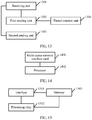
- a schematic structural diagram of the server is shown in FIG. 14 , and the server specifically includes:
- the processor is a multi-core processor; and the processor 1402 is specifically configured to: bind each created listener thread to a different target core in the multi-core processor, and bind each network interface card queue in the multi-queue network interface card to a different core in the target cores, so as to implement that each created listener thread is bound to a different network interface card queue, where the target cores are all cores in the multi-core processor that are used to bind the listener threads and the network interface card queues, and the quantity of network interface card queues is equal to a quantity of target cores.
- processor 1402 is further configured to bind each worker thread created in each process to one core.
- processor 1402 is further configured to: when a core is added to the multi-core processor of the server, for each added core, create a new worker thread in one of the processes, and bind each created new worker thread to the added core.
- the processor 1402 is further configured to: when a network interface card queue is added to the multi-queue network interface card of the server, create a new process for each added network interface card queue, create one listener thread and multiple worker threads in the new created process, and bind the listener thread created in the new process to the added network interface card queue.
- the processor 1402 is further configured to: create a new worker thread in a process when a quantity of idle worker threads in worker threads created in the process is less than a first preset quantity threshold; and/or delete an idle worker thread from a process when a quantity of idle worker threads in worker threads created in the process is greater than a second preset quantity threshold, where after the deleting, the quantity of idle worker threads in the worker threads created in the process is not greater than the second preset quantity threshold.
- Embodiment 7 of the present invention further provides a multi-queue network interface card of a server, where processes whose quantity is equal to a quantity of network interface card queues of the multi-queue network interface card are created on the server, one listener thread and multiple worker threads are created in each process, and each created listener thread is bound to a different network interface card queue.
- a schematic structural diagram of the multi-queue network interface card is shown in FIG. 15 , and the multi-queue network interface card specifically includes:
- the processing chip 1502 is further configured to: before acquiring, from the network interface card queue of the multi-queue network interface card, the service request from the client, receive a service request acquiring message sent by each created listener thread, where the service request acquiring message carries a queue identifier of a network interface card queue bound to the listener thread; and determine that the listener thread that sends the service request acquiring message is bound to the network interface card queue corresponding to the queue identifier carried in the service request acquiring message.
- the server has a multi-core processor; each created listener thread is bound to a different target core in the multi-core processor, and each network interface card queue in the multi-queue network interface card is bound to a different core in the target cores, so as to implement that each created listener thread is bound to a different network interface card queue, where the target cores are all cores in the multi-core processor that are used to bind the listener threads and the network interface card queues, and the quantity of network interface card queues is equal to a quantity of target cores; and the processing chip 1502 is specifically configured to send the service request to the listener thread running in the target core bound to the network interface card queue.
- the worker thread created in each process is bound to a core.
- solutions provided in embodiments of the present invention include: acquiring a quantity of network interface card queues of a multi-queue network interface card of a server; creating processes whose quantity is equal to the quantity of network interface card queues; creating one listener thread and multiple worker threads in each process; and binding each created listener thread to a different network interface card queue.
- the solutions provided in the embodiments of the present invention are used to make creation of a process and a thread more proper, and improve efficiency of processing parallel service requests by a server.
- listener threads that need to listen to a service request are sequentially deployed on corresponding cores, which can fulfill an objective of simultaneously listening to multiple service requests from a network client.
- a network interface card driver parallel forwards the service requests to the listener threads, which improves a performance problem caused by serial forwarding of service requests in a conventional server system.
- more worker threads can perform service processing on service requests.
- the solutions provided in the embodiments of the present invention have scalability (Scalability).
- Scalability means that when a hardware resource is updated, and a computing capability of a processor and a network processing capacity are improved, if a new core and a new network interface card queue are added, performance of an entire system can be effectively improved by correspondingly creating a new process and/or thread.
- process and thread deployment is performed for a model of a server by using an advantage of linear scalability of a multi-kernel operating system.
- this new structure still can effectively enhance performance of the server if a hardware resource is continuously added.
- the embodiments of the present invention may be provided as a method, a system, or a computer program product. Therefore, the present invention may use a form of hardware only embodiments, software only embodiments, or embodiments with a combination of software and hardware. Moreover, the present invention may use a form of a computer program product that is implemented on one or more computer-usable storage media (including but not limited to a disk memory, a CD-ROM, an optical memory, and the like) that include computer-usable program code.
- computer-usable storage media including but not limited to a disk memory, a CD-ROM, an optical memory, and the like
- These computer program instructions may be provided for a general-purpose computer, a dedicated computer, an embedded processor, or a processor of any other programmable data processing device to generate a machine, so that the instructions executed by a computer or a processor of any other programmable data processing device generate an apparatus for implementing a specific function in one or more processes in the flowcharts and/or in one or more blocks in the block diagrams.
- These computer program instructions may also be stored in a computer readable memory that can instruct the computer or any other programmable data processing device to work in a specific manner, so that the instructions stored in the computer readable memory generate an artifact that includes an instruction apparatus.
- the instruction apparatus implements a specific function in one or more processes in the flowcharts and/or in one or more blocks in the block diagrams.
- These computer program instructions may also be loaded onto a computer or another programmable data processing device, so that a series of operations and steps are performed on the computer or the another programmable device, thereby generating computer-implemented processing. Therefore, the instructions executed on the computer or the another programmable device provide steps for implementing a specific function in one or more processes in the flowcharts and/or in one or more blocks in the block diagrams.
Landscapes
- Engineering & Computer Science (AREA)
- Theoretical Computer Science (AREA)
- Physics & Mathematics (AREA)
- General Engineering & Computer Science (AREA)
- General Physics & Mathematics (AREA)
- Computing Systems (AREA)
- Software Systems (AREA)
- Quality & Reliability (AREA)
- Mathematical Physics (AREA)
- Telephonic Communication Services (AREA)
- Information Transfer Between Computers (AREA)
- Computer And Data Communications (AREA)
Claims (10)
- Dienstanfrageverarbeitungsverfahren, das auf einen auf einem Server erzeugten "Listener-Thread" angewendet wird, wobei der Server eine Mehrfachwarteschlangen-Netzwerkschnittstellenkarte aufweist; eine Netzwerkschnittstellenkartenwarteschlange der Mehrfachwarteschlangen-Netzwerkschnittstellenkarte eine Dienstanfrage von einem Client speichert; Prozesse, deren Menge einer Menge von Netzwerkschnittstellenkartenwarteschlangen der Mehrfachwarteschlangen-Netzwerkschnittstellenkarte entsprechen, auf dem Server erzeugt werden; ein "Listener-Thread" und mehrere "Worker-Threads" in jedem Prozess erzeugt werden; jeder erzeugte "Listener-Thread" an eine unterschiedliche Netzwerkschnittstellenkartenwarteschlange gebunden ist; und das Verfahren Folgendes umfasst:Empfangen, durch den "Listener-Thread", einer durch die Mehrfachwarteschlangen-Netzwerkschnittstellenkarte des Servers gesendeten Dienstanfrage, wobei die Dienstanfrage aus einer an den "Listener-Thread" gebundenen Netzwerkschnittstellenkartenwarteschlange gewonnen wird und von dem Client stammt; undSenden der Dienstanfrage an einen ungenutzten "Worker-Thread", wobei die Dienstanfrage verwendet wird, um den "Worker-Thread" anzuweisen, eine Dienstverarbeitung an der Dienstanfrage durchzuführen und ein erhaltenes Dienstverarbeitungsergebnis an die Mehrfachwarteschlangen-Netzwerkschnittstellenkarte zu senden, wobei der "Worker-Thread" und der "Listener-Thread" zu einem gleichen Prozess gehören.
- Verfahren nach Anspruch 1, vor dem Empfangen einer durch die Mehrfachwarteschlangen-Netzwerkschnittstellenkarte des Servers gesendeten Dienstanfrage, wobei die Dienstanfrage aus einer an den "Listener-Thread" gebundenen Netzwerkschnittstellenkartenwarteschlange gewonnen wird und von dem Client stammt, ferner umfassend:
Senden einer Dienstanfragengewinnungsnachricht an die Mehrfachwarteschlangen-Netzwerkschnittstellenkarte, wobei die Dienstanfragengewinnungsnachricht eine Warteschlangenkennung der an den "Listener-Thread" gebundenen Netzwerkschnittstellenkartenwarteschlange enthält, und die Warteschlangenkennung durch die Mehrfachwarteschlangen-Netzwerkschnittstellenkarte verwendet wird, um zu bestimmen, dass der "Listener-Thread" an die Netzwerkschnittstellenkartenwarteschlange, die der Warteschlangenkennung entspricht, gebunden ist. - Verfahren nach Anspruch 1, wobei der Server einen Mehrkemprozessor aufweist;
jeder erzeugte "Listener-Thread" an einen unterschiedlichen Zielkern in dem Mehrkemprozessor gebunden ist, und jede Netzwerkschnittstellenkartenwarteschlange in der Mehrfachwarteschlangen-Netzwerkschnittstellenkarte an einen unterschiedlichen Kern in den Zielkernen gebunden ist, um zu implementieren, dass jeder erzeugte "Listener-Thread" an eine unterschiedliche Netzwerkschnittstellenkartenwarteschlange gebunden ist, wobei die Zielkerne alle Kerne in dem Mehrkemprozessor sind, die verwendet werden, um die "Listener-Threads" und die Netzwerkschnittstellenkartenwarteschlangen zu binden, und die Menge an Netzwerkschnittstellenkartenwarteschlangen gleich einer Menge an Zielkernen ist; und
wobei das Empfangen, durch den "Listener-Thread", einer durch die Mehrfachwarteschlangen-Netzwerkschnittstellenkarte des Servers gesendeten Dienstanfrage, wobei die Dienstanfrage aus einer an den "Listener-Thread" gebundenen Netzwerkschnittstellenkartenwarteschlange gewonnen wird und von dem Client stammt, umfasst:
Empfangen, durch den "Listener-Thread", der durch die Mehrfachwarteschlangen-Netzwerkschnittstellenkarte des Servers gesendeten Dienstanfrage, wobei die Dienstanfrage aus der an den den "Listener-Thread" ausführenden Zielkern gebundenen Netzwerkschnittstellenkartenwarteschlange gewonnen wird und von dem Client stammt. - Verfahren nach Anspruch 3, wobei der in jedem Prozess erzeugte "Worker-Thread" an einen Kern gebunden ist, wobei die in unterschiedlichen Prozessen erzeugten "Worker-Threads" an unterschiedliche Kerne gebunden sind.
- Verfahren nach einem der Ansprüche 1 bis 4, ferner umfassend:Erzeugen eines neuen "Worker-Threads" in dem Prozess, zu dem der "Listener-Thread" gehört, wenn eine Menge von ungenutzten "Worker-Threads" bei in dem Prozess erzeugten "Worker-Threads" geringer ist als ein erster voreingestellter Mengenschwellenwert; und/oderLöschen eines ungenutzten "Worker-Threads" aus dem Prozess, zu dem der "Listener-Thread" gehört, wenn eine Menge von ungenutzten "Worker-Threads" bei in dem Prozess erzeugten "Worker-Threads" größer ist als ein zweiter voreingestellter Mengenschwellenwert, wobei nach dem Löschen die Menge der ungenutzten "Worker-Threads" bei den in dem Prozess erzeugten "Worker-Threads" nicht größer ist als der zweite voreingestellte Mengenschwellenwert.
- Dienstanfrageverarbeitungseinrichtung, die auf einen auf einem Server erstellten "Listener-Thread" angewendet ist, wobei der Server eine Mehrfachwarteschlangen-Netzwerkschnittstellenkarte aufweist; eine Netzwerkschnittstellenkartenwarteschlange der Mehrfachwarteschlangen-Netzwerkschnittstellenkarte eine Dienstanfrage von einem Client speichert; Prozesse, deren Menge einer Menge von Netzwerkschnittstellenkartenwarteschlangen der Mehrfachwarteschlangen-Netzwerkschnittstellenkarte entsprechen, auf dem Server erzeugt werden; ein "Listener-Thread" und mehrere "Worker-Threads" in jedem Prozess erzeugt werden; jeder erzeugte "Listener-Thread" an eine unterschiedliche Netzwerkschnittstellenkartenwarteschlange gebunden ist; und die Einrichtung umfasst:eine Empfangseinheit, die ausgelegt ist, eine durch die Mehrfachwarteschlangen-Netzwerkschnittstellenkarte des Servers gesendete Dienstanfrage zu empfangen, wobei die Dienstanfrage aus einer an den "Listener-Thread" gebundenen Netzwerkschnittstellenkartenwarteschlange gewonnen ist und von dem Client stammt; undeine erste Sendeeinheit, die ausgelegt ist, die Dienstanfrage an einen ungenutzten "Worker-Thread" zu senden, wobei die Dienstanfrage verwendet wird, um den "Worker-Thread" anzuweisen, eine Dienstverarbeitung an der Dienstanfrage durchzuführen und ein erhaltenes Dienstverarbeitungsergebnis an die Mehrfachwarteschlangen-Netzwerkschnittstellenkarte zu senden, wobei der "Worker-Thread" und der "Listener-Thread" zu einem gleichen Prozess gehören.
- Einrichtung nach Anspruch 6, ferner umfassend:
eine zweite Sendeeinheit, die ausgelegt ist, eine Dienstanfragengewinnungsnachricht an die Mehrfachwarteschlangen-Netzwerkschnittstellenkarte zu senden, bevor die Empfangseinheit die durch die Mehrfachwarteschlangen-Netzwerkschnittstellenkarte des Servers gesendete Dienstanfrage empfängt, wobei die Dienstanfrage aus der an den "Listener-Thread" gebundenen Netzwerkschnittstellenkartenwarteschlange gewonnen ist und von dem Client stammt, die Dienstanfragengewinnungsnachricht eine Warteschlangenkennung der an den "Listener-Thread" gebundenen Netzwerkschnittstellenkartenwarteschlange enthält und die Warteschlangenkennung durch die Mehrfachwarteschlangen-Netzwerkschnittstellenkarte verwendet wird, um zu bestimmen, dass der "Listener-Thread" an die Netzwerkschnittstellenkartenwarteschlange, die der Warteschlangenkennung entspricht, gebunden ist. - Einrichtung nach Anspruch 6, wobei der Server einen Mehrkemprozessor aufweist;
jeder erzeugte "Listener-Thread" an einen unterschiedlichen Zielkern in dem Mehrkernprozessor gebunden ist, und jede Netzwerkschnittstellenkartenwarteschlange in der Mehrfachwarteschlangen-Netzwerkschnittstellenkarte an einen unterschiedlichen Kern in den Zielkernen gebunden ist, um zu implementieren, dass jeder erzeugte "Listener-Thread" an eine unterschiedliche Netzwerkschnittstellenkartenwarteschlange gebunden ist, wobei die Zielkerne alle Kerne in dem Mehrkemprozessor sind, die verwendet werden, um die "Listener-Threads" und die Netzwerkschnittstellenkartenwarteschlangen zu binden, und die Menge an Netzwerkschnittstellenkartenwarteschlangen gleich einer Menge an Zielkernen ist; und
die Empfangseinheit insbesondere ausgelegt ist, die durch die Mehrfachwarteschlangen-Netzwerkschnittstellenkarte des Servers gesendete Dienstanfrage zu empfangen, wobei die Dienstanfrage aus der an den den "Listener-Thread" ausführenden Zielkern gebundenen Netzwerkschnittstellenkartenwarteschlange gewonnen ist und von dem Client stammt. - Einrichtung nach Anspruch 8, wobei der in jedem Prozess erzeugte "Worker-Thread" an einen Kern gebunden ist, wobei die in unterschiedlichen Prozessen erzeugten "Worker-Threads" an unterschiedliche Kerne gebunden sind.
- Einrichtung nach einem der Ansprüche 6 bis 9, ferner umfassend:
eine Threaderzeugungseinheit, die zu Folgendem ausgelegt ist: Erzeugen eines neuen "Worker-Threads" in dem Prozess, zu dem der "Listener-Thread" gehört, wenn eine Menge von ungenutzten "Worker-Threads" bei in dem Prozess erzeugten "Worker-Threads" geringer ist als ein erster voreingestellter Mengenschwellenwert; und/oder Löschen eines ungenutzten "Worker-Threads" aus dem Prozess, zu dem der "Listener-Thread" gehört, wenn eine Menge von ungenutzten "Worker-Threads" bei in dem Prozess erzeugten "Worker-Threads" größer ist als ein zweiter voreingestellter Mengenschwellenwert, wobei nach dem Löschen die Menge der ungenutzten "Worker-Threads" bei den in dem Prozess erzeugten "Worker-Threads" nicht größer ist als der zweite voreingestellte Mengenschwellenwert.
Applications Claiming Priority (2)
| Application Number | Priority Date | Filing Date | Title |
|---|---|---|---|
| CN201310733930.3A CN104750543B (zh) | 2013-12-26 | 2013-12-26 | 线程创建方法、业务请求处理方法及相关设备 |
| PCT/CN2014/094208 WO2015096656A1 (zh) | 2013-12-26 | 2014-12-18 | 线程创建方法、业务请求处理方法及相关设备 |
Publications (3)
| Publication Number | Publication Date |
|---|---|
| EP3073374A1 EP3073374A1 (de) | 2016-09-28 |
| EP3073374A4 EP3073374A4 (de) | 2016-12-07 |
| EP3073374B1 true EP3073374B1 (de) | 2019-02-06 |
Family
ID=53477531
Family Applications (1)
| Application Number | Title | Priority Date | Filing Date |
|---|---|---|---|
| EP14873894.1A Active EP3073374B1 (de) | 2013-12-26 | 2014-12-18 | Fadenerzeugungsverfahren, dienstanforderungverarbeitungsverfahren und zugehörige vorrichtung |
Country Status (4)
| Country | Link |
|---|---|
| US (1) | US20160306680A1 (de) |
| EP (1) | EP3073374B1 (de) |
| CN (1) | CN104750543B (de) |
| WO (1) | WO2015096656A1 (de) |
Families Citing this family (42)
| Publication number | Priority date | Publication date | Assignee | Title |
|---|---|---|---|---|
| US10452450B2 (en) | 2015-03-20 | 2019-10-22 | International Business Machines Corporation | Optimizing allocation of multi-tasking servers |
| CN105357203A (zh) * | 2015-11-13 | 2016-02-24 | 汉柏科技有限公司 | 一种防火墙设备中的报文处理方法、处理器及防火墙设备 |
| CN105631708B (zh) * | 2015-12-25 | 2020-10-16 | 腾讯科技(深圳)有限公司 | 一种信息处理方法及装置 |
| CN111274015A (zh) * | 2016-08-31 | 2020-06-12 | 华为技术有限公司 | 一种配置方法、装置和数据处理服务器 |
| CN107818056B (zh) * | 2016-09-14 | 2021-09-07 | 华为技术有限公司 | 一种队列管理方法及装置 |
| US20180088960A1 (en) * | 2016-09-23 | 2018-03-29 | International Business Machines Corporation | Providing highly available and scalable access to a restricted access service through a restful interface |
| CN106412088B (zh) * | 2016-10-25 | 2019-10-18 | 深圳市万普拉斯科技有限公司 | 一种数据同步方法及终端 |
| CN106789152A (zh) * | 2016-11-17 | 2017-05-31 | 东软集团股份有限公司 | 基于多队列网卡的处理器扩展方法及装置 |
| CN106708628A (zh) * | 2016-12-29 | 2017-05-24 | 北京奇虎科技有限公司 | 基于工作线程压力优化的连接建立方法及装置 |
| CN107317759A (zh) * | 2017-06-13 | 2017-11-03 | 国家计算机网络与信息安全管理中心 | 一种网卡的线程级动态均衡调度方法 |
| CN107315385B (zh) * | 2017-06-26 | 2019-08-06 | 杭州电子科技大学 | 嵌入式plc引擎实现方法和引擎 |
| CN107450854B (zh) * | 2017-08-07 | 2020-09-18 | 苏州浪潮智能科技有限公司 | 一种期望速率下最大线程数的确定方法及系统 |
| US10719350B2 (en) * | 2017-10-10 | 2020-07-21 | Sap Se | Worker thread manager |
| CN107682198A (zh) * | 2017-10-20 | 2018-02-09 | 盛科网络(苏州)有限公司 | 一种网络通信设备 |
| CN107945354A (zh) * | 2017-11-20 | 2018-04-20 | 浪潮金融信息技术有限公司 | 排队叫号方法及系统、计算机存储介质和终端 |
| CN108881063B (zh) * | 2017-12-29 | 2019-06-28 | 视联动力信息技术股份有限公司 | 一种数据发送方法和装置 |
| CN108427603A (zh) * | 2018-01-10 | 2018-08-21 | 链家网(北京)科技有限公司 | 一种任务分派方法方法及装置 |
| CN108763046B (zh) * | 2018-06-01 | 2024-04-05 | 中国平安人寿保险股份有限公司 | 线程运行监控方法、装置、计算机设备和存储介质 |
| CN108958944A (zh) * | 2018-07-26 | 2018-12-07 | 郑州云海信息技术有限公司 | 一种多核处理系统及其任务分配方法 |
| CN111124655A (zh) * | 2018-10-31 | 2020-05-08 | 武汉斗鱼网络科技有限公司 | 一种网络请求调度方法、终端装置及存储介质 |
| CN109684064A (zh) * | 2018-12-26 | 2019-04-26 | 亚信科技(中国)有限公司 | 一种任务调度方法及任务调度设备 |
| CN110134531A (zh) * | 2019-05-06 | 2019-08-16 | 广州华多网络科技有限公司 | 虚拟资产流转数据的处理方法、装置和计算机设备 |
| CN110333916B (zh) * | 2019-06-18 | 2024-03-19 | 平安银行股份有限公司 | 请求消息处理方法、装置、计算机系统及可读存储介质 |
| CN110505164B (zh) * | 2019-07-25 | 2022-05-31 | 联想(北京)有限公司 | 虚拟设备的处理方法及电子设备 |
| CN110908784B (zh) * | 2019-11-12 | 2022-09-20 | 苏州智加科技有限公司 | 图像标注方法、装置、设备及存储介质 |
| CN111104183B (zh) * | 2019-12-17 | 2023-09-12 | 北京小米移动软件有限公司 | 应用程序运行方法、装置、电子设备及存储介质 |
| CN111338787B (zh) * | 2020-02-04 | 2023-09-01 | 浙江大华技术股份有限公司 | 一种数据处理方法及装置、存储介质、电子装置 |
| CN111400002B (zh) * | 2020-03-09 | 2022-09-27 | 聚好看科技股份有限公司 | 应用进程与处理器核绑定方法及终端 |
| CN111541646A (zh) * | 2020-03-24 | 2020-08-14 | 成都国泰网信科技有限公司 | 一种增强密码机安全服务接入能力的方法 |
| CN112217883B (zh) * | 2020-09-25 | 2023-01-10 | 苏州浪潮智能科技有限公司 | 一种基于nfs协议的多通道构建方法、装置和系统 |
| US20220188144A1 (en) * | 2020-12-11 | 2022-06-16 | Oracle International Corporation | Intra-Process Caching and Reuse of Threads |
| CN112702338B (zh) * | 2020-12-22 | 2022-07-01 | 杭州迪普科技股份有限公司 | Ike报文获取方法及装置 |
| CN112667318A (zh) * | 2020-12-31 | 2021-04-16 | 京信网络系统股份有限公司 | 逻辑核的绑定方法、装置、设备及存储介质 |
| CN114817122A (zh) * | 2021-01-29 | 2022-07-29 | 武汉雄楚高晶科技有限公司 | 一种实现高分辨率图像解译的npu并行系统及方法 |
| CN112988416B (zh) * | 2021-03-02 | 2023-06-30 | 杭州迪普科技股份有限公司 | 报文处理方法、装置、设备及计算机可读存储介质 |
| CN113076205B (zh) * | 2021-03-31 | 2024-09-24 | 福建星瑞格软件有限公司 | 一种基于rss的并发进程数据处理的方法 |
| CN112801559A (zh) * | 2021-04-09 | 2021-05-14 | 恒生电子股份有限公司 | 业务请求的处理方法、装置、设备和存储介质 |
| US20210326177A1 (en) * | 2021-06-26 | 2021-10-21 | Intel Corporation | Queue scaling based, at least, in part, on processing load |
| CN114138471B (zh) * | 2021-11-18 | 2024-04-19 | 苏州浪潮智能科技有限公司 | 一种软件业务绑定cpu核心的方法及相关装置 |
| CN114257561B (zh) * | 2021-12-17 | 2023-02-07 | 东土科技(宜昌)有限公司 | 一种串口网口的数据透传方法及装置、设备、存储介质 |
| CN115296958B (zh) * | 2022-06-28 | 2024-03-22 | 青岛海尔科技有限公司 | 设备控制任务的分发方法、装置、存储介质及电子装置 |
| CN115499346B (zh) * | 2022-09-15 | 2024-04-26 | 巨擎网络科技(济南)有限公司 | 一种多网卡的测速方法、装置、设备及介质 |
Family Cites Families (17)
| Publication number | Priority date | Publication date | Assignee | Title |
|---|---|---|---|---|
| US6477586B1 (en) * | 1998-06-29 | 2002-11-05 | International Business Machines Corporation | Remote procedure calls in distributed systems |
| US6625639B1 (en) * | 1999-10-20 | 2003-09-23 | International Business Machines Corporation | Apparatus and method for processing a task in a clustered computing environment |
| US7051330B1 (en) * | 2000-11-21 | 2006-05-23 | Microsoft Corporation | Generic application server and method of operation therefor |
| US7076545B2 (en) * | 2002-07-31 | 2006-07-11 | Sun Microsystems, Inc. | Load balancing the servicing of received packets |
| US7631106B2 (en) * | 2002-08-15 | 2009-12-08 | Mellanox Technologies Ltd. | Prefetching of receive queue descriptors |
| US7418719B2 (en) * | 2004-08-31 | 2008-08-26 | Microsoft Corporation | Method and system to support a unified process model for handling messages sent in different protocols |
| US8032900B2 (en) * | 2006-08-02 | 2011-10-04 | Microsoft Corporation | Conducting client-server inter-process communication |
| US8185906B2 (en) * | 2007-05-23 | 2012-05-22 | Sap Ag | Method and apparatus for dynamically adjusting thread pool |
| CN101631139B (zh) * | 2009-05-19 | 2012-11-14 | 华耀(中国)科技有限公司 | 基于多核平台的负载均衡软件架构及方法 |
| JP5681465B2 (ja) * | 2010-12-02 | 2015-03-11 | インターナショナル・ビジネス・マシーンズ・コーポレーションInternational Business Machines Corporation | 情報処理システム、情報処理装置、準備方法、プログラムおよび記録媒体 |
| US8832690B1 (en) * | 2011-06-21 | 2014-09-09 | Google Inc. | Multi-threaded virtual machine processing on a web page |
| CN102497322A (zh) * | 2011-12-19 | 2012-06-13 | 曙光信息产业(北京)有限公司 | 一种基于分流网卡和多核cpu实现的高速包过滤设备和方法 |
| CN102591715B (zh) * | 2012-01-05 | 2014-02-12 | 北京航空航天大学 | 一种使用多队列技术的虚拟机网络性能优化的实现方法 |
| CN102769575A (zh) * | 2012-08-08 | 2012-11-07 | 南京中兴特种软件有限责任公司 | 一种用于智能网卡的流量负载均衡方法 |
| CN102916905A (zh) * | 2012-10-18 | 2013-02-06 | 曙光信息产业(北京)有限公司 | 一种基于hash算法的万兆网卡多路分流方法及其系统 |
| US9280388B2 (en) * | 2013-01-22 | 2016-03-08 | Oracle International Corporation | Method and apparatus for efficient scheduling of multithreaded programs |
| US9843540B2 (en) * | 2013-08-26 | 2017-12-12 | Vmware, Inc. | Traffic and load aware dynamic queue management |
-
2013
- 2013-12-26 CN CN201310733930.3A patent/CN104750543B/zh active Active
-
2014
- 2014-12-18 WO PCT/CN2014/094208 patent/WO2015096656A1/zh not_active Ceased
- 2014-12-18 EP EP14873894.1A patent/EP3073374B1/de active Active
-
2016
- 2016-06-24 US US15/191,996 patent/US20160306680A1/en not_active Abandoned
Non-Patent Citations (1)
| Title |
|---|
| None * |
Also Published As
| Publication number | Publication date |
|---|---|
| CN104750543B (zh) | 2018-06-15 |
| EP3073374A4 (de) | 2016-12-07 |
| US20160306680A1 (en) | 2016-10-20 |
| EP3073374A1 (de) | 2016-09-28 |
| CN104750543A (zh) | 2015-07-01 |
| WO2015096656A1 (zh) | 2015-07-02 |
Similar Documents
| Publication | Publication Date | Title |
|---|---|---|
| EP3073374B1 (de) | Fadenerzeugungsverfahren, dienstanforderungverarbeitungsverfahren und zugehörige vorrichtung | |
| US10467725B2 (en) | Managing access to a resource pool of graphics processing units under fine grain control | |
| CN109564528B (zh) | 分布式计算中计算资源分配的系统和方法 | |
| CN108293041B (zh) | 分布式系统、资源容器的分配方法、资源管理器及应用控制器 | |
| CN107688492B (zh) | 资源的控制方法、装置和集群资源管理系统 | |
| CN108064377B (zh) | 一种多系统共享内存的管理方法及装置 | |
| CN112825042A (zh) | 资源管理方法和装置、电子设备及存储介质 | |
| US20170024251A1 (en) | Scheduling method and apparatus for distributed computing system | |
| CN103067425A (zh) | 虚拟机创建方法、虚拟机管理系统及相关设备 | |
| CN106354559A (zh) | 云桌面资源的处理方法及装置 | |
| CN109726005A (zh) | 用于管理资源的方法、服务器系统和计算机程序产品 | |
| CN113032101A (zh) | 虚拟机的资源分配方法、服务器及计算机可读存储介质 | |
| EP2375324A2 (de) | Virtualisierungsvorrichtung zur Bereitstellung einer transaktionalen Eingabe-/Ausgabeschnittstelle | |
| CN106325995B (zh) | 一种gpu资源的分配方法及系统 | |
| CN114489978B (zh) | 资源调度方法、装置、设备及存储介质 | |
| WO2023071576A1 (zh) | 容器集群构建方法及系统 | |
| CN114721818A (zh) | 一种基于Kubernetes集群的GPU分时共享方法和系统 | |
| CN106897299A (zh) | 一种数据库访问方法及装置 | |
| WO2016202154A1 (zh) | 一种gpu资源的分配方法及系统 | |
| CN114546587A (zh) | 一种在线图像识别服务的扩缩容方法及相关装置 | |
| Haladu et al. | Optimizing task scheduling and resource allocation in cloud data center, using enhanced min-min algorithm | |
| CN110447019B (zh) | 存储器分配管理器及由其执行的用于管理存储器分配的方法 | |
| US8484642B2 (en) | Processor core selection based at least in part upon at least one inter-dependency | |
| JP6158751B2 (ja) | 計算機資源割当装置及び計算機資源割当プログラム | |
| WO2024098926A1 (zh) | 一种计算资源的管理方法以及装置 |
Legal Events
| Date | Code | Title | Description |
|---|---|---|---|
| PUAI | Public reference made under article 153(3) epc to a published international application that has entered the european phase |
Free format text: ORIGINAL CODE: 0009012 |
|
| 17P | Request for examination filed |
Effective date: 20160621 |
|
| AK | Designated contracting states |
Kind code of ref document: A1 Designated state(s): AL AT BE BG CH CY CZ DE DK EE ES FI FR GB GR HR HU IE IS IT LI LT LU LV MC MK MT NL NO PL PT RO RS SE SI SK SM TR |
|
| AX | Request for extension of the european patent |
Extension state: BA ME |
|
| A4 | Supplementary search report drawn up and despatched |
Effective date: 20161107 |
|
| RIC1 | Information provided on ipc code assigned before grant |
Ipc: G06F 9/46 20060101AFI20161031BHEP Ipc: G06F 11/30 20060101ALI20161031BHEP Ipc: G06F 9/48 20060101ALI20161031BHEP |
|
| RAP1 | Party data changed (applicant data changed or rights of an application transferred) |
Owner name: HUAWEI TECHNOLOGIES CO., LTD. |
|
| DAX | Request for extension of the european patent (deleted) | ||
| GRAP | Despatch of communication of intention to grant a patent |
Free format text: ORIGINAL CODE: EPIDOSNIGR1 |
|
| STAA | Information on the status of an ep patent application or granted ep patent |
Free format text: STATUS: GRANT OF PATENT IS INTENDED |
|
| RIC1 | Information provided on ipc code assigned before grant |
Ipc: G06F 11/30 20060101ALI20180628BHEP Ipc: G06F 9/48 20060101ALI20180628BHEP Ipc: G06F 9/50 20060101ALI20180628BHEP Ipc: G06F 9/46 20060101AFI20180628BHEP |
|
| INTG | Intention to grant announced |
Effective date: 20180713 |
|
| GRAS | Grant fee paid |
Free format text: ORIGINAL CODE: EPIDOSNIGR3 |
|
| GRAA | (expected) grant |
Free format text: ORIGINAL CODE: 0009210 |
|
| STAA | Information on the status of an ep patent application or granted ep patent |
Free format text: STATUS: THE PATENT HAS BEEN GRANTED |
|
| AK | Designated contracting states |
Kind code of ref document: B1 Designated state(s): AL AT BE BG CH CY CZ DE DK EE ES FI FR GB GR HR HU IE IS IT LI LT LU LV MC MK MT NL NO PL PT RO RS SE SI SK SM TR |
|
| REG | Reference to a national code |
Ref country code: GB Ref legal event code: FG4D |
|
| REG | Reference to a national code |
Ref country code: CH Ref legal event code: EP Ref country code: AT Ref legal event code: REF Ref document number: 1095328 Country of ref document: AT Kind code of ref document: T Effective date: 20190215 |
|
| REG | Reference to a national code |
Ref country code: IE Ref legal event code: FG4D |
|
| REG | Reference to a national code |
Ref country code: DE Ref legal event code: R096 Ref document number: 602014040886 Country of ref document: DE |
|
| REG | Reference to a national code |
Ref country code: NL Ref legal event code: MP Effective date: 20190206 |
|
| REG | Reference to a national code |
Ref country code: LT Ref legal event code: MG4D |
|
| PG25 | Lapsed in a contracting state [announced via postgrant information from national office to epo] |
Ref country code: NO Free format text: LAPSE BECAUSE OF FAILURE TO SUBMIT A TRANSLATION OF THE DESCRIPTION OR TO PAY THE FEE WITHIN THE PRESCRIBED TIME-LIMIT Effective date: 20190506 Ref country code: FI Free format text: LAPSE BECAUSE OF FAILURE TO SUBMIT A TRANSLATION OF THE DESCRIPTION OR TO PAY THE FEE WITHIN THE PRESCRIBED TIME-LIMIT Effective date: 20190206 Ref country code: NL Free format text: LAPSE BECAUSE OF FAILURE TO SUBMIT A TRANSLATION OF THE DESCRIPTION OR TO PAY THE FEE WITHIN THE PRESCRIBED TIME-LIMIT Effective date: 20190206 Ref country code: LT Free format text: LAPSE BECAUSE OF FAILURE TO SUBMIT A TRANSLATION OF THE DESCRIPTION OR TO PAY THE FEE WITHIN THE PRESCRIBED TIME-LIMIT Effective date: 20190206 Ref country code: PT Free format text: LAPSE BECAUSE OF FAILURE TO SUBMIT A TRANSLATION OF THE DESCRIPTION OR TO PAY THE FEE WITHIN THE PRESCRIBED TIME-LIMIT Effective date: 20190606 Ref country code: SE Free format text: LAPSE BECAUSE OF FAILURE TO SUBMIT A TRANSLATION OF THE DESCRIPTION OR TO PAY THE FEE WITHIN THE PRESCRIBED TIME-LIMIT Effective date: 20190206 |
|
| REG | Reference to a national code |
Ref country code: AT Ref legal event code: MK05 Ref document number: 1095328 Country of ref document: AT Kind code of ref document: T Effective date: 20190206 |
|
| PG25 | Lapsed in a contracting state [announced via postgrant information from national office to epo] |
Ref country code: LV Free format text: LAPSE BECAUSE OF FAILURE TO SUBMIT A TRANSLATION OF THE DESCRIPTION OR TO PAY THE FEE WITHIN THE PRESCRIBED TIME-LIMIT Effective date: 20190206 Ref country code: RS Free format text: LAPSE BECAUSE OF FAILURE TO SUBMIT A TRANSLATION OF THE DESCRIPTION OR TO PAY THE FEE WITHIN THE PRESCRIBED TIME-LIMIT Effective date: 20190206 Ref country code: BG Free format text: LAPSE BECAUSE OF FAILURE TO SUBMIT A TRANSLATION OF THE DESCRIPTION OR TO PAY THE FEE WITHIN THE PRESCRIBED TIME-LIMIT Effective date: 20190506 Ref country code: IS Free format text: LAPSE BECAUSE OF FAILURE TO SUBMIT A TRANSLATION OF THE DESCRIPTION OR TO PAY THE FEE WITHIN THE PRESCRIBED TIME-LIMIT Effective date: 20190606 Ref country code: GR Free format text: LAPSE BECAUSE OF FAILURE TO SUBMIT A TRANSLATION OF THE DESCRIPTION OR TO PAY THE FEE WITHIN THE PRESCRIBED TIME-LIMIT Effective date: 20190507 Ref country code: HR Free format text: LAPSE BECAUSE OF FAILURE TO SUBMIT A TRANSLATION OF THE DESCRIPTION OR TO PAY THE FEE WITHIN THE PRESCRIBED TIME-LIMIT Effective date: 20190206 |
|
| PG25 | Lapsed in a contracting state [announced via postgrant information from national office to epo] |
Ref country code: ES Free format text: LAPSE BECAUSE OF FAILURE TO SUBMIT A TRANSLATION OF THE DESCRIPTION OR TO PAY THE FEE WITHIN THE PRESCRIBED TIME-LIMIT Effective date: 20190206 Ref country code: DK Free format text: LAPSE BECAUSE OF FAILURE TO SUBMIT A TRANSLATION OF THE DESCRIPTION OR TO PAY THE FEE WITHIN THE PRESCRIBED TIME-LIMIT Effective date: 20190206 Ref country code: AL Free format text: LAPSE BECAUSE OF FAILURE TO SUBMIT A TRANSLATION OF THE DESCRIPTION OR TO PAY THE FEE WITHIN THE PRESCRIBED TIME-LIMIT Effective date: 20190206 Ref country code: SK Free format text: LAPSE BECAUSE OF FAILURE TO SUBMIT A TRANSLATION OF THE DESCRIPTION OR TO PAY THE FEE WITHIN THE PRESCRIBED TIME-LIMIT Effective date: 20190206 Ref country code: RO Free format text: LAPSE BECAUSE OF FAILURE TO SUBMIT A TRANSLATION OF THE DESCRIPTION OR TO PAY THE FEE WITHIN THE PRESCRIBED TIME-LIMIT Effective date: 20190206 Ref country code: CZ Free format text: LAPSE BECAUSE OF FAILURE TO SUBMIT A TRANSLATION OF THE DESCRIPTION OR TO PAY THE FEE WITHIN THE PRESCRIBED TIME-LIMIT Effective date: 20190206 Ref country code: EE Free format text: LAPSE BECAUSE OF FAILURE TO SUBMIT A TRANSLATION OF THE DESCRIPTION OR TO PAY THE FEE WITHIN THE PRESCRIBED TIME-LIMIT Effective date: 20190206 |
|
| REG | Reference to a national code |
Ref country code: DE Ref legal event code: R097 Ref document number: 602014040886 Country of ref document: DE |
|
| PG25 | Lapsed in a contracting state [announced via postgrant information from national office to epo] |
Ref country code: SM Free format text: LAPSE BECAUSE OF FAILURE TO SUBMIT A TRANSLATION OF THE DESCRIPTION OR TO PAY THE FEE WITHIN THE PRESCRIBED TIME-LIMIT Effective date: 20190206 Ref country code: PL Free format text: LAPSE BECAUSE OF FAILURE TO SUBMIT A TRANSLATION OF THE DESCRIPTION OR TO PAY THE FEE WITHIN THE PRESCRIBED TIME-LIMIT Effective date: 20190206 |
|
| PLBE | No opposition filed within time limit |
Free format text: ORIGINAL CODE: 0009261 |
|
| STAA | Information on the status of an ep patent application or granted ep patent |
Free format text: STATUS: NO OPPOSITION FILED WITHIN TIME LIMIT |
|
| PG25 | Lapsed in a contracting state [announced via postgrant information from national office to epo] |
Ref country code: AT Free format text: LAPSE BECAUSE OF FAILURE TO SUBMIT A TRANSLATION OF THE DESCRIPTION OR TO PAY THE FEE WITHIN THE PRESCRIBED TIME-LIMIT Effective date: 20190206 |
|
| 26N | No opposition filed |
Effective date: 20191107 |
|
| PG25 | Lapsed in a contracting state [announced via postgrant information from national office to epo] |
Ref country code: SI Free format text: LAPSE BECAUSE OF FAILURE TO SUBMIT A TRANSLATION OF THE DESCRIPTION OR TO PAY THE FEE WITHIN THE PRESCRIBED TIME-LIMIT Effective date: 20190206 |
|
| PG25 | Lapsed in a contracting state [announced via postgrant information from national office to epo] |
Ref country code: TR Free format text: LAPSE BECAUSE OF FAILURE TO SUBMIT A TRANSLATION OF THE DESCRIPTION OR TO PAY THE FEE WITHIN THE PRESCRIBED TIME-LIMIT Effective date: 20190206 |
|
| REG | Reference to a national code |
Ref country code: CH Ref legal event code: PL |
|
| REG | Reference to a national code |
Ref country code: BE Ref legal event code: MM Effective date: 20191231 |
|
| PG25 | Lapsed in a contracting state [announced via postgrant information from national office to epo] |
Ref country code: MC Free format text: LAPSE BECAUSE OF FAILURE TO SUBMIT A TRANSLATION OF THE DESCRIPTION OR TO PAY THE FEE WITHIN THE PRESCRIBED TIME-LIMIT Effective date: 20190206 |
|
| PG25 | Lapsed in a contracting state [announced via postgrant information from national office to epo] |
Ref country code: LU Free format text: LAPSE BECAUSE OF NON-PAYMENT OF DUE FEES Effective date: 20191218 |
|
| PG25 | Lapsed in a contracting state [announced via postgrant information from national office to epo] |
Ref country code: CH Free format text: LAPSE BECAUSE OF NON-PAYMENT OF DUE FEES Effective date: 20191231 Ref country code: BE Free format text: LAPSE BECAUSE OF NON-PAYMENT OF DUE FEES Effective date: 20191231 Ref country code: LI Free format text: LAPSE BECAUSE OF NON-PAYMENT OF DUE FEES Effective date: 20191231 |
|
| PG25 | Lapsed in a contracting state [announced via postgrant information from national office to epo] |
Ref country code: CY Free format text: LAPSE BECAUSE OF FAILURE TO SUBMIT A TRANSLATION OF THE DESCRIPTION OR TO PAY THE FEE WITHIN THE PRESCRIBED TIME-LIMIT Effective date: 20190206 |
|
| PG25 | Lapsed in a contracting state [announced via postgrant information from national office to epo] |
Ref country code: MT Free format text: LAPSE BECAUSE OF FAILURE TO SUBMIT A TRANSLATION OF THE DESCRIPTION OR TO PAY THE FEE WITHIN THE PRESCRIBED TIME-LIMIT Effective date: 20190206 Ref country code: HU Free format text: LAPSE BECAUSE OF FAILURE TO SUBMIT A TRANSLATION OF THE DESCRIPTION OR TO PAY THE FEE WITHIN THE PRESCRIBED TIME-LIMIT; INVALID AB INITIO Effective date: 20141218 |
|
| PG25 | Lapsed in a contracting state [announced via postgrant information from national office to epo] |
Ref country code: MK Free format text: LAPSE BECAUSE OF FAILURE TO SUBMIT A TRANSLATION OF THE DESCRIPTION OR TO PAY THE FEE WITHIN THE PRESCRIBED TIME-LIMIT Effective date: 20190206 |
|
| PGFP | Annual fee paid to national office [announced via postgrant information from national office to epo] |
Ref country code: DE Payment date: 20251104 Year of fee payment: 12 |
|
| PGFP | Annual fee paid to national office [announced via postgrant information from national office to epo] |
Ref country code: GB Payment date: 20251030 Year of fee payment: 12 |
|
| PGFP | Annual fee paid to national office [announced via postgrant information from national office to epo] |
Ref country code: IT Payment date: 20251121 Year of fee payment: 12 |
|
| PGFP | Annual fee paid to national office [announced via postgrant information from national office to epo] |
Ref country code: FR Payment date: 20251110 Year of fee payment: 12 |
|
| PGFP | Annual fee paid to national office [announced via postgrant information from national office to epo] |
Ref country code: IE Payment date: 20251111 Year of fee payment: 12 |