EP3074475B1 - Composition d'asphalte à base de polyuréthane - Google Patents
Composition d'asphalte à base de polyuréthane Download PDFInfo
- Publication number
- EP3074475B1 EP3074475B1 EP14866011.1A EP14866011A EP3074475B1 EP 3074475 B1 EP3074475 B1 EP 3074475B1 EP 14866011 A EP14866011 A EP 14866011A EP 3074475 B1 EP3074475 B1 EP 3074475B1
- Authority
- EP
- European Patent Office
- Prior art keywords
- component
- epoxy
- asphalt
- cardanol
- polyol
- Prior art date
- Legal status (The legal status is an assumption and is not a legal conclusion. Google has not performed a legal analysis and makes no representation as to the accuracy of the status listed.)
- Active
Links
- 0 *c1cccc(OCC(*C(COc2cccc(*)c2)O)O)c1 Chemical compound *c1cccc(OCC(*C(COc2cccc(*)c2)O)O)c1 0.000 description 1
- MCZFHTUHKXKJHM-UHFFFAOYSA-N CCC(CC1OC1)Oc1ccc(C(C)(C)c(cc2)ccc2OCC2OC2)cc1 Chemical compound CCC(CC1OC1)Oc1ccc(C(C)(C)c(cc2)ccc2OCC2OC2)cc1 MCZFHTUHKXKJHM-UHFFFAOYSA-N 0.000 description 1
Images
Classifications
-
- C—CHEMISTRY; METALLURGY
- C08—ORGANIC MACROMOLECULAR COMPOUNDS; THEIR PREPARATION OR CHEMICAL WORKING-UP; COMPOSITIONS BASED THEREON
- C08L—COMPOSITIONS OF MACROMOLECULAR COMPOUNDS
- C08L95/00—Compositions of bituminous materials, e.g. asphalt, tar, pitch
-
- C—CHEMISTRY; METALLURGY
- C08—ORGANIC MACROMOLECULAR COMPOUNDS; THEIR PREPARATION OR CHEMICAL WORKING-UP; COMPOSITIONS BASED THEREON
- C08G—MACROMOLECULAR COMPOUNDS OBTAINED OTHERWISE THAN BY REACTIONS ONLY INVOLVING UNSATURATED CARBON-TO-CARBON BONDS
- C08G18/00—Polymeric products of isocyanates or isothiocyanates
-
- C—CHEMISTRY; METALLURGY
- C08—ORGANIC MACROMOLECULAR COMPOUNDS; THEIR PREPARATION OR CHEMICAL WORKING-UP; COMPOSITIONS BASED THEREON
- C08G—MACROMOLECULAR COMPOUNDS OBTAINED OTHERWISE THAN BY REACTIONS ONLY INVOLVING UNSATURATED CARBON-TO-CARBON BONDS
- C08G18/00—Polymeric products of isocyanates or isothiocyanates
- C08G18/06—Polymeric products of isocyanates or isothiocyanates with compounds having active hydrogen
- C08G18/08—Processes
- C08G18/10—Prepolymer processes involving reaction of isocyanates or isothiocyanates with compounds having active hydrogen in a first reaction step
-
- C—CHEMISTRY; METALLURGY
- C08—ORGANIC MACROMOLECULAR COMPOUNDS; THEIR PREPARATION OR CHEMICAL WORKING-UP; COMPOSITIONS BASED THEREON
- C08G—MACROMOLECULAR COMPOUNDS OBTAINED OTHERWISE THAN BY REACTIONS ONLY INVOLVING UNSATURATED CARBON-TO-CARBON BONDS
- C08G18/00—Polymeric products of isocyanates or isothiocyanates
- C08G18/06—Polymeric products of isocyanates or isothiocyanates with compounds having active hydrogen
- C08G18/08—Processes
- C08G18/10—Prepolymer processes involving reaction of isocyanates or isothiocyanates with compounds having active hydrogen in a first reaction step
- C08G18/12—Prepolymer processes involving reaction of isocyanates or isothiocyanates with compounds having active hydrogen in a first reaction step using two or more compounds having active hydrogen in the first polymerisation step
-
- C—CHEMISTRY; METALLURGY
- C08—ORGANIC MACROMOLECULAR COMPOUNDS; THEIR PREPARATION OR CHEMICAL WORKING-UP; COMPOSITIONS BASED THEREON
- C08G—MACROMOLECULAR COMPOUNDS OBTAINED OTHERWISE THAN BY REACTIONS ONLY INVOLVING UNSATURATED CARBON-TO-CARBON BONDS
- C08G18/00—Polymeric products of isocyanates or isothiocyanates
- C08G18/06—Polymeric products of isocyanates or isothiocyanates with compounds having active hydrogen
- C08G18/08—Processes
- C08G18/16—Catalysts
- C08G18/18—Catalysts containing secondary or tertiary amines or salts thereof
- C08G18/1833—Catalysts containing secondary or tertiary amines or salts thereof having ether, acetal, or orthoester groups
-
- C—CHEMISTRY; METALLURGY
- C08—ORGANIC MACROMOLECULAR COMPOUNDS; THEIR PREPARATION OR CHEMICAL WORKING-UP; COMPOSITIONS BASED THEREON
- C08G—MACROMOLECULAR COMPOUNDS OBTAINED OTHERWISE THAN BY REACTIONS ONLY INVOLVING UNSATURATED CARBON-TO-CARBON BONDS
- C08G18/00—Polymeric products of isocyanates or isothiocyanates
- C08G18/06—Polymeric products of isocyanates or isothiocyanates with compounds having active hydrogen
- C08G18/28—Polymeric products of isocyanates or isothiocyanates with compounds having active hydrogen characterised by the compounds used containing active hydrogen
- C08G18/30—Low-molecular-weight compounds
- C08G18/32—Polyhydroxy compounds; Polyamines; Hydroxyamines
- C08G18/3203—Polyhydroxy compounds
- C08G18/3215—Polyhydroxy compounds containing aromatic groups or benzoquinone groups
-
- C—CHEMISTRY; METALLURGY
- C08—ORGANIC MACROMOLECULAR COMPOUNDS; THEIR PREPARATION OR CHEMICAL WORKING-UP; COMPOSITIONS BASED THEREON
- C08G—MACROMOLECULAR COMPOUNDS OBTAINED OTHERWISE THAN BY REACTIONS ONLY INVOLVING UNSATURATED CARBON-TO-CARBON BONDS
- C08G18/00—Polymeric products of isocyanates or isothiocyanates
- C08G18/06—Polymeric products of isocyanates or isothiocyanates with compounds having active hydrogen
- C08G18/28—Polymeric products of isocyanates or isothiocyanates with compounds having active hydrogen characterised by the compounds used containing active hydrogen
- C08G18/40—High-molecular-weight compounds
- C08G18/48—Polyethers
- C08G18/4825—Polyethers containing two hydroxy groups
-
- C—CHEMISTRY; METALLURGY
- C08—ORGANIC MACROMOLECULAR COMPOUNDS; THEIR PREPARATION OR CHEMICAL WORKING-UP; COMPOSITIONS BASED THEREON
- C08G—MACROMOLECULAR COMPOUNDS OBTAINED OTHERWISE THAN BY REACTIONS ONLY INVOLVING UNSATURATED CARBON-TO-CARBON BONDS
- C08G18/00—Polymeric products of isocyanates or isothiocyanates
- C08G18/06—Polymeric products of isocyanates or isothiocyanates with compounds having active hydrogen
- C08G18/28—Polymeric products of isocyanates or isothiocyanates with compounds having active hydrogen characterised by the compounds used containing active hydrogen
- C08G18/40—High-molecular-weight compounds
- C08G18/58—Epoxy resins
-
- C—CHEMISTRY; METALLURGY
- C08—ORGANIC MACROMOLECULAR COMPOUNDS; THEIR PREPARATION OR CHEMICAL WORKING-UP; COMPOSITIONS BASED THEREON
- C08G—MACROMOLECULAR COMPOUNDS OBTAINED OTHERWISE THAN BY REACTIONS ONLY INVOLVING UNSATURATED CARBON-TO-CARBON BONDS
- C08G18/00—Polymeric products of isocyanates or isothiocyanates
- C08G18/06—Polymeric products of isocyanates or isothiocyanates with compounds having active hydrogen
- C08G18/28—Polymeric products of isocyanates or isothiocyanates with compounds having active hydrogen characterised by the compounds used containing active hydrogen
- C08G18/40—High-molecular-weight compounds
- C08G18/64—Macromolecular compounds not provided for by groups C08G18/42 - C08G18/63
- C08G18/6407—Reaction products of epoxy resins with at least equivalent amounts of compounds containing active hydrogen
-
- C—CHEMISTRY; METALLURGY
- C08—ORGANIC MACROMOLECULAR COMPOUNDS; THEIR PREPARATION OR CHEMICAL WORKING-UP; COMPOSITIONS BASED THEREON
- C08G—MACROMOLECULAR COMPOUNDS OBTAINED OTHERWISE THAN BY REACTIONS ONLY INVOLVING UNSATURATED CARBON-TO-CARBON BONDS
- C08G18/00—Polymeric products of isocyanates or isothiocyanates
- C08G18/06—Polymeric products of isocyanates or isothiocyanates with compounds having active hydrogen
- C08G18/28—Polymeric products of isocyanates or isothiocyanates with compounds having active hydrogen characterised by the compounds used containing active hydrogen
- C08G18/40—High-molecular-weight compounds
- C08G18/64—Macromolecular compounds not provided for by groups C08G18/42 - C08G18/63
- C08G18/6476—Bituminous materials, e.g. asphalt, coal tar, pitch; derivatives thereof
-
- C—CHEMISTRY; METALLURGY
- C08—ORGANIC MACROMOLECULAR COMPOUNDS; THEIR PREPARATION OR CHEMICAL WORKING-UP; COMPOSITIONS BASED THEREON
- C08G—MACROMOLECULAR COMPOUNDS OBTAINED OTHERWISE THAN BY REACTIONS ONLY INVOLVING UNSATURATED CARBON-TO-CARBON BONDS
- C08G18/00—Polymeric products of isocyanates or isothiocyanates
- C08G18/06—Polymeric products of isocyanates or isothiocyanates with compounds having active hydrogen
- C08G18/28—Polymeric products of isocyanates or isothiocyanates with compounds having active hydrogen characterised by the compounds used containing active hydrogen
- C08G18/65—Low-molecular-weight compounds having active hydrogen with high-molecular-weight compounds having active hydrogen
- C08G18/66—Compounds of groups C08G18/42, C08G18/48, or C08G18/52
- C08G18/6666—Compounds of group C08G18/48 or C08G18/52
- C08G18/667—Compounds of group C08G18/48 or C08G18/52 with compounds of group C08G18/32 or polyamines of C08G18/38
- C08G18/6674—Compounds of group C08G18/48 or C08G18/52 with compounds of group C08G18/32 or polyamines of C08G18/38 with compounds of group C08G18/3203
-
- C—CHEMISTRY; METALLURGY
- C08—ORGANIC MACROMOLECULAR COMPOUNDS; THEIR PREPARATION OR CHEMICAL WORKING-UP; COMPOSITIONS BASED THEREON
- C08G—MACROMOLECULAR COMPOUNDS OBTAINED OTHERWISE THAN BY REACTIONS ONLY INVOLVING UNSATURATED CARBON-TO-CARBON BONDS
- C08G18/00—Polymeric products of isocyanates or isothiocyanates
- C08G18/06—Polymeric products of isocyanates or isothiocyanates with compounds having active hydrogen
- C08G18/70—Polymeric products of isocyanates or isothiocyanates with compounds having active hydrogen characterised by the isocyanates or isothiocyanates used
- C08G18/72—Polyisocyanates or polyisothiocyanates
- C08G18/74—Polyisocyanates or polyisothiocyanates cyclic
- C08G18/76—Polyisocyanates or polyisothiocyanates cyclic aromatic
- C08G18/7614—Polyisocyanates or polyisothiocyanates cyclic aromatic containing only one aromatic ring
- C08G18/7621—Polyisocyanates or polyisothiocyanates cyclic aromatic containing only one aromatic ring being toluene diisocyanate including isomer mixtures
-
- C—CHEMISTRY; METALLURGY
- C08—ORGANIC MACROMOLECULAR COMPOUNDS; THEIR PREPARATION OR CHEMICAL WORKING-UP; COMPOSITIONS BASED THEREON
- C08G—MACROMOLECULAR COMPOUNDS OBTAINED OTHERWISE THAN BY REACTIONS ONLY INVOLVING UNSATURATED CARBON-TO-CARBON BONDS
- C08G18/00—Polymeric products of isocyanates or isothiocyanates
- C08G18/06—Polymeric products of isocyanates or isothiocyanates with compounds having active hydrogen
- C08G18/70—Polymeric products of isocyanates or isothiocyanates with compounds having active hydrogen characterised by the isocyanates or isothiocyanates used
- C08G18/72—Polyisocyanates or polyisothiocyanates
- C08G18/74—Polyisocyanates or polyisothiocyanates cyclic
- C08G18/76—Polyisocyanates or polyisothiocyanates cyclic aromatic
- C08G18/7657—Polyisocyanates or polyisothiocyanates cyclic aromatic containing two or more aromatic rings
- C08G18/7664—Polyisocyanates or polyisothiocyanates cyclic aromatic containing two or more aromatic rings containing alkylene polyphenyl groups
-
- C—CHEMISTRY; METALLURGY
- C08—ORGANIC MACROMOLECULAR COMPOUNDS; THEIR PREPARATION OR CHEMICAL WORKING-UP; COMPOSITIONS BASED THEREON
- C08L—COMPOSITIONS OF MACROMOLECULAR COMPOUNDS
- C08L75/00—Compositions of polyureas or polyurethanes; Compositions of derivatives of such polymers
- C08L75/04—Polyurethanes
-
- C—CHEMISTRY; METALLURGY
- C09—DYES; PAINTS; POLISHES; NATURAL RESINS; ADHESIVES; COMPOSITIONS NOT OTHERWISE PROVIDED FOR; APPLICATIONS OF MATERIALS NOT OTHERWISE PROVIDED FOR
- C09D—COATING COMPOSITIONS, e.g. PAINTS, VARNISHES OR LACQUERS; FILLING PASTES; CHEMICAL PAINT OR INK REMOVERS; INKS; CORRECTING FLUIDS; WOODSTAINS; PASTES OR SOLIDS FOR COLOURING OR PRINTING; USE OF MATERIALS THEREFOR
- C09D175/00—Coating compositions based on polyureas or polyurethanes; Coating compositions based on derivatives of such polymers
- C09D175/04—Polyurethanes
-
- C—CHEMISTRY; METALLURGY
- C08—ORGANIC MACROMOLECULAR COMPOUNDS; THEIR PREPARATION OR CHEMICAL WORKING-UP; COMPOSITIONS BASED THEREON
- C08L—COMPOSITIONS OF MACROMOLECULAR COMPOUNDS
- C08L2555/00—Characteristics of bituminous mixtures
- C08L2555/40—Mixtures based upon bitumen or asphalt containing functional additives
- C08L2555/80—Macromolecular constituents
-
- Y—GENERAL TAGGING OF NEW TECHNOLOGICAL DEVELOPMENTS; GENERAL TAGGING OF CROSS-SECTIONAL TECHNOLOGIES SPANNING OVER SEVERAL SECTIONS OF THE IPC; TECHNICAL SUBJECTS COVERED BY FORMER USPC CROSS-REFERENCE ART COLLECTIONS [XRACs] AND DIGESTS
- Y02—TECHNOLOGIES OR APPLICATIONS FOR MITIGATION OR ADAPTATION AGAINST CLIMATE CHANGE
- Y02A—TECHNOLOGIES FOR ADAPTATION TO CLIMATE CHANGE
- Y02A30/00—Adapting or protecting infrastructure or their operation
- Y02A30/30—Adapting or protecting infrastructure or their operation in transportation, e.g. on roads, waterways or railways
Definitions
- Embodiments relate to a polyurethane based asphalt composition that includes asphalt and a polyurethane resin system having a cardanol modified polyol (which contains at least two hydroxyl groups and at least one moiety derived from cardanol) such as a cardanol modified epoxy polyol, and methods of manufacturing thereof.
- a cardanol modified polyol which contains at least two hydroxyl groups and at least one moiety derived from cardanol
- a cardanol modified epoxy polyol such as a cardanol modified epoxy polyol
- Asphalt based products can be applied in a variety of forms, e.g. emulsions or blends, and processed by a variety of techniques.
- Asphalt is relatively inexpensive and provides good properties with respect to weather resistant and water impermeable. Consequently, asphalt could be found in many industry products on the market, such as roofing, joint sealing, specialty paints, paving (e.g., of roadways and driveways), hot melt adhesives, water retention barriers, etc.
- the asphalt based products may be used as waterproofing and/or anti-corrosion coatings for the protection of metal and concrete substrates. Asphalt may also be reclaimed so as to be recycled.
- Asphalt compositions typically include a curable material that adds a rubbery elastomeric consistency to the resultant asphalt based product.
- the requirement for the efficient intermixing of the curable material and the asphalt is good compatibility between the two materials.
- asphalt also known as bitumen
- compatible mixing especially with polyurethane based materials has been found to be difficult. Accordingly, there is a strong need in the industry to find solutions for enhancing the compatibility between asphalt and polyurethane materials so as to form a polyurethane based asphalt composition that meets desirable performance standards.
- the desired mechanical properties such as tensile strength and elongation can be achieved.
- US 2012/017804 A1 discloses adding a distillation residue of cashew nut shell liquid (CNSL) to a bitumen containing compositions to rejuvenate the bitumen containing composition.
- CNSL cashew nut shell liquid
- EP 1 642 935 A1 discloses a bitumen containing binding agent comprising a bitumen basis and a flux agent, where the flux agent is a reactive flux agent (cashew nutshell liquid, cardol or cardanol).
- Embodiments may be realized by providing a polyurethane based asphalt composition that includes an asphalt component and a polyurethane resin system that is the reaction product of an isocyanate component that includes at least one polyisocyanate and an isocyanate-reactive component that includes a cardanol-modified epoxy polyol.
- the cardanol-modified epoxy polyol is a reaction product of an epoxy component and an epoxy-reactive component at a ratio of epoxy groups to epoxy reactive groups from 1:0.95 to 1:5.
- the epoxy-reactive component includes a cardanol component.
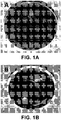
- FIGS. 1A and 1B illustrate exemplary coatings.
- compositions that combines an epoxy and asphalt together to form a miscible composition, e.g., which exhibits a synergy of a combination of properties such as a high mechanical strength, a high temperature performance, and/or a high anticorrosion performance.
- a novel curable epoxy resin composition wherein the composition exhibits the required properties for various applications such as protective coatings/layers, road pavements, and civil engineering applications.
- an epoxy compound and asphalt can be readily combined with each other in the presence of a polyol derived from cardanol.
- the cardanol may be a component in cashew nutshell liquid (CNSL), e.g., such that in the presence of a polyol derived from cardanol in the CNSL a cardanol modified polyol is formed.
- CNSL cashew nutshell liquid
- the polyol derived from cardanol may improve the compatibility between the asphalt and the epoxy resin.
- compatible it is meant the property or capability of substances to mix in all proportions sufficient to form an essentially homogeneous mixture.
- the asphalt based composition may include (i) an epoxy resin compound containing a CNSL moiety such as a cardanol based moiety, (ii) a hardener compound containing the reaction product of an isocyanate and a CNSL derived polyol such as a cardanol modified polyol that could be a cardanol modified epoxy polyol, and (iii) mixtures thereof.
- a cardanol modified polyol may be a non-epoxy derived polyol such as cardanol derived Novolac polyol, e.g., as discussed in Publication No. WO 2011/003446 (which may be further alkoxylated to form a hydroxyl polyol).
- cardanol modified polyol is based on a Mannich reaction with formaldehyde and an ethanol amine to form a Mannich base that is also a polyol (which may be further alkoxylated to form a hydroxyl polyol).
- Exemplary embodiments also relate to a cardanol modified polyol that is a cardanol modified epoxy polyol.
- a polyurethane resin system that incorporates the chemistries of polyurethane and epoxy provides both compatibility with asphalt (e.g., coatings including both the polyurethane resin system and the asphalt are observed as uniform) and the desired mechanical properties (e.g.., a tensile strength greater than 1.0 MPa and an elongation % greater than 350).
- the polyurethane resin systems may be used in asphalt based compositions and composites and/or coatings including the asphalt based compositions.
- the resultant composites and/or coatings may be used in harsh environmental conditions.
- the polyurethane resin system may replace petrochemical based resins with a biomass based resin that is a reaction product of an epoxy resin and a biomass derived compound such as cardanol.
- a biomass based resin that is a reaction product of an epoxy resin and a biomass derived compound such as cardanol.
- U.S. Patent No. 7,812,101 discusses a ratio of epoxy groups to epoxy reactive groups from 1:0.2 to 1:0.8, but such a partially modified biomass based resin may not be suitable for use in polyurethane based asphalt compositions.
- Embodiments have a ratio of epoxy groups to epoxy reactive groups that is from 1:0.95 to 1:5.
- Polyurethane resin systems include a mixture having an isocyanate component and an isocyanate-reactive component.
- the polyurethane resin system are based on polyurethane groups formed by the reaction of an isocyanate moiety with an isocyanate reactive group such as a hydroxyl moiety.
- the isocyanate component includes at least one polyisocyanate and the isocyanate-reactive component includes a polyol component.
- the polyol component may include at least one cardanol modified polyol, e.g., one hydroxyl group of polyol may be pre-reacted to form an ester bond embedded within the structure of the polyol.
- moisture tolerance is achieved by using a natural oil derived cashew nutshell liquid, while still realizing mechanical performance and relatively long gel times.
- sufficient gel times may be achieved for use in asphalt applications (such as coatings) in an effort to allow for improved application.
- the polyurethane resin system may be a pre-made reaction product incorporated into an asphalt based composition (e.g., in the form of a prepolymer), the individual components that form the polyurethane resin system may be incorporated into the asphalt based composition, or a combination thereof.
- the isocyanate component may be at least partially (or entirely) pre-reacted with the isocyanate-reactive component to be in the form of an isocyanate-terminated prepolymer, which prepolymer is then combined with at least asphalt to form the asphalt based composition.
- an additional amount of separate polyol may be directly added to the asphalt based composition.
- the isocyanate component and the isocyanate-reactive component of the polyurethane resin system may be directly mixed with asphalt to form the asphalt based composition.
- the isocyanate component includes at least one polyisocyanate.
- exemplary polyisocyanates include diphenylmethane diisocyanate (MDI), toluene diisocyanate (TDI), m-phenylene diisocyanate, p-phenylene diisocyanate (PPDI), naphthalene diisocyanate (NDI), isophorone diisocyanate (IPDI), hexamethylene diisocyanate (HDI), and various isomers and/or derivatives thereof.
- MDI diphenylmethane diisocyanate
- TDI toluene diisocyanate
- NDI naphthalene diisocyanate
- IPDI isophorone diisocyanate
- HDI hexamethylene diisocyanate
- MDI may have a polymeric, a copolymer, a mixture, or a modified polymer form.
- Exemplary MDI products are available from The Dow Chemical Company under the trade names ISONATE, PAPI, and VORANATE.
- TDI may have a polymeric, a copolymer, a mixture, or a modified polymer form.
- Exemplary TDI products are available from The Dow Chemical Company under the trade name VORANATE.
- the at least one isocyanate has an average functionality of from 2.8 to 3.2 (e.g., 2.2 to 2.9, etc.) and a free isocyanate group content (i.e., NCO content) of from 25 wt% to 35 wt% (e.g., 30 wt% to 32 wt%).
- the polyol component includes at least one cardanol modified polyol (which contains at least two hydroxyl groups and at least one moiety derived from cardanol and/or CNSL), such as at least one cardanol-modified epoxy (CME) polyol.
- the CME polyol may be formed by reacting a cardanol containing component (such as CNSL) with an epoxy component.
- the polyurethane resin system may account for 5 wt% to 65 wt% (e.g., 20 wt% to 60 wt%, 30 wt% to 55 wt%, 35 wt% to 65 wt%, 35 wt% to 50 wt%, etc.) based on the total weight of the polyurethane based asphalt composition.
- the polyurethane resin system may account for less than the 50 wt% of the total weight of the polyurethane based asphalt composition such that the primary component in the composition is asphalt.
- the polyol component may optionally include additional polyols (or optionally an amines), such as a polyether or polyester polyol. If included, at least one of the additional polyol and/or amine may be added at a same time as the CME polyol or a different time. For example, when a prepolymer is used, the at least one additional polyol may be included in the polyol component for forming the prepolymer (in addition to the CME polyol) or separately added to the asphalt composition. When the prepolymer is not used, the at least one additional polyol may be mixed with the components of the asphalt based composition at the same time as the CME polyol or the use of additional polyols may be avoid.
- additional polyols or optionally an amines
- phase separation with asphalt before curing may be minimized by not adding additional polyols when the prepolymer is not used.
- use of the CME polyol based prepolymer without or without the use of an additional polyol may avoid the typically observed difficultly in using polyurethane together with asphalt based on compatibility issues.
- the use of the CME polyol with or without an additional polyol may avoid the typically observed difficultly in using polyurethane together with asphalt based on compatibility issues.
- the at least one other polyol may have a petroleum based building block (e.g., propylene oxide, ethylene oxide, and/or butylene oxide) or a natural oil derived building block.
- a propylene oxide-glycerine based polyol, a poly(tetramethylene ether) glycol based polyol, a polypropylene glycol based polyol, and/or a polybutadiene based polyol may be used in the isocyanate-reactive component.
- a propylene oxide based polyether such as one available under the tradename VORANOLTM from The Dow Chemical Company
- a natural oil derived polyol such as castor oil
- the at least one other polyol may be a diol or triol having a molecular weight form 500 g/mole to 2000 g/mole.
- the isocyanate-reactive component may include from 5 wt% to 100 wt% of the CME polyol and from 0 wt% to 95 wt% of the at least one other polyol, based on a total weight of the polyols in the isocyanate-reactive component.
- the isocyanate component and/or the isocyanate-reactive component may include an additive component, which includes an additive such a curative agent, a catalyst, a surfactant, a plasticizer, a filler, a solvent, a chain extender, and/or a crosslinker.
- the isocyanate-reactive component may include an amine such as a diamine or triamine.
- the CME polyol in the polyol component of the polyurethane resin system is a reaction product of a mixture that includes an epoxy component and an epoxy-reactive component.
- the epoxy-reactive component includes a cardanol component (and may include an optional phenol or phenol derivative component).
- the epoxy-reactive component includes phenols with hydrogen atoms that are reactive with epoxy groups in the epoxy component.
- the epoxy-reactive component may include at least 50 wt% (e.g., at least 60 wt%, at least 70 wt%, at least 80 wt%, at least 90 wt%, and/or 100 wt%) of the cardanol component, based on a total weight of the epoxy-reactive component.
- a remainder of the epoxy-reactive component may be the phenol or phenol derivative component and/or the additive component.
- the epoxy component and/or the epoxy-reactive component may include the additive component (e.g., that may include an additive such as a curative agent, a catalyst, a surfactant, a plasticizer, a filler, a solvent, a chain extender, and/or a crosslinker).
- a ratio of epoxy groups in the epoxy component to the epoxy reactive groups in the epoxy-reactive component may be from 1:0.95 to 1:5 (e.g., 1:0.95 to 1:4, 1:0.95 to 1:3, 1:0.95 to 1:2, 1:0.95 to 1:1.5, etc.).
- an excess of the epoxy-reactive component may be used, e.g., the ratio may be from 1:1.01 to 1:5, 1:1.05 to 1:3, 1:1.5 to 1:2.5, 1:2 to 1:3, etc.).
- the epoxy component for forming the CME polyol includes at least one epoxy resin.
- the at least one epoxy resin may account for 90 wt% to 100 wt% of the epoxy component, with any remainder optionally being a portion or an entirety of the additive component.
- the amount of epoxy resin may be in the range of from 0 wt% to about 95 wt% based on the total weight of the asphalt based composition (e.g., from 10 wt% to 75 wt%, from 20 wt% to 50 wt%, etc.).
- the asphalt based composition includes epoxy resin compounds that are reacted with a CNSL moiety.
- such epoxy resin compounds may include an epoxidized CNSL, an epoxy resin modified CNSL, a reaction product of epoxy resin and CNSL, and mixtures thereof.
- the epoxy resin compound may be a CNSL-modified epoxy resin.
- a CNSL-modified epoxy resin includes the reaction product of (i) an epoxy resin and (ii) CNSL such as the cardanol component in CNSL.
- the epoxy resin, component (i) used to prepare the CNSL-modified epoxy resin can be, e.g., one or more of the same aforementioned epoxy resins without a cashew nutshell liquid moiety.
- the epoxy component may include a wide variety of epoxy compounds. Any epoxy compound that improves the mechanical and thermal performance of the composition may be used.
- the epoxy compounds or polyepoxides may be aliphatic, cycloaliphatic, aromatic, hetero-cyclic and mixtures thereof.
- Epoxy resins useful in the embodiments described herein may include for example mono-functional epoxy resins, multi- or poly-functional epoxy resins, and combinations thereof.
- Exemplary epoxy resins for the epoxy component include polyepoxides that have at least two epoxide moieties per molecule (e.g., the epoxy resin may have a 2 to 10 epoxide functionality, a 2 to 6 epoxide functionality, a 2 to 4 epoxide functionality, etc.).
- the epoxy resin backbone may be saturated or unsaturated, aliphatic, cycloaliphatic, aromatic, or heterocyclic and may be substituted (e.g., contain at least one substituent such as halogen, hydroxyl, and/or ether groups).
- the epoxy resin may be monomeric or polymeric.
- the epoxy resin may have an equivalent epoxy weight (EEW) from 20 g/eq to 1000 g/eq (e.g., 30g/eq to 800 g/eq, 50 g/eq to 600 g/eq, 100 g/eq to 500 g/eq, etc.), which EEW is the measure of the number of grams of resin for one chemical equivalent of an epoxy group.
- a raw material liquid epoxy resin that is from 60 wt% to 95 wt% (e.g., 70 wt% to 90 wt%, etc.) based on the total weight of the epoxy resin, of a diglycidylether of bisphenol, such as Bisphenol A and Bisphenol F, may be used.
- the epoxy equivalent weight (EEW) of the raw material liquid epoxy resin may be from 150-250 (e.g., 160-220, 170-200, etc.).
- the term "liquid epoxy resin” refers to the resin in a liquid state without adding any solvent.
- Exemplary epoxy resins include bisphenol A diglycidyl ether, bisphenol F diglycidyl ether, resorcinol diglycidyl ether, and triglycidyl ethers of para-aminophenols.
- the epoxy resin compound containing a CNSL moiety can be, e.g., a CNSL glycidyl ether.
- the CNSL glycidyl ether compound can be one or more of the compounds prepared and described in Kanehashi, S., et al., Preparation and Characterization of Cardanol-based Epoxy Resin for Coating at Room Temperature Curing, Journal of Applied Polymer Science, 2013. 130(4): p. 2468-2478 .
- Some of the CNSL glycidyl ether compounds described in the reference above include, e.g., monoglycidyl ether of cardanol, diglycidyl ether of cardol, or mixtures thereof.
- An exemplary raw material liquid epoxy resin has the Formula (I) below, wherein n is 0 or 1 (in an exemplary embodiment n is 0).
- the average n value of the liquid epoxy resin (I) is from 0 to 1 (e.g., 0 to 0.5, 0 to 0.3, etc.).
- R is independently H or -CH 3 .
- the epoxy resin component may include an epoxy resin that is commercially available, e.g., from The Dow Chemical Company under the tradenames D.E.R. and D.E.N.
- epoxy resin includes, but are not limited to, D.E.R.TM 331, which is a commercial product of The Dow Chemical Company, D.E.R.TM 354 of The Dow Chemical Company, D.E.R. TM 332 of The Dow Chemical Company, D.E.R.TM 330 of The Dow Chemical Company, and D.E.R.TM 383 of The Dow Chemical Company.
- Exemplary commercially available epoxy resins that may be used include DERTM 331, DERTM 383, DERTM 671, DERTM 736, DERTM 852, and DENTM 438, which are available from The Dow Chemical Company.
- the viscosity and cost of the resultant CME polyol may be controlled by the choice of the epoxy resin used in the epoxy component.
- the cardanol component in the epoxy-reactive component for forming the CME polyol includes a cardanol component (e.g., CNSL) that may be a by-product of cashew nut processing (e.g., may be extracted from a layer between a nut and a shell of a cashew nut).
- Cardanol is a monohydroxyl phenol having a long hydrocarbon chain in the meta position.
- the cardanol useful in embodiments is one component of CNSL, an oil isolated from the shell of the cashew nut.
- the concentration of cardanol in the CNSL may be, based on the total weight of the CNSL, about 10 wt %, about 50 wt %, or about 90 wt %; and at the same time, about 99 wt % or less, about 97 wt % or less, or about 95 wt% or less.
- the cardanol component has a cardanol content of at least 50 wt% (e.g., from 60 wt% to 100 wt%, from 85 wt% to 100 wt%, etc.), based on a total weight of the second cardanol component.
- cardanol is a phenol containing one hydroxyl group, and an aliphatic side chain R 1 in the meta-position, as shown in the Formula (II) below, wherein, R 1 is -C 15 H 25 , -C 15 H 27 , or -C 15 H 29 .
- the cardanol component includes cardanol as a primary component and may additionally include cardol, methylcardol, and/or anacardic acid as secondary components.
- the cardanol component may be subjected to a heating process (e.g., at the time of extraction from the cashew nut), a decarboxylation process, and/or a distillation process.
- Cardol can be illustrated, for example, by the following general chemical formula:
- the concentration of cardol in the CNSL may be, based on the total weight of the CNSL, about 0.1 wt % or more i, about 1 wt % or more, or about 5 wt % or more; and at the same time, about 90 wt % or less, about 50 wt % or less, or about 10 wt % or less.
- the CNSL may include minor concentrations of other materials such as anacardic acid, oligomers of cardanol, oligomers of cardol, and mixtures thereof.
- the total concentration of the other materials present in the CNSL is may be less than about 10 wt %.
- the cardanol component may include from 20 wt% to 50 wt% (e.g., from 20 wt% to 45 wt%, from 20 wt% to 40 wt%, 30 wt% to 40 wt%, etc.) of cardol, with a remainder based on a total of 100 wt% of the cardanol component being methylcardol and/or anacardic acid.
- the cashew nutshell liquid of the cardanol component is available, e.g., from HDSG Beijing Technology under the tradename F-120 series or F-180 series.
- the first cardanol component may increase hydrophobicity, reduce viscosity, increase gel time of the polyurethane resin, and/or provide tensile strength.
- the epoxy-reactive component may include at least 50 wt% (e.g., at least 60 wt%, at least 70 wt%, at least 80 wt%, at least 90 wt%, and/or 100 wt%) of the cashew nutshell liquid, based on a total weight of the epoxy-reactive component.
- a remainder of the epoxy-reactive component may be the optional phenol or phenol derivative component and/or the additive component (e.g., that includes at least one catalyst and/or at least one solvent).
- the optional phenol or phenol derivative component includes at least one phenol and/or at least one phenol derivative.
- the reaction mixture may include the optional phenol or phenol derivative component at a molar ratio from 0.5:1.5 to 1.5:0.5 (e.g., 0.8: 1.2 to 1.2:0.8, 0.9:1.1 to 1.1:0.9, etc.) for the moles of the phenol or phenol derivative to the moles of the cardanol component in the reaction mixture.
- the molar amount of the cardanol component used may be reduced based on the molar amount of the phenol or phenol derivative used.
- Exemplary phenol derivatives include a naphthol based compound, a phenylphenol based compound, and a hexachlorophene based compound.
- the epoxy-reactive component may include from 0.1 wt% to 20 wt% (0.1 wt% to 15 wt%), based on the total weight of the epoxy-reactive component, of another phenol based compound such as a dihydric phenol.
- dihydric phenol refers to a phenolic compound containing 2 hydroxyl groups.
- dihydric phenol refers to either of (A) a phenol with two hydroxyl groups on one benzene ring in the Formula (III), wherein R 2 is H or a C 1 -C 15 aliphatic chain; or (B) a composition containing two benzene ring each with one hydroxyl group on it in the Formula (IV), wherein R is H or -CH 3 ; and R 3 to R 10 is H or a C 1 -C 6 aliphatic chain.
- resorcinol Another example of a phenol containing two hydroxyl groups is resorcinol.
- Exemplary catalysts for the additive component for forming the CME polyol include tertiary amines, Mannich bases formed from secondary amines, nitrogen- containing bases, alkali metal hydroxides, metal alkoxides, alkali phenolates, alkali metal alcoholates, hexahydrothiazines, organometallic compounds, quaternary ammonium compounds, phosphonium compounds, and sulfonium compounds.
- the catalyst component may include NaOH, KOH, ethyl triphenyl phosphonium acetate, imidazole, and/or triethylamine.
- the catalyst component may be present in an amount from 0.01 wt% to 3 wt% (e.g., 0.03 wt% to 1.5 wt%, 0.05 wt% to 1.5 wt%, etc.) based upon the total weight of the reaction mixture for forming the CME polyol.
- the reaction between the epoxy component and the epoxy-reactive component may be carried out neat or in the presence of an inert organic solvent.
- Exemplary solvents include ketone (such as methyl isobutyl ketone and/or methyl amyl ketone), toluene, xylene, and glycol ethers (such as the dimethyl ether of diethylene glycol).
- Fillers such as inorganic and/or organic fillers, coloring agents, water-binding agents, surface-active substances, plant protection agents, extenders and/or plasticizers may be included in the additive component.
- the reaction for forming the CME polyol may be conducted at a temperature of 120 °C to 180 °C, e.g., for 1 hour to 48 hours.
- the CME polyol includes an epoxy derived backbone and at least two secondary isocyanate reactive groups, i.e., secondary hydroxyl groups, for reaction with isocyanate groups in the isocyanate component.
- the CME polyol may allow for adjustment of curing time, e.g., based on the slower reactivity of secondary isocyanate reactive groups relate to primary isocyanate reactive groups.
- the epoxy backbone may act as a building block and determine the functionality number and chemical structure of the resultant CME polyol. Synthesis of the CME polyol includes a reaction between cardanol in the second cardanol component and an opened epoxy resin produced from a ring-opening reaction of the epoxy resin in the epoxy component.
- the CME polyol includes a cardanol linkage with the ring opened epoxy resin, which results in an ether bond between the opened epoxy resin and the cardanol.
- the time required to complete the modification reaction depends upon the factors such as the temperature employed, the chemical structure of the compound having more than one reactive hydrogen atom per molecule employed, and the chemical structure of the epoxy resin employed.
- the CME polyol may include a compound having the following Formula V when synthesis is carried out using an epoxy resin, which has two epoxide moieties and a resin backbone, and the second cardanol component, which has therein at least mono-unsaturated cardanol:
- the R group is independently a saturated or unsaturated straight alkyl chain that includes fifteen or seventeen carbon atoms, and the CME polyol may be derived from a cardanol mixture that variously includes cardanols having different R groups.
- the Epoxy in Formula V is the epoxy resin derived backbone.
- the synthesis of a CME polyol using a bisphenol A based diepoxide resin and the second cardanol component that has therein at least mono-unsaturated cardanol includes the following reaction stage:
- the synthesis of a CME polyol using an aliphatic diepoxide epoxy resin and the second cardanol component that has therein at least mono-unsaturated cardanol includes the following reaction stage:
- CME polyol structures that are synthesized using various aromatic epoxy resins and the second cardanol component include the following:
- the First CME Polyol is synthesized using an aromatic polyepoxide based resin and mono-unsaturated cardanol.
- the Second CME Polyol is synthesized using a phenyl diepoxide resin and mono-unsaturated cardanol.
- the Third CME Polyol is synthesized using an aliphatic polyepoxide based resin and mono-unsaturated cardanol.
- the Fourth CME Polyol, above is synthesized using a bisphenol A based diepoxide resin, phenol, and mono-unsaturated cardanol.
- the cardanol in the CME polyol may introduce hydrophobicity into the resultant polyurethane resin.
- the increased hydrophobicity may be expressed as a low water absorbance in humid conditions, e.g., a low water absorbency.
- hydrolysis and bubbling e.g., the effect of bubbles being generated by carbon dioxide release from a reaction between water and an isocyanate component in the reaction mixture
- the epoxy resin derived backbone of the CME polyol may provide property improvements such as mechanical performance and material compatibility to the polyurethane resin.
- Mechanical performance and/or other desired properties of the CME polyol may be adjusted in view of the alkyl chain moiety on the cardanol in the cardanol component.
- Phenol or phenol derivatives added into the reaction mixture for forming the CME polyol may initialize the epoxy group ring-opening reaction, while the cardanol component may offer hydrophobicity characteristics and anti-hydrolysis performance.
- the ratio of epoxy groups in the epoxy component to the epoxy reactive groups in the epoxy-reactive component is from 1:0.95 to 1:5 (e.g., 1:0.98 to 1:4, 1:0.99 to 1:3, 1:1 to 1:2.5, 1:1 to 1:1.1, etc.).
- the excess of epoxy reactive groups provided from the cardanol component may enable sufficient conversion of the epoxy resin to the CME polyol and/or provide low viscosity to the reaction mixture (which low viscosity also enables sufficient conversion).
- An epoxy residue left in the resultant reaction product of the reaction mixture for forming the CME polyol may be less than 0.2 wt%, based on a total weight of the resultant reaction product.
- an epoxide equivalent weight of the resultant reaction product may be at least 8,000 grams/equivalent (e.g., from 9,000 g/eq to 100,000 g/eq, from 20,000 g/eq to 100,000 g/eq, from 30,000 g/eq to 100,000 g/eq, etc.), as measured according to ASTM D1652.
- a hydroxyl value of the resultant reaction mixture may be at least 40 mg KOH/g (e.g., from 40 mg KOH/g to 300 mg KOH/g, 60 mg KOH/g to 200 mg KOH/g, 80 mg KOH/g to 100 mg KOH/g, etc.), as measured according to ASTM D4274.
- the hydroxyl value may account for the CME polyol and unreacted hydroxyl groups in the epoxy-reactive component.
- full conversion i.e., a conversion rate of at least 93 %) of the epoxy groups in the reaction mixture for forming the CME polyol to hydroxyl groups may be realized.
- the reaction mixture that forms the CME polyol may have a conversion rate of 95% of the epoxy groups to hydroxyl groups and an EEW of at least 9,000 g/eq or a conversion rate of 98.5% of the epoxy groups to hydroxyl groups and an EEW of at least 30,000 g/eq.
- full conversion may be demonstrated by gel permeation chromatography (GPC) spectra characterization, which may indicate that the lower molecular weight epoxy component has essentially reacted out resulting in full conversion to the higher molecular weight CME polyol.
- Full conversion may be demonstrated by Fourier transform infrared (FTIR) spectrometry, which may indicate that the infrared pattern corresponding to the epoxy component is essentially not present or is present in a negligible amount in the infrared pattern corresponding to the CME polyol.
- Full conversion may be demonstrated by nuclear magnetic resonance spectrometry, which may indicate that the magnetic properties pattern corresponding to the epoxy component is essentially not present or is present in a negligible amount in the magnetic properties pattern corresponding to the CME polyol.
- the isocyanate-reactive component and the isocyanate component may be added at an isocyanate index from 60 to 300 (e.g., 60 to 120, 80 to 150, 90 to 120, 100 to 115, etc.).
- the isocyanate index is measured as the equivalents of isocyanate in the reaction mixture for forming the polyurethane resin, divided by the total equivalents of isocyanate-reactive hydrogen containing materials in the reaction mixture, multiplied by 100.
- the isocyanate index is the ratio of isocyanate-groups over isocyanate-reactive hydrogen atoms present in the reaction mixture, given as a percentage.
- the resultant reaction product may have an NCO (i.e., isocyanate moiety) content from 2 wt% to 15 wt% (e.g., 3 wt% to 10 wt%, 4 wt% to 8 wt%, 4 wt% to 6.5 wt%, etc.).
- the isocyanate index may be from 90 to 300 (e.g., 150 to 250, 175 to 200, etc.)
- Dyes and/or pigments may be included in the additive component to impart color properties to the polyurethane resin system.
- Pigments may be in the form of solids or a dispersion in a resin carrier.
- Reinforcements e.g., flake or milled glass and/or fumed silica
- Other additives include, e.g., UV stabilizers, antioxidants, air release agents, and adhesion promoters, which may be independently used depending on the desired characteristics of the polyurethane resin.
- the asphalt based composition includes an asphalt component, the polyurethane resin system, and an optional additive component (e.g., that includes a curative agent, a catalyst, a chain extender, a surfactant, a plasticizer, a filler, a solvent, a UV stabilizer, an antioxidants, an air release agent, an adhesion promoter, and/or another additive that is known to one of ordinary skill in the art for use in asphalt based compositions).
- the resultant mixture may be cured (e.g., by the application of heat and/or radiation).
- the cured product of the asphalt based composition may be used as a coating, e.g., a water proof coating and/or other coatings where one of ordinary skill in the art would anticipate an asphalt composition may be used.
- the asphalt component includes an asphalt formulation, e.g., a commercial available asphalt/bitumen formulation.
- Asphalt occurs naturally or as a petroleum derivative.
- the asphalt mainly includes bitumens, which are generally saturate and unsaturated hydrocarbons (e.g., aliphatic and/or aromatic hydrocarbons having up to 150 carbon atoms).
- asphalt may include asphaltenes, high molecular weight resins, heterocyclic compounds containing sulphur, nitrogen, and/or oxygen, and/or trace amounts of metals such as iron, nickel, and/or vanadium.
- the asphalt formulation of the asphalt component may include from 70 wt% to 100 wt% of bitumens, e.g., according to an exemplary embodiment the asphalt formulation may be at least 90% pure asphalt/bitumens.
- the asphalt formulation may account for 100 wt% of the asphalt component.
- the asphalt component may account for 15 wt% to 75 wt% (e.g., 25 wt% to 70 wt%, 30 wt% to 65 wt%, 35 wt% to 60 wt%, etc.) of the polyurethane based asphalt composition.
- the asphalt component may account for 30 wt% to 55 wt% (e.g., 35 wt% to 55 wt%, etc.) of the total weight of the asphalt based composition.
- the asphalt component may be the primary component in the composition such that the amount of the asphalt is greater than the amount of the polyurethane resin system.
- the asphalt component may account for 45 wt% to 65 wt% (e.g., 50 wt% to 65 wt%, etc.) of the total weight of the asphalt based composition.
- Asphalt for the asphalt component may be a dark brown to black cement-like residuum obtained from the distillation of suitable crude oils, as defined in ASTM D8-13. In Europe asphalt is called bitumen.
- suitable asphalt useful may include heavy traffic asphalt such as AH-70 or AH-90 asphalt, polymer-modified asphalt such as SBS-modified asphalt or SBR-modified asphalt, or mixtures thereof.
- Asphalt material can be in the form of an emulsion.
- An asphalt emulsion is a suspension of minute globules of bituminous material in water or in an aqueous solution. Use of an asphalt emulsion (or a bituminous emulsion) may be avoided in the embodiments.
- Coal tar as known in the art is an asphalt-like material that is a dark brown to black cementitious material produced by destructive distillation of bituminous coal. Use of coal tar is may be avoided in the embodiments .
- the asphalt useful in the embodiments may have a needle penetration at 25°C of from 40 decimillimeters (dmm) to 100 dmm, from 50 dmm to 90 dmm, and/or from 60 dmm to 90 dmm, according to the T0604-2011 method described in the JTG E20-2011 standard.
- suitable commercially available asphalt useful in the embodiments may include, e.g., Zhonghai 70# asphalt, Zhonghai 90# asphalt, Donghai 70# asphalt, and Donghai 90# asphalt (all which are available from Sinopec); AH-70# asphalt and AH-90# asphalt (both available from Shell); or mixtures thereof.
- the amount of asphalt used in the embodiments may be in the range of from 2 wt% to 90 wt%, based on the total weight of the resin forming components of the composition, from 6 wt% to 75 wt%, and/or from 10 wt% to 50 wt%.
- a resin index of may be chosen according to the mechanical property requirement.
- resin index it is meant the ratio between isocyanate (NCO) moieties and active hydrogens (e.g., as derived from hydroxyl groups) present as compared to the amount stoichimetrically required.
- a resin index of 1 means equal amounts (1:1 ratio) of isocyanate moieties and active hydrogens are present.
- a resin index greater than 1 means an excess of isocyanate moieties are present, e.g., a resin index of 1.5 means isocyanate moieties are present in excess of 50% based on the amount stochimetrically required.
- the resin index may be higher than 1, such as 1.05, 1.20, or 1.50.
- a solvent e.g., toluene
- the solvent may be a low boiling point solvent that will evaporate in the curing process and/or will essentially not influence the mechanical properties of the final cured composition.
- the amount of solvent added may be from 5 wt% to 45 wt% of the system or polyol component.
- the amount of solvent added is from 45 wt% to 75 wt% of the system or polyol component.
- the optional additive component may include a catalyst and/or curing agent.
- catalysts include catalysts include tertiary amines, Mannich bases formed from secondary amines, nitrogen-containing bases, alkali metal hydroxides, alkali phenolates, alkali metal alcoholates, hexahydrothiazines, and organometallic compounds.
- the catalyst may be added , in amount from 0.001 wt% to 10 wt%, based on the total weight of the asphalt based composition.
- the catalyst may accelerate the curing time of isocyanate moieties (maybe in the isocyanate component or in prepolymers) and active hydrogens (maybe polyols and/or chain extenders) to offer mechanical properties.
- Gel time i.e., string gel time
- the determination of stringing may be include repeatedly touching the reaction mixture with a stick and pulling the stick away from the liquid and stringing occurs when the material in the reaction mixture has polymerized to the point that a single or multiple filaments remain on the end of the stick.
- the polyurethane based asphalt composition may be a curable epoxy resin composition that includes a hardener component in addition to the polyurethane resin system or as part of the polyurethane resin system.
- the amount of the hardener component used may vary depending on whether the hardener component is used in addition to or as part of the polyurethane resin system.
- the hardener component (also referred to as a curing agent or crosslinking agent) may include a hardener component without a CNSL derived moiety, a hardener component containing a CNSL derived moiety, or mixture thereof.
- the hardener may be blended with the asphalt and/or polyurethane resin system, or may be pre-reacted with a cardanol modified polyol.
- the hardener compound without a CNSL derived moiety may include, e.g., any conventional hardener known in the art useful for including in a curable epoxy resin composition.
- the hardener useful in the curable composition may be selected from, e.g., but are not limited to, anhydrides, carboxylic acids, amine compounds, phenolic compounds, or mixtures thereof.
- the hardener may be selected from, e.g., aminoplasts, polyisocyanates including blocked isocyanates, polyepoxides, beta-hydroxyalkylamides, polyacids, anhydrides, organometallic acid-functional materials, polyamines, polyamides, and mixtures of any of the foregoing.
- the amount of the hardener compound without a cashew nutshell liquid moiety used may be in the range of from 0 wt% to 50 wt % based on the total weight of the polyurethane based asphalt composition components (e.g., from 1 wt% to 40 wt%, from 5 wt% to 30 wt%, etc.).
- the hardener component may be reacted with cardanol such as a CNSL derived moiety.
- a hardener compound containing the CNSL derived moiety can include a phenalkamine, a CNSL-modified anhydride, and mixtures thereof.
- the hardener containing the CNSL derived moiety can be, e.g., one or more phenalkamines.
- a phenalkamine known in the art as the condensation product of (i) a polyamine, (ii) CNSL, and (iii) formaldehyde, via the Mannich reaction (aminomethylation), may be used.
- the polyamine, component (i) used to produce a phenalkamine can be, e.g., an aliphatic ethyleneamine, a cycloaliphatic amine, an aromatic amine, or mixtures thereof.
- the phenalkamine can be ethylenediamine (EDA), diethylenetriamine (DETA), triethyenetetraamine (TETA), tetraethylenepentaamine (TEPA), N -aminoethylenepiperazine (AEP), isophorone diamine (IPDA), m-xylene diamine (MXDA), or mixtures thereof.
- the CNSL, component (ii) used to prepare a phenalkamine can be, e.g., any one or more compounds containing a CNSL moiety previously described above.
- the CNSL compound may include cardanol.
- the formaldehyde (CH 2 O or HCHO), component (iii) used to prepare a phenalkamine, may be available commercially and can also be obtained as a commercial solution.
- the hardener compound containing a CNSL moiety can be, e.g., a CNSL-modified anhydride.
- a CNSL-modified anhydride resin is the reaction product of (i) an anhydride, and (ii) CNSL.
- the anhydride, component (i) used to prepare the CNSL-modified anhydride can include, e.g., phthalic acid anhydride and derivatives of phthalic acid anhydride, nadic acid anhydride and derivatives of nadic acid anhydride, trimellitic acid anhydride and derivatives of trimellitic acid anhydride, pyromellitic acid anhydride and derivatives of pyromellitic acid anhydride, benzophenonetetracarboxylic acid anhydride and derivatives benzophenonetetracarboxylic acid, dodecenylsuccinic acid anhydride and derivatives of dodecenylsuccinic acid anhydride, poly(ethyloctadecanedioic acid) anhydride and derivatives of poly(ethyloctadecanedioic acid) anhydride, and the like, or mixtures thereof.
- the CNSL, component (ii) used to prepare the CNSL-modified anhydride can include, e.g., any one or more compounds containing a CNSL moiety previously described above.
- the CNSL compound may comprise cardanol.
- the amount of hardener containing a CNSL derived moiety used may be in the range of 0 wt% to 50 wt% based on the total weight of the polyurethane based asphalt composition (e.g., from 1 wt% to 40 wt%, from 5 wt% to 30 wt%, etc.).
- composition is said to be “processable”, “processable,” or “processability” with reference to the composition herein means that the composition is readily and/or easily handled at room temperature without having to heat the composition beyond room temperature.
- the composition When the composition is cured, the composition may show essentially no signs of phase separation in the resultant cured articles made from such composition, and when the composition is cured to form a product such as a final coating, the cured product formed may show essentially no signs of defects.
- the polyurethane based asphalt composition of the embodiments may be able to be cured as a homogeneous coating film with (i) no phase separation visually observable by the naked eye, (ii) no phase migration to the surface to the film visually observable by the naked eye, and (iii) no wrinkling on the film surface visually observable by the naked eye.
- the asphalt composition of exemplary embodiments may exhibit at least one of the following features:
- the polyurethane based asphalt composition is capable of being used at a relatively cold or ambient temperature (e.g., ⁇ about 50 °C) in mixed asphalt and asphalt waterproofing applications.
- the resultant modified asphalt may have excellent strength comparable to conventional asphalt compositions.
- the polyurethane based asphalt composition may also be capable of being used (or cured) at elevated temperatures such as at temperatures greater than about 50 °C to about 200 °C, so as to provide flexibility/adjustability in the handling of the composition at a wider temperature range.
- the polyurethane based asphalt component may contain essentially no solvent (except for unintentional contamination quantities introduced with starting raw materials) that can potentially emit into the environment. By this it is meant, “No solvent”, “solvent-free”, or “free of solvent” such that the concentration of solvent in the formulation is essentially zero (disregarding any trace amounts of solvent).
- the polyurethane based asphalt composition can also include a solvent as one of the components in the composition; thus, providing flexibility/adjustability in formulating the composition for various end uses.
- the polyurethane based asphalt composition may be used in coatings applications to provide benefits such as preparing coatings formulations at a cost comparable or lower than conventional asphalt compositions.
- the composition may be used to produce coatings having anticorrosion performance comparable and/or improved over to coatings prepared from conventional asphalt compositions.
- the polyurethane based asphalt composition may be (i) processable at a temperature of from 20 °C to 30 °C; and (ii) substantially free of phase separation.
- the resultant cured product may be substantially free of defects.
- the process for preparing the polyurethane based asphalt composition may include admixing or blending (e.g., in known mixing equipment) one of the following: (1) the polyurethane resin system, the asphalt component, and optionally any other desirable additives; or (2) the epoxy resin component, the compound containing a cardanol moiety, the hardener component, the asphalt, and optionally any other desirable additives.
- any of the above-mentioned optional additives e.g., a curing catalyst, may be added to the curable composition during the mixing or prior to the mixing to form the curable composition.
- All of the compounds of the curable formulation may be mixed and dispersed at a temperature enabling the preparation of an effective curable epoxy resin composition.
- the temperature during the mixing of all components may be from 100 °C to 10 °C (e.g., from 50 °C to 20 °C, etc.). Lower mixing temperatures may help to minimize reaction of the epoxide and hardener in the composition to maximize the pot life of the composition.
- the preparation of the curable formulation, and/or any of the steps thereof, may be a batch or a continuous process.
- the mixing equipment used in the process may be any vessel and ancillary equipment well known to those skilled in the art.
- the curable composition may exhibit at least one of the following:
- the polyurethane based composition may be used as a composition for preparing a composition with enhanced adhesion between the asphalt and aggregates.
- the adhesion can reach to grade 4 to grade 5 by following the test method of "T0616-1993 asphalt and coarse aggregate adhesion test” in "Highway engineering asphalt and asphalt mixture test procedures" (JTJ052-2000).
- a process for curing the composition may be used to form a thermoset or cured composition.
- the composition or formulation may be cured under conventional processing conditions to form a film, a coating, or a solid.
- Curing the curable composition may be carried out at curing reaction conditions including a predetermined temperature and for a predetermined period of time sufficient to cure the composition.
- the curing conditions may be dependent on the various components used in the curable composition such as the hardener used in the formulation.
- the curing reaction conditions include, e.g., carrying out the reaction under a temperature, generally in the range of from -5 °C to 60 °C (e.g., 0 °C to 50 °C, 5 °C to 25 °C, etc.)
- the curable formulation and the curing of the composition may employ conventional equipment and methods well known to those skilled in the art.
- the curable epoxy resin composition can be applied to roads using asphalt pavers, screeds, and push rollers and the like.
- the applied composition can be cured by heating the composition at the aforementioned curing temperatures.
- the curable epoxy resin composition can be applied, e.g., as a waterproofing layer using squeegees, spray guns, and brushes and the like.
- the applied composition can be cured by heating the composition at the aforementioned curing temperatures.
- the curable epoxy resin composition can be applied to substrates, e.g., using airless sprayers and air-assisted pneumatic sprayers and the like.
- the applied composition can be cured by heating the composition at the aforementioned curing temperatures.
- the cured product (i.e., the cross-linked product made from the curable composition) may exhibit improved properties over conventional epoxy asphalt coating compositions.
- the asphalt used in the curable composition can be petroleum asphalt or natural asphalt, which are readily available in the industry.
- the cured product made from the curable composition can exhibit a combination and balance of advantageous properties including, e.g., Tg, mechanical performance, thermal performance, corrosion resistance, waterproofing performance, and the like.
- the cured product or composite may have a high glass transition temperature (Tg).
- Tg glass transition temperature
- the cured product can exhibit a Tg in the range of between 0 °C and 180 °C (e.g., 5 °C and 140 °C, 10 °C and 100 °C, etc.).
- the Tg of the cured product can be measured, e.g., by the method described in ASTM E1356.
- the cured product or composite may have a high tensile strength.
- the cured product can exhibit a tensile strength of up to 40 MPa (e.g., from 1 MPa to 40 MPa, from 2 MPa to 30 MPa, and from 5 MPa to 20 MPa, etc.).
- the tensile strength of the cured product can be measured, e.g., by the method described in ASTM D638.
- the cured product or composite have a high softening point.
- the cured product can exhibit a softening point temperature in the range of between 10 °C and 120 °C (e.g., 20 °C and 90 °C, 30 °C and 70 °C, etc.).
- the softening point of the cured product can be measured, e.g., by the method described in ASTM D3461.
- the cured product or composite may have an excellent anticorrosion resistance.
- the cured product can show essentially no signs of "blister up" for a period of time of no less than approximately 100 hour (hr) exposure to a salt spray environment, no less than approximately 500 hr exposure to a salt spray environment, no less than approximately 1,000 hr exposure to a salt spray environment, and/or no less than approximately 1,500 hr exposure to a salt spray environment.
- the corrosion resistance of the cured product can be measured, e.g., by the method described in ASTM B117.
- the cured product or composite may have an excellent waterproofing performance.
- the cured product can show water absorption of no more than approximately 1 %, no more than approximately 0.5 %, and/or no more than approximately 0.1 %.
- the water absorption of the cured product can be measured, e.g., by the method described in ASTM D570.
- the curable polyurethane based asphalt composition includes a combination of components or compounds that deliver unique properties.
- exemplary embodiments may be used to prepare asphalt concrete for pavement applications, asphalt waterproofing layers, and coatings.
- curable prepolymer systems e.g., a polyurethane system, an epoxy system, or thermoplastic elastomeric polymers including Styrene-ButadieneStyrene (SBS) resin or Polyvinyl Chloride (PVC) resin
- SBS Styrene-ButadieneStyrene
- PVC Polyvinyl Chloride
- Asphalt compatible polyurethane resin systems are preferred due to cost efficiency and manufacturing efficiency. Further, asphalt compatible polyurethane resin systems that include at least one natural oil derived component is also preferred due to environmental advantages.
- a polyurethane resin system that incorporates the chemistries of polyurethane and epoxy provides both compatibility with asphalt and the desired mechanical properties (e.g., with respect to tensile strength, elongation, and/or modulus).
- the polyurethane resin system may replace petrochemical based resins with a biomass based resin that is a reaction product of an epoxy resin and a biomass derived compound such as cardanol.
- U.S. Patent No. 7,812,101 discusses a ratio of epoxy groups to epoxy reactive groups from 1:0.2 to 1:0.8, but such a partially modified biomass based resin may not be suitable for use in polyurethane based asphalt compositions.
- exemplary embodiments have a ratio of epoxy groups to epoxy reactive groups that is from 1:0.95 to 1:5.
- Exemplary embodiments are directed toward an asphalt based composition including asphalt and an epoxy modified cashew nut shell liquid derived moiety.
- the asphalt composition all of the components of the composition may be compatible with each other, the temperature of handling the composition may be reduced from a typical use temperature in the range of 150 °C - 200 °C to a use temperature of ⁇ about 50 °C, and/or the mechanical and thermal performance of the composition remains intact or is improved.
- Exemplary embodiment are also directed toward a process for preparing the asphalt based composition and a cured product produced using the asphalt based composition.
- D.E.R.TM 383 An aromatic epoxy resin that is a reaction product of epichlorohydrin and bisphenol A, having an epoxide equivalent weight of approximately 183 g/eq (available from The Dow Chemical Company).
- D.E.R.TM 736 An epoxy resin that is dipropylene glycol-diglycidyl ether, having an epoxide equivalent weight of approximately 175 to 205 g/eq (available from The Dow Chemical Company).
- XY694 An epoxy resin that is a resorcinol diglycidyl ether, having an epoxide equivalent weight of approximately 118 to 134 g/eq (available from Anhui Hengyuan Chemical Company).
- XY636 An epoxy resin that is a trimethylol propane triglycidyl ether (TMPEG), having an epoxide equivalent weight of approximately 135 to 147 g/eq (available from Anhui Hengyuan Chemical Company).
- D.E.R.TM 331 An aromatic epoxy resin that is a reaction product of epichlorohydrin and bisphenol A, having an epoxide equivalent weight of approximately 182-192 g/eq (available from The Dow Chemical Company).
- CNSL A A cashew nutshell liquid that includes 94 wt% of cardonal (available as CNSL S9405 from Hua Da Sai Gao [i.e., HDSG of Beijing] Technology).
- VORANOLTM 2110-TB A polyether polyol, having a nominal hydroxyl functionality of approximately 2, having a hydroxyl number of approximately 110 mg KOH/g, and a number average molecular weight of approximately 1000 g/mol (available from The Dow Chemical Company).
- PolyBd A polybutadiene based polyol, having an average hydroxyl number of approximately 54 mg KOH/g (available as R-45HTLO Polyol from Sartomer Co.).
- MOCA A chain extender including 4,4'-Methylene bis(2-chloroaniline) (available from Suzhou Mingda Chemistry Industry Co., Ltd).
- Solvent A toluene based solvent available from Sinopharm Chemical Reagent Co., Ltd).
- Benzoyl Chloride A neutralizing agent available from Sinopharm Chemical Reagent Co., Ltd.
- Catalyst A A catalyst that includes 70 wt% ethyltriphenylphosphonium acetate in methanol (available from Alfa Aesar).
- Catalyst B A DMDEE based catalyst (available as Jeffcat® DMDEE from Huntsman).
- PAPITM 27 A polymeric diphenylmethane diisocyanate (MDI), having an NCO content of approximately 31.4 wt% and a functionality of approximately 2.7 (available from The Dow Chemical Company).
- a CME Polyol 1 is prepared by mixing D.E.R.TM 383 and CNSL A. In particular, approximately 182 grams of D.E.R.TM 383 and approximately 330 grams of CNSL A are added to a 4-necked round bottom flask (equipped with a thermometer, a mechanical stirrer, and a nitrogen connection) to form a reaction mixture for forming the CME Polyol 1. In the reaction mixture, a ratio of epoxy groups in the D.E.RTM 383 to epoxy reactive hydroxyl groups in the CNSL A is approximately 1:1.05. Then, the flask is thoroughly purged and protected with nitrogen for 10 minutes.
- the resultant CME Polyol 1 includes a component having the following Molecular Structure 1:
- a CME Polyol 2 is prepared by mixing D.E.R.TM 736 epoxy resin and CNSL A.
- D.E.R.TM 736 epoxy resin and CNSL A are added to a 4-necked round bottom flask (equipped with a thermometer, a mechanical stirrer, and a nitrogen connection) to form a reaction mixture for forming the CME Polyol 2.
- a ratio of epoxy groups to epoxy reactive hydroxyl groups is approximately 1:1.05. Then, the flask is thoroughly purged and protected with nitrogen for 10 minutes.
- agitation of the reaction mixture within the flask is started at room temperature and approximately 0.26 grams of Catalyst A is added into the reaction mixture, during which time period agitation is continued and heat is applied to the reaction mixture. Once a temperature of 160 °C is reached, that temperature is maintained for four hours. Thereafter, nitrogen protection is continued until the reaction mixture for forming the CME Polyol 2 has cooled to 40 °C.
- a CME Polyol 3 is prepared by mixing XY694 and CNSL A.
- XY694 and 330 grams of CNSL A are added to a 4-necked round bottom flask (equipped with a thermometer, a mechanical stirrer, and a nitrogen connection) to form a reaction mixture for forming the CME Polyol 3.
- a ratio of epoxy groups to epoxy reactive hydroxyl groups is approximately 1:2.2. Then, the flask is thoroughly purged and protected with nitrogen for 10 minutes.
- the resultant CME Polyol 3 includes a component having the following Molecular Structure 3:
- a CME Polyol 4 is prepared by mixing XY636 and CNSL A.
- XY636 and CNSL A are added to a 4-necked round bottom flask (equipped with a thermometer, a mechanical stirrer, and a nitrogen connection) to form a reaction mixture for forming the CME Polyol 4.
- a ratio of epoxy groups to epoxy reactive hydroxyl groups is approximately 1:2.2. Then, the flask is thoroughly purged and protected with nitrogen for 10 minutes.
- agitation of the reaction mixture within the flask is started at room temperature and approximately 0.26 grams of Catalyst A is added into the reaction mixture, during which time period agitation is continued and heat is applied to the reaction mixture. Once a temperature of 160 °C is reached, that temperature is maintained for four hours. Thereafter, nitrogen protection is continued until the reaction mixture for forming the CME Polyol 2 has cooled to 40 °C.
- Prepolymers 1-5 are prepared using CME Polyol 1 and CME Polyol 2, according to the formulations in Table 1, below.
- at least one polyol i.e., CME Polyol 1, CME Polyol 2, and/or VORANOLTM 2110-TB
- the isocyanate i.e., VORANATETM T 80
- Table 1 Prepolymer No. 1 Prepolymer No.2 Prepolymer No.3 Prepolymer No.
- the Prepolymers 1-5 are prepared by adding the appropriate amount of the isocyanate VORANATETM T 80 into a 1000 mL four-necked flask equipped with condenser, thermometer, mechanical stirrer, and dropping funnel. The flask is thoroughly purged and protected with nitrogen. Agitation is started at room temperature (approximately 25 °C). If more than two polyols are used, the polyols are mixed prior to mixing with the isocyanate (the polyol mixture is dried with toluene reflux under DEAN STARK equipment before use). Then polyol mixture is then added dropwise into the isocyanate, together with the temperature slowly increasing toward 60 °C.
- Prepolymer 1 and 2 are synthesized with VORANATETM T 80 isocyanate and VORANOLTM 2110-TB polyol with designed NCO content of 4.5% and 6%, respectively.
- Prepolymer 3 and 4 are synthesized by replacing 10% weight percentage of VORANOLTM 2110-TB with CME polyol 2 (C736), with different designed NCO content of 4.5% and 6%, respectively.
- Prepolymer 5 is synthesized by replacing 5% weight percentage of VORANOLTM 2110-TB with CME polyol 2 (C736) and replacing another 5% weight percentage of VORANOLTM 2110-TB with CME Polyol 1 (C383).
- the designed NCO content for Prepolymer 5 is 6%.
- the prepolymer is referred to as part A of the asphalt composition.
- the remainder is referred to as part B of the asphalt composition.
- the asphalt Prior to forming part B, the asphalt is heated at 110 °C for 2 hours to get softened. Then, toluene is added to the softened asphalt to lower viscosity. The resultant mixture is stirred by mechanical stirrer at 5000 rpm to obtain a more homogenous dispersion.
- MOCA was firstly heated to 120°C to melt. MOCA is then added into the mixture and immediately blended using a speed mixer at 3000 rpm for 3 min at room temperature. Then, parts A and B are mixed together with a calculated amount based on an index of 1.5 and blended using speed mixer at 3000 rpm for 2 minutes at room temperature. The resultant compositions are then poured into room temperature molds, respectively, for curing at room temperature and 50 ⁇ 5% relative humidity for 2 days and followed by 2 hours of heating at 80 °C before measuring properties such mechanical properties test are performed on the cured
- Tensile strength and elongation are measured according to the ISO 527 standard.
- the compatibility test is performed with samples of formulations being blended using a speed mixer ay 3000 revolutions per minute (rpm) for 2 minutes (min) at room temperature. The formulations are casted on steel panels with a 400 microns drawdown applicator and the resultant coated panels were conditioned at a temperature of 23 °C and relative humidity of 50 % for 7 days.
- the compatibility test is based on naked eye observation of the mixture surfaces when coated on a test surface. In particular, the samples are added into a vessel to visibly inspect toe the mixture surface. Signal "+" means the resultant surface is observed to be uniform.
- Signal "-" means that small domains, phase separations, and/or cracks are observed on the resultant surface.
- FIG. 1A compatibility test results of Comparative Example B where phase separation is observed
- FIG. 1B compatibility test results of Working Example 2 where phase separation is not observed
- the images on which the naked eye observation test is based show a clear difference between Comparative Example B and Working Example 2.
- PAPITM 27 is applied directly as an isocyanate component with a resin index of 1.2 for the polyurethane composition.
- the polyol component is varied is each of the example, as shown in Table 3.
- the applied asphalt content is approximately two times the polyol component weight.
- DMDEE is used as the catalyst to increase the curing time with a loading content of approximately 0.1 percentage of the polyol weight.
- toluene is added as solvent.
- the low boiling point solvent will be evaporated in the curing process and should not influence the mechanical properties of the final cured composition. For example, for the relatively lower viscosity VORANOLTM 2110-TB and CME Polyol 2, no solvent is added into the composition.
- the amount of solvent added is approximately 25 wt% of the polyol weight.
- the amount of solvent added is approximately 50-52 wt% of the polyol weight is added.
- the maximum force is measured directly on an INSTRON® force measure instrument.
- the two wood stripes (each with 8 cm in length, 2.9 cm in width, and 1.5 mm in thickness) are arranged overlapping the test sample.
- the composition is pasted on the frontier 1.8 cm length of the wood stripes.
- two stripes are overlapped together with the composition pasted area facing each other.
- the stripes are fixed with clamps and cured for 2 days at room temperature with 50 ⁇ 5% relative humidity and followed by 4 hours heating at 80 °C before measuring.
- the INSTRON® drags the test sample until the two stripes are separated, which required force is recorded by the INSTRON® as the maximum force.
- Maximum force could be read out during test and shearing strength was calculated by the maximum force divided with contacting area of the two fixed wood stripes.
- the shearing strength is related to the maximum force and it is acquired from the value of the maximum force divided by the contacting area of the wood stripe.
- Comparative Example C shows that VORANOLTM 2110-TB does not offer enough compatibility with asphalt, and the shearing strength is the lowest of all the examples in Table 3.
- Replacing VORANOLTM 2110-TB with PolyBd doubles the shearing strength, as shown in Comparative Example D (it is believed the low polarity of poly butadiene polyol that does not have any ether bonds on the polyol backbone may have an effect).
- the working examples show good shearing strength compared to the comparative examples. It is believed that the improved mechanical property is related to the good compatibility of CME polyols with asphalt.
- a glycidyl ether of CNSL may be formed to be added to the polyurethane based asphalt composition.
- the glycidyl ether of CNSL is prepared by epoxidation reaction.
- a 5 L, 4-neck, glass, round bottom reactor is charged with distilled cashew nutshell liquid (750.0 g, 3.7 hydroxyl equivalent [eq.]), epichlorohydrin (1710.60 g, 18.48 moles, 5:1 epichlorohydrin:hydroxyl eq.), isopropanol (921.1 g, 35 wt % of epichlorohydrin used), and deionized (DI) water (148.8 g, 6 wt % of epichlorohydrin used) in the indicated order.
- distilled cashew nutshell liquid 750.0 g, 3.7 hydroxyl equivalent [eq.]
- epichlorohydrin 17.60 g, 18.48 moles, 5:1 epichlorohydrin:hydroxyl eq.
- isopropanol 921.1 g, 35 wt % of epichlorohydrin used
- DI deionized
- the reactor is additionally equipped with a condenser (maintained at 0 °C), a thermometer, a Claisen adaptor, an overhead nitrogen inlet (1 LPM N 2 used), and a stirrer assembly (TeflonTM paddle, glass shaft, and variable speed motor).
- a condenser maintained at 0 °C
- a thermometer maintained at 0 °C
- a Claisen adaptor for a thermometer
- Claisen adaptor a Claisen adaptor
- an overhead nitrogen inlet (1 LPM N 2 used
- stirrer assembly TeflonTM paddle, glass shaft, and variable speed motor.
- Teflon fluorocarbon resin is a trademark of E.I. DuPont de Nemours.
- a controller monitors the temperature registered on the thermometer in the reactor and provided heating via the heating mantle placed under the reactor as well as cooling delivered by a pair of fans positioned on the reactor exterior.
- Sodium hydroxide 133.05 g, 3.33 moles
- DI water 532.2 g
- Stirring and heating commences to give a 52 °C solution followed by commencement of dropwise addition of the aqueous sodium hydroxide solution.
- the reaction temperature is maintained at 52 °C during the 2.25 hr aqueous sodium hydroxide addition time via cooling of the reactor exterior from the fans as needed.
- each separatory funnel To the contents of each separatory funnel is added 400 mL of DI water and the contents are washed with the DI water by vigorously shaking the funnels. The washed product in each of the funnels is allowed to settle for ⁇ 30 min to resolve, allowing the aqueous and organic phases to re-form in the funnels; and then the aqueous phase was removed from each of the funnels and discarded as waste. Second and third washes were carried out using the aforementioned method.
- the resultant solution is treated with 3 drops of crystal violet solution (0.1 % w/v in acetic acid) and titrated with 0.1N perchloric acid in acetic acid on a Metrohm 665 Dosimat titrator (Brinkmann). Titration of a blank sample comprising dichloromethane (10 mL) and tetraethylammonium bromide solution in acetic acid (30 mL) provided correction for solvent background.
- a CNSL modified epoxy (CME) is prepared by the following general procedure: 85 parts by weight D.E.R.TM 331, 12.8 parts by weight cardanol and 2.2 parts by weight cardol are mixed under a nitrogen atmosphere. After the mixture reaches a temperature of approximately 90 °C, 300 ppm of ethyl triphenyl phosphonium acetate (70 wt % methanol solution) is added as catalyst. The resultant mixture is heated to 170 °C and kept at this temperature for 3 hr. A CNSL modified epoxy is then obtained. Epoxide titration indicated that the CNSL modified epoxy had an EEW of 250. In this case, a sufficient amount of CNSL for forming a polyol may not be added, this is based on the EEW that may be higher than what is desired to form a polyurethane based asphalt composition.
Landscapes
- Chemical & Material Sciences (AREA)
- Organic Chemistry (AREA)
- Health & Medical Sciences (AREA)
- Chemical Kinetics & Catalysis (AREA)
- Medicinal Chemistry (AREA)
- Polymers & Plastics (AREA)
- Engineering & Computer Science (AREA)
- Materials Engineering (AREA)
- Civil Engineering (AREA)
- Structural Engineering (AREA)
- Life Sciences & Earth Sciences (AREA)
- Wood Science & Technology (AREA)
- Polyurethanes Or Polyureas (AREA)
- Compositions Of Macromolecular Compounds (AREA)
- Paints Or Removers (AREA)
Claims (10)
- Une composition asphalte à base de polyuréthane, comprenant :un constituant asphalte ; etun système de résine de polyuréthane qui est le produit de réaction d'un constituant isocyanate qui comprend au moins un polyisocyanate et d'un constituant réactif aux isocyanates qui comprend un époxy polyol modifié par du cardanol, l'époxy polyol modifié par du cardanol étant un produit de réaction d'un constituant époxy et d'un constituant réactif aux époxy en un rapport des groupes époxy aux groupes réactifs aux époxy de 1/0,95 à 1/5, le constituant réactif aux époxy comprenant un constituant cardanol.
- La composition asphalte à base de polyuréthane telle que revendiquée dans la revendication 1, dans laquelle le constituant cardanol possède une teneur en cardanol d'au moins 50 % en poids, par rapport à un poids total du constituant cardanol.
- La composition asphalte à base de polyuréthane telle que revendiquée dans la revendication 2, dans laquelle le constituant cardanol est du liquide de coque de noix de cajou.
- La composition asphalte à base de polyuréthane telle que revendiquée dans n'importe laquelle des revendications 1 à 3, dans laquelle le constituant asphalte représente 35 % en poids à 60 % en poids et le système de résine de polyuréthane représente 35 % en poids à 65 % en poids, par rapport au poids total de la composition asphalte à base de polyuréthane.
- La composition asphalte à base de polyuréthane telle que revendiquée dans n'importe laquelle des revendications 1 à 4, dans laquelle le système de résine de polyuréthane comprend un prépolymère à terminaison isocyanate possédant une teneur en groupement isocyanate de 2 % en poids à 15 % en poids, dans laquelle le prépolymère à terminaison isocyanate est le produit de réaction de l'au moins un polyisocyanate et du constituant cardanol.
- La composition asphalte à base de polyuréthane telle que revendiquée dans n'importe laquelle des revendications 1 à 4, dans laquelle le système de résine de polyuréthane possède un indice d'isocyanate de 60 à 300.
- Un matériau composite comprenant la composition asphalte à base de polyuréthane telle que revendiquée dans n'importe laquelle des revendications 1 à 6.
- Un procédé pour préparer une composition asphalte à base de polyuréthane, comprenant :la fourniture d'un époxy polyol modifié par du cardanol qui est un produit de réaction d'un constituant époxy et d'un constituant réactif aux époxy en un rapport des groupes époxy aux groupes réactifs aux époxy de 1/0,95 à 1/5, le constituant réactif aux époxy comprenant un constituant cardanol,la préparation d'un système de résine de polyuréthane en mélangeant un constituant isocyanate qui comprend au moins un polyisocyanate et un constituant réactif aux isocyanates qui comprend l'époxy polyol modifié par du cardanol, etle mélange du système de résine de polyuréthane et d'un constituant asphalte.
- Un procédé pour préparer un revêtement à base de polyuréthane, comprenant :(A) la préparation d'une composition asphalte à base de polyuréthane, parla fourniture d'un époxy polyol modifié par du cardanol qui est un produit de réaction d'un constituant époxy et d'un constituant réactif aux époxy en un rapport des groupes époxy aux groupes réactifs aux époxy de 1/0,95 à 1/5, le constituant réactif aux époxy comprenant un constituant cardanol,la préparation d'un système de résine de polyuréthane en mélangeant un constituant isocyanate qui comprend au moins un polyisocyanate et un constituant réactif aux isocyanates qui comprend l'époxy polyol modifié par du cardanol, etle mélange du système de résine de polyuréthane et d'un constituant asphalte ; et(A) le durcissement de la composition asphalte à base de polyuréthane.
- Une composition asphalte à base de polyuréthane, comprenant :un constituant asphalte ; etun système de résine de polyuréthane qui est le produit de réaction d'un constituant isocyanate qui comprend au moins un polyisocyanate et d'un constituant réactif aux isocyanates qui comprend un polyol modifié par du cardanol.
Applications Claiming Priority (3)
| Application Number | Priority Date | Filing Date | Title |
|---|---|---|---|
| PCT/CN2013/087974 WO2015077945A1 (fr) | 2013-11-27 | 2013-11-27 | Polyol époxy modifié au cardanol |
| PCT/CN2014/075064 WO2015154280A1 (fr) | 2014-04-10 | 2014-04-10 | Composition de résine époxy durcissable |
| PCT/CN2014/080818 WO2015078178A1 (fr) | 2013-11-27 | 2014-06-26 | Composition d'asphalte à base de polyuréthane |
Publications (3)
| Publication Number | Publication Date |
|---|---|
| EP3074475A1 EP3074475A1 (fr) | 2016-10-05 |
| EP3074475A4 EP3074475A4 (fr) | 2017-08-02 |
| EP3074475B1 true EP3074475B1 (fr) | 2018-08-01 |
Family
ID=53198299
Family Applications (1)
| Application Number | Title | Priority Date | Filing Date |
|---|---|---|---|
| EP14866011.1A Active EP3074475B1 (fr) | 2013-11-27 | 2014-06-26 | Composition d'asphalte à base de polyuréthane |
Country Status (6)
| Country | Link |
|---|---|
| US (1) | US9580601B2 (fr) |
| EP (1) | EP3074475B1 (fr) |
| JP (1) | JP6560211B2 (fr) |
| KR (1) | KR102202844B1 (fr) |
| CN (1) | CN105722929B (fr) |
| WO (1) | WO2015078178A1 (fr) |
Families Citing this family (16)
| Publication number | Priority date | Publication date | Assignee | Title |
|---|---|---|---|---|
| US9070784B2 (en) | 2011-07-22 | 2015-06-30 | Taiwan Semiconductor Manufacturing Company, Ltd. | Metal gate structure of a CMOS semiconductor device and method of forming the same |
| DK3013880T3 (en) * | 2013-06-25 | 2019-04-01 | Covestro Llc | POLYURETHAN PULTRUDING FORMULATIONS FOR THE PREPARATION OF ARTICLES WITH IMPROVED COATING ADHESION AND THEREFORE FROM MANUFACTURED ARTICLES |
| JP6298890B2 (ja) * | 2013-11-27 | 2018-03-20 | ダウ グローバル テクノロジーズ エルエルシー | カルダノール変性エポキシポリオール |
| BR112017011336B1 (pt) * | 2014-12-05 | 2021-09-08 | Dow Global Technologies Llc | Composição de resina epóxi curável |
| CN108373909B (zh) * | 2018-02-06 | 2020-11-03 | 中国石油天然气股份有限公司 | 一种乳化沥青防塌剂及其制备方法 |
| CA3107905A1 (fr) * | 2018-08-15 | 2020-02-20 | Basf Se | Composition d'asphalte comprenant un melange d'un isocyanate et d'un polymere en tant qu'additifs de performance |
| CN110872433A (zh) * | 2019-12-04 | 2020-03-10 | 泰安乐邦环保科技有限公司 | 一种利用涂料废渣制备的防水卷材及其制备方法 |
| CN113861701B (zh) * | 2020-06-30 | 2023-03-24 | 中国石油化工股份有限公司 | 一种石油道路沥青材料及其制备方法 |
| KR102291848B1 (ko) * | 2021-01-27 | 2021-08-23 | 안덕테크 주식회사 | 로진과 폴리우레탄을 이용한 포트홀 긴급 보수재 및 이의 제조방법 |
| US12129373B2 (en) | 2021-01-29 | 2024-10-29 | Board Of Supervisors Of Louisiana State University Agricultural And Mechanical College | UV light activated self-healing asphalt binder and uses thereof |
| WO2023086852A1 (fr) * | 2021-11-11 | 2023-05-19 | Ddp Specialty Electronic Materials Us, Llc | Adhésif de polyuréthane à deux composants |
| CN114369372A (zh) * | 2022-02-22 | 2022-04-19 | 中铁北方投资有限公司 | 一种寒区高性能树脂沥青材料的制备方法 |
| CN115028966B (zh) * | 2022-07-18 | 2024-07-02 | 马佩瑶 | 宽温度域热塑性超韧弹性体树脂组合物 |
| CN116333261B (zh) * | 2023-03-27 | 2025-09-16 | 中科南京未来能源系统研究院 | 高韧性导热型聚氨酯基复合材料及其制备方法 |
| CN116285689B (zh) * | 2023-03-30 | 2024-06-07 | 湖北古城建筑防水工程有限公司 | 一种可低温熔化的非固化沥青防水涂料及其制备方法 |
| CN118834543A (zh) * | 2024-08-15 | 2024-10-25 | 江苏增光新材料科技股份有限公司 | 一种抗冻融型聚氨酯冷补沥青及其制备方法 |
Family Cites Families (16)
| Publication number | Priority date | Publication date | Assignee | Title |
|---|---|---|---|---|
| US5278257A (en) * | 1987-08-26 | 1994-01-11 | Ciba-Geigy Corporation | Phenol-terminated polyurethane or polyurea(urethane) with epoxy resin |
| JPH08198936A (ja) * | 1995-01-26 | 1996-08-06 | Dainippon Ink & Chem Inc | 有機質基材用樹脂組成物および硬化皮膜 |
| US6492439B2 (en) * | 2000-12-28 | 2002-12-10 | Firestone Polymers, Llc | Asphalt compositions |
| DE102004047793B3 (de) * | 2004-09-29 | 2006-05-11 | Hänel-Labryga, Carsten | Bitumenhaltiges Bindemittel |
| KR100559055B1 (ko) * | 2004-12-30 | 2006-03-10 | 주식회사 디피아이 | 카다놀 변성 에폭시 수지 조성물 |
| JP4247223B2 (ja) * | 2005-09-28 | 2009-04-02 | 株式会社東芝 | ウレタン樹脂分解物を用いた道路舗装用エポキシ樹脂組成物、およびそれを用いた道路舗装構造物 |
| CN100460469C (zh) * | 2006-10-20 | 2009-02-11 | 中国林业科学研究院林产化学工业研究所 | 热固性环氧沥青材料、制备方法及其专用增容剂 |
| US7812101B2 (en) * | 2007-07-20 | 2010-10-12 | Ppg Industries Ohio, Inc. | Modified epoxy resins comprising the reaction product of a biomass derived compound and an epoxy resin, and aqueous dispersions and coatings comprising such resins |
| EP2072556A1 (fr) * | 2007-12-17 | 2009-06-24 | Sika Technology AG | Procédé de fabrication de polymères hydroxyfonctionnels, produits de polyaddition à terminaison de groupes isocyanates ainsi obtenus et leur utilisation |
| NL2002442C2 (nl) * | 2009-01-22 | 2010-07-26 | Weezenbeek Specialties B V Van | Werkwijze voor het verjongen van een bitumen bevattende samenstelling. |
| CN102190939A (zh) * | 2010-03-02 | 2011-09-21 | 曾建祥 | 一种钢铁防腐蚀底涂料 |
| EP2377895A1 (fr) * | 2010-04-14 | 2011-10-19 | Bayer MaterialScience AG | Dispersions aqueuses de poly-résine de polyuréthane |
| BE1019382A5 (nl) * | 2010-06-22 | 2012-06-05 | Imperbel N V Sa | Bindmiddelsamenstelling. |
| CN102775900B (zh) * | 2012-07-10 | 2014-06-11 | 湖北工程学院 | 一种水固化沥青聚氨酯复合防水涂料及其制备方法 |
| CN102850809B (zh) * | 2012-08-27 | 2014-08-06 | 句容宁武科技开发有限公司 | 一种互穿网络改性沥青的制备方法 |
| CN102910863A (zh) * | 2012-11-02 | 2013-02-06 | 重庆诚邦路面材料有限公司 | 一种低温固化型环氧沥青砂浆及制备方法 |
-
2014
- 2014-06-26 WO PCT/CN2014/080818 patent/WO2015078178A1/fr not_active Ceased
- 2014-06-26 EP EP14866011.1A patent/EP3074475B1/fr active Active
- 2014-06-26 US US15/029,719 patent/US9580601B2/en active Active
- 2014-06-26 KR KR1020167015732A patent/KR102202844B1/ko active Active
- 2014-06-26 JP JP2016532078A patent/JP6560211B2/ja not_active Expired - Fee Related
- 2014-06-26 CN CN201480062758.6A patent/CN105722929B/zh active Active
Non-Patent Citations (1)
| Title |
|---|
| None * |
Also Published As
| Publication number | Publication date |
|---|---|
| CN105722929A (zh) | 2016-06-29 |
| EP3074475A1 (fr) | 2016-10-05 |
| WO2015078178A1 (fr) | 2015-06-04 |
| KR102202844B1 (ko) | 2021-01-15 |
| KR20160091353A (ko) | 2016-08-02 |
| CN105722929B (zh) | 2018-08-28 |
| JP6560211B2 (ja) | 2019-08-14 |
| JP2017500385A (ja) | 2017-01-05 |
| US9580601B2 (en) | 2017-02-28 |
| US20160257813A1 (en) | 2016-09-08 |
| EP3074475A4 (fr) | 2017-08-02 |
Similar Documents
| Publication | Publication Date | Title |
|---|---|---|
| EP3074475B1 (fr) | Composition d'asphalte à base de polyuréthane | |
| US10556985B2 (en) | Nitrogen-containing heterocyclic epoxy curing agents, compositions and methods | |
| EP3197965B1 (fr) | Revêtement de polyuréthane pulvérisable | |
| JP2023521346A (ja) | カシューナッツ殻油から得られるフェノールでブロックされた低粘度イソシアネートプレポリマー、その製造方法及びその使用 | |
| WO2017049578A1 (fr) | Composition de résine époxy | |
| US9796880B2 (en) | High-solids coating composition | |
| KR102539811B1 (ko) | 개선된 파괴 인성을 갖는 에폭시 시스템 | |
| CA2082599C (fr) | Resines polyalkoxyepoxy modifiees, une methode pour les preparer et leur utilisation | |
| PL200414B1 (pl) | Bezrozpuszczalnikowe układy reaktywne utwardzalne w temperaturze pokojowej, sposób ich wytwarzania oraz ich zastosowanie do wytwarzania klejów, mas uszczelniających, mas zalewowych, kształtek lub powłok | |
| WO2015154280A1 (fr) | Composition de résine époxy durcissable | |
| EP2797979B1 (fr) | Système époxy durcissable à basse température | |
| KR100193313B1 (ko) | 가소성 수지,그의 수성 분산액 및 제조방법 | |
| JPH0151494B2 (fr) | ||
| WO2026013086A1 (fr) | Produit d'addition à fonction mercapto d'un polymère contenant un groupe isocyanate à faible teneur en monomères | |
| WO2026013087A1 (fr) | Produit d'addition à fonction mercapto de trimercaptan et de polymère contenant un groupe isocyanate | |
| JPS59193918A (ja) | エポキシ樹脂組成物 |
Legal Events
| Date | Code | Title | Description |
|---|---|---|---|
| PUAI | Public reference made under article 153(3) epc to a published international application that has entered the european phase |
Free format text: ORIGINAL CODE: 0009012 |
|
| 17P | Request for examination filed |
Effective date: 20160614 |
|
| AK | Designated contracting states |
Kind code of ref document: A1 Designated state(s): AL AT BE BG CH CY CZ DE DK EE ES FI FR GB GR HR HU IE IS IT LI LT LU LV MC MK MT NL NO PL PT RO RS SE SI SK SM TR |
|
| AX | Request for extension of the european patent |
Extension state: BA ME |
|
| DAX | Request for extension of the european patent (deleted) | ||
| A4 | Supplementary search report drawn up and despatched |
Effective date: 20170705 |
|
| RIC1 | Information provided on ipc code assigned before grant |
Ipc: C08G 18/32 20060101ALI20170629BHEP Ipc: C08L 95/00 20060101ALI20170629BHEP Ipc: C08G 18/18 20060101ALI20170629BHEP Ipc: C08G 18/48 20060101ALI20170629BHEP Ipc: C08G 18/76 20060101ALI20170629BHEP Ipc: C08G 18/64 20060101ALI20170629BHEP Ipc: C08G 18/66 20060101ALI20170629BHEP Ipc: C09D 175/04 20060101AFI20170629BHEP |
|
| GRAP | Despatch of communication of intention to grant a patent |
Free format text: ORIGINAL CODE: EPIDOSNIGR1 |
|
| STAA | Information on the status of an ep patent application or granted ep patent |
Free format text: STATUS: GRANT OF PATENT IS INTENDED |
|
| RIC1 | Information provided on ipc code assigned before grant |
Ipc: C08L 95/00 20060101ALI20180201BHEP Ipc: C08G 18/18 20060101ALI20180201BHEP Ipc: C08G 18/66 20060101ALI20180201BHEP Ipc: C08G 18/64 20060101ALI20180201BHEP Ipc: C09D 175/04 20060101AFI20180201BHEP Ipc: C08G 18/48 20060101ALI20180201BHEP Ipc: C08G 18/76 20060101ALI20180201BHEP Ipc: C08G 18/32 20060101ALI20180201BHEP |
|
| INTG | Intention to grant announced |
Effective date: 20180222 |
|
| GRAS | Grant fee paid |
Free format text: ORIGINAL CODE: EPIDOSNIGR3 |
|
| GRAA | (expected) grant |
Free format text: ORIGINAL CODE: 0009210 |
|
| STAA | Information on the status of an ep patent application or granted ep patent |
Free format text: STATUS: THE PATENT HAS BEEN GRANTED |
|
| AK | Designated contracting states |
Kind code of ref document: B1 Designated state(s): AL AT BE BG CH CY CZ DE DK EE ES FI FR GB GR HR HU IE IS IT LI LT LU LV MC MK MT NL NO PL PT RO RS SE SI SK SM TR |
|
| REG | Reference to a national code |
Ref country code: GB Ref legal event code: FG4D |
|
| REG | Reference to a national code |
Ref country code: CH Ref legal event code: EP Ref country code: AT Ref legal event code: REF Ref document number: 1024274 Country of ref document: AT Kind code of ref document: T Effective date: 20180815 |
|
| REG | Reference to a national code |
Ref country code: IE Ref legal event code: FG4D |
|
| REG | Reference to a national code |
Ref country code: DE Ref legal event code: R096 Ref document number: 602014029750 Country of ref document: DE |
|
| REG | Reference to a national code |
Ref country code: NL Ref legal event code: FP |
|
| REG | Reference to a national code |
Ref country code: LT Ref legal event code: MG4D |
|
| REG | Reference to a national code |
Ref country code: AT Ref legal event code: MK05 Ref document number: 1024274 Country of ref document: AT Kind code of ref document: T Effective date: 20180801 |
|
| PG25 | Lapsed in a contracting state [announced via postgrant information from national office to epo] |
Ref country code: FI Free format text: LAPSE BECAUSE OF FAILURE TO SUBMIT A TRANSLATION OF THE DESCRIPTION OR TO PAY THE FEE WITHIN THE PRESCRIBED TIME-LIMIT Effective date: 20180801 Ref country code: LT Free format text: LAPSE BECAUSE OF FAILURE TO SUBMIT A TRANSLATION OF THE DESCRIPTION OR TO PAY THE FEE WITHIN THE PRESCRIBED TIME-LIMIT Effective date: 20180801 Ref country code: AT Free format text: LAPSE BECAUSE OF FAILURE TO SUBMIT A TRANSLATION OF THE DESCRIPTION OR TO PAY THE FEE WITHIN THE PRESCRIBED TIME-LIMIT Effective date: 20180801 Ref country code: RS Free format text: LAPSE BECAUSE OF FAILURE TO SUBMIT A TRANSLATION OF THE DESCRIPTION OR TO PAY THE FEE WITHIN THE PRESCRIBED TIME-LIMIT Effective date: 20180801 Ref country code: GR Free format text: LAPSE BECAUSE OF FAILURE TO SUBMIT A TRANSLATION OF THE DESCRIPTION OR TO PAY THE FEE WITHIN THE PRESCRIBED TIME-LIMIT Effective date: 20181102 Ref country code: NO Free format text: LAPSE BECAUSE OF FAILURE TO SUBMIT A TRANSLATION OF THE DESCRIPTION OR TO PAY THE FEE WITHIN THE PRESCRIBED TIME-LIMIT Effective date: 20181101 Ref country code: IS Free format text: LAPSE BECAUSE OF FAILURE TO SUBMIT A TRANSLATION OF THE DESCRIPTION OR TO PAY THE FEE WITHIN THE PRESCRIBED TIME-LIMIT Effective date: 20181201 Ref country code: BG Free format text: LAPSE BECAUSE OF FAILURE TO SUBMIT A TRANSLATION OF THE DESCRIPTION OR TO PAY THE FEE WITHIN THE PRESCRIBED TIME-LIMIT Effective date: 20181101 Ref country code: SE Free format text: LAPSE BECAUSE OF FAILURE TO SUBMIT A TRANSLATION OF THE DESCRIPTION OR TO PAY THE FEE WITHIN THE PRESCRIBED TIME-LIMIT Effective date: 20180801 Ref country code: PL Free format text: LAPSE BECAUSE OF FAILURE TO SUBMIT A TRANSLATION OF THE DESCRIPTION OR TO PAY THE FEE WITHIN THE PRESCRIBED TIME-LIMIT Effective date: 20180801 |
|
| PG25 | Lapsed in a contracting state [announced via postgrant information from national office to epo] |
Ref country code: HR Free format text: LAPSE BECAUSE OF FAILURE TO SUBMIT A TRANSLATION OF THE DESCRIPTION OR TO PAY THE FEE WITHIN THE PRESCRIBED TIME-LIMIT Effective date: 20180801 Ref country code: LV Free format text: LAPSE BECAUSE OF FAILURE TO SUBMIT A TRANSLATION OF THE DESCRIPTION OR TO PAY THE FEE WITHIN THE PRESCRIBED TIME-LIMIT Effective date: 20180801 Ref country code: AL Free format text: LAPSE BECAUSE OF FAILURE TO SUBMIT A TRANSLATION OF THE DESCRIPTION OR TO PAY THE FEE WITHIN THE PRESCRIBED TIME-LIMIT Effective date: 20180801 |
|
| PG25 | Lapsed in a contracting state [announced via postgrant information from national office to epo] |
Ref country code: CZ Free format text: LAPSE BECAUSE OF FAILURE TO SUBMIT A TRANSLATION OF THE DESCRIPTION OR TO PAY THE FEE WITHIN THE PRESCRIBED TIME-LIMIT Effective date: 20180801 Ref country code: ES Free format text: LAPSE BECAUSE OF FAILURE TO SUBMIT A TRANSLATION OF THE DESCRIPTION OR TO PAY THE FEE WITHIN THE PRESCRIBED TIME-LIMIT Effective date: 20180801 Ref country code: EE Free format text: LAPSE BECAUSE OF FAILURE TO SUBMIT A TRANSLATION OF THE DESCRIPTION OR TO PAY THE FEE WITHIN THE PRESCRIBED TIME-LIMIT Effective date: 20180801 Ref country code: RO Free format text: LAPSE BECAUSE OF FAILURE TO SUBMIT A TRANSLATION OF THE DESCRIPTION OR TO PAY THE FEE WITHIN THE PRESCRIBED TIME-LIMIT Effective date: 20180801 |
|
| REG | Reference to a national code |
Ref country code: DE Ref legal event code: R097 Ref document number: 602014029750 Country of ref document: DE |
|
| PG25 | Lapsed in a contracting state [announced via postgrant information from national office to epo] |
Ref country code: DK Free format text: LAPSE BECAUSE OF FAILURE TO SUBMIT A TRANSLATION OF THE DESCRIPTION OR TO PAY THE FEE WITHIN THE PRESCRIBED TIME-LIMIT Effective date: 20180801 Ref country code: SM Free format text: LAPSE BECAUSE OF FAILURE TO SUBMIT A TRANSLATION OF THE DESCRIPTION OR TO PAY THE FEE WITHIN THE PRESCRIBED TIME-LIMIT Effective date: 20180801 Ref country code: SK Free format text: LAPSE BECAUSE OF FAILURE TO SUBMIT A TRANSLATION OF THE DESCRIPTION OR TO PAY THE FEE WITHIN THE PRESCRIBED TIME-LIMIT Effective date: 20180801 |
|
| PLBE | No opposition filed within time limit |
Free format text: ORIGINAL CODE: 0009261 |
|
| STAA | Information on the status of an ep patent application or granted ep patent |
Free format text: STATUS: NO OPPOSITION FILED WITHIN TIME LIMIT |
|
| 26N | No opposition filed |
Effective date: 20190503 |
|
| PG25 | Lapsed in a contracting state [announced via postgrant information from national office to epo] |
Ref country code: SI Free format text: LAPSE BECAUSE OF FAILURE TO SUBMIT A TRANSLATION OF THE DESCRIPTION OR TO PAY THE FEE WITHIN THE PRESCRIBED TIME-LIMIT Effective date: 20180801 |
|
| PG25 | Lapsed in a contracting state [announced via postgrant information from national office to epo] |
Ref country code: MC Free format text: LAPSE BECAUSE OF FAILURE TO SUBMIT A TRANSLATION OF THE DESCRIPTION OR TO PAY THE FEE WITHIN THE PRESCRIBED TIME-LIMIT Effective date: 20180801 |
|
| REG | Reference to a national code |
Ref country code: CH Ref legal event code: PL |
|
| PG25 | Lapsed in a contracting state [announced via postgrant information from national office to epo] |
Ref country code: TR Free format text: LAPSE BECAUSE OF FAILURE TO SUBMIT A TRANSLATION OF THE DESCRIPTION OR TO PAY THE FEE WITHIN THE PRESCRIBED TIME-LIMIT Effective date: 20180801 |
|
| PG25 | Lapsed in a contracting state [announced via postgrant information from national office to epo] |
Ref country code: IE Free format text: LAPSE BECAUSE OF NON-PAYMENT OF DUE FEES Effective date: 20190626 |
|
| PG25 | Lapsed in a contracting state [announced via postgrant information from national office to epo] |
Ref country code: CH Free format text: LAPSE BECAUSE OF NON-PAYMENT OF DUE FEES Effective date: 20190630 Ref country code: LI Free format text: LAPSE BECAUSE OF NON-PAYMENT OF DUE FEES Effective date: 20190630 Ref country code: LU Free format text: LAPSE BECAUSE OF NON-PAYMENT OF DUE FEES Effective date: 20190626 |
|
| PG25 | Lapsed in a contracting state [announced via postgrant information from national office to epo] |
Ref country code: PT Free format text: LAPSE BECAUSE OF FAILURE TO SUBMIT A TRANSLATION OF THE DESCRIPTION OR TO PAY THE FEE WITHIN THE PRESCRIBED TIME-LIMIT Effective date: 20181201 |
|
| PG25 | Lapsed in a contracting state [announced via postgrant information from national office to epo] |
Ref country code: CY Free format text: LAPSE BECAUSE OF FAILURE TO SUBMIT A TRANSLATION OF THE DESCRIPTION OR TO PAY THE FEE WITHIN THE PRESCRIBED TIME-LIMIT Effective date: 20180801 |
|
| PG25 | Lapsed in a contracting state [announced via postgrant information from national office to epo] |
Ref country code: HU Free format text: LAPSE BECAUSE OF FAILURE TO SUBMIT A TRANSLATION OF THE DESCRIPTION OR TO PAY THE FEE WITHIN THE PRESCRIBED TIME-LIMIT; INVALID AB INITIO Effective date: 20140626 Ref country code: MT Free format text: LAPSE BECAUSE OF FAILURE TO SUBMIT A TRANSLATION OF THE DESCRIPTION OR TO PAY THE FEE WITHIN THE PRESCRIBED TIME-LIMIT Effective date: 20180801 |
|
| PG25 | Lapsed in a contracting state [announced via postgrant information from national office to epo] |
Ref country code: MK Free format text: LAPSE BECAUSE OF FAILURE TO SUBMIT A TRANSLATION OF THE DESCRIPTION OR TO PAY THE FEE WITHIN THE PRESCRIBED TIME-LIMIT Effective date: 20180801 |
|
| P01 | Opt-out of the competence of the unified patent court (upc) registered |
Effective date: 20230526 |
|
| PGFP | Annual fee paid to national office [announced via postgrant information from national office to epo] |
Ref country code: IT Payment date: 20240513 Year of fee payment: 11 Ref country code: FR Payment date: 20240509 Year of fee payment: 11 |
|
| PGFP | Annual fee paid to national office [announced via postgrant information from national office to epo] |
Ref country code: NL Payment date: 20250409 Year of fee payment: 12 |
|
| PGFP | Annual fee paid to national office [announced via postgrant information from national office to epo] |
Ref country code: DE Payment date: 20250402 Year of fee payment: 12 |
|
| PGFP | Annual fee paid to national office [announced via postgrant information from national office to epo] |
Ref country code: GB Payment date: 20250401 Year of fee payment: 12 |
|
| PGFP | Annual fee paid to national office [announced via postgrant information from national office to epo] |
Ref country code: BE Payment date: 20250410 Year of fee payment: 12 |
|
| PG25 | Lapsed in a contracting state [announced via postgrant information from national office to epo] |
Ref country code: IT Free format text: LAPSE BECAUSE OF NON-PAYMENT OF DUE FEES Effective date: 20250626 |
|
| PG25 | Lapsed in a contracting state [announced via postgrant information from national office to epo] |
Ref country code: FR Free format text: LAPSE BECAUSE OF NON-PAYMENT OF DUE FEES Effective date: 20250630 |