EP3079392A1 - Procédé, appareil et système pour sélectionner un algorithme d'authentification - Google Patents
Procédé, appareil et système pour sélectionner un algorithme d'authentification Download PDFInfo
- Publication number
- EP3079392A1 EP3079392A1 EP14876188.5A EP14876188A EP3079392A1 EP 3079392 A1 EP3079392 A1 EP 3079392A1 EP 14876188 A EP14876188 A EP 14876188A EP 3079392 A1 EP3079392 A1 EP 3079392A1
- Authority
- EP
- European Patent Office
- Prior art keywords
- authentication
- algorithm
- user equipment
- authentication algorithm
- request message
- Prior art date
- Legal status (The legal status is an assumption and is not a legal conclusion. Google has not performed a legal analysis and makes no representation as to the accuracy of the status listed.)
- Withdrawn
Links
- 238000004422 calculation algorithm Methods 0.000 title claims abstract description 993
- 238000000034 method Methods 0.000 title claims abstract description 67
- 230000002708 enhancing effect Effects 0.000 abstract 1
- 230000004044 response Effects 0.000 description 28
- 238000010586 diagram Methods 0.000 description 14
- 238000004364 calculation method Methods 0.000 description 9
- 230000003993 interaction Effects 0.000 description 7
- 238000005516 engineering process Methods 0.000 description 3
- 238000004846 x-ray emission Methods 0.000 description 2
- 230000005540 biological transmission Effects 0.000 description 1
- 238000004590 computer program Methods 0.000 description 1
- 230000000694 effects Effects 0.000 description 1
- 230000003287 optical effect Effects 0.000 description 1
Images




Classifications
-
- H—ELECTRICITY
- H04—ELECTRIC COMMUNICATION TECHNIQUE
- H04W—WIRELESS COMMUNICATION NETWORKS
- H04W12/00—Security arrangements; Authentication; Protecting privacy or anonymity
- H04W12/06—Authentication
-
- H—ELECTRICITY
- H04—ELECTRIC COMMUNICATION TECHNIQUE
- H04L—TRANSMISSION OF DIGITAL INFORMATION, e.g. TELEGRAPHIC COMMUNICATION
- H04L63/00—Network architectures or network communication protocols for network security
- H04L63/20—Network architectures or network communication protocols for network security for managing network security; network security policies in general
-
- H—ELECTRICITY
- H04—ELECTRIC COMMUNICATION TECHNIQUE
- H04L—TRANSMISSION OF DIGITAL INFORMATION, e.g. TELEGRAPHIC COMMUNICATION
- H04L9/00—Cryptographic mechanisms or cryptographic arrangements for secret or secure communications; Network security protocols
- H04L9/32—Cryptographic mechanisms or cryptographic arrangements for secret or secure communications; Network security protocols including means for verifying the identity or authority of a user of the system or for message authentication, e.g. authorization, entity authentication, data integrity or data verification, non-repudiation, key authentication or verification of credentials
Definitions
- the present invention relates to the field of communications technologies, and in particular, to a method, apparatus, and system for selecting an authentication algorithm.
- a proximity service (Proximity Service, ProSe) technology is mainly used to establish a secure communications channel between two user terminals (User Equipment, UE) that are relatively close in distance, so that data can be securely exchanged when the two UEs perform end-to-end data transmission.
- UE User Equipment
- ProSe Proximity Service
- the two UEs require support from a subscription network.
- UE needs to pass network authentication before accessing a network, and further establishes a communications channel with another UE.
- the UE and a home subscriber server (Home Subscriber Server, HSS) mainly use a Milenage algorithm to generate an authentication parameter and a key that are required for authentication.
- HSS Home Subscriber Server
- a new authentication algorithm that is, a Tuak algorithm, UE or an HSS that has a different authentication capability accordingly appears, including UE or an HSS that supports only one authentication algorithm, or UE or an HSS that supports multiple authentication algorithms.
- UE and an HSS that have different authentication capabilities perform authentication together, which authentication algorithm is specifically used to perform authentication cannot be determined, or only the Milenage algorithm can be used to perform authentication on the UE.
- the UE and the HSS cannot select, according to an authentication algorithm supported by the UE or the HSS, a corresponding authentication algorithm to perform authentication on the UE, or even if the UE or the HSS supports multiple authentication algorithms, only the Milenage algorithm can be used to perform authentication on the UE. Therefore, the authentication algorithm is monotonous in form, few authentication algorithms can be selected, resource utilization of a terminal (including the UE and the HSS) is low, and a user experience effect of UE authentication is poor.
- a corresponding authentication algorithm may be selected according to an authentication algorithm supported by a user equipment and that supported by a serving device, and identification information of the authentication algorithm may be determined according to the selected authentication algorithm, which improves diversity of choices of authentication algorithms, improves utilization of terminal resources, and enhances user experience of user equipment authentication.
- a first aspect of the embodiments of the present invention provides a method for selecting an authentication algorithm, where the method may include:
- the identification information that is of the authentication algorithm and is carried in the authentication data request message includes: a Tuak algorithm supported by the user equipment, and/or a Milenage algorithm supported by the user equipment; and the selecting, by the serving device, an authentication algorithm according to the authentication data request message and information about an authentication algorithm supported by the serving device includes:
- the information, carried in the authentication data request message, about the authentication algorithm supported by the user equipment is empty;
- the information about the authentication algorithm supported by the serving device includes: a Tuak algorithm supported by the serving device, and/or a Milenage algorithm supported by the serving device;
- the selecting, by the serving device, an authentication algorithm according to the authentication data request message and information about an authentication algorithm supported by the serving device includes:
- the identification information of the authentication algorithm is specifically an authentication vector used to authenticate the user equipment; and when the serving device sets the Tuak algorithm as the selected authentication algorithm, the determining, by the serving device, identification information of the authentication algorithm according to the selected authentication algorithm includes:
- the identification information of the authentication algorithm is specifically an authentication vector used to authenticate the user equipment; and when the serving device sets the Milenage algorithm as the selected authentication algorithm, the determining, by the serving device, identification information of the authentication algorithm according to the selected authentication algorithm includes:
- a second aspect of the embodiments of the present invention provides a method for selecting an authentication algorithm, where the method may include:
- the information about the authentication algorithm supported by the user equipment includes: a Tuak algorithm supported by the user equipment, and/or a Milenage algorithm supported by the user equipment; and the determining, by the user equipment, an authentication algorithm according to the user authentication request message includes:
- the user authentication request message includes an authentication parameter used to authenticate the user equipment; where the authentication parameter used to authenticate the user equipment includes an AUTN parameter, and the AUTN parameter includes an AMF parameter; and the identification information of the authentication algorithm includes: a first identifier or a second identifier of a flag bit that is of the authentication algorithm and is included in the AMF parameter.
- the determining, by the user equipment, the authentication algorithm according to the identification information includes:
- the information about the authentication algorithm supported by the user equipment is empty; and the determining, by the user equipment, an authentication algorithm according to the user authentication request message includes:
- a third aspect of the embodiments of the present invention provides a method for selecting an authentication algorithm, where the method may include:
- the information about the authentication algorithm supported by the user equipment includes: a Tuak algorithm supported by the user equipment, and/or a Milenage algorithm supported by the user equipment, or the information about the authentication algorithm supported by the user equipment is empty.
- the identification information that is of the authentication algorithm and is sent by the serving device includes: identification information corresponding to the Tuak algorithm selected by the serving device, and/or identification information corresponding to the Milenage algorithm selected by the serving device, or the information about the authentication algorithm supported by the user equipment is empty.
- a fourth aspect of the embodiments of the present invention provides a serving device for selecting an authentication algorithm, where the serving device may include:
- the identification information that is of the authentication algorithm and is carried in the authentication data request message received by the receiving module includes: a Tuak algorithm supported by the user equipment, and/or a Milenage algorithm supported by the user equipment; and the selection module is specifically configured to:
- the information, carried in the authentication data request message received by the receiving module, about the authentication algorithm supported by the user equipment is empty;
- the information about the authentication algorithm supported by the serving device includes: the Tuak algorithm supported by the serving device, and/or the Milenage algorithm supported by the serving device;
- the selection module is specifically configured to:
- the identification information that is of the authentication algorithm and is determined by the processing module is specifically an authentication vector used to authenticate the user equipment; and when the selection module sets the Tuak algorithm as the selected authentication algorithm, the processing module is specifically configured to:
- the identification information that is of the authentication algorithm and is determined by the processing module is specifically an authentication vector used to authenticate the user equipment; and when the selection module sets the Milenage algorithm as the selected authentication algorithm, the processing module is specifically configured to:
- a fifth aspect of the embodiments of the present invention provides user equipment for selecting an authentication algorithm, where the user equipment may include:
- the information that is about the authentication algorithm supported by the user equipment and is sent by the sending module includes: a Tuak algorithm supported by the user equipment, and/or a Milenage algorithm supported by the user equipment; and the processing module is specifically configured to:
- the user authentication request message received by the receiving module includes an authentication parameter used to authenticate the user equipment;
- the authentication parameter that is used to authenticate the user equipment and is received by the receiving module includes an AUTN parameter, and the AUTN parameter includes an AMF parameter;
- the identification information of the authentication algorithm includes: a first identifier or a second identifier of a flag bit that is of the authentication algorithm and is included in the AMF parameter.
- the processing module is specifically configured to:
- the information, sent by the sending module, about the authentication algorithm supported by the user equipment is empty; and the processing module is specifically configured to:
- a sixth aspect of the embodiments of the present invention provides a control device for selecting an authentication algorithm, where the control device may include:
- the information that is about the authentication algorithm supported by the user equipment and is received by the receiving module includes: a Tuak algorithm supported by the user equipment, and/or a Milenage algorithm supported by the user equipment, or the information about the authentication algorithm supported by the user equipment is empty.
- the identification information that is of the authentication algorithm and is received by the receiving module includes: identification information corresponding to the Tuak algorithm selected by the serving device, and/or identification information corresponding to the Milenage algorithm selected by the serving device, or the information about the authentication algorithm supported by the user equipment is empty.
- a seventh aspect of the embodiments of the present invention provides a system for selecting an authentication algorithm, where the system may include: the foregoing serving device provided in the fourth aspect of the embodiments of the present invention, the foregoing user equipment provided in the fifth aspect of the embodiments of the present invention, and the foregoing control device provided in the embodiments of the present invention.
- a corresponding authentication algorithm is selected according to an authentication algorithm supported by a user equipment and that supported by a serving device, and then information such as an authentication vector required for authentication is generated, which improves diversity of choices of authentication algorithms, improves utilization of terminal resources, and enhances user experience of user equipment authentication.
- a serving device described in the embodiments of the present invention may include a home location register (Home Location Register, HLR) in a 3G communications system, or a home subscriber server (Home Subscriber Server, HSS) in a 4G communications system, and the following uses the HSS as an example to describe in detail a method, apparatus, and system for selecting an authentication algorithm in the embodiments of the present invention.
- User equipment described in the embodiments of the present invention may include a mobile subscriber (Mobile Subscriber, MS) in the 3G communications system, or UE in the 4G communications system, and the following uses the UE as an example to describe in detail the method, apparatus, and system for selecting an authentication algorithm in the embodiments of the present invention.
- a control device described in the embodiments of the present invention may include a visitor location register (Visitor Location Register, VLR) and a serving GPRS support node (Serving GPRS Support Node, SGSN) in the 3G communications system, or a mobility management entity (Mobility Management Entity, MME) in the 4G communications system, and the following uses the MME as an example to describe in detail the method, apparatus, and system for selecting an authentication algorithm in the embodiments of the present invention.
- VLR Visitor Location Register
- SGSN serving GPRS support node
- MME Mobility Management Entity
- FIG. 1 is a schematic flowchart of a first embodiment of a method for selecting an authentication algorithm according to an embodiment of the present invention.
- the method for selecting an authentication algorithm described in this embodiment includes the following steps:
- an authentication data request message received by an HSS from an MME carries information about an authentication algorithm supported by a user equipment, where the foregoing information about the authentication algorithm supported by the user equipment may include: a Tuak algorithm supported by the UE, a Milenage algorithm supported by the UE, or the like.
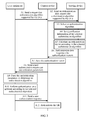
- the HSS when the authentication data request message received by the HSS from the MME includes the information about the authentication algorithm supported by the UE, and the HSS supports authentication algorithm selection (that is, the HSS can support the Tuak algorithm and the Milenage algorithm), according to the information that is about the authentication algorithm supported by the UE and is included in the foregoing authentication data request message, the HSS may select, from the authentication algorithm supported by the UE, an authentication algorithm that is also supported by the HSS (that is, an authentication algorithm supported by both the UE and the HSS), and set the foregoing selected authentication algorithm as an authentication algorithm used to authenticate the UE. For example, as shown in FIG.
- the HSS when the authentication data request message received by the HSS from the MME includes the authentication algorithm supported by the UE (including the Tuak algorithm and the Milenage algorithm), and the HSS supports authentication algorithm selection, according to the authentication algorithm supported by the HSS, the HSS may select, from the authentication algorithm supported by the UE, the authentication algorithm that is also supported by the HSS as the authentication algorithm used to authenticate the UE.
- the HSS may select, from the authentication algorithm supported by the UE, the Tuak algorithm as the authentication algorithm used to authenticate the UE; when the HSS supports the Milenage algorithm, the HSS may select, from the authentication algorithm supported by the UE, the Milenage algorithm as the authentication algorithm used to authenticate the UE; when the HSS supports both the Tuak algorithm and the Milenage algorithm, the HSS may select, from the authentication algorithm supported by the UE, either authentication algorithm as the authentication algorithm used to authenticate the UE.
- an HSS does not support authentication algorithm selection (that is, the HSS supports only the Milenage algorithm)
- an authentication data request message received by the HSS from an MME includes information about an authentication algorithm supported by UE (including the Tuak algorithm and the Milenage algorithm)
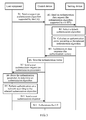
- the HSS selects a default authentication algorithm as an authentication algorithm used to authenticate the UE, that is, the HSS selects the Milenage algorithm by default, and sets the foregoing Milenage algorithm as the authentication algorithm used to authenticate the UE, as shown in FIG. 3 .
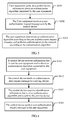
- the HSS selects a Milenage algorithm and sets the foregoing Milenage algorithm as an authentication algorithm used to authenticate the UE. That is, as shown in FIG. 4 , if the HSS supports authentication algorithm selection (that is, the HSS may support both the Tuak algorithm and the Milenage algorithm), when the information, carried in the authentication data request message received by the HSS from the MME, about the authentication algorithm supported by the UE is empty, the HSS selects a default authentication algorithm. That is, the HSS selects the Milenage algorithm as the authentication algorithm used to authenticate the UE.
- the serving device determines identification information of the authentication algorithm according to the selected authentication algorithm.
- the HSS may set, in a preset authentication management field (Authentication Management Field, AMF) parameter, the identification information of the foregoing selected authentication algorithm, and specifically, may further determine, according to the foregoing AMF parameter and the foregoing selected authentication algorithm, an authentication vector used to authenticate the UE.
- AMF Authentication Management Field
- the HSS may set, in the preset AMF parameter, the identification information of the foregoing selected authentication algorithm, and may further obtain by calculation, according to the foregoing AMF parameter and the selected authentication algorithm, the authentication vector used to authenticate the UE, where the foregoing authentication vector obtained by the HSS by calculation according to the selected authentication algorithm includes an authentication parameter used to authenticate the UE, such as AUTN, MAC, and XRES, and a key, such as CK, IK, and AK.
- an authentication parameter used to authenticate the UE such as AUTN, MAC, and XRES
- a key such as CK, IK, and AK.
- the HSS may select, from the preset AMF parameter, the X th bit as a flag bit used to authenticate the UE, and may further set the X th bit of the AMF parameter to 1 (that is, a first identifier), to serve as identification information of the Tuak algorithm used to authenticate the UE;
- the HSS may select, from the preset AMF parameter, the X th bit as a flag bit used to authenticate the UE, and may further set the X th bit of the AMF parameter to 0 (that is, a second identifier), to serve as identification information of the authentication algorithm used to authenticate the UE.
- the X th bit of the foregoing AMF parameter may be any one of 8 idle bits in the AMF parameter, that is, 1 ⁇ X ⁇ 7.
- the HSS may calculate, according to the preset AMF parameter and the selected authentication algorithm, the authentication vector used to authenticate the UE. As shown in FIG. 3 , if the HSS does not support authentication algorithm selection, after the HSS selects the authentication algorithm used to authenticate the UE, the HSS does not set, in the preset AMF parameter, the identification information of the authentication algorithm used to authenticate the UE, and the HSS may calculate, according to the preset AMF parameter and the selected authentication algorithm, the authentication vector used to authenticate the UE. As shown in FIG.
- the HSS may calculate, according to the preset AMF parameter and the foregoing Milenage algorithm, the authentication vector used to authenticate the UE.
- a default value of the X th bit of the AMF parameter is 0, and the default value of the X th bit of the foregoing AMF parameter serves as identification information of the Milenage algorithm used to authenticate the UE.
- the serving device sends the identification information of the authentication algorithm to the control device.
- the HSS may send, to the MME, the identification information (which may be specifically the authentication vector used to authenticate the UE) of the foregoing authentication algorithm.
- the HSS may send the foregoing authentication vector to the MME by using an authentication data response message, where the foregoing authentication vector message sent to the MME includes the identification information of the authentication algorithm used to authenticate the UE. As shown in FIG. 2 or FIG.
- the HSS may determine, according to the foregoing AMF parameter and the foregoing selected authentication algorithm, the authentication vector used to authenticate the UE, and further send, to the MEE, the authentication vector message that includes information about the X th bit of the foregoing AMF parameter.
- the MME may save the foregoing authentication vector message and send, to the UE, authentication parameter information that is in the foregoing authentication vector message and is used to authenticate the UE.
- the HSS may send the foregoing authentication vector to the MME, where the identification information that is of the authentication algorithm used to authenticate the UE and is included in the foregoing authentication vector message is identification information set by default in the preset AMF parameter, that is, the X th bit of the AMF parameter in the foregoing authentication vector is set to 0 by default, and the HSS may send, to the MME, the authentication vector that includes information about the X th bit of the foregoing AMF parameter.
- the MME may save the for
- the HSS when an HSS supports authentication algorithm selection, according to information that is about an authentication algorithm supported by UE and is carried in an authentication data request message sent by an MME, the HSS may select, with reference to information about an authentication algorithm supported by the HSS, an authentication algorithm supported by both the UE and the HSS as an authentication algorithm (including a Tuak algorithm or a Milenage algorithm) used to authenticate the UE, and set a value (including 0 and 1) of the X th bit of an AMF parameter according to the foregoing selected authentication algorithm used to authenticate the UE, and further determine, according to the foregoing AMF parameter and the selected authentication algorithm, an authentication vector used to authenticate the UE, and send, to the MME, the foregoing authentication vector that includes identification information of the selected authentication algorithm used to authenticate the UE.
- an authentication algorithm supported by both the UE and the HSS as an authentication algorithm (including a Tuak algorithm or a Milenage algorithm) used to authenticate the UE, and set a value (including 0 and 1) of the
- the HSS When the HSS does not support authentication algorithm selection, after receiving an authentication data request message sent by the MME, the HSS selects by default the Milenage algorithm as the authentication algorithm used to authenticate UE, and determines, according to the preset AMF parameter and the foregoing Milenage algorithm, the authentication vector used to authenticate the UE, and further sends, to the MME, the foregoing authentication vector used to authenticate the UE.
- the HSS may select, according to the authentication algorithm supported by the UE and the authentication algorithm supported by the HSS, the authentication algorithm supported by both the UE and the HSS as the authentication algorithm used to authenticate the UE, and determine, according to the selected authentication algorithm, the identification information of the authentication algorithm and the authentication vector used to authenticate the UE; afterwards, the identification information of the authentication algorithm is used to notify the UE of the authentication algorithm used to authenticate the UE, which improves diversity of choices of authentication algorithms used to authenticate the UE, improves resource utilization of the UE and the HSS, and enhances user experience of UE authentication.
- FIG. 5 is a schematic flowchart of a second embodiment of a method for selecting an authentication algorithm according to an embodiment of the present invention.
- the method for selecting an authentication algorithm described in this embodiment includes the following steps:
- the MME may send, according to the request message sent by the UE, an authentication data request message to an HSS.
- the HSS may select, according to the foregoing authentication data request message, an authentication algorithm used to authenticate the UE, and set identification information of the foregoing authentication algorithm according to the selected authentication algorithm, and determine an authentication vector used to authenticate the UE, and further send, to the UE by using the MME, the authentication vector that includes the identification information of the foregoing authentication algorithm.
- the MME may save the foregoing identification information (which may be specifically the authentication vector used to authenticate the UE) of the authentication algorithm used to authenticate the UE, and send, to the UE by sending the user authentication request to the UE, the foregoing identification information of the authentication algorithm used to authenticate the UE.
- the UE may determine, according to the foregoing user authentication request message, the authentication algorithm used to authenticate the UE by the network, and further determine the authentication algorithm (that is the authentication algorithm used to authenticate the network by the UE) according to the authentication algorithm used to authenticate the UE by the network, and perform authentication on the network according to the foregoing determined authentication algorithm used to authenticate the network.
- the authentication algorithm that is the authentication algorithm used to authenticate the network by the UE
- the foregoing user authentication request message that is received by the UE and is sent by the MME includes an authentication parameter used to authenticate the UE, that is, including a parameter in the authentication vector that is used to authenticate the UE and is set by the HSS according to the request message sent by the UE, including an AUTN parameter, a RAND parameter, and the like.
- the UE when the UE supports authentication algorithm selection, after the UE adds the information about the authentication algorithm supported by the UE to the request message to send to the MME, when the UE receives the user authentication request message from the MME, the UE may parse the foregoing user authentication request message, to acquire, from the authentication parameter included in the foregoing user authentication request message, the identification information of the authentication algorithm used to authenticate the UE by the network.
- the HSS when the HSS supports authentication algorithm selection, and when the authentication data request message received from the MME by the HSS carries the information about the authentication algorithm supported by the UE, the HSS may determine, according to the authentication algorithm supported by the UE and an authentication algorithm supported by the HSS, the authentication algorithm used to authenticate the UE, set, in a preset AMF parameter, the identification information of the selected authentication algorithm, and obtain, by calculation according to the foregoing AMF parameter that includes the identification information of the authentication algorithm, the authentication vector used to authenticate the UE. After the HSS determines the foregoing authentication vector, the authentication parameter that is in the foregoing authentication vector and is used to authenticate the UE may be sent to the UE by using the MME.
- the UE may parse the authentication parameter included in the foregoing user authentication request message, to acquire, from the foregoing authentication parameter, the identification information of the authentication algorithm used to authenticate the UE by the network, where the foregoing identification information of the authentication algorithm used to authenticate the UE by the network includes: a first identifier (for example, 1) or a second identifier (for example, 0) of a flag bit (that is, the X th bit of the foregoing AMF parameter) that is in the foregoing AMF parameter and is of the authentication algorithm used to authenticate the UE. As shown in FIG.
- the UE may analyze the X th bit of the AMF parameter in the foregoing user authentication request message, acquire the identification information (including 0 or 1) of the authentication algorithm from the X th bit of the foregoing AMF parameter, and determine, according to the acquired identification information, the authentication algorithm used to authenticate the UE by the network, and further determine the authentication algorithm (which is kept consistent with the authentication algorithm used to authenticate the UE by the network) used to authenticate the network by the UE.
- the UE may determine that the authentication algorithm used to authenticate the UE by the network is the Tuak algorithm, and after determining the authentication algorithm used to authenticate the UE by the network, the UE may determine that the authentication algorithm used to authenticate the network by the UE is the Tuak algorithm, and further perform authentication on the network according to the foregoing Tuak algorithm; or when learning from the foregoing AMF parameter that a value of the X th bit of the AMF parameter is 0 (that is, the second identifier), the UE may determine that the authentication algorithm used to authenticate the UE by the network is the Milenage algorithm, and after determining the authentication algorithm used to authenticate the UE by the network, the UE may determine that the authentication algorithm used to authenticate the network by the UE is the Milenage algorithm, and further perform authentication on the network according to the foregoing Milenage algorithm.
- the HSS selects a default authentication algorithm (the Milenage algorithm), and the identification information that is of the authentication algorithm used to authenticate the UE and is included in the authentication vector determined by the HSS according to the selected authentication algorithm is the second identifier (0) of the X th bit of the AMF parameter, as shown in FIG. 4 .
- the UE After receiving the user authentication request sent by the MME, the UE performs authentication on the network according to the default authentication algorithm (that is, the Milenage algorithm), that is, in this case, the authentication algorithm used to authenticate the UE by the network and the authentication algorithm used to authenticate the network by the UE are both the Milenage algorithm.
- the UE may send, to the MME by using a user authentication response, information about the foregoing authentication algorithm used to authenticate the network, so that the authentication on the UE by the network is completed by using the MME, allowing the UE to access the network.
- the HSS determines, according to the foregoing information, the authentication algorithm used to authenticate the UE and the identification information of the authentication algorithm, and sends information such as the identification information of the foregoing authentication algorithm to the UE by using the MME, refer to the first embodiment for selecting an authentication algorithm provided in the embodiments of the present invention, and details are not described herein again.
- the UE when UE supports authentication algorithm selection, the UE may send, to an MME by using a request message, information about an authentication algorithm supported by the UE, and may further acquire, according to a user authentication request sent by the MME, information about an authentication algorithm used to authenticate the UE by a network, and further set the authentication algorithm used to authenticate the UE by the network as an authentication algorithm used to authenticate the network by the UE, and perform authentication on the network according to the foregoing authentication algorithm; when the UE does not support authentication algorithm selection, the UE sends a request message to the MME, and after receiving the request message sent by the UE, the network selects a default Milenage algorithm as the authentication algorithm used to authenticate the UE, and after receiving an user authentication request sent by the MME, the UE may set the default Milenage algorithm as the authentication algorithm used to authenticate the network, so as to implement uniformity of the authentication algorithms, so that the authentication on the UE is completed by using the MME, allowing the UE to access the network.
- FIG. 6 is a schematic flowchart of a third embodiment of a method for selecting an authentication algorithm according to an embodiment of the present invention.
- the method for selecting an authentication algorithm described in this embodiment includes the following steps:
- the UE when the UE needs to send, to an MME, the information about the authentication algorithm supported by the UE, the UE may send a request message to the MME, and send, to the MME by using the foregoing request message, the foregoing information about the authentication algorithm supported by the UE; or when the MME needs to learn the information about the authentication algorithm supported by the UE, the MME may send a request message to the UE, to request the UE to send, to the MME, the information about the authentication algorithm supported by the UE, and after receiving the request sent by the MME, the UE may send a response message to the MME, and send, to the MME by using the foregoing response message, the information about the authentication algorithm supported by the UE.
- This embodiment of the present invention sets no limitation on a sending manner in which the UE sends, to the MME, the information about the authentication algorithm supported by the UE, and the foregoing sending manner in which the information about the authentication algorithm supported by the UE is sent to the MME by using the request message or the response message is merely exemplary rather than exhaustive.
- the sending manner in which the information about the authentication algorithm supported by the UE is sent to the MME by using the request message is used as an example for detailed description.
- the foregoing information about the authentication algorithm supported by the UE includes: a Tuak algorithm supported by the UE, or a Milenage algorithm supported by the UE, or the information about the authentication algorithm supported by the UE is empty.
- the UE when the UE supports authentication algorithm selection (that is, the UE supports the Tuak algorithm and the Milenage algorithm), when sending the request message to the MME, the UE may send, to the MME by using the foregoing request message, the information about the authentication algorithm supported by the UE; when the UE does not support authentication algorithm selection (that is, the UE supports only the Milenage algorithm), the information, carried in the request message sent to the MME by the UE, about the authentication algorithm supported by the UE is empty. After receiving the request message sent by the UE, the MME may send an authentication data request message to an HSS according to the foregoing request message.
- authentication algorithm selection that is, the UE supports the Tuak algorithm and the Milenage algorithm
- the MME may send, to the HSS by using the foregoing authentication data request message, the foregoing information about the authentication algorithm supported by the UE; when the information, carried in the request message sent by the UE, about the authentication algorithm supported by the UE is empty, when the MME sends the authentication data request message to the HSS, the information, carried in the foregoing authentication data request message, about the authentication algorithm supported by the UE is empty.
- the HSS may determine, according to the foregoing authentication data request message, the authentication algorithm used to authenticate the UE, and obtain, by calculation according to the determined authentication algorithm, identification information (which may be specifically an authentication vector used to authenticate the UE) of the authentication algorithm used to authenticate the UE.
- identification information which may be specifically an authentication vector used to authenticate the UE
- the HSS may send the foregoing authentication vector to the MME by using an authentication data response message.
- the MME may save the authentication vector included in the foregoing authentication data response message, and further send the user authentication request message to the UE, so as to send, to the UE, an authentication parameter that is used to authenticate the UE and is included in the foregoing authentication vector used to authenticate the UE, as shown in FIG. 2 , FIG. 3 or FIG. 4 .
- the UE may acquire, from the user authentication request message, information such as the authentication parameter used to authenticate the UE by a network, and further determine, according to the foregoing authentication parameter, an authentication algorithm used to authenticate the network.
- the MME when the MME supports saving and forwarding of the information about the authentication algorithm supported by the UE, if the request message sent to the MME by the UE carries the information about the authentication algorithm supported by the UE (that is, the UE supports the Tuak algorithm and the Milenage algorithm), after receiving the request message sent by the UE, the MME may save the information about the authentication algorithm supported by the UE, and send, to the HSS by using the authentication data request message, the foregoing information about the authentication algorithm supported by the UE, as shown in FIG. 2 or FIG.
- the MME may send the authentication data request message to the HSS, where the information, carried in the foregoing authentication data request message, about the authentication algorithm supported by the UE is empty, as shown in FIG. 4 .
- the MME does not support storing and forwarding of the information about the authentication algorithm supported by the UE, if the request message sent to the MME by the UE carries the information about the authentication algorithm supported by the UE (that is, the UE supports the Tuak algorithm and the Milenage algorithm), after receiving the request message sent by the UE, the MME cannot save the information about the authentication algorithm supported by the UE, and in this case, when the MME sends the authentication data request message to the HSS, the information, carried in the foregoing authentication data request message, about the authentication algorithm supported by the UE is empty, as shown in FIG. 7 or FIG.
- the MME may send the authentication data request message to the HSS, where the information, carried in the foregoing authentication data request message, about the authentication algorithm supported by the UE is empty, as shown in FIG. 9 .
- the MME may further acquire a user authentication response message from the UE, and complete the authentication on the UE according to the authentication vector that is used to authenticate the UE and is sent by the HSS and saved by the MME, allowing the UE to access the network.
- an MME may receive information that is about an authentication algorithm supported by UE and is sent by the UE, send an authentication data request message to an HSS according to the information about the authentication algorithm supported by the UE, and acquire, from the HSS, information such as identification information (which may be specifically an authentication vector used to authenticate the UE) of an authentication algorithm that is used to authenticate the UE and is determined by the HSS according to the foregoing authentication data request message, so as to send a user authentication request to the UE, and send, to the UE, the foregoing information such as the identification information of the authentication algorithm that is used to authenticate the UE and is determined by the HSS, so that the UE determines an authentication algorithm used to authenticate a network by the UE.
- identification information which may be specifically an authentication vector used to authenticate the UE
- the foregoing information such as the identification information of the authentication algorithm that is used to authenticate the UE and is determined by the HSS, so that the UE determines an authentication algorithm used to authenticate a network by the
- the MME may further acquire a user authentication response message from the UE, and complete, with reference to information such as the authentication vector that is used to authenticate the UE and is sent by the HSS, authentication on the UE for accessing the network, thereby allowing the UE to access the network.
- the MME may further send the authentication data request message to the HSS according to its own configurations (that is, whether saving and forwarding of the information about the authentication algorithm supported by the UE are supported), which enriches diversity of authentication algorithms used to authenticate the UE, improves terminal utilization of UE authentication, and enhances user experience of the UE authentication.
- FIG. 10 is a schematic structural diagram of an embodiment of a serving device for selecting an authentication algorithm according to an embodiment of the present invention.
- the serving device described in this embodiment includes:
- the identification information that is of the authentication algorithm and is carried in the authentication data request message received by the foregoing receiving module 10 includes: a Tuak algorithm supported by the user equipment, and/or a Milenage algorithm supported by the user equipment.
- the selection module 20 is specifically configured to:
- the information, carried in the authentication data request message received by the foregoing receiving module 10, about the authentication algorithm supported by the user equipment is empty;
- the information about the authentication algorithm supported by the serving device includes: the Tuak algorithm supported by the serving device, and/or the Milenage algorithm supported by the serving device; and the selection module 20 is specifically configured to:
- the authentication data request message received by the receiving module 10 of an HSS from an MME carries the information about the authentication algorithm supported by the user equipment, where the foregoing information about the authentication algorithm supported by the user equipment may include: the Tuak algorithm supported by the UE, or the Milenage algorithm supported by the UE, or the like.
- the selection module 20 may select, from the authentication algorithm supported by the UE, an authentication algorithm that is also supported by the HSS (that is, an authentication algorithm supported by both the UE and the HSS), and set the foregoing selected authentication algorithm as the authentication algorithm used to authenticate the UE. For example, as shown in FIG.
- the selection module 20 may select, from the authentication algorithm supported by the UE, the authentication algorithm that is also supported by the HSS as the authentication algorithm used to authenticate the UE.
- the selection module 20 may select, from the authentication algorithm supported by the UE, the Tuak algorithm as the authentication algorithm used to authenticate the UE; when the HSS supports the Milenage algorithm, the selection module 20 may select, from the authentication algorithm supported by the UE, the Milenage algorithm as the authentication algorithm used to authenticate the UE; when the HSS supports both the Tuak algorithm and the Milenage algorithm, the selection module 20 may select, from the authentication algorithm supported by the UE, either authentication algorithm as the authentication algorithm used to authenticate the UE.
- an HSS does not support authentication algorithm selection (that is, the HSS supports only the Milenage algorithm)
- the selection module 20 selects a default authentication algorithm as the authentication algorithm used to authenticate the UE, that is, the selection module 20 selects the Milenage algorithm by default, and set the foregoing Milenage algorithm as the authentication algorithm used to authenticate the UE, as shown in FIG. 3 .
- the selection module 20 selects the Milenage algorithm and sets the foregoing Milenage algorithm as the authentication algorithm used to authenticate the UE. That is, as shown in FIG.
- the selection module 20 selects a default authentication algorithm, that is, the selection module 20 selects the Milenage algorithm as the authentication algorithm used to authenticate the UE.
- the authentication algorithm used to authenticate the UE refer to steps S101 and S102 in the first embodiment for selecting an authentication algorithm provided in the embodiments of the present invention, and details are not described herein again.
- the identification information that is of the authentication algorithm and is determined by the foregoing processing module 30 is specifically an authentication vector used to authenticate the user equipment.
- the processing module 30 is specifically configured to:
- the identification information that is of the authentication algorithm and is determined by the foregoing processing module 30 is specifically an authentication vector used to authenticate the user equipment; and when the foregoing selection module 20 sets the Milenage algorithm as the selected authentication algorithm, the processing module 30 is specifically configured to:
- the processing module 30 may set, in the preset AMF parameter, the identification information of the foregoing selected authentication algorithm, and further determine, according to the foregoing AMF parameter and the foregoing selected authentication algorithm, the authentication vector used to authenticate the UE.
- the processing module 30 may set, in the preset AMF parameter, the identification information of the foregoing selected authentication algorithm, and further determine, according to the foregoing AMF parameter and the foregoing selected authentication algorithm, the authentication vector used to authenticate the UE.
- the processing module 30 may set, in the preset AMF parameter, the identification information of the foregoing selected authentication algorithm, and obtain, by calculation according to the foregoing AMF parameter and the selected authentication algorithm, the authentication vector used to authenticate the UE, where the authentication vector obtained by the foregoing processing module 30 by calculation according to the authentication algorithm selected by the selection module 20 includes an authentication parameter used to authenticate the UE, such as AUTN, MAC, and XRES, and a key, such as CK, IK, and AK.
- an authentication parameter used to authenticate the UE such as AUTN, MAC, and XRES
- a key such as CK, IK, and AK.
- the processing module 30 of the HSS may select, from the preset AMF parameter, the X th bit as a flag bit used to authenticate the UE, and further set the X th bit of the AMF parameter to 1 (that is, the first identifier), to serve as the identification information of the Tuak algorithm used to authenticate the UE;
- the processing module 30 of the HSS may select, from the preset AMF parameter, the X th bit as a flag bit used to authenticate the UE, and further set the X th bit of the AMF parameter to 0 (that is, the second identifier), to serve as the identification information of the Milenage algorithm.
- the X th bit of the foregoing AMF parameter may be any one of 8 idle bits in the AMF parameter, that is, 1 ⁇ X ⁇ 7.
- the processing module 30 of the HSS may calculate, according to the preset AMF parameter and the selected authentication algorithm, the authentication vector used to authenticate the UE. As shown in FIG. 3 , if the HSS does not support authentication algorithm selection, after the selection module 30 of the HSS selects the authentication algorithm used to authenticate the UE, the processing module 30 of the HSS does not set, in the foregoing preset AMF parameter, the identification information of the authentication algorithm used to authenticate the UE, and the processing module 30 of the HSS may calculate, according to the preset AMF parameter and the selected authentication algorithm, the authentication vector used to authenticate the UE. As shown in FIG.
- the processing module 30 cannot set, in the AMF parameter, the identification information of the authentication algorithm used to authenticate the UE; therefore, after the receiving module 10 of the HSS receives the authentication data request message sent by the MEE and the selection module 20 selects the default algorithm (the Milenage algorithm) as the authentication algorithm used to authenticate the UE, the processing module 30 of the HSS may obtain, by calculation according to the preset AMF parameter and the foregoing Milenage algorithm, the authentication vector used to authenticate the UE.
- the processing module 30 of the HSS may obtain, by calculation according to the preset AMF parameter and the foregoing Milenage algorithm, the authentication vector used to authenticate the UE.
- the X th bit of the AMF parameter in the foregoing authentication vector is set to a default value 0, and the default value of the X th bit of the foregoing AMF parameter is used as the identification information of the Milenage algorithm used to authenticate the UE.
- the sending module 40 may send, to the MME, the authentication vector determined by the foregoing processing module 30.
- the HSS may send the foregoing authentication vector to the MME by using an authentication data response message sent to the MME by the sending module 40, where the foregoing authentication vector message sent to the MME by the sending module 40 includes the identification information of the authentication algorithm used to authenticate the UE. As shown in FIG. 2 or FIG.
- the processing module 30 sets, in the X th bit of the preset AMF parameter, the identification information of the foregoing Tuak algorithm or the Milenage algorithm, that is, after the X th bit of the AMF parameter in the foregoing authentication vector is set to 0 or 1, the processing module 30 may determine, according to the foregoing AMF parameter and the foregoing selected authentication algorithm, the authentication vector used to authenticate the UE, so that the sending module 40 sends, to the MEE, the authentication vector message that includes information about the X th bit of the foregoing AMF parameter.
- the MME may save the foregoing authentication vector message and send, to the UE, authentication parameter information that is in the foregoing authentication vector message and is used to authenticate the UE.
- the sending module 40 may send the foregoing authentication vector to the MME, where the identification information that is of the authentication algorithm used to authenticate the UE and is included in the foregoing authentication vector message is identification information set by default in the preset AMF parameter, that is, the X th bit of the AMF parameter in the foregoing authentication vector is set to 0 by default, and the sending module 40 of the HSS may send, to the MME, the authentication vector that includes the information about the X th bit of
- the MME may save the foregoing authentication vector message and send, to the UE, authentication parameter information that is in the foregoing authentication vector message and is used to authenticate the UE.
- the processing module and the sending module of the HSS determine, according to the authentication algorithm selected by the selection module, the authentication vector used to authenticate the UE and send the foregoing authentication vector to the MME, refer to steps S103 and S104 in the first embodiment of the method for selecting an authentication algorithm provided in the embodiments of the present invention, and details are not described herein again.
- an HSS described in this embodiment of the present invention supports authentication algorithm selection, according to information that is about an authentication algorithm supported by UE and is carried in an authentication data request message sent by an MME
- the HSS may select, with reference to information about an authentication algorithm supported by the HSS, an authentication algorithm used to authenticate the UE (including a Tuak algorithm or a Milenage algorithm), and set a value (including 0 and 1) of the X th bit of an AMF parameter according to the foregoing selected authentication algorithm used to authenticate the UE, and further determine, according to the foregoing AMF parameter and the selected authentication algorithm, an authentication vector used to authenticate the UE, and send, to the MME, the foregoing authentication vector that includes identification information of the selected authentication algorithm used to authenticate the UE.
- the HSS If the HSS does not support authentication algorithm selection, after receiving an authentication data request message sent by the MME, the HSS selects by default the Milenage algorithm as the authentication algorithm used to authenticate the UE, and determines, according to the preset AMF parameter and the foregoing Milenage algorithm, the authentication vector used to authenticate the UE, and further send, to the MME, the foregoing authentication vector used to authenticate the UE.
- the HSS described in this embodiment of the present invention may select, according to the authentication algorithm supported by the UE and the authentication algorithm supported by the HSS, the authentication algorithm used to authenticate the UE, determine, according to selected authentication algorithm, the authentication vector used to authenticate the UE, and add, to the foregoing authentication vector, the identification information of the authentication algorithm used to authenticate the UE, so as to notify the UE of the authentication algorithm used to authenticate the UE, which improves diversity of choices of authentication algorithms used to authenticate the UE, improves resource utilization of the UE and the HSS, and enhances user experience of UE authentication.
- FIG. 11 is a schematic structural diagram of an embodiment of user equipment for selecting an authentication algorithm according to an embodiment of the present invention.
- the user equipment described in this embodiment includes:
- the UE when the UE needs to send, to an MME, the information about the authentication algorithm supported by the UE, the UE may send a request message to the MME, and send, to the MME by using the foregoing request message, the foregoing information about the authentication algorithm supported by the UE; or when the MME needs to learn the information about the authentication algorithm supported by the UE, the MME may send a request message to the UE, to request the UE to send, to the MME, the information about the authentication algorithm supported by the UE, and after receiving the request sent by the MME, the UE may send a response message to the MME, and send, to the MME by using the foregoing response message, the information about the authentication algorithm supported by the UE.
- This embodiment of the present invention sets no limitation on a sending manner in which the UE sends, to the MME, the information about the authentication algorithm supported by the UE, and the foregoing sending manner in which the information about the authentication algorithm supported by the UE is sent to the MME by using the request message or the response message is merely exemplary rather than exhaustive.
- the sending manner in which the information about the authentication algorithm supported by the UE is sent to the MME by using the request message is used as an example for detailed description.
- the request message sent to the MME by the sending module 50 of the UE may be an Attach request, or a TAU request, or a Registration request, or the like, and this embodiment of the present invention sets no limitation on a message type of the foregoing request message.
- the information about the authentication algorithm supported by the UE may be added to the foregoing request message and sent to the MME.
- the sending module 50 of the UE may add the information about the authentication algorithm supported by the UE (including the Tuak algorithm or the Milenage algorithm) to the foregoing request message to send to the MME, as shown in FIG. 2 or FIG.
- the request message sent to the MME by the sending module 50 of the UE carries information about the Tuak algorithm or the Milenage algorithm supported by the UE; when the UE does not support authentication algorithm selection (that is, the UE supports only the Milenage algorithm), when sending the request message to the MME, the sending module 50 of the UE does not send, to the MME, the information about the authentication algorithm supported by the UE, that is, in this case, the information, carried in the request message sent to the MME by the sending module 50 of the UE, about the authentication algorithm supported by the UE is empty.
- step S201 for the foregoing specific implementation process in which the sending module of the UE sends the request message to the MME, refer to step S201 in the second embodiment for selecting an authentication algorithm provided in the embodiments of the present invention, and details are not described herein again.
- the information that is about the authentication algorithm supported by the user equipment and is sent by the foregoing sending module 50 includes: a Tuak algorithm supported by the user equipment, and/or a Milenage algorithm supported by the user equipment; and the processing module 70 is specifically configured to:
- the user authentication request message received by the foregoing receiving module 60 includes an authentication parameter used to authenticate the user equipment; the authentication parameter that is used to authenticate the user equipment and is received by the foregoing receiving module 60 includes an AUTN parameter, and the AUTN parameter includes an AMF parameter; and the identification information of the authentication algorithm includes: a first identifier or a second identifier of a flag bit that is of the authentication algorithm and is included in the AMF parameter.
- the foregoing processing module 70 is specifically configured to:
- the information, sent by the foregoing sending module 50, about the authentication algorithm supported by the user equipment is empty; and the processing module 70 is specifically configured to:
- the MME may send, according to the request message sent by the UE, an authentication data request message to an HSS.
- the HSS may select, according to the foregoing authentication data request message, the authentication algorithm used to authenticate the UE, and set the identification information of the foregoing authentication algorithm according to the selected authentication algorithm, and determine an authentication vector used to authenticate the UE, and further send, to the UE by using the MME, the authentication vector that includes the identification information of the foregoing authentication algorithm.
- the MME may save the foregoing identification information (which may be specifically the authentication vector used to authenticate the UE) of the authentication algorithm used to authenticate the UE, and send, to the UE by sending the user authentication request to the UE, the foregoing identification information of the authentication algorithm used to authenticate the UE.
- the processing module 70 may determine, according to the user authentication request message received by the foregoing receiving module 60, the authentication algorithm used to authenticate the UE by the network, and further determine, according to the authentication algorithm used to authenticate the UE by the network, the authentication algorithm used to authenticate the network by the UE, and perform authentication on the network according to the foregoing determined authentication algorithm used to authenticate the network.
- the foregoing user authentication request message that is received by the receiving module 60 of the UE and is sent by the MME includes the authentication parameter used to authenticate the UE, that is, includes a parameter in the authentication vector that is used to authenticate the UE and is determined by the HSS according to the request message sent by the UE, including an AUTN parameter, a RAND parameter, and the like.
- the processing module 70 may parse the user authentication request message received by the foregoing receiving module 60, to acquire, from the foregoing authentication parameter included in the foregoing user authentication request message, the identification information of the authentication algorithm used to authenticating the UE.
- the HSS when the HSS supports authentication algorithm selection, and when the authentication data request message received from the MME by the HSS carries the information about the authentication algorithm supported by the UE, the HSS may determine, according to the authentication algorithm supported by the UE and an authentication algorithm supported by the HSS, the authentication algorithm used to authenticate the UE, set, in a preset AMF parameter, the identification information of the selected authentication algorithm, and obtain, by calculation according to the foregoing AMF parameter that includes the identification information of the authentication algorithm, the authentication vector used to authenticate the UE. After the HSS determines the foregoing authentication vector, the authentication parameter that is in the foregoing authentication vector and is used to authenticate the UE may be sent to the UE by using the MME.
- the processing module 70 may parse the foregoing user authentication request message, to acquire, from the authentication parameter included in the foregoing user authentication request message, the identification information of the authentication algorithm used to authenticate the UE by the network, where the foregoing identification information of the authentication algorithm used to authenticate the UE by the network includes: the first identifier (for example, 1) or the second identifier (for example, 0) of the flag bit (that is, the X th bit of the foregoing AMF parameter) that is in the foregoing AMF parameter and is used to authenticate the UE. As shown in FIG.
- the processing module 70 may analyze the X th bit of the AMF parameter in the foregoing user authentication request message, acquire the identification information (including 0 or 1) of the authentication algorithm from the X th bit of the foregoing AMF parameter, and determine, according to the acquired identification information, the authentication algorithm used to authenticate the UE by the network, and further determine the authentication algorithm (which is kept consistent with the authentication algorithm used to authenticate the UE by the network) used to authenticate the network by the UE.
- the processing module 70 of the UE may determine that the authentication algorithm used to authenticate the UE by the network is the Tuak algorithm, and after determining the authentication algorithm used to authenticate the UE by the network, the processing module 70 may determine that the authentication algorithm used to authenticate the network by the UE is the Tuak algorithm Tuak; when learning from the foregoing AMF parameter that a value of the X th bit of the AMF parameter is 0 (that is, the second identifier), the processing module 70 may determine that the authentication algorithm used to authenticate the UE by the network is the Milenage algorithm, and after determining the authentication algorithm used to authenticate the UE by the network, the processing module 70 may determine that the authentication algorithm used to authenticate the network by the UE is the Milenage algorithm.
- the HSS selects a default authentication algorithm (the Milenage algorithm), and the identification information that is of the authentication algorithm used to authenticate the UE and is included in the authentication vector determined by the HSS according to the selected authentication algorithm is the second identifier (0) of the X th bit of the AMF parameter, as shown in FIG. 4 .
- the processing module 70 determines, according to the default authentication algorithm (the Milenage algorithm), the authentication algorithm used to authenticate the network, that is, in this case, the authentication algorithm used to authenticate the UE by the network and the authentication algorithm used to authenticate the network by the UE are both the Milenage algorithm.
- the processing module 70 may send, to the MME by using a user authentication response, information about the foregoing authentication algorithm used to authenticate the network, so that the authentication on the UE by the network is completed by using the MME, allowing the UE to access the network.
- the foregoing HSS determines, according to the foregoing information, the authentication algorithm used to authenticate the UE and the authentication vector, and sends information such as the foregoing authentication vector to the UE by using the MME, refer to the first embodiment for selecting an authentication algorithm provided in the embodiments of the present invention, and details are not described herein again.
- the UE may send, to an MME by using a request message, an authentication algorithm supported by the UE, and may further acquire, according to a user authentication request sent by the MME, information about an authentication algorithm used to authenticate the UE by a network, and further set the authentication algorithm used to authenticate the UE by the network as an authentication algorithm used to authenticate the network by the UE; if the UE does not support authentication algorithm selection, the UE sends a request message to the MME, and after receiving the request message sent by the UE, the network selects a default Milenage algorithm as the authentication algorithm used to authenticate the UE, and after receiving the user authentication request sent by the MME, the UE may set the default Milenage algorithm as the authentication algorithm used to authenticate the network, thereby implementing uniformity of the authentication algorithms, so that the authentication on the UE is completed by using the MME, allowing the UE to access the network.
- FIG. 12 is a schematic structural diagram of an embodiment of a control device for selecting an authentication algorithm according to an embodiment of the present invention.
- the control device described in this embodiment includes:
- the receiving module 80 is configured to receive identification information that is of an authentication algorithm and is sent by the serving device, where the identification information of the authentication algorithm is corresponding to the authentication data request message.
- the sending module 90 is configured to send a user authentication request message to the user equipment, where the user authentication request message carries the identification information of the authentication algorithm.
- the information that is about the authentication algorithm supported by the user equipment and is received by the foregoing receiving module 80 includes: a Tuak algorithm supported by the user equipment, and/or a Milenage algorithm supported by the user equipment, or the information about the authentication algorithm supported by the user equipment is empty.
- the identification information that is of the authentication algorithm and is received by the foregoing receiving module 80 includes: identification information corresponding to the Tuak algorithm selected by the serving device, and/or identification information corresponding to the Milenage algorithm selected by the serving device, or the information about the authentication algorithm supported by the user equipment is empty.
- the UE when the UE needs to send, to an MME, the information about the authentication algorithm supported by the UE, the UE may send a request message to the MME, and send, to the MME by using the foregoing request message, the foregoing information about the authentication algorithm supported by the UE; or when the MME needs to learn the information about the authentication algorithm supported by the UE, the MME may send a request message to the UE, to request the UE to send, to the MME, the information about the authentication algorithm supported by the UE, and after receiving the request sent by the MME, the UE may send a response message to the MME, and send, to the MME by using the foregoing response message, the information about the authentication algorithm supported by the UE.
- This embodiment of the present invention sets no limitation on a sending manner in which the UE sends, to the MME, the information about the authentication algorithm supported by the UE, and the foregoing sending manner in which the information about the authentication algorithm supported by the UE is sent to the MME by using the request message or the response message is merely exemplary rather than exhaustive.
- the sending manner in which the information about the authentication algorithm supported by the UE is sent to the MME by using the request message is used as an example for detailed description.
- the request message that is sent by the UE and is received by the receiving module 80 of the MME from the UE may carry the information about the authentication algorithm supported by the UE, including: the Tuak algorithm supported by the UE, or the Milenage algorithm supported by the UE, or the information about the authentication algorithm supported by the UE is empty.
- the UE when the UE supports authentication algorithm selection (that is, the UE supports the Tuak algorithm and the Milenage algorithm), when sending the request message to the MME, the UE may send, to the MME by using the foregoing request message, the information about the authentication algorithm supported by the UE; when the UE does not support authentication algorithm selection (that is, the UE supports only the Milenage algorithm), the information, carried in the request message sent to the MME by the UE, about the authentication algorithm supported by the UE is empty.
- the sending module 90 may send, according to the request message received by the foregoing receiving module 80, the authentication data request message to an HSS.
- the sending module 90 of the MME may send, to the HSS by using the foregoing authentication data request message, the foregoing information about the authentication algorithm supported by the UE; when the information, carried in the request message sent by the UE, about the authentication algorithm supported by the UE is empty, when the sending module 90 of the MME sends the authentication data request message to the HSS, the information, carried in the foregoing authentication data request message, about the authentication algorithm supported by the UE is empty.
- the HSS may determine, according to the foregoing authentication data request message, the authentication algorithm used to authenticate the UE, and obtain, by calculation according to the foregoing determined authentication algorithm, an authentication vector used to authenticate the UE. After determining, according to the authentication data request message sent by the MME, the authentication algorithm used to authenticate the UE, and determining, according to the foregoing authentication algorithm, the authentication vector used to authenticate the UE, the HSS may send the foregoing authentication vector to the MME by using an authentication data response message.
- the MME may save the authentication vector included in the foregoing authentication data response message, and further send, by using the sending module 90, the user authentication request message to the UE, and send, to the UE, an authentication parameter that is used to authenticate the UE and is included in the foregoing authentication vector used to authenticate the UE, as shown in FIG. 2 , FIG. 3 or FIG. 4 .
- the UE may acquire, from the user authentication request message, information such as the authentication parameter used to authenticate the UE by a network, and further determine, according to the foregoing authentication parameter, an authentication algorithm used to authenticate the network.
- the MME when the MME supports saving and forwarding of the information about the authentication algorithm supported by the UE, if the request message sent to the MME by the UE carries the information about the authentication algorithm supported by the UE (that is, the UE supports the Tuak algorithm and the Milenage algorithm), after receiving the request message sent by the UE, the receiving module 80 of the MME may save the information about the authentication algorithm supported by the UE, and the sending module 90 sends, to the HSS by using the authentication data request message, the foregoing information about the authentication algorithm supported by the UE, as shown in FIG. 2 or FIG.
- the sending module 90 may send the authentication data request message to the HSS, where the information, carried in the foregoing authentication data request message, about the authentication algorithm supported by the UE is empty, as shown in FIG. 4 .
- the MME does not support saving and forwarding of the information about the authentication algorithm supported by the UE, if the request message sent to the MME by the UE carries the information about the authentication algorithm supported by the UE (that is, the UE supports the Tuak algorithm and the Milenage algorithm), after receiving, by using the receiving module 80, the request message sent by the UE, the MME cannot save the information about the authentication algorithm supported by the UE, and in this case, when the sending module 90 of the MME sends the authentication data request message to the HSS, the information, carried in the foregoing authentication data request message, about the authentication algorithm supported by the UE is empty, as shown in FIG. 7 or FIG.
- the sending module 90 may send the authentication data request message to the HSS, where the information, carried in the foregoing authentication data request message, about the authentication algorithm supported by the UE is empty, as shown in FIG. 9 .
- the control device described in this embodiment of the present invention refer to steps S301 to S304 in the third embodiment of the method for selecting an authentication algorithm provided in the embodiments of the present invention, and details are not described herein again.
- the MME may further acquire a user authentication response message from the UE, and complete the authentication on the UE according to the authentication vector that is used to authenticate the UE and is sent by the HSS and saved by the MME, allowing the UE to access the network.
- an MME may receive a request message sent by UE, send an authentication data request message to an HSS according to the request message sent by the UE, and acquire, from the HSS, information such as an authentication vector that is used to authenticate the UE and is determined by the HSS according to the foregoing authentication data request message, and further send a user authentication request to the UE, and send, to the UE, the foregoing information such as the authentication vector that is used to authenticate the UE and is determined by the HSS, so that the UE determines an authentication algorithm used to authenticate a network by the UE; the MME may further acquire a user authentication response message from the UE, and complete, with reference to the information such as the authentication vector that is used to authenticate the UE and is sent by the HSS, authentication on the UE for accessing the network, thereby allowing the UE to access the network; in addition, the MME may further send the authentication data request message to the HSS according to its own configurations (that is, whether saving and
- FIG. 13 is a schematic structural diagram of an embodiment of a system for selecting an authentication algorithm according to an embodiment of the present invention.
- the system for selecting an authentication algorithm described in this embodiment includes:
- the program may be stored in a computer-readable storage medium.
- the foregoing storage medium may include: a magnetic disk, an optical disc, a read-only memory (Read-Only Memory, ROM), a random access memory (Random Access Memory, RAM), or the like.
Landscapes
- Engineering & Computer Science (AREA)
- Computer Security & Cryptography (AREA)
- Computer Networks & Wireless Communication (AREA)
- Signal Processing (AREA)
- Computer Hardware Design (AREA)
- Computing Systems (AREA)
- General Engineering & Computer Science (AREA)
- Mobile Radio Communication Systems (AREA)
- Control Of Transmission Device (AREA)
Applications Claiming Priority (2)
| Application Number | Priority Date | Filing Date | Title |
|---|---|---|---|
| CN201310754492.9A CN104754577B (zh) | 2013-12-31 | 2013-12-31 | 一种选择认证算法的方法、装置及系统 |
| PCT/CN2014/080736 WO2015100975A1 (fr) | 2013-12-31 | 2014-06-25 | Procédé, appareil et système pour sélectionner un algorithme d'authentification |
Publications (2)
| Publication Number | Publication Date |
|---|---|
| EP3079392A4 EP3079392A4 (fr) | 2016-10-12 |
| EP3079392A1 true EP3079392A1 (fr) | 2016-10-12 |
Family
ID=53493111
Family Applications (1)
| Application Number | Title | Priority Date | Filing Date |
|---|---|---|---|
| EP14876188.5A Withdrawn EP3079392A1 (fr) | 2013-12-31 | 2014-06-25 | Procédé, appareil et système pour sélectionner un algorithme d'authentification |
Country Status (5)
| Country | Link |
|---|---|
| US (1) | US20160316368A1 (fr) |
| EP (1) | EP3079392A1 (fr) |
| KR (1) | KR20160103115A (fr) |
| CN (1) | CN104754577B (fr) |
| WO (1) | WO2015100975A1 (fr) |
Families Citing this family (8)
| Publication number | Priority date | Publication date | Assignee | Title |
|---|---|---|---|---|
| CN106465110B (zh) | 2014-05-20 | 2020-05-12 | 诺基亚技术有限公司 | 蜂窝认证中的异常处理 |
| CN106465109A (zh) * | 2014-05-20 | 2017-02-22 | 诺基亚技术有限公司 | 蜂窝网络认证 |
| US10785645B2 (en) * | 2015-02-23 | 2020-09-22 | Apple Inc. | Techniques for dynamically supporting different authentication algorithms |
| CN110891270B (zh) * | 2018-09-10 | 2021-08-27 | 大唐移动通信设备有限公司 | 一种鉴权算法的选择方法和装置 |
| US11539684B2 (en) * | 2020-03-16 | 2022-12-27 | Microsoft Technology Licensing, Llc | Dynamic authentication scheme selection in computing systems |
| CN114245376B (zh) * | 2020-09-07 | 2025-02-14 | 中国移动通信有限公司研究院 | 一种数据传输方法、用户设备、相关网络设备和存储介质 |
| CN115130143A (zh) * | 2021-03-25 | 2022-09-30 | 华为技术有限公司 | 一种安全启动的方法及装置 |
| CN117768874B (zh) * | 2022-09-26 | 2025-05-30 | 中国电信股份有限公司 | 用于认证能力的处理方法、终端、系统和存储介质 |
Family Cites Families (8)
| Publication number | Priority date | Publication date | Assignee | Title |
|---|---|---|---|---|
| GB2394143B (en) * | 2002-10-08 | 2006-04-05 | Ipwireless Inc | System and method for use of internet authentication technology to provide umts authentication |
| CN1767430B (zh) * | 2004-10-27 | 2010-04-21 | 华为技术有限公司 | 鉴权方法 |
| CN101247356B (zh) * | 2007-02-13 | 2011-02-16 | 华为技术有限公司 | Dhcp消息传送的方法及系统 |
| CN101378591B (zh) * | 2007-08-31 | 2010-10-27 | 华为技术有限公司 | 终端移动时安全能力协商的方法、系统及装置 |
| CN101605324B (zh) * | 2008-06-13 | 2011-06-01 | 华为技术有限公司 | 算法协商的方法、装置及系统 |
| CN102083064B (zh) * | 2009-11-26 | 2014-01-08 | 大唐移动通信设备有限公司 | 用于增强密钥推衍算法灵活性的方法和系统 |
| CN102256234A (zh) * | 2010-05-19 | 2011-11-23 | 电信科学技术研究院 | 一种对用户鉴权过程进行处理的方法及设备 |
| US8699709B2 (en) * | 2011-07-08 | 2014-04-15 | Motorola Solutions, Inc. | Methods for obtaining authentication credentials for attaching a wireless device to a foreign 3GPP wireless domain |
-
2013
- 2013-12-31 CN CN201310754492.9A patent/CN104754577B/zh active Active
-
2014
- 2014-06-25 WO PCT/CN2014/080736 patent/WO2015100975A1/fr not_active Ceased
- 2014-06-25 EP EP14876188.5A patent/EP3079392A1/fr not_active Withdrawn
- 2014-06-25 KR KR1020167020662A patent/KR20160103115A/ko not_active Ceased
-
2016
- 2016-06-29 US US15/197,343 patent/US20160316368A1/en not_active Abandoned
Also Published As
| Publication number | Publication date |
|---|---|
| KR20160103115A (ko) | 2016-08-31 |
| EP3079392A4 (fr) | 2016-10-12 |
| WO2015100975A1 (fr) | 2015-07-09 |
| CN104754577B (zh) | 2019-05-03 |
| US20160316368A1 (en) | 2016-10-27 |
| CN104754577A (zh) | 2015-07-01 |
Similar Documents
| Publication | Publication Date | Title |
|---|---|---|
| EP3079392A1 (fr) | Procédé, appareil et système pour sélectionner un algorithme d'authentification | |
| US11153083B2 (en) | Rogue unit detection information | |
| US8706085B2 (en) | Method and apparatus for authenticating communication device | |
| EP3923615B1 (fr) | Procédé et dispositif d'obtention de clés et système de communications | |
| US10798082B2 (en) | Network authentication triggering method and related device | |
| US20210120409A1 (en) | User authentication in first network using subscriber identity module for second legacy network | |
| CN105049442B (zh) | 一种网络切换方法及终端 | |
| US10588015B2 (en) | Terminal authenticating method, apparatus, and system | |
| US9736686B2 (en) | Methods and apparatus for direct communication key establishment | |
| CN112822756B (zh) | 通信方法、系统以及基站、终端 | |
| US20140351887A1 (en) | Authentication Method and Device for Network Access | |
| JP2013524556A (ja) | 通信システム | |
| EP3958599B1 (fr) | Procédé et système d'itinérance et d'intercommunication de réseau | |
| US20190274039A1 (en) | Communication system, network apparatus, authentication method, communication terminal, and security apparatus | |
| US10484396B2 (en) | Method and device for examining message integrity check | |
| US9967733B2 (en) | Method, apparatus, and system for processing network sharing | |
| JP2020501440A (ja) | 緊急番号設定方法、取得方法および装置 | |
| WO2021082528A1 (fr) | Procédé de communication, station de base et terminal | |
| US10349278B2 (en) | Method for accessing LTE network, electronic device, and computer storage medium | |
| KR102054280B1 (ko) | 비상 이동 통신 시스템운용 방법 및 이를 위한 장치 | |
| WO2023126296A1 (fr) | Support d'authentification pour un dispositif électronique pour se connecter à un réseau de télécommunications | |
| KR20240140890A (ko) | 통신 네트워크에서의 보안 구성 업데이트 | |
| WO2022037619A1 (fr) | Procédé et appareil de traitement d'échec d'authentification, terminal et dispositif du côté réseau | |
| KR102857104B1 (ko) | 재난 문자 검증 방법 및 장치 | |
| EP4203392B1 (fr) | Support d'authentification pour la connexion d'un dispositif électronique à un réseau de télécommunications |
Legal Events
| Date | Code | Title | Description |
|---|---|---|---|
| PUAI | Public reference made under article 153(3) epc to a published international application that has entered the european phase |
Free format text: ORIGINAL CODE: 0009012 |
|
| 17P | Request for examination filed |
Effective date: 20160704 |
|
| A4 | Supplementary search report drawn up and despatched |
Effective date: 20160906 |
|
| AK | Designated contracting states |
Kind code of ref document: A1 Designated state(s): AL AT BE BG CH CY CZ DE DK EE ES FI FR GB GR HR HU IE IS IT LI LT LU LV MC MK MT NL NO PL PT RO RS SE SI SK SM TR |
|
| AX | Request for extension of the european patent |
Extension state: BA ME |
|
| DAX | Request for extension of the european patent (deleted) | ||
| STAA | Information on the status of an ep patent application or granted ep patent |
Free format text: STATUS: EXAMINATION IS IN PROGRESS |
|
| 17Q | First examination report despatched |
Effective date: 20181105 |
|
| STAA | Information on the status of an ep patent application or granted ep patent |
Free format text: STATUS: THE APPLICATION HAS BEEN WITHDRAWN |
|
| 18W | Application withdrawn |
Effective date: 20190606 |