EP3089395A1 - Datenübertragungsverfahren und -vorrichtung - Google Patents
Datenübertragungsverfahren und -vorrichtung Download PDFInfo
- Publication number
- EP3089395A1 EP3089395A1 EP14879849.9A EP14879849A EP3089395A1 EP 3089395 A1 EP3089395 A1 EP 3089395A1 EP 14879849 A EP14879849 A EP 14879849A EP 3089395 A1 EP3089395 A1 EP 3089395A1
- Authority
- EP
- European Patent Office
- Prior art keywords
- site
- frame
- transmit
- transmit frame
- response
- Prior art date
- Legal status (The legal status is an assumption and is not a legal conclusion. Google has not performed a legal analysis and makes no representation as to the accuracy of the status listed.)
- Granted
Links
Images




Classifications
-
- H—ELECTRICITY
- H04—ELECTRIC COMMUNICATION TECHNIQUE
- H04L—TRANSMISSION OF DIGITAL INFORMATION, e.g. TELEGRAPHIC COMMUNICATION
- H04L5/00—Arrangements affording multiple use of the transmission path
- H04L5/14—Two-way operation using the same type of signal, i.e. duplex
-
- H—ELECTRICITY
- H04—ELECTRIC COMMUNICATION TECHNIQUE
- H04W—WIRELESS COMMUNICATION NETWORKS
- H04W72/00—Local resource management
- H04W72/20—Control channels or signalling for resource management
-
- H—ELECTRICITY
- H04—ELECTRIC COMMUNICATION TECHNIQUE
- H04L—TRANSMISSION OF DIGITAL INFORMATION, e.g. TELEGRAPHIC COMMUNICATION
- H04L1/00—Arrangements for detecting or preventing errors in the information received
- H04L1/12—Arrangements for detecting or preventing errors in the information received by using return channel
- H04L1/16—Arrangements for detecting or preventing errors in the information received by using return channel in which the return channel carries supervisory signals, e.g. repetition request signals
- H04L1/1607—Details of the supervisory signal
- H04L1/1685—Details of the supervisory signal the supervisory signal being transmitted in response to a specific request, e.g. to a polling signal
-
- H—ELECTRICITY
- H04—ELECTRIC COMMUNICATION TECHNIQUE
- H04L—TRANSMISSION OF DIGITAL INFORMATION, e.g. TELEGRAPHIC COMMUNICATION
- H04L1/00—Arrangements for detecting or preventing errors in the information received
- H04L1/12—Arrangements for detecting or preventing errors in the information received by using return channel
- H04L1/16—Arrangements for detecting or preventing errors in the information received by using return channel in which the return channel carries supervisory signals, e.g. repetition request signals
- H04L1/18—Automatic repetition systems, e.g. Van Duuren systems
- H04L1/1829—Arrangements specially adapted for the receiver end
- H04L1/1854—Scheduling and prioritising arrangements
-
- H—ELECTRICITY
- H04—ELECTRIC COMMUNICATION TECHNIQUE
- H04L—TRANSMISSION OF DIGITAL INFORMATION, e.g. TELEGRAPHIC COMMUNICATION
- H04L1/00—Arrangements for detecting or preventing errors in the information received
- H04L1/12—Arrangements for detecting or preventing errors in the information received by using return channel
- H04L1/16—Arrangements for detecting or preventing errors in the information received by using return channel in which the return channel carries supervisory signals, e.g. repetition request signals
- H04L1/18—Automatic repetition systems, e.g. Van Duuren systems
- H04L1/1867—Arrangements specially adapted for the transmitter end
- H04L1/1887—Scheduling and prioritising arrangements
-
- H—ELECTRICITY
- H04—ELECTRIC COMMUNICATION TECHNIQUE
- H04W—WIRELESS COMMUNICATION NETWORKS
- H04W72/00—Local resource management
- H04W72/04—Wireless resource allocation
- H04W72/044—Wireless resource allocation based on the type of the allocated resource
- H04W72/0446—Resources in time domain, e.g. slots or frames
-
- H—ELECTRICITY
- H04—ELECTRIC COMMUNICATION TECHNIQUE
- H04W—WIRELESS COMMUNICATION NETWORKS
- H04W84/00—Network topologies
- H04W84/02—Hierarchically pre-organised networks, e.g. paging networks, cellular networks, WLAN [Wireless Local Area Network] or WLL [Wireless Local Loop]
- H04W84/10—Small scale networks; Flat hierarchical networks
- H04W84/12—WLAN [Wireless Local Area Networks]
Definitions
- Embodiments of the present invention relate to the field of communications technologies, and in particular, to a data transmission method and apparatus.
- FIG. 1 is a schematic diagram 1 of site communication. As shown in FIG. 1 , a site C and a site B are within a coverage area of a site A. When the site A transmits data to the site B, the site C also receives a transmit signal of the site A. To avoid a conflict, the site C does not transmit data. Therefore, in the prior art, transmission efficiency of the system is not high.
- WLAN Wireless Local Area Networks
- Embodiments of the present invention provide a data transmission method and apparatus, so as to improve system efficiency.
- an embodiment of the present invention provides a data transmission method, including:
- the acquiring, by a third site, a transmission end moment of the first transmit frame includes:
- the transmitting, by the third site, a second transmit frame to a fourth site, and instructing the fourth site to delay returning a response frame includes:
- the method before the transmitting, by the third site, a second transmit frame to a fourth site, the method further includes:
- the method before the receiving, by a third site, a first transmit frame transmitted by a first site to a second site, the method further includes:
- the method before the acquiring, by a third site, a transmission end moment of the first transmit frame, the method further includes:
- an embodiment of the present invention provides a data transmission method, including:
- the receiving, by a fourth site, a second transmit frame and indication information that are transmitted by a third site, where the indication information instructs the fourth site to delay returning a response frame includes:
- an embodiment of the present invention provides a data transmission method, including:
- the transmitting, by a first site, a first transmit frame to a second site, and instructing the second site to delay returning a response frame includes:
- an embodiment of the present invention provides a data transmission method, including:
- the receiving, by a second site, a first transmit frame and indication information that are transmitted by a first site, where the indication information instructs the second site to delay returning a response frame includes:
- an embodiment of the present invention provides a site, where the site is a third site and the site includes:
- the acquiring module is specifically configured to obtain the transmission end moment of the first transmit frame by parsing frame header information of the first transmit frame.
- the indication module is specifically configured to: transmit the second transmit frame to the fourth site, where the second transmit frame includes the preset time length, so that the fourth site returns the response frame after at least the preset time length after receiving of the second transmit frame ends; or transmit the second transmit frame to the fourth site, and transmit, to the fourth site, notification signaling including the preset time length, so that the fourth site returns the response frame after at least the preset time length after receiving of the second transmit frame ends; or transmit the second transmit frame to the fourth site, where the second transmit frame includes information used to instruct the fourth site temporarily not to return the response frame after the second transmit frame is received; and transmit a response request frame to the fourth site after at least the preset time length after the transmission of the second transmit frame ends, where the response request frame is used to instruct the fourth site to return the response frame.
- the site further includes:
- the site further includes:
- the site further includes:
- an embodiment of the present invention provides a site, where the site is a fourth site and the site includes:
- the receiving module is specifically configured to receive the second transmit frame transmitted by the third site, where the second transmit frame includes the preset time length; and correspondingly, the transmitting module is specifically configured to transmit the response frame to the third site according to the second transmit frame after at least the preset time length after receiving of the second transmit frame ends; or the receiving module is further specifically configured to receive the second transmit frame and notification signaling that are transmitted by the third site, where the notification signaling includes the preset time length; and correspondingly, the transmitting module is further specifically configured to transmit the response frame to the third site according to the notification signaling after at least the preset time length after receiving of the second transmit frame ends; or the receiving module is further specifically configured to: receive the second transmit frame transmitted by the third site, where the second transmit frame includes information used to instruct the fourth site temporarily not to return the response frame after the second transmit frame is received, and receive a response request frame transmitted by the third site after at least the preset time length after transmission of the second transmit frame ends, where
- an embodiment of the present invention provides a site, where the site is a first site and the site includes:
- the indication module is specifically configured to: transmit the first transmit frame to the second site, where the first transmit frame includes the preset time length, so that the second site returns the response frame after at least the preset time length after receiving of the first transmit frame ends; or transmit the first transmit frame to the second site, and transmit, to the second site, notification signaling including the preset time length, so that the second site returns the response frame after at least the preset time length after receiving of the first transmit frame ends; or transmit the first transmit frame to the second site, where the first transmit frame includes information used to instruct the second site temporarily not to return the response frame after the first transmit frame is received; and transmit a response request frame to the second site after at least the preset time length after the transmission of the first transmit frame ends, where the response request frame is used to instruct the second site to return the response frame.
- an embodiment of the present invention provides a site, where the site is a second site and the site includes:
- the receiving module is specifically configured to receive the first transmit frame transmitted by the first site, where the first transmit frame includes the preset time length; and correspondingly, the transmitting module is specifically configured to transmit the response frame to the first site according to the first transmit frame after at least the preset time length after receiving of the first transmit frame ends; or the receiving module is further specifically configured to receive the first transmit frame and notification signaling that are transmitted by the first site, where the notification signaling includes the preset time length; and correspondingly, the transmitting module is further specifically configured to transmit the response frame to the first site according to the notification signaling after at least the preset time length after receiving of the first transmit frame ends; or the receiving module is further specifically configured to: receive the first transmit frame transmitted by the first site, where the first transmit frame includes information used to instruct the second site temporarily not to return the response frame after the first transmit frame is received; receive a response request frame, where the response request frame is transmitted by the first site after at least the preset time length after transmission of the
- a third site transmits a second transmit frame to a fourth site by acquiring a transmission end moment of a first transmit frame that is currently transmitted by a first site to a second site, instructs the fourth site to delay returning a response frame, and receives the response frame transmitted by the fourth site after at least one preset time length after transmission of the second transmit frame ends.
- a transmission end moment of the second transmit frame is not later than the transmission end moment of the first transmit frame, and the preset time length is greater than or equal to a difference between the transmission end moment of the first transmit frame and the transmission end moment of the second transmit frame, so that the fourth site returns the response frame after waiting for at least the preset time length upon receiving the second transmit frame.
- the third site can also transmit data when the first site transmits data, which improves system transmission efficiency.
- FIG. 2 is a schematic diagram 2 of site communication.
- wireless signal coverage areas of a site C and a site A are respectively areas circled by the first circle from the left and the second circle from the left in FIG. 2 , that is, a site B is not within a coverage area of the site C, and a site D is not within a coverage area of the site A.
- the site A transmits data to the site B, and the site C also intends to transmit data to the site D, because the site C within the coverage area of the site A receives a transmit signal of the site A, the site C does not transmit data to the site D to avoid a conflict.
- a data frame transmitted by the site A to the site B may correspond to a first transmit frame in this embodiment of the present invention
- a data frame transmitted by the site C to the site D may correspond to a second transmit frame in this embodiment of the present invention
- a communication link between the site A and the site B is a primary communication link
- a communication link between the site C and the site D is a secondary communication link.
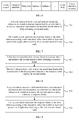
- FIG. 3 is a flowchart of Embodiment 1 of a data transmission method according to the present invention. As shown in FIG. 3 , the method in this embodiment may include:
- the third site obtains the transmission end moment of the first transmit frame by parsing frame header information of the first transmit frame.
- Step 302 The third site transmits a second transmit frame to a fourth site, and instructs the fourth site to delay returning a response frame.
- Step 303 The third site receives the response frame transmitted by the fourth site after at least one preset time length after transmission of the second transmit frame ends.
- the third site is within a coverage area of the first site and the second site is outside a coverage area of the third site. That is, a site A and a site C can listen to each other, and a site B and the site A can listen to each other. However, the site B and the site C cannot listen to each other, that is, the third site is an exposed site of the first site and the second site.
- the second site after the second site completes the receiving of the first transmit frame transmitted by the first site, the second site needs to return a response frame to the first site as an acknowledgment to the first transmit frame transmitted by the first site.
- the fourth site after the fourth site completes the receiving of the second transmit frame transmitted by the third site, the fourth site needs to return a response frame to the third site as an acknowledgment for the second transmit frame transmitted by the third site.
- two acknowledgment mechanisms are supported, that is, including two mechanisms for returning the response frame: immediate acknowledgment (Acknowledgment, ACK for short) and delayed block acknowledgment (Block Acknowledgment, BA for short).
- immediate acknowledgment Acknowledgment
- BA delayed block acknowledgment
- a receiving site is required to transmit an ACK frame after a short interframe space (Short Interframe Space, SIFS for short) upon receiving a data frame.
- SIFS Short Interframe Space
- a transmitting site transmits a Basic Block ACK Request frame after a data frame is transmitted, and the receiving site returns an ACK1 frame as an acknowledgment for the Basic Block ACK Request frame after an SIFS.
- the receiving site transmits a Basic Block ACK frame by means of contention, and after receiving the Basic Block ACK frame correctly, the transmitting site returns an ACK2 frame as an acknowledgment for the Basic Block ACK frame after an SIFS time.
- lengths of the first transmit frame and the second transmit frame are different.
- transmission of the second transmit frame by the third site to the fourth site may affect receiving of the response frame by the first site, where the response frame is returned after the second site completes receiving of the first transmit frame, that is, a secondary communication link may affect efficiency of a primary communication link. Therefore, the transmission end moment of the second transmit frame cannot be later than the transmission end moment of the first transmit frame.
- the third site needs to acquire the transmission end moment of the first transmit frame when the first site transmits the first transmit frame to the second site.
- the third site obtains the transmission end moment of the first transmit frame by parsing the frame header information of the first transmit frame.
- a frame header is divided into two parts: a physical layer frame header and a MAC layer frame header (a frame header of a higher layer is not discussed herein because a WLAN protocol generally concerns only a physical layer and a MAC layer; the frame header of a higher layer is included in data of the WLAN protocol).
- An implementation solution in the present disclosure is not affected no matter information read from a frame header and involved in the present disclosure is extracted from the physical layer header or the MAC layer frame header; therefore, the physical layer header and the MAC layer frame header are collectively referred to as the frame header in the present disclosure.
- the third site may obtain duration of the first transmit frame by using a frame length and modulation and coding scheme (Modulation and Coding Scheme, MCS for short) information that are in a frame header, and obtains the transmission end moment of the first transmit frame according to a current moment or a transmission start moment of the first transmit frame (the receiving site may obtain a transmission time length of the frame header by using a frame format of the received frame, and may obtain the transmission start moment of the first transmit frame by subtracting the transmission time length of the frame header from the current moment).
- MCS information includes modulation information and information about a quantity of spatial flows.
- FIG. 4 is a schematic diagram of a data transmission method 1 according to the present invention. Because the third site needs to obtain the transmission end moment of the first transmit frame by parsing the frame header information of the first transmit frame, a transmission start moment of the second transmit frame is later than the transmission start moment of the first transmit frame. As shown in FIG.
- the transmission start moment of the second transmit frame may be specifically later than a frame body start moment of the first transmit frame, and a difference between the transmission start moment of the second transmit frame and a frame header end moment of the first transmit frame is a processing delay of the second transmit frame. As shown in FIG. 4 , duration of the second transmit frame cannot exceed a calculation result of duration of the first transmit frame-duration of the frame header-the processing delay of the second transmit frame.
- the transmission end moment of the second transmit frame is not later than the transmission end moment of the first transmit frame, that is, the transmission end moment of the second transmit frame is earlier than the transmission end moment of the first transmit frame, or transmission of the second transmit frame and that of the first transmit frame end simultaneously. If the existing immediate ACK mechanism or the delayed BA acknowledgment mechanism is used, because the fourth site and the second site can listen to each other, the returning of the response frame to the third site by the fourth site after the second transmit frame is received may affect the receiving, by the second site, the first transmit frame transmitted by the first site, that is, the secondary communication link may affect the efficiency of the primary communication link.
- the third site transmits the second transmit frame to the fourth site, and instructs the fourth site to delay returning the response frame, so that the fourth site transmits the response frame to the third site after at least one preset time length after receiving of the second transmit frame ends. That is, time when the receiving site (the fourth site) of the second transmit frame returns the response frame cannot overlap with receiving time of the first transmit frame.
- the preset time length is greater than or equal to a difference between the transmission end moment of the first transmit frame and the transmission end moment of the second transmit frame.
- the fourth site is outside the coverage area of the first site.
- the second site may use the existing immediate acknowledgment mechanism or the delayed BA mechanism to return the response frame, for example, the ACK1, to the first site.
- the third site starts to transmit the second transmit frame to the fourth site after a processing delay that follows the frame header end moment of the first transmit frame, and instructs the fourth site to delay returning the response frame, so that the fourth site directly transmits the response frame, for example, the ACK2, to the third site after at least the preset time length shown in FIG. 4 after receiving of the second transmit frame ends.
- the fourth site may also transmit the response frame to the third site after successful channel re-contention, or may wait to return the response frame after an SIFS time following transmission of a response request frame by the third site.
- Processing delay time herein may be counted from frame header end time, or may be counted from a moment at which necessary information (for example, an address of the receiving site, that is, identification information of the second site, and an address of the transmitting site, that is, identification information of the first site) is extracted from the frame header.
- necessary information for example, an address of the receiving site, that is, identification information of the second site, and an address of the transmitting site, that is, identification information of the first site
- a calculation manner to be used may be determined according to a specific definition in an implementation system. For ease of description, it is considered that counting of the processing delay starts from the frame header end moment herein.
- the processing delay is introduced because after the third site receives the frame header, time is needed separately for parsing the frame header and for changing a receiving state to a transmit state.
- a specific required delay time length is related to complexity of frame header parsing and an operation speed of the third site, and a specific value is not discussed herein.
- the third site may obtain the transmission end moment of the first transmit frame by parsing the frame header information of the first transmit frame, and the third site may determine the transmission end moment of the second transmit frame based on a principle that the transmission end moment of the second transmit frame is not later than the transmission end moment of the first transmit frame, so that the preset time length is obtained according to that the preset time length is greater than or equal to the difference between the transmission end moment of the first transmit frame and the transmission end moment of the second transmit frame.
- a first implementation manner is: The third site transmits the second transmit frame to the fourth site, where the second transmit frame includes the preset time length, so that the fourth site returns the response frame after at least the preset time length after receiving of the second transmit frame ends.
- FIG. 5 is a schematic diagram 1 of a frame format of a data frame
- FIG. 6 is a schematic diagram 2 of a frame format of a data frame.
- a new delay time field that is, a preset time length field
- a new delay time field of a response frame may be added to an existing data frame format, or another carrying manner, such as an existing field shown in FIG. 5 , may be reused.
- a second implementation manner is: The third site transmits the second transmit frame to the fourth site, and transmits, to the fourth site, notification signaling including the preset time length, so that the fourth site returns the response frame after at least the preset time length after receiving of the second transmit frame ends.
- the notification signaling including the preset time length is transmitted to the fourth site, so that the fourth site transmits the response frame to the third site after waiting for at least the preset time length upon receiving the second transmit frame.
- a third implementation manner is: The third site transmits the second transmit frame to the fourth site, where the second transmit frame includes information used to instruct the fourth site temporarily not to return the response frame after the second transmit frame is received; in addition, the third site transmits a response request frame to the fourth site after at least the preset time length after the transmission of the second transmit frame ends, where the response request frame is used to instruct the fourth site to return the response frame.
- the fourth site uses the existing immediate acknowledgment mechanism, the fourth site returns the response frame to the third site after an SIFS upon receiving the second transmit frame, which may affect the receiving of the first transmit frame by the second site. Therefore, in this embodiment of the present invention, the third site may transmit the second transmit frame to the fourth site, where the second transmit frame includes the information used to instruct the fourth site temporarily not to return the response frame after the second transmit frame is received.
- a manner of carrying the indication information in an existing frame may be used, for example, a manner in which a new indication information field is added to the existing frame format, or an existing field is reused.
- the third site transmits, to the fourth site after at least the preset time length after the transmission of the second transmit frame ends, indication information used to instruct the fourth site to return the response frame, so that the fourth site transmits the response frame to the third site after at least the preset time length after receiving of the second transmit frame ends, which ensures that the receiving the first transmit frame by the receiving site is not interfered when the receiving site of the second transmit frame returns the response frame.
- the third site transmits the second transmit frame to the fourth site, and instructs the fourth site to delay returning the response frame; after at least the preset time length after the transmission of the second transmit frame ends, the third site receives the response frame transmitted by the fourth site.
- the foregoing limitations on a transmission time length of the second transmit frame and a delay time of the response frame are set only for a case in which a link resource used by the first site to transmit a data frame to the second site is reused.
- the second transmit frame is not necessarily set according to the first transmit frame.
- the transmission time length of the second transmit frame and the delay time of the response frame are not subject to the foregoing limitations either, but are set according to a specific application scenario.
- an AP divides transmission time into uplink time and downlink time respectively for transmitting and receiving
- the second transmit frame when the second transmit frame is transmitted by the AP to a site, an end time of the transmission cannot exceed a downlink end point, and the delay time of the response frame, that is, the preset time length, needs to be greater than a difference between the end moment of the second transmit frame and a downlink end moment.
- the delay time of the response frame needs to be greater than a difference between the transmission end moment of the second transmit frame and an uplink end moment.
- the third site receives, after at least the preset time length after the transmission of the second transmit frame ends, the response frame transmitted by the fourth site.
- a third site transmits a second transmit frame to a fourth site by acquiring a transmission end moment of a first transmit frame that is currently transmitted by a first site to a second site, instructs the fourth site to delay returning a response frame, and after at least one preset time length after transmission of the second transmit frame ends, receives the response frame transmitted by the fourth site.
- a transmission end moment of the second transmit frame is not later than the transmission end moment of the first transmit frame, and the preset time length is greater than or equal to a difference between the transmission end moment of the first transmit frame and the transmission end moment of the second transmit frame, so that the fourth site returns the response frame after waiting for at least the preset time length upon receiving the second transmit frame.
- the third site can also transmit data when the first site transmits data, which improves system transmission efficiency.
- the method further includes: establishing, by the third site, a list of neighbor sites.
- a site may obtain identification information of a neighbor site by listening to frame header information of a transmit frame currently transmitted by the neighbor site, and establishes a list of neighbor sites, or may obtain identification information of a neighbor site by actively transmitting a request frame and then receiving a response frame of the neighbor site.
- the neighbor site is a site that can listen to the site and can be listened to by the site.
- a mutual location relationship between two sites is equal, that is, if one site is within a coverage area of the other site, correspondingly, the other site is also within a coverage area of the one site. This is based on that channel fading is the same or approximately the same between the two sites.
- transmit power is the same
- channel strength received by a receiving end and a packet error rate are basically the same when a signal is transmitted from the one site to the other site and when a signal is transmitted from the other site to the site.
- the present invention is performed based on this situation. If the coverage areas of the two sites are different due to their different transmit powers, fairness between the two sites is affected.
- the two sites need to use another mechanism to obtain the list of neighbor sites (for example, each site first transmits, to an AP associated with each site, a preliminarily determined list of neighbor sites acquired by each site, the AP determines a list of neighbor sites of each site by means of negotiation, and then transmits the list of neighbor sites to each site). Because a process of each site of acquiring a list of neighbor sites does not affect another implementation step of the present invention, and therefore is not further discussed herein.
- the method may further include: parsing, by the third site, the frame header information of the first transmit frame, and acquiring identification information of a receiving site that receives the first transmit frame; determining, by the third site, whether the identification information of the receiving site is in the list of neighbor sites of the third site; if the identification information of the receiving site is not in the list of neighbor sites of the third site, executing the operation of acquiring a transmission end moment of the first transmit frame.
- the third site may parse the frame header information of the first transmit frame, and acquires the identification information of the receiving site (that is, the second site) of the first transmit frame, for example, a MAC address. Then, the third site determines whether the identification information of the receiving site is in the list of neighbor sites of the third site, and if the identification information of the receiving site is in the list of neighbor sites of the third site, the third site determines that the third site itself is not an exposed site to the first site and the receiving site, that is, when the third site transmits data to the fourth site, the efficiency of the primary communication link is affected. Therefore, the third site cannot transmit data and cannot execute the operation of acquiring a transmission end moment of the first transmit frame.
- the third site determines that the third site is an exposed site to the first site and the receiving site (that is, the second site) and can execute the operation of acquiring a transmission end moment of the first transmit frame.
- the method may further include: determining, by the third site, that the first site is a transmit opportunity holding node of the third site.
- a physical carrier sense mechanism or a virtual carrier sense mechanism may be used.
- the physical carrier sense mechanism it is determined, by listening to signal energy in a channel, whether the current channel is idle or busy.
- the site sets a value of Duration1 in a transmit frame, and after a non-target receiving site of the transmit frame receives the transmit frame, sets the value of Duration1 as a NAV of the site, where no data is transmitted within the duration.
- a site that finally sets the NAV for the non-target receiving site is a transmit opportunity holder or a transmit opportunity holding node (TXOP holder) of the non-target receiving site.
- the NAV may be set by transmitting, by the site, a control frame such as an RTS frame, a CTS frame, or a CTS-to-self frame, or may be set by directly using a data frame.
- a site uses a manner in which the site determines whether the site itself is an exposed site according to whether a receiving site of a current transmit frame of a neighbor site of the site is in a list of neighbor sites of the site, so that the site may obtain many opportunities of reusing a communication link resource undergoing transmission.
- a frame of a non-transmit opportunity holder may be reused, which interferes with data transmission of the transmit opportunity holder.
- the third site may first be determined that the first site currently transmitting the first transmit frame is the transmit opportunity holding node of the third site. Specifically, in this embodiment of the present invention, the third site may determine whether the first site is the transmit opportunity holding node of the third site by detecting whether a transmit address of an RTS frame, a CTS frame, a CTS-to-self frame, or the first transmit frame is a MAC address of the transmit opportunity holding node of the third site.
- the first site is the transmit opportunity holding node of the third site.
- the third site may use the foregoing manner in this embodiment of the present invention to reuse the communication link resource undergoing transmission. Otherwise, the first site is not the transmit opportunity holding node of the third site, and to avoid interfering with the data transmission of the transmit opportunity holding node, the third site does not reuse the resource, that is, the third site does not transmit data.
- the fourth site is outside the coverage area of the first site.
- these two types of potential collisions may be not processed, and a collision is only considered as a performance loss, or the following solutions may be used to reduce a collision probability of an exposed link.
- two links that are exposed links to each other are classified into one group, and when one link thereof performs transmission, all other links within the group may perform transmission at the same time.
- a transmitting site of the primary communication link schedules one or more links (or a group of links) for transmission.
- an exposed site performs transmission at a probability, so as to reduce a probability of collisions between the multiple exposed links. For example, a value p (0 ⁇ p ⁇ 1) is preset, and a random number is generated before the exposed site performs transmission. If the random number is less than p , the second transmit frame is transmitted, or otherwise, the second transmit frame is not transmitted.
- FIG. 7 is a flowchart of Embodiment 2 of a data transmission method according to the present invention. As shown in FIG. 7 , the method in this embodiment may include:
- the fourth site after the fourth site completes the receiving of the second transmit frame transmitted by the third site, the fourth site needs to return the response frame to the third site as an acknowledgment of the second transmit frame transmitted by the third site.
- a current WLAN standard supports two acknowledgment mechanisms, that is, includes two mechanisms for returning the response frame: immediate ACK and delayed BA acknowledgment. If the existing immediate ACK or the delayed BA acknowledgment mechanism is used, because the fourth site and a second site can listen to each other, the returning of the response frame to the third site by the fourth site after the second transmit frame is received may affect the receiving, by the second site, the first transmit frame transmitted by the first site, that is, a secondary communication link may affect efficiency of a primary communication link.
- the fourth site receives the second transmit frame and the indication information that are transmitted by the third site, where the indication information instructs the fourth site to delay, after the second transmit frame is received, returning the response frame, and transmits the response frame to the third site according to the indication information after at least the preset time length after receiving of the second transmit frame ends.
- a transmission end moment of the second transmit frame is not later than a transmission end moment of the first transmit frame transmitted by the first site to the second site.
- the third site is within a coverage area of the first site and the second site is outside a coverage area of the third site.
- the fourth site receives the second transmit frame and the indication information that are transmitted by the third site, where the indication information instructs the fourth site to delay, after the second transmit frame is received, returning the response frame.
- the fourth site receives the second transmit frame transmitted by the third site, where the second transmit frame includes the preset time length; correspondingly, the fourth site transmits the response frame to the third frame according to the second transmit frame after at least the preset time length after receiving of the second transmit frame ends.
- the existing immediate acknowledgment mechanism or the delayed BA mechanism may be used to transmit the response frame to the third site.
- the fourth site may also contend for a channel again, and transmits the response frame to the third site when the channel is idle, as shown in FIG. 4 .
- the fourth site receives the second transmit frame and notification signaling that are transmitted by the third site, where the notification signaling includes the preset time length; correspondingly, the fourth site transmits the response frame to the third site according to the notification signaling after at least the preset time length after receiving of the second transmit frame ends.
- the fourth site receives the second transmit frame transmitted by the third site, where the second transmit frame includes information used to instruct the fourth site temporarily not to return the response frame after the second transmit frame is received; the fourth site receives a response request frame transmitted by the third site after at least the preset time length after transmission of the second transmit frame ends, where the response request frame is used to instruct the fourth site to return the response frame; correspondingly, the fourth site transmits the response frame to the third site according to the response request frame.
- the fourth site is within a coverage area of the third site and the fourth site is outside a coverage area of the first site, so as to ensure that the secondary communication link does not affect the efficiency of the primary communication link.
- the preset time length is greater than or equal to a difference between the transmission end moment of the first transmit frame and the transmission end moment of the second transmit frame.
- a fourth site receives a second transmit frame and indication information that are transmitted by a third site, where the indication information instructs the fourth site to delay returns a response frame, and transmits the response frame to the third site according to the indication information after waiting for at least one preset time length upon receiving the second transmit frame.
- a transmission end moment of the second transmit frame is not later than a transmission end moment of a first transmit frame transmitted by a first site to a second site, which implements that the third site can also transmit data when the first site transmits data, thereby improving system transmission efficiency.
- the current WLAN standard supports two acknowledgment mechanisms, that is, includes two mechanisms for returning the response frame: the ACK and the BA.
- a site A transmits data to a site B
- a site C can also transmit data to a site D
- the site D needs to return a response frame to the site C after the data transmitted by the site C is received.
- the site D uses the existing acknowledgment mechanism to return the response frame to the site C
- the returning of the response frame by the site D to the site C may affect the receiving, by the site B, of the data transmitted by the site A because the site B and the site D can listen to each other.
- the secondary communication link affects the efficiency of the primary communication link.
- a data frame transmitted by the site C to the site D may correspond to the first transmit frame in this embodiment of the present invention
- a data frame transmitted by the site A to the site B may correspond to the second transmit frame in this embodiment of the present invention
- a communication link between the site A and the site B is the primary communication link
- a communication link between the site C and the site D is the secondary communication link.
- Both the first transmit frame and the second transmit frame may be used to carry data.
- FIG. 8 is a flowchart of Embodiment 3 of a data transmission method according to the present invention. As shown in FIG. 8 , the method in this embodiment may include:
- the method may further include: receiving, by the first site, a second transmit frame transmitted by a third site to a fourth site, and acquiring a transmission end moment of the second transmit frame.
- the second site after the second site completes the receiving of the first transmit frame transmitted by the first site, the second site needs to return the response frame to the first site as an acknowledgment to the first transmit frame transmitted by the first site.
- the transmission end moment of the first transmit frame is not later than the transmission end moment of the second transmit frame, that is, the transmission end moment of the first transmit frame is earlier than the transmission end moment of the second transmit frame, or the transmission of the first transmit frame and that of the second transmit frame end at the same time.
- the first site transmits the first transmit frame to the second site, and instructs the second site to delay returning the response frame.
- the first site is within a coverage area of the third site and the fourth site is outside a coverage area of the first site, and the second site is outside a coverage area of the third site.
- the first site transmits the first transmit frame to the second site, where the first transmit frame includes the preset time length, so that the second site returns the response frame after at least the preset time length after receiving of the first transmit frame ends.
- the first site transmits the first transmit frame to the second site, and transmits, to the second site, notification signaling including the preset time length, so that the second site returns the response frame after at least the preset time length after receiving of the first transmit frame ends.
- the first site transmits the first transmit frame to the second site, where the first transmit frame includes information used to instruct the second site temporarily not to return the response frame after the first transmit frame is received; and the first site transmits a response request frame to the second site after at least the preset time length after the transmission of the first transmit frame ends, where the response request frame is used to instruct the second site to return the response frame.
- the preset time length may be greater than or equal to a difference between the transmission end moment of the second transmit frame and the transmission end moment of the first transmit frame.
- the first site transmits the first transmit frame to the second site, and instructs the second site to delay returning the response frame
- the first site receives the response frame transmitted by the second site after at least the preset time length after the transmission of the first transmit frame ends.
- a first site transmits a first transmit frame to a second site, instructs the second site to delay returning a response frame, and receives the response frame transmitted by the second site after at least one preset time length after transmission of the first transmit frame ends, so that the second site returns the response frame after waiting for at least the preset time length upon receiving the first transmit frame.
- the first site can also transmit data when a third site transmits data, which improves system transmission efficiency.
- the method further includes: establishing, by the first site, a list of neighbor sites.
- the method further includes: parsing, by the first site, frame header information of the second transmit frame, and acquiring identification information of a receiving site that receives the second transmit frame; determining, by the first site, whether the identification information of the receiving site is in the list of neighbor sites of the first site; if the identification information of the receiving site is not in the list of neighbor sites of the first site, determining, by the first site, that the first site itself is an exposed site, and executing the operation of acquiring a transmission end moment of the second transmit frame.
- the method further includes: determining, by the first site, that the third site is a transmit opportunity holding node of the first site.
- FIG. 9 is a flowchart of Embodiment 4 of a data transmission method according to the present invention. As shown in FIG. 9 , the method in this embodiment may include:
- the second site receives the first transmit frame and the indication information that are transmitted by the first site, where the indication information instructs the second site to delay returning the response frame.
- the second site receives the first transmit frame transmitted by the first site, where the first transmit frame includes the preset time length; correspondingly, the second site transmits the response frame to the first site according to the first transmit frame after at least the preset time length after receiving of the first transmit frame ends.
- the second site may use an existing immediate acknowledgment mechanism or delayed BA mechanism to transmit the response frame to the first site.
- the second site may also contend for a channel again, and transmits the response frame to the first site when the channel is idle.
- the second site receives the first transmit frame and notification signaling that are transmitted by the first site, where the notification signaling includes the preset time length; correspondingly, the second site transmits the response frame to the first site according to the notification signaling after at least the preset time length after receiving of the first transmit frame ends.
- the second site receives the first transmit frame transmitted by the first site, where the first transmit frame includes information used to instruct the second site temporarily not to return the response frame after the first transmit frame is received; the second site receives a response request frame transmitted by the first site after at least the preset time length after transmission of the first transmit frame ends, where the response request frame is used to instruct the second site to return the response frame; correspondingly, the second site transmits the response frame to the first site according to the response request frame.
- the second site is within a coverage area of the first site and the second site is outside a coverage area of the third site, so as to ensure that a secondary communication link does not affect efficiency of a primary communication link.
- the preset time length is greater than or equal to a difference between a transmission end moment of the second transmit frame and a transmission end moment of the first transmit frame.
- a second site receives a first transmit frame and indication information that are transmitted by a first site, where the indication information instructs the second site to delay returning a response frame, and transmits the response frame to the first site according to the indication information after at least one preset time length after receiving of the first transmit frame ends.
- the first site can also transmit data when a third site transmits data, which improves system transmission efficiency.
- FIG. 10 is a schematic structural diagram of Embodiment 1 of a site according to the present invention.
- the site in this embodiment of the present invention may be a third site.
- a site 100 provided in this embodiment of the present invention includes: an acquiring module 1001, an indication module 1002, and a receiving module 1003.
- the acquiring module 1001 is configured to: receive a first transmit frame transmitted by a first site to a second site, and acquire a transmission end moment of the first transmit frame; the indication module 1002 is configured to: transmit a second transmit frame to a fourth site, and instruct the fourth site to delay returning a response frame; and the receiving module 1003 is configured to receive the response frame transmitted by the fourth site after at least one preset time length after transmission of the second transmit frame ends; where the third site is within a coverage area of the first site, and the second site is outside a coverage area of the third site; a transmission end moment of the second transmit frame is not later than the transmission end moment of the first transmit frame, and the preset time length is greater than or equal to a difference between the transmission end moment of the first transmit frame and the transmission end moment of the second transmit frame.
- the acquiring module 1001 is specifically configured to obtain the transmission end moment of the first transmit frame by parsing frame header information of the first transmit frame.
- the indication module 1002 is specifically configured to: transmit the second transmit frame to the fourth site, where the second transmit frame includes the preset time length, so that the fourth site returns the response frame after at least the preset time length after receiving of the second transmit frame ends; or transmit the second transmit frame to the fourth site, and transmit, to the fourth site, notification signaling including the preset time length, so that the fourth site returns the response frame after at least the preset time length after receiving of the second transmit frame ends; or transmit the second transmit frame to the fourth site, where the second transmit frame includes information used to instruct the fourth site temporarily not to return the response frame after the second transmit frame is received; and transmit a response request frame to the fourth site after at least the preset time length after the transmission of the second transmit frame ends, where the response request frame is used to instruct the fourth site to return the response frame.
- the site 100 may further include: a first determining module, configured to determine that the first site is a transmission opportunity holding node of the third site.
- the site may further include: an establishing module, configured to establish a list of neighbor sites.
- an establishing module configured to establish a list of neighbor sites.
- the site may further include:
- the site in this embodiment may be used for the technical solution in Embodiment 1 of the data transmission method, and implementation principles and technical effects thereof are similar and are not described herein again.
- FIG. 11 is a schematic structural diagram of Embodiment 2 of a site according to the present invention.
- the site in this embodiment of the present invention may be a third site.
- a site 110 provided in this embodiment includes a processor 1101 and a memory 1102.
- the site 110 may further include a transmitter 1103 and a receiver 1104.
- the transmitter 1103 and the receiver 1104 may be connected to the processor 1101.
- the transmitter 1103 is configured to transmit data or information
- the receiver 1104 is configured to receive data or information
- the memory 1102 is configured to store an execution instruction.
- the processor 1101 communicates with the memory 1102, and the processor 1101 invokes the execution instruction in the memory 1102 to execute an operation in Embodiment 1 of the foregoing data transmission method.
- the site in this embodiment may be configured to execute the technical solution in Embodiment 1 of the foregoing data transmission method of the present invention, and implementation principles and technical effects thereof are similar and are not described herein again.
- FIG. 12 is a schematic structural diagram of Embodiment 3 of a site according to the present invention.
- the site in this embodiment of the present invention may be a fourth site.
- a site 120 provided in this embodiment includes a receiving module 1201 and a transmitting module 1202.
- the receiving module 1201 is configured to receive a second transmit frame and indication information that are transmitted by a third site, where the indication information instructs the fourth site to delay returning a response frame, and a transmission end moment of the second transmit frame is not later than a transmission end moment of a first transmit frame transmitted by a first site to a second site; and the transmitting module 1202 is configured to transmit the response frame to the third site according to the indication information after at least one preset time length after receiving of the second transmit frame ends; where the third site is within a coverage area of the first site, and the second site is outside a coverage area of the third site; the preset time length is greater than or equal to a difference between the transmission end moment of the first transmit frame and the transmission end moment of the second transmit frame.
- the receiving module 1201 is specifically configured to receive the second transmit frame transmitted by the third site, where the second transmit frame includes the preset time length; and correspondingly, the transmitting module 1202 is specifically configured to transmit the response frame to the third site according to the second transmit frame after at least the preset time length after receiving of the second transmit frame ends; or the receiving module 1201 is further specifically configured to receive the second transmit frame and notification signaling that are transmitted by the third site, where the notification signaling includes the preset time length; and correspondingly, the transmitting module 1202 is further specifically configured to transmit the response frame to the third site according to the notification signaling after at least the preset time length after receiving of the second transmit frame ends; or the receiving module 1201 is further specifically configured to: receive the second transmit frame transmitted by the third site, where the second transmit frame includes information used to instruct the fourth site temporarily not to return the response frame after the second transmit frame is received, and receive a response request frame transmitted by the third site after at least the preset time length after transmission of the second transmit frame ends, where the response request frame is used
- the site in this embodiment may be used for the technical solution in Embodiment 2 of the data transmission method, and implementation principles and technical effects thereof are similar and are not described herein again.
- FIG. 13 is a schematic structural diagram of Embodiment 4 of a site according to the present invention.
- the site in this embodiment of the present invention may be a fourth site.
- a site 130 provided in this embodiment includes a processor 1301 and a memory 1302.
- the site 130 may further include a transmitter 1303 and a receiver 1304.
- the transmitter 1303 and the receiver 1304 may be connected to the processor 1301.
- the transmitter 1303 is configured to transmit data or information
- the receiver 1304 is configured to receive data or information
- the memory 1302 is configured to store an execution instruction.
- the processor 1301 communicates with the memory 1302, and the processor 1301 invokes the execution instruction in the memory 1302 to execute an operation in Embodiment 2 of the foregoing data transmission method.
- the site in this embodiment may be configured to execute the technical solution in Embodiment 2 of the foregoing data transmission method of the present invention, and implementation principles and technical effects thereof are similar and are not described herein again.
- FIG. 14 is a schematic structural diagram of Embodiment 5 of a site according to the present invention.
- the site in this embodiment of the present invention may be a first site.
- a site 140 provided in this embodiment includes an indication module 1401 and a receiving module 1402.
- the indication module 1401 is configured to: transmit a first transmit frame to a second site, and instruct the second site to delay returning a response frame; and the receiving module 1402 is configured to receive, after at least one preset time length after transmission of the first transmit frame ends, the response frame transmitted by the second site.
- the indication module 1401 is specifically configured to: transmit the first transmit frame to the second site, where the first transmit frame includes the preset time length, so that the second site returns the response frame after at least the preset time length after receiving of the first transmit frame ends; or transmit the first transmit frame to the second site, and transmit, to the second site, notification signaling including the preset time length, so that the second site returns the response frame after at least the preset time length after receiving of the first transmit frame ends; or transmit the first transmit frame to the second site, where the first transmit frame includes information used to instruct the second site temporarily not to return the response frame after the first transmit frame is received; and transmit a response request frame to the second site after at least the preset time length after the transmission of the first transmit frame ends, where the response request frame is used to instruct the second site to return the response frame.
- the site in this embodiment may be used for the technical solution in Embodiment 3 of the data transmission method, and implementation principles and technical effects thereof are similar and are not described herein again.
- FIG. 15 is a schematic structural diagram of Embodiment 6 of a site according to the present invention.
- the site in this embodiment of the present invention may be a first site.
- a site 150 provided in this embodiment includes a processor 1501 and a memory 1502.
- the site 150 may further include a transmitter 1503 and a receiver 1504.
- the transmitter 1503 and the receiver 1504 may be connected to the processor 1501.
- the transmitter 1503 is configured to transmit data or information
- the receiver 1504 is configured to receive data or information
- the memory 1502 is configured to store an execution instruction.
- the processor 1501 communicates with the memory 1502, and the processor 1501 invokes the execution instruction in the memory 1502 to execute an operation in Embodiment 3 of the foregoing data transmission method.
- the site in this embodiment may be configured to execute the technical solution in Embodiment 3 of the foregoing data transmission method of the present invention, and implementation principles and technical effects thereof are similar and are not described herein again.
- FIG. 16 is a schematic structural diagram of Embodiment 7 of a site according to the present invention.
- the site in this embodiment of the present invention may be a second site.
- a site 160 provided in this embodiment includes a receiving module 1601 and a transmitting module 1602.
- the receiving module 1601 is configured to receive a first transmit frame and indication information that are transmitted by a first site, where the indication information instructs the second site to delay returning a response frame; and the transmitting module 1602 is configured to transmit the response frame to the first site according to the indication information after at least one preset time length after receiving of the first transmit frame ends.
- the receiving module 1601 is specifically configured to receive the first transmit frame transmitted by the first site, where the first transmit frame includes the preset time length; and correspondingly, the transmitting module 1602 is specifically configured to transmit the response frame to the first site according to the first transmit frame after at least the preset time length after receiving of the first transmit frame ends; or the receiving module 1601 is further specifically configured to receive the first transmit frame and notification signaling that are transmitted by the first site, where the notification signaling includes the preset time length; and correspondingly, the transmitting module 1602 is further specifically configured to transmit the response frame to the first site according to the notification signaling after at least the preset time length after receiving of the first transmit frame ends; or the receiving module 1601 is further specifically configured to: receive the first transmit frame transmitted by the first site, where the first transmit frame includes information used to instruct the second site temporarily not to return the response frame after the first transmit frame is received; receive a response request frame, where the response request frame is transmitted by the first site after at least the preset time length after transmission of the first transmit frame ends, and
- the site in this embodiment may be used for the technical solution in Embodiment 4 of the data transmission method, and implementation principles and technical effects thereof are similar and are not described herein again.
- FIG. 17 is a schematic structural diagram of Embodiment 8 of a site according to the present invention.
- the site in this embodiment of the present invention may be a second site.
- a site 170 provided in this embodiment includes a processor 1701 and a memory 1702.
- the site 170 may further include a transmitter 1703 and a receiver 1704.
- the transmitter 1703 and the receiver 1704 may be connected to the processor 1701.
- the transmitter 1703 is configured to transmit data or information
- the receiver 1704 is configured to receive data or information
- the memory 1702 is configured to store an execution instruction.
- the processor 1701 communicates with the memory 1702, and the processor 1701 invokes the execution instruction in the memory 1702 to execute an operation in Embodiment 4 of the foregoing data transmission method.
- the site in this embodiment may be configured to execute the technical solution in Embodiment 4 of the foregoing data transmission method of the present invention, and implementation principles and technical effects thereof are similar and are not described herein again.
- the program may be stored in a computer-readable storage medium.
- the foregoing storage medium includes: any medium that can store program code, such as a ROM, a RAM, a magnetic disk, or an optical disc.
Landscapes
- Engineering & Computer Science (AREA)
- Signal Processing (AREA)
- Computer Networks & Wireless Communication (AREA)
- Mobile Radio Communication Systems (AREA)
Applications Claiming Priority (1)
| Application Number | Priority Date | Filing Date | Title |
|---|---|---|---|
| PCT/CN2014/070995 WO2015109438A1 (zh) | 2014-01-21 | 2014-01-21 | 数据传输方法及装置 |
Publications (3)
| Publication Number | Publication Date |
|---|---|
| EP3089395A1 true EP3089395A1 (de) | 2016-11-02 |
| EP3089395A4 EP3089395A4 (de) | 2017-01-11 |
| EP3089395B1 EP3089395B1 (de) | 2021-09-22 |
Family
ID=53680554
Family Applications (1)
| Application Number | Title | Priority Date | Filing Date |
|---|---|---|---|
| EP14879849.9A Active EP3089395B1 (de) | 2014-01-21 | 2014-01-21 | Datenübertragungsverfahren und -vorrichtung |
Country Status (4)
| Country | Link |
|---|---|
| US (1) | US10306602B2 (de) |
| EP (1) | EP3089395B1 (de) |
| CN (1) | CN105474570A (de) |
| WO (1) | WO2015109438A1 (de) |
Families Citing this family (5)
| Publication number | Priority date | Publication date | Assignee | Title |
|---|---|---|---|---|
| US10448390B2 (en) * | 2014-12-19 | 2019-10-15 | Qualcomm Incorporated | Transmission techniques for enabling an immediate response |
| CN105813220B (zh) * | 2014-12-31 | 2021-04-06 | 中兴通讯股份有限公司 | 一种数据传输方法及站点 |
| US10218487B2 (en) * | 2015-12-21 | 2019-02-26 | Intel Corporation | Radio configuration optimization for full-duplex communications |
| CN110099413B (zh) * | 2019-05-05 | 2023-02-28 | 深圳市鼎晟开元科技有限公司 | 数据传输方法、发送装置、接收装置以及存储介质 |
| CN116234024B (zh) | 2020-03-11 | 2024-03-05 | 华为技术有限公司 | 一种通信方法和通信装置 |
Family Cites Families (10)
| Publication number | Priority date | Publication date | Assignee | Title |
|---|---|---|---|---|
| CN1327967C (zh) | 2005-02-06 | 2007-07-25 | 马晓光 | 一种生态模拟装置 |
| JP4891310B2 (ja) * | 2005-03-14 | 2012-03-07 | コーニンクレッカ フィリップス エレクトロニクス エヌ ヴィ | 無線ネットワークで利用可能なチャネルをシグナリングする方法及びシステム |
| US7656854B2 (en) * | 2005-06-08 | 2010-02-02 | Avaya Inc. | Avoiding hidden terminals in wireless local area networks |
| KR100728039B1 (ko) | 2006-01-05 | 2007-06-14 | 삼성전자주식회사 | 무선랜에서 히든노드에게 제어 프레임을 전달하는 방법 및장치 |
| US8031744B2 (en) * | 2009-03-16 | 2011-10-04 | Microsoft Corporation | Full-duplex wireless communications |
| CN102498687B (zh) * | 2009-08-12 | 2015-09-09 | 马维尔国际贸易有限公司 | 用于无线通信的方法、装置及系统 |
| KR101234758B1 (ko) * | 2011-07-05 | 2013-02-19 | 서울대학교산학협력단 | 무선 접속 시스템에서 데이터 채널 예약 방법 및 장치 |
| CN102571675B (zh) * | 2012-02-07 | 2015-01-21 | 广州市香港科大霍英东研究院 | 一种基于物理层干扰信息的隐藏终端优化方法 |
| US8958335B2 (en) * | 2012-05-04 | 2015-02-17 | Futurewei Technologies, Inc. | System and method for controlling network discovery |
| WO2015023143A1 (ko) * | 2013-08-14 | 2015-02-19 | 엘지전자 주식회사 | 무선랜에서 데이터를 전송하는 방법 및 장치 |
-
2014
- 2014-01-21 CN CN201480045613.5A patent/CN105474570A/zh active Pending
- 2014-01-21 EP EP14879849.9A patent/EP3089395B1/de active Active
- 2014-01-21 WO PCT/CN2014/070995 patent/WO2015109438A1/zh not_active Ceased
-
2016
- 2016-07-20 US US15/215,108 patent/US10306602B2/en active Active
Also Published As
| Publication number | Publication date |
|---|---|
| US10306602B2 (en) | 2019-05-28 |
| US20160330726A1 (en) | 2016-11-10 |
| CN105474570A (zh) | 2016-04-06 |
| EP3089395A4 (de) | 2017-01-11 |
| EP3089395B1 (de) | 2021-09-22 |
| WO2015109438A1 (zh) | 2015-07-30 |
Similar Documents
| Publication | Publication Date | Title |
|---|---|---|
| US10880874B2 (en) | Method for transmitting a response request frame and a response frame in a multi-user based wireless communication system | |
| EP3395117B1 (de) | Listen-before-talk-kanalzugangsverfahren für uplink-laa | |
| US10292182B2 (en) | Listen before talk channel access procedure for uplink LAA | |
| JP2022111242A (ja) | 通信装置、通信方法および集積回路 | |
| US20180020476A1 (en) | Apparatus and method for simultaneous transmit and receive network mode | |
| US10306602B2 (en) | Data transmission method and apparatus | |
| CN110859010B (zh) | 实现数据传输的冲突检测方法及装置 | |
| WO2023130127A2 (en) | Sidelink unlicensed priorities for channel access and resource reservation | |
| US20160081098A1 (en) | Channel competition method and device | |
| US20180220454A1 (en) | Channel access method, station and system | |
| CN102625367B (zh) | 多跳Ad Hoc网络中时隙优化的多信道多址接入控制方法 | |
| EP3193473B1 (de) | Paralleles mehrbenutzerdatenübertragungsverfahren und primärer knoten | |
| US20160295612A1 (en) | Information sending method and apparatus | |
| US11956812B2 (en) | Method and device for processing network allocation vector | |
| US12457159B2 (en) | Delay performance evaluation method and apparatus, and storage medium | |
| US12389260B2 (en) | Delay performance evaluation method and apparatus, and storage medium | |
| EP3389312B1 (de) | Bestimmung einer übertragungsgelegenheit durch einen zugangspunkt | |
| CN109412773B (zh) | 非对称全双工通信的数据传输与接收方法及装置、终端 | |
| US20250081240A1 (en) | Uplink multi-user operational enhancements for low latency applications | |
| US20250081241A1 (en) | Uplink multi-user operational enhancements for low latency applications |
Legal Events
| Date | Code | Title | Description |
|---|---|---|---|
| PUAI | Public reference made under article 153(3) epc to a published international application that has entered the european phase |
Free format text: ORIGINAL CODE: 0009012 |
|
| 17P | Request for examination filed |
Effective date: 20160726 |
|
| AK | Designated contracting states |
Kind code of ref document: A1 Designated state(s): AL AT BE BG CH CY CZ DE DK EE ES FI FR GB GR HR HU IE IS IT LI LT LU LV MC MK MT NL NO PL PT RO RS SE SI SK SM TR |
|
| AX | Request for extension of the european patent |
Extension state: BA ME |
|
| A4 | Supplementary search report drawn up and despatched |
Effective date: 20161209 |
|
| RIC1 | Information provided on ipc code assigned before grant |
Ipc: H04L 5/14 20060101ALI20161202BHEP Ipc: H04L 1/18 20060101ALI20161202BHEP Ipc: H04W 84/12 20090101ALI20161202BHEP Ipc: H04L 1/16 20060101ALI20161202BHEP Ipc: H04L 5/00 20060101AFI20161202BHEP Ipc: H04W 72/04 20090101ALI20161202BHEP |
|
| DAX | Request for extension of the european patent (deleted) | ||
| STAA | Information on the status of an ep patent application or granted ep patent |
Free format text: STATUS: EXAMINATION IS IN PROGRESS |
|
| 17Q | First examination report despatched |
Effective date: 20180914 |
|
| GRAJ | Information related to disapproval of communication of intention to grant by the applicant or resumption of examination proceedings by the epo deleted |
Free format text: ORIGINAL CODE: EPIDOSDIGR1 |
|
| GRAP | Despatch of communication of intention to grant a patent |
Free format text: ORIGINAL CODE: EPIDOSNIGR1 |
|
| GRAP | Despatch of communication of intention to grant a patent |
Free format text: ORIGINAL CODE: EPIDOSNIGR1 |
|
| STAA | Information on the status of an ep patent application or granted ep patent |
Free format text: STATUS: GRANT OF PATENT IS INTENDED |
|
| INTG | Intention to grant announced |
Effective date: 20210514 |
|
| GRAS | Grant fee paid |
Free format text: ORIGINAL CODE: EPIDOSNIGR3 |
|
| GRAA | (expected) grant |
Free format text: ORIGINAL CODE: 0009210 |
|
| STAA | Information on the status of an ep patent application or granted ep patent |
Free format text: STATUS: THE PATENT HAS BEEN GRANTED |
|
| AK | Designated contracting states |
Kind code of ref document: B1 Designated state(s): AL AT BE BG CH CY CZ DE DK EE ES FI FR GB GR HR HU IE IS IT LI LT LU LV MC MK MT NL NO PL PT RO RS SE SI SK SM TR |
|
| REG | Reference to a national code |
Ref country code: GB Ref legal event code: FG4D |
|
| REG | Reference to a national code |
Ref country code: IE Ref legal event code: FG4D |
|
| REG | Reference to a national code |
Ref country code: DE Ref legal event code: R096 Ref document number: 602014080304 Country of ref document: DE |
|
| REG | Reference to a national code |
Ref country code: CH Ref legal event code: EP Ref country code: AT Ref legal event code: REF Ref document number: 1433158 Country of ref document: AT Kind code of ref document: T Effective date: 20211015 |
|
| REG | Reference to a national code |
Ref country code: LT Ref legal event code: MG9D |
|
| REG | Reference to a national code |
Ref country code: NL Ref legal event code: MP Effective date: 20210922 |
|
| PG25 | Lapsed in a contracting state [announced via postgrant information from national office to epo] |
Ref country code: SE Free format text: LAPSE BECAUSE OF FAILURE TO SUBMIT A TRANSLATION OF THE DESCRIPTION OR TO PAY THE FEE WITHIN THE PRESCRIBED TIME-LIMIT Effective date: 20210922 Ref country code: RS Free format text: LAPSE BECAUSE OF FAILURE TO SUBMIT A TRANSLATION OF THE DESCRIPTION OR TO PAY THE FEE WITHIN THE PRESCRIBED TIME-LIMIT Effective date: 20210922 Ref country code: HR Free format text: LAPSE BECAUSE OF FAILURE TO SUBMIT A TRANSLATION OF THE DESCRIPTION OR TO PAY THE FEE WITHIN THE PRESCRIBED TIME-LIMIT Effective date: 20210922 Ref country code: LT Free format text: LAPSE BECAUSE OF FAILURE TO SUBMIT A TRANSLATION OF THE DESCRIPTION OR TO PAY THE FEE WITHIN THE PRESCRIBED TIME-LIMIT Effective date: 20210922 Ref country code: BG Free format text: LAPSE BECAUSE OF FAILURE TO SUBMIT A TRANSLATION OF THE DESCRIPTION OR TO PAY THE FEE WITHIN THE PRESCRIBED TIME-LIMIT Effective date: 20211222 Ref country code: NO Free format text: LAPSE BECAUSE OF FAILURE TO SUBMIT A TRANSLATION OF THE DESCRIPTION OR TO PAY THE FEE WITHIN THE PRESCRIBED TIME-LIMIT Effective date: 20211222 Ref country code: FI Free format text: LAPSE BECAUSE OF FAILURE TO SUBMIT A TRANSLATION OF THE DESCRIPTION OR TO PAY THE FEE WITHIN THE PRESCRIBED TIME-LIMIT Effective date: 20210922 |
|
| REG | Reference to a national code |
Ref country code: AT Ref legal event code: MK05 Ref document number: 1433158 Country of ref document: AT Kind code of ref document: T Effective date: 20210922 |
|
| PG25 | Lapsed in a contracting state [announced via postgrant information from national office to epo] |
Ref country code: LV Free format text: LAPSE BECAUSE OF FAILURE TO SUBMIT A TRANSLATION OF THE DESCRIPTION OR TO PAY THE FEE WITHIN THE PRESCRIBED TIME-LIMIT Effective date: 20210922 Ref country code: GR Free format text: LAPSE BECAUSE OF FAILURE TO SUBMIT A TRANSLATION OF THE DESCRIPTION OR TO PAY THE FEE WITHIN THE PRESCRIBED TIME-LIMIT Effective date: 20211223 |
|
| PG25 | Lapsed in a contracting state [announced via postgrant information from national office to epo] |
Ref country code: AT Free format text: LAPSE BECAUSE OF FAILURE TO SUBMIT A TRANSLATION OF THE DESCRIPTION OR TO PAY THE FEE WITHIN THE PRESCRIBED TIME-LIMIT Effective date: 20210922 |
|
| PG25 | Lapsed in a contracting state [announced via postgrant information from national office to epo] |
Ref country code: IS Free format text: LAPSE BECAUSE OF FAILURE TO SUBMIT A TRANSLATION OF THE DESCRIPTION OR TO PAY THE FEE WITHIN THE PRESCRIBED TIME-LIMIT Effective date: 20220122 Ref country code: SK Free format text: LAPSE BECAUSE OF FAILURE TO SUBMIT A TRANSLATION OF THE DESCRIPTION OR TO PAY THE FEE WITHIN THE PRESCRIBED TIME-LIMIT Effective date: 20210922 Ref country code: RO Free format text: LAPSE BECAUSE OF FAILURE TO SUBMIT A TRANSLATION OF THE DESCRIPTION OR TO PAY THE FEE WITHIN THE PRESCRIBED TIME-LIMIT Effective date: 20210922 Ref country code: PT Free format text: LAPSE BECAUSE OF FAILURE TO SUBMIT A TRANSLATION OF THE DESCRIPTION OR TO PAY THE FEE WITHIN THE PRESCRIBED TIME-LIMIT Effective date: 20220124 Ref country code: PL Free format text: LAPSE BECAUSE OF FAILURE TO SUBMIT A TRANSLATION OF THE DESCRIPTION OR TO PAY THE FEE WITHIN THE PRESCRIBED TIME-LIMIT Effective date: 20210922 Ref country code: NL Free format text: LAPSE BECAUSE OF FAILURE TO SUBMIT A TRANSLATION OF THE DESCRIPTION OR TO PAY THE FEE WITHIN THE PRESCRIBED TIME-LIMIT Effective date: 20210922 Ref country code: ES Free format text: LAPSE BECAUSE OF FAILURE TO SUBMIT A TRANSLATION OF THE DESCRIPTION OR TO PAY THE FEE WITHIN THE PRESCRIBED TIME-LIMIT Effective date: 20210922 Ref country code: EE Free format text: LAPSE BECAUSE OF FAILURE TO SUBMIT A TRANSLATION OF THE DESCRIPTION OR TO PAY THE FEE WITHIN THE PRESCRIBED TIME-LIMIT Effective date: 20210922 Ref country code: CZ Free format text: LAPSE BECAUSE OF FAILURE TO SUBMIT A TRANSLATION OF THE DESCRIPTION OR TO PAY THE FEE WITHIN THE PRESCRIBED TIME-LIMIT Effective date: 20210922 Ref country code: AL Free format text: LAPSE BECAUSE OF FAILURE TO SUBMIT A TRANSLATION OF THE DESCRIPTION OR TO PAY THE FEE WITHIN THE PRESCRIBED TIME-LIMIT Effective date: 20210922 |
|
| REG | Reference to a national code |
Ref country code: DE Ref legal event code: R097 Ref document number: 602014080304 Country of ref document: DE |
|
| PG25 | Lapsed in a contracting state [announced via postgrant information from national office to epo] |
Ref country code: DK Free format text: LAPSE BECAUSE OF FAILURE TO SUBMIT A TRANSLATION OF THE DESCRIPTION OR TO PAY THE FEE WITHIN THE PRESCRIBED TIME-LIMIT Effective date: 20210922 |
|
| PLBE | No opposition filed within time limit |
Free format text: ORIGINAL CODE: 0009261 |
|
| STAA | Information on the status of an ep patent application or granted ep patent |
Free format text: STATUS: NO OPPOSITION FILED WITHIN TIME LIMIT |
|
| 26N | No opposition filed |
Effective date: 20220623 |
|
| PG25 | Lapsed in a contracting state [announced via postgrant information from national office to epo] |
Ref country code: MC Free format text: LAPSE BECAUSE OF FAILURE TO SUBMIT A TRANSLATION OF THE DESCRIPTION OR TO PAY THE FEE WITHIN THE PRESCRIBED TIME-LIMIT Effective date: 20210922 |
|
| REG | Reference to a national code |
Ref country code: CH Ref legal event code: PL |
|
| GBPC | Gb: european patent ceased through non-payment of renewal fee |
Effective date: 20220121 |
|
| REG | Reference to a national code |
Ref country code: BE Ref legal event code: MM Effective date: 20220131 |
|
| PG25 | Lapsed in a contracting state [announced via postgrant information from national office to epo] |
Ref country code: LU Free format text: LAPSE BECAUSE OF NON-PAYMENT OF DUE FEES Effective date: 20220121 Ref country code: GB Free format text: LAPSE BECAUSE OF NON-PAYMENT OF DUE FEES Effective date: 20220121 |
|
| PG25 | Lapsed in a contracting state [announced via postgrant information from national office to epo] |
Ref country code: SI Free format text: LAPSE BECAUSE OF FAILURE TO SUBMIT A TRANSLATION OF THE DESCRIPTION OR TO PAY THE FEE WITHIN THE PRESCRIBED TIME-LIMIT Effective date: 20210922 Ref country code: FR Free format text: LAPSE BECAUSE OF NON-PAYMENT OF DUE FEES Effective date: 20220131 Ref country code: BE Free format text: LAPSE BECAUSE OF NON-PAYMENT OF DUE FEES Effective date: 20220131 |
|
| PG25 | Lapsed in a contracting state [announced via postgrant information from national office to epo] |
Ref country code: LI Free format text: LAPSE BECAUSE OF NON-PAYMENT OF DUE FEES Effective date: 20220131 Ref country code: CH Free format text: LAPSE BECAUSE OF NON-PAYMENT OF DUE FEES Effective date: 20220131 |
|
| PG25 | Lapsed in a contracting state [announced via postgrant information from national office to epo] |
Ref country code: IT Free format text: LAPSE BECAUSE OF FAILURE TO SUBMIT A TRANSLATION OF THE DESCRIPTION OR TO PAY THE FEE WITHIN THE PRESCRIBED TIME-LIMIT Effective date: 20210922 Ref country code: IE Free format text: LAPSE BECAUSE OF NON-PAYMENT OF DUE FEES Effective date: 20220121 |
|
| PG25 | Lapsed in a contracting state [announced via postgrant information from national office to epo] |
Ref country code: HU Free format text: LAPSE BECAUSE OF FAILURE TO SUBMIT A TRANSLATION OF THE DESCRIPTION OR TO PAY THE FEE WITHIN THE PRESCRIBED TIME-LIMIT; INVALID AB INITIO Effective date: 20140121 |
|
| PG25 | Lapsed in a contracting state [announced via postgrant information from national office to epo] |
Ref country code: SM Free format text: LAPSE BECAUSE OF FAILURE TO SUBMIT A TRANSLATION OF THE DESCRIPTION OR TO PAY THE FEE WITHIN THE PRESCRIBED TIME-LIMIT Effective date: 20210922 Ref country code: MK Free format text: LAPSE BECAUSE OF FAILURE TO SUBMIT A TRANSLATION OF THE DESCRIPTION OR TO PAY THE FEE WITHIN THE PRESCRIBED TIME-LIMIT Effective date: 20210922 Ref country code: CY Free format text: LAPSE BECAUSE OF FAILURE TO SUBMIT A TRANSLATION OF THE DESCRIPTION OR TO PAY THE FEE WITHIN THE PRESCRIBED TIME-LIMIT Effective date: 20210922 |
|
| PG25 | Lapsed in a contracting state [announced via postgrant information from national office to epo] |
Ref country code: MT Free format text: LAPSE BECAUSE OF FAILURE TO SUBMIT A TRANSLATION OF THE DESCRIPTION OR TO PAY THE FEE WITHIN THE PRESCRIBED TIME-LIMIT Effective date: 20210922 |
|
| PG25 | Lapsed in a contracting state [announced via postgrant information from national office to epo] |
Ref country code: TR Free format text: LAPSE BECAUSE OF FAILURE TO SUBMIT A TRANSLATION OF THE DESCRIPTION OR TO PAY THE FEE WITHIN THE PRESCRIBED TIME-LIMIT Effective date: 20210922 |
|
| PGFP | Annual fee paid to national office [announced via postgrant information from national office to epo] |
Ref country code: DE Payment date: 20251203 Year of fee payment: 13 |