EP3094150A1 - Procédé et appareil de concurrence pour un canal - Google Patents
Procédé et appareil de concurrence pour un canal Download PDFInfo
- Publication number
- EP3094150A1 EP3094150A1 EP14879647.7A EP14879647A EP3094150A1 EP 3094150 A1 EP3094150 A1 EP 3094150A1 EP 14879647 A EP14879647 A EP 14879647A EP 3094150 A1 EP3094150 A1 EP 3094150A1
- Authority
- EP
- European Patent Office
- Prior art keywords
- sta
- channel
- frame
- contention
- bss
- Prior art date
- Legal status (The legal status is an assumption and is not a legal conclusion. Google has not performed a legal analysis and makes no representation as to the accuracy of the status listed.)
- Granted
Links
Images




Classifications
-
- H—ELECTRICITY
- H04—ELECTRIC COMMUNICATION TECHNIQUE
- H04W—WIRELESS COMMUNICATION NETWORKS
- H04W74/00—Wireless channel access
- H04W74/08—Non-scheduled access, e.g. ALOHA
- H04W74/0808—Non-scheduled access, e.g. ALOHA using carrier sensing, e.g. carrier sense multiple access [CSMA]
-
- H—ELECTRICITY
- H04—ELECTRIC COMMUNICATION TECHNIQUE
- H04W—WIRELESS COMMUNICATION NETWORKS
- H04W74/00—Wireless channel access
- H04W74/08—Non-scheduled access, e.g. ALOHA
- H04W74/0808—Non-scheduled access, e.g. ALOHA using carrier sensing, e.g. carrier sense multiple access [CSMA]
- H04W74/0816—Non-scheduled access, e.g. ALOHA using carrier sensing, e.g. carrier sense multiple access [CSMA] with collision avoidance
-
- H—ELECTRICITY
- H04—ELECTRIC COMMUNICATION TECHNIQUE
- H04W—WIRELESS COMMUNICATION NETWORKS
- H04W72/00—Local resource management
- H04W72/12—Wireless traffic scheduling
-
- H—ELECTRICITY
- H04—ELECTRIC COMMUNICATION TECHNIQUE
- H04W—WIRELESS COMMUNICATION NETWORKS
- H04W72/00—Local resource management
- H04W72/12—Wireless traffic scheduling
- H04W72/1263—Mapping of traffic onto schedule, e.g. scheduled allocation or multiplexing of flows
-
- H—ELECTRICITY
- H04—ELECTRIC COMMUNICATION TECHNIQUE
- H04W—WIRELESS COMMUNICATION NETWORKS
- H04W72/00—Local resource management
- H04W72/20—Control channels or signalling for resource management
- H04W72/21—Control channels or signalling for resource management in the uplink direction of a wireless link, i.e. towards the network
-
- H—ELECTRICITY
- H04—ELECTRIC COMMUNICATION TECHNIQUE
- H04W—WIRELESS COMMUNICATION NETWORKS
- H04W84/00—Network topologies
- H04W84/02—Hierarchically pre-organised networks, e.g. paging networks, cellular networks, WLAN [Wireless Local Area Network] or WLL [Wireless Local Loop]
- H04W84/10—Small scale networks; Flat hierarchical networks
- H04W84/12—WLAN [Wireless Local Area Networks]
-
- H—ELECTRICITY
- H04—ELECTRIC COMMUNICATION TECHNIQUE
- H04W—WIRELESS COMMUNICATION NETWORKS
- H04W88/00—Devices specially adapted for wireless communication networks, e.g. terminals, base stations or access point devices
- H04W88/02—Terminal devices
Definitions
- Embodiments of the present invention relate to communications technologies, and in particular, to a channel contention method and apparatus.
- a carrier sense multiple access Carrier Sense Multiple Access, CSMA for short
- Carrier Sense Multiple Access Carrier Sense Multiple Access, CA for short
- CA collision Avoidance
- a network device that needs to send data contends for a channel.
- a scheduling mode is introduced in an 802.11 standard of Institute of Electrical and Electronics Engineers (Institute of Electrical and Electronics Engineers, IEEE for short), and a WLAN system becomes a high efficiency wireless local area network (High Efficiency WLAN, HEW for short) system.
- a basic service set (Basic Service Set, BSS for short) is used as a basic scheduling set, and when data transmission needs to be performed for a BSS, a channel is contended for according to the CSMA/CA protocol, which causes a relatively low success rate, and cannot meet a service requirement of the entire BSS.
- Embodiments of the present invention provide a channel contention method and apparatus, to resolve a problem of low channel contention success rate for a BSS in a WLAN system.
- an embodiment of the present invention provides a channel contention apparatus, where the apparatus belongs to a basic service set BSS, the BSS includes an access point AP and at least one first station STA, both the AP and the at least one first STA participate in channel contention, the apparatus is the AP or any first STA, and the apparatus includes:
- the contention module is specifically configured to:
- the channel contention frame is a request to send RTS frame
- the RTS frame includes transmission duration, a receiver address RA, and a transmitter address TA
- the transmission duration is scheduling duration needed by the network device in the BSS
- the RA is identifier information that the AP and the at least one first STA have agreed on in advance.
- the apparatus is the AP, the AP further includes a scheduling module, and the contention module of the AP is specifically configured to:
- the AP further includes:
- the apparatus is any first STA in the BSS, and the contention module of the first STA is specifically configured to:
- the apparatus is any first STA in the BSS, and the contention module of the first STA is specifically configured to:
- the channel contention frame is a clear to send CTS frame
- the CTS frame includes frame control information, transmission duration, a receiver address RA, and frame control sequence FCS information
- the transmission duration is scheduling duration needed by the network device in the BSS
- the RA is identifier information that the AP and the at least one first STA have agreed on in advance.
- the apparatus is the AP, the AP further includes a scheduling module, and the contention module of the AP is specifically configured to:
- the AP further includes:
- the apparatus is any first STA in the BSS, and the contention module of the first STA is specifically configured to:
- the apparatus is any first STA in the BSS, and the contention module of the first STA is specifically configured to:
- the apparatus is any first STA in the BSS, and the contention module of the first STA is specifically configured to:
- the RA in the HTS frame is a Media Access Control MAC address of the AP
- the TA in the HTS frame is a MAC address of the first STA that successfully sends the RTS, the MAC address of the AP, or an identifier of the BSS, BSSID.
- the apparatus is any first STA in the BSS, and the contention module of the first STA is specifically configured to:
- the RA in the HTS frame is a Media Access Control MAC address of the AP.
- the AP sends information to all of the at least one first STA, the RA in the RTS frame sent by the AP is the BSSID, and the TA in the RTS frame sent by the AP is the MAC address of the AP; or if the AP sends information to a group of at least one first STA in the BSS, the RA in the RTS frame sent by the AP is a group number of the group to which the at least one first STA belongs, and the TA in the RTS frame sent by the AP is the MAC address of the AP.
- an embodiment of the present invention provides a channel contention method, including:
- the contending, by the first device, for the channel includes:
- the channel contention frame is a request to send RTS frame
- the RTS frame includes transmission duration, a receiver address RA, and a transmitter address TA
- the transmission duration is scheduling duration needed by the network device in the BSS
- the RA is identifier information that the AP and the at least one first STA have agreed on in advance.
- the first device is the AP
- the contending, by the first device, for the channel, where the AP centrally performs control and scheduling so that all of the at least one network device in the BSS can transmit data by using the channel includes:
- the first device is any first STA in the BSS, and the contending, by the first device, for the channel, where the AP centrally performs control and scheduling so that all of the at least one network device in the BSS can transmit data by using the channel includes:
- the first device is any first STA in the BSS, and the contending, by the first device, for the channel, where the AP centrally performs control and scheduling so that all of the at least one network device in the BSS can transmit data by using the channel includes:
- the channel contention frame is a clear to send CTS frame
- the CTS frame includes transmission duration and a receiver address RA
- the transmission duration is scheduling duration needed by the network device in the BSS
- the RA is identifier information that the AP and the at least one first STA have agreed on in advance.
- the first device is the AP
- the contending, by the first device, for the channel, where the AP centrally performs control and scheduling so that all of the at least one network device in the BSS can transmit data by using the channel includes:
- the first device is any first STA in the BSS, and the contending, by the first device, for the channel, where the AP centrally performs control and scheduling so that all of the at least one network device in the BSS can transmit data by using the channel includes:
- the first device is any first STA in the BSS, and the contending, by the first device, for the channel, where the AP centrally performs control and scheduling so that all of the at least one network device in the BSS can transmit data by using the channel includes:
- the first device is any first STA in the BSS, and the contending, by the first device, for the channel, where the AP centrally performs control and scheduling so that all of the at least one network device in the BSS can transmit data by using the channel includes:
- the RA in the HTS frame is a Media Access Control MAC address of the AP
- the TA in the HTS frame is a MAC address of the first STA that successfully sends the RTS, the MAC address of the AP, or an identifier of the BSS, BSSID.
- the first device is any first STA in the BSS, and the contending, by the first device, for the channel, where the AP centrally performs control and scheduling so that all of the at least one network device in the BSS can transmit data by using the channel includes:
- the RA in the HTS frame is a Media Access Control MAC address of the AP.
- the AP sends information to all of the at least one first STA
- the RA in the RTS frame sent by the AP is the BSSID
- the TA in the RTS frame sent by the AP is the MAC address of the AP
- the AP sends information to a group of at least one first STA in the BSS the RA in the RTS frame sent by the AP is a group number of the group to which the at least one first STA belongs, and the TA in the RTS frame sent by the AP is the MAC address of the AP.
- all network devices including an AP and a STA, in a BSS of a WLAN system participate in channel contention, and after any network device obtains a channel by means of contention, the AP can centrally control and schedule the network devices, so that all the network devices in the BSS can transmit data in a subsequent period of time by using the channel obtained by means of contention, and do not need to perform contention again, thereby improving a channel contention success rate and data transmission efficiency of a network device in the BSS.
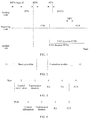
- FIG. 1 is a schematic diagram of a collision backoff mechanism of a CSMA/CA protocol.
- a sending node first senses a channel for one piece of distributed coordination function interframe space (Distributed Coordination Function Interframe Space, DIFS for short) duration, and performs a backoff (backoff) process if sensing that the channel is idle, and after backoff ends, the node may send a request to send (Request to Send, RTS for short) frame if the channel is still idle.
- a receiving node After receiving the RTS frame, a receiving node returns a clear to send (Clear to Send, CTS for short) frame after short interframe space (Short Interframe Space, SIFS for short) duration.
- DIFS Distributed Coordination Function Interframe Space
- another node After receiving the RTS or CTS frame, another node sets a network allocation vector (Network Allocation Vector, NAV for short) of the another node according to a transmission duration (Duration) value in the RTS frame or the CTS frame, and postpones a sending time of the another node.
- NAV Network Allocation Vector
- the sending node After receiving the CTS frame, sends a data (DATA) frame after SIFS duration. After receiving the DATA frame, the receiving node responds by returning an acknowledgement (Acknowledgement, ACK for short) frame.
- the foregoing RTS/CTS mechanism is a protection mechanism introduced in an IEEE 802.11 standard, and allows only one network device to perform access and transmit data within a same period of time, thereby effectively protecting a frame sequence from being interfered by neighboring devices at an initiating end and a receive end.
- the IEEE 802.11 working group establishes the HEW study group in 2013, and prepares to introduce technologies such as orthogonal frequency division multiple access (Orthogonal Frequency Division Multiple Access, OFDMA for short) and scheduling to the IEEE 802.11 standard.
- a HEW system works in an unlicensed band, and in a case of sharing a channel with a system of the IEEE 802.11 standard, a channel contention mechanism is particularly important.
- compatibility needs to be ensured, an HEW system can contend for a channel together with a STA in a standard such as IEEE 802.11a, IEEE 802.11n, or IEEE 802.11ac.
- another STA After the HEW system successfully performs contention, another STA sets a NAV to postpone a sending time of the another STA, where a length of the NAV needs to be equal to a length of a subsequent scheduling window of an HEW BSS.
- the HEW system enters a scheduling mode after obtaining a channel by means of contention, and an access point (Access Point, AP for short) and a station (Station, STA for short) in a same BSS both need to use the channel according to a scheduling instruction. Therefore, a channel contention success rate needs to be improved to meet a service requirement of the entire BSS.
- FIG. 2 is a schematic structural diagram of Embodiment 1 of a channel contention apparatus according to the present invention.
- the apparatus in this embodiment belongs to a BSS
- the BSS includes an access point AP and at least one first station STA, both the AP and the at least one first STA participate in channel contention
- the apparatus may be the AP or any first STA
- the apparatus may include: a sensing module 11 and a contention module 12.
- the sensing module 11 is configured to sense a channel
- the contention module 12 is configured to obtain the channel by means of contention, where the AP centrally performs control and scheduling so that all network devices in the BSS can transmit data by using the channel.
- the channel contention apparatus belongs to the BSS
- the BSS is a basic service set on a WLAN to which a scheduling mode is introduced, and includes the AP and the at least one first STA, both the AP and the at least one first STA participate in channel contention
- the first STA is a station of an HEW standard and can support technologies such as OFDMA and scheduling.
- the entire BSS can transmit data by using the channel.
- Channel contention network devices further include a second STA in addition to the entire BSS.
- the second STA does not belong to the BSS, and may be any STA in IEEE 802.11 series of standards. The second STA interferes with the first STA.
- the channel contention apparatus in this embodiment may be the AP in the BSS, or may be any first STA in the BSS.
- the sensing module 11 of the channel contention apparatus needs to sense a channel before the apparatus obtains the channel by means of contention, to determine a state of the channel, after the contention module 12 obtains the channel by means of contention, permission to control the channel is transferred to the AP in the BSS, and the AP centrally controls and schedules the channel so that all the network devices in the BSS can transmit data by using the channel, as scheduled by the AP.
- the apparatus in this embodiment senses a channel and obtains the channel by means of contention, and then the AP centrally controls and schedules the network devices in the BSS, so that all the network devices in the BSS can transmit data in a subsequent period of time by using the channel obtained by means of contention, and do not need to perform contention again, thereby improving a channel contention success rate and data transmission efficiency of a network device in the BSS.
- the AP and all first STAs in the BSS all participate in channel contention, and regardless of which obtains a channel by means of contention, permission to manage the channel is transferred to the AP, and the AP performs allocation for usage.
- the AP needs to obtain a channel by means of contention and enters a scheduling mode, and in this case, not only the AP participates in channel contention, but also all first STAs in the BSS participate in channel contention for the AP to use. After the channel is obtained by means of contention, regardless of whether the AP or any first STA successfully performs contention, permission to control the channel and permission to manage the channel are transferred to the AP, and the AP centrally schedules and allocates the channel.
- network devices that participate in channel contention include network devices in the entire BSS regardless of whether the network devices need to send data, thereby greatly improving a channel contention success rate of the BSS.
- the contention module 12 is specifically configured to: when the sensing module 11 senses that the channel is in an idle state, obtain a channel by means of contention by successfully sending a channel contention frame.
- the channel contention frame may also be referred to as a channel reservation frame (Channel Reservation Frame, CRF for short), which is not specifically limited in this embodiment.
- the contention module 12 may obtain the channel by means of contention by successfully sending an RTS frame, where the RTS frame includes transmission duration, a receiver address (Receiver Address, RA for short), and a transmitter address (Transmitter Address, TA for short).
- the RTS frame in this embodiment may further include frame control information and frame control sequence (Frame Control Sequence, FCS for short) information, where the transmission duration is scheduling duration needed by the BSS, and the RA is identifier information that the AP and the at least one first STA have agreed on in advance.
- the transmission duration may also be maximum duration that is allowed to be set, and in the present invention, the maximum duration that is allowed to be set may be limited in two manners.
- FIG. 3 is a schematic diagram of a format of an RTS frame.
- the RTS frame in this embodiment may be a frame specially used for an HEW system, and has 20 bytes in total, where the control information has two bytes, the transmission duration has two bytes, the RA has six bytes, the TA has six bytes, and the FCS information has four bytes.
- a format of an HEW RTS frame is completely consistent with a format of an RTS frame in an IEEE 802.11 standard, so that all STAs, including the first STA and the second STA, can receive and demodulate the RTS frame.
- Each HEW RTS frame occupies a bandwidth of 20 megahertz (Mega Hertz, MHz for short), there are 64 subcarriers at the bandwidth of 20 MHz, and a quantity and locations of pilot subcarriers are also the same as those of the RTS frame in the IEEE 802.11 standard. If there is a bandwidth of 80 MHz, an HEW RTS frame is separately sent at each bandwidth of 20 MHz.
- a difference from the RTS frame in the IEEE 802.11 standard lies in that, in the HEW RTS frame, the transmission duration is scheduling duration needed by the BSS, that is, total duration needed by the AP and the first STA that belong to the BSS to transmit data after the BSS successfully obtains a channel by means of contention.
- the second STA sets a NAV according to the transmission duration, to determine duration that needs to be waited for, and the first STA determines a size of a scheduling window by using the transmission duration.
- the RA is the identifier information that the AP and the first STA have agreed on in advance, and all first STAs in the BSS can acquire the identifier information, so that after the first STA demodulates the RTS frame to obtain the identifier information, the first STA knows that the RTS frame is an HEW RTS frame, and learns that the BSS has obtained the channel by means of contention and is about to enter the scheduling window.
- the RA may be set to any identifier information except a MAC address of the second STA, to avoid that the second STA incorrectly considers that the RTS frame is sent to the second STA.
- the RA may be a MAC address of the AP, identifier information of the BSS, or a group number of the first STA.
- the contention module 12 may further obtain the channel by means of contention by successfully sending a CTS frame, where the CTS frame includes transmission duration and an RA.
- the CTS frame in this embodiment may further include frame control information and FCS information, where the transmission duration is scheduling duration needed by the BSS, and the RA is identifier information that the AP and the at least one first STA have agreed on in advance.
- the transmission duration may also be maximum duration that is allowed to be set, and in the present invention, the maximum duration that is allowed to be set may be limited in two manners.
- FIG. 4 is a schematic diagram of a format of a CTS frame.
- the CTS frame in this embodiment may be a frame specially used for an HEW system, and has 14 bytes in total, where the control information has two bytes, the transmission duration has two bytes, the RA has six bytes, and the FCS information has four bytes.
- a format of an HEW CTS frame is completely consistent with a format of a CTS frame in an IEEE 802.11 standard, so that all STAs, including the first STA and the second STA, can receive and demodulate the CTS frame.
- a difference from the CTS frame in the IEEE 802.11 standard lies in that, in the HEW CTS frame, the transmission duration is scheduling duration needed by the BSS, that is, total duration needed by the AP and the first STA that belong to the BSS to transmit data after the BSS successfully obtains a channel by means of contention.
- the second STA sets a NAV according to the transmission duration, to determine duration that needs to be waited for, and the first STA determines a size of a scheduling window by using the transmission duration.
- the RA is the identifier information that the AP and the first STA have agreed on in advance, and all first STAs in the BSS can acquire the identifier information, so that after the first STA demodulates the CTS frame to obtain the identifier information, the first STA knows that the CTS frame is an HEW CTS frame, and learns that the BSS has obtained the channel by means of contention and is about to enter the scheduling window.
- the RA cannot be set to the MAC address of the second STA, to avoid that the second STA incorrectly considers that the CTS frame is sent to the second STA, and the RA cannot be set to a MAC address of the AP either, so that an HEW CTS frame is distinguished from a CTS frame sent by the second STA to the AP.
- an HEW RTS frame and an HEW CTS frame whose formats are the same as a format in an IEEE 802.11 standard are set, so that an HEW system is compatible with another IEEE 802.11 standard, which is easy to achieve.
- Different content is set for a same field so that the first station and the second station can clearly perform demodulation and learn a next action, which desirably resolves a problem of compatibility between the existing RTS/CTS mechanism and an HEW system.
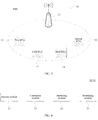
- FIG. 5 is a schematic diagram of an application scenario of a channel contention apparatus.
- the BSS 10 includes one AP 11 and three first STAs 12, 13, and 14, and the second STA 20 is a station that complies with an IEEE 802.11a, 11g, 11n or 11ac standard.
- the AP 11 and the first STAs 12, 13, and 14 all sense a channel and participate in channel contention.
- FIG. 6 is a schematic structural diagram of Embodiment 2 of a channel contention apparatus according to the present invention.
- the channel contention apparatus in this embodiment is the AP 11 in the BSS 10, and the AP 11 includes: a sensing module 21, a contention module 22, a scheduling module 23, and a receiving module 24.
- the sensing module 21 is configured to sense a channel.
- the contention module 22 is configured to: when the sensing module 21 senses that the channel is in an idle state, obtain the channel by means of contention by successfully sending an RTS frame, where a TA in the RTS frame is an address of the AP 11, and the RTS frame is used, so that the first STAs 12, 13, and 14 learn, according to an RA and the TA in the RTS frame, that the BSS 10 successfully obtains the channel by means of contention, and continue to sense the channel to receive a control frame that is sent by the AP 11 and that is used to control data transmission, and the second STA 20 learns, according to the RTS frame, that the channel has been occupied and sets a network allocation vector NAV of the second STA 20 according to transmission duration in the RTS frame, to perform contention backoff.
- the scheduling module 23 is configured to send the control frame, so that the first STAs 12, 13 or 14 transmits data.
- the receiving module 24 is configured to receive a CTS frame returned by the first STA 12, 13, or 14, and optionally, may also receive a data frame sent by the first STA 12, 13, or 14. It should be noted that, in the structure of the apparatus shown in FIG. 6 , the receiving module 24 is not necessarily needed, because after the AP 11 successfully sends the RTS frame, a process of returning the CTS frame by the first STA is not necessarily needed. If the first STA sends the CTS frame, the AP subsequently sends the control frame, or if the first STA does not need to return the CTS frame, the AP may still subsequently send the control frame, which is not specifically limited in this embodiment.
- the AP 11 obtains the channel by means of contention by successfully sending an HEW RTS frame, where a TA in the HEW RTS frame is an address of the AP 11.
- the AP 11 sends the HEW RTS frame, and the first STAs 12, 13, and 14 receive the HEW RTS frame, can know, by using an RA and the TA in the HEW RTS frame, that the BSS 10 has successfully obtained the channel by means of contention and is about to enter a scheduling window, and continue to sense the channel to prepare to receive a control frame that is sent by the AP 11 and that is used to control data transmission.
- the first STA 12, 13, or 14 may further return a CTS frame to the AP 11, to avoid a problem of hidden node.
- Multiple first STAs may simultaneously return a CTS frame, or the first STAs 12, 13, and 14 may sequentially return a CTS frame, which is not specifically limited herein.
- the second STA 20 receives the HEW RTS frame, parses the HEW RTS frame as an RTS frame of an IEEE 802.11 standard, can learn that the second STA 20 is not a target receive end, sets a NAV of the second STA 20 according to transmission duration in the HEW RTS frame, to enter a waiting mode, and contends for a channel again after the transmission duration of the BSS ends.
- an AP obtains a channel by means of contention by successfully sending an HEW RTS frame, so that all first STAs in a BSS can enter a scheduling mode and transmit data by using the channel obtained by means of contention, and a second STA sets a NAV of the second STA to enter a waiting mode, thereby implementing compatibility between an HEW system and a system of an IEEE 802.11 standard, and improving a channel contention success rate of the BSS.
- the contention module 22 of the AP 11 is further configured to: when the sensing module 21 senses that the channel is in an idle state, obtain the channel by means of contention by successfully sending a CTS frame.
- the CTS frame is used, so that the at least one first STAs 12, 13, and 14 learn, according to an RA in the CTS frame, that the BSS successfully obtains the channel by means of contention, and continue to sense the channel to receive a control frame that is sent by the AP 11 and that is used to control data transmission, and the second STA 20 learns, according to the CTS frame, that the channel has been occupied and sets a network allocation vector NAV of the second STA according to transmission duration in the CTS frame.
- the scheduling module 23 is further configured to send the control frame, so that the first STA 12, 13, or 14 transmits data.
- the AP 11 obtains the channel by means of contention by successfully sending an HEW CTS frame.
- the AP 11 sends the HEW CTS frame, and the first STAs 12, 13, and 14 receive the HEW CTS frame, can know, by using an RA in the HEW CTS frame, that the BSS 10 has successfully obtained the channel by means of contention and is about to enter a scheduling window, and continue to sense the channel to prepare to receive a control frame that is sent by the AP 11 and that is used to control data transmission.
- the first STA 12, 13, or 14 may further return a CTS frame to the AP 11, to avoid a problem of hidden node.
- the second STA 20 receives the HEW CTS frame, parses the HEW CTS frame as a CTS frame of an IEEE 802.11 standard, can learn that the second STA 20 is not a target receive end, sets a NAV of the second STA 20 according to transmission duration in the HEW CTS frame, to enter a waiting mode, and contends for a channel again after the transmission duration of the BSS ends.
- FIG. 7 is a schematic structural diagram of Embodiment 3 of a channel contention apparatus according to the present invention.
- the channel contention apparatus in this embodiment is any first STA in the BSS 10, for example, may be the first STA 12.
- the first STA 12 includes: a sensing module 31 and a contention module 32.
- the sensing module 31 is configured to sense a channel
- the contention module 32 is configured to: when the sensing module 31 senses that the channel is in an idle state, obtain the channel by means of contention by successfully sending an RTS frame, where a TA in the RTS frame is an address of the AP 11 or an address of the first STA 12 that successfully sends the RTS.
- the RTS frame is used, so that other first STAs 13 and 14 learn, according to an RA and the TA in the RTS frame, that the BSS 10 successfully obtains the channel by means of contention, the first STAs 12, 13, and 14 continue to sense the channel to receive a control frame that is sent by the AP 11 and that is used to control data transmission, the second STA 20 learns, according to the RTS frame, that the channel has been occupied and sets a network allocation vector NAV of the second STA 20 according to transmission duration in the RTS frame, and the AP 11 sends the control frame, so that the first STA 12, 13, or 14 transmits data.
- the first STA 12 obtains the channel by means of contention by successfully sending an HEW RTS frame, where a TA in the HEW RTS frame is an address of the AP 11 or an address of the first STA 12 that successfully sends the HEW RTS frame.
- the TA is set to the address of the AP 11 because all the first STAs 12, 13, and 14 in the BSS 10 know the address of the AP 11, and regardless of which first STA obtains the channel by means of contention, the AP 11 sends the control frame used to control data transmission.
- the first STA 12 sends the HEW RTS frame; the first STAs 13 and 14 receive the HEW RTS frame, and can know, by using an RA and the TA in the HEW RTS frame, that the BSS 10 has successfully obtained the channel by means of contention and is about to enter a scheduling window.
- All the first STAs 12, 13, and 14 in the BSS 10 continue to sense the channel to prepare to receive the control frame that is sent by the AP 11 and that is used to control data transmission; the second STA 20 receives the HEW RTS frame, parses the HEW RTS frame as an RTS frame of an IEEE 802.11 standard, can learn that the second STA 20 is not a target receive end, sets a NAV of the second STA 20 according to transmission duration in the HEW RTS frame, to enter a waiting mode, and contends for a channel again after the transmission duration of the BSS ends.
- the AP 11 receives the HEW RTS frame, can learn that the BSS successfully obtains the channel by means of contention, and sends the control frame used to control data transmission of the first STA.
- a first STA obtains a channel by means of contention by successfully sending an HEW RTS frame, so that both a first STA and an AP in a BSS can enter a scheduling mode and transmit data by using the channel obtained by means of contention, and a second STA sets a NAV of the second STA to enter a waiting mode, thereby implementing compatibility between an HEW system and a system of an IEEE 802.11 standard, and improving a channel contention success rate of the BSS.
- the AP 11 may return a CTS frame after receiving the HEW RTS frame, because there may be a first STA, for example, the first STA 13, that cannot receive the HEW RTS frame sent by the first STA 12. Therefore, the AP 11 sends the CTS frame, so that all the first STAs in the BSS know that the BSS has successfully obtained the channel by means of contention and is about to enter a scheduling window.
- first STAs 13 and 14 can learn, according to the RA and the TA in the HEW RTS frame or according to an RA in the CTS frame returned by the AP 11, that the BSS successfully obtains the channel by means of contention.
- the first STAs 12, 13, and 14 continue to sense the channel to receive the control frame that is sent by the AP 11 and that is used to control data transmission.
- the second STA 20 learns, according to the HEW RTS frame or the CTS frame returned by the AP 11, that the channel has been occupied, and sets a network allocation vector NAV of the second STA 20 according to transmission duration in the HEW RTS frame or the CTS frame.
- the AP 11 sends the control frame, so that the first STA 12, 13, or 14 transmits data.
- the contention module 32 of the first STA 12 is further configured to: when the sensing module 31 senses that the channel is in an idle state, obtain the channel by means of contention by successfully sending a CTS frame.
- the CTS frame is used, so that other first STAs 13 and 14 learn, according to the RA in the CTS frame, that the BSS successfully obtains the channel by means of contention, the first STAs 12, 13, and 14 continue to sense the channel to receive a control frame that is sent by the AP 11 and that is used to control data transmission, the second STA 20 learns, according to the CTS frame, that the channel has been occupied and sets a network allocation vector NAV of the second STA according to the transmission duration in the CTS frame, and the AP 11 sends the control frame, so that the first STA 12, 13, or 14 transmits data.
- the first STA 12 obtains the channel by means of contention by successfully sending an HEW RTS frame.
- the first STA 12 sends the HEW RTS frame, and the first STAs 13 and 14 receive the HEW CTS frame, and can know, by using an RA in the HEW CTS frame, that the BSS 10 has successfully obtained the channel by means of contention and is about to enter a scheduling window. All the first STAs 12, 13, and 14 in the BSS 10 continue to sense the channel to prepare to receive the control frame that is sent by the AP 11 and that is used to control data transmission.
- the second STA 20 receives the HEW CTS frame, parses the HEW CTS frame as a CTS frame of an IEEE 802.11 standard, can learn that the second STA 20 is not a target receive end, sets a NAV of the second STA 20 according to transmission duration in the HEW CTS frame, to enter a waiting mode, and contends for a channel again after the transmission duration of the BSS ends.
- the AP 11 receives the HEW CTS frame, can learn that the BSS successfully obtains the channel by means of contention, and sends the control frame used to control data transmission of the first STA.
- the AP 11 may return a CTS frame used for feedback, because there may be a first STA, for example, the first STA 13, that cannot receive the HEW CTS frame sent by the first STA 12. Therefore, the AP 11 sends the CTS frame, so that all the first STAs in the BSS know that the BSS has successfully obtained the channel by means of contention and is about to enter a scheduling window.
- Other first STAs 13 and 14 can learn, according to the RA in the HEW CTS frame or according to an RA in the CTS frame that is returned by the AP 11 and that is used for feedback, that the BSS successfully obtains the channel by means of contention.
- the first STAs 12, 13, and 14 continue to sense the channel to receive the control frame that is sent by the AP 11 and that is used to control data transmission.
- the second STA 20 learns, according to the HEW CTS frame or the CTS frame that is returned by the AP 11 and that is fed back by a user, that the channel has been occupied, and sets a network allocation vector NAV of the second STA 20 according to transmission duration in the HEW CTS frame or the CTS frame used for feedback.
- the AP 11 sends the control frame, so that the first STA 12, 13, or 14 transmits data.
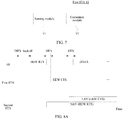
- FIG. 8A is a schematic diagram 1 of a contention mechanism of a channel contention apparatus according to the present invention
- FIG. 8B is a schematic diagram 2 of a contention mechanism of a channel contention apparatus according to the present invention
- FIG. 8C is a schematic diagram 3 of a contention mechanism of a channel contention apparatus according to the present invention
- FIG. 8D is a schematic diagram 4 of a contention mechanism of a channel contention apparatus according to the present invention
- FIG. 8E is a schematic diagram 5 of a contention mechanism of a channel contention apparatus according to the present invention
- FIG. 8F is a schematic diagram 6 of a contention mechanism of a channel contention apparatus according to the present invention.
- interframe spaces used in all the embodiments are duration stipulated in an IEEE 802.11 standard, but other lengths or units of interframe spaces are also applicable, which is not specifically limited herein.
- an AP senses a channel, if sensing that the channel is in an idle state within duration of a DIFS, the AP performs a backoff (backoff) process, and after backoff ends, the AP sends an HEW RTS frame if the channel is still idle. After a first STA receives the HEW RTS frame, the first STA returns an HEW CTS frame after duration of an SIFS.
- backoff backoff
- the second STA learns that the channel is occupied, and sets a NAV of the second STA according to transmission duration in the HEW RTS frame, or the second STA sets or updates a NAV of the second STA according to transmission duration in the HEW CTS frame sent by the first STA.
- the AP After the AP receives the HEW CTS frame, the AP starts to send data (DATA) after duration of an SIFS, where the data may indicate control information, scheduling information, service data, or the like.
- DATA data
- an AP in a BSS obtains information by means of contention by successfully sending an HEW RTS frame.
- a device that needs to send data is the AP. Therefore, the AP participates in channel contention, and successfully performs contention.
- the AP After a first STA returns an HEW CTS frame, the AP starts to send data after an interval of a very short time.
- a first STA senses a channel, if sensing that the channel is in an idle state within duration of a DIFS, the first STA performs a backoff (backoff) process, and after backoff ends, the first STA sends an HEW RTS frame if the channel is still idle.
- backoff backoff
- the AP After an AP receives the HEW RTS frame, the AP returns an HEW CTS frame after duration of an SIFS.
- a second STA After a second STA receives the HEW RTS frame, the second STA learns that the channel is occupied, and sets a NAV of the second STA according to transmission duration in the HEW RTS frame, or the second STA sets or updates a NAV of the second STA according to transmission duration in the HEW CTS frame sent by the AP.
- the AP After the AP sends the HEW CTS frame, the AP starts to send data (DATA) after duration of an SIFS, where the data may indicate control information, scheduling information, service data, or the like.
- DATA data
- a first STA in a BSS obtains a channel by means of contention by successfully sending an HEW RTS frame.
- a device that needs to send data is the AP, but a first STA herein obtains the channel by means of contention herein, and after the first STA obtains the channel by means of contention, the AP uses the channel. It may be considered that the first STA "helps" the AP obtain the channel by means of contention, which is different from the prior art in which a device that needs to send data contends for a channel.
- a first STA first senses a channel, if sensing that the channel is in an idle state within duration of a DIFS, the first STA performs a backoff(backoff) process, and after backoff ends, the first STA sends an HEW RTS frame if the channel is still idle.
- the AP After an AP receives the HEW RTS frame, the AP starts to send data (DATA) after duration of an SIFS, where the data may indicate control information, scheduling information, service data, or the like.
- DATA data
- the second STA learns that the channel is occupied, and sets a NAV of the second STA according to transmission duration in the HEW RTS frame.
- a difference between this embodiment and the embodiment shown in FIG. 8B lies in that after the AP receives the HEW RTS frame, the AP no longer returns the HEW CTS frame, but directly sends data after waiting for duration of one SIFS.
- a first STA senses a channel, if sensing that the channel is in an idle state within duration of a DIFS, the first STA performs a backoff (backoff) process, and after backoff ends, the first STA sends an HEW RTS frame if the channel is still idle.
- the AP After an AP receives the HEW RTS frame, the AP returns an HEW CTS frame after duration of an SIFS, where an RA in the HEW CTS frame is identifier information that the AP and at least one first STA have agreed on in advance, and the identifier information is denoted by A.
- the another first STA After another first STA receives the HEW RTS frame, the another first STA returns an HEW CTS frame after duration of an SIFS, where an RA in the HEW CTS frame is identifier information that all devices (including the AP and a STA) in the BSS have agreed on in advance, and the identifier information is denoted by B.
- the second STA learns that the channel is occupied, and sets a NAV of the second STA according to transmission duration in the HEW RTS frame, or the second STA also sets or updates a NAV of the second STA according to transmission duration in the HEW CTS frame sent by the AP.
- the AP After the AP sends the HEW CTS frame, the AP starts to send data (DATA) after duration of an SIFS, where the data may indicate control information, scheduling information, service data, or the like.
- DATA data
- FIG. 8B A difference between this embodiment and FIG. 8B lies in that after receiving the HEW RTS frame, another first STA in the BSS also returns an HEW CTS frame, to avoid a problem of hidden node.
- the identifier information A and the identifier information B may be different, to distinguish devices that send the HEW CTS frames.
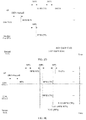
- a first STA 1 senses a channel, if sensing that the channel is in an idle state within duration of a DIFS, the first STA 1 performs a backoff (backoff) process, and after backoff ends, the first STA sends a help-AP-to-send (Help AP To Send, HTS for short) frame if the channel is still idle, where the HTS frame is a new channel contention frame provided in the present invention, and is sent by a first STA in a BSS to help the AP preempt a channel. After the first STA successfully obtains the channel by means of contention, the first STA transfers permission to control the channel and permission to use the channel to the AP.
- backoff backoff
- help-AP-to-send Help AP To Send, HTS for short
- the HTS frame may also be referred to as another name, which falls within the protection scope of the present invention as long as a function and a structure thereof are consistent with the present invention, and a name of the frame is not specifically limited in the present invention.
- the frame structure shown in FIG. 3 or FIG. 4 may be used for a structure of the HTS frame. If the structure of the HTS frame is the same as a structure of an HEW RTS frame (as shown in FIG.
- an RA in the HTS frame may be a value that the AP and the first STA have agreed on in advance, and is preferably a MAC address of the AP, and a TA in the HTS frame may also be a value that the AP and the first STA have agreed on in advance, and is preferably a MAC address of the first STA 1, the MAC address of the AP, a basic service set identifier (Basic Service Set Identifier, BSSID for short), or the like, If the structure of the HTS frame is the same as a structure of an HEW CTS frame (as shown in FIG.
- an RA in the HTS frame may be a value that the AP and the first STA have agreed on in advance, and is preferably the MAC address of the AP.
- the AP After the AP receives the HTS frame, the AP returns an HEW RTS frame after duration of an SIFS, where an RA in the HEW RTS frame may be a value that the AP and the first STA have agreed on in advance.
- the RA may be set to a BSSID, and if the AP needs to send information to a group of first STAs, the RA may be set to a group number (group ID) of the group of first STAs, and a TA in the HEW RTS frame may be a value that the AP and the first STA have agreed on in advance, and is preferably the MAC address of the AP.
- group ID group number
- a TA in the HEW RTS frame may be a value that the AP and the first STA have agreed on in advance, and is preferably the MAC address of the AP.
- the second STA After a second STA receives the HTS frame and/or the HEW RTS frame and/or the HEW CTS frame, the second STA can learn that the channel has been occupied, and sets or updates a NAV of the second STA according to a Duration value (that is, transmission duration) in the HTS frame and/or the HEW RTS frame and/or the HEW CTS frame.
- a Duration value that is, transmission duration
- the AP After the AP receives the HEW CTS frame sent by the first STA 1 and/or the first STA 2, the AP starts to send data (DATA) after duration of an SIFS, where the data may indicate control information, scheduling information, service data, or the like.
- DATA data
- a first STA 1 in the BSS obtains the channel by means of contention by successfully sending an HTS frame.
- a device that needs to send data is the AP, but a first STA 1 obtains the channel by means of contention herein, and after the first STA 1 obtains the channel by means of contention, the AP uses the channel. It may be considered that the first STA 1 "helps" the AP obtain the channel by means of contention, which is different from the prior art in which a device that needs to send data contends for a channel.
- the AP notifies, by sending an HEW RTS frame, all first STAs or some first STAs in the BSS that the channel has been preempted, and the first STA 1 and the first STA 2 returns an HEW CTS frame, to avoid a problem of hidden node.
- an AP senses a channel, if sensing that the channel is in an idle state within duration of a DIFS, the AP performs a backoff (backoff) process, and after backoff ends, the AP sends an HEW RTS frame if the channel is still idle.
- An RA in the HEW RTS frame may be a value that the AP and a first STA have agreed on in advance.
- the RA may be set to a BSSID, and if the AP needs to send information to a group of first STAs, the RA may be set to a group number (group ID) of the group of first STAs, and a TA in the HEW RTS frame may be a value that the AP and the first STA have agreed on in advance, and is preferably a MAC address of the AP.
- group ID group number
- a TA in the HEW RTS frame may be a value that the AP and the first STA have agreed on in advance, and is preferably a MAC address of the AP.
- the second STA learns that the channel has been occupied, and sets or updates a NAV of the second STA according to transmission duration in the HEW RTS frame and/or the HEW CTS frame.
- the AP After the AP receives the HEW CTS frame, the AP starts to send data (DATA) after duration of an SIFS, where the data may indicate control information, scheduling information, service data, or the like.
- DATA data
- the AP needs to send data, and regardless of whether the AP or the first STA obtains the channel by means of contention, the AP transmits data by using the channel.
- the first STA can still transmit data by using the channel, but a channel resource used by the first STA to send data is allocated by the AP herein, that is, the AP centrally controls and schedules the channel, and as long as the channel is obtained by means of contention, the AP can allocate, by sending the control frame, a resource to the first STA that needs to send data.
- the AP or the first STA may also obtain a channel by means of contention by sending an HEW CTS frame, which is not specifically limited herein.
- FIG. 9 is a flowchart of Embodiment 1 of a channel contention method according to the present invention. As shown in FIG. 9 , the method in this embodiment may include:
- the BSS is a basic service set in a WLAN system to which a scheduling mode is introduced
- the first device in the BSS senses the channel
- the first device may be any network device in the BSS, and can learn a usage status of the channel in time by sensing the channel.
- Step 102 The first device contends for the channel, where the AP centrally performs control and scheduling so that all of at least one network device in the BSS can transmit data by using the channel, and both the AP and the at least one first STA participate in channel contention.
- the first device in the BSS obtains the channel by means of contention
- all network devices in the BSS can transmit data by using the channel obtained by means of contention
- the BSS is a basic service set in an HEW system, and may include the AP and one or more first STAs, where the first STA is a station of an HEW standard, and can support technologies such as OFDMA and scheduling
- the first device herein may be the AP, or may be the first STA
- all the network devices in the BSS participate in channel contention, that is, sense the channel.
- Channel contention network devices further include a second STA in addition to the entire BSS. The second STA does not belong to the BSS, and may be any STA in IEEE 802.11 series of standards.
- the second STA interferes with the first STA. Therefore, after the BSS successfully obtains a channel by means of contention, the second STA enters a waiting mode, and starts to contend for a channel after a scheduling mode of the BSS ends, which avoids interference to the first STA.
- the AP or the first STA in the BSS transfers permission to control the channel to the AP, and the AP centrally controls and schedules the channel, and allocates permission to use the channel to the first STA. Therefore, after any device in the BSS obtains the channel by means of contention, it indicates successful channel contention, and all the network devices in the BSS can transmit data by using the channel.
- all network devices including an AP and a STA, in a BSS participate in channel contention, and after any device senses a channel and obtains the channel by means of contention, the AP can centrally control and schedule these network devices, so that all the network devices in the BSS can transmit data in a subsequent period of time by using the channel obtained by means of contention, and do not need to perform contention again, thereby improving a channel contention success rate and data transmission efficiency of a network device in the BSS.
- the first device contends for the channel
- a specific implementation method may be: sensing, by the first device, that the channel is in an idle state, and obtaining the channel by means of contention by successfully sending a channel contention frame.
- the network device in the BSS may obtain the channel by means of contention by successfully sending the channel contention frame.
- the multiple network devices may send the channel contention frame when sensing that the channel is idle, and a device that can successfully send the channel contention frame is a device that successfully obtains the channel by means of contention.
- the channel contention frame may be an RTS frame, and the RTS frame includes transmission duration, an RA, and a TA.
- the RTS frame in this embodiment may further include frame control information and FCS information, where the transmission duration is scheduling duration needed by the network device in the BSS, and the RA is identifier information that the AP and the at least one first STA have agreed on in advance.
- the transmission duration may also be maximum duration that is allowed to be set, and in the present invention, the maximum duration that is allowed to be set may be limited in two manners.
- maximum limited transmission duration has been agreed on in advance within a local regional range, and in the other manner, a maximum value may be set according to a quantity of bits occupied by the transmission duration.
- a format of an RTS frame is shown in FIG. 3 , and the RTS frame in this embodiment may be a frame specially used for an HEW system, and has 20 bytes in total, where the control information has two bytes, the transmission duration has two bytes, the RA has six bytes, the TA has six bytes, and the FCS information has four bytes.
- a format of an HEW RTS frame is completely consistent with a format of an RTS frame in an IEEE 802.11 standard, so that all STAs, including the first STA and the second STA, can receive and demodulate the RTS frame.
- Each HEW RTS frame occupies a bandwidth of 20 MHz, there are 64 subcarriers at the bandwidth of 20 MHz, and a quantity and locations of pilot subcarriers are also the same as those of the RTS frame in the IEEE 802.11 standard. If there is a bandwidth of 80 MHz, an HEW RTS frame is separately sent at each bandwidth of 20 MHz.
- a difference from the RTS frame in the IEEE 802.11 standard lies in that, in the HEW RTS frame, the transmission duration is scheduling duration needed by the BSS, that is, total duration needed by the AP and the first STA that belong to the BSS to transmit data after the BSS successfully obtains a channel by means of contention.
- the second STA sets a NAV according to the transmission duration, to determine duration that needs to be waited for, and the first STA determines a size of a scheduling window by using the transmission duration.
- the RA is the identifier information that the AP and the first STA have agreed on in advance, and all first STAs in the BSS can acquire the identifier information, so that after the first STA demodulates the RTS frame to obtain the identifier information, the first STA knows that the RTS frame is an HEW RTS frame, and learns that the BSS has obtained the channel by means of contention and is about to enter the scheduling window.
- the RA may be set to any identifier information except a MAC address of the second STA, to avoid that the second STA incorrectly considers that the RTS frame is sent to the second STA.
- the RA may be a MAC address of the AP, identifier information of the BSS, or a group number of the first STA.
- the channel contention frame may be a CTS frame, and the CTS frame includes transmission duration and an RA.
- the CTS frame in this embodiment may further include frame control information and FCS information, where the transmission duration is scheduling duration needed by the network device in the BSS, and the RA is identifier information that the AP and the at least one first STA have agreed on in advance.
- the transmission duration may also be maximum duration that is allowed to be set, and in the present invention, the maximum duration that is allowed to be set may be limited in two manners. In one manner, maximum limited transmission duration has been agreed on in advance within a local regional range, and in the other manner, a maximum value may be set according to a quantity of bits occupied by the transmission duration.
- a format of a CTS frame is shown in FIG. 4 , and the CTS frame in this embodiment may be a frame specially used for an HEW system, and has 14 bytes in total, where the control information has two bytes, the transmission duration has two bytes, the RA has six bytes, and the FCS information has four bytes.
- a format of an HEW CTS frame is completely consistent with a format of a CTS frame in an IEEE 802.11 standard, so that all STAs, including the first STA and the second STA, can receive and demodulate the CTS frame.
- a difference from the CTS frame in the IEEE 802.11 standard lies in that, in the HEW CTS frame, the transmission duration is scheduling duration needed by the BSS, that is, total duration needed by the AP and the first STA that belong to the BSS to transmit data after the BSS successfully obtains a channel by means of contention.
- the second STA sets a NAV according to the transmission duration, to determine duration that needs to be waited for, and the first STA determines a size of a scheduling window by using the transmission duration.
- the RA is the identifier information that the AP and the first STA have agreed on in advance, and all first STAs in the BSS can acquire the identifier information, so that after the first STA demodulates the CTS frame to obtain the identifier information, the first STA knows that the CTS frame is an HEW CTS frame, and learns that the BSS has obtained the channel by means of contention and is about to enter the scheduling window.
- the RA cannot be set to the MAC address of the second STA, to avoid that the second STA incorrectly considers that the CTS frame is sent to the second STA, and the RA cannot be set to a MAC address of the AP either, so that an HEW CTS frame is distinguished from a CTS frame sent by the second STA to the AP.
- an HEW RTS frame and an HEW CTS frame whose formats are the same as a format in an IEEE 802.11 standard are set, so that an HEW system is compatible with another IEEE 802.11 standard, which is easy to achieve.
- Different content is set for a same field so that the first station and the second station can clearly perform demodulation and learn a next action, which resolves a problem of compatibility between the existing RTS/CTS mechanism and a WLAN system to which a scheduling mode is introduced.
- FIG. 5 An application scenario in the following embodiment is shown in FIG. 5 .
- FIG. 10 is a flowchart of Embodiment 2 of a channel contention method according to the present invention.
- an AP in a BSS obtains a channel by means of contention, and the method in this embodiment may include:
- all the network devices sense the channel, and all the network devices include an AP and a first STA that belong to a same BSS, and further include a second STA.
- An AP senses that the channel is in an idle state, and obtains the channel by means of contention by successfully sending an RTS frame.
- the AP in the BSS senses that the channel is in an idle state, and obtains the channel by means of contention by successfully sending an RTS frame, where a TA in the RTS frame is an address of the AP, and the RTS frame may be a frame specially used for an HEW system.
- the BSS to which the AP belongs can transmit data by using the channel obtained by means of contention.
- a first STA learns, according to an RA and a TA in the RTS frame, that a BSS successfully obtains the channel by means of contention, and continues to sense the channel to receive a control frame that is sent by the AP and that is used to control data transmission.
- three first STAs that belong to the BSS receive the HEW RTS frame, can know, by using the RA and the TA in the HEW RTS frame, that the BSS has successfully obtained the channel by means of contention and is about to enter a scheduling window, and continue to sense the channel to prepare to receive the control frame that is sent by the AP and that is used to control data transmission.
- the first STAs may further return a CTS frame to the AP, to avoid a problem of hidden node.
- the three first STAs may simultaneously return a CTS frame, or the three first STAs may sequentially return a CTS frame, which is not specifically limited herein.
- a second STA learns, according to the RTS frame, that the channel has been occupied, and sets a NAV of the second STA according to transmission duration in the RTS frame.
- the second STA receives the HEW RTS frame, parses the HEW RTS frame as an RTS frame of an IEEE 802.11 standard, can learn that the channel has been occupied and the second STA is not a target receive end, sets a NAV of the second STA according to the transmission duration in the HEW RTS frame, to enter a waiting mode, and contends for a channel again after the transmission duration of the BSS ends.
- the AP sends the control frame, so that at least one first STA transmits data.
- the AP sends the control frame to the first STA, so that the at least one first STA transmits data, and the control frame may be sent only to a first STA that needs to be scheduled, or may be sent to all first STAs, which is not specifically limited herein.
- an AP obtains a channel by means of contention by successfully sending an HEW RTS frame, so that all first STAs in a BSS can enter a scheduling mode and transmit data by using the channel obtained by means of contention, and a second STA sets a NAV of the second STA to enter a waiting mode, thereby implementing compatibility between an HEW system and a system of an IEEE 802.11 standard, and improving a channel contention success rate of the BSS.
- the AP obtains the channel by means of contention by successfully sending an HEW RTS frame.
- the AP may further obtain the channel by means of contention by successfully sending an HEW CTS frame.
- a first STA learns, according to an RA in the HEW CTS frame, that the BSS successfully obtains the channel by means of contention, and continues to sense the channel to receive a control frame that is sent by the AP and that is used to control data transmission.
- the second STA learns, according to the HEW CTS frame, that the channel has been occupied, and sets the NAV of the second STA according to transmission duration in the HEW CTS frame.
- the AP sends the control frame, so that at least one first STA transmits data.
- FIG. 11 is a flowchart of Embodiment 3 of a channel contention method according to the present invention.
- any first STA in a BSS may be, for example, a first STA 12, and the method in the embodiment may include:
- a first STA senses that the channel is in an idle state, and obtains the channel by means of contention by successfully sending an RTS frame.
- any first STA for example, a first STA 12 in the BSS senses that the channel is in an idle state, and obtains the channel by means of contention by successfully sending an RTS frame, where a TA in the RTS frame is an address of the AP or an address of the first STA 12 that successfully sends the RTS, and the RTS frame may be a frame specially used for an HEW system.
- the BSS to which the first STA 12 belongs can transmit data by using the channel obtained by means of contention.
- Another first STA learns, according to an RA and a TA in the RTS frame, that a BSS successfully obtains the channel by means of contention, and the first STA continues to sense the channel to receive a control frame that is sent by an AP and that is used to control data transmission.
- first STAs 13 and 14 receive the HEW RTS frame, can know, by using the RA and the TA in the HEW RTS frame, that the BSS has successfully obtained the channel by means of contention and is about to enter a scheduling window, and continue to sense the channel to prepare to receive the control frame that is sent by the AP and that is used to control data transmission.
- a second STA learns, according to the RTS frame, that the channel has been occupied, and sets a NAV of the second STA according to transmission duration in the RTS frame.
- a process in which the second STA learns, according to the RTS frame, that the channel has been occupied, and sets the NAV of the second STA according to the transmission duration in the RTS frame is similar to step S204 in the foregoing method embodiment, and details are not described herein again.
- the AP sends the control frame, so that at least one first STA transmits data.
- a process in which the AP sends the control frame, so that the at least one first STA transmits data is similar to step S205 in the foregoing method embodiment, and details are not described herein again.
- a first STA obtains a channel by means of contention by successfully sending an HEW RTS frame, so that both a first STA and an AP in a BSS can enter a scheduling mode and transmit data by using the channel obtained by means of contention, and a second STA sets a NAV of the second STA to enter a waiting mode, thereby implementing compatibility between an HEW system and a system of an IEEE 802.11 standard, and improving a channel contention success rate of a BSS.
- the method may further include: returning, by the AP, a CTS frame according to the HEW RTS frame sent by the first STA, because there may be a first STA, for example, the first STA 13, that cannot receive the HEW RTS frame sent by the first STA 12. Therefore, the AP sends a CTS frame, so that all the first STAs in the BSS know that the BSS has successfully obtained the channel by means of contention and is about to enter a scheduling window.
- the first STA obtains the channel by means of contention by successfully sending an HEW RTS frame.
- the first STA may further obtain the channel by means of contention by successfully sending an HEW CTS frame.
- Another first STA learns, according to an RA in the HEW CTS frame, that the BSS successfully obtains the channel by means of contention, and the first STA in the BSS continues to sense the channel to receive a control frame that is sent by the AP and that is used to control data transmission.
- the second STA learns, according to the HEW CTS frame, that the channel has been occupied, and sets a NAV of the second STA according to transmission duration in the HEW CTS frame.
- the AP sends the control frame, so that the at least one first STA transmits data.
- the structures of the channel contention apparatuses shown in FIG. 2 , FIG. 6 , and FIG. 7 include multiple modules, and during implementation of a device entity, functions of these modules may be separately implemented by a transmitter, a processor, and a receiver.
- the following describes structures of channel contention devices according to the structures of the channel contention apparatuses by using embodiments.
- the first STA senses that the channel is in an idle state, and may further obtain the channel by means of contention by successfully sending an HTS frame.
- the frame structure shown in FIG. 3 or FIG. 4 may be used for a structure of the HTS frame. If the structure of the HTS frame is the same as a structure of an HEW RTS frame (as shown in FIG.
- an RA in the HTS frame may be a value that the AP and the first STA have agreed on in advance, and is preferably a MAC address of the AP, and a TA in the HTS frame may also be a value that the AP and the first STA have agreed on in advance, and is preferably a MAC address of the first STA 1, the MAC address of the AP, a basic service set identifier (Basic Service Set Identifier, BSSID for short), or the like.
- BSSID Basic Service Set Identifier
- the RA in the HTS frame may be a value that the AP and the first STA have agreed on in advance, and is preferably the MAC address of the AP.
- the AP may send an HEW RTS frame, where an RA in the HEW RTS frame may be a value that the AP and the first STA have agreed on in advance.
- the RA may be set to a BSSID, and if the AP needs to send information to a group of first STAs, the RA may be set to a group number (group ID) of the group of first STAs, and a TA in the HEW RTS frame may be a value that the AP and the first STA have agreed on in advance, and is preferably the MAC address of the AP.
- an RA in the HEW CTS frame is a value that the AP and the first STAs have agreed on in advance, and is preferably the MAC address of the AP, to avoid a problem of hidden node.
- FIG. 12 is a schematic structural diagram of Embodiment 1 of a channel contention device.
- the device in this embodiment belongs to a BSS, the BSS includes an access point AP and at least one first station STA, both the AP and the at least one first STA participate in channel contention, and the device is the AP or any first STA.
- the device includes a processor 11, where the processor 11 is configured to sense a channel, and contend for the channel, where the AP centrally performs control and scheduling so that all of at least one network device in the BSS can transmit data by using the channel.
- the channel contention device belongs to the basic service set BSS.
- the BSS is a basic service set in a WLAN system to which a scheduling mode is introduced, and includes the access point AP and the at least one first station STA. Both the AP and the at least one first STA participate in channel contention, and the first STA is a station of an HEW standard and can support technologies such as OFDMA and scheduling.
- the entire BSS can transmit data by using the channel.
- Channel contention network devices further include a second STA in addition to the entire BSS.
- the second STA does not belong to the BSS, and may be any STA in IEEE 802.11 series of standards. The second STA interferes with the first STA.
- the second STA enters a waiting mode, and starts to contend for a channel after a scheduling mode of the BSS ends, which avoids interference to the first STA.
- the device in this embodiment may be the AP in the BSS, or may be any first STA in the BSS.
- the processor 11 of the channel contention device needs to sense the channel before the device obtains the channel by means of contention, to determine a status of the channel. After the processor 11 obtains the channel by means of contention, all the network devices in the BSS can transmit data by using the channel.
- the device in this embodiment senses a channel and obtains the channel by means of contention, and then the AP centrally controls and schedules the network devices in the BSS, so that all the network devices in the BSS can transmit data in a subsequent period of time by using the channel obtained by means of contention, and do not need to perform contention again, thereby improving a channel contention success rate and data transmission efficiency of a network device in the BSS.
- FIG. 13 is a schematic structural diagram of Embodiment 2 of a channel contention device. As shown in FIG. 13 , based on the structure of the device shown in FIG. 12 , further, the device in this embodiment further includes a transmitter 12, configured to: after the processor senses that the channel is in an idle state, successfully send a channel contention frame so that the device obtains the channel by means of contention.
- a transmitter 12 configured to: after the processor senses that the channel is in an idle state, successfully send a channel contention frame so that the device obtains the channel by means of contention.
- the transmitter 12 may obtain the channel by means of contention by successfully sending an RTS frame, where the RTS frame includes transmission duration, an RA, and a TA.
- the RTS frame in this embodiment may further include frame control information and FCS information, where the transmission duration is scheduling duration needed by the BSS, and the RA is identifier information that the AP and the at least one first STA have agreed on in advance.
- FIG. 3 is a schematic diagram of a format of an RTS frame. As shown in FIG.
- the RTS frame in this embodiment may be a frame specially used for an HEW system, and has 20 bytes in total, where the control information has two bytes, the transmission duration has two bytes, the RA has six bytes, the TA has six bytes, and the FCS information has four bytes.
- a format of an HEW RTS frame is completely consistent with a format of an RTS frame in an IEEE 802.11 standard, so that all STAs, including the first STA and the second STA, can receive and demodulate the RTS frame.
- Each HEW RTS frame occupies a bandwidth of 20 MHz, there are 64 subcarriers at the bandwidth of 20 MHz, and a quantity and locations of pilot subcarriers are also the same as those of the RTS frame in the IEEE 802.11 standard. If there is a bandwidth of 80 MHz, an HEW RTS frame is separately sent at each bandwidth of 20 MHz.
- a difference from the RTS frame in the IEEE 802.11 standard lies in that, in the HEW RTS frame, the transmission duration is scheduling duration needed by the BSS, that is, total duration needed by the AP and the first STA that belong to the BSS to transmit data after the BSS successfully obtains a channel by means of contention.
- the second STA sets a NAV according to the transmission duration, to determine duration that needs to be waited for, and the first STA determines a size of a scheduling window by using the transmission duration.
- the RA is the identifier information that the AP and the first STA have agreed on in advance, and all first STAs in the BSS know the identifier information in advance, so that after the first STA demodulates the RTS frame to obtain the identifier information, the first STA knows that the RTS frame is an HEW RTS frame, and learns that the BSS has obtained the channel by means of contention and is about to enter the scheduling window.
- the RA may be set to any identifier information except a MAC address of the second STA, to avoid that the second STA incorrectly considers that the RTS frame is sent to the second STA.
- the RA may be a MAC address of the AP, identifier information of the BSS, or a group number of the first STA.
- the transmitter 12 may further obtain the channel by means of contention by successfully sending a CTS frame, where the CTS frame includes transmission duration and an RA.
- the CTS frame in this embodiment may further include frame control information and FCS information, where the transmission duration is scheduling duration needed by the BSS, and the RA is identifier information that the AP and the at least one first STA have agreed on in advance.
- FIG. 4 is a schematic diagram of a format of a CTS frame. As shown in FIG.
- the CTS frame in this embodiment may be a frame specially used for an HEW system, and has 14 bytes in total, where the control information has two bytes, the transmission duration has two bytes, the RA has six bytes, and the FCS information has four bytes.
- a format of an HEW CTS frame is completely consistent with a format of a CTS frame in an IEEE 802.11 standard, so that all STAs, including the first STA and the second STA, can receive and demodulate the CTS frame.
- a difference from the CTS frame in the IEEE 802.11 standard lies in that, in the HEW CTS frame, the transmission duration is scheduling duration needed by the BSS, that is, total duration needed by the AP and the first STA that belong to the BSS to transmit data after the BSS successfully obtains a channel by means of contention.
- the second STA sets a NAV according to the transmission duration, to determine duration that needs to be waited for, and the first STA determines a size of a scheduling window by using the transmission duration.
- the RA is the identifier information that the AP and the first STA have agreed on in advance, and all first STAs in the BSS can acquire the identifier information, so that after the first STA demodulates the CTS frame to obtain the identifier information, the first STA knows that the CTS frame is an HEW CTS frame, and learns that the BSS has obtained the channel by means of contention and is about to enter the scheduling window.
- the RA cannot be set to the MAC address of the second STA, to avoid that the second STA incorrectly considers that the CTS frame is sent to the second STA, and the RA cannot be set to a MAC address of the AP either, so that an HEW CTS frame is distinguished from a CTS frame sent by the second STA to the AP.
- an HEW RTS frame and an HEW CTS frame whose formats are the same as a format in an IEEE 802.11 standard are set, so that an HEW system is compatible with another IEEE 802.11 standard, which is easy to achieve.
- Different content is set for a same field so that the first station and the second station can clearly perform demodulation and learn a next action, which resolves a problem of compatibility between the existing RTS/CTS mechanism and a WLAN to which a scheduling mode is introduced.
- FIG. 14 is a schematic structural diagram of Embodiment 3 of a channel contention device.
- the channel contention device is an AP
- the AP includes: a processor 21, a transmitter 22, and a receiver 23.
- the processor 21 is configured to sense a channel.
- the transmitter 22 is configured to: after the processor 21 of the AP senses that the channel is in an idle state, successfully send an RTS frame so that the AP obtains the channel by means of contention, where a TA in the RTS frame is an address of the AP, and the RTS frame is used, so that at least one first STA learns, according to an RA and the TA in the RTS frame, that a BSS successfully obtains the channel by means of contention, and continues to sense the channel to receive a control frame that is sent by the AP and that is used to control data transmission, and a second STA learns, according to the RTS frame, that the channel has been occupied, and sets a network allocation vector NAV of the second STA according to transmission duration in the RTS frame; and send the control frame, so that the at least one first STA transmits data.
- the receiver 23 is configured to receive a CTS frame returned by the at least one first STA.
- the device in this embodiment may be used to execute the technical solutions in the method embodiments shown in FIG. 9 to FIG. 11 , and details are not described herein again.
- the transmitter 22 may further be configured to obtain the channel by means of contention by successfully sending a CTS frame, where the CTS frame is used, so that the at least one first STA learns, according to an RA in the CTS frame, that the BSS successfully obtains the channel by means of contention, and continues to sense the channel to receive a control frame that is sent by the AP and that is used to control data transmission, and the second STA learns, according to the CTS frame, that the channel has been occupied, and sets a network allocation vector NAV of the second STA according to transmission duration in the CTS frame; and send the control frame, so that the at least one first STA transmits data.
- FIG. 15 is a schematic structural diagram of Embodiment 4 of a channel contention device.
- the channel contention device is any first STA in a BSS
- the first STA includes: a processor 31 and a transmitter 32.
- the processor 31 is configured to sense a channel.
- the transmitter 32 is configured to: after the processor of the first STA senses that the channel is in an idle state, successfully send an RTS frame so that the first STA obtains the channel by means of contention.
- a TA in the RTS frame is an address of the AP or an address of the first STA that successfully sends the RTS.
- the RTS frame is used, so that another first STA learns, according to an RA and the TA in the RTS frame, that the BSS successfully obtains the channel by means of contention, at least one first STA in the BSS continues to sense the channel to receive a control frame that is sent by the AP and that is used to control data transmission, where the another first STA is a first STA, in the BSS, except the first STA that successfully sends the RTS frame, a second STA learns, according to the RTS frame, that the channel has been occupied, and sets a network allocation vector NAV of the second STA according to transmission duration in the RTS frame, and the AP sends the control frame, so that the at least one first STA transmits data.
- the device in this embodiment may be used to execute the technical solutions in the method embodiments shown in FIG. 9 to FIG. 11 , and details are not described herein again.
- the transmitter 32 may further be configured to obtain the channel by means of contention by successfully sending a CTS frame, where the CTS frame is used, so that another first STA learns, according to an RA in the CTS frame, that the BSS successfully obtains the channel by means of contention, at least one first STA continues to sense the channel to receive a control frame that is sent by the AP and that is used to control data transmission, where the another first STA is a first STA, in the BSS, except the first STA that successfully sends the CTS frame, the second STA learns, according to the CTS frame, that the channel has been occupied, and sets a network allocation vector NAV of the second STA according to transmission duration in the CTS frame, and the AP sends the control frame, so that the at least one first STA transmits data.
- the AP in the BSS may return a CTS frame to ensure that all first STAs in the BSS learn that the channel has been successfully obtained by means of contention.
- the disclosed apparatus and method may be implemented in other manners.
- the described apparatus embodiment is merely exemplary.
- the unit division is merely logical function division and may be other division in actual implementation.
- a plurality of units or components may be combined or integrated into another system, or some features may be ignored or not performed.
- the displayed or discussed mutual couplings or direct couplings or communication connections may be implemented by using some interfaces.
- the indirect couplings or communication connections between the apparatuses or units may be implemented in electronic, mechanical, or other forms.
- the units described as separate parts may or may not be physically separate, and parts displayed as units may or may not be physical units, may be located in one position, or may be distributed on a plurality of network units. Some or all of the units may be selected according to actual needs to achieve the objectives of the solutions of the embodiments.
- functional units in the embodiments of the present invention may be integrated into one processing unit, or each of the units may exist alone physically, or two or more units are integrated into one unit.
- the integrated unit may be implemented in a form of hardware, or may be implemented in a form of hardware in addition to a software functional unit.
- the integrated unit may be stored in a computer-readable storage medium.
- the software functional unit is stored in a storage medium and includes several instructions for instructing a computer device (which may be a personal computer, a server, or a network device) or a processor to perform a part of the steps of the methods described in the embodiments of the present invention.
- the foregoing storage medium includes: any medium that can store program code, such as a USB flash drive, a removable hard disk, a read-only memory (Read-Only Memory, ROM), a random access memory (Random Access Memory, RAM), a magnetic disk, or an optical disc.
Landscapes
- Engineering & Computer Science (AREA)
- Computer Networks & Wireless Communication (AREA)
- Signal Processing (AREA)
- Mobile Radio Communication Systems (AREA)
Priority Applications (2)
| Application Number | Priority Date | Filing Date | Title |
|---|---|---|---|
| EP20199227.8A EP3826420B1 (fr) | 2014-01-27 | 2014-11-25 | Procédé de contention de canaux et appareil correspondant |
| EP23189115.1A EP4290976A3 (fr) | 2014-01-27 | 2014-11-25 | Procédé de contention de canaux et appareil correspondant |
Applications Claiming Priority (2)
| Application Number | Priority Date | Filing Date | Title |
|---|---|---|---|
| PCT/CN2014/071585 WO2015109603A1 (fr) | 2014-01-27 | 2014-01-27 | Procédé et dispositif pour concurrence d'accès au canal |
| PCT/CN2014/092132 WO2015109890A1 (fr) | 2014-01-27 | 2014-11-25 | Procédé et appareil de concurrence pour un canal |
Related Child Applications (3)
| Application Number | Title | Priority Date | Filing Date |
|---|---|---|---|
| EP20199227.8A Division-Into EP3826420B1 (fr) | 2014-01-27 | 2014-11-25 | Procédé de contention de canaux et appareil correspondant |
| EP20199227.8A Division EP3826420B1 (fr) | 2014-01-27 | 2014-11-25 | Procédé de contention de canaux et appareil correspondant |
| EP23189115.1A Division EP4290976A3 (fr) | 2014-01-27 | 2014-11-25 | Procédé de contention de canaux et appareil correspondant |
Publications (3)
| Publication Number | Publication Date |
|---|---|
| EP3094150A1 true EP3094150A1 (fr) | 2016-11-16 |
| EP3094150A4 EP3094150A4 (fr) | 2017-01-11 |
| EP3094150B1 EP3094150B1 (fr) | 2020-12-30 |
Family
ID=74859569
Family Applications (3)
| Application Number | Title | Priority Date | Filing Date |
|---|---|---|---|
| EP23189115.1A Pending EP4290976A3 (fr) | 2014-01-27 | 2014-11-25 | Procédé de contention de canaux et appareil correspondant |
| EP14879647.7A Active EP3094150B1 (fr) | 2014-01-27 | 2014-11-25 | Procédé et appareil de concurrence pour un canal |
| EP20199227.8A Active EP3826420B1 (fr) | 2014-01-27 | 2014-11-25 | Procédé de contention de canaux et appareil correspondant |
Family Applications Before (1)
| Application Number | Title | Priority Date | Filing Date |
|---|---|---|---|
| EP23189115.1A Pending EP4290976A3 (fr) | 2014-01-27 | 2014-11-25 | Procédé de contention de canaux et appareil correspondant |
Family Applications After (1)
| Application Number | Title | Priority Date | Filing Date |
|---|---|---|---|
| EP20199227.8A Active EP3826420B1 (fr) | 2014-01-27 | 2014-11-25 | Procédé de contention de canaux et appareil correspondant |
Country Status (5)
| Country | Link |
|---|---|
| US (2) | US10149322B2 (fr) |
| EP (3) | EP4290976A3 (fr) |
| CN (2) | CN105900513B (fr) |
| ES (1) | ES2855125T3 (fr) |
| WO (1) | WO2015109890A1 (fr) |
Families Citing this family (11)
| Publication number | Priority date | Publication date | Assignee | Title |
|---|---|---|---|---|
| US10009922B2 (en) * | 2014-07-15 | 2018-06-26 | Marvell World Trade Ltd. | Channel frame structures for high efficiency wireless LAN (HEW) |
| US10631334B2 (en) * | 2015-06-10 | 2020-04-21 | Lg Electronics Inc. | Method for managing NAV in wireless LAN system, and device for same |
| US9961702B2 (en) * | 2015-07-15 | 2018-05-01 | Macau University Of Science And Technology | Method and system for contention queuing using a queue-based MAC protocol |
| CN107404336A (zh) * | 2016-09-12 | 2017-11-28 | 四川海博智能科技有限责任公司 | 电力线载波通信冲突避免方法 |
| US10306640B2 (en) * | 2017-02-07 | 2019-05-28 | Apple Inc. | Basic bandwidth device on secondary channel |
| CN108880768B (zh) | 2017-05-12 | 2021-04-20 | 华为技术有限公司 | 一种信号的传输方法和装置 |
| CN110913480B (zh) * | 2018-09-17 | 2023-03-31 | 华为技术有限公司 | 通信方法及相关装置 |
| EP4104613A1 (fr) * | 2020-02-13 | 2022-12-21 | Nokia Technologies Oy | Coexistence de dispositifs dans un réseau sans fil |
| US12273920B2 (en) * | 2021-09-09 | 2025-04-08 | Sony Group Corporation | Collision detection and collision resolution for prioritized full duplex communication |
| CN116471703B (zh) * | 2022-01-12 | 2026-03-27 | 华为技术有限公司 | 信道竞争方法及装置 |
| CN117793938A (zh) * | 2022-09-16 | 2024-03-29 | 华为技术有限公司 | 一种数据传输方法和装置 |
Family Cites Families (16)
| Publication number | Priority date | Publication date | Assignee | Title |
|---|---|---|---|---|
| WO2004047346A1 (fr) * | 2002-11-19 | 2004-06-03 | Bae Systems Information And Electronic Systems Integration Inc | Modem d'utilisation efficace de bande passante de reseau sans fil |
| KR100560738B1 (ko) * | 2003-07-29 | 2006-03-13 | 삼성전자주식회사 | 씨에스엠에이/씨에이 기반 무선 랜 시스템의 매체 접근제어 방법 및 그 방법을 수행하는 단말 |
| KR20050028354A (ko) * | 2003-09-17 | 2005-03-23 | 삼성전자주식회사 | 직교 주파수 분할 다중 방식을 사용하는 이동 통신시스템에서 동적 채널 할당 시스템 및 방법 |
| US7558221B2 (en) * | 2004-02-13 | 2009-07-07 | Seiko Epson Corporation | Method and system for recording videoconference data |
| US20090086706A1 (en) * | 2007-10-01 | 2009-04-02 | The Hong Kong University Of Science And Technology | Cross-layer multi-packet reception based medium access control and resource allocation |
| US8369257B2 (en) * | 2008-12-31 | 2013-02-05 | Stmicroelectronics, Inc. | Reliable and deterministic communication protocol |
| WO2011102652A2 (fr) | 2010-02-17 | 2011-08-25 | 엘지전자 주식회사 | Procédé et appareil d'accès à un canal par une station dans un système wlan |
| US9119110B2 (en) * | 2010-09-22 | 2015-08-25 | Qualcomm, Incorporated | Request to send (RTS) and clear to send (CTS) for multichannel operations |
| US8873384B2 (en) | 2010-11-01 | 2014-10-28 | Cisco Technology, Inc. | Bandwidth indication in RTS/CTS frames |
| CN102065517B (zh) * | 2010-11-19 | 2013-03-06 | 清华大学 | 增强802.11分布式协调功能性能的限制发送方法 |
| KR101529204B1 (ko) * | 2010-12-22 | 2015-06-16 | 한국전자통신연구원 | 무선 랜 시스템의 매체접근제어 장치 및 방법 |
| CN103067985B (zh) | 2011-10-21 | 2017-07-07 | 上海无线通信研究中心 | 基于信道质量的超高速无线局域网信道绑定与分配方法 |
| CN102413582B (zh) * | 2012-01-06 | 2015-07-15 | 北京邮电大学 | 一种中心控制的802.11无线网络信道接入的方法 |
| CN103298135B (zh) * | 2012-02-24 | 2016-05-18 | 华为技术有限公司 | 一种调度方法和系统、以及接入点和站点 |
| CN103379657B (zh) * | 2012-04-16 | 2016-08-17 | 华为技术有限公司 | 站点接入方法和站点 |
| KR20150023310A (ko) * | 2012-04-30 | 2015-03-05 | 엘지전자 주식회사 | 무선랜 시스템에서 채널 액세스 방법 및 장치 |
-
2014
- 2014-11-25 CN CN201480072339.0A patent/CN105900513B/zh active Active
- 2014-11-25 EP EP23189115.1A patent/EP4290976A3/fr active Pending
- 2014-11-25 EP EP14879647.7A patent/EP3094150B1/fr active Active
- 2014-11-25 WO PCT/CN2014/092132 patent/WO2015109890A1/fr not_active Ceased
- 2014-11-25 ES ES14879647T patent/ES2855125T3/es active Active
- 2014-11-25 CN CN202110687347.8A patent/CN113473621B/zh active Active
- 2014-11-25 EP EP20199227.8A patent/EP3826420B1/fr active Active
-
2016
- 2016-07-26 US US15/220,258 patent/US10149322B2/en active Active
-
2018
- 2018-09-07 US US16/124,876 patent/US10827527B2/en active Active
Also Published As
| Publication number | Publication date |
|---|---|
| WO2015109890A1 (fr) | 2015-07-30 |
| EP3094150B1 (fr) | 2020-12-30 |
| CN113473621B (zh) | 2024-10-22 |
| US20160338106A1 (en) | 2016-11-17 |
| CN105900513B (zh) | 2021-06-22 |
| EP3826420B1 (fr) | 2023-09-06 |
| US20190082466A1 (en) | 2019-03-14 |
| EP4290976A3 (fr) | 2023-12-20 |
| CN105900513A (zh) | 2016-08-24 |
| US10149322B2 (en) | 2018-12-04 |
| EP4290976A2 (fr) | 2023-12-13 |
| ES2855125T3 (es) | 2021-09-23 |
| EP3094150A4 (fr) | 2017-01-11 |
| EP3826420A1 (fr) | 2021-05-26 |
| US10827527B2 (en) | 2020-11-03 |
| EP3826420C0 (fr) | 2023-09-06 |
| CN113473621A (zh) | 2021-10-01 |
Similar Documents
| Publication | Publication Date | Title |
|---|---|---|
| US10827527B2 (en) | Channel contention method and apparatus | |
| US20250113386A1 (en) | Wireless communication method for simultaneous data transmission, and wireless communication terminal using same | |
| US11737079B2 (en) | Wireless communication terminal and wireless communication method for transmitting uplink by multiple users | |
| CN106470090B (zh) | 操作无线设备的方法、无线通信的方法、装置及无线设备 | |
| CA2943828C (fr) | Procede de retransmission au moment du partage d'une opportunite de transmission dans un systeme de lan sans fil, et dispositif associe | |
| EP3139680A1 (fr) | Procédé et système d'accès à un canal, stations et support de stockage lisible par ordinateur | |
| US20130163575A1 (en) | Contention based channel occupying method in wireless network using a plurality of channels | |
| US12114358B2 (en) | Heterogeneous network allocation vector (NAV)-based communication in wireless LAN system | |
| CN106856629B (zh) | 一种数据传输保护方法及其装置 | |
| EP3306999A1 (fr) | Procédé, station et système d'accès à un canal | |
| WO2015096029A1 (fr) | Procédé et dispositif de transmission de données | |
| CN111787626A (zh) | 一种数据传输保护方法及其装置 | |
| WO2015109603A1 (fr) | Procédé et dispositif pour concurrence d'accès au canal | |
| CN107211453B (zh) | 一种信道接入方法及信道接入装置 |
Legal Events
| Date | Code | Title | Description |
|---|---|---|---|
| PUAI | Public reference made under article 153(3) epc to a published international application that has entered the european phase |
Free format text: ORIGINAL CODE: 0009012 |
|
| 17P | Request for examination filed |
Effective date: 20160810 |
|
| AK | Designated contracting states |
Kind code of ref document: A1 Designated state(s): AL AT BE BG CH CY CZ DE DK EE ES FI FR GB GR HR HU IE IS IT LI LT LU LV MC MK MT NL NO PL PT RO RS SE SI SK SM TR |
|
| AX | Request for extension of the european patent |
Extension state: BA ME |
|
| A4 | Supplementary search report drawn up and despatched |
Effective date: 20161212 |
|
| RAP1 | Party data changed (applicant data changed or rights of an application transferred) |
Owner name: HUAWEI TECHNOLOGIES CO., LTD. |
|
| RIC1 | Information provided on ipc code assigned before grant |
Ipc: H04W 74/08 20090101AFI20161206BHEP Ipc: H04W 72/12 20090101ALN20161206BHEP |
|
| DAX | Request for extension of the european patent (deleted) | ||
| STAA | Information on the status of an ep patent application or granted ep patent |
Free format text: STATUS: EXAMINATION IS IN PROGRESS |
|
| 17Q | First examination report despatched |
Effective date: 20180403 |
|
| REG | Reference to a national code |
Ref country code: DE Ref legal event code: R079 Ref document number: 602014073890 Country of ref document: DE Free format text: PREVIOUS MAIN CLASS: H04W0074040000 Ipc: H04W0074080000 |
|
| GRAP | Despatch of communication of intention to grant a patent |
Free format text: ORIGINAL CODE: EPIDOSNIGR1 |
|
| STAA | Information on the status of an ep patent application or granted ep patent |
Free format text: STATUS: GRANT OF PATENT IS INTENDED |
|
| RIC1 | Information provided on ipc code assigned before grant |
Ipc: H04W 72/12 20090101ALN20200624BHEP Ipc: H04W 74/08 20090101AFI20200624BHEP |
|
| INTG | Intention to grant announced |
Effective date: 20200707 |
|
| RIC1 | Information provided on ipc code assigned before grant |
Ipc: H04W 72/12 20090101ALN20200626BHEP Ipc: H04W 74/08 20090101AFI20200626BHEP |
|
| GRAS | Grant fee paid |
Free format text: ORIGINAL CODE: EPIDOSNIGR3 |
|
| GRAA | (expected) grant |
Free format text: ORIGINAL CODE: 0009210 |
|
| STAA | Information on the status of an ep patent application or granted ep patent |
Free format text: STATUS: THE PATENT HAS BEEN GRANTED |
|
| AK | Designated contracting states |
Kind code of ref document: B1 Designated state(s): AL AT BE BG CH CY CZ DE DK EE ES FI FR GB GR HR HU IE IS IT LI LT LU LV MC MK MT NL NO PL PT RO RS SE SI SK SM TR |
|
| REG | Reference to a national code |
Ref country code: GB Ref legal event code: FG4D |
|
| REG | Reference to a national code |
Ref country code: AT Ref legal event code: REF Ref document number: 1351237 Country of ref document: AT Kind code of ref document: T Effective date: 20210115 |
|
| REG | Reference to a national code |
Ref country code: DE Ref legal event code: R096 Ref document number: 602014073890 Country of ref document: DE |
|
| REG | Reference to a national code |
Ref country code: IE Ref legal event code: FG4D |
|
| REG | Reference to a national code |
Ref country code: NL Ref legal event code: FP |
|
| REG | Reference to a national code |
Ref country code: SE Ref legal event code: TRGR |
|
| PG25 | Lapsed in a contracting state [announced via postgrant information from national office to epo] |
Ref country code: GR Free format text: LAPSE BECAUSE OF FAILURE TO SUBMIT A TRANSLATION OF THE DESCRIPTION OR TO PAY THE FEE WITHIN THE PRESCRIBED TIME-LIMIT Effective date: 20210331 Ref country code: NO Free format text: LAPSE BECAUSE OF FAILURE TO SUBMIT A TRANSLATION OF THE DESCRIPTION OR TO PAY THE FEE WITHIN THE PRESCRIBED TIME-LIMIT Effective date: 20210330 Ref country code: FI Free format text: LAPSE BECAUSE OF FAILURE TO SUBMIT A TRANSLATION OF THE DESCRIPTION OR TO PAY THE FEE WITHIN THE PRESCRIBED TIME-LIMIT Effective date: 20201230 Ref country code: RS Free format text: LAPSE BECAUSE OF FAILURE TO SUBMIT A TRANSLATION OF THE DESCRIPTION OR TO PAY THE FEE WITHIN THE PRESCRIBED TIME-LIMIT Effective date: 20201230 |
|
| REG | Reference to a national code |
Ref country code: AT Ref legal event code: MK05 Ref document number: 1351237 Country of ref document: AT Kind code of ref document: T Effective date: 20201230 |
|
| PG25 | Lapsed in a contracting state [announced via postgrant information from national office to epo] |
Ref country code: LV Free format text: LAPSE BECAUSE OF FAILURE TO SUBMIT A TRANSLATION OF THE DESCRIPTION OR TO PAY THE FEE WITHIN THE PRESCRIBED TIME-LIMIT Effective date: 20201230 Ref country code: BG Free format text: LAPSE BECAUSE OF FAILURE TO SUBMIT A TRANSLATION OF THE DESCRIPTION OR TO PAY THE FEE WITHIN THE PRESCRIBED TIME-LIMIT Effective date: 20210330 |
|
| PG25 | Lapsed in a contracting state [announced via postgrant information from national office to epo] |
Ref country code: HR Free format text: LAPSE BECAUSE OF FAILURE TO SUBMIT A TRANSLATION OF THE DESCRIPTION OR TO PAY THE FEE WITHIN THE PRESCRIBED TIME-LIMIT Effective date: 20201230 |
|
| REG | Reference to a national code |
Ref country code: LT Ref legal event code: MG9D |
|
| PG25 | Lapsed in a contracting state [announced via postgrant information from national office to epo] |
Ref country code: EE Free format text: LAPSE BECAUSE OF FAILURE TO SUBMIT A TRANSLATION OF THE DESCRIPTION OR TO PAY THE FEE WITHIN THE PRESCRIBED TIME-LIMIT Effective date: 20201230 Ref country code: CZ Free format text: LAPSE BECAUSE OF FAILURE TO SUBMIT A TRANSLATION OF THE DESCRIPTION OR TO PAY THE FEE WITHIN THE PRESCRIBED TIME-LIMIT Effective date: 20201230 Ref country code: SK Free format text: LAPSE BECAUSE OF FAILURE TO SUBMIT A TRANSLATION OF THE DESCRIPTION OR TO PAY THE FEE WITHIN THE PRESCRIBED TIME-LIMIT Effective date: 20201230 Ref country code: PT Free format text: LAPSE BECAUSE OF FAILURE TO SUBMIT A TRANSLATION OF THE DESCRIPTION OR TO PAY THE FEE WITHIN THE PRESCRIBED TIME-LIMIT Effective date: 20210430 Ref country code: RO Free format text: LAPSE BECAUSE OF FAILURE TO SUBMIT A TRANSLATION OF THE DESCRIPTION OR TO PAY THE FEE WITHIN THE PRESCRIBED TIME-LIMIT Effective date: 20201230 Ref country code: LT Free format text: LAPSE BECAUSE OF FAILURE TO SUBMIT A TRANSLATION OF THE DESCRIPTION OR TO PAY THE FEE WITHIN THE PRESCRIBED TIME-LIMIT Effective date: 20201230 |
|
| PG25 | Lapsed in a contracting state [announced via postgrant information from national office to epo] |
Ref country code: AT Free format text: LAPSE BECAUSE OF FAILURE TO SUBMIT A TRANSLATION OF THE DESCRIPTION OR TO PAY THE FEE WITHIN THE PRESCRIBED TIME-LIMIT Effective date: 20201230 Ref country code: PL Free format text: LAPSE BECAUSE OF FAILURE TO SUBMIT A TRANSLATION OF THE DESCRIPTION OR TO PAY THE FEE WITHIN THE PRESCRIBED TIME-LIMIT Effective date: 20201230 |
|
| REG | Reference to a national code |
Ref country code: ES Ref legal event code: FG2A Ref document number: 2855125 Country of ref document: ES Kind code of ref document: T3 Effective date: 20210923 |
|
| PG25 | Lapsed in a contracting state [announced via postgrant information from national office to epo] |
Ref country code: IS Free format text: LAPSE BECAUSE OF FAILURE TO SUBMIT A TRANSLATION OF THE DESCRIPTION OR TO PAY THE FEE WITHIN THE PRESCRIBED TIME-LIMIT Effective date: 20210430 |
|
| REG | Reference to a national code |
Ref country code: DE Ref legal event code: R097 Ref document number: 602014073890 Country of ref document: DE |
|
| PG25 | Lapsed in a contracting state [announced via postgrant information from national office to epo] |
Ref country code: AL Free format text: LAPSE BECAUSE OF FAILURE TO SUBMIT A TRANSLATION OF THE DESCRIPTION OR TO PAY THE FEE WITHIN THE PRESCRIBED TIME-LIMIT Effective date: 20201230 |
|
| PLBE | No opposition filed within time limit |
Free format text: ORIGINAL CODE: 0009261 |
|
| STAA | Information on the status of an ep patent application or granted ep patent |
Free format text: STATUS: NO OPPOSITION FILED WITHIN TIME LIMIT |
|
| PG25 | Lapsed in a contracting state [announced via postgrant information from national office to epo] |
Ref country code: DK Free format text: LAPSE BECAUSE OF FAILURE TO SUBMIT A TRANSLATION OF THE DESCRIPTION OR TO PAY THE FEE WITHIN THE PRESCRIBED TIME-LIMIT Effective date: 20201230 |
|
| 26N | No opposition filed |
Effective date: 20211001 |
|
| PG25 | Lapsed in a contracting state [announced via postgrant information from national office to epo] |
Ref country code: SI Free format text: LAPSE BECAUSE OF FAILURE TO SUBMIT A TRANSLATION OF THE DESCRIPTION OR TO PAY THE FEE WITHIN THE PRESCRIBED TIME-LIMIT Effective date: 20201230 |
|
| PG25 | Lapsed in a contracting state [announced via postgrant information from national office to epo] |
Ref country code: IS Free format text: LAPSE BECAUSE OF FAILURE TO SUBMIT A TRANSLATION OF THE DESCRIPTION OR TO PAY THE FEE WITHIN THE PRESCRIBED TIME-LIMIT Effective date: 20210430 |
|
| PG25 | Lapsed in a contracting state [announced via postgrant information from national office to epo] |
Ref country code: MC Free format text: LAPSE BECAUSE OF FAILURE TO SUBMIT A TRANSLATION OF THE DESCRIPTION OR TO PAY THE FEE WITHIN THE PRESCRIBED TIME-LIMIT Effective date: 20201230 |
|
| REG | Reference to a national code |
Ref country code: CH Ref legal event code: PL |
|
| GBPC | Gb: european patent ceased through non-payment of renewal fee |
Effective date: 20211125 |
|
| PG25 | Lapsed in a contracting state [announced via postgrant information from national office to epo] |
Ref country code: LU Free format text: LAPSE BECAUSE OF NON-PAYMENT OF DUE FEES Effective date: 20211125 Ref country code: BE Free format text: LAPSE BECAUSE OF NON-PAYMENT OF DUE FEES Effective date: 20211130 |
|
| REG | Reference to a national code |
Ref country code: BE Ref legal event code: MM Effective date: 20211130 |
|
| PG25 | Lapsed in a contracting state [announced via postgrant information from national office to epo] |
Ref country code: LI Free format text: LAPSE BECAUSE OF NON-PAYMENT OF DUE FEES Effective date: 20211130 Ref country code: CH Free format text: LAPSE BECAUSE OF NON-PAYMENT OF DUE FEES Effective date: 20211130 |
|
| PG25 | Lapsed in a contracting state [announced via postgrant information from national office to epo] |
Ref country code: IE Free format text: LAPSE BECAUSE OF NON-PAYMENT OF DUE FEES Effective date: 20211125 Ref country code: GB Free format text: LAPSE BECAUSE OF NON-PAYMENT OF DUE FEES Effective date: 20211125 |
|
| PG25 | Lapsed in a contracting state [announced via postgrant information from national office to epo] |
Ref country code: HU Free format text: LAPSE BECAUSE OF FAILURE TO SUBMIT A TRANSLATION OF THE DESCRIPTION OR TO PAY THE FEE WITHIN THE PRESCRIBED TIME-LIMIT; INVALID AB INITIO Effective date: 20141125 |
|
| P01 | Opt-out of the competence of the unified patent court (upc) registered |
Effective date: 20230524 |
|
| PG25 | Lapsed in a contracting state [announced via postgrant information from national office to epo] |
Ref country code: CY Free format text: LAPSE BECAUSE OF FAILURE TO SUBMIT A TRANSLATION OF THE DESCRIPTION OR TO PAY THE FEE WITHIN THE PRESCRIBED TIME-LIMIT Effective date: 20201230 |
|
| PG25 | Lapsed in a contracting state [announced via postgrant information from national office to epo] |
Ref country code: SM Free format text: LAPSE BECAUSE OF FAILURE TO SUBMIT A TRANSLATION OF THE DESCRIPTION OR TO PAY THE FEE WITHIN THE PRESCRIBED TIME-LIMIT Effective date: 20201230 |
|
| PG25 | Lapsed in a contracting state [announced via postgrant information from national office to epo] |
Ref country code: MK Free format text: LAPSE BECAUSE OF FAILURE TO SUBMIT A TRANSLATION OF THE DESCRIPTION OR TO PAY THE FEE WITHIN THE PRESCRIBED TIME-LIMIT Effective date: 20201230 |
|
| PG25 | Lapsed in a contracting state [announced via postgrant information from national office to epo] |
Ref country code: TR Free format text: LAPSE BECAUSE OF FAILURE TO SUBMIT A TRANSLATION OF THE DESCRIPTION OR TO PAY THE FEE WITHIN THE PRESCRIBED TIME-LIMIT Effective date: 20201230 |
|
| PG25 | Lapsed in a contracting state [announced via postgrant information from national office to epo] |
Ref country code: MT Free format text: LAPSE BECAUSE OF FAILURE TO SUBMIT A TRANSLATION OF THE DESCRIPTION OR TO PAY THE FEE WITHIN THE PRESCRIBED TIME-LIMIT Effective date: 20201230 |
|
| PGFP | Annual fee paid to national office [announced via postgrant information from national office to epo] |
Ref country code: FR Payment date: 20250930 Year of fee payment: 12 |
|
| PGFP | Annual fee paid to national office [announced via postgrant information from national office to epo] |
Ref country code: NL Payment date: 20251003 Year of fee payment: 12 |
|
| PGFP | Annual fee paid to national office [announced via postgrant information from national office to epo] |
Ref country code: DE Payment date: 20250930 Year of fee payment: 12 |
|
| PGFP | Annual fee paid to national office [announced via postgrant information from national office to epo] |
Ref country code: IT Payment date: 20251022 Year of fee payment: 12 |
|
| PGFP | Annual fee paid to national office [announced via postgrant information from national office to epo] |
Ref country code: SE Payment date: 20251001 Year of fee payment: 12 |
|
| PGFP | Annual fee paid to national office [announced via postgrant information from national office to epo] |
Ref country code: ES Payment date: 20251210 Year of fee payment: 12 |