EP3096143B1 - Eisen(ii)-ionen-detektionsmittel und detektionsverfahren damit - Google Patents
Eisen(ii)-ionen-detektionsmittel und detektionsverfahren damit Download PDFInfo
- Publication number
- EP3096143B1 EP3096143B1 EP15737579.1A EP15737579A EP3096143B1 EP 3096143 B1 EP3096143 B1 EP 3096143B1 EP 15737579 A EP15737579 A EP 15737579A EP 3096143 B1 EP3096143 B1 EP 3096143B1
- Authority
- EP
- European Patent Office
- Prior art keywords
- ring
- lower alkyl
- same
- taken together
- different
- Prior art date
- Legal status (The legal status is an assumption and is not a legal conclusion. Google has not performed a legal analysis and makes no representation as to the accuracy of the status listed.)
- Active
Links
- 0 CC(*)=C1N(*)CCCC1=C Chemical compound CC(*)=C1N(*)CCCC1=C 0.000 description 2
Images




Classifications
-
- G—PHYSICS
- G01—MEASURING; TESTING
- G01N—INVESTIGATING OR ANALYSING MATERIALS BY DETERMINING THEIR CHEMICAL OR PHYSICAL PROPERTIES
- G01N33/00—Investigating or analysing materials by specific methods not covered by groups G01N1/00 - G01N31/00
- G01N33/48—Biological material, e.g. blood, urine; Haemocytometers
- G01N33/50—Chemical analysis of biological material, e.g. blood, urine; Testing involving biospecific ligand binding methods; Immunological testing
- G01N33/84—Chemical analysis of biological material, e.g. blood, urine; Testing involving biospecific ligand binding methods; Immunological testing involving inorganic compounds or pH
-
- C—CHEMISTRY; METALLURGY
- C07—ORGANIC CHEMISTRY
- C07D—HETEROCYCLIC COMPOUNDS
- C07D311/00—Heterocyclic compounds containing six-membered rings having one oxygen atom as the only hetero atom, condensed with other rings
- C07D311/02—Heterocyclic compounds containing six-membered rings having one oxygen atom as the only hetero atom, condensed with other rings ortho- or peri-condensed with carbocyclic rings or ring systems
- C07D311/78—Ring systems having three or more relevant rings
- C07D311/80—Dibenzopyrans; Hydrogenated dibenzopyrans
- C07D311/82—Xanthenes
-
- C—CHEMISTRY; METALLURGY
- C07—ORGANIC CHEMISTRY
- C07D—HETEROCYCLIC COMPOUNDS
- C07D493/00—Heterocyclic compounds containing oxygen atoms as the only ring hetero atoms in the condensed system
- C07D493/02—Heterocyclic compounds containing oxygen atoms as the only ring hetero atoms in the condensed system in which the condensed system contains two hetero rings
- C07D493/10—Spiro-condensed systems
-
- C—CHEMISTRY; METALLURGY
- C09—DYES; PAINTS; POLISHES; NATURAL RESINS; ADHESIVES; COMPOSITIONS NOT OTHERWISE PROVIDED FOR; APPLICATIONS OF MATERIALS NOT OTHERWISE PROVIDED FOR
- C09B—ORGANIC DYES OR CLOSELY-RELATED COMPOUNDS FOR PRODUCING DYES, e.g. PIGMENTS; MORDANTS; LAKES
- C09B11/00—Diaryl- or thriarylmethane dyes
- C09B11/04—Diaryl- or thriarylmethane dyes derived from triarylmethanes, i.e. central C-atom is substituted by amino, cyano, alkyl
- C09B11/10—Amino derivatives of triarylmethanes
- C09B11/24—Phthaleins containing amino groups ; Phthalanes; Fluoranes; Phthalides; Rhodamine dyes; Phthaleins having heterocyclic aryl rings; Lactone or lactame forms of triarylmethane dyes
-
- G—PHYSICS
- G01—MEASURING; TESTING
- G01N—INVESTIGATING OR ANALYSING MATERIALS BY DETERMINING THEIR CHEMICAL OR PHYSICAL PROPERTIES
- G01N21/00—Investigating or analysing materials by the use of optical means, i.e. using sub-millimetre waves, infrared, visible or ultraviolet light
- G01N21/62—Systems in which the material investigated is excited whereby it emits light or causes a change in wavelength of the incident light
- G01N21/63—Systems in which the material investigated is excited whereby it emits light or causes a change in wavelength of the incident light optically excited
- G01N21/64—Fluorescence; Phosphorescence
- G01N21/6428—Measuring fluorescence of fluorescent products of reactions or of fluorochrome labelled reactive substances, e.g. measuring quenching effects, using measuring "optrodes"
-
- G—PHYSICS
- G01—MEASURING; TESTING
- G01N—INVESTIGATING OR ANALYSING MATERIALS BY DETERMINING THEIR CHEMICAL OR PHYSICAL PROPERTIES
- G01N31/00—Investigating or analysing non-biological materials by the use of the chemical methods specified in the subgroup; Apparatus specially adapted for such methods
- G01N31/22—Investigating or analysing non-biological materials by the use of the chemical methods specified in the subgroup; Apparatus specially adapted for such methods using chemical indicators
-
- G—PHYSICS
- G01—MEASURING; TESTING
- G01N—INVESTIGATING OR ANALYSING MATERIALS BY DETERMINING THEIR CHEMICAL OR PHYSICAL PROPERTIES
- G01N33/00—Investigating or analysing materials by specific methods not covered by groups G01N1/00 - G01N31/00
- G01N33/18—Water
- G01N33/1813—Specific cations in water, e.g. heavy metals
-
- G—PHYSICS
- G01—MEASURING; TESTING
- G01N—INVESTIGATING OR ANALYSING MATERIALS BY DETERMINING THEIR CHEMICAL OR PHYSICAL PROPERTIES
- G01N21/00—Investigating or analysing materials by the use of optical means, i.e. using sub-millimetre waves, infrared, visible or ultraviolet light
- G01N21/62—Systems in which the material investigated is excited whereby it emits light or causes a change in wavelength of the incident light
- G01N21/63—Systems in which the material investigated is excited whereby it emits light or causes a change in wavelength of the incident light optically excited
- G01N21/64—Fluorescence; Phosphorescence
- G01N21/6428—Measuring fluorescence of fluorescent products of reactions or of fluorochrome labelled reactive substances, e.g. measuring quenching effects, using measuring "optrodes"
- G01N2021/6439—Measuring fluorescence of fluorescent products of reactions or of fluorochrome labelled reactive substances, e.g. measuring quenching effects, using measuring "optrodes" with indicators, stains, dyes, tags, labels, marks
Definitions
- the present invention relates to an Fe(II) ion detection agent. Specifically, the present invention relates to an Fe(II) ion detection agent capable of selectively measuring Fe(II) ions in a test tube or in living cells with high sensitivity.
- Iron is the most abundant transition metal species in the human body and is involved in various life phenomena, including oxygen transport and electron transfer in the respiratory system.
- abnormal levels of iron in the body have been suggested as being associated with serious diseases, such as cancer, Alzheimer's disease, and Parkinson's disease.
- Fe(II) ions representing the large part of in vivo free iron ions, have been suspected of contributing to asbestos cancer or hepatitis C because of their high potential for generating reactive oxygen species (e.g., Patent Literature 1 and 2, and Non-patent Literature 1 to 5).
- a fluorescence probe capable of selectively detecting Fe(II) ions in living cells or living tissues, and at the same time acutely detecting a change in the concentration, when such a probe is developed, will be a tremendously important technique, for example, in research of diseases and life phenomena associated with Fe(II) ions, as well as pharmaceutical development.
- Fluorescence probes for detecting iron ions reported so far include a quenched iron ion detecting probe (e.g., Non-patent Literature 8 and 9). However, due to its low detection sensitivity or selectivity to iron ions, it is difficult to acutely detect a change in the concentration by using this probe.
- Patent Literature 5 reports a fluorescence probe for measuring aluminium ions and/or ferric ion ions.
- the target of the probe is Fe(III) ions, not Fe(II) ions.
- the selectivity of metal ions is unsatisfactory with this probe.
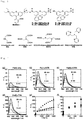
- Patent Literature 6 reports an Fe(II) ion detection fluorescence probe that has an N-oxide moiety (e.g., RhoNox-1; see Fig. 1 ).
- This fluorescence probe exploits the following characteristics; i.e., the N-oxide moiety reacts with an Fe(II) ion to thereby undergo deoxygenation, thus increasing fluorescence.
- Such a fluorescence probe producing a fluorescence-emission response to Fe(II) ions is very creative, making a clear departure from traditional fluorescence probes that produce a quenched response.
- the fluorescence probe is also excellent in detection sensitivity and selectivity to Fe(II) ions.
- Non-patent Literature 10 to 12 report fluorescence probes that are improved versions of the fluorescence probe disclosed in Patent Literature 6 (e.g., RhoNox-1).
- the fluorescence probes of Patent Literature 10 to 12 are compounds obtained by replacing the carboxyl in the rhodamine frame structure of RhoNox-1 with hydroxyl (e.g., HMRhoNox-M and HMRhoNox-E in Fig. 1 ).
- Patent Literature 6 reports a fluorescence probe excellent in detection sensitivity and selectivity to Fe(II) ions. However, the rate of response to Fe(II) ions is not necessarily satisfactory. To develop applications of the probe in, for example, clinical diagnostics, detection kits, and automatic analyzers, an Fe(II) ion detection agent with faster fluorescence response performance has been desired.
- An object of the present invention is to provide an Fe(II) ion detection agent capable of fluorescently detecting Fe(II) ions with higher sensitivity, faster than the fluorescence probe disclosed in Patent Literature 6, and to provide a detection method using the agent.
- the present inventors conducted extensive research to achieve the object and found that allowing an aminoacetic acid based-chelate compound, such as nitrilotriacetic acid (NTA) and ethylenediaminetetraacetic acid (EDTA), to be present together with the Fe(II) ion-selective fluorescence probe disclosed in Patent Literature 6 can significantly increase the response rate and the contrast of fluorescent response of the Fe(II) ion fluorescence probe. More specifically, the inventors found that the fluorescent response of the fluorescence probe disclosed in Patent Literature 6 can be more highly sensitive to Fe(II) ions. The inventors conducted further research on the basis of the findings and completed the present invention.
- NTA nitrilotriacetic acid
- EDTA ethylenediaminetetraacetic acid
- the present invention provides the following Fe(II) ion detection agent.
- the Fe(II) ion detection agent comprises a compound represented by formula (I) (fluorescence probe) and a compound having at least three coordinating positions.
- the agent can fluorescently detect Fe(II) ions with higher sensitivity, faster than the fluorescence probe alone.
- Patent Literature 6 JP2013-193990A ) states that the fluorescence probe has been recognized as being non-responsive to inactive Fe(II) ions that have been stabilized by a chelating agent, such as 2,2'-bipyridyl (e.g., paragraphs [0024] and [0098], and Fig. 7 of Patent Literature 6).
- a chelating agent such as 2,2'-bipyridyl
- adding a compound having at least three coordinating positions to the fluorescence probe has been found to make the probe capable of fluorescently detecting Fe(II) ions faster with higher sensitivity.
- the time period of one hour required for measurement using the fluorescence probe alone can be significantly shortened to about 5 to 10 minutes (e.g., test example 1, and charts (e) and (f) of Fig. 2 ).
- the Fe(II) ion detection method according to the present invention only mixes an inexpensive and readily available compound having at least three coordinating positions, such as NTA (nitrilotriacetic acid) and ethylenediaminetetraacetic acid (EDTA), with the fluorescence probe, and the method can be performed through a very simple operation. Thus, the method is highly versatile.
- NTA nitrilotriacetic acid
- EDTA ethylenediaminetetraacetic acid
- the Fe(II) ion detection agent enables selective and quantitative detection of an increase or decrease in Fe(II) ions in a test tube or cells, quickly and highly sensitively with a fluorescence microscope or the like.
- the agent is extremely useful in research for elucidating the pathological conditions of diseases with which iron may be associated.
- the agent is also highly useful in various situations, such as clinical setting and pharmaceutical development, where quick testing is required.
- Fe(II) ions play a role at the initial phase of corrosion occurring in iron as a material.
- the agent can also be used in research for ascertaining the corrosion mechanism of iron in marine vessels and the like. More specifically, the Fe(II) ion detection agent according to the present invention can contribute not only to medical science but also to material science.
- the Fe(II) ion detection agent of the present invention comprises a compound represented by formula (I) (fluorescence probe) in combination with a compound having at least three coordinating positions (which may be hereinafter referred to as "polydentate ligand compound").
- the compound represented by formula (I) contains an N-oxide site, which selectively reacts with an Fe(II) ion to thereby change into amino. Because the resulting amino-containing compound emits intense fluorescence, the compound represented by formula (I) can highly selectively and sensitively detect Fe(II) ions (a fluorescence characteristic). Thus, the compound is useful as an Fe(II) ion selective fluorescence probe.
- the Fe(II) ion which is the target for detection in the present invention, encompasses not only free Fe(II) ions but also compounds containing an Fe(II) ion to which a ligand-like compound (e.g., citric acid, amino acid, and protoporphyrin IX) is coordinated.
- a ligand-like compound e.g., citric acid, amino acid, and protoporphyrin IX
- Examples of "lower alkyl” represented by R 1 , R 2 , R 3 , R 4 , R 51 , R 52 , R 6 , or R 7 include linear or branched C 1-6 alkyl. Specific examples include methyl, ethyl, n-propyl, isopropyl, n-butyl, isobutyl, tert-butyl, sec-butyl, n-pentyl, neopentyl, n-hexyl, isohexyl, and 3-methylpentyl. Preferable examples include C 1-3 alkyl (i.e., methyl, ethyl, n-propyl, and isopropyl), and more preferable examples include methyl and ethyl.
- the "carboxy lower alkyl” represented by R 1 , R 2 , R 51 , or R 52 is a group formed by substituting at least one hydrogen atom of the lower alkyl listed above with carboxyl.
- Examples include linear or branched C 1-6 alkyl having 1 to 3 (in particular 1) carboxyl groups. Specific examples include carboxymethyl, 2-carboxyethyl, 3-carboxypropyl, and 4-carboxybutyl, with 2-carboxyethyl being preferable.
- aryl represented by R 1 , R 2 , R 51 , or R 52 include monocyclic or bicyclic aryl. Specific examples include phenyl, toluyl, xylyl, and naphthyl, with phenyl being preferable.
- aryl lower alkyl represented by R 1 , R 2 , R 51 , or R 52 is a group formed by substituting at least one hydrogen atom of the lower alkyl listed above with aryl.
- Examples include phenyl-C 1-6 alkyl, such as benzyl and phenethyl, with benzyl being preferable.
- halogen represented by R 3 , R 4 , R 6 , or R 7 include fluorine, chlorine, bromine, and iodine.
- Examples of the protecting group in "optionally protected hydroxyl” represented by R 5 include methoxymethyl (MOM), 2-tetrahydropyranyl (THP), and acetyl (Ac).
- R 1 and R 2 may be taken together with the nitrogen atom to which they are attached to form a pyrrolidine ring, a piperidine ring, a morpholine ring, or an optionally substituted piperazine ring" means that the group represented by the following formula:
- alkyl carbonyl represented by R 12 include C 2-6 alkyl carbonyl. Specific examples include acetyl, propionyl, butyryl, and isobutyryl. Preferable examples include C 2-3 alkyl carbonyl, such as acetyl and propionyl, and more preferable examples include acetyl.
- R 1 and R 3 may be taken together to form trimethylene
- trimethylene -CH 2 CH 2 CH 2 -; the same applies hereinafter
- R 2 and R 4 may be taken together to form trimethylene
- R 51 and R 52 may be taken together with the nitrogen atom to which they are attached to form a pyrrolidine ring, a piperidine ring, or a morpholine ring. This means that the group represented by the following formula:
- alkyl carbonyl represented by R 13 include C 2-6 alkyl carbonyl. Specific examples include acetyl, propionyl, butyryl, and isobutyryl. Preferable examples include C 2-3 alkyl carbonyl, such as acetyl and propionyl. More preferable examples include acetyl.
- R 51 and R 6 may be taken together to form trimethylene, and/or R 52 and R 7 may be taken together to form trimethylene.
- R 51 and R 6 may be taken together to form trimethylene
- R 52 and R 7 may be taken together to form trimethylene.
- heteroaromatic ring in the "optionally substituted heteroaromatic ring" in ring A examples include monocyclic, bicyclic, or tricyclic heteroaromatic rings containing 1 to 3 atoms selected from the group consisting of oxygen, nitrogen, and sulfur.
- examples include thiophene ring, furan ring, pyrrole ring, imidazole ring, pyridine ring, pyrazine ring, pyrimidine ring, pyridazine ring, indole ring, quinoline ring, isoquinoline ring, phthalazine ring, naphthyridine ring, quinoxaline ring, quinazoline ring, and acridine ring.
- the heteroaromatic ring may have 1 to 3 of these substituents.
- Examples of the protecting group in the "optionally protected hydroxyl” that is a substituent attached to ring A (including R 8 ) include methoxymethyl (MOM), 2-tetrahydropyranyl (THP), and acetyl (Ac).
- Examples of the "lower alkoxy” that is a substituent attached to ring A (including R 8 ) include linear or branched C 1 - 6 (in particular C 1-3 ) alkoxy. Specific examples include methoxy, ethoxy, n-propyloxy, and isopropyloxy.
- halogen that is a substituent attached to ring A (including R 8 ) include fluorine, chlorine, bromine, and iodine.
- Examples of the "lower alkoxycarbonyl” that is a substituent attached to ring A (including R 8 ) include linear or branched (C 1-6 alkoxy) carbonyl, such as methoxycarbonyl, ethoxycarbonyl, n-propyl oxycarbonyl, isopropyl oxycarbonyl, and tert-butyl oxycarbonyl.
- the active ester that is a substituent attached to ring A is a group in which carboxyl (-COOH) has been replaced with a highly reactive active ester.
- q is preferably 0, 1, or 2, more preferably 0 or 1, and particularly more preferably 0.
- the binding site to which R 8 binds in the benzene ring is preferably as shown below, wherein R 8 , W, and Z are as defined above.
- W is CH 2 , CO, or S(O) p , preferably CH 2 or CO, and more preferably CO.
- Z is O or NR 9 wherein R 9 is hydrogen or alkyl, and Z is preferably O.
- alkyl represented by R 9 examples include linear or branched C 1-6 alkyl, and specific examples include methyl, ethyl, n-propyl, and isopropyl.
- n 0 or 1, and is preferably 0.
- n 0 or 1, and is preferably 0.
- p is 1 or 2, and is preferably 2.
- Preferable examples of the compound represented by formula (I) include compounds wherein R 1 and R 2 are the same or different and represent C 1-6 alkyl; R 1 and R 2 may be taken together with the nitrogen atom to which they are attached to form a morpholine ring, or an optionally substituted piperazine ring (preferably an optionally substituted piperazine ring, and more preferably a piperazine ring substituted with alkyl carbonyl); R 3 and R 4 are hydrogen, or R 1 and R 3 may be taken together to form trimethylene; R 2 and R 4 may be taken together to form trimethylene; R 5 may be optionally protected hydroxyl or a group represented by formula (A): -NR 51 R 52 when R 5 is the group represented by formula (A), R 51 and R 52 are the same or different and represent C 1-6 alkyl; R 6 and R 7 represent hydrogen, or R 51 and R 6 may be taken together to form trimethylene; R 52 and R 7 may be taken together to form trimethylene; q is 0; W is CH 2 or
- More preferable examples of the compound represented by formula (I) include compounds wherein R 1 and R 2 are the same or different and represent C 1-6 alkyl; R 3 and R 4 are hydrogen or R 1 and R 3 may be taken together to form trimethylene; R 2 and R 4 may be taken together to form trimethylene; R 5 may be optionally protected hydroxyl or a group represented by formula (A): -NR 51 R 52 when R 5 is the group represented by formula (A), R 51 and R 52 are the same or different and represent C 1-6 alkyl; R 6 and R 7 represent hydrogen, or R 51 and R 6 may be taken together to form trimethylene; R 52 and R 7 may be taken together to form trimethylene; q is 0; W is CH 2 or CO; Z is O; m is 0; and n is 0.
- Still more preferable examples of the compound in the present invention include compounds represented by formula (I) wherein R 1 and R 2 are the same or different and represent C 1-3 alkyl; R 3 and R 4 are hydrogen; R 5 may be optionally protected hydroxyl or a group represented by formula (A): -NR 51 R 52 when R 5 is the group represented by formula (A), R 51 and R 52 are the same or different and represent C 1-3 alkyl; R 6 and R 7 are hydrogen; R 8 is hydrogen; q is 0; W is CH 2 or CO; Z is O; m is 0; and n is 0.
- Particularly more preferable examples of the compound in the present invention include compounds represented by formula (IA) : wherein W' represents CH 2 or CO; and R 1 , R 2 , R 3 , R 4 , R 51 , R 52 , R 6 , R 7 , and V are as defined above.
- V is O or SiR 10 R 11 , and is preferably O.
- R 10 and R 11 are the same or different and represent hydrogen or lower alkyl, with lower alkyl being preferable.
- Examples of lower alkyl for R 10 or R 11 include linear or branched C 1-4 alkyl, and preferably C 1-2 alkyl. Specific examples include methyl, ethyl, n-propyl, and isopropyl.
- particularly preferable compounds are those wherein V is O; R 2 , R 51 , and R 52 are the same or different and represent C 1-3 alkyl (more preferably methyl or ethyl, particularly more preferably ethyl); and R 3 , R 2 , R 6 , and R 7 are hydrogen.
- group R 5 when group R 5 contains an electron-donating atom, such as nitrogen and oxygen, (e.g., -NR 51 R 52 and hydroxyl), the double bonds of the conjugated system of the benzene ring in the xanthene frame structure may shift because of the electron donation effect, thereby forming a compound with an opened ring.
- group R 5 when group R 5 is - NR 51 R 52 , the ring opens, thereby giving a compound represented by formula (Ia): wherein R 1 , R 2 , R 3 , R 4 , R 5 , R 6 , R 7 , R 8 , V, W, Z, ring A, m, and n are as defined above.
- the compound represented by formula (I) can be produced, for example, as described below wherein R 1 , R 2 , R 3 , R 4 , R 5 , R 6 , R 7 , R 8 , V, W, Z, ring A, m, and n are as defined above.
- the compound represented by formula (II) can be readily available, or produced by or with reference to a known method.
- the compound represented by formula (I) can be produced by subjecting the compound represented by formula (II) to oxidation (a reaction for oxidizing the nitrogen atom).
- the compound represented by formula (I) can be produced by or with reference to the procedure disclosed in Patent Literature 6.
- the compound represented by formula (II), which is a starting material, may transform into a compound represented by formula (IIa): wherein R 1 , R 2 , R 3 , R 4 , R 5 , R 6 , R 7 , R 8 , V, W, Z, ring A, m, and n are as defined above, because the double bonds of the conjugated system of the benzene ring in the xanthene frame structure shift due to the electron donation effect of the nitrogen atom to which R 1 and R 2 are attached, thereby opening the ring.
- This compound typically emits intense fluorescence.
- the compound represented by formula (II) and/or the compound represented by formula (IIa) is dissolved in a medium (solvent)
- the compound represented by formula (II) and the compound represented by formula (IIa) typically stay in equilibrium.
- the point at which the equilibrium settles can vary depending on the polarity, pH, or other factors of the medium (solvent).
- the compound represented by formula (II) and the compound represented by formula (IIa) are collectively referred to as a "compound represented by formula (II)."
- Examples of the compound having at least three coordinating positions include compounds having the same or different at least three coordinating positions selected from the group consisting of amino, carboxyl, and nitrogen-containing heteroaromatic ring.
- amino refers to a moiety containing a nitrogen atom with sp 3 hybridized orbitals.
- nitrogen-containing heteroaromatic ring refers to a moiety of a pyridine ring.
- the nitrogen-containing heteroaromatic ring may optionally have 1 to 3 substituents (e.g., aryl, such as phenyl, toluyl, xylyl, and mesityl; and alkyl, such as methyl and ethyl).
- the coordinating positions represents amino, carboxyl, and pyridine ring. Amino and pyridine ring are still more preferable.
- the number of coordinating positions in the compound is 3 to 5, preferably 4 to 5, or the compound having at least three coordinating positions is selected from a group of specific compounds as defined in claim 1.
- the number of coordinating positions is preferably within 5.
- the number of coordinating positions is preferably within 3.
- aminocarboxylic acid compounds such as iminodiacetic acid (IDA), nitrilotriacetic acid (NTA), N,N,N',N'-ethylenediaminetetraacetic acid (EDTA), 1,3-propanediamine tetraacetic acid (PDTA), 1,2-diaminocyclohexane tetraacetic acid (CyDTA), N,N-bis(2-hydroxybenzyl) ethylenediamine diacetic acid (HBED), ethylenediamine dipropionic acid (EDDP), ethylenediamine diacetic acid (EDDA), ethylenediamine disuccinic acid (EDDS), hexamethylenediamine tetraacetic acid (HDTA), diaminopropane tetraacetic acid (Methyl-EDTA); pyridylmethyl amine compounds, such as tris(2-pyridylmethyl)amine (TPA), and dipicolyl
- TPA iminodiacetic acid
- Examples of the salts of compounds having at least three coordinating positions include alkali metal salts (e.g., lithium salt, sodium salt, and potassium salt), alkaline-earth metal salts (e.g., calcium salt), ammonium salts, and tetra-alkyl ammonium salts.
- alkali metal salts e.g., lithium salt, sodium salt, and potassium salt
- alkaline-earth metal salts e.g., calcium salt
- ammonium salts e.g., sodium salt
- tetra-alkyl ammonium salts tetra-alkyl ammonium salts.
- alkali metal salts sodium salt
- sodium salt sodium salt
- the Fe(II) ion detection agent according to the present invention comprises a compound represented by formula (I) (fluorescence probe) in combination with a compound having at least three coordinating positions (polydentate ligand compound).
- the Fe(II) ion detection agent according to the present invention is not particularly limited as long as the agent comprises the two components, and the agent is in the form of a mixture of the compound represented by formula (I) (fluorescence probe) with a compound having at least three coordinating positions (polydentate ligand compound) (e.g., compositions, and combination agents), or in the form of separate components each contained in individual containers (kit).
- Agents in the form of a mixture also include agents in solids form (e.g., powder and crystal) as well as agents in the form of solution or dispersion obtained by dissolving or dispersing the components in a medium (e.g., water and a buffer solution).
- Agents in the form of separate components each contained in individual containers may also be in the form of individual solids, or individual solutions or dispersions obtained by dissolving or dispersing the components in a medium (e.g., water and a buffer solution).
- the method for measuring (or detecting) Fe(II) ions according to the present invention comprises the steps of (1) mixing a specimen containing Fe(II) ions with the Fe(II) ion detection agent according to the present invention, and (2) measuring a fluorescence spectrum of the obtained mixture.
- Fe(II) ions can be measured by mixing a specimen containing Fe(II) ions with the Fe(II) ion detection agent of the present invention in a suitable buffer solution, incubating the mixture, and irradiating the incubated mixture with excitation light to measure the fluorescence.
- the buffer solution for use is not particularly limited, and examples include known buffer solutions, such as HEPES buffer solution (pH of 7.4).
- the concentration of the compound represented by formula (I) (fluorescence probe) in a buffer solution is not particularly limited, and is typically about 0.1 ⁇ M to 1 mM, preferably about 1 ⁇ M to 0.1 mM, and more preferably about 5 ⁇ M to 20 ⁇ M.
- the concentration of the compound having at least three coordinating positions (polydentate ligand compound) in a buffer solution is also not particularly limited, and is typically about 0.1 ⁇ M to 10 mM, preferably about 1 ⁇ M to 1 mM, and more preferably about 10 ⁇ M to 500 ⁇ M.
- the compound having at least three coordinating positions is present in an amount of typically about 1 to 1,000 moles, and preferably about 10 to 100 moles, per mole of the compound represented by formula (I) (fluorescence probe).
- the temperature and the time period for incubation are not particularly limited.
- the incubation can be performed at about 0 to 40°C for about 10 minutes to 2 hours.
- the temperature suitable for the culturing is preferably applied (e.g., 37°C for human-derived cells or tissues).
- the fluorescence can be measured by using a commercially available fluorometer.
- the dynamics of Fe(II) ions in cells can be investigated by observation using a known technique, such as a fluorescence microscope and a confocal laser scanning fluorescence microscope.
- the following Examples used silica gel column chromatography or alumina chromatography to purify compounds, and thin-layer chromatography (TLC), ESI-MS (JEOL JMS-T100TD), 1 H-NMR, or 13 C-NMR (JEOL ECA-500 spectrometer) to identify compounds.
- TLC thin-layer chromatography
- ESI-MS JEOL JMS-T100TD
- 1 H-NMR 1 H-NMR
- 13 C-NMR JEOL ECA-500 spectrometer
- RhoNox-1 was a 1 mM solution of RhoNox-1 in dimethyl sulfoxide was prepared for every specimen, and a buffer solution was added to achieve a desired final concentration.
- RhoNox-1 was added to a 50 mM HEPES buffer solution (pH of 7.4) to give a final concentration of 2 ⁇ M, and polydentate ligand compounds (NTA, EDTA, and TPA) were individually further added thereto to give a final concentration of 200 ⁇ M. Iron(II) sulfate was then added thereto to give a final concentration of 20 ⁇ M, and the mixture was measured for fluorescence every 5 minutes while being stirred at room temperature. Excitation wavelength: 540 nm.
- This test used HMRhoNox-M as a fluorescence probe.
- a 1 mM solution of HMRhoNox-M in dimethyl sulfoxide was prepared for every specimen, and a buffer solution was added to achieve a desired final concentration.
- HMRhoNox-M was added to 50 mM of a HEPES buffer solution (pH of 7.4) to give a final concentration of 2 ⁇ M, and then a polydentate ligand compound NTA was furhter added to give a final concentration of 200 ⁇ M. Iron(II) sulfate was then added thereto to give a final concentration of 20 ⁇ M, and the mixture was measured for fluorescence every 5 minutes while being stirred at room temperature. The excitation wavelength: 520 nm.
- This test used HMFluNox-M as a fluorescence probe.
- a 1 mM solution of HMFluNox-M in dimethyl sulfoxide was prepared for every specimen, and a buffer solution was added to achieve a desired final concentration.
- HMFluNox-M was added to 50 mM of a HEPES buffer solution (pH of 7.4) to give a final concentration of 2 ⁇ M, and then a polydentate ligand compound NTA was furhter added to give a final concentration of 200 ⁇ M. Iron(II) sulfate was then added thereto to give a final concentration of 20 ⁇ M, and the mixture was measured for fluorescence every 5 minutes while being stirred at room temperature.
- the experimental fact demonstrated above revealed that allowing various polydentate ligand compounds to be present together with the fluorescence probe represented by formula (I) can significantly increase both the response rate and the fluorescence intensity enhancement ratio in response to Fe(II) ions.
- the Fe(II) ion detection agent according to the present invention can detect Fe(II) ions contained in various specimens fast with high selectivity and high sensitivity.
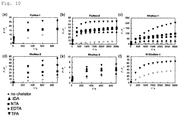
- This test used FluNox-1, FluNox-2, RhoNox-1, RhoNox-2, RhoNox-3, or Si-RhoNox-1 as a fluorescence probe, IDA, NTA, EDTA, or TPA as a polydentate ligand compound, and MnSO 4 , COSO 4 , NiSO 4 , FeSO 4 , FeCl 3 , CuSO 4 , ZnSO 4 , NaCl, KCl, MgCl 2 , CaCl 2 , or [Cu(MeCN) 4 PF 6] as a metal compound.
- the following stock solutions were prepared.
- the mixture was incubated for 30 minutes with stirring at room temperature, and measured for fluorescence intensity with a microplate reader (GloMax, Promega Corporation).
- a filter set suitable for the wavelength of each fluorescence probe was used to measure the fluorescence intensity. Specifically, an excitation wavelength of 490 nm was applied for FluNox-1 and FluNox-2, and the fluorescence intensity in the range of 510 nm to 570 nm was measured.
- An excitation wavelength of 525 nm was applied for RhoNox-1, RhoNox-2, and RhoNox-3, and the fluorescence intensity in the range of 580 nm to 640 nm was measured.
- An excitation wavelength of 625 nm was applied for Si-RhoNox-1, and the fluorescence intensity in the range of 660 nm to 720 nm was measured.
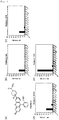
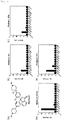
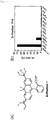
- Figs. 4 to 9 show the measurement results.
- the stock solutions were individually added to a buffer solution to give a desired final concentration for use.
- the following is the specific procedure.
- a fluorescence probe was added to 3 mL of a 50 mM HEPES buffer solution (pH of 7.4) to give a final concentration of 2 ⁇ M, and then a polydentate ligand compound was further added thereto to give a final concentration of 200 ⁇ M.
- FeSO 4 was then added thereto to give a final concentration of 20 ⁇ M.
- the fluorescence spectrum of each solution was measured with a spectrofluorophotometer (FP-6600, JASCO) at a time point of 0 seconds, 10 seconds, and then every 300 seconds over 60 minutes after the addition.
- FP-6600 spectrofluorophotometer
- the excitation wavelength was 500 nm for FluNox-1 and FluNox-2, 530 nm for RhoNox-1, RhoNox-2, and RhoNox-3, and 630 nm for SiRhoNox-1.
- the fluorescence intensity at 530 nm (FluNox-1 and FluNox-2), 570 nm (RhoNox-1, RhoNox-2, and RhoNox-3), and 665 nm (SiRhoNox-1) was measured.
- Fig. 10 shows the measurement results.
Landscapes
- Chemical & Material Sciences (AREA)
- Health & Medical Sciences (AREA)
- Life Sciences & Earth Sciences (AREA)
- Organic Chemistry (AREA)
- Immunology (AREA)
- Physics & Mathematics (AREA)
- Engineering & Computer Science (AREA)
- Biochemistry (AREA)
- Pathology (AREA)
- General Physics & Mathematics (AREA)
- Analytical Chemistry (AREA)
- General Health & Medical Sciences (AREA)
- Molecular Biology (AREA)
- Biomedical Technology (AREA)
- Urology & Nephrology (AREA)
- Hematology (AREA)
- Food Science & Technology (AREA)
- Medicinal Chemistry (AREA)
- Cell Biology (AREA)
- Microbiology (AREA)
- Biotechnology (AREA)
- Inorganic Chemistry (AREA)
- Chemical Kinetics & Catalysis (AREA)
- Optics & Photonics (AREA)
- Nuclear Medicine, Radiotherapy & Molecular Imaging (AREA)
- Biophysics (AREA)
- Investigating, Analyzing Materials By Fluorescence Or Luminescence (AREA)
- Investigating Or Analysing Materials By The Use Of Chemical Reactions (AREA)
- Investigating Or Analyzing Non-Biological Materials By The Use Of Chemical Means (AREA)
- Investigating Or Analysing Biological Materials (AREA)
- Pyrane Compounds (AREA)
- Heterocyclic Carbon Compounds Containing A Hetero Ring Having Oxygen Or Sulfur (AREA)
Claims (9)
- Mischung von einem Fe(II)-Ionendetektionsmittel, umfassend eine durch Formel (I) dargestellte Verbindung (Fluoreszenzsonde):
 R1 und R2 gleich oder verschieden sind und niederes Alkyl, niederes Carboxyalkyl, Aryl oder niederes Arylalkyl darstellen;R3 und R4 gleich oder verschieden sind und Wasserstoff, Halogen oder niederes Alkyl darstellen;R1 und R2 mit dem Stickstoffatom, an das sie gebunden sind, zusammen genommen werden können, um einen Pyrrolidinring, einen Piperidinring, einen Morpholinring oder einen gegebenenfalls substituierten Piperazinring zu bilden;R1 und R3 zusammen genommen werden können, um Trimethylen zu bilden;R2 und R4 zusammen genommen werden können, um Trimethylen zu bilden;R5 gegebenenfalls geschütztes Hydroxyl oder eine durch Formel (A): -NR51R52, dargestellte Gruppe darstellt, wobei R51 und R52 gleich oder verschieden sind und niederes Alkyl, niederes Carboxyalkyl, Aryl oder niederes Arylalkyl darstellen oder R51 und R52 zusammen mit dem Stickstoffatom, an das sie gebunden sind, genommen werden können, um einen Pyrrolidinring, einen Piperidinring, einen Morpholinring oder einen gegebenenfalls substituierten Piperazinring zu bilden;R6 und R7 gleich oder verschieden sind und Wasserstoff, Halogen oder niederes Alkyl darstellen;wenn R5 die durch Formel (A) dargestellte Gruppe ist, können R51 und R6 zusammengenommen werden, um Trimethylen zu bilden, oder R52 und R7 können zusammen genommen werden, um Trimethylen zu bilden;Ring A einen gegebenenfalls substituierten aromatischen Ring oder einen gegebenenfalls substituierten heteroaromatischen Ring darstellt;V O oder SiR10R11 darstellt, wobei R10 und R11 gleich oder verschieden sind und Wasserstoff oder niederes Alkyl darstellen;W CH2, CO oder S(O)p darstellt;Z O oder NR9 darstellt, wobei R9 Wasserstoff oder Alkyl darstellt;m und n gleich oder verschieden sind und 0 oder 1 darstellen; und p 1 oder 2 darstellt,in Kombination mit einer Verbindung mit den gleichen oder verschiedenen 3 bis 5 koordinierenden Positionen, ausgewählt aus der Gruppe bestehend aus Amino, Carboxyl und Pyridinring, wobei die Verbindung ausgewählt ist aus Pyridylmethylaminverbindungen und Aminocarbonsäureverbindungen und Salzen dieser Verbindungen, oderin Kombination mit einer Verbindung ausgewählt aus N,N,N',N'-Ethylendiamintetraessigsäure (EDTA), 1,3-Propandiamintetraessigsäure (PDTA), Ethylendiamintriessigsäure (HEDTA), 1,2-Diaminocyclohexantetraessigsäure (CyDTA), N,N-Bis (2-hydroxybenzyl)-ethylendiamindiessigsäure (HBED), Ethylendiamindisuccinsäure (EDDS), Hexamethylendiamintetraessigsäure (HDTA), Diaminopropantetraessigsäure (Methyl-EDTA) und Salzen dieser Verbindungen,wobei die durch Formel (I) dargestellte Verbindung (Fluoreszenzsonde) und die Verbindung mit den koordinierenden Positionen gemischt werden.
 - Mischung nach Anspruch 1, wobei die Verbindung mit mindestens drei koordinierenden Positionen Iminodiessigsäure (IDA), Nitrilotriessigsäure (NTA), N,N,N',N'-Ethylendiamintetraessigsäure (EDTA), Tris(2-pyridylmethyl)-amin (TPA) oder deren Salz ist.
- Mischung nach Anspruch 1 oder 2, wobei Ring A in Formel (I) durch Formel (a) dargestellt ist:

- Mischung nach irgendeinem der Ansprüche 1 bis 3,
worin R1 und R2 gleich oder verschieden sind und C1-6-Alkyl darstellen;
R1 und R2 mit dem Stickstoffatom, an das sie gebunden sind, zusammen genommen werden können, um einen Morpholinring oder einen gegebenenfalls substituierten Piperazinring zu bilden;
R3 und R4 Wasserstoff darstellen, oder
R1 und R3 zusammen genommen werden können, um Trimethylen zu bilden;
R2 und R4 zusammen genommen werden können, um Trimethylen zu bilden;
R5 optional geschütztes Hydroxyl oder eine durch Formel (A): -NR51R52 dargestellte Gruppe ist; wenn R5 die durch Formel (A) dargestellte Gruppe ist, R51 und R52 gleich oder verschieden sind und C1-6-Alkyl darstellen;
R6 und R7 Wasserstoff darstellen; oder
R51 und R6 zusammen genommen werden können, um Trimethylen zu bilden;
R52 und R7 zusammen genommen werden können, um Trimethylen zu bilden; q 0 ist; W CH2 oder CO ist; Z O ist; m 0 ist; und n 0 ist. - Mischung nach irgendeinem der Ansprüche 1 bis 4, worin R1 und R2 gleich oder verschieden sind und C1-3-Alkyl darstellen; R3 und R4 Wasserstoff darstellen, R5 optional geschütztes Hydroxyl oder eine durch Formel (A): -NR51R52 dargestellte Gruppe ist; wenn R5 die durch Formel (A) dargestellte Gruppe ist, R51 und R52 gleich oder verschieden sind und C1-3-Alkyl darstellen; R6 und R7 Wasserstoff darstellen; q 0 ist; W CH2 oder CO ist; Z O ist; m 0 ist; und n 0 ist.
- Kit von einem Fe(II)-Ionendetektionsmittel, umfassend eine durch Formel (I) dargestellte Verbindung (Fluoreszenzsonde):
 R1 und R2 gleich oder verschieden sind und niederes Alkyl, niederes Carboxyalkyl, Aryl oder niederes Arylalkyl darstellen;R3 und R4 gleich oder verschieden sind und Wasserstoff, Halogen oder niederes Alkyl darstellen;R1 und R2 mit dem Stickstoffatom, an das sie gebunden sind, zusammen genommen werden können, um einen Pyrrolidinring, einen Piperidinring, einen Morpholinring oder einen gegebenenfalls substituierten Piperazinring zu bilden;R1 und R3 zusammen genommen werden können, um Trimethylen zu bilden;R2 und R4 zusammen genommen werden können, um Trimethylen zu bilden;R5 gegebenenfalls geschütztes Hydroxyl oder eine durch Formel (A): -NR51R52, dargestellte Gruppe darstellt, wobei R51 und R52 gleich oder verschieden sind und niederes Alkyl, niederes Carboxyalkyl, Aryl oder niederes Arylalkyl darstellen oder R51 und R52 zusammen mit dem Stickstoffatom, an das sie gebunden sind, genommen werden können, um einen Pyrrolidinring, einen Piperidinring, einen Morpholinring oder einen gegebenenfalls substituierten Piperazinring zu bilden;R6 und R7 gleich oder verschieden sind und Wasserstoff, Halogen oder niederes Alkyl darstellen;wenn R5 die durch Formel (A) dargestellte Gruppe ist, können R51 und R6 zusammengenommen werden, um Trimethylen zu bilden, oder R52 und R7 können zusammen genommen werden, um Trimethylen zu bilden;Ring A einen gegebenenfalls substituierten aromatischen Ring oder einen gegebenenfalls substituierten heteroaromatischen Ring darstellt;V O oder SiR10R11 darstellt, wobei R10 und R11 gleich oder verschieden sind und Wasserstoff oder niederes Alkyl darstellen;W CH2, CO oder S(O)p darstellt;Z O oder NR9 darstellt, wobei R9 Wasserstoff oder Alkyl darstellt; m und n gleich oder verschieden sind und 0 oder 1 darstellen; und p 1 oder 2 darstellt,in Kombination mit einer Verbindung mit den gleichen oder verschiedenen 3 bis 5 koordinierenden Positionen, ausgewählt aus der Gruppe bestehend aus Amino, Carboxyl und Pyridinring, wobei die Verbindung ausgewählt ist aus Pyridylmethylaminverbindungen und Aminocarbonsäureverbindungen und Salzen dieser Verbindungen, oderin Kombination mit einer Verbindung ausgewählt aus N,N,N',N'-Ethylendiamintetraessigsäure (EDTA), 1,3-Propandiamintetraessigsäure (PDTA), Ethylendiamintriessigsäure (HEDTA), 1,2-Diaminocyclohexantetraessigsäure (CyDTA), N,N-Bis (2-hydroxybenzyl)-ethylendiamindiessigsäure (HBED), Ethylendiamindisuccinsäure (EDDS), Hexamethylendiamintetraessigsäure (HDTA), Diaminopropantetraessigsäure (Methyl-EDTA) und Salzen dieser Verbindungen, wobei das Kit des Fe(II)-Ionendetektionsmittels einen Behälter, der die durch Formel (I) dargestellte Verbindung (Fluoreszenzsonde) enthält, und einen Behälter, der die Verbindung mit den koordinierende Positionen enthält, umfasst.
 - Verfahren zum Nachweisen von Fe(II)-Ionen, umfassend die Schritte:(1) Mischen einer Probe, die Fe(II)-Ionen enthält, mit der Mischung von dem Fe(II)-Ionendetektionsmittel nach irgendeinem der Ansprüche 1 bis 5; und(2) Messen eines Fluoreszenzspektrums der erhaltenen Mischung.
- Verfahren zum Erhöhen der Nachweisempfindlichkeit von Fe(II)-Ionen, umfassend die Schritte:(1) Mischen einer Probe, die Fe(II)-Ionen enthält, mit der Mischung von dem Fe(II)-Ionendetektionsmittel nach irgendeinem der Ansprüche 1 bis 5; und(2) Messen eines Fluoreszenzspektrums der erhaltenen Mischung.
- Verfahren zur Herstellung eines Fe(II)-Ionendetektionsmittels, umfassend die Schritte:
Mischen einer durch Formel (I) dargestellten Verbindung (Fluoreszenzsonde): R1 und R2 gleich oder verschieden sind und niederes Alkyl, niederes Carboxyalkyl, Aryl oder niederes Arylalkyl darstellen;R3 und R4 gleich oder verschieden sind und Wasserstoff, Halogen oder niederes Alkyl darstellen;R1 und R2 mit dem Stickstoffatom, an das sie gebunden sind, zusammen genommen werden können, um einen Pyrrolidinring, einen Piperidinring, einen Morpholinring oder einen gegebenenfalls substituierten Piperazinring zu bilden;R1 und R3 zusammen genommen werden können, um Trimethylen zu bilden;R2 und R4 zusammen genommen werden können, um Trimethylen zu bilden;R5 gegebenenfalls geschütztes Hydroxyl oder eine durch Formel (A): -NR51R52, dargestellte Gruppe darstellen kann, wobei R51 und R52 gleich oder verschieden sind und niederes Alkyl, niederes Carboxyalkyl, Aryl oder niederes Arylalkyl darstellen oder R51 und R52 zusammen mit dem Stickstoffatom, an das sie gebunden sind, genommen werden können, um einen Pyrrolidinring, einen Piperidinring, einen Morpholinring oder einen gegebenenfalls substituierten Piperazinring zu bilden;R6 und R7 gleich oder verschieden sind und Wasserstoff, Halogen oder niederes Alkyl darstellen;wenn R5 die durch Formel (A) dargestellte Gruppe ist, können R51 und R6 zusammengenommen werden, um Trimethylen zu bilden, oder R52 und R7 können zusammen genommen werden, um Trimethylen zu bilden;Ring A einen gegebenenfalls substituierten aromatischen Ring oder einen gegebenenfalls substituierten heteroaromatischen Ring darstellt;V O oder SiR10R11 darstellt, wobei R10 und R11 gleich oder verschieden sind und Wasserstoff oder niederes Alkyl darstellen;W CH2, CO oder S(O)p darstellt;Z O oder NR9 darstellt, wobei R9 Wasserstoff oder Alkyl darstellt;m und n gleich oder verschieden sind und 0 oder 1 darstellen; und p 1 oder 2 darstellt,mit einer Verbindung mit den gleichen oder verschiedenen 3 bis 5 koordinierenden Positionen, ausgewählt aus der Gruppe bestehend aus Amino, Carboxyl und Pyridinring, wobei die Verbindung ausgewählt ist aus Pyridylmethylaminverbindungen und Aminocarbonsäureverbindungen und Salzen dieser Verbindungen, odermit einer Verbindung ausgewählt aus N,N,N',N'-Ethylendiamintetraessigsäure (EDTA), 1,3-Propandiamintetraessigsäure (PDTA), Ethylendiamintriessigsäure (HEDTA), 1,2-Diaminocyclohexantetraessigsäure (CyDTA), N,N-Bis (2-hydroxybenzyl)ethylendiamindiessigsäure (HBED), Ethylendiamindisuccinsäure (EDDS), Hexamethylendiamintetraessigsäure (HDTA), Diaminopropantetraessigsäure (Methyl-EDTA) und Salzen dieser Verbindungen.
Applications Claiming Priority (2)
| Application Number | Priority Date | Filing Date | Title |
|---|---|---|---|
| JP2014007140 | 2014-01-17 | ||
| PCT/JP2015/051151 WO2015108172A1 (ja) | 2014-01-17 | 2015-01-16 | 鉄(ii)イオン検出剤及びそれを用いた検出方法 |
Publications (3)
| Publication Number | Publication Date |
|---|---|
| EP3096143A1 EP3096143A1 (de) | 2016-11-23 |
| EP3096143A4 EP3096143A4 (de) | 2017-08-02 |
| EP3096143B1 true EP3096143B1 (de) | 2020-08-12 |
Family
ID=53543055
Family Applications (1)
| Application Number | Title | Priority Date | Filing Date |
|---|---|---|---|
| EP15737579.1A Active EP3096143B1 (de) | 2014-01-17 | 2015-01-16 | Eisen(ii)-ionen-detektionsmittel und detektionsverfahren damit |
Country Status (5)
| Country | Link |
|---|---|
| US (1) | US10451640B2 (de) |
| EP (1) | EP3096143B1 (de) |
| JP (1) | JP6612131B2 (de) |
| CN (1) | CN105917234B (de) |
| WO (1) | WO2015108172A1 (de) |
Families Citing this family (13)
| Publication number | Priority date | Publication date | Assignee | Title |
|---|---|---|---|---|
| JP6849983B2 (ja) * | 2016-06-30 | 2021-03-31 | 国立大学法人 東京大学 | 酵素特異的な細胞内滞留性赤色蛍光プローブ。 |
| CN106565679B (zh) * | 2016-10-25 | 2018-12-21 | 河南大学 | 一种铁离子检测试剂及其制备方法和应用 |
| CN108548789A (zh) * | 2018-06-14 | 2018-09-18 | 陕西省石油化工研究设计院 | 一种油类中金属含量快速检测方法 |
| CN109776564A (zh) * | 2019-03-12 | 2019-05-21 | 济南大学 | 一种氧杂蒽结构的亚铁离子荧光探针及其合成方法和应用 |
| CN110724520B (zh) * | 2019-09-23 | 2020-11-17 | 济南大学 | 一种检测重水中水含量的荧光探针及其应用 |
| CN110563616B (zh) * | 2019-10-09 | 2020-06-02 | 河南农业大学 | 一种基于丹磺酸结构的亚铁离子荧光探针分子、制备方法及应用 |
| CN111925399A (zh) * | 2020-07-09 | 2020-11-13 | 山东师范大学 | 一种反应型近红外光电活性受体及其合成方法和应用 |
| WO2022075439A1 (ja) * | 2020-10-08 | 2022-04-14 | 国立大学法人東海国立大学機構 | 抗トランスフェリンレセプター抗体の薬効又は感受性の判定方法 |
| JPWO2023166801A1 (de) * | 2022-03-02 | 2023-09-07 | ||
| CN114621172B (zh) * | 2022-03-14 | 2023-09-22 | 南华大学 | 一种高尔基体靶向亚铁离子荧光探针及其制备方法和应用 |
| CN115260163B (zh) * | 2022-06-24 | 2023-07-04 | 江西师范大学 | 一种含咔唑结构的咪唑型荧光分子及其制备方法和作为荧光探针的应用 |
| KR102723430B1 (ko) * | 2022-09-13 | 2024-10-28 | 경북대학교 산학협력단 | 신규한 로다민 유도체 및 이의 수은 이온 검출 용도 |
| CN120172990A (zh) * | 2025-05-19 | 2025-06-20 | 陕西理工大学 | 一种强荧光恢复的光控一氧化氮供体及其制备方法及应用 |
Family Cites Families (10)
| Publication number | Priority date | Publication date | Assignee | Title |
|---|---|---|---|---|
| EP1000941B1 (de) | 1997-07-02 | 2003-08-13 | Nagano, Testuo | Diaminorhodamin-derivate |
| CN1222518C (zh) | 2000-02-28 | 2005-10-12 | 第一化学药品株式会社 | 锌荧光探针 |
| JP2004101389A (ja) | 2002-09-10 | 2004-04-02 | Japan Science & Technology Corp | アルミニウムイオン及び/又は第二鉄イオン測定用プローブ |
| US8058442B2 (en) | 2002-11-07 | 2011-11-15 | Technion Research And Development Foundation Ltd. | Neuroprotective iron chelators and pharmaceutical compositions comprising them |
| US20090137612A1 (en) | 2007-11-27 | 2009-05-28 | William Howard Waugh | Treatment with combined use of oxypurines and ascorbate to prevent and mitigate iron-catalized oxidative damage in Alzheimer's disease and other neurodegenerative disorders |
| US20090253161A1 (en) * | 2008-04-03 | 2009-10-08 | Duke University | Fluorescent prochelators for cellular iron detection |
| CN102286279B (zh) * | 2011-06-23 | 2014-04-09 | 郑州大学 | 苯衍生物金属离子荧光探针及其应用 |
| CN102391150B (zh) * | 2011-09-08 | 2013-09-25 | 山东轻工业学院 | 一种铁离子荧光探针化合物及其制备方法 |
| JP5991831B2 (ja) * | 2012-03-21 | 2016-09-14 | 五稜化薬株式会社 | 蛍光プローブ |
| CN103436253B (zh) * | 2013-08-19 | 2015-01-07 | 滨州医学院 | 一种检测亚铁离子的罗丹明荧光探针及其制备方法 |
-
2015
- 2015-01-16 JP JP2015557906A patent/JP6612131B2/ja active Active
- 2015-01-16 US US15/111,919 patent/US10451640B2/en active Active
- 2015-01-16 EP EP15737579.1A patent/EP3096143B1/de active Active
- 2015-01-16 WO PCT/JP2015/051151 patent/WO2015108172A1/ja not_active Ceased
- 2015-01-16 CN CN201580004511.3A patent/CN105917234B/zh active Active
Non-Patent Citations (1)
| Title |
|---|
| None * |
Also Published As
| Publication number | Publication date |
|---|---|
| EP3096143A4 (de) | 2017-08-02 |
| JPWO2015108172A1 (ja) | 2017-03-23 |
| US10451640B2 (en) | 2019-10-22 |
| WO2015108172A1 (ja) | 2015-07-23 |
| CN105917234A (zh) | 2016-08-31 |
| EP3096143A1 (de) | 2016-11-23 |
| JP6612131B2 (ja) | 2019-11-27 |
| US20160356796A1 (en) | 2016-12-08 |
| CN105917234B (zh) | 2020-03-03 |
Similar Documents
| Publication | Publication Date | Title |
|---|---|---|
| US10451640B2 (en) | Iron (II) ion detection agent and detection method using same | |
| Jiao et al. | A novel rhodamine B-based “off-on’’fluorescent sensor for selective recognition of copper (II) ions | |
| JP6351511B2 (ja) | 非対称Siローダミン及びロドールの合成 | |
| Li et al. | A BOPHY probe for the fluorescence turn-on detection of Cu2+ | |
| Bao et al. | A new selective fluorescent chemical sensor for Fe3+ based on rhodamine B and a 1, 4, 7, 10-tetraoxa-13-azacyclopentadecane conjugate and its imaging in living cells | |
| Chen et al. | A novel imidazo [1, 5-α] pyridine-based fluorescent probe with a large Stokes shift for imaging hydrogen sulfide | |
| Ou-Yang et al. | Two-photon fluorescence probe for precisely detecting endogenous H2S in lysosome by employing a dual lock system | |
| Xia et al. | Ratiometric fluorescent and colorimetric BODIPY-based sensor for zinc ions in solution and living cells | |
| Liu et al. | A dual-site two-photon fluorescent probe for visualizing lysosomes and tracking lysosomal hydrogen sulfide with two different sets of fluorescence signals in the living cells and mouse liver tissues | |
| JP5526124B2 (ja) | 近赤外蛍光化合物 | |
| Shu et al. | Synthesis and evaluation of a novel fluorescent chemosensor for glutathione based on a rhodamine B and N-[4-(carbonyl) phenyl] maleimide conjugate and its application in living cell imaging | |
| Li et al. | A near-infrared fluorescent probe for Cu2+ in living cells based on coordination effect | |
| Zhao et al. | A novel dual-channel Schiff base fluorescent chemo-sensor for Zn2+ and Ca2+ recognition: Synthesis, mechanism and application | |
| Li et al. | Lysosome-targeted two-photon fluorescent probes for rapid detection of H2S in live cells | |
| JP5228190B2 (ja) | パーオキシナイトライト蛍光プローブ | |
| Zhao et al. | Molecular design strategies of multifunctional probe for simultaneous monitoring of Cu2+, Al3+, Ca2+ and endogenous L-phenylalanine (LPA) recognition in living cells and zebrafishes | |
| More et al. | Molecular design of fluorescent pH sensors based on reduced rhodol by structure-pKa relationship for imaging of lysosome | |
| Yi et al. | A novel mitochondria-targeted phosphorescence probe for hypochlorite ions detection in living cells | |
| Zhao et al. | A novel HPQ-based turn-on fluorescent probe for detection of fluoride ions in living cells | |
| Huang et al. | Phosphinate-based mitochondria-targeted fluorescent probe for imaging and detection of endogenous superoxide in live cells and in vivo | |
| Yang et al. | Development of a near-infrared fluorescent sensor with a large Stokes shift for sensing pyrophosphate in living cells and animals | |
| Wang et al. | A novel dark resonance energy transfer-based fluorescent probe with large Stokes shift for the detection of pH and its imaging application | |
| Das et al. | A cell-compatible phenolphthalein-aminophenol scaffold for Al3+ sensing assisted by CHEF phenomenon | |
| Yang et al. | An activatable AIEgen probe for in-situ monitoring and long-term tracking of ferrous ions in living cells | |
| CN113637048B (zh) | 一种γ-谷氨酰转肽酶的双光子荧光探针及其制备方法和应用 |
Legal Events
| Date | Code | Title | Description |
|---|---|---|---|
| PUAI | Public reference made under article 153(3) epc to a published international application that has entered the european phase |
Free format text: ORIGINAL CODE: 0009012 |
|
| 17P | Request for examination filed |
Effective date: 20160704 |
|
| AK | Designated contracting states |
Kind code of ref document: A1 Designated state(s): AL AT BE BG CH CY CZ DE DK EE ES FI FR GB GR HR HU IE IS IT LI LT LU LV MC MK MT NL NO PL PT RO RS SE SI SK SM TR |
|
| AX | Request for extension of the european patent |
Extension state: BA ME |
|
| DAX | Request for extension of the european patent (deleted) | ||
| A4 | Supplementary search report drawn up and despatched |
Effective date: 20170703 |
|
| RIC1 | Information provided on ipc code assigned before grant |
Ipc: G01N 21/64 20060101ALI20170627BHEP Ipc: G01N 31/00 20060101ALI20170627BHEP Ipc: G01N 33/52 20060101ALI20170627BHEP Ipc: G01N 31/22 20060101ALI20170627BHEP Ipc: C07D 493/10 20060101ALI20170627BHEP Ipc: G01N 33/84 20060101AFI20170627BHEP |
|
| STAA | Information on the status of an ep patent application or granted ep patent |
Free format text: STATUS: EXAMINATION IS IN PROGRESS |
|
| 17Q | First examination report despatched |
Effective date: 20180504 |
|
| RAP1 | Party data changed (applicant data changed or rights of an application transferred) |
Owner name: CELLSPECT CO., LTD. |
|
| GRAP | Despatch of communication of intention to grant a patent |
Free format text: ORIGINAL CODE: EPIDOSNIGR1 |
|
| STAA | Information on the status of an ep patent application or granted ep patent |
Free format text: STATUS: GRANT OF PATENT IS INTENDED |
|
| INTG | Intention to grant announced |
Effective date: 20200227 |
|
| GRAS | Grant fee paid |
Free format text: ORIGINAL CODE: EPIDOSNIGR3 |
|
| GRAA | (expected) grant |
Free format text: ORIGINAL CODE: 0009210 |
|
| STAA | Information on the status of an ep patent application or granted ep patent |
Free format text: STATUS: THE PATENT HAS BEEN GRANTED |
|
| AK | Designated contracting states |
Kind code of ref document: B1 Designated state(s): AL AT BE BG CH CY CZ DE DK EE ES FI FR GB GR HR HU IE IS IT LI LT LU LV MC MK MT NL NO PL PT RO RS SE SI SK SM TR |
|
| RAP1 | Party data changed (applicant data changed or rights of an application transferred) |
Owner name: CELLSPECT CO., LTD. |
|
| REG | Reference to a national code |
Ref country code: CH Ref legal event code: EP |
|
| REG | Reference to a national code |
Ref country code: IE Ref legal event code: FG4D |
|
| REG | Reference to a national code |
Ref country code: DE Ref legal event code: R096 Ref document number: 602015057339 Country of ref document: DE |
|
| REG | Reference to a national code |
Ref country code: AT Ref legal event code: REF Ref document number: 1302064 Country of ref document: AT Kind code of ref document: T Effective date: 20200915 |
|
| REG | Reference to a national code |
Ref country code: CH Ref legal event code: NV Representative=s name: SERVOPATENT GMBH, CH |
|
| REG | Reference to a national code |
Ref country code: LT Ref legal event code: MG4D |
|
| REG | Reference to a national code |
Ref country code: NL Ref legal event code: MP Effective date: 20200812 |
|
| PG25 | Lapsed in a contracting state [announced via postgrant information from national office to epo] |
Ref country code: SE Free format text: LAPSE BECAUSE OF FAILURE TO SUBMIT A TRANSLATION OF THE DESCRIPTION OR TO PAY THE FEE WITHIN THE PRESCRIBED TIME-LIMIT Effective date: 20200812 Ref country code: HR Free format text: LAPSE BECAUSE OF FAILURE TO SUBMIT A TRANSLATION OF THE DESCRIPTION OR TO PAY THE FEE WITHIN THE PRESCRIBED TIME-LIMIT Effective date: 20200812 Ref country code: GR Free format text: LAPSE BECAUSE OF FAILURE TO SUBMIT A TRANSLATION OF THE DESCRIPTION OR TO PAY THE FEE WITHIN THE PRESCRIBED TIME-LIMIT Effective date: 20201113 Ref country code: NO Free format text: LAPSE BECAUSE OF FAILURE TO SUBMIT A TRANSLATION OF THE DESCRIPTION OR TO PAY THE FEE WITHIN THE PRESCRIBED TIME-LIMIT Effective date: 20201112 Ref country code: BG Free format text: LAPSE BECAUSE OF FAILURE TO SUBMIT A TRANSLATION OF THE DESCRIPTION OR TO PAY THE FEE WITHIN THE PRESCRIBED TIME-LIMIT Effective date: 20201112 Ref country code: LT Free format text: LAPSE BECAUSE OF FAILURE TO SUBMIT A TRANSLATION OF THE DESCRIPTION OR TO PAY THE FEE WITHIN THE PRESCRIBED TIME-LIMIT Effective date: 20200812 Ref country code: FI Free format text: LAPSE BECAUSE OF FAILURE TO SUBMIT A TRANSLATION OF THE DESCRIPTION OR TO PAY THE FEE WITHIN THE PRESCRIBED TIME-LIMIT Effective date: 20200812 |
|
| REG | Reference to a national code |
Ref country code: AT Ref legal event code: MK05 Ref document number: 1302064 Country of ref document: AT Kind code of ref document: T Effective date: 20200812 |
|
| PG25 | Lapsed in a contracting state [announced via postgrant information from national office to epo] |
Ref country code: IS Free format text: LAPSE BECAUSE OF FAILURE TO SUBMIT A TRANSLATION OF THE DESCRIPTION OR TO PAY THE FEE WITHIN THE PRESCRIBED TIME-LIMIT Effective date: 20201212 Ref country code: NL Free format text: LAPSE BECAUSE OF FAILURE TO SUBMIT A TRANSLATION OF THE DESCRIPTION OR TO PAY THE FEE WITHIN THE PRESCRIBED TIME-LIMIT Effective date: 20200812 Ref country code: LV Free format text: LAPSE BECAUSE OF FAILURE TO SUBMIT A TRANSLATION OF THE DESCRIPTION OR TO PAY THE FEE WITHIN THE PRESCRIBED TIME-LIMIT Effective date: 20200812 Ref country code: RS Free format text: LAPSE BECAUSE OF FAILURE TO SUBMIT A TRANSLATION OF THE DESCRIPTION OR TO PAY THE FEE WITHIN THE PRESCRIBED TIME-LIMIT Effective date: 20200812 Ref country code: PL Free format text: LAPSE BECAUSE OF FAILURE TO SUBMIT A TRANSLATION OF THE DESCRIPTION OR TO PAY THE FEE WITHIN THE PRESCRIBED TIME-LIMIT Effective date: 20200812 |
|
| PG25 | Lapsed in a contracting state [announced via postgrant information from national office to epo] |
Ref country code: CZ Free format text: LAPSE BECAUSE OF FAILURE TO SUBMIT A TRANSLATION OF THE DESCRIPTION OR TO PAY THE FEE WITHIN THE PRESCRIBED TIME-LIMIT Effective date: 20200812 Ref country code: DK Free format text: LAPSE BECAUSE OF FAILURE TO SUBMIT A TRANSLATION OF THE DESCRIPTION OR TO PAY THE FEE WITHIN THE PRESCRIBED TIME-LIMIT Effective date: 20200812 Ref country code: EE Free format text: LAPSE BECAUSE OF FAILURE TO SUBMIT A TRANSLATION OF THE DESCRIPTION OR TO PAY THE FEE WITHIN THE PRESCRIBED TIME-LIMIT Effective date: 20200812 Ref country code: SM Free format text: LAPSE BECAUSE OF FAILURE TO SUBMIT A TRANSLATION OF THE DESCRIPTION OR TO PAY THE FEE WITHIN THE PRESCRIBED TIME-LIMIT Effective date: 20200812 Ref country code: RO Free format text: LAPSE BECAUSE OF FAILURE TO SUBMIT A TRANSLATION OF THE DESCRIPTION OR TO PAY THE FEE WITHIN THE PRESCRIBED TIME-LIMIT Effective date: 20200812 |
|
| REG | Reference to a national code |
Ref country code: DE Ref legal event code: R097 Ref document number: 602015057339 Country of ref document: DE |
|
| PG25 | Lapsed in a contracting state [announced via postgrant information from national office to epo] |
Ref country code: AL Free format text: LAPSE BECAUSE OF FAILURE TO SUBMIT A TRANSLATION OF THE DESCRIPTION OR TO PAY THE FEE WITHIN THE PRESCRIBED TIME-LIMIT Effective date: 20200812 Ref country code: AT Free format text: LAPSE BECAUSE OF FAILURE TO SUBMIT A TRANSLATION OF THE DESCRIPTION OR TO PAY THE FEE WITHIN THE PRESCRIBED TIME-LIMIT Effective date: 20200812 Ref country code: ES Free format text: LAPSE BECAUSE OF FAILURE TO SUBMIT A TRANSLATION OF THE DESCRIPTION OR TO PAY THE FEE WITHIN THE PRESCRIBED TIME-LIMIT Effective date: 20200812 |
|
| PLBE | No opposition filed within time limit |
Free format text: ORIGINAL CODE: 0009261 |
|
| STAA | Information on the status of an ep patent application or granted ep patent |
Free format text: STATUS: NO OPPOSITION FILED WITHIN TIME LIMIT |
|
| PG25 | Lapsed in a contracting state [announced via postgrant information from national office to epo] |
Ref country code: SK Free format text: LAPSE BECAUSE OF FAILURE TO SUBMIT A TRANSLATION OF THE DESCRIPTION OR TO PAY THE FEE WITHIN THE PRESCRIBED TIME-LIMIT Effective date: 20200812 |
|
| 26N | No opposition filed |
Effective date: 20210514 |
|
| PG25 | Lapsed in a contracting state [announced via postgrant information from national office to epo] |
Ref country code: IT Free format text: LAPSE BECAUSE OF FAILURE TO SUBMIT A TRANSLATION OF THE DESCRIPTION OR TO PAY THE FEE WITHIN THE PRESCRIBED TIME-LIMIT Effective date: 20200812 |
|
| PG25 | Lapsed in a contracting state [announced via postgrant information from national office to epo] |
Ref country code: SI Free format text: LAPSE BECAUSE OF FAILURE TO SUBMIT A TRANSLATION OF THE DESCRIPTION OR TO PAY THE FEE WITHIN THE PRESCRIBED TIME-LIMIT Effective date: 20200812 Ref country code: MC Free format text: LAPSE BECAUSE OF FAILURE TO SUBMIT A TRANSLATION OF THE DESCRIPTION OR TO PAY THE FEE WITHIN THE PRESCRIBED TIME-LIMIT Effective date: 20200812 |
|
| PG25 | Lapsed in a contracting state [announced via postgrant information from national office to epo] |
Ref country code: LU Free format text: LAPSE BECAUSE OF NON-PAYMENT OF DUE FEES Effective date: 20210116 |
|
| REG | Reference to a national code |
Ref country code: BE Ref legal event code: MM Effective date: 20210131 |
|
| PG25 | Lapsed in a contracting state [announced via postgrant information from national office to epo] |
Ref country code: FR Free format text: LAPSE BECAUSE OF NON-PAYMENT OF DUE FEES Effective date: 20210131 |
|
| PG25 | Lapsed in a contracting state [announced via postgrant information from national office to epo] |
Ref country code: IE Free format text: LAPSE BECAUSE OF NON-PAYMENT OF DUE FEES Effective date: 20210116 |
|
| PG25 | Lapsed in a contracting state [announced via postgrant information from national office to epo] |
Ref country code: BE Free format text: LAPSE BECAUSE OF NON-PAYMENT OF DUE FEES Effective date: 20210131 |
|
| PG25 | Lapsed in a contracting state [announced via postgrant information from national office to epo] |
Ref country code: PT Free format text: LAPSE BECAUSE OF FAILURE TO SUBMIT A TRANSLATION OF THE DESCRIPTION OR TO PAY THE FEE WITHIN THE PRESCRIBED TIME-LIMIT Effective date: 20201214 |
|
| PG25 | Lapsed in a contracting state [announced via postgrant information from national office to epo] |
Ref country code: HU Free format text: LAPSE BECAUSE OF FAILURE TO SUBMIT A TRANSLATION OF THE DESCRIPTION OR TO PAY THE FEE WITHIN THE PRESCRIBED TIME-LIMIT; INVALID AB INITIO Effective date: 20150116 |
|
| PG25 | Lapsed in a contracting state [announced via postgrant information from national office to epo] |
Ref country code: CY Free format text: LAPSE BECAUSE OF FAILURE TO SUBMIT A TRANSLATION OF THE DESCRIPTION OR TO PAY THE FEE WITHIN THE PRESCRIBED TIME-LIMIT Effective date: 20200812 |
|
| PG25 | Lapsed in a contracting state [announced via postgrant information from national office to epo] |
Ref country code: MK Free format text: LAPSE BECAUSE OF FAILURE TO SUBMIT A TRANSLATION OF THE DESCRIPTION OR TO PAY THE FEE WITHIN THE PRESCRIBED TIME-LIMIT Effective date: 20200812 |
|
| PG25 | Lapsed in a contracting state [announced via postgrant information from national office to epo] |
Ref country code: MT Free format text: LAPSE BECAUSE OF FAILURE TO SUBMIT A TRANSLATION OF THE DESCRIPTION OR TO PAY THE FEE WITHIN THE PRESCRIBED TIME-LIMIT Effective date: 20200812 |
|
| PG25 | Lapsed in a contracting state [announced via postgrant information from national office to epo] |
Ref country code: TR Free format text: LAPSE BECAUSE OF FAILURE TO SUBMIT A TRANSLATION OF THE DESCRIPTION OR TO PAY THE FEE WITHIN THE PRESCRIBED TIME-LIMIT Effective date: 20200812 |
|
| REG | Reference to a national code |
Ref country code: CH Ref legal event code: U11 Free format text: ST27 STATUS EVENT CODE: U-0-0-U10-U11 (AS PROVIDED BY THE NATIONAL OFFICE) Effective date: 20260201 |
|
| PGFP | Annual fee paid to national office [announced via postgrant information from national office to epo] |
Ref country code: GB Payment date: 20260112 Year of fee payment: 12 |
|
| PGFP | Annual fee paid to national office [announced via postgrant information from national office to epo] |
Ref country code: DE Payment date: 20260114 Year of fee payment: 12 |
|
| PGFP | Annual fee paid to national office [announced via postgrant information from national office to epo] |
Ref country code: CH Payment date: 20260201 Year of fee payment: 12 |