EP3100411B1 - Bidirektionale datensicherheit für überwachungssteuerungs- und datenerfassungsnetzwerke - Google Patents
Bidirektionale datensicherheit für überwachungssteuerungs- und datenerfassungsnetzwerke Download PDFInfo
- Publication number
- EP3100411B1 EP3100411B1 EP15742692.5A EP15742692A EP3100411B1 EP 3100411 B1 EP3100411 B1 EP 3100411B1 EP 15742692 A EP15742692 A EP 15742692A EP 3100411 B1 EP3100411 B1 EP 3100411B1
- Authority
- EP
- European Patent Office
- Prior art keywords
- rule
- processor
- data
- data messages
- content
- Prior art date
- Legal status (The legal status is an assumption and is not a legal conclusion. Google has not performed a legal analysis and makes no representation as to the accuracy of the status listed.)
- Active
Links
Images
Classifications
-
- H—ELECTRICITY
- H04—ELECTRIC COMMUNICATION TECHNIQUE
- H04L—TRANSMISSION OF DIGITAL INFORMATION, e.g. TELEGRAPHIC COMMUNICATION
- H04L63/00—Network architectures or network communication protocols for network security
- H04L63/02—Network architectures or network communication protocols for network security for separating internal from external traffic, e.g. firewalls
-
- H—ELECTRICITY
- H04—ELECTRIC COMMUNICATION TECHNIQUE
- H04L—TRANSMISSION OF DIGITAL INFORMATION, e.g. TELEGRAPHIC COMMUNICATION
- H04L63/00—Network architectures or network communication protocols for network security
- H04L63/02—Network architectures or network communication protocols for network security for separating internal from external traffic, e.g. firewalls
- H04L63/0209—Architectural arrangements, e.g. perimeter networks or demilitarized zones
- H04L63/0218—Distributed architectures, e.g. distributed firewalls
-
- H—ELECTRICITY
- H04—ELECTRIC COMMUNICATION TECHNIQUE
- H04L—TRANSMISSION OF DIGITAL INFORMATION, e.g. TELEGRAPHIC COMMUNICATION
- H04L63/00—Network architectures or network communication protocols for network security
- H04L63/02—Network architectures or network communication protocols for network security for separating internal from external traffic, e.g. firewalls
- H04L63/0227—Filtering policies
-
- H—ELECTRICITY
- H04—ELECTRIC COMMUNICATION TECHNIQUE
- H04L—TRANSMISSION OF DIGITAL INFORMATION, e.g. TELEGRAPHIC COMMUNICATION
- H04L63/00—Network architectures or network communication protocols for network security
- H04L63/02—Network architectures or network communication protocols for network security for separating internal from external traffic, e.g. firewalls
- H04L63/0227—Filtering policies
- H04L63/0263—Rule management
-
- H—ELECTRICITY
- H04—ELECTRIC COMMUNICATION TECHNIQUE
- H04L—TRANSMISSION OF DIGITAL INFORMATION, e.g. TELEGRAPHIC COMMUNICATION
- H04L63/00—Network architectures or network communication protocols for network security
- H04L63/02—Network architectures or network communication protocols for network security for separating internal from external traffic, e.g. firewalls
- H04L63/029—Firewall traversal, e.g. tunnelling or, creating pinholes
-
- H—ELECTRICITY
- H04—ELECTRIC COMMUNICATION TECHNIQUE
- H04L—TRANSMISSION OF DIGITAL INFORMATION, e.g. TELEGRAPHIC COMMUNICATION
- H04L63/00—Network architectures or network communication protocols for network security
- H04L63/14—Network architectures or network communication protocols for network security for detecting or protecting against malicious traffic
- H04L63/1408—Network architectures or network communication protocols for network security for detecting or protecting against malicious traffic by monitoring network traffic
-
- H—ELECTRICITY
- H04—ELECTRIC COMMUNICATION TECHNIQUE
- H04L—TRANSMISSION OF DIGITAL INFORMATION, e.g. TELEGRAPHIC COMMUNICATION
- H04L67/00—Network arrangements or protocols for supporting network services or applications
- H04L67/01—Protocols
- H04L67/02—Protocols based on web technology, e.g. hypertext transfer protocol [HTTP]
-
- H—ELECTRICITY
- H04—ELECTRIC COMMUNICATION TECHNIQUE
- H04L—TRANSMISSION OF DIGITAL INFORMATION, e.g. TELEGRAPHIC COMMUNICATION
- H04L69/00—Network arrangements, protocols or services independent of the application payload and not provided for in the other groups of this subclass
- H04L69/22—Parsing or analysis of headers
-
- G—PHYSICS
- G05—CONTROLLING; REGULATING
- G05B—CONTROL OR REGULATING SYSTEMS IN GENERAL; FUNCTIONAL ELEMENTS OF SUCH SYSTEMS; MONITORING OR TESTING ARRANGEMENTS FOR SUCH SYSTEMS OR ELEMENTS
- G05B2219/00—Program-control systems
- G05B2219/30—Nc systems
- G05B2219/32—Operator till task planning
- G05B2219/32404—Scada supervisory control and data acquisition
-
- G—PHYSICS
- G06—COMPUTING OR CALCULATING; COUNTING
- G06Q—INFORMATION AND COMMUNICATION TECHNOLOGY [ICT] SPECIALLY ADAPTED FOR ADMINISTRATIVE, COMMERCIAL, FINANCIAL, MANAGERIAL OR SUPERVISORY PURPOSES; SYSTEMS OR METHODS SPECIALLY ADAPTED FOR ADMINISTRATIVE, COMMERCIAL, FINANCIAL, MANAGERIAL OR SUPERVISORY PURPOSES, NOT OTHERWISE PROVIDED FOR
- G06Q50/00—Information and communication technology [ICT] specially adapted for implementation of business processes of specific business sectors, e.g. utilities or tourism
- G06Q50/06—Energy or water supply
Definitions
- This disclosure relates generally to the field of cybersecurity for automation and control systems that are monitored and/or controlled over public or private internet protocol (IP) networks. More specifically, it relates to a device and a method for providing secure communications to and from one or more supervisor control and data acquisition (SCADA) devices in such automation and control systems.
- IP internet protocol
- SCADA Supervisor Control and Data Acquisition
- IP internet protocol
- SCADA devices such as switches, meters, and sensors
- IP internet protocol
- Most SCADA devices utilize communication protocols, such as Distributed Network Protocol V3.0 (DNP3), which are not designed with robust built-in security.
- DNP3 Distributed Network Protocol V3.0
- these networked devices are susceptible to cyber-terrorism and other malicious attacks, such as social engineer and man-in-the-middle attacks, from internal or external networks, whether connected to private local networks or the public internet. This poses a serious cyber-security challenge and risk to critical infrastructure in many industries, such as, for example, petroleum refining, natural gas processing, chemical processing, power generation and distribution, and water purification.
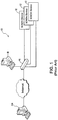
- FIG. 1 illustrates a conventional SCADA network 10 of automation and control devices.
- the network 10 includes a plurality of SCADA devices 12 linked to an external or remote SCADA control terminal 14 by a network communication device 16, such as, for example, a router. Communication between the remote terminal 14 and the communication device 16 may be through the Internet (as shown), or alternatively, through a Local Area Network (LAN) or a Wide Area Network (WAN).
- a local or internal SCADA control terminal 18 may also be linked to the SCADA devices 12 and the external control terminal 14 by the communication device 16.
- Fig. 1 Commercially available options exist for providing a degree of security for networks such as the network 10 shown in Fig. 1 .
- the invention is defined by the appended claims.
- the present invention relates to a cyber-security device, a method for providing secure communication of SCADA or automation protocol data between an external network and an internal network, and an automation and control system, as defined in the appended claims.
- a bidirectional cyber-security (“data guard") device for a SCADA network is installed in-line between each SCADA device and a network (either internal or external) to protect each SCADA device from attack, and to validate the integrity of all data and commands sent to each SCADA device and all information sent from each SCADA device to the network for further dissemination.
- the bi-directional SCADA network cyber-security or "data guard” device provides protection across all seven OSI model layers by installing a physical hardware "firewall" between each SCADA device and the network, with a customizable rule-set programmed into the device for processing inbound and outbound data (commands and messages), passing only validated data, and deleting or blocking data that do not conform to validation criteria established by the rule-set.
- the rule-set can be customized for each SCADA device and the control network.
- separate rule sets are provided to define how inbound and outbound data are processed, and either blocked or validated.
- a cyber-security device in accordance with embodiments of this disclosure comprises a processor programed with a data validation rule-set (preferably separate data validation rule-sets for inbound and outbound data); an external communication interface configured for bi-directional data communication between the processor and an external network; and an internal communication interface configured for bi-directional data communication between the processor and at least one SCADA device, wherein the data received by the processor via either the external or internal communication interface is either blocked or passed by the appropriate rule-set, depending on whether the data conform to validation criteria established by the rule-set.
- the processor analyzes the data, preferably byte-by-byte, with the data in each byte being required to conform to the rule-set validation criteria before being passed from the processor to the appropriate interface.
- the processor may also be configured to be re-programmed with new rule-sets during start-up ("re-booting"), but only when a programming switch, preferably a physical hardware switch, is actuated during start-up, thereby assuring that the security provided by the rule-set validation criteria cannot be defeated or compromised without physical access to the cyber-security device.
- re-booting a programming switch, preferably a physical hardware switch
- a method of validating data transmitted between an internal network including a SCADA device and an external network comprises, in at least some embodiments, (a) providing a processor programmed with a rule-set establishing data validation criteria; (b) communicating data to the processor from one of the internal and external networks; (c) operating the processor to determine if the data conform to the data validation criteria established by the rule-set; and (d) communicating the data from the processor to the other of the internal and external networks only if the data conform to the validation criteria.
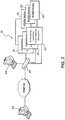
- FIG. 2 shows a SCADA network 20 that includes a plurality of SCADA devices 22 linked to an external or remote SCADA control terminal 24 by a network communication device 26, such as, for example, a router.
- a network communication device 26 such as, for example, a router.
- Communication between the remote terminal 24 and the communication device 26 may be through the Internet (as shown), or alternatively, through a Local Area Network (LAN) or a Wide Area Network (WAN).
- LAN Local Area Network
- WAN Wide Area Network
- a local or internal SCADA control terminal 28 may also be linked to the SCADA devices 22 and the external control terminal 24 by the communication device 26.
- the network 20 differs from the network 10 of Fig. 1 , as described above, primarily by the provision of one or more cyber-security devices or "data guards" 30, in accordance with this disclosure.
- the data guards 30, which will be described in detail below, are installed between the SCADA devices 22 and the communication device 26, whereby all data communicated to or from each SCADA device passes through, and is processed by, one data guard 30, as will be described below.
- a single data guard device 30 is operationally associated with each SCADA device 22, so that each SCADA device 22 has its own dedicated data guard device 30, but other configurations may be suitable, depending on the particular application.
- a network may be configured, for example, with one data guard device 30 operationally associated with two or more SCADA devices 22.
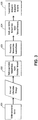
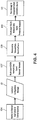
- Figures 3 and 4 show generally the flow of data into and out of a data guard device 30.
- outbound data (information and/or messages) are generated (step 101) by one of the SCADA devices 22.
- the data may represent status information and/or messages acquired by the SCADA device 22 from the automation and control system (not shown) in which the SCADA device 22 is installed.
- the SCADA-generated data are received by the data guard device 30 (step 102) through a protected internal communication interface, preferably an Ethernet interface.
- the data are then processed (step 103) by validation software in the data guard device 30, first to screen out any data deemed invalid or malformed ("unqualified" data) based on a rule-set in accordance with a predefined SCADA protocol that is established by the security software installed in the data guard device 30. Any unqualified data are blocked or dropped, and a corresponding event log entry may advantageously be created.
- Well-formed (“qualified") data are then validated against the rule-set established by the security software to assure compliance with the data validation criteria established by the rule-set. Any data that are not in compliance with the validation criteria are deleted or blocked, and an event log entry may advantageously be created.
- step 104 Only data that are validated by compliance with the validation criteria are passed (step 104) to a protected external communication interface (e.g., an Ethernet interface) and then to a control network (e.g., a LAN or WAN), and finally to one or more designated recipients (step 105), which may include the remote SCADA control terminal 24 and, if present, the local SCADA control terminal 28.
- a protected external communication interface e.g., an Ethernet interface
- a control network e.g., a LAN or WAN
- step 105 which may include the remote SCADA control terminal 24 and, if present, the local SCADA control terminal 28.
- inbound data from, for example, the remote SCADA control terminal 24 and/or the local SCADA control terminal 28 (step 106) are received by the protected external communication interface (step 107) and then processed (step 108) as described above with reference to Fig. 3 . Only data that are validated by compliance with the validation criteria are passed (step 109) to the protected internal communication interface (described below) and then to the designated SCADA device 22 via an appropriately configured network connection (step 110).
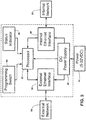
- FIG. 5 schematically illustrates the cyber-security or "data guard” device 30 as installed in an automation and control network.
- the device 30 includes a processor 32 that communicates with an external network 34 by means of an external communication interface, e.g., an external Ethernet interface 36, and with an internal network 38 by means of an internal communication interface, e.g., an internal Ethernet interface 40.
- Power is provided by a DC power supply 42 that is connectable to any suitable external power source 44 delivering electrical power at 5 to 32 VDC, and that converts the voltage from the source 44 to a voltage suitable for operating the electronic components of the device 30.
- the processor 32 is programmable with a rule-set that validates both inbound data that is received from the external Ethernet interface 36, and outbound data that is received from the internal Ethernet interface 40.
- inbound and outbound data are processed by two separate rule-sets that may be separately programmed into the processor 32. Programming and re-programming are accomplished via the Ethernet through the external Ethernet interface 36 only when the device 30 is in a programming mode initiated by the activation of a programming switch 46 during boot-up of the processor 32.
- the programming switch 46 is a physical (i.e., hardware) switch that can be actuated manually.
- the programming switch 46 may be a button, lever, plunger, blade, or the like that can be accessed by a tool (not shown) inserted through an aperture in the housing (not shown) containing the electronic components.
- any alteration, whether benign or malicious, of the operational software of the device 30 requires physical access to the device 30.
- Initiation of the programming mode allows the processor 32 to upload a digitally-authenticated rule-set file received in an encrypted programming signal. After uploading the rule-set file, the device 30 is allowed to go through a complete power cycle to enter its operational mode as programmed with the new rule-set.
- a status indicator 48 (preferably a visual indicator such as an LED) may optionally be employed to indicate whether the device 30 is in the programming mode or the operational mode.
- the external Ethernet interface 36 and the internal Ethernet interface 40 are physically and electrically isolated from each other, and can communicate with each other only through the processor 32. This assures that data cannot pass to or from the SCADA devices 22 on the internal network 38 without being validated by the rule-set(s) programmed into the processor 32, thereby providing date security that encompasses all seven OSI model layers.
- the functional components of the data guard device 30, as described above, are housed in an enclosure (not shown) that is advantageously made of a suitable metal alloy, such as, for example, aircraft grade 6061-T6 aluminum alloy.
- a suitable metal alloy such as, for example, aircraft grade 6061-T6 aluminum alloy.
- the above-described electronic components are advantageously potted in a thermally-conductive encapsulant that provides a certain level of tamper protection along with a degree of thermal and vibrational resistance.
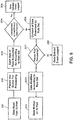
- FIG. 6 is a data flow diagram for the data validation software used in the cyber-security device 30.
- Data are read (step 201) from a first input/output (I/O) port operationally associated with either the external Ethernet interface 36 or the internal Ethernet interface 40, depending on whether the data are inbound or outbound.
- the data are queued for processing (step 202), and then qualified (step 203) (preferably byte-by-byte) by a rule-set, as described above, to determine the presence of malformed or unexpected data (“unqualified" data). If any unqualified data are found (“YES" in decision step 204), such data are deleted, and a log entry is created (step 205).
- step 204 If no such unqualified data are found ("NO” in decision step 204), the content of the qualified data is examined in accordance with the rule-set (step 206) to determine compliance with the validation criteria. If non-compliance is determined (“NO” in decision step 207), the data are deleted, and a log entry is created (step 208).
- the data may optionally be modified (as needed) in accordance with any further criteria that may be established by the rule set (step 209), then written (step 210) on a second I/O port operationally associated with whichever of the Ethernet interfaces 36, 40 was not used in the reading step (step 201), and finally outputted from the I/O port to the appropriate Ethernet interface.
- An exemplary rule-set that may be used in some embodiments of this disclosure may be generically described as including the following logical processes operating on message data read from an I/O port:
- the message header is read to determine and verify the message type and the expected message header length and version to validate integrity of the message.
- This process includes (a) reading the Start of Message byte sequence where applicable; (b) reading N bytes (where N is the number of bytes defined in the rule-set for that message format), indicating the start of the message that comprises the header; and (c) verifying that the header is valid, that there are no illegal values or extra characters in the message, and that all required fields are present and match requirements defined in the rule-set
- the contents of the message payload data are looped through to assure that only allowed fields are present in the message and that they conform to limits defined in the rule-set.
- This process includes repeating a sequence of sub-steps through the entire contents of the message data payload or until an invalid message is detected, or the total amount of data read matches or exceeds the expected message packet size.
- the sequence of sub-steps comprises: (1) reading M binary bytes that comprise a data field identifier; (2) reading the value and contents of the data field; (3) assuring that the data field is allowed by rule-set; and (4) if allowed, assure that the value of that data is within limits and ranges defined in the rule-set.
- the second process also advantageously includes comparing the total size of the data read to the message packet size specified in the header to assure that no extra data have been inserted and that no potential data overflows are possible.
- data guard device 30 cannot be configured or otherwise modified by users over an internal or external network without physical access to the device. Therefore, the security provided by the data guard device cannot be overridden or by-passed, even if other protections, such as a firewall or IDS, are compromised.
- the data guard device 30 provides bi-directional protection across all seven OSI model layers. This is achieved through the use of two segregated network interfaces providing physical and data-link layer protection between each SCADA device 22 and the control network. Furthermore, the data guard device 30 protects the network and transport OSI model layers by limiting network data traffic to only the configured IP addresses and ports to and from each individual SCADA device. In addition, the data guard device 30 protects the session, presentation, and application OSI model layers through data validation and rule-sets that define what data can be sent to and from each SCADA device 22. Moreover, the data guard device 30 does not modify the message protocol, utilize a proxy, or require any modification to existing software or hardware on the SCADA network. Finally, the re-programmable feature described above allows the data guard device 30 to support custom rule-sets and configurations to tailor it to any SCADA device and network.
Landscapes
- Engineering & Computer Science (AREA)
- Computer Networks & Wireless Communication (AREA)
- Signal Processing (AREA)
- Computer Security & Cryptography (AREA)
- Computer Hardware Design (AREA)
- Computing Systems (AREA)
- General Engineering & Computer Science (AREA)
- Business, Economics & Management (AREA)
- General Business, Economics & Management (AREA)
- Small-Scale Networks (AREA)
- Data Exchanges In Wide-Area Networks (AREA)
- Computer And Data Communications (AREA)
Claims (11)
- Cyber-Sicherheitsvorrichtung (30) zum Bereitstellen einer sicheren Kommunikation von Supervisor Control Data Acquisition, SCADA, oder Automation Protocol-Datennachrichten zwischen einem externen Netzwerk (34) und einem internen Netzwerk (38), wobei die Cyber-Sicherheitsvorrichtung Folgendes aufweist:eine externe Kommunikationsschnittstelle (36), die konfiguriert ist, um Datennachrichten an das externe Netzwerk zu senden und Datennachrichten von diesem zu empfangen;eine interne Kommunikationsschnittstelle (40), die konfiguriert ist, um Datennachrichten an das interne Netzwerk zu senden und Datennachrichten von diesem zu empfangen;gekennzeichnet durch einen Prozessor (32) in Kommunikation mit der externen Kommunikationsschnittstelle und der internen Kommunikationsschnittstelle, wobei der Prozessor zwischen einem Programmiermodus und einem Betriebsmodus umschaltbar ist, wobei der Prozessor im Betriebsmodus betreibbar ist, um die Datennachrichten gemäß einem prozessorimplementierten Regelsatz zu verarbeiten, der konfiguriert ist zum (a) Qualifizieren, Byte für Byte, (i) des Inhalts jeder der Datennachrichten, die vom externen Netzwerk über die externe Kommunikationsschnittstelle empfangen werden, als konform mit den Qualifizierungskriterien, die durch den Regelsatz für externe-zu-interne Kommunikationen definiert sind, und (ii) des Inhalts jeder der Datennachrichten, die aus dem internen Netzwerk über die interne Kommunikationsschnittstelle empfangen werden, als konfrom mit den Qualifikationskriterien, die durch den Regelsatz für interne-zu-externe Kommunikationen definiert sind, und (b) Validieren, Byte für Byte, des Inhalts jeder qualifizierten Datennachricht, um die Gültigkeit der Datennachricht gemäß dem Regelsatz zu bestimmen, (c) Weiteleiten von qualifizierten und validierten Datennachrichten, die von der externen Kommunikationsschnittstelle empfangen wurden, an die interne Kommunikationsschnittstelle und (d) Weiteleiten von qualifizierten und validierten Datennachrichten, die von der internen Kommunikationsschnittstelle empfangen wurden, an die externe Kommunikationsschnittstelle;wobei der Prozessor mit einem neuen Regelsatz nur im Programmiermodus umprogrammierbar ist, wobei der Prozessor im Programmiermodus konfiguriert ist, um einen neuen Regelsatz zu laden und nach dem Laden des neuen Regelsatzes in den Betriebsmodus zu wechseln; undeinen Schalter, der manuell betätigt werden kann, um den Prozessor vom Betriebsmodus in den Programmiermodus zu schalten.
- Cyber-Sicherheitsvorrichtung nach Anspruch 1, wobei der vom prozessorimplementierte Regelsatz einen ersten Regelsatz aufweist, der konfiguriert ist, um vom externen Netzwerk empfangene Datennachrichten zu verarbeiten, und einen zweiten Regelsatz, der konfiguriert ist, um vom internen Netzwerk empfangene Datennachrichten zu verarbeiten.
- Verfahren zum Bereitstellen einer sicheren Kommunikation von Supervisor Control Data Acquisition, SCADA, oder Automation Protocol-Datennachrichten zwischen einem externen Netzwerk und einem internen Netzwerk, wobei das Verfahren Folgendes aufweist:Bereitstellen eines Prozessors (32), der mit einem prozessorimplementierten Regelsatz programmiert ist, dadurch gekennzeichnet, dass der Prozessor zur Qualifizierung und Validierung des Inhalts von Datennachrichten konfiguriert ist, wobei der Regelsatz Datenqualifikations- und Validierungskriterien definiert, wobei der Prozessor einen Betriebsmodus und einen Programmiermodus aufweist;Eingeben von eingehenden Datennachrichten aus dem externen Netzwerk in den Prozessor;Implementieren des Regelsatzes, wenn sich der Prozessor im Betriebsmodus befindet, zum Qualifizieren, Byte für Byte, des Inhalts jeder eingehenden Datennachricht, die vom externen Netzwerk empfangen wird, um die Konformität der durch den Regelsatz definierten Datenqualifikationskriterien sicherzustellen;Implementieren des Regelsatzes, wenn sich der Prozessor im Betriebsmodus befindet, zum Validieren, Byte für Byte, des Inhalts jeder qualifizierten eingehenden Datennachricht, um die Konformität der durch den Regelsatz definierten Datenvalidierungskriterien zu gewährleisten;Ausgeben vom Prozessor an das interne Netzwerk nur der eingehenden Datennachrichten, deren Inhalt qualifiziert und validiert wurde;Eingeben von ausgehenden Datennachrichten aus dem internen Netzwerk in den Prozessor;Implementieren des Regelsatzes, wenn sich der Prozessor im Betriebsmodus befindet, zum Qualifizieren, Byte für Byte, des Inhalts jeder vom internen Netzwerk empfangenen ausgehenden Datennachricht, um die Konformität der durch den Regelsatz definierten Qualifikationskriterien zu gewährleisten;Implementieren des Regelsatzes, wenn sich der Prozessor im Betriebsmodus befindet, zum Validieren, Byte für Byte, des Inhalts jeder qualifizierten, ausgehenden Datennachricht, um die Konformität der durch den Regelsatz definierten Datenvalidierungskriterien sicherzustellen; undAusgeben vom Prozessor an das externe Netzwerk nur der ausgehenden Datennachrichten, deren Inhalt qualifiziert und validiert wurde; undUmprogrammieren des Prozessors mit einem neuen Regelsatz nur dann, wenn sich der Prozessor im Programmiermodus befindet, worin die Umprogrammierung durchgeführt wird durch:Initialisieren des Programmiermodus;Laden eines neuen Regelsatzes in den Prozessor, während sich der Prozessor im Programmiermodus befindet; undUmschalten des Prozessors nach dem Laden des neuen Regelsatzes in den Betriebsmodus.
- Verfahren nach Anspruch 3, wobei der Regelsatz einen ersten Regelsatz aufweist, der zum Verarbeiten der empfangenen vom externen Netzwerk eingehenden Datennachrichten konfiguriert ist, und einen zweiten Regelsatz, der zum Verarbeiten der empfangenen, vom internen Netzwerk ausgehenden Datennachrichten konfiguriert ist.
- Verfahren nach einem der Ansprüche 3 oder 4, wobei das Qualifizieren des Inhalts der eingehenden und ausgehenden Datennachrichten Folgendes aufweist:Bestimmen, in jeder Datennachricht, des Vorhandenseins von unqualifizierten Inhalten, die nicht mit den durch den Regelsatz definierten Qualifikationskriterien konform sind; undLöschen von jeglichen unqualifizierten Inhalten, die als vorhanden bestimmt wurden.
- Verfahren nach Anspruch 5, wobei das Validieren des Inhalts der eingehenden und ausgehenden Datennachrichten Folgendes aufweist:Überprüfen, gemäß den durch den Regelsatz definierten Validierungskriterien, des qualifizierten Inhalts der Datennachrichten der nicht gelöscht wurde, um die Konformität des qualifizierten Inhalts mit den durch den Regelsatz definierten Validierungskriterien zu bestimmen; undLöschen von jeglichen Inhalten, die als nicht konform mit den im Regelsatz definierten Validierungskriterien bestimmt wurden.
- Verfahren nach Anspruch 6, worin das Validieren ferner nach dem Untersuchen des qualifizierten Inhalts der Datennachrichten, das Modifizieren wenigstens eines Teils des qualifizierten Inhalts, der nicht gelöscht wurde, aufweist, um konform mit weiteren Validierungskriterien zu sein, die durch den Regelsatz definiert sind.
- Verfahren nach Anspruch 6, ferner aufweisend das Erstellen eines Protokolleintrags ansprechend auf das Löschen von nicht qualifizierten Inhalten und/oder nicht konformen Inhalten.
- Ein Automatisierungs- und Steuerungssystem, das Folgendes aufweist:ein externes Netzwerk (34) mit einem externen Steuergerät;ein internes Netzwerk (38), mit einem Supervisor Control Data Acquisition, SCADA, Gerät;gekennzeichnet durch einen Prozessor (32) in Datenkommunikation mit dem externen Netzwerk und dem internen Netzwerk, wobei der Prozessor zwischen einem Programmiermodus und einem Betriebsmodus umschaltbar ist, wobei der Prozessor in einem Betriebsmodus betreibbar ist, um Datennachrichten zu verarbeiten, die von den externen und internen Netzwerken empfangen werden, gemäß einem prozessorimplementierten Regelsatz, der konfiguriert ist, zum (a) Qualifizieren, Byte für Byte, (i) des Inhalts jeder der Datennachrichten, die vom externen Netzwerk empfangen werden, als konform mit Inhalt-Qualifizierungskriterien, die durch den Regelsatz für externe-zu-interne Kommunikationen definiert sind, und (ii) des Inhalts jeder der Datennachrichten, die vom internen Netzwerk empfangen werden, als konfrom mit Qualifikationskriterien, die durch den Regelsatz für interne-zu-externe Kommunikationen definiert sind, und (b) Validieren, Byte für Byte, des Inhalts jeder qualifizierten Datennachricht, um die Gültigkeit der Datennachricht gemäß dem Regelsatz zu bestimmen, (c) Weiteleiten von qualifizierten und validierten Datennachrichten, die vom externen Netzwerk empfangen wurden, an das interne Netzwerk und (d) Weiteleiten von qualifizierten und validierten Datennachrichten, die vom internen Netzwerk empfangen wurden, an das externe Netzwerk;wobei der Prozessor mit einem neuen Regelsatz nur im Programmiermodus umprogrammierbar ist, und wobei der Prozessor konfiguriert ist, um in den Betriebsmodus zu wechseln, nachdem er mit dem neuen Regelsatz umprogrammiert wurde; undeinen Schalter, der manuell betätigt werden kann, um den Prozessor vom Betriebsmodus in den Programmiermodus zu schalten.
- System nach Anspruch 9, wobei der prozessorimplementierte Regelsatz einen ersten Regelsatz aufweist, der konfiguriert ist, um vom externen Netzwerk empfangene Datennachrichten zu verarbeiten, und einen zweiten Regelsatz, der konfiguriert ist, um vom internen Netzwerk empfangene Datennachrichten zu verarbeiten.
- System nach einem der Ansprüche 9 oder 10, wobei der Prozessor über eine externe Ethernet-Schnittstelle in Datenkommunikation mit dem externen Netzwerk steht und wobei der Prozessor über eine interne Ethernet-Schnittstelle in Datenkommunikation mit dem internen Netzwerk steht.
Priority Applications (1)
| Application Number | Priority Date | Filing Date | Title |
|---|---|---|---|
| EP19162941.9A EP3515011B1 (de) | 2014-01-30 | 2015-01-13 | Bidirektionale datensicherheit für überwachungssteuerungs- und datenerfassungsnetzwerke |
Applications Claiming Priority (2)
| Application Number | Priority Date | Filing Date | Title |
|---|---|---|---|
| US14/168,283 US9531669B2 (en) | 2014-01-30 | 2014-01-30 | Bi-directional data security for supervisor control and data acquisition networks |
| PCT/US2015/011249 WO2015116379A1 (en) | 2014-01-30 | 2015-01-13 | Bi-directional data security for supervisor control and data acquisition networks |
Related Child Applications (2)
| Application Number | Title | Priority Date | Filing Date |
|---|---|---|---|
| EP19162941.9A Division EP3515011B1 (de) | 2014-01-30 | 2015-01-13 | Bidirektionale datensicherheit für überwachungssteuerungs- und datenerfassungsnetzwerke |
| EP19162941.9A Division-Into EP3515011B1 (de) | 2014-01-30 | 2015-01-13 | Bidirektionale datensicherheit für überwachungssteuerungs- und datenerfassungsnetzwerke |
Publications (3)
| Publication Number | Publication Date |
|---|---|
| EP3100411A1 EP3100411A1 (de) | 2016-12-07 |
| EP3100411A4 EP3100411A4 (de) | 2017-06-28 |
| EP3100411B1 true EP3100411B1 (de) | 2019-10-23 |
Family
ID=53680195
Family Applications (2)
| Application Number | Title | Priority Date | Filing Date |
|---|---|---|---|
| EP15742692.5A Active EP3100411B1 (de) | 2014-01-30 | 2015-01-13 | Bidirektionale datensicherheit für überwachungssteuerungs- und datenerfassungsnetzwerke |
| EP19162941.9A Active EP3515011B1 (de) | 2014-01-30 | 2015-01-13 | Bidirektionale datensicherheit für überwachungssteuerungs- und datenerfassungsnetzwerke |
Family Applications After (1)
| Application Number | Title | Priority Date | Filing Date |
|---|---|---|---|
| EP19162941.9A Active EP3515011B1 (de) | 2014-01-30 | 2015-01-13 | Bidirektionale datensicherheit für überwachungssteuerungs- und datenerfassungsnetzwerke |
Country Status (4)
| Country | Link |
|---|---|
| US (2) | US9531669B2 (de) |
| EP (2) | EP3100411B1 (de) |
| CA (2) | CA2938354C (de) |
| WO (1) | WO2015116379A1 (de) |
Families Citing this family (17)
| Publication number | Priority date | Publication date | Assignee | Title |
|---|---|---|---|---|
| US9864864B2 (en) * | 2014-09-23 | 2018-01-09 | Accenture Global Services Limited | Industrial security agent platform |
| JP6577442B2 (ja) * | 2016-11-01 | 2019-09-18 | 日本電信電話株式会社 | 不正侵入防止装置、不正侵入防止方法および不正侵入防止プログラム |
| KR102008951B1 (ko) * | 2017-06-01 | 2019-08-08 | 한국전자통신연구원 | 단방향 통신을 이용하여 양방향 통신을 지원하는 장치 및 그 방법 |
| CA3011474A1 (en) * | 2017-08-08 | 2019-02-08 | Sierra Nevada Corporation | Bi-directional data security for control systems |
| CN107818449A (zh) * | 2017-10-09 | 2018-03-20 | 国网上海市电力公司 | 一种基于移动应用平台的变电运检管理系统 |
| DE102018203072A1 (de) * | 2018-03-01 | 2019-09-05 | Siemens Aktiengesellschaft | Verfahren und Anordnung zum gesicherten Übertragen einer Nachricht von einer Sendeeinrichtung zu einer Empfangseinrichtung |
| US11055400B2 (en) * | 2018-07-13 | 2021-07-06 | Bank Of America Corporation | Monitoring data consumption in an application testing environment |
| US11113385B2 (en) * | 2018-12-21 | 2021-09-07 | Paypal, Inc. | Communicating trace information between security zones |
| CN110426971B (zh) * | 2019-06-26 | 2021-07-20 | 北京全路通信信号研究设计院集团有限公司 | 一种轨道交通控制网络数据采集和管理方法及系统 |
| CN111737030A (zh) * | 2020-06-24 | 2020-10-02 | 广东浪潮大数据研究有限公司 | 一种控制指令处理方法、装置、设备及计算机存储介质 |
| CN111865723A (zh) * | 2020-07-25 | 2020-10-30 | 深圳市维度统计咨询股份有限公司 | 一种基于大数据的网络数据采集系统 |
| US11283835B1 (en) * | 2020-12-18 | 2022-03-22 | Schweitzer Engineering Laboratories, Inc. | Systems and methods for establishing a secure communication link in an electric power distribution system |
| US11477048B2 (en) | 2021-01-15 | 2022-10-18 | BlackBear (Taiwan) Industrial Networking Security Ltd. | Communication method for one-way transmission based on VLAN ID and switch device using the same |
| US11611409B2 (en) | 2021-06-14 | 2023-03-21 | BlackBear (Taiwan) Industrial Networking Security Ltd. | Communication system and communication method for reporting compromised state in one-way transmission |
| US11991185B2 (en) | 2022-02-14 | 2024-05-21 | BlackBear (Taiwan) Industrial Networking Security Ltd. | Method for secure data transmission and system using the same |
| US20230394139A1 (en) * | 2022-06-06 | 2023-12-07 | Nxp B.V. | Method for defending against fuzzing analysis of a device |
| US11924054B1 (en) * | 2022-09-27 | 2024-03-05 | Schneider Electric (Australia) Pty Ltd. | Managing remote terminal communications |
Family Cites Families (21)
| Publication number | Priority date | Publication date | Assignee | Title |
|---|---|---|---|---|
| US4019174A (en) * | 1971-12-08 | 1977-04-19 | Monarch Marking Systems, Inc. | Data collecting and transmitting system |
| US5157769A (en) * | 1989-07-21 | 1992-10-20 | Traveling Software, Inc. | Computer data interface for handheld computer transfer to second computer including cable connector circuitry for voltage modification |
| JP2648768B2 (ja) * | 1991-03-25 | 1997-09-03 | 株式会社椿本チエイン | シーケンス制御動作モードと他の動作モードとの切換変更方法 |
| US6073187A (en) * | 1997-06-20 | 2000-06-06 | Compaq Computer Corporation | Controls and indicators available to a user for a secondary operational mode of a portable computer which is open or closed state of the computer case |
| US6304973B1 (en) | 1998-08-06 | 2001-10-16 | Cryptek Secure Communications, Llc | Multi-level security network system |
| EP1433030A2 (de) | 2001-07-31 | 2004-06-30 | Endress + Hauser GmbH + Co. KG | Übersichtsssteuerungs- und datenerfassungsschnittstelle zur tank- oder prozessüberwachung |
| US7356736B2 (en) | 2001-09-25 | 2008-04-08 | Norman Asa | Simulated computer system for monitoring of software performance |
| US8042147B2 (en) * | 2005-10-05 | 2011-10-18 | Bryes Security | Network security appliance |
| US7619545B2 (en) * | 2007-03-12 | 2009-11-17 | Citrix Systems, Inc. | Systems and methods of using application and protocol specific parsing for compression |
| US7649452B2 (en) | 2007-06-29 | 2010-01-19 | Waterfall Solutions Ltd. | Protection of control networks using a one-way link |
| EP2279465B1 (de) | 2008-04-17 | 2014-04-02 | Siemens Aktiengesellschaft | Verfahren und system für cyber-sicherheitsverwaltung von industriellen steuersystemen |
| US8041874B2 (en) | 2008-08-08 | 2011-10-18 | Standard Microsystems Corporation | USB and ethernet controller combination device |
| US8572717B2 (en) | 2008-10-09 | 2013-10-29 | Juniper Networks, Inc. | Dynamic access control policy with port restrictions for a network security appliance |
| US8737398B2 (en) * | 2008-12-31 | 2014-05-27 | Schneider Electric USA, Inc. | Communication module with network isolation and communication filter |
| US8400258B2 (en) | 2009-04-30 | 2013-03-19 | Echoflex Solutions, Inc. | Method of remotely configuring a controller responsive to wireless signals |
| US20100287603A1 (en) | 2009-05-08 | 2010-11-11 | Microsoft Corporation | Flexible identity issuance system |
| KR101133262B1 (ko) | 2010-04-08 | 2012-04-05 | 충남대학교산학협력단 | 강인한 scada시스템의 하이브리드 키 관리방법 및 세션키 생성방법 |
| US8756411B2 (en) | 2010-12-06 | 2014-06-17 | Siemens Aktiengesellschaft | Application layer security proxy for automation and control system networks |
| US20120198541A1 (en) * | 2011-02-02 | 2012-08-02 | Reeves Randall E | Methods and apparatus for preventing network intrusion |
| US8578362B2 (en) * | 2011-03-18 | 2013-11-05 | Hamilton Sundstrand Corporation | Method for downloading software to an electronics product |
| US9596212B2 (en) | 2013-11-11 | 2017-03-14 | The Boeing Company | Apparatus, method, and system for hardware-based filtering in a cross-domain infrastructure |
-
2014
- 2014-01-30 US US14/168,283 patent/US9531669B2/en active Active
-
2015
- 2015-01-13 CA CA2938354A patent/CA2938354C/en active Active
- 2015-01-13 EP EP15742692.5A patent/EP3100411B1/de active Active
- 2015-01-13 WO PCT/US2015/011249 patent/WO2015116379A1/en not_active Ceased
- 2015-01-13 EP EP19162941.9A patent/EP3515011B1/de active Active
- 2015-03-25 US US14/668,602 patent/US9729507B2/en active Active
-
2016
- 2016-03-18 CA CA2980033A patent/CA2980033C/en active Active
Non-Patent Citations (1)
| Title |
|---|
| None * |
Also Published As
| Publication number | Publication date |
|---|---|
| EP3100411A1 (de) | 2016-12-07 |
| US20150215283A1 (en) | 2015-07-30 |
| CA2980033A1 (en) | 2016-09-29 |
| US9729507B2 (en) | 2017-08-08 |
| CA2938354A1 (en) | 2015-08-06 |
| US20150215279A1 (en) | 2015-07-30 |
| CA2980033C (en) | 2023-10-17 |
| US9531669B2 (en) | 2016-12-27 |
| EP3515011B1 (de) | 2023-11-08 |
| EP3100411A4 (de) | 2017-06-28 |
| WO2015116379A1 (en) | 2015-08-06 |
| EP3515011C0 (de) | 2023-11-08 |
| EP3515011A1 (de) | 2019-07-24 |
| CA2938354C (en) | 2023-03-07 |
Similar Documents
| Publication | Publication Date | Title |
|---|---|---|
| EP3100411B1 (de) | Bidirektionale datensicherheit für überwachungssteuerungs- und datenerfassungsnetzwerke | |
| EP3275157B1 (de) | Bidirektionale datensicherheit für überwachungssteuerungs- und datenerfassungsnetzwerke | |
| EP2706722B1 (de) | Fernsteuerung sicherer Anlagen | |
| JP7038849B2 (ja) | メッセージを処理するネットワークプローブ及び方法 | |
| CN108965215B (zh) | 一种多融合联动响应的动态安全方法与系统 | |
| Katulić et al. | Protecting modbus/TCP-based industrial automation and control systems using message authentication codes | |
| US9954903B2 (en) | Industrial network security translator | |
| Bartman et al. | Securing communications for SCADA and critical industrial systems | |
| US20160344754A1 (en) | Configurable Robustness Agent in a Plant Security System | |
| US12407650B2 (en) | Smart network switching systems and related methods | |
| CN108322484A (zh) | 一种工控数据摆渡系统 | |
| US20170063789A1 (en) | OptiArmor Secure Separation Device | |
| US11991147B2 (en) | Method and system for securely controlling a remote measurement device | |
| JP2015041958A (ja) | ファイアウォール装置 | |
| HK1244974B (en) | Bi-directional data security for supervisor control and data acquisition networks | |
| HK1244974A1 (en) | Bi-directional data security for supervisor control and data acquisition networks | |
| EP3704618B1 (de) | Cybersecurity-system für vernetzte vorrichtungen | |
| Slunjski et al. | Investigation of Internet-of-Things gateway-based solution for protection of industrial control systems | |
| ASM | FIPS 140-2 Security Policy | |
| CN109450944A (zh) | 一种配电网通信网络终端数据安全技术 | |
| Enter et al. | FIPS 140-2 Security Policy |
Legal Events
| Date | Code | Title | Description |
|---|---|---|---|
| PUAI | Public reference made under article 153(3) epc to a published international application that has entered the european phase |
Free format text: ORIGINAL CODE: 0009012 |
|
| STAA | Information on the status of an ep patent application or granted ep patent |
Free format text: STATUS: REQUEST FOR EXAMINATION WAS MADE |
|
| 17P | Request for examination filed |
Effective date: 20160824 |
|
| AK | Designated contracting states |
Kind code of ref document: A1 Designated state(s): AL AT BE BG CH CY CZ DE DK EE ES FI FR GB GR HR HU IE IS IT LI LT LU LV MC MK MT NL NO PL PT RO RS SE SI SK SM TR |
|
| AX | Request for extension of the european patent |
Extension state: BA ME |
|
| DAX | Request for extension of the european patent (deleted) | ||
| A4 | Supplementary search report drawn up and despatched |
Effective date: 20170531 |
|
| RIC1 | Information provided on ipc code assigned before grant |
Ipc: G06Q 50/06 20120101ALI20170524BHEP Ipc: H04L 12/22 20060101AFI20170524BHEP Ipc: H04L 29/08 20060101ALI20170524BHEP Ipc: H04L 29/06 20060101ALI20170524BHEP |
|
| STAA | Information on the status of an ep patent application or granted ep patent |
Free format text: STATUS: EXAMINATION IS IN PROGRESS |
|
| 17Q | First examination report despatched |
Effective date: 20181031 |
|
| GRAP | Despatch of communication of intention to grant a patent |
Free format text: ORIGINAL CODE: EPIDOSNIGR1 |
|
| STAA | Information on the status of an ep patent application or granted ep patent |
Free format text: STATUS: GRANT OF PATENT IS INTENDED |
|
| INTG | Intention to grant announced |
Effective date: 20190531 |
|
| GRAS | Grant fee paid |
Free format text: ORIGINAL CODE: EPIDOSNIGR3 |
|
| GRAA | (expected) grant |
Free format text: ORIGINAL CODE: 0009210 |
|
| STAA | Information on the status of an ep patent application or granted ep patent |
Free format text: STATUS: THE PATENT HAS BEEN GRANTED |
|
| AK | Designated contracting states |
Kind code of ref document: B1 Designated state(s): AL AT BE BG CH CY CZ DE DK EE ES FI FR GB GR HR HU IE IS IT LI LT LU LV MC MK MT NL NO PL PT RO RS SE SI SK SM TR |
|
| REG | Reference to a national code |
Ref country code: GB Ref legal event code: FG4D |
|
| REG | Reference to a national code |
Ref country code: CH Ref legal event code: EP |
|
| REG | Reference to a national code |
Ref country code: IE Ref legal event code: FG4D |
|
| REG | Reference to a national code |
Ref country code: DE Ref legal event code: R096 Ref document number: 602015040283 Country of ref document: DE |
|
| REG | Reference to a national code |
Ref country code: AT Ref legal event code: REF Ref document number: 1194912 Country of ref document: AT Kind code of ref document: T Effective date: 20191115 |
|
| REG | Reference to a national code |
Ref country code: CH Ref legal event code: NV Representative=s name: R.A. EGLI AND CO, PATENTANWAELTE, CH |
|
| REG | Reference to a national code |
Ref country code: NL Ref legal event code: FP |
|
| REG | Reference to a national code |
Ref country code: LT Ref legal event code: MG4D |
|
| PG25 | Lapsed in a contracting state [announced via postgrant information from national office to epo] |
Ref country code: LV Free format text: LAPSE BECAUSE OF FAILURE TO SUBMIT A TRANSLATION OF THE DESCRIPTION OR TO PAY THE FEE WITHIN THE PRESCRIBED TIME-LIMIT Effective date: 20191023 Ref country code: SE Free format text: LAPSE BECAUSE OF FAILURE TO SUBMIT A TRANSLATION OF THE DESCRIPTION OR TO PAY THE FEE WITHIN THE PRESCRIBED TIME-LIMIT Effective date: 20191023 Ref country code: FI Free format text: LAPSE BECAUSE OF FAILURE TO SUBMIT A TRANSLATION OF THE DESCRIPTION OR TO PAY THE FEE WITHIN THE PRESCRIBED TIME-LIMIT Effective date: 20191023 Ref country code: BG Free format text: LAPSE BECAUSE OF FAILURE TO SUBMIT A TRANSLATION OF THE DESCRIPTION OR TO PAY THE FEE WITHIN THE PRESCRIBED TIME-LIMIT Effective date: 20200123 Ref country code: PT Free format text: LAPSE BECAUSE OF FAILURE TO SUBMIT A TRANSLATION OF THE DESCRIPTION OR TO PAY THE FEE WITHIN THE PRESCRIBED TIME-LIMIT Effective date: 20200224 Ref country code: GR Free format text: LAPSE BECAUSE OF FAILURE TO SUBMIT A TRANSLATION OF THE DESCRIPTION OR TO PAY THE FEE WITHIN THE PRESCRIBED TIME-LIMIT Effective date: 20200124 Ref country code: NO Free format text: LAPSE BECAUSE OF FAILURE TO SUBMIT A TRANSLATION OF THE DESCRIPTION OR TO PAY THE FEE WITHIN THE PRESCRIBED TIME-LIMIT Effective date: 20200123 Ref country code: PL Free format text: LAPSE BECAUSE OF FAILURE TO SUBMIT A TRANSLATION OF THE DESCRIPTION OR TO PAY THE FEE WITHIN THE PRESCRIBED TIME-LIMIT Effective date: 20191023 Ref country code: LT Free format text: LAPSE BECAUSE OF FAILURE TO SUBMIT A TRANSLATION OF THE DESCRIPTION OR TO PAY THE FEE WITHIN THE PRESCRIBED TIME-LIMIT Effective date: 20191023 |
|
| PG25 | Lapsed in a contracting state [announced via postgrant information from national office to epo] |
Ref country code: HR Free format text: LAPSE BECAUSE OF FAILURE TO SUBMIT A TRANSLATION OF THE DESCRIPTION OR TO PAY THE FEE WITHIN THE PRESCRIBED TIME-LIMIT Effective date: 20191023 Ref country code: IS Free format text: LAPSE BECAUSE OF FAILURE TO SUBMIT A TRANSLATION OF THE DESCRIPTION OR TO PAY THE FEE WITHIN THE PRESCRIBED TIME-LIMIT Effective date: 20200224 Ref country code: RS Free format text: LAPSE BECAUSE OF FAILURE TO SUBMIT A TRANSLATION OF THE DESCRIPTION OR TO PAY THE FEE WITHIN THE PRESCRIBED TIME-LIMIT Effective date: 20191023 |
|
| PG25 | Lapsed in a contracting state [announced via postgrant information from national office to epo] |
Ref country code: AL Free format text: LAPSE BECAUSE OF FAILURE TO SUBMIT A TRANSLATION OF THE DESCRIPTION OR TO PAY THE FEE WITHIN THE PRESCRIBED TIME-LIMIT Effective date: 20191023 |
|
| REG | Reference to a national code |
Ref country code: DE Ref legal event code: R097 Ref document number: 602015040283 Country of ref document: DE |
|
| PG2D | Information on lapse in contracting state deleted |
Ref country code: IS |
|
| PG25 | Lapsed in a contracting state [announced via postgrant information from national office to epo] |
Ref country code: RO Free format text: LAPSE BECAUSE OF FAILURE TO SUBMIT A TRANSLATION OF THE DESCRIPTION OR TO PAY THE FEE WITHIN THE PRESCRIBED TIME-LIMIT Effective date: 20191023 Ref country code: CZ Free format text: LAPSE BECAUSE OF FAILURE TO SUBMIT A TRANSLATION OF THE DESCRIPTION OR TO PAY THE FEE WITHIN THE PRESCRIBED TIME-LIMIT Effective date: 20191023 Ref country code: EE Free format text: LAPSE BECAUSE OF FAILURE TO SUBMIT A TRANSLATION OF THE DESCRIPTION OR TO PAY THE FEE WITHIN THE PRESCRIBED TIME-LIMIT Effective date: 20191023 Ref country code: ES Free format text: LAPSE BECAUSE OF FAILURE TO SUBMIT A TRANSLATION OF THE DESCRIPTION OR TO PAY THE FEE WITHIN THE PRESCRIBED TIME-LIMIT Effective date: 20191023 Ref country code: DK Free format text: LAPSE BECAUSE OF FAILURE TO SUBMIT A TRANSLATION OF THE DESCRIPTION OR TO PAY THE FEE WITHIN THE PRESCRIBED TIME-LIMIT Effective date: 20191023 Ref country code: IS Free format text: LAPSE BECAUSE OF FAILURE TO SUBMIT A TRANSLATION OF THE DESCRIPTION OR TO PAY THE FEE WITHIN THE PRESCRIBED TIME-LIMIT Effective date: 20200223 |
|
| REG | Reference to a national code |
Ref country code: AT Ref legal event code: MK05 Ref document number: 1194912 Country of ref document: AT Kind code of ref document: T Effective date: 20191023 |
|
| PLBE | No opposition filed within time limit |
Free format text: ORIGINAL CODE: 0009261 |
|
| STAA | Information on the status of an ep patent application or granted ep patent |
Free format text: STATUS: NO OPPOSITION FILED WITHIN TIME LIMIT |
|
| PG25 | Lapsed in a contracting state [announced via postgrant information from national office to epo] |
Ref country code: SM Free format text: LAPSE BECAUSE OF FAILURE TO SUBMIT A TRANSLATION OF THE DESCRIPTION OR TO PAY THE FEE WITHIN THE PRESCRIBED TIME-LIMIT Effective date: 20191023 Ref country code: MC Free format text: LAPSE BECAUSE OF FAILURE TO SUBMIT A TRANSLATION OF THE DESCRIPTION OR TO PAY THE FEE WITHIN THE PRESCRIBED TIME-LIMIT Effective date: 20191023 Ref country code: SK Free format text: LAPSE BECAUSE OF FAILURE TO SUBMIT A TRANSLATION OF THE DESCRIPTION OR TO PAY THE FEE WITHIN THE PRESCRIBED TIME-LIMIT Effective date: 20191023 |
|
| 26N | No opposition filed |
Effective date: 20200724 |
|
| REG | Reference to a national code |
Ref country code: BE Ref legal event code: MM Effective date: 20200131 |
|
| PG25 | Lapsed in a contracting state [announced via postgrant information from national office to epo] |
Ref country code: LU Free format text: LAPSE BECAUSE OF NON-PAYMENT OF DUE FEES Effective date: 20200113 |
|
| PG25 | Lapsed in a contracting state [announced via postgrant information from national office to epo] |
Ref country code: SI Free format text: LAPSE BECAUSE OF FAILURE TO SUBMIT A TRANSLATION OF THE DESCRIPTION OR TO PAY THE FEE WITHIN THE PRESCRIBED TIME-LIMIT Effective date: 20191023 Ref country code: AT Free format text: LAPSE BECAUSE OF FAILURE TO SUBMIT A TRANSLATION OF THE DESCRIPTION OR TO PAY THE FEE WITHIN THE PRESCRIBED TIME-LIMIT Effective date: 20191023 Ref country code: BE Free format text: LAPSE BECAUSE OF NON-PAYMENT OF DUE FEES Effective date: 20200131 |
|
| PG25 | Lapsed in a contracting state [announced via postgrant information from national office to epo] |
Ref country code: IE Free format text: LAPSE BECAUSE OF NON-PAYMENT OF DUE FEES Effective date: 20200113 |
|
| PG25 | Lapsed in a contracting state [announced via postgrant information from national office to epo] |
Ref country code: TR Free format text: LAPSE BECAUSE OF FAILURE TO SUBMIT A TRANSLATION OF THE DESCRIPTION OR TO PAY THE FEE WITHIN THE PRESCRIBED TIME-LIMIT Effective date: 20191023 Ref country code: MT Free format text: LAPSE BECAUSE OF FAILURE TO SUBMIT A TRANSLATION OF THE DESCRIPTION OR TO PAY THE FEE WITHIN THE PRESCRIBED TIME-LIMIT Effective date: 20191023 Ref country code: CY Free format text: LAPSE BECAUSE OF FAILURE TO SUBMIT A TRANSLATION OF THE DESCRIPTION OR TO PAY THE FEE WITHIN THE PRESCRIBED TIME-LIMIT Effective date: 20191023 |
|
| PG25 | Lapsed in a contracting state [announced via postgrant information from national office to epo] |
Ref country code: MK Free format text: LAPSE BECAUSE OF FAILURE TO SUBMIT A TRANSLATION OF THE DESCRIPTION OR TO PAY THE FEE WITHIN THE PRESCRIBED TIME-LIMIT Effective date: 20191023 |
|
| REG | Reference to a national code |
Ref country code: CH Ref legal event code: U11 Free format text: ST27 STATUS EVENT CODE: U-0-0-U10-U11 (AS PROVIDED BY THE NATIONAL OFFICE) Effective date: 20260201 |
|
| PGFP | Annual fee paid to national office [announced via postgrant information from national office to epo] |
Ref country code: NL Payment date: 20260126 Year of fee payment: 12 |
|
| PGFP | Annual fee paid to national office [announced via postgrant information from national office to epo] |
Ref country code: GB Payment date: 20260127 Year of fee payment: 12 |
|
| PGFP | Annual fee paid to national office [announced via postgrant information from national office to epo] |
Ref country code: DE Payment date: 20260128 Year of fee payment: 12 |
|
| PGFP | Annual fee paid to national office [announced via postgrant information from national office to epo] |
Ref country code: IT Payment date: 20260121 Year of fee payment: 12 |
|
| PGFP | Annual fee paid to national office [announced via postgrant information from national office to epo] |
Ref country code: FR Payment date: 20260126 Year of fee payment: 12 |
|
| PGFP | Annual fee paid to national office [announced via postgrant information from national office to epo] |
Ref country code: CH Payment date: 20260201 Year of fee payment: 12 |