EP3128703B1 - Pfaderkennungsverfahren, zielknotenvorrichtung und kommunikationssystem - Google Patents
Pfaderkennungsverfahren, zielknotenvorrichtung und kommunikationssystem Download PDFInfo
- Publication number
- EP3128703B1 EP3128703B1 EP15782518.3A EP15782518A EP3128703B1 EP 3128703 B1 EP3128703 B1 EP 3128703B1 EP 15782518 A EP15782518 A EP 15782518A EP 3128703 B1 EP3128703 B1 EP 3128703B1
- Authority
- EP
- European Patent Office
- Prior art keywords
- multicast
- check
- sink node
- tree
- address
- Prior art date
- Legal status (The legal status is an assumption and is not a legal conclusion. Google has not performed a legal analysis and makes no representation as to the accuracy of the status listed.)
- Active
Links
Images


Classifications
-
- H—ELECTRICITY
- H04—ELECTRIC COMMUNICATION TECHNIQUE
- H04L—TRANSMISSION OF DIGITAL INFORMATION, e.g. TELEGRAPHIC COMMUNICATION
- H04L43/00—Arrangements for monitoring or testing data switching networks
- H04L43/10—Active monitoring, e.g. heartbeat, ping or trace-route
-
- H—ELECTRICITY
- H04—ELECTRIC COMMUNICATION TECHNIQUE
- H04L—TRANSMISSION OF DIGITAL INFORMATION, e.g. TELEGRAPHIC COMMUNICATION
- H04L12/00—Data switching networks
- H04L12/02—Details
- H04L12/16—Arrangements for providing special services to substations
- H04L12/18—Arrangements for providing special services to substations for broadcast or conference, e.g. multicast
- H04L12/1863—Arrangements for providing special services to substations for broadcast or conference, e.g. multicast comprising mechanisms for improved reliability, e.g. status reports
-
- H—ELECTRICITY
- H04—ELECTRIC COMMUNICATION TECHNIQUE
- H04L—TRANSMISSION OF DIGITAL INFORMATION, e.g. TELEGRAPHIC COMMUNICATION
- H04L41/00—Arrangements for maintenance, administration or management of data switching networks, e.g. of packet switching networks
- H04L41/06—Management of faults, events, alarms or notifications
- H04L41/0631—Management of faults, events, alarms or notifications using root cause analysis; using analysis of correlation between notifications, alarms or events based on decision criteria, e.g. hierarchy, tree or time analysis
-
- H—ELECTRICITY
- H04—ELECTRIC COMMUNICATION TECHNIQUE
- H04L—TRANSMISSION OF DIGITAL INFORMATION, e.g. TELEGRAPHIC COMMUNICATION
- H04L41/00—Arrangements for maintenance, administration or management of data switching networks, e.g. of packet switching networks
- H04L41/06—Management of faults, events, alarms or notifications
- H04L41/0654—Management of faults, events, alarms or notifications using network fault recovery
- H04L41/0663—Performing the actions predefined by failover planning, e.g. switching to standby network elements
-
- H—ELECTRICITY
- H04—ELECTRIC COMMUNICATION TECHNIQUE
- H04L—TRANSMISSION OF DIGITAL INFORMATION, e.g. TELEGRAPHIC COMMUNICATION
- H04L43/00—Arrangements for monitoring or testing data switching networks
- H04L43/08—Monitoring or testing based on specific metrics, e.g. QoS, energy consumption or environmental parameters
- H04L43/0805—Monitoring or testing based on specific metrics, e.g. QoS, energy consumption or environmental parameters by checking availability
- H04L43/0811—Monitoring or testing based on specific metrics, e.g. QoS, energy consumption or environmental parameters by checking availability by checking connectivity
-
- H—ELECTRICITY
- H04—ELECTRIC COMMUNICATION TECHNIQUE
- H04L—TRANSMISSION OF DIGITAL INFORMATION, e.g. TELEGRAPHIC COMMUNICATION
- H04L45/00—Routing or path finding of packets in data switching networks
- H04L45/16—Multipoint routing
-
- H—ELECTRICITY
- H04—ELECTRIC COMMUNICATION TECHNIQUE
- H04L—TRANSMISSION OF DIGITAL INFORMATION, e.g. TELEGRAPHIC COMMUNICATION
- H04L45/00—Routing or path finding of packets in data switching networks
- H04L45/28—Routing or path finding of packets in data switching networks using route fault recovery
-
- H—ELECTRICITY
- H04—ELECTRIC COMMUNICATION TECHNIQUE
- H04L—TRANSMISSION OF DIGITAL INFORMATION, e.g. TELEGRAPHIC COMMUNICATION
- H04L45/00—Routing or path finding of packets in data switching networks
- H04L45/48—Routing tree calculation
-
- H—ELECTRICITY
- H04—ELECTRIC COMMUNICATION TECHNIQUE
- H04L—TRANSMISSION OF DIGITAL INFORMATION, e.g. TELEGRAPHIC COMMUNICATION
- H04L12/00—Data switching networks
- H04L12/02—Details
- H04L12/16—Arrangements for providing special services to substations
- H04L12/18—Arrangements for providing special services to substations for broadcast or conference, e.g. multicast
-
- H—ELECTRICITY
- H04—ELECTRIC COMMUNICATION TECHNIQUE
- H04L—TRANSMISSION OF DIGITAL INFORMATION, e.g. TELEGRAPHIC COMMUNICATION
- H04L45/00—Routing or path finding of packets in data switching networks
- H04L45/74—Address processing for routing
Definitions
- Embodiments of the present invention relate to multicast technologies, and in particular, to a path checking method, a sink node device, and a communications system.
- IP Internet Protocol
- Multicast Group a multicast group
- IP Internet Protocol
- a device sends data to a group of devices, instead of sending the data to each of the devices, the device sends the data to a specific multicast address, and all the devices that join the multicast group can receive the data.
- a transmit-end device data needs to be sent only once to all receivers, thereby greatly reducing load of a network and a sender.
- the IP multicast serves as a communication mode parallel to unicast and broadcast, and more importantly, the IP multicast may be further used to conveniently develop some new value-added services including Internet information services such as live television, tele-education, tele-medicine, Internet radio, multimedia conferencing, and video surveillance.
- Internet information services such as live television, tele-education, tele-medicine, Internet radio, multimedia conferencing, and video surveillance.
- IP multicast protection is performed by using a Protocol Independent Multicast (Protocol Independent Multicast, PIM for short) fast reroute (Fast Reroute, FRR for short) technology.
- PIM Protocol Independent Multicast
- FRR Fast reroute
- the document EP 2 058 978 A1 shows a method and system for fault localization in a network with MPLS multicast nodes.
- the connectivity is checked by periodically sending connectivity verification messages in the data stream of multicast traffic.
- the connectivity verification message is inserted at an ingress and checked at an egress, e.g. at a rate of 1 second. If the egress does not receive the connectivity verification message in an interval of three times of a transmission period, e.g. 3 seconds, it is considered that a connectivity fault happens.
- the document EP 2 555 476 A1 shows a method and system for protecting multicast in a communication network.
- a main node and a backup node serve as root nodes to generate two multicast trees simultaneously.
- the multicast tree that uses the backup node as a root node is set to be in a silent state.
- the silent state of the backup multicast tree is canceled and the backup multicast tree starts forwarding the multicast packets.
- an advertisement packet is sent to a backup node through a ring and through the multicast source.
- an advertisement packet is sent to the backup server through the ring and link state information is sent to the backup server through the ring or forwarded by the multicast source.
- Embodiments of the present invention provide a path checking method, a sink node device, and a communications system, so as to resolve a problem that a failure in path checking makes it difficult to quickly perform patch switching in the prior art.
- an embodiment of the present invention provides a path checking method, including:
- the method further includes: switching, by the sink node, a multicast stream from the first multicast tree to a second multicast tree, where the second multicast tree is a standby multicast tree for the first multicast tree.
- the method before the determining, by a sink node, whether a check packet sent by an ingress node by using a check multicast tree is received within a predetermined time, the method further includes: sending, by the sink node, multicast join request information to the ingress node, so that the ingress node triggers setting up the check multicast tree, the first multicast tree, and the second multicast tree according to the multicast join request information.
- the method before the determining, by the sink node, whether the multicast address carried in the multicast packet received within the predetermined time is the same as the check multicast address in the multicast forwarding entry, the method further includes: enabling, by the sink node, a multicast protection function and adding the check multicast address into the multicast forwarding entry.
- the method before the enabling, by the sink node, the multicast protection function and adding the check multicast address into the multicast forwarding entry, the method further includes: receiving, by the sink node, the check multicast address sent by the ingress node by means of packet flooding.
- the multicast source includes at least one multicast source device
- the check multicast address includes at least one multicast address
- an embodiment of the present invitation further provides a sink node device, including:
- the sink node device further includes: a switching module, configured to switch a multicast stream from the first multicast tree to a second multicast tree, where the second multicast tree is a standby multicast tree for the first multicast tree.
- the sink node device further includes: a sending module, configured to send multicast join request information to the ingress node device, so that the ingress node device triggers setting up the check multicast tree, the first multicast tree, and the second multicast tree according to the multicast join request information.
- a sending module configured to send multicast join request information to the ingress node device, so that the ingress node device triggers setting up the check multicast tree, the first multicast tree, and the second multicast tree according to the multicast join request information.
- the sink node device further includes: an enabling module, configured to: before the judging module determines whether the multicast address carried in the multicast packet received within the predetermined time is the same as the check multicast address in the multicast forwarding entry, enable a multicast protection function and add the check multicast address into the multicast forwarding entry.
- the sink node device further includes: a receiving module, configured to: before the enabling module enables the multicast protection function and adds the check multicast address into the multicast forwarding entry, receive the check multicast address sent by the ingress node device by means of packet flooding.
- the multicast source includes at least one multicast source device
- the check multicast address includes at least one multicast address
- an embodiment of the present invention further provides a communications system, at least including two sink node devices as any one described above and one ingress node device.
- the sink node device determines whether a sink node receives a check packet sent by an ingress node by using a check multicast tree is determined, so that whether a path fault exists in a first multicast tree that has a same transmission path as the check multicast tree is determined, and quick switching from a faulty path is implemented.
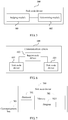
- FIG. 1 is a flowchart of a path checking method according to Embodiment 1 of the present invention.
- the method in this embodiment is applicable to fault detection in a multicast forwarding path of a multicast stream when the multicast stream is forwarded in an IP multicast network.
- the method is executed by a sink node, and the method may be implemented in a hardware and/or software manner.
- the method in this embodiment includes the following steps: Step 101: The sink node determines whether a check packet sent by an ingress node by using a check multicast tree is received within a predetermined time.
- the sink node is a node connected to a receiver, and the ingress node is a node connected to a multicast source.
- the sink node includes at least one sink node device, and the sink node device is a router at a receive end.
- the receiver may be a receive-end device for a multicast stream, for example, user equipment, or may be an access device for a local area network.
- the ingress node may be a specified ingress (Ingress) node in the IP multicast network, and includes one ingress node device.
- the ingress node device may be a router at a server side. It should be noted that in this embodiment, "connection" may be a wired direct connection, may be a wireless connection, or may be an indirect connection by using another node. Therefore, the multicast source may be a multicast source at a remote end.
- the check multicast tree and a first multicast tree have a same transmission path and different multicast addresses.
- the check multicast tree, the first multicast tree, and a second multicast tree as described below are included.
- the first multicast tree and the second multicast tree are active/standby to each other, and the second multicast tree is a standby multicast tree for the first multicast tree.
- Both the first multicast tree and the second multicast tree may be used for transmitting multicast stream data, and the check multicast tree is used only for transmitting the check packet.
- the check multicast tree and the first multicast tree have the same transmission path, that is, actually, each path branch possessed by the check multicast tree is the same as each path branch possessed by the first multicast tree. For example, if the transmission path of the first multicast tree has two branches: A ⁇ B ⁇ D and A ⁇ C, the check multicast tree also includes two branches: A ⁇ B ⁇ D and A ⁇ C.
- Step 102 If the sink node determines that no check packet sent by the ingress node by using the check multicast tree is received within the predetermined time, the sink node determines that a path fault exists in an upstream node of the sink node in a first multicast tree.
- the sink node Because the check packet is sent by using the check multicast tree, and the check multicast tree and the first multicast tree have the same transmission path, if the sink node does not receive the check packet, it can be learned that the path fault exists in the upstream node of the sink node in the first multicast tree and therefore the sink node does not receive the check packet. That is, the sink node receives no multicast stream data sent by the ingress node by using the first multicast tree that has the same transmission path as the check multicast tree, either.
- a sink node receives a check packet sent by an ingress node by using a check multicast tree is determined, so that whether a path fault exists in a first multicast tree that has a same transmission path as the check multicast tree is determined, quick switching from a faulty path is implemented, and multicast stream sending is better ensured.
- This embodiment further provides a path checking method. Further, in the solution described above, the method further includes: switching, by the sink node, a multicast stream from the first multicast tree to a second multicast tree, where the second multicast tree is a standby multicast tree for the first multicast tree.
- both the first multicast tree and the second multicast tree transmit multicast stream data.
- the sink node discards the multicast stream data received by the second multicast tree.
- the sink node transmits the received multicast stream data to another node in the second multicast tree by using a path obtained after the switching, that is, a path of the second multicast tree, where the multicast stream data is sent by the second multicast tree.
- the check packet includes at least an equipment identity or an IP address of the ingress node, or a multicast address of the check multicast tree.
- the ingress node when the ingress node sends a multicast stream by using the first multicast tree, the ingress node also sends the multicast stream by using the second multicast tree at the same time. Because the first multicast tree and the second multicast tree have different forwarding paths, when the path fault exists in the upstream node of the sink node in the first multicast tree, the sink node may receive the multicast stream by using the second multicast tree, and the upstream node of the sink node may receive the multicast stream by using the second multicast tree.
- Switching the multicast stream from the first multicast tree to the second multicast tree may be, for example, switching between inbound and outbound interfaces of each node in the second multicast tree, so that the switch of the multicast stream is implemented.
- Configuration of inbound and outbound interfaces according to the second multicast tree is actually configuration of an input interface and an output interface of the sink node for the multicast stream according to the transmission path of the second multicast tree separately.
- the multicast stream is switched to the second multicast tree, so that each sink node receives the multicast stream according to the second multicast tree.
- the multicast stream data may be, for example, a video stream, a voice stream, or the like.
- a short predetermined time may be configured.
- a speed at which the second multicast tree transmits a multicast stream needs to be further considered during the configuration of the predetermined time.
- the sink node receives the multicast stream sent by the second multicast tree, so that a waiting time for the sink node to determine that a path fault exists and to implement patch switching by switching the multicast trees is reduced, and quick switching of a multicast path is implemented.
- FIG. 2 is a flowchart of a path checking method according to Embodiment 2 of the present invention.
- the method before the determining, by a sink node, whether a check packet sent by an ingress node by using a check multicast tree is received within a predetermined time in step 101 in the foregoing embodiment solution, the method further includes: Step 201: The sink node sends multicast join request information to the ingress node, so that the ingress node triggers setting up the check multicast tree, the first multicast tree, and a second multicast tree according to the multicast join request information.
- the multicast join request information may be a Protocol Independent Multicast (Protocol Independent Multicast, PIM for short) active/standby join (Join) packet. That the sink node sends multicast join request information to the ingress node may be specifically that the sink node sends, hop by hop, the multicast join request information to the ingress node.
- PIM Protocol Independent Multicast
- Join active/standby join
- the check multicast tree, the first multicast tree, and the second multicast tree each include each sink node device and the ingress node device.
- the first multicast tree and the second multicast tree have different multicast forwarding paths, and are active/standby to each other, and both may be used for transmitting multicast stream data.
- Step 202 The sink node determines whether a multicast address carried in a multicast packet received within the predetermined time is the same as a check multicast address in a multicast forwarding entry, and if the multicast address is the same as the check multicast address, determines that the multicast packet is the check packet, where the check multicast address is a multicast address of the check multicast tree.
- the multicast forwarding entry may be specifically a PIM (S, G) entry.
- the multicast forwarding entry may be associated with a multicast forwarding entry stored in the sink node to form the multicast forwarding entry in this embodiment.
- the foregoing association with the multicast forwarding entry stored in the sink node is actually adding the check multicast address and the multicast stream forwarding address into the multicast forwarding entry.
- the check multicast address different from the multicast stream forwarding address is carried in the check packet.
- the sink node determines whether the received packet is the check packet may further be configuring different packet formats for the check packet, or the like.
- the method further includes: Step 202a: The sink node enables a multicast protection function and adds the check multicast address into the multicast forwarding entry.
- the multicast protection function may be enabled by the sink node independently. Adding the check multicast address may be specifically implemented after the sink node sends the multicast join request information to the ingress node.
- Step 202b The sink node receives the check multicast address sent by the ingress node by means of packet flooding.
- the sink node may obtain the check multicast address in another configuration manner, such as receiving configuration information sent by a user.
- the multicast source includes at least one multicast source device
- the check multicast address includes at least one multicast address
- a sink node determines a check packet by determining whether an address carried in a received packet is the same as a check multicast address, so that the sink node can determine the check packet more accurately, and accuracy of multicast patch switching can be ensured.
- FIG. 3 is a flowchart of a path checking method according to Embodiment 3 of the present invention.
- FIG. 4 is a schematic structural diagram of a communications system in Embodiment 3 of the present invention. As shown in FIG. 3 , the method specifically includes the following: Step 301: A sink node sends multicast join request information to an ingress node.
- the ingress node may be an RTA device shown in FIG. 4 .
- the sink node is an RTB device, an RTC device, and an RTD device shown in FIG. 4 . That a sink node sends multicast join request information to an ingress node is actually that the RTB device, the RTC device, and the RTD device each send multicast join information to the RTA device.
- the RTA device is a router connected to at least one multicast source device, and the at least one multicast source device may be a host at a server side.
- Each of the RTB device, the RTC device, and the RTD device is a router connected to at least one receiving device, and forwards, to a corresponding receiving device, received multicast source data information that is sent by the RTA device.
- Step 302 The sink node enables a multicast protection function and adds a check multicast address into a multicast forwarding entry.
- each of the RTB device, the RTC device, and the RTD device may enable the multicast protection function, and add the preconfigured check multicast address into a multicast forwarding entry corresponding to each of the RTB device, the RTC device, and the RTD device.
- the check multicast address actually includes at least one multicast address, each of which is corresponding to one multicast source device.
- the check multicast address is different from a multicast forwarding address in the prior art, and the check multicast address is used only for transmitting a check packet.
- Step 303 The ingress node triggers setting up a check multicast tree, a first multicast tree, and a second multicast tree according to the multicast join request information.
- the check multicast tree and the first multicast tree have a same transmission path, which is a first multicast path.
- the first multicast path includes two branches: the RTA device ⁇ the RTB device ⁇ the RTD device, and the RTA device ⁇ the RTC device.
- the second multicast tree has a second multicast path.
- the second multicast path is ring network traffic, and as shown in FIG. 4 , the second multicast path includes two branches: the RTA device ⁇ the RTC device ⁇ the RTD device ⁇ the RTB device, and the RTA device ⁇ the RTB device ⁇ the RTD device ⁇ the RTC device.
- Step 304 The ingress node encapsulates the check multicast address in the check packet, and sends a check packet to the sink node by using the check multicast tree.
- the RTA device sends the check packet to the RTB device and the RTD device in sequence by using a first branch of the first multicast tree, and sends the check packet to the RTC device by a second branch of the first multicast tree.
- any node device in the sink node does not receive the check packet, a downstream node of the sink node does not receive the check packet either, and the path fault exists between the upstream node of the sink node and the sink node.
- the RTB device does not receive the check packet sent by the RTA device
- the RTD device does not receive the check packet either, that is, a path fault exists between an inbound interface of the RTB device and an outbound interface of the RTA device, and therefore the RTB device and the RTD device do not receive a multicast stream sent by the RTA device by using the first multicast tree either.
- the RTA device also sends the multicast stream data to the RTC device, the RTD device, and the RTB device by using the second multicast tree.
- Switching the multicast stream from the first multicast tree to the second multicast tree may be, for example, switching between inbound and outbound interfaces of the second multicast tree. Because all the RTC device, the RTD device, and the RTB device can actually receive the multicast stream, that is, no fault exists in the outbound interface of the RTA device, it is determined that a fault exists in a first inbound interface of the RTB device in the first multicast tree, and that no fault exists in a second inbound interface of the RTB device in the second multicast tree.
- the first inbound interface of the RTB device is switched to the second inbound interface according to the second multicast tree. Because two multicast trees exist in this embodiment, that is, any sink node device has two inbound interfaces and at least two outbound interfaces, according to the second multicast tree, a first inbound interface of the sink node device is switched to a second inbound interface, and an outbound interface set corresponding to the first inbound interface is switched to an outbound interface set corresponding to the second inbound interface.
- the first inbound interface is an interface corresponding to the sink node device in the first multicast tree, and correspondingly, the second inbound interface is an interface corresponding to the sink node device in the second multicast tree.
- FIG. 5 is a schematic structural diagram of a sink node device according to Embodiment 4 of the present invention. As shown in FIG. 5 , the sink node device 500 includes a judging module 501 and a determining module 502.
- the judging module 501 is configured to determine whether a check packet sent by an ingress node device by using a check multicast tree is received within a predetermined time, where the sink node device 500 is a device connected to a receiver, the ingress node device is a device connected to a multicast source, and the check multicast tree and a first multicast tree have a same transmission path and different multicast addresses.
- the determining module 502 is configured to determine, if the judging module 501 does not detect the check packet, that a path fault exists in an upstream node device of the sink node device 500 in the first multicast tree.
- the sink node device 500 further includes: a switching module, configured to switch a multicast stream from the first multicast tree to a second multicast tree, where the second multicast tree is a standby multicast tree for the first multicast tree.
- the sink node device 500 further includes: a sending module, configured to send multicast join request information to the ingress node device, so that the ingress node device triggers setting up the check multicast tree, the first multicast tree, and the second multicast tree according to the multicast join request information.
- a sending module configured to send multicast join request information to the ingress node device, so that the ingress node device triggers setting up the check multicast tree, the first multicast tree, and the second multicast tree according to the multicast join request information.
- the foregoing judging module 501 is specifically configured to determine whether a multicast address carried in a multicast packet received within the predetermined time is the same as a check multicast address in a multicast forwarding entry, and if the multicast address is the same as the check multicast address, determine that the multicast packet is the check packet, where the check multicast address is a multicast address of the check multicast tree.
- the sink node device 500 described in the foregoing solution further includes: an enabling module, configured to: before the judging module 501 determines whether the multicast address carried in the multicast packet received within the predetermined time is the same as the check multicast address in the multicast forwarding entry, enable a multicast protection function and add the check multicast address into the multicast forwarding entry.
- an enabling module configured to: before the judging module 501 determines whether the multicast address carried in the multicast packet received within the predetermined time is the same as the check multicast address in the multicast forwarding entry, enable a multicast protection function and add the check multicast address into the multicast forwarding entry.
- the foregoing sink node device 500 further includes: a receiving module, configured to: before the enabling module enables the multicast protection function and adds the check multicast address into the multicast forwarding entry, receive the check multicast address sent by the ingress node device by means of packet flooding.
- a receiving module configured to: before the enabling module enables the multicast protection function and adds the check multicast address into the multicast forwarding entry, receive the check multicast address sent by the ingress node device by means of packet flooding.
- the multicast source includes at least one multicast source device
- the check multicast address includes at least one multicast address
- FIG. 6 is a schematic structural diagram of a communications system according to Embodiment 5 of the present invention. As shown in FIG. 6 , the communications system 600 at least includes two sink node devices 601 and one ingress node device 602.
- the sink node device 601 may be the sink node device described in any one of the foregoing embodiments.
- the ingress node device 602 may be any type of ingress node device, which is not limited in this embodiment.
- the communications system in this embodiment includes the sink node device described in any one of the foregoing embodiments, and may implement the solution of any one of the foregoing embodiments, a specific implementation process and a beneficial effect of the embodiment are similar to those of the foregoing embodiments, and details are not described herein.
- FIG. 7 is a schematic structural diagram of a sink node device according to Embodiment 6 of the present invention.
- the sink node device 700 includes at least one processor 701 (such as a CPU), a memory 702 and at least one communications bus 703.
- the processor 701 is configured to execute a program 7031 stored in the memory 702, so as to implement the path checking method executed by the sink node device described in any one of Embodiments 1 to 3.
- the memory 702 may include a high-speed random access memory (Random Access Memory, RAM for short), or may include a non-volatile memory (non-volatile memory), for example, at least one magnetic disk storage.
- the sink node device in this embodiment may implement all operations executed by the sink node in any one of the foregoing embodiments, a specific implementation process and a beneficial effect of the embodiment are similar to those of the foregoing embodiments, and details are not described herein.
- the program may be stored in a computer-readable storage medium.
- the foregoing storage medium includes: any medium that can store program code, such as a ROM, a RAM, a magnetic disk, or an optical disc.
Landscapes
- Engineering & Computer Science (AREA)
- Computer Networks & Wireless Communication (AREA)
- Signal Processing (AREA)
- Health & Medical Sciences (AREA)
- Cardiology (AREA)
- General Health & Medical Sciences (AREA)
- Environmental & Geological Engineering (AREA)
- Data Exchanges In Wide-Area Networks (AREA)
Claims (13)
- Pfadüberprüfungsverfahren, Folgendes umfassend:Bestimmen (S101, S305) durch einen Senken-Knoten, ob ein von einem Eingangs-Knoten unter Verwendung eines Prüf-Multicast-Baums gesendetes Prüfpaket an dem Senken-Knoten innerhalb einer vorbestimmten Zeit empfangen wird, wobei der Senken-Knoten ein mit einem Empfänger verbundener Knoten ist, wobei der Eingangs-Knoten ein mit einer Multicast-Quelle verbundener Knoten ist, und wobei der Prüf-Multicast-Baum und ein erster Multicast-Baum einen gleichen Übertragungspfad und unterschiedliche Multicast-Adressen haben; undwenn der Senken-Knoten feststellt, dass kein vom Eingangs-Knoten unter Verwendung des Prüf-Multicast-Baums gesendetes Prüf-Paket innerhalb der vorgegebenen Zeit an dem Senken-Knoten empfangen wird, Feststellen (S102, S306) durch den Senken-Knoten, dass ein Pfadfehler in einem stromaufwärtigen Knoten des Senken-Knotens im ersten Multicast-Baum vorliegt; undwobei das Verfahren durch Folgendes gekennzeichnet ist:
Bestimmen (S101, S305), durch den Senken-Knoten, ob das vom Eingangs-Knoten unter Verwendung des Prüf-Multicast-Baums gesendete Prüfpaket innerhalb einer vorbestimmten Zeit an dem Senken-Knoten empfangen wird, Folgendes umfassend:
Bestimmen (S202), durch den Senken-Knoten, ob eine Multicast-Adresse, die in einem Multicast-Paket getragen wird, das an dem Senken-Knoten innerhalb der vorbestimmten Zeit empfangen wird, die gleiche ist wie eine Prüf-Multicast-Adresse in einem Multicast-Weiterleitungseintrag, und wenn die Multicast-Adresse die gleiche ist wie die Prüf-Multicast-Adresse, Bestimmen, dass das Multicast-Paket das Prüf-Paket ist, wobei die Prüf-Multicast-Adresse eine Multicast-Adresse des Prüf-Multicast-Baums ist. - Verfahren nach Anspruch 1, das Verfahren ferner Folgendes umfassend:
Umschalten, durch den Senken-Knoten, eines Multicast-Stroms vom ersten Multicast-Baum zu einem zweiten Multicast-Baum, wobei der zweite Multicast-Baum ein Standby-Multicast-Baum für den ersten Multicast-Baum ist. - Verfahren nach Anspruch 1 oder 2 vor dem Bestimmen (S101, S305) durch den Senken-Knoten, ob das vom Eingangs-Knoten unter Verwendung des Prüf-Multicast-Baums gesendete Prüfpaket innerhalb einer vorbestimmten Zeit an dem Senken-Knoten empfangen wird, ferner Folgendes umfassend:
Senden, durch den Senken-Knoten, von Multicast-Verbindungs-Anforderungsinformationen an den Eingangs-Knoten, sodass der Eingangs-Knoten die Einrichtung des Prüf-Multicast-Baums, des ersten Multicast-Baums und des zweiten Multicast-Baums gemäß den Multicast-Verbindungs-Anforderungsinformationen auslöst. - Verfahren nach einem der Ansprüche 1 bis 3, bevor durch den Senken-Knoten bestimmt wird, ob die Multicast-Adresse, die in dem an dem Senken-Knoten innerhalb der vorbestimmten Zeit empfangenen Multicast-Paket übertragen wird, die gleiche ist wie die Prüf-Multicast-Adresse im Multicast-Weiterleitungseintrag, ferner Folgendes umfassend:
Aktivieren (S202a, S302), durch den Senken-Knoten, einer Multicast-Schutzfunktion und Einfügen der Check-Multicast-Adresse in den Multicast-Weiterleitungseintrag. - Verfahren nach Anspruch 4 vor dem Aktivieren, durch den Senken-Knoten, einer Multicast-Schutzfunktion und dem Einfügen der Prüf-Multicast-Adresse in den Multicast-Weiterleitungseintrag, ferner Folgendes umfassend:
Empfangen (S202b), durch den Senken-Knoten, der Prüf-Multicast-Adresse, die mittels Paketflutung durch den Eingangs-Knoten gesendet wurde. - Verfahren nach einem der Ansprüche 1 bis 5, wobei die Multicast-Quelle mindestens ein Multicast-Quellgerät umfasst, wobei die Prüf-Multicast-Adresse mindestens eine Multicast-Adresse umfasst, und wobei zwischen der mindestens einen Multicast-Adresse und dem mindestens einen Multicast-Quellgerät eine Eins-zu-Eins-Entsprechung besteht.
- Senken-Knoten-Gerät (500, 601, 700), umfassend:ein Beurteilungsmodul (501), das dafür konfiguriert ist, zu bestimmen, ob ein Prüfpaket, das von einem Eingangs-Knoten-Gerät (602) unter Verwendung eines Prüf-Multicast-Baums gesendet wird, an dem Senken-Knoten-Gerät innerhalb einer vorbestimmten Zeit empfangen wird, wobei das Senken-Knoten-Gerät ein Gerät ist, das mit einem Empfänger verbunden ist, wobei das Eingangs-Knoten-Gerät (602) ein Gerät ist, das mit einer Multicast-Quelle verbunden ist, und wobei der Prüf-Multicast-Baum und ein erster Multicast-Baum einen gleichen Übertragungspfad undunterschiedliche Multicast-Adressen haben; undein Bestimmungsmodul (502), das dafür konfiguriert ist, zu bestimmen, wenn das Beurteilungsmodul (501) das Prüfpaket nicht erkennt, dass ein Pfadfehler in einem stromaufwärtigen Knoten-Gerät des Senken-Knoten-Gerätes (500, 601, 700) im ersten Multicast-Baum vorliegt;wobei das Senken-Knoten-Gerät dadurch gekennzeichnet ist, dass das Beurteilungsmodul (501) spezifisch dafür konfiguriert ist, zu bestimmen, ob eine Multicast-Adresse, die in einem Multicast-Paket getragen wird, das am Senken-Knoten-Gerät innerhalb der vorbestimmten Zeit empfangen wird, die gleiche wie eine Prüf-Multicast-Adresse in einem Multicast-Weiterleitungseintrag ist, und wenn die Multicast-Adresse die gleiche wie die Prüf-Multicast-Adresse ist, Bestimmen, dass das Multicast-Paket das Prüf-Paket ist, wobei die Prüf-Multicast-Adresse eine Multicast-Adresse des Prüf-Multicast-Baums ist.
- Senken-Knoten-Gerät (500, 601, 700) nach Anspruch 7, ferner umfassend:
ein Umschaltmodul, das dafür konfiguriert ist, einen Multicast-Strom vom ersten Multicast-Baum auf einen zweiten Multicast-Baum umzuschalten, wobei der zweite Multicast-Baum ein Standby-Multicast-Baum für den ersten Multicast-Baum ist. - Senken-Knoten-Gerät (500, 601, 700) nach Anspruch 7 oder 8, ferner umfassend:
ein Sendemodul, das dafür konfiguriert ist, Multicast-Verbindungs-Anforderungsinformationen an das Eingangs-Knoten-Gerät (602) zu senden, sodass das Eingangs-Knoten-Gerät (602) die Einrichtung des Prüf-Multicast-Baums, des ersten Multicast-Baums und des zweiten Multicast-Baums entsprechend den Multicast-Verbindungs-Anforderungsinformationen auslöst. - Senken-Knoten-Gerät (500, 601, 700) nach einem der Ansprüche 7 bis 9, ferner umfassend:
ein Aktivierungsmodul, das wie folgt konfiguriert ist: bevor das Beurteilungsmodul (501) bestimmt, ob die Multicast-Adresse, die in dem Multicast-Paket getragen wird, das am Senken-Knoten-Gerät innerhalb der vorbestimmten Zeit empfangen wird, die gleiche ist wie die Prüf-Multicast-Adresse im Multicast-Weiterleitungseintrag, Aktivieren einer Multicast-Schutzfunktion und Einfügen der Prüf-Multicast-Adresse in den Multicast-Weiterleitungseintrag. - Senken-Knoten-Gerät (500, 601, 700) nach Anspruch 10, ferner umfassend:
ein Empfangsmodul, das wie folgt konfiguriert ist: bevor das Aktivierungsmodul die Multicast-Schutzfunktion aktiviert und die Check-Multicast-Adresse in den Multicast-Weiterleitungseintrag einfügt, Empfangen der vom Eingangs-Knoten-Gerät (602) mittels Paketflutung gesendeten Prüf-Multicast-Adresse. - Senken-Knoten-Gerät (500, 601, 700) nach einem der Ansprüche 7 bis 11, wobei die Multicast-Quelle mindestens ein Multicast-Quellgerät umfasst, wobei die Prüf-Multicast-Adresse mindestens eine Multicast-Adresse umfasst, und wobei zwischen der mindestens einen Multicast-Adresse und dem mindestens einen Multicast-Quellgerät eine Eins-zu-Eins-Entsprechung besteht.
- Kommunikationssystem (600), mindestens umfassend zwei Senken-Knoten-Geräte (500, 601, 700) nach einem der Ansprüche 7 bis 12 und ein Eingangs-Knoten-Gerät (602).
Applications Claiming Priority (2)
| Application Number | Priority Date | Filing Date | Title |
|---|---|---|---|
| CN201410175190.0A CN105099907B (zh) | 2014-04-25 | 2014-04-25 | 路径检测方法、宿节点设备及通信系统 |
| PCT/CN2015/075785 WO2015161735A1 (zh) | 2014-04-25 | 2015-04-02 | 路径检测方法、宿节点设备及通信系统 |
Publications (3)
| Publication Number | Publication Date |
|---|---|
| EP3128703A1 EP3128703A1 (de) | 2017-02-08 |
| EP3128703A4 EP3128703A4 (de) | 2017-05-03 |
| EP3128703B1 true EP3128703B1 (de) | 2020-08-12 |
Family
ID=54331725
Family Applications (1)
| Application Number | Title | Priority Date | Filing Date |
|---|---|---|---|
| EP15782518.3A Active EP3128703B1 (de) | 2014-04-25 | 2015-04-02 | Pfaderkennungsverfahren, zielknotenvorrichtung und kommunikationssystem |
Country Status (4)
| Country | Link |
|---|---|
| US (1) | US10205652B2 (de) |
| EP (1) | EP3128703B1 (de) |
| CN (1) | CN105099907B (de) |
| WO (1) | WO2015161735A1 (de) |
Families Citing this family (1)
| Publication number | Priority date | Publication date | Assignee | Title |
|---|---|---|---|---|
| CN111372144B (zh) * | 2020-03-23 | 2021-09-28 | 北京小鸟科技股份有限公司 | 组播视频码流的链路备份系统及方法 |
Citations (2)
| Publication number | Priority date | Publication date | Assignee | Title |
|---|---|---|---|---|
| US20090185478A1 (en) * | 2006-09-27 | 2009-07-23 | Huawei Technologies Co., Ltd. | Method and node for implementing multicast fast reroute |
| US20090252033A1 (en) * | 2008-04-08 | 2009-10-08 | At&T Knowledge Ventures, L.P. | System and method of distributing media content |
Family Cites Families (10)
| Publication number | Priority date | Publication date | Assignee | Title |
|---|---|---|---|---|
| US7088684B2 (en) * | 2001-07-16 | 2006-08-08 | International Business Machines Corporation | Methods and arrangements for dynamically modifying subsource address multicast data distribution trees |
| US7088674B2 (en) * | 2001-12-27 | 2006-08-08 | Alcatel Canada Inc. | Method and apparatus for checking continuity of leaf-to-root VLAN connections |
| JP2006165643A (ja) * | 2004-12-02 | 2006-06-22 | Kddi Corp | 通信システム、遅延挿入サーバ、バックアップサーバおよび通信制御装置 |
| KR100693052B1 (ko) * | 2005-01-14 | 2007-03-12 | 삼성전자주식회사 | Mpls 멀티캐스트의 고속 재경로 설정 장치 및 방법 |
| US7613979B1 (en) * | 2005-12-07 | 2009-11-03 | Sony Computer Entertainment Inc. | Network communication protocol for large scale distribution of streaming content |
| CN101136788A (zh) * | 2006-08-30 | 2008-03-05 | 华为技术有限公司 | 一种mpls组播的故障定位方法及系统 |
| CN100512128C (zh) * | 2007-01-19 | 2009-07-08 | 华为技术有限公司 | 保护组播转发路径的方法和系统和业务路由器 |
| US8136018B2 (en) * | 2009-08-24 | 2012-03-13 | Sony Computer Entertainment Inc. | Network communication protocol for large scale distribution of streaming content |
| CN101827025A (zh) * | 2010-04-02 | 2010-09-08 | 华为技术有限公司 | 一种通信网络组播保护方法、系统及设备 |
| WO2012167474A1 (zh) * | 2011-07-12 | 2012-12-13 | 华为技术有限公司 | 网络环路检测方法、设备及系统 |
-
2014
- 2014-04-25 CN CN201410175190.0A patent/CN105099907B/zh active Active
-
2015
- 2015-04-02 EP EP15782518.3A patent/EP3128703B1/de active Active
- 2015-04-02 WO PCT/CN2015/075785 patent/WO2015161735A1/zh not_active Ceased
-
2016
- 2016-10-24 US US15/332,159 patent/US10205652B2/en active Active
Patent Citations (2)
| Publication number | Priority date | Publication date | Assignee | Title |
|---|---|---|---|---|
| US20090185478A1 (en) * | 2006-09-27 | 2009-07-23 | Huawei Technologies Co., Ltd. | Method and node for implementing multicast fast reroute |
| US20090252033A1 (en) * | 2008-04-08 | 2009-10-08 | At&T Knowledge Ventures, L.P. | System and method of distributing media content |
Also Published As
| Publication number | Publication date |
|---|---|
| CN105099907B (zh) | 2019-12-17 |
| CN105099907A (zh) | 2015-11-25 |
| WO2015161735A1 (zh) | 2015-10-29 |
| EP3128703A4 (de) | 2017-05-03 |
| EP3128703A1 (de) | 2017-02-08 |
| US10205652B2 (en) | 2019-02-12 |
| US20170041215A1 (en) | 2017-02-09 |
Similar Documents
| Publication | Publication Date | Title |
|---|---|---|
| US11303564B2 (en) | Packet forwarding method, apparatus, and system | |
| US8218429B2 (en) | Method and device for multicast traffic redundancy protection | |
| EP2555476A1 (de) | Verfahren, system und vorrichtungen für multicast-schutz in einem kommunikationsnetzwerk | |
| US9160616B2 (en) | Multicast packet transmission method, related device and system | |
| US8130775B2 (en) | Mechanism for protecting a pseudo-wire | |
| US8988982B2 (en) | Method and apparatus for protection switching in point-to-multipoint network | |
| US10855576B2 (en) | Information transmission method and device | |
| CN102726000A (zh) | 故障通告方法、检测装置、转发装置、系统及数据结构 | |
| US11146484B2 (en) | Method, device, and system for deferring switchback | |
| CN106357542B (zh) | 提供组播业务的方法和软件定义网络控制器 | |
| CN103023665B (zh) | 一种组播业务保护的方法、网络设备和系统 | |
| WO2019062268A1 (zh) | 传输组播报文的方法、装置和系统 | |
| HK1258090A1 (zh) | 用於传输广播数据的方法和系统 | |
| KR20150060866A (ko) | 패킷을 전송하는 방법, 라우팅 브리지, 및 시스템 | |
| WO2017128901A1 (zh) | 一种转发控制方法及设备 | |
| CN102769552A (zh) | 一种通过bfd检测lsp时传输bfd报文的方法和设备 | |
| CN102868616B (zh) | 网络中虚mac地址表项建立的方法、路由器及系统 | |
| EP3128703B1 (de) | Pfaderkennungsverfahren, zielknotenvorrichtung und kommunikationssystem | |
| EP3806387B1 (de) | Verfahren zur implementierung von datenmulticast, vorrichtung und system | |
| US9948474B2 (en) | Network system, packet transmission apparatus, packet transmission method, and recording medium recording information processing program | |
| CN109039921B (zh) | 一种指定路由器切换方法、组播路由器及组播网络 | |
| WO2016095750A1 (zh) | 虚拟交换集群中通信的方法及装置 | |
| KR20170103927A (ko) | 점대 다중점 서비스 전송 방법 및 장치 | |
| CN112866045B (zh) | 一种链路状态检测方法、组播设备及链路状态检测系统 | |
| WO2019071585A1 (zh) | 路径切换过程中快速恢复业务的方法、装置和系统 |
Legal Events
| Date | Code | Title | Description |
|---|---|---|---|
| STAA | Information on the status of an ep patent application or granted ep patent |
Free format text: STATUS: THE INTERNATIONAL PUBLICATION HAS BEEN MADE |
|
| PUAI | Public reference made under article 153(3) epc to a published international application that has entered the european phase |
Free format text: ORIGINAL CODE: 0009012 |
|
| STAA | Information on the status of an ep patent application or granted ep patent |
Free format text: STATUS: REQUEST FOR EXAMINATION WAS MADE |
|
| 17P | Request for examination filed |
Effective date: 20161102 |
|
| AK | Designated contracting states |
Kind code of ref document: A1 Designated state(s): AL AT BE BG CH CY CZ DE DK EE ES FI FR GB GR HR HU IE IS IT LI LT LU LV MC MK MT NL NO PL PT RO RS SE SI SK SM TR |
|
| AX | Request for extension of the european patent |
Extension state: BA ME |
|
| A4 | Supplementary search report drawn up and despatched |
Effective date: 20170405 |
|
| RIC1 | Information provided on ipc code assigned before grant |
Ipc: H04L 12/761 20130101ALI20170330BHEP Ipc: H04L 12/703 20130101ALI20170330BHEP Ipc: H04L 12/707 20130101ALI20170330BHEP Ipc: H04L 12/18 20060101ALI20170330BHEP Ipc: H04L 12/741 20130101ALI20170330BHEP Ipc: H04L 12/711 20130101AFI20170330BHEP Ipc: H04L 12/24 20060101ALI20170330BHEP Ipc: H04L 12/26 20060101ALI20170330BHEP |
|
| DAV | Request for validation of the european patent (deleted) | ||
| DAX | Request for extension of the european patent (deleted) | ||
| STAA | Information on the status of an ep patent application or granted ep patent |
Free format text: STATUS: EXAMINATION IS IN PROGRESS |
|
| 17Q | First examination report despatched |
Effective date: 20190313 |
|
| GRAP | Despatch of communication of intention to grant a patent |
Free format text: ORIGINAL CODE: EPIDOSNIGR1 |
|
| STAA | Information on the status of an ep patent application or granted ep patent |
Free format text: STATUS: GRANT OF PATENT IS INTENDED |
|
| INTG | Intention to grant announced |
Effective date: 20200324 |
|
| GRAS | Grant fee paid |
Free format text: ORIGINAL CODE: EPIDOSNIGR3 |
|
| GRAA | (expected) grant |
Free format text: ORIGINAL CODE: 0009210 |
|
| STAA | Information on the status of an ep patent application or granted ep patent |
Free format text: STATUS: THE PATENT HAS BEEN GRANTED |
|
| AK | Designated contracting states |
Kind code of ref document: B1 Designated state(s): AL AT BE BG CH CY CZ DE DK EE ES FI FR GB GR HR HU IE IS IT LI LT LU LV MC MK MT NL NO PL PT RO RS SE SI SK SM TR |
|
| REG | Reference to a national code |
Ref country code: CH Ref legal event code: EP |
|
| REG | Reference to a national code |
Ref country code: IE Ref legal event code: FG4D |
|
| REG | Reference to a national code |
Ref country code: DE Ref legal event code: R096 Ref document number: 602015057399 Country of ref document: DE |
|
| REG | Reference to a national code |
Ref country code: AT Ref legal event code: REF Ref document number: 1302655 Country of ref document: AT Kind code of ref document: T Effective date: 20200915 |
|
| REG | Reference to a national code |
Ref country code: LT Ref legal event code: MG4D |
|
| REG | Reference to a national code |
Ref country code: NL Ref legal event code: MP Effective date: 20200812 |
|
| PG25 | Lapsed in a contracting state [announced via postgrant information from national office to epo] |
Ref country code: HR Free format text: LAPSE BECAUSE OF FAILURE TO SUBMIT A TRANSLATION OF THE DESCRIPTION OR TO PAY THE FEE WITHIN THE PRESCRIBED TIME-LIMIT Effective date: 20200812 Ref country code: LT Free format text: LAPSE BECAUSE OF FAILURE TO SUBMIT A TRANSLATION OF THE DESCRIPTION OR TO PAY THE FEE WITHIN THE PRESCRIBED TIME-LIMIT Effective date: 20200812 Ref country code: SE Free format text: LAPSE BECAUSE OF FAILURE TO SUBMIT A TRANSLATION OF THE DESCRIPTION OR TO PAY THE FEE WITHIN THE PRESCRIBED TIME-LIMIT Effective date: 20200812 Ref country code: BG Free format text: LAPSE BECAUSE OF FAILURE TO SUBMIT A TRANSLATION OF THE DESCRIPTION OR TO PAY THE FEE WITHIN THE PRESCRIBED TIME-LIMIT Effective date: 20201112 Ref country code: FI Free format text: LAPSE BECAUSE OF FAILURE TO SUBMIT A TRANSLATION OF THE DESCRIPTION OR TO PAY THE FEE WITHIN THE PRESCRIBED TIME-LIMIT Effective date: 20200812 Ref country code: NO Free format text: LAPSE BECAUSE OF FAILURE TO SUBMIT A TRANSLATION OF THE DESCRIPTION OR TO PAY THE FEE WITHIN THE PRESCRIBED TIME-LIMIT Effective date: 20201112 Ref country code: GR Free format text: LAPSE BECAUSE OF FAILURE TO SUBMIT A TRANSLATION OF THE DESCRIPTION OR TO PAY THE FEE WITHIN THE PRESCRIBED TIME-LIMIT Effective date: 20201113 |
|
| REG | Reference to a national code |
Ref country code: AT Ref legal event code: MK05 Ref document number: 1302655 Country of ref document: AT Kind code of ref document: T Effective date: 20200812 |
|
| PG25 | Lapsed in a contracting state [announced via postgrant information from national office to epo] |
Ref country code: NL Free format text: LAPSE BECAUSE OF FAILURE TO SUBMIT A TRANSLATION OF THE DESCRIPTION OR TO PAY THE FEE WITHIN THE PRESCRIBED TIME-LIMIT Effective date: 20200812 Ref country code: PL Free format text: LAPSE BECAUSE OF FAILURE TO SUBMIT A TRANSLATION OF THE DESCRIPTION OR TO PAY THE FEE WITHIN THE PRESCRIBED TIME-LIMIT Effective date: 20200812 Ref country code: RS Free format text: LAPSE BECAUSE OF FAILURE TO SUBMIT A TRANSLATION OF THE DESCRIPTION OR TO PAY THE FEE WITHIN THE PRESCRIBED TIME-LIMIT Effective date: 20200812 Ref country code: LV Free format text: LAPSE BECAUSE OF FAILURE TO SUBMIT A TRANSLATION OF THE DESCRIPTION OR TO PAY THE FEE WITHIN THE PRESCRIBED TIME-LIMIT Effective date: 20200812 Ref country code: IS Free format text: LAPSE BECAUSE OF FAILURE TO SUBMIT A TRANSLATION OF THE DESCRIPTION OR TO PAY THE FEE WITHIN THE PRESCRIBED TIME-LIMIT Effective date: 20201212 |
|
| PG25 | Lapsed in a contracting state [announced via postgrant information from national office to epo] |
Ref country code: CZ Free format text: LAPSE BECAUSE OF FAILURE TO SUBMIT A TRANSLATION OF THE DESCRIPTION OR TO PAY THE FEE WITHIN THE PRESCRIBED TIME-LIMIT Effective date: 20200812 Ref country code: DK Free format text: LAPSE BECAUSE OF FAILURE TO SUBMIT A TRANSLATION OF THE DESCRIPTION OR TO PAY THE FEE WITHIN THE PRESCRIBED TIME-LIMIT Effective date: 20200812 Ref country code: SM Free format text: LAPSE BECAUSE OF FAILURE TO SUBMIT A TRANSLATION OF THE DESCRIPTION OR TO PAY THE FEE WITHIN THE PRESCRIBED TIME-LIMIT Effective date: 20200812 Ref country code: RO Free format text: LAPSE BECAUSE OF FAILURE TO SUBMIT A TRANSLATION OF THE DESCRIPTION OR TO PAY THE FEE WITHIN THE PRESCRIBED TIME-LIMIT Effective date: 20200812 Ref country code: EE Free format text: LAPSE BECAUSE OF FAILURE TO SUBMIT A TRANSLATION OF THE DESCRIPTION OR TO PAY THE FEE WITHIN THE PRESCRIBED TIME-LIMIT Effective date: 20200812 |
|
| REG | Reference to a national code |
Ref country code: DE Ref legal event code: R097 Ref document number: 602015057399 Country of ref document: DE |
|
| PG25 | Lapsed in a contracting state [announced via postgrant information from national office to epo] |
Ref country code: AT Free format text: LAPSE BECAUSE OF FAILURE TO SUBMIT A TRANSLATION OF THE DESCRIPTION OR TO PAY THE FEE WITHIN THE PRESCRIBED TIME-LIMIT Effective date: 20200812 Ref country code: AL Free format text: LAPSE BECAUSE OF FAILURE TO SUBMIT A TRANSLATION OF THE DESCRIPTION OR TO PAY THE FEE WITHIN THE PRESCRIBED TIME-LIMIT Effective date: 20200812 Ref country code: ES Free format text: LAPSE BECAUSE OF FAILURE TO SUBMIT A TRANSLATION OF THE DESCRIPTION OR TO PAY THE FEE WITHIN THE PRESCRIBED TIME-LIMIT Effective date: 20200812 |
|
| PLBE | No opposition filed within time limit |
Free format text: ORIGINAL CODE: 0009261 |
|
| STAA | Information on the status of an ep patent application or granted ep patent |
Free format text: STATUS: NO OPPOSITION FILED WITHIN TIME LIMIT |
|
| PG25 | Lapsed in a contracting state [announced via postgrant information from national office to epo] |
Ref country code: SK Free format text: LAPSE BECAUSE OF FAILURE TO SUBMIT A TRANSLATION OF THE DESCRIPTION OR TO PAY THE FEE WITHIN THE PRESCRIBED TIME-LIMIT Effective date: 20200812 |
|
| 26N | No opposition filed |
Effective date: 20210514 |
|
| PG25 | Lapsed in a contracting state [announced via postgrant information from national office to epo] |
Ref country code: IT Free format text: LAPSE BECAUSE OF FAILURE TO SUBMIT A TRANSLATION OF THE DESCRIPTION OR TO PAY THE FEE WITHIN THE PRESCRIBED TIME-LIMIT Effective date: 20200812 |
|
| PG25 | Lapsed in a contracting state [announced via postgrant information from national office to epo] |
Ref country code: SI Free format text: LAPSE BECAUSE OF FAILURE TO SUBMIT A TRANSLATION OF THE DESCRIPTION OR TO PAY THE FEE WITHIN THE PRESCRIBED TIME-LIMIT Effective date: 20200812 |
|
| REG | Reference to a national code |
Ref country code: DE Ref legal event code: R079 Ref document number: 602015057399 Country of ref document: DE Free format text: PREVIOUS MAIN CLASS: H04L0012711000 Ipc: H04L0045247000 |
|
| PG25 | Lapsed in a contracting state [announced via postgrant information from national office to epo] |
Ref country code: MC Free format text: LAPSE BECAUSE OF FAILURE TO SUBMIT A TRANSLATION OF THE DESCRIPTION OR TO PAY THE FEE WITHIN THE PRESCRIBED TIME-LIMIT Effective date: 20200812 |
|
| PG25 | Lapsed in a contracting state [announced via postgrant information from national office to epo] |
Ref country code: LU Free format text: LAPSE BECAUSE OF NON-PAYMENT OF DUE FEES Effective date: 20210402 |
|
| REG | Reference to a national code |
Ref country code: BE Ref legal event code: MM Effective date: 20210430 |
|
| PG25 | Lapsed in a contracting state [announced via postgrant information from national office to epo] |
Ref country code: FR Free format text: LAPSE BECAUSE OF NON-PAYMENT OF DUE FEES Effective date: 20210430 Ref country code: LI Free format text: LAPSE BECAUSE OF NON-PAYMENT OF DUE FEES Effective date: 20210430 Ref country code: CH Free format text: LAPSE BECAUSE OF NON-PAYMENT OF DUE FEES Effective date: 20210430 |
|
| PG25 | Lapsed in a contracting state [announced via postgrant information from national office to epo] |
Ref country code: IE Free format text: LAPSE BECAUSE OF NON-PAYMENT OF DUE FEES Effective date: 20210402 |
|
| PG25 | Lapsed in a contracting state [announced via postgrant information from national office to epo] |
Ref country code: IS Free format text: LAPSE BECAUSE OF FAILURE TO SUBMIT A TRANSLATION OF THE DESCRIPTION OR TO PAY THE FEE WITHIN THE PRESCRIBED TIME-LIMIT Effective date: 20201212 |
|
| PG25 | Lapsed in a contracting state [announced via postgrant information from national office to epo] |
Ref country code: BE Free format text: LAPSE BECAUSE OF NON-PAYMENT OF DUE FEES Effective date: 20210430 |
|
| PG25 | Lapsed in a contracting state [announced via postgrant information from national office to epo] |
Ref country code: PT Free format text: LAPSE BECAUSE OF FAILURE TO SUBMIT A TRANSLATION OF THE DESCRIPTION OR TO PAY THE FEE WITHIN THE PRESCRIBED TIME-LIMIT Effective date: 20201214 |
|
| PG25 | Lapsed in a contracting state [announced via postgrant information from national office to epo] |
Ref country code: HU Free format text: LAPSE BECAUSE OF FAILURE TO SUBMIT A TRANSLATION OF THE DESCRIPTION OR TO PAY THE FEE WITHIN THE PRESCRIBED TIME-LIMIT; INVALID AB INITIO Effective date: 20150402 |
|
| PG25 | Lapsed in a contracting state [announced via postgrant information from national office to epo] |
Ref country code: CY Free format text: LAPSE BECAUSE OF FAILURE TO SUBMIT A TRANSLATION OF THE DESCRIPTION OR TO PAY THE FEE WITHIN THE PRESCRIBED TIME-LIMIT Effective date: 20200812 |
|
| PG25 | Lapsed in a contracting state [announced via postgrant information from national office to epo] |
Ref country code: MK Free format text: LAPSE BECAUSE OF FAILURE TO SUBMIT A TRANSLATION OF THE DESCRIPTION OR TO PAY THE FEE WITHIN THE PRESCRIBED TIME-LIMIT Effective date: 20200812 |
|
| PG25 | Lapsed in a contracting state [announced via postgrant information from national office to epo] |
Ref country code: MT Free format text: LAPSE BECAUSE OF FAILURE TO SUBMIT A TRANSLATION OF THE DESCRIPTION OR TO PAY THE FEE WITHIN THE PRESCRIBED TIME-LIMIT Effective date: 20200812 |
|
| PGFP | Annual fee paid to national office [announced via postgrant information from national office to epo] |
Ref country code: DE Payment date: 20250305 Year of fee payment: 11 |
|
| PG25 | Lapsed in a contracting state [announced via postgrant information from national office to epo] |
Ref country code: TR Free format text: LAPSE BECAUSE OF FAILURE TO SUBMIT A TRANSLATION OF THE DESCRIPTION OR TO PAY THE FEE WITHIN THE PRESCRIBED TIME-LIMIT Effective date: 20200812 |
|
| PGFP | Annual fee paid to national office [announced via postgrant information from national office to epo] |
Ref country code: GB Payment date: 20260310 Year of fee payment: 12 |