EP3131925B1 - Peptides à chaîne b de relaxine modifiés - Google Patents
Peptides à chaîne b de relaxine modifiés Download PDFInfo
- Publication number
- EP3131925B1 EP3131925B1 EP15780000.4A EP15780000A EP3131925B1 EP 3131925 B1 EP3131925 B1 EP 3131925B1 EP 15780000 A EP15780000 A EP 15780000A EP 3131925 B1 EP3131925 B1 EP 3131925B1
- Authority
- EP
- European Patent Office
- Prior art keywords
- relaxin
- peptide
- chain
- native
- sequence
- Prior art date
- Legal status (The legal status is an assumption and is not a legal conclusion. Google has not performed a legal analysis and makes no representation as to the accuracy of the status listed.)
- Active
Links
Images





Classifications
-
- C—CHEMISTRY; METALLURGY
- C07—ORGANIC CHEMISTRY
- C07K—PEPTIDES
- C07K14/00—Peptides having more than 20 amino acids; Gastrins; Somatostatins; Melanotropins; Derivatives thereof
- C07K14/435—Peptides having more than 20 amino acids; Gastrins; Somatostatins; Melanotropins; Derivatives thereof from animals; from humans
- C07K14/575—Hormones
- C07K14/64—Relaxins
-
- A—HUMAN NECESSITIES
- A61—MEDICAL OR VETERINARY SCIENCE; HYGIENE
- A61P—SPECIFIC THERAPEUTIC ACTIVITY OF CHEMICAL COMPOUNDS OR MEDICINAL PREPARATIONS
- A61P9/00—Drugs for disorders of the cardiovascular system
-
- A—HUMAN NECESSITIES
- A61—MEDICAL OR VETERINARY SCIENCE; HYGIENE
- A61K—PREPARATIONS FOR MEDICAL, DENTAL OR TOILETRY PURPOSES
- A61K38/00—Medicinal preparations containing peptides
Definitions
- the present invention relates generally to biologically active single chain relaxin peptides and to nucleic acids encoding the same.
- the present invention in particular relates to single chain relaxin-2 peptides comprising a relaxin-2 derived B chain and which optionally selectively bind to the RXFP1 (LGR7) receptor.
- the invention also relates to uses of peptides of the invention, methods employing the same and to compositions comprising such peptides.
- Relaxins are heterodimeric peptide hormones composed, in their mature form, of an A chain and a B chain linked via disulfide bridges. Human relaxins in their mature form are typically stabilised by three disulfide bonds, two inter-chain disulfide bonds between the A chain and B chain and one intra-chain disulfide bond between cysteine residues in the A chain.
- Relaxins have been conserved through vertebrate evolution and have been characterised in a large and diverse range of vertebrate species. In particular the cysteine residues in the B and A chains responsible for the intra- and inter-chain disulfide bonds are highly conserved. Whilst in most species only two forms of relaxin have been identified (relaxin and relaxin-3), in humans three distinct forms of relaxin have been described and the genes and polypeptides characterised. These have been designated H1, H2 and H3. Homologues of H1 and H2 relaxin have been identified in other higher primates including chimpanzees, gorillas and orangutans.
- H1, H2 and H3 relaxin suggest some differences in biological roles, however all three forms display similar biological activities, as determined for example by their ability to modulate (stimulate or inhibit) cAMP activity in cells expressing relaxin family receptors, and accordingly share some biological functions in common.
- relaxins The biological actions of relaxins are mediated through G protein coupled receptors.
- H1, H2 and H3 relaxins have been shown to primarily recognise and bind four receptors, RXFP1 (LGR7), RXFP2 (LGR8), RXFP3 (GPCR135) and RXFP4 (GPCR142).
- Receptors RXFP1 and RXFP2 are structurally distinct from receptors RXFP3 and RXFP4, yet despite the differences there is significant cross-reactivity between different native relaxin molecules and different receptors.
- Relaxin-2 has been shown to have potent cardioprotective (including vasodilatory and angiogenic) effects and antifibrotic effects (see, for example, Du et al., 2010, Nat. Rev. Cardiol. 7, 48-58 and Samuel, 2005, Clin. Med. Res. 3, 241-249 ). Relaxin-2 is currently undergoing clinical trial evaluation for the treatment of acute heart failure.
- relaxin-2 With the increasing therapeutic promise shown by relaxin-2 and the continued development of potential clinical applications there is also an interest in developing relaxin peptides that are simpler in structure than native relaxin molecules and yet which retain the ability to bind to relaxin receptors and/or retain relaxin-associated biological activity.
- Simplifying the structure of therapeutic peptides and minimising the amino acid sequence required to impart biological activity on therapeutic peptides can serve to reduce the cost of polypeptide synthesis, reduce the complexity and difficulty of synthesis, and/or improve the efficiency of synthesis.
- simplified, smaller molecules may exhibit improved in vivo activities and/or cellular uptake of such molecules may be improved when compared to native counterparts.
- improvements to pharmacokinetic properties (such as half-life, bioavailability etc) and/or therapeutic efficacy may be more readily made to simplified, smaller peptides.
- novel, modified relaxin peptides that comprise only a relaxin-2 - derived B chain and which retain biological activity associated with native relaxin-2.
- Peptides of the invention are "modified” in that they possess B chain amino acid sequences that differ from those found in corresponding native relaxin-2 molecules at one or more positions.
- a first aspect of the invention provides a biologically active single chain relaxin peptide comprising a relaxin B chain derived from relaxin-2, wherein the peptide is truncated by six amino acid residues at the N-terminus with respect to the sequence of the B chain of native relaxin-2, wherein the peptide comprises four additional amino acids at the C-terminus, at least two of which are positively charged, and wherein one or both of the cysteine residues at positions 11 and 23, with respect to the native relaxin-2 B chain sequence of SEQ ID NO: 1, are replaced with a neutral amino acid.
- the native relaxin-2 comprises or consists of the sequence shown in SEQ ID NO:1.
- the peptide may be truncated by, for example, up to about seven residues at the N-terminus.
- the additional amino acids at the C-terminus may increase the solubility of the peptide when compared to the native relaxin-2 B chain.
- Two or more of the additional amino acids may be positively charged amino acids.
- the peptide comprises four additional amino acids at the C-terminus.
- the additional amino acids may be KRSL.
- cysteine residues in the native relaxin-2 sequence may be replaced with a neutral amino acid, for example serine or alanine, more typically serine.
- cysteine residues at positions 11 and 23 of the native human relaxin-2 B chain sequence shown in SEQ ID NO:1 may be replaced by serine residues.
- the peptide may comprise or consist of the amino acid sequence shown in SEQ ID NO:7, or a variant or derivative thereof.
- One or more arginine residues of the native human relaxin-2 B chain sequence may be replaced by a basic amino acid.
- the basic amino acid may be lysine, or a mimetic or isostere of arginine.
- Said mimetic or isostere may, for example, be homoarginine, norarginine or guanidine propionic acid.
- the arginine residue at position 17 of the native human relaxin-2 B chain sequence shown in SEQ ID NO:1 may be replaced by lysine, homoraginine, norarginine or guanidine propionic acid.
- the peptide may comprise or consist of the amino acid sequence shown in SEQ ID NO:9, or a variant or derivative thereof, SEQ ID NO:10, or a variant or derivative thereof, or SEQ ID NO:11, or a variant or derivative thereof.
- the single chain peptide typically comprises a C-terminal amide or acid group, more typically a C-terminal amide group.
- the single chain peptide may comprise an N-terminal acetyl group.
- the peptide may be selective or specific for the RXFP1 receptor.
- the peptide may be an agonist of the RXFP1 receptor.
- the peptide may be a selective or specific agonist of the RXFP1 receptor.
- a second aspect of the invention provides a polynucleotide encoding a modified biologically active single chain relaxin peptide according to the first aspect.
- a third aspect of the invention provides a pharmaceutical composition
- a pharmaceutical composition comprising a biologically active single chain relaxin peptide of the first aspect, or a polynucleotide of the second aspect, optionally together with one or more pharmaceutically acceptable carriers, excipients or diluents.
- a fourth aspect provides a biologically active single chain relaxin peptide or a polynucleotide for use in a method for treating or preventing a disease or condition, the method comprising administering to a subject in need thereof a biologically active single chain relaxin peptide of the first aspect, a polynucleotide of the second aspect or a pharmaceutical composition of the third aspect.
- the disease or condition may be fibrosis or a cardiovascular disease or condition.
- the fibrosis may be renal fibrosis, cardiac fibrosis or pulmonary fibrosis.
- the cardiovascular disease or condition may be acute heart failure, coronary artery disease, cardiac fibrosis or microvascular disease.
- the subject specification contains amino acid sequence information prepared using the programme PatentIn Version 3.5, presented herein in a Sequence Listing.
- Amino acid sequences are referred to by a sequence identifier number (SEQ ID NO:).
- the SEQ ID NOs: correspond numerically to the sequence identifiers ⁇ 400>1 (SEQ ID NO:1), ⁇ 400>2 (SEQ ID NO:2), etc. Sequences of the various peptides are listed in Table 1.
- an element means one element or more than one element.
- peptide means a polymer made up of amino acids linked together by peptide bonds.
- polypeptide may also be used to refer to such a polymer although in some instances a polypeptide may be longer (i.e. composed of greater amino acid residues) than a peptide. Nevertheless, the terms “polypeptide” and “peptide” may be used interchangeably herein.
- peptide as used herein means a peptide, whether modified in accordance with the present invention or corresponding to a naturally occurring relaxin molecule which displays biological activity typically associated with relaxin.
- the level of such relaxin biological activity displayed by a modified peptide of the invention may be equivalent to that of a naturally occurring or native relaxin, or may be enhanced or reduced when compared with the activity of a naturally occurring or native relaxin.
- single chain relaxin peptide refers to peptides comprising only a relaxin B chain sequence.
- modified as used herein in the context of a relaxin peptide means a peptide that differs from a naturally occurring or native relaxin peptide at one or more amino acid positions of such naturally occurring or native peptide.
- conservative amino acid substitution refers to a substitution or replacement of one amino acid for another amino acid with similar properties within a peptide chain.
- Glu charged amino acid glutamic acid
- Asp similarly charged amino acid aspartic acid
- the term “native” as used herein in relation to relaxin peptides refers to naturally occurring or wild-type molecules.
- the terms “native” and “naturally occurring” may refer to a relaxin peptide as encoded by, and produced from, the genome of an organism.
- the term “native human relaxin-2” or “native H2 relaxin” refers to the native or naturally occurring human relaxin-2 molecule, being a heterodimer comprising an A and a B chain.
- the amino acid of the B chain of native H2 relaxin may be as shown in SEQ ID NO:1.
- the term “native” also refers to various alternative forms (e.g. post-translationally modified) in which the naturally occurring or wild-type molecule may be found, and the term “native” encompasses such alternative forms.
- the term "derived" in the context of B chains in modified peptides means that the B chain sequence corresponds to, originates from, or otherwise shares significant sequence homology with a naturally occurring relaxin B chain sequence.
- the sequence in the modified peptide need not be physically constructed or generated from the naturally occurring or native sequence, but may be chemically synthesised such that the sequence is "derived” from the naturally occurring or native sequence in that it shares sequence homology and function with the naturally occurring or native sequence.
- a modified relaxin peptide that is "specific" for a particular receptor is one that possesses no discernable activity at any other receptor.
- a modified relaxin polypeptide that is "specific" for RXFP1 is, by definition, selective for RXFP1.
- polynucleotide refers to a single- or double- stranded polymer of deoxyribonucleotide, ribonucleotide bases or known analogues of natural nucleotides, or mixtures thereof, that encodes a peptide or polypeptide.
- the term includes reference to the specified sequence as well as to the sequence complimentary thereto, unless otherwise indicated.
- the terms "polynucleotide” and “nucleic acid” may be used interchangeably herein.
- treating refers to any and all uses which remedy a condition or symptoms, prevent the establishment of a condition or disease, or otherwise prevent, hinder, retard, or reverse the progression of a condition or disease or other undesirable symptoms in any way whatsoever.
- treating does not necessarily imply that a patient is treated until total recovery.
- prevention dose not necessarily mean that the subject will not eventually contract a particular condition or disease. Rather, “prevention” encompasses reducing the severity of, or delaying the onset of, a particular condition or disease.
- methods of the present invention involve "treating" the condition in terms of reducing or eliminating the occurrence of a highly undesirable and irreversible outcome of the progression of the condition but may not of itself prevent the initial occurrence of the condition. Accordingly, treatment and prevention include amelioration of the symptoms of a particular condition or preventing or otherwise reducing the risk of developing a particular condition.
- the terms "effective amount” and “effective dose” include within their meaning a non-toxic but sufficient amount or dose of an agent or compound to provide the desired effect.
- the exact amount or dose required will vary from subject to subject depending on factors such as the species being treated, the age and general condition of the subject, the severity of the condition being treated, the particular agent being administered and the mode of administration and so forth. Thus, it is not possible to specify an exact “effective amount” or “effective dose”. However, for any given case, an appropriate “effective amount” or “effective dose” may be determined by one of ordinary skill in the art using only routine experimentation.
- Human relaxin-2 is an insulin-like peptide, comprising two chains (A and B chains) and three disulfide bonds.
- the A chain contains 24 residues whereas the B chain may have length variations (B1-29, B1-31 and B1-33) at the C-terminus.
- the recombinant H2 relaxin currently under human clinical trials (Serelaxin; RLX030) for the treatment of acute heart failure contains 29 residues in the B-chain.
- this B1-29 containing H2 relaxin is referred to as "native H2 relaxin” or "native human relaxin-2”
- the B1-29 B chain is referred to as "native H2 relaxin B chain” or "native human relaxin-2 B chain”.
- a typical amino acid sequence of the native H2 relaxin B chain is shown in SEQ ID NO:1.
- This native H2 relaxin B chain (SEQ ID NO:1) has an overall net charge of zero (four positively charged and four negatively charged amino acids) and is insoluble in aqueous solution, making chemical synthesis and purification difficult.
- an extended B chain sequence with an additional four amino acids (KRSL) at the C-terminus (B1-33) has an overall charge of +2 (six positively charged and four negatively charged amino acids), thereby imparting improved solubility compared with the native H2 relaxin B chain.
- KRSL additional four amino acids
- B1-33 has an overall charge of +2 (six positively charged and four negatively charged amino acids), thereby imparting improved solubility compared with the native H2 relaxin B chain.
- the present inventors have synthesised modified, single relaxin B chain peptides that are soluble and retain biological activity associated with relaxin-2.
- these peptides are shorter than the native relaxin-2 B chain. Accordingly, being considerably simpler in structure, the peptides of the present invention offer numerous advantages for over longer relaxin molecules and over the native relaxin-2 molecule in terms of production of molecules and pharmaceutical composition formulation.
- biologically active single chain relaxin peptides comprising a relaxin B chain derived from relaxin-2, wherein the peptides are truncated by six amino acid residues at the N-terminus with respect to the sequence of the B chain of native relaxin-2.
- peptides truncated by up to about 7 amino acids at the N-terminus of the relaxin-2 B chain compared to the native relaxin-3 B chain sequence, and optionally incorporating up to about 4 additional amino acids at the C-terminus.
- the peptides also comprise one or more amino acid modifications within the peptide chain replacing, for example, cysteine residue(s) with neutral amino acids, and/or replacing arginine residue(s) with mimetics or isosteres.
- the single B chain relaxin peptides of the present invention do not include a relaxin- or relaxin superfamily member-derived A chain.
- single B chain relaxin peptide simply refers to the absence of an A chain.
- Peptides of the present disclosure may be combined with or linked to (by covalent or other means) one or more additional proteinaceous or non-proteinaceous moieties as may be desirable depending on the use to which the relaxin peptide of the invention is to be put.
- the B chain of native H2 relaxin comprises the amino acid sequence depicted in SEQ ID NO.1. Accordingly, the B chain amino acid sequences of single chain relaxin peptides the subject of the present invention may be based on, or derived from, the amino acid sequence of the H2 relaxin B chain, for example the sequence depicted in SEQ ID NO:2. However those skilled in the art will also appreciate that the amino acid sequences of B chains from which the modified peptides of the invention may be based, or from which the modified peptides may be derived, may include variants of this H2 relaxin B chain sequence.
- variant refers to substantially similar sequences. Generally, peptide sequence variants also possess qualitative biological activity in common, such as receptor binding activity. Further, these peptide sequence variants may share at least 50%, 55%, 60%, 65%, 70%, 75%, 80%, 85%, 90%, 91%, 92%, 93%, 94%, 95%, 96%, 97%, 98% or 99% sequence identity. Also included within the meaning of the term “variant” are homologues of peptides of the invention. A homologue is typically a peptide from a different species but sharing substantially the same biological function or activity as the corresponding peptide disclosed herein.
- variants also includes analogues of the peptides of the present invention, wherein the term “analogue” means a peptide which is a derivative of a peptide of the invention, which derivative comprises addition, deletion, substitution of one or more amino acids, such that the peptide typically retains substantially the same function, for example in terms of receptor binding activity.
- Amino acid insertional derivatives include amino and/or carboxylic terminal fusions as well as intrasequence insertions of single or multiple amino acids. Insertional amino acid sequence variants are those in which one or more amino acid residues are introduced into a predetermined site in a peptide although random insertion is also possible with suitable screening of the resulting product.
- Deletional variants are characterised by the removal of one or more amino acids from the sequence.
- Substitutional amino acid variants are those in which at least one residue in a sequence has been removed and a different residue inserted in its place.
- Additions to amino acid sequences may include fusions with other peptides, polypeptides, proteins or polymers.
- Modifications may be made to relaxin polynucleotide sequences, for example via the insertion or deletion of one or more codons, such that modified derivatives of the relaxin polypeptide are generated. Such modifications are also included within the scope of the term "variant”. For example, modifications may be made so as to enhance the biological activity or expression level of the relaxin or to otherwise increase the effectiveness of the peptide to achieve a desired outcome.
- Single B chain peptides of the invention are modified with respect to the native H2 relaxin sequence such that the peptide sequence is truncated by one or more amino acids at the N-terminus. For example, one, two, three, four, five, six, seven or more amino acids may be deleted from the N-terminus provided the resulting peptide retains biological activity in common with native relaxin-2, for example in terms of RXFP1 receptor binding and activation activity.
- single B chain peptides of the invention may be modified with respect to the native H2 relaxin sequence such that the peptide sequence comprises one or more additional amino acids at the C-terminus. For example, one, two, three, four, or more amino acids may be added to the C-terminus provided the resulting peptide retains biological activity in common with native relaxin-2, for example in terms of RXFP1 receptor binding and activation activity.
- One or more cysteine residues in the native relaxin-2 sequence may be replaced by neutral amino acids, such as serine or alanine residues, more typically serine.
- cysteine residues at positions 11 and 23 (or corresponding positions) of the native human relaxin-2 sequence are replaced by serine residues.
- the single chain polypeptide may further comprise the replacement of one or more arginine residues in the native relaxin-2 sequence with one or more basic amino acids.
- the basic amino acid may be lysine, or a mimetic or isostere of arginine, such as, for example homoarginine, norarginine or guanidine propionic acid.
- the arginine residue at position 17 of the native human relaxin-2 B chain sequence is replaced by lysine, homoraginine, norarginine or guanidine propionic acid.
- the single B chain peptides of the invention typically comprises an amide (for example - NH 2 ) or acid (for example -OH) group on the exposed end of the C-terminal amino acid residue.
- this C-terminal group is an amide group, typically NH 2 .
- a single B chain relaxin peptide in accordance with the present invention may comprise or consist of an amino acid sequence as set forth in any one of SEQ ID Nos 1, 7, 9, 10 or 11, or a variant or derivative thereof.
- SEQ ID Nos 1, 7, 9, 10 or 11 or a variant or derivative thereof.
- Those skilled in the art will however appreciate and recognise that the scope of the present disclosure is not limited to the specific single B chain relaxin peptide sequences exemplified herein, but rather other sequences having the general sequence characteristics set our herein are also contemplated and encompassed.
- amino acid sequence modifications additional to these specifically exemplified herein may also be made.
- Exemplary amino acid changes may include: the replacement of the isoleucine residue at position 20 of the native H2 relaxin B chain sequence of SEQ ID NO:1 with a mimetic or isostere thereof; the replacement of one or more amino acids with non-native amino acid equivalents (such as beta-alanine in place of alanine); and the replacement of non helix-inducing residues (such as valine or proline) with helix-inducing native or non-native amino acids (Ala, Aib etc).
- embodiments of the present invention provide antagonists of RXFP1 wherein peptides disclosed herein contain mutations at positions Arg13 or Arg17 of the native human relaxin-2 B chain sequence shown in SEQ ID NO:1.
- the arginine residues may be replaced by, for example, lysine residues or arginine mimetics.
- the single B chain peptide B7-33 exemplified herein may be modified by replacing the Arg13 residue with a lysine residue or an arginine mimetic or isostere such as homoarginine.
- Relaxin peptides further modified at the N- and/or C-terminus by the addition, deletion or substitution of one or more amino acid residues also fall within the scope of the present invention. Such modifications may, for example, improve the solubility of the peptide.
- the C-terminus may be extended by the addition of, or two or more C-terminal residues may be replaced with, two or more charged residues such as KK, RR or KR.
- Such amino acid changes may be effected by synthesis of peptide sequences (such as, but not limited to the method exemplified herein).
- recombinant DNA and nucleotide replacement techniques may be used which include the addition, deletion or substitution of nucleotides (conservative and/or non-conservative), under the proviso that the proper reading frame is maintained.
- a conservative substitution denotes the replacement of an amino acid residue by another, biologically similar residue.
- conservative substitutions include the substitution of one hydrophobic residue such as isoleucine, valine, leucine, alanine, cysteine, glycine, phenylalanine, proline, tryptophan, tyrosine, norleucine or methionine for another, or the substitution of one polar residue for another, such as the substitution of arginine for lysine, glutamic acid for aspartic acid, or glutamine for asparagine, and the like.
- Neutral hydrophilic amino acids which can be substituted for one another include asparagine, glutamine, serine and threonine.
- the term "conservative substitution" also includes the use of a substituted amino acid in place of an unsubstituted parent amino acid.
- Exemplary techniques for generating such amino acid insertion, deletion or substitution modifications include random mutagenesis, site-directed mutagenesis, oligonucleotide-mediated or polynucleotide-mediated mutagenesis, deletion of selected region(s) through the use of existing or engineered restriction enzyme sites, and the polymerase chain reaction. Such techniques will be well known to those skilled in the art.
- Peptides of the invention can also be further modified, for instance, by glycosylation, amidation, carboxylation, or phosphorylation, or by the creation of acid addition salts, amides, esters, in particular C-terminal esters, and N-acyl derivatives.
- the peptides can also be further modified to create peptide derivatives by forming covalent or non-covalent complexes with other moieties.
- Covalently-bound complexes can be prepared by cross-linking the chemical moieties to functional groups on the side chains of amino acids comprising the peptides, or at the N-or C terminus.
- a modified peptide of the present invention may be generated with a polyethylene moiety conjugated at one or more locations (PEGylation) to increase in vivo half life of the peptide.
- PEGylation polyethylene moiety conjugated at one or more locations
- the structures of the peptides of the invention may be stabilised through amino acid modifications and subsequent reactions to, for example, induce intra-peptide bonds which may or may not increase potency of the peptide.
- Some embodiments of the invention provide for alterations of the structure of the peptides including, by way of example only, by head to tail cyclization through amide bonds using appropriate spacer and side-chain to side-chain cyclization and "stapling" through bonds, including but not limited to lactam bonds, disulfide bonds, thioether bonds, or diselenide bonds. Methods for generating such structures are well known to those skilled in the art.
- the peptides of the present invention can be conjugated to a reporter group, including, but not limited to a radiolabel, a fluorescent label, an enzyme (e.g., that catalyzes a colorimetric or fluorometric reaction), a substrate, a solid matrix, or a carrier (e. g., biotin or avidin).
- a reporter group including, but not limited to a radiolabel, a fluorescent label, an enzyme (e.g., that catalyzes a colorimetric or fluorometric reaction), a substrate, a solid matrix, or a carrier (e. g., biotin or avidin).
- Amino acid additions may also result from the fusion of a relaxin peptide or fragment thereof with a second peptide, such as a polyhistidine tag, maltose binding protein fusion, glutathione S transferase fusion, green fluorescent protein fusion, or the addition of an epitope tag such as FLAG or c-myc.
- a relaxin peptide or fragment thereof with a second peptide, such as a polyhistidine tag, maltose binding protein fusion, glutathione S transferase fusion, green fluorescent protein fusion, or the addition of an epitope tag such as FLAG or c-myc.
- Peptides of the invention may be synthesised by standard methods of liquid or solid phase chemistry well known to those of ordinary skill in the art. For example such molecules may be synthesised following the solid phase chemistry procedures of Steward and Young ( Steward, J. M. & Young, J. D., Solid Phase Peptide Synthesis. (2nd Edn.) Pierce Chemical Co., Illinois, USA (1984 ), or Howl (ed.) Peptide Synthesis and Applications, Methods in Molecular Biology (Volume 298), 2005 . In general, such synthesis methods comprise the sequential addition of one or more amino acids or suitably protected amino acids to a growing peptide chain. Typically, either the amino or carboxyl group of the first amino acid is protected by a suitable protecting group.
- the protected amino acid is then either attached to an inert solid support or utilised in solution by adding the next amino acid in the sequence having the complimentary (amino or carboxyl) group suitably protected and under conditions suitable for forming the amide linkage.
- the protecting group is then removed from this newly added amino acid residue and the next (protected) amino acid is added, and so forth. After all the desired amino acids have been linked, any remaining protecting groups, and if necessary any solid support, is removed sequentially or concurrently to produce the final polypeptide.
- Peptides of the invention may also be produced using standard techniques of recombinant DNA and molecular biology that are well known to those skilled in the art. Guidance may be obtained, for example, from standard texts such as Sambrook et al., Molecular Cloning : A Laboratory Manual, Cold Spring Harbor, New York, 1989 and Ausubel et al., Current Protocols in Molecular Biology, Greene Publ. Assoc. and Wiley-Intersciences, 1992 .
- Relaxin peptide fragments may be produced by digestion of a polypeptide with one or more proteinases such as endoLys-C, endoArg-C, endoGlu-C and staphylococcus V8-protease.
- the digested peptide fragments can be purified by, for example, high performance liquid chromatographic (HPLC) techniques.
- HPLC high performance liquid chromatographic
- the purification of modified relaxin polypeptides of the present disclosure may be scaled-up for large-scale production purposes. For this purpose a range of techniques well known to those skilled in the art are available.
- Embodiments of the present disclosure also provide isolated polynucleotides encoding relaxin peptides of the invention.
- Those skilled in the art will appreciate that heterologous expression of polypeptides may be improved by optimising the codons for the particular species in which the relaxin polypeptide is to be expressed.
- polynucleotides encoding relaxin peptides of the invention may be codon-optimised for expression in a particular species.
- polynucleotides may be cloned into a vector.
- the vector may be a plasmid vector, a viral vector, or any other suitable vehicle adapted for the insertion of foreign sequences, their introduction into eukaryotic cells and the expression of the introduced sequences.
- the vector is a eukaryotic expression vector and may include expression control and processing sequences such as a promoter, an enhancer, ribosome binding sites, polyadenylation signals and transcription termination sequences.
- the present invention also provides antibodies that selectively bind to the modified relaxin peptides of the invention, as well as variants, fragments and analogues thereof.
- Suitable antibodies include, but are not limited to polyclonal, monoclonal, chimeric, humanised, single chain, Fab fragments, and an Fab expression library.
- Antibodies of the present invention may act as agonists or antagonists of relaxin polypeptides, or fragments or analogues thereof. Methods for the generation of suitable antibodies will be readily appreciated by those skilled in the art.
- an anti-relaxin monoclonal antibody typically containing Fab portions, may be prepared using the hybridoma technology described in Antibodies-A Laboratory Manual, Harlow and Lane, eds., Cold Spring Harbor Laboratory, N.Y. (1988 ).
- Assays for immunospecific binding of antibodies may include, but are not limited to, radioimmunoassays, ELISAs (enzyme-linked immunosorbent assay), sandwich immunoassays, immunoradiometric assays, gel diffusion precipitation reactions, immunodiffusion assays, in situ immunoassays, Western blots, precipitation reactions, agglutination assays, complement fixation assays, immunofluorescence assays, protein A assays, and immunoelectrophoresis assays, and the like (see, for example, Ausubel et al., eds, 1994, Current Protocols in Molecular Biology, Vol.
- Antibody binding may be detected by virtue of a detectable label on the primary anti-relaxin antibody.
- the anti-relaxin antibody may be detected by virtue of its binding with a secondary antibody or reagent which is appropriately labelled.
- a variety of methods are known in the art for detecting binding in an immunoassay and are within the scope of the present invention.
- Single B chain relaxin peptides of the present invention find particular application as in the study of relaxin biological activities and as therapeutic agents.
- Polynucleotides encoding the peptides and antibodies to the peptides find similar application.
- Therapeutic applications include, but are not limited to, the treatment of fibrosis and fibrotic disorders and of cardiovascular disorders.
- peptides of the invention may find application in the treatment of renal fibrosis, pulmonary fibrosis, cardiac fibrosis, coronary artery disease, acute heart failure, microvascular disease, preeclampsia, hypertensive diseases, scleroderma, cervical ripening, fibromyalgia and in orthodontics.
- the scope of the present disclosure is not limited to these uses, and peptides of the invention will find application in the treatment of any disease, condition or disorder against which native relaxin-2 may be considered.
- compositions for use with the methods of the invention may be prepared according to methods and procedures that are known to those of ordinary skill in the art and accordingly may include pharmaceutically acceptable carriers, diluents and/or adjuvants.
- compositions may be administered by standard routes.
- the compositions may be administered by the parenteral (e.g., intravenous, intraspinal, subcutaneous or intramuscular), oral or topical route.
- Administration may be systemic, regional or local.
- the particular route of administration to be used in any given circumstance will depend on a number of factors, including the nature of the condition to be treated, the severity and extent of the condition, the required dosage of the particular compound to be delivered and the potential side-effects of the compound.
- suitable compositions may be prepared according to methods which are known to those of ordinary skill in the art and may include a pharmaceutically acceptable diluent, adjuvant and/or excipient.
- diluents, adjuvants and excipients must be "acceptable” in terms of being compatible with the other ingredients of the composition, and not deleterious to the recipient thereof.
- Examples of pharmaceutically acceptable carriers or diluents are demineralised or distilled water; saline solution; vegetable based oils such as peanut oil, safflower oil, olive oil, cottonseed oil, maize oil, sesame oils such as peanut oil, safflower oil, olive oil, cottonseed oil, maize oil, sesame oil, arachis oil or coconut oil; silicone oils, including polysiloxanes, such as methyl polysiloxane, phenyl polysiloxane and methylphenyl polysolpoxane; volatile silicones; mineral oils such as liquid paraffin, soft paraffin or squalane; cellulose derivatives such as methyl cellulose, ethyl cellulose, carboxymethylcellulose, sodium carboxymethylcellulose or hydroxypropylmethylcellulose; lower alkanols, for example ethanol or iso-propanol; lower aralkanols; lower polyalkylene glycols or lower alkylene glycols, for example polyethylene glyco
- Compositions may be in a form suitable for administration by injection, in the form of a formulation suitable for oral ingestion (such as capsules, tablets, caplets, elixirs, for example), in the form of an ointment, cream or lotion suitable for topical administration, in a form suitable for delivery as an eye drop, in an aerosol form suitable for administration by inhalation, such as by intranasal inhalation or oral inhalation, in a form suitable for parenteral administration, that is, subcutaneous, intramuscular or intravenous injection.
- a formulation suitable for oral ingestion such as capsules, tablets, caplets, elixirs, for example
- an ointment cream or lotion suitable for topical administration
- an eye drop in an aerosol form suitable for administration by inhalation, such as by intranasal inhalation or oral inhalation
- parenteral administration that is, subcutaneous, intramuscular or intravenous injection.
- non-toxic parenterally acceptable diluents or carriers can include, Ringer's solution, isotonic saline, phosphate buffered saline, ethanol and 1,2 propylene glycol.
- suitable carriers, diluents, excipients and adjuvants for oral use include peanut oil, liquid paraffin, sodium carboxymethylcellulose, methylcellulose, sodium alginate, gum acacia, gum tragacanth, dextrose, sucrose, sorbitol, mannitol, gelatine and lecithin.
- these oral formulations may contain suitable flavouring and colourings agents.
- the capsules When used in capsule form the capsules may be coated with compounds such as glyceryl monostearate or glyceryl distearate which delay disintegration.
- Adjuvants typically include emollients, emulsifiers, thickening agents, preservatives, bactericides and buffering agents.
- parenterally administrable compositions are apparent to those skilled in the art, and are described in more detail in, for example, Remington's Pharmaceutical Science, 15th ed., Mack Publishing Company, Easton, Pa ., hereby incorporated by reference herein.
- the composition may incorporate any suitable surfactant such as an anionic, cationic or non-ionic surfactant such as sorbitan esters or polyoxyethylene derivatives thereof.
- Suspending agents such as natural gums, cellulose derivatives or inorganic materials such as silicaceous silicas, and other ingredients such as lanolin, may also be included.
- the compositions may also be administered in the form of liposomes. Liposomes are generally derived from phospholipids or other lipid substances, and are formed by mono- or multi-lamellar hydrated liquid crystals that are dispersed in an aqueous medium. Any non-toxic, physiologically acceptable and metabolisable lipid capable of forming liposomes can be used.
- compositions in liposome form may contain stabilisers, preservatives, excipients and the like.
- the preferred lipids are the phospholipids and the phosphatidyl cholines (lecithins), both natural and synthetic.
- Methods to form liposomes are known in the art, and in relation to this specific reference is made to: Prescott, Ed., Methods in Cell Biology, Volume XIV, Academic Press, New York, N.Y. (1976), p. 33 et seq., the contents of which is incorporated herein by reference.
- compositions are administered to a patient already suffering from a disease, in an amount sufficient to cure or at least partially arrest the disease and its complications.
- the composition should provide a quantity of the molecule or agent sufficient to effectively treat the patient.
- the therapeutically effective dose level for any particular patient will depend upon a variety of factors including: the disorder being treated and the severity of the disorder; activity of the molecule or agent employed; the composition employed; the age, body weight, general health, sex and diet of the patient; the time of administration; the route of administration; the rate of sequestration of the molecule or agent; the duration of the treatment; drugs used in combination or coincidental with the treatment, together with other related factors well known in medicine.
- an effective dosage is expected to be in the range of about 0.0001mg to about 1000mg per kg body weight per 24 hours; typically, about 0.001mg to about 750mg per kg body weight per 24 hours; about 0.01mg to about 500mg per kg body weight per 24 hours; about 0.1mg to about 500mg per kg body weight per 24 hours; about 0.1mg to about 250mg per kg body weight per 24 hours; about 1.0mg to about 250mg per kg body weight per 24 hours.
- an effective dose range is expected to be in the range about 1.0mg to about 200mg per kg body weight per 24 hours; about 1.0mg to about 100mg per kg body weight per 24 hours; about 1.0mg to about 50mg per kg body weight per 24 hours; about 1.0mg to about 25mg per kg body weight per 24 hours; about 5.0mg to about 50mg per kg body weight per 24 hours; about 5.0mg to about 20mg per kg body weight per 24 hours; about 5.0mg to about 15mg per kg body weight per 24 hours.
- an effective dosage may be up to about 500mg/m 2 .
- an effective dosage is expected to be in the range of about 25 to about 500mg/m 2 , preferably about 25 to about 350mg/m 2 , more preferably about 25 to about 300mg/m 2 , still more preferably about 25 to about 250mg/m 2 , even more preferably about 50 to about 250mg/m 2 , and still even more preferably about 75 to about 150mg/m 2 .
- relaxin peptides may be administered alone or in conjunction with one or more additional agents. Additionally, the present disclosure contemplates combination therapy using relaxin peptides disclosed herein in conjunction with other therapeutic approaches to the treatment of diseases and disorders. For such combination therapies, each component of the combination therapy may be administered at the same time, or sequentially in any order, or at different times, so as to provide the desired effect. Alternatively, the components may be formulated together in a single dosage unit as a combination product. When administered separately, it may be preferred for the components to be administered by the same route of administration, although it is not necessary for this to be so.
- Embodiments of the present invention also contemplate the administration of a polynucleotide encoding a single B chain relaxin peptide of the invention.
- the polynucleotide is typically operably-linked to a promoter such that the appropriate peptide sequence is produced following administration of the polynucleotide to the subject.
- the polynucleotide may be administered to subjects in a vector.
- the vector may be a plasmid vector, a viral vector, or any other suitable vehicle adapted for the insertion of foreign sequences, their introduction into eukaryotic cells and the expression of the introduced sequences.
- the vector is a eukaryotic expression vector and may include expression control and processing sequences such as a promoter, an enhancer, ribosome binding sites, polyadenylation signals and transcription termination sequences.
- the nucleic acid construct to be administered may comprise naked DNA or may be in the form of a composition, together with one or more pharmaceutically acceptable carriers.
- the amino acid sequences of single B chain relaxin-2 molecules according to the present invention are shown in Table 1.
- the sequences are also provided in the formal Sequence Listing appearing at the end of this specification under the SEQ ID Nos indicated in the table. Table 1.
- Amino acid sequences of relaxin-2 B chains Residues in bold replace cysteine residues at positions 11 and 23 in native human relaxin-2 B chain (SEQ ID NO:1). Amino acids added to the C-terminus of the native relaxin-2 peptide are underlined. Residues replacing the arginine residue at position 17 of native human relaxin-2 B chain (SEQ ID NO:1) are double underlined. Ac- indicates N-terminal acetylation of the peptide.
- Synthetic single chain relaxin-2 B chain peptides were generated by solid phase peptide synthesis.
- the synthesis of derivatives of human relaxin-2 B chain was achieved using Fmoc-methodology as previously described ( Dawson et al., J Peptide Res 53:542-547, 1999 ) with or without using microwave energy.
- the solid support was Fmoc-PAL PEG-PS (PerSeptive Biosystems, USA), and HBTU-activated Fmoc-amino acids were used throughout. Fmoc deprotection was with 20% piperidine in DMF. All derivatives were purchased from Auspep (Melbourne, Australia).
- Polypeptides were purified using RP-HPLC systems using a preparative column while the final purity of individual synthetic peptides was assessed by analytical RP-HPLC using a Vydac C18 column (250 ⁇ 4.6 mm, 300 ⁇ , 5 ⁇ m) with a buffer system of 0.1% trifluoroacetic acid in water (buffer A) and 0.1% trifluoroacetic acid in acetonitrile (buffer B).
- Buffer A 0.1% trifluoroacetic acid in water
- buffer B 0.1% trifluoroacetic acid in acetonitrile
- the molecular weights of all analogues were determined by MALDI-TOF mass spectrometry using a Bruker AutoflexII instrument in the linear mode at 19.5 kV.
- peptide content for each analogue was quantitated by amino acid analysis using vapour-phase acid hydrolysis in 6 M hydrochloric acid containing 2% phenol at 110 °C over 24 hours. The hydrolysate was then converted to stable, fluorescent derivatives using a Waters AccQTag kit.
- the derivitized amino acids were separated using a Shim-Pak XR ODS column (3 ⁇ 75 mm, 2.2 ⁇ m) on a Shimadzu microbore RP-HPLC system.
- Human embryonic kidney (HEK-293T) cells stably transfected with RXFP1 were cultured in RPMI 1640 medium supplemented with 10% fetal calf serum, 100 ⁇ g/ml penicillin, 100 ⁇ g/ml streptomycin and 2 mM L-glutamine and plated into 96-well plates pre-coated with poly-L-lysine for whole cell binding assays.
- Competition binding experiments were conducted with Eu 3+ -labelled H2 relaxin (as per Shabanpoor et al., 2012, Biochem Biophys Res Commun. 420, 253-256 ) in the absence or presence of increasing concentrations of unlabelled relaxin-2 B chain derivatives.
- Nonspecific binding was determined with an excess of unlabelled peptides (500 nM H2 relaxin). Fluorescent measurements were recorded at an excitation wavelength of 340 nm and emission of 614 nm on a Victor plate reader (Perkin-Elmer Inc.).
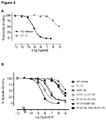
- Figure 2A demonstrates that B7-33 C11.23S binds RXFP1, but with lower affinity than H2 relaxin.
- Binding of native B7-33, B7-33 C11.23S and N-terminal acetylated B chain peptide derivatives to cells expressing a fusion protein comprising the extracellular domain of RXFP1 and the transmembrane domain of CD8 (7BP cells) demonstrates that the B chain peptide derivatives strongly bind to 7BP cells, however still with a lower affinity than H2 relaxin (Table 2, Figure 2B ).
- Statistical differences in pIC 50 values were analyzed using one-way analysis of variance coupled to Newman Keul's multiple comparison test for multiple group comparisons in GraphPad Prism 6.
- HEK-293T cells co-transfected with either RXFP1 or RXFP2, or 7BP cells, and a pCRE ⁇ -galactosidase reporter plasmid were plated in 96-well plates. After 24 hours, the co-transfected cells were incubated with increasing concentrations of peptides in parallel to 10 nM of H2 relaxin or INSL3 for RXFP1- or RXFP2- transfected cells respectively.
- the single chain B7-33 C11.23S peptide was also shown to be selective at RXFP1 over RXFP2 ( Figure 3 ).
- Table 2 Ligand binding of relaxin-2 B chain peptide derivatives and stimulation of cAMP response by relaxin-2 B chain peptide derivatives. Values in log M 1 .
- the inventors then tested the single chain B7-33 C11.23S relaxin-2 peptide for its ability to signal via different pathways, cAMP (see Example 2) and pERK1/2 on HEK-293T (cells stably expressing RXFP1) and myofibroblast cells (cells endogenously expressing RXFP1)
- cAMP single chain B7-33 C11.23S relaxin-2 peptide
- pERK1/2 on HEK-293T (cells stably expressing RXFP1) and myofibroblast cells (cells endogenously expressing RXFP1)
- the cAMP assay was conducted as described in Example 2.
- Phosphorylation of ERK1/2 was determined using AlphaScreen SureFire® assay which is a proprietary, non-radioactive and non-Western proximity assay that relies on singlet oxygen energy transfer (PerkinElmer Inc.).
- Rat renal fibroblasts that endogenously express RXFP1 receptor
- Rat renal fibroblasts that endogenously express RXFP1 receptor
- Rat renal fibroblasts were seeded into a 96-well plate at a density of 40,000 cells per well and incubated overnight in complete media to allow cell adhesion.
- Cells were then serum-starved for 4-6 hours followed by native H2 relaxin (100nM) or B7-33 C11.23S peptide (100nM) treatment for periods of up to 20 minutes and ERK1/2 activation was quantified using the phospho-ERK1/2 Surefire AlphaScreen kit.
- B7-33 C11.23S stimulated ERK1/2 with slightly higher level of efficacy as H2 relaxin peaking at 5 minutes following the peptide treatment ( Figure 4 ).
- the peptide was tested in HEK-RXFP1 cells for its ability to activate cAMP ( Figure 3A ) and EKR signalling pathways (data not shown) and was found to act as a full agonist, but with poor potency.
- Figure 4 the poor potency in HEK-RXFP1 cells, when tested in rat renal myofibroblast it exhibited very high pERK potency
- the inventors investigated the ability of the single chain B7-33 C11.23S relaxin-2 peptide to induce matrix metalloproteinase-2 (MMP-2) activity, which provides a measure of the anti-fibrotic activity of the polypeptide.
- MMP-2 matrix metalloproteinase-2
- DMEM Dulbecco's modified Eagle's medium
- zymographic assays of gelatinases were carried out. Polyacrylamide separating gel containing 7.5% acrylamide, 0.35M Tris-Cl pH8.8, 0.4% SDS, 0.5 mg/ml gelatine solution (porcine skin, 300 bloom), was stacked below a polyacrylamide stacking gel containing 3.75% acrylamide, 0.25M Tris-Cl pH6.8, 0.4% SDS. Media from various treatments were incubated with gel loading sample buffer (0.0625M Tris-HCl, pH6.8, 2% SDS, 10% glycerol, 0.01% bromophenol blue) in 1:4 dilution at room temperature for 1 hr.
- gel loading sample buffer (0.0625M Tris-HCl, pH6.8, 2% SDS, 10% glycerol, 0.01% bromophenol blue
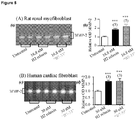
- the single chain B7-33 C11.23S relaxin-2 peptide was shown to induce the expression of MMP-2 in rat renal myofibroblasts and human cardiac fibroblasts to levels similar to those induced by the native H2 relaxin. It is therefore concluded that the B7-33 C11.23S relaxin-2 peptide has similar anti-fibrotic properties as native H2 relaxin.
- the inventors used a rat model of myocardial infarction, a mouse model of isoproterenol-induced heart failure, and a mouse model of chronic allergic airways disease (AAD).
- Rats were given access to standard laboratory rat chow and drinking water ad libitum.
- mice Seven to eight-week old male 129SV mice (which are sensitive to tissue injury and fibrosis) and age-matched female Balb/c mice (which are sensitive to changes in airway hyperresponsiveness) were used for the induction of isoproterenol-induced cardiomyopathy and ovalbumin-induced chronic allergic airways disease, respectively. 16 five week-old male C57BL/6 mice were used in the induction of prostate cancer growth. All animals were obtained from Monash Animal Services (Monash University, Clayton, Victoria, Australia) and housed under standard conditions (maintained on an 12 h light-12 h dark lighting cycle with free access to food and water) in the Department of Pharmacology Animal Room at Monash University.
- mice were anaesthetized intraperitoneally with 200 ⁇ g/g ketamine and 10 ⁇ g/g xylazine. Tracheotomy was performed using an 18-gauge tracheotomy tube and jugular vein cannulated with a 0.61 9 0.28 mm polyethylene tube (Microtube Extrusions, North Rocks, NSW, Australia).
- mice were then placed in a plethysmograph chamber (Buxco Research Systems, Wilmington, NC, USA) where increasing concentrations of acetyl- ⁇ -methacholine (from 31.25 ⁇ g/kg to 500 ⁇ g/kg) were delivered intravenously in five doses. After every dose, airway resistance and compliance were measured (Biosystem XA version 2.7.9; Buxco Electronics Inc, Wilmington, NC, USA). The change in airway resistance calculated by the maximal resistance after each dose minus baseline resistance (phosphate buffered saline alone) was plotted against each dose of methacholine evaluated.
- the apical region of the heart or second largest lung lobe from each mouse was treated as described previously ( Samuel CS, et al., 2003, FASEB J 17, 121-123 ; Royce et al. 2009, Endocrinology 150, 2692-2699 ) for the determination of hydroxyproline content. Hydroxyproline values were estimated based on a standard curve constructed with serial dilutions of a 0.1 mg/mL stock of trans-4-hydroxyproline-L-proline (Sigma-Aldrich). Hydroxyproline values were then converted to collagen content as detailed previously ( Samuel CS, et al. 2004, Endocrinology 145, 4125-4133 ) and, in turn, divided by the dry weight of each corresponding left ventricular or lung tissue assessed to yield collagen concentration (a measure of fibrosis).
- Heart failure was induced as previously described ( Ruchaya et al., 2014, Exp Physiol 99, 111-122 ). Breifly, to induce heart failure, rats were anaesthetised with an intramuscular injection of ketamine (60mg/kg) and medetomide hydrochloride (250mg/kg). A left sided thoracotomy through an opening between the fourth and fifth rib was performed, the heart was exteriorised and the left anterior descending coronary artery was ligated. Anaesthesia was reversed with antipamezole hydrocholide (1mg/kg). Penicillin (1000U) and buprenorphine (0.05mg/kg) was administered to aid post-operative recovery. Animals were left to recover from the surgery under a heating source. Rats were individually housed after the surgery.
- rats Eight weeks after myocardial infarction surgery, rats were randomly assigned to 3 groups (vehicle, H2 and B7-33), re-anaesthetised (2-3% isoflurane) and an osmotic mini-pump (model 2ML4, Alzet, Cupertino, CA) implanted intraperitoneally.
- Vehicle saline
- native H2 relaxin 0.5mg/kg/day
- B7-33 C11.23S 0.5mg/kg/day
- rats were anaesthetized (sodium pentobarbitone, 60mg/kg i.p.) and the left ventricular end-diastolic pressure determined prior to decapitation and removal of the heart for histological analysis.
- Rats treated with either H2 relaxin or B7-33 C11.23S demonstrated a significant reduction in percentage of collagen in the interstitial area of the left ventricle as compared with vehicle-treated animals ( Figure 6A, B ).
- Left ventricular end-diastolic pressure (LVEDP) was also reduced in H2 relaxin or B7-33 C11.23S treated animals ( Figure 6C ), indicating that both H2 relaxin and B7-33 C11.23S treatment promote a similar improvement in heart function 12 weeks following myocardial infarction.
- mice Nine days after the fifth isoproterenol injection/14 days from the beginning of the study, all mice were weighed and then sacrificed for heart and left ventricular collection. A similar portion of the left ventricle from each animal was then used for the determination of interstitial collagen staining and morphometric analysis of interstitial collagen density ( Samuel et al. 2011 Lab Invest 91, 675-690 ) or hydroxyproline content ( Samuel CS, et al. 2004, Endocrinology 145, 4125-4133 ).
- the isoproterenol -treated group displayed a significant elevation in both percentage of interstitial collagen ( Figure 7A, B ) and total collagen concentration ( Figure 7C ) in the left ventricle.
- Treatment with H2 relaxin or B7-33 C11.23S significantly reduced the collagen percentage and total concentration to a similar extent relative to isoproterenol treatment ( Figures 7B and 7C ) suggesting that B7-33 C11.23S has similar anti-fibrotic properties to H2 relaxin.
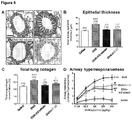
- the inventors also tested the fibrosis preventing activity of B7-33 C11.23S in a model of chronic allergic airway disease (AAD).
- mice (n 14) were sensitised with 0.4 mg albumin 0.5 mL saline and challenged with nebulised saline.
- B7-33 C11.23S has similar, albeit slightly diminished biological activity to that of H2 relaxin in the prevention of fibrosis and improvement of function in the heart and lung following chronic and acute disorders of these systems.
- Example 6 - B7-33 C11.23S does not promote prostate tumour growth
- H2 relaxin can induce prostate and other tumour growth.
- 16 five week-old male C57BL/6 mice obtained from Monash Animal Services
- 5000 RM1 mouse prostate tumor cells into their prostates to induce tumor growth.
- One sub-group of mice was left untreated until day 10 post-RM1 cell administration.
- Each pump had a reservoir that allowed it to continuously infuse the peptides administered to mice for 8 days.
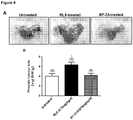
- B7-33 C11.23S treatment did not result in changes in tumour size relative to untreated, and tumours from B7-33 C11.23S treated mice were significantly smaller than those from H2 relaxin treated mice ( Figure 9 ) suggesting that B7-33 C11.23S may be a safer option than H2 relaxin for therapeutic administration.
Landscapes
- Health & Medical Sciences (AREA)
- Chemical & Material Sciences (AREA)
- Life Sciences & Earth Sciences (AREA)
- Organic Chemistry (AREA)
- Medicinal Chemistry (AREA)
- General Health & Medical Sciences (AREA)
- Biochemistry (AREA)
- Biophysics (AREA)
- Proteomics, Peptides & Aminoacids (AREA)
- Molecular Biology (AREA)
- Genetics & Genomics (AREA)
- Gastroenterology & Hepatology (AREA)
- Zoology (AREA)
- Toxicology (AREA)
- Endocrinology (AREA)
- Engineering & Computer Science (AREA)
- Veterinary Medicine (AREA)
- Bioinformatics & Cheminformatics (AREA)
- Animal Behavior & Ethology (AREA)
- Cardiology (AREA)
- Pharmacology & Pharmacy (AREA)
- Public Health (AREA)
- General Chemical & Material Sciences (AREA)
- Heart & Thoracic Surgery (AREA)
- Nuclear Medicine, Radiotherapy & Molecular Imaging (AREA)
- Chemical Kinetics & Catalysis (AREA)
- Medicines That Contain Protein Lipid Enzymes And Other Medicines (AREA)
- Peptides Or Proteins (AREA)
Claims (12)
- Peptide de relaxine à chaîne unique biologiquement actif comprenant une chaîne B de relaxine dérivée de relaxine-2, dans lequel le peptide est tronqué de six résidus d'acide aminé à l'extrémité N-terminale par rapport à la séquence de la chaîne B de la relaxine-2 native, dans lequel le peptide comprend quatre acides aminés supplémentaires à l'extrémité C-terminale, dont au moins deux sont chargés positivement, et dans lequel un ou deux des résidus cystéine aux positions 11 et 23, par rapport à la séquence de la chaîne B de la relaxine-2 native de SEQ ID NO : 1, sont remplacés par un acide aminé neutre.
- Peptide selon la revendication 1, dans lequel la relaxine-2 native comprend ou consiste en la séquence représentée par SEQ ID NO : 1.
- Peptide selon la revendication 1, dans lequel les acides aminés supplémentaires à l'extrémité C-terminale comprennent KRSL.
- Peptide selon l'une quelconque des revendications 1 à 3, dans lequel un ou deux desdits résidus cystéine sont remplacés par une sérine ou une alanine.
- Peptide selon l'une quelconque des revendications 1 à 4, dans lequel un ou plusieurs résidus arginine de la séquence de la chaîne B de la relaxine-2 humaine native sont remplacés par un acide aminé basique, facultativement une lysine, ou un mimétique ou un isostère d'arginine, facultativement dans lequel ledit mimétique ou isostère est l'homoarginine, la norarginine ou l'acide guanidine propionique.
- Peptide selon l'une quelconque des revendications 1 à 5, dans lequel le résidu arginine en position 17 de la séquence de la chaîne B de la relaxine-2 humaine native représentée par SEQ ID NO : 1 est remplacé par une lysine, une homoarginine, une norarginine ou un acide guanidine propionique.
- Peptide selon l'une quelconque des revendications 1 à 6, dans lequel le peptide comprend ou consiste en la séquence d'acides aminés représentée par l'une quelconque parmi SEQ ID NO : 7, 9, 10 ou 11.
- Peptide selon l'une quelconque des revendications 1 à 7, dans lequel le peptide comprend un groupe amide C-terminal et/ou un groupe acétyle N-terminal.
- Peptide selon l'une quelconque des revendications 1 à 8, dans lequel le peptide est sélectif pour le récepteur RXFP1, facultativement un agoniste du récepteur RXFP1, facultativement un agoniste sélectif du récepteur RXFP1.
- Polynucléotide codant pour un peptide de relaxine à chaîne unique biologiquement actif selon l'une quelconque des revendications 1 à 9.
- Composition pharmaceutique comprenant un peptide de relaxine à chaîne unique biologiquement actif selon l'une quelconque des revendications 1 à 9, ou un polynucléotide selon la revendication 10, facultativement conjointement avec un ou plusieurs supports, excipients ou diluants pharmaceutiquement acceptables.
- Peptide de relaxine à chaîne unique biologiquement actif selon l'une quelconque des revendications 1 à 9 ou un polynucléotide selon la revendication 10 pour une utilisation dans un procédé pour le traitement ou la prévention d'une maladie ou d'une affection, facultativement dans lequel la maladie ou l'affection est une fibrose, une maladie ou affection cardiovasculaire, ou une maladie allergique chronique des voies respiratoires.
Applications Claiming Priority (2)
| Application Number | Priority Date | Filing Date | Title |
|---|---|---|---|
| AU2014901409A AU2014901409A0 (en) | 2014-04-17 | Modified relaxin B chain peptides | |
| PCT/AU2015/050184 WO2015157829A1 (fr) | 2014-04-17 | 2015-04-17 | Peptides à chaîne b de relaxine modifiés |
Publications (3)
| Publication Number | Publication Date |
|---|---|
| EP3131925A1 EP3131925A1 (fr) | 2017-02-22 |
| EP3131925A4 EP3131925A4 (fr) | 2017-10-11 |
| EP3131925B1 true EP3131925B1 (fr) | 2020-02-19 |
Family
ID=54323290
Family Applications (1)
| Application Number | Title | Priority Date | Filing Date |
|---|---|---|---|
| EP15780000.4A Active EP3131925B1 (fr) | 2014-04-17 | 2015-04-17 | Peptides à chaîne b de relaxine modifiés |
Country Status (5)
| Country | Link |
|---|---|
| US (1) | US10081662B2 (fr) |
| EP (1) | EP3131925B1 (fr) |
| AU (1) | AU2015246590B2 (fr) |
| CA (1) | CA2945838C (fr) |
| WO (1) | WO2015157829A1 (fr) |
Families Citing this family (9)
| Publication number | Priority date | Publication date | Assignee | Title |
|---|---|---|---|---|
| IL263079B2 (en) | 2016-05-18 | 2024-05-01 | Modernatx Inc | Polynucleotides encoding relaxin |
| TW201934572A (zh) | 2018-01-31 | 2019-09-01 | 法商賽諾菲公司 | 經修飾之鬆弛素b鏈胜肽及其治療用途 |
| WO2019149781A1 (fr) * | 2018-01-31 | 2019-08-08 | Sanofi | Peptides à chaîne b de relaxine lipidée modifiée et utilisation thérapeutique associée |
| NZ766762A (en) * | 2018-01-31 | 2026-03-27 | Sanofi Sa | Modified lipidated relaxin b chain peptides and their therapeutic use |
| AU2019448608A1 (en) * | 2019-05-24 | 2022-01-27 | Commonwealth Scientific And Industrial Research Organisation | Compositions and implantable devices |
| TWI844709B (zh) | 2019-07-31 | 2024-06-11 | 美商美國禮來大藥廠 | 鬆弛素(relaxin)類似物及其使用方法 |
| CN118510536A (zh) | 2021-11-11 | 2024-08-16 | 泰克托尼治疗股份有限公司 | 松弛素-2融合蛋白类似物及其使用方法 |
| AU2024270919A1 (en) | 2023-05-18 | 2026-01-15 | Tectonic Operating Company, Inc. | Relaxin-2 fusion protein analogs and methods of using same |
| WO2025245483A1 (fr) * | 2024-05-24 | 2025-11-27 | Flagship Pioneering Innovations Vii, Llc | Méthodes et compositions |
Family Cites Families (7)
| Publication number | Priority date | Publication date | Assignee | Title |
|---|---|---|---|---|
| US5023321A (en) * | 1982-12-13 | 1991-06-11 | Howard Florey Institute Of Experimental Physiology & Medicine | Molecular cloning and characterization of a further gene sequence coding for human relaxin |
| WO2009055854A1 (fr) * | 2007-10-30 | 2009-05-07 | Howard Florey Institute Of Experimental Physiology And Medicine | Polypeptides chimériques de la relaxine comprenant une chaîne a et une chaîne b issues de différents peptides de la famille de la relaxine |
| US8389475B2 (en) | 2009-08-10 | 2013-03-05 | The Board Of Trustees Of The Leland Stanford Junior University | Relaxin analogs |
| US20110243943A1 (en) * | 2010-04-02 | 2011-10-06 | Athena Discovery, Inc. | Treatment using relaxin-fusion proteins with extended in vivo half-lives |
| KR20140039257A (ko) | 2011-07-08 | 2014-04-01 | 바이엘 인텔렉쳐 프로퍼티 게엠베하 | 릴랙신을 방출하는 융합 단백질 및 이의 용도 |
| CN102643825A (zh) * | 2011-11-18 | 2012-08-22 | 上海佑科生物技术有限公司 | 松弛素野生型和突变体的制备方法及其所制备的松弛素野生型和突变体 |
| WO2014040008A1 (fr) | 2012-09-10 | 2014-03-13 | Angion Biomedica Corp. | Peptides de type relaxine et utilisations associées |
-
2015
- 2015-04-17 EP EP15780000.4A patent/EP3131925B1/fr active Active
- 2015-04-17 WO PCT/AU2015/050184 patent/WO2015157829A1/fr not_active Ceased
- 2015-04-17 AU AU2015246590A patent/AU2015246590B2/en active Active
- 2015-04-17 CA CA2945838A patent/CA2945838C/fr active Active
- 2015-04-17 US US15/304,434 patent/US10081662B2/en active Active
Non-Patent Citations (1)
| Title |
|---|
| None * |
Also Published As
| Publication number | Publication date |
|---|---|
| CA2945838C (fr) | 2022-08-16 |
| AU2015246590B2 (en) | 2019-10-17 |
| WO2015157829A1 (fr) | 2015-10-22 |
| US10081662B2 (en) | 2018-09-25 |
| CA2945838A1 (fr) | 2015-10-22 |
| AU2015246590A1 (en) | 2016-11-03 |
| EP3131925A4 (fr) | 2017-10-11 |
| EP3131925A1 (fr) | 2017-02-22 |
| US20170037106A1 (en) | 2017-02-09 |
Similar Documents
| Publication | Publication Date | Title |
|---|---|---|
| EP3131925B1 (fr) | Peptides à chaîne b de relaxine modifiés | |
| US12083164B2 (en) | Amylin analogues | |
| KR102476550B1 (ko) | 선택적인 pyy 화합물 및 그것의 사용 | |
| US10766939B2 (en) | Amylin analogues | |
| JP6602760B2 (ja) | 選択的なpyy化合物及びその使用 | |
| US9040660B2 (en) | Long-acting gastrin derivatives | |
| JP2016519130A (ja) | 治療ペプチド | |
| EP2215114B1 (fr) | Polypeptides chimériques de la relaxine comprenant une chaîne a et une chaîne b issues de différents peptides de la famille de la relaxine | |
| HUE028539T2 (en) | A peptide capable of extending the half-life of an important peptide in plasma | |
| KR20230008846A (ko) | 이중 수용체 아고니즘 작용을 갖는 폴리펩티드 유도체 및 그 용도 | |
| WO2024022465A1 (fr) | Dérivé polypeptidique d'amyline humaine et son utilisation | |
| EP2614075B1 (fr) | Polypeptides de relaxine monocaténaires | |
| US20110152183A1 (en) | Derivatised hybrid peptides of amylin and salmon calcitonin | |
| US11179444B2 (en) | Glucagon analogs and methods of use thereof | |
| CN115226391A (zh) | 胰高血糖素和glp-1受体的钉合三唑共激动剂 | |
| CN117750969A (zh) | 单体融合肽及其使用方法 | |
| KR20220122689A (ko) | 글루카곤 및 glp-1 수용체의 스테이플화된 올레핀 공-효능제 | |
| CN114867742A (zh) | 胰高血糖素和glp-1受体的钉合内酰胺共激动剂 |
Legal Events
| Date | Code | Title | Description |
|---|---|---|---|
| STAA | Information on the status of an ep patent application or granted ep patent |
Free format text: STATUS: THE INTERNATIONAL PUBLICATION HAS BEEN MADE |
|
| PUAI | Public reference made under article 153(3) epc to a published international application that has entered the european phase |
Free format text: ORIGINAL CODE: 0009012 |
|
| STAA | Information on the status of an ep patent application or granted ep patent |
Free format text: STATUS: REQUEST FOR EXAMINATION WAS MADE |
|
| 17P | Request for examination filed |
Effective date: 20161107 |
|
| AK | Designated contracting states |
Kind code of ref document: A1 Designated state(s): AL AT BE BG CH CY CZ DE DK EE ES FI FR GB GR HR HU IE IS IT LI LT LU LV MC MK MT NL NO PL PT RO RS SE SI SK SM TR |
|
| AX | Request for extension of the european patent |
Extension state: BA ME |
|
| DAV | Request for validation of the european patent (deleted) | ||
| DAX | Request for extension of the european patent (deleted) | ||
| A4 | Supplementary search report drawn up and despatched |
Effective date: 20170907 |
|
| RIC1 | Information provided on ipc code assigned before grant |
Ipc: A61K 38/30 20060101ALI20170901BHEP Ipc: C07K 19/00 20060101ALI20170901BHEP Ipc: C12N 15/16 20060101ALI20170901BHEP Ipc: A61P 9/00 20060101ALI20170901BHEP Ipc: C07K 14/64 20060101AFI20170901BHEP |
|
| STAA | Information on the status of an ep patent application or granted ep patent |
Free format text: STATUS: EXAMINATION IS IN PROGRESS |
|
| 17Q | First examination report despatched |
Effective date: 20181011 |
|
| GRAP | Despatch of communication of intention to grant a patent |
Free format text: ORIGINAL CODE: EPIDOSNIGR1 |
|
| STAA | Information on the status of an ep patent application or granted ep patent |
Free format text: STATUS: GRANT OF PATENT IS INTENDED |
|
| INTG | Intention to grant announced |
Effective date: 20190917 |
|
| GRAS | Grant fee paid |
Free format text: ORIGINAL CODE: EPIDOSNIGR3 |
|
| GRAA | (expected) grant |
Free format text: ORIGINAL CODE: 0009210 |
|
| STAA | Information on the status of an ep patent application or granted ep patent |
Free format text: STATUS: THE PATENT HAS BEEN GRANTED |
|
| AK | Designated contracting states |
Kind code of ref document: B1 Designated state(s): AL AT BE BG CH CY CZ DE DK EE ES FI FR GB GR HR HU IE IS IT LI LT LU LV MC MK MT NL NO PL PT RO RS SE SI SK SM TR |
|
| REG | Reference to a national code |
Ref country code: CH Ref legal event code: EP |
|
| REG | Reference to a national code |
Ref country code: DE Ref legal event code: R096 Ref document number: 602015047361 Country of ref document: DE |
|
| REG | Reference to a national code |
Ref country code: AT Ref legal event code: REF Ref document number: 1234871 Country of ref document: AT Kind code of ref document: T Effective date: 20200315 |
|
| REG | Reference to a national code |
Ref country code: IE Ref legal event code: FG4D |
|
| REG | Reference to a national code |
Ref country code: NL Ref legal event code: MP Effective date: 20200219 |
|
| PG25 | Lapsed in a contracting state [announced via postgrant information from national office to epo] |
Ref country code: FI Free format text: LAPSE BECAUSE OF FAILURE TO SUBMIT A TRANSLATION OF THE DESCRIPTION OR TO PAY THE FEE WITHIN THE PRESCRIBED TIME-LIMIT Effective date: 20200219 Ref country code: NO Free format text: LAPSE BECAUSE OF FAILURE TO SUBMIT A TRANSLATION OF THE DESCRIPTION OR TO PAY THE FEE WITHIN THE PRESCRIBED TIME-LIMIT Effective date: 20200519 Ref country code: RS Free format text: LAPSE BECAUSE OF FAILURE TO SUBMIT A TRANSLATION OF THE DESCRIPTION OR TO PAY THE FEE WITHIN THE PRESCRIBED TIME-LIMIT Effective date: 20200219 |
|
| REG | Reference to a national code |
Ref country code: LT Ref legal event code: MG4D |
|
| PG25 | Lapsed in a contracting state [announced via postgrant information from national office to epo] |
Ref country code: HR Free format text: LAPSE BECAUSE OF FAILURE TO SUBMIT A TRANSLATION OF THE DESCRIPTION OR TO PAY THE FEE WITHIN THE PRESCRIBED TIME-LIMIT Effective date: 20200219 Ref country code: LV Free format text: LAPSE BECAUSE OF FAILURE TO SUBMIT A TRANSLATION OF THE DESCRIPTION OR TO PAY THE FEE WITHIN THE PRESCRIBED TIME-LIMIT Effective date: 20200219 Ref country code: SE Free format text: LAPSE BECAUSE OF FAILURE TO SUBMIT A TRANSLATION OF THE DESCRIPTION OR TO PAY THE FEE WITHIN THE PRESCRIBED TIME-LIMIT Effective date: 20200219 Ref country code: BG Free format text: LAPSE BECAUSE OF FAILURE TO SUBMIT A TRANSLATION OF THE DESCRIPTION OR TO PAY THE FEE WITHIN THE PRESCRIBED TIME-LIMIT Effective date: 20200519 Ref country code: GR Free format text: LAPSE BECAUSE OF FAILURE TO SUBMIT A TRANSLATION OF THE DESCRIPTION OR TO PAY THE FEE WITHIN THE PRESCRIBED TIME-LIMIT Effective date: 20200520 Ref country code: IS Free format text: LAPSE BECAUSE OF FAILURE TO SUBMIT A TRANSLATION OF THE DESCRIPTION OR TO PAY THE FEE WITHIN THE PRESCRIBED TIME-LIMIT Effective date: 20200619 |
|
| PG25 | Lapsed in a contracting state [announced via postgrant information from national office to epo] |
Ref country code: NL Free format text: LAPSE BECAUSE OF FAILURE TO SUBMIT A TRANSLATION OF THE DESCRIPTION OR TO PAY THE FEE WITHIN THE PRESCRIBED TIME-LIMIT Effective date: 20200219 |
|
| PG25 | Lapsed in a contracting state [announced via postgrant information from national office to epo] |
Ref country code: CZ Free format text: LAPSE BECAUSE OF FAILURE TO SUBMIT A TRANSLATION OF THE DESCRIPTION OR TO PAY THE FEE WITHIN THE PRESCRIBED TIME-LIMIT Effective date: 20200219 Ref country code: PT Free format text: LAPSE BECAUSE OF FAILURE TO SUBMIT A TRANSLATION OF THE DESCRIPTION OR TO PAY THE FEE WITHIN THE PRESCRIBED TIME-LIMIT Effective date: 20200712 Ref country code: SK Free format text: LAPSE BECAUSE OF FAILURE TO SUBMIT A TRANSLATION OF THE DESCRIPTION OR TO PAY THE FEE WITHIN THE PRESCRIBED TIME-LIMIT Effective date: 20200219 Ref country code: DK Free format text: LAPSE BECAUSE OF FAILURE TO SUBMIT A TRANSLATION OF THE DESCRIPTION OR TO PAY THE FEE WITHIN THE PRESCRIBED TIME-LIMIT Effective date: 20200219 Ref country code: LT Free format text: LAPSE BECAUSE OF FAILURE TO SUBMIT A TRANSLATION OF THE DESCRIPTION OR TO PAY THE FEE WITHIN THE PRESCRIBED TIME-LIMIT Effective date: 20200219 Ref country code: EE Free format text: LAPSE BECAUSE OF FAILURE TO SUBMIT A TRANSLATION OF THE DESCRIPTION OR TO PAY THE FEE WITHIN THE PRESCRIBED TIME-LIMIT Effective date: 20200219 Ref country code: SM Free format text: LAPSE BECAUSE OF FAILURE TO SUBMIT A TRANSLATION OF THE DESCRIPTION OR TO PAY THE FEE WITHIN THE PRESCRIBED TIME-LIMIT Effective date: 20200219 Ref country code: ES Free format text: LAPSE BECAUSE OF FAILURE TO SUBMIT A TRANSLATION OF THE DESCRIPTION OR TO PAY THE FEE WITHIN THE PRESCRIBED TIME-LIMIT Effective date: 20200219 Ref country code: RO Free format text: LAPSE BECAUSE OF FAILURE TO SUBMIT A TRANSLATION OF THE DESCRIPTION OR TO PAY THE FEE WITHIN THE PRESCRIBED TIME-LIMIT Effective date: 20200219 |
|
| REG | Reference to a national code |
Ref country code: AT Ref legal event code: MK05 Ref document number: 1234871 Country of ref document: AT Kind code of ref document: T Effective date: 20200219 |
|
| REG | Reference to a national code |
Ref country code: DE Ref legal event code: R097 Ref document number: 602015047361 Country of ref document: DE |
|
| PG25 | Lapsed in a contracting state [announced via postgrant information from national office to epo] |
Ref country code: MC Free format text: LAPSE BECAUSE OF FAILURE TO SUBMIT A TRANSLATION OF THE DESCRIPTION OR TO PAY THE FEE WITHIN THE PRESCRIBED TIME-LIMIT Effective date: 20200219 |
|
| REG | Reference to a national code |
Ref country code: CH Ref legal event code: PL |
|
| PLBE | No opposition filed within time limit |
Free format text: ORIGINAL CODE: 0009261 |
|
| STAA | Information on the status of an ep patent application or granted ep patent |
Free format text: STATUS: NO OPPOSITION FILED WITHIN TIME LIMIT |
|
| 26N | No opposition filed |
Effective date: 20201120 |
|
| PG25 | Lapsed in a contracting state [announced via postgrant information from national office to epo] |
Ref country code: AT Free format text: LAPSE BECAUSE OF FAILURE TO SUBMIT A TRANSLATION OF THE DESCRIPTION OR TO PAY THE FEE WITHIN THE PRESCRIBED TIME-LIMIT Effective date: 20200219 Ref country code: CH Free format text: LAPSE BECAUSE OF NON-PAYMENT OF DUE FEES Effective date: 20200430 Ref country code: LU Free format text: LAPSE BECAUSE OF NON-PAYMENT OF DUE FEES Effective date: 20200417 Ref country code: LI Free format text: LAPSE BECAUSE OF NON-PAYMENT OF DUE FEES Effective date: 20200430 |
|
| REG | Reference to a national code |
Ref country code: BE Ref legal event code: MM Effective date: 20200430 |
|
| PG25 | Lapsed in a contracting state [announced via postgrant information from national office to epo] |
Ref country code: BE Free format text: LAPSE BECAUSE OF NON-PAYMENT OF DUE FEES Effective date: 20200430 Ref country code: SI Free format text: LAPSE BECAUSE OF FAILURE TO SUBMIT A TRANSLATION OF THE DESCRIPTION OR TO PAY THE FEE WITHIN THE PRESCRIBED TIME-LIMIT Effective date: 20200219 Ref country code: PL Free format text: LAPSE BECAUSE OF FAILURE TO SUBMIT A TRANSLATION OF THE DESCRIPTION OR TO PAY THE FEE WITHIN THE PRESCRIBED TIME-LIMIT Effective date: 20200219 |
|
| PG25 | Lapsed in a contracting state [announced via postgrant information from national office to epo] |
Ref country code: IE Free format text: LAPSE BECAUSE OF NON-PAYMENT OF DUE FEES Effective date: 20200417 |
|
| PG25 | Lapsed in a contracting state [announced via postgrant information from national office to epo] |
Ref country code: TR Free format text: LAPSE BECAUSE OF FAILURE TO SUBMIT A TRANSLATION OF THE DESCRIPTION OR TO PAY THE FEE WITHIN THE PRESCRIBED TIME-LIMIT Effective date: 20200219 Ref country code: MT Free format text: LAPSE BECAUSE OF FAILURE TO SUBMIT A TRANSLATION OF THE DESCRIPTION OR TO PAY THE FEE WITHIN THE PRESCRIBED TIME-LIMIT Effective date: 20200219 Ref country code: CY Free format text: LAPSE BECAUSE OF FAILURE TO SUBMIT A TRANSLATION OF THE DESCRIPTION OR TO PAY THE FEE WITHIN THE PRESCRIBED TIME-LIMIT Effective date: 20200219 |
|
| PG25 | Lapsed in a contracting state [announced via postgrant information from national office to epo] |
Ref country code: MK Free format text: LAPSE BECAUSE OF FAILURE TO SUBMIT A TRANSLATION OF THE DESCRIPTION OR TO PAY THE FEE WITHIN THE PRESCRIBED TIME-LIMIT Effective date: 20200219 Ref country code: AL Free format text: LAPSE BECAUSE OF FAILURE TO SUBMIT A TRANSLATION OF THE DESCRIPTION OR TO PAY THE FEE WITHIN THE PRESCRIBED TIME-LIMIT Effective date: 20200219 |
|
| P01 | Opt-out of the competence of the unified patent court (upc) registered |
Effective date: 20230518 |
|
| PGFP | Annual fee paid to national office [announced via postgrant information from national office to epo] |
Ref country code: DE Payment date: 20250319 Year of fee payment: 11 |
|
| PGFP | Annual fee paid to national office [announced via postgrant information from national office to epo] |
Ref country code: IT Payment date: 20250326 Year of fee payment: 11 |
|
| PGFP | Annual fee paid to national office [announced via postgrant information from national office to epo] |
Ref country code: GB Payment date: 20260325 Year of fee payment: 12 |
|
| PGFP | Annual fee paid to national office [announced via postgrant information from national office to epo] |
Ref country code: FR Payment date: 20260323 Year of fee payment: 12 |