EP3133524B1 - Datenzusammenarbeit - Google Patents
Datenzusammenarbeit Download PDFInfo
- Publication number
- EP3133524B1 EP3133524B1 EP15182072.7A EP15182072A EP3133524B1 EP 3133524 B1 EP3133524 B1 EP 3133524B1 EP 15182072 A EP15182072 A EP 15182072A EP 3133524 B1 EP3133524 B1 EP 3133524B1
- Authority
- EP
- European Patent Office
- Prior art keywords
- users
- access
- condition
- collaborative
- data object
- Prior art date
- Legal status (The legal status is an assumption and is not a legal conclusion. Google has not performed a legal analysis and makes no representation as to the accuracy of the status listed.)
- Active
Links
Images


Classifications
-
- G—PHYSICS
- G06—COMPUTING OR CALCULATING; COUNTING
- G06F—ELECTRIC DIGITAL DATA PROCESSING
- G06F21/00—Security arrangements for protecting computers, components thereof, programs or data against unauthorised activity
- G06F21/60—Protecting data
- G06F21/62—Protecting access to data via a platform, e.g. using keys or access control rules
- G06F21/6209—Protecting access to data via a platform, e.g. using keys or access control rules to a single file or object, e.g. in a secure envelope, encrypted and accessed using a key, or with access control rules appended to the object itself
-
- G—PHYSICS
- G06—COMPUTING OR CALCULATING; COUNTING
- G06F—ELECTRIC DIGITAL DATA PROCESSING
- G06F2221/00—Indexing scheme relating to security arrangements for protecting computers, components thereof, programs or data against unauthorised activity
- G06F2221/21—Indexing scheme relating to G06F21/00 and subgroups addressing additional information or applications relating to security arrangements for protecting computers, components thereof, programs or data against unauthorised activity
- G06F2221/2107—File encryption
-
- G—PHYSICS
- G06—COMPUTING OR CALCULATING; COUNTING
- G06F—ELECTRIC DIGITAL DATA PROCESSING
- G06F2221/00—Indexing scheme relating to security arrangements for protecting computers, components thereof, programs or data against unauthorised activity
- G06F2221/21—Indexing scheme relating to G06F21/00 and subgroups addressing additional information or applications relating to security arrangements for protecting computers, components thereof, programs or data against unauthorised activity
- G06F2221/2111—Location-sensitive, e.g. geographical location, GPS
-
- G—PHYSICS
- G06—COMPUTING OR CALCULATING; COUNTING
- G06F—ELECTRIC DIGITAL DATA PROCESSING
- G06F2221/00—Indexing scheme relating to security arrangements for protecting computers, components thereof, programs or data against unauthorised activity
- G06F2221/21—Indexing scheme relating to G06F21/00 and subgroups addressing additional information or applications relating to security arrangements for protecting computers, components thereof, programs or data against unauthorised activity
- G06F2221/2137—Time limited access, e.g. to a computer or data
Definitions
- the present disclosure relates to the management of data, and in particular to the management of data between a number of parties. It has particular applicability to the management of access to data, such as read or write access to data.
- WO 2011/064760 describes an apparatus for providing access to social content.
- the apparatus comprises at least one memory and computer program code configured to, with at least one processor, cause the apparatus to perform at least receiving information providing corresponding identifies of a plurality of members of a group, receiving an indication of group content including at least one content item stored in association with the group, and enabling access to the group content by the members based on presence information related to the members indicating that a presence threshold associated with the group content is met.
- a corresponding method and compute program product are also provided.
- EP 1 701 566 describes a method and system for encrypting sensitive data on a Bluetooth® device when a device is no longer in the proximity of another "trusted" Bluetooth device.
- the sensitive data may be encrypted after a timer has expired.
- US 2014/282096 describes a method of posting ephemeral posts.
- the method starts with receiving, from a user of a social network, a request to post an ephemeral post, the request including an ephemeral variable associated with a threshold event.
- the ephemeral post is posted on behalf of the user.
- an occurrence of the threshold event is monitored.
- the threshold event has not occurred, the post is allowed to be accessible to at least one viewer other than the user.
- the threshold event has occurred, the post is blocked from being accessible by the at least one viewer other than the user.
- the user may dictate the audience of the post through selecting from a pre-defined list or a privacy setting.
- Described herein is a method for enabling collaborative access to a data object, comprising:
- This method can enable access to a data object, such as a data file, in dependence on users' compliance with at least one collaborative condition. Moreover, access is provided after a predetermined number of users meet that condition. In this manner, a flexible access system is provided which does not deny access completely or allow it unconditionally, instead the collaborative process is aided by the access control policy which reflects the desired conditions under which access should be allowed. Moreover, one element of the control over access is that a sufficient number of users must have complied with a collaborative condition; this gives an intuitive sense of the collaboration process, connecting access conditions to the collaboration between multiple users. The predetermined number of users may also be specified by the access control policy.
- the step of providing access may occur after a predetermined number of users meet all the collaborative conditions.
- a step of preventing access to the data object when the predetermined number of users no longer meet the collaborative condition is further provided. That is to say, in such embodiments access is only provided while the condition is met by the predetermined number of users.
- Alternative embodiments may continue to provide access even after some or all users cease to meet the collaborative condition. They may be a defined period of time during which access continues to be provided after the predetermined number of users no longer meet the access criteria. The approach may thus provide appropriate levels of continued access to the data object.
- the step of monitoring may comprise regularly polling one or more devices associated with the users to assess compliance with the collaborative condition. In this manner, a regular process may be established for establishing compliance with the collaborative condition.
- Alternative approaches may comprise continuous monitoring of devices, or user-activated monitoring (i.e. monitoring that takes place when initiated by a user).
- the step of monitoring may comprise monitoring one or more signals emitted by devices associated with the users.
- the one or more signals may be "heartbeat" signals issued at regular intervals. The presence of the heartbeat signals may imply proximity of the device and thus the associated user.
- the collaborative condition may be a geographical condition.
- a condition may be an absolute condition or a relative condition.
- Absolute geographical conditions are conditions defined with reference to a fixed geographical point, while relative conditions are conditions defined with reference to the relative geographical locations of one or more users.
- the geographical location of a user may be assumed to be that of an associated user device.
- the collaborative condition may be that a user is within a predefined distance of a set geographical point. Accordingly, once the predetermined number of users are within that predefined distance of the set point, then access may be provided to the data file.
- the collaborative condition may be that the predetermined number of users are within a set distance of one another or that signals from the user devices can be received (thus implying a degree of proximity). For instance, if predetermined number of users are within a room together, then the data object may be accessible. In this manner, the access control policy acts to establish a quorum for access to the data object. As such, when a group of users convene in sufficient numbers, then access to the data object is provided.
- the step of monitoring for compliance with the collaborative condition may comprise determining the geographic location of devices associated with the users using one or more of: global positions system (GPS), general packet radio service (GPRS), beacon or internet protocol (IP) address information.
- GPS global positions system
- GPRS general packet radio service
- IP internet protocol
- other techniques for inferring the location of a device may be used as appropriate.
- the access control policy may define a plurality of collaborative conditions.
- the access control policy may define both absolute and relative geographic collaborative conditions. In this example, it is not merely sufficient that a quorum of users are located proximal to each other (in order to meet the relative geographic condition) but they must also meet at a defined location (in order to meet the absolute geographic condition).
- the access control policy may also comprise a temporal condition.
- This temporal condition may define times during which access to the data object is to be provided.
- the step of providing access to the data object may be dependent on compliance with the temporal condition. This may be in addition to compliance with the at least one collaborative condition. As such, even if the collaborative condition is met by the predetermined number of users, access may not be provided unless the temporal condition is also met.
- the access control policy may define that a data object will be open for access during a meeting at a set time and place, but only if a sufficient number of participants are present.
- the access policy also comprises a relative temporal condition, specifying that the predetermined number of users must meet one or more collaborative conditions within a certain time period. For example, it could be specified that the predetermined number of users must all meet a certain geographic condition within a set time period relative to each other.
- Collaborative conditions may take alternative forms which are not tied to the physical location or other properties of a device.
- a collaborative condition may be associated with online access by a user. Once sufficient users have signed in online (i.e. a predetermined number of users have met the collaborative condition of sign in) then access to the data object may be provided.
- the data object is encrypted, and the step of providing access comprises sharing an encryption key.
- the data object can be secured until the desired time.
- the data object is encrypted and the encryption key is split into a number of parts using a secret sharing algorithm so that the key cannot be reconstituted unless a specified number of the parts are recombined.
- a piece of the key is allocated to each of the users, wherein the predetermined number of the users represents the number of parts of the encryption key required to access the data object. In this manner, the requirement for the predetermined number of users to meet the collaborative condition can be enforced, since unless that number is present then the encryption key cannot be reconstructed in order to retrieve the data object.
- the data object is shared together with the access control policy.
- the method may comprise sharing the data object prior to the step of monitoring the plurality of users for compliance with the collaborative condition.
- each device may receive a copy of the data object (which may be encrypted) together with the access control policy.
- the policy may be applied locally without the need to transmit the data object at the point at which access is provided.
- the access control policy may be maintained by a controlling device, which then may initiate access when required at each device.
- the disclosure can be implemented using computer program code.
- a computer program product comprising computer executable instructions for carrying out the method of the first aspect.
- the computer program product may be a physical / tangible storage medium.
- the storage medium may be a Read Only Memory (ROM) or other memory chip.
- ROM Read Only Memory
- it may be a disk such as a Digital Versatile Disk (DVD-ROM) or Compact Disk (CD-ROM) or other data carrier.
- DVD-ROM Digital Versatile Disk
- CD-ROM Compact Disk
- It could also be a signal such as an electronic signal over wires, an optical signal or a radio signal such as to a satellite or the like.
- the disclosure also extends to a processor running the software or code, e.g. a computer configured to carry out the method described above.
- processing means configured to:
- the processing means may be a single device or may be distributed across a plurality of devices. Preferred features of the method described above may equally apply to this system.
- the data sharing system comprises an access-controlled remote service 10 and plurality of client devices 20.
- the plurality of devices 20 are coupled to a secure and access-controlled remote service 10.
- the remote service 10 of the embodiment shown in Figure 1 is a cloud service.
- the remote service may be implemented on one or more servers and may generally be implemented on a network such as the internet.
- the remote service may therefore route communications between connected entities and manage data transfer.
- the client devices 20 are not limited by form factor and may have various capabilities. In many examples, the client devices 20 are portable but this is not essential. Client devices 20 that may be used in accordance with the present disclosure include personal computers (PCs), mobile phones, tablet devices, wearable devices and electro-biological implants.
- PCs personal computers
- mobile phones mobile phones
- tablet devices wearable devices
- electro-biological implants electro-biological implants
- the client devices 20 comprise network interfaces which allow them to communicate with other entities across the remote service 10 or directly or indirectly with each other.
- the client devices 20 each comprise an input (such as a touchscreen or keyboard) and a display allowing interaction between a user and the client device 20.
- Each client device 20 is running an instance of an application that allows data creation, sharing and viewing.
- the data may be any form of data including, but not limited to: text data, image data, video data and audio data.
- Each client device 20 may also comprise one or more further communication interfaces, allowing the client devices to be capable of communicating with each other using NFC, Bluetooth, Wi-Fi direct, local Wi-Fi or other communication mechanism.
- the client devices 20 of this embodiment further comprise a location tracking means.
- a location tracking means For example, to enable geographic access control each device 20 may be able to obtain its physical location via known methods such as the Global Positioning System (GPS), or using General Packet Radio Service (GPRS), or using a beacon or IP address information in a manner known in the art.
- GPS Global Positioning System
- GPRS General Packet Radio Service
- Each client device 20 also comprises storage. This enables the client device to store data files, application files and other content required for full operation of the client device 20.
- each client device 20 is associated with a different user.
- the users wish to access a particular data item in a controlled manner. For example, there may be a desire for a particular piece of data to be accessed when the users congregate for a meeting. Control may be effected such that the data is only viewable and/or editable when a sufficient number of users are present.
- This control is implemented using an access control policy associated with the data.
- the access control policy defines at least one collaborative condition under which access to the data file is permissible, the set of users who are permitted to access the data and also specifies a predetermined number of users which must meet this condition before access is granted.
- Access may comprise read only or read and write access, for example, and different conditions may be set for different types of access.
- the access control policy may be stated in terms of: objects; object bindings; constraints; identities; and responsibilities.
- the objects are things that are subject to the policy, such as particular data items.
- the object bindings represent relationships between objects. Constraints may define behaviour that controls/modifies the scope and applicability of the object bindings.
- the identities may be attached to objects, but could also be used, in a more general way, to name anything in the policy, i.e. identities might be typed, e.g. group identities. Responsibilities can define permissions/capabilities, roles and permissible actions.
- the access control policy is associated with the data, but it may additionally or alternatively be dependent on a user, a group of users, a location, a device, a logon, a time, a relative time etc.
- a given data object may be subject to different access policies if a user wishes to access it via different devices.
- the logical relationship between one or more access control policies and a particular data object can be selected as appropriate.
- an access control policy may be assigned to the data object. Alternatively or additionally, it may be assigned to any other entity (for example, users, groups of users or devices) within the system.
- FIG. 1 illustrates a model for physical distribution of the relevant access control policies.
- this distribution can be achieved by tying the access control policy to the data, but alternatively, the access control policy or policies may be distributed independently of the data.
- the remote service 10 may manage the distribution of relevant access control policies.
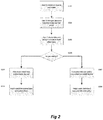
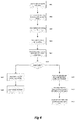
- Operation of the system shown in Figure 1 can be understood with reference to Figures 2 and 3 , which show flow diagrams for methods of securely sharing data within the system. Figures 2 and 3 describe a scenario where User A has full access to the data and controls access for all other users i.e. A trusts no one else, everyone else trusts A.
- User A creates an item of data or imports it into the application on the associated client device 20.
- this data may be structured data, a file, a photograph, streaming data or otherwise.
- User A decides to share this data with one or more other users.
- User A causes their associated client device 20 to encrypt the data and attaches an access control policy to the data before sharing it.
- the binding between the data and the policy will be protected to ensure that any changes can be detected. This can be achieved by a Message Authentication Code (MAC), Digital signature (DS), or some other means that is not the subject of this application.
- MAC Message Authentication Code
- DS Digital signature
- the access control policy may include the set of users permitted to access the data, at least one collaborative condition and a predetermined number associated with the at least one collaborative condition.
- the policy may specify that if a predetermined number of users meet the collaborative condition then access will be provided to the data.
- the collaborative condition is a proximity requirement specifying client devices must be proximate to one another. This is a relative geographic condition as it relates to the relative locations of the client devices 20.
- the predetermined number defines a quorum of users that must meet this requirement in order for the data to be shared.
- the access control policy requires that some or all of the other users (the quorum) must be physically close to User A and to each other before the data can be decrypted and accessed by the other users.
- the access control policy may further require that access is only provided while the collaborative condition is met by the quorum of users.
- the access control policy may specify that the quorum must continue to be physically close to User A to be able to continue to access the decrypted data.
- the access control policy may additionally include a time limit specifying how long the other Users may continue to access the data after the proximity requirement has been met.
- the access control policy may additionally include a temporal condition which must be met for access to the data to be provided. For example, time window(s) specifying when the data may be decrypted and accessed by the other users may be incorporated into the access control policy.
- This temporal condition may be absolute (i.e. specified with reference to a set time point or period) or may be relative (i.e. specified with reference to an event such as another user complying with the collaborative condition).
- a secure time-source may be provided, e.g. its identity can be authenticated to verify its trustworthiness.
- the access control policy may additionally include a further collaborative condition comprising one or more absolute geographic requirements specifying the geographic locations where the data may be decrypted and accessed by the other users.
- the location-source for example, GPS signals or similar
- the location-source may be secure, e.g. its identity can be authenticated to verify its trustworthiness.
- client device 20 of User A shares the encrypted data and access control policy with the other Users' client devices 20. This may be done via the remote service 10.
- step S204 a judgement is made as to whether if any of the others client devices 20 are currently close to the client device 20 of User A. If so, User A's client device 20 may transfer the encrypted data and access control policy directly to their devices via communication interfaces on each device 20. Alternatively, encrypted data may be shared even if the client devices 20 are remote from one another. For example, transfer of the encrypted data may be facilitated by the remote service 10.
- step S205 where the client devices 20 authenticate each other.
- This step of authentication may use short-range wireless communications e.g. Wi-Fi, Bluetooth, near field communication (NFC), infrared communication, or another appropriate mechanism.
- short-range wireless communications e.g. Wi-Fi, Bluetooth, near field communication (NFC), infrared communication, or another appropriate mechanism.
- NFC near field communication
- PIN entry by user some other sort of verification (e.g. PIN entry by user) may also be required.
- the client device 20 of User A may transfer the encrypted data and access control policy from their device to the other users' devices where it can be persisted at step S206.
- User A may share the encrypted data and access control policy via the remote service 10.
- User A's client device 20 uploads the data to the accounts of each of the users they wish to share the data with at step S207. As the data is encrypted the operator of the communications network is unable to access the data.
- the client devices of the users to whom A has granted access may now download the encrypted data and access control policy from their accounts on the remote service 10 at step S208.
- the collaborative condition defined by the access control policy is that other client devices 20 users must be physically close enough to the device of User A to authenticate then maintain a heartbeat (i.e. a regular signal exchanged by short range communication between devices).
- a heartbeat i.e. a regular signal exchanged by short range communication between devices.
- a predetermined number of other client devices 20 must meet this condition. This predetermined number represents a quorum of users in this example.
- user A may authenticate their device 20 with each other user's device 20 at step S302 using short-range wireless communications e.g. Wi-Fi, Bluetooth, near field communication (NFC), or infrared.
- short-range wireless communications e.g. Wi-Fi, Bluetooth, near field communication (NFC), or infrared.
- User A's device 20 and the other user's device 20 set up a heartbeat - a regular signal between the two devices 20 using a short-range wireless communication medium.
- the heartbeat contains a predictably changing value and is encrypted so no third party is able to snoop on the communication and/or replay it.
- User A's device 20 sends the encryption key required to decrypt the data to all other devices 20 that are present and authenticated.
- the other devices 20 decrypt the data at step S306.
- User A's device 20 can continue to authenticate additional devices.
- User A's device 20 continues to monitor the heartbeats from the devices of the other users they have authenticated at step S307. If the device 20 of a user leaves the area, closes the application or is turned off their heartbeat will cease. When A's device detects that a heartbeat has stopped, it checks whether the quorum requirement is still met at step S308 i.e. are enough other users present to fulfil the requirement. If so, no action is taken.
- A sends a re-encryption instruction to all remaining devices 20 at S309.
- the other users' devices 20 will immediately re-encrypt the shared data and delete the encryption key at step S310.
- User A can continue to authenticate devices at step S301. If at any stage the quorum requirement is met, user A's device will resend the decryption instruction.
- the device will immediately re-encrypt the shared data and delete the encryption key.
- remote service 10 is itself untrusted, then prior to this sequence it is assumed that all users involved have created a public/private key pair for an asymmetric encryption system e.g. RSA, and have distributed their public keys to user A. All subsequent communications will be encrypted using these keys preventing the operators of the remote service 10 from intercepting the communications.
- an asymmetric encryption system e.g. RSA
- step S401 user A creates an item of data and imports it into the application on their device 20.
- this data may be structured data, a file, a photograph, or otherwise.
- User A decides to share this data with n users (including user A themselves) in such a way that no single user can access it unless some or all of the other users (including user A themselves) are physically close to them. That is to say, User A sets a collaborative condition of proximity, a permitted set of users and requires a predetermined number of these users (i.e. a quorum) including or not including User A to meet this condition before access is provided. This is incorporated into an access control policy for the data.
- step S402 User A encrypts the data using a symmetric encryption algorithm using an encryption key K S .
- user A defines another symmetric encryption key K H to protect the heartbeat used at the later reconstitution stage.
- step S404 user A attaches the access control policy to the data before sharing it.
- the binding between the data and the policy will be protected to ensure that any changes can be detected. This can be achieved by a Message Authentication Code (MAC), Digital signature (DS), or some other means that is not the subject of this application.
- MAC Message Authentication Code
- DS Digital signature
- the access control policy is equivalent to the access control policy described with reference to Figures 2 and 3 .
- it may include at least one collaborative condition and a predetermined number associated with the at least one collaborative condition.
- the policy may specify that if a predetermined number of specified users meet the collaborative condition then access will be provided to the data.
- the access control policy will define a collaborative condition of proximity with a requirement specifying that at least m users (a quorum) must be physically close to each other before the data can be decrypted and accessed by the other users.
- the access control policy may further require that access is only provided while the collaborative condition is met by the quorum of users.
- the access control policy may specify that the quorum must continue to be physically close to User A to be able to continue to access the decrypted data.
- the access control policy may additionally include a time limit specifying how long the other Users may continue to access the data after the proximity requirement has been met.
- the access control policy may additionally include a temporal condition which must be met for access to the data to be provided. For example, time window(s) specifying when the data may be decrypted and accessed by the other users may be incorporated into the access control policy.
- the access control policy may additionally include a geographic requirement(s) specifying the geographic location(s) where the data may be decrypted and accessed by the other users.
- step S405 user A prepares to distribute the complete encrypted data and shares of the key K S , and the access control policy to the other users.
- step S406 an assessment is made as to whether one or more client devices 20 of other users are nearby. If so, the client device 20 of user A may transfer these items directly to these devices 20.
- the devices must first be authenticated to each other at step S407.
- This can be implemented using communications techniques such as short-range wireless communications e.g. Wi-Fi, Bluetooth, near field communication (NFC), infrared communication.
- short-range wireless communications e.g. Wi-Fi, Bluetooth, near field communication (NFC), infrared communication.
- user A may transfer the items from their device 20 to the other user(s) device(s) 20 where it can be persisted at step S408.
- user A may share the items via the remote service 10. Because the owner of the remote service 10 could potentially reconstitute the data from the individual shares that it stores, user A may first encrypt the data and encryption keys K S and K H using each target user's public key at step S409.
- User A uploads the encrypted items and the access control policy to the accounts of each of the users they wish to share the data with at step S410. As the data is encrypted the operator of the remote service is unable to access the items.
- step S411 the users to whom A has granted access may now download the encrypted items and access control policy from their accounts on the remote service 10.
- the devices 20 of enough users to form a quorum must be physically close enough to each other to maintain a heartbeat.
- This quorum may or may not include user A.
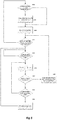
- a process for decrypting data in accordance with the access control policy can be understood.
- an assessment of device capabilities is carried out, including whether the devices 20 support broadcast communication. If so, the process may move to step S503, but if not a set-up step S502 may be implemented to effect communications between the devices 20.
- each user may authenticate their device with every other user's device at step S502 using short-range wireless communications e.g. Wi-Fi, Bluetooth, near field communication (NFC), infrared.
- short-range wireless communications e.g. Wi-Fi, Bluetooth, near field communication (NFC), infrared.
- NFC near field communication
- each user's device sets up a wireless connection to the other device and starts transmitting a heartbeat signal at step S503.
- Each user continues to authenticate devices and start heartbeats.
- each device can start broadcasting their heartbeat at step S503 to all devices capable of receiving it in the area.
- BLE Bluetooth Low Energy
- the heartbeat will contain the device's share of K S , the key used to encrypt the data in step S404.
- the heartbeat will be encrypted using K H and will contain a changing value so no third party is able to snoop on the communication and/or replay it.
- devices may assess whether sufficient heartbeats are being received to meet the proximity requirements of the access control policy at step S504. If so, each device is receiving m heartbeats providing sufficient shares of K S to decrypt the data. The device further checks whether all other conditions of the access control policy are met at step S505 (for example, whether a temporal or absolute geographic condition is met). If so, the device will then reconstitute the key K S and decrypt the data at step S506.
- Each user's device 20 can continue to authenticate additional devices 20 and start transmitting heartbeats or start broadcasting heartbeats.
- a device 20 leaves the area, closes the application or is turned off its heartbeat will cease.
- the other devices 20 detect that a heartbeat from a particular peer has stopped at step S507, they delete that peer's share of K S at step S508 then check whether the quorum requirement is still met i.e. are enough other users present to fulfil the requirement. If so, no action is taken.
- step S509 Continuous monitoring of other access control policy conditions may be carried out at step S509. If any other access control policy defined in step S404 is not met, all devices immediately re-encrypt the shared data at step S510.
- Each device 20 can continue to authenticate additional devices 20 and start transmitting heartbeats or start broadcasting heartbeats. If at any stage the quorum requirement is met again, they will be able to reconstitute the key K S and decrypt the data at step S506.
- the access control policy enforces a proximity requirement as a collaborative condition.
- a proximity requirement of this type is an example of a relative geographic condition, defining a relative position of different devices.
- alternative collaborative conditions may also be employed, such as temporal or absolute geographic conditions.
- the access control policy may enforce additional conditions on access, such as security enforced through passwords and logins or through a clearance level model in which each data object is classified as a particular category and only users or devices entitled to access that category of data may be provided with access.
- Such requirements may be enforced in addition to the collaborative conditions described herein (e.g. access is only provided if all requirements are met) or as an alternative (e.g. a user may be provided access either because the collaborative condition has been met by sufficient users or because they have sufficient clearance to bypass this policy requirement).
- a combination of collaborative conditions may be met in order to enable access. For example, one user may meet a first collaborative condition through physical presence at a given location (i.e. an absolute geographic condition) while another user may meet a second collaborative condition requiring login to an online portal.
- the access policy that it does not matter which collaborative condition has been met for access to be granted as long as a sufficient number of users has met at least one condition.
Landscapes
- Engineering & Computer Science (AREA)
- Theoretical Computer Science (AREA)
- Health & Medical Sciences (AREA)
- Bioethics (AREA)
- General Health & Medical Sciences (AREA)
- Computer Hardware Design (AREA)
- Computer Security & Cryptography (AREA)
- Software Systems (AREA)
- Physics & Mathematics (AREA)
- General Engineering & Computer Science (AREA)
- General Physics & Mathematics (AREA)
- Storage Device Security (AREA)
Claims (15)
- Verfahren zum Ermöglichen eines kollaborativen Zugangs zu einem Datenobjekt, umfassend:Aufstellen einer Zugangssteuerrichtlinie, wobei die Zugangssteuerrichtlinie mindestens eine kollaborative Bedingung definiert, unter der Zugang zu dem Datenobjekt zulässig ist;Überwachen von mehreren Benutzern für Einhaltung der kollaborativen Bedingung; undBereitstellen von Zugang zu dem Datenobjekt, nachdem eine vorbestimmte Anzahl der Benutzer die mindestens eine kollaborative Bedingung erfüllt;wobei die Zugangssteuerungsrichtlinie weiterhin mindestens eine relative zeitliche Bedingung umfasst, so dass der Schritt des Bereitstellens von Zugang zu dem Datenobjekt davon abhängt, dass die vorbestimmte Anzahl von Benutzern die mindestens eine kollaborative Bedingung innerhalb einer vorbestimmten Zeitperiode relativ zueinander erfüllt.
- Verfahren nach Anspruch 1, weiter umfassend das Verhindern des Zugangs zu dem Datenobjekt, wenn die vorbestimmte Anzahl von Benutzern die mindestens eine kollaborative Bedingung nicht länger erfüllt.
- Verfahren nach Anspruch 2, wobei Zugang zu dem Datenobjekt verhindert wird, wenn eine vordefinierte Zeitperiode verstrichen ist, seit die vorbestimmte Anzahl von Benutzern die mindestens eine kollaborative Bedingung erfüllt hat.
- Verfahren nach einem der vorhergehenden Ansprüche, wobei der Schritt des Überwachens das regelmäßige Abfragen einer oder mehrerer mit den Benutzern assoziierter Einrichtungen umfassen kann, um eine Einhaltung der kollaborativen Bedingung zu beurteilen.
- Verfahren nach einem der vorhergehenden Ansprüche, wobei der Schritt des Überwachens das Überwachen eines oder mehrerer durch mit den Benutzern assoziierte Einrichtungen emittierter Signale umfassen kann.
- Verfahren nach einem der vorhergehenden Ansprüche, wobei die kollaborative Bedingung eine geografische Bedingung umfasst.
- Verfahren nach Anspruch 6, wobei die kollaborative Bedingung eine absolute geografische Bedingung umfasst.
- Verfahren nach Anspruch 6 oder Anspruch 7, wobei die kollaborative Bedingung eine relative geografische Bedingung umfasst.
- Verfahren nach einem der Ansprüche 6 bis 8, wobei das Überwachen der Einhaltung der kollaborativen Bedingung das Bestimmen des geografischen Orts von mit den Benutzern assoziierten Einrichtungen unter Verwendung eines oder mehrerer von globalem Positionierungssystem (GPS), allgemeinem paketvermitteltem Funkdienst (GPRS - General Packet Radio Service), Baken-oder Internetprotokoll(IP)-Adressinformationen umfassen kann.
- Verfahren nach einem der vorhergehenden Ansprüche, wobei das Datenobjekt verschlüsselt ist und der Schritt des Bereitstellens von Zugang zu dem Datenobjekt das Mitverwenden eines Verschlüsselungsschlüssels umfasst.
- Verfahren nach Anspruch 11, wobei das Datenobjekt verschlüsselt ist und der Verschlüsselungsschlüssel unter Verwendung eines geheimen Mitverwendungsalgorithmus und seiner zwischen den Benutzern verteilten Teile geteilt ist, wobei die vorbestimmte Anzahl der Benutzer die Anzahl von Teilen des Verschlüsselungsschlüssels, erforderlich zum Zugreifen auf das Datenobjekt, repräsentiert.
- Verfahren nach einem der vorhergehenden Ansprüche, umfassend das Mitverwenden des Datenobjekts vor dem Schritt des Überwachens der mehreren Benutzer für Einhaltung der kollaborativen Bedingung.
- Verfahren nach einem der vorhergehenden Ansprüche, wobei die Zugangssteuerrichtlinie weiter eine absolute zeitliche Bedingung umfasst, wobei der Schritt des Bereitstellens von Zugang zu dem Datenobjekt von einer Einhaltung der absoluten zeitlichen Bedingung abhängt.
- Computerprogrammprodukt umfassend computerausführbare Anweisungen zum Ausführen des Verfahrens nach einem der vorhergehenden Ansprüche.
- System zum Ermöglichen eines kollaborativen Zugangs zu einem Datenobjekt, umfassend Verarbeitungsmittel, konfiguriert zum:Aufstellen einer Zugangssteuerrichtlinie, wobei die Zugangssteuerrichtlinie mindestens eine kollaborative Bedingung definiert, unter der Zugang zu dem Datenobjekt zulässig ist;Überwachen von mehreren Benutzern für Einhaltung der kollaborativen Bedingung; undBereitstellen von Zugang zu dem Datenobjekt, nachdem eine vorbestimmte Anzahl der Benutzer die mindestens eine kollaborative Bedingung erfüllt;wobei die Zugangssteuerungsrichtlinie weiterhin mindestens eine relative zeitliche Bedingung umfasst, so dass das Bereitstellen von Zugang zu dem Datenobjekt von der vorbestimmten Anzahl von Benutzern, die mindestens eine kollaborative Bedingung innerhalb einer vorbestimmten Zeitperiode relativ zueinander erfüllt, abhängt.
Priority Applications (1)
| Application Number | Priority Date | Filing Date | Title |
|---|---|---|---|
| EP15182072.7A EP3133524B1 (de) | 2015-08-21 | 2015-08-21 | Datenzusammenarbeit |
Applications Claiming Priority (1)
| Application Number | Priority Date | Filing Date | Title |
|---|---|---|---|
| EP15182072.7A EP3133524B1 (de) | 2015-08-21 | 2015-08-21 | Datenzusammenarbeit |
Publications (2)
| Publication Number | Publication Date |
|---|---|
| EP3133524A1 EP3133524A1 (de) | 2017-02-22 |
| EP3133524B1 true EP3133524B1 (de) | 2021-04-14 |
Family
ID=54035132
Family Applications (1)
| Application Number | Title | Priority Date | Filing Date |
|---|---|---|---|
| EP15182072.7A Active EP3133524B1 (de) | 2015-08-21 | 2015-08-21 | Datenzusammenarbeit |
Country Status (1)
| Country | Link |
|---|---|
| EP (1) | EP3133524B1 (de) |
Families Citing this family (2)
| Publication number | Priority date | Publication date | Assignee | Title |
|---|---|---|---|---|
| US11409904B2 (en) | 2019-04-18 | 2022-08-09 | Microsoft Technology Licensing, Llc | User interface for building a data privacy pipeline and contractual agreement to share data |
| US11922145B2 (en) * | 2022-03-01 | 2024-03-05 | Microsoft Technology Licensing, Llc | Initiating data privacy pipelines using reusable templates |
Citations (1)
| Publication number | Priority date | Publication date | Assignee | Title |
|---|---|---|---|---|
| US20140282096A1 (en) * | 2013-03-15 | 2014-09-18 | Yigal Dan Rubinstein | Method and system of managing ephemeral post in a social networking system |
Family Cites Families (4)
| Publication number | Priority date | Publication date | Assignee | Title |
|---|---|---|---|---|
| US8443115B2 (en) * | 2003-12-31 | 2013-05-14 | Motorola Mobility Llc | Method and system for managing access to presence attribute information |
| US7463861B2 (en) * | 2005-03-07 | 2008-12-09 | Broadcom Corporation | Automatic data encryption and access control based on bluetooth device proximity |
| WO2007049267A1 (en) * | 2005-10-27 | 2007-05-03 | Nds Limited | Network security system |
| US8578038B2 (en) * | 2009-11-30 | 2013-11-05 | Nokia Corporation | Method and apparatus for providing access to social content |
-
2015
- 2015-08-21 EP EP15182072.7A patent/EP3133524B1/de active Active
Patent Citations (1)
| Publication number | Priority date | Publication date | Assignee | Title |
|---|---|---|---|---|
| US20140282096A1 (en) * | 2013-03-15 | 2014-09-18 | Yigal Dan Rubinstein | Method and system of managing ephemeral post in a social networking system |
Also Published As
| Publication number | Publication date |
|---|---|
| EP3133524A1 (de) | 2017-02-22 |
Similar Documents
| Publication | Publication Date | Title |
|---|---|---|
| US11038687B2 (en) | Data collaboration | |
| US10742681B2 (en) | Data collaboration | |
| US12095747B2 (en) | Cryptographic proxy service | |
| US10911226B2 (en) | Application specific certificate management | |
| US11159310B2 (en) | Digital security bubble | |
| US12206652B1 (en) | Secure file transfer | |
| US9942242B2 (en) | Content access for duration of calendar events | |
| US20180367540A1 (en) | Controlling access to content | |
| KR20220039779A (ko) | 강화된 보안 암호화 및 복호화 시스템 | |
| US11876797B2 (en) | Multi-factor geofencing system for secure encryption and decryption system | |
| EP3133524B1 (de) | Datenzusammenarbeit | |
| US11330003B1 (en) | Enterprise messaging platform | |
| US10902139B2 (en) | Method to track the dissemination of a data set | |
| KR101846163B1 (ko) | 공유 정보를 보호하는 방법 및 시스템 | |
| Tijage et al. | Secured data transmission by LDT Encryption using Android Application with Data monitoring Tool |
Legal Events
| Date | Code | Title | Description |
|---|---|---|---|
| PUAI | Public reference made under article 153(3) epc to a published international application that has entered the european phase |
Free format text: ORIGINAL CODE: 0009012 |
|
| STAA | Information on the status of an ep patent application or granted ep patent |
Free format text: STATUS: THE APPLICATION HAS BEEN PUBLISHED |
|
| AK | Designated contracting states |
Kind code of ref document: A1 Designated state(s): AL AT BE BG CH CY CZ DE DK EE ES FI FR GB GR HR HU IE IS IT LI LT LU LV MC MK MT NL NO PL PT RO RS SE SI SK SM TR |
|
| AX | Request for extension of the european patent |
Extension state: BA ME |
|
| STAA | Information on the status of an ep patent application or granted ep patent |
Free format text: STATUS: REQUEST FOR EXAMINATION WAS MADE |
|
| 17P | Request for examination filed |
Effective date: 20171218 |
|
| RBV | Designated contracting states (corrected) |
Designated state(s): AL AT BE BG CH CY CZ DE DK EE ES FI FR GB GR HR HU IE IS IT LI LT LU LV MC MK MT NL NO PL PT RO RS SE SI SK SM TR |
|
| STAA | Information on the status of an ep patent application or granted ep patent |
Free format text: STATUS: EXAMINATION IS IN PROGRESS |
|
| 17Q | First examination report despatched |
Effective date: 20191121 |
|
| GRAP | Despatch of communication of intention to grant a patent |
Free format text: ORIGINAL CODE: EPIDOSNIGR1 |
|
| STAA | Information on the status of an ep patent application or granted ep patent |
Free format text: STATUS: GRANT OF PATENT IS INTENDED |
|
| INTG | Intention to grant announced |
Effective date: 20200721 |
|
| GRAJ | Information related to disapproval of communication of intention to grant by the applicant or resumption of examination proceedings by the epo deleted |
Free format text: ORIGINAL CODE: EPIDOSDIGR1 |
|
| STAA | Information on the status of an ep patent application or granted ep patent |
Free format text: STATUS: EXAMINATION IS IN PROGRESS |
|
| GRAP | Despatch of communication of intention to grant a patent |
Free format text: ORIGINAL CODE: EPIDOSNIGR1 |
|
| STAA | Information on the status of an ep patent application or granted ep patent |
Free format text: STATUS: GRANT OF PATENT IS INTENDED |
|
| INTC | Intention to grant announced (deleted) | ||
| INTG | Intention to grant announced |
Effective date: 20201029 |
|
| GRAS | Grant fee paid |
Free format text: ORIGINAL CODE: EPIDOSNIGR3 |
|
| GRAA | (expected) grant |
Free format text: ORIGINAL CODE: 0009210 |
|
| STAA | Information on the status of an ep patent application or granted ep patent |
Free format text: STATUS: THE PATENT HAS BEEN GRANTED |
|
| AK | Designated contracting states |
Kind code of ref document: B1 Designated state(s): AL AT BE BG CH CY CZ DE DK EE ES FI FR GB GR HR HU IE IS IT LI LT LU LV MC MK MT NL NO PL PT RO RS SE SI SK SM TR |
|
| REG | Reference to a national code |
Ref country code: GB Ref legal event code: FG4D |
|
| REG | Reference to a national code |
Ref country code: CH Ref legal event code: EP |
|
| REG | Reference to a national code |
Ref country code: DE Ref legal event code: R096 Ref document number: 602015068029 Country of ref document: DE |
|
| REG | Reference to a national code |
Ref country code: IE Ref legal event code: FG4D |
|
| REG | Reference to a national code |
Ref country code: AT Ref legal event code: REF Ref document number: 1383082 Country of ref document: AT Kind code of ref document: T Effective date: 20210515 |
|
| REG | Reference to a national code |
Ref country code: LT Ref legal event code: MG9D |
|
| REG | Reference to a national code |
Ref country code: AT Ref legal event code: MK05 Ref document number: 1383082 Country of ref document: AT Kind code of ref document: T Effective date: 20210414 |
|
| REG | Reference to a national code |
Ref country code: NL Ref legal event code: MP Effective date: 20210414 |
|
| PG25 | Lapsed in a contracting state [announced via postgrant information from national office to epo] |
Ref country code: FI Free format text: LAPSE BECAUSE OF FAILURE TO SUBMIT A TRANSLATION OF THE DESCRIPTION OR TO PAY THE FEE WITHIN THE PRESCRIBED TIME-LIMIT Effective date: 20210414 Ref country code: NL Free format text: LAPSE BECAUSE OF FAILURE TO SUBMIT A TRANSLATION OF THE DESCRIPTION OR TO PAY THE FEE WITHIN THE PRESCRIBED TIME-LIMIT Effective date: 20210414 Ref country code: LT Free format text: LAPSE BECAUSE OF FAILURE TO SUBMIT A TRANSLATION OF THE DESCRIPTION OR TO PAY THE FEE WITHIN THE PRESCRIBED TIME-LIMIT Effective date: 20210414 Ref country code: BG Free format text: LAPSE BECAUSE OF FAILURE TO SUBMIT A TRANSLATION OF THE DESCRIPTION OR TO PAY THE FEE WITHIN THE PRESCRIBED TIME-LIMIT Effective date: 20210714 Ref country code: AT Free format text: LAPSE BECAUSE OF FAILURE TO SUBMIT A TRANSLATION OF THE DESCRIPTION OR TO PAY THE FEE WITHIN THE PRESCRIBED TIME-LIMIT Effective date: 20210414 Ref country code: HR Free format text: LAPSE BECAUSE OF FAILURE TO SUBMIT A TRANSLATION OF THE DESCRIPTION OR TO PAY THE FEE WITHIN THE PRESCRIBED TIME-LIMIT Effective date: 20210414 |
|
| PG25 | Lapsed in a contracting state [announced via postgrant information from national office to epo] |
Ref country code: ES Free format text: LAPSE BECAUSE OF FAILURE TO SUBMIT A TRANSLATION OF THE DESCRIPTION OR TO PAY THE FEE WITHIN THE PRESCRIBED TIME-LIMIT Effective date: 20210414 Ref country code: PT Free format text: LAPSE BECAUSE OF FAILURE TO SUBMIT A TRANSLATION OF THE DESCRIPTION OR TO PAY THE FEE WITHIN THE PRESCRIBED TIME-LIMIT Effective date: 20210816 Ref country code: NO Free format text: LAPSE BECAUSE OF FAILURE TO SUBMIT A TRANSLATION OF THE DESCRIPTION OR TO PAY THE FEE WITHIN THE PRESCRIBED TIME-LIMIT Effective date: 20210714 Ref country code: PL Free format text: LAPSE BECAUSE OF FAILURE TO SUBMIT A TRANSLATION OF THE DESCRIPTION OR TO PAY THE FEE WITHIN THE PRESCRIBED TIME-LIMIT Effective date: 20210414 Ref country code: RS Free format text: LAPSE BECAUSE OF FAILURE TO SUBMIT A TRANSLATION OF THE DESCRIPTION OR TO PAY THE FEE WITHIN THE PRESCRIBED TIME-LIMIT Effective date: 20210414 Ref country code: SE Free format text: LAPSE BECAUSE OF FAILURE TO SUBMIT A TRANSLATION OF THE DESCRIPTION OR TO PAY THE FEE WITHIN THE PRESCRIBED TIME-LIMIT Effective date: 20210414 Ref country code: GR Free format text: LAPSE BECAUSE OF FAILURE TO SUBMIT A TRANSLATION OF THE DESCRIPTION OR TO PAY THE FEE WITHIN THE PRESCRIBED TIME-LIMIT Effective date: 20210715 Ref country code: LV Free format text: LAPSE BECAUSE OF FAILURE TO SUBMIT A TRANSLATION OF THE DESCRIPTION OR TO PAY THE FEE WITHIN THE PRESCRIBED TIME-LIMIT Effective date: 20210414 Ref country code: IS Free format text: LAPSE BECAUSE OF FAILURE TO SUBMIT A TRANSLATION OF THE DESCRIPTION OR TO PAY THE FEE WITHIN THE PRESCRIBED TIME-LIMIT Effective date: 20210814 |
|
| REG | Reference to a national code |
Ref country code: DE Ref legal event code: R097 Ref document number: 602015068029 Country of ref document: DE |
|
| PG25 | Lapsed in a contracting state [announced via postgrant information from national office to epo] |
Ref country code: CZ Free format text: LAPSE BECAUSE OF FAILURE TO SUBMIT A TRANSLATION OF THE DESCRIPTION OR TO PAY THE FEE WITHIN THE PRESCRIBED TIME-LIMIT Effective date: 20210414 Ref country code: DK Free format text: LAPSE BECAUSE OF FAILURE TO SUBMIT A TRANSLATION OF THE DESCRIPTION OR TO PAY THE FEE WITHIN THE PRESCRIBED TIME-LIMIT Effective date: 20210414 Ref country code: EE Free format text: LAPSE BECAUSE OF FAILURE TO SUBMIT A TRANSLATION OF THE DESCRIPTION OR TO PAY THE FEE WITHIN THE PRESCRIBED TIME-LIMIT Effective date: 20210414 Ref country code: SK Free format text: LAPSE BECAUSE OF FAILURE TO SUBMIT A TRANSLATION OF THE DESCRIPTION OR TO PAY THE FEE WITHIN THE PRESCRIBED TIME-LIMIT Effective date: 20210414 Ref country code: SM Free format text: LAPSE BECAUSE OF FAILURE TO SUBMIT A TRANSLATION OF THE DESCRIPTION OR TO PAY THE FEE WITHIN THE PRESCRIBED TIME-LIMIT Effective date: 20210414 Ref country code: RO Free format text: LAPSE BECAUSE OF FAILURE TO SUBMIT A TRANSLATION OF THE DESCRIPTION OR TO PAY THE FEE WITHIN THE PRESCRIBED TIME-LIMIT Effective date: 20210414 |
|
| PLBE | No opposition filed within time limit |
Free format text: ORIGINAL CODE: 0009261 |
|
| STAA | Information on the status of an ep patent application or granted ep patent |
Free format text: STATUS: NO OPPOSITION FILED WITHIN TIME LIMIT |
|
| 26N | No opposition filed |
Effective date: 20220117 |
|
| REG | Reference to a national code |
Ref country code: CH Ref legal event code: PL |
|
| PG25 | Lapsed in a contracting state [announced via postgrant information from national office to epo] |
Ref country code: MC Free format text: LAPSE BECAUSE OF FAILURE TO SUBMIT A TRANSLATION OF THE DESCRIPTION OR TO PAY THE FEE WITHIN THE PRESCRIBED TIME-LIMIT Effective date: 20210414 |
|
| REG | Reference to a national code |
Ref country code: BE Ref legal event code: MM Effective date: 20210831 |
|
| PG25 | Lapsed in a contracting state [announced via postgrant information from national office to epo] |
Ref country code: LI Free format text: LAPSE BECAUSE OF NON-PAYMENT OF DUE FEES Effective date: 20210831 Ref country code: CH Free format text: LAPSE BECAUSE OF NON-PAYMENT OF DUE FEES Effective date: 20210831 |
|
| PG25 | Lapsed in a contracting state [announced via postgrant information from national office to epo] |
Ref country code: IS Free format text: LAPSE BECAUSE OF FAILURE TO SUBMIT A TRANSLATION OF THE DESCRIPTION OR TO PAY THE FEE WITHIN THE PRESCRIBED TIME-LIMIT Effective date: 20210814 Ref country code: LU Free format text: LAPSE BECAUSE OF NON-PAYMENT OF DUE FEES Effective date: 20210821 Ref country code: AL Free format text: LAPSE BECAUSE OF FAILURE TO SUBMIT A TRANSLATION OF THE DESCRIPTION OR TO PAY THE FEE WITHIN THE PRESCRIBED TIME-LIMIT Effective date: 20210414 |
|
| PG25 | Lapsed in a contracting state [announced via postgrant information from national office to epo] |
Ref country code: IT Free format text: LAPSE BECAUSE OF FAILURE TO SUBMIT A TRANSLATION OF THE DESCRIPTION OR TO PAY THE FEE WITHIN THE PRESCRIBED TIME-LIMIT Effective date: 20210414 Ref country code: BE Free format text: LAPSE BECAUSE OF NON-PAYMENT OF DUE FEES Effective date: 20210831 |
|
| PG25 | Lapsed in a contracting state [announced via postgrant information from national office to epo] |
Ref country code: HU Free format text: LAPSE BECAUSE OF FAILURE TO SUBMIT A TRANSLATION OF THE DESCRIPTION OR TO PAY THE FEE WITHIN THE PRESCRIBED TIME-LIMIT; INVALID AB INITIO Effective date: 20150821 |
|
| PG25 | Lapsed in a contracting state [announced via postgrant information from national office to epo] |
Ref country code: CY Free format text: LAPSE BECAUSE OF FAILURE TO SUBMIT A TRANSLATION OF THE DESCRIPTION OR TO PAY THE FEE WITHIN THE PRESCRIBED TIME-LIMIT Effective date: 20210414 |
|
| PG25 | Lapsed in a contracting state [announced via postgrant information from national office to epo] |
Ref country code: MK Free format text: LAPSE BECAUSE OF FAILURE TO SUBMIT A TRANSLATION OF THE DESCRIPTION OR TO PAY THE FEE WITHIN THE PRESCRIBED TIME-LIMIT Effective date: 20210414 |
|
| PG25 | Lapsed in a contracting state [announced via postgrant information from national office to epo] |
Ref country code: TR Free format text: LAPSE BECAUSE OF FAILURE TO SUBMIT A TRANSLATION OF THE DESCRIPTION OR TO PAY THE FEE WITHIN THE PRESCRIBED TIME-LIMIT Effective date: 20210414 |
|
| PG25 | Lapsed in a contracting state [announced via postgrant information from national office to epo] |
Ref country code: MT Free format text: LAPSE BECAUSE OF FAILURE TO SUBMIT A TRANSLATION OF THE DESCRIPTION OR TO PAY THE FEE WITHIN THE PRESCRIBED TIME-LIMIT Effective date: 20210414 |
|
| PGFP | Annual fee paid to national office [announced via postgrant information from national office to epo] |
Ref country code: DE Payment date: 20250910 Year of fee payment: 11 |
|
| PGFP | Annual fee paid to national office [announced via postgrant information from national office to epo] |
Ref country code: GB Payment date: 20250904 Year of fee payment: 11 |
|
| PGFP | Annual fee paid to national office [announced via postgrant information from national office to epo] |
Ref country code: FR Payment date: 20250915 Year of fee payment: 11 |
|
| PGFP | Annual fee paid to national office [announced via postgrant information from national office to epo] |
Ref country code: IE Payment date: 20250909 Year of fee payment: 11 |