EP3133741B1 - Procédé de commande de dispositif électronique portable, appareil central et dispositif - Google Patents
Procédé de commande de dispositif électronique portable, appareil central et dispositif Download PDFInfo
- Publication number
- EP3133741B1 EP3133741B1 EP14897499.1A EP14897499A EP3133741B1 EP 3133741 B1 EP3133741 B1 EP 3133741B1 EP 14897499 A EP14897499 A EP 14897499A EP 3133741 B1 EP3133741 B1 EP 3133741B1
- Authority
- EP
- European Patent Office
- Prior art keywords
- wearable electronic
- electronic devices
- support
- same function
- weight
- Prior art date
- Legal status (The legal status is an assumption and is not a legal conclusion. Google has not performed a legal analysis and makes no representation as to the accuracy of the status listed.)
- Active
Links
Images




Classifications
-
- H—ELECTRICITY
- H04—ELECTRIC COMMUNICATION TECHNIQUE
- H04W—WIRELESS COMMUNICATION NETWORKS
- H04W52/00—Power management, e.g. Transmission Power Control [TPC] or power classes
- H04W52/02—Power saving arrangements
- H04W52/0209—Power saving arrangements in terminal devices
- H04W52/0212—Power saving arrangements in terminal devices managed by the network, e.g. network or access point is leader and terminal is follower
- H04W52/0216—Power saving arrangements in terminal devices managed by the network, e.g. network or access point is leader and terminal is follower using a pre-established activity schedule, e.g. traffic indication frame
-
- G—PHYSICS
- G08—SIGNALLING
- G08C—TRANSMISSION SYSTEMS FOR MEASURED VALUES, CONTROL OR SIMILAR SIGNALS
- G08C17/00—Arrangements for transmitting signals characterised by the use of a wireless electrical link
- G08C17/02—Arrangements for transmitting signals characterised by the use of a wireless electrical link using a radio link
-
- H—ELECTRICITY
- H04—ELECTRIC COMMUNICATION TECHNIQUE
- H04B—TRANSMISSION
- H04B1/00—Details of transmission systems, not covered by a single one of groups H04B3/00 - H04B13/00; Details of transmission systems not characterised by the medium used for transmission
- H04B1/38—Transceivers, i.e. devices in which transmitter and receiver form a structural unit and in which at least one part is used for functions of transmitting and receiving
- H04B1/3827—Portable transceivers
- H04B1/385—Transceivers carried on the body, e.g. in helmets
-
- H—ELECTRICITY
- H04—ELECTRIC COMMUNICATION TECHNIQUE
- H04M—TELEPHONIC COMMUNICATION
- H04M1/00—Substation equipment, e.g. for use by subscribers
- H04M1/72—Mobile telephones; Cordless telephones, i.e. devices for establishing wireless links to base stations without route selection
- H04M1/724—User interfaces specially adapted for cordless or mobile telephones
- H04M1/72403—User interfaces specially adapted for cordless or mobile telephones with means for local support of applications that increase the functionality
- H04M1/72409—User interfaces specially adapted for cordless or mobile telephones with means for local support of applications that increase the functionality by interfacing with external accessories
- H04M1/72412—User interfaces specially adapted for cordless or mobile telephones with means for local support of applications that increase the functionality by interfacing with external accessories using two-way short-range wireless interfaces
-
- H—ELECTRICITY
- H04—ELECTRIC COMMUNICATION TECHNIQUE
- H04M—TELEPHONIC COMMUNICATION
- H04M1/00—Substation equipment, e.g. for use by subscribers
- H04M1/72—Mobile telephones; Cordless telephones, i.e. devices for establishing wireless links to base stations without route selection
- H04M1/724—User interfaces specially adapted for cordless or mobile telephones
- H04M1/72448—User interfaces specially adapted for cordless or mobile telephones with means for adapting the functionality of the device according to specific conditions
- H04M1/72463—User interfaces specially adapted for cordless or mobile telephones with means for adapting the functionality of the device according to specific conditions to restrict the functionality of the device
-
- H—ELECTRICITY
- H04—ELECTRIC COMMUNICATION TECHNIQUE
- H04W—WIRELESS COMMUNICATION NETWORKS
- H04W4/00—Services specially adapted for wireless communication networks; Facilities therefor
- H04W4/80—Services using short range communication, e.g. near-field communication [NFC], radio-frequency identification [RFID] or low energy communication
-
- H—ELECTRICITY
- H04—ELECTRIC COMMUNICATION TECHNIQUE
- H04W—WIRELESS COMMUNICATION NETWORKS
- H04W52/00—Power management, e.g. Transmission Power Control [TPC] or power classes
- H04W52/02—Power saving arrangements
- H04W52/0209—Power saving arrangements in terminal devices
- H04W52/0212—Power saving arrangements in terminal devices managed by the network, e.g. network or access point is leader and terminal is follower
- H04W52/0219—Power saving arrangements in terminal devices managed by the network, e.g. network or access point is leader and terminal is follower where the power saving management affects multiple terminals
-
- G—PHYSICS
- G08—SIGNALLING
- G08C—TRANSMISSION SYSTEMS FOR MEASURED VALUES, CONTROL OR SIMILAR SIGNALS
- G08C2201/00—Transmission systems of control signals via wireless link
- G08C2201/90—Additional features
- G08C2201/93—Remote control using other portable devices, e.g. mobile phone, PDA, laptop
-
- H—ELECTRICITY
- H04—ELECTRIC COMMUNICATION TECHNIQUE
- H04B—TRANSMISSION
- H04B1/00—Details of transmission systems, not covered by a single one of groups H04B3/00 - H04B13/00; Details of transmission systems not characterised by the medium used for transmission
- H04B1/38—Transceivers, i.e. devices in which transmitter and receiver form a structural unit and in which at least one part is used for functions of transmitting and receiving
- H04B1/3827—Portable transceivers
- H04B1/385—Transceivers carried on the body, e.g. in helmets
- H04B2001/3861—Transceivers carried on the body, e.g. in helmets carried in a hand or on fingers
-
- Y—GENERAL TAGGING OF NEW TECHNOLOGICAL DEVELOPMENTS; GENERAL TAGGING OF CROSS-SECTIONAL TECHNOLOGIES SPANNING OVER SEVERAL SECTIONS OF THE IPC; TECHNICAL SUBJECTS COVERED BY FORMER USPC CROSS-REFERENCE ART COLLECTIONS [XRACs] AND DIGESTS
- Y02—TECHNOLOGIES OR APPLICATIONS FOR MITIGATION OR ADAPTATION AGAINST CLIMATE CHANGE
- Y02D—CLIMATE CHANGE MITIGATION TECHNOLOGIES IN INFORMATION AND COMMUNICATION TECHNOLOGIES [ICT], I.E. INFORMATION AND COMMUNICATION TECHNOLOGIES AIMING AT THE REDUCTION OF THEIR OWN ENERGY USE
- Y02D30/00—Reducing energy consumption in communication networks
- Y02D30/70—Reducing energy consumption in communication networks in wireless communication networks
Definitions
- Embodiments of the present invention relate to technologies in the communications field, and in particular, to a method for controlling wearable electronic devices, a central apparatus, and a central device.
- Some wearable electronic devices on the market usually have mutually duplicate functions. For example, some smart watches and smart glasses have a function of reminding a missed call and an unread message. Some smart bands, smart sports shoes, and weighing scales are all equipped with a sensor for measuring a heart rate. The sensor is used to measure and report real-time heart rate data, and monitor a human body health status and a exercise energy expenditure status.
- US2014/106677 is an example of the prior art and discloses power saving in wearable devices containing communication between one wearable device and a central station.
- Embodiments of the present invention provide a method for controlling wearable electronic devices, a central apparatus, and a central device, to enable the central device to perform function scheduling on at least two wearable electronic devices that support a same service, which helps reduce power consumption of the wearable electronic devices.
- an embodiment of the present invention provides a method for controlling wearable electronic devices, where the method is executed by a central device and includes:
- the determining whether the at least two wearable electronic devices support a same function includes:
- the device information includes only a device identification; and the determining, according to the device information, at least one of the wearable electronic devices that support the same function as a target wearable electronic device includes: if it is determined, according to device identifications, that the wearable electronic devices that support the same function include a carry-on wearable electronic device and a non-carry-on wearable electronic device, using the carry-on wearable electronic device as the target wearable electronic device.
- the device information includes a device identification and a current battery, and further includes at least one of a power consumption speed or a sensor model; and the determining, according to the device information, at least one of the wearable electronic devices that support the same function as a target wearable electronic device includes: obtaining, according to characteristic values corresponding to the device information of each of the wearable electronic devices that support the same function and according to a weight of each type of device information, a weighted characteristic value corresponding to each of the wearable electronic devices that support the same function; and determining, according to the weighted characteristic value corresponding to each of the wearable electronic devices that support the same function, the target wearable electronic device from the wearable electronic devices that support the same function.
- the device information includes a device identification, a current battery, and a power consumption speed; and the determining, according to the device information, at least one of the wearable electronic devices that support the same function as a target wearable electronic device includes: if it is determined, according to device identifications, that the wearable electronic devices that support the same function include a carry-on wearable electronic device and a non-carry-on wearable electronic device, using the carry-on wearable electronic device as the target wearable electronic device; or if it is determined, according to device identifications, that the wearable electronic devices that support the same function are all carry-on wearable electronic devices or are all non-carry-on wearable electronic devices, obtaining, according to the current battery and the power consumption speed that are of each of the wearable devices that support the same function, a correspondence between the current battery and a characteristic value, a correspondence between the power consumption speed and a characteristic value, a weight of the
- the device information includes a device identification, a current battery, and a sensor model; and the determining, according to the device information, at least one of the wearable electronic devices that support the same function as a target wearable electronic device includes: if it is determined, according to device identifications, that the wearable electronic devices that support the same function include a carry-on wearable electronic device and a non-carry-on wearable electronic device, using the carry-on wearable electronic device as the target wearable electronic device; or if it is determined, according to device identifications, that the wearable electronic devices that support the same function are all carry-on wearable electronic devices or are all non-carry-on wearable electronic devices, obtaining, according to the current battery and the sensor model that are of each of the wearable devices that support the same function, a correspondence between the current battery and a characteristic value, a correspondence between the sensor model and a characteristic value, a weight of the power consumption speed
- the device information includes a device identification, a current battery, a power consumption speed, and a sensor model; and the determining, according to the device information, at least one of the wearable electronic devices that support the same function as a target wearable electronic device includes: if it is determined, according to device identifications, that the wearable electronic devices that support the same function include a carry-on wearable electronic device and a non-carry-on wearable electronic device, using the carry-on wearable electronic device as the target wearable electronic device; or if it is determined, according to device identifications, that the wearable electronic devices that support the same function are all carry-on wearable electronic devices or are all non-carry-on wearable electronic devices, obtaining, according to the current battery, the power consumption speed, and the sensor model that are of each of the wearable devices that support the same function, a correspondence between the current battery and a characteristic value, a correspondence between the power consumption speed and
- an embodiment of the present invention provides a central apparatus, where the central apparatus includes a connection module, a determining module, and a processing module, where the connection module is configured to establish communication connections to at least two wearable electronic devices; the determining module is configured to determine whether the at least two wearable electronic devices support a same function; and the processing module is configured to: if the at least two wearable electronic devices support a same function, obtain device information of the wearable electronic devices that support the same function, determine, according to the device information, at least one of the wearable electronic devices that support the same function as a target wearable electronic device, and disable a service that is corresponding to the same function and that is on the target wearable electronic device.
- the determining module includes:
- the device information includes only a device identification; and the processing module is configured to: if it is determined, according to device identifications, that the wearable electronic devices that support the same function include a carry-on wearable electronic device and a non-carry-on wearable electronic device, use the carry-on wearable electronic device as the target wearable electronic device.
- the device information includes a device identification and a current battery, and further includes at least one of a power consumption speed or a sensor model; and the processing module is configured to obtain, according to characteristic values corresponding to the device information of each of the wearable electronic devices that support the same function and according to a weight of each type of device information, a weighted characteristic value corresponding to each of the wearable electronic devices that support the same function; and determine, according to the weighted characteristic value corresponding to each of the wearable electronic devices that support the same function, the target wearable electronic device from the wearable electronic devices that support the same function.
- the device information includes a device identification, a current battery, and a power consumption speed
- the processing module is configured to: if it is determined, according to device identifications, that the wearable electronic devices that support the same function include a carry-on wearable electronic device and a non-carry-on wearable electronic device, use the carry-on wearable electronic device as the target wearable electronic device; or if it is determined, according to device identifications, that the wearable electronic devices that support the same function are all carry-on wearable electronic devices or are all non-carry-on wearable electronic devices, obtain, according to the current battery and the power consumption speed that are of each of the wearable devices that support the same function, a correspondence between the current battery and a characteristic value, a correspondence between the power consumption speed and a characteristic value, a weight of the power consumption speed, and a weight of the current battery, a weighted characteristic value corresponding to each of the wearable
- the device information includes a device identification, a current battery, and a sensor model; and the processing module is configured to: if it is determined, according to device identifications, that the wearable electronic devices that support the same function include a carry-on wearable electronic device and a non-carry-on wearable electronic device, use the carry-on wearable electronic device as the target wearable electronic device; or if it is determined, according to device identifications, that the wearable electronic devices that support the same function are all carry-on wearable electronic devices or are all non-carry-on wearable electronic devices, obtain, according to the current battery and the sensor model that are of each of the wearable devices that support the same function, a correspondence between the current battery and a characteristic value, a correspondence between the sensor model and a characteristic value, a weight of the power consumption speed, and a weight of the sensor model, a weighted characteristic value corresponding to each of the wearable electronic devices that
- the device information includes a device identification, a current battery, a power consumption speed, and a sensor model; and the processing module is configured to: if it is determined, according to device identifications, that the wearable electronic devices that support the same function include a carry-on wearable electronic device and a non-carry-on wearable electronic device, use the carry-on wearable electronic device as the target wearable electronic device; or if it is determined, according to device identifications, that the wearable electronic devices that support the same function are all carry-on wearable electronic devices or are all non-carry-on wearable electronic devices, obtain, according to the current battery, the power consumption speed, and the sensor model that are of each of the wearable devices that support the same function, a correspondence between the current battery and a characteristic value, a correspondence between the power consumption speed and a characteristic value, a correspondence between the sensor model and a characteristic value, a weight of the power consumption speed,
- an embodiment of the present invention provides a central device, where the central device includes a transceiver and a processor, where the transceiver is configured to establish communication connections to at least two wearable electronic devices; the processor is configured to: after the transceiver establishes the communication connections, determine whether the at least two wearable electronic devices support a same function; and if the at least two wearable electronic devices support a same function, obtain device information of the wearable electronic devices that support the same function, and determine, according to the device information, at least one of the wearable electronic devices that support the same function as a target wearable electronic device; and the transceiver is further configured to send a disable instruction to the target wearable electronic device, to disable a service that is corresponding to the same function and that is on the target wearable electronic device.
- the processor is specifically configured to:
- the device information includes only a device identification; and the processor is configured to: if it is determined, according to device identifications, that the wearable electronic devices that support the same function include a carry-on wearable electronic device and a non-carry-on wearable electronic device, use the carry-on wearable electronic device as the target wearable electronic device.
- the device information includes a device identification and a current battery, and further includes at least one of a power consumption speed or a sensor model; and the processor is configured to obtain, according to characteristic values corresponding to the device information of each of the wearable electronic devices that support the same function and according to a weight of each type of device information, a weighted characteristic value corresponding to each of the wearable electronic devices that support the same function; and determine, according to the weighted characteristic value corresponding to each of the wearable electronic devices that support the same function, the target wearable electronic device from the wearable electronic devices that support the same function.
- the device information includes a device identification includes a device identification, a current battery, and a power consumption speed; and the processor is configured to: if it is determined, according to device identifications, that the wearable electronic devices that support the same function include a carry-on wearable electronic device and a non-carry-on wearable electronic device, use the carry-on wearable electronic device as the target wearable electronic device; or if it is determined, according to device identifications, that the wearable electronic devices that support the same function are all carry-on wearable electronic devices or are all non-carry-on wearable electronic devices, obtain, according to the current battery and the power consumption speed that are of each of the wearable devices that support the same function, a correspondence between the current battery and a characteristic value, a correspondence between the power consumption speed and a characteristic value, a weight of the power consumption speed, and a weight of the current battery, a weighted characteristic value corresponding to each
- the device information includes a device identification includes a device identification, a current battery, and a sensor model; and the processor is configured to: if it is determined, according to device identifications, that the wearable electronic devices that support the same function include a carry-on wearable electronic device and a non-carry-on wearable electronic device, use the carry-on wearable electronic device as the target wearable electronic device; or if it is determined, according to device identifications, that the wearable electronic devices that support the same function are all carry-on wearable electronic devices or are all non-carry-on wearable electronic devices, obtain, according to the current battery and the sensor model that are of each of the wearable devices that support the same function, a correspondence between the current battery and a characteristic value, a correspondence between the sensor model and a characteristic value, a weight of the power consumption speed, and a weight of the sensor model, a weighted characteristic value corresponding to each of the wear
- the device information includes a device identification includes a device identification, a current battery, a power consumption speed, and a sensor model; and the processor is configured to: if it is determined, according to device identifications, that the wearable electronic devices that support the same function include a carry-on wearable electronic device and a non-carry-on wearable electronic device, use the carry-on wearable electronic device as the target wearable electronic device; or if it is determined, according to device identifications, that the wearable electronic devices that support the same function are all carry-on wearable electronic devices or are all non-carry-on wearable electronic devices, obtain, according to the current battery, the power consumption speed, and the sensor model that are of each of the wearable devices that support the same function, a correspondence between the current battery and a characteristic value, a correspondence between the power consumption speed and a characteristic value, a correspondence between the sensor model and a characteristic value, a weight of the power
- the central device separately establishes a communication connection to at least two wearable electronic devices, for exchanging data. Then, the central device determines whether the at least two wearable electronic devices support a same function; and if it is determined that the at least two wearable electronic devices support a same function, the central device obtains device information of the wearable electronic devices that support the same function, and the central device determines, according to the obtained device information and according to the device information of the wearable electronic devices that support the same function, at least one of the wearable electronic devices that support the same function as a target wearable electronic device.
- the central device disables a service that is corresponding to the same function and that is on the target wearable electronic device.
- the central device is enabled to perform, on the at least two wearable electronic devices, scheduling and configuration management of the service corresponding to the supported same function, which helps reduce power consumption of the wearable electronic devices.
- a central device may be a mobile electronic device that has a relatively high intelligence level and that integrates multiple communications functions, which includes a smartphone, a tablet computer, a personal digital assistant (Personal Digital Assistant, PDA for short), and the like.
- the central device may support multiple wireless access manners, including Bluetooth.
- the central device supports a "dual-mode" mode, that is, supports conventional Bluetooth access and Bluetooth low energy access.
- Conventional Bluetooth has a relatively high transmission rate but also has relatively high power consumption, and is generally used to transmit a voice signal.
- Bluetooth low energy access has low power consumption but has a low transmission rate, and is generally used to transmit a low-bandwidth data signal.
- the central device may switch between conventional Bluetooth access and Bluetooth low energy access according to a characteristic of transmitted and received Bluetooth data. All common wearable electronic devices support a Bluetooth access manner for exchanging data, and some wearable electronic devices also support another wireless data access manner. According to functions of specific wearable electronic devices, some wearable electronic devices support a "single-mode" mode, that is, support only Bluetooth low energy access, and some wearable electronic devices also support the "dual-mode” mode, that is, support conventional Bluetooth access and Bluetooth low energy access.
- Wearable electronic devices may be classified into two categories: carry-on wearable electronic devices and non-carry-on wearable electronic devices.
- a carry-on wearable electronic device refers to a wearable electronic device that has a relatively small size and can be worn on the body of a user for a long time and can operate.
- a smart watch, a smart band, smart glasses, a smart accessory, smart sports shoes, a smart suspender, and smart clothes all belong to carry-on wearable electronic devices.
- one type of wearable electronic device such as smart glasses or a smart watch, used as an auxiliary part of a smartphone can execute some functions of the smartphone, for example, making or answering a call, receiving an SMS message, or taking a photo/recording a video, and a wearable electronic device having this type of function generally has a relatively high intelligence level.
- Another type of wearable electronic device such as a smart band, a smart suspender, and smart sports shoes, is generally equipped with various types of sensors, which are used to measure physiological exercise indicators of a user such as a heart rate, blood pressure, a walking speed, or a step count, and generally has functions such as exercise monitoring, health monitoring, and sleep quality monitoring.
- a wearable electronic device having this type of function needs to monitor, instead of simply measuring, various indicators, and therefore, needs to be worn for a long time, or even worn on the body of a user 24 hours a day.
- a non-carry-on wearable electronic device refers to a wearable electronic device that has a relatively large size and that cannot be or does not need to be worn on the body of a user for a long time and needs to be worn on the body of the user or come in contact with the body of the user only when required, to complete a corresponding function, for example, a smart sphygmomanometer, a smart glucometer, or a smart weighing scale.
- a non-carry-on wearable electronic device is often a medical treatment-related or health-related wearable electronic device, which uses a sensor that often has higher precision and a better function than those of a sensor of a carry-on wearable electronic device supporting a like function, and generally has no requirement with respect to power consumption or has a very low requirement with respect to power consumption.
- a same function refers to a set of functions that can be implemented by at least two wearable electronic devices and that achieve a same effect.
- the function refers to a set of efficacies that can be implemented by the wearable electronic devices and that can achieve a specific effect. For example, heart rate measurement, blood pressure measurement, proximity sensing, and alarm notification are all referred to as a function.
- Implementation of each function needs to use a corresponding service as a support.
- One wearable electronic device may support one or more functions.
- a same function supported by at least two wearable electronic devices can be obtained by obtaining an intersection set of functions supported by the at least two wearable electronic devices.
- a service of a wearable electronic device refers to program code configured for the wearable electronic device in order to implement a certain function, and may be implemented by software.
- a heart rate service HRS Heart Rate Service
- One or more services may be configured for one wearable electronic device, and a service of a wearable electronic device may be configured before the device leaves factory, or may be personally configured by a user after the device leaves factory.
- Each wearable electronic device saves a service list, which records a service supported by the wearable electronic device.
- each service supported by the wearable electronic device consists of a series of characteristics (characteristics), which are used to define function characteristics included in the service.
- a heart rate service HRS includes the following characteristics: a heart rate measurement value (Heart Rate Measurement), used to represent an actual numerical value obtained through heart rate measurement, a body sensor location (Body Sensor Location), used to represent a location, of a sensor for measuring a heart rate, on a human body, and a heart rate control point (Heart Rate Control Point), used to control a write operation of an HRS service client.
- Characteristics included in some services are the same, and a function implemented by this type of services is relatively simple. Characteristics included in some other services may be different and implement different services. A function implemented by services can be proved to be the same only when both the corresponding services and included characteristics are the same.
- That characteristics corresponding to services are the same means that characteristics included in services supported by wearable electronic devices are the same.
- a meaning of a target wearable electronic device and a quantity of target wearable electronic devices are as follows:
- a target wearable electronic device refers to a determined wearable electronic device, of at least two wearable electronic devices that support a same function, on which a service corresponding to the same function is disabled.
- a quantity of wearable electronic devices that support a function is N (N ⁇ 2)
- the service is reserved on only one wearable electronic device, and the service is disabled on the remaining N-1 devices, that is, a quantity of determined target wearable electronic devices is N-1.
- a quantity of target wearable electronic devices may be less than N-1, which is not limited in the embodiments of the present invention.
- Device information refers to information such as a device identification, a sensor model, a current battery, and a power consumption speed, of a wearable electronic device.
- a device identification is used to represent a product form of a wearable electronic device.
- a device identification may be expressed as a type of a wearable electronic device, for example, “watch”, “band”, “glasses”, or “accessory”, or may be expressed as a device name of a wearable electronic device, for example, “Google Glass”, “Samsung Smart Watch”, or “Apple iWatch”.
- the device name may usually reflect a device type of the wearable electronic device.
- Device identification information is usually included in a "Device Identification” field.
- Sensor model identifies a model of a sensor equipped in a wearable electronic device.
- the sensor model is generally included in a firmware version "Firmware Revision String" field.
- a wearable electronic device is equipped with one or more sensors or may be not equipped with a sensor according to a restriction of a device function of the wearable electronic device.
- different sensors are corresponding to different services and execute different functions. For example, two services, heart rate measurement and step counting, are completed by different sensors. In some cases, alternatively, a same service may be completed without using a sensor. Therefore, for at least two wearable electronic devices executing a same service, not all the wearable electronic devices have a corresponding sensor.
- Current battery current battery (Current Battery): A current battery refers to a ratio of a remaining battery to a total battery of a wearable electronic device when the battery is fully charged, and is generally represented by a percentage. The current battery is included in a "Battery Level" field. For example, when a numerical value in the "Battery Level” field is 78%, it represents that the current battery is 78% of the total battery when the battery is fully charged.
- a power consumption speed represents a degree by which a wearable electronic device consumes power in a unit time in a working state.
- the power consumption speed is not obtained by reading a certain characteristic value, but the power consumption speed of the wearable electronic device is deduced by periodically reading a "Battery Level" characteristic value at a specific time interval.
- the power consumption speed may be represented by a value by which a current battery is reduced within a unit time when the wearable electronic device is in a working state. For example, within a specific time (for example, 100s), if a numerical value of the current battery "Battery Level" field decreases by 2%, it may be determined that a representative value of a power consumption speed of the wearable electronic device is 2.
- a degree at which a current battery is reduced is not always the same in different time periods, and an average value of representative values of power consumption speeds in different time periods may be calculated, to obtain a more accurate representative value of a power consumption speed.
- several levels may be defined for a power consumption speed, for example, three levels, "high”, “mediate”, and "low". Specific level definition may be set according to a requirement, which is not limited in the embodiments of the present invention.
- a characteristic value of device information refers to a quantized numerical value corresponding to a characteristic in the device information, and is used to represent performance of the characteristic. It should be noted that, there may be one correspondence between device information and a characteristic value, and according to the correspondence and the device information, a corresponding characteristic value of each piece of device information may be found, or it may be that corresponding characteristic values of only some device information are found.
- a "device identification” characteristic different characteristic values are set to differentiate between a carry-on wearable electronic device and a non-carry-on wearable electronic device.
- the characteristic value of the "device identification" characteristic of the carry-on wearable electronic device may be set to 1
- the characteristic value of the "device identification” characteristic of the non-carry-on wearable electronic device may be set to 2, or may be set to another value.
- a characteristic value of the "sensor model” characteristic is set to a larger value when the sensor has better performance.
- a model of a heart rate sensor of a wearable electronic device A is "XDS019”
- a model of a heart rate sensor of a wearable electronic device B is “HK2000H”
- performance (such as sensitivity or precision) of sensor "HK2000H” is better than that of sensor "XDS019”.
- a characteristic value of the "sensor model" of the wearable electronic device A may be set to 0.5, and a characteristic value of the "sensor model” of the wearable electronic device B may be set to 0.8.
- a wearable electronic device with a larger weighted characteristic value may be finally selected. Otherwise, if a wearable electronic device with a smaller weighted characteristic value is selected, a characteristic value of a "sensor model" with better performance may also be set to a smaller value.
- a set characteristic value of a current battery is generally in positive correlation to a numerical value of a "Battery Level” field, that is, a larger numerical value of the "Battery Level” field indicates a larger characteristic value of the current battery.
- a characteristic value of a current battery may be set to be in inverse correlation to a numerical value of a "Battery Level” field, that is, a larger numerical value of the "Battery Level” field indicates a smaller characteristic value of the current battery.
- the foregoing “correlation” may be a linear relationship, or may be a non-linear relationship.
- a characteristic value of a current battery of the wearable electronic device may be set to 0.78, or may be set to another value according to a criterion for selecting a weighted characteristic value.
- a set characteristic value of a power consumption speed is in inverse correlation to a representative value of the power consumption speed, that is, a larger representative value of the power consumption speed indicates a smaller characteristic value of the power consumption speed.
- a characteristic value of a power consumption speed may be set to be in positive correlation to a representative value of the power consumption speed, that is, a larger representative value of the power consumption speed indicates a larger characteristic value of the power consumption speed.
- the foregoing “correlation” may be a linear relationship, or may be a non-linear relationship.
- the characteristic value of the power consumption speed when the representative value of the power consumption speed is "high”, the characteristic value of the power consumption speed may be set to 0.3; or when the representative value of the power consumption speed is "low”, the characteristic value of the power consumption speed may be set to 0.5, or may be set to another value according to a criterion for selecting a weighted characteristic value.
- a weight of device information refers to a weight assigned to each characteristic during a determining process.
- a greater weight of a certain device information characteristic indicates that the characteristic has a greater weight in affecting a result of determining in a determining process. For example, if device information of a wearable electronic device includes a sensor model, a current battery, and a power consumption speed, where a weight of a sensor is greater than a weight of the current battery, and the weight of the current battery is greater than a weight of the power consumption speed, the sensor model has greatest impact in finally selecting a wearable electronic device as a target wearable electronic device.
- a weighted characteristic value refers to a result obtained, in a determining process, by calculating a sum of results obtained by multiplying a characteristic value of each characteristic in device information by a weight corresponding to the characteristic.
- a rule for assigning a weight and determining is as follows: A device identification and a current battery in device information, and at least one device information characteristic of a power consumption speed or a sensor model are considered in a determining process, and specific weights are assigned thereto, and weighted determining is performed, to determine a target wearable electronic device. Alternatively, a user directly selects and determines a target wearable electronic device.
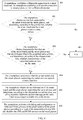
- FIG. 1 is a flowchart of Embodiment 1 of a method for controlling wearable electronic devices according to the present invention. As shown in FIG. 1 , the method provided in this embodiment may include:
- a central device separately establishes a communication connection to at least two wearable electronic devices, for exchanging data.
- the central device determines whether the at least two wearable electronic devices support a same function; and if it is determined that the at least two wearable electronic devices support a same function, the central device obtains device information of the wearable electronic devices that support the same function, and the central device determines, according to the obtained device information and according to a preset determining rule, at least one of the wearable electronic devices that support the same function as the target wearable electronic device.
- the central device disables a service that is corresponding to the same function and that is on the target wearable electronic device.
- the central device is enabled to perform, on the at least two wearable electronic devices, scheduling and configuration management of the service corresponding to the supported same function, which helps reduce power consumption of the wearable electronic devices.
- FIG. 2 is a flowchart of Embodiment 2 of a method for controlling wearable electronic devices according to the present invention. As shown in FIG. 2 , the solution of this embodiment may include:
- the central device and the at least two wearable electronic devices all support a Bluetooth or Bluetooth low energy protocol.
- the central device separately establishes a Bluetooth connection to the at least two wearable electronic devices, to form a Bluetooth piconet.
- the central device is a primary device in the Bluetooth piconet and is responsible for establishing and maintaining the network, and the at least two wearable electronic devices are both secondary devices in the Bluetooth piconet, and the wearable electronic devices may report data to the central device or exchange data with the central device according to a function of the wearable electronic devices and a supported service.
- Step 202 Obtain service lists of the at least two wearable electronic devices, and determine, according to the service lists, whether the at least two wearable electronic devices support a same service.
- the central device sends a generic attribute profile (Generic Attribute Profile, GATT for short) discover all primary services (Discovery All Primary Services) request command to each wearable electronic device respectively, requesting to obtain a service list supported by each wearable electronic device, where the list may exist in one or more forms. In addition, obtained services not only exist in a form of a list, but may also exist in another form, which is not limited herein.
- GATT Generic Attribute Profile
- the central device determines whether the wearable electronic devices support a same service, where there may be one or more supported same services, which is not limited herein. If the wearable electronic devices support a same service, step 203 is performed; or if the wearable electronic devices do not support a same service, end step 207 is performed.
- Step 203 Obtain characteristic lists that are of the wearable electronic devices that support the same service and that are corresponding to the same service, and determine, according to the characteristic lists, whether characteristics of the same services supported by the wearable electronic devices that support the same service are the same.
- the central device separately sends a GATT discover all characteristic of services (Discover All Characteristic of Services) request command to the wearable electronic devices that support the same service, requesting to obtain the characteristic list that is of the service and that is of each wearable electronic device, where the list may exist in one or more forms. In addition, obtained characteristics not only exist in a form of a list, but may also exist in another form, which is not limited herein.
- each wearable electronic device After receiving the request command, each wearable electronic device sends a GATT discover all characteristic of services response message to the central device, where the response message carries the characteristic list that is of the service and that is of each wearable electronic device.
- the central device After obtaining the characteristic lists that are of the service and that are of the wearable electronic devices, the central device determines whether characteristics of the same services supported by the wearable electronic devices are completely the same. If the characteristics are completely the same, step 204 is performed; or if the characteristics are not completely the same, end step 207 is performed.
- Step 204 Determine that the wearable electronic devices that support the same service support a same function.
- the central device After determining that the same services supported by the wearable electronic devices have completely same characteristics, the central device determines that the wearable electronic devices that support the same service support the same function.
- Step 205 Obtain device information of the wearable electronic devices that support the same function, and determine, according to the device information, at least one of the wearable electronic devices that support the same function as a target wearable electronic device.
- the central device invokes an acquisition command from the wearable electronic devices that support the same function, where the acquisition command instructs to obtain the device information of the wearable electronic devices that support the same function.
- the device information includes a device identification and a current battery, and further includes at least one of a power consumption speed or a sensor model.
- the central device determines, according to the foregoing obtained device information, at least one of the wearable electronic devices that support the same function as the target wearable electronic device.
- the central device calculates a sum of results obtained by multiplying the characteristic value of each characteristic in the device information by a weight corresponding to the characteristic, to obtain a result, which is a weighted characteristic value, and determines, according to the result and according to a determining rule, the target wearable electronic device from the wearable electronic devices that support the same function.
- Step 206 Disable a service that is corresponding to the same function and that is on the target wearable electronic device.
- the central device sends, according to a result of the determining in step 205, a disconnection request (Disconnection Request) to a Logical Link Control and Adaptation Protocol layer (Logical Link Control & Adaptation Protocol, L2CAP for short) connection that is on the target wearable electronic device and that supports same function service data.
- a disconnection request (Disconnection Request) to a Logical Link Control and Adaptation Protocol layer (Logical Link Control & Adaptation Protocol, L2CAP for short) connection that is on the target wearable electronic device and that supports same function service data.
- L2CAP Logical Link Control and Adaptation Protocol
- a central device separately establishes a communication connection to at least two wearable electronic devices.
- the central device separately obtains service lists supported by the at least two wearable electronic devices, and determines, according to the service lists, whether the at least two wearable electronic devices support a same service; and if the at least two wearable electronic devices support a same service, the central device obtains characteristic lists that are of the wearable electronic devices that support the same service and that are corresponding to the same service, and if it is determined that the supported same services have completely same characteristics, determines that the at least two wearable electronic devices support a same function. Then, the central device obtains device information of the wearable electronic devices that support the same function.
- the central device calculates a sum of results obtained by multiplying the characteristic value of each characteristic in the device information by a weight corresponding to the characteristic, to obtain a result, which is a weighted characteristic value, and determines, according to the result and according to a determining rule, a target wearable electronic device from the wearable electronic devices that support the same function. Finally, the central device disables a service that is corresponding to the same function and that is on the target wearable electronic device. This implements automatic configuration and function scheduling of at least two wearable electronic devices in a case in which the at least two wearable electronic devices are both operating, thereby reducing power consumption of the wearable electronic devices as far as possible without affecting service quality and user experience.
- a same Bluetooth piconet includes three wearable electronic devices: A, B, and C, which separately establish a Bluetooth connection to a central device.
- Device A is a smart watch
- device B is a smart band
- device C is a sphygmomanometer.
- HRS heart rate measurement service
- Device information of these three wearable electronic devices obtained by the central device is shown in the following table: Device information Characteristic name Device identification Characteristic value A 1 B 1 C 2
- the characteristic values of the device identifications of device A and device B are 1, representing that these two devices are carry-on wearable electronic devices, and the characteristic value of the device identification of device C is 2, representing that device C is a non-carry-on wearable electronic device.
- device A and device B are determined as target wearable electronic devices, and the heart rate service HRS on device A and device B is disabled.
- a same Bluetooth piconet includes two wearable electronic devices: A and B, which separately establish a Bluetooth connection to a central device.
- Device A is a smart watch and device B is smart glasses.
- These two wearable electronic devices both support an alert notification service (Alert Notification Service, ANS for short) and do not use a sensor.
- Device information of these two wearable electronic devices obtained by the central device is shown in the following table: Device information Characteristic name Device identification Current battery Power consumption speed Characteristic value A 1 0.75 0.4 B 1 0.62 0.25
- the characteristic values of the device identifications of device A and device B are 1, representing that these two devices are carry-on wearable electronic devices, and the characteristic values of the current batteries of the foregoing two wearable electronic devices are both above a first threshold (where the first threshold is set to 0.5).
- a weight corresponding to the power consumption speed is increased and is set to be the highest weight, and weights corresponding to the characteristics in the device information are shown in the following table: Device information Characteristic name Device identification Current battery Power consumption speed Weight 0.1 0.2 0.7
- the weighted characteristic value of device A is the greatest. Then, it is determined that device B is a target wearable electronic device, and the alert notification service ANS on device B is disabled. It should be noted herein that, not in all determining processes does a wearable electronic device with a small weighted characteristic value be determined as a target wearable electronic device; in some cases, a device with a great weighted characteristic value is determined as a target wearable electronic device, which depends on a setting of a characteristic value in device information. In addition, this embodiment of the present invention sets no limitation on a quantity of determined target wearable electronic devices, that is, does not set a limitation that a service on only one wearable electronic device is reserved for operating.
- the characteristic values of the device identifications of devices A, B, and C are all 1, representing that these three devices are all carry-on wearable electronic devices, and the characteristic values of the current batteries of device A and device B are both above a second threshold (where the second threshold is set to 0.5), but the characteristic value of the current battery of device C is below the second threshold (where the second threshold is set to 0.5). Therefore, the characteristic values of the current batteries of the foregoing three wearable electronic devices are located in different threshold intervals. According to a rule for setting a weight and a weighted characteristic value for the device information, in this case, a determining criterion corresponding to the lowest threshold interval is used. That is, a weight corresponding to the current battery characteristic is increased and is set to be the highest weight. Then, weights corresponding to the device information are shown in the following table: Device information Characteristic name Device identification Current battery Sensor model Weight 0.1 0.7 0.2
- the weighted characteristic value of device A is the greatest. Then, it is determined that device B and device C are target wearable electronic devices, and the heart rate service HRS on device B and device C is disabled. It should be noted herein that, not in all determining processes does a wearable electronic device with a small weighted characteristic value be determined as a target wearable electronic device; in some cases, a device with a great weighted characteristic value is determined as a target wearable electronic device, which depends on a setting of a characteristic value in device information. In addition, this embodiment of the present invention sets no limitation on a quantity of determined target wearable electronic devices, that is, does not set a limitation that a service on only one wearable electronic device is reserved for operating.
- a same Bluetooth piconet includes three wearable electronic devices: A, B, and C, which separately establish a Bluetooth connection to a central device.
- Device A is a smart watch
- device B is a smart band
- device C is a sphygmomanometer.
- HRS heart rate measurement service
- Device information of these three wearable electronic devices obtained by the central device is shown in the following table: Device information Characteristic name Device identification Sensor model Current battery Power consumption speed Characteristic value A 1 0.6 0.45 0.4 B 1 0.5 0.62 0.25 C 2 0.8 0.80 0.65
- the characteristic values of the device identifications of device A and device B are 1, representing that these two devices are carry-on wearable electronic devices, and the characteristic value of the device identification of device C is 2, representing that device C is a non-carry-on wearable electronic device.
- a weight corresponding to the device identification characteristic is set to be the highest, which may be set to 1, and weights corresponding to the other characteristics are set to 0.
- weights corresponding to the characteristics in the device information are shown in the following table: Device information Characteristic name Device identification Sensor model Current battery Power consumption speed Weight 1 0 0 0
- the weighted characteristic value of device C is the greatest. Then, it is determined that device A and device B are target wearable electronic devices, and the heart rate service HRS on device A and device B is disabled. It should be noted herein that, not in all determining processes does a wearable electronic device with a small weighted characteristic value be determined as a target wearable electronic device; in some cases, a device with a great weighted characteristic value is determined as a target wearable electronic device, which depends on a setting of a characteristic value in device information. In addition, this embodiment of the present invention sets no limitation on a quantity of determined target wearable electronic devices, that is, does not set a limitation that a service on only one wearable electronic device is reserved for operating.
- a same Bluetooth piconet includes three wearable electronic devices: A, B, and C, which separately establish a Bluetooth connection to a central device.
- Device A is a smart watch
- device B is a smart band
- device C is a smart suspender.
- HRS heart rate measurement service
- Device information of these three wearable electronic devices obtained by the central device is shown in the following table: Device information Characteristic name Device identification Sensor model Current battery Power consumption speed Characteristic value A 1 0.6 0.78 0.4 B 1 0.5 0.68 0.25 C 1 0.8 0.80 0.65
- the characteristic values of the device identifications of device A, B, and C are all 1, representing that these three devices are all carry-on wearable electronic devices, and the characteristic values of the current batteries of the foregoing three wearable electronic devices are all above a first threshold (where the first threshold is set to 0.5).
- a weight corresponding to the sensor model is increased and is set to be the highest weight, and weights corresponding to the device information are shown in the following table: Device information Characteristic name Device identification Sensor model Current battery Power consumption speed Weight 0.1 0.7 0.1 0.1
- the weighted characteristic value of device C is the greatest. Then, it is determined that device A and device B are target wearable electronic devices, and the heart rate service HRS on device A and device B is disabled. It should be noted herein that, not in all determining processes does a wearable electronic device with a small weighted characteristic value be determined as a target wearable electronic device; in some cases, a device with a great weighted characteristic value is determined as a target wearable electronic device, which depends on a setting of a characteristic value in device information. In addition, this embodiment of the present invention sets no limitation on a quantity of determined target wearable electronic devices, that is, does not set a limitation that a service on only one wearable electronic device is reserved for operating.
- a same Bluetooth piconet includes three wearable electronic devices: A, B, and C, which separately establish a Bluetooth connection to a central device.
- Device A is a smart watch
- device B is a smart band
- device C is a smart suspender.
- HRS heart rate measurement service
- Device information of these three wearable electronic devices obtained by the central device is shown in the following table: Device information Characteristic name Device identification Sensor model Current battery Power consumption speed Characteristic value A 1 0.6 0.45 0.4 B 1 0.5 0.40 0.25 C 1 0.8 0.38 0.65
- the characteristic values of the device identifications of device A, B, and C are all 1, representing that these three devices are all carry-on wearable electronic devices.
- the power consumption speed of device B is the highest and the power consumption speed of device C is the lowest.
- the characteristic values of the current batteries of the foregoing three wearable electronic devices are all located between a third threshold and a fourth threshold (where the third threshold is set to 0.5 and the fourth threshold is set to 0.3).
- a weight corresponding to the power consumption speed characteristic is increased and is set to be the highest weight, and weights corresponding to the characteristics in the device information are shown in the following table: Device information Characteristic name Device identification Sensor model Current battery Power consumption speed Weight 0.1 0.1 0.2 0.6
- the weighted characteristic value of device C is the greatest. Then, it is determined that device A and device B are target wearable electronic devices, and the heart rate service HRS on device A and device B is disabled. It should be noted herein that, not in all determining processes does a wearable electronic device with a small weighted characteristic value be determined as a target wearable electronic device; in some cases, a device with a great weighted characteristic value is determined as a target wearable electronic device, which depends on a setting of a characteristic value in device information. In addition, this embodiment of the present invention sets no limitation on a quantity of determined target wearable electronic devices, that is, does not set a limitation that a service on only one wearable electronic device is reserved for operating.
- a same Bluetooth piconet includes three wearable electronic devices: A, B, and C, which separately establish a Bluetooth connection to a central device.
- Device A is a smart watch
- device B is a smart band
- device C is a smart suspender.
- HRS heart rate measurement service
- Device information of these three wearable electronic devices obtained by the central device is shown in the following table: Device information Characteristic name Device identification Sensor model Current battery Power consumption speed Characteristic value A 1 0.6 0.65 0.4 B 1 0.5 0.57 0.25 C 1 0.8 0.28 0.65
- the characteristic values of the device identifications of devices A, B, and C are all 1, representing that these three devices are all carry-on wearable electronic devices, and the characteristic values of the current batteries of device A and device B are both above a third threshold (where the third threshold is set to 0.5), but the characteristic value of the current battery of device C is below a fourth threshold (where the second threshold is set to 0.3). Therefore, the characteristic values of the current batteries of the foregoing three wearable electronic devices are located in different threshold intervals. According to a rule for setting a weight and a weighted characteristic value for the device information, in this case, a determining criterion corresponding to the lowest threshold interval is used.
- a weight corresponding to the current battery characteristic is increased and is set to be the highest weight. Then, weights corresponding to the device information are shown in the following table: Device information Characteristic name Device identification Sensor model Current battery Power consumption speed Weight 0.1 0.1 0.5 0.3
- the weighted characteristic value of device A is the greatest. Then, it is determined that device B and device C are target wearable electronic devices, and the heart rate service HRS on device B and device C is disabled. It should be noted herein that, not in all determining processes does a wearable electronic device with a small weighted characteristic value be determined as a target wearable electronic device; in some cases, a device with a great weighted characteristic value is determined as a target wearable electronic device, which depends on a setting of a characteristic value in device information. In addition, this embodiment of the present invention sets no limitation on a quantity of determined target wearable electronic devices, that is, does not set a limitation that a service on only one wearable electronic device is reserved for operating.
- FIG. 3 is a flowchart of Embodiment 3 of a method for controlling wearable electronic devices according to the present invention.
- a central device is a smartphone
- wearable electronic devices are a smart watch and a smart wrist sling.
- the smartphone plays a role of a primary device
- the two wearable electronic devices, the smart wrist sling and the smart watch play a role of secondary devices.
- the smart wrist sling is equipped with a heart rate sensor and a step counting sensor.
- the heart rate sensor is configured to measure a heart rate of a user, record a measurement result, and report the result to the smartphone or store the result in a local storage medium of the smart wrist sling (if the smart wrist sling has a local storage function) periodically or in real time.
- the step counting sensor is configured to record and measure a step count and a walking speed of the user when the user walks or runs, may calculate a calorie consumption status of the user in a movement process according to the foregoing parameters, and report the recorded step count and walking speed and a calculated numerical value of consumed calories to the smartphone or store the recorded step count and walking speed and a calculated numerical value of consumed calories in the storage medium of the smart wrist sling (if the smart wrist sling has the local storage function) periodically or in real time.
- a main function of the smart wrist sling is performing exercise management, health management, and sleep quality management by relying on physiological indicator data measured, collected, and calculated by the foregoing sensors.
- An intelligence level of the smart watch is higher than that of the smart wrist sling.
- An Android operating system developed by Google or an iOS operating system developed by Apple, or an embedded operating system developed by another company is installed in a storage unit of the smart watch.
- the smart watch can exchange data with the smartphone and supports functions such as incoming call notification, unread information reading, and alarm notification when the mobile phone goes beyond a range of the smart watch.
- the smart watch also integrates a heart rate sensor, which is configured to measure a heart rate of the user and monitor health and exercise statuses of the user.
- steps of this embodiment of the present invention include:
- a Bluetooth module is enabled on the smartphone, the smart watch, and the smart wrist sling.
- discovery, matching, and connection establishment processes of the different wearable electronic devices are not always the same because the wearable electronic devices greatly differ in terms of function and intelligence level.
- the smart watch is a wearable electronic device with a relatively high intelligence level and is a device with a screen
- the smart wrist sling is a wearable electronic device with a relatively low intelligence level and is a device without a screen.
- a specific process is as follows: The smartphone externally broadcasts a search message in a specific time period at a specific frequency; after receiving the search message broadcast by the smartphone, the smart watch sends a search response message to the smartphone, where the search response message carries a Bluetooth address and clock information of the Bluetooth module on the smart watch; and device discovery is completed when the smartphone receives the search response message of the smart watch.
- the user can tap establishing connection on a screen of the smartphone; the smartphone sends a Bluetooth address and a Bluetooth clock of the smartphone to the smart watch, to synchronize clocks of the smart watch and the smartphone and establish a Bluetooth communication link between the smartphone and the smart watch; at the same time, the smartphone randomly generates a PIN code and sends the PIN code to the smart watch; after receiving the message, the smart watch displays the PIN code on the screen of the smart watch, and the user can check whether the PIN codes are consistent on the screens of the smartphone and the smart watch, thereby verifying connection validity. This is a commonly mentioned "matching" process. After the matching process is complete, the user chooses, on the smart watch, whether to accept or reject the Bluetooth connection. If the user chooses to accept the Bluetooth connection, the Bluetooth connection is established between the smartphone and the smart watch, and the two devices can exchange data through Bluetooth.
- a matching process of the smart wrist sling does not require transmission of a PIN code.
- a specific process is as follows: There is a button on the smart wrist sling; after the user presses the button, the smart wrist sling enters a matching time window; and the smart wrist sling listens, in this time window, to search messages sent by all Bluetooth devices, and returns a search response.
- the smartphone broadcasts a search message; after receiving the search message, the smart wrist sling sends a search response message to the smartphone, where the search response message carries a Bluetooth address and clock information of the Bluetooth module on the smart wrist sling; and then the smartphone sends a paging request to the smart wrist sling, where the paging request carries the Bluetooth address and the clock information of the Bluetooth module on the smartphone, so as to synchronize a clock of the smart wrist sling.
- a Bluetooth link is established between the smartphone and the smart wrist sling.
- the smartphone sends a connection request to the smart wrist sling, and the smart wrist sling returns a connection response, so that the two parties can exchange data through Bluetooth.
- the foregoing processes are all completed in the matching time window of the smart wrist sling. If the matching time window is missed, the smart wrist sling does not respond to any request, a connection establishment process also fails, and the foregoing processes must start over again.
- selection of Bluetooth discovery, matching, and connection establishment manners is not dependent on a type of a wearable electronic device, but is related to a function configuration of a specific wearable electronic device.
- a wearable electronic device not all smart watches are wearable electronic devices with a relatively high intelligence level and with a screen.
- the foregoing second manner is used in Bluetooth discovery, matching, and connection establishment processes.
- the foregoing first manner is used in Bluetooth discovery, matching, and connection establishment processes.
- Step 302 The smartphone obtains service lists supported by the smart watch and the smart wrist sling, and determines, according to the service lists, whether the smart watch and the smart wrist sling support a same service.
- step 202 in Embodiment 2 of the present invention For a specific process of obtaining the service lists, refer to step 202 in Embodiment 2 of the present invention.
- step 303 is performed; or if the smart watch and the smart wrist sling do not support a same service, end step 307 is performed.
- Services supported by the smart watch include: an alert notification service (Alert Notification Service, ANS for short), a battery service (Battery Service, BAS for short), a current time service (Current Time Service, CTS for short), a device information service (Device Information Service, DIS for short), a heart rate service (Heart Rate Service, HRS for short), an immediate alert service (Immediate Alert Service, IAS for short), a phone alert status service (Phone Alert Status Service, PASS for short), and a reference time update service (Reference Time Update Service, RTUS for short).
- An alert notification service (Alert Notification Service, ANS for short)
- BAS Battery Service
- CTS Current Time Service
- CTS Current Time Service
- DIS Device Information Service
- HRS heart rate service
- Immediate Alert Service IAS for short
- a phone alert status service Phone Alert Status Service, PASS for short
- a reference time update service Reference Time Update Service, RTUS for short.
- Services supported by the smart wrist sling include: a BAS service, a DIS service, an HRS service, and a running speed and cadence service (Running Speed and Cadence Service, RSCS).
- RSCS Running Speed and Cadence Service
- the smartphone detects services supported by both the two devices, namely, the BAS, DIS, and HRS services, where the BAS and DIS services are basic services, and are available on every device. Therefore, a service actually supported by both the two devices is the heart rate service HRS.
- Step 303 The smartphone obtains characteristic lists that are of the smart watch and the smart wrist sling and that are corresponding to the supported same service, and determines, according to the characteristic lists, whether characteristics of the supported same services are the same.
- step 203 in Embodiment 2 of the present invention For a specific process of obtaining the characteristic lists, refer to step 203 in Embodiment 2 of the present invention.
- step 304 is performed; or if the characteristics are not completely the same, end step 307 is performed.
- Characteristics of the HRS services supported by the two wearable electronic devices, the smart watch and the smart wrist sling include: heart rate measurement (Heart Rate Measurement, HRM for short), body sensor location (Body Sensor Location, BSL for short), and heart rate control point (Heart Rate CP, HRCP for short). Therefore, it is determined that the characteristics of the HRS services supported by the smart watch and the smart wrist sling are completely the same.
- Step 304 The smartphone determines that the smart watch and the smart wrist sling supporting the same service support a same function.
- the smartphone After determining that the characteristics of the services supported by the smart watch and the smart wrist sling are completely the same, the smartphone concludes that functions executed by the HRS services of the two devices are completely the same.
- Step 305 The smartphone obtains device information of the smart watch and the smart wrist sling supporting the same function, and determines, according to the obtained device information, one of the wearable electronic devices that support the same function as a target wearable electronic device.
- the obtained device information is shown as follows:
- a sensor model equipped on the smart watch is "HK2000H", and a sensor model of the smart wrist sling is "XDS019".
- a current battery of the smart watch is "44%", and a current battery of the smart wrist sling is "40%".
- a battery of the smart watch is decreased from 44% to 40%, and a battery of the smart wrist sling is decreased from 40% to 39%. Therefore, it is concluded that a power consumption speed of the smart watch is "mediate” (Mediate, M), and a power consumption speed of the smart wrist sling is "low” (Low, L).
- the two devices are both carry-on wearable electronic devices, current batteries of the two devices are both within a threshold range of 30%-50%, power consumption speeds of the two devices are of different levels, and the sensor models of the two devices are different.
- a weight corresponding to the power consumption speed is the highest, and a weight of the current battery and a weight of the sensor model are relatively low. Therefore, a final weighted characteristic value is obtained through weighted determining, and it is determined to enable the HRS service on the smart wrist sling and accordingly disable the HRS service on the smart watch.
- Step 306 The smartphone performs scheduling and configuration on the HRS services on the smart watch and the smart wrist sling according to a result of the determining in step 305, and disables the HRS service on the smart watch.
- step 206 in Embodiment 2 of the present invention For a specific disabling process, refer to step 206 in Embodiment 2 of the present invention.
- a smartphone establishes a communication connection to a smart watch and the smartphone establishes a communication connection to a smart wrist sling; the smartphone separately obtains service lists supported by the smart watch and the smart wrist sling, and determines, according to the service lists, whether the smart watch and the smart wrist sling support a same service; and if the smart watch and the smart wrist sling support a same service, the smartphone obtains characteristic lists that are of the smart watch and the smart wrist sling and that are corresponding to the same service, and if it is determined that characteristics of the supported same services are completely the same, determines that the smart watch and the smart wrist sling support services corresponding to the same function.
- the smartphone obtains device information of the smart watch and the smart wrist sling. According to each characteristic value corresponding to the device information and according to a weight of each type of device information, the smartphone calculates a sum of results obtained by multiplying the characteristic value of each characteristic in the device information by a weight corresponding to the characteristic, to obtain a result, which is a weighted characteristic value, and determines, according to the result and according to a determining rule, a target wearable electronic device from the smart watch and the smart wrist sling supporting the same function. Finally, the smartphone disables a service that is corresponding to the same function and that is on the target wearable electronic device.
- This implements automatic configuration and function scheduling of the smart watch and the smart wrist sling in a case in which the smart watch and the smart wrist sling are both operating, thereby reducing power consumption of the wearable electronic devices as far as possible without affecting service quality and user experience.
- FIG. 4 is a flowchart of Embodiment 4 of a method for controlling wearable electronic devices according to the present invention.
- a central device is a smartphone
- wearable electronic devices are a smart watch and a smart wrist sling.
- the smartphone plays a role of a primary device
- the two wearable electronic devices, the smart watch and the smart glasses play a role of secondary devices.
- An Android operating system developed by Google or an iOS operating system developed by Apple, or an embedded operating system developed by another company is installed in storage units of the smart watch and the smart glasses.
- the smart watch and the smart glasses can exchange data with the smartphone and support functions such as incoming call notification, unread information reading, and alarm notification when the mobile phone goes beyond ranges of the smart watch and the smart glasses.
- steps of this embodiment of the present invention include:
- step 301 in Embodiment 3 of the present invention For a specific process, refer to step 301 in Embodiment 3 of the present invention.
- Step 402 The smartphone obtains service lists supported by the smart watch and the smart glasses, and determines, according to the service lists, whether the smart watch and the smart glasses support a same service.
- step 202 in Embodiment 2 of the present invention For a specific service discovery process, refer to step 202 in Embodiment 2 of the present invention.
- step 403 is performed; or if the smart watch and the smart glasses do not support a same service, end step 407 is performed.
- Services supported by the smart watch include: an alert notification service (Alert Notification Service, ANS for short), a current time service (Current Time Service, CTS for short), a device information service (Device Information Service, DIS for short), a heart rate service (Heart Rate Service, HRS for short), an immediate alert service (Immediate Alert Service, IAS for short), a phone alert status service (Phone Alert Status Service, PASS for short), and a reference time update service (Reference Time Update Service, RTUS for short).
- An alert notification service (Alert Notification Service, ANS for short)
- CTS Current Time Service
- CTS Current Time Service
- DIS Device Information Service
- HRS heart rate service
- Immediate Alert Service IAS for short
- a phone alert status service Phone Alert Status Service, PASS for short
- a reference time update service Reference Time Update Service, RTUS for short.
- Services supported by the smart glasses include: an ANS service, a BAS service, a CTS service, a DIS service, a PASS service, a video distribution profile (Video Distribution Profile, VDP for short), a subscriber identity module (Subscriber Identity Module, SIM for short) access profile (SIM Access Profile, SAP for short), and a human interface device (Human Interface Device, HID for short) service profile (HID Device Profile, HDP for short).
- the smartphone detects services supported by both the two devices, namely, the ANS, BAS, DIS, and PASS services, where the BAS and HRS services are basic services, and are available on every device. Therefore, services actually supported by both the two devices are the alert notification service ANS and the phone alert status service PASS.
- Step 403 The smartphone obtains characteristic lists that are of the smart watch and the smart glasses and that are corresponding to the supported same service, and determines, according to the characteristic lists, whether characteristics of the supported same services are the same.
- step 203 in Embodiment 2 of the present invention For a specific process of obtaining the characteristic lists, refer to step 203 in Embodiment 2 of the present invention.
- step 404 is performed; or if the characteristics are not completely the same, end step 407 is performed.
- Characteristics of the ANS services supported by the two wearable electronic devices, the smart watch and the smart glasses include: new alert (New Alert), unread alert (Supported Unread Alert), and alert notification control point (Alert Notification CP), and characteristics of the characteristics are the same.
- Characteristics of the supported PASS services include: alert status (Alert Status), ringer control point (Ringer CP), and ringer setting (Ringer Setting); and it is determined that the characteristics of the HRS services supported by the smart watch and the smart glasses are completely the same.
- Step 404 The smartphone determines that the smart watch and the smart glasses supporting the same service support a same function.
- the smartphone After determining that the characteristics of the same services supported by the smart watch and the smart glasses are completely the same, the smartphone concludes that functions executed by the ANS service and the PASS service of the two devices are completely the same.
- Step 405 The smartphone obtains device information of the smart watch and the smart glasses supporting the same service, and determines, according to the obtained device information, one of the wearable electronic devices that support the same function as a target wearable electronic device.
- the obtained device information is shown as follows:
- a current battery of the smart watch is 55%, and a current battery of the smart glasses is 28%.
- a battery of the smart watch is decreased from 65% to 55%, and a battery of the smart wrist sling is decreased from 30% to 28%. Therefore, it is concluded that a power consumption speed of the smart watch is "mediate” (Mediate, M), and a power consumption speed of the smart glasses is "low” (Low, L).
- the current battery (55%) of the smart watch is above a first threshold, whereas the current battery of the smart glasses is 28%, which is below the first threshold. Therefore, the current batteries of the smart watch and the smart glasses are located in different threshold intervals.
- weights are set according to a determining rule corresponding to the lowest threshold interval, and a weight of the current battery is set to be the highest. Therefore, a final weighted characteristic value is obtained through weighted determining, and it is determined to enable the ANS and PASS services on the smart watch and accordingly disable the ANS and PASS services on the smart glasses.
- Step 406 The smartphone performs scheduling and configuration on the ANS and PASS services on the smart watch and the smart glasses according to a result of the determining in step 405, and disables the ANS and PASS services on the smart glasses.
- step 206 in Embodiment 2 of the present invention For a specific disabling process, refer to step 206 in Embodiment 2 of the present invention.
- a smartphone establishes a communication connection to a smart watch and the smartphone establishes a communication connection to smart glasses; the smartphone separately obtains service lists supported by the smart watch and the smart glasses, and determines, according to the service lists, whether the smart watch and the smart glasses support a same service; and if the smart watch and the smart glasses support a same service, the smartphone obtains characteristic lists that are of the smart watch and the smart glasses and that are corresponding to the same service, and if it is determined that characteristics of the supported same services are completely the same, determines that the smart watch and the smart wrist sling support services corresponding to the same function. Afterward, the smartphone obtains device information of the smart watch and the smart glasses.
- the smartphone calculates a sum of results obtained by multiplying the characteristic value of each characteristic in the device information by a weight corresponding to the characteristic, to obtain a result, which is a weighted characteristic value, and determines, according to the result and according to a determining rule, a target wearable electronic device from the smart watch and the smart glasses supporting the same function. Finally, the smartphone disables a service that is corresponding to the same function and that is on the target wearable electronic device. This implements automatic configuration and function scheduling of the smart watch and the smart glasses in a case in which the smart watch and the smart glasses are both operating, thereby reducing power consumption of the wearable electronic devices as far as possible without affecting service quality and user experience.
- FIG. 5 is a schematic structural diagram of Embodiment 1 of a central apparatus according to the present invention.
- the central apparatus 01 in this embodiment may include: a connection module 11, a determining module 12, and a processing module 13.
- the connection module 11 is configured to establish communication connections to at least two wearable electronic devices.
- the determining module 12 is configured to determine whether the at least two wearable electronic devices support a same function.
- the processing module 13 is configured to: if the at least two wearable electronic devices support a same function, obtain device information of the wearable electronic devices that support the same function, determine, according to the device information, at least one of the wearable electronic devices that support the same function as a target wearable electronic device, and disable a service that is corresponding to the same function and that is on the target wearable electronic device.
- the central apparatus in this embodiment may be configured to execute the technical solutions in the method embodiment shown in FIG. 1 .
- Implementation principles and technical effects thereof are similar, and details are not described herein.
- FIG. 6 is a schematic structural diagram of Embodiment 2 of a central apparatus according to the present invention.
- the determining module 12 may include: a first determining unit 121, a second determining unit 122, and a third determining unit 123.
- the first determining unit 121 is configured to obtain service lists of the at least two wearable electronic devices, and determine, according to the service lists, whether the at least two wearable electronic devices support a same service.
- the second determining unit 122 is configured to: if the at least two wearable electronic devices support a same service, obtain characteristic lists that are of the wearable electronic devices that support the same service and that are corresponding to the same service, and determine, according to the characteristic lists, whether characteristics of the same services supported by the wearable electronic devices that support the same service are the same.
- the third determining unit 123 is configured to: if the characteristics are the same, determine that the wearable electronic devices that support the same service support the same function.
- the processing module 12 is configured to: if it is determined, according to device identifications, that the wearable electronic devices that support the same function include a carry-on wearable electronic device and a non-carry-on wearable electronic device, use the carry-on wearable electronic device as the target wearable electronic device.
- the processing module 12 is configured to: obtain, according to characteristic values corresponding to the device information of each of the wearable electronic devices that support the same function and according to a weight of each type of device information, a weighted characteristic value corresponding to each of the wearable electronic devices that support the same function; and determine, according to the weighted characteristic value corresponding to each of the wearable electronic devices that support the same function, the target wearable electronic device from the wearable electronic devices that support the same function.
- the processing module 12 is configured to: if it is determined, according to device identifications, that the wearable electronic devices that support the same function include a carry-on wearable electronic device and a non-carry-on wearable electronic device, use the carry-on wearable electronic device as the target wearable electronic device; or if it is determined, according to device identifications, that the wearable electronic devices that support the same function are all carry-on wearable electronic devices or are all non-carry-on wearable electronic devices, obtain, according to the current battery and the power consumption speed that are of each of the wearable devices that support the same function, a correspondence between the current battery and a characteristic value, a correspondence between the power consumption speed and a characteristic value, a weight of the power consumption speed, and a weight of the current battery, a weighted characteristic value corresponding to each of the wearable electronic devices that support the same function, and determine, according to the weighted characteristic value corresponding to each of the wearable electronic devices that support the same function, and determine, according to the weighted characteristic value corresponding
- the processing module 12 is configured to: if it is determined, according to device identifications, that the wearable electronic devices that support the same function include a carry-on wearable electronic device and a non-carry-on wearable electronic device, use the carry-on wearable electronic device as the target wearable electronic device; or if it is determined, according to device identifications, that the wearable electronic devices that support the same function are all carry-on wearable electronic devices or are all non-carry-on wearable electronic devices, obtain, according to the current battery and the sensor model that are of each of the wearable devices that support the same function, a correspondence between the current battery and a characteristic value, a correspondence between the sensor model and a characteristic value, a weight of the power consumption speed, and a weight of the sensor model, a weighted characteristic value corresponding to each of the wearable electronic devices that support the same function, and determine, according to the weighted characteristic value corresponding to each of the wearable electronic devices that
- the processing module 12 is configured to: if it is determined, according to device identifications, that the wearable electronic devices that support the same function include a carry-on wearable electronic device and a non-carry-on wearable electronic device, use the carry-on wearable electronic device as the target wearable electronic device; or if it is determined, according to device identifications, that the wearable electronic devices that support the same function are all carry-on wearable electronic devices or are all non-carry-on wearable electronic devices, obtain, according to the current battery, the power consumption speed, and the sensor model that are of each of the wearable devices that support the same function, a correspondence between the current battery and a characteristic value, a correspondence between the power consumption speed and a characteristic value, a correspondence between the sensor model and a characteristic value, a weight of the power consumption speed, a weight of the current battery, and a weight of the sensor model, a weighted characteristic value corresponding to each
- the central apparatus in this embodiment may be configured to execute the technical solutions in the method embodiment shown in FIG. 2 .
- Implementation principles and technical effects thereof are similar, and details are not described herein.
- FIG. 7 is a schematic structural diagram of an embodiment of a central device according to the present invention.
- the central device 02 includes: a bus 024, and a processor 021, a memory 022, and a transceiver 023 that are connected to the bus 024.
- the transceiver 023 is configured to establish communication connections to at least two wearable electronic devices.
- the processor 021 is configured to: after the transceiver establishes the communication connections, determine whether the at least two wearable electronic devices support a same function; and if the at least two wearable electronic devices support a same function, obtain device information of the wearable electronic devices that support the same function, and determine, according to the device information, at least one of the wearable electronic devices that support the same function as a target wearable electronic device.
- the transceiver 023 is further configured to send a disable instruction to the target wearable electronic device, to disable a service that is corresponding to the same function and that is on the target wearable electronic device.
- processor 021 is specifically configured to:
- the processor 021 is configured to: if it is determined, according to device identifications, that the wearable electronic devices that support the same function include a carry-on wearable electronic device and a non-carry-on wearable electronic device, use the carry-on wearable electronic device as the target wearable electronic device.
- the processor 021 is configured to: obtain, according to characteristic values corresponding to the device information of each of the wearable electronic devices that support the same function and according to a weight of each type of device information, a weighted characteristic value corresponding to each of the wearable electronic devices that support the same function; and determine, according to the weighted characteristic value corresponding to each of the wearable electronic devices that support the same function, the target wearable electronic device from the wearable electronic devices that support the same function.
- the processor 021 is configured to: if it is determined, according to device identifications, that the wearable electronic devices that support the same function include a carry-on wearable electronic device and a non-carry-on wearable electronic device, use the carry-on wearable electronic device as the target wearable electronic device; or if it is determined, according to device identifications, that the wearable electronic devices that support the same function are all carry-on wearable electronic devices or are all non-carry-on wearable electronic devices, obtain, according to the current battery and the power consumption speed that are of each of the wearable devices that support the same function, a correspondence between the current battery and a characteristic value, a correspondence between the power consumption speed and a characteristic value, a weight of the power consumption speed, and a weight of the current battery, a weighted characteristic value corresponding to each of the wearable electronic devices that support the same function, and determine, according to the weighted characteristic value corresponding to
- the processor 021 is configured to: if it is determined, according to device identifications, that the wearable electronic devices that support the same function include a carry-on wearable electronic device and a non-carry-on wearable electronic device, use the carry-on wearable electronic device as the target wearable electronic device; or if it is determined, according to device identifications, that the wearable electronic devices that support the same function are all carry-on wearable electronic devices or are all non-carry-on wearable electronic devices, obtain, according to the current battery and the sensor model that are of each of the wearable devices that support the same function, a correspondence between the current battery and a characteristic value, a correspondence between the sensor model and a characteristic value, a weight of the power consumption speed, and a weight of the sensor model, a weighted characteristic value corresponding to each of the wearable electronic devices that support the same function, and determine, according to the weighted characteristic value corresponding to each of the wearable electronic devices that support the same function, and determine, according to the weighted characteristic value corresponding to each
- the processor 021 is configured to: if it is determined, according to device identifications, that the wearable electronic devices that support the same function include a carry-on wearable electronic device and a non-carry-on wearable electronic device, use the carry-on wearable electronic device as the target wearable electronic device; or if it is determined, according to device identifications, that the wearable electronic devices that support the same function are all carry-on wearable electronic devices or are all non-carry-on wearable electronic devices, obtain, according to the current battery, the power consumption speed, and the sensor model that are of each of the wearable devices that support the same function, a correspondence between the current battery and a characteristic value, a correspondence between the power consumption speed and a characteristic value, a correspondence between the sensor model and a characteristic value, a weight of the power consumption speed, a weight of the current battery, and a weight of the sensor model, a weighted characteristic
- the central device in this embodiment may be configured to execute the technical solutions in the foregoing method embodiments. Implementation principles and technical effects thereof are similar, and details are not described herein.
- the disclosed apparatus and method may be implemented in other manners.
- the described apparatus embodiment is merely exemplary.
- the unit division is merely logical function division and may be other division in actual implementation.
- a plurality of units or components may be combined or integrated into another system, or some features may be ignored or not performed.
- the displayed or discussed mutual couplings or direct couplings or communication connections may be implemented by using some interfaces.
- the indirect couplings or communication connections between the apparatuses or units may be implemented in electronic, mechanical, or other forms.
- the units described as separate parts may or may not be physically separate, and parts displayed as units may or may not be physical units, may be located in one position, or may be distributed on a plurality of network units. Some or all of the units may be selected according to actual needs to achieve the objectives of the solutions of the embodiments.
- functional units in the embodiments of the present invention may be integrated into one processing unit, or each of the units may exist alone physically, or two or more units are integrated into one unit.
- the integrated unit may be implemented in a form of hardware, or may be implemented in a form of hardware in addition to a software functional unit.
- the integrated unit may be stored in a computer-readable storage medium.
- the software functional unit is stored in a storage medium and includes several instructions for instructing a computer device (which may be a personal computer, a server, or a network device) or a processor to perform a part of the steps of the methods described in the embodiments of the present invention.
- the foregoing storage medium includes: any medium that can store program code, such as a USB flash drive, a removable hard disk, a read-only memory (Read-Only Memory, ROM), a random access memory (Random Access Memory, RAM), a magnetic disk, or an optical disc.
Landscapes
- Engineering & Computer Science (AREA)
- Computer Networks & Wireless Communication (AREA)
- Signal Processing (AREA)
- Human Computer Interaction (AREA)
- Physics & Mathematics (AREA)
- General Physics & Mathematics (AREA)
- Telephone Function (AREA)
- User Interface Of Digital Computer (AREA)
- Measuring And Recording Apparatus For Diagnosis (AREA)
Claims (14)
- Procédé de commande de dispositifs électroniques portatifs, le procédé étant exécuté par un dispositif central et consistant à :après l'établissement de connexions de communication (101) avec au moins deux dispositifs électroniques portatifs, déterminer si les au moins deux dispositifs électroniques portatifs prennent en charge ou non une même fonction ;si les au moins deux dispositifs électroniques portatifs prennent en charge une même fonction (102), obtenir une information de dispositif des dispositifs électroniques portatifs qui prennent en charge la même fonction, et déterminer, selon l'information de dispositif, au moins un des dispositifs électroniques portatifs qui prennent en charge la même fonction comme étant un dispositif électronique portatif cible ; etdésactiver un service (103) qui correspond à la même fonction et qui se trouve sur le dispositif électronique portatif cible.
- Procédé selon la revendication 1, dans lequel la détermination de si les au moins deux dispositifs électroniques portatifs prennent en charge ou non une même fonction consiste à :obtenir des listes de services des au moins deux dispositifs électroniques portatifs, et déterminer, selon les listes de services, si les au moins deux dispositifs électroniques portatifs prennent en charge ou non un même service ;si les au moins deux dispositifs électroniques portatifs prennent en charge un même service, obtenir des listes de caractéristiques qui concernent les dispositifs électroniques portatifs prenant en charge le même service et qui correspondent au même service, et déterminer, selon les listes de caractéristiques, si les caractéristiques des mêmes services pris en charge par les dispositifs électroniques portatifs qui prennent en charge le même service sont les mêmes ou non ; etsi les caractéristiques sont les mêmes, déterminer que les dispositifs électroniques portatifs qui prennent en charge le même service prennent en charge la même fonction.
- Procédé selon la revendication 1 ou 2, dans lequel l'information de dispositif comprend uniquement une identification de dispositif ; et
la détermination, selon l'information de dispositif, d'au moins un des dispositifs électroniques portatifs qui prennent en charge la même fonction comme étant un dispositif électronique portatif cible consiste à :
s'il est déterminé, selon des identifications de dispositif, que les dispositifs électroniques portatifs qui prennent en charge la même fonction comprennent un dispositif électronique portatif portable sur soi et un dispositif électronique portatif non portable sur soi, utiliser le dispositif électronique portatif portable sur soi en tant que dispositif électronique portatif cible. - Procédé selon la revendication 1 ou 2, dans lequel l'information de dispositif comprend une identification de dispositif et un niveau de batterie courant, et comprend en outre une vitesse de consommation électrique et/ou un modèle de capteur ; et
la détermination, selon l'information de dispositif, d'au moins un des dispositifs électroniques portatifs qui prennent en charge la même fonction comme étant un dispositif électronique portatif cible consiste à :
obtenir, selon des valeurs caractéristiques correspondant à l'information de dispositif de chacun des dispositifs électroniques portatifs qui prennent en charge la même fonction et selon une pondération de chaque type d'information de dispositif, une valeur caractéristique pondérée correspondant à chacun des dispositifs électroniques portatifs qui prennent en charge la même fonction ; et déterminer, selon la valeur caractéristique pondérée correspondant à chacun des dispositifs électroniques portatifs qui prennent en charge la même fonction, le dispositif électronique portatif cible parmi les dispositifs électroniques portatifs qui prennent en charge la même fonction. - Procédé selon la revendication 1 ou 2, dans lequel l'information de dispositif comprend une identification de dispositif, un niveau de batterie courant et une vitesse de consommation électrique ; et
la détermination, selon l'information de dispositif, d'au moins un des dispositifs électroniques portatifs qui prennent en charge la même fonction comme étant un dispositif électronique portatif cible consiste à :s'il est déterminé, selon des identifications de dispositif, que les dispositifs électroniques portatifs qui prennent en charge la même fonction comprennent un dispositif électronique portatif portable sur soi et un dispositif électronique portatif non portable sur soi, utiliser le dispositif électronique portatif portable sur soi en tant que dispositif électronique portatif cible ; ou s'il est déterminé, selon des identifications de dispositif, que les dispositifs électroniques portatifs qui prennent en charge la même fonction sont tous des dispositifs électroniques portatifs portables sur soi ou sont tous des dispositifs électroniques portatifs non portables sur soi, obtenir, selon le niveau de batterie courant et la vitesse de consommation électrique de chacun des dispositifs électroniques portatifs qui prennent en charge la même fonction, une correspondance entre le niveau de batterie courant et une valeur caractéristique, une correspondance entre la vitesse de consommation électrique et une valeur caractéristique, une pondération de la vitesse de consommation électrique, et une pondération du niveau de batterie courant, une valeur caractéristique pondérée correspondant à chacun des dispositifs électroniques portatifs qui prennent en charge la même fonction, et déterminer, selon la valeur caractéristique pondérée correspondant à chacun des dispositifs électroniques portatifs qui prennent en charge la même fonction, le dispositif électronique portatif cible parmi les dispositifs électroniques portatifs qui prennent en charge la même fonction,la pondération de la vitesse de consommation électrique étant supérieure à la pondération du niveau de batterie courant quand les niveaux de batterie courants des dispositifs électroniques portatifs qui prennent en charge la même fonction sont tous supérieurs à un premier seuil ; ou la pondération du niveau de batterie courant étant supérieure à la pondération de la vitesse de consommation électrique quand au moins un des niveaux de batterie courants des dispositifs électroniques portatifs qui prennent en charge la même fonction est inférieur à un premier seuil. - Procédé selon la revendication 1 ou 2, dans lequel l'information de dispositif comprend une identification de dispositif, un niveau de batterie courant et un modèle de capteur ; et
la détermination, selon l'information de dispositif, d'au moins un des dispositifs électroniques portatifs qui prennent en charge la même fonction comme étant un dispositif électronique portatif cible consiste à :s'il est déterminé, selon des identifications de dispositif, que les dispositifs électroniques portatifs qui prennent en charge la même fonction comprennent un dispositif électronique portatif portable sur soi et un dispositif électronique portatif non portable sur soi, utiliser le dispositif électronique portatif portable sur soi en tant que dispositif électronique portatif cible ; ou s'il est déterminé, selon des identifications de dispositif, que les dispositifs électroniques portatifs qui prennent en charge la même fonction sont tous des dispositifs électroniques portatifs portables sur soi ou sont tous des dispositifs électroniques portatifs non portables sur soi, obtenir, selon le niveau de batterie courant et le modèle de capteur de chacun des dispositifs électroniques portatifs qui prennent en charge la même fonction, une correspondance entre le niveau de batterie courant et une valeur caractéristique, une correspondance entre le modèle de capteur et une valeur caractéristique, une pondération de la quantité d'électricité courante, et une pondération du modèle de capteur, une valeur caractéristique pondérée correspondant à chacun des dispositifs électroniques portatifs qui prennent en charge la même fonction ; et déterminer, selon la valeur caractéristique pondérée correspondant à chacun des dispositifs électroniques portatifs qui prennent en charge la même fonction, le dispositif électronique portatif cible parmi les dispositifs électroniques portatifs qui prennent en charge la même fonction,la pondération du modèle de capteur étant supérieure à la pondération du niveau de batterie courant quand les niveaux de batterie courants des dispositifs électroniques portatifs qui prennent en charge la même fonction sont tous supérieurs à un deuxième seuil ; ou la pondération du niveau de batterie courant étant supérieure à la pondération du modèle de capteur quand au moins un des niveaux de batterie courants des dispositifs électroniques portatifs qui prennent en charge la même fonction est inférieur à un deuxième seuil. - Procédé selon la revendication 1 ou 2, dans lequel l'information de dispositif comprend une identification de dispositif, un niveau de batterie courant, une vitesse de consommation électrique et un modèle de capteur ; et
la détermination, selon l'information de dispositif, d'au moins un des dispositifs électroniques portatifs qui prennent en charge la même fonction comme étant un dispositif électronique portatif cible consiste à :s'il est déterminé, selon des identifications de dispositif, que les dispositifs électroniques portatifs qui prennent en charge la même fonction comprennent un dispositif électronique portatif portable sur soi et un dispositif électronique portatif non portable sur soi, utiliser le dispositif électronique portatif portable sur soi en tant que dispositif électronique portatif cible ; ou s'il est déterminé, selon des identifications de dispositif, que les dispositifs électroniques portatifs qui prennent en charge la même fonction sont tous des dispositifs électroniques portatifs portables sur soi ou sont tous des dispositifs électroniques portatifs non portables sur soi, obtenir, selon le niveau de batterie courant, la vitesse de consommation électrique et le modèle de capteur de chacun des dispositifs électroniques portatifs qui prennent en charge la même fonction, une correspondance entre le niveau de batterie courant et une valeur caractéristique, une correspondance entre la vitesse de consommation électrique et une valeur caractéristique, une correspondance entre le modèle de capteur et une valeur caractéristique, une pondération de la vitesse de consommation électrique, une pondération du niveau de batterie courant, et une pondération du modèle de capteur, une valeur caractéristique pondérée correspondant à chacun des dispositifs électroniques portatifs qui prennent en charge la même fonction, et déterminer, selon la valeur caractéristique pondérée correspondant à chacun des dispositifs électroniques portatifs qui prennent en charge la même fonction, le dispositif électronique portatif cible parmi les dispositifs électroniques portatifs qui prennent en charge la même fonction,la pondération du modèle de capteur étant supérieure à la fois à la pondération du niveau de batterie courant et à la pondération de la vitesse de consommation électrique quand les niveaux de batterie courants des dispositifs électroniques portatifs qui prennent en charge la même fonction sont tous supérieurs à un troisième seuil ; ou la pondération de la vitesse de consommation électrique étant supérieure à la fois à la pondération du niveau de batterie courant et à la pondération du modèle de capteur quand les niveaux de batterie courants des dispositifs électroniques portatifs qui prennent en charge la même fonction sont tous supérieurs à un quatrième seuil et quand au moins un des niveaux de batterie courants est inférieur au troisième seuil, et le quatrième seuil est inférieur au troisième seuil ; ou la pondération du niveau de batterie courant étant supérieure à la fois à la pondération de la vitesse de consommation électrique et à la pondération du modèle de capteur quand au moins un des niveaux de batterie courants des dispositifs électroniques portatifs qui prennent en charge la même fonction est inférieur au quatrième seuil. - Appareil central (01), l'appareil central comprenant un module de connexion (11), un module de détermination (12) et un module de traitement (13), et dans lequel :le module de connexion (11) est conçu pour établir des connexions de communication avec au moins deux dispositifs électroniques portatifs ;le module de détermination (12) est conçu pour déterminer si les au moins deux dispositifs électroniques portatifs prennent en charge ou non une même fonction ; et le module de traitement (13) est conçu pour: si les au moins deux dispositifs électroniques portatifs prennent en charge une même fonction, obtenir une information de dispositif des dispositifs électroniques portatifs qui prennent en charge la même fonction, déterminer, selon l'information de dispositif, au moins un des dispositifs électroniques portatifs qui prennent en charge la même fonction comme étant un dispositif électronique portatif cible, et désactiver un service qui correspond à la même fonction et qui se trouve sur le dispositif électronique portatif cible.
- Appareil selon la revendication 8, dans lequel le module de détermination comprend :une première unité de détermination, conçue pour obtenir des listes de services des au moins deux dispositifs électroniques portatifs, et déterminer, selon les listes de services, si les au moins deux dispositifs électroniques portatifs prennent en charge un même service ;une deuxième unité de détermination, conçue pour : si les au moins deux dispositifs électroniques portatifs prennent en charge un même service, obtenir des listes de caractéristiques qui concernent les dispositifs électroniques portatifs prenant en charge le même service et qui correspondent au même service, et déterminer, selon les listes de caractéristiques, si les caractéristiques des mêmes services pris en charge par les dispositifs électroniques portatifs qui prennent en charge le même service sont les mêmes ou non ; etune troisième unité de détermination, conçue pour : si les caractéristiques sont les mêmes, déterminer que les dispositifs électroniques portatifs qui prennent en charge le même service prennent en charge la même fonction.
- Appareil selon la revendication 8 ou 9, dans lequel l'information de dispositif comprend uniquement une identification de dispositif ; et
le module de traitement est conçu pour : s'il est déterminé, selon des identifications de dispositif, que les dispositifs électroniques portatifs qui prennent en charge la même fonction comprennent un dispositif électronique portatif portable sur soi et un dispositif électronique portatif non portable sur soi, utiliser le dispositif électronique portatif portable sur soi en tant que dispositif électronique portatif cible. - Appareil selon la revendication 8 ou 9, dans lequel l'information de dispositif comprend une identification de dispositif et un niveau de batterie courant, et comprend en outre une vitesse de consommation électrique et/ou un modèle de capteur ; et
le module de traitement est conçu pour obtenir, selon des valeurs caractéristiques correspondant à l'information de dispositif de chacun des dispositifs électroniques portatifs qui prennent en charge la même fonction et selon une pondération de chaque type d'information de dispositif, une valeur caractéristique pondérée correspondant à chacun des dispositifs électroniques portatifs qui prennent en charge la même fonction ; et déterminer, selon la valeur caractéristique pondérée correspondant à chacun des dispositifs électroniques portatifs qui prennent en charge la même fonction, le dispositif électronique portatif cible parmi les dispositifs électroniques portatifs qui prennent en charge la même fonction. - Appareil selon la revendication 8 ou 9, dans lequel l'information de dispositif comprend une identification de dispositif, un niveau de batterie courant et une vitesse de consommation électrique ; et
le module de traitement est conçu pour : s'il est déterminé, selon des identifications de dispositif, que les dispositifs électroniques portatifs qui prennent en charge la même fonction comprennent un dispositif électronique portatif portable sur soi et un dispositif électronique portatif non portable sur soi, utiliser le dispositif électronique portatif portable sur soi en tant que dispositif électronique portatif cible ; ou s'il est déterminé, selon des identifications de dispositif, que les dispositifs électroniques portatifs qui prennent en charge la même fonction sont tous des dispositifs électroniques portatifs portables sur soi ou sont tous des dispositifs électroniques portatifs non portables sur soi, obtenir, selon le niveau de batterie courant et la vitesse de consommation électrique de chacun des dispositifs portatifs qui prennent en charge la même fonction, une correspondance entre le niveau de batterie courant et une valeur caractéristique, une correspondance entre la vitesse de consommation électrique et une valeur caractéristique, une pondération de la vitesse de consommation électrique, et une pondération du niveau de batterie courant, une valeur caractéristique pondérée correspondant à chacun des dispositifs électroniques portatifs qui prennent en charge la même fonction, et déterminer, selon la valeur caractéristique pondérée correspondant à chacun des dispositifs électroniques portatifs qui prennent en charge la même fonction, le dispositif électronique portatif cible parmi les dispositifs électroniques portatifs qui prennent en charge la même fonction,
la pondération de la vitesse de consommation électrique étant supérieure à la pondération du niveau de batterie courant quand les niveaux de batterie courants des dispositifs électroniques portatifs qui prennent en charge la même fonction sont tous supérieurs à un premier seuil ; ou la pondération du niveau de batterie courant étant supérieure à la vitesse de consommation électrique quand au moins un des niveaux de batterie courants des dispositifs électroniques portatifs qui prennent en charge la même fonction est inférieur à un premier seuil. - Appareil selon la revendication 8 ou 9, dans lequel l'information de dispositif comprend une identification de dispositif, un niveau de batterie courant et un modèle de capteur ; et
le module de traitement est conçu pour : s'il est déterminé, selon des identifications de dispositif, que les dispositifs électroniques portatifs qui prennent en charge la même fonction comprennent un dispositif électronique portatif portable sur soi et un dispositif électronique portatif non portable sur soi, utiliser le dispositif électronique portatif portable sur soi en tant que dispositif électronique portatif cible ; ou s'il est déterminé, selon des identifications de dispositif, que les dispositifs électroniques portatifs qui prennent en charge la même fonction sont tous des dispositifs électroniques portatifs portables sur soi ou sont tous des dispositifs électroniques portatifs non portables sur soi, obtenir, selon le niveau de batterie courant et le modèle de capteur de chacun des dispositifs portatifs qui prennent en charge la même fonction, une correspondance entre le niveau de batterie courant et une valeur caractéristique, une correspondance entre le modèle de capteur et une valeur caractéristique, une pondération de la vitesse de consommation électrique, et une pondération du modèle de capteur, une valeur caractéristique pondérée correspondant à chacun des dispositifs électroniques portatifs qui prennent en charge la même fonction, et déterminer, selon la valeur caractéristique pondérée correspondant à chacun des dispositifs électroniques portatifs qui prennent en charge la même fonction, le dispositif électronique portatif cible parmi les dispositifs électroniques portatifs qui prennent en charge la même fonction,
la pondération du modèle de capteur étant supérieure à la pondération du niveau de batterie courant quand les niveaux de batterie courants des dispositifs électroniques portatifs qui prennent en charge la même fonction sont tous supérieurs à un deuxième seuil ; ou la pondération du niveau de batterie courant étant supérieure à la pondération du modèle de capteur quand au moins un des niveaux de batterie courants des dispositifs électroniques portatifs qui prennent en charge la même fonction est inférieur à un deuxième seuil. - Appareil selon la revendication 8 ou 9, dans lequel l'information de dispositif comprend une identification de dispositif, un niveau de batterie courant, une vitesse de consommation électrique et un modèle de capteur ; et
le module de traitement est conçu pour : s'il est déterminé, selon des identifications de dispositif, que les dispositifs électroniques portatifs qui prennent en charge la même fonction comprennent un dispositif électronique portatif portable sur soi et un dispositif électronique portatif non portable sur soi, utiliser le dispositif électronique portatif portable sur soi en tant que dispositif électronique portatif cible ; ou s'il est déterminé, selon des identifications de dispositif, que les dispositifs électroniques portatifs qui prennent en charge la même fonction sont tous des dispositifs électroniques portatifs portables sur soi ou sont tous des dispositifs électroniques portatifs non portables sur soi, obtenir, selon le niveau de batterie courant, la vitesse de consommation électrique et le modèle de capteur de chacun des dispositifs électroniques portatifs qui prennent en charge la même fonction, une correspondance entre le niveau de batterie courant et une valeur caractéristique, une correspondance entre la vitesse de consommation électrique et une valeur caractéristique, une correspondance entre le modèle de capteur et une valeur caractéristique, une pondération de la vitesse de consommation électrique, une pondération du niveau de batterie courant, et une pondération du modèle de capteur, une valeur caractéristique pondérée correspondant à chacun des dispositifs électroniques portatifs qui prennent en charge la même fonction, et déterminer, selon la valeur caractéristique pondérée correspondant à chacun des dispositifs électroniques portatifs qui prennent en charge la même fonction, le dispositif électronique portatif cible parmi les dispositifs électroniques portatifs qui prennent en charge la même fonction,
la pondération du modèle de capteur étant supérieure à la fois à la pondération du niveau de batterie courant et à la pondération de la vitesse de consommation électrique quand les niveaux de batterie courants des dispositifs électroniques portatifs qui prennent en charge la même fonction sont tous supérieurs à un troisième seuil ; ou la pondération de la vitesse de consommation électrique étant supérieure à la fois à la pondération du niveau de batterie courant et à la pondération du modèle de capteur quand les niveaux de batterie courants des dispositifs électroniques portatifs qui prennent en charge la même fonction sont tous supérieurs à un quatrième seuil et quand au moins un des niveaux de batterie courants est inférieur au troisième seuil, et le quatrième seuil est inférieur au troisième seuil ; ou la pondération du niveau de batterie courant étant supérieure à la fois à la pondération de la vitesse de consommation électrique et à la pondération du modèle de capteur quand au moins un des niveaux de batterie courants des dispositifs électroniques portatifs qui prennent en charge la même fonction est inférieur au quatrième seuil.
Applications Claiming Priority (1)
| Application Number | Priority Date | Filing Date | Title |
|---|---|---|---|
| PCT/CN2014/082140 WO2016008068A1 (fr) | 2014-07-14 | 2014-07-14 | Procédé de commande de dispositif électronique portable, appareil central et dispositif |
Publications (3)
| Publication Number | Publication Date |
|---|---|
| EP3133741A1 EP3133741A1 (fr) | 2017-02-22 |
| EP3133741A4 EP3133741A4 (fr) | 2017-05-17 |
| EP3133741B1 true EP3133741B1 (fr) | 2018-06-06 |
Family
ID=55077780
Family Applications (1)
| Application Number | Title | Priority Date | Filing Date |
|---|---|---|---|
| EP14897499.1A Active EP3133741B1 (fr) | 2014-07-14 | 2014-07-14 | Procédé de commande de dispositif électronique portable, appareil central et dispositif |
Country Status (4)
| Country | Link |
|---|---|
| US (1) | US9800718B2 (fr) |
| EP (1) | EP3133741B1 (fr) |
| CN (2) | CN107734487B (fr) |
| WO (1) | WO2016008068A1 (fr) |
Families Citing this family (20)
| Publication number | Priority date | Publication date | Assignee | Title |
|---|---|---|---|---|
| US10534414B2 (en) * | 2015-02-12 | 2020-01-14 | International Business Machines Corporation | Disaggregated mobile client |
| US20160335399A1 (en) * | 2015-03-16 | 2016-11-17 | Outside The Leather, Llc | System and method for a patient initiated medical interview using a voice-based medical history questionnaire |
| JP6668084B2 (ja) * | 2016-01-22 | 2020-03-18 | セイコーインスツル株式会社 | 携帯型時刻同期システム |
| CN106507284A (zh) * | 2016-11-18 | 2017-03-15 | 广州视源电子科技股份有限公司 | 一种功能模块控制方法及装置 |
| US11165866B2 (en) | 2018-01-09 | 2021-11-02 | Stel Life, Inc. | Secure wireless communication platform |
| CN108712737A (zh) * | 2018-05-04 | 2018-10-26 | 北京洛克家智能科技有限责任公司 | 一种信息交互的方法和系统 |
| CN110507030A (zh) * | 2018-05-21 | 2019-11-29 | 张志良 | 一种具有健康管理功能的智能医疗鞋 |
| CN109032336A (zh) * | 2018-06-27 | 2018-12-18 | 努比亚技术有限公司 | 一种控制方法、终端及存储介质 |
| US10917257B2 (en) | 2018-11-15 | 2021-02-09 | International Business Machines Corporation | Internet of things enabled device termination |
| CN110174642A (zh) * | 2019-04-29 | 2019-08-27 | 黄长兵 | 一种用于特殊患者智能定位系统及方法 |
| CN111865460B (zh) * | 2019-12-31 | 2022-08-09 | 北京骑胜科技有限公司 | 时间更新方法、装置、电子设备及存储介质 |
| CN113131549B (zh) * | 2020-01-10 | 2025-08-01 | Oppo广东移动通信有限公司 | 充电控制方法及相关设备 |
| CN113423096B (zh) * | 2020-03-02 | 2022-10-25 | Oppo广东移动通信有限公司 | 省电控制方法和装置、可穿戴设备、计算机可读存储介质 |
| WO2021179080A1 (fr) * | 2020-03-11 | 2021-09-16 | Armilla Tech Ltd. | Système et procédé de communication de message sportif |
| CN111541812B (zh) * | 2020-03-27 | 2021-06-08 | 华为技术有限公司 | 基于运动中的呼叫处理方法、装置、设备及存储介质 |
| KR102792594B1 (ko) * | 2020-07-31 | 2025-04-08 | 주식회사 모카시스템 | 리더기 및 그 제어 방법 |
| CN112818556B (zh) * | 2021-02-09 | 2024-05-07 | 上海真灼科技股份有限公司 | 一种智能电子设备的能量均衡使用管理方法 |
| US12245302B2 (en) * | 2021-08-03 | 2025-03-04 | Bose Corporation | Methods for improving wireless connections for previously paired devices |
| US12261912B2 (en) * | 2022-10-07 | 2025-03-25 | Getac Technology Corporation | Dynamic utilization of multiple devices |
| WO2026014886A1 (fr) * | 2024-07-09 | 2026-01-15 | 삼성전자 주식회사 | Dispositif électronique et procédé de commande de capteur externe dans un dispositif électronique |
Family Cites Families (14)
| Publication number | Priority date | Publication date | Assignee | Title |
|---|---|---|---|---|
| US7805171B2 (en) * | 2007-03-06 | 2010-09-28 | Motorola Mobility, Inc. | Earmounted electronic device and method |
| CN101582143A (zh) * | 2008-05-16 | 2009-11-18 | 杨政宪 | 一种终端试穿戴仿真系统及生成试穿戴图像的方法 |
| CN101404656A (zh) * | 2008-11-04 | 2009-04-08 | 深圳中兴力维技术有限公司 | 一种与第三方智能设备协议通讯的软件接口设计方法 |
| US9000887B2 (en) | 2009-07-23 | 2015-04-07 | Qualcomm Incorporated | Method and apparatus for communicating control information by a wearable device to control mobile and consumer electronic devices |
| CN101625676A (zh) * | 2009-08-18 | 2010-01-13 | 中兴通讯股份有限公司 | 事件提醒的方法和装置 |
| US9186077B2 (en) | 2012-02-16 | 2015-11-17 | Google Technology Holdings LLC | Method and device with customizable power management |
| US9048882B2 (en) * | 2012-03-15 | 2015-06-02 | Intel Corporation | Near field communications (NFC) and proximity sensor for portable devices |
| CN102938892A (zh) | 2012-10-12 | 2013-02-20 | 浪潮电子信息产业股份有限公司 | 一种认知无线传感器网络跨层协议设计方法 |
| US10158391B2 (en) * | 2012-10-15 | 2018-12-18 | Qualcomm Incorporated | Wireless area network enabled mobile device accessory |
| CN103368617A (zh) * | 2013-06-28 | 2013-10-23 | 东莞宇龙通信科技有限公司 | 智能设备交互系统和智能设备交互方法 |
| CN103458532B (zh) | 2013-08-16 | 2017-01-25 | 宇龙计算机通信科技(深圳)有限公司 | 穿戴式设备对移动终端的管理方法与系统 |
| US10575156B2 (en) * | 2013-08-29 | 2020-02-25 | Apple Inc. | Multi-device wireless disable and enable |
| CN103731756B (zh) * | 2014-01-02 | 2016-09-07 | 中国科学院信息工程研究所 | 一种基于智能云电视网关的智能家居远程安全访问控制实现方法 |
| CN103823393A (zh) | 2014-02-13 | 2014-05-28 | 宇龙计算机通信科技(深圳)有限公司 | 智能家电的控制方法和控制设备 |
-
2014
- 2014-07-14 WO PCT/CN2014/082140 patent/WO2016008068A1/fr not_active Ceased
- 2014-07-14 US US15/323,507 patent/US9800718B2/en active Active
- 2014-07-14 EP EP14897499.1A patent/EP3133741B1/fr active Active
- 2014-07-14 CN CN201710955959.4A patent/CN107734487B/zh active Active
- 2014-07-14 CN CN201480059684.0A patent/CN105684318B/zh active Active
Non-Patent Citations (1)
| Title |
|---|
| None * |
Also Published As
| Publication number | Publication date |
|---|---|
| EP3133741A4 (fr) | 2017-05-17 |
| US9800718B2 (en) | 2017-10-24 |
| WO2016008068A1 (fr) | 2016-01-21 |
| CN105684318A (zh) | 2016-06-15 |
| CN107734487A (zh) | 2018-02-23 |
| US20170163795A1 (en) | 2017-06-08 |
| EP3133741A1 (fr) | 2017-02-22 |
| CN107734487B (zh) | 2020-03-27 |
| CN105684318B (zh) | 2017-11-17 |
Similar Documents
| Publication | Publication Date | Title |
|---|---|---|
| US9800718B2 (en) | Method for controlling wearable electronic devices, central apparatus, and central device | |
| US12094462B2 (en) | Communication method, server, and device | |
| EP3010157B1 (fr) | Procédé de détection de quantité électrique de dispositif, et dispositif et système associés | |
| CN108632930B (zh) | 搜网控制方法、装置及移动终端 | |
| US20190173991A1 (en) | Message Processing Method and System, and Related Device | |
| CN106714143B (zh) | 终端及其同步的方法 | |
| US9654956B2 (en) | Method of controlling transmit power and electronic device therefor | |
| CN110169091B (zh) | 一种通信的方法、可穿戴设备、移动终端及系统 | |
| JP2020507979A (ja) | 呼制御方法および関連製品 | |
| KR20180087046A (ko) | 전자 장치 및 전자 장치의 테더링 연결 방법 | |
| CN108886732A (zh) | 一种通信的方法、可穿戴设备、服务器及系统 | |
| CN108108090B (zh) | 通信消息提醒方法及装置 | |
| CN112203263A (zh) | 一种广播消息交互方法、终端、设备及介质 | |
| KR20170065375A (ko) | 전자 장치 및 전자 장치의 통신 연결 방법 | |
| CN107659718B (zh) | 控制移动终端的方法、装置、移动终端及存储介质 | |
| CN108803999B (zh) | 终端控制方法、终端及计算机可读存储介质 | |
| CN105849734B (zh) | 一种可携带式设备的控制方法和设备 | |
| CN108449787A (zh) | 连接控制方法、装置以及电子设备 | |
| CN105528242B (zh) | 切换模式的方法和电子设备 | |
| CN108769347B (zh) | 基于背光亮度的信息提示方法以及相关产品 | |
| CN107071701A (zh) | 一种蓝牙从设备发现目标蓝牙从设备的方法及蓝牙从设备 | |
| CN115227855B (zh) | 电梯消毒方法、装置、计算机设备及计算机可读存储介质 | |
| CN109286544A (zh) | 基于nan智能管理方法及相关产品 | |
| CN115243304B (zh) | 信号测量方法、装置、系统、终端及网络设备 | |
| CN121663695A (zh) | 手表和耳机电量分配的方法、装置、手表及存储介质 |
Legal Events
| Date | Code | Title | Description |
|---|---|---|---|
| STAA | Information on the status of an ep patent application or granted ep patent |
Free format text: STATUS: THE INTERNATIONAL PUBLICATION HAS BEEN MADE |
|
| PUAI | Public reference made under article 153(3) epc to a published international application that has entered the european phase |
Free format text: ORIGINAL CODE: 0009012 |
|
| STAA | Information on the status of an ep patent application or granted ep patent |
Free format text: STATUS: REQUEST FOR EXAMINATION WAS MADE |
|
| 17P | Request for examination filed |
Effective date: 20161115 |
|
| AK | Designated contracting states |
Kind code of ref document: A1 Designated state(s): AL AT BE BG CH CY CZ DE DK EE ES FI FR GB GR HR HU IE IS IT LI LT LU LV MC MK MT NL NO PL PT RO RS SE SI SK SM TR |
|
| AX | Request for extension of the european patent |
Extension state: BA ME |
|
| A4 | Supplementary search report drawn up and despatched |
Effective date: 20170418 |
|
| RIC1 | Information provided on ipc code assigned before grant |
Ipc: H04B 1/3827 20150101AFI20170410BHEP Ipc: H04W 4/00 20090101ALI20170410BHEP |
|
| DAX | Request for extension of the european patent (deleted) | ||
| GRAP | Despatch of communication of intention to grant a patent |
Free format text: ORIGINAL CODE: EPIDOSNIGR1 |
|
| STAA | Information on the status of an ep patent application or granted ep patent |
Free format text: STATUS: GRANT OF PATENT IS INTENDED |
|
| RIC1 | Information provided on ipc code assigned before grant |
Ipc: H04W 4/00 20180101ALI20171212BHEP Ipc: H04B 1/3827 20150101AFI20171212BHEP |
|
| INTG | Intention to grant announced |
Effective date: 20180103 |
|
| GRAS | Grant fee paid |
Free format text: ORIGINAL CODE: EPIDOSNIGR3 |
|
| GRAA | (expected) grant |
Free format text: ORIGINAL CODE: 0009210 |
|
| STAA | Information on the status of an ep patent application or granted ep patent |
Free format text: STATUS: THE PATENT HAS BEEN GRANTED |
|
| AK | Designated contracting states |
Kind code of ref document: B1 Designated state(s): AL AT BE BG CH CY CZ DE DK EE ES FI FR GB GR HR HU IE IS IT LI LT LU LV MC MK MT NL NO PL PT RO RS SE SI SK SM TR |
|
| REG | Reference to a national code |
Ref country code: GB Ref legal event code: FG4D |
|
| REG | Reference to a national code |
Ref country code: CH Ref legal event code: EP Ref country code: AT Ref legal event code: REF Ref document number: 1007165 Country of ref document: AT Kind code of ref document: T Effective date: 20180615 |
|
| REG | Reference to a national code |
Ref country code: IE Ref legal event code: FG4D |
|
| REG | Reference to a national code |
Ref country code: FR Ref legal event code: PLFP Year of fee payment: 5 |
|
| REG | Reference to a national code |
Ref country code: DE Ref legal event code: R096 Ref document number: 602014026839 Country of ref document: DE |
|
| REG | Reference to a national code |
Ref country code: NL Ref legal event code: FP |
|
| REG | Reference to a national code |
Ref country code: LT Ref legal event code: MG4D |
|
| PG25 | Lapsed in a contracting state [announced via postgrant information from national office to epo] |
Ref country code: SE Free format text: LAPSE BECAUSE OF FAILURE TO SUBMIT A TRANSLATION OF THE DESCRIPTION OR TO PAY THE FEE WITHIN THE PRESCRIBED TIME-LIMIT Effective date: 20180606 Ref country code: ES Free format text: LAPSE BECAUSE OF FAILURE TO SUBMIT A TRANSLATION OF THE DESCRIPTION OR TO PAY THE FEE WITHIN THE PRESCRIBED TIME-LIMIT Effective date: 20180606 Ref country code: FI Free format text: LAPSE BECAUSE OF FAILURE TO SUBMIT A TRANSLATION OF THE DESCRIPTION OR TO PAY THE FEE WITHIN THE PRESCRIBED TIME-LIMIT Effective date: 20180606 Ref country code: BG Free format text: LAPSE BECAUSE OF FAILURE TO SUBMIT A TRANSLATION OF THE DESCRIPTION OR TO PAY THE FEE WITHIN THE PRESCRIBED TIME-LIMIT Effective date: 20180906 Ref country code: NO Free format text: LAPSE BECAUSE OF FAILURE TO SUBMIT A TRANSLATION OF THE DESCRIPTION OR TO PAY THE FEE WITHIN THE PRESCRIBED TIME-LIMIT Effective date: 20180906 Ref country code: CY Free format text: LAPSE BECAUSE OF FAILURE TO SUBMIT A TRANSLATION OF THE DESCRIPTION OR TO PAY THE FEE WITHIN THE PRESCRIBED TIME-LIMIT Effective date: 20180606 Ref country code: LT Free format text: LAPSE BECAUSE OF FAILURE TO SUBMIT A TRANSLATION OF THE DESCRIPTION OR TO PAY THE FEE WITHIN THE PRESCRIBED TIME-LIMIT Effective date: 20180606 |
|
| PG25 | Lapsed in a contracting state [announced via postgrant information from national office to epo] |
Ref country code: GR Free format text: LAPSE BECAUSE OF FAILURE TO SUBMIT A TRANSLATION OF THE DESCRIPTION OR TO PAY THE FEE WITHIN THE PRESCRIBED TIME-LIMIT Effective date: 20180907 Ref country code: LV Free format text: LAPSE BECAUSE OF FAILURE TO SUBMIT A TRANSLATION OF THE DESCRIPTION OR TO PAY THE FEE WITHIN THE PRESCRIBED TIME-LIMIT Effective date: 20180606 Ref country code: HR Free format text: LAPSE BECAUSE OF FAILURE TO SUBMIT A TRANSLATION OF THE DESCRIPTION OR TO PAY THE FEE WITHIN THE PRESCRIBED TIME-LIMIT Effective date: 20180606 Ref country code: RS Free format text: LAPSE BECAUSE OF FAILURE TO SUBMIT A TRANSLATION OF THE DESCRIPTION OR TO PAY THE FEE WITHIN THE PRESCRIBED TIME-LIMIT Effective date: 20180606 |
|
| REG | Reference to a national code |
Ref country code: AT Ref legal event code: MK05 Ref document number: 1007165 Country of ref document: AT Kind code of ref document: T Effective date: 20180606 |
|
| PG25 | Lapsed in a contracting state [announced via postgrant information from national office to epo] |
Ref country code: CZ Free format text: LAPSE BECAUSE OF FAILURE TO SUBMIT A TRANSLATION OF THE DESCRIPTION OR TO PAY THE FEE WITHIN THE PRESCRIBED TIME-LIMIT Effective date: 20180606 Ref country code: RO Free format text: LAPSE BECAUSE OF FAILURE TO SUBMIT A TRANSLATION OF THE DESCRIPTION OR TO PAY THE FEE WITHIN THE PRESCRIBED TIME-LIMIT Effective date: 20180606 Ref country code: IS Free format text: LAPSE BECAUSE OF FAILURE TO SUBMIT A TRANSLATION OF THE DESCRIPTION OR TO PAY THE FEE WITHIN THE PRESCRIBED TIME-LIMIT Effective date: 20181006 Ref country code: AT Free format text: LAPSE BECAUSE OF FAILURE TO SUBMIT A TRANSLATION OF THE DESCRIPTION OR TO PAY THE FEE WITHIN THE PRESCRIBED TIME-LIMIT Effective date: 20180606 Ref country code: EE Free format text: LAPSE BECAUSE OF FAILURE TO SUBMIT A TRANSLATION OF THE DESCRIPTION OR TO PAY THE FEE WITHIN THE PRESCRIBED TIME-LIMIT Effective date: 20180606 Ref country code: PL Free format text: LAPSE BECAUSE OF FAILURE TO SUBMIT A TRANSLATION OF THE DESCRIPTION OR TO PAY THE FEE WITHIN THE PRESCRIBED TIME-LIMIT Effective date: 20180606 Ref country code: SK Free format text: LAPSE BECAUSE OF FAILURE TO SUBMIT A TRANSLATION OF THE DESCRIPTION OR TO PAY THE FEE WITHIN THE PRESCRIBED TIME-LIMIT Effective date: 20180606 |
|
| PG25 | Lapsed in a contracting state [announced via postgrant information from national office to epo] |
Ref country code: IT Free format text: LAPSE BECAUSE OF FAILURE TO SUBMIT A TRANSLATION OF THE DESCRIPTION OR TO PAY THE FEE WITHIN THE PRESCRIBED TIME-LIMIT Effective date: 20180606 Ref country code: SM Free format text: LAPSE BECAUSE OF FAILURE TO SUBMIT A TRANSLATION OF THE DESCRIPTION OR TO PAY THE FEE WITHIN THE PRESCRIBED TIME-LIMIT Effective date: 20180606 |
|
| REG | Reference to a national code |
Ref country code: CH Ref legal event code: PL |
|
| REG | Reference to a national code |
Ref country code: DE Ref legal event code: R097 Ref document number: 602014026839 Country of ref document: DE |
|
| PG25 | Lapsed in a contracting state [announced via postgrant information from national office to epo] |
Ref country code: MC Free format text: LAPSE BECAUSE OF FAILURE TO SUBMIT A TRANSLATION OF THE DESCRIPTION OR TO PAY THE FEE WITHIN THE PRESCRIBED TIME-LIMIT Effective date: 20180606 Ref country code: LU Free format text: LAPSE BECAUSE OF NON-PAYMENT OF DUE FEES Effective date: 20180714 |
|
| REG | Reference to a national code |
Ref country code: BE Ref legal event code: MM Effective date: 20180731 |
|
| PLBE | No opposition filed within time limit |
Free format text: ORIGINAL CODE: 0009261 |
|
| STAA | Information on the status of an ep patent application or granted ep patent |
Free format text: STATUS: NO OPPOSITION FILED WITHIN TIME LIMIT |
|
| REG | Reference to a national code |
Ref country code: IE Ref legal event code: MM4A |
|
| PG25 | Lapsed in a contracting state [announced via postgrant information from national office to epo] |
Ref country code: CH Free format text: LAPSE BECAUSE OF NON-PAYMENT OF DUE FEES Effective date: 20180731 Ref country code: LI Free format text: LAPSE BECAUSE OF NON-PAYMENT OF DUE FEES Effective date: 20180731 Ref country code: IE Free format text: LAPSE BECAUSE OF NON-PAYMENT OF DUE FEES Effective date: 20180714 |
|
| 26N | No opposition filed |
Effective date: 20190307 |
|
| PG25 | Lapsed in a contracting state [announced via postgrant information from national office to epo] |
Ref country code: BE Free format text: LAPSE BECAUSE OF NON-PAYMENT OF DUE FEES Effective date: 20180731 Ref country code: DK Free format text: LAPSE BECAUSE OF FAILURE TO SUBMIT A TRANSLATION OF THE DESCRIPTION OR TO PAY THE FEE WITHIN THE PRESCRIBED TIME-LIMIT Effective date: 20180606 Ref country code: SI Free format text: LAPSE BECAUSE OF FAILURE TO SUBMIT A TRANSLATION OF THE DESCRIPTION OR TO PAY THE FEE WITHIN THE PRESCRIBED TIME-LIMIT Effective date: 20180606 |
|
| PG25 | Lapsed in a contracting state [announced via postgrant information from national office to epo] |
Ref country code: AL Free format text: LAPSE BECAUSE OF FAILURE TO SUBMIT A TRANSLATION OF THE DESCRIPTION OR TO PAY THE FEE WITHIN THE PRESCRIBED TIME-LIMIT Effective date: 20180606 |
|
| PG25 | Lapsed in a contracting state [announced via postgrant information from national office to epo] |
Ref country code: MT Free format text: LAPSE BECAUSE OF NON-PAYMENT OF DUE FEES Effective date: 20180714 |
|
| PG25 | Lapsed in a contracting state [announced via postgrant information from national office to epo] |
Ref country code: TR Free format text: LAPSE BECAUSE OF FAILURE TO SUBMIT A TRANSLATION OF THE DESCRIPTION OR TO PAY THE FEE WITHIN THE PRESCRIBED TIME-LIMIT Effective date: 20180606 |
|
| PG25 | Lapsed in a contracting state [announced via postgrant information from national office to epo] |
Ref country code: PT Free format text: LAPSE BECAUSE OF FAILURE TO SUBMIT A TRANSLATION OF THE DESCRIPTION OR TO PAY THE FEE WITHIN THE PRESCRIBED TIME-LIMIT Effective date: 20180606 |
|
| PG25 | Lapsed in a contracting state [announced via postgrant information from national office to epo] |
Ref country code: MK Free format text: LAPSE BECAUSE OF NON-PAYMENT OF DUE FEES Effective date: 20180606 Ref country code: HU Free format text: LAPSE BECAUSE OF FAILURE TO SUBMIT A TRANSLATION OF THE DESCRIPTION OR TO PAY THE FEE WITHIN THE PRESCRIBED TIME-LIMIT; INVALID AB INITIO Effective date: 20140714 |
|
| P01 | Opt-out of the competence of the unified patent court (upc) registered |
Effective date: 20230510 |
|
| PGFP | Annual fee paid to national office [announced via postgrant information from national office to epo] |
Ref country code: GB Payment date: 20250529 Year of fee payment: 12 |
|
| PGFP | Annual fee paid to national office [announced via postgrant information from national office to epo] |
Ref country code: NL Payment date: 20250613 Year of fee payment: 12 |
|
| PGFP | Annual fee paid to national office [announced via postgrant information from national office to epo] |
Ref country code: FR Payment date: 20250610 Year of fee payment: 12 |
|
| PGFP | Annual fee paid to national office [announced via postgrant information from national office to epo] |
Ref country code: DE Payment date: 20250604 Year of fee payment: 12 |