EP3133799B1 - Lautstärkenanpassungsverfahren, vorrichtung und endgerät eines benutzerendgeräts - Google Patents
Lautstärkenanpassungsverfahren, vorrichtung und endgerät eines benutzerendgeräts Download PDFInfo
- Publication number
- EP3133799B1 EP3133799B1 EP15780360.2A EP15780360A EP3133799B1 EP 3133799 B1 EP3133799 B1 EP 3133799B1 EP 15780360 A EP15780360 A EP 15780360A EP 3133799 B1 EP3133799 B1 EP 3133799B1
- Authority
- EP
- European Patent Office
- Prior art keywords
- sound
- volume
- user terminal
- audio data
- sound signal
- Prior art date
- Legal status (The legal status is an assumption and is not a legal conclusion. Google has not performed a legal analysis and makes no representation as to the accuracy of the status listed.)
- Active
Links
Images


Classifications
-
- H—ELECTRICITY
- H04—ELECTRIC COMMUNICATION TECHNIQUE
- H04M—TELEPHONIC COMMUNICATION
- H04M1/00—Substation equipment, e.g. for use by subscribers
- H04M1/72—Mobile telephones; Cordless telephones, i.e. devices for establishing wireless links to base stations without route selection
- H04M1/724—User interfaces specially adapted for cordless or mobile telephones
-
- H—ELECTRICITY
- H04—ELECTRIC COMMUNICATION TECHNIQUE
- H04M—TELEPHONIC COMMUNICATION
- H04M19/00—Current supply arrangements for telephone systems
- H04M19/02—Current supply arrangements for telephone systems providing ringing current or supervisory tones, e.g. dialling tone or busy tone
- H04M19/04—Current supply arrangements for telephone systems providing ringing current or supervisory tones, e.g. dialling tone or busy tone the ringing-current being generated at the substations
- H04M19/042—Current supply arrangements for telephone systems providing ringing current or supervisory tones, e.g. dialling tone or busy tone the ringing-current being generated at the substations with variable loudness of the ringing tone, e.g. variable envelope or amplitude of ring signal
- H04M19/044—Current supply arrangements for telephone systems providing ringing current or supervisory tones, e.g. dialling tone or busy tone the ringing-current being generated at the substations with variable loudness of the ringing tone, e.g. variable envelope or amplitude of ring signal according to the level of ambient noise
-
- G—PHYSICS
- G10—MUSICAL INSTRUMENTS; ACOUSTICS
- G10L—SPEECH ANALYSIS TECHNIQUES OR SPEECH SYNTHESIS; SPEECH RECOGNITION; SPEECH OR VOICE PROCESSING TECHNIQUES; SPEECH OR AUDIO CODING OR DECODING
- G10L21/00—Speech or voice signal processing techniques to produce another audible or non-audible signal, e.g. visual or tactile, in order to modify its quality or its intelligibility
- G10L21/02—Speech enhancement, e.g. noise reduction or echo cancellation
- G10L21/0208—Noise filtering
- G10L21/0216—Noise filtering characterised by the method used for estimating noise
- G10L21/0232—Processing in the frequency domain
-
- H—ELECTRICITY
- H03—ELECTRONIC CIRCUITRY
- H03G—CONTROL OF AMPLIFICATION
- H03G3/00—Gain control in amplifiers or frequency changers
- H03G3/20—Automatic control
- H03G3/30—Automatic control in amplifiers having semiconductor devices
- H03G3/32—Automatic control in amplifiers having semiconductor devices the control being dependent upon ambient noise level or sound level
-
- H—ELECTRICITY
- H04—ELECTRIC COMMUNICATION TECHNIQUE
- H04M—TELEPHONIC COMMUNICATION
- H04M1/00—Substation equipment, e.g. for use by subscribers
- H04M1/60—Substation equipment, e.g. for use by subscribers including speech amplifiers
-
- H—ELECTRICITY
- H04—ELECTRIC COMMUNICATION TECHNIQUE
- H04M—TELEPHONIC COMMUNICATION
- H04M1/00—Substation equipment, e.g. for use by subscribers
- H04M1/72—Mobile telephones; Cordless telephones, i.e. devices for establishing wireless links to base stations without route selection
- H04M1/724—User interfaces specially adapted for cordless or mobile telephones
- H04M1/72448—User interfaces specially adapted for cordless or mobile telephones with means for adapting the functionality of the device according to specific conditions
- H04M1/72454—User interfaces specially adapted for cordless or mobile telephones with means for adapting the functionality of the device according to specific conditions according to context-related or environment-related conditions
-
- H—ELECTRICITY
- H04—ELECTRIC COMMUNICATION TECHNIQUE
- H04M—TELEPHONIC COMMUNICATION
- H04M1/00—Substation equipment, e.g. for use by subscribers
- H04M1/72—Mobile telephones; Cordless telephones, i.e. devices for establishing wireless links to base stations without route selection
- H04M1/725—Cordless telephones
-
- H—ELECTRICITY
- H04—ELECTRIC COMMUNICATION TECHNIQUE
- H04M—TELEPHONIC COMMUNICATION
- H04M2250/00—Details of telephonic subscriber devices
- H04M2250/12—Details of telephonic subscriber devices including a sensor for measuring a physical value, e.g. temperature or motion
-
- H—ELECTRICITY
- H04—ELECTRIC COMMUNICATION TECHNIQUE
- H04W—WIRELESS COMMUNICATION NETWORKS
- H04W88/00—Devices specially adapted for wireless communication networks, e.g. terminals, base stations or access point devices
- H04W88/02—Terminal devices
Definitions
- the present invention relates to the field of communications technologies, and in particular, to a method and an apparatus for adjusting volume of a user terminal, and a terminal.
- ring tone volume usually needs to be set according to different occasions.
- a mobile phone user usually wants to use a ring tone with relatively low volume in a quiet environment such as an office, so as to avoid generating a relatively high sound that affects normal work of other office staff.
- a ring tone with relatively high volume is required, so as to ensure that an incoming call can be answered in time.
- ring tone volume of most mobile phones and conversation volume of an earpiece are usually manually adjusted by a user, or most mobile phones integrate a simple self-sensing scene mode such as a specific scenario like an indoor mode or an outdoor mode.
- a decibels of an environment sound is generally extracted and determined by using a sound detecting module when a call is incoming, and then ring tone volume and earpiece volume are adjusted according to a pre-stored correspondence between sound decibel quantities and ring tone volumes of an incoming call.
- final volume of a ring tone and that of an earpiece are determined according to only a decibels of an environment sound, but the decibels of the environment sound cannot accurately reflect a situation in which a user is located, and if an extracted environment sound includes a relatively high human sound, for example, a meeting with a relatively intense discussion, a teach-in, or a launch event, the extracted environment sound may be considered as noise by mistake. In these situations, volume should have been turned down, but volume determined according to the decibels of the environment sound is relatively high. As a result, an adjustment of mobile phone volume does not conform to the real scenario, and the accuracy is not high.
- Embodiments of the present invention provide a method and an apparatus for adjusting volume of a user terminal, and a terminal, so that volume of a mobile phone is adaptive and more precisely matches a situation in which a user is located, enhancing user experience.
- a method for adjusting volume of a user terminal including:
- the collecting a sound signal surrounding the user terminal specifically includes:
- the adjusting the volume of the user terminal according to the determined scene mode includes: determining a volume adjustment coefficient according to the determined scene mode and a pre-stored correspondence between scene modes and volume adjustment coefficients, and adjusting the volume of the user terminal according to the volume adjustment coefficient.
- the volume of the user terminal includes ring tone volume and earpiece volume;
- the volume adjustment coefficient includes a ring tone volume adjustment coefficient and an earpiece volume adjustment coefficient;
- the adjusting the volume of the user terminal according to the volume adjustment coefficient includes: adjusting the ring tone volume of the user terminal according to the ring tone volume adjustment coefficient, and adjusting the earpiece volume of the user terminal according to the earpiece volume adjustment coefficient.
- the method further includes:
- the method further includes:
- the performing analysis on the collected sound signal, so as to obtain the composition information of the sound signal specifically includes:
- the classifying, according to the calculated sound frequency, each piece of audio data according to blank sound, human sound, and noise specifically includes:
- an apparatus for adjusting volume of a user terminal including:
- the collecting unit is specifically configured to: collect, when it is detected that a call signal arrives, a sound signal of a current environment in which the user terminal is located; or periodically collect a sound signal of a current environment in which the user terminal is located.
- the volume adjustment unit is specifically configured to determine a volume adjustment coefficient according to the determined scene mode and a pre-stored correspondence between scene modes and volume adjustment coefficients, and adjust the volume of the user terminal according to the volume adjustment coefficient.
- the volume of the user terminal includes ring tone volume and earpiece volume;
- the volume adjustment coefficient in the volume adjustment unit specifically includes a ring tone volume adjustment coefficient and an earpiece volume adjustment coefficient; and the volume adjustment unit is specifically configured to adjust the ring tone volume of the user terminal according to the ring tone volume adjustment coefficient, and adjust the earpiece volume of the user terminal according to the earpiece volume adjustment coefficient.
- the apparatus further includes:
- the collecting unit is specifically configured to: after it is detected that the call signal is connected, periodically collect the sound signal surrounding the user terminal; and the analyzing unit is further configured to: perform analysis on the sound signal that is periodically collected by the collecting module after it is detected that the call signal is connected, so as to obtain the composition information of the sound signal; and determine, according to the composition information of the sound signal, whether the sound signal includes a human sound and includes a sound of only one person; if the sound signal includes a human sound and if the sound signal includes a human sound and includes the sound of the only one person a sound of only one person, calculate volume of the sound signal, obtain an average value of the calculated volume of the sound signal and the pre-stored reference volume, and store the average value as a new reference volume.
- the analyzing unit specifically includes:
- the second processing unit is specifically configured to: determine whether the sound frequency of each piece of audio data is in a range of 20 Hz to 20000 Hz; when it is determined that the sound frequency of the audio data is in the range of 20 Hz to 20000 Hz, calculate a fundamental frequency of the audio data; when it is determined that the fundamental frequency is in a range of 85 Hz to 255 Hz, consider that the audio data is a human sound; when it is determined that the fundamental frequency is out of the range of 85 Hz to 255 Hz, consider that the audio data is noise; and when it is determined that the sound frequency of the audio data is out of the range of 20 Hz to 20000 Hz, consider that the audio data is a blank sound.
- a terminal including a loudspeaker and an earpiece, and further including the foregoing volume adjustment apparatus according to the embodiments of the present invention.
- the method and the apparatus for adjusting volume of a user terminal, and the terminal that are provided in the embodiments of the present invention have the following beneficial effects:
- a current scene mode of a user terminal is determined, because reference of composition information in a sound signal is added, a corresponding current scenario is closer to a real scenario, and can more precisely match a situation in which a user is located, thereby significantly reducing occurrence of a case, caused by mistaken determining of the scenario, in which play volume adjustment does not conform to the scenario, and enhancing user experience.
- a method and an apparatus for adjusting volume of a user terminal, and a terminal are provided in embodiments of the present invention, which can perform precise analysis on an environment sound so that a matched current scenario is closer to a real scenario, and proper volume is further obtained by means of adjustment, thereby significantly reducing occurrence of a case, caused by mistaken determining of the scenario, in which volume adjustment does not conform to the scenario.
- the method for adjusting volume of a user terminal provided in the embodiments of the present invention may be mainly used for communication of communications terminals such as mobile phones or walkie-talkies. For example, when a call signal arrives, the mobile phone may not ring immediately, but may control proper ring tone volume after determining volume by using the volume adjustment method provided in the embodiments of the present invention, and control proper earpiece volume after the call is connected.
- the volume adjustment method provided in the embodiments of the present invention may also be used by a mobile television terminal, for example, installed on a bus or a subway, to play a program. For example, a mobile television terminal on a bus may automatically adjust program volume according to a quantity of passengers and sound volume in the bus and by using the volume adjustment method provided in the embodiments of the present invention.
- an embodiment of the present invention provides a method for adjusting volume of a user terminal, where the method includes the following steps: S101. Collect a sound signal surrounding the user terminal.
- time to collect the sound signal may be controlled according to a processing capability of a device that performs volume adjustment. For example, when the processing capability of the device is relatively strong, a sound signal of a current environment in which the user terminal is located may be collected only when it is detected that a call signal arrives, and a subsequent procedure is performed; when the processing capability of the device is relatively weak, a sound signal of a current environment in which the user terminal is located may be periodically collected, and a subsequent procedure is performed. When the call signal arrives, a ring tone is played by directly using adjusted volume.
- the sound signal in the current environment may be collected by using a component such as a microphone of the terminal, or a separate sound sensor may be configured in the terminal to collect the sound signal in the current environment, which is not limited herein.
- S102 Perform analysis on the collected sound signal, so as to obtain composition information of the sound signal, where the composition information includes sound types included in the sound signal and proportions of sounds of the various types, and the sound types include blank sound, human sound, and noise.
- the sound signal may be divided into a blank sound, a human sound, and a non-human sound (noise), and the like.
- a blank sound refers to a sound signal that human ears cannot recognize.
- a sound signal with a sound frequency out of a range of 20 Hz to 20000 Hz may be considered as a blank sound.
- Noise refers to a sound signal that can be recognized by human ears other than a human sound.
- a sound signal with a sound frequency in a range of 20 Hz to 85 Hz and in a range of 255 Hz to 20000 Hz may be considered as noise.
- the scene mode of the user terminal is used to indicate an environment situation in which the user terminal is located, for example, a quiet library, a conference room full of oral fights, a quiet bedroom, or a noisy road.
- a corresponding scene mode correspondence is established with respect to a magnitude relationship among proportions of the three types of sounds in the sound signal, that is, different proportions of the sound signal correspond to different scene modes, and each scene mode corresponds to corresponding volume.
- reference of a quantity of human sounds may also be added, so that the corresponding scene mode is closer to a real environment, thereby significantly reducing occurrence of a case, caused by mistaken determining of the environment, in which volume adjustment does not conform to the environment.
- a volume adjustment coefficient may be determined according to the determined scene mode and a pre-stored correspondence between scene modes and volume adjustment coefficients, and the volume of the user terminal is adjusted according to the volume adjustment coefficient.
- the volume of the user terminal when applied to a communications terminal such as a mobile phone, may specifically include ring (also referred to as ring tone) volume and earpiece volume; the volume adjustment coefficient may specifically include two types, that is, a ring tone volume adjustment coefficient and an earpiece volume adjustment coefficient.
- the ring tone volume of the user terminal may be adjusted according to the ring tone volume adjustment coefficient
- the earpiece volume of the user terminal may be adjusted according to the earpiece volume adjustment coefficient
- Table 1 shows ring tone volume adjustment coefficients and earpiece volume adjustment coefficients that are set for different quantities of people in the following multiple scene modes. In each scenario, two values that are separated by a slash ("/") respectively indicate, from left to right, the ring tone volume adjustment coefficient and the earpiece volume adjustment coefficient.
- volume adjustment is divided into ten levels, that is, from 0.1 to 1.0.
- An item with "d" indicates that the coefficient value further needs to be determined according to intensity (a decibels) of an environment sound, where d indicates an intensity level of environment volume.
- a reasonable volume range that human ears can accept is 20 to 120 decibels (volume that is over 120 decibels is all calculated as 120), and the environment volume may also be divided into 10 levels according to a rule of one level being escalated for every 10 decibels, that is, a value range of d is 1, 2, ..., 10.
- a calculation result may not precisely correspond to the ten values from 0.1 to 1.0, and then, a close and larger value is selected; if the calculation result is less than 0.1 or greater than 1.0, these two boundary values are selected.
- Table 1 The proportion of blank sounds is far greater than that of other types.
- the proportion of human sounds is far greater than that of other types
- the proportion of noise is far greater than that of other types
- An integrated proportion of blank sounds and human sounds is relatively high Other cases ...
- the quantity of people ⁇ 5 0.1/0.2 0.03d/0.04d 0.1d/0.1d 0.04d/0.04d ...
- the quantity of people is 5-10 0.1/0.2 0.04d/0.05d 0.1d/0.1d 0.05d/0.05d ...
- step S102 provided in this embodiment of the present invention, of performing analysis on the collected sound signal, so as to obtain composition information of the sound signal, as shown in FIG. 2 , may be specifically implemented in the following manner.
- S201 Divide the collected sound signal into multiple pieces of audio data, for example, n pieces: S1, S2, ..., Sn.
- S203 Collect statistics on proportions of blank sounds, human sounds, and noise in all pieces of audio data. Specifically, a quantity of pieces of audio data of each different type is separately calculated, and is compared with a quantity of all pieces of audio data to obtain a proportion.
- MFCC Mel-Frequency Cepstral Coefficients
- MFCC features with a similar result may be considered as sounds of one person; on the contrary, the MFCC features are sounds of different people; therefore, information about the quantity of people included in N samples may be obtained by means of statistics collection.
- this embodiment of the present invention is mainly based on frequency and spectrum analysis, so as to determine the composition information of the collected sound signal.
- Other similar frequency/spectrum analysis methods can all implement the objective, which are not listed one by one herein.
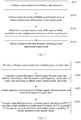
- step S202 of classifying, according to the calculated sound frequency, each piece of audio data according to blank sound, human sound, and noise, as shown in FIG. 3 may be implemented by using the following procedure.
- step S301 Determine whether the sound frequency of each piece of audio data is in a range of 20 Hz to 20000 Hz; if the sound frequency of each piece of audio data is in the range of 20 Hz to 20000 Hz, perform step S302; if the sound frequency of each piece of audio data is not in the range of 20 Hz to 20000 Hz, perform step S306.
- step S104 of adjusting the volume of the user terminal according to the determined scene mode is performed, and after the user connects the call signal, during conversation, if the conversation proceeds without interference (in a quiet environment), intensity of a speech sound is generally fixed.
- a speaker Once a speaker considers that a surrounding environment is relatively noisy, the speaker subconsciously increases intensity of his speech sound; or, once the speaker considers that a current environment is very quiet (for example, previously multiple people were talking, and when one person answers a call, other people all stop talking), the person does not want the conversation sound to interfere with other people; or, once a conversation involves private information and a speaker does not want other people to hear content of the conversation, intensity of the speech sound is decreased compared with that in a normal case.
- a scheme for fine-tuning play volume for a second time is further provided, so as to achieve an effect that earpiece volume is adjusted to conform to a current situation.
- the foregoing volume adjustment method provided in this embodiment of the present invention further includes the following steps:
- the pre-stored reference volume when the acquired microphone volume is compared with the pre-stored reference volume in S402, the pre-stored reference volume may be set to a single numerical value, or may be set to a numerical value range. So long as the acquired microphone volume is in the value range, it may be considered that the acquired microphone volume is equal to the reference volume, and play volume of the earpiece does not need to be adjusted.
- the fundamental volume is generally a fixed value, and is determined and stored in a conversation process before the current conversation.
- the fundamental volume may also be updated, as shown in FIG. 5 , which may be implemented by using the following steps:
- the present invention further provides an apparatus for adjusting volume of a user terminal, as shown in FIG. 6 , including:
- the collecting unit 601 is specifically configured to: collect, when it is detected that a call signal arrives, a sound signal of a current environment in which the user terminal is located; or periodically collect a sound signal of a current environment in which the user terminal is located.
- the volume adjustment unit 604 is specifically configured to determine a volume adjustment coefficient according to the determined scene mode and a pre-stored correspondence between scene modes and volume adjustment coefficients, and adjust the volume of the user terminal according to the volume adjustment coefficient.
- the volume of the user terminal includes ring tone volume and earpiece volume; and the volume adjustment coefficient in the volume adjustment unit 604 specifically includes a ring tone volume adjustment coefficient and an earpiece volume adjustment coefficient.
- the volume adjustment unit 604 is specifically configured to adjust the ring tone volume of the user terminal according to the ring tone volume adjustment coefficient, and adjust the earpiece volume of the user terminal according to the earpiece volume adjustment coefficient.
- the foregoing apparatus provided in this embodiment of the present invention, as shown in FIG. 6 , further includes:
- the collecting unit 601 is specifically configured to: after it is detected that the call signal is connected, periodically collect the sound signal surrounding the user terminal.
- the analyzing unit 602 is further configured to: perform analysis on the sound signal that is periodically collected by the collecting module 601 after it is detected that the call signal is connected, so as to obtain the composition information of the sound signal; and determine, according to the composition information of the sound signal, whether the sound signal includes a human sound and includes a sound of only one person; if the sound signal includes a human sound and if the sound signal includes a human sound and includes the sound of the only one person a sound of only one person, calculate volume of the sound signal, obtain an average value of the calculated volume of the sound signal and the pre-stored reference volume, and store the average value as a new reference volume.
- the analyzing unit 602 specifically includes:
- the second processing unit is specifically configured to: determine whether the sound frequency of each piece of audio data is in a range of 20 Hz to 20000 Hz; when it is determined that the sound frequency of the audio data is in the range of 20 Hz to 20000 Hz, calculate a fundamental frequency of the audio data; when it is determined that the fundamental frequency is in a range of 85 Hz to 255 Hz, consider that the audio data is a human sound; when it is determined that the fundamental frequency is out of the range of 85 Hz to 255 Hz, consider that the audio data is noise; and when it is determined that the sound frequency of the audio data is out of the range of 20 Hz to 20000 Hz, consider that the audio data is a blank sound.
- volume adjustment apparatus when a current scene mode of a user terminal is determined, because reference of composition information in a sound signal is added, a corresponding current scenario is closer to a real scenario, and can more precisely match a situation in which a user is located, thereby significantly reducing occurrence of a case, caused by mistaken determining of the scenario, in which play volume adjustment does not conform to the scenario, and enhancing user experience.
- an embodiment of the present invention further provides a terminal, including a loudspeaker, an earpiece, and the foregoing volume adjustment apparatus provided in the embodiments of the present invention, where the volume adjustment apparatus is configured to adjust volume of the loudspeaker and volume of the earpiece.
- the terminal may be any product or component having a play function, such as a mobile phone, a walkie-talkie, a tablet computer, a television, a display, or a notebook computer.
- a play function such as a mobile phone, a walkie-talkie, a tablet computer, a television, a display, or a notebook computer.
- An embodiment of the present invention provides another terminal, as shown in FIG. 7 , including:
- the terminal 100 may further include a display unit 140, where the display unit 140 may be configured to display information that is input by the user or information provided for the user, and various menu interfaces of the terminal 100.
- the display unit 140 may include a display panel 141, and optionally, the display panel 141 may be an LCD (Liquid Crystal Display, liquid crystal display), an OLED (Organic Light-Emitting Diode, organic light-emitting diode), or the like.
- a memory 120 stores an executable module or a data structure, or their subsets, or their extended sets.
- a processor 160 is configured to: perform analysis on the sound signal collected by the sound sensor 150, so as to obtain composition information of the sound signal, where the composition information includes sound types included in the sound signal and proportions of sounds of the various types, and the sound types include blank sound, human sound, and noise; determine a current scene mode of the user terminal according to the composition information of the sound signal; and adjust volume of the loudspeaker 130 and/or volume of the earpiece 170 according to the determined scene mode.
- the sound sensor 150 acquires volume of a microphone 110 after it is detected that a call signal is connected.
- the processor 160 is further configured to: when the acquired microphone volume is greater than pre-stored reference volume, increase earpiece volume of the user terminal; when the acquired microphone volume is less than the pre-stored reference volume, decrease the earpiece volume of the user terminal.
- the sound sensor 150 is a unit configured to collect sound signals, and the sound sensor 150 may be specifically integrated into the microphone 110, or may be a separate component, which is not limited in the present invention.
- the terminal device 100 may further execute the method embodiments in FIG. 1 to FIG. 5 , and details are not described herein again in this embodiment of the present invention.
- a current scene mode of a user terminal when a current scene mode of a user terminal is determined, because reference of composition information in a sound signal is added, a corresponding current scenario is closer to a real scenario, and can more precisely match a situation in which a user is located, thereby significantly reducing occurrence of a case, caused by mistaken determining of the scenario, in which play volume adjustment does not conform to the scenario, and enhancing user experience.
- the embodiments of the present invention may be implemented by hardware or by software in addition to a necessary general hardware platform.
- the technical solutions in the embodiments of the present invention may be implemented in a form of a software product.
- the software product may be stored in a non-volatile storage medium (which may be a CD-ROM, a USB flash drive, a removable hard disk, or the like), and includes several instructions for instructing a computer device (which may be a personal computer, a server, a network device, or the like) to perform the methods described in the embodiments of the present invention.
- modules in the apparatuses provided in the embodiments may be arranged in the apparatuses in a distributed manner according to the description of the embodiments, or may be arranged in one or more apparatuses which are different from those described in the embodiments.
- the modules in the foregoing embodiments may be combined into one module, or split into a plurality of submodules.
Landscapes
- Engineering & Computer Science (AREA)
- Signal Processing (AREA)
- Computer Networks & Wireless Communication (AREA)
- Human Computer Interaction (AREA)
- Physics & Mathematics (AREA)
- Computational Linguistics (AREA)
- Quality & Reliability (AREA)
- Health & Medical Sciences (AREA)
- Audiology, Speech & Language Pathology (AREA)
- Acoustics & Sound (AREA)
- Multimedia (AREA)
- Environmental & Geological Engineering (AREA)
- Telephone Function (AREA)
- Circuit For Audible Band Transducer (AREA)
Claims (17)
- Verfahren zum Einstellen der Lautstärke eines Benutzerendgerätes (100), umfassend:Sammeln eines Tonsignals, das das Benutzerendgerät (100) umgibt;Durchführen einer Analyse an dem gesammelten Tonsignal, um Zusammensetzungsinformationen des Tonsignals zu erhalten, wobei die Zusammensetzungsinformationen die im Tonsignal umfassten Tonarten und die Anteile der Töne der verschiedenen Arten umfassen, und die Tonarten leeren Ton, menschlichen Klang und Rauschen umfassen;Bestimmen eines aktuellen Szenenmodus des Benutzerendgerätes (100) gemäß den Zusammensetzungsinformationen des Tonsignals; undEinstellen der Lautstärke des Benutzerendgerätes (100) entsprechend dem bestimmten Szenenmodus.
- Verfahren nach Anspruch 1, wobei das Sammeln eines Tonsignals, das das Benutzerendgerät (100) umgibt, insbesondere umfasst:wenn erkannt wird, dass ein Anrufsignal ankommt, Sammeln eines Tonsignals einer aktuellen Umgebung, in der sich das Benutzerendgerät (100) befindet; oderperiodisches Sammeln eines Tonsignals einer aktuellen Umgebung, in der sich das Benutzerendgerät (100) befindet.
- Verfahren nach Anspruch 1 oder 2, wobei das Einstellen der Lautstärke des Benutzerendgerätes (100) gemäß dem bestimmten Szenenmodus umfasst:
Bestimmen eines Lautstärkeeinstellkoeffizienten gemäß dem bestimmten Szenenmodus und einer vorab gespeicherten Übereinstimmung zwischen Szenenmodi und Lautstärkeeinstellkoeffizienten, und Einstellen der Lautstärke des Benutzerendgerätes (100) gemäß dem Lautstärkeeinstellkoeffizienten. - Verfahren nach Anspruch 3, wobei die Lautstärke des Benutzerendgerätes (100) die Lautstärke des Klingeltons und die Lautstärke des Hörers (170) umfasst; der Lautstärkeeinstellkoeffizient einen Klingelton-Lautstärkeeinstellkoeffizienten und einen Lautstärkeeinstellungskoeffizienten des Hörers (170) umfasst; und
das Einstellen der Lautstärke des Benutzerendgerätes (100) gemäß dem Lautstärkeeinstellkoeffizienten umfasst:
Einstellen der Klingeltonlautstärke des Benutzerendgerätes (100) gemäß dem Klingelton-Lautstärkeeinstellungskoeffizienten und Einstellen der Lautstärke des Hörers (170) des Benutzerendgerätes (100) gemäß dem Lautstärkeeinstellungskoeffizienten des Hörers (170). - Verfahren nach einem der Ansprüche 1 bis 4, nachdem erkannt wurde, dass das Rufsignal verbunden ist, ferner umfassend:Erfassen der Lautstärke des Mikrofons (110) des Benutzerendgerätes (100) in Echtzeit;wenn die erfasste Lautstärke des Mikrofons (110) größer als die vorab gespeicherte Referenzlautstärke ist, Erhöhen der Lautstärke des Hörers (170) des Benutzerendgerätes (100); undwenn die erfasste Lautstärke des Mikrofons (110) kleiner als die vorab gespeicherte Referenzlautstärke ist, Verringern der Lautstärke des Hörers (170) des Benutzerendgeräts (100).
- Verfahren nach Anspruch 5, wobei, nachdem festgestellt wurde, dass das Rufsignal verbunden ist, ferner umfassend:periodisches Sammeln des Tonsignals, das das Benutzerendgerät (100) umgibt, und Durchführen einer Analyse an dem gesammelten Tonsignal, um die Zusammensetzungsinformationen des Tonsignals zu erhalten; undBestimmen, gemäß den Zusammensetzungsinformationen des Tonsignals, ob das Tonsignal einen menschlichen Ton umfasst und einen Ton von nur einer Person umfasst; wenn das Tonsignal einen menschlichen Ton umfasst und einen Ton von nur einer Person umfasst, Berechnen der Lautstärke des Tonsignals, Erhalten eines Durchschnittswerts der berechneten Lautstärke des Tonsignals und der vorab gespeicherten Referenzlautstärke und Speichern des Durchschnittswerts als eine neue Referenzlautstärke.
- Verfahren nach einem der Ansprüche 1 bis 6, wobei das Durchführen der Analyse des gesammelten Tonsignals, um Zusammensetzungsinformationen des Tonsignals zu erhalten, insbesondere umfasst:Unterteilen des gesammelten Tonsignals in mehrere Audiodaten;Berechnen einer Tonfrequenz von jedem Audiodatenstück und Klassifizieren jedes Audiodatenstücks gemäß der berechneten Tonfrequenz entsprechend Leerton, menschlichem Ton und Rauschen;Sammeln von Statistiken über die Anteile von leeren Tönen, menschlichen Tönen und Rauschen in allen Audiodaten; undfür Audiodaten, die als menschlicher Ton unterschieden werden, Berechnen eines Mel-Frequenz-Cepstrum-Koeffizienten von Audiodaten eines menschlichen Tons und Sammeln von Statistiken über Audiodaten mit einem gleichen Mel-Frequenz-Cepstrum-Koeffizienten wie Töne einer Person, um Informationen über eine Anzahl von Personen zu bestimmen, die in dem menschlichen Ton umfasst sind.
- Verfahren nach Anspruch 7, wobei das Klassifizieren, gemäß der berechneten Tonfrequenz, jedes Audiodatenteils Audiodaten gemäß Leerton, menschlichem Ton und Rauschen insbesondere umfasst:Bestimmen, ob die Tonfrequenz jedes Audiodatenteils in einem Bereich von 20 Hz bis 20000 Hz liegt;wenn bestimmt wird, dass die Tonfrequenz der Audiodaten im Bereich von 20 Hz bis 20000 Hz liegt, Berechnen einer Grundfrequenz der Audiodaten; wenn bestimmt wird, dass die Grundfrequenz in einem Bereich von 85 Hz bis 255 Hz liegt, in Betracht ziehen, dass die Audiodaten ein menschlicher Ton sind;wenn bestimmt wird, dass die Grundfrequenz außerhalb des Bereichs von 85 Hz bis 255 Hz liegt, in Betracht ziehen, dass die Audiodaten Rauschen sind; undwenn bestimmt wird, dass die Tonfrequenz der Audiodaten außerhalb des Bereichs von 20 Hz bis 20000 Hz liegt, in Betracht ziehen, dass die Audiodaten ein leerer Ton sind.
- Vorrichtung zum Einstellen der Lautstärke eines Benutzerendgerätes (100), umfassend:eine Sammeleinheit (601), die zum Sammeln eines Tonsignals, das das Benutzerendgerät (100) umgibt, ausgelegt ist;eine Analyseeinheit (602), die zum Durchführen einer Analyse an dem gesammelten Tonsignal ausgelegt ist, um eine Zusammensetzungsinformation des Tonsignals zu erhalten, wobei die Zusammensetzungsinformation Tonarten umfasst, die im Tonsignal umfasst sind, und Anteile von Tönen der verschiedenen Arten, und die Tonarten Leerton, menschlichen Ton und Geräusch umfassen;eine Szenenmodus-Bestimmungseinheit (603), die zum Bestimmen eines aktuellen Szenenmodus des Benutzerendgerätes (100) gemäß den Zusammensetzungsinformationen des Tonsignals ausgelegt ist; undeine Lautstärkeeinstelleinheit (604), die zum Einstellen der Lautstärke des Benutzerendgerätes (100) gemäß dem bestimmten Szenenmodus ausgelegt ist.
- Vorrichtung nach Anspruch 9, wobei die Sammeleinheit (601) insbesondere ausgelegt ist zum: Sammeln eines Tonsignals einer aktuellen Umgebung, in der sich das Benutzerendgerät (100) befindet, wenn erkannt wird, dass ein Rufsignal ankommt; oder zum periodischen Sammeln eines Tonsignals einer aktuellen Umgebung, in der sich das Benutzerendgerät (100) befindet.
- Vorrichtung nach Anspruch 9 oder 10, wobei die Lautstärkeeinstelleinheit (604) insbesondere zum Bestimmen eines Lautstärkeeinstellkoeffizienten gemäß dem bestimmten Szenenmodus und einer vorab gespeicherten Übereinstimmung zwischen Szenenmodus und Lautstärkeeinstellkoeffizienten ausgelegt ist, und zum Einstellen der Lautstärke des Benutzerendgeräts (100) gemäß dem Lautstärkeeinstellkoeffizienten.
- Vorrichtung nach Anspruch 11, wobei die Lautstärke des Benutzerendgerätes (100) die Lautstärke des Klingeltons und die Lautstärke des Hörers (170) umfasst; der Lautstärkeeinstellkoeffizient in der Lautstärkeeinstelleinheit insbesondere einen Klingelton-Lautstärkeeinstellkoeffizienten und einen Lautstärkeeinstellkoeffizienten des Hörers (170) umfasst; und
die Lautstärkeeinstelleinheit (604) insbesondere zum Einstellen der Klingeltonlautstärke des Benutzerendgerätes (100) gemäß dem Klingelton-Lautstärkeeinstellkoeffizienten und zum Einstellen der Lautstärke des Hörers (170) des Benutzerendgerätes (100) gemäß dem Lautstärkeeinstellkoeffizienten des Hörers (170) ausgelegt ist. - Vorrichtung nach einem der Ansprüche 9 bis 12, ferner umfassend:eine Erfassungseinheit (605), die ausgelegt ist zum: Erfassen der Lautstärke des Mikrofons (110) des Benutzerendgerätes (100) in Echtzeit, nachdem erfasst wurde, dass das Rufsignal verbunden ist; undeine Vergleichseinheit (606), die zum Vergleichen der Größen der erfassten Lautstärke des Mikrofons (110) und der vorab gespeicherten Referenzlautstärke ausgelegt ist; wobeidie Lautstärkeeinstelleinheit ferner ausgelegt ist zum: wenn die erfasste Lautstärke des Mikrofons (110) größer als die vorab gespeicherte Referenzlautstärke ist, erhöhen der Lautstärke des Hörers (170) des Benutzerendgerätes (100); wenn die aufgenommene Lautstärke des Mikrofons (110) kleiner als die vorab gespeicherte Referenzlautstärke ist, verringern der Lautstärke des Hörers (170) des Benutzerendgeräts (100).
- Vorrichtung nach Anspruch 13, wobei die Sammeleinheit (601) insbesondere ausgelegt ist zum: nachdem festgestellt wurde, dass das Rufsignal verbunden ist, periodischen Sammeln des Tonsignals, das das Benutzerendgerät (100) umgibt; und die Analyseeinheit (602) ferner ausgelegt ist zum: Durchführen einer Analyse des Tonsignals, das periodisch vom Sammelmodul gesammelt wird, nachdem erkannt wurde, dass das Rufsignal verbunden ist, um die Zusammensetzungsinformationen des Tonsignals zu erhalten; und Bestimmen, gemäß den Zusammensetzungsinformationen des Tonsignals, ob das Tonsignal einen menschlichen Ton umfasst und einen Ton von nur einer Person umfasst; wenn das Tonsignal einen menschlichen Ton umfasst und einen Ton von nur einer Person umfasst, Berechnen der Lautstärke des Tonsignals, Erhalten eines Durchschnittswerts der berechneten Lautstärke des Tonsignals und der vorab gespeicherten Referenzlautstärke und Speichern des Durchschnittswerts als eine neue Referenzlautstärke.
- Vorrichtung nach einem der Ansprüche 9 bis 14, wobei die Analyseeinheit (602) insbesondere umfasst:eine erste Verarbeitungseinheit, die zum Unterteilen des gesammelten Tonsignals in mehrere Audiodatenteile ausgelegt ist;eine zweite Verarbeitungseinheit, die zum Berechnen einer Tonfrequenz jedes Audiodatenteils und zum Klassifizieren jedes Audiodatenteils gemäß der berechneten Tonfrequenz entsprechend Leerton, menschlichen Ton und Rauschen ausgelegt ist;eine dritte Verarbeitungseinheit, die zum Sammeln von Statistiken über die Anteile von leeren Tönen, menschlichen Tönen und Rauschen in allen Audiodatenteilen ausgelegt ist; undeine vierte Verarbeitungseinheit, die ausgelegt ist zum: für Audiodaten, die als menschlicher Ton unterschieden werden, Berechnen eines Mel-Frequenz-Cepstrum-Koeffizienten und Sammeln von Statistiken über Audiodaten eines gleichen Mel-Frequenz-Cepstrum-Koeffizienten wie Töne einer Person, um Informationen über eine Anzahl von Personen zu bestimmen, die in dem menschlichen Ton enthalten sind.
- Vorrichtung nach Anspruch 15, wobei die zweite Verarbeitungseinheit insbesondere ausgelegt ist zum: Bestimmen, ob die Tonfrequenz jedes Audiodatenteils in einem Bereich von 20 Hz bis 20000 Hz liegt; wenn bestimmt wird, dass die Tonfrequenz der Audiodaten im Bereich von 20 Hz bis 20000 Hz liegt, Berechnen einer Grundfrequenz der Audiodaten; wenn bestimmt wird, dass die Grundfrequenz in einem Bereich von 85 Hz bis 255 Hz liegt, in Betracht ziehen, dass die Audiodaten ein menschlicher Ton sind; wenn bestimmt wird, dass die Grundfrequenz außerhalb des Bereichs von 85 Hz bis 255 Hz liegt, in Betracht ziehen, dass die Audiodaten Rauschen sind; und wenn bestimmt wird, dass die Tonfrequenz der Audiodaten außerhalb des Bereichs von 20 Hz bis 20000 Hz liegt, in Betracht ziehen, dass die Audiodaten ein leerer Ton sind.
- Endgerät (100), umfassend einen Lautsprecher (130) und einen Hörer (170), und ferner umfassend die Lautstärkeeinstellvorrichtung nach einem der Ansprüche 9 bis 16.
Priority Applications (1)
| Application Number | Priority Date | Filing Date | Title |
|---|---|---|---|
| EP19173795.6A EP3611910B1 (de) | 2014-04-16 | 2015-02-12 | Verfahren und vorrichtung zur lautstärkeeinstellung eines benutzerendgeräts und endgerät |
Applications Claiming Priority (2)
| Application Number | Priority Date | Filing Date | Title |
|---|---|---|---|
| CN201410152521.9A CN103945062B (zh) | 2014-04-16 | 2014-04-16 | 一种用户终端的音量调节方法、装置及终端 |
| PCT/CN2015/072906 WO2015158182A1 (zh) | 2014-04-16 | 2015-02-12 | 一种用户终端的音量调节方法、装置及终端 |
Related Child Applications (2)
| Application Number | Title | Priority Date | Filing Date |
|---|---|---|---|
| EP19173795.6A Division EP3611910B1 (de) | 2014-04-16 | 2015-02-12 | Verfahren und vorrichtung zur lautstärkeeinstellung eines benutzerendgeräts und endgerät |
| EP19173795.6A Division-Into EP3611910B1 (de) | 2014-04-16 | 2015-02-12 | Verfahren und vorrichtung zur lautstärkeeinstellung eines benutzerendgeräts und endgerät |
Publications (3)
| Publication Number | Publication Date |
|---|---|
| EP3133799A1 EP3133799A1 (de) | 2017-02-22 |
| EP3133799A4 EP3133799A4 (de) | 2017-05-10 |
| EP3133799B1 true EP3133799B1 (de) | 2019-07-24 |
Family
ID=51192536
Family Applications (2)
| Application Number | Title | Priority Date | Filing Date |
|---|---|---|---|
| EP15780360.2A Active EP3133799B1 (de) | 2014-04-16 | 2015-02-12 | Lautstärkenanpassungsverfahren, vorrichtung und endgerät eines benutzerendgeräts |
| EP19173795.6A Active EP3611910B1 (de) | 2014-04-16 | 2015-02-12 | Verfahren und vorrichtung zur lautstärkeeinstellung eines benutzerendgeräts und endgerät |
Family Applications After (1)
| Application Number | Title | Priority Date | Filing Date |
|---|---|---|---|
| EP19173795.6A Active EP3611910B1 (de) | 2014-04-16 | 2015-02-12 | Verfahren und vorrichtung zur lautstärkeeinstellung eines benutzerendgeräts und endgerät |
Country Status (7)
| Country | Link |
|---|---|
| US (6) | US9866707B2 (de) |
| EP (2) | EP3133799B1 (de) |
| JP (1) | JP6381153B2 (de) |
| KR (1) | KR101884709B1 (de) |
| CN (1) | CN103945062B (de) |
| TW (1) | TWI570624B (de) |
| WO (1) | WO2015158182A1 (de) |
Cited By (1)
| Publication number | Priority date | Publication date | Assignee | Title |
|---|---|---|---|---|
| EP3300341A4 (de) * | 2015-05-18 | 2018-12-12 | Baidu Online Network Technology (Beijing) Co., Ltd | Volumenanpassungsverfahren, -system und -vorrichtung sowie computerspeichermedium |
Families Citing this family (68)
| Publication number | Priority date | Publication date | Assignee | Title |
|---|---|---|---|---|
| CN103945062B (zh) | 2014-04-16 | 2017-01-18 | 华为技术有限公司 | 一种用户终端的音量调节方法、装置及终端 |
| CN105406828A (zh) * | 2014-08-22 | 2016-03-16 | 小米科技有限责任公司 | 音响调节方法及装置 |
| US9508344B2 (en) * | 2014-10-15 | 2016-11-29 | Delphi Technologies, Inc. | Automatic volume control based on speech recognition |
| CN104657072B (zh) * | 2015-01-15 | 2018-06-12 | 小米科技有限责任公司 | 一种触发执行操作指令的方法和装置 |
| CN105895092B (zh) * | 2015-01-26 | 2020-12-18 | 阿里巴巴集团控股有限公司 | 一种处理环境声音的方法和装置 |
| US9678708B2 (en) | 2015-04-24 | 2017-06-13 | Sonos, Inc. | Volume limit |
| CN106469040B (zh) | 2015-08-19 | 2019-06-21 | 华为终端有限公司 | 通信方法、服务器及设备 |
| CN106486132A (zh) * | 2015-08-26 | 2017-03-08 | 天津三星电子有限公司 | 一种调节显示终端音量的方法及其显示终端 |
| CN105306673A (zh) * | 2015-09-07 | 2016-02-03 | 惠州Tcl移动通信有限公司 | 移动终端及其自动调整情景模式的方法 |
| CN105260642A (zh) * | 2015-10-30 | 2016-01-20 | 宁波萨瑞通讯有限公司 | 一种隐私保护方法及移动终端 |
| KR20170051856A (ko) * | 2015-11-02 | 2017-05-12 | 주식회사 아이티매직 | 사운드 신호에서 진단 신호를 추출하는 방법 및 진단 장치 |
| CN105677289A (zh) * | 2015-12-31 | 2016-06-15 | 联想(北京)有限公司 | 一种信息处理方法及电子设备 |
| CN106060236A (zh) * | 2016-05-05 | 2016-10-26 | 广东小天才科技有限公司 | 一种提高通话质量的方法及系统 |
| CN106126177A (zh) * | 2016-06-21 | 2016-11-16 | 中国农业大学 | 一种目标声音的音量调节系统及方法 |
| CN106231123A (zh) * | 2016-09-09 | 2016-12-14 | 珠海市魅族科技有限公司 | 语音通话方法及装置 |
| CN106535042B (zh) * | 2016-10-27 | 2019-05-07 | 广州视源电子科技股份有限公司 | 车载扬声器的音量控制方法、装置及系统 |
| CN106782625B (zh) * | 2016-11-29 | 2019-07-02 | 北京小米移动软件有限公司 | 音频处理方法和装置 |
| CN106487410B (zh) * | 2016-12-13 | 2019-06-04 | 北京奇虎科技有限公司 | 一种消息免打扰的权限控制方法及装置 |
| CN106598541A (zh) * | 2016-12-21 | 2017-04-26 | 深圳Tcl数字技术有限公司 | 声音调节方法和系统 |
| US10469800B2 (en) * | 2017-01-26 | 2019-11-05 | Antimatter Research, Inc. | Always-on telepresence device |
| CN106992012A (zh) | 2017-03-24 | 2017-07-28 | 联想(北京)有限公司 | 语音处理方法及电子设备 |
| US10558421B2 (en) * | 2017-05-22 | 2020-02-11 | International Business Machines Corporation | Context based identification of non-relevant verbal communications |
| CN107343095B (zh) * | 2017-06-30 | 2020-10-09 | Oppo广东移动通信有限公司 | 通话音量控制方法、装置、存储介质及终端 |
| CN107690025B (zh) * | 2017-07-05 | 2020-11-10 | 山东兴创信息科技有限公司 | 一种参数调节方法及终端 |
| CN107277260A (zh) * | 2017-07-07 | 2017-10-20 | 珠海格力电器股份有限公司 | 一种情景模式调整方法、装置和移动终端 |
| CN107295196A (zh) * | 2017-07-24 | 2017-10-24 | 上海斐讯数据通信技术有限公司 | 一种智能调整移动终端输出音量的方法及系统 |
| CN107562403A (zh) * | 2017-08-09 | 2018-01-09 | 深圳市汉普电子技术开发有限公司 | 一种音量调节方法、智能设备及存储介质 |
| CN107371102B (zh) * | 2017-08-18 | 2020-06-26 | Oppo广东移动通信有限公司 | 音频播放音量的控制方法、装置及存储介质和移动终端 |
| CN107483731A (zh) * | 2017-08-18 | 2017-12-15 | 广东欧珀移动通信有限公司 | 音频播放音量的控制方法、装置及存储介质和移动终端 |
| CN107484000A (zh) * | 2017-09-29 | 2017-12-15 | 北京奇艺世纪科技有限公司 | 一种终端的音量调节方法、装置及语音遥控器 |
| CN109660653A (zh) * | 2017-10-11 | 2019-04-19 | 成都鼎桥通信技术有限公司 | 音量控制方法和装置 |
| KR101986905B1 (ko) | 2017-10-31 | 2019-06-07 | 전자부품연구원 | 신호 분석 및 딥 러닝 기반의 오디오 음량 제어 방법 및 시스템 |
| WO2019100371A1 (zh) * | 2017-11-27 | 2019-05-31 | 深圳传音通讯有限公司 | 一种通话音量调节方法和装置 |
| US10979814B2 (en) | 2018-01-17 | 2021-04-13 | Beijing Xiaoniao Tingling Technology Co., LTD | Adaptive audio control device and method based on scenario identification |
| CN110049403A (zh) * | 2018-01-17 | 2019-07-23 | 北京小鸟听听科技有限公司 | 一种基于场景识别的自适应音频控制装置和方法 |
| CN108521521B (zh) * | 2018-04-19 | 2021-04-02 | Oppo广东移动通信有限公司 | 音量调节方法、移动终端及计算机可读存储介质 |
| CN110753288B (zh) * | 2018-07-23 | 2021-08-17 | 中国电信股份有限公司 | 音箱音量自动调节的方法和系统 |
| CN109034897A (zh) * | 2018-07-24 | 2018-12-18 | 王耀资 | 一种网吧运营管理方法及装置 |
| CN108920129A (zh) | 2018-07-27 | 2018-11-30 | 联想(北京)有限公司 | 信息处理方法和信息处理系统 |
| CN109348047A (zh) * | 2018-09-28 | 2019-02-15 | 东莞市欧珀精密电子有限公司 | 响铃控制方法及相关装置 |
| CN113168302B (zh) * | 2018-11-26 | 2026-02-17 | 深圳市欢太科技有限公司 | 一种音频模式校正的方法、装置及电子设备 |
| CN112151025B (zh) * | 2019-06-28 | 2024-09-20 | 百度在线网络技术(北京)有限公司 | 音量调节方法、装置、设备和存储介质 |
| CN110290468B (zh) * | 2019-07-04 | 2020-09-22 | 英华达(上海)科技有限公司 | 虚拟隔音通信方法、装置、系统、电子设备、存储介质 |
| CN110677717B (zh) * | 2019-09-18 | 2021-08-31 | 深圳创维-Rgb电子有限公司 | 一种音频补偿方法、智能电视及存储介质 |
| CN110995925A (zh) * | 2019-11-27 | 2020-04-10 | 广东以诺通讯有限公司 | 一种调节音量大小的方法、系统、移动终端及存储介质 |
| CN111081275B (zh) * | 2019-12-20 | 2023-05-26 | 惠州Tcl移动通信有限公司 | 基于声音分析的终端处理方法、装置、存储介质及终端 |
| CN111897510A (zh) * | 2020-07-30 | 2020-11-06 | 成都新潮传媒集团有限公司 | 多媒体设备的音量调节方法、装置及计算机可读存储介质 |
| CN112291672B (zh) * | 2020-10-30 | 2023-09-01 | 维沃移动通信有限公司 | 扬声器的控制方法、控制装置以及电子设备 |
| CN114827337B (zh) * | 2021-01-19 | 2023-08-18 | 博泰车联网(南京)有限公司 | 音量调整的方法、装置、设备及存储介质 |
| CN113038256A (zh) * | 2021-02-08 | 2021-06-25 | 深圳创维-Rgb电子有限公司 | 电子设备的音频输出方法、智能电视及可读存储介质 |
| TWI792205B (zh) | 2021-03-02 | 2023-02-11 | 瑞昱半導體股份有限公司 | 基於超聲波的音訊播放方法及基於超聲波的電子裝置 |
| CN113055784A (zh) * | 2021-03-15 | 2021-06-29 | 北京达佳互联信息技术有限公司 | 音量调节方法及装置 |
| WO2022198397A1 (zh) * | 2021-03-22 | 2022-09-29 | 北京小米移动软件有限公司 | 控制指示方法和装置、行为控制方法和装置 |
| US12395592B1 (en) * | 2021-05-12 | 2025-08-19 | Fuze, Inc. | Handset calibration and location |
| CN113380244A (zh) * | 2021-05-28 | 2021-09-10 | 幻境虚拟现实(广州)智能科技研究院有限公司 | 一种设备播放音量的智能调节方法和系统 |
| CN113709625B (zh) * | 2021-06-04 | 2023-12-29 | 北京工业大学 | 自适应的音量调节方法 |
| CN113345447B (zh) * | 2021-08-09 | 2021-10-29 | 北京百瑞互联技术有限公司 | 防止广告干扰的音频编解码方法、系统、发射器及接收器 |
| CN113889154B (zh) * | 2021-09-30 | 2024-03-19 | 广州维梦科技有限公司 | 声音录制方法、终端、存储介质 |
| CN114071220B (zh) * | 2021-11-04 | 2024-01-19 | 深圳Tcl新技术有限公司 | 音效调节方法、装置、存储介质及电子设备 |
| CN116264597A (zh) * | 2021-12-14 | 2023-06-16 | 深圳市万普拉斯科技有限公司 | 通讯终端及其情景模式的设置方法以及设置装置 |
| CN114666439B (zh) * | 2022-03-18 | 2024-04-30 | 北京小米移动软件有限公司 | 一种调节深色模式显示状态的方法、装置及介质 |
| CN115086834A (zh) * | 2022-04-22 | 2022-09-20 | 一汽奔腾轿车有限公司 | 一种车载多媒体音量自适应调节系统及调节方法 |
| CN115495040A (zh) * | 2022-10-09 | 2022-12-20 | 湖南捷力泰科技有限公司 | 基于场景类型的声音控制方法及相关装置 |
| WO2024094282A1 (en) * | 2022-10-31 | 2024-05-10 | Telefonaktiebolaget Lm Ericsson (Publ) | Audibly notifying a user |
| CN118972491A (zh) * | 2023-05-15 | 2024-11-15 | 华为技术有限公司 | 调整通话音量的方法及电子设备 |
| CN117061927B (zh) * | 2023-08-30 | 2024-03-22 | 江西瑞声电子有限公司 | 一种耳机播放的控制方法、电子设备及存储介质 |
| CN118567601B (zh) * | 2024-05-16 | 2024-12-27 | 恩平市西特尔电子科技有限公司 | 功放系统音量的调节方法、装置、设备及存储介质 |
| CN120412579B (zh) * | 2025-05-20 | 2026-01-27 | 宁波蓝科电子工程有限公司 | 一种用于交互的语音翻译屏控制方法及系统 |
Family Cites Families (25)
| Publication number | Priority date | Publication date | Assignee | Title |
|---|---|---|---|---|
| JPH10136058A (ja) * | 1996-10-25 | 1998-05-22 | Oki Electric Ind Co Ltd | 音響調整装置 |
| KR19990026882A (ko) | 1997-09-26 | 1999-04-15 | 김덕중 | 음량 제어 장치 |
| HK1049927B (zh) * | 1999-03-30 | 2005-05-13 | 高通股份有限公司 | 移動電話內揚聲器及話筒增益的自動調節方法和裝置 |
| DE20000409U1 (de) * | 2000-01-12 | 2000-04-06 | Hocker, Thomas, Dr.-Ing., 67434 Neustadt | Telefon mit automatischer Klingellautstärkenanpassung |
| JP2001223767A (ja) * | 2000-02-07 | 2001-08-17 | Hitachi Ltd | 携帯電話装置 |
| JP4200348B2 (ja) | 2001-07-06 | 2008-12-24 | 日本電気株式会社 | 移動体端末及びその着信鳴動方法 |
| CN1507293A (zh) * | 2002-12-09 | 2004-06-23 | Ӣҵ�O�ţ��Ϻ������Ӽ�������˾ | 智能化调节移动通讯装置耳机音量的方法 |
| US20040127197A1 (en) * | 2002-12-30 | 2004-07-01 | Roskind James A. | Automatically changing a mobile device configuration |
| US20050026568A1 (en) | 2003-08-01 | 2005-02-03 | Hawker Larry E. | System and method of acoustically safe automatic handsfree volume adjustment |
| US7392066B2 (en) * | 2004-06-17 | 2008-06-24 | Ixi Mobile (R&D), Ltd. | Volume control system and method for a mobile communication device |
| US7469155B2 (en) * | 2004-11-29 | 2008-12-23 | Cisco Technology, Inc. | Handheld communications device with automatic alert mode selection |
| CN1783892A (zh) * | 2004-12-02 | 2006-06-07 | 华为技术有限公司 | 移动终端中自动切换情景模式的实现方法及其装置 |
| TWI263435B (en) | 2005-07-29 | 2006-10-01 | Inventec Appliances Corp | Communication apparatus with automatic ring adjustment |
| CN101304455A (zh) * | 2008-06-26 | 2008-11-12 | 中兴通讯股份有限公司 | 一种移动终端声环境自适应调整装置和方法 |
| CN101771390B (zh) * | 2008-12-30 | 2013-03-06 | 英业达股份有限公司 | 声音输出输入系统及其音量输出调整方法 |
| TWI384845B (zh) | 2008-12-31 | 2013-02-01 | Inventec Appliances Corp | 可攜式通訊裝置及其來電告知控制方法 |
| JP2010258687A (ja) * | 2009-04-23 | 2010-11-11 | Fujitsu Ltd | 無線通信装置 |
| CN103139351B (zh) * | 2011-11-24 | 2016-10-05 | 联想(北京)有限公司 | 音量控制方法、装置及通信终端 |
| KR20130062228A (ko) | 2011-12-02 | 2013-06-12 | 삼성전자주식회사 | 휴대단말기의 프로파일 자동 전환 방법 및 장치 |
| US20130143543A1 (en) * | 2011-12-02 | 2013-06-06 | Samsung Electronics Co., Ltd. | Method and device for automatically switching a profile of a mobile phone |
| CN103187081A (zh) * | 2011-12-28 | 2013-07-03 | 鸿富锦精密工业(深圳)有限公司 | 音量调节方法及系统 |
| CN103259907A (zh) * | 2012-02-15 | 2013-08-21 | 深圳富泰宏精密工业有限公司 | 情景模式切换系统及方法 |
| CN103002106B (zh) * | 2012-10-16 | 2016-12-21 | 东莞宇龙通信科技有限公司 | 移动终端和移动终端音量的调节方法 |
| CN103618835A (zh) * | 2013-12-13 | 2014-03-05 | 惠州Tcl移动通信有限公司 | 一种根据周围噪音大小自动切换情景模式的方法及系统 |
| CN103945062B (zh) * | 2014-04-16 | 2017-01-18 | 华为技术有限公司 | 一种用户终端的音量调节方法、装置及终端 |
-
2014
- 2014-04-16 CN CN201410152521.9A patent/CN103945062B/zh active Active
-
2015
- 2015-02-12 EP EP15780360.2A patent/EP3133799B1/de active Active
- 2015-02-12 EP EP19173795.6A patent/EP3611910B1/de active Active
- 2015-02-12 KR KR1020167032006A patent/KR101884709B1/ko active Active
- 2015-02-12 JP JP2016563102A patent/JP6381153B2/ja active Active
- 2015-02-12 WO PCT/CN2015/072906 patent/WO2015158182A1/zh not_active Ceased
- 2015-04-16 TW TW104112179A patent/TWI570624B/zh active
-
2016
- 2016-10-14 US US15/293,372 patent/US9866707B2/en active Active
-
2017
- 2017-11-29 US US15/825,911 patent/US10200545B2/en active Active
-
2018
- 2018-12-21 US US16/230,060 patent/US10554826B2/en active Active
-
2019
- 2019-01-14 US US16/246,729 patent/US10516788B2/en active Active
-
2020
- 2020-01-07 US US16/735,926 patent/US11044369B2/en active Active
-
2021
- 2021-05-20 US US17/325,918 patent/US11483434B2/en active Active
Non-Patent Citations (1)
| Title |
|---|
| None * |
Cited By (1)
| Publication number | Priority date | Publication date | Assignee | Title |
|---|---|---|---|---|
| EP3300341A4 (de) * | 2015-05-18 | 2018-12-12 | Baidu Online Network Technology (Beijing) Co., Ltd | Volumenanpassungsverfahren, -system und -vorrichtung sowie computerspeichermedium |
Also Published As
| Publication number | Publication date |
|---|---|
| US20200145539A1 (en) | 2020-05-07 |
| WO2015158182A1 (zh) | 2015-10-22 |
| US20190149668A1 (en) | 2019-05-16 |
| US11044369B2 (en) | 2021-06-22 |
| US10200545B2 (en) | 2019-02-05 |
| US20190132453A1 (en) | 2019-05-02 |
| US10554826B2 (en) | 2020-02-04 |
| JP6381153B2 (ja) | 2018-08-29 |
| TW201541344A (zh) | 2015-11-01 |
| CN103945062B (zh) | 2017-01-18 |
| US20210274049A1 (en) | 2021-09-02 |
| EP3611910B1 (de) | 2022-11-30 |
| US9866707B2 (en) | 2018-01-09 |
| TWI570624B (zh) | 2017-02-11 |
| US20170034362A1 (en) | 2017-02-02 |
| CN103945062A (zh) | 2014-07-23 |
| US20180084116A1 (en) | 2018-03-22 |
| KR101884709B1 (ko) | 2018-08-02 |
| US11483434B2 (en) | 2022-10-25 |
| EP3133799A1 (de) | 2017-02-22 |
| US10516788B2 (en) | 2019-12-24 |
| JP2017514392A (ja) | 2017-06-01 |
| EP3611910A1 (de) | 2020-02-19 |
| KR20160145730A (ko) | 2016-12-20 |
| EP3133799A4 (de) | 2017-05-10 |
Similar Documents
| Publication | Publication Date | Title |
|---|---|---|
| US11483434B2 (en) | Method and apparatus for adjusting volume of user terminal, and terminal | |
| US11432065B2 (en) | Automatic keyword pass-through system | |
| US10720153B2 (en) | Name-sensitive listening device | |
| US20170318374A1 (en) | Headset, an apparatus and a method with automatic selective voice pass-through | |
| CN109360549B (zh) | 一种数据处理方法、穿戴设备和用于数据处理的装置 | |
| US20180054688A1 (en) | Personal Audio Lifestyle Analytics and Behavior Modification Feedback | |
| WO2016184119A1 (zh) | 一种音量调节方法、系统、设备和计算机存储介质 | |
| CN104036771A (zh) | 信号处理装置、信号处理方法和存储介质 | |
| US8259954B2 (en) | Enhancing comprehension of phone conversation while in a noisy environment | |
| CN115396776B (zh) | 耳机的控制方法、装置、耳机及计算机可读存储介质 | |
| CN104202485B (zh) | 一种安全通话方法、装置和移动终端 | |
| CN113038337A (zh) | 一种音频播放方法、无线耳机和计算机可读存储介质 | |
| CN108449506A (zh) | 语音通话数据处理方法、装置、存储介质及移动终端 | |
| CN104851423B (zh) | 一种声音信息处理方法及装置 | |
| US20130079908A1 (en) | Electronic device with automatic pause function and method thereof | |
| US9706287B2 (en) | Sidetone-based loudness control for groups of headset users | |
| US12621598B2 (en) | Automatic keyword pass-through system | |
| EP3288035B1 (de) | Persönliche audio-analyse und verhaltensänderungs-feedback | |
| CN111694539A (zh) | 在听筒和扬声器之间切换的方法、装置及介质 |
Legal Events
| Date | Code | Title | Description |
|---|---|---|---|
| STAA | Information on the status of an ep patent application or granted ep patent |
Free format text: STATUS: THE INTERNATIONAL PUBLICATION HAS BEEN MADE |
|
| PUAI | Public reference made under article 153(3) epc to a published international application that has entered the european phase |
Free format text: ORIGINAL CODE: 0009012 |
|
| STAA | Information on the status of an ep patent application or granted ep patent |
Free format text: STATUS: REQUEST FOR EXAMINATION WAS MADE |
|
| 17P | Request for examination filed |
Effective date: 20161114 |
|
| AK | Designated contracting states |
Kind code of ref document: A1 Designated state(s): AL AT BE BG CH CY CZ DE DK EE ES FI FR GB GR HR HU IE IS IT LI LT LU LV MC MK MT NL NO PL PT RO RS SE SI SK SM TR |
|
| AX | Request for extension of the european patent |
Extension state: BA ME |
|
| A4 | Supplementary search report drawn up and despatched |
Effective date: 20170406 |
|
| RIC1 | Information provided on ipc code assigned before grant |
Ipc: H03G 3/32 20060101ALI20170401BHEP Ipc: H04M 19/04 20060101ALI20170401BHEP Ipc: H04W 88/02 20090101ALI20170401BHEP Ipc: G10L 21/0232 20130101ALI20170401BHEP Ipc: H04M 1/725 20060101AFI20170401BHEP |
|
| DAX | Request for extension of the european patent (deleted) | ||
| GRAP | Despatch of communication of intention to grant a patent |
Free format text: ORIGINAL CODE: EPIDOSNIGR1 |
|
| STAA | Information on the status of an ep patent application or granted ep patent |
Free format text: STATUS: GRANT OF PATENT IS INTENDED |
|
| INTG | Intention to grant announced |
Effective date: 20190201 |
|
| GRAS | Grant fee paid |
Free format text: ORIGINAL CODE: EPIDOSNIGR3 |
|
| GRAA | (expected) grant |
Free format text: ORIGINAL CODE: 0009210 |
|
| STAA | Information on the status of an ep patent application or granted ep patent |
Free format text: STATUS: THE PATENT HAS BEEN GRANTED |
|
| AK | Designated contracting states |
Kind code of ref document: B1 Designated state(s): AL AT BE BG CH CY CZ DE DK EE ES FI FR GB GR HR HU IE IS IT LI LT LU LV MC MK MT NL NO PL PT RO RS SE SI SK SM TR |
|
| REG | Reference to a national code |
Ref country code: GB Ref legal event code: FG4D |
|
| REG | Reference to a national code |
Ref country code: CH Ref legal event code: EP |
|
| REG | Reference to a national code |
Ref country code: DE Ref legal event code: R096 Ref document number: 602015034395 Country of ref document: DE |
|
| REG | Reference to a national code |
Ref country code: AT Ref legal event code: REF Ref document number: 1159651 Country of ref document: AT Kind code of ref document: T Effective date: 20190815 |
|
| REG | Reference to a national code |
Ref country code: IE Ref legal event code: FG4D |
|
| REG | Reference to a national code |
Ref country code: NL Ref legal event code: MP Effective date: 20190724 |
|
| REG | Reference to a national code |
Ref country code: LT Ref legal event code: MG4D |
|
| REG | Reference to a national code |
Ref country code: AT Ref legal event code: MK05 Ref document number: 1159651 Country of ref document: AT Kind code of ref document: T Effective date: 20190724 |
|
| PG25 | Lapsed in a contracting state [announced via postgrant information from national office to epo] |
Ref country code: FI Free format text: LAPSE BECAUSE OF FAILURE TO SUBMIT A TRANSLATION OF THE DESCRIPTION OR TO PAY THE FEE WITHIN THE PRESCRIBED TIME-LIMIT Effective date: 20190724 Ref country code: HR Free format text: LAPSE BECAUSE OF FAILURE TO SUBMIT A TRANSLATION OF THE DESCRIPTION OR TO PAY THE FEE WITHIN THE PRESCRIBED TIME-LIMIT Effective date: 20190724 Ref country code: LT Free format text: LAPSE BECAUSE OF FAILURE TO SUBMIT A TRANSLATION OF THE DESCRIPTION OR TO PAY THE FEE WITHIN THE PRESCRIBED TIME-LIMIT Effective date: 20190724 Ref country code: NL Free format text: LAPSE BECAUSE OF FAILURE TO SUBMIT A TRANSLATION OF THE DESCRIPTION OR TO PAY THE FEE WITHIN THE PRESCRIBED TIME-LIMIT Effective date: 20190724 Ref country code: SE Free format text: LAPSE BECAUSE OF FAILURE TO SUBMIT A TRANSLATION OF THE DESCRIPTION OR TO PAY THE FEE WITHIN THE PRESCRIBED TIME-LIMIT Effective date: 20190724 Ref country code: PT Free format text: LAPSE BECAUSE OF FAILURE TO SUBMIT A TRANSLATION OF THE DESCRIPTION OR TO PAY THE FEE WITHIN THE PRESCRIBED TIME-LIMIT Effective date: 20191125 Ref country code: BG Free format text: LAPSE BECAUSE OF FAILURE TO SUBMIT A TRANSLATION OF THE DESCRIPTION OR TO PAY THE FEE WITHIN THE PRESCRIBED TIME-LIMIT Effective date: 20191024 Ref country code: AT Free format text: LAPSE BECAUSE OF FAILURE TO SUBMIT A TRANSLATION OF THE DESCRIPTION OR TO PAY THE FEE WITHIN THE PRESCRIBED TIME-LIMIT Effective date: 20190724 Ref country code: NO Free format text: LAPSE BECAUSE OF FAILURE TO SUBMIT A TRANSLATION OF THE DESCRIPTION OR TO PAY THE FEE WITHIN THE PRESCRIBED TIME-LIMIT Effective date: 20191024 |
|
| PG25 | Lapsed in a contracting state [announced via postgrant information from national office to epo] |
Ref country code: ES Free format text: LAPSE BECAUSE OF FAILURE TO SUBMIT A TRANSLATION OF THE DESCRIPTION OR TO PAY THE FEE WITHIN THE PRESCRIBED TIME-LIMIT Effective date: 20190724 Ref country code: AL Free format text: LAPSE BECAUSE OF FAILURE TO SUBMIT A TRANSLATION OF THE DESCRIPTION OR TO PAY THE FEE WITHIN THE PRESCRIBED TIME-LIMIT Effective date: 20190724 Ref country code: GR Free format text: LAPSE BECAUSE OF FAILURE TO SUBMIT A TRANSLATION OF THE DESCRIPTION OR TO PAY THE FEE WITHIN THE PRESCRIBED TIME-LIMIT Effective date: 20191025 Ref country code: LV Free format text: LAPSE BECAUSE OF FAILURE TO SUBMIT A TRANSLATION OF THE DESCRIPTION OR TO PAY THE FEE WITHIN THE PRESCRIBED TIME-LIMIT Effective date: 20190724 Ref country code: RS Free format text: LAPSE BECAUSE OF FAILURE TO SUBMIT A TRANSLATION OF THE DESCRIPTION OR TO PAY THE FEE WITHIN THE PRESCRIBED TIME-LIMIT Effective date: 20190724 Ref country code: IS Free format text: LAPSE BECAUSE OF FAILURE TO SUBMIT A TRANSLATION OF THE DESCRIPTION OR TO PAY THE FEE WITHIN THE PRESCRIBED TIME-LIMIT Effective date: 20191124 |
|
| PG25 | Lapsed in a contracting state [announced via postgrant information from national office to epo] |
Ref country code: TR Free format text: LAPSE BECAUSE OF FAILURE TO SUBMIT A TRANSLATION OF THE DESCRIPTION OR TO PAY THE FEE WITHIN THE PRESCRIBED TIME-LIMIT Effective date: 20190724 |
|
| PG25 | Lapsed in a contracting state [announced via postgrant information from national office to epo] |
Ref country code: EE Free format text: LAPSE BECAUSE OF FAILURE TO SUBMIT A TRANSLATION OF THE DESCRIPTION OR TO PAY THE FEE WITHIN THE PRESCRIBED TIME-LIMIT Effective date: 20190724 Ref country code: PL Free format text: LAPSE BECAUSE OF FAILURE TO SUBMIT A TRANSLATION OF THE DESCRIPTION OR TO PAY THE FEE WITHIN THE PRESCRIBED TIME-LIMIT Effective date: 20190724 Ref country code: DK Free format text: LAPSE BECAUSE OF FAILURE TO SUBMIT A TRANSLATION OF THE DESCRIPTION OR TO PAY THE FEE WITHIN THE PRESCRIBED TIME-LIMIT Effective date: 20190724 Ref country code: IT Free format text: LAPSE BECAUSE OF FAILURE TO SUBMIT A TRANSLATION OF THE DESCRIPTION OR TO PAY THE FEE WITHIN THE PRESCRIBED TIME-LIMIT Effective date: 20190724 Ref country code: RO Free format text: LAPSE BECAUSE OF FAILURE TO SUBMIT A TRANSLATION OF THE DESCRIPTION OR TO PAY THE FEE WITHIN THE PRESCRIBED TIME-LIMIT Effective date: 20190724 |
|
| PG25 | Lapsed in a contracting state [announced via postgrant information from national office to epo] |
Ref country code: SK Free format text: LAPSE BECAUSE OF FAILURE TO SUBMIT A TRANSLATION OF THE DESCRIPTION OR TO PAY THE FEE WITHIN THE PRESCRIBED TIME-LIMIT Effective date: 20190724 Ref country code: SM Free format text: LAPSE BECAUSE OF FAILURE TO SUBMIT A TRANSLATION OF THE DESCRIPTION OR TO PAY THE FEE WITHIN THE PRESCRIBED TIME-LIMIT Effective date: 20190724 Ref country code: IS Free format text: LAPSE BECAUSE OF FAILURE TO SUBMIT A TRANSLATION OF THE DESCRIPTION OR TO PAY THE FEE WITHIN THE PRESCRIBED TIME-LIMIT Effective date: 20200224 Ref country code: CZ Free format text: LAPSE BECAUSE OF FAILURE TO SUBMIT A TRANSLATION OF THE DESCRIPTION OR TO PAY THE FEE WITHIN THE PRESCRIBED TIME-LIMIT Effective date: 20190724 |
|
| REG | Reference to a national code |
Ref country code: DE Ref legal event code: R097 Ref document number: 602015034395 Country of ref document: DE |
|
| PLBE | No opposition filed within time limit |
Free format text: ORIGINAL CODE: 0009261 |
|
| STAA | Information on the status of an ep patent application or granted ep patent |
Free format text: STATUS: NO OPPOSITION FILED WITHIN TIME LIMIT |
|
| PG2D | Information on lapse in contracting state deleted |
Ref country code: IS |
|
| 26N | No opposition filed |
Effective date: 20200603 |
|
| PG25 | Lapsed in a contracting state [announced via postgrant information from national office to epo] |
Ref country code: SI Free format text: LAPSE BECAUSE OF FAILURE TO SUBMIT A TRANSLATION OF THE DESCRIPTION OR TO PAY THE FEE WITHIN THE PRESCRIBED TIME-LIMIT Effective date: 20190724 |
|
| REG | Reference to a national code |
Ref country code: CH Ref legal event code: PL |
|
| REG | Reference to a national code |
Ref country code: BE Ref legal event code: MM Effective date: 20200229 |
|
| PG25 | Lapsed in a contracting state [announced via postgrant information from national office to epo] |
Ref country code: LU Free format text: LAPSE BECAUSE OF NON-PAYMENT OF DUE FEES Effective date: 20200212 Ref country code: MC Free format text: LAPSE BECAUSE OF FAILURE TO SUBMIT A TRANSLATION OF THE DESCRIPTION OR TO PAY THE FEE WITHIN THE PRESCRIBED TIME-LIMIT Effective date: 20190724 |
|
| PG25 | Lapsed in a contracting state [announced via postgrant information from national office to epo] |
Ref country code: CH Free format text: LAPSE BECAUSE OF NON-PAYMENT OF DUE FEES Effective date: 20200229 Ref country code: LI Free format text: LAPSE BECAUSE OF NON-PAYMENT OF DUE FEES Effective date: 20200229 |
|
| PG25 | Lapsed in a contracting state [announced via postgrant information from national office to epo] |
Ref country code: IE Free format text: LAPSE BECAUSE OF NON-PAYMENT OF DUE FEES Effective date: 20200212 |
|
| PG25 | Lapsed in a contracting state [announced via postgrant information from national office to epo] |
Ref country code: BE Free format text: LAPSE BECAUSE OF NON-PAYMENT OF DUE FEES Effective date: 20200229 |
|
| PG25 | Lapsed in a contracting state [announced via postgrant information from national office to epo] |
Ref country code: MT Free format text: LAPSE BECAUSE OF FAILURE TO SUBMIT A TRANSLATION OF THE DESCRIPTION OR TO PAY THE FEE WITHIN THE PRESCRIBED TIME-LIMIT Effective date: 20190724 Ref country code: CY Free format text: LAPSE BECAUSE OF FAILURE TO SUBMIT A TRANSLATION OF THE DESCRIPTION OR TO PAY THE FEE WITHIN THE PRESCRIBED TIME-LIMIT Effective date: 20190724 |
|
| PG25 | Lapsed in a contracting state [announced via postgrant information from national office to epo] |
Ref country code: MK Free format text: LAPSE BECAUSE OF FAILURE TO SUBMIT A TRANSLATION OF THE DESCRIPTION OR TO PAY THE FEE WITHIN THE PRESCRIBED TIME-LIMIT Effective date: 20190724 |
|
| P01 | Opt-out of the competence of the unified patent court (upc) registered |
Effective date: 20230524 |
|
| PGFP | Annual fee paid to national office [announced via postgrant information from national office to epo] |
Ref country code: FR Payment date: 20251231 Year of fee payment: 12 |
|
| PGFP | Annual fee paid to national office [announced via postgrant information from national office to epo] |
Ref country code: GB Payment date: 20260106 Year of fee payment: 12 |
|
| PGFP | Annual fee paid to national office [announced via postgrant information from national office to epo] |
Ref country code: DE Payment date: 20251230 Year of fee payment: 12 |