EP3136777A1 - Procédé et appareil de détermination de raison de descente de kpi - Google Patents
Procédé et appareil de détermination de raison de descente de kpi Download PDFInfo
- Publication number
- EP3136777A1 EP3136777A1 EP14889864.6A EP14889864A EP3136777A1 EP 3136777 A1 EP3136777 A1 EP 3136777A1 EP 14889864 A EP14889864 A EP 14889864A EP 3136777 A1 EP3136777 A1 EP 3136777A1
- Authority
- EP
- European Patent Office
- Prior art keywords
- measurement information
- base station
- cell
- oss
- mnt
- Prior art date
- Legal status (The legal status is an assumption and is not a legal conclusion. Google has not performed a legal analysis and makes no representation as to the accuracy of the status listed.)
- Granted
Links
Images






Classifications
-
- H—ELECTRICITY
- H04—ELECTRIC COMMUNICATION TECHNIQUE
- H04W—WIRELESS COMMUNICATION NETWORKS
- H04W24/00—Supervisory, monitoring or testing arrangements
- H04W24/10—Scheduling measurement reports ; Arrangements for measurement reports
Definitions
- the present invention relates to the communications field, and in particular, to a method for determining a KPI degradation cause and an apparatus.
- an operator needs to devote a great quantity of labor and material resources to perform a drive test.
- an MDT Minimization of Drive Tests, Minimization of Drive Tests
- an OSS Operation Support System, operation support system
- KPI Key Performance Indicator, key performance indicator
- the OSS sends a measurement instruction to a UE (User Equipment, user equipment), so that the UE starts to perform the MDT measurement according to the measurement instruction, and reports MDT measurement information to a base station.
- the base station reports the MDT measurement information to the OSS.
- the OSS may perform network optimization according to the MDT measurement information.
- the MDT measurement may be classified into two types: Immediate MDT (immediate MDT) and Logged MDT (logged MDT).
- the Immediate MDT is an MDT manner in which, after the OSS performs MDT configuration for the UE according to an RRC (Radio Resource Control, radio resource control) protocol, the UE performs an MDT measurement in a connected state, and immediately reports MDT measurement information to the OSS.
- the Logged MDT is an MDT manner in which, after the OSS performs MDT configuration for the UE, the UE performs an MDT measurement after entering an idle state and logs MDT measurement information, and then the UE reports the logged MDT measurement information to the OSS after entering a connected state.
- an MDT measurement is performed by using Immediate MDT
- that the UE reports the MDT measurement information to a network and that the UE reports service information to the OSS are implemented by using a shared uplink channel
- resources and time of the uplink channel are occupied when the UE reports the MDT measurement information by using the uplink channel. Therefore, available resources and time of the uplink channel are reduced when the UE reports the service information, and as a result, quality of an uplink service performed by the UE is affected.
- a large amount of MDT measurement information that is measured by the UE by means of the Immediate MDT is reported to the base station, and then, the base station forwards the MDT measurement information to the OSS; or after network troubleshooting, a large amount of MDT measurement information that is measured by the UE by means of the Logged MDT is reported to the base station, and then, the base station forwards the MDT measurement information to the OSS. Therefore, the network suffers a large amount of concentrated impact, and as a result, network problem processing efficiency of the OSS is low.
- Embodiments of the present invention provide a method for determining a KPI degradation cause and an apparatus, which can reduce reporting overheads of a UE, ensure quality of an uplink service performed by the UE, decrease impact of reported measurement information on a network, and improve network problem processing efficiency.
- the sending, by the first base station, the MNT measurement information to an OSS specifically includes:
- the method further includes:
- the MNT measurement information includes at least one measurement information item of an identifier of the first cell, signal strength of the first cell, signal quality of the first cell, location information of the UE, a block bit error rate of a physical downlink control channel PDCCH, or a block bit error rate of a physical downlink shared channel PDSCH.
- an embodiment of the present invention provides a method for determining a KPI degradation cause, including:
- the OSS determines that the UE is handed over from the first cell to a second cell
- the second cell is served by a second base station
- the receiving, by an OSS, MNT measurement information sent by a first base station specifically includes:
- the method before the receiving, by an OSS, MNT measurement information sent by a first base station, the method further includes:
- the method before the receiving, by the OSS, the MNT measurement information sent by the second base station, the method further includes:
- the method further includes:
- the MNT measurement information includes an identifier of the first cell, and after the determining, by the OSS, an identifier of the second cell according to the identifier of the second base station, the method further includes:
- the determining, by the OSS, the KPI degradation cause according to the MNT measurement information specifically includes:
- the determining, by the OSS, the KPI degradation cause according to a comparison result between each measurement information item and the preset threshold specifically includes:
- the MNT measurement information includes at least one measurement information item of signal strength of the first cell, signal quality of the first cell, a block bit error rate of a physical downlink control channel PDCCH, or a block bit error rate of a physical downlink shared channel PDSCH, where the determining, by the OSS if at least one measurement information item in all measurement informations does not satisfy the preset threshold corresponding to the at least one measurement information item, that the KPI degradation cause is the at least one measurement information item specifically includes:
- the MNT measurement information further includes location information of the UE, where the determining, by the OSS if at least one measurement information item of the signal strength of the first cell, the signal quality of the first cell, the block bit error rate of the PDCCH, or the block bit error rate of the PDSCH does not satisfy the preset threshold corresponding to the at least one measurement information item, that the KPI degradation cause is correspondingly at least one of: the signal strength of the first cell is weak, the signal quality of the first cell is poor, the block bit error rate of the PDCCH is high, or the block bit error rate of the PDSCH is high specifically includes:
- an embodiment of the present invention provides a method for determining a KPI degradation cause, including:
- the reporting, by the UE, the MDT measurement information to the first base station in a service interval specifically includes:
- the reporting, by the UE, the MDT measurement information to the first base station in a service interval specifically includes:
- the service interval includes an uplink interval of a circuit switched CS service and a small packet interval of a packet switched PS service.
- an embodiment of the present invention provides a method for determining a KPI degradation cause, including:
- the service interval includes an uplink interval of a circuit switched CS service and a small packet interval of a packet switched PS service.
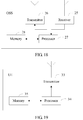
- an embodiment of the present invention provides a first base station, including:
- the sending unit is specifically configured to send the MNT measurement information generated by the generation unit to the second base station, and the second base station sends the MNT measurement information to the OSS.
- the receiving unit is further configured to: after the generation unit generates the MNT measurement information according to the first measurement information obtained by the obtaining unit, and before the sending unit sends the MNT measurement information generated by the generation unit to the OSS, receive a first measurement instruction sent by the OSS, where the first measurement instruction is used to instruct to send the MNT measurement information generated by the generation unit to the OSS; and the sending unit is specifically configured to send the MNT measurement information generated by the generation unit to the OSS according to the first measurement instruction received by the receiving unit.
- the MNT measurement information generated by the generation unit includes at least one measurement information item of an identifier of the first cell, signal strength of the first cell, signal quality of the first cell, location information of the UE, a block bit error rate of a physical downlink control channel PDCCH, or a block bit error rate of a physical downlink shared channel PDSCH.
- an embodiment of the present invention provides an OSS, including:
- the receiving unit is specifically configured to: when the determining unit determines that the UE is handed over from the first cell to a second cell, receive the MNT measurement information sent by the second base station, where the MNT measurement information is sent by the first base station to the second base station, and the second cell is served by the second base station.
- the OSS further includes a sending unit, where the sending unit is configured to: before the receiving unit receives the MNT measurement information sent by the first base station, send a first measurement instruction to the first base station, where the first measurement instruction is used to instruct the first base station to send the MNT measurement information to the OSS.
- the OSS further includes a sending unit, where the sending unit is configured to: before the receiving unit receives the MNT measurement information sent by the second base station, send a second measurement instruction to the second base station, where the second measurement instruction is used to instruct the second base station to send the MNT measurement information to the OSS.
- the OSS further includes an obtaining unit, where the obtaining unit is configured to: when the determining unit determines that the UE is handed over from the first cell to the second cell, and fails in determining the KPI degradation cause according to the MNT measurement information received by the receiving unit, obtain an identifier of the second base station; and the determining unit is further configured to determine an identifier of the second cell according to the identifier of the second base station obtained by the obtaining unit.
- the MNT measurement information received by the receiving unit includes an identifier of the first cell
- the determining unit is further configured to: after determining the identifier of the second cell according to the identifier of the second base station obtained by the obtaining unit, determine, according to the identifier of the first cell and the identifier of the second cell, whether the KPI degradation cause is a neighboring cell management fault.
- the OSS further includes a comparison unit, where the comparison unit is configured to compare each measurement information item in the MNT measurement information received by the receiving unit with a preset threshold corresponding to each measurement information item; and the determining unit is specifically configured to determine the KPI degradation cause according to a comparison result, obtained by means of comparison by the comparison unit, between each measurement information item and the preset threshold.
- the determining unit is further specifically configured to: if it is obtained by means of comparison by the comparison unit that at least one measurement information item in all measurement information items does not satisfy the preset threshold corresponding to the at least one measurement information item, determine that the KPI degradation cause is the at least one measurement information item.
- the MNT measurement information received by the receiving unit includes at least one measurement information item of signal strength of the first cell, signal quality of the first cell, a block bit error rate of a physical downlink control channel PDCCH, or a block bit error rate of a physical downlink shared channel PDSCH, where the determining unit is further specifically configured to: if it is obtained by means of comparison by the comparison unit that at least one measurement information item of the signal strength of the first cell, the signal quality of the first cell, the block bit error rate of the PDCCH, or the block bit error rate of the PDSCH does not satisfy the preset threshold corresponding to the at least one measurement information item, determine that the KPI degradation cause is correspondingly at least one of: the signal strength of the first cell is weak, the signal quality of the first cell is poor, the block bit error rate of the PDCCH is high, or the block bit error rate of the PDSCH is high.
- the MNT measurement information received by the receiving unit further includes location information of the UE, where the determining unit is further specifically configured to: if it is obtained by means of comparison by the comparison unit that at least one measurement information item of the signal strength of the first cell, the signal quality of the first cell, the block bit error rate of the PDCCH, or the block bit error rate of the PDSCH does not satisfy the preset threshold corresponding to the at least one measurement information item, determine, according to the location information of the UE, that the KPI degradation cause is correspondingly at least one of: the signal strength of the first cell is weak in a location of the UE, the signal quality of the first cell is poor in the location of the UE, the block bit error rate of the PDCCH is high, or the block bit error rate of the PDSCH is high.
- an embodiment of the present invention provides a UE, including:
- the sending unit is specifically configured to send radio resource control protocol RRC signaling to the first base station in the service interval, where the RRC signaling carries the MDT measurement information obtained by the obtaining unit.
- the sending unit is specifically configured to send uplink data to the first base station in the service interval, where the uplink data carries the MDT measurement information obtained by the obtaining unit.
- the service interval includes an uplink interval of a circuit switched CS service and a small packet interval of a packet switched PS service.
- an embodiment of the present invention further provides a first base station, including:
- the service interval includes an uplink interval of a circuit switched CS service and a small packet interval of a packet switched PS service.
- an embodiment of the present invention provides a first base station, including:
- the receiver is further configured to: after the processor generates the MNT measurement information according to the first measurement information, and before the transmitter sends the MNT measurement information generated by the processor to the OSS, receive a first measurement instruction sent by the OSS, where the first measurement instruction is used to instruct to send the MNT measurement information generated by the processor to the OSS; and the transmitter is specifically configured to send the MNT measurement information generated by the processor to the OSS according to the first measurement instruction received by the receiver.
- the MNT measurement information generated by the processor includes at least one measurement information item of an identifier of the first cell, signal strength of the first cell, signal quality of the first cell, location information of the UE, a block bit error rate of a physical downlink control channel PDCCH, or a block bit error rate of a physical downlink shared channel PDSCH.
- an embodiment of the present invention provides an OSS, including:
- the receiver is specifically configured to: when the processor determines that the UE is handed over from the first cell to a second cell, receive the MNT measurement information sent by the second base station, where the MNT measurement information is sent by the first base station to the second base station, and the second cell is served by the second base station.
- the OSS further includes a transmitter, where the transmitter is configured to: before the receiver receives the MNT measurement information sent by the first base station, send a first measurement instruction to the first base station, where the first measurement instruction is used to instruct the first base station to send the MNT measurement information to the OSS.
- the OSS further includes a transmitter, where the transmitter is configured to: before the receiver receives the MNT measurement information sent by the second base station, send a second measurement instruction to the second base station, where the second measurement instruction is used to instruct the second base station to send the MNT measurement information to the OSS.
- the processor is further configured to: when determining that the UE is handed over from the first cell to the second cell, and failing in determining the KPI degradation cause according to the MNT measurement information, obtain an identifier of the second base station, and determine an identifier of the second cell according to the identifier of the second base station.
- the MNT measurement information received by the receiver includes an identifier of the first cell
- the processor is further configured to: after determining the identifier of the second cell according to the identifier of the second base station, determine, according to the identifier of the first cell and the identifier of the second cell, whether the KPI degradation cause is a neighboring cell management fault.
- the processor is further configured to compare each measurement information item in the MNT measurement information received by the receiver with a preset threshold corresponding to each measurement information item, and determine the KPI degradation cause according to a comparison result between each measurement information item and the preset threshold.
- the processor is specifically configured to: if at least one measurement information item in all measurement information items does not satisfy the preset threshold corresponding to the at least one measurement information item, determine that the KPI degradation cause is the at least one measurement information item.
- the MNT measurement information received by the receiver includes at least one measurement information item of signal strength of the first cell, signal quality of the first cell, a block bit error rate of a physical downlink control channel PDCCH, or a block bit error rate of a physical downlink shared channel PDSCH
- the processor is further specifically configured to: if at least one measurement information item of the signal strength of the first cell, the signal quality of the first cell, the block bit error rate of the PDCCH, or the block bit error rate of the PDSCH does not satisfy the preset threshold corresponding to the at least one measurement information item, determine that the KPI degradation cause is correspondingly at least one of: the signal strength of the first cell is weak, the signal quality of the first cell is poor, the block bit error rate of the PDCCH is high, or the block bit error rate of the PDSCH is high.
- the MNT measurement information received by the receiver further includes location information of the UE, where the processor is further specifically configured to: if at least one measurement information item of the signal strength of the first cell, the signal quality of the first cell, the block bit error rate of the PDCCH, or the block bit error rate of the PDSCH does not satisfy the preset threshold corresponding to the at least one measurement information item, determine, according to the location information of the UE, that the KPI degradation cause is correspondingly at least one of: the signal strength of the first cell is weak in a location of the UE, the signal quality of the first cell is poor in the location of the UE, the block bit error rate of the PDCCH is high, or the block bit error rate of the PDSCH is high.
- an embodiment of the present invention provides a UE, including:
- the transmitter is specifically configured to send radio resource control protocol RRC signaling to the first base station in the service interval, where the RRC signaling carries the MDT measurement information obtained by the processor.
- the transmitter is specifically configured to send uplink data to the first base station in the service interval, where the uplink data carries the MDT measurement information obtained by the processor.
- the service interval includes an uplink interval of a circuit switched CS service and a small packet interval of a packet switched PS service.
- an embodiment of the present invention further provides a first base station, including:
- the service interval includes an uplink interval of a circuit switched CS service and a small packet interval of a packet switched PS service.
- a UE User Equipment, user equipment
- a wireless terminal may refer to a device that provides a user with only voice and/or data connectivity, a handheld device with a wireless connection function, or another processing device connected to a wireless modem.
- the wireless terminal may communicate with one or more core network devices over a RAN (Radio Access Network, radio access network).
- the wireless terminal may be a mobile terminal, such as a mobile phone (also referred to as a "cellular" phone) and a computer with a mobile terminal, for example, may be a portable, pocket-sized, handheld, computer built-in, or in-vehicle mobile apparatus, which exchanges voice and/or data with the radio access network.
- the wireless terminal may also be called a system, a subscriber unit (Subscriber Unit), a subscriber station (Subscriber Station), a mobile station (Mobile Station), a mobile terminal (Mobile), a remote station (Remote Station), an access point (Access Point), a remote terminal (Remote Terminal), an access terminal (Access Terminal), a user terminal (User Terminal), a user agent (User Agent), or user equipment.
- a PCS Personal Communication Service, personal communication service
- SIP Session Initiation Protocol
- WLL Wireless Local Loop
- PDA Personal Digital Assistant, personal digital assistant
- the wireless terminal may also be called a system, a subscriber unit (Subscriber Unit), a subscriber station (Subscriber Station), a mobile station (Mobile Station), a mobile terminal (Mobile), a remote station (Remote Station), an access point (Access Point), a remote terminal (Remote Terminal), an access terminal (Access Terminal), a user terminal (User Terminal), a user agent (User Agent), or
- the method for determining a KPI degradation cause provided in the embodiments of the present invention is mainly applied to analyze the KPI degradation cause when KPI degradation occurs in a UE moving process.
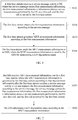
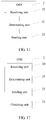
- This embodiment of the present invention provides a method for determining a KPI degradation cause. As shown in FIG. 1 , a method for determining a KPI degradation cause on a base station side is involved, and the method may include:
- the service measurement herein may be any measurement process executed by the UE in a cell, and mainly includes an MDT measurement in this embodiment of the present invention.
- a KPI Key Performance Indicator, key performance indicator
- KPI degradation may affect network communication of the UE.
- the present invention proposes a method for determining a KPI degradation cause.
- the KPI may include five types of indicators.
- the KPI may include an RRC (Radio Resource Control, radio resource control protocol) setup request success rate, an RRC re-setup success rate, a call drop rate, a handover success rate, and an E-RAB setup success rate.
- RRC Radio Resource Control, radio resource control protocol
- the RRC setup request success rate corresponds to a first threshold
- the RRC re-setup success rate corresponds to a second threshold
- the call drop rate corresponds to a third threshold
- the handover success rate corresponds to a fourth threshold
- the E-RAB (Enhanced Radio Access Bearer, enhanced radio access bearer) setup success rate corresponds to a fifth threshold.
- An OSS Operation Support System, operation support system finds that the KPI degrades when any one of the following occurs: the RRC setup request success rate is lower than the first threshold, the RRC re-setup success rate is lower than the second threshold, the call drop rate is lower than the third threshold, the handover success rate is lower than the fourth threshold, or the E-RAB setup success rate is lower than the fifth threshold.
- the KPI degrades when any one of the following occurs: the RRC setup request success rate is lower than the first threshold, the RRC re-setup success rate is lower than the second threshold, the call drop rate is lower than the third threshold, the handover success rate is lower than the fourth threshold, or the E-RAB setup success rate is lower than the fifth threshold.
- settings of specific values of the first threshold, the second threshold, the third threshold, the fourth threshold, and the fifth threshold may be determined according to actual situations of different operators, and the present invention sets no limit.
- the UE is served by the first cell, and the first cell is served by the first base station.
- the UE needs to learn information about a service measurement of a cell in which the UE is located, that is, the first cell, and the information about the service measurement of the first cell may assist the UE in performing the service. Therefore, a service message sent by the UE when performing the service carries the information about the service measurement of the first cell.
- the KPI degradation means that a KPI of an operator network degrades.
- the first base station receives the service message sent by the UE, where the service message carries the first measurement information, and the first measurement information is information about a service measurement performed by the UE on the first cell when the UE is performing a service, where the first cell is served by the first base station.
- the UE wirelessly sends the service message to the first base station by using an uplink channel. That is, the first base station receives the service message sent by the UE.
- the first measurement information may include at least one measurement information of an identifier of the first cell, signal strength of the first cell, signal quality of the first cell, location information of the UE, a block bit error rate of a PDCCH (Physical Downlink Control Channel, physical downlink control channel), or a block bit error rate of a PDSCH (Physical Downlink Shared Channel, physical downlink shared channel).
- a PDCCH Physical Downlink Control Channel
- PDSCH Physical Downlink Shared Channel
- the first base station obtains the first measurement information according to the service message.
- the first base station After receiving the service message sent by the UE, the first base station obtains the first measurement information according to the service message.
- the first base station may obtain the first measurement information from the service message. That is, the first base station collects the first measurement information.
- the first base station generates MNT (Minimized Network Test, minimized network test) measurement information according to the first measurement information.
- MNT Minimum Network Test, minimized network test
- the first base station After obtaining the first measurement information according to the service message, the first base station generates the MNT measurement information according to the first measurement information.
- the first base station uses the first measurement information as measurement information used by the OSS for determining the KPI degradation cause.
- the first base station adds various protocol headers identifiable by the OSS such as an IP header or an SCTP (Stream Control Transmission Protocol, Stream Control Transmission Protocol) header to the first measurement information, and packs the first measurement information with an MNT envelope. That is, the first base station generates the MNT measurement information according to the first measurement information.
- the MNT measurement information is parameter information that may be required when the OSS determines the KPI degradation cause. Because the parameter information is collected by the first base station, the parameter information is referred to as MNT measurement information.
- the first base station may obtain the first measurement information, and generate the MNT measurement information according to the first measurement information, the UE no longer needs to specially report the parameter information required by the OSS for determining the KPI degradation cause. That is, except performing a service measurement of an uplink service, the UE does not need to perform an MDT measurement or report the MDT measurement information to the first base station.
- the UE reports the MNT measurement information does not occupy a channel resource and time that are used by the UE for performing the uplink service, thereby decreasing reporting overheads of the UE and ensuring quality of the uplink service performed by the UE; and in another aspect, the first measurement information obtained by the first base station is carried in the service message reported by the UE; therefore, the first base station does not receive a large amount of measurement information at a time, thereby avoiding impact of reported measurement information on a network.
- the first base station sends the MNT measurement information to an OSS, where the MNT measurement information is used by the OSS for determining the KPI degradation cause.
- the first base station After generating the MNT measurement information according to the first measurement information, the first base station sends the MNT measurement information to the OSS, where the MNT measurement information is used by the OSS for determining the KPI degradation cause.
- the first base station sends the MNT measurement information to the OSS through an Itf-N interface.
- the OSS may be a network management system or a network optimization system.
- the OSS may learn the MNT measurement information in the MNT envelope.
- the first base station sends the MNT measurement information to the OSS.
- a specific implementation process is described in detail in a subsequent embodiment, and is not described herein.
- the first base station may directly generate the MNT measurement information, when the OSS needs the MNT measurement information, the first base station may directly send the MNT measurement information to the OSS, thereby improving network problem processing efficiency.
- This embodiment of the present invention further provides a method for determining a KPI degradation cause. As shown in FIG. 2 , a method for determining a KPI degradation cause on an OSS side is involved, and the method may include:
- the OSS when a KPI degrades, receives the MNT measurement information sent by the first base station, where the MNT measurement information is generated by the first base station according to the first measurement information after the first base station receives the service message sent by the UE and obtains the first measurement information according to the service message, the service message carries the first measurement information, the first measurement information is information about a service measurement performed by the UE on the first cell, and the first cell is served by the first base station.
- the OSS may manage and maintain a base station and a UE.
- the MNT measurement information is parameter information that may be required when the OSS determines the KPI degradation cause. Because the parameter information is collected by the first base station, the parameter information is referred to as MNT measurement information.
- the OSS determines the KPI degradation cause according to the MNT measurement information.
- the OSS After receiving the MNT measurement information sent by the first base station, the OSS determines the KPI degradation cause according to the MNT measurement information.
- the OSS may separately determine, according to each MNT measurement information item in the MNT measurement information, which MNT measurement information item causes the KPI degradation cause.
- This embodiment of the present invention provides a method for determining a KPI degradation cause.
- a first base station receives a service message sent by a UE, where the service message carries first measurement information, the first measurement information is information about a service measurement performed by the UE on a first cell, and the first cell is served by the first base station; the first base station obtains the first measurement information according to the service message; the first base station generates MNT measurement information according to the first measurement information; and finally, the first base station sends the MNT measurement information to an OSS.
- the first base station may finally generate the MNT measurement information by using the service message sent by the UE, and the first base station may send the MNT measurement information to the OSS, which helps the OSS determine the KPI degradation cause. Therefore, reporting overheads of the UE can be reduced, quality of an uplink service performed by the UE can be ensured, impact of reported measurement information on a network can be decreased, and network problem processing efficiency can be improved.
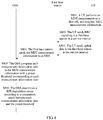
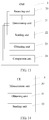
- This embodiment of the present invention provides another method for determining a KPI degradation cause. As shown in FIG. 3 , a method for determining a KPI degradation cause on a UE side is involved, and the method may include:
- a premise application scenario of the method for determining a KPI degradation cause provided in this embodiment of the present invention is: an OSS finds that a KPI degrades.
- the UE in this embodiment of the present invention is user equipment that can perform an MDT measurement.
- the KPI may include five types of indicators.
- the KPI may include an RRC setup request success rate, an RRC re-setup success rate, a call drop rate, a handover success rate, and an E-RAB setup success rate.
- the RRC setup request success rate corresponds to a first threshold
- the RRC re-setup success rate corresponds to a second threshold
- the call drop rate corresponds to a third threshold
- the handover success rate corresponds to a fourth threshold
- the E-RAB setup success rate corresponds to a fifth threshold.
- the OSS finds that the KPI degrades when any one of the following occurs: the RRC setup request success rate is lower than the first threshold, the RRC re-setup success rate is lower than the second threshold, the call drop rate is lower than the third threshold, the handover success rate is lower than the fourth threshold, or the E-RAB setup success rate is lower than the fifth threshold.
- settings of specific values of the first threshold, the second threshold, the third threshold, the fourth threshold, and the fifth threshold may be determined according to actual situations of different operators, and the present invention sets no limit.
- the UE performs an MDT measurement on the first cell, and obtains the MDT measurement information, where the first cell is served by the first base station.
- a cell is served by a base station, and one base station may provide a service for multiple cells.
- the UE reports the MDT measurement information to the first base station in a service interval, where the service interval is an interval of service data transmission performed by the UE.
- the UE After performing an MDT measurement on the first cell and obtaining the MDT measurement information, the UE reports the MDT measurement information to the first base station in the service interval, where the service interval is an interval of the service data transmission performed by the UE.
- the MDT measurement information is parameter information required when the OSS determines the KPI degradation cause. Because the parameter information is measured and reported by the UE, the parameter information is referred to as MDT measurement information.
- the first base station sends the MDT measurement information to the OSS, so that the OSS may determine the KPI degradation cause according to the MDT measurement information.
- a manner in which the UE reports the MDT measurement information in the service interval does not occupy a channel resource and time that are used by the UE for performing an uplink service, and the UE does not report a large amount of MDT measurement information at a time in the service interval. Therefore, reporting overheads of the UE can be reduced, quality of the uplink service performed by the UE can be ensured, impact of reported measurement information on a network can be decreased, and network problem processing efficiency can be improved.
- the UE reports MDT measurement information to the first base station after the UE reports A and before the UE reports B.
- This embodiment of the present invention provides another method for determining a KPI degradation cause. As shown in FIG. 4 , a method for determining a KPI degradation cause on a base station side is involved, and the method may include:
- the UE is served by the first cell, and a premise application scenario of the method for determining a KPI degradation cause provided in this embodiment of the present invention is: the OSS finds that a KPI degrades.
- the first base station receives the MDT measurement information that is reported by the UE in the service interval, where the service interval is an interval of the service data transmission performed by the UE, the MDT measurement information is information about an MDT measurement performed by the UE on the first cell, and the first cell is served by the first base station.
- the first base station sends the MDT measurement information to an OSS.
- the first base station After receiving the MDT measurement information that is reported by the UE in the service interval, the first base station sends the MDT measurement information to the OSS.
- the OSS may determine the KPI degradation cause according to the MDT measurement information
- the first base station needs to send the MDT measurement information to the OSS, so that the OSS may determine the KPI degradation cause according to the MDT measurement information.
- This embodiment of the present invention provides another method for determining a KPI degradation cause.
- a UE performs an MDT measurement on a first cell, and obtains MDT measurement information, where the first cell is served by a first base station; and the UE reports the MDT measurement information to the first base station in a service interval, where the service interval is an interval of service data transmission performed by the UE.
- a manner in which the UE reports the MDT measurement information in the service interval does not occupy a channel resource and time that are used by the UE for performing an uplink service, and the UE does not report a large amount of MDT measurement information at a time in the service interval. Therefore, reporting overheads of the UE can be reduced, quality of the uplink service performed by the UE can be ensured, impact of reported measurement information on a network can be decreased, and network problem processing efficiency can be improved.
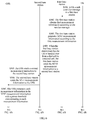
- This embodiment of the present invention provides a method for determining a KPI degradation cause. As shown in FIG. 5 , the method may include:
- a KPI is an important reference indicator in a network maintenance phase, and KPI degradation may affect network communication of the UE.
- the present invention proposes a method for determining a KPI degradation cause.
- the KPI may include five types of indicators.
- the KPI may include an RRC setup request success rate, an RRC re-setup success rate, a call drop rate, a handover success rate, and an E-RAB setup success rate.
- the RRC setup request success rate corresponds to a first threshold
- the RRC re-setup success rate corresponds to a second threshold
- the call drop rate corresponds to a third threshold
- the handover success rate corresponds to a fourth threshold
- the E-RAB setup success rate corresponds to a fifth threshold.
- An OSS finds that the KPI degrades when any one of the following occurs: the RRC setup request success rate is lower than the first threshold, the RRC re-setup success rate is lower than the second threshold, the call drop rate is lower than the third threshold, the handover success rate is lower than the fourth threshold, or the E-RAB setup success rate is lower than the fifth threshold.
- settings of specific values of the first threshold, the second threshold, the third threshold, the fourth threshold, and the fifth threshold may be determined according to actual situations of different operators, and the present invention sets no limit.
- the UE is served by the first cell, and the first cell is served by the first base station.
- the UE needs to learn information about a service measurement of a cell in which the UE is located, that is, the first cell, and the information about the service measurement of the first cell may assist the UE in performing the service. Therefore, a service message sent by the UE when performing the service carries the information about the service measurement of the first cell.
- the KPI degradation means that a KPI of an operator network degrades.
- the UE sends the service message to the first base station, where the service message carries the first measurement information, and the first measurement information is information about a service measurement performed by the UE on the first cell when the UE is performing a service, where the first cell is served by the first base station.
- the UE wirelessly sends the service message to the first base station by using an uplink channel. That is, the first base station receives the service message sent by the UE.
- the first measurement information may include at least one measurement information item of an identifier of the first cell, signal strength of the first cell, signal quality of the first cell, location information of the UE, a block bit error rate of a PDCCH, or a block bit error rate of a PDSCH.
- the UE when the UE performs a call service, the UE sends a dialing message to the first base station, where the dialing message carries the identifier of the first cell, the signal strength of the first cell, the signal quality of the first cell, and the like.
- the first base station obtains the first measurement information according to the service message.
- the first base station After the UE sends the service message to the first base station, the first base station obtains the first measurement information according to the service message.
- the first base station may obtain the first measurement information from the service message. That is, the first base station collects the first measurement information.
- the first base station when the UE performs a call service, after the first base station receives a dialing message reported by the UE, because the dialing message carries the identifier of the first cell, the signal strength of the first cell, the signal quality of the first cell, and the like, the first base station obtains the identifier of the first cell, the signal strength of the first cell, the signal quality of the first cell, and the like from the dialing message.
- the first base station generates MNT measurement information according to the first measurement information.
- the first base station After obtaining the first measurement information according to the service message, the first base station generates the MNT measurement information according to the first measurement information.
- the first base station uses the first measurement information as measurement information used by the OSS for determining the KPI degradation cause.
- the first base station adds various protocol headers identifiable by the OSS such as an IP header or an SCTP header to the first measurement information, and packs the first measurement information with an MNT envelope. That is, the first base station generates the MNT measurement information according to the first measurement information.
- the MNT measurement information is parameter information that may be required when the OSS determines the KPI degradation cause. Because the parameter information is collected by the first base station, the parameter information is referred to as MNT measurement information.
- the first base station may obtain the first measurement information, and generate the MNT measurement information according to the first measurement information, the UE no longer needs to specially report the parameter information required by the OSS for determining the KPI degradation cause. That is, except performing a service measurement of an uplink service, the UE does not need to perform an MDT measurement or report the MDT measurement information to the first base station.
- the UE reports the MNT measurement information does not occupy a channel resource and time that are used by the UE for performing the uplink service, thereby decreasing reporting overheads of the UE and ensuring quality of the uplink service performed by the UE; and in another aspect, the first measurement information obtained by the first base station is carried in the service message reported by the UE; therefore, the first base station does not receive a large amount of measurement information at a time, thereby avoiding impact of reported measurement information on a network.
- the first base station determines that the UE is handed over from the first cell to a second cell
- the first base station sends the MNT measurement information to a second base station, where the second cell is served by the second base station.
- the first base station After the first base station generates the MNT measurement information according to the first measurement information, and when the first base station determines that the UE is handed over from the first cell to the second cell, the first base station sends the MNT measurement information to the second base station, and the second base station sends the MNT measurement information to the OSS, where the second cell is served by the second base station.
- the method for determining a KPI degradation cause may enable the first base station to send, to the second base station, the MNT measurement information that is generated after the UE measures the first cell. That is, when the first base station determines that the UE is handed over from the first cell to the second cell, the first base station mirrors the MNT measurement information corresponding to the first cell to the second base station.
- the second base station forms a measurement history record of a context of the UE for the MNT measurement information by using the identifier of the first cell as an index, and saves the measurement history record in the second base station.
- the measurement history record includes the MNT measurement information.
- the first base station determines that the UE is handed over from the first cell to the second cell
- the first base station sends the MNT measurement information to the second base station.
- the second base station receives a second measurement instruction sent by the OSS, and the second base station sends the MNT measurement information to the OSS according to the second measurement instruction, where the MNT measurement information is the MNT measurement information corresponding to the first cell.
- the second base station may also send, to the OSS, MNT measurement information that is obtained by the UE by performing a measurement on the second cell, is sent by the UE, and is received by the second base station, so that the OSS may determine the KPI degradation cause according to the MNT measurement information corresponding to the first cell and the MNT measurement information corresponding to the second cell, where a specific method for generating the MNT measurement information corresponding to the second cell by the second base station is the same as the method for generating the MNT measurement information corresponding to the first cell by the first base station, and details are not described herein again.
- An OSS sends a second measurement instruction to the second base station, where the second measurement instruction is used to instruct the second base station to send the MNT measurement information to the OSS.
- the OSS sends the second measurement instruction to the second base station, where the second measurement instruction is used to instruct the second base station to send the MNT measurement information to the OSS, the MNT measurement information is generated according to the first measurement information after the first base station receives the service message sent by UE and obtains the first measurement information according to the service message, the service message carries the first measurement information, the first measurement information is information about a service measurement performed by the UE on the first cell, the first cell is served by the first base station, and the second cell is served by the second base station.
- the OSS may manage and maintain a base station and a UE.
- the MNT measurement information is parameter information that may be required when the OSS determines the KPI degradation cause. Because the parameter information is collected by the first base station, the parameter information is referred to as MNT measurement information.
- the second base station may also send, to the OSS, MNT measurement information that is obtained by the UE by performing a measurement on the second cell, is sent by the UE, and is received by the second base station, so that the OSS may determine the KPI degradation cause according to the MNT measurement information corresponding to the first cell and the MNT measurement information corresponding to the second cell, where a specific method for generating the MNT measurement information corresponding to the second cell by the second base station is the same as the method for generating the MNT measurement information corresponding to the first cell by the first base station, and details are not described herein again.
- the second base station sends the MNT measurement information to the OSS.
- the OSS determines that the UE is handed over from the first cell to the second cell, and after the OSS sends the second measurement instruction to the second base station, the OSS receives the MNT measurement information sent by the second base station. That is, the second base station sends the MNT measurement information to the OSS, where the MNT measurement information is sent by the first base station to the second base station.
- the second base station may send the MNT measurement information to the OSS through an Itf-N interface.
- the OSS compares each measurement information item in the MNT measurement information with a preset threshold corresponding to each measurement information item.
- the OSS compares each measurement information item in the MNT measurement information with the preset threshold corresponding to each measurement information item.
- the MNT measurement information includes information about multiple parameters, and each measurement information item in the MNT measurement information corresponds to one preset threshold. After receiving the MNT measurement information sent by the second base station, the OSS needs to compare each measurement information item in the MNT measurement information with the preset threshold corresponding to each measurement information item, so as to determine the KPI degradation cause.
- the OSS determines the KPI degradation cause according to a comparison result between each measurement information item and the preset threshold.
- the OSS After comparing each measurement information item in the MNT measurement information with the preset threshold corresponding to the measurement information item, the OSS determines the KPI degradation cause according to the comparison result between each measurement information item and the preset threshold.
- the OSS determines that the KPI degradation cause is the at least one measurement information item.
- the MNT measurement information includes at least one measurement information item of signal strength of the first cell, signal quality of the first cell, a block bit error rate of a PDCCH, or a block bit error rate of a PDSCH.
- the preset threshold corresponding to the signal strength of the first cell is a first preset threshold
- the preset threshold corresponding to the signal quality of the first cell is a second preset threshold
- the preset threshold corresponding to the block bit error rate of the PDCCH is a third preset threshold
- the preset threshold corresponding to the block bit error rate of the PDSCH is a fourth preset threshold.
- the OSS determines that the KPI degradation cause is at least one of the signal strength of the first cell, the signal quality of the first cell, the block bit error rate of the PDCCH, or the block bit error rate of the PDSCH.
- the OSS determines that the KPI degradation cause is the signal strength of the first cell.
- the OSS determines that the KPI degradation cause is that there is a problem in the signal strength of the first cell and the signal quality of the first cell.
- the first preset threshold, the second preset threshold, the third preset threshold, and the fourth preset threshold may be determined according to different actual situations, and the present invention sets no limit.
- the signal strength of the first cell is -130 dBm (dBm), and the first preset threshold is -90 dBm. Because -130 is less than -90, the OSS determines that the KPI degradation cause is that the signal strength of the first cell is weak.
- the signal strength of the first cell is -130 dBm, and the first preset threshold is -120 dBm. Because -130 is less than -120, the OSS determines that the KPI degradation cause is that there is a signal loophole in the first cell.
- the OSS determines that the KPI degradation cause is correspondingly at least one of: the signal strength of the first cell is weak, the signal quality of the first cell is poor, the block bit error rate of the PDCCH is high, or the block bit error rate of the PDSCH is high.
- the OSS determines that the KPI degradation cause is correspondingly at least one of: the signal strength of the first cell is weak, the signal quality of the first cell is poor, the block bit error rate of the PDCCH is high, or the block bit error rate of the PDSCH is high.
- the MNT measurement information further includes location information of the UE.
- the OSS determines, according to the location information of the UE, that the KPI degradation cause is correspondingly at least one of: the signal strength of the first cell is weak in a location of the UE, the signal quality of the first cell is poor in the location of the UE, the block bit error rate of the PDCCH is high, or the block bit error rate of the PDSCH is high.
- the OSS determines, according to the location information of the UE, that the KPI degradation cause is correspondingly at least one of: the signal strength of the first cell is weak in the location of the UE, the signal quality of the first cell is poor in the location of the UE, the block bit error rate of the PDCCH is high, or the block bit error rate of the PDSCH is high.
- the UE is in a location 1 of the first cell. If that the signal strength of the first cell is lower than the first preset threshold is met, and that the signal quality of the first cell is lower than the second preset threshold, that the block bit error rate of the PDCCH is higher than the third preset threshold, and that the block bit error rate of the PDSCH is higher than the fourth preset threshold are not met, the OSS may determine, according to the location information of the UE, that the KPI degradation cause is that the signal strength of the first cell is weak in the location 1.
- the OSS may determine, according to the location information of the UE, that the KPI degradation cause is that the signal strength of the first cell is weak in the location 1 and that the signal quality of the first cell is poor in the location 1.
- manners in which the first base station sends the MNT measurement information to the second base station specifically include the following two types: (1) or (2).
- the first base station After the first base station generates the MNT measurement information according to the first measurement information, and when the first base station determines that the UE is handed over from the first cell to the second cell, the first base station sends the MNT measurement information to the second base station through the S 1 interface of the first base station, so that the second base station sends the MNT measurement information to the OSS, where the second cell is served by the second base station.
- an S 1 interface is a communication interface between a base station and a core network device. That is, the first base station communicates with a core network device through the S 1 interface of the first base station, and the second base station communicates with a core network device through an S 1 interface of the second base station.
- the core network device in this embodiment of the present invention is a core network device shared by the first base station and the second base station.
- the first base station sends the MNT measurement information to the core network device through the S1 interface of the first base station
- the core network device sends the MNT measurement information to the second base station through an S1 interface of the core network device, where the core network device separately provides a service for the first base station and the second base station.
- the core network device may be an MME (Mobility Management Entity, mobility management entity), an SGSN (Serving GPRS Support Node, serving GPRS support node), or an MSC (Mobile Switching Center, mobile switching center).
- MME Mobility Management Entity
- SGSN Serving GPRS Support Node
- MSC Mobile Switching Center, mobile switching center
- the core network device is an MME; in the 3G (3rd Generation, third generation of mobile communication technology), the core network device is an SGSN; and in the 2G (2nd Generation, second generation of mobile communication technology), the core network device is an SGSN.
- the core network device is an MSC.
- base stations may share one core network device, or not share one core network device.
- the first base station and the second base station share one core network device.
- this embodiment of the present invention further provides a method for determining a KPI degradation cause.
- the OSS determines a KPI degradation cause, and the method may further include:
- the OSS determines the KPI degradation cause according to the comparison result between each measurement information item and the preset threshold, if the OSS fails in determining the KPI degradation cause according to the MNT measurement information, the OSS obtains the identifier of the second base station.
- the OSS when the OSS fails in determining the KPI degradation cause according to the MNT measurement information, because the OSS manages all base stations, the OSS may obtain information about a target base station of UE handover.
- the OSS when the UE is handed over from a cell 1 to a cell 2, and the OSS fails in determining the KPI degradation cause according to the MNT measurement information, the OSS first obtains the identifier of the second base station, where the second base station is a base station 2, and the second base station provides a service for the second cell.
- the OSS determines an identifier of the second cell according to the identifier of the second base station.
- the OSS fails in determining the KPI degradation cause according to the MNT measurement information, after the OSS obtains the identifier of the second base station, the OSS determines the identifier of the second cell according to the identifier of the second base station.
- the second cell is served by the second base station.
- the OSS may determine the identifier of the second cell according to the identifier of the second base station.
- the second base station obtained by the OSS is the base station 2, and the OSS determines the identifier of the second cell according to information about a cell for which the base station 2 provides a service, that is, determines that a cell that provides a service for the UE is the cell 2.
- the OSS determines, according to the identifier of the first cell and the identifier of the second cell, whether the KPI degradation cause is a neighboring cell management fault, where the identifier of the first cell is carried in the MNT measurement information.
- the OSS After determining the identifier of the second cell according to the identifier of the second base station, the OSS determines, according to the identifier of the first cell and the identifier of the second cell, whether the KPI degradation cause is a neighboring cell management fault, where the identifier of the first cell is carried in the MNT measurement information.
- the UE when the UE is moving from one cell to another cell, the UE needs to be handed over between the cell and the another cell, and the UE can be properly handed over only when a parameter configuration of two cells of the UE handover indicates that the two cells are neighboring cells.
- the OSS determines, according to the identifier of the first cell and the identifier of the second cell, whether the KPI degradation cause is a neighboring cell management fault.
- the OSS may re-configure the first cell and the second cell to be neighboring cells between which the UE can be handed over, so as to solve a problem of a UE handover failure, thereby achieving a network optimization objective.
- this embodiment of the present invention further provides a method for determining KPI degradation cause, and the method may specifically include S701 to S707 as follows:
- step S501 For a specific process in which the UE sends the service message to the first base station and relevant descriptions, reference may be made to step S501 in this embodiment of the present invention and descriptions thereof, and details are not described herein again.
- the first base station obtains the first measurement information according to the service message.
- step S502 For a specific process in which the first base station obtains the first measurement information according to the service message and relevant descriptions, reference may be made to step S502 in this embodiment of the present invention and descriptions thereof, and details are not described herein again.
- the first base station generates MNT measurement information according to the first measurement information.
- step S503 For a specific process in which the first base station generates the MNT measurement information according to the first measurement information and relevant descriptions, reference may be made to step S503 in this embodiment of the present invention and descriptions thereof, and details are not described herein again.
- An OSS sends a first measurement instruction to the first base station, where the first measurement instruction is used to instruct the first base station to send the MNT measurement information to the OSS.
- the OSS After the first base station generates the MNT measurement information according to the first measurement information, the OSS sends the first measurement instruction to the first base station. That is, the first base station receives the first measurement instruction sent by the OSS, where the first measurement instruction is used to instruct the first base station to send the MNT measurement information to the OSS.
- the OSS when the OSS finds that a KPI degrades, the OSS sends the first measurement instruction to the first base station. That is, the first base station receives the first measurement instruction sent by the OSS, where the first measurement instruction is used to instruct the first base station to send the MNT measurement information to the OSS, so that the OSS may determine the KPI degradation cause according to the MNT measurement information.
- the first base station sends the MNT measurement information to the OSS according to the first measurement instruction.
- the first base station After the OSS sends the first measurement instruction to the first base station, the first base station sends the MNT measurement information to the OSS according to the first measurement instruction.
- the first base station sends the MNT measurement information to the OSS through an Itf-N interface.
- the OSS may be a network management system or a network optimization system.
- the first base station sends the MNT measurement information to the OSS.
- the MNT measurement information is parameter information that may be required when the OSS determines the KPI degradation cause.
- the first base station may directly generate the MNT measurement information, when the OSS needs the MNT measurement information, the first base station may directly send the MNT measurement information to the OSS, thereby improving network problem processing efficiency.
- the OSS compares each measurement information iteminformation in the MNT measurement information with a preset threshold corresponding to each measurement information item.
- step S703 For a specific process in which the OSS compares each measurement information item in the MNT measurement information with the preset threshold information item and relevant descriptions, reference may be made to step S703 in this embodiment of the present invention and descriptions thereof, and details are not described herein again.
- the OSS determines the KPI degradation cause according to a comparison result between each measurement information item and the preset threshold.
- step S703 For a specific process in which the OSS determines the KPI degradation cause according to the comparison result between each measurement information item and the preset threshold and relevant descriptions, reference may be made to step S703 in this embodiment of the present invention and descriptions thereof, and details are not described herein again.
- the OSS may perform corresponding adjustment according to the KPI degradation cause, so that the KPI recovers, thereby achieving a network optimization objective.
- the MNT measurement information may include all parameter information that can be measured by the UE when reporting a service, and the OSS may analyze the KPI degradation cause according to all the parameter information. Therefore, specific parameter information in the MNT measurement information is not limited in the present invention.
- the MNT measurement information in this embodiment of the present invention may further include IOT (Interference Over Thermal Noise, interference over thermal noise) of the first cell.
- This embodiment of the present invention provides a method for determining a KPI degradation cause.
- a first base station receives a service message sent by a UE, where the service message carries first measurement information, the first measurement information is information about a service measurement performed by the UE on a first cell, and the first cell is served by the first base station; the first base station obtains the first measurement information according to the service message; the first base station generates MNT measurement information according to the first measurement information; and finally, the first base station sends the MNT measurement information to an OSS.
- the first base station may finally generate the MNT measurement information by using the service message sent by the UE, and the first base station may send the MNT measurement information to the OSS, which helps the OSS determine the KPI degradation cause. Therefore, reporting overheads of the UE can be reduced, quality of an uplink service performed by the UE can be ensured, impact of reported measurement information on a network can be decreased, and network problem processing efficiency can be improved.
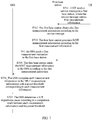
- This embodiment of the present invention provides another method for determining a KPI degradation cause. As shown in FIG. 8 , the method may include:
- a premise application scenario of the method for determining a KPI degradation cause provided in this embodiment of the present invention is: an OSS finds that a KPI degrades.
- the UE in this embodiment of the present invention is user equipment that can perform an MDT measurement.
- the KPI may include five types of indicators.
- the KPI may include an RRC setup request success rate, an RRC re-setup success rate, a call drop rate, a handover success rate, and an E-RAB setup success rate.
- the RRC setup request success rate corresponds to a first threshold
- the RRC re-setup success rate corresponds to a second threshold
- the call drop rate corresponds to a third threshold
- the handover success rate corresponds to a fourth threshold
- the E-RAB setup success rate corresponds to a fifth threshold.
- the OSS finds that the KPI degrades when any one of the following occurs: the RRC setup request success rate is lower than the first threshold, the RRC re-setup success rate is lower than the second threshold, the call drop rate is lower than the third threshold, the handover success rate is lower than the fourth threshold, or the E-RAB setup success rate is lower than the fifth threshold.
- settings of specific values of the first threshold, the second threshold, the third threshold, the fourth threshold, and the fifth threshold may be determined according to actual situations of different operators, and the present invention sets no limit.
- the UE performs an MDT measurement on the first cell, and obtains the MDT measurement information, where the first cell is served by the first base station.
- a cell is served by a base station, and one base station may provide a service for multiple cells.
- the UE sends RRC signaling to the first base station in a service interval, where the RRC signaling carries the MDT measurement information.
- the UE After performing an MDT measurement on the first cell and obtaining the MDT measurement information, the UE sends the RRC signaling to the first base station in the service interval, where the RRC signaling carries the MDT measurement information, and the service interval is an interval of service data transmission performed by the UE.
- the MDT measurement information is parameter information required when the OSS determines the KPI degradation cause. Because the parameter information is measured and reported by the UE, the parameter information is referred to as MDT measurement information.
- the first base station sends the MDT measurement information to the OSS, so that the OSS may determine the KPI degradation cause according to the MDT measurement information.
- a manner in which the UE reports the MDT measurement information in the service interval does not occupy a channel resource and time that are used by the UE for performing an uplink service, and the UE does not report a large amount of MDT measurement information at a time in the service interval. Therefore, reporting overheads of the UE can be reduced, quality of the uplink service performed by the UE can be ensured, impact of reported measurement information on a network can be decreased, and network problem processing efficiency can be improved.
- the service interval includes an uplink interval of a CS service and a small packet interval of a PS service.
- a CS service interval may be a service interval of a voice service, a service interval of a facsimile service, and the like.
- a PS service may be a service interval of webpage browsing.
- the UE reports MDT measurement information to the first base station after the UE reports A and before the UE reports B.
- the UE sends uplink data to the first base station in the service interval, where the uplink data carries the MDT measurement information.
- the UE After performing an MDT measurement on the first cell and obtaining the MDT measurement information, the UE sends the uplink data to the first base station in the service interval, where the uplink data carries the MDT measurement information, and the service interval is an interval of service data transmission performed by the UE.
- the MDT measurement information is parameter information required when the OSS determines the KPI degradation cause. Because the parameter information is measured and reported by the UE, the parameter information is referred to as MDT measurement information.
- the first base station sends the MDT measurement information to the OSS, so that the OSS may determine the KPI degradation cause according to the MDT measurement information.
- a manner in which the UE reports the MDT measurement information in the service interval does not occupy a channel resource and time that are used by the UE for performing an uplink service, and the UE does not report a large amount of MDT measurement information at a time in the service interval. Therefore, reporting overheads of the UE can be reduced, quality of the uplink service performed by the UE can be ensured, impact of reported measurement information on a network can be decreased, and network problem processing efficiency can be improved.
- the service interval includes an uplink interval of a CS service and a small packet interval of a PS service.
- a CS service interval may be a service interval of a voice service, a service interval of a facsimile service, and the like.
- a PS service may be a service interval of webpage browsing.
- the UE reports MDT measurement information to the first base station after the UE reports A and before the UE reports B.
- S802 and S803 are two parallel steps after S801. Therefore, in this embodiment of the present invention, an execution sequence of S802 and S803 after S801 is not limited. That is, after S801, S802 may be executed first, or S803 may be executed first.
- the first base station sends the MDT measurement information to an OSS.
- the first base station After receiving the MDT measurement information that is reported by the UE in the service interval, the first base station sends the MDT measurement information to the OSS.
- the OSS may determine the KPI degradation cause according to the MDT measurement information
- the first base station needs to send the MDT measurement information to the OSS, so that the OSS may determine the KPI degradation cause according to the MDT measurement information.
- the OSS compares each measurement information item in the MDT measurement information with a preset threshold corresponding to each measurement information item.
- the OSS compares each measurement information item in the MDT measurement information with the preset threshold corresponding to each measurement information item.
- the MDT measurement information includes information about multiple parameters, and each measurement information item in the MDT measurement information corresponds to one preset threshold. After receiving the MDT measurement information sent by the second base station, the OSS needs to compare each measurement information item in the MDT measurement information with the preset threshold corresponding to each measurement information item, so as to determine the KPI degradation cause.
- the OSS determines the KPI degradation cause according to a comparison result between each measurement information item and the preset threshold.
- the OSS compares each measurement information item in the MDT measurement information with the preset threshold corresponding to each measurement information item, and the OSS determines the KPI degradation cause according to the comparison result between each measurement information item and the preset threshold.
- the OSS determines that the KPI degradation cause is the at least one measurement information item.
- the MDT measurement information may include signal strength of the first cell and signal quality of the first cell.
- the preset threshold corresponding to the signal strength of the first cell is a first preset threshold
- the preset threshold corresponding to the signal quality of the first cell is a second preset threshold
- the OSS determines that the KPI degradation cause is at least one of the signal strength of the first cell or the signal quality of the first cell.
- the OSS determines that the KPI degradation cause is the signal strength of the first cell. If that the signal strength of the first cell is lower than the first preset threshold and that the signal quality of the first cell is lower than the second preset threshold are met, the OSS determines that the KPI degradation cause is that there is a problem in the signal strength of the first cell and the signal quality of the first cell.
- the first preset threshold and the second preset threshold may be determined according to different actual situations, and the present invention sets no limit.
- the signal strength of the first cell is -130 dBm (dBm), and the first preset threshold is -90 dBm. Because -130 is less than -90, the OSS determines that the KPI degradation cause is that the signal strength of the first cell is weak.
- the signal strength of the first cell is -130 dBm, and the first preset threshold is -120 dBm. Because -130 is less than -120, the OSS determines that the KPI degradation cause is that there is a signal loophole in the first cell.
- the OSS determines that the KPI degradation cause is correspondingly at least one of: the signal strength of the first cell is weak, or the signal quality of the first cell is poor.
- the OSS determines that the KPI degradation cause is correspondingly at least one of: the signal strength of the first cell is weak, or the signal quality of the first cell is poor.
- the MDT measurement information further includes location information of the UE.
- the OSS determines, according to the location information of the UE, that the KPI degradation cause is correspondingly at least one of: the signal strength of the first cell is weak in a location of the UE, or the signal quality of the first cell is poor in the location of the UE.
- the OSS determines, according to the location information of the UE, that the KPI degradation cause is correspondingly at least one of: the signal strength of the first cell is weak in the location of the UE, or the signal quality of the first cell is poor in the location of the UE.
- the UE is in a location 1 of the first cell. If that the signal strength of the first cell is lower than the first preset threshold is met, and that the signal quality of the first cell is lower than the second preset threshold, that the block bit error rate of the PDCCH is higher than the third preset threshold, and that the block bit error rate of the PDSCH is higher than the fourth preset threshold are not met, the OSS may determine, according to the location information of the UE, that the KPI degradation cause is that the signal strength of the first cell is weak in the location 1.
- the OSS may determine, according to the location information of the UE, that the KPI degradation cause is that the signal strength of the first cell is weak in the location 1 and that the signal quality of the first cell is poor in the location 1.
- the MDT measurement information may include all parameter information obtained by the UE by means of an MDT measurement, and the OSS may analyze the KPI degradation cause according to all the parameter information. Therefore, specific parameter information in the MDT measurement information is not limited in the present invention.
- This embodiment of the present invention provides another method for determining a KPI degradation cause.
- a UE performs an MDT measurement on a first cell, and obtains MDT measurement information, where the first cell is served by a first base station; and the UE reports the MDT measurement information to the first base station in a service interval, where the service interval is an interval of service data transmission performed by the UE.
- a manner in which the UE reports the MDT measurement information in the service interval does not occupy a channel resource and time that are used by the UE for performing an uplink service, and the UE does not report a large amount of MDT measurement information at a time in the service interval. Therefore, reporting overheads of the UE can be reduced, quality of the uplink service performed by the UE can be ensured, impact of reported measurement information on a network can be decreased, and network problem processing efficiency can be improved.
- this embodiment of the present invention provides a first base station 1.
- the first base station 1 corresponds to the method for determining a KPI degradation cause on the base station side, and the first base station 1 may include:
- the sending unit 13 is specifically configured to send the MNT measurement information generated by the generation unit 12 to the second base station, so that the second base station sends the MNT measurement information to the OSS.
- the sending unit 13 is further specifically configured to send the MNT measurement information generated by the generation unit 12 to the second base station through an X2 interface.
- the sending unit 13 is further specifically configured to send the MNT measurement information generated by the generation unit 12 to the second base station through an S1 interface.
- the sending unit 13 is further specifically configured to send the MNT measurement information generated by the generation unit 12 to a core network device through an S1 interface, and the core network device sends the MNT measurement information to the second base station through an S1 interface of the core network device, where the core network device separately provides a service for the first base station and the second base station.
- the receiving unit 10 is further configured to: after the generation unit 12 generates the MNT measurement information according to the first measurement information obtained by the obtaining unit 11, and before the sending unit 13 sends the MNT measurement information generated by the generation unit 12 to the OSS, receive a first measurement instruction sent by the OSS, where the first measurement instruction is used to instruct to send the MNT measurement information generated by the generation unit 12 to the OSS.
- the sending unit 13 is specifically configured to send the MNT measurement information generated by the generation unit 12 to the OSS according to the first measurement instruction received by the receiving unit 10.
- the MNT measurement information generated by the generation unit 12 includes at least one measurement information item of an identifier of the first cell, signal strength of the first cell, signal quality of the first cell, location information of the UE, a block bit error rate of a PDCCH, or a block bit error rate of a PDSCH.
- This embodiment of the present invention provides a first base station.
- the first base station receives a service message sent by a UE, where the service message carries first measurement information, the first measurement information is information about a service measurement performed by the UE on a first cell, and the first cell is served by the first base station; the first base station obtains the first measurement information according to the service message; the first base station generates MNT measurement information according to the first measurement information; and finally, the first base station sends the MNT measurement information to an OSS.
- the first base station may finally generate the MNT measurement information by using the service message sent by the UE, and the first base station may send the MNT measurement information to the OSS, which helps the OSS determine a KPI degradation cause. Therefore, reporting overheads of the UE can be reduced, quality of an uplink service performed by the UE can be ensured, impact of reported measurement information on a network can be decreased, and network problem processing efficiency can be improved.
- this embodiment of the present invention provides an OSS 2.
- the OSS 2 corresponds to the method for determining a KPI degradation cause on the OSS side, and the OSS 2 may include:
- the receiving unit 20 is specifically configured to: when the determining unit 21 determines that the UE is handed over from the first cell to a second cell, receive the MNT measurement information sent by the second base station, where the MNT measurement information is sent by the first base station to the second base station, and the second cell is served by the second base station.
- the OSS 2 further includes a sending unit 22.
- the sending unit 22 is configured to: before the receiving unit 20 receives the MNT measurement information sent by the first base station, send a first measurement instruction to the first base station, where the first measurement instruction is used to instruct the first base station to send the MNT measurement information to the OSS.
- the sending unit 22 sends the first measurement instruction to the first base station, the receiving unit 20 can receive the MNT measurement information sent by the first base station. Therefore, the sending unit 22 is connected to the receiving unit 20.
- the OSS 2 further includes a sending unit 22.
- the sending unit 22 is configured to: before the receiving unit 20 receives the MNT measurement information sent by the second base station, send a second measurement instruction to the second base station, where the second measurement instruction is used to instruct the second base station to send the MNT measurement information to the OSS.
- the sending unit 22 sends the second measurement instruction to the second base station, the receiving unit 20 can receive the MNT measurement information sent by the second base station. Therefore, the sending unit 22 is connected to the receiving unit 20.
- the OSS 2 further includes an obtaining unit 23.
- the obtaining unit 23 is configured to: when the determining unit 21 determines that the UE is handed over from the first cell to a second cell, and fails in determining the KPI degradation cause according to the MNT measurement information received by the receiving unit, obtain an identifier of the second base station.
- the determining unit 21 is further configured to determine an identifier of the second cell according to the identifier of the second base station obtained by the obtaining unit 23.
- the MNT measurement information received by the receiving unit 20 includes an identifier of the first cell.
- the determining unit 21 is further configured to: after determining the identifier of the second cell according to the identifier of the second base station obtained by the obtaining unit 23, determine, according to the identifier of the first cell and the identifier of the second cell, whether the KPI degradation cause is a neighboring cell management fault.
- the OSS 2 further includes a comparison unit 24.
- the comparison unit 24 is configured to compare each measurement information item in the MNT measurement information received by the receiving unit 20 with a preset threshold corresponding to each measurement information item.
- the determining unit 21 is specifically configured to determine the KPI degradation cause according to a comparison result, obtained by means of comparison by the comparison unit 24, between each measurement information item and the preset threshold.
- the determining unit 21 is further specifically configured to: if it is obtained by means of comparison by the comparison unit 24 that at least one measurement information item in all measurement information items does not satisfy the preset threshold corresponding to the at least one measurement information item, determine that the KPI degradation cause is the at least one measurement information item.
- the MNT measurement information received by the receiving unit 20 includes at least one measurement information item of signal strength of the first cell, signal quality of the first cell, a block bit error rate of a PDCCH, or a block bit error rate of a PDSCH.
- the determining unit 21 is further specifically configured to: if it is obtained by means of comparison by the comparison unit 24 that at least one measurement information item of the signal strength of the first cell, the signal quality of the first cell, the block bit error rate of the PDCCH, or the block bit error rate of the PDSCH does not satisfy the preset threshold corresponding to the at least one measurement information item, determine that the KPI degradation cause is correspondingly at least one of: the signal strength of the first cell is weak, the signal quality of the first cell is poor, the block bit error rate of the PDCCH is high, or the block bit error rate of the PDSCH is high.
- the MNT measurement information received by the receiving unit 20 further includes location information of the UE.
- the determining unit 21 is further specifically configured to: if it is obtained by means of comparison by the comparison unit 24 that at least one measurement information item of the signal strength of the first cell, the signal quality of the first cell, the block bit error rate of the PDCCH, or the block bit error rate of the PDSCH does not satisfy the preset threshold corresponding to the at least one measurement information item, determine, according to the location information of the UE, that the KPI degradation cause is correspondingly at least one of: the signal strength of the first cell is weak in a location of the UE, the signal quality of the first cell is poor in the location of the UE, the block bit error rate of the PDCCH is high, or the block bit error rate of the PDSCH is high.
- This embodiment of the present invention provides an OSS.
- the OSS receives MNT measurement information sent by a first base station, where the MNT measurement information is generated according to first measurement information after the first base station receives a service message sent by a UE and obtains the first measurement information according to the service message, the service message carries the first measurement information, the first measurement information is information about a service measurement performed by the UE on a first cell, and the first cell is served by the first base station; and the OSS determines a KPI degradation cause according to the MNT measurement information.
- the OSS may directly receive the MNT measurement information sent by the first base station, and determine the KPI degradation cause. Therefore, reporting overheads of the UE can be reduced, quality of an uplink service performed by the UE can be ensured, impact of reported measurement information on a network can be decreased, and network problem processing efficiency can be improved.
- this embodiment of the present invention provides a UE 3.
- the UE 3 corresponds to another method for determining a KPI degradation cause on an OSS side.
- the UE 3 may include:
- the sending unit 32 is specifically configured to send RRC signaling to the first base station in the service interval, where the RRC signaling carries the MDT measurement information obtained by the obtaining unit 31.
- the sending unit 32 is specifically configured to send uplink data to the first base station in the service interval, where the uplink data carries the MDT measurement information obtained by the obtaining unit 31.
- the service interval includes an uplink interval of a CS service and a small packet interval of a PS service.
- This embodiment of the present invention provides a UE.
- the UE performs an MDT measurement on a first cell, and obtains MDT measurement information, where the first cell is served by a first base station; and the UE reports the MDT measurement information to the first base station in a service interval, where the service interval is an interval of service data transmission performed by the UE.
- a manner in which the UE reports the MDT measurement information in the service interval does not occupy a channel resource and time that are used by the UE for performing an uplink service, and the UE does not report a large amount of MDT measurement information at a time in the service interval. Therefore, reporting overheads of the UE can be reduced, quality of the uplink service performed by the UE can be ensured, impact of reported measurement information on a network can be decreased, and network problem processing efficiency can be improved.
- this embodiment of the present invention further provides a first base station 4.
- the first base station 4 corresponds to another method for determining a KPI degradation cause on a base station side.
- the first base station 4 may include:
- the service interval includes an uplink interval of a CS service and a small packet interval of a PS service.
- This embodiment of the present invention provides a first base station.
- the first base station receives MDT measurement information that is reported by a UE in a service interval, where the service interval is an interval of service data transmission performed by the UE, the MDT measurement information is information about an MDT measurement performed by the UE on a first cell, and the first cell is served by the first base station; and the first base station sends the MDT measurement information to an OSS.
- the MDT measurement information received by the first base station is reported by the UE in the service interval.
- This manner does not occupy a channel resource and time that are used by the UE for performing an uplink service, and the UE does not report a large amount of MDT measurement information at a time in the service interval. Therefore, reporting overheads of the UE can be reduced, quality of the uplink service performed by the UE can be ensured, impact of reported measurement information on a network can be decreased, and network problem processing efficiency can be improved.
- this embodiment of the present invention provides a first base station.
- the first base station corresponds to the method for determining a KPI degradation cause on the base station side.
- the first base station may include a transmitter 14, a receiver 15, a processor 16, and a memory 17, where all of the transmitter 14, the receiver 15, and the memory 17 are connected to the processor 16.
- all of the transmitter 14, the receiver 15, and the memory 17 may be connected to the processor 16 by using a bus.
- the receiver 15 and the transmitter 14 may be integrated to form a transceiver.
- the memory 17 is configured to store executable program code, and the program code includes a computer operation instruction.
- the memory 18 may include a high-speed RAM memory, and may further include a non-volatile memory (non-volatile memory), such as at least one magnetic disk memory.
- the processor 16 may be a central processing unit, or an application-specific integrated circuit, or is configured as one or more integrated circuits that implement this embodiment of the present invention.
- the receiver 15 may be configured to receive a service message sent by UE, where the service message carries first measurement information, the first measurement information is information about a service measurement performed by the UE on a first cell, and the first cell is served by the first base station.
- the processor 16 may be configured to obtain the first measurement information according to the service message received by the receiver 15, and generate MNT measurement information according to the first measurement information.
- the transmitter 14 may be configured to send the MNT measurement information generated by the processor 16 to an OSS, where the MNT measurement information is used by the OSS for determining a KPI degradation cause.
- the memory 17 may be configured to store software code of the first measurement information, software code of the MNT measurement information, and a software program for controlling the first base station to implement the foregoing process, so that the processor 16 implements the foregoing process by executing the foregoing software program and invoking the foregoing software code.
- the second cell is served by a second base station, where the transmitter 14 is specifically configured to send the MNT measurement information generated by the processor 16 to the second base station, so that the second base station sends the MNT measurement information to the OSS.
- the transmitter 14 is further specifically configured to send the MNT measurement information generated by the processor 16 to the second base station through an X2 interface.
- the transmitter 14 is further specifically configured to send the MNT measurement information generated by the processor 16 to the second base station through an S1 interface.
- the transmitter 14 is further specifically configured to send the MNT measurement information generated by the processor 16 to a core network device through an S1 interface, and the core network device sends the MNT measurement information to the second base station through an S1 interface of the core network device, where the core network device separately provides a service for the first base station and the second base station.
- the receiver 15 is further configured to: after the processor 16 generates the MNT measurement information according to the first measurement information, and before the transmitter 14 sends the MNT measurement information generated by the processor 16 to the OSS, receive a first measurement instruction sent by the OSS, where the first measurement instruction is used to instruct to send the MNT measurement information generated by the processor 16 to the OSS.
- the transmitter 14 is specifically configured to send the MNT measurement information generated by the processor 16 to the OSS according to the first measurement instruction received by the receiver 15.
- the MNT measurement information generated by the processor 16 includes at least one measurement information item of an identifier of the first cell, signal strength of the first cell, signal quality of the first cell, location information of the UE, a block bit error rate of a PDCCH, or a block bit error rate of a PDSCH.
- This embodiment of the present invention provides a first base station.
- the first base station receives a service message sent by UE, where the service message carries first measurement information, the first measurement information is information about a service measurement performed by the UE on a first cell, and the first cell is served by the first base station; the first base station obtains the first measurement information according to the service message; the first base station generates MNT measurement information according to the first measurement information; and finally, the first base station sends the MNT measurement information to an OSS.
- the first base station may finally generate the MNT measurement information by using the service message sent by the UE, and the first base station may send the MNT measurement information to the OSS, which helps the OSS determine a KPI degradation cause. Therefore, reporting overheads of the UE can be reduced, quality of an uplink service performed by the UE can be ensured, impact of reported measurement information on a network can be decreased, and network problem processing efficiency can be improved.
- the OSS corresponds to the method for determining a KPI degradation cause on the OSS side.
- the OSS may include: a receiver 25, a processor 27, and a memory 28, where both the receiver 25 and the memory 28 are connected to the processor 27.
- both the receiver 25 and the memory 28 may be connected to the processor 27 by using a bus.
- the memory 28 is configured to store executable program code, and the program code includes a computer operation instruction.
- the memory 28 may include a high-speed RAM memory, and may further include a non-volatile memory, such as at least one magnetic disk memory.
- the processor 27 may be a central processing unit, or an application-specific integrated circuit, or is configured as one or more integrated circuits that implement this embodiment of the present invention.
- the receiver 25 may be configured to receive MNT measurement information sent by a first base station, where the MNT measurement information is generated by the first base station according to first measurement information after the first base station receives a service message sent by a UE and obtains the first measurement information according to the service message, the service message carries the first measurement information, the first measurement information is information about a service measurement performed by the UE on a first cell, and the first cell is served by the first base station.
- the processor 27 may be configured to determine a KPI degradation cause according to the MNT measurement information received by the receiver 25.
- the memory 28 may be configured to store software code of the MNT measurement information and a software program for controlling the OSS to implement the foregoing process, so that the processor 27 implements the foregoing process by executing the foregoing software program and invoking the foregoing software code.
- the receiver 25 is specifically configured to: when the processor 27 determines that the UE is handed over from the first cell to a second cell, receive the MNT measurement information sent by the second base station, where the MNT measurement information is sent by the first base station to the second base station, and the second cell is served by the second base station.
- the OSS 2 further includes a transmitter 26, where the transmitter 26 is connected to the processor 27.
- the receiver 25 and the transmitter 26 may be integrated to form a transceiver.
- the transmitter 26 is configured to: before the receiver 25 receives the MNT measurement information sent by the first base station, send a first measurement instruction to the first base station, where the first measurement instruction is used to instruct the first base station to send the MNT measurement information to the OSS.
- the transmitter 26 is configured to: before the receiver 25 receives the MNT measurement information sent by the second base station, send a second measurement instruction to the second base station, where the second measurement instruction is used to instruct the second base station to send the MNT measurement information to the OSS.
- the processor 27 is further configured to: when determining that the UE is handed over from the first cell to the second cell, and failing in determining the KPI degradation cause according to the MNT measurement information, obtain an identifier of the second base station, and determine an identifier of the second cell according to the identifier of the second base station.
- the MNT measurement information received by the receiver 25 includes an identifier of the first cell.
- the processor 27 is further configured to: after determining the identifier of the second cell according to the identifier of the second base station, determine, according to the identifier of the first cell and the identifier of the second cell, whether the KPI degradation cause is a neighboring cell management fault.
- the processor 27 is further configured to compare each measurement information item in the MNT measurement information received by the receiver 25 with a preset threshold corresponding to each measurement information item, and determine the KPI degradation cause according to a comparison result between each measurement information item and the preset threshold.
- the processor 27 is specifically configured to: if at least one measurement information item in all measurement information items does not satisfy the preset threshold corresponding to the at least one measurement information item, determine that the KPI degradation cause is the at least one measurement information item.
- the MNT measurement information received by the receiver 25 includes at least one measurement information item of signal strength of the first cell, signal quality of the first cell, a block bit error rate of a PDCCH, or a block bit error rate of a PDSCH.
- the processor 27 is further specifically configured to: if at least one measurement information item of the signal strength of the first cell, the signal quality of the first cell, the block bit error rate of the PDCCH, or the block bit error rate of the PDSCH does not satisfy the preset threshold corresponding to the at least one measurement information item, determine that the KPI degradation cause is correspondingly at least one of: the signal strength of the first cell is weak, the signal quality of the first cell is poor, the block bit error rate of the PDCCH is high, or the block bit error rate of the PDSCH is high.
- the MNT measurement information received by the receiver 25 further includes location information of the UE.
- the processor 27 is further specifically configured to: if at least one measurement information item of the signal strength of the first cell, the signal quality of the first cell, the block bit error rate of the PDCCH, or the block bit error rate of the PDSCH does not satisfy the preset threshold corresponding to the at least one measurement information item, determine, according to the location information of the UE, that the KPI degradation cause is correspondingly at least one of: the signal strength of the first cell is weak in a location of the UE, the signal quality of the first cell is poor in the location of the UE, the block bit error rate of the PDCCH is high, or the block bit error rate of the PDSCH is high.
- this embodiment of the present invention provides a UE.
- the UE corresponds to the another method for determining a KPI degradation cause on the UE side.
- the UE may include: a transmitter 33, a processor 34, and a memory 35, where both the transmitter 33 and the memory 35 are connected to the processor 34.
- both the transmitter 33 and the memory 35 may be connected to the processor 34 by using a bus.
- the memory 35 is configured to store executable program code, and the program code includes a computer operation instruction.
- the memory 35 may include a high-speed RAM memory, and may further include a non-volatile memory, such as at least one magnetic disk memory.
- the processor 34 may be a central processing unit, or an application-specific integrated circuit, or is configured as one or more integrated circuits that implement this embodiment of the present invention.
- the processor 34 may be configured to perform an MDT measurement on a first cell, and obtain the MDT measurement information, where the first cell is served by a first base station.
- the transmitter 33 is configured to report the MDT measurement information obtained by the processor 34 to the first base station in a service interval, where the service interval is an interval of service data transmission performed by the UE.
- the memory 35 may be configured to store software code of the MDT measurement information and a software program for controlling the UE to implement the foregoing process, so that the processor 34 implements the foregoing process by executing the foregoing software program and invoking the foregoing software code.
- the transmitter 33 is specifically configured to send RRC signaling to the first base station in the service interval, where the RRC signaling carries the MDT measurement information obtained by the processor 34.
- the transmitter 33 is specifically configured to send uplink data to the first base station in the service interval, where the uplink data carries the MDT measurement information obtained by the processor 34.
- the service interval includes an uplink interval of a CS service and a small packet interval of a PS service.
- This embodiment of the present invention provides a UE.
- the UE performs an MDT measurement on a first cell, and obtains MDT measurement information, where the first cell is served by a first base station; and the UE reports the MDT measurement information to the first base station in a service interval, where the service interval is an interval of service data transmission performed by the UE.
- a manner in which the UE reports the MDT measurement information in the service interval does not occupy a channel resource and time that are used by the UE for performing an uplink service, and the UE does not report a large amount of MDT measurement information at a time in the service interval. Therefore, reporting overheads of the UE can be reduced, quality of the uplink service performed by the UE can be ensured, impact of reported measurement information on a network can be decreased, and network problem processing efficiency can be improved.
- this embodiment of the present invention further provides a first base station.
- the first base station corresponds to the another method for determining a KPI degradation cause on the base station side.
- the first base station may include a receiver 42, a transmitter 43, a processor 44, and a memory 45, where all of the receiver 42, the transmitter 43, the receiver 42, and the memory 45 are connected to the processor 44.
- both the transmitter 43 and the memory 45 may be connected to the processor 44 by using a bus.
- the memory 45 is configured to store executable program code, and the program code includes a computer operation instruction.
- the memory 45 may include a high-speed RAM memory, and may further include a non-volatile memory, such as at least one magnetic disk memory.
- the processor 44 may be a central processing unit, or an application-specific integrated circuit, or is configured as one or more integrated circuits that implement this embodiment of the present invention.
- the processor 44 may be configured to instruct the receiver 42 to receive MDT measurement information that is reported by a UE in a service interval, where the service interval is an interval of service data transmission performed by the UE, the MDT measurement information is information about an MDT measurement performed by the UE on a first cell, and the first cell is served by the first base station.
- the processor 44 may be configured to instruct the transmitter 43 to send the MDT measurement information received by the receiver 42 to an OSS.
- the memory 45 may be configured to store software code of the MDT measurement information and a software program for controlling the first base station to implement the foregoing process, so that the processor 44 implements the foregoing process by executing the foregoing software program and invoking the foregoing software code.
- the service interval includes an uplink interval of a CS service and a small packet interval of a PS service.
- This embodiment of the present invention provides a first base station.
- the first base station receives MDT measurement information that is reported by UE in a service interval, where the service interval is an interval of service data transmission performed by the UE, the MDT measurement information is information about an MDT measurement performed by the UE on a first cell, and the first cell is served by the first base station; and the first base station sends the MDT measurement information to an OSS.
- the MDT measurement information received by the first base station is reported by the UE in the service interval.
- This manner does not occupy a channel resource and time that are used by the UE for performing an uplink service, and the UE does not report a large amount of MDT measurement information at a time in the service interval. Therefore, reporting overheads of the UE can be reduced, quality of the uplink service performed by the UE can be ensured, impact of reported measurement information on a network can be decreased, and network problem processing efficiency can be improved.
- the disclosed system, apparatus, and method may be implemented in other manners.
- the described apparatus embodiment is merely exemplary.
- the module or unit division is merely logical function division and may be other division in actual implementation.
- a plurality of units or components may be combined or integrated into another system, or some features may be ignored or not performed.
- the displayed or discussed mutual couplings or direct couplings or communication connections may be implemented by using some interfaces.
- the indirect couplings or communication connections between the apparatuses or units may be implemented in electronic, mechanical, or other forms.
- the units described as separate parts may or may not be physically separate, and parts displayed as units may or may not be physical units, may be located in one position, or may be distributed on a plurality of network units. Some or all of the units may be selected according to actual needs to achieve the objectives of the solutions of the embodiments.
- functional units in the embodiments of the present invention may be integrated into one processing unit, or each of the units may exist alone physically, or two or more units are integrated into one unit.
- the integrated unit may be implemented in a form of hardware, or may be implemented in a form of a software functional unit.
- the integrated unit When the integrated unit is implemented in the form of a software functional unit and sold or used as an independent product, the integrated unit may be stored in a computer-readable storage medium. Based on such an understanding, the technical solutions of the present invention essentially, or the part contributing to the prior art, or all or a part of the technical solutions may be implemented in the form of a software product.
- the software product is stored in a storage medium and includes several instructions for instructing a computer device (which may be a personal computer, a server, or a network device) or a processor to perform all or a part of the steps of the methods described in the embodiments of the present invention.
- the foregoing storage medium includes: any medium that can store program code, such as a USB flash drive, a removable hard disk, a read-only memory (ROM, Read-Only Memory), a random access memory (RAM, Random Access Memory), a magnetic disk, or an optical disc.
- program code such as a USB flash drive, a removable hard disk, a read-only memory (ROM, Read-Only Memory), a random access memory (RAM, Random Access Memory), a magnetic disk, or an optical disc.
Landscapes
- Engineering & Computer Science (AREA)
- Computer Networks & Wireless Communication (AREA)
- Signal Processing (AREA)
- Mobile Radio Communication Systems (AREA)
Applications Claiming Priority (1)
| Application Number | Priority Date | Filing Date | Title |
|---|---|---|---|
| PCT/CN2014/075836 WO2015161414A1 (fr) | 2014-04-21 | 2014-04-21 | Procédé et appareil de détermination de raison de descente de kpi |
Publications (3)
| Publication Number | Publication Date |
|---|---|
| EP3136777A1 true EP3136777A1 (fr) | 2017-03-01 |
| EP3136777A4 EP3136777A4 (fr) | 2017-04-05 |
| EP3136777B1 EP3136777B1 (fr) | 2019-07-24 |
Family
ID=54331558
Family Applications (1)
| Application Number | Title | Priority Date | Filing Date |
|---|---|---|---|
| EP14889864.6A Active EP3136777B1 (fr) | 2014-04-21 | 2014-04-21 | Détermination de raison de descente de kpi |
Country Status (3)
| Country | Link |
|---|---|
| EP (1) | EP3136777B1 (fr) |
| CN (1) | CN105284147B (fr) |
| WO (1) | WO2015161414A1 (fr) |
Cited By (1)
| Publication number | Priority date | Publication date | Assignee | Title |
|---|---|---|---|---|
| US10523496B2 (en) * | 2017-05-04 | 2019-12-31 | Telefonaktiebolaget Lm Ericsson (Publ) | Handling of performance degradation in a communications system |
Families Citing this family (3)
| Publication number | Priority date | Publication date | Assignee | Title |
|---|---|---|---|---|
| CN110892679B (zh) * | 2017-07-14 | 2023-05-12 | 诺基亚技术有限公司 | 管理平面性能指示符传送 |
| CN109801093A (zh) * | 2017-11-17 | 2019-05-24 | 百度在线网络技术(北京)有限公司 | 广告订单收入下降原因的确定方法、装置、服务器、介质 |
| CN116319394A (zh) * | 2021-12-20 | 2023-06-23 | 华为技术有限公司 | 一种通信方法及通信装置 |
Family Cites Families (11)
| Publication number | Priority date | Publication date | Assignee | Title |
|---|---|---|---|---|
| CN102056216A (zh) * | 2009-11-09 | 2011-05-11 | 华为技术有限公司 | 最小化路测中的定位方法、装置及系统 |
| CN104640148B (zh) * | 2010-01-15 | 2016-03-30 | 华为技术有限公司 | 测量上报方法、装置及系统 |
| CN102291758A (zh) * | 2010-06-18 | 2011-12-21 | 电信科学技术研究院 | 一种最小化路测测量量的上报及处理方法、设备 |
| US9380476B2 (en) * | 2011-02-15 | 2016-06-28 | Telefonaktiebolaget Lm Ericsson (Publ) | Service centric measurements for minimizing drive tests |
| WO2012173568A1 (fr) * | 2011-06-17 | 2012-12-20 | Telefonaktiebolaget L M Ericsson (Publ) | Amélioration de performance de dispositif sans fil dans des réseaux hétérogènes |
| CN103703818B (zh) * | 2011-07-28 | 2018-07-24 | 瑞典爱立信有限公司 | 无线电通信网络中服务覆盖管理的方法和用于其的设备 |
| RU2607241C2 (ru) * | 2011-08-12 | 2017-01-10 | Телефонактиеболагет Л М Эрикссон (Пабл) | Пользовательское оборудование, сетевой узел, второй сетевой узел и способы, осуществленные в них |
| CN102547840A (zh) * | 2012-01-20 | 2012-07-04 | 电信科学技术研究院 | 一种mdt测量结果的上报方法及装置 |
| CN103326815B (zh) * | 2012-03-23 | 2016-08-10 | 华为技术有限公司 | 一种信道质量指示cqi处理方法、装置及系统 |
| CN103428730B (zh) * | 2012-05-18 | 2019-03-26 | 中兴通讯股份有限公司 | 一种最小化路测服务质量测量结果传输方法及装置 |
| CN103607728A (zh) * | 2013-08-30 | 2014-02-26 | 上海华为技术有限公司 | 一种基站功率自动优化方法、装置和系统 |
-
2014
- 2014-04-21 WO PCT/CN2014/075836 patent/WO2015161414A1/fr not_active Ceased
- 2014-04-21 EP EP14889864.6A patent/EP3136777B1/fr active Active
- 2014-04-21 CN CN201480000662.7A patent/CN105284147B/zh active Active
Cited By (1)
| Publication number | Priority date | Publication date | Assignee | Title |
|---|---|---|---|---|
| US10523496B2 (en) * | 2017-05-04 | 2019-12-31 | Telefonaktiebolaget Lm Ericsson (Publ) | Handling of performance degradation in a communications system |
Also Published As
| Publication number | Publication date |
|---|---|
| EP3136777A4 (fr) | 2017-04-05 |
| EP3136777B1 (fr) | 2019-07-24 |
| CN105284147A (zh) | 2016-01-27 |
| WO2015161414A1 (fr) | 2015-10-29 |
| CN105284147B (zh) | 2020-01-21 |
Similar Documents
| Publication | Publication Date | Title |
|---|---|---|
| US10728827B2 (en) | Service message sending method, terminal device, and network device | |
| US20200374689A1 (en) | Transmission Method And Network Device | |
| EP3282761B1 (fr) | Procédé de commande de transmission et appareil | |
| CN111093232B (zh) | 一种切换方法、切换装置及计算机可读存储介质 | |
| JP2014514859A (ja) | セル停止検出のための方法および装置 | |
| EP4366363A1 (fr) | Procédé d'optimisation de réseau et appareil de communication | |
| US20220224405A1 (en) | Beam Handover Method, Apparatus, And Communications Device | |
| US9706461B2 (en) | Method of handover in device to device communication, base station and communication system | |
| EP3054715A1 (fr) | Procédé de transfert de service, dispositif de réseau, et équipement d'utilisateur | |
| US12302142B2 (en) | Apparatus, method and computer program | |
| US20240172076A1 (en) | Periodic service transmission method and communication apparatus | |
| EP2983438A1 (fr) | Procédé de transmission de données, dispositif de communication et système de communication | |
| JP7208360B2 (ja) | Mdt測定ログ送信方法、端末および可読能記憶媒体 | |
| EP3136777B1 (fr) | Détermination de raison de descente de kpi | |
| CN112399503B (zh) | 链路失败报告传输的方法和装置 | |
| CN111050332B (zh) | 通信方法、辅网络节点和终端 | |
| CN104170437A (zh) | 频点测量控制方法及基站、用户设备 | |
| US10057917B2 (en) | Uplink scheduling method and control node | |
| CN110087269B (zh) | 用户设备接入网络的方法和接入设备 | |
| EP3913960B1 (fr) | Procédé de communication et dispositif | |
| CN116097737B (zh) | 通信的方法和通信装置 | |
| US20160337099A1 (en) | Coordinated communication method and system and apparatus | |
| US9813974B2 (en) | Information reporting method, information receiving method, UE and network device | |
| CN116419260A (zh) | 通信方法、装置、设备、存储介质及程序 | |
| CN119631466A (zh) | 用于双连接性条件切换恢复的方法和装置 |
Legal Events
| Date | Code | Title | Description |
|---|---|---|---|
| STAA | Information on the status of an ep patent application or granted ep patent |
Free format text: STATUS: THE INTERNATIONAL PUBLICATION HAS BEEN MADE |
|
| PUAI | Public reference made under article 153(3) epc to a published international application that has entered the european phase |
Free format text: ORIGINAL CODE: 0009012 |
|
| STAA | Information on the status of an ep patent application or granted ep patent |
Free format text: STATUS: REQUEST FOR EXAMINATION WAS MADE |
|
| 17P | Request for examination filed |
Effective date: 20161121 |
|
| AK | Designated contracting states |
Kind code of ref document: A1 Designated state(s): AL AT BE BG CH CY CZ DE DK EE ES FI FR GB GR HR HU IE IS IT LI LT LU LV MC MK MT NL NO PL PT RO RS SE SI SK SM TR |
|
| AX | Request for extension of the european patent |
Extension state: BA ME |
|
| A4 | Supplementary search report drawn up and despatched |
Effective date: 20170302 |
|
| RIC1 | Information provided on ipc code assigned before grant |
Ipc: H04W 24/10 20090101AFI20170224BHEP |
|
| DAX | Request for extension of the european patent (deleted) | ||
| STAA | Information on the status of an ep patent application or granted ep patent |
Free format text: STATUS: EXAMINATION IS IN PROGRESS |
|
| 17Q | First examination report despatched |
Effective date: 20180424 |
|
| GRAP | Despatch of communication of intention to grant a patent |
Free format text: ORIGINAL CODE: EPIDOSNIGR1 |
|
| STAA | Information on the status of an ep patent application or granted ep patent |
Free format text: STATUS: GRANT OF PATENT IS INTENDED |
|
| INTG | Intention to grant announced |
Effective date: 20190211 |
|
| GRAS | Grant fee paid |
Free format text: ORIGINAL CODE: EPIDOSNIGR3 |
|
| GRAA | (expected) grant |
Free format text: ORIGINAL CODE: 0009210 |
|
| STAA | Information on the status of an ep patent application or granted ep patent |
Free format text: STATUS: THE PATENT HAS BEEN GRANTED |
|
| AK | Designated contracting states |
Kind code of ref document: B1 Designated state(s): AL AT BE BG CH CY CZ DE DK EE ES FI FR GB GR HR HU IE IS IT LI LT LU LV MC MK MT NL NO PL PT RO RS SE SI SK SM TR |
|
| REG | Reference to a national code |
Ref country code: GB Ref legal event code: FG4D |
|
| REG | Reference to a national code |
Ref country code: CH Ref legal event code: EP |
|
| REG | Reference to a national code |
Ref country code: DE Ref legal event code: R096 Ref document number: 602014050687 Country of ref document: DE |
|
| REG | Reference to a national code |
Ref country code: AT Ref legal event code: REF Ref document number: 1159767 Country of ref document: AT Kind code of ref document: T Effective date: 20190815 |
|
| REG | Reference to a national code |
Ref country code: IE Ref legal event code: FG4D |
|
| REG | Reference to a national code |
Ref country code: NL Ref legal event code: MP Effective date: 20190724 |
|
| REG | Reference to a national code |
Ref country code: LT Ref legal event code: MG4D |
|
| REG | Reference to a national code |
Ref country code: AT Ref legal event code: MK05 Ref document number: 1159767 Country of ref document: AT Kind code of ref document: T Effective date: 20190724 |
|
| PG25 | Lapsed in a contracting state [announced via postgrant information from national office to epo] |
Ref country code: FI Free format text: LAPSE BECAUSE OF FAILURE TO SUBMIT A TRANSLATION OF THE DESCRIPTION OR TO PAY THE FEE WITHIN THE PRESCRIBED TIME-LIMIT Effective date: 20190724 Ref country code: AT Free format text: LAPSE BECAUSE OF FAILURE TO SUBMIT A TRANSLATION OF THE DESCRIPTION OR TO PAY THE FEE WITHIN THE PRESCRIBED TIME-LIMIT Effective date: 20190724 Ref country code: NO Free format text: LAPSE BECAUSE OF FAILURE TO SUBMIT A TRANSLATION OF THE DESCRIPTION OR TO PAY THE FEE WITHIN THE PRESCRIBED TIME-LIMIT Effective date: 20191024 Ref country code: NL Free format text: LAPSE BECAUSE OF FAILURE TO SUBMIT A TRANSLATION OF THE DESCRIPTION OR TO PAY THE FEE WITHIN THE PRESCRIBED TIME-LIMIT Effective date: 20190724 Ref country code: PT Free format text: LAPSE BECAUSE OF FAILURE TO SUBMIT A TRANSLATION OF THE DESCRIPTION OR TO PAY THE FEE WITHIN THE PRESCRIBED TIME-LIMIT Effective date: 20191125 Ref country code: BG Free format text: LAPSE BECAUSE OF FAILURE TO SUBMIT A TRANSLATION OF THE DESCRIPTION OR TO PAY THE FEE WITHIN THE PRESCRIBED TIME-LIMIT Effective date: 20191024 Ref country code: SE Free format text: LAPSE BECAUSE OF FAILURE TO SUBMIT A TRANSLATION OF THE DESCRIPTION OR TO PAY THE FEE WITHIN THE PRESCRIBED TIME-LIMIT Effective date: 20190724 Ref country code: LT Free format text: LAPSE BECAUSE OF FAILURE TO SUBMIT A TRANSLATION OF THE DESCRIPTION OR TO PAY THE FEE WITHIN THE PRESCRIBED TIME-LIMIT Effective date: 20190724 Ref country code: HR Free format text: LAPSE BECAUSE OF FAILURE TO SUBMIT A TRANSLATION OF THE DESCRIPTION OR TO PAY THE FEE WITHIN THE PRESCRIBED TIME-LIMIT Effective date: 20190724 |
|
| PG25 | Lapsed in a contracting state [announced via postgrant information from national office to epo] |
Ref country code: RS Free format text: LAPSE BECAUSE OF FAILURE TO SUBMIT A TRANSLATION OF THE DESCRIPTION OR TO PAY THE FEE WITHIN THE PRESCRIBED TIME-LIMIT Effective date: 20190724 Ref country code: AL Free format text: LAPSE BECAUSE OF FAILURE TO SUBMIT A TRANSLATION OF THE DESCRIPTION OR TO PAY THE FEE WITHIN THE PRESCRIBED TIME-LIMIT Effective date: 20190724 Ref country code: ES Free format text: LAPSE BECAUSE OF FAILURE TO SUBMIT A TRANSLATION OF THE DESCRIPTION OR TO PAY THE FEE WITHIN THE PRESCRIBED TIME-LIMIT Effective date: 20190724 Ref country code: LV Free format text: LAPSE BECAUSE OF FAILURE TO SUBMIT A TRANSLATION OF THE DESCRIPTION OR TO PAY THE FEE WITHIN THE PRESCRIBED TIME-LIMIT Effective date: 20190724 Ref country code: GR Free format text: LAPSE BECAUSE OF FAILURE TO SUBMIT A TRANSLATION OF THE DESCRIPTION OR TO PAY THE FEE WITHIN THE PRESCRIBED TIME-LIMIT Effective date: 20191025 Ref country code: IS Free format text: LAPSE BECAUSE OF FAILURE TO SUBMIT A TRANSLATION OF THE DESCRIPTION OR TO PAY THE FEE WITHIN THE PRESCRIBED TIME-LIMIT Effective date: 20191124 |
|
| PG25 | Lapsed in a contracting state [announced via postgrant information from national office to epo] |
Ref country code: TR Free format text: LAPSE BECAUSE OF FAILURE TO SUBMIT A TRANSLATION OF THE DESCRIPTION OR TO PAY THE FEE WITHIN THE PRESCRIBED TIME-LIMIT Effective date: 20190724 |
|
| PG25 | Lapsed in a contracting state [announced via postgrant information from national office to epo] |
Ref country code: EE Free format text: LAPSE BECAUSE OF FAILURE TO SUBMIT A TRANSLATION OF THE DESCRIPTION OR TO PAY THE FEE WITHIN THE PRESCRIBED TIME-LIMIT Effective date: 20190724 Ref country code: PL Free format text: LAPSE BECAUSE OF FAILURE TO SUBMIT A TRANSLATION OF THE DESCRIPTION OR TO PAY THE FEE WITHIN THE PRESCRIBED TIME-LIMIT Effective date: 20190724 Ref country code: DK Free format text: LAPSE BECAUSE OF FAILURE TO SUBMIT A TRANSLATION OF THE DESCRIPTION OR TO PAY THE FEE WITHIN THE PRESCRIBED TIME-LIMIT Effective date: 20190724 Ref country code: RO Free format text: LAPSE BECAUSE OF FAILURE TO SUBMIT A TRANSLATION OF THE DESCRIPTION OR TO PAY THE FEE WITHIN THE PRESCRIBED TIME-LIMIT Effective date: 20190724 Ref country code: IT Free format text: LAPSE BECAUSE OF FAILURE TO SUBMIT A TRANSLATION OF THE DESCRIPTION OR TO PAY THE FEE WITHIN THE PRESCRIBED TIME-LIMIT Effective date: 20190724 |
|
| PG25 | Lapsed in a contracting state [announced via postgrant information from national office to epo] |
Ref country code: SK Free format text: LAPSE BECAUSE OF FAILURE TO SUBMIT A TRANSLATION OF THE DESCRIPTION OR TO PAY THE FEE WITHIN THE PRESCRIBED TIME-LIMIT Effective date: 20190724 Ref country code: SM Free format text: LAPSE BECAUSE OF FAILURE TO SUBMIT A TRANSLATION OF THE DESCRIPTION OR TO PAY THE FEE WITHIN THE PRESCRIBED TIME-LIMIT Effective date: 20190724 Ref country code: CZ Free format text: LAPSE BECAUSE OF FAILURE TO SUBMIT A TRANSLATION OF THE DESCRIPTION OR TO PAY THE FEE WITHIN THE PRESCRIBED TIME-LIMIT Effective date: 20190724 Ref country code: IS Free format text: LAPSE BECAUSE OF FAILURE TO SUBMIT A TRANSLATION OF THE DESCRIPTION OR TO PAY THE FEE WITHIN THE PRESCRIBED TIME-LIMIT Effective date: 20200224 |
|
| REG | Reference to a national code |
Ref country code: DE Ref legal event code: R097 Ref document number: 602014050687 Country of ref document: DE |
|
| PLBE | No opposition filed within time limit |
Free format text: ORIGINAL CODE: 0009261 |
|
| STAA | Information on the status of an ep patent application or granted ep patent |
Free format text: STATUS: NO OPPOSITION FILED WITHIN TIME LIMIT |
|
| PG2D | Information on lapse in contracting state deleted |
Ref country code: IS |
|
| 26N | No opposition filed |
Effective date: 20200603 |
|
| PG25 | Lapsed in a contracting state [announced via postgrant information from national office to epo] |
Ref country code: SI Free format text: LAPSE BECAUSE OF FAILURE TO SUBMIT A TRANSLATION OF THE DESCRIPTION OR TO PAY THE FEE WITHIN THE PRESCRIBED TIME-LIMIT Effective date: 20190724 |
|
| REG | Reference to a national code |
Ref country code: DE Ref legal event code: R119 Ref document number: 602014050687 Country of ref document: DE |
|
| PG25 | Lapsed in a contracting state [announced via postgrant information from national office to epo] |
Ref country code: MC Free format text: LAPSE BECAUSE OF FAILURE TO SUBMIT A TRANSLATION OF THE DESCRIPTION OR TO PAY THE FEE WITHIN THE PRESCRIBED TIME-LIMIT Effective date: 20190724 |
|
| REG | Reference to a national code |
Ref country code: CH Ref legal event code: PL |
|
| PG25 | Lapsed in a contracting state [announced via postgrant information from national office to epo] |
Ref country code: LU Free format text: LAPSE BECAUSE OF NON-PAYMENT OF DUE FEES Effective date: 20200421 Ref country code: LI Free format text: LAPSE BECAUSE OF NON-PAYMENT OF DUE FEES Effective date: 20200430 Ref country code: CH Free format text: LAPSE BECAUSE OF NON-PAYMENT OF DUE FEES Effective date: 20200430 Ref country code: DE Free format text: LAPSE BECAUSE OF NON-PAYMENT OF DUE FEES Effective date: 20201103 Ref country code: FR Free format text: LAPSE BECAUSE OF NON-PAYMENT OF DUE FEES Effective date: 20200430 |
|
| REG | Reference to a national code |
Ref country code: BE Ref legal event code: MM Effective date: 20200430 |
|
| PG25 | Lapsed in a contracting state [announced via postgrant information from national office to epo] |
Ref country code: BE Free format text: LAPSE BECAUSE OF NON-PAYMENT OF DUE FEES Effective date: 20200430 |
|
| PG25 | Lapsed in a contracting state [announced via postgrant information from national office to epo] |
Ref country code: IE Free format text: LAPSE BECAUSE OF NON-PAYMENT OF DUE FEES Effective date: 20200421 |
|
| PG25 | Lapsed in a contracting state [announced via postgrant information from national office to epo] |
Ref country code: MT Free format text: LAPSE BECAUSE OF FAILURE TO SUBMIT A TRANSLATION OF THE DESCRIPTION OR TO PAY THE FEE WITHIN THE PRESCRIBED TIME-LIMIT Effective date: 20190724 Ref country code: CY Free format text: LAPSE BECAUSE OF FAILURE TO SUBMIT A TRANSLATION OF THE DESCRIPTION OR TO PAY THE FEE WITHIN THE PRESCRIBED TIME-LIMIT Effective date: 20190724 |
|
| PG25 | Lapsed in a contracting state [announced via postgrant information from national office to epo] |
Ref country code: MK Free format text: LAPSE BECAUSE OF FAILURE TO SUBMIT A TRANSLATION OF THE DESCRIPTION OR TO PAY THE FEE WITHIN THE PRESCRIBED TIME-LIMIT Effective date: 20190724 |
|
| PGFP | Annual fee paid to national office [announced via postgrant information from national office to epo] |
Ref country code: GB Payment date: 20260312 Year of fee payment: 13 |