EP3141606A1 - Biocatalyseur pour l'ensilage destiné à l'alimentation du bétail - Google Patents
Biocatalyseur pour l'ensilage destiné à l'alimentation du bétail Download PDFInfo
- Publication number
- EP3141606A1 EP3141606A1 EP16187956.4A EP16187956A EP3141606A1 EP 3141606 A1 EP3141606 A1 EP 3141606A1 EP 16187956 A EP16187956 A EP 16187956A EP 3141606 A1 EP3141606 A1 EP 3141606A1
- Authority
- EP
- European Patent Office
- Prior art keywords
- sulphate
- biocatalyst
- fermentation
- mixture
- process according
- Prior art date
- Legal status (The legal status is an assumption and is not a legal conclusion. Google has not performed a legal analysis and makes no representation as to the accuracy of the status listed.)
- Withdrawn
Links
Images


Classifications
-
- C—CHEMISTRY; METALLURGY
- C12—BIOCHEMISTRY; BEER; SPIRITS; WINE; VINEGAR; MICROBIOLOGY; ENZYMOLOGY; MUTATION OR GENETIC ENGINEERING
- C12P—FERMENTATION OR ENZYME-USING PROCESSES TO SYNTHESISE A DESIRED CHEMICAL COMPOUND OR COMPOSITION OR TO SEPARATE OPTICAL ISOMERS FROM A RACEMIC MIXTURE
- C12P1/00—Preparation of compounds or compositions, not provided for in groups C12P3/00 - C12P39/00, by using microorganisms or enzymes
- C12P1/02—Preparation of compounds or compositions, not provided for in groups C12P3/00 - C12P39/00, by using microorganisms or enzymes by using fungi
-
- A—HUMAN NECESSITIES
- A23—FOODS OR FOODSTUFFS; TREATMENT THEREOF, NOT COVERED BY OTHER CLASSES
- A23K—FODDER
- A23K10/00—Animal feeding-stuffs
- A23K10/10—Animal feeding-stuffs obtained by microbiological or biochemical processes
- A23K10/12—Animal feeding-stuffs obtained by microbiological or biochemical processes by fermentation of natural products, e.g. of vegetable material, animal waste material or biomass
-
- A—HUMAN NECESSITIES
- A23—FOODS OR FOODSTUFFS; TREATMENT THEREOF, NOT COVERED BY OTHER CLASSES
- A23K—FODDER
- A23K10/00—Animal feeding-stuffs
- A23K10/30—Animal feeding-stuffs from material of plant origin, e.g. roots, seeds or hay; from material of fungal origin, e.g. mushrooms
-
- A—HUMAN NECESSITIES
- A23—FOODS OR FOODSTUFFS; TREATMENT THEREOF, NOT COVERED BY OTHER CLASSES
- A23K—FODDER
- A23K30/00—Processes specially adapted for preservation of materials in order to produce animal feeding-stuffs
- A23K30/10—Processes specially adapted for preservation of materials in order to produce animal feeding-stuffs of green fodder
- A23K30/15—Processes specially adapted for preservation of materials in order to produce animal feeding-stuffs of green fodder using chemicals or microorganisms for ensilaging
-
- C—CHEMISTRY; METALLURGY
- C12—BIOCHEMISTRY; BEER; SPIRITS; WINE; VINEGAR; MICROBIOLOGY; ENZYMOLOGY; MUTATION OR GENETIC ENGINEERING
- C12P—FERMENTATION OR ENZYME-USING PROCESSES TO SYNTHESISE A DESIRED CHEMICAL COMPOUND OR COMPOSITION OR TO SEPARATE OPTICAL ISOMERS FROM A RACEMIC MIXTURE
- C12P7/00—Preparation of oxygen-containing organic compounds
- C12P7/02—Preparation of oxygen-containing organic compounds containing a hydroxy group
- C12P7/04—Preparation of oxygen-containing organic compounds containing a hydroxy group acyclic
-
- C—CHEMISTRY; METALLURGY
- C12—BIOCHEMISTRY; BEER; SPIRITS; WINE; VINEGAR; MICROBIOLOGY; ENZYMOLOGY; MUTATION OR GENETIC ENGINEERING
- C12P—FERMENTATION OR ENZYME-USING PROCESSES TO SYNTHESISE A DESIRED CHEMICAL COMPOUND OR COMPOSITION OR TO SEPARATE OPTICAL ISOMERS FROM A RACEMIC MIXTURE
- C12P7/00—Preparation of oxygen-containing organic compounds
- C12P7/40—Preparation of oxygen-containing organic compounds containing a carboxyl group including Peroxycarboxylic acids
- C12P7/56—Lactic acid
Definitions
- the invention relates to a process for the preparation of a biocatalyst of the plant biomass present in the silage for livestock feeding. Also described is a biocatalyst that can be obtained by the process according to the invention promoting lactic fermentation, and its uses as an additive for animal and livestock food.
- ensiled forage is a very common practice for feeding animals bred worldwide. Most represented forages include corn, alfalfa, rye grass and others. In addition to these, also whole grains, such as corn, wheat and oilseed extraction derivatives such as rapeseed, sunflower, soybean, are becoming more and more used, with ever increasing amounts.
- the ensilage gives significant advantages to the farmer, because it allows the storage of large volumes of fodder and cereals harvested with high humidity. Therefore, fodder and cereals do not require any drying costs and can be purchased at harvest, i.e. at the market lowest price.
- the fermentation that can preserve the plant biomass in a natural way is the lactic type.
- the greatest difficulty is to start fermentation, which must take place in the quickest possible way to remove the antagonism of other microorganisms that facilitate putrefaction, or yeast.
- the limiting and unfavorable factor for lactic fermentation is the food buffer capacity that tends to maintain high pH levels in the biomass.
- High pH levels can advance growth of putrefactive microorganisms, yeasts and molds. It is in fact a fermentation that depends on the presence of different types of microorganisms, which are naturally present in the biomass. External factors, such as nutritional additives or microorganisms, can be introduced to facilitate the lactic fermentation.
- the preservation of forage is based on the removal of oxygen from the mass and the rapid increase in acidity of the same, through lactic microbial fermentation. A lactic fermentation takes place through different phases which are continuous.
- the products used so far are bacterial inoculants, sugars and enzymes:
- Sugars substances such as molasses, glucose and dextrose can be added to the biomass to be fermented, so as to provide a selective fermentation medium to the native lactobacilli.
- the addition of sugars helps to reduce losses in the dry matter and improves the stability.
- Enzyme substrates they are used to break down the complex sugars found in plant biomass.
- the most common sources e.g. Aspergillus oryzae, Aspergillus niger and Bacillus subtilis, contain enzymes - cellulase, hemicellulase and amylase - indeed capable of acting on cellulose, hemicellulose and starch providing a suitable substrate to lactic flora.
- Object of the present invention is therefore to provide a nutritional additive to plant biomass that characterizes the silage for livestock use, which promotes lactic fermentation, lowers pH values, hampers the growth of putrefactive microorganisms, yeasts and molds, and that do not has the disadvantages of known products in the same field, as described above.
- the invention relates to a process for the preparation of a biocatalyst comprising the steps of:
- biocatalyst that can be obtained by the process according to the present invention.
- the present invention relates to the use of the biocatalyst as an additive for animal and livestock food.
- the invention thus relates to a biocatalyst for the fermentation of plant biomass intended for livestock feeding, with selective activity on native lactic acid bacteria.
- the biocatalyst in accordance with the present invention does not add live microorganisms but only metabolites and products of fermentation with S. cerevisiae, from selected substrates.
- the purpose of the product according to the invention is to facilitate a rapid development of lactic acid bacteria, therefore a specific preparation and suitable for stimulation of fermentative capacity of native lactobacilli in ensiled plant biomass for livestock feeding, obtained by fermentation of Saccharomyces cerevisiae.
- the invention relates to a process for the preparation of a biocatalyst comprising the steps of:
- propolis has proven to be the most suitable for its natural antiseptic properties. Substitution of the propolis can only take place with an antibiotic with all the negative aspects associated with its use. Vitamins are essential as growth factors of useful microorganisms. Fermentation could take place even without the use of vitamins but it would be slower and less efficient.
- the integral derivative of fermentation before specifically usinf it as a biocatalyst is pasteurized to avoid contamination and/or unusual modulations in the biomass to be fermented.
- Alive microorganisms can in fact create competitive phenomena, and many times even negative ones, to the detriment of microorganisms naturally present in the biomass.
- they should be inoculated in an amount 10 times higher than those naturally present in the biomass.
- the flour hydrolyzate is preferably a flour hydrolyzate of soy, peas, rape, sunflowers, yeast auto-lysate, wheat by-products, potato protein concentrate or a mixture thereof.
- the sugar is selected from the group consisting of dextrose, glycerol, mannose, sucrose, fructose or a mixture thereof.
- minerals are chosen from the group consisting of phosphates, sulphates, mineral microelements, preferably mono-ammonic phosphate, bicalcic orthophosphate, monosodium phosphate, sodium sulphate, zinc chloride, zinc sulphate, zinc oxide, copper sulphate, copper chloride, iron sulphate, iron chloride, manganese sulphate, sulphur flower or a mixture thereof.
- the amino acids are chosen from the group consisting of lysine, methionine, threonine, tryptophan, valine, cysteine, arginine or a mixture thereof.
- the dry mixture of step a comprises soy hydrolysate, food sugar, (sucrose, glucose), glicerol, mono-ammonic phosphate, bicalcic orthophosphate, monosodium phosphate, sodium sulphate, lysine, methionine, zinc chloride, copper sulphate, iron sulphate, manganese sulphate.
- the dry mixture of step a comprises soy hydrolysate, food sugar, (sucrose, glucose), glicerol, mono-ammonic phosphate, bicalcic orthophosphate, monosodium phosphate, sodium sulphate, lysine, methionine, zinc chloride, copper sulphate, iron sulphate, manganese sulphate, in the following quantities for liter of water, preferably deionised water:
- the biocatalyst according to the present invention has the following advantages, as compared to the known products for the same application: It is active on any substrate, as it acts indirectly as a specific and selective nourishment of native lactobacilli.
- the product infact allows the promotion of lactic fermentation, as it lowers the pH values inside the silo, hampers the growth of putrefactive microorganisms, yeasts and molds that would damage the crop.
- the biocatalyst according to the present invention is called "RAPSODY", and is a preparation obtained by specific phosphorylation techniques that drive the native lactic fermentation of plant biomass during ensilation.
- the organic transformation of elements and natural raw materials operated by the Saccharomyces cerevisiae in the long fermentation phase in association with complex phosphorylation processes provides unique growth material for the lactic acid microorganisms to any level of pH and temperature.
- the biocatalyst does not add living microorganisms, so it do not unbalance the biomass fermentation processes.
- the biocatalyst has a booster action on the growth speed of lactic acid bacteria and makes them competitive and rapidly dominant over the rest of the native micro-population.
- the biocatalyst starts its action by stimulating the growth of the active Lactobacilli even at high pH values of 6-6.5.
- These lactic acid bacteria in turn, due to their metabolism, induce rapid lowering of the pH to values of 5 to 5.3 in the first 12-24 hours.
- the growth of active lactic acid bacteria, such as Lactobacillus plantarum, is thus selected and exalted to these values.
- L. plantarum is the most important microorganism necessary for the success of a high quality fermentation in ensiled plant biomass.
- RAPSODY The main activity of RAPSODY is to provide nutrients that can accelerate the growth of lactobacilli avoiding heavy losses of nutritional energy to detriment of the sugars due to cell respiration phenomena of plant biomass. This avoids the risk of overheating of the biomass and at the same time leads to a rapid acidification due to the native lactobacilli that ferment the organic substance up to the production of organic acids.
- RAPSODY directly promotes the metabolism of microorganisms and stimulates the development of lactobacilli, in particular L. plantarum.
- the present invention relates to the use of the biocatalyst as an additive for animal and livestock food.
- An example of such animal and livestock food is a silage.
- Said animal and livestock food is in a solid or liquid form or has a water percentage of 15% to 80%, preferably 20% to 80%.
- the bacterium realizes the homofermentation (it produces lactic acid as the last final metabolite). Instead, with a limited addition of carbohydrate, the metabolism is heterofermentative with production of acetate, formate, ethanol and H 2 O 2 and a small amount of lactate.
- Glucose digestion takes place according to the constituting cycle that consumes little energy. Glucose enters the cell via a passive transport (according to concentration gradient) but other active transport systems exist. If bacteria did not have an active transport system, they could not concentrate the glucose within the cell and would not be able to metabolize it for energy.
- RAPSODY The primary action of RAPSODY is to encourage the obligate homofermentative pattern. In this way the production of lactic acid will be the highest possible. The biofeedback will manifest in a shorter time, therefore, the catabolite (lactic acid) will block the transport system active in the bacterium in shorter time.
- Fermentation begins when the removal of this gas starts and the bacteria capable of living both in the presence and in the absence of air (facultative aerobes) become predominant.
- enterobacteria which convert sugars in a variety of organic acids (formic, acetic, lactic and sometimes butyric acids), carbon dioxide (CO 2 ) and hydrogen (H 2 ): these acids are responsible for the early decrease of pH in the silo. This phase is referred to as latency or dormancy phase by some microbiologists: in any case, the successful silage depends very much on the outcome of this critical fermentation stage.
- enterobacteria become less competitive, as they are particularly sensitive to the fall of the pH; their growth is inhibited when the acidity reaches a pH below 4.5, which usually occurs a few days after ensiling.
- enterobacteria tend to persist in the silage for longer periods, if the pH decreases slowly.
- Some metabolites are used by heterofermentative microorganisms that accelerate their development and consequently the reduction of pH. This step is reduced to about 36 hours with use of RAPSODY.
- the fermentation of biomass is already strongly guided towards a lactic homo-fermentation by the two previous phases.
- the lactic homo-fermentation is strongly established when the pH reaches values close to 5.5. This is a simple fermentation in which a sugar molecule is cleaved into two molecules of lactic acid.
- pH values lower than 5 do not guarantee the absence of contamination by microorganisms not desirable in the fermentation. These microorganisms grow in the absence of oxygen (anaerobic) and are normally present in the soil, and manure.
- the ability for clostridia to live without oxygen and resist pH 4.2 allows these microorganisms to compete with the lacto-bacteria even after the pH is dropped below 5.
- clostridia dominate the fermentation when the lactic acid bacteria do not produce lactic acid fast enough to lower the pH to a level of stability.
- Some species of clostridia ferment sugars and convert the lactate produced by the lacto-bacteria into butyric acid, carbon dioxide and hydrogen (see diagram below).
- RAPSODY creates an ideal habitat for homo-fermentative lacto-bacteria with particular intensity for the L. plantarum.
- the action starts from the time "0" of ensilage step, lasting until steady state of the ensiled biomass is reached. It is capable to accelerate the aerobic stability in all phases. This is not direct action, but indirect action addressed to the most important phenomena of microbial metabolism.
- Fermentation process the production process is based essentially on a guided fermentation of Sacchromyces cerevisiae and consists of three main steps:
- RAPSODY is prepared:
- Formulations can be prepared with, for example, reduced presence of microelements, in favor of the sugar part and the phosphates. Variations are in the order of 10-20% maximum with respect to sugars and phosphates, to the detriment of the presence of mineral micro-elements.
- concentrations of about 90-100 grams of the micro-elements can be obtained.
- concentrations of about 90-100 grams of the micro-elements can be obtained.
- Lysine and Methionine amino acids when the balance is shifted towards the protein amount.
- the biocatalyst can be used with any type of plant silage.
- the use of the biocatalyst according to the invention allows an acceleration of the initial phase of fermentation.
- the fermentation can be stopped at different times to take advantage of certain nutritional values of the biomass for specific purposes.
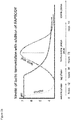
- Figure 1a shows a graph plotting the trend of a classical fermentation of a plant biomass ensiled for livestock use without the addition of a biocatalyst
- Figure 1b shows the same type of graph with the addition of the biocatalyst according to the invention.
- biocatalyst has surprisingly and advantageously proven to be suitable as an additive of silage foods, stimulating the fermentation ability of native lactobacilli of plant biomass.
Landscapes
- Life Sciences & Earth Sciences (AREA)
- Chemical & Material Sciences (AREA)
- Engineering & Computer Science (AREA)
- Zoology (AREA)
- Organic Chemistry (AREA)
- Biotechnology (AREA)
- Wood Science & Technology (AREA)
- Polymers & Plastics (AREA)
- Health & Medical Sciences (AREA)
- Microbiology (AREA)
- Biochemistry (AREA)
- Chemical Kinetics & Catalysis (AREA)
- General Chemical & Material Sciences (AREA)
- General Health & Medical Sciences (AREA)
- General Engineering & Computer Science (AREA)
- Food Science & Technology (AREA)
- Mycology (AREA)
- Genetics & Genomics (AREA)
- Animal Husbandry (AREA)
- Bioinformatics & Cheminformatics (AREA)
- Molecular Biology (AREA)
- Physiology (AREA)
- Botany (AREA)
- Sustainable Development (AREA)
- Biomedical Technology (AREA)
- Micro-Organisms Or Cultivation Processes Thereof (AREA)
- Fodder In General (AREA)
Applications Claiming Priority (1)
| Application Number | Priority Date | Filing Date | Title |
|---|---|---|---|
| ITUB2015A003541A ITUB20153541A1 (it) | 2015-09-10 | 2015-09-10 | Biocatalizzatore per insilati ad uso zootecnico |
Publications (1)
| Publication Number | Publication Date |
|---|---|
| EP3141606A1 true EP3141606A1 (fr) | 2017-03-15 |
Family
ID=54884185
Family Applications (1)
| Application Number | Title | Priority Date | Filing Date |
|---|---|---|---|
| EP16187956.4A Withdrawn EP3141606A1 (fr) | 2015-09-10 | 2016-09-09 | Biocatalyseur pour l'ensilage destiné à l'alimentation du bétail |
Country Status (2)
| Country | Link |
|---|---|
| EP (1) | EP3141606A1 (fr) |
| IT (1) | ITUB20153541A1 (fr) |
Cited By (2)
| Publication number | Priority date | Publication date | Assignee | Title |
|---|---|---|---|---|
| WO2018157953A1 (fr) * | 2017-03-03 | 2018-09-07 | Sarah Yanik | Composition contenant de la propolis, son utilisation pour le traitement des maladies du sabot et des griffes chez les animaux, et sa préparation |
| CN117044935A (zh) * | 2023-07-21 | 2023-11-14 | 华南理工大学 | 一种具有降尿酸功能的营养组合物配方及其制备方法 |
Citations (1)
| Publication number | Priority date | Publication date | Assignee | Title |
|---|---|---|---|---|
| US3459554A (en) * | 1967-01-26 | 1969-08-05 | Kaken Kagaku Kk | Process for ripening silages |
-
2015
- 2015-09-10 IT ITUB2015A003541A patent/ITUB20153541A1/it unknown
-
2016
- 2016-09-09 EP EP16187956.4A patent/EP3141606A1/fr not_active Withdrawn
Patent Citations (1)
| Publication number | Priority date | Publication date | Assignee | Title |
|---|---|---|---|---|
| US3459554A (en) * | 1967-01-26 | 1969-08-05 | Kaken Kagaku Kk | Process for ripening silages |
Non-Patent Citations (2)
| Title |
|---|
| LENNART SVENSSON ET AL: "EFFECT OF DIFFERENT SUPPLEMENTS ON THE FERMENTATION PROCESS IN SILAGE", JOURNAL OF THE SCIENCE OF FOOD AND AGRICULTURE, vol. 15, no. 2, February 1964 (1964-02-01), pages 78 - 82, XP055256614, DOI: 10.1002/jsfa.2740150203 * |
| MELKAMU BEZABIH YITBAREK ET AL: "Silage Additives: Review", OPEN JOURNAL OF APPLIED SCIENCES, vol. 04, no. 05, 2014, pages 258 - 274, XP055256624, ISSN: 2165-3917, DOI: 10.4236/ojapps.2014.45026 * |
Cited By (2)
| Publication number | Priority date | Publication date | Assignee | Title |
|---|---|---|---|---|
| WO2018157953A1 (fr) * | 2017-03-03 | 2018-09-07 | Sarah Yanik | Composition contenant de la propolis, son utilisation pour le traitement des maladies du sabot et des griffes chez les animaux, et sa préparation |
| CN117044935A (zh) * | 2023-07-21 | 2023-11-14 | 华南理工大学 | 一种具有降尿酸功能的营养组合物配方及其制备方法 |
Also Published As
| Publication number | Publication date |
|---|---|
| ITUB20153541A1 (it) | 2017-03-10 |
Similar Documents
| Publication | Publication Date | Title |
|---|---|---|
| Lima et al. | Effect of combined ensiling of sorghum and soybean with or without molasses and lactobacilli on silage quality and in vitro rumen fermentation | |
| KR102255611B1 (ko) | 복합 균주를 이용한 완전배합 발효사료의 제조방법 | |
| CN101897383B (zh) | 一种发酵法去除棉菜粕毒物和提高营养价值的方法、一种饲用发酵棉菜粕蛋白原料及其应用 | |
| EP0468596A1 (fr) | Traitement enzymatique de l'ensilage | |
| CN108330080B (zh) | 一种含有布氏乳杆菌的饲料青贮剂及其制备方法和应用 | |
| CN101305769B (zh) | 一种微生物发酵饲料的制备方法 | |
| CA2867868A1 (fr) | Fermentation amelioree d'aliment pour animaux riche en proteines | |
| CN109536416A (zh) | 一种降解构树叶单宁的青贮菌剂制备及其应用方法 | |
| CN113273645B (zh) | 一种饲料桑类青绿饲料的青贮方法 | |
| CN104012787A (zh) | 一种利用微生物有益活菌制备玉米秸秆粗饲料的方法 | |
| CN115669809A (zh) | 一种玉米青贮添加剂 | |
| CN109924360A (zh) | 一种猪发酵配合饲料及其制备方法 | |
| CN116333917A (zh) | 一种猪场现场发酵用微生态制剂及其制备与应用 | |
| CA3009334C (fr) | Compositions de proteines vegetales fermentees procedes pour les produire | |
| KR102492755B1 (ko) | 증기 처리 및 복합 균주를 이용한 완전배합 발효사료의 제조방법 | |
| CN105166324B (zh) | 一种利用苎麻骨培养基菌糠制作饲料的方法 | |
| EP3141606A1 (fr) | Biocatalyseur pour l'ensilage destiné à l'alimentation du bétail | |
| CN105166412A (zh) | 一种复合微生物制剂及其应用 | |
| CN104738311B (zh) | 一种鱼浆发酵豆粕及其生产方法和应用 | |
| Danylenko et al. | Inoculant efficiency in corn silage preparation | |
| WO1991015966A1 (fr) | Fourrage traite par voie enzymatique pour la conservation en silo | |
| CN101756010A (zh) | 利用酱油渣生产赖氨酸强化饲料的方法 | |
| JPH02167033A (ja) | 飼料の製造方法 | |
| KR20230087725A (ko) | 천연곡물 발효사료 | |
| PL219782B1 (pl) | Nowy szczep bakterii Lactobacillus buchneri A oraz wieloskładnikowy preparat do konserwowania roślin wysokoskrobiowych |
Legal Events
| Date | Code | Title | Description |
|---|---|---|---|
| PUAI | Public reference made under article 153(3) epc to a published international application that has entered the european phase |
Free format text: ORIGINAL CODE: 0009012 |
|
| AK | Designated contracting states |
Kind code of ref document: A1 Designated state(s): AL AT BE BG CH CY CZ DE DK EE ES FI FR GB GR HR HU IE IS IT LI LT LU LV MC MK MT NL NO PL PT RO RS SE SI SK SM TR |
|
| AX | Request for extension of the european patent |
Extension state: BA ME |
|
| 17P | Request for examination filed |
Effective date: 20170915 |
|
| RBV | Designated contracting states (corrected) |
Designated state(s): AL AT BE BG CH CY CZ DE DK EE ES FI FR GB GR HR HU IE IS IT LI LT LU LV MC MK MT NL NO PL PT RO RS SE SI SK SM TR |
|
| 17Q | First examination report despatched |
Effective date: 20180709 |
|
| STAA | Information on the status of an ep patent application or granted ep patent |
Free format text: STATUS: THE APPLICATION HAS BEEN WITHDRAWN |
|
| 18W | Application withdrawn |
Effective date: 20181019 |