EP3142312B1 - Verfahren und vorrichtungen zur verarbeitung von upstream-datenanomalien - Google Patents
Verfahren und vorrichtungen zur verarbeitung von upstream-datenanomalien Download PDFInfo
- Publication number
- EP3142312B1 EP3142312B1 EP14894461.4A EP14894461A EP3142312B1 EP 3142312 B1 EP3142312 B1 EP 3142312B1 EP 14894461 A EP14894461 A EP 14894461A EP 3142312 B1 EP3142312 B1 EP 3142312B1
- Authority
- EP
- European Patent Office
- Prior art keywords
- onu
- uplink data
- twdm channel
- twdm
- channel terminal
- Prior art date
- Legal status (The legal status is an assumption and is not a legal conclusion. Google has not performed a legal analysis and makes no representation as to the accuracy of the status listed.)
- Not-in-force
Links
- 238000012545 processing Methods 0.000 title claims description 95
- 238000000034 method Methods 0.000 title claims description 35
- 238000011144 upstream manufacturing Methods 0.000 title description 4
- 230000002159 abnormal effect Effects 0.000 claims description 236
- 230000005856 abnormality Effects 0.000 claims description 92
- 230000003287 optical effect Effects 0.000 claims description 19
- 230000009849 deactivation Effects 0.000 claims description 18
- 230000008569 process Effects 0.000 claims description 16
- 238000010586 diagram Methods 0.000 description 18
- 230000005540 biological transmission Effects 0.000 description 13
- 238000004891 communication Methods 0.000 description 12
- 238000011282 treatment Methods 0.000 description 3
- 238000001514 detection method Methods 0.000 description 2
- 230000000694 effects Effects 0.000 description 2
- 238000005516 engineering process Methods 0.000 description 2
- 238000012986 modification Methods 0.000 description 2
- 230000004048 modification Effects 0.000 description 2
- 239000013307 optical fiber Substances 0.000 description 2
- 235000008694 Humulus lupulus Nutrition 0.000 description 1
- 230000001419 dependent effect Effects 0.000 description 1
- 238000011161 development Methods 0.000 description 1
- 230000008034 disappearance Effects 0.000 description 1
- 238000003672 processing method Methods 0.000 description 1
- 238000011084 recovery Methods 0.000 description 1
- 230000002269 spontaneous effect Effects 0.000 description 1
- 238000006467 substitution reaction Methods 0.000 description 1
Images



Classifications
-
- H—ELECTRICITY
- H04—ELECTRIC COMMUNICATION TECHNIQUE
- H04B—TRANSMISSION
- H04B10/00—Transmission systems employing electromagnetic waves other than radio-waves, e.g. infrared, visible or ultraviolet light, or employing corpuscular radiation, e.g. quantum communication
- H04B10/07—Arrangements for monitoring or testing transmission systems; Arrangements for fault measurement of transmission systems
- H04B10/075—Arrangements for monitoring or testing transmission systems; Arrangements for fault measurement of transmission systems using an in-service signal
- H04B10/079—Arrangements for monitoring or testing transmission systems; Arrangements for fault measurement of transmission systems using an in-service signal using measurements of the data signal
- H04B10/0793—Network aspects, e.g. central monitoring of transmission parameters
-
- H—ELECTRICITY
- H04—ELECTRIC COMMUNICATION TECHNIQUE
- H04B—TRANSMISSION
- H04B10/00—Transmission systems employing electromagnetic waves other than radio-waves, e.g. infrared, visible or ultraviolet light, or employing corpuscular radiation, e.g. quantum communication
- H04B10/03—Arrangements for fault recovery
- H04B10/038—Arrangements for fault recovery using bypasses
-
- H—ELECTRICITY
- H04—ELECTRIC COMMUNICATION TECHNIQUE
- H04B—TRANSMISSION
- H04B10/00—Transmission systems employing electromagnetic waves other than radio-waves, e.g. infrared, visible or ultraviolet light, or employing corpuscular radiation, e.g. quantum communication
- H04B10/07—Arrangements for monitoring or testing transmission systems; Arrangements for fault measurement of transmission systems
- H04B10/075—Arrangements for monitoring or testing transmission systems; Arrangements for fault measurement of transmission systems using an in-service signal
- H04B10/079—Arrangements for monitoring or testing transmission systems; Arrangements for fault measurement of transmission systems using an in-service signal using measurements of the data signal
- H04B10/0795—Performance monitoring; Measurement of transmission parameters
- H04B10/07957—Monitoring or measuring wavelength
-
- H—ELECTRICITY
- H04—ELECTRIC COMMUNICATION TECHNIQUE
- H04B—TRANSMISSION
- H04B10/00—Transmission systems employing electromagnetic waves other than radio-waves, e.g. infrared, visible or ultraviolet light, or employing corpuscular radiation, e.g. quantum communication
- H04B10/50—Transmitters
- H04B10/572—Wavelength control
-
- H—ELECTRICITY
- H04—ELECTRIC COMMUNICATION TECHNIQUE
- H04J—MULTIPLEX COMMUNICATION
- H04J14/00—Optical multiplex systems
- H04J14/02—Wavelength-division multiplex systems
- H04J14/0227—Operation, administration, maintenance or provisioning [OAMP] of WDM networks, e.g. media access, routing or wavelength allocation
- H04J14/0254—Optical medium access
- H04J14/0272—Transmission of OAMP information
-
- H—ELECTRICITY
- H04—ELECTRIC COMMUNICATION TECHNIQUE
- H04J—MULTIPLEX COMMUNICATION
- H04J14/00—Optical multiplex systems
- H04J14/02—Wavelength-division multiplex systems
- H04J14/0278—WDM optical network architectures
- H04J14/0282—WDM tree architectures
-
- H—ELECTRICITY
- H04—ELECTRIC COMMUNICATION TECHNIQUE
- H04J—MULTIPLEX COMMUNICATION
- H04J14/00—Optical multiplex systems
- H04J14/08—Time-division multiplex systems
-
- H—ELECTRICITY
- H04—ELECTRIC COMMUNICATION TECHNIQUE
- H04Q—SELECTING
- H04Q11/00—Selecting arrangements for multiplex systems
- H04Q11/0001—Selecting arrangements for multiplex systems using optical switching
- H04Q11/0005—Switch and router aspects
- H04Q2011/0007—Construction
- H04Q2011/0016—Construction using wavelength multiplexing or demultiplexing
-
- H—ELECTRICITY
- H04—ELECTRIC COMMUNICATION TECHNIQUE
- H04Q—SELECTING
- H04Q11/00—Selecting arrangements for multiplex systems
- H04Q11/0001—Selecting arrangements for multiplex systems using optical switching
- H04Q11/0005—Switch and router aspects
- H04Q2011/0007—Construction
- H04Q2011/0033—Construction using time division switching
-
- H—ELECTRICITY
- H04—ELECTRIC COMMUNICATION TECHNIQUE
- H04Q—SELECTING
- H04Q11/00—Selecting arrangements for multiplex systems
- H04Q11/0001—Selecting arrangements for multiplex systems using optical switching
- H04Q11/0005—Switch and router aspects
- H04Q2011/0037—Operation
- H04Q2011/0043—Fault tolerance
Definitions
- the present invention relates to the field of communications, and more particularly, to a method and apparatus for processing abnormal uplink data.
- PON Passive Optical Network
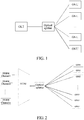
- FIG. 1 is a topological structure diagram of a PON system in the related art.
- the PON system generally consists of an Optical Line Terminal (referred to as OLT for short) at the central office side, an Optical Network Unit (referred to as ONU for short) at the user side, and an Optical Distribution Network (referred to as ODN for short), and usually a point-to-multipoint network structure is adopted.
- the ODN consists of passive optical components such as single-mode optical fiber, an optical splitter and optical connectors, and provides an optical transmission medium for physical connection between the OLT and the ONU.
- TWDM Time Wavelength Division Multiplexing
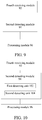
- FIG. 2 is a topological structure diagram of a TWDM PON system in the related art.
- each TWDM channel includes one downlink wavelength channel and one or more uplink wavelength channels.
- Each TWDM channel manages a group of ONUs, one group of ONUs uses the same uplink wavelength for sending uplink data and the same downlink wavelength for receiving downlink data, and different ONUs in the one group of ONUs transmit uplink data through the time division multiplexing mode.
- the downlink wavelengths of different TWDM channels are different, and the uplink wavelengths used by various groups of ONUs managed by different OLTs are also different.
- Each ONU sends the uplink data within a specific uplink time slot according to a command of the OLT.
- the sending wavelength and receiving wavelength of the ONUs in the TWT PON system can be tuned.
- the OLT can command an ONU to tune the working wavelength, and therefore the ONU can work in any TWDM channel.
- the downlink wavelength remains on the correct downlink wavelength channel, and when the uplink wavelength drifts out of the current working TWDM channel, the ONU can receive uplink bandwidth allocation and send data at the wrong uplink wavelength. If the ONU sends uplink data on other TWDM channels having uplink transmission data, it will lead to conflict in the uplink data on the other TWDM channels, and the OLT cannot correctly parse the uplink data on the TWDM channels.
- a method for processing abnormal uplink data including: a first TWDM channel terminal in a TWDM PON detecting abnormal uplink data; the first TWDM channel terminal sending uplink data abnormality information to other TWDM channel terminals in the TWDM PON, herein, the uplink data abnormality information is used for the other TWDM channel terminals detecting whether uplink data sent by an ONU managed by the other TWDM channel terminals themselves are abnormal, and when an abnormality is detected, processing the ONU sending abnormal uplink data.
- the uplink data abnormality information includes at least one of: an ONU identification of the ONU sending the abnormal uplink data, an indication identification for indicating the abnormal uplink data, and an electrical signal corresponding to the abnormal uplink data.
- the first TWDM channel terminal sending the uplink data abnormality information to the other TWDM channel terminals in the TWDM PON includes: the first TWDM channel terminal judging whether the ONU identification of the ONU sending the abnormal uplink data is detected; when the judgment result is yes, the first TWDM channel terminal sending the ONU identification to the other TWDM channel terminals in the TWDM PON; and/or, when the judgment result is no, the first TWDM channel terminal sending the indication identification for indicating the abnormal uplink data/the electrical signal corresponding to the abnormal uplink data to the other TWDM channel terminals.
- the first TWDM channel terminal sends the uplink data abnormality information to the other TWDM channel terminals in the TWDM PON, further including: in the case that the first TWDM channel terminal sends the ONU identification to the other TWDM channel terminals, receiving feedback information sent by a second TWDM channel terminal that the processing on an abnormal ONU corresponding to the ONU identification has been completed, herein, the second TWDM channel terminal has a function of identifying that the ONU is an ONU managed by the second TWDM channel terminal itself according to the ONU identification; and/or, in the case that the first TWDM channel terminal sends the indication identification for indicating the abnormal uplink data/the electrical signal corresponding to the abnormal uplink data to the other TWDM channel terminals, receiving feedback information sent by a third TWDM channel terminal that the processing on the ONU that has a signal loss or is wavelength tuned incorrectly has been completed, herein, the third TWDM channel terminal has the function of identifying that an ONU managed by the third TWDM
- wavelength tuning information sent by a fourth TWDM channel terminal for performing wavelength tuning on the ONU that belongs to the fourth TWDM channel terminal is received, herein, the wavelength tuning information carries an ONU identification of the ONU that is wavelength tuned; the first TWDM channel terminal judges whether the ONU of the fourth TWDM channel terminal that is wavelength tuned sends abnormal uplink data on a channel corresponding to the first TWDM channel terminal according to the wavelength tuning information; when the judgment result is yes, the first TWDM channel terminal sends the uplink data abnormality information to the fourth TWDM channel terminal.
- a method for processing abnormal uplink data including: a second TWDM channel terminal in a TWDM PON receiving uplink data abnormality information sent by the first TWDM channel terminal, herein, the uplink data abnormality information is used for indicating the second TWDM channel terminal to detect whether uplink data sent by an ONU managed by the second TWDM channel terminal itself are abnormal, and when an abnormality is detected, processing the ONU that sends abnormal uplink data; the second TWDM channel terminal detecting whether the uplink data sent by the ONU managed by the second TWDM channel terminal itself are abnormal according to the uplink data abnormality information; when an abnormality is detected, the second TWDM channel terminal processing the ONU that sends the abnormal uplink data and transmits feedback information to the first TWDM channel terminal, that indicates processing of the sends the abnormal uplink data has been completed.
- the second TWDM channel terminal detecting whether the uplink data sent by the ONU managed by the second TWDM channel terminal itself are abnormal according to the uplink data abnormality information includes at least one of: in the case that the uplink data abnormality information is an ONU identification of the ONU sending the abnormal uplink data, the second TWDM channel terminal detecting whether the ONU sending the abnormal uplink data is an ONU managed by the second TWDM channel terminal itself according to the ONU identification; in the case that the uplink data abnormality information is an indication identification for indicating abnormal uplink data or an electrical signal corresponding to the abnormal uplink data, the second TWDM channel terminal detecting whether the ONU sending the abnormal uplink data is an ONU managed by the second TWDM channel terminal itself that has a signal loss/is wavelength tuned incorrectly.
- the second TWDM channel terminal processing the ONU that sends the abnormal uplink data includes at least one of: stopping allocating an uplink bandwidth to the ONU corresponding to the ONU identification, sending an uplink wavelength tuning command to the ONU corresponding to the ONU identification, sending an uplink wavelength calibration command to the ONU corresponding to the ONU identification, sending a deactivation command to the ONU corresponding to the ONU identification, sending a disabling command to the ONU corresponding to the ONU identification; and/or, in the case that the second TWDM channel terminal detects that the ONU sending the abnormal uplink data is the ONU managed by the second TWDM channel terminal itself that has the signal loss/is wavelength tuned incorrectly, the second TWDM channel terminal processing the ONU that sends the abnormal uplink data includes at least one of: stopping allocating an uplink bandwidth to the
- an apparatus for processing abnormal uplink data located in a first TWDM channel terminal in a TWDM PON including: a first detecting module, arranged to detect abnormal uplink data; a first sending module, arranged to send uplink data abnormality information to other TWDM channel terminals in the TWDM PON, herein, the uplink data abnormality information is used for the other TWDM channel terminals detecting whether uplink data sent by an ONU managed by the other TWDM channel terminals themselves are abnormal, and process the ONU sending abnormal uplink data when an abnormality is detected.
- the first sending module includes: a judging unit, arranged to judge whether an ONU identification of the ONU sending the abnormal uplink data is detected; a first sending unit, arranged to: when the judgment result is yes, send the ONU identification to the other TWDM channel terminals in the TWDM PON; and/or, a second sending unit, arranged to: when the judgment result is no, send an indication identification for indicating the abnormal uplink data and/or an electrical signal corresponding to the abnormal uplink data to the other TWDM channel terminals.
- the apparatus further includes: a first receiving module, arranged to: in the case that the first TWDM channel terminal sends the ONU identification to the other TWDM channel terminals, receive feedback information sent by a second TWDM channel terminal that the processing on the abnormal ONU corresponding to the ONU identification has been completed, herein, the second TWDM channel terminal has a function of identifying that the ONU is an ONU managed by the second TWDM channel terminal itself according to the ONU identification; and/or, a second receiving module, arranged to: in the case that the first TWDM channel terminal sends the indication identification for indicating the abnormal uplink data/the electrical signal corresponding to the abnormal uplink data to the other TWDM channel terminals, receive feedback information sent by a third TWDM channel terminal that the processing on the ONU has a signal loss or is wavelength tuned incorrectly has been completed, herein, the third TWDM channel terminal has the function of identifying that an ONU managed by the third TWDM channel terminal itself has a signal loss or is in a
- the apparatus further includes: a third receiving module, arranged to: before sending the uplink data abnormality information to the other TWDM channel terminals in the TWDM PON, receive wavelength tuning information sent by a fourth TWDM channel terminal for performing wavelength tuning on an ONU that belongs to the fourth TWDM channel terminal, herein, the wavelength tuning information carries the ONU identification of the ONU that is wavelength tuned; a judging module, arranged to judge whether the ONU of the fourth TWDM channel terminal that is wavelength tuned sends the abnormal uplink data on a channel corresponding to the first TWDM channel terminal according to the wavelength tuning information; the first sending module, further arranged to: when the judgment result of the judging module is yes, send the uplink data abnormality information to the fourth TWDM channel terminal.
- a third receiving module arranged to: before sending the uplink data abnormality information to the other TWDM channel terminals in the TWDM PON, receive wavelength tuning information sent by a fourth TWDM channel terminal for performing wavelength tuning on an ONU that belongs to the fourth T
- an apparatus for processing abnormal uplink data located in a second TWDM channel terminal in a TWDM PON including: a fourth receiving module, arranged to receive uplink data abnormality information sent by a first TWDM channel terminal, herein, the uplink data abnormality information is used for indicating the second TWDM channel terminal to detect whether uplink data sent by an ONU managed by the second TWDM channel terminal itself are abnormal, and when an abnormality is detected, process the ONU that sends abnormal uplink data; a second detecting module, arranged to detect whether the uplink data sent by the ONU managed by the second TWDM channel terminal itself are abnormal according to the uplink data abnormality information; a processing module, arranged to: in the case that the detecting module detects an abnormality, process the ONU that sends the abnormal uplink data, and a transmitting module arranged to transmit feedback information to the first TWDM channel terminal, that indicates processing of the sends the abnormal uplink data has been completed.
- the second detecting module includes at least one of: a first detecting module, arranged to: in the case that the uplink data abnormality information is an ONU identification of the ONU sending the abnormal uplink data, detect whether the ONU sending the abnormal uplink data is an ONU managed by itself according to the ONU identification; a second detecting module, arranged to: in the case that the uplink data abnormality information is an indication identification for indicating the abnormal uplink data or an electrical signal corresponding to the abnormal uplink data, detect whether the ONU sending the abnormal uplink data is an ONU managed by itself that has a signal loss/is wavelength tuned incorrectly.
- the processing module includes: a first processing unit, arranged to: in the case that the second TWDM channel terminal detects that the ONU sending the abnormal uplink data is the ONU managed by the second TWDM channel terminal itself according to the ONU identification, the second TWDM channel terminal processing the ONU that sends the abnormal uplink data includes at least one of: stopping allocating an uplink bandwidth to the ONU corresponding to the ONU identification, sending an uplink wavelength tuning command to the ONU corresponding to the ONU identification, sending an uplink wavelength calibration command to the ONU corresponding to the ONU identification, sending a deactivation command to the ONU corresponding to the ONU identification, sending a disabling command to the ONU corresponding to the ONU identification; and/or, a second processing unit, arranged to: in the case that the second TWDM channel terminal detects that the ONU sending the abnormal uplink data is the ONU managed by the second TWDM channel terminal itself that has a signal loss/is wavelength tuned incorrectly, the second TWDM channel terminal processing
- the first TWDM channel terminal in the TWDM PON is used for detecting abnormal uplink data; the first TWDM channel terminal sends uplink data abnormality information to other TWDM channel terminals in the TWDM PON, herein, the uplink data abnormality information is used for the other TWDM channel terminals detecting whether the uplink data sent by an ONU managed by the other TWDM channel terminals are abnormal, and when an abnormality is detected, processes the ONU sending the abnormal uplink data, thus solving the problem in the related art that the ONU sends data on a wrong uplink wavelength channel to cause uplink data interference on the uplink wavelength channel, thereby achieving the effect of quickly locating the ONU using the wrong uplink wavelength for communication, so as to rapidly reduce the uplink channel interference, and improving the quality of service of the network.
- FIG. 3 is a flow chart of the first method for processing abnormal uplink data in accordance with an embodiment of the present invention, and as shown in FIG. 3 , the process includes the following steps:
- uplink data abnormality information for processing the abnormal uplink data is send to the other TWDM channel terminals so as to quickly locate the ONU sending the abnormal uplink data, which not only solves the problem in the related art that an ONU sends data on a wrong uplink wavelength channel to cause uplink data interference on the uplink wavelength channel, but also can quickly locate the ONU using the wrong uplink wavelength for communication, thus rapidly reducing the interference on the uplink channel and improving the quality of service of the network.
- the uplink data abnormality information may be adopted in various ways, for example, at least one of the following ways: an ONU identification of an ONU that sends abnormal uplink data, an indication identification for indicating the abnormal uplink data, and an electrical signal corresponding to the abnormal uplink data.
- the first TWDM channel terminal When the first TWDM channel terminal sends the uplink data abnormality information to other TWDM channel terminals other than the first TWDM channel terminal in the TWDM PON, different treatments can be applied based on whether the ONU identification of the ONU sending the abnormal uplink data can be identified: first it is to judge whether the ONU identification of the ONU sending the abnormal uplink data is detected, and when the judgment result is yes, the first TWDM channel terminal may send the ONU identification to the other TWDM channel terminals other than the first TWDM channel terminal in the TWDM PON, and through the ONU identification, the other terminals receiving the ONU identification can quickly identify whether the ONU is an ONU managed by the respective other terminals themselves; when the judgment result is no, the first TWDM channel terminal may send an indication identification for indicating the abnormal uplink data/an electric signal corresponding to the abnormal uplink data to the other TWDM channel terminals.
- the optical signal of the uplink data sent by the abnormal ONU may be sent to other channel terminals, or after the optical signal of the uplink data sent by the abnormal ONU is photo-electrically converted, the electrical signal is directly sent to all the other channel terminals without any treatment.
- the channel terminal to which the abnormal ONU belongs can identify the ONU identification information of the ONU, thus the identity of the abnormal ONU can be directly located so that the OLT can directly process the abnormal ONU.
- the first TWDM channel terminal may receive different feedback information from the different other TWDM channel terminals when the types of the other TWDM channel terminals are different.
- the first TWDM channel terminal may receive feedback information sent by the second TWDM channel terminal that the processing on the abnormal ONU corresponding to the ONU identification has been completed; and for another example, in the case that the first TWDM channel terminal sends an indication identification for indicating the abnormal uplink data/an electric signal corresponding to the abnormal uplink data to other TWDM channel terminals, and when the other TWDM channel terminals are a third TWDM channel terminal that has the function of identifying that an ONU managed by itself has a signal loss or is in a wavelength tuning error state, the first TWDM channel terminal may receive feedback information sent by the third TWDM channel terminal that the processing on the ONU that has the signal loss or is wavelength tuned incorrectly has been completed.
- the first TWDM channel terminal before sending the uplink data abnormality information to other TWDM channel terminals other than the first TWDM channel terminal in the TWDM PON, may receive information related to the state adjustment sent by the other TWDM channel terminals, and then can quickly locate the ONU sending the abnormal uplink data according to the received relevant information.
- wavelength tuning information sent by a fourth TWDM channel terminal for performing wavelength tuning on an ONU that belongs to the fourth TWDM channel terminal is received, herein the wavelength tuning information carries the ONU identification of the ONU that is wavelength tuned; the first TWDM channel terminal judges whether an ONU of the fourth TWDM channel terminal that is wavelength tuned sends the abnormal uplink data on a channel corresponding to the first TWDM channel terminal according to the ONU identification in the wavelength tuning information; when the judgment result is yes, the first TWDM channel terminal sends the uplink data abnormality information to the fourth TWDM channel terminal.
- the TWDM channel terminal with occurrence of abnormal uplink data can be quickly located, and the uplink data interference can be solved more quickly.
- the fourth TWDM channel terminal does not send the ONU identification of the ONU that is wavelength tuned to the first TWDM channel terminal, or the first TWDM channel terminal cannot identify the ONU identification of the abnormal ONU, the first TWDM channel terminal cannot determine whether the abnormal ONU belongs to the fourth TWDM channel terminal, and at this time, it may be doubted that the wavelength-tuned ONU that belongs to the fourth TWDM channel is the abnormal ONU, of course, this can only be speculation. Such speculation may help the first TWDM channel terminal orient information sent to the fourth TWDM channel terminal, and the information may be notifying the fourth TWDM channel terminal of detecting whether the wavelength-tuned ONU completes correct wavelength tuning.
- FIG. 4 is a flow chart of the second method for processing abnormal uplink data in accordance with an embodiment of the present invention, and as shown in FIG. 4 , the process includes the following steps:
- the uplink data abnormality information sent by the first TWDM channel terminal that detects the abnormal uplink data is received, a corresponding detection is executed according to the uplink data abnormality information, and the abnormal uplink data sent by the ONU are processed, so as to quickly locate the ONU sending the abnormal uplink data, which not only solves the problem in the related art that an ONU sends data on a wrong uplink wavelength channel to cause uplink data interference on the uplink wavelength channel, but also can rapidly locate the ONU using the wrong uplink wavelength for communication, thus quickly reducing the interference on the uplink channel and improving the quality of service of the network.
- the uplink data abnormality information is the ONU identification of the ONU that sends the abnormal uplink data
- the second TWDM channel terminal detects whether the ONU sending the abnormal uplink data is an ONU managed by the second TWDM channel terminal itself according to the ONU identification
- the uplink data abnormality information is an indication identification for indicating the abnormal uplink data or an electrical signal corresponding to the abnormal uplink data
- the second TWDM channel terminal detects whether the ONU sending the abnormal uplink data is an ONU managed by the second TWDM channel terminal itself that has a signal loss/is wavelength tuned.
- the processing on the ONU that sends the abnormal uplink data may also be different:
- module may be a combination of software and/or hardware implementing predetermined functions.
- apparatus described in the following embodiments are implemented by software, implementations of hardware or a combination of software and hardware may also be contemplated.
- FIG. 5 is a block diagram of the structure of the first apparatus for processing abnormal uplink data in accordance with an embodiment of the present invention, and as shown in FIG. 5 , the apparatus is located in the first TWDM channel terminal in the TWDM PON, including: a detecting module 52 and a first sending module 54, and the apparatus will be described below.
- the detecting module 52 is arranged to detect the abnormal uplink data; the first sending module 54 is connected to the above detecting module 52 and is arranged to send uplink data abnormality information to other TWDM channel terminals in the TWDM PON, herein, the uplink data abnormality information is used for the other TWDM channel terminals detecting whether the uplink data sent by the ONU managed by the other TWDM channel terminals themselves are abnormal, and when an abnormality is detected, process the ONU sending the abnormal uplink data.
- FIG. 6 is the block diagram of the structure of the first sending module 54 in the first apparatus for processing abnormal uplink data in accordance with the embodiment of the present invention, and as shown in FIG. 6 , the first sending module 54 includes: a judging unit 62, a first sending unit 64 and/or a second sending unit 66, and in the following, the first sending module 54 will be described.
- the judging unit 62 is arranged to judge whether the ONU identification of the ONU sending the abnormal uplink data is detected; the first sending unit 64 is connected to the above judging unit 62 and is arranged to: when the judgment result of the judging unit 62 is yes, send an ONU identification to other TWDM channel terminals other than the first TWDM channel terminal in the TWDM PON; the second sending unit 66 is connected to the above judging unit 62 and is arranged to: when the judgment result of the judging unit 62 is no, send an indication identification for indicating the abnormal uplink data/an electrical signal corresponding to the abnormal uplink data to the other TWDM channel terminals.
- FIG. 7 is the first block diagram of the structure of the first apparatus for processing abnormal uplink data in accordance with the embodiment of the present invention, and as shown in FIG. 7 , besides all the structures shown in FIG. 5 , the apparatus further includes a first receiving module 72 and/or a second receiving module 74, and in the following, the apparatus will be described.
- the first receiving module 72 is arranged to: in the case that the first TWDM channel terminal sends the ONU identification to the other TWDM channel terminals, receive feedback information sent by the second TWDM channel terminal that the processing on the abnormal ONU corresponding to the ONU identification has been completed, herein, the second TWDM channel terminal has a function of identifying that the ONU is an ONU managed by the second TWDM channel terminal itself according to the ONU identification; the second receiving module 74 is arranged to: in the case that the first TWDM channel terminal sends the indication identification for indicating the abnormal uplink data/the electrical signal corresponding to the abnormal uplink data to the other TWDM channel terminals, receive feedback information sent by a third TWDM channel terminal that the processing on the ONU that has a signal loss or is wavelength tuned incorrectly has been completed, herein, the third TWDM channel terminal has the function of identifying that the ONU managed by the third TWDM channel terminal itself has the signal loss or is in the wavelength tuning error state.
- FIG. 8 is the second block diagram of the structure of the first apparatus for processing abnormal uplink data in accordance with the embodiment of the present invention, and as shown in FIG. 8 , besides all the structures shown in FIG. 5 , the apparatus further includes: a third receiving module 82 and a judging module 84, and the structure will be described in the following.
- the third receiving module 82 is arranged to: before the uplink data abnormality information is sent to other TWDM channel terminals in the TWDM PON, receive wavelength tuning information sent by the fourth TWDM channel terminal for performing wavelength tuning on the ONU that belongs to the fourth TWDM channel terminal, herein, the wavelength tuning information carries the ONU identification of the ONU that is wavelength tuned;
- the judging module 84 is connected to the above detecting module 52, the third receiving module 82 and the first sending module 54, and is arranged to judge whether the ONU of the fourth TWDM channel terminal that is wavelength tuned sends the abnormal uplink data on a channel corresponding to the first TWDM channel terminal according to the wavelength tuning information;
- the first sending module 54 is further arranged to: when the judgment result of the above judging module 84 is yes, send the uplink data abnormality information to the fourth TWDM channel terminal.
- FIG. 9 is a block diagram of the second apparatus for processing abnormal uplink data in accordance with the embodiment of the present invention, and as shown in FIG. 9 , the apparatus is located in the second TWDM channel terminal in the TWDM PON, including: a fourth receiving module 92, a second detecting module 94 and a processing module 96, and in the following, the apparatus will be described.
- the fourth receiving module 92 is arranged to receive the uplink data abnormality information sent by the first TWDM channel terminal, herein, the uplink data abnormality information is used for indicating the second TWDM channel terminal to detect whether the uplink data sent by the ONU managed by the second TWDM channel terminal itself are abnormal, and when an abnormality is detected, process the ONU that sends the abnormal uplink data;
- the second detecting module 94 is connected to the fourth receiving module 92 and is arranged to: detect whether the uplink data sent by the ONU managed by itself are abnormal according to the uplink data abnormality information;
- the processing module 96 is connected to the second detecting module 94 and is arranged to: in the case that the detecting module detects an abnormality, process the ONU that sends the abnormal uplink data.
- FIG. 10 is a block diagram of the structure of the second detecting module 94 in the second apparatus for processing abnormal uplink data in accordance with the embodiment of the present invention, and as shown in FIG. 10 , the second detecting module 94 includes at least one of: a first detecting unit 102 and a second detecting unit 104, and in the following, the second detecting module 94 will be described.
- the first detecting unit 102 is arranged to: in the case that the uplink data abnormality information is the ONU identification of the ONU sending the abnormal uplink data, detect whether the ONU sending the abnormal uplink data is an ONU managed by itself according to the ONU identification; the second detecting unit 104 is arranged to: in the case that the uplink data abnormality information is an indication identification for indicating the abnormal uplink data or an electrical signal corresponding to the abnormal uplink data, detect whether the ONU sending the abnormal uplink data is the ONU managed by itself that has a signal loss or is wavelength tuned incorrectly.
- FIG. 11 is a block diagram of the structure of the processing module 96 in the second apparatus for processing abnormal uplink data in accordance with the embodiment of the present invention, and as shown in FIG. 11 , the processing module 96 includes: a first processing unit 112 and/or a second processing unit 114, and in the following, the processing module 96 will be described.
- the first processing unit 112 is arranged to: in the case that the second TWDM channel terminal detects that the ONU sending the abnormal uplink data is an ONU managed by the second TWDM channel terminal itself according to the ONU identification, the second TWDM channel terminal processing the ONU sending the abnormal uplink data includes at least one of: stopping allocating an uplink bandwidth to the ONU corresponding to the ONU identification, sending an uplink wavelength tuning command to the ONU corresponding to the ONU identification, sending an uplink wavelength calibration command to the ONU corresponding to the ONU identification, sending a deactivation command to the ONU corresponding to the ONU identification, and sending a disabling command to the ONU corresponding to the ONU identification; the second processing unit 114 is arranged to: in the case that the second TWDM channel terminal detects that the ONU sending the abnormal uplink data is the ONU managed by the second TWDM channel terminal itself that has the signal loss/is wavelength tuned incorrectly, the second TWDM channel terminal processing the ONU that sends the abnormal uplink data includes
- the first TWDM channel terminal in the TWDM PON detects abnormal uplink data and the first TWDM channel terminal detects that an ONU not belonging to the first TWDM channel sends uplink data on the first TWDM channel in accordance with the ONU identification (corresponding to the ONU sending the abnormal uplink data), then the first TWDM channel terminal sends at least one of the following contents to all the other TWDM channel terminals or a certain TWDM channel terminal in the TWDM PON system: the ONU identification, a first TWDM channel identification, a downlink wavelength identification of the first TWDM channel, and an uplink wavelength identification of the first TWDM channel, the ONU corresponding to the ONU identification sending the uplink data on the first TWDM channel, and the time when the ONU corresponding to the ONU identification sends the uplink data on the TWDM channel, notifying the other TWDM channel terminals of commanding the above ONU to perform a wavelength calibration; if the first TWDM channel terminal cannot obtain the ONU identification of the
- the second TWDM channel terminal receiving the information sent by the first TWDM channel terminal, if identifying that the ONU identification is an ONU identification managed by its own TWDM channel, stops allocating an uplink bandwidth to the ONU corresponding to the ONU identification, or sends an uplink wavelength tuning command or an uplink wavelength calibration command to the ONU corresponding to the ONU identification, or sends a deactivation command to the ONU corresponding to the ONU identification, or sends a disabling command to the ONU corresponding to the ONU identification; after completing the abovementioned content, the second TWDM channel terminal sends at least one of the following contents to the first TWDM channel terminal: the processing on the abnormal ONU having been completed; and notifying the first TWDM channel terminal of restoring uplink data transmission.
- the first TWDM channel terminal restores the uplink data transmission on the first TWDM channel when no abnormal uplink data can be detected or after a message from the second TWDM channel terminal is received.
- the third TWDM channel terminal receiving the information sent by the first TWDM channel terminal, if identifying that the ONU managed by the third TWDM channel terminal itself has an ONU signal loss or is in a wavelength tuning state, stops allocating an uplink bandwidth to the ONU that has the signal loss or is wavelength tuned, or sends an uplink wavelength tuning command or an uplink wavelength calibration command to the ONU that has the signal loss or is wavelength tuned, or sends a deactivation command to the ONU that has the signal loss or is wavelength tuned, or sends a disabling command to the ONU that has the signal loss or is wavelength tuned; after completing the abovementioned content, the third TWDM channel terminal sends the following content to the first TWDM channel: the processing on the ONU that has the signal loss or is wavelength tuned having been completed.
- the following content is sent to the third TWDM channel: abnormal uplink data disappearance.
- the third TWDM channel terminal includes both a TWDM channel terminal corresponding to the source TWDM channel before the ONU is wavelength tuned, and a TWM channel terminal corresponding to the target TWDM channel after the ONU is wavelength tuned.
- the fourth TWDM channel terminal sends at least one of the following wavelength tuning related contents to all the other TWDM channel terminals in the TWDM PON: an ONU identification of the ONU that is wavelength tuned, a source TWDM channel identification, a downlink wavelength identification of the source TWDM channel, an uplink wavelength identification of the source TWDM channel, a target TWDM channel identification, a downlink wavelength identification of the target TWDM channel, and an uplink wavelength identification of the target TWDM channel.
- the first TWDM channel terminal can identify that the ONU causing abnormal uplink data belongs to the fourth TWDM channel, or the first TWDM channel terminal detects the abnormal uplink data after receiving the ONU wavelength tuning related information sent by the fourth TWDM channel terminal, the first TWDM channel terminal sends the contents sent to all the other TWDM channel terminals or a certain TWDM channel terminal in the TWDM PON system to the fourth TWDM channel terminal.
- the TWDM channel on which uplink data interference is detected in communication with other TWDM channels can quickly locate the ONU using a wrong uplink wavelength channel for communication, and can quickly reduce interference on the uplink channel, to reduce the system recovery time and improve the quality of service of the network.
- each TWDM channel corresponds to a downlink wavelength channel and one or more uplink wavelength channels.
- Different TWDM channels correspond to different downlink wavelength channels and different uplink wavelength channels.
- the OLT commands each ONU connected to the PON system to operate on a certain TWDM channel, the ONU uses the downlink wavelength channel corresponding to the above TWDM channel to receive the downlink data and uses the uplink wavelength channel corresponding to the above TWDM channel to send the uplink data.
- the ONU When the uplink wavelength of the ONU drifts spontaneously or an uplink wavelength tuning error occurs, the downlink wavelength remains on the correct downlink wavelength channel, and the uplink wavelength drifts out of the current operating TWDM channel, the ONU can receive uplink bandwidth allocation and send data at the wrong uplink wavelength.
- the ONU receives the uplink bandwidth allocation on the correct TWDM channel (e.g., referred to as a second TWDM channel, when corresponding to the case of the wrong wavelength tuning, the second TWDM channel includes both a source TWDM channel before the ONU is wavelength tuned and a target wavelength channel after the ONU is wavelength tuned), and sends the uplink data on the wrong first TWDM channel, which interferes with the uplink data on the first TWDM channel, resulting in that the OLT detects abnormal uplink data on the first TWDM channel.
- a second TWDM channel when corresponding to the case of the wrong wavelength tuning, the second TWDM channel includes both a source TWDM channel before the ONU is wavelength tuned and a target wavelength channel after the ONU is wavelength tuned
- the TWDM channel terminals of the OLT use the following steps to restore the uplink communication on the first TWDM channel:
- step S1 the first TWDM channel terminal corresponding to the first TWDM channel in the TWDM PON detects abnormal uplink data, and the first TWDM channel terminal in the TWDM PON stops allocating an uplink bandwidth to the ONU operating on the first TWDM channel.
- the first TWDM channel terminal If the first TWDM channel terminal is able to continuously receive uplink data, the first TWDM channel detects the ONU identification sending the uplink data, and if the ONU identification can be parsed and obtained and the ONU identification does not belong to the first TWDM channel, the first TWDM channel terminal sends at least one of the following contents to all the other TWDM channels in the TWDM PON system: the ONU identification, the first TWDM channel identification, the downlink wavelength identification of the first TWDM channel, the uplink wavelength identification of the first TWDM channel, the ONU corresponding to the ONU identification sending the uplink data on the first TWDM channel, the time when the ONU corresponding to the ONU identification sends the uplink data on the TWDM channel, notifying the other TWDM channel terminals of commanding the ONU to perform a wavelength calibration.
- step S2 after the second TWDM channel terminal receives the information sent by the first TWDM channel terminal, if identifying that the ONU identification is an ONU identification managed by its own TWDM channel, the second TWDM channel terminal stops allocating an uplink bandwidth to the ONU corresponding to the ONU identification, or sends an uplink wavelength tuning command or an uplink wavelength calibration command to the ONU corresponding to the ONU identification, or sends a deactivation command to the ONU corresponding to the ONU identification, or sends a disabling command to the ONU corresponding to the ONU identification; after completing the above content, the second TWDM channel terminal sends at least one of the following contents to the above first TWDM channel terminal: the processing on the abnormal ONU having been completed; notifying the first TWDM channel terminal of restoring the uplink data transmission.
- step S3 after the first TWDM channel terminal cannot detect the abnormal uplink data or receives a message from the above second TWDM channel terminal, the first TWDM channel terminal allocates an uplink bandwidth to the ONU operating on the first TWDM channel to restore the uplink data transmission on the first TWDM channel, and sends the following content to the second TWDM channel: abnormal uplink data appearance.
- each TWDM channel corresponds to a downlink wavelength channel and one or more uplink wavelength channels.
- Different TWDM channels correspond to different downlink wavelength channels and different uplink wavelength channels.
- the OLT commands each ONU connected to the PON system to operate on a certain TWDM channel, and the ONU uses the downlink wavelength channel corresponding to the above TWDM channel to receive the downlink data and uses the uplink wavelength channel corresponding to the above TWDM channel to send the uplink data.
- the ONU When the uplink wavelength of the ONU drifts spontaneously or an uplink wavelength tuning error occurs, the downlink wavelength remains on the correct downlink wavelength channel, and the uplink wavelength drifts out of the current operating TWDM channel, the ONU can receive uplink bandwidth allocation and sends data on the wrong uplink wavelength.
- the ONU receives the uplink bandwidth allocation on the correct TWDM channel (e.g., referred to as the second TWDM channel, when corresponding to the case of wrong wavelength tuning, the second TWDM channel includes both a source TWDM channel before the ONU is wavelength tuned and a target wavelength channel after the ONU is wavelength tuned), and sends the uplink data on the wrong first TWDM channel, which interferes with the uplink data on the first TWDM channel, resulting in that the OLT detects the abnormal uplink data on the first TWDM channel.
- the TWDM channel terminals of the OLT use the following steps to restore the uplink communication on the first TWDM channel:
- step S1 the first TWDM channel terminal corresponding to the first TWDM channel in the TWDM PON detects abnormal uplink data, and the first TWDM channel terminal in the TWDM PON stops allocating an uplink bandwidth to the ONU operating on the first TWDM channel.
- the first TWDM channel terminal If the first TWDM channel terminal is able to continuously receive the uplink data, the first TWDM channel detects the ONU identification sending the uplink data, and if the first TWDM channel terminal cannot obtain the ONU identification of the ONU causing the abnormal uplink data on the first TWDM channel, the first TWDM channel terminal sends at least one of the following contents to all the other TWDM channels in the TWDM PON system: the first TWDM channel identification, the downlink wavelength identification of the first TWDM channel, the uplink wavelength identification of the first TWDM channel, the time when the ONU sends the uplink data on the first TWDM channel, the abnormal uplink data on the first TWDM channel, notifying the other TWDM channel terminals of processing the ONU that has a signal loss or is wavelength tuned, and notifying the other TWDM channel terminals of commanding the ONU that has the signal loss and/or is wavelength tuned to perform a wavelength calibration.
- step S2 after the third TWDM channel terminal receives the information sent by the first TWDM channel terminal, if identifying that the ONU managed by the third TWDM channel terminal itself has an ONU signal loss or is in a wavelength tuning state, the third TWDM channel terminal stops allocating the uplink bandwidth to the ONU that has the signal loss or is wavelength tuned, or sends an uplink wavelength tuning command or an uplink wavelength calibration command to the ONU that has the signal loss or is wavelength tuned, or sends a deactivation command to the ONU that has the signal loss or is wavelength tuned, or sends a disabling command to the ONU that has the signal loss or is wavelength tuned; after completing the above content, the third The TWDM channel terminal sends the following content to the first TWDM channel terminal: the processing on the ONU that has the signal loss or is wavelength tuned having been completed.
- step S3 after the first TWDM channel terminal cannot detect the abnormal uplink data or receive the content sent by the third TWDM channel terminal in the step S2, the first TWDM channel terminal allocates the uplink bandwidth to the ONU operating on the first TWDM channel to restore the uplink data transmission of the first TWDM channel, and sends the following content to the third TWDM channel: abnormal uplink data appearance.
- the third TWDM channel can identify that an ONU managed by itself has an ONU signal loss or is in a wavelength tuning state, and if the third TWDM channel identifies that the ONU managed by itself is in the wavelength tuning state, the third TWDM channel terminal includes both the TWDM channel terminal corresponding to the source TWDM channel before the ONU is wavelength tuned and the TWDM channel terminal corresponding to the target TWDM channel after the ONU is wavelength tuned.
- the fourth TWDM channel terminal in the TWDM PON sends at least one of the following wavelength tuning related contents to all the other TWDM channel terminals in the TWDM PON: an ONU identification of the ONU that is wavelength tuned, a source TWDM channel identification, a downlink wavelength identification of the source TWDM channel, an uplink wavelength identification of the source TWDM channel, a target TWDM channel identification, a downlink wavelength identification of the target TWDM channel, and an uplink wavelength identification of the target TWDM channel.
- the first TWDM channel terminal detects abnormal uplink data after receiving the ONU wavelength tuning related information sent by the fourth TWDM channel terminal in the above third embodiment, the first TWDM channel sends at least one of the following contents to the fourth TWDM channel terminal: the first TWDM channel identification, the downlink wavelength identification of the first TWDM channel, the uplink wavelength identification of the first TWDM channel, the time when the ONU sends the uplink data on the first TWDM channel, the abnormal uplink data on the first TWDM channel, notifying the fourth TWDM channel terminal of processing the ONU that is wavelength tuned, and notifying the fourth TWDM channel terminal of commanding the ONU that is wavelength tuned to perform a wavelength calibration.
- step S3 after receiving the information sent by the first TWDM channel terminal, the fourth TWDM channel terminal stops allocating an uplink bandwidth to the ONU that is wavelength tuned, or sends an uplink wavelength tuning command or an uplink wavelength calibration command to the ONU that is wavelength tuned, or sends a deactivation command to the ONU that has the signal loss or is wavelength tuned, or sends a disabling command to the ONU that has the signal loss or is wavelength tuned; after completing the above content, the fourth TWDM channel terminal sends the following content to the above first TWDM channel: the processing on the ONU that is wavelength tuned having been completed.
- step S4 after the first TWDM channel terminal cannot detect the abnormal uplink data or receives the content sent by the fourth TWDM channel terminal in step S3, the first TWDM channel terminal allocates the uplink bandwidth to the ONU operating on the first TWDM channel to restore the uplink data transmission of the first TWDM channel, and sends the following content to the third TWDM channel: abnormal uplink data appearance.
- step S1 the first TWDM channel terminal corresponding to the first TWDM channel in the TWDM PON detects abnormal uplink data, and the first TWDM channel terminal in the TWDM PON stops allocating an uplink bandwidth to the ONU operating on the first TWDM channel.
- the first TWDM channel terminal If the first TWDM channel terminal is able to continuously receive uplink data, the first TWDM channel detects the ONU identification sending the uplink data, and if the ONU identification can be parsed and obtained and it is identified that the ONU identification belongs to the fourth TWDM channel, the first TWDM channel terminal sends at least one of the following contents to the fourth TWDM channel: an ONU identification, a first TWDM channel identification, a downlink wavelength identification of the first TWDM channel, an uplink wavelength identification of the first TWDM channel, the ONU corresponding to the ONU identification sending the uplink data on the first TWDM channel, and the time when the ONU corresponding to the ONU identification sends the uplink data on the first TWDM channel, notifying the fourth TWDM channel terminal of commanding the ONU to perform a wavelength calibration.
- step S2 after the fourth TWDM channel terminal receives the information sent by the first TWDM channel terminal in the above step S1, if identifying that the ONU identification is an ONU identification managed by its own TWDM channel, the fourth TWDM channel terminal stops allocating an uplink bandwidth to the ONU corresponding to the ONU identification, or sends an uplink wavelength tuning command or an uplink wavelength calibration command to the ONU corresponding to the ONU identification, or sends a deactivation command to the ONU corresponding to the ONU identification, or sends a disable command to the ONU corresponding to the ONU identification; after completing the above content, the fourth TWDM channel terminal sends at least one of the following contents to the first TWDM channel terminal: the processing on the abnormal ONU having been completed; and notifying the first TWDM channel terminal of restoring the uplink data transmission.
- step S3 after the first TWDM channel terminal cannot detect the abnormal uplink data or receive a message from the fourth TWDM channel terminal in the step S2, the first TWDM channel terminal allocates the uplink bandwidth to the ONU operating on the first TWDM channel to restore the uplink data transmission of the first TWDM channel, and sends the following content to the fourth TWDM channel: abnormal uplink data appearance.
- uplink wavelength and the downlink wavelength in all the abovementioned embodiments may be the same or different.
- modules or steps of the present invention described above may be implemented by general-purpose computing devices that may be centralized on a single computing device or distributed over a network consisting of a plurality of computing devices, optionally, they may be implemented with program codes executable by the computing device so that they may be stored in the storage means and executed by the computing device, and in some cases, may be implemented by the steps shown or described herein that are performed in an order different from the order herein, or making them separately into individual integrated circuit modules, or making a plurality of modules or steps thereof into a single integrated circuit module.
- the present invention is not limited to any particular combination of hardware and software.
- the problem in the related art that an ONU sends data on a wrong uplink wavelength channel to cause uplink data interference on the uplink wavelength channel is solved, thereby achieving the effect of quickly locating the ONU using the wrong uplink wavelength for communication, thus rapidly reducing the interference on the uplink channel and improving the quality of service of the network.
Landscapes
- Engineering & Computer Science (AREA)
- Computer Networks & Wireless Communication (AREA)
- Signal Processing (AREA)
- Physics & Mathematics (AREA)
- Electromagnetism (AREA)
- Small-Scale Networks (AREA)
- Optical Communication System (AREA)
Claims (8)
- Verfahren zur Verarbeitung von abnormalen Uplink-Daten, aufweisend:ein erstes Kanalendgerät mit Zeit-Wellenlängen-Multiplexverfahren, TWDM, eines passiven optischen TWDM-Netzwerks, PON, das abnormale Uplink-Daten erkennt (S302);wobei das erste TWDM-Kanalendgerät Anomalie-Informationen von Uplink-Daten an andere TWDM-Kanalendgeräte in dem TWDM-PON sendet (S304), wobei die Anomalie-Informationen der Uplink-Daten für die anderen TWDM-Kanalendgeräte verwendet werden, die erkennen, ob Uplink-Daten, die von optischen Netzwerkeinheiten, ONUs, gesendet werden, die von den anderen TWDM-Kanalendgeräten selbst verwaltet werden, abnormal sind, und wenn eine Anomalie erkannt wird, eine ONU verarbeiten, die abnormale Uplink-Daten sendet;wobei die Anomalie-Informationen der Uplink-Daten mindestens eines aufweisen von:einer ONU-Kennung der ONU, die die abnormalen Uplink-Daten sendet, einer Meldungskennung zum Angeben der abnormalen Uplink-Daten und einem elektrischen Signal, das den abnormalen Uplink-Daten entspricht,wobei das erste TWDM-Kanalendgerät, das die Anomalie-Informationen der Uplink-Daten an die anderen TWDM-Kanalendgeräte in dem TWDM-PON sendet, aufweist:das erste TWDM-Kanalendgerät, das beurteilt, ob die ONU-Kennung der ONU, die die abnormalen Uplink-Daten sendet, erkannt wurde;wenn ein Beurteilungsergebnis "Ja" lautet, Senden der ONU-Kennung durch das erste TWDM-Kanalendgerät an die anderen TWDM-Kanalendgeräte in dem TWDM-PON; und/oder wenn das Beurteilungsergebnis "Nein" lautet, Senden der Meldungskennung zum Angeben der abnormalen Uplink-Daten oder des elektrischen Signals, das den abnormalen Uplink-Daten entspricht, durch das erste TWDM-Kanalendgerät an die anderen TWDM-Kanalendgeräte,nachdem das erste TWDM-Kanalendgerät die Anomalie-Informationen der Uplink-Daten an die anderen TWDM-Kanalendgeräte in dem TWDM-PON gesendet hat, wobei das Verfahren ferner aufweist:in dem Fall, dass das erste TWDM-Kanalendgerät die ONU-Kennung an die anderen TWDM-Kanalendgeräte sendet, Empfangen von Rückmeldeinformationen, die von einem zweiten TWDM-Kanalendgerät gesendet werden, dass eine Verarbeitung an einer abnormalen ONU, die der ONU-Kennung entspricht, abgeschlossen worden ist, wobei das zweite TWDM-Kanalendgerät eine Funktion zum Identifizieren besitzt, dass die ONU gemäß der ONU-Kennung eine von dem zweiten TWDM-Kanalendgerät selbst verwaltete ONU ist; und/oderin dem Fall, dass das erste TWDM-Kanalendgerät die Meldungskennung zum Angeben der abnormalen Uplink-Daten oder des elektrischen Signals, das den abnormalen Uplink-Daten entspricht, an die anderen TWDM-Kanalendgeräte sendet, Empfangen von Rückmeldeinformationen, die von einem dritten TWDM-Kanalendgerät gesendet werden, dass eine Verarbeitung an einer ONU, die einen Signalverlust aufweist oder deren Wellenlänge falsch abgestimmt ist, abgeschlossen worden ist, wobei das dritte TWDM-Kanalendgerät eine Funktion zum Identifizieren besitzt, dass eine ONU, die von dem dritten TWDM-Kanalendgerät selbst verwaltet wird, einen Signalverlust aufweist oder sich in einem Wellenlängen-Abstimmungsfehlerzustand befindet.
- Verfahren nach Anspruch 1, wobei,
bevor das erste TWDM-Kanalendgerät die Anomalie-Informationen der Uplink-Daten zu den anderen TWDM-Kanalendgeräten in der TWDM-PON sendet, Wellenlängen-Abstimmungsinformationen empfangen werden, die von einem vierten TWDM-Kanalendgerät gesendet werden, um eine Wellenlängenabstimmung an der ONU auszuführen, die zu dem vierten TWDM-Kanalendgerät gehört, wobei die Wellenlängen-Abstimmungsinformationen eine ONU-Kennung der ONU führen, die wellenlängenabgestimmt ist;
das erste TWDM-Kanalendgerät beurteilt, ob die ONU des vierten TWDM-Kanalendgeräts, die wellenlängenabgestimmt ist, abnormale Uplink-Daten auf einem Kanal sendet, der dem ersten TWDM-Kanalendgerät gemäß den Wellenlängen-Abstimmungsinformationen entspricht;
wenn ein Beurteilungsergebnis "Ja" lautet, das erste TWDM-Kanalendgerät die Anomalie-Informationen der Uplink-Daten an das vierte TWDM-Kanalendgerät sendet. - Verfahren zur Verarbeitung von abnormalen Uplink-Daten, aufweisend:ein zweites Kanalendgerät mit Zeit-Wellenlängen-Multiplexverfahren, TWDM, eines passiven optischen TWDM-Netzwerks, PON, das Anomalie-Informationen der Uplink-Daten empfängt (S402), die von einem ersten TWDM-Kanalendgerät gesendet wurden, wobei die Anomalie-Informationen der Uplink-Daten verwendet werden, um dem zweiten TWDM-Kanalendgerät ein Erkennen anzugeben, ob Uplink-Daten, die von einer optischen Netzwerkeinheit, ONU, gesendet werden, die von dem zweiten TWDM-Kanalendgerät selbst verwaltet werden, abnormal sind; undeine ONU zu verarbeiten, die abnormale Uplink-Daten sendet, wenn eine Anomalie erkennt wird;wobei das zweite TWDM-Kanalendgerät gemäß den Anomalie-Informationen der Uplink-Daten erkennt (S404), ob die Uplink-Daten, die von der ONU gesendet werden, die von dem zweiten TWDM-Kanalendgerät selbst verwaltet wird, abnormal sind;wobei das zweite TWDM-Kanalendgerät die ONU verarbeitet (S406), die die abnormalen Uplink-Daten sendet, wenn eine Anomalie erkannt wird,und Rückmeldeinformationen zu dem ersten TWDM-Kanalendgerät überträgt,die angeben, dass die Verarbeitung der gesendeten abnormalen Uplink-Daten abgeschlossen ist, wobei das zweite TWDM-Kanalendgerät, das erkennt, ob die Uplink-Daten abnormal sind, die von der ONU gesendet wurden, die von dem zweiten TWDM-Kanalendgerät selbst verwaltet wird, gemäß den Anomalie-Informationen der Uplink-Daten mindestens eines aufweist von:in dem Fall, dass die Anomalie-Informationen der Uplink-Daten eine ONU-Kennung der ONU ist, die die abnormalen Uplink-Daten sendet, Erkennen durch das zweite TWDM-Kanalendgerät, ob die ONU, die die abnormalen Uplink-Daten sendet, eine ONU ist, die durch das zweite TWDM-Kanalendgerät selbst gemäß der ONU-Kennung verwaltet wird;in dem Fall, dass die Anomalie-Informationen der Uplink-Daten eine Meldungskennung zum Angeben von abnormalen Uplink-Daten oder eines elektrischen Signals sind, das den abnormalen Uplink-Daten entspricht, Erkennen durch das zweite TWDM-Kanalendgerät, ob die ONU, die die abnormalen Uplink-Daten sendet, eine durch das zweite TWDM-Kanalendgerät selbst verwaltete ONU ist, die einen Signalverlust aufweist oder deren Wellenlänge falsch abgestimmt ist.
- Verfahren nach Anspruch 3, wobei
in dem Fall, dass das zweite TWDM-Kanalendgerät erkennt, dass die ONU, die die abnormalen Uplink-Daten sendet, die ONU ist, die durch das zweite TWDM-Kanalendgerät selbst gemäß der ONU-Kennung verwaltet wird, das zweite TWDM-Kanalendgerät, das die ONU verarbeitet, die die abnormalen Uplink-Daten sendet, mindestens eines aufweist von: Stoppen der Zuweisung einer Uplink-Bandbreite zu der ONU, die der ONU-Kennung entspricht, Senden eines Uplink-Wellenlängenabstimmungsbefehls an die ONU, die der ONU-Kennung entspricht, Senden eines Uplink-Wellenlängenkalibrierungsbefehls an die ONU, die der ONU-Kennung entspricht, Senden eines Deaktivierungsbefehls an die ONU, die der ONU-Kennung entspricht, Senden eines Ausschaltbefehls an die ONU, die der ONU-Kennung entspricht; und/oder in dem Fall, dass das zweite TWDM-Kanalendgerät erkennt, dass die ONU, die die abnormalen Uplink-Daten sendet, die durch das zweite TWDM-Kanalendgerät selbst verwaltete ONU ist, die den Signalverlust aufweist oder deren Wellenlänge falsch abgestimmt ist, das zweite TWDM-Kanalendgerät, das die ONU verarbeitet, die die abnormalen Uplink-Daten sendet, mindestens eines aufweist von: Stoppen der Zuweisung einer Uplink-Bandbreite zu der ONU, die Signalverlust aufweist oder deren Wellenlänge falsch abgestimmt ist, Senden eines Uplink-Wellenlängenabstimmungsbefehls an die ONU, die den Signalverlust aufweist oder deren Wellenlänge falsch abgestimmt ist, Senden eines Uplink-Wellenlängenkalibrierungsbefehls an die ONU, die den Signalverlust aufweist oder deren Wellenlänge falsch abgestimmt ist, Senden eines Deaktivierungsbefehls an die ONU, die den Signalverlust aufweist oder deren Wellenlänge falsch abgestimmt ist, und Senden eines Ausschaltbefehls an die ONU, die den Signalverlust aufweist oder deren Wellenlänge falsch abgestimmt ist. - Vorrichtung zum Verarbeiten von abnormalen Uplink-Daten, die sich in einem ersten Kanalendgerät mit Zeit-Wellenlängen-Multiplexverfahren, TWDM, eines passiven optischen TWDM-Netzwerks, PON, befinden, aufweisend:ein erstes Erkennungsmodul (52), das angeordnet ist, um abnormale Uplink-Daten zu erkennen;ein erstes Sendemodul (54), das angeordnet ist, um Anomalie-Informationen von Uplink-Daten an andere TWDM-Kanalendgeräte in dem TWDM-PON zu senden, wobei die Anomalie-Informationen der Uplink-Daten für die anderen TWDM-Kanalendgeräte zum Erkennen verwendet werden, ob Uplink-Daten, die von einer optischen Netzwerkeinheit, ONU, gesendet werden, die von den anderen TWDM-Kanalendgeräten selbst verwaltet werden, abnormal sind, und zum Verarbeiten einer ONU, die abnormale Uplink-Daten sendet, wenn eine Anomalie erkannt wird;wobei das erste Sendemodul (54) aufweist:eine Beurteilungseinheit (62), die angeordnet ist, um zu beurteilen, ob eine ONU-Kennung der ONU, die die abnormalen Uplink-Daten sendet, erkannt wurde;eine erste Sendeeinheit (64), die angeordnet ist, um: wenn ein Beurteilungsergebnis "Ja" lautet, die ONU-Kennung an die anderen TWDM-Kanalendgeräte in dem TWDM-PON zu senden;und/oder eine zweite Sendeeinheit (66), die angeordnet ist, um: wenn das Beurteilungsergebnis "Nein" lautet, eine Meldungskennung zum Angeben der abnormalen Uplink-Daten und/oder des elektrischen Signals, das den abnormalen Uplink-Daten entspricht, an die anderen TWDM-Kanalendgeräte zu senden,wobei die Vorrichtung ferner aufweist:ein erstes Empfangsmodul (72), das angeordnet ist, um: in dem Fall, dass das erste TWDM-Kanalendgerät eine ONU-Kennung an die anderen TWDM-Kanalendgeräte sendet, Rückmeldeinformationen zu empfangen, die von einem zweiten TWDM-Kanalendgerät gesendet werden, dass eine Verarbeitung an einer abnormalen ONU, die der ONU-Kennung entspricht, abgeschlossen worden ist, wobei das zweite TWDM-Kanalendgerät eine Funktion zum Identifizieren besitzt, dass die ONU gemäß der ONU-Kennung eine von dem zweiten TWDM-Kanalendgerät selbst verwaltete ONU ist; und/oderein zweites Empfangsmodul (74), das angeordnet ist, um: in dem Fall, dass das erste TWDM-Kanalendgerät eine Meldungskennung zum Angeben der abnormalen Uplink-Daten oder des elektrischen Signals, das den abnormalen Uplink-Daten entspricht, an die anderen TWDM-Kanalendgeräte sendet, Rückmeldeinformationen zu empfangen, die von einem dritten TWDM-Kanalendgerät gesendet werden, dass eine Verarbeitung an der ONU, die einen Signalverlust aufweist oder in der Wellenlänge falsch abgestimmt ist, abgeschlossen worden ist,wobei das dritte TWDM-Kanalendgerät eine Funktion zum Identifizieren besitzt, dass eine von dem dritten TWDM-Kanalendgerät selbst verwaltete ONU einen Signalverlust aufweist oder sich in einem Wellenlängen-Abstimmungsfehlerzustand befindet.
- Vorrichtung nach Anspruch 5, wobei
ein drittes Empfangsmodul (82) angeordnet ist, um: bevor die Anomalie-Informationen der Uplink-Daten an die anderen TWDM-Kanalendgeräte in der TWDM-PON gesendet werden, Wellenlängen-Abstimmungsinformationen zu empfangen, die von einem vierten TWDM-Kanalendgerät gesendet werden, um eine Wellenlängenabstimmung an einer ONU auszuführen, die zu dem vierten TWDM-Kanalendgerät gehört, wobei die Wellenlängen-Abstimmungsinformationen eine ONU-Kennung der ONU führen, die wellenlängenabgestimmt ist;
ein Beurteilungsmodul (62) angeordnet ist, um zu beurteilen, ob die ONU des vierten TWDM-Kanalendgeräts, die wellenlängenabgestimmt ist, die abnormalen Uplink-Daten auf einem Kanal sendet, der dem ersten TWDM-Kanalendgerät gemäß den Wellenlängen-Abstimmungsinformationen entspricht;
das erste Sendemodul (54) ferner angeordnet ist, um: die Anomalie-Informationen der Uplink-Daten an das vierte TWDM-Kanalendgerät zu senden, wenn ein Beurteilungsergebnis des Beurteilungsmoduls "Ja" lautet. - Vorrichtung zum Verarbeiten von abnormalen Uplink-Daten, die sich in einem zweiten Kanalendgerät mit Zeit-Wellenlängen-Multiplexverfahren, TWDM, eines passiven optischen TWDM-Netzwerks, PON, befinden, aufweisend:ein viertes Empfangsmodul (92), das angeordnet ist, um Anomalie-Informationen von Uplink-Daten zu empfangen, die von einem ersten TWDM-Kanalendgerät gesendet wurden, wobei die Anomalie-Informationen der Uplink-Daten verwendet werden, um dem zweiten TWDM-Kanalendgerät anzugeben zu erkennen, ob Uplink-Daten, die von einer optischen Netzwerkeinheit, ONU, gesendet wurden, die von dem zweiten TWDM-Kanalendgerät selbst verwaltet wird, abnormal sind, und eine ONU zu verarbeiten, die abnormale Uplink-Daten sendet, wenn eine Anomalie erkannt wird;ein zweites Erkennungsmodul (94), das angeordnet ist, um zu erkennen, ob die Uplink-Daten, die von der ONU gesendet werden, die von dem zweiten TWDM-Kanalendgerät selbst verwaltet wird, gemäß den Anomalie-Informationen der Uplink-Daten abnormal sind;ein Verarbeitungsmodul (96), das angeordnet ist, um: die ONU zu verarbeiten, die die abnormalen Uplink-Daten in dem Fall sendet, dass das Erkennungsmodul eine Anomalie erkennt,und ein Übertragungsmodul, das angeordnet ist, um Rückmeldeinformationen zu dem ersten TWDM-Kanalendgerät zu übertragen, das angibt, dass die Verarbeitung der gesendeten abnormalen Uplink-Daten abgeschlossen ist,das zweite Erkennungsmodul (94) mindestens eines aufweist von:einem ersten Erkennungsmodul (102), das angeordnet ist, um: in dem Fall, dass die Anomalie-Informationen der Uplink-Daten eine ONU-Kennung der ONU sind, die die abnormalen Uplink-Daten sendet, zu erkennen, ob die ONU, die die abnormalen Uplink-Daten sendet, eine ONU ist, die durch sich selbst gemäß der ONU-Kennung verwaltet wird;ein zweites Erkennungsmodul (104), das angeordnet ist, um: in dem Fall, dass die Anomalie-Informationen der Uplink-Daten eine Meldungskennung zum Angeben der abnormalen Uplink-Daten oder eines elektrischen Signals sind, das den abnormalen Uplink-Daten entspricht, zu erkennen, ob die ONU, die die abnormalen Uplink-Daten sendet, eine durch sich selbst verwaltete ONU ist, die einen Signalverlust aufweist oder deren Wellenlänge falsch abgestimmt ist.
- Vorrichtung nach Anspruch 7, wobei das Verarbeitungsmodul (96) aufweist:eine erste Verarbeitungseinheit (112), die angeordnet ist, um: in dem Fall, dass das zweite TWDM-Kanalendgerät erkennt, dass die ONU, die die abnormalen Uplink-Daten sendet, die durch das zweite TWDM-Kanalendgerät selbst gemäß der ONU-Kennung verwaltete ONU ist, das zweite TWDM-Kanalendgerät, das die ONU verarbeitet, die die abnormalen Uplink-Daten sendet, mindestens eines aufweist von: Stoppen der Zuweisung einer Uplink-Bandbreite zu der ONU, die der ONU-Kennung entspricht, Senden eines Uplink-Wellenlängenabstimmungsbefehls an die ONU, die der ONU-Kennung entspricht, Senden eines Uplink-Wellenlängenkalibrierungsbefehls an die ONU, die der ONU-Kennung entspricht, Senden eines Deaktivierungsbefehls an die ONU, die der ONU-Kennung entspricht, Senden eines Ausschaltbefehls an die ONU, die der ONU-Kennung entspricht; und/odereine zweite Verarbeitungseinheit (114), die angeordnet ist, um: in dem Fall, dass das zweite TWDM-Kanalendgerät erkennt, dass die ONU, die die abnormalen Uplink-Daten sendet, die durch das zweite TWDM-Kanalendgerät selbst verwaltete ONU ist, die einen Signalverlust aufweist oder deren Wellenlänge falsch abgestimmt ist, das zweite TWDM-Kanalendgerät, das die ONU verarbeitet, die die abnormalen Uplink-Daten sendet, mindestens eines aufweist von: Stoppen der Zuweisung einer Uplink-Bandbreite zu der ONU, die den Signalverlust aufweist oder deren Wellenlänge falsch abgestimmt ist, Senden eines Uplink-Wellenlängenabstimmungsbefehls an die ONU, die den Signalverlust aufweist oder deren Wellenlänge falsch abgestimmt ist, Senden eines Uplink-Wellenlängenkalibrierungsbefehls an die ONU, die den Signalverlust aufweist oder deren Wellenlänge falsch abgestimmt ist, Senden eines Deaktivierungsbefehls an die ONU, die den Signalverlust aufweist oder deren Wellenlänge falsch abgestimmt ist, und Senden eines Ausschaltbefehls an die ONU, die den Signalverlust aufweist oder deren Wellenlänge falsch abgestimmt ist.
Applications Claiming Priority (2)
| Application Number | Priority Date | Filing Date | Title |
|---|---|---|---|
| CN201410253527.5A CN105228183A (zh) | 2014-06-09 | 2014-06-09 | 上行数据异常处理方法及装置 |
| PCT/CN2014/086555 WO2015188485A1 (zh) | 2014-06-09 | 2014-09-15 | 上行数据异常处理方法及装置 |
Publications (3)
| Publication Number | Publication Date |
|---|---|
| EP3142312A1 EP3142312A1 (de) | 2017-03-15 |
| EP3142312A4 EP3142312A4 (de) | 2017-05-03 |
| EP3142312B1 true EP3142312B1 (de) | 2018-11-14 |
Family
ID=54832794
Family Applications (1)
| Application Number | Title | Priority Date | Filing Date |
|---|---|---|---|
| EP14894461.4A Not-in-force EP3142312B1 (de) | 2014-06-09 | 2014-09-15 | Verfahren und vorrichtungen zur verarbeitung von upstream-datenanomalien |
Country Status (4)
| Country | Link |
|---|---|
| US (1) | US20170187452A1 (de) |
| EP (1) | EP3142312B1 (de) |
| CN (1) | CN105228183A (de) |
| WO (1) | WO2015188485A1 (de) |
Families Citing this family (12)
| Publication number | Priority date | Publication date | Assignee | Title |
|---|---|---|---|---|
| US10243687B2 (en) * | 2016-11-17 | 2019-03-26 | Google Llc | Optical network unit wavelength tuning |
| CN112738660B (zh) * | 2019-10-28 | 2022-06-07 | 华为技术有限公司 | 无源光网络的检测方法、装置及系统 |
| CN110798280B (zh) * | 2019-11-08 | 2022-02-18 | 成都优博创通信技术股份有限公司 | 一种波长锁定方法、装置、光模块及波分复用光网络 |
| CN112866834B (zh) * | 2019-11-28 | 2023-02-03 | 中国电信股份有限公司 | 光网络单元及其长发光故障的处理方法和系统 |
| CN111556506B (zh) * | 2020-04-28 | 2023-09-22 | 锐迪科微电子科技(上海)有限公司 | 异常链路的处理方法及设备 |
| CN114204986A (zh) * | 2020-09-17 | 2022-03-18 | 中国电信股份有限公司 | 光链路故障的检测方法、装置、系统和存储介质 |
| CN115580345A (zh) * | 2021-06-21 | 2023-01-06 | 华为技术有限公司 | 异常定位的方法、装置、系统及存储介质 |
| CN113727223B (zh) * | 2021-08-18 | 2023-11-03 | 烽火通信科技股份有限公司 | 一种上行数据发送方法、异常发光检测方法、设备及系统 |
| CN113986144B (zh) * | 2021-11-17 | 2025-03-14 | 展讯通信(上海)有限公司 | 一种通信信号处理方法、装置、芯片和电子设备 |
| US12593276B2 (en) * | 2021-12-07 | 2026-03-31 | Meta Platforms Technologies, Llc | Systems and method for indicating service period information for restricted target wake time |
| CN115913359A (zh) * | 2022-12-09 | 2023-04-04 | 中盈优创资讯科技有限公司 | 一种odn故障定位方法及装置 |
| CN119383495A (zh) * | 2023-07-25 | 2025-01-28 | 中兴通讯股份有限公司 | 发光控制方法及装置、存储介质及电子装置 |
Family Cites Families (5)
| Publication number | Priority date | Publication date | Assignee | Title |
|---|---|---|---|---|
| CN101127566A (zh) * | 2006-08-16 | 2008-02-20 | 华为技术有限公司 | 无源光网络中的上行时隙冲突检测方法及光线路终端 |
| CN101841738A (zh) * | 2009-03-20 | 2010-09-22 | 华为技术有限公司 | 光接入系统中识别光网络单元的方法、光接入系统和设备 |
| CN102104813A (zh) * | 2009-12-16 | 2011-06-22 | 华为技术有限公司 | 10g epon上行传输方法、设备及系统 |
| CN102158770B (zh) * | 2010-02-12 | 2016-08-03 | 中兴通讯股份有限公司 | 一种无源光网络中上行带宽分配的方法和系统 |
| CN103051983B (zh) * | 2011-10-12 | 2017-05-10 | 中兴通讯股份有限公司 | 上行数据异常处理方法及装置 |
-
2014
- 2014-06-09 CN CN201410253527.5A patent/CN105228183A/zh not_active Withdrawn
- 2014-09-15 WO PCT/CN2014/086555 patent/WO2015188485A1/zh not_active Ceased
- 2014-09-15 EP EP14894461.4A patent/EP3142312B1/de not_active Not-in-force
- 2014-09-15 US US15/317,550 patent/US20170187452A1/en not_active Abandoned
Non-Patent Citations (1)
| Title |
|---|
| None * |
Also Published As
| Publication number | Publication date |
|---|---|
| US20170187452A1 (en) | 2017-06-29 |
| EP3142312A4 (de) | 2017-05-03 |
| CN105228183A (zh) | 2016-01-06 |
| WO2015188485A1 (zh) | 2015-12-17 |
| EP3142312A1 (de) | 2017-03-15 |
Similar Documents
| Publication | Publication Date | Title |
|---|---|---|
| EP3142312B1 (de) | Verfahren und vorrichtungen zur verarbeitung von upstream-datenanomalien | |
| US9391693B2 (en) | Protection for distributed radio access networks | |
| US10148387B2 (en) | Method and apparatus for detecting optical network unit, and passive optical network system | |
| EP2164189A1 (de) | Passives optisches Netzsystem und Fehlerbestimmungsverfahren | |
| CN113839707B (zh) | 一种认证方法、装置、设备及存储介质 | |
| US10027405B2 (en) | Method and device for channel switching, optical network unit, and time wavelength division multiplexing system | |
| CN103051983B (zh) | 上行数据异常处理方法及装置 | |
| EP4020839A1 (de) | Verfahren und vorrichtung zur erkennung eines passiven optischen netzwerks sowie system | |
| EP3280093A1 (de) | Registrierungsverfahren und -vorrichtung | |
| JP2018500844A (ja) | 多波長パッシブ光ネットワークに適用される通信方法、装置、及びシステム | |
| KR20170093946A (ko) | 불량 광 네트워크 유닛을 검출하는 방법, 장치 및 시스템 | |
| EP3979523B1 (de) | Vorrichtungen, verfahren, einrichtungen und computerlesbares speichermedium für optische kommunikation | |
| CN116546351A (zh) | 接入模式的切换方法、装置、存储介质及电子装置 | |
| US20250280218A1 (en) | Communication method based on passive optical network, related device, and system | |
| EP4131987B1 (de) | Verfahren zur registrierung einer optischen netzwerkeinheit, optische netzwerkeinheit, optisches leitungsendgerät und system | |
| CN105577265B (zh) | 无源光网络系统的上行波长通道的校准方法及光网络单元 | |
| JP6413484B2 (ja) | 局側終端装置、光アクセスネットワーク及び通信方法 | |
| US20220224595A1 (en) | Optical communication device and control method | |
| KR101586076B1 (ko) | 수동형 광네트워크의 이상 복구 시스템 및 방법 | |
| CN111356038B (zh) | 一种pon中实现通道自适应的方法及相关设备 | |
| US20170237503A1 (en) | Distance Measurement Method, Device and System | |
| US12580646B2 (en) | Method and apparatus applied to PON system, system, and storage medium | |
| CN106162385A (zh) | 控制通道终端的运行状态的方法和装置 | |
| CN112866834B (zh) | 光网络单元及其长发光故障的处理方法和系统 | |
| CN113395611B (zh) | 光网络单元和双模光模块注册方法 |
Legal Events
| Date | Code | Title | Description |
|---|---|---|---|
| STAA | Information on the status of an ep patent application or granted ep patent |
Free format text: STATUS: THE INTERNATIONAL PUBLICATION HAS BEEN MADE |
|
| PUAI | Public reference made under article 153(3) epc to a published international application that has entered the european phase |
Free format text: ORIGINAL CODE: 0009012 |
|
| STAA | Information on the status of an ep patent application or granted ep patent |
Free format text: STATUS: REQUEST FOR EXAMINATION WAS MADE |
|
| 17P | Request for examination filed |
Effective date: 20161208 |
|
| AK | Designated contracting states |
Kind code of ref document: A1 Designated state(s): AL AT BE BG CH CY CZ DE DK EE ES FI FR GB GR HR HU IE IS IT LI LT LU LV MC MK MT NL NO PL PT RO RS SE SI SK SM TR |
|
| AX | Request for extension of the european patent |
Extension state: BA ME |
|
| A4 | Supplementary search report drawn up and despatched |
Effective date: 20170405 |
|
| RIC1 | Information provided on ipc code assigned before grant |
Ipc: H04L 27/26 20060101AFI20170330BHEP Ipc: H04B 10/572 20130101ALI20170330BHEP Ipc: H04J 14/02 20060101ALI20170330BHEP |
|
| DAX | Request for extension of the european patent (deleted) | ||
| REG | Reference to a national code |
Ref country code: DE Ref legal event code: R079 Ref document number: 602014036285 Country of ref document: DE Free format text: PREVIOUS MAIN CLASS: H04L0027260000 Ipc: H04B0010070000 |
|
| GRAP | Despatch of communication of intention to grant a patent |
Free format text: ORIGINAL CODE: EPIDOSNIGR1 |
|
| STAA | Information on the status of an ep patent application or granted ep patent |
Free format text: STATUS: GRANT OF PATENT IS INTENDED |
|
| RIC1 | Information provided on ipc code assigned before grant |
Ipc: H04J 14/02 20060101ALI20180424BHEP Ipc: H04B 10/07 20130101AFI20180424BHEP |
|
| INTG | Intention to grant announced |
Effective date: 20180525 |
|
| GRAJ | Information related to disapproval of communication of intention to grant by the applicant or resumption of examination proceedings by the epo deleted |
Free format text: ORIGINAL CODE: EPIDOSDIGR1 |
|
| STAA | Information on the status of an ep patent application or granted ep patent |
Free format text: STATUS: REQUEST FOR EXAMINATION WAS MADE |
|
| GRAR | Information related to intention to grant a patent recorded |
Free format text: ORIGINAL CODE: EPIDOSNIGR71 |
|
| GRAS | Grant fee paid |
Free format text: ORIGINAL CODE: EPIDOSNIGR3 |
|
| STAA | Information on the status of an ep patent application or granted ep patent |
Free format text: STATUS: GRANT OF PATENT IS INTENDED |
|
| GRAA | (expected) grant |
Free format text: ORIGINAL CODE: 0009210 |
|
| STAA | Information on the status of an ep patent application or granted ep patent |
Free format text: STATUS: THE PATENT HAS BEEN GRANTED |
|
| INTC | Intention to grant announced (deleted) | ||
| INTG | Intention to grant announced |
Effective date: 20181003 |
|
| AK | Designated contracting states |
Kind code of ref document: B1 Designated state(s): AL AT BE BG CH CY CZ DE DK EE ES FI FR GB GR HR HU IE IS IT LI LT LU LV MC MK MT NL NO PL PT RO RS SE SI SK SM TR |
|
| REG | Reference to a national code |
Ref country code: CH Ref legal event code: EP Ref country code: AT Ref legal event code: REF Ref document number: 1066093 Country of ref document: AT Kind code of ref document: T Effective date: 20181115 |
|
| REG | Reference to a national code |
Ref country code: DE Ref legal event code: R096 Ref document number: 602014036285 Country of ref document: DE |
|
| REG | Reference to a national code |
Ref country code: IE Ref legal event code: FG4D |
|
| REG | Reference to a national code |
Ref country code: NL Ref legal event code: MP Effective date: 20181114 |
|
| REG | Reference to a national code |
Ref country code: LT Ref legal event code: MG4D |
|
| REG | Reference to a national code |
Ref country code: AT Ref legal event code: MK05 Ref document number: 1066093 Country of ref document: AT Kind code of ref document: T Effective date: 20181114 |
|
| PG25 | Lapsed in a contracting state [announced via postgrant information from national office to epo] |
Ref country code: ES Free format text: LAPSE BECAUSE OF FAILURE TO SUBMIT A TRANSLATION OF THE DESCRIPTION OR TO PAY THE FEE WITHIN THE PRESCRIBED TIME-LIMIT Effective date: 20181114 Ref country code: BG Free format text: LAPSE BECAUSE OF FAILURE TO SUBMIT A TRANSLATION OF THE DESCRIPTION OR TO PAY THE FEE WITHIN THE PRESCRIBED TIME-LIMIT Effective date: 20190214 Ref country code: NO Free format text: LAPSE BECAUSE OF FAILURE TO SUBMIT A TRANSLATION OF THE DESCRIPTION OR TO PAY THE FEE WITHIN THE PRESCRIBED TIME-LIMIT Effective date: 20190214 Ref country code: HR Free format text: LAPSE BECAUSE OF FAILURE TO SUBMIT A TRANSLATION OF THE DESCRIPTION OR TO PAY THE FEE WITHIN THE PRESCRIBED TIME-LIMIT Effective date: 20181114 Ref country code: LT Free format text: LAPSE BECAUSE OF FAILURE TO SUBMIT A TRANSLATION OF THE DESCRIPTION OR TO PAY THE FEE WITHIN THE PRESCRIBED TIME-LIMIT Effective date: 20181114 Ref country code: IS Free format text: LAPSE BECAUSE OF FAILURE TO SUBMIT A TRANSLATION OF THE DESCRIPTION OR TO PAY THE FEE WITHIN THE PRESCRIBED TIME-LIMIT Effective date: 20190314 Ref country code: LV Free format text: LAPSE BECAUSE OF FAILURE TO SUBMIT A TRANSLATION OF THE DESCRIPTION OR TO PAY THE FEE WITHIN THE PRESCRIBED TIME-LIMIT Effective date: 20181114 Ref country code: AT Free format text: LAPSE BECAUSE OF FAILURE TO SUBMIT A TRANSLATION OF THE DESCRIPTION OR TO PAY THE FEE WITHIN THE PRESCRIBED TIME-LIMIT Effective date: 20181114 Ref country code: FI Free format text: LAPSE BECAUSE OF FAILURE TO SUBMIT A TRANSLATION OF THE DESCRIPTION OR TO PAY THE FEE WITHIN THE PRESCRIBED TIME-LIMIT Effective date: 20181114 |
|
| PG25 | Lapsed in a contracting state [announced via postgrant information from national office to epo] |
Ref country code: NL Free format text: LAPSE BECAUSE OF FAILURE TO SUBMIT A TRANSLATION OF THE DESCRIPTION OR TO PAY THE FEE WITHIN THE PRESCRIBED TIME-LIMIT Effective date: 20181114 Ref country code: AL Free format text: LAPSE BECAUSE OF FAILURE TO SUBMIT A TRANSLATION OF THE DESCRIPTION OR TO PAY THE FEE WITHIN THE PRESCRIBED TIME-LIMIT Effective date: 20181114 Ref country code: SE Free format text: LAPSE BECAUSE OF FAILURE TO SUBMIT A TRANSLATION OF THE DESCRIPTION OR TO PAY THE FEE WITHIN THE PRESCRIBED TIME-LIMIT Effective date: 20181114 Ref country code: GR Free format text: LAPSE BECAUSE OF FAILURE TO SUBMIT A TRANSLATION OF THE DESCRIPTION OR TO PAY THE FEE WITHIN THE PRESCRIBED TIME-LIMIT Effective date: 20190215 Ref country code: RS Free format text: LAPSE BECAUSE OF FAILURE TO SUBMIT A TRANSLATION OF THE DESCRIPTION OR TO PAY THE FEE WITHIN THE PRESCRIBED TIME-LIMIT Effective date: 20181114 Ref country code: PT Free format text: LAPSE BECAUSE OF FAILURE TO SUBMIT A TRANSLATION OF THE DESCRIPTION OR TO PAY THE FEE WITHIN THE PRESCRIBED TIME-LIMIT Effective date: 20190314 |
|
| PG25 | Lapsed in a contracting state [announced via postgrant information from national office to epo] |
Ref country code: CZ Free format text: LAPSE BECAUSE OF FAILURE TO SUBMIT A TRANSLATION OF THE DESCRIPTION OR TO PAY THE FEE WITHIN THE PRESCRIBED TIME-LIMIT Effective date: 20181114 Ref country code: IT Free format text: LAPSE BECAUSE OF FAILURE TO SUBMIT A TRANSLATION OF THE DESCRIPTION OR TO PAY THE FEE WITHIN THE PRESCRIBED TIME-LIMIT Effective date: 20181114 Ref country code: DK Free format text: LAPSE BECAUSE OF FAILURE TO SUBMIT A TRANSLATION OF THE DESCRIPTION OR TO PAY THE FEE WITHIN THE PRESCRIBED TIME-LIMIT Effective date: 20181114 Ref country code: PL Free format text: LAPSE BECAUSE OF FAILURE TO SUBMIT A TRANSLATION OF THE DESCRIPTION OR TO PAY THE FEE WITHIN THE PRESCRIBED TIME-LIMIT Effective date: 20181114 |
|
| REG | Reference to a national code |
Ref country code: DE Ref legal event code: R097 Ref document number: 602014036285 Country of ref document: DE |
|
| PG25 | Lapsed in a contracting state [announced via postgrant information from national office to epo] |
Ref country code: SK Free format text: LAPSE BECAUSE OF FAILURE TO SUBMIT A TRANSLATION OF THE DESCRIPTION OR TO PAY THE FEE WITHIN THE PRESCRIBED TIME-LIMIT Effective date: 20181114 Ref country code: RO Free format text: LAPSE BECAUSE OF FAILURE TO SUBMIT A TRANSLATION OF THE DESCRIPTION OR TO PAY THE FEE WITHIN THE PRESCRIBED TIME-LIMIT Effective date: 20181114 Ref country code: EE Free format text: LAPSE BECAUSE OF FAILURE TO SUBMIT A TRANSLATION OF THE DESCRIPTION OR TO PAY THE FEE WITHIN THE PRESCRIBED TIME-LIMIT Effective date: 20181114 Ref country code: SM Free format text: LAPSE BECAUSE OF FAILURE TO SUBMIT A TRANSLATION OF THE DESCRIPTION OR TO PAY THE FEE WITHIN THE PRESCRIBED TIME-LIMIT Effective date: 20181114 |
|
| PLBE | No opposition filed within time limit |
Free format text: ORIGINAL CODE: 0009261 |
|
| STAA | Information on the status of an ep patent application or granted ep patent |
Free format text: STATUS: NO OPPOSITION FILED WITHIN TIME LIMIT |
|
| 26N | No opposition filed |
Effective date: 20190815 |
|
| PG25 | Lapsed in a contracting state [announced via postgrant information from national office to epo] |
Ref country code: SI Free format text: LAPSE BECAUSE OF FAILURE TO SUBMIT A TRANSLATION OF THE DESCRIPTION OR TO PAY THE FEE WITHIN THE PRESCRIBED TIME-LIMIT Effective date: 20181114 |
|
| PGFP | Annual fee paid to national office [announced via postgrant information from national office to epo] |
Ref country code: FR Payment date: 20191029 Year of fee payment: 6 |
|
| PG25 | Lapsed in a contracting state [announced via postgrant information from national office to epo] |
Ref country code: TR Free format text: LAPSE BECAUSE OF FAILURE TO SUBMIT A TRANSLATION OF THE DESCRIPTION OR TO PAY THE FEE WITHIN THE PRESCRIBED TIME-LIMIT Effective date: 20181114 |
|
| REG | Reference to a national code |
Ref country code: DE Ref legal event code: R119 Ref document number: 602014036285 Country of ref document: DE |
|
| PG25 | Lapsed in a contracting state [announced via postgrant information from national office to epo] |
Ref country code: MC Free format text: LAPSE BECAUSE OF FAILURE TO SUBMIT A TRANSLATION OF THE DESCRIPTION OR TO PAY THE FEE WITHIN THE PRESCRIBED TIME-LIMIT Effective date: 20181114 |
|
| REG | Reference to a national code |
Ref country code: CH Ref legal event code: PL |
|
| PG25 | Lapsed in a contracting state [announced via postgrant information from national office to epo] |
Ref country code: CH Free format text: LAPSE BECAUSE OF NON-PAYMENT OF DUE FEES Effective date: 20190930 Ref country code: LU Free format text: LAPSE BECAUSE OF NON-PAYMENT OF DUE FEES Effective date: 20190915 Ref country code: IE Free format text: LAPSE BECAUSE OF NON-PAYMENT OF DUE FEES Effective date: 20190915 Ref country code: LI Free format text: LAPSE BECAUSE OF NON-PAYMENT OF DUE FEES Effective date: 20190930 Ref country code: DE Free format text: LAPSE BECAUSE OF NON-PAYMENT OF DUE FEES Effective date: 20200401 |
|
| REG | Reference to a national code |
Ref country code: BE Ref legal event code: MM Effective date: 20190930 |
|
| PG25 | Lapsed in a contracting state [announced via postgrant information from national office to epo] |
Ref country code: BE Free format text: LAPSE BECAUSE OF NON-PAYMENT OF DUE FEES Effective date: 20190930 |
|
| GBPC | Gb: european patent ceased through non-payment of renewal fee |
Effective date: 20190915 |
|
| PG25 | Lapsed in a contracting state [announced via postgrant information from national office to epo] |
Ref country code: GB Free format text: LAPSE BECAUSE OF NON-PAYMENT OF DUE FEES Effective date: 20190915 |
|
| PG25 | Lapsed in a contracting state [announced via postgrant information from national office to epo] |
Ref country code: CY Free format text: LAPSE BECAUSE OF FAILURE TO SUBMIT A TRANSLATION OF THE DESCRIPTION OR TO PAY THE FEE WITHIN THE PRESCRIBED TIME-LIMIT Effective date: 20181114 |
|
| PG25 | Lapsed in a contracting state [announced via postgrant information from national office to epo] |
Ref country code: HU Free format text: LAPSE BECAUSE OF FAILURE TO SUBMIT A TRANSLATION OF THE DESCRIPTION OR TO PAY THE FEE WITHIN THE PRESCRIBED TIME-LIMIT; INVALID AB INITIO Effective date: 20140915 Ref country code: MT Free format text: LAPSE BECAUSE OF FAILURE TO SUBMIT A TRANSLATION OF THE DESCRIPTION OR TO PAY THE FEE WITHIN THE PRESCRIBED TIME-LIMIT Effective date: 20181114 Ref country code: FR Free format text: LAPSE BECAUSE OF NON-PAYMENT OF DUE FEES Effective date: 20200930 |
|
| PG25 | Lapsed in a contracting state [announced via postgrant information from national office to epo] |
Ref country code: MK Free format text: LAPSE BECAUSE OF FAILURE TO SUBMIT A TRANSLATION OF THE DESCRIPTION OR TO PAY THE FEE WITHIN THE PRESCRIBED TIME-LIMIT Effective date: 20181114 |