EP3143002B1 - Composés protégeant les neurones, préparation et utilisation de ces derniers - Google Patents
Composés protégeant les neurones, préparation et utilisation de ces derniers Download PDFInfo
- Publication number
- EP3143002B1 EP3143002B1 EP15740853.5A EP15740853A EP3143002B1 EP 3143002 B1 EP3143002 B1 EP 3143002B1 EP 15740853 A EP15740853 A EP 15740853A EP 3143002 B1 EP3143002 B1 EP 3143002B1
- Authority
- EP
- European Patent Office
- Prior art keywords
- compound
- mmol
- added
- group
- reaction
- Prior art date
- Legal status (The legal status is an assumption and is not a legal conclusion. Google has not performed a legal analysis and makes no representation as to the accuracy of the status listed.)
- Active
Links
Images







Classifications
-
- C—CHEMISTRY; METALLURGY
- C07—ORGANIC CHEMISTRY
- C07C—ACYCLIC OR CARBOCYCLIC COMPOUNDS
- C07C271/00—Derivatives of carbamic acids, i.e. compounds containing any of the groups, the nitrogen atom not being part of nitro or nitroso groups
- C07C271/06—Esters of carbamic acids
- C07C271/40—Esters of carbamic acids having oxygen atoms of carbamate groups bound to carbon atoms of six-membered aromatic rings
- C07C271/42—Esters of carbamic acids having oxygen atoms of carbamate groups bound to carbon atoms of six-membered aromatic rings with the nitrogen atoms of the carbamate groups bound to hydrogen atoms or to acyclic carbon atoms
- C07C271/44—Esters of carbamic acids having oxygen atoms of carbamate groups bound to carbon atoms of six-membered aromatic rings with the nitrogen atoms of the carbamate groups bound to hydrogen atoms or to acyclic carbon atoms to hydrogen atoms or to carbon atoms of unsubstituted hydrocarbon radicals
-
- A—HUMAN NECESSITIES
- A61—MEDICAL OR VETERINARY SCIENCE; HYGIENE
- A61P—SPECIFIC THERAPEUTIC ACTIVITY OF CHEMICAL COMPOUNDS OR MEDICINAL PREPARATIONS
- A61P1/00—Drugs for disorders of the alimentary tract or the digestive system
- A61P1/10—Laxatives
-
- A—HUMAN NECESSITIES
- A61—MEDICAL OR VETERINARY SCIENCE; HYGIENE
- A61P—SPECIFIC THERAPEUTIC ACTIVITY OF CHEMICAL COMPOUNDS OR MEDICINAL PREPARATIONS
- A61P1/00—Drugs for disorders of the alimentary tract or the digestive system
- A61P1/16—Drugs for disorders of the alimentary tract or the digestive system for liver or gallbladder disorders, e.g. hepatoprotective agents, cholagogues, litholytics
-
- A—HUMAN NECESSITIES
- A61—MEDICAL OR VETERINARY SCIENCE; HYGIENE
- A61P—SPECIFIC THERAPEUTIC ACTIVITY OF CHEMICAL COMPOUNDS OR MEDICINAL PREPARATIONS
- A61P1/00—Drugs for disorders of the alimentary tract or the digestive system
- A61P1/18—Drugs for disorders of the alimentary tract or the digestive system for pancreatic disorders, e.g. pancreatic enzymes
-
- A—HUMAN NECESSITIES
- A61—MEDICAL OR VETERINARY SCIENCE; HYGIENE
- A61P—SPECIFIC THERAPEUTIC ACTIVITY OF CHEMICAL COMPOUNDS OR MEDICINAL PREPARATIONS
- A61P11/00—Drugs for disorders of the respiratory system
-
- A—HUMAN NECESSITIES
- A61—MEDICAL OR VETERINARY SCIENCE; HYGIENE
- A61P—SPECIFIC THERAPEUTIC ACTIVITY OF CHEMICAL COMPOUNDS OR MEDICINAL PREPARATIONS
- A61P11/00—Drugs for disorders of the respiratory system
- A61P11/06—Antiasthmatics
-
- A—HUMAN NECESSITIES
- A61—MEDICAL OR VETERINARY SCIENCE; HYGIENE
- A61P—SPECIFIC THERAPEUTIC ACTIVITY OF CHEMICAL COMPOUNDS OR MEDICINAL PREPARATIONS
- A61P13/00—Drugs for disorders of the urinary system
- A61P13/12—Drugs for disorders of the urinary system of the kidneys
-
- A—HUMAN NECESSITIES
- A61—MEDICAL OR VETERINARY SCIENCE; HYGIENE
- A61P—SPECIFIC THERAPEUTIC ACTIVITY OF CHEMICAL COMPOUNDS OR MEDICINAL PREPARATIONS
- A61P21/00—Drugs for disorders of the muscular or neuromuscular system
-
- A—HUMAN NECESSITIES
- A61—MEDICAL OR VETERINARY SCIENCE; HYGIENE
- A61P—SPECIFIC THERAPEUTIC ACTIVITY OF CHEMICAL COMPOUNDS OR MEDICINAL PREPARATIONS
- A61P21/00—Drugs for disorders of the muscular or neuromuscular system
- A61P21/04—Drugs for disorders of the muscular or neuromuscular system for myasthenia gravis
-
- A—HUMAN NECESSITIES
- A61—MEDICAL OR VETERINARY SCIENCE; HYGIENE
- A61P—SPECIFIC THERAPEUTIC ACTIVITY OF CHEMICAL COMPOUNDS OR MEDICINAL PREPARATIONS
- A61P25/00—Drugs for disorders of the nervous system
- A61P25/08—Antiepileptics; Anticonvulsants
-
- A—HUMAN NECESSITIES
- A61—MEDICAL OR VETERINARY SCIENCE; HYGIENE
- A61P—SPECIFIC THERAPEUTIC ACTIVITY OF CHEMICAL COMPOUNDS OR MEDICINAL PREPARATIONS
- A61P25/00—Drugs for disorders of the nervous system
- A61P25/14—Drugs for disorders of the nervous system for treating abnormal movements, e.g. chorea, dyskinesia
-
- A—HUMAN NECESSITIES
- A61—MEDICAL OR VETERINARY SCIENCE; HYGIENE
- A61P—SPECIFIC THERAPEUTIC ACTIVITY OF CHEMICAL COMPOUNDS OR MEDICINAL PREPARATIONS
- A61P25/00—Drugs for disorders of the nervous system
- A61P25/14—Drugs for disorders of the nervous system for treating abnormal movements, e.g. chorea, dyskinesia
- A61P25/16—Anti-Parkinson drugs
-
- A—HUMAN NECESSITIES
- A61—MEDICAL OR VETERINARY SCIENCE; HYGIENE
- A61P—SPECIFIC THERAPEUTIC ACTIVITY OF CHEMICAL COMPOUNDS OR MEDICINAL PREPARATIONS
- A61P25/00—Drugs for disorders of the nervous system
- A61P25/24—Antidepressants
-
- A—HUMAN NECESSITIES
- A61—MEDICAL OR VETERINARY SCIENCE; HYGIENE
- A61P—SPECIFIC THERAPEUTIC ACTIVITY OF CHEMICAL COMPOUNDS OR MEDICINAL PREPARATIONS
- A61P25/00—Drugs for disorders of the nervous system
- A61P25/28—Drugs for disorders of the nervous system for treating neurodegenerative disorders of the central nervous system, e.g. nootropic agents, cognition enhancers, drugs for treating Alzheimer's disease or other forms of dementia
-
- A—HUMAN NECESSITIES
- A61—MEDICAL OR VETERINARY SCIENCE; HYGIENE
- A61P—SPECIFIC THERAPEUTIC ACTIVITY OF CHEMICAL COMPOUNDS OR MEDICINAL PREPARATIONS
- A61P27/00—Drugs for disorders of the senses
- A61P27/02—Ophthalmic agents
- A61P27/06—Antiglaucoma agents or miotics
-
- A—HUMAN NECESSITIES
- A61—MEDICAL OR VETERINARY SCIENCE; HYGIENE
- A61P—SPECIFIC THERAPEUTIC ACTIVITY OF CHEMICAL COMPOUNDS OR MEDICINAL PREPARATIONS
- A61P3/00—Drugs for disorders of the metabolism
- A61P3/06—Antihyperlipidemics
-
- A—HUMAN NECESSITIES
- A61—MEDICAL OR VETERINARY SCIENCE; HYGIENE
- A61P—SPECIFIC THERAPEUTIC ACTIVITY OF CHEMICAL COMPOUNDS OR MEDICINAL PREPARATIONS
- A61P3/00—Drugs for disorders of the metabolism
- A61P3/08—Drugs for disorders of the metabolism for glucose homeostasis
- A61P3/10—Drugs for disorders of the metabolism for glucose homeostasis for hyperglycaemia, e.g. antidiabetics
-
- A—HUMAN NECESSITIES
- A61—MEDICAL OR VETERINARY SCIENCE; HYGIENE
- A61P—SPECIFIC THERAPEUTIC ACTIVITY OF CHEMICAL COMPOUNDS OR MEDICINAL PREPARATIONS
- A61P35/00—Antineoplastic agents
-
- A—HUMAN NECESSITIES
- A61—MEDICAL OR VETERINARY SCIENCE; HYGIENE
- A61P—SPECIFIC THERAPEUTIC ACTIVITY OF CHEMICAL COMPOUNDS OR MEDICINAL PREPARATIONS
- A61P37/00—Drugs for immunological or allergic disorders
- A61P37/08—Antiallergic agents
-
- A—HUMAN NECESSITIES
- A61—MEDICAL OR VETERINARY SCIENCE; HYGIENE
- A61P—SPECIFIC THERAPEUTIC ACTIVITY OF CHEMICAL COMPOUNDS OR MEDICINAL PREPARATIONS
- A61P39/00—General protective or antinoxious agents
- A61P39/06—Free radical scavengers or antioxidants
-
- A—HUMAN NECESSITIES
- A61—MEDICAL OR VETERINARY SCIENCE; HYGIENE
- A61P—SPECIFIC THERAPEUTIC ACTIVITY OF CHEMICAL COMPOUNDS OR MEDICINAL PREPARATIONS
- A61P5/00—Drugs for disorders of the endocrine system
- A61P5/14—Drugs for disorders of the endocrine system of the thyroid hormones, e.g. T3, T4
- A61P5/16—Drugs for disorders of the endocrine system of the thyroid hormones, e.g. T3, T4 for decreasing, blocking or antagonising the activity of the thyroid hormones
-
- A—HUMAN NECESSITIES
- A61—MEDICAL OR VETERINARY SCIENCE; HYGIENE
- A61P—SPECIFIC THERAPEUTIC ACTIVITY OF CHEMICAL COMPOUNDS OR MEDICINAL PREPARATIONS
- A61P7/00—Drugs for disorders of the blood or the extracellular fluid
- A61P7/02—Antithrombotic agents; Anticoagulants; Platelet aggregation inhibitors
-
- A—HUMAN NECESSITIES
- A61—MEDICAL OR VETERINARY SCIENCE; HYGIENE
- A61P—SPECIFIC THERAPEUTIC ACTIVITY OF CHEMICAL COMPOUNDS OR MEDICINAL PREPARATIONS
- A61P9/00—Drugs for disorders of the cardiovascular system
-
- A—HUMAN NECESSITIES
- A61—MEDICAL OR VETERINARY SCIENCE; HYGIENE
- A61P—SPECIFIC THERAPEUTIC ACTIVITY OF CHEMICAL COMPOUNDS OR MEDICINAL PREPARATIONS
- A61P9/00—Drugs for disorders of the cardiovascular system
- A61P9/10—Drugs for disorders of the cardiovascular system for treating ischaemic or atherosclerotic diseases, e.g. antianginal drugs, coronary vasodilators, drugs for myocardial infarction, retinopathy, cerebrovascula insufficiency, renal arteriosclerosis
-
- A—HUMAN NECESSITIES
- A61—MEDICAL OR VETERINARY SCIENCE; HYGIENE
- A61P—SPECIFIC THERAPEUTIC ACTIVITY OF CHEMICAL COMPOUNDS OR MEDICINAL PREPARATIONS
- A61P9/00—Drugs for disorders of the cardiovascular system
- A61P9/12—Antihypertensives
-
- A—HUMAN NECESSITIES
- A61—MEDICAL OR VETERINARY SCIENCE; HYGIENE
- A61P—SPECIFIC THERAPEUTIC ACTIVITY OF CHEMICAL COMPOUNDS OR MEDICINAL PREPARATIONS
- A61P9/00—Drugs for disorders of the cardiovascular system
- A61P9/14—Vasoprotectives; Antihaemorrhoidals; Drugs for varicose therapy; Capillary stabilisers
-
- C—CHEMISTRY; METALLURGY
- C07—ORGANIC CHEMISTRY
- C07C—ACYCLIC OR CARBOCYCLIC COMPOUNDS
- C07C291/00—Compounds containing carbon and nitrogen and having functional groups not covered by groups C07C201/00 - C07C281/00
- C07C291/02—Compounds containing carbon and nitrogen and having functional groups not covered by groups C07C201/00 - C07C281/00 containing nitrogen-oxide bonds
-
- C—CHEMISTRY; METALLURGY
- C07—ORGANIC CHEMISTRY
- C07D—HETEROCYCLIC COMPOUNDS
- C07D241/00—Heterocyclic compounds containing 1,4-diazine or hydrogenated 1,4-diazine rings
- C07D241/02—Heterocyclic compounds containing 1,4-diazine or hydrogenated 1,4-diazine rings not condensed with other rings
- C07D241/10—Heterocyclic compounds containing 1,4-diazine or hydrogenated 1,4-diazine rings not condensed with other rings having three double bonds between ring members or between ring members and non-ring members
- C07D241/12—Heterocyclic compounds containing 1,4-diazine or hydrogenated 1,4-diazine rings not condensed with other rings having three double bonds between ring members or between ring members and non-ring members with only hydrogen atoms, hydrocarbon or substituted hydrocarbon radicals, directly attached to ring carbon atoms
-
- C—CHEMISTRY; METALLURGY
- C07—ORGANIC CHEMISTRY
- C07C—ACYCLIC OR CARBOCYCLIC COMPOUNDS
- C07C2602/00—Systems containing two condensed rings
- C07C2602/02—Systems containing two condensed rings the rings having only two atoms in common
- C07C2602/04—One of the condensed rings being a six-membered aromatic ring
- C07C2602/08—One of the condensed rings being a six-membered aromatic ring the other ring being five-membered, e.g. indane
Definitions
- the present invention relates to the medical field and, more particularly, to a compound with neural protective effect, and methods for preparation thereof and uses thereof for manufacture of medicaments and for prevention and treatment of diseases.
- MAO Monoamine oxidases
- MAO-A monoamine oxidase A
- MAO-B monoamine oxidase B
- Monoamine oxidases may be an important target of drug action, and a number of drugs have been developed successfully from of the nonoamine oxidases inhibitors.
- Selective MAO-A inhibitors such as Clorgiline
- selective MAO-B inhibitors such as Rasagiline and Selegiline, can be used for treating Parkinson's disease.
- mice In the 1970s, it was found that cholinergic neurotransmitter antagonists can significantly damage the memory function of mice ( Deutsch. Science, 1971, 174(4011): 788-794 ), which indicats that the cholinergic nervous system may play an important role for learning and memory capacity of the brain. Since then, a series of experiments proved that the brain cholinergic system has important effect to consciousness, attention and memory.
- Cholinesterase becomes an important target of drug action, for instance, acetyl cholinesterase inhibitors (AChEI), mainly through reversible inhibition of acetylcholinesterase, may reduce the speed of acetylcholine degradation and enhance acetylcholine level for improving AD patients' abonormity in memory, thinking, language, judgment, and other brain functions.
- acetyl cholinesterase inhibitors approved by the FDA of the United States for treating AD mainly include Tacrine, Donepezil, Rivastigmine, and Galantamine.
- Oxidative stress refers to a condition in physiological processes that the body, when stimulated, produces a large number of oxide intermediates to cause imbalance between reactive oxygen species and antioxidant system. Such imbalances tend to cause excessive generation of free radicals and deminition of the activity of antioxidant system and thus induce the body's oxidative damage.
- These free radicals include reactive oxygen species (ROS) and reactive nitrogen species (RNS).
- ROS reactive oxygen species
- RNS reactive nitrogen species
- Lipid peroxidation may easily occurs as a large amount of polyunsaturated fatty acids exist in the phospholipid bilayer of the neurons, and thus, neuronal cells, as compared to other types of cells, are more susceptible to oxidative stress ( Facecchia et al. J Toxicol 2011; 2011, 683-728 ). Damage of oxygen metabolism to central nervous system may produce more severe oxidative stress effect and further damage of the nervous system ( Mohsenzadegan et al. Irfan J Allergy Asthma Immunol, 2012 Sep; 11 (3):203-16 ).
- a ⁇ can effect the permeability of calcium ion channels, activate NADPH oxidase II(NOX2), make electrons transferred from NADPH to oxygen, increase ROS generation rate, and, at the same time, A ⁇ has strong affinity metal ions with REDOX activity ( Pimentel et al., Oxid Med Cell Longev. 2012; 2012:132-146 ), after it combined with these active metal ions, it may produce hydrogen peroxide. Studies have shown that pro-oxidant can promote the formation of A ⁇ , whereas antioxidants, such as vitamin E and some other free radical scavengers, can prevent the damage of A ⁇ to neurons, and improve cognitive impairment.
- Mitochondria is a major site for oxidation-reduction reactions and a major donor of energy in the cells, the free radicals it produced are 90% more than the total amount of free radicals inside the cells, and thus, the normal functions of mitochondria is important to maintain the normal physiological activity ( Yan et al. Free Radic Biol Med. 2013, 62:90-101 ). It has been thought that a variety of neurodegenerative diseases, such as AD, PD, HD, ALS and PSP, are caused mainly from neuron mitochondrial dysfunction ( Du et al. Int J Biochem Cell Biol. 2010, 42(5): 560-572 ).
- Multifunctional drugs are those having multiple treatment mechanisms for the treatement of a single disease, and many physicians and scientists believed that such multifunctional drugs with multiple functions to multiple targets of a single disease should have greater potential over currently well accepted " one-drug and one-target” approach.
- the diseases for which the multifunctional drugs are used for treatment maily include difficult and complicated diseases such as depression, schizophrenia, cognitive and movement disorders ( Morphy et al. Drug Discov Today. 2004, 9(15): 641-651 ). Many drugs, however, when used in excess dosage, may show multiple machanisms not related to the disease itself and thus could induce many side effects, and of course such drugs cannot be considered as multifunctional drugs ( Stahl et al. CNS Spectr. 2009, 14(2): 71-73 ).
- US2012/0040993 A1 discloses multifunctional compounds useful in the treatment or prevention of diseases, disorders or conditions that can be prevented and/or treated by iron chelation therapy.
- Combination drug therapies are often utilized to treat some pathologically complicated diseases, in other words, by using of multiple kinds of drugs which are directed to different targets of a single disease.
- human immunodeficiency virus (HIV) reverse transcriptase inhibitors and HIV protease inhibitors are used in combination for the treatment of acquired immune deficiency syndrome (AIDS).
- HIV acquired immune deficiency syndrome
- bronchodilator developed for the treatment of inflammation and bronchial asthma, and such drug is a compound preparation from three drug components of fluticasone, corticosteroids and salmeterol, and has been approved by the FDA in the United States.
- combination drug therapy of multiple drug molecules may cause many problems.
- drug molecules may differ in the properties of such as bioavailability and pharmacokinetic.
- the present invention is directed to compounds having multiple targets and neural protection effect. Based on the pharmacophore concept of drug design, a multiple of pharmacophores with clear target are integrated into a single molecule, so that such molecule has multiple functions of monoamine oxidase inhibiting, cholinesterase inhibiting, free radical scavenging and nerve protection. Such compounds have multiple mechanisms, enhanced medical effects and reduced side effects as compared to combination drugs.
- the present invention is also directed to method of preparation of the compound with nerve protective effect.
- the present invention is also directed to the compound with nerve protective effect for treatment of diseases and for manufacture of medicaments.
- the present invention provides compounds with neural protective effect having a general structure of formula (V) below: wherein:
- the compounds of formula (V), in further prefered embodiments, have a general structure of formula (VII): wherein: R 2 and R 3 are each independently hydrogen or alkyl.
- R 2 and R 3 are each independently hydrogen or alkyl.
- the alkyl is C1-C5 alkyl.
- the compounds of formula (X), in further prefered embodiments, have a general structure of formula (X): wherein: R 6 and R 7 are each independently hydrogen or alkyl.
- R 6 and R 7 are each independently hydrogen or alkyl.
- the alkyl is C1-C5 alkyl.
- the compounds of formula (V), in further prefered embodiments, are selected from, but not limited to, the group below:
- the compounds of the present invention have protective effect to cells especially nerve cells, and can be used for manufacture of medicaments for protection of cells.
- medicaments may include a pharmaceutically effective amount of the compounds of formula (V) or pharmaceutically acceptable salts thereof to be taken by patients.
- the compounds of the present invention have multiple mechanisms or functions, including for example, as inhibitor of monoamine oxidase and cholinesterase, scavenger of free radicals, and protection of cells such as nerve cells, and thus the medicaments manufactured from such compounds may be used to prevent or treat monoamine oxidase, cholinesterase and free radicals related diseases, including: neurodegeneration related diseases, such as Alzheimer's disease, Parkinson's disease and stroke, and free radical related diseases, such as heart disease and diabetes.
- neurodegeneration related diseases such as Alzheimer's disease, Parkinson's disease and stroke
- free radical related diseases such as heart disease and diabetes.
- the present invention further provides compounds for use for the prevention or treatment of the above-mentioned diseases.
- Such use includes administering to a patient a drug manufactured from the compounds of this invention, including an effective amount of a compound of formulae (V), (VII), (IX) and (X) or a pharmaceutically acceptable salt thereof or a pharmaceutical composistion thereof.
- alkyl refers to linear or branched alkyl carbon chains of up to 10 carbon atoms.
- Such linear alkyl groups include, for example, methyl, ethyl, n-propyl, n-butyl, n-pentyl, n-hexyl, n-heptyl and n-octyl.
- Such branched alkyl groups include, for example, iso-propyl, sec-butyl, iso-butyl, tert-butyl and neopentyl.
- cyclic alkyl include, for example, cyclopropyl, cyclobutyl, cyclopentyl and cyclohexyl.
- the alkyl groups can be substituted with one or more substituents.
- aryl refers to aromatic, carbocyclic, and heteroaryl groups.
- Aryl groups are either single ring or multiple condensed ring compounds.
- a phenyl group for example, is a single ring aryl group.
- a naphthyl group exemplifies an aryl group with multiple condensed rings.
- heteroaryl refers to aromatic mono- or poly-cyclic group containing at least one heteroatom within a ring, e.g., nitrogen, oxygen or sulfur.
- typical heteroaryl groups with one or more nitrogen atoms include tetrazoyl, pyrrolyl, pyridyl (e.g., 4-pyridyl, 3-pyridyl, 2-pyridyl), pyridazinyl, indolyl, quinolyl (e.g., 2-quinolyl, 3-quinolyl), imidazolyl, isoquinolyl, pyrazolyl, pyrazinyl, pyrimidinyl, pyridonyl or pyridazinonyl;
- typical oxygen heteroaryl groups with an oxygen atom include 2-furyl, 3-furyl or benzofuranyl;
- typical sulfur heteroaryl groups are thienyl, and benzothienyl;
- the term "pharmaceutically acceptable” refers to a lack of unacceptable toxicity in a compound, such as a salt or excipient.
- Pharmaceutically acceptable salts include inorganic anions such as chloride, bromide, iodide, sulfate, sulfite, nitrate, nitrite, phosphate, and the like, and organic anions such as acetate, malonate, pyruvate, propionate, cinnamate, tosylate, citrate, and the like.
- Pharmaceutically acceptable excipients are described below, and, at length by E. W. Martin, in Remington's Pharmaceutical Sciences, Mack Publishing Company (1995), Philadelphia, PA, 19th ed .
- the new compounds herein include those of formulae (V) to (X).
- the compounds contain at least two different groups selected from substituted or unsubstituted nitronyl group, propargyl amino group, and ester group (incuding urethane group). These compounds have multiple functions, including inhibition of monoamine oxidase and cholinesterase, scavenging of free radicals, and protection of cells especially never cells, and thus can be used for manufacture of medicaments for cell protection, to prevent or treat monoamine oxidase, cholinesterase and free radicals related diseases, usually including: neurodegeneration related diseases and free radical related diseases.
- Such diseases include but not limited to: monoamine oxidase related diseases, such as Parkinson's disease, Alzheimer's disease, hypertension, diarrhea, depression, asthma, and allergies; cholinesterase related diseases, such as Alzheimer's disease, Parkinson's disease, Huntington's, amyotrophic lateral sclerosis, myasthenia gravis, and glaucoma, thyroid function hyperfunction, hypertension, bronchial asthma, type IV high lipoprotein hematic disease, kidney failure; oxidative stress injury and free radicals related diseases, such as stroke, brain trauma, epilepsy, Parkinson's disease, Huntington's disease, amyotrophic lateral sclerosis, Alzheimer's disease, hypoxic ischemic brain damage, cerebral hemorrhage, ischemic heart disease, vascular thrombosis, atherosclerosis, hypercholesterolemia, emphysema, cataract, diabetes mellitus, acute pancreatitis, alcoholic liver disease, kidney damage, and cancer; and neurodegenerative diseases, such
- the compounds of the present invention and derivatives thereof contain ester group (including substituted or unsubstituted substituted or unsubstituted urethane group), nitronyl group or propargyl amino group, and can be administered to patients in the form of a pharmaceutically acceptable salt or a pharmaceutical complex. Certain complex may need to form a pharmaceutical composition with a suitable carrier or excipient.
- suitable carrier or excipient a suitable carrier or excipient.
- therapeutically effective amount refers to an amount of the compounds that is necessary to achieve a desired effect.
- compositions containing the compounds with multiple functions of mechnisms can be used to formulate pharmaceutical compositions containing the compounds with multiple functions of mechnisms, including solid, semi solid, liquid and gaseous forms ( Remington's Pharmaceutical Sciences, Mack Publishing Company (1995), Philadelphia, PA, 19th ed ). Tablets, pills, granules, dragees, gels, slurries, ointments, solutions, suppositories, injections, inhalants and aerosols are examples of such formulations.
- the formulations can be administered in either a local or systemic manner or in a depot or sustained release fashion. Administration of the composition can be performed in a variety of ways. Among others, oral, buccal, rectal, parenteral, intraperitoneal, intradermal, transdermal and intratracheal means can be used.
- the compounds described herein are given by injection, they can be formulated by dissolving, suspending or emulsifying it in an aqueous or nonaqueous solvent.
- Vegetable or similar oils, synthetic aliphatic acid glycerides, esters of higher aliphatic acids and proylene glycol are examples of nonaqueous solvents.
- the compound is preferably formulated in aqueous solutions such as Hank's solution, Ringer's solution or physiological saline buffer.
- the compounds described herein are given orally, they can be formulated through combination with pharmaceutically acceptable carriers that are known in the art.
- the carriers enable the compound to be formulated, for example, as a tablet, pill, suspension, liquid or gel for oral ingestion by the patient.
- Oral use formulations can be obtained in a variety of ways, including mixing the compound with a solid excipient, optionally grinding the resulting mixture, adding suitable auxiliaries and processing the granule mixture.
- excipients that can be used in an oral formulation: sugars such as lactose, sucrose, mannitol or sorbitol; cellulose preparations such as maize starch, wheat starch, potato starch, gelatin, gum tragacanth, methyl cellulose, hydroxyproylmethyl-cellulose, sodium carboxymethylcellulose and polyvinylpyrrolidone (PVP).
- sugars such as lactose, sucrose, mannitol or sorbitol
- cellulose preparations such as maize starch, wheat starch, potato starch, gelatin, gum tragacanth, methyl cellulose, hydroxyproylmethyl-cellulose, sodium carboxymethylcellulose and polyvinylpyrrolidone (PVP).
- PVP polyvinylpyrrolidone
- the compounds described herein are can also be delivered in an aerosol spray preparation from a pressurized pack and a nebulizer or from a dry powder inhaler.
- Suitable propellants that can be used in a nebulizer include, for example, dichlorodifluoro-methane, trichlorofluoromethane, dichlorotetrafluoroethane and carbon dioxide.
- the dosage can be determined by providing a valve to deliver a regulated amount of the compound in the case of a pressurized aerosol.
- compositions according to the present invention contain a therapeutically effective amount of the compounds of multiple mechanisms.
- the amount of the compound will depend on the patient being treated. The patient's weight, severity of illness, manner of administration and judgment of the prescribing physician should be taken into account in deciding the proper amount. The determination of a therapeutically effective amount of the compounds described herein should be made by an experienced physician.
- a therapeutically effective amount of the compound described herein or its derivative will vary according to the patient being treated, suitable doses will typically be in the range between about 10 mg and 10 g of the compound.
- the present invention has the advantages over prior art: the present invention provides substances with novel structures and multiple mechanisms or functions, and such substances can be used for inhibition of monoamine oxidase and cholinesterase, scavenging of free radicals, and protection of cells especially never cells, and thus can be used for manufacture of medicaments for cell protection, to prevent or treat monoamine oxidase, cholinesterase and free radicals related diseases, usually including: neurodegeneration related diseases, such as Alzheimer's disease, Parkinson's disease and stroke, and free radical related diseases, such as heart disease and diabetes..
- neurodegeneration related diseases such as Alzheimer's disease, Parkinson's disease and stroke
- free radical related diseases such as heart disease and diabetes.
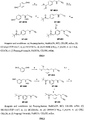
- p-Phthalaldehyde (1.34 g, 10 mmol) was dissolved in 25 mL of methanol, concentrated hydrochloric acid (1.5 mL) and propargylamine (0.66 g, 12 mmol) were added separately at room temperature, the solution was stirred for 10 min and NaBH 3 CN (1.26 g, 20 mmol) was added, and the reaction was heated to 68 °C and refluxed for 3 hours.
- TMP (13.6 g, 100 mmol) was added and dissolved in glacial acetic acid (15 mL), 30% hydrogen peroxide (8 mL, 75 mmol) was added, and reaced for 4 hours at 70 °C, and 30% hydrogen peroxide (8 mL, 75 mmol) was added and then further reacted for 4 hours and monitored by TLC until the reaction product was no longer generated.
- the resulting material was allowed to return to room temperature then placed in an ice bath, adjusted to pH 10 with a solution of 10% sodium hydroxide, extracted with chloroform, dried over anhydrous sodium sulfate, and filtered and concentrated to give crude material of TMP nitric oxide.
- the compound MT-012 (189 mg, 1 mmol) was added and dissolved in 15mL of acetone, anhydrous potassium carbonate (276 mg, 2 mmol) and iodomethane (170 ⁇ L, 1.2 mmol) were added, stirred for at room temperature 5 min, then heated to reflux for 3 hours, and monitored by TLC until the starting material disappeared completely. The resulting material was filtered and concentrated, and purified with silica gel column chromatography (ethyl acetate : petroleum ether 1:3) to give the compound MT-013 as a white solid (179 mg, 88%).
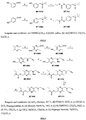
- 3-Hydroxyacetophenone (20g, 147 mmol) was dissolved in 250 mL of methanol, and propargylamine (12 mL, 176 mmol) was added with stirring, concentrated hydrochloric acid was added dropwise to adjust pH to neutral, sodium cyanoborohydride (18.5g, 294 mmol) was added, and the reaction was run at reflux and monitored by TLC, 8 hours later when the reaction was complete.
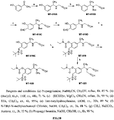
- Nitro-t-butane (10.0 g, 97 mmol) was dissolved in 200 mL of anhydrous ethanol in an ice bath. (7.6 g, 116 mmol) active zinc was added, after the temperature droped to below 5 °C, glacial acetic acid (10 mL, 175 mmol) was added slowly dropwise, after the addition, the ice bath was removed, and the reaction was continued at room temperature for 3 hours. To the reaction solution was added the compound MT-019D (5 g, 24.6 mmol), the reaction was run at room temperature and monitored by TLC until 16 hours later when the reaction was complete.
- Nitro-t-butane (10.0 g, 97 mmol) was dissolved in 200 mL of anhydrous ethanol with an ice bath, and (7.6 g, 116 mmol) active zinc was added until the temperature droped to below 5 °C, glacial acetic acid (10 mL, 175 mmol) was added slowly dropwise, and after the addition was complete, the ice bath was removed. The reaction was continued at room temperature for 3 hours. The above reaction mixture was added to MT-022B (3 g, 11.84 mmol), and the reaction was run at room temperature and monitored by TLC, and after 10 hours, the reaction was complete.
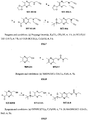
- R-(-)-1- aminoindan hydrochloride (7.0 g, 41.26 mmol) was taken, and added with a solution of 10% aqueous sodium hydroxide (100 mL), extracted with 200 mL of methylene chloride, the organic layers were separated and dried over anhydrous Na2SO 4 , and filtered to remove Na 2 SO 4 .
- Trifluoroacetic anhydride (6.4 mL, 45.39 mmol) was dissolved in 100 mL of dichloromethane, and then added dropwise to a solution of the above material in dichloromethane with an ice bath.
- compound MT-302 (1.32 g, 7.53 mmol) was added and dissolved with 50 mL of anhydrous methylene chloride, 57% ⁇ 63% NaH (412 mg) was added, then N-carbamoyl chloride (1.00 g, 8.23 mmol) was added slowly dropwise, stirred at room temperature for 24 hours.
- the compound HMW-3 (0.52 g, 2 mmol) was added and dissolved in 20 mL of methanol, NaHCO 3 (0.17 g, 2 mmol) and propargyl bromide (0.24 g, 2 mmol) were added respectively, the reaction was refluxed for 3 hours and monitored by TLC.
- the original generation of cerebellar granule cells were taken from neonatal SD rats (7-8 day-old, 15-20 g), cultured in vitro for 7 days, and preliminarily protected for 2 hours by adding the compounds in different concentrations, respectively, wherein equal amount of culture medium was added for model control group. Conseqently, MPP + in a final concentration of 150 ⁇ M was added for induction of 24 hours, wherein equal amount of culture medium was added for control group. MTT was used to detect cell activity. Rasagiline was used for control. The test results are shown in FIG.17 .
- Orthophenanthroline-metal ion-H 2 O 2 was used to generate hydroxyl radical via Fenton reaction (H 2 O 2 + Fe 2+ ⁇ OH + H 2 O + Fe 3+ ) to generate hydroxyl free radicals, causing orthophenanthroline-Fe 2+ to be oxidated to orthophenanthroline-Fe 3+ , and causing its aqueous solution to show maximum disappearance at 440 nm wavelength, so as to measure the scavenging rate.
- a microplate reader of BioTek Synergy HT was used to measure absorbance reduction percentage at 440 nm within 100 seconds.
- Free radical of superoxide anion (O 2 •- ): Method of 1,2,3-Trihydroxybenzene autoxidation was used, and the detailed process is shown as follows: In a 48-well plate was added with 250 ⁇ L of 50 mM Tris-HCl buffer (pH 8.2), 300 ⁇ L of double distilled water (blank control), or a solution of AL-1 of different concentrations (dissolved in DMSO to make a 10 mM stock solution, which was then diluted with double distilled water to give solutions of 0.01 ⁇ M, 0.1 ⁇ M, 1 ⁇ M, 10 ⁇ M). A 50 ⁇ E solution of 2.0 mM 1,2,3-Trihydroxybenzene was added, and mixied thoroughly with a vortex mixer.
- Results were compared with blank at 320 nm wavelength, and recorded every 30 seconds.
- a microplate reader of BioTek Synergy HT was used to measure absorbance values continuely for 30 minutes. Absorbance values of the samples were also measured under the same conditions, while oxidation rate refers to the increase of the absorbance value per minute.
- Scavenging rate (%) (dA/dt - dAs/dt)/(dA/dt), wherein dA/dt refers to the autooxidatio rate of 1,2,3-Trihydroxybenzene under the condition in absence of samples, and dAs/dt refers to the autooxidatio rate of 1,2,3-Trihydroxybenzene under the condition in presence of samples.
- Free radical of 1,1-diphenyl-2-phenylhydrazine DPPH
- the spectroscopic measurement of free radicals of 1,1-diphenyl-2-phenylhydrazine (DPPH) is based on that DPPH has a strong absorption at 517 nm, and the methanol solution of which shows a dark purple color.
- DPPH 1,1-diphenyl-2-phenylhydrazine
- the quantitative analysis can be performed based on the change in absorbance before and after the reaction, and, by measuring the change of absorbance of each sample towards DPPH, the scavenging rate can then be taken as an indication of the ability of scavenging free radicals.
- the tests were performed as follows: In a 96-well plate were added with 100 ⁇ L of samples in various concentrations (sample group) or 100 ⁇ L of methanol (blank control group).Then a 100 ⁇ L solution of 100 ⁇ M DPPH in methanol was added rapidly (with a final concentration of 50 ⁇ M), with each of the samples placed in 3-5 wells of replicas, and the samples were vibrated and placed in the dark at room temperature for one hour, and then the absorbance values were measured at 517 nm with a microplate reader.
- Example 82 In vitro inhibitory activites of compounds to MAO-A/B
- MAO-A/B was taken from SD mouse brain, the compound was dissolved in various concentrations in a buffer, in case that the compound was used to test the inhibitory activity to MAO-A, then 0.05 ⁇ M of deprenyl (MAO-B inhibitor) was added, and in case that the compound was used to test the inhibitory activity to MAO-B, then 0.05 ⁇ M of clorgylin (MAO-A inhibitors) was added. Brain homogenate was added, incubated for 30 min at 37 °C, and 14 C-5-hydroxytryptamine (MAO-A) and 14 C-phenylethylamine (MAO-B) were added respectively. The inhibitory activity of the compound to MAO-A or MAO-B was determined.
- Compound HMW-2 (2.5, 5, 10 mg/kg) were given via intraperitoneal injection to mices respectively, an equivalent amout of saline was injected for the control group, then the nices were terminated 1 or 2 hours thereafter, the activity of MAO-A/B in cerebellum, liver and small intestine was determined respectively.
- Ellman's method was used to measure the cholinesterase activity, wherein 20 ⁇ L of various concentrations of the compound and the brain tissue were incubated at 37 °C for 3 hours, then a 180 ⁇ L of mixted solution of DTNB and ATCh or BTCh was added, and immediately the change of absorbance within 10 minutes was measured at 412 nM wavelength to give a kinetics curve. The inhibitory effect of the compound to cholinesterase is calculated based on the slope of the curve.
- Compound HMW-2 (2.5, 5, 10 or 25 mg/kg) were given via intraperitoneal injection to mices respectively, an equivalent amout of saline was injected for the control group, then the nices were terminated 2 hours thereafter, and the activitied of AChE and BuChE in cerebral cortex and liver were determined respectively.
- mice Forty of C57BL/6J mice (male, 6 to 7 week-old) were feeded for for 7 days to adapt to the environment. On the day 8, animal model was started to prepare. 20 mg/kg MPTP was given via intraperitoneal injection for the model group and drug group, the injection was made every 2 hours, for four times in total, and an acute PD model was established. The equivalent amount of saline was given to the normal control group. From the day 2 of model establishment, the compound MT-019 and the positive control drug Rasagiline (1 mg/kg) were given. The doses of MT-019 were 25, 75, 225 mg/kg, respectively.
- the drug was given once a day, and a equal amount of saline was given to the normal control group and the MPTP model group, for seven days consecutively. On the day 7 of drug administration, behavioral test is performed. The results showed that the compound MT-019 had recory effect to MPTP induced abnormal behavior of mice of Parkinson's disease (PD) model.
- PD Parkinson's disease
- mice were fixed on an operating table, the chest thereof was quickly open; (2) a needle was inserted from , a needle was inserted from the left ventricle, the right auricle was cut open, and a blood buffer was delivered to the heart from an infusion bottle with a volume of about 50 mL per mouse; (3) after the lavage fluid became colorless, the blood buffer was replaced with 4% paraformaldehyde solution in perfusion until the tail and limbs of the mice became stiff, wherein the infusion volume was about 100 mL per mouse; (4) the brain was taken by making the mice beheaded on a flat glass board, and redundant parts were carefully removed.
- the midbrain was placed and fixed in a centrifuge tube containing freshly prepared 4% paraformaldehydea.
- the samples were cut into paraffin sections through the process of dehydrating, transparent, paraffining and embedding steps. Each of the samples was cut with paraffin slicing machine into four microns slices. After fully unfold in water bath, the slices were put on glass plates and numbered.
Landscapes
- Health & Medical Sciences (AREA)
- Chemical & Material Sciences (AREA)
- Organic Chemistry (AREA)
- Engineering & Computer Science (AREA)
- Bioinformatics & Cheminformatics (AREA)
- Life Sciences & Earth Sciences (AREA)
- Chemical Kinetics & Catalysis (AREA)
- General Chemical & Material Sciences (AREA)
- Medicinal Chemistry (AREA)
- Nuclear Medicine, Radiotherapy & Molecular Imaging (AREA)
- Public Health (AREA)
- Pharmacology & Pharmacy (AREA)
- Veterinary Medicine (AREA)
- Animal Behavior & Ethology (AREA)
- General Health & Medical Sciences (AREA)
- Neurology (AREA)
- Neurosurgery (AREA)
- Biomedical Technology (AREA)
- Diabetes (AREA)
- Cardiology (AREA)
- Pulmonology (AREA)
- Heart & Thoracic Surgery (AREA)
- Hematology (AREA)
- Pain & Pain Management (AREA)
- Ophthalmology & Optometry (AREA)
- Physical Education & Sports Medicine (AREA)
- Endocrinology (AREA)
- Obesity (AREA)
- Urology & Nephrology (AREA)
- Orthopedic Medicine & Surgery (AREA)
- Psychiatry (AREA)
- Psychology (AREA)
- Vascular Medicine (AREA)
- Biochemistry (AREA)
- Hospice & Palliative Care (AREA)
- Toxicology (AREA)
- Gastroenterology & Hepatology (AREA)
- Immunology (AREA)
- Emergency Medicine (AREA)
- Acyclic And Carbocyclic Compounds In Medicinal Compositions (AREA)
Claims (12)
- Composé à effet neuroprotecteur, présentant une structure de formule générale (V)

dans laquelle formule :- X et Y représentent tous les deux un chaînon symbolisé par CH,- R2 et R3 représentent chacun, indépendamment, un atome d'hydrogène, un groupe alkyle, un groupe ester, un groupe uréthane, un groupe nitronyle ou un groupe propargyl-amino,- R5 représente un groupe amino, alkyle, aryle ou hétéroaryle, étant entendu que le groupe amino est symbolisé par -NR6R7 où R6 et R7 représentent chacun, indépendamment, un atome d'hydrogène ou un groupe alkyle,- et R8 et R9 représentent chacun, indépendamment, un atome d'hydrogène ou un groupe méthyle, éthyle ou propargyle, étant entendu que R8 peut aussi représenter une entité qui, raccordée à celle représentée par R2 ou R3, forme une structure cyclique. - Composé conforme à la revendication 1, dans lequel R5 représente un groupe amino, de sorte que le composé présente une structure de formule générale (VII) :

- Composé conforme à la revendication 2, qui est choisi dans l'ensemble formé par les suivants :


- Composé conforme à la revendication 1 dans lequel R2 représente un groupe de formule

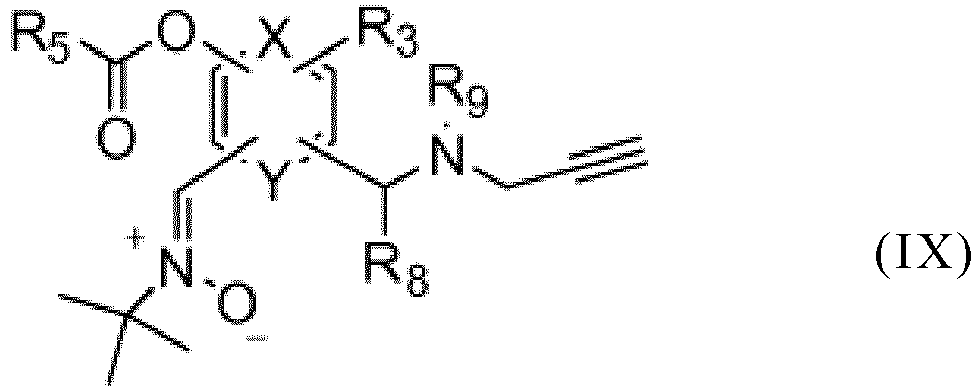 - R3 représente un atome d'hydrogène, un groupe alkyle, un groupe ester, un groupe uréthane, un groupe nitronyle ou un groupe propargyl-amino,- R5 représente un groupe amino, alkyle, aryle ou hétéroaryle,- et R8 et R9 représentent chacun, indépendamment, un atome d'hydrogène ou un groupe méthyle, éthyle ou propargyle, étant entendu que R8 peut aussi représenter une entité qui, raccordée à celle représentée par R3, forme une structure cyclique.
 - Composé conforme à la revendication 4, dans lequel R5 représente un groupe amino, de sorte que le composé présente une structure de formule générale (X) :

- Composé conforme à la revendication 5, qui est choisi dans l'ensemble formé par les suivants :


- Procédé de préparation d'un composé conforme à la revendication 1, comprenant :- l'utilisation, en tant que matière première, d'un composé doté d'un fragment cyclique de type aryle, qui comporte un groupe aldéhyde et qui peut contenir ou non un atome d'azote,- si on veut introduire un groupe nitronyle en tant que substituant, le fait de faire réagir le fragment cyclique de type aryle directement avec de la tertiobutyl-hydroxylamine, pour obtenir le groupe nitronyle,- si on veut introduire un groupe propargyl-amino en tant que substituant, le fait de faire réagir le fragment cyclique de type aryle avec de la propargylamine, pour obtenir une base de Schiff, que l'on réduit ensuite pour obtenir le groupe propargyl-amino,- si on veut introduire un groupe uréthane en tant que substituant, le fait de faire réagir le fragment cyclique de type aryle avec un chlorure d'acyle, pour faire en sorte qu'un groupe hydroxyle placé sur le fragment cyclique de type aryle soit estérifié pour former le groupe uréthane.
- Composé conforme à l'une des revendications 1 à 6, pour utilisation en tant que complément santé ou médicament pour la prévention ou le traitement de maladies liées à la monoamine oxydase, de maladies liées à la choline estérase, de maladies liées à une lésion de stress oxydant et aux radicaux libres, ou de maladies neurodégénératives.
- Composé pour utilisation conforme à la revendication 8, les maladies liées à la monoamine oxydase étant la maladie de Parkinson, la maladie d'Alzheimer, l'hypertension, la diarrhée, la dépression, l'asthme, ou les allergies.
- Composé pour utilisation conforme à la revendication 8, les maladies liées à la choline estérase étant la maladie d'Alzheimer, la maladie de Parkinson, la chorée de Huntington, la sclérose latérale amyotrophique, la myasthénie grave, le glaucome, un hyperfonctionnement thyroïdien, l'hypertension, l'asthme bronchique, l'hyperlipoprotéinémie de type IV, ou une insuffisance rénale.
- Composé pour utilisation conforme à la revendication 8, les maladies liées à une lésion de stress oxydant et aux radicaux libres étant une attaque, un traumatisme cérébral, l'épilepsie, la maladie de Parkinson, la chorée de Huntington, la sclérose latérale amyotrophique, la maladie d'Alzheimer, un dommage cérébral ischémique hypoxique, une hémorragie cérébrale, une cardiopathie ischémique, une thrombose vasculaire, l'athérosclérose, l'hypercholestérolémie, l'emphysème, la cataracte, le diabète sucré, une pancréatite aiguë, une hépatopathie alcoolique, une lésion rénale, ou un cancer.
- Composé pour utilisation conforme à la revendication 8, les maladies neurodégénératives étant une ischémie cérébrale, la maladie de Parkinson, la maladie d'Alzheimer, la sclérose latérale amyotrophique, une ataxie, la dilatation des capillaires dans l'encéphalopathie spongiforme bovine, la maladie de Creutzfeld-Jakob, la chorée de Huntington, l'atrophie cérébelleuse, la sclérose en plaques, la sclérose latérale amyotrophique primaire, ou l'amyotrophie spinale.
Applications Claiming Priority (2)
| Application Number | Priority Date | Filing Date | Title |
|---|---|---|---|
| CN201410033815.XA CN104803880B (zh) | 2014-01-23 | 2014-01-23 | 一种具有神经保护作用的化合物及其制备方法和应用 |
| PCT/CN2015/000193 WO2015109935A1 (fr) | 2014-01-23 | 2015-03-20 | Composés protégeant les neurones, préparation et utilisation de ces derniers |
Publications (3)
| Publication Number | Publication Date |
|---|---|
| EP3143002A1 EP3143002A1 (fr) | 2017-03-22 |
| EP3143002A4 EP3143002A4 (fr) | 2018-09-19 |
| EP3143002B1 true EP3143002B1 (fr) | 2020-12-02 |
Family
ID=53680793
Family Applications (1)
| Application Number | Title | Priority Date | Filing Date |
|---|---|---|---|
| EP15740853.5A Active EP3143002B1 (fr) | 2014-01-23 | 2015-03-20 | Composés protégeant les neurones, préparation et utilisation de ces derniers |
Country Status (5)
| Country | Link |
|---|---|
| US (1) | US9938235B2 (fr) |
| EP (1) | EP3143002B1 (fr) |
| CN (1) | CN104803880B (fr) |
| ES (1) | ES2856346T3 (fr) |
| WO (1) | WO2015109935A1 (fr) |
Families Citing this family (9)
| Publication number | Priority date | Publication date | Assignee | Title |
|---|---|---|---|---|
| CN105017165B (zh) * | 2015-07-07 | 2018-04-03 | 广州喜鹊医药有限公司 | 一种新的吡嗪衍生物及其制备方法和医药应用 |
| AU2018236188B2 (en) * | 2017-03-13 | 2022-01-27 | Assembly Biosciences, Inc. | Process for making hepatitis B core protein modulators |
| CN107417631A (zh) * | 2017-08-04 | 2017-12-01 | 广州喜鹊医药有限公司 | 一种氘代硝酮嗪化合物及其制备方法和在制药中的应用 |
| CN109776575B (zh) * | 2019-03-12 | 2021-07-09 | 石家庄学院 | 川芎嗪一叶萩碱二聚体及其制备方法与应用 |
| CN116023340A (zh) | 2019-04-01 | 2023-04-28 | 广州喜鹊医药有限公司 | 硝酮嗪晶型、制备方法及应用 |
| BR102020005423A2 (pt) | 2020-03-18 | 2021-09-28 | Faculdades Catolicas | Compostos n-acil-hidrazônicos, uso no tratamento de agregopatias degenerativas amiloides e não-amiloides, e composição farmacêutica |
| CN113387866A (zh) * | 2021-06-18 | 2021-09-14 | 山东汇海医药化工有限公司 | 一种帕比司他的制备方法 |
| EP4487850A4 (fr) * | 2022-03-02 | 2025-10-15 | Guangzhou Magpie Pharmaceuticals Co Ltd | Utilisation d'un composé nitrone ou d'un sel pharmaceutiquement acceptable de celui-ci en combinaison avec un inhibiteur de sglt-2 |
| CN117343069B (zh) * | 2022-09-23 | 2025-02-07 | 山东如至生物医药科技有限公司 | 一种新型化合物及其药物组合物和用途 |
Family Cites Families (6)
| Publication number | Priority date | Publication date | Assignee | Title |
|---|---|---|---|---|
| UA66401C2 (en) * | 1998-12-02 | 2004-05-17 | Sentor Pharmaceuticals Inc | 3,4,5-trisubstituted aryl nitrone compounds and pharmaceutical composition containing the same |
| AU2002253857A1 (en) * | 2001-01-08 | 2002-09-04 | Centaur Pharmaceuticals, Inc. | Use of aryl nitrone compounds in methods for treating neuropathic pain |
| CN1990455B (zh) * | 2005-12-29 | 2011-06-08 | 北京德众万全医药科技有限公司 | 一种简单、新颖的茚衍生物的制备方法 |
| JP5359224B2 (ja) | 2008-11-25 | 2013-12-04 | 住友化学株式会社 | 植物病害防除用組成物及び植物病害の防除方法 |
| CA2751033A1 (fr) * | 2009-01-29 | 2010-08-05 | Yeda Research And Development Co. Ltd. | Composes multifonctionnels neuroprotecteurs et compositions pharmaceutiques les comprenant |
| CN103298790A (zh) * | 2010-08-13 | 2013-09-11 | 维里奈奥公司 | 神经保护作用和神经修复作用的铁螯合剂和单胺氧化酶抑制剂及其用途 |
-
2014
- 2014-01-23 CN CN201410033815.XA patent/CN104803880B/zh active Active
-
2015
- 2015-03-02 US US14/999,766 patent/US9938235B2/en not_active Expired - Fee Related
- 2015-03-20 ES ES15740853T patent/ES2856346T3/es active Active
- 2015-03-20 WO PCT/CN2015/000193 patent/WO2015109935A1/fr not_active Ceased
- 2015-03-20 EP EP15740853.5A patent/EP3143002B1/fr active Active
Non-Patent Citations (1)
| Title |
|---|
| None * |
Also Published As
| Publication number | Publication date |
|---|---|
| EP3143002A4 (fr) | 2018-09-19 |
| US20160326099A1 (en) | 2016-11-10 |
| CN104803880B (zh) | 2017-11-21 |
| US9938235B2 (en) | 2018-04-10 |
| EP3143002A1 (fr) | 2017-03-22 |
| CN104803880A (zh) | 2015-07-29 |
| ES2856346T3 (es) | 2021-09-27 |
| WO2015109935A1 (fr) | 2015-07-30 |
Similar Documents
| Publication | Publication Date | Title |
|---|---|---|
| EP3143002B1 (fr) | Composés protégeant les neurones, préparation et utilisation de ces derniers | |
| Chen et al. | Discovery of novel rivastigmine-hydroxycinnamic acid hybrids as multi-targeted agents for Alzheimer's disease | |
| Tang et al. | Synthesis and evaluation of xanthine oxidase inhibitory and antioxidant activities of 2-arylbenzo [b] furan derivatives based on salvianolic acid C | |
| US8404688B2 (en) | Nitrone compounds, process of preparation thereof, and use thereof in medicament manufacture | |
| Yin et al. | Discovery of a ring-opened derivative of 3-n-butylphthalide bearing NO/H2S-donating moieties as a potential anti-ischemic stroke agent | |
| Iqbal et al. | Synthesis, characterization, hypoglycemic and aldose reductase inhibition activity of arylsulfonylspiro [fluorene-9, 5′-imidazolidine]-2′, 4′-diones | |
| CA2972835C (fr) | Compose d'hydrazide trifluoroacetique ainsi que son procede de preparation et son application dans la preparation d'un medicament | |
| Nesi et al. | Nature-based molecules combined with rivastigmine: A symbiotic approach for the synthesis of new agents against Alzheimer's disease | |
| Liu et al. | Design, synthesis and evaluation of novel dual monoamine-cholinesterase inhibitors as potential treatment for Alzheimer’s disease | |
| Garg et al. | Inhibitory potential of some chalcones on cathepsins B, H and L | |
| Hairani et al. | A new series of chrysin derivatives as potent non-saccharide⍺-glucosidase inhibitors | |
| López et al. | Design, synthesis, and biological characterization of potential antiatherogenic nitric oxide releasing tocopherol analogs | |
| Mengheres et al. | Synthesis of novel isoflavone/benzo-δ-sultam hybrids as potential anti-inflammatory drugs | |
| CN110256398A (zh) | 一种具有hdac抑制活性的亚甲基醚漆酚异羟肟酸衍生物的合成方法 | |
| CN113599377B (zh) | 一种乙酰胆碱酯酶抑制剂在制备治疗阿尔兹海默病的药物中用途和制备方法 | |
| CN104987356A (zh) | 一种熊果酸-糖酵解抑制剂dca偶联物及其应用 | |
| CN102653514B (zh) | 绿原酸类似物及其制备方法和应用 | |
| CN102731459A (zh) | 灯盏乙素苷元Mannich衍生物及其制备方法和应用 | |
| CN108358925B (zh) | 一种7,8-取代-3-甲基黄嘌呤类化合物及其制备方法和应用 | |
| CN107737126B (zh) | 香豆素-二硫代氨基甲酸酯衍生物在制药中的应用 | |
| Yaseen et al. | Design, Synthesis, Characterization and Preliminary Evaluation of New 1H-benzo [d] imidazole-1yl-derivatives as Acetylcholine Esterase Inhibitors | |
| CN106946854B (zh) | 炔丙胺修饰的嘧啶硫脲类化合物及其用途 | |
| US10703730B2 (en) | Trifluoroacetyl hydrazide compounds and medical uses thereof | |
| Khan et al. | Synthesis, antioxidant and carbonic anhydrase inhibitory potential of Schiff bases of thiazoles | |
| CN114539204A (zh) | 血脑屏障高通透性己糖激酶抑制剂及其合成方法和应用 |
Legal Events
| Date | Code | Title | Description |
|---|---|---|---|
| STAA | Information on the status of an ep patent application or granted ep patent |
Free format text: STATUS: THE INTERNATIONAL PUBLICATION HAS BEEN MADE |
|
| PUAI | Public reference made under article 153(3) epc to a published international application that has entered the european phase |
Free format text: ORIGINAL CODE: 0009012 |
|
| STAA | Information on the status of an ep patent application or granted ep patent |
Free format text: STATUS: REQUEST FOR EXAMINATION WAS MADE |
|
| 17P | Request for examination filed |
Effective date: 20160818 |
|
| AK | Designated contracting states |
Kind code of ref document: A1 Designated state(s): AL AT BE BG CH CY CZ DE DK EE ES FI FR GB GR HR HU IE IS IT LI LT LU LV MC MK MT NL NO PL PT RO RS SE SI SK SM TR |
|
| AX | Request for extension of the european patent |
Extension state: BA ME |
|
| RIN1 | Information on inventor provided before grant (corrected) |
Inventor name: YOUDIM, MOUSSA B.H. Inventor name: ZHANG, ZAIZUN Inventor name: ZHANG, GAOXIAO Inventor name: YI, PENG Inventor name: LIU, WEI Inventor name: SUN, YEWEI Inventor name: WANG, YUQIANG Inventor name: LIANG, MING Inventor name: YU, PEI |
|
| DAV | Request for validation of the european patent (deleted) | ||
| DAX | Request for extension of the european patent (deleted) | ||
| A4 | Supplementary search report drawn up and despatched |
Effective date: 20180820 |
|
| RIC1 | Information provided on ipc code assigned before grant |
Ipc: A61P 27/06 20060101ALI20180813BHEP Ipc: C07D 241/12 20060101ALI20180813BHEP Ipc: A61P 11/06 20060101ALI20180813BHEP Ipc: C07C 271/44 20060101ALI20180813BHEP Ipc: A61P 1/10 20060101ALI20180813BHEP Ipc: A61P 21/04 20060101ALI20180813BHEP Ipc: A61K 31/15 20060101ALI20180813BHEP Ipc: A61P 25/28 20060101ALI20180813BHEP Ipc: A61K 31/4965 20060101ALI20180813BHEP Ipc: A61K 31/27 20060101ALI20180813BHEP Ipc: A61P 25/16 20060101ALI20180813BHEP Ipc: A61P 25/14 20060101ALI20180813BHEP Ipc: A61P 9/12 20060101ALI20180813BHEP Ipc: C07C 251/32 20060101AFI20180813BHEP Ipc: A61P 37/08 20060101ALI20180813BHEP Ipc: A61P 25/24 20060101ALI20180813BHEP Ipc: A61P 5/16 20060101ALI20180813BHEP |
|
| STAA | Information on the status of an ep patent application or granted ep patent |
Free format text: STATUS: EXAMINATION IS IN PROGRESS |
|
| 17Q | First examination report despatched |
Effective date: 20190614 |
|
| GRAP | Despatch of communication of intention to grant a patent |
Free format text: ORIGINAL CODE: EPIDOSNIGR1 |
|
| STAA | Information on the status of an ep patent application or granted ep patent |
Free format text: STATUS: GRANT OF PATENT IS INTENDED |
|
| INTG | Intention to grant announced |
Effective date: 20200703 |
|
| GRAS | Grant fee paid |
Free format text: ORIGINAL CODE: EPIDOSNIGR3 |
|
| GRAA | (expected) grant |
Free format text: ORIGINAL CODE: 0009210 |
|
| STAA | Information on the status of an ep patent application or granted ep patent |
Free format text: STATUS: THE PATENT HAS BEEN GRANTED |
|
| AK | Designated contracting states |
Kind code of ref document: B1 Designated state(s): AL AT BE BG CH CY CZ DE DK EE ES FI FR GB GR HR HU IE IS IT LI LT LU LV MC MK MT NL NO PL PT RO RS SE SI SK SM TR |
|
| REG | Reference to a national code |
Ref country code: GB Ref legal event code: FG4D |
|
| REG | Reference to a national code |
Ref country code: AT Ref legal event code: REF Ref document number: 1340775 Country of ref document: AT Kind code of ref document: T Effective date: 20201215 Ref country code: CH Ref legal event code: EP |
|
| REG | Reference to a national code |
Ref country code: IE Ref legal event code: FG4D |
|
| REG | Reference to a national code |
Ref country code: DE Ref legal event code: R096 Ref document number: 602015062871 Country of ref document: DE |
|
| PG25 | Lapsed in a contracting state [announced via postgrant information from national office to epo] |
Ref country code: RS Free format text: LAPSE BECAUSE OF FAILURE TO SUBMIT A TRANSLATION OF THE DESCRIPTION OR TO PAY THE FEE WITHIN THE PRESCRIBED TIME-LIMIT Effective date: 20201202 Ref country code: FI Free format text: LAPSE BECAUSE OF FAILURE TO SUBMIT A TRANSLATION OF THE DESCRIPTION OR TO PAY THE FEE WITHIN THE PRESCRIBED TIME-LIMIT Effective date: 20201202 Ref country code: NO Free format text: LAPSE BECAUSE OF FAILURE TO SUBMIT A TRANSLATION OF THE DESCRIPTION OR TO PAY THE FEE WITHIN THE PRESCRIBED TIME-LIMIT Effective date: 20210302 Ref country code: GR Free format text: LAPSE BECAUSE OF FAILURE TO SUBMIT A TRANSLATION OF THE DESCRIPTION OR TO PAY THE FEE WITHIN THE PRESCRIBED TIME-LIMIT Effective date: 20210303 |
|
| REG | Reference to a national code |
Ref country code: NL Ref legal event code: MP Effective date: 20201202 |
|
| REG | Reference to a national code |
Ref country code: AT Ref legal event code: MK05 Ref document number: 1340775 Country of ref document: AT Kind code of ref document: T Effective date: 20201202 |
|
| PG25 | Lapsed in a contracting state [announced via postgrant information from national office to epo] |
Ref country code: LV Free format text: LAPSE BECAUSE OF FAILURE TO SUBMIT A TRANSLATION OF THE DESCRIPTION OR TO PAY THE FEE WITHIN THE PRESCRIBED TIME-LIMIT Effective date: 20201202 Ref country code: SE Free format text: LAPSE BECAUSE OF FAILURE TO SUBMIT A TRANSLATION OF THE DESCRIPTION OR TO PAY THE FEE WITHIN THE PRESCRIBED TIME-LIMIT Effective date: 20201202 Ref country code: PL Free format text: LAPSE BECAUSE OF FAILURE TO SUBMIT A TRANSLATION OF THE DESCRIPTION OR TO PAY THE FEE WITHIN THE PRESCRIBED TIME-LIMIT Effective date: 20201202 Ref country code: BG Free format text: LAPSE BECAUSE OF FAILURE TO SUBMIT A TRANSLATION OF THE DESCRIPTION OR TO PAY THE FEE WITHIN THE PRESCRIBED TIME-LIMIT Effective date: 20210302 |
|
| REG | Reference to a national code |
Ref country code: DE Ref legal event code: R082 Ref document number: 602015062871 Country of ref document: DE |
|
| PG25 | Lapsed in a contracting state [announced via postgrant information from national office to epo] |
Ref country code: NL Free format text: LAPSE BECAUSE OF FAILURE TO SUBMIT A TRANSLATION OF THE DESCRIPTION OR TO PAY THE FEE WITHIN THE PRESCRIBED TIME-LIMIT Effective date: 20201202 Ref country code: HR Free format text: LAPSE BECAUSE OF FAILURE TO SUBMIT A TRANSLATION OF THE DESCRIPTION OR TO PAY THE FEE WITHIN THE PRESCRIBED TIME-LIMIT Effective date: 20201202 |
|
| REG | Reference to a national code |
Ref country code: LT Ref legal event code: MG9D |
|
| PG25 | Lapsed in a contracting state [announced via postgrant information from national office to epo] |
Ref country code: PT Free format text: LAPSE BECAUSE OF FAILURE TO SUBMIT A TRANSLATION OF THE DESCRIPTION OR TO PAY THE FEE WITHIN THE PRESCRIBED TIME-LIMIT Effective date: 20210405 Ref country code: SK Free format text: LAPSE BECAUSE OF FAILURE TO SUBMIT A TRANSLATION OF THE DESCRIPTION OR TO PAY THE FEE WITHIN THE PRESCRIBED TIME-LIMIT Effective date: 20201202 Ref country code: RO Free format text: LAPSE BECAUSE OF FAILURE TO SUBMIT A TRANSLATION OF THE DESCRIPTION OR TO PAY THE FEE WITHIN THE PRESCRIBED TIME-LIMIT Effective date: 20201202 Ref country code: LT Free format text: LAPSE BECAUSE OF FAILURE TO SUBMIT A TRANSLATION OF THE DESCRIPTION OR TO PAY THE FEE WITHIN THE PRESCRIBED TIME-LIMIT Effective date: 20201202 Ref country code: SM Free format text: LAPSE BECAUSE OF FAILURE TO SUBMIT A TRANSLATION OF THE DESCRIPTION OR TO PAY THE FEE WITHIN THE PRESCRIBED TIME-LIMIT Effective date: 20201202 Ref country code: CZ Free format text: LAPSE BECAUSE OF FAILURE TO SUBMIT A TRANSLATION OF THE DESCRIPTION OR TO PAY THE FEE WITHIN THE PRESCRIBED TIME-LIMIT Effective date: 20201202 Ref country code: EE Free format text: LAPSE BECAUSE OF FAILURE TO SUBMIT A TRANSLATION OF THE DESCRIPTION OR TO PAY THE FEE WITHIN THE PRESCRIBED TIME-LIMIT Effective date: 20201202 |
|
| PG25 | Lapsed in a contracting state [announced via postgrant information from national office to epo] |
Ref country code: AT Free format text: LAPSE BECAUSE OF FAILURE TO SUBMIT A TRANSLATION OF THE DESCRIPTION OR TO PAY THE FEE WITHIN THE PRESCRIBED TIME-LIMIT Effective date: 20201202 |
|
| REG | Reference to a national code |
Ref country code: DE Ref legal event code: R097 Ref document number: 602015062871 Country of ref document: DE |
|
| REG | Reference to a national code |
Ref country code: ES Ref legal event code: FG2A Ref document number: 2856346 Country of ref document: ES Kind code of ref document: T3 Effective date: 20210927 |
|
| PG25 | Lapsed in a contracting state [announced via postgrant information from national office to epo] |
Ref country code: IS Free format text: LAPSE BECAUSE OF FAILURE TO SUBMIT A TRANSLATION OF THE DESCRIPTION OR TO PAY THE FEE WITHIN THE PRESCRIBED TIME-LIMIT Effective date: 20210402 |
|
| PLBE | No opposition filed within time limit |
Free format text: ORIGINAL CODE: 0009261 |
|
| STAA | Information on the status of an ep patent application or granted ep patent |
Free format text: STATUS: NO OPPOSITION FILED WITHIN TIME LIMIT |
|
| PG25 | Lapsed in a contracting state [announced via postgrant information from national office to epo] |
Ref country code: MC Free format text: LAPSE BECAUSE OF FAILURE TO SUBMIT A TRANSLATION OF THE DESCRIPTION OR TO PAY THE FEE WITHIN THE PRESCRIBED TIME-LIMIT Effective date: 20201202 Ref country code: AL Free format text: LAPSE BECAUSE OF FAILURE TO SUBMIT A TRANSLATION OF THE DESCRIPTION OR TO PAY THE FEE WITHIN THE PRESCRIBED TIME-LIMIT Effective date: 20201202 |
|
| REG | Reference to a national code |
Ref country code: CH Ref legal event code: PL |
|
| 26N | No opposition filed |
Effective date: 20210903 |
|
| PG25 | Lapsed in a contracting state [announced via postgrant information from national office to epo] |
Ref country code: DK Free format text: LAPSE BECAUSE OF FAILURE TO SUBMIT A TRANSLATION OF THE DESCRIPTION OR TO PAY THE FEE WITHIN THE PRESCRIBED TIME-LIMIT Effective date: 20201202 Ref country code: SI Free format text: LAPSE BECAUSE OF FAILURE TO SUBMIT A TRANSLATION OF THE DESCRIPTION OR TO PAY THE FEE WITHIN THE PRESCRIBED TIME-LIMIT Effective date: 20201202 |
|
| REG | Reference to a national code |
Ref country code: BE Ref legal event code: MM Effective date: 20210331 |
|
| PG25 | Lapsed in a contracting state [announced via postgrant information from national office to epo] |
Ref country code: IE Free format text: LAPSE BECAUSE OF NON-PAYMENT OF DUE FEES Effective date: 20210320 Ref country code: LI Free format text: LAPSE BECAUSE OF NON-PAYMENT OF DUE FEES Effective date: 20210331 Ref country code: LU Free format text: LAPSE BECAUSE OF NON-PAYMENT OF DUE FEES Effective date: 20210320 Ref country code: CH Free format text: LAPSE BECAUSE OF NON-PAYMENT OF DUE FEES Effective date: 20210331 |
|
| PG25 | Lapsed in a contracting state [announced via postgrant information from national office to epo] |
Ref country code: IS Free format text: LAPSE BECAUSE OF FAILURE TO SUBMIT A TRANSLATION OF THE DESCRIPTION OR TO PAY THE FEE WITHIN THE PRESCRIBED TIME-LIMIT Effective date: 20210402 |
|
| PG25 | Lapsed in a contracting state [announced via postgrant information from national office to epo] |
Ref country code: BE Free format text: LAPSE BECAUSE OF NON-PAYMENT OF DUE FEES Effective date: 20210331 |
|
| PG25 | Lapsed in a contracting state [announced via postgrant information from national office to epo] |
Ref country code: HU Free format text: LAPSE BECAUSE OF FAILURE TO SUBMIT A TRANSLATION OF THE DESCRIPTION OR TO PAY THE FEE WITHIN THE PRESCRIBED TIME-LIMIT; INVALID AB INITIO Effective date: 20150320 |
|
| PG25 | Lapsed in a contracting state [announced via postgrant information from national office to epo] |
Ref country code: CY Free format text: LAPSE BECAUSE OF FAILURE TO SUBMIT A TRANSLATION OF THE DESCRIPTION OR TO PAY THE FEE WITHIN THE PRESCRIBED TIME-LIMIT Effective date: 20201202 |
|
| PG25 | Lapsed in a contracting state [announced via postgrant information from national office to epo] |
Ref country code: MK Free format text: LAPSE BECAUSE OF FAILURE TO SUBMIT A TRANSLATION OF THE DESCRIPTION OR TO PAY THE FEE WITHIN THE PRESCRIBED TIME-LIMIT Effective date: 20201202 |
|
| PG25 | Lapsed in a contracting state [announced via postgrant information from national office to epo] |
Ref country code: MT Free format text: LAPSE BECAUSE OF FAILURE TO SUBMIT A TRANSLATION OF THE DESCRIPTION OR TO PAY THE FEE WITHIN THE PRESCRIBED TIME-LIMIT Effective date: 20201202 |
|
| PGFP | Annual fee paid to national office [announced via postgrant information from national office to epo] |
Ref country code: ES Payment date: 20250429 Year of fee payment: 11 |
|
| PG25 | Lapsed in a contracting state [announced via postgrant information from national office to epo] |
Ref country code: TR Free format text: LAPSE BECAUSE OF FAILURE TO SUBMIT A TRANSLATION OF THE DESCRIPTION OR TO PAY THE FEE WITHIN THE PRESCRIBED TIME-LIMIT Effective date: 20201202 |
|
| PGFP | Annual fee paid to national office [announced via postgrant information from national office to epo] |
Ref country code: GB Payment date: 20260324 Year of fee payment: 12 |
|
| PGFP | Annual fee paid to national office [announced via postgrant information from national office to epo] |
Ref country code: DE Payment date: 20260319 Year of fee payment: 12 |
|
| PGFP | Annual fee paid to national office [announced via postgrant information from national office to epo] |
Ref country code: IT Payment date: 20260324 Year of fee payment: 12 |
|
| PGFP | Annual fee paid to national office [announced via postgrant information from national office to epo] |
Ref country code: FR Payment date: 20260320 Year of fee payment: 12 |