EP3143871A1 - Pflanzenverarbeitungssystem - Google Patents
Pflanzenverarbeitungssystem Download PDFInfo
- Publication number
- EP3143871A1 EP3143871A1 EP15792594.2A EP15792594A EP3143871A1 EP 3143871 A1 EP3143871 A1 EP 3143871A1 EP 15792594 A EP15792594 A EP 15792594A EP 3143871 A1 EP3143871 A1 EP 3143871A1
- Authority
- EP
- European Patent Office
- Prior art keywords
- facility
- methane fermentation
- palm
- plant
- processing system
- Prior art date
- Legal status (The legal status is an assumption and is not a legal conclusion. Google has not performed a legal analysis and makes no representation as to the accuracy of the status listed.)
- Withdrawn
Links
Images
Classifications
-
- C—CHEMISTRY; METALLURGY
- C12—BIOCHEMISTRY; BEER; SPIRITS; WINE; VINEGAR; MICROBIOLOGY; ENZYMOLOGY; MUTATION OR GENETIC ENGINEERING
- C12M—APPARATUS FOR ENZYMOLOGY OR MICROBIOLOGY; APPARATUS FOR CULTURING MICROORGANISMS FOR PRODUCING BIOMASS, FOR GROWING CELLS OR FOR OBTAINING FERMENTATION OR METABOLIC PRODUCTS, i.e. BIOREACTORS OR FERMENTERS
- C12M21/00—Bioreactors or fermenters specially adapted for specific uses
- C12M21/04—Bioreactors or fermenters specially adapted for specific uses for producing gas, e.g. biogas
-
- A—HUMAN NECESSITIES
- A01—AGRICULTURE; FORESTRY; ANIMAL HUSBANDRY; HUNTING; TRAPPING; FISHING
- A01G—HORTICULTURE; CULTIVATION OF VEGETABLES, FLOWERS, RICE, FRUIT, VINES, HOPS OR SEAWEED; FORESTRY; WATERING
- A01G17/00—Cultivation of hops, vines, fruit trees, or like trees
-
- A—HUMAN NECESSITIES
- A01—AGRICULTURE; FORESTRY; ANIMAL HUSBANDRY; HUNTING; TRAPPING; FISHING
- A01G—HORTICULTURE; CULTIVATION OF VEGETABLES, FLOWERS, RICE, FRUIT, VINES, HOPS OR SEAWEED; FORESTRY; WATERING
- A01G17/00—Cultivation of hops, vines, fruit trees, or like trees
- A01G17/005—Cultivation methods
-
- A—HUMAN NECESSITIES
- A01—AGRICULTURE; FORESTRY; ANIMAL HUSBANDRY; HUNTING; TRAPPING; FISHING
- A01G—HORTICULTURE; CULTIVATION OF VEGETABLES, FLOWERS, RICE, FRUIT, VINES, HOPS OR SEAWEED; FORESTRY; WATERING
- A01G31/00—Soilless cultivation, e.g. hydroponics
-
- A—HUMAN NECESSITIES
- A23—FOODS OR FOODSTUFFS; TREATMENT THEREOF, NOT COVERED BY OTHER CLASSES
- A23D—EDIBLE OILS OR FATS, e.g. MARGARINES, SHORTENINGS OR COOKING OILS
- A23D9/00—Other edible oils or fats, e.g. shortenings or cooking oils
- A23D9/02—Other edible oils or fats, e.g. shortenings or cooking oils characterised by the production or working-up
-
- B—PERFORMING OPERATIONS; TRANSPORTING
- B09—DISPOSAL OF SOLID WASTE; RECLAMATION OF CONTAMINATED SOIL
- B09B—DISPOSAL OF SOLID WASTE NOT OTHERWISE PROVIDED FOR
- B09B3/00—Destroying solid waste or transforming solid waste into something useful or harmless
- B09B3/30—Destroying solid waste or transforming solid waste into something useful or harmless involving mechanical treatment
- B09B3/35—Shredding, crushing or cutting
-
- B—PERFORMING OPERATIONS; TRANSPORTING
- B09—DISPOSAL OF SOLID WASTE; RECLAMATION OF CONTAMINATED SOIL
- B09B—DISPOSAL OF SOLID WASTE NOT OTHERWISE PROVIDED FOR
- B09B3/00—Destroying solid waste or transforming solid waste into something useful or harmless
- B09B3/60—Biochemical treatment, e.g. by using enzymes
- B09B3/65—Anaerobic treatment
-
- C—CHEMISTRY; METALLURGY
- C05—FERTILISERS; MANUFACTURE THEREOF
- C05F—ORGANIC FERTILISERS NOT COVERED BY SUBCLASSES C05B, C05C, e.g. FERTILISERS FROM WASTE OR REFUSE
- C05F11/00—Other organic fertilisers
-
- C—CHEMISTRY; METALLURGY
- C10—PETROLEUM, GAS OR COKE INDUSTRIES; TECHNICAL GASES CONTAINING CARBON MONOXIDE; FUELS; LUBRICANTS; PEAT
- C10L—FUELS NOT OTHERWISE PROVIDED FOR; NATURAL GAS; SYNTHETIC NATURAL GAS OBTAINED BY PROCESSES NOT COVERED BY SUBCLASSES C10G OR C10K; LIQUIFIED PETROLEUM GAS; USE OF ADDITIVES TO FUELS OR FIRES; FIRE-LIGHTERS
- C10L1/00—Liquid carbonaceous fuels
- C10L1/04—Liquid carbonaceous fuels essentially based on blends of hydrocarbons
-
- F—MECHANICAL ENGINEERING; LIGHTING; HEATING; WEAPONS; BLASTING
- F02—COMBUSTION ENGINES; HOT-GAS OR COMBUSTION-PRODUCT ENGINE PLANTS
- F02C—GAS-TURBINE PLANTS; AIR INTAKES FOR JET-PROPULSION PLANTS; CONTROLLING FUEL SUPPLY IN AIR-BREATHING JET-PROPULSION PLANTS
- F02C3/00—Gas-turbine plants characterised by the use of combustion products as the working fluid
- F02C3/20—Gas-turbine plants characterised by the use of combustion products as the working fluid using a special fuel, oxidant, or dilution fluid to generate the combustion products
- F02C3/22—Gas-turbine plants characterised by the use of combustion products as the working fluid using a special fuel, oxidant, or dilution fluid to generate the combustion products the fuel or oxidant being gaseous at standard temperature and pressure
-
- F—MECHANICAL ENGINEERING; LIGHTING; HEATING; WEAPONS; BLASTING
- F02—COMBUSTION ENGINES; HOT-GAS OR COMBUSTION-PRODUCT ENGINE PLANTS
- F02C—GAS-TURBINE PLANTS; AIR INTAKES FOR JET-PROPULSION PLANTS; CONTROLLING FUEL SUPPLY IN AIR-BREATHING JET-PROPULSION PLANTS
- F02C3/00—Gas-turbine plants characterised by the use of combustion products as the working fluid
- F02C3/20—Gas-turbine plants characterised by the use of combustion products as the working fluid using a special fuel, oxidant, or dilution fluid to generate the combustion products
- F02C3/26—Gas-turbine plants characterised by the use of combustion products as the working fluid using a special fuel, oxidant, or dilution fluid to generate the combustion products the fuel or oxidant being solid or pulverulent, e.g. in slurry or suspension
- F02C3/28—Gas-turbine plants characterised by the use of combustion products as the working fluid using a special fuel, oxidant, or dilution fluid to generate the combustion products the fuel or oxidant being solid or pulverulent, e.g. in slurry or suspension using a separate gas producer for gasifying the fuel before combustion
-
- H—ELECTRICITY
- H02—GENERATION; CONVERSION OR DISTRIBUTION OF ELECTRIC POWER
- H02K—DYNAMO-ELECTRIC MACHINES
- H02K7/00—Arrangements for handling mechanical energy structurally associated with dynamo-electric machines, e.g. structural association with mechanical driving motors or auxiliary dynamo-electric machines
- H02K7/18—Structural association of electric generators with mechanical driving motors, e.g. with turbines
-
- C—CHEMISTRY; METALLURGY
- C10—PETROLEUM, GAS OR COKE INDUSTRIES; TECHNICAL GASES CONTAINING CARBON MONOXIDE; FUELS; LUBRICANTS; PEAT
- C10L—FUELS NOT OTHERWISE PROVIDED FOR; NATURAL GAS; SYNTHETIC NATURAL GAS OBTAINED BY PROCESSES NOT COVERED BY SUBCLASSES C10G OR C10K; LIQUIFIED PETROLEUM GAS; USE OF ADDITIVES TO FUELS OR FIRES; FIRE-LIGHTERS
- C10L2200/00—Components of fuel compositions
- C10L2200/04—Organic compounds
- C10L2200/0461—Fractions defined by their origin
- C10L2200/0469—Renewables or materials of biological origin
-
- C—CHEMISTRY; METALLURGY
- C10—PETROLEUM, GAS OR COKE INDUSTRIES; TECHNICAL GASES CONTAINING CARBON MONOXIDE; FUELS; LUBRICANTS; PEAT
- C10L—FUELS NOT OTHERWISE PROVIDED FOR; NATURAL GAS; SYNTHETIC NATURAL GAS OBTAINED BY PROCESSES NOT COVERED BY SUBCLASSES C10G OR C10K; LIQUIFIED PETROLEUM GAS; USE OF ADDITIVES TO FUELS OR FIRES; FIRE-LIGHTERS
- C10L2290/00—Fuel preparation or upgrading, processes or apparatus therefore, comprising specific process steps or apparatus units
- C10L2290/26—Composting, fermenting or anaerobic digestion fuel components or materials from which fuels are prepared
-
- C—CHEMISTRY; METALLURGY
- C10—PETROLEUM, GAS OR COKE INDUSTRIES; TECHNICAL GASES CONTAINING CARBON MONOXIDE; FUELS; LUBRICANTS; PEAT
- C10L—FUELS NOT OTHERWISE PROVIDED FOR; NATURAL GAS; SYNTHETIC NATURAL GAS OBTAINED BY PROCESSES NOT COVERED BY SUBCLASSES C10G OR C10K; LIQUIFIED PETROLEUM GAS; USE OF ADDITIVES TO FUELS OR FIRES; FIRE-LIGHTERS
- C10L2290/00—Fuel preparation or upgrading, processes or apparatus therefore, comprising specific process steps or apparatus units
- C10L2290/28—Cutting, disintegrating, shredding or grinding
-
- Y—GENERAL TAGGING OF NEW TECHNOLOGICAL DEVELOPMENTS; GENERAL TAGGING OF CROSS-SECTIONAL TECHNOLOGIES SPANNING OVER SEVERAL SECTIONS OF THE IPC; TECHNICAL SUBJECTS COVERED BY FORMER USPC CROSS-REFERENCE ART COLLECTIONS [XRACs] AND DIGESTS
- Y02—TECHNOLOGIES OR APPLICATIONS FOR MITIGATION OR ADAPTATION AGAINST CLIMATE CHANGE
- Y02E—REDUCTION OF GREENHOUSE GAS [GHG] EMISSIONS, RELATED TO ENERGY GENERATION, TRANSMISSION OR DISTRIBUTION
- Y02E50/00—Technologies for the production of fuel of non-fossil origin
- Y02E50/10—Biofuels, e.g. bio-diesel
-
- Y—GENERAL TAGGING OF NEW TECHNOLOGICAL DEVELOPMENTS; GENERAL TAGGING OF CROSS-SECTIONAL TECHNOLOGIES SPANNING OVER SEVERAL SECTIONS OF THE IPC; TECHNICAL SUBJECTS COVERED BY FORMER USPC CROSS-REFERENCE ART COLLECTIONS [XRACs] AND DIGESTS
- Y02—TECHNOLOGIES OR APPLICATIONS FOR MITIGATION OR ADAPTATION AGAINST CLIMATE CHANGE
- Y02E—REDUCTION OF GREENHOUSE GAS [GHG] EMISSIONS, RELATED TO ENERGY GENERATION, TRANSMISSION OR DISTRIBUTION
- Y02E50/00—Technologies for the production of fuel of non-fossil origin
- Y02E50/30—Fuel from waste, e.g. synthetic alcohol or diesel
-
- Y—GENERAL TAGGING OF NEW TECHNOLOGICAL DEVELOPMENTS; GENERAL TAGGING OF CROSS-SECTIONAL TECHNOLOGIES SPANNING OVER SEVERAL SECTIONS OF THE IPC; TECHNICAL SUBJECTS COVERED BY FORMER USPC CROSS-REFERENCE ART COLLECTIONS [XRACs] AND DIGESTS
- Y02—TECHNOLOGIES OR APPLICATIONS FOR MITIGATION OR ADAPTATION AGAINST CLIMATE CHANGE
- Y02W—CLIMATE CHANGE MITIGATION TECHNOLOGIES RELATED TO WASTEWATER TREATMENT OR WASTE MANAGEMENT
- Y02W30/00—Technologies for solid waste management
- Y02W30/40—Bio-organic fraction processing; Production of fertilisers from the organic fraction of waste or refuse
Definitions
- the present invention relates to a plant processing system.
- palm oil is plant oil (a resultant object) which is produced by processing the fruit of the oil palm.
- the main production area of such palm oil is Southeast Asia, where it is produced on large-scale farms known as plantations.
- Patent Document 1 and Patent Document 2 disclose that bioethanol (a liquid fuel) is produced by performing alcohol fermentation (ethanol fermentation) on sap (a saccharified liquid) serving as a raw material acquired from the trunk of an oil palm using the trunk as a biomass (a resource derived from organisms).
- Patent Document 1 and Patent Document 2 are techniques that focus on alcohol fermentation (ethanol fermentation), a relatively large amount of energy is required for producing bioethanol (a liquid fuel).
- a process of concentrating sap (a sugar solution) as a step preceding alcohol fermentation, for example, to improve fermentation efficiency of alcohol fermentation or to prevent spoilage of the sap (the sugar solution) of an oil palm, and the concentrating process needs a great deal of energy.
- a distillation process for separating bioethanol into simple substances is needed as a step subsequent to the alcohol fermentation, and the distillation process also needs a great deal of energy.
- the distillation residue is a solid/liquid mixed solution containing a great amount of water. As such, a great deal of energy is needed to dry the distillation residue.
- Patent Document 1 and Patent Document 2 are techniques in which a palm trunk is attempted to be recycled as a biomass, but a biomass generated along with the production of palm oil (a resultant object) includes a palm trunk (a solid biomass) as well as a palm oil waste liquid (a liquid biomass) generated in an oil mill of palm oil.
- the palm oil waste liquid is drainage water (palm oil mill effect: POME) having a residue obtained by squeezing crude palm oil (CPO) from the fruit of an oil palm as a main component (sugar or the like) and is not effectively used as a biomass at present.
- the present invention was made in view of the above-described circumstances and an object of the present invention is to improve an energy balance when a desired resultant object is produced by processing plants compared to the related art.
- a first aspect related to a plant processing system of the present invention includes: a plant cultivation facility which cultivates plants including a sugar solution; a crushing facility which crushes plants felled in the plant cultivation facility; a juicing facility which harvests sap from plant chips obtained by the crushing facility; a methane fermentation facility which performs a methane fermentation process on the sap; and a power generation facility which generates electric power using a biogas obtained by the methane fermentation facility as a fuel.
- the plant processing system further includes: a resultant object production facility which produces a predetermined resultant object from the plants; and a second methane fermentation facility which performs a methane fermentation process on a waste liquid generated in the resultant object production facility.
- the plant processing system further includes: a duckweed cultivation facility which performs a post-treatment on digestive juice generated in the second methane fermentation facility and cultivates a specific duckweed; and a fertilizer component recovery facility which recovers a fertilizer component from the duckweed cultivated in the duckweed cultivation facility.
- the methane fermentation facility and the second methane fermentation facility are integrally formed as a single facility.
- the plant processing system further includes: a saccharification facility which performs a saccharification process on pulp of the plant chips obtained by the juicing facility, wherein the methane fermentation facility performs the methane fermentation process on saccharified liquid obtained by the saccharification facility as well as on the sap.
- the plant processing system includes: a liquid fuelization facility which generates a liquid fuel from the biogas obtained by the methane fermentation facility instead of the power generation facility or in addition to the power generation facility.
- one of the plants is an oil palm.
- the electric power can be used as necessary electric power of the plant cultivation facility, the crushing facility, the juicing facility, fermentation facilities, and/or the power generation facility which generates the electric power. Therefore, according to the present invention, an energy balance when a desired resultant object is produced by processing plants can be improved compared to the related art.
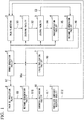
- Fig. 1 is a view showing a constitution of a palm oil production system related to an embodiment of the present invention.
- a palm oil production system related to the embodiment is a system (a plant processing system) which produces sap X3 and a saccharified liquid X5 by processing a trunk of an oil palm (a palm trunk X1) serving as a type of plant and produces palm oil serving as a type of plant oil by processing a fruit of the oil palm (a palm fruit).
- a plant processing system which produces sap X3 and a saccharified liquid X5 by processing a trunk of an oil palm (a palm trunk X1) serving as a type of plant and produces palm oil serving as a type of plant oil by processing a fruit of the oil palm (a palm fruit).
- the palm oil production system related to the embodiment includes a palm plantation 1 (a plant cultivation facility), a crushing facility 2, a juicing facility 3, a saccharification facility 4, a methane fermentation facility 5, a power generation facility 6, a liquid fuelization facility 7, a palm oil production plant 8 (a resultant object production plant), a methane fermentation facility 9 (a second methane fermentation facility), a duckweed cultivation facility 10, and a fertilizer component recovery facility 11.
- the palm plantation 1 among the facilities is a large scale plantation which cultivates oil palm.
- the oil palm is one of palm family plants which is mainly cultivated in Southeast Asia to produce palm oil, palm oil is harvested from a fruit (a palm fruit), and the palm fruit and a trunk (the palm trunk X1) contain a sugar solution.
- the palm plantation 1 ships a palm fruit to the palm oil production plant 8 and supplies a trunk (the palm trunk X1) obtained by felling an old oil palm tree to the crushing facility 2.
- the crushing facility 2 is a facility which crushes the palm trunk X1 to a predetermined size of chips (palm chips X2).
- a size of the palm chips X2 (a chip size) are appropriately selected such that a juicing rate of the sap X3 in the juicing facility 3 of the subsequent stage is maximized.
- the crushing facility 2 supplies the palm chips X2 (plant chips) to the juicing facility 3.
- the juicing facility 3 is a facility which juices the sap X3 from the palm chips X2.
- the sap X3 is a sugar solution having water and sugars (the simple sugars pentose and hexose) as main components.
- the juicing facility 3 supplies the sap X3 to the methane fermentation facility 5 of the subsequent stage and supplies pulp X4 (juice bagasse) of the sap X3 to the saccharification facility 4.
- the saccharification facility 4 is a facility which performs low saccharification (monosaccharification) on the pulp X4.
- a woody biomass such as the palm trunk X1 includes cellulose, hemicellulose, and lignin as its main components.
- the saccharification facility 4 hydrolyzes cellulose and hemicellulose among the main components of the palm trunk X1 in the presence of a saccharification enzyme.
- the saccharification facility 4 supplies the saccharified liquid X5 obtained by hydrolyzing the cellulose and hemicellulose to the methane fermentation facility 5.
- cellulose or hemicellulose need not necessarily be decomposed into a simple sugar or free sugar, but the pulp X4 (the juice bagasse) may be hydrolyzed to be liquefied or solubilized, and may decompose cellulose or hemicellulose may be decomposed into smaller units than simple sugars or free sugars in the process.
- the methane fermentation facility 5 is a facility which performs methane fermentation on the sap X3 and the saccharified liquid X5.
- methane fermentation is a reaction system in which organic matter is decomposed using an anaerobic organic matter decomposition process, that is, an action of methane bacteria serving as an anaerobic microorganism to generate a digestion gas having methane gas and carbon dioxide as its main components.
- the methane fermentation facility 5 provides a biogas X6 serving as a digestion gas to the power generation facility 6 and the liquid fuelization facility 7. Note that the methane fermentation facility 5 generates digestive juice as a drainage solution in addition to the biogas X6 (the digestion gas).
- the power generation facility 6 is a facility which generates electric power using the biogas X6 supplied from the methane fermentation facility 5 and a biogas X6a supplied from the methane fermentation facility 9 (the second methane fermentation facility) as a fuel.
- the power generation facility 6 drives an electric power generator by operating a gas engine or a gas turbine using the biogases X6 and X6a as a fuel and supplies electric power X7 output from the electric power generator to the palm plantation 1, the crushing facility 2, the juicing facility 3, the saccharification facility 4, and/or the palm oil production plant 8.
- the liquid fuelization facility 7 is a facility which converts the biogases X6 and X6a serving as a gas fuel into a liquid fuel X8.
- the liquid fuelization facility 7 generates the liquid fuel X8 by processing the biogases X6 and X6a on the basis of, for example, a Fischer-Tropsch (FT) method and supplies the liquid fuel X8 to the palm plantation 1 or the like.
- FT Fischer-Tropsch
- the palm oil production plant 8 is a resultant object production facility which produces palm oil from a seed (the fruit) of an oil palm as a resultant object.
- a palm oil waste liquid X9 is generated in a process of producing the palm oil.
- the palm oil waste liquid X9 is drainage water (palm oil mill effect: POME) having crude palm oil (CPO) obtained by juicing the palm fruit as its main component and includes a sugar solution.
- the palm oil production plant 8 supplies the palm oil waste liquid X9 to the methane fermentation facility 9 (the second methane fermentation facility).
- the methane fermentation facility 9 is a facility which generates the biogas X6a by performing a methane fermentation process on the palm oil waste liquid X9.
- sugar in the palm oil waste liquid X9 is converted into the biogas X6a due to an action of methane bacteria, but components other than the sugar in the palm oil waste liquid X9 are components which constitute a digestive juice X10.
- the methane fermentation facility 9 provides the biogas X6a serving as a digestion gas to the power generation facility 6 and the liquid fuelization facility 7 and supplies the digestive juice X10 to the duckweed cultivation facility 10.
- the duckweed cultivation facility 10 is a facility which purifies the digestive juice X10 and cultivates duckweed X11 on the basis of the digestive juice X10.
- the duckweed X11 absorbs and grows fertilizer components, that is, nitrogen (N), phosphorous (P), and potassium (K), included in the digestive juice X10 in a cultivation process.
- the duckweed cultivation facility 10 supplies the duckweed X11 which contains sufficient fertilizer components to the fertilizer component recovery facility 11.
- a technique of absorbing a fertilizer component into duckweed wolffia globosa, lemna minor, or spirodela polyrhiza ) using the digestive juice of methane fermentation as a culture fluid is specifically disclosed in, for example, the specification of PCT International Publication No. WO2011/145316
- the fertilizer component recovery facility 11 is a facility which produces fertilizer X12 from the duckweed X11. In other words, the fertilizer component recovery facility 11 acquires the fertilizer X12 by performing a predetermined process on the duckweed X11 and supplies the fertilizer X12 to the palm plantation 1.
- the palm plantation 1 harvests and ships palm fruit to the palm oil production plant 8 if a plurality of oil palms are cultivated in a habitat (a field) of a predetermined area, and the palm fruit are grown up to a size which satisfy a predetermined shipment condition.
- a habitat a field
- the palm oil production system ships the palm fruit (a harvest) which is harvested in the palm plantation 1 to the palm oil production plant 8 to produce palm oil
- the palm trunk X1 generated by felling an oil palm in the palm plantation 1 is supplied to the crushing facility 2 as a biomass.
- the crushing facility 2 crushes the log-shaped palm trunk X1 having, for example, a diameter of 30 to 60 cm and a height of about 10 m into the palm chips X2 (plant chips) having a maximum dimension of about 2.0 to 3.0 mm.
- the juicing facility 3 separates the palm chips X2 into the sap X3 and solids (the pulp X4) using a predetermined squeezing device. Note that, before the palm chips X2 are juiced by the squeezing device, the palm chips X2 may be more finely ground using a cutter and/or the palm chips ground by the cutter may be crushed using a mill.
- the cutter is preferably a wet cutter, and the mill is preferably a wet mill.
- a wet mill is, for example, a supermasscolloider (model number: MKZB-100J) manufactured by MASUKO SANGYO CO., LTD. Also, the wet mill may be a continuous vibrating mill (URAS TECHNO CO., LTD.). The continuous vibrating mill can continuously input and discharge granules without accumulating the granules.
- the saccharification facility 4 generates the simple sugars pentose and hexose by hydrolyzing the pulp X4 on the basis of, for example, an enzyme saccharification method.
- the palm trunk X1 includes cellulose, hemicellulose, and lignin as main component.
- an enzyme saccharifcation method the cellulose and hemicellulose which are components of the palm trunk X1 are hydrolyzed in the presence of a saccharification enzyme.
- the saccharification facility 4 generates hexose by hydrolyzing the cellulose in the pulp X4 using activity of the saccharification enzyme and generates pentose by hydrolyzing the hemicellulose in the same pulp X4.
- Simple sugars (pentose and hexose) generated by such hydrolysis are soluble in water, and therefore dissolve in water.
- solid/liquid mixed water including solids having lignin as a main component and the saccharified liquid X5 in which the simple sugars are dissolved in water, but the saccharification facility 4 separates only the saccharified liquid X5 from the solid/liquid mixed water and supplies the saccharified liquid X5 to the methane fermentation facility 5.
- the saccharification process may be a microbial saccharification method using Clostridium thermocellum.
- the inventors of the present invention found that glucan and xylan can be decomposed at 62.5% and 39%, respectively, through a co-culture system of Clostridizium thermocellum and Thermoanaerobacter brockii. For this reason, the saccharification process can be performed through the co-culture system of Clostridium thermocellum and Thermoanaerobacter brockii with high efficiency.
- the methane fermentation facility 5 generates the biogas X6 by performing methane fermentation on the sap X3 and the saccharified liquid X5.
- the methane fermentation facility 5 decomposes the sap X3 (the sugar solution) and the saccharified liquid X5 under an anaerobic environment due to an action of methane bacteria to generate the biogas X6 (the digestion gas) having methane gas and carbon dioxide as main components.
- the power generation facility 6 drives an electric power generator by operating a gas engine or a gas turbine using the biogas X6 supplied from the methane fermentation facility 5 and the biogas X6a supplied from the methane fermentation facility 9 (the second methane fermentation facility) as a fuel. Also, the power generation facility 6 supplies electric power X7 generated by the electric power generator to the palm oil production plant 8, the palm plantation 1, the crushing facility 2, the juicing facility 3, the saccharification facility 4, etc.
- the liquid fuelization facility 7 converts the biogases X6 and X6a serving as a gas fuel into the liquid fuel X8 such as synthetic naphtha by performing a synthesis gas generation process, an FT synthesis process, and an upgrade process.
- a mixed gas (a synthesis gas) of hydrogen gas (H 2 ) and carbon monoxide (CO) is generated from the biogases X6 and X6a.
- the biogases X6 and X6a are a mixed gas having methane (CH 4 ) and carbon dioxide (CO 2 ) as main components and are easily converted into synthesis gases using, for example, a steam reforming method, a partial oxidation method, etc.
- the synthesis gas is converted into mixed oil (FT synthetic oil) of hydrocarbons having various numbers of carbon atoms.
- the FT synthetic oil is mixed oil including, for example, methane, ethane, naphtha, kerosene, gas oil, etc.
- the FT synthetic oil is generated by heating the mixed gas (the mixed gas of hydrogen gas and carbon monoxide) in the presence of, for example, a metal catalyst, such as iron or cobalt.
- the FT synthetic oil is subjected to a process distillation into fractions.
- the FT synthetic oil is input into a distillation column and heated to be separated into fractions, and the fractions are cooled using water or the like, and thereby a liquid fuel X8 (a final product) such as synthetic naphtha, synthetic kerosene, and synthetic gas oil is acquired.
- drainage water is generated through a distillation process, but the drainage water includes an alcohol or an organic acid as a component. Therefore, the drainage water can be reprocessed (reused) using the methane fermentation facility 5, and thus there is no need to perform a separate drainage process.
- the palm oil production plant 8 produces palm oil by performing a predetermined process on the palm fruit supplied from the palm plantation 1.
- the palm oil production plant 8 acquires CPO by purifying oil (squeezed oil) of the palm fruit through the squeezing device using heated water (hot water).
- Soluble components such as sugar in the squeezed oil and a suspension (solids) which are incorporated in the heated water when acquiring the crude palm oil are the palm oil waste liquid X9 and are generally referred to as a POME.
- the palm oil waste liquid X9 is a sugar solution which includes a large amount of sugar as one of the soluble components in the squeezed oil.
- the methane fermentation facility 9 generates the biogas X6a (the digestion gas) by performing the methane fermentation process on the palm oil waste liquid X9. Also, the methane fermentation facility 9 supplies the biogas X6a to the power generation facility 6 and the liquid fuelization facility 7. In the methane fermentation facility 9, the digestive juice X10 is generated simultaneously with the biogas X6a (the digestion gas).
- the insufficient components for example, nickel, cobalt, molybdenum, etc.
- the insufficient components for example, nickel, cobalt, molybdenum, etc.
- the duckweed cultivation facility 10 purifies the digestive juice X10 by performing an activated sludge process on the digestive juice X10 in a predetermined processing tank, and cultivates a specific duckweed X11 in the processing tank.
- the duckweed X11 is, for example, wolffia globosa, lemna minor , or spirodela polyrhiza and sufficiently absorbs the fertilizer components (nitrogen (N), phosphorous (P), and potassium (K)) included in the digestive juice X10 at a fully grown stage.
- the fertilizer component recovery facility 11 acquires the fertilizer X12 by performing, for example, a drying process on the duckweed X11 and provides the fertilizer X12 to the palm plantation 1.
- the electric power X7 is acquired from the biogas X6 generated by performing the methane fermentation process on the sap X3 and the saccharified liquid X5 which are obtained from the palm trunk X1, the electric power X7 can be used as necessary electric power of the palm plantation 1, the crushing facility 2, the juicing facility 3, the saccharification facility and/or the palm oil production plant 8. Therefore, according to the embodiment, an energy balance in producing the palm oil (the final resultant object) can be improved compared to the related art by processing the palm fruit.
- the liquid fuel X8 is acquired from the biogas X6 generated by performing the methane fermentation process on the sap X3 and the saccharified liquid X5 which are obtained from the palm trunk X1, the liquid fuel X8 can be used as necessary electric power of the palm plantation 1 or the like. Therefore, according to the embodiment, an energy balance in producing the palm oil (the final resultant object) can be improved compared to the related art by processing the palm fruit.
- the palm plantation 1 acquires the fertilizer X12 which is needed to cultivate the oil palm from the digestive juice X10 of the methane fermentation, an energy balance in producing the palm oil (the final resultant object) can also be accordingly improved compared to the related art by processing the palm fruit.
- a palm oil waste liquid which has been discarded in the related art is used as a raw material of methane fermentation so that environmental impact of the palm oil production plant can be minimized.
- the components in the digestive juice which has been discarded in the related art are recovered via duckweed and used again as a fertilizer so that environmental impact of the palm oil production plant can be minimized and resources can be effectively used compared to the related art.
- an energy balance in producing plants can be improved compared to the related art.
Landscapes
- Engineering & Computer Science (AREA)
- Chemical & Material Sciences (AREA)
- Life Sciences & Earth Sciences (AREA)
- Organic Chemistry (AREA)
- Oil, Petroleum & Natural Gas (AREA)
- Environmental Sciences (AREA)
- Health & Medical Sciences (AREA)
- General Chemical & Material Sciences (AREA)
- Environmental & Geological Engineering (AREA)
- General Engineering & Computer Science (AREA)
- Botany (AREA)
- Chemical Kinetics & Catalysis (AREA)
- Biochemistry (AREA)
- Wood Science & Technology (AREA)
- Combustion & Propulsion (AREA)
- Mechanical Engineering (AREA)
- Molecular Biology (AREA)
- Genetics & Genomics (AREA)
- Bioinformatics & Cheminformatics (AREA)
- Zoology (AREA)
- Food Science & Technology (AREA)
- Polymers & Plastics (AREA)
- Biomedical Technology (AREA)
- Biotechnology (AREA)
- Sustainable Development (AREA)
- General Health & Medical Sciences (AREA)
- Power Engineering (AREA)
- Microbiology (AREA)
- Preparation Of Compounds By Using Micro-Organisms (AREA)
- Processing Of Solid Wastes (AREA)
- Cultivation Of Plants (AREA)
- Purification Treatments By Anaerobic Or Anaerobic And Aerobic Bacteria Or Animals (AREA)
- Treatment Of Sludge (AREA)
- Fertilizers (AREA)
- Hydroponics (AREA)
- Apparatus Associated With Microorganisms And Enzymes (AREA)
Applications Claiming Priority (2)
| Application Number | Priority Date | Filing Date | Title |
|---|---|---|---|
| JP2014101841 | 2014-05-15 | ||
| PCT/JP2015/064029 WO2015174520A1 (ja) | 2014-05-15 | 2015-05-15 | 植物加工システム |
Publications (2)
| Publication Number | Publication Date |
|---|---|
| EP3143871A1 true EP3143871A1 (de) | 2017-03-22 |
| EP3143871A4 EP3143871A4 (de) | 2018-01-03 |
Family
ID=54480056
Family Applications (1)
| Application Number | Title | Priority Date | Filing Date |
|---|---|---|---|
| EP15792594.2A Withdrawn EP3143871A4 (de) | 2014-05-15 | 2015-05-15 | Pflanzenverarbeitungssystem |
Country Status (7)
| Country | Link |
|---|---|
| US (1) | US20170051237A1 (de) |
| EP (1) | EP3143871A4 (de) |
| JP (1) | JPWO2015174520A1 (de) |
| AU (1) | AU2015260217B2 (de) |
| MY (1) | MY180317A (de) |
| PH (1) | PH12016502139A1 (de) |
| WO (1) | WO2015174520A1 (de) |
Cited By (1)
| Publication number | Priority date | Publication date | Assignee | Title |
|---|---|---|---|---|
| CN107836312A (zh) * | 2017-12-25 | 2018-03-27 | 江苏沿江地区农业科学研究所 | 一种桑园、果园冬季消纳沼液的增效方法 |
Families Citing this family (2)
| Publication number | Priority date | Publication date | Assignee | Title |
|---|---|---|---|---|
| WO2016056354A1 (ja) * | 2014-10-10 | 2016-04-14 | 株式会社Ihi環境エンジニアリング | 木質系バイオマスを用いた燃料製造方法 |
| JP2023007925A (ja) * | 2021-07-02 | 2023-01-19 | 古河電気工業株式会社 | 有機物の資源化方法および有機物の資源化システム |
Family Cites Families (18)
| Publication number | Priority date | Publication date | Assignee | Title |
|---|---|---|---|---|
| AU2001233621A1 (en) * | 2000-02-17 | 2001-08-27 | Birgitte Kiaer Ahring | A method for processing lignocellulosic material |
| JP4533496B2 (ja) * | 2000-03-15 | 2010-09-01 | 三菱重工業株式会社 | バイオマスからの燃料製造方法 |
| US6454944B1 (en) * | 2000-11-08 | 2002-09-24 | Larry J. Raven | Process and apparatus for conversion of biodegradable organic materials into product gas |
| JP3694744B2 (ja) * | 2002-06-28 | 2005-09-14 | 独立行政法人土木研究所 | バイオガス資源回収方法 |
| CA2504227A1 (en) * | 2002-10-30 | 2004-05-13 | John Wesley Stamp | Process for the treatment of palm waste |
| SE526429C2 (sv) * | 2003-10-24 | 2005-09-13 | Swedish Biofuels Ab | Metod för att framställa syreinnehållande föreningar utgående från biomassa |
| WO2007052306A2 (en) * | 2005-09-05 | 2007-05-10 | Gangotree Resource Developers Pvt. Ltd. | A three-step biomethanation process |
| US20080050800A1 (en) * | 2006-08-23 | 2008-02-28 | Mckeeman Trevor | Method and apparatus for a multi-system bioenergy facility |
| BRPI0605173A (pt) * | 2006-12-05 | 2008-07-22 | Braskem Sa | processo de produção de uma ou mais olefinas, olefina, e, polìmero |
| US8153850B2 (en) * | 2007-05-11 | 2012-04-10 | The Texas A&M University System | Integrated biofuel production system |
| JP4418871B2 (ja) * | 2008-04-18 | 2010-02-24 | 独立行政法人国際農林水産業研究センター | パーム幹からの樹液採取方法 |
| JP4665257B1 (ja) * | 2009-10-15 | 2011-04-06 | 独立行政法人国際農林水産業研究センター | 搾汁方法、トランク用シュレッダ及び搾汁システム |
| NZ707880A (en) * | 2010-03-19 | 2017-02-24 | Buckman Laboratories Int Inc | Processes using antibiotic alternatives in bioethanol production |
| US20110290202A1 (en) * | 2010-04-26 | 2011-12-01 | Smith Michael J | Method and apparatus for the conversion of aquatic plants into biogases and electricity |
| JP4923167B2 (ja) * | 2010-05-17 | 2012-04-25 | Aic Tokyo株式会社 | ウキクサ類を用いた有機廃液の有資源化方法 |
| DK2489276T3 (da) * | 2011-02-17 | 2014-01-20 | Neste Oil Oyj | Fremgangsmåde til udvinding af olie |
| MY183890A (en) * | 2011-05-10 | 2021-03-17 | Univ Malaysia Pahang | Calcium oxide-cement kiln dust for granulation of palm oil mill effluent |
| US9109196B2 (en) * | 2012-09-12 | 2015-08-18 | Butamax Advanced Biofuels Llc | Processes and systems for the production of fermentation products |
-
2015
- 2015-05-15 JP JP2016519313A patent/JPWO2015174520A1/ja active Pending
- 2015-05-15 MY MYPI2016704056A patent/MY180317A/en unknown
- 2015-05-15 EP EP15792594.2A patent/EP3143871A4/de not_active Withdrawn
- 2015-05-15 AU AU2015260217A patent/AU2015260217B2/en active Active
- 2015-05-15 WO PCT/JP2015/064029 patent/WO2015174520A1/ja not_active Ceased
- 2015-05-15 US US15/307,084 patent/US20170051237A1/en not_active Abandoned
-
2016
- 2016-10-26 PH PH12016502139A patent/PH12016502139A1/en unknown
Cited By (1)
| Publication number | Priority date | Publication date | Assignee | Title |
|---|---|---|---|---|
| CN107836312A (zh) * | 2017-12-25 | 2018-03-27 | 江苏沿江地区农业科学研究所 | 一种桑园、果园冬季消纳沼液的增效方法 |
Also Published As
| Publication number | Publication date |
|---|---|
| MY180317A (en) | 2020-11-28 |
| AU2015260217B2 (en) | 2017-08-31 |
| PH12016502139A1 (en) | 2017-01-09 |
| US20170051237A1 (en) | 2017-02-23 |
| AU2015260217A1 (en) | 2016-11-17 |
| EP3143871A4 (de) | 2018-01-03 |
| JPWO2015174520A1 (ja) | 2017-04-20 |
| WO2015174520A1 (ja) | 2015-11-19 |
Similar Documents
| Publication | Publication Date | Title |
|---|---|---|
| Susmozas et al. | Process strategies for the transition of 1G to advanced bioethanol production | |
| Bhushan et al. | Energy harnessing from banana plant wastes: A review | |
| Ferreira-Leitao et al. | Biomass residues in Brazil: availability and potential uses | |
| Irmak | Biomass as Raw Material for Production of High-Value | |
| Mamimin et al. | Improvement of empty palm fruit bunches biodegradability and biogas production by integrating the straw mushroom cultivation as a pretreatment in the solid-state anaerobic digestion | |
| Gavrilescu | Biorefinery systems: an overview | |
| Awoyale et al. | Harnessing the potential of bio‐ethanol production from lignocellulosic biomass in Nigeria–a review | |
| Cheng et al. | Advanced biofuel technologies: status and barriers | |
| Junluthin et al. | Efficient conversion of night-blooming giant water lily into bioethanol and biogas | |
| Asfaw et al. | Sustainable bioethanol production from the pretreated waste lignocellulosic feedstocks | |
| AU2015260217B2 (en) | Plant processing system | |
| Sharma et al. | Harnessing fruit and vegetable waste for biofuel production: Advances and scope for future development | |
| JP6263792B2 (ja) | バイオマスを用いた液体燃料製造方法 | |
| Accardi et al. | From soil remediation to biofuel. Process simulation of bioethanol production from Arundo donax | |
| Sari et al. | Biorefinery from plant biomass: a case study on sugarcane straw | |
| Sheehan et al. | Sustainable bioenergy from biofuel residues and waste | |
| Awasthi et al. | Production of Hemicellulose from Biomass and Agricultural/Food Waste Contains Lignocellulosic Materials | |
| JP6474005B2 (ja) | セルロース系バイオマスの搾汁方法及び気体燃料化方法 | |
| Lange et al. | Cellulosic biofuels: a sustainable option for transportation | |
| Cheng et al. | Biofuel technologies and potential | |
| Oladunni et al. | Lignocellulosic Biomass as Future Alternative for Bioethanol Production | |
| Hong et al. | Application Potential and Technical Challenges of Agave in Bioethanol Production | |
| Odeh et al. | Comparative Study of Bioethanol Yield from Selected Agro-waste Feedstocks Using Fermentative Saccharomyces Cerevisias | |
| Ullah et al. | Bioethanol Production from Agricultural Waste | |
| Surolia et al. | Upcycling of food waste |
Legal Events
| Date | Code | Title | Description |
|---|---|---|---|
| PUAI | Public reference made under article 153(3) epc to a published international application that has entered the european phase |
Free format text: ORIGINAL CODE: 0009012 |
|
| 17P | Request for examination filed |
Effective date: 20161031 |
|
| AK | Designated contracting states |
Kind code of ref document: A1 Designated state(s): AL AT BE BG CH CY CZ DE DK EE ES FI FR GB GR HR HU IE IS IT LI LT LU LV MC MK MT NL NO PL PT RO RS SE SI SK SM TR |
|
| AX | Request for extension of the european patent |
Extension state: BA ME |
|
| DAV | Request for validation of the european patent (deleted) | ||
| DAX | Request for extension of the european patent (deleted) | ||
| A4 | Supplementary search report drawn up and despatched |
Effective date: 20171206 |
|
| RIC1 | Information provided on ipc code assigned before grant |
Ipc: A23D 9/02 20060101ALI20171130BHEP Ipc: B09B 3/00 20060101ALI20171130BHEP Ipc: A01G 17/00 20060101AFI20171130BHEP Ipc: A01G 31/00 20180101ALI20171130BHEP |
|
| STAA | Information on the status of an ep patent application or granted ep patent |
Free format text: STATUS: THE APPLICATION IS DEEMED TO BE WITHDRAWN |
|
| 18D | Application deemed to be withdrawn |
Effective date: 20180703 |