EP3144672B1 - Genomidentifikationssystem - Google Patents
Genomidentifikationssystem Download PDFInfo
- Publication number
- EP3144672B1 EP3144672B1 EP16176264.6A EP16176264A EP3144672B1 EP 3144672 B1 EP3144672 B1 EP 3144672B1 EP 16176264 A EP16176264 A EP 16176264A EP 3144672 B1 EP3144672 B1 EP 3144672B1
- Authority
- EP
- European Patent Office
- Prior art keywords
- nucleic acid
- sample
- sequence
- sequence information
- sequencing
- Prior art date
- Legal status (The legal status is an assumption and is not a legal conclusion. Google has not performed a legal analysis and makes no representation as to the accuracy of the status listed.)
- Revoked
Links
- 150000007523 nucleic acids Chemical class 0.000 claims description 107
- 238000000034 method Methods 0.000 claims description 96
- 125000003729 nucleotide group Chemical group 0.000 claims description 91
- 239000002773 nucleotide Substances 0.000 claims description 90
- 238000012163 sequencing technique Methods 0.000 claims description 76
- 239000012634 fragment Substances 0.000 claims description 67
- 108020004707 nucleic acids Proteins 0.000 claims description 63
- 102000039446 nucleic acids Human genes 0.000 claims description 63
- 238000004891 communication Methods 0.000 claims description 26
- 238000000605 extraction Methods 0.000 claims description 20
- 238000012545 processing Methods 0.000 claims description 14
- 238000013476 bayesian approach Methods 0.000 claims description 13
- 230000008569 process Effects 0.000 claims description 10
- 230000003321 amplification Effects 0.000 claims description 5
- 238000003199 nucleic acid amplification method Methods 0.000 claims description 5
- 238000012175 pyrosequencing Methods 0.000 claims description 4
- 238000009396 hybridization Methods 0.000 claims description 3
- 230000007613 environmental effect Effects 0.000 claims 1
- 239000000523 sample Substances 0.000 description 61
- 108020004414 DNA Proteins 0.000 description 29
- 201000010099 disease Diseases 0.000 description 19
- 208000037265 diseases, disorders, signs and symptoms Diseases 0.000 description 19
- 230000006870 function Effects 0.000 description 17
- 238000004458 analytical method Methods 0.000 description 14
- 239000012620 biological material Substances 0.000 description 14
- 108091028043 Nucleic acid sequence Proteins 0.000 description 13
- 238000004422 calculation algorithm Methods 0.000 description 13
- 238000005516 engineering process Methods 0.000 description 13
- 238000001712 DNA sequencing Methods 0.000 description 11
- 230000004044 response Effects 0.000 description 11
- 239000003795 chemical substances by application Substances 0.000 description 10
- 238000001514 detection method Methods 0.000 description 9
- 241000894007 species Species 0.000 description 9
- 206010028980 Neoplasm Diseases 0.000 description 8
- 238000013459 approach Methods 0.000 description 8
- 201000011510 cancer Diseases 0.000 description 7
- 230000002068 genetic effect Effects 0.000 description 7
- 230000001717 pathogenic effect Effects 0.000 description 7
- 238000012360 testing method Methods 0.000 description 7
- 238000011282 treatment Methods 0.000 description 7
- 230000004927 fusion Effects 0.000 description 6
- 238000012544 monitoring process Methods 0.000 description 6
- 244000052769 pathogen Species 0.000 description 6
- 208000015181 infectious disease Diseases 0.000 description 5
- 230000003993 interaction Effects 0.000 description 5
- 230000005180 public health Effects 0.000 description 5
- 238000011160 research Methods 0.000 description 5
- 230000005540 biological transmission Effects 0.000 description 4
- 238000003745 diagnosis Methods 0.000 description 4
- 239000003814 drug Substances 0.000 description 4
- 230000007614 genetic variation Effects 0.000 description 4
- 230000036541 health Effects 0.000 description 4
- 238000002955 isolation Methods 0.000 description 4
- 108090000623 proteins and genes Proteins 0.000 description 4
- 241000588724 Escherichia coli Species 0.000 description 3
- 239000011324 bead Substances 0.000 description 3
- 238000013500 data storage Methods 0.000 description 3
- 238000013461 design Methods 0.000 description 3
- 238000011161 development Methods 0.000 description 3
- 229940079593 drug Drugs 0.000 description 3
- 230000005684 electric field Effects 0.000 description 3
- 238000001914 filtration Methods 0.000 description 3
- 230000014509 gene expression Effects 0.000 description 3
- 230000001965 increasing effect Effects 0.000 description 3
- 238000010801 machine learning Methods 0.000 description 3
- 238000007726 management method Methods 0.000 description 3
- 238000005259 measurement Methods 0.000 description 3
- 244000005700 microbiome Species 0.000 description 3
- 239000000203 mixture Substances 0.000 description 3
- 238000012216 screening Methods 0.000 description 3
- 238000003786 synthesis reaction Methods 0.000 description 3
- 230000001225 therapeutic effect Effects 0.000 description 3
- 238000002560 therapeutic procedure Methods 0.000 description 3
- 238000012549 training Methods 0.000 description 3
- 238000012384 transportation and delivery Methods 0.000 description 3
- 230000003612 virological effect Effects 0.000 description 3
- 230000000007 visual effect Effects 0.000 description 3
- 241000894006 Bacteria Species 0.000 description 2
- HEDRZPFGACZZDS-UHFFFAOYSA-N Chloroform Chemical compound ClC(Cl)Cl HEDRZPFGACZZDS-UHFFFAOYSA-N 0.000 description 2
- 238000007400 DNA extraction Methods 0.000 description 2
- 241001465754 Metazoa Species 0.000 description 2
- 238000012300 Sequence Analysis Methods 0.000 description 2
- VYPSYNLAJGMNEJ-UHFFFAOYSA-N Silicium dioxide Chemical compound O=[Si]=O VYPSYNLAJGMNEJ-UHFFFAOYSA-N 0.000 description 2
- 241000700605 Viruses Species 0.000 description 2
- 230000009471 action Effects 0.000 description 2
- 239000003570 air Substances 0.000 description 2
- 230000001363 autoimmune Effects 0.000 description 2
- 238000004364 calculation method Methods 0.000 description 2
- 238000012512 characterization method Methods 0.000 description 2
- 239000003153 chemical reaction reagent Substances 0.000 description 2
- 230000000295 complement effect Effects 0.000 description 2
- 125000004122 cyclic group Chemical group 0.000 description 2
- 238000013480 data collection Methods 0.000 description 2
- 230000000694 effects Effects 0.000 description 2
- 238000010195 expression analysis Methods 0.000 description 2
- 238000012268 genome sequencing Methods 0.000 description 2
- 238000012165 high-throughput sequencing Methods 0.000 description 2
- 239000003112 inhibitor Substances 0.000 description 2
- 238000002372 labelling Methods 0.000 description 2
- 230000000813 microbial effect Effects 0.000 description 2
- 230000000116 mitigating effect Effects 0.000 description 2
- 230000035772 mutation Effects 0.000 description 2
- 238000002360 preparation method Methods 0.000 description 2
- 230000008707 rearrangement Effects 0.000 description 2
- 230000009467 reduction Effects 0.000 description 2
- 229920005989 resin Polymers 0.000 description 2
- 239000011347 resin Substances 0.000 description 2
- 238000012502 risk assessment Methods 0.000 description 2
- 239000002689 soil Substances 0.000 description 2
- 239000007787 solid Substances 0.000 description 2
- 208000024891 symptom Diseases 0.000 description 2
- 238000012546 transfer Methods 0.000 description 2
- XLYOFNOQVPJJNP-UHFFFAOYSA-N water Substances O XLYOFNOQVPJJNP-UHFFFAOYSA-N 0.000 description 2
- 238000012070 whole genome sequencing analysis Methods 0.000 description 2
- 208000035473 Communicable disease Diseases 0.000 description 1
- 238000000018 DNA microarray Methods 0.000 description 1
- 230000006820 DNA synthesis Effects 0.000 description 1
- 102000016928 DNA-directed DNA polymerase Human genes 0.000 description 1
- 108010014303 DNA-directed DNA polymerase Proteins 0.000 description 1
- 238000009007 Diagnostic Kit Methods 0.000 description 1
- 206010059866 Drug resistance Diseases 0.000 description 1
- 201000011001 Ebola Hemorrhagic Fever Diseases 0.000 description 1
- 108090000790 Enzymes Proteins 0.000 description 1
- 102000004190 Enzymes Human genes 0.000 description 1
- 241000701959 Escherichia virus Lambda Species 0.000 description 1
- 241000233866 Fungi Species 0.000 description 1
- 102000003960 Ligases Human genes 0.000 description 1
- 108090000364 Ligases Proteins 0.000 description 1
- 238000000342 Monte Carlo simulation Methods 0.000 description 1
- 238000012614 Monte-Carlo sampling Methods 0.000 description 1
- 238000010222 PCR analysis Methods 0.000 description 1
- ISWSIDIOOBJBQZ-UHFFFAOYSA-N Phenol Chemical compound OC1=CC=CC=C1 ISWSIDIOOBJBQZ-UHFFFAOYSA-N 0.000 description 1
- 108010001267 Protein Subunits Proteins 0.000 description 1
- 102000009609 Pyrophosphatases Human genes 0.000 description 1
- 108010009413 Pyrophosphatases Proteins 0.000 description 1
- 239000013614 RNA sample Substances 0.000 description 1
- 108700005075 Regulator Genes Proteins 0.000 description 1
- 238000012952 Resampling Methods 0.000 description 1
- 208000001203 Smallpox Diseases 0.000 description 1
- 206010052779 Transplant rejections Diseases 0.000 description 1
- 230000003213 activating effect Effects 0.000 description 1
- 230000002411 adverse Effects 0.000 description 1
- 125000003275 alpha amino acid group Chemical group 0.000 description 1
- 230000009118 appropriate response Effects 0.000 description 1
- 238000003556 assay Methods 0.000 description 1
- 238000012550 audit Methods 0.000 description 1
- 230000001580 bacterial effect Effects 0.000 description 1
- 238000013398 bayesian method Methods 0.000 description 1
- 230000006399 behavior Effects 0.000 description 1
- 230000003115 biocidal effect Effects 0.000 description 1
- 230000008236 biological pathway Effects 0.000 description 1
- 239000012472 biological sample Substances 0.000 description 1
- 238000001574 biopsy Methods 0.000 description 1
- 230000015572 biosynthetic process Effects 0.000 description 1
- 239000008280 blood Substances 0.000 description 1
- 210000004369 blood Anatomy 0.000 description 1
- 210000004027 cell Anatomy 0.000 description 1
- 230000006037 cell lysis Effects 0.000 description 1
- 230000001413 cellular effect Effects 0.000 description 1
- 230000003196 chaotropic effect Effects 0.000 description 1
- 238000007635 classification algorithm Methods 0.000 description 1
- 238000010367 cloning Methods 0.000 description 1
- 230000000052 comparative effect Effects 0.000 description 1
- 238000007906 compression Methods 0.000 description 1
- 230000006835 compression Effects 0.000 description 1
- 238000004590 computer program Methods 0.000 description 1
- 238000010276 construction Methods 0.000 description 1
- 239000000356 contaminant Substances 0.000 description 1
- 230000009089 cytolysis Effects 0.000 description 1
- 230000007423 decrease Effects 0.000 description 1
- 230000003247 decreasing effect Effects 0.000 description 1
- 239000003599 detergent Substances 0.000 description 1
- 238000002405 diagnostic procedure Methods 0.000 description 1
- 239000012502 diagnostic product Substances 0.000 description 1
- 239000003596 drug target Substances 0.000 description 1
- 238000002651 drug therapy Methods 0.000 description 1
- 238000001962 electrophoresis Methods 0.000 description 1
- 230000007717 exclusion Effects 0.000 description 1
- 230000001747 exhibiting effect Effects 0.000 description 1
- 239000000284 extract Substances 0.000 description 1
- 238000002866 fluorescence resonance energy transfer Methods 0.000 description 1
- 239000007850 fluorescent dye Substances 0.000 description 1
- 238000009472 formulation Methods 0.000 description 1
- 230000004077 genetic alteration Effects 0.000 description 1
- 231100000118 genetic alteration Toxicity 0.000 description 1
- 238000011331 genomic analysis Methods 0.000 description 1
- 238000003205 genotyping method Methods 0.000 description 1
- 238000013537 high throughput screening Methods 0.000 description 1
- 238000003018 immunoassay Methods 0.000 description 1
- 230000001976 improved effect Effects 0.000 description 1
- 238000012405 in silico analysis Methods 0.000 description 1
- 238000011065 in-situ storage Methods 0.000 description 1
- 238000010348 incorporation Methods 0.000 description 1
- 230000001939 inductive effect Effects 0.000 description 1
- 230000010365 information processing Effects 0.000 description 1
- 238000004255 ion exchange chromatography Methods 0.000 description 1
- 239000004973 liquid crystal related substance Substances 0.000 description 1
- 206010025135 lupus erythematosus Diseases 0.000 description 1
- 238000013507 mapping Methods 0.000 description 1
- 239000000463 material Substances 0.000 description 1
- 230000007246 mechanism Effects 0.000 description 1
- 239000012528 membrane Substances 0.000 description 1
- 238000012775 microarray technology Methods 0.000 description 1
- 201000006417 multiple sclerosis Diseases 0.000 description 1
- 230000006855 networking Effects 0.000 description 1
- 238000006386 neutralization reaction Methods 0.000 description 1
- 239000002547 new drug Substances 0.000 description 1
- 230000003287 optical effect Effects 0.000 description 1
- 239000002245 particle Substances 0.000 description 1
- 238000003909 pattern recognition Methods 0.000 description 1
- 230000002265 prevention Effects 0.000 description 1
- 239000000047 product Substances 0.000 description 1
- 230000001105 regulatory effect Effects 0.000 description 1
- 102000037983 regulatory factors Human genes 0.000 description 1
- 230000002787 reinforcement Effects 0.000 description 1
- 238000012827 research and development Methods 0.000 description 1
- 230000002441 reversible effect Effects 0.000 description 1
- 210000003296 saliva Anatomy 0.000 description 1
- 238000005185 salting out Methods 0.000 description 1
- 150000003839 salts Chemical class 0.000 description 1
- 238000010845 search algorithm Methods 0.000 description 1
- 230000009291 secondary effect Effects 0.000 description 1
- 238000000926 separation method Methods 0.000 description 1
- 238000007841 sequencing by ligation Methods 0.000 description 1
- 238000011451 sequencing strategy Methods 0.000 description 1
- 239000000377 silicon dioxide Substances 0.000 description 1
- 238000004088 simulation Methods 0.000 description 1
- 239000007790 solid phase Substances 0.000 description 1
- 230000000392 somatic effect Effects 0.000 description 1
- 238000007619 statistical method Methods 0.000 description 1
- 238000003860 storage Methods 0.000 description 1
- 231100000027 toxicology Toxicity 0.000 description 1
- 230000026683 transduction Effects 0.000 description 1
- 238000010361 transduction Methods 0.000 description 1
- 210000004881 tumor cell Anatomy 0.000 description 1
- 238000009424 underpinning Methods 0.000 description 1
- 201000006266 variola major Diseases 0.000 description 1
- 238000012800 visualization Methods 0.000 description 1
- 238000007704 wet chemistry method Methods 0.000 description 1
Images





Classifications
-
- G—PHYSICS
- G16—INFORMATION AND COMMUNICATION TECHNOLOGY [ICT] SPECIALLY ADAPTED FOR SPECIFIC APPLICATION FIELDS
- G16B—BIOINFORMATICS, i.e. INFORMATION AND COMMUNICATION TECHNOLOGY [ICT] SPECIALLY ADAPTED FOR GENETIC OR PROTEIN-RELATED DATA PROCESSING IN COMPUTATIONAL MOLECULAR BIOLOGY
- G16B30/00—ICT specially adapted for sequence analysis involving nucleotides or amino acids
-
- G—PHYSICS
- G16—INFORMATION AND COMMUNICATION TECHNOLOGY [ICT] SPECIALLY ADAPTED FOR SPECIFIC APPLICATION FIELDS
- G16B—BIOINFORMATICS, i.e. INFORMATION AND COMMUNICATION TECHNOLOGY [ICT] SPECIALLY ADAPTED FOR GENETIC OR PROTEIN-RELATED DATA PROCESSING IN COMPUTATIONAL MOLECULAR BIOLOGY
- G16B50/00—ICT programming tools or database systems specially adapted for bioinformatics
- G16B50/30—Data warehousing; Computing architectures
-
- G—PHYSICS
- G16—INFORMATION AND COMMUNICATION TECHNOLOGY [ICT] SPECIALLY ADAPTED FOR SPECIFIC APPLICATION FIELDS
- G16B—BIOINFORMATICS, i.e. INFORMATION AND COMMUNICATION TECHNOLOGY [ICT] SPECIALLY ADAPTED FOR GENETIC OR PROTEIN-RELATED DATA PROCESSING IN COMPUTATIONAL MOLECULAR BIOLOGY
- G16B50/00—ICT programming tools or database systems specially adapted for bioinformatics
-
- Y—GENERAL TAGGING OF NEW TECHNOLOGICAL DEVELOPMENTS; GENERAL TAGGING OF CROSS-SECTIONAL TECHNOLOGIES SPANNING OVER SEVERAL SECTIONS OF THE IPC; TECHNICAL SUBJECTS COVERED BY FORMER USPC CROSS-REFERENCE ART COLLECTIONS [XRACs] AND DIGESTS
- Y02—TECHNOLOGIES OR APPLICATIONS FOR MITIGATION OR ADAPTATION AGAINST CLIMATE CHANGE
- Y02A—TECHNOLOGIES FOR ADAPTATION TO CLIMATE CHANGE
- Y02A90/00—Technologies having an indirect contribution to adaptation to climate change
- Y02A90/10—Information and communication technologies [ICT] supporting adaptation to climate change, e.g. for weather forecasting or climate simulation
Definitions
- This invention relates to a system and a method for the identification of organisms and more particularly, to the determination of sequence of nucleic acids and other polymeric or chain type molecules by probabilistic data matching in a handheld or larger electronic device.
- a system and method are needed which can identify more than a single organism (multiplexing) and indicate if a species is present, based on the genome comparison of nucleic acids present in a sample.
- DNA sequencing was accomplished by a dideoxy method, commonly referred to as the Sanger method [Sanger et al, 1977], that used chain terminating inhibitors to stop the extension of the DNA chain by DNA synthesis.
- the method comprises obtaining a sample of a microorganism at a health care facility, sequencing a first region of a nucleic acid from the microorganism sample, comparing the first sequenced region with historical sequence data stored in a database, determining a measure of phylogenetic relatedness between the microorganism sample and historical samples stored in the database, and providing infection control information based on the phylogenetic relatedness determination to the health care facility to use to control or prevent the spread of an infection.
- the current system is designed to analyze any sample that contains biological material to determine the presence of species or genomes in the sample. This is achieved by obtaining the sequence information of the biological material and comparing the sequencing information against a data base(s). Sequence information that match will indicate the presence of a genome or species. Probabilistic matching will calculate the likelihood that species are present.
- the methods can be applied on massively parallel sequencing systems.
- the present invention provides an ex vivo method of identifying a genome in a sample comprising a plurality of genomes, as claimed in claim 1 below, comprising:
- the additional sequence information comprises the sequence of the nucleotide fragment comprising one additional nucleotide.
- sequence of the nucleotide fragment of (iv) is a nucleotide sequence of "n" length and the additional sequence information comprises a nucleotide sequence of "n+1", “n+2" to "n+x" length, wherein x is less than 50.
- generating the sequence information comprises pyrosequencing.
- generating the sequence information comprises sequencing-by-hybridization.
- the sequence of the nucleotide fragment of (iv) is a nucleotide sequence of "n" length; and the additional sequence information comprises a nucleotide sequence of "n+1", “n+2" to "n+x" length, wherein x is greater than 50.
- the invention further comprises amplification of the one or more nucleic acid molecule(s) to yield a plurality "i" of nucleic acid molecules, prior to generating the sequence information.
- the sequence information generated after amplification may comprise nucleotide fragments of "n" length, such that a plurality "i(n)" number of fragments are compared to the nucleic acid sequences in a database.
- the nucleotide fragment is compared to the nucleic acid sequences in a database via probabilistic matching, including, but not limited to Bayesian approach, Recursive Bayesian approach or Naive Bayesian approach.
- Probabilistic approaches may use Bayesian likelihoods to consider two important factors to reach an accurate conclusion: (i) P(l; / R) is the probability that an organism exhibiting test pattern R belongs to taxon li , and (ii) P(Rl / i) is the probability that members of taxon ti will exhibit test pattern R.
- P(l; / R) is the probability that an organism exhibiting test pattern R belongs to taxon li
- P(Rl / i) is the probability that members of taxon ti will exhibit test pattern R.
- the probabilistic matching provides a hierarchical statistical framework to identify a genome in the sample.
- the comparison of the sequence information is performed, in real-time, or as fast as, or immediately after said sequence information is generated.
- sequence information is performed, in real-time, or as fast as the sequence information is generated, while additional sequence information continues to be generated from said one or more nucleic acid molecule(s), wherein said additional sequence information may comprise nucleotides of varying lengths, including, but not limited to, increased, decreased or same length of sequence information as compared to previously generated sequence information.
- Sequence information includes, but not limited to, a chromatogram, image of labeled DNA or RNA fragments, physical interrogation of a nucleic acid molecule to determine the nucleotide order, nanopore analyses, and other methods known in the art that determine the sequence of a nucleic acid strand.
- “x” can be selected from 1-10, 10-20, 20-30, 30-40, 40-50, 50-60, 60-70, 70-80, 80-90 or 90-100 nucleotides. In an another embodiment, "x" can be 100-200,200-300, 300-400 or 400-500 nucleotides.
- n+x represents a minimal length of the nucleotide fragment for a positive identification of the nucleic acid molecule(s) obtained from said sample.
- the present invention is also directed to a system for identifying a genome in a sample comprising a plurality of genomes, comprising:
- the methods and system described in the current invention use(s) the shortest unique sequence information, which in a mixture of nucleic acids in an uncharacterized sample have the minimal unique length (n) with respect to the entire sequence information generated or collected.
- n minimal unique length
- non-unique are also compared.
- the probability of identification of a genome increases with multiple matches. Some genomes will have longer minimal unique sequences than other genomes.
- the matching method of short length (n) sequences continues in parallel with sequence information generation or collection. The comparisons occur as fast as (real-time) subsequent longer sequences are generated or collected. This results in considerable decision space reduction because the calculations are made early in terms of sequence information generation/collection.
- the probabilistic matching may include, but not limited to, perfect matching, subsequence uniqueness, pattern matching, multiple sub-sequence matching within n length, inexact matching, seed and extend, distance measurements and phylogentic tree mapping. It provides an automated pipeline to match the sequence information as fast as it is generated or in real-time. The sequencing instrument can continue to collect longer and more strings of sequence information in parallel with the comparison. Subsequent sequence information can also be compared and may increase the confidence of a genome or species identification in the sample. The method does not need to wait for sequence information assembly of the short reads into larger contigs.
- the system and methods disclosed herein provide nucleic acid intake, isolation and separation, DNA sequencing, database networking, information processing, data storage, data display, and electronic communication to speed the delivery of relevant data to enable diagnosis or identification of organisms with applications for pathogenic outbreak and appropriate responses.
- the system includes a portable sequencing device that electronically transmits data to a database for identification of organisms related to the determination of the sequence of nucleic acids and other polymeric or chain type molecules and probabilistic data matching.
- FIGS 1 and 2 illustrate an embodiment of a system 100 that includes a portable handheld electronic sequencing device 105.
- the portable electronic sequencing device 105 (referred to herein as “sequencing device") is configured to be readily held and used by a user (U), and can communicate via a communication network 110 with many other potentially relevant entities.
- the device is configured to receive a subject sample (SS) and an environment sample (ES), respectively.
- the subject sample (such as blood, saliva, etc), can include the subject's DNA as well as DNA of any organisms (pathogenic or otherwise) in the subject.
- the environment sample (ES) can include, but not limited to, organisms in their natural state in the environment (including food, air, water, soil, tissue). Both samples (SS, ES) may be affected by an act of bioterrorism or by an emerging epidemic. Both samples (SS, ES) are simultaneously collected via a tube or swab and are received in a solution or solid (as a bead) on a membrane or slide, plate, capillary, or channel. The samples (SS, ES) are then sequenced simultaneously.
- Circumstance specific situations may require the analysis of a sample composed of a mixture of the samples (SS, ES).
- a first responder can be contacted once a probabilistic match is identified and/or during real-time data collection and data interpretation. As time progresses an increasing percentage of the sequence can be identified.
- the sequencing device 105 can include the following functional components, as illustrated in FIG. 3 , which enable the device 105 to analyze a subject sample (SS) and an environment sample (ES), communicate the resulting analysis to a communication network 110.
- SS subject sample
- ES environment sample
- Sample receivers 120 and 122 are coupled to a DNA Extraction and Isolation Block 130, which then deliver the samples to Block 130 via a flow system.
- Block 130 extracts DNA from the samples and isolates it so that it may be further processed and analyzed. This can be accomplished by use of a reagent template (i.e. a strand of DNA that serves as a pattern for the synthesis of a complementary strand of nucleic acid), which may be delivered combined with the samples 120, 122 using known fluidic transport technology.
- the nucleic acids in the samples 120, 122 are separated by the Extraction and Isolation Block 130, yielding a stream of nucleotide fragments or unamplified single molecules.
- An embodiment could include the use of amplification methods.
- An interchangeable cassette 140 may be removeably coupled to sequencing device 105 and block 130.
- the cassette 140 can receive the stream of molecules from block 130 and can sequence the DNA and produce DNA sequence data.
- the interchangeable cassette 140 can be coupled to, and provide the DNA sequence data to the processor 160, where the probabilistic matching is accomplished.
- An embodiment could include performance of 16 GB of data transferred at a rate of 1 Mb/sec.
- a sequencing cassette 140 is preferred to obtain the sequence information. Different cassettes representing different sequencing methods may be interchanged.
- the sequence information is compared via probabilistic matching. Ultra-fast matching algorithms and pre-generated weighted signature databases compare the de novo sequence data to stored sequence data.
- the processor 160 can be, for example, an application-specific integrated circuit designed to achieve one or more specific functions or enable one or more specific devices or applications.
- the processor 160 can control all of the other functional elements of sequencing device 105.
- the processor 160 can send/receive the DNA sequence data to be stored in a data store (memory) 170.
- the data store 170 can also include any suitable types or forms of memory for storing data in a form retrievable by the processor 160.
- the sequencing device 105 can further include a communication component 180 to which the processor 160 can send data retrieved from the data store 170.
- the communication component 180 can include any suitable technology for communicating with the communication network 110, such as wired, wireless, satellite, etc.
- the sequencing device 105 can include a user input module 150, which the user (U) can provide input to the device 105. This can include any suitable input technology such as buttons, touch pad, etc. Finally the sequencing device 105 can include a user output module 152 which can include a display for visual output and/or an audio output device.
- the sequencing device 105 can also include a Global Positioning System (GPS) receiver 102, which can receive positioning data and proceed the data to the processor 160, and a power supply 104 (i.e. battery, plug-in-adapter) for supplying electrical or other types of energy to an output load or group of loads of the sequencing device 105.
- GPS Global Positioning System
- power supply 104 i.e. battery, plug-in-adapter
- the interchangeable cassette 140 is illustrated schematically in more detail in FIG. 3 .
- the cassette 140 may be removeably coupled to sequencing device 105 and block 130 and includes a state of the art sequencing method (i.e. high throughput sequencing). Wet chemistry or solid state based system may be built on deck via a cassette exchangeable "plug & play" fashion.
- the cassette 140 can receive the stream of molecules from block 130 and can sequence the DNA via the sequencing method and can produce DNA sequence data.
- Embodiments include methods based on, but not limited to, Sequencing-by-synthesis, Sequencing-by-ligation, Single-molecule-sequencing and Pyrosequencing.
- a yet another embodiment of includes a source for electric field 142 and applies the electric field 142 to the stream of molecules to effect electrophoresis of the DNA within the stream.
- the cassette includes a light source 144 for emitting a fluorescent light 144 through the DNA stream.
- the cassette further includes a biomedical sensor (detector) 146 for detecting the fluorescent light emission and for detecting/determining the DNA sequence of the sample stream.
- the biomedical sensor is capable of detecting light at all wavelengths appropriate for labeled moieties for sequencing.
- the fluorescent detection comprises measurement of the signal of a labeled moiety of at least one of the one or more nucleotides or nucleotide analogs. Sequencing using fluorescent nucleotides typically involves photobleaching the fluorescent label after detecting an added nucleotide.
- Embodiments can include bead-based fluorescent, FRET, infrared labels, pyrophosphatase, ligase methods including labeled nucleotides or polymerase or use of cyclic reversible terminators.
- Embodiments can include direct methods of nanopores or optical waveguide including immobilized single molecules or in solution. Photobleaching methods include a reduced signal intensity, which builds with each addition of a fluorescently labeled nucleotide to the primer strand. By reducing the signal intensity, longer DNA templates are optionally sequenced.
- Photobleaching includes applying a light pulse to the nucleic acid primer into which a fluorescent nucleotide has been incorporated.
- the light pulse typically comprises a wavelength equal to the wavelength of light absorbed by the fluorescent nucleotide of interest.
- the pulse is applied for about 50 seconds or less, about 20 seconds or less, about 10 seconds or less, about 5 seconds or less, about 2 seconds or less, about 1 seconds or less, or about 0.
- the pulse destroys the fluorescence of the fluorescently labeled nucleotides and/or the fluorescently labeled primer or nucleic acid, or it reduces it to an acceptable level, e.g., a background level, or a level low enough to prevent signal buildup over several cycles.
- the sensor (detector) 146 optionally monitors at least one signal from the nucleic acid template.
- the sensor (detector) 146 optionally includes or is operationally linked to a computer including software for converting detector signal information into sequencing result information, e.g., concentration of a nucleotide, identity of a nucleotide, sequence of the template nucleotide, etc.
- sample signals are optionally calibrated, for example, by calibrating the microfluidic system by monitoring a signal from a known source.
- the sequencing device 105 can communicate via a communication network 110 with a variety of entities that may be relevant to notify in the event of a bioterrorist act or an epidemic outbreak.
- entities can include a First Responder (i.e. Laboratory Response Network (i.e. Reference Labs, Seminal Labs, National Labs), GenBank®, Center for Disease Control (CDC), physicians, public health personnel, medical records, census data, law enforcement, food manufacturers, food distributors, and food retailers.
- a First Responder i.e. Laboratory Response Network (i.e. Reference Labs, Seminal Labs, National Labs), GenBank®, Center for Disease Control (CDC), physicians, public health personnel, medical records, census data, law enforcement, food manufacturers, food distributors, and food retailers.
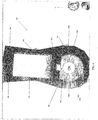
- the device is a portable handheld sequencing device and is illustrated in comparison with the size of coins C.
- the device 105 is approximately 11 inches in length and easily transportable. (In FIG. 4 , coins are shown for scale.)
- Two ports 153, 154 are located on a side of the device and represent sample receivers 120, 122.
- Port 153 is for receiving a subject sample (SS) or an environment sample (ES) to be analyzed and sequenced.
- Port 154 is for sequencing control (SC).
- the two different ports are designed to determine if a subject sample (SS) or environment sample (ES) contains materials that result in sequencing failure, should sequencing failure occur, or function in a CLIA capacity.
- the device 105 includes a user input module 150, which the user (U) can provide input to the device 105.
- the user input module 150 is in the form of a touch pad, however, any suitable technology can be used.
- the touch pad includes buttons 150a for visual display, 150b, 150c for recording data, 150d for real-time data transmission and receiving, and 150e for power control for activating or deactivating the device.
- the key pad can be incorporated into the display screen and all functions can be controlled by liquid crystal interface. Suitable techniques are described in US Patent Pub. No. application 2007/0263163 , the entire disclosure of which is hereby incorporated by reference. This can be by Bluetooth-enabled device pairing or similar approaches.
- the functions include digit keys, labeled with letters of the alphabet, such as common place on telephone keypads, such as a delete key, space key, escape key, print key, enter key, up/down, left/right, additional characters and any others desired by the user.
- the device further includes a user output module 152, in the form of a visual display, for displaying information for the user (U).
- An audio output device can also be provided if desired as illustrated at 157a and 157b.
- the sequencing device 105 includes light emitting diodes 155 and 156 to indicate the transmission or receiving of data.
- the function of the keys/buttons are to control all aspects of sample sequencing, data transmission and probabilistic matching and interface controls, including but not limited to on/off, send, navigation key, soft keys, clear, and LCD display functions and visualization tools with genome rank calculated by algorithms to list the confidence of matches.
- An embodiment includes an internet based system where multiple users may simultaneously transmit/receive data to/from a hierarchical network search engine.
- FIG. 5 is a flow chart illustrating a process of operation of the system 100 of an embodiment of the system 100 as described above.
- a process of the device's operation includes at 200 receiving collected subject samples (SS) and environment sample (ES) in sample receivers 120, 122.
- the samples proceed to the DNA Extraction and Isolation Block 130 where the sample is analyzed and the DNA is extracted from the samples and isolated.
- the interchangeable cassette 140 receives the isolated DNA from block 130 and sequences the DNA.
- a biomedical sensor 146 within the cassette 140 detects/determines the DNA sequence of the sample stream.
- the sequenced data is processed and stored in a data store 170.
- the sequenced data is compared via probabilistic matching and genome identification is accomplished. The process is reiterative in nature. Resultant information may be transmitted via a communication network 110. GPS (global positioning system) data may optionally be transmitted as well at step 205.
- the device electronically receives data from matching.
- the device visually displays the data electronically received from matching via a user output module 152. If further analysis is require, at 208, the sequenced data is electronically transmitted to data interpretation entities (i.e. Public Health Personnel, Medical Records, etc.) via the communication network.
- data interpretation entities i.e. Public Health Personnel, Medical Records, etc.
- a multi-method research approach may enhance the rapid response to an incident and integrate primary care with organism detection.
- a triangulate response may be utilized, which involves quantitative instrument data from the DNA sequencing to converge with qualitative critical care.
- An infrastructure of observational checklists and audits of DNA sequencing data collected in the field across multiple locations may used to compare the appearance of an organism, e.g., bio-threat between locations.
- Inferential statistical analysis of the genomic data may combined with medical observations to develop categories of priorities.
- Information collected and shared between databases of medical centers and genomic centers may enable triangulation of an incident, the magnitude of the incident, and the delivery of the correct intervention to the affected people at the appropriate time.
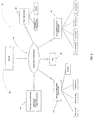
- FIG. 6 illustrates the interaction between the system 100 and various potential resources entities.
- the device 105 is configured to interact with these resource entities via a wireless or wired communication network.
- Device 105 can transmit triangulated sequenced data information (310) illustrating the "Sample Data", the "Patient Data”, and “Treatment Intervention.”
- Device 105 can transmit and receive DNA sequence data to and from sequence matching resources 320, which include GenBank® and a laboratory response network including Sentinel Labs, Reference Labs, and National Labs.
- Sentinel laboratories hospital and other community clinical labs
- Reference laboratories state and local public health laboratories where Biological Safety Level 3 (BSL-3) practices are observed) perform confirmatory testing (rule in).
- National laboratories (BSL-4) maintain a capacity capable of handling viral agents such as Ebola and variola major and perform definitive characterization.
- System 100 can further transmit and receive data to and from Data Interpretation Resources 330 including law enforcement entities, public health personnel, medical records, and census data. Finally, the device 105 can transmit and receive data to and from a first responder 320 which include doctors or physicians in an emergency room.
- the system 100 overall is configured to communicate with the Center for Disease Control (CDC) 340 to provide pertinent information to the proper personnel.
- CDC Center for Disease Control
- FIG. 7 is a schematic illustration of functional interaction between a hand held electronic sequencing device with the remote analysis center.
- the device 105 may include a base calling unit 103 for processing sequencing received by the interchangeable cassette 140. Such sequences and SNP sites are individually weighted according to its probability found in each species. These weights can be calculated either theoretically (by simulation) or experimentally.
- the device also includes a probabilistic matching processor 109 coupled to the base calling unit 103. The probabilistic matching is performed in real time or as fast as the sequence base calling or sequence data collection.
- the probabilistic matching processor 109 using a Bayesian approach, can receive resultant sequence and quality data, and can calculate the probabilities for each sequencing-read while considering sequencing quality scores generated by the base calling unit 103.
- the probabilistic matching processor 109 can use a database generated and optimized prior to its use for the identification of pathogens.
- An alert system 107 is coupled to the probabilistic matching processor 109 and can gather information from the probabilistic matching processor 109 (on site) and display the best matched organism(s) in real-time.
- the alert system 107 is configured to access patient data, i.e. the medical diagnosis or risk assessment for a patient particularly data from point of care diagnostic tests or assays, including immunoassays, electrocardiograms, X-rays and other such tests, and provide an indication of a medical condition or risk or absence thereof.
- patient data i.e. the medical diagnosis or risk assessment for a patient particularly data from point of care diagnostic tests or assays, including immunoassays, electrocardiograms, X-rays and other such tests, and provide an indication of a medical condition or risk or absence thereof.
- the alert system can include software and technologies for reading or evaluating the test data and for converting the data into diagnostic or risk assessment information.
- an effective "Treatment Intervention" can be administered.
- the treatment can be based on the effective mitigation or neutralization of the bio-agent and/or its secondary effects and based on the patient history if there are any contra-indications.
- the alert system can be based on the degree and number of occurrences.
- the number of occurrences can be based on the genomic identification of the bio-agent.
- a value can be pronounced when the result is within or exceeds a threshold as determined by government agencies, such as the CDC or DoD or Homeland Security.
- the alert system is configured to enable clinicians to use the functionality of genomic identification data with patient data.
- the communication permits rapid flow of information and accurate decision making for actions by first responders or other clinical systems.
- the device 105 further includes a data compressor 106 coupled to the base calling unit 103, configured to receive the resultant sequence and quality data for compression.
- the data store 170 is coupled to the compressor 106 and can receive and store the sequence and quality data.
- the sequencing device 105 interacts with a remote analysis center 400, which can receive electronically transferred data from the communication component 180 of the sequencing device 105 via a wired and/or wireless communication method.
- the remote analysis center 400 contains a large sequence database including all of nucleotide and amino acid sequences and SNP data available to date. This database also contains associated epidemiological and therapeutic information (e.g. antibiotic resistance).
- the remote analysis center 400 further includes a data store 401.
- the data store 401 can receive decompressed sequence data information via electronic transmission from the communication component 180 of the sequencing device 105.
- a genome assembly 402 is coupled to the data store 401 and can and assemble the decompressed sequence data. Obvious contaminant DNA, such as human DNA, can be filtered prior to further analysis.
- the remote analysis center 400 further includes a processor 403 equipped with probabilistic matching technology and homology search algorithms, which can be employed to analyze assembled sequence data to obtain the probabilities of the presence of target pathogens 403a, community structure 403b, epidemiological and therapeutic information 403c. Genome sequence data of target pathogens are compared with those of genomes of non-pathogens including human and metagenome to identify nucleotide sequences and single nucleotide polymorphic (SNP) sites, which only occur in target organisms.
- the analysis at the remote analysis center 400 is carried out on the fly during data transfer from the sequencing device 105.
- the remote analysis center 400 can further include a communication unit 404 from which the analysis results are electronically transferred back to the alert system 107 within the sequencing device 105 as well as other authorities (e.g. DHS, CDC etc.).
- the present invention provides database engines, database design, filtering techniques and the use of probability theory as Extended Logic.
- the instant methods and system utilizes the probability theory principles to make plausible reasoning (decisions) on data produced by nucleic acid sequencing.
- the system described herein analyzes data as soon as it reaches a minimal number of nucleotides in length (n), and calculating the probability of the n-mer, further each subsequent increase in length (n + base pair(s)) is used to calculate the probability of a sequence match.
- the calculation of each n-mer and subsequent longer n-mers is further processed to recalculate the probabilities of all increasing lengths to identify the presence of genome(s).
- Bayesian networks In order to build probabilistic classifiers to make a decision on short nucleic acid sequences, a variety of approaches to first filter and later classify the incoming sequencing data can be utilized.
- a Bayesian network is a directed, acyclic graph that compactly represents a probability distribution.
- each random variable is denoted by a node (for example, in a phylogenetic tree of an organism).
- a directed edge between two nodes indicates a probabilistic dependency from the variable denoted by the parent node to that of the child. Consequently, the structure of the network denotes the assumption that each node in the network is conditionally independent of its non-descendants given its parents.
- each node in the network is associated with a conditional probability table, which specifies the distribution over any given possible assignment of values to its parents.
- a Bayesian classifier is a Bayesian network applied to a classification task of calculating the probability of each nucleotide provided by any sequencing system.
- the Bayesian classifier can be combined with a version of shortest path graph algorithm such as Dijkstra's or Floyd's.
- the current system may implement a system of Bayesian classifiers (for example, Naive Bayesian classifier, Bayesian classifier and Recursive Bayesian estimation classifier) and fuse the resulting data in the decisions database. After the data is fused, each classifier may be fed a new set of results with updated probabilities.
- Bayesian classifiers for example, Naive Bayesian classifier, Bayesian classifier and Recursive Bayesian estimation classifier
- FIG. 8 shows a schematic illustration of the overall architecture of the probabilistic software module.
- DNA Sequencing Fragment Any sequencing methods can be used to generate the sequence fragment information.
- the module, 160 in FIG 2 or 109 in FIG 7 is responsible for processing data incoming from Sequencing module in the interchangeable cassette.
- the data is encapsulated with sequencing data as well as information above start and stop of the sequence, sequence ID, DNA chain ID.
- the module formats the data and passes it to the taxonomy filter module. The formatting includes addition of the system data and alignment in chunks.
- DNA Sequencing module has 2 interfaces. It is connected to DNA Prep module and to taxonomy Filter.
- Phylogenetic tree filter This sub-module of taxonomy filter interfaces with "Decisions Database" to learn the results of the previous round of analysis. If no results are found the module passes the new data to classification module. If the results are found the taxonomy filter adjusts classifier data to limit the possible decision space. For example if the prior data indicates that this is a virus DNA sequence that is being looked at, the decision space for the classifier will be shrunk to viral data only. This can be done by modifying the data Bayesian classifiers collected while operating.
- Machine learning algorithms are organized into a taxonomy, based on the desired outcome of the algorithm.
- Supervised learning - in which the algorithm generates a function that maps inputs to desired outputs.
- One standard formulation of the supervised learning task is the classification problem: the learner is required to learn (to approximate) the behavior of a function which maps a vector [X 1 , X 2 , ... X N ] into one of several classes by looking at several input-output examples of the function.
- Semi-supervised learning - which combines both labeled and unlabeled examples to generate an appropriate function or classifier.
- Reinforcement learning - in which the algorithm learns a policy of how to act given an observation of the world.
- Taxonomy Cache Module The module caches taxonomy information produced by taxonomy filter. It can act as an interface between taxonomy filter and taxonomy database which holds all of the information in SQL database. Taxonomy cache is implemented as in-memory database with micro-second response timing. Queries to the SQL database are handled in a separate thread from the rest of the sub-module.
- Cache information includes the network graph created by the taxonomy filter module. The graph contains the whole taxonomy as the system starts analysis. DNA sequence analysis reduces the taxonomy graph with taxonomy cache implementing the reductions in data size and the removal of the appropriate data sets.
- Classifier Selector The instant system can utilize multiple classification techniques executing in parallel. Classifier selector can act as data arbiter between different classification algorithms. Classifier selector can reads information from the Decisions Database and push such information to the classification modules with every DNA sequencing unit received for analysis from DNA Sequencing Module. Taxonomy filter acts as data pass through for the DNA sequencing data.
- Recursive Bayesian classifier is a probabilistic approach for estimating an unknown probability density function recursively over time using incoming measurements and a mathematical process model.
- the module receives data from classifier selector and from the Decisions Database where prior decisions are stored.
- the data set is retrieved from the databases and prior decision identification placed in local memory of the module where the filtering occurs.
- the classifier takes DNA sequence and tries to match it with or without existing signatures, barcodes, etc., from the taxonomy database by quickly filtering out families of organisms that do not match.
- the algorithm works by calculating the probabilities of multiple beliefs and adjusting beliefs based on the incoming data. Algorithms used in this module may include Sequential Monte Carlo methods and sampling importance resampling.
- Hidden Markov Model, Ensemble Kalman filter and other particle filters may also be used together with Bayesian update technique.
- Naive Bayesian Classifier Simple probabilistic classifier based on the application of the Bayes' theorem. The classifier makes all decisions based on the predetermined rule-set which is provided as user input at start-up. The module can be reinitialized with a new rule set while it is executing analysis. New rules set can come from the user or it can be a product of the rules fusion of The Results Fusions module.
- Bayesian Network Classifier implements a Bayesian network (or a belief network) as a probabilistic graphical model that represents a set of variables and their probabilistic independencies.
- Decisions Database is a working cache for most modules in the system. Most modules have direct access to this resource and can modify their individual regions. However only Results Fusion module can access all data and modify the Bayesian rule sets accordingly.
- Bayesian Rules Data The module collects all Bayesian rules in binary, pre-compiled form. The rules are read-write to all Bayesian classifiers as well as Taxonomy Filter and Results Fusions modules. The rules are dynamically recompiled as changes are made.
- Results Fusion The module fuses the date from multiple Bayesian classifiers as well as other statistical classifiers that are used. Results Fusion module looks at the mean variance between generated answers for each classifier and fuses the data if needed.
- Database Interface Interface to the SQL database.
- the interface is implemented programmatically with read and write functions separated in different threads.
- MySQL is the database of choice however sqLite may be used for faster database speed.
- Taxonomy Database The database will hold multiple internal databases: taxonomy tree, indexed pre-processed tree, user input and rules.
- Cached Rules In-Memory cache of post-processed rules provided by the user.
- User Input User created inference rules. The rules are used by Bayesian classifiers to make decisions.
- Cancer research Cancer genetics involves understanding the effects of inherited and acquired mutations and other genetic alterations. The challenge of diagnosing and treating cancer is further compounded by individual patient variability and hard-to-predict responses to drug therapy. The availabilityof low-cost genome sequencing to characterize acquired changes of the genome that contribute to cancer based on small samples or tumor cell biopsies, may enable improved diagnosis and treatment of cancer.
- genomics have been to accelerate the discovery and development of more effective new drugs.
- the impact of genomics in this area has emerged slowly because of the complexity of biological pathways, disease mechanisms and multiple drug targets.
- Single molecule sequencing could enable high-throughput screening in a cost-effective manner using large scale gene expression analysis to better identify promising drug leads.
- the disclosed technology could potentially be used to generate individual gene profiles that can provide valuable information on likely response to therapy, toxicology or risk of adverse events, and possibly to facilitate patient screening and individualization of therapy.
- Infectious disease All viruses, bacteria and fungi contain DNA or RNA.
- the detection and sequencing of DNA or RNA from pathogens at the single molecule level could provide medically and environmentally useful information for the diagnosis, treatment and monitoring of infections and to predict potential drug resistance.
- autoimmune conditions ranging from multiple sclerosis and lupus to transplant rejection risk, are believed to have a genetic component. Monitoring the genetic changes associated with these diseases may enable better patient management.
- Clinical diagnostics Patients who present the same disease symptoms often have different prognoses and responses to drugs based on their underlying genetic differences. Delivering patient-specific genetic information encompass molecular diagnostics including gene- or expression-based diagnostic kits and services, companion diagnostic products for selecting and monitoring particular therapies, as well as patient screening for early disease detection and disease monitoring. Creating more effective and targeted molecular diagnostics and screening tests requires a better understanding of genes, regulatory factors and other disease- or drug-related factors, which the disclosed single molecule sequencing technology has the potential to enable.
- Genome Sequencing could also provide isolated nucleic acids comprising intronic regions useful in the selection of Key Signature sequences.
- Key Signature sequences are targeted to exonic regions.
- a fundamental application of DNA technology involves various labeling strategies for labeling a DNA that is produced by a DNA polymerase. This is useful in microarray technology: DNA sequencing, SNP detection, cloning, PCR analysis, and many other applications.
- Linear time suffix array construction algorithms were used to calculate the uniqueness analysis. The analysis determined the percentage of all sequences that were unique in several model genomes. All sequence lengths in a genome were analyzed. Sequences that occur only once in a genome are counted. The suffix array algorithm works by calculating a repeat score plot which analyzes the frequency of specific subsequences within a sequence to occur based on a two base pair sliding window. Genome information stored in GenBank was used for the in-silico analysis. A viral genome, Lambda-phage, a bacterial genome, E.coli K12 MG1655, and the human genome were analyzed. The percentage of unique reads is a function of sequence length.
- results show that random sequences of 12 nt of the phage genome are 98% unique to phage. This increases slowly such that 400 nt sequences are 99% unique to phage. This decreases to 80% for phage sequences of 10 nt.
- bacteria E.coli
- sequences of 18 nt of the genome are 97% unique to E. coli.
- sequences of 25 nt are 80% unique to human and an increase to 45 nt results in 90% of the genome as unique.
- Other disclosed aspects include the following:
Landscapes
- Life Sciences & Earth Sciences (AREA)
- Physics & Mathematics (AREA)
- Engineering & Computer Science (AREA)
- Health & Medical Sciences (AREA)
- Theoretical Computer Science (AREA)
- Biotechnology (AREA)
- General Health & Medical Sciences (AREA)
- Biophysics (AREA)
- Bioinformatics & Cheminformatics (AREA)
- Bioinformatics & Computational Biology (AREA)
- Spectroscopy & Molecular Physics (AREA)
- Evolutionary Biology (AREA)
- Medical Informatics (AREA)
- Proteomics, Peptides & Aminoacids (AREA)
- Analytical Chemistry (AREA)
- Chemical & Material Sciences (AREA)
- Bioethics (AREA)
- Databases & Information Systems (AREA)
- Measuring Or Testing Involving Enzymes Or Micro-Organisms (AREA)
- Investigating Or Analysing Biological Materials (AREA)
- Apparatus Associated With Microorganisms And Enzymes (AREA)
Claims (15)
- Ex-vivo-Verfahren zum Identifizieren eines Genoms in einer Probe, die eine Vielzahl von Genomen umfasst, wobei das Verfahren Folgendes umfasst:(i) Erhalten einer Probe, die eine Vielzahl von Genomen umfasst;(ii) Extrahieren von einem oder mehreren Nukleinsäuremolekül(en) aus der Probe;(iii) Erzeugen von Sequenzinformationen, wobei die Sequenzinformationen eine Sequenz von einem Nukleotidfragment von dem einen oder den mehreren Nukleinsäuremolekül(en) umfassen;(iv) Vergleichen der Sequenz eines Nukleotidfragments mit Nukleinsäuresequenzen in einer Datenbank unter Verwendung eines probabilistischen Zuordnens; und falls der Vergleich der Sequenz eines Nukleotidfragments nicht in einer Zuordnung resultiert, die ein Genom in der Probe identifiziert, aufgrund dessen, dass die Wahrscheinlichkeit einer Zuordnung des Nukleotidfragments geringer ist als ein Schwellenwert einer Zielzuordnung, umfasst das Verfahren ferner:(v) Erzeugen von zusätzlichen Sequenzinformationen aus dem einen oder den mehreren Nukleinsäuremolekül(en);(vi) Vergleichen der zusätzlichen Sequenzinformationen mit Nukleinsäuresequenzen in der Datenbank unmittelbar folgend auf das Erzeugen der zusätzlichen Sequenzinformationen unter Verwendung der probabilistischen Zuordnung; und(vii) Wiederholen der Schritte (v)-(vi), bis eine Zuordnung in der Identifikation eines Genoms in der Probe resultiert.
- Verfahren nach Anspruch 1, wobei die zusätzlichen Sequenzinformationen die Sequenz des Nukleotidfragments umfassen, das ein zusätzliches Nukleotid umfasst.
- Verfahren nach Anspruch 1, wobei die Sequenz des Nukleotidfragments aus (iv) eine Nukleotidsequenz einer Länge von "n" ist und die zusätzlichen Sequenzinformationen eine Nukleotidsequenz von einer Länge von "n+1", "n+2" bis "n+x" umfassen, wobei x kleiner ist als 50.
- Verfahren nach Anspruch 1, wobei die Sequenz des Nukleotidfragments aus (iv) eine Nukleotidsequenz einer Länge von "n" ist und die zusätzlichen Sequenzinformationen eine Nukleotidsequenz von einer Länge von "n+1", "n+2" bis "n+x" umfassen, wobei x größer ist als 50.
- Verfahren nach Anspruch 1, wobei das Erzeugen der Sequenzinformationen ein Pyrosequenzieren umfasst.
- Verfahren nach Anspruch 1, wobei das Erzeugen der Sequenzinformationen ein Sequenzieren durch Hybridisierung umfasst.
- Verfahren nach Anspruch 1, ferner umfassend ein Verstärken des einen oder der mehreren Nukleinsäuremoleküls(-moleküle) vor dem Erzeugen der Sequenzinformationen, um eine Vielzahl "i" von Nukleinsäuremolekülen hervorzubringen.
- Verfahren nach Anspruch 1, wobei das Vergleichen aus (vi) in Echtzeit oder so schnell, wie die zusätzlichen Sequenzinformationen aus (v) erzeugt werden, durchgeführt wird.
- Verfahren nach Anspruch 1, wobei das probabilistische Zuordnen unter Verwendung eines Prozesses durchgeführt wird, der einen Bayesschen Ansatz umfasst.
- Verfahren nach Anspruch 9, wobei der Bayessche Ansatz einen rekursiven Bayes-Ansatz umfasst.
- Verfahren nach Anspruch 9, wobei der Bayessche Ansatz einen naiven Bayes-Ansatz umfasst.
- Verfahren nach Anspruch 1, wobei das probabilistische Zuordnen eine Verwendung eines hierarchischen statistischen Gerüsts zum Identifizieren eines Genoms in der Probe umfasst.
- Verfahren nach Anspruch 1, wobei die Probe eine Subjektprobe und eine Umweltprobe umfasst.
- System zum Identifizieren eines Genoms in einer Probe, die eine Vielzahl von Genomen umfasst, wobei das System Folgendes umfasst:(i) eine Probenempfangseinheit, die konfiguriert ist, um die Probe zu empfangen;(ii) eine Extraktionseinheit, die in Kommunikation mit der Probenempfangseinheit ist, wobei die Extraktionseinheit konfiguriert ist, um das eine oder die mehreren Nukleinsäuremolekül(e) aus der Probe zu extrahieren;(iii) eine Sequenzierungskassette, die in Kommunikation mit der Extraktionseinheit ist, wobei die Sequenzierungskassette konfiguriert ist, um das eine oder die mehreren Nukleinsäuremolekül(e) von der Extraktionseinheit zu empfangen und die Sequenzinformationen aus dem einen oder den mehreren Nukleinsäuremolekül(en) zu erzeugen;(iv) eine Datenbank, die Referenznukleinsäuresequenzen umfasst; und(v) eine Verarbeitungseinheit, die in Kommunikation mit der Sequenzierungskassette und der Datenbank ist, dadurch gekennzeichnet, dass die Verarbeitungseinheit konfiguriert ist, um die Schritte (iv)-(vii) nach Anspruch 1 durchzuführen.
- System nach Anspruch 14, wobei das System eine tragbare Sequenzierungsvorrichtung umfasst, die elektronisch Daten an die Datenbank überträgt, wobei die Vorrichtung den Probenempfang, die Extraktionseinheit, die Sequenzierungskassette und die Verarbeitungseinheit umfasst.
Applications Claiming Priority (3)
| Application Number | Priority Date | Filing Date | Title |
|---|---|---|---|
| US98964107P | 2007-11-21 | 2007-11-21 | |
| PCT/US2008/084403 WO2009085473A2 (en) | 2007-11-21 | 2008-11-21 | Genome identification system |
| EP08867952.7A EP2229587B1 (de) | 2007-11-21 | 2008-11-21 | Genomidentifikationssystem |
Related Parent Applications (2)
| Application Number | Title | Priority Date | Filing Date |
|---|---|---|---|
| EP08867952.7A Division EP2229587B1 (de) | 2007-11-21 | 2008-11-21 | Genomidentifikationssystem |
| EP08867952.7A Division-Into EP2229587B1 (de) | 2007-11-21 | 2008-11-21 | Genomidentifikationssystem |
Publications (2)
| Publication Number | Publication Date |
|---|---|
| EP3144672A1 EP3144672A1 (de) | 2017-03-22 |
| EP3144672B1 true EP3144672B1 (de) | 2018-08-22 |
Family
ID=40722492
Family Applications (2)
| Application Number | Title | Priority Date | Filing Date |
|---|---|---|---|
| EP16176264.6A Revoked EP3144672B1 (de) | 2007-11-21 | 2008-11-21 | Genomidentifikationssystem |
| EP08867952.7A Active EP2229587B1 (de) | 2007-11-21 | 2008-11-21 | Genomidentifikationssystem |
Family Applications After (1)
| Application Number | Title | Priority Date | Filing Date |
|---|---|---|---|
| EP08867952.7A Active EP2229587B1 (de) | 2007-11-21 | 2008-11-21 | Genomidentifikationssystem |
Country Status (7)
| Country | Link |
|---|---|
| US (3) | US8775092B2 (de) |
| EP (2) | EP3144672B1 (de) |
| JP (1) | JP5643650B2 (de) |
| CN (1) | CN102007407A (de) |
| DK (2) | DK3144672T3 (de) |
| ES (2) | ES2588908T3 (de) |
| WO (1) | WO2009085473A2 (de) |
Families Citing this family (76)
| Publication number | Priority date | Publication date | Assignee | Title |
|---|---|---|---|---|
| ES2661168T3 (es) | 2003-07-12 | 2018-03-27 | Accelerate Diagnostics, Inc. | Biodetección sensible y rápida |
| US20120077206A1 (en) | 2003-07-12 | 2012-03-29 | Accelr8 Technology Corporation | Rapid Microbial Detection and Antimicrobial Susceptibility Testing |
| US8478544B2 (en) | 2007-11-21 | 2013-07-02 | Cosmosid Inc. | Direct identification and measurement of relative populations of microorganisms with direct DNA sequencing and probabilistic methods |
| JP5643650B2 (ja) | 2007-11-21 | 2014-12-17 | コスモシド・インコーポレーテッド | ゲノム同定システム |
| CN102034015B (zh) * | 2009-09-30 | 2016-05-11 | 帕斯维基因组学公司 | 基于基因组的警报系统 |
| GB2495430A (en) * | 2010-05-20 | 2013-04-10 | Real Time Genomics Inc | A method and system for evaluating sequences |
| US20120202212A1 (en) * | 2011-02-09 | 2012-08-09 | Danica Taylor Harbaugh Reynaud | Methods for genetic composition analysis of natural products |
| US9434937B2 (en) | 2011-03-07 | 2016-09-06 | Accelerate Diagnostics, Inc. | Rapid cell purification systems |
| US10254204B2 (en) | 2011-03-07 | 2019-04-09 | Accelerate Diagnostics, Inc. | Membrane-assisted purification |
| TWI453618B (zh) * | 2011-03-18 | 2014-09-21 | Univ Yuan Ze | 一種12導程心電圖行動資訊系統 |
| US8901043B2 (en) * | 2011-07-06 | 2014-12-02 | Advanced Liquid Logic, Inc. | Systems for and methods of hybrid pyrosequencing |
| EP3836149A1 (de) * | 2011-11-07 | 2021-06-16 | QIAGEN Redwood City, Inc. | Verfahren und systeme zur identifizierung kausaler genomvarianten |
| WO2013141845A1 (en) * | 2012-03-20 | 2013-09-26 | Pathway Genomics | Genomics-based alerting systems |
| US20130274148A1 (en) | 2012-04-11 | 2013-10-17 | Illumina, Inc. | Portable genetic detection and analysis system and method |
| US9953137B2 (en) | 2012-07-06 | 2018-04-24 | Nant Holdings Ip, Llc | Healthcare analysis stream management |
| CN104781421B (zh) | 2012-09-04 | 2020-06-05 | 夸登特健康公司 | 检测稀有突变和拷贝数变异的系统和方法 |
| US20160040229A1 (en) | 2013-08-16 | 2016-02-11 | Guardant Health, Inc. | Systems and methods to detect rare mutations and copy number variation |
| US10876152B2 (en) | 2012-09-04 | 2020-12-29 | Guardant Health, Inc. | Systems and methods to detect rare mutations and copy number variation |
| US11913065B2 (en) | 2012-09-04 | 2024-02-27 | Guardent Health, Inc. | Systems and methods to detect rare mutations and copy number variation |
| US20140288844A1 (en) * | 2013-03-15 | 2014-09-25 | Cosmosid Inc. | Characterization of biological material in a sample or isolate using unassembled sequence information, probabilistic methods and trait-specific database catalogs |
| US9677109B2 (en) | 2013-03-15 | 2017-06-13 | Accelerate Diagnostics, Inc. | Rapid determination of microbial growth and antimicrobial susceptibility |
| KR101463005B1 (ko) * | 2013-10-15 | 2014-11-18 | (주)한국해양기상기술 | 특정 파장에 대한 형광 특성을 갖는 미생물 검사방법 |
| ES2660989T3 (es) | 2013-12-28 | 2018-03-27 | Guardant Health, Inc. | Métodos y sistemas para detectar variantes genéticas |
| US10006899B2 (en) | 2014-03-25 | 2018-06-26 | Genia Technologies, Inc. | Nanopore-based sequencing chips using stacked wafer technology |
| WO2016007544A1 (en) * | 2014-07-11 | 2016-01-14 | Matatu, Inc. | Use of a gut microbiome as a predictor of animal growth or health |
| GB2530012A (en) * | 2014-08-05 | 2016-03-16 | Illumina Cambridge Ltd | Methods and systems for data analysis and compression |
| US10060903B2 (en) | 2014-11-05 | 2018-08-28 | Genia Technologies, Inc. | Exporting measurements of nanopore arrays |
| GB201502447D0 (en) | 2015-02-13 | 2015-04-01 | Univ Liverpool | Method and apparatus for sample analysis |
| US10023895B2 (en) | 2015-03-30 | 2018-07-17 | Accelerate Diagnostics, Inc. | Instrument and system for rapid microogranism identification and antimicrobial agent susceptibility testing |
| US10253355B2 (en) | 2015-03-30 | 2019-04-09 | Accelerate Diagnostics, Inc. | Instrument and system for rapid microorganism identification and antimicrobial agent susceptibility testing |
| US10860622B1 (en) | 2015-04-06 | 2020-12-08 | EMC IP Holding Company LLC | Scalable recursive computation for pattern identification across distributed data processing nodes |
| US10541938B1 (en) | 2015-04-06 | 2020-01-21 | EMC IP Holding Company LLC | Integration of distributed data processing platform with one or more distinct supporting platforms |
| US10541936B1 (en) | 2015-04-06 | 2020-01-21 | EMC IP Holding Company LLC | Method and system for distributed analysis |
| US10509684B2 (en) | 2015-04-06 | 2019-12-17 | EMC IP Holding Company LLC | Blockchain integration for scalable distributed computations |
| US10404787B1 (en) | 2015-04-06 | 2019-09-03 | EMC IP Holding Company LLC | Scalable distributed data streaming computations across multiple data processing clusters |
| US10528875B1 (en) | 2015-04-06 | 2020-01-07 | EMC IP Holding Company LLC | Methods and apparatus implementing data model for disease monitoring, characterization and investigation |
| US10277668B1 (en) | 2015-04-06 | 2019-04-30 | EMC IP Holding Company LLC | Beacon-based distributed data processing platform |
| US10791063B1 (en) | 2015-04-06 | 2020-09-29 | EMC IP Holding Company LLC | Scalable edge computing using devices with limited resources |
| US10348810B1 (en) | 2015-04-06 | 2019-07-09 | EMC IP Holding Company LLC | Scalable distributed computations utilizing multiple distinct clouds |
| US10776404B2 (en) | 2015-04-06 | 2020-09-15 | EMC IP Holding Company LLC | Scalable distributed computations utilizing multiple distinct computational frameworks |
| US10812341B1 (en) | 2015-04-06 | 2020-10-20 | EMC IP Holding Company LLC | Scalable recursive computation across distributed data processing nodes |
| US10496926B2 (en) | 2015-04-06 | 2019-12-03 | EMC IP Holding Company LLC | Analytics platform for scalable distributed computations |
| US10515097B2 (en) | 2015-04-06 | 2019-12-24 | EMC IP Holding Company LLC | Analytics platform for scalable distributed computations |
| US10425350B1 (en) | 2015-04-06 | 2019-09-24 | EMC IP Holding Company LLC | Distributed catalog service for data processing platform |
| US10706970B1 (en) | 2015-04-06 | 2020-07-07 | EMC IP Holding Company LLC | Distributed data analytics |
| US10366111B1 (en) | 2015-04-06 | 2019-07-30 | EMC IP Holding Company LLC | Scalable distributed computations utilizing multiple distinct computational frameworks |
| US10331380B1 (en) | 2015-04-06 | 2019-06-25 | EMC IP Holding Company LLC | Scalable distributed in-memory computation utilizing batch mode extensions |
| US10505863B1 (en) | 2015-04-06 | 2019-12-10 | EMC IP Holding Company LLC | Multi-framework distributed computation |
| US10511659B1 (en) | 2015-04-06 | 2019-12-17 | EMC IP Holding Company LLC | Global benchmarking and statistical analysis at scale |
| WO2016209999A1 (en) * | 2015-06-22 | 2016-12-29 | Counsyl, Inc. | Methods of predicting pathogenicity of genetic sequence variants |
| JP2018523492A (ja) * | 2015-07-24 | 2018-08-23 | ディシティスディーエックス インコーポレイテッド | 低毒性感染症の検出及び治療方法 |
| WO2017053446A2 (en) * | 2015-09-21 | 2017-03-30 | The Regents Of The University Of California | Pathogen detection using next generation sequencing |
| US10935512B2 (en) | 2015-09-24 | 2021-03-02 | Roche Sequencing Solutions, Inc. | Encoding state change of nanopore to reduce data size |
| US10102338B2 (en) | 2015-09-24 | 2018-10-16 | Genia Technologies, Inc. | Adaptive compression and modification of nanopore measurement data |
| SG11201805119QA (en) | 2015-12-17 | 2018-07-30 | Guardant Health Inc | Methods to determine tumor gene copy number by analysis of cell-free dna |
| US10656861B1 (en) | 2015-12-29 | 2020-05-19 | EMC IP Holding Company LLC | Scalable distributed in-memory computation |
| WO2017156431A1 (en) * | 2016-03-11 | 2017-09-14 | The Joan & Irwin Jacobs Technion-Cornell Institute | Systems and methods for characterization of viability and infection risk of microbes in the environment |
| CN107403076B (zh) * | 2016-05-18 | 2020-06-02 | 华为技术有限公司 | Dna序列的处理方法及设备 |
| TWI755400B (zh) | 2016-06-01 | 2022-02-21 | 美商寬騰矽公司 | 脈衝命名器及基質命名器、識別核苷酸之方法、校準定序儀器之方法、識別發生核苷酸併入事件之時間的方法、非暫時性電腦可讀儲存媒體、及定序儀器 |
| US10600499B2 (en) | 2016-07-13 | 2020-03-24 | Seven Bridges Genomics Inc. | Systems and methods for reconciling variants in sequence data relative to reference sequence data |
| WO2018086045A1 (zh) * | 2016-11-10 | 2018-05-17 | 深圳华大基因研究院 | 一种对特定群中的亚群进行定量分析的方法 |
| US10374968B1 (en) | 2016-12-30 | 2019-08-06 | EMC IP Holding Company LLC | Data-driven automation mechanism for analytics workload distribution |
| WO2018197374A1 (en) * | 2017-04-27 | 2018-11-01 | Koninklijke Philips N.V. | Compression and annotation of digital waveforms from serial read next generation sequencing to support remote computing base calling |
| EP3700856A4 (de) * | 2017-10-26 | 2021-12-15 | Ultima Genomics, Inc. | Verfahren und systeme für sequenz-calling |
| WO2019147904A1 (en) | 2018-01-26 | 2019-08-01 | Quantum-Si Incorporated | Machine learning enabled pulse and base calling for sequencing devices |
| US11482305B2 (en) | 2018-08-18 | 2022-10-25 | Synkrino Biotherapeutics, Inc. | Artificial intelligence analysis of RNA transcriptome for drug discovery |
| US20210214774A1 (en) * | 2018-08-21 | 2021-07-15 | Koninklijke Philips N.V. | Method for the identification of organisms from sequencing data from microbial genome comparisons |
| US11515011B2 (en) * | 2019-08-09 | 2022-11-29 | International Business Machines Corporation | K-mer based genomic reference data compression |
| WO2021216184A1 (en) * | 2020-04-22 | 2021-10-28 | Raytheon Bbn Technologies Corp. | Fast-na for threat detection in high-throughput sequencing |
| CN111476321B (zh) * | 2020-05-18 | 2022-05-17 | 哈尔滨工程大学 | 基于特征加权贝叶斯优化算法的空中飞行物识别方法 |
| CN112331268B (zh) * | 2020-10-19 | 2023-04-14 | 成都基因坊科技有限公司 | 目标物种特有序列的获取方法及目标物种检测方法 |
| WO2022182337A1 (en) * | 2021-02-23 | 2022-09-01 | Hewlett-Packard Development Company, L.P. | Specific absorption rate mitigations |
| CN113160882B (zh) * | 2021-05-24 | 2022-11-15 | 成都博欣医学检验实验室有限公司 | 一种基于三代测序的病原微生物宏基因组检测方法 |
| CN113380322B (zh) * | 2021-06-25 | 2023-10-24 | 倍生生物科技(深圳)有限公司 | 人工核酸序列水印编码系统、水印字符串及编码和解码方法 |
| US20240363200A1 (en) * | 2021-08-30 | 2024-10-31 | Intellisafe Llc | Real-time virus and damaging agent detection |
| CN120148644B (zh) * | 2025-02-28 | 2025-11-18 | 广州市金圻睿生物科技有限责任公司 | 一种基于贝叶斯模型的病原体鉴定方法及其应用 |
Citations (3)
| Publication number | Priority date | Publication date | Assignee | Title |
|---|---|---|---|---|
| US20040023209A1 (en) | 2001-11-28 | 2004-02-05 | Jon Jonasson | Method for identifying microorganisms based on sequencing gene fragments |
| US20080206767A1 (en) | 2000-09-06 | 2008-08-28 | Egenomics, Inc. | System and method for tracking and controlling infections |
| WO2009085473A2 (en) | 2007-11-21 | 2009-07-09 | Cosmosid Inc. | Genome identification system |
Family Cites Families (33)
| Publication number | Priority date | Publication date | Assignee | Title |
|---|---|---|---|---|
| US5218099A (en) * | 1986-04-01 | 1993-06-08 | The United States Of America As Represented By The Department Of Health And Human Services | Post-transfusion, non-A, non-B hepatitis virus polynucleotides |
| DE3639949A1 (de) | 1986-11-22 | 1988-06-09 | Diagen Inst Molekularbio | Verfahren zur trennung von langkettigen nukleinsaeuren |
| US4923978A (en) | 1987-12-28 | 1990-05-08 | E. I. Du Pont De Nemours & Company | Process for purifying nucleic acids |
| GB9003253D0 (en) | 1990-02-13 | 1990-04-11 | Amersham Int Plc | Precipitating polymers |
| CA2067711C (en) | 1991-05-03 | 2000-08-08 | Daniel Lee Woodard | Solid phase extraction purification of dna |
| US5583950A (en) * | 1992-09-16 | 1996-12-10 | Mikos, Ltd. | Method and apparatus for flash correlation |
| GB9323305D0 (en) | 1993-11-11 | 1994-01-05 | Medinnova Sf | Isoaltion of nucleic acid |
| GB9425138D0 (en) | 1994-12-12 | 1995-02-08 | Dynal As | Isolation of nucleic acid |
| US5733729A (en) * | 1995-09-14 | 1998-03-31 | Affymetrix, Inc. | Computer-aided probability base calling for arrays of nucleic acid probes on chips |
| US5783686A (en) | 1995-09-15 | 1998-07-21 | Beckman Instruments, Inc. | Method for purifying nucleic acids from heterogenous mixtures |
| US5871697A (en) * | 1995-10-24 | 1999-02-16 | Curagen Corporation | Method and apparatus for identifying, classifying, or quantifying DNA sequences in a sample without sequencing |
| US5957426A (en) * | 1997-04-10 | 1999-09-28 | Brodersen; Cole T. | Mechanical seat suspension with multiple position, lift-type height adjuster |
| US7193129B2 (en) | 2001-04-18 | 2007-03-20 | Mendel Biotechnology, Inc. | Stress-related polynucleotides and polypeptides in plants |
| US6711558B1 (en) * | 2000-04-07 | 2004-03-23 | Washington University | Associative database scanning and information retrieval |
| TW573190B (en) * | 2000-08-14 | 2004-01-21 | Samsung Electronics Co Ltd | Liquid crystal display and fabricating method thereof |
| US20020120408A1 (en) | 2000-09-06 | 2002-08-29 | Kreiswirth Barry N. | System and method for tracking and controlling infections |
| US20030044771A1 (en) * | 2001-08-30 | 2003-03-06 | Anderson Norman G. | Method for discovering new infectious particles |
| AU2003220487A1 (en) * | 2002-03-19 | 2003-10-08 | Cengent Therapeutics, Inc. | Discrete bayesian analysis of data |
| US7323306B2 (en) * | 2002-04-01 | 2008-01-29 | Brookhaven Science Associates, Llc | Genome signature tags |
| TW200807982A (en) | 2002-04-15 | 2008-02-01 | Interdigital Tech Corp | Software parameterizable control blocks for use in physical layer processing |
| FR2842211A1 (fr) | 2002-07-09 | 2004-01-16 | Inst Necker | Procede et moyens pour l'analyse quantitative du nombre des molecules d'arnm codant pour des genes differents dans des cellules |
| US20050255459A1 (en) * | 2003-06-30 | 2005-11-17 | Yuriy Fofanov | Process and apparatus for using the sets of pseudo random subsequences present in genomes for identification of species |
| US7444515B2 (en) * | 2003-08-14 | 2008-10-28 | Washington University | Method and apparatus for detecting predefined signatures in packet payload using Bloom filters |
| US20050149272A1 (en) * | 2003-09-10 | 2005-07-07 | Itshack Pe' Er | Method for sequencing polynucleotides |
| US7870385B2 (en) * | 2004-02-03 | 2011-01-11 | Music Public Broadcasting, Inc. | Method and system for controlling presentation of computer readable media on a media storage device |
| US7602785B2 (en) * | 2004-02-09 | 2009-10-13 | Washington University | Method and system for performing longest prefix matching for network address lookup using bloom filters |
| US8119336B2 (en) * | 2004-03-03 | 2012-02-21 | Ibis Biosciences, Inc. | Compositions for use in identification of alphaviruses |
| US7917299B2 (en) * | 2005-03-03 | 2011-03-29 | Washington University | Method and apparatus for performing similarity searching on a data stream with respect to a query string |
| US7636703B2 (en) * | 2006-05-02 | 2009-12-22 | Exegy Incorporated | Method and apparatus for approximate pattern matching |
| WO2007137225A2 (en) * | 2006-05-19 | 2007-11-29 | The University Of Chicago | Method for indexing nucleic acid sequences for computer based searching |
| US7702683B1 (en) * | 2006-09-18 | 2010-04-20 | Hewlett-Packard Development Company, L.P. | Estimating similarity between two collections of information |
| US20090319506A1 (en) * | 2008-06-19 | 2009-12-24 | Tsuen Wan Ngan | System and method for efficiently finding email similarity in an email repository |
| US20100049445A1 (en) * | 2008-06-20 | 2010-02-25 | Eureka Genomics Corporation | Method and apparatus for sequencing data samples |
-
2008
- 2008-11-21 JP JP2010535105A patent/JP5643650B2/ja active Active
- 2008-11-21 EP EP16176264.6A patent/EP3144672B1/de not_active Revoked
- 2008-11-21 CN CN2008801249298A patent/CN102007407A/zh active Pending
- 2008-11-21 US US12/276,037 patent/US8775092B2/en active Active
- 2008-11-21 DK DK16176264.6T patent/DK3144672T3/en active
- 2008-11-21 DK DK08867952.7T patent/DK2229587T3/en active
- 2008-11-21 EP EP08867952.7A patent/EP2229587B1/de active Active
- 2008-11-21 ES ES08867952.7T patent/ES2588908T3/es active Active
- 2008-11-21 ES ES16176264.6T patent/ES2694573T3/es active Active
- 2008-11-21 WO PCT/US2008/084403 patent/WO2009085473A2/en not_active Ceased
-
2014
- 2014-05-30 US US14/291,930 patent/US10108778B2/en active Active
-
2018
- 2018-10-23 US US16/168,618 patent/US20190295687A1/en not_active Abandoned
Patent Citations (3)
| Publication number | Priority date | Publication date | Assignee | Title |
|---|---|---|---|---|
| US20080206767A1 (en) | 2000-09-06 | 2008-08-28 | Egenomics, Inc. | System and method for tracking and controlling infections |
| US20040023209A1 (en) | 2001-11-28 | 2004-02-05 | Jon Jonasson | Method for identifying microorganisms based on sequencing gene fragments |
| WO2009085473A2 (en) | 2007-11-21 | 2009-07-09 | Cosmosid Inc. | Genome identification system |
Non-Patent Citations (26)
| Title |
|---|
| ANONYMOUS: "Genome Sequencer FLX Operator's Manual", ROCHE DIAGNOSTICS, October 2008 (2008-10-01), pages 3 - 62, XP055600750 |
| ANONYMOUS: "Genome Sequencer System Data Analysis Software Manual, software Version 2.0.00", ROCHE DIAGNOSTICS, October 2008 (2008-10-01), pages 3 - 576, XP055600757 |
| BERTHET ET AL.: "Massively parallel pathogen identification using high-density microarrays", MICROBIAL BIOTECHNOLOGY, vol. 1, no. 1, 22 November 2007 (2007-11-22), pages 79 - 86, XP055600738 |
| CATHY A. PETTI: "Detection and Identification of Microorganisms by Gene Amplification and Sequencing", CLINICAL INFECTIOUS DISEASES, vol. 44, 2 March 2007 (2007-03-02), pages 1108 - 1114, XP055600730 |
| COLE ET AL.: "The Ribosomal Database Project: improved alignments and new tools for rRNA analysis", NUCLEIC ACIDS RESEARCH, vol. 37, 12 November 2008 (2008-11-12), pages D141 - D145, XP055337924 |
| DRMANAC ET AL.: "SEQUENCING BY HYBRIDIZATION (SBH): ADVANTAGES, ACHIEVEMENTS, AND OPPORTUNITIES", ADVANCES IN BIOCHEMICAL ENGINEERING/BIOTECHNOLOGY, vol. 77, 2002, pages 75 - 101, XP009059927 |
| JAING ET AL.: "A Functional Gene Array for Detection of Bacterial Virulence Elements", PLOS ONE, vol. 3, no. 5, 14 May 2008 (2008-05-14), pages e2163, XP055600741 |
| JORDAN ET AL.: "Use of Pyrosequencing of 16S rRNA Fragments to Differentiate between Bacteria Responsible for Neonatal Sepsis", J. MOL. DIAGN., vol. 7, 2005, pages 105 - 110, XP055600733 |
| KEITH R. MITCHELSON: "PERSPECTIVES IN BIOANALYSIS", vol. 2, 2007, ELSEVIER, article MARCEL MARGULIES ET AL.: "Chapter 5 - The 454 Life Sciences Picoliter Sequencing System", pages: 153 - 186, XP055600762 |
| LI ET AL.: "MAPPING SHORT DNA SEQUENCING READS AND CALLING VARIANTS USING MAPPING QUALITY SCORES", GENOME RESEARCH, vol. 18, August 2008 (2008-08-01), pages 1851 - 1858, XP001503357 |
| LINDNER ET AL.: "HiLive – Real-Time Mapping of Illumina Reads while Sequencing", BIOINFORMATICS, vol. 33, no. 6, 19 December 2016 (2016-12-19), pages 917 - 919, XP055600765 |
| LIU ET AL.: "Accurate taxonomy assignments from 16S rRNA sequences produced by highly parallel pyrosequencers", NUCLEIC ACIDS RESEARCH, vol. 36, no. 18, 22 August 2008 (2008-08-22), pages e120, XP055135796 |
| LIU ZHANDONG; VENKATESH SANTOSH S; MALEY CARLO C: "Sequence space coverage, entropy of genomes and the potential to detect non-human DNA in human samples", BMC GENOMICS, vol. 9, 30 October 2008 (2008-10-30), pages 509, XP021048024 |
| LUNA ET AL.: "DNA Pyrosequencing-Based Bacterial Pathogen Identification in a Pediatric Hospital Setting", JOURNAL OF CLINICAL MICROBIOLOGY, vol. 45, no. 9, September 2007 (2007-09-01), pages 2985 - 2992, XP008150383 |
| MUNCH ET AL.: "Statistical Assignment of DNA Sequences Using Bayesian Phylogenetics", SYSTEMATIC BIOLOGY, vol. 57, no. 5, October 2008 (2008-10-01), pages 750 - 757, XP055600744 |
| PAUL M LIZARDI: "Next-generation sequencing-by-hybridization", NATURE BIOTECH, vol. 26, no. 6, June 2008 (2008-06-01), pages 649 - 650, XP055154438 |
| PIHLAK ET AL.: "Rapid genome sequencing with short universal tiling probes", NATURE BIOTECH, vol. 26, no. 6, 25 May 2008 (2008-05-25), pages 676 - 684, XP002601637 |
| ROSEN ET AL.: "Metagenome Fragment Classification Using -Mer Frequency Profiles", ADVANCES IN BIOINFORMATICS, vol. 2008, 16 November 2008 (2008-11-16), pages 1 - 12, XP055547531 |
| ROUGEMONT ET AL.: "Probabilistic base calling of Solexa sequencing data", BMC BIOINFORMATICS, vol. 9, 13 October 2008 (2008-10-13), pages 431, XP021041822 |
| SHENDURE ET AL.: "Next-generation DNA sequencing", NATURE BIOTECHNOLOGY, vol. 26, no. 10, 9 October 2008 (2008-10-09), pages 1135 - 1145, XP002572506 |
| SUNDQUIST ANDREAS; ET AL.,: "Bacterial flora-typing with targeted, chip-based Pyrosequencing", BMC MICROBIOLOGY, vol. 7, no. 1, 30 November 2007 (2007-11-30), pages 108, XP021033249 |
| TAUSCH ET AL.: "PathoLive - Real time pathogen identification from metagenomic Illumina datasets", BIORXIV, 31 August 2018 (2018-08-31), XP055600767, Retrieved from the Internet <URL:https://www.biorxiv.org/content/biorxiv/early/2018/08/31/402370.full.pdf> |
| WANG ET AL.: "Naive Bayesian Classifier for Rapid Assignment of rRNA Sequences into the New Bacterial Taxonomy", APPLIED AND ENVIRONMENTAL MICROBIOLOGY,, vol. 73, no. 16, 22 June 2007 (2007-06-22), pages 5261 - 5267, XP055154006 |
| WHITEFORD ET AL.: "An analysis of the feasibility of short read sequencing", NUCLEIC ACIDS RESEARCH, vol. 33, no. 19, 2005, pages e171-1 - E171-6, XP002517282 |
| WIESINGER-MAYR ET AL.: "Identification of human pathogens isolated from blood using microarray hybridisation and signal pattern recognition", BMC MICROBIOLOGY, vol. 7, no. 1, 14 August 2007 (2007-08-14), pages 78, XP021028198 |
| WILKINSON: "Bayesian methods in bioinformatics and computational systems biology", BRIEFINGS IN BIOINFORMATICS, vol. 8, no. 2, 12 April 2007 (2007-04-12), pages 109 - 16, XP055048919 |
Also Published As
| Publication number | Publication date |
|---|---|
| ES2588908T3 (es) | 2016-11-07 |
| DK3144672T3 (en) | 2018-12-03 |
| US20140343868A1 (en) | 2014-11-20 |
| US8775092B2 (en) | 2014-07-08 |
| US10108778B2 (en) | 2018-10-23 |
| WO2009085473A2 (en) | 2009-07-09 |
| WO2009085473A3 (en) | 2009-10-15 |
| CN102007407A (zh) | 2011-04-06 |
| EP2229587A2 (de) | 2010-09-22 |
| US20190295687A1 (en) | 2019-09-26 |
| EP2229587A4 (de) | 2011-01-26 |
| JP5643650B2 (ja) | 2014-12-17 |
| WO2009085473A4 (en) | 2009-12-17 |
| US20090150084A1 (en) | 2009-06-11 |
| ES2694573T3 (es) | 2018-12-21 |
| JP2011504723A (ja) | 2011-02-17 |
| EP3144672A1 (de) | 2017-03-22 |
| EP2229587B1 (de) | 2016-08-03 |
| DK2229587T3 (en) | 2016-09-05 |
Similar Documents
| Publication | Publication Date | Title |
|---|---|---|
| EP3144672B1 (de) | Genomidentifikationssystem | |
| EP2668320B1 (de) | Identifikation und messung der relativen populationen von mikroorganismen mit direkter dna-sequenzierung | |
| Nandhini et al. | Hybrid CNN-LSTM and modified wild horse herd Model-based prediction of genome sequences for genetic disorders | |
| CN117546246A (zh) | 用于重新校准核苷酸碱基检出的机器学习模型 | |
| US20230386612A1 (en) | Determining comparable patients on the basis of ontologies | |
| Aswini et al. | Revolutionizing infectious disease surveillance: Multi-omics technologies and AI-driven integration | |
| Sintchenko et al. | Laboratory-guided detection of disease outbreaks: three generations of surveillance systems | |
| Güven et al. | Monkeypox diagnosis using MRMR-based feature selection and hybrid deep learning models: ResNet50V2, NASNetMobile, and InceptionV3 | |
| David et al. | Classification techniques and data mining tools used in medical bioinformatics | |
| Lui et al. | Megapath-nano: Accurate compositional analysis and drug-level antimicrobial resistance detection software for oxford nanopore long-read metagenomics | |
| Rougemont et al. | EASYstrata: a new workflow to infer evolutionary strata along sex chromosomes and other supergenes | |
| Bartelo et al. | Future Prospective of Omics-System Biology To Control AMR: Recommendations and Directions | |
| Adhikary et al. | Performance Analysis Using Categorical Boosting Classifier (CatBoost), Ensemble Hard Voting Classifier (EHVC) & Convolution Neural Network (CNN) for DNA Sequence Classification | |
| Marić et al. | Approaches to metagenomic classification and assembly | |
| EP4721063A2 (de) | Verknüpfung menschlicher gene mit klinischen phänotypen unter verwendung neuronaler graphnetzwerke | |
| Dimitrakopoulos | Identifying Network Biomarkers for Alzheimer's Disease Using Single-Cell RNA Sequencing Data | |
| Mohseni | Developing a Machine Learning Model to Estimate Within-Species DNA Contamination | |
| Aher | Code of Life Via AI | |
| KR20180090680A (ko) | 유전체 분석 시스템 | |
| Albin | A Novel Computational Platform for Sensitive, Accurate, and Efficient Screening of Nucleic Acids | |
| Balaji | Journey Into the Unknown: Graph and Machine Learning Based Approaches for Improved Characterization of Novel Pathogens | |
| Choudhury et al. | Computers and Computational Techniques in Biology | |
| CN119452418A (zh) | 基于机器学习预测样本中的生物组分 | |
| Susanto et al. | Informatics For Sciences: A Novel Approach | |
| AHMAD et al. | The Superbugs Challenge: The Role of AI in Driving Innovations and Diagnosing and Treating Antimicrobial Resistance |
Legal Events
| Date | Code | Title | Description |
|---|---|---|---|
| PUAI | Public reference made under article 153(3) epc to a published international application that has entered the european phase |
Free format text: ORIGINAL CODE: 0009012 |
|
| STAA | Information on the status of an ep patent application or granted ep patent |
Free format text: STATUS: THE APPLICATION HAS BEEN PUBLISHED |
|
| AC | Divisional application: reference to earlier application |
Ref document number: 2229587 Country of ref document: EP Kind code of ref document: P |
|
| AK | Designated contracting states |
Kind code of ref document: A1 Designated state(s): AT BE BG CH CY CZ DE DK EE ES FI FR GB GR HR HU IE IS IT LI LT LU LV MC MT NL NO PL PT RO SE SI SK TR |
|
| STAA | Information on the status of an ep patent application or granted ep patent |
Free format text: STATUS: REQUEST FOR EXAMINATION WAS MADE |
|
| 17P | Request for examination filed |
Effective date: 20170922 |
|
| RBV | Designated contracting states (corrected) |
Designated state(s): AT BE BG CH CY CZ DE DK EE ES FI FR GB GR HR HU IE IS IT LI LT LU LV MC MT NL NO PL PT RO SE SI SK TR |
|
| GRAP | Despatch of communication of intention to grant a patent |
Free format text: ORIGINAL CODE: EPIDOSNIGR1 |
|
| STAA | Information on the status of an ep patent application or granted ep patent |
Free format text: STATUS: GRANT OF PATENT IS INTENDED |
|
| INTG | Intention to grant announced |
Effective date: 20180223 |
|
| GRAS | Grant fee paid |
Free format text: ORIGINAL CODE: EPIDOSNIGR3 |
|
| GRAA | (expected) grant |
Free format text: ORIGINAL CODE: 0009210 |
|
| STAA | Information on the status of an ep patent application or granted ep patent |
Free format text: STATUS: THE PATENT HAS BEEN GRANTED |
|
| AC | Divisional application: reference to earlier application |
Ref document number: 2229587 Country of ref document: EP Kind code of ref document: P |
|
| AK | Designated contracting states |
Kind code of ref document: B1 Designated state(s): AT BE BG CH CY CZ DE DK EE ES FI FR GB GR HR HU IE IS IT LI LT LU LV MC MT NL NO PL PT RO SE SI SK TR |
|
| REG | Reference to a national code |
Ref country code: GB Ref legal event code: FG4D |
|
| REG | Reference to a national code |
Ref country code: CH Ref legal event code: EP |
|
| REG | Reference to a national code |
Ref country code: AT Ref legal event code: REF Ref document number: 1033092 Country of ref document: AT Kind code of ref document: T Effective date: 20180915 |
|
| REG | Reference to a national code |
Ref country code: IE Ref legal event code: FG4D |
|
| REG | Reference to a national code |
Ref country code: DE Ref legal event code: R096 Ref document number: 602008056662 Country of ref document: DE |
|
| REG | Reference to a national code |
Ref country code: NL Ref legal event code: FP |
|
| REG | Reference to a national code |
Ref country code: CH Ref legal event code: NV Representative=s name: TR-IP CONSULTING LLC, CH |
|
| REG | Reference to a national code |
Ref country code: DK Ref legal event code: T3 Effective date: 20181128 |
|
| REG | Reference to a national code |
Ref country code: SE Ref legal event code: TRGR |
|
| REG | Reference to a national code |
Ref country code: ES Ref legal event code: FG2A Ref document number: 2694573 Country of ref document: ES Kind code of ref document: T3 Effective date: 20181221 |
|
| REG | Reference to a national code |
Ref country code: LT Ref legal event code: MG4D |
|
| PG25 | Lapsed in a contracting state [announced via postgrant information from national office to epo] |
Ref country code: BG Free format text: LAPSE BECAUSE OF FAILURE TO SUBMIT A TRANSLATION OF THE DESCRIPTION OR TO PAY THE FEE WITHIN THE PRESCRIBED TIME-LIMIT Effective date: 20181122 Ref country code: GR Free format text: LAPSE BECAUSE OF FAILURE TO SUBMIT A TRANSLATION OF THE DESCRIPTION OR TO PAY THE FEE WITHIN THE PRESCRIBED TIME-LIMIT Effective date: 20181123 Ref country code: IS Free format text: LAPSE BECAUSE OF FAILURE TO SUBMIT A TRANSLATION OF THE DESCRIPTION OR TO PAY THE FEE WITHIN THE PRESCRIBED TIME-LIMIT Effective date: 20181222 Ref country code: LT Free format text: LAPSE BECAUSE OF FAILURE TO SUBMIT A TRANSLATION OF THE DESCRIPTION OR TO PAY THE FEE WITHIN THE PRESCRIBED TIME-LIMIT Effective date: 20180822 |
|
| REG | Reference to a national code |
Ref country code: NO Ref legal event code: T2 Effective date: 20180822 |
|
| REG | Reference to a national code |
Ref country code: AT Ref legal event code: MK05 Ref document number: 1033092 Country of ref document: AT Kind code of ref document: T Effective date: 20180822 |
|
| PG25 | Lapsed in a contracting state [announced via postgrant information from national office to epo] |
Ref country code: HR Free format text: LAPSE BECAUSE OF FAILURE TO SUBMIT A TRANSLATION OF THE DESCRIPTION OR TO PAY THE FEE WITHIN THE PRESCRIBED TIME-LIMIT Effective date: 20180822 Ref country code: LV Free format text: LAPSE BECAUSE OF FAILURE TO SUBMIT A TRANSLATION OF THE DESCRIPTION OR TO PAY THE FEE WITHIN THE PRESCRIBED TIME-LIMIT Effective date: 20180822 |
|
| PGFP | Annual fee paid to national office [announced via postgrant information from national office to epo] |
Ref country code: FR Payment date: 20181213 Year of fee payment: 11 |
|
| PG25 | Lapsed in a contracting state [announced via postgrant information from national office to epo] |
Ref country code: RO Free format text: LAPSE BECAUSE OF FAILURE TO SUBMIT A TRANSLATION OF THE DESCRIPTION OR TO PAY THE FEE WITHIN THE PRESCRIBED TIME-LIMIT Effective date: 20180822 Ref country code: PL Free format text: LAPSE BECAUSE OF FAILURE TO SUBMIT A TRANSLATION OF THE DESCRIPTION OR TO PAY THE FEE WITHIN THE PRESCRIBED TIME-LIMIT Effective date: 20180822 Ref country code: CZ Free format text: LAPSE BECAUSE OF FAILURE TO SUBMIT A TRANSLATION OF THE DESCRIPTION OR TO PAY THE FEE WITHIN THE PRESCRIBED TIME-LIMIT Effective date: 20180822 Ref country code: EE Free format text: LAPSE BECAUSE OF FAILURE TO SUBMIT A TRANSLATION OF THE DESCRIPTION OR TO PAY THE FEE WITHIN THE PRESCRIBED TIME-LIMIT Effective date: 20180822 Ref country code: AT Free format text: LAPSE BECAUSE OF FAILURE TO SUBMIT A TRANSLATION OF THE DESCRIPTION OR TO PAY THE FEE WITHIN THE PRESCRIBED TIME-LIMIT Effective date: 20180822 |
|
| REG | Reference to a national code |
Ref country code: DE Ref legal event code: R026 Ref document number: 602008056662 Country of ref document: DE |
|
| PLBI | Opposition filed |
Free format text: ORIGINAL CODE: 0009260 |
|
| PG25 | Lapsed in a contracting state [announced via postgrant information from national office to epo] |
Ref country code: SK Free format text: LAPSE BECAUSE OF FAILURE TO SUBMIT A TRANSLATION OF THE DESCRIPTION OR TO PAY THE FEE WITHIN THE PRESCRIBED TIME-LIMIT Effective date: 20180822 |
|
| PLAX | Notice of opposition and request to file observation + time limit sent |
Free format text: ORIGINAL CODE: EPIDOSNOBS2 |
|
| 26 | Opposition filed |
Opponent name: JAMES POOLE LIMITED Effective date: 20190517 |
|
| PG25 | Lapsed in a contracting state [announced via postgrant information from national office to epo] |
Ref country code: LU Free format text: LAPSE BECAUSE OF NON-PAYMENT OF DUE FEES Effective date: 20181121 Ref country code: MC Free format text: LAPSE BECAUSE OF FAILURE TO SUBMIT A TRANSLATION OF THE DESCRIPTION OR TO PAY THE FEE WITHIN THE PRESCRIBED TIME-LIMIT Effective date: 20180822 |
|
| REG | Reference to a national code |
Ref country code: BE Ref legal event code: MM Effective date: 20181130 |
|
| PG25 | Lapsed in a contracting state [announced via postgrant information from national office to epo] |
Ref country code: SI Free format text: LAPSE BECAUSE OF FAILURE TO SUBMIT A TRANSLATION OF THE DESCRIPTION OR TO PAY THE FEE WITHIN THE PRESCRIBED TIME-LIMIT Effective date: 20180822 |
|
| PLBB | Reply of patent proprietor to notice(s) of opposition received |
Free format text: ORIGINAL CODE: EPIDOSNOBS3 |
|
| PG25 | Lapsed in a contracting state [announced via postgrant information from national office to epo] |
Ref country code: BE Free format text: LAPSE BECAUSE OF NON-PAYMENT OF DUE FEES Effective date: 20181130 |
|
| PG25 | Lapsed in a contracting state [announced via postgrant information from national office to epo] |
Ref country code: MT Free format text: LAPSE BECAUSE OF NON-PAYMENT OF DUE FEES Effective date: 20181121 |
|
| PGFP | Annual fee paid to national office [announced via postgrant information from national office to epo] |
Ref country code: DE Payment date: 20191105 Year of fee payment: 12 Ref country code: NO Payment date: 20191115 Year of fee payment: 12 Ref country code: NL Payment date: 20191114 Year of fee payment: 12 Ref country code: IE Payment date: 20191111 Year of fee payment: 12 Ref country code: SE Payment date: 20191111 Year of fee payment: 12 Ref country code: FI Payment date: 20191111 Year of fee payment: 12 |
|
| REG | Reference to a national code |
Ref country code: CH Ref legal event code: PCAR Free format text: NEW ADDRESS: ROUTE DU COUTSET 18, 1485 NUVILLY (CH) |
|
| PGFP | Annual fee paid to national office [announced via postgrant information from national office to epo] |
Ref country code: DK Payment date: 20191112 Year of fee payment: 12 Ref country code: IT Payment date: 20191108 Year of fee payment: 12 Ref country code: ES Payment date: 20191202 Year of fee payment: 12 |
|
| PG25 | Lapsed in a contracting state [announced via postgrant information from national office to epo] |
Ref country code: TR Free format text: LAPSE BECAUSE OF FAILURE TO SUBMIT A TRANSLATION OF THE DESCRIPTION OR TO PAY THE FEE WITHIN THE PRESCRIBED TIME-LIMIT Effective date: 20180822 |
|
| PGFP | Annual fee paid to national office [announced via postgrant information from national office to epo] |
Ref country code: CH Payment date: 20191116 Year of fee payment: 12 |
|
| PGFP | Annual fee paid to national office [announced via postgrant information from national office to epo] |
Ref country code: GB Payment date: 20191122 Year of fee payment: 12 |
|
| PG25 | Lapsed in a contracting state [announced via postgrant information from national office to epo] |
Ref country code: PT Free format text: LAPSE BECAUSE OF FAILURE TO SUBMIT A TRANSLATION OF THE DESCRIPTION OR TO PAY THE FEE WITHIN THE PRESCRIBED TIME-LIMIT Effective date: 20180822 |
|
| PG25 | Lapsed in a contracting state [announced via postgrant information from national office to epo] |
Ref country code: CY Free format text: LAPSE BECAUSE OF FAILURE TO SUBMIT A TRANSLATION OF THE DESCRIPTION OR TO PAY THE FEE WITHIN THE PRESCRIBED TIME-LIMIT Effective date: 20180822 Ref country code: HU Free format text: LAPSE BECAUSE OF FAILURE TO SUBMIT A TRANSLATION OF THE DESCRIPTION OR TO PAY THE FEE WITHIN THE PRESCRIBED TIME-LIMIT; INVALID AB INITIO Effective date: 20081121 |
|
| PLAB | Opposition data, opponent's data or that of the opponent's representative modified |
Free format text: ORIGINAL CODE: 0009299OPPO |
|
| R26 | Opposition filed (corrected) |
Opponent name: JAMES POOLE LIMITED Effective date: 20190517 |
|
| REG | Reference to a national code |
Ref country code: DE Ref legal event code: R119 Ref document number: 602008056662 Country of ref document: DE |
|
| REG | Reference to a national code |
Ref country code: FI Ref legal event code: MAE |
|
| REG | Reference to a national code |
Ref country code: NO Ref legal event code: MMEP Ref country code: DK Ref legal event code: EBP Effective date: 20201130 |
|
| REG | Reference to a national code |
Ref country code: SE Ref legal event code: EUG |
|
| REG | Reference to a national code |
Ref country code: CH Ref legal event code: PL |
|
| RDAF | Communication despatched that patent is revoked |
Free format text: ORIGINAL CODE: EPIDOSNREV1 |
|
| REG | Reference to a national code |
Ref country code: NL Ref legal event code: MM Effective date: 20201201 |
|
| REG | Reference to a national code |
Ref country code: DE Ref legal event code: R103 Ref document number: 602008056662 Country of ref document: DE Ref country code: DE Ref legal event code: R064 Ref document number: 602008056662 Country of ref document: DE |
|
| GBPC | Gb: european patent ceased through non-payment of renewal fee |
Effective date: 20201121 |
|
| PG25 | Lapsed in a contracting state [announced via postgrant information from national office to epo] |
Ref country code: FI Free format text: LAPSE BECAUSE OF NON-PAYMENT OF DUE FEES Effective date: 20201121 Ref country code: NO Free format text: LAPSE BECAUSE OF NON-PAYMENT OF DUE FEES Effective date: 20201130 |
|
| PG25 | Lapsed in a contracting state [announced via postgrant information from national office to epo] |
Ref country code: LI Free format text: LAPSE BECAUSE OF NON-PAYMENT OF DUE FEES Effective date: 20201130 Ref country code: SE Free format text: LAPSE BECAUSE OF NON-PAYMENT OF DUE FEES Effective date: 20201122 Ref country code: CH Free format text: LAPSE BECAUSE OF NON-PAYMENT OF DUE FEES Effective date: 20201130 Ref country code: NL Free format text: LAPSE BECAUSE OF NON-PAYMENT OF DUE FEES Effective date: 20201201 |
|
| RDAG | Patent revoked |
Free format text: ORIGINAL CODE: 0009271 |
|
| STAA | Information on the status of an ep patent application or granted ep patent |
Free format text: STATUS: PATENT REVOKED |
|
| PG25 | Lapsed in a contracting state [announced via postgrant information from national office to epo] |
Ref country code: FR Free format text: LAPSE BECAUSE OF NON-PAYMENT OF DUE FEES Effective date: 20201130 Ref country code: IT Free format text: LAPSE BECAUSE OF NON-PAYMENT OF DUE FEES Effective date: 20201121 Ref country code: IE Free format text: LAPSE BECAUSE OF NON-PAYMENT OF DUE FEES Effective date: 20201121 |
|
| REG | Reference to a national code |
Ref country code: CH Ref legal event code: PL |
|
| REG | Reference to a national code |
Ref country code: FI Ref legal event code: MGE |
|
| 27W | Patent revoked |
Effective date: 20210718 |
|
| PG25 | Lapsed in a contracting state [announced via postgrant information from national office to epo] |
Ref country code: GB Free format text: LAPSE BECAUSE OF NON-PAYMENT OF DUE FEES Effective date: 20201121 Ref country code: DK Free format text: LAPSE BECAUSE OF NON-PAYMENT OF DUE FEES Effective date: 20201130 Ref country code: DE Free format text: LAPSE BECAUSE OF NON-PAYMENT OF DUE FEES Effective date: 20210601 |
|
| PG25 | Lapsed in a contracting state [announced via postgrant information from national office to epo] |
Ref country code: ES Free format text: LAPSE BECAUSE OF NON-PAYMENT OF DUE FEES Effective date: 20201122 |