EP3145152B1 - Procédé et dispositif de lecture de service de messages courts - Google Patents
Procédé et dispositif de lecture de service de messages courts Download PDFInfo
- Publication number
- EP3145152B1 EP3145152B1 EP16176449.3A EP16176449A EP3145152B1 EP 3145152 B1 EP3145152 B1 EP 3145152B1 EP 16176449 A EP16176449 A EP 16176449A EP 3145152 B1 EP3145152 B1 EP 3145152B1
- Authority
- EP
- European Patent Office
- Prior art keywords
- sms
- reading
- component
- request
- operating system
- Prior art date
- Legal status (The legal status is an assumption and is not a legal conclusion. Google has not performed a legal analysis and makes no representation as to the accuracy of the status listed.)
- Active
Links
Images



Classifications
-
- G—PHYSICS
- G06—COMPUTING OR CALCULATING; COUNTING
- G06F—ELECTRIC DIGITAL DATA PROCESSING
- G06F21/00—Security arrangements for protecting computers, components thereof, programs or data against unauthorised activity
- G06F21/60—Protecting data
- G06F21/62—Protecting access to data via a platform, e.g. using keys or access control rules
- G06F21/6209—Protecting access to data via a platform, e.g. using keys or access control rules to a single file or object, e.g. in a secure envelope, encrypted and accessed using a key, or with access control rules appended to the object itself
-
- H—ELECTRICITY
- H04—ELECTRIC COMMUNICATION TECHNIQUE
- H04L—TRANSMISSION OF DIGITAL INFORMATION, e.g. TELEGRAPHIC COMMUNICATION
- H04L63/00—Network architectures or network communication protocols for network security
- H04L63/10—Network architectures or network communication protocols for network security for controlling access to devices or network resources
- H04L63/108—Network architectures or network communication protocols for network security for controlling access to devices or network resources when the policy decisions are valid for a limited amount of time
-
- G—PHYSICS
- G06—COMPUTING OR CALCULATING; COUNTING
- G06F—ELECTRIC DIGITAL DATA PROCESSING
- G06F21/00—Security arrangements for protecting computers, components thereof, programs or data against unauthorised activity
- G06F21/60—Protecting data
- G06F21/62—Protecting access to data via a platform, e.g. using keys or access control rules
- G06F21/6218—Protecting access to data via a platform, e.g. using keys or access control rules to a system of files or objects, e.g. local or distributed file system or database
- G06F21/6281—Protecting access to data via a platform, e.g. using keys or access control rules to a system of files or objects, e.g. local or distributed file system or database at program execution time, where the protection is within the operating system
-
- G—PHYSICS
- G06—COMPUTING OR CALCULATING; COUNTING
- G06Q—INFORMATION AND COMMUNICATION TECHNOLOGY [ICT] SPECIALLY ADAPTED FOR ADMINISTRATIVE, COMMERCIAL, FINANCIAL, MANAGERIAL OR SUPERVISORY PURPOSES; SYSTEMS OR METHODS SPECIALLY ADAPTED FOR ADMINISTRATIVE, COMMERCIAL, FINANCIAL, MANAGERIAL OR SUPERVISORY PURPOSES, NOT OTHERWISE PROVIDED FOR
- G06Q20/00—Payment architectures, schemes or protocols
- G06Q20/30—Payment architectures, schemes or protocols characterised by the use of specific devices or networks
- G06Q20/32—Payment architectures, schemes or protocols characterised by the use of specific devices or networks using wireless devices
- G06Q20/322—Aspects of commerce using mobile devices [M-devices]
-
- H—ELECTRICITY
- H04—ELECTRIC COMMUNICATION TECHNIQUE
- H04L—TRANSMISSION OF DIGITAL INFORMATION, e.g. TELEGRAPHIC COMMUNICATION
- H04L63/00—Network architectures or network communication protocols for network security
- H04L63/04—Network architectures or network communication protocols for network security for providing a confidential data exchange among entities communicating through data packet networks
-
- H—ELECTRICITY
- H04—ELECTRIC COMMUNICATION TECHNIQUE
- H04W—WIRELESS COMMUNICATION NETWORKS
- H04W12/00—Security arrangements; Authentication; Protecting privacy or anonymity
- H04W12/02—Protecting privacy or anonymity, e.g. protecting personally identifiable information [PII]
-
- H—ELECTRICITY
- H04—ELECTRIC COMMUNICATION TECHNIQUE
- H04W—WIRELESS COMMUNICATION NETWORKS
- H04W12/00—Security arrangements; Authentication; Protecting privacy or anonymity
- H04W12/03—Protecting confidentiality, e.g. by encryption
-
- H—ELECTRICITY
- H04—ELECTRIC COMMUNICATION TECHNIQUE
- H04W—WIRELESS COMMUNICATION NETWORKS
- H04W12/00—Security arrangements; Authentication; Protecting privacy or anonymity
- H04W12/08—Access security
-
- H—ELECTRICITY
- H04—ELECTRIC COMMUNICATION TECHNIQUE
- H04W—WIRELESS COMMUNICATION NETWORKS
- H04W4/00—Services specially adapted for wireless communication networks; Facilities therefor
- H04W4/12—Messaging; Mailboxes; Announcements
-
- H—ELECTRICITY
- H04—ELECTRIC COMMUNICATION TECHNIQUE
- H04W—WIRELESS COMMUNICATION NETWORKS
- H04W4/00—Services specially adapted for wireless communication networks; Facilities therefor
- H04W4/12—Messaging; Mailboxes; Announcements
- H04W4/14—Short messaging services, e.g. short message services [SMS] or unstructured supplementary service data [USSD]
-
- G—PHYSICS
- G06—COMPUTING OR CALCULATING; COUNTING
- G06F—ELECTRIC DIGITAL DATA PROCESSING
- G06F2221/00—Indexing scheme relating to security arrangements for protecting computers, components thereof, programs or data against unauthorised activity
- G06F2221/21—Indexing scheme relating to G06F21/00 and subgroups addressing additional information or applications relating to security arrangements for protecting computers, components thereof, programs or data against unauthorised activity
- G06F2221/2141—Access rights, e.g. capability lists, access control lists, access tables, access matrices
Definitions
- the present disclosure relates to the field of information security, particularly to a method and device for reading an Short Message Service (SMS).
- SMS Short Message Service
- a common authentication method is to perform safety verification by using a verification code carried in an SMS.
- a third party application may be authorized to read an SMS, and when the third party application is a malicious application, the third party application may read a verification code in the SMS so as to acquire an authority of executing a sensitive operation, such as an authority of executing a payment operation, and an authority of executing registration and login and so on.
- WO 2013/055501A1 discloses a system and method for providing threshold levels on privileged resource usage in a mobile network environment.
- US 2012/192287A1 discloses systems and methods for protecting text messages.
- a sending device inserts security information in a text message, and sends the text message to a receiving device.
- the receiving device detects an attempt by an end user to access the text message. When this occurs, the receiving device parses the text message to identify the security information inserted in the text message, and controls access to the text message by the end user based on the security information.
- SMS Short Message Service
- a method for reading a SMS is provided according to a first aspect of the embodiments of the present disclosure.
- the method includes that:
- the step that whether a reading time of the reading request is in an access prohibition period of the SMS is detected may include that:
- the method may further include that:
- the method may further include that:
- the step that whether the received SMS is an SMS carrying sensitive information is identified may include that: whether the SMS is an SMS carrying sensitive information is identified according to characteristic information of the SMS, wherein the characteristic information includes at least one of a sender number, an SMS content and an SMS template.
- the step that a reading request of reading an SMS is received from a third party application may include that:
- the method may further include that:
- a method for reading an SMS is provided according to a second aspect of the embodiments of the present disclosure.
- the method includes that:
- the method may further include that: a default SMS application of an operating system reads the SMS, wherein the time difference between the reading time of the SMS and the receiving time of the SMS is smaller than the preset duration.
- the preset duration is equal to or larger than an active duration of the SMS.
- a device for reading a SMS is provided according to a third aspect of the embodiments of the present disclosure.
- the device includes:
- the time detecting module may include:
- the device may further include:
- the device may further include:
- the SMS identifying module may be further configured to identify, according to characteristic information of the SMS, whether the SMS is an SMS carrying sensitive information, wherein the characteristic information comprises at least one of a sender number, an SMS content and an SMS template.
- the request receiving module may include:
- the device may further include:
- a device for reading a SMS is provided according to a fourth aspect of the embodiment of the present disclosure.
- the device includes:
- the device may further include:
- the preset duration may be equal to or larger than an active duration of the SMS.
- a device for reading a SMS is provided according to a fifth aspect of the embodiment of the present disclosure.
- the device includes:
- a device for reading a SMS is provided according to a sixth aspect of the embodiment of the present disclosure.
- the device includes:
- the steps of the method for reading an SMS are determined by computer program instructions.
- the invention is also directed to a computer program for executing the steps of a method for reading an SMS according to the first and/or second aspect of the invention as described above when this program is executed by a computer.
- This program can use any programming language and take the form of source code, object code or a code intermediate between source code and object code, such as a partially compiled form, or any other desirable form.
- the invention is also directed to a computer-readable information medium containing instructions of a computer program as described above.
- the information medium can be any entity or device capable of storing the program.
- the support can include storage means such as a ROM, for example a CD ROM or a microelectronic circuit ROM, or magnetic storage means, for example a diskette (floppy disk) or a hard disk.
- the information medium can be an integrated circuit in which the program is incorporated, the circuit being adapted to execute the method in question or to be used in its execution.
- a reading request of reading an SMS is received from a third party application; when the SMS is an SMS carrying sensitive information, whether a reading time of the reading request is in an access prohibition period of the SMS is detected, and when the reading time is in the access prohibition period, the reading request is not responded, so that the problem that a malicious application can read a verification code in an SMS to acquire an authority of executing a sensitive operation due to the reason that a third party application only having an SMS reading authority at the operating system level can read the SMS content in an SMS component is solved, and for an SMS carrying sensitive information, a third party application cannot read the SMS content of the SMS during an access prohibition period, thus avoiding leakage of the sensitive information in the SMS during the access prohibition period while implementing authority control over a single SMS granularity.
- the Android operating system a Linux-based operating system of free and open source codes, which is produced by Google and mainly applied to a mobile terminal.
- the mobile terminal may be a mobile phone, a tablet computer, an electronic book reader, a Moving Picture Experts Group Audio Layer III (MP3) player, a Moving Picture Experts Group Audio Layer IV (MP4) player, a portable laptop computer and so on.
- MP3 Moving Picture Experts Group Audio Layer III
- MP4 Moving Picture Experts Group Audio Layer IV
- an application generally includes at least one program component in an Android operating system.
- Activity component which is a component responsible for interacting with a user in an android application and providing a visible user interface for the Android application.
- One Android application may include more than one activity components.
- Service component which is a component operating in the background and not providing a user interface in an Android application.
- One Android application may include more than one service components.
- Content provider component which is a component configured to provide data, such as an SMS, a tone, a piece of wallpaper, contacts and so on, for other applications or for other components in a current application in an Android application.
- the content provider component may encapsulate data in various formats and provide the data to other applications or components in a standard form, wherein an SMS component in the embodiments of the present disclosure is a content provider component.
- Broadcast receiver component which is configured to receive and respond to a message which is broadcast by an operating system.
- the broadcast receiver component is able to receive a message of interest (or a message of a predefined message type) and then process and forward the message to other components in a current application.
- Third party application which is an application that is rather than preinstalled applications of an operating system in a mobile terminal.
- Fig. 1 shows a schematic diagram of components of a mobile terminal according to an exemplary embodiment.
- the mobile terminal includes an SMS component 120, an operating system 140 and a third party application 160.
- the operating system 140 receives a reading request from the third party application 160, and forwards the reading request to the SMS component 120.
- the mobile terminal may be a mobile phone, a tablet computer, an electronic book reader, an MP3 player, an MP4 player, a portable laptop computer and so on.
- the SMS component 120 is a content provider component in an Android application and configurd to provide SMS data for other applications or other components in a current application.
- the SMS component 120 may receive SMSs from a source party, and store received SMSs to form an SMS list.
- the operating system 140 pre-stores a configuration file, and the configuration file stores an SMS reading authority of the third party application 160 at the operating system level.
- the operating system 140 stores a general configuration file.
- the configuration file stores SMS reading authorities of all third party applications 160 at the operating system level.
- the operating system 140 stores a plurality of configuration files, and the SMS reading authority of each third party application 160 at the operating system level respectively corresponds to a configuration file.
- the third party application 160 when having the SMS reading authority at the operating system level, can read all SMSs in the SMS component 130, and the third party application 160 without the SMS reading authority at the operating system level cannot read any SMS in the SMS component 120.
- the third party component 160 may include one or more program components, each of which may be any one of followings: an activity component 162, a service component 164, a content provider component 166 and a broadcast receiver component 168.
- the third party application 160 When the third party application 160 needs to read an SMS in the short message component 120, the third party application 160 sends a reading request of reading the SMS to the operating system 140 first. After receiving the reading request, the operating system 140 detects whether the third party application 160 is in an SMS reading authority list, and when the third party application 160 is in the SMS reading authority list, the operating system 140 forwards to the SMS component 120 the SMS reading request sent by the third party application 160. After receiving the reading request forwarded by the operating system 140, the SMS component 120 searches the SMS list, according to the SMS that needs to be read according to the reading request, for the SMS that needs to be read, and feeds back the found SMS to the third party application 160 through the operating system 140.
- Fig. 2 is a flowchart of an SMS reading method according to an exemplary embodiment.
- the present embodiment illustrates the SMS reading method applied in the mobile terminal as shown in Fig. 1 as an example.
- the SMS reading method includes several steps as follows.
- Step 201 A reading request of reading an SMS is received from a third party application.
- the third party application is an application in a configuration file of an operating system, and the configuration file is a file for performing authority control according to an application granularity.
- Step 202 When the SMS is an SMS carrying sensitive information, whether a reading time of the reading request is in an access prohibition period of the SMS is detected.
- the access prohibition period is a period in which the third party application does not have access.
- Step 203 When the reading time is in the access prohibition period, the reading request is not responded.
- a reading request of reading an SMS is received from a third party application; when the SMS is an SMS carrying sensitive information, whether a reading time of the reading request is in an access prohibition period of the SMS is detected, and when the reading time is in the access prohibition period, the reading request is not responded, so that the problem that a malicious application can read a verification code in an SMS to acquire an authority of executing a sensitive operation due to the reason that a third party application only having an SMS reading authority at the operating system level can read all SMSs in an SMS component is solved, and for an SMS carrying sensitive information, a third party application cannot read the SMS content of the SMS during an access prohibition period, thus avoiding leakage of the sensitive information in the SMS during the access prohibition period while implementing authority control for a single SMS granularity.
- Fig. 3A is a flowchart of an SMS reading method according to another exemplary embodiment.
- the present embodiment illustrates the SMS reading method applied in the mobile terminal as shown in Fig. 1 as an example.
- the SMS reading method includes several steps as follows.
- Step 301 Whether a received SMS is an SMS carrying sensitive information is identified.
- the sensitive information is information related to virtual properties and/or a control authority of a user in a network.
- the SMS component receives an SMS from an SMS source party and identifies the received SMS so as to identify whether the SMS carries sensitive information.
- the step that the SMS component identifies the SMS may include that the SMS component identifies, according to characteristic information of the SMS, whether the SMS is an SMS carrying sensitive information, wherein the characteristic information includes at least one of a sender number, an SMS content and an SMS template.
- Step 302 When the SMS is not an SMS carrying sensitive information, the SMS is stored directly.
- Step 303 When the SMS is an SMS carrying sensitive information, a preset marker is added to the SMS, wherein the marker is used for indicating that the SMS is an SMS carrying sensitive information.
- the SMS component When it is found by the SMS component that the SMS is an SMS carrying sensitive information, the SMS component adds a preset marker to the SMS to indicate that the SMS is an SMS carrying sensitive information.
- Step 304 The operating system receives from a third party application a reading request of reading an SMS.
- the third party application When the third party application needs to read an SMS in the SMS component, the third party application sends a reading request of reading the SMS to the operating system first. Accordingly, the operating system receives the reading request of reading the SMS from the third party application.
- the third party application may be an SMS-class application, a payment-class application, a registration-class application, and so on.
- Step 305 The operating system detects whether the third party application has an SMS reading authority.
- the operating system pre-stores SMS reading authorities of third party applications, and when receiving a reading request of reading an SMS from a third party application, the operating system acquires a pre-stored authority list first, and detects whether the third party application is in the pre-stored authority list. When the third party application is in the pre-stored authority list, the third party application has an SMS reading authority. Otherwise, the third party application does not have the SMS reading authority.
- Step 306 When the third party application does not have the SMS reading authority, the operating system does not forward the reading request to the SMS component.
- Step 307 When the third party application has the SMS reading authority, the operating system forwards the reading request to the SMS component.
- the operating system When it is detected by the operating system that the third party application has the SMS reading authority at the operating system level, the operating system forwards the reading request of the third party application to the SMS component.
- Step 308 The SMS component receives the reading request forwarded by the operating system.
- the SMS component receives the reading request forwarded by the operating system.
- a third party application "Xiaomi Mall” sends to the operating system, an SMS of reading a payment password of "Xiaomi payment” in the SMS component, then after receiving the reading request, the operating system detects whether “Xiaomi Mall” has an SMS reading authority in the operating system, and when “Xiaomi Mall” has the SMS reading authority, forwards the reading request sent by "Xiaomi Mall” to the SMS component, and the SMS component receives the reading request forwarded by the operating system.
- Step 309 The SMS component detects whether the SMS needed to be read according to the reading request is an SMS carrying sensitive information.
- the SMS component acquires, according to the received reading request, the SMS needed to be read according to the reading request and detects whether the SMS needed to be read according to the reading request carries a preset marker.
- the SMS is an SMS carrying sensitive information, and otherwise, the SMS is not an SMS carrying sensitive information.
- Step 310 When the SMS needed to be read according to the reading request is not an SMS carrying sensitive information, the SMS component feeds back the SMS to the third party application.
- Step 311 When the SMS needed to be read according to the reading request is an SMS carrying sensitive information, whether a reading time of the reading request is in an access prohibition period of the SMS is detected.
- the SMS component acquires, from the reading request forwarded by the operating system, the SMS that needs to be read, and detects, according to characteristic information of the SMS, whether the SMS that needs to be read is an SMS carrying sensitive information.
- the SMS in the reading request is an SMS with a preset marker in the SMS component
- the SMS component detects whether a reading time of the reading request is in an access prohibition period of the SMS.
- Step 311 may include the following sub-steps, as shown in Fig. 3B .
- Step 311a Whether a time difference between the reading time of the reading request and a receiving time of the SMS is smaller than a preset threshold is detected.
- the SMS component acquires a reading time in the reading request, calculates a difference between the reading time in the reading request and a receiving time of the SMS that needs to be read to acquire a time difference between the two, and performs detection to compare the acquired time difference with a preset threshold.
- the preset threshold may be set according to the following methods.
- the preset threshold is set according to a default active duration.
- an active duration of a verification code is 60 seconds, and an active duration of an activation code is 1 hour.
- an active duration of the SMS is extracted from an SMS content of the SMS, and the preset threshold is set according to the active duration.
- the SMS component When the SMS component receives the SMS, an SMS content of the SMS carries an active duration of the SMS, then the SMS component sets the preset threshold according to the active duration in the SMS content of the SMS.
- Step 311b When the time difference is smaller than the preset threshold, it is determined that the reading time is in the access prohibition period.
- the SMS component determines that the reading time is in the access prohibition period.
- the preset threshold is set according to a default active duration which is 60 seconds, and it is determined that the reading time is not in the access prohibition period since a duration of 120 seconds is longer than the preset threshold that is 60 seconds.
- the active duration of the SMS which is extracted from the SMS content of the SMS, is 5 minutes. Since a duration of 2 minutes is shorter than the preset threshold that is 5 minutes, it is determined that the reading time is in the access prohibition period.
- whether the reading time is in the access prohibition period may be further detected according to the following method.
- the SMS component When identifying that the SMS is an SMS carrying sensitive information, the SMS component puts the access prohibition period of the SMS into a countdown state according to a preset threshold. When receiving the reading request, the SMS component acquires the reading time in the reading request, and when the reading time is in a countdown period, determines that the reading time is in the access prohibition period.
- Step 311c When the time difference is larger than the preset threshold, it is determined that the reading time is not in the access prohibition period.
- the SMS component determines that the reading time in the reading request is not in the access prohibition period.
- Step 312 When the reading time is in the access prohibition period, the reading request is not responded.
- the SMS component When the reading time in the reading request of the third party application is in the access prohibition period, the SMS component does not respond to the reading request.
- Step 313 When the reading time is not in the access reading period, the reading request is responded.
- the SMS component responds to the reading request.
- Step 301 to Step 303 and Step 304 to Step 308 in the present embodiment are not limited to specific sequences in the present embodiment.
- the step that the SMS component identifies whether the SMS is an SMS carrying sensitive information may be performed after the step that the reading request forwarded by the operating system is received, and whether the SMS is an SMS carrying sensitive information may be pre-identified before the reading request forwarded by the operating system is received.
- a reading request of reading an SMS is received from a third party application; when the SMS is an SMS carrying sensitive information, whether a reading time in the reading request is in an access prohibition period of the SMS is detected, and when the reading time is in the access prohibition period, the reading request is not responded, so that the problem that a malicious application can read a verification code in an SMS to acquire an authority of executing a sensitive operation due to the reason that a third party application only having an SMS reading authority at the operating system level can read all SMSs in an SMS component is solved, and for an SMS carrying sensitive information, a third party application cannot read an SMS content of the SMS during an access prohibition period, thus avoiding leakage of the sensitive information in the SMS during the access prohibition period while implementing authority control for a single SMS granularity.
- An access prohibition period using a single SMS as a granularity is added only in the SMS component, thereby implementing authority control over a single SMS granularity, and achieving the effect that a third party application cannot read an SMS in the SMS component in the access prohibition period.
- the method is simple and convenient to operate and easy to implement.
- the SMS component identifies whether the SMS is an SMS carrying sensitive information according to several methods as follows in Step 301.
- the SMS component may identify, according to a sender number of the received SMS, whether the SMS carries sensitive information.
- a list is stored in an SMS background server.
- the list stores company A and SMS number 1 and SMS number 2 which are SMS numbers corresponding to company A, company B and SMS number 3 and SMS number 4 which are SMS numbers corresponding to company B, company C and SMS number 5 and SMS number 6 which are SMS numbers corresponding to company C, and so on.
- the list stored in the SMS background server is as shown in the following Table 1.
- Table 1 Company name SMS number Company A SMS number 1 SMS number 2 Company B SMS number 3 SMS number 4 Company C SMS number 5 SMS number 6
- the SMS component When the sender number of the SMS received by the SMS component is SMS number 5, it can be learned from the corresponding relations in Table 1 that a source party of the SMS is company C, and the SMS component identifies the SMS as an SMS carrying sensitive information.
- the SMS component may identify, according to an SMS content of the received SMS, whether the SMS carries sensitive information.
- the SMS content is "[Asan Travel ⁇ Go] 06-22 07:15 Kunming Changshui Airport--take-off-08:55 and Chongqing Jiangbei Airport 2B landing Lucky Airlines 8L9863, Order XXXXXXXX, paying, Zhang Wuji (Ticket number: XXX-XXXXXXXXXX). Click on http://tb.cn/3eXI06y, and check details of the flight on the client.”, then the SMS component identifies, according to keywords [Asan Travel ⁇ Go] in the SMS content, that the SMS is an SMS carrying sensitive information.
- the SMS component may also identify, according to an SMS template, whether the SMS carries sensitive information. For example, the SMS component pre-stores a plurality of SMS templates carrying sensitive information. When the SMS is received, the SMS component matches the received SMS with a stored SMS template. When the received SMS is matched with a certain SMS template, the SMS is identified as an SMS carrying sensitive information.
- SMS 1 sender: 140000621 "[Company A] order number XXXXXXXXXX, paying, the verification number is XXXXXX. Click on http://tb.cn/3eXI06y, and check details on the client.”
- SMS 2 sender: 140000622 "[Company A] order number XXXXXXXXXX, paying, the verification code is XXXXXX. Click on http://tb.cn/3eXI06y, and check details on the client.”
- SMS 1 and SMS 2 are SMSs sent by Jingdong Company, a source party identifier of SMS 1 is "140000621", a source party identifier of SMS 2 is "140000622" and the two source parties have the same prefix "1400062”. In the meanwhile, the two SMSs contain a keyword "[Company A]”.
- SMS templates constructed by SMS 1 and SMS 2 are as follows.
- the SMS component identifies the SMS as an SMS carrying sensitive information.
- a third party application "Xiaomi Mall” sends a reading request to the operating system.
- the operating system forwards the reading request sent by the third party application to the SMS component.
- the SMS component acquires that a reading time in the reading request is 16:00.
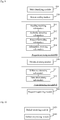
- all reading requests forwarded by the operating system to the SMS component are reading requests sent by third party applications while a default SMS application of the operating system may also read an SMS content of the SMS component, please refer to the following steps, as shown in Fig. 5 .
- Step 501 A reading request of reading the SMS is received from a default SMS application of the operating system.
- the SMS component receives a reading request from a default SMS application of the operating system, so as to read an SMS in the SMS component.
- Step 502 The reading request of the default SMS application is responded.
- the SMS component After receiving the reading request from the default SMS application, the SMS component responds to the reading request directly.
- SMSs in the SMS component are divided into SMSs carrying sensitive information and common SMSs, there are two situations in which the third party application reads an SMS in the SMSs, please refer to the following steps, as shown in Fig. 6 .
- Step 601 The third party application reads a common SMS, wherein a time difference between a reading time of the common SMS and a receiving time of the SMS is smaller than a preset duration.
- the common SMS refers to an SMS not carrying sensitive information.
- the third party application only needs to have an SMS reading authority at the operating system level so as to read the common SMS in the SMS component.
- the reading time refers to the time when an SMS content is read. Since the common SMS is read in a relatively short period of time and can be displayed immediately after being read, the reading time may be also the time when the SMS is displayed for the first time on a display interface.
- the third party application sends a reading request of reading the common SMS to the operating system.
- the operation forwards the reading request to the SMS component.
- the SMS component directly feeds back the common SMS to the third party application. Since little time is consumed, the time difference between the reading time of the common SMS and the receiving time of the common SMS is smaller than the preset duration. Generally, the time difference is within 1 second.
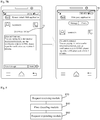
- 71 is the receiving time of the common SMS
- 72 is the reading time of the common SMS. It may be learned from the time displayed by 72 and 71 that the time difference between the reading time and the receiving time of the SMS is generally calculated by seconds.
- the preset duration is euqual to or larger than an active duration of the SMS.
- Step 602 The third party application reads an SMS carrying sensitive information, wherein a time difference between a reading time of the SMS and a receiving time of the SMS is larger than the preset duration.
- the embodiment of Fig. 3A shows a process in which the third party application reads an SMS carrying sensitive information.
- the third party application can acquire the SMS carrying the sensitive information in the SMS component only when a time difference between a reading time of the SMS and a receiving time of the SMS is larger than a preset duration.
- 73 is the receiving time of the SMS carrying the sensitive information
- the time difference is larger than the preset duration and the preset duration is an active duration which is 5 minutes of a verification code in an SMS content.
- the third party application reads an SMS in the SMS component in two situations while the default SMS application of the operating system reads an SMS in the SMS component in only one situation, please refer to the following step (not shown in Fig.6 ).
- Step 603 The default SMS application of the operating system reads an SMS, wherein a time difference between a reading time of the SMS and a receiving time of the SMS is smaller than a preset duration.
- the default SMS application of the operating system may read an SMS in the SMS component directly, thus a time difference between a reading time of the SMS and a receiving time of the SMS is smaller than a preset duration.
- Fig. 8 is a block diagram of an SMS reading device according to an exemplary embodiment.
- the SMS reading device may be implemented as a mobile terminal or a part of the mobile terminal by a combination of software and hardware.
- the SMS reading device includes, but is not limited to:
- a reading request of reading an SMS is received from a third party application; when the SMS is an SMS carrying sensitive information, whether a reading time in the reading request is in an access prohibition period of the SMS is detected, and when the reading time is in the access prohibition period, the reading request is not responded, so that the problem that a malicious application can read a verification code in an SMS to acquire an authority of executing a sensitive operation due to the reason that a third party application only having an SMS reading authority at the operating system level can read all SMSs in an SMS component is solved, and for an SMS carrying sensitive information, a third party application cannot read an SMS content of the SMS during an access prohibition period, thus avoiding leakage of the sensitive information in the SMS during the access prohibition period while implementing authority control over a single SMS granularity.
- Fig. 9 is a block diagram of an SMS reading device according to another exemplary embodiment.
- the SMS reading device may be implemented as an entire mobile terminal or a part of the mobile terminal by combination of software or hardware.
- the SMS reading device includes, but is not limited to:
- the request receiving module 930 includes:
- the time detecting module 950 includes:
- a reading request of reading an SMS is received from a third party application; when the SMS is an SMS carrying sensitive information, whether a reading time in the reading request is in an access prohibition period of the SMS is detected, and when the reading time is in the access prohibition period, the reading request is not responded, so that the problem that a malicious application can read a verification code in an SMS to acquire an authority of executing a sensitive operation due to the reason that a third party application only having an SMS reading authority at the operating system level can read all SMSs in an SMS component is solved, and for an SMS carrying sensitive information, a third party application cannot read an SMS content of the SMS during an access prohibition period, thus avoiding leakage of the sensitive information in the SMS during the access prohibition period while implementing authority control for a single SMS granularity.
- An access prohibition period using a single SMS as a granularity is added only to the SMS component, thereby implementing authority control over a single SMS granularity, and achieving the effect that a third party application cannot read an SMS in the SMS component in the access prohibition period.
- the method is simple and convenient to operate and easy to implement.
- all reading requests forwarded by the operating system to the SMS component are reading requests sent by third party applications while a default SMS application of the operating system may also read an SMS content of the SMS component, please refer to the following modules, as shown in Fig. 10 :
- SMSs in the SMS component are divided into SMSs carrying sensitive information and common SMSs, there are two situations in whch the third party application also reads an SMS in the SMSs, please refer to the following modules, as shown in Fig. 11 :
- the default SMS application of the operating system reads a common SMS and an SMS carrying sensitive information in only one situation, please refer to the following module: a default reading module, configured to read an SMS for the default SMS application of the operating system, wherein a time difference between a reading time of the SMS and a receiving time of the SMS is smaller than a preset duration (not shown in the figure).
- An embodiment of the present disclosure further provides an SMS reading device.
- the device may be configured to implement an SMS reading method provided by an embodiment of the present disclosure.
- the device includes: a processor; and a memory configured to store an instruction executable by the processor, wherein the processor is configured to:
- An embodiment of the present disclosure further provides an SMS reading device.
- the device may be configured to implement an SMS reading method provided by an embodiment of the present disclosure.
- the device includes: a processor; and a memory configured to store an instruction executable by the processor, wherein the processor is configured to:
- Fig. 12 is a block diagram of an SMS reading device according to an exemplary embodiment.
- the device 1200 may be a mobile phone, a computer, a digital broadcasting terminal, a message transceiver, a game console, a tablet device, a medical device, a fitness device, a personal digital assistant and so on.
- the device 1200 may include one or more of the following components: a processing component 1202, a memory 1204, a power source component 1206, a multimedia component 1208, an audio component 1210, an Input/Output (I/O) interface 1212, a sensor component 1214 and a communication component 1216.
- a processing component 1202 a memory 1204, a power source component 1206, a multimedia component 1208, an audio component 1210, an Input/Output (I/O) interface 1212, a sensor component 1214 and a communication component 1216.
- the processing component 1202 controls overall operations of the device 1200, such as operations associated with display, a telephone call, data communication, a camera operation and a recording operation.
- the processing component 1202 may include one or more processors 1218 to execute instructions so as to perform all or part of the steps of the method.
- the processing component 1202 may include one or more modules, so as to process interaction between the processing component 1202 and other components.
- the processing component 1202 may include a multimedia module so as to facilitate interaction between the multimedia component 1208 and the processing component 1202.
- the memory 1204 is configured to store various types of data so as to support operations in the device 1200. Examples of such data include an instruction of any application or method operated on the device 1200, contact data, data of a telephone directory, a message, a picture, a video and so on.
- the memory 1204 may be implemented using any type of volatile or non-volatile storage devices or a combination thereof, such as a Static Random-Access Memory (SRAM), an Electrically Erasable Programmable Read-Only Memory (EEPROM), an Erasable Programmable Read-Only Memory (EPROM), a Programmable Read-Only Memory (PROM), a Read-Only Memory (ROM), a magnetic memory, a flash memory, a magnetic disk or an optical disk.
- SRAM Static Random-Access Memory
- EEPROM Electrically Erasable Programmable Read-Only Memory
- EPROM Erasable Programmable Read-Only Memory
- PROM Programmable Read-Only Memory
- ROM Read-Only Memory
- magnetic memory a
- the power source component 1206 provides power for various components of the device 1200.
- the power source component 1206 may include a power source management system, one or more power sources, and other components associated with power generation, management and distribution of the device 1200.
- the multimedia component 1208 includes a screen providing an output interface between the device 1200 and a user.
- the screen may include a Liquid Crystal Display (LCD) and a Touch Panel (TP).
- the screen may be implemented as a touch screen to receive an input signal from the user.
- the TP includes one or more touch sensors so as to sense a touch, a slide, and a gesture on the TP.
- the touch sensor may not only sense a touch or a boundary of a slide, but also detect a duration and a pressure related to the touch or the slide.
- the multimedia component 1208 includes a front camera and/or a rear camera. When the device 1200 is in an operation mode, such as a camera mode or a video mode, the front camera and/or the rear camera may receive external multimedia data.
- Each front camera and each rear camera may be a fixed optical lens system or have focus and optical zoom capability.
- the audio component 1210 is configured to output and/or input an audio signal.
- the audio component 1210 includes a Microphone (MIC).
- MIC Microphone
- the MIC is configured to receive an external audio signal.
- the received audio signal may be further stored in the memory 1204 or sent by the communication component 1216.
- the audio component 1210 further includes a loudspeaker, configured to output the audio signal.
- the I/O interface 1212 provides an interface between the processing component 1202 and peripheral interface modules.
- the peripheral interface modules may be a keyboard, a click wheel, buttons and so on. These buttons may include, but are not limited to a homepage button, a volume button, a start button and a lock button.
- the sensor component 1214 includes one or more sensors configured to provide status assessments of various aspects of the device 1200.
- the sensor component 1214 may detect an open/closed state of the device 1200, and the relative locations of the components.
- the components are the display and the keypad of the device 1200.
- the sensor component 1214 may further detect a change in position of the device 1200 or a component of the device 1200, the presence of contact between the user and the device 1200, an orientation or an acceleration/deceleration of the device 1200 and a change in the temperature of the device 1200.
- the sensor component 1214 may include a proximity sensor, configured to detect the presence of a nearby object without any physical contact.
- the sensor component 1214 may further include an optical sensor, such as a Complementary Metal Oxide Semiconductor (CMOS) or Charge Coupled Device (CCD) image sensor used in an imaging application.
- CMOS Complementary Metal Oxide Semiconductor
- CCD Charge Coupled Device
- the sensor component 1214 may further include an acceleration sensor, a gyro sensor, a magnetic sensor, a pressure sensor or a temperature sensor.
- the communication component 1216 is configured to facilitate wired or wireless communication between the device 1200 and other devices.
- the device 1200 may be accessed into a wireless network based on a communication standard, such as Wireless Fidelity (WiFi), the second Generation (2G) or the third Generation (3G), or a combination thereof.
- the communication component 1216 receives a broadcast signal from an external broadcast management system or broadcast related information through a broadcast channel.
- the communication component 1216 further includes a Near Field Communication (NFC) module so as to promote short distance communication.
- the NFC module may be implemented based on a Radio-frequency Identification (RFID) technology, an Infrared Data Association (IrDA) technology, an Ultra Wide Band (UWB) technology, a Bluetooth (BT) technology and other technologies.
- RFID Radio-frequency Identification
- IrDA Infrared Data Association
- UWB Ultra Wide Band
- BT Bluetooth
- the device 1200 may be implemented with one or more Application Specific Integrated Circuits (ASICs), Digital Signal Processors (DSPs), Digital Signal Processing Devices (DSPDs), Programmable Logic Devices (PLDs), Field Programmable Gate Arrays (FPGAs), controllers, microcontrollers, microprocessors, or other electronic components, so as to execute the SMS reading method above.
- ASICs Application Specific Integrated Circuits
- DSPs Digital Signal Processors
- DSPDs Digital Signal Processing Devices
- PLDs Programmable Logic Devices
- FPGAs Field Programmable Gate Arrays
- controllers microcontrollers, microprocessors, or other electronic components, so as to execute the SMS reading method above.
- non-transitory computer-readable storage medium including instructions, such as included in the memory 1204, executable by the processor 1218 of the device 1200, for performing the SMS reading method above.
- the non-temporary computer readable storage medium may be a ROM, a Random-Access Memory (RAM), a Compact Disc-ROM (CD-ROM), a magnetic tape, a floppy disk, an optical data memory and so on.
- a reading request of reading an SMS is received from a third party application; when the SMS is an SMS carrying sensitive information, whether a reading time of the reading request is in an access prohibition period of the SMS is detected, and when the reading time is in the access prohibition period, the reading request is not responded, so that the problem that a malicious application can read a verification code in an SMS to acquire an authority of executing a sensitive operation due to the reason that a third party application only having an SMS reading authority at the operating system level can read the SMS content in an SMS component is solved, and for an SMS carrying sensitive information, a third party application cannot read the SMS content of the SMS during an access prohibition period, thus avoiding leakage of the sensitive information in the SMS during the access prohibition period while implementing authority control over a single SMS granularity.
Landscapes
- Engineering & Computer Science (AREA)
- Computer Security & Cryptography (AREA)
- Computer Networks & Wireless Communication (AREA)
- Signal Processing (AREA)
- Computer Hardware Design (AREA)
- General Engineering & Computer Science (AREA)
- Theoretical Computer Science (AREA)
- Computing Systems (AREA)
- General Physics & Mathematics (AREA)
- Physics & Mathematics (AREA)
- Business, Economics & Management (AREA)
- Bioethics (AREA)
- General Health & Medical Sciences (AREA)
- Health & Medical Sciences (AREA)
- Software Systems (AREA)
- Accounting & Taxation (AREA)
- Strategic Management (AREA)
- General Business, Economics & Management (AREA)
- Databases & Information Systems (AREA)
- Information Transfer Between Computers (AREA)
- Telephonic Communication Services (AREA)
- Telephone Function (AREA)
- Data Exchanges In Wide-Area Networks (AREA)
- Mobile Radio Communication Systems (AREA)
Claims (9)
- Procédé pour lire un service de minimessages, SMS, caractérisé en ce que le procédé comporte les étapes consistant à :recevoir (304), par un système d'exploitation d'un dispositif mobile, une requête de lecture pour lire un SMS mémorisé sur un composant de SMS du dispositif mobile, dans lequel la requête de lecture est reçue d'une application tierce s'exécutant sur le dispositif mobile ;déterminer (305), par le système d'exploitation, si l'application tierce est approuvée pour lire le SMS sur la base d'une liste d'autorisations de lecture de SMS mémorisée dans le système d'exploitation ; dans lequel le système d'exploitation détermine que l'application tierce est approuvée pour lire le SMS si l'application tierce est incluse dans l'autorisation de lecture de SMS ;transférer (307), par le système d'exploitation, la requête de lecture au composant de SMS, lorsque le système d'exploitation détermine que l'application tierce est approuvée pour lire le SMS ;déterminer (309), par le composant de SMS, si le SMS est un SMS porteur d'informations sensibles ;détecter (311), par le composant de SMS, lorsque le SMS est un SMS porteur d'informations sensibles, si un temps de lecture dans la requête de lecture se situe dans une période d'interdiction d'accès correspondant au SMS ; etrefuser ou contentir (312), par le composant de SMS, la retransmission d'une réponse vers l'application tierce en réponse à la requête de lecture, lorsque le temps de lecture se situe dans la période d'interdiction d'accès.
- Procédé selon la revendication 1, dans lequel l'étape consistant à détecter (311), par le composant de SMS, lorsque le SMS est un SMS porteur d'informations sensibles, si un temps de lecture dans la requête de lecture est dans une période d'interdiction d'accès correspondant au SMS comporte les étapes consistant à :détecter, par le composant de SMS, si une différence de temps entre le temps de lecture dans la requête de lecture et un temps de réception du SMS est inférieur à un seuil préréglé ; etlorsque la différence de temps est plus petite que le seuil préréglé, déterminer par le composant de SMS que le temps de lecture est dans la période d'interdiction d'accès.
- Procédé selon la revendication 2, comportant en outre les étapes consistant à :fixer, par le composant de SMS, le seuil préréglé en fonction d'une durée active par défaut ;
ou,extraire, par le composant de SMS, une durée active du SMS à partir d'un contenu de SMS du SMS, et fixer le seuil préréglé en fonction de la durée active. - Procédé selon l'une quelconque des revendications 1 à 3, dans lequel, avant de recevoir (304), par le système d'exploitation du dispositif mobile, la requête de lecture pour lire le SMS mémorisé sur le dispositif mobile, le procédé comporte en outre les étapes consistant à :identifier, par le composant de SMS, si le SMS est un SMS porteur d'informations sensibles ; etlorsque le SMS est un SMS porteur d'informations sensibles, ajouter, par le composant de SMS, un marqueur préétabli au SMS, dans lequel le marqueur préétabli est configuré pour indiquer que le SMS est un SMS porteur d'informations sensibles.
- Procédé selon la revendication 4, dans lequel l'étape consistant à identifier si le SMS est un SMS porteur d'informations sensibles comporte l'étape consistant à :
identifier, par le composant de SMS, en fonction d'informations caractéristiques du SMS, si le SMS est un SMS porteur d'informations sensibles, dans lequel les informations caractéristiques comportent au moins un élément parmi un numéro d'émetteur, un contenu de SMS et un modèle de SMS. - Procédé selon l'une quelconque des revendications 1 à 5, comportant en outre les étapes consistant à :recevoir, par le composant de SMS, à partir d'une application de SMS par défaut du système d'exploitation, une requête de lecture pour lire le SMS ; etrépondre, par le composant de SMS, à la requête de lecture de l'application de SMS par défaut.
- Dispositif de lecture de service de minimessages, SMS, caractérisé en ce que le dispositif de lecture de SMS comporte :un module d'identification de SMS (910), un module de réception de requête (930), un module de détection de temps (950) et un module de réponse à une requête (960) ;dans lequel le module d'identification de SMS (910) est configuré pour déterminer si un SMS mémorisé sur un composant de SMS du dispositif de lecture de SMS est un SMS porteur d'informations sensibles ;le module de réception de requête (930) comporte :un sous-module de réception de lecture (931) configuré pour recevoir une requête de lecture pour lire le SMS, dans lequel la requête de lecture est reçue d'une application tierce s'exécutant sur le dispositif de lecture de SMS via un système d'exploitation du dispositif de lecture de SMS ;un sous-module de détection d'autorisation (932) configuré pour déterminer, via le système d'exploitation, si l'application tierce est approuvée pour lire le SMS sur la base d'une liste d'autorisations de lecture de SMS mémorisée dans le système d'exploitation ; dans lequel le système d'exploitation détermine que l'application tierce est approuvée pour lire le SMS si l'application tierce est incluse dans l'autorisation de lecture de SMS ;un sous-module de transfert de requête (933) configuré pour transférer, via le système d'exploitation, la requête de lecture au composant de SMS, lorsque le système d'exploitation détermine que l'application tierce est approuvée pour lire le SMS ; etun sous-module de réception d'informations (934) configuré pour recevoir, via le composant de SMS, la requête de lecture transférée par le système d'exploitation ;le module de détection de temps (950) est configuré pour détecter, lorsque le SMS est un SMS porteur d'informations sensibles, si un temps de lecture dans la requête de lecture est dans une période d'interdiction d'accès du SMS, et le module de réponse à une requête (960) est configuré pour refuser ou contenir une retransmission d'une réponse à l'application tierce en réponse à la requête de lecture, lorsque le temps de lecture est dans la période d'interdiction d'accès.
- Dispositif de lecture de service de minimessages, SMS, selon la revendication 7, comportant :un processeur ; etune mémoire configurée pour stocker une instruction exécutable par le processeur ;dans lequel le processeur est configuré pour inclure le module d'identification de SMS (910), le module de réception de requête (930), le module de détection de temps (950) et le module de réponse à une requête (960).
- Programme informatique incluant des instructions pour exécuter les étapes d'un procédé pour lire un service de minimessages, SMS, selon l'une quelconque des revendications 1 à 6 lorsque ledit programme est exécuté par un ordinateur.
Applications Claiming Priority (1)
| Application Number | Priority Date | Filing Date | Title |
|---|---|---|---|
| CN201510599836.2A CN105303120B (zh) | 2015-09-18 | 2015-09-18 | 短信读取方法及装置 |
Publications (2)
| Publication Number | Publication Date |
|---|---|
| EP3145152A1 EP3145152A1 (fr) | 2017-03-22 |
| EP3145152B1 true EP3145152B1 (fr) | 2018-09-26 |
Family
ID=55200374
Family Applications (1)
| Application Number | Title | Priority Date | Filing Date |
|---|---|---|---|
| EP16176449.3A Active EP3145152B1 (fr) | 2015-09-18 | 2016-06-27 | Procédé et dispositif de lecture de service de messages courts |
Country Status (7)
| Country | Link |
|---|---|
| US (1) | US10027629B2 (fr) |
| EP (1) | EP3145152B1 (fr) |
| JP (1) | JP6305557B2 (fr) |
| CN (1) | CN105303120B (fr) |
| MX (1) | MX364613B (fr) |
| RU (1) | RU2016135980A (fr) |
| WO (1) | WO2017045314A1 (fr) |
Families Citing this family (5)
| Publication number | Priority date | Publication date | Assignee | Title |
|---|---|---|---|---|
| CN106170004B (zh) * | 2016-09-23 | 2020-11-20 | 北京小米移动软件有限公司 | 处理验证码的方法及装置 |
| CN106778330A (zh) * | 2016-11-30 | 2017-05-31 | 维沃移动通信有限公司 | 一种保护短信隐私内容的方法及移动终端 |
| CN107347117A (zh) * | 2017-08-07 | 2017-11-14 | 努比亚技术有限公司 | 一种短信管理方法、移动终端及计算机可读存储介质 |
| CN107743179B (zh) * | 2017-12-04 | 2019-11-15 | 维沃移动通信有限公司 | 信息处理方法、移动终端及操作系统 |
| US12439259B2 (en) * | 2022-10-14 | 2025-10-07 | At&T Intellectual Property I, L.P. | Methods, systems, and devices for migrating a ghost software application over a network with subscriber identity module (SIM) authentication |
Family Cites Families (61)
| Publication number | Priority date | Publication date | Assignee | Title |
|---|---|---|---|---|
| JP2003018660A (ja) * | 2001-07-05 | 2003-01-17 | Hitachi Ltd | 携帯電話メッセージ処理システム、方法及びこれに用いる装置 |
| JP2004102394A (ja) | 2002-09-05 | 2004-04-02 | Hitachi Ltd | 自動券売機 |
| US8112103B2 (en) * | 2004-01-16 | 2012-02-07 | Kuang-Chao Eric Yeh | Methods and systems for mobile device messaging |
| US7984488B2 (en) | 2004-04-09 | 2011-07-19 | Microsoft Corporation | Credential roaming in electronic computing systems |
| CN100480948C (zh) * | 2004-06-25 | 2009-04-22 | 日本电气株式会社 | 移动终端、资源访问控制系统以及资源访问控制方法 |
| US7908329B2 (en) | 2005-08-16 | 2011-03-15 | Microsoft Corporation | Enhanced e-mail folder security |
| JP2007164613A (ja) | 2005-12-15 | 2007-06-28 | Hitachi Software Eng Co Ltd | 電子メールの送受信方法及びプログラム |
| CN101072093B (zh) * | 2006-05-12 | 2010-11-24 | 中兴通讯股份有限公司 | 短信内容保护系统及方法 |
| JP5689574B2 (ja) * | 2006-11-17 | 2015-03-25 | 任天堂株式会社 | ゲーム装置、ゲームプログラム、ゲームシステムおよびゲーム制御方法 |
| US9391997B2 (en) | 2007-08-23 | 2016-07-12 | Intel Deutschland Gmbh | Message processing apparatus, wireless device and method of storing a message in a wireless device |
| US8347396B2 (en) | 2007-11-30 | 2013-01-01 | International Business Machines Corporation | Protect sensitive content for human-only consumption |
| CN101252748A (zh) | 2008-04-11 | 2008-08-27 | 北京北纬通信科技股份有限公司 | 一种在移动终端上实现隐私短信的方法及其系统 |
| US8561206B1 (en) | 2008-07-01 | 2013-10-15 | Mcafee, Inc. | System, method, and computer program product for allowing access to data based on a recipient identifier included with the data |
| GB0816062D0 (en) | 2008-09-03 | 2008-10-08 | Symbian Software Ltd | Message storage and retrieval |
| US8307412B2 (en) | 2008-10-20 | 2012-11-06 | Microsoft Corporation | User authentication management |
| KR101277149B1 (ko) | 2008-11-06 | 2013-06-20 | 삼성전자주식회사 | 사용자 데이터 암호화 방법 및 장치 |
| JP5322288B2 (ja) | 2009-05-29 | 2013-10-23 | Necシステムテクノロジー株式会社 | 通信処理装置、通信処理方法、及びプログラム |
| DE102009025414A1 (de) | 2009-06-16 | 2010-12-30 | T-Mobile International Ag | Verfahren zum Schützen von mit einer elektronischen Nachricht versendeten vertraulichen Daten |
| CN102103537A (zh) | 2009-12-17 | 2011-06-22 | 珠海市君天电子科技有限公司 | 一种发现安全软件之间兼容性问题的方法和装置 |
| US20110207593A1 (en) | 2010-02-25 | 2011-08-25 | Carlos Duran | Expansivity in Low Expansion Silica-Titania Glasses |
| CN102480726A (zh) * | 2010-11-24 | 2012-05-30 | 比亚迪股份有限公司 | 密码保护方法、密码保护系统及具有其的移动终端 |
| JP5862122B2 (ja) | 2010-12-03 | 2016-02-16 | 株式会社イトーキ | ガラスパネルの取付構造 |
| US20120157049A1 (en) | 2010-12-17 | 2012-06-21 | Nichola Eliovits | Creating a restricted zone within an operating system |
| CN102098640B (zh) * | 2010-12-28 | 2015-01-28 | 中兴通讯股份有限公司 | 一种识别并阻止设备发送垃圾短信的方法、设备和系统 |
| US20120192287A1 (en) * | 2011-01-25 | 2012-07-26 | Yigang Cai | Text message security |
| US20120291103A1 (en) | 2011-05-09 | 2012-11-15 | Google Inc. | Permission-based administrative controls |
| JP2013045384A (ja) | 2011-08-26 | 2013-03-04 | Konica Minolta Business Technologies Inc | アクセス制御システム及びアクセス制御プログラム |
| US20130097203A1 (en) * | 2011-10-12 | 2013-04-18 | Mcafee, Inc. | System and method for providing threshold levels on privileged resource usage in a mobile network environment |
| US9043918B2 (en) * | 2011-10-13 | 2015-05-26 | Mcafee, Inc. | System and method for profile based filtering of outgoing information in a mobile environment |
| CN103079113B (zh) * | 2011-10-26 | 2016-05-25 | 康佳集团股份有限公司 | 一种限时使用应用程序的智能电视及其控制方法 |
| US8543821B1 (en) | 2011-10-28 | 2013-09-24 | Amazon Technologies, Inc. | Scalably displaying sensitive data to users with varying authorization levels |
| CN103310135B (zh) * | 2012-03-13 | 2015-10-28 | 腾讯科技(深圳)有限公司 | 一种屏蔽应用权限的方法和移动终端 |
| CN102810143B (zh) * | 2012-04-28 | 2015-01-14 | 天津大学 | 基于Android平台手机应用程序的安全检测系统及方法 |
| CN103078892B (zh) * | 2012-05-09 | 2015-07-29 | 腾讯科技(深圳)有限公司 | 短消息内容智能识别的方法、客户端、服务器及系统 |
| US8732802B2 (en) | 2012-08-04 | 2014-05-20 | Facebook, Inc. | Receiving information about a user from a third party application based on action types |
| JP2014039193A (ja) | 2012-08-17 | 2014-02-27 | Ntt Docomo Inc | 情報処理装置、管理装置、情報処理方法及びプログラム |
| KR101417334B1 (ko) | 2012-08-31 | 2014-08-06 | 주식회사 팬택 | 모바일 디바이스 및 모바일 디바이스에서의 침입 차단 방법 |
| CN102917346B (zh) | 2012-10-17 | 2015-01-07 | 浙江大学城市学院 | 一种基于Android的应用程序运行时安全策略管理系统及方法 |
| US20150220734A1 (en) | 2012-10-19 | 2015-08-06 | Mcafee, Inc. | Mobile application management |
| US8913994B2 (en) | 2012-11-02 | 2014-12-16 | Lookout, Inc. | System and method for call blocking and SMS blocking |
| CN103106578A (zh) | 2012-12-13 | 2013-05-15 | 张德珍 | 移动互联网支付方法 |
| CN103116716A (zh) | 2013-01-25 | 2013-05-22 | 复旦大学 | 一种针对移动平台的低干扰的即时权限授予方法 |
| WO2014172909A1 (fr) | 2013-04-27 | 2014-10-30 | Tencent Technology (Shenzhen) Company Limited | Gestion des informations privées en messagerie instantanée |
| CN103310169B (zh) * | 2013-04-28 | 2016-09-21 | 东莞宇龙通信科技有限公司 | 一种保护sd卡数据的方法和保护系统 |
| CN103327492B (zh) | 2013-06-04 | 2016-01-06 | 王天时 | 一种安卓手机入侵检测方法及其检测系统 |
| KR101510150B1 (ko) | 2013-07-05 | 2015-04-10 | 충남대학교산학협력단 | 메시지 가로채기 방지 방법 및 이를 이용하는 휴대 단말기 |
| CN103514397A (zh) | 2013-09-29 | 2014-01-15 | 西安酷派软件科技有限公司 | 一种服务器、终端及权限管理、许可方法 |
| KR102072134B1 (ko) | 2013-12-04 | 2020-01-31 | 주식회사 케이티 | 메시지 전송 장치, 메시지 서버 및 메시지 수신 장치 |
| CN103686716B (zh) | 2013-12-19 | 2017-01-11 | 复旦大学 | 安卓系统机密性完整性增强访问控制系统 |
| KR102285850B1 (ko) | 2013-12-24 | 2021-08-05 | 삼성전자주식회사 | 사용자 단말 장치, 통신 시스템 및 그 제어 방법 |
| CN103761471A (zh) | 2014-02-21 | 2014-04-30 | 北京奇虎科技有限公司 | 基于智能终端设备安装应用程序的方法与装置 |
| CN103761472B (zh) | 2014-02-21 | 2017-05-24 | 北京奇虎科技有限公司 | 基于智能终端设备的应用程序访问方法与装置 |
| CN103916471A (zh) * | 2014-04-02 | 2014-07-09 | 小米科技有限责任公司 | 一种信息显示方法及装置 |
| CN104009977B (zh) * | 2014-05-09 | 2016-10-05 | 北京奇虎科技有限公司 | 一种信息保护的方法和系统 |
| CN105207775B (zh) * | 2014-05-30 | 2019-03-01 | 北京奇虎科技有限公司 | 验证信息的读取方法及装置 |
| CN104125547B (zh) | 2014-07-18 | 2017-12-15 | 北京奇虎科技有限公司 | 处理短信的方法及短信处理装置 |
| CN104202735A (zh) | 2014-08-11 | 2014-12-10 | 上海一端科技有限公司 | 一种隐藏短信的方法 |
| CN104469714B (zh) * | 2014-11-28 | 2018-07-20 | 小米科技有限责任公司 | 短信发送方法及装置 |
| CN104640116B (zh) * | 2014-12-31 | 2018-05-29 | 广东欧珀移动通信有限公司 | 一种诈骗短信防护方法和通信终端 |
| CN104657674B (zh) | 2015-01-16 | 2018-02-23 | 北京邮电大学 | 一种手机中隐私数据的隔离保护系统及方法 |
| CN104768139B (zh) | 2015-02-28 | 2019-07-12 | 北京奇艺世纪科技有限公司 | 一种短信发送的方法及装置 |
-
2015
- 2015-09-18 CN CN201510599836.2A patent/CN105303120B/zh active Active
- 2015-12-30 JP JP2016556275A patent/JP6305557B2/ja active Active
- 2015-12-30 RU RU2016135980A patent/RU2016135980A/ru not_active Application Discontinuation
- 2015-12-30 WO PCT/CN2015/100007 patent/WO2017045314A1/fr not_active Ceased
- 2015-12-30 MX MX2016010419A patent/MX364613B/es active IP Right Grant
-
2016
- 2016-06-27 EP EP16176449.3A patent/EP3145152B1/fr active Active
- 2016-07-20 US US15/215,066 patent/US10027629B2/en active Active
Non-Patent Citations (1)
| Title |
|---|
| None * |
Also Published As
| Publication number | Publication date |
|---|---|
| MX2016010419A (es) | 2017-12-07 |
| CN105303120B (zh) | 2020-01-10 |
| US20170085533A1 (en) | 2017-03-23 |
| WO2017045314A1 (fr) | 2017-03-23 |
| CN105303120A (zh) | 2016-02-03 |
| JP2017532616A (ja) | 2017-11-02 |
| EP3145152A1 (fr) | 2017-03-22 |
| RU2016135980A3 (fr) | 2018-03-15 |
| MX364613B (es) | 2019-05-02 |
| JP6305557B2 (ja) | 2018-04-04 |
| RU2016135980A (ru) | 2018-03-15 |
| US10027629B2 (en) | 2018-07-17 |
Similar Documents
| Publication | Publication Date | Title |
|---|---|---|
| EP3144844B1 (fr) | Procédé et dispositif de lecture de service de messages courts | |
| EP3145151B1 (fr) | Procédé et dispositif de lecture de service de messages courts | |
| JP6101866B2 (ja) | こどもモード処理方法、装置、プログラム、及び記録媒体 | |
| US10491394B2 (en) | Method and device for processing verification code | |
| US20170289181A1 (en) | Payment method, apparatus and medium | |
| EP3407278B1 (fr) | Procédé et appareil pour signaler la perte d'une carte ou d'un dispositif associé à un numéro de compte ou le vol d'un numéro de compte | |
| US9569607B2 (en) | Security verification method and apparatus | |
| CN104376273A (zh) | 一种数据访问控制方法和装置 | |
| EP3145152B1 (fr) | Procédé et dispositif de lecture de service de messages courts | |
| EP3163834A1 (fr) | Procédé et dispositif de commande d'équipement | |
| CN106462698A (zh) | 权限控制方法及装置 | |
| WO2018072193A1 (fr) | Procédé et dispositif de commande d'application pour un demarrage automatique | |
| CN105912922A (zh) | 信息的管理方法、装置及终端 | |
| EP3239880B1 (fr) | Procédé et appareil d'acquisition de progiciel d'installation légal, programme informatique et support d'enregistrement | |
| CN106712960B (zh) | 验证码信息的处理方法和装置 | |
| CN112351131B (zh) | 电子设备的控制方法、装置、电子设备及存储介质 | |
| CN112486604B (zh) | 一种工具栏设置方法、装置和用于设置工具栏的装置 | |
| CN110139230B (zh) | 转发短信的方法、装置及智能设备 |
Legal Events
| Date | Code | Title | Description |
|---|---|---|---|
| PUAI | Public reference made under article 153(3) epc to a published international application that has entered the european phase |
Free format text: ORIGINAL CODE: 0009012 |
|
| STAA | Information on the status of an ep patent application or granted ep patent |
Free format text: STATUS: THE APPLICATION HAS BEEN PUBLISHED |
|
| AK | Designated contracting states |
Kind code of ref document: A1 Designated state(s): AL AT BE BG CH CY CZ DE DK EE ES FI FR GB GR HR HU IE IS IT LI LT LU LV MC MK MT NL NO PL PT RO RS SE SI SK SM TR |
|
| AX | Request for extension of the european patent |
Extension state: BA ME |
|
| STAA | Information on the status of an ep patent application or granted ep patent |
Free format text: STATUS: REQUEST FOR EXAMINATION WAS MADE |
|
| 17P | Request for examination filed |
Effective date: 20170920 |
|
| RBV | Designated contracting states (corrected) |
Designated state(s): AL AT BE BG CH CY CZ DE DK EE ES FI FR GB GR HR HU IE IS IT LI LT LU LV MC MK MT NL NO PL PT RO RS SE SI SK SM TR |
|
| REG | Reference to a national code |
Ref country code: DE Ref legal event code: R079 Ref document number: 602016005919 Country of ref document: DE Free format text: PREVIOUS MAIN CLASS: H04L0029060000 Ipc: G06Q0020320000 |
|
| GRAP | Despatch of communication of intention to grant a patent |
Free format text: ORIGINAL CODE: EPIDOSNIGR1 |
|
| STAA | Information on the status of an ep patent application or granted ep patent |
Free format text: STATUS: GRANT OF PATENT IS INTENDED |
|
| RIC1 | Information provided on ipc code assigned before grant |
Ipc: G06Q 20/32 20120101AFI20180320BHEP Ipc: H04W 4/12 20090101ALI20180320BHEP Ipc: H04W 12/08 20090101ALI20180320BHEP Ipc: H04L 29/06 20060101ALI20180320BHEP Ipc: H04W 4/14 20090101ALI20180320BHEP Ipc: H04W 12/02 20090101ALI20180320BHEP |
|
| INTG | Intention to grant announced |
Effective date: 20180404 |
|
| GRAS | Grant fee paid |
Free format text: ORIGINAL CODE: EPIDOSNIGR3 |
|
| GRAA | (expected) grant |
Free format text: ORIGINAL CODE: 0009210 |
|
| STAA | Information on the status of an ep patent application or granted ep patent |
Free format text: STATUS: THE PATENT HAS BEEN GRANTED |
|
| AK | Designated contracting states |
Kind code of ref document: B1 Designated state(s): AL AT BE BG CH CY CZ DE DK EE ES FI FR GB GR HR HU IE IS IT LI LT LU LV MC MK MT NL NO PL PT RO RS SE SI SK SM TR |
|
| REG | Reference to a national code |
Ref country code: GB Ref legal event code: FG4D |
|
| REG | Reference to a national code |
Ref country code: CH Ref legal event code: EP |
|
| REG | Reference to a national code |
Ref country code: AT Ref legal event code: REF Ref document number: 1046900 Country of ref document: AT Kind code of ref document: T Effective date: 20181015 |
|
| REG | Reference to a national code |
Ref country code: IE Ref legal event code: FG4D |
|
| REG | Reference to a national code |
Ref country code: DE Ref legal event code: R096 Ref document number: 602016005919 Country of ref document: DE |
|
| REG | Reference to a national code |
Ref country code: NL Ref legal event code: MP Effective date: 20180926 |
|
| PG25 | Lapsed in a contracting state [announced via postgrant information from national office to epo] |
Ref country code: BG Free format text: LAPSE BECAUSE OF FAILURE TO SUBMIT A TRANSLATION OF THE DESCRIPTION OR TO PAY THE FEE WITHIN THE PRESCRIBED TIME-LIMIT Effective date: 20181226 Ref country code: GR Free format text: LAPSE BECAUSE OF FAILURE TO SUBMIT A TRANSLATION OF THE DESCRIPTION OR TO PAY THE FEE WITHIN THE PRESCRIBED TIME-LIMIT Effective date: 20181227 Ref country code: RS Free format text: LAPSE BECAUSE OF FAILURE TO SUBMIT A TRANSLATION OF THE DESCRIPTION OR TO PAY THE FEE WITHIN THE PRESCRIBED TIME-LIMIT Effective date: 20180926 Ref country code: NO Free format text: LAPSE BECAUSE OF FAILURE TO SUBMIT A TRANSLATION OF THE DESCRIPTION OR TO PAY THE FEE WITHIN THE PRESCRIBED TIME-LIMIT Effective date: 20181226 Ref country code: FI Free format text: LAPSE BECAUSE OF FAILURE TO SUBMIT A TRANSLATION OF THE DESCRIPTION OR TO PAY THE FEE WITHIN THE PRESCRIBED TIME-LIMIT Effective date: 20180926 Ref country code: LT Free format text: LAPSE BECAUSE OF FAILURE TO SUBMIT A TRANSLATION OF THE DESCRIPTION OR TO PAY THE FEE WITHIN THE PRESCRIBED TIME-LIMIT Effective date: 20180926 |
|
| REG | Reference to a national code |
Ref country code: LT Ref legal event code: MG4D |
|
| PG25 | Lapsed in a contracting state [announced via postgrant information from national office to epo] |
Ref country code: LV Free format text: LAPSE BECAUSE OF FAILURE TO SUBMIT A TRANSLATION OF THE DESCRIPTION OR TO PAY THE FEE WITHIN THE PRESCRIBED TIME-LIMIT Effective date: 20180926 Ref country code: AL Free format text: LAPSE BECAUSE OF FAILURE TO SUBMIT A TRANSLATION OF THE DESCRIPTION OR TO PAY THE FEE WITHIN THE PRESCRIBED TIME-LIMIT Effective date: 20180926 Ref country code: HR Free format text: LAPSE BECAUSE OF FAILURE TO SUBMIT A TRANSLATION OF THE DESCRIPTION OR TO PAY THE FEE WITHIN THE PRESCRIBED TIME-LIMIT Effective date: 20180926 |
|
| REG | Reference to a national code |
Ref country code: AT Ref legal event code: MK05 Ref document number: 1046900 Country of ref document: AT Kind code of ref document: T Effective date: 20180926 |
|
| PG25 | Lapsed in a contracting state [announced via postgrant information from national office to epo] |
Ref country code: RO Free format text: LAPSE BECAUSE OF FAILURE TO SUBMIT A TRANSLATION OF THE DESCRIPTION OR TO PAY THE FEE WITHIN THE PRESCRIBED TIME-LIMIT Effective date: 20180926 Ref country code: IT Free format text: LAPSE BECAUSE OF FAILURE TO SUBMIT A TRANSLATION OF THE DESCRIPTION OR TO PAY THE FEE WITHIN THE PRESCRIBED TIME-LIMIT Effective date: 20180926 Ref country code: PL Free format text: LAPSE BECAUSE OF FAILURE TO SUBMIT A TRANSLATION OF THE DESCRIPTION OR TO PAY THE FEE WITHIN THE PRESCRIBED TIME-LIMIT Effective date: 20180926 Ref country code: CZ Free format text: LAPSE BECAUSE OF FAILURE TO SUBMIT A TRANSLATION OF THE DESCRIPTION OR TO PAY THE FEE WITHIN THE PRESCRIBED TIME-LIMIT Effective date: 20180926 Ref country code: NL Free format text: LAPSE BECAUSE OF FAILURE TO SUBMIT A TRANSLATION OF THE DESCRIPTION OR TO PAY THE FEE WITHIN THE PRESCRIBED TIME-LIMIT Effective date: 20180926 Ref country code: ES Free format text: LAPSE BECAUSE OF FAILURE TO SUBMIT A TRANSLATION OF THE DESCRIPTION OR TO PAY THE FEE WITHIN THE PRESCRIBED TIME-LIMIT Effective date: 20180926 Ref country code: AT Free format text: LAPSE BECAUSE OF FAILURE TO SUBMIT A TRANSLATION OF THE DESCRIPTION OR TO PAY THE FEE WITHIN THE PRESCRIBED TIME-LIMIT Effective date: 20180926 Ref country code: IS Free format text: LAPSE BECAUSE OF FAILURE TO SUBMIT A TRANSLATION OF THE DESCRIPTION OR TO PAY THE FEE WITHIN THE PRESCRIBED TIME-LIMIT Effective date: 20190126 Ref country code: EE Free format text: LAPSE BECAUSE OF FAILURE TO SUBMIT A TRANSLATION OF THE DESCRIPTION OR TO PAY THE FEE WITHIN THE PRESCRIBED TIME-LIMIT Effective date: 20180926 |
|
| PG25 | Lapsed in a contracting state [announced via postgrant information from national office to epo] |
Ref country code: SK Free format text: LAPSE BECAUSE OF FAILURE TO SUBMIT A TRANSLATION OF THE DESCRIPTION OR TO PAY THE FEE WITHIN THE PRESCRIBED TIME-LIMIT Effective date: 20180926 Ref country code: PT Free format text: LAPSE BECAUSE OF FAILURE TO SUBMIT A TRANSLATION OF THE DESCRIPTION OR TO PAY THE FEE WITHIN THE PRESCRIBED TIME-LIMIT Effective date: 20190126 Ref country code: SM Free format text: LAPSE BECAUSE OF FAILURE TO SUBMIT A TRANSLATION OF THE DESCRIPTION OR TO PAY THE FEE WITHIN THE PRESCRIBED TIME-LIMIT Effective date: 20180926 |
|
| REG | Reference to a national code |
Ref country code: DE Ref legal event code: R097 Ref document number: 602016005919 Country of ref document: DE |
|
| PG25 | Lapsed in a contracting state [announced via postgrant information from national office to epo] |
Ref country code: DK Free format text: LAPSE BECAUSE OF FAILURE TO SUBMIT A TRANSLATION OF THE DESCRIPTION OR TO PAY THE FEE WITHIN THE PRESCRIBED TIME-LIMIT Effective date: 20180926 |
|
| PLBE | No opposition filed within time limit |
Free format text: ORIGINAL CODE: 0009261 |
|
| STAA | Information on the status of an ep patent application or granted ep patent |
Free format text: STATUS: NO OPPOSITION FILED WITHIN TIME LIMIT |
|
| 26N | No opposition filed |
Effective date: 20190627 |
|
| PG25 | Lapsed in a contracting state [announced via postgrant information from national office to epo] |
Ref country code: SI Free format text: LAPSE BECAUSE OF FAILURE TO SUBMIT A TRANSLATION OF THE DESCRIPTION OR TO PAY THE FEE WITHIN THE PRESCRIBED TIME-LIMIT Effective date: 20180926 |
|
| PG25 | Lapsed in a contracting state [announced via postgrant information from national office to epo] |
Ref country code: MC Free format text: LAPSE BECAUSE OF FAILURE TO SUBMIT A TRANSLATION OF THE DESCRIPTION OR TO PAY THE FEE WITHIN THE PRESCRIBED TIME-LIMIT Effective date: 20180926 |
|
| REG | Reference to a national code |
Ref country code: CH Ref legal event code: PL |
|
| REG | Reference to a national code |
Ref country code: BE Ref legal event code: MM Effective date: 20190630 |
|
| PG25 | Lapsed in a contracting state [announced via postgrant information from national office to epo] |
Ref country code: TR Free format text: LAPSE BECAUSE OF FAILURE TO SUBMIT A TRANSLATION OF THE DESCRIPTION OR TO PAY THE FEE WITHIN THE PRESCRIBED TIME-LIMIT Effective date: 20180926 |
|
| PG25 | Lapsed in a contracting state [announced via postgrant information from national office to epo] |
Ref country code: IE Free format text: LAPSE BECAUSE OF NON-PAYMENT OF DUE FEES Effective date: 20190627 |
|
| PG25 | Lapsed in a contracting state [announced via postgrant information from national office to epo] |
Ref country code: BE Free format text: LAPSE BECAUSE OF NON-PAYMENT OF DUE FEES Effective date: 20190630 Ref country code: CH Free format text: LAPSE BECAUSE OF NON-PAYMENT OF DUE FEES Effective date: 20190630 Ref country code: LU Free format text: LAPSE BECAUSE OF NON-PAYMENT OF DUE FEES Effective date: 20190627 Ref country code: LI Free format text: LAPSE BECAUSE OF NON-PAYMENT OF DUE FEES Effective date: 20190630 |
|
| PG25 | Lapsed in a contracting state [announced via postgrant information from national office to epo] |
Ref country code: CY Free format text: LAPSE BECAUSE OF FAILURE TO SUBMIT A TRANSLATION OF THE DESCRIPTION OR TO PAY THE FEE WITHIN THE PRESCRIBED TIME-LIMIT Effective date: 20180926 |
|
| PG25 | Lapsed in a contracting state [announced via postgrant information from national office to epo] |
Ref country code: SE Free format text: LAPSE BECAUSE OF NON-PAYMENT OF DUE FEES Effective date: 20180926 |
|
| PG25 | Lapsed in a contracting state [announced via postgrant information from national office to epo] |
Ref country code: HU Free format text: LAPSE BECAUSE OF FAILURE TO SUBMIT A TRANSLATION OF THE DESCRIPTION OR TO PAY THE FEE WITHIN THE PRESCRIBED TIME-LIMIT; INVALID AB INITIO Effective date: 20160627 Ref country code: MT Free format text: LAPSE BECAUSE OF FAILURE TO SUBMIT A TRANSLATION OF THE DESCRIPTION OR TO PAY THE FEE WITHIN THE PRESCRIBED TIME-LIMIT Effective date: 20180926 |
|
| PG25 | Lapsed in a contracting state [announced via postgrant information from national office to epo] |
Ref country code: MK Free format text: LAPSE BECAUSE OF FAILURE TO SUBMIT A TRANSLATION OF THE DESCRIPTION OR TO PAY THE FEE WITHIN THE PRESCRIBED TIME-LIMIT Effective date: 20180926 |
|
| P01 | Opt-out of the competence of the unified patent court (upc) registered |
Effective date: 20230523 |
|
| REG | Reference to a national code |
Ref country code: DE Ref legal event code: R082 Ref document number: 602016005919 Country of ref document: DE Representative=s name: DEHNS GERMANY PARTNERSCHAFT MBB, DE |
|
| PGFP | Annual fee paid to national office [announced via postgrant information from national office to epo] |
Ref country code: DE Payment date: 20250618 Year of fee payment: 10 |
|
| PGFP | Annual fee paid to national office [announced via postgrant information from national office to epo] |
Ref country code: GB Payment date: 20250618 Year of fee payment: 10 |
|
| PGFP | Annual fee paid to national office [announced via postgrant information from national office to epo] |
Ref country code: FR Payment date: 20250625 Year of fee payment: 10 |