EP3145534B1 - Relaxine pour le traitement de l'insuffisance cardiaque à fraction d'éjection préservée - Google Patents
Relaxine pour le traitement de l'insuffisance cardiaque à fraction d'éjection préservée Download PDFInfo
- Publication number
- EP3145534B1 EP3145534B1 EP15744487.8A EP15744487A EP3145534B1 EP 3145534 B1 EP3145534 B1 EP 3145534B1 EP 15744487 A EP15744487 A EP 15744487A EP 3145534 B1 EP3145534 B1 EP 3145534B1
- Authority
- EP
- European Patent Office
- Prior art keywords
- relaxin
- heart
- pharmaceutical composition
- heart failure
- titin
- Prior art date
- Legal status (The legal status is an assumption and is not a legal conclusion. Google has not performed a legal analysis and makes no representation as to the accuracy of the status listed.)
- Active
Links
Images



Classifications
-
- A—HUMAN NECESSITIES
- A61—MEDICAL OR VETERINARY SCIENCE; HYGIENE
- A61K—PREPARATIONS FOR MEDICAL, DENTAL OR TOILETRY PURPOSES
- A61K38/00—Medicinal preparations containing peptides
- A61K38/16—Peptides having more than 20 amino acids; Gastrins; Somatostatins; Melanotropins; Derivatives thereof
- A61K38/17—Peptides having more than 20 amino acids; Gastrins; Somatostatins; Melanotropins; Derivatives thereof from animals; from humans
- A61K38/22—Hormones
- A61K38/2221—Relaxins
-
- A—HUMAN NECESSITIES
- A61—MEDICAL OR VETERINARY SCIENCE; HYGIENE
- A61K—PREPARATIONS FOR MEDICAL, DENTAL OR TOILETRY PURPOSES
- A61K9/00—Medicinal preparations characterised by special physical form
- A61K9/0012—Galenical forms characterised by the site of application
- A61K9/0019—Injectable compositions; Intramuscular, intravenous, arterial, subcutaneous administration; Compositions to be administered through the skin in an invasive manner
-
- A—HUMAN NECESSITIES
- A61—MEDICAL OR VETERINARY SCIENCE; HYGIENE
- A61K—PREPARATIONS FOR MEDICAL, DENTAL OR TOILETRY PURPOSES
- A61K9/00—Medicinal preparations characterised by special physical form
- A61K9/0012—Galenical forms characterised by the site of application
- A61K9/0053—Mouth and digestive tract, i.e. intraoral and peroral administration
- A61K9/006—Oral mucosa, e.g. mucoadhesive forms, sublingual droplets; Buccal patches or films; Buccal sprays
-
- A—HUMAN NECESSITIES
- A61—MEDICAL OR VETERINARY SCIENCE; HYGIENE
- A61K—PREPARATIONS FOR MEDICAL, DENTAL OR TOILETRY PURPOSES
- A61K9/00—Medicinal preparations characterised by special physical form
- A61K9/10—Dispersions; Emulsions
- A61K9/107—Emulsions ; Emulsion preconcentrates; Micelles
- A61K9/113—Multiple emulsions, e.g. oil-in-water-in-oil
-
- A—HUMAN NECESSITIES
- A61—MEDICAL OR VETERINARY SCIENCE; HYGIENE
- A61P—SPECIFIC THERAPEUTIC ACTIVITY OF CHEMICAL COMPOUNDS OR MEDICINAL PREPARATIONS
- A61P9/00—Drugs for disorders of the cardiovascular system
- A61P9/04—Inotropic agents, i.e. stimulants of cardiac contraction; Drugs for heart failure
-
- C—CHEMISTRY; METALLURGY
- C07—ORGANIC CHEMISTRY
- C07K—PEPTIDES
- C07K14/00—Peptides having more than 20 amino acids; Gastrins; Somatostatins; Melanotropins; Derivatives thereof
- C07K14/435—Peptides having more than 20 amino acids; Gastrins; Somatostatins; Melanotropins; Derivatives thereof from animals; from humans
- C07K14/575—Hormones
- C07K14/64—Relaxins
-
- C—CHEMISTRY; METALLURGY
- C07—ORGANIC CHEMISTRY
- C07K—PEPTIDES
- C07K14/00—Peptides having more than 20 amino acids; Gastrins; Somatostatins; Melanotropins; Derivatives thereof
- C07K14/435—Peptides having more than 20 amino acids; Gastrins; Somatostatins; Melanotropins; Derivatives thereof from animals; from humans
- C07K14/705—Receptors; Cell surface antigens; Cell surface determinants
- C07K14/72—Receptors; Cell surface antigens; Cell surface determinants for hormones
- C07K14/723—G protein coupled receptor, e.g. TSHR-thyrotropin-receptor, LH/hCG receptor, FSH receptor
Definitions
- the present invention relates to methods and compositions for treating human subjects afflicted with heart failure.
- Heart failure is commonly classified based on which heart function or which side of the heart is most affected.
- Left-sided heart failure describes a failure of the left-sided pumping action by which oxygen-rich blood from the lungs is moved through the left atrium into the left ventricle and then out into the rest of the body.
- right-sided heart failure is used for a failure of the right-sided pumping action which pumps blood that returns to the heart through the veins through the right atrium into the right ventricle and then back out into the lungs to have it replenished with oxygen.
- the symptoms of heart failure are further distinguished whether they have developed quickly (acute heart failure) or gradually over time (chronic heart failure).
- Congestive heart failure (CHF) describes the general condition in which the heart cannot pump enough blood to meet the needs of the body.
- CHF may be caused by coronary artery diseases, congenital and primary heart diseases, infections of the heart muscle (cardiomyopathy, endocarditis and/or myocarditis), myocardial infarctions, high blood pressure, heart valve diseases. CHF also affects the function of the kidneys.
- the drugs used in treatment of CHF are angiotensin inhibitors and vasodilators to expand blood vessels and decrease resistance, beta blockers to improve the function of the left ventricle, digitalis to increase the pumping action of the heart and diuretics for an elimination of excess salt and water.
- the present disclosure relates to heart failures with preserved ejection fraction (HFPEF), also named heart failure with normal ejection fraction or simply diastolic heart failure (DHF), and more specifically to a HFPEF subgroup involving altered chemo-mechanical properties of the heart muscle proteins.
- HFPEF preserved ejection fraction
- DHF simply diastolic heart failure
- Diastole is that phase of the cardiac cycle when the heart is not contracting to propel blood out (systole) to the body, brain and lungs but instead is relaxing and filling with incoming blood that is being returned from the body through the inferior vena cava (IVC) and through the superior vena cava (SVC).
- IVC inferior vena cava
- SVC superior vena cava
- the cardiac muscle When the cardiac muscle has become stiff and lost its ability to relax the left ventricle is not readily filled with blood following contraction and the cardiac output becomes either diminished or an elevated ventricular diastolic pressure despite essentially normal end diastolic volume (EDV) is observed for compensation.
- EDV end diastolic volume
- the HFPEF is often characterized histologically by a hypertrophy of cardiomyocytes, increased interstitial collagen deposition and calcium deposition within the myocardium which are assumed to lead collectively to decreased distensibility and compliance.
- the chemo-mechanical characteristics of the heart muscle proteins as well as myocytes and the biophysics of the failing heart have not yet achieved clinical relevance.
- HFPEF preserved ejection fraction
- the present invention provides a pharmaceutical composition for treatment of persons afflicted of chronic heart failure with preserved ejection fraction (HFPEF) and stiffening of the heart muscle, the composition comprising a therapeutically effective amount of a compound capable of specific binding to the relaxin receptor (RXFP1) present on fibroblasts, fibromyoblasts, endothelial cells, endocardial cells, and cardiomyocytes in the cardiac muscle to increase heart compliance and stroke volume and to lower the end-diastolic pressure of the left ventricle.
- the provided pharmaceutical composition can particularly be used and administered for treating the effects of a deficient phosphorylation of the cardiospecific titin, notably a hypophosphorylation of the cardiospecific titin N2B.
- the composition may comprise human relaxin molecules or a pharmaceutically acceptable derivative or precursor thereof in admixture with a pharmaceutically acceptable adjuvant, carrier, diluent or excipient suitable for subcutaneous or intravenous injection or oral application.
- the pharmaceutical composition may be formulated as an emulsion (oil-in-water or water-in-oil) for delivery to the oral or gastrointestinal tract mucosa.
- the relaxin may be contained in a delivery vehicle selected from among a micelle, inverse micelle, liposome, cubosome and a mixture thereof.
- a preferred embodiment concerns a composition wherein a mucoadhesive protein is associated with the delivery vehicle via a chemical or physical bond so that the composition adsorbs to the mucosa or is retained on a mucosal surface for effecting systemic delivery of the relaxin.
- Another embodiment of the present disclosure relates to a composition which is for subcutaneous infusion of human relaxin at a rate in the range of 10 pg/kg/day to 1000 pg/kg/day or as oral application producing plasma concentrations equivalent to those achieved with sc. infusions.
- the relaxin is preferably administered at an infusion rate in the range of 30 pg/kg/day to 100 pg/kg/day.
- the disclosure further provides a pharmaceutical composition for treatment of a subject suffering from chronic diastolic heart failure and diagnosed of a phosphorylation deficit of the cardiospecific titin.
- the subject may be renally impaired, having creatinine clearance in the range of 30 to 75 mL/min/1.73 m2 estimated according to the MDRD formula.
- the subject afflicted of chronic diastolic heart failure may be further hypertensive and/or suffering from diabetes and/or oxidative stress and/or inflammation, i.e. typical concomitant diseases and chronic conditions which lead to a deficient phosphorylation of the cardiospecific titin.
- Another aspect of the disclosure concerns a method for increasing cardiac inflow by administering to a patient exhibiting pathologically diminished cardiac inflow a therapeutically effective amount of a compound capable of specific binding to a relaxin receptor in the myocardium and lowering the heart's end-diastolic pressures and increasing the heart's stroke volume.
- compositions for treatment of persons affected by a chronic diastolic heart failure with preserved ejection fraction (HFPEF) caused by altered chemo-mechanical characteristics of the heart muscle proteins, notably titin, and more precisely by a hypophosphorylation of titin said composition comprises a therapeutically effective amount of a compound capable of specific binding to relaxin receptor (RXFP1) present on fibroblasts, fibromyoblasts, endothelial cells and cardiomyocytes in the cardiac muscle to thereby increase the heart's stroke volume at lower pressures.
- HEPEF preserved ejection fraction
- the compound capable of specific binding to the relaxin receptor (RXFP1) present on fibroblasts, fibromyoblasts, endothelial cells, endocardial cells, and cardiomyocytes in the cardiac muscle is human relaxin or functionally equivalent analogues or derivatives thereof, in admixture with a pharmaceutically acceptable adjuvant, carrier, diluent or excipient suitable for parenteral administration.
- the pharmaceutical composition may comprise as active ingredient or agent at least one selected from the group comprising human relaxin-1, human relaxin-2, human relaxin-3 as well as analogues or derivatives thereof.
- a most preferred embodiment contains synthetic relaxin molecules which are bioequivalent to human relaxin-2.
- the synthetic human relaxin-2 may be chemically synthesized.
- the pharmaceutical composition may be for injection, preferably for intramuscular, subcutaneous or, most preferably, for intravenous injection and the dose for human relaxin-2 may be in the range of 1 pg/kg/day to 1000 pg/kg/day.
- a subcutaneous injection is preferred for obtaining a slow release of the relaxin peptide, preferably human relaxin-2.
- An administration delivered directly to the veins through an intravenous drip may preferably be in the range from 5 pg relaxin-2/kg/day to 100 pg/kg/day.
- Such a galenic formulation may comprise a functionally active amount of a mucoadhesive protein, a relaxin compound as described and, optionally, additional agents for delivery; and a delivery vehicle associated with the agents.
- the composition may be formulated as an emulsion (oil-in-water or water-in-oil) and for delivery to the oral or gastrointestinal tract mucosa.
- the mucoadhesive protein may be from among immunoglobulins, albumins, mucin proteins and transferrins.
- the mucoadhesive protein may be associated with the delivery vehicle via a chemical or physical bond, so that the composition adsorbs to the mucosa or is retained on a mucosal surface for effecting systemic delivery of the agent.
- the delivery vehicle may be selected from among a micelle, inverse micelle, liposome, cubosome and a mixture thereof.
- Such kind of targeted emulsions and formulations have been described in detail for example in EP 1 768 647 B1 , US 8,414,914 . Exemplary formulations for an oral administration of relaxins have been described.
- WO2003/047494A2 US 5,444,041 and WO 02/094221A1 are related to emulsion/microemulsion compositions
- WO96/37215 A1 is related to peptide water in oil emulsions
- US2006/0210622A1 is related to surface modified particulate compositions
- WO 03/030865 A1 US 5,206,219A and US 2004/097410A1 are related to peptide compositions including e.g.
- US2006/0182771 A1 is related to self-emulsifying compositions and WO2008/145730A1 , WO 2008/145728A1 and Ma Er-Li et al., Acta Pharmacologica Sinica, October 2006, Vol. 27 (10): 1382 - 1388 , are related to microemulsions or emulsion pre-concentrates.
- SMEDDS compositions are known to improve the solubility and oral bioavailability of polypeptides such as cyclosporine, insulin and relaxin.
- hydrophilic water soluble polypeptides such as human insulin or relaxin in SMEDDS and SNEDDS may not always be optimal.
- the pharmaceutical composition is preferably administered to a subject afflicted by heart failure with preserved ejection fraction (HFPEF) and diagnosed of at least one symptom which brings about a differential change in titin domain phosphorylation.
- HEPEF preserved ejection fraction
- the relaxin-induced changes in titin-domain phosphorylation have been observed to fine-tune passive myocardial stiffness so that the diastolic function of the heart can be recovered.
- the titin-domain phosphorylation affecting symptom may be at least one of the non-limiting group comprising diabetes, high blood pressure, ischemia, arteriosclerotic vascular diseases or any one of the group of diseases causing oxidative stress and/or an undersupply of the heart with oxygen and nutrients (e.g. smoking) and which result in an altered titin-domain phosphorylation in the failing myocardium.
- An altered phosphorylation of titin (hypophosphorylation of titin N2B isoform) in the failing myocardium can for example be detected by isolating titin N2B from serum, e.g. titin exon 49 fragment released from the failing myocardium, and by determining its phosphorylation by mass spectrometry.
- the disclosed pharmaceutical composition may be administered to patients having at least one of the group comprising diabetes, atherosclerosis and/or high blood pressure and at high risk developing a heart failure with preserved ejection fraction (HFPEF) due to altered chemo-mechanical characteristics of the myocardium.
- the pharmaceutical composition is administered to a subject afflicted of DHF or HFPEF who is also renally impaired. This is for example the case, when the subject has a creatinine clearance in the range of 30 to 75 mL/min/1.73 m2.
- the disclosed active ingredient may be administered as described but preferably in a pharmaceutical composition further comprising an antihypertensive drug.
- the antihypertensive drug may be selected from the group of anti-hypertensive drugs comprising vasodilators, adrenergic blockers, centrally acting alpha-agonists, angiotensin-converting enzyme inhibitors, angiotensin II receptor blockers, calcium channel blockers and diuretics.
- Another aspect relates to a method for increasing cardiac inflow by administering to a patient exhibiting pathologically diminished cardiac inflow of a therapeutically effective amount of a compound capable of specific binding to a relaxin receptor in the myocardium and increasing the heart's stroke volume when the patient further exhibits either a non-typical expression of titin N2B, e.g. a shift in the expression of the titin isoforms N2B and N2A, or a deficient or hypo-phosphorylation of the cardiac protein titin N2B or both.
- the present invention shall however not be construed to be limited to a specific misphosphorylation of titin but relates to the posttranslational modifications of titin in general.
- the method in accordance with this aspect of the invention comprises methods for administration of the pharmaceutical composition as described in any of the claims to a subject suffering from DF, DHR or HFPEF which is the result of a chemo-mechanical failure of the heart muscle.
- the present disclosure relates to the treatment of patients afflicted of heart failure with preserved ejection fraction (HFPEF) and diastolic heart failure (DHF). More precisely, a relevant subgroup of these patients suffers from a phosphorylation deficit of the myocardial protein titin, also known as connectin, which then leads on to a heart failure with preserved ejection fraction (HFPEF).
- HPEF preserved ejection fraction
- Titin is a large structural protein, one of the largest known, and encoded in humans by the TTN gene ( Labeit S et al., A regular pattern of two types of 100-residue motif in the sequence of titin. Nature (1990) 345: 273-6. doi:10.1038l345273a0.
- the titin With a length of about 27,000 to 33,000 amino acids (depending on the splice isoform), the titin comprises roughly 200 to 250 individually folded protein domains which unfold when the giant protein is stretched and refold when the tension is removed. Variations in the sequence of titin between different types of muscle (e.g., cardiac or skeletal) have been correlated with differences in the mechanical properties of these muscles. This distinguishes the present invention from a use of relaxin or serelaxin (RLX030) aiming at a hypertension therapy and vasodilation as described e.g. by Vitovec J et al in Kardiol Rev 2013; 15(2):113-117 . Those therapeutic application have been designed for treatment of various types of acute heart failure as described herein in the background section of the invention.
- titin can be regarded working like a molecular spring which is not only important in the contraction of the striated muscle tissues, but also considered responsible for the passive elasticity of muscle.
- cardiac specific isoform of titin More precisely, myofilament stiffness is dependent on the expression levels of the cardiac titin isoforms, N2B and N2BA, and by the phosphorylation of the elastic titin domains N2-B unique sequence (N2-Bus) and PEVK.
- Phosphorylation of N2-Bus by cAMP-dependent protein kinase (PKA) or cGMP-dependent protein kinase (PKG) decreases titin stiffness, whereas phosphorylation of the PEVK domain by PKC increases it.
- PKA cAMP-dependent protein kinase
- PKG cGMP-dependent protein kinase
- hypo-phosphorylation of the N2-Bus and hyper-phosphorylation of the PEVK domain act complementary to elevate passive tension in failing human hearts ( Müller EA et al in Cardiovasc Res (2013) doi:10.1093/cvr/cvt144; published online: June 13, 2013 ).
- the cardiac muscle cell contains bundles of myofibrils which in turn are made up of myofilaments comprising myosin and actin.
- the myofibrils consist of microanatomical units, termed sarcomeres, which represent the basic contractile units of the myocyte.
- the sarcomere is defined as the region of myofilament structures between two Z-lines.
- the distance between Z-lines i.e., sarcomere length
- the myocyte is about 25 pm in diameter and about 100 pm in length.
- titin stiffness can be tuned down acutely by protein kinase (PK)A- or PKG-mediated phosphorylation of a cardiac-specific 1-band titin segment, the N2-B domain.
- PKG protein kinase
- beta-adrenergic agonists, nitric oxide, or natriuretic peptides diminish the stiffness of titin molecular springs.
- an elevated passive stiffness of a human heart is likely caused by a titin N2B phosphorylation deficit which may go along with a mechanical dysfunction of the myocardium and syndromes such as HFPEF and DHF (for review, see Krüger et al., J Mol Cell Cardiol. (2009) 46(4):490-8 ; Kellermayer et al, J Muscle Res & Cell Motility (2002) 23(5-6): 499-511 ).
- the present inventors have found that the titin-N2Bus domain phosphorylation deficit may be offset by the administration of relaxin. Without being bound by any theory, it is assumed that relaxin binds to the RLXFP1 receptor which activates the NO-cGMP-protein kinase G and/or cAMP-protein kinase A pathways in myocardial cells (fibroblasts, fibromyoblasts, cardiomyocytes, endocardial cells, endothelial cells). The increased phosphorylation activity then increases the passive compliance of the striated heart muscle which leads to a lowering of the left ventricular end-diastolic pressure.
- the relaxin protein superfamily includes insulin, insulin-like growth factors I and II and insulin-like factors 3, 4, 5 and 6.
- relaxin-2 H2
- relaxin-2 H2
- relaxin-3 H3
- RXFP1 G protein-coupled receptors LGR-7 (now classified as RXFP1) as the cognate receptor for relaxin-2 and GPCR-135 (now classified as RXFP3) as the physiological relaxin-3 receptor.
- Human relaxin-2 also binds and activates the human glucocorticoid receptor (GR) ( Dschietzig T et al in FASEB J 2004;18:1536e8 ).
- Human relaxin-1 and -2 further bind to the receptors LGR8 (now classified as RXFP2) and GPCR142 (now classified as RXFP4).
- RXFP1 is the only widely expressed receptor which binds each of the human relaxins (H1, H2 and H3) with high affinity.
- relaxin The intrinsic physiological function of relaxin in man is still unclear. Relaxin was originally identified by its activity as a pregnancy hormone (see Hisaw FL et al, Proc. Soc. Exp. Biol. Med. 1926; 23:661-663 ). Since then, relaxin has been shown to act as an endocrine and paracrine factor causing a widening of blood vessels (vasodilatation) in the kidney, mesocaecum, lung and peripheral vasculature and to increase blood flow and perfusion in these tissues ( Dschietzig & Stangl in CMLS 2002; 59:1-13 (Review); Dschietzig T et al in Circ Res. 2003; 92:32-40 ).
- a number of unrelated activities have further been attributed such as a regulator of vasotonus, plasma osmolality, angiogenesis, collagen-turnover, renal and myocardial function, and central nervous processes (see Dschietzig T et al in Cell. Mol. Life Sci. 2003; 60:688-700 ; Dschietzig T et al. in Pharmacol Ther 2006; 112:38e56 , Nistri S et al in Cardiovasc Hematol Agents Med Chem 2007;5:101e8 ).
- Aberrant relaxin activity and/or expression have been implicated in diverse disorders and diseases such as high blood pressure, drinking, memory-related functions and addictive behaviors by binding the receptors in the brain and circumventricular organs as well as for cardiovascular diseases, renal diseases, fibrotic disorders (including cardiac fibrosis and fibrosis associated with airway remodeling), neurological disorders, immune diseases and endometrial and reproductive disorders.
- the treatment of the stiffened heart muscle is a medical indication clearly independent from the regulation of the vasotonus or other renal and myocardial functions.
- the instant pharmaceutical composition comprises relaxin molecules, more preferably human relaxin-2, which bind the RXFP1 receptor present on fibroblasts,fibromyoblasts, endothelial cells, endocardial cells, and cardiomyocytes in the myocardium (i.e., the entire cardiac muscle consisting of different cell types).
- HFPEF heart muscle in diastolic heart failure
- HFREF heart failure with reduced ejection fraction
- a dilated heart in HFREF has increased volume relative to the amount of diastolic pressure.
- hearts in diastolic heart failure show increased filling pressures already at normal or even slightly reduced volume (see also the diagrams in Fig. 1 depicting systolic [left] and diastolic heart failure [right]).
- both different entities of heart failure, HFPEF and HFREF may exhibit similar symptoms (edema, dyspnea, congestion, fatigue).
- systolic heart failure a diastolic dysfunction that can also be detected does not weaken the fundamental differences: In systolic heart failure (HFREF), diastolic dysfunction might occur and is caused by and related to the leading systolic impairment. In diastolic heart failure (HFPEF), diastolic dysfunction in combination with a generally stiffened vascular bed prevails by far.
- HREF systolic heart failure
- diastolic dysfunction in combination with a generally stiffened vascular bed prevails by far.
- angiotensin-converting enzyme inhibitors and angiotensin receptor blockers failed in the PEP-CHF Trial (using perindopril), the CHARM-preserved Trial (candesartan), and in the I-PRESERVE Trial (irbesartan); beta blockers in the ELANDD Trial (nebivolol).
- Trials with aldosterone antagonists (RAAM-PEF testing eplerenone, ALDO-DHF evaluating spironolactone) have produced mixed results in recent phase-II trials and are far from having shown any mortality benefit.
- Heart failure with preserved ejection fraction is no rare disease. Up to half of all patients presenting clinical signs of heart failure suffer from diastolic heart failure and this particular entity is characterized by a normal ejection fraction (preserved systolic function) but increased left ventricular filling pressures and clinical signs of heart failure ( Yancy CW et al. in J Am Coll Cardiol. (2006) 47(1):76-84 ). Mortality in this entity of heart failure is comparable to that in systolic heart failure ( Owan et al. in NEJM 2006, 355:251-259 ) so that a therapeutic treatment using a relaxin composition will achieve a favorable impact on the morbidity and mortality rates.
- HEPEF preserved ejection fraction
- the disclosed composition preferably comprises a physiologically active amount of human relaxin molecules, most preferably a physiologically active amount of human relaxin-2 (H2) or a fusion protein with the active core of human relaxin which binds the RXFP1 receptor.
- H2 human relaxin-2
- US 4,758,516 and US 4,871,670 disclose the gene and protein sequences of human relaxin H1 and H2. Methods of synthesizing relaxin are described in US4,835,251 (Burnier et al ), WO 2010/140060 (Barlos ) and WO2013/17679 (Dschietzig T et al ).
- a preferred embodiment therefore relates to a pharmaceutical composition
- a pharmaceutical composition comprising as active ingredient a compound having a relaxin core that binds to the RXFP1 receptor.
- Recombinant H2 have already been tested in acute cardiovascular therapy and for treating neurodegenerative diseases (see US 5,166,191 (Cronin et al ) and Dschietzig T et al in. Journal of Cardiac Failure (2009) 15:182-190 ; Teerlink et al. in Lancet 2012, pii: SO140-6736(12)61855-8; doi: 10.1016/S0140-6736(12)61855-8 ).
- the cardiovascular activity of relaxin-2 has further been evaluated in animal models ( Perna AM et al. (2005) in FASE J, 19: 1525-1527 ; Bani, D. et al. in Am. J. Pathol. (1998) 152:1367-1376 ; Zhang J. et al.
- Human relaxin-2 has also been tested as a peripheral and renal vasodilator, for increasing glomerular filtration rate and renal blood flow, and for augmenting endothelin type B receptor-mediated vasodilation and endothelin-1 clearance while it also stimulates the release of atrial natriuretic peptide.
- porcine relaxin induces favorable hemodynamic changes in intact rats, decreasing afterload and elevating the cardiac index without a significant drop of arterial pressure.
- relaxin has been tested in human clinical trials as a therapeutic option for scleroderma patients and patients having chronic systolic heart failure ( Seibold et al.
- the present disclosure concerns the use of relaxin-2 for treating patients affected by a heart failure with preserved ejection fraction (HFPEF) and not in need of the vasodilatory activities of relaxin. This distinguishes the present invention from disclosures based on the vasodilatory effects of relaxin ( WO 2013/017679 ).
- vascular smooth muscles such as found in the tunica media layer of large (aorta) and small arteries, arterioles, vein, as well as in lymphatic vessels, the urinary bladder, uterus (termed uterine smooth muscle), male and female reproductive tracts, gastrointestinal, tract, respiratory tract and around the glomeruli of the kidneys (these specialized smooth muscle-like cells are called mesangial cells).
- the cardiac muscle is a type of striated muscle and different to the skeletal and other smooth muscles.
- the present disclosure relates to an activity of human relaxin-2 mediated by the relaxin receptor (RXFP1) present on fibroblasts, fibromyoblasts, endothelial cells, endocardial cells, and cardiomyocytes in the myocardium.
- RXFP1 relaxin receptor 1
- the N2B isoform of titin which is the therapeutic target of human relaxin-2 in the present disclosure is absolutely cardio-specific and not found in any other types of muscles (see for review Aronson and Krum, Pharmacol Therap 2012 ).
- Chagas' heart disease is further said to represent a model of diastolic heart failure that spares systolic function ( Marin-Neto et al. in Evidence-Based Cardiology, 3rd Ed., Yusuf S, Cairns J, Camm J et al (EDS), 2010, p823ff ). It is therefore contemplated using a relaxin-based composition as described for a treatment of Chagas myocarditis, say of patients seropositive for Trypanosoma cruzi in order to preserve the distensibility of the heart muscle and to counter formation of a dilated heart. Without being bound by any theory it is contemplated that the Trypanosoma parasite causes a phosphorylation deficit and interferes with the structural properties of the titin isoforms.
- a patient is principally diagnosed having a diastolic dysfunction (HFPEF) when having the signs and symptoms of heart failure but a measured left ventricular ejection fraction close to normal or above 60%.
- Another diagnostic tool is an elevated BNP level in combination with a normal ejection fraction.
- Echocardiography may be used to diagnose diastolic dysfunction but no one single echocardiographic parameter can confirm a respective diagnosis.
- Multiple echocardiographic parameters have been proposed as sensitive and specific, including mitral inflow velocity patterns, pulmonary vein flow patterns, E:A reversal, tissue Doppler measurements (i.e., E/E' ratio), and M-mode echo measurements (i.e. of left atrial size). Algorithms have further been developed which combine multiple echocardiographic parameters.
- diastolic dysfunction There are four basic echocardiographic patterns of diastolic dysfunction, which are graded I to IV: The mildest form is called an "abnormal relaxation pattern", or grade I diastolic dysfunction.
- grade I diastolic dysfunction On the mitral inflow Doppler echocardiogram, there is reversal of the normal E/A ratio. This pattern may develop normally with age in some patients, and many grade 1 patients will not have any clinical signs or symptoms of heart failure.
- Grade II diastolic dysfunction is called “pseudo normal filling dynamics”. This is considered moderate diastolic dysfunction and is associated with elevated left atrial filling pressures. These patients more commonly have symptoms of heart failure, and many have left atrial enlargement due to the elevated pressures in the left heart.
- Grade III and IV diastolic dysfunction are called "restrictive filling dynamics". These are both severe forms of diastolic dysfunction, and patients tend to have advanced heart failure symptoms: Class III diastolic dysfunction patients will demonstrate reversal of their diastolic abnormalities on echocardiogram when they perform the Valsalva maneuver. This is referred to as “reversible restrictive diastolic dysfunction”. Class IV diastolic dysfunction patients will not demonstrate reversibility of their echocardiogram abnormalities, and are therefore said to suffer from "fixed restrictive diastolic dysfunction". The presence of either class III or IV diastolic dysfunction is associated with a significantly bad prognosis. These patients will have left atrial enlargement.
- Imaged volumetric definition of systolic heart performance is commonly accepted as ejection fraction.
- Volumetric definition of the heart in systole was first described by Adolph Fick as cardiac output.
- Fick may be readily and inexpensively inverted to cardiac input and injection fraction to mathematically describe a diastolic dysfunction. Decline of injection fraction paired with decline of the E/A ratio and an increase of the E/E' ratio seems a stronger argument in support of a mathematical definition of diastolic heart failure.
- a diastolic dysfunction can be beneficially treated using a relaxin-based composition when the decreased compliance and distensibility of the heart muscle is caused by a phosphorylation deficit of the relevant titin isoforms.
- the titin exon 49 isoform (Genbank AJ277892 - Freiburg A et al., Circulation Research, 86, 1114-1121 ) is for example released into the circulation in case of a damaged heart.
- the amino acid sequence of titin exon 49 is cardiospecific since no such isoform occurs in other skeletal or smooth muscles.
- the cardiac specific titin exon 49 sequence comprises 928 amino acids (exon 49) and can be detected in serum and isolated therefrom.
- the detection limit for serum titin N2B protein is about 10 pg/mL and there are monoclonal antibodies available which can be used as capture antibodies for immunological purification of titin N2B from serum ( DE 10 2012 017 566.3 - Labeit D et al .).
- the purified titin N2B may then be examined for its phosphorylation using electrophoresis ( Borbely A et al. in Circ. Res 2009, 104(6): 780-6 ) or preferably mass spectrometry ( Kötter S et al in Cardiovasc Res 2013, doi: 10.1093/cvr/cvt/44 ).
- titin phosphorylation deficit may be increased levels of plasma or serum nitrotyrosine and interleukin-6, both markers for oxidative stress.
- Patients with diastolic heart failure also have significantly increased plasma levels of tumor necrosis factor alpha and interleukin 6 and 8 compared with control subjects.
- Nitrotyrosine expression a measure of nitrosative/oxidative stress, correlates in particular with myocardial protein kinase G activity (PKG) and downstream with the titin phosphorylation activity in cardiomyocytes. It has already previously been speculated that the correction of the myocardial protein kinase G activity could be a target for specific HFPEF treatment but no pharmaceutical composition to this effect had been proposed.
- human relaxin-2 is unique because it directly stimulates the cGMP-PKG path by increasing nitric oxide, but also indirectly protects the bioavailability of nitric oxide and the functional integrity of soluble guanylate cyclase (i.e., the enzyme producing cGMP upon stimulation by nitric oxide) by its anti-oxidative and anti-inflammatory effects ( Dschietzig T et al., Cardiovasc Res 2012 ).
- the human relaxin-2 was prepared as disclosed in WO 2013/17679 (Dschietzig T et al ) using a modification of the Merrifield method ( Merrifield RB. Solid phase synthesis (Nobel Lecture) Angew. Chem Int. Ed. 1985; 24: 799-810 ). In essence, the process for preparing human relaxin-2 comprised the solid state synthesis of the following amino acid sequences:
- the A and B chains were first synthesized using trityl-protected cysteines (L-Cys(Trt)-OH).
- the individual chains A and B were purified after solid state synthesis by chromatography followed by simultaneous folding and combination of the individual chains A and B in an ammonium hydrogen carbonate buffer at pH 7.9 to 8.4; and subsequent purification of the relaxin-2 formed.
- the prepared peptide hormone was structurally identical and bioequivalent to human relaxin-2 and recombinant human relaxin-2.
- Experiments were conducted in HEK293T cells over-expressing the RXFP1 receptor, an established cell line for basic receptor pharmacology, and in THP-1 cells, a human macrophage cell line with endogenous RXFP1 expression.
- the binding properties were determined using respective cells plated on 96-well IsoPlateTM microplates (PerkinElmer) with white walls and clear bottoms precoated with poly-L-lysine.
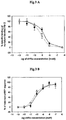
- the comparative binding was determined with europium-labeled human relaxin-2 as tracer and increasing concentrations of synthetic human relaxin-2 (two different lots).
- the unspecific binding was determined in the presence of an excess (500 nM) of unlabeled human relaxin-2. Each concentration point was determined in triplicate.
- the peptides were tested in at least three independent assays to confirm activity. Curves were fitted using a one site binding model in GraphPad Prism 4.0 (GraphPad Software, San Diego, CA, USA).
- the inhibition constants (KI) as a measure of peptide activity were determined from the IC 50 values using the Cheng-Prusoff equation.
- HEK-293T cells stably expressing RXFP1 and a pCRE- ⁇ -galactosidase reporter plasmid were further employed to determine the ability of synthetic human relaxin-2 (shRlx) to activate RXFP1-related signaling ( Halls ML et al. in Ann NY Acad Sci. 2009; 1160:108-11 ). Stimulation of the RXFP1 receptor results in the activation of adenylate cyclase and therefore in an increase in cAMP.
- Cells were incubated for 6 hours with increasing concentrations of synthetic human relaxin-2 of two different lots and relaxins from other sources as indicated. Each concentration point was performed in triplicate and peptides were tested in at least three independent experiments. Data were analyzed with GraphPad Prism 4.0 (GraphPad Software, San Diego, CA, USA), and a nonlinear regression sigmoidal dose-response (variable slope) model was used to plot curves and calculate pEC 50 values.
- pKi negative decadic logarithm of the Inhibition constant KI
- pIC50 negative decadic logarithm of the 50% Inhibitory concentration
- pEC50 negative decadic logarithm of the half-maximum concentration
- shRlx synthetic human relaxin-2 of example 1
- -Asp-shRix is the single aa degradation product of synthetic human relaxin-2
- rhRlx human relaxin-2 prepared by recombinant cells.
- Human relaxin is physiologically up-regulated and plays a compensatory role in human heart failure like B-type natriuretic peptide.
- human relaxin recombinantly produced human relaxin-2, rhRLX
- sixteen patients were treated with intravenous human relaxin-2 in three sequential dose cohorts and monitored hemodynamically during the 24-h infusion and post-infusion periods.
- group A treatment for 8 h each with dosages equivalent to 10, 30, and 100 pg human relaxin-2/kg/day allowed escalation to group B (240, 480, and 960 pg/kg/day), and the highest safe dose, 960 pg/kg/day, was selected for a 24-h dosing in group C.
- the human relaxin-2 showed no relevant adverse effects and produced hemodynamic effects consistent with systemic vasodilation, i.e., trends toward increases in the cardiac index and decreases in pulmonary wedge pressure, without inducing hypotension.
- the demonstrated hemodynamic effects of human relaxin-2 represent a first therapeutic use of intravenously administered human relaxin-2 in human heart failure, notably congestive heart failure ( Dschietzig et al. in FASEB Journal 2001, 15:2187-2195 ; BfArM approved study, A Pilot Safety and Dose-Finding Trial of Intravenous Recombinant Human Relaxin (rhRIx) in Compensated Congestive Heart Failure", EudractCT 2005-001674-27, Protocol No RLX-CHF.001).
- Relaxin is known playing a role in the transformation of fibrocytes to fibromyoblasts, the initial step for the development of tissue fibrosis, and to modulate and attenuate the stimulated secretion of matrix proteins by fibromyoblasts ( Samuel et al. in Endocrinology 2004, 145:4125-4133 ). Thus, relaxin may also be used to mitigate myocardial hypertrophy ( Dschietzig et al in Annals of the NY Acad, of Science 2005, 1041:441-3 ; Moore et al. in Endocrinol. 2007, 148:1582-1589 ; Samuel et al., in Endocrinology 2008, 149:3286-3293 ; Lekgabe et al.
- the present inventors have therefore used an animal model for testing the treatment for DHF and of a stiffened heart muscle having insufficient relaxation and distensibility.
- the table below summarizes data obtained in mice with a type of diastolic heart failure as compared with controls.
- the subcutaneous infusion of isolated porcine relaxin over 12 weeks in mice (50pg porcine relaxin/kg/d) decreased end-diastolic pressure and, consequently, improved E/A ratio, a functional parameter indicating the quality of ventricular filling.
- the subcutaneous infusion of relaxin was obtained by implanting in the neck portion of the mice a membrane capsule releasing continuously porcine relaxin.
- LVSP left ventricular systolic pressure as measured by Invasive micromanometry
- LVEDP left ventricular end-diastolic pressure as measured by invasive micromanometry
- E/A ratio ratio of echocardiographically determined mitral flow velocities. * P ⁇ 0.05 compared with controls; # P ⁇ 0.05 compared with baseline (Friedman ANOVA on ranks); ⁇ P ⁇ 0.05 compared with placebo; nd: not determined - as the mice had to be sacrificed after catheterization, no baseline catheter measurements could be made prior to administration of placebo or relaxin.
- Blood for determination of relaxin-2 by ELISA was drawn immediately before the ablation procedure from antecubital vein, aorta/left ventricle, and coronary sinus.
- the concentration difference between aorta/left ventricle and coronary sinus was termed the coronary gradient.
- a positive gradient coronary sinus level > aortic/left ventricular level
- a negative one was indicative of myocardial consumption of circulating relaxin.
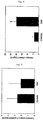
- Circulating (venous) relaxin-2 was significantly increased in patients with diastolic heart failure (DHF) as compared with controls; see Fig. 4 (P ⁇ 0.05 versus controls; Mann-Whitney U test on ranks).
- DHF diastolic heart failure
- Fig. 5 Analyzed with a two-factorial ANOVA (factors: group, repeated measures); P>0.05, no significant difference).
- E/E' echocardiographic measure of diastolic dysfunction
- Fig. 6 Individual coronary gradients of relaxin-2 in DHF patients in dependence of diastolic function as assessed by E / E'.
- E/E' is the most established echocardiographic marker of diastolic dysfunction which is used to classify and diagnose DHF (see Paulus et al., Eur Heart J 2007 ; Fig. 2 ).
- E denotes early mitral valve flow velocity
- E' denotes early myocardial relaxation velocity as measured by tissue Doppler
- Example 5 Correlation between inflammation / oxidative stress and left ventricular end diastolic pressure and altered titin N2B hypophosphorylation by the administration of relaxin-2
- SHR hearts showed significantly elevated LVEDP as compared with control hearts: SHR, 14 ⁇ 2 mm Hg; control, 5 ⁇ 1 mm Hg.
- ZDF hearts had higher LVEDP than Lean hearts: ZDF, 12 ⁇ 2 mm Hg; Lean, 6 ⁇ 1 mm Hg. P ⁇ 0.01; and TG mice had significantly higher LVEDP than WT mice: TG, 12.3 ⁇ 2 mm Hg; WT, 4.9 ⁇ 1.1 mm Hg (Kruskal-Wallis ANOVA on ranks followed by Mann-Whitney U-test).
- Plasma levels of nitrotyrosine and IL-6 correlated with baseline LVEDP, both in the control-SHR and in the Lean-ZDF cohorts of rats.
- r 0.91 over all rat groups (P ⁇ 0.01).
- the giant protein titin poses the major determinant of myocardial diastolic stiffness ( Borbely et al., Circ Res 2009; 104:780-786 ; Paulus and Tschoepe, JACC 2013; 62:263-271 ).
- HFPEF left ventricular filling pressure
- Example 7 Testing of DHF patients (clinical phase II) with synthetic human relaxin-2.
- the official approval of the clinical phase II is being obtained for patients diagnosed of diastolic heart failure as described by Paulus et al., see diagram of Fig. 2
- the criteria for inclusion in the DHF study are a) hospitalization for dyspnea within the last six months; b) a stable medication for at least four weeks prior treatment; c) a left ventricular ejection fraction (LVEF) - preserved ejection fraction of at least 50 %; d) an established diagnosis of HFPEF according to Paulus et al. (see diagram with diagnostic flow chart, Fig. 2 ).
- systolic dysfunction or an acute coronary syndrome within the last 4 weeks, or an acute myocardial Infarction or a heart surgery within the last six months, or hypotension (a systolic blood pressure of less than 100 Hg), or life-threatening tachycardia or bradycardia within the last six month prior study; or a serum creatinine of more than 2 mg/dl prior study; pulmonary disorders or dyspnea of non-cardiac origin; or any malignancies.
- hypotension a systolic blood pressure of less than 100 Hg
- tachycardia or bradycardia within the last six month prior study
- serum creatinine of more than 2 mg/dl prior study
- pulmonary disorders or dyspnea of non-cardiac origin or any malignancies.
- the study is being done at one hospital, double-blind, prospective and randomized.
Landscapes
- Health & Medical Sciences (AREA)
- Life Sciences & Earth Sciences (AREA)
- Chemical & Material Sciences (AREA)
- Medicinal Chemistry (AREA)
- Veterinary Medicine (AREA)
- Public Health (AREA)
- General Health & Medical Sciences (AREA)
- Animal Behavior & Ethology (AREA)
- Pharmacology & Pharmacy (AREA)
- Epidemiology (AREA)
- Bioinformatics & Cheminformatics (AREA)
- Engineering & Computer Science (AREA)
- Cardiology (AREA)
- Proteomics, Peptides & Aminoacids (AREA)
- Gastroenterology & Hepatology (AREA)
- Dispersion Chemistry (AREA)
- Oil, Petroleum & Natural Gas (AREA)
- Immunology (AREA)
- Dermatology (AREA)
- Zoology (AREA)
- Endocrinology (AREA)
- Heart & Thoracic Surgery (AREA)
- Organic Chemistry (AREA)
- Chemical Kinetics & Catalysis (AREA)
- Hospice & Palliative Care (AREA)
- General Chemical & Material Sciences (AREA)
- Nuclear Medicine, Radiotherapy & Molecular Imaging (AREA)
- Nutrition Science (AREA)
- Physiology (AREA)
- Medicines That Contain Protein Lipid Enzymes And Other Medicines (AREA)
- Peptides Or Proteins (AREA)
- Medicinal Preparation (AREA)
Claims (12)
- Composition pharmaceutique pour utilisation dans le traitement de personnes atteintes d'insuffisance cardiaque chronique avec fraction d'éjection préservée (HFpEF) et raidissement du muscle cardiaque, la composition comprenant une quantité thérapeutiquement efficace de relaxine humaine ou d'analogues ou de dérivés fonctionnellement équivalents de celle-ci capables de se lier spécifiquement au récepteur de relaxine (RXFP1) présent sur des fibroblastes, des fibromyoblastes, des cellules endothéliales, des cellules endocardiques et des cardiomyocytes dans le muscle cardiaque afin d'augmenter la compliance cardiaque et le volume systolique et de réduire la pression télédiastolique du ventricule gauche.
- Composition pharmaceutique pour utilisation selon la revendication 1, pour traiter les effets d'une phosphorylation altérée de la titine cardiospécifique.
- Composition pharmaceutique pour utilisation selon la revendication 1 ou la revendication 2 pour traiter les effets d'une hypophosphorylation de la titine cardiospécifique N2B.
- Composition pharmaceutique pour utilisation selon l'une quelconque des revendications 1 à 3, comprenant de relaxine humaine ou des analogues ou dérivés de celles-ci fonctionnellement équivalents en mélange avec un adjuvant, un support, un diluant ou un excipient pharmaceutiquement acceptable, convenant pour une injection sous-cutanée ou intraveineuse ou pour une application orale.
- Composition pharmaceutique pour utilisation selon l'une quelconque des revendications 1 à 4, comprenant des molécules de relaxine humaine choisies dans le groupe comprenant la relaxine humaine-1, la relaxine humaine-2, la relaxine humaine-3 et leurs analogues ou dérivés fonctionnellement équivalents.
- Composition pharmaceutique pour utilisation selon la revendication 5, qui est formulée sous la forme d'une émulsion (huile dans eau ou eau dans huile) destinée à être délivrée à la muqueuse du tractus buccal ou gastro-intestinal.
- Composition pharmaceutique pour utilisation selon l'une quelconque des revendications 1 à 6, dans laquelle la relaxine est contenue dans un véhicule de délivrance choisi parmi une micelle, une micelle inverse, un liposome, un cubosome et un mélange de ceux-ci.
- Composition pharmaceutique pour utilisation selon la revendication 7, dans laquelle une protéine muco-adhésive est associée au véhicule de délivrance via une liaison chimique ou physique, de sorte que la composition s'adsorbe sur la muqueuse ou est retenue sur une surface mucosale pour effectuer une délivrance systémique de la relaxine.
- Composition pharmaceutique pour utilisation selon l'une quelconque des revendications 1 à 5, dans laquelle ladite composition est pour une perfusion sous-cutanée.
- Composition pharmaceutique pour utilisation selon l'une quelconque des revendications précédentes, dans laquelle le sujet atteint d'insuffisance cardiaque chronique avec fraction d'éjection préservée (HFpEF) et de raidissement du muscle cardiaque est en outre atteint d'insuffisance rénale.
- Composition pharmaceutique pour utilisation selon l'une quelconque des revendications précédentes, pour utilisation dans le traitement de personnes atteintes d'insuffisance cardiaque chronique avec fraction d'éjection préservée (HFpEF) et de raidissement du muscle cardiaque, le sujet étant hypertendu et/ou souffrant de diabète et/ou de stress oxydatif et/ou d'inflammation.
- Composition pharmaceutique pour utilisation selon l'une quelconque des revendications précédentes, pour utilisation dans le traitement de personnes atteintes d'insuffisance cardiaque chronique avec fraction d'éjection préservée (HFpEF) et de raidissement du muscle cardiaque, laquelle utilisation implique l'augmentation de l'afflux cardiaque, l'abaissement de pressions télédiastoliques du cœur et augmentation du volume systolique du cœur.
Applications Claiming Priority (2)
| Application Number | Priority Date | Filing Date | Title |
|---|---|---|---|
| EP14169711.0A EP2946788A1 (fr) | 2014-05-23 | 2014-05-23 | Procédé et composition pour le traitement de l'insuffisance cardiaque avec la fraction d'éjection préservée |
| PCT/EP2015/061554 WO2015177378A1 (fr) | 2014-05-23 | 2015-05-26 | Méthode et composition pour le traitement de l'insuffisance cardiaque à fraction d'éjection préservée |
Publications (2)
| Publication Number | Publication Date |
|---|---|
| EP3145534A1 EP3145534A1 (fr) | 2017-03-29 |
| EP3145534B1 true EP3145534B1 (fr) | 2019-11-27 |
Family
ID=50774698
Family Applications (2)
| Application Number | Title | Priority Date | Filing Date |
|---|---|---|---|
| EP14169711.0A Withdrawn EP2946788A1 (fr) | 2014-05-23 | 2014-05-23 | Procédé et composition pour le traitement de l'insuffisance cardiaque avec la fraction d'éjection préservée |
| EP15744487.8A Active EP3145534B1 (fr) | 2014-05-23 | 2015-05-26 | Relaxine pour le traitement de l'insuffisance cardiaque à fraction d'éjection préservée |
Family Applications Before (1)
| Application Number | Title | Priority Date | Filing Date |
|---|---|---|---|
| EP14169711.0A Withdrawn EP2946788A1 (fr) | 2014-05-23 | 2014-05-23 | Procédé et composition pour le traitement de l'insuffisance cardiaque avec la fraction d'éjection préservée |
Country Status (6)
| Country | Link |
|---|---|
| US (2) | US10226512B2 (fr) |
| EP (2) | EP2946788A1 (fr) |
| JP (2) | JP6580599B2 (fr) |
| AU (1) | AU2015261786B2 (fr) |
| CA (1) | CA2950037C (fr) |
| WO (1) | WO2015177378A1 (fr) |
Families Citing this family (13)
| Publication number | Priority date | Publication date | Assignee | Title |
|---|---|---|---|---|
| EP2946788A1 (fr) * | 2014-05-23 | 2015-11-25 | Immundiagnostik AG | Procédé et composition pour le traitement de l'insuffisance cardiaque avec la fraction d'éjection préservée |
| US11324748B2 (en) | 2017-04-21 | 2022-05-10 | Northeast Ohio Medical University | Vasodilators for treatment of heart failure |
| US20190167204A1 (en) * | 2017-12-06 | 2019-06-06 | Cardiac Pacemakers, Inc. | Worsening heart failure detection based on patient demographic clusters |
| CN113692284A (zh) * | 2018-11-20 | 2021-11-23 | 海德堡大学 | 用于治疗和预防心力衰竭的松弛素受体1 |
| WO2021113401A2 (fr) * | 2019-12-02 | 2021-06-10 | The Regents Of The University Of Colorado, A Body Corporate | Modulation de l'histone désacétylase 6 de la rigidité du tissu cardiaque à médiation par la protéine titine et méthode correspondante |
| US11969424B2 (en) | 2019-12-16 | 2024-04-30 | Tenax Therapeutics, Inc. | Levosimendan for treating pulmonary hypertension with heart failure with preserved ejection fraction (PH-HFpEF) |
| MX2022007376A (es) | 2019-12-20 | 2022-09-02 | Tenaya Therapeutics Inc | Fluoroalqull-oxadiazoles y sus usos. |
| US20240252502A1 (en) | 2021-05-04 | 2024-08-01 | Tenaya Therapeutics, Inc. | Hdac6 inhibitors for treatment of metabolic disease and hfpef |
| CN118510536A (zh) | 2021-11-11 | 2024-08-16 | 泰克托尼治疗股份有限公司 | 松弛素-2融合蛋白类似物及其使用方法 |
| JP7396579B2 (ja) * | 2022-01-31 | 2023-12-12 | 壽製薬株式会社 | 左室駆出率が保たれた心不全に対する医薬組成物 |
| JP2025528469A (ja) | 2022-08-31 | 2025-08-28 | リラクセラ ファルマツォイティッシュ ゲゼルシャフト エムベーハー ウント コー. カーゲー | 免疫抑制薬及び処置方法 |
| AU2024270919A1 (en) | 2023-05-18 | 2026-01-15 | Tectonic Operating Company, Inc. | Relaxin-2 fusion protein analogs and methods of using same |
| WO2025056188A1 (fr) | 2023-09-15 | 2025-03-20 | Relaxera Pharmazeutische Gmbh & Co. Kg | Médicament de relaxine |
Citations (1)
| Publication number | Priority date | Publication date | Assignee | Title |
|---|---|---|---|---|
| WO2013017679A1 (fr) * | 2011-08-04 | 2013-02-07 | Pharis Biotec Gmbh | Procédé de préparation de relaxine-2 humaine |
Family Cites Families (22)
| Publication number | Priority date | Publication date | Assignee | Title |
|---|---|---|---|---|
| EP0101309B1 (fr) | 1982-08-12 | 1991-01-16 | Howard Florey Institute Of Experimental Physiology And Medicine | Clonage moléculaire et caractérisation de la séquence de gène codant pour la relaxine humaine |
| IL70414A (en) | 1982-12-13 | 1991-06-10 | Florey Howard Inst | Polypeptide having human h2-relaxin activity,double-stranded dna fragments coding therefor,vectors containing the dna fragments and methods for preparing the polypeptide,dna fragments and vectors |
| US4835251A (en) | 1986-06-23 | 1989-05-30 | Genetech, Inc. | Method of chain combination |
| AU668509B2 (en) | 1991-04-19 | 1996-05-09 | Affinity Biotech, Inc. | Convertible microemulsion formulations |
| US5166191A (en) | 1991-08-19 | 1992-11-24 | Genentech, Inc. | Use of relaxin in cardiovascular therapy |
| US5206219A (en) | 1991-11-25 | 1993-04-27 | Applied Analytical Industries, Inc. | Oral compositions of proteinaceous medicaments |
| IL107167A (en) | 1993-10-03 | 2000-01-31 | Raziel Lurie | Compositions containing relaxin for treatment of alopecia and related conditions |
| US5824638A (en) | 1995-05-22 | 1998-10-20 | Shire Laboratories, Inc. | Oral insulin delivery |
| AU7984200A (en) | 1999-09-21 | 2001-04-24 | Skyepharma Canada Inc. | Surface modified particulate compositions of biologically active substances |
| CN1160122C (zh) | 2001-04-20 | 2004-08-04 | 清华大学 | 一种制备口服胰岛素油相制剂的方法 |
| AUPR510001A0 (en) | 2001-05-18 | 2001-06-14 | Jupitar Pty Ltd | Formulation and method |
| US6951655B2 (en) | 2001-10-11 | 2005-10-04 | Imi Biomed, Inc. | Pro-micelle pharmaceutical compositions |
| AU2002362040A1 (en) | 2001-12-03 | 2003-06-17 | Dor Biopharma Inc. | Reverse micelle compositions and uses thereof |
| CA2578709C (fr) | 2004-06-17 | 2010-06-15 | Virun, Inc. | Compositions comprenant une proteine adherant aux muqueuses et principe actif pour la delivrance d'agents dans des muqueuses |
| DK1848431T3 (en) | 2005-02-09 | 2016-04-18 | Santen Pharmaceutical Co Ltd | LIQUID FORMULATIONS FOR TREATMENT OF DISEASES OR CONDITIONS |
| US20060281669A1 (en) | 2005-06-13 | 2006-12-14 | Yue Samuel K | Method and compositions for the treatment of diabetes and related complications |
| CN101677944A (zh) | 2007-06-01 | 2010-03-24 | 诺沃-诺迪斯克有限公司 | 稳定的非含水药物组合物 |
| US20110144010A1 (en) | 2007-06-01 | 2011-06-16 | Novo Nordisk A/S | Spontaneously Dispersible Preconcentrates Including a Peptide Drug in a Solid or Semisolid Carrier |
| CA2724540C (fr) * | 2008-05-16 | 2014-07-08 | Corthera, Inc. | Methode de traitement de la dyspnee associee a une insuffisance cardiaque aigue a l'aide de la relaxine |
| GR1006941B (el) | 2009-06-01 | 2010-08-27 | Χημικα Και Βιοφαρμακευτικα Εργαστηρια Πατρων Αε (Cbl-Patras), | Πεπτιδικη συνθεση (peptide synthesis) |
| DE102012017566A1 (de) | 2012-04-04 | 2013-10-10 | Dittmar Labeit | Verfahren zur Bestimmung von Herzmuskelschäden und Herzumbauprozessen (Remodelling) durch den Nachweis von herzspezifischem Titin in Körperflüssigkeiten mittels Titin-Exon-49 (N2B) spezifischer Antikörper |
| EP2946788A1 (fr) * | 2014-05-23 | 2015-11-25 | Immundiagnostik AG | Procédé et composition pour le traitement de l'insuffisance cardiaque avec la fraction d'éjection préservée |
-
2014
- 2014-05-23 EP EP14169711.0A patent/EP2946788A1/fr not_active Withdrawn
-
2015
- 2015-05-26 AU AU2015261786A patent/AU2015261786B2/en active Active
- 2015-05-26 CA CA2950037A patent/CA2950037C/fr active Active
- 2015-05-26 JP JP2016569961A patent/JP6580599B2/ja active Active
- 2015-05-26 WO PCT/EP2015/061554 patent/WO2015177378A1/fr not_active Ceased
- 2015-05-26 EP EP15744487.8A patent/EP3145534B1/fr active Active
- 2015-05-26 US US15/313,517 patent/US10226512B2/en active Active
-
2019
- 2019-01-28 US US16/259,448 patent/US10799561B2/en active Active
- 2019-08-28 JP JP2019155391A patent/JP6832401B2/ja active Active
Patent Citations (1)
| Publication number | Priority date | Publication date | Assignee | Title |
|---|---|---|---|---|
| WO2013017679A1 (fr) * | 2011-08-04 | 2013-02-07 | Pharis Biotec Gmbh | Procédé de préparation de relaxine-2 humaine |
Non-Patent Citations (2)
| Title |
|---|
| MARCO GIUSEPPE DEL BUONO ET AL: "Primary and Secondary Diastolic Dysfunction in Heart Failure With Preserved Ejection Fraction", AMERICAN JOURNAL OF CARDIOLOGY., vol. 122, no. 9, 1 November 2018 (2018-11-01), US, pages 1578 - 1587, XP055603053, ISSN: 0002-9149, DOI: 10.1016/j.amjcard.2018.07.012 * |
| MICHA T MAEDER ET AL: "Herzinsuffizienz mit erhaltener linksventrikulärer Auswurffraktion", PRAXIS, vol. 102, 2013, pages 1299 - 1307, XP055488345, DOI: 10.1024/1661-8157/a001439 * |
Also Published As
| Publication number | Publication date |
|---|---|
| JP6832401B2 (ja) | 2021-02-24 |
| JP2019203022A (ja) | 2019-11-28 |
| AU2015261786B2 (en) | 2020-04-23 |
| AU2015261786A1 (en) | 2016-12-15 |
| US20190142902A1 (en) | 2019-05-16 |
| EP2946788A1 (fr) | 2015-11-25 |
| CA2950037C (fr) | 2023-10-17 |
| EP3145534A1 (fr) | 2017-03-29 |
| JP6580599B2 (ja) | 2019-09-25 |
| US20170182127A1 (en) | 2017-06-29 |
| US10799561B2 (en) | 2020-10-13 |
| CA2950037A1 (fr) | 2015-11-26 |
| WO2015177378A1 (fr) | 2015-11-26 |
| US10226512B2 (en) | 2019-03-12 |
| JP2017517524A (ja) | 2017-06-29 |
Similar Documents
| Publication | Publication Date | Title |
|---|---|---|
| US10799561B2 (en) | Method for increasing cardiac inflow by administering a compound that binds RXFP1 | |
| US8710006B2 (en) | Use of natriuretic peptide for treating heart failure | |
| US20040077537A1 (en) | Method for treating congestive heart failure | |
| WO2009156481A1 (fr) | Bnp pégylé | |
| US8426365B2 (en) | Method of treating or preventing tissue deterioration, injury or damage due to congestive heart failure | |
| JP2019508378A (ja) | 昇圧薬の投与方法 | |
| TW202214219A (zh) | 治療低血壓之方法 | |
| EP3400000B1 (fr) | Méthodes d'administration d'angiotensine ii | |
| US11583568B2 (en) | Methods for administering angiotensin II | |
| Jangid et al. | Cross talk on therapeutic strategies: natriuretic peptides and inhibiting neprilysin in hypertension management | |
| US20090029915A1 (en) | Regulation of mineral and skeletal metabolism | |
| US10004754B2 (en) | ANP fragment adjuvant therapy to standard of care (SOC) diuretic treatment | |
| WO1998034636A1 (fr) | Compositions medicinales pour traiter les cardiopathies induites par l'hypertrophie cardiaque | |
| US11701409B2 (en) | Dosing and use of long-acting CLR/ramp agonists |
Legal Events
| Date | Code | Title | Description |
|---|---|---|---|
| STAA | Information on the status of an ep patent application or granted ep patent |
Free format text: STATUS: THE INTERNATIONAL PUBLICATION HAS BEEN MADE |
|
| PUAI | Public reference made under article 153(3) epc to a published international application that has entered the european phase |
Free format text: ORIGINAL CODE: 0009012 |
|
| STAA | Information on the status of an ep patent application or granted ep patent |
Free format text: STATUS: REQUEST FOR EXAMINATION WAS MADE |
|
| 17P | Request for examination filed |
Effective date: 20161219 |
|
| AK | Designated contracting states |
Kind code of ref document: A1 Designated state(s): AL AT BE BG CH CY CZ DE DK EE ES FI FR GB GR HR HU IE IS IT LI LT LU LV MC MK MT NL NO PL PT RO RS SE SI SK SM TR |
|
| AX | Request for extension of the european patent |
Extension state: BA ME |
|
| RAP1 | Party data changed (applicant data changed or rights of an application transferred) |
Owner name: DSCHIETZIG, THOMAS Owner name: RELAXERA PHARMAZEUTISCHE GESELLSCHAFT MBH & CO. KG |
|
| DAV | Request for validation of the european patent (deleted) | ||
| DAX | Request for extension of the european patent (deleted) | ||
| STAA | Information on the status of an ep patent application or granted ep patent |
Free format text: STATUS: EXAMINATION IS IN PROGRESS |
|
| 17Q | First examination report despatched |
Effective date: 20180724 |
|
| RIC1 | Information provided on ipc code assigned before grant |
Ipc: A61K 38/22 20060101AFI20190708BHEP Ipc: A61K 9/113 20060101ALI20190708BHEP Ipc: A61K 9/00 20060101ALI20190708BHEP Ipc: A61P 9/04 20060101ALI20190708BHEP |
|
| GRAP | Despatch of communication of intention to grant a patent |
Free format text: ORIGINAL CODE: EPIDOSNIGR1 |
|
| STAA | Information on the status of an ep patent application or granted ep patent |
Free format text: STATUS: GRANT OF PATENT IS INTENDED |
|
| INTG | Intention to grant announced |
Effective date: 20190820 |
|
| GRAS | Grant fee paid |
Free format text: ORIGINAL CODE: EPIDOSNIGR3 |
|
| GRAA | (expected) grant |
Free format text: ORIGINAL CODE: 0009210 |
|
| STAA | Information on the status of an ep patent application or granted ep patent |
Free format text: STATUS: THE PATENT HAS BEEN GRANTED |
|
| AK | Designated contracting states |
Kind code of ref document: B1 Designated state(s): AL AT BE BG CH CY CZ DE DK EE ES FI FR GB GR HR HU IE IS IT LI LT LU LV MC MK MT NL NO PL PT RO RS SE SI SK SM TR |
|
| REG | Reference to a national code |
Ref country code: GB Ref legal event code: FG4D |
|
| REG | Reference to a national code |
Ref country code: CH Ref legal event code: EP |
|
| REG | Reference to a national code |
Ref country code: AT Ref legal event code: REF Ref document number: 1205960 Country of ref document: AT Kind code of ref document: T Effective date: 20191215 |
|
| REG | Reference to a national code |
Ref country code: DE Ref legal event code: R096 Ref document number: 602015042517 Country of ref document: DE |
|
| REG | Reference to a national code |
Ref country code: IE Ref legal event code: FG4D |
|
| REG | Reference to a national code |
Ref country code: NL Ref legal event code: MP Effective date: 20191127 |
|
| REG | Reference to a national code |
Ref country code: LT Ref legal event code: MG4D |
|
| PG25 | Lapsed in a contracting state [announced via postgrant information from national office to epo] |
Ref country code: NO Free format text: LAPSE BECAUSE OF FAILURE TO SUBMIT A TRANSLATION OF THE DESCRIPTION OR TO PAY THE FEE WITHIN THE PRESCRIBED TIME-LIMIT Effective date: 20200227 Ref country code: LT Free format text: LAPSE BECAUSE OF FAILURE TO SUBMIT A TRANSLATION OF THE DESCRIPTION OR TO PAY THE FEE WITHIN THE PRESCRIBED TIME-LIMIT Effective date: 20191127 Ref country code: NL Free format text: LAPSE BECAUSE OF FAILURE TO SUBMIT A TRANSLATION OF THE DESCRIPTION OR TO PAY THE FEE WITHIN THE PRESCRIBED TIME-LIMIT Effective date: 20191127 Ref country code: BG Free format text: LAPSE BECAUSE OF FAILURE TO SUBMIT A TRANSLATION OF THE DESCRIPTION OR TO PAY THE FEE WITHIN THE PRESCRIBED TIME-LIMIT Effective date: 20200227 Ref country code: FI Free format text: LAPSE BECAUSE OF FAILURE TO SUBMIT A TRANSLATION OF THE DESCRIPTION OR TO PAY THE FEE WITHIN THE PRESCRIBED TIME-LIMIT Effective date: 20191127 Ref country code: LV Free format text: LAPSE BECAUSE OF FAILURE TO SUBMIT A TRANSLATION OF THE DESCRIPTION OR TO PAY THE FEE WITHIN THE PRESCRIBED TIME-LIMIT Effective date: 20191127 Ref country code: SE Free format text: LAPSE BECAUSE OF FAILURE TO SUBMIT A TRANSLATION OF THE DESCRIPTION OR TO PAY THE FEE WITHIN THE PRESCRIBED TIME-LIMIT Effective date: 20191127 |
|
| REG | Reference to a national code |
Ref country code: GR Ref legal event code: EP Ref document number: 20200400539 Country of ref document: GR Effective date: 20200511 |
|
| PG25 | Lapsed in a contracting state [announced via postgrant information from national office to epo] |
Ref country code: HR Free format text: LAPSE BECAUSE OF FAILURE TO SUBMIT A TRANSLATION OF THE DESCRIPTION OR TO PAY THE FEE WITHIN THE PRESCRIBED TIME-LIMIT Effective date: 20191127 Ref country code: RS Free format text: LAPSE BECAUSE OF FAILURE TO SUBMIT A TRANSLATION OF THE DESCRIPTION OR TO PAY THE FEE WITHIN THE PRESCRIBED TIME-LIMIT Effective date: 20191127 Ref country code: IS Free format text: LAPSE BECAUSE OF FAILURE TO SUBMIT A TRANSLATION OF THE DESCRIPTION OR TO PAY THE FEE WITHIN THE PRESCRIBED TIME-LIMIT Effective date: 20200327 |
|
| PG25 | Lapsed in a contracting state [announced via postgrant information from national office to epo] |
Ref country code: AL Free format text: LAPSE BECAUSE OF FAILURE TO SUBMIT A TRANSLATION OF THE DESCRIPTION OR TO PAY THE FEE WITHIN THE PRESCRIBED TIME-LIMIT Effective date: 20191127 |
|
| PG25 | Lapsed in a contracting state [announced via postgrant information from national office to epo] |
Ref country code: CZ Free format text: LAPSE BECAUSE OF FAILURE TO SUBMIT A TRANSLATION OF THE DESCRIPTION OR TO PAY THE FEE WITHIN THE PRESCRIBED TIME-LIMIT Effective date: 20191127 Ref country code: ES Free format text: LAPSE BECAUSE OF FAILURE TO SUBMIT A TRANSLATION OF THE DESCRIPTION OR TO PAY THE FEE WITHIN THE PRESCRIBED TIME-LIMIT Effective date: 20191127 Ref country code: PT Free format text: LAPSE BECAUSE OF FAILURE TO SUBMIT A TRANSLATION OF THE DESCRIPTION OR TO PAY THE FEE WITHIN THE PRESCRIBED TIME-LIMIT Effective date: 20200419 Ref country code: EE Free format text: LAPSE BECAUSE OF FAILURE TO SUBMIT A TRANSLATION OF THE DESCRIPTION OR TO PAY THE FEE WITHIN THE PRESCRIBED TIME-LIMIT Effective date: 20191127 Ref country code: DK Free format text: LAPSE BECAUSE OF FAILURE TO SUBMIT A TRANSLATION OF THE DESCRIPTION OR TO PAY THE FEE WITHIN THE PRESCRIBED TIME-LIMIT Effective date: 20191127 Ref country code: RO Free format text: LAPSE BECAUSE OF FAILURE TO SUBMIT A TRANSLATION OF THE DESCRIPTION OR TO PAY THE FEE WITHIN THE PRESCRIBED TIME-LIMIT Effective date: 20191127 |
|
| REG | Reference to a national code |
Ref country code: DE Ref legal event code: R097 Ref document number: 602015042517 Country of ref document: DE |
|
| PG25 | Lapsed in a contracting state [announced via postgrant information from national office to epo] |
Ref country code: SK Free format text: LAPSE BECAUSE OF FAILURE TO SUBMIT A TRANSLATION OF THE DESCRIPTION OR TO PAY THE FEE WITHIN THE PRESCRIBED TIME-LIMIT Effective date: 20191127 Ref country code: SM Free format text: LAPSE BECAUSE OF FAILURE TO SUBMIT A TRANSLATION OF THE DESCRIPTION OR TO PAY THE FEE WITHIN THE PRESCRIBED TIME-LIMIT Effective date: 20191127 |
|
| REG | Reference to a national code |
Ref country code: AT Ref legal event code: MK05 Ref document number: 1205960 Country of ref document: AT Kind code of ref document: T Effective date: 20191127 |
|
| PLBE | No opposition filed within time limit |
Free format text: ORIGINAL CODE: 0009261 |
|
| STAA | Information on the status of an ep patent application or granted ep patent |
Free format text: STATUS: NO OPPOSITION FILED WITHIN TIME LIMIT |
|
| 26N | No opposition filed |
Effective date: 20200828 |
|
| PG25 | Lapsed in a contracting state [announced via postgrant information from national office to epo] |
Ref country code: PL Free format text: LAPSE BECAUSE OF FAILURE TO SUBMIT A TRANSLATION OF THE DESCRIPTION OR TO PAY THE FEE WITHIN THE PRESCRIBED TIME-LIMIT Effective date: 20191127 Ref country code: SI Free format text: LAPSE BECAUSE OF FAILURE TO SUBMIT A TRANSLATION OF THE DESCRIPTION OR TO PAY THE FEE WITHIN THE PRESCRIBED TIME-LIMIT Effective date: 20191127 Ref country code: AT Free format text: LAPSE BECAUSE OF FAILURE TO SUBMIT A TRANSLATION OF THE DESCRIPTION OR TO PAY THE FEE WITHIN THE PRESCRIBED TIME-LIMIT Effective date: 20191127 |
|
| PG25 | Lapsed in a contracting state [announced via postgrant information from national office to epo] |
Ref country code: CH Free format text: LAPSE BECAUSE OF NON-PAYMENT OF DUE FEES Effective date: 20200531 Ref country code: LI Free format text: LAPSE BECAUSE OF NON-PAYMENT OF DUE FEES Effective date: 20200531 Ref country code: MC Free format text: LAPSE BECAUSE OF FAILURE TO SUBMIT A TRANSLATION OF THE DESCRIPTION OR TO PAY THE FEE WITHIN THE PRESCRIBED TIME-LIMIT Effective date: 20191127 |
|
| REG | Reference to a national code |
Ref country code: BE Ref legal event code: MM Effective date: 20200531 |
|
| PG25 | Lapsed in a contracting state [announced via postgrant information from national office to epo] |
Ref country code: LU Free format text: LAPSE BECAUSE OF NON-PAYMENT OF DUE FEES Effective date: 20200526 |
|
| PG25 | Lapsed in a contracting state [announced via postgrant information from national office to epo] |
Ref country code: IE Free format text: LAPSE BECAUSE OF NON-PAYMENT OF DUE FEES Effective date: 20200526 |
|
| PG25 | Lapsed in a contracting state [announced via postgrant information from national office to epo] |
Ref country code: BE Free format text: LAPSE BECAUSE OF NON-PAYMENT OF DUE FEES Effective date: 20200531 |
|
| PG25 | Lapsed in a contracting state [announced via postgrant information from national office to epo] |
Ref country code: TR Free format text: LAPSE BECAUSE OF FAILURE TO SUBMIT A TRANSLATION OF THE DESCRIPTION OR TO PAY THE FEE WITHIN THE PRESCRIBED TIME-LIMIT Effective date: 20191127 Ref country code: MT Free format text: LAPSE BECAUSE OF FAILURE TO SUBMIT A TRANSLATION OF THE DESCRIPTION OR TO PAY THE FEE WITHIN THE PRESCRIBED TIME-LIMIT Effective date: 20191127 Ref country code: CY Free format text: LAPSE BECAUSE OF FAILURE TO SUBMIT A TRANSLATION OF THE DESCRIPTION OR TO PAY THE FEE WITHIN THE PRESCRIBED TIME-LIMIT Effective date: 20191127 |
|
| PG25 | Lapsed in a contracting state [announced via postgrant information from national office to epo] |
Ref country code: MK Free format text: LAPSE BECAUSE OF FAILURE TO SUBMIT A TRANSLATION OF THE DESCRIPTION OR TO PAY THE FEE WITHIN THE PRESCRIBED TIME-LIMIT Effective date: 20191127 |
|
| PGFP | Annual fee paid to national office [announced via postgrant information from national office to epo] |
Ref country code: DE Payment date: 20250519 Year of fee payment: 11 |
|
| PGFP | Annual fee paid to national office [announced via postgrant information from national office to epo] |
Ref country code: GB Payment date: 20250522 Year of fee payment: 11 |
|
| PGFP | Annual fee paid to national office [announced via postgrant information from national office to epo] |
Ref country code: IT Payment date: 20250530 Year of fee payment: 11 |
|
| PGFP | Annual fee paid to national office [announced via postgrant information from national office to epo] |
Ref country code: FR Payment date: 20250523 Year of fee payment: 11 |
|
| PGFP | Annual fee paid to national office [announced via postgrant information from national office to epo] |
Ref country code: GR Payment date: 20250519 Year of fee payment: 11 |