EP3145880B1 - Système de recyclage intégré et procédés d'utilisation de boues - Google Patents
Système de recyclage intégré et procédés d'utilisation de boues Download PDFInfo
- Publication number
- EP3145880B1 EP3145880B1 EP15796406.5A EP15796406A EP3145880B1 EP 3145880 B1 EP3145880 B1 EP 3145880B1 EP 15796406 A EP15796406 A EP 15796406A EP 3145880 B1 EP3145880 B1 EP 3145880B1
- Authority
- EP
- European Patent Office
- Prior art keywords
- ash
- plastic
- sludge
- fiber
- weight
- Prior art date
- Legal status (The legal status is an assumption and is not a legal conclusion. Google has not performed a legal analysis and makes no representation as to the accuracy of the status listed.)
- Not-in-force
Links
Images
Classifications
-
- B—PERFORMING OPERATIONS; TRANSPORTING
- B01—PHYSICAL OR CHEMICAL PROCESSES OR APPARATUS IN GENERAL
- B01J—CHEMICAL OR PHYSICAL PROCESSES, e.g. CATALYSIS OR COLLOID CHEMISTRY; THEIR RELEVANT APPARATUS
- B01J20/00—Solid sorbent compositions or filter aid compositions; Sorbents for chromatography; Processes for preparing, regenerating or reactivating thereof
- B01J20/02—Solid sorbent compositions or filter aid compositions; Sorbents for chromatography; Processes for preparing, regenerating or reactivating thereof comprising inorganic material
-
- B—PERFORMING OPERATIONS; TRANSPORTING
- B01—PHYSICAL OR CHEMICAL PROCESSES OR APPARATUS IN GENERAL
- B01D—SEPARATION
- B01D3/00—Distillation or related exchange processes in which liquids are contacted with gaseous media, e.g. stripping
-
- B—PERFORMING OPERATIONS; TRANSPORTING
- B01—PHYSICAL OR CHEMICAL PROCESSES OR APPARATUS IN GENERAL
- B01J—CHEMICAL OR PHYSICAL PROCESSES, e.g. CATALYSIS OR COLLOID CHEMISTRY; THEIR RELEVANT APPARATUS
- B01J20/00—Solid sorbent compositions or filter aid compositions; Sorbents for chromatography; Processes for preparing, regenerating or reactivating thereof
- B01J20/02—Solid sorbent compositions or filter aid compositions; Sorbents for chromatography; Processes for preparing, regenerating or reactivating thereof comprising inorganic material
- B01J20/04—Solid sorbent compositions or filter aid compositions; Sorbents for chromatography; Processes for preparing, regenerating or reactivating thereof comprising inorganic material comprising compounds of alkali metals, alkaline earth metals or magnesium
- B01J20/041—Oxides or hydroxides
-
- B—PERFORMING OPERATIONS; TRANSPORTING
- B01—PHYSICAL OR CHEMICAL PROCESSES OR APPARATUS IN GENERAL
- B01J—CHEMICAL OR PHYSICAL PROCESSES, e.g. CATALYSIS OR COLLOID CHEMISTRY; THEIR RELEVANT APPARATUS
- B01J20/00—Solid sorbent compositions or filter aid compositions; Sorbents for chromatography; Processes for preparing, regenerating or reactivating thereof
- B01J20/02—Solid sorbent compositions or filter aid compositions; Sorbents for chromatography; Processes for preparing, regenerating or reactivating thereof comprising inorganic material
- B01J20/10—Solid sorbent compositions or filter aid compositions; Sorbents for chromatography; Processes for preparing, regenerating or reactivating thereof comprising inorganic material comprising silica or silicate
-
- B—PERFORMING OPERATIONS; TRANSPORTING
- B01—PHYSICAL OR CHEMICAL PROCESSES OR APPARATUS IN GENERAL
- B01J—CHEMICAL OR PHYSICAL PROCESSES, e.g. CATALYSIS OR COLLOID CHEMISTRY; THEIR RELEVANT APPARATUS
- B01J20/00—Solid sorbent compositions or filter aid compositions; Sorbents for chromatography; Processes for preparing, regenerating or reactivating thereof
- B01J20/02—Solid sorbent compositions or filter aid compositions; Sorbents for chromatography; Processes for preparing, regenerating or reactivating thereof comprising inorganic material
- B01J20/10—Solid sorbent compositions or filter aid compositions; Sorbents for chromatography; Processes for preparing, regenerating or reactivating thereof comprising inorganic material comprising silica or silicate
- B01J20/103—Solid sorbent compositions or filter aid compositions; Sorbents for chromatography; Processes for preparing, regenerating or reactivating thereof comprising inorganic material comprising silica or silicate comprising silica
-
- B—PERFORMING OPERATIONS; TRANSPORTING
- B01—PHYSICAL OR CHEMICAL PROCESSES OR APPARATUS IN GENERAL
- B01J—CHEMICAL OR PHYSICAL PROCESSES, e.g. CATALYSIS OR COLLOID CHEMISTRY; THEIR RELEVANT APPARATUS
- B01J20/00—Solid sorbent compositions or filter aid compositions; Sorbents for chromatography; Processes for preparing, regenerating or reactivating thereof
- B01J20/02—Solid sorbent compositions or filter aid compositions; Sorbents for chromatography; Processes for preparing, regenerating or reactivating thereof comprising inorganic material
- B01J20/10—Solid sorbent compositions or filter aid compositions; Sorbents for chromatography; Processes for preparing, regenerating or reactivating thereof comprising inorganic material comprising silica or silicate
- B01J20/16—Alumino-silicates
-
- B—PERFORMING OPERATIONS; TRANSPORTING
- B01—PHYSICAL OR CHEMICAL PROCESSES OR APPARATUS IN GENERAL
- B01J—CHEMICAL OR PHYSICAL PROCESSES, e.g. CATALYSIS OR COLLOID CHEMISTRY; THEIR RELEVANT APPARATUS
- B01J20/00—Solid sorbent compositions or filter aid compositions; Sorbents for chromatography; Processes for preparing, regenerating or reactivating thereof
- B01J20/02—Solid sorbent compositions or filter aid compositions; Sorbents for chromatography; Processes for preparing, regenerating or reactivating thereof comprising inorganic material
- B01J20/20—Solid sorbent compositions or filter aid compositions; Sorbents for chromatography; Processes for preparing, regenerating or reactivating thereof comprising inorganic material comprising free carbon; comprising carbon obtained by carbonising processes
-
- B—PERFORMING OPERATIONS; TRANSPORTING
- B01—PHYSICAL OR CHEMICAL PROCESSES OR APPARATUS IN GENERAL
- B01J—CHEMICAL OR PHYSICAL PROCESSES, e.g. CATALYSIS OR COLLOID CHEMISTRY; THEIR RELEVANT APPARATUS
- B01J20/00—Solid sorbent compositions or filter aid compositions; Sorbents for chromatography; Processes for preparing, regenerating or reactivating thereof
- B01J20/30—Processes for preparing, regenerating, or reactivating
- B01J20/3078—Thermal treatment, e.g. calcining or pyrolizing
-
- C—CHEMISTRY; METALLURGY
- C02—TREATMENT OF WATER, WASTE WATER, SEWAGE, OR SLUDGE
- C02F—TREATMENT OF WATER, WASTE WATER, SEWAGE, OR SLUDGE
- C02F11/00—Treatment of sludge; Devices therefor
- C02F11/06—Treatment of sludge; Devices therefor by oxidation
-
- C—CHEMISTRY; METALLURGY
- C10—PETROLEUM, GAS OR COKE INDUSTRIES; TECHNICAL GASES CONTAINING CARBON MONOXIDE; FUELS; LUBRICANTS; PEAT
- C10B—DESTRUCTIVE DISTILLATION OF CARBONACEOUS MATERIALS FOR PRODUCTION OF GAS, COKE, TAR, OR SIMILAR MATERIALS
- C10B53/00—Destructive distillation, specially adapted for particular solid raw materials or solid raw materials in special form
- C10B53/07—Destructive distillation, specially adapted for particular solid raw materials or solid raw materials in special form of solid raw materials consisting of synthetic polymeric materials, e.g. tyres
-
- C—CHEMISTRY; METALLURGY
- C10—PETROLEUM, GAS OR COKE INDUSTRIES; TECHNICAL GASES CONTAINING CARBON MONOXIDE; FUELS; LUBRICANTS; PEAT
- C10B—DESTRUCTIVE DISTILLATION OF CARBONACEOUS MATERIALS FOR PRODUCTION OF GAS, COKE, TAR, OR SIMILAR MATERIALS
- C10B57/00—Other carbonising or coking processes; Features of destructive distillation processes in general
- C10B57/04—Other carbonising or coking processes; Features of destructive distillation processes in general using charges of special composition
- C10B57/06—Other carbonising or coking processes; Features of destructive distillation processes in general using charges of special composition containing additives
-
- C—CHEMISTRY; METALLURGY
- C10—PETROLEUM, GAS OR COKE INDUSTRIES; TECHNICAL GASES CONTAINING CARBON MONOXIDE; FUELS; LUBRICANTS; PEAT
- C10G—CRACKING HYDROCARBON OILS; PRODUCTION OF LIQUID HYDROCARBON MIXTURES, e.g. BY DESTRUCTIVE HYDROGENATION, OLIGOMERISATION, POLYMERISATION; RECOVERY OF HYDROCARBON OILS FROM OIL-SHALE, OIL-SAND, OR GASES; REFINING MIXTURES MAINLY CONSISTING OF HYDROCARBONS; REFORMING OF NAPHTHA; MINERAL WAXES
- C10G1/00—Production of liquid hydrocarbon mixtures from oil-shale, oil-sand, or non-melting solid carbonaceous or similar materials, e.g. wood, coal
- C10G1/10—Production of liquid hydrocarbon mixtures from oil-shale, oil-sand, or non-melting solid carbonaceous or similar materials, e.g. wood, coal from rubber or rubber waste
-
- D—TEXTILES; PAPER
- D21—PAPER-MAKING; PRODUCTION OF CELLULOSE
- D21B—FIBROUS RAW MATERIALS OR THEIR MECHANICAL TREATMENT
- D21B1/00—Fibrous raw materials or their mechanical treatment
- D21B1/02—Pretreatment of the raw materials by chemical or physical means
- D21B1/026—Separating fibrous materials from waste
-
- F—MECHANICAL ENGINEERING; LIGHTING; HEATING; WEAPONS; BLASTING
- F23—COMBUSTION APPARATUS; COMBUSTION PROCESSES
- F23G—CREMATION FURNACES; CONSUMING WASTE PRODUCTS BY COMBUSTION
- F23G7/00—Incinerators or other apparatus for consuming industrial waste, e.g. chemicals
- F23G7/001—Incinerators or other apparatus for consuming industrial waste, e.g. chemicals for sludges or waste products from water treatment installations
-
- B—PERFORMING OPERATIONS; TRANSPORTING
- B01—PHYSICAL OR CHEMICAL PROCESSES OR APPARATUS IN GENERAL
- B01J—CHEMICAL OR PHYSICAL PROCESSES, e.g. CATALYSIS OR COLLOID CHEMISTRY; THEIR RELEVANT APPARATUS
- B01J2220/00—Aspects relating to sorbent materials
- B01J2220/40—Aspects relating to the composition of sorbent or filter aid materials
- B01J2220/48—Sorbents characterised by the starting material used for their preparation
- B01J2220/4875—Sorbents characterised by the starting material used for their preparation the starting material being a waste, residue or of undefined composition
- B01J2220/4887—Residues, wastes, e.g. garbage, municipal or industrial sludges, compost, animal manure; fly-ashes
-
- C—CHEMISTRY; METALLURGY
- C02—TREATMENT OF WATER, WASTE WATER, SEWAGE, OR SLUDGE
- C02F—TREATMENT OF WATER, WASTE WATER, SEWAGE, OR SLUDGE
- C02F11/00—Treatment of sludge; Devices therefor
- C02F11/12—Treatment of sludge; Devices therefor by de-watering, drying or thickening
- C02F11/121—Treatment of sludge; Devices therefor by de-watering, drying or thickening by mechanical de-watering
-
- C—CHEMISTRY; METALLURGY
- C02—TREATMENT OF WATER, WASTE WATER, SEWAGE, OR SLUDGE
- C02F—TREATMENT OF WATER, WASTE WATER, SEWAGE, OR SLUDGE
- C02F2103/00—Nature of the water, waste water, sewage or sludge to be treated
- C02F2103/26—Nature of the water, waste water, sewage or sludge to be treated from the processing of plants or parts thereof
- C02F2103/28—Nature of the water, waste water, sewage or sludge to be treated from the processing of plants or parts thereof from the paper or cellulose industry
-
- F—MECHANICAL ENGINEERING; LIGHTING; HEATING; WEAPONS; BLASTING
- F23—COMBUSTION APPARATUS; COMBUSTION PROCESSES
- F23G—CREMATION FURNACES; CONSUMING WASTE PRODUCTS BY COMBUSTION
- F23G2206/00—Waste heat recuperation
- F23G2206/20—Waste heat recuperation using the heat in association with another installation
- F23G2206/201—Waste heat recuperation using the heat in association with another installation with an industrial furnace
-
- F—MECHANICAL ENGINEERING; LIGHTING; HEATING; WEAPONS; BLASTING
- F23—COMBUSTION APPARATUS; COMBUSTION PROCESSES
- F23G—CREMATION FURNACES; CONSUMING WASTE PRODUCTS BY COMBUSTION
- F23G2209/00—Specific waste
- F23G2209/12—Sludge, slurries or mixtures of liquids
-
- Y—GENERAL TAGGING OF NEW TECHNOLOGICAL DEVELOPMENTS; GENERAL TAGGING OF CROSS-SECTIONAL TECHNOLOGIES SPANNING OVER SEVERAL SECTIONS OF THE IPC; TECHNICAL SUBJECTS COVERED BY FORMER USPC CROSS-REFERENCE ART COLLECTIONS [XRACs] AND DIGESTS
- Y02—TECHNOLOGIES OR APPLICATIONS FOR MITIGATION OR ADAPTATION AGAINST CLIMATE CHANGE
- Y02E—REDUCTION OF GREENHOUSE GAS [GHG] EMISSIONS, RELATED TO ENERGY GENERATION, TRANSMISSION OR DISTRIBUTION
- Y02E20/00—Combustion technologies with mitigation potential
- Y02E20/30—Technologies for a more efficient combustion or heat usage
-
- Y—GENERAL TAGGING OF NEW TECHNOLOGICAL DEVELOPMENTS; GENERAL TAGGING OF CROSS-SECTIONAL TECHNOLOGIES SPANNING OVER SEVERAL SECTIONS OF THE IPC; TECHNICAL SUBJECTS COVERED BY FORMER USPC CROSS-REFERENCE ART COLLECTIONS [XRACs] AND DIGESTS
- Y02—TECHNOLOGIES OR APPLICATIONS FOR MITIGATION OR ADAPTATION AGAINST CLIMATE CHANGE
- Y02P—CLIMATE CHANGE MITIGATION TECHNOLOGIES IN THE PRODUCTION OR PROCESSING OF GOODS
- Y02P20/00—Technologies relating to chemical industry
- Y02P20/141—Feedstock
- Y02P20/143—Feedstock the feedstock being recycled material, e.g. plastics
-
- Y—GENERAL TAGGING OF NEW TECHNOLOGICAL DEVELOPMENTS; GENERAL TAGGING OF CROSS-SECTIONAL TECHNOLOGIES SPANNING OVER SEVERAL SECTIONS OF THE IPC; TECHNICAL SUBJECTS COVERED BY FORMER USPC CROSS-REFERENCE ART COLLECTIONS [XRACs] AND DIGESTS
- Y02—TECHNOLOGIES OR APPLICATIONS FOR MITIGATION OR ADAPTATION AGAINST CLIMATE CHANGE
- Y02W—CLIMATE CHANGE MITIGATION TECHNOLOGIES RELATED TO WASTEWATER TREATMENT OR WASTE MANAGEMENT
- Y02W10/00—Technologies for wastewater treatment
- Y02W10/40—Valorisation of by-products of wastewater, sewage or sludge processing
Definitions
- Embodiments of the present application are directed generally to integrated recycling systems and methods including a novel reuse of sludge from a waste fiber supply.
- embodiments of the present application are directed to adding an ash produced from the sludge to a plastic pyrolysis system for reduction or removal of contaminants.
- Paper recycling processes are effective at converting waste paper into usable paper products, benefitting both the environment and society by reducing the need to cut down trees for virgin pulp. About two-thirds of the paper that is recycled can be recovered as a usable fiber; however, the remaining one-third is a sludge of waste solids.
- the waste solids include both organic components (e.g., cellulosic particles referred to as "fines") and inorganic components (e.g., from paper fillers and other contaminants).
- the waste solids generally are not suitable for use in manufacturing recycled paper products and generally are disposed of using various methods (including landfilling, incinerating, and dispersing on land).
- the waste solids may be converted to ash that is landfilled, incinerated, or spread on land; however, increasing costs for disposal and concerns regarding environmental sustainability associated with such methods have made it more desirable to develop processes and systems for reusing the ash.
- sludge rejected wastepaper materials
- EP 2 703 050 A1 discloses the use of ashes as an alternative alkalising agent.
- WO 00/35588 discloses a method and production plant for the manufacture of fibrous material.
- US 2011/0099890 A1 discloses a sorbent containing engineered fuel feedstock.
- One aspect of the invention relates to a method for reuse of a sludge comprising:
- a further aspect of the invention relates to an integrated recycling system comprising:
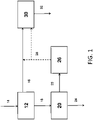
- FIG. 1 is a schematic illustration of an integrated recycling system according to an embodiment.
- Embodiments of the present description include methods and systems for reuse of sludge, particularly sludges from a waste fiber supply in a pulp and paper mill.
- waste fiber or "waste paper” are used interchangeably to refer to paper or cardboard-based materials from which recycled fiber can be recovered for re-use in manufacture of paper-based products.
- Recycling fiber thus refers to fiber materials that have previously been used in a paper or cardboard product.
- the waste paper When recovering recycled fiber from a waste paper supply, the waste paper is separated from other types of waste materials present in the waste paper supply, non-limiting examples of which may include plastics and metals.
- the waste paper then is subjected to a cleaning process in order to decolor and deink the fibers and remove impurities. Greater than about 50% by weight of the waste paper supply generally may be recovered in a fiber stream that is suitable for re-use.
- the remaining portion of the waste paper is transported with the waste water; which is discharged to the waste water treatment system.
- solids are typically separated by gravitational settling, which often is aided by the addition of chemicals that promote settling.
- the solids recovered are referred to as "sludge" and have a relatively high water content.
- the solids content of the sludge may be from about 4% to about 12% by weight prior to undergoing any further dewatering processes.
- the sludge may comprise, for example, the unusable portion of deinked papers which comprise both an organic fraction and an inorganic fraction.
- deinking or “deinked” refer to part of the recycling process in which the printing ink and other contaminants are removed from waste paper.
- the sludge undergoes further processing to reduce the water content.
- the process includes dewatering the sludge to reduce its water content and increase the waste solids content to from about 5% to about 60% by weight of the partially dewatered sludge.
- the sludge may be dewatered to increase the waste solids content to greater than about 40% by weight of the sludge.
- the partially dewatered sludge is converted to a reusable product in the form of an ash by burning the sludge at a sufficiently high temperature to remove a majority of the organic fraction (e.g., cellulose fines, polymers, inks, adhesives and the like) from the sludge.
- the step of converting the sludge is performed at a temperature of 1375°C to 1900°C, which is effective to remove a majority of the organic fraction of the waste solids.
- the step of converting the sludge further may also comprise grinding the ash such that greater than about 60% of particles have an average diameter smaller than about 75 microns, greater than about 70% of particles have an average diameter smaller than about 75 microns, or greater than about 80% of particles have an average diameter smaller than about 75 microns.
- the ash refers to the composition that remains after burning the sludge and comprises the inorganic fraction of the waste solids.
- the ash can include calcium oxides (e.g., precipitated calcium carbonate, ground calcium carbonate, gypsum), titanium dioxide, clay, alumina, silica, magnesium aluminum silicate, hydrated aluminum silicate, barium silicate, calcium silicate, magnesium silicate, strontium silicate, talc, mica, kaolin clay, sericite, muscovite, lepidolite, biotite, vermiculite, zeolite, barium sulfate, calcined calcium sulfate, hydroxyapatite, ceramic powder, colloidal silicone dioxide, boron nitride, or any combination thereof.
- calcium oxides e.g., precipitated calcium carbonate, ground calcium carbonate, gypsum
- titanium dioxide clay, alumina, silica, magnesium aluminum silicate, hydrated aluminum silicate, barium silicate, calcium si
- the inorganic fraction is present in the ash in an amount of at least about 80% by weight of the ash, optionally at least about 85% by weight of the ash, at least about 90% by weight of the ash, at least about 95% by weight of the ash, at least about 97% by weight of the ash, or at least about 99% by weight of the ash.
- the organic fraction may be present in the ash in an amount of less than about 10% by weight of the ash, less than about 5% by weight of the ash, less than about 3% by weight of the ash, or less than about 1% by weight of the ash.
- the ash may be substantially free of an organic fraction. As used herein, "substantially free" means that loss on ignition is less than 1.5%.
- the ash is added to a plastic pyrolysis system used to convert a plastic feed stream (e.g., plastics separated from the waste paper supply, residual plastics from material recovery facilities, or from other sources) into one or more re-usable products or intermediates that may be converted into re-usable products.
- a plastic feed stream e.g., plastics separated from the waste paper supply, residual plastics from material recovery facilities, or from other sources
- the inorganic fraction of the ash is particularly effective for use as an absorbent, for example, in reducing or removing contaminants from the plastic feed stream, non-limiting examples of which include chlorine, mercury, sulfur, and The is combinations thereof.
- the ash is added directly to the plastic pyrolysis system to reduce and/or eliminate emissions of one or more contaminants from the plastic pyrolysis system.
- the ash is added to the plastic pyrolysis system in an effective amount to remove at least a portion of one or more contaminants from a plastic feed stream of the plastic pyrolysis system.
- An effective amount may be characterized by a stoichiometric ratio of the ash to the one or more contaminants in the plastic feed stream of about 0.5:1 to about 5:1, or more particularly, about 1:1 to about 4:1.
- an effective amount of ash is from about 3% to about 6% by weight of the plastic feed stream.
- the integrated recycling system 10 may include a separating means 12 , and it includes at least a fiber recovery system 20 , a conversion means 26 , and a plastic pyrolyzer 30 .
- the separating means 12 may be any type of separation device effective at removing plastics and/or other materials from a waste fiber supply 14 .
- the separating means 12 may be used to separate the waste fiber supply 14 into a plastic stream 16 and a fiber stream 18 .
- the separation device may also be effective at separating other contaminants from the waste fiber supply stream 14 (e.g., glass, metals, and the like), thereby enabling use of lower quality sources of waste fiber supply than currently are used in most recycling facilities.
- the separating means 12 may be a trommel, various kinds of pulpers, or an autoclave.
- the fiber recovery system 20 facilitates recovery of reusable fiber 24 from the fiber stream 18, which includes at least a portion of a feed source of printing and writing papers so that active minerals are present.
- Various fiber recovery systems 20 are known and generally include one or more cleaners, deinkers, clarifiers, and the like.
- the fiber recovery system 20 include a separator for recovering the pulp suitable for use in making paper (i.e., long fibers) while from other solids, such as short fibers and inorganic materials not fixed to long fibers. These solids are separated from the waste water in a clarifier and are then converted in the combustor 26 .
- the sludge 22 resulting from the treatment of the fiber stream 18 may be collected at one or more stages from the fiber recovery system 20 , particularly from the primary clarifier (at which point the sludge frequently is referred to as a deinked secondary fiber sludge).
- a means for at least partially dewatering the sludge is also included as a part of the fiber recovery system or as part of the integrated recycling system.
- a means for at least partially dewatering the sludge may include a mechanical press, screw press, belt filter, plate and frame filter, or centrifuge.
- the sludge 22 is transferred from the fiber recovery system 20 to a conversion means 26 for converting at least a portion of the sludge 22 into ash 28.
- the conversion means 26 is a burner or other suitable combustor capable of operating at a sufficiently high temperature for removal of the organic fraction of the waste solids.
- the conversion means 26 also may comprise a grinder or other suitable means for reducing the average particle size of the ash 28.
- the integrated recycling system 10 further comprises a pyrolyzer 30 configured to pyrolyze the plastic stream 16 separated from the waste fiber supply 14 and/or plastic streams obtained from other sources.
- the ash 28 is added directly to the pyrolyzer 30 via a different inlet than that used to introduce the plastic stream 16 into the pyrolyzer 30 .
- the pyrolyzer 30 converts the plastic stream 16 into one or more products suitable for re-use or intermediates suitable for making more valuable products.
- the integrated recycling system may include additional components for conversion of the recovered fiber and pyrolysis products downstream of the fiber recovery system and pyrolyzer, respectively.
- the recovered fiber may be used to manufacture paper-based products and the pyrolysis products may be converted to fuels and the like.
- the integrated recycling system may further include one or more boilers for converting one or more products of the integrated recycling system into energy.
- the energy produced by such byproducts may be used to supply the energy required for operating the integrated recycling system, thereby improving the overall energy efficiency and sustainability of the system.
Landscapes
- Chemical & Material Sciences (AREA)
- Organic Chemistry (AREA)
- Engineering & Computer Science (AREA)
- Chemical Kinetics & Catalysis (AREA)
- Analytical Chemistry (AREA)
- Inorganic Chemistry (AREA)
- Oil, Petroleum & Natural Gas (AREA)
- Environmental & Geological Engineering (AREA)
- Life Sciences & Earth Sciences (AREA)
- Water Supply & Treatment (AREA)
- Materials Engineering (AREA)
- Mechanical Engineering (AREA)
- Hydrology & Water Resources (AREA)
- Wood Science & Technology (AREA)
- General Chemical & Material Sciences (AREA)
- General Engineering & Computer Science (AREA)
- Physics & Mathematics (AREA)
- Thermal Sciences (AREA)
- Processing Of Solid Wastes (AREA)
- Separation, Recovery Or Treatment Of Waste Materials Containing Plastics (AREA)
Claims (15)
- Procédé de réutilisation d'une boue comprenant :le traitement d'une alimentation en déchets fibreux comprenant une fraction organique et une fraction inorganique pour produire au moins une partie de matière plastique, une partie de fibres, et une partie de boue ;la déshydratation de la partie de boue pour produire une boue partiellement déshydratée ;la conversion de la boue partiellement déshydratée par la combustion de la boue partiellement déshydratée à une température de 1375 °C à 1900 °C pour éliminer une majorité de la fraction organique et produire une cendre comprenant des matériaux inorganiques dans une proportion d'au moins 80 % en poids de la cendre ; etl'ajout de la cendre à un système de pyrolyse de matière plastique en proportion efficace pour éliminer au moins en partie un ou plusieurs contaminants à partir d'un flux d'alimentation en plastique du système de pyrolyse de matière plastique, dans lequel :le système de pyrolyse de matière plastique comprend un pyrolyseur, etla cendre est ajoutée directement au pyrolyseur via une admission différente de celle qui est utilisée pour introduire le flux d'alimentation en plastique dans le pyrolyseur.
- Procédé selon la revendication 1, dans lequel le ou les plusieurs contaminants est/sont choisi(s) dans le groupe constitué par le chlorure, le mercure, le soufre, et des combinaisons de ceux-ci.
- Procédé selon la revendication 1, dans lequel les matériaux inorganiques comprennent de l'oxyde de calcium, de l'alumine, de la silice, ou une combinaison de ceux-ci.
- Procédé selon la revendication 1, dans lequel les matériaux organiques sont présents dans la cendre en quantité inférieure à 1,0 % en poids de la cendre.
- Procédé selon la revendication 1, dans lequel la cendre comprend du nitrure de bore, du dioxyde de silicium colloïdal, ou une combinaison de ceux-ci.
- Procédé selon la revendication 1, dans lequel l'étape de conversion de la boue comprend en outre le broyage de la cendre pour réduire son diamètre moyen à moins de 75 micromètres.
- Procédé selon la revendication 1, dans lequel la quantité efficace de cendre se caractérise par un rapport stoechiométrique de la cendre à l'un ou les plusieurs contaminants dans le flux d'alimentation en plastique de 0,5:1 à 5:1.
- Procédé selon la revendication 1, dans lequel le flux d'alimentation en plastique comprend du plastique dans une proportion allant de 50% à 90% en poids du flux d'alimentation en plastique et la proportion efficace de cendre est de 3 % à 6 % en poids du flux d'alimentation en plastique.
- Procédé selon la revendication 1, comprenant en outre la séparation d'une partie de plastique et d'une partie de fibres depuis l'alimentation en déchets fibreux pour former le flux d'alimentation en plastique, un flux de fibres de récupération, et la boue.
- Procédé selon la revendication 9, dans lequel le flux de fibres de récupération comprend au moins 50 % en poids de l'alimentation en déchets fibreux.
- Système de recyclage intégré comprenant :un système de récupération de fibres pour le traitement d'une alimentation en déchets fibreux pour produire au moins une partie de plastique, une partie de fibres, et une partie de boue ;un moyen pour déshydrater au moins partiellement la partie de boue pour produire une boue partiellement déshydratée ;un brûleur pour convertir la boue partiellement déshydratée à une température de 1375 ° à 1900 °C en une cendre comprenant des matériaux inorganiques dans une proportion d'au moins 80 % en poids de la cendre ; etun pyrolyseur configuré pour pyrolyser un mélange de la partie de plastique et au moins une partie de la cendre, dans lequel la cendre est ajoutée directement au pyrolyseur via une admission différente de celle utilisée pour introduire la partie de plastique dans le pyrolyseur.
- Système selon la revendication 11, dans lequel le système de récupération de fibres comprend un autoclave tournant destiné à séparer la partie de plastique et la partie de fibres depuis l'alimentation en déchets fibreux.
- Système selon la revendication 11, dans lequel le système de récupération de fibres comprend un nettoyeur, un système de désencrage, un décanteur, ou une combinaison de ceux-ci.
- Système selon la revendication 11, dans lequel le système de récupération de fibres comprend un séparateur destiné à éliminer les fibres courtes et les matériaux inorganiques non fixés aux fibres longues, les fibres longues étant adaptées à l'utilisation dans un ou plusieurs produits en papier recyclé.
- Système selon la revendication 11, dans lequel les moyens de déshydratation au moins partielle de la partie de boue comprennent une presse mécanique.
Applications Claiming Priority (2)
| Application Number | Priority Date | Filing Date | Title |
|---|---|---|---|
| US201462001609P | 2014-05-21 | 2014-05-21 | |
| PCT/US2015/030722 WO2015179199A1 (fr) | 2014-05-21 | 2015-05-14 | Système de recyclage intégré et procédés d'utilisation de boues |
Publications (3)
| Publication Number | Publication Date |
|---|---|
| EP3145880A1 EP3145880A1 (fr) | 2017-03-29 |
| EP3145880A4 EP3145880A4 (fr) | 2017-12-20 |
| EP3145880B1 true EP3145880B1 (fr) | 2022-05-18 |
Family
ID=54554556
Family Applications (1)
| Application Number | Title | Priority Date | Filing Date |
|---|---|---|---|
| EP15796406.5A Not-in-force EP3145880B1 (fr) | 2014-05-21 | 2015-05-14 | Système de recyclage intégré et procédés d'utilisation de boues |
Country Status (3)
| Country | Link |
|---|---|
| US (1) | US20150336022A1 (fr) |
| EP (1) | EP3145880B1 (fr) |
| WO (1) | WO2015179199A1 (fr) |
Families Citing this family (6)
| Publication number | Priority date | Publication date | Assignee | Title |
|---|---|---|---|---|
| CN106007297B (zh) * | 2016-07-27 | 2022-04-19 | 西南石油大学 | 一种含汞污泥热处理方法 |
| CN106746400A (zh) * | 2016-12-16 | 2017-05-31 | 广州市威士环保科技有限公司 | 一种污泥能源化的方法 |
| CN108947154B (zh) * | 2018-08-04 | 2019-09-27 | 盘锦宁泰能源科技有限公司 | 一种智能化污油泥处理装置及处理工艺 |
| CN109331756A (zh) * | 2018-10-31 | 2019-02-15 | 江南大学 | 一种纸制品填料的预处理装置及工艺 |
| EP3914564A1 (fr) * | 2019-02-12 | 2021-12-01 | Paulee Cleantec Ltd. | Appareil de traitement de déchets organiques |
| US12060526B2 (en) * | 2022-05-27 | 2024-08-13 | Baker Hughes Oilfield Operations, Llc | Additives for removal and fouling mitigation of residua from waste plastics pyrolysis |
Family Cites Families (16)
| Publication number | Priority date | Publication date | Assignee | Title |
|---|---|---|---|---|
| US3639111A (en) * | 1969-01-30 | 1972-02-01 | Univ California | Method and apparatus for preventing formation of atmospheric pollutants in the combustion of organic material |
| US5018459A (en) * | 1989-05-18 | 1991-05-28 | Technology Development Corporation | Method and apparatus for recycling paper pulp sludge |
| US5122189A (en) * | 1990-04-13 | 1992-06-16 | Hoke M. Garrett | Manufacture of cement clinker in long rotary kilns by the addition of volatile fuels components directly into the calcining zone of the rotary kiln |
| AT394711B (de) * | 1990-11-30 | 1992-06-10 | Wopfinger Stein Kalkwerke | Verfahren zum herstellen von zementklinker |
| US5147503B1 (en) * | 1991-03-01 | 1997-10-21 | Domtar Inc | Recycling waste cellulosic material with sodium sulphide digestion |
| US6011187A (en) * | 1996-02-27 | 2000-01-04 | Mitsubishi Heavy Industries, Ltd. | Method and apparatus for reclaiming oil from waste plastic |
| FI982737A7 (fi) * | 1998-12-17 | 2000-06-18 | Valmet Corp | Menetelmä paperin ja/tai kartongin valmistuksessa ja energian tuotannossa sekä menetelmää noudattava tuotantomenetelmä ja teollisuuslaitos |
| JP2003013069A (ja) * | 2001-06-29 | 2003-01-15 | Daio Paper Corp | 炭化物品の製造方法及び製紙スラッジの処理システム |
| KR100407374B1 (ko) * | 2001-09-21 | 2003-11-28 | 최종보 | 재활용 제지의 슬러지를 이용한 고체 연료의 제조 방법 |
| CA2415239A1 (fr) * | 2001-12-27 | 2003-06-27 | Groveton Paper Board, Inc. | Methode et appareil pour recuperer le sodium lors d'une operation de fabrication de pate mi-chimique |
| KR100498726B1 (ko) * | 2003-01-30 | 2005-07-01 | 한국수력원자력 주식회사 | 휘발성 중금속 및 알칼리 화합물 포집재 필터 및 이를 이용한 포집방법 |
| FR2854887B1 (fr) * | 2003-05-14 | 2005-07-15 | Bio 3D Applic | Systeme et procede pour recycler thermiquement des dechets, et application de ce systeme au traitement de dechets a forte teneur en eau |
| US20080307960A1 (en) * | 2005-03-11 | 2008-12-18 | Hendrickson David W | Air Pollutant Removal Using Magnetic Sorbent Particles |
| DE102005029500A1 (de) * | 2005-06-24 | 2006-12-28 | Upm-Kymmene Papier Gmbh & Co. Kg | Verwendung von Asche als alternatives Alkalisierungsmittel |
| US7626062B2 (en) * | 2007-07-31 | 2009-12-01 | Carner William E | System and method for recycling plastics |
| US8382862B2 (en) * | 2009-12-22 | 2013-02-26 | Re Community Energy, Llc | Sorbent containing engineered fuel feed stock |
-
2015
- 2015-05-14 WO PCT/US2015/030722 patent/WO2015179199A1/fr not_active Ceased
- 2015-05-14 US US14/711,930 patent/US20150336022A1/en not_active Abandoned
- 2015-05-14 EP EP15796406.5A patent/EP3145880B1/fr not_active Not-in-force
Also Published As
| Publication number | Publication date |
|---|---|
| EP3145880A1 (fr) | 2017-03-29 |
| WO2015179199A1 (fr) | 2015-11-26 |
| EP3145880A4 (fr) | 2017-12-20 |
| US20150336022A1 (en) | 2015-11-26 |
Similar Documents
| Publication | Publication Date | Title |
|---|---|---|
| EP3145880B1 (fr) | Système de recyclage intégré et procédés d'utilisation de boues | |
| US5846378A (en) | Treatment of solid containing material derived from effluent of wastepaper treating plant | |
| JP4438329B2 (ja) | 有機物を含む廃棄物の処理方法 | |
| FI121060B (fi) | Menetelmä jätteen käsittelemiseksi ja jätteenkäsittelylaitos | |
| CA2094809A1 (fr) | Procede de recuperation des matieres premieres contenues dans les effluents des usines a papier | |
| CN108712934A (zh) | 废弃物处理 | |
| AU2001262381A1 (en) | Method for processing waste and waste processing plant | |
| JP5845124B2 (ja) | 廃棄物の処理方法 | |
| EP1289664B1 (fr) | Procede et un systeme d'utilisation des dechets | |
| EP2047919A1 (fr) | Améliorations de et associées à la gestion des déchets | |
| GB2315743A (en) | Treating paper plant effluent | |
| WO1998013298A1 (fr) | Technique de recuperation de calcium contenu dans des dechets ou un materiau calcique naturel contamine | |
| CN101015945A (zh) | 含织物衬里软质pvc回收的生产工艺 | |
| JP4398308B2 (ja) | 廃石膏ボードの処理方法 | |
| ATE325220T1 (de) | Verfaren zur herstellung einer faserstoffsuspension aus papierhaltigem material | |
| JP2001011337A (ja) | 焼却灰を原料とした白色顔料の製造方法 | |
| JP2001026727A (ja) | 製紙スラッジを原料とする白色顔料の製造方法 | |
| JP2001271289A (ja) | 製紙ピッチコントロール剤の製造方法 | |
| Wirsching et al. | FGD Gypsum Definitions and Legislation in the European Communities, in the OECD and in Germany | |
| KR100562068B1 (ko) | 폐벽지를 이용한 제지 원료의 제조방법 | |
| JP2003119479A (ja) | 脱硫機能を有する固形燃料 | |
| Galagali et al. | Feasibility study of using cement kiln dust for BOD reduction in the treatment of municipal wastewater | |
| JP2009242741A (ja) | 製紙スラッジからの填料あるいは顔料の製造方法 | |
| GB2423514A (en) | A method of treating waste ash | |
| JPH0483589A (ja) | 汚水浄化方法 |
Legal Events
| Date | Code | Title | Description |
|---|---|---|---|
| STAA | Information on the status of an ep patent application or granted ep patent |
Free format text: STATUS: THE INTERNATIONAL PUBLICATION HAS BEEN MADE |
|
| PUAI | Public reference made under article 153(3) epc to a published international application that has entered the european phase |
Free format text: ORIGINAL CODE: 0009012 |
|
| STAA | Information on the status of an ep patent application or granted ep patent |
Free format text: STATUS: REQUEST FOR EXAMINATION WAS MADE |
|
| 17P | Request for examination filed |
Effective date: 20161219 |
|
| AK | Designated contracting states |
Kind code of ref document: A1 Designated state(s): AL AT BE BG CH CY CZ DE DK EE ES FI FR GB GR HR HU IE IS IT LI LT LU LV MC MK MT NL NO PL PT RO RS SE SI SK SM TR |
|
| AX | Request for extension of the european patent |
Extension state: BA ME |
|
| DAV | Request for validation of the european patent (deleted) | ||
| DAX | Request for extension of the european patent (deleted) | ||
| A4 | Supplementary search report drawn up and despatched |
Effective date: 20171117 |
|
| RIC1 | Information provided on ipc code assigned before grant |
Ipc: C02F 103/28 20060101ALN20171113BHEP Ipc: B01J 20/30 20060101ALI20171113BHEP Ipc: C02F 11/12 20060101ALN20171113BHEP Ipc: B01J 20/10 20060101ALN20171113BHEP Ipc: C02F 101/36 20060101ALN20171113BHEP Ipc: B01J 20/02 20060101ALN20171113BHEP Ipc: D21B 1/02 20060101ALN20171113BHEP Ipc: C02F 11/10 20060101AFI20171113BHEP Ipc: B01J 20/20 20060101ALN20171113BHEP Ipc: B01J 20/16 20060101ALN20171113BHEP Ipc: C02F 11/06 20060101ALI20171113BHEP Ipc: C02F 101/20 20060101ALN20171113BHEP Ipc: F23G 7/00 20060101ALN20171113BHEP Ipc: B01J 20/04 20060101ALN20171113BHEP |
|
| STAA | Information on the status of an ep patent application or granted ep patent |
Free format text: STATUS: EXAMINATION IS IN PROGRESS |
|
| 17Q | First examination report despatched |
Effective date: 20190709 |
|
| GRAP | Despatch of communication of intention to grant a patent |
Free format text: ORIGINAL CODE: EPIDOSNIGR1 |
|
| STAA | Information on the status of an ep patent application or granted ep patent |
Free format text: STATUS: GRANT OF PATENT IS INTENDED |
|
| RIC1 | Information provided on ipc code assigned before grant |
Ipc: F23G 7/00 20060101ALN20220210BHEP Ipc: C02F 103/28 20060101ALN20220210BHEP Ipc: C02F 11/121 20190101ALN20220210BHEP Ipc: D21B 1/02 20060101ALN20220210BHEP Ipc: B01J 20/20 20060101ALN20220210BHEP Ipc: B01J 20/16 20060101ALN20220210BHEP Ipc: B01J 20/10 20060101ALN20220210BHEP Ipc: B01J 20/04 20060101ALN20220210BHEP Ipc: B01J 20/02 20060101ALN20220210BHEP Ipc: C02F 101/36 20060101ALN20220210BHEP Ipc: C02F 101/20 20060101ALN20220210BHEP Ipc: B01J 20/30 20060101ALI20220210BHEP Ipc: C02F 11/06 20060101ALI20220210BHEP Ipc: C02F 11/10 20060101AFI20220210BHEP |
|
| INTG | Intention to grant announced |
Effective date: 20220223 |
|
| GRAS | Grant fee paid |
Free format text: ORIGINAL CODE: EPIDOSNIGR3 |
|
| GRAA | (expected) grant |
Free format text: ORIGINAL CODE: 0009210 |
|
| STAA | Information on the status of an ep patent application or granted ep patent |
Free format text: STATUS: THE PATENT HAS BEEN GRANTED |
|
| AK | Designated contracting states |
Kind code of ref document: B1 Designated state(s): AL AT BE BG CH CY CZ DE DK EE ES FI FR GB GR HR HU IE IS IT LI LT LU LV MC MK MT NL NO PL PT RO RS SE SI SK SM TR |
|
| REG | Reference to a national code |
Ref country code: GB Ref legal event code: FG4D |
|
| REG | Reference to a national code |
Ref country code: CH Ref legal event code: EP |
|
| REG | Reference to a national code |
Ref country code: IE Ref legal event code: FG4D |
|
| REG | Reference to a national code |
Ref country code: DE Ref legal event code: R096 Ref document number: 602015079081 Country of ref document: DE |
|
| REG | Reference to a national code |
Ref country code: AT Ref legal event code: REF Ref document number: 1493071 Country of ref document: AT Kind code of ref document: T Effective date: 20220615 |
|
| REG | Reference to a national code |
Ref country code: LT Ref legal event code: MG9D |
|
| REG | Reference to a national code |
Ref country code: NL Ref legal event code: MP Effective date: 20220518 |
|
| REG | Reference to a national code |
Ref country code: AT Ref legal event code: MK05 Ref document number: 1493071 Country of ref document: AT Kind code of ref document: T Effective date: 20220518 |
|
| PG25 | Lapsed in a contracting state [announced via postgrant information from national office to epo] |
Ref country code: SE Free format text: LAPSE BECAUSE OF FAILURE TO SUBMIT A TRANSLATION OF THE DESCRIPTION OR TO PAY THE FEE WITHIN THE PRESCRIBED TIME-LIMIT Effective date: 20220518 Ref country code: PT Free format text: LAPSE BECAUSE OF FAILURE TO SUBMIT A TRANSLATION OF THE DESCRIPTION OR TO PAY THE FEE WITHIN THE PRESCRIBED TIME-LIMIT Effective date: 20220919 Ref country code: NO Free format text: LAPSE BECAUSE OF FAILURE TO SUBMIT A TRANSLATION OF THE DESCRIPTION OR TO PAY THE FEE WITHIN THE PRESCRIBED TIME-LIMIT Effective date: 20220818 Ref country code: NL Free format text: LAPSE BECAUSE OF FAILURE TO SUBMIT A TRANSLATION OF THE DESCRIPTION OR TO PAY THE FEE WITHIN THE PRESCRIBED TIME-LIMIT Effective date: 20220518 Ref country code: LT Free format text: LAPSE BECAUSE OF FAILURE TO SUBMIT A TRANSLATION OF THE DESCRIPTION OR TO PAY THE FEE WITHIN THE PRESCRIBED TIME-LIMIT Effective date: 20220518 Ref country code: HR Free format text: LAPSE BECAUSE OF FAILURE TO SUBMIT A TRANSLATION OF THE DESCRIPTION OR TO PAY THE FEE WITHIN THE PRESCRIBED TIME-LIMIT Effective date: 20220518 Ref country code: GR Free format text: LAPSE BECAUSE OF FAILURE TO SUBMIT A TRANSLATION OF THE DESCRIPTION OR TO PAY THE FEE WITHIN THE PRESCRIBED TIME-LIMIT Effective date: 20220819 Ref country code: FI Free format text: LAPSE BECAUSE OF FAILURE TO SUBMIT A TRANSLATION OF THE DESCRIPTION OR TO PAY THE FEE WITHIN THE PRESCRIBED TIME-LIMIT Effective date: 20220518 Ref country code: ES Free format text: LAPSE BECAUSE OF FAILURE TO SUBMIT A TRANSLATION OF THE DESCRIPTION OR TO PAY THE FEE WITHIN THE PRESCRIBED TIME-LIMIT Effective date: 20220518 Ref country code: BG Free format text: LAPSE BECAUSE OF FAILURE TO SUBMIT A TRANSLATION OF THE DESCRIPTION OR TO PAY THE FEE WITHIN THE PRESCRIBED TIME-LIMIT Effective date: 20220818 Ref country code: AT Free format text: LAPSE BECAUSE OF FAILURE TO SUBMIT A TRANSLATION OF THE DESCRIPTION OR TO PAY THE FEE WITHIN THE PRESCRIBED TIME-LIMIT Effective date: 20220518 |
|
| PG25 | Lapsed in a contracting state [announced via postgrant information from national office to epo] |
Ref country code: RS Free format text: LAPSE BECAUSE OF FAILURE TO SUBMIT A TRANSLATION OF THE DESCRIPTION OR TO PAY THE FEE WITHIN THE PRESCRIBED TIME-LIMIT Effective date: 20220518 Ref country code: PL Free format text: LAPSE BECAUSE OF FAILURE TO SUBMIT A TRANSLATION OF THE DESCRIPTION OR TO PAY THE FEE WITHIN THE PRESCRIBED TIME-LIMIT Effective date: 20220518 Ref country code: LV Free format text: LAPSE BECAUSE OF FAILURE TO SUBMIT A TRANSLATION OF THE DESCRIPTION OR TO PAY THE FEE WITHIN THE PRESCRIBED TIME-LIMIT Effective date: 20220518 Ref country code: IS Free format text: LAPSE BECAUSE OF FAILURE TO SUBMIT A TRANSLATION OF THE DESCRIPTION OR TO PAY THE FEE WITHIN THE PRESCRIBED TIME-LIMIT Effective date: 20220918 |
|
| PG25 | Lapsed in a contracting state [announced via postgrant information from national office to epo] |
Ref country code: SM Free format text: LAPSE BECAUSE OF FAILURE TO SUBMIT A TRANSLATION OF THE DESCRIPTION OR TO PAY THE FEE WITHIN THE PRESCRIBED TIME-LIMIT Effective date: 20220518 Ref country code: SK Free format text: LAPSE BECAUSE OF FAILURE TO SUBMIT A TRANSLATION OF THE DESCRIPTION OR TO PAY THE FEE WITHIN THE PRESCRIBED TIME-LIMIT Effective date: 20220518 Ref country code: RO Free format text: LAPSE BECAUSE OF FAILURE TO SUBMIT A TRANSLATION OF THE DESCRIPTION OR TO PAY THE FEE WITHIN THE PRESCRIBED TIME-LIMIT Effective date: 20220518 Ref country code: EE Free format text: LAPSE BECAUSE OF FAILURE TO SUBMIT A TRANSLATION OF THE DESCRIPTION OR TO PAY THE FEE WITHIN THE PRESCRIBED TIME-LIMIT Effective date: 20220518 Ref country code: DK Free format text: LAPSE BECAUSE OF FAILURE TO SUBMIT A TRANSLATION OF THE DESCRIPTION OR TO PAY THE FEE WITHIN THE PRESCRIBED TIME-LIMIT Effective date: 20220518 Ref country code: CZ Free format text: LAPSE BECAUSE OF FAILURE TO SUBMIT A TRANSLATION OF THE DESCRIPTION OR TO PAY THE FEE WITHIN THE PRESCRIBED TIME-LIMIT Effective date: 20220518 |
|
| REG | Reference to a national code |
Ref country code: DE Ref legal event code: R097 Ref document number: 602015079081 Country of ref document: DE |
|
| PLBE | No opposition filed within time limit |
Free format text: ORIGINAL CODE: 0009261 |
|
| STAA | Information on the status of an ep patent application or granted ep patent |
Free format text: STATUS: NO OPPOSITION FILED WITHIN TIME LIMIT |
|
| PG25 | Lapsed in a contracting state [announced via postgrant information from national office to epo] |
Ref country code: AL Free format text: LAPSE BECAUSE OF FAILURE TO SUBMIT A TRANSLATION OF THE DESCRIPTION OR TO PAY THE FEE WITHIN THE PRESCRIBED TIME-LIMIT Effective date: 20220518 |
|
| 26N | No opposition filed |
Effective date: 20230221 |
|
| PGFP | Annual fee paid to national office [announced via postgrant information from national office to epo] |
Ref country code: FR Payment date: 20230309 Year of fee payment: 9 |
|
| PG25 | Lapsed in a contracting state [announced via postgrant information from national office to epo] |
Ref country code: SI Free format text: LAPSE BECAUSE OF FAILURE TO SUBMIT A TRANSLATION OF THE DESCRIPTION OR TO PAY THE FEE WITHIN THE PRESCRIBED TIME-LIMIT Effective date: 20220518 |
|
| P01 | Opt-out of the competence of the unified patent court (upc) registered |
Effective date: 20230528 |
|
| PGFP | Annual fee paid to national office [announced via postgrant information from national office to epo] |
Ref country code: DE Payment date: 20230321 Year of fee payment: 9 |
|
| REG | Reference to a national code |
Ref country code: CH Ref legal event code: PL |
|
| PG25 | Lapsed in a contracting state [announced via postgrant information from national office to epo] |
Ref country code: MC Free format text: LAPSE BECAUSE OF FAILURE TO SUBMIT A TRANSLATION OF THE DESCRIPTION OR TO PAY THE FEE WITHIN THE PRESCRIBED TIME-LIMIT Effective date: 20220518 |
|
| REG | Reference to a national code |
Ref country code: BE Ref legal event code: MM Effective date: 20230531 |
|
| PG25 | Lapsed in a contracting state [announced via postgrant information from national office to epo] |
Ref country code: MC Free format text: LAPSE BECAUSE OF FAILURE TO SUBMIT A TRANSLATION OF THE DESCRIPTION OR TO PAY THE FEE WITHIN THE PRESCRIBED TIME-LIMIT Effective date: 20220518 Ref country code: LU Free format text: LAPSE BECAUSE OF NON-PAYMENT OF DUE FEES Effective date: 20230514 Ref country code: LI Free format text: LAPSE BECAUSE OF NON-PAYMENT OF DUE FEES Effective date: 20230531 Ref country code: IT Free format text: LAPSE BECAUSE OF FAILURE TO SUBMIT A TRANSLATION OF THE DESCRIPTION OR TO PAY THE FEE WITHIN THE PRESCRIBED TIME-LIMIT Effective date: 20220518 Ref country code: CH Free format text: LAPSE BECAUSE OF NON-PAYMENT OF DUE FEES Effective date: 20230531 |
|
| REG | Reference to a national code |
Ref country code: IE Ref legal event code: MM4A |
|
| PG25 | Lapsed in a contracting state [announced via postgrant information from national office to epo] |
Ref country code: HU Free format text: LAPSE BECAUSE OF FAILURE TO SUBMIT A TRANSLATION OF THE DESCRIPTION OR TO PAY THE FEE WITHIN THE PRESCRIBED TIME-LIMIT; INVALID AB INITIO Effective date: 20150514 |
|
| PG25 | Lapsed in a contracting state [announced via postgrant information from national office to epo] |
Ref country code: IE Free format text: LAPSE BECAUSE OF NON-PAYMENT OF DUE FEES Effective date: 20230514 |
|
| PG25 | Lapsed in a contracting state [announced via postgrant information from national office to epo] |
Ref country code: MK Free format text: LAPSE BECAUSE OF FAILURE TO SUBMIT A TRANSLATION OF THE DESCRIPTION OR TO PAY THE FEE WITHIN THE PRESCRIBED TIME-LIMIT Effective date: 20220511 Ref country code: IE Free format text: LAPSE BECAUSE OF NON-PAYMENT OF DUE FEES Effective date: 20230514 Ref country code: CY Free format text: LAPSE BECAUSE OF FAILURE TO SUBMIT A TRANSLATION OF THE DESCRIPTION OR TO PAY THE FEE WITHIN THE PRESCRIBED TIME-LIMIT Effective date: 20220511 Ref country code: BE Free format text: LAPSE BECAUSE OF NON-PAYMENT OF DUE FEES Effective date: 20220531 |
|
| PGFP | Annual fee paid to national office [announced via postgrant information from national office to epo] |
Ref country code: GB Payment date: 20240321 Year of fee payment: 10 |
|
| PG25 | Lapsed in a contracting state [announced via postgrant information from national office to epo] |
Ref country code: BE Free format text: LAPSE BECAUSE OF NON-PAYMENT OF DUE FEES Effective date: 20230531 |
|
| PG25 | Lapsed in a contracting state [announced via postgrant information from national office to epo] |
Ref country code: MT Free format text: LAPSE BECAUSE OF FAILURE TO SUBMIT A TRANSLATION OF THE DESCRIPTION OR TO PAY THE FEE WITHIN THE PRESCRIBED TIME-LIMIT Effective date: 20220511 |
|
| PG25 | Lapsed in a contracting state [announced via postgrant information from national office to epo] |
Ref country code: BG Free format text: LAPSE BECAUSE OF FAILURE TO SUBMIT A TRANSLATION OF THE DESCRIPTION OR TO PAY THE FEE WITHIN THE PRESCRIBED TIME-LIMIT Effective date: 20220518 |
|
| PG25 | Lapsed in a contracting state [announced via postgrant information from national office to epo] |
Ref country code: BG Free format text: LAPSE BECAUSE OF FAILURE TO SUBMIT A TRANSLATION OF THE DESCRIPTION OR TO PAY THE FEE WITHIN THE PRESCRIBED TIME-LIMIT Effective date: 20220518 |
|
| REG | Reference to a national code |
Ref country code: DE Ref legal event code: R119 Ref document number: 602015079081 Country of ref document: DE |
|
| PG25 | Lapsed in a contracting state [announced via postgrant information from national office to epo] |
Ref country code: DE Free format text: LAPSE BECAUSE OF NON-PAYMENT OF DUE FEES Effective date: 20241203 |
|
| PG25 | Lapsed in a contracting state [announced via postgrant information from national office to epo] |
Ref country code: FR Free format text: LAPSE BECAUSE OF NON-PAYMENT OF DUE FEES Effective date: 20240531 |
|
| PG25 | Lapsed in a contracting state [announced via postgrant information from national office to epo] |
Ref country code: TR Free format text: LAPSE BECAUSE OF FAILURE TO SUBMIT A TRANSLATION OF THE DESCRIPTION OR TO PAY THE FEE WITHIN THE PRESCRIBED TIME-LIMIT Effective date: 20220518 |
|
| GBPC | Gb: european patent ceased through non-payment of renewal fee |
Effective date: 20250514 |
|
| PG25 | Lapsed in a contracting state [announced via postgrant information from national office to epo] |
Ref country code: GB Free format text: LAPSE BECAUSE OF NON-PAYMENT OF DUE FEES Effective date: 20250514 |