EP3145933B1 - Inhibiteurs de la nampt et procédés associés - Google Patents
Inhibiteurs de la nampt et procédés associés Download PDFInfo
- Publication number
- EP3145933B1 EP3145933B1 EP15727798.9A EP15727798A EP3145933B1 EP 3145933 B1 EP3145933 B1 EP 3145933B1 EP 15727798 A EP15727798 A EP 15727798A EP 3145933 B1 EP3145933 B1 EP 3145933B1
- Authority
- EP
- European Patent Office
- Prior art keywords
- compound
- methyl
- piperidin
- alkyl
- isopropyl
- Prior art date
- Legal status (The legal status is an assumption and is not a legal conclusion. Google has not performed a legal analysis and makes no representation as to the accuracy of the status listed.)
- Active
Links
- 0 **(*)C(C(C=C1)=C*C1=C1C=CC(OC2(CCN(*)CC2)**2)=C2*1)=O Chemical compound **(*)C(C(C=C1)=C*C1=C1C=CC(OC2(CCN(*)CC2)**2)=C2*1)=O 0.000 description 2
- WZKCFELCYJOFDM-UHFFFAOYSA-N CC(C)N(CC1)CCC1(C1)Oc(ccc(-c(ccc(C(NCc2ccc(C)nc2)=O)c2)c2F)c2)c2C1=O Chemical compound CC(C)N(CC1)CCC1(C1)Oc(ccc(-c(ccc(C(NCc2ccc(C)nc2)=O)c2)c2F)c2)c2C1=O WZKCFELCYJOFDM-UHFFFAOYSA-N 0.000 description 1
- CMLWXSFQFOAOAM-UHFFFAOYSA-N CC(C)N(CC1)CCC1(CC(c1c2)=O)Oc1ccc2-c(cc1)ccc1C(NCc(cccn1)c1F)=O Chemical compound CC(C)N(CC1)CCC1(CC(c1c2)=O)Oc1ccc2-c(cc1)ccc1C(NCc(cccn1)c1F)=O CMLWXSFQFOAOAM-UHFFFAOYSA-N 0.000 description 1
- SFUCFQGXSLIPMZ-UHFFFAOYSA-N CC(C)N(CC1)CCC1(CC(c1c2)=O)Oc1ccc2-c(cc1)ccc1C(NCc1cncc(F)c1)=O Chemical compound CC(C)N(CC1)CCC1(CC(c1c2)=O)Oc1ccc2-c(cc1)ccc1C(NCc1cncc(F)c1)=O SFUCFQGXSLIPMZ-UHFFFAOYSA-N 0.000 description 1
- ODPQTBJETQGVEJ-UHFFFAOYSA-N CC(C)N(CC1)CCC1(N1)Oc(ccc(-c(nc2)ccc2C(NCc2cc(C)n[o]2)=O)c2)c2C1=O Chemical compound CC(C)N(CC1)CCC1(N1)Oc(ccc(-c(nc2)ccc2C(NCc2cc(C)n[o]2)=O)c2)c2C1=O ODPQTBJETQGVEJ-UHFFFAOYSA-N 0.000 description 1
- YJVVUWHAGPTWRR-UHFFFAOYSA-N CC(C)N(CC1)CCC1(N1C)Oc(ccc(-c(cc2)ccc2C(CCc2cnc[s]2)=O)c2)c2C1=O Chemical compound CC(C)N(CC1)CCC1(N1C)Oc(ccc(-c(cc2)ccc2C(CCc2cnc[s]2)=O)c2)c2C1=O YJVVUWHAGPTWRR-UHFFFAOYSA-N 0.000 description 1
- ILKUDOSJYWSUIM-UHFFFAOYSA-N CC(C)N(CC1)CCC1(N1C)Oc(ccc(-c(nc2)ccc2C(NCC2(C)SC=NC2)=O)c2)c2C1=O Chemical compound CC(C)N(CC1)CCC1(N1C)Oc(ccc(-c(nc2)ccc2C(NCC2(C)SC=NC2)=O)c2)c2C1=O ILKUDOSJYWSUIM-UHFFFAOYSA-N 0.000 description 1
- HWSNANNZGVLZTJ-UHFFFAOYSA-N CC1(CN(CC2)CCC2(CC(c2c3)=O)Oc2ccc3-c(cc2)ncc2C(NCc2cc(C)n[o]2)=O)COC1 Chemical compound CC1(CN(CC2)CCC2(CC(c2c3)=O)Oc2ccc3-c(cc2)ncc2C(NCc2cc(C)n[o]2)=O)COC1 HWSNANNZGVLZTJ-UHFFFAOYSA-N 0.000 description 1
- VNLJOIQOLOOXEN-UHFFFAOYSA-N CCCN(CC1)CCC1(CC(c1c2)=O)Oc1ccc2-c(cc1)ccc1C(NCC1=CC(F)=CNC1)=O Chemical compound CCCN(CC1)CCC1(CC(c1c2)=O)Oc1ccc2-c(cc1)ccc1C(NCC1=CC(F)=CNC1)=O VNLJOIQOLOOXEN-UHFFFAOYSA-N 0.000 description 1
- IJOSGTRERFCNQZ-UHFFFAOYSA-N COCCCN(CC1)CCC1(C=C1)Oc(cc2)c1cc2-c(nc1)ccc1C(NCc1cnc[s]1)=O Chemical compound COCCCN(CC1)CCC1(C=C1)Oc(cc2)c1cc2-c(nc1)ccc1C(NCc1cnc[s]1)=O IJOSGTRERFCNQZ-UHFFFAOYSA-N 0.000 description 1
Images


Classifications
-
- C—CHEMISTRY; METALLURGY
- C07—ORGANIC CHEMISTRY
- C07D—HETEROCYCLIC COMPOUNDS
- C07D491/00—Heterocyclic compounds containing in the condensed ring system both one or more rings having oxygen atoms as the only ring hetero atoms and one or more rings having nitrogen atoms as the only ring hetero atoms, not provided for by groups C07D451/00 - C07D459/00, C07D463/00, C07D477/00 or C07D489/00
- C07D491/02—Heterocyclic compounds containing in the condensed ring system both one or more rings having oxygen atoms as the only ring hetero atoms and one or more rings having nitrogen atoms as the only ring hetero atoms, not provided for by groups C07D451/00 - C07D459/00, C07D463/00, C07D477/00 or C07D489/00 in which the condensed system contains two hetero rings
- C07D491/10—Spiro-condensed systems
- C07D491/107—Spiro-condensed systems with only one oxygen atom as ring hetero atom in the oxygen-containing ring
-
- A—HUMAN NECESSITIES
- A61—MEDICAL OR VETERINARY SCIENCE; HYGIENE
- A61K—PREPARATIONS FOR MEDICAL, DENTAL OR TOILETRY PURPOSES
- A61K31/00—Medicinal preparations containing organic active ingredients
- A61K31/33—Heterocyclic compounds
- A61K31/395—Heterocyclic compounds having nitrogen as a ring hetero atom, e.g. guanethidine or rifamycins
- A61K31/435—Heterocyclic compounds having nitrogen as a ring hetero atom, e.g. guanethidine or rifamycins having six-membered rings with one nitrogen as the only ring hetero atom
- A61K31/438—The ring being spiro-condensed with carbocyclic or heterocyclic ring systems
-
- A—HUMAN NECESSITIES
- A61—MEDICAL OR VETERINARY SCIENCE; HYGIENE
- A61K—PREPARATIONS FOR MEDICAL, DENTAL OR TOILETRY PURPOSES
- A61K31/00—Medicinal preparations containing organic active ingredients
- A61K31/33—Heterocyclic compounds
- A61K31/395—Heterocyclic compounds having nitrogen as a ring hetero atom, e.g. guanethidine or rifamycins
- A61K31/435—Heterocyclic compounds having nitrogen as a ring hetero atom, e.g. guanethidine or rifamycins having six-membered rings with one nitrogen as the only ring hetero atom
- A61K31/44—Non condensed pyridines; Hydrogenated derivatives thereof
- A61K31/4427—Non condensed pyridines; Hydrogenated derivatives thereof containing further heterocyclic ring systems
- A61K31/444—Non condensed pyridines; Hydrogenated derivatives thereof containing further heterocyclic ring systems containing a six-membered ring with nitrogen as a ring heteroatom, e.g. amrinone
-
- A—HUMAN NECESSITIES
- A61—MEDICAL OR VETERINARY SCIENCE; HYGIENE
- A61K—PREPARATIONS FOR MEDICAL, DENTAL OR TOILETRY PURPOSES
- A61K31/00—Medicinal preparations containing organic active ingredients
- A61K31/33—Heterocyclic compounds
- A61K31/395—Heterocyclic compounds having nitrogen as a ring hetero atom, e.g. guanethidine or rifamycins
- A61K31/535—Heterocyclic compounds having nitrogen as a ring hetero atom, e.g. guanethidine or rifamycins having six-membered rings with at least one nitrogen and one oxygen as the ring hetero atoms, e.g. 1,2-oxazines
- A61K31/537—Heterocyclic compounds having nitrogen as a ring hetero atom, e.g. guanethidine or rifamycins having six-membered rings with at least one nitrogen and one oxygen as the ring hetero atoms, e.g. 1,2-oxazines spiro-condensed or forming part of bridged ring systems
-
- A—HUMAN NECESSITIES
- A61—MEDICAL OR VETERINARY SCIENCE; HYGIENE
- A61P—SPECIFIC THERAPEUTIC ACTIVITY OF CHEMICAL COMPOUNDS OR MEDICINAL PREPARATIONS
- A61P17/00—Drugs for dermatological disorders
-
- A—HUMAN NECESSITIES
- A61—MEDICAL OR VETERINARY SCIENCE; HYGIENE
- A61P—SPECIFIC THERAPEUTIC ACTIVITY OF CHEMICAL COMPOUNDS OR MEDICINAL PREPARATIONS
- A61P17/00—Drugs for dermatological disorders
- A61P17/02—Drugs for dermatological disorders for treating wounds, ulcers, burns, scars, keloids, or the like
-
- A—HUMAN NECESSITIES
- A61—MEDICAL OR VETERINARY SCIENCE; HYGIENE
- A61P—SPECIFIC THERAPEUTIC ACTIVITY OF CHEMICAL COMPOUNDS OR MEDICINAL PREPARATIONS
- A61P17/00—Drugs for dermatological disorders
- A61P17/06—Antipsoriatics
-
- A—HUMAN NECESSITIES
- A61—MEDICAL OR VETERINARY SCIENCE; HYGIENE
- A61P—SPECIFIC THERAPEUTIC ACTIVITY OF CHEMICAL COMPOUNDS OR MEDICINAL PREPARATIONS
- A61P19/00—Drugs for skeletal disorders
- A61P19/02—Drugs for skeletal disorders for joint disorders, e.g. arthritis, arthrosis
-
- A—HUMAN NECESSITIES
- A61—MEDICAL OR VETERINARY SCIENCE; HYGIENE
- A61P—SPECIFIC THERAPEUTIC ACTIVITY OF CHEMICAL COMPOUNDS OR MEDICINAL PREPARATIONS
- A61P25/00—Drugs for disorders of the nervous system
-
- A—HUMAN NECESSITIES
- A61—MEDICAL OR VETERINARY SCIENCE; HYGIENE
- A61P—SPECIFIC THERAPEUTIC ACTIVITY OF CHEMICAL COMPOUNDS OR MEDICINAL PREPARATIONS
- A61P3/00—Drugs for disorders of the metabolism
- A61P3/08—Drugs for disorders of the metabolism for glucose homeostasis
- A61P3/10—Drugs for disorders of the metabolism for glucose homeostasis for hyperglycaemia, e.g. antidiabetics
-
- A—HUMAN NECESSITIES
- A61—MEDICAL OR VETERINARY SCIENCE; HYGIENE
- A61P—SPECIFIC THERAPEUTIC ACTIVITY OF CHEMICAL COMPOUNDS OR MEDICINAL PREPARATIONS
- A61P31/00—Antiinfectives, i.e. antibiotics, antiseptics, chemotherapeutics
- A61P31/12—Antivirals
-
- A—HUMAN NECESSITIES
- A61—MEDICAL OR VETERINARY SCIENCE; HYGIENE
- A61P—SPECIFIC THERAPEUTIC ACTIVITY OF CHEMICAL COMPOUNDS OR MEDICINAL PREPARATIONS
- A61P31/00—Antiinfectives, i.e. antibiotics, antiseptics, chemotherapeutics
- A61P31/12—Antivirals
- A61P31/14—Antivirals for RNA viruses
- A61P31/16—Antivirals for RNA viruses for influenza or rhinoviruses
-
- A—HUMAN NECESSITIES
- A61—MEDICAL OR VETERINARY SCIENCE; HYGIENE
- A61P—SPECIFIC THERAPEUTIC ACTIVITY OF CHEMICAL COMPOUNDS OR MEDICINAL PREPARATIONS
- A61P31/00—Antiinfectives, i.e. antibiotics, antiseptics, chemotherapeutics
- A61P31/12—Antivirals
- A61P31/14—Antivirals for RNA viruses
- A61P31/18—Antivirals for RNA viruses for HIV
-
- A—HUMAN NECESSITIES
- A61—MEDICAL OR VETERINARY SCIENCE; HYGIENE
- A61P—SPECIFIC THERAPEUTIC ACTIVITY OF CHEMICAL COMPOUNDS OR MEDICINAL PREPARATIONS
- A61P31/00—Antiinfectives, i.e. antibiotics, antiseptics, chemotherapeutics
- A61P31/12—Antivirals
- A61P31/20—Antivirals for DNA viruses
-
- A—HUMAN NECESSITIES
- A61—MEDICAL OR VETERINARY SCIENCE; HYGIENE
- A61P—SPECIFIC THERAPEUTIC ACTIVITY OF CHEMICAL COMPOUNDS OR MEDICINAL PREPARATIONS
- A61P35/00—Antineoplastic agents
-
- A—HUMAN NECESSITIES
- A61—MEDICAL OR VETERINARY SCIENCE; HYGIENE
- A61P—SPECIFIC THERAPEUTIC ACTIVITY OF CHEMICAL COMPOUNDS OR MEDICINAL PREPARATIONS
- A61P35/00—Antineoplastic agents
- A61P35/02—Antineoplastic agents specific for leukemia
-
- A—HUMAN NECESSITIES
- A61—MEDICAL OR VETERINARY SCIENCE; HYGIENE
- A61P—SPECIFIC THERAPEUTIC ACTIVITY OF CHEMICAL COMPOUNDS OR MEDICINAL PREPARATIONS
- A61P37/00—Drugs for immunological or allergic disorders
-
- A—HUMAN NECESSITIES
- A61—MEDICAL OR VETERINARY SCIENCE; HYGIENE
- A61P—SPECIFIC THERAPEUTIC ACTIVITY OF CHEMICAL COMPOUNDS OR MEDICINAL PREPARATIONS
- A61P37/00—Drugs for immunological or allergic disorders
- A61P37/02—Immunomodulators
-
- A—HUMAN NECESSITIES
- A61—MEDICAL OR VETERINARY SCIENCE; HYGIENE
- A61P—SPECIFIC THERAPEUTIC ACTIVITY OF CHEMICAL COMPOUNDS OR MEDICINAL PREPARATIONS
- A61P37/00—Drugs for immunological or allergic disorders
- A61P37/02—Immunomodulators
- A61P37/06—Immunosuppressants, e.g. drugs for graft rejection
-
- A—HUMAN NECESSITIES
- A61—MEDICAL OR VETERINARY SCIENCE; HYGIENE
- A61P—SPECIFIC THERAPEUTIC ACTIVITY OF CHEMICAL COMPOUNDS OR MEDICINAL PREPARATIONS
- A61P43/00—Drugs for specific purposes, not provided for in groups A61P1/00-A61P41/00
-
- C—CHEMISTRY; METALLURGY
- C07—ORGANIC CHEMISTRY
- C07D—HETEROCYCLIC COMPOUNDS
- C07D491/00—Heterocyclic compounds containing in the condensed ring system both one or more rings having oxygen atoms as the only ring hetero atoms and one or more rings having nitrogen atoms as the only ring hetero atoms, not provided for by groups C07D451/00 - C07D459/00, C07D463/00, C07D477/00 or C07D489/00
- C07D491/12—Heterocyclic compounds containing in the condensed ring system both one or more rings having oxygen atoms as the only ring hetero atoms and one or more rings having nitrogen atoms as the only ring hetero atoms, not provided for by groups C07D451/00 - C07D459/00, C07D463/00, C07D477/00 or C07D489/00 in which the condensed system contains three hetero rings
- C07D491/20—Spiro-condensed systems
-
- C—CHEMISTRY; METALLURGY
- C07—ORGANIC CHEMISTRY
- C07D—HETEROCYCLIC COMPOUNDS
- C07D498/00—Heterocyclic compounds containing in the condensed system at least one hetero ring having nitrogen and oxygen atoms as the only ring hetero atoms
- C07D498/02—Heterocyclic compounds containing in the condensed system at least one hetero ring having nitrogen and oxygen atoms as the only ring hetero atoms in which the condensed system contains two hetero rings
- C07D498/10—Spiro-condensed systems
-
- C—CHEMISTRY; METALLURGY
- C12—BIOCHEMISTRY; BEER; SPIRITS; WINE; VINEGAR; MICROBIOLOGY; ENZYMOLOGY; MUTATION OR GENETIC ENGINEERING
- C12N—MICROORGANISMS OR ENZYMES; COMPOSITIONS THEREOF; PROPAGATING, PRESERVING, OR MAINTAINING MICROORGANISMS; MUTATION OR GENETIC ENGINEERING; CULTURE MEDIA
- C12N5/00—Undifferentiated human, animal or plant cells, e.g. cell lines; Tissues; Cultivation or maintenance thereof; Culture media therefor
- C12N5/06—Animal cells or tissues; Human cells or tissues
- C12N5/0602—Vertebrate cells
- C12N5/0634—Cells from the blood or the immune system
- C12N5/0635—B lymphocytes
-
- G—PHYSICS
- G01—MEASURING; TESTING
- G01N—INVESTIGATING OR ANALYSING MATERIALS BY DETERMINING THEIR CHEMICAL OR PHYSICAL PROPERTIES
- G01N33/00—Investigating or analysing materials by specific methods not covered by groups G01N1/00 - G01N31/00
- G01N33/48—Biological material, e.g. blood, urine; Haemocytometers
- G01N33/50—Chemical analysis of biological material, e.g. blood, urine; Testing involving biospecific ligand binding methods; Immunological testing
- G01N33/5005—Chemical analysis of biological material, e.g. blood, urine; Testing involving biospecific ligand binding methods; Immunological testing involving human or animal cells
- G01N33/5008—Chemical analysis of biological material, e.g. blood, urine; Testing involving biospecific ligand binding methods; Immunological testing involving human or animal cells for testing or evaluating the effect of chemical or biological compounds, e.g. drugs, cosmetics
-
- G—PHYSICS
- G01—MEASURING; TESTING
- G01N—INVESTIGATING OR ANALYSING MATERIALS BY DETERMINING THEIR CHEMICAL OR PHYSICAL PROPERTIES
- G01N33/00—Investigating or analysing materials by specific methods not covered by groups G01N1/00 - G01N31/00
- G01N33/48—Biological material, e.g. blood, urine; Haemocytometers
- G01N33/50—Chemical analysis of biological material, e.g. blood, urine; Testing involving biospecific ligand binding methods; Immunological testing
- G01N33/58—Chemical analysis of biological material, e.g. blood, urine; Testing involving biospecific ligand binding methods; Immunological testing involving labelled substances
- G01N33/60—Chemical analysis of biological material, e.g. blood, urine; Testing involving biospecific ligand binding methods; Immunological testing involving labelled substances involving radioactive labelled substances
Definitions
- This disclosure relates generally to therapeutics and treatments for various disorders, including, without limitation, oncological disorders, immunological disorders, viral infections and disorders related to nicotinamide phoshophoribosyltransferase (NAMPT).
- NAMPT nicotinamide phoshophoribosyltransferase
- NAMPT inhibitors Two NAMPT inhibitors (FK866 and CHS828) have entered clinical trials. See generally, Galli et al., “Medicinal Chemistry of Nicotinamide Phosphoribosetransferase (NAMPT) Inhibitors", J. Med. Chem. 2013 (56(16), pp 6279-6296 .
- US 2007/117823 A1 discloses N-sulfamoyl-N'-benzopyranpiperidines and their physiologically acceptable acid addition salts suitable for the treatment and/or inhibition of glaucoma, epilepsy, bipolar disorders, migraine, neuropathic pain, obesity, type II diabetes, metabolic syndrome, alcohol dependence, and/or cancer, and related concomitant and/or secondary diseases or conditions.
- WO 2007/088462 A2 discloses a class of spirochromane amines which are histamine-3 (H3) receptor antagonists.
- the present invention is as defined in the appended claims.
- the invention provides a compound of Formula (I): or a pharmaceutically acceptable salt thereof, wherein:
- the present disclosure (which includes the present invention) provides, inter alia, compounds of Formula (I): or a pharmaceutically acceptable salt thereof, wherein:
- X is phenyl or substituted phenyl, e.g., fluorophenyl; R is H; X is pyridinyl or substituted pyridinyl, e.g., fluoropyridinyl or methylpyridinyl.
- Z is C 2 -C 4 alkyl or propyl, e.g., isopropyl.
- Z is alkoxyalkyl or cyclobutylmethyl.
- R 17 and R 18 and most preferably R 1 -R 16 as well, are - H.
- the compound has one of the following Formulas (I)-A or (I)-B:
- the above compounds may be used to inhibit activated and/or proliferating B cells for therapeutic modulation of immunological disease by administering a composition comprising the compound to a patient in need thereof.
- the immunological disease may be lupus, rheumatoid arthritis, scleroderma, psoriasis, Sjogren's syndrome, type I diabetes or multiple sclerosis.
- the compounds may be used for inducing, modulating or maintaining immunosuppression for transplant by administering a composition comprising the compound to a patient in need thereof.
- Other medical uses include: suppressing or modulating an immune response to a therapeutic biologic such as a recombinant protein, a nucleic acid, an antibody or a peptide; inhibiting tumor cell growth, particularly for NAPRT deficient tumor cells; treating leukemia (e.g., acute lymphocytic leukemia) and lymphoma; treating a viral infection such as, influenza, respiratory syncytial virus (RSV), herpes simplex virus (HSV), hepatitis C virus (HCV), hepatitis B virus (HBV), human papilloma virus (HPV), human immunodeficiency virus (HIV), human cytomegalovirus (CMV), Ebolavirus (EBOV), and Epstein-Barr virus (EBV).
- a therapeutic biologic such as a recombinant protein, a nucleic acid, an antibody or a peptide
- inhibiting tumor cell growth particularly for NAPRT deficient tumor cells
- leukemia e.g., acute lymph
- B cells e.g., in vivo or in vitro
- the presence of a compound according to the disclosure in a sample may be detected by contacting the sample with a binding agent that binds to the compound and detecting binding of the agent to the compound.
- the compound may further comprise a detectable label, e.g., to facilitate such detection.
- the disclosure features synthesizing the compound by reacting a benzoic acid derivative with carbonyl diimidazole and a methanamine derivative.
- These compounds have applications as therapeutics for multiple immunological and oncological diseases including, but not limited to, lupus, rheumatoid arthritis, Sjogren's syndrome, type I diabetes, multiple sclerosis, transplant induction and maintenance, scleroderma, acute lymphocytic leukemia, and cancer, particularly NAPRT-deficient solid or liquid tumors.
- they are therapeutics for NAD-requiring viral infections including, but not limited to, influenza, RSV, HSV, HCV, HBV, HPV, HIV, CMV, EBOV, and EBV.
- the present disclosure also provides methods of treating the above conditions by administering to a patient a therapeutically effective amount of such a compound or a pharmaceutically acceptable salt thereof.
- the present disclosure also provides use or manufacture of the compound, or a pharmaceutically acceptable salt thereof, for use in therapy.
- the present disclosure also provides such a compound, or a pharmaceutically acceptable salt thereof, for use in the treatment of a disease referenced herein.
- the compounds selectively inhibit human primary B cells while sparing T cells.
- the compounds target NAMPT and inhibit primary human B cell activation and proliferation while selectively sparing primary human T cells, and they are useful for treating B cell-mediated and proliferative disorders including various immune-mediated diseases as well as cancer, in particular B-cell malignancies, NAPRT-deficient solid or liquid tumors and NAD-requiring viral infections including, but not limited to, influenza, RSV, HSV, HCV, HBV, HPV, HIV, CMV, EBOV, and EBV.
- the present disclosure relates, inter alia, to a compound of Formula (I), Formula (I)-A and Formula (I)-B, above.
- the phrase "optionally substituted” means unsubstituted or substituted.
- substituted means that a hydrogen atom is removed and replaced by a substituent. In general all moieties may be substituted unless otherwise indicated. It is to be understood that substitution at a given atom is limited by valency.
- C n-m indicates a range which includes the endpoints, wherein n and m are integers and indicate the number of carbons. Examples include C 1-4 , C 1-6 , and the like.
- n-membered where n is an integer typically describes the number of ring-forming atoms in a moiety where the number of ring-forming atoms is n.
- piperidinyl is an example of a 6-membered heterocycloalkyl ring
- pyrazolyl is an example of a 5-membered heteroaryl ring
- pyridyl is an example of a 6-membered heteroaryl ring
- 1, 2, 3, 4-tetrahydro-naphthalene is an example of a 10-membered cycloalkyl group.
- C n-m alkyl refers to a saturated hydrocarbon group that may be straight-chain or branched, having n to m carbons.
- the alkyl group contains from 1 to 6 carbon atoms or from 1 to 4 carbon atoms, or from 1 to 3 carbon atoms.
- alkyl moieties include, but are not limited to, chemical groups such as methyl, ethyl, n-propyl, isopropyl, n-butyl, s-butyl, and t-butyl.
- C n-m alkoxy refers to a group of formula -O-alkyl, wherein the alkyl group has n to m carbons.
- Example alkoxy groups include methoxy, ethoxy, and propoxy ( e.g ., n-propoxy and isopropoxy). In some instances, the alkyl group has 1 to 3 carbon atoms.
- C n-m alkenyl refers to an alkyl group having one or more double carbon-carbon bonds and having n to m carbons. In some instances, the alkenyl moiety contains 2 to 6 or 2 to 4 carbon atoms.
- Example alkenyl groups include, but are not limited to, ethenyl, n -propenyl, isopropenyl, n -butenyl, sec -butenyl, and the like.
- C n-m alkynyl refers to an alkyl group having one or more triple carbon-carbon bonds and having n to m carbons.
- Example alkynyl groups include, but are not limited to, ethynyl, propyn-1-yl, propyn-2-yl, and the like. In some instances, the alkynyl moiety contains 2 to 6 or 2 to 4 carbon atoms.
- C n-m alkylamino refers to a group of formula -NH(alkyl), wherein the alkyl group has n to m carbon atoms. In some instances, the alkyl group has 1 to 6 or 1 to 4 carbon atoms.
- di-C n-m -alkylamino refers to a group of formula -N(alkyl) 2 , wherein the two alkyl groups each has, independently, n to m carbon atoms. In some instances, each alkyl group independently has 1 to 6 or 1 to 4 carbon atoms.
- C n-m alkylthio refers to a group of formula -S-alkyl, wherein the alkyl group has n to m carbon atoms. In some instances, the alkyl group has 1 to 6 or 1 to 4 carbon atoms.
- amino refers to a group of formula -NH 2 .
- aryl refers to a monocyclic or polycyclic (e.g., having 2, 3 or 4 fused rings) aromatic hydrocarbon, such as, but not limited to, phenyl, 1-naphthyl, 2-naphthyl, anthracenyl, phenanthrenyl, and the like.
- aryl is C 6-10 aryl.
- the aryl group is a naphthalene ring or phenyl ring.
- the aryl group is phenyl.
- carbonyl employed alone or in combination with other terms, refers to a -C(O)- group.
- cycloalkyl refers to a non-aromatic cyclic hydrocarbon moiety, which may optionally contain one or more alkenylene groups as part of the ring structure.
- Cycloalkyl groups can include mono- or polycyclic ( e.g ., having 2, 3 or 4 fused rings) ring systems.
- moieties that have one or more aromatic rings fused ( i.e., having a bond in common with) to the cycloalkyl ring, for example, benzo derivatives of cyclopentane, cyclopentene, cyclohexane, and the like.
- cycloalkyl is C 3-7 cycloalkyl, which is monocyclic or bicyclic.
- Examplary cycloalkyl groups include cyclopropyl, cyclobutyl, cyclopentyl, cyclohexyl, cycloheptyl, cyclopentenyl, cyclohexenyl, cyclohexadienyl, cycloheptatrienyl, norbornyl, norpinyl, norcarnyl, and the like.
- the cycloalkyl group is cyclopropyl, cyclobutyl, cyclopentyl, or cyclohexyl.
- C n-m haloalkoxy refers to a group of formula -O-haloalkyl having n to m carbon atoms.
- An example haloalkoxy group is OCF 3 .
- An additional example haloalkoxy group is OCHF 2 .
- the haloalkoxy group is fluorinated only.
- the alkyl group has 1 to 6 or 1 to 4 carbon atoms.
- halo refers to a halogen atom selected from F, Cl, I or Br. In some instances, “halo” refers to a halogen atom selected from F, Cl, or Br. In some instances, exemplary halo groups are F.
- C n-m haloalkyl refers to an alkyl group having from one halogen atom to 2s+1 halogen atoms which may be the same or different, where "s" is the number of carbon atoms in the alkyl group, wherein the alkyl group has n to m carbon atoms.
- the haloalkyl group is fluorinated only.
- the haloalkyl group is fluoromethyl, difluoromethyl, or trifluoromethyl.
- the haloalkyl group is trifluoromethyl.
- the alkyl group has 1 to 6 or 1 to 4 carbon atoms.
- heteroaryl refers to a monocyclic or polycyclic ( e.g ., having 2, 3 or 4 fused rings) aromatic hydrocarbon moiety, having one or more heteroatom ring members selected from nitrogen, sulfur and oxygen.
- heteroaryl is 5- to 10-membered C 1-9 heteroaryl, which is monocyclic or bicyclic and which has 1, 2, 3, or 4 heteroatom ring members independently selected from nitrogen, sulfur and oxygen.
- the heteroaryl group contains more than one heteroatom ring member, the heteroatoms may be the same or different.
- the nitrogen atoms in the ring(s) of the heteroaryl group can be oxidized to form N-oxides.
- Example heteroaryl groups include, but are not limited to, pyridine, pyrimidine, pyrazine, pyridazine, pyrrole, pyrazole, azolyl, oxazole, isoxazole, thiazole, isothiazole, imidazole, furan, thiophene, triazole, tetrazole, thiadiazole, quinoline, isoquinoline, indole, benzothiophene, benzofuran, benzisoxazole, imidazo[1, 2-b]thiazole, purine, triazine or the like.
- a 5-membered heteroaryl is a heteroaryl group having five ring atoms comprising carbon and one or more ( e.g., 1, 2, or 3) ring atoms independently selected from N, O, and S.
- Exemplary five-membered ring heteroaryls are thienyl, furyl, pyrrolyl, imidazolyl, thiazolyl, oxazolyl, pyrazolyl, isothiazolyl, isoxazolyl, 1, 2, 3-triazolyl, tetrazolyl, 1, 2, 3-thiadiazolyl, 1, 2, 3-oxadiazolyl, 1, 2, 4-triazolyl, 1, 2, 4-thiadiazolyl, 1, 2, 4-oxadiazolyl, 1, 3, 4-triazolyl, 1, 3, 4-thiadiazolyl, and 1, 3, 4-oxadiazolyl
- a 6-membered heteroaryl is a heteroaryl group having six ring atoms wherein one or more ( e.g., 1, 2, or 3) ring atoms are nitrogen.
- Exemplary six-membered ring heteroaryls are pyridyl, pyrazinyl, pyrimidinyl, triazinyl and pyridazinyl.
- heterocycloalkyl refers to non-aromatic ring system, which may optionally contain one or more alkenylene or alkynylene groups as part of the ring structure, and which has at least one heteroatom ring member independently selected from nitrogen, sulfur and oxygen.
- heterocycloalkyl group contains more than one heteroatom, the heteroatoms may be the same or different.
- Heterocycloalkyl groups can include mono- or polycyclic ( e.g ., having 2, 3 or 4 fused rings) ring systems, including spiro systems.
- heterocycloalkyl moieties that have one or more aromatic rings fused ( i.e., having a bond in common with) to the non-aromatic ring, for example, 1, 2, 3, 4-tetrahydro-quinoline, dihydrobenzofuran and the like.
- the carbon atoms or heteroatoms in the ring(s) of the heterocycloalkyl group can be oxidized to form a carbonyl, or sulfonyl group (or other oxidized linkage) or a nitrogen atom can be quaternized.
- heterocycloalkyl is 5- to 10-membered C 2-9 heterocycloalkyl, which is monocyclic or bicyclic and which has 1, 2, 3, or 4 heteroatom ring members independently selected from nitrogen, sulfur and oxygen.
- heterocycloalkyl groups include 1, 2, 3, 4-tetrahydro-quinoline, dihydrobenzofuran, azetidine, azepane, pyrrolidine, piperidine, piperazine, morpholine, thiomorpholine, and pyran.
- the compounds described herein can be asymmetric ( e.g ., having one or more stereocenters). All stereoisomers, such as enantiomers and diastereoisomers, are intended unless otherwise indicated.
- the compounds of the disclosure can be any of the possible stereoisomers.
- the stereochemistry of the chiral center can be (R) or (S).
- the stereochemistry of the chiral centers can each be independently (R) or (S) so the configuration of the chiral centers can be (R) and (R), (R) and (S); (S) and (R), or (S) and (S).
- each of the three chiral centers can each be independently (R) or (S) so the configuration of the chiral centers can be (R), (R) and (R); (R), (R) and (S); (R), (S) and (R); (R), (S) and (S); (S), (R) and (R); (S), (R) and (S); (S), (S) and (R); or (S), (S) and (S).
- An example method includes fractional recrystallization using a chiral resolving acid which is an optically active, salt-forming organic acid.
- Suitable resolving agents for fractional recrystallization methods are, for example, optically active acids, such as the D and L forms of tartaric acid, diacetyltartaric acid, dibenzoyltartaric acid, mandelic acid, malic acid, lactic acid or the various optically active camphorsulfonic acids such as D-camphorsulfonic acid.
- resolving agents suitable for fractional crystallization methods include stereoisomerically pure forms of ⁇ -methylbenzylamine (e.g., S and R forms, or diastereoisomerically pure forms), 2-phenylglycinol, norephedrine, ephedrine, N-methylephedrine, cyclohexylethylamine, 1, 2-diaminocyclohexane, and the like.
- Resolution of racemic mixtures can also be carried out by elution on a column packed with an optically active resolving agent (e.g. , dinitrobenzoylphenylglycine).
- an optically active resolving agent e.g. , dinitrobenzoylphenylglycine
- Suitable elution solvent composition can be determined by one skilled in the art.
- Tautomeric forms result from the swapping of a single bond with an adjacent double bond together with the concomitant migration of a proton.
- Tautomeric forms include prototropic tautomers which are isomeric protonation states having the same empirical formula and total charge.
- Example prototropic tautomers include ketone - enol pairs, amide - imidic acid pairs, lactam - lactim pairs, amide - imidic acid pairs, enamine - imine pairs, and annular forms where a proton can occupy two or more positions of a heterocyclic system, for example, 1 H- and 3 H-imidazole, 1 H-, 2 H- and 4 H- 1, 2, 4-triazole, 1 H- and 2 H- isoindole, and 1 H- and 2 H-pyrazole.
- Tautomeric forms can be in equilibrium or sterically locked into one form by appropriate substitution.
- Compounds of the disclosure can also include all isotopes of atoms occurring in the intermediates or final compounds.
- Isotopes include those atoms having the same atomic number but different mass numbers.
- compound as used herein is meant to include all stereoisomers, geometric isomers, tautomers, and isotopes of the structures depicted.
- Compounds herein identified by name or structure as one particular tautomeric form are intended to include other tautomeric forms unless otherwise specified (e.g., in the case of purine rings, unless otherwise indicated, when the compound name or structure has the 9H tautomer, it is understood that the 7H tautomer is also encompassed).
- All compounds, and pharmaceutically acceptable salts thereof, can be found together with other substances such as water and solvents (e.g ., hydrates and solvates) or can be isolated.
- the compounds of the disclosure, or salts thereof are substantially isolated.
- substantially isolated is meant that the compound is at least partially or substantially separated from the environment in which it was formed or detected.
- Partial separation can include, for example, a composition enriched in a compound of the disclosure.
- Substantial separation can include compositions containing at least about 50%, at least about 60%, at least about 70%, at least about 80%, at least about 90%, at least about 95%, at least about 97%, or at least about 99% by weight of the compounds of the disclosure, or salt thereof. Methods for isolating compounds and their salts are routine in the art.
- phrases "pharmaceutically acceptable” is employed herein to refer to those compounds, materials, compositions, and/or dosage forms which are, within the scope of sound medical judgment, suitable for use in contact with the tissues of human beings and animals without excessive toxicity, irritation, allergic response, or other problem or complication, commensurate with a reasonable benefit/risk ratio.
- ambient temperature and “room temperature,” as used herein, are understood in the art, and refer generally to a temperature, e.g., a reaction temperature, that is about the temperature of the room in which the reaction is carried out, for example, a temperature from about 20 °C to about 30 °C.
- the present disclosure also includes pharmaceutically acceptable salts of the compounds described herein.
- pharmaceutically acceptable salts refers to derivatives of the disclosed compounds wherein the parent compound is modified by converting an existing acid or base moiety to its salt form.
- examples of pharmaceutically acceptable salts include, but are not limited to, mineral or organic acid salts of basic residues such as amines; alkali or organic salts of acidic residues such as carboxylic acids; and the like.
- the pharmaceutically acceptable salts of the present disclosure include the conventional non-toxic salts of the parent compound formed, for example, from non-toxic inorganic or organic acids.
- the pharmaceutically acceptable salts of the present disclosure can be synthesized from the parent compound which contains a basic or acidic moiety by conventional chemical methods.
- such salts can be prepared by reacting the free acid or base forms of these compounds with a stoichiometric amount of the appropriate base or acid in water or in an organic solvent, or in a mixture of the two; generally, non-aqueous media like ether, ethyl acetate, alcohols ( e.g ., methanol, ethanol, iso-propanol, or butanol) or acetonitrile (MeCN) are preferred.
- non-aqueous media like ether, ethyl acetate, alcohols (e.g ., methanol, ethanol, iso-propanol, or butanol) or acetonitrile (MeCN) are preferred.
- suitable salts are found in Remington's Pharmaceutical Sciences, 17th Ed., (Mack Publishing Company, Easton, 1985), p. 1418 , Berge et al., J. Pharm. Sci., 1977, 66(1), 1-19 , and in Stahl e
- the reactions for preparing compounds of the disclosure can be carried out in suitable solvents which can be readily selected by one of skill in the art of organic synthesis.
- suitable solvents can be substantially non-reactive with the starting materials (reactants), the intermediates, or products at the temperatures at which the reactions are carried out, e.g., temperatures which can range from the solvent's freezing temperature to the solvent's boiling temperature.
- a given reaction can be carried out in one solvent or a mixture of more than one solvent.
- suitable solvents for a particular reaction step can be selected by the skilled artisan.
- Preparation of compounds of the disclosure can involve the protection and deprotection of various chemical groups.
- the need for protection and deprotection, and the selection of appropriate protecting groups, can be readily determined by one skilled in the art.
- the chemistry of protecting groups can be found, for example, in P. G. M. Wuts and T. W. Greene, Protective Groups in Organic Synthesis, 4th Ed., Wiley & Sons, Inc., New York (2006 ), which is incorporated herein by reference in its entirety.
- Reactions can be monitored according to any suitable method known in the art.
- product formation can be monitored by spectroscopic means, such as nuclear magnetic resonance spectroscopy (e.g ., 1 H or 13 C), infrared spectroscopy, spectrophotometry (e.g ., UV-visible), mass spectrometry, or by chromatographic methods such as high performance liquid chromatography (HPLC), liquid chromatography-mass spectroscopy (LCMS), or thin layer chromatography (TLC).
- HPLC high performance liquid chromatography
- LCMS liquid chromatography-mass spectroscopy
- TLC thin layer chromatography
- Compounds can be purified by those skilled in the art by a variety of methods, including high performance liquid chromatography (HPLC) ( " Preparative LC-MS Purification: Improved Compound Specific Method Optimization" Karl F. Blom, Brian Glass, Richard Sparks, Andrew P. Combs J. Combi. Chem. 2004, 6(6), 874-883 , which is
- Example 1-1 4-(1'-isopropyl-4-oxospiro[chroman-2,4'-piperidin]-6-yl)-N-((3-methylisoxazol-5-yl)methyl)benzamide
- Example 1-2 N-((5-fluoropyridin-3-yl)methyl)-4-(1'-isopropyl-3-methyl-4-oxo-3,4-dihydrospiro[benzo[e][1,3]oxazine-2,4'-piperidin]-6-yl)benzamide
- Example 1-3 3-fluoro-4-(1'-isopropyl-4-oxospiro[chroman-2,4'-piperidin]-6-yl)-N-((6-methylpyridin-3-yl)methyl)benzamide
- 6-(4-oxospiro[chroman-2,4'-piperidin]-6-yl)-N-(thiazol-5-ylmethyl)nicotinamide 150 mg, 0.345 mmoles
- cesium carbonate (135 mg, 0.41 mmoles)
- 1-idopropane 58.6 mg, 0.345 mmoles
- the reaction mixture was stirred at RT for 72 hours. Then the mixture was quenched with water and diluted with AcOEt. After extraction using AcOEt, the combined organic phases were washed with brine and dried using MgSO 4 . After filtration, the solvent was removed in vacuo to get a brown semi-solid.
- Example 1-6 N-((3-methylisoxazol-5-yl)methyl)-4-(4-oxo-1'-propylspiro[chroman-2,4'-piperidin]-6-yl)benzamide
- Example 1-7 N-((3-methylisoxazol-5-yl)methyl)-6-(1'-propylspiro[chromene-2,4 '- piperidin]-6-yl)nicotinamide
- N-((3-methylisoxazol-5-yl)methyl)-6-(4-oxo-1'-propylspiro[chroman-2,4'-piperidin]-6-yl)nicotinamide (66 mg, 0.14 mmoles) was dissolved in 1.5 mL of MeOH.
- Sodium borohydride 33 mg, 0.87 mmoles was added to the reaction mixture in one portion. Degassing happened for several minutes then the yellowish mixture became colorless. After 3 hours at RT, the reaction is completed. The mixture was quenched with water and diluted with AcOEt. The aqueous phase was extracted with AcOEt and the combined organic phases were washed with brine twice. The organic phase was then dried using MgSO 4 and concentrated under vacuum.
- Example 1-8 6-(1'-(3-methoxypropyl)spiro[chromene-2,4'-piperidin]-6-yl)-N-(thiazol-5-ylmethyl)nicotinamide
- Example 1-9 6-(1'-isopropyl-3-methyl-4-oxo-3,4-dihydrospiro[benzo[e][1,3]oxazine-1,4'-piperidin]-6-yl)-N-((1-methyl-1H-pyrazol-4-yl)methyl)nicotinamide
- Example 1-10 6-(1'-isopropyl-3-methyl-4-oxo-3,4dihydrospiro[benzo[e][1,3]oxazine-1,4'-piperidinj-6-yl)-N-(thiazol-5-ylmethyl)nicotinamide
- Example 1-11 4-(1'-isopropyl-4-oxospiro[chroman-2,4'-piperidin]-6-yl)-N-((5-methylisoxazol-3-yl)methyl)benzamide
- Example 1-12 6-(1'-isopropyl-3-methyl-4-oxo-3,4-dihydrospiro[benzo[e][1,3]oxazine-2,4'-piperidin]-6-yl)-N-((3-methylisoxazol-5-yl)methyl)nicotinamide
- Table 1 Additional Compounds of Formula (I) Structure Compound Name N-((5-fluoropyridin-3-yl)methyl)-4-(1'-isopropyl-4-oxospiro[chroman-2,4'-piperidin]-6-yl)benzamide 6-(1'-isopropyl-4-oxospiro[chroman-2,4'-piperidin]-6-yl)-N-((1-methyl-1H-pyrazol-4-yl)methyl)nicotinamide N-((5-fluoropyridin-3-yl)methyl)-4-(4-oxo-1'-propylspiro[chroman-2,4'-piperidin]-6-yl)benzamide N-((3-methylisoxazol-5-yl)methyl)-6-(1
- Recombinant NAMPT enzyme (MBL) was briefly pre-incubated in the absence or presence of inhibitor followed by addition of nicotinamide. Enzymatic reaction was allowed to proceed for 6 hours at 37°C. Reaction was terminated and NMN reaction product detected using the method as described in: Zhang RY, Qin Y, Lv XQ, Wang P, Xu TY, Zhang L, Miao CY., Anal. Biochem. 2011 May 1;412(1):18-25 .
- the 50% inhibitory concentration (IC 50 ) is the concentration at which 50% of the maximal activity was inhibited.
- AIM-V medium Invitrogen
- KPL anti-IgM (10ug/ml)
- the 50% inhibitory concentration (IC 50 ) is the concentration at which 50% of the maximal activity was inhibited.
- the 50% inhibitory concentration (IC 50 ) is the concentration at which 50% of the maximal activity was inhibited.
- Leukemia/Lymphoma cell lines were diluted in vendor-recommended media and incubated in the absence or presence of inhibitor for 72 hours at 37°C/5%CO 2 prior to viability determination using CellTiterGlo (Promega) per manufacturer's instruction.
- the human cell lines studied include acute T-cell leukemia (JURKAT), chronic myelogenous leukemia (K562), and B-cell acute lymphocytic leukemia (NALM6 and SUP-B15).
- Sup-B15 cells were incubated in media lacking or containing 200 ⁇ M nicotinamide mononucleotide (NMN) (Sigma) in the absence or presence of inhibitor for 72 hours at 37°C/5%CO 2 prior to viability determination using CellTiterGlo (Promega) per manufacturer's instruction.
- NNN nicotinamide mononucleotide
- the molecular target of 4-(1'-isopropyl-4-oxospiro[chroman-2,4'-piperidin]-6-yl)-N-((3-methylisoxazol-5-yl)methyl)benzamide is nicotinamide phosphoribosyl transferase (NAMPT), the product of which is nicotinamide mononucleotide (NMN).
- NAMPT nicotinamide phosphoribosyl transferase
- Example 2-6 Activity on Influenza and RSV Infected Cells
- Vero cells are plated in 96 well plates to a confluency of 80%. Compounds are added at half log dilutions starting at 10uM down to 3nM in triplicate and allowed to incubate with cells for one hour. Virus is added to the wells at an MOI of 10 and allowed to replicate for 72 hours. Viable cells protected from virus induced cytopathic effect (CPE) are detected using a fluorescent vital dye. The EC 50 of the inhibition of CPE is determined using a robust fit methodology.
- MDCK cells are plated in 96 well plates to a confluency of 80%. Compounds are added at half log dilutions starting at 10 ⁇ M down to 3nM in triplicate and allowed to incubate with cells for one hour. Virus is added to the wells at an MOI of 10 and allowed to replicate for 72 hours. Viable cells protected from virus induced cytopathic effect (CPE) are detected using a fluorescent vital dye. The EC 50 of the inhibition of CPE is determined using a robust fit methodology.
- Example 3-1-a Oral and Intravenous Pharmacokinetics in Sprague-Dawley Rats
- Blood samples were collected prior to test compound dosing. Animals were dosed at To; subsequent blood samples were collected 2, 5, 15, and 30 minutes and 1, 2, 4, 6, 8, and 24 hours post-dosing. The blood samples were collected via jugular vein cannula. The samples were centrifuged at 13,000 rpm at 4°C for 5 minutes. Plasma samples were collected into a 96-well plate after centrifugation of the blood samples. The plasma concentrations of test compounds were analyzed by LC-MS/MS.
- Table 4 Rat Pharmacokinetics Study Design Test Compound Cohort Route of Administration Number of Animals Dose (mg/kg) 4-(1'-isopropyl-4-oxospiro[chroman-2,4'-piperidin]-6-yl)-N-((3-methylisoxazol-5-yl)methyl)benzamide 1 IV 2 1 2 Oral 3 3 1'-isopropyl-3-methyl-6-(4-(3-(thiazol-5-yl)propanoyl)phenyl)spiro[benzo[e][ 1,3]oxazine-2,4'-piperidin]-4(3H)-one 3 IV 2 1 4 Oral 3 3
- test compounds both intravenously and orally administered, were well-tolerated. No adverse physical abnormalities were observed.
- a graphical comparison of the oral plasma concentrations compared to intravenous plasma concentrations, as measured over time, for the test compounds are presented in Figure 2 and Figure 3 .
- Example 3-1-b Oral and Intravenous Pharmacokinetics in Mice
- test compound 4-(1'-isopropyl-4-oxospiro[chroman-2,4'-piperidin]-6-yl)-N-((3-methylisoxazol-5-yl)methyl)benzamide was evaluated in female NOD.Cg-Prkdc scid II2 rgtmlWJI /SzJ mice.
- An overview of the study design is presented in Table 5 below. Blood samples were collected prior to test compound dosing, at specified time points after dosing, and after animal sacrifice. The in life blood samples were collected by tail snip or facial vein; terminal blood samples were collected via cardiac puncture following inhalation anesthesia.
- Plasma samples were collected into K2EDTA tubes and stored on wet ice until proceeding to plasma by centrifugation at 3000 g at 5°C within 1 hour of collection. Plasma samples were collected into 96-well plates after centrifugation and stored at -80°C. The plasma concentrations of test compounds were analyzed by LC-MS/MS.
- Table 5 Mouse Pharmacokinetics Study Design Cohort Route of Administration Number of Animals Dose (mg/kg) In Life Sample Collection Time Points Terminal Sample Collection Time Point 1(a) IV 3 1 5 min, 30 min, 2 hours 8 hours 1(b) IV 3 1 10 min, 1 hour, 4 hours 24 hours 2(a) Oral 3 5 5 min, 30 min, 2 hours 8 hours 2(b) Oral 3 5 10 min, 1 hour, 4 hours 24 hours 3(a) Oral 3 10 5 min, 30 min, 2 hours 8 hours 3(b) Oral 3 10 10 min, 1 hour, 4 hours 24 hours 4(a) Oral 3 20 5 min, 30 min, 2 hours 8 hours 4(b) Oral 3 20 10 min, 1 hour, 4 hours 24 hours
- the compounds of the disclosure can be administered in the form of pharmaceutical compositions.
- a composition comprising a compound of Formula (I), or a pharmaceutically acceptable salt thereof, or any of the instances thereof, and at least one pharmaceutically acceptable carrier.
- These compositions can be prepared in a manner well known in the pharmaceutical art, and can be administered by a variety of routes, depending upon whether local or systemic treatment is indicated and upon the area to be treated.
- Administration may be topical (including transdermal, epidermal, ophthalmic and to mucous membranes including intranasal, vaginal and rectal delivery), pulmonary (e.g., by inhalation or insufflation of powders or aerosols, including by nebulizer; intratracheal or intranasal), oral or parenteral.
- Parenteral administration includes intravenous, intraarterial, subcutaneous, intraperitoneal intramuscular or injection or infusion; or intracranial, e.g., intrathecal or intraventricular, administration.
- Parenteral administration can be in the form of a single bolus dose, or may be, e.g., by a continuous perfusion pump.
- compositions and formulations for topical administration may include transdermal patches, ointments, lotions, creams, gels, drops, suppositories, sprays, liquids and powders.
- Conventional pharmaceutical carriers, aqueous, powder or oily bases, thickeners and the like may be necessary or desirable.
- compositions which contain, as the active ingredient, the compound of the disclosure or a pharmaceutically acceptable salt thereof, in combination with one or more pharmaceutically acceptable carriers (excipients).
- the composition is suitable for topical administration.
- the active ingredient is typically mixed with an excipient, diluted by an excipient or enclosed within such a carrier in the form of, e.g., a capsule, sachet, paper, or other container.
- the excipient serves as a diluent, it can be a solid, semi-solid, or liquid material, which acts as a vehicle, carrier or medium for the active ingredient.
- compositions can be in the form of tablets, pills, powders, lozenges, sachets, cachets, elixirs, suspensions, emulsions, solutions, syrups, aerosols (as a solid or in a liquid medium), ointments containing, e.g., up to 10% by weight of the active compound, soft and hard gelatin capsules, suppositories, sterile injectable solutions and sterile packaged powders.
- the active compound can be milled to provide the appropriate particle size prior to combining with the other ingredients. If the active compound is substantially insoluble, it can be milled to a particle size of less than 200 mesh. If the active compound is substantially water soluble, the particle size can be adjusted by milling to provide a substantially uniform distribution in the formulation, e.g., about 40 mesh.
- the compounds of the disclosure may be milled using known milling procedures such as wet milling to obtain a particle size appropriate for tablet formation and for other formulation types.
- Finely divided (nanoparticulate) preparations of the compounds of the disclosure can be prepared by processes known in the art see, e.g., WO 2002/000196 .
- excipients include lactose, dextrose, sucrose, sorbitol;, mannitol, starches, gum acacia, calcium phosphate, alginates, tragacanth, gelatin, calcium silicate, microcrystalline cellulose, polyvinyl pyrrolidone, cellulose, water, syrup and methyl cellulose.
- the formulations can additionally include: lubricating agents such as talc, magnesium stearate and mineral oil; wetting agents; emulsifying and suspending agents; preserving agents such as methyl- and propylhydroxy-benzoates; and sweetening agents and flavoring agents.
- the compositions of the disclosure can be formulated so as to provide quick, sustained or delayed release of the active ingredient after administration to the patient by employing procedures known in the art.
- the pharmaceutical composition comprises silicified microcrystalline cellulose (SMCC) and at least one compound described herein, or a pharmaceutically acceptable salt thereof.
- SMCC silicified microcrystalline cellulose
- the silicified microcrystalline cellulose comprises about 98% microcrystalline cellulose and about 2% silicon dioxide w/w.
- the composition is a sustained release composition comprising at least one compound described herein, or a pharmaceutically acceptable salt thereof, and at least one pharmaceutically acceptable carrier.
- the composition comprises at least one compound described herein, or a pharmaceutically acceptable salt thereof, and at least one component selected from microcrystalline cellulose, lactose monohydrate, hydroxypropyl methylcellulose and polyethylene oxide.
- the composition comprises at least one compound described herein, or a pharmaceutically acceptable salt thereof, and microcrystalline cellulose, lactose monohydrate and hydroxypropyl methylcellulose.
- the composition comprises at least one compound described herein, or a pharmaceutically acceptable salt thereof, and microcrystalline cellulose, lactose monohydrate and polyethylene oxide.
- the composition further comprises magnesium stearate or silicon dioxide.
- the microcrystalline cellulose is Avicel PH102TM.
- the lactose monohydrate is Fast-flo 316TM.
- the hydroxypropyl methylcellulose is hydroxypropyl methylcellulose 2208 K4M (e.g., Methocel K4 M PremierTM) and/or hydroxypropyl methylcellulose 2208 K100LV (e.g., Methocel K00LVTM).
- the polyethylene oxide is polyethylene oxide WSR 1105 (e.g., Polyox WSR 1105TM).
- a wet granulation process is used to produce the composition.
- compositions can be formulated in a unit dosage form, each dosage containing from about 5 to about 1,000 mg (1 g), more usually about 100 mg to about 500 mg, of the active ingredient. In some instances, each dosage contains about 10 mg of the active ingredient. In some instances, each dosage contains about 50 mg of the active ingredient.
- each dosage contains about 25 mg of the active ingredient.
- unit dosage forms refers to physically discrete units suitable as unitary dosages for human subjects and other mammals, each unit containing a predetermined quantity of active material calculated to produce the desired therapeutic effect, in association with a suitable pharmaceutical excipient.
- the components used to formulate the pharmaceutical compositions are of high purity and are substantially free of potentially harmful contaminants (e.g., at least National Food grade, generally at least analytical grade, and more typically at least pharmaceutical grade).
- the composition is preferably manufactured or formulated under Good Manufacturing Practice standards as defined in the applicable regulations of the U.S. Food and Drug Administration.
- suitable formulations may be sterile and/or substantially isotonic and/or in full compliance with all Good Manufacturing Practice regulations of the U.S. Food and Drug Administration.
- the active compound may be effective over a wide dosage range and is generally administered in a therapeutically effective amount. It will be understood, however, that the amount of the compound actually administered will usually be determined by a physician, according to the relevant circumstances, including the condition to be treated, the chosen route of administration, the actual compound administered, the age, weight and response of the individual patient, the severity of the patient's symptoms and the like.
- the therapeutic dosage of a compound of the present disclosure can vary according to, e.g., the particular use for which the treatment is made, the manner of administration of the compound, the health and condition of the patient, and the judgment of the prescribing physician.
- the proportion or concentration of a compound of the disclosure in a pharmaceutical composition can vary depending upon a number of factors including dosage, chemical characteristics (e.g., hydrophobicity), and the route of administration.
- the compounds of the disclosure can be provided in an aqueous physiological buffer solution containing about 0.1 to about 10% w/v of the compound for parenteral administration. Some typical dose ranges are from about 1 ⁇ g/kg to about 1 g/kg of body weight per day.
- the dose rang 5 e is from about 0.01 mg/kg to about 100 mg/kg of body weight per day.
- the dosage is likely to depend on such variables as the type and extent of progression of the disease or disorder, the overall health status of the particular patient, the relative biological efficacy of the compound selected, formulation of the excipient, and its route of administration. Effective doses can be extrapolated from dose-response curves derived from in vitro or animal model test systems.
- the principal active ingredient is mixed with a pharmaceutical excipient to form a solid preformulation composition containing a homogeneous mixture of a compound of the present disclosure.
- a solid preformulation composition containing a homogeneous mixture of a compound of the present disclosure.
- the active ingredient is typically dispersed evenly throughout the composition so that the composition can be readily subdivided into equally effective unit dosage forms such as tablets, pills and capsules.
- This solid preformulation is then subdivided into unit dosage forms of the type described above containing from, e.g., about 0.1 to about 1000 mg of the active ingredient of the present disclosure.
- the tablets or pills of the present disclosure can be coated or otherwise compounded to provide a dosage form affording the advantage of prolonged action.
- the tablet or pill can comprise an inner dosage and an outer dosage component, the latter being in the form of an envelope over the former.
- the two components can be separated by an enteric layer which serves to resist disintegration in the stomach and permit the inner component to pass intact into the duodenum or to be delayed in release.
- enteric layers or coatings such materials including a number of polymeric acids and mixtures of polymeric acids with such materials as shellac, cetyl alcohol and cellulose acetate.
- liquid forms in which the compounds and compositions of the present disclosure can be incorporated for administration orally or by injection include aqueous solutions, suitably flavored syrups, aqueous or oil suspensions, and flavored emulsions with edible oils such as cottonseed oil, sesame oil, coconut oil, or peanut oil, as well as elixirs and similar pharmaceutical vehicles.
- compositions for inhalation or insufflation include solutions and suspensions in pharmaceutically acceptable, aqueous or organic solvents, or mixtures thereof, and powders.
- the liquid or solid compositions may contain suitable pharmaceutically acceptable excipients as described supra.
- the compositions are administered by the oral or nasal respiratory route for local or sy 5 stemic effect.
- Compositions can be nebulized by use of inert gases. Nebulized solutions may be breathed directly from the nebulizing device or the nebulizing device can be attached to a face mask, tent, or intermittent positive pressure breathing machine. Solution, suspension, or powder compositions can be administered orally or nasally from devices which deliver the formulation in an appropriate manner.
- Topical formulations can contain one or more conventional carriers.
- ointments can contain water and one or more hydrophobic carriers selected from, e.g., liquid paraffin, polyoxyethylene alkyl ether, propylene glycol, white Vaseline® (petroleum jelly) and the like.
- Carrier compositions of creams can be based on water in combination with glycerol and one or more other components, e.g., glycerinemonostearate, PEG-glycerinemonostearate and cetylstearyl alcohol.
- Gels can be formulated using isopropyl alcohol and water, suitably in combination with other components such as, e.g., glycerol, hydroxyethyl cellulose and the like.
- topical formulations contain at least about 0.1, at least about 0.25, at least about 0.5, at least about 1, at least about 2, or at least about 5 wt % of the compound of the disclosure.
- the topical formulations can be suitably packaged in tubes of, e.g., 100 g which are optionally associated with instructions for the treatment of the select indication, e.g., psoriasis or other skin condition.
- compositions can be administered to a patient already suffering from a disease in an amount sufficient to cure or at least partially arrest the symptoms of the disease and its complications. Effective doses will depend on the disease condition being treated as well as by the judgment of the attending clinician depending upon factors such as the severity of the disease, the age, weight and general condition of the patient and the like.
- compositions administered to a patient can be in the form of pharmaceutical compositions described above. These compositions can be sterilized by conventional sterilization techniques, or may be sterile filtered. Aqueous solutions can be packaged for use as is, or lyophilized, the lyophilized preparation being combined with a sterile aqueous carrier prior to administration.
- the pH of the compound preparations typically will be between 3 and 11, more preferably from 5 to 9 and most preferably from 7 to 8. It will be understood that use of certain of the foregoing excipients, carriers or stabilizers will result in the formation of pharmaceutical salts.
- the therapeutic dosage of a compound of the present disclosure can vary according to, e.g., the particular use for which the treatment is made, the manner of administration of the compound, the health and condition of the patient, and the judgment of the prescribing physician.
- the proportion or concentration of a compound of the disclosure in a pharmaceutical composition can vary depending upon a number of factors including dosage, chemical characteristics (e.g., hydrophobicity), and the route of administration.
- the compounds of the disclosure can be provided in an aqueous physiological buffer solution containing about 0.1 to about 10% w/v of the compound for parenteral administration. Some typical dose ranges are from about 1 ⁇ g/kg to about 1 g/kg of body weight per day.
- the dose range is from about 0.01 mg/kg to about 100 mg/kg of body weight per day.
- the dosage is likely to depend on such variables as the type and extent of progression of the disease or disorder, the overall health status of the particular patient, the relative biological efficacy of the compound selected, formulation of the excipient, and its route of administration. Effective doses can be extrapolated from dose-response curves derived from in vitro or animal model test systems.
- the compounds of the disclosure can further be useful in investigations of biological processes as set forth in set forth in Example 2: In vitro Experiments and Example 3: In vivo Experiments.
- another aspect of the present disclosure relates to labeled compounds of the disclosure (radio-labeled, fluorescent-labeled, etc.) that would be useful not only in imaging techniques but also in assays, both in vitro and in vivo, for localizing and quantitating NAMPT in tissue samples, including human, and for identifying NAMPT ligands by inhibition binding of a labeled compound.
- the present disclosure includes NAMPT assays that contain such labeled compounds.
- the present disclosure further includes isotopically-labeled compounds of the disclosure.
- An “isotopically” or “radio-labeled” compound is a compound of the disclosure where one or more atoms are replaced or substituted by an atom having an atomic mass or mass number different from the atomic mass or mass number typically found in nature (i.e., naturally occurring).
- Suitable radionuclides i.e., radioactive isotopes
- Suitable radionuclides include but are not limited to 3 H (also written as T for tritium), 11 C, 13 C, 14 C, 13 N, 15 N, 15 O, 17 O, 18 O, 18 F, 35 S, 36 Cl, 82 Br, 75 Br, 76 Br, 77 Br, 123 I, 124 I, 125 I and 131 I.
- the radionuclide that is incorporated in the instant radio-labeled compounds will depend on the specific application of that radio-labeled compound.
- a "radio-labeled” or “labeled compound” is a compound that has incorporated at least one radionuclide.
- the radionuclide is selected from the group consisting of 3 H, 14 C, 125 I, 35 S and 82 Br.
- the compound incorporates 1, 2 or 3 deuterium atoms. Synthetic methods for incorporating radio-isotopes into organic compounds are known in the art.
- a labeled compound of the disclosure can be used in a screening assay to identify and/or evaluate compounds.
- a newly synthesized or identified compound i.e., test compound
- a test compound which is labeled can be evaluated for its ability to bind NAMPT by monitoring its concentration variation when contacting with NAMPT, through tracking of the labeling.
- a test compound (labeled) can be evaluated for its ability to reduce binding of another compound which is known to bind to NAMPT (i.e., standard compound). Accordingly, the ability of a test compound to compete with the standard compound for binding to NAMPT directly correlates to its binding affinity.
- the standard compound is labeled and test compounds are unlabeled. Accordingly, the concentration of the labeled standard compound is monitored in order to evaluate the competition between the standard compound and the test compound, and the relative binding affinity of the test compound is thus ascertained.
- kits useful useful, e.g., in the treatment or prevention NAMPT-associated diseases or disorders, such as cancer, which include one or more containers containing a pharmaceutical composition comprising a therapeutically effective amount of a compound of formula (I), or any of the instances thereof.
- kits can further include one or more of various conventional pharmaceutical kit components, e.g., containers with one or more pharmaceutically acceptable carriers, additional containers, etc., as will be readily apparent to those skilled in the art.
- Instructions, either as inserts or as labels, indicating quantities of the components to be administered, guidelines for administration, and/or guidelines for mixing the components, can also be included in the kit.
Landscapes
- Health & Medical Sciences (AREA)
- Chemical & Material Sciences (AREA)
- Organic Chemistry (AREA)
- Life Sciences & Earth Sciences (AREA)
- Engineering & Computer Science (AREA)
- General Health & Medical Sciences (AREA)
- Medicinal Chemistry (AREA)
- Immunology (AREA)
- Bioinformatics & Cheminformatics (AREA)
- Pharmacology & Pharmacy (AREA)
- Public Health (AREA)
- Veterinary Medicine (AREA)
- Animal Behavior & Ethology (AREA)
- Biomedical Technology (AREA)
- Nuclear Medicine, Radiotherapy & Molecular Imaging (AREA)
- Chemical Kinetics & Catalysis (AREA)
- General Chemical & Material Sciences (AREA)
- Biotechnology (AREA)
- Hematology (AREA)
- Zoology (AREA)
- Wood Science & Technology (AREA)
- Genetics & Genomics (AREA)
- Virology (AREA)
- Molecular Biology (AREA)
- Biochemistry (AREA)
- Microbiology (AREA)
- Cell Biology (AREA)
- Oncology (AREA)
- Urology & Nephrology (AREA)
- General Engineering & Computer Science (AREA)
- Communicable Diseases (AREA)
- Epidemiology (AREA)
- Diabetes (AREA)
- Dermatology (AREA)
- Pathology (AREA)
- Analytical Chemistry (AREA)
- General Physics & Mathematics (AREA)
- Physics & Mathematics (AREA)
- Food Science & Technology (AREA)
- Tropical Medicine & Parasitology (AREA)
Claims (15)
- Composé de Formule (I) :
 Y1 étant -CR14- ou N,Y2 étant -CR15- ou N,Y3 étant -C(O)-,Y4 étant -CH2-, ou -N(R16)-,ou Y3 et Y4 étant ensemble -C(R17)=C(R18)-,X étant hétéroaryl-C1-6alkyle,Z étant C2-6 alkyle ou C1-6alcoxy-C1-6alkyle,R étant H ou C1-6 alkyle,R1 à R18 étant indépendamment -H ou C1-6 alkyle, etQ étant CH ou N ;hétéroaryle étant un groupe C1-9 hétéroaryle à 5 à 10 chaînons qui est monocyclique ou bicyclique et qui possède 1 à 4 hétéroatomes indépendamment choisis parmi l'azote, le soufre et l'oxygène.
 - Composé selon la revendication 1, X étant hétéroarylméthyle.
- Composé selon la revendication 1, R étant H.
- Composé selon la revendication 1, Y1 étant CH ou N.
- Composé selon la revendication 1, Y2 étant CH ou N.
- Composé selon la revendication 1, Y4 étant -CH2-, ou Y3 et Y4 étant ensemble -C(R17)=C(R18)-.
- Composé selon la revendication 1, Z étant C2-4-alkyle ; ou Z étant propyle, ou Z étant isopropyle ; ou Z étant C1-6alcoxy-C1-6alkyle ; ou Z étant cyclobutylméthyle.
- Composé selon la revendication 1, R1 à R18 étant chacun -H, ou R17 et R18 étant chacun -H.
- Composé selon la revendication 1, le composé étant :


- Composé choisi dans le groupe constitué par :


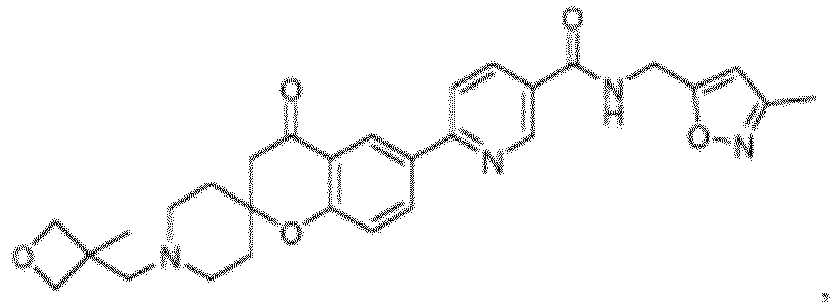


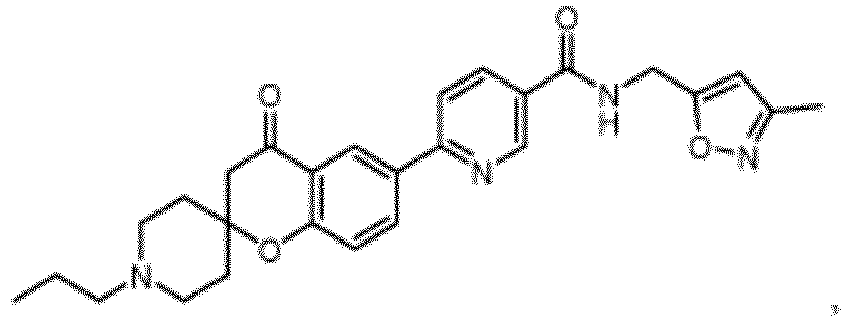


- Composition comprenant le composé selon l'une quelconque des revendications 1 à 10 pour une utilisation dans un procédé d'inhibition de cellules B activées et/ou proliférantes pour la modulation thérapeutique d'une maladie immunologique, éventuellement la maladie immunologique étant le lupus, l'arthrite rhumatoïde, la sclérodermie, le psoriasis, le syndrome de Sjogren, le diabète de type I ou la sclérose en plaques.
- Composition comprenant le composé selon l'une quelconque des revendications 1 à 10 pour une utilisation dans :(i) un procédé d'induction, de modulation ou de maintien de l'immunosuppression pour une transplantation ; ou(ii) un procédé de suppression ou de modulation d'une réponse immunitaire à un agent biologique thérapeutique, éventuellement l'agent biologique thérapeutique étant une protéine recombinante, un acide nucléique, un anticorps ou un peptide ; ou(iii) un procédé d'inhibition de la croissance de cellules tumorales, éventuellement les cellules tumorales étant déficientes en NAPRT ; ou(iv) un procédé de traitement d'une leucémie et d'un lymphome, éventuellement la leucémie étant une leucémie lymphocytaire aiguë ; ou(v) un procédé de traitement d'une infection virale, éventuellement l'infection virale étant choisie parmi la grippe, le VRS, le VHS, le VHC, le VHB, le VHP, le VIH, le CMV, l'EBOV, et l'EBV.
- Procédé non thérapeutique d'inhibition de la différenciation de cellules B en cellules plasmatiques, comprenant la mise en contact des cellules B avec le composé selon l'une quelconque des revendications 1 à 10 in vitro.
- Procédé de détermination de la présence du composé selon l'une quelconque des revendications 1 à 10 dans un échantillon, comprenant la mise en contact de l'échantillon avec un agent de liaison qui se lie au composé et la détection de la liaison de l'agent au composé.
- Composé de Formule (I) :
 Y1 étant -CR14- ou N,Y2 étant -CR15- ou N,Y3 étant -C(O)-,Y4 étant -CH2-, ou -N(R16)-,ou Y3 et Y4 étant ensemble -C(R17)=C(R18)-,X étant hétéroaryl-C1-6alkyle,Z étant C2-6 alkyle ou C1-6alcoxy-C1-6alkyle,R étant H ou C1-6 alkyle,R1 à R18 étant indépendamment -H ou C1-6 alkyle,Q étant CH ou N, etau moins un atome dans la Formule (I) étant remplacé par un isotope radioactif ;hétéroaryle étant un groupe C1-9 hétéroaryle à 5 à 10 chaînons qui est monocyclique ou bicyclique et qui possède 1 à 4 hétéroatomes indépendamment choisis parmi l'azote, le soufre et l'oxygène.
Applications Claiming Priority (2)
| Application Number | Priority Date | Filing Date | Title |
|---|---|---|---|
| US201462001905P | 2014-05-22 | 2014-05-22 | |
| PCT/US2015/032170 WO2015179759A1 (fr) | 2014-05-22 | 2015-05-22 | Inhibiteurs de la nampt et procédés associés |
Publications (2)
| Publication Number | Publication Date |
|---|---|
| EP3145933A1 EP3145933A1 (fr) | 2017-03-29 |
| EP3145933B1 true EP3145933B1 (fr) | 2021-03-17 |
Family
ID=53366297
Family Applications (1)
| Application Number | Title | Priority Date | Filing Date |
|---|---|---|---|
| EP15727798.9A Active EP3145933B1 (fr) | 2014-05-22 | 2015-05-22 | Inhibiteurs de la nampt et procédés associés |
Country Status (15)
| Country | Link |
|---|---|
| US (2) | US10017523B2 (fr) |
| EP (1) | EP3145933B1 (fr) |
| JP (1) | JP6580597B2 (fr) |
| KR (1) | KR20170005865A (fr) |
| CN (1) | CN106661044B (fr) |
| AR (1) | AR100588A1 (fr) |
| AU (1) | AU2015263980A1 (fr) |
| BR (1) | BR112016026905A8 (fr) |
| CA (1) | CA2948878A1 (fr) |
| IL (1) | IL249086A0 (fr) |
| MX (1) | MX2016015298A (fr) |
| RU (1) | RU2016150395A (fr) |
| SG (2) | SG10201810263QA (fr) |
| TW (1) | TW201625641A (fr) |
| WO (1) | WO2015179759A1 (fr) |
Families Citing this family (5)
| Publication number | Priority date | Publication date | Assignee | Title |
|---|---|---|---|---|
| CA3039589A1 (fr) | 2016-10-18 | 2018-04-26 | Seattle Genetics, Inc. | Administration ciblee d'inhibiteurs de la voie de recuperation de nicotinamide adenine dinucleotide |
| CA3060206A1 (fr) | 2017-04-27 | 2018-11-01 | Seattle Genetics, Inc. | Conjugues d'inhibiteur de la voie de recuperation du nicotinamide adenine dinucleotide quaternarise |
| US12522587B2 (en) | 2018-05-04 | 2026-01-13 | Remedy Plan, Inc. | Cancer treatments targeting cancer stem cells |
| EP4055008A1 (fr) * | 2019-11-06 | 2022-09-14 | Remedy Plan, Inc. | Traitements anticancéreux ciblant des cellules souches cancéreuses |
| US20230321086A1 (en) * | 2020-11-20 | 2023-10-12 | Universiy of Pittsburgh - of the Commonwealth System of Higher Education | Methods and materials for inhibiting nicotinamide phosphoribosyltransferase activity |
Family Cites Families (7)
| Publication number | Priority date | Publication date | Assignee | Title |
|---|---|---|---|---|
| KR100786927B1 (ko) | 2000-06-28 | 2007-12-17 | 스미스클라인비이참피이엘시이 | 습식 분쇄방법 |
| AR057570A1 (es) * | 2005-11-14 | 2007-12-05 | Solvay Pharm Gmbh | Derivados de n-sulfamoil-n'-benzopiranopiperidinas espirocondensadas, composiciones farmaceuticas que los comprenden, un procedimiento para su preparacion y su uso en la preparacion de medicamentos para el tratamiento de enfermedades mediadas por las isoenzimas anhidrasas carbonicas subtipos ii y/o |
| WO2007088462A1 (fr) * | 2006-02-01 | 2007-08-09 | Pfizer Products Inc. | Antagonistes du récepteur du h-3 à base de spirochromane |
| WO2012077655A1 (fr) * | 2010-12-07 | 2012-06-14 | 塩野義製薬株式会社 | Dérivé spiro présentant une activité agoniste de gpr119 |
| US20140051679A1 (en) * | 2011-10-12 | 2014-02-20 | Univeristy Health Networks | Kinase inhibitors and method of treating cancer with same |
| CA2855510A1 (fr) * | 2011-11-11 | 2013-05-16 | Abbvie Inc. | Inhibiteurs de la nampt |
| PE20150224A1 (es) * | 2012-05-11 | 2015-03-08 | Abbvie Inc | Inhibidores del nampt |
-
2015
- 2015-05-21 TW TW104116291A patent/TW201625641A/zh unknown
- 2015-05-22 AR ARP150101612A patent/AR100588A1/es unknown
- 2015-05-22 AU AU2015263980A patent/AU2015263980A1/en not_active Abandoned
- 2015-05-22 MX MX2016015298A patent/MX2016015298A/es unknown
- 2015-05-22 SG SG10201810263QA patent/SG10201810263QA/en unknown
- 2015-05-22 RU RU2016150395A patent/RU2016150395A/ru not_active Application Discontinuation
- 2015-05-22 SG SG11201609615UA patent/SG11201609615UA/en unknown
- 2015-05-22 WO PCT/US2015/032170 patent/WO2015179759A1/fr not_active Ceased
- 2015-05-22 JP JP2016568840A patent/JP6580597B2/ja active Active
- 2015-05-22 BR BR112016026905A patent/BR112016026905A8/pt not_active IP Right Cessation
- 2015-05-22 KR KR1020167035746A patent/KR20170005865A/ko not_active Withdrawn
- 2015-05-22 CA CA2948878A patent/CA2948878A1/fr not_active Abandoned
- 2015-05-22 EP EP15727798.9A patent/EP3145933B1/fr active Active
- 2015-05-22 CN CN201580039570.4A patent/CN106661044B/zh active Active
- 2015-05-22 US US15/312,482 patent/US10017523B2/en active Active
-
2016
- 2016-11-21 IL IL249086A patent/IL249086A0/en unknown
-
2018
- 2018-07-03 US US16/026,901 patent/US20180312525A1/en not_active Abandoned
Non-Patent Citations (1)
| Title |
|---|
| None * |
Also Published As
| Publication number | Publication date |
|---|---|
| CN106661044B (zh) | 2019-03-22 |
| US20170107231A1 (en) | 2017-04-20 |
| EP3145933A1 (fr) | 2017-03-29 |
| US10017523B2 (en) | 2018-07-10 |
| BR112016026905A2 (pt) | 2017-08-15 |
| JP6580597B2 (ja) | 2019-09-25 |
| CN106661044A (zh) | 2017-05-10 |
| JP2017516774A (ja) | 2017-06-22 |
| SG10201810263QA (en) | 2018-12-28 |
| TW201625641A (zh) | 2016-07-16 |
| MX2016015298A (es) | 2017-03-23 |
| IL249086A0 (en) | 2017-01-31 |
| RU2016150395A (ru) | 2018-06-25 |
| AR100588A1 (es) | 2016-10-19 |
| BR112016026905A8 (pt) | 2021-07-20 |
| AU2015263980A1 (en) | 2018-08-16 |
| US20180312525A1 (en) | 2018-11-01 |
| CA2948878A1 (fr) | 2015-11-26 |
| RU2016150395A3 (fr) | 2019-01-16 |
| WO2015179759A1 (fr) | 2015-11-26 |
| KR20170005865A (ko) | 2017-01-16 |
| SG11201609615UA (en) | 2016-12-29 |
Similar Documents
| Publication | Publication Date | Title |
|---|---|---|
| CN113527293B (zh) | Kras g12c突变蛋白抑制剂及其药物组合物、制备方法和用途 | |
| US10968221B2 (en) | Substituted [1,2,4]triazolo[1,5-a]pyrazines as LSD1 inhibitors | |
| EP3409673B1 (fr) | Dérivé azacyclique à cinq chaînons pyrrolopyrimidine et application correspondante | |
| US12486258B2 (en) | Compounds and methods for regulating insulin secretion | |
| US20180312525A1 (en) | NAMPT Inhibitors for Cancer Therapy | |
| US11866433B2 (en) | Diarylthiohydantoin compound as androgen receptor antagonist | |
| WO2023250316A1 (fr) | Composés pour le traitement de l'ataxie spinocérébelleuse de type 3 | |
| AU2018208231B2 (en) | Imidazopyrazine compound, preparation method therefor and use thereof | |
| RU2434851C1 (ru) | Циклические n, n'-диарилтиомочевины или n, n'-диарилмочевины - антагонисты андрогенных рецепторов, противораковое средство, способ получения и применения | |
| EP4161927B1 (fr) | Composés spiro en tant qu'antagonistes du récepteur de la mélanocortine 4 et leurs utilisations | |
| WO2015077193A1 (fr) | Inhibiteurs de lysine méthyle transférase | |
| EP3021847A1 (fr) | Dérivés de spiroquinoxaline en tant qu'inhibiteurs de la mort cellulaire régulée non apoptotique | |
| EP2448583B1 (fr) | 4-hydroxypyrimidine-5-carboxamides substitués | |
| US20250002472A1 (en) | Pyridyl-containing compound | |
| US10407406B2 (en) | 2-halo-5-alkynyl-pyridyl nicotinic ligands | |
| WO2025255442A1 (fr) | Composés ciblant trim21 et leurs utilisations | |
| WO2024227033A1 (fr) | Composés hétérocycliques en tant qu'inhibiteurs de parp1 | |
| CN120569387A (zh) | Par2的小分子调节剂及其用途 | |
| NZ717556A (en) | Spirocyclic compounds as tryptophan hydroxylase inhibitors | |
| NZ717556B2 (en) | Spirocyclic compounds as tryptophan hydroxylase inhibitors |
Legal Events
| Date | Code | Title | Description |
|---|---|---|---|
| STAA | Information on the status of an ep patent application or granted ep patent |
Free format text: STATUS: THE INTERNATIONAL PUBLICATION HAS BEEN MADE |
|
| PUAI | Public reference made under article 153(3) epc to a published international application that has entered the european phase |
Free format text: ORIGINAL CODE: 0009012 |
|
| STAA | Information on the status of an ep patent application or granted ep patent |
Free format text: STATUS: REQUEST FOR EXAMINATION WAS MADE |
|
| 17P | Request for examination filed |
Effective date: 20161220 |
|
| AK | Designated contracting states |
Kind code of ref document: A1 Designated state(s): AL AT BE BG CH CY CZ DE DK EE ES FI FR GB GR HR HU IE IS IT LI LT LU LV MC MK MT NL NO PL PT RO RS SE SI SK SM TR |
|
| AX | Request for extension of the european patent |
Extension state: BA ME |
|
| RIN1 | Information on inventor provided before grant (corrected) |
Inventor name: GREGORY, JILL Inventor name: ZHAO, ZHONG Inventor name: XIANG, YIBIN Inventor name: MASON, PAUL Inventor name: CARTER, KARA Inventor name: JOSEPH, ALEXANDRA Inventor name: PAPOULIS, ANDREW Inventor name: DANTHI, SANJAY Inventor name: YEE, CHRISTOPHER Inventor name: HUANG, YINYIN Inventor name: HU, YIDING Inventor name: MOHAMUD, MOHAMUD |
|
| DAV | Request for validation of the european patent (deleted) | ||
| REG | Reference to a national code |
Ref country code: HK Ref legal event code: DE Ref document number: 1235788 Country of ref document: HK |
|
| RAP1 | Party data changed (applicant data changed or rights of an application transferred) |
Owner name: GENZYME CORPORATION |
|
| STAA | Information on the status of an ep patent application or granted ep patent |
Free format text: STATUS: EXAMINATION IS IN PROGRESS |
|
| 17Q | First examination report despatched |
Effective date: 20190115 |
|
| GRAP | Despatch of communication of intention to grant a patent |
Free format text: ORIGINAL CODE: EPIDOSNIGR1 |
|
| STAA | Information on the status of an ep patent application or granted ep patent |
Free format text: STATUS: GRANT OF PATENT IS INTENDED |
|
| INTG | Intention to grant announced |
Effective date: 20201007 |
|
| GRAS | Grant fee paid |
Free format text: ORIGINAL CODE: EPIDOSNIGR3 |
|
| GRAA | (expected) grant |
Free format text: ORIGINAL CODE: 0009210 |
|
| STAA | Information on the status of an ep patent application or granted ep patent |
Free format text: STATUS: THE PATENT HAS BEEN GRANTED |
|
| AK | Designated contracting states |
Kind code of ref document: B1 Designated state(s): AL AT BE BG CH CY CZ DE DK EE ES FI FR GB GR HR HU IE IS IT LI LT LU LV MC MK MT NL NO PL PT RO RS SE SI SK SM TR |
|
| AX | Request for extension of the european patent |
Extension state: BA ME |
|
| REG | Reference to a national code |
Ref country code: GB Ref legal event code: FG4D |
|
| REG | Reference to a national code |
Ref country code: CH Ref legal event code: EP |
|
| REG | Reference to a national code |
Ref country code: DE Ref legal event code: R096 Ref document number: 602015066949 Country of ref document: DE |
|
| REG | Reference to a national code |
Ref country code: IE Ref legal event code: FG4D |
|
| REG | Reference to a national code |
Ref country code: AT Ref legal event code: REF Ref document number: 1372151 Country of ref document: AT Kind code of ref document: T Effective date: 20210415 |
|
| REG | Reference to a national code |
Ref country code: LT Ref legal event code: MG9D |
|
| PG25 | Lapsed in a contracting state [announced via postgrant information from national office to epo] |
Ref country code: NO Free format text: LAPSE BECAUSE OF FAILURE TO SUBMIT A TRANSLATION OF THE DESCRIPTION OR TO PAY THE FEE WITHIN THE PRESCRIBED TIME-LIMIT Effective date: 20210617 Ref country code: BG Free format text: LAPSE BECAUSE OF FAILURE TO SUBMIT A TRANSLATION OF THE DESCRIPTION OR TO PAY THE FEE WITHIN THE PRESCRIBED TIME-LIMIT Effective date: 20210617 Ref country code: HR Free format text: LAPSE BECAUSE OF FAILURE TO SUBMIT A TRANSLATION OF THE DESCRIPTION OR TO PAY THE FEE WITHIN THE PRESCRIBED TIME-LIMIT Effective date: 20210317 Ref country code: FI Free format text: LAPSE BECAUSE OF FAILURE TO SUBMIT A TRANSLATION OF THE DESCRIPTION OR TO PAY THE FEE WITHIN THE PRESCRIBED TIME-LIMIT Effective date: 20210317 Ref country code: GR Free format text: LAPSE BECAUSE OF FAILURE TO SUBMIT A TRANSLATION OF THE DESCRIPTION OR TO PAY THE FEE WITHIN THE PRESCRIBED TIME-LIMIT Effective date: 20210618 |
|
| REG | Reference to a national code |
Ref country code: AT Ref legal event code: MK05 Ref document number: 1372151 Country of ref document: AT Kind code of ref document: T Effective date: 20210317 |
|
| REG | Reference to a national code |
Ref country code: NL Ref legal event code: MP Effective date: 20210317 |
|
| PG25 | Lapsed in a contracting state [announced via postgrant information from national office to epo] |
Ref country code: SE Free format text: LAPSE BECAUSE OF FAILURE TO SUBMIT A TRANSLATION OF THE DESCRIPTION OR TO PAY THE FEE WITHIN THE PRESCRIBED TIME-LIMIT Effective date: 20210317 Ref country code: LV Free format text: LAPSE BECAUSE OF FAILURE TO SUBMIT A TRANSLATION OF THE DESCRIPTION OR TO PAY THE FEE WITHIN THE PRESCRIBED TIME-LIMIT Effective date: 20210317 Ref country code: RS Free format text: LAPSE BECAUSE OF FAILURE TO SUBMIT A TRANSLATION OF THE DESCRIPTION OR TO PAY THE FEE WITHIN THE PRESCRIBED TIME-LIMIT Effective date: 20210317 |
|
| PG25 | Lapsed in a contracting state [announced via postgrant information from national office to epo] |
Ref country code: NL Free format text: LAPSE BECAUSE OF FAILURE TO SUBMIT A TRANSLATION OF THE DESCRIPTION OR TO PAY THE FEE WITHIN THE PRESCRIBED TIME-LIMIT Effective date: 20210317 |
|
| PG25 | Lapsed in a contracting state [announced via postgrant information from national office to epo] |
Ref country code: AT Free format text: LAPSE BECAUSE OF FAILURE TO SUBMIT A TRANSLATION OF THE DESCRIPTION OR TO PAY THE FEE WITHIN THE PRESCRIBED TIME-LIMIT Effective date: 20210317 Ref country code: SM Free format text: LAPSE BECAUSE OF FAILURE TO SUBMIT A TRANSLATION OF THE DESCRIPTION OR TO PAY THE FEE WITHIN THE PRESCRIBED TIME-LIMIT Effective date: 20210317 Ref country code: LT Free format text: LAPSE BECAUSE OF FAILURE TO SUBMIT A TRANSLATION OF THE DESCRIPTION OR TO PAY THE FEE WITHIN THE PRESCRIBED TIME-LIMIT Effective date: 20210317 Ref country code: EE Free format text: LAPSE BECAUSE OF FAILURE TO SUBMIT A TRANSLATION OF THE DESCRIPTION OR TO PAY THE FEE WITHIN THE PRESCRIBED TIME-LIMIT Effective date: 20210317 Ref country code: CZ Free format text: LAPSE BECAUSE OF FAILURE TO SUBMIT A TRANSLATION OF THE DESCRIPTION OR TO PAY THE FEE WITHIN THE PRESCRIBED TIME-LIMIT Effective date: 20210317 |
|
| PG25 | Lapsed in a contracting state [announced via postgrant information from national office to epo] |
Ref country code: IS Free format text: LAPSE BECAUSE OF FAILURE TO SUBMIT A TRANSLATION OF THE DESCRIPTION OR TO PAY THE FEE WITHIN THE PRESCRIBED TIME-LIMIT Effective date: 20210717 Ref country code: PL Free format text: LAPSE BECAUSE OF FAILURE TO SUBMIT A TRANSLATION OF THE DESCRIPTION OR TO PAY THE FEE WITHIN THE PRESCRIBED TIME-LIMIT Effective date: 20210317 Ref country code: PT Free format text: LAPSE BECAUSE OF FAILURE TO SUBMIT A TRANSLATION OF THE DESCRIPTION OR TO PAY THE FEE WITHIN THE PRESCRIBED TIME-LIMIT Effective date: 20210719 Ref country code: ES Free format text: LAPSE BECAUSE OF FAILURE TO SUBMIT A TRANSLATION OF THE DESCRIPTION OR TO PAY THE FEE WITHIN THE PRESCRIBED TIME-LIMIT Effective date: 20210317 Ref country code: SK Free format text: LAPSE BECAUSE OF FAILURE TO SUBMIT A TRANSLATION OF THE DESCRIPTION OR TO PAY THE FEE WITHIN THE PRESCRIBED TIME-LIMIT Effective date: 20210317 Ref country code: RO Free format text: LAPSE BECAUSE OF FAILURE TO SUBMIT A TRANSLATION OF THE DESCRIPTION OR TO PAY THE FEE WITHIN THE PRESCRIBED TIME-LIMIT Effective date: 20210317 |
|
| REG | Reference to a national code |
Ref country code: DE Ref legal event code: R097 Ref document number: 602015066949 Country of ref document: DE |
|
| REG | Reference to a national code |
Ref country code: CH Ref legal event code: PL |
|
| PLBE | No opposition filed within time limit |
Free format text: ORIGINAL CODE: 0009261 |
|
| STAA | Information on the status of an ep patent application or granted ep patent |
Free format text: STATUS: NO OPPOSITION FILED WITHIN TIME LIMIT |
|
| PG25 | Lapsed in a contracting state [announced via postgrant information from national office to epo] |
Ref country code: DK Free format text: LAPSE BECAUSE OF FAILURE TO SUBMIT A TRANSLATION OF THE DESCRIPTION OR TO PAY THE FEE WITHIN THE PRESCRIBED TIME-LIMIT Effective date: 20210317 Ref country code: LU Free format text: LAPSE BECAUSE OF NON-PAYMENT OF DUE FEES Effective date: 20210522 Ref country code: MC Free format text: LAPSE BECAUSE OF FAILURE TO SUBMIT A TRANSLATION OF THE DESCRIPTION OR TO PAY THE FEE WITHIN THE PRESCRIBED TIME-LIMIT Effective date: 20210317 Ref country code: LI Free format text: LAPSE BECAUSE OF NON-PAYMENT OF DUE FEES Effective date: 20210531 Ref country code: AL Free format text: LAPSE BECAUSE OF FAILURE TO SUBMIT A TRANSLATION OF THE DESCRIPTION OR TO PAY THE FEE WITHIN THE PRESCRIBED TIME-LIMIT Effective date: 20210317 Ref country code: CH Free format text: LAPSE BECAUSE OF NON-PAYMENT OF DUE FEES Effective date: 20210531 |
|
| REG | Reference to a national code |
Ref country code: BE Ref legal event code: MM Effective date: 20210531 |
|
| 26N | No opposition filed |
Effective date: 20211220 |
|
| PG25 | Lapsed in a contracting state [announced via postgrant information from national office to epo] |
Ref country code: SI Free format text: LAPSE BECAUSE OF FAILURE TO SUBMIT A TRANSLATION OF THE DESCRIPTION OR TO PAY THE FEE WITHIN THE PRESCRIBED TIME-LIMIT Effective date: 20210317 |
|
| PG25 | Lapsed in a contracting state [announced via postgrant information from national office to epo] |
Ref country code: IT Free format text: LAPSE BECAUSE OF FAILURE TO SUBMIT A TRANSLATION OF THE DESCRIPTION OR TO PAY THE FEE WITHIN THE PRESCRIBED TIME-LIMIT Effective date: 20210317 Ref country code: IE Free format text: LAPSE BECAUSE OF NON-PAYMENT OF DUE FEES Effective date: 20210522 |
|
| PG25 | Lapsed in a contracting state [announced via postgrant information from national office to epo] |
Ref country code: IS Free format text: LAPSE BECAUSE OF FAILURE TO SUBMIT A TRANSLATION OF THE DESCRIPTION OR TO PAY THE FEE WITHIN THE PRESCRIBED TIME-LIMIT Effective date: 20210717 |
|
| PG25 | Lapsed in a contracting state [announced via postgrant information from national office to epo] |
Ref country code: BE Free format text: LAPSE BECAUSE OF NON-PAYMENT OF DUE FEES Effective date: 20210531 |
|
| REG | Reference to a national code |
Ref country code: FR Ref legal event code: PLFP Year of fee payment: 9 |
|
| PG25 | Lapsed in a contracting state [announced via postgrant information from national office to epo] |
Ref country code: HU Free format text: LAPSE BECAUSE OF FAILURE TO SUBMIT A TRANSLATION OF THE DESCRIPTION OR TO PAY THE FEE WITHIN THE PRESCRIBED TIME-LIMIT; INVALID AB INITIO Effective date: 20150522 |
|
| PG25 | Lapsed in a contracting state [announced via postgrant information from national office to epo] |
Ref country code: CY Free format text: LAPSE BECAUSE OF FAILURE TO SUBMIT A TRANSLATION OF THE DESCRIPTION OR TO PAY THE FEE WITHIN THE PRESCRIBED TIME-LIMIT Effective date: 20210317 |
|
| REG | Reference to a national code |
Ref country code: HK Ref legal event code: WD Ref document number: 1235788 Country of ref document: HK |
|
| PG25 | Lapsed in a contracting state [announced via postgrant information from national office to epo] |
Ref country code: MK Free format text: LAPSE BECAUSE OF FAILURE TO SUBMIT A TRANSLATION OF THE DESCRIPTION OR TO PAY THE FEE WITHIN THE PRESCRIBED TIME-LIMIT Effective date: 20210317 |
|
| PG25 | Lapsed in a contracting state [announced via postgrant information from national office to epo] |
Ref country code: TR Free format text: LAPSE BECAUSE OF FAILURE TO SUBMIT A TRANSLATION OF THE DESCRIPTION OR TO PAY THE FEE WITHIN THE PRESCRIBED TIME-LIMIT Effective date: 20210317 |
|
| PG25 | Lapsed in a contracting state [announced via postgrant information from national office to epo] |
Ref country code: MT Free format text: LAPSE BECAUSE OF FAILURE TO SUBMIT A TRANSLATION OF THE DESCRIPTION OR TO PAY THE FEE WITHIN THE PRESCRIBED TIME-LIMIT Effective date: 20210317 |
|
| PGFP | Annual fee paid to national office [announced via postgrant information from national office to epo] |
Ref country code: DE Payment date: 20250325 Year of fee payment: 11 |
|
| PGFP | Annual fee paid to national office [announced via postgrant information from national office to epo] |
Ref country code: FR Payment date: 20250401 Year of fee payment: 11 |
|
| PGFP | Annual fee paid to national office [announced via postgrant information from national office to epo] |
Ref country code: GB Payment date: 20260313 Year of fee payment: 12 |