EP3145947B1 - Micro-organismes recombinés pouvant fixer le carbone - Google Patents
Micro-organismes recombinés pouvant fixer le carbone Download PDFInfo
- Publication number
- EP3145947B1 EP3145947B1 EP15753495.9A EP15753495A EP3145947B1 EP 3145947 B1 EP3145947 B1 EP 3145947B1 EP 15753495 A EP15753495 A EP 15753495A EP 3145947 B1 EP3145947 B1 EP 3145947B1
- Authority
- EP
- European Patent Office
- Prior art keywords
- carbon
- coli
- deletion
- biomass
- pyruvate
- Prior art date
- Legal status (The legal status is an assumption and is not a legal conclusion. Google has not performed a legal analysis and makes no representation as to the accuracy of the status listed.)
- Active
Links
Images







Classifications
-
- C—CHEMISTRY; METALLURGY
- C12—BIOCHEMISTRY; BEER; SPIRITS; WINE; VINEGAR; MICROBIOLOGY; ENZYMOLOGY; MUTATION OR GENETIC ENGINEERING
- C12N—MICROORGANISMS OR ENZYMES; COMPOSITIONS THEREOF; PROPAGATING, PRESERVING, OR MAINTAINING MICROORGANISMS; MUTATION OR GENETIC ENGINEERING; CULTURE MEDIA
- C12N15/00—Mutation or genetic engineering; DNA or RNA concerning genetic engineering, vectors, e.g. plasmids, or their isolation, preparation or purification; Use of hosts therefor
- C12N15/09—Recombinant DNA-technology
- C12N15/63—Introduction of foreign genetic material using vectors; Vectors; Use of hosts therefor; Regulation of expression
- C12N15/70—Vectors or expression systems specially adapted for E. coli
-
- C—CHEMISTRY; METALLURGY
- C07—ORGANIC CHEMISTRY
- C07K—PEPTIDES
- C07K14/00—Peptides having more than 20 amino acids; Gastrins; Somatostatins; Melanotropins; Derivatives thereof
- C07K14/195—Peptides having more than 20 amino acids; Gastrins; Somatostatins; Melanotropins; Derivatives thereof from bacteria
-
- C—CHEMISTRY; METALLURGY
- C07—ORGANIC CHEMISTRY
- C07K—PEPTIDES
- C07K14/00—Peptides having more than 20 amino acids; Gastrins; Somatostatins; Melanotropins; Derivatives thereof
- C07K14/195—Peptides having more than 20 amino acids; Gastrins; Somatostatins; Melanotropins; Derivatives thereof from bacteria
- C07K14/24—Peptides having more than 20 amino acids; Gastrins; Somatostatins; Melanotropins; Derivatives thereof from bacteria from Enterobacteriaceae (F), e.g. Citrobacter, Serratia, Proteus, Providencia, Morganella, Yersinia
- C07K14/245—Escherichia (G)
-
- C—CHEMISTRY; METALLURGY
- C12—BIOCHEMISTRY; BEER; SPIRITS; WINE; VINEGAR; MICROBIOLOGY; ENZYMOLOGY; MUTATION OR GENETIC ENGINEERING
- C12N—MICROORGANISMS OR ENZYMES; COMPOSITIONS THEREOF; PROPAGATING, PRESERVING, OR MAINTAINING MICROORGANISMS; MUTATION OR GENETIC ENGINEERING; CULTURE MEDIA
- C12N1/00—Microorganisms; Compositions thereof; Processes of propagating, maintaining or preserving microorganisms or compositions thereof; Processes of preparing or isolating a composition containing a microorganism; Culture media therefor
- C12N1/20—Bacteria; Culture media therefor
-
- C—CHEMISTRY; METALLURGY
- C12—BIOCHEMISTRY; BEER; SPIRITS; WINE; VINEGAR; MICROBIOLOGY; ENZYMOLOGY; MUTATION OR GENETIC ENGINEERING
- C12N—MICROORGANISMS OR ENZYMES; COMPOSITIONS THEREOF; PROPAGATING, PRESERVING, OR MAINTAINING MICROORGANISMS; MUTATION OR GENETIC ENGINEERING; CULTURE MEDIA
- C12N9/00—Enzymes; Proenzymes; Compositions thereof; Processes for preparing, activating, inhibiting, separating or purifying enzymes
- C12N9/0004—Oxidoreductases (1.)
- C12N9/0006—Oxidoreductases (1.) acting on CH-OH groups as donors (1.1)
-
- C—CHEMISTRY; METALLURGY
- C12—BIOCHEMISTRY; BEER; SPIRITS; WINE; VINEGAR; MICROBIOLOGY; ENZYMOLOGY; MUTATION OR GENETIC ENGINEERING
- C12N—MICROORGANISMS OR ENZYMES; COMPOSITIONS THEREOF; PROPAGATING, PRESERVING, OR MAINTAINING MICROORGANISMS; MUTATION OR GENETIC ENGINEERING; CULTURE MEDIA
- C12N9/00—Enzymes; Proenzymes; Compositions thereof; Processes for preparing, activating, inhibiting, separating or purifying enzymes
- C12N9/10—Transferases (2.)
- C12N9/1025—Acyltransferases (2.3)
-
- C—CHEMISTRY; METALLURGY
- C12—BIOCHEMISTRY; BEER; SPIRITS; WINE; VINEGAR; MICROBIOLOGY; ENZYMOLOGY; MUTATION OR GENETIC ENGINEERING
- C12N—MICROORGANISMS OR ENZYMES; COMPOSITIONS THEREOF; PROPAGATING, PRESERVING, OR MAINTAINING MICROORGANISMS; MUTATION OR GENETIC ENGINEERING; CULTURE MEDIA
- C12N9/00—Enzymes; Proenzymes; Compositions thereof; Processes for preparing, activating, inhibiting, separating or purifying enzymes
- C12N9/10—Transferases (2.)
- C12N9/12—Transferases (2.) transferring phosphorus containing groups, e.g. kinases (2.7)
- C12N9/1205—Phosphotransferases with an alcohol group as acceptor (2.7.1), e.g. protein kinases
-
- C—CHEMISTRY; METALLURGY
- C12—BIOCHEMISTRY; BEER; SPIRITS; WINE; VINEGAR; MICROBIOLOGY; ENZYMOLOGY; MUTATION OR GENETIC ENGINEERING
- C12N—MICROORGANISMS OR ENZYMES; COMPOSITIONS THEREOF; PROPAGATING, PRESERVING, OR MAINTAINING MICROORGANISMS; MUTATION OR GENETIC ENGINEERING; CULTURE MEDIA
- C12N9/00—Enzymes; Proenzymes; Compositions thereof; Processes for preparing, activating, inhibiting, separating or purifying enzymes
- C12N9/88—Lyases (4.)
-
- C—CHEMISTRY; METALLURGY
- C12—BIOCHEMISTRY; BEER; SPIRITS; WINE; VINEGAR; MICROBIOLOGY; ENZYMOLOGY; MUTATION OR GENETIC ENGINEERING
- C12N—MICROORGANISMS OR ENZYMES; COMPOSITIONS THEREOF; PROPAGATING, PRESERVING, OR MAINTAINING MICROORGANISMS; MUTATION OR GENETIC ENGINEERING; CULTURE MEDIA
- C12N9/00—Enzymes; Proenzymes; Compositions thereof; Processes for preparing, activating, inhibiting, separating or purifying enzymes
- C12N9/90—Isomerases (5.)
-
- C—CHEMISTRY; METALLURGY
- C12—BIOCHEMISTRY; BEER; SPIRITS; WINE; VINEGAR; MICROBIOLOGY; ENZYMOLOGY; MUTATION OR GENETIC ENGINEERING
- C12Y—ENZYMES
- C12Y101/00—Oxidoreductases acting on the CH-OH group of donors (1.1)
- C12Y101/01—Oxidoreductases acting on the CH-OH group of donors (1.1) with NAD+ or NADP+ as acceptor (1.1.1)
- C12Y101/01049—Glucose-6-phosphate dehydrogenase (1.1.1.49)
-
- C—CHEMISTRY; METALLURGY
- C12—BIOCHEMISTRY; BEER; SPIRITS; WINE; VINEGAR; MICROBIOLOGY; ENZYMOLOGY; MUTATION OR GENETIC ENGINEERING
- C12Y—ENZYMES
- C12Y203/00—Acyltransferases (2.3)
- C12Y203/03—Acyl groups converted into alkyl on transfer (2.3.3)
- C12Y203/03009—Malate synthase (2.3.3.9)
-
- C—CHEMISTRY; METALLURGY
- C12—BIOCHEMISTRY; BEER; SPIRITS; WINE; VINEGAR; MICROBIOLOGY; ENZYMOLOGY; MUTATION OR GENETIC ENGINEERING
- C12Y—ENZYMES
- C12Y207/00—Transferases transferring phosphorus-containing groups (2.7)
- C12Y207/01—Phosphotransferases with an alcohol group as acceptor (2.7.1)
- C12Y207/01011—6-Phosphofructokinase (2.7.1.11)
-
- C—CHEMISTRY; METALLURGY
- C12—BIOCHEMISTRY; BEER; SPIRITS; WINE; VINEGAR; MICROBIOLOGY; ENZYMOLOGY; MUTATION OR GENETIC ENGINEERING
- C12Y—ENZYMES
- C12Y207/00—Transferases transferring phosphorus-containing groups (2.7)
- C12Y207/01—Phosphotransferases with an alcohol group as acceptor (2.7.1)
- C12Y207/01019—Phosphoribulokinase (2.7.1.19)
-
- C—CHEMISTRY; METALLURGY
- C12—BIOCHEMISTRY; BEER; SPIRITS; WINE; VINEGAR; MICROBIOLOGY; ENZYMOLOGY; MUTATION OR GENETIC ENGINEERING
- C12Y—ENZYMES
- C12Y401/00—Carbon-carbon lyases (4.1)
- C12Y401/01—Carboxy-lyases (4.1.1)
- C12Y401/01039—Ribulose-bisphosphate carboxylase (4.1.1.39)
-
- C—CHEMISTRY; METALLURGY
- C12—BIOCHEMISTRY; BEER; SPIRITS; WINE; VINEGAR; MICROBIOLOGY; ENZYMOLOGY; MUTATION OR GENETIC ENGINEERING
- C12Y—ENZYMES
- C12Y402/00—Carbon-oxygen lyases (4.2)
- C12Y402/01—Hydro-lyases (4.2.1)
- C12Y402/01011—Phosphopyruvate hydratase (4.2.1.11), i.e. enolase
-
- C—CHEMISTRY; METALLURGY
- C12—BIOCHEMISTRY; BEER; SPIRITS; WINE; VINEGAR; MICROBIOLOGY; ENZYMOLOGY; MUTATION OR GENETIC ENGINEERING
- C12Y—ENZYMES
- C12Y504/00—Intramolecular transferases (5.4)
- C12Y504/02—Phosphotransferases (phosphomutases) (5.4.2)
Definitions
- the present disclosure in some aspects thereof, relates to recombinant non-autotrophic microorganisms that are capable of carbon fixation.
- Carbon fixation plays an essential role in ecosystems by providing a continuous flux of organic carbon into the biosphere. From a human perspective, the process of CO 2 assimilation dominates civilization's usage of land and water. Importantly, under human cultivation, where water, light and nutrients are abundant, carbon fixation often limits plant growth. Therefore, increasing the rate of carbon fixation is of major importance in the path towards agricultural and energetic sustainability.
- WO 2011/099006 teaches plants and bacterial cells which are genetically modified so as to express enzymes of alternative (RuBisCO-independent) pathways in order to promote carbon fixation.
- Autotrophic E. Coli cells which express phosphoribulokinase and Ribulose-Bisphosphate Carboxylase are also disclosed.
- WO 2009036095 identifies pathways and mechanisms to confer photoautotrophic properties to a heterotrophic organism.
- the resultant engineered cell or organism will uniquely enable efficient conversion of carbon dioxide and light into biomass and carbon-based products of interest.
- the present disclosure in some aspects thereof, relates to recombinant non-autotrophic microorganisms that are capable of carbon fixation.
- Carbon fixation is the process by which carbon dioxide is incorporated into organic compounds.
- plants absorb carbon dioxide using over 70 % of the fresh water utilized by humanity and the majority of cultivatable land resources on earth. These figures point to the central place that carbon fixation by plants plays in our global ecological footprint.
- Carbon fixation in plants and algae is achieved by the Calvin-Benson Cycle (CBBC).
- CBBC Calvin-Benson Cycle
- the productivity of the Calvin-Benson cycle is limited, under many conditions, by the slow rate and lack of substrate specificity of the carboxylating enzyme Rubisco.
- the present inventors sought to develop alternative pathways that can support carbon fixation in organisms whose genome can be easily manipulated such as E. Coli, with the aim to using such bacteria as a platform to experimentally investigate different aspects of the carbon fixation pathways.
- the microorganism can be used as a screen for identifying engineered enzymes for enhanced carbon fixation properties. Once identified, such enzymes may be expressed in naturally occurring carbon fixating organisms (such as plants) so as to improve carbon fixation.
- the present inventors expressed the two enzymes of the Calvin-Benson cycle which are absent in wild-type E. Coli : phosphoribulokinase (PRK) and ribulose-1,5-bisphosphate carboxylase/oxygenase (RuBisCO).
- PRK phosphoribulokinase
- RuBisCO ribulose-1,5-bisphosphate carboxylase/oxygenase
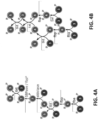
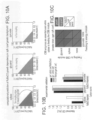
- the present inventors were able to detect PRK- and RuBisCO-dependent assimilation of inorganic 13 CO 2 (see Figures 3A-C.)
- this activity was found to be unstable; after less than 50 generations of continuous cultivation at heterotrophic conditions, cells lost all newly gained carbon fixation activity (Figure 3D). This could be attributed to the protein load imposed by the overexpression of the foreign genes, whose activities do not contribute bacterial fitness when the endogenous metabolic network remains intact.
- the present inventors therefore systematically explored all gene deletions that result in the activities of PRK and RuBisCO being essential even for a heterotrophically grown bacterium using a constraint-based modeling framework ( Figure 4 ). From the in silico results, the present inventors established that by combining several gene transfer events, and gene deletions, it is theoretically possible to produce an E. Coli strain which obtains its energy from metabolizing an organic compound, while building a portion of its cellular building blocks from carbon fixation.
- the present inventors implemented this strategy and engineered a number of different E. Coli strains which expressed two disconnected sub-networks of central metabolism - (1) the CBBC-module, containing the upper glycolysis, the pentose phosphate pathway and the two foreign enzymes; (2) the energy-module, containing the lower glycolysis and the TCA cycle.
- these strains failed to grow semiautotrophically at elevated CO 2 , when supplied only with a substrate of the energy-module.
- the present inventor showed that the ⁇ pfkA ⁇ pfkB ⁇ gpmA ⁇ gpmM ⁇ zwf:PRK-RuBisCO strain was able to grow only in the presence of two carbon sources; one which enters the CBBC-module and the second which enters the energy-module, e.g ., xylose and pyruvate, respectively.
- an autocatalytic cycle a cycle whose product is an intermediate of the cycle
- the present inventors harnessed the natural selection of the E. Coli to optimize and balance pathway activity towards establishing semiautotrophic growth. They cultivated the cells in an environment in which the substrate of the energy-module, as well as CO 2 , are in excess, while the substrate of the CBBC-module is limiting. This, they showed, imposed a strong selective pressure on the cells to become dependent on the carbon fixation activity of the CBBC: Semiautotrophs which no longer required the organic substrate of the CBBC-module took over the population.
- a microorganism which is genetically modified so that it produces a first essential biomass precursor by metabolizing CO 2 using a recombinant carbon fixation enzyme, wherein the microorganism produces a second biomass precursor by metabolizing an organic carbon source and not by metabolizing CO 2 , wherein the microorganism does not use the organic carbon source for producing the first essential biomass precursor.
- the microorganism of this aspect of the present disclosure generates ATP and a reducing power (e.g. NADH) via metabolism of the organic carbon source.
- a reducing power e.g. NADH
- microorganism refers to any organism of microscopic size which, in its native state, is not capable of biosynthesizing metabolites by utilizing CO 2 solely as a carbon source.
- the scope of the present disclosure does not include cyanobacteria or Rhodospirillum Rubrum, which are capable of carbon fixation in their native state.
- microorganisms include both prokaryotic and eukaryotic microorganisms, such as bacteria, archae, protozoan, fungi, molds, yeasts, algae etc.
- the microorganism may be aerobic or anaerobic.
- the organisms can be fermentative organisms.
- Exemplary microorganisms include, for example, Clostridium (e.g., C. acetobutylicum, C. Beijerinckii, C. saccharoperbutylacetonicum, C. saccharobutylicum, C. aurantibutyricum, C. tetanomorphum), Zymomonas, Escherichia (e.g., E.
- Coli Salmonella, Rhodococcus, Pseudomonas, Bacillus, Lactobacillus, Enterococcus, Alcaligenes, Klebsiella, Paenibacillus, Arthrobacter, Corynebacterium, Brevibacterium, Pichia, Candida, Hansenula, Zymomonas and Saccharomyces, e.g., Saccharomyces cerevisiae, Saccharomyces carlsbergensis, Kluyveromyces lactis, Saccharomyces lactis.
- the bacteria may be those which are useful in the food industry.
- lactic Acid Bacteria (LAB) play an essential role in the preservation, taste and texture of cheese, yogurt, sausage, sauerkraut and a large variety of traditional indigenous fermented foods.
- Bacteria may be gram positive or gram negative.
- bacteria which are contemplated by the present disclosure include, but are not limited to Agrobacterium, Alicyclobacillus, Anabaena, Anacystis, Arthrobacter, Azobacter, Bacillus, Brevibacterium, Chromatium, Clostridium, Corynebacterium, Enterobacter, Erwinia, Escherichia, Lactobacillus, Lactococcus, Mesorhizobium, Methylobacterium, Microbacterium, Phormidium, Pseudomonas, Rhodobacter, Rhodopseudomonas, Rhodospirillum, Rhodococcus, Salmonella, Scenedesmun, Serratia, Shigella, Staphlococcus, Strepromyces, Synnecoccus, and Zymomonas.
- fungi contemplated by the present disclosure include, but are not limited to Aspergillus, Candida, Chlamydomonas, Chrysosporium, Cryotococcus, Fusarium, Kluyveromyces, Neotyphodium, Neurospora, Penicillium (e.g. P. chrysogenum ), Pichia, Saccharomyces, Trichoderma and Xanthophyllomyces.
- carbon fixation refers to a process through which inorganic carbon (e.g. gaseous carbon dioxide or bicarbonate) is assimilated into an organic backbone. Carbon fixation results in the transfer from an inorganic carbon pool to an organic cellular carbon pool.
- inorganic carbon e.g. gaseous carbon dioxide or bicarbonate
- enzyme refers to a “catalytically functional biomolecule,” which includes both whole native (or native-size) molecules, naturally occurring enzymes and derivatives (e.g. genetic modifications) thereof.
- carbon fixation enzyme refers to an enzyme which is part of a carbon fixation pathway or cycle.
- carbon fixation pathway refers to a set of molecules (e.g. enzymes, electron donors, co-factors etc.) that together enable carbon fixation.
- the pathway may be linear or cyclical.
- An exemplary carbon fixation pathway is the Calvin-Benson-Bassham (CBB) Cycle.
- This cycle can be divided into three phases:
- the microorganism is genetically modified to express at least one enzyme of a carbon fixation pathway (e.g. Calvin-Benson-Bassham (CBB) Cycle) such that the carbon fixation pathway is active in the microorganism (i.e. utilizes carbon dioxide through the non-native carbon fixation pathway) for the production of an essential biomass precursor.
- a carbon fixation pathway e.g. Calvin-Benson-Bassham (CBB) Cycle
- CBB Calvin-Benson-Bassham
- the recombinant enzymes of this aspect of the present disclosure are expressed such that they are positioned relative to one another such that they are able to function to cause carbon fixation.
- the enzymes which take part in the carbon fixation pathways are present in the same component of the cell such that they are able to cooperate with one another in order to fulfill their role in the carbon fixation pathway.
- carbon fixation enzymes to be expressed in a particular microorganism will vary according to the enzymes which are natively expressed in that microorganism.
- E. Coli phosphoribulokinase (PRK; EC 2.7.1.19) and ribulose-1,5-bisphosphate carboxylase/oxygenase (RuBisCO).
- PRK phosphoribulokinase
- RuBisCO ribulose-1,5-bisphosphate carboxylase/oxygenase
- the remaining reactions are catalyzed by the native gluconeogenic and pentose phosphate pathway's enzymes.
- E. Coli does not contain sedoheptulose-bisphosphate aldolase and sedoheptulose-bisphosphatase, these can be bypassed by the native transketolase enzyme.
- the present disclosure contemplates expressing both PRK and RuBisCO.
- the enzymes may be of any origin.
- an enzyme of the present disclosure also refers to homologs and other modifications including additions or deletions of specific amino acids to the sequence (e.g., polypeptides which are at least 50 %, at least 55 %, at least 60 %, at least 65 %, at least 70 %, at least 75 %, at least 80 %, at least 85 %, at least 87 %, at least 89 %, at least 91 %, at least 93 %, at least 95 % or more say 100 % homologous to the native amino acid sequence of the enzyme, as determined using BlastP software of the National Center of Biotechnology Information (NCBI) using default parameters).
- the homolog may also refer to an ortholog, a deletion, insertion, or substitution variant, including an amino acid substitution, thereof and biologically active polypeptide fragments thereof.
- RuBisCo may for example be a Rhodospirillum rubrum RuBisCo being encoded by a sequence as set forth in SEQ ID NO: 1 or having an amino acid sequence as set forth in SEQ ID NO: 4.
- the amino acid sequence may be at least 90 % identical, at least 91 % identical, at least 92 % identical, at least 93 % identical, at least 94 % identical, at least 95 % identical, at least 96 % identical, at least 97 % identical, at least 98 % identical, at least 99 % identical to SEQ ID NO: 4.
- the PRK enzyme may be Synechococcus PRK being encoded by a sequence as set forth in SEQ ID NO: 2 or having an amino acid sequence as set forth in SEQ ID NO: 5.
- the amino acid sequence may be at least 90 % identical, at least 91 % identical, at least 92 % identical, at least 93 % identical, at least 94 % identical, at least 95 % identical, at least 96 % identical, at least 97 % identical, at least 98 % identical, at least 99 % identical to SEQ ID NO: 5.
- the RuBisCo and PRK may be expressed using an operon of the proteobacteria Ralstonia eutropha, which contains all the Calvin-Benson Cycle genes in tandem.
- the RuBisCo is a plant-derived RuBisCo.
- the present inventors further contemplate expressing a recombinant carbonate dehydratase in the microorganisms of the present disclosure.
- the microorganism becomes capable of utilizing inorganic carbon which is present in the bicarbonate form in order to generate the first biomass precursor.
- the carbonate dehydratase may be a Rhodospirillum rubrum carbonate dehydratase being encoded by a sequence as set forth in SEQ ID NO: 3 or having an amino acid sequence as set forth in SEQ ID NO: 6.
- the amino acid sequence may be at least 90 % identical, at least 91 % identical, at least 92 % identical, at least 93 % identical, at least 94 % identical, at least 95 % identical, at least 96 % identical, at least 97 % identical, at least 98 % identical, at least 99 % identical to SEQ ID NO: 6.
- a polynucleotide encoding the enzymes is ligated into a nucleic acid expression vector, which comprises the polynucleotide sequence under the transcriptional control of a cis-regulatory sequence (e.g., promoter sequence) suitable for directing constitutive, tissue specific or inducible transcription of the polypeptides of the present disclosure in the host cells.
- a cis-regulatory sequence e.g., promoter sequence
- the polynucleotide may further comprise ribosome binding sites to differentially control the expression level of the genes.
- the ribosome binding site rbs-C may be used, for prkA the ribosome binding site rbs-Emay be used and for CA the ribosome binding site rbs-C may be used.
- the present disclosure contemplates isolated polynucleotides encoding the enzymes of the present disclosure.
- an isolated polynucleotide refers to a single or double stranded nucleic acid sequence which is isolated and provided in the form of an RNA sequence, a complementary polynucleotide sequence (cDNA), a genomic polynucleotide sequence and/or a composite polynucleotide sequences (e.g., a combination of the above).
- complementary polynucleotide sequence refers to a sequence, which results from reverse transcription of messenger RNA using a reverse transcriptase or any other RNA dependent DNA polymerase. Such a sequence can be subsequently amplified in vivo or in vitro using a DNA dependent DNA polymerase.
- genomic polynucleotide sequence refers to a sequence derived (isolated) from a chromosome and thus it represents a contiguous portion of a chromosome.
- composite polynucleotide sequence refers to a sequence, which is at least partially complementary and at least partially genomic.
- a composite sequence can include some exon sequences required to encode the polypeptide of the present disclosure, as well as some intronic sequences interposing therebetween.
- the intronic sequences can be of any source, including of other genes, and typically will include conserved splicing signal sequences. Such intronic sequences may further include cis acting expression regulatory elements.
- Nucleic acid sequences encoding the enzymes and enzyme activating proteins of some aspects of the disclosure may be optimized for expression for a particular microorganism. Examples of such sequence modifications include, but are not limited to, an altered G/C content to more closely approach that typically found in the microorganism species of interest, and the removal of codons atypically found in the microorganism species commonly referred to as codon optimization.
- an optimized gene or nucleic acid sequence refers to a gene in which the nucleotide sequence of a native or naturally occurring gene has been modified in order to utilize statistically-preferred or statistically-favored codons within the microorganism.
- the nucleotide sequence typically is examined at the DNA level and the coding region optimized for expression in the microorganism species determined using any suitable procedure, for example as described in Sardana et al. (1996, Plant Cell Reports 15:677-681 ).
- the standard deviation of codon usage may be calculated by first finding the squared proportional deviation of usage of each codon of the native gene relative to that of highly expressed genes, followed by a calculation of the average squared deviation.
- Codon Usage Database contains codon usage tables for a number of different species, with each codon usage table having been statistically determined based on the data present in Genbank.
- a naturally-occurring nucleotide sequence encoding a protein of interest can be codon optimized for that particular species. This is effected by replacing codons that may have a low statistical incidence in the particular species genome with corresponding codons, in regard to an amino acid, that are statistically more favored.
- one or more less-favored codons may be selected to delete existing restriction sites, to create new ones at potentially useful junctions (5' and 3' ends to add signal peptide or termination cassettes, internal sites that might be used to cut and splice segments together to produce a correct full-length sequence), or to eliminate nucleotide sequences that may negatively effect mRNA stability or expression.
- codon optimization of the native nucleotide sequence may comprise determining which codons, within the native nucleotide sequence, are not statistically-favored with regards to a particular plant, and modifying these codons in accordance with a codon usage table of the particular species to produce a codon optimized derivative.
- a modified nucleotide sequence may be fully or partially optimized for microorganism codon usage provided that the protein encoded by the modified nucleotide sequence is produced at a level higher than the protein encoded by the corresponding naturally occurring or native gene. Construction of synthetic genes by altering the codon usage is described in for example PCT Patent Application No. 93/07278 .
- polynucleotide sequences of the present disclosure are inserted into expression vectors (i.e., a nucleic acid construct) to enable expression of the recombinant polypeptide.
- the expression vector of the present disclosure includes additional sequences which render this vector suitable for replication and integration in prokaryotes, eukaryotes, or preferably both (e.g., shuttle vectors).
- Typical cloning vectors contain transcription and translation initiation sequences (e.g., promoters, enhances) and transcription and translation terminators (e.g., polyadenylation signals).
- Exemplary bacterial based expression systems are disclosed in Baneyx et al., Current Opinion in Biotechnology, 1999; 10, 411-421 and Macrides et al, Microbiol Rev 1996, 60: 512-538 .
- Contemplated promoters for expression in bacteria include the l-arabinose inducible araBAD promoter (PBAD), the lac promoter, the l-rhamnose inducible rhaP BAD promoter, the T7 RNA polymerase promoter, the trc and tac promoter, the lambda phage promoter pL, and the anhydrotetracycline-inducible tetA promoter/operator.
- PBAD l-arabinose inducible araBAD promoter
- the lac promoter the l-rhamnose inducible rhaP BAD promoter
- T7 RNA polymerase promoter the trc and tac promoter
- the lambda phage promoter pL the anhydrotetracycline-inducible tetA promoter/operator.
- the microorganisms may be transformed stably or transiently with the nucleic acid constructs of the present disclosure.
- stable transformation the nucleic acid molecule of the present disclosure is integrated into the microorganism genome and as such it represents a stable and inherited trait.
- transient transformation the nucleic acid molecule is expressed by the cell transformed but it is not integrated into the genome and as such it represents a transient trait.
- Knock-in methods for expressing a gene in a microorganism are also contemplated.
- microorganisms of this aspect of the present disclosure are not fully autotrophic since they rely on an organic carbon source to produce energy (i.e. ATP).
- organic carbon sources include, but are not limited to acetate, pyruvate, malate, succinate, fumarate, oxaloacetate, xylose and citrate. Selection of a particular carbon source will depend on the particular microorganism and the genetic modifications thereof as further described herein below.
- the microorganisms of this aspect of the present disclosure utilize carbon dioxide, which is assimilated via the non-native enzymes, to generate at least one biomass precursor, while utilizing an organic carbon source to generate other (i.e. non-identical) biomass precursors.
- the "at least one biomass precursor” may be derived from organic carbon sources as well, so long as it is not the same organic carbon source used to generate the "other biomass precursors”.
- the microorganism is modified such that it utilizes carbon dioxide which is assimilated through non-native Calvin cycle enzymes to generate biomass precursors such as 5-phospho-D-ribose ⁇ -1-pyrophosphate (PRPP), glucose-6P, fructose-6P, erythrose-4P, 3phophoglycerate, glycerol-3-phosphate and aromatic amino acids (referred to herein as group 1 biomass precursors).
- biomass precursors e.g. non-aromatic amino acids, also referred to herein as group 2 biomass precursors
- group 1 biomass precursors e.g. non-aromatic amino acids, also referred to herein as group 2 biomass precursors
- group 2 biomass precursors are derived from an organic carbon source (e.g. pyruvate).
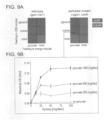
- biomass precursors are provided in Figure 8 , the group 1 biomass precursors being colored in green and the group 2 biomass precursors being colored in blue.
- the group 1 biomass precursors may also be generated from an organic carbon source, so long as it is not the same organic source used to generate the group 2 biomass precursors (e.g. not pyruvate).
- group 1 biomass precursors are derived from carbon dioxide and xylose and group 2 biomass precursors are derived from pyruvate.
- group 1 biomass precursors are derived from carbon dioxide and glycerol and group 2 biomass precursors are derived from pyruvate.
- the organic carbon source from which group 2 biomass precursors are generated does not comprise a hexose or pentose sugar.
- the microorganism In order to prevent the microorganism from utilizing the organic carbon source which is used for energy production (and group 2 biomass precursors) for the generation of group 1 biomass precursors, the microorganism is typically further genetically modified.
- Determining which additional genetic modifications should be made to a particular microorganism can be carried out by and identifying sets of knock outs, gene additions and media composition, which ensure that the flux through the carbon fixation pathway is essential for cell growth. This may be effected computationally - e.g. using a constraint-based modeling framework, as described in the Examples section below.
- the present inventors have determined that according to one aspect, in order to prevent utilization of the organic carbon source which is used for energy production and the generation of group 2 biomass precursors for the generation of group 1 biomass precursors, down-regulation of expression or activity of phosphofructokinase (pfk) or ribose-5-phosphate isomerase (rpi; EC 5.3.1.6) may be effected.
- pfkA phosphofructokinase
- rpi ribose-5-phosphate isomerase
- rpi ribose-5-phosphate isomerase
- down-regulation of expression or activity of phosphoglycerate mutase may be carried out to prevent utilization of the organic carbon source which is used for energy production and the generation of group 2 biomass precursors for the generation of group 1 biomass precursors.
- Preferably downregulation of both gpmA and gpmB is effected.
- At least one member of the Entner-Doudoroff (ED) pathway and/or the oxidative pentose P pathway may optionally be knocked out (or down-regulated) to enforce Rubisco dependence via PFK.
- ED Entner-Doudoroff
- oxidative pentose P pathway may optionally be knocked out (or down-regulated) to enforce Rubisco dependence via PFK.
- the genes 6-phosphogluconate dehydratase (edd) and ketohydroxyglutarate aldolase (eda) may be knocked out to prevent utilization of the ED pathway and glucose 6-phosphate-1-dehydrogenase (zwf) may be knocked out to prevent utilization of the of oxidative P pathway).
- AceBAK isocitrate dehydrogenase kinase/phosphatase
- Down-regulation of expression or activity of genes in the microorganism may be effected using any method known in the art.
- Methods of deleting or downregulating genes from the chromosome of microorganisms include homologous recombination, knock out techniques, RNAi etc.
- P1 transduction from already existing knockout strains KEIO collection
- Pkd46 system lambda-phage assisted recombination
- Table 1 Knockouts KO7 KO6 KO5 KO4 KO3 KO2 KO1 strain glcB aceBAK pfkB pfkA zwf #1 pck pps glcB aceBAK pfkB pfkA zwf #2 gpmB gpmA aceBAK (optional) pfkB pfkA zwf #3 eno aceBAK pfkB pfkA zwf #4
- strains described in Table 1 which have been genetically modified to express phosphoribulokinase (prk) and Ribulose-Bisphosphate Carboxylase (RuBisCo), and optionally carbonate dehydratase may be further modified. This may be effected by performing random mutagenesis on the strains (e.g. as described in the Examples section herein below) and/or by deleting a component of mismatch repair system genes (muts). Such strains may then be propagated under particular conditions so as to harness the natural selection of the E. Coli to optimize and balance pathway activity, as further described herein below.
- prk phosphoribulokinase
- RuBisCo Ribulose-Bisphosphate Carboxylase
- carbonate dehydratase may be further modified. This may be effected by performing random mutagenesis on the strains (e.g. as described in the Examples section herein below) and/or by deleting a component of mismatch repair system genes (muts). Such strains may then
- strains of E.Coli may be used as the starting material on which the deletions and modifications described herein above are performed.
- a medium which comprise both an organic carbon source to feed the TCA cycle (for the production of ATP and a reducing power (e.g. NADH) and a non-organic carbon source (e.g. carbon dioxide) to supply the building blocks for biomass precursors originating from upper glycolysis and Pentose Phosphate intermediates - group 1 biomass precursors.
- an organic carbon source to feed the TCA cycle (for the production of ATP and a reducing power (e.g. NADH)
- a non-organic carbon source e.g. carbon dioxide
- the organic carbon source is selected depending on the particular strain of the microorganism and the genetic modifications carried out.
- the E. Coli may be cultured in a medium comprising acetate.
- the E. Coli may be cultured in a medium comprising pyruvate, malate, succinate, fumarate, oxaloacetate or citrate.
- the culture medium comprises a single organic carbon source (e.g. pyruvate).
- the microorganisms may rely solely on carbon dioxide to supply the building blocks for biomass precursors originating from upper glycolysis and Pentose Phosphate intermediates (group 1 biomass precursors) or may rely on a second organic carbon source (pentose or hexose sugar) together with the carbon dioxide to produce those biomass precursors.
- the former state is referred to herein as a "semi-autotrophic state".
- Contemplated pentose or hexose sugars include for example glycerol or xylose.
- the culture medium comprises two organic carbon sources (e.g. pyruvate and glycerol; or pyruvate and xylose).
- two organic carbon sources e.g. pyruvate and glycerol; or pyruvate and xylose.
- the present inventors have found that in order to generate microorganisms that rely solely on carbon dioxide to supply the building blocks for biomass precursors originating from upper glycolysis and Pentose Phosphate intermediates it is preferable to initially culture the microorganism in a culture which comprises an organic carbon source and a hexose or pentose sugar, wherein the ratio of organic carbon source: hexose or pentose sugar is at least about 10:1.
- the gas atmosphere may be manipulated such that the carbon dioxide is provided at saturating levels (e.g. at a minimum of 20 %).
- the microorganisms are grown for at least one day, at least two days, at least three days, at least one week, at least one month, at least three months following genetic modification in order for the generation of new strains which are further adapted for semi-autotrophic growth.
- the amount of hexose or pentose sugar may be gradually reduced such that eventually, the microorganism relies solely on the carbon dioxide to supply the building blocks for the generation of biomass precursors originating from upper glycolysis and Pentose Phosphate intermediates (group 1).
- the medium also comprises an electron acceptor such as nitrate, sulfate or oxygen at low levels (1-5 %).
- the medium may also comprise appropriate salts, minerals, metals and other nutrients, such as vitamins.
- Cells of the present disclosure can be cultured in conventional fermentation bioreactors, shake flasks, test tubes, microtiter dishes and petri plates. Culturing can be carried out at a temperature, pH and oxygen content appropriate for a recombinant cell. Such culturing conditions are within the expertise of one of ordinary skill in the art.
- the microorganisms are cultured on a solid surface - e.g. agarose plates.
- the microorganisms may be immobilized on to a solid surface - e.g. filters and the like.
- the microorganisms are cultured in a bioreactor - e.g. a chemostat to which fresh medium is continuously added, while culture liquid is continuously removed to keep the culture volume constant.
- a bioreactor e.g. a chemostat to which fresh medium is continuously added
- culture liquid is continuously removed to keep the culture volume constant.
- Semiautotrophic microorganisms may be further cultured for a suitable length of time, wherein the amount of the first organic carbon source is slowly reduced so that eventually autotrophic microorganisms are produced (i.e. microorganisms that do not require an organic carbon source to generate energy (e.g. ATP)).
- energy e.g. ATP
- a source of energy and reducing power is also required for the sustenance of the microorganism.
- the energy/reducing power source should not provide direct carbon for the growth of the host (otherwise the carbon fixation cycle becomes redundant) i.e. the energy reducing power source should not enable the microorganism to generate the group 1 precursor without being dependent on inorganic carbon dioxide fixation.
- a genetically modified E. Coli which expresses a recombinant phosphoribulokinase (prk) and Ribulose-Bisphosphate Carboxylase (RuBisCo) and has deletions in the genes zwf, pfkA and pfkB, the E. Coli being an autotroph.
- prk phosphoribulokinase
- RuBisCo Ribulose-Bisphosphate Carboxylase
- the two best candidates for providing E. Coli with reducing power (and energy) are formate and phosphite.
- the soluble enzyme NAD + -dependent formate dehydrogenase irreversibly oxidizes formate (E '0 -430mV) and reduces NAD + - formate cannot be directly assimilated by E. Coli.
- NAD:phosphite oxidoreductase irreversibly oxidizes phosphite to phosphate (E '0 -650mV) and reduces NAD + .
- formate may be used as the source of energy/reducing power as further described in US Application No. 61/913,940 .
- the formate which is used may come from any source - e.g ., sodium formate, potassium formate, formic acid or formic acid anhydride etc.
- the formate may be generated using electricity.
- CO 2 can be directly reduced at the cathode (the electrons are derived from water splitting at the anode, for example) to generate formate at relatively high efficiency.
- the microorganism In order to generate the formate for use by the microorganism, the microorganism is placed in a bioreactor in a fluid (e.g ., water).
- a fluid e.g ., water
- the cathode may optionally be placed inside the bioreactor in contact with the microorganism.
- the cathode may be placed in a separate container to the bioreactor and the formate may be channeled to the chamber comprising the microorganism.
- the fluid may contain other elements required by the microorganism for growth including for example salts, minerals, metals and other nutrients, such as vitamins.
- the electrodes may be fabricated from such conductive polymers and metallic materials including indium tin oxide (ITO), graphite, platinum and silver.
- ITO indium tin oxide
- graphite graphite
- platinum platinum
- the microorganism is one that produces an industrially important product - e.g. , a biofuel or a chemical (e.g. astaxanthin).
- the microorganism expresses enzymes such that it is capable of producing an industrially important product - e.g. , a biofuel. It will be appreciated that the precise choice of enzymes are selected according to the particular microorganism being used.
- the microorganism expresses an industrially important product - e.g. , a recombinant protein. Additional industrial important products include antibiotics or other pharmaceutical, solvents, pigments, food additives, monomers for the plastic industry and industrially valuable polymers.
- Biofuels include for example, an alcohol (e.g., methanol, ethanol, propanol, isobutanol, and n-butanol etc.), a hydrocarbon (e.g., an alkane such as methane, ethane, propane, butane, an alkene such as ethylene, propylene, isoprenes, an alkyne such as acetylene etc.) hydrogen, a biodiesel (long-chain alkyl (methyl, propyl or ethyl) esters), an aldehyde or ketones (e.g. acetone, formaldehyde, 1-propanal, etc.).
- the biofuel can be a solid, a liquid or a gas.
- Industrially useful microorganisms include the production of ethanol by Saccharomyces and the production of butanol by Clostridium.
- microorganisms include those in the production of plastic monomers and solvents.
- the recombinant protein may be any protein - e.g., a human protein used for medicinal purposes.
- proteins include an antibody, insulin, interferon, growth hormone, erythropoietin, growth hormone, follicle stimulating hormone, factor VIII, low density lipoprotein receptor (LDLR) alpha galactosidase A and glucocerebrosidase.
- LDLR low density lipoprotein receptor
- polynucleotide sequences encoding same are inserted into expression vectors as described herein above.
- the expression construct for expression of the industrially useful polypeptide can also include sequences engineered to optimize stability, production, purification, yield or activity of the expressed polypeptide.
- resultant polypeptides of the present disclosure may either remain within the recombinant cell, secreted into the fermentation medium, secreted into a space between two cellular membranes, such as the periplasmic space in E. Coli ; or retained on the outer surface of a cell or viral membrane.
- polypeptides of the present disclosure can be purified using a variety of standard protein purification techniques, such as, but not limited to, affinity chromatography, ion exchange chromatography, filtration, electrophoresis, hydrophobic interaction chromatography, gel filtration chromatography, reverse phase chromatography, concanavalin A chromatography, chromatofocusing and differential solubilization.
- standard protein purification techniques such as, but not limited to, affinity chromatography, ion exchange chromatography, filtration, electrophoresis, hydrophobic interaction chromatography, gel filtration chromatography, reverse phase chromatography, concanavalin A chromatography, chromatofocusing and differential solubilization.
- the expressed coding sequence can be engineered to encode the polypeptide of the present disclosure and fused cleavable moiety.
- a fusion protein can be designed so that the polypeptide can be readily isolated by affinity chromatography; e.g., by immobilization on a column specific for the cleavable moiety.
- the polypeptide can be released from the chromatographic column by treatment with an appropriate enzyme or agent that specifically cleaves the fusion protein at this site ( e.g. 26, 27).
- Alcohols such as ethanol, methanol, and/or butanol may be recovered from liquid material by molecular sieves, distillation, and/or other separation techniques.
- ethanol can be concentrated by fractional distillation to about 90% or about 95% by weight.
- drying e.g., with calcium oxide or rocksalt
- Product gas for example, as produced by anaerobic metabolism or photosynthesis, may be processed to separate the methane and/or hydrogen components.
- Methane, hydrogen, or biogas may be drawn off from the system as pipeline gas.
- methane and/or hydrogen may be recovered as a biofuel product.
- Methane may be recovered and/or purified from biogas by known methods and systems which are commercially available, including membrane systems known for separating gases on the basis of different permeabilities. See, for example, U.S. Patent No. 6,601,543 .
- membrane systems known for separating gases on the basis of different permeabilities. See, for example, U.S. Patent No. 6,601,543 .
- various methods of adsorption may be used for separating methane and hydrogen.
- biofuel products including centrifugation, temperature fractionalization, chromatographic methods and electrophoretic methods.
- the biofuel recovery/purification components may be integrated into the microorganism culturing system (e.g. bioreactor), for example, by connecting the respective device or apparatus to the gas or liquid effluents from the bioreactors.
- the purified biofuels and bioenergy products may be stoked in a separate container(s).
- microorganisms of the present disclosure are to use them as a screen so as to identify enzymes and/or pathways capable of altering the efficiency of carbon fixation in a plant.
- the present disclosure contemplates expressing in the microorganism carbon fixation enzymes of alternate sources (e.g. plants, fungi etc.) in order to determine whether they have enhanced activity with respect to carbon fixation.
- the assay may be used to compare different homologs or variations of a particular enzyme.
- Measuring the efficiency of carbon fixation may be performed by analyzing the amount of inorganic carbon assimilation. This may be measured in-vivo by incubating the cells in the presence of isotopic labeled 13 CO 2 . The assimilation of inorganic carbon into biomass may be detected via LC-MS analysis of metabolic extracts.
- a particular enzyme e.g. a naturally occurring enzyme, or a mutant enzyme which was generated by mutagenesis, as described herein or appeared via a natural selection in an evolutionary process, as described herein
- the present inventors contemplate expressing those enzymes in autotrophic organisms such as plants or algae. It is envisaged that such organisms genetically modified to express these heterologous enzymes will also show enhanced properties with respect to carbon fixation.
- the Agrobacterium system includes the use of plasmid vectors that contain defined DNA segments that integrate into the plant genomic DNA. Methods of inoculation of the plant tissue vary depending upon the plant species and the Agrobacterium delivery system. A widely used approach is the leaf disc procedure which can be performed with any tissue explant that provides a good source for initiation of whole plant differentiation. Horsch et al. in Plant Molecular Biology Manual A5, Kluwer Academic Publishers, Dordrecht (1988) p. 1-9 . A supplementary approach employs the Agrobacterium delivery system in combination with vacuum infiltration. The Agrobacterium system is especially viable in the creation of transgenic dicotyledenous plants.
- DNA transfer into plant cells There are various methods of direct DNA transfer into plant cells.
- electroporation the protoplasts are briefly exposed to a strong electric field.
- microinjection the DNA is mechanically injected directly into the cells using very small micropipettes.
- microparticle bombardment the DNA is adsorbed on microprojectiles such as magnesium sulfate crystals or tungsten particles, and the microprojectiles are physically accelerated into cells or plant tissues.
- Micropropagation is a process of growing new generation plants from a single piece of tissue that has been excised from a selected parent plant or cultivar. This process permits the mass reproduction of plants having the preferred tissue expressing the fusion protein.
- the new generation plants which are produced are genetically identical to, and have all of the characteristics of, the original plant.
- Micropropagation allows mass production of quality plant material in a short period of time and offers a rapid multiplication of selected cultivars in the preservation of the characteristics of the original transgenic or transformed plant.
- the advantages of cloning plants are the speed of plant multiplication and the quality and uniformity of plants produced.
- Micropropagation is a multi-stage procedure that requires alteration of culture medium or growth conditions between stages.
- the micropropagation process involves four basic stages: Stage one, initial tissue culturing; stage two, tissue culture multiplication; stage three, differentiation and plant formation; and stage four, greenhouse culturing and hardening.
- stage one initial tissue culturing
- stage two tissue culture multiplication
- stage three differentiation and plant formation
- stage four greenhouse culturing and hardening.
- stage one initial tissue culturing
- the tissue culture is established and certified contaminant-free.
- stage two the initial tissue culture is multiplied until a sufficient number of tissue samples are produced to meet production goals.
- stage three the tissue samples grown in stage two are divided and grown into individual plantlets.
- the transformed plantlets are transferred to a greenhouse for hardening where the plants' tolerance to light is gradually increased so that it can be grown in the natural environment.
- transient transformation of leaf cells, meristematic cells or the whole plant is also envisaged by the present disclosure.
- Transient transformation can be effected by any of the direct DNA transfer methods described above or by viral infection using modified plant viruses.
- compositions, method or structure may include additional ingredients, steps and/or parts, but only if the additional ingredients, steps and/or parts do not materially alter the basic and novel characteristics of the claimed composition, method or structure.
- method refers to manners, means, techniques and procedures for accomplishing a given task including, but not limited to, those manners, means, techniques and procedures either known to, or readily developed from known manners, means, techniques and procedures by practitioners of the chemical, pharmacological, biological, biochemical and medical arts.
- Strains in which the metabolic genes were knocked-out were derived from Keio collection 24 , E. Coli strain BW25113, referred in the text as "wild-type".
- the genome sequence of the parent used for constructing the ancestor strain differed from E. Coli strain BW25113 in four loci: ptsI (D464N), fabR (V42G), butB (G162A), fhuA (frameshift). These mutations were acquired during early handling of the strain and were discovered during the course of resequencing the evolved clones.
- the strain inoculated in the chemostat for the evolutionary experiment contained further genomic modifications: we deleted phosphoglycerate mutase genes ( gpmA, gpmM ) , phosphofructokinase genes ( pfkA , pfkB ), 6-phosphate-1-dehydrogenase ( zwf ).
- we further deleted the aceBAK operon encoding for the enzymes of the glyoxylate shunt (thus ensuring that a bypass using the tartronate semialdehyde pathway cannot be used to grow on pyruvate as a sole organic carbon source in ⁇ gpm mutant).
- Tables 2-6 herein below.
- Genomic modifications Multiple gene knockouts were generally obtained by iterative rounds of P1 transductions 25 according to the following procedure: an isolate of the bacteria containing the desired gene deletion, derived from the Keio collection, was purified by single-colony isolation. Gene deletion was confirmed by PCR and the clone was used as a donor for the preparation of the P1 transducing lysate using standard protocols. Upon transduction, recipient strain was grown in agar plates containing a suitable carbon source and supplemented with Kanamycin (Km) as a positive selection for transduction. The introduction of the novel gene deletion was confirmed by checking the size of PCR fragments amplified by a set of primers located upstream and downstream of the targeted deletion(s).
- Km Kanamycin
- deletions were validated by direct sequencing of the PCR fragments. Due to the size of the transduced DNA fragment (up to 100Kbp), it is unlikely that adjacent genes would be deleted via successive rounds of P1 transduction. In such cases we used a lambda RED-mediated gene replacement using a chloramphenicol (Cm) cassette 26 .
- PCP20 a temperature sensitive plasmid encoding the FLP recombinase, was used according to standard procedures 26 to eliminate the Km or Cm resistance markers, allowing iterative rounds of deletion.
- Recombinant expression of RuBisCO and prk For recombinant expression of the CBB cycle components, we constructed a synthetic operon encoding the His-tagged type-II RuBisCO from Rhodospirillum rubrum ATCC 11170 ( rbcL ), His-tagged phosphoribulokinase ( prkA ) from Synechococcus elongatus PCC 7942 and carbonate dehydratase (CA, Rru_A2056) from Rhodospirillum rubrum (CA).
- prkA and CA To differentially control the expression level of r bcL , prkA and CA we placed synthetic ribosome binding sites with varying translation efficiency (rbs-C, rbs-E and rbs-C, respectively) upstream to the open reading frame, as previously described 27 .
- the synthetic operon was cloned into a pZ vector (Expressys, Germany) with the backbone containing a PLtetO-1 promoter and a p15A medium copy origin of replication. Construct assembly was based on "no-background" cloning methodology previously described 27 , with Cm as selective marker. In control experiments, recombinant CBB genes were replaced with an mCherry reporter.
- RuBiSCO dependent strains To identify candidate mutants in which cell growth is coupled to the flux through non-native CBB enzymes, we implemented an algorithm based on the principles of flux balance analysis (FBA) 28 . We started by considering all possible combinations of enzymatic reaction knockouts in central metabolism, and filtered out all those combinations that allow growth without any flux in RuBisCO. For those that cannot produce any biomass without RuBisCO, we calculated a slope which is defined as the biomass production rate achieved by allowing a unit of flux in RuBisCO. All other constraints were the same as in standard FBA, where the rate of biomass production is maximized. In more technical terms, the slope is the shadow price 29 of the upper bound on the RuBisCO flux, when that upper bound is set to 0.
- FBA flux balance analysis
- Random Mutagenesis A single colony of the ancestor strain was inoculated into 10 mL of M9 media with 5 g/L pyruvate, 0.2 g/L xylose, 2.5 g/L sodium bicarbonate and 34 mg/L chloramphenicol. The culture was incubated overnight in a shaking incubator at 37°C. Subsequently, the cells were harvested and subjected to random mutagenesis using the Aquamutant Mutagenesis Kit (MultiTarget Pharmaceuticals, USA) according to manufacturer instructions. Cells from several mutagenesis intensities regimes (from none to very strong mutagenesis) were pooled and inoculated into the chemostat.
- Chemostat Evolution We performed a chemostat based laboratory evolution in several independent experiments.
- bacterial cells following mutagenesis were inoculated into a Bioflo 110 chemostat (New Brunswick Scientific, USA) at working volume of 0.7 L and a dilution rate of 0.08 h -1 (equivalent to a doubling rate of 8.75 hours).
- Feed input was M9 minimal media supplemented with 5 g/L sodium pyruvate, 0.1 g/L xylose and 30 mg/L chloramphenicol at 37°C.
- the culture was sparged at 0.5 L min -1 with a gas mixture containing 25% CO 2 , 5% O 2 and 70% N 2 .
- Agitation speed was set to 500 rpm. Biomass density was measured daily and samples for glycerol stocks and the quantification of residual substrate concentrations were collected once a week. To rule out contaminations, culture samples were plated on positive (supplemented with pyruvate and xylose) and negative (glucose) control agar plates. Genetic markers of the ancestor strain were routinely validated in the colonies formed on pyruvate and xylose. No colonies were formed on glucose containing media during the period of the experiment. During the first experiment, the chemostat had a technical malfunction on day 20 and the experiment was restarted using a glycerol stock sample taken on day 18.
- xylose concentrations were lowered in the feed media whenever a drop in residual pyruvate was detected in the culture.
- the third experiment was performed using a DASBox Bacterial Fermentation system (DASGIP - Eppendorf, Germany). The bacteria were grown in a working volume of 100 ml at a dilution rate of 0.035 h -1 (equivalent to 20 hours doubling time). Feed input was the same as described above except that the initial xylose concentration was 25 mg/L.
- the gassing (0.1 L min -1 ) mixture throughout the entire experiment contained 20% CO 2 , 10% O 2 and 70% N 2 . The OD, DO, pH and temperature were monitored on-line.
- Pyruvate and xylose measurements Reported results of the residual concentrations of pyruvate and xylose in the chemostat culture were quantified enzymatically with K-PYRUV and K-XYLOSE assay kits (Megazyme, Ireland) respectively.
- pyruvate concentrations were validated using an Agilent 1200 series high-performance liquid chromatography system equipped with an anion exchange Bio-Rad HPX-87H column (Bio-Rad, USA). The column was eluted with 5 mM sulfuric acid at a flow rate of 0.6 mL/min at 45°C.
- MID Mass isotopologues distributions
- M9 minimal media either in the presence of a fully labeled organic carbon source and non-labeled CO 2 , or in a reciprocal set-up with isotopically labeled 13 CO 2 (Cambridge Isotope Laboratories, USA) and a non-labeled organic carbon source.
- culture tubes were placed in a transparent air-tight container and flushed with 5 volumes of isotopically labeled gas mixture (10% 13 CO 2 10% O 2 and 80% N 2 ). Cells were incubated in a shaking incubator at 37 °C and harvested during exponential growth. Protein biomass was hydrolyzed with 6N hydrochloric acid using standard protocols. Hydrolyzed amino acids were separated using ultra performance liquid chromatography (Acquity - Waters, USA) on a C-8 column (Zorbax Eclipse XBD - Agilent, USA) at a flow rate of 0.6 mL/min and eluted off the column using a hydrophobicity gradient.
- Buffers used were: A) H 2 O + 0.1% formic acid and B) acetonitrile + 0.1% formic acid with the following gradient: 100% of A (0-3 min), 100% A to 100% B (3-9 min), 100% B (9-13 min), 100% B to 100% A (13-14 min), 100% A (14-20 min). Overall run time was 20 minutes.
- the UPLC was coupled online to a triple quadrupole mass spectrometer (TQS -Waters, USA). Data was acquired using MassLynx v4.1 (Waters, USA). Optimization of ionization parameters and determination of retention times was performed by direct infusion of amino acid commercial standards (Sigma-Aldrich, USA). Argon was used as the collision gas with a flow rate of 0.22 mL/min.
- Cone voltage was 25V
- the capillary was set to 3 kV
- source temperature was 150°C
- desolvation temperature was 500°C
- desolvation gas flow was 700 L/min
- source offset 50 cone gas flow was 250 L/min
- collision energy was 14eV.
- MIDs were detected using multiple reaction monitoring (MRM) with the known molecular masses and the neutral loss of carbonyl carbon as a daughter ion (either 47 or 46 m/z, labeled and unlabeled respectively). Data analysis was performed using TargetLynx (Waters, USA).
- Isotopic carbon ratio in whole biomass samples Samples were grown in 500 mL glass flasks in M9 minimal media supplemented with 5 g/L sodium pyruvate. Ancestor strain samples were supplemented with 0.2 g/L xylose in addition to pyruvate. Following inoculation flasks were sealed with rubber septa and flushed with 5 volumes of a gas mixture containing isotopically labeled 13 CO 2 . Cells were harvested during exponential growth, washed in M9 minimal media and lyophilized. Between 0.2 and 0.4 mg of each dry biomass sample were weighed into tin capsules and their 13 C/ 12 C ratio was determined using an elemental analyzer linked to a Micromass (Manchester, UK) Optima IRMS.
- a reference genome which is based on E. Coli strain BW25113 36 (CP009273) and recombinant CBB enzymes encoding the plasmid as a second contig, were prepared. Reads for each sample were mapped independently using BWA 37 (version 0.7.5) with the standard parameters of the reference genome. A 95% unique mapping rate was observed. The mapped reads yielded a mean coverage depth of x150 per sample and above 99% of the genome was covered with more than x50.
- a GATK pipeline 38 was used to perform joint variant calling with all samples. The pipeline included the following steps: (a) Indel realignment using all samples jointly.
- Muller Diagrams were automatically generated by a custom program in python.
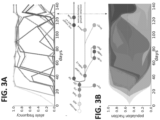
- the algorithm receives two inputs: a hierarchical lineage tree (manually inferred from the mutations frequencies and temporal distribution appearing in Figure 3A to achieve maximal parsimony), and the fraction of every mutation out of the population at each time point.
- a strain is therefore characterized by the set of mutations that it possesses, but that its ancestor strain does not.
- the algorithm first, for every mutation at every time point, rounds it down to 0 if its fraction is smaller than a predefined threshold of 0.005 and given that at neither of the adjacent measurement points the fraction of that mutation is not higher.
- the algorithm checks, for every mutation, that at every measurement point its fraction out of the population is at least as high as the sum of the fractions of the mutations of its direct descendant strains, where the test is performed recursively. In case this condition fails, the algorithm rounds up the fraction of the mutation to satisfy the constraint. Finally, the algorithm sets, and possibly adds time points to indicate the times at which every mutation arises. If mutation A first appeared in a measurement taken at time t i , then A's initiation time is set tot i -1 .
- the division is done recursively, starting with the wild type (the ancestor of all the strains) being assigned the entire [0,1] interval.
- N and L are the only descendants of M and at time point t their fractions are 0.2, 0.4 and 0.75 respectively, and M is assigned the interval [0.2,0.95] then N and L will be assigned the intervals [0.25,0.45] and [0.5,0.9] respectively, so that their intervals are spaced by 0.05 from the boundaries of M 's interval and between each other.
- the recursion then proceeds to the descendants of M until the entire strain hierarchy is covered.
- the algorithm generates the diagram by traversing the strains hierarchy tree. For every strain, identified by its unique mutation, the algorithm draws two lines, one connecting the lower bounds of the intervals of its mutation in time, and the other connecting the upper bounds.
- Figure 3B has been graphically rendered based on the algorithm output in order to clarify locations where mutations occurred and to clearly position adjacent sectors.
- the Calvin-Benson-Bassham (CBB) cycle 1 is the gateway to the organic world, being the main pathway for turning inorganic carbon (CO 2 ) into biomass and for storing energy in the biosphere.
- Heterotrophic organisms are dependent on such supply of organic carbon fixed by autotrophs. How difficult is it to evolve from one trophic mode of growth to another? Specifically, can an obligatory heterotrophic organism be evolved to synthesize biomass directly from CO 2 ? A positive answer will affect our understanding of metabolic plasticity and stimulate exciting avenues towards agricultural productivity 2,3 as well as sustainable production of chemicals 4 .
- the present inventors demonstrate how a combination of rational metabolic rewiring and laboratory evolution under selective environmental conditions leads to the emergence of a fully functional CBB cycle in E. Coli.
- the present inventors introduced a synthetic operon containing both RuBisCO and prk into an E. Coli host ( rbcL from Rhodospirillum rubrum and prkA from Synechococcus PCC6301). Upon expression they were able to detect prk- and RuBisCO-dependent assimilation of inorganic 13 CO 2 into biomass during heterotrophic growth on various carbon sources (Methods). However, this activity was found to be unstable and after less than 50 generations of continuous cultivation the cells lost all newly gained carbon fixation activity (for example, due to toxic effects of CBB cycle intermediates 12,13 or protein burden, Figure 5 ).
- An organic carbon source feeding the energy module such as pyruvate, could in principle provide reducing power and ATP for carbon fixation, hence allowing the synthesis of biomass precursors in the CBB module from CO 2 .
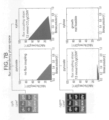
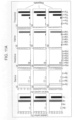
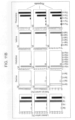
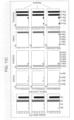
- the gpm double mutant expressing RuBisCO and prk failed to grow semiautotrophically at elevated CO 2 when provided with a single organic carbon source ( Figures 9 and 10 ).
- This strain grew only when a second carbon source feeding the CBB module directly was supplied in addition to pyruvate (e.g., xylose), allowing all biomass precursors to be produced from organic carbon ( Figure 2A - left and Figure 10 ).
- the present inventors chose to harness natural selection to find the necessary metabolic adjustments by using a chemostat-based evolution experiment that continuously maintained selective conditions for the semiautotrophic phenotype 16 .
- the ancestor strain for this evolutionary experiment was the double knockout gpm strain expressing RuBisCO and prk, coupled with additional deletions of phosphofructokinase ( pfkA , pfkB ) and 6-phosphate-1-dehydrogenase ( zwf ) that make RuBisCO essential for xylose catabolism during heterotrophic growth ( Figure 2A , 7 , 9 and 10 ).
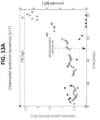
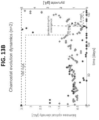
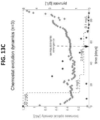
- the ancestor strain was subjected to random mutagenesis (Methods) and propagated in a xylose-limited chemostat at a dilution rate of 0.08 h -1 (doubling time ⁇ 9 hours).
- the balance of cell growth and dilution rate ensures that the concentration of xylose in the chemostat is extremely low and decreases even further as cells adapt.
- amino-acids derived from the CBB-module were almost fully labeled (e.g., serine and histidine), while amino-acids derived from the energy-module were mostly unlabeled ( e.g. , valine and threonine). Small deviations from complete labeling or no labeling are expected due to the release of unlabeled CO 2 from the TCA cycle and usage of labeled inorganic carbon in anaplerotic reactions respectively.
- the labeling pattern was verified in a reciprocal experiment where the bacteria was cultivated on uniformly labeled 13 pyruvate and non-labeled CO 2 .
Landscapes
- Chemical & Material Sciences (AREA)
- Health & Medical Sciences (AREA)
- Organic Chemistry (AREA)
- Life Sciences & Earth Sciences (AREA)
- Genetics & Genomics (AREA)
- Engineering & Computer Science (AREA)
- Bioinformatics & Cheminformatics (AREA)
- Wood Science & Technology (AREA)
- Zoology (AREA)
- General Health & Medical Sciences (AREA)
- Biochemistry (AREA)
- General Engineering & Computer Science (AREA)
- Molecular Biology (AREA)
- Biotechnology (AREA)
- Medicinal Chemistry (AREA)
- Biomedical Technology (AREA)
- Microbiology (AREA)
- Biophysics (AREA)
- Gastroenterology & Hepatology (AREA)
- Proteomics, Peptides & Aminoacids (AREA)
- Tropical Medicine & Parasitology (AREA)
- Virology (AREA)
- Physics & Mathematics (AREA)
- Plant Pathology (AREA)
- Micro-Organisms Or Cultivation Processes Thereof (AREA)
- Preparation Of Compounds By Using Micro-Organisms (AREA)
Claims (8)
- E. Coli génétiquement modifié qui exprime une phosphoribulokinase (prk) et Ribulose-Bisphosphate Carboxylase (RuBisCo) recombinantes et présente des délétions dans les gènes zwf, pfkA, pfkB, gpmA et gpmB.
- E. Coli génétiquement modifié selon la revendication 1, présentant en outre une délétion dans aceBAK.
- E. Coli génétiquement modifié selon la revendication 1, présentant en outre une délétion dans aceBAK et malate synthase G (glcB).
- E. Coli génétiquement modifié selon la revendication 1, présentant en outre des délétions dans aceBAK, malate synthase G (glcB), phosphoénolpyruvate synthase (pps) et phosphoénolpyruvate carboxykinase (pck).
- E. Coli génétiquement modifié selon la revendication 1, présentant en outre des délétions dans aceBAK et phosphopyruvate hydratase (eno).
- Culture cellulaire comprenant l'E. Coli selon l'une quelconque des revendications 1 à 5 et un milieu comprenant une source de carbone organique.
- Procédé de propagation de l'E. Coli selon l'une quelconque des revendications 1 à 6 comprenant la culture de l'E. Coli dans un milieu comprenant une source de carbone organique et une source de carbone inorganique, propageant ainsi l'E. Coli.
- Procédé de production d'un produit chimique comprenant la culture de l'E. Coli selon l'une quelconque des revendications 1 à 5 dans un milieu comprenant une source de carbone organique et une source de carbone inorganique et la récolte du produit chimique.
Applications Claiming Priority (2)
| Application Number | Priority Date | Filing Date | Title |
|---|---|---|---|
| US201462001736P | 2014-05-22 | 2014-05-22 | |
| PCT/IL2015/050540 WO2015177800A2 (fr) | 2014-05-22 | 2015-05-21 | Micro-organismes recombinés pouvant fixer le carbone |
Publications (2)
| Publication Number | Publication Date |
|---|---|
| EP3145947A2 EP3145947A2 (fr) | 2017-03-29 |
| EP3145947B1 true EP3145947B1 (fr) | 2025-02-12 |
Family
ID=53900887
Family Applications (1)
| Application Number | Title | Priority Date | Filing Date |
|---|---|---|---|
| EP15753495.9A Active EP3145947B1 (fr) | 2014-05-22 | 2015-05-21 | Micro-organismes recombinés pouvant fixer le carbone |
Country Status (5)
| Country | Link |
|---|---|
| US (2) | US10294482B2 (fr) |
| EP (1) | EP3145947B1 (fr) |
| DK (1) | DK3145947T3 (fr) |
| IL (1) | IL249136A0 (fr) |
| WO (1) | WO2015177800A2 (fr) |
Families Citing this family (19)
| Publication number | Priority date | Publication date | Assignee | Title |
|---|---|---|---|---|
| EP3145947B1 (fr) | 2014-05-22 | 2025-02-12 | Yeda Research and Development Co., Ltd. | Micro-organismes recombinés pouvant fixer le carbone |
| JP2019517775A (ja) | 2016-03-19 | 2019-06-27 | キベルディ インコーポレイテッドKiverdi,Inc. | C1基質からのタンパク質、食料、及び有用な副生成物の生成のための微生物並びに人工エコシステム |
| WO2017216136A1 (fr) * | 2016-06-14 | 2017-12-21 | Dsm Ip Assets B.V. | Cellule de levure recombinée |
| EP3481850A1 (fr) * | 2016-07-08 | 2019-05-15 | Evonik Degussa GmbH | Procédé de production fermentative de méthionine ou de sa forme analogue hydroxy par des micro-organismes comprenant des gènes codant un système de phosphotransférase de sucre (pts) |
| CN106119322B (zh) | 2016-07-22 | 2019-10-15 | 江苏江山聚源生物技术有限公司 | 一种提高重组人源胶原蛋白生产水平的发酵工艺 |
| FR3062394B1 (fr) * | 2017-01-27 | 2021-04-16 | Enobraq | Microorganisme genetiquement optimise pour la production de molecules d'interet |
| EA201891926A1 (ru) * | 2017-02-03 | 2019-04-30 | Киверди, Инк. | Микроорганизмы и искусственные экосистемы для производства белка, продуктов питания и полезных побочных продуктов из субстратов c1 |
| EP3630940A1 (fr) | 2017-05-31 | 2020-04-08 | Universität für Bodenkultur Wien | Levure exprimant un cycle de calvin synthétique |
| FR3079525A1 (fr) | 2018-03-30 | 2019-10-04 | Enobraq | Microorganisme modifie a activite rubisco amelioree |
| US12692519B2 (en) * | 2019-10-31 | 2026-07-28 | Yeda Research And Development Co. Ltd. | Engineered autotrophic bacteria for CO2 conversion to organic materials |
| MX2022008144A (es) | 2019-12-31 | 2022-08-17 | Air Protein Inc | Composiciones alimenticias con alto contenido de proteinas. |
| CN111172130B (zh) * | 2020-01-09 | 2021-08-20 | 中国科学院生物物理研究所 | 一组拟南芥磷酸核酮糖激酶的突变体 |
| MX2022010931A (es) | 2020-03-02 | 2022-09-29 | Air Protein Inc | Composiciones estructuradas analogas a la carne con alto contenido de proteinas. |
| US11692210B2 (en) | 2020-09-01 | 2023-07-04 | Braskem S.A. | Anaerobic fermentative production of furandicarboxylic acid |
| CN114181879B (zh) * | 2021-12-09 | 2022-11-22 | 中国科学院深圳先进技术研究院 | 具有自养能力的底盘细胞及其构建方法和应用 |
| EP4453190A1 (fr) | 2021-12-23 | 2024-10-30 | Phase Biolabs Ltd | Système de fixation de carbone |
| WO2024121870A1 (fr) | 2022-12-09 | 2024-06-13 | Fertis India Pvt. Ltd. | Modification génétique de microbes pour la production de composés non azotés contenant du carbone |
| AU2023389835A1 (en) | 2022-12-09 | 2026-02-19 | Fertis India Pvt. Ltd. | Genetic modification of microbes for production of nitrogen and carbon-containing compounds |
| WO2024121869A1 (fr) | 2022-12-09 | 2024-06-13 | Fertis India Pvt. Ltd. | Modification génétique de microbes pour la production de composés non carbonés contenant de l'azote |
Family Cites Families (29)
| Publication number | Priority date | Publication date | Assignee | Title |
|---|---|---|---|---|
| NL154600B (nl) | 1971-02-10 | 1977-09-15 | Organon Nv | Werkwijze voor het aantonen en bepalen van specifiek bindende eiwitten en hun corresponderende bindbare stoffen. |
| NL154598B (nl) | 1970-11-10 | 1977-09-15 | Organon Nv | Werkwijze voor het aantonen en bepalen van laagmoleculire verbindingen en van eiwitten die deze verbindingen specifiek kunnen binden, alsmede testverpakking. |
| NL154599B (nl) | 1970-12-28 | 1977-09-15 | Organon Nv | Werkwijze voor het aantonen en bepalen van specifiek bindende eiwitten en hun corresponderende bindbare stoffen, alsmede testverpakking. |
| US3901654A (en) | 1971-06-21 | 1975-08-26 | Biological Developments | Receptor assays of biologically active compounds employing biologically specific receptors |
| US3853987A (en) | 1971-09-01 | 1974-12-10 | W Dreyer | Immunological reagent and radioimmuno assay |
| US3867517A (en) | 1971-12-21 | 1975-02-18 | Abbott Lab | Direct radioimmunoassay for antigens and their antibodies |
| NL171930C (nl) | 1972-05-11 | 1983-06-01 | Akzo Nv | Werkwijze voor het aantonen en bepalen van haptenen, alsmede testverpakkingen. |
| US3850578A (en) | 1973-03-12 | 1974-11-26 | H Mcconnell | Process for assaying for biologically active molecules |
| US3935074A (en) | 1973-12-17 | 1976-01-27 | Syva Company | Antibody steric hindrance immunoassay with two antibodies |
| US3996345A (en) | 1974-08-12 | 1976-12-07 | Syva Company | Fluorescence quenching with immunological pairs in immunoassays |
| US4034074A (en) | 1974-09-19 | 1977-07-05 | The Board Of Trustees Of Leland Stanford Junior University | Universal reagent 2-site immunoradiometric assay using labelled anti (IgG) |
| US3984533A (en) | 1975-11-13 | 1976-10-05 | General Electric Company | Electrophoretic method of detecting antigen-antibody reaction |
| US4098876A (en) | 1976-10-26 | 1978-07-04 | Corning Glass Works | Reverse sandwich immunoassay |
| US4879219A (en) | 1980-09-19 | 1989-11-07 | General Hospital Corporation | Immunoassay utilizing monoclonal high affinity IgM antibodies |
| US5011771A (en) | 1984-04-12 | 1991-04-30 | The General Hospital Corporation | Multiepitopic immunometric assay |
| US4666828A (en) | 1984-08-15 | 1987-05-19 | The General Hospital Corporation | Test for Huntington's disease |
| US4683202A (en) | 1985-03-28 | 1987-07-28 | Cetus Corporation | Process for amplifying nucleic acid sequences |
| US4801531A (en) | 1985-04-17 | 1989-01-31 | Biotechnology Research Partners, Ltd. | Apo AI/CIII genomic polymorphisms predictive of atherosclerosis |
| US5272057A (en) | 1988-10-14 | 1993-12-21 | Georgetown University | Method of detecting a predisposition to cancer by the use of restriction fragment length polymorphism of the gene for human poly (ADP-ribose) polymerase |
| US5302523A (en) | 1989-06-21 | 1994-04-12 | Zeneca Limited | Transformation of plant cells |
| US5464764A (en) | 1989-08-22 | 1995-11-07 | University Of Utah Research Foundation | Positive-negative selection methods and vectors |
| US5192659A (en) | 1989-08-25 | 1993-03-09 | Genetype Ag | Intron sequence analysis method for detection of adjacent and remote locus alleles as haplotypes |
| UA48104C2 (uk) | 1991-10-04 | 2002-08-15 | Новартіс Аг | Фрагмент днк, який містить послідовність,що кодує інсектицидний протеїн, оптимізовану для кукурудзи,фрагмент днк, який забезпечує направлену бажану для серцевини стебла експресію зв'язаного з нею структурного гена в рослині, фрагмент днк, який забезпечує специфічну для пилку експресію зв`язаного з нею структурного гена в рослині, рекомбінантна молекула днк, спосіб одержання оптимізованої для кукурудзи кодуючої послідовності інсектицидного протеїну, спосіб захисту рослин кукурудзи щонайменше від однієї комахи-шкідника |
| US5281521A (en) | 1992-07-20 | 1994-01-25 | The Trustees Of The University Of Pennsylvania | Modified avidin-biotin technique |
| DE10047264B4 (de) | 2000-09-23 | 2006-05-04 | G.A.S. Energietechnologie Gmbh | Verfahren zur Nutzung von methanhaltigem Biogas |
| WO2009036095A1 (fr) * | 2007-09-10 | 2009-03-19 | Joule Biotechnologies, Inc. | Organismes collecteurs de lumière synthétisés par génie génétique |
| WO2011099006A2 (fr) | 2010-02-11 | 2011-08-18 | Yeda Research And Development Co. Ltd. | Systèmes enzymatiques pour la fixation du carbone et procédés de production associés |
| US20140113376A1 (en) | 2011-06-01 | 2014-04-24 | Rotem Sorek | Compositions and methods for downregulating prokaryotic genes |
| EP3145947B1 (fr) | 2014-05-22 | 2025-02-12 | Yeda Research and Development Co., Ltd. | Micro-organismes recombinés pouvant fixer le carbone |
-
2015
- 2015-05-21 EP EP15753495.9A patent/EP3145947B1/fr active Active
- 2015-05-21 WO PCT/IL2015/050540 patent/WO2015177800A2/fr not_active Ceased
- 2015-05-21 DK DK15753495.9T patent/DK3145947T3/da active
- 2015-05-21 US US15/312,734 patent/US10294482B2/en active Active
-
2016
- 2016-11-22 IL IL249136A patent/IL249136A0/en unknown
-
2019
- 2019-03-25 US US16/362,897 patent/US12031138B2/en active Active
Non-Patent Citations (1)
| Title |
|---|
| V?CTOR GUADALUPE-MEDINA ET AL: "Carbon dioxide fixation by Calvin-Cycle enzymes improves ethanol yield in yeast", BIOTECHNOLOGY FOR BIOFUELS, vol. 6, no. 1, 1 January 2013 (2013-01-01), GB, pages 125, XP055405759, ISSN: 1754-6834, DOI: 10.1186/1754-6834-6-125 * |
Also Published As
| Publication number | Publication date |
|---|---|
| US20190211342A1 (en) | 2019-07-11 |
| WO2015177800A3 (fr) | 2016-03-24 |
| US12031138B2 (en) | 2024-07-09 |
| WO2015177800A2 (fr) | 2015-11-26 |
| DK3145947T3 (da) | 2025-03-31 |
| US20170183665A1 (en) | 2017-06-29 |
| IL249136A0 (en) | 2017-01-31 |
| US10294482B2 (en) | 2019-05-21 |
| EP3145947A2 (fr) | 2017-03-29 |
Similar Documents
| Publication | Publication Date | Title |
|---|---|---|
| US12031138B2 (en) | Recombinant microorganisms capable of carbon fixation | |
| Chen et al. | Converting Escherichia coli to a synthetic methylotroph growing solely on methanol | |
| Gleizer et al. | Conversion of Escherichia coli to generate all biomass carbon from CO2 | |
| US20240117386A1 (en) | Engineered autotrophic bacteria for co2 conversion to organic materials | |
| Orsi et al. | Synergistic investigation of natural and synthetic C1-trophic microorganisms to foster a circular carbon economy | |
| Bassalo et al. | Deep scanning lysine metabolism in Escherichia coli | |
| Dos Santos et al. | Unraveling the genetic basis of xylose consumption in engineered Saccharomyces cerevisiae strains | |
| Pohl et al. | A Penicillium rubens platform strain for secondary metabolite production | |
| Lutz et al. | DNA variants affecting the expression of numerous genes in trans have diverse mechanisms of action and evolutionary histories | |
| Liu et al. | Directed combinatorial mutagenesis of Escherichia coli for complex phenotype engineering | |
| Eng et al. | Restoration of biofuel production levels and increased tolerance under ionic liquid stress is enabled by a mutation in the essential Escherichia coli gene cydC | |
| US20090191599A1 (en) | Engineered light-harvesting organisms | |
| Belkhelfa et al. | Continuous culture adaptation of Methylobacterium extorquens AM1 and TK 0001 to very high methanol concentrations | |
| Zheng et al. | Improving furfural tolerance of Escherichia coli by integrating adaptive laboratory evolution with CRISPR-enabled trackable genome engineering (CREATE) | |
| Harada et al. | Specific gene bciD for C7-methyl oxidation in bacteriochlorophyll e biosynthesis of brown-colored green sulfur bacteria | |
| Sun et al. | Global cellular metabolic rewiring adapts Corynebacterium glutamicum to efficient nonnatural xylose utilization | |
| Liu et al. | Comprehensive screening of industrially relevant components at genome scale using a high-quality gene overexpression collection of Corynebacterium glutamicum | |
| Wan et al. | Identification of transporter proteins for PQQ-secretion pathways by transcriptomics and proteomics analysis in Gluconobacter oxydans WSH-003 | |
| Richardson et al. | Genome-wide transcript profiling reveals the coevolution of plastid gene sequences and transcript processing pathways in the fucoxanthin dinoflagellate Karlodinium veneficum | |
| Phaneuf et al. | Escherichia coli data-driven strain design using aggregated adaptive laboratory evolution mutational data | |
| Schellenberg et al. | Enhanced whole genome sequence and annotation of Clostridium stercorarium DSM8532T using RNA-seq transcriptomics and high-throughput proteomics | |
| Dorrell et al. | Complementary environmental analysis and functional characterization of lower glycolysis-gluconeogenesis in the diatom plastid | |
| Shin et al. | Genome-scale analysis of Acetobacterium woodii identifies translational regulation of acetogenesis | |
| Kruse et al. | A multi-omic characterization of the physiological responses to salt stress in S cenedesmus obliquus UTEX393 | |
| Shabbir et al. | Molecular mechanism of engineered Zymomonas mobilis to furfural and acetic acid stress |
Legal Events
| Date | Code | Title | Description |
|---|---|---|---|
| STAA | Information on the status of an ep patent application or granted ep patent |
Free format text: STATUS: THE INTERNATIONAL PUBLICATION HAS BEEN MADE |
|
| PUAI | Public reference made under article 153(3) epc to a published international application that has entered the european phase |
Free format text: ORIGINAL CODE: 0009012 |
|
| STAA | Information on the status of an ep patent application or granted ep patent |
Free format text: STATUS: REQUEST FOR EXAMINATION WAS MADE |
|
| 17P | Request for examination filed |
Effective date: 20161220 |
|
| AK | Designated contracting states |
Kind code of ref document: A2 Designated state(s): AL AT BE BG CH CY CZ DE DK EE ES FI FR GB GR HR HU IE IS IT LI LT LU LV MC MK MT NL NO PL PT RO RS SE SI SK SM TR |
|
| AX | Request for extension of the european patent |
Extension state: BA ME |
|
| DAV | Request for validation of the european patent (deleted) | ||
| DAX | Request for extension of the european patent (deleted) | ||
| STAA | Information on the status of an ep patent application or granted ep patent |
Free format text: STATUS: EXAMINATION IS IN PROGRESS |
|
| 17Q | First examination report despatched |
Effective date: 20180215 |
|
| GRAP | Despatch of communication of intention to grant a patent |
Free format text: ORIGINAL CODE: EPIDOSNIGR1 |
|
| STAA | Information on the status of an ep patent application or granted ep patent |
Free format text: STATUS: GRANT OF PATENT IS INTENDED |
|
| INTG | Intention to grant announced |
Effective date: 20241014 |
|
| GRAS | Grant fee paid |
Free format text: ORIGINAL CODE: EPIDOSNIGR3 |
|
| GRAA | (expected) grant |
Free format text: ORIGINAL CODE: 0009210 |
|
| STAA | Information on the status of an ep patent application or granted ep patent |
Free format text: STATUS: THE PATENT HAS BEEN GRANTED |
|
| AK | Designated contracting states |
Kind code of ref document: B1 Designated state(s): AL AT BE BG CH CY CZ DE DK EE ES FI FR GB GR HR HU IE IS IT LI LT LU LV MC MK MT NL NO PL PT RO RS SE SI SK SM TR |
|
| REG | Reference to a national code |
Ref country code: GB Ref legal event code: FG4D |
|
| REG | Reference to a national code |
Ref country code: CH Ref legal event code: EP |
|
| REG | Reference to a national code |
Ref country code: DE Ref legal event code: R096 Ref document number: 602015090987 Country of ref document: DE |
|
| REG | Reference to a national code |
Ref country code: IE Ref legal event code: FG4D |
|
| REG | Reference to a national code |
Ref country code: DK Ref legal event code: T3 Effective date: 20250326 |
|
| REG | Reference to a national code |
Ref country code: NL Ref legal event code: FP |
|
| PGFP | Annual fee paid to national office [announced via postgrant information from national office to epo] |
Ref country code: GB Payment date: 20250327 Year of fee payment: 11 |
|
| PGFP | Annual fee paid to national office [announced via postgrant information from national office to epo] |
Ref country code: NL Payment date: 20250409 Year of fee payment: 11 |
|
| P01 | Opt-out of the competence of the unified patent court (upc) registered |
Free format text: CASE NUMBER: APP_19092/2025 Effective date: 20250422 |
|
| PG25 | Lapsed in a contracting state [announced via postgrant information from national office to epo] |
Ref country code: RS Free format text: LAPSE BECAUSE OF FAILURE TO SUBMIT A TRANSLATION OF THE DESCRIPTION OR TO PAY THE FEE WITHIN THE PRESCRIBED TIME-LIMIT Effective date: 20250512 |
|
| PG25 | Lapsed in a contracting state [announced via postgrant information from national office to epo] |
Ref country code: FI Free format text: LAPSE BECAUSE OF FAILURE TO SUBMIT A TRANSLATION OF THE DESCRIPTION OR TO PAY THE FEE WITHIN THE PRESCRIBED TIME-LIMIT Effective date: 20250212 |
|
| PG25 | Lapsed in a contracting state [announced via postgrant information from national office to epo] |
Ref country code: PL Free format text: LAPSE BECAUSE OF FAILURE TO SUBMIT A TRANSLATION OF THE DESCRIPTION OR TO PAY THE FEE WITHIN THE PRESCRIBED TIME-LIMIT Effective date: 20250212 |
|
| PGFP | Annual fee paid to national office [announced via postgrant information from national office to epo] |
Ref country code: DE Payment date: 20250325 Year of fee payment: 11 |
|
| PG25 | Lapsed in a contracting state [announced via postgrant information from national office to epo] |
Ref country code: ES Free format text: LAPSE BECAUSE OF FAILURE TO SUBMIT A TRANSLATION OF THE DESCRIPTION OR TO PAY THE FEE WITHIN THE PRESCRIBED TIME-LIMIT Effective date: 20250212 |
|
| PGFP | Annual fee paid to national office [announced via postgrant information from national office to epo] |
Ref country code: DK Payment date: 20250516 Year of fee payment: 11 |
|
| REG | Reference to a national code |
Ref country code: LT Ref legal event code: MG9D |
|
| PG25 | Lapsed in a contracting state [announced via postgrant information from national office to epo] |
Ref country code: IS Free format text: LAPSE BECAUSE OF FAILURE TO SUBMIT A TRANSLATION OF THE DESCRIPTION OR TO PAY THE FEE WITHIN THE PRESCRIBED TIME-LIMIT Effective date: 20250612 Ref country code: NO Free format text: LAPSE BECAUSE OF FAILURE TO SUBMIT A TRANSLATION OF THE DESCRIPTION OR TO PAY THE FEE WITHIN THE PRESCRIBED TIME-LIMIT Effective date: 20250512 |
|
| PG25 | Lapsed in a contracting state [announced via postgrant information from national office to epo] |
Ref country code: HR Free format text: LAPSE BECAUSE OF FAILURE TO SUBMIT A TRANSLATION OF THE DESCRIPTION OR TO PAY THE FEE WITHIN THE PRESCRIBED TIME-LIMIT Effective date: 20250212 |
|
| PG25 | Lapsed in a contracting state [announced via postgrant information from national office to epo] |
Ref country code: PT Free format text: LAPSE BECAUSE OF FAILURE TO SUBMIT A TRANSLATION OF THE DESCRIPTION OR TO PAY THE FEE WITHIN THE PRESCRIBED TIME-LIMIT Effective date: 20250612 Ref country code: LV Free format text: LAPSE BECAUSE OF FAILURE TO SUBMIT A TRANSLATION OF THE DESCRIPTION OR TO PAY THE FEE WITHIN THE PRESCRIBED TIME-LIMIT Effective date: 20250212 |
|
| PGFP | Annual fee paid to national office [announced via postgrant information from national office to epo] |
Ref country code: FR Payment date: 20250401 Year of fee payment: 11 |
|
| PG25 | Lapsed in a contracting state [announced via postgrant information from national office to epo] |
Ref country code: BG Free format text: LAPSE BECAUSE OF FAILURE TO SUBMIT A TRANSLATION OF THE DESCRIPTION OR TO PAY THE FEE WITHIN THE PRESCRIBED TIME-LIMIT Effective date: 20250212 Ref country code: GR Free format text: LAPSE BECAUSE OF FAILURE TO SUBMIT A TRANSLATION OF THE DESCRIPTION OR TO PAY THE FEE WITHIN THE PRESCRIBED TIME-LIMIT Effective date: 20250513 |
|
| PGFP | Annual fee paid to national office [announced via postgrant information from national office to epo] |
Ref country code: CH Payment date: 20250601 Year of fee payment: 11 |
|
| REG | Reference to a national code |
Ref country code: AT Ref legal event code: MK05 Ref document number: 1766001 Country of ref document: AT Kind code of ref document: T Effective date: 20250212 |
|
| PG25 | Lapsed in a contracting state [announced via postgrant information from national office to epo] |
Ref country code: SE Free format text: LAPSE BECAUSE OF FAILURE TO SUBMIT A TRANSLATION OF THE DESCRIPTION OR TO PAY THE FEE WITHIN THE PRESCRIBED TIME-LIMIT Effective date: 20250212 |
|
| PG25 | Lapsed in a contracting state [announced via postgrant information from national office to epo] |
Ref country code: SM Free format text: LAPSE BECAUSE OF FAILURE TO SUBMIT A TRANSLATION OF THE DESCRIPTION OR TO PAY THE FEE WITHIN THE PRESCRIBED TIME-LIMIT Effective date: 20250212 |
|
| PG25 | Lapsed in a contracting state [announced via postgrant information from national office to epo] |
Ref country code: IT Free format text: LAPSE BECAUSE OF FAILURE TO SUBMIT A TRANSLATION OF THE DESCRIPTION OR TO PAY THE FEE WITHIN THE PRESCRIBED TIME-LIMIT Effective date: 20250212 |
|
| PG25 | Lapsed in a contracting state [announced via postgrant information from national office to epo] |
Ref country code: AT Free format text: LAPSE BECAUSE OF FAILURE TO SUBMIT A TRANSLATION OF THE DESCRIPTION OR TO PAY THE FEE WITHIN THE PRESCRIBED TIME-LIMIT Effective date: 20250212 |
|
| PG25 | Lapsed in a contracting state [announced via postgrant information from national office to epo] |
Ref country code: EE Free format text: LAPSE BECAUSE OF FAILURE TO SUBMIT A TRANSLATION OF THE DESCRIPTION OR TO PAY THE FEE WITHIN THE PRESCRIBED TIME-LIMIT Effective date: 20250212 Ref country code: CZ Free format text: LAPSE BECAUSE OF FAILURE TO SUBMIT A TRANSLATION OF THE DESCRIPTION OR TO PAY THE FEE WITHIN THE PRESCRIBED TIME-LIMIT Effective date: 20250212 |
|
| PG25 | Lapsed in a contracting state [announced via postgrant information from national office to epo] |
Ref country code: RO Free format text: LAPSE BECAUSE OF FAILURE TO SUBMIT A TRANSLATION OF THE DESCRIPTION OR TO PAY THE FEE WITHIN THE PRESCRIBED TIME-LIMIT Effective date: 20250212 |
|
| PG25 | Lapsed in a contracting state [announced via postgrant information from national office to epo] |
Ref country code: SK Free format text: LAPSE BECAUSE OF FAILURE TO SUBMIT A TRANSLATION OF THE DESCRIPTION OR TO PAY THE FEE WITHIN THE PRESCRIBED TIME-LIMIT Effective date: 20250212 |
|
| REG | Reference to a national code |
Ref country code: DE Ref legal event code: R097 Ref document number: 602015090987 Country of ref document: DE |
|
| PLBE | No opposition filed within time limit |
Free format text: ORIGINAL CODE: 0009261 |
|
| STAA | Information on the status of an ep patent application or granted ep patent |
Free format text: STATUS: NO OPPOSITION FILED WITHIN TIME LIMIT |
|
| PG25 | Lapsed in a contracting state [announced via postgrant information from national office to epo] |
Ref country code: LU Free format text: LAPSE BECAUSE OF NON-PAYMENT OF DUE FEES Effective date: 20250521 |
|
| 26N | No opposition filed |
Effective date: 20251113 |
|
| REG | Reference to a national code |
Ref country code: BE Ref legal event code: MM Effective date: 20250531 |
|
| PG25 | Lapsed in a contracting state [announced via postgrant information from national office to epo] |
Ref country code: MC Free format text: LAPSE BECAUSE OF FAILURE TO SUBMIT A TRANSLATION OF THE DESCRIPTION OR TO PAY THE FEE WITHIN THE PRESCRIBED TIME-LIMIT Effective date: 20250212 |
|
| PG25 | Lapsed in a contracting state [announced via postgrant information from national office to epo] |
Ref country code: IE Free format text: LAPSE BECAUSE OF NON-PAYMENT OF DUE FEES Effective date: 20250521 |
|
| PG25 | Lapsed in a contracting state [announced via postgrant information from national office to epo] |
Ref country code: BE Free format text: LAPSE BECAUSE OF NON-PAYMENT OF DUE FEES Effective date: 20250531 |
|
| PG25 | Lapsed in a contracting state [announced via postgrant information from national office to epo] |
Ref country code: LT Free format text: LAPSE BECAUSE OF FAILURE TO SUBMIT A TRANSLATION OF THE DESCRIPTION OR TO PAY THE FEE WITHIN THE PRESCRIBED TIME-LIMIT Effective date: 20250212 |
|
| PG25 | Lapsed in a contracting state [announced via postgrant information from national office to epo] |
Ref country code: CY Free format text: LAPSE BECAUSE OF FAILURE TO SUBMIT A TRANSLATION OF THE DESCRIPTION OR TO PAY THE FEE WITHIN THE PRESCRIBED TIME-LIMIT Effective date: 20250212 |