EP3149026B1 - Modification régiosélective de polysaccharides et applications associées - Google Patents
Modification régiosélective de polysaccharides et applications associées Download PDFInfo
- Publication number
- EP3149026B1 EP3149026B1 EP15803011.4A EP15803011A EP3149026B1 EP 3149026 B1 EP3149026 B1 EP 3149026B1 EP 15803011 A EP15803011 A EP 15803011A EP 3149026 B1 EP3149026 B1 EP 3149026B1
- Authority
- EP
- European Patent Office
- Prior art keywords
- peptide
- alginate
- rgd
- polysaccharide
- modified
- Prior art date
- Legal status (The legal status is an assumption and is not a legal conclusion. Google has not performed a legal analysis and makes no representation as to the accuracy of the status listed.)
- Active
Links
Images








Classifications
-
- C—CHEMISTRY; METALLURGY
- C07—ORGANIC CHEMISTRY
- C07K—PEPTIDES
- C07K14/00—Peptides having more than 20 amino acids; Gastrins; Somatostatins; Melanotropins; Derivatives thereof
- C07K14/435—Peptides having more than 20 amino acids; Gastrins; Somatostatins; Melanotropins; Derivatives thereof from animals; from humans
- C07K14/46—Peptides having more than 20 amino acids; Gastrins; Somatostatins; Melanotropins; Derivatives thereof from animals; from humans from vertebrates
- C07K14/47—Peptides having more than 20 amino acids; Gastrins; Somatostatins; Melanotropins; Derivatives thereof from animals; from humans from vertebrates from mammals
- C07K14/4701—Peptides having more than 20 amino acids; Gastrins; Somatostatins; Melanotropins; Derivatives thereof from animals; from humans from vertebrates from mammals not used
- C07K14/4747—Apoptosis related proteins
-
- C—CHEMISTRY; METALLURGY
- C07—ORGANIC CHEMISTRY
- C07K—PEPTIDES
- C07K9/00—Peptides having up to 20 amino acids, containing saccharide radicals and having a fully defined sequence; Derivatives thereof
- C07K9/001—Peptides having up to 20 amino acids, containing saccharide radicals and having a fully defined sequence; Derivatives thereof the peptide sequence having less than 12 amino acids and not being part of a ring structure
-
- C—CHEMISTRY; METALLURGY
- C08—ORGANIC MACROMOLECULAR COMPOUNDS; THEIR PREPARATION OR CHEMICAL WORKING-UP; COMPOSITIONS BASED THEREON
- C08B—POLYSACCHARIDES; DERIVATIVES THEREOF
- C08B37/00—Preparation of polysaccharides not provided for in groups C08B1/00 - C08B35/00; Derivatives thereof
-
- C—CHEMISTRY; METALLURGY
- C08—ORGANIC MACROMOLECULAR COMPOUNDS; THEIR PREPARATION OR CHEMICAL WORKING-UP; COMPOSITIONS BASED THEREON
- C08B—POLYSACCHARIDES; DERIVATIVES THEREOF
- C08B37/00—Preparation of polysaccharides not provided for in groups C08B1/00 - C08B35/00; Derivatives thereof
- C08B37/0006—Homoglycans, i.e. polysaccharides having a main chain consisting of one single sugar, e.g. colominic acid
- C08B37/0009—Homoglycans, i.e. polysaccharides having a main chain consisting of one single sugar, e.g. colominic acid alpha-D-Glucans, e.g. polydextrose, alternan, glycogen; (alpha-1,4)(alpha-1,6)-D-Glucans; (alpha-1,3)(alpha-1,4)-D-Glucans, e.g. isolichenan or nigeran; (alpha-1,4)-D-Glucans; (alpha-1,3)-D-Glucans, e.g. pseudonigeran; Derivatives thereof
- C08B37/0021—Dextran, i.e. (alpha-1,4)-D-glucan; Derivatives thereof, e.g. Sephadex, i.e. crosslinked dextran
-
- C—CHEMISTRY; METALLURGY
- C08—ORGANIC MACROMOLECULAR COMPOUNDS; THEIR PREPARATION OR CHEMICAL WORKING-UP; COMPOSITIONS BASED THEREON
- C08B—POLYSACCHARIDES; DERIVATIVES THEREOF
- C08B37/00—Preparation of polysaccharides not provided for in groups C08B1/00 - C08B35/00; Derivatives thereof
- C08B37/0006—Homoglycans, i.e. polysaccharides having a main chain consisting of one single sugar, e.g. colominic acid
- C08B37/0024—Homoglycans, i.e. polysaccharides having a main chain consisting of one single sugar, e.g. colominic acid beta-D-Glucans; (beta-1,3)-D-Glucans, e.g. paramylon, coriolan, sclerotan, pachyman, callose, scleroglucan, schizophyllan, laminaran, lentinan or curdlan; (beta-1,6)-D-Glucans, e.g. pustulan; (beta-1,4)-D-Glucans; (beta-1,3)(beta-1,4)-D-Glucans, e.g. lichenan; Derivatives thereof
- C08B37/0027—2-Acetamido-2-deoxy-beta-glucans; Derivatives thereof
- C08B37/003—Chitin, i.e. 2-acetamido-2-deoxy-(beta-1,4)-D-glucan or N-acetyl-beta-1,4-D-glucosamine; Chitosan, i.e. deacetylated product of chitin or (beta-1,4)-D-glucosamine; Derivatives thereof
-
- C—CHEMISTRY; METALLURGY
- C08—ORGANIC MACROMOLECULAR COMPOUNDS; THEIR PREPARATION OR CHEMICAL WORKING-UP; COMPOSITIONS BASED THEREON
- C08B—POLYSACCHARIDES; DERIVATIVES THEREOF
- C08B37/00—Preparation of polysaccharides not provided for in groups C08B1/00 - C08B35/00; Derivatives thereof
- C08B37/006—Heteroglycans, i.e. polysaccharides having more than one sugar residue in the main chain in either alternating or less regular sequence; Gellans; Succinoglycans; Arabinogalactans; Tragacanth or gum tragacanth or traganth from Astragalus; Gum Karaya from Sterculia urens; Gum Ghatti from Anogeissus latifolia; Derivatives thereof
- C08B37/0063—Glycosaminoglycans or mucopolysaccharides, e.g. keratan sulfate; Derivatives thereof, e.g. fucoidan
- C08B37/0072—Hyaluronic acid, i.e. HA or hyaluronan; Derivatives thereof, e.g. crosslinked hyaluronic acid (hylan) or hyaluronates
-
- C—CHEMISTRY; METALLURGY
- C08—ORGANIC MACROMOLECULAR COMPOUNDS; THEIR PREPARATION OR CHEMICAL WORKING-UP; COMPOSITIONS BASED THEREON
- C08B—POLYSACCHARIDES; DERIVATIVES THEREOF
- C08B37/00—Preparation of polysaccharides not provided for in groups C08B1/00 - C08B35/00; Derivatives thereof
- C08B37/006—Heteroglycans, i.e. polysaccharides having more than one sugar residue in the main chain in either alternating or less regular sequence; Gellans; Succinoglycans; Arabinogalactans; Tragacanth or gum tragacanth or traganth from Astragalus; Gum Karaya from Sterculia urens; Gum Ghatti from Anogeissus latifolia; Derivatives thereof
- C08B37/0084—Guluromannuronans, e.g. alginic acid, i.e. D-mannuronic acid and D-guluronic acid units linked with alternating alpha- and beta-1,4-glycosidic bonds; Derivatives thereof, e.g. alginates
Definitions
- the present invention is in the field of biomaterials and, in particular, relates to site-selective modification of polysaccharides at their reducing end.
- Polysaccharides are ubiquitous polymers in nature featuring highly complex molecular structures.
- polysaccharides have emerged as important functional materials because of their versatile and unique properties such as biocompatibility, biodegradability and availability of reactive sites for chemical modifications to optimize their properties.
- Polysaccharides are naturally occurring polymers that are composed of monosaccharides, linked through glycosidic bonds and are found in a large variety of natural resources such as microbes, plants and animal realms. Due to their wide range of molecular weights and different chemical compositions, polysaccharides exhibit diverse physiological, chemical and biological properties. Moreover, with other unique features such as low toxicity, biocompatibility, biodegradability and multivalent binding ability, polysaccharides become attractive biomaterials in the biomedical field (Mizrahy, 2012; Raemdonck, 2013).
- alginate hydrogels are widely used in tissue engineering as the ionically cross-linked hydrogel to maintain cell viability and function during the mild gelling process.
- alginate chains are modified, for example, with cell adhesion peptides such as arginine-glycine-aspartate (RGD), by employing carbodiimide chemistry to randomly modify the carboxylic groups in alginate monomers (Alsberg, 2001; Re'em, 2010; Shachar, 2011).
- RGD arginine-glycine-aspartate
- Alginate is a polysaccharide derived from brown seaweed. It is an anionic polysaccharide composed of uronic acids (guluronic (G) and mannuronic (M) acids) that undergoes gelation in the presence of bivalent cations, such as Ca 2+ and Ba 2+ . In the pharmaceutical/medicinal fields, it is used successfully as encapsulation material, mostly for cells (bacterial, plant and mammalian cells).
- Oxime chemistry has emerged as a powerful tool for the chemoselective conjugation of polysaccharides, owing to the high reactivity of the aminoxy functionality with the aldehyde group.
- this reaction can be performed in aqueous medium, under mild acidic conditions and the resulting oxime bond is stable at physiological conditions (Benediktsdottir, 2012; Novoa-Carballal, 2012; Styslinger, 2012).
- Lees et al. discloses a versatile and efficient synthesis of protein-polysaccharide conjugate vaccines using aminooxy reagents and oxime chemistry ( Vaccine, vol. 24, no. 6, 2006, pages 716-729, XP028011330 ).
- Sestak et al. discloses a single-step grafting of aminooxy-peptides to hyaluronan: a simple approach to multifunctional therapeutics for experimental autoimmune encephalomyelitis ( Joumal of Controlled Release, vol. 168, no. 3, 2013, pages 334-340, XP028556917 ).
- WO 2011/163568 discloses conjugates comprising an N-oxime bond which are represented by Formula (I) wherein R' is derived from a compound comprising at least one reactive amide group, R" is derived from a compound comprising at least one reactive aminooxy group, and X is H, C n H (n+2) or other atoms.
- Renaudet et al. discloses chemoselective template-assembled glycoconjugates as mimics for multivalent presentation of carbohydrates ( Organic Letters, vol. 5, no. 3, 3 May 2003, pages 243-246, XP002251832 ).
- Garanger et al. discloses a new multifunctional molecular conjugate vector for targeting, imaging, and therapy of tumors ( Molecular Therapy, vol. 12, no. 6, 2005, pages 1168-1175, XP005176625 ).
- EP2174656 discloses particles of a polymeric material containing cells therein, wherein said particles have a strength that is substantially greater than the microcapsules known in the state of the art.
- US 2010/247652 discloses methods for the treatment of hepatic disorders in a subject in need thereof; more specifically, the methods are based on the administration, preferably, systemic administration, of a therapeutically effective amount of at least one biocompatible alginate biomaterial, any modification thereof and any combination thereof.
- US 2005/0169941 discloses a process for preparing a conjugate comprising combining an amino-oxy homofunctional or heterofunctional reagent with an entity chosen from polysaccharides, oligosaccharides, carbohydrates, and carbohydrate-containing molecules containing at least one carbonyl group, to form a polysaccharide, oligosaccharide, carbohydrate, or carbohydrate-containing molecule functionalized via at least one oxime linkage.
- Modification of polysaccharides is important in order to optimize their properties.
- the availability of reactive sites in the polysaccharide molecules for chemical modifications plays a major role in the modification methods.
- a method was developed according to the present invention based on aniline catalyzed oxime formation for selective modification of a variety of polysaccharides through their reducing end.
- functionalized peptides bearing an oxime group at their amino end were conjugated to a polysaccharide molecule under aniline catalysis, leading to modified polysaccharides bearing at their reducing end an aminoxy-functionalized peptide molecule.
- the “functionalized peptide” is in fact a template platform to which one or more functional units can be linked as shown in Fig. 1 and is identified herein as "Regioselective Addressable Functionalized Template (RAFT) peptide".
- RAFT Regioselective Addressable Functionalized Template
- the terms “functionalized peptide” and “RAFT peptide” are sometimes used interchangeably herein in the specification and claims.
- the term “functional unit” means any radical or residue bound to the RAFT peptide and either exhibiting a biological activity, e.g. biomolecules such as peptides, oligosaccharides, and the like, or the functional unit is a label such as a dye, biotin, or a radioactive label.
- the present invention provides a modified polysaccharide selectively modified at its reducing end by conjugation with a single aminoxy-Regioselective Addressable Functionalized Template (RAFT) peptide, wherein said RAFT peptide is a biologically active linear or cyclic cell adhesion promoting peptide comprising an arginine-glycine-aspartate (RGD) sequence.
- RAFT aminoxy-Regioselective Addressable Functionalized Template
- the polysaccharide may be in its natural form or a derivative thereof.
- examples of polysaccharides and derivatives thereof that can be used in the present invention include chitosan, dextran, heparin, heparan sulfate, keratin sulfate, pectin, starch, hyaluronic acid, sulfated hyaluronan (hyaluronan sulfate), alginate, alginate sulfate, and chondroitin sulfate.
- the polysaccharide is dextran, chitosan, hyaluronic acid and alginate. In certain embodiments, the polysaccharide is a polysaccharide derivative including alginate sulfate and hyaluronan sulfate.
- the term "RAFT" peptide refers to a template platform that can be used as a suitable scaffold to independently and separately bind functional units.
- the RAFT peptide is linear and may contain at least two, three, four, five, six, seven, eight, nine, fourteen, fifteen and more, amino acid residues.
- the RAFT peptide is cyclic and may contain at least four amino acids.
- the cyclic peptide is a cyclic decapeptide.
- the RAFT peptide is labeled.
- the RAFT peptide may also be labeled, for example, with: a dye, biotin, nuclear localization signal (NLS) or any other label known in the art.
- a label is linked to a lysine residue of the RAFT peptide.
- biologically active peptides include pro-apoptotic, anti-apoptotic, cell proliferation-promoting, and a cell adhesion promoting peptide.
- the peptide may have more than one biological activity, for example, adhesion of cells to a cell adhesion promoting peptide which also carries an RGD sequence, may lead in certain cells to cell proliferation and anti-apoptosis.
- the cell adhesion promoting peptide comprises the sequence RGD and adheres to cells via integrins.
- RGD peptides suitable for use according to the invention include: GGGGRGDY (SEQ ID NO: 1), hereinafter in the Examples referred to as Peptide 1, or said RGD peptide is labeled and has the sequence GGGK(TAMRA)GGGRGDY (SEQ ID NO: 2), hereinafter in the Examples referred to as Peptide 3, wherein TAMRA is the fluorophore label 5-carboxytetramethylrhodamine, or GGGGRGDYK-(FITC) (SEQ ID NO: 3).
- said modified polysaccharide of the invention is dextran modified by a cell adhesion promoting RGD peptide.
- said modified dextran has the structure of dextran-GGGGRGDY, wherein the reducing end of dextran is linked to the amino end of the RGD peptide via an aminoxy radical.
- said modified polysaccharide of the invention is chitosan modified by a cell adhesion promoting RGD peptide.
- said modified chitosan has the structure of chitosan-GGGGRGDY, wherein the reducing end of chitosan is linked to the amino end of the RGD peptide via an aminoxy radical.
- said modified polysaccharide of the invention is hyaluronic acid (hyaluronan) modified by a cell adhesion promoting RGD peptide.
- said modified hyaluronic acid has the structure of hyaluronic acid-GGGGRGDY, wherein the reducing end of hyaluronic acid is linked to the amino end of the RGD peptide via an aminoxy radical.
- said modified polysaccharide of the invention is alginate sulfate modified by a cell adhesion promoting RGD peptide.
- said modified alginate sulfate has the structure of alginate sulfate-GGGGRGDY, wherein the reducing end of alginate sulfate is linked to the amino end of the RGD peptide via an aminoxy radical.
- said modified polysaccharide of the invention is alginate modified by a cell adhesion promoting RGD peptide.
- said modified alginate has the structure of alginate-GGGK(TAMRA)GGGRGDY, wherein the reducing end of alginate is linked to the amino end of the RGD peptide via an aminoxy radical and the conjugate is labeled with the dye TAMRA.
- said modified polysaccharide of the invention is hyaluronan sulfate modified by a cell adhesion promoting RGD peptide, NLS or TAMRA-NLS.
- the reducing end of hyaluronan sulfate is linked to the amino end of the RGD peptide or NLS via an aminoxy radical and the conjugate may be labeled with the dye TAMRA.
- a PEG moiety is present in between the hyaluronan sulfate and NLS.
- said modified polysaccharide of the invention is alginate modified by a RGD-HBP peptide, having the structure of YDGRGGGG-(K-ONH 2 )-GGGGSPPRRARVTY-ONH 2 , wherein the reducing end of alginate is linked to the amino end of this RGD-HBP peptide via an aminoxy radical.
- the present invention further relates to a process for the preparation of modified polysaccharides according to the invention comprising conjugation of a polysaccharide with an aminoxy-functionalized peptide in the presence of aniline.
- the present invention shows how this strategy can be applied to improve the physical and functional properties of various modified polysaccharides, especially alginate hydrogels, which are widely used in tissue engineering and regenerative medicine applications
- the present invention further demonstrates the advantages of performing selective modifications on functional polysaccharide, by comparing physical and biofunctional properties of the different conjugates in a hydrogel form with the randomly modified ones.
- the viscoelastic properties of the alginate conjugates synthesized by either method were comparable, the selectively modified conjugate of the invention formed a significantly more stable hydrogel that exhibited strong cell adhesive properties and provided a highly cooperative microenvironment for gene induction associated with cell proliferation.
- results disclosed herein on the site-selective modification of polysaccharides by oxime conjugation catalyzed by aniline has significant importance in constructing potentially useful functional materials such as matrices for tissue engineering and regenerative medicine applications, as well as hydrogels and nano-carriers for targeted drug delivery.
- Solid phase peptide synthesis was carried out manually in syringes, equipped with teflon filters, purchased from Torviq. If it is not differently described, all reactions were carried out at room temperature.
- Analytical HPLC was performed on a Thermo instrument (Spectra System P4000) using an analytical column (Jupiter 5 micron, C18 300 ⁇ 150 x 4.6 mm) at a flow rate of 1.2 mL/min.
- Preparative HPLC was performed on a Waters instrument using a preparative column (Jupiter 10 micron, C18 300 ⁇ , 250 x 22.4 mm) at a flow rate of 15 mL/min.
- Buffer A 0.1% trifluoroacetic acid (TFA) in water; Buffer B: 0.1% TFA in acetonitrile.
- Mass spectrometry analysis was carried out using a LCQ Fleet Ion Trap (Thermo Scientific). UV spectra were recorded on a JASCO V-550 UV/Vis spectrophotometer and fluorescence spectra were recorded using a Fluorolog 3 (Jobin-Yvon) steady-state Spectrometer. NMR spectra were recorded in D 2 O using a Bruker AMX-400 MHz spectrometer for all samples, except for chitosan where a mixture of D 2 O and DCl (pH 4) was used. Chemical shifts are reported in ppm ( ⁇ units) downfield from internal 3-(trimethylsilyl)-propionic acid-d4.
- Dextran (Mn ⁇ 6 kD) was purchased from Sigma-Aldrich and used after dialysis with a membrane of molecular weight cut off (MWCO) of 3 kD. Chitosan was also purchased from Sigma-Aldrich (low molecular weight) and deacetylated with sodium hydroxide treatment (Mima, 1983). Hyaluronic acid ( ⁇ 51 kD) was purchased from Lifecore Biomedical LLC (USA). Alginate, VLVG type with 65% guluronic acid content and molecular weight of 32 kD was purchased from NovaMatrix/FMC Biopolymers, Drammen, Norway.
- Alginate sulfate and hyaluronan sulfate were synthesized according to the literature report (Freeman 2008).
- Ultrafiltration membranes of MWCO 3 kD and 7 kD were purchased from Thermoscientific. Resins, protected amino acids and HBTU, HCTU, HATU, were purchased from Novabiochem, Aapptec Luxemborg and Chem-Impex. DMF was purchased in biotech grade.
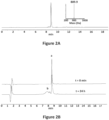
- a model peptide GGGGRGDY (SEQ ID NO: 1) was synthesized via solid phase peptide synthesis (SPPS) in which the aminoxy functionality was introduced at the N-terminus by coupling Boc-aminoxyacetic acid (Boc-Aoa). Following peptide cleavage from the resin, the resulting Aoa-GGGGRGDY peptide (peptide 1) was isolated and analyzed by HPLC and mass spectrometry.
- SPPS solid phase peptide synthesis
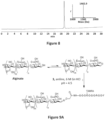
- Dextran (50 mg) and peptide 1 (13 mg, ⁇ 2 equivalents) were thoroughly mixed in 8 mL of 6 M Gn ⁇ HCl buffer solution containing 100 mM aniline (pH 4.5) and the reaction was followed by HPLC. After completion of the reaction, the mixture was dialyzed against deionized water until complete elimination of excess of peptide 1, as observed by HPLC analysis, followed by lyophilization to obtain a white foamy material.
- HPLC analysis showed a single peak confirming the purity of the product after dialysis.
- the strategy was extended for conjugating peptide 1 to a relatively high molecular weight and positively charged deacetylated chitosan (Mn ⁇ 50 kD). Since, the deacetylated chitosan was not soluble in 6 M Gn ⁇ HCl, acetic acid (0.1 M) was added to aid its dissolution.
- hyaluronic acid Mn ⁇ 51 kD
- a negatively charged and highly water-soluble polysaccharide comprised of glucosamine and mannuronic acid.
- Hyaluronic acid 200 mg
- aminoxy peptide 13 mg, ⁇ 2 equivalents
- citrate and acetonitrile (1:1) buffer solution mixture containing 100 mM aniline (pH 4.5).
- the resulting reaction mixture was thoroughly mixed by gentle shaking.
- the reaction was analyzed and worked up as in the dextran example.
- alginate sulfate Freeman, 2008 was employed as a substrate in the oxime formation reaction.
- RAFT template was increased by including a fluorophore thereto.
- TAMRA 5-carboxytetramethylrhodamine
- Aoa-GGGK(TAMRA)-GGGRGDY peptide 3
- 1% (w/v) solutions of the RGD-modified alginate (with peptide 1) were prepared in double-distilled water (DDW) by thoroughly mixing until clear solutions were attained.
- the viscoelastic behavior of the RGD-modified alginate solutions was tested on a stress-control Rheometer (TA Instruments, model AR 2000), operated in the cone-plate mode with a cone angle of 10 and a 60 mm diameter.
- Storage (G') and loss (G") moduli were measured in a frequency sweep range of 0.1-10 Hz.
- the measuring device was equipped with a temperature control unit (Peltier plate, ⁇ 0.05 °C) operated at 25 °C.
- alginate-RGD conjugate was synthesize and its rheological and biofunctional properties were examined in comparison to RGD linked randomly to the alginate chains via carbodiimide chemistry (Alg-RGD-R).
- Alg-RGD-R carbodiimide chemistry
- the developed oxime conjugation conditions between negatively charged alginate (Mn ⁇ 32 kD) and peptide 1 were employed to successfully obtain alginate-RGD conjugate.
- the chemistry was performed on gram quantities, which enabled to study the viscoelastic and cell adhesion properties of the resultant conjugates.
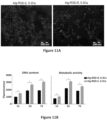
- Human foreskin dermal fibroblasts were cultured on 75cm 2 cell culture flask in 15 mL high glucose Dulbecco's Modified Eagle's Medium (DMEM), supplemented with 1% Pen-Strep, 2% L-glutamine and 10% fetal bovine serum (FBS) for 7 d, then removed from the dishes by 0.25% trypsin/EDTA and counted using the trypan blue exclusion assay. Prior to seeding in hydrogels, the cells were fluorescently labeled with PHK67 (Green Fluorescent Cell Linker Midi Kit for General Cell Membrane Labeling, #cat. MIDI67-1KT, Sigma).
- PHK67 Green Fluorescent Cell Linker Midi Kit for General Cell Membrane Labeling
- RGD-immobilized hydrogels 1% alginate, 0.3% D-gluconic acid, hemicalcium salt, w/v
- 25,000 cells were added to the wells, and incubated for 24 h.
- the hydrogel was prepared as follows: RGD-immobilized alginates were dissolved in double distilled water (DDW) to obtain a 2.5 % (w/v) solution, and then the alginate was cross-linked by adding D-gluconic acid, hemicalcium salt, while homogenizing the mixture to achieve a uniform cross-linking of the alginate.
- the final concentration of alginate and calcium ions in resultant hydrogel was 2.0 and 0.6% (w/v), respectively.
- 100 ⁇ L of cell suspension in a medium containing 4 ⁇ 105 cells were mixed with 100 ⁇ L of the hydrogel prepared above, then placed in the well of a 48-well plate and incubated for 2 h, in a humidified atmosphere of 5% CO 2 and 95% air, at 37 °C. Then, additional 0.5 mL of culture medium was added per each well. The medium was replaced every 2 days.
- the DNA content of cell constructs at various time-points was determined by the Hoechst 33258 assay. Each cell construct was transferred to an eppendorf tube and 300 ⁇ L of 4% (w/v) sodium citrate in PBS was added for dissolving the alginate hydrogel and releasing cells. Following 10 min incubation at RT with shaking, the tubes were centrifuged at 2400 ⁇ g for 10 min, 4 °C. The cell pellet was resuspended in 0.02% (w/v) sodium dodecyl sulfate in saline-sodium citrate, pH 7.0 (150 mM NaCl, 15 mM sodium-citrate) and incubated for 1 h at 37 °C for cell lysis.
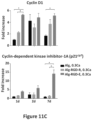
- RNA levels of CyclinD1 and p21 cip1 were quantified by real-time quantitative PCR. At indicated time-points, total RNA was isolated using the EZ-RNA purification kit (Biological Industries, Beit Haemek, Israel), and 500 ng of RNA from each sample was reverse transcribed into cDNA using the High Capacity cDNA Reverse Transcription Kit (Applied Biosystems, Foster City, CA). For gene expression analysis, mRNA levels were determined by real-time PCR using StepOnePlus TM Applied detection system (Applied Biosystems) according to the instructions of the manufacturer. Gene expression analysis was performed using TaqMan gene expression assays using GAPDH and ACTB as house-keeping genes.
- the primers were (abbreviation, TaqMan Gene Expression Assay ID): glyceraldehyde-3-phosphate dehydrogenase (GAPDH, Hs99999905-m1), Cyclin D1 (CCND1, Hs00765553-m1), p21 cip1 (CDKN1A, Hs00355782-m1), Actin Beta (ACTB, Hs99999903-m1). Results were normalized to cell constructs grown in unmodified alginate hydrogel for 24 h.
- GPDH glyceraldehyde-3-phosphate dehydrogenase
- Cyclin D1 CCND1, Hs00765553-m1
- p21 cip1 CDKN1A, Hs00355782-m1
- ACTB Actin Beta
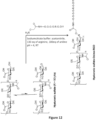
- Oxime conjugation reaction on hyaluronan sulfate with RGD-ONH 2 model peptide 1 was examined under the conditions established for hyaluronic acid (hyaluronan) in Example 4 ( Fig. 12 ).
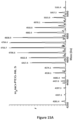
- 1 H NMR analysis ( Fig. 13 ) of the reaction mixture after dialysis showed the conjugate formation via anticipated oxime bond, as can be seen in the oxime characteristic peaks at 7.2 ppm and 7.8 ppm in the 1 H NMR spectrum.
- NLS modified hyaluronan sulfate conjugates were synthesized.
- both NLS-ONH 2 peptide and fluorophore labelled H 2 NO-TAMRA-NLS were prepared in order to enable following the materials in further biological studies.
- the success of conjugate formation was analyzed with the 1 H NMR analysis for the reaction hyaluronan sulfate with H 2 NO-TAMRA-NLS, where the oxime characteristic peaks at 7.2 and 7.8 ppm and also peaks corresponds to aromatic protons of the fluorophore in the aromatic region i.e., from 6.8-8.0 ppm were observed ( Fig. 14 ).
- the positively charged NLS peptide attached at the end of the polysaccharide is in ionic interaction with the negatively charged sulfate groups of the hyaluronan sulfate and thus could not participate in binding with the siRNA while fabricating the nanoparticles. Accordingly, increasing the length of the linker between hyaluronan sulfate and NLS would avoid these ionic interactions and allow NLS to interact with siRNA. Therefore, a PEG linker of 75 monomer length was incorporated in between the hyaluronan sulfate and NLS.
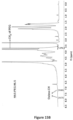
- the final product was purified by HPLC and analyzed by mass spectrometry (with an estimated MW of about 4800 Da: 3300 Da (PEG) + 1500 Da petide) ( Fig. 15A ).
- This synthesized peptide was further subjected in an oxime conjugation reaction with hyaluronan sulfate and the product formation was analyzed by 1 H NMR spectroscopy ( Fig. 15B ).
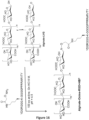
- alginate-LVG ( ⁇ 100 kD), which is known to form stable hydrogels, was modified. It is known that the combination of RGD and HBP significantly enhances the cell proliferative properties of the resultant bioconjugate material. Therefore, a petide in which both RGD and HBP are assembled as one peptide having an aminoxy functionality YDGRGGGG-(K-ONH 2 )-GGGGSPPRRARVTY(RGD+HBP)-ONH 2 ), was synthesized. Subsequently, this peptide (1.5 eq.) was employed in the oxime conjugation reaction with alginate (1 eq.) as illustrated in Fig. 16 .
Landscapes
- Chemical & Material Sciences (AREA)
- Health & Medical Sciences (AREA)
- Life Sciences & Earth Sciences (AREA)
- Organic Chemistry (AREA)
- Medicinal Chemistry (AREA)
- General Health & Medical Sciences (AREA)
- Molecular Biology (AREA)
- Biochemistry (AREA)
- Polymers & Plastics (AREA)
- Chemical Kinetics & Catalysis (AREA)
- Materials Engineering (AREA)
- Engineering & Computer Science (AREA)
- Biophysics (AREA)
- Genetics & Genomics (AREA)
- Proteomics, Peptides & Aminoacids (AREA)
- Toxicology (AREA)
- Zoology (AREA)
- Gastroenterology & Hepatology (AREA)
- Peptides Or Proteins (AREA)
- Medicinal Preparation (AREA)
Claims (11)
- Polysaccharide modifié sélectivement modifié à son extrémité réductrice par conjugaison avec un seul peptide aminoxy-RAFT (Regioselective Addressable Functionalized Template), ledit peptide RAFT étant un peptide biologiquement actif, linéaire ou cyclique, favorisant l'adhésion cellulaire et comprenant une séquence arginine-glycine-aspartate (RGD).
- Polysaccharide modifié selon la revendication 1, ledit polysaccharide étant choisi parmi le chitosane, le dextrane, l'héparine, le sulfate d'héparane, le sulfate de kératine, la pectine, l'amidon, l'acide hyaluronique, le hyaluronane sulfaté, l'alginate, le sulfate d'alginate et le sulfate de chondroïtine.
- Polysaccharide modifié selon les revendications 1 ou 2, dans lequel ledit peptide RAFT présente la séquence GGGGRGDY.
- Polysaccharide modifié selon les revendications 1 ou 2, ledit polysaccharide étant choisi parmi le dextrane-GGGGRGDY, le chitosane-GGGGRGDY, l'acide hyaluronique-GGGGRGDY et le sulfate d'alginate-GGGGRGDY.
- Polysaccharide modifié selon l'une quelconque des revendications 1 à 4, dans lequel ledit peptide RAFT est marqué.
- Polysaccharide modifié selon la revendication 5, dans lequel ledit peptide RAFT est marqué avec un colorant ou la biotine.
- Polysaccharide modifié selon la revendication 1, ledit polysaccharide étant l'alginate-GGGK(TAMRA)GGGRGDY.
- Polysaccharide modifié selon l'une quelconque des revendications 1 à 7, dans lequel ledit peptide RAFT comprend un ou plusieurs motifs fonctionnels, qui sont des radicaux ou des résidus liés au peptide RAFT et présentant une activité biologique.
- Polysaccharide modifié selon la revendication 8, dans lequel les motifs fonctionnels sont des biomolécules.
- Polysaccharide modifié selon la revendication 9, dans lequel lesdites biomolécules sont des peptides ou des oligosaccharides.
- Procédé de préparation d'un polysaccharide modifié selon l'une quelconque des revendications 1 à 10 comprenant la conjugaison d'un polysaccharide avec un peptide fonctionnalisé par un aminoxy en présence d'aniline.
Applications Claiming Priority (2)
| Application Number | Priority Date | Filing Date | Title |
|---|---|---|---|
| US201462006307P | 2014-06-02 | 2014-06-02 | |
| PCT/IL2015/050562 WO2015186127A1 (fr) | 2014-06-02 | 2015-06-01 | Modification régiosélective de polysaccharides et applications associées |
Publications (3)
| Publication Number | Publication Date |
|---|---|
| EP3149026A1 EP3149026A1 (fr) | 2017-04-05 |
| EP3149026A4 EP3149026A4 (fr) | 2018-01-24 |
| EP3149026B1 true EP3149026B1 (fr) | 2025-03-05 |
Family
ID=54766251
Family Applications (1)
| Application Number | Title | Priority Date | Filing Date |
|---|---|---|---|
| EP15803011.4A Active EP3149026B1 (fr) | 2014-06-02 | 2015-06-01 | Modification régiosélective de polysaccharides et applications associées |
Country Status (4)
| Country | Link |
|---|---|
| US (2) | US10208133B2 (fr) |
| EP (1) | EP3149026B1 (fr) |
| IL (1) | IL249303B (fr) |
| WO (1) | WO2015186127A1 (fr) |
Families Citing this family (4)
| Publication number | Priority date | Publication date | Assignee | Title |
|---|---|---|---|---|
| BR112015031253B1 (pt) | 2013-06-13 | 2021-09-28 | Orgenesis Ltd. | Método para produção de uma população de células transdiferenciada |
| MA41296A (fr) | 2014-12-30 | 2017-11-07 | Orgenesis Ltd | Procédés de transdifférenciation et procédés d'utilisation de ceux-ci |
| JP6834545B2 (ja) * | 2017-02-01 | 2021-02-24 | Jsr株式会社 | 変性多糖およびその用途 |
| WO2018207179A1 (fr) | 2017-05-08 | 2018-11-15 | Orgenesis Ltd. | Populations de cellules transdifférenciées et leurs procédés d'utilisation |
Family Cites Families (6)
| Publication number | Priority date | Publication date | Assignee | Title |
|---|---|---|---|---|
| US6846923B2 (en) | 2001-09-18 | 2005-01-25 | Hercules, Inc. | Oxime-linked polysaccharides and methods of preparing the same |
| CA2556169C (fr) * | 2004-01-29 | 2011-11-22 | Andrew Lees | Utilisation de groupes fonctionnels amino-oxy dans la preparation de vaccins |
| US8168215B2 (en) * | 2006-06-16 | 2012-05-01 | Fmc Biopolymer As | Alginate coated, collagen matrix cellular device, preparative methods, and uses thereof |
| ES2322637B1 (es) * | 2007-06-26 | 2010-03-05 | Universidad Del Pais Vasco | Microparticulas de alginato modificado con rgd como sistema de liberacion de farmacos. |
| IL187707A0 (en) * | 2007-11-27 | 2008-11-03 | Univ Ben Gurion | Alginate scaffold in hepatectomy |
| WO2011163568A1 (fr) | 2010-06-24 | 2011-12-29 | University Of Kansas | Conjugués comportant une liaison n-oxime et procédés associés |
-
2015
- 2015-06-01 WO PCT/IL2015/050562 patent/WO2015186127A1/fr not_active Ceased
- 2015-06-01 US US15/315,770 patent/US10208133B2/en active Active
- 2015-06-01 EP EP15803011.4A patent/EP3149026B1/fr active Active
-
2016
- 2016-11-30 IL IL249303A patent/IL249303B/en active IP Right Grant
-
2018
- 2018-12-18 US US16/223,126 patent/US10968286B2/en active Active
Also Published As
| Publication number | Publication date |
|---|---|
| US10968286B2 (en) | 2021-04-06 |
| IL249303A0 (en) | 2017-02-28 |
| WO2015186127A1 (fr) | 2015-12-10 |
| EP3149026A4 (fr) | 2018-01-24 |
| US20170096500A1 (en) | 2017-04-06 |
| IL249303B (en) | 2020-07-30 |
| US20190256615A1 (en) | 2019-08-22 |
| EP3149026A1 (fr) | 2017-04-05 |
| US10208133B2 (en) | 2019-02-19 |
Similar Documents
| Publication | Publication Date | Title |
|---|---|---|
| Zhang et al. | Dynamic covalent polymers for biomedical applications | |
| Mourya et al. | Carboxymethyl chitosan and its applications | |
| Sashiwa et al. | Chemically modified chitin and chitosan as biomaterials | |
| Ganji et al. | Synthesis and characterization of a new thermosensitive chitosan–PEG diblock copolymer | |
| Yu et al. | Peptide surface modification of methacrylamide chitosan for neural tissue engineering applications | |
| US10968286B2 (en) | Site-selective modification of polysaccharides and applications thereof | |
| Jain et al. | A new horizon in modifications of chitosan: syntheses and applications | |
| Jin et al. | Injectable chitosan-based hydrogels for cartilage tissue engineering | |
| JP5872576B2 (ja) | アルケン単位およびチオールクリック化学カップリング反応を含む多糖誘導体 | |
| Fan et al. | Preparation and characterization of sodium alginate modified with collagen peptides | |
| Rahmani et al. | Methylated 4-N, N dimethyl aminobenzyl N, O carboxymethyl chitosan as a new chitosan derivative: Synthesis, characterization, cytotoxicity and antibacterial activity | |
| Ma et al. | Development of the mussel-inspired pH-responsive hydrogel based on Bletilla striata polysaccharide with enhanced adhesiveness and antioxidant properties | |
| Bondalapati et al. | Rapid end‐group modification of polysaccharides for biomaterial applications in regenerative medicine | |
| Li et al. | Synthesis of in-situ formable hydrogels with collagen and hyaluronan through facile Michael addition | |
| CN104736182B (zh) | 用于生物技术应用的非共价型自组织水凝胶基质 | |
| Lutzke et al. | Nitric oxide-releasing S-nitrosated derivatives of chitin and chitosan for biomedical applications | |
| EP3558385B1 (fr) | Procédé de préparation d'une préparation médicale comprenant un support à base d'hyaluronane insoluble dans l'eau conjugué à des acides aminés ou des peptides | |
| WO2010083039A9 (fr) | Préparation d'hydrogel biodégradable pour une application biomédicale | |
| Gerrits et al. | Semiflexible polymer scaffolds: an overview of conjugation strategies | |
| Kim et al. | Fabrication of cell penetrating peptide-conjugated bacterial cellulose nanofibrils with remarkable skin adhesion and water retention performance | |
| CN103381273B (zh) | 阿霉素前药及其制备方法和可注射的组合物 | |
| Piątkowski et al. | Biodegradable, pH-sensitive chitosan beads obtained under microwave radiation for advanced cell culture | |
| Karel et al. | Stabilization of hyaluronan-based materials by peptide conjugation and its use as a cell-seeded scaffold in tissue engineering | |
| Guo et al. | Efficient catalyst-free one-pot synthesis of polysaccharide-polypeptide hydrogels in aqueous solution | |
| CN117567690A (zh) | 一种温度/pH双重响应壳聚糖/酸性多糖水凝胶及其制备方法和应用 |
Legal Events
| Date | Code | Title | Description |
|---|---|---|---|
| STAA | Information on the status of an ep patent application or granted ep patent |
Free format text: STATUS: THE INTERNATIONAL PUBLICATION HAS BEEN MADE |
|
| PUAI | Public reference made under article 153(3) epc to a published international application that has entered the european phase |
Free format text: ORIGINAL CODE: 0009012 |
|
| STAA | Information on the status of an ep patent application or granted ep patent |
Free format text: STATUS: REQUEST FOR EXAMINATION WAS MADE |
|
| 17P | Request for examination filed |
Effective date: 20161227 |
|
| AK | Designated contracting states |
Kind code of ref document: A1 Designated state(s): AL AT BE BG CH CY CZ DE DK EE ES FI FR GB GR HR HU IE IS IT LI LT LU LV MC MK MT NL NO PL PT RO RS SE SI SK SM TR |
|
| AX | Request for extension of the european patent |
Extension state: BA ME |
|
| DAV | Request for validation of the european patent (deleted) | ||
| DAX | Request for extension of the european patent (deleted) | ||
| A4 | Supplementary search report drawn up and despatched |
Effective date: 20171221 |
|
| RIC1 | Information provided on ipc code assigned before grant |
Ipc: C08L 1/04 20060101ALI20171215BHEP Ipc: C07K 7/02 20060101ALI20171215BHEP Ipc: C08L 5/08 20060101ALI20171215BHEP Ipc: C07K 7/50 20060101AFI20171215BHEP Ipc: C08L 5/10 20060101ALI20171215BHEP Ipc: C07C 251/36 20060101ALI20171215BHEP Ipc: C08L 5/02 20060101ALI20171215BHEP |
|
| STAA | Information on the status of an ep patent application or granted ep patent |
Free format text: STATUS: EXAMINATION IS IN PROGRESS |
|
| 17Q | First examination report despatched |
Effective date: 20201013 |
|
| P01 | Opt-out of the competence of the unified patent court (upc) registered |
Effective date: 20230524 |
|
| GRAP | Despatch of communication of intention to grant a patent |
Free format text: ORIGINAL CODE: EPIDOSNIGR1 |
|
| STAA | Information on the status of an ep patent application or granted ep patent |
Free format text: STATUS: GRANT OF PATENT IS INTENDED |
|
| INTG | Intention to grant announced |
Effective date: 20241219 |
|
| GRAS | Grant fee paid |
Free format text: ORIGINAL CODE: EPIDOSNIGR3 |
|
| GRAA | (expected) grant |
Free format text: ORIGINAL CODE: 0009210 |
|
| STAA | Information on the status of an ep patent application or granted ep patent |
Free format text: STATUS: THE PATENT HAS BEEN GRANTED |
|
| AK | Designated contracting states |
Kind code of ref document: B1 Designated state(s): AL AT BE BG CH CY CZ DE DK EE ES FI FR GB GR HR HU IE IS IT LI LT LU LV MC MK MT NL NO PL PT RO RS SE SI SK SM TR |
|
| REG | Reference to a national code |
Ref country code: GB Ref legal event code: FG4D |
|
| REG | Reference to a national code |
Ref country code: CH Ref legal event code: EP |
|
| REG | Reference to a national code |
Ref country code: DE Ref legal event code: R096 Ref document number: 602015091163 Country of ref document: DE |
|
| REG | Reference to a national code |
Ref country code: IE Ref legal event code: FG4D |
|
| PG25 | Lapsed in a contracting state [announced via postgrant information from national office to epo] |
Ref country code: RS Free format text: LAPSE BECAUSE OF FAILURE TO SUBMIT A TRANSLATION OF THE DESCRIPTION OR TO PAY THE FEE WITHIN THE PRESCRIBED TIME-LIMIT Effective date: 20250605 |
|
| PG25 | Lapsed in a contracting state [announced via postgrant information from national office to epo] |
Ref country code: FI Free format text: LAPSE BECAUSE OF FAILURE TO SUBMIT A TRANSLATION OF THE DESCRIPTION OR TO PAY THE FEE WITHIN THE PRESCRIBED TIME-LIMIT Effective date: 20250305 |
|
| PGFP | Annual fee paid to national office [announced via postgrant information from national office to epo] |
Ref country code: DE Payment date: 20250402 Year of fee payment: 11 |
|
| REG | Reference to a national code |
Ref country code: NL Ref legal event code: MP Effective date: 20250305 |
|
| PG25 | Lapsed in a contracting state [announced via postgrant information from national office to epo] |
Ref country code: ES Free format text: LAPSE BECAUSE OF FAILURE TO SUBMIT A TRANSLATION OF THE DESCRIPTION OR TO PAY THE FEE WITHIN THE PRESCRIBED TIME-LIMIT Effective date: 20250305 |
|
| PGFP | Annual fee paid to national office [announced via postgrant information from national office to epo] |
Ref country code: GB Payment date: 20250401 Year of fee payment: 11 |
|
| REG | Reference to a national code |
Ref country code: LT Ref legal event code: MG9D |
|
| PG25 | Lapsed in a contracting state [announced via postgrant information from national office to epo] |
Ref country code: NO Free format text: LAPSE BECAUSE OF FAILURE TO SUBMIT A TRANSLATION OF THE DESCRIPTION OR TO PAY THE FEE WITHIN THE PRESCRIBED TIME-LIMIT Effective date: 20250605 |
|
| PG25 | Lapsed in a contracting state [announced via postgrant information from national office to epo] |
Ref country code: HR Free format text: LAPSE BECAUSE OF FAILURE TO SUBMIT A TRANSLATION OF THE DESCRIPTION OR TO PAY THE FEE WITHIN THE PRESCRIBED TIME-LIMIT Effective date: 20250305 |
|
| PG25 | Lapsed in a contracting state [announced via postgrant information from national office to epo] |
Ref country code: LV Free format text: LAPSE BECAUSE OF FAILURE TO SUBMIT A TRANSLATION OF THE DESCRIPTION OR TO PAY THE FEE WITHIN THE PRESCRIBED TIME-LIMIT Effective date: 20250305 |
|
| PGFP | Annual fee paid to national office [announced via postgrant information from national office to epo] |
Ref country code: FR Payment date: 20250401 Year of fee payment: 11 |
|
| PG25 | Lapsed in a contracting state [announced via postgrant information from national office to epo] |
Ref country code: GR Free format text: LAPSE BECAUSE OF FAILURE TO SUBMIT A TRANSLATION OF THE DESCRIPTION OR TO PAY THE FEE WITHIN THE PRESCRIBED TIME-LIMIT Effective date: 20250606 Ref country code: BG Free format text: LAPSE BECAUSE OF FAILURE TO SUBMIT A TRANSLATION OF THE DESCRIPTION OR TO PAY THE FEE WITHIN THE PRESCRIBED TIME-LIMIT Effective date: 20250305 |
|
| REG | Reference to a national code |
Ref country code: AT Ref legal event code: MK05 Ref document number: 1772891 Country of ref document: AT Kind code of ref document: T Effective date: 20250305 |
|
| PG25 | Lapsed in a contracting state [announced via postgrant information from national office to epo] |
Ref country code: NL Free format text: LAPSE BECAUSE OF FAILURE TO SUBMIT A TRANSLATION OF THE DESCRIPTION OR TO PAY THE FEE WITHIN THE PRESCRIBED TIME-LIMIT Effective date: 20250305 |
|
| PG25 | Lapsed in a contracting state [announced via postgrant information from national office to epo] |
Ref country code: SE Free format text: LAPSE BECAUSE OF FAILURE TO SUBMIT A TRANSLATION OF THE DESCRIPTION OR TO PAY THE FEE WITHIN THE PRESCRIBED TIME-LIMIT Effective date: 20250305 |
|
| PG25 | Lapsed in a contracting state [announced via postgrant information from national office to epo] |
Ref country code: SM Free format text: LAPSE BECAUSE OF FAILURE TO SUBMIT A TRANSLATION OF THE DESCRIPTION OR TO PAY THE FEE WITHIN THE PRESCRIBED TIME-LIMIT Effective date: 20250305 |
|
| PG25 | Lapsed in a contracting state [announced via postgrant information from national office to epo] |
Ref country code: PT Free format text: LAPSE BECAUSE OF FAILURE TO SUBMIT A TRANSLATION OF THE DESCRIPTION OR TO PAY THE FEE WITHIN THE PRESCRIBED TIME-LIMIT Effective date: 20250707 |
|
| PG25 | Lapsed in a contracting state [announced via postgrant information from national office to epo] |
Ref country code: PL Free format text: LAPSE BECAUSE OF FAILURE TO SUBMIT A TRANSLATION OF THE DESCRIPTION OR TO PAY THE FEE WITHIN THE PRESCRIBED TIME-LIMIT Effective date: 20250305 Ref country code: IT Free format text: LAPSE BECAUSE OF FAILURE TO SUBMIT A TRANSLATION OF THE DESCRIPTION OR TO PAY THE FEE WITHIN THE PRESCRIBED TIME-LIMIT Effective date: 20250305 |
|
| PG25 | Lapsed in a contracting state [announced via postgrant information from national office to epo] |
Ref country code: AT Free format text: LAPSE BECAUSE OF FAILURE TO SUBMIT A TRANSLATION OF THE DESCRIPTION OR TO PAY THE FEE WITHIN THE PRESCRIBED TIME-LIMIT Effective date: 20250305 |
|
| PG25 | Lapsed in a contracting state [announced via postgrant information from national office to epo] |
Ref country code: EE Free format text: LAPSE BECAUSE OF FAILURE TO SUBMIT A TRANSLATION OF THE DESCRIPTION OR TO PAY THE FEE WITHIN THE PRESCRIBED TIME-LIMIT Effective date: 20250305 Ref country code: CZ Free format text: LAPSE BECAUSE OF FAILURE TO SUBMIT A TRANSLATION OF THE DESCRIPTION OR TO PAY THE FEE WITHIN THE PRESCRIBED TIME-LIMIT Effective date: 20250305 |
|
| PG25 | Lapsed in a contracting state [announced via postgrant information from national office to epo] |
Ref country code: RO Free format text: LAPSE BECAUSE OF FAILURE TO SUBMIT A TRANSLATION OF THE DESCRIPTION OR TO PAY THE FEE WITHIN THE PRESCRIBED TIME-LIMIT Effective date: 20250305 |
|
| PG25 | Lapsed in a contracting state [announced via postgrant information from national office to epo] |
Ref country code: SK Free format text: LAPSE BECAUSE OF FAILURE TO SUBMIT A TRANSLATION OF THE DESCRIPTION OR TO PAY THE FEE WITHIN THE PRESCRIBED TIME-LIMIT Effective date: 20250305 |
|
| PG25 | Lapsed in a contracting state [announced via postgrant information from national office to epo] |
Ref country code: IS Free format text: LAPSE BECAUSE OF FAILURE TO SUBMIT A TRANSLATION OF THE DESCRIPTION OR TO PAY THE FEE WITHIN THE PRESCRIBED TIME-LIMIT Effective date: 20250705 |
|
| REG | Reference to a national code |
Ref country code: DE Ref legal event code: R097 Ref document number: 602015091163 Country of ref document: DE |
|
| PLBE | No opposition filed within time limit |
Free format text: ORIGINAL CODE: 0009261 |
|
| STAA | Information on the status of an ep patent application or granted ep patent |
Free format text: STATUS: NO OPPOSITION FILED WITHIN TIME LIMIT |
|
| PG25 | Lapsed in a contracting state [announced via postgrant information from national office to epo] |
Ref country code: DK Free format text: LAPSE BECAUSE OF FAILURE TO SUBMIT A TRANSLATION OF THE DESCRIPTION OR TO PAY THE FEE WITHIN THE PRESCRIBED TIME-LIMIT Effective date: 20250305 |
|
| REG | Reference to a national code |
Ref country code: CH Ref legal event code: L10 Free format text: ST27 STATUS EVENT CODE: U-0-0-L10-L00 (AS PROVIDED BY THE NATIONAL OFFICE) Effective date: 20260114 |
|
| REG | Reference to a national code |
Ref country code: CH Ref legal event code: H13 Free format text: ST27 STATUS EVENT CODE: U-0-0-H10-H13 (AS PROVIDED BY THE NATIONAL OFFICE) Effective date: 20260127 |
|
| PG25 | Lapsed in a contracting state [announced via postgrant information from national office to epo] |
Ref country code: MC Free format text: LAPSE BECAUSE OF FAILURE TO SUBMIT A TRANSLATION OF THE DESCRIPTION OR TO PAY THE FEE WITHIN THE PRESCRIBED TIME-LIMIT Effective date: 20250305 |
|
| 26N | No opposition filed |
Effective date: 20251208 |
|
| PG25 | Lapsed in a contracting state [announced via postgrant information from national office to epo] |
Ref country code: LU Free format text: LAPSE BECAUSE OF NON-PAYMENT OF DUE FEES Effective date: 20250601 |
|
| REG | Reference to a national code |
Ref country code: BE Ref legal event code: MM Effective date: 20250630 |
|
| PG25 | Lapsed in a contracting state [announced via postgrant information from national office to epo] |
Ref country code: IE Free format text: LAPSE BECAUSE OF NON-PAYMENT OF DUE FEES Effective date: 20250601 |
|
| PG25 | Lapsed in a contracting state [announced via postgrant information from national office to epo] |
Ref country code: BE Free format text: LAPSE BECAUSE OF NON-PAYMENT OF DUE FEES Effective date: 20250630 |
|
| PG25 | Lapsed in a contracting state [announced via postgrant information from national office to epo] |
Ref country code: CH Free format text: LAPSE BECAUSE OF NON-PAYMENT OF DUE FEES Effective date: 20250630 |