EP3149038B1 - Anticorps anti-neurotensine et leurs utilisations - Google Patents
Anticorps anti-neurotensine et leurs utilisations Download PDFInfo
- Publication number
- EP3149038B1 EP3149038B1 EP15726593.5A EP15726593A EP3149038B1 EP 3149038 B1 EP3149038 B1 EP 3149038B1 EP 15726593 A EP15726593 A EP 15726593A EP 3149038 B1 EP3149038 B1 EP 3149038B1
- Authority
- EP
- European Patent Office
- Prior art keywords
- antibody
- malignant
- seq
- carcinoma
- cell
- Prior art date
- Legal status (The legal status is an assumption and is not a legal conclusion. Google has not performed a legal analysis and makes no representation as to the accuracy of the status listed.)
- Active
Links
Images


Classifications
-
- C—CHEMISTRY; METALLURGY
- C07—ORGANIC CHEMISTRY
- C07K—PEPTIDES
- C07K16/00—Immunoglobulins [IG], e.g. monoclonal or polyclonal antibodies
- C07K16/18—Immunoglobulins [IG], e.g. monoclonal or polyclonal antibodies against material from animals or humans
-
- A—HUMAN NECESSITIES
- A61—MEDICAL OR VETERINARY SCIENCE; HYGIENE
- A61K—PREPARATIONS FOR MEDICAL, DENTAL OR TOILETRY PURPOSES
- A61K33/00—Medicinal preparations containing inorganic active ingredients
- A61K33/24—Heavy metals; Compounds thereof
- A61K33/243—Platinum; Compounds thereof
-
- A—HUMAN NECESSITIES
- A61—MEDICAL OR VETERINARY SCIENCE; HYGIENE
- A61K—PREPARATIONS FOR MEDICAL, DENTAL OR TOILETRY PURPOSES
- A61K39/00—Medicinal preparations containing antigens or antibodies
- A61K39/395—Antibodies; Immunoglobulins; Immune serum, e.g. antilymphocytic serum
- A61K39/39533—Antibodies; Immunoglobulins; Immune serum, e.g. antilymphocytic serum against materials from animals
- A61K39/39558—Antibodies; Immunoglobulins; Immune serum, e.g. antilymphocytic serum against materials from animals against tumor tissues, cells, antigens
-
- A—HUMAN NECESSITIES
- A61—MEDICAL OR VETERINARY SCIENCE; HYGIENE
- A61K—PREPARATIONS FOR MEDICAL, DENTAL OR TOILETRY PURPOSES
- A61K45/00—Medicinal preparations containing active ingredients not provided for in groups A61K31/00 - A61K41/00
- A61K45/06—Mixtures of active ingredients without chemical characterisation, e.g. antiphlogistics and cardiaca
-
- A—HUMAN NECESSITIES
- A61—MEDICAL OR VETERINARY SCIENCE; HYGIENE
- A61P—SPECIFIC THERAPEUTIC ACTIVITY OF CHEMICAL COMPOUNDS OR MEDICINAL PREPARATIONS
- A61P35/00—Antineoplastic agents
-
- C—CHEMISTRY; METALLURGY
- C07—ORGANIC CHEMISTRY
- C07K—PEPTIDES
- C07K16/00—Immunoglobulins [IG], e.g. monoclonal or polyclonal antibodies
- C07K16/18—Immunoglobulins [IG], e.g. monoclonal or polyclonal antibodies against material from animals or humans
- C07K16/26—Immunoglobulins [IG], e.g. monoclonal or polyclonal antibodies against material from animals or humans against hormones ; against hormone releasing or inhibiting factors
-
- C—CHEMISTRY; METALLURGY
- C07—ORGANIC CHEMISTRY
- C07K—PEPTIDES
- C07K16/00—Immunoglobulins [IG], e.g. monoclonal or polyclonal antibodies
- C07K16/18—Immunoglobulins [IG], e.g. monoclonal or polyclonal antibodies against material from animals or humans
- C07K16/28—Immunoglobulins [IG], e.g. monoclonal or polyclonal antibodies against material from animals or humans against receptors, cell surface antigens or cell surface determinants
- C07K16/30—Immunoglobulins [IG], e.g. monoclonal or polyclonal antibodies against material from animals or humans against receptors, cell surface antigens or cell surface determinants from tumour cells
-
- A—HUMAN NECESSITIES
- A61—MEDICAL OR VETERINARY SCIENCE; HYGIENE
- A61K—PREPARATIONS FOR MEDICAL, DENTAL OR TOILETRY PURPOSES
- A61K39/00—Medicinal preparations containing antigens or antibodies
- A61K2039/505—Medicinal preparations containing antigens or antibodies comprising antibodies
-
- A—HUMAN NECESSITIES
- A61—MEDICAL OR VETERINARY SCIENCE; HYGIENE
- A61K—PREPARATIONS FOR MEDICAL, DENTAL OR TOILETRY PURPOSES
- A61K39/00—Medicinal preparations containing antigens or antibodies
- A61K2039/505—Medicinal preparations containing antigens or antibodies comprising antibodies
- A61K2039/507—Comprising a combination of two or more separate antibodies
-
- C—CHEMISTRY; METALLURGY
- C07—ORGANIC CHEMISTRY
- C07K—PEPTIDES
- C07K2317/00—Immunoglobulins specific features
- C07K2317/20—Immunoglobulins specific features characterized by taxonomic origin
- C07K2317/24—Immunoglobulins specific features characterized by taxonomic origin containing regions, domains or residues from different species, e.g. chimeric, humanized or veneered
-
- C—CHEMISTRY; METALLURGY
- C07—ORGANIC CHEMISTRY
- C07K—PEPTIDES
- C07K2317/00—Immunoglobulins specific features
- C07K2317/30—Immunoglobulins specific features characterized by aspects of specificity or valency
- C07K2317/34—Identification of a linear epitope shorter than 20 amino acid residues or of a conformational epitope defined by amino acid residues
-
- C—CHEMISTRY; METALLURGY
- C07—ORGANIC CHEMISTRY
- C07K—PEPTIDES
- C07K2317/00—Immunoglobulins specific features
- C07K2317/50—Immunoglobulins specific features characterized by immunoglobulin fragments
- C07K2317/56—Immunoglobulins specific features characterized by immunoglobulin fragments variable (Fv) region, i.e. VH and/or VL
- C07K2317/565—Complementarity determining region [CDR]
-
- C—CHEMISTRY; METALLURGY
- C07—ORGANIC CHEMISTRY
- C07K—PEPTIDES
- C07K2317/00—Immunoglobulins specific features
- C07K2317/70—Immunoglobulins specific features characterized by effect upon binding to a cell or to an antigen
- C07K2317/73—Inducing cell death, e.g. apoptosis, necrosis or inhibition of cell proliferation
-
- C—CHEMISTRY; METALLURGY
- C07—ORGANIC CHEMISTRY
- C07K—PEPTIDES
- C07K2317/00—Immunoglobulins specific features
- C07K2317/70—Immunoglobulins specific features characterized by effect upon binding to a cell or to an antigen
- C07K2317/76—Antagonist effect on antigen, e.g. neutralization or inhibition of binding
-
- C—CHEMISTRY; METALLURGY
- C12—BIOCHEMISTRY; BEER; SPIRITS; WINE; VINEGAR; MICROBIOLOGY; ENZYMOLOGY; MUTATION OR GENETIC ENGINEERING
- C12N—MICROORGANISMS OR ENZYMES; COMPOSITIONS THEREOF; PROPAGATING, PRESERVING, OR MAINTAINING MICROORGANISMS; MUTATION OR GENETIC ENGINEERING; CULTURE MEDIA
- C12N15/00—Mutation or genetic engineering; DNA or RNA concerning genetic engineering, vectors, e.g. plasmids, or their isolation, preparation or purification; Use of hosts therefor
-
- C—CHEMISTRY; METALLURGY
- C12—BIOCHEMISTRY; BEER; SPIRITS; WINE; VINEGAR; MICROBIOLOGY; ENZYMOLOGY; MUTATION OR GENETIC ENGINEERING
- C12N—MICROORGANISMS OR ENZYMES; COMPOSITIONS THEREOF; PROPAGATING, PRESERVING, OR MAINTAINING MICROORGANISMS; MUTATION OR GENETIC ENGINEERING; CULTURE MEDIA
- C12N15/00—Mutation or genetic engineering; DNA or RNA concerning genetic engineering, vectors, e.g. plasmids, or their isolation, preparation or purification; Use of hosts therefor
- C12N15/09—Recombinant DNA-technology
- C12N15/63—Introduction of foreign genetic material using vectors; Vectors; Use of hosts therefor; Regulation of expression
-
- C—CHEMISTRY; METALLURGY
- C12—BIOCHEMISTRY; BEER; SPIRITS; WINE; VINEGAR; MICROBIOLOGY; ENZYMOLOGY; MUTATION OR GENETIC ENGINEERING
- C12N—MICROORGANISMS OR ENZYMES; COMPOSITIONS THEREOF; PROPAGATING, PRESERVING, OR MAINTAINING MICROORGANISMS; MUTATION OR GENETIC ENGINEERING; CULTURE MEDIA
- C12N5/00—Undifferentiated human, animal or plant cells, e.g. cell lines; Tissues; Cultivation or maintenance thereof; Culture media therefor
- C12N5/10—Cells modified by introduction of foreign genetic material
Definitions
- the present disclosure relates to anti-neurotensin long fragment antibodies and uses thereof.
- NTS Neurotensin
- the peptide predominantly exerts hormonal and neurocrine regulation on the digestive process including the inhibition of small bowel motility and gastric acid secretions, the stimulation of pancreatic and biliary secretions, and the facilitation of fatty acid absorption(3).
- NTS action is mediated by two different G protein coupled receptors, the high and low affinity neurotensin receptors NTSR1 and NTSR2, respectively, and by a nonspecific single transmembranous sorting receptor encoded by the SORT1 gene, NTSR3/sortiline (4).
- NTS oncogenic action has been described in numerous types of cancer cells and tumors with effects in each step of cancer progression from tumor growth, with proliferative and survival effects, to metastatic spread, with anchorage independent growth, and pro-migratory and pro-invasive effects. All these cellular events are presumably activated due to the abnormal expression of the high affinity neurotensin receptor 1 (NTSR1) during the early stages of cell transformation in relation with the Wnt/ ⁇ -catenin pathway deregulation. Recent clinical data have been essential to identify the NTSR1 expression as an independent pejorative prognosis marker in breast, lung, and head and neck squamous cell carcinomas (HNSCC) (8-10).
- HNSCC head and neck squamous cell carcinomas
- NTS was shown to stimulate the growth of normal tissues like small bowel mucosa, colon, pancreas, stomach and adrenal cortex, and proposed in benign tumors, such as uterine leiomyomas or colon adenomas.
- This trophic effect was extended to cancer cells from various origins, as exogenous NTS was found to induce the growth stimulation of pancreas, colon, prostate, and small cell lung cancer cells in culture.
- Tritiated thymidin incorporation experiments performed on prostatic, pancreatic, and breast cancer cells showed a growth stimulatory effect resulting in the partial enhancement of DNA synthesis (11-13). Alterations to apoptosis regulation are another mechanism liable to influence tumor growth.
- NTS-induced anti-apoptotic effects were first described in the MCF-7 breast adenocarcinoma cell line (14).
- the contribution of the NTS/NTSR1 complex in tumor growth stimulation has been reported in several studies.
- a decrease of at least 50 % in tumor volume and weight was observed in xenografts of colon and small cell lung cancer cells when animals were treated daily with a NTSR1 antagonist. This result has been since confirmed using interfering RNA.
- these experiments revealed an additional effect on tumor growth as NTSR1 expression was completely abolished in breast and non-small cell lung carcinomas (NSCLC) experimental tumors (8, 15).
- exogenous NTS was also shown to significantly increase the size, weight, and DNA synthesis of MC26 colon cancer cells, and MIA Paca-2 pancreatic cancer cells xenografted in nude mice (16, 17).
- sustained administration of NTS promoted experimental-induced carcinogenesis, such as N-nitrosomorpholine induced hepatocarcinogenesis, azoxymethane-induced colon carcinogenesis, or N-methyl-N'-nitro-N-nitrosoguanidine induced gastric carcinogenesis in rats by enhancing the number and size of the neoplastic lesions as compared to the use of carcinogen alone (18, 19).
- NTS NTS-induced migratory cellular phenotype in 3D mobility assays (20).
- LNCaP prostate adenocarcinoma cells
- a 75% increase of their basal invasive capacity was observed in Matrigel. Under androgen deprivation, these prostate cancer cells became spontaneously invasive.
- NTS agonist increased by three to four folds the number of invasive cells in Matrigel in HNSCC cells expressing NTSR1 (10).
- PKC is the central effector, and principal pathway by which results in ERK1/2 activation and for which subsequent proliferative and survival cellular effects are induced.
- the second pathway is formed from the cascade of PLC, IP3, and [Ca2+]i mobilization which regulates gene expression.
- the third pathway causes the activation of the small G-proteins which exert functions on cellular mobility (21).
- NTS induced the phosphorylation of EGFR, as well as ERK1/2 and the Akt protein.
- This EGFR stimulation directly stems from the NTS-induced release of EGF-like ligands (HB-EGF or amphiregulin) through a PLC/PKC-dependent pathway (24, 25).
- EGF-like ligands HB-EGF or amphiregulin
- PLC/PKC-dependent pathway 24, 25
- NTS can modulate the activity of the small RhoGTPases Rac1, RhoA and Cdc42, which are in part responsible for the cytoskeleton dynamics known to contribute to the formation of various cytoplasmic extensions like lamellipodia, filopodia, pseudopodia, or invadopodia (27, 28).
- NTS was also shown to stimulate the activity of various non-receptor tyrosine kinases by a dose-dependent phosphorylation of tyrosine residues in NSCLC.
- the main identified substrate corresponded to the Focal Adhesion Kinase (FAK), a protein contributing to the regulation of protein dynamics at the cell-matrix interface, and also involved in adhesion and cell migration phenomena (29).
- FAK Focal Adhesion Kinase
- the tyrosine phosphorylation of FAK is transient and rapid, and is prevented by treatment with SR48692.
- the NTS/NTSR1 pathway also activated other intracellular tyrosine kinases, among them Src and Etk/Bmx, in a prostatic cancer cell line.
- Etk/Bmx is activated by FAK, possibly through Src, and the three activated tyrosine kinases form a signaling complex (30). This complex is potentially involved in the alternative, NTS-induced, trophic effects consecutive to androgen deprivation.
- WO2009/127619 claims the use of anti-NTS antibodies to treat cancer.
- anti-neurotensin antibodies having neutralizing activities are highly desirable for the treatment of cancer.
- the present disclosure relates to a neutralising antibody which is capable of binding to neurotensin long fragment with high affinity.
- the antibody of the present disclosure neutralises the activity of neurotensin, in particular the oncogenic activities of neurotensin.
- the present invention is defined by the claims.
- the present invention relates to a neutralising antibody which binds to the human neurotensin long fragment as set forth in SEQ ID NO:9, and having a heavy chain variable region which comprises a H-CDR1 region having at least 90% of identity with SEQ ID NO:2, a H- CDR2 region having at least 90% of identify with SEQ ID NO:3 and a H-CDR3 region having at least 90% of identity with SEQ ID NO:4; and a light chain variable region comprising a L-CDR1 region having at least 90% of identity with SEQ ID NO:6, a L-CDR2 having at least 90% of identity with SEQ ID NO:7 and a L-CDR3 region having at least 90% of identity with SEQ ID NO:8.
- the present disclosure also provides the use of such antibodies in the treatment of cancer.
- NTS neurotensin
- the inventors produced a NTS monoclonal antibody directed against NTS long fragment (i.e. FLp26-8.2).
- the inventors have cloned and characterized the variable domain of the light and heavy chains of said antibody, and thus determined the complementary determining regions (CDRs) domain of said antibody as described in Table A (see EXAMPLES).
- CDRs complementary determining regions
- the present disclosure relates to a neutralising antibody which is capable of binding to neurotensin with high affinity.
- the antibody of the present disclosure neutralises the activity of neurotensin, in particular the oncogenic activities of neurotensin as described in the EXAMPLES.
- the antibodies of the present disclosure therefore have the advantageous property that they can inhibit the biological activity of neurotensin. Accordingly, the present disclosure also provides the use of such antibodies in the treatment of cancer.
- the present disclosure relates to a neutralising antibody which binds to the human neurotensin long fragment, and having a heavy chain variable region which comprises a H-CDR1 region having at least 90% of identity with SEQ ID NO:2, a H- CDR2 region having at least 90% of identify with SEQ ID NO:3 and a H-CDR3 region having at least 90% of identity with SEQ ID NO:4; and a light chain variable region comprising a L-CDR1 region having at least 90% of identity with SEQ ID NO:6, a L-CDR2 having at least 90% of identity with SEQ ID NO:7 and a L-CDR3 region having at least 90% of identity with SEQ ID NO:8.
- antibody or “immunoglobulin” have the same meaning, and will be used equally in the present disclosure.
- the term “antibody” as used herein refers to immunoglobulin molecules and immunologically active portions of immunoglobulin molecules, i.e., molecules that contain an antigen binding site that immunospecifically binds an antigen.
- the term antibody encompasses not only whole antibody molecules, but also antibody fragments as well as variants (including derivatives) of antibodies and antibody fragments.
- two heavy chains are linked to each other by disulfide bonds and each heavy chain is linked to a light chain by a disulfide bond. There are two types of light chain, lambda (1) and kappa (k).
- the heavy chain includes two domains, a variable domain (VL) and a constant domain (CL).
- the heavy chain includes four domains, a variable domain (VH) and three constant domains (CHI, CH2 and CH3, collectively referred to as CH).
- VL variable domain
- VH variable domain
- CH constant domain
- the constant region domains of the light (CL) and heavy (CH) chains confer important biological properties such as antibody chain association, secretion, trans-placental mobility, complement binding, and binding to Fc receptors (FcR).
- the Fv fragment is the N-terminal part of the Fab fragment of an immunoglobulin and consists of the variable portions of one light chain and one heavy chain.
- the specificity of the antibody resides in the structural complementarity between the antibody combining site and the antigenic determinant.
- Antibody combining sites are made up of residues that are primarily from the hypervariable or complementarity determining regions (CDRs). Occasionally, residues from nonhypervariable or framework regions (FR) influence the overall domain structure and hence the combining site.
- Complementarity Determining Regions or CDRs refer to amino acid sequences which together define the binding affinity and specificity of the natural Fv region of a native immunoglobulin binding site.
- the light and heavy chains of an immunoglobulin each have three CDRs, designated L-CDR1, L-CDR2, L- CDR3 and H-CDR1, H-CDR2, H-CDR3, respectively.
- An antigen-binding site therefore, includes six CDRs, comprising the CDR set from each of a heavy and a light chain V region.
- Framework Regions (FRs) refer to amino acid sequences interposed between CDRs. The residues in antibody variable domains are conventionally numbered according to a system devised by Kabat et al.
- the correct Kabat numbering of residues may be determined for a given antibody by alignment of residues of homology in the sequence of the antibody with a "standard" Kabat numbered sequence.
- the CDRs of the heavy chain variable domain are located at residues 31-35 (CDR-H1), residues 50-65 (CDR-H2) and residues 95-102 (CDR-H3) according to the Kabat numbering system.
- CDR-H1 residues 31-35
- CDR-H2 residues 50-65
- CDR-H3 residues 95-102
- 'CDR-H1' comprises residues 26 to 35, as described by a combination of the Kabat numbering system and Chothia's topological loop definition.
- the CDRs of the light chain variable domain are located at residues 24-34 (CDR-L1), residues 50-56 (CDR-L2) and residues 89-97 (CDR-L3) according to the Kabat numbering system.
- the antibody is isolated.
- An “isolated” antibody is one which has been identified and separated and/or recovered from a component of its natural environment. Contaminant components of its natural environment are materials which would interfere with diagnostic or therapeutic uses for the antibody, and may include enzymes, hormones, and other proteinaceous or nonproteinaceous solutes.
- the antibody will be purified (1) to greater than 95% by weight of antibody as determined by the Lowry method, and most preferably more than 99% by weight, (2) to a degree sufficient to obtain at least 15 residues of N-terminal or internal amino acid sequence by use of a spinning cup sequenator, or (3) to homogeneity by SDS-PAGE under reducing or nonreducing conditions using Coomassie blue or, preferably, silver stain.
- Isolated antibody includes the antibody in situ within recombinant cells since at least one component of the antibody's natural environment will not be present. Ordinarily, however, isolated antibody will be prepared by at least one purification step.
- the term 'neutralising antibody' describes an antibody that is capable of neutralising the biological signalling activity of neurotensin for example by blocking binding of neurotensin to its corresponding receptor. It will be appreciated that the term 'neutralising' as used herein refers to a reduction in biological signalling activity which may be partial or complete.
- a neutralizing antibody according to the present disclosure refers to an antibody which inhibits (partially or completely) the oncogenic properties of neurotensin. For example, said neutralizing activities are typically evaluated according to any assay des described in the EXAMPLES.
- a first amino acid sequence having at least 90% of identity with a second amino acid sequence means that the first sequence has 90; 91; 92; 93; 94; 95; 96; 97; 98; 99 or 100% of identity with the second amino acid sequence.
- Percent (%) amino acid sequence identity with respect to a peptide or polypeptide sequence is defined as the percentage of amino acid residues in a candidate sequence that are identical with the amino acid residues in the specific peptide or polypeptide sequence, after aligning the sequences and introducing gaps, if necessary, to achieve the maximum percent sequence identity, and not considering any conservative substitutions as part of the sequence identity. Alignment for purposes of determining percent amino acid sequence identity can be achieved in various ways that are within the skill in the art, for instance, using publicly available computer software such as BLAST, BLAST-2, ALIGN or Megalign (DNASTAR) software. Those skilled in the art can determine appropriate parameters for measuring alignment, including any algorithms needed to achieve maximal alignment over the full length of the sequences being compared.
- % amino acid sequence identity values are generated using the sequence comparison computer program ALIGN-2, wherein the complete source code for the ALIGN-2 program is provided in Table A below.
- the ALIGN-2 sequence comparison computer program was authored by Genentech, Inc. and the source code shown in Table A below has been filed with user documentation in the U.S. Copyright Office, Washington D.C., 20559, where it is registered under U.S. Copyright Registration No. TXU510087.
- the ALIGN-2 program is publicly available through Genentech, Inc., South San Francisco, Calif. or may be compiled from the source code provided in FIG. 8 below.
- the ALIGN-2 program should be compiled for use on a UNIX operating system, preferably digital UNIX V4.0D. All sequence comparison parameters are set by the ALIGN-2 program and do not vary.
- the antibody of the present disclosure comprises a heavy chain wherein the variable domain comprises at least one CDR having a sequence selected from the group consisting of SEQ ID NO:2 for H-CDR1, SEQ ID NO:3 for H-CDR2 and SEQ ID NO:4 for H-CDR3.
- the antibody of the present disclosure comprises a light chain wherein the variable domain comprises at least one CDR having a sequence selected from the group consisting of SEQ ID NO:6 for L-CDR1, SEQ ID NO:7 for L-CDR2 and SEQ ID NO:8 for L-CDR3.
- the antibody of the present disclosure comprises a heavy chain wherein the variable domain comprises at least one CDR having a sequence selected from the group consisting of SEQ ID NO:2 for H-CDR1, SEQ ID NO:3 for H-CDR2 and SEQ ID NO:4 for H-CDR3 and a light chain wherein the variable domain comprises at least one CDR having a sequence selected from the group consisting of SEQ ID NO:6 for L-CDR1, SEQ ID NO:7 for L-CDR2 and SEQ ID NO:8 for L-CDR3.
- the antibody of the present disclosure comprises a heavy chain variable region comprising SEQ ID NO:2 in the H-CDR1 region, SEQ ID NO:3 in the H-CDR2 region and SEQ ID NO:4 in the H- CDR3 region ; and a light chain variable region comprising SEQ ID NO:6 in the L-CDR1 region, SEQ ID NO:7 in the L-CDR2 region and SEQ ID NO:8 in the L-CDR3 region.
- the antibody of the present disclosure comprises a heavy chain variable region having at least 70% of identity with SEQ ID NO:1 and/or a light chain variable region having at least 70% of identity with SEQ ID NO:5.
- a first amino acid sequence having at least 70% of identity with a second amino acid sequence means that the first sequence has 70; 71; 72; 73; 74; 75; 76; 77; 78; 79; 80; 81; 82; 83; 84; 85; 86; 87; 88; 89; 90; 91; 92; 93; 94; 95; 96; 97; 98; 99; or 100% of identity with the second amino acid sequence.
- the antibody of the present disclosure comprises a heavy chain variable region of having the amino acid sequence set forth as SEQ ID NO:1 and/or a light chain variable region having the amino acid sequence set forth as SEQ ID NO:5.
- the antibody of the present disclosure is a chimeric antibody, typically a chimeric mouse/human antibody.
- the mouse/human chimeric antibody comprises the variable domains of antibody FLp26-8.2 as defined above.
- chimeric antibody refers to an antibody which comprises a VH domain and a VL domain of an antibody derived the FLp26-8.2 antibody, and a CH domain and a CL domain of a human antibody.
- the antibody of the present disclosure is a humanized antibody.
- the variable domain comprises human acceptor frameworks regions, and optionally human constant domain where present, and non-human donor CDRs, such as mouse CDRs as defined above.
- humanized antibody refers to an antibody having variable region framework and constant regions from a human antibody but retains the CDRs of the FLp26-8.2 antibody (i.e. SEQ ID NO:2, 3. 4, 6, 7 and 8).
- the present disclosure further provides fragments said antibodies which include but are not limited to Fv, Fab, F(ab')2, Fab', dsFv, scFv, sc(Fv)2 and diabodies.
- Fab denotes an antibody fragment having a molecular weight of about 50,000 and antigen binding activity, in which about a half of the N-terminal side of H chain and the entire L chain, among fragments obtained by treating IgG with a protease, papaine, are bound together through a disulfide bond.
- F(ab')2 refers to an antibody fragment having a molecular weight of about 100,000 and antigen binding activity, which is slightly larger than the Fab bound via a disulfide bond of the hinge region, among fragments obtained by treating IgG with a protease, pepsin.
- Fab' refers to an antibody fragment having a molecular weight of about 50,000 and antigen binding activity, which is obtained by cutting a disulfide bond of the hinge region of the F(ab')2.
- scFv single chain Fv
- VH::VL heterodimer which is usually expressed from a gene fusion including VH and VL encoding genes linked by a peptide-encoding linker.
- divalent and multivalent antibody fragments can form either spontaneously by association of monovalent scFvs, or can be generated by coupling monovalent scFvs by a peptide linker, such as divalent sc(Fv)2.
- diabodies refers to small antibody fragments with two antigen-binding sites, which fragments comprise a heavy-chain variable domain (VH) connected to a light- chain variable domain (VL) in the same polypeptide chain (VH-VL).
- VH heavy-chain variable domain
- VL light- chain variable domain
- linker that is too short to allow pairing between the two domains on the same chain, the domains are forced to pair with the complementary domains of another chain and create two antigen-binding sites.
- the antibody of the present disclosure may be produced by any technique known in the art, such as, without limitation, any chemical, biological, genetic or enzymatic technique, either alone or in combination.
- any technique known in the art such as, without limitation, any chemical, biological, genetic or enzymatic technique, either alone or in combination.
- knowing the amino acid sequence of the desired sequence one skilled in the art can readily produce said antibodies, by standard techniques for production of polypeptides. For instance, they can be synthesized using well-known solid phase method, preferably using a commercially available peptide synthesis apparatus (such as that made by Applied Biosystems, Foster City, California) and following the manufacturer' s instructions.
- antibodies of the present disclosure can be synthesized by recombinant DNA techniques well-known in the art.
- antibodies can be obtained as DNA expression products after incorporation of DNA sequences encoding the antibodies into expression vectors and introduction of such vectors into suitable eukaryotic or prokaryotic hosts that will express the desired antibodies, from which they can be later isolated using well-known techniques.
- a further object of the herein disclosed relates to a nucleic acid sequence encoding an antibody of the present disclosure.
- the nucleic acid sequence encodes a heavy chain and/or a light chain of an antibody of the present disclosure.
- said nucleic acid is a DNA or RNA molecule, which may be included in any suitable vector, such as a plasmid, cosmid, episome, artificial chromosome, phage or a viral vector.
- vector means the vehicle by which a DNA or RNA sequence (e.g. a foreign gene) can be introduced into a host cell, so as to transform the host and promote expression (e.g. transcription and translation) of the introduced sequence.
- a DNA or RNA sequence e.g. a foreign gene
- a further object disclosed herein relates to a vector comprising a nucleic acid of the present disclosure.
- Such vectors may comprise regulatory elements, such as a promoter, enhancer, terminator and the like, to cause or direct expression of said antibody upon administration to a subject.
- promoters and enhancers used in the expression vector for animal cell include early promoter and enhancer of SV40 (Mizukami T. et al. 1987), LTR promoter and enhancer of Moloney mouse leukemia virus (Kuwana Y et al. 1987), promoter (Mason JO et al. 1985) and enhancer (Gillies SD et al. 1983) of immunoglobulin H chain and the like.
- Any expression vector for animal cell can be used, so long as a gene encoding the human antibody C region can be inserted and expressed.
- suitable vectors include pAGE107 (Miyaji H et al. 1990), pAGE103 (Mizukami T et al. 1987), pHSG274 (Brady G et al. 1984), pKCR (O'Hare K et al. 1981), pSGl beta d2-4-(Miyaji H et al. 1990) and the like.
- Plasmids include replicating plasmids comprising an origin of replication, or integrative plasmids, such as for instance pUC, pcDNA, pBR, and the like.
- viral vector examples include adenoviral, retroviral, herpes virus and AAV vectors.
- recombinant viruses may be produced by techniques known in the art, such as by transfecting packaging cells or by transient transfection with helper plasmids or viruses.
- virus packaging cells include PA317 cells, PsiCRIP cells, GPenv+ cells, 293 cells, etc.
- Detailed protocols for producing such replication-defective recombinant viruses may be found for instance in WO 95/14785 , WO 96/22378 , US 5,882,877 , US 6,013,516 , US 4,861,719 , US 5,278,056 and WO 94/19478 .
- a further object of the present disclosure relates to a host cell which has been transfected, infected or transformed by a nucleic acid and/or a vector according to the present disclosure.
- transformation means the introduction of a "foreign” (i.e. extrinsic or extracellular) gene, DNA or R A sequence to a host cell, so that the host cell will express the introduced gene or sequence to produce a desired substance, typically a protein or enzyme coded by the introduced gene or sequence.
- a host cell that receives and expresses introduced DNA or RNA bas been "transformed».
- the nucleic acids herein disclosed may be used to produce an antibody of the present disclosure in a suitable expression system.
- expression system means a host cell and compatible vector under suitable conditions, e.g. for the expression of a protein coded for by foreign DNA carried by the vector and introduced to the host cell.
- Common expression systems include E. coli host cells and plasmid vectors, insect host cells and Baculo virus vectors, and mammalian host cells and vectors.
- Other examples of host cells include, without limitation, prokaryotic cells (such as bacteria) and eukaryotic cells (such as yeast cells, mammalian cells, insect cells, plant cells, etc.).
- E.coli Escherreocoli
- Kluyveromyces or Saccharomyces yeasts mammalian cell lines (e.g., Vero cells, CHO cells, 3T3 cells, COS cells, etc.) as well as primary or established mammalian cell cultures (e.g., produced from lymphoblasts, fibroblasts, embryonic cells, epithelial cells, nervous cells, adipocytes, etc.).
- mammalian cell lines e.g., Vero cells, CHO cells, 3T3 cells, COS cells, etc.
- primary or established mammalian cell cultures e.g., produced from lymphoblasts, fibroblasts, embryonic cells, epithelial cells, nervous cells, adipocytes, etc.
- Examples also include mouse SP2/0-Agl4 cell (ATCC CRL1581), mouse P3X63-Ag8.653 cell (ATCC CRL1580), CHO cell in which a dihydrofolate reductase gene (hereinafter referred to as "DHFR gene") is defective (Urlaub G et al; 1980), rat YB2/3HL.P2.G1 1.16Ag.20 cell (ATCC CRL1662, hereinafter referred to as "YB2/0 cell”), and the like.
- DHFR gene dihydrofolate reductase gene
- the present disclosure also relates to a method of producing a recombinant host cell expressing an antibody according to the present disclosure, said method comprising the steps of: (i) introducing in vitro or ex vivo a recombinant nucleic acid or a vector as described above into a competent host cell, (ii) culturing in vitro or ex vivo the recombinant host cell obtained and (iii), optionally, selecting the cells which express and/or secrete said antibody.
- Such recombinant host cells can be used for the production of antibodies of the present disclosure.
- the method comprises the steps of: (i) culturing the hybridoma FLp26-8.2 under conditions suitable to allow expression of FLp26-8.2 antibody; and (ii) recovering the expressed antibody.
- Antibodies of the present disclosure are suitably separated from the culture medium by conventional immunoglobulin purification procedures such as, for example, protein A-Sepharose, hydroxylapatite chromatography, gel electrophoresis, dialysis, or affinity chromatography.
- the human chimeric antibody of the present disclosure can be produced by obtaining nucleic sequences encoding VL and VH domains as previously described, constructing a human chimeric antibody expression vector by inserting them into an expression vector for animal cell having genes encoding human antibody CH and human antibody CL, and expressing the coding sequence by introducing the expression vector into an animal cell.
- CH domain of a human chimeric antibody it may be any region which belongs to human immunoglobulin, but those of IgG class are suitable and any one of subclasses belonging to IgG class, such as IgG1, IgG2, IgG3 and IgG4, can also be used.
- CL of a human chimeric antibody it may be any region which belongs to Ig, and those of kappa class or lambda class can be used.
- the humanized antibody of the present disclosure may be produced by obtaining nucleic acid sequences encoding CDR domains, as previously described, constructing a humanized antibody expression vector by inserting them into an expression vector for animal cell having genes encoding (i) a heavy chain constant region identical to that of a human antibody and (ii) a light chain constant region identical to that of a human antibody, and expressing the genes by introducing the expression vector into an animal cell.
- the humanized antibody expression vector may be either of a type in which a gene encoding an antibody heavy chain and a gene encoding an antibody light chain exists on separate vectors or of a type in which both genes exist on the same vector (tandem type).
- tandem type humanized antibody expression vector include pKA TEX93 ( WO 97/10354 ), pEE18 and the like.
- Antibodies can be humanized using a variety of techniques known in the art including, for example, CDR-grafting ( EP 239,400 ; PCT publication WO91/09967 ; U.S. Pat. Nos. 5,225,539 ; 5,530,101 ; and 5,585,089 ), veneering or resurfacing ( EP 592,106 ; EP 519,596 ; Padlan EA (1991); Studnicka GM et al. (1994); Roguska MA. et al.
- the Fab of the present disclosure can be obtained by treating an antibody which specifically reacts with Axl with a protease, papaine. Also, the Fab can be produced by inserting DNA encoding Fab of the antibody into a vector for prokaryotic expression system, or for eukaryotic expression system, and introducing the vector into a procaryote or eucaryote (as appropriate) to express the Fab.
- the F(ab')2 of the present disclosure can be obtained treating an antibody which specifically reacts with Axl with a protease, pepsin. Also, the F(ab')2 can be produced by binding Fab' described below via a thioether bond or a disulfide bond.
- the Fab' of the present disclosure can be obtained treating F(ab')2 which specifically reacts with Axl with a reducing agent, dithiothreitol.
- the Fab' can be produced by inserting DNA encoding Fab' fragment of the antibody into an expression vector for prokaryote, or an expression vector for eukaryote, and introducing the vector into a prokaryote or eukaryote (as appropriate) to perform its expression.
- the scFv of the present disclosure can be produced by obtaining cDNA encoding the VH and VL domains as previously described, constructing DNA encoding scFv, inserting the DNA into an expression vector for prokaryote, or an expression vector for eukaryote, and then introducing the expression vector into a prokaryote or eukaryote (as appropriate) to express the scFv.
- CDR grafting involves selecting the complementary determining regions (CDRs) from a donor scFv fragment, and grafting them onto a human scFv fragment framework of known three dimensional structure (see, e. g., WO98/45322 ; WO 87/02671 ; US5,859,205 ; US5,585,089 ; US4,816,567 ; EP0173494 ).
- Amino acid sequence modification(s) of the antibodies described herein are contemplated. For example, it may be desirable to improve the binding affinity and/or other biological properties of the antibody.
- hydropathic index of amino acids may be considered.
- the importance of the hydropathic amino acid index in conferring interactive biologic function on a protein is generally understood in the art. It is accepted that the relative hydropathic character of the amino acid contributes to the secondary structure of the resultant protein, which in turn defines the interaction of the protein with other molecules, for example, enzymes, substrates, receptors, DNA, antibodies, antigens, and the like.
- Each amino acid has been assigned a hydropathic index on the basis of their hydrophobicity and charge characteristics these are: isoleucine (+4.5); valine (+4.2); leucine (+3.8) ; phenylalanine (+2.8); cysteine/cystine (+2.5); methionine (+1.9); alanine (+1.8); glycine (- 0.4); threonine (-0.7); serine (-0.8); tryptophane (-0.9); tyrosine (-1.3); proline (-1.6); histidine (-3.2); glutamate (-3.5); glutamine (-3.5); aspartate (-3.5); asparagine (-3.5); lysine (-3.9); and arginine (-4.5).
- a further object of the present disclosure also encompasses function-conservative variants of the antibodies of the present disclosure.
- “Function-conservative variants” are those in which a given amino acid residue in a protein or enzyme has been changed without altering the overall conformation and function of the polypeptide, including, but not limited to, replacement of an amino acid with one having similar properties (such as, for example, polarity, hydrogen bonding potential, acidic, basic, hydrophobic, aromatic, and the like).
- certain amino acids may be substituted by other amino acids in a protein structure without appreciable loss of activity. Since the interactive capacity and nature of a protein define the protein's biological functional activity, certain amino acid substitutions can be made in a protein sequence, and, of course, in its DNA encoding sequence, while nevertheless obtaining a protein with like properties.
- substitutions which take various of the foregoing characteristics into consideration are well known to those of skill in the art and include: arginine and lysine; glutamate and aspartate; serine and threonine; glutamine and asparagine; and valine, leucine and isoleucine.
- the antibodies may be assayed for specific binding by any method known in the art. Many different competitive binding assay format(s) can be used for epitope binning.
- the immunoassays which can be used include, but are not limited to, competitive assay systems using techniques such western blots, radioimmunoassays, ELISA, "sandwich” immunoassays, immunoprecipitation assays, precipitin assays, gel diffusion precipitin assays, immunoradiometric assays, fluorescent immunoassays, protein A immunoassays, and complement-fixation assays.
- Such assays are routine and well known in the art (see, e.g., Ausubel et al, eds, 1994 Current Protocols in Molecular Biology, Vol. 1, John Wiley & sons, Inc., New York ).
- the BIACORE® GE Healthcare, Piscaataway, NJ
- routine cross-blocking assays such as those described in Antibodies, A Laboratory Manual, Cold Spring Harbor Laboratory, Ed Harlow and David Lane, 1988 , can be performed.
- Engineered antibodies of the present disclosure include those in which modifications have been made to framework residues within VH and/or VL, e.g. to improve the properties of the antibody. Typically such framework modifications are made to decrease the immunogenicity of the antibody. For example, one approach is to "backmutate" one or more framework residues to the corresponding germline sequence. More specifically, an antibody that has undergone somatic mutation may contain framework residues that differ from the germline sequence from which the antibody is derived. Such residues can be identified by comparing the antibody framework sequences to the germline sequences from which the antibody is derived.
- the somatic mutations can be "backmutated” to the germline sequence by, for example, site-directed mutagenesis or PCR-mediated mutagenesis.
- Such “backmutated” antibodies are also intended to be encompassed by the present disclosure.
- Another type of framework modification involves mutating one or more residues within the framework region, or even within one or more CDR regions, to remove T cell -epitopes to thereby reduce the potential immunogenicity of the antibody. This approach is also referred to as "deimmunization" and is described in further detail in U.S. Patent Publication No. 20030153043 by Carr et al.
- antibodies of the present disclosure may be engineered to include modifications within the Fc region, typically to alter one or more functional properties of the antibody, such as serum half-life, complement fixation, Fc receptor binding, and/or antigen-dependent cellular cytotoxicity.
- modifications within the Fc region typically to alter one or more functional properties of the antibody, such as serum half-life, complement fixation, Fc receptor binding, and/or antigen-dependent cellular cytotoxicity.
- an antibody of the present disclosure may be chemically modified (e.g., one or more chemical moieties can be attached to the antibody) or be modified to alter its glycosylation, again to alter one or more functional properties of the antibody.
- the affinity of antibodies provided by the present disclosure may be altered using any suitable method known in the art.
- the present disclosure therefore also relates to variants of the antibody molecules of the present disclosure, which have an improved affinity for neurotensine.
- variants can be obtained by a number of affinity maturation protocols including mutating the CDRs ( Yang et al., J. Mol. Biol., 254, 392-403, 1995 ), chain shuffling ( Marks et al., Bio/Technology, 10, 779-783, 1992 ), use of mutator strains of E. coli ( Low et al., J. Mol. Biol., 250, 359-368, 1996 ), DNA shuffling ( Patten et al., Curr. Opin.
- the hinge region of CHI is modified such that the number of cysteine residues in the hinge region is altered, e.g., increased or decreased.
- This approach is described further in U.S. Patent No. 5,677,425 by Bodmer et al.
- the number of cysteine residues in the hinge region of CHI is altered to, for example, facilitate assembly of the light and heavy chains or to increase or decrease the stability of the antibody.
- the Fc hinge region of the antibody of the present disclosure is mutated to decrease the biological half-life of the antibody. More specifically, one or more amino acid mutations are introduced into the CH2-CH3 domain interface region of the Fc-hinge fragment such that the antibody has impaired Staphylococcyl protein A (SpA) binding relative to native Fc-hinge domain SpA binding.
- SpA Staphylococcyl protein A
- the antibody of the present disclosure is modified to increase its biological half-life.
- Various approaches are possible. For example, one or more of the following mutations can be introduced: T252L, T254S, T256F, as described in U.S. Patent No. 6,277,375 by Ward .
- the antibody can be altered within the CHI or CL region to contain a salvage receptor binding epitope taken from two loops of a CH2 domain of an Fc region of an IgG, as described in U.S. Patent Nos. 5,869,046 and 6,121 ,022 by Presta et al.
- the Fc region is altered by replacing at least one amino acid residue with a different amino acid residue to alter the effector functions of the antibody.
- one or more amino acids can be replaced with a different amino acid residue such that the antibody has an altered affinity for an effector ligand but retains the antigen-binding ability of the parent antibody.
- the effector ligand to which affinity is altered can be, for example, an Fc receptor or the CI component of complement. This approach is described in further detail in U.S. Patent Nos. 5,624,821 and 5,648,260 , both by Winter et al.
- one or more amino acids selected from amino acid residues can be replaced with a different amino acid residue such that the antibody has altered Clq binding and/or reduced or abolished complement dependent cytotoxicity (CDC).
- CDC complement dependent cytotoxicity
- one or more amino acid residues are altered to thereby alter the ability of the antibody to fix complement.
- the Fc region is modified to increase the ability of the antibody to mediate antibody dependent cellular cytotoxicity (ADCC) and/or to increase the affinity of the antibody for an Fc receptor by modifying one or more amino acids.
- ADCC antibody dependent cellular cytotoxicity
- This approach is described further in PCT Publication WO 00/42072 by Presta .
- the binding sites on human IgGI for FcyRI, FcyRII, FcyRIII and FcRn have been mapped and variants with improved binding have been described (see Shields, R. L. et al, 2001 J. Biol. Chen. 276:6591-6604 , WO2010106180 ).
- the glycosylation of an antibody is modified.
- an aglycoslated antibody can be made (i.e., the antibody lacks glycosylation).
- Glycosylation can be altered to, for example, increase the affinity of the antibody for the antigen.
- carbohydrate modifications can be accomplished by, for example, altering one or more sites of glycosylation within the antibody sequence.
- one or more amino acid substitutions can be made that result in elimination of one or more variable region framework glycosylation sites to thereby eliminate glycosylation at that site.
- Such aglycosylation may increase the affinity of the antibody for antigen.
- an antibody can be made that has an altered type of glycosylation, such as a hypofucosylated or non-fucosylated antibody having reduced amounts of or no fucosyl residues or an antibody having increased bisecting GlcNac structures.
- Such altered glycosylation patterns have been demonstrated to increase the ADCC ability of antibodies.
- carbohydrate modifications can be accomplished by, for example, expressing the antibody in a host cell with altered glycosylation machinery. Cells with altered glycosylation machinery have been described in the art and can be used as host cells in which to express recombinant antibodies of the present disclosure to thereby produce an antibody with altered glycosylation.
- the antibodies of the present disclosure may be produced by recombinant expression in a cell line which exhibit hypofucosylation or non-fucosylation pattern, for example, a mammalian cell line with deficient expression of the FUT8 gene encoding fucosyltransferase.
- PCT Publication WO 03/035835 by Presta describes a variant CHO cell line, Lecl3 cells, with reduced ability to attach fucose to Asn(297)-linked carbohydrates, also resulting in hypofucosylation of antibodies expressed in that host cell (see also Shields, R.L. et al, 2002 J. Biol. Chem. 277:26733-26740 ).
- PCT Publication WO 99/54342 by Umana et al.
- glycoprotein-modifying glycosyl transferases e.g., beta(1,4)-N acetylglucosaminyltransferase III (GnTIII)
- GnTIII glycoprotein-modifying glycosyl transferases
- Eureka Therapeutics further describes genetically engineered CHO mammalian cells capable of producing antibodies with altered mammalian glycosylation pattern devoid of fucosyl residues (http://www.eurekainc.com/a&boutus/companyoverview.html).
- the antibodies of the present disclosure can be produced in yeasts or filamentous fungi engineered for mammalian- like glycosylation pattern and capable of producing antibodies lacking fucose as glycosylation pattern (see for example EP1297172B1 ).
- An antibody can be pegylated to, for example, increase the biological (e.g., serum) half-life of the antibody.
- the antibody, or fragment thereof typically is reacted with polyethylene glycol (PEG), such as a reactive ester or aldehyde derivative of PEG, under conditions in which one or more PEG groups become attached to the antibody or antibody fragment.
- PEG polyethylene glycol
- the pegylation can be carried out by an acylation reaction or an alkylation reaction with a reactive PEG molecule (or an analogous reactive water-soluble polymer).
- polyethylene glycol is intended to encompass any of the forms of PEG that have been used to derivatize other proteins, such as mono (CI- CIO) alkoxy- or aryloxy-poly ethylene glycol or polyethylene glycol-maleimide.
- the antibody to be pegylated is an aglycosylated antibody. Methods for pegylating proteins are known in the art and can be applied to the antibodies of the present disclosure. See for example, EP O 154 316 by Nishimura et al. and EP 0 401 384 by Ishikawa et al.
- Another modification of the antibodies that is contemplated by the present disclosure is a conjugate or a protein fusion of at least the antigen-binding region of the antibody of the present disclosure to serum protein, such as human serum albumin or a fragment thereof to increase half-life of the resulting molecule.
- serum protein such as human serum albumin or a fragment thereof to increase half-life of the resulting molecule.
- Another possibility is a fusion of at least the antigen-binding region of the antibody of the present disclosure to proteins capable of binding to serum proteins, such human serum albumin to increase half-life of the resulting molecule.
- proteins capable of binding to serum proteins such human serum albumin to increase half-life of the resulting molecule.
- a further object of the present disclosure relates to a method of treating cancer in a subject in need thereof comprising administering the subject with a therapeutically effective amount of an antibody of the present disclosure.
- Tumors to be treated include primary tumors and metastatic tumors, as well as refractory tumors.
- Refractory tumors include tumors that fail to respond or are resistant to treatment with chemotherapeutic agents alone, antibodies alone, radiation alone or combinations thereof.
- Refractory tumors also encompass tumors that appear to be inhibited by treatment with such agents, but recur up to five years, sometimes up to ten years or longer after treatment is discontinued.
- cancers that may be treated by methods and compositions herein disclosed include, but are not limited to, cancer cells from the bladder, blood, bone, bone marrow, brain, breast, colon, esophagus, gastrointestine, gum, head, kidney, liver, lung, nasopharynx, neck, ovary, prostate, skin, stomach, testis, tongue, or uterus.
- the cancer may specifically be of the following histological type, though it is not limited to these: neoplasm, malignant; carcinoma; carcinoma, undifferentiated; giant and spindle cell carcinoma; small cell carcinoma; papillary carcinoma; squamous cell carcinoma; lymphoepithelial carcinoma; basal cell carcinoma; pilomatrix carcinoma; transitional cell carcinoma; papillary transitional cell carcinoma; adenocarcinoma; gastrinoma, malignant; cholangiocarcinoma; hepatocellular carcinoma; combined hepatocellular carcinoma and cholangiocarcinoma; trabecular adenocarcinoma; adenoid cystic carcinoma; adenocarcinoma in adenomatous polyp; adenocarcinoma, familial polyposis coli; solid carcinoma; carcinoid tumor, malignant; branchiolo-alveolar adenocarcinoma; papillary adenocarcinoma; chromophobe carcinoma; acid
- the patient suffers from a cancer deriving from epithelial origin.
- cancer types include, but are not limited to, carcinoma, lymphoma, blastoma (including medulloblastoma and retinoblastoma), sarcoma (including liposarcoma and synovial cell sarcoma), neuroendocrine tumors (including carcinoid tumors, gastrinoma, and islet cell cancer), mesothelioma, schwannoma (including acoustic neuroma), meningioma, adenocarcinoma, melanoma, and leukemia or lymphoid malignancies.
- cancers include squamous cell cancer (e.g. epithelial squamous cell cancer), lung cancer including small-cell lung cancer (SCLC), non-small cell lung cancer (NSCLC), adenocarcinoma of the lung and squamous carcinoma of the lung, cancer of the peritoneum, hepatocellular cancer, gastric or stomach cancer including gastrointestinal cancer, pancreatic cancer, glioblastoma, cervical cancer, ovarian cancer, liver cancer, bladder cancer, hepatoma, breast cancer (including metastatic breast cancer), colon cancer, rectal cancer, colorectal cancer, endometrial or uterine carcinoma, salivary gland carcinoma, kidney or renal cancer, prostate cancer, vulval cancer, thyroid cancer, hepatic carcinoma, anal carcinoma, penile carcinoma, testicular cancer, esophagael cancer, tumors of the biliary tract, as well as head and neck cancer, as well as subtypes of any of such cancers, including, but not limited to chemotherapy-
- SCLC
- the antibody of the present disclosure is administered to the patient with a therapeutically effective amount.
- a therapeutically effective amount is meant a sufficient amount of the antibody of the present disclosure for the treatment of cancer at a reasonable benefit/risk ratio applicable to any medical treatment. It will be understood that the total daily usage of the compounds and compositions of the present disclosure will be decided by the attending physician within the scope of sound medical judgment.
- the specific therapeutically effective dose level for any particular patient will depend upon a variety of factors including the age, body weight, general health, sex and diet of the patient; the time of administration, route of administration, and rate of excretion of the specific compound employed; the duration of the treatment; drugs used in combination or coincidental with the specific antibody employed; and like factors well known in the medical arts.
- the daily dosage of the products may be varied over a wide range from 0.01 to 1,000 mg per adult per day.
- the compositions contain 0.01, 0.05, 0.1, 0.5, 1.0, 2.5, 5.0, 10.0, 15.0, 25.0, 50.0, 100, 250 and 500 mg of the active ingredient for the symptomatic adjustment of the dosage to the patient to be treated.
- a medicament typically contains from about 0.01 mg to about 500 mg of the active ingredient, typically from 1 mg to about 100 mg of the active ingredient.
- An effective amount of the drug is ordinarily supplied at a dosage level from 0.0002 mg/kg to about 20 mg/kg of body weight per day, especially from about 0.001 mg/kg to 7 mg/kg of body weight per day.
- the antibody of the present disclosure is used in combination with a chemotherapeutic agent.
- a "chemotherapeutic agent” is a chemical compound useful in the treatment of cancer.
- chemotherapeutic agents include alkylating agents such as thiotepa and CYTOXAN® cyclosphosphamide; alkyl sulfonates such as busulfan, improsulfan and piposulfan; aziridines such as benzodopa, carboquone, meturedopa, and uredopa; ethylenimines and methylamelamines including altretamine, triethylenemelamine, trietylenephosphoramide, triethiylenethiophosphoramide and trimethylolomelamine; acetogenins (especially bullatacin and bullatacinone); delta-9-tetrahydrocannabinol (dronabinol, MARINOL®); beta-lapachone; lapachol; colchicines
- dynemicin including dynemicin A; an esperamicin; as well as neocarzinostatin chromophore and related chromoprotein enediyne antiobiotic chromophores), aclacinomysins, actinomycin, authramycin, azaserine, bleomycins, cactinomycin, carabicin, caminomycin, carzinophilin, chromomycinis, dactinomycin, daunorubicin, detorubicin, 6-diazo-5-oxo-L-norleucine, doxorubicin (including ADRIAMYClNO, morpholino-doxorubicin, cyanomorpholino-doxorubicin, 2-pyrrolino-doxorubicin, doxorubicin HCl liposome injection (DOXIL®)
- the antibody is useful for restore the sensibility of cancer cells to chemotherapeutic agent, such as platinum-based antineoplastic drugs.
- chemotherapeutic agent such as platinum-based antineoplastic drugs.
- platinum-based antineoplastic drugs include cisplatin, carboplatin, oxaliplatin, satraplatin, picoplatin, nedaplatin, triplatin and lipoplatin.
- the antibody of the present disclosure is used in combination with a HER inhibitor.
- HER has its general meaning in the art and refers to a receptor protein tyrosine kinase which belongs to the HER receptor family and includes EGFR, HER2, HER3 and HER4 receptors.
- ErbB1, HER1
- EGFR epidermal growth factor receptor
- ErbB2 and "HER2” are used interchangeably herein and refer to human HER2 protein described, for example, in Semba et al., PNAS (USA) 82:6497-6501 (1985 ) and Yamamoto et al. Nature 319:230-234 (1986 ) (Genebank accession number X03363).
- ErbB3 and "HER3” refer to the receptor polypeptide as disclosed, for example, in U.S. Pat. Nos. 5,183,884 and 5,480,968 as well as Kraus et al. PNAS (USA) 86:9193-9197 (1989 ).
- ErbB4 and HER4 refer to the receptor polypeptide as disclosed, for example, in EP Pat Appln No 599,274 ; Plowman et al., Proc. Natl. Acad. Sci. USA, 90:1746-1750 (1993 ); and Plowman et al., Nature, 366:473-475 (1993 ).
- HER ligand is meant a polypeptide which binds to and/or activates a HER receptor.
- HER inhibitor refers to an agent which interferes with HER activation or function.
- HER inhibitors include HER antibodies (e.g. EGFR, HER2, HER3, or HER4 antibodies); small organic molecule HER antagonists; HER tyrosine kinase inhibitors; HER2 and EGFR dual tyrosine kinase inhibitors such as lapatinib/GW572016; antisense molecules (see, for example, WO2004/87207 ); and/or agents that bind to, or interfere with function of, downstream signaling molecules, such as MAPK or Akt.
- the HER inhibitor is an antibody or small organic molecule which binds to a HER receptor.
- the HER inhibitor is a "HER dimerization inhibitor" which is an agent which inhibits formation of a HER dimer or HER heterodimer.
- the HER inhibitor is an "anti-HER antibody” which is an antibody that binds to a HER receptor.
- the anti-HER monoclonal antibody of the present disclosure is used to induce antibody dependent cellular cytotoxicity (ADCC) or complement dependent cytotoxicity (CDC) against HER-expressing cells.
- the anti-HER antibody may be suitable for disturbing the expression of HER at the cell surface (e.g. by provoking internalization of HER) so that cell migration, cell proliferation and tumour growth of tumor cells will be limited or inhibited.
- the anti-HER antibody is an anti-HER monoclonal antibody-drug conjugate.
- An "anti-HER monoclonal antibody-drug conjugate" as used herein refers to an anti-HER monoclonal antibody according to the present disclosure conjugated to a therapeutic agent. Such anti-HER monoclonal antibody-drug conjugates produce clinically beneficial effects on HER-expressing tumor cells when administered to a subject.
- an anti-HER monoclonal antibody is conjugated to a cytotoxic agent, such that the resulting antibody-drug conjugate exerts a cytotoxic or cytostatic effect on a HER-expressing tumor cell when taken up or internalized by the cell. Any cytotoxic agent well known by the skilled person may use.
- the cytotoxic or cytostatic agent is auristatin E (also known in the art as dolastatin-10) or a derivative thereof.
- the auristatin E derivative is, e.g., an ester formed between auristatin E and a keto acid.
- auristatin E can be reacted with paraacetyl benzoic acid or benzoylvaleric acid to produce AEB and AEVB, respectively.
- auristatin derivatives include AFP (dimethylvaline-valine-dolaisoleuine-dolaproine-phenylalanine-p-phenylenediamine), MMAF (dovaline-valine-dolaisoleunine-dolaproine-phenylalanine), and MAE (monomethyl auristatin E).
- AFP dimethylvaline-valine-dolaisoleuine-dolaproine-phenylalanine-p-phenylenediamine
- MMAF dovaline-valine-dolaisoleunine-dolaproine-phenylalanine
- MAE monomethyl auristatin E
- Patent publications related to HER antibodies include: U.S. Pat. No. 5,677,171 , U.S. Pat. No. 5,720,937 , U.S. Pat. No. 5,720,954 , U.S. Pat. No. 5,725,856 , U.S. Pat. No. 5,770,195 , U.S. Pat. No. 5,772,997 , U.S. Pat. No. 6,165,464 , U.S. Pat. No. 6,387,371 , U.S. Pat. No. 6,399,063 , US2002/0192211A1 , U.S. Pat. No. 6,015,567 , U.S. Pat. No. 6,333,169 , U.S. Pat.
- the HER inhibitor is a small organic molecule.
- small organic molecule refers to a molecule of size comparable to those organic molecules generally sued in pharmaceuticals. The term excludes biological macromolecules (e.g.; proteins, nucleic acids, etc.); preferred small organic molecules range in size up to 2000da, and most preferably up to about 1000 Da.
- the HER inhibitor is tyrosine kinase inhibitor.
- a "tyrosine kinase inhibitor” is a molecule which inhibits tyrosine kinase activity of the HER receptor. Examples of such inhibitors include the small organic molecule HER2 tyrosine kinase inhibitor such as TAK165 available from Takeda; CP-724,714, an oral selective inhibitor of the ErbB2 receptor tyrosine kinase (Pfizer and OSI); dual-HER inhibitors such as EKB-569 (available from Wyeth) which preferentially binds EGFR but inhibits both HER2 and EGFR-overexpressing cells; GW572016 (available from Glaxo) an oral HER2 and EGFR tyrosine kinase inhibitor; PKI-166 (available from Novartis); pan-HER inhibitors such as canertinib (CI-1033; Pharmacia); non selective HER inhibitors such as Imatinib mes
- the HER inhibitor is an EGFR inhibitor.
- GFR inhibitors are well known in the art (Inhibitors of erbB-1 kinase ; Expert Opinion on Therapeutic Patents Dec 2002, Vol. 12, No. 12, Pages 1903-1907 , Susan E Kane. Cancer therapies targeted to the epidermal growth factor receptor and its family members. Expert Opinion on Therapeutic Patents Feb 2006, Vol. 16, No. 2, Pages 147-164 . Peter Traxler Tyrosine kinase inhibitors in cancer treatment (Part II). Expert Opinion on Therapeutic Patents Dec 1998, Vol. 8, No. 12, Pages 1599-1625 ). Examples of such agents include antibodies and small organic molecules that bind to EGFR.
- antibodies which bind to EGFR include MAb 579 (ATCC CRL HB 8506), MAb 455 (ATCC CRL HB8507), MAb 225 (ATCC CRL 8508), MAb 528 (ATCC CRL 8509) (see, U.S. Pat. No. 4,943,533, Mendelsohn et al.
- chimerized 225 C225 or Cetuximab; ERBUTIX®
- H225 reshaped human 225
- IMC-11F8 a fully human, EGFR-targeted antibody (Imclone); antibodies that bind type II mutant EGFR ( U.S. Pat. No. 5,212,290 ); humanized and chimeric antibodies that bind EGFR as described in U.S. Pat. No. 5,891,996 ; and human antibodies that bind EGFR, such as ABX-EGF (see WO98/50433 , Abgenix); EMD 55900 ( Stragliotto et al.
- EMD7200 a humanized EGFR antibody directed against EGFR that competes with both EGF and TGF-alpha for EGFR binding
- mAb 806 or humanized mAb 806 Johns et al., J. Biol. Chem. 279(29):30375-30384 (2004 )
- the anti-EGFR antibody may be conjugated with a cytotoxic agent, thus generating an immunoconjugate (see, e.g., EP659,439A2 , Merck Patent GmbH).
- small organic molecules that bind to EGFR include ZD1839 or Gefitinib (IRESSATM; Astra Zeneca); CP-358774 or erlotinib (TARCEVATM; Genentech/OSI); andAG1478, AG1571 (SU 5271; Sugen); EMD-7200.
- the HER inhibitor is a small organic molecule pan-HER inhibitor such as dacomitinib (PF-00299804).
- the HER inhibitor is selected from the group consisting of cetuximab, panitumumab, zalutumumab, nimotuzumab, erlotinib, gefitinib, lapatinib, neratinib, canertinib, vandetanib, afatinib, TAK-285 (dual HER2 and EGFR inhibitor), ARRY334543 (dual HER2 and EGFR inhibitor), Dacomitinib (pan-ErbB inhibitor), OSI-420 (Desmethyl Erlotinib) (EGFR inhibitor), AZD8931 (EGFR, HER2 and HER3 inhibitor), AEE788 (NVP-AEE788) (EGFR, HER2 and VEGFR 1 /2 inhibitor), Pelitinib (EKB-569) (pan-ErbB inhibitor), CUDC-101 (EGFR, HER2 and HDAC inhibitor), XL647 (dual HER2 and
- the inhibitors cetuximab, panitumumab, zalutumumab, nimotuzumab are monoclonal antibodies.
- erlotinib, gefitinib, lapatinib, neratinib, canertinib, vandetanib and afatinib are tyrosine kinase inhibitors.
- the antibody of the present disclosure is typically combined with pharmaceutically acceptable excipients, and optionally sustained-release matrices, such as biodegradable polymers, to form pharmaceutical compositions.
- pharmaceutically acceptable excipients such as biodegradable polymers
- pharmaceutically acceptable carrier or excipient refers to a non-toxic solid, semi-solid or liquid filler, diluent, encapsulating material or formulation auxiliary of any type.
- the active principle in the pharmaceutical compositions of the present disclosure for oral, sublingual, subcutaneous, intramuscular, intravenous, transdermal, local or rectal administration, can be administered in a unit administration form, as a mixture with conventional pharmaceutical supports, to animals and human beings.
- Suitable unit administration forms comprise oral-route forms such as tablets, gel capsules, powders, granules and oral suspensions or solutions, sublingual and buccal administration forms, aerosols, implants, subcutaneous, transdermal, topical, intraperitoneal, intramuscular, intravenous, subdermal, transdermal, intrathecal and intranasal administration forms and rectal administration forms.
- the pharmaceutical compositions contain vehicles which are pharmaceutically acceptable for a formulation capable of being injected.
- vehicles which are pharmaceutically acceptable for a formulation capable of being injected.
- These may be in particular isotonic, sterile, saline solutions (monosodium or disodium phosphate, sodium, potassium, calcium or magnesium chloride and the like or mixtures of such salts), or dry, especially freeze-dried compositions which upon addition, depending on the case, of sterilized water or physiological saline, permit the constitution of injectable solutions.
- the pharmaceutical forms suitable for injectable use include sterile aqueous solutions or dispersions; formulations including sesame oil, peanut oil or aqueous propylene glycol; and sterile powders for the extemporaneous preparation of sterile injectable solutions or dispersions.
- the form In all cases, the form must be sterile and must be fluid to the extent that easy syringability exists. It must be stable under the conditions of manufacture and storage and must be preserved against the contaminating action of microorganisms, such as bacteria and fungi.
- Solutions comprising compounds of the herein disclosed as free base or pharmacologically acceptable salts can be prepared in water suitably mixed with a surfactant, such as hydroxypropylcellulose. Dispersions can also be prepared in glycerol, liquid polyethylene glycols, and mixtures thereof and in oils. Under ordinary conditions of storage and use, these preparations contain a preservative to prevent the growth of microorganisms.
- the antibody can be formulated into a composition in a neutral or salt form.
- Pharmaceutically acceptable salts include the acid addition salts (formed with the free amino groups of the protein) and which are formed with inorganic acids such as, for example, hydrochloric or phosphoric acids, or such organic acids as acetic, oxalic, tartaric, mandelic, and the like. Salts formed with the free carboxyl groups can also be derived from inorganic bases such as, for example, sodium, potassium, ammonium, calcium, or ferric hydroxides, and such organic bases as isopropylamine, trimethylamine, histidine, procaine and the like.
- inorganic acids such as, for example, hydrochloric or phosphoric acids, or such organic acids as acetic, oxalic, tartaric, mandelic, and the like.
- Salts formed with the free carboxyl groups can also be derived from inorganic bases such as, for example, sodium, potassium, ammonium, calcium, or ferric hydroxides, and such organic bases as isopropylamine, trimethylamine,
- the carrier can also be a solvent or dispersion medium containing, for example, water, ethanol, polyol (for example, glycerol, propylene glycol, and liquid polyethylene glycol, and the like), suitable mixtures thereof, and vegetables oils.
- the proper fluidity can be maintained, for example, by the use of a coating, such as lecithin, by the maintenance of the required particle size in the case of dispersion and by the use of surfactants.
- the prevention of the action of microorganisms can be brought about by various antibacterial and antifungal agents, for example, parabens, chlorobutanol, phenol, sorbic acid, thimerosal, and the like.
- isotonic agents for example, sugars or sodium chloride.
- Prolonged absorption of the injectable compositions can be brought about by the use in the compositions of agents delaying absorption, for example, aluminium monostearate and gelatin.
- Sterile injectable solutions are prepared by incorporating the active antibody in the required amount in the appropriate solvent with several of the other ingredients enumerated above, as required, followed by filtered sterilization.
- dispersions are prepared by incorporating the various sterilized active ingredients into a sterile vehicle which contains the basic dispersion medium and the required other ingredients from those enumerated above.
- sterile powders for the preparation of sterile injectable solutions
- the preferred methods of preparation are vacuum-drying and freeze-drying techniques which yield a powder of the active ingredient plus any additional desired ingredient from a previously sterile-filtered solution thereof.
- solutions will be administered in a manner compatible with the dosage formulation and in such amount as is therapeutically effective.
- the formulations are easily administered in a variety of dosage forms, such as the type of injectable solutions described above, but drug release capsules and the like can also be employed.
- parenteral administration in an aqueous solution for example, the solution should be suitably buffered if necessary and the liquid diluent first rendered isotonic with sufficient saline or glucose.
- aqueous solutions are especially suitable for intravenous, intramuscular, subcutaneous and intraperitoneal administration.
- sterile aqueous media which can be employed will be known to those of skill in the art in light of the present disclosure.
- one dosage could be dissolved in 1 ml of isotonic NaCl solution and either added to 1000 ml of hypodermoclysis fluid or injected at the proposed site of infusion. Some variation in dosage will necessarily occur depending on the condition of the subject being treated. The person responsible for administration will, in any event, determine the appropriate dose for the individual subject.
- FIGURES are a diagrammatic representation of FIGURES.
- NTS monoclonal antibody directed against NTS long fragment (SEQ ID NO:9: mmagmkiqlv cmlllafssw slcsdseeem kaleadfltn mhtskiskah vpswkmtlln vcslvnnlns paeetgevhe eelvarrklp taldgfslea mltiyqlhki chsrafqhwe li qedildtg ndkngke evi krkipyilkr qlyenkprrp yilkrdsyyy).
- the antigen peptide sequence chosen was SEQ ID NO:10 (CQEDILDTGNDKNGKE-amide MW 1777.9).
- Peptide synthesis was controlled by MS and HPLC.
- the peptide used was the lyophilised form as TFA-salt and conjugated with BSA.
- mice were immunized with the antigen.
- OD 405nm after 15 min incubation with the substrate.
- the ELISA plates were coated with 50 ⁇ l/well p12026-BSA-conjugate (concentration 4 ⁇ g/ml).
- the functional test was inhibition of morphological changes of CHO stably overexpressing NTSR1 and induced by 10 -8 or 10 -7 M JMV449 a weekly degradable NTS agonist, or the culture medium of LNM35 cells expressing NTS and NTSR1.
- the results were the following ones: Serum from mouse # 4 inhibited the morphology changes by 10%.
- the mice # 3 and # 5 were only inhibited by 5% as compared to pre-immune serum.
- the serum from mice 1 and mice 2 did not inhibit the morphology changes. Mice having a low antibody titer were reboosted in order to be able to perform the fusion.
- the mouse # 4 was selected. 5 clones were obtained. Clones 1-6, 7-12, 8-2, 13-1, and 16-12 were tested. Two tests were performed for NTS induced CHO NTSR1 morphology changes and invasion test on type I collagen matrices of MCF-7 cells with overexpressing NTS. The experiments were repeated twice. Only the clone 8.2 inhibited the NTS effect in both tests from 40 to 70% according to the control. No effects were observed with the other clones.
- the clone 8-2 (i.e. FLp26-8.2) hybridoma was selected.
- Antibody was purified and tested in proliferation assays for CHO NTSR1, invasion assays of breast cancer cells expressing, or not NTS, and hepatocellular carcinomas expressing, or not, NTSR1.
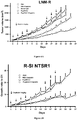
- FLp26-8.2 was also tested on tumor growths of breast and lung cancer cells, and on their response to cisplatin in lung cancer model.
- Step 4 cloning and sequencing:
- V H and V K clones obtained were screened for inserts of the expected size.
- the DNA sequence of selected clones was determined in both directions by automated DNA sequencing. The locations of the CDRs in the sequences were determined with reference to other antibody sequences (Kabat EA et al ., 1991)
- V K sequence A single productive V K sequence was identified in ten clones (eight independent). The sequences were identical apart from a single base change in one clone at position 33 and a single base change in another clone at position 315. A non-productive aberrant V K with an error in V-J joining and the aberrant V K sequence that arises from the fusion partner were also found. The deduced protein sequence with CDRs annotated is shown in Table A.
- Table A Sequences of FLp26-8.2 antibody Domain Sequences VH H-CDR1 GYTFTNYGMN (SEQ ID NO:2) H-CDR2 WITTNTGEPTYAEEFKG (SEQ ID NO:3) H-CDR3 RAFAMDY (SEQ ID NO:4) VL L-CDR1 RSSKSLLHSNGNTYLY (SEQ ID NO:6) L-CDR2 RMSNLAS (SEQ ID NO:7) L-CDR3 MQHLEYPYT (SEQ ID NO:8)
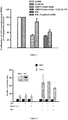
- CHO-NTSR1 cells were seeded in 48 well dishes, in 200ul media 10% with FCS. The next day the cells were treated with 10 -7 M Neurotensin or 1 ⁇ 2 LNM-R conditioned media which were pre-incubated for 2 h at room temperature in the presence or not of 2.8 ⁇ g antibody FLp26-8.2 or P27-7.4.
- the conditioned media was prepared as follows. 3 million LNM-R cells were seeded in 75cm 2 flask in media with 10% FCS. Cells were grown for 24 h, media were removed, and 10ml serum free media were added. The media were collected and centrifuged 5 mins at 500 g after 48h. The supernatant was aliquoted and freeze at -20 °C until used. Cells were treated for 40h in 200 ⁇ l media with 2.5% FCS. Cellular proliferation was evaluated by counting using Beckman Coulter's cell counting.
- the cell culture insert (8 ⁇ m Beckton Dickinson®) was coated with type I collagen (100 ⁇ l/well, 4X10 2 ⁇ g/ml, Sigma®) at 37°C 24h before the assay. 1 million MCF, NTS-h, Hep 3B, HepR1a, and HepR2b cells were seeded in the insert with 250 ⁇ l of serum free medium in presence or absence of 7 ⁇ g antibodies FLp26-8.2. Outside the insert, 750 ⁇ l medium with 10% FCS was added in the well as chemoattractant. After 48 h of incubation, the non-invading cells and collagen are removed from the upper surface of the membrane by scrubbing with a cotton swab. Invading cells (those adhering to the bottom surface of the membrane) were fixed and stained with the Kwif diff stain kit(Thermo®) and the number of stained cells were counted with an inverted microscope at 200X magnification.
- LMN-R cells and 1x10 6 R-SI NTSR1 were subcutaneously inoculated in NMRI nu/nu mice, LMN-R in the left flank and R-SI NTSR1 in the right flank.
- LMN-R left flank
- R-SI NTSR1 right flank
- mice were randomized in 2 groups, then administered antibody FLp26-8.2 (i.p. every other day, 15 mg/kg) for total 8 times.
- PBS was used as the vehicle control. The volume of tumor was measured daily.
- 3x10 6 MDA-MB 231 cells and 3x10 6 MDA si2 were subcutaneously inoculated in 100 ⁇ l of matrigel the left flank and the right flank of the NMRI nu/nu mice, respectively.
- tumors generated by MDA reached an average volume of 50 mm 3
- mice were randomized in 2 groups, then administered antibody FLp26-8.2 (i.p. every other day, 15 mg/kg) for total 12 times.
- PBS was used as the vehicle control.
- Cisplatin test 1x10 6 LMN-R cells and 1x10 6 R-SI NTSR1 were subcutaneously inoculated in NMRI nu/nu mice, LMN-R in the left flank and R-SI NTSR1 in the right flank.
- mice were randomized in 5 groups of 8 to 10 mice.
- Group 1 was administered with PBS, group 2 with antibody FLp26-8.2 (i.p. every other day, 15 mg/kg) for total of 13 times and group 3 with mouse IgG (i.p. every other day, 15 mg/kg).
- Group 4 was administered with PBS and cisplatin (1mg/kg at day 1,3 5 7, 15, 17, and 19) and groups 5 with antibody FLp26-8.2 (i.p. every other day, 15 mg/kg) and cisplatin (1mg/kg at day 1,3 5 7, 15, 17, and 19). The volume of tumor was measured every other day.
- LNM-R cells expressed NTS and NTSR1. NTS is released in the media and was assay by radioimmunoassay.
- Culture medium (CM) of LNM-R cells contained 76.4 ⁇ 10.3, 153.2 ⁇ 25.3, and 624.3 ⁇ 81.8 fmol/mL of NTS corresponding to 14, 48, and 72 hours of culture, respectively.
- CM Culture medium
- CHO NTSR1 overexpressing cells are exposed to NTS, cells change shape which induced a decrease in proliferation rate.
- cell growth is reduced by 60% when cells are treated by NTS or CM, when the purified monoclonal antibody FLp26-8.2 is added to the media this cellular growth inhibition is reduced to 48% and 15%, for NTS or CM treated cells, respectively.
- the breast cancer cell line, MCF-7, constitutively expressing NTSR1 was stably transfected with the neurotensin full length coding sequence.
- An overexpressing NTS clone, NTS-h was selected ( Figure 2 inset).
- the invasiveness properties of NTS-h was studied using a 3 dimensional collagen invasion assay.
- the ectopic NTS expression of MCF-7 cells induced a small increase in invasiveness properties.
- EGF-induced invasion was tripled in NTS-overexpressing cells as compared to MCF-7 ( Figure 2 ).
- the induction of invasiveness induced or not by EGF was inhibited by FLp26-8.2 only in the NTS-overexpressing clones. This confirms the neutralizing properties of the NTS monoclonal antibody FLp26-8.2.
- Hep3B is a Hepatocellular carcinoma which constitutively expresses NTS, but not NTSR1.
- the Hep3B cells were stably transfected with NTSR1 coding sequence and two clones were selected, Hep-R1a and Hep-R1b ( Figure 3A inset).
- the invasiveness properties of cells were studied using a 3 dimensional collagen invasion assay.
- the ectopic expression of NTSR1 largely increased the invasive properties of the cells as shown in Figure 3A .
- the invasive rate of the cells expressing NTS and NTSR1 was reduced, and more drastic for the cells for which the increase of invasive rate was moderate, Hep-R1a. Both results confirm the neutralizing properties of this NTS antibody on cell invasiveness.
- FLp26-8.2 reduced tumor growth specifically in tumor expressing NTS and NSTR1.
- the efficiency of FLp26-8.2 to decrease tumor growth was tested on lung cancer experimental tumors generated by cells expressing LNM-R cells, expressing NTS and NTSR1 or R-SI NTSR1 cells which express only NTS.
- the R-SI NTSR1 cells are a clone obtained from LNM-R and stably transfected with NTSR1 Sh RNA. Mice were grafted with both cell lines. LNM-R cells on the left flank and R-SI NTSR1 cells on the right flank ( Figure 4A ). Mice were randomized with LNM-R tumors 42 ⁇ 11 mm 3 and 43 ⁇ 8 mm 3 for PBS and FLp26-8.2 treated group, respectively.
- the tumor size of animals treated with the FLp26-8.2 was 2.6 times smaller as compared to controls ( Figure 4B ).
- the doubling time after 16 days of treatment was 3.43 ⁇ 0.34 and 5.96 ⁇ 0.55 days for control and FLp26-8.2 treated animals, respectively.
- the growth from D1 was 24.68 ⁇ 4.05 fold for PBS treated animals and only of 5.92 ⁇ 0.99 for FLp26-8.2 treated animals ( figure 4D ).
- the specificity and the efficiency of the antibody was confirmed when the tumors carrying the non-expressing NTSR1, in the same mice, were analyzed.
- the size of the tumor and the growth rate were not different whether the mice were treated with PBS or FLp26-8.2 ( Figure 4C and 4E ).
- MDA-MD 231 expressing NTS and NTSR1 and its subclone MDA Si2 stably transfected with sh NSTR1, were xenografted on the flank on mice.
- MDA Si2 cells were injected a few days before MDA MD 231.
- Mice were randomized with MDA-MB231 tumors, as follows 52 ⁇ 10 mm 3 for control group and 51.8 ⁇ 6 mm 3 for FLp26-8.2 group.
- Figure 5A shows a strong reduction of MDA-MB231 tumor growth from cells by FLp26-8.2 as compared to PBS treated animals.
- the growth rate from D1 was 4.4 ⁇ 0.33 fold for PBS treated animals and only of 2.1 ⁇ 0.18 for FLp26-8.2 treated animals.
- the doubling time after 24 days of treatment was 11.63 ⁇ 1 and 55.5 ⁇ 32 days for control and FLp26-8.2 treated animals, respectively.
- the same parameters analyzed on the MDA Si2 tumors (NTSR1-) showed no difference between the tumor size ( Figure 5B ), the growth rate and the doubling time.
- FLp26-8.2 The ability of FLp26-8.2 to restore cisplatin response was tested on lung cancer experimental tumors generated by cells expressing LNM-R cells, expressing NTS and NTSR1, or R-SI NTSR1 cells which only express NTS. Mice were grafted with both cell lines: LNM-R cells on the left flank and R-SI NTSR1 cells on the right flank.
- mice were randomized with LNM-R tumors 96.3 ⁇ 18.5, 87.1 ⁇ 8.4, 91.3 ⁇ 14.9, 96.9 ⁇ 11.2 and 91.4 ⁇ 10.1 mm 3 for PBS, FLp26-8.2, PBS and cisplatin, FLp26-8.2 and cisplatin, or Mouse IgG treated group, respectively. Due to the large size of the generated tumors the experiments were stopped after 21 days for the control group, 23 days for IgG and PBS cisplatin group, 25 days for FLp26-8.2 group and 27 days for FLp26-8.2 and cisplatin group. For LNM-R tumors, the size of the tumors is expressed as a function of time in figure 6A . As R-SI NTSR1 tumors could not be randomized, the result are presented as the growth ratio to D1 ( Figure 6B ).
- LNM-R tumor growth rates were not altered by cisplatin treatment or purified IgG treatment, as compared to PBS treated mice ( Figure 6A ). As previously shown, when animals are treated with FLp26-8.2, the LNM-R tumor size is smaller. The size tumor is stabilized when animals are treated with FLp26-8.2 and cisplatin ( Figure 6A ).
- the R-SI NTSR1 tumor size is decreased when animals are treated with cisplatin, indicating that NTS/NTSR1 complex is implicated in the cellular resistance to cisplatin ( Figure 6B ). As expected, combined treatment with FLp26-8.2 did not change the tumor growth rate.
- treatment with FLp26-8.2 restores cisplatin sensitivity in cells expressing NTS and NTSR1, and can be proposed to patients with NSLCL expressing high levels of NTSR1.
Landscapes
- Health & Medical Sciences (AREA)
- Chemical & Material Sciences (AREA)
- Life Sciences & Earth Sciences (AREA)
- Medicinal Chemistry (AREA)
- Organic Chemistry (AREA)
- General Health & Medical Sciences (AREA)
- Immunology (AREA)
- Public Health (AREA)
- Veterinary Medicine (AREA)
- Pharmacology & Pharmacy (AREA)
- Animal Behavior & Ethology (AREA)
- Biophysics (AREA)
- Biochemistry (AREA)
- Genetics & Genomics (AREA)
- Molecular Biology (AREA)
- Proteomics, Peptides & Aminoacids (AREA)
- Epidemiology (AREA)
- Engineering & Computer Science (AREA)
- Inorganic Chemistry (AREA)
- Cell Biology (AREA)
- Oncology (AREA)
- Biomedical Technology (AREA)
- Bioinformatics & Cheminformatics (AREA)
- Microbiology (AREA)
- Mycology (AREA)
- Endocrinology (AREA)
- Nuclear Medicine, Radiotherapy & Molecular Imaging (AREA)
- Chemical Kinetics & Catalysis (AREA)
- General Chemical & Material Sciences (AREA)
- Peptides Or Proteins (AREA)
- Medicines Containing Antibodies Or Antigens For Use As Internal Diagnostic Agents (AREA)
- Micro-Organisms Or Cultivation Processes Thereof (AREA)
Claims (16)
- Anticorps neutralisant qui se lie au fragment long de neurotensine humaine tel qu'indiqué dans SEQ ID NO : 9 et ayant une région variable de chaîne lourde qui comprend une région H-CDR1 ayant au moins 90 % d'identité avec SEQ ID NO : 2, une région H-CDR2 ayant au moins 90 % d'identité avec SEQ ID NO : 3 et une région H-CDR3 ayant au moins 90 % d'identité avec SEQ ID NO : 4 ; et une région variable de chaîne légère comprenant une région L-CDR1 ayant au moins 90 % d'identité avec SEQ ID NO : 6, une région L-CDR2 ayant au moins 90 % d'identité avec SEQ ID NO : 7 et une région L-CDR3 ayant au moins 90 % d'identité avec SEQ ID NO : 8.
- Anticorps selon la revendication 1, qui comprend une chaîne lourde, dans lequel le domaine variable comprend au moins une CDR ayant une séquence sélectionnée dans le groupe constitué de SEQ ID NO : 2 pour H-CDR1, SEQ ID NO : 3 pour H-CDR2 et SEQ ID. NO : 4 pour H-CDR3.
- Anticorps selon la revendication 1 qui comprend une chaîne légère, dans lequel le domaine variable comprend au moins une CDR ayant une séquence sélectionnée dans le groupe constitué de SEQ ID NO : 6 pour L-CDR1, SEQ ID NO : 7 pour L-CDR2 et SEQ ID. NO : 8 pour L-CDR3.
- Anticorps selon la revendication 1 qui comprend une chaîne lourde, dans lequel le domaine variable comprend au moins une CDR ayant une séquence sélectionnée dans le groupe constitué de SEQ ID NO : 2 pour H-CDR1, SEQ ID NO : 3 pour H-CDR2 et SEQ ID NO : 4 pour H-CDR3, et une chaîne légère, dans lequel le domaine variable comprend au moins une CDR ayant une séquence sélectionnée dans le groupe constitué de SEQ ID NO : 6 pour L-CDR1, SEQ ID NO : 7 pour L-CDR2 et SEQ ID NO : 8 pour L-CDR3.
- Anticorps selon la revendication 1, qui comprend une région variable de chaîne lourde comprenant SEQ ID NO : 2 dans la région H-CDR1, SEQ ID NO : 3 dans la région H-CDR2 et SEQ ID NO : 4 dans la région H-CDR3 ; et une région variable de chaîne légère comprenant SEQ ID NO : 6 dans la région L-CDR1, SEQ ID NO : 7 dans la région L-CDR2 et SEQ ID NO : 8 dans la région L-CDR3.
- Anticorps selon la revendication 1, qui comprend une région variable de chaîne lourde ayant au moins 70 % d'identité avec SEQ ID NO : 1 et/ou une région variable de chaîne légère ayant au moins 70 % d'identité avec SEQ ID NO : 5 ou qui comprend une région variable de chaîne lourde comportant la séquence d'acides aminés indiquée en tant que SEQ ID NO : 1 et/ou une région variable de chaîne légère ayant la séquence d'acides aminés indiquée en tant que SEQ ID NO : 5.
- Anticorps selon la revendication 1, qui est sélectionné dans le groupe constitué d'un anticorps chimérique, tel qu'un anticorps chimérique de souris/humain, un anticorps humanisé, Fv, Fab, F(ab')2, Fab', dsFv, scFv, sc(Fv)2 et de dianticorps.
- Séquence d'acide nucléique qui code pour une chaîne lourde et une chaîne légère d'un anticorps selon l'une quelconque des revendications 1 à 7.
- Vecteur qui comprend la séquence d'acide nucléique de la revendication 8.
- Cellule hôte qui a été transfectée, infectée ou transformée par la séquence d'acide nucléique de la revendication 8 ou le vecteur de la revendication 9.
- Anticorps selon l'une quelconque des revendications 1 à 7, destiné à être utilisé dans un procédé de traitement du cancer chez un sujet en ayant besoin.
- Anticorps à utiliser selon la revendication 11, dans lequel le cancer est choisi dans le groupe constitué par néoplasme malin; carcinome; carcinome non différencié; carcinome à cellules géantes et fusiformes ; carcinome à petites cellules ; carcinome papillaire ; carcinome épidermoïde ; carcinome lympho-épithélial ; carcinome basocellulaire ; carcinome pilomatrix; carcinome à cellules transitionnelles ; carcinome papillaire à cellules transitionnelles; adénocarcinome ; gastrinome malin; cholangiocarcinome ; carcinome hépatocellulaire ; carcinome hépatocellulaire et cholangiocarcinome combinés; adénocarcinome trabéculaire ; carcinome adénoïde kystique; adénocarcinome dans un polype adénomateux; adénocarcinome, polypose familiale coli ; carcinome solide; tumeur carcinoïde, maligne; adénocarcinome bronchiolo-alvéolaire ; adénocarcinome papillaire ; carcinome chromophobe ; carcinome acidophile ; adénocarcinome oxyphile ; carcinome basophile ; adénocarcinome à cellules claires ; carcinome à cellules granulaires ; adénocarcinome folliculaire ; adénocarcinome papillaire et folliculaire ; carcinome sclérosant non-encapsulant ; carcinome corticosurrénalien ; carcinome de l'endomètre; carcinome des phanères; adénocarcinome apocrine ; adénocarcinome sébacé ; cérumineux; adénocarcinome; carcinome mucoépidermoïde ; cystadénocarcinome ; cystadénocarcinome papillaire ; cystadénocarcinome séreux papillaire ; cystadénocarcinome mucineux ; adénocarcinome mucineux ; carcinome à cellules en anneau de chevalière ; carcinome canalaire infiltrant ; carcinome médullaire; carcinome lobulaire; carcinome inflammatoire; maladie de Paget, mammaire; carcinome à cellules acineuses; carcinome adénosquameux; adénocarcinome avec métaplasie squameuse ; thymome malin ; tumeur stromale ovarienne, maligne; thécome malin; tumeur à cellules granuleuses, maligne; et roblastome malin ; carcinome à cellules de Sertoli ; tumeur à cellules de Leydig, maligne ; tumeur des cellules lipidiques, maligne; paragangliome malin; paragangliome extra-mammaire, malin; phéochromocytome; glomangiosarcome ; mélanome malin; mélanome amélanotique ; mélanome à propagation superficielle ; mélanome malin dans le naevus pigmenté géant; mélanome à cellules épithélioïdes ; naevus bleu, malin; sarcome ; fibrosarcome ; histiocytome fibreux, malin ; myxosarcome ; liposarcome ; léïomyosarcome ; rhabdomyosarcome ; rhabdomyosarcome embryonnaire; rhabdomyosarcome alvéolaire ; sarcome stromal ; tumeur mixte, maligne ; tumeur mixte de müllerienne ; néphroblastome ; hépatoblastome ; carcinosarcome ; mésenchymome malin; tumeur de Brenner, maligne; tumeur phyllode, maligne; sarcome synovial ; mésothéliome malin ; dysgerminome ; carcinome embryonnaire ; tératome malin ; goitre ovarien, malin; choriocarcinome ; mésonéphrone, malin; hémangiosarcome ; hémangioendothéliome malin ; sarcome de Kaposi ; hémangiopéricytome malin ; lymphangiosarcome ; ostéosarcome ; ostéosarcome juxtacortique ; chondrosarcome ; chondroblastome malin ; chondrosarcome mésenchymateux ; tumeur osseuse à cellules géantes; sarcome d'Ewing; tumeur odontogène, maligne; odontosarcome améloblastique ; améloblastome malin; fibrosarcome améloblastique ; pinéalome malin; chordome; gliome malin; l'épendymome ; l'astrocytome ; astrocytome protoplasmique ; astrocytome fibrillaire; astroblastome ; glioblastome ; oligodendrogliome ; oligodendroblastome ; neuroectodermique primitif; sarcome cérébelleux; ganglioneuroblastome ; neuroblastome ; rétinoblastome ; tumeur neurogène olfactive; méningiome malin; neurofibrosarcome ; neurinomme malin; tumeur à cellules granulaires malignes; lymphome malin; maladie de Hodgkin ; Lymphome de Hodgkin ; paragranulome ; lymphome malin, petits lymphocytes; lymphome malin, à grandes cellules, diffus; lymphome malin, folliculaire; mycosis fongoïde ; autres lymphomes non hodgkiniens précisés ; histiocytose maligne ; myélome multiple; sarcome à mastocytes ; maladie intestinale immunoproliférative ; leucémie; leucémie lymphoïde ; leucémie à plasmocytes ; érythroleucémie ; leucémie à cellules de lymphosarcome ; leucémie myéloïde ; leucémie basophile ; leucémie à éosinophiles; leucémie monocytaire ; leucémie à mastocytes ; leucémie mégacaryoblastique ; sarcome myéloïde ; et leucémie à tricholeucocytes.
- Anticorps à utiliser selon la revendication 11, dans lequel l'anticorps est utilisé en combinaison avec un agent chimiothérapeutique.
- Anticorps à utiliser selon la revendication 11, dans lequel l'agent chimiothérapeutique est le cisplatine.
- Anticorps à utiliser selon la revendication 11, dans lequel l'anticorps est utilisé en combinaison avec un inhibiteur de HER tel qu'un anticorps HER choisi dans le groupe comprenant des anticorps EGFR, des anticorps HER2, des anticorps HER3 et des anticorps HER4, des antagonistes de HER à petites molécules organiques; des inhibiteurs de tyrosine kinase HER ; des inhibiteurs de tyrosine kinase HER2 et EGFR, des inhibiteurs de dimérisation de HER, le cétuximab, le panitumumab, le zalutumumab, le nimotuzumab, l'erlotinib, le géfitinib, le lapatinib, le nératinib, le canertinib, le vandétanib, l'afatinib, TAK-285, ARRY334543, le Décomitinib, OSI-420, AZD8931, AEE788, Pélitinib, CUDC-101, XL647, BMS-599626, PKC412, BIBX1382, AP261 13 et un inhibiteur pan-HER.
- Composition pharmaceutique qui comprend un anticorps selon l'une quelconque des revendications 1 à 7.
Applications Claiming Priority (2)
| Application Number | Priority Date | Filing Date | Title |
|---|---|---|---|
| EP14305826 | 2014-06-02 | ||
| PCT/EP2015/062079 WO2015185478A1 (fr) | 2014-06-02 | 2015-06-01 | Anticorps anti-fragment long de la neurotensine et leurs utilisations |
Publications (2)
| Publication Number | Publication Date |
|---|---|
| EP3149038A1 EP3149038A1 (fr) | 2017-04-05 |
| EP3149038B1 true EP3149038B1 (fr) | 2019-08-21 |
Family
ID=50933117
Family Applications (1)
| Application Number | Title | Priority Date | Filing Date |
|---|---|---|---|
| EP15726593.5A Active EP3149038B1 (fr) | 2014-06-02 | 2015-06-01 | Anticorps anti-neurotensine et leurs utilisations |
Country Status (4)
| Country | Link |
|---|---|
| US (3) | US10174106B2 (fr) |
| EP (1) | EP3149038B1 (fr) |
| ES (1) | ES2747731T3 (fr) |
| WO (1) | WO2015185478A1 (fr) |
Families Citing this family (7)
| Publication number | Priority date | Publication date | Assignee | Title |
|---|---|---|---|---|
| EP3149039B8 (fr) * | 2014-06-02 | 2020-04-01 | INSERM (Institut National de la Santé et de la Recherche Médicale) | Anticorps anti-neurotensine et leurs utilisations |
| US20180134788A1 (en) * | 2015-05-26 | 2018-05-17 | Inserm (Institut National De La Sante Et De La Recherche Medicale) | Methods and Pharmaceutical Compositions (NTSR1 Inhibitors) for the Treatment of Hepatocellular Carcinomas |
| EP3448874A4 (fr) | 2016-04-29 | 2020-04-22 | Voyager Therapeutics, Inc. | Compositions pour le traitement de maladies |
| US11299751B2 (en) | 2016-04-29 | 2022-04-12 | Voyager Therapeutics, Inc. | Compositions for the treatment of disease |
| US20220048995A1 (en) * | 2018-09-10 | 2022-02-17 | INSERM (Institut National de la Santé et de la Recherche Médicale) | Use of an inhibitor of ntsr1 activation or expression for preventing weight loss, muscle loss, and protein blood level decrease in subjects in need thereof |
| TWI781647B (zh) * | 2020-06-09 | 2022-10-21 | 財團法人國家衛生研究院 | 抗人神經降壓素受體抗體及其用途 |
| WO2025012417A1 (fr) * | 2023-07-13 | 2025-01-16 | Institut National de la Santé et de la Recherche Médicale | Anticorps à fragments longs anti-neurotensine et anti-neuromédine n et leurs utilisations |
Family Cites Families (6)
| Publication number | Priority date | Publication date | Assignee | Title |
|---|---|---|---|---|
| CA2450793A1 (fr) * | 2001-06-20 | 2002-12-27 | Prochon Biotech Ltd. | Anticorps bloquant l'activation d'un recepteur a activite proteine tyrosine kinase, procedes de criblage et utilisations associes |
| US8449864B2 (en) * | 2006-10-20 | 2013-05-28 | The Board Of Trustees Of The Leland Stanford Junior University | Neurotensin as a marker and therapeutic target for sepsis |
| JPWO2009044561A1 (ja) | 2007-10-03 | 2011-02-03 | 静岡県 | 抗proNT/NMNモノクローナル抗体 |
| ES2584932T3 (es) | 2008-04-16 | 2016-09-30 | Assistance Publique Hôpitaux De Paris | Métodos para el tratamiento, la evaluación pronóstica y la estadificación de cáncer no microcítico de pulmón |
| CA2740900C (fr) * | 2008-11-03 | 2019-09-24 | Alethia Biotherapeutics Inc. | Anticorps qui bloquent specifiquement l'activite biologique d'un antigene tumoral |
| EP2367565B1 (fr) | 2008-12-18 | 2015-04-15 | INSERM - Institut National de la Santé et de la Recherche Médicale | Méthodes pour le traitement et l'evaluation prognostique du mésothéliome pleural malin |
-
2015
- 2015-06-01 EP EP15726593.5A patent/EP3149038B1/fr active Active
- 2015-06-01 WO PCT/EP2015/062079 patent/WO2015185478A1/fr not_active Ceased
- 2015-06-01 US US15/315,572 patent/US10174106B2/en active Active
- 2015-06-01 ES ES15726593T patent/ES2747731T3/es active Active
-
2018
- 2018-11-15 US US16/191,559 patent/US10787506B2/en active Active
-
2020
- 2020-08-17 US US16/994,770 patent/US11820813B2/en active Active
Non-Patent Citations (1)
| Title |
|---|
| None * |
Also Published As
| Publication number | Publication date |
|---|---|
| US10787506B2 (en) | 2020-09-29 |
| US20210009667A1 (en) | 2021-01-14 |
| EP3149038A1 (fr) | 2017-04-05 |
| US11820813B2 (en) | 2023-11-21 |
| US10174106B2 (en) | 2019-01-08 |
| WO2015185478A1 (fr) | 2015-12-10 |
| US20190077854A1 (en) | 2019-03-14 |
| ES2747731T3 (es) | 2020-03-11 |
| US20170218057A1 (en) | 2017-08-03 |
Similar Documents
| Publication | Publication Date | Title |
|---|---|---|
| US11820813B2 (en) | Anti-neurotensin long fragment antibodies and uses thereof | |
| JP7256127B2 (ja) | がんのための診断及び治療方法 | |
| TWI775781B (zh) | 癌症之治療性及診斷性方法 | |
| JP7503887B2 (ja) | がんを監視及び治療するための方法 | |
| CN109196121B (zh) | 用于癌症的治疗和诊断方法 | |
| KR102447878B1 (ko) | Pd-1 축 결합 길항제 및 탁산을 이용한 암 치료 방법 | |
| EP3355902B1 (fr) | Combinaison d'un antagoniste de la liaison de l'axe pd-1 et d'un inhibiteur de alk dans le traitement du cancer alk-négatif | |
| KR20180008449A (ko) | 암에 대한 치료 및 진단 방법 | |
| KR20180012753A (ko) | 암에 대한 치료 및 진단 방법 | |
| US20190016798A1 (en) | Anti-neurotensin antibodies and uses thereof | |
| AU2019361983A1 (en) | Diagnostic and therapeutic methods for sarcomatoid kidney cancer | |
| BR112020026384A2 (pt) | Métodos para tratar um indivíduo com câncer de pulmão e para tratar um indivíduo com câncer de pulmão de pequenas células, kits, anticorpo anti-pd-l1 e composição | |
| TW201925230A (zh) | 以抗egfr療法治療癌症的組成物及方法 | |
| KR20210063330A (ko) | 방광암에 대한 치료 및 진단 방법 | |
| TWI850259B (zh) | 三陰性乳癌之診斷及治療方法 | |
| KR20230025691A (ko) | 삼중 음성 유방암을 치료하기 위한 방법과 조성물 | |
| WO2025012417A1 (fr) | Anticorps à fragments longs anti-neurotensine et anti-neuromédine n et leurs utilisations | |
| EP4587473A1 (fr) | Nouveaux anticorps anti-itgb8 et leurs utilisations |
Legal Events
| Date | Code | Title | Description |
|---|---|---|---|
| STAA | Information on the status of an ep patent application or granted ep patent |
Free format text: STATUS: THE INTERNATIONAL PUBLICATION HAS BEEN MADE |
|
| PUAI | Public reference made under article 153(3) epc to a published international application that has entered the european phase |
Free format text: ORIGINAL CODE: 0009012 |
|
| STAA | Information on the status of an ep patent application or granted ep patent |
Free format text: STATUS: REQUEST FOR EXAMINATION WAS MADE |
|
| 17P | Request for examination filed |
Effective date: 20161130 |
|
| AK | Designated contracting states |
Kind code of ref document: A1 Designated state(s): AL AT BE BG CH CY CZ DE DK EE ES FI FR GB GR HR HU IE IS IT LI LT LU LV MC MK MT NL NO PL PT RO RS SE SI SK SM TR |
|
| AX | Request for extension of the european patent |
Extension state: BA ME |
|
| DAV | Request for validation of the european patent (deleted) | ||
| DAX | Request for extension of the european patent (deleted) | ||
| STAA | Information on the status of an ep patent application or granted ep patent |
Free format text: STATUS: EXAMINATION IS IN PROGRESS |
|
| 17Q | First examination report despatched |
Effective date: 20180105 |
|
| REG | Reference to a national code |
Ref country code: DE Ref legal event code: R079 Ref document number: 602015036246 Country of ref document: DE Free format text: PREVIOUS MAIN CLASS: C07K0016180000 Ipc: C07K0016300000 |
|
| GRAP | Despatch of communication of intention to grant a patent |
Free format text: ORIGINAL CODE: EPIDOSNIGR1 |
|
| STAA | Information on the status of an ep patent application or granted ep patent |
Free format text: STATUS: GRANT OF PATENT IS INTENDED |
|
| RIC1 | Information provided on ipc code assigned before grant |
Ipc: C07K 16/30 20060101AFI20190426BHEP Ipc: A61K 45/06 20060101ALI20190426BHEP Ipc: A61K 33/24 20190101ALI20190426BHEP Ipc: A61K 39/395 20060101ALI20190426BHEP Ipc: C07K 16/18 20060101ALI20190426BHEP Ipc: C07K 16/26 20060101ALI20190426BHEP Ipc: A61K 39/00 20060101ALI20190426BHEP |
|
| INTG | Intention to grant announced |
Effective date: 20190520 |
|
| GRAS | Grant fee paid |
Free format text: ORIGINAL CODE: EPIDOSNIGR3 |
|
| GRAA | (expected) grant |
Free format text: ORIGINAL CODE: 0009210 |
|
| STAA | Information on the status of an ep patent application or granted ep patent |
Free format text: STATUS: THE PATENT HAS BEEN GRANTED |
|
| AK | Designated contracting states |
Kind code of ref document: B1 Designated state(s): AL AT BE BG CH CY CZ DE DK EE ES FI FR GB GR HR HU IE IS IT LI LT LU LV MC MK MT NL NO PL PT RO RS SE SI SK SM TR |
|
| REG | Reference to a national code |
Ref country code: GB Ref legal event code: FG4D |
|
| REG | Reference to a national code |
Ref country code: CH Ref legal event code: EP |
|
| REG | Reference to a national code |
Ref country code: DE Ref legal event code: R096 Ref document number: 602015036246 Country of ref document: DE |
|
| REG | Reference to a national code |
Ref country code: AT Ref legal event code: REF Ref document number: 1169667 Country of ref document: AT Kind code of ref document: T Effective date: 20190915 |
|
| REG | Reference to a national code |
Ref country code: IE Ref legal event code: FG4D |
|
| REG | Reference to a national code |
Ref country code: CH Ref legal event code: NV Representative=s name: VALIPAT S.A. C/O BOVARD SA NEUCHATEL, CH |
|
| REG | Reference to a national code |
Ref country code: NL Ref legal event code: FP |
|
| REG | Reference to a national code |
Ref country code: LT Ref legal event code: MG4D |
|
| PG25 | Lapsed in a contracting state [announced via postgrant information from national office to epo] |
Ref country code: SE Free format text: LAPSE BECAUSE OF FAILURE TO SUBMIT A TRANSLATION OF THE DESCRIPTION OR TO PAY THE FEE WITHIN THE PRESCRIBED TIME-LIMIT Effective date: 20190821 Ref country code: PT Free format text: LAPSE BECAUSE OF FAILURE TO SUBMIT A TRANSLATION OF THE DESCRIPTION OR TO PAY THE FEE WITHIN THE PRESCRIBED TIME-LIMIT Effective date: 20191223 Ref country code: HR Free format text: LAPSE BECAUSE OF FAILURE TO SUBMIT A TRANSLATION OF THE DESCRIPTION OR TO PAY THE FEE WITHIN THE PRESCRIBED TIME-LIMIT Effective date: 20190821 Ref country code: FI Free format text: LAPSE BECAUSE OF FAILURE TO SUBMIT A TRANSLATION OF THE DESCRIPTION OR TO PAY THE FEE WITHIN THE PRESCRIBED TIME-LIMIT Effective date: 20190821 Ref country code: LT Free format text: LAPSE BECAUSE OF FAILURE TO SUBMIT A TRANSLATION OF THE DESCRIPTION OR TO PAY THE FEE WITHIN THE PRESCRIBED TIME-LIMIT Effective date: 20190821 Ref country code: NO Free format text: LAPSE BECAUSE OF FAILURE TO SUBMIT A TRANSLATION OF THE DESCRIPTION OR TO PAY THE FEE WITHIN THE PRESCRIBED TIME-LIMIT Effective date: 20191121 Ref country code: BG Free format text: LAPSE BECAUSE OF FAILURE TO SUBMIT A TRANSLATION OF THE DESCRIPTION OR TO PAY THE FEE WITHIN THE PRESCRIBED TIME-LIMIT Effective date: 20191121 |
|
| PG25 | Lapsed in a contracting state [announced via postgrant information from national office to epo] |
Ref country code: AL Free format text: LAPSE BECAUSE OF FAILURE TO SUBMIT A TRANSLATION OF THE DESCRIPTION OR TO PAY THE FEE WITHIN THE PRESCRIBED TIME-LIMIT Effective date: 20190821 Ref country code: RS Free format text: LAPSE BECAUSE OF FAILURE TO SUBMIT A TRANSLATION OF THE DESCRIPTION OR TO PAY THE FEE WITHIN THE PRESCRIBED TIME-LIMIT Effective date: 20190821 Ref country code: IS Free format text: LAPSE BECAUSE OF FAILURE TO SUBMIT A TRANSLATION OF THE DESCRIPTION OR TO PAY THE FEE WITHIN THE PRESCRIBED TIME-LIMIT Effective date: 20191221 Ref country code: LV Free format text: LAPSE BECAUSE OF FAILURE TO SUBMIT A TRANSLATION OF THE DESCRIPTION OR TO PAY THE FEE WITHIN THE PRESCRIBED TIME-LIMIT Effective date: 20190821 Ref country code: GR Free format text: LAPSE BECAUSE OF FAILURE TO SUBMIT A TRANSLATION OF THE DESCRIPTION OR TO PAY THE FEE WITHIN THE PRESCRIBED TIME-LIMIT Effective date: 20191122 |
|
| REG | Reference to a national code |
Ref country code: ES Ref legal event code: FG2A Ref document number: 2747731 Country of ref document: ES Kind code of ref document: T3 Effective date: 20200311 |
|
| REG | Reference to a national code |
Ref country code: AT Ref legal event code: MK05 Ref document number: 1169667 Country of ref document: AT Kind code of ref document: T Effective date: 20190821 |
|
| PG25 | Lapsed in a contracting state [announced via postgrant information from national office to epo] |
Ref country code: TR Free format text: LAPSE BECAUSE OF FAILURE TO SUBMIT A TRANSLATION OF THE DESCRIPTION OR TO PAY THE FEE WITHIN THE PRESCRIBED TIME-LIMIT Effective date: 20190821 |
|
| PG25 | Lapsed in a contracting state [announced via postgrant information from national office to epo] |
Ref country code: RO Free format text: LAPSE BECAUSE OF FAILURE TO SUBMIT A TRANSLATION OF THE DESCRIPTION OR TO PAY THE FEE WITHIN THE PRESCRIBED TIME-LIMIT Effective date: 20190821 Ref country code: DK Free format text: LAPSE BECAUSE OF FAILURE TO SUBMIT A TRANSLATION OF THE DESCRIPTION OR TO PAY THE FEE WITHIN THE PRESCRIBED TIME-LIMIT Effective date: 20190821 Ref country code: PL Free format text: LAPSE BECAUSE OF FAILURE TO SUBMIT A TRANSLATION OF THE DESCRIPTION OR TO PAY THE FEE WITHIN THE PRESCRIBED TIME-LIMIT Effective date: 20190821 Ref country code: EE Free format text: LAPSE BECAUSE OF FAILURE TO SUBMIT A TRANSLATION OF THE DESCRIPTION OR TO PAY THE FEE WITHIN THE PRESCRIBED TIME-LIMIT Effective date: 20190821 Ref country code: AT Free format text: LAPSE BECAUSE OF FAILURE TO SUBMIT A TRANSLATION OF THE DESCRIPTION OR TO PAY THE FEE WITHIN THE PRESCRIBED TIME-LIMIT Effective date: 20190821 |
|
| PG25 | Lapsed in a contracting state [announced via postgrant information from national office to epo] |
Ref country code: CZ Free format text: LAPSE BECAUSE OF FAILURE TO SUBMIT A TRANSLATION OF THE DESCRIPTION OR TO PAY THE FEE WITHIN THE PRESCRIBED TIME-LIMIT Effective date: 20190821 Ref country code: IS Free format text: LAPSE BECAUSE OF FAILURE TO SUBMIT A TRANSLATION OF THE DESCRIPTION OR TO PAY THE FEE WITHIN THE PRESCRIBED TIME-LIMIT Effective date: 20200224 Ref country code: SM Free format text: LAPSE BECAUSE OF FAILURE TO SUBMIT A TRANSLATION OF THE DESCRIPTION OR TO PAY THE FEE WITHIN THE PRESCRIBED TIME-LIMIT Effective date: 20190821 Ref country code: SK Free format text: LAPSE BECAUSE OF FAILURE TO SUBMIT A TRANSLATION OF THE DESCRIPTION OR TO PAY THE FEE WITHIN THE PRESCRIBED TIME-LIMIT Effective date: 20190821 |
|
| REG | Reference to a national code |
Ref country code: DE Ref legal event code: R097 Ref document number: 602015036246 Country of ref document: DE |
|
| PLBE | No opposition filed within time limit |
Free format text: ORIGINAL CODE: 0009261 |
|
| STAA | Information on the status of an ep patent application or granted ep patent |
Free format text: STATUS: NO OPPOSITION FILED WITHIN TIME LIMIT |
|
| PG2D | Information on lapse in contracting state deleted |
Ref country code: IS |
|
| 26N | No opposition filed |
Effective date: 20200603 |
|
| PG25 | Lapsed in a contracting state [announced via postgrant information from national office to epo] |
Ref country code: SI Free format text: LAPSE BECAUSE OF FAILURE TO SUBMIT A TRANSLATION OF THE DESCRIPTION OR TO PAY THE FEE WITHIN THE PRESCRIBED TIME-LIMIT Effective date: 20190821 |
|
| PG25 | Lapsed in a contracting state [announced via postgrant information from national office to epo] |
Ref country code: MC Free format text: LAPSE BECAUSE OF FAILURE TO SUBMIT A TRANSLATION OF THE DESCRIPTION OR TO PAY THE FEE WITHIN THE PRESCRIBED TIME-LIMIT Effective date: 20190821 |
|
| PG25 | Lapsed in a contracting state [announced via postgrant information from national office to epo] |
Ref country code: IE Free format text: LAPSE BECAUSE OF NON-PAYMENT OF DUE FEES Effective date: 20200601 |
|
| PG25 | Lapsed in a contracting state [announced via postgrant information from national office to epo] |
Ref country code: MT Free format text: LAPSE BECAUSE OF FAILURE TO SUBMIT A TRANSLATION OF THE DESCRIPTION OR TO PAY THE FEE WITHIN THE PRESCRIBED TIME-LIMIT Effective date: 20190821 Ref country code: CY Free format text: LAPSE BECAUSE OF FAILURE TO SUBMIT A TRANSLATION OF THE DESCRIPTION OR TO PAY THE FEE WITHIN THE PRESCRIBED TIME-LIMIT Effective date: 20190821 |
|
| PG25 | Lapsed in a contracting state [announced via postgrant information from national office to epo] |
Ref country code: MK Free format text: LAPSE BECAUSE OF FAILURE TO SUBMIT A TRANSLATION OF THE DESCRIPTION OR TO PAY THE FEE WITHIN THE PRESCRIBED TIME-LIMIT Effective date: 20190821 |
|
| REG | Reference to a national code |
Ref country code: DE Ref legal event code: R081 Ref document number: 602015036246 Country of ref document: DE Owner name: UNIVERSITE PARIS CITE, FR Free format text: FORMER OWNERS: INSTITUT NATIONAL DE LA SANTE ET DE LA RECHERCHE MEDICALE (INSERM), PARIS, FR; UNIVERSITE PARIS DESCARTES, PARIS, FR Ref country code: DE Ref legal event code: R081 Ref document number: 602015036246 Country of ref document: DE Owner name: INSTITUT NATIONAL DE LA SANTE ET DE LA RECHERC, FR Free format text: FORMER OWNERS: INSTITUT NATIONAL DE LA SANTE ET DE LA RECHERCHE MEDICALE (INSERM), PARIS, FR; UNIVERSITE PARIS DESCARTES, PARIS, FR |
|
| REG | Reference to a national code |
Ref country code: LU Ref legal event code: PD Owner name: UNIVERSITE DE PARIS; FR Free format text: FORMER OWNER: UNIVERSITE PARIS DESCARTES Effective date: 20220720 |
|
| REG | Reference to a national code |
Ref country code: GB Ref legal event code: 732E Free format text: REGISTERED BETWEEN 20220721 AND 20220727 |
|
| REG | Reference to a national code |
Ref country code: LU Ref legal event code: HC Owner name: INSERM (INSTITUT NATIONAL DE LA SANTE ET DE LA RECHERCHE MEDICALE); FR Free format text: FORMER OWNER: UNIVERSITE DE PARIS Effective date: 20220720 |
|
| REG | Reference to a national code |
Ref country code: NL Ref legal event code: PD Owner name: UNIVERSITE DE PARIS; FR Free format text: DETAILS ASSIGNMENT: CHANGE OF OWNER(S), MERGE; FORMER OWNER NAME: UNIVERSITE PARIS DESCARTES Effective date: 20220818 Ref country code: NL Ref legal event code: HC Owner name: UNIVERSITE PARIS CITE; FR Free format text: DETAILS ASSIGNMENT: CHANGE OF OWNER(S), CHANGE OF OWNER(S) NAME; FORMER OWNER NAME: UNIVERSITE DE PARIS Effective date: 20220818 |
|
| REG | Reference to a national code |
Ref country code: BE Ref legal event code: PD Owner name: INSTITUT NATIONAL DE LA SANTE ET DE LA RECHERCHE MEDICALE (INSERM); FR Free format text: DETAILS ASSIGNMENT: CHANGE OF OWNER(S), MERGE; FORMER OWNER NAME: UNIVERSITE PARIS DESCARTES Effective date: 20221017 |
|
| REG | Reference to a national code |
Ref country code: ES Ref legal event code: PC2A Owner name: UNIVERSITE DE PARIS Effective date: 20221216 |
|
| REG | Reference to a national code |
Ref country code: ES Ref legal event code: PC2A Owner name: UNIVERSITE PARIS CITE Effective date: 20230201 |
|
| PGFP | Annual fee paid to national office [announced via postgrant information from national office to epo] |
Ref country code: DE Payment date: 20230523 Year of fee payment: 9 |
|
| P01 | Opt-out of the competence of the unified patent court (upc) registered |
Effective date: 20240207 |
|
| PGFP | Annual fee paid to national office [announced via postgrant information from national office to epo] |
Ref country code: LU Payment date: 20240521 Year of fee payment: 10 |
|
| PGFP | Annual fee paid to national office [announced via postgrant information from national office to epo] |
Ref country code: NL Payment date: 20240521 Year of fee payment: 10 |
|
| PGFP | Annual fee paid to national office [announced via postgrant information from national office to epo] |
Ref country code: GB Payment date: 20240521 Year of fee payment: 10 |
|
| PGFP | Annual fee paid to national office [announced via postgrant information from national office to epo] |
Ref country code: IT Payment date: 20240522 Year of fee payment: 10 Ref country code: FR Payment date: 20240522 Year of fee payment: 10 |
|
| PGFP | Annual fee paid to national office [announced via postgrant information from national office to epo] |
Ref country code: BE Payment date: 20240521 Year of fee payment: 10 |
|
| PGFP | Annual fee paid to national office [announced via postgrant information from national office to epo] |
Ref country code: CH Payment date: 20240701 Year of fee payment: 10 Ref country code: ES Payment date: 20240701 Year of fee payment: 10 |
|
| REG | Reference to a national code |
Ref country code: DE Ref legal event code: R119 Ref document number: 602015036246 Country of ref document: DE |
|
| REG | Reference to a national code |
Ref country code: CH Ref legal event code: H13 Free format text: ST27 STATUS EVENT CODE: U-0-0-H10-H13 (AS PROVIDED BY THE NATIONAL OFFICE) Effective date: 20260127 |
|
| REG | Reference to a national code |
Ref country code: NL Ref legal event code: MM Effective date: 20250701 |
|
| PG25 | Lapsed in a contracting state [announced via postgrant information from national office to epo] |
Ref country code: LU Free format text: LAPSE BECAUSE OF NON-PAYMENT OF DUE FEES Effective date: 20250601 |
|
| GBPC | Gb: european patent ceased through non-payment of renewal fee |
Effective date: 20250601 |
|
| REG | Reference to a national code |
Ref country code: BE Ref legal event code: MM Effective date: 20250630 |
|
| PG25 | Lapsed in a contracting state [announced via postgrant information from national office to epo] |
Ref country code: NL Free format text: LAPSE BECAUSE OF NON-PAYMENT OF DUE FEES Effective date: 20250701 |
|
| PG25 | Lapsed in a contracting state [announced via postgrant information from national office to epo] |
Ref country code: GB Free format text: LAPSE BECAUSE OF NON-PAYMENT OF DUE FEES Effective date: 20250601 |
|
| PG25 | Lapsed in a contracting state [announced via postgrant information from national office to epo] |
Ref country code: DE Free format text: LAPSE BECAUSE OF NON-PAYMENT OF DUE FEES Effective date: 20260101 |
|
| PG25 | Lapsed in a contracting state [announced via postgrant information from national office to epo] |
Ref country code: BE Free format text: LAPSE BECAUSE OF NON-PAYMENT OF DUE FEES Effective date: 20250630 Ref country code: IT Free format text: LAPSE BECAUSE OF NON-PAYMENT OF DUE FEES Effective date: 20250601 |
|
| PG25 | Lapsed in a contracting state [announced via postgrant information from national office to epo] |
Ref country code: FR Free format text: LAPSE BECAUSE OF NON-PAYMENT OF DUE FEES Effective date: 20250630 |
|
| PG25 | Lapsed in a contracting state [announced via postgrant information from national office to epo] |
Ref country code: CH Free format text: LAPSE BECAUSE OF NON-PAYMENT OF DUE FEES Effective date: 20250630 |