EP3155128B1 - Verfahren zur charakterisierung alternativ oder anomal gespleisster mrna-isoformen - Google Patents
Verfahren zur charakterisierung alternativ oder anomal gespleisster mrna-isoformen Download PDFInfo
- Publication number
- EP3155128B1 EP3155128B1 EP15732984.8A EP15732984A EP3155128B1 EP 3155128 B1 EP3155128 B1 EP 3155128B1 EP 15732984 A EP15732984 A EP 15732984A EP 3155128 B1 EP3155128 B1 EP 3155128B1
- Authority
- EP
- European Patent Office
- Prior art keywords
- exon
- splicing
- mrna
- mutation
- sequence
- Prior art date
- Legal status (The legal status is an assumption and is not a legal conclusion. Google has not performed a legal analysis and makes no representation as to the accuracy of the status listed.)
- Not-in-force
Links
Images














Classifications
-
- C—CHEMISTRY; METALLURGY
- C12—BIOCHEMISTRY; BEER; SPIRITS; WINE; VINEGAR; MICROBIOLOGY; ENZYMOLOGY; MUTATION OR GENETIC ENGINEERING
- C12Q—MEASURING OR TESTING PROCESSES INVOLVING ENZYMES, NUCLEIC ACIDS OR MICROORGANISMS; COMPOSITIONS OR TEST PAPERS THEREFOR; PROCESSES OF PREPARING SUCH COMPOSITIONS; CONDITION-RESPONSIVE CONTROL IN MICROBIOLOGICAL OR ENZYMOLOGICAL PROCESSES
- C12Q1/00—Measuring or testing processes involving enzymes, nucleic acids or microorganisms; Compositions therefor; Processes of preparing such compositions
- C12Q1/68—Measuring or testing processes involving enzymes, nucleic acids or microorganisms; Compositions therefor; Processes of preparing such compositions involving nucleic acids
- C12Q1/6844—Nucleic acid amplification reactions
- C12Q1/6846—Common amplification features
-
- C—CHEMISTRY; METALLURGY
- C12—BIOCHEMISTRY; BEER; SPIRITS; WINE; VINEGAR; MICROBIOLOGY; ENZYMOLOGY; MUTATION OR GENETIC ENGINEERING
- C12Q—MEASURING OR TESTING PROCESSES INVOLVING ENZYMES, NUCLEIC ACIDS OR MICROORGANISMS; COMPOSITIONS OR TEST PAPERS THEREFOR; PROCESSES OF PREPARING SUCH COMPOSITIONS; CONDITION-RESPONSIVE CONTROL IN MICROBIOLOGICAL OR ENZYMOLOGICAL PROCESSES
- C12Q1/00—Measuring or testing processes involving enzymes, nucleic acids or microorganisms; Compositions therefor; Processes of preparing such compositions
- C12Q1/68—Measuring or testing processes involving enzymes, nucleic acids or microorganisms; Compositions therefor; Processes of preparing such compositions involving nucleic acids
- C12Q1/6876—Nucleic acid products used in the analysis of nucleic acids, e.g. primers or probes
-
- C—CHEMISTRY; METALLURGY
- C12—BIOCHEMISTRY; BEER; SPIRITS; WINE; VINEGAR; MICROBIOLOGY; ENZYMOLOGY; MUTATION OR GENETIC ENGINEERING
- C12N—MICROORGANISMS OR ENZYMES; COMPOSITIONS THEREOF; PROPAGATING, PRESERVING, OR MAINTAINING MICROORGANISMS; MUTATION OR GENETIC ENGINEERING; CULTURE MEDIA
- C12N15/00—Mutation or genetic engineering; DNA or RNA concerning genetic engineering, vectors, e.g. plasmids, or their isolation, preparation or purification; Use of hosts therefor
- C12N15/09—Recombinant DNA-technology
- C12N15/11—DNA or RNA fragments; Modified forms thereof; Non-coding nucleic acids having a biological activity
- C12N15/111—General methods applicable to biologically active non-coding nucleic acids
-
- C—CHEMISTRY; METALLURGY
- C12—BIOCHEMISTRY; BEER; SPIRITS; WINE; VINEGAR; MICROBIOLOGY; ENZYMOLOGY; MUTATION OR GENETIC ENGINEERING
- C12N—MICROORGANISMS OR ENZYMES; COMPOSITIONS THEREOF; PROPAGATING, PRESERVING, OR MAINTAINING MICROORGANISMS; MUTATION OR GENETIC ENGINEERING; CULTURE MEDIA
- C12N15/00—Mutation or genetic engineering; DNA or RNA concerning genetic engineering, vectors, e.g. plasmids, or their isolation, preparation or purification; Use of hosts therefor
- C12N15/09—Recombinant DNA-technology
- C12N15/11—DNA or RNA fragments; Modified forms thereof; Non-coding nucleic acids having a biological activity
- C12N15/113—Non-coding nucleic acids modulating the expression of genes, e.g. antisense oligonucleotides; Antisense DNA or RNA; Triplex- forming oligonucleotides; Catalytic nucleic acids, e.g. ribozymes; Nucleic acids used in co-suppression or gene silencing
-
- C—CHEMISTRY; METALLURGY
- C12—BIOCHEMISTRY; BEER; SPIRITS; WINE; VINEGAR; MICROBIOLOGY; ENZYMOLOGY; MUTATION OR GENETIC ENGINEERING
- C12Q—MEASURING OR TESTING PROCESSES INVOLVING ENZYMES, NUCLEIC ACIDS OR MICROORGANISMS; COMPOSITIONS OR TEST PAPERS THEREFOR; PROCESSES OF PREPARING SUCH COMPOSITIONS; CONDITION-RESPONSIVE CONTROL IN MICROBIOLOGICAL OR ENZYMOLOGICAL PROCESSES
- C12Q1/00—Measuring or testing processes involving enzymes, nucleic acids or microorganisms; Compositions therefor; Processes of preparing such compositions
- C12Q1/68—Measuring or testing processes involving enzymes, nucleic acids or microorganisms; Compositions therefor; Processes of preparing such compositions involving nucleic acids
- C12Q1/6844—Nucleic acid amplification reactions
- C12Q1/6851—Quantitative amplification
-
- C—CHEMISTRY; METALLURGY
- C12—BIOCHEMISTRY; BEER; SPIRITS; WINE; VINEGAR; MICROBIOLOGY; ENZYMOLOGY; MUTATION OR GENETIC ENGINEERING
- C12Q—MEASURING OR TESTING PROCESSES INVOLVING ENZYMES, NUCLEIC ACIDS OR MICROORGANISMS; COMPOSITIONS OR TEST PAPERS THEREFOR; PROCESSES OF PREPARING SUCH COMPOSITIONS; CONDITION-RESPONSIVE CONTROL IN MICROBIOLOGICAL OR ENZYMOLOGICAL PROCESSES
- C12Q1/00—Measuring or testing processes involving enzymes, nucleic acids or microorganisms; Compositions therefor; Processes of preparing such compositions
- C12Q1/68—Measuring or testing processes involving enzymes, nucleic acids or microorganisms; Compositions therefor; Processes of preparing such compositions involving nucleic acids
- C12Q1/6876—Nucleic acid products used in the analysis of nucleic acids, e.g. primers or probes
- C12Q1/6883—Nucleic acid products used in the analysis of nucleic acids, e.g. primers or probes for diseases caused by alterations of genetic material
-
- C—CHEMISTRY; METALLURGY
- C12—BIOCHEMISTRY; BEER; SPIRITS; WINE; VINEGAR; MICROBIOLOGY; ENZYMOLOGY; MUTATION OR GENETIC ENGINEERING
- C12N—MICROORGANISMS OR ENZYMES; COMPOSITIONS THEREOF; PROPAGATING, PRESERVING, OR MAINTAINING MICROORGANISMS; MUTATION OR GENETIC ENGINEERING; CULTURE MEDIA
- C12N2310/00—Structure or type of the nucleic acid
- C12N2310/10—Type of nucleic acid
- C12N2310/11—Antisense
-
- C—CHEMISTRY; METALLURGY
- C12—BIOCHEMISTRY; BEER; SPIRITS; WINE; VINEGAR; MICROBIOLOGY; ENZYMOLOGY; MUTATION OR GENETIC ENGINEERING
- C12N—MICROORGANISMS OR ENZYMES; COMPOSITIONS THEREOF; PROPAGATING, PRESERVING, OR MAINTAINING MICROORGANISMS; MUTATION OR GENETIC ENGINEERING; CULTURE MEDIA
- C12N2320/00—Applications; Uses
- C12N2320/30—Special therapeutic applications
- C12N2320/33—Alteration of splicing
-
- C—CHEMISTRY; METALLURGY
- C12—BIOCHEMISTRY; BEER; SPIRITS; WINE; VINEGAR; MICROBIOLOGY; ENZYMOLOGY; MUTATION OR GENETIC ENGINEERING
- C12N—MICROORGANISMS OR ENZYMES; COMPOSITIONS THEREOF; PROPAGATING, PRESERVING, OR MAINTAINING MICROORGANISMS; MUTATION OR GENETIC ENGINEERING; CULTURE MEDIA
- C12N2330/00—Production
- C12N2330/30—Production chemically synthesised
-
- C—CHEMISTRY; METALLURGY
- C12—BIOCHEMISTRY; BEER; SPIRITS; WINE; VINEGAR; MICROBIOLOGY; ENZYMOLOGY; MUTATION OR GENETIC ENGINEERING
- C12N—MICROORGANISMS OR ENZYMES; COMPOSITIONS THEREOF; PROPAGATING, PRESERVING, OR MAINTAINING MICROORGANISMS; MUTATION OR GENETIC ENGINEERING; CULTURE MEDIA
- C12N2330/00—Production
- C12N2330/50—Biochemical production, i.e. in a transformed host cell
-
- C—CHEMISTRY; METALLURGY
- C12—BIOCHEMISTRY; BEER; SPIRITS; WINE; VINEGAR; MICROBIOLOGY; ENZYMOLOGY; MUTATION OR GENETIC ENGINEERING
- C12N—MICROORGANISMS OR ENZYMES; COMPOSITIONS THEREOF; PROPAGATING, PRESERVING, OR MAINTAINING MICROORGANISMS; MUTATION OR GENETIC ENGINEERING; CULTURE MEDIA
- C12N2330/00—Production
- C12N2330/50—Biochemical production, i.e. in a transformed host cell
- C12N2330/51—Specially adapted vectors
-
- C—CHEMISTRY; METALLURGY
- C12—BIOCHEMISTRY; BEER; SPIRITS; WINE; VINEGAR; MICROBIOLOGY; ENZYMOLOGY; MUTATION OR GENETIC ENGINEERING
- C12Q—MEASURING OR TESTING PROCESSES INVOLVING ENZYMES, NUCLEIC ACIDS OR MICROORGANISMS; COMPOSITIONS OR TEST PAPERS THEREFOR; PROCESSES OF PREPARING SUCH COMPOSITIONS; CONDITION-RESPONSIVE CONTROL IN MICROBIOLOGICAL OR ENZYMOLOGICAL PROCESSES
- C12Q2600/00—Oligonucleotides characterized by their use
- C12Q2600/136—Screening for pharmacological compounds
-
- C—CHEMISTRY; METALLURGY
- C12—BIOCHEMISTRY; BEER; SPIRITS; WINE; VINEGAR; MICROBIOLOGY; ENZYMOLOGY; MUTATION OR GENETIC ENGINEERING
- C12Q—MEASURING OR TESTING PROCESSES INVOLVING ENZYMES, NUCLEIC ACIDS OR MICROORGANISMS; COMPOSITIONS OR TEST PAPERS THEREFOR; PROCESSES OF PREPARING SUCH COMPOSITIONS; CONDITION-RESPONSIVE CONTROL IN MICROBIOLOGICAL OR ENZYMOLOGICAL PROCESSES
- C12Q2600/00—Oligonucleotides characterized by their use
- C12Q2600/156—Polymorphic or mutational markers
Definitions
- Pre-mRNA splicing is the process in eukaryotes in which newly transcribed RNA is processed to remove intronic sequences. Splicing is highly regulated and enables the production of different mRNAs and proteins from the same gene. This is important to provide increased complexity during evolution. Alternative splicing is regulated by proteins (i.e., trans-acting proteins) which bind to regulator elements (i.e., cis-acting elements). Cis-acting elements may be located either close to or more distant from the splice sites.
- the invention is defined by the appended claims.
- the invention is directed to a method for characterizing an alternatively or aberrantly spliced isoform of an mRNA as defined in the claims.
- the invention is directed to a kit-of-parts for characterizing an alternatively or aberrantly spliced isoform of an mRNA, the kit comprising
- nucleic acid sequence or “nucleic acid molecule” or polynucleotide are used interchangeably and refer to a DNA or RNA molecule in single or double stranded form.
- isolated nucleic acid sequence refers to a nucleic acid sequence which is no longer in the natural environment from which it was isolated, e.g. the nucleic acid sequence in a cell.
- Such changes may lead to the protein having a different conformation, being targeted to a different sub-cellular compartment, having a modified catalytic domain, having a modified binding activity to nucleic acids or proteins, etc, it may also lead to a different splicing event.
- the methods of the present invention are able to identify the parts of the pre-mRNA that are responsible for the aberrant or alternative splicing, enabling the finding of a possible treatment.
- the methods of the present invention may also directly provide antisense sequences that may be used to alleviate the aberrant or alternative splicing and may be used for treatment of the disease.
- the methods of the present invention and/or embodiments thereof are thus directed to mRNA or pre-MRNA from genes that are involved in a disease wherein the pre-mRNA is or may be alternatively spliced.
- genes that are involved in a disease wherein the pre-mRNA is or may be alternatively spliced are known, see e.g. the human gene mutation database (http://www.hgmd.org/) and the SpliceDisease database (http://cmbi.bjmu.edu.cn/sdisease).
- the mRNA or pre-mRNA may be from any gene identified in the human gene mutation database or the SpliceDisease database wherein the mutation causes alternative or aberrant splicing.
- the 3'OH of the released 5' exon then performs a nucleophilic attack at the last nucleotide of the intron at the 3' splice site thus joining the exons and releasing the intron lariat.
- the 5' and 3' splice sites contain consensus sequences, which can be used to predict the exon-intron boundaries.
- Alternative splicing or aberrant splicing can be caused by exon skipping, intron inclusion, cryptic splice site usage, alternative splice site usage, and combination thereof.
- alternative splicing also includes pathogenic alternative splicing, or aberrant splicing.
- a typical PCR cycle involves a denaturing phase where the target dsDNA is melted, a primer annealing phase where the temperature optimal for the primers to bind to the now- single-stranded target, and a chain elongation phase where the temperature is optimal for DNA polymerase to function.
- DNA primers are "specific" for a DNA template if they hybridize primarily only to the DNA template under sufficiently stringent conditions.
- a skilled person is able to determine the optimum conditions (e.g., temperature, salt conditions, primer sequence) for a particular PCR reaction.
- the design of specific primers is familiar to those of skill in the art. Programs useful for such design include, Sequencher (Gene Codes, Ann Arbor, Mich.) and DNAStar (DNAStar, Inc., Madison, Wis.).
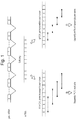
- the present invention allows the characterisation of spliced isoforms and to see whether the isoform is alternatively or aberrantly spliced. It may determine whether exon skipping, intron inclusion, alternative splicing sites, non-sense mediated decay or other splicing events are present.
- the alternatively/aberrantly spliced isoform can be characterized both structurally and functionally.
- the isoform may be characterized structurally e.g. by sequence analysis as, e.g., lacking a predicted exon (exon-skipping), lacking a part of an exon (partial exon-skipping), or including (part of) an intron (intron inclusion).
- the structural characterization can be used together with the quantity of each exon to predict the functional effect of the isoform as compared to wild-type splicing.
- exon-skipping can lead to a dysfunctional protein.
- a certain level of leaky wild type splicing may be present that allows a low but significant level of residual protein activity.
- flanking exon PCR can be performed on cDNA (e.g., total cDNA from a cell) or one of the flanking exon PCR primers can be used first in a reverse transcriptase reaction to generate a cDNA strand.
- the disclosure also provides a kit-of-parts for characterizing an alternatively/aberrantly spliced isoform of an mRNA.
- the kit comprises multiple primer pairs for performing flanking exon PCR for each internal exon of the mRNA, wherein each primer pair is for performing flanking exon PCR for a different internal exon.
- the kit also comprises multiple primer pairs for performing qPCR for each protein encoding exon, wherein each primer pair is for performing qPCR for a different exon, and multiple qPCR probes for determining the quantity of each protein encoding exon of said mRNA, wherein each probe is specific for a different protein encoding exon.
- the qPCR probe is also a primer.
- the kit-of-parts may further comprise other reagents useful for performing qPCR, such as suitable buffers, dNTPs, MgCl 2 , and a heat stable DNA polymerase.
- the present description describes a screen using minigene constructs for detecting mutations.
- exon trapping vectors use the 5' and 3' splice sites in the vector to determine whether the exonic sequence can be spliced into the final transcript.
- the methods disclosed herein use minigenes in which the 5' and 3' splice sites are from the pre-mRNA of interest and are in the context of being spatially separated by the corresponding intron. This construction offers the advantage of placing potential regulatory elements in a biologically relevant configuration.
- the library of mutant minigene constructs comprises at least 2 mutant minigene construct of at least one internal exon, preferably at least 5 minigene constructs of at least one internal exon, more preferably at least 10 minigene constructs of at least one internal exon, more preferably at least 20 minigene constructs of at least one internal exon, more preferably at least 30, 40, 50, or even 60 minigene constructs of at least one internal exon. More preferably the library comprises between 2-60 minigene constructs of each internal exon, more preferably between 5-40 minigene construct of each internal exon, more preferably between 10-30 minigene construct of each internal exon, more preferably between 15-20 minigene construct of each internal exon.
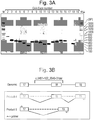
- the examples demonstrate the identification of mutations that increase exon 2 inclusion in a minigene containing the genomic region from exon 1 to include exon 3 and in which a known splicing mutation causing Pompe disease (c.-32-13T>G (IVS1)) is present.
- Cell-screening assays can be performed in a multi-test format.
- the assay is carried out in a 12 well format, 24 well format, a 96 well format, a 384 well format, or a 1536 well format.
- the cell culture can be a 2-D or 3-D cell culture.
- each minigene construct is contacted with cells that are spatially separated from each other, e.g., a different construct is tested in each well of a microwell plate.
- the AONs are useful as a therapeutic.
- the AONs can include any number of known AON modifications.
- the AONs comprise a modification increasing nuclease resistance (for example to RNaseH).
- Transformed cells can also be derived from a tumor, these cells have been transformed naturally and can also form a valuable source to study splicing. Splicing and potential therapies can also be studied in such cells after transient or stable transfection of a minigene construct.
- mutant minigene library comprising a multitude of mutant minigene constructs of a pre- mRNA which may be alternatively spliced.
- the library is for use in method to identify a mutation in said pre-mRNA that modulates splicing.
- the mutant minigene constructs comprise a contiguous genomic sequence, wherein the genomic sequence comprises
- Suitable vectors comprise an origin of replication, the necessary regulatory elements for transcription (e.g., promoter elements, transcriptional start and stop sequences, polyA) and preferably a selectable marker (e.g., an antibiotic resistance gene).
- a promoter sequence is a nucleic acid sequence capable of initiating transcription. Promoters may be constitutive wherein the transcription level is constant and unaffected by modulators of promoter activity, e.g., CMV. Promoters may also be inducible. Selectable markers are preferably present if one desires selection in bacteria. Markers may in addition be present for selection in eukaryotic cells to generate cell lines that stably express a minigene construct.
- the vector may also comprise a multiple cloning site.
- the present disclosure provides for methods for identifying antisense oligonucleotide (AON) sequences that modulate splicing by screening a library of AON constructs.
- AONs can be used as therapeutics for treating various disorders.
- the AONs are used to treat Pompe disease.
- the vector containing the U7 snRNA-AON is a viral vector, preferably a vector that is able to transfect primary cells.
- Preferred viral vectors are adenovirus, adeno-associated virus vector (AAV), see U.S. Pat. No. 5,139,941 and U.S. Pat. No. 4,797,368 , and a retroviral vector such as a lentivirus vector ( Goyenvalle A, et al. Science 2004;306(5702):1796-9 and U.S. Patent No. 5,399,346 ), SV40, or any other viral vector.
- a skilled person is able to select a suitable viral vector.
- the present disclosure provided the target sequence for enhanced exclusion of GAA intron 6, SEQ ID 541-546.
- cDNA was amplified using FastStart Taq Polymerase (Roche). Primers were used at a final concentration of 0,333 ⁇ M each, dNTPs at 0,333 mM each.
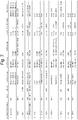
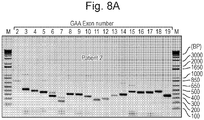
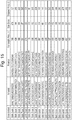
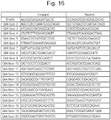
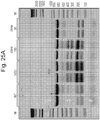
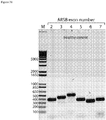
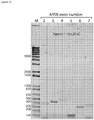
- the PCR program was performed on a Biorad s1000 thermal cycler (96°C for 4 min., 35X [96°C 20 sec., 60°C 30 sec., 72°C 1 min.], 72°C 5 min.) 5 ⁇ l of each PCR reaction was run on a 1,5% agarose gel containing ethidium bromide. Gel were photographed on a Typhoon FLA 9000 gel imager (G&E Healthcare). The primers used are listed in Figure 15 .
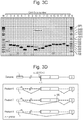
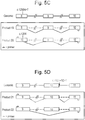
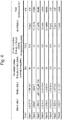
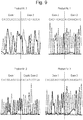
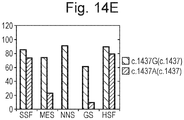
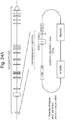
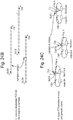
- Patient 5 was homozygous for c.1075G>A, which is a p.Gly359Arg missense mutation located at the last basepair of exon 6 ( Fig. 4B ) [25]. This mutation has been classified as presumably nonpathogenic with possible effects on splicing [26]. It is located near the splice donor site of exon 6, and splicing prediction analysis indicated weakening of this site and strengthening of a cryptic splice donor site 4 nucleotides upstream ( Fig. 14D ).
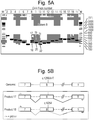
- Patient 8 contained the missense mutation c.1256A>T on allele 1. It is located in the middle of exon 8, results in p.Asp419Val, and has been classified as mildly pathogenic ( Fig. 5B ) [26].
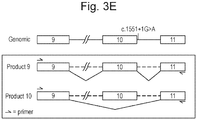
- the 2nd allele contained a c.1551+1G>T mutation, which is located in intron 10 close to the splice donor site of exon 10[26]. It resembles the c.1551+1G>A mutation described above for patient 4.
- Quantitation was performed after normalization for ⁇ -actin using the delta-delta-Ct method.
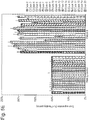
- the different qPCR amplifications had similar efficiencies: 99% (6 -actin), 92% (N), 99% (SV2), and 103% (SV3).
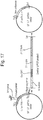
- Overhang PCR was performed on the modified vector (SF_U7snRNA_NSI) using PfuUltra HF (Agilent Technologies)
- the PCR program consisted of a 30 second initial denaturation step at 95 °C, 35 cycles at 95 °C for 10 seconds, 60 °C for 30 seconds and 72 °C for 10 seconds. Final extension step was at 72 °C for 10 minutes.
- the PCR reaction containing the desired antisense sequence and U7 snRNA loaded on a 2% agarose gel with 0.2% ethidiumbromide staining. Bands were then visualized under a transilluminator (UVP, LLC) excised and extracted using the QIAquick Gel Extraction Kit (Qiagen GmbH, Hilden, Germany).
- Table 2 sequences identified for targeting to exclude intron 6 of GAA Sequence in cDNA to which AON anneals* sequence of region (5'-> 3'): Seq ID c.956-25_1194+25 541 c.956-25_1004 542 c.1005_1075 +3 543 c.1075+4_10 76-2 544 c.1076-2_1147
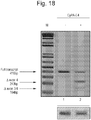
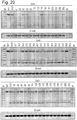
- Figure 20 shows RNA analysis with RT-PCR of a screen on intron 1 and exon 2 of GAA with antisense sequences used in the U7 small nuclear RNA system. Numbers indicate antisense sequence positions according to table 1.
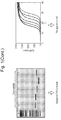
- GAA RT-PCR three major products are observed. The upper product represents exon 2 inclusion, the lower doublet represents partial skipping of exon 2 (upper band of the doublet) and complete skipping of exon 2 (lower band of the doublet.
- Beta-actin RT-PCR was used as loading control.
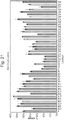
- the figure 26 shows a dose-response curve for SEQ ID NO: 12 (AON 1) (upper panels) and SEQ ID NO: 33 (AON 2) (lower panels).
- SEQ ID NO: 12 AON 1
- SEQ ID NO: 33 AON 2
- Patient-derived fibroblasts with the genotype c.-32-13T>G (IVS1) on one allele and c.525delT on the other allele were either untreated ('no transfection') or incubated with antisense oligomeric compound at 0-20 ⁇ M.
- IVS1 genotype c.-32-13T>G
- antisense oligomeric compound at 0-20 ⁇ M.
- the c.525delT undergoes nonsense-mediated decay, which explains why the effects at the RNA level are derived primarily from the IVS1 allele.
- GAA enzyme activity was measured using the 4-MU assay. Activities were normalized for total protein as measured using the BCA assay.
- the figure shows that the effect on GAA activity starts after 3 days and reaches a maximum at 5 days after AON addition.
Landscapes
- Chemical & Material Sciences (AREA)
- Life Sciences & Earth Sciences (AREA)
- Health & Medical Sciences (AREA)
- Engineering & Computer Science (AREA)
- Organic Chemistry (AREA)
- Genetics & Genomics (AREA)
- Zoology (AREA)
- Wood Science & Technology (AREA)
- Proteomics, Peptides & Aminoacids (AREA)
- Molecular Biology (AREA)
- Bioinformatics & Cheminformatics (AREA)
- Biotechnology (AREA)
- General Engineering & Computer Science (AREA)
- Biomedical Technology (AREA)
- Analytical Chemistry (AREA)
- Biochemistry (AREA)
- Physics & Mathematics (AREA)
- Biophysics (AREA)
- General Health & Medical Sciences (AREA)
- Microbiology (AREA)
- Immunology (AREA)
- Chemical Kinetics & Catalysis (AREA)
- Plant Pathology (AREA)
- Pathology (AREA)
- Measuring Or Testing Involving Enzymes Or Micro-Organisms (AREA)
Claims (7)
- Verfahren zum Charakterisieren einer alternativ oder abweichend gespleißten Isoform einer mRNA, umfassend- Bereitstellen einer biologischen Probe, umfassend die mRNA Isoform,- Durchführen flankierender Exon RT-PCR auf jedem internen Exon der mRNA unter Verwendung von Primern, die jedes individuelle interne Exon flankieren, um ein oder mehrere flankierende Exon-Amplifikationsprodukte zu erhalten, und Nachweisen des Vorhandenseins und der Länge der flankierenden Exon-Amplifikationsprodukte,- Bestimmen der Menge von Transkripten für jedes Protein-kodierende Exon der mRNA unter Verwendung von RT-qPCR, wobei die alternativ oder abweichend gespleißte mRNA-Isoform charakterisiert ist, basierend auf dem Vorhandensein und/oder der Länge der flankierenden Exon-Amplifikationsprodukte und aus der Menge des Transkripts von jedem Protein-kodierenden Exon, durch Vergleichen der flankierenden Exon-Amplifikations- und RT-qPCR-Produkte mit einer gesunden Kontrolle.
- Verfahren zum Charakterisieren einer gespleißten Isoform einer mRNA gemäß Anspruch 1, umfassend- zusätzliches Bestimmen der Menge der alternativ oder abweichend gespleißten mRNA-Isoform durch PCR unter Verwendung von wenigstens einem Primer, der mit wenigstens einem Nukleotid stromabwärts der alternativen Spleißligationsstelle und mit wenigstens einem Nukleotid stromaufwärts der alternativen Spleißligationsstelle hybridisiert, und wobei der Primer wenigstens 15 Nukleotide lang ist.
- Verfahren nach einem der Ansprüche 1-2, ferner umfassend Bestimmen wenigstens eines Teils der Sequenz wenigstens eines flankierenden Exon-Amplifikationsprodukts, vorzugsweise Bestimmen wenigstens eines Teils der Sequenz wenigstens eines flankierenden Exon-Amplifikationsprodukts, das alternativ gespleißt ist, vorzugsweise Bestimmen der Sequenz von mehr als einem flankierenden Exon-Amplifikationsprodukt, vorzugsweise Bestimmen der Sequenz aller internen Exons, vorzugsweise Bestimmen der Sequenz aller Exons, vorzugsweise Bestimmen der Sequenz der mRNA.
- Verfahren nach einem der vorhergehenden Ansprüche, wobei die biologische Probe Gewebe von einem Individuum umfasst, wobei vorzugsweise die biologische Probe primäre oder transformierte oder anderweitig modifizierte Zellen von einem Individuum umfasst, wobei vorzugsweise das Individuum diagnostiziert wird oder verdächtigt wird eine Krankheit zu haben, wobei vorzugsweise die Krankheit eine Krankheit ist, die alternatives Spleißen beinhaltet, wobei vorzugsweise die Krankheit die Pompe-Krankheit ist, wobei vorzugsweise die Zellen primäre Fibroblastenzellen sind.
- Verfahren nach einem der vorhergehenden Ansprüche, zusätzlich umfassend den Schritt des Detektierens einer Mutation, vorzugsweise umfassend einen Schritt des Verbindens der Mutation mit der alternativ oder abweichend gespleißten mRNA-Isoform.
- Kit aus Teilen zum Charakterisieren einer alternativ oder abweichend gespleißten Isoform einer mRNA, das Kit umfassenda) mehrere Primerpaare zum Durchführen flankierender Exon-PCR für jedes interne Exon der mRNA, wobei jedes Primerpaar zum Durchführen flankierender Exon-PCR für ein anderes Exon ist,b) mehrere Primerpaare zum Durchführen quantitativer PCR für jedes Transkript pro Protein-kodierendem Exon der mRNA, wobei jedes Primerpaar zum Durchführen quantitativer PCR an einem anderen internen Exon ist,c) Nachweisproben zum Bestimmen der Menge jedes Protein-kodierenden Exons der mRNA, wobei jede Probe spezifisch für ein anderes Protein-kodierendes Exon ist.d) Sequenzierprimer zum Bestimmen der Sequenz des Produkts der flankierenden Exon-PCR.e) optional wenigstens einen Primer, der mit wenigstens einem Nukleotid stromabwärts der alternativen Spleißligationsstelle und mit wenigstens einem Nukleotid stromaufwärts der alternativen Spleißligationsstelle hybridisiert und wobei der Primer wenigstens 15 Nukleotide lang ist.
- Kit aus Teilen gemäß Anspruch 6, wobei wenigstens ein Primer jedes Primerpaares zum Durchführen einer quantitativen PCR die Nachweisprobe ist.
Applications Claiming Priority (3)
| Application Number | Priority Date | Filing Date | Title |
|---|---|---|---|
| NL2014050375 | 2014-06-10 | ||
| EP14183623 | 2014-09-04 | ||
| PCT/NL2015/050420 WO2015190921A2 (en) | 2014-06-10 | 2015-06-10 | Methods for characterizing alternatively or aberrantly spliced mrna isoforms |
Publications (2)
| Publication Number | Publication Date |
|---|---|
| EP3155128A2 EP3155128A2 (de) | 2017-04-19 |
| EP3155128B1 true EP3155128B1 (de) | 2019-05-15 |
Family
ID=53496917
Family Applications (1)
| Application Number | Title | Priority Date | Filing Date |
|---|---|---|---|
| EP15732984.8A Not-in-force EP3155128B1 (de) | 2014-06-10 | 2015-06-10 | Verfahren zur charakterisierung alternativ oder anomal gespleisster mrna-isoformen |
Country Status (5)
| Country | Link |
|---|---|
| US (1) | US10724092B2 (de) |
| EP (1) | EP3155128B1 (de) |
| AU (1) | AU2015272127A1 (de) |
| CA (1) | CA2950876A1 (de) |
| WO (1) | WO2015190921A2 (de) |
Cited By (7)
| Publication number | Priority date | Publication date | Assignee | Title |
|---|---|---|---|---|
| US11008572B2 (en) | 2017-08-04 | 2021-05-18 | Skyhawk Therapeutics, Inc. | Methods and compositions for modulating splicing |
| US11129829B2 (en) | 2019-06-17 | 2021-09-28 | Skyhawk Therapeutics, Inc. | Methods for modulating splicing |
| US11845744B2 (en) | 2019-02-05 | 2023-12-19 | Skyhawk Therapeutics, Inc. | Methods and compositions for modulating splicing |
| US11964971B2 (en) | 2019-02-06 | 2024-04-23 | Skyhawk Therapeutics, Inc. | Methods and compositions for modulating splicing |
| US12509460B2 (en) | 2019-02-05 | 2025-12-30 | Skyhawk Therapeutics, Inc. | Methods and compositions for modulating splicing |
| US12522597B2 (en) | 2019-02-06 | 2026-01-13 | Skyhawk Therapeutics, Inc. | Methods and compositions for modulating splicing |
| US12612397B2 (en) | 2019-02-04 | 2026-04-28 | Skyhawk Therapeutics, Inc. | Methods and compositions for modulating splicing |
Families Citing this family (12)
| Publication number | Priority date | Publication date | Assignee | Title |
|---|---|---|---|---|
| US11236338B2 (en) | 2013-09-05 | 2022-02-01 | Sarepta Therapeutics, Inc. | Antisense-induced exon2 inclusion in acid alpha-glucosidase |
| EP3044315B1 (de) * | 2013-09-11 | 2019-02-20 | Synthena AG | Nukleinsäuren und verfahren zur behandlung von morbus pompe |
| WO2017184529A1 (en) * | 2016-04-18 | 2017-10-26 | Sarepta Therapeutics, Inc. | Antisense oligomers and methods of using the same for treating diseases associated with the acid alpha-glucosidase gene |
| WO2018017991A1 (en) * | 2016-07-21 | 2018-01-25 | The General Hospital Corporation | Extracellular mrna markers of muscular dystrophies in human urine |
| NL2017294B1 (en) | 2016-08-05 | 2018-02-14 | Univ Erasmus Med Ct Rotterdam | Natural cryptic exon removal by pairs of antisense oligonucleotides. |
| JPWO2019004080A1 (ja) * | 2017-06-27 | 2020-04-23 | 国立大学法人 東京大学 | 融合遺伝子及び/又はエクソンスキッピングにより生ずる転写産物を検出するためのプローブ及び方法 |
| NL2019517B1 (en) | 2017-09-08 | 2019-03-19 | Univ Erasmus Med Ct Rotterdam | New therapy for Pompe disease |
| EP3976788A1 (de) * | 2019-05-30 | 2022-04-06 | Deep Genomics Incorporated | Oligonukleotidtherapie für wolman-krankheit und cholesterinesterspeicherkrankheit |
| WO2021002984A1 (en) * | 2019-05-30 | 2021-01-07 | Massachusetts Institute Of Technology | Peptide nucleic acid functionalized hydrogel microneedles for sampling and detection of interstitial fluid nucleic acids |
| AU2022375788A1 (en) * | 2021-10-27 | 2024-05-23 | Shape Therapeutics Inc. | Engineered rnas |
| WO2025160364A2 (en) * | 2024-01-26 | 2025-07-31 | Regeneron Pharmaceuticals, Inc. | Compositions and methods comprising small nuclear rna (snrna) for the treatment of pompe disease |
| WO2025172378A1 (en) * | 2024-02-12 | 2025-08-21 | Fundació Centre De Regulació Genòmica | Splice-modulating antisense oligonucleotides |
Family Cites Families (11)
| Publication number | Priority date | Publication date | Assignee | Title |
|---|---|---|---|---|
| US4797368A (en) | 1985-03-15 | 1989-01-10 | The United States Of America As Represented By The Department Of Health And Human Services | Adeno-associated virus as eukaryotic expression vector |
| US5139941A (en) | 1985-10-31 | 1992-08-18 | University Of Florida Research Foundation, Inc. | AAV transduction vectors |
| US5399346A (en) | 1989-06-14 | 1995-03-21 | The United States Of America As Represented By The Department Of Health And Human Services | Gene therapy |
| US5994056A (en) | 1991-05-02 | 1999-11-30 | Roche Molecular Systems, Inc. | Homogeneous methods for nucleic acid amplification and detection |
| WO1997007226A1 (en) | 1995-08-17 | 1997-02-27 | Introgene B.V. | Poly(organo)phosphazenes for use in synthetic transfection systems |
| JP3584275B2 (ja) | 1999-11-29 | 2004-11-04 | 独立行政法人理化学研究所 | エキソンイントロンジャンクション決定装置および遺伝子領域決定装置並びにそれらの決定方法 |
| GB0008801D0 (en) | 2000-04-10 | 2000-05-31 | Medical Res Council | Sequences |
| EP2933332A1 (de) | 2004-06-28 | 2015-10-21 | The University Of Western Australia | Antisense-oligonukleotide zur induktion von exon-skipping sowie verfahren zur verwendung davon |
| EP1857548A1 (de) * | 2006-05-19 | 2007-11-21 | Academisch Ziekenhuis Leiden | Mittel und Verfahren zur Induktion von Exon-skipping |
| US8975019B2 (en) * | 2009-10-19 | 2015-03-10 | University Of Massachusetts | Deducing exon connectivity by RNA-templated DNA ligation/sequencing |
| WO2013043878A2 (en) | 2011-09-20 | 2013-03-28 | The George Washington University | Alternative splicing variants of genes associated with prostate cancer risk and survival |
-
2015
- 2015-06-10 EP EP15732984.8A patent/EP3155128B1/de not_active Not-in-force
- 2015-06-10 US US15/315,879 patent/US10724092B2/en not_active Expired - Fee Related
- 2015-06-10 AU AU2015272127A patent/AU2015272127A1/en not_active Abandoned
- 2015-06-10 WO PCT/NL2015/050420 patent/WO2015190921A2/en not_active Ceased
- 2015-06-10 CA CA2950876A patent/CA2950876A1/en not_active Abandoned
Non-Patent Citations (1)
| Title |
|---|
| None * |
Cited By (13)
| Publication number | Priority date | Publication date | Assignee | Title |
|---|---|---|---|---|
| US11021708B2 (en) | 2017-08-04 | 2021-06-01 | Skyhawk Therapeutics, Inc. | Methods and compositions for modulating splicing |
| US11091475B2 (en) | 2017-08-04 | 2021-08-17 | Skyhawk Therapeutics, Inc. | Methods and compositions for modulating splicing |
| US11162101B2 (en) | 2017-08-04 | 2021-11-02 | Skyhawk Therapeutics, Inc. | Methods and compositions for modulating splicing |
| US11326165B1 (en) | 2017-08-04 | 2022-05-10 | Skyhawk Therapeutics, Inc. | Methods and compositions for modulating splicing |
| US11434489B1 (en) | 2017-08-04 | 2022-09-06 | Skyhawk Therapeutics, Inc. | Methods and compositions for modulating splicing |
| US11603531B1 (en) | 2017-08-04 | 2023-03-14 | Skyhawk Therapeutics, Inc. | Methods and compositions for modulating splicing |
| US11008572B2 (en) | 2017-08-04 | 2021-05-18 | Skyhawk Therapeutics, Inc. | Methods and compositions for modulating splicing |
| US12612397B2 (en) | 2019-02-04 | 2026-04-28 | Skyhawk Therapeutics, Inc. | Methods and compositions for modulating splicing |
| US12509460B2 (en) | 2019-02-05 | 2025-12-30 | Skyhawk Therapeutics, Inc. | Methods and compositions for modulating splicing |
| US11845744B2 (en) | 2019-02-05 | 2023-12-19 | Skyhawk Therapeutics, Inc. | Methods and compositions for modulating splicing |
| US11964971B2 (en) | 2019-02-06 | 2024-04-23 | Skyhawk Therapeutics, Inc. | Methods and compositions for modulating splicing |
| US12522597B2 (en) | 2019-02-06 | 2026-01-13 | Skyhawk Therapeutics, Inc. | Methods and compositions for modulating splicing |
| US11129829B2 (en) | 2019-06-17 | 2021-09-28 | Skyhawk Therapeutics, Inc. | Methods for modulating splicing |
Also Published As
| Publication number | Publication date |
|---|---|
| CA2950876A1 (en) | 2015-12-17 |
| US20170306399A1 (en) | 2017-10-26 |
| WO2015190921A2 (en) | 2015-12-17 |
| AU2015272127A1 (en) | 2017-01-19 |
| WO2015190921A3 (en) | 2016-03-03 |
| EP3155128A2 (de) | 2017-04-19 |
| US10724092B2 (en) | 2020-07-28 |
Similar Documents
| Publication | Publication Date | Title |
|---|---|---|
| EP3155128B1 (de) | Verfahren zur charakterisierung alternativ oder anomal gespleisster mrna-isoformen | |
| Seczynska et al. | Genome surveillance by HUSH-mediated silencing of intronless mobile elements | |
| US11685924B2 (en) | Genetic elements driving circular RNA translation and methods of use | |
| Holdt et al. | Molecular roles and function of circular RNAs in eukaryotic cells | |
| Dodbele et al. | Best practices to ensure robust investigation of circular RNAs: pitfalls and tips | |
| Aufiero et al. | Circular RNAs open a new chapter in cardiovascular biology | |
| Shastri et al. | Genome-wide identification of structure-forming repeats as principal sites of fork collapse upon ATR inhibition | |
| Fei et al. | Wild-type U2AF1 antagonizes the splicing program characteristic of U2AF1-mutant tumors and is required for cell survival | |
| Hansen et al. | Argonaute-associated short introns are a novel class of gene regulators | |
| Tazi et al. | The spliceosome: a novel multi-faceted target for therapy | |
| WO2017015101A1 (en) | Methods for maximizing the efficiency of targeted gene correction | |
| Carpenter et al. | Mutational impact of APOBEC3A and APOBEC3B in a human cell line and comparisons to breast cancer | |
| Romano et al. | Role of pseudoexons and pseudointrons in human cancer | |
| Kameyama et al. | Re-splicing of mature mRNA in cancer cells promotes activation of distant weak alternative splice sites | |
| Ma et al. | ADAR1 promotes robust hypoxia signaling via distinct regulation of multiple HIF‐1α‐inhibiting factors | |
| Buratti et al. | Novel roles of U1 snRNP in alternative splicing regulation | |
| US20180147256A1 (en) | Means and methods for treating facioscapulohumeral muscular dystrophy (fshd). | |
| Ke et al. | Intronic motif pairs cooperate across exons to promote pre-mRNA splicing | |
| Wulff et al. | Modulation of microRNA expression and function by ADARs | |
| Vickers et al. | Targeting of repeated sequences unique to a gene results in significant increases in antisense oligonucleotide potency | |
| Matos et al. | Functional analysis of splicing mutations in the IDS gene and the use of antisense oligonucleotides to exploit an alternative therapy for MPS II | |
| Raponi et al. | Low U1 snRNP dependence at the NF1 exon 29 donor splice site | |
| Sánchez-Alcudia et al. | Overexpression of adapted U1snRNA in patients' cells to correct a 5′ splice site mutation in propionic acidemia | |
| Roy et al. | Spliceosomal mutations decouple 3′ splice site fidelity from cellular fitness | |
| Lee et al. | Substitutions of nucleotides at the 3′ ends of COL6A1/2/3 exons induce exon skipping associated with collagen VI-related muscular dystrophies and therapeutic strategies |
Legal Events
| Date | Code | Title | Description |
|---|---|---|---|
| STAA | Information on the status of an ep patent application or granted ep patent |
Free format text: STATUS: THE INTERNATIONAL PUBLICATION HAS BEEN MADE |
|
| PUAI | Public reference made under article 153(3) epc to a published international application that has entered the european phase |
Free format text: ORIGINAL CODE: 0009012 |
|
| STAA | Information on the status of an ep patent application or granted ep patent |
Free format text: STATUS: REQUEST FOR EXAMINATION WAS MADE |
|
| 17P | Request for examination filed |
Effective date: 20170105 |
|
| AK | Designated contracting states |
Kind code of ref document: A2 Designated state(s): AL AT BE BG CH CY CZ DE DK EE ES FI FR GB GR HR HU IE IS IT LI LT LU LV MC MK MT NL NO PL PT RO RS SE SI SK SM TR |
|
| AX | Request for extension of the european patent |
Extension state: BA ME |
|
| DAV | Request for validation of the european patent (deleted) | ||
| DAX | Request for extension of the european patent (deleted) | ||
| STAA | Information on the status of an ep patent application or granted ep patent |
Free format text: STATUS: EXAMINATION IS IN PROGRESS |
|
| 17Q | First examination report despatched |
Effective date: 20180102 |
|
| GRAP | Despatch of communication of intention to grant a patent |
Free format text: ORIGINAL CODE: EPIDOSNIGR1 |
|
| STAA | Information on the status of an ep patent application or granted ep patent |
Free format text: STATUS: GRANT OF PATENT IS INTENDED |
|
| INTG | Intention to grant announced |
Effective date: 20181129 |
|
| GRAS | Grant fee paid |
Free format text: ORIGINAL CODE: EPIDOSNIGR3 |
|
| GRAA | (expected) grant |
Free format text: ORIGINAL CODE: 0009210 |
|
| STAA | Information on the status of an ep patent application or granted ep patent |
Free format text: STATUS: THE PATENT HAS BEEN GRANTED |
|
| AK | Designated contracting states |
Kind code of ref document: B1 Designated state(s): AL AT BE BG CH CY CZ DE DK EE ES FI FR GB GR HR HU IE IS IT LI LT LU LV MC MK MT NL NO PL PT RO RS SE SI SK SM TR |
|
| REG | Reference to a national code |
Ref country code: CH Ref legal event code: EP |
|
| REG | Reference to a national code |
Ref country code: DE Ref legal event code: R096 Ref document number: 602015030329 Country of ref document: DE |
|
| REG | Reference to a national code |
Ref country code: IE Ref legal event code: FG4D |
|
| REG | Reference to a national code |
Ref country code: NL Ref legal event code: FP |
|
| REG | Reference to a national code |
Ref country code: LT Ref legal event code: MG4D |
|
| PG25 | Lapsed in a contracting state [announced via postgrant information from national office to epo] |
Ref country code: FI Free format text: LAPSE BECAUSE OF FAILURE TO SUBMIT A TRANSLATION OF THE DESCRIPTION OR TO PAY THE FEE WITHIN THE PRESCRIBED TIME-LIMIT Effective date: 20190515 Ref country code: NO Free format text: LAPSE BECAUSE OF FAILURE TO SUBMIT A TRANSLATION OF THE DESCRIPTION OR TO PAY THE FEE WITHIN THE PRESCRIBED TIME-LIMIT Effective date: 20190815 Ref country code: LT Free format text: LAPSE BECAUSE OF FAILURE TO SUBMIT A TRANSLATION OF THE DESCRIPTION OR TO PAY THE FEE WITHIN THE PRESCRIBED TIME-LIMIT Effective date: 20190515 Ref country code: HR Free format text: LAPSE BECAUSE OF FAILURE TO SUBMIT A TRANSLATION OF THE DESCRIPTION OR TO PAY THE FEE WITHIN THE PRESCRIBED TIME-LIMIT Effective date: 20190515 Ref country code: ES Free format text: LAPSE BECAUSE OF FAILURE TO SUBMIT A TRANSLATION OF THE DESCRIPTION OR TO PAY THE FEE WITHIN THE PRESCRIBED TIME-LIMIT Effective date: 20190515 Ref country code: AL Free format text: LAPSE BECAUSE OF FAILURE TO SUBMIT A TRANSLATION OF THE DESCRIPTION OR TO PAY THE FEE WITHIN THE PRESCRIBED TIME-LIMIT Effective date: 20190515 Ref country code: PT Free format text: LAPSE BECAUSE OF FAILURE TO SUBMIT A TRANSLATION OF THE DESCRIPTION OR TO PAY THE FEE WITHIN THE PRESCRIBED TIME-LIMIT Effective date: 20190915 Ref country code: SE Free format text: LAPSE BECAUSE OF FAILURE TO SUBMIT A TRANSLATION OF THE DESCRIPTION OR TO PAY THE FEE WITHIN THE PRESCRIBED TIME-LIMIT Effective date: 20190515 |
|
| PG25 | Lapsed in a contracting state [announced via postgrant information from national office to epo] |
Ref country code: BG Free format text: LAPSE BECAUSE OF FAILURE TO SUBMIT A TRANSLATION OF THE DESCRIPTION OR TO PAY THE FEE WITHIN THE PRESCRIBED TIME-LIMIT Effective date: 20190815 Ref country code: GR Free format text: LAPSE BECAUSE OF FAILURE TO SUBMIT A TRANSLATION OF THE DESCRIPTION OR TO PAY THE FEE WITHIN THE PRESCRIBED TIME-LIMIT Effective date: 20190816 Ref country code: LV Free format text: LAPSE BECAUSE OF FAILURE TO SUBMIT A TRANSLATION OF THE DESCRIPTION OR TO PAY THE FEE WITHIN THE PRESCRIBED TIME-LIMIT Effective date: 20190515 Ref country code: RS Free format text: LAPSE BECAUSE OF FAILURE TO SUBMIT A TRANSLATION OF THE DESCRIPTION OR TO PAY THE FEE WITHIN THE PRESCRIBED TIME-LIMIT Effective date: 20190515 |
|
| REG | Reference to a national code |
Ref country code: AT Ref legal event code: MK05 Ref document number: 1133483 Country of ref document: AT Kind code of ref document: T Effective date: 20190515 |
|
| PG25 | Lapsed in a contracting state [announced via postgrant information from national office to epo] |
Ref country code: SK Free format text: LAPSE BECAUSE OF FAILURE TO SUBMIT A TRANSLATION OF THE DESCRIPTION OR TO PAY THE FEE WITHIN THE PRESCRIBED TIME-LIMIT Effective date: 20190515 Ref country code: RO Free format text: LAPSE BECAUSE OF FAILURE TO SUBMIT A TRANSLATION OF THE DESCRIPTION OR TO PAY THE FEE WITHIN THE PRESCRIBED TIME-LIMIT Effective date: 20190515 Ref country code: CZ Free format text: LAPSE BECAUSE OF FAILURE TO SUBMIT A TRANSLATION OF THE DESCRIPTION OR TO PAY THE FEE WITHIN THE PRESCRIBED TIME-LIMIT Effective date: 20190515 Ref country code: AT Free format text: LAPSE BECAUSE OF FAILURE TO SUBMIT A TRANSLATION OF THE DESCRIPTION OR TO PAY THE FEE WITHIN THE PRESCRIBED TIME-LIMIT Effective date: 20190515 Ref country code: DK Free format text: LAPSE BECAUSE OF FAILURE TO SUBMIT A TRANSLATION OF THE DESCRIPTION OR TO PAY THE FEE WITHIN THE PRESCRIBED TIME-LIMIT Effective date: 20190515 Ref country code: EE Free format text: LAPSE BECAUSE OF FAILURE TO SUBMIT A TRANSLATION OF THE DESCRIPTION OR TO PAY THE FEE WITHIN THE PRESCRIBED TIME-LIMIT Effective date: 20190515 |
|
| REG | Reference to a national code |
Ref country code: CH Ref legal event code: PL |
|
| REG | Reference to a national code |
Ref country code: DE Ref legal event code: R097 Ref document number: 602015030329 Country of ref document: DE |
|
| PG25 | Lapsed in a contracting state [announced via postgrant information from national office to epo] |
Ref country code: IT Free format text: LAPSE BECAUSE OF FAILURE TO SUBMIT A TRANSLATION OF THE DESCRIPTION OR TO PAY THE FEE WITHIN THE PRESCRIBED TIME-LIMIT Effective date: 20190515 Ref country code: MC Free format text: LAPSE BECAUSE OF FAILURE TO SUBMIT A TRANSLATION OF THE DESCRIPTION OR TO PAY THE FEE WITHIN THE PRESCRIBED TIME-LIMIT Effective date: 20190515 Ref country code: SM Free format text: LAPSE BECAUSE OF FAILURE TO SUBMIT A TRANSLATION OF THE DESCRIPTION OR TO PAY THE FEE WITHIN THE PRESCRIBED TIME-LIMIT Effective date: 20190515 |
|
| PLBE | No opposition filed within time limit |
Free format text: ORIGINAL CODE: 0009261 |
|
| STAA | Information on the status of an ep patent application or granted ep patent |
Free format text: STATUS: NO OPPOSITION FILED WITHIN TIME LIMIT |
|
| REG | Reference to a national code |
Ref country code: BE Ref legal event code: MM Effective date: 20190630 |
|
| PG25 | Lapsed in a contracting state [announced via postgrant information from national office to epo] |
Ref country code: TR Free format text: LAPSE BECAUSE OF FAILURE TO SUBMIT A TRANSLATION OF THE DESCRIPTION OR TO PAY THE FEE WITHIN THE PRESCRIBED TIME-LIMIT Effective date: 20190515 |
|
| 26N | No opposition filed |
Effective date: 20200218 |
|
| PG25 | Lapsed in a contracting state [announced via postgrant information from national office to epo] |
Ref country code: PL Free format text: LAPSE BECAUSE OF FAILURE TO SUBMIT A TRANSLATION OF THE DESCRIPTION OR TO PAY THE FEE WITHIN THE PRESCRIBED TIME-LIMIT Effective date: 20190515 Ref country code: IE Free format text: LAPSE BECAUSE OF NON-PAYMENT OF DUE FEES Effective date: 20190610 |
|
| PG25 | Lapsed in a contracting state [announced via postgrant information from national office to epo] |
Ref country code: LI Free format text: LAPSE BECAUSE OF NON-PAYMENT OF DUE FEES Effective date: 20190630 Ref country code: LU Free format text: LAPSE BECAUSE OF NON-PAYMENT OF DUE FEES Effective date: 20190610 Ref country code: CH Free format text: LAPSE BECAUSE OF NON-PAYMENT OF DUE FEES Effective date: 20190630 Ref country code: SI Free format text: LAPSE BECAUSE OF FAILURE TO SUBMIT A TRANSLATION OF THE DESCRIPTION OR TO PAY THE FEE WITHIN THE PRESCRIBED TIME-LIMIT Effective date: 20190515 Ref country code: BE Free format text: LAPSE BECAUSE OF NON-PAYMENT OF DUE FEES Effective date: 20190630 |
|
| PG25 | Lapsed in a contracting state [announced via postgrant information from national office to epo] |
Ref country code: CY Free format text: LAPSE BECAUSE OF FAILURE TO SUBMIT A TRANSLATION OF THE DESCRIPTION OR TO PAY THE FEE WITHIN THE PRESCRIBED TIME-LIMIT Effective date: 20190515 |
|
| PG25 | Lapsed in a contracting state [announced via postgrant information from national office to epo] |
Ref country code: IS Free format text: LAPSE BECAUSE OF FAILURE TO SUBMIT A TRANSLATION OF THE DESCRIPTION OR TO PAY THE FEE WITHIN THE PRESCRIBED TIME-LIMIT Effective date: 20190915 |
|
| PG25 | Lapsed in a contracting state [announced via postgrant information from national office to epo] |
Ref country code: MT Free format text: LAPSE BECAUSE OF FAILURE TO SUBMIT A TRANSLATION OF THE DESCRIPTION OR TO PAY THE FEE WITHIN THE PRESCRIBED TIME-LIMIT Effective date: 20190515 Ref country code: HU Free format text: LAPSE BECAUSE OF FAILURE TO SUBMIT A TRANSLATION OF THE DESCRIPTION OR TO PAY THE FEE WITHIN THE PRESCRIBED TIME-LIMIT; INVALID AB INITIO Effective date: 20150610 |
|
| PGFP | Annual fee paid to national office [announced via postgrant information from national office to epo] |
Ref country code: DE Payment date: 20210618 Year of fee payment: 7 Ref country code: NL Payment date: 20210622 Year of fee payment: 7 Ref country code: FR Payment date: 20210622 Year of fee payment: 7 |
|
| PGFP | Annual fee paid to national office [announced via postgrant information from national office to epo] |
Ref country code: GB Payment date: 20210625 Year of fee payment: 7 |
|
| PG25 | Lapsed in a contracting state [announced via postgrant information from national office to epo] |
Ref country code: MK Free format text: LAPSE BECAUSE OF FAILURE TO SUBMIT A TRANSLATION OF THE DESCRIPTION OR TO PAY THE FEE WITHIN THE PRESCRIBED TIME-LIMIT Effective date: 20190515 |
|
| REG | Reference to a national code |
Ref country code: DE Ref legal event code: R119 Ref document number: 602015030329 Country of ref document: DE |
|
| REG | Reference to a national code |
Ref country code: NL Ref legal event code: MM Effective date: 20220701 |
|
| GBPC | Gb: european patent ceased through non-payment of renewal fee |
Effective date: 20220610 |
|
| PG25 | Lapsed in a contracting state [announced via postgrant information from national office to epo] |
Ref country code: NL Free format text: LAPSE BECAUSE OF NON-PAYMENT OF DUE FEES Effective date: 20220701 |
|
| PG25 | Lapsed in a contracting state [announced via postgrant information from national office to epo] |
Ref country code: FR Free format text: LAPSE BECAUSE OF NON-PAYMENT OF DUE FEES Effective date: 20220630 |
|
| PG25 | Lapsed in a contracting state [announced via postgrant information from national office to epo] |
Ref country code: GB Free format text: LAPSE BECAUSE OF NON-PAYMENT OF DUE FEES Effective date: 20220610 Ref country code: DE Free format text: LAPSE BECAUSE OF NON-PAYMENT OF DUE FEES Effective date: 20230103 |