EP3169558B1 - Fahrzeug-infotainmentsystem - Google Patents
Fahrzeug-infotainmentsystem Download PDFInfo
- Publication number
- EP3169558B1 EP3169558B1 EP15745413.3A EP15745413A EP3169558B1 EP 3169558 B1 EP3169558 B1 EP 3169558B1 EP 15745413 A EP15745413 A EP 15745413A EP 3169558 B1 EP3169558 B1 EP 3169558B1
- Authority
- EP
- European Patent Office
- Prior art keywords
- chip system
- restarts
- restart
- monitoring device
- vehicle infotainment
- Prior art date
- Legal status (The legal status is an assumption and is not a legal conclusion. Google has not performed a legal analysis and makes no representation as to the accuracy of the status listed.)
- Not-in-force
Links
Images
Classifications
-
- G—PHYSICS
- G06—COMPUTING OR CALCULATING; COUNTING
- G06F—ELECTRIC DIGITAL DATA PROCESSING
- G06F11/00—Error detection; Error correction; Monitoring
- G06F11/07—Responding to the occurrence of a fault, e.g. fault tolerance
- G06F11/14—Error detection or correction of the data by redundancy in operations
- G06F11/1402—Saving, restoring, recovering or retrying
- G06F11/1415—Saving, restoring, recovering or retrying at system level
- G06F11/1438—Restarting or rejuvenating
-
- B—PERFORMING OPERATIONS; TRANSPORTING
- B60—VEHICLES IN GENERAL
- B60L—PROPULSION OF ELECTRICALLY-PROPELLED VEHICLES; SUPPLYING ELECTRIC POWER FOR AUXILIARY EQUIPMENT OF ELECTRICALLY-PROPELLED VEHICLES; ELECTRODYNAMIC BRAKE SYSTEMS FOR VEHICLES IN GENERAL; MAGNETIC SUSPENSION OR LEVITATION FOR VEHICLES; MONITORING OPERATING VARIABLES OF ELECTRICALLY-PROPELLED VEHICLES; ELECTRIC SAFETY DEVICES FOR ELECTRICALLY-PROPELLED VEHICLES
- B60L1/00—Supplying electric power to auxiliary equipment of vehicles
-
- B—PERFORMING OPERATIONS; TRANSPORTING
- B60—VEHICLES IN GENERAL
- B60R—VEHICLES, VEHICLE FITTINGS, OR VEHICLE PARTS, NOT OTHERWISE PROVIDED FOR
- B60R16/00—Electric or fluid circuits specially adapted for vehicles and not otherwise provided for; Arrangement of elements of electric or fluid circuits specially adapted for vehicles and not otherwise provided for
- B60R16/02—Electric or fluid circuits specially adapted for vehicles and not otherwise provided for; Arrangement of elements of electric or fluid circuits specially adapted for vehicles and not otherwise provided for electric constitutive elements
- B60R16/023—Electric or fluid circuits specially adapted for vehicles and not otherwise provided for; Arrangement of elements of electric or fluid circuits specially adapted for vehicles and not otherwise provided for electric constitutive elements for transmission of signals between vehicle parts or subsystems
-
- B—PERFORMING OPERATIONS; TRANSPORTING
- B60—VEHICLES IN GENERAL
- B60R—VEHICLES, VEHICLE FITTINGS, OR VEHICLE PARTS, NOT OTHERWISE PROVIDED FOR
- B60R16/00—Electric or fluid circuits specially adapted for vehicles and not otherwise provided for; Arrangement of elements of electric or fluid circuits specially adapted for vehicles and not otherwise provided for
- B60R16/02—Electric or fluid circuits specially adapted for vehicles and not otherwise provided for; Arrangement of elements of electric or fluid circuits specially adapted for vehicles and not otherwise provided for electric constitutive elements
- B60R16/03—Electric or fluid circuits specially adapted for vehicles and not otherwise provided for; Arrangement of elements of electric or fluid circuits specially adapted for vehicles and not otherwise provided for electric constitutive elements for supply of electrical power to vehicle subsystems or for
-
- B—PERFORMING OPERATIONS; TRANSPORTING
- B60—VEHICLES IN GENERAL
- B60R—VEHICLES, VEHICLE FITTINGS, OR VEHICLE PARTS, NOT OTHERWISE PROVIDED FOR
- B60R16/00—Electric or fluid circuits specially adapted for vehicles and not otherwise provided for; Arrangement of elements of electric or fluid circuits specially adapted for vehicles and not otherwise provided for
- B60R16/02—Electric or fluid circuits specially adapted for vehicles and not otherwise provided for; Arrangement of elements of electric or fluid circuits specially adapted for vehicles and not otherwise provided for electric constitutive elements
- B60R16/03—Electric or fluid circuits specially adapted for vehicles and not otherwise provided for; Arrangement of elements of electric or fluid circuits specially adapted for vehicles and not otherwise provided for electric constitutive elements for supply of electrical power to vehicle subsystems or for
- B60R16/033—Electric or fluid circuits specially adapted for vehicles and not otherwise provided for; Arrangement of elements of electric or fluid circuits specially adapted for vehicles and not otherwise provided for electric constitutive elements for supply of electrical power to vehicle subsystems or for characterised by the use of electrical cells or batteries
-
- G—PHYSICS
- G06—COMPUTING OR CALCULATING; COUNTING
- G06F—ELECTRIC DIGITAL DATA PROCESSING
- G06F1/00—Details not covered by groups G06F3/00 - G06F13/00 and G06F21/00
- G06F1/26—Power supply means, e.g. regulation thereof
- G06F1/32—Means for saving power
- G06F1/3203—Power management, i.e. event-based initiation of a power-saving mode
- G06F1/3206—Monitoring of events, devices or parameters that trigger a change in power modality
-
- G—PHYSICS
- G06—COMPUTING OR CALCULATING; COUNTING
- G06F—ELECTRIC DIGITAL DATA PROCESSING
- G06F15/00—Digital computers in general; Data processing equipment in general
- G06F15/76—Architectures of general purpose stored program computers
- G06F15/78—Architectures of general purpose stored program computers comprising a single central processing unit
- G06F15/7807—System on chip, i.e. computer system on a single chip; System in package, i.e. computer system on one or more chips in a single package
-
- G—PHYSICS
- G06—COMPUTING OR CALCULATING; COUNTING
- G06F—ELECTRIC DIGITAL DATA PROCESSING
- G06F9/00—Arrangements for program control, e.g. control units
- G06F9/06—Arrangements for program control, e.g. control units using stored programs, i.e. using an internal store of processing equipment to receive or retain programs
- G06F9/44—Arrangements for executing specific programs
- G06F9/4401—Bootstrapping
- G06F9/4418—Suspend and resume; Hibernate and awake
Definitions
- the present invention relates to extending battery life of vehicles having a vehicle infotainment system.
- the present invention relates to a vehicle infotainment system, a motor vehicle and a method for preventing a battery discharge.
- Modern motor vehicles often have a plurality of electronic systems whose complexity has increased over time.
- infotainment systems which among other things control the multimedia system of the vehicle and often also include a navigation system.
- infotainment systems can also fulfill driver assistance functions or be coupled to a driver assistance system.
- the infotainment system of a motor vehicle is usually operated via the battery of the motor vehicle, to which other, possibly essential components of the motor vehicle, such as the starter, are connected.
- the EP1496435A shows a vehicle infotainment system comprising a single-chip system with a restart monitoring device.
- the US2007 / 276939 shows a restart monitoring device (watchdog).
- a first aspect of the invention relates to a vehicle infotainment system according to claim 1, which is a one-chip system with a restart monitoring device includes.
- the restart monitoring device is designed to determine a number of possibly unexpected reboots of the single-chip system.
- the restart monitor is configured to disable or put the one-chip system in a sleep mode when the number of (unexpected) restarts of the one-chip system exceeds a predetermined threshold.
- a restart monitoring device is integrated, which checks whether the one-chip system is in a cyclic reset loop.
- the restart monitor may be configured to disable or suspend the one-chip system to prevent the one-chip system from being disabled. System constantly consumes power when running this reset loop.
- the restart monitoring device can be embodied as a reset counter which deactivates the one-chip system or sets it to sleep mode when the number of executed reset loops exceeds a predetermined threshold value.
- the invention is based inter alia on the finding that one-chip systems of vehicle infotainment systems can have a complex start-up process, which may be due, inter alia, to the components installed in the vehicle infotainment system.
- vehicle infotainment systems today may use so-called NAND storage devices equipped, which may possibly require a complex start-up process. If, for example, an error which can not be corrected during the startup process occurs during the startup procedure, this error can lead to an uncontrolled restart of the one-chip system. This error can be caused for example by inconsistent, persistent data in a memory of the one-chip system.
- a restart monitoring device may be integrated in the one-chip system of the vehicle infotainment system.
- a vehicle infotainment system may be understood to include various functions such as, for example, a car radio or a multimedia system, a navigation system, a hands-free device, and driver assistance systems. Furthermore, the vehicle infotainment system can also have a user operating unit, via which the vehicle occupants can operate and control the system.
- a so-called system on a chip SoC
- the single-chip system may designate an integrated circuit on a semiconductor substrate in which all or a large part of the functions of a system, in this case the vehicle infotainment system, are integrated.
- the single-chip system may include one or more buses, a clock, a processor, a memory, and graphics components, audio components, and interfaces.
- the single-chip system may also include a boot-up memory unit or boot ROM, in which stored for the startup program program elements.
- a reboot can also be known to the person skilled in the art as the reset.
- the restart of the one-chip system may include a so-called boot process of the one-chip system, which means the startup of the one-chip system and in which the programs of the one-chip system are started.
- the number of restarts may be taken to mean a cumulative value indicating how many times the one-chip system has been booted.
- the restart monitoring device may be designed to disconnect the one-chip system from the power supply or battery.
- a so-called standby mode may be understood in the context of the invention. Both options, disabling the one-chip system and putting it into sleep mode, mean that the single-chip system will not consume more power, thus avoiding discharge of the battery.
- the predetermined threshold value can be stored, for example, in a configuration file which is stored in a memory unit of the one-chip system.
- the predetermined threshold value may also be configurable by the user. For example, the predetermined threshold value can be adjusted by the user to the effective start-up time of the one-chip system.
- the number of restarts is a number of restarts per unit of time.
- the restart monitoring means is adapted to determine a number of restarts per unit time of the one-chip system and the one-chip system disable or put into a sleep mode when the number of restarts per unit time of the single-chip system exceeds a predetermined threshold.
- the predetermined threshold may be thirty restarts per minute.
- the restart monitor can more reliably determine whether or not the one-chip system is in a cyclic reset loop.
- the number of restarts is an absolute number.
- the restart monitor is configured to reset the number of restarts upon successful startup of the one-chip system.
- the restart monitor has an absolute reset counter, which is actively reset by the restart monitor after the one-chip system has been successfully loaded and started. That is, the absolute number of restarts can define a number of restarts since a given time. For example, the particular time may be the time of the last successful startup of the one-chip system. By resetting the number of reboots, it can be understood that the number of reboots is set to zero after a successful start of the one-chip system.
- the single-chip system further comprises an interface for receiving a wake-up signal.
- the restart monitoring device is designed to prevent a wake-up of the one-chip system when receiving a wake-up signal via the interface when the number of restarts exceeds the predetermined threshold.
- the restart monitoring device can be designed to prevent the wake-up function of permanently applied wake-up sources.
- the interface can be designed as a CAN bus.
- the restart monitor may do so be to prevent so-called wake-up triggers that are received via the CAN bus.
- the single-chip system further comprises a start-up memory unit in which a program code executed for a start-up operation of the one-chip system is stored. Furthermore, the single-chip system comprises a semi-permanent storage unit.
- the restart monitor is also implemented in the startup memory unit. In addition, the restart monitor is designed to store the specified number of restarts in the semi-permanent storage unit.
- boot ROM under the start-up memory unit, a so-called boot ROM of the one-chip system integrated in the one-chip system can be understood. Accordingly, under the program code stored in the startup memory unit, a so-called boot loader can be understood.
- the boot loader is the implementation of the "complex" and thus to be monitored, potentially error-prone boot process and is not in the boot ROM.
- the core task of the boot ROM is to find the bootloader on the possible storage media (eg SD card, USB stick internal NAND Flash, ...), to load it into RAM, to check the authenticity (signature) and the code to jump. In addition to this core task, the boot ROM, as already described, performs the task of restart monitoring.
- the semi-permanent memory unit may designate a memory unit integrated into the one-chip system that is writable and reset-safe. This means that when restarting the one-chip system, the data of the semi-permanent storage unit will not be deleted.
- the semi-permanent storage unit may be an EPROM.
- the single-chip system further comprises a plurality of computation cores comprising a first portion of the computation cores and a second portion of the computation cores.
- the majority of the calculation cores can be operated by means of a power supply.
- the second part of the calculation cores is designed to detect a cyclical malfunction of the first part of the calculation cores and to disconnect the power supply of the first part of the calculation cores in order to avoid a battery discharge of the motor vehicle when such a cyclical malfunction of the first part of the calculation cores is detected.
- monitoring of the one-chip system can be extended to avoid battery discharge in the event of cyclical malfunctions during operation of the single-chip system.
- the single-chip system further comprises a memory unit designed as a NAND memory.
- the vehicle infotainment system can be manufactured more cheaply.
- Another aspect of the invention relates to a motor vehicle having a vehicle infotainment system described in the context of the present invention.
- a motor vehicle may be understood to mean, for example, a passenger car or a lorry.
- Advantages and features that relate to the vehicle infotainment system can thereby also characterize the motor vehicle with a vehicle infotainment system.
- a further aspect of the invention relates to a method according to claim 9 for avoiding a reset loop in a vehicle infotainment system with a one-chip system.
- the method comprises the step of determining a number of restarts of the single-chip system by a restart monitoring device of the one-chip system. Further, the method includes the step of disabling or retiring the one-chip system by the restart monitor when the determined number of restarts exceeds a predetermined threshold.
- the method can be carried out by a restart monitoring device, described in the context of the invention, of a one-chip system of a vehicle infotainment system. Therefore, features and benefits related to the vehicle infotainment system may also characterize the method. Further, the steps of the method may be performed in the order given, in a different order, or in parallel.
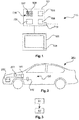
- the vehicle infotainment system 100 includes a single-chip (SoC) system 101 and an associated user control unit 102.
- the single-chip system 101 includes a reboot monitor 103 configured to monitor whether the on-chip System is stuck in a cyclic loop of restarts and in this case the one-chip system 101 disabled or put into a sleep mode.
- the restart monitor 103 is configured to determine a number of restarts of the one-chip system 101 and, depending on the determined number of restarts of the one-chip system 101, to deactivate the one-chip system 101 To put in sleep mode.
- the restart monitor 103 is configured to limit a wake-up function of the one-chip system 101 when the number of restarts exceeds the predetermined threshold.
- the restart monitoring device 103 is designed, when the threshold value is exceeded by the number of restarts, to trigger a wake-up function triggered via the interface 110 of the one-chip system to prevent.
- the interface 110 is a so-called CAN bus of the motor vehicle, via which the one-chip system 101 is connected to other components of the motor vehicle and can receive wake-up signals from the other components.
- the waking up of the vehicle infotainment system 100 via a switch-on button 109 of the user operating unit 102 is furthermore activated according to this exemplary embodiment.
- the restart monitor 103 may be configured to disable all wake-up functions of the one-chip system 101 including the power button 109.
- the one-chip system 101 also includes a semi-permanent storage unit 104 into which the restart monitor 103 stores the determined number of reboots.
- the specific number of restarts may be a number of restarts per unit of time or an absolute number of restarts of the single-chip system.
- the one-chip system 101 comprises a semi-permanent storage unit 104, wherein the restart monitoring unit 103 is designed to store the determined number of restarts in the semi-permanent storage unit 104.
- the restart monitor 103 is further configured to execute, in the case of a successful start-up of the one-chip system, the one in the semi Permanent memory unit 104 reset value corresponding to the number of restarts or set to zero.
- the single-chip system 101 also comprises a plurality of computing cores 106.
- This plurality of computing cores 106 comprises a first portion of the computing cores 108 and a second portion of the computing cores 107.
- the second portion of the computing cores 107 is designed to perform a cyclic malfunction of the processor core recognize first portion of the calculation cores 108 and recognizing a cyclical malfunction of the first portion of the calculation cores 108 to disconnect the power supply of the first portion of the calculation cores 108 to avoid a battery discharge of the motor vehicle.
- the one-chip system 101 comprises a memory unit 105 embodied as a NAND memory.
- This NAND memory may have the advantage that it is relatively inexpensive.
- the NAND memory 105 may require a relatively complex start-up operation, whereby checking the start-up operation of the one-chip system 101 by the restart monitor 103 is particularly advantageous.
- a motor vehicle 200 is shown with a vehicle infotainment system 100 according to an embodiment of the invention.
- the vehicle infotainment system 100 is in the context of in Fig. 1 illustrated embodiment described in more detail.
- the vehicle infotainment system 100 includes a one-chip system 101 and a user control unit 102.
- the vehicle infotainment system 100 is connected to a battery 202 of the motor vehicle 200.
- the vehicle infotainment system 100 is connected to other components 201 of the motor vehicle, for example via a CAN bus.
- the component 201 may be configured to send a wake-up signal to the one-chip system 101 via the CAN bus.
- FIG. 3 is a flowchart for a method of preventing battery discharge by a vehicle infotainment system having a one-chip system according to an embodiment of the invention.
- the method comprises the step S1 of determining a number of restarts of the one-chip system by a restart monitoring device of the one-chip system. Further, the step S2 of deactivating or shifting to a sleep mode of the one-chip system is performed by the restart monitoring means when the specified number of restarts exceeds a predetermined threshold.
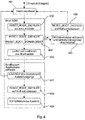
- Fig. 4 shows a flowchart of a method performed by boot ROM and boot loader according to an embodiment of the invention. After a power-on event, a hardware reset 401 occurs. The following steps 402 through 404 are performed by the boot ROM.
- the RESET_BOOT_ZAEHLER is a counter in the semi-permanent memory of the one-chip system that retains its value across resets.
- the RESET_BOOT_COUNTER is incremented by the BootROM at each reset event by one (see step 402). If it is determined in step 403 that the RESET_BOOT_COUNT is greater than a predetermined threshold (eg, 30), the power save mode is activated and power up events are limited in step 405. The RESET_BOOT_COUNTER is then reset to zero in step 406. Otherwise, the boot loader is loaded and run in step 404.
- a predetermined threshold eg, 30
- the application software (including bootloader), which is started on the one-chip system solution as part of the startup process, determines the successful startup (step 407) and can then reset the RESET_BOOT_COUNTER back to zero (step 408), whereupon the system is running in normal mode (step 409).
- the program code for detecting a successful startup operation will not be run through and thus the counter will not be reset. In this case, the hardware reset 401 is performed again.
- the boot ROM compares the current value of the RESET_BOOT_COUNTER to a fixed, only one-time-to-be-set threshold RESET_BOOT_SELVE_VALUE (step 403).
Landscapes
- Engineering & Computer Science (AREA)
- Theoretical Computer Science (AREA)
- General Engineering & Computer Science (AREA)
- Mechanical Engineering (AREA)
- Physics & Mathematics (AREA)
- General Physics & Mathematics (AREA)
- Power Engineering (AREA)
- Software Systems (AREA)
- Computer Hardware Design (AREA)
- Transportation (AREA)
- Computing Systems (AREA)
- Microelectronics & Electronic Packaging (AREA)
- Computer Security & Cryptography (AREA)
- Quality & Reliability (AREA)
- Debugging And Monitoring (AREA)
- Electric Propulsion And Braking For Vehicles (AREA)
- Retry When Errors Occur (AREA)
Description
- Die vorliegende Erfindung betrifft die Verlängerung von Batterielaufzeiten von Fahrzeugen mit einem Fahrzeug-Infotainmentsystem. Insbesondere betrifft die vorliegende Erfindung ein Fahrzeug-Infotainmentsystem, ein Kraftfahrzeug sowie ein Verfahren zur Vermeidung einer Batterieentladung.
- Moderne Kraftfahrzeuge weisen oft eine Mehrzahl von elektronischen Systemen auf, deren Komplexität im Laufe der Zeit angestiegen ist. Beispielsweise sind heutzutage viele Personenkraftfahrzeuge mit sogenannten Infotainmentsystemen ausgestattet, die unter anderem die Multimediaanlage des Fahrzeugs steuern und oft auch ein Navigationssystem umfassen. Ferner können diese Infotainmentsysteme auch Fahrerassistenzfunktionen erfüllen bzw. mit einem Fahrerassistenzsystem gekoppelt sein.
- Das Infotainmentsystem eines Kraftfahrzeugs wird üblicherweise über die Batterie des Kraftfahrzeugs betrieben, an die auch andere, gegebenenfalls essenzielle Komponenten des Kraftfahrzeugs, wie zum Beispiel der Anlasser, angeschlossen sind. Die
EP1496435A zeigt ein Fahrzeug-Infotainmentsystem aufweisend ein Ein-Chip-System mit einer Neustart-Überwachungseinrichtung. DieUS2007/276939 zeigt eine Neustartüberwachungseinrichtung (Watchdog). - Es ist eine Aufgabe der Erfindung, die Verfügbarkeit und Zuverlässigkeit von Autobatterien in Kraftfahrzeugen zu erhöhen.
- Diese Aufgabe wird durch die Gegenstände des Hauptanspruchs und der nebengeordneten Ansprüche gelöst. Weiterbildungen und Ausführungsformen sind den abhängigen Ansprüchen, der nachfolgenden Beschreibung und den Figuren zu entnehmen.
- Ein erster Aspekt der Erfindung betrifft ein Fahrzeug-Infotainmentsystem nach Anspruch 1, welches ein Ein-Chip-System mit einer Neustart-Überwachungseinrichtung umfasst. Dabei ist die Neustart-Überwachungseinrichtung dazu ausgeführt, eine Anzahl von ggf. unerwarteten Neustarts des Ein-Chip-Systems zu bestimmen. Ferner ist die Neustart-Überwachungseinrichtung dazu ausgeführt, das Ein-Chip-System zu deaktivieren oder in einen Ruhemodus zu versetzen, wenn die Anzahl der (unerwarteten) Neustarts des Ein-Chip-Systems einen vorgegebenen Schwellwert überschreitet.
- Mit anderen Worten kann ein Kerngedanke der Erfindung darin gesehen werden, dass in einem Ein-Chip-System eines Fahrzeug-Infotainmentsystems eine Neustart-Überwachungseinrichtung integriert wird, die überprüft, ob sich das Ein-Chip-System in einer zyklischen Reset-Schleife befindet. Wenn eine solche zyklische Reset-Schleife des Ein-Chip-Systems detektiert wird, kann die Neustart-Überwachungseinrichtung dazu ausgeführt sein, das Ein-Chip-System zu deaktivieren oder in einen Ruhemodus zu versetzen, um zu verhindern, dass das Ein-Chip-System beim Ausführen dieser Reset-Schleife ständig Strom verbraucht. Die Neustart-Überwachungseinrichtung kann dabei als Reset-Counter ausgeführt sein, der das Ein-Chip-System deaktiviert oder in den Ruhemodus versetzt, wenn der die Anzahl an ausgeführten Reset-Schleifen einen vorgegebenen Schwellwert überschreitet. Auf diese Weise kann sichergestellt werden, dass die Batterie des Kraftfahrzeuges nicht durch einen fehlerhaften Zyklus von Neustarts des Ein-Chip-Systems entladen wird. Das heißt, dass auf diese Weise die Batterie des Kraftfahrzeugs vor Entladung geschützt wird und dass daher auch die Verfügbarkeit und Zuverlässigkeit der Batterie erhöht wird.
- Der Erfindung liegt unter anderem die Erkenntnis zugrunde, dass Ein-Chip-Systeme von Fahrzeug-Infotainmentsystemen einen komplexen Aufstartvorgang aufweisen können, was unter anderem durch die im Fahrzeug-Infotainmentsystem verbauten Komponenten begründet sein kann. Beispielsweise können Fahrzeug-Infotainmentsysteme heutzutage mit sogenannten NAND-Speichereinheiten ausgerüstet sein, die gegebenenfalls einen komplexen Aufstartvorgang erfordern können. Tritt beispielsweise während dem Aufstartvorgang ein im Aufstartvorgang nicht korrigierbarer Fehler auf, so kann dieser Fehler zu einem unkontrollierten Neustart des Ein-Chip-Systems führen. Dieser Fehler kann beispielsweise durch inkonsistente, persistente Daten in einem Speicher des Ein-Chip-Systems hervorgerufen werden. Der sich daran anschließende Wiederaufstart des Ein-Chip-Systems kann in diesem Fall wieder den gleichen Fehler provozieren, wodurch das System in einer zyklischen Schleife von Neustarts endet, die wiederum zu einer Batterieentladung führen kann. Um im Falle einer solchen zyklischen Schleife von Neustarts eine Batterieentladung zu verhindern, kann gemäß der vorliegenden Erfindung eine Neustart-Überwachungseinrichtung in dem Ein-Chip-System des Fahrzeug-Infotainmentsystems integriert sein.
- Im Kontext der vorliegenden Erfindung kann unter einem Fahrzeug-Infotainmentsystem verstanden werden, dass dieses verschiedene Funktionen wie beispielsweise ein Autoradio bzw. ein Multimediasystem, ein Navigationssystem, eine Freisprecheinrichtung sowie Fahrerassistenzsysteme umfasst. Ferner kann das Fahrzeug-Infotainmentsystem auch eine Benutzerbedieneinheit aufweisen, über welche die Fahrzeuginsassen das System bedienen und steuern können. Unter einem Ein-Chip-System kann im Rahmen dieser Anmeldung ein sogenanntes System on a Chip (SoC) verstanden werden. Dabei kann das Ein-Chip-System einen integrierten Schaltkreis auf einem Halbleitersubstrat bezeichnen, in welchem alle oder ein großer Teil der Funktionen eines Systems, in diesem Fall des Fahrzeug-Infotainmentsystems, integriert sind. Diese Integration ist dem Fachmann auch unter dem Begriff der monolithischen Integration bekannt. Beispielsweise kann das Ein-Chip-System einen oder mehrere Busse, einen Taktgeber, einen Prozessor, einen Speicher sowie Grafikkomponenten, Audiokomponenten und Schnittstellen umfassen. Ferner kann das Ein-Chip-System auch eine Aufstart-Speichereinheit bzw. ein Boot-ROM aufweisen, in der für den Aufstartvorgang zuständige Programmelemente gespeichert sind.
- Ein Neustart kann dem Fachmann auch unter dem Begriff des Resets bekannt sein. Ferner kann der Neustart des Ein-Chip-Systems einen sogenannten Boot-Vorgang des Ein-Chip-Systems umfassen, der das Hochfahren des Ein-Chip-Systems bezeichnet und bei welchem die Programme des Ein-Chip-Systems gestartet werden. Unter der Anzahl von Neustarts kann mit anderen Worten ein kumulativer Wert verstanden werden, der angibt, wie oft das Ein-Chip-System gestartet bzw. gereseted wurde. Unter dem Deaktivieren des Ein-Chip-Systems kann verstanden werden, dass das Ein-Chip-System ausgeschaltet wird. Beispielsweise kann die Neustart-Überwachungseinrichtung dazu ausgeführt sein, das Ein-Chip-System von der Stromversorgung bzw. Batterie zu trennen. Unter dem Ruhemodus, in den das Ein-Chip-System versetzt wird, wenn die Anzahl von Neustarts den vorgegebenen Schwellwert überschreitet, kann im Kontext der Erfindung ein sogenannter Standby-Modus verstanden werden. Beide Möglichkeiten, das Deaktivieren des Ein-Chip-Systems sowie das Versetzten in den Ruhemodus, führen dazu, dass das Ein-Chip-System nicht weiter Strom verbraucht und daher eine Entladung der Batterie vermieden wird. Der vorgegebene Schwellwert kann beispielsweise in einer Konfigurationsdatei gespeichert sein, die in einer Speichereinheit des Ein-Chip-Systems gespeichert ist. Ferner kann der vorgegebene Schwellwert auch durch den Benutzer konfigurierbar sein. Beispielsweise kann der vorgegebene Schwellwert durch den Benutzer an die effektive Aufstartzeit des Ein-Chip-Systems angepasst werden.
- Gemäß einer beispielhaften Ausführungsform der Erfindung ist die Anzahl von Neustarts eine Anzahl von Neustarts pro Zeiteinheit.
- Mit anderen Worten ist die Neustart-Überwachungseinrichtung dazu ausgeführt, eine Anzahl von Neustarts pro Zeiteinheit des Ein-Chip-Systems zu bestimmen und das Ein-Chip-System zu deaktivieren oder in einen Ruhemodus zu versetzen, wenn die Anzahl von Neustarts pro Zeiteinheit des Ein-Chip-Systems einen vorgegebenen Schwellwert überschreitet. Beispielsweise kann in diesem Fall der vorgegebene Schwellwert dreißig Neustarts pro Minute betragen.
- Auf diese Weise kann die Neustart-Überwachungseinrichtung zuverlässiger bestimmen, ob sich das Ein-Chip-System in einer zyklischen Reset-Schleife befindet oder nicht.
- Gemäß einer weiteren beispielhaften Ausführungsform der Erfindung ist die Anzahl an Neustarts eine absolute Anzahl. Ferner ist die Neustart-Überwachungseinrichtung dazu ausgeführt, die Anzahl von Neustarts bei einem erfolgreichen Aufstarten des Ein-Chip-Systems zurückzusetzen.
- Mit anderen Worten weist die Neustart-Überwachungseinrichtung einen absoluten Reset-Zähler auf, der von der Neustart-Überwachungseinrichtung aktiv zurückgesetzt wird, nachdem das Ein-Chip-System erfolgreich geladen und gestartet wurde. Das heißt, dass die absolute Anzahl von Neustarts eine Anzahl von Neustarts seit einem bestimmten Zeitpunkt definieren kann. Beispielsweise kann der bestimmte Zeitpunkt der Zeitpunkt des letzten erfolgreichen Aufstartens des Ein-Chip-Systems sein. Dabei kann unter dem Zurücksetzen der Anzahl von Neustarts verstanden werden, dass die Anzahl von Neustarts nach einem erfolgreichen Aufstarten des Ein-Chip-Systems auf den Wert Null gesetzt wird.
- Auf diese Weise kann sichergestellt werden, dass lediglich fehlerhafte Neustarts zu einem Deaktivieren bzw. zu einem Versetzen in den Ruhemodus des Ein-Chip-Systems führen.
- Gemäß einer weiteren beispielhaften Ausführungsform der Erfindung weist das Ein-Chip-System ferner eine Schnittstelle zum Empfangen eines Aufwecksignals auf. Dabei ist die Neustart-Überwachungseinrichtung dazu ausgeführt, ein Aufwecken des Ein-Chip-Systems bei Empfangen eines Aufwecksignals über die Schnittstelle zu unterbinden, wenn die Anzahl von Neustarts den vorgegebenen Schwellwert überschreitet.
- Mit anderen Worten kann die Neustart-Überwachungseinrichtung dazu ausgeführt sein, die Aufweckfunktion von permanent anliegenden Aufweckquellen zu unterbinden. Beispielsweise kann die Schnittstelle als CAN-Bus ausgeführt sein. In diesem Fall kann die Neustart-Überwachungseinrichtung dazu ausgeführt sein, sogenannte Wake-up-Trigger, die über den CAN-Bus empfangen werden, zu unterbinden.
- Gemäß einer weiteren beispielhaften Ausführungsform der Erfindung weist das Ein-Chip-System ferner eine Aufstart-Speichereinheit auf, in welcher ein für einen Aufstartvorgang des Ein-Chip-Systems ausgeführter Programmcode gespeichert ist. Ferner umfasst das Ein-Chip-System eine semi-permanente Speichereinheit. Die Neustart-Überwachungseinrichtung ist ferner in der Aufstart-Speichereinheit implementiert. Außerdem ist die Neustart-Überwachungseinrichtung dazu ausgeführt, die bestimmte Anzahl von Neustarts in der semi-permanenten Speichereinheit abzuspeichern.
- Mit anderen Worten kann unter der Aufstart-Speichereinheit ein sogenanntes Boot-ROM des Ein-Chip-Systems, welches im Ein-Chip-System integriert ist, verstanden werden. Entsprechend kann unter dem Programmcode, der in der Aufstart-Speichereinheit gespeichert ist, ein sogenannter Bootloader verstanden werden. Der Bootloader ist die Implementierung des "komplexen" und damit zu überwachenden, potentiell fehleranfälligen Bootvorgangs und befindet sich nicht im Boot-ROM. Kernaufgabe des Boot-ROMs ist es, den Bootloader auf den möglichen Speichermedien (z. B. SD Karte, USB Stick internes NAND Flash, ...) zu finden, ins RAM zu laden, die Authentizität (Signatur) zu prüfen und den Code anzuspringen. Neben dieser Kernaufgabe übernimmt das Boot-ROM, wie schon beschrieben, die Aufgabe der Neustart Überwachung.
- Die semi-permanente Speichereinheit kann eine in das Ein-Chip-System integrierte Speichereinheit bezeichnen, die schreibbar und Reset-sicher ist. Das heißt, dass beim Neustarten des Ein-Chip-Systems die Daten der semi-permanenten Speichereinheit nicht gelöscht werden. Beispielsweise kann die semi-permanente Speichereinheit ein EPROM sein. Unter dem Merkmal, dass die Neustart-Überwachungseinrichtung in der Aufstart-Speichereinheit implementiert ist, kann verstanden werden, dass die Neustart-Überwachungseinrichtung ein Teil des unveränderbaren Boot-ROM Codes ist.
- Gemäß einer weiteren beispielhaften Ausführungsform der Erfindung weist das Ein-Chip-System ferner eine Mehrzahl von Rechenkernen auf, die einen ersten Anteil der Rechenkerne und einen zweiten Anteil der Rechenkerne umfasst. Dabei ist die Mehrzahl der Rechenkerne mittels einer Stromversorgung betreibbar. Ferner ist der zweite Anteil der Rechenkerne dazu ausgeführt, eine zyklische Fehlfunktion des ersten Anteils der Rechenkerne zu erkennen und bei Erkennen einer solchen zyklischen Fehlfunktion des ersten Anteils der Rechenkerne die Stromversorgung des ersten Anteils der Rechenkerne zur Vermeidung einer Batterieentladung des Kraftfahrzeuges zu trennen.
- Auf diese Weise kann die Überwachung des Ein-Chip-Systems auf die Vermeidung einer Batterieentladung bei zyklischen Fehlfunktionen während des Betriebs des Ein-Chip-Systems erweitert werden.
- Gemäß einer weiteren beispielhaften Ausführungsform der Erfindung weist das Ein-Chip-System ferner eine als NAND-Speicher ausgeführte Speichereinheit auf.
- Auf diese Weise kann das Fahrzeug-Infotainmentsystem kostengünstiger hergestellt werden.
- Ein weiterer Aspekt der Erfindung betrifft ein Kraftfahrzeug mit einem Fahrzeug-Infotainmentsystem, welches im Kontext der vorliegenden Erfindung beschrieben ist.
- Im Kontext der vorliegenden Erfindung kann dabei unter einem Kraftfahrzeug beispielsweise ein Personenkraftfahrzeug oder ein Lastkraftfahrzeug verstanden werden. Vorteile und Merkmale, die das Fahrzeug-Infotainmentsystem betreffen, können dabei auch das Kraftfahrzeug mit einem Fahrzeug-Infotainmentsystem charakterisieren.
- Ein weiterer Aspekt der Erfindung betrifft ein Verfahren nach Anspruch 9 zur Vermeidung einer Reset-Schleife in einem Fahrzeug-Infotainmentsystem mit einem Ein-Chip-System. Dabei umfasst das Verfahren den Schritt des Bestimmens einer Anzahl von Neustarts des Ein-Chip-Systems durch eine Neustart-Überwachungseinrichtung des Ein-Chip-Systems. Ferner weist das Verfahren den Schritt des Deaktivierens oder in einen Ruhemodus Versetzens des Ein-Chip-Systems durch die Neustart-Überwachungseinrichtung auf, wenn die bestimmte Anzahl von Neustarts einen vorgegebenen Schwellwert überschreitet.
- Dabei kann das Verfahren durch eine im Kontext der Erfindung beschriebene Neustart-Überwachungseinrichtung eines Ein-Chip-Systems eines Fahrzeug-Infotainmentsystems durchgeführt werden. Daher können Merkmale und Vorteile, die das Fahrzeug-Infotainmentsystem betreffen, auch das Verfahren charakterisieren. Ferner können die Schritte des Verfahrens in der angegebenen Reihenfolge, in einer anderen Reihenfolge oder parallel zueinander durchgeführt werden.
- Weitere Merkmale, Vorteile und Anwendungsmöglichkeiten der Erfindung ergeben sich aus der nachfolgenden Beschreibung der Ausführungsbeispiele und Figuren. Dabei bilden alle beschriebenen und/oder bildlich dargestellten Merkmale für sich und in beliebiger Kombination den Gegenstand der Erfindung auch unabhängig von ihrer Zusammensetzung in den einzelnen Ansprüchen oder deren Rückbezügen.
- Fig. 1
- zeigt ein Fahrzeug-Infotainmentsystem gemäß einem Ausführungsbeispiel der Erfindung.
- Fig. 2
- zeigt ein Kraftfahrzeug mit einem Fahrzeug-Infotainmentsystem gemäß einem Ausführungsbeispiel der Erfindung.
- Fig. 3
- zeigt ein Flussdiagramm für ein Verfahren gemäß einem Ausführungsbeispiel der Erfindung.
- Fig. 4
- zeigt ein Flussdiagramm eines von Boot-ROM und Bootloader durchgeführten Verfahrens gemäß einem Ausführungsbeispiel der Erfindung.
- Dabei sind die Figuren schematisch und nicht maßstabsgetreu dargestellt. Sind in der nachfolgenden Beschreibung in verschiedenen Figuren die gleichen Bezugszeichen angegeben, so bezeichnen diese einander entsprechende Elemente. Einander entsprechende Elemente können aber auch mit unterschiedlichen Bezugszeichen bezeichnet sein.
- In
Fig. 1 ist ein Fahrzeug-Infotainmentsystem 100 gemäß einem Ausführungsbeispiel der Erfindung dargestellt. Das Fahrzeug-Infotainmentsystem 100 umfasst ein Ein-Chip-System (SoC) 101 sowie eine damit verbundene Benutzerbedieneinheit 102. Das Ein-Chip-System 101 beinhaltet eine Neustart-Überwachungseinrichtung 103, die dazu ausgeführt ist, zu überwachen, ob das Ein-Chip-System in einer zyklischen Schleife von Neustarts festsitzt und in diesem Fall das Ein-Chip-System 101 deaktiviert bzw. in einen Ruhemodus versetzt. Dazu ist die Neustart-Überwachungseinrichtung 103 ausgeführt, eine Anzahl von Neustarts des Ein-Chip-Systems 101 zu bestimmen und abhängig von der bestimmten Anzahl von Neustarts des Ein-Chip-Systems 101 das Ein-Chip-System 101 zu deaktivieren bzw. in einen Ruhemodus zu versetzen. - Ferner ist die Neustart-Überwachungseinrichtung 103 dazu ausgeführt, eine Aufweckfunktion des Ein-Chip-Systems 101 zu begrenzen, wenn die Anzahl von Neustarts den vorgegebenen Schwellwert überschreitet. Beispielsweise ist die Neustart-Überwachungseinrichtung 103 dazu ausgeführt, bei Überschreiten des Schwellwerts durch die Anzahl der Neustarts eine über die Schnittstelle 110 des Ein-Chip-Systems ausgelöste Aufweckfunktion zu unterbinden. Beispielsweise handelt es sich bei der Schnittstelle 110 um einen sogenannten CAN-Bus des Kraftfahrzeuges, über welchen das Ein-Chip-System 101 mit anderen Komponenten des Kraftfahrzeuges verbunden ist und Aufwecksignale von den anderen Komponenten empfangen kann. Das Aufwecken des Fahrzeug-Infotainmentsystems 100 über einen Einschaltknopf 109 der Benutzerbedieneinheit 102 ist gemäß diesem Ausführungsbeispiel weiterhin aktiviert. Jedoch kann gemäß anderen Ausführungsbeispielen der Erfindung die Neustart-Überwachungseinrichtung 103 dazu ausgeführt sein, sämtliche Aufweckfunktionen des Ein-Chip-Systems 101 inklusive des Einschaltknopfes 109 zu deaktivieren.
- Das Ein-Chip-System 101 umfasst ferner auch eine semi-permanente Speichereinheit 104, in welche die Neustart-Überwachungseinrichtung 103 die bestimmte Anzahl an Neustarts abspeichert. Dabei kann die bestimmte Anzahl an Neustarts eine Anzahl von Neustarts pro Zeiteinheit oder eine absolute Anzahl an Neustarts des Ein-Chip-Systems sein. Ferner umfasst das Ein-Chip-System 101 eine semi-permanente Speichereinheit 104, wobei die Neustart-Überwachungseinrichtung 103 dazu ausgeführt ist, die bestimmte Anzahl an Neustarts in der semi-permanenten Speichereinheit 104 abzuspeichern. Im Falle, dass es sich bei der bestimmten Anzahl von Neustarts des Ein-Chip-Systems 101 um eine absolute Anzahl handelt, ist die Neustart-Überwachungseinrichtung 103 ferner dazu ausgeführt, im Falle eines erfolgreichen Aufstartens des Ein-Chip-Systems den in der semi-permanenten Speichereinheit 104 abgespeicherten Wert, der der Anzahl von Neustarts entspricht, zurückzusetzen bzw. auf Null zu setzen.
- Das Ein-Chip-System 101 umfasst außerdem eine Mehrzahl von Rechenkernen 106. Diese Mehrzahl von Rechenkernen 106 umfasst einen ersten Anteil der Rechenkerne 108 sowie einen zweiten Anteil der Rechenkerne 107. Dabei ist der zweite Anteil der Rechenkerne 107 dazu ausgeführt, eine zyklische Fehlfunktion des ersten Anteil der Rechenkerne 108 zu erkennen und bei Erkennen einer zyklischen Fehlfunktion des ersten Anteils der Rechenkerne 108 die Stromversorgung des ersten Anteils der Rechenkerne 108 zur Vermeidung einer Batterieentladung des Kraftfahrzeuges zu trennen.
- Außerdem umfasst das Ein-Chip-System 101 eine als NAND-Speicher ausgeführte Speichereinheit 105. Dieser NAND-Speicher kann den Vorteil aufweisen, dass er relativ kostengünstig ist. Jedoch kann der NAND-Speicher 105 einen relativ komplexen Aufstartvorgang erfordern, wodurch das Überprüfen des Aufstartvorganges des Ein-Chip-Systems 101 durch die Neustart-Überwachungseinrichtung 103 besonders vorteilhaft ist.
- In
Fig. 2 ist ein Kraftfahrzeug 200 mit einem Fahrzeug-Infotainmentsystem 100 gemäß einem Ausführungsbeispiel der Erfindung dargestellt. Das Fahrzeug-Infotainmentsystem 100 ist dabei im Kontext des inFig. 1 dargestellten Ausführungsbeispiels detaillierter beschrieben. Unter anderem weist das Fahrzeug-Infotainmentsystem 100 ein Ein-Chip-System 101 sowie eine Benutzerbedieneinheit 102 auf. Für die Strom- bzw. Spannungsversorgung ist das Fahrzeug-Infotainmentsystem 100 an eine Batterie 202 des Kraftfahrzeuges 200 angeschlossen. Ferner ist das Fahrzeug-Infotainmentsystem 100 beispielsweise über einen CAN-Bus mit anderen Komponenten 201 des Kraftfahrzeuges verbunden. Beispielsweise kann die Komponente 201 dazu ausgeführt sein, über den CAN-Bus ein Aufwecksignal an das Ein-Chip-System 101 zu senden. - In
Fig. 3 ist ein Flussdiagramm für ein Verfahren zur Vermeidung einer Batterieentladung durch ein Fahrzeug-Infotainmentsystem mit einem Ein-Chip-System gemäß einem Ausführungsbeispiel der Erfindung dargestellt. Dabei umfasst das Verfahren den Schritt S1 des Bestimmens einer Anzahl von Neustarts des Ein-Chip-Systems durch eine Neustart-Überwachungseinrichtung des Ein-Chip-Systems. Ferner erfolgt der Schritt S2 des Deaktivierens oder des Versetzens in einen Ruhemodus des Ein-Chip-Systems durch die Neustart-Überwachungseinrichtung, wenn die bestimmte Anzahl von Neustarts einen vorgegebenen Schwellwert überschreitet. -
Fig. 4 zeigt ein Flussdiagramm eines von Boot-ROM und Bootloader durchgeführten Verfahrens gemäß einem Ausführungsbeispiel der Erfindung. Nach einem Einschalt-Ereignis kommt es zu einem Hardware-Reset 401. Die folgenden Schritte 402 bis 404 werden vom Boot-ROM durchgeführt. - Der RESET_BOOT_ZAEHLER ist ein Zähler im semi-permanenten Speicher des Ein-Chip-Systems, der seinen Wert auch über Resets hinweg behält.
- Der RESET_BOOT_ZAEHLER wird vom BootROM bei jedem Reset Ereignis um eins hochgezählt (siehe Schritt 402). Wird in Schritt 403 festgestellt, dass der RESET_BOOT_ZAEHLER größer als ein vorbestimmter Schwellwert (beispielsweise 30) ist, wird der Stromsparmodus aktiviert und Einschaltereignisse werden in Schritt 405 eigeschränkt. In Schritt 406 wird daraufhin der RESET_BOOT_ZAEHLER auf Null zurückgesetzt. Andernfalls erfolgt ein Laden und Ausführen des Bootloaders in Schritt 404.
- Die Applikations-Software (inkl. Bootloader), die auf der Ein-Chip-System Lösung im Rahmen des Aufstartvorgangs gestartet wird, stellt den erfolgreichen Aufstart fest (Schritt 407) und kann daraufhin den RESET_BOOT_ZAEHLER zurück auf Null setzen (Schritt 408), woraufhin das System im Normalbetrieb läuft (Schritt 409).
- Falls der Aufstartvorgang nicht erfolgreich verläuft (z. B wegen eines Fehler in der frühen Aufstartphase), wird der Programmcode zum Erkennen eines erfolgreichen Aufstartvorgangs nicht durchlaufen und damit der Zähler auch nicht zurückgesetzt. IN diesem Fall wird der Hardware-Reset 401 erneut durchgeführt.
- Während der frühen Aufstartphase, noch bevor jegliche Art von veränderbarem Programmcode durchlaufen wird, vergleicht das Boot-ROM den aktuellen Wert des RESET_BOOT_ZAEHLERS mit einem fest eingestellten, nur einmal zu konfigurierendem Schwellwert RESET_BOOT_SCHWELLWERT (Schritt 403).
- Ergänzend sei darauf hinzuweisen, dass "umfassend" oder "aufweisend" keine anderen Elemente ausschließt und "ein" oder "einer" keine Vielzahl ausschließt. Ferner sei darauf hingewiesen, dass Merkmale, die mit Verweis auf eines der obigen Ausführungsbeispiele oder Ausführungsformen beschrieben worden sind, auch in Kombination mit anderen Merkmalen anderer oben beschriebener Ausführungsbeispiele oder Ausführungsformen verwendet werden können. Bezugszeichen in den Ansprüchen sind nicht als Einschränkungen anzusehen.
Claims (9)
- Fahrzeug-Infotainmentsystem (100), aufweisend:ein Ein-Chip-System (101) mit einer Neustart-Überwachungseinrichtung (103);wobei die Neustart-Überwachungseinrichtung dazu eingerichtet ist, eine Anzahl von fehlerhaften Neustarts des Ein-Chip-Systems zu bestimmen; undwobei die Neustart-Überwachungseinrichtung dazu ausgeführt ist, das Ein-Chip-System zu deaktivieren oder in einen Ruhemodus zu versetzen, wenn die Anzahl von fehlerhaften Neustarts des Ein-Chip-Systems einen vorgegebenen Schwellwert überschreitet, wobei die Neustart-Überwachungseinrichtung dazu eingerichtet ist, die Anzahl von Signalquellen, die einen Neustart auslösen können, zu reduzieren, wenn die Anzahl von fehlerhaften Neustarts des Ein-Chip-Systems den vorgegebenen Schwellwert überschreitet, wobei mindestens eine einen Neustart auslösende Signalquelle verfügbar bleibt.
- Fahrzeug-Infotainmentsystem (100) nach Anspruch 1, wobei die Anzahl von fehlerhaften Neustarts eine Anzahl von fehlerhaften Neustarts pro Zeiteinheit ist.
- Fahrzeug-Infotainmentsystem (100) nach Anspruch 1, wobei die Anzahl an fehlerhaften Neustarts eine absolute Anzahl ist; und
wobei die Neustart-Überwachungseinrichtung dazu ausgeführt ist, die Anzahl von Neustarts bei einem erfolgreichen Aufstarten des Ein-Chip-Systems zurückzusetzen. - Fahrzeug-Infotainmentsystem (100) nach Anspruch 1, das Ein-Chip-System aufweisend:eine Schnittstelle (110) zum Empfangen eines Aufwecksignals;wobei die Neustart-Überwachungseinrichtung dazu ausgeführt ist, ein Aufwecken des Ein-Chip-Systems bei Empfangen eines Aufwecksignals über die Schnittstelle (110) zu unterbinden, wenn die Anzahl von Neustarts den vorgegebenen Schwellwert überschreitet.
- Fahrzeug-Infotainmentsystem (100) nach einem der vorangehenden Ansprüche, das Ein-Chip-System ferner aufweisend:eine Aufstart-Speichereinheit, in welcher ein für einen Aufstartvorgang des Ein-Chip-Systems ausgeführter Programmcode gespeichert ist;eine semi-permanente Speichereinheit (104);wobei die Neustart-Überwachungseinrichtung (103) in dem für den Aufstartvorgang des Ein-Chip-Systems ausgeführten Programmcodeimplementiert ist; undwobei die Neustart-Überwachungseinrichtung (103) dazu ausgeführt ist, die bestimmte Anzahl von fehlerhaften Neustarts in der semi-permanenten Speichereinheit (104) abzuspeichern.
- Fahrzeug-Infotainmentsystem (100) nach einem der vorangehenden Ansprüche, das Ein-Chip-System (101) ferner aufweisend:eine Mehrzahl von Rechenkernen (106) aufweisend einen ersten Anteil der Rechenkerne (108) und einen zweiten Anteil der Rechenkerne (107);wobei die Mehrzahl der Rechenkerne mittels einer Stromversorgung (202) betreibbar sind;wobei der zweite Anteil der Rechenkerne (107) dazu ausgeführt ist, eine zyklische Fehlfunktion des ersten Anteils der Rechenkerne (108) zu erkennen und bei Erkennen einer zyklischen Fehlfunktion des ersten Anteils der Rechenkerne (108) die Stromversorgung (202) des ersten Anteils der Rechenkerne zu trennen.
- Fahrzeug-Infotainmentsystem (100) nach einem der vorangehenden Ansprüche, das Ein-Chip-System ferner aufweisend:
eine als NAND-Speicher ausgeführte Speichereinheit (105). - Kraftfahrzeug (200) mit einem Fahrzeug-Infotainmentsystem (100) nach einem der vorangehenden Ansprüche.
- Verfahren zur Vermeidung einer Reset-Schleife in einem Fahrzeug-Infotainmentsystem mit einem Ein-Chip-System, das Verfahren aufweisend:Bestimmen einer Anzahl von fehlerhaften Neustarts des Ein-Chip-Systems durch eine Neustart-Überwachungseinrichtung des Ein-Chip-Systems (S1); undDeaktivieren oder in einen Ruhemodus versetzen des Ein-Chip-Systems durch die Neustart-Überwachungseinrichtung, wenn die bestimmte Anzahl von Neustarts einen vorgegebenen Schwellwert überschreitet (S2), wobei die Neustart-Überwachungseinrichtung dazu eingerichtet ist, die Anzahl von Signalquellen, die einen Neustart auslösen können, zu reduzieren, wenn die Anzahl von fehlerhaften Neustarts des Ein-Chip-Systems den vorgegebenen Schwellwert überschreitet, wobei mindestens eine einen Neustart auslösende Signalquelle verfügbar bleibt.
Applications Claiming Priority (2)
| Application Number | Priority Date | Filing Date | Title |
|---|---|---|---|
| DE102014213922.8A DE102014213922B4 (de) | 2014-07-17 | 2014-07-17 | Fahrzeug-Infotainmentsystem |
| PCT/EP2015/066048 WO2016008877A1 (de) | 2014-07-17 | 2015-07-14 | Fahrzeug-infotainmentsystem |
Publications (2)
| Publication Number | Publication Date |
|---|---|
| EP3169558A1 EP3169558A1 (de) | 2017-05-24 |
| EP3169558B1 true EP3169558B1 (de) | 2019-05-01 |
Family
ID=53776562
Family Applications (1)
| Application Number | Title | Priority Date | Filing Date |
|---|---|---|---|
| EP15745413.3A Not-in-force EP3169558B1 (de) | 2014-07-17 | 2015-07-14 | Fahrzeug-infotainmentsystem |
Country Status (5)
| Country | Link |
|---|---|
| US (1) | US10120760B2 (de) |
| EP (1) | EP3169558B1 (de) |
| CN (1) | CN106471436B (de) |
| DE (1) | DE102014213922B4 (de) |
| WO (1) | WO2016008877A1 (de) |
Families Citing this family (6)
| Publication number | Priority date | Publication date | Assignee | Title |
|---|---|---|---|---|
| DE102017220481A1 (de) * | 2017-11-16 | 2019-05-16 | Robert Bosch Gmbh | Vorrichtung zum Steuern von Funktionen für ein Fahrzeug, Fahrzeugsystem für ein Fahrzeug und Verfahren zum Rücksetzen elektrischer Schaltungen einer Vorrichtung zum Steuern von Funktionen für ein Fahrzeug |
| CN113650498B (zh) * | 2021-06-30 | 2023-04-25 | 东风汽车集团股份有限公司 | 一种电动车的上电方法、装置、电动车及存储介质 |
| CN113866651B (zh) * | 2021-09-18 | 2022-08-02 | 珠海格力电器股份有限公司 | 遥控器的低电量的检测方法、检测装置和遥控器 |
| CN116639066A (zh) * | 2022-02-16 | 2023-08-25 | 上海博泰悦臻网络技术服务有限公司 | 响应方法、网关、智能座舱、电子设备及可读存储介质 |
| KR20230162245A (ko) | 2022-05-20 | 2023-11-28 | 현대자동차주식회사 | 배터리 관리 장치, 그를 가지는 차량, 및 차량과 통신을 수행하는 서버 |
| KR20230165016A (ko) | 2022-05-26 | 2023-12-05 | 현대자동차주식회사 | 차량 및 그 제어 방법 |
Citations (3)
| Publication number | Priority date | Publication date | Assignee | Title |
|---|---|---|---|---|
| JPH02250124A (ja) * | 1989-03-24 | 1990-10-05 | Akebono Brake Ind Co Ltd | 車載用電子制御装置の誤動作防止方法 |
| EP1496435A1 (de) * | 2003-07-11 | 2005-01-12 | Yogitech Spa | Gesicherte Mikrokontroller, Verfahren zum Entwurf eines gesichertes Mikrokontrollers, und Computerprogrammprodukt dafür |
| US20070276939A1 (en) * | 2006-05-24 | 2007-11-29 | Kabushiki Kaisha Toshiba | Electronic apparatus and restarting method thereof |
Family Cites Families (16)
| Publication number | Priority date | Publication date | Assignee | Title |
|---|---|---|---|---|
| US4727549A (en) * | 1985-09-13 | 1988-02-23 | United Technologies Corporation | Watchdog activity monitor (WAM) for use wth high coverage processor self-test |
| US4726024A (en) * | 1986-03-31 | 1988-02-16 | Mieczyslaw Mirowski | Fail safe architecture for a computer system |
| JP2758742B2 (ja) * | 1991-07-19 | 1998-05-28 | 日本電気株式会社 | 誤動作検出方式 |
| DE10056408C1 (de) * | 2000-11-14 | 2002-03-07 | Bosch Gmbh Robert | Vorrichtung zur Überwachung eines Prozessors |
| US20020152425A1 (en) * | 2001-04-12 | 2002-10-17 | David Chaiken | Distributed restart in a multiple processor system |
| JP3616367B2 (ja) * | 2001-10-24 | 2005-02-02 | 三菱電機株式会社 | 電子制御装置 |
| DE10203807C1 (de) * | 2002-01-31 | 2003-07-31 | Siemens Ag | Verfahren und Schaltungsanordnung zum Überwachen der Funktion eines Prozessors |
| EP2966575B1 (de) * | 2009-06-09 | 2018-08-01 | Harman Becker Automotive Systems GmbH | Fahrzeugrechenmodul |
| US8412406B2 (en) * | 2010-08-13 | 2013-04-02 | Deere & Company | Method and system for performing diagnostics or software maintenance for a vehicle |
| US8996194B2 (en) * | 2011-01-03 | 2015-03-31 | Ems Technologies, Inc. | Vehicle mount computer with configurable ignition switch behavior |
| DE112011102938A5 (de) | 2011-01-21 | 2013-07-18 | Continental Automotive Gmbh | Schaltungsanordnung mit Überwachungseinrichtung |
| JP2013082391A (ja) * | 2011-10-12 | 2013-05-09 | Autonetworks Technologies Ltd | 車載用ecu |
| US8943303B2 (en) * | 2012-07-05 | 2015-01-27 | Infineon Technologies Ag | Monitoring circuit with a window watchdog |
| US10198274B2 (en) * | 2015-03-27 | 2019-02-05 | Intel Corporation | Technologies for improved hybrid sleep power management |
| JP6751905B2 (ja) * | 2015-09-11 | 2020-09-09 | パナソニックIpマネジメント株式会社 | 照明制御装置、照明装置、および移動体 |
| US9931956B2 (en) * | 2015-12-30 | 2018-04-03 | Thunder Power New Energy Vehicle Development Company Limited | Battery management system |
-
2014
- 2014-07-17 DE DE102014213922.8A patent/DE102014213922B4/de not_active Expired - Fee Related
-
2015
- 2015-07-14 CN CN201580036800.1A patent/CN106471436B/zh not_active Expired - Fee Related
- 2015-07-14 WO PCT/EP2015/066048 patent/WO2016008877A1/de not_active Ceased
- 2015-07-14 EP EP15745413.3A patent/EP3169558B1/de not_active Not-in-force
- 2015-07-14 US US15/326,385 patent/US10120760B2/en active Active
Patent Citations (3)
| Publication number | Priority date | Publication date | Assignee | Title |
|---|---|---|---|---|
| JPH02250124A (ja) * | 1989-03-24 | 1990-10-05 | Akebono Brake Ind Co Ltd | 車載用電子制御装置の誤動作防止方法 |
| EP1496435A1 (de) * | 2003-07-11 | 2005-01-12 | Yogitech Spa | Gesicherte Mikrokontroller, Verfahren zum Entwurf eines gesichertes Mikrokontrollers, und Computerprogrammprodukt dafür |
| US20070276939A1 (en) * | 2006-05-24 | 2007-11-29 | Kabushiki Kaisha Toshiba | Electronic apparatus and restarting method thereof |
Non-Patent Citations (2)
| Title |
|---|
| DONALD W CORSON: "Windowed-watchdog timers enhance system security", EDN ELECTRICAL DESIGN NEWS.(TEXAS INSTRUMENT), vol. 50, no. 14, 7 July 2005 (2005-07-07), US, pages 79, XP055471107, ISSN: 0012-7515 * |
| JIN WOOK LEE ET AL: "The performance of a watchdog protocol for wireless network security", INTERNATIONAL JOURNAL OF WIRELESS AND MOBILE COMPUTING, 28 May 2007 (2007-05-28), pages 28 - 36, XP055471035, Retrieved from the Internet <URL:https://www.beningo.com/wp-content/uploads/images/Papers/WatchdogArchitectureReview.pdf> DOI: 10.1504/IJWMC.2007.013793 * |
Also Published As
| Publication number | Publication date |
|---|---|
| EP3169558A1 (de) | 2017-05-24 |
| US10120760B2 (en) | 2018-11-06 |
| DE102014213922B4 (de) | 2020-02-20 |
| CN106471436A (zh) | 2017-03-01 |
| DE102014213922A1 (de) | 2016-01-21 |
| US20170206139A1 (en) | 2017-07-20 |
| CN106471436B (zh) | 2019-07-12 |
| WO2016008877A1 (de) | 2016-01-21 |
Similar Documents
| Publication | Publication Date | Title |
|---|---|---|
| EP3169558B1 (de) | Fahrzeug-infotainmentsystem | |
| CN109032822B (zh) | 一种死机信息的保存方法和装置 | |
| EP3249534B1 (de) | Fahrzeugsteuerungsvorrichtung | |
| US9779559B2 (en) | Circuit for monitoring abnormality of ECU | |
| DE102011086530A1 (de) | Mikroprozessorsystem mit fehlertoleranter Architektur | |
| DE112013005928T5 (de) | Bordeigene elektronische Steuerungseinheit | |
| DE102015003194A1 (de) | Verfahren und Vorrichtung zum Handhaben von sicherheitskritischen Fehlern | |
| DE102015200862B4 (de) | Elektronische Steuereinheit | |
| DE102017219390B4 (de) | Elektronische steuereinheit | |
| JP5962697B2 (ja) | 電子制御装置 | |
| US20220083428A1 (en) | Vehicular device | |
| DE102015202326A1 (de) | Verfahren zum Betreiben einer Datenverarbeitungseinheit eines Fahrerassistenzsystems und Datenverarbeitungseinheit | |
| US10514970B2 (en) | Method of ensuring operation of calculator | |
| US20230398955A1 (en) | In-vehicle use control system | |
| DE102006051909A1 (de) | Elektronisches Kraftfahrzeugsteuergerät mit zumindest einem Mikroprozessorsystem | |
| US20200183733A1 (en) | Vehicle control device | |
| DE112015001252T5 (de) | Elektronische Steuereinheit | |
| DE102015106189B4 (de) | Schalten eines Bordnetzes eines Kraftfahrzeugs | |
| DE102020201757B4 (de) | Verfahren, computerprogramm und vorrichtung zum zurücksetzen eines steuergeräts | |
| DE102023127915A1 (de) | Verfahren zur Sicherstellung der Updatefähigkeit eines Embedded Systems | |
| DE102019200880A1 (de) | Rechensystem zum Betreiben einer Infotainmenteinrichtung eines Fahrzeugs sowie Verfahren zum Aktivieren eines Reduktionsmodus für ein Rechensystem und Kraftfahrzeug | |
| DE102023128590A1 (de) | Elektronische Steuerungsanordnung für ein Fahrzeug und Verfahren zum Betreiben einer elektronischen Steuerungsanordnung | |
| WO2019063340A1 (de) | Verfahren zum steuern eines niedrigverbrauchsmodus einer elektronischen schaltungseinheit sowie steuergerät und kraftfahrzeug | |
| DE102021204361A1 (de) | Verfahren zur Eigendiagnose eines Fahrzeugsystems | |
| DE102013217601A1 (de) | Verfahren zum Notbetrieb eines Multicore-Prozessors eines Steuergeräts eines Kraftfahrzeugs |
Legal Events
| Date | Code | Title | Description |
|---|---|---|---|
| STAA | Information on the status of an ep patent application or granted ep patent |
Free format text: STATUS: THE INTERNATIONAL PUBLICATION HAS BEEN MADE |
|
| PUAI | Public reference made under article 153(3) epc to a published international application that has entered the european phase |
Free format text: ORIGINAL CODE: 0009012 |
|
| STAA | Information on the status of an ep patent application or granted ep patent |
Free format text: STATUS: REQUEST FOR EXAMINATION WAS MADE |
|
| 17P | Request for examination filed |
Effective date: 20170217 |
|
| AK | Designated contracting states |
Kind code of ref document: A1 Designated state(s): AL AT BE BG CH CY CZ DE DK EE ES FI FR GB GR HR HU IE IS IT LI LT LU LV MC MK MT NL NO PL PT RO RS SE SI SK SM TR |
|
| AX | Request for extension of the european patent |
Extension state: BA ME |
|
| DAV | Request for validation of the european patent (deleted) | ||
| DAX | Request for extension of the european patent (deleted) | ||
| STAA | Information on the status of an ep patent application or granted ep patent |
Free format text: STATUS: EXAMINATION IS IN PROGRESS |
|
| 17Q | First examination report despatched |
Effective date: 20180507 |
|
| 17Q | First examination report despatched |
Effective date: 20180514 |
|
| GRAP | Despatch of communication of intention to grant a patent |
Free format text: ORIGINAL CODE: EPIDOSNIGR1 |
|
| STAA | Information on the status of an ep patent application or granted ep patent |
Free format text: STATUS: GRANT OF PATENT IS INTENDED |
|
| INTG | Intention to grant announced |
Effective date: 20181205 |
|
| GRAS | Grant fee paid |
Free format text: ORIGINAL CODE: EPIDOSNIGR3 |
|
| GRAA | (expected) grant |
Free format text: ORIGINAL CODE: 0009210 |
|
| STAA | Information on the status of an ep patent application or granted ep patent |
Free format text: STATUS: THE PATENT HAS BEEN GRANTED |
|
| AK | Designated contracting states |
Kind code of ref document: B1 Designated state(s): AL AT BE BG CH CY CZ DE DK EE ES FI FR GB GR HR HU IE IS IT LI LT LU LV MC MK MT NL NO PL PT RO RS SE SI SK SM TR |
|
| REG | Reference to a national code |
Ref country code: GB Ref legal event code: FG4D Free format text: NOT ENGLISH |
|
| REG | Reference to a national code |
Ref country code: CH Ref legal event code: EP Ref country code: AT Ref legal event code: REF Ref document number: 1126505 Country of ref document: AT Kind code of ref document: T Effective date: 20190515 |
|
| REG | Reference to a national code |
Ref country code: DE Ref legal event code: R096 Ref document number: 502015008897 Country of ref document: DE |
|
| REG | Reference to a national code |
Ref country code: IE Ref legal event code: FG4D Free format text: LANGUAGE OF EP DOCUMENT: GERMAN |
|
| REG | Reference to a national code |
Ref country code: NL Ref legal event code: MP Effective date: 20190501 |
|
| REG | Reference to a national code |
Ref country code: LT Ref legal event code: MG4D |
|
| PG25 | Lapsed in a contracting state [announced via postgrant information from national office to epo] |
Ref country code: NL Free format text: LAPSE BECAUSE OF FAILURE TO SUBMIT A TRANSLATION OF THE DESCRIPTION OR TO PAY THE FEE WITHIN THE PRESCRIBED TIME-LIMIT Effective date: 20190501 Ref country code: SE Free format text: LAPSE BECAUSE OF FAILURE TO SUBMIT A TRANSLATION OF THE DESCRIPTION OR TO PAY THE FEE WITHIN THE PRESCRIBED TIME-LIMIT Effective date: 20190501 Ref country code: LT Free format text: LAPSE BECAUSE OF FAILURE TO SUBMIT A TRANSLATION OF THE DESCRIPTION OR TO PAY THE FEE WITHIN THE PRESCRIBED TIME-LIMIT Effective date: 20190501 Ref country code: FI Free format text: LAPSE BECAUSE OF FAILURE TO SUBMIT A TRANSLATION OF THE DESCRIPTION OR TO PAY THE FEE WITHIN THE PRESCRIBED TIME-LIMIT Effective date: 20190501 Ref country code: AL Free format text: LAPSE BECAUSE OF FAILURE TO SUBMIT A TRANSLATION OF THE DESCRIPTION OR TO PAY THE FEE WITHIN THE PRESCRIBED TIME-LIMIT Effective date: 20190501 Ref country code: PT Free format text: LAPSE BECAUSE OF FAILURE TO SUBMIT A TRANSLATION OF THE DESCRIPTION OR TO PAY THE FEE WITHIN THE PRESCRIBED TIME-LIMIT Effective date: 20190901 Ref country code: NO Free format text: LAPSE BECAUSE OF FAILURE TO SUBMIT A TRANSLATION OF THE DESCRIPTION OR TO PAY THE FEE WITHIN THE PRESCRIBED TIME-LIMIT Effective date: 20190801 Ref country code: ES Free format text: LAPSE BECAUSE OF FAILURE TO SUBMIT A TRANSLATION OF THE DESCRIPTION OR TO PAY THE FEE WITHIN THE PRESCRIBED TIME-LIMIT Effective date: 20190501 Ref country code: HR Free format text: LAPSE BECAUSE OF FAILURE TO SUBMIT A TRANSLATION OF THE DESCRIPTION OR TO PAY THE FEE WITHIN THE PRESCRIBED TIME-LIMIT Effective date: 20190501 |
|
| PG25 | Lapsed in a contracting state [announced via postgrant information from national office to epo] |
Ref country code: GR Free format text: LAPSE BECAUSE OF FAILURE TO SUBMIT A TRANSLATION OF THE DESCRIPTION OR TO PAY THE FEE WITHIN THE PRESCRIBED TIME-LIMIT Effective date: 20190802 Ref country code: BG Free format text: LAPSE BECAUSE OF FAILURE TO SUBMIT A TRANSLATION OF THE DESCRIPTION OR TO PAY THE FEE WITHIN THE PRESCRIBED TIME-LIMIT Effective date: 20190801 Ref country code: RS Free format text: LAPSE BECAUSE OF FAILURE TO SUBMIT A TRANSLATION OF THE DESCRIPTION OR TO PAY THE FEE WITHIN THE PRESCRIBED TIME-LIMIT Effective date: 20190501 Ref country code: LV Free format text: LAPSE BECAUSE OF FAILURE TO SUBMIT A TRANSLATION OF THE DESCRIPTION OR TO PAY THE FEE WITHIN THE PRESCRIBED TIME-LIMIT Effective date: 20190501 |
|
| PG25 | Lapsed in a contracting state [announced via postgrant information from national office to epo] |
Ref country code: IS Free format text: LAPSE BECAUSE OF FAILURE TO SUBMIT A TRANSLATION OF THE DESCRIPTION OR TO PAY THE FEE WITHIN THE PRESCRIBED TIME-LIMIT Effective date: 20190901 |
|
| PG25 | Lapsed in a contracting state [announced via postgrant information from national office to epo] |
Ref country code: EE Free format text: LAPSE BECAUSE OF FAILURE TO SUBMIT A TRANSLATION OF THE DESCRIPTION OR TO PAY THE FEE WITHIN THE PRESCRIBED TIME-LIMIT Effective date: 20190501 Ref country code: DK Free format text: LAPSE BECAUSE OF FAILURE TO SUBMIT A TRANSLATION OF THE DESCRIPTION OR TO PAY THE FEE WITHIN THE PRESCRIBED TIME-LIMIT Effective date: 20190501 Ref country code: RO Free format text: LAPSE BECAUSE OF FAILURE TO SUBMIT A TRANSLATION OF THE DESCRIPTION OR TO PAY THE FEE WITHIN THE PRESCRIBED TIME-LIMIT Effective date: 20190501 Ref country code: CZ Free format text: LAPSE BECAUSE OF FAILURE TO SUBMIT A TRANSLATION OF THE DESCRIPTION OR TO PAY THE FEE WITHIN THE PRESCRIBED TIME-LIMIT Effective date: 20190501 Ref country code: SK Free format text: LAPSE BECAUSE OF FAILURE TO SUBMIT A TRANSLATION OF THE DESCRIPTION OR TO PAY THE FEE WITHIN THE PRESCRIBED TIME-LIMIT Effective date: 20190501 |
|
| REG | Reference to a national code |
Ref country code: DE Ref legal event code: R097 Ref document number: 502015008897 Country of ref document: DE |
|
| PG25 | Lapsed in a contracting state [announced via postgrant information from national office to epo] |
Ref country code: IT Free format text: LAPSE BECAUSE OF FAILURE TO SUBMIT A TRANSLATION OF THE DESCRIPTION OR TO PAY THE FEE WITHIN THE PRESCRIBED TIME-LIMIT Effective date: 20190501 Ref country code: SM Free format text: LAPSE BECAUSE OF FAILURE TO SUBMIT A TRANSLATION OF THE DESCRIPTION OR TO PAY THE FEE WITHIN THE PRESCRIBED TIME-LIMIT Effective date: 20190501 Ref country code: MC Free format text: LAPSE BECAUSE OF FAILURE TO SUBMIT A TRANSLATION OF THE DESCRIPTION OR TO PAY THE FEE WITHIN THE PRESCRIBED TIME-LIMIT Effective date: 20190501 |
|
| REG | Reference to a national code |
Ref country code: CH Ref legal event code: PL |
|
| PLBE | No opposition filed within time limit |
Free format text: ORIGINAL CODE: 0009261 |
|
| STAA | Information on the status of an ep patent application or granted ep patent |
Free format text: STATUS: NO OPPOSITION FILED WITHIN TIME LIMIT |
|
| PG25 | Lapsed in a contracting state [announced via postgrant information from national office to epo] |
Ref country code: TR Free format text: LAPSE BECAUSE OF FAILURE TO SUBMIT A TRANSLATION OF THE DESCRIPTION OR TO PAY THE FEE WITHIN THE PRESCRIBED TIME-LIMIT Effective date: 20190501 |
|
| 26N | No opposition filed |
Effective date: 20200204 |
|
| REG | Reference to a national code |
Ref country code: BE Ref legal event code: MM Effective date: 20190731 |
|
| GBPC | Gb: european patent ceased through non-payment of renewal fee |
Effective date: 20190801 |
|
| PG25 | Lapsed in a contracting state [announced via postgrant information from national office to epo] |
Ref country code: PL Free format text: LAPSE BECAUSE OF FAILURE TO SUBMIT A TRANSLATION OF THE DESCRIPTION OR TO PAY THE FEE WITHIN THE PRESCRIBED TIME-LIMIT Effective date: 20190501 |
|
| PG25 | Lapsed in a contracting state [announced via postgrant information from national office to epo] |
Ref country code: BE Free format text: LAPSE BECAUSE OF NON-PAYMENT OF DUE FEES Effective date: 20190731 Ref country code: CH Free format text: LAPSE BECAUSE OF NON-PAYMENT OF DUE FEES Effective date: 20190731 Ref country code: LU Free format text: LAPSE BECAUSE OF NON-PAYMENT OF DUE FEES Effective date: 20190714 Ref country code: SI Free format text: LAPSE BECAUSE OF FAILURE TO SUBMIT A TRANSLATION OF THE DESCRIPTION OR TO PAY THE FEE WITHIN THE PRESCRIBED TIME-LIMIT Effective date: 20190501 Ref country code: LI Free format text: LAPSE BECAUSE OF NON-PAYMENT OF DUE FEES Effective date: 20190731 |
|
| PG25 | Lapsed in a contracting state [announced via postgrant information from national office to epo] |
Ref country code: IE Free format text: LAPSE BECAUSE OF NON-PAYMENT OF DUE FEES Effective date: 20190714 |
|
| PG25 | Lapsed in a contracting state [announced via postgrant information from national office to epo] |
Ref country code: GB Free format text: LAPSE BECAUSE OF NON-PAYMENT OF DUE FEES Effective date: 20190801 |
|
| PG25 | Lapsed in a contracting state [announced via postgrant information from national office to epo] |
Ref country code: CY Free format text: LAPSE BECAUSE OF FAILURE TO SUBMIT A TRANSLATION OF THE DESCRIPTION OR TO PAY THE FEE WITHIN THE PRESCRIBED TIME-LIMIT Effective date: 20190501 |
|
| PG25 | Lapsed in a contracting state [announced via postgrant information from national office to epo] |
Ref country code: HU Free format text: LAPSE BECAUSE OF FAILURE TO SUBMIT A TRANSLATION OF THE DESCRIPTION OR TO PAY THE FEE WITHIN THE PRESCRIBED TIME-LIMIT; INVALID AB INITIO Effective date: 20150714 Ref country code: MT Free format text: LAPSE BECAUSE OF FAILURE TO SUBMIT A TRANSLATION OF THE DESCRIPTION OR TO PAY THE FEE WITHIN THE PRESCRIBED TIME-LIMIT Effective date: 20190501 |
|
| REG | Reference to a national code |
Ref country code: AT Ref legal event code: MM01 Ref document number: 1126505 Country of ref document: AT Kind code of ref document: T Effective date: 20200714 |
|
| PG25 | Lapsed in a contracting state [announced via postgrant information from national office to epo] |
Ref country code: AT Free format text: LAPSE BECAUSE OF NON-PAYMENT OF DUE FEES Effective date: 20200714 |
|
| PG25 | Lapsed in a contracting state [announced via postgrant information from national office to epo] |
Ref country code: MK Free format text: LAPSE BECAUSE OF FAILURE TO SUBMIT A TRANSLATION OF THE DESCRIPTION OR TO PAY THE FEE WITHIN THE PRESCRIBED TIME-LIMIT Effective date: 20190501 |
|
| REG | Reference to a national code |
Ref country code: DE Ref legal event code: R081 Ref document number: 502015008897 Country of ref document: DE Owner name: CONTINENTAL AUTOMOTIVE TECHNOLOGIES GMBH, DE Free format text: FORMER OWNER: CONTINENTAL AUTOMOTIVE GMBH, 30165 HANNOVER, DE |
|
| PGFP | Annual fee paid to national office [announced via postgrant information from national office to epo] |
Ref country code: DE Payment date: 20220421 Year of fee payment: 8 |
|
| PGFP | Annual fee paid to national office [announced via postgrant information from national office to epo] |
Ref country code: FR Payment date: 20220720 Year of fee payment: 8 |
|
| REG | Reference to a national code |
Ref country code: DE Ref legal event code: R119 Ref document number: 502015008897 Country of ref document: DE |
|
| PG25 | Lapsed in a contracting state [announced via postgrant information from national office to epo] |
Ref country code: DE Free format text: LAPSE BECAUSE OF NON-PAYMENT OF DUE FEES Effective date: 20240201 |
|
| PG25 | Lapsed in a contracting state [announced via postgrant information from national office to epo] |
Ref country code: FR Free format text: LAPSE BECAUSE OF NON-PAYMENT OF DUE FEES Effective date: 20230731 |