EP3176258B1 - Verfahren zur erzeugung dentritischer zellen, damit hergestellte dendritische zellen und verwendung davon - Google Patents
Verfahren zur erzeugung dentritischer zellen, damit hergestellte dendritische zellen und verwendung davon Download PDFInfo
- Publication number
- EP3176258B1 EP3176258B1 EP15828295.4A EP15828295A EP3176258B1 EP 3176258 B1 EP3176258 B1 EP 3176258B1 EP 15828295 A EP15828295 A EP 15828295A EP 3176258 B1 EP3176258 B1 EP 3176258B1
- Authority
- EP
- European Patent Office
- Prior art keywords
- dendritic cell
- antigen
- cell
- cells
- dendritic
- Prior art date
- Legal status (The legal status is an assumption and is not a legal conclusion. Google has not performed a legal analysis and makes no representation as to the accuracy of the status listed.)
- Active
Links
Images





Classifications
-
- C—CHEMISTRY; METALLURGY
- C12—BIOCHEMISTRY; BEER; SPIRITS; WINE; VINEGAR; MICROBIOLOGY; ENZYMOLOGY; MUTATION OR GENETIC ENGINEERING
- C12N—MICROORGANISMS OR ENZYMES; COMPOSITIONS THEREOF; PROPAGATING, PRESERVING, OR MAINTAINING MICROORGANISMS; MUTATION OR GENETIC ENGINEERING; CULTURE MEDIA
- C12N5/00—Undifferentiated human, animal or plant cells, e.g. cell lines; Tissues; Cultivation or maintenance thereof; Culture media therefor
- C12N5/06—Animal cells or tissues; Human cells or tissues
- C12N5/0602—Vertebrate cells
- C12N5/0634—Cells from the blood or the immune system
- C12N5/0639—Dendritic cells, e.g. Langherhans cells in the epidermis
-
- A—HUMAN NECESSITIES
- A61—MEDICAL OR VETERINARY SCIENCE; HYGIENE
- A61K—PREPARATIONS FOR MEDICAL, DENTAL OR TOILETRY PURPOSES
- A61K35/00—Medicinal preparations containing materials or reaction products thereof with undetermined constitution
- A61K35/12—Materials from mammals; Compositions comprising non-specified tissues or cells; Compositions comprising non-embryonic stem cells; Genetically modified cells
-
- A—HUMAN NECESSITIES
- A61—MEDICAL OR VETERINARY SCIENCE; HYGIENE
- A61K—PREPARATIONS FOR MEDICAL, DENTAL OR TOILETRY PURPOSES
- A61K40/00—Cellular immunotherapy
- A61K40/10—Cellular immunotherapy characterised by the cell type used
- A61K40/19—Dendritic cells
-
- A—HUMAN NECESSITIES
- A61—MEDICAL OR VETERINARY SCIENCE; HYGIENE
- A61K—PREPARATIONS FOR MEDICAL, DENTAL OR TOILETRY PURPOSES
- A61K40/00—Cellular immunotherapy
- A61K40/20—Cellular immunotherapy characterised by the effect or the function of the cells
- A61K40/24—Antigen-presenting cells [APC]
-
- A—HUMAN NECESSITIES
- A61—MEDICAL OR VETERINARY SCIENCE; HYGIENE
- A61K—PREPARATIONS FOR MEDICAL, DENTAL OR TOILETRY PURPOSES
- A61K40/00—Cellular immunotherapy
- A61K40/40—Cellular immunotherapy characterised by antigens that are targeted or presented by cells of the immune system
- A61K40/41—Vertebrate antigens
- A61K40/42—Cancer antigens
-
- C—CHEMISTRY; METALLURGY
- C12—BIOCHEMISTRY; BEER; SPIRITS; WINE; VINEGAR; MICROBIOLOGY; ENZYMOLOGY; MUTATION OR GENETIC ENGINEERING
- C12N—MICROORGANISMS OR ENZYMES; COMPOSITIONS THEREOF; PROPAGATING, PRESERVING, OR MAINTAINING MICROORGANISMS; MUTATION OR GENETIC ENGINEERING; CULTURE MEDIA
- C12N2501/00—Active agents used in cell culture processes, e.g. differentation
- C12N2501/02—Compounds of the arachidonic acid pathway, e.g. prostaglandins, leukotrienes
-
- C—CHEMISTRY; METALLURGY
- C12—BIOCHEMISTRY; BEER; SPIRITS; WINE; VINEGAR; MICROBIOLOGY; ENZYMOLOGY; MUTATION OR GENETIC ENGINEERING
- C12N—MICROORGANISMS OR ENZYMES; COMPOSITIONS THEREOF; PROPAGATING, PRESERVING, OR MAINTAINING MICROORGANISMS; MUTATION OR GENETIC ENGINEERING; CULTURE MEDIA
- C12N2501/00—Active agents used in cell culture processes, e.g. differentation
- C12N2501/20—Cytokines; Chemokines
- C12N2501/23—Interleukins [IL]
- C12N2501/2301—Interleukin-1 (IL-1)
-
- C—CHEMISTRY; METALLURGY
- C12—BIOCHEMISTRY; BEER; SPIRITS; WINE; VINEGAR; MICROBIOLOGY; ENZYMOLOGY; MUTATION OR GENETIC ENGINEERING
- C12N—MICROORGANISMS OR ENZYMES; COMPOSITIONS THEREOF; PROPAGATING, PRESERVING, OR MAINTAINING MICROORGANISMS; MUTATION OR GENETIC ENGINEERING; CULTURE MEDIA
- C12N2501/00—Active agents used in cell culture processes, e.g. differentation
- C12N2501/20—Cytokines; Chemokines
- C12N2501/23—Interleukins [IL]
- C12N2501/2306—Interleukin-6 (IL-6)
-
- C—CHEMISTRY; METALLURGY
- C12—BIOCHEMISTRY; BEER; SPIRITS; WINE; VINEGAR; MICROBIOLOGY; ENZYMOLOGY; MUTATION OR GENETIC ENGINEERING
- C12N—MICROORGANISMS OR ENZYMES; COMPOSITIONS THEREOF; PROPAGATING, PRESERVING, OR MAINTAINING MICROORGANISMS; MUTATION OR GENETIC ENGINEERING; CULTURE MEDIA
- C12N2501/00—Active agents used in cell culture processes, e.g. differentation
- C12N2501/20—Cytokines; Chemokines
- C12N2501/24—Interferons [IFN]
-
- C—CHEMISTRY; METALLURGY
- C12—BIOCHEMISTRY; BEER; SPIRITS; WINE; VINEGAR; MICROBIOLOGY; ENZYMOLOGY; MUTATION OR GENETIC ENGINEERING
- C12N—MICROORGANISMS OR ENZYMES; COMPOSITIONS THEREOF; PROPAGATING, PRESERVING, OR MAINTAINING MICROORGANISMS; MUTATION OR GENETIC ENGINEERING; CULTURE MEDIA
- C12N2501/00—Active agents used in cell culture processes, e.g. differentation
- C12N2501/20—Cytokines; Chemokines
- C12N2501/25—Tumour necrosing factors [TNF]
-
- C—CHEMISTRY; METALLURGY
- C12—BIOCHEMISTRY; BEER; SPIRITS; WINE; VINEGAR; MICROBIOLOGY; ENZYMOLOGY; MUTATION OR GENETIC ENGINEERING
- C12N—MICROORGANISMS OR ENZYMES; COMPOSITIONS THEREOF; PROPAGATING, PRESERVING, OR MAINTAINING MICROORGANISMS; MUTATION OR GENETIC ENGINEERING; CULTURE MEDIA
- C12N2501/00—Active agents used in cell culture processes, e.g. differentation
- C12N2501/70—Enzymes
- C12N2501/72—Transferases [EC 2.]
- C12N2501/727—Kinases (EC 2.7.)
-
- C—CHEMISTRY; METALLURGY
- C12—BIOCHEMISTRY; BEER; SPIRITS; WINE; VINEGAR; MICROBIOLOGY; ENZYMOLOGY; MUTATION OR GENETIC ENGINEERING
- C12N—MICROORGANISMS OR ENZYMES; COMPOSITIONS THEREOF; PROPAGATING, PRESERVING, OR MAINTAINING MICROORGANISMS; MUTATION OR GENETIC ENGINEERING; CULTURE MEDIA
- C12N2501/00—Active agents used in cell culture processes, e.g. differentation
- C12N2501/999—Small molecules not provided for elsewhere
Definitions
- the present invention relates to a method for preparing a dendritic cell, a dendritic cell prepared thereby and a use thereof, and more specifically, to a method for preparing a dendritic cell, including: treating a dendritic cell at a maturation stage rather than at an immature stage with an antigen bound to a peptide having a cell membrane permeability to prepare a dendritic cell with improved antigen-presenting ability, a dendritic cell prepared by the method, and an immunotherapeutic agent thereof, a use for anti-tumor vaccines, or a pharmaceutical composition for use in a method of treating tumors, containing the same.
- Dendritic cells are professional antigen presenting cells (APCs), and play an important role in immune induction and immune regulation in a body.
- the dendritic cells in a human body are only 0.3% of total white blood cells, but are immune cells capable of activating naive T cells that have never contacted antigens to induce a primary immune response, and to induce an antigen-specific acquired memory immune.
- the reason in which the dendritic cells are able to serve as the professional antigen presenting cells is that co-stimulatory molecules such as CD80 and CD86 and adhesion molecules such as ICAM-1 in addition to major histocompatibility complex (MHC) I/II are highly expressed on a cell surface, and various cytokines (interferon, IL-12, IL-18, etc.) related to T cell activation are secreted in a large amount.
- MHC major histocompatibility complex
- the dendritic cells are able to effectively induce or regulate antigen-specific T cell activity, a possibility in which the dendritic cells are used as a therapeutic agent for cancer or intractable immune diseases has been studied for a long time. It was found that when the dendritic cells directly separated from tissue or blood or dendritic cells differentiated from monocytes are sensitized with an antigen and matured dendritic cells are injected back into the body, it induces a professional antigen-specific cytotoxic T lymphocyte (CTL), and thus, a possibility of developing the dendritic cells as a vaccine for treatment of cancer or infectious diseases has been studied for a long time ( Inaba, K. et al., 3. Exp. Med., 178:479, 1993 ; Inaba, K. et al., Int. Rev. Immunol., 6:197, 1990 ; Hsu, F. et al., Nature Med., 2:52, 1996 ).
- CTL cytotoxic T lymphocyte
- the known reason why the dendritic cell therapy has not been successful yet is due to low immunogenicity of tumor cells and immunosuppressive substances secreted by cancer cells.
- the dendritic cells are able to induce more professional anti-cancer immunity to overcome low immunogenicity of tumor cells and to induce anti-cancer immunity that is able to surpass an immunosuppressive ability of the tumor cells, therapeutic effects may be greatly improved.
- present inventors found that when the dendritic cells at a maturation stage rather than an immature stage were sensitized with a recombinant antigen in which an antigen is bonded with a functional peptide having a cell membrane permeability such as cytoplasmic transduction peptide [CTP: Kim, D.
- An object of the present invention is to provide a method for preparing a dendritic cell having improved cytotoxic T lymphocyte induction ability and improved function, a dendritic cell prepared by the method, and an anti-tumor vaccine or a pharmaceutical composition for use in a method of treating tumors containing the same.
- the present invention provides a method for preparing a dendritic cell comprising culturing an immature dendritic cell to a mature dendritic cell in the presence of a maturation factor, wherein the dendritic cell is sensitized with an antigen bound to a peptide having cell permeability after the maturation is completed, wherein the antigen is treated within 6 to 48 hours after the maturation factor is treated, and wherein sensitizing with an antigen is performed less than 8 hours.
- the present invention also provides a dendritic cell prepared by the method.
- the present invention also provides an immunotherapeutic agent comprising the dendritic cell.
- the present invention also provides an anti-tumor vaccine comprising the dendritic cell.
- the present invention also provides a pharmaceutical composition for use in a method of treating tumors comprising the dendritic cell.
- An antigen uptake ability of mature dendritic cells is much lower than that of immature cells in a conventional method for preparing dendritic cells, such that a method for delivering an antigen before maturation of the dendritic cells is utilized (Korean Patent Application Publication No. 2004-0025690 ).
- types of the antigen to be delivered are mRNA, DNA, lysate of cancer cells or tissues, cancer cells which are killed or apoptosis-induced, recombinant proteins and short peptides, and these antigens are directly treated on the dendritic cells or these antigens are delivered to the dendritic cells using methods such as co-culturing with the dendritic cells, electroporation, lipofectamine, etc.
- transfection efficiency varies greatly depending on the delivered cells, and even though high cell viability is shown after 24 hours of culturing by electroporation, it is shown that cell recovery ratio is low.
- a method for delivering an antigen using lipid vesicles such as liposomes also shows low transfection efficiency, physico-chemical instability, low emulsion stability and collection efficiency, and requires a process for removing solvents, and thus, there are a number of problems in that a manufacturing process is complicated, and the manufacturing cost is increased, etc.
- a recombinant antigen bound to a peptide having a cell membrane permeability is simply treated in a culture medium during the culturing of dendritic cells by treating a maturation factor, such that the antigen passes through a cell membrane and remains in cytoplasm without an antigen-capturing ability of the dendritic cell, and the peptide prepared by proteasome is loaded on MHC I, and thus, it is possible to very effectively induce an activity of cytotoxic T lymphocyte (CTL) when administered in a body.
- CTL cytotoxic T lymphocyte
- full-length proteins are usable, which has no HLA limitation unlike the peptide, and thus, the preparation method according to the present invention may be widely utilized in preparing a dendritic cell therapeutic agent. In view of function, it is possible to induce immunity against various CTL epitopes of the full-length protein as compared to dendritic cells prepared using conventional short CTL peptides, and thus, a strong therapeutic effect may be expected.
- the present inventors found that when the dendritic cells are sensitized using an antigen bound to a cell membrane penetrating peptide after immature dendritic cells are - maturated in the presence of the maturation factor, unlike the conventional method in which the immature dendritic cells are sensitized with the antigen first and then matured with maturation factors, a migration ability is improved, IL-12 secretion ability when the dendritic cells are re-stimulated is improved, T cell proliferation ability in co-culturing with T cells is improved, Th1 reactivity is improved, and cytotoxic T lymphocyte induction ability is improved, etc., as compared to the conventional dendritic cells obtained by treating the immature dendritic cells with the antigen.
- the mature dendritic cells immediately decompose and present the antigen introduced into the cells without an antigen-capturing process, such that the loss of the peptide in a MHC-peptide binding state is reduced, and the cells are directly delivered to the T-cell, resulting in strong induction of an antigen-specific reaction.
- dendritic cell refers to a professional antigen presenting cell that absorbs an antigen into a cell, and treats the cell to present the antigen or a peptide derived from the antigen, together with an MHC class I complex or MHC class II complex.
- the dendritic cell includes both immunogenic and tolerogenic antigen presenting cells, and is classified into an immature dendritic cell (“imDC”) and a mature dendritic cell (or matured dendritic cell: "mDC”) depending on maturity.
- imDC immature dendritic cell
- mDC mature dendritic cell
- Term "immature dendritic cell” used herein refers to a dendritic cell that is found at an early stage of maturation, and does not express cell surface markers such as CD14 similar to the mature dendritic cell, and expresses HLA-DR, CD86, CD80, CD83 or CD40 at a low level, and expresses CDla and CCR1, CCR2, CCR5 and CXCR1 at normal level.
- the level of such surface trait markers is able to be confirmed through Examples of the present invention. It was confirmed under conditions of the Examples according to the present invention that expression of CD80 and CD83 had a level of about 20% or less in the immature dendritic cell, and in particular, expression of CD83 which is a representative maturation marker was less than 10%.
- Differentiation of the immature dendritic cell is initiated by receiving a variety of signals, which leads to complete differentiation or partial differentiation depending on combination of signals to be received.
- the immature dendritic cell is not able to activate the T cell even in contact with the T cell due to a low level of inflammatory cytokine that is expressed.
- mature dendritic cell refers to a cell formed by maturation of the immature dendritic cell, and means a cell in which cell surface markers involved in B and T cell activity, for example, MHC class I or MHC class II (HLA-DR), cell attachment factors (CD54, CD18, CD11), co-stimulatory factors (for example, CD86, CD80, CD83 or CD40) are expressed at a high or relatively increased level as compared to the immature dendritic cell.
- the mature dendritic cell expresses CCR7 and CXCR4 at high levels.
- the immature dendritic cell when the immature dendritic cell is cultured in the presence of the maturation factors to induce the maturation of the dendritic cell in an exemplary embodiment of the present invention, it could be confirmed that expression ratios of CD83 and CD80 were remarkably increased.
- the mature dendritic cell releases proinflammatory cytokines, and increases proliferation of allogeneic T cells and syngeneic T cells and/or increases secretion for expression of cytokines related to other immune responses in a mixed lymphocyte reaction.
- the dendritic cell is sensitized with the antigen in a form of a recombinant antigen bound to a cell membrane penetrating peptide, wherein sensitization time may be, for example, 24 hours or less, to sensitize the dendritic cell according to the present invention, preferably, 12 hours or less, and more preferably 8 hours or less, to sensitize the dendritic cell according to the present invention.
- the sensitization time of the antigen may be controlled by the types of antigen and a maturation degree of immature dendritic cell.
- a minimum sensitization time of the antigen is preferably, for example, 1 hour or more, or 3 hours or more. However, the minimum sensitization time may also be controlled by a method for culturing antigen-sensitized dendritic cells, such as antigen size, species, and the number of sensitized cells.
- a time point at which the antigen is treated is not particularly limited as long as it is in a process in which the immature dendritic cell is cultured and matured, or before the mature dendritic cells are collected or harvested after the maturation is completed, but for example, may be within 1 to 48 hours, 2 to 48 hours, 6 to 48 hours, 12 to 48 hours, 1 to 40 hours, 2 to 40 hours, 6 to 40 hours, 1 hour to 24 hours, 2 to 24 hours, 6 to 24 hours, or 12 to 24 hours after the maturation factor is treated.
- the antigen When the antigen is treated after the maturation within the above-described time range, it is possible to obtain an effect of enhancing antigen-specific Th1 immunity and CTL induction ability. However, when the time point at which the antigen is treated is beyond the above-described time range, there may be a problem that functions of the dendritic cell are exhausted beyond the maturation stage.
- culturing time for inducing the maturation of the immature cell as described above may be varied depending on the culture conditions, and the time point at which the antigen is treated may be determined based on the cell surface marker such as CD80, CD83, or CD40 of which an expression amount increases during the maturation of the dendritic cell.
- the dendritic cell may show an increased expression level of CD80, CD83, and CD40 by about 50% or more, and preferably about 60% or more increased as compared to that of the immature dendritic cell ( FIG. 3 ). If it is possible to achieve a maturation level, the culturing time is not limited with the above-mentioned conditions.
- the peptide having a cell membrane permeability may be at least one protein transport domain selected from the group consisting of CTP (cytoplasmic transduction peptide), HP4, Hph-1, Mph-1, Sim-2, Tat, VP22, Antp (Antennapedia), Pep-1 (peptide), PTD-5, R9 (arginine), and peptide including 7R domain. Accordingly, by binding the peptide remaining in cytoplasm while having the excellent cell membrane permeability to the antigen, it is possible to prepare a professional dendritic cell vaccine having improved cytotoxic T lymphocyte induction ability.
- the cytoplasmic transduction peptide exhibits a cell membrane permeation phenomenon even after treatment with proteolytic enzymes (for example, trypsin, chymotrypsin and subtilisin) after a suitable time required for cell membrane permeation has elapsed, such that the peptide is able to penetrate through cell membranes without being affected by the treatment of the proteolytic enzymes.
- proteolytic enzymes for example, trypsin, chymotrypsin and subtilisin
- the cytoplasmic transduction peptide may be a peptide including an amino acid sequence selected from the group consisting of SEQ ID NOs: 1 to 14, preferably, a peptide including an amino acid sequence selected from the group consisting of SEQ ID NOs: 1 to 6, 8 to 10 and 13 to 14, and more preferably, a peptide including an amino acid sequence selected from the group consisting of SEQ ID NOs: 1 to 2 and 13 to 14.
- the binding of the peptide to the antigen may be achieved as long as it is an intermolecular binding type known in the art, but for example, the peptide is bound to the antigen via a covalent bond of the peptide and the antigen, or a conjugation form of the peptide and the antigen using a specific linker.
- the antigen covalently bound to the cytoplasmic transduction peptide may be bound to an N-terminal or a C-terminus of the cytoplasmic transduction peptide.
- the covalent bond method may be performed by a method known in the art depending on the kinds of antigen. For example, it is performed by cloning a gene encoding cytoplasmic transduction peptide-protein and expressing the gene in a cell.
- a linker that does not interfere with transportability of the cytoplasmic transduction peptide and cytoplasmic persistence and an activity of biologically active molecules may be used.
- the linker may be, for example, N-succinimidyl iodoacetate, N-maleimidobutyryloxysuccinamide ester, 1,5-difluoro-2,4-dinitrobenzene, disdiazobenzidine, 3,3-dithio-bis-(sulfosuccinimidyl-propionate), ethylene glycol bis(sulfosuccinimidyl succinate), dicyclohexyl carbodiimide, etc., but is not limited thereto.
- the linker that is able to be cleaved in vivo is used.
- a binding agent having carboxylic acid ester and/or having a disulfide bond may be used.
- the mature dendritic cell is treated with the antigen to which the cell membrane penetrating peptide, for example, the cytoplasmic transduction peptide is bound, it could be confirmed that permeability into cells is remarkably improved, the uptake efficiency of the antigen is increased, and the migration ability of the dendritic cell, production of IL-12, T-cell proliferation, and production of IFN- ⁇ are remarkably increased as compared to a control group to which the cell membrane penetrating peptide is not bound.
- the maturation factors that are treated during the culture for maturation of the immature dendritic cell may be, according to an embodiment of the present invention, at least one selected from the group consisting of Interleukin-1 ⁇ (IL-1 ⁇ ), Interleukin-6 (IL-6), Tumor necrosis factor- ⁇ (TNF- ⁇ ), Interferon gamma (IFN- ⁇ ), Prostaglandin E2 (PGE2), Poly IC, and a combination of two or more thereof, but is not limited thereto.
- the maturation factor may be treated together or at different times, for example, at intervals of 10 minutes to 24 hours, preferably at intervals of 8 hours to 24 hours, and more preferably at intervals of 15 to 22 hours.
- the OK-432 was treated at different times with different maturation factors, and the time difference is to prevent sensitization of the OK-432 with the antigen to induce a nonspecific immune response.
- the time point for treatment between the maturation factors may be controlled to induce effective maturation of dendritic cells.
- a medium used for inducing the differentiation of dendritic cell precursor cells into immature dendritic cells may be a general medium used for culturing animal cells, for example, a serum-free medium as well as a serum-containing medium.
- the medium contains serum (for example, fetal bovine serum, horse serum and human serum).
- the medium usable in the present invention includes, for example, RPMI series (for example, RPMI 1640), Eagle's MEM (Eagle's minimum essential medium, Eagle, H.
- ⁇ -MEM Iscove's MEM, 199 medium, CMRL 1066, RPMI 1640, F12, DMEM (Dulbecco's modification of Eagle's medium, Dulbecco), a mixture of DMEM and F12, Way-mouth's MB752/1, McCoy's 5A and MCDB series, but is not limited thereto.
- DMEM Dulbecco's modification of Eagle's medium, Dulbecco
- McCoy's 5A and MCDB series Way-mouth's 5A and MCDB series, but is not limited thereto.
- serum-free medium X-VIVO series (X-VIVO15, X-VIVO10, etc.) and CellGro, etc.
- the medium may contain other components, for example, an antioxidant (for example, ⁇ -mercaptoethanol).
- an mTOR inhibitor when culturing the immature dendritic cell in the preparation method of the present invention, may be further treated in addition to the maturation factors.
- the present inventors found that in the mature dendritic cell prepared by further treatment of the mTOR inhibitor, expression of cytokines IL-12 and IFN- ⁇ could be increased, an immunity induction ability could be increased in cancer prevention models, and excellent anti-cancer effect could be exerted in cancer treatment models.
- the mTOR inhibitor may include any type of inhibitor that directly binds to mTORC for inhibition or acts for competitive inhibition with ATP in a decomposition site of the mTORC, according to an embodiment of the present invention, may be any one selected from the group consisting of rapamycin, sirolimus, everolimus, temsirolimus, ridaforolimus, NVP-BEZ235, SF-1126, XL-765, PKI-587, PF-04691502, PKI-402, OSI-027, AZD-8055, PP-242, PP-30, torin-1, WYE-125132, WAY-600, WYE-687, WYE-354, KU-0063794, and Palomid-529, but is not limited thereto.
- the present inventors confirmed that the matured dendritic cell treated with rapamycin could increase the expression of IL-12, improve the Th1 immune response involved in IFN- ⁇ , increase cytotoxic T lymphocytes and natural killer cells, and improve activities thereof.
- the mTOR inhibitor may be treated at a concentration sufficient to obtain the mature dendritic cell having improved induction ability and function of the desired cytotoxic T lymphocyte, but according to an embodiment, a concentration of the mTOR inhibitor may be 1 to 500 ng/mL, and preferably 1 to 450 ng/mL.
- the rapamycin is preferably treated at a concentration of 1 to 10 ng/mL.
- concentration within the above-described range of concentration, it is possible to increase the expression of IL-12 and IFN- ⁇ , increase cytotoxic T lymphocyte proliferation and activity. However, when the concentration exceeds 10 ng/mL, the T cell proliferation tends to decrease.
- the preparation method of the present invention it is possible to prepare the dendritic cell having remarkably improved cell permeability, an improved cytotoxic T lymphocyte induction ability, and an increased secretion ability of various cytokines such as IFN- ⁇ , IL-12, etc. Above all, the dendritic cell prepared according to the preparation method strongly induces death of antigen-specific cancer cells (see FIG. 2 ).
- the present invention provides the dendritic cell prepared by the preparation method, and an immunotherapeutic agent including the same, and an anti-tumor vaccine, or a pharmaceutical composition for use in a method of treating tumors.
- a dendritic cell is prepared by the above-described preparation method.
- the dendritic cell may exhibit the following characteristics:
- the present invention relates to an immunotherapeutic agent comprising the dendritic cell.
- the immunotherapeutic agent may increase an immune response or may selectively increase a part of immune response desirable for treatment or prevention of specific diseases, infection or disorders.
- the present invention relates to an anti-tumor vaccine, or a pharmaceutical composition for use in a method of treating tumors comprising the dendritic cell.
- the dendritic cell according to the present invention is usable as the anti-tumor vaccines for preventing tumors or tumor therapeutics.
- the dendritic cell according to the present invention may increase the immunogenicity of an object, thereby preventing or suppressing tumor proliferation and/or metastasis in the object.
- the antigen usable in the anti-tumor vaccines may be, for example, liver cancer-specific antigen or prostate cancer-specific antigen, but is not limited thereto.
- the liver cancer-specific antigen may be, for example, AFP (alpha-fetoprotein), GPC-3 (glypican-3), MAGE-1 (Melanoma-associated antigen 1)
- the prostate cancer-specific antigen may be PCA (prostate cancer antigen), PAP (prostatic acid phosphatase) or PSA (prostate-specific antigen), but is not limited thereto.
- the antigen of the vaccines including the dendritic cell usable in the present invention is all of antigens capable of binding to a cell membrane penetrating peptide, and may include inactivated tumor cells, tumor cell-associated genes, peptides or proteins produced by a gene recombinant method.
- a nucleotide sequence encoding the antigen may be known in the art, or a full length of the known sequence, or a part of the full length of the known sequence may be used.
- the nucleotide sequence encoding the antigen may be cloned into a vector so that the desired antigen is expressed.
- the anti-tumor vaccine may include both an immunization method performed by a single administration and an immunization method performed by a continuous administration.
- the pharmaceutically acceptable carrier contained in the pharmaceutical composition of the present invention which is generally used in preparation, includes lactose, dextrose, sucrose, sorbitol, mannitol, starch, acacia rubber, calcium phosphate, alginate, gelatin, calcium silicate, microcrystalline cellulose, polyvinylpyrrolidone, cellulose, water, syrup, methyl cellulose, methyl hydroxybenzoate, propyl hydroxybenzoate, talc, magnesium stearate, and mineral oil, but the present invention is not limited thereto.
- the pharmaceutical composition of the present invention may further contain a lubricant, a wetting agent, a sweetening agent, an odorant, an emulsifier, a suspension, a preservative, and the like, in addition to the above components.
- An appropriate dosage of the pharmaceutical composition of the present invention may be variously prescribed depending on factors such as a formulation method, an administration manner, the age, body weight, sex, administration time and administration route of the patient.
- serious toxicity (Grade: 3 or more) depending on the dosage has not been reported, and thus, the dosage is largely determined depend on the preparation method and yield.
- intradermal or subcutaneous dosage of the pharmaceutical composition of the present invention is preferably 0.1 x 10 7 to 10 x 10 7 cells.
- the pharmaceutical composition of the present invention is prepared in a single dose form by formulation using a pharmaceutically acceptable excipient according to a method that may be easily performed by a person having ordinary skill in the art to which the present invention pertains.
- the formulation may be in a form of suspension in a cell freezing medium, or a form of suspension in a buffer solution, and may additionally contain a stabilizer.
- the dendritic cell according to an example may be frozen after antigen sensitization, and thawed to be used if necessary. Stability of the dendritic cell was evaluated for 3 to 9 months, and it was confirmed that the function and stability of the dendritic cell were not significantly changed by freezing storage.
- the pharmaceutical composition of the present invention for use in a method of treating tumors is administered parenterally, and may be administered by intravenous injection, subcutaneous injection, intraperitoneal injection, transdermal administration, etc.
- immature dendritic cell from peripheral blood mononuclear cell (PBMC) (i.e., PBMC ⁇ imDC)
- peripheral blood mononuclear cells were collected from which reticulocyte, granulocyte, platelet, plasma, etc. were removed, by performing density gradient centrifugation using Ficoll-Paque Plus (Endotoxin-free grade) at room temperature.
- peripheral blood mononuclear cells were taken and centrifuged to harvest the cells, and the cells were suspended in RPMI1640 medium containing autologous plasma at a certain concentration, and cultured in a cell incubator. When frozen PBMCs were used, the PBMCs were thawed and washed with HBSS or serum-free medium.
- Monocytes were separated from the peripheral blood mononuclear cells using plastic adherency to a plastic ware, which is a common material of an animal cell incubator. Since the monocytes have high plastic adherency to a plastic ware which is the bottom material of a cell incubator, the peripheral blood mononuclear cells suspended in a medium were cultured at 37°C, and nonadherent cells were removed together with the medium, thereby obtaining adherent cells as a fraction in which patient's mononuclear cells were selectively adjusted to 80% or more of the total blood cell numbers.
- a dendritic cell differentiation medium that induced dendritic cell differentiation from the monocytes was RPMI1640 medium to which cytokine mixture (Interleukin-4: IL-4 which is E. coli expressed human recombinant protein, JW CreaGene, final concentration: 300 ng/mL or less) and GM-CSF (JW CreaGene, final concentration: 100 ng/mL or less) were added.
- cytokine mixture Interleukin-4: IL-4 which is E. coli expressed human recombinant protein, JW CreaGene, final concentration: 300 ng/mL or less
- GM-CSF JW CreaGene, final concentration: 100 ng/mL or less
- HLA-DR (BD, Cat # 555812), HLA-ABC BD, Cat #555552], CD40 (BD, Cat # 555588), CD80 (BD, Cat # 557227), CD86 (BD, Cat # 555657) and CD83 (BD, Cat # 556855)] were analyzed by flow cytometry (FACS).
- TNF- ⁇ Tumor necrosis factor- ⁇ ; Peprotech #300-01A, 10 ng/mL
- IL-1 ⁇ Interleukin-1 ⁇
- Peprotech #200-01B 10 ng/mL
- IL-6 Interleukin-6; Peprotech #200-06, 10 ng/mL
- PGE 2 Prostaglandin E2; Sigma #P0409, 1 ⁇ g/mL
- the medium also contained IFN- ⁇ (LG life science, final concentration: 30 to 1000 U/mL), and Poly IC (Sigma # P0913, final concentration: 10 ⁇ g/mL) known as a TLR (toll like receptor) signaling material as a dendritic cell maturation and activation factor, and as a cell-mediated immunity-inducing factor each at a predetermined concentration. Further, rapamycin (Santa Cruz # SC-3504) which is an mTOR inhibitor, was added to the medium at a concentration of 5-10 ng/mL.
- the immature dendritic cells were cultured for 12 hours to 48 hours, and then treated with picibanil (OK-432) (pharmaceutical drug, Picibanil, JW Pharmaceutical Corporation, final concentration: 1-2 ⁇ g/mL) and a cancer-specific antigen (CTP-GPC-3 33-559 ; 5 to 10 ⁇ g/mL, JW CreaGene) for cancer-specific immune response in each culture vessel each at a predetermined concentration, and cultured for 3 to 7 hours.
- the floating cells were collected as a final therapeutic agent, washed twice, and suspended in a cell freezing stabilizer (human serum albumin or human plasma containing DMSO) to complete a stock solution.
- Dendritic cells were prepared in the same manner as in Example 1 except for simultaneously treating the immature dendritic cells with the maturation factor and antigen, and the time point at which the antigen is treated.
- Test Example 1 Comparison of biological activity and immunological activity of CreaVax-HCC autologous dendritic cell
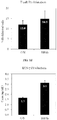
- the migration ability and the IL-12 amount secreted in the culture media between respective dendritic cells after the maturation process when preparing the dendritic cells of Example 1 (Ag-BH4h; the antigen sensitization was performed at 4 hours before cell harvest which was the last stage of maturation process) and Comparative Example 1 (Ag-O/N; the antigen sensitization was performed together with maturation factor treatment at the immature stage) were measured, and shown in FIGS. 1a and 1b , respectively, and T cell proliferation and IFN- ⁇ when co-culturing T cells isolated from peripheral blood cells and the dendritic cells of Example 1 and Comparative Example 1 were measured, and shown in FIGS. 1c and 1d , respectively.
- the antigen was GPC-3 (SEQ ID NO: 15).
- MIP-3 ⁇ (R&D systems, Cat. #361-MI-025) was prepared in RPMI 1640 medium containing 10% FBS so as to have a final concentration of 50 ng/mL, and 0.6 mL of the reaction material above was added to a lower chamber of a transwell (Coning, Cat #3422) having a pore size of 8.0 ⁇ m, and 5 ⁇ 10 4 matured dendritic cell was placed in an upper chamber and reacted at 37°C for 120 minutes. Then, the dendritic cells migrated to the lower chamber by MIP-3 ⁇ were counted and percentage of the migrated cells was calculated from the number of initially loaded cells. As a negative control group, a medium that was not treated with MIP-3 ⁇ was used, and the remaining method was performed in the same manner as above.
- IL-12 and IL-10 were analyzed by ELISA in the culture media in which the dendritic cells were secreted during antigen treatment and maturation.
- An experimental method was performed according to manual (IL-12; BD, Cat. #555183, IL-10; BD Cat. #555157) of the ELISA kit supplier. Results of the experiment were shown in FIG. 1b .
- the amount of secreted IL-12 in the re-stimulated culture media of the dendritic cell according to Example 1 was about 20% higher than that of Comparative Example 1. It suggests that the dendritic cell more effectively induces Th1 immune response upon the reaction with T cells.
- T cells were isolated from the frozen peripheral mononuclear cells using a naive pan T cell isolation kit (MACS, Cat. #130-097-095). After thawing dendritic cells, the DCs were mixed with CFSE (carboxyfluorescein diacetate succinimidyl ester, Molecular Probes, cat. # MOP-C-1157) - labeled T cells at a ratio of 1 : 10 and culture for 5 days.
- CFSE carboxyfluorescein diacetate succinimidyl ester
- T cells were suspended at a concentration of 1 ⁇ 10 6 /mL, and the CFSE was added to a final concentration of 10 ⁇ M, and the cells were reacted in 0.1% HSA/PBS buffer at 37°C for 15 minutes.
- the cells were washed twice with RPMI 1640 medium and 1 x 10 5 T cells and 1 x 10 4 antigen-sensitized mature dendritic cells were triplicated in 96 well plates and cultured for 5 days. After culturing, the cells were collected and subjected to FACS analysis, and the proliferated cells were analyzed by CFSE lo(w) fraction. Experimental results thereof were shown in FIG. 1c .
- the T cell proliferation of the dendritic cell according to Example 1 was about 24% higher than that of the dendritic cell prepared in Comparative Example 1.
- the autologous T cells and dendritic cell were cultured for 5 days, and IFN- ⁇ in the culture supernatant was analyzed by ELISA (BD Cat. #555142). Results thereof were shown in FIG. 1d .
- an IFN- ⁇ secretion amount in the culture media in which the dendritic cell according to Example 1 was cultured together with the T cell was about 2 times larger than that of the culture media in which the dendritic cell prepared in Comparative Example 1 was cultured together with the T cell.
- Test Example 2 Activity Test of Cytotoxic T lymphocyte (CTL) induced by autologous dendritic cell
- Cytotoxic T lymphocytes were induced by the mixed reaction of autologous T cell (isolated from PBMCs) and dendritic cells of Example 1 (Ag-BH4h) and Comparative Example 1 (Ag-O/N).
- the antigen was GPC-3.
- T cells were isolated from the peripheral blood cells of the same human used for the preparation of dendritic cells using a naive T cell isolation kit (MACS, Cat. #130-097-095). The matured dendritic cells and the isolated T cells were mixed at a ratio of 1:10 (4 X 10 5 : 4 X 10 6 ) and cultured for 6 to 7 days.
- the primarily stimulated T cells were collected and re-stimulated at the same ratio (1 : 10) as dendritic cells sensitized with antigen.
- the culture medium (RPMI1640 + 10% AB serum) was supplemented or exchanged with fresh media every 2 to 3 days to provide a suitable culture environment.
- IL-7 (Peprotech, Cat. #200-07) was added at a concentration of 5 ng/mL.
- IL-2 Proleukin, Novartis
- the number of CTL cells was confirmed ( FIG. 2a ) and the activity test of the CTL (cytotoxicity, FIG. 2b ) was analyzed. That is, when co-culturing the T cell and the dendritic cell during the CTL induction, on the next day of stimulation, the IFN- ⁇ secretion amount was measured by taking a part of the supernatant using an ELISA method. Results thereof were shown in FIG. 2b .
- a Hep G2 cell line matching the HLA type and expressing antigen GPC3
- the target cells and the effector cells (CTL) were mixed at 1 : 0, 1 : 1, 1 : 5, 1 : 10 or 1 : 20, and cultured for 20 to 24 hours, and culture media were collected and frozen for measuring IFN- ⁇ , and plates were fixed with 10% formalin for 1 hour. Then, 200 ⁇ L of 0.4% crystal violet was added to each well and stained for 30 minutes. Then, the plates were washed three times and dried at room temperature. After drying, 100 ⁇ L of 80% methanol was added thereto, followed by reaction for 20 minutes. Absorbance was measured at 570 nm to confirm cytotoxicity ( FIG.
- the target cells and the effector cells were mixed at 1 : 0.5, 1 : 1, 1 : 5 and cultured for 20 to 24 hours. Then, the IFN- ⁇ secretion amount was measured by ELISA using the culture supernatant ( FIG. 2d ).
- FIGS. 2a to 2d it could be confirmed that the number of cytotoxic T lymphocytes induced by the dendritic cell according to Example 1 was two times or higher than the number of cytotoxic T lymphocytes induced by the dendritic cell according to Comparative Example 1, and the IFN- ⁇ secretion amount in the culture media of Example 1 was two times or higher, and the cytotoxicity was 1.5 times or higher, and the IFN- ⁇ secretion amount in the culture media was remarkably increased in the culture media compared to those of Comparative Example 1.
- Test Example 3 Cell surface phenotype of autologous dendritic cell
- the dendritic cells were suspended in FACS buffer (PBS + 0.1% sodium azide + 1% FBS) and prepared in 3 to 5 x 10 4 cells per FACS tube.
- FACS buffer PBS + 0.1% sodium azide + 1% FBS
- the antigen was GPC-3.
- Test Example 4 Functional evaluation of dendritic cell depending on presence or absence of CTP
- the CTLs were induced according to the methods of Test Example 1, Test Example 2, and Test Example 3, and functional evaluation depending on presence or absence of the CTP was performed.
- the antigen with the CTP was named with CTP-Ag
- the antigen without the CTP was named with X-Ag.
- the antigen was GPC-3. Results obtained by confirming the dendritic cell phenotype were shown in FIG. 4a .
- the autologous T cells and the dendritic cells according to Example 1 or Comparative Example 1 were co-cultured for 5 days, and the IFN- ⁇ in the culture media was analyzed by ELISA, and results thereof were shown in FIG. 4b .
- the CTLs were induced and CD8 positive cells were analyzed and shown in FIG.
- FIGS. 4a to 4e when comparing a case in which the dendritic cell is treated with the maturation factor, and then, is sensitized with the antigen bound to the cell membrane penetrating peptide at 4 hours before cell harvest, and a case in which the dendritic cell is treated with the maturation factor, and then, is sensitized with the antigen to which the cell membrane penetrating peptide is not bound, there was no significant change in the phenotype of the two dendritic cells ( FIG. 4a ). However, when co-culturing with T cells, the amount of IFN- ⁇ was increased by 5 times or more ( FIG. 4b ), the number of CD8+ T cells was increased by 2 times or more ( FIG.
- the level of IFN- ⁇ indicating activation of CD8+ T cells was increased by 30% or more ( FIG. 4d ), and the number of ELISPOT was increased by 5 times or more ( FIG. 4e ). Therefore, it could be confirmed that even when the dendritic cells were sensitized with the same antigen under the same conditions, the immunity induction ability of the dendritic cell sensitized with the antigen bound to the cell membrane penetrating peptide was remarkably improved.
- intracellular staining was performed to confirm the expression level of granule (Granzyme B) secreted when the active T cell met the target cells.
- the CTLs were obtained, washed, and the target cells (HepG2) were added at a ratio, i.e., target cell (HepG2) : CTL of 1 : 20, wherein GolgiStop (BD, Cat #) was added together at an amount of 0.14 ⁇ L per 200 ⁇ L of cell culture media, and stimulated at 37°C for 4 to 5 hours.
- the cells were collected and washed, and PBS containing 10% human serum was added for Fc receptor blocking. After culturing at 4°C for 15 minutes, and then the antigens on the cell surface were stained with CD3 (BD, Cat. #555335) and CD4 (BD, Cat. #555346), CD8 (BD, Cat.
- the granule (Granzyme B) secretion which shows to confirm the cytotoxic activity of the active T cells was increased 2 times or more when the antigen bound to the cell membrane penetrating peptide was sensitized. It was confirmed that the granule (Granzyme B) was more highly expressed when the antigen bound to the cell membrane penetrating peptide was treated after the treatment with the maturation factor as compared to the case in which the antigen bound to the cell membrane penetrating peptide was treated in the immature dendritic cell.
- Test Example 5 Antigen uptake ability of dendritic cell depending on presence or absence of CTP
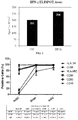
- Example 1 In order to confirm an antigen uptake ability of the immature dendritic cell and the mature dendritic cell of Example 1 (Ag-BH4h), an uptake ability of rhodamine-labeled antigen (PSA antigen, SEQ ID NO: 16) was analyzed. In addition, in order to confirm the antigen uptake ability of the immature dendritic cell or the mature dendritic cell, a dextran-uptake assay which is the most commonly used was performed together. The rhodamine-labeled antigen was prepared as follows.
- the immature dendritic cell (1 x 10 5 cell) on the third day after culturing and the mature dendritic cell that was not sensitized with the antigen on the fourth day after culturing were obtained, wherein the cells were cultured in the same manner as in the culture condition of the immature dendritic cell of Example 1, and centrifuged, and suspended in dendritic cell culture media each having 100 ⁇ L, and placed in FACS tubes. Among them, a cell used as a negative control group was placed in ice for 30 minutes in advance to be arrested.
- the cells were treated with rhodamine fluorescently conjugated CTP-PSA and X-PSA (PSA without CTP) at a concentration of 20 ⁇ g/mL for 1 hour, and washed to perform flow cytometry. Analysis results were shown with median of the fluorescent intensity, and results thereof were shown in FIG. 5 .
- the cells were treated with 10 ⁇ L of FITC fluorescently conjugated dextran (Sigma, Cat. #FD-40S) each at 37°C, and the negative control group was reacted at 4°C for 1 hour.
- the cells were washed with FACS buffer (PBS + 0.1% sodium azide + 1% FBS), and histogram analysis was performed on the FACSDiva (BD) program which is FACS analysis program, to obtain a single fluorescence histogram specifying FL-1 on an X axis.
- FACS buffer PBS + 0.1% sodium azide + 1% FBS
- linear segmentation was performed to set a region in which 97% of negative fluorescent standard sample is present as a negative fluorescence region, and in this state, region states for each section were performed, and single positive fluorescent (Dextran-FITC + phenotype) segmentation ratio of each sample was obtained and analyzed. Results thereof were shown in FIG. 5 .
- the present invention demonstrates that the delivery of the antigen into the dendritic cell was remarkably increased by the antigen sensitization at the maturation stage and the cell membrane penetrating peptide bound to the antigen, and thus, the functions of the dendritic cell were remarkably increased.
- Test Example 6 Functional evaluation of dendritic cell according to CTP-antigen treatment time
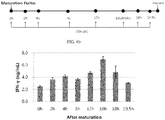
- the CTP-GPC3 was subdivided from the time point at which the maturation factor is treated to the time point at which the matured dendritic cells are harvested including Example 1 (Ag-BH4h; 16h) and Comparative Example 1 (Ag-O/N; 0h), and treated as in FIG. 6a .
- the test method described in FIG. 6a is different from the method for preparing the dendritic cell of Example 1 in view of the antigen treatment time, and other culturing conditions were applied in the same manner.
- the cells were sensitized with 5 ⁇ g/mL of CTP-GPC3 per time (0, 2, 4, 8, 12, 16, 18, 19.5 hours) after the time point at which the maturation factor is treated, and all cells were harvested at 20 hours after time point at which the maturation factor is treated.
- the time point at which the antigen is treated is 0 hour, which indicates O/N, and the time point at which the antigen is treated is 16 hour, which indicates BH4h.
- the autologous T cell and the dendritic cell were cultured for 5 days, and then, the IFN- ⁇ in the culture media was analyzed by ELISA, and results thereof were shown in FIG. 6b .
- the CTP-antigen treatments when the time for CTP-antigen treatment is long (antigen treatment at 0, 2, 4 and 8 hours after the treatment with the maturation factor) and when the time for CTP-antigen treatment is very short (antigen treatment at 19.5 hours after the treatment with the maturation factor) showed a relatively low level of IFN- ⁇ , and thus, it was not effective on immunologically active function of the dendritic cell.
- the dendritic cell sensitized with CTP-Ag at 12 hours to 18 hours after the treatment with the maturation factor the immune activity was increased by secreting a large amount of IFN- ⁇ which is a Th1 cytokine.
- dendritic cells having remarkably improved cell permeability, an improved cytotoxic T lymphocyte induction ability, and an increased secretion ability of various Th1 prone cytokines such as IFN- ⁇ , IL-12, etc.
- the dendritic cells prepared according to the method of the present invention may exhibit an increase in immunity induction ability, and an excellent anti-cancer effect, which may be effectively usable for anti-tumor vaccines, or for compositions for use in methods of treating tumors.
Landscapes
- Health & Medical Sciences (AREA)
- Life Sciences & Earth Sciences (AREA)
- Engineering & Computer Science (AREA)
- General Health & Medical Sciences (AREA)
- Biomedical Technology (AREA)
- Epidemiology (AREA)
- Veterinary Medicine (AREA)
- Public Health (AREA)
- Animal Behavior & Ethology (AREA)
- Chemical & Material Sciences (AREA)
- Immunology (AREA)
- Zoology (AREA)
- Biotechnology (AREA)
- Organic Chemistry (AREA)
- Wood Science & Technology (AREA)
- Bioinformatics & Cheminformatics (AREA)
- Genetics & Genomics (AREA)
- Cell Biology (AREA)
- Microbiology (AREA)
- Medicinal Chemistry (AREA)
- Pharmacology & Pharmacy (AREA)
- General Engineering & Computer Science (AREA)
- Hematology (AREA)
- Biochemistry (AREA)
- Virology (AREA)
- Developmental Biology & Embryology (AREA)
- Micro-Organisms Or Cultivation Processes Thereof (AREA)
- Medicines Containing Antibodies Or Antigens For Use As Internal Diagnostic Agents (AREA)
- Medicines Containing Material From Animals Or Micro-Organisms (AREA)
- Medicinal Preparation (AREA)
- Oncology (AREA)
- Mycology (AREA)
Claims (12)
- Verfahren zum Herstellen einer dendritischen Zelle, umfassend:Kultivieren einer unreifen dendritischen Zelle in eine reife dendritische Zelle in Gegenwart eines Reifungsfaktors,wobei die dendritische Zelle, nachdem die Reifung abgeschlossen ist, mit einem Antigen, das an ein Peptid mit Zellpermeabilität gebunden ist, sensibilisiert wird, wobei das Antigen innerhalb von 6 bis 48 Stunden behandelt wird, nachdem der Reifungsfaktor behandelt wurde, undwobei das Sensibilisieren mit einem Antigen für weniger als 8 Stunden durchgeführt wird.
- Verfahren gemäß Anspruch 1, wobei das Peptid mit Zellpermeabilität ein cytoplasmatisches Transduktionspeptid (CTP) umfasst.
- Verfahren gemäß Anspruch 1, wobei der Reifungsfaktor einer ist, ausgewählt aus der Gruppe, bestehend aus Interleukin-1β (IL-1β), Interleukin-6 (IL-6), Tumornekrosefaktor-α (TNF-α), Interferon gamma (IFN-γ), Prostaglandin E2 (PGE2), Poly-IC, mTor-Inhibitor und einer Kombination von zwei oder mehrerer davon.
- Verfahren gemäß Anspruch 3, wobei der mTOR-Inhibitor einer ist, ausgewählt aus der Gruppe, bestehend aus Rapamycin, Sirolimus, Everolimus, Temsirolimus, Ridaforolimus, NVP-BEZ235, SF-1126, XL-765, PKI-587, PF-04691502, PKI-402, OSI-027, AZD-8055, PP-242, PP-30, Torin-1, WYE-125132, WAY-600, WYE-687, WYE-354, KU-0063794 und Palomid-529.
- Verfahren gemäß Anspruch 3, wobei der mTOR-Inhibitor Rapamycin ist.
- Verfahren gemäß Anspruch 5, wobei der mTOR-Inhibitor mit einer Konzentration von 1 bis 500 ng/ml behandelt wird.
- Verfahren gemäß Anspruch 6, wobei Rapamycin mit einer Konzentration von 1 bis 50 ng/ml behandelt wird.
- Verfahren gemäß Anspruch 1, wobei die dendritische Zelle mit einem Antigen sensibilisiert wird, wenn ein Expressionslevel von CD80, CD83 oder CD40 um 60% oder höher im Vergleich zu dem der unreifen dendritischen Zelle ansteigt.
- Dendritische Zelle hergestellt durch das Verfahren gemäß einem der Ansprüche 1 bis 8.
- Immuntherapeutisches Mittel, umfassend die dendritische Zelle gemäß Anspruch 9.
- Anti-Tumor-Impfstoff, umfassend die dendritische Zelle gemäß Anspruch 9.
- Pharmazeutische Zusammensetzung zur Verwendung in einem Verfahren zur Behandlung von Tumoren, umfassend die dendritische Zelle gemäß Anspruch 9.
Applications Claiming Priority (2)
| Application Number | Priority Date | Filing Date | Title |
|---|---|---|---|
| KR1020140099281A KR101518972B1 (ko) | 2014-08-01 | 2014-08-01 | 수지상세포의 제조방법, 이에 의해 제조된 수지상세포 및 그 용도 |
| PCT/KR2015/007892 WO2016018053A1 (ko) | 2014-08-01 | 2015-07-28 | 수지상세포의 제조방법, 이에 의해 제조된 수지상세포 및 그 용도 |
Publications (3)
| Publication Number | Publication Date |
|---|---|
| EP3176258A1 EP3176258A1 (de) | 2017-06-07 |
| EP3176258A4 EP3176258A4 (de) | 2018-03-28 |
| EP3176258B1 true EP3176258B1 (de) | 2020-05-13 |
Family
ID=53394311
Family Applications (1)
| Application Number | Title | Priority Date | Filing Date |
|---|---|---|---|
| EP15828295.4A Active EP3176258B1 (de) | 2014-08-01 | 2015-07-28 | Verfahren zur erzeugung dentritischer zellen, damit hergestellte dendritische zellen und verwendung davon |
Country Status (8)
| Country | Link |
|---|---|
| US (1) | US10478479B2 (de) |
| EP (1) | EP3176258B1 (de) |
| JP (1) | JP6602377B2 (de) |
| KR (1) | KR101518972B1 (de) |
| CN (1) | CN106604989B (de) |
| DK (1) | DK3176258T3 (de) |
| ES (1) | ES2796299T3 (de) |
| WO (1) | WO2016018053A1 (de) |
Families Citing this family (6)
| Publication number | Priority date | Publication date | Assignee | Title |
|---|---|---|---|---|
| CN106119231A (zh) * | 2016-06-24 | 2016-11-16 | 安徽未名细胞治疗有限公司 | 一种肿瘤抗原psa的ctl识别表位肽及其应用 |
| CN109306339A (zh) * | 2017-07-28 | 2019-02-05 | 上海市血液中心 | 一种在炎性环境下保持稳定的耐受性树突状细胞的制备方法及其应用 |
| WO2020101037A1 (ja) * | 2018-11-16 | 2020-05-22 | 株式会社Tnpパートナーズ | オーダーメイド医療基幹システム |
| CN113444688B (zh) * | 2021-06-24 | 2022-09-09 | 广西中医药大学 | 用于抗病毒抗肿瘤的人树突状细胞诱导方法及组合物 |
| KR20230099956A (ko) * | 2021-12-28 | 2023-07-05 | 제이더블유크레아젠 주식회사 | 면역세포에 항원을 전달하기 위한 폴리펩타이드 |
| CN116064399B (zh) * | 2022-07-28 | 2025-06-13 | 深圳市新合生物医疗科技有限公司 | 一种检测mRNA特异性免疫激活的方法及其应用 |
Family Cites Families (14)
| Publication number | Priority date | Publication date | Assignee | Title |
|---|---|---|---|---|
| EP1209226A3 (de) * | 2000-11-07 | 2002-06-05 | GSF-Forschungszentrum für Umwelt und Gesundheit GmbH | Reifen von dendritischen Zellen durch die Verwendung von rekombinante Hitzeschock-Protein 70 (hsp70) |
| EP1270732A1 (de) | 2001-06-21 | 2003-01-02 | Schuler, Gerold | Transfektion von eukaryotischen Zellen mit linearen Polynukleotiden mittels Elektroporation |
| WO2003097671A1 (en) | 2002-03-29 | 2003-11-27 | Creagene Inc. | Cytoplasmic transduction peptides and uses thereof |
| US20050003533A1 (en) * | 2003-05-08 | 2005-01-06 | Pawel Kalinski | Mature type-1 polarized dendritic cells with enhanced IL-12 production and methods of serum-free production and use |
| KR20150032915A (ko) | 2005-04-08 | 2015-03-30 | 아르고스 쎄라퓨틱스 인코포레이티드 | 수지상 세포 조성물 및 방법 |
| KR100734525B1 (ko) | 2005-05-27 | 2007-07-03 | 크레아젠 주식회사 | 인간 및 비근교계 동물에서 세포독성 t 임파구 활성을효과적으로 측정하는 방법 |
| KR100900742B1 (ko) | 2007-05-17 | 2009-06-08 | 크레아젠 주식회사 | 인간 간암 동물모델 및 이를 이용한 수지상세포-유래 간암면역치료제의 예방 및 치료 효능을 분석하는 방법 |
| WO2009120891A2 (en) | 2008-03-27 | 2009-10-01 | Geron Corporation | Differentiation of primate pluripotent stem cells to hematopoietic lineage cells |
| KR101163544B1 (ko) * | 2009-02-03 | 2012-07-06 | 제이더블유크레아젠 주식회사 | 전립선암 면역치료용 수지상 세포 제조를 위한 pap 항원의 제조 방법 |
| CN102439137A (zh) * | 2009-03-31 | 2012-05-02 | Jw制药公司 | 具有诱导癌症特异性免疫反应的能力的树突状细胞的制备方法,包含该树突状细胞的用于预防或治疗癌症或者抑制癌症转移的药物组合物及试剂盒(kit) |
| JP2013521002A (ja) * | 2010-03-05 | 2013-06-10 | プレジデント アンド フェロウズ オブ ハーバード カレッジ | 誘導樹状細胞組成物及びその使用 |
| WO2013180481A1 (ko) * | 2012-05-31 | 2013-12-05 | 제이더블유크레아젠 주식회사 | 수지상세포 성숙화 조성물 및 이를 이용하여 항원 특이적 수지상세포를 제조하는 방법 |
| US20140037606A1 (en) | 2012-08-06 | 2014-02-06 | Eyal Amiel | Cell-based, anti-cancer vaccines |
| PE20190504A1 (es) | 2016-08-01 | 2019-04-10 | Aptinyx Inc | Moduladores del receptor nmda espiro-lactam y uso de los mismos |
-
2014
- 2014-08-01 KR KR1020140099281A patent/KR101518972B1/ko active Active
-
2015
- 2015-07-28 EP EP15828295.4A patent/EP3176258B1/de active Active
- 2015-07-28 US US15/327,933 patent/US10478479B2/en active Active
- 2015-07-28 JP JP2017526028A patent/JP6602377B2/ja active Active
- 2015-07-28 WO PCT/KR2015/007892 patent/WO2016018053A1/ko not_active Ceased
- 2015-07-28 ES ES15828295T patent/ES2796299T3/es active Active
- 2015-07-28 CN CN201580046565.6A patent/CN106604989B/zh active Active
- 2015-07-28 DK DK15828295.4T patent/DK3176258T3/da active
Non-Patent Citations (1)
| Title |
|---|
| SPISEK RADEK ET AL: "Transient exposure of dendritic cells to maturation stimuli is sufficient to induce complete phenotypic maturation while preserving their capacity to respond to subsequent restimulation.", July 2003, CANCER IMMUNOLOGY, IMMUNOTHERAPY : CII JUL 2003, VOL. 52, NR. 7, PAGE(S) 445 - 454, ISSN: 0340-7004 * |
Also Published As
| Publication number | Publication date |
|---|---|
| JP2017530723A (ja) | 2017-10-19 |
| CN106604989B (zh) | 2020-10-16 |
| EP3176258A4 (de) | 2018-03-28 |
| WO2016018053A1 (ko) | 2016-02-04 |
| US10478479B2 (en) | 2019-11-19 |
| EP3176258A1 (de) | 2017-06-07 |
| DK3176258T3 (da) | 2020-06-29 |
| JP6602377B2 (ja) | 2019-11-06 |
| KR101518972B1 (ko) | 2015-05-18 |
| ES2796299T3 (es) | 2020-11-26 |
| CN106604989A (zh) | 2017-04-26 |
| US20170196955A1 (en) | 2017-07-13 |
Similar Documents
| Publication | Publication Date | Title |
|---|---|---|
| JP5816627B2 (ja) | 抗原特異的t細胞の増殖のための方法 | |
| KR102028340B1 (ko) | 항원-특이적 t 세포의 증식 방법 | |
| JP5498333B2 (ja) | 抗原負荷した樹状細胞ワクチンを前駆体から発生させる迅速ワンステップ法 | |
| EP2322603B1 (de) | Zusammensetzungen und Verfahren für die Aktivierung von monocytischen Dendritischen Zellen und T-Zellen auf Th1-Antwort | |
| US10478479B2 (en) | Method for preparing dendritic cell, dendritic cell prepared thereby, and use thereof | |
| US20090297541A1 (en) | Maturation of dendritic cells | |
| US20080311142A1 (en) | Cancer vaccines and vaccination methods | |
| Osada et al. | Precision cancer immunotherapy: optimizing dendritic cell-based strategies to induce tumor antigen-specific T-cell responses against individual patient tumors | |
| Abdel-Wahab et al. | Cotransfection of DC with TLR4 and MART-1 RNA induces MART-1-specific responses | |
| Tschoep et al. | Disparate functions of immature and mature human myeloid dendritic cells: implications for dendritic cell-based vaccines | |
| Rossowska et al. | Tumour antigen-loaded mouse dendritic cells maturing in the presence of inflammatory cytokines are potent activators of immune response in vitro but not in vivo | |
| ES2288952T3 (es) | Composiciones y metodos para producir celulas presentadoras de antigenos. | |
| Katsuda et al. | Comparison of different classes of CpG-ODN in augmenting the generation of human epitope peptide-specific CTLs | |
| Pineda et al. | Antigen presentation requirements for effective cDC1-based cancer immunotherapy | |
| AU2007202210B2 (en) | Rapid one-step method for generation of antigen loaded dendritic cell vaccine from precursors | |
| Dissanayake | Investigating the factors that govern the induction of an in vivo cytotoxic T-lymphocyte response against a tissue-borne antigen | |
| BR122025001918A2 (pt) | Métodos de expansão de células t gama delta, composições, seu uso e uso de células t gama delta expandidas | |
| JP2001026545A (ja) | 免疫応答活性化製剤 | |
| HK1089336A (en) | Rapid one-step method for generation of antigen loaded dendritic cell vaccine from precursors | |
| HK1168869B (en) | Method for proliferation of antigen-specific t cells | |
| HK1168869A1 (en) | Method for proliferation of antigen-specific t cells | |
| HK1157819B (en) | Compositions and methods for priming monocytic dendritic cells and t cells for th1 response |
Legal Events
| Date | Code | Title | Description |
|---|---|---|---|
| STAA | Information on the status of an ep patent application or granted ep patent |
Free format text: STATUS: THE INTERNATIONAL PUBLICATION HAS BEEN MADE |
|
| 17P | Request for examination filed |
Effective date: 20170131 |
|
| AK | Designated contracting states |
Kind code of ref document: A1 Designated state(s): AL AT BE BG CH CY CZ DE DK EE ES FI FR GB GR HR HU IE IS IT LI LT LU LV MC MK MT NL NO PL PT RO RS SE SI SK SM TR |
|
| AX | Request for extension of the european patent |
Extension state: BA ME |
|
| PUAI | Public reference made under article 153(3) epc to a published international application that has entered the european phase |
Free format text: ORIGINAL CODE: 0009012 |
|
| STAA | Information on the status of an ep patent application or granted ep patent |
Free format text: STATUS: REQUEST FOR EXAMINATION WAS MADE |
|
| DAV | Request for validation of the european patent (deleted) | ||
| DAX | Request for extension of the european patent (deleted) | ||
| A4 | Supplementary search report drawn up and despatched |
Effective date: 20180226 |
|
| RIC1 | Information provided on ipc code assigned before grant |
Ipc: A61K 35/12 20150101ALI20180220BHEP Ipc: A61P 35/00 20060101ALI20180220BHEP Ipc: C12N 5/078 20100101AFI20180220BHEP |
|
| STAA | Information on the status of an ep patent application or granted ep patent |
Free format text: STATUS: EXAMINATION IS IN PROGRESS |
|
| 17Q | First examination report despatched |
Effective date: 20181213 |
|
| GRAP | Despatch of communication of intention to grant a patent |
Free format text: ORIGINAL CODE: EPIDOSNIGR1 |
|
| STAA | Information on the status of an ep patent application or granted ep patent |
Free format text: STATUS: GRANT OF PATENT IS INTENDED |
|
| INTG | Intention to grant announced |
Effective date: 20191202 |
|
| GRAS | Grant fee paid |
Free format text: ORIGINAL CODE: EPIDOSNIGR3 |
|
| GRAA | (expected) grant |
Free format text: ORIGINAL CODE: 0009210 |
|
| STAA | Information on the status of an ep patent application or granted ep patent |
Free format text: STATUS: THE PATENT HAS BEEN GRANTED |
|
| AK | Designated contracting states |
Kind code of ref document: B1 Designated state(s): AL AT BE BG CH CY CZ DE DK EE ES FI FR GB GR HR HU IE IS IT LI LT LU LV MC MK MT NL NO PL PT RO RS SE SI SK SM TR |
|
| REG | Reference to a national code |
Ref country code: GB Ref legal event code: FG4D |
|
| REG | Reference to a national code |
Ref country code: CH Ref legal event code: EP |
|
| REG | Reference to a national code |
Ref country code: CH Ref legal event code: NV Representative=s name: RENTSCH PARTNER AG, CH |
|
| REG | Reference to a national code |
Ref country code: DE Ref legal event code: R096 Ref document number: 602015052849 Country of ref document: DE |
|
| REG | Reference to a national code |
Ref country code: AT Ref legal event code: REF Ref document number: 1270304 Country of ref document: AT Kind code of ref document: T Effective date: 20200615 |
|
| REG | Reference to a national code |
Ref country code: DK Ref legal event code: T3 Effective date: 20200624 |
|
| REG | Reference to a national code |
Ref country code: SE Ref legal event code: TRGR |
|
| REG | Reference to a national code |
Ref country code: NL Ref legal event code: FP |
|
| REG | Reference to a national code |
Ref country code: LT Ref legal event code: MG4D |
|
| PG25 | Lapsed in a contracting state [announced via postgrant information from national office to epo] |
Ref country code: LT Free format text: LAPSE BECAUSE OF FAILURE TO SUBMIT A TRANSLATION OF THE DESCRIPTION OR TO PAY THE FEE WITHIN THE PRESCRIBED TIME-LIMIT Effective date: 20200513 Ref country code: GR Free format text: LAPSE BECAUSE OF FAILURE TO SUBMIT A TRANSLATION OF THE DESCRIPTION OR TO PAY THE FEE WITHIN THE PRESCRIBED TIME-LIMIT Effective date: 20200814 Ref country code: IS Free format text: LAPSE BECAUSE OF FAILURE TO SUBMIT A TRANSLATION OF THE DESCRIPTION OR TO PAY THE FEE WITHIN THE PRESCRIBED TIME-LIMIT Effective date: 20200913 Ref country code: PT Free format text: LAPSE BECAUSE OF FAILURE TO SUBMIT A TRANSLATION OF THE DESCRIPTION OR TO PAY THE FEE WITHIN THE PRESCRIBED TIME-LIMIT Effective date: 20200914 Ref country code: FI Free format text: LAPSE BECAUSE OF FAILURE TO SUBMIT A TRANSLATION OF THE DESCRIPTION OR TO PAY THE FEE WITHIN THE PRESCRIBED TIME-LIMIT Effective date: 20200513 Ref country code: NO Free format text: LAPSE BECAUSE OF FAILURE TO SUBMIT A TRANSLATION OF THE DESCRIPTION OR TO PAY THE FEE WITHIN THE PRESCRIBED TIME-LIMIT Effective date: 20200813 |
|
| REG | Reference to a national code |
Ref country code: ES Ref legal event code: FG2A Ref document number: 2796299 Country of ref document: ES Kind code of ref document: T3 Effective date: 20201126 |
|
| PG25 | Lapsed in a contracting state [announced via postgrant information from national office to epo] |
Ref country code: BG Free format text: LAPSE BECAUSE OF FAILURE TO SUBMIT A TRANSLATION OF THE DESCRIPTION OR TO PAY THE FEE WITHIN THE PRESCRIBED TIME-LIMIT Effective date: 20200813 Ref country code: RS Free format text: LAPSE BECAUSE OF FAILURE TO SUBMIT A TRANSLATION OF THE DESCRIPTION OR TO PAY THE FEE WITHIN THE PRESCRIBED TIME-LIMIT Effective date: 20200513 Ref country code: HR Free format text: LAPSE BECAUSE OF FAILURE TO SUBMIT A TRANSLATION OF THE DESCRIPTION OR TO PAY THE FEE WITHIN THE PRESCRIBED TIME-LIMIT Effective date: 20200513 Ref country code: LV Free format text: LAPSE BECAUSE OF FAILURE TO SUBMIT A TRANSLATION OF THE DESCRIPTION OR TO PAY THE FEE WITHIN THE PRESCRIBED TIME-LIMIT Effective date: 20200513 |
|
| PG25 | Lapsed in a contracting state [announced via postgrant information from national office to epo] |
Ref country code: AL Free format text: LAPSE BECAUSE OF FAILURE TO SUBMIT A TRANSLATION OF THE DESCRIPTION OR TO PAY THE FEE WITHIN THE PRESCRIBED TIME-LIMIT Effective date: 20200513 |
|
| PG25 | Lapsed in a contracting state [announced via postgrant information from national office to epo] |
Ref country code: EE Free format text: LAPSE BECAUSE OF FAILURE TO SUBMIT A TRANSLATION OF THE DESCRIPTION OR TO PAY THE FEE WITHIN THE PRESCRIBED TIME-LIMIT Effective date: 20200513 Ref country code: SM Free format text: LAPSE BECAUSE OF FAILURE TO SUBMIT A TRANSLATION OF THE DESCRIPTION OR TO PAY THE FEE WITHIN THE PRESCRIBED TIME-LIMIT Effective date: 20200513 Ref country code: CZ Free format text: LAPSE BECAUSE OF FAILURE TO SUBMIT A TRANSLATION OF THE DESCRIPTION OR TO PAY THE FEE WITHIN THE PRESCRIBED TIME-LIMIT Effective date: 20200513 Ref country code: RO Free format text: LAPSE BECAUSE OF FAILURE TO SUBMIT A TRANSLATION OF THE DESCRIPTION OR TO PAY THE FEE WITHIN THE PRESCRIBED TIME-LIMIT Effective date: 20200513 |
|
| REG | Reference to a national code |
Ref country code: DE Ref legal event code: R097 Ref document number: 602015052849 Country of ref document: DE |
|
| PG25 | Lapsed in a contracting state [announced via postgrant information from national office to epo] |
Ref country code: MC Free format text: LAPSE BECAUSE OF FAILURE TO SUBMIT A TRANSLATION OF THE DESCRIPTION OR TO PAY THE FEE WITHIN THE PRESCRIBED TIME-LIMIT Effective date: 20200513 Ref country code: PL Free format text: LAPSE BECAUSE OF FAILURE TO SUBMIT A TRANSLATION OF THE DESCRIPTION OR TO PAY THE FEE WITHIN THE PRESCRIBED TIME-LIMIT Effective date: 20200513 Ref country code: SK Free format text: LAPSE BECAUSE OF FAILURE TO SUBMIT A TRANSLATION OF THE DESCRIPTION OR TO PAY THE FEE WITHIN THE PRESCRIBED TIME-LIMIT Effective date: 20200513 |
|
| PLBE | No opposition filed within time limit |
Free format text: ORIGINAL CODE: 0009261 |
|
| STAA | Information on the status of an ep patent application or granted ep patent |
Free format text: STATUS: NO OPPOSITION FILED WITHIN TIME LIMIT |
|
| 26N | No opposition filed |
Effective date: 20210216 |
|
| PG25 | Lapsed in a contracting state [announced via postgrant information from national office to epo] |
Ref country code: LU Free format text: LAPSE BECAUSE OF NON-PAYMENT OF DUE FEES Effective date: 20200728 |
|
| PG25 | Lapsed in a contracting state [announced via postgrant information from national office to epo] |
Ref country code: SI Free format text: LAPSE BECAUSE OF FAILURE TO SUBMIT A TRANSLATION OF THE DESCRIPTION OR TO PAY THE FEE WITHIN THE PRESCRIBED TIME-LIMIT Effective date: 20200513 |
|
| PG25 | Lapsed in a contracting state [announced via postgrant information from national office to epo] |
Ref country code: IE Free format text: LAPSE BECAUSE OF NON-PAYMENT OF DUE FEES Effective date: 20200728 |
|
| PG25 | Lapsed in a contracting state [announced via postgrant information from national office to epo] |
Ref country code: TR Free format text: LAPSE BECAUSE OF FAILURE TO SUBMIT A TRANSLATION OF THE DESCRIPTION OR TO PAY THE FEE WITHIN THE PRESCRIBED TIME-LIMIT Effective date: 20200513 Ref country code: MT Free format text: LAPSE BECAUSE OF FAILURE TO SUBMIT A TRANSLATION OF THE DESCRIPTION OR TO PAY THE FEE WITHIN THE PRESCRIBED TIME-LIMIT Effective date: 20200513 Ref country code: CY Free format text: LAPSE BECAUSE OF FAILURE TO SUBMIT A TRANSLATION OF THE DESCRIPTION OR TO PAY THE FEE WITHIN THE PRESCRIBED TIME-LIMIT Effective date: 20200513 |
|
| PG25 | Lapsed in a contracting state [announced via postgrant information from national office to epo] |
Ref country code: MK Free format text: LAPSE BECAUSE OF FAILURE TO SUBMIT A TRANSLATION OF THE DESCRIPTION OR TO PAY THE FEE WITHIN THE PRESCRIBED TIME-LIMIT Effective date: 20200513 |
|
| REG | Reference to a national code |
Ref country code: AT Ref legal event code: UEP Ref document number: 1270304 Country of ref document: AT Kind code of ref document: T Effective date: 20200513 |
|
| PGFP | Annual fee paid to national office [announced via postgrant information from national office to epo] |
Ref country code: DK Payment date: 20250624 Year of fee payment: 11 Ref country code: GB Payment date: 20250624 Year of fee payment: 11 |
|
| PGFP | Annual fee paid to national office [announced via postgrant information from national office to epo] |
Ref country code: NL Payment date: 20250623 Year of fee payment: 11 Ref country code: BE Payment date: 20250623 Year of fee payment: 11 |
|
| PGFP | Annual fee paid to national office [announced via postgrant information from national office to epo] |
Ref country code: FR Payment date: 20250624 Year of fee payment: 11 |
|
| PGFP | Annual fee paid to national office [announced via postgrant information from national office to epo] |
Ref country code: SE Payment date: 20250624 Year of fee payment: 11 |
|
| PGFP | Annual fee paid to national office [announced via postgrant information from national office to epo] |
Ref country code: ES Payment date: 20250822 Year of fee payment: 11 |
|
| PGFP | Annual fee paid to national office [announced via postgrant information from national office to epo] |
Ref country code: DE Payment date: 20250624 Year of fee payment: 11 |
|
| PGFP | Annual fee paid to national office [announced via postgrant information from national office to epo] |
Ref country code: IT Payment date: 20250624 Year of fee payment: 11 |
|
| PGFP | Annual fee paid to national office [announced via postgrant information from national office to epo] |
Ref country code: AT Payment date: 20250623 Year of fee payment: 11 |
|
| PGFP | Annual fee paid to national office [announced via postgrant information from national office to epo] |
Ref country code: CH Payment date: 20250801 Year of fee payment: 11 |