EP3178836A1 - Agents de ciblage gadd45beta - Google Patents
Agents de ciblage gadd45beta Download PDFInfo
- Publication number
- EP3178836A1 EP3178836A1 EP16185463.3A EP16185463A EP3178836A1 EP 3178836 A1 EP3178836 A1 EP 3178836A1 EP 16185463 A EP16185463 A EP 16185463A EP 3178836 A1 EP3178836 A1 EP 3178836A1
- Authority
- EP
- European Patent Office
- Prior art keywords
- tyr
- phe
- seq
- glu
- arg
- Prior art date
- Legal status (The legal status is an assumption and is not a legal conclusion. Google has not performed a legal analysis and makes no representation as to the accuracy of the status listed.)
- Granted
Links
- VGWZYDMILRUQOA-UHFFFAOYSA-N CC(NC(Cc1ccccc1)CNC(CCCNC(N)=N)C(NC(Cc1ccccc1)C(N)=O)=O)=O Chemical compound CC(NC(Cc1ccccc1)CNC(CCCNC(N)=N)C(NC(Cc1ccccc1)C(N)=O)=O)=O VGWZYDMILRUQOA-UHFFFAOYSA-N 0.000 description 1
- LQEWTHDCKIFGFC-SLXFGWRHSA-N C[C@@](CCNC(C(Cc(cc1)ccc1O)NC(C)=O)=O)(NC(Cc1ccccc1)C(N)=O)O Chemical compound C[C@@](CCNC(C(Cc(cc1)ccc1O)NC(C)=O)=O)(NC(Cc1ccccc1)C(N)=O)O LQEWTHDCKIFGFC-SLXFGWRHSA-N 0.000 description 1
- WPXCHFXXRWVJRC-UTPTYXDVSA-N NC(Cc(cc1)ccc1O)C(NC(CCCNC(N)=N)C(NC(Cc(cc1)ccc1O)C1O[C@@H]1O)=O)=O Chemical compound NC(Cc(cc1)ccc1O)C(NC(CCCNC(N)=N)C(NC(Cc(cc1)ccc1O)C1O[C@@H]1O)=O)=O WPXCHFXXRWVJRC-UTPTYXDVSA-N 0.000 description 1
- ZQIXZYOGSQCBOY-UHFFFAOYSA-N NC(Cc1ccccc1)C(NC(CC1N=CN=C1)C(NC(Cc(cc1)ccc1O)C(N)=O)=O)=O Chemical compound NC(Cc1ccccc1)C(NC(CC1N=CN=C1)C(NC(Cc(cc1)ccc1O)C(N)=O)=O)=O ZQIXZYOGSQCBOY-UHFFFAOYSA-N 0.000 description 1
Images

















Classifications
-
- C—CHEMISTRY; METALLURGY
- C07—ORGANIC CHEMISTRY
- C07K—PEPTIDES
- C07K5/00—Peptides containing up to four amino acids in a fully defined sequence; Derivatives thereof
- C07K5/04—Peptides containing up to four amino acids in a fully defined sequence; Derivatives thereof containing only normal peptide links
- C07K5/08—Tripeptides
-
- A—HUMAN NECESSITIES
- A61—MEDICAL OR VETERINARY SCIENCE; HYGIENE
- A61P—SPECIFIC THERAPEUTIC ACTIVITY OF CHEMICAL COMPOUNDS OR MEDICINAL PREPARATIONS
- A61P35/00—Antineoplastic agents
-
- C—CHEMISTRY; METALLURGY
- C07—ORGANIC CHEMISTRY
- C07K—PEPTIDES
- C07K5/00—Peptides containing up to four amino acids in a fully defined sequence; Derivatives thereof
- C07K5/04—Peptides containing up to four amino acids in a fully defined sequence; Derivatives thereof containing only normal peptide links
- C07K5/06—Dipeptides
- C07K5/06008—Dipeptides with the first amino acid being neutral
- C07K5/06078—Dipeptides with the first amino acid being neutral and aromatic or cycloaliphatic
-
- C—CHEMISTRY; METALLURGY
- C07—ORGANIC CHEMISTRY
- C07K—PEPTIDES
- C07K5/00—Peptides containing up to four amino acids in a fully defined sequence; Derivatives thereof
- C07K5/04—Peptides containing up to four amino acids in a fully defined sequence; Derivatives thereof containing only normal peptide links
- C07K5/06—Dipeptides
- C07K5/06104—Dipeptides with the first amino acid being acidic
-
- C—CHEMISTRY; METALLURGY
- C07—ORGANIC CHEMISTRY
- C07K—PEPTIDES
- C07K5/00—Peptides containing up to four amino acids in a fully defined sequence; Derivatives thereof
- C07K5/04—Peptides containing up to four amino acids in a fully defined sequence; Derivatives thereof containing only normal peptide links
- C07K5/06—Dipeptides
- C07K5/06104—Dipeptides with the first amino acid being acidic
- C07K5/06113—Asp- or Asn-amino acid
-
- C—CHEMISTRY; METALLURGY
- C07—ORGANIC CHEMISTRY
- C07K—PEPTIDES
- C07K5/00—Peptides containing up to four amino acids in a fully defined sequence; Derivatives thereof
- C07K5/04—Peptides containing up to four amino acids in a fully defined sequence; Derivatives thereof containing only normal peptide links
- C07K5/08—Tripeptides
- C07K5/0802—Tripeptides with the first amino acid being neutral
- C07K5/0812—Tripeptides with the first amino acid being neutral and aromatic or cycloaliphatic
-
- C—CHEMISTRY; METALLURGY
- C07—ORGANIC CHEMISTRY
- C07K—PEPTIDES
- C07K5/00—Peptides containing up to four amino acids in a fully defined sequence; Derivatives thereof
- C07K5/04—Peptides containing up to four amino acids in a fully defined sequence; Derivatives thereof containing only normal peptide links
- C07K5/10—Tetrapeptides
- C07K5/1002—Tetrapeptides with the first amino acid being neutral
- C07K5/1016—Tetrapeptides with the first amino acid being neutral and aromatic or cycloaliphatic
-
- A—HUMAN NECESSITIES
- A61—MEDICAL OR VETERINARY SCIENCE; HYGIENE
- A61K—PREPARATIONS FOR MEDICAL, DENTAL OR TOILETRY PURPOSES
- A61K38/00—Medicinal preparations containing peptides
Definitions
- the invention relates to cancer and other diseases and disorders for example inflammatory diseases and disorders and to therapeutic modulation thereof
- the invention relates to compounds based on short peptides capable of modulating programmed cell death (PCD) and proliferation of cancer cells, and pro-inflammatory/auto-immune cells.
- PCD programmed cell death
- JNKs are responsive to cytokines and stress stimuli such as ultraviolet irradiation, heat shock and osmotic shock. Also activated in the response to cytokines and cellular stress is the NF- ⁇ B pathway.
- the NF- ⁇ B pathway can inhibit the JNK pathway by crosstalk mediated by Gadd45 ⁇ and the JNK kinase, mitogen activated protein-kinase kinase 7 (MKK7/JNKK2).
- MKK7 activity is inhibited by Gadd45 ⁇ , a member of the Gadd45 family of inducible factors and a direct transcriptional target of NF- ⁇ B. This means that Gadd45 ⁇ mediates NF- ⁇ B suppression of JNK signalling by binding to MKK7 and inhibiting its activity.
- NF- ⁇ B inhibitors have been proposed for use in the treatment of cancer and inflammatory diseases.
- NF- ⁇ B has a number of activities including roles in PCD, immunity, inflammation and tissue development, it is preferred to inhibit specific functions of NF- ⁇ B rather than NF- ⁇ B itself.
- the present invention relates to the inhibition of Gadd45 ⁇ which is known to be up-regulated in a number of cancers and also in chronic inflammatory and hereditary disorders.
- MM Multiple myeloma
- Plasma cell myeloma also known as plasma cell myeloma or Kahler's disease
- PIs proteasome inhibitors
- Multiple myeloma is the second most prevalent blood cancer after non-Hodgkin's lymphoma and represents approximately 1% of all cancers and approximately 2% of all cancer deaths.
- the incidence of multiple myeloma appears to be increasing and there is also some evidence that the age of onset of the disease is falling. Thus, there is a clear need for improved treatments for multiple myeloma.
- NF- ⁇ B One of NF- ⁇ B's key functions in multiple myeloma is to promote survival. It has been shown ( De Smaele, et al. (2001) Nature 414:306-313 ) that NF- ⁇ B affords cyto-protection by suppressing the JNK MAPK cascade by means of Gadd45 ⁇ , a member of the Gadd45 family of inducible factors. Gadd45 ⁇ is up-regulated by NF- ⁇ B in response to various stimuli and promotes survival by directly targeting the JNK kinase MKK7 ( Papa, et al. 2004 Nature Cell Biology 6:146-153 , Papa, et al. 2007) J.Biol.Chem. 282:19029-19041 , Papa, et al. (2008) J.Clin.Invest. 118:191-1923 ).
- Proteasome inhibitors (PIs) and direct NF- ⁇ B inhibitors kill multiple myeloma cells by activating the JNK pathway, but are unsuitable for curative multiple myeloma therapy because of their indiscriminate effects on NF- ⁇ B and/or indiscriminate effects on the proteasome which prevents them being used at fully inhibitory curative doses.
- Gadd45 ⁇ is expressed at high levels in other tumours including diffuse large B-cell lymphoma, Burkitt's lymphoma, promonocytic leukaemia and other leukemias, as well as some solid tumours including hepatocellular carcinoma, bladder cancer, brain and central nervous system cancer, breast cancer, head and neck cancer, lung cancer, and prostate cancer. Therefore, inhibiting Gadd45 ⁇ in these tumours may induce cancer cell death and so have beneficial therapeutic effects.
- haematological malignancies including multiple myeloma, mantle cell lymphoma, MALT lymphoma, diffuse large B-cell lymphoma, Hodgkin's lymphoma, myelodysplastic syndrome, adult T-cell leukaemia (HTLV-1), chronic lymphocytic leukaemia, chronic myeloid leukaemia, acute myelogenic leukaemia, and acute lymphocytic leukaemia) and solid tumours (including breast cancer, cervical cancer, renal cancer, lung cancer, colon cancer, liver cancer, oesophageal cancer, gastric cancer, laryngeal cancer, thyroid cancer, parathyroid cancer, bladder cancer, ovarian cancer, prostate cancer, pancreatic cancer and many other cancers) are also known to exhibit constitutive NF- ⁇ B activation providing pro-survival signals to the cells at the expense of PCD which could otherwise lead to increased tumour cell death ( V.
- haematological malignancies including multiple myeloma, mantle cell lymph
- NF- ⁇ B activity is also found in melanoma, cylindroma, squamous cell carcinoma (skin, and head and neck), oral carcinoma, endometrial carcinoma, retinoblastoma, astrocytoma, and glioblastoma ( V. Baud and M. Karin 2009, Nat. Rev. Drug Disc. 8: 33-40 ).
- Inhibiting Gadd45 ⁇ in these tumours featuring aberrantly high constitutive NF- ⁇ B activity could also produce beneficial therapeutic effects by inducing programmed cell death in the cancerous cells.
- the present invention is based on the realisation that targeting the discreet pro-survival functions of NF- ⁇ B in cell survival via Gadd45 ⁇ provides safer, more effective, therapy than does targeting NF- ⁇ B directly for a range of diseases and disorders including cancer and also other diseases characterised by aberrant cell survival or diseases which could be treated by the induction of increased PCD (such as autoimmune diseases, chronic inflammatory diseases, degenerative diseases and ischemic and vascular diseases).
- diseases and disorders including cancer and also other diseases characterised by aberrant cell survival or diseases which could be treated by the induction of increased PCD (such as autoimmune diseases, chronic inflammatory diseases, degenerative diseases and ischemic and vascular diseases).
- NF- ⁇ B A broad range of diseases and disorders depend on the activity of NF- ⁇ B. Indeed, the pathogenesis of virtually every known human disease or disorder is now being considered to depend on inflammation, and hence to involve NF- ⁇ B.
- This functions as a masterswitch of the inflammatory response, coordinating expression of an array of over 200 genes encoding cytokines, receptors, transcription factors, chemokines, pro-inflammatory enzymes, and other factors, including pro-survival factors, which initiate and sustain inflammation.
- the compounds of the invention inhibit the discrete pro-survival activity of NF- ⁇ B in inflammation.
- diseases and disorders amenable to treatment with these compounds include, apart from conventional chronic inflammatory diseases (such as inflammatory bowel disease, rheumatoid arthritis, and psoriasis), other diseases and disorders that depend on a significant inflammatory component.
- diseases and disorders which are being treated with antiinflammatory agents or NF- ⁇ B-inhibiting agents or have been proposed as suitable for treatment with NF- ⁇ B inhibitors and could also be treated with a compound of the invention, include:
- the present invention relates to novel inhibitors of the Gadd45 ⁇ /MKK7 complex and/or signalling of that complex which may be used to inhibit the pro-survival function of NF- ⁇ B in cancer, inflammation, autoimmunity and degenerative, ischemic and vascular disorders.
- a pharmaceutical composition comprising a compound according the first aspect of the invention and a pharmaceutically acceptable carrier.
- a method of treating a disease or disorder characterised by increased NF- ⁇ B activity and/or expression and/or increased Gadd45 ⁇ activity and/or expression comprising administering a therapeutically effective amount of a compound according to the first aspect of the invention or a pharmaceutical composition according to the second aspect of the invention to a subject in need thereof.
- a compound according to the first aspect of the invention or a composition according to the second aspect of the invention for use as a medicament for use as a medicament.
- a compound according to the first aspect of the invention or a pharmaceutical composition according to the second aspect of the invention for the manufacture of a medicament for the treatment of a disease or disorder characterised by increased NF- ⁇ B activity and/or expression and/or increased Gadd45 ⁇ activity and/or expression.
- the prefix "Z” as in “Z-DTP” denotes a benzyloxycarbonyl N-terminal group.
- the "m” prefix as in “mDTP” denotes any modification of a DTP aimed at improving cellular uptake, cellular activity, and/or PK profile, such as the removal of the N and/or C terminus (e.g. as in mDTP1), the removal of the Z group and of the Arg or Glu residues of Z-DTP2 as in mDTP2 and mDTP3, respectively (further examples are provided in Figure 13 ).
- NF- ⁇ B-JNK crosstalk also controls survival versus programmed death of cells including cancer cells which would otherwise have died.
- Gadd45 ⁇ is up-regulated in cancerous cells in response to NF- ⁇ B activation and is expressed constitutively at high levels in multiple myeloma cells and other tumours, including diffuse large B-cell lymphoma, Burkitt's lymphoma, promonocytic leukaemia and other leukemias, as well as in some solid tumours, including hepatocellular carcinoma, bladder cancer, brain and central nervous system cancer, breast cancer, head and neck cancer, lung cancer, and prostate cancer.
- the present invention is based on the strategy of promoting programmed cell death by delivering Gadd45 ⁇ /MKK7-targeting compounds that prevent NF- ⁇ B-JNK crosstalk thereby enhancing JNK cytotoxic signalling in cells.
- Products and methods of the present invention may be especially relevant to treatment of disorders characterised by aberrant up-regulation of Gadd45 ⁇ . They are also relevant to diseases and disorders where Gadd45 ⁇ may not necessarily be aberrantly up-regulated, but where NF- ⁇ B is aberrantly up-regulated or activated and where an inductor of programmed cell death via Gadd45 ⁇ -MKK7 signalling may provide a treatment.
- haematological malignancies such as multiple myeloma, mantle cell lymphoma, MALT lymphoma, diffuse large B-cell lymphoma, Hodgkin's lymphoma, myelodysplastic syndrome, adult T-cell leukaemia (HTLV-1), chronic lymphocytic leukaemia, chronic myeloid leukaemia, acute myelogenic leukaemia, and acute lymphocytic leukaemia
- solid tumours such as breast cancer, cervical cancer, renal cancer, lung cancer, colon cancer, liver cancer, oesophageal cancer, gastric cancer, laryngeal cancer, thyroid cancer, parathyroid cancer, bladder cancer, ovarian cancer, prostate cancer, pancreatic cancer and many other cancers
- other cancers such as melanoma, cylind
- NF- ⁇ B A broad range of diseases and disorders depend on the activity of NF- ⁇ B. Indeed, the pathogenesis of virtually every known human disease or disorder is now being considered to depend on inflammation, and hence to involve NF- ⁇ B.
- This functions as a masterswitch of the inflammatory response, coordinating expression of an array of over 200 genes encoding cytokines, receptors, transcription factors, chemokines, pro-inflammatory enzymes, and other factors, including pro-survival factors, which initiate and sustain inflammation.
- the compounds of the invention inhibit the discrete pro-survival activity of NF- ⁇ B in inflammation.
- diseases and disorders amenable to treatment with these compounds include, apart from conventional chronic inflammatory diseases (such as inflammatory bowel disease, rheumatoid arthritis, and psoriasis), other diseases and disorders that depend on a significant inflammatory component.
- diseases and disorders which are being treated with antiinflammatory agents or NF- ⁇ B-inhibitng agents or have been proposed as suitable for treatment with NF- ⁇ B inhibitors and could also be treated with a compound of the invention, include:
- the inventors have developed a number of synthetic molecules based on D-enantiomers of tetrapeptides, tripeptides, dipeptides and similar peptide-mimetics including peptoid moeties that disrupt the Gadd45 ⁇ /MKK7 interaction. Importantly, these compounds show Gadd45 ⁇ inhibitory activity without suppressing MKK7 kinase function. This is important because it confirms that the compounds of the invention can induce JNK cytotoxic signalling via inhibition of Gadd45 ⁇ /MKK7 complexes.
- the synthetic molecules do not bind Gadd45 ⁇ nor MKK7 in isolation, but they bind to one or another protein when the proteins are in contact with each other in the bound or unbound state, presumably by recognizing a surface that becomes available on Gadd45 ⁇ , MKK7, and/or a complex of the two proteins only when Gadd45 ⁇ and MKK7 come in contact with each other, and consequently inducing a conformational modification in one of the two proteins or in the complex as whole that triggers the dissociation of the complex.
- This property is of particular interest, since it ensures that the compounds have a very high specificity for the target (i.e.
- Gadd45 ⁇ /MKK7 complex reduces the probability that the compounds of the invention can interact and so affect proteins that have a structure similar to that of Gadd45 ⁇ or MKK7.
- This property which establish that the therapeutic target of the compounds of the invention is the interface beween two proteins (i.e. Gadd45 ⁇ and MKK7) - also ensures that the compounds of the invention will not block the global biological activities of Gadd45 ⁇ or MKK7 in vivo, but rather will selectively interefere with the biological functions that Gadd45 ⁇ or MKK7 have as part of the Gadd45 ⁇ /MKK7 complex.
- compounds of the invention have been shown to induce apoptosis in multiple myeloma cell lines and primary tumour cells, and other tumour B-cell lines, including diffuse large B-cell lymphoma and Burkitt's lymphoma cell lines, as well as other cancers such as promonocytic leukaemia, with IC 50 s in the low nanomolar range, but to have no activity on tumour T-cell lines or on normal cells such as untransformed fibroblasts, bone marrow stromal cells (BMSCs), peripheral blood mononuclear cells (PBMNCs), and mesenkymal stem cells (MSCs), or in purified primary B- and T-lymphocytes from mice, even when used at very high concentrations (that is 100 ⁇ M).
- BMSCs bone marrow stromal cells
- PBMNCs peripheral blood mononuclear cells
- MSCs mesenkymal stem cells
- the compounds of the invention show high target specificity for the Gadd45 ⁇ /MKK7 complex in cells. This is shown by the findings that: 1) In a large panel of tumour cell lines there is a highly significant statistical correlation between levels of Gadd45 ⁇ expression and cancer cell sensitivity to Z-/mDTP-induced killing; 2) sh-RNA-mediated downregulation of Gadd45 ⁇ induces apoptosis in Z-/mDTP-sensitive but not in Z-/mDTP-resistant cancer cell lines, and the kinetics of apoptosis induction by Gadd45 ⁇ -specific sh-RNAs in these cell lines is similar to those observed with Z-/mDTPs; 3) the sh-RNA-mediated downregulation of MKK7 renders Z-/mDTP-sensitive cancer cell lines completely resistant to Z-/mDTP-induced killing; 4) the therapeutic target of the invention is the interface between two proteins, Gadd45 ⁇ and MKK7 - which further provides potential for high target selectivity, a key advantage of our solution over existing therapies.
- compounds of the invention have no toxicity to normal cells and inhibition of Gadd45 ⁇ appears to have no or few side effects because Gadd45 ⁇ knock-out mice are viable and apparently healthy, indicating that complete Gadd45 ⁇ inactivation is well tolerated in vivo.
- Compounds of the invention are also stable, soluble, cell-permeable and therefore suitable for the treatment of multiple myeloma, diffuse large B-cell lymphoma and other cancers that depend on NF- ⁇ B for their survival. They are also useful for the treatment of chronic inflammatory and autoimmune diseases especially those mediated by NF- ⁇ B.
- Compounds of the invention also have PK profiles which are attractive for therapeutic use.
- the invention also relates to the development of clinically useful assays to predict Z-/mDTP therapy response in patients.
- the data with a large panel of tumour cell lines show that sensitivity to Z-/mDTP-induced killing correlates with a high degree of significance with Gadd45 ⁇ expression levels (p ⁇ 0.01), thus establishing the high specificity of Z-/mDTPs' cytotoxic action for Gadd45 ⁇ .
- Y 2 and Y 3 are both present in certain embodiements they are preferably such that a salt-bridge is able to form between the respective positive and negative charges of the side chains and/or are such that the distance between the aromatic centres on Y 1 and Y 4 , or on X 1 and X 4 , or on X 1 and Y 4 , or on Y 1 and X 4 is no higher than 10 or 20 Angstroms and no smaller than 3 Angstroms.
- the side chains of Y 2 and Y 3 consist of no more than 30 atoms.
- Y 2 and Y 3 may be naturally occurring amino acids or N-methyl-amino acids in the L- or D-configuration.
- Z 1 is a group of formula II: which is linked to the N-terminal nitrogen of Y 2 , W is absent, or a oxygen, or a nitrogen, or an alkylene group of from one to three carbons, which alkylene group of from one to three carbons is optionally substituted by at least one substituent selected from alkyl of from one to four carbons, or 5-10 membered carbocyclic or heterocyclic aromatic group; J is a 5-10 membered carbocyclic or heterocyclic aromatic group, which aromatic group is optionally substituted by at least one substituent selected from hydroxyl, halogen, alkyl of from one to four carbons, or alkoxy of from one to four carbon atoms; Z 4 represents a group of formula III: which is linked to the C-terminal carbon of Y 3 , R is hydrogen or alkyl of from one to four carbons; W' is absent or an alkylene group of from one to three carbons, which alkylene group of from one to three carbons is optionally substituted by at
- X 1 and X 2 are moieties of no more than 30 (or more preferably 20 or 10) atoms, with the proviso that X 1 is absent if A comprises Z 1 and X 2 is absent if A comprises Z 4 (i.e., if there are no free amino or carboxyl groups at the termini of the molecule, X 1 and X 2 are not required); or derivatives thereof, said derivatives being selected from the group consisting of:
- Y 1 may be:
- Y 2 may be:
- Y 3 may be
- Y 4 may be
- Y 1 , Y 2 , Y 3 and Y 4 are all as described above. According to certain embodiments Y 1 , Y 2 , Y 3 and Y 4 are all described above with the proviso that Y 2 is
- Y 1 and Y 2 are both as described above but one or both of Y 2 and Y 3 are absent.
- M is a peptide bond.
- X 1 is a hydrogen or X 1 is one of the following groups added to the amino terminal of the oligopeptide sequence so as to form an amide bond:
- X 2 is an hydroxyl group or is one of the following groups added to the carbonyl acid terminal of the oligopeptide sequence so as to form an amide bond:
- A is A'.
- the compound is therefore essentially a tetrapeptide, a tripeptide, or a dipeptide (or a corresponding peptoid) with optional blocking groups X 1 and X 2 at one or more of the termini.
- Oligopeptides are short polymers formed by the condensation of ⁇ -amino acids (referred to herein as simply "amino acids").
- amino acids referred to herein as simply "amino acids”
- the link between one amino acid residue and the next is known as a peptide bond or an amide bond.
- amino acid includes the 20 standard amino acids (Isoleucine, Alanine, Leucine, Asparagine, Lysine, Aspartic Acid, Methionine, Cysteine, Phenylalanine, Glutamic Acid, Threonine, Glutamine, Tryptophan, Glycine, Valine, Proline, Serine, Tyrosine, Arginine and Histidine) in both their D and L optical configurations. It also includes synthetic ⁇ -amino acids in both D and L forms. According to certain embodiments the D configuration is preferred.
- this term includes N -substituted glycines which differ from ⁇ -amino acids in that their side chains are appended to nitrogen atoms along the molecule's backbone, rather than to the ⁇ -carbons (as they are in amino acids). Also included in the term are methyl and ethyl esters of ⁇ -amino acids, ⁇ -amino acids and N-methylated ⁇ -amino acids.
- oligopeptide relates to oligomers of ⁇ -amino acids only.
- An analogous oligomer incorporating (at all or some residue positions) an amino acid derivate (for example an N -substituted glycine) is known as an oligopeptoid.
- derivatives of the compound of the first aspect of the invention are functional derivatives.
- the term "functional derivative” is used herein to denote a chemical derivative of a compound of formula (I) having the same physiological function (as the corresponding unmodified compounds of formula (I) or alternatively having the same in vitro function in a functional assay (for example, in one of the assays described in one of the examples disclosed herein).
- Derivatives of the compound of the invention may comprise the structure of formula (I) modified by well known processes including amidation, glycosylation, carbamylation, acylation, for example acetylation, sulfation, phosphorylation, cyclization, lipidization and pegylation.
- the structure of formula (I) may be modified at random positions within the molecule, or at predetermined positions within the molecule and may include one, two, three or more attached chemical moieties.
- Derivatives include compounds in which the N-terminal NH 2 group is replaced with another group, for example a methoxy group.
- a compound of the invention may be a fusion protein, whereby the structure of formula (I) is fused to another protein or polypeptide (the fusion partner) using methods known in the art.
- the fusion partner e.g., serum albumin, carbonic anhydrase, glutathione-S-transferase or thioredoxin, etc.
- Preferred fusion partners will not have an adverse biological activity in vivo.
- Such fusion proteins may be made by linking the carboxy-terminus of the fusion partner to the amino-terminus of the structure of formula (I) or vice versa.
- a cleavable linker may be used to link the structure of formula (I) to the fusion partner.
- a resulting cleavable fusion protein may be cleaved in vivo such that an active form of a compound of the invention is released.
- cleavable linkers include, but are not limited to, the linkers D-D-D-D-Y [SEQ ID NO.: 227], G-P-R, A-G- G and H-P-F-H-L [SEQ ID NO.: 228], which can be cleaved by enterokinase, thrombin, ubiquitin cleaving enzyme and renin, respectively. See, e.g., U.S. Patent No. 6,410,707 .
- a compound of the invention may be a physiologically functional derivative of the structure of formula (I).
- physiologically functional derivative is used herein to denote a chemical derivative of a compound of formula (I) having the same physiological function as the corresponding unmodified compound of formula (I).
- a physiologically functionally derivative may be convertible in the body to a compound of formula (I).
- examples of physiologically functional derivatives include esters, amides, and carbamates; preferably esters and amides.
- esters and amides of the compounds of the invention may comprise a C 1-20 alkyl-, C 2-20 alkenyl-, C 5-10 aryl-, C 5-10 or-C 1-20 alkyl-, or amino acid-ester or -amide attached at an appropriate site, for example at an acid group.
- suitable moieties are hydrophobic substituents with 4 to 26 carbon atoms, preferably 5 to 19 carbon atoms.
- Suitable lipid groups include, but are not limited to, the following: lauroyl (Ci 2 H 23 ), palmityl (C 15 H 31 ), oleyl (C 15 H 29 ), stearyl (C 17 H 35 ), cholate; and deoxycholate.
- lipidised derivative is relatively labile in the cells and thus facilitates intracellular release of the molecule from the fatty acid moieties.
- Suitable lipid-containing moieties are hydrophobic substituents with 4 to 26 carbon atoms, preferably 5 to 19 carbon atoms.
- Suitable lipid groups include, but are not limited to, the following: palmityl (C 15 H 31 ,), oleyl (C 15 H 29 ), stearyl (C 17 H 35 ), cholate; and deoxycholate.
- Cyclization methods include cyclization through the formation of a disulfide bridge and head-to-tail cyclization using a cyclization resin.
- Cyclized peptides may have enhanced stability, including increased resistance to enzymatic degradation, as a result of their conformational constraints. Cyclization may in particular be expedient where the uncyclized peptide includes an N-terminal cysteine group.
- Suitable cyclized peptides include monomeric and dimeric head-to-tail cyclized structures. Cyclized peptides may include one or more additional residues, especially an additional cysteine incorporated for the purpose of formation of a disulfide bond or a side chain incorporated for the purpose of resin-based cyclization.
- a compound of the invention may be a pegylated structure of formula (I).
- Pegylated compounds of the invention may provide additional advantages such as increased solubility, stability and circulating time of the polypeptide, or decreased immunogenicity (see U.S. Patent No. 4,179,337 ).
- Chemical moieties for derivitization of a compound of the invention may also be selected from water soluble polymers such as polyethylene glycol, ethylene glycol/propylene glycol copolymers, carboxymethylcellulose, dextran, polyvinyl alcohol and the like.
- a polymer moiety for derivatisation of a compound of the invention may be of any molecular weight, and may be branched or unbranched. Polymers of other molecular weights may be used, depending on the desired therapeutic profile, for example the duration of sustained release desired, the effects, if any on biological activity, the ease in handling, the degree or lack of antigenicity and other known effects of the polyethylene glycol to a therapeutic protein or analog.
- the polyethylene glycol may have an average molecular weight of about 200, 500, 1000, 1500, 2000, 2500, 3000, 3500, 4000, 4500, 5000, 5500, 6000, 6500, 7000, 7500, 8000, 8500, 9000, 9500, 10,000, 10,500, 11,000, 11,500, 12,000, 12,500, 13,000, 13,500, 14,000, 14,500, 15,000, 15,500, 16,000, 16,500, 17,000, 17,500, 18,000, 18,500, 19,000, 19,500, 20,000, 25,000, 30,000, 35,000, 40,000, 50,000, 55,000, 60,000, 65,000, 70,000, 75,000, 80,000, 85,000, 90,000, 95,000, or 100,000 kDa.
- Salts and solvates of compounds of the invention that are suitable for use in a medicament are those wherein a counterion or associated solvent is pharmaceutically acceptable.
- salts and solvates having non-pharmaceutically acceptable counterions or associated solvents are within the scope of the present invention, for example, for use as intermediates in the preparation of the compounds of formula (I) and their pharmaceutically acceptable salts or solvates.
- Suitable salts according to the invention include those formed with organic or inorganic acids or bases.
- Pharmaceutically acceptable acid addition salts include those formed with hydrochloric, hydrobromic, sulphuric, nitric, citric, tartaric, acetic, phosphoric, lactic, pyruvic, acetic, trifluoroacetic, succinic, perchloric, fumaric, maleic, glycollic, lactic, salicylic, oxaloacetic, methanesulfonic, ethanesulfonic, p-toluenesulfonic, formic, benzoic, malonic, naphthalene-2-sulfonic, benzenesulfonic, and isetliionic acids.
- compositions of the invention include ammonium salts, alkali metal salts, for example potassium and sodium salts, alkaline earth metal salts, for example calcium and magnesium salts, and salts with organic bases, for example dicyclohexylamine and N-methyl-D-glucomine.
- the compound as a half-life in the human circulation of at least 0.1, 0.2, 0.5, 1, 2, 3, 4, 5, 6, 7, 8, 9, 10, 11 or most preferably at least 12 hours.
- the compound retains at least 20, 30, 40, 50, 60, 70, 80, 90 or most preferably 99% of its capacity to bind to Gadd45 ⁇ and/or MKK7 (and/or an association of both) as assessed in an in vitro binding assay, or at least 20, 30, 40, 50, 60, 70, 80, 90 or most preferably 99% of its capacity to block the Gadd45 ⁇ interaction with MKK7 as assessed in an in vitro competitive binding assay following incubation in normal human serum for at 24 hours at 37 degrees Celsius.
- the compound has at least one of the following activities:
- the oligopeptide core moiety of the compound, identified as A in Formula I has an amino acid sequence selected from the group consisting of:
- the moiety labelled as A' in Formula I may be an oligopeptide having an amino acid sequence selected from the group listed directly above.
- the A' moiety is a peptide or peptoid moiety having the residues
- either Xaa 2 or Xaa 3 are absent but not both Xaa 2 and Xaa 3 . According to other embodiments Xaa 2 and Xaa 3 are both absent.
- M may be simply an amide bond between adjacent peptide or peptoid moieties. Alternatively, it may be a molecular moiety introduced as a spacer and attached to adjacent peptide or peptoid moieties by amide bonds.
- M may be an additional amino acid.
- it is an additional amino acid with a non-bulky side chain, for example glycine, alanine or serine or derivatives of any thereof.
- M may be a non-amino acid moiety, for example, ⁇ -aminocaproic acid, 3-amino-propionic acid, 4-amino-butirric acid.
- Other moieties can be methyl-amine, ethylamine, propyl-amine, butyl-amine, methylene, di-methylene, tri-methylene or tetramethylene.
- M should be such that its presence does not materially interfere with binding between the A' moiety and Gadd45 ⁇ and/or MKK7. The extent of potential interference may be assessed by use of an in vitro binding assay as disclosed herein.
- the first aspect of the invention encompasses, oligomers or multimers of molecules of the compound of formula I, said oligomers and multimers comprising two or more molecules of the compound of formula I each linked to a common scaffold moiety via an amide bond formed between an amine or carboxylic acid group present in molecules of the compound of formula I and an opposite amino or carboxylic acid group on a scaffold moiety said scaffold moiety participating in at least 2 amide bonds.
- the common scaffold may be the amino acid lysine.
- Lysine is a tri-functional amino acid, having in addition to the functional groups which define it as an amino acid, an amino group on its side claim. This tri-functional nature allows it to form three amide bonds with peptides, peptoids or similar molecules.
- tri-functional amino acids which may be used as a common scaffold include D- ⁇ , ⁇ -diaminopropionic acid (D-Dap), L- ⁇ , ⁇ -diaminopropionic acid (L-Dap), L- ⁇ , ⁇ -diaminobutirric acid (L-Dab), L- ⁇ , ⁇ -diaminobutirric acid (L-Dab), and L-ornitine, D-ornitine.
- Other tri-functional non-standard amino acids may also be used in accordance with the invention.
- the common scaffold may also comprise branched peptides, peptoids or similar molecules which incorporate tri-functional amino acids within their sequence and have at least three functionally active terminal groups able to form amide bonds.
- the compounds of formula I are conjugated to a cell penetrating peptide (CPP).
- CPP cell penetrating peptide
- Such peptides may be attached to a compound of formula I either via one or more covalent bonds or by non-covalent associations.
- CPPs may either directly penetrate the plasmalemma, for example the CPP may be Tat or a derivative, a peptide derived from the Antennapedia sequence, or a poly-arginine tag, a PTD-4 peptide, or a functionally equivalent cell-permeable peptide ( Ho A, Schwarze SR, Mermelstein SJ, Waksman G, Dowdy SF 2001 Synthetic protein transduction domains: enhanced transduction potential in vitro and in vivo. Cancer Res 61:474-477 ).
- the CPP may be Tat or a derivative, a peptide derived from the Antennapedia sequence, or a poly-arginine tag, a PTD-4 peptide, or a functionally equivalent cell-permeable peptide ( Ho A, Schwarze SR, Mermelstein SJ, Waksman G, Dowdy SF 2001 Synthetic protein transduction domains: enhanced transduction potential in vitro and in vivo. Cancer Res 61:474-477
- the CPP may enter the cell by mediating endocytosis or through mediating the formation of transitory membrane-spanning structures.
- endocytosis or through mediating the formation of transitory membrane-spanning structures.
- compounds of the invention may be conjugated to nano-particles (for example nano-Gold) in order to promote cellular uptake
- Fluorescent dyes Fluorescent dyes, tag moieties and lipidated derivatives.
- Fluorescent dyes may be obtained with amino groups (i.e., succinimides, isothiocyanates, hydrazines), carboxyl groups (i.e., carbodiimides), thiol groups (i.e., maleimides and acetyl bromides) and azide groups which may be used to selectively react with the peptide moieties of compounds of formula I.
- fluorescent dyes include fluoresceine and its derivates, rhodamine and its derivatives.
- Compounds of formula I may be conjugated to nanoparticles of discrete size such those described in Chithrani DB, Mol Membr Biol. 2010 Oct 7 , (Epub ahead of print) with a discrete size of up to 100 nm, whereby the peptides or their derivatives can be attached by a disulphide bridge to allow specific release within the reducing environment of the cytosol. Also peptide-nanoparticles conjugated via amide, ether, ester, thioether bonds can be used for the same purpose given the low toxicity of these compounds.
- Nanoparticles will favour cell uptake as well as will provide a mean to visualize and quantify cell uptake by fluorescence techniques ( Schrand AM, Lin JB, Hens SC, Hussain SM., Nanoscale. 2010 Sep 27 , Epub ahead of print).
- Tag moieties may be attached by similar means and similarly allow for monitoring of the success of targeting to tissues and cells.
- Fatty acid derivatives of a compound of the invention comprising a compound of formula I linked to a fatty acid via a disulfide linkage may be used for delivery of a compound of the invention to cells and tissues.
- Lipidisation markedly increases the absorption of the compounds relative to the rate of absorption of the corresponding unlipidised compounds, as well as prolonging blood and tissue retention of the compounds.
- the disulfide linkage in lipidised derivative is relatively labile in the cells and thus facilitates intracellular release of the molecule from the fatty acid moieties.
- Suitable lipid-containing moieties are hydrophobic substituents with 4 to 26 carbon atoms, preferably 5 to 19 carbon atoms.
- Suitable lipid groups include, but are not limited to, the following: palmityl (C 15 H 31 ,), oleyl (C 15 H 29 ), stearyl (C 17 H 35 ), cholate; linolate, and deoxycholate.
- the invention also encompasses compounds of formula I functionally attached to metallic or radioactive ions.
- This attachment is typically achieved by the conjugation of an ion chelating agent (for example EDTA) which is chelated with the ion.
- an ion chelating agent for example EDTA
- radioactive ions for example 99m T c , 111 In, 64 Cu, 67 Cu, 89 Sr, 90 Y, 117m Sn, 153 Sm, 186 Re, 188 Re, or 177 Lu
- Non-radioactive metallic ions for example ions of gadolinium
- NMR-detectable marker for example ions of gadolinium
- Salts and solvates of compounds of the invention that are suitable for use in a medicament are those wherein a counterion or associated solvent is pharmaceutically acceptable.
- salts and solvates having non-pharmaceutically acceptable counterions or associated solvents are within the scope of the present invention, for example, for use as intermediates in the preparation of the compounds of formula (I) and their pharmaceutically acceptable salts or solvates.
- Suitable salts according to the invention include those formed with organic or inorganic acids or bases.
- Pharmaceutically acceptable acid addition salts include those formed with hydrochloric, hydrobromic, sulphuric, nitric, citric, tartaric, acetic, phosphoric, lactic, pyruvic, acetic, trifluoroacetic, succinic, perchloric, fumaric, maleic, glycollic, lactic, salicylic, oxaloacetic, methanesulfonic, ethanesulfonic, p-toluenesulfonic, formic, benzoic, malonic, naphthalene-2-sulfonic, benzenesulfonic, and isethionic acids.
- compositions of the invention include ammonium salts, alkali metal salts, for example potassium and sodium salts, alkaline earth metal salts, for example calcium and magnesium salts, and salts with organic bases, for example dicyclohexylamine and N-methyl-D-glucosamine.
- compounds of the invention include: Compound A1 Ac-Tyr-Phe-NH2 Compound A3 Ac-Tyr-bAla-Phe-NH2 Compound A6 Ac-Tyr-(6-amino-caproic-acid)-Phe-NH2 Compound A7 Ac-Tyr-Tyr-NH 2 Compound A8 Ac-Phe-Tyr-NH 2 Compound A9 Ac-Phe-Arg-Phe-NH 2 Compound B2 Ac-Tyr-Lys-Phe-NH 2 Compound B13 Ac-Tyr-Pro-Phe-NH2 Compound B16 Ac-Tyr-His-Phe-NH2 Compound H1 L-3,3-diphenyl-alanine Compound H2 L-H-3(4-pyridyl) alanine Compound H3 L-H-4-hydroxy-phenyl-glycine Compound H4 L-2-amino-4-phenyl-butirric acid Compound H5 L
- compounds disclosed specifically herein are preferred compounds or are preferred embodiments of the A' moiety of formula I.
- the present invention contemplates the multimer versions or the specific compounds explicitly disclosed herein.
- the present invention contemplates the 3 or 4 residue peptide or peptoid moieties of the specific compounds disclosed herein as corresponding to the A, A', A", A'" or A"" moiety of compounds of formula I.
- a pharmaceutical composition comprising a compound according to the first aspect of the invention and a pharmaceutically acceptable carrier.
- the invention provides a pharmaceutical formulation comprising a compound of formula (I), or derivative thereof, or a salt or solvate thereof, as defined above and a pharmaceutically acceptable carrier.
- Pharmaceutical compositions of the invention may take the form of a pharmaceutical formulation as described below.
- the pharmaceutical formulations according to the invention include those suitable for oral, parenteral (including subcutaneous, intradermal, intramuscular, intravenous, and intraarticular), inhalation (including fine particle dusts or mists which may be generated by means of various types of metered does pressurized aerosols, nebulizers or insufflators), rectal and topical (including dermal, transdermal, transmucosal, buccal, sublingual, and intraocular) administration, although the most suitable route may depend upon, for example, the condition and disorder of the recipient.
- the formulations may conveniently be presented in unit dosage form and may be prepared by any of the methods well known in the art of pharmacy. All methods include the step of bringing the active ingredient into association with the carrier which constitutes one or more accessory ingredients. In general the formulations are prepared by uniformly and intimately bringing into association the active ingredient with liquid carriers or finely divided solid carriers or both and then, if necessary, shaping the product into the desired formulation.
- Formulations of the present invention suitable for oral administration may be presented as discrete units such as capsules, cachets or tablets each containing a predetermined amount of the active ingredient; as a powder or granules; as a solution or a suspension in an aqueous liquid or a non-aqueous liquid; or as an oil-in-water liquid emulsion or a water-in-oil liquid emulsion.
- the active ingredient may also be presented as a bolus, electuary or paste.
- Various pharmaceutically acceptable carriers and their formulation are described in standard formulation treatises, e.g., Remington's Pharmaceutical Sciences by E. W. Martin . See also Wang, Y. J. and Hanson, M. A., Journal of Parenteral Science and Technology, Technical Report No. 10, Supp. 42:2S, 1988 .
- a tablet may be made by compression or moulding, optionally with one or more accessory ingredients.
- Compressed tablets may be prepared by compressing in a suitable machine the active ingredient in a free-flowing form such as a powder or granules, optionally mixed with a binder, lubricant, inert diluent, lubricating, surface active or dispersing agent.
- Moulded tablets may be made by moulding in a suitable machine a mixture of the powdered compound moistened with an inert liquid diluent.
- the tablets may optionally be coated or scored and may be formulated so as to provide slow or controlled release of the active ingredient therein.
- the present compounds can, for example, be administered in a form suitable for immediate release or extended release.
- Immediate release or extended release can be achieved by the use of suitable pharmaceutical compositions comprising the present compounds, or, particularly in the case of extended release, by the use of devices such as subcutaneous implants or osmotic pumps.
- the present compounds can also be administered liposomally.
- compositions according to the invention are suitable for subcutaneous administration, for example by injection.
- compositions for oral administration include suspensions which can contain, for example, microcrystalline cellulose for imparting bulk, alginic acid or sodium alginate as a suspending agent, methylcellulose as a viscosity enhancer, and sweeteners or flavoring agents such as those known in the art; and immediate release tablets which can contain, for example, microcrystalline cellulose, dicalcium phosphate, starch, magnesium stearate and/or lactose and/or other excipients, binders, extenders, disintegrants, diluents and lubricants such as those known in the art.
- the compounds of formula (I) or variant, derivative, salt or solvate thereof can also be delivered through the oral cavity by sublingual and/or buccal administration.
- Molded tablets, compressed tablets or freeze-dried tablets are exemplary forms which may be used.
- Exemplary compositions include those formulating the present compound(s) with fast dissolving diluents such as mannitol, lactose, sucrose and/or cyclodextrins. Also included in such formulations may be high molecular weight excipients such as celluloses (avicel) or polyethylene glycols (PEG).
- Such formulations can also include an excipient to aid mucosal adhesion such as hydroxy propyl cellulose (HPC), hydroxy propyl methyl cellulose (HPMC), sodium carboxy methyl cellulose (SCMC), maleic anhydride copolymer (e.g., Gantrez), and agents to control release such as polyacrylic copolymer (e.g. Carbopol 934).
- HPC hydroxy propyl cellulose
- HPMC hydroxy propyl methyl cellulose
- SCMC sodium carboxy methyl cellulose
- maleic anhydride copolymer e.g., Gantrez
- agents to control release such as polyacrylic copolymer (e.g. Carbopol 934).
- Lubricants, glidants, flavors, coloring agents and stabilizers may also be added for ease of fabrication and use.
- Formulations for parenteral administration include aqueous and non-aqueous sterile injection solutions which may contain anti-oxidants, buffers, bacteriostats and solutes which render the formulation isotonic with the blood of the intended recipient; and aqueous and non-aqueous sterile suspensions which may include suspending agents and thickening agents.
- the formulations may be presented in unit-dose or multi-dose containers, for example sealed ampoules and vials, and may be stored in a freeze-dried (lyophilised) condition requiring only the addition of the sterile liquid carrier, for example saline or water-for-injection, immediately prior to use.
- compositions for parenteral administration include injectable solutions or suspensions which can contain, for example, suitable non-toxic, parenterally acceptable diluents or solvents, such as mannitol, 1,3-butanediol, water, Ringer's solution, an isotonic sodium chloride solution, or other suitable dispersing or wetting and suspending agents, including synthetic mono- or diglycerides, and fatty acids, including oleic acid, or Cremaphor.
- suitable non-toxic, parenterally acceptable diluents or solvents such as mannitol, 1,3-butanediol, water, Ringer's solution, an isotonic sodium chloride solution, or other suitable dispersing or wetting and suspending agents, including synthetic mono- or diglycerides, and fatty acids, including oleic acid, or Cremaphor.
- An aqueous carrier may be, for example, an isotonic buffer solution at a pH of from about 3.0 to about 8.0, preferably at a pH of from about 3.5 to about 7.4, for example from 3.5 to 6.0, for example from 3.5 to about 5.0.
- Useful buffers include sodium citrate-citric acid and sodium phosphate-phosphoric acid, and sodium acetate/acetic acid buffers.
- the composition preferably does not include oxidizing agents and other compounds that are known to be deleterious to the compound of formula I and related molecules. Excipients that can be included are, for instance, other proteins, such as human serum albumin or plasma preparations.
- the pharmaceutical composition may also contain minor amounts of non-toxic auxiliary substances, such as wetting or emulsifying agents, preservatives, and pH buffering agents and the like, for example sodium acetate or sorbitan monolaurate.
- compositions for nasal aerosol or inhalation administration include solutions in saline, which can contain, for example, benzyl alcohol or other suitable preservatives, absorption promoters to enhance bioavailability, and/or other solubilizing or dispersing agents such as those known in the art.
- saline which can contain, for example, benzyl alcohol or other suitable preservatives, absorption promoters to enhance bioavailability, and/or other solubilizing or dispersing agents such as those known in the art.
- a suitable propellant e.g., dichlorodifluoro-methane, trichlorofluoromethane, dichlorotetrafluoroethane, carbon dioxide or other suitable gas.
- the dosage unit can be determined by providing a valve to deliver a metered amount.
- Capsules and cartridges of e.g., gelatin for use in an inhaler or insufflator can be formulated to contain a powder mix of the compound and a suitable powder base, for example lactose or starch.
- a compound of the invention is administered as an aerosol from a metered dose valve, through an aerosol adapter also known as an actuator.
- a stabilizer is also included, and/or porous particles for deep lung delivery are included (e.g., see U.S. Patent No. 6,447,743 ).
- Formulations for rectal administration may be presented as a retention enema or a suppository with the usual carriers such as cocoa butter, synthetic glyceride esters or polyethylene glycol. Such carriers are typically solid at ordinary temperatures, but liquefy and/or dissolve in the rectal cavity to release the drug.
- Formulations for topical administration in the mouth include lozenges comprising the active ingredient in a flavoured basis such as sucrose and acacia or tragacanth, and pastilles comprising the active ingredient in a basis such as gelatin and glycerine or sucrose and acacia.
- exemplary compositions for topical administration include a topical carrier such as Plastibase (mineral oil gelled with polyethylene).
- Preferred unit dosage formulations are those containing an effective dose, as hereinbefore recited, or an appropriate fraction thereof, of the active ingredient.
- formulations of this invention may include other agents conventional in the art having regard to the type of formulation in question, for example those suitable for oral administration may include flavouring agents.
- sustained-release systems include suitable polymeric materials, for example semi-permeable polymer matrices in the form of shaped articles, e.g., films, or mirocapsules; suitable hydrophobic materials, for example as an emulsion in an acceptable oil; or ion exchange resins; and sparingly soluble derivatives of the compound of the invention, for example, a sparingly soluble salt.
- Sustained-release systems may be administered orally; rectally; parenterally; intravaginally; intraperitoneally; topically, for example as a powder, ointment, gel, drop or transdermal patch; bucally; or as an oral or nasal spray.
- compositions for administration can be suitably formulated to give controlled release of compounds of the invention.
- the pharmaceutical compositions may be in the form of particles comprising one or more of biodegradable polymers, polysaccharide jellifying and/or bioadhesive polymers, amphiphilic polymers, agents capable of modifying the interface properties of the particles of the compound of formula (I). These compositions exhibit certain biocompatibility features which allow a controlled release of the active substance. See U.S. Patent No. 5,700,486 .
- a compound of the invention may be delivered by way of a pump (see Langer, supra ; Sefton, CRC Crit. Ref. Biomed. Eng. 14:201, 1987 ; Buchwald et al., Surgery 88:507, 1980 ; Saudek et al., N. Engl. J. Med. 321:574, 1989 ) or by a continuous subcutaneous infusions, for example, using a mini-pump. An intravenous bag solution may also be employed. Other controlled release systems are discussed in the review by Langer (Science 249:1527-1533, 1990 ).
- compounds of the invention are delivered by way of an implanted pump, described, for example, in U.S. Patent No. 6,436,091 ; U.S. Patent No. 5,939,380 ; U.S. Patent No. 5,993,414 .
- Implantable drug infusion devices are used to provide patients with a constant and long term dosage or infusion of a drug or any other therapeutic agent. Essentially such device may be categorized as either active or passive.
- a compound of the present invention may be formulated as a depot preparation. Such a long acting depot formulation can be administered by implantation, for example subcutaneously or intramuscularly; or by intramuscular injection.
- the compounds can be formulated with suitable polymeric or hydrophobic materials, for example as an emulsion in an acceptable oil; or ion exchange resins; or as a sparingly soluble derivatives, for example, as a sparingly soluble salt.
- a therapeutically effective amount of a compound of the invention may be administered as a single pulse dose, as a bolus dose, or as pulse doses administered over time.
- a bolus administration of a compound of the invention is provided, followed by a time period wherein no a compound of the invention is administered to the subject, followed by a second bolus administration.
- pulse doses of a compound of the invention are administered during the course of a day, during the course of a week, or during the course of a month.
- a therapeutically effective amount of a compound of the invention is administered with a therapeutically effective amount of another agent, for example a further anti-neoplastic chemotherapeutic agent (for example, thalidomide, dexamethasone, bortezomib, lenalidomide, melphalan, cisplatinum, doxorubicin, 5-FU, etc) or an agent to treat anaemia (for example erythropoietin), or an agent to prevent bone fractures (for example a bisphosphonate such as pamidronate or zoledronic acid).
- a further anti-neoplastic chemotherapeutic agent for example, thalidomide, dexamethasone, bortezomib, lenalidomide, melphalan, cisplatinum, doxorubicin, 5-FU, etc
- an agent to treat anaemia for example erythropoietin
- an agent to prevent bone fractures for example
- the therapeutically effective amount of a compound of the invention will be dependent on the molecule utilized, the subject being treated, the severity and type of the affliction, and the manner and route of administration.
- a method of treating a disorder or disease comprising administering a compound according to the first and second aspect of the invention or a pharmaceutical composition according to the second aspect of the invention administering a therapeutically effective amount of a compound according to the first aspect of the invention or a pharmaceutical composition according to the second aspect of the invention to a subject in need thereof.
- the compounds, compositions and methods of the invention are suitable for the treatment or prevention of diseases and disorders which are either characterised by aberrant increased expression or activity of Gadd45 ⁇ or which are characterised by aberrant activation of the NF- ⁇ B pathway and are amenable to treatment by the induction of Programmed Cell Death by the inhibition of Gadd45 ⁇ activity.
- cancers suitable for treatment or prevention include cancer.
- the cancer is a cancer expressing raised levels of Gadd45 ⁇ relative to corresponding normal healthy cells or tissues.
- Cancers known to express aberrantly high levels of Gadd45 ⁇ and so suitable for treatment with the compounds of the invention include: multiple myeloma, diffuse large B-cell lymphoma, Burkitt's lymphoma, promonocytic leukaemia and other leukemias, as well as solid tumours such as hepatocellular carcinoma, bladder cancer, brain and central nervous system cancer, breast cancer, head and neck cancer, lung cancer, and prostate cancer.
- the cancer is a cancer that depends on NF- ⁇ B for its survival.
- cancers that depend on NF- ⁇ B for survival and so are suitable for treatment or prevention include: multiple myeloma, mantle cell lymphoma, MALT lymphoma, Hodgkin's lymphoma, diffuse large B-cell lymphoma, Burkitt's lymphoma, promonocytic leukaemia, myelodysplastic syndrome, adult T-cell leukaemia (HTLV-1), chronic lymphocytic leukaemia, chronic myelogenous leukemia, acute myelogenic leukaemia, acute lymphoblastic leukemia, colitis-associated cancer, colon cancer, liver cancer (for example hapatocellular carcinoma) cervical cancer, renal cancer, lung cancer, oesophageal cancer, gastric cancer, laryngeal cancer, prostate cancer, pancreatic cancer, thyroid cancer, parathyroid cancer, bladder cancer, ovarian cancer, breast cancer, melanoma, cylindroma, squamous cell carcinoma (skin, and head and neck),
- the cancer is multiple myeloma.
- cells taken from the subject may be tested for NF- ⁇ B activation and/or elevated level of Gadd45 ⁇ activity in order to determine the cancer's suitability to treatment by methods, compounds and compositions of the invention.
- autoimmune disease for example multiple sclerosis, lupus, type-I diabetes
- allergic disease for example asthma
- chronic inflammatory disease for example inflammatory bowel disease, rheumatoid arthritis, psoriasis, ulcerative colitis
- genetic disease for example, incontinentia pigmenti, anhidrotic ectodermal dysplasia with immunodeficiency and cylindromatosis
- ischemic and vascular disease for example atherosclerosis, angina pectoris, stroke, myocardial infarction
- degenerative disease for example Alzheimer's and Parkinson disease
- liver diseases such as liver fibrosis and liver cirrhosis
- NF- ⁇ B A broad range of diseases and disorders depend on the activity of NF- ⁇ B. Indeed, the pathogenesis of virtually every known human disease or disorder is now being considered to depend on inflammation, and hence to involve NF- ⁇ B.
- This functions as a masterswitch of the inflammatory response, coordinating expression of an array of over 200 genes encoding cytokines, receptors, transcription factors, chemokines, pro-inflammatory enzymes, and other factors, including pro-survival factors, which initiate and sustain inflammation.
- the compounds of the invention inhibit the discrete pro-survival activity of NF- ⁇ B in inflammation.
- diseases and disorders amenable to treatment with these compounds include, apart from conventional chronic inflammatory diseases (such as inflammatory bowel disease, rheumatoid arthritis, and psoriasis), other diseases and disorders that depend on a significant inflammatory component.
- diseases and disorders which are being treated with antiinflammatory agents or NF- ⁇ B-inhibitng agents or have been proposed as suitable for treatment with NF- ⁇ B inhibitors and could also be treated with a compound of the invention, include:
- a compound according to the first aspect of the invention or a composition according to the second aspect of the invention for use as a medicament for use as a medicament.
- a compound according to the first aspect of the invention or a pharmaceutical composition according to the second aspect of the invention for the manufacture of a medicament for the treatment of a disease or disorder.
- Said disease or disorder and subject being defined in certain preferred embodiments as described above in reference to the third aspect of the invention.
- methods of the invention are for the treatment of diseases and disorders in humans.
- the invention encompasses in various embodiments methods of treatment, use of compounds or compositions of the invention of the manufacture of a medicament and compounds or compositions of the invention for therapeutic use.
- Elevated levels may mean elevated by at least 10%, at least 20%, at least 30%, at least 50%, at least 75%, at least 100%, at least 200%, at least 300%, at least 400%, at least 500%, at least 600%, at least 700%, at least 800%, at least 900%, or at least 1,000% compared to levels in control healthy tissue of the same origin and optionally obtained from the same subject or from a healthy subject.
- Levels of expression and activity may be determined by any method known in the art including RT-PCR, Southern blotting, Northern blotting, Western blotting, ELISA, radio-immuno assay, kinase assay and other binding, functional, and/or expression assays.
- an important aspect of the invention is a theranostic aspect - that is the application of a clinically useful assay to predict DTPs' therapy response in patients.
- Z-DTP2 comprises a tetrapeptide core made up of D-tyrosine, D-glutamine, D-arginine, D-phenylalanine with benzyloxycarbonyl (that is a Z group) bonded to the N-terminus by means of an amide bond and an amino group bonded to the C-terminus by means of an amide bond.
- Z-DTP2 was manually prepared following the Fmoc/tBu solid phase method ( Fields G.B. and Noble R.L. 1990 Int J Pept Protein Res; 35: 161-214 ; Bodansky, M. and Bodansky A. 1995). The practice of peptide synthesis, 2nd edn., Springer Verlag, Berlin) and starting from 500 ⁇ moles (1000 mg) of Rink amide polystyrene resin (Fmoc-RINK-AM-resin, GL Biochem, Shangai, China, Cat. 49001), having a substitution of 0.50 mmoles/g.
- the resin was placed in a 30 mL polypropylene vessel endowed with a 20 ⁇ m teflon septum, a polypropylene upper cap and a lower luer-lock polypropylene cap.
- the resin was swollen with 10.0 mL of a 50:50 dichloromethane (DCM):dimethyl formamide (DMF) mixture (both from LabScan, Stillorgan, Ireland; DCM cat. N° H6508L; DMF cat. N° H33H11X) for 20 minutes.
- DCM dichloromethane
- DMF dimethyl formamide
- the Fmoc group was cleaved by treatment with 5.0 mL of a DMF-Piperidine 8:2 mixture (Piperidine, Pip, cat. N° Cat.
- the Fmoc-group was removed as described above (20 minute treatment with 8:2 DMF:Pip, 5.0 mL) and the resin washed 3 times with 5.0 mL of DMF.
- 2.5 mmoles of Fmoc-(D)-Tyr(tBu)-OH 1.2 g, GL Biochem, Shangai, Cat. N. 36906 dissolved in 5.0 mL of DMF was preactivated with PyBOP and DIEA as reported above, was transferred onto the resin and left under stirring for 45 minutes.
- the aminoacid solution was removed by vacuum draining, then the resin was washed 5 times with 5.0 mL of DMF.
- the resin was treated with 10.0 mL of a mixture composed of TFA-H 2 O-TIS 90:5:5 (v/v/v) mixture (TFA, trifluoroacetic acid, Sigma-Aldrich, Italy Cat. N° 91700; TIS, tri-iso-propylsilane, Sigma-Aldrich, cat. N. 23,378-1) for 3 hours at RT.
- TFA trifluoroacetic acid
- Sigma-Aldrich Italy Cat. N° 91700
- TIS tri-iso-propylsilane
- the peptide was characterized by LC-MS using a narrow bore 50x2 mm ID ONYX C18 column (Phenomenex, Torrance, CA, USA), equilibrated at 600 ⁇ L/min with 5% CH 3 CN, 0.05% TFA. The analysis was carried out applying a gradient of CH 3 CN, 0.05% TFA from 5% to 70% over 3 minutes.
- the peptide was purified by semi-preparative RP-HPLC using a 10x1 cm C18 ONYX column (Phenomenex, Torrance, CA, USA), equilibrated at 20 mL/min, injecting 20 mg in each run. A gradient from 5% to 65% over 8 minutes was applied to elute the peptide. Pure fractions were pooled and characterized by LC-MS. The determined MW of Peptide A was 746.8 amu (theor. 746.83 amu) and the product was more than 95% pure (HPLC). A yield of around 60% was achieved after purification of all the crude product.
- ELISA-based assays were performed.
- a fusion protein of glutathione S-transferase (GST) and mitogen-activated protein kinase kinase 7 (MKK7) was coated onto wells of a 96-well plate, while biotinylated-hGadd45 ⁇ was used in solution.
- hGadd45 ⁇ was biotinylated using an EZ Link NHS-LC-biotin kit (Pierce, Rockford, IL), according to Tornatore et al. ( Tornatore L., et al. (2008). J Mol Biol;378:97-111 ).
- the reaction was stopped by adding 50 ⁇ L of 2.5 M H 2 SO 4 .
- the absorbance at 490 nm was measured in all wells and the values were averaged after subtracting the corresponding blanks. Bound protein was then detected as described above.
- the molar concentration of biotinylated-hGadd45 ⁇ at which the half-maximal ELISA signal is detected corresponds to the dissociation constant ( K D ) ( Friguet B, Chaffotte AF, Djavadi-Ohaniance L, Goldberg ME.J Immunol Methods. 1985 Mar 18;77(2):305-19 ).
- Binding competition assays were performed by coating GST-MKK7 at 42 nM as described, a concentration of biotinylated-hGadd45 ⁇ of 21 nM (presaturation conditions 1:0.5 mol/mol ratio) and, in a first test, using competitors at 21 nM.
- the binding of biotinylated hGadd45 ⁇ to GST-MKK7 was analyzed in the presence of increasing amounts of competitor peptide (concentrations ranging from 0.01 nM to 100 nM), and the values obtained with the competitor were expressed as the percentage of the binding detected in the absence of competitor.
- Data of activity, expressed as percentage of inhibiting capacity at 21 nM under the assay conditions are reported in the following Table I for a selected set of compounds according to the invention. According to the convention adopted in the table "L-Xaa” and "D-Xaa” refer to the L and D forms of amino acid Xaa.
- An ELISA screen was used to identify lead D-tetrapeptides from which preferred compounds of the invention could be derived.
- a simplified combinatorial peptide library ( Marasco et al. 2008, Curr. Protein Pept. Sci. 9:447-67 ) was screened for antagonists of the Gadd45 ⁇ /MKK7 interaction.
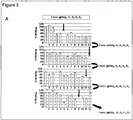
- Figures 3A, 3B and 3C show the ELISA competition binding assays. Percentage inhibition of acetylated peptides and/or modified peptides (that is peptides conjugated to either acetyl or other groups) are shown respectively in Tables II and III (which use standard single letter amino acid residue codes).
- HEK-293 Human Embryonic Kidney (HEK-293) were cultured in Dulbecco's modified Eagle's medium (DMEM) supplemented with 10% fetal calf serum (FCS), 100 units/ml penicillin, 100 mg/mL streptomycin, and 1% glutamine.
- DMEM Dulbecco's modified Eagle's medium
- FCS fetal calf serum
- HEK-293 cells (2.2x10 6 ) were seeded onto 10 cm 2 tissue-culture dishes, and the following day, were transfected with pcDNA-FLAG-MKK7 and pcDNA-HA-Gadd45 ⁇ plasmids, using a standard Ca 3 (PO4) 2 precipitation technique ( Papa, S et al., (2004) Nat. Cell Biol. 6, 146-153 ).
- the cells were washed once with PBS, then resuspended and incubated for 30 min at 4°C in lysis buffer (20 mM HEPES, 350 mM NaCl, 20% glycerol, 1 mM MgCl 2 , 0.2 mM EGTA, 1 mM DTT, 1 mM Na 3 VO 4 , and 50 mM NaF) supplemented with protease inhibitors (1 mM phenylmethylsulfonylfluoride, 10 ⁇ M chymostatin, 2 ⁇ g/ml aprotinin, and 2 ⁇ g/ml leupeptin) with occasional gentle shaking. The lysed cells were collected and then centrifuged at 45,000xg for 40 min. The resulting cleared cell lysates were used for further analysis.
- protease inhibitors (1 mM phenylmethylsulfonylfluoride, 10 ⁇ M chymostatin, 2 ⁇ g/ml
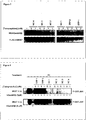
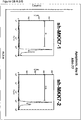
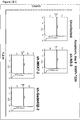
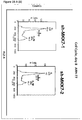
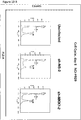
- Results are presented in Figure 5 . It can be seen from the western blots presented in Figure 5 that there was a strong interaction between Gadd45 ⁇ and MKK7 when co-immunoprecipitation was performed with lysates from HEK-293 cells transiently expressing HA-Gadd45 ⁇ and FLAG-MKK7 and an anti-FLAG antibody (specifically binding to FLAG-tagged MKK7). This result was obtained when co-immunoprecipitations were performed either in the absence of tetrapeptides or in the presence of negative control (NC) D-tetrapeptides NC1, NC2, NC2 or NC4.
- NC negative control
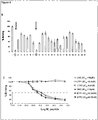
- ELISA were performed as described in Figure 3 C. Briefly, 100 ⁇ l of 42 nM of recombinant GST-MKK7 in ELISA buffer (25mM Tris pH 7.5, 150 mM NaCl, 1 mM DTT, 1 mM EDTA) were coated onto wells of 96-well plates by overnight incubation at 4°C.
- Figure 3C shows that the activities of DTP 1 and DTP2 are comparable to those of their corresponding L-enantiomers (i.e. LTP1 and LTP2, respectively) in inhibiting the formation of the Gadd45 ⁇ /MMK7 complex, as shown by a comparison the IC 50 s of DTPs and LTPs in ELISA competition assays.
- Figure 4 shows that no loss of activity occurs after a 48-hr incubation of Z-DTP1 or Z-DTP2 with human serum at 37°C. Indeed, the data show that after this pre-incubation, Z-DTPs but not Z-LTPs fully retain their ability to disrupt the Gadd45 ⁇ -MKK7 interaction in ELISA competition assays.
- Example 6 Determination of the IC 50 s of Z-DTPs in a panel of multiple myeloma cell lines
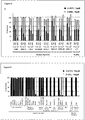
- the cells from the 8 multiple myeloma cell lines (out of the 9 multiple myeloma cell lines tested) that were sensitive to Z-DTP-induced killing (i.e. U266, KMS-11, NC1-H929, ARH-77, JJN-3, KMS-12, KMS-18, KMS-27 cells; see also Figs. 8A, 8B , 8C , and 12 ) were treated with increasing concentrations (ranging from 0.01 to 10 ⁇ M) of Z-DTP1 or Z-DTP2 for 24, 72 or 144 hrs, as shown in Table IV.
- Z-DTP-induced killing i.e. U266, KMS-11, NC1-H929, ARH-77, JJN-3, KMS-12, KMS-18, KMS-27 cells; see also Figs. 8A, 8B , 8C , and 12
- Z-DTP-induced killing i.e. U266, KMS-11, NC1-H929, ARH-77, JJ
- Example 8 Cultures of multiple myeloma cells and treatments with Z-DTPs were carried out as described in Example 8 (see below).
- the effects of Z-DTPs on the survival/proliferation of multiple myeloma cells were evaluated by the use of [ 3 H]thymidine) incorporation assays, performed as also described in Example 8.
- the amount of cell proliferation measured with each of the Z-DTPs' concentrations used and with the untreated cultures i.e. cultures incubated with medium alone
- the mean concentrations of Z-DTP1 and Z-DTP2, as well as of their derivatives e.g.
- IC 50 50% inhibition of cell proliferation relative to the cell proliferation recorded with the untreated cultures were then determined.
- the IC 50 s of Z-DTP1 and Z-DTP2 calculated for the 8 sensitive multiple myeloma cell lines tested at the times shown (i.e. day 1, 3 and 6) are reported in Table IV.
- the IC 50 s of these two compounds, as well as those of 31 additional compounds (including those of Z-DTP2 derivatives such as mDTP3), calculated in KMS-11 and/or KMS-12 multiple myeloma cells at day 1, 3 and 6 are reported in Table V.
- Z-DTP1 and Z-DTP2 markedly decreased [ 3 H]-TdR uptake in all the multiple myeloma cell lines tested in a dose-dependent fashion (except that in the RPMI-8226 cell line, which display very low levels of Gadd45 ⁇ ; further discussed below; see Figure 12 ) (see also Figures 8A, 8B , 8C , and 12 ) . Similar results were obtained in these multiple myeloma cell lines when the IC 50 s of Z-DTP1 and Z-DTP2 were calculated using Trypan blue exclusion assays (measuring cell viability) (data not shown).
- the Z-DTP2 derivative, mDTP3 was tested in KMS-11 and KMS-12 cell lines, and showed an improved cellular activity in these cell lines compared to Z-DTP1 and Z-DTP2, with IC 50 s of 16 nM and 25 nM, respectively, at day 6, compared to the IC 50 s of Z-DTP1 (i.e. 316 nM and 10.1 nM, respectively) and Z-DTP2 (i.e. 66 nM and 10 nM, respectively) (see Table V ) (see also Figures 20A, 20B, and 20C ).
- the active DTPs but not negative control Z-DNCs, have strong cytotoxic activity in most multiple myeloma cell lines.
- our most recent derivatives e.g. mDTP3 retain high potency in vitro, but show improved cellular activity in multiple myeloma cells, with substantially reduced MW ( ⁇ 500 versus >700), hence increased ligand efficiencies (see Table V ) (see also Figure 13 ).
- transient transfection of pcDNA-FLAG-MKK7 in HEK-293 cells was performed using the method of Ca 3 (PO 4 ) 2 precipitation, essentially as described in Papa, S et al., (2004) Nat. Cell Biol. 6, 146-153 and references therein. 36 hrs after transfection, the cells were treated with 100 ng/ml phorbol 12-myristate 13-acetate (PMA) and 1 ⁇ M ionomycin for 30 min at 37°C. Cell extracts were prepared as described in example 4 and used for immunoprecipitation with anti-FLAG antibodies (binding to FLAG-MKK7) as described in Papa, S et al., (2004) Nat. Cell Biol. 6, 146-153 and references therein.
- PMA phorbol 12-myristate 13-acetate
- MKK7 catalytic activity was finally measured in kinase assays by incubating FLAG-MKK7 immunoprecipitates at 30°C for 20 min with 20 ⁇ l of kinase buffer containing 2 ⁇ M of recombinant GST-JNK1 and 5 ⁇ Ci of [ ⁇ - 32 P]ATP) (kinase reaction), as described in Papa, S et a., (2004) Nat. Cell Biol. 6, 146-153 and references therein.
- FLAG-MKK7 immunoprecipitates were 1) first pre-incubated for 10 min at 30°C with either 1 nM or 5 nM of DTP1, DTP2 or negative control (NC) D-tetrapeptides, NC1, NC2, NC3 and NC4, and 2) then incubated for another 10 min at 30°C with or without 5 ⁇ M of a GST-fusion protein of recombinant human (h)Gadd45 ⁇ (GST-hGadd45 ⁇ ; purified from bacterial lysates as described in Papa, S., (2007) J. Biol. Chem. 282, 19029-19041 ), before using them for the kinase reaction described above, as indicated in Figure 6 .
- kinase reactions were terminated by the addition of Laemmli sample buffer. Proteins were then resolved by 10% SDS-PAGE, and MKK7 kinase activity revealed by autoradiography.
- MKK7 kinase assay conditions the reader is directed to Papa, S et al., (2007) J. Biol. Chem. 282, 19029-19041 and Papa, S et al., (2004) Nat. Cell Biol. 6, 146-153 and the references therein.
- Results are shown in Figure 6 wherein the intensity of a band corresponds to the degree of MKK kinase activity measured, as this intensity is proportional to the amount of [ ⁇ - 32 P]ATP) incorporated by MKK7 into its substrate, GST-JNK1.
- incubation with DTP1 or DTP2 effectively and specifically disrupted the Gadd45 ⁇ interaction with MKK7 and as a consequence, as can be seen from Figure 6 , fully restored the catalytic activity of MKK7, whereas incubation with negative control (NC) tetrapeptides NC1, NC2, NC3 or NC4 did not ( Figure 6 , top panels).
- NC negative control
- Example 8 Specific killing of tumour cell lines featuring constitutive NF- ⁇ B activity and/or high levels of Gadd45 ⁇ expression by tetrapeptides
- control tetrapeptides that is Z-DNC, Z-LNC, and Ac-DNC
- in vitro bioactive lead tetrapeptides that is Z-DTP1, Z-DTP2, Z-LTP2 and Ac-DTP2
- tumour cell lines tested include: the multiple myeloma cell lines U266, KMS-11, NC1-H929, ARH-77, JJN-3, KMS-12, KMS-18, KMS-27, RPMI-8226; the diffuse large B-cell lymphoma cell lines LY-3 and SUDHL6; the Burkitt's lymphoma cell lines BJAB, ST486, RAJI, RAMOS, Namalwa, and HS-SULTAN; the pro-monocytic leukaemia cell line U937; the T-cell leukaemia and lymphoma cell lines JURKAT, HUT-78, MT-2, MT-4, MOLT4, MT2-HTLV-I, and CEM; the breast cancer cell lines MCF7, MD-MDA-231, and MD-MDA-486; the pre-B-cell lymphoma cell lines NALM-6 (human) and 70Z/3 (mouse); the chronic myelogenic leukemia cell line K652; the B
- Tumour cell lines were cultured as described previously ( Zazzeroni et al. 2003, Blood 102: 3270-3279 ) in RPMI-1640 (multiple myeloma, diffuse large B-cell lymphoma, Burkitt's lymphoma, pro-monocytic leukaemia, T-cell leukaemia and lymphoma, pre-B-cell lymphoma, chronic myelogenic leukemia, and B-cell lymphoma cell lines) or DMEM medium (breast cancer and embryonic kidney cell lines) supplemented with 10% fetal bovine serum (FBS), 1% glutamine, 100 U/mL penicillin, and 100 ⁇ g/mL streptomycin in a humidified atmosphere of 5% CO 2 at 37°C.
- FBS fetal bovine serum
- glutamine 100 U/mL penicillin
- streptomycin 100 ⁇ g/mL
- cells were seeded in wells of 96-well plates at a concentration of 1.0x10 4 cells/ml (proliferation assays) or in wells of 24-well plates at a concentration of 4x10 5 cells/ml (apoptosis assays) and cultured for up to 6 days. During this time, cells were cultured in medium alone (untreated cultures) or in medium supplemented with either control (e.g. Z-DNC) or active (e.g.
- Z-DTP2 tetrapeptides (treated cultures) to achieve a final concentration of the tetrapeptides in the cultures of 10 ⁇ M or 100 ⁇ M, as indicated.
- proliferation inhibition assays aimed at assessing the effects of the tetrapeptides on survival/proliferation of tumour cells, cultures were analyzed daily by either Trypan blue exclusion (discriminating between live and dead cells) and cell counting (data not shown) or [ 3 H]thymidine incorporation assays ( Figures 7A , 7B , 7C , 8A , 8B , 8C and 9 ) , as indicated.
- Z-DTP2, Z-LTP2 and Ac-DTP2 yielded similar results to Z-DTP1, Z-LTP1 and Ac-DTP1, respectively, in these survival/proliferation assays, albeit Z-DTP2 exhibited a slightly higher activity than Z-DTP1 (data not shown; see also Table IV) .
- cells (4x10 5 cells/ml) were cultured in 24-well plates for 72 or 144 hrs as indicated in Figure 10 , then washed twice in 1X phosphate buffer saline (PBS) and fixed with 70% ice-cold ethanol for 16 hrs at -20°C, after which they were subjected to centrifugation and subsequently resuspended in 1X PBS containing 100 ⁇ g/mL of RNAase A. After this step, the cells were incubated at room temperature for 30 min and subjected to centrifugation, then resuspended in 50 ⁇ g/mL of PI, and incubated for another 45 min at 4°C in the dark.
- Flow cytometry FC was finally performed using a FACsCalibur automated system, and the data were analyzed using the FlowJo software.
- the sensitivity of cancer cell lines to Z-DTP-induced killing was analyzed as described above by performing [ 3 H]thymidine incorporation assays after treatment of the cells with 10 ⁇ M of Z-DTP2 for 144 hrs. Also shown in Figure 12 is the correlation plot of mRNA Gadd45 ⁇ expression versus the percentage of cell survival after treatment with Z-DTP2. The significance of the correlation coefficient between the 2 parameters' domain was calculated by Pearson correlation, which quantifies the association between two variables, using the GraphPad software.
- the KMS 11 and NCI-H929 multiple myeloma cell lines were cultured in 6-well plates at 5x10 5 cells/well in complete RPMI-1640 medium as described above, and treated with 10 ⁇ M of Z-DTP2 or of the negative control tetrapeptide, Z-DNC, for 3, 6, 12 or 24 hrs ( Figure 11 ).
- cell lysates were prepared essentially as described in Example 4 and Western blots were performed using an anti-phospho(P)-JNK-specific antibody.
- the methodology used for Western blot analyses is described in the references by De Smaele, et al. (2001) Nature 414:306-313 ; Papa, S et al., (2004) Nat. Cell Biol.
- Figures 7A , 7B and 7C show that Z-protected derivatives of DTP2 (Z-DTP2), but not of acetly derivatives (Ac-DTP2) or ofL-isomers of Z-DTP2 (Z-LTP2), nor the negative control tetrapeptides, Z-DNC, Ac-DNC and Z-LNC, markedly inhibit the proliferation of three representative multiple myeloma cell lines out of the 8 susceptible multiple myeloma cell lines tested (i.e. U266, KMS-11, and NCI-H929), of the Burkitt's lymphoma cell line, BJAB, and of the pro-monocytic leukemia cell line, U937 (see also Figs.
- the cells were cultured with 10 ⁇ M of either Z-DTP2 or Z-DNC ( Figure 7A ), Ac-DTP2 or Ac-DNC ( Figure 7B ), and Z-LTP2 or Z-LNC ( Figure 7C ) as indicated.
- [ 3 H]-tTdR incorporation (measuring DNA synthesis) of treated cells was measured and compared to that of cells cultured with media alone. The data are expressed as the percentage of c.p.m.
- Z-LTPs' in vitro potency and cellular uptake were comparable to those of Z-DTPs (see Figure 3C ; also data not shown), Z-LTP2 showed low activity in multiple myeloma cells ( Figure 7C ), due to low stability in biological fluids (see Figure 4 ).
- a similar inhibition of cell proliferation was observed in the tumour cell lines treated with Z-DTP1, but not in those treated with Ac-DTP1 or Z-LTP1 (data not shown)-despite that (as also seen with DTP2 derivatives) these two latter compunds exhibited comparable potency to Z-DTP1 in vitro (see Figures 3C and 4 ).
- FIGS 8A , 8B and 8C we examined the effects of D-tetrapetide treatment on the proliferation of a larger panel of multiple myeloma cell lines (i.e. U266, KMS-11, JJN-3, NCI-H929, ARH-77, KMS-27, KMS-18, KMS-12, and RPMI-8226).
- Other other tumour cell lines tested include the diffuse large B-cell lymphoma cell lines, LY-3 and SUDHL6, the Burkitt's lymphoma cell lines, BJAB, ST486 and RAJI, and the pro-monocytic leukemia cell line, U937.
- the cells were treated with 10 ⁇ M of either Z-DTP2, Z-DTP1 or Z-DNC, as shown, for the times indicated (i.e. 24, 72 or 144 hrs).
- [ 3 H]Thymidine incorporation of treated cells was measured as in Figure 7 and compared to that of cells cultured with media alone. The data are expressed as the percentage of c.p.m. observed with tumour cells treated with Z-DTP2 or Z-DTP1 (filled columns), or with Z-DNC (empty columns) relative to the c.p.m. measured with untreated cells.
- Figure 8A shows that Z-DTP2, but not Z-DNC, markedly inhibits the survival/proliferation of 8 out of 9 multiple myeloma cell lines tested (i.e.
- SUDHL6 SUDHL6 subtype, which does not feature constitutive NF- ⁇ B activation ( Ngo VN, et al. Nature 441(7089):106-10 ; see also Figure 12 ). It also showed potent cytotoxic activity of Z-DTPs in the vast majority of the multiple cell lines tested - all of which depend on NF- ⁇ B for survival. As shown in Figures 8B and 8C , the inhibitory effects of Z-DPT1 and Z-DTP2 on tumour cell proliferation increased with time - maximal inhibition of proliferation was observed after tetrapeptide treatment for 144 hrs, albeit these effects were already apparent after treatment for 24 hrs.
- Z-DTP2 exhibited no cytotoxicity in the T-cell leukaemia and lymphoma cell lines, JURKAT, HUT-78, MT-2, MT-4, MOLT4, MT2-HTLV-I, and CEM, the Burkitt's lymphoma cell lines BJAB, ST486, RAJI, RAMOS, Namalwa, and HS-SULTAN, the breast cancer cell lines MCF7, MD-MDA-231, and MD-MDA-486, the pre-B-cell lymphoma cell lines NALM-6 and 70Z/3, the B-cell lymphoma cell lines KARPAS and A20, the chronic myelogenic leukemia cell line K652, the human embryonic kidney cell line HEK-293T, and the multiple myeloma cell line RPMI-8226 (see aso Figure 12 ).
- FIG 9 Also shown in Figure 9 are the sensitive cell lines BJAB (Burkitt's lymphoma), KMS-11 and KMS-12 (multiple myeloma). Notably, there was a strong correlation in these cell lines also between sensitivity to Z-DTP2-induced killing and levels of endogenous Gadd45 ⁇ expression (see Figure 12 ).
- the embedded panels show the percentage of cells exhibiting propidium iodide (PI) staining indicative of a sub-Gi amount of DNA (i.e. cells which are either dead or dying by apoptosis), after treatment for the indicated times (i.e. 72 or 144 hrs) with either culture medium alone (untreated) or culture medium delivering a 10 ⁇ M final concentration of either Z-DTP2 or Z-NC1.
- the percentages of apoptotic cells are depicted in the histograms. Shown are the five representative sensitive multiple myeloma cell lines, NCI-H929, KMS-11, ARH-77, JJN-3, and U266. As it can be seen, Z-DTP2-induced killing of multiple myeloma cells is due to the triggering of apoptosis, and the portion of apoptotic cells seen after cell exposure to this compound increases with the time of treatment.
- PI propidium iodide
- FIG 11 shows that Z-DTP2 treatment causes strong activation of JNK in multiple myeloma cell lines.
- JNK activation was monitored at the indicated times by western blotting using an anti-phospho(P)-JNK-specific antibody. It can be seen that JNK phosphorylation (a marker of JNK activation) only increases after treatment with Z-DTP2, but not after treatment with Z-protected negative control peptide (Z-DNC). Indeed, Z-DTP2 caused an even stronger activation of JNK than TNF ⁇ stimulation did (2,000 U/ml) - our positive control.
- Figures 12A and 12B show that the sensitivity of cancer cell lines to Z-DTP-induced killing correlates with a very high degree of statistical significance with levels of endogenus Gadd45 ⁇ expression (p ⁇ 0.01).
- Gadd45 ⁇ mRNA expression was assessed in a panel of 29 cancer cell lines by using qRT-PCR assays ( Figure 12A , top panel, red columns). Values were normalized to ⁇ -actin. Viability/proliferation in the same cancer cell lines was determined by perfoming [ 3 H]thymidine incorporation after treatment with 10 ⁇ M of Z-DTP2 for 144hrs. These results are shown in the bottom panel of Figure 12A (black columns). The values reported here represent the percentage of c.p.m.
- Figure 12B shows the correlation plot of Gadd45 ⁇ expression versus the percentage of cell survival/proliferation observed after treatment with Z-DTP2 for the same experiment shown in Figure 12A .
- the significance of the correlation coefficient between the 2 parameters' domain is very high (p ⁇ 0.01) (Pearson correlation, which quantifies the association between two variables, calculated using the GraphPad software). This is a key issue for the development of a successful therapy in man.
- Example 9 IC 50 s in vitro and in cells of a panel of Z-DTPs' derivatives
- Z-DTP2 already shows high stability, high solubility, sub-nM activity in vitro , and good activity in multiple myeloma cells (primary and cell lines) and other cencer cells, with high target specificity and no toxicity in normal cells (see Figures 3C , 4 , 8 , 9 , 12 , 14 and 15 ; see also Table IV; data not shown). It also exhibits excellent starting DMPK and safety profiles in vivo (single i.v. bolus dose in mice) (see Tables VIII and IX ).
- mDTP3 and mDTP4 retain high potency in vitro, but show improved killing activity in multiple myeloma cells, with substantially reduced MW ( ⁇ 500 vs >700), hence increased ligand efficiencies ( Figure 13 ).
- N-terminal acetylation was carried out by treatment with 10% acetic anhydride in dimethylformammide (DMF) containing 5% DIEA (di-isopropyl-ethylamine).
- DMF dimethylformammide
- DIEA di-isopropyl-ethylamine
- Z-OSu Benzyloxycarbonyl-N-hydroxysuccinimide
- RP preparative reverse phase
- X 1 was benzoic acid
- X 2 was benzylic acid
- Y 1 was aniline
- Y 2 was benzylamine
- Y 3 was phenetylamine.
- the compounds were all dissolved in DMSO at the stock concentration of 5 mM, and aliquots were then serially diluted in buffer to achieve the concentrations indicated for the ELISA competition assays. Proteins were prepared as reported in Tornatore L., et al. (2008). J Mol Biol;378:97-111 .
- the ELISA competition binding assays were performed as reported in the reference by Tornatore L., et al. (2008). J Mol Biol;378:97-111 (see also the Methods described in Examples 2 and 3), using peptides at increasing concentrations, ranging between 0.01 nM and 10 nM. Briefly, GST-MKK7 was immobilized at 42 nM onto wells of 96-well microtiter plates. Competing componds were preincubated with biotin-hGadd45 ⁇ (21 nM) and then incubated with the coated kinase. For each compound, the IC 50 in vitro was calculated as the concentration resulting in a 50% reduction of Gadd45 ⁇ binding to MKK7 relative to the binding observed in the absence of competitors.
- Table V Shown in Table V are the IC 50 values in vitro and in cells of a panel of tetra- and tripeptides designed on the basis of the consensus sequences, Tyr-Glu-Arg-Phe and Tyr-Asp-His-Phe, derived from the library screening and lead optimization chemistry.
- IC 50 s for a group of selected compounds were determined using a [ 3 H]thymidine incorporation assays in KMS-11 and KMS-12 myeloma cells lines to assess the tumouricidal activities of the compounds.
- IC 50 s of the indicated compounds in cells were determined after a treatment for 1, 3 or 6 days.
- Z denotes a benzyloxycarbonyl group.
- the 33 compounds described in this Example were all screened in vitro, in ELISA competition assays, for their ability to disrupt the Gadd45 ⁇ /MKK7 interaction ( Table V ). Most of these compounds - except for compounds 18, 20, 21, 22, 32, and 33 - were also screened in cells, using a [ 3 H]thymidine incorporation assays in KMS-11 and/or KMS-12 multiple myeloma cells lines, and their IC 50 s in these cells determined at day 1, 3 and 6. As it can be seen in Table V, compounds 1, 2, 3, 4, 5, 6, 7, 9, 15 and 17 were tested in both cell lines. Compounds 15 and 19 were only tested in KMS-12 cells. Compounds 10, 11, 12, 13, 14, 23, 24, 25, 26, 27, 28, 29, 30, and 31 were only tested in the KMS-11 cell line. Compounds 18, 20, 21, 22, 32, and 33 were not tested in cells due to their relatively low activity in vitro.
- Table V shows that the IC 50 s in vitro of the compounds tested ranged between 100 pM (see compound 7, X 2 -Asp-His-Y 3 ; compound 15, X 2 -Glu-Arg-Y 3 ; and compound 19, Z-Tyr-Arg-Phe) and > 10 nM (see compounds 24, 27, 30, 31, 32, and 33).
- the activities of the compounds that were in vitro were often reflected on their activities in cells, although some of the compounds active in vitro had relatively low activity in cells, plausibly due to their poor cellular uptake, e.g.
- a panel of 18 additional compounds was designed on the basis of the lead tripeptide sequence, Tyr-Arg-Phe (i.e. mDTP3), in order to investigate the relevance to bioactivity of: 1) the distance between the two aromatic rings; 2) the properties of the amino acid in the central position; 3) the occurrence the acetyl group at the N-terminus; 4) and the presence of substituents of the aromatic rings (see Table VI ). All compounds were prepared by a solid phase method following classical Fmoc/tBu chemistry (as described in the reference by Fields GB, Noble RL. Solid phase peptide synthesis utilizing 9-fluorenylmethoxy-carbonil amino acids. Int. J. Pept. Protein Res. 1990;35:161-214 ).
- N-terminal acetylation was carried out by treatment with 10% acetic anhydride in dimethylformammide (DMF) containing 5% DIEA (di-isopropyl-ethylamine).
- DMF dimethylformammide
- DIEA di-isopropyl-ethylamine
- Compounds were cleaved from the resin by using TFA (trifluoroacetic acid) and scavengers treatment, then were purified to homogeneity by preparative reverse phase (RP)-PLC. Compound identity and purity were assessed by LC-MS and NMR analyses. Compounds were purified using RP-HPLC, then all were dissolved in DMSO at the stock concentration of 5 mM and stored until they were used.
- ELISA competition binding assays were performed as reported in the reference by Tornatore L., et al. (2008). J Mol Biol;378:97-111 (see also the Methods in Examples 2 and 3), using peptides at increasing concentrations, ranging between 0.01 nM and 10 nM. Briefly, GST-MKK7 was immobilized at 42 nM onto wells of 96-well microtiter plates. Competing compounds were preincubated with biotin-hGadd45 ⁇ (21 nM) and then incubated with the coated kinase. For each compound, the IC 50 in vitro was calculated as the concentration resulting in a 50% reduction of Gadd45 ⁇ binding to MKK7 relative to the binding observed in the absence of competitors.
- Table VI shows the IC 50 values of a panel of 18 tripeptides and dipeptides designed on the basis of mDTP3 (Ac-D-Tyr-D-Arg-D-Phe).
- Compounds were designed to investigate the influence on bioactivity of the following parameters: 1) the distance between the two aromatic rings at the N- and C-termini (see compounds A1, A1 bis, A3, A6, A7, and A8); 2) the properties of the amino acid in the central position (see compounds B2, B13, B16, B16 bis, O5, and 05 bis); 3) the presence or absence of a hydroxyl group on the aromatic ring of the residues at positions 1 and 3 (see compounds A9, O1, 03, O5, 05 bis, 06, 07, and 08); the occurrence of an acetyl group at the N-terminus (see compounds A9 and 07; B16 and B16 bis; O1 and 08; 03 and 06; 05 and 05 bis).
- the 18 additional compounds were tested for activity in vitro using ELISA competions assays and increasing compound concentrations, ranging from 0.01 nM to 100 nM.
- Table VI all the dipeptides tested were inactive regardless of the occurrence of a Phe or Tyr amino acid at either the N-terminus or the C-terminus (see compounds A1, A1 bis, A7 and A8).
- the introduction of a spacers longer than an alpha-amino acid in the central position of the tripeptides also resulted in loss of activity in vitro (see compounds A3 and A6, carrying a ⁇ -alanine and an ⁇ -caproic acid in the middle position, respectively).
- Example 11 Lentiviral infections establishing the essential role of Gadd45 ⁇ in multiple myeloma cell survival
- sh-Gadd45 ⁇ -1, sh-Gadd45 ⁇ -2, sh-Gadd45 ⁇ -3, sh-MKK7-1, and sh-MKK7-2) and the non-specific control sequences, sh-NS-1 and sh-NS-2 were introduced between the BamH1 and HpaI restriction sites of the lentiviral vector, LentiLox3.7 (see the reference by Yang et all 2006 PNAS 103, 10397-10402 ).
- the production of high-titer lentiviral preparation in HEK-293T cells were performed using essentially the same conditions described in the references by Pham et all 2004 Cell 116, 529-542 and by Yang et all 2006 PNAS 103, 10397-10402 .
- the five representative Z-DTP-sensitive multiple myeloma cell lines, ARH-77, NCI-H929, U266, KMS11 and KMS12, and the Z-DTP-resistant multiple myeloma cell line, RPMI-8226 were infected with LentiLox3.7 lentiviruses, as reported in published protocols essentially as described in the reference by Yang et all 2006 PNAS 103, 10397-10402 .
- eGFP ⁇ multiple myeloma cells were sorted using a BD FACSAriaTM II cell sorter, then left to rest for 2 days before beginning the analyses of cell survival and cell proliferation.
- the viability of the infected multiple myeloma cells was monitored over a period of 8 days by performing flow cytometry - measuring the expression of enhanced green fluorescent protein (eGFP) (labelling infected cells) - and cell counting ( Figures 16A , 16B , 16C , 17A , 17B ).
- eGFP enhanced green fluorescent protein
- FIGS 18A, 18B, and 18C Apoptosis ( Figures 18A, 18B, and 18C ) and cell cycle distribution ( Figures 19A, 19B, and 19C ) were measured by performing PI nuclear staining assays as described in Riccardi C. and Nicoletti I 2006 Nature Protocols 1, 1458 - 1461 (see also the Methods described in Example 8).
- Figures 16A , 16B , and 16C show that the sh-RNA-mediated silencing of Gadd45 ⁇ expression results in the rapid incution of cell death, leading to reduced proliferation, in the representative Z-DTP-sensitive multiple myeloma cell lines ARH-77 ( Figures 16A ) and NCI-H929 ( Figures 16B ), but not in the Z-DTP-resistant multiple myeloma cell line, RPMI-8226 ( Figures 16C ).
- eGFP + that is lentivirus-infected
- eGFP + that is lentivirus-infected
- eGFP + multiple myeloma cells at the times indicated relative to the viability of eGFP + multiple myeloma cells in the same culture at day 0.
- Cells were infected with pLentiLox.3.7 lentiviruses expressing the indicated sh-RNAs and eGFP, using standard methods (as reported in Yang H et al., Proc Natl Acad Sci USA. 2006 Jul 5;103(27):10397-402 ).
- FIGS. 17A and 17B showing that the sh-RNA-mediated silencing of Gadd45 ⁇ , but not that of MKK7, has potent inhibitory activity on the survival/proliferation only of multiple myeloma cell lines that are susceptible to Z-DTPs-induced killing (e.g. the ARH-77 and NCI-H929 cell lines; see also Figs. 7 and 8 , sensitivity to Z-DTP-induced killing).
- the viability of the Z-DTP-resistant multiple myeloma cell line, RPMI-8226 was completely unaffected by sh-RNA-mediated Gadd45 ⁇ inhibition.
- FIGS 17A and 17B Cell proliferation/survival in Figures 17A and 17B were determined by the use of [ 3 H]Thymidine incorporation assays, performed as described in Examples 6 and 8. Shown in Figure 17A is the viability of the three representative multiple myeloma cell lines, RPMI-8226, NCI-H929 and ARH-77, after the silencing of Gadd45 ⁇ or MKK7.
- Figure 17B shows the viability/proliferation of the multiple myeloma cell line, ARH-77, after the silencing of Gadd45 ⁇ or MKK7 using three different Gadd45 ⁇ -specific sh-RNAs (sh-Gadd45 ⁇ -1, sh-Gadd45 ⁇ -2, or sh-Gadd45 ⁇ -3), two different MKK7-specific sh-RNAs (sh-MKK7-1 or sh-MKK7-2), and two different non-specific sh-RNAs (sh-NS-1 or sh-NS-2).
- FIGS. 18A, 18B, and 18C show that the sh-RNA-mediated silencing of Gadd45 ⁇ effectively induces apoptosis in the Z-DTP-sensitive multiple myeloma cell lines, ARH-77 ( Figure 18A ) and NCI-H929 ( Figure 18B ), but not in the Z-DTP-resistant multiple myeloma cell line, RPMI-8226 ( Figure 18C ) (see also Figs. 16 and 17 , sh-RNA-mediated silencing; Figs. 7 , 8 , and 12 , multiple myeloma cell line sensitivity to Z-DTP-induced killing and levels of Gadd45 ⁇ expression).
- Apoptosis induction in Figures 18A , 18B , and 18C was determined by the use of PI nuclear staining assays, performed as described in Example 8. These data demonstrate that the inhibition of multiple myeloma cell survival/prolifeation caused by the down-regulation of Gadd45 ⁇ expression observed in Figures 16 and 17 was due to the induction of programmed cell death mediated by the apoptosis pathway.
- the levels of apoptosis induced by the different Gadd45 ⁇ -specific sh-RNAs (that is sh-Gadd45 ⁇ -1, sh-Gadd45 ⁇ -2, and sh-Gadd45 ⁇ -3) correlated with the levels of Gadd45 ⁇ downregulation induced by each of these Gadd45 ⁇ -specific sh-RNAs ( Figures 18A ; also data not shown).
- FIGs 18A, 18B, and 18C further establish the target specificity of Z-DTPs for the Gadd45 ⁇ /MKK7 complex in multiple myeloma cells (see also Figures 7 , 8 and 9 , killing assays with Z-DTPs; Figure 12 , statistically significant correlation between Gadd45 ⁇ expression and cancer cell sensitivity to Z-DTP-induced killing; Figures 16 and 17 , induction of multiple myeloma cell line killing by the downregulation of Gadd45 ⁇ , but not of MKK7), and confirm the essential role that Gadd45 ⁇ plays in multiple myeloma cell survival. Together, they further validate Gadd45 ⁇ as therapeutic target in multiple myeloma.
- Figures 19A, 19B, and 19C show that the sh-RNA-mediated silencing of either MKK7 or Gadd45 ⁇ does not affect cell-cycle distribution in multiple myeloma cell lines.
- the representative lentivirus-infected multiple myeloma cell lines shown - that is ARH-77 ( Figure 19A ), NCI-H929 ( Figure 19B ), and RPMI-8226 ( Figure 19C ) - are from the same experiment exhibited in Figure 18 .
- the cell cycle analyses shown in Figures 19A, 19B, and 19C were performed by the use of PI nuclear staining assays, carried out as described in Example 8 (see also Figure 18 ).
- PI staining that is FL2-A
- PI staining that is FL2-A
- PI staining that is FL2-A
- PI staining that is FL2-A
- PI staining that is FL2-A
- the percentages of multiple myeloma cells in the different phases of the cell cycle that is G 1 , S, and G 2 /M are depicted in the histograms.
- Example 12 The downregulation of MKK7 expression renders normally sensitive multiple myeloma cell lines completely refractory to Z-DTP-induced killing
- the MKK7-targeting sh-RNA sequences and the non-specific control sequences were introduced between the BamH1 and HpaI restriction sites of the lentiviral vector, LentiLox3.7, as described in Example 11 (see the reference by Yang et all 2006 PNAS 103, 10397-10402 .
- the production of hig-titer lentiviral preparation in HEK-293T cells were performed using essentially the same conditions described in the reference by Yang et all 2006 PNAS 103, 10397-10402 .
- the representative Z-DTP-sensitive multiple myeloma cell line, ARH-77 was infected with LentiLox3.7 lentiviruses expressing either MKK7-specific sh-RNAs (sh-MKK7) or non-specific sh-RNAs (sh-NS), as reported in published protocols essentially as described in the reference by Yang et all 2006 PNAS 103, 10397-10402 .
- eGFP ⁇ ARH-77 cells were sorted using a BD FACSAriaTM II cell sorter.
- lentivirus-infected multiple myeloma ARH-77 cells were treated with either Z-DTP1, Z-DTP2, mDTP3 or Z-NC for 72 hrs at 37°C, or were cultured under the same conditions in the absence of peptide treatment, as described in Example 8.
- the treatments with Z-DTP1, Z-DTP2, mDTP3 and Z-NC were carried out at the following final peptide concentrations: 0.01 ⁇ M, 0.03 ⁇ M, 0.1 ⁇ M, 0.3 ⁇ M, 1 ⁇ M, 3 ⁇ M, and 10 ⁇ M.
- ARH-77 survival/proliferation was determined by performing [ 3 H]thymidine incorporation assays as described in Examples 6 and 8. The results from these experiments were expressed as the percentages of survival/proliferation (i.e. c.p.m.) observed in lentivirus-infected multiple myeloma cells treated with Z-DTP1, Z-DTP2, mDTP3 or Z-NC relative to the survival/proliferation of the respective lentivirus-infected cells in the absence of peptide treatment.
- Figures 20A, 20B, and 20C show that the sh-RNA-mediated silencing of MKK7 renders the representative Z-/mDTP-sensitive cell line, ARH-77, completely resistant to Z-/mDTP-induced killing.
- the [ 3 H]thymidine incorporation assays depicted in these Figures show the IC 50 s of D-isomer negative control tetrapeptide (Z-DNC) ( Figures 20A, 20B, and 20C ), Z-DTP1 ( Figure 20A ), Z-DTP2 ( Figure 20B ), and mDTP3 ( Figure 20C ) in ARH-77 multiple myeloma cells expressing either MKK7-specific (sh-MKK7) or non-specific sh-RNAs (sh-NS).
- Z-DNC D-isomer negative control tetrapeptide
- IC 50 s were calculated as described in Example 6, using increasing concentrations ofZ-DNC ( Figures 20A, 20B, and 20C ), Z-DTP1 ( Figure 20A ), Z-DTP2 ( Figure 20B ), and mDTP3 ( Figure 20C ), ranging from 0.01 to 10 ⁇ M.
- BMSCs bone marrow stromal cells
- PBMNCs peripheral blood mononuclear cells
- MSCs mesenkymal stem cells
- BMSCs, PBMNCs, and MSCs cells were then treated for the times indicated and with the peptide concentrations specified in Figure 15A and 15B .
- B and T cells were then activated by simulation with 1 ng/mL of LPS for 16 hrs and subsequently treated with 100 ⁇ M of Z-DTP1, Z-DTP2 or Z-DNC for 72 hrs as shown in Figure 15B .
- Figures 14A, 14B , 14C, 14D , and 14E show that Z-DTP1 and Z-DTP2, but not Z-DNC, exhibit strong cytotoxic activity in primary multiple myeloma cells isolated from 5 representative patients.
- Each panel depicts the data obtained with multiple myeloma cells from a different patient - that is patient 1 ( Figure 14A ), patient 2 ( Figure 14B ), patient 3 ( Figure 14C ), patient 4 ( Figure 14D ), and patient 5 ( Figure 14E ).
- Treatments with Z-DTP2, Z-DTP1 and Z-DNC were at the concentrations indicated (i.e. 1 ⁇ M or 10 ⁇ M), for 48 hrs. Assays were performed using trypan blue exclusion.
- Figures 15A and 15B show that Z-DTP1 and Z-DTP2 exhibit no toxicity to normal primary cells of either mouse or human origin, even when used at very high concentrations - that is 100 ⁇ M.
- the primary cells tested included normal bone marrow stromal cells (BMSCs) ( Figure 15A ), peripheral blood mononuclear cells (PBMNCs) ( Figure 15A ), and mesenkymal stem cells (MSCs) ( Figure 15B ), isolated from multiple myeloma-free individuals, and purified primary B and T lymphocytes isolated from mice ( Figure 15B ).
- BMSCs normal bone marrow stromal cells
- PBMNCs peripheral blood mononuclear cells
- MSCs mesenkymal stem cells
- Z-DTP2 Treatments with Z-DTP2, Z-DTP1 and Z-DNC were at the concentrations indicated, for either: 48 hrs (BMSCs, PBMNCs) ( Figure 15A ), 72 hrs (murine B and T cells) ( Figure 15B ), or 144 hrs MSCs ( Figure 15B ). Assays were performed by using trypan blue exclusion ( Figure 15A ) or [ 3 H]thymidine incorporation ( Figure 15B ). The data presented in Figures 14 and 15 indicate that Z-DTPs have a high in vitro therapeutic indices (i.e. lack ot toxicity in normal cell versus a high toxicity in cancer cells).
- Z-DTP1 and Z-DTP2, but not Z-DNC show strong tumoricidal activity in multiple myeloma cells from patients ( Figure 14 ), but exhibit no toxicity in primary normal cells from healthy individuals or mice ( Figure 15A ), even when used at very high concentrations such as 100 ⁇ M (see Figure 15B ).
- Figure 15A shows that Z-DTPs do not have indiscriminated cytotoxic effects in cells - rather their cytotoxic effects are specific for cancer cells and/or cells featuring high levels of Gadd45 ⁇ expression or activity and/or constitutive high expression or activity of NF- ⁇ B.
- the compounds of the invention also lack toxicity in tumour cell lines such as T-cell leukemia, Burkitt's lymphoma and many others, which do not depend on NF- ⁇ B for survival (even when used at 100 ⁇ M; see Figure 9 ), showing that their activity has inherent specificity for cells with constitutively active NF- ⁇ B. Furthermore, in a large panel of tumour cell lines of different tissues of origin, there is a highly statistically significant correlation between levels of Gadd45 ⁇ expression and sensitivity to Z-/mDTP-induced killing (p ⁇ 0.01; Figure 12 ), thereby establishing the high specificity of the Z-/mDTPs' cytotoxic action for Gadd45 ⁇ .
- the sh-RNA-mediated mediated down-regulation of Gadd45 ⁇ causes apoptosis in Z-/mDTP-sensitive multiple myeloma cell lines (e.g. ARH-77 and NCIH929) with kinetics similar to those seen with Z-/mDTPs, but not in Z-/mDTP-resistant multiple myeloma cell lines (e.g. RPMI-8226), and the sh-RNA-mediated mediated down-regulation of MKK7 causes results in a loss of sensitivity to Z-/mDTP-induced killing in susceptible multiple myeloma cell lines (e.g. ARH-77) (see Figure 20 ).
- mice in contrast to mice lacking core components of the IKK/NF- ⁇ B pathway, gadd45 ⁇ - / - mice are viable and seemingly healthy ( Papa et all 2008 J Clin Invest 118, 1911-1923 ), indicating that (unlike full proteasome/NF- ⁇ B blockade) complete Gadd45 ⁇ inactivation is well tolerated in vivo ( Papa et all 2008 J Clin Invest 118, 1911-1923 ).
- Proteasome inhibitors such bortezomib, and other multiple myeloma therapies also kill multiple myeloma cells by activating JNK ( Chauhan et al 2008 Blood 111, 1654-1664 ), but cannot cure due to low therapeutic indices ( Lauback et al 2009 Leukemia 23, 2222-2232 ; Ludwing et al 2010 Oncologist 15, 6-25 and www.cancecare.on.ca /).
- Targeting the discrete functions of NF- ⁇ B in multiple myeloma survival via Gadd45 ⁇ will enable to dissociate NF- ⁇ B's functions in immunity, inflammation and survival, so provide a safer, more specific therapy that can be tolerated at doses required to cure.
- Z-/mDTPs define an entirely new class of therapeutic agents targeting a novel pathway in multiple myeloma, and potentially other cancers and diseases or disorder that depend on NF- ⁇ B for survival.
- Example 14 Binding properties of mDTP3 to Gadd45 ⁇ and MKK7 proteins in isolation and as part of a Gadd45 ⁇ /MKK7 complex
- binding experiments were performed with mDTP3 to Gadd45 ⁇ , the kinase domain of MKK7 (MKK7 KD ) and to the Gadd45 ⁇ /MKK7 complex using the Surface Plasmon Resonance technique.
- the protein was purified to homogeneity by two subsequent steps of affinity chromatography (Ni-NTA support) and gel filtration (Superdex G75), and then characterized by SDS-PAGE, LC-MS to verify identity and purity, and by Circular Dichroism to assess folding.
- MKK7 KD was immobilized on the Biacore sensorchip via classical EDC/NHS coupling chemistry at pH 5 (protein pI, ⁇ 9) at a flow rate of 5 uL/min. An immobilization level of about 8000 Response Units was achieved. Gadd45 ⁇ , which is an intrinsically acidic protein with a pI of about 4.5, was immobilized at pH 3.5 (6000 RU immobilization levels) on a separate channel. The residual reactive groups on both the Gadd45 ⁇ and MKK7 KD channels were finally inactivated by treatment with ethanolamine. On another channel the same procedure of activation with EDC/NHS and inactivation with ethanolamine was performed.
- This channel was used as reference and the signal deriving from it was considered as blank, and values were accordingly subtracted from the experimental channels detecting Gadd45 ⁇ or MKK7 KD proteins to remove non-specific binding to the chip surface.
- Gadd45 ⁇ (20-200 nM) and MKK7 KD (1-25 nM) at increasing protein concentrations (3 min contact time; 60 ⁇ L). Regeneration was achieved using either 1M NaCl injections (1 min, MKK7 KD -derivatized channel) or 20 mM NaOH (30 sec, Gadd45 ⁇ -derivatized channel).
- Figure 21D shows that when mDTP3 was injected at the low concentrations of either 10 nM or 100 nM, this peptide induced a rapid dissociation of the Gadd45 ⁇ /MKK7 KD complex. As it can also be seen, Gadd45 ⁇ /MKK7 KD complex formation was rapidly recovered after the peptide was washed away. Figure 21D also shows that when mDTP3 was injected at higher concentrations (e.g. 1 ⁇ M), dose-response binding and dissociation curves were recorded, indicating that mDTP3 was binding to either Gadd45 ⁇ and/or to MKK7 KD or to a complex of the two proteins.
- concentrations e.g. 1 ⁇ M
- Example 15 In vivo pharmacokinetical (DMPK) profiles of Z-DTP2 and mDTP3
- Z-DTP2 and Z-mDTP3 were administered intravenously to mice. Blood samples were collected at up to 7 time points after intravenous (i.v.) injection of the compounds over 8 hrs, and plasma was analysed by LC-MS/MS to determine the concentration of the compounds at each time point.
- mice Three male CD1 mice, 25-30 grams each, were dosed per administration route per time-point, per compound.
- the test compound was administered intravenously (at a typical dose level of 10 mg of compound per kg of body weight). Animals were given free access to food throughout the study.
- Plasma samples were centrifuged to obtain the plasma, which was then transferred to a separate labelled container. Aliquots from the individual time points for the three animals were analysed singly. Proteins were precipitated by adding three volumes of methanol and centrifuging for 30 min at 4°C. Aliquots of 100 ⁇ l of the resulting supernatants were diluted with 200 ⁇ l of HPLC grade water in wells of a 96-well plate.
- Standard curves were prepared in blank plasma matrices and treated in an identical manner to the samples.
- the plasma samples were quantified by LC-MS/MS, and the concentration of each compound in the plasma were reported in ⁇ g/mL.
- Pharmacokinetic parameters were calculated employing non-compartmental model analysis, as described in the web site http://www.pharsight.com/main.php
- test compound concentration in plasma samples was measured by LC-MS/MS.
- the data were quantified using a five-point standard curve over a range of 3-3000 ng/mL.
- Proteins were precipitated from 50 ⁇ L aliquots of the individual plasma samples by adding 150 ⁇ L methanol. Following protein precipitation, plasma samples were centrifuged for 30 min at 4 °C. Aliquots of 100 ⁇ L of the resulting supernatant were diluted with 200 ⁇ L of HPLC grade water in a 96 well plate. The test compound was then quantified by LC-MS/MS from a five-point standard curve prepared by spiking plasma with varying concentrations of test compound dissolved in DMSO over a final concentration range of 3-3000 ng/mL (final DMSO concentration 1%) and treated in an identical manner to the test samples as described above.
- Z-DTP2 and mDTP3 both show an initial distributive half-life of approximately 5 min, which could suggest rapid tissue/cellular uptake, but alternatively could suggest binding to plasma proteins. Most importantly, both compounds exhibit very slow elimination from the tissues, which is reflected by a terminal half-life of approximately 8 hrs ( Table VIII and data not shown) (http://www.pharsight.com/main.php and http://www.meds.com/leukemia/idamycin/adriamycin.html and Kupperman et al 2010 Cancer Res 70 1970-1980 ). The data also show that Z-DTP2 and mDTP3 both follow a general linear pharmacokinetic system ( Berezhkovskiy (2007) J Pharm Sci. 96, 1638-52 ), as indicated by the finding that their values of total volume distribution are higher then those of steady state volume distribution (i.e. V ⁇ > Vss).
- Z-DTP2 and mDTP3 show values of total clearance in the range of 66 to 90 mL/ min/kg and of 22 to 27 mL/ min/kg, respectively, suggesting slow metabolic and biliary excretion rates for both compounds ( Table VIII and data not shown).
- Tables IX [A] and IX [B] show the predicted dosing for in vivo administration of Z-DTP2 and mDTP3, respectively, required to achieve systemic therapeutic concentrations of the two compounds.
- the values report the dosing expressed in mg/hr required to obtained the desired steady state plasma concentrations of 1, 5 or 10 ⁇ M for either Z-DTP ( Table IX [ A ]) or mDTP3 ( Table IX [B]).
- Z-DTP Table IX [ A ]
- mDTP3 Table IX [B]
- Z-/mDTP synthesis is concise and straightforward, hence cost-effective even for chronic use.
- Z-/mDTP therapy by infusion will be acceptable in hospitalized patients already on chemotherapy.
- the compounds of the invention are also highly soluble and have high specificity and good safety profiles, so can be delivered at high doses, in low volumes to maximize therapeutic effects, as successfully exploited by existing peptide therapies.
Landscapes
- Chemical & Material Sciences (AREA)
- Organic Chemistry (AREA)
- Health & Medical Sciences (AREA)
- General Health & Medical Sciences (AREA)
- Medicinal Chemistry (AREA)
- Life Sciences & Earth Sciences (AREA)
- Biophysics (AREA)
- Biochemistry (AREA)
- Genetics & Genomics (AREA)
- Molecular Biology (AREA)
- Proteomics, Peptides & Aminoacids (AREA)
- General Chemical & Material Sciences (AREA)
- Chemical Kinetics & Catalysis (AREA)
- Nuclear Medicine, Radiotherapy & Molecular Imaging (AREA)
- Pharmacology & Pharmacy (AREA)
- Animal Behavior & Ethology (AREA)
- Public Health (AREA)
- Veterinary Medicine (AREA)
- Medicines That Contain Protein Lipid Enzymes And Other Medicines (AREA)
- Pharmaceuticals Containing Other Organic And Inorganic Compounds (AREA)
- Peptides Or Proteins (AREA)
Applications Claiming Priority (3)
| Application Number | Priority Date | Filing Date | Title |
|---|---|---|---|
| GBGB0918579.4A GB0918579D0 (en) | 2009-10-22 | 2009-10-22 | Gadd45beta targeting agents |
| PCT/GB2010/001970 WO2011048390A2 (fr) | 2009-10-22 | 2010-10-22 | Agents de ciblage de gadd45 bêta |
| EP10781977A EP2491051A2 (fr) | 2009-10-22 | 2010-10-22 | Agents de ciblage de gadd45 bêta |
Related Parent Applications (1)
| Application Number | Title | Priority Date | Filing Date |
|---|---|---|---|
| EP10781977A Division EP2491051A2 (fr) | 2009-10-22 | 2010-10-22 | Agents de ciblage de gadd45 bêta |
Publications (2)
| Publication Number | Publication Date |
|---|---|
| EP3178836A1 true EP3178836A1 (fr) | 2017-06-14 |
| EP3178836B1 EP3178836B1 (fr) | 2019-12-25 |
Family
ID=41426579
Family Applications (2)
| Application Number | Title | Priority Date | Filing Date |
|---|---|---|---|
| EP10781977A Withdrawn EP2491051A2 (fr) | 2009-10-22 | 2010-10-22 | Agents de ciblage de gadd45 bêta |
| EP16185463.3A Active EP3178836B1 (fr) | 2009-10-22 | 2010-10-22 | Agents de ciblage gadd45beta |
Family Applications Before (1)
| Application Number | Title | Priority Date | Filing Date |
|---|---|---|---|
| EP10781977A Withdrawn EP2491051A2 (fr) | 2009-10-22 | 2010-10-22 | Agents de ciblage de gadd45 bêta |
Country Status (14)
| Country | Link |
|---|---|
| US (2) | US8993717B2 (fr) |
| EP (2) | EP2491051A2 (fr) |
| JP (2) | JP5961113B2 (fr) |
| KR (1) | KR20120099440A (fr) |
| CN (1) | CN102741269B (fr) |
| AU (1) | AU2010309594B2 (fr) |
| BR (1) | BR112012011332B1 (fr) |
| CA (2) | CA2778236A1 (fr) |
| GB (1) | GB0918579D0 (fr) |
| IL (1) | IL219325B (fr) |
| IN (1) | IN2012DN03310A (fr) |
| MX (1) | MX357801B (fr) |
| RU (2) | RU2577311C2 (fr) |
| WO (1) | WO2011048390A2 (fr) |
Families Citing this family (27)
| Publication number | Priority date | Publication date | Assignee | Title |
|---|---|---|---|---|
| GB0918579D0 (en) | 2009-10-22 | 2009-12-09 | Imp Innovations Ltd | Gadd45beta targeting agents |
| PL219569B1 (pl) | 2010-02-19 | 2015-05-29 | Peptaderm Spółka Z Ograniczoną Odpowiedzialnością | Cykliczne tetrapeptydy i ich zastosowanie |
| GB201107118D0 (en) | 2011-04-27 | 2011-06-08 | Imp Innovations Ltd | Method of diagnosis and prognosis |
| WO2013055051A1 (fr) * | 2011-10-14 | 2013-04-18 | 서울대학교산학협력단 | Nanostructure peptidique et son procédé de production |
| CA2853791C (fr) | 2011-10-28 | 2017-10-24 | Ruey J. Yu | Derives n-acyldipeptides et leurs utilisations |
| US20150038541A1 (en) * | 2012-03-19 | 2015-02-05 | Aposignal Bioscience Llc | Composition and methods for cell modulation |
| CN104817616A (zh) * | 2014-01-30 | 2015-08-05 | 陈光健 | 寡肽cd02及其制备方法和应用 |
| CN104817618B (zh) * | 2014-01-30 | 2018-07-03 | 陈光健 | 寡肽cd01及其制备方法和应用 |
| GB201414542D0 (en) * | 2014-08-15 | 2014-10-01 | Imp Innovations Ltd | Novel therapy |
| CN111574585B (zh) * | 2019-01-30 | 2021-10-01 | 浙江省医学科学院 | 一种鳕鱼皮寡肽及其分离纯化方法和应用 |
| RU2716258C1 (ru) * | 2019-07-30 | 2020-03-11 | Автономная некоммерческая образовательная организация высшего образования Сколковский институт науки и технологий | Пептидный антагонист нмда-рецептора |
| KR102417496B1 (ko) * | 2019-11-29 | 2022-07-06 | (주)수파드엘릭사 | 안드로겐 수용체의 활성을 억제하는 폡타이드 및 이를 이용하는 화장료 조성물 |
| WO2021194228A1 (fr) * | 2020-03-23 | 2021-09-30 | 주식회사 엘베이스 | Composition pharmaceutique pour la prévention ou le traitement du cancer |
| KR102348728B1 (ko) * | 2020-03-23 | 2022-01-12 | 주식회사 엘베이스 | 암의 예방 또는 치료용 약학적 조성물 |
| PH12022553378A1 (en) | 2020-06-10 | 2024-03-25 | Univ Leuven Kath | Anti-viral compounds for treating coronavirus, picornavirus, and norovirus infections |
| WO2022203219A1 (fr) * | 2021-03-22 | 2022-09-29 | 주식회사 엘베이스 | Composition pharmaceutique pour la prévention ou le traitement du cancer |
| JP7610862B2 (ja) * | 2021-03-22 | 2025-01-09 | エル-ベース カンパニー リミテッド | がんの予防または治療用薬学的組成物 |
| AU2022306289A1 (en) | 2021-07-09 | 2024-01-18 | Aligos Therapeutics, Inc. | Anti-viral compounds |
| IT202100023357A1 (it) * | 2021-09-09 | 2023-03-09 | Cheirontech S R L | Peptidi con attività anti-angiogenica |
| WO2023043261A1 (fr) * | 2021-09-17 | 2023-03-23 | 주식회사 엘베이스 | Composition pharmaceutique pour améliorer l'effet anticancéreux d'un médicament anticancéreux |
| US20250213645A1 (en) * | 2021-09-17 | 2025-07-03 | L-Base Co., Ltd. | Pharmaceutical composition for modulating immune response |
| KR102494749B1 (ko) * | 2021-09-17 | 2023-02-06 | 주식회사 엘베이스 | 암 치료용 cage 저해제에 대한 반응자 특성화 방법 |
| WO2023043816A1 (fr) | 2021-09-17 | 2023-03-23 | Aligos Therapeutics, Inc. | Composés antiviraux pour le traitement d'infections à coronavirus, picornavirus et norovirus |
| KR102786112B1 (ko) * | 2021-09-17 | 2025-03-27 | 주식회사 엘베이스 | 항암제의 항암 효과 증진용 약학적 조성물 |
| CN113929737B (zh) * | 2021-10-20 | 2024-07-23 | 中国科学院香港创新研究院再生医学与健康创新中心 | 一种多肽及其作为cck受体激动剂/拮抗剂的应用 |
| CN116350746B (zh) * | 2023-05-16 | 2024-03-22 | 海口桥水联合科技有限责任公司 | 沙丁鱼肽组合物在治疗过敏性鼻炎的药物中的应用 |
| CN119874809B (zh) * | 2025-01-13 | 2026-04-21 | 广东工业大学 | 一类抗氧化肽及其制备方法和应用 |
Citations (13)
| Publication number | Priority date | Publication date | Assignee | Title |
|---|---|---|---|---|
| US4179337A (en) | 1973-07-20 | 1979-12-18 | Davis Frank F | Non-immunogenic polypeptides |
| DE3813989A1 (de) * | 1987-04-29 | 1988-11-10 | Hoechst Ag | Peptide mit phospholipase a(pfeil abwaerts)2(pfeil abwaerts)-hemmender wirkung |
| US5700486A (en) | 1990-11-22 | 1997-12-23 | Vectorpharma International S.P.A. | Pharmaceutical compositions in the form of particles suitable for the controlled release of pharmacologically active substances and process for preparing the same compositions |
| US5936092A (en) | 1995-01-25 | 1999-08-10 | The University Of Southern California | Methods and compositions for lipidization of hydrophilic molecules |
| US5939380A (en) | 1986-05-20 | 1999-08-17 | Wang; Paul Yao-Cheung | Implant preparations containing bioactive macromolecule for sustained delivery |
| US5993414A (en) | 1998-04-23 | 1999-11-30 | Medtronic, Inc. | Implantable device |
| US6093692A (en) | 1997-09-25 | 2000-07-25 | The University Of Southern California | Method and compositions for lipidization of hydrophilic molecules |
| US6410707B2 (en) | 1996-02-06 | 2002-06-25 | Bionebraska, Inc. | Recombinant preparation of calcitonin fragments and use thereof in the preparation of calcitonin and related analogs |
| US6436091B1 (en) | 1999-11-16 | 2002-08-20 | Microsolutions, Inc. | Methods and implantable devices and systems for long term delivery of a pharmaceutical agent |
| US6447743B1 (en) | 1998-02-10 | 2002-09-10 | Atofina | Method for preparing an aqueous hydrogen peroxide solution directly from hydrogen and oxygen |
| US20040209820A1 (en) * | 1997-08-07 | 2004-10-21 | University Of Cincinnati | Compounds for control of appetite, blood pressure, cardiovascular response, libido, and circadian rhythm |
| US20050265970A1 (en) * | 2001-10-02 | 2005-12-01 | Guido Franzoso | Identification of novel factors that block programmed cell death or apoptosis by targeting JNK |
| WO2006105811A1 (fr) * | 2005-04-07 | 2006-10-12 | Centre National De La Recherche Scientifique | Composes convenant comme modulateurs de l'activite du proteasome |
Family Cites Families (23)
| Publication number | Priority date | Publication date | Assignee | Title |
|---|---|---|---|---|
| HU187461B (en) * | 1981-10-22 | 1986-01-28 | Chinoin Gyogyszer Es Vegyeszeti Termekek Gyara Rt,Hu | Process for producing n-nitrozo-n-bracket-beta-chloroethyl-bracket closed-carbamoyl-peptides of citostatic activity |
| US20030162223A1 (en) | 1999-10-22 | 2003-08-28 | Lowery David E. | Drosophila G protein coupled receptors, nucleic acids, and methods related to the same |
| US7723303B2 (en) | 2000-08-24 | 2010-05-25 | The Regents Of The University Of California | Peptides and peptide mimetics to treat pathologies characterized by an inflammatory response |
| WO2002092566A1 (fr) * | 2001-05-15 | 2002-11-21 | Taisho Pharmaceutical Co.,Ltd. | Derives d'arginine |
| BR0210252A (pt) * | 2001-07-13 | 2004-09-14 | Pepharm R & D Ltd | Peptìdeos biologicamente ativos |
| CA2462638A1 (fr) | 2001-10-02 | 2003-04-10 | University Of Chicago | Procedes et compositions de modulation d'apoptose |
| KR20060015446A (ko) | 2002-08-19 | 2006-02-17 | 윤 엔 | 간 질환의 치료 방법 |
| TW200503747A (en) | 2003-04-22 | 2005-02-01 | Avanir Pharmaceuticals | Peptide mediators of reverse cholesterol transport for the treatment of hypercholesterolemia |
| US7084111B2 (en) * | 2003-06-23 | 2006-08-01 | University Of Florida Research Foundation, Inc. | Melanocortin receptor templates, peptides, and use thereof |
| WO2006049597A1 (fr) * | 2004-10-27 | 2006-05-11 | Avanir Pharmaceuticals | Composes derives d'acides amines utilises en tant que modulateurs du transport inverse du cholesterol |
| SG158899A1 (en) * | 2005-01-13 | 2010-02-26 | Univ Wollongong | Peptidic compounds |
| AU2006212922B2 (en) | 2005-02-09 | 2011-04-21 | Helix Biomedix Inc. | Antimicrobial hexapeptides |
| US20080293639A1 (en) * | 2005-04-29 | 2008-11-27 | The Regents Of The University Of California | Peptides and peptide mimetics to treat pathologies characterized by an inflammatory response |
| EP1930017B1 (fr) * | 2005-09-29 | 2012-05-23 | Maruha Nichiro Seafoods, Inc. | Composition efficace pour la prévention et le traitement d'une pathologie chez l'adulte |
| JP2007217358A (ja) * | 2006-02-17 | 2007-08-30 | Nippon Meat Packers Inc | 抗酸化性ペプチド |
| WO2007117444A2 (fr) * | 2006-03-31 | 2007-10-18 | Yinghe Hu | Détection de protéines au moyen d'aptamères |
| US20090312396A1 (en) | 2006-07-10 | 2009-12-17 | Astrazeneca Ab | Methods for cancer treatment using tak1 inhibitors |
| AU2007284801A1 (en) * | 2006-08-08 | 2008-02-21 | The Regents Of The University Of Californina | Salicylanilides enhance oral delivery of therapeutic peptides |
| CN101153053B (zh) * | 2006-09-28 | 2012-02-01 | 中国医学科学院药物研究所 | 骨生肽、其制备方法和其药物组合物与用途 |
| EP1964560A1 (fr) | 2007-02-28 | 2008-09-03 | Helmholtz-Zentrum für Infektionsforschung GmbH | Utilisation d'inhibiteurs de la dégradation du p27 pour le traitement du cancer |
| DE112009000300T5 (de) | 2008-02-08 | 2011-01-20 | Aileron Therapeutics, Inc., Cambridge | Therapeutische Peptidomimetische Makrocyclen |
| GB0918579D0 (en) | 2009-10-22 | 2009-12-09 | Imp Innovations Ltd | Gadd45beta targeting agents |
| EP2390662A1 (fr) | 2010-05-27 | 2011-11-30 | Erasmus University Medical Center Rotterdam | Classification moléculaire de plusieurs myélomes |
-
2009
- 2009-10-22 GB GBGB0918579.4A patent/GB0918579D0/en not_active Ceased
-
2010
- 2010-10-22 MX MX2012004755A patent/MX357801B/es active IP Right Grant
- 2010-10-22 CA CA2778236A patent/CA2778236A1/fr not_active Abandoned
- 2010-10-22 EP EP10781977A patent/EP2491051A2/fr not_active Withdrawn
- 2010-10-22 EP EP16185463.3A patent/EP3178836B1/fr active Active
- 2010-10-22 KR KR1020127013065A patent/KR20120099440A/ko not_active Ceased
- 2010-10-22 BR BR112012011332-1A patent/BR112012011332B1/pt active IP Right Grant
- 2010-10-22 CN CN201080058254.9A patent/CN102741269B/zh active Active
- 2010-10-22 IN IN3310DEN2012 patent/IN2012DN03310A/en unknown
- 2010-10-22 US US13/502,781 patent/US8993717B2/en active Active
- 2010-10-22 WO PCT/GB2010/001970 patent/WO2011048390A2/fr not_active Ceased
- 2010-10-22 AU AU2010309594A patent/AU2010309594B2/en active Active
- 2010-10-22 RU RU2012120905/04A patent/RU2577311C2/ru active
- 2010-10-22 CA CA3034860A patent/CA3034860A1/fr not_active Abandoned
- 2010-10-22 JP JP2012534766A patent/JP5961113B2/ja active Active
- 2010-10-22 RU RU2016102083A patent/RU2016102083A/ru not_active Application Discontinuation
-
2012
- 2012-04-22 IL IL219325A patent/IL219325B/en not_active IP Right Cessation
-
2015
- 2015-02-10 US US14/618,613 patent/US9518083B2/en active Active
-
2016
- 2016-03-25 JP JP2016060994A patent/JP2016166211A/ja active Pending
Patent Citations (14)
| Publication number | Priority date | Publication date | Assignee | Title |
|---|---|---|---|---|
| US4179337A (en) | 1973-07-20 | 1979-12-18 | Davis Frank F | Non-immunogenic polypeptides |
| US5939380A (en) | 1986-05-20 | 1999-08-17 | Wang; Paul Yao-Cheung | Implant preparations containing bioactive macromolecule for sustained delivery |
| DE3813989A1 (de) * | 1987-04-29 | 1988-11-10 | Hoechst Ag | Peptide mit phospholipase a(pfeil abwaerts)2(pfeil abwaerts)-hemmender wirkung |
| US5700486A (en) | 1990-11-22 | 1997-12-23 | Vectorpharma International S.P.A. | Pharmaceutical compositions in the form of particles suitable for the controlled release of pharmacologically active substances and process for preparing the same compositions |
| US5936092A (en) | 1995-01-25 | 1999-08-10 | The University Of Southern California | Methods and compositions for lipidization of hydrophilic molecules |
| US6225445B1 (en) | 1995-01-25 | 2001-05-01 | The University Of Southern California | Methods and compositions for lipidization of hydrophilic molecules |
| US6410707B2 (en) | 1996-02-06 | 2002-06-25 | Bionebraska, Inc. | Recombinant preparation of calcitonin fragments and use thereof in the preparation of calcitonin and related analogs |
| US20040209820A1 (en) * | 1997-08-07 | 2004-10-21 | University Of Cincinnati | Compounds for control of appetite, blood pressure, cardiovascular response, libido, and circadian rhythm |
| US6093692A (en) | 1997-09-25 | 2000-07-25 | The University Of Southern California | Method and compositions for lipidization of hydrophilic molecules |
| US6447743B1 (en) | 1998-02-10 | 2002-09-10 | Atofina | Method for preparing an aqueous hydrogen peroxide solution directly from hydrogen and oxygen |
| US5993414A (en) | 1998-04-23 | 1999-11-30 | Medtronic, Inc. | Implantable device |
| US6436091B1 (en) | 1999-11-16 | 2002-08-20 | Microsolutions, Inc. | Methods and implantable devices and systems for long term delivery of a pharmaceutical agent |
| US20050265970A1 (en) * | 2001-10-02 | 2005-12-01 | Guido Franzoso | Identification of novel factors that block programmed cell death or apoptosis by targeting JNK |
| WO2006105811A1 (fr) * | 2005-04-07 | 2006-10-12 | Centre National De La Recherche Scientifique | Composes convenant comme modulateurs de l'activite du proteasome |
Non-Patent Citations (61)
| Title |
|---|
| AJOY C. CHAKRABARTI ET AL: "Influence of Charge, Charge Distribution, and Hydrophobicity on the Transport of Short Model Peptides into Liposomes in Response to Transmembrane pH Gradients", BIOCHEMISTRY, vol. 33, no. 28, 1 July 1994 (1994-07-01), US, pages 8479 - 8485, XP055358719, ISSN: 0006-2960, DOI: 10.1021/bi00194a012 * |
| BEREZHKOVSKIY, J PHARM SCI., vol. 96, 2007, pages 1638 - 52 |
| BILLING J F ET AL: "Cyclic peptides containing a @d-sugar amino acid-synthesis and evaluation as artificial receptors", TETRAHEDRON, ELSEVIER SCIENCE PUBLISHERS, AMSTERDAM, NL, vol. 61, no. 4, 24 January 2005 (2005-01-24), pages 863 - 874, XP025383352, ISSN: 0040-4020, [retrieved on 20050124], DOI: 10.1016/J.TET.2004.11.024 * |
| BOWERS C Y ET AL: "Activity of a new synthetic tetrapeptide in hypothalamic luteinizing and follicle stimulating releasing hormone assay systems", BIOCHEMICAL AND BIOPHYSICAL RESEARCH COMMUNICATIONS, ELSEVIER, AMSTERDAM, NL, vol. 44, no. 2, 16 July 1971 (1971-07-16), pages 414 - 421, XP024778974, ISSN: 0006-291X, [retrieved on 19710716], DOI: 10.1016/0006-291X(71)90616-4 * |
| BUCHWALD ET AL., SURGERY, vol. 88, 1980, pages 507 |
| CHAUHAN ET AL., BLOOD, vol. 111, 2008, pages 1654 - 1664 |
| CHITHRANI DB, MOL MEMBR BIOL., 7 October 2010 (2010-10-07) |
| DE SMAELE ET AL., NATURE, vol. 414, 2001, pages 306 - 313 |
| E. W. MARTIN, REMINGTON'S PHARMACEUTICAL SCIENCES |
| FIELDS G.B.; NOBLE R.L., INT J PEPT PROTEIN RES, vol. 35, 1990, pages 161 - 214 |
| FIELDS GB; NOBLE RL: "Solid phase peptide synthesis utilizing 9fluorenylmethoxy-carbonil amino acids", INT. J. PEPT. PROTEIN RES., vol. 35, 1990, pages 161 - 214, XP000099723 |
| FIELDS GB; NOBLE RL: "Solid phase peptide synthesis utilizing 9-fluorenylniethoxy-carbonil amino acids", INT J PEPT PROTEIN RES, vol. 35, 1990, pages 161 - 214 |
| FRIGUET B; CHAFFOTTE AF; DJAVADI-OHANIANCE L; GOLDBERG ME, J IMMUNOL METHODS, vol. 77, no. 2, 18 March 1985 (1985-03-18), pages 305 - 19 |
| GANGADHAR B P ET AL: "Convenient high yield and stereoselective synthesis of O-glycopeptides using N-@a-Fmoc-Tyr/Ser[@b-d-Glc(OAc)"4]OPfp generated in solution", TETRAHEDRON LETTERS, ELSEVIER, AMSTERDAM, NL, vol. 45, no. 2, 5 January 2004 (2004-01-05), pages 355 - 358, XP004478902, ISSN: 0040-4039, DOI: 10.1016/J.TETLET.2003.10.178 * |
| GEESON MP, J MED CHEM., vol. 51, 2008, pages 817 - 834 |
| GROULX A., SCIANNEW 9: 1-5 AND DISTEFANO 3RD 1982 AM J PHYSIOL REGUL INTEGR COMP PHYSIOL, vol. 243, 2006, pages 1 - 6 |
| HIDESHIMA T., BLOOD, vol. 107, 2006, pages 4053 - 4062 |
| HO A; SCHWARZE SR; MERMELSTEIN SJ; WAKSMAN G; DOWDY SF: "Synthetic protein transduction domains: enhanced transduction potential in vitro and in vivo", CANCER RES, vol. 61, 2001, pages 474 - 477 |
| KUPPERMAN ET AL., CANCER RES, vol. 70, 2010, pages 1970 - 1980 |
| LANGER, SCIENCE, vol. 249, 1990, pages 1527 - 1533 |
| LAUBACK ET AL., LEUKEMIA, vol. 23, 2009, pages 2222 - 2232 |
| LUDWING ET AL., ONCOLOGIST, vol. 15, 2010, pages 6 - 25 |
| MARASCO ET AL., CURR. PROTEIN PEPT. SCI., vol. 9, 2008, pages 447 - 67 |
| MARKUS ALBRECHT ET AL: "Preparation of Tripeptide-Bridged Dicatechol Ligands and Their Macrocyclic Molybdenum(VI) Complexes: Fixation of the RGD Sequence and the WKY Sequence of Urotensin II in a Cyclic Conformation", CHEMISTRY - A EUROPEAN JOURNAL, vol. 10, no. 15, 6 August 2004 (2004-08-06), pages 3657 - 3666, XP055358731, ISSN: 0947-6539, DOI: 10.1002/chem.200400144 * |
| NGO VN ET AL., NATURE, vol. 441, no. 7089, pages 106 - 10 |
| PAPA ET AL., J.BIOL.CHEM., vol. 282, 2007, pages 19029 - 19041 |
| PAPA ET AL., J.BIOL.CHEM., vol. 282, pages 19029 - 19041 |
| PAPA ET AL., J.CLIN.INVEST., vol. 118, 2008, pages 191 - 1923 |
| PAPA ET AL., NATURE CELL BIOLOGY, vol. 6, 2004, pages 146 - 153 |
| PAPA ET AL., NATURE CELL BIOLOGY, vol. 6, no. 2, 2004, pages 1462153 |
| PAPA S. ET AL., J BIOL CHEM, vol. 282, 2007, pages 19029 - 19041 |
| PAPA, CELL BIOL., vol. 6, pages 146 - 153 |
| PAPA, J CLIN INVEST, vol. 118, 2008, pages 1911 - 1923 |
| PAPA, J.CLIN.INVEST., vol. 118, 2008, pages 191 - 1923 |
| PAPA, S ET AL., J. BIOL. CHEM., vol. 282, 2007, pages 19029 - 19041 |
| PAPA, S ET AL., NAT. CELL BIOL., vol. 6, 2004, pages 146 - 153 |
| PAPA, S, NAT. CELL BIOL., vol. 6, 2004, pages 146 - 153 |
| PAPA, S., J. BIOL. CHEM., vol. 282, 2007, pages 19029 - 19041 |
| PHAM, CELL, vol. 116, 2004, pages 529 - 542 |
| PINILLA C ET AL: "All-d peptides recognized by an anti-carbohydrate antibody identified from a positional scanning library", JOURNAL OF MOLECULAR BIOLOGY, ACADEMIC PRESS, UNITED KINGDOM, vol. 283, no. 5, 13 November 1998 (1998-11-13), pages 1013 - 1025, XP004462344, ISSN: 0022-2836, DOI: 10.1006/JMBI.1998.2137 * |
| PIVA R ., BLOOD, vol. 111, 2008, pages 2765 - 2775 |
| RICCARDI C.; NICOLETTI 1, NATURE PROTOCOLS, vol. 1, 2006, pages 1458 - 1461 |
| RICCARDI; NICOLETTI, NATURE PROTOCOLS, vol. 1, 2006, pages 1458 - 1461 |
| SANDEEP SUNDRIYAL ET AL: "Minimum requirements of hydrophobic and hydrophilic features in cationic peptide antibiotics (CPAs): pharmacophore generation and validation with cationic steroid antibiotics (CSAs)", JOURNAL OF MOLECULAR MODELING, SPRINGER, DE, vol. 14, no. 4, 13 February 2008 (2008-02-13), pages 265 - 278, XP019593116, ISSN: 0948-5023 * |
| SAUDEK ET AL., N. ENGL. J. MED., vol. 321, 1989, pages 574 |
| SCHRAND AM; LIN JB; HENS SC; HUSSAIN SM., NANOSCALE, 27 September 2010 (2010-09-27) |
| SEFTON, CRC CRIT. REF. BIOMED. ENG., vol. 14, 1987, pages 201 |
| SHIRAKAWA ET AL., CELL MOL IMMUNOLOGY, 2010, pages 1 - 12 |
| STROEM M B ET AL: "The pharmacophore of short cationic antibacterial peptides", JOURNAL OF MEDICINAL CHEMISTRY, AMERICAN CHEMICAL SOCIETY, UNITED STATES, vol. 46, no. 9, 29 March 2003 (2003-03-29), pages 1567 - 1570, XP002398050, ISSN: 0022-2623, DOI: 10.1021/JM0340039 * |
| TORNATORE ET AL., JMB, vol. 378, 2008, pages 97 - 111 |
| TORNATORE L. ET AL., J MOL BIOL, vol. 378, 2008, pages 97 - 111 |
| TORNATORE L. ET AL., J MOL BIOL, vol. 378, 2008, pages 97 - L 11 |
| TORNATORE L. ET AL., JMOL BIOL, vol. 3, no. 78, 2008, pages 97 - 111 |
| TORNATORE L. ET AL., JMOL BIOL, vol. 378, 2008, pages 97 - 111 |
| V. BAUD; M. KARIN, NAT. REV. DRUG DISC., vol. 8, 2009, pages 33 - 40 |
| WAGSTAFF ET AL., CURR. MED. CHEM., vol. 13, 2006, pages 171 - 1387 |
| WANG, Y. J.; HANSON, M. A.: "Journal of Parenteral Science and Technology", TECHNICAL REPORT NO. 10, vol. 42, 1988, pages 2S |
| WILLIAM T. CHANCE ET AL: "WRYamide, A NPY-based tripeptide that antagonizes feeding in rats", BRAIN RESEARCH, vol. 803, no. 1-2, 1 August 1998 (1998-08-01), AMSTERDAM, NL, pages 39 - 43, XP055358726, ISSN: 0006-8993, DOI: 10.1016/S0006-8993(98)00574-5 * |
| YANG H ET AL., PROC NATL ACAD SCI USA., vol. 103, no. 27, 5 July 2006 (2006-07-05), pages 10397 - 402 |
| YANG, PNAS, vol. 103, 2006, pages 10397 - 10402 |
| ZAZZERONI ET AL., BLOOD, vol. 102, 2003, pages 3270 - 3279 |
Also Published As
| Publication number | Publication date |
|---|---|
| RU2012120905A (ru) | 2013-11-27 |
| WO2011048390A3 (fr) | 2011-11-03 |
| KR20120099440A (ko) | 2012-09-10 |
| US20150368294A1 (en) | 2015-12-24 |
| US8993717B2 (en) | 2015-03-31 |
| CN102741269A (zh) | 2012-10-17 |
| JP2016166211A (ja) | 2016-09-15 |
| JP2013508346A (ja) | 2013-03-07 |
| WO2011048390A2 (fr) | 2011-04-28 |
| RU2577311C2 (ru) | 2016-03-20 |
| MX357801B (es) | 2018-07-25 |
| RU2016102083A (ru) | 2018-11-20 |
| EP3178836B1 (fr) | 2019-12-25 |
| BR112012011332B1 (pt) | 2022-07-05 |
| IN2012DN03310A (fr) | 2015-10-23 |
| US20120277164A1 (en) | 2012-11-01 |
| AU2010309594A1 (en) | 2012-05-17 |
| CA2778236A1 (fr) | 2011-04-28 |
| GB0918579D0 (en) | 2009-12-09 |
| US9518083B2 (en) | 2016-12-13 |
| AU2010309594B2 (en) | 2016-01-07 |
| IL219325B (en) | 2019-02-28 |
| MX2012004755A (es) | 2012-11-22 |
| EP2491051A2 (fr) | 2012-08-29 |
| IL219325A0 (en) | 2012-06-28 |
| CA3034860A1 (fr) | 2011-04-28 |
| BR112012011332A2 (pt) | 2016-11-22 |
| JP5961113B2 (ja) | 2016-08-02 |
| CN102741269B (zh) | 2017-08-29 |
Similar Documents
| Publication | Publication Date | Title |
|---|---|---|
| US9518083B2 (en) | Gadd45beta targeting agents | |
| EP2160221B1 (fr) | Antagonistes cycliques peptidiques de cxcr4 | |
| US6858577B1 (en) | Indole peptidomimetics as thrombin receptor antagonists | |
| CN101092455B (zh) | 具有抗增殖活性和/或可增强核酸损伤剂或治疗的效果的肽和肽模拟物 | |
| TW201102082A (en) | Melanocortin receptor-specific peptides | |
| US20030199455A1 (en) | Novel indazole peptidomimetics as thrombin receptor antagonists | |
| WO2022240757A1 (fr) | Constructions de liaison à l'antigène et de dégradation d'antigène | |
| KR20110040819A (ko) | 성기능 장애 치료용 멜라노코르틴 수용체-특이적 펩티드 | |
| AU2011264416A1 (en) | Nociceptin mimetics | |
| EP3242882B1 (fr) | Peptides antagonistes du cgrp | |
| US20060009396A1 (en) | Novel heteroaryl peptidomimetics as thrombin receptor antagonists | |
| JP2012180315A (ja) | タンパク質チロシンキナーゼ阻害活性を有する環状ペプチド化合物 | |
| US20170240592A1 (en) | Gadd45beta/mkk7 inhibitor for the treatment of a resistant haematological malignancy | |
| WO2010137012A1 (fr) | Thérapie à base de peptides pour traiter les maladies induites par l'amphiréguline | |
| US20210002231A1 (en) | Hybrid mu opioid receptor and neuropeptide ff receptor binding molecules, their methods of preparation and applications in therapeutic treatment | |
| EP4596570A1 (fr) | Inhibiteurs de src et leurs utilisations | |
| CA3238696A1 (fr) | Peptides et leurs utilisations | |
| HK1141474B (en) | Cyclic peptide cxcr4 antagonists | |
| MX2008005477A (en) | Iap bir domain binding compounds |
Legal Events
| Date | Code | Title | Description |
|---|---|---|---|
| PUAI | Public reference made under article 153(3) epc to a published international application that has entered the european phase |
Free format text: ORIGINAL CODE: 0009012 |
|
| STAA | Information on the status of an ep patent application or granted ep patent |
Free format text: STATUS: THE APPLICATION HAS BEEN PUBLISHED |
|
| AC | Divisional application: reference to earlier application |
Ref document number: 2491051 Country of ref document: EP Kind code of ref document: P |
|
| AK | Designated contracting states |
Kind code of ref document: A1 Designated state(s): AL AT BE BG CH CY CZ DE DK EE ES FI FR GB GR HR HU IE IS IT LI LT LU LV MC MK MT NL NO PL PT RO RS SE SI SK SM TR |
|
| STAA | Information on the status of an ep patent application or granted ep patent |
Free format text: STATUS: REQUEST FOR EXAMINATION WAS MADE |
|
| 17P | Request for examination filed |
Effective date: 20171213 |
|
| RBV | Designated contracting states (corrected) |
Designated state(s): AL AT BE BG CH CY CZ DE DK EE ES FI FR GB GR HR HU IE IS IT LI LT LU LV MC MK MT NL NO PL PT RO RS SE SI SK SM TR |
|
| STAA | Information on the status of an ep patent application or granted ep patent |
Free format text: STATUS: EXAMINATION IS IN PROGRESS |
|
| 17Q | First examination report despatched |
Effective date: 20180502 |
|
| REG | Reference to a national code |
Ref country code: DE Ref legal event code: R079 Ref document number: 602010062578 Country of ref document: DE Free format text: PREVIOUS MAIN CLASS: C07K0005060000 Ipc: C07K0005087000 |
|
| GRAP | Despatch of communication of intention to grant a patent |
Free format text: ORIGINAL CODE: EPIDOSNIGR1 |
|
| STAA | Information on the status of an ep patent application or granted ep patent |
Free format text: STATUS: GRANT OF PATENT IS INTENDED |
|
| RIC1 | Information provided on ipc code assigned before grant |
Ipc: A61K 38/00 20060101ALI20190516BHEP Ipc: C07K 5/107 20060101ALI20190516BHEP Ipc: C07K 5/087 20060101AFI20190516BHEP Ipc: A61P 35/00 20060101ALI20190516BHEP Ipc: C07K 5/065 20060101ALI20190516BHEP Ipc: C07K 5/072 20060101ALI20190516BHEP |
|
| RIN1 | Information on inventor provided before grant (corrected) |
Inventor name: TORNATORE, LAURA Inventor name: JAXA-CHAMIEC, ALBERT ANDRZEJ Inventor name: RUVO, MENOTTI Inventor name: TRALAU-STEWART, CATHERINE JANE Inventor name: FRANZOSO, GUIDO Inventor name: LOW, CAROLINE MINLI RACHEL Inventor name: MONTI, SIMONA MARIA |
|
| INTG | Intention to grant announced |
Effective date: 20190612 |
|
| GRAS | Grant fee paid |
Free format text: ORIGINAL CODE: EPIDOSNIGR3 |
|
| GRAJ | Information related to disapproval of communication of intention to grant by the applicant or resumption of examination proceedings by the epo deleted |
Free format text: ORIGINAL CODE: EPIDOSDIGR1 |
|
| GRAL | Information related to payment of fee for publishing/printing deleted |
Free format text: ORIGINAL CODE: EPIDOSDIGR3 |
|
| STAA | Information on the status of an ep patent application or granted ep patent |
Free format text: STATUS: EXAMINATION IS IN PROGRESS |
|
| GRAR | Information related to intention to grant a patent recorded |
Free format text: ORIGINAL CODE: EPIDOSNIGR71 |
|
| STAA | Information on the status of an ep patent application or granted ep patent |
Free format text: STATUS: GRANT OF PATENT IS INTENDED |
|
| GRAA | (expected) grant |
Free format text: ORIGINAL CODE: 0009210 |
|
| STAA | Information on the status of an ep patent application or granted ep patent |
Free format text: STATUS: THE PATENT HAS BEEN GRANTED |
|
| INTC | Intention to grant announced (deleted) | ||
| INTG | Intention to grant announced |
Effective date: 20191113 |
|
| AC | Divisional application: reference to earlier application |
Ref document number: 2491051 Country of ref document: EP Kind code of ref document: P |
|
| AK | Designated contracting states |
Kind code of ref document: B1 Designated state(s): AL AT BE BG CH CY CZ DE DK EE ES FI FR GB GR HR HU IE IS IT LI LT LU LV MC MK MT NL NO PL PT RO RS SE SI SK SM TR |
|
| REG | Reference to a national code |
Ref country code: GB Ref legal event code: FG4D |
|
| REG | Reference to a national code |
Ref country code: CH Ref legal event code: EP |
|
| REG | Reference to a national code |
Ref country code: AT Ref legal event code: REF Ref document number: 1217001 Country of ref document: AT Kind code of ref document: T Effective date: 20200115 |
|
| REG | Reference to a national code |
Ref country code: DE Ref legal event code: R096 Ref document number: 602010062578 Country of ref document: DE |
|
| REG | Reference to a national code |
Ref country code: IE Ref legal event code: FG4D |
|
| REG | Reference to a national code |
Ref country code: NL Ref legal event code: MP Effective date: 20191225 |
|
| PG25 | Lapsed in a contracting state [announced via postgrant information from national office to epo] |
Ref country code: FI Free format text: LAPSE BECAUSE OF FAILURE TO SUBMIT A TRANSLATION OF THE DESCRIPTION OR TO PAY THE FEE WITHIN THE PRESCRIBED TIME-LIMIT Effective date: 20191225 Ref country code: NO Free format text: LAPSE BECAUSE OF FAILURE TO SUBMIT A TRANSLATION OF THE DESCRIPTION OR TO PAY THE FEE WITHIN THE PRESCRIBED TIME-LIMIT Effective date: 20200325 Ref country code: GR Free format text: LAPSE BECAUSE OF FAILURE TO SUBMIT A TRANSLATION OF THE DESCRIPTION OR TO PAY THE FEE WITHIN THE PRESCRIBED TIME-LIMIT Effective date: 20200326 Ref country code: LT Free format text: LAPSE BECAUSE OF FAILURE TO SUBMIT A TRANSLATION OF THE DESCRIPTION OR TO PAY THE FEE WITHIN THE PRESCRIBED TIME-LIMIT Effective date: 20191225 Ref country code: SE Free format text: LAPSE BECAUSE OF FAILURE TO SUBMIT A TRANSLATION OF THE DESCRIPTION OR TO PAY THE FEE WITHIN THE PRESCRIBED TIME-LIMIT Effective date: 20191225 Ref country code: LV Free format text: LAPSE BECAUSE OF FAILURE TO SUBMIT A TRANSLATION OF THE DESCRIPTION OR TO PAY THE FEE WITHIN THE PRESCRIBED TIME-LIMIT Effective date: 20191225 Ref country code: BG Free format text: LAPSE BECAUSE OF FAILURE TO SUBMIT A TRANSLATION OF THE DESCRIPTION OR TO PAY THE FEE WITHIN THE PRESCRIBED TIME-LIMIT Effective date: 20200325 |
|
| REG | Reference to a national code |
Ref country code: LT Ref legal event code: MG4D |
|
| PG25 | Lapsed in a contracting state [announced via postgrant information from national office to epo] |
Ref country code: RS Free format text: LAPSE BECAUSE OF FAILURE TO SUBMIT A TRANSLATION OF THE DESCRIPTION OR TO PAY THE FEE WITHIN THE PRESCRIBED TIME-LIMIT Effective date: 20191225 Ref country code: HR Free format text: LAPSE BECAUSE OF FAILURE TO SUBMIT A TRANSLATION OF THE DESCRIPTION OR TO PAY THE FEE WITHIN THE PRESCRIBED TIME-LIMIT Effective date: 20191225 |
|
| RAP2 | Party data changed (patent owner data changed or rights of a patent transferred) |
Owner name: IMPERIAL COLLEGE INNOVATIONS LIMITED |
|
| PG25 | Lapsed in a contracting state [announced via postgrant information from national office to epo] |
Ref country code: AL Free format text: LAPSE BECAUSE OF FAILURE TO SUBMIT A TRANSLATION OF THE DESCRIPTION OR TO PAY THE FEE WITHIN THE PRESCRIBED TIME-LIMIT Effective date: 20191225 |
|
| PG25 | Lapsed in a contracting state [announced via postgrant information from national office to epo] |
Ref country code: PT Free format text: LAPSE BECAUSE OF FAILURE TO SUBMIT A TRANSLATION OF THE DESCRIPTION OR TO PAY THE FEE WITHIN THE PRESCRIBED TIME-LIMIT Effective date: 20200520 Ref country code: EE Free format text: LAPSE BECAUSE OF FAILURE TO SUBMIT A TRANSLATION OF THE DESCRIPTION OR TO PAY THE FEE WITHIN THE PRESCRIBED TIME-LIMIT Effective date: 20191225 Ref country code: CZ Free format text: LAPSE BECAUSE OF FAILURE TO SUBMIT A TRANSLATION OF THE DESCRIPTION OR TO PAY THE FEE WITHIN THE PRESCRIBED TIME-LIMIT Effective date: 20191225 Ref country code: NL Free format text: LAPSE BECAUSE OF FAILURE TO SUBMIT A TRANSLATION OF THE DESCRIPTION OR TO PAY THE FEE WITHIN THE PRESCRIBED TIME-LIMIT Effective date: 20191225 Ref country code: RO Free format text: LAPSE BECAUSE OF FAILURE TO SUBMIT A TRANSLATION OF THE DESCRIPTION OR TO PAY THE FEE WITHIN THE PRESCRIBED TIME-LIMIT Effective date: 20191225 |
|
| PG25 | Lapsed in a contracting state [announced via postgrant information from national office to epo] |
Ref country code: SK Free format text: LAPSE BECAUSE OF FAILURE TO SUBMIT A TRANSLATION OF THE DESCRIPTION OR TO PAY THE FEE WITHIN THE PRESCRIBED TIME-LIMIT Effective date: 20191225 Ref country code: IS Free format text: LAPSE BECAUSE OF FAILURE TO SUBMIT A TRANSLATION OF THE DESCRIPTION OR TO PAY THE FEE WITHIN THE PRESCRIBED TIME-LIMIT Effective date: 20200425 Ref country code: SM Free format text: LAPSE BECAUSE OF FAILURE TO SUBMIT A TRANSLATION OF THE DESCRIPTION OR TO PAY THE FEE WITHIN THE PRESCRIBED TIME-LIMIT Effective date: 20191225 |
|
| REG | Reference to a national code |
Ref country code: DE Ref legal event code: R097 Ref document number: 602010062578 Country of ref document: DE |
|
| PG25 | Lapsed in a contracting state [announced via postgrant information from national office to epo] |
Ref country code: ES Free format text: LAPSE BECAUSE OF FAILURE TO SUBMIT A TRANSLATION OF THE DESCRIPTION OR TO PAY THE FEE WITHIN THE PRESCRIBED TIME-LIMIT Effective date: 20191225 Ref country code: DK Free format text: LAPSE BECAUSE OF FAILURE TO SUBMIT A TRANSLATION OF THE DESCRIPTION OR TO PAY THE FEE WITHIN THE PRESCRIBED TIME-LIMIT Effective date: 20191225 |
|
| PLBE | No opposition filed within time limit |
Free format text: ORIGINAL CODE: 0009261 |
|
| STAA | Information on the status of an ep patent application or granted ep patent |
Free format text: STATUS: NO OPPOSITION FILED WITHIN TIME LIMIT |
|
| REG | Reference to a national code |
Ref country code: AT Ref legal event code: MK05 Ref document number: 1217001 Country of ref document: AT Kind code of ref document: T Effective date: 20191225 |
|
| PG25 | Lapsed in a contracting state [announced via postgrant information from national office to epo] |
Ref country code: SI Free format text: LAPSE BECAUSE OF FAILURE TO SUBMIT A TRANSLATION OF THE DESCRIPTION OR TO PAY THE FEE WITHIN THE PRESCRIBED TIME-LIMIT Effective date: 20191225 |
|
| 26N | No opposition filed |
Effective date: 20200928 |
|
| PG25 | Lapsed in a contracting state [announced via postgrant information from national office to epo] |
Ref country code: AT Free format text: LAPSE BECAUSE OF FAILURE TO SUBMIT A TRANSLATION OF THE DESCRIPTION OR TO PAY THE FEE WITHIN THE PRESCRIBED TIME-LIMIT Effective date: 20191225 |
|
| REG | Reference to a national code |
Ref country code: DE Ref legal event code: R082 Ref document number: 602010062578 Country of ref document: DE Representative=s name: SCHMITT-NILSON SCHRAUD WAIBEL WOHLFROM PATENTA, DE Ref country code: DE Ref legal event code: R081 Ref document number: 602010062578 Country of ref document: DE Owner name: IMPERIAL COLLEGE INNOVATIONS LTD., GB Free format text: FORMER OWNER: IMPERIAL INNOVATIONS LIMITED, LONDON, GB |
|
| REG | Reference to a national code |
Ref country code: GB Ref legal event code: 732E Free format text: REGISTERED BETWEEN 20210107 AND 20210113 |
|
| PG25 | Lapsed in a contracting state [announced via postgrant information from national office to epo] |
Ref country code: PL Free format text: LAPSE BECAUSE OF FAILURE TO SUBMIT A TRANSLATION OF THE DESCRIPTION OR TO PAY THE FEE WITHIN THE PRESCRIBED TIME-LIMIT Effective date: 20191225 |
|
| REG | Reference to a national code |
Ref country code: CH Ref legal event code: PL |
|
| PG25 | Lapsed in a contracting state [announced via postgrant information from national office to epo] |
Ref country code: LU Free format text: LAPSE BECAUSE OF NON-PAYMENT OF DUE FEES Effective date: 20201022 Ref country code: MC Free format text: LAPSE BECAUSE OF FAILURE TO SUBMIT A TRANSLATION OF THE DESCRIPTION OR TO PAY THE FEE WITHIN THE PRESCRIBED TIME-LIMIT Effective date: 20191225 |
|
| REG | Reference to a national code |
Ref country code: BE Ref legal event code: MM Effective date: 20201031 |
|
| PG25 | Lapsed in a contracting state [announced via postgrant information from national office to epo] |
Ref country code: LI Free format text: LAPSE BECAUSE OF NON-PAYMENT OF DUE FEES Effective date: 20201031 Ref country code: CH Free format text: LAPSE BECAUSE OF NON-PAYMENT OF DUE FEES Effective date: 20201031 Ref country code: BE Free format text: LAPSE BECAUSE OF NON-PAYMENT OF DUE FEES Effective date: 20201031 |
|
| PG25 | Lapsed in a contracting state [announced via postgrant information from national office to epo] |
Ref country code: TR Free format text: LAPSE BECAUSE OF FAILURE TO SUBMIT A TRANSLATION OF THE DESCRIPTION OR TO PAY THE FEE WITHIN THE PRESCRIBED TIME-LIMIT Effective date: 20191225 Ref country code: MT Free format text: LAPSE BECAUSE OF FAILURE TO SUBMIT A TRANSLATION OF THE DESCRIPTION OR TO PAY THE FEE WITHIN THE PRESCRIBED TIME-LIMIT Effective date: 20191225 Ref country code: CY Free format text: LAPSE BECAUSE OF FAILURE TO SUBMIT A TRANSLATION OF THE DESCRIPTION OR TO PAY THE FEE WITHIN THE PRESCRIBED TIME-LIMIT Effective date: 20191225 |
|
| PG25 | Lapsed in a contracting state [announced via postgrant information from national office to epo] |
Ref country code: MK Free format text: LAPSE BECAUSE OF FAILURE TO SUBMIT A TRANSLATION OF THE DESCRIPTION OR TO PAY THE FEE WITHIN THE PRESCRIBED TIME-LIMIT Effective date: 20191225 |
|
| P01 | Opt-out of the competence of the unified patent court (upc) registered |
Effective date: 20230520 |
|
| PGFP | Annual fee paid to national office [announced via postgrant information from national office to epo] |
Ref country code: DE Payment date: 20251020 Year of fee payment: 16 |
|
| PGFP | Annual fee paid to national office [announced via postgrant information from national office to epo] |
Ref country code: GB Payment date: 20251014 Year of fee payment: 16 |
|
| PGFP | Annual fee paid to national office [announced via postgrant information from national office to epo] |
Ref country code: IT Payment date: 20251031 Year of fee payment: 16 |
|
| PGFP | Annual fee paid to national office [announced via postgrant information from national office to epo] |
Ref country code: FR Payment date: 20251029 Year of fee payment: 16 |
|
| PGFP | Annual fee paid to national office [announced via postgrant information from national office to epo] |
Ref country code: IE Payment date: 20251021 Year of fee payment: 16 |