EP3197920B1 - Ciblage de mélanocytes pour une administration d'agents diagnostiques ou thérapeutiques au moyen de nanocages protéiques - Google Patents
Ciblage de mélanocytes pour une administration d'agents diagnostiques ou thérapeutiques au moyen de nanocages protéiques Download PDFInfo
- Publication number
- EP3197920B1 EP3197920B1 EP15843793.9A EP15843793A EP3197920B1 EP 3197920 B1 EP3197920 B1 EP 3197920B1 EP 15843793 A EP15843793 A EP 15843793A EP 3197920 B1 EP3197920 B1 EP 3197920B1
- Authority
- EP
- European Patent Office
- Prior art keywords
- protein
- seq
- amino acid
- nanocage
- melanocyte
- Prior art date
- Legal status (The legal status is an assumption and is not a legal conclusion. Google has not performed a legal analysis and makes no representation as to the accuracy of the status listed.)
- Active
Links
Images


Classifications
-
- A—HUMAN NECESSITIES
- A61—MEDICAL OR VETERINARY SCIENCE; HYGIENE
- A61K—PREPARATIONS FOR MEDICAL, DENTAL OR TOILETRY PURPOSES
- A61K38/00—Medicinal preparations containing peptides
- A61K38/16—Peptides having more than 20 amino acids; Gastrins; Somatostatins; Melanotropins; Derivatives thereof
- A61K38/17—Peptides having more than 20 amino acids; Gastrins; Somatostatins; Melanotropins; Derivatives thereof from animals; from humans
- A61K38/33—Peptides having more than 20 amino acids; Gastrins; Somatostatins; Melanotropins; Derivatives thereof from animals; from humans derived from pro-opiomelanocortin, pro-enkephalin or pro-dynorphin
- A61K38/34—Melanocyte stimulating hormone [MSH], e.g. alpha- or beta-melanotropin
-
- A—HUMAN NECESSITIES
- A61—MEDICAL OR VETERINARY SCIENCE; HYGIENE
- A61K—PREPARATIONS FOR MEDICAL, DENTAL OR TOILETRY PURPOSES
- A61K38/00—Medicinal preparations containing peptides
- A61K38/16—Peptides having more than 20 amino acids; Gastrins; Somatostatins; Melanotropins; Derivatives thereof
- A61K38/17—Peptides having more than 20 amino acids; Gastrins; Somatostatins; Melanotropins; Derivatives thereof from animals; from humans
- A61K38/33—Peptides having more than 20 amino acids; Gastrins; Somatostatins; Melanotropins; Derivatives thereof from animals; from humans derived from pro-opiomelanocortin, pro-enkephalin or pro-dynorphin
- A61K38/35—Corticotropin [ACTH]
-
- A—HUMAN NECESSITIES
- A61—MEDICAL OR VETERINARY SCIENCE; HYGIENE
- A61K—PREPARATIONS FOR MEDICAL, DENTAL OR TOILETRY PURPOSES
- A61K47/00—Medicinal preparations characterised by the non-active ingredients used, e.g. carriers or inert additives; Targeting or modifying agents chemically bound to the active ingredient
- A61K47/06—Organic compounds, e.g. natural or synthetic hydrocarbons, polyolefins, mineral oil, petrolatum or ozokerite
- A61K47/08—Organic compounds, e.g. natural or synthetic hydrocarbons, polyolefins, mineral oil, petrolatum or ozokerite containing oxygen, e.g. ethers, acetals, ketones, quinones, aldehydes, peroxides
- A61K47/10—Alcohols; Phenols; Salts thereof, e.g. glycerol; Polyethylene glycols [PEG]; Poloxamers; PEG/POE alkyl ethers
-
- A—HUMAN NECESSITIES
- A61—MEDICAL OR VETERINARY SCIENCE; HYGIENE
- A61K—PREPARATIONS FOR MEDICAL, DENTAL OR TOILETRY PURPOSES
- A61K9/00—Medicinal preparations characterised by special physical form
- A61K9/0012—Galenical forms characterised by the site of application
- A61K9/0014—Skin, i.e. galenical aspects of topical compositions
-
- A—HUMAN NECESSITIES
- A61—MEDICAL OR VETERINARY SCIENCE; HYGIENE
- A61P—SPECIFIC THERAPEUTIC ACTIVITY OF CHEMICAL COMPOUNDS OR MEDICINAL PREPARATIONS
- A61P17/00—Drugs for dermatological disorders
-
- C—CHEMISTRY; METALLURGY
- C07—ORGANIC CHEMISTRY
- C07K—PEPTIDES
- C07K14/00—Peptides having more than 20 amino acids; Gastrins; Somatostatins; Melanotropins; Derivatives thereof
- C07K14/195—Peptides having more than 20 amino acids; Gastrins; Somatostatins; Melanotropins; Derivatives thereof from bacteria
-
- C—CHEMISTRY; METALLURGY
- C07—ORGANIC CHEMISTRY
- C07K—PEPTIDES
- C07K14/00—Peptides having more than 20 amino acids; Gastrins; Somatostatins; Melanotropins; Derivatives thereof
- C07K14/195—Peptides having more than 20 amino acids; Gastrins; Somatostatins; Melanotropins; Derivatives thereof from bacteria
- C07K14/32—Peptides having more than 20 amino acids; Gastrins; Somatostatins; Melanotropins; Derivatives thereof from bacteria from Bacillus (G)
-
- C—CHEMISTRY; METALLURGY
- C07—ORGANIC CHEMISTRY
- C07K—PEPTIDES
- C07K14/00—Peptides having more than 20 amino acids; Gastrins; Somatostatins; Melanotropins; Derivatives thereof
- C07K14/435—Peptides having more than 20 amino acids; Gastrins; Somatostatins; Melanotropins; Derivatives thereof from animals; from humans
- C07K14/46—Peptides having more than 20 amino acids; Gastrins; Somatostatins; Melanotropins; Derivatives thereof from animals; from humans from vertebrates
- C07K14/47—Peptides having more than 20 amino acids; Gastrins; Somatostatins; Melanotropins; Derivatives thereof from animals; from humans from vertebrates from mammals
-
- C—CHEMISTRY; METALLURGY
- C07—ORGANIC CHEMISTRY
- C07K—PEPTIDES
- C07K14/00—Peptides having more than 20 amino acids; Gastrins; Somatostatins; Melanotropins; Derivatives thereof
- C07K14/435—Peptides having more than 20 amino acids; Gastrins; Somatostatins; Melanotropins; Derivatives thereof from animals; from humans
- C07K14/665—Peptides having more than 20 amino acids; Gastrins; Somatostatins; Melanotropins; Derivatives thereof from animals; from humans derived from pro-opiomelanocortin, pro-enkephalin or pro-dynorphin
- C07K14/68—Melanocyte-stimulating hormone [MSH]
- C07K14/685—Alpha-melanotropin
-
- C—CHEMISTRY; METALLURGY
- C07—ORGANIC CHEMISTRY
- C07K—PEPTIDES
- C07K14/00—Peptides having more than 20 amino acids; Gastrins; Somatostatins; Melanotropins; Derivatives thereof
- C07K14/435—Peptides having more than 20 amino acids; Gastrins; Somatostatins; Melanotropins; Derivatives thereof from animals; from humans
- C07K14/665—Peptides having more than 20 amino acids; Gastrins; Somatostatins; Melanotropins; Derivatives thereof from animals; from humans derived from pro-opiomelanocortin, pro-enkephalin or pro-dynorphin
- C07K14/68—Melanocyte-stimulating hormone [MSH]
- C07K14/69—Beta-melanotropin
-
- C—CHEMISTRY; METALLURGY
- C07—ORGANIC CHEMISTRY
- C07K—PEPTIDES
- C07K14/00—Peptides having more than 20 amino acids; Gastrins; Somatostatins; Melanotropins; Derivatives thereof
- C07K14/435—Peptides having more than 20 amino acids; Gastrins; Somatostatins; Melanotropins; Derivatives thereof from animals; from humans
- C07K14/665—Peptides having more than 20 amino acids; Gastrins; Somatostatins; Melanotropins; Derivatives thereof from animals; from humans derived from pro-opiomelanocortin, pro-enkephalin or pro-dynorphin
- C07K14/695—Corticotropin [ACTH]
-
- C—CHEMISTRY; METALLURGY
- C07—ORGANIC CHEMISTRY
- C07K—PEPTIDES
- C07K14/00—Peptides having more than 20 amino acids; Gastrins; Somatostatins; Melanotropins; Derivatives thereof
- C07K14/435—Peptides having more than 20 amino acids; Gastrins; Somatostatins; Melanotropins; Derivatives thereof from animals; from humans
- C07K14/705—Receptors; Cell surface antigens; Cell surface determinants
- C07K14/72—Receptors; Cell surface antigens; Cell surface determinants for hormones
- C07K14/723—G protein coupled receptor, e.g. TSHR-thyrotropin-receptor, LH/hCG receptor, FSH receptor
-
- B—PERFORMING OPERATIONS; TRANSPORTING
- B82—NANOTECHNOLOGY
- B82Y—SPECIFIC USES OR APPLICATIONS OF NANOSTRUCTURES; MEASUREMENT OR ANALYSIS OF NANOSTRUCTURES; MANUFACTURE OR TREATMENT OF NANOSTRUCTURES
- B82Y5/00—Nanobiotechnology or nanomedicine, e.g. protein engineering or drug delivery
-
- C—CHEMISTRY; METALLURGY
- C12—BIOCHEMISTRY; BEER; SPIRITS; WINE; VINEGAR; MICROBIOLOGY; ENZYMOLOGY; MUTATION OR GENETIC ENGINEERING
- C12Y—ENZYMES
- C12Y102/00—Oxidoreductases acting on the aldehyde or oxo group of donors (1.2)
- C12Y102/04—Oxidoreductases acting on the aldehyde or oxo group of donors (1.2) with a disulfide as acceptor (1.2.4)
- C12Y102/04001—Pyruvate dehydrogenase (acetyl-transferring) (1.2.4.1)
Definitions
- the present invention relates generally to protein nanocages, pharmaceutical compositions containing them and methods for the treatment or diagnosis of hyperpigmentation disorders or other melanocyte-related disorders using said protein nanocages.
- Melanocytes are unique in that they produce eu-/pheo-melanin pigments in unique membrane-bound organelles termed melanosomes, and are closely related to various diseases and disorders including hyperpigmentation disorders and melanoma.
- melanocytes produce melanin as a protective mechanism in response to the DNA damage induced by exposure to ultra violet (UV) radiation.
- UV radiation ultra violet
- melanin in humans is known to result in pigmentation disorders such as melasma.
- Melasma occurs mostly on the face, occasionally on the neck, and rarely on the forearms. It predominantly affects females and has significant effect on psychology and quality of life due to its long-standing nature.
- melasma Although the exact prevalence of melasma is unknown, it accounts for 0.25 to 4% of the patients seen in dermatology clinics in South East Asia ( Bandyopadhyay D. Indian J Dermatol. 2009;54(4):303-9 ).
- Topical treatments of melasma by inhibiting the tyrosinase enzymes responsible for melanin biosysthesis provide feasible options for the patients ( Bandyopadhyay D. Indian J Dermatol. 2009;54(4):303-9 ).
- current therapies suffer from complications such as irritation, depigmentation, exogenous ochronosis, stinging, allergic contact dermatitis and nail discoloration.
- complications such as irritation, depigmentation, exogenous ochronosis, stinging, allergic contact dermatitis and nail discoloration.
- One of the main reasons for these complications could be attributed to the untargeted delivery of drugs and active molecules to the affected areas ( Paudel KS, et al. Ther Deliv. 2010 Jul; 1(1): 109-31 ).
- Vannucci et al. disclose human ferritin based nanoparticles that are functionalized with an ⁇ -MSH peptide targeting moiety and conjugated with PEG.
- WO 2009/095857 A1 discloses fusion proteins that contain an epitope of beta amyloid and the catalytic domain of the E2 component of pyruvate dehydrogenase of Geobacillus stearothermophilus and indicates usefulness thereof for the production of vaccines and prevention of Alzheimer's disease
- Tao Peng et al. disclose mutant E2 protein cages from Bacillus stearothermophilus and investigations with respect to ph-sensitive disassembly thereof.
- Vannucci et al. disclose nanoparticle constructs based on the heavy chain of human ferritin functionalized with the ⁇ -melanocyte-stimulating hormone peptide moiety and polyezthylene glycol molecules and investigates uptake thereof by melanoma cells.
- Fantechi et al. disclose genetically modified human ferritin protein cages carrying ⁇ -melanocyte-stimulating hormone peptides and polyethylene glycol molecules.
- US 2007/258889 A1 discloses self-assembling protein cages, such as ferritin, with suitable targeting moieties including melanocyte stimulating hormone.
- US 8,791,062 B2 discloses a method for delivering SPACE-functionalized liposomes, nanoparticles, micelles, microbubbles, and the like through the stratum corneum.
- the present invention is defined by the appended claims and directed to the aforementioned need in the art, and provides a melanocyte-targeting protein nanocage, a pharmaceutical composition comprising the nanocage, and methods for treating or diagnosing hyperpigmentation disorders or other melanocyte-related disorders using the nanocage or composition.
- the present invention relates to a protein nanocage comprising a melanocyte-targeting moiety and a skin penetrating and cell permeating (SPACE) moiety, wherein the melanocyte-targeting moiety and the SPACE moeity are coupled to the exterior surface of the protein nanocage, wherein the protein nanocage is composed of protein units selected from the group consisting of Bacillus stearothermophilus E2 protein of pyruvate dehydrogenase multi-enzyme complex (E2) having the amino acid sequence of SEQ ID NO : 1, E2LC2 protein having the amino acid sequence of SEQ ID NO:2, Archaeoglobus fulgidus Ferritin (AfFtn) having the amino acid sequence of SEQ ID NO:3, AfFtn-AA protein having the amino acid sequence of SEQ ID NO:4, Homo sapiens (Human) Ferritin (HsFtn) heavy chain having the amino acid sequence of SEQ ID NO:5, HsFtn light chain
- the protein nanocage is coupled to or loaded with a therapeutic agent, a diagnostic agent or a combination thereof.
- the diagnostic agent is an imaging agent.
- the exterior surface of the protein nanocage is functionalized with polyethylene glycol (PEG).
- PEG polyethylene glycol
- the protein nanocage is used as a medicament or diagnostic agent.
- the protein nanocage is used in a method for treating or diagnosing hyperpigmentation disorders or other melanocyte-related disorders.
- the protein nanocage is used in agent delivery to hair follicles.
- the invention is directed to a pharmaceutical or cosmetic composition
- a pharmaceutical or cosmetic composition comprising the protein nanocage and a pharmaceutically acceptable carrier.
- the pharmaceutical or cosmetic composition is used in a method for treating or diagnosing hyperpigmentation disorders or other melanocyte-related disorders.
- the pharmaceutical or cosmetic composition is used in agent delivery to hair follicles.
- the protein nanocage or the pharmaceutical or cosmetic composition is used in a method for treating hyperpigmentation disorders or other melanocyte-related disorders in a subject, the method comprising topically administering to said subject an effective amount of the protein nanocage or pharmaceutical or cosmetic composition, the subject being a mammal, preferably a human.
- encompassed in the invention is a method of diagnosing hyperpigmentation disorders or other melanocyte-related disorders in a subject, comprising topically administering to said subject an effective amount of the protein nanocage or pharmaceutical or cosmetic composition, the subject being a mammal, preferably a human.
- the object of the present invention is to provide a technique for melanocyte-targeted delivery of therapeutic and/or diagnostic agents.
- the present invention provides protein nanocages functionalized with melanocyte-targeting and drug delivery capabilities, taking advantage of the properties inherent to the protein nanocages as set forth below.
- the present invention relates to a protein nanocage comprising a melanocyte-targeting moiety and a skin penetrating and cell permeating (SPACE) moiety, wherein the melanocyte-targeting moiety and the SPACE moeity are coupled to the exterior surface of the protein nanocage, wherein the protein nanocage is composed of protein units selected from the group consisting of Bacillus stearothermophilus E2 protein of pyruvate dehydrogenase multi-enzyme complex (E2) having the amino acid sequence of SEQ ID NO : 1, E2LC2 protein having the amino acid sequence of SEQ ID NO:2, Archaeoglobus fulgidus Ferritin (AfFtn) having the amino acid sequence of SEQ ID NO:3, AfFtn-AA protein having the amino acid sequence of SEQ ID NO:4, Homo sapiens (Human) Ferritin (HsFtn) heavy chain having the amino acid sequence of SEQ ID NO:5, HsFtn light chain
- an element means at least one element and can include more than one element.
- protein nanocage refers to any cage-like structure with a constrained interior cavity assembled, preferably self-assembled, with precision from a predetermined number of subunits of any proteinaceous material.
- a wide range of self-assembling protein nanocages are employed by natural systems in a range of biological processes. For example, virus particles carry and deliver viral genomes to target cells, the protein ferritin sequesters iron for storage, and certain heat shock proteins encapsulate protein folding intermediates and chaperone their correct folding.
- Protein nanocages owing to their intrinsic properties, such as biodegradability, homogeneous size and shape, easy manipulation through rational design/genetic engineering, and facile scaling-up in large quantity, can be used to overcome some of the limitations found in traditional delivery vehicle such as liposomes.
- protein nanocages of the present invention may be unmodified or modified.
- unmodified herein is meant a protein nanocage that has not been genetically altered or modified by other physical, chemical, biochemical or genetic means.
- modified herein is meant a protein nanocage that has been genetically altered or modified by a physical, chemical, biochemical or genetic means.
- subunits of nanocages have distinct interfaces that can be synthetically exploited: the interior, the exterior, and the interface between subunits.
- the subunits that comprise the building blocks of the nanocages can be modified, e.g., chemically and/or genetically, to impart designed functionality to different surfaces.
- protein nanocages can serve as versatile platforms where multiple functional motifs can be added through genetic or chemical modifications.
- the protein nanocage is modified.
- the modification results in protein nanocages with improved properties for use as delivery vehicles.
- protein nanocages can be designed that are more stable than the unmodified cages or to contain binding sites for metal ions.
- protein nanocages can be designed that have different charged interior surfaces for the selective entrapment and aggregation of therapeutic or diagnostic agents.
- Other modifications include the introduction of new chemical switches that can be controlled by pH or by redox conditions, the introduction of targeting moieties on the exterior surface, the addition of functional groups for the subsequent attachment of additional moieties, and covalent modifications.
- the present invention contemplates a wide variety of protein nanocages.
- the nanocages may be derived from different sources and engineered to have various features.
- the protein nanocage is composed of protein subunits selected from the group consisting of Bacillus stearothermophilus E2 protein of pyruvate dehydrogenase multi-enzyme complex (E2) having the amino acid sequence of E2LC2 protein having the amino acid sequence of Archaeoglobus fulgidus Ferritin (AfFtn) having the amino acid sequence of AfFtn-AA protein having the amino acid sequence of Homo sapiens (Human) Ferritin (HsFtn) heavy chain having the amino acid sequence of HsFtn light chain having the amino acid sequence of and variants, analogues and derivatives thereof.
- E2 Bacillus stearothermophilus E2 protein of pyruvate dehydrogenase multi-enzyme complex
- AfFtn Archaeoglobus fulgidus Ferritin
- HsFtn Homo sapiens
- HsFtn Homo sapiens
- HsFtn Homo
- variant refers to polymorphisms, i.e. the exchange, deletion, or insertion of one or more amino acids compared to the respectively indicated amino acid sequences.
- protein homologues i.e. those having at least 80% sequence identity to the respectively indicated amino acid sequences, as determined by the BLAST algorithm, are also encompassed in this concept.
- analogue may be used interchangeably with the term “mimetic”, and refers to any synthetic structures which may or may not contain amino acids and/or peptide bonds but retain the structural and functional features of a nanocage polypeptide.
- derivative refers to any entities modified by genetical, physical, chemical or biochemical means.
- the protein nanocage is Bacillus stearothermophilus E2 protein of pyruvate dehydrogenase multi-enzyme complex (E2), a self-assembled nanocage composed of 60 identical subunits, or is assembled from E2LC2 subunits having the amino acid sequence of SEQ ID NO:2.
- the protein nanocage of the present invention also comprises a melanocyte-targeting moiety coupled to the exterior surface of the nanocage.
- the targeting moiety is directed against and binds a target molecule, preferably a melanocyte-specific surface receptor or antigen, and allows the accumulation of the nanocage to melanocytes.
- antibodies, aptamers, cell surface receptor ligands and hormones, and any other melanocyte-targeting chemical entities may be attached to the protein nanocage to bring it into close proximity to melanocytes.
- the melanocyte-targeting moiety comprised in the protein nanocage of the invention is selected from the group consisting of the ⁇ -melanocyte stimulating hormone (a-MSH) peptide having the amino acid sequence of SEQ ID NO:7, the ⁇ -melanocyte-stimulating hormone ( ⁇ -MSH) peptide having the amino acid sequence of AEKKDEGPYRMEHFRWGSPPKD (SEQ ID NO:8), the ⁇ -melanocyte-stimulating hormone ( ⁇ -MSH) peptide having the amino acid sequence of YVMGHFRWDRFG (SEQ ID NO:9), the adrenocorticotropic hormone (ACTH) peptide having the amino acid sequence of SYSMEHFRWGKPVGKKRRPVKVYPNGAEDESAEAFPLE (SEQ ID NO:10), an antibody or aptamer specific for Melan-A, Melanocortin-1 receptor (MC1R), Melanocortin-2 receptor (MC2R), Melanocor
- antibody includes antibody fragments, as are known in the art, including Fab, Fab 2 , single chain antibodies (Fv for example), chimeric antibodies, single-chain antibodies, and fusion proteins including an antigen-binding portion of an antibody and a non-antibody protein, etc.
- the antibody targeting moieties of the invention are humanized antibodies or human antibodies.
- antibody includes antibodies of any isotype, fragments of antibodies which retain specific binding to antigen, including, but not limited to, Fab, Fv, scFv, and Fd fragments, chimeric antibodies, humanized antibodies, single-chain antibodies, fusion proteins including an antigen-binding portion of an antibody and a non-antibody protein, and non-immunoglobulin-based protein scaffolds as known in the art.
- the antibodies may be detectably labeled, e.g., with a radioisotope, an enzyme which generates a detectable product, a fluorescent protein, and the like.
- the antibodies may be further conjugated to other moieties, such as members of specific binding pairs, e.g., biotin (member of biotin-avidin specific binding pair), and the like.
- Targeting moieties may be added to the surface of protein nanocages either by engineering protein nanocages to express the targeting moiety or by the addition of functional groups to the surface of the protein nanocage.
- the protein nanocage is engineered to express the targeting moiety on the exterior surface thereof.
- targeting moieties are added to the surface of protein nanocages through the use of functional groups.
- Functional groups may be added to the protein nanocage for subsequent attachment to additional moieties.
- Preferred functional groups for attachment are amino groups, carboxy groups, oxo groups and thiol groups. These functional groups can then be attached, either directly or indirectly through the use of a linker.
- Linkers are well known in the art; for example, homo- or hetero- bifunctional linkers are well known (See 1994 Pierce Chemical Company catalog, technical section on cross-linkers, pages 155-200 , as well as the 2003 catalog, both of which are incorporated herein by reference).
- Preferred linkers include, but are not limited to, alkyl groups (including substituted alkyl groups and alkyl groups containing heteroatom moieties), with short alkyl groups, esters, amide, amine, epoxy groups and ethylene glycol and derivatives being preferred, with propyl, acetylene, and C 2 alkene being especially preferred.
- any number of different agents including organic, inorganic, and metalorganic agents, and mixtures thereof may be combined with the protein nanocages.
- the combination may be the loading of an agent into the interior space of the protein nanocage, and/or the attachment of an agent to one of the surfaces of the protein nanocages.
- the protein nanocage is coupled to or loaded with a therapeutic agent, a diagnostic agent or a combination thereof.
- therapeutic agent refers to any agent that can produce a therapeutic effect in a subject
- diagnostic agent refers to any agent that can produce a diagnostic signal detectable by any means in a subj ect.
- the therapeutic or diagnostic agent of the invention may be a protein, nucleic acid molecule, compound, small molecule, organic compound, inorganic compound, or any other molecule with the desired properties suited for the practice of the present invention.
- the diagnostic agent is an imaging agent.
- the imaging agent can be any agent known to one of skill in the art to be useful for imaging a cell, tissue or a biofilm, preferably being a medical imaging agent.
- medical imaging agent include, but are not limited to, magnetic resonance imaging (MRI) agents, nuclear magnetic resonance imaging (NMR) agents, positron emission tomography (PET) agents, x-ray agents, optical agents, ultrasound agents and neutron capture therapy agents.
- the therapeutic or diagnostic agent is encapsulated within the protein nanocage, preferably during the assembly thereof, and therefore sequestered from the exterior environment by means of covalent, electrostatic and/or hydrophobic interactions with the inner surface of the assembled protein nanocage architecture.
- the therapeutic or diagnostic agent can be directly or indirectly coupled to the exterior surface through covalent, electrostatic and/or hydrophobic interactions.
- a surface of the protein nanocages is modified to allow for the attachment of functional groups that can be used to attach therapeutic and diagnostic agents.
- functional groups that can be used to attach therapeutic and diagnostic agents.
- replacement of amino acids on a surface of the nanocage by cysteine residues results in the presentation of reactive -SH groups, which can be reactive with bifunctional agents, such as maleimide to attach therapeutic and diagnostic agents to the nanocage.
- the protein nanocage can be engineered to display cationic peptides on the exterior surface to capture nucleotide molecules (e.g. DNA, RNA and derivatives thereof, including but not limited to siRNA) for delivery.
- linker may be attached to the protein nanocage via a linker.
- Linkers are well known in the art.
- suitable linker groups include, but are not limited to, alkyl and aryl groups, including substituted alkyl and aryl groups and heteroalkyl (particularly oxo groups) and heteroaryl groups, including alkyl amine groups, as defined above.
- Suitable linker groups include without limitation p-aminobenzyl, substituted p-aminobenzyl, diphenyl and substituted diphenyl, alkyl furan such as benzylfuran, carboxy, and straight chain alkyl groups of 1 to 10 carbons in length, short alkyl groups, esters, amide, amine, epoxy groups, nucleic acids, peptides and ethylene glycol and derivatives.
- the linkers include without limitation p-aminobenzyl, methyl, ethyl, propyl, butyl, pentyl, hexyl, acetic acid, propionic acid, aminobutyl, p-alkyl phenols, 4-alkylimidazole and polymers.
- the selection of the linker group is generally done using well-known molecular modelling techniques, to optimize the obstruction of the coordination site or sites of the metal ion.
- the length of this linker may be very important in order to achieve optimal results.
- the protein nanocages of the present invention may include a payload release mechanism.
- payload release mechanism refers to a mechanism by which the release of the therapeutic or diagnostic agent from the protein nanocage is controlled. Control of the release may be accomplished by controlling the opening and/or closing of the pores present in the protein nanocage or the integrity of the protein nanocage architecture itself.
- the integrity of the protein nanocage architecture may be formulated such that the nanocage is sensitive to modification by various in vivo endogenous enzymes or other molecular cues such as the change of pH.
- the enzyme may be a hydrolase, the hydrolase preferably being a carbohydrase, lipase, or protease, for example, cathepsin or caspase.
- the protein nanocages include cleavable linkers for the release of the payload.
- the present invention may provide a protein nanocage with a small molecule, the release of which is pH dependent.
- the linker may be an acid labile linker, such as a hydrazone linkage.
- a cleavable linker is incorporated into the small molecule covalently attached to the protein nanocage interior (See Flenniken, M. L. et al., 2005. Chemical Comm.:447-449 ; Willner, D., et al., 1993. Bioconjug Chem 4:521-7 ).
- acid labile linkers include linkers formed by using cis-aconitic acid, cis-carboxylic alkatriene, polymaleic anhydride, and other acid labile linkers, such as those linkers described in U.S. Pat. Nos. 5,563,250 and 5,505,931 .
- the linker is a photo-labile linker.
- photo-labile linkers include those linkers described in U.S. Pat. Nos. 5,767,288 and 4,469,774 , each of which is incorporated by reference in its entirety.
- the present invention contemplates coupling a skin penetrating and cell permeating moiety to the protein nanocage for skin melanocyte-targeted applications.
- the protein nanocage further comprises a skin penetrating and cell permeating (SPACE) moiety coupled to the exterior surface of the protein nanocage, the SPACE moiety being a peptide selected from the group consisting of ACTGSTQHQCG (SEQ ID NO:11), ACHSALTKHCG (SEQ ID NO:12), ACKTGSHNQCG (SEQ ID NO : 13).
- SPACE skin penetrating and cell permeating
- the exterior surface of the protein nanocage is functionalized with polyethylene glycol (PEG).
- PEG polyethylene glycol
- PEG functionalization refers to the modification of biological molecules by covalent or non-covalent conjugation with PEG, a non-toxic, non-immunogenic polymer, and is used as a strategy to overcome disadvantages associated with some biopharmaceuticals. It changes the physical and chemical properties of the biomedical molecule, such as its conformation, electrostatic binding, and hydrophobicity, and results in an improvement in the pharmacokinetic behavior of the drug. In general, PEGylation improves drug solubility and decreases immunogenicity. PEGylation also increases drug stability and the retention time in blood, and reduces proteolysis and renal excretion thereof, thereby allowing a reduced dosing frequency. The method for PEGylation is well known in the art.
- protein nanocage may be further modified to be better suited for the practice of the present invention.
- the nanocage polypeptides of the present invention may also be modified in a way to form chimeric molecules comprising a nanocage polypeptide fused to another heterologous polypeptide or amino acid sequence.
- a chimeric molecule comprises a fusion of a cage polypeptide with a tag polypeptide which provides an epitope to which an anti-tag antibody can selectively bind.
- the epitope tag is generally placed at the amino- or carboxyl-terminus of the polypeptide, although internal loops that are solvent exposed are also preferred. The presence of such epitope-tagged forms can be detected using an antibody against the tag polypeptide.
- the epitope tag enables the nanocage polypeptide to be readily purified by affinity purification using an anti-tag antibody or another type of affinity matrix that binds to the epitope tag.
- an anti-tag antibody or another type of affinity matrix that binds to the epitope tag For example, poly-histidine tags make it possible to purify the protein nanocages or subunits thereof through nickel affinity chromatography.
- tag polypeptides and their respective antibodies are well known in the art.
- modification of nanocages comprises altering the native glycosylation pattern of the polypeptide.
- “Altering the native glycosylation pattern” is intended to generally mean deleting one or more carbohydrate moieties found in the native sequence of the nanocage subunits, and/or adding one or more glycosylation sites that are not present in the native sequence.
- the protein nanocage is used as a medicament or diagnostic agent.
- the protein nanocage is used in a method for treating or diagnosing hyperpigmentation disorders or other melanocyte-related disorders.
- treating and “treatment”, as used herein, refer to reduction in severity and/or frequency of symptoms, elimination of symptoms and/or underlying cause, prevention of the occurrence of symptoms and/or their underlying cause, and improvement or remediation of damage.
- melanocytes are distributed not only in the epidermis and in hair follicles but also in mucosa, cochlea (ear), iris (eye), and mesencephalon (brain) among other tissues.
- Melanocytes which are derived from the neural crest, are unique in that they produce eu-/pheo-melanin pigments in unique membrane-bound organelles termed melanosomes, which can be divided into four stages depending on their degree of maturation. Pigmentation production is determined by three distinct elements: enzymes involved in melanin synthesis, proteins required for melanosome structure, and proteins required for their trafficking and distribution.
- hyperpigmentation including melasma
- hypopigmentation including oculocutaneous albinism [OCA]
- mixed hyper-/hypopigmentation including dyschromatosis symmetrica hereditaria
- hyperpigmentation disorders encompasses congenital hyperpigmentation disorders include those involving epidermal hyperpigmentation (nevus cell nevus, Spitz nevus, and nevus spilus), dermal hyperpigmentation (blue nevus, nevus Ohta, dermal melanosis, nevus Ito, and Mongolian spot), ephelides, acropigmentation reticularis, Spitzenpigment/acropigmentation, and lentiginosis (generalized lentiginosis, LEOPARD syndrome, inherited patterned lentiginosis, Carney complex, Peutz-Jeghers syndrome, Laugier-Hunziker-Baran syndrome, and Cronkhite-Canada syndrome), and acquired hyperpigmentation disorders including senile lentigines/lentigo, melasma/chloasma, Riehl's melanosis, labial melanotic macule, penile/vulv
- other melanocyte-related disorders refers to any disorders or diseases caused by the pathogenesis of melanocytes other than hyperpigmentation disorders, including without limitation hypopigmentation disorders and melanoma (See Yamaguchi and Hearing. Cold Spring Harb Perspect Med. 2014 May 1;4(5 ), which is incorporated by reference in its entirety).
- the protein nanocage can possibly carry hydroquinone (dihydroxybenzene), azelaic acid, kojic acid, retinoids, corticosteroids, glycolic acid, mequinol, arbutin, tranexamic acid, metformin, niacinamide, siRNA to Microphthalmia-Associated Transcription Factor (MITF) or tyrosinase, or a combination thereof.
- hydroquinone dihydroxybenzene
- azelaic acid kojic acid
- retinoids corticosteroids
- glycolic acid mequinol
- arbutin tranexamic acid
- metformin metformin
- niacinamide siRNA to Microphthalmia-Associated Transcription Factor (MITF) or tyrosinase, or a combination thereof.
- MITF Microphthalmia-Associated Transcription Factor
- the protein nanocage of the present invention is used for the specific delivery of DNA, RNA or protein coupled to or loaded in the nanocage into melanocytes in vivo or in vitro.
- the invention is directed to a pharmaceutical composition
- a pharmaceutical composition comprising the protein nanocage and a pharmaceutically acceptable carrier.
- pharmaceutically acceptable is employed herein to refer to those materials, compositions, and/or dosage forms which are, within the scope of sound medical judgment, suitable for use in contact with the tissues of human beings and animals without excessive toxicity, irritation, allergic response, or other problem or complication, commensurate with a reasonable benefit/risk ratio.
- pharmaceutically-acceptable carrier means a pharmaceutically-acceptable material, composition or vehicle, such as a liquid or solid filler, diluent, excipient, or solvent encapsulating material, involved in carrying or transporting the subject extract from one organ, or portion of the body, to another organ, or portion of the body.
- a pharmaceutically-acceptable material such as a liquid or solid filler, diluent, excipient, or solvent encapsulating material, involved in carrying or transporting the subject extract from one organ, or portion of the body, to another organ, or portion of the body.
- Each carrier must be “acceptable” in the sense of being compatible with the other ingredients of the formulation and not injurious to the patient.
- materials which can serve as pharmaceutically-acceptable carriers include: sugars, such as lactose, glucose and sucrose; starches, such as corn starch and potato starch; cellulose, and its derivatives, such as sodium carboxymethyl cellulose, ethyl cellulose and cellulose acetate; powdered tragacanth; malt; gelatin; talc; excipients, such as cocoa butter and suppository waxes; oils, such as peanut oil, cottonseed oil, safflower oil, sesame oil, olive oil, corn oil and soybean oil; glycols, such as propylene glycol; polyols, such as glycerin, sorbitol, mannitol and polyethylene glycol; esters, such as ethyl oleate and ethyl laurate; agar; buffering agents, such as magnesium hydroxide and aluminum hydroxide; alginic acid; sterile distilled water; pyrogen-free water; isot
- wetting agents such as sodium lauryl sulfate and magnesium stearate, as well as coloring agents, release agents, coating agents, and perfuming agents, preservatives and antioxidants can also be present in the compositions.
- the pharmaceutical composition is used in a method for treating or diagnosing hyperpigmentation disorders or other melanocyte-related disorders. It is to be noted that compositions for cosmetic applications are also within the scope of the present invention.
- compositions composed of one or more of the protein nanocages in association with a pharmaceutically acceptable carrier may need to be formulated. Proper formulation is dependent upon the route of administration chosen.
- the pharmaceutical compositions of the present invention are specially formulated for administration in solid or liquid form for topical application, for example, as a emulsion, cream, ointment, drops, gels, or a controlled-release patch or spray or sustained-release formulation applied to the skin, for example, as a cream or foam.
- Suitable carrier components include, but are not limited to, mineral oil, sorbitan monostearate, polysorbate 60, cetyl esters wax, cetearyl alcohol, 2-octyldodecanol, benzyl alcohol, liquid petroleum, white petroleum, propylene glycol, polyoxyethylene polyoxypropylene compound, emulsifying wax and water.
- compositions of the present invention are formulated for administration in other routes including, without limitation, depot, oral, rectal, transmucosal, or intestinal administration; parenteral delivery, including intramuscular, subcutaneous, intravenous, intramedullary injections, as well as intrathecal, direct intraventricular, intraperitoneal, intranasal, or intraocular injections.
- the pharmaceutical formulation may be a solid, semi-solid or liquid, such as, for example, a tablet, a capsule, caplets, a liquid, a suspension, an emulsion, a suppository, granules, pellets, beads, a powder, or the like, preferably in unit dosage form suitable for single administration of a precise dosage.
- suitable pharmaceutical compositions and dosage forms may be prepared using conventional methods known to those in the field of pharmaceutical formulation and described in the pertinent texts and literature, e.g., in Remington: The Science and Practice of Pharmacy, cited above.
- the invention encompasses the protein nanocage or the pharmaceutical composition for use in a method for treating hyperpigmentation disorders or other melanocyte-related disorders in a subject, comprising administering to said subject an effective amount of the protein nanocage or pharmaceutical composition, the subject being a mammal, preferably a human.
- an effective amount of a nanocage of the invention is meant a nontoxic but sufficient amount of the nanocage to provide the desired effect.
- the compound or composition is topically administered.
- encompassed in the invention is a method of diagnosing hyperpigmentation disorders or other melanocyte-related disorders in a subject, comprising topically administering to said subject an effective amount of the protein nanocage or pharmaceutical composition, the subject being a mammal, preferably a human.
- the detection means and instruments are well known in the art.
- protein nanocages for the practice of the present invention should be tailored to the pathogenesis of interest.
- a skin penetrating and cell permeating moiety coupled to the exterior surface of the nanocages may be essential.
- protein nanocages may have to be differentially configured for use in the treatment or diagnosis of primary melanoma and metastasized melanoma, due to their different locations within the body or differing expression of melanocyte-specific antigens selected for targeting.
- Example 1 Construction of plasmids encoding SPACE1-E2LC2, SPACE2-E2LC2 and ⁇ MSH-E2LC2 fusion proteins
- the amino acid sequences of SPACE1-E2LC2 (S1LC2; SEQ ID NO: 14), SPACE2-E2LC2 (S2LC2; SEQ ID NO:15) and ⁇ MSH-E2LC2 (SEQ ID NO:16) fusion proteins were codon optimized using a tool from Integrated DNA Technologies, Inc (http://eu.idtdna.com/CodonOpt).
- the pSMART plasmids encoding said fusion proteins were purchased from the same company and digested by Ndel and BamHI restriction enzymes. Subsequently, the DNA fragments encoding the fusion proteins were purified and subcloned into the pET11a plasmid.
- Escherichia coli -DH5 ⁇ and Escherichia coli- BL21(DE3) competent cells were then transformed with the ligated plasmids and plated in LB agar plates supplemented with ampicillin (100 mg/mL) and incubated at 37°C for 16 hours.
- Single clones from E.coli BL21 (DE3) agar plates were isolated and inoculated in 20 mL LB medium as the starter culture before being transferred to 1 L cultures for large scale production of the fusion proteins.
- E.coli BL21 (DE3) cells were transformed with pETlla plasmids encoding E2LC2, S1LC2, S2LC2 or ⁇ MSH-LC2.
- the 20ml starter culture of cells were grown overnight and inoculated in 1 L of LB medium.
- the cells were treated with ImM IPTG to overexpress the proteins when the OD value reached 0.6-0.8. After 4 hours cells were harvested by centrifugation at 4,700 g for 30 minutes.
- the pooled protein fractions were concentrated to 2 mg/ml by Amicon 100-kDa centrifugal cut-off filters.
- the concentrated protein samples were then injected into the size exclusion chromatographic column Superose 6 10/300GL as shown in Figure 1 .
- the elution buffer used comprised 20 mM Tris, 5 mM EDTA and 0.02% sodium azide.
- the purity of the protein solutions was tested by SDS-PAGE. Purified proteins were then characterized for size, hydrodynamic diameter and self-assembly by mass spectrometry, dynamic light scattering (DLS) and transmission electron microscopy (TEM), respectively.
- DLS dynamic light scattering
- TEM transmission electron microscopy
- the protein samples were added to a copper grid, dried for 10-15 minutes and the dried portion of the grid was stained with 1.5% uranyl acetate and dried for 15 minutes. The stained samples were then subjected to TEM analysis. As shown in Figure 2 , the TEM analysis clearly confirmed the successful self-assembly of the recombinantly expressed proteins into nanocage structures.
- the purified proteins were conjugated with thiol reactive Alexa Fluor 488 (AF488) dye for convenience of detection and quantification.
- the E2LC2, S1LC2, S2LC2 and ⁇ MSH-LC2 protein nanocages were incubated with 10 mM excess tris carboxy ethyl phosphine (TCEP) for 1 hour to reduce the 120 cysteine residues residing inside the protein nanocages.
- TCEP tris carboxy ethyl phosphine
- the reduced proteins were reacted with 50 molar excess of Alexa Fluor 488 dye at room temperature for 2 hours and subsequently at 4°C for 20 hours at pH 7.0.
- the dye-conjugated protein nanocages were purified by gel filtration chromatography using Hi prep 26/10 desalting column by FPLC.
- the samples were spun down at 12,000 g for 15 minutes after the conjugation reaction. The pellet fraction was discarded and the supernatant was collected and loaded onto the desalting column with elution buffer (20 mM Tris, 5mM EDTA and 0.02% sodium azide at pH 7.0). The protein-dye conjugate was eluted out around A1 to A3 fractions as shown in Figure 3 .
- the protein samples were pooled together in a 50 ml falcon tube and covered in aluminium foil to be protected from light The amount of protein was determined using BCA assay and the samples were used in subsequent experiments
- Primary epidermal melanocytes (CC-2586) were purchased and cultured from passage 1 to passage 4.
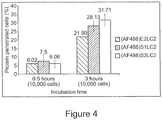
- melanocytes from passage 2 were seeded in 6-well plates (9.6 cm 2 per well) and allowed to reach 90% confluence and treated with E2LC2, S1LC2, S2LC2 proteins at 10 ⁇ g/ml for 0.5 or 3 hours. After the incubation, the medium was aspirated and the cells were washed with PBS. The cells were detached by 0.05% trypsin-EDTA and collected into 15 ml falcon tubes. The cells were then fixed with 4% paraformaldehyde for 10 minutes, followed by three times of washing with PBS. The samples were then resuspended in PBS and subjected to flow cytometric analysis by BD Fortessa X20 cell cytometer as shown in Figure 4 .
- Example 5 Enhanced targeting of melanocytes mediated by the ⁇ MSH peptide
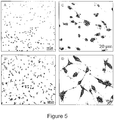
- melanocytes from passage 2 were seeded in 8-well confocal chambers and allowed to grow as a monolayer till 70-80% confluence. Cells were further incubated with AF488-conjugated E2LC2 (50 ⁇ g/ml) or AF488-conjugated ⁇ MSH-E2LC2 (50 ⁇ g/ml) nanocages for 2 hours. After the incubation period, the medium was aspirated and the cells were washed with PBS. Cell nuclei were stained with Nuc blue stain, and the cells were fixed with 4% paraformaldehyde for 10 minutes, followed by washing with PBS for 3 times. The samples were then imaged using a confocal microscope. As shown in Figure 5 , ⁇ MSH peptide functionalization of the nanocage significantly enhanced the melanocyte-targeting capability thereof.
Landscapes
- Health & Medical Sciences (AREA)
- Chemical & Material Sciences (AREA)
- Life Sciences & Earth Sciences (AREA)
- Organic Chemistry (AREA)
- General Health & Medical Sciences (AREA)
- Medicinal Chemistry (AREA)
- Gastroenterology & Hepatology (AREA)
- Proteomics, Peptides & Aminoacids (AREA)
- Zoology (AREA)
- Molecular Biology (AREA)
- Genetics & Genomics (AREA)
- Biophysics (AREA)
- Biochemistry (AREA)
- Toxicology (AREA)
- Pharmacology & Pharmacy (AREA)
- Engineering & Computer Science (AREA)
- Public Health (AREA)
- Animal Behavior & Ethology (AREA)
- Veterinary Medicine (AREA)
- Endocrinology (AREA)
- Epidemiology (AREA)
- Bioinformatics & Cheminformatics (AREA)
- Immunology (AREA)
- Dermatology (AREA)
- Chemical Kinetics & Catalysis (AREA)
- General Chemical & Material Sciences (AREA)
- Nuclear Medicine, Radiotherapy & Molecular Imaging (AREA)
- Cell Biology (AREA)
- Oil, Petroleum & Natural Gas (AREA)
- Nanotechnology (AREA)
- General Engineering & Computer Science (AREA)
- Medical Informatics (AREA)
- Crystallography & Structural Chemistry (AREA)
- Biotechnology (AREA)
- Wood Science & Technology (AREA)
- Peptides Or Proteins (AREA)
- Medicines That Contain Protein Lipid Enzymes And Other Medicines (AREA)
- Medicinal Preparation (AREA)
Claims (11)
- Nanocage protéique comprenant un fragment ciblant les mélanocytes et un fragment de pénétration dans la peau et de perméation des cellules (SPACE), dans laquelle le fragment ciblant les mélanocytes et le fragment SPACE sont couplés à la surface extérieure de la nanocage protéique, où la nanocage protéique est composée d'unités protéiques sélectionnées dans le groupe consistant en la protéine E2 du complexe multi-enzymatique de la pyruvate déshydrogénase (E2) de Bacillus stearothermophilus possédant la séquence d'acides aminés de SEQ ID NO: 1, la protéine E2LC2 possédant la séquence d'acides aminés de SEQ ID NO:2, la ferritine d'Archaeoglobus fulgidus (AfFtn) possédant la séquence d'acides aminés de SEQ ID NO: 3, la protéine AfFtn-AA possédant la séquence d'acides aminés de SEQ ID NO: 4, la chaîne lourde de la ferritine d'Homo sapiens (humaine) (HsFtn) possédant la séquence d'acides aminés de SEQ ID NO: 5, la chaîne légère de la HsFtn possédant la séquence d'acides aminés de SEQ ID NO:6, et des homologues protéiques présentant au moins 80 % d'identité de séquence avec les séquences d'acides aminés de SEQ ID NO: 1, 2, 3, 4, 5, et 6 ; dans laquelle le fragment ciblant les mélanocytes est sélectionné dans le groupe consistant en le peptide de l'hormone stimulant les mélanocytes α (a-MSH) possédant la séquence d'acides aminés de SEQ ID NO: 7, le peptide de l'hormone stimulant les mélanocytes β (β-MSH) possédant la séquence d'acides aminés de SEQ ID NO: 8, le peptide de l'hormone stimulant les mélanocytes γ (γ-MSH) possédant la séquence d'acides aminés de SEQ ID NO:9, le peptide de l'adrénocorticotrophine (ACTH) possédant la séquence d'acides aminés de SEQ ID NO: 10, un anticorps ou un aptamère spécifique pour Melan-A (MLANA), le récepteur de la mélanocortine de type 1 (MC1R), le récepteur de la mélanocortine de type 2 (MC2R), le récepteur de la mélanocortine de type 3 (MC3R), le récepteur de la mélanocortine de type 4 (MC4R) ou le récepteur de la mélanocortine de type 5 (MC5R), des homologues protéiques présentant au moins 80 % d'identité de séquence avec les séquences d'acides aminés de SEQ ID NO: 7, 8, 9, et 10, et une combinaison de ceux-ci ; et dans laquelle le fragment SPACE est un peptide sélectionné dans le groupe consistant en ACTGSTQHQCG (SEQ ID NO: 11), ACHSALTKHCG (SEQ ID NO: 12), et ACKTGSHNQCG (SEQ ID NO: 13).
- Nanocage protéique selon la revendication 1, où la nanocage protéique est couplée à ou chargée avec un agent thérapeutique, un agent diagnostique ou une combinaison de ceux-ci.
- Nanocage protéique selon la revendication 2, dans laquelle l'agent diagnostique est un agent d'imagerie.
- Nanocage protéique selon l'une quelconque des revendications 1 à 3, dans laquelle la surface extérieure de la nanocage protéique est fonctionnalisée avec du polyéthylène glycol (PEG).
- Nanocage protéique selon l'une quelconque des revendications 1 à 4 pour son utilisation en tant que médicament ou agent diagnostique.
- Nanocage protéique selon l'une quelconque des revendications 1 à 4 pour son tulisation dans une méthode de traitement ou de diagnostic de troubles de l'hyperpigmentation ou d'autres troubles liés aux mélanocytes.
- Nanocage protéique selon l'une quelconque des revendications 1 à 4 pour son utilisation dans l'administration d'un agent à des follicules pileux.
- Composition pharmaceutique ou cosmétique comprenant la nanocage protéique selon les revendications 1 à 4 et un véhicule pharmaceutiquement acceptable.
- Composition pharmaceutique ou cosmétique selon la revendication (8) pour son utilisation dans une méthode de traitement ou de diagnostic de troubles de l'hyperpigmentation ou d'autres troubles liés aux mélanocytes.
- Composition pharmaceutique ou cosmétique selon la revendication 8 pour son utilisation dans l'administration d'un agent à des follicules pileux.
- Nanocage protéique selon les revendications 1 à 4 ou composition pharmaceutique ou cosmétique selon la revendication 8 pour son utilisation dans une méthode de traitement ou de diagnostic de troubles de l'hyperpigmentation ou d'autres troubles liés aux mélanocytes chez un sujet, la méthode comprenant l'administration topique audit sujet d'une quantité efficace de la nanocage protéique ou de la composition pharmaceutique ou cosmétique, le sujet étant un mammifère, de préférence un humain.
Applications Claiming Priority (2)
| Application Number | Priority Date | Filing Date | Title |
|---|---|---|---|
| SG10201406072V | 2014-09-25 | ||
| PCT/SG2015/050343 WO2016048246A1 (fr) | 2014-09-25 | 2015-09-25 | Ciblage de mélanocytes pour une administration d'agents diagnostiques ou thérapeutiques au moyen de nanocages protéiques |
Publications (3)
| Publication Number | Publication Date |
|---|---|
| EP3197920A1 EP3197920A1 (fr) | 2017-08-02 |
| EP3197920A4 EP3197920A4 (fr) | 2018-03-21 |
| EP3197920B1 true EP3197920B1 (fr) | 2021-01-13 |
Family
ID=55581586
Family Applications (1)
| Application Number | Title | Priority Date | Filing Date |
|---|---|---|---|
| EP15843793.9A Active EP3197920B1 (fr) | 2014-09-25 | 2015-09-25 | Ciblage de mélanocytes pour une administration d'agents diagnostiques ou thérapeutiques au moyen de nanocages protéiques |
Country Status (4)
| Country | Link |
|---|---|
| US (2) | US11202820B2 (fr) |
| EP (1) | EP3197920B1 (fr) |
| IL (1) | IL251349B (fr) |
| WO (1) | WO2016048246A1 (fr) |
Families Citing this family (9)
| Publication number | Priority date | Publication date | Assignee | Title |
|---|---|---|---|---|
| US20190008972A1 (en) * | 2016-01-14 | 2019-01-10 | Nanyang Technological University | Protein cage-stabilized pickering emulsions and the use thereof |
| US11090391B2 (en) | 2016-09-16 | 2021-08-17 | The Johns Hopkins University | Protein nanocages with enhanced mucus penetration for targeted tissue and intracellular delivery |
| KR102579209B1 (ko) * | 2016-10-07 | 2023-09-15 | 내셔널 유니버시티 오브 싱가포르 | 단백질 발현 및 전달을 위한 조성물 및 방법 |
| WO2019204496A1 (fr) * | 2018-04-19 | 2019-10-24 | The Trustees Of The University Of Pennsylvania | Compositions et procédés pour traiter un mélanome avec un récepteur d'antigène chimérique |
| US12186408B2 (en) | 2019-04-18 | 2025-01-07 | Industry-University Cooperation Foundation Hanyang University Erica Campus | Fusion polypeptides for inhibiting angiogenesis, fusion protein nanocages having multivalent peptides for inhibiting angiogenesis, and theranostic use thereof |
| CN111821467B (zh) * | 2019-04-19 | 2022-10-14 | 北京岱瑞汛生物科技发展有限公司 | 一种靶向载药颗粒及其制备方法 |
| CN114107397A (zh) * | 2021-11-19 | 2022-03-01 | 深圳市大鳄生物科技股份有限公司 | 递送带负电荷的核酸的递送系统、复合物及药物 |
| KR102934353B1 (ko) * | 2022-11-24 | 2026-03-12 | 충북대학교 산학협력단 | 알파-멜라노사이트 자극 호르몬에 특이적으로 결합하는 rna 앱타머 및 이의 용도 |
| CN116212042B (zh) * | 2023-03-10 | 2023-09-05 | 中国人民解放军空军军医大学 | 一种负载rna的脑内递送系统及其制备方法 |
Family Cites Families (12)
| Publication number | Priority date | Publication date | Assignee | Title |
|---|---|---|---|---|
| US4469774A (en) | 1983-03-28 | 1984-09-04 | E. I. Du Pont De Nemours And Company | Positive-working photosensitive benzoin esters |
| ATE84420T1 (de) * | 1986-02-03 | 1993-01-15 | University Patents Inc | Verfahren zur stimulierung von melanozyten durch lokales anbringen von alpha-msh-analogen, sowie zusammensetzungen. |
| US5563250A (en) | 1987-12-02 | 1996-10-08 | Neorx Corporation | Cleavable conjugates for the delivery and release of agents in native form |
| US5505931A (en) | 1993-03-04 | 1996-04-09 | The Dow Chemical Company | Acid cleavable compounds, their preparation and use as bifunctional acid-labile crosslinking agents |
| US5767288A (en) | 1996-01-05 | 1998-06-16 | California Institute Of Technology | Photolabile linkers and probes |
| CN1659187A (zh) | 2002-05-10 | 2005-08-24 | 新世纪药品有限公司 | 融合铁蛋白在疫苗和其他方面的应用 |
| US20070258889A1 (en) | 2005-11-09 | 2007-11-08 | Montana State University | Novel nanoparticles and use thereof |
| GB0606415D0 (en) | 2006-03-31 | 2006-05-10 | Univ Southampton | Topical drug delivery |
| ITNA20080006A1 (it) * | 2008-01-28 | 2009-07-29 | Consiglio Nazionale Ricerche | Proteine chimeriche capaci di formare particelle virus-like, che contengono sequenze peptidiche del beta-amiloide e la componente e2 della alfachetoacido deidrogenasi di "geobacillus stearothermophilus", utili per l'induzione di una risposta anticorp |
| JP2014500867A (ja) | 2010-11-09 | 2014-01-16 | ザ リージェンツ オブ ザ ユニバーシティ オブ カリフォルニア | 皮膚浸透性および細胞侵入性(space)ペプチドとその使用法 |
| WO2014031727A1 (fr) | 2012-08-21 | 2014-02-27 | Brown University | Agent de ciblage tumoral à base de ferritine et procédés d'imagerie et de traitement |
| WO2015135597A1 (fr) | 2014-03-12 | 2015-09-17 | Cic Nanogune - Asociación Centro De Investigación Cooperativa En Nanociencias | Utilisations et procédés de transport jusqu'au noyau |
-
2015
- 2015-09-25 EP EP15843793.9A patent/EP3197920B1/fr active Active
- 2015-09-25 WO PCT/SG2015/050343 patent/WO2016048246A1/fr not_active Ceased
- 2015-09-25 US US15/514,134 patent/US11202820B2/en active Active
-
2017
- 2017-03-23 IL IL251349A patent/IL251349B/en active IP Right Grant
-
2021
- 2021-11-12 US US17/525,804 patent/US12303555B2/en active Active
Non-Patent Citations (1)
| Title |
|---|
| None * |
Also Published As
| Publication number | Publication date |
|---|---|
| US11202820B2 (en) | 2021-12-21 |
| US20190030134A1 (en) | 2019-01-31 |
| US20220062387A1 (en) | 2022-03-03 |
| US12303555B2 (en) | 2025-05-20 |
| IL251349A0 (en) | 2017-05-29 |
| IL251349B (en) | 2020-11-30 |
| EP3197920A4 (fr) | 2018-03-21 |
| WO2016048246A1 (fr) | 2016-03-31 |
| EP3197920A1 (fr) | 2017-08-02 |
Similar Documents
| Publication | Publication Date | Title |
|---|---|---|
| US12303555B2 (en) | Targeting of melanocytes for delivering therapeutic or diagnostic agents using protein nanocages | |
| Sanchez-Navarro et al. | Jumping hurdles: Peptides able to overcome biological barriers | |
| Ghosh et al. | Intracellular delivery of a membrane-impermeable enzyme in active form using functionalized gold nanoparticles | |
| US20250326866A1 (en) | Transferrin receptor targeting peptide oligonucleotide complexes and methods of use thereof | |
| KR102051038B1 (ko) | 나노입자 약물 컨쥬게이트 | |
| KR102414718B1 (ko) | 암의 진단 및 치료를 위한 조성물 및 방법 | |
| US9913915B2 (en) | Compositions and methods for transport across the blood brain barrier | |
| AU2016283391A1 (en) | Therapeutic peptides and methods of use thereof | |
| Cho et al. | Viral nanoparticles decorated with novel EGFL7 ligands enable intravital imaging of tumor neovasculature | |
| Chang et al. | Genetically-engineered protein prodrug-like nanoconjugates for tumor-targeting biomimetic delivery via a SHEATH strategy | |
| CN118576733A (zh) | 靶向蛋白造影剂、其制备方法及用途 | |
| US12544451B2 (en) | Intracellular delivery compositions | |
| Samuelson et al. | Synthesis and in vitro efficacy of MMP9-activated NanoDendrons | |
| US9486535B2 (en) | Methods of making and using nanostructures | |
| US20230144488A1 (en) | Cell-penetrating peptide and use thereof | |
| Cordova et al. | Aminopeptidase P mediated targeting for breast tissue specific conjugate delivery | |
| TW202521160A (zh) | 靶向傳遞至細胞之藥劑及方法 | |
| KR20200135224A (ko) | 마이셀 구조의 나노 전달체 및 이의 용도 | |
| US20240350648A1 (en) | Intracellular delivery compositions | |
| JP2008507562A (ja) | がんへのホットスポット放射線の多段階送達のための組成物 | |
| Bánóczi et al. | Amino acid and peptide bioconjugates | |
| Xu et al. | CD44‐Assisted Transcytosable Chimeras for Extracellular Protein Depletion in Deep Tumors | |
| HK40119489A (zh) | 用於靶向递送治疗剂至神经元的树枝状聚合物组合物 | |
| WO2020242147A1 (fr) | Nanosupport ayant une structure micellaire et utilisation de celui-ci | |
| WO2020245617A1 (fr) | Peptide séquence de routage par la voie de l'endocytose pour des systèmes d'administration à des cellules |
Legal Events
| Date | Code | Title | Description |
|---|---|---|---|
| STAA | Information on the status of an ep patent application or granted ep patent |
Free format text: STATUS: THE INTERNATIONAL PUBLICATION HAS BEEN MADE |
|
| PUAI | Public reference made under article 153(3) epc to a published international application that has entered the european phase |
Free format text: ORIGINAL CODE: 0009012 |
|
| STAA | Information on the status of an ep patent application or granted ep patent |
Free format text: STATUS: REQUEST FOR EXAMINATION WAS MADE |
|
| 17P | Request for examination filed |
Effective date: 20170424 |
|
| AK | Designated contracting states |
Kind code of ref document: A1 Designated state(s): AL AT BE BG CH CY CZ DE DK EE ES FI FR GB GR HR HU IE IS IT LI LT LU LV MC MK MT NL NO PL PT RO RS SE SI SK SM TR |
|
| AX | Request for extension of the european patent |
Extension state: BA ME |
|
| DAV | Request for validation of the european patent (deleted) | ||
| DAX | Request for extension of the european patent (deleted) | ||
| REG | Reference to a national code |
Ref country code: DE Ref legal event code: R079 Ref document number: 602015064824 Country of ref document: DE Free format text: PREVIOUS MAIN CLASS: C07K0019000000 Ipc: A61K0038340000 |
|
| A4 | Supplementary search report drawn up and despatched |
Effective date: 20180215 |
|
| RIC1 | Information provided on ipc code assigned before grant |
Ipc: C07K 14/685 20060101ALI20180210BHEP Ipc: C07K 14/32 20060101ALI20180210BHEP Ipc: C07K 14/47 20060101ALI20180210BHEP Ipc: C07K 14/69 20060101ALI20180210BHEP Ipc: C07K 14/695 20060101ALI20180210BHEP Ipc: A61P 35/00 20060101ALI20180210BHEP Ipc: A61K 38/34 20060101AFI20180210BHEP Ipc: C07K 19/00 20060101ALI20180210BHEP Ipc: A61K 9/00 20060101ALI20180210BHEP Ipc: C07K 14/195 20060101ALI20180210BHEP Ipc: A61K 47/42 20170101ALI20180210BHEP Ipc: A61K 38/35 20060101ALI20180210BHEP Ipc: C07K 17/06 20060101ALI20180210BHEP Ipc: A61K 39/395 20060101ALI20180210BHEP Ipc: C07K 14/72 20060101ALI20180210BHEP Ipc: C07K 14/68 20060101ALI20180210BHEP Ipc: A61P 43/00 20060101ALI20180210BHEP |
|
| STAA | Information on the status of an ep patent application or granted ep patent |
Free format text: STATUS: EXAMINATION IS IN PROGRESS |
|
| 17Q | First examination report despatched |
Effective date: 20181001 |
|
| GRAP | Despatch of communication of intention to grant a patent |
Free format text: ORIGINAL CODE: EPIDOSNIGR1 |
|
| STAA | Information on the status of an ep patent application or granted ep patent |
Free format text: STATUS: GRANT OF PATENT IS INTENDED |
|
| INTG | Intention to grant announced |
Effective date: 20200612 |
|
| GRAS | Grant fee paid |
Free format text: ORIGINAL CODE: EPIDOSNIGR3 |
|
| GRAJ | Information related to disapproval of communication of intention to grant by the applicant or resumption of examination proceedings by the epo deleted |
Free format text: ORIGINAL CODE: EPIDOSDIGR1 |
|
| GRAL | Information related to payment of fee for publishing/printing deleted |
Free format text: ORIGINAL CODE: EPIDOSDIGR3 |
|
| STAA | Information on the status of an ep patent application or granted ep patent |
Free format text: STATUS: EXAMINATION IS IN PROGRESS |
|
| GRAR | Information related to intention to grant a patent recorded |
Free format text: ORIGINAL CODE: EPIDOSNIGR71 |
|
| STAA | Information on the status of an ep patent application or granted ep patent |
Free format text: STATUS: GRANT OF PATENT IS INTENDED |
|
| INTC | Intention to grant announced (deleted) | ||
| INTG | Intention to grant announced |
Effective date: 20201104 |
|
| GRAA | (expected) grant |
Free format text: ORIGINAL CODE: 0009210 |
|
| STAA | Information on the status of an ep patent application or granted ep patent |
Free format text: STATUS: THE PATENT HAS BEEN GRANTED |
|
| AK | Designated contracting states |
Kind code of ref document: B1 Designated state(s): AL AT BE BG CH CY CZ DE DK EE ES FI FR GB GR HR HU IE IS IT LI LT LU LV MC MK MT NL NO PL PT RO RS SE SI SK SM TR |
|
| REG | Reference to a national code |
Ref country code: GB Ref legal event code: FG4D |
|
| REG | Reference to a national code |
Ref country code: CH Ref legal event code: EP |
|
| REG | Reference to a national code |
Ref country code: DE Ref legal event code: R096 Ref document number: 602015064824 Country of ref document: DE |
|
| REG | Reference to a national code |
Ref country code: IE Ref legal event code: FG4D |
|
| REG | Reference to a national code |
Ref country code: AT Ref legal event code: REF Ref document number: 1354046 Country of ref document: AT Kind code of ref document: T Effective date: 20210215 |
|
| REG | Reference to a national code |
Ref country code: CH Ref legal event code: NV Representative=s name: E. BLUM AND CO. AG PATENT- UND MARKENANWAELTE V, CH |
|
| REG | Reference to a national code |
Ref country code: NL Ref legal event code: MP Effective date: 20210113 |
|
| REG | Reference to a national code |
Ref country code: LT Ref legal event code: MG9D |
|
| PG25 | Lapsed in a contracting state [announced via postgrant information from national office to epo] |
Ref country code: HR Free format text: LAPSE BECAUSE OF FAILURE TO SUBMIT A TRANSLATION OF THE DESCRIPTION OR TO PAY THE FEE WITHIN THE PRESCRIBED TIME-LIMIT Effective date: 20210113 Ref country code: FI Free format text: LAPSE BECAUSE OF FAILURE TO SUBMIT A TRANSLATION OF THE DESCRIPTION OR TO PAY THE FEE WITHIN THE PRESCRIBED TIME-LIMIT Effective date: 20210113 Ref country code: GR Free format text: LAPSE BECAUSE OF FAILURE TO SUBMIT A TRANSLATION OF THE DESCRIPTION OR TO PAY THE FEE WITHIN THE PRESCRIBED TIME-LIMIT Effective date: 20210414 Ref country code: BG Free format text: LAPSE BECAUSE OF FAILURE TO SUBMIT A TRANSLATION OF THE DESCRIPTION OR TO PAY THE FEE WITHIN THE PRESCRIBED TIME-LIMIT Effective date: 20210413 Ref country code: NL Free format text: LAPSE BECAUSE OF FAILURE TO SUBMIT A TRANSLATION OF THE DESCRIPTION OR TO PAY THE FEE WITHIN THE PRESCRIBED TIME-LIMIT Effective date: 20210113 Ref country code: PT Free format text: LAPSE BECAUSE OF FAILURE TO SUBMIT A TRANSLATION OF THE DESCRIPTION OR TO PAY THE FEE WITHIN THE PRESCRIBED TIME-LIMIT Effective date: 20210513 Ref country code: NO Free format text: LAPSE BECAUSE OF FAILURE TO SUBMIT A TRANSLATION OF THE DESCRIPTION OR TO PAY THE FEE WITHIN THE PRESCRIBED TIME-LIMIT Effective date: 20210413 Ref country code: LT Free format text: LAPSE BECAUSE OF FAILURE TO SUBMIT A TRANSLATION OF THE DESCRIPTION OR TO PAY THE FEE WITHIN THE PRESCRIBED TIME-LIMIT Effective date: 20210113 |
|
| PG25 | Lapsed in a contracting state [announced via postgrant information from national office to epo] |
Ref country code: LV Free format text: LAPSE BECAUSE OF FAILURE TO SUBMIT A TRANSLATION OF THE DESCRIPTION OR TO PAY THE FEE WITHIN THE PRESCRIBED TIME-LIMIT Effective date: 20210113 Ref country code: PL Free format text: LAPSE BECAUSE OF FAILURE TO SUBMIT A TRANSLATION OF THE DESCRIPTION OR TO PAY THE FEE WITHIN THE PRESCRIBED TIME-LIMIT Effective date: 20210113 Ref country code: RS Free format text: LAPSE BECAUSE OF FAILURE TO SUBMIT A TRANSLATION OF THE DESCRIPTION OR TO PAY THE FEE WITHIN THE PRESCRIBED TIME-LIMIT Effective date: 20210113 Ref country code: SE Free format text: LAPSE BECAUSE OF FAILURE TO SUBMIT A TRANSLATION OF THE DESCRIPTION OR TO PAY THE FEE WITHIN THE PRESCRIBED TIME-LIMIT Effective date: 20210113 |
|
| PG25 | Lapsed in a contracting state [announced via postgrant information from national office to epo] |
Ref country code: IS Free format text: LAPSE BECAUSE OF FAILURE TO SUBMIT A TRANSLATION OF THE DESCRIPTION OR TO PAY THE FEE WITHIN THE PRESCRIBED TIME-LIMIT Effective date: 20210513 |
|
| REG | Reference to a national code |
Ref country code: DE Ref legal event code: R097 Ref document number: 602015064824 Country of ref document: DE |
|
| PG25 | Lapsed in a contracting state [announced via postgrant information from national office to epo] |
Ref country code: SM Free format text: LAPSE BECAUSE OF FAILURE TO SUBMIT A TRANSLATION OF THE DESCRIPTION OR TO PAY THE FEE WITHIN THE PRESCRIBED TIME-LIMIT Effective date: 20210113 Ref country code: CZ Free format text: LAPSE BECAUSE OF FAILURE TO SUBMIT A TRANSLATION OF THE DESCRIPTION OR TO PAY THE FEE WITHIN THE PRESCRIBED TIME-LIMIT Effective date: 20210113 Ref country code: EE Free format text: LAPSE BECAUSE OF FAILURE TO SUBMIT A TRANSLATION OF THE DESCRIPTION OR TO PAY THE FEE WITHIN THE PRESCRIBED TIME-LIMIT Effective date: 20210113 |
|
| PLBE | No opposition filed within time limit |
Free format text: ORIGINAL CODE: 0009261 |
|
| STAA | Information on the status of an ep patent application or granted ep patent |
Free format text: STATUS: NO OPPOSITION FILED WITHIN TIME LIMIT |
|
| PG25 | Lapsed in a contracting state [announced via postgrant information from national office to epo] |
Ref country code: DK Free format text: LAPSE BECAUSE OF FAILURE TO SUBMIT A TRANSLATION OF THE DESCRIPTION OR TO PAY THE FEE WITHIN THE PRESCRIBED TIME-LIMIT Effective date: 20210113 Ref country code: SK Free format text: LAPSE BECAUSE OF FAILURE TO SUBMIT A TRANSLATION OF THE DESCRIPTION OR TO PAY THE FEE WITHIN THE PRESCRIBED TIME-LIMIT Effective date: 20210113 Ref country code: RO Free format text: LAPSE BECAUSE OF FAILURE TO SUBMIT A TRANSLATION OF THE DESCRIPTION OR TO PAY THE FEE WITHIN THE PRESCRIBED TIME-LIMIT Effective date: 20210113 |
|
| 26N | No opposition filed |
Effective date: 20211014 |
|
| PG25 | Lapsed in a contracting state [announced via postgrant information from national office to epo] |
Ref country code: AL Free format text: LAPSE BECAUSE OF FAILURE TO SUBMIT A TRANSLATION OF THE DESCRIPTION OR TO PAY THE FEE WITHIN THE PRESCRIBED TIME-LIMIT Effective date: 20210113 Ref country code: ES Free format text: LAPSE BECAUSE OF FAILURE TO SUBMIT A TRANSLATION OF THE DESCRIPTION OR TO PAY THE FEE WITHIN THE PRESCRIBED TIME-LIMIT Effective date: 20210113 |
|
| PG25 | Lapsed in a contracting state [announced via postgrant information from national office to epo] |
Ref country code: SI Free format text: LAPSE BECAUSE OF FAILURE TO SUBMIT A TRANSLATION OF THE DESCRIPTION OR TO PAY THE FEE WITHIN THE PRESCRIBED TIME-LIMIT Effective date: 20210113 |
|
| PG25 | Lapsed in a contracting state [announced via postgrant information from national office to epo] |
Ref country code: IT Free format text: LAPSE BECAUSE OF FAILURE TO SUBMIT A TRANSLATION OF THE DESCRIPTION OR TO PAY THE FEE WITHIN THE PRESCRIBED TIME-LIMIT Effective date: 20210113 |
|
| REG | Reference to a national code |
Ref country code: BE Ref legal event code: MM Effective date: 20210930 |
|
| PG25 | Lapsed in a contracting state [announced via postgrant information from national office to epo] |
Ref country code: IS Free format text: LAPSE BECAUSE OF FAILURE TO SUBMIT A TRANSLATION OF THE DESCRIPTION OR TO PAY THE FEE WITHIN THE PRESCRIBED TIME-LIMIT Effective date: 20210513 Ref country code: MC Free format text: LAPSE BECAUSE OF FAILURE TO SUBMIT A TRANSLATION OF THE DESCRIPTION OR TO PAY THE FEE WITHIN THE PRESCRIBED TIME-LIMIT Effective date: 20210113 |
|
| PG25 | Lapsed in a contracting state [announced via postgrant information from national office to epo] |
Ref country code: LU Free format text: LAPSE BECAUSE OF NON-PAYMENT OF DUE FEES Effective date: 20210925 Ref country code: IE Free format text: LAPSE BECAUSE OF NON-PAYMENT OF DUE FEES Effective date: 20210925 Ref country code: BE Free format text: LAPSE BECAUSE OF NON-PAYMENT OF DUE FEES Effective date: 20210930 |
|
| REG | Reference to a national code |
Ref country code: AT Ref legal event code: UEP Ref document number: 1354046 Country of ref document: AT Kind code of ref document: T Effective date: 20210113 |
|
| PG25 | Lapsed in a contracting state [announced via postgrant information from national office to epo] |
Ref country code: HU Free format text: LAPSE BECAUSE OF FAILURE TO SUBMIT A TRANSLATION OF THE DESCRIPTION OR TO PAY THE FEE WITHIN THE PRESCRIBED TIME-LIMIT; INVALID AB INITIO Effective date: 20150925 |
|
| PG25 | Lapsed in a contracting state [announced via postgrant information from national office to epo] |
Ref country code: CY Free format text: LAPSE BECAUSE OF FAILURE TO SUBMIT A TRANSLATION OF THE DESCRIPTION OR TO PAY THE FEE WITHIN THE PRESCRIBED TIME-LIMIT Effective date: 20210113 |
|
| P01 | Opt-out of the competence of the unified patent court (upc) registered |
Effective date: 20230601 |
|
| PG25 | Lapsed in a contracting state [announced via postgrant information from national office to epo] |
Ref country code: MK Free format text: LAPSE BECAUSE OF FAILURE TO SUBMIT A TRANSLATION OF THE DESCRIPTION OR TO PAY THE FEE WITHIN THE PRESCRIBED TIME-LIMIT Effective date: 20210113 |
|
| PG25 | Lapsed in a contracting state [announced via postgrant information from national office to epo] |
Ref country code: TR Free format text: LAPSE BECAUSE OF FAILURE TO SUBMIT A TRANSLATION OF THE DESCRIPTION OR TO PAY THE FEE WITHIN THE PRESCRIBED TIME-LIMIT Effective date: 20210113 |
|
| PG25 | Lapsed in a contracting state [announced via postgrant information from national office to epo] |
Ref country code: MT Free format text: LAPSE BECAUSE OF FAILURE TO SUBMIT A TRANSLATION OF THE DESCRIPTION OR TO PAY THE FEE WITHIN THE PRESCRIBED TIME-LIMIT Effective date: 20210113 |
|
| REG | Reference to a national code |
Ref country code: CH Ref legal event code: U11 Free format text: ST27 STATUS EVENT CODE: U-0-0-U10-U11 (AS PROVIDED BY THE NATIONAL OFFICE) Effective date: 20251001 |
|
| PGFP | Annual fee paid to national office [announced via postgrant information from national office to epo] |
Ref country code: DE Payment date: 20250912 Year of fee payment: 11 |
|
| PGFP | Annual fee paid to national office [announced via postgrant information from national office to epo] |
Ref country code: GB Payment date: 20250923 Year of fee payment: 11 |
|
| PGFP | Annual fee paid to national office [announced via postgrant information from national office to epo] |
Ref country code: FR Payment date: 20250922 Year of fee payment: 11 Ref country code: AT Payment date: 20250918 Year of fee payment: 11 |
|
| PGFP | Annual fee paid to national office [announced via postgrant information from national office to epo] |
Ref country code: CH Payment date: 20251001 Year of fee payment: 11 |