EP3199488A1 - Method and apparatus for sterilizing filling nozzle - Google Patents
Method and apparatus for sterilizing filling nozzle Download PDFInfo
- Publication number
- EP3199488A1 EP3199488A1 EP15843260.9A EP15843260A EP3199488A1 EP 3199488 A1 EP3199488 A1 EP 3199488A1 EP 15843260 A EP15843260 A EP 15843260A EP 3199488 A1 EP3199488 A1 EP 3199488A1
- Authority
- EP
- European Patent Office
- Prior art keywords
- filling
- hot water
- chemical agent
- flow rate
- filling nozzle
- Prior art date
- Legal status (The legal status is an assumption and is not a legal conclusion. Google has not performed a legal analysis and makes no representation as to the accuracy of the status listed.)
- Granted
Links
Images

Classifications
-
- A—HUMAN NECESSITIES
- A61—MEDICAL OR VETERINARY SCIENCE; HYGIENE
- A61L—METHODS OR APPARATUS FOR STERILISING MATERIALS OR OBJECTS IN GENERAL; DISINFECTION, STERILISATION OR DEODORISATION OF AIR; CHEMICAL ASPECTS OF BANDAGES, DRESSINGS, ABSORBENT PADS OR SURGICAL ARTICLES; MATERIALS FOR BANDAGES, DRESSINGS, ABSORBENT PADS OR SURGICAL ARTICLES
- A61L2/00—Disinfection or sterilisation of materials or objects, in general; Accessories therefor
- A61L2/16—Disinfection or sterilisation of materials or objects, in general; Accessories therefor using chemical substances
- A61L2/18—Liquid substances
-
- A—HUMAN NECESSITIES
- A61—MEDICAL OR VETERINARY SCIENCE; HYGIENE
- A61L—METHODS OR APPARATUS FOR STERILISING MATERIALS OR OBJECTS IN GENERAL; DISINFECTION, STERILISATION OR DEODORISATION OF AIR; CHEMICAL ASPECTS OF BANDAGES, DRESSINGS, ABSORBENT PADS OR SURGICAL ARTICLES; MATERIALS FOR BANDAGES, DRESSINGS, ABSORBENT PADS OR SURGICAL ARTICLES
- A61L2/00—Disinfection or sterilisation of materials or objects, in general; Accessories therefor
- A61L2/02—Disinfection or sterilisation of materials or objects, in general; Accessories therefor using physical processes
- A61L2/04—Heat
-
- B—PERFORMING OPERATIONS; TRANSPORTING
- B08—CLEANING
- B08B—CLEANING IN GENERAL; PREVENTION OF FOULING IN GENERAL
- B08B3/00—Cleaning by methods involving the use or presence of liquid or steam
- B08B3/02—Cleaning by the force of jets or sprays
-
- B—PERFORMING OPERATIONS; TRANSPORTING
- B08—CLEANING
- B08B—CLEANING IN GENERAL; PREVENTION OF FOULING IN GENERAL
- B08B3/00—Cleaning by methods involving the use or presence of liquid or steam
- B08B3/04—Cleaning involving contact with liquid
- B08B3/10—Cleaning involving contact with liquid with additional treatment of the liquid or of the object being cleaned, e.g. by heat, by electricity or by vibration
-
- B—PERFORMING OPERATIONS; TRANSPORTING
- B08—CLEANING
- B08B—CLEANING IN GENERAL; PREVENTION OF FOULING IN GENERAL
- B08B9/00—Cleaning hollow articles by methods or apparatus specially adapted thereto
- B08B9/02—Cleaning pipes or tubes or systems of pipes or tubes
- B08B9/023—Cleaning the external surfaces
-
- B—PERFORMING OPERATIONS; TRANSPORTING
- B08—CLEANING
- B08B—CLEANING IN GENERAL; PREVENTION OF FOULING IN GENERAL
- B08B9/00—Cleaning hollow articles by methods or apparatus specially adapted thereto
- B08B9/02—Cleaning pipes or tubes or systems of pipes or tubes
- B08B9/027—Cleaning the internal surfaces; Removal of blockages
- B08B9/032—Cleaning the internal surfaces; Removal of blockages by the mechanical action of a moving fluid, e.g. by flushing
- B08B9/0321—Cleaning the internal surfaces; Removal of blockages by the mechanical action of a moving fluid, e.g. by flushing using pressurised, pulsating or purging fluid
-
- B—PERFORMING OPERATIONS; TRANSPORTING
- B08—CLEANING
- B08B—CLEANING IN GENERAL; PREVENTION OF FOULING IN GENERAL
- B08B9/00—Cleaning hollow articles by methods or apparatus specially adapted thereto
- B08B9/02—Cleaning pipes or tubes or systems of pipes or tubes
- B08B9/027—Cleaning the internal surfaces; Removal of blockages
- B08B9/032—Cleaning the internal surfaces; Removal of blockages by the mechanical action of a moving fluid, e.g. by flushing
- B08B9/0321—Cleaning the internal surfaces; Removal of blockages by the mechanical action of a moving fluid, e.g. by flushing using pressurised, pulsating or purging fluid
- B08B9/0325—Control mechanisms therefor
-
- B—PERFORMING OPERATIONS; TRANSPORTING
- B67—OPENING, CLOSING OR CLEANING BOTTLES, JARS OR SIMILAR CONTAINERS; LIQUID HANDLING
- B67C—CLEANING, FILLING WITH LIQUIDS OR SEMILIQUIDS, OR EMPTYING, OF BOTTLES, JARS, CANS, CASKS, BARRELS, OR SIMILAR CONTAINERS, NOT OTHERWISE PROVIDED FOR; FUNNELS
- B67C3/00—Bottling liquids or semiliquids; Filling jars or cans with liquids or semiliquids using bottling or like apparatus; Filling casks or barrels with liquids or semiliquids
-
- B—PERFORMING OPERATIONS; TRANSPORTING
- B67—OPENING, CLOSING OR CLEANING BOTTLES, JARS OR SIMILAR CONTAINERS; LIQUID HANDLING
- B67C—CLEANING, FILLING WITH LIQUIDS OR SEMILIQUIDS, OR EMPTYING, OF BOTTLES, JARS, CANS, CASKS, BARRELS, OR SIMILAR CONTAINERS, NOT OTHERWISE PROVIDED FOR; FUNNELS
- B67C3/00—Bottling liquids or semiliquids; Filling jars or cans with liquids or semiliquids using bottling or like apparatus; Filling casks or barrels with liquids or semiliquids
- B67C3/001—Cleaning of filling devices
- B67C3/005—Cleaning outside parts of filling devices
-
- B—PERFORMING OPERATIONS; TRANSPORTING
- B67—OPENING, CLOSING OR CLEANING BOTTLES, JARS OR SIMILAR CONTAINERS; LIQUID HANDLING
- B67C—CLEANING, FILLING WITH LIQUIDS OR SEMILIQUIDS, OR EMPTYING, OF BOTTLES, JARS, CANS, CASKS, BARRELS, OR SIMILAR CONTAINERS, NOT OTHERWISE PROVIDED FOR; FUNNELS
- B67C7/00—Concurrent cleaning, filling, and closing of bottles; Processes or devices for at least two of these operations
-
- A—HUMAN NECESSITIES
- A61—MEDICAL OR VETERINARY SCIENCE; HYGIENE
- A61L—METHODS OR APPARATUS FOR STERILISING MATERIALS OR OBJECTS IN GENERAL; DISINFECTION, STERILISATION OR DEODORISATION OF AIR; CHEMICAL ASPECTS OF BANDAGES, DRESSINGS, ABSORBENT PADS OR SURGICAL ARTICLES; MATERIALS FOR BANDAGES, DRESSINGS, ABSORBENT PADS OR SURGICAL ARTICLES
- A61L2202/00—Aspects relating to methods or apparatus for disinfecting or sterilising materials or objects
- A61L2202/10—Apparatus features
- A61L2202/14—Means for controlling sterilisation processes, data processing, presentation and storage means, e.g. sensors, controllers, programs
-
- A—HUMAN NECESSITIES
- A61—MEDICAL OR VETERINARY SCIENCE; HYGIENE
- A61L—METHODS OR APPARATUS FOR STERILISING MATERIALS OR OBJECTS IN GENERAL; DISINFECTION, STERILISATION OR DEODORISATION OF AIR; CHEMICAL ASPECTS OF BANDAGES, DRESSINGS, ABSORBENT PADS OR SURGICAL ARTICLES; MATERIALS FOR BANDAGES, DRESSINGS, ABSORBENT PADS OR SURGICAL ARTICLES
- A61L2202/00—Aspects relating to methods or apparatus for disinfecting or sterilising materials or objects
- A61L2202/10—Apparatus features
- A61L2202/17—Combination with washing or cleaning means
-
- B—PERFORMING OPERATIONS; TRANSPORTING
- B08—CLEANING
- B08B—CLEANING IN GENERAL; PREVENTION OF FOULING IN GENERAL
- B08B2230/00—Other cleaning aspects applicable to all B08B range
- B08B2230/01—Cleaning with steam
Definitions
- the present invention relates to a method and an apparatus for sterilizing a filling nozzle of a filler that fills a container such as a PET bottle with a drink.
- an aseptic filling apparatus fills a container such as a bottle with a drink
- a container such as a bottle with a drink
- drink supply piping of the aseptic filling apparatus including a surge tank, a liquid feeding pipe, a filler, and filling nozzles in the filler has to be cleaned and sterilized to be aseptic in advance.
- CIP is performed by passing a cleaner containing water and an alkali agent such as caustic soda as an additive through a flow path from the pipe line of the drink filling path to the filing nozzles of the filler and then passing a cleaner containing water and an acid agent as an additive.
- CIP removes a residue of the previous drink in the drink filling path, for example (see Patent Documents 1, 2 and 3, for example).
- SIP is a process to sterilize the interior of the drink supply piping before the drink filling operation is started, and is performed by passing a heated steam or hot water through the drink filling path cleaned by the CIP described above, for example. SIP sterilizes the interior of the drink filling path and makes it aseptic (see the paragraph [0003] in Patent Document 3, for example).
- the drink supply piping is heated to 130°C for 30 minutes.
- This sterilization condition is empirically considered to pose no problem about the sterilization effect. More specifically, heated steam or hot water is passed through the drink supply piping, the temperature of the drink supply piping is measured by temperature sensors at various positions where the temperature of the drink supply piping resists increasing, a timer is activated when the temperatures indicated by all the temperature sensors have reached 130°C, and the heating is ended when the temperature sensors have continued indicating a temperature higher than 130°C for 30 minutes.
- the drink supply piping branches into a large number of branch pipes via a manifold in the filler, and each branch pipe is connected to a filling nozzle at an end thereof.
- An experiment conducted by the inventor has shown that the large number of filling nozzles have different temperatures.
- the temperature sensor is expensive, and there is a problem that the cost significantly increases if a temperature sensor is provided on each filling nozzle in a filler that has 100 or more filling nozzles, for example.
- An object of the present invention is to provide a method and an apparatus for sterilizing a filling nozzle that can solve the problem described above.
- the present invention is configured as described below.
- the invention defined in claim 1 adopts a method for sterilizing a filling nozzle, wherein hot water or a liquid chemical agent is fed to drink supply piping (7)that feeds a drink to a plurality of filling nozzles (2a) at the same time, a flow rate of the hot water or liquid chemical agent is detected at all the filling nozzles (2a) while the hot water or liquid chemical agent is being discharged from all the filling nozzles (2a), a representative temperature of the hot water or liquid chemical agent upstream or downstream of at least one filling nozzle is measured, and a sterilization process is ended when both the flow rate at each filling nozzle and the representative temperature reach respective target values.
- an F value may be calculated based on the representative temperature, and it may be determined whether or not the F value has reached a target value.
- an alarm notifying a failure of the sterilization process may be issued if the flow rate at any of the filling nozzles (2a) is lower than a flow rate required for sterilization.
- an interior and an exterior of the filling nozzles (2a) may be sterilized at the same time by blasting hot water or a liquid chemical agent to the exterior of all the filling nozzles (2a) while the hot water or liquid or gaseous chemical agent is being discharged from all the filling nozzles (2a).
- the interior and the exterior of the filling nozzles may also be washed at the same time with the hot water or liquid chemical agent.
- the invention defined in claim 6 adopts an apparatus for sterilizing a filling nozzle, wherein a flow rate sensor (10a) is provided on each of a plurality of filling nozzles (2a), hot water or a liquid chemical agent is fed to drink supply piping (7) that feeds a drink to the plurality of filling nozzles (2a) at the same time, a flow rate of the hot water or liquid chemical agent is detected at all the filling nozzles (2a) by the respective flow rate sensors (10a) while the hot water or liquid chemical agent is being discharged from all the filling nozzles (2a), a representative temperature of the hot water or liquid chemical agent upstream or downstream of at least one filling nozzle is measured by a temperature sensor, and a sterilization process is ended when both the flow rate at each filling nozzle and the representative temperature reach respective target values.
- a drink metering sensor provided on each filling nozzle (2a) may be used as the flow rate sensor (10a).
- an F value may be calculated based on the representative temperature, and it may be determined whether or not the F value has reached a target value.
- an alarm notifying a failure of the sterilization process may be issued if the flow rate at any of the filling nozzles (2a) is lower than a flow rate required for sterilization.
- all the filling nozzles (2a) may be capable of integrally rotating, and during the rotation, an interior and an exterior of the filling nozzles (2a) may be sterilized at the same time by blasting hot water or a liquid or gaseous chemical agent to the exterior of all the filling nozzles (2a) while the hot water or liquid chemical agent is being discharged from all the filling nozzles (2a).
- the interior and the exterior of the filling nozzles may also be washed at the same time with the hot water or liquid chemical agent.
- hot water or a liquid chemical agent is fed to drink supply piping (7)that feeds a drink to a plurality of filling nozzles (2a) at the same time, a flow rate of the hot water or liquid chemical agent is detected at all the filling nozzles (2a) while the hot water or liquid chemical agent is being discharged from all the filling nozzles (2a), a representative temperature of the hot water or liquid chemical agent upstream or downstream of at least one filling nozzle is measured, and a sterilization process is ended when both the flow rate at each filling nozzle and the representative temperature reach respective target values.
- the representative temperature is measured, it can be confirmed whether or not the interior of the filling nozzles has been properly sterilized. Since the flow rate of the hot water or liquid chemical agent in each filling nozzle is measured, it can be confirmed whether or not the valves of all the filling nozzles have been normally opened, the hot water or liquid chemical agent has smoothly flowed in all the filling nozzles, and the interior of the filling nozzles has been properly sterilized. In addition, since the need of providing the expensive temperature sensor on each filling nozzle is eliminated, and only the representative temperature is measured, SIP of the filler (2) can be managed at relatively low cost.
- the drink metering sensor provided on each filling nozzle (2a) may be used as the flow rate sensor (10a).
- the filler (2) can be manufactured at low cost, and the structural complexity of the filler (2) can be reduced.
- an aseptic filling apparatus includes a filler 2, and the filler 2 includes a large number of filling nozzles 2a arranged at predetermined angular intervals in a predetermined horizontal plane.
- the aseptic filling apparatus has a drink preparation unit (not shown), and the preparation unit feeds a drink to the filler 2 via a manifold valve 8.
- the preparation unit which produces a drink such as tea or fruit juice by mixing ingredients in desired proportions, is well-known and thus will not be described in detail herein.
- the preparation unit and the filling nozzles 2a in the filler 2 are coupled to each other by drink supply piping 7.
- the manifold valve 8 and a head tank 11 are disposed in this order from upstream to downstream of the flow of the drink.
- the drink supplied to the filler 2 through the drink supply piping 7 is metered and supplied into a bottle b, which is a container, through each filling nozzle 2a.
- the aseptic filling apparatus includes a bottle conveying path that conveys the bottle b to the filler 2 and conveys the bottle b filled with the drink by the filler 2 to a capper (not shown).
- the bottle conveying path is typically formed by a series of a large number of wheels and grippers 4 disposed around the respective wheels, for example.
- the filler 2 is a filling machine that fills a large number of bottles b with a drink at high rate and includes a wheel 5, which forms a part of the conveying path for the bottles b, as shown in FIG. 1 .
- the wheel 5 is attached to a part forming a pivot 21a of a spindle 21 that stands vertically from a floor surface of the aseptic filling apparatus.
- the grippers 4 that grasp neck portions of the bottles b are arranged at regular intervals around the wheel 5.
- the grippers 4 can rotate in one direction integrally with the wheel 5.
- the large number of filling nozzle 2a are arranged at the same intervals as the grippers 4 around the wheel 5.
- An upper part of the spindle 21, which is inhibited from rotating, is fixed to a casing of the filler 2.
- the pivot 21a is provided with a rotary joint 21b at an upper part thereof corresponding to the position where the spindle 21 is fixed.
- An upper manifold 22 is arranged on the pivot 21a at a position below the rotary joint 21b.
- a part of the spindle 21 from the top to the upper manifold 22 is hollow, and the drink supply piping 7 is introduced into the hollow part at the top of the spindle 21.
- Branch pipes 7b of the drink supply piping 7 extend from the upper manifold 22 to the filling nozzles 2a.
- the wheel 5 rotates at high speed
- the bottles b grasped by the grippers 4 are conveyed at high speed on the conveying path in synchronization with the rotation of the wheel 5, and a predetermined amount of the drink is supplied successively to each bottle b when the bottle b is located directly below the nozzle mouth at the lower end of the filling nozzle 2a.
- Each filling nozzle 2a is provided with a drink metering sensor (not shown), and thus, the drink is metered by the drink metering sensor and supplied into each bottle b.
- the filler 2 is housed in an aseptic chamber 3 in its entirety as shown in FIG. 1 so that a sterilized bottle b can be filled with a sterilized drink by preventing a foreign matter such as microorganisms from entering the bottle b.
- the aseptic chamber 3 has an inlet port and an outlet port for the bottles b at an upstream part and a downstream part of the conveying path for the bottles b, respectively.
- hot water or a liquid chemical agent is supplied to the interior of the filler including the interior of the filling nozzles to perform SIP as a sterilization process.
- hydrogen peroxide peracetic acid, acetic acid, ozone water, sodium hypochlorite, sodium hydroxide, potassium hydroxide, acid water, chlorine dioxide or a mixture thereof can be used. Any other liquid that can inactivate microorganisms can be used.
- the filler is provided with a sterilizing apparatus described below.
- a SIP cup 9 is arranged at the nozzle mouth of each filling nozzle 2a of the filler 2 in such a manner that the SIP cup 9 can be connected to and separated from the nozzle mouth.
- a drain pipe 20 formed by a flexible pipe is connected to each cup 9.
- a temperature sensor 10 is disposed to detect the temperature of the hot water or liquid chemical agent supplied to perform SIP as a sterilization process in the drink supply piping 7.
- Information about the temperature measured by the temperature sensor 10 is transmitted to a controller (not shown), so that a representative temperature of the hot water or liquid chemical agent upstream of at least one filling nozzle 2a can be monitored.
- This monitoring is achieved based on an F value calculated from the representative temperature or the like as described later.
- a common temperature monitoring is also possible, although the monitoring based on the F value is preferred from the viewpoint of energy savings.
- Each of the plurality of filling nozzles 2a of the filler 2 is provided with a flow rate sensor 10a.
- the hot water or liquid chemical agent is fed to the drink supply piping 7, the hot water or liquid chemical agent is discharged from all the filling nozzles 2a.
- the flow rate of the hot water or liquid chemical agent is detected at all the filling nozzles 2a by the respective flow rate sensors 10a, and the flow rate sensors 10a each transmit a flow rate signal to the controller.
- the flow rate signals are also used in monitoring of SIP as described later.
- the drink metering sensor provided on each filling nozzle 2a may be used instead of the flow rate sensor 10a.
- Each filling nozzle 2a is provided with the drink metering sensor that allows the drink supplied to the drink supply piping 7 to be supplied in a predetermined amount into the container after SIP.
- the drink metering sensor is used instead of the flow rate sensor 10a, the flow rate of the hot water or liquid chemical agent flowing through each filling nozzle 2a can be measured by the drink metering sensor, and the measurement value can be transmitted to the controller.
- Each cup 9 described above is coupled to a lower manifold 24 by the drain pipe 20.
- the lower manifold 24 is attached to the pivot 21a of the filler 2 and can rotate integrally with the wheel 5, the filling nozzles 2a and the like.
- the drain pipe 20 is provided with a disconnectable coupling 25 at a part where the drain pipe 20 extending from the lower manifold 24 exits to the outside of the aseptic chamber 3.
- the coupling 25 is connected. In this state, the wheel 5, the filling nozzles 2a and the like are inhibited from rotating.
- SIP is completed, and the coupling 25 is disconnected, the wheel 5, the filling nozzles 2a and the like are allowed to rotate.
- the drain pipe 20 is also provided with a temperature sensor 10b at a part outside the aseptic chamber 3. Information about the temperature measured by the temperature sensor 10b is also transmitted to the controller, so that a representative temperature of the hot water or liquid chemical agent downstream of at least one filling nozzle 2a can be monitored. This monitoring is achieved based on the F value calculated from the representative temperature or the like as described later. Instead of the monitoring based on calculation of the F value, a common temperature monitoring is also possible.
- a return pipe 1 extends to the manifold valve 8.
- the return pipe 1 is provided with a reservoir tank 19a of the hot water or chemical agent, a pump 6, a heater 12 and the like at predetermined positions.
- the water, hot water or chemical agent is supplied to the reservoir tank 19a from a supply source 19 thereof.
- the pump 6 and the heater 12 may be provided on another pipe line such as the drink supply piping 7, instead of being provided on the return pipe 1.
- the hot water or liquid chemical agent is heated to a predetermined temperature by the heater 12 and is fed under pressure by the pump 6 to circulate in an annular flow path formed by the drink supply piping 7, the drain pipe 20 and the return pipe 1.
- the hot water or liquid chemical agent sterilizes the interior of the filling nozzles 2a and the interior of the filler 2.
- the controller uses temperature information from the various kinds of temperature sensors 10 and 10b to calculate the F value. In addition, the controller compares a representative temperature with a reference temperature and provides a predetermined output. In addition, the controller provides a predetermined output based on flow rate information from the flow rate sensor 10a. Based on the various kinds of outputs of the controller, the manifold valve 8 provided on the drink supply piping 7, the actuator (not shown), various kinds of switch valves, various kinds of pumps or the like are controlled.
- the bottle b filled with the drink is fed out of the filler 2 and then capped and sealed by the capper (not shown).
- a two-stage rotary joint 21c is provided on the pivot 21a.
- a two-stage manifold 26 is provided on the pivot 21a at a position below the rotary joint 21b.
- a part of the spindle 21 from the top to an upper-stage manifold 26a is hollow, and the drink supply piping 7 is coupled to the top of the spindle 21.
- Branch pipes 7b of the drink supply piping 7 radially extend from the upper-stage manifold 26a to the filling nozzles 2a.
- the wheel 5 rotates at high speed, the bottles b grasped by the grippers 4 are conveyed at high speed on the conveying path in synchronization with the rotation of the wheel 5, and a predetermined amount of the drink is supplied successively to each bottle b when the bottle b is located directly below the nozzle mouth at the lower end of the filling nozzle 2a.
- hot water or a liquid chemical agent is supplied to the interior of the filler 2 including the interior of the filling nozzles 2a to perform SIP as a sterilization process.
- the filler 2 is provided with a sterilizing apparatus described below.
- the SIP cup 9 is arranged at the nozzle mouth of each filling nozzle 2a of the filler 2 in such a manner that the SIP cup 9 can be connected to and separated from the nozzle mouth.
- the drain pipe 20 formed by a flexible pipe is connected to each cup 9.
- the temperature sensor 10 is disposed to detect the temperature of the hot water or liquid chemical agent supplied to perform SIP as a sterilization process in the drink supply piping 7.
- the filling nozzles 2a and the like can rotate with the pivot 21a while the hot water or liquid chemical agent is flowing in the annular flow path.
- COP cleaning out of place
- SOP sterilizizing out of place
- the sterilizer preferably contains liquid or gaseous hydrogen peroxide.
- the sterilizer may contain other constituents, such as acetic acid, peracetic acid, ozone, chlorine dioxide, sodium hypochlorite, sodium hydroxide or potassium hydroxide.
- Information about the temperature measured by the temperature sensor 10 is transmitted to the controller, so that a representative temperature of the hot water or liquid chemical agent upstream of at least one filling nozzle 2a can be monitored. Instead of the monitoring based on calculation of the F value, a common temperature monitoring is also possible.
- Each of the plurality of filling nozzles 2a of the filler 2 is provided with the flow rate sensor 10a.
- the hot water or liquid chemical agent is fed to the drink supply piping 7, the hot water or liquid chemical agent is discharged from all the filling nozzles 2a.
- the flow rate of the hot water or liquid chemical agent is detected at all the filling nozzles 2a by the respective flow rate sensors 10a, and the flow rate sensors 10a each transmit a flow rate signal to the controller.
- the flow rate signals are also used in monitoring of SIP as described later.
- the drink metering sensor (not shown) provided on each filling nozzle 2a may be used instead of the flow rate sensor 10a.
- Each filling nozzle 2a is provided with the drink metering sensor that allows the drink supplied to the drink supply piping 7 to be supplied in a predetermined amount into the bottle b that is the container after SIP.
- the drink metering sensor is used instead of the flow rate sensor 10a, the flow rate of the hot water or liquid chemical agent flowing through each filling nozzle 2a can be measured by the drink metering sensor, and the measurement value can be transmitted to the controller.
- Each cup 9 described above is coupled to a lower-stage manifold 26b by the drain pipe 20.
- the second manifold 26b is also attached to the pivot 21a of the filler 2 and can rotate integrally with the wheel 5, the filling nozzles 2a and the like.
- the spindle 21 has another hollow part between the top thereof and the lower-stage manifold 26b, and the return pipe 1 is coupled to the hollow part at the top of the spindle 21.
- the return pipe 1 is provided with the temperature sensor 10b at a position outside the spindle 21. Information about the temperature measured by the temperature sensor 10b is transmitted to the controller, so that a representative temperature of the hot water or liquid chemical agent downstream of at least one filling nozzle 2a can be monitored. This monitoring is achieved based on the F value calculated from the representative temperature or the like as described later. Instead of the monitoring based on calculation of the F value, a common temperature monitoring is also possible.
- the return pipe 1 extends to the manifold valve 8.
- the return pipe 1 is provided with the reservoir tank 19a of the water or chemical agent, the pump 6, the heater 12 and the like at predetermined positions.
- the water or chemical agent is supplied to the reservoir tank 19a from the supply source 19 thereof.
- the pump 6 and the heater 12 may be provided on another pipe line such as the drink supply piping 7, instead of being provided on the return pipe 1.
- the water or liquid chemical agent is heated by the heater 12 and is fed under pressure by the pump 6 to circulate in the annular flow path formed by the drink supply piping 7, the upper-stage manifold 26a, the branch pipes 7b, the filling nozzles 2a, the drain pipe 20, the lower-stage manifold 26b and the return pipe 1 and heat the annular flow path.
- the hot water or liquid chemical agent sterilizes the interior of the filling nozzles 2a and the interior of the filler 2.
- the controller calculates the F value based on the temperature information from the various kinds of temperature sensors 10 and 10b. In addition, the controller compares the representative temperature with the reference temperature and provides a predetermined output. In addition, the controller provides a predetermined output based on flow rate information from the flow rate sensor 2a. Based on the various kinds of outputs of the controller, the manifold valve 8 provided on the drink supply piping 7, the actuator (not shown), various kinds of switch valves, various kinds of pumps or the like are controlled.
- the bottle b filled with the drink is fed out of the filler 2 and then capped and sealed by the capper (not shown).
- an upper rotary joint 21b is provided on an upper part of the pivot 21a.
- a lower rotary joint 21c is provided on a lower part of the pivot 21a.
- the lower manifold 24 has a configuration similar to that of the upper manifold 22 and is in communication with the return pipe 1 via the lower rotary joint 21c.
- the supply source 19 of the hot water or chemical agent is connected to the drink supply piping 7 via the manifold valve 8.
- the bottle b filled with the drink is fed out of the filler 2 and then capped and sealed by the capper (not shown).
Landscapes
- Health & Medical Sciences (AREA)
- Mechanical Engineering (AREA)
- Engineering & Computer Science (AREA)
- Animal Behavior & Ethology (AREA)
- Epidemiology (AREA)
- Life Sciences & Earth Sciences (AREA)
- General Health & Medical Sciences (AREA)
- Public Health (AREA)
- Veterinary Medicine (AREA)
- Chemical & Material Sciences (AREA)
- General Chemical & Material Sciences (AREA)
- Chemical Kinetics & Catalysis (AREA)
- Filling Of Jars Or Cans And Processes For Cleaning And Sealing Jars (AREA)
- Cleaning By Liquid Or Steam (AREA)
Abstract
Description
- The present invention relates to a method and an apparatus for sterilizing a filling nozzle of a filler that fills a container such as a PET bottle with a drink.
- When an aseptic filling apparatus fills a container such as a bottle with a drink, not only the drink itself has to be sterilized to be aseptic, but also drink supply piping of the aseptic filling apparatus including a surge tank, a liquid feeding pipe, a filler, and filling nozzles in the filler has to be cleaned and sterilized to be aseptic in advance.
- With the drink supply piping of a conventional aseptic filling apparatus, CIP (Cleaning in Place) and SIP (Sterilizing in Place) are performed regularly or each time the kind of drink is changed (see
Patent Documents - CIP is performed by passing a cleaner containing water and an alkali agent such as caustic soda as an additive through a flow path from the pipe line of the drink filling path to the filing nozzles of the filler and then passing a cleaner containing water and an acid agent as an additive. CIP removes a residue of the previous drink in the drink filling path, for example (see
Patent Documents - SIP is a process to sterilize the interior of the drink supply piping before the drink filling operation is started, and is performed by passing a heated steam or hot water through the drink filling path cleaned by the CIP described above, for example. SIP sterilizes the interior of the drink filling path and makes it aseptic (see the paragraph [0003] in
Patent Document 3, for example). -
- Patent Document 1: Japanese Patent Laid-Open No.
2007-331801 - Patent Document 2: Japanese Patent Laid-Open No.
2000-153245 - Patent Document 3: Japanese Patent Laid-Open No.
2007-22600 - Conventionally, when SIP as a sterilization process is performed on the drink supply piping of the aseptic filling apparatus, the drink supply piping is heated to 130°C for 30 minutes. This sterilization condition is empirically considered to pose no problem about the sterilization effect. More specifically, heated steam or hot water is passed through the drink supply piping, the temperature of the drink supply piping is measured by temperature sensors at various positions where the temperature of the drink supply piping resists increasing, a timer is activated when the temperatures indicated by all the temperature sensors have reached 130°C, and the heating is ended when the temperature sensors have continued indicating a temperature higher than 130°C for 30 minutes.
- Typically, the drink supply piping branches into a large number of branch pipes via a manifold in the filler, and each branch pipe is connected to a filling nozzle at an end thereof. An experiment conducted by the inventor has shown that the large number of filling nozzles have different temperatures. Thus, to properly and quickly perform SIP, it is desirable to provide all the filling nozzles with a temperature sensor so that the F value can be measured at each filling nozzle. However, the temperature sensor is expensive, and there is a problem that the cost significantly increases if a temperature sensor is provided on each filling nozzle in a filler that has 100 or more filling nozzles, for example.
- An object of the present invention is to provide a method and an apparatus for sterilizing a filling nozzle that can solve the problem described above.
- To solve the problem described above, the present invention is configured as described below.
- In the description, to facilitate understanding of the present invention, reference numerals in the drawings are shown in parentheses. However, the present invention is not limited to the following description.
- That is, the invention defined in claim 1 adopts a method for sterilizing a filling nozzle, wherein hot water or a liquid chemical agent is fed to drink supply piping (7)that feeds a drink to a plurality of filling nozzles (2a) at the same time, a flow rate of the hot water or liquid chemical agent is detected at all the filling nozzles (2a) while the hot water or liquid chemical agent is being discharged from all the filling nozzles (2a), a representative temperature of the hot water or liquid chemical agent upstream or downstream of at least one filling nozzle is measured, and a sterilization process is ended when both the flow rate at each filling nozzle and the representative temperature reach respective target values.
- As recited in
claim 2, in the method for sterilizing a filling nozzle according to claim 1, an F value may be calculated based on the representative temperature, and it may be determined whether or not the F value has reached a target value. - As recited in
claim 3, in the method for sterilizing a filling nozzle according to claim 1, an alarm notifying a failure of the sterilization process may be issued if the flow rate at any of the filling nozzles (2a) is lower than a flow rate required for sterilization. - As recited in
claim 4, in the method for sterilizing a filling nozzle according to claim 1, an interior and an exterior of the filling nozzles (2a) may be sterilized at the same time by blasting hot water or a liquid chemical agent to the exterior of all the filling nozzles (2a) while the hot water or liquid or gaseous chemical agent is being discharged from all the filling nozzles (2a). - As recited in claim 5, in the method for sterilizing a filling nozzle according to
claim 4, the interior and the exterior of the filling nozzles may also be washed at the same time with the hot water or liquid chemical agent. - The invention defined in
claim 6 adopts an apparatus for sterilizing a filling nozzle, wherein a flow rate sensor (10a) is provided on each of a plurality of filling nozzles (2a), hot water or a liquid chemical agent is fed to drink supply piping (7) that feeds a drink to the plurality of filling nozzles (2a) at the same time, a flow rate of the hot water or liquid chemical agent is detected at all the filling nozzles (2a) by the respective flow rate sensors (10a) while the hot water or liquid chemical agent is being discharged from all the filling nozzles (2a), a representative temperature of the hot water or liquid chemical agent upstream or downstream of at least one filling nozzle is measured by a temperature sensor, and a sterilization process is ended when both the flow rate at each filling nozzle and the representative temperature reach respective target values. - As recited in claim 7, in the apparatus for sterilizing a filling nozzle according to
claim 6, a drink metering sensor provided on each filling nozzle (2a) may be used as the flow rate sensor (10a). - As recited in
claim 8, in the apparatus for sterilizing a filling nozzle according toclaim 6, an F value may be calculated based on the representative temperature, and it may be determined whether or not the F value has reached a target value. - As recited in
claim 9, in the apparatus for sterilizing a filling nozzle according toclaim 6 or 7, an alarm notifying a failure of the sterilization process may be issued if the flow rate at any of the filling nozzles (2a) is lower than a flow rate required for sterilization. - As recited in
claim 10, in the apparatus for sterilizing a filling nozzle according toclaim 6, all the filling nozzles (2a) may be capable of integrally rotating, and during the rotation, an interior and an exterior of the filling nozzles (2a) may be sterilized at the same time by blasting hot water or a liquid or gaseous chemical agent to the exterior of all the filling nozzles (2a) while the hot water or liquid chemical agent is being discharged from all the filling nozzles (2a). - As recited in
claim 11, in the apparatus for sterilizing a filling nozzle according toclaim 10, the interior and the exterior of the filling nozzles may also be washed at the same time with the hot water or liquid chemical agent. - According to a method for sterilizing a filling nozzle according to the present invention, hot water or a liquid chemical agent is fed to drink supply piping (7)that feeds a drink to a plurality of filling nozzles (2a) at the same time, a flow rate of the hot water or liquid chemical agent is detected at all the filling nozzles (2a) while the hot water or liquid chemical agent is being discharged from all the filling nozzles (2a), a representative temperature of the hot water or liquid chemical agent upstream or downstream of at least one filling nozzle is measured, and a sterilization process is ended when both the flow rate at each filling nozzle and the representative temperature reach respective target values. Since the representative temperature is measured, it can be confirmed whether or not the interior of the filling nozzles has been properly sterilized. Since the flow rate of the hot water or liquid chemical agent in each filling nozzle is measured, it can be confirmed whether or not the valves of all the filling nozzles have been normally opened, the hot water or liquid chemical agent has smoothly flowed in all the filling nozzles, and the interior of the filling nozzles has been properly sterilized. In addition, since the need of providing the expensive temperature sensor on each filling nozzle is eliminated, and only the representative temperature is measured, SIP of the filler (2) can be managed at relatively low cost.
- In addition, the drink metering sensor provided on each filling nozzle (2a) may be used as the flow rate sensor (10a). In that case, the filler (2) can be manufactured at low cost, and the structural complexity of the filler (2) can be reduced.
-
-
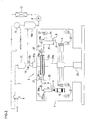
FIG. 1 is a schematic diagram showing a filler provided with an apparatus for sterilizing a filling nozzle according to the present invention, the right half ofFIG. 1 showing the filler being subjected to SIP, and the left half ofFIG. 1 showing the filler filling a bottle with a drink. -
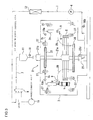
FIG. 2 is a schematic diagram showing another embodiment of the present invention. -
FIG. 3 is a schematic diagram showing a further embodiment of the present invention. -
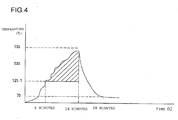
FIG. 4 is a graph for illustrating a time-temperature relationship of a method of heating the filler. - In the following, embodiments of the present invention will be described with reference to the drawings.
- As shown in
FIG. 1 , an aseptic filling apparatus includes afiller 2, and thefiller 2 includes a large number of fillingnozzles 2a arranged at predetermined angular intervals in a predetermined horizontal plane. - The aseptic filling apparatus has a drink preparation unit (not shown), and the preparation unit feeds a drink to the
filler 2 via amanifold valve 8. - The preparation unit, which produces a drink such as tea or fruit juice by mixing ingredients in desired proportions, is well-known and thus will not be described in detail herein.
- The preparation unit and the
filling nozzles 2a in thefiller 2 are coupled to each other by drink supply piping 7. Along the flow path of the drink supply piping 7 from the preparation unit to thefiller 2, themanifold valve 8 and ahead tank 11 are disposed in this order from upstream to downstream of the flow of the drink. The drink supplied to thefiller 2 through the drink supply piping 7 is metered and supplied into a bottle b, which is a container, through eachfilling nozzle 2a. - The aseptic filling apparatus includes a bottle conveying path that conveys the bottle b to the
filler 2 and conveys the bottle b filled with the drink by thefiller 2 to a capper (not shown). The bottle conveying path is typically formed by a series of a large number of wheels andgrippers 4 disposed around the respective wheels, for example. - The
filler 2 is a filling machine that fills a large number of bottles b with a drink at high rate and includes a wheel 5, which forms a part of the conveying path for the bottles b, as shown inFIG. 1 . The wheel 5 is attached to a part forming apivot 21a of aspindle 21 that stands vertically from a floor surface of the aseptic filling apparatus. Thegrippers 4 that grasp neck portions of the bottles b are arranged at regular intervals around the wheel 5. Thegrippers 4 can rotate in one direction integrally with the wheel 5. In addition, the large number of fillingnozzle 2a are arranged at the same intervals as thegrippers 4 around the wheel 5. - An upper part of the
spindle 21, which is inhibited from rotating, is fixed to a casing of thefiller 2. Thepivot 21a is provided with a rotary joint 21b at an upper part thereof corresponding to the position where thespindle 21 is fixed. Anupper manifold 22 is arranged on thepivot 21a at a position below the rotary joint 21b. A part of thespindle 21 from the top to theupper manifold 22 is hollow, and the drink supply piping 7 is introduced into the hollow part at the top of thespindle 21.Branch pipes 7b of the drink supply piping 7 extend from theupper manifold 22 to the fillingnozzles 2a. - In operation of the
filler 2, the wheel 5 rotates at high speed, the bottles b grasped by thegrippers 4 are conveyed at high speed on the conveying path in synchronization with the rotation of the wheel 5, and a predetermined amount of the drink is supplied successively to each bottle b when the bottle b is located directly below the nozzle mouth at the lower end of the fillingnozzle 2a. Each fillingnozzle 2a is provided with a drink metering sensor (not shown), and thus, the drink is metered by the drink metering sensor and supplied into each bottle b. - The
filler 2 is housed in anaseptic chamber 3 in its entirety as shown inFIG. 1 so that a sterilized bottle b can be filled with a sterilized drink by preventing a foreign matter such as microorganisms from entering the bottle b. Although not shown, theaseptic chamber 3 has an inlet port and an outlet port for the bottles b at an upstream part and a downstream part of the conveying path for the bottles b, respectively. - Before supplying the drink to the drink supply piping 7, hot water or a liquid chemical agent is supplied to the interior of the filler including the interior of the filling nozzles to perform SIP as a sterilization process.
- As the chemical agent, hydrogen peroxide, peracetic acid, acetic acid, ozone water, sodium hypochlorite, sodium hydroxide, potassium hydroxide, acid water, chlorine dioxide or a mixture thereof can be used. Any other liquid that can inactivate microorganisms can be used.
- To properly achieve SIP, the filler is provided with a sterilizing apparatus described below.
- Specifically, a
SIP cup 9 is arranged at the nozzle mouth of each fillingnozzle 2a of thefiller 2 in such a manner that theSIP cup 9 can be connected to and separated from the nozzle mouth. Adrain pipe 20 formed by a flexible pipe is connected to eachcup 9. When SIP is performed, thecup 9 is placed over the nozzle mouth at the tip end of the fillingnozzle 2a of thefiller 2 by an actuator (not shown), and a leading end of thedrain pipe 20 is connected to the opening of the fillingnozzle 2a. - At a predetermined position along the drink supply piping 7 between the
head tank 11 and the interior of thefiller 2, atemperature sensor 10 is disposed to detect the temperature of the hot water or liquid chemical agent supplied to perform SIP as a sterilization process in the drink supply piping 7. - Information about the temperature measured by the
temperature sensor 10 is transmitted to a controller (not shown), so that a representative temperature of the hot water or liquid chemical agent upstream of at least one fillingnozzle 2a can be monitored. This monitoring is achieved based on an F value calculated from the representative temperature or the like as described later. A common temperature monitoring is also possible, although the monitoring based on the F value is preferred from the viewpoint of energy savings. - Each of the plurality of filling
nozzles 2a of thefiller 2 is provided with aflow rate sensor 10a. When the hot water or liquid chemical agent is fed to the drink supply piping 7, the hot water or liquid chemical agent is discharged from all the fillingnozzles 2a. In this process, the flow rate of the hot water or liquid chemical agent is detected at all the fillingnozzles 2a by the respectiveflow rate sensors 10a, and theflow rate sensors 10a each transmit a flow rate signal to the controller. The flow rate signals are also used in monitoring of SIP as described later. - The drink metering sensor provided on each filling
nozzle 2a may be used instead of theflow rate sensor 10a. Each fillingnozzle 2a is provided with the drink metering sensor that allows the drink supplied to the drink supply piping 7 to be supplied in a predetermined amount into the container after SIP. When the drink metering sensor is used instead of theflow rate sensor 10a, the flow rate of the hot water or liquid chemical agent flowing through each fillingnozzle 2a can be measured by the drink metering sensor, and the measurement value can be transmitted to the controller. - Each
cup 9 described above is coupled to alower manifold 24 by thedrain pipe 20. Thelower manifold 24 is attached to thepivot 21a of thefiller 2 and can rotate integrally with the wheel 5, the fillingnozzles 2a and the like. - The
drain pipe 20 is provided with adisconnectable coupling 25 at a part where thedrain pipe 20 extending from thelower manifold 24 exits to the outside of theaseptic chamber 3. When SIP described above is performed, thecoupling 25 is connected. In this state, the wheel 5, the fillingnozzles 2a and the like are inhibited from rotating. When SIP is completed, and thecoupling 25 is disconnected, the wheel 5, the fillingnozzles 2a and the like are allowed to rotate. - The
drain pipe 20 is also provided with atemperature sensor 10b at a part outside theaseptic chamber 3. Information about the temperature measured by thetemperature sensor 10b is also transmitted to the controller, so that a representative temperature of the hot water or liquid chemical agent downstream of at least one fillingnozzle 2a can be monitored. This monitoring is achieved based on the F value calculated from the representative temperature or the like as described later. Instead of the monitoring based on calculation of the F value, a common temperature monitoring is also possible. - From the
coupling 25 on the opposite side to thedrain pipe 20, a return pipe 1 extends to themanifold valve 8. The return pipe 1 is provided with areservoir tank 19a of the hot water or chemical agent, apump 6, aheater 12 and the like at predetermined positions. The water, hot water or chemical agent is supplied to thereservoir tank 19a from asupply source 19 thereof. Thepump 6 and theheater 12 may be provided on another pipe line such as the drink supply piping 7, instead of being provided on the return pipe 1. - The hot water or liquid chemical agent is heated to a predetermined temperature by the
heater 12 and is fed under pressure by thepump 6 to circulate in an annular flow path formed by the drink supply piping 7, thedrain pipe 20 and the return pipe 1. In this process, the hot water or liquid chemical agent sterilizes the interior of the fillingnozzles 2a and the interior of thefiller 2. - The controller uses temperature information from the various kinds of
temperature sensors flow rate sensor 10a. Based on the various kinds of outputs of the controller, themanifold valve 8 provided on the drink supply piping 7, the actuator (not shown), various kinds of switch valves, various kinds of pumps or the like are controlled. - Next, a method for sterilizing the filling
nozzles 2a orfiller 2 described above will be described. - (1) When an operation button on a panel of the controller (not shown) is manipulated, the
manifold valve 8 disconnects the drink supply path, thecup 9 is placed on the nozzle mouth of the fillingnozzle 2a to connect thedrain pipe 20 to the fillingnozzle 2a, as shown in the right half ofFIG. 1 . In addition, the return pipe 1 is connected to thecoupling 25. - (2) The
pump 6 is then activated to introduce the hot water or liquid chemical agent into the annular flow path formed by the drink supply piping 7, thedrain pipe 20 and the return pipe 1. - (3) While the hot water or liquid chemical agent is flowing in the annular flow path, temperature information is transmitted from the
temperature sensors
As shown inFIG. 4 , when the temperatures of thedrain pipe 20 and other parts heated by the hot water or liquid chemical agent reach 121.1°C, the controller starts calculating the F value at each position according to the following formula.
In this formula, T denotes an arbitrary sterilization temperature (°C), and 10(T-121.1)/10 represents the fatality rate at an arbitrary temperature T and corresponds to the heating duration (in minutes) at 121,1°C. In this term, 121.1 is a reference temperature (°C), and 10 is a Z value (°C).
The controller determines whether or not the smallest one of the calculated F values has reached a target value.
With regard to thetemperature sensor 10 at a position, the target value of the F value corresponds to the area of the hatched region inFIG. 4 .
According to this embodiment, it is assumed that the drink that is the product liquid with which the bottle b is filled has a pH of 4.6 or higher, a reference temperature Tr is 121.1°C, and the Z value is 10°C.
In the formula for calculating the F value described above, the reference temperature Tr and the Z value can be changed according to the kind of the drink that is the product liquid.
For example, if the pH of the product liquid is equal to or higher than 4 and lower than 4.6, the reference temperature Tr can be 85°C, and the Z value can be 7.8°C. If the pH of the product liquid is lower than 4, the reference temperature Tr can be 60°C, and the Z value can be 5°C.
The values to be substituted into the formula described above can be changed as appropriate according to the ease of development of microorganisms, the temperature during distribution or the like of the product liquid, such as a hot-packed product such as green tea, mineral water or a chilled drink. - (4) Flow rate information is transmitted from the
flow rate sensor 10a attached to each fillingnozzle 2a to the controller at regular time intervals.
A relationship between the flow rate of the hot water or liquid chemical agent passing through each fillingnozzle 2a and the effect of sterilization of the fillingnozzle 2a can be determined by experiment in advance. Based on the result of the experiment, the controller determines whether or not the smallest one of the flow rates of all the fillingnozzles 2a has reached the target value. In general, whether the hot water or chemical agent is used, a sufficient sterilization effect can be achieved if the flow rate at each filling nozzle is 1.5m/s or higher, although some experiment result may show that a lower flow rate poses no problem. - (5) The controller monitors the flow rate of the hot water or liquid chemical agent at each filling
nozzle 10a based on the flow rate information from the relevantflow rate sensor 2a, monitors the representative temperatures of the hot water or liquid chemical agent upstream and downstream of at least one fillingnozzle 10a based on the temperature information from thetemperature sensors
That is, when the minimum value of the F values based on the temperature information from thetemperature sensors flow rate sensors 10a reaches the target value, the controller issues a signal to complete the sterilization process in thefiller 2.
In response to the signal, thepump 6 is stopped, and thecups 9 are removed from the nozzle mouths of the fillingnozzles 2a by the actuator (not shown). Thecoupling 25 is also disconnected.
When the flow rate at any of the fillingnozzles 2a is lower than a flow rate required for sterilization, the controller may issue an alarm notifying a failure of the sterilization process. Based on the alarm, an operator can perform an adjustment to increase the flow rate of the hot water or the like at therelevant filling nozzle 2a. - (6) When sterilization with the liquid chemical agent is to be ended, the
pump 6 or the like is stopped after the interior of thefiller 2 or the like is rinsed with washing water. Aseptic air is then supplied into thehead tank 11 to keep the whole of the drink supply piping 7 at positive pressure. - (7) After that, the process of filling the bottles b with the drink is started, and the drink prepared in the preparation unit is fed from the drink supply piping 7 into the
filler 2 and supplied into the bottle b as a container through the fillingnozzle 2a of thefiller 2. - The bottle b filled with the drink is fed out of the
filler 2 and then capped and sealed by the capper (not shown). - As shown in
FIG. 2 , according to a second embodiment, a two-stage rotary joint 21c is provided on thepivot 21a. - In addition, a two-
stage manifold 26 is provided on thepivot 21a at a position below the rotary joint 21b. - A part of the
spindle 21 from the top to an upper-stage manifold 26a is hollow, and the drink supply piping 7 is coupled to the top of thespindle 21.Branch pipes 7b of the drink supply piping 7 radially extend from the upper-stage manifold 26a to the fillingnozzles 2a. - In operation of the
filler 2, the wheel 5 rotates at high speed, the bottles b grasped by thegrippers 4 are conveyed at high speed on the conveying path in synchronization with the rotation of the wheel 5, and a predetermined amount of the drink is supplied successively to each bottle b when the bottle b is located directly below the nozzle mouth at the lower end of the fillingnozzle 2a. - Before supplying the drink to the drink supply piping 7, hot water or a liquid chemical agent is supplied to the interior of the
filler 2 including the interior of the fillingnozzles 2a to perform SIP as a sterilization process. - To properly achieve SIP, the
filler 2 is provided with a sterilizing apparatus described below. - Specifically, the
SIP cup 9 is arranged at the nozzle mouth of each fillingnozzle 2a of thefiller 2 in such a manner that theSIP cup 9 can be connected to and separated from the nozzle mouth. Thedrain pipe 20 formed by a flexible pipe is connected to eachcup 9. When SIP is performed, thecup 9 is placed over the nozzle mouth at the tip end of the fillingnozzle 2a of thefiller 2 by the actuator (not shown), and a leading end of thedrain pipe 20 can be connected to the opening of the fillingnozzle 2a. - At a position along the drink supply piping 7 between the
head tank 11 and the interior of thefiller 2, thetemperature sensor 10 is disposed to detect the temperature of the hot water or liquid chemical agent supplied to perform SIP as a sterilization process in the drink supply piping 7. - Since the
pivot 21a is provided with the rotary joint 21b as described above, the fillingnozzles 2a and the like can rotate with thepivot 21a while the hot water or liquid chemical agent is flowing in the annular flow path. Thus, as shown inFIG. 2 , when SIP is performed on the fillingnozzles 2a, at the same time, COP (cleaning out of place), which is a cleaning process, or SOP (sterilizing out of place), which is a sterilization process, can be efficiently performed on the interior of thechamber 3 including the exterior of thefiller 2 and the like by injecting water, a cleaning agent, hot water, a liquid or gaseous sterilizer or the like fromspray nozzles 27 arranged at various positions in thechamber 3. The sterilizer preferably contains liquid or gaseous hydrogen peroxide. However, the sterilizer may contain other constituents, such as acetic acid, peracetic acid, ozone, chlorine dioxide, sodium hypochlorite, sodium hydroxide or potassium hydroxide. - Information about the temperature measured by the
temperature sensor 10 is transmitted to the controller, so that a representative temperature of the hot water or liquid chemical agent upstream of at least one fillingnozzle 2a can be monitored. Instead of the monitoring based on calculation of the F value, a common temperature monitoring is also possible. - Each of the plurality of filling
nozzles 2a of thefiller 2 is provided with theflow rate sensor 10a. When the hot water or liquid chemical agent is fed to the drink supply piping 7, the hot water or liquid chemical agent is discharged from all the fillingnozzles 2a. In this process, the flow rate of the hot water or liquid chemical agent is detected at all the fillingnozzles 2a by the respectiveflow rate sensors 10a, and theflow rate sensors 10a each transmit a flow rate signal to the controller. The flow rate signals are also used in monitoring of SIP as described later. - The drink metering sensor (not shown) provided on each filling
nozzle 2a may be used instead of theflow rate sensor 10a. Each fillingnozzle 2a is provided with the drink metering sensor that allows the drink supplied to the drink supply piping 7 to be supplied in a predetermined amount into the bottle b that is the container after SIP. When the drink metering sensor is used instead of theflow rate sensor 10a, the flow rate of the hot water or liquid chemical agent flowing through each fillingnozzle 2a can be measured by the drink metering sensor, and the measurement value can be transmitted to the controller. - Each
cup 9 described above is coupled to a lower-stage manifold 26b by thedrain pipe 20. Thesecond manifold 26b is also attached to thepivot 21a of thefiller 2 and can rotate integrally with the wheel 5, the fillingnozzles 2a and the like. - The
spindle 21 has another hollow part between the top thereof and the lower-stage manifold 26b, and the return pipe 1 is coupled to the hollow part at the top of thespindle 21. - The return pipe 1 is provided with the
temperature sensor 10b at a position outside thespindle 21. Information about the temperature measured by thetemperature sensor 10b is transmitted to the controller, so that a representative temperature of the hot water or liquid chemical agent downstream of at least one fillingnozzle 2a can be monitored. This monitoring is achieved based on the F value calculated from the representative temperature or the like as described later. Instead of the monitoring based on calculation of the F value, a common temperature monitoring is also possible. - The return pipe 1 extends to the
manifold valve 8. The return pipe 1 is provided with thereservoir tank 19a of the water or chemical agent, thepump 6, theheater 12 and the like at predetermined positions. The water or chemical agent is supplied to thereservoir tank 19a from thesupply source 19 thereof. Thepump 6 and theheater 12 may be provided on another pipe line such as the drink supply piping 7, instead of being provided on the return pipe 1. - The water or liquid chemical agent is heated by the
heater 12 and is fed under pressure by thepump 6 to circulate in the annular flow path formed by the drink supply piping 7, the upper-stage manifold 26a, thebranch pipes 7b, the fillingnozzles 2a, thedrain pipe 20, the lower-stage manifold 26b and the return pipe 1 and heat the annular flow path. In this process, the hot water or liquid chemical agent sterilizes the interior of the fillingnozzles 2a and the interior of thefiller 2. - The controller calculates the F value based on the temperature information from the various kinds of
temperature sensors flow rate sensor 2a. Based on the various kinds of outputs of the controller, themanifold valve 8 provided on the drink supply piping 7, the actuator (not shown), various kinds of switch valves, various kinds of pumps or the like are controlled. - Next, a method for sterilizing the filling
nozzles 2a orfiller 2 described above will be described. - (1) When an operation button on a panel of the controller (not shown) is manipulated, the
manifold valve 8 disconnects the drink supply path, thecup 9 is placed on the nozzle mouth of the fillingnozzle 2a to connect thedrain pipe 20 to the fillingnozzle 2a, as shown in the right half ofFIG. 1 . - (2) The
pump 6 is then activated to introduce the water or liquid chemical agent into the annular flow path. - (3) While the water or liquid chemical agent is flowing in the annular flow path, temperature information is transmitted from the
temperature sensors
The F value is calculated for the positions of thetemperature sensors - (4) Flow rate information is transmitted from the
flow rate sensor 10a attached to each fillingnozzle 2a to the controller at regular time intervals.
A relationship between the flow rate of the hot water or liquid chemical agent passing through each fillingnozzle 2a and the effect of sterilization of the fillingnozzle 2a can be determined by experiment in advance. Based on the result of the experiment, the controller determines whether or not the smallest one of the flow rates of all the fillingnozzles 2a has reached the target value. - (5) The controller monitors the flow rate of the hot water or liquid chemical agent at each filling
nozzle 2a based on the flow rate information from the relevantflow rate sensor 10a, monitors the representative temperatures of the hot water or liquid chemical agent upstream and downstream of at least one fillingnozzle 2a based on the temperature information from thetemperature sensors
That is, when the minimum value of the F values based on the temperature information from thetemperature sensors flow rate sensors 10a reaches the target value, the controller issues a signal to complete the sterilization process in thefiller 2.
In response to the signal, thepump 6 is stopped, and thecups 9 are removed from the nozzle mouths of the fillingnozzles 2a by the actuator (not shown).
When the flow rate at any of the fillingnozzles 2a is lower than a flow rate required for sterilization, the controller may issue an alarm notifying a failure of the sterilization process. Based on the alarm, an operator can perform an adjustment to increase the flow rate of the hot water or the like at therelevant filling nozzle 2a.
While SIP is being performed on the fillingnozzles 2a, COP (cleaning out of place), which is a cleaning process, or SOP (sterilizing out of place), which is a sterilization process, is performed on the interior of thechamber 3 including the exterior of thefiller 2 and the like by injecting water, a cleaning agent, hot water, a liquid or gaseous sterilizer or the like from thespray nozzles 27 arranged at various positions in thechamber 3. - (6) When sterilization with the liquid chemical agent is to be ended, the
pump 6 or the like is stopped after the interior of thefiller 2 or the like is rinsed with sterilized washing water. Aseptic air is then supplied into thehead tank 11 to keep the whole of the drink supply piping 7 at positive pressure. - (7) After that, the process of filling the bottles b with the drink is started, and the drink prepared in the preparation unit is fed from the drink supply piping 7 into the
filler 2 and supplied into the bottle b as a container through the fillingnozzle 2a of thefiller 2. In thefiller 2, the drink flows to the fillingnozzles 2a through the upper-stage manifold 26a. - The bottle b filled with the drink is fed out of the
filler 2 and then capped and sealed by the capper (not shown). - As shown in
FIG. 3 , according to a third embodiment, an upper rotary joint 21b is provided on an upper part of thepivot 21a. In addition, unlike the first embodiment shown inFIG. 1 , a lower rotary joint 21c is provided on a lower part of thepivot 21a. - The
lower manifold 24 has a configuration similar to that of theupper manifold 22 and is in communication with the return pipe 1 via the lower rotary joint 21c. - The
supply source 19 of the hot water or chemical agent is connected to the drink supply piping 7 via themanifold valve 8. - Next, a method for sterilizing the filling
nozzles 2a orfiller 2 will be described. - (1) When an operation button on a panel of the controller (not shown) is manipulated, the
manifold valve 8 disconnects the drink supply path, thecup 9 is placed on the nozzle mouth of the fillingnozzle 2a to connect thedrain pipe 20 to the fillingnozzle 2a, as shown in the right half ofFIG. 3 . - (2) The
manifold valve 8 opens the flow path from thesupply source 19 of the hot water or liquid chemical agent, and thepump 6 is then activated to introduce the hot water or liquid chemical agent into the annular flow path formed by the drink supply piping 7, thedrain pipe 20 and the return pipe 1.
Since thepivot 21a is provided with the upper rotary joint 21b and the lower rotary joint 21c at an upper part and a lower part thereof, respectively, the fillingnozzles 2a and the like can rotate with thepivot 21a when the hot water or liquid chemical agent is flowing in the annular flow path. Thus, while SIP is being performed on the fillingnozzles 2a, COP or SOP is performed on the interior of thechamber 3 including the exterior of thefiller 2 and the like by injecting water, a cleaning agent, hot water, a liquid or gaseous sterilizer or the like from thespray nozzles 27 arranged at various positions in thechamber 3. The sterilizer preferably contains liquid or gaseous hydrogen peroxide. However, the sterilizer may contain other constituents, such as acetic acid, peracetic acid, ozone, chlorine dioxide, sodium hypochlorite, sodium hydroxide or potassium hydroxide. - (3) While the hot water or liquid chemical agent is flowing in the annular flow path, temperature information is transmitted from the
temperature sensors - (4) Flow rate information is transmitted from the
flow rate sensor 10a attached to each fillingnozzle 2a to the controller at regular time intervals.
A relationship between the flow rate of the hot water or liquid chemical agent passing through each fillingnozzle 2a and the effect of sterilization of the fillingnozzle 2a can be determined by experiment in advance. Based on the result of the experiment, the controller determines whether or not the smallest one of the flow rates of all the fillingnozzles 2a has reached the target value. - (5) The controller monitors the flow rate of the hot water or liquid chemical agent at each filling
nozzle 10a based on the flow rate information from eachflow rate sensor 2a, monitors the representative temperatures of the hot water or liquid chemical agent upstream and downstream of at least one fillingnozzle 10a based on the temperature information from thetemperature sensors
That is, when the minimum value of the F values based on the temperature information from thetemperature sensors flow rate sensors 10a reaches the target value, the controller issues a signal to complete the sterilization process in thefiller 2.
In response to the signal, thepump 6 is stopped, the pipe line from thesupply source 19 of the hot water or liquid chemical agent is disconnected by themanifold valve 8, and thecups 9 are removed from the nozzle mouths of the fillingnozzles 2a by the actuator (not shown).
When the flow rate at any of the fillingnozzles 2a is lower than a flow rate required for sterilization, the controller may issue an alarm notifying a failure of the sterilization process. Based on the alarm, an operator can perform an adjustment to increase the flow rate of the hot water or the like at therelevant filling nozzle 2a.
While SIP is being performed on the fillingnozzles 2a, COP, which is a cleaning process, or SOP, which is a sterilization process, is performed on the interior of thechamber 3 including the exterior of thefiller 2 and the like by injecting water, a cleaning agent, hot water, a liquid or gaseous sterilizer or the like from thespray nozzles 27 arranged at various positions in thechamber 3. - (6) When sterilization with the liquid chemical agent is to be ended, the
pump 6 or the like is stopped after the interior of thefiller 2 or the like is rinsed with sterilized washing water. Aseptic air is then supplied into thehead tank 11 to keep the whole of the drink supply piping 7 at positive pressure. - (7) After that, the process of filling the bottles b with the drink is started, and the drink prepared in the preparation unit is fed from the drink supply piping 7 into the
filler 2 and supplied into the bottle b as a container through the fillingnozzle 2a of thefiller 2. - The bottle b filled with the drink is fed out of the
filler 2 and then capped and sealed by the capper (not shown). - The present invention is configured as described above. However, the present invention is not limited to the embodiments described above, and various modifications can be made without departing from the spirit of the present invention.
-
- 2
- filler
- 2a
- filling nozzle
- 7
- drink supply piping
- 10a
- flow rate sensor
Claims (11)
- A method for sterilizing a filling nozzle, wherein hot water or a liquid chemical agent is fed to drink supply piping that feeds a drink to a plurality of filling nozzles at the same time, a flow rate of the hot water or liquid chemical agent is detected at all the filling nozzles while the hot water or liquid chemical agent is being discharged from all the filling nozzles, a representative temperature of the hot water or liquid chemical agent upstream or downstream of at least one filling nozzle is measured, and a sterilization process is ended when both the flow rate at each filling nozzle and the representative temperature reach respective target values.
- The method for sterilizing a filling nozzle according to claim 1, wherein an F value is calculated based on the representative temperature, and it is determined whether or not the F value has reached a target value.
- The method for sterilizing a filling nozzle according to claim 1, wherein an alarm notifying a failure of the sterilization process is issued if the flow rate at any of the filling nozzles is lower than a flow rate required for sterilization.
- The method for sterilizing a filling nozzle according to claim 1, wherein an interior and an exterior of the filling nozzles are sterilized at the same time by blasting hot water or a liquid or gaseous chemical agent to the exterior of all the filling nozzles while the hot water or liquid chemical agent is being discharged from all the filling nozzles.
- The method for sterilizing a filling nozzle according to claim 4, wherein the interior and the exterior of the filling nozzles are also washed at the same time with the hot water or liquid chemical agent.
- An apparatus for sterilizing a filling nozzle, wherein a flow rate sensor is provided on each of a plurality of filling nozzles, hot water or a liquid chemical agent is fed to drink supply piping that feeds a drink to the plurality of filling nozzles at the same time, a flow rate of the hot water or liquid chemical agent is detected at all the filling nozzles by the respective flow rate sensors while the hot water or liquid chemical agent is being discharged from all the filling nozzles, a representative temperature of the hot water or liquid chemical agent upstream or downstream of at least one filling nozzle is measured by a temperature sensor, and a sterilization process is ended when both the flow rate at each filling nozzle and the representative temperature reach respective target values.
- The apparatus for sterilizing a filling nozzle according to claim 6, wherein a drink metering sensor provided on each filling nozzle is used as the flow rate sensor.
- The apparatus for sterilizing a filling nozzle according to claim 6, wherein an F value is calculated based on the representative temperature, and it is determined whether or not the F value has reached a target value.
- The apparatus for sterilizing a filling nozzle according to claim 6 or 7, wherein an alarm notifying a failure of the sterilization process is issued if the flow rate at any of the filling nozzles is lower than a flow rate required for sterilization.
- The apparatus for sterilizing a filling nozzle according to claim 6, wherein all the filling nozzles are capable of integrally rotating, and during the rotation, an interior and an exterior of the filling nozzles are sterilized at the same time by blasting hot water or a liquid or gaseous chemical agent to the exterior of all the filling nozzles while the hot water or liquid chemical agent is being discharged from all the filling nozzles.
- The apparatus for sterilizing a filling nozzle according to claim 10, wherein the interior and the exterior of the filling nozzles are also washed at the same time with the hot water or liquid chemical agent.
Applications Claiming Priority (2)
| Application Number | Priority Date | Filing Date | Title |
|---|---|---|---|
| JP2014194746A JP5920433B2 (en) | 2014-09-25 | 2014-09-25 | Method and apparatus for sterilizing filling nozzle |
| PCT/JP2015/076718 WO2016047604A1 (en) | 2014-09-25 | 2015-09-18 | Method and apparatus for sterilizing filling nozzle |
Publications (3)
| Publication Number | Publication Date |
|---|---|
| EP3199488A1 true EP3199488A1 (en) | 2017-08-02 |
| EP3199488A4 EP3199488A4 (en) | 2018-05-30 |
| EP3199488B1 EP3199488B1 (en) | 2024-05-22 |
Family
ID=55581131
Family Applications (1)
| Application Number | Title | Priority Date | Filing Date |
|---|---|---|---|
| EP15843260.9A Active EP3199488B1 (en) | 2014-09-25 | 2015-09-18 | Method and apparatus for sterilizing filling nozzle |
Country Status (5)
| Country | Link |
|---|---|
| US (2) | US10556028B2 (en) |
| EP (1) | EP3199488B1 (en) |
| JP (1) | JP5920433B2 (en) |
| CN (1) | CN106715320B (en) |
| WO (1) | WO2016047604A1 (en) |
Cited By (2)
| Publication number | Priority date | Publication date | Assignee | Title |
|---|---|---|---|---|
| IT201800005582A1 (en) * | 2018-05-22 | 2019-11-22 | ASEPTIC CONTAINER FILLING APPARATUS AND METHOD FOR STERILIZING THIS APPARATUS | |
| EP3825277A3 (en) * | 2017-03-23 | 2022-11-16 | Krones Ag | Device for filling a container with a filling product |
Families Citing this family (10)
| Publication number | Priority date | Publication date | Assignee | Title |
|---|---|---|---|---|
| JP5920433B2 (en) | 2014-09-25 | 2016-05-18 | 大日本印刷株式会社 | Method and apparatus for sterilizing filling nozzle |
| JP6265223B2 (en) * | 2016-04-14 | 2018-01-24 | 大日本印刷株式会社 | Aseptic filling equipment |
| DE102016123965A1 (en) * | 2016-12-09 | 2018-06-14 | Krones Ag | Filling device for filling a filling product into a container to be filled in a filling product filling plant |
| DE102017104313A1 (en) * | 2017-03-01 | 2018-09-06 | Krones Ag | Device for filling a container with a sterilized filling product |
| JP6521396B2 (en) * | 2017-07-04 | 2019-05-29 | 大日本印刷株式会社 | Aseptic filling system |
| JP6819709B2 (en) * | 2019-03-01 | 2021-01-27 | 大日本印刷株式会社 | Container sterilizer, content filling system, container sterilization method and content filling method |
| JP7060567B2 (en) * | 2019-12-10 | 2022-04-26 | 三菱重工機械システム株式会社 | Filling system, its purification method, and manufacturing method |
| US12337357B2 (en) * | 2020-03-30 | 2025-06-24 | Chemtreat, Inc. | Methods and systems for online cleaning of beverage fillers |
| CN115605233B (en) * | 2020-05-14 | 2025-07-29 | 大日本印刷株式会社 | Sterilization method |
| CN118635232A (en) * | 2024-05-24 | 2024-09-13 | 江苏元瑞智能装备科技有限公司 | A cleaning and sterilizing device for filling equipment |
Family Cites Families (27)
| Publication number | Priority date | Publication date | Assignee | Title |
|---|---|---|---|---|
| US4414036A (en) * | 1981-09-18 | 1983-11-08 | Anderson Frank E | Sanitizer system and sanitizing method for carbonated beverage container filler machine |
| JPH0526900U (en) | 1991-08-08 | 1993-04-06 | キユーピー株式会社 | Filling nozzle cleaning device |
| JPH09323794A (en) * | 1996-06-04 | 1997-12-16 | Shibuya Kogyo Co Ltd | Filling-means-washing device in filling machine of flow measurement type |
| JPH10338296A (en) | 1997-06-05 | 1998-12-22 | Shintaku Kogyo Kk | Cleaning device of filling nozzle of liquid filling machine |
| JP4282126B2 (en) | 1998-11-20 | 2009-06-17 | 山陽コカ・コーラボトリング株式会社 | Cleaning method for beverage production line |
| JP2000246192A (en) | 1998-12-28 | 2000-09-12 | Kazuo Tokida | Washer |
| JP2004001850A (en) | 2002-05-31 | 2004-01-08 | Daiwa Can Co Ltd | Cleaning or sterilization monitoring device for filling nozzle |
| SE524496C2 (en) | 2002-12-13 | 2004-08-17 | Tetra Laval Holdings & Finance | Control of sterilizing device |
| US6889603B2 (en) * | 2002-12-24 | 2005-05-10 | Nestec S.A. | Clean-in-place automated food or beverage dispenser |
| JP4133561B2 (en) | 2003-05-07 | 2008-08-13 | Jsr株式会社 | Polyamic acid oligomers, polyimide oligomers, solution compositions, and fiber reinforced composite materials |
| US7143793B2 (en) * | 2005-02-18 | 2006-12-05 | Johnsondiversey, Inc. | Cleaning system for a filling machine |
| JP2007022600A (en) | 2005-07-19 | 2007-02-01 | Toyo Seikan Kaisha Ltd | Method for cleaning and sterilizing pipe system of filling machine in food filling system |
| JP2007106464A (en) | 2005-10-14 | 2007-04-26 | Dainippon Printing Co Ltd | Method of processing filling nozzle of filling machine, nozzle holder used in the method, and filling machine |
| JP2007215893A (en) | 2006-02-20 | 2007-08-30 | Masanari Tsutsumoto | Output system for determining bactericidal intensity |
| JP2007261639A (en) | 2006-03-29 | 2007-10-11 | Mitsubishi Heavy Industries Food & Packaging Machinery Co Ltd | Sterilizing-washing method and device |
| JP4876714B2 (en) * | 2006-05-23 | 2012-02-15 | 花王株式会社 | Cleaning device for filling system |
| WO2008012996A1 (en) * | 2006-07-26 | 2008-01-31 | Toyo Seikan Kaisha, Ltd. | Process for producing packaged drink |
| WO2009031436A1 (en) | 2007-09-03 | 2009-03-12 | Dai Nippon Printing Co., Ltd. | Packed product and method and apparatus for producing the same |
| JP5415116B2 (en) * | 2009-03-25 | 2014-02-12 | 麒麟麦酒株式会社 | Cleaning method for filling device and filling device |
| DE102009023406A1 (en) * | 2009-05-29 | 2010-12-02 | Krones Ag | Blowing machine with CIP cleaning system for the production of plastic bottles, in particular PET bottles |
| DE102011008878A1 (en) | 2011-01-18 | 2012-07-19 | Khs Gmbh | Filling element for container treatment machines in the form of filling machines, container treatment machine and method for cleaning machine elements on container treatment machines |
| JP5974739B2 (en) * | 2012-09-05 | 2016-08-23 | 大日本印刷株式会社 | Sterilization method and apparatus in aseptic filling chamber |
| EP3620426B1 (en) * | 2012-11-16 | 2023-03-01 | Dai Nippon Printing Co., Ltd. | Apparatus for filling a drink comprising means for cleaning and sterilizing the apparatus |
| JP5582213B1 (en) | 2013-03-28 | 2014-09-03 | 大日本印刷株式会社 | Filler purification method and apparatus |
| JP5574025B1 (en) * | 2013-06-25 | 2014-08-20 | 大日本印刷株式会社 | Sterilization method and apparatus for beverage supply system piping |
| CN203573189U (en) * | 2013-09-27 | 2014-04-30 | 贵州李记食品有限公司 | Steam control device |
| JP5920433B2 (en) | 2014-09-25 | 2016-05-18 | 大日本印刷株式会社 | Method and apparatus for sterilizing filling nozzle |
-
2014
- 2014-09-25 JP JP2014194746A patent/JP5920433B2/en active Active
-
2015
- 2015-09-18 EP EP15843260.9A patent/EP3199488B1/en active Active
- 2015-09-18 CN CN201580049656.5A patent/CN106715320B/en active Active
- 2015-09-18 US US15/511,691 patent/US10556028B2/en active Active
- 2015-09-18 WO PCT/JP2015/076718 patent/WO2016047604A1/en not_active Ceased
-
2019
- 2019-12-13 US US16/713,190 patent/US11103607B2/en active Active
Cited By (3)
| Publication number | Priority date | Publication date | Assignee | Title |
|---|---|---|---|---|
| EP3825277A3 (en) * | 2017-03-23 | 2022-11-16 | Krones Ag | Device for filling a container with a filling product |
| IT201800005582A1 (en) * | 2018-05-22 | 2019-11-22 | ASEPTIC CONTAINER FILLING APPARATUS AND METHOD FOR STERILIZING THIS APPARATUS | |
| WO2019224625A1 (en) * | 2018-05-22 | 2019-11-28 | Gea Procomac S.P.A. | Filling apparatus for filling containers in aseptic conditions and method for sterilizing such apparatus |
Also Published As
| Publication number | Publication date |
|---|---|
| JP5920433B2 (en) | 2016-05-18 |
| JP2016064855A (en) | 2016-04-28 |
| US20170290938A1 (en) | 2017-10-12 |
| WO2016047604A1 (en) | 2016-03-31 |
| EP3199488A4 (en) | 2018-05-30 |
| US10556028B2 (en) | 2020-02-11 |
| CN106715320B (en) | 2020-05-08 |
| US11103607B2 (en) | 2021-08-31 |
| CN106715320A (en) | 2017-05-24 |
| US20200138992A1 (en) | 2020-05-07 |
| EP3199488B1 (en) | 2024-05-22 |
Similar Documents
| Publication | Publication Date | Title |
|---|---|---|
| US11103607B2 (en) | Method and apparatus for sterilizing filling nozzle | |
| CN105246821B (en) | The method for disinfection and device of beverage supplying system piping | |
| EP3693329B1 (en) | Method for cleaning and sterilizing beverage filling device | |
| US9751742B2 (en) | Drink filling system and sterilizing method thereof | |
| EP3395750B1 (en) | Sterilization process transition method and product filling apparatus | |
| US12415713B2 (en) | Beverage filling system and CIP processing method | |
| JP6519607B2 (en) | Method and apparatus for sterilizing filling nozzle | |
| JP6265222B2 (en) | Method and apparatus for sterilizing filling nozzle | |
| JP6265223B2 (en) | Aseptic filling equipment | |
| EP3957598A1 (en) | Method for sterilizing beverage filling device and beverage filling device | |
| US12473186B2 (en) | Beverage filling system and cip processing method |
Legal Events
| Date | Code | Title | Description |
|---|---|---|---|
| STAA | Information on the status of an ep patent application or granted ep patent |
Free format text: STATUS: THE INTERNATIONAL PUBLICATION HAS BEEN MADE |
|
| PUAI | Public reference made under article 153(3) epc to a published international application that has entered the european phase |
Free format text: ORIGINAL CODE: 0009012 |
|
| STAA | Information on the status of an ep patent application or granted ep patent |
Free format text: STATUS: REQUEST FOR EXAMINATION WAS MADE |
|
| 17P | Request for examination filed |
Effective date: 20170330 |
|
| AK | Designated contracting states |
Kind code of ref document: A1 Designated state(s): AL AT BE BG CH CY CZ DE DK EE ES FI FR GB GR HR HU IE IS IT LI LT LU LV MC MK MT NL NO PL PT RO RS SE SI SK SM TR |
|
| AX | Request for extension of the european patent |
Extension state: BA ME |
|
| DAV | Request for validation of the european patent (deleted) | ||
| DAX | Request for extension of the european patent (deleted) | ||
| A4 | Supplementary search report drawn up and despatched |
Effective date: 20180504 |
|
| RIC1 | Information provided on ipc code assigned before grant |
Ipc: B08B 3/02 20060101ALI20180424BHEP Ipc: B67C 3/00 20060101ALI20180424BHEP Ipc: B08B 9/032 20060101AFI20180424BHEP Ipc: B67C 7/00 20060101ALI20180424BHEP |
|
| STAA | Information on the status of an ep patent application or granted ep patent |
Free format text: STATUS: EXAMINATION IS IN PROGRESS |
|
| 17Q | First examination report despatched |
Effective date: 20210818 |
|
| GRAP | Despatch of communication of intention to grant a patent |
Free format text: ORIGINAL CODE: EPIDOSNIGR1 |
|
| STAA | Information on the status of an ep patent application or granted ep patent |
Free format text: STATUS: GRANT OF PATENT IS INTENDED |
|
| INTG | Intention to grant announced |
Effective date: 20240103 |
|
| GRAS | Grant fee paid |
Free format text: ORIGINAL CODE: EPIDOSNIGR3 |
|
| GRAA | (expected) grant |
Free format text: ORIGINAL CODE: 0009210 |
|
| STAA | Information on the status of an ep patent application or granted ep patent |
Free format text: STATUS: THE PATENT HAS BEEN GRANTED |
|
| AK | Designated contracting states |
Kind code of ref document: B1 Designated state(s): AL AT BE BG CH CY CZ DE DK EE ES FI FR GB GR HR HU IE IS IT LI LT LU LV MC MK MT NL NO PL PT RO RS SE SI SK SM TR |
|
| REG | Reference to a national code |
Ref country code: GB Ref legal event code: FG4D |
|
| REG | Reference to a national code |
Ref country code: CH Ref legal event code: EP |
|
| REG | Reference to a national code |
Ref country code: DE Ref legal event code: R096 Ref document number: 602015088801 Country of ref document: DE |
|
| REG | Reference to a national code |
Ref country code: IE Ref legal event code: FG4D |
|
| REG | Reference to a national code |
Ref country code: LT Ref legal event code: MG9D |
|
| REG | Reference to a national code |
Ref country code: NL Ref legal event code: MP Effective date: 20240522 |
|
| PG25 | Lapsed in a contracting state [announced via postgrant information from national office to epo] |
Ref country code: IS Free format text: LAPSE BECAUSE OF FAILURE TO SUBMIT A TRANSLATION OF THE DESCRIPTION OR TO PAY THE FEE WITHIN THE PRESCRIBED TIME-LIMIT Effective date: 20240922 |
|
| PG25 | Lapsed in a contracting state [announced via postgrant information from national office to epo] |
Ref country code: BG Free format text: LAPSE BECAUSE OF FAILURE TO SUBMIT A TRANSLATION OF THE DESCRIPTION OR TO PAY THE FEE WITHIN THE PRESCRIBED TIME-LIMIT Effective date: 20240522 |
|
| PG25 | Lapsed in a contracting state [announced via postgrant information from national office to epo] |
Ref country code: FI Free format text: LAPSE BECAUSE OF FAILURE TO SUBMIT A TRANSLATION OF THE DESCRIPTION OR TO PAY THE FEE WITHIN THE PRESCRIBED TIME-LIMIT Effective date: 20240522 Ref country code: HR Free format text: LAPSE BECAUSE OF FAILURE TO SUBMIT A TRANSLATION OF THE DESCRIPTION OR TO PAY THE FEE WITHIN THE PRESCRIBED TIME-LIMIT Effective date: 20240522 |
|
| PG25 | Lapsed in a contracting state [announced via postgrant information from national office to epo] |
Ref country code: GR Free format text: LAPSE BECAUSE OF FAILURE TO SUBMIT A TRANSLATION OF THE DESCRIPTION OR TO PAY THE FEE WITHIN THE PRESCRIBED TIME-LIMIT Effective date: 20240823 |
|
| PG25 | Lapsed in a contracting state [announced via postgrant information from national office to epo] |
Ref country code: PT Free format text: LAPSE BECAUSE OF FAILURE TO SUBMIT A TRANSLATION OF THE DESCRIPTION OR TO PAY THE FEE WITHIN THE PRESCRIBED TIME-LIMIT Effective date: 20240923 |
|
| REG | Reference to a national code |
Ref country code: AT Ref legal event code: MK05 Ref document number: 1688366 Country of ref document: AT Kind code of ref document: T Effective date: 20240522 |
|
| PG25 | Lapsed in a contracting state [announced via postgrant information from national office to epo] |
Ref country code: NL Free format text: LAPSE BECAUSE OF FAILURE TO SUBMIT A TRANSLATION OF THE DESCRIPTION OR TO PAY THE FEE WITHIN THE PRESCRIBED TIME-LIMIT Effective date: 20240522 |
|
| PG25 | Lapsed in a contracting state [announced via postgrant information from national office to epo] |
Ref country code: ES Free format text: LAPSE BECAUSE OF FAILURE TO SUBMIT A TRANSLATION OF THE DESCRIPTION OR TO PAY THE FEE WITHIN THE PRESCRIBED TIME-LIMIT Effective date: 20240522 |
|
| PG25 | Lapsed in a contracting state [announced via postgrant information from national office to epo] |
Ref country code: AT Free format text: LAPSE BECAUSE OF FAILURE TO SUBMIT A TRANSLATION OF THE DESCRIPTION OR TO PAY THE FEE WITHIN THE PRESCRIBED TIME-LIMIT Effective date: 20240522 |
|
| PG25 | Lapsed in a contracting state [announced via postgrant information from national office to epo] |
Ref country code: PL Free format text: LAPSE BECAUSE OF FAILURE TO SUBMIT A TRANSLATION OF THE DESCRIPTION OR TO PAY THE FEE WITHIN THE PRESCRIBED TIME-LIMIT Effective date: 20240522 |
|
| PG25 | Lapsed in a contracting state [announced via postgrant information from national office to epo] |
Ref country code: LV Free format text: LAPSE BECAUSE OF FAILURE TO SUBMIT A TRANSLATION OF THE DESCRIPTION OR TO PAY THE FEE WITHIN THE PRESCRIBED TIME-LIMIT Effective date: 20240522 |
|
| PG25 | Lapsed in a contracting state [announced via postgrant information from national office to epo] |
Ref country code: PT Free format text: LAPSE BECAUSE OF FAILURE TO SUBMIT A TRANSLATION OF THE DESCRIPTION OR TO PAY THE FEE WITHIN THE PRESCRIBED TIME-LIMIT Effective date: 20240923 Ref country code: PL Free format text: LAPSE BECAUSE OF FAILURE TO SUBMIT A TRANSLATION OF THE DESCRIPTION OR TO PAY THE FEE WITHIN THE PRESCRIBED TIME-LIMIT Effective date: 20240522 Ref country code: NO Free format text: LAPSE BECAUSE OF FAILURE TO SUBMIT A TRANSLATION OF THE DESCRIPTION OR TO PAY THE FEE WITHIN THE PRESCRIBED TIME-LIMIT Effective date: 20240822 Ref country code: NL Free format text: LAPSE BECAUSE OF FAILURE TO SUBMIT A TRANSLATION OF THE DESCRIPTION OR TO PAY THE FEE WITHIN THE PRESCRIBED TIME-LIMIT Effective date: 20240522 Ref country code: LV Free format text: LAPSE BECAUSE OF FAILURE TO SUBMIT A TRANSLATION OF THE DESCRIPTION OR TO PAY THE FEE WITHIN THE PRESCRIBED TIME-LIMIT Effective date: 20240522 Ref country code: IS Free format text: LAPSE BECAUSE OF FAILURE TO SUBMIT A TRANSLATION OF THE DESCRIPTION OR TO PAY THE FEE WITHIN THE PRESCRIBED TIME-LIMIT Effective date: 20240922 Ref country code: HR Free format text: LAPSE BECAUSE OF FAILURE TO SUBMIT A TRANSLATION OF THE DESCRIPTION OR TO PAY THE FEE WITHIN THE PRESCRIBED TIME-LIMIT Effective date: 20240522 Ref country code: GR Free format text: LAPSE BECAUSE OF FAILURE TO SUBMIT A TRANSLATION OF THE DESCRIPTION OR TO PAY THE FEE WITHIN THE PRESCRIBED TIME-LIMIT Effective date: 20240823 Ref country code: FI Free format text: LAPSE BECAUSE OF FAILURE TO SUBMIT A TRANSLATION OF THE DESCRIPTION OR TO PAY THE FEE WITHIN THE PRESCRIBED TIME-LIMIT Effective date: 20240522 Ref country code: ES Free format text: LAPSE BECAUSE OF FAILURE TO SUBMIT A TRANSLATION OF THE DESCRIPTION OR TO PAY THE FEE WITHIN THE PRESCRIBED TIME-LIMIT Effective date: 20240522 Ref country code: BG Free format text: LAPSE BECAUSE OF FAILURE TO SUBMIT A TRANSLATION OF THE DESCRIPTION OR TO PAY THE FEE WITHIN THE PRESCRIBED TIME-LIMIT Effective date: 20240522 Ref country code: AT Free format text: LAPSE BECAUSE OF FAILURE TO SUBMIT A TRANSLATION OF THE DESCRIPTION OR TO PAY THE FEE WITHIN THE PRESCRIBED TIME-LIMIT Effective date: 20240522 Ref country code: RS Free format text: LAPSE BECAUSE OF FAILURE TO SUBMIT A TRANSLATION OF THE DESCRIPTION OR TO PAY THE FEE WITHIN THE PRESCRIBED TIME-LIMIT Effective date: 20240822 |
|
| PG25 | Lapsed in a contracting state [announced via postgrant information from national office to epo] |
Ref country code: DK Free format text: LAPSE BECAUSE OF FAILURE TO SUBMIT A TRANSLATION OF THE DESCRIPTION OR TO PAY THE FEE WITHIN THE PRESCRIBED TIME-LIMIT Effective date: 20240522 |
|
| PG25 | Lapsed in a contracting state [announced via postgrant information from national office to epo] |
Ref country code: EE Free format text: LAPSE BECAUSE OF FAILURE TO SUBMIT A TRANSLATION OF THE DESCRIPTION OR TO PAY THE FEE WITHIN THE PRESCRIBED TIME-LIMIT Effective date: 20240522 |
|
| PG25 | Lapsed in a contracting state [announced via postgrant information from national office to epo] |
Ref country code: CZ Free format text: LAPSE BECAUSE OF FAILURE TO SUBMIT A TRANSLATION OF THE DESCRIPTION OR TO PAY THE FEE WITHIN THE PRESCRIBED TIME-LIMIT Effective date: 20240522 |
|
| PG25 | Lapsed in a contracting state [announced via postgrant information from national office to epo] |
Ref country code: SK Free format text: LAPSE BECAUSE OF FAILURE TO SUBMIT A TRANSLATION OF THE DESCRIPTION OR TO PAY THE FEE WITHIN THE PRESCRIBED TIME-LIMIT Effective date: 20240522 Ref country code: RO Free format text: LAPSE BECAUSE OF FAILURE TO SUBMIT A TRANSLATION OF THE DESCRIPTION OR TO PAY THE FEE WITHIN THE PRESCRIBED TIME-LIMIT Effective date: 20240522 |
|
| PG25 | Lapsed in a contracting state [announced via postgrant information from national office to epo] |
Ref country code: SM Free format text: LAPSE BECAUSE OF FAILURE TO SUBMIT A TRANSLATION OF THE DESCRIPTION OR TO PAY THE FEE WITHIN THE PRESCRIBED TIME-LIMIT Effective date: 20240522 |
|
| PG25 | Lapsed in a contracting state [announced via postgrant information from national office to epo] |
Ref country code: SM Free format text: LAPSE BECAUSE OF FAILURE TO SUBMIT A TRANSLATION OF THE DESCRIPTION OR TO PAY THE FEE WITHIN THE PRESCRIBED TIME-LIMIT Effective date: 20240522 Ref country code: SK Free format text: LAPSE BECAUSE OF FAILURE TO SUBMIT A TRANSLATION OF THE DESCRIPTION OR TO PAY THE FEE WITHIN THE PRESCRIBED TIME-LIMIT Effective date: 20240522 Ref country code: RO Free format text: LAPSE BECAUSE OF FAILURE TO SUBMIT A TRANSLATION OF THE DESCRIPTION OR TO PAY THE FEE WITHIN THE PRESCRIBED TIME-LIMIT Effective date: 20240522 Ref country code: EE Free format text: LAPSE BECAUSE OF FAILURE TO SUBMIT A TRANSLATION OF THE DESCRIPTION OR TO PAY THE FEE WITHIN THE PRESCRIBED TIME-LIMIT Effective date: 20240522 Ref country code: DK Free format text: LAPSE BECAUSE OF FAILURE TO SUBMIT A TRANSLATION OF THE DESCRIPTION OR TO PAY THE FEE WITHIN THE PRESCRIBED TIME-LIMIT Effective date: 20240522 Ref country code: CZ Free format text: LAPSE BECAUSE OF FAILURE TO SUBMIT A TRANSLATION OF THE DESCRIPTION OR TO PAY THE FEE WITHIN THE PRESCRIBED TIME-LIMIT Effective date: 20240522 |
|
| REG | Reference to a national code |
Ref country code: DE Ref legal event code: R097 Ref document number: 602015088801 Country of ref document: DE |
|
| PLBE | No opposition filed within time limit |
Free format text: ORIGINAL CODE: 0009261 |
|
| STAA | Information on the status of an ep patent application or granted ep patent |
Free format text: STATUS: NO OPPOSITION FILED WITHIN TIME LIMIT |
|
| PG25 | Lapsed in a contracting state [announced via postgrant information from national office to epo] |
Ref country code: SI Free format text: LAPSE BECAUSE OF FAILURE TO SUBMIT A TRANSLATION OF THE DESCRIPTION OR TO PAY THE FEE WITHIN THE PRESCRIBED TIME-LIMIT Effective date: 20240522 Ref country code: MC Free format text: LAPSE BECAUSE OF FAILURE TO SUBMIT A TRANSLATION OF THE DESCRIPTION OR TO PAY THE FEE WITHIN THE PRESCRIBED TIME-LIMIT Effective date: 20240522 |
|
| 26N | No opposition filed |
Effective date: 20250225 |
|
| REG | Reference to a national code |
Ref country code: CH Ref legal event code: PL |
|
| PG25 | Lapsed in a contracting state [announced via postgrant information from national office to epo] |
Ref country code: LU Free format text: LAPSE BECAUSE OF NON-PAYMENT OF DUE FEES Effective date: 20240918 |
|
| GBPC | Gb: european patent ceased through non-payment of renewal fee |
Effective date: 20240918 |
|
| PG25 | Lapsed in a contracting state [announced via postgrant information from national office to epo] |
Ref country code: GB Free format text: LAPSE BECAUSE OF NON-PAYMENT OF DUE FEES Effective date: 20240918 |
|
| REG | Reference to a national code |
Ref country code: BE Ref legal event code: MM Effective date: 20240930 |
|
| PG25 | Lapsed in a contracting state [announced via postgrant information from national office to epo] |
Ref country code: BE Free format text: LAPSE BECAUSE OF NON-PAYMENT OF DUE FEES Effective date: 20240930 |
|
| PG25 | Lapsed in a contracting state [announced via postgrant information from national office to epo] |
Ref country code: CH Free format text: LAPSE BECAUSE OF NON-PAYMENT OF DUE FEES Effective date: 20240930 |
|
| PG25 | Lapsed in a contracting state [announced via postgrant information from national office to epo] |
Ref country code: IE Free format text: LAPSE BECAUSE OF NON-PAYMENT OF DUE FEES Effective date: 20240918 |
|
| PG25 | Lapsed in a contracting state [announced via postgrant information from national office to epo] |
Ref country code: SE Free format text: LAPSE BECAUSE OF FAILURE TO SUBMIT A TRANSLATION OF THE DESCRIPTION OR TO PAY THE FEE WITHIN THE PRESCRIBED TIME-LIMIT Effective date: 20240522 |
|
| PGFP | Annual fee paid to national office [announced via postgrant information from national office to epo] |
Ref country code: DE Payment date: 20250919 Year of fee payment: 11 |
|
| PGFP | Annual fee paid to national office [announced via postgrant information from national office to epo] |
Ref country code: IT Payment date: 20250923 Year of fee payment: 11 |
|
| PGFP | Annual fee paid to national office [announced via postgrant information from national office to epo] |
Ref country code: FR Payment date: 20250922 Year of fee payment: 11 |
|
| PG25 | Lapsed in a contracting state [announced via postgrant information from national office to epo] |
Ref country code: CY Free format text: LAPSE BECAUSE OF FAILURE TO SUBMIT A TRANSLATION OF THE DESCRIPTION OR TO PAY THE FEE WITHIN THE PRESCRIBED TIME-LIMIT; INVALID AB INITIO Effective date: 20150918 |
|
| PG25 | Lapsed in a contracting state [announced via postgrant information from national office to epo] |
Ref country code: HU Free format text: LAPSE BECAUSE OF FAILURE TO SUBMIT A TRANSLATION OF THE DESCRIPTION OR TO PAY THE FEE WITHIN THE PRESCRIBED TIME-LIMIT; INVALID AB INITIO Effective date: 20150918 |