EP3200521B1 - Lokalisierungsverfahren und lokalisierungsserver - Google Patents
Lokalisierungsverfahren und lokalisierungsserver Download PDFInfo
- Publication number
- EP3200521B1 EP3200521B1 EP15849091.2A EP15849091A EP3200521B1 EP 3200521 B1 EP3200521 B1 EP 3200521B1 EP 15849091 A EP15849091 A EP 15849091A EP 3200521 B1 EP3200521 B1 EP 3200521B1
- Authority
- EP
- European Patent Office
- Prior art keywords
- terminal
- position information
- positioning
- reliability
- neighboring terminal
- Prior art date
- Legal status (The legal status is an assumption and is not a legal conclusion. Google has not performed a legal analysis and makes no representation as to the accuracy of the status listed.)
- Active
Links
Images






Classifications
-
- H—ELECTRICITY
- H04—ELECTRIC COMMUNICATION TECHNIQUE
- H04W—WIRELESS COMMUNICATION NETWORKS
- H04W64/00—Locating users or terminals or network equipment for network management purposes, e.g. mobility management
- H04W64/006—Locating users or terminals or network equipment for network management purposes, e.g. mobility management with additional information processing, e.g. for direction or speed determination
-
- H—ELECTRICITY
- H04—ELECTRIC COMMUNICATION TECHNIQUE
- H04W—WIRELESS COMMUNICATION NETWORKS
- H04W64/00—Locating users or terminals or network equipment for network management purposes, e.g. mobility management
-
- G—PHYSICS
- G01—MEASURING; TESTING
- G01S—RADIO DIRECTION-FINDING; RADIO NAVIGATION; DETERMINING DISTANCE OR VELOCITY BY USE OF RADIO WAVES; LOCATING OR PRESENCE-DETECTING BY USE OF THE REFLECTION OR RERADIATION OF RADIO WAVES; ANALOGOUS ARRANGEMENTS USING OTHER WAVES
- G01S5/00—Position-fixing by co-ordinating two or more direction or position line determinations; Position-fixing by co-ordinating two or more distance determinations
- G01S5/0009—Transmission of position information to remote stations
- G01S5/0018—Transmission from mobile station to base station
- G01S5/0027—Transmission from mobile station to base station of actual mobile position, i.e. position determined on mobile
-
- G—PHYSICS
- G01—MEASURING; TESTING
- G01S—RADIO DIRECTION-FINDING; RADIO NAVIGATION; DETERMINING DISTANCE OR VELOCITY BY USE OF RADIO WAVES; LOCATING OR PRESENCE-DETECTING BY USE OF THE REFLECTION OR RERADIATION OF RADIO WAVES; ANALOGOUS ARRANGEMENTS USING OTHER WAVES
- G01S5/00—Position-fixing by co-ordinating two or more direction or position line determinations; Position-fixing by co-ordinating two or more distance determinations
- G01S5/02—Position-fixing by co-ordinating two or more direction or position line determinations; Position-fixing by co-ordinating two or more distance determinations using radio waves
- G01S5/0205—Details
- G01S5/0244—Accuracy or reliability of position solution or of measurements contributing thereto
-
- H—ELECTRICITY
- H04—ELECTRIC COMMUNICATION TECHNIQUE
- H04B—TRANSMISSION
- H04B17/00—Monitoring; Testing
- H04B17/20—Monitoring; Testing of receivers
- H04B17/27—Monitoring; Testing of receivers for locating or positioning the transmitter
-
- H—ELECTRICITY
- H04—ELECTRIC COMMUNICATION TECHNIQUE
- H04W—WIRELESS COMMUNICATION NETWORKS
- H04W4/00—Services specially adapted for wireless communication networks; Facilities therefor
- H04W4/02—Services making use of location information
- H04W4/023—Services making use of location information using mutual or relative location information between multiple location based services [LBS] targets or of distance thresholds
-
- H—ELECTRICITY
- H04—ELECTRIC COMMUNICATION TECHNIQUE
- H04W—WIRELESS COMMUNICATION NETWORKS
- H04W88/00—Devices specially adapted for wireless communication networks, e.g. terminals, base stations or access point devices
- H04W88/18—Service support devices; Network management devices
-
- G—PHYSICS
- G01—MEASURING; TESTING
- G01S—RADIO DIRECTION-FINDING; RADIO NAVIGATION; DETERMINING DISTANCE OR VELOCITY BY USE OF RADIO WAVES; LOCATING OR PRESENCE-DETECTING BY USE OF THE REFLECTION OR RERADIATION OF RADIO WAVES; ANALOGOUS ARRANGEMENTS USING OTHER WAVES
- G01S5/00—Position-fixing by co-ordinating two or more direction or position line determinations; Position-fixing by co-ordinating two or more distance determinations
- G01S5/0009—Transmission of position information to remote stations
- G01S5/0018—Transmission from mobile station to base station
- G01S5/0036—Transmission from mobile station to base station of measured values, i.e. measurement on mobile and position calculation on base station
-
- G—PHYSICS
- G01—MEASURING; TESTING
- G01S—RADIO DIRECTION-FINDING; RADIO NAVIGATION; DETERMINING DISTANCE OR VELOCITY BY USE OF RADIO WAVES; LOCATING OR PRESENCE-DETECTING BY USE OF THE REFLECTION OR RERADIATION OF RADIO WAVES; ANALOGOUS ARRANGEMENTS USING OTHER WAVES
- G01S5/00—Position-fixing by co-ordinating two or more direction or position line determinations; Position-fixing by co-ordinating two or more distance determinations
- G01S5/02—Position-fixing by co-ordinating two or more direction or position line determinations; Position-fixing by co-ordinating two or more distance determinations using radio waves
- G01S5/14—Determining absolute distances from a plurality of spaced points of known location
Definitions
- the present invention relates to the communications field, and in particular, to a positioning method, and a positioning server.
- information about a to-be-positioned terminal may be detected in a short range by using a user terminal participating in crowdsourcing, position of the crowdsourced terminal is fed back to a positioning server.
- the positioning server determines, based on the position of the crowdsourced terminal, position information of the to-be-positioned terminal, and sends the position information to the to-be-positioned terminal to complete positioning for the to-be-positioned terminal.
- the position information of the crowdsourced terminal may not be precise, and therefore cannot be relied on, resulting in low positioning precision.
- a mobile node positioning methods comprising receiving a position of a node from the node are known.
- a positioning method and a positioning server according to the independent claims are provided.
- Dependent claims provide preferred embodiments.
- Embodiments of the present invention provide a positioning method, a positioning server, which can improve positioning precision.
- a positioning server obtains position information and reliability verification information that are of a neighboring terminal of a to-be-positioned terminal, determines reliability of the position information of the neighboring terminal, and determines position information of the to-be-positioned terminal according to the position information of the neighboring terminal and the reliability. This can improve positioning precision.
- a Global System for Mobile Communications (English: Global System of Mobile communication, GSM for short), a Code Division Multiple Access (English: Code Division Multiple Access, CDMA for short) system, a Wideband Code Division Multiple Access (English: Wideband Code Division Multiple Access, WCDMA for short) system, a general packet radio service (English: General Packet Radio Service, GPRS for short), a Long Term Evolution (English: Long Term Evolution, LTE for short) system, an LTE frequency division duplex (English: Frequency Division Duplex, FDD for short) system, LTE time division duplex (English: Time Division Duplex, TDD for short), a Universal Mobile Telecommunications System (English: Universal Mobile Telecommunication System, UMTS for short), or a Worldwide Interoperability for Microwave Access (English: Worldwide Interoperability for Microwave Access, WiMAX for short) communications system.
- GSM Global System of Mobile communication
- CDMA Code Division Multiple Access
- WCDMA Wideband Code Division Multiple Access
- GPRS General Packet Radio Service
- Radio access networks of different systems may include different network elements.
- network elements in LTE and LTE-A radio access networks include an eNB (English: eNodeB, evolved NodeB), and network elements in a WCDMA radio access network include an RNC (Radio Network Controller, radio network controller) and a NodeB.
- RNC Radio Network Controller, radio network controller
- WiMax Worldwide Interoperability for Microwave Access
- base stations in the following embodiments are described by using an eNodeB and a NodeB as examples.
- user equipment includes but is not limited to a mobile station (MS, Mobile Station), a mobile terminal (Mobile Terminal), a mobile telephone (Mobile Telephone), a handset (handset), portable equipment (portable equipment), and the like.
- the use equipment may communicate with one or more core networks through a radio access network (RAN, Radio Access Network).
- RAN Radio Access Network
- the user equipment may be a mobile telephone (or referred to as a "cellular" telephone), or a computer having a radio communication function.
- the user equipment may alternatively be a portable, pocket-sized, handheld, computer built-in, or vehicle-mounted mobile apparatus.
- FIG. 1 is a diagram of a positioning scenario according to an embodiment of the present invention.
- the scenario shown in FIG. 1 includes a positioning server, a to-be-positioned terminal, and a neighboring terminal.
- the neighboring terminal is a terminal near the to-be-positioned terminal.
- the positioning server, the to-be-positioned terminal, and the neighboring terminal can communicate with each other.
- the communication between the positioning server, the to-be-positioned terminal, and the neighboring terminal may be performed by using the foregoing various radio networks, which is not limited in this embodiment of the present invention.
- a cellular network may be used for communication between the positioning server and the to-be-positioned terminal and between the positioning server and the neighboring terminal.
- a short-range radio communication manner may be used for communication between the to-be-positioned terminal and the neighboring terminal, for example, a communication mode of Bluetooth, WIFI (English: wireless-fidelity, wireless fidelity), or infrared rays may be used for communication.
- the positioning server may determine position information of the to-be-positioned terminal according to position information of the neighboring terminal to position the to-be-positioned terminal.
- FIG. 1 shows only a case in which there is one neighboring terminal.
- there is at least one neighboring terminal of the to-be-positioned terminal for example, three, five, or ten neighboring terminals. This is not limited in this embodiment of the present invention.
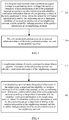
- FIG. 2 is a schematic flowchart of a positioning method according to another embodiment of the present invention.
- the embodiment shown in FIG. 2 is executed by a positioning server.
- the method shown in FIG. 2 includes:
- the to-be-positioned terminal sends the positioning request to the positioning server.
- the positioning server receives the positioning request message sent by the to-be-positioned terminal
- the positioning server obtains the position information and the reliability verification information of the neighboring terminal of the to-be-positioned terminal, and determines the reliability of the position information of the neighboring terminal according to the reliability verification information.
- the reliability indicates the precision of the position information of the neighboring terminal.
- the positioning server determines the position information of the to-be-positioned terminal according to the position information of the neighboring terminal and the reliability, and sends the position information of the to-be-positioned terminal to the to-be-positioned terminal.
- a positioning server obtains position information and reliability verification information that are of a neighboring terminal of a to-be-positioned terminal, determines reliability of the position information of the neighboring terminal, and determines position information of the to-be-positioned terminal according to the position information of the neighboring terminal and the reliability. This can improve positioning precision.
- the neighboring terminal of the to-be-positioned terminal includes at least one terminal.
- position information of each terminal of the at least one terminal has corresponding reliability
- the positioning server may determine the position information of the to-be-positioned terminal according to position information of the at least one terminal and corresponding reliability.
- the position information in this embodiment of the present invention may include a specific geographical position of a terminal, for example, a coordinate position of the terminal, such as a longitude and latitude position.
- the position information in this embodiment of the present invention may further include a position at which the terminal is specifically located, for example, a vendor's position at which the terminal is specifically located, such as information about a vendor's shop at a floor of a store. This embodiment of the present invention imposes no limitation thereon.
- the method in this embodiment of the present invention further includes:
- the positioning server obtains the position information and the reliability verification information of the neighboring terminal according to the scanning report message.
- the positioning server determines the position information of the to-be-positioned terminal according to the RSSI value of the positioning message, the position information of the neighboring terminal, and the reliability.
- the positioning server sends the positioning scanning request message to the neighboring terminal, where the scanning request message is used to instruct the neighboring terminal to receive the positioning message sent by the to-be-positioned terminal, for example, the to-be-positioned terminal sends the positioning message by means of continual broadcast, and the positioning message carries an identity of the to-be-positioned terminal; after receiving the positioning scanning request message, the neighboring terminal automatically receives, by using a short-range network, the positioning message sent by the to-be-positioned terminal; after the neighboring terminal receives the positioning message, the neighboring terminal generates the scanning report message according to the positioning message, where the scanning report message carries the RSSI value of the positioning message, and the position information and the reliability verification information of the neighboring terminal; the to-be-positioned terminal sends the scanning report message to the positioning server; the positioning server obtains the RSSI value of the positioning message, and the position information and the reliability verification information of the neighboring terminal according to the scanning report message, and determine
- the positioning server obtains the position information and the reliability verification information of the neighboring terminal according to the reporting message.
- the positioning server determines the position information of the to-be-positioned terminal according to the RSSI value of the broadcast message, the position information of the neighboring terminal, and the reliability.
- the positioning server sends the positioning scanning request message to the neighboring terminal, where the positioning scanning request message is used to instruct the neighboring terminal to send the broadcast message;
- the neighboring terminal sends the broadcast message, for example, the neighboring terminal sends the broadcast message by means of short-range communication, where the broadcast message carries the position information of the neighboring terminal and the reliability verification information of the neighboring terminal;
- the to-be-positioned terminal receives the broadcast message sent by the neighboring terminal, and generates the reporting message according to the broadcast message and the RSSI value of the broadcast message, where the reporting message carries the position information of the neighboring terminal, the reliability verification information of the neighboring terminal, identity information of the neighboring terminal, and the RSSI value of the broadcast message;
- the to-be-positioned terminal sends the reporting message to the positioning server, so that the positioning server determines the position information of the to-be-positioned terminal according to the reporting message;
- the positioning server obtains the RSSI value of the broadcast message, and the position information and
- the positioning request message includes a reporting message, where the reporting message is generated by the to-be-positioned terminal according to a broadcast message that is sent by the neighboring terminal and that is received by the to-be-positioned terminal and an RSSI value of the broadcast message, and the broadcast message carries the position information of the neighboring terminal and the reliability verification information of the neighboring terminal.
- the method further includes: obtaining, by the positioning server, the RSSI value of the broadcast message according to the positioning request message.
- the positioning server obtains the position information and the reliability verification information of the neighboring terminal according to the positioning request message.
- the positioning server determines the position information of the to-be-positioned terminal according to the position information of the neighboring terminal of the to-be-positioned terminal, the reliability, and the RSSI value of the broadcast message.
- the neighboring terminal sends the broadcast message, for example, sends the broadcast message by means of a short-range network;
- the to-be-positioned terminal receives the broadcast message sent by the neighboring terminal, where the broadcast message carries the position information of the neighboring terminal, the reliability verification information of the neighboring terminal, and identity information of the neighboring terminal;
- the to-be-positioned terminal generates the reporting message according to the broadcast message and the RSSI value of the broadcast message, where the reporting message carries the position information of the neighboring terminal, the reliability verification information of the neighboring terminal, the identity information of the neighboring terminal, and the RSSI value of the broadcast message, and in 210,
- the positioning request message includes the reporting message;
- the positioning server determines the position information and the reliability verification information of the neighboring terminal of the to-be-positioned terminal, and the RSSI value of the broadcast message according to the reporting message, and determines the reliability of the position information of the neighboring terminal according to the reliability verification information; and the positioning server determines the position information of the to-be-positioned terminal
- the positioning server does not deliver the positioning scanning request message by means of broadcast, and a terminal (neighboring terminal) participating in crowdsourcing is fully responsible for controlling a broadcast message sending interval and the like.
- a user determines whether to enable the short-range communication manner and send the broadcast message.
- the positioning server does not need to trigger broadcast message delivery, and therefore, a mobile terminal that needs to request positioning reports scanned information directly by using a request message. It can be understood herein that the reported information and a positioning request are combined into one message and then sent to the positioning server.
- the positioning server may determine a reliability level of the position information of the neighboring terminal according to an amount of the reliability verification information, where a larger amount of the reliability verification information corresponds to a higher level of reliability of the position information of the neighboring terminal, and a smaller amount of the reliability verification information corresponds to a lower level of reliability of the position information of the neighboring terminal.
- the reliability verification information can provide one piece of verification evidence information used by the positioning server to verify the reliability of the position information.
- the reliability verification information may be input by a user or selected by a user, or may be obtained by the neighboring terminal by automatically collecting related position evidence.
- the neighboring terminal may present, to the user, data that is collected by the neighboring terminal and that can be used to prove an effective position of the neighboring terminal, to obtain user selection, or directly obtain the reliability verification information manually input by the user.
- the reliability verification information includes at least one of the foregoing cases.
- a first type an approximate user position positioned by a Global Positioning System (GPS for short, English: Global Positioning System) or Assisted Global Positioning System (A-GPS for short, English: Assisted Global Positioning System) module
- GPS Global Positioning System
- A-GPS Assisted Global Positioning System
- a second type a consumption record and the like on Dianping, Meituan or the like
- a third type a real-time image or video that presents obvious geographical position information and that is actively shot by the user.
- the reliability verification information reported by the neighboring terminal is an obvious vendor logo (picture or video) in an indoor enclosed environment
- other reliability evidence information such as a consumption record and an approximate position, proved by the GPS, at which the neighboring terminal is located, and there is only one vendor logo (picture or video) in an approximate position range in a reliability verification database
- reliability of crowdsourced position data provided by the user is quite high, it may be considered that a positioning precision response that can be provided by the user is also relatively high, and a relatively high reliability value may be assigned to the position reported by the user.
- a reliability index of the position information is 100.
- the positioning server may determine a reliability level according to an amount of position reliability evidence provided by the neighboring terminal.
- the reliability index may be set to 1 to 100, and a larger value indicates higher reliability of the position information, and indicates greater precision of the position information.
- another manner can also be used to indicate the reliability level. For example, an index mapping manner is used.
- An abstracted reliability index may be used as a coefficient or an index of the positioning algorithm to adjust positioning precision.
- the positioning server determines a weight of the position information of the neighboring terminal according to the reliability level and the RSSI value of the broadcast message; and the positioning server determines the position information of the to-be-positioned terminal according to the position information of the neighboring terminal and the weight.
- the positioning server may set a large weight for position information with high reliability and a high RSSI value, and set a small weight for position information with low reliability and a high RSSI value, to determine the position information of the to-be-positioned terminal.
- a triangle localization algorithm or a centroid localization algorithm may be used to determine the position information of the to-be-positioned terminal.
- the method in this embodiment of the present invention further includes:
- the to-be-positioned terminal may perform feedback according to whether the position information is precise, generate the feedback information, and send the feedback information to the positioning server.
- the positioning server adjusts the reliability of the position information of the neighboring terminal according to the feedback information. For example, when the feedback information indicates that the position information of the to-be-positioned terminal is relatively precise, the server may increase the level of the reliability of the position information of the neighboring terminal according to the feedback information, and when the feedback information indicates that the position information of the to-be-positioned terminal is imprecise, the server may decrease the level of the reliability of the position information of the neighboring terminal according to the feedback information.
- FIG. 3 is a schematic flowchart of a positioning method according to an embodiment of the present invention.
- the method in FIG. 3 is executed by a to-be-positioned terminal.
- the method shown in FIG. 3 includes: 310:
- the to-be-positioned terminal sends a positioning request message to a positioning server, to trigger the server to determine position information of the to-be-positioned terminal according to position information and reliability verification information that are of a neighboring terminal of the to-be-positioned terminal, where the reliability verification information is used by the positioning server to determine reliability of the position information of the neighboring terminal, and the reliability indicates precision of the position information of the neighboring terminal.
- the to-be-positioned terminal sends the positioning request message to the positioning server, where the positioning request message may carry identity information of the to-be-positioned terminal, and the positioning request message is used to trigger the server to determine the position information of the to-be-positioned terminal according to position information and reliability verification information that are of at least one neighboring terminal of the to-be-positioned terminal.
- Reliability verification information of each neighboring terminal of the at least one neighboring terminal is used by the positioning server to determine reliability of the position information of the neighboring terminal, where the reliability indicates at least precision of the position information of the neighboring terminal.
- the to-be-positioned terminal receives the position information that is of the to-be-positioned terminal and sent by the positioning server.
- the to-be-positioned terminal may be user equipment that has a radio communication function
- the neighboring terminal is a terminal in a short-range communication range of the to-be-positioned terminal
- short-range communication modes include Bluetooth, WIFI, infrared rays, and the like
- the neighboring terminal includes at least one terminal.
- the to-be-positioned terminal when needing to be positioned, sends the positioning request to the positioning server; then the positioning server obtains the position information and the reliability verification information of the neighboring terminal of the to-be-positioned terminal, and determines the reliability of the position information of the neighboring terminal according to the reliability verification information, where the reliability indicates the precision of the position information of the neighboring terminal; the positioning server determines the position information of the to-be-positioned terminal according to the position information of the neighboring terminal and the reliability; and the positioning server sends the position information of the to-be-positioned terminal to the to-be-positioned terminal.
- a positioning server obtains position information and reliability verification information that are of a neighboring terminal of a to-be-positioned terminal, determines reliability of the position information of the neighboring terminal, and determines position information of the to-be-positioned terminal according to the position information of the neighboring terminal and the reliability. This can improve positioning precision.
- the positioning server may determine a position of the to-be-positioned terminal according to the position information of the neighboring terminal and the reliability by using a method such as a triangle localization algorithm or a centroid localization algorithm.
- a method such as a triangle localization algorithm or a centroid localization algorithm.
- the position information in this embodiment of the present invention may include a specific geographical position of a terminal, for example, a coordinate position of the terminal, such as a longitude and latitude position.
- the position information in this embodiment of the present invention may further include a position at which the terminal is specifically located, for example, a vendor's position at which the terminal is specifically located, such as information about a vendor's shop at a floor of a store. This embodiment of the present invention imposes no limitation thereon.
- the method in this embodiment of the present invention further includes: sending, by the to-be-positioned terminal, a positioning message, so that the neighboring terminal reports the position information and the reliability verification message of the neighboring terminal to the positioning server according to the positioning message.
- the positioning server sends a positioning scanning request message to the neighboring terminal, where the positioning scanning request message is used to instruct the neighboring terminal to receive the positioning message sent by the to-be-positioned terminal, for example, the to-be-positioned terminal sends the positioning message by means of continual broadcast, and the positioning message may carry an identity of the to-be-positioned terminal; after receiving the positioning scanning request message, the neighboring terminal automatically receives, by using a short-range network, the positioning message sent by the to-be-positioned terminal; after the neighboring terminal receives the positioning message, the neighboring terminal generates a scanning report message according to the positioning message, where the scanning report message carries an RSSI value of the positioning message, and the position information and the reliability verification information of the neighboring terminal; the to-be-positioned terminal sends the scanning report message to the positioning server; the positioning server obtains the RSSI value of the positioning message, and the position information and the reliability verification information of the neighboring terminal according to the scanning report message
- the positioning server does not send a positioning scanning request message to the neighboring terminal.
- the to-be-positioned terminal sends the positioning message, for example, the to-be-positioned terminal sends the positioning message by means of continual broadcast, where the positioning message carries an identity of the to-be-positioned terminal;
- the neighboring terminal receives, by using a short-range network, the positioning message sent by the to-be-positioned terminal; after the neighboring terminal receives the positioning message, the neighboring terminal generates a scanning report message according to the positioning message, where the scanning report message carries an RSSI value of the positioning message, and the position information and the reliability verification information of the neighboring terminal;
- the to-be-positioned terminal sends the scanning report message to the positioning server;
- the positioning server obtains the RSSI value of the positioning message, and the position information and the reliability verification information of the neighboring terminal according to the scanning report message; and the positioning server determines the position information of the to-be-positioned terminal according to the
- the positioning server does not deliver the positioning scanning request message by means of broadcast.
- the to-be-positioned terminal sends the scanning report message to the positioning server provided that the neighboring terminal scans the positioning message.
- only a neighboring terminal with the short-range network enabled can receive the positioning message.
- a short-range radio communication module may need to be enabled for a long time for a user participating in crowdsourced positioning, or only a user enabling the short-range radio communication module can participate in crowdsourced positioning. For the user, more power may be consumed. If the user disables a short-range communication manner to save power, for a positioning service provider, a decrease may be caused in a quantity of users participating in crowdsourcing.
- the user manually controls enablement or disablement of short-range radio communication, and therefore, relatively friendly user experience is gained in this embodiment. This improves user experience and can also increase positioning precision.
- the method in this embodiment of the present invention may further include:
- the positioning server sends a positioning scanning request message to the neighboring terminal, where the positioning scanning request message is used to instruct the neighboring terminal to send the broadcast message;
- the neighboring terminal sends the broadcast message, for example, the neighboring terminal sends the broadcast message by means of short-range communication, where the broadcast message carries the position information of the neighboring terminal and the reliability verification information of the neighboring terminal;
- the to-be-positioned terminal receives the broadcast message sent by the neighboring terminal, and generates the reporting message according to the broadcast message and the RSSI value of the broadcast message, where the reporting message carries the position information of the neighboring terminal, the reliability verification information of the neighboring terminal, identity information of the neighboring terminal, and the RSSI value of the broadcast message;
- the to-be-positioned terminal sends the reporting message to the positioning server, so that the positioning server determines the position information of the to-be-positioned terminal according to the reporting message;
- the positioning server obtains the RSSI value of the broadcast message, and the position information
- the method in this embodiment of the present invention further includes:
- the neighboring terminal sends the broadcast message, for example, sends the broadcast message by means of a short-range network;
- the to-be-positioned terminal receives the broadcast message sent by the neighboring terminal, where the broadcast message carries the position information of the neighboring terminal, the reliability verification information of the neighboring terminal, and identity information of the neighboring terminal;
- the to-be-positioned terminal generates the reporting message according to the broadcast message and the RSSI value of the broadcast message, where the reporting message carries the position information of the neighboring terminal, the reliability verification information of the neighboring terminal, the identity information of the neighboring terminal, and the RSSI value of the broadcast message, and in 310, the positioning request message includes the reporting message;
- the positioning server determines the position information and the reliability verification information of the neighboring terminal of the to-be-positioned terminal, and the RSSI value of the broadcast message according to the reporting message; and
- the positioning server determines the position information of the to-be-positioned terminal according to the position information and the reliability verification information of the neighboring terminal of the to-be-
- the positioning server does not deliver the positioning scanning request message by means of broadcast, and a terminal (neighboring terminal) participating in crowdsourcing is fully responsible for controlling a broadcast message sending interval and the like.
- a user determines whether to enable the short-range communication manner and send the broadcast message.
- the positioning server does not need to trigger broadcast message delivery, and therefore, a mobile terminal that needs to request positioning reports scanned information directly by using a request message. It can be understood herein that the reported information and a positioning request are combined into one positioning request message and then sent to the positioning server.
- the method in this embodiment of the present invention further includes:
- the to-be-positioned terminal may perform feedback according to whether the position information is precise, generate the feedback information, and send the feedback information to the positioning server.
- the positioning server adjusts the reliability of the position information of the neighboring terminal according to the feedback information. For example, when the feedback information indicates that the position information of the to-be-positioned terminal is relatively precise, the server may increase the level of the reliability of the position information of the neighboring terminal according to the feedback information, and when the feedback information indicates that the position information of the to-be-positioned terminal is imprecise, the server may decrease the level of the reliability of the position information of the neighboring terminal according to the feedback information.
- the foregoing describes a positioning method in an embodiment of the present invention from a perspective of a positioning server with reference to FIG. 2 , and describes a positioning method in an embodiment of the present invention from a perspective of a to-be-positioned terminal with reference to FIG. 3 .
- the following describes a positioning method in an embodiment of the present invention from a perspective of a neighboring terminal of a to-be-positioned terminal with reference to FIG. 4 .
- FIG. 4 is a schematic flowchart of a positioning method according to another embodiment of the present invention.
- the embodiment shown in FIG. 4 is executed by a neighboring terminal of a to-be-positioned terminal.
- the method shown in FIG. 4 includes:
- the to-be-positioned terminal when needing to be positioned, sends a positioning request to the positioning server; the positioning server receives the positioning request message sent by the to-be-positioned terminal; the neighboring terminal of the to-be-positioned terminal determines the position information of the neighboring terminal and the reliability verification information of the neighboring terminal; the neighboring terminal sends the position information of the neighboring terminal and the reliability verification information of the neighboring terminal; the positioning server obtains the position information and the reliability verification information of the neighboring terminal to determine the position information of the to-be-positioned terminal, and determines the reliability of the position information of the neighboring terminal according to the reliability verification information, where the reliability indicates the precision of the position information of the neighboring terminal; the positioning server determines the position information of the to-be-positioned terminal according to the position information of the neighboring terminal and the reliability; and the positioning server sends the position information of the to-be-positioned terminal to the to-be-positioned terminal.
- a positioning server obtains position information and reliability verification information that are of a neighboring terminal of a to-be-positioned terminal, determines reliability of the position information of the neighboring terminal, and determines position information of the to-be-positioned terminal according to the position information of the neighboring terminal and the reliability. This can improve positioning precision.
- the method in this embodiment of the present invention further includes: receiving, by the neighboring terminal, a positioning message sent by the to-be-positioned terminal, and determining, by the neighboring terminal, an RSSI value of the positioning message.
- the neighboring terminal sends the RSSI value of the positioning message, and the position information and the reliability verification information of the neighboring terminal to the positioning server.
- the to-be-positioned terminal sends the positioning message, for example, the to-be-positioned terminal sends the positioning message by means of continual broadcast, where the positioning message carries an identity of the to-be-positioned terminal; the neighboring terminal receives, by using a short-range network, the positioning message sent by the to-be-positioned terminal; after the neighboring terminal receives the positioning message, the neighboring terminal generates a scanning report message according to the positioning message, where the scanning report message carries the RSSI value of the positioning message, and the position information and the reliability verification information of the neighboring terminal; the to-be-positioned terminal sends the scanning report message to the positioning server; the positioning server obtains the RSSI value of the positioning message, and the position information and the reliability verification information of the neighboring terminal according to the scanning report message, and determines the reliability of the position information of the neighboring terminal according to the reliability verification information; and the positioning server determines the position information of the to-be-positioned terminal according to the
- the to-be-positioned terminal sends the scanning report message to the positioning server.
- a neighboring terminal with the short-range network enabled can receive the positioning message.
- a short-range radio communication module may need to be enabled for a long time for a user participating in crowdsourced positioning, or only a user enabling the short-range radio communication module can participate in crowdsourced positioning. For the user, more power may be consumed. If the user disables a short-range communication manner to save power, for a positioning service provider, a decrease may be caused in a quantity of users participating in crowdsourcing. In this embodiment, the user manually controls enablement or disablement of short-range radio communication, and therefore, relatively friendly user experience is gained in this embodiment. This improves user experience and can also increase positioning precision.
- the method in this embodiment of the present invention further includes: receiving, by the neighboring terminal, a positioning scanning request message sent by the positioning server, where the positioning scanning request message is used to instruct the neighboring terminal to receive a positioning message sent by the to-be-positioned terminal.
- the positioning server needs to send the positioning scanning request message to the neighboring terminal.
- the positioning server sends the positioning scanning request message to the neighboring terminal, where the positioning scanning request message is used to instruct the neighboring terminal to receive the positioning message sent by the to-be-positioned terminal, for example, the to-be-positioned terminal sends the positioning message by means of continual broadcast, and the positioning message carries an identity of the to-be-positioned terminal;
- the neighboring terminal automatically receives, by using a short-range network, the positioning message sent by the to-be-positioned terminal;
- the neighboring terminal after the neighboring terminal receives the positioning message, the neighboring terminal generates the scanning report message according to the positioning message, where the scanning report message carries the RSSI value of the positioning message, and the position information and the reliability verification information of the neighboring terminal;
- the to-be-positioned terminal sends the scanning report message to the positioning server;
- the positioning server obtains the RSSI value of the positioning message, and
- the method in this embodiment of the present invention further includes: receiving, by the neighboring terminal, a positioning scanning request message sent by the positioning server, where the positioning scanning request message is used to instruct the neighboring terminal to send a broadcast message, and the broadcast message carries the position information of the neighboring terminal and the reliability verification information of the neighboring terminal.
- the neighboring terminal sends the broadcast message, so that the to-be-positioned terminal receives the broadcast message sent by the neighboring terminal, generates a reporting message according to the broadcast message and an RSSI value of the broadcast message, and sends the reporting message to the positioning server, where the reporting message carries the position information of the neighboring terminal, the reliability verification information of the neighboring terminal, and the RSSI value of the broadcast message.
- the positioning server sends the positioning scanning request message to the neighboring terminal, where the positioning scanning request message is used to instruct the neighboring terminal to send the broadcast message;
- the neighboring terminal sends the broadcast message, for example, the neighboring terminal sends the broadcast message by means of short-range communication, where the broadcast message carries the position information of the neighboring terminal and the reliability verification information of the neighboring terminal;
- the to-be-positioned terminal receives the broadcast message sent by the neighboring terminal, and generates the reporting message according to the broadcast message and the RSSI value of the broadcast message, where the reporting message carries the position information of the neighboring terminal, the reliability verification information of the neighboring terminal, identity information of the neighboring terminal, and the RSSI value of the broadcast message;
- the to-be-positioned terminal sends the reporting message to the positioning server, so that the positioning server determines the position information of the to-be-positioned terminal according to the reporting message;
- the positioning server obtains the RSSI value of the broadcast message, and the position information and
- the neighboring terminal in 420, the neighboring terminal generates a broadcast message according to the position information of the neighboring terminal and the reliability verification information of the neighboring terminal, where the broadcast message carries the position information of the neighboring terminal and the reliability verification information of the neighboring terminal; and the neighboring terminal sends the broadcast message, so that the to-be-positioned terminal determines an RSSI value of the received broadcast message, generates a reporting message according to the received broadcast message and the RSSI value of the broadcast message, and sends the reporting message to the positioning server, where the reporting message carries the position information of the neighboring terminal, the reliability verification information of the neighboring terminal, and the RSSI value of the broadcast message.
- the neighboring terminal sends the broadcast message, for example, sends the broadcast message by means of a short-range network;
- the to-be-positioned terminal receives the broadcast message sent by the neighboring terminal, where the broadcast message carries the position information of the neighboring terminal, the reliability verification information of the neighboring terminal, and identity information of the neighboring terminal;
- the to-be-positioned terminal generates the reporting message according to the broadcast message and the RSSI value of the broadcast message, where the reporting message carries the position information of the neighboring terminal, the reliability verification information of the neighboring terminal, the identity information of the neighboring terminal, and the RSSI value of the broadcast message, and the positioning request message includes the reporting message;
- the positioning server determines the position information and the reliability verification information of the neighboring terminal of the to-be-positioned terminal, and the RSSI value of the broadcast message according to the reporting message, and determines the reliability of the position information of the neighboring terminal according to the reliability verification information; and the positioning server determines the position information of the to-be-positioned terminal according to the position information of
- the positioning server does not deliver the positioning scanning request message by means of broadcast, and a terminal (neighboring terminal) participating in crowdsourcing is fully responsible for controlling a broadcast message sending interval and the like.
- a user determines whether to enable the short-range communication manner and send the broadcast message.
- the positioning server does not need to trigger broadcast message delivery, and therefore, a mobile terminal that needs to request positioning reports scanned information directly by using a request message. It can be understood herein that the reported information and a positioning request are combined into one positioning request message and then sent to the positioning server.
- the foregoing describes a positioning method in an embodiment of the present invention from a perspective of a positioning server with reference to FIG. 2 , describes a positioning method in an embodiment of the present invention from a perspective of a to-be-positioned terminal with reference to FIG. 3 , and describes a positioning method in an embodiment of the present invention from a perspective of a neighboring terminal of a to-be-positioned terminal with reference to FIG. 4 .
- the following describes in detail a positioning method in an embodiment of the present invention with reference to specific examples in FIG. 5 to FIG. 8 .
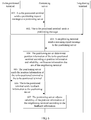
- FIG. 5 is a schematic flowchart of a positioning method according to another embodiment of the present invention. As shown in FIG. 5 , the method includes: 501: A to-be-positioned terminal sends a positioning request message to a positioning server.
- the to-be-positioned terminal that needs to obtain its own position information sends the positioning request message to the positioning server.
- the positioning request message is used to request the position information of the to-be-positioned terminal from the positioning server, and the positioning request message carries identity information of the to-be-positioned terminal, for example, an identity (ID for short, English: IDentidy) or a MAC (English: Media Access Control, media access control) address of the to-be-positioned terminal.
- the to-be-positioned terminal may have imprecise position information, for example, a position positioned by the GPS or a base station.
- the positioning request message may further carry the relatively approximate position information.
- the positioning server sends a positioning scanning request message to the neighboring terminal.
- the positioning server broadcasts a positioning scanning task to members participating in crowdsourcing. Specifically, the positioning server may send the positioning request message to all members by means of broadcast, or may send the positioning request message to some members. Further, if the positioning request message includes the relatively approximate position information of the to-be-positioned terminal, the positioning server may determine, according to the approximate position, a list of group members to which the positioning scanning task needs to be delivered. For example, the positioning scanning request message may be sent to a terminal around the approximate position.
- the neighboring terminal receives a positioning message sent by the to-be-positioned terminal.
- a terminal that receives the positioning scanning task delivered by the positioning server enables a local short-range radio communication module, and scans and receives the positioning message, where the to-be-positioned terminal that initiates the positioning request starts, after sending the request, to continually broadcast the positioning message in a same short-range radio communication manner, and the positioning message carries a user identity of the to-be-positioned terminal.
- the neighboring terminal sends a scanning report message to the positioning server.
- the scanning report message carries an RSSI value of the positioning message, and position information and reliability verification information that are of the neighboring terminal.
- the neighboring terminal that receives the foregoing positioning message extracts the user identity of the to-be-positioned terminal, an RSSI of a received positioning message signal, and other information from the positioning message, and generates the scanning report message according to the extracted information and the position information of the neighboring terminal itself.
- the scanning report message carries the RSSI value of the positioning message, and the position information and the reliability verification information of the neighboring terminal.
- the position information of the neighboring terminal may be actively input by a user or may be automatically obtained by the neighboring terminal from obtainable position information on the terminal.
- the position information of the neighboring terminal may be obtained by using a GPS module or an A-GPS module of the neighboring terminal.
- the neighboring terminal may present an input window on a UI screen to prompt the user to input current geographical position information.
- the reliability verification information can provide one piece of verification evidence information used by the positioning server to verify reliability of the position information.
- the reliability verification information may be input by a user or selected by a user, or may be obtained by the neighboring terminal by automatically collecting related position evidence.
- the neighboring terminal may present, to the user, data that is collected by the neighboring terminal and that can be used to prove an effective position of the neighboring terminal, to obtain user selection, or directly obtain the reliability verification information manually input by the user.
- the reliability verification information includes at least one of the foregoing cases.
- the foregoing neighboring terminal may automatically start a scanning timer.
- a time of the timer may be preset to 5s, 10s, or the like.
- the neighboring terminal may automatically disable a short-range radio communication scanning function, to prevent that the mobile terminal consumes power excessively fast due to participation in crowdsourced positioning.
- the positioning server determines position information of the to-be-positioned terminal according to position information and reliability verification information that are of the neighboring terminal.
- the positioning server obtains the position information and the reliability verification information of the neighboring terminal of the to-be-positioned terminal.
- the positioning server determines the reliability of the position information of the neighboring terminal according to the reliability verification information, where the reliability indicates precision of the position information of the neighboring terminal.
- the positioning server determines the position information of the to-be-positioned terminal according to the position information of the neighboring terminal and the reliability.
- the positioning server continually receives (collects) scanning report information reported by each neighboring terminal participating in crowdsourced positioning, and determines reliability of position information of the neighboring terminal according to reliability verification information in the scanning report information.
- the reliability information may be understood as precision information that can be provided by the neighboring terminal for crowdsourced positioning.
- the reliability verification information reported by the neighboring terminal is an obvious vendor logo (picture or video) in an indoor enclosed environment
- reliability evidence information such as a consumption record and an approximate position, proved by the GPS, at which the neighboring terminal is located, and there is only one vendor logo (picture or video) of this type in an approximate position range in a reliability verification database
- reliability of crowdsourced position data provided by the user is quite high, it may be considered that a positioning precision response that can be provided by the user is also relatively high, and a relatively high reliability value may be assigned to the position reported by the user.
- a reliability index of the position information is 100.
- the positioning server may determine a reliability level according to an amount of position reliability evidence provided by the neighboring terminal.
- the reliability index may be set to 1 to 100, and a larger value indicates higher reliability of the position information, and indicates greater precision of the position information.
- another manner can also be used to indicate the reliability level. For example, an index mapping manner is used.
- An abstracted reliability index may be used as a coefficient or an index of the positioning algorithm to adjust positioning precision.
- the positioning server may determine the position information of the to-be-positioned terminal according to the RSSI value of the positioning message, the position information of the neighboring terminal, and the reliability.
- the positioning server may set a large weight for position information with high reliability and a high RSSI value, and set a small weight for position information with low reliability and a high RSSI value, to determine the position information of the to-be-positioned terminal.
- a triangle localization algorithm or a centroid localization algorithm may be used to determine the position information of the to-be-positioned terminal.
- the positioning server makes reference to multiple pieces of scanning information reported. After verifying reliability of a position of the neighboring terminal, the positioning server selects all or some scanning reports with relatively high reliability, obtains, by means of calculation by using a positioning algorithm, the determined position information of the to-be-positioned terminal, and sends the information to the to-be-positioned terminal.
- the positioning server may adjust a level of a crowdsourced user (user that has been registered with a positioning system of the positioning server) according to a situation of reliability of a position reported each time by each participating mobile terminal. That is, if the user contributes an effective position each time, the user will quickly become a premium user of the positioning system, and in a positioning algorithm in future, a relatively high weight is assigned to position information of the user (terminal).
- the positioning server sends the position information of the to-be-positioned terminal to the to-be-positioned terminal.
- the positioning server may send the position information of the to-be-positioned terminal to the to-be-positioned terminal by using a cellular network.
- the to-be-positioned terminal sends feedback information to the positioning server.
- the feedback information indicates whether the position information of the to-be-positioned terminal is precise.
- the to-be-positioned terminal sends the feedback information to the positioning server, so that the positioning server adjusts the reliability of the position information of the neighboring terminal according to the feedback information.
- the positioning server adjusts reliability of the position information of the neighboring terminal according to the feedback information.
- the to-be-positioned terminal may perform feedback according to whether the position information is precise, generate the feedback information, and send the feedback information to the positioning server.
- the positioning server adjusts the reliability of the position information of the neighboring terminal according to the feedback information. For example, when the feedback information indicates that the position information of the to-be-positioned terminal is relatively precise, the server may increase the level of the reliability of the position information of the neighboring terminal according to the feedback information, and when the feedback information indicates that the position information of the to-be-positioned terminal is imprecise, the server may decrease the level of the reliability of the position information of the neighboring terminal according to the feedback information.
- the positioning server may manage a position reported by a user, for example, according to a moving speed and a consumption record of the user, and assign an effective time to the position reported by the neighboring terminal.
- a user within the effective time does not need to report position information, and effective position data stored in a crowdsourced positioning database may be directly used.
- the effective time may be relatively long, such as one minute, five minutes, or ten minutes.
- the effective time may be relatively short, such as ten seconds.
- the effective time may be specifically determined according to an actual need, which is not limited in this embodiment of the present invention.
- FIG. 6 is a schematic flowchart of a positioning method according to another embodiment of the present invention.
- a difference between the embodiment shown in FIG. 6 and the embodiment shown in FIG. 5 lies in that a positioning server does not send a positioning scanning request message to a neighboring terminal, and the neighboring terminal reports a scanning report message once scanning a positioning message sent by a to-be-positioned terminal.
- the method includes: 601: The to-be-positioned terminal sends a positioning request message to the positioning server.
- the to-be-positioned terminal that needs to obtain its own position information sends the positioning request message to the positioning server.
- the positioning request message is used to request the position information of the to-be-positioned terminal from the positioning server, and the positioning request message carries identity information of the to-be-positioned terminal, for example, an ID or a MAC address of the to-be-positioned terminal.
- the to-be-positioned terminal may have imprecise position information, for example, a position positioned by the GPS or a base station.
- the positioning request message may further carry the relatively approximate position information.
- the to-be-positioned terminal sends a positioning message.
- the to-be-positioned terminal After initiating the request, the to-be-positioned terminal starts to continually broadcast the positioning message in a short-range radio communication manner.
- the positioning message carries a user identity of the to-be-positioned terminal.
- the neighboring terminal sends a scanning report message to the positioning server.
- the scanning report message carries an RSSI value of the positioning message, and position information and reliability verification information that are of the neighboring terminal.
- the neighboring terminal with the short-range radio communication manner enabled receives the positioning message sent by the to-be-positioned terminal; after receiving the positioning message, the neighboring terminal extracts the user identity of the to-be-positioned terminal, an RSSI of a received positioning message signal, and other information from the positioning message, and generates the scanning report message according to the extracted information and the position information of the neighboring terminal itself.
- the scanning report message carries the RSSI value of the positioning message, and the position information and the reliability verification information of the neighboring terminal.
- the position information of the neighboring terminal may be actively input by a user or may be automatically obtained by the neighboring terminal from obtainable position information on the terminal.
- the position information of the neighboring terminal may be obtained by using a GPS module or an A-GPS module of the neighboring terminal. If the position information is actively input by the user, after receiving the positioning message, the neighboring terminal may present an input window on a UI screen to prompt the user to input current geographical position information.
- the reliability verification information can provide one piece of verification evidence information used by the positioning server to verify reliability of the position information.
- the reliability verification information may be input by a user or selected by a user, or may be obtained by the neighboring terminal by automatically collecting related position evidence.
- the neighboring terminal may present, to the user, data that is collected by the neighboring terminal and that can be used to prove an effective position of the neighboring terminal, to obtain user selection, or directly obtain the reliability verification information manually input by the user.
- the reliability verification information a first type: an approximate user position positioned by a GPS or A-GPS module; a second type: a consumption record on Dianping, Meituan or the like, and the like; and a third type: a real-time image or video that presents obvious geographical position information and that is actively shot by the user.
- the reliability verification information includes at least one of the foregoing cases.
- the foregoing neighboring terminal may automatically start a scanning timer.
- a time of the timer may be preset to 5s, 10s, or the like.
- the neighboring terminal may automatically disable a short-range radio communication scanning function, to prevent that the mobile terminal consumes power excessively fast due to participation in crowdsourced positioning.
- the positioning server determines position information of the to-be-positioned terminal according to position information and reliability verification information that are of the neighboring terminal.
- the positioning server obtains the position information and the reliability verification information of the neighboring terminal of the to-be-positioned terminal.
- the positioning server determines the reliability of the position information of the neighboring terminal according to the reliability verification information, where the reliability indicates precision of the position information of the neighboring terminal.
- the positioning server determines the position information of the to-be-positioned terminal according to the position information of the neighboring terminal and the reliability.
- the positioning server continually receives (collects) scanning report information reported by each neighboring terminal participating in crowdsourced positioning, and determines reliability of position information of the neighboring terminal according to reliability verification information in the scanning report information.
- the reliability information may be understood as precision information that can be provided by the neighboring terminal for crowdsourced positioning.
- the reliability verification information reported by the neighboring terminal is an obvious vendor logo (picture or video) in an indoor enclosed environment
- reliability evidence information such as a consumption record and an approximate position, proved by the GPS, at which the neighboring terminal is located, and there is only one vendor logo (picture or video) of this type in an approximate position range in a reliability verification database
- reliability of crowdsourced position data provided by the user is quite high, it may be considered that a positioning precision response that can be provided by the user is also relatively high, and a relatively high reliability value may be assigned to the position reported by the user.
- a reliability index of the position information is 100.
- the positioning server may determine a reliability level according to an amount of position reliability evidence provided by the neighboring terminal.
- the reliability index may be set to 1 to 100, and a larger value indicates higher reliability of the position information, and indicates greater precision of the position information.
- another manner can also be used to indicate the reliability level. For example, an index mapping manner is used.
- An abstracted reliability index may be used as a coefficient or an index of the positioning algorithm to adjust positioning precision.
- the positioning server may determine the position information of the to-be-positioned terminal according to the RSSI value of the positioning message, the position information of the neighboring terminal, and the reliability.
- the positioning server may set a large weight for position information with high reliability and a high RSSI value, and set a small weight for position information with low reliability and a high RSSI value, to determine the position information of the to-be-positioned terminal.
- a triangle localization algorithm or a centroid localization algorithm may be used to determine the position information of the to-be-positioned terminal.
- the positioning server makes reference to multiple pieces of scanning information reported. After verifying reliability of a position of the neighboring terminal, the positioning server selects all or some scanning reports with relatively high reliability, obtains, by means of calculation by using a positioning algorithm, the determined position information of the to-be-positioned terminal, and sends the information to the to-be-positioned terminal.
- the positioning server may adjust a level of a crowdsourced user (user that has been registered with a positioning system of the positioning server) according to a situation of reliability of a position reported each time by each participating mobile terminal. That is, if the user contributes an effective position each time, the user will quickly become a premium user of the positioning system, and in a positioning algorithm in future, a relatively high weight is assigned to position information of the user (terminal).
- the positioning server sends the position information of the to-be-positioned terminal to the to-be-positioned terminal.
- the positioning server may send the position information of the to-be-positioned terminal to the to-be-positioned terminal by using a cellular network.
- the to-be-positioned terminal sends feedback information to the positioning server.
- the feedback information indicates whether the position information of the to-be-positioned terminal is precise.
- the to-be-positioned terminal sends the feedback information to the positioning server, so that the positioning server adjusts the reliability of the position information of the neighboring terminal according to the feedback information.
- the positioning server adjusts reliability of the position information of the neighboring terminal according to the feedback information.
- the to-be-positioned terminal may perform feedback according to whether the position information is precise, generate the feedback information, and send the feedback information to the positioning server.
- the positioning server adjusts the reliability of the position information of the neighboring terminal according to the feedback information. For example, when the feedback information indicates that the position information of the to-be-positioned terminal is relatively precise, the server may increase the level of the reliability of the position information of the neighboring terminal according to the feedback information, and when the feedback information indicates that the position information of the to-be-positioned terminal is imprecise, the server may decrease the level of the reliability of the position information of the neighboring terminal according to the feedback information.
- the positioning server may manage a position reported by a user, for example, according to a moving speed and a consumption record of the user, and assign an effective time to the position reported by the terminal.
- a user within the effective time does not need to report position information, and effective position data stored in a crowdsourced positioning database may be directly used.
- the effective time may be relatively long, such as one minute, five minutes, or ten minutes.
- the effective time may be relatively short, such as ten seconds.
- the effective time may be specifically determined according to an actual need, which is not limited in this embodiment of the present invention.
- a user enabling a short-range radio communication module can participate in crowdsourced positioning. For the user, more power may be consumed. If the user disables a short-range communication manner to save power, for a positioning service provider, a decrease may be caused in a quantity of users participating in crowdsourcing.
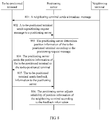
- FIG. 7 is a schematic flowchart of a positioning method according to another embodiment of the present invention.
- a difference between the embodiment shown in FIG. 7 and the embodiment shown in FIG. 5 lies in that, after a server delivers a positioning scanning request by means of broadcast or multicast, a mobile terminal (neighboring terminal) that participates in crowdsourced positioning and that receives the request sends broadcast information.
- the broadcast message carries position information of the neighboring terminal and reliability verification information of the neighboring terminal.
- the neighboring terminal participating in crowdsourced positioning may continually broadcast the broadcast message for a period of time. For example, the period of time may be determined by using a timer.
- a to-be-positioned terminal that receives the broadcast message generates a reporting message according to the collected broadcast message and an RSSI value of each message, and further generates a positioning request message, where the reporting message carries the position information of the neighboring terminal, the reliability verification information of the neighboring terminal, and the RSSI value of the broadcast message, and the positioning request message includes the reporting message.
- the method includes: 701: The to-be-positioned terminal sends the positioning request message to the positioning server.
- the to-be-positioned terminal that needs to obtain its own position information sends the positioning request message to the positioning server.
- the positioning request message is used to request the position information of the to-be-positioned terminal from the positioning server, and the positioning request message carries identity information of the to-be-positioned terminal, for example, an ID or a MAC address of the to-be-positioned terminal.
- the to-be-positioned terminal may have imprecise position information, for example, a position positioned by the GPS or a base station.
- the positioning request message may further carry the relatively approximate position information.
- the positioning server sends a positioning scanning request message to the neighboring terminal.
- the positioning server broadcasts a positioning scanning task to members participating in crowdsourcing. Specifically, the positioning server may send the positioning request message to all members by means of broadcast, or may send the positioning request message to some members. Further, if the positioning request message includes the relatively approximate position information of the to-be-positioned terminal, the positioning server may determine, according to the approximate position, a list of group members to which the positioning scanning task needs to be delivered. For example, the positioning scanning request message may be sent to a terminal around the approximate position.
- the foregoing neighboring terminal may automatically start a scanning timer.
- a time of the timer may be preset to 5s, 10s, or the like.
- the neighboring terminal may automatically disable a short-range radio communication scanning function, to prevent that the mobile terminal consumes power excessively fast due to participation in crowdsourced positioning.
- the neighboring terminal sends the broadcast message.
- the broadcast message carries the position information of the neighboring terminal, the reliability verification information of the neighboring terminal, and identity information of the neighboring terminal.
- the position information of the neighboring terminal may be actively input by a user or may be automatically obtained by the neighboring terminal from obtainable position information on the terminal.
- the position information of the neighboring terminal may be obtained by using a GPS module or an A-GPS module of the neighboring terminal. If the position information is actively input by the user, the neighboring terminal may present an input window on a UI screen to prompt the user to input current geographical position information.
- the reliability verification information can provide one piece of verification evidence information used by the positioning server to verify reliability of the position information.
- the reliability verification information may be input by a user or selected by a user, or may be obtained by the neighboring terminal by automatically collecting related position evidence.
- the neighboring terminal may present, to the user, data that is collected by the neighboring terminal and that can be used to prove an effective position of the neighboring terminal, to obtain user selection, or directly obtain the reliability verification information manually input by the user.
- the reliability verification information includes at least one of the foregoing cases.
- the to-be-positioned terminal sends the reporting message to the positioning server.
- the broadcast message carries the position information of the neighboring terminal and the reliability verification information of the neighboring terminal.
- the to-be-positioned terminal receives the broadcast message sent by the neighboring terminal, and generates the reporting message according to the broadcast message and the RSSI value of the broadcast message.
- the reporting message carries the position information of the neighboring terminal, the reliability verification information of the neighboring terminal, the identity information of the neighboring terminal, and the RSSI value of the broadcast message.
- the positioning server determines position information of the to-be-positioned terminal according to the reporting message.
- the positioning server obtains the RSSI value of the broadcast message, and the position information and the reliability verification information of the neighboring terminal according to the reporting message, and the positioning server determines the position information of the to-be-positioned terminal according to the RSSI value of the broadcast message, and the position information and the reliability verification information of the neighboring terminal, and sends the position information to the to-be-positioned terminal.
- the positioning server determines the reliability of the position information of the neighboring terminal according to the reliability verification information of the neighboring terminal.
- the reliability information may be understood as precision information that can be provided by the neighboring terminal for crowdsourced positioning. For example, as shown in Table 1, if the reliability verification information reported by the neighboring terminal is an obvious vendor logo (picture or video) in an indoor enclosed environment, there are also other reliability evidence information such as a consumption record and an approximate position, proved by the GPS, at which the neighboring terminal is located, and there is only one vendor logo (picture or video) of this type in an approximate position range in a reliability verification database, reliability of crowdsourced position data provided by the user is quite high, it may be considered that a positioning precision response that can be provided by the user is also relatively high, and a relatively high reliability value may be assigned to the position reported by the user.
- a reliability index of the position information is 100.
- the positioning server may determine a reliability level according to an amount of position reliability evidence provided by the neighboring terminal.
- the reliability index may be set to 1 to 100, and a larger value indicates higher reliability of the position information, and indicates greater precision of the position information.
- another manner can also be used to indicate the reliability level. For example, an index mapping manner is used.
- An abstracted reliability index may be used as a coefficient or an index of the positioning algorithm to adjust positioning precision.
- the positioning server may determine the position information of the to-be-positioned terminal according to the RSSI value of the broadcast message, the position information of the neighboring terminal, and the reliability.
- the positioning server may set a large weight for position information with high reliability and a high RSSI value of the broadcast message, and set a small weight for position information with low reliability and a high RSSI value of the broadcast message, to determine the position information of the to-be-positioned terminal.
- a triangle localization algorithm or a centroid localization algorithm may be used to determine the position information of the to-be-positioned terminal.
- the positioning server selects all or some scanning reports with relatively high reliability, obtains, by means of calculation by using a positioning algorithm, the determined position information of the to-be-positioned terminal, and sends the information to the to-be-positioned terminal.
- the positioning server may adjust a level of a crowdsourced user (user that has been registered with a positioning system of the positioning server) according to a situation of reliability of a position reported each time by each participating mobile terminal. That is, if the user contributes an effective position each time, the user will quickly become a premium user of the positioning system, and in a positioning algorithm in future, a relatively high weight is assigned to position information of the user (terminal).
- the positioning server sends the position information of the to-be-positioned terminal to the to-be-positioned terminal.
- the positioning server may send the position information of the to-be-positioned terminal to the to-be-positioned terminal by using a cellular network.
- the to-be-positioned terminal sends feedback information to the positioning server. Specifically, the feedback information indicates whether the position information of the to-be-positioned terminal is precise.
- the to-be-positioned terminal sends the feedback information to the positioning server, so that the positioning server adjusts the reliability of the position information of the neighboring terminal according to the feedback information.
- the positioning server adjusts reliability of the position information of the neighboring terminal according to the feedback information.
- the to-be-positioned terminal may perform feedback according to whether the position information is precise, generate the feedback information, and send the feedback information to the positioning server.
- the positioning server adjusts the reliability of the position information of the neighboring terminal according to the feedback information. For example, when the feedback information indicates that the position information of the to-be-positioned terminal is relatively precise, the server may increase the level of the reliability of the position information of the neighboring terminal according to the feedback information, and when the feedback information indicates that the position information of the to-be-positioned terminal is imprecise, the server may decrease the level of the reliability of the position information of the neighboring terminal according to the feedback information.
- the positioning server may manage a position reported by a user, for example, according to a moving speed and a consumption record of the user, and assign an effective time to the position reported by the terminal.
- a user within the effective time does not need to report position information, and effective position data stored in a crowdsourced positioning database may be directly used.
- the effective time may be relatively long, such as one minute, five minutes, or ten minutes.
- the effective time may be relatively short, such as ten seconds.
- FIG. 8 is a schematic flowchart of a positioning method according to another embodiment of the present invention.
- a difference between the embodiment shown in Fig. 8 and the embodiment shown in FIG. 7 lies in that a positioning server does not deliver a positioning scanning request message by means of broadcast, that is, a neighboring terminal participating in crowdsourcing is fully responsible for controlling sending of a broadcast message, and a control right for participating in crowdsourced positioning is given to a user.
- the positioning server does not need to trigger broadcast message delivery, and therefore, this process is the simplest and leaves a lot of room for a free user operation.
- the method includes: 801: The neighboring terminal sends the broadcast message.
- the broadcast message carries position information of the neighboring terminal, reliability verification information of the neighboring terminal, and identity information of the neighboring terminal.
- the position information of the neighboring terminal may be actively input by a user or may be automatically obtained by the neighboring terminal from obtainable position information on the terminal.
- the position information of the neighboring terminal may be obtained by using a GPS module or an A-GPS module of the neighboring terminal. If the position information is actively input by the user, the neighboring terminal may present an input window on a UI screen to prompt the user to input current geographical position information.
- the reliability verification information can provide one piece of verification evidence information used by the positioning server to verify reliability of the position information.
- the reliability verification information may be input by a user or selected by a user, or may be obtained by the neighboring terminal by automatically collecting related position evidence.
- the neighboring terminal may present, to the user, data that is collected by the neighboring terminal and that can be used to prove an effective position of the neighboring terminal, to obtain user selection, or directly obtain the reliability verification information manually input by the user.
- the reliability verification information includes at least one of the foregoing cases.
- a to-be-positioned terminal sends a positioning request message to the positioning server.
- the positioning request message includes a reporting message.
- the to-be-positioned terminal receives the broadcast message sent by the neighboring terminal, where the broadcast message carries the position information of the neighboring terminal, the reliability verification information of the neighboring terminal, and the identity information of the neighboring terminal; and the to-be-positioned terminal generates the reporting message according to the broadcast message and an RSSI value of the broadcast message, where the reporting message carries the position information of the neighboring terminal, the reliability verification information of the neighboring terminal, the identity information of the neighboring terminal, and the RSSI value of the broadcast message.
- the to-be-positioned terminal that needs to obtain its own position information sends the positioning request message to the positioning server.
- the positioning request message is used to request the position information of the to-be-positioned terminal from the positioning server, and the positioning request message carries identity information of the to-be-positioned terminal and the reporting message, for example, an identity of the to-be-positioned terminal may be an ID, a MAC address, or the like of the to-be-positioned terminal.
- an identity of the to-be-positioned terminal may be an ID, a MAC address, or the like of the to-be-positioned terminal.
- the to-be-positioned terminal may have imprecise position information, for example, a position positioned by the GPS or a base station.
- the positioning request message may further carry the relatively approximate position information.
- the positioning server determines position information of the to-be-positioned terminal according to the positioning request message.
- the positioning server determines the position information and the reliability verification information of the neighboring terminal of the to-be-positioned terminal, and the RSSI value of the broadcast message according to the reporting message, and the positioning server determines the position information of the to-be-positioned terminal according to the position information and the reliability verification information of the neighboring terminal of the to-be-positioned terminal, and the RSSI value of the broadcast message, and sends the position information to the to-be-positioned terminal.
- the positioning server determines the reliability of the position information of the neighboring terminal according to the reliability verification information of the neighboring terminal.
- the reliability information may be understood as precision information that can be provided by the neighboring terminal for crowdsourced positioning. For example, as shown in Table 1, if the reliability verification information reported by the neighboring terminal is an obvious vendor logo (picture or video) in an indoor enclosed environment, there are also other reliability evidence information such as a consumption record and an approximate position, proved by the GPS, at which the neighboring terminal is located, and there is only one vendor logo (picture or video) of this type in an approximate position range in a reliability verification database, reliability of crowdsourced position data provided by the user is quite high, it may be considered that a positioning precision response that can be provided by the user is also relatively high, and a relatively high reliability value may be assigned to the position reported by the user.
- a reliability index of the position information is 100.
- the positioning server may determine a reliability level according to an amount of position reliability evidence provided by the neighboring terminal.
- the reliability index may be set to 1 to 100, and a larger value indicates higher reliability of the position information, and indicates greater precision of the position information.
- another manner can also be used to indicate the reliability level. For example, an index mapping manner is used.
- An abstracted reliability index may be used as a coefficient or an index of the positioning algorithm to adjust positioning precision.
- the positioning server may determine the position information of the to-be-positioned terminal according to the RSSI value of the broadcast message, the position information of the neighboring terminal, and the reliability.
- the positioning server may set a large weight for position information with high reliability and a high RSSI value of the broadcast message, and set a small weight for position information with low reliability and a high RSSI value of the broadcast message, to determine the position information of the to-be-positioned terminal.
- a triangle localization algorithm or a centroid localization algorithm may be used to determine the position information of the to-be-positioned terminal.
- the positioning server selects all or some scanning reports with relatively high reliability, obtains, by means of calculation by using a positioning algorithm, the determined position information of the to-be-positioned terminal, and sends the information to the to-be-positioned terminal.
- the positioning server may adjust a level of a crowdsourced user (user that has been registered with a positioning system of the positioning server) according to a situation of reliability of a position reported each time by each participating mobile terminal. That is, if the user contributes an effective position each time, the user will quickly become a premium user of the positioning system, and in a positioning algorithm in future, a relatively high weight is assigned to position information of the user (terminal).
- the positioning server sends the position information of the to-be-positioned terminal to the to-be-positioned terminal.
- the positioning server may send the position information of the to-be-positioned terminal to the to-be-positioned terminal by using a cellular network.
- the to-be-positioned terminal sends feedback information to the positioning server. Specifically, the feedback information indicates whether the position information of the to-be-positioned terminal is precise.
- the to-be-positioned terminal sends the feedback information to the positioning server, so that the positioning server adjusts the reliability of the position information of the neighboring terminal according to the feedback information.
- the positioning server adjusts reliability of the position information of the neighboring terminal according to the feedback information.
- the to-be-positioned terminal may perform feedback according to whether the position information is precise, generate the feedback information, and send the feedback information to the positioning server.
- the positioning server adjusts the reliability of the position information of the neighboring terminal according to the feedback information. For example, when the feedback information indicates that the position information of the to-be-positioned terminal is relatively precise, the server may increase the level of the reliability of the position information of the neighboring terminal according to the feedback information, and when the feedback information indicates that the position information of the to-be-positioned terminal is imprecise, the server may decrease the level of the reliability of the position information of the neighboring terminal according to the feedback information.
- the positioning server may manage a position reported by a user, for example, according to a moving speed and a consumption record of the user, and assign an effective time to the position reported by the terminal.
- a user within the effective time does not need to report position information, and effective position data stored in a crowdsourced positioning database may be directly used.
- the effective time may be relatively long, such as one minute, five minutes, or ten minutes.
- the effective time may be relatively short, such as ten seconds.
- the effective time may be specifically determined according to an actual need, which is not limited in this embodiment of the present invention.
- FIG. 9 the positioning method in the embodiments of present invention is described with reference to FIG. 1 to FIG. 8 .
- devices for positioning in embodiments of the present invention are described in detail with reference to FIG. 9 to FIG. 14 .
- a positioning server in an embodiment of the present invention is described in detail with reference to FIG. 9
- a to-be-positioned terminal in an embodiment of the present invention is described in detail with reference to FIG. 10
- a neighboring terminal of a to-be-positioned terminal in an embodiment of the present invention is described in detail with reference to FIG. 11 .
- FIG. 9 is a schematic block diagram of a positioning server according to an embodiment of the present invention.
- the positioning server 900 shown in FIG. 9 includes a first receiving unit 910, a first obtaining unit 920, a first determining unit 930, a second determining unit 940, and a first sending unit 950.
- the first receiving unit 910 is configured to receive a positioning request message sent by a to-be-positioned terminal, where the positioning request message carries identity information of the to-be-positioned terminal, and the positioning request message is used to trigger the positioning server to position the to-be-positioned terminal;
- the first obtaining unit 920 is configured to obtain position information and reliability verification information that are of a neighboring terminal of the to-be-positioned terminal;
- the first determining unit 930 is configured to determine reliability of the position information of the neighboring terminal according to the reliability verification information, where the reliability indicates precision of the position information of the neighboring terminal;
- the second determining unit 940 is configured to determine position information of the to-be-positioned terminal according to the position information of the neighboring terminal and the reliability;
- the first sending unit 950 is configured to send the position information of the to-be-positioned terminal to the to-be-positioned terminal.
- a positioning server obtains position information and reliability verification information that are of a neighboring terminal of a to-be-positioned terminal, determines reliability of the position information of the neighboring terminal, and determines position information of the to-be-positioned terminal according to the position information of the neighboring terminal and the reliability. This can improve positioning precision.
- the positioning server further includes a second sending unit and a second receiving unit.
- the second sending unit is configured to send a positioning scanning request message to the neighboring terminal;
- the second receiving unit is configured to receive a scanning report message sent by the neighboring terminal, where the scanning report message is generated after the neighboring terminal receives the positioning scanning request message, and the scanning report message carries a received signal strength indicator RSSI value of the positioning message, and the position information and the reliability verification information of the neighboring terminal;
- a second obtaining unit is configured to obtain the RSSI value of the positioning message according to the scanning report message.
- the first obtaining unit 920 obtains the position information and the reliability verification information of the neighboring terminal according to the scanning report message; and the second determining unit 940 determines the position information of the to-be-positioned terminal according to the RSSI value of the positioning message, the position information of the neighboring terminal, and the reliability.
- the positioning server further includes a third sending unit and a third receiving unit.
- the third sending unit is configured to send a positioning scanning request message to the neighboring terminal, where the positioning scanning request message is used to instruct the neighboring terminal to send a broadcast message, and the broadcast message carries the position information of the neighboring terminal and the reliability verification information of the neighboring terminal;
- the third receiving unit is configured to receive a reporting message sent by the to-be-positioned terminal, where the reporting message is generated by the to-be-positioned terminal according to the broadcast message and an RSSI value of the broadcast message, and the reporting message carries the position information of the neighboring terminal, the reliability verification information of the neighboring terminal, and the RSSI value of the broadcast message;
- a third obtaining unit is configured to obtain the RSSI value of the broadcast message according to the reporting message.
- the first obtaining unit 920 obtains the position information and the reliability verification information of the neighboring terminal according to the reporting message; and the second determining unit 940 determines the position information of the to-be-positioned terminal according to the RSSI value of the broadcast message, the position information of the neighboring terminal, and the reliability.
- the positioning request message includes a reporting message, where the reporting message is generated by the to-be-positioned terminal according to a broadcast message that is sent by the neighboring terminal and that is received by the to-be-positioned terminal and an RSSI value of the broadcast message, and the broadcast message carries the position information of the neighboring terminal and the reliability verification information of the neighboring terminal.
- the positioning server further includes: a fourth obtaining unit, configured to obtain the RSSI value of the broadcast message according to the positioning request message.
- the first obtaining unit 920 obtains the position information and the reliability verification information of the neighboring terminal of the to-be-positioned terminal according to the positioning request message; and the second determining unit 940 determines the position information of the to-be-positioned terminal according to the position information of the neighboring terminal, the reliability, and the RSSI value of the broadcast message.
- the first determining unit 930 determines a reliability level of the position information of the neighboring terminal according to an amount of the reliability verification information, where a larger amount of the reliability verification information corresponds to a higher level of reliability of the position information of the neighboring terminal, and a smaller amount of the reliability verification information corresponds to a lower level of reliability of the position information of the neighboring terminal.
- the second determining unit 940 determines a weight of the position information of the neighboring terminal according to the reliability level and the RSSI value of the broadcast message, and determines the position information of the to-be-positioned terminal according to the weight and the position information of the neighboring terminal.
- the positioning server further includes a third receiving unit and an adjustment unit.
- the fourth receiving unit is configured to receive feedback information sent by the to-be-positioned terminal, where the feedback information indicates whether the position information of the to-be-positioned terminal is precise, and the adjustment unit is configured to adjust the reliability of the position information of the neighboring terminal according to the feedback information.
- the positioning server shown in FIG. 9 can implement processes that involve the positioning server in the positioning method in FIG. 2 to FIG. 8 .
- functions of the positioning server shown in FIG. 9 correspond to functions of the positioning server involved in the positioning method in FIG. 2 to FIG. 8 .
- FIG. 10 is a schematic block diagram of a terminal according to an embodiment of the present invention.
- the terminal shown in FIG. 10 is a to-be-positioned terminal.
- the to-be-positioned terminal 1000 includes a first sending unit 1010 and a first receiving unit 1020.
- the first sending unit 1010 sends a positioning request message to a positioning server, to trigger the server to determine position information of the to-be-positioned terminal according to position information and reliability verification information that are of a neighboring terminal of the to-be-positioned terminal, where the reliability verification information is used by the positioning server to determine reliability of the position information of the neighboring terminal, and the reliability indicates precision of the position information of the neighboring terminal.
- the first receiving unit 1020 is configured to receive the position information that is of the to-be-positioned terminal and sent by the positioning server.
- a positioning server obtains position information and reliability verification information of a neighboring terminal of a to-be-positioned terminal, determines reliability of the position information of the neighboring terminal, and determines position information of the to-be-positioned terminal according to the position information of the neighboring terminal and the reliability. This can improve positioning precision.
- the to-be-positioned terminal further includes a second sending unit.
- the second sending unit is configured to send a positioning message, so that the neighboring terminal reports the position information and the reliability verification message of the neighboring terminal to the positioning server according to the positioning message.
- the to-be-positioned terminal further includes a second receiving unit, a first determining unit, a first generation unit, and a third sending unit.
- the second receiving unit is configured to receive a broadcast message sent by the neighboring terminal, where the broadcast message carries the position information of the neighboring terminal and the reliability verification information of the neighboring terminal;
- the first determining unit is configured to determine a received signal strength indicator RSSI value of the broadcast message;
- the first generation unit is configured to generate a reporting message according to the broadcast message and the RSSI value of the broadcast message, where the reporting message carries the position information of the neighboring terminal, the reliability verification information of the neighboring terminal, and the RSSI value of the broadcast message;
- the third sending unit is configured to send the reporting message to the positioning server, so that the positioning server determines the position information of the to-be-positioned terminal according to the reporting message.
- the to-be-positioned terminal further includes a third receiving unit, a second determining unit, and a second generation unit.
- the third receiving unit is configured to receive a broadcast message sent by the neighboring terminal before the to-be-positioned terminal sends the positioning request message to the positioning server, where the broadcast message carries the position information of the neighboring terminal and the reliability verification information of the neighboring terminal;
- the second determining unit is configured to determine an RSSI value of the broadcast message;
- the second generation unit is configured to generate a reporting message according to the broadcast message and the RSSI value of the broadcast message, where the reporting message carries the position information of the neighboring terminal, the reliability verification information of the neighboring terminal, and the RSSI value of the broadcast message, and the positioning request message includes the reporting message.
- the to-be-positioned terminal further includes a third determining unit and a fourth sending unit.
- the third determining unit is configured to determine feedback information according to the position information of the to-be-positioned terminal, where the feedback information indicates whether the position information of the to-be-positioned terminal is precise; and the fourth sending unit is configured to send the feedback information to the positioning server, so that the positioning server adjusts the reliability of the position information of the neighboring terminal according to the feedback information.
- the to-be-positioned terminal shown in FIG. 10 can implement processes that involve the to-be-positioned terminal in the positioning method in FIG. 2 to FIG. 8 .
- functions of the to-be-positioned terminal shown in FIG. 10 correspond to functions of the to-be-positioned terminal involved in the positioning method in FIG. 2 to FIG. 8 .
- FIG. 11 is a schematic block diagram of a terminal according to an embodiment of the present invention.
- the terminal shown in FIG. 11 is a neighboring terminal of a to-be-positioned terminal.
- the neighboring terminal 1100 includes a first obtaining unit 1110 and a first sending unit 1120.
- the first obtaining unit 1110 is configured to obtain position information of the neighboring terminal and reliability verification information of the neighboring terminal; and the first sending unit 1120 is configured to send the position information of the neighboring terminal and the reliability verification information of the neighboring terminal, so that a positioning server determines position information of the to-be-positioned terminal according to the position information and the reliability verification information of the neighboring terminal, where the reliability verification information is used by the positioning server to determine reliability of the position information of the neighboring terminal, and the reliability indicates precision of the position information of the neighboring terminal.
- a positioning server obtains position information and reliability verification information of a neighboring terminal of a to-be-positioned terminal, determines reliability of the position information of the neighboring terminal, and determines position information of the to-be-positioned terminal according to the position information of the neighboring terminal and the reliability. This can improve positioning precision.
- the to-be-positioned terminal further includes a first receiving unit and a second determining unit.
- the first receiving unit is configured to receive a positioning message sent by the to-be-positioned terminal, where the positioning message carries identity information of the to-be-positioned terminal; and the second determining unit is configured to determine an RSSI value of the positioning message.
- the first sending unit 1120 sends the RSSI value of the positioning message, and the position information and the reliability verification information of the neighboring terminal to the positioning server.
- the neighboring terminal further includes a second receiving unit.
- the second receiving unit is configured to receive a positioning scanning request message sent by the positioning server, where the positioning scanning request message is used to instruct the neighboring terminal to receive the positioning message sent by the to-be-positioned terminal.
- the neighboring terminal further includes a third receiving unit.
- the third receiving unit is configured to receive a positioning scanning request message sent by the positioning server, where the positioning scanning request message is used to instruct the neighboring terminal to send a broadcast message, and the broadcast message carries the position information of the neighboring terminal and the reliability verification information of the neighboring terminal.
- the first sending unit 1120 sends the broadcast message, so that the to-be-positioned terminal receives the broadcast message sent by the neighboring terminal, generates a reporting message according to the broadcast message and an RSSI value of the broadcast message, and sends the reporting message to the positioning server, where the reporting message carries the position information of the neighboring terminal, the reliability verification information of the neighboring terminal, and the RSSI value of the broadcast message.
- the first sending unit 1120 generates a broadcast message according to the position information of the neighboring terminal and the reliability verification information of the neighboring terminal, where the broadcast message carries the position information of the neighboring terminal and the reliability verification information of the neighboring terminal; and the first sending unit 1120 sends the broadcast message, so that the to-be-positioned terminal determines an RSSI value of the received broadcast message, generates a reporting message according to the received broadcast message and the RSSI value of the broadcast message, and sends the reporting message to the positioning server, where the reporting message carries the position information of the neighboring terminal, the reliability verification information of the neighboring terminal, and the RSSI value of the broadcast message.
- the neighboring terminal shown in FIG. 11 can implement processes that involve the neighboring terminal in the positioning method in FIG. 2 to FIG. 8 .
- functions of the neighboring terminal shown in FIG. 11 correspond to functions of the neighboring terminal involved in the positioning method in FIG. 2 to FIG. 8 .
- FIG. 12 is a schematic block diagram of a positioning server according to another embodiment of the present invention.
- the positioning server 1200 shown in FIG. 12 includes a processor 1210, a memory 1220, a bus system 1230, and a transceiver 1240.
- the processor 1210, the memory 1220, and the transceiver 1240 are connected by using the bus system 1230.
- the transceiver 1240 is configured to receive a positioning request message sent by a to-be-positioned terminal, where the positioning request message is used to trigger the positioning server to position the to-be-positioned terminal; and obtain position information and reliability verification information that are of a neighboring terminal of the to-be-positioned terminal.
- the processor 1210 calls, by using the bus system 1230, code stored in the memory 1220; determines reliability of the position information of the neighboring terminal according to the reliability verification information, where the reliability indicates precision of the position information of the neighboring terminal; and determines position information of the to-be-positioned terminal according to the position information of the neighboring terminal and the reliability.
- the transceiver 1240 sends the position information of the to-be-positioned terminal to the to-be-positioned terminal.
- a positioning server obtains position information and reliability verification information of a neighboring terminal of a to-be-positioned terminal, determines reliability of the position information of the neighboring terminal, and determines position information of the to-be-positioned terminal according to the position information of the neighboring terminal and the reliability. This can improve positioning precision.
- the methods disclosed in the foregoing embodiments of the present invention may be applied to the processor 1210 or may be implemented by the processor 1210.
- the processor 1210 may be an integrated circuit chip that has a signal processing capability. In an implementation process, steps in the foregoing methods may be completed by an integrated logic circuit of hardware in the processor 1210 or by instructions in a software form.
- the foregoing processor 1210 may be a general purpose processor, a digital signal processor (English: Digital Signal Processor, DSP for short), an application-specific integrated circuit (English: Application Specific Integrated Circuit, ASIC for short), a field programmable gate array (English: Field Programmable Gate Array, FPGA for short) or another programmable logic device, a discrete gate or transistor logic device, or a discrete hardware component.
- the processor may implement or execute the methods, steps, and logical block diagrams disclosed in the embodiments of the present invention.
- the general purpose processor may be a microprocessor, or the processor may be any conventional processor or the like. Steps of the methods disclosed with reference to the embodiments of the present invention may be directly executed and completed by means of a hardware decoding processor, or may be executed and completed by using a combination of hardware and software modules in the decoding processor.
- the software module may be located in a mature storage medium in the field, such as a random access memory (English: Random Access Memory, RAM for short), a flash memory, a read-only memory (English: Read-Only Memory, ROM for short), a programmable read-only memory or an electrically-erasable programmable memory, or a register.
- the storage medium is located in the memory 1220.
- the processor 1210 reads information in the memory 1220 and completes the steps of the foregoing methods in combination with hardware of the processor.
- the bus system 1230 may also include a power supply bus, a control bus, a state signal bus, and the like. To clear description, all buses in the figure are marked as the bus system 1230.
- the positioning server in FIG. 12 can implement processes that involve the positioning server in the positioning method in embodiments in FIG. 2 to FIG. 8 . To avoid repetition, details are not described herein again.
- the transceiver 1240 sends a positioning scanning request message to the neighboring terminal, receives a scanning report message sent by the neighboring terminal, where the scanning report message is generated after the neighboring terminal receives the positioning scanning request message, and the scanning report message carries a received signal strength indicator RSSI value of a positioning message, and the position information and the reliability verification information of the neighboring terminal.
- the processor 1210 obtains the RSSI value of the positioning message according to the scanning report message, obtains the position information and the reliability verification information of the neighboring terminal according to the scanning report message, and determines the position information of the to-be-positioned terminal according to the RSSI value of the positioning message, and the position information and the reliability verification information of the neighboring terminal.
- the transceiver 1240 sends a positioning scanning request message to the neighboring terminal, where the positioning scanning request message is used to instruct the neighboring terminal to send a broadcast message, and the broadcast message carries the position information of the neighboring terminal and the reliability verification information of the neighboring terminal; and receives a reporting message sent by the to-be-positioned terminal, where the reporting message is generated according to the broadcast message and an RSSI value of the broadcast message, and the reporting message carries the position information of the neighboring terminal, the reliability verification information of the neighboring terminal, and the RSSI value of the broadcast message.
- the processor 1210 obtains the RSSI value of the broadcast message according to the reporting message, obtains the position information and the reliability verification information of the neighboring terminal according to the reporting message, and determines the position information of the to-be-positioned terminal according to the RSSI value of the broadcast message, the position information of the neighboring terminal, and the reliability.
- the positioning request message includes a reporting message, where the reporting message is generated by the to-be-positioned terminal according to a broadcast message that is sent by the neighboring terminal and that is received by the to-be-positioned terminal and an RSSI value of the broadcast message, and the broadcast message carries the position information of the neighboring terminal and the reliability verification information of the neighboring terminal.
- the processor 1210 obtains the RSSI value of the broadcast message according to the positioning request message, obtains the position information and the reliability verification information of the neighboring terminal of the to-be-positioned terminal according to the positioning request message, and determines the position information of the to-be-positioned terminal according to the position information of the neighboring terminal, the reliability, and the RSSI value of the broadcast message.
- the processor 1210 determines a reliability level of the position information of the neighboring terminal according to an amount of the reliability verification information, where a larger amount of the reliability verification information corresponds to a higher level of reliability of the position information of the neighboring terminal, and a smaller amount of the reliability verification information corresponds to a lower level of reliability of the position information of the neighboring terminal.
- the processor 1210 determines a weight of the position information of the neighboring terminal according to the reliability level and the RSSI value of the broadcast message, and determines the position information of the to-be-positioned terminal according to the weight and the position information of the neighboring terminal.
- the transceiver 1240 receives feedback information sent by the to-be-positioned terminal, where the feedback information indicates whether the position information of the to-be-positioned terminal is precise; and the processor 1210 adjusts the reliability of the position information of the neighboring terminal according to the feedback information.
- FIG. 13 is a schematic block diagram of a terminal according to another embodiment of the present invention.
- the terminal is a to-be-positioned terminal.
- the to-be-positioned terminal 1300 shown in FIG. 13 includes a processor 1310, a memory 1320, a bus system 1330, and a transceiver 1340.
- the processor 1310, the memory 1320, and the transceiver 1340 are connected by using the bus system 1330.
- the processor 1310 calls, by using the bus system 1330, code stored in the memory 1320 and determines a request message; and the transceiver 1340 sends a positioning request message to a positioning server to trigger the server to determine position information of the to-be-positioned terminal according to position information and reliability verification information that are of a neighboring terminal of the to-be-positioned terminal, and receives the position information that is of the to-be-positioned terminal and sent by the positioning server, where the reliability verification information is used by the positioning server to determine reliability of the position information of the neighboring terminal, and the reliability indicates precision of the position information of the neighboring terminal.
- a positioning server obtains position information and reliability verification information that are of a neighboring terminal of a to-be-positioned terminal, determines reliability of the position information of the neighboring terminal, and determines position information of the to-be-positioned terminal according to the position information of the neighboring terminal and the reliability. This can improve positioning precision.
- the methods disclosed in the foregoing embodiments of the present invention may be applied to the processor 1310 or may be implemented by the processor 1310.
- the processor 1310 may be an integrated circuit chip that has a signal processing capability. In an implementation process, steps in the foregoing methods may be completed by an integrated logic circuit of hardware in the processor 1310 or by instructions in a software form.
- the foregoing processor 1310 may be a general purpose processor, a digital signal processor (English: Digital Signal Processor, DSP for short), an application-specific integrated circuit (English: Application Specific Integrated Circuit, ASIC for short), a field programmable gate array (English: Field Programmable Gate Array, FPGA for short) or another programmable logic device, a discrete gate or transistor logic device, or a discrete hardware component.
- the processor may implement or execute the methods, steps, and logical block diagrams disclosed in the embodiments of the present invention.
- the general purpose processor may be a microprocessor, or the processor may be any conventional processor or the like. Steps of the methods disclosed with reference to the embodiments of the present invention may be directly executed and completed by means of a hardware decoding processor, or may be executed and completed by using a combination of hardware and software modules in the decoding processor.
- the software module may be located in a mature storage medium in the field, such as a random access memory (English: Random Access Memory, RAM for short), a flash memory, a read-only memory (English: Read-Only Memory, ROM for short), a programmable read-only memory or an electrically-erasable programmable memory, or a register.
- the storage medium is located in the memory 1320.
- the processor 1310 reads information in the memory 1320 and completes the steps of the foregoing methods in combination with hardware of the processor.
- the bus system 1330 may also include a power supply bus, a control bus, a state signal bus, and the like. To clear description, all buses in the figure are marked as the bus system 1330.
- the to-be-positioned terminal in FIG. 13 can implement processes that involve the to-be-positioned terminal in the positioning method in the embodiments in FIG. 2 to FIG. 8 . To avoid repetition, details are not described herein again.
- the transceiver 1340 sends a positioning message, where the positioning message carries identity information of the to-be-positioned terminal, so that the neighboring terminal reports the position information and the reliability verification message of the neighboring terminal to the positioning server according to the positioning message.
- the transceiver 1340 receives a broadcast message sent by the neighboring terminal, where the broadcast message carries the position information of the neighboring terminal and the reliability verification information of the neighboring terminal; the processor 1310 determines a received signal strength indicator RSSI value of the broadcast message, and generates a reporting message according to the broadcast message and the RSSI value of the broadcast message, where the reporting message carries the position information of the neighboring terminal, the reliability verification information of the neighboring terminal, and the RSSI value of the broadcast message; and the transceiver 1340 sends the reporting message to the to-be-positioned terminal, so that the positioning server determines the position information of the to-be-positioned terminal according to the reporting message.
- the transceiver 1340 receives a broadcast message sent by the neighboring terminal before the to-be-positioned terminal sends the positioning request message to the positioning server, where the broadcast message carries the position information of the neighboring terminal and the reliability verification information of the neighboring terminal; and the processor 1310 determines an RSSI value of the broadcast message, and generates a reporting message according to the broadcast message and the RSSI value of the broadcast message, where the reporting message carries the position information of the neighboring terminal, the reliability verification information of the neighboring terminal, and the RSSI value of the broadcast message, and the positioning request message includes the reporting message.
- the processor 1310 determines feedback information according to the position information of the to-be-positioned terminal, where the feedback information indicates whether the position information of the to-be-positioned terminal is precise; and the transceiver 1340 sends the feedback information to the positioning server, so that the positioning server adjusts the reliability of the position information of the neighboring terminal according to the feedback information.
- FIG. 14 is a schematic block diagram of a terminal according to another embodiment of the present invention.
- the terminal is a neighboring terminal of a to-be-positioned terminal.
- the neighboring terminal 1400 shown in FIG. 14 includes a processor 1410, a memory 1420, a bus system 1430, and a transceiver 1440.
- the processor 1410, the memory 1420, and the transceiver 1440 are connected by using the bus system 1430.
- the processor 1410 calls, by using the bus system 1430, code stored in the memory 1420, obtains position information of the neighboring terminal and reliability verification information of the neighboring terminal; and the transceiver 1440 sends the position information of the neighboring terminal and the reliability verification information of the neighboring terminal, so that a positioning server determines position information of the to-be-positioned terminal according to the position information and the reliability verification information of the neighboring terminal, where the reliability verification information is used by the positioning server to determine reliability of the position information of the neighboring terminal, and the reliability indicates precision of the position information of the neighboring terminal.
- a positioning server obtains position information and reliability verification information that are of a neighboring terminal of a to-be-positioned terminal, determines reliability of the position information of the neighboring terminal, and determines position information of the to-be-positioned terminal according to the position information of the neighboring terminal and the reliability. This can improve positioning precision.
- the methods disclosed in the foregoing embodiments of the present invention may be applied to the processor 1410 or may be implemented by the processor 1410.
- the processor 1410 may be an integrated circuit chip that has a signal processing capability. In an implementation process, steps in the foregoing methods may be completed by an integrated logic circuit of hardware in the processor 1410 or by instructions in a software form.
- the foregoing processor 1410 may be a general purpose processor, a digital signal processor (English: Digital Signal Processor, DSP for short), an application-specific integrated circuit (English: Application Specific Integrated Circuit, ASIC for short), a field programmable gate array (English: Field Programmable Gate Array, FPGA for short) or another programmable logic device, a discrete gate or transistor logic device, or a discrete hardware component.
- the processor may implement or execute the methods, steps, and logical block diagrams disclosed in the embodiments of the present invention.
- the general purpose processor may be a microprocessor, or the processor may be any conventional processor or the like. Steps of the methods disclosed with reference to the embodiments of the present invention may be directly executed and completed by means of a hardware decoding processor, or may be executed and completed by using a combination of hardware and software modules in the decoding processor.
- the software module may be located in a mature storage medium in the field, such as a random access memory (English: Random Access Memory, RAM for short), a flash memory, a read-only memory (English: Read-Only Memory, ROM for short), a programmable read-only memory or an electrically-erasable programmable memory, or a register.
- the storage medium is located in the memory 1420.
- the processor 1410 reads information in the memory 1420 and completes the steps of the foregoing methods in combination with hardware of the processor.
- the bus system 1430 may also include a power supply bus, a control bus, a state signal bus, and the like. To clear description, all buses in the figure are marked as the bus system 1430.
- the neighboring terminal in FIG. 14 can implement processes that involve the neighboring terminal in the positioning method in the embodiments in FIG. 2 to FIG. 8 . To avoid repetition, details are not described herein again.
- the transceiver 1440 receives a positioning message sent by the to-be-positioned terminal, where the positioning message carries identity information of the to-be-positioned terminal; and the processor 1410 determines an RSSI value of the positioning message.
- the transceiver 1440 sends the RSSI value of the positioning message, and the position information and the reliability verification information of the neighboring terminal to the positioning server.
- the transceiver 1440 receives a positioning scanning request message sent by the positioning server, where the positioning scanning request message is used to instruct the neighboring terminal to receive the positioning message sent by the to-be-positioned terminal.
- the transceiver 1440 receives a positioning scanning request message sent by the positioning server, where the positioning scanning request message is used to instruct the neighboring terminal to send a broadcast message, and the broadcast message carries the position information of the neighboring terminal and the reliability verification information of the neighboring terminal.
- the transceiver 1440 sends the broadcast message, so that the to-be-positioned terminal receives the broadcast message sent by the neighboring terminal, generates a reporting message according to the broadcast message and an RSSI value of the broadcast message, and sends the reporting message to the positioning server, where the reporting message carries the position information of the neighboring terminal, the reliability verification information of the neighboring terminal, and the RSSI value of the broadcast message.
- the transceiver 1440 generates a broadcast message according to the position information of the neighboring terminal and the reliability verification information of the neighboring terminal, where the broadcast message carries the position information of the neighboring terminal and the reliability verification information of the neighboring terminal; and a first sending unit 1120 sends the broadcast message, so that the to-be-positioned terminal determines an RSSI value of the received broadcast message, generates a reporting message according to the received broadcast message and the RSSI value of the broadcast message, and sends the reporting message to the positioning server, where the reporting message carries the position information of the neighboring terminal, the reliability verification information of the neighboring terminal, and the RSSI value of the broadcast message.
- system and “network” may be used interchangeably in this specification.
- network may be used interchangeably in this specification.
- the term “and/or” in this specification describes only an association relationship for describing associated objects and represents that three relationships may exist. For example, A and/or B may represent the following three cases: Only A exists, both A and B exist, and only B exists.
- the character “/” in this specification generally indicates an “or” relationship between the associated objects.
- B corresponding to A indicates that B is associated with A, and B may be determined according to A.
- determining A according to B does not mean that B is determined according to A only; that is, B may also be determined according to A and/or other information.
- the disclosed system, apparatus, and method may be implemented in other manners.
- the described apparatus embodiments are merely exemplary.
- the unit division is merely logical function division and may be other division in actual implementation.
- a plurality of units or components may be combined or integrated into another system, or some features may be ignored or not performed.
- the displayed or discussed mutual couplings or direct couplings or communication connections may be implemented through some interfaces.
- the indirect couplings or communication connections between the apparatuses or units may be implemented in electronic, mechanical, or other forms.
- the units described as separate parts may or may not be physically separate, and parts displayed as units may or may not be physical units, may be located in one position, or may be distributed on a plurality of network units. A part or all of the units may be selected according to actual needs to achieve the objectives of the solutions of the embodiments of the present invention.
- functional units in the embodiments of the present invention may be integrated into one processing unit, or each of the units may exist alone physically, or two or more units are integrated into one unit.
- the integrated unit may be implemented in a form of hardware, or may be implemented in a form of a software functional unit.
- the present invention may be implemented by hardware, firmware or a combination thereof.
- the foregoing functions may be stored in a computer-readable medium or transmitted as one or more instructions or code in the computer-readable medium.
- the computer-readable medium includes a computer storage medium and a communications medium, where the communications medium includes any medium that enables a computer program to be transmitted from one place to another.
- the storage medium may be any available medium accessible to a computer.
- the computer-readable medium may include a RAM, a ROM, an EEPROM, a CD-ROM, another optical disc storage or disk storage medium, or another magnetic storage device, or any other medium that can carry or store expected program code in a form of an instruction or a data structure and can be accessed by a computer.
- any connection may be appropriately defined as a computer-readable medium.
- the coaxial cable, the optical fiber/cable, the twisted pair, the DSL or the wireless technology such as infrared ray, radio or microwave are included in fixation of a medium to which they belong.
- a disk (Disk) and disc (disc) used by the present invention include a compact disc CD, a laser disc, an optical disc, a digital versatile disc (DVD), a floppy disk and a Blu-ray disc, where the disk generally copies data by a magnetic means, and the disc copies data optically by a laser means.
- DVD digital versatile disc
- a floppy disk and a Blu-ray disc, where the disk generally copies data by a magnetic means, and the disc copies data optically by a laser means.
- the foregoing combination should also be included in the protection scope of the computer-readable medium.
Landscapes
- Engineering & Computer Science (AREA)
- Computer Networks & Wireless Communication (AREA)
- Signal Processing (AREA)
- Physics & Mathematics (AREA)
- General Physics & Mathematics (AREA)
- Radar, Positioning & Navigation (AREA)
- Remote Sensing (AREA)
- Electromagnetism (AREA)
- Mobile Radio Communication Systems (AREA)
- Position Fixing By Use Of Radio Waves (AREA)
- Quality & Reliability (AREA)
Claims (8)
- Positionsbestimmungsverfahren, das Folgendes umfasst:Empfangen, durch einen Positionsbestimmungsserver (900), einer Positionsbestimmungsanforderungsnachricht, die durch ein Endgerät (1000), dessen Position bestimmt werden soll, gesendet wird, wobei die Positionsbestimmungsanforderungsnachricht verwendet wird, um den Positionsbestimmungsserver (900) auszulösen, die Position des Endgeräts (1000), dessen Position bestimmt werden soll, zu bestimmen;Erhalten, durch den Positionsbestimmungsserver (900), von Positionsinformationen und Zuverlässigkeitsverifizierungsinformationen, die von einem benachbarten Endgerät des Endgeräts (1000), dessen Position bestimmt werden soll, stammen;Ermitteln, durch den Positionsbestimmungsserver (900), einer Zuverlässigkeit der Positionsinformationen des benachbarten Endgeräts gemäß den Zuverlässigkeitsverifizierungsinformationen, wobei die Zuverlässigkeit eine Genauigkeit der Positionsinformationen des benachbarten Endgeräts anzeigt;Ermitteln, durch den Positionsbestimmungsserver (900), von Positionsinformationen des Endgeräts (1000), dessen Position bestimmt werden soll, gemäß den Positionsinformationen des benachbarten Endgeräts und der Zuverlässigkeit; undSenden, durch den Positionsbestimmungsserver (900), der Positionsinformationen des Endgeräts (1000), dessen Position bestimmt werden soll, an das Endgerät (1000), dessen Position bestimmt werden soll, wobei die Zuverlässigkeitsverifizierungsinformationen eine Verifizierungsnachweisinformation bereitstellen, die durch den Positionsbestimmungsserver (900) verwendet wird, um die Zuverlässigkeit der Positionsinformationen zu verifizieren, undwobei das Verfahren entweder Alternative A) oder B) oder C) umfasst:A) Senden, durch den Positionsbestimmungsserver (900), einer Positionsbestimmungsabfrageanforderungsnachricht an das benachbarte Endgerät;
Empfangen, durch den Positionsbestimmungsserver (900), einer Abfrageberichtsnachricht, die durch das benachbarte Endgerät gesendet wird, wobei die Abfrageberichtsnachricht erzeugt wird, nachdem das benachbarte Endgerät die Positionsbestimmungsabfrageanforderungsnachricht empfängt, und die Abfrageberichtsnachricht einen Empfangsfeldstärkeanzeige(received signal strength indicator- RSSI)-Wert einer Positionsbestimmungsnachricht, die durch das Endgerät (1000), dessen Position bestimmt werden soll, gesendet wird, und die Positionsinformationen und die Zuverlässigkeitsverifizierungsinformationen des benachbarten Endgeräts überträgt, und die Positionsbestimmungsnachricht eine Identität des Endgeräts (1000), dessen Position bestimmt werden soll, überträgt; und
Erhalten, durch den Positionsbestimmungsserver (900), des RSSI-Werts der Positionsbestimmungsnachricht gemäß der Abfrageberichtsnachricht;
wobei die Abfrageanforderungsnachricht verwendet wird, um das benachbarte Endgerät anzuweisen, die Positionsbestimmungsnachricht zu empfangen, die durch das Endgerät (1000), dessen Position bestimmt werden soll, gesendet wird;
das Erhalten, durch den Positionsbestimmungsserver (900), von Positionsinformationen und Zuverlässigkeitsverifizierungsinformationen, die von einem benachbarten Endgerät des Endgeräts (1000), dessen Position bestimmt werden soll, stammen, Folgendes umfasst:Erhalten, durch den Positionsbestimmungsserver (900), der Positionsinformationen und der Zuverlässigkeitsverifizierungsinformationen des benachbarten Endgeräts gemäß der Abfrageberichtsnachricht;wobei das Ermitteln, durch den Positionsbestimmungsserver (900), von Positionsinformationen des Endgeräts (1000), dessen Position bestimmt werden soll, gemäß den Positionsinformationen des benachbarten Endgeräts und der Zuverlässigkeit Folgendes umfasst:Ermitteln, durch den Positionsbestimmungsserver (900), der Positionsinformationen des Endgeräts (1000), dessen Position bestimmt werden soll, gemäß dem RSSI-Wert der Positionsbestimmungsnachricht, den Positionsinformationen des benachbarten Endgeräts und der Zuverlässigkeit;wobei die Positionsbestimmungsanforderungsnachricht die relativ ungefähren Positionsinformationen des Endgeräts, dessen Position bestimmt werden soll, beinhaltet, wobei der Positionsbestimmungsserver gemäß der ungefähren Position eine Liste benachbarter Endgeräte ermittelt, an die die Positionsbestimmungsabfrageaufgabe geliefert werden muss; unddas benachbarte Endgerät, das die Positionsbestimmungsabfrageaufgabe empfängt, es einem Kommunikationsmodul für lokalen Kurzstreckenfunk ermöglicht, die Positionsbestimmungsnachricht zu empfangen, die durch das Endgerät (1000), dessen Position bestimmt werden soll, gesendet wird;B) Senden, durch den Positionsbestimmungsserver (900), einer Positionsbestimmungsabfrageanforderungsnachricht an das benachbarte Endgerät, wobei die Positionsbestimmungsabfrageanforderungsnachricht verwendet wird, um das benachbarte Endgerät anzuweisen, eine Broadcast-Nachricht zu senden, und die Broadcast-Nachricht die Positionsinformationen des benachbarten Endgeräts und die Zuverlässigkeitsverifizierungsinformationen des benachbarten Endgeräts überträgt;
Empfangen, durch den Positionsbestimmungsserver (900), einer Berichterstellungsnachricht, die durch das Endgerät (1000), dessen Position bestimmt werden soll, gesendet wird, wobei die Berichterstellungsnachricht durch das Endgerät (1000), dessen Position bestimmt werden soll, gemäß der Broadcast-Nachricht und einem RSSI-Wert der Broadcast-Nachricht erzeugt wird, und die Berichterstellungsnachricht die Positionsinformationen des benachbarten Endgeräts, die Zuverlässigkeitsverifizierungsinformationen des benachbarten Endgeräts und den RSSI-Wert der Broadcast-Nachricht überträgt; und
Erhalten, durch den Positionsbestimmungsserver (900), des RSSI-Werts der Broadcast-Nachricht gemäß der Berichterstellungsnachricht;
wobei das Erhalten, durch den Positionsbestimmungsserver (900), von Positionsinformationen und Zuverlässigkeitsverifizierungsinformationen, die von einem benachbarten Endgerät des Endgeräts (1000), dessen Position bestimmt werden soll, stammen, Folgendes umfasst:Erhalten, durch den Positionsbestimmungsserver (900), der Positionsinformationen und der Zuverlässigkeitsverifizierungsinformationen des benachbarten Endgeräts gemäß der Berichterstellungsnachricht; undwobei das Ermitteln, durch den Positionsbestimmungsserver (900), von Positionsinformationen des Endgeräts (1000), dessen Position bestimmt werden soll, gemäß den Positionsinformationen des benachbarten Endgeräts und der Zuverlässigkeit Folgendes umfasst:Ermitteln, durch den Positionsbestimmungsserver (900), der Positionsinformationen des Endgeräts (1000), dessen Position bestimmt werden soll, gemäß dem RSSI-Wert der Broadcast-Nachricht, den Positionsinformationen des benachbarten Endgeräts und der Zuverlässigkeit;wobei die Positionsbestimmungsanforderungsnachricht die relativ ungefähren Positionsinformationen des Endgeräts, dessen Position bestimmt werden soll, beinhaltet, wobei der Positionsbestimmungsserver gemäß der ungefähren Position eine Liste benachbarter Endgeräte ermittelt, an die die Positionsbestimmungsabfrageaufgabe geliefert werden muss; unddas benachbarte Endgerät, das die Positionsbestimmungsabfrageaufgabe empfängt, es einem Kommunikationsmodul für lokalen Kurzstreckenfunk ermöglicht, die Nachricht zu senden;C) die Positionsbestimmungsanforderungsnachricht eine Berichterstellungsnachricht umfasst, wobei die Berichterstellungsnachricht durch das Endgerät (1000), dessen Position bestimmt werden soll, gemäß einer Broadcast-Nachricht, die durch das benachbarte Endgerät gesendet wird und die durch das Endgerät (1000), dessen Position bestimmt werden soll, empfangen wird, und einem RSSI-Wert der Broadcast-Nachricht erzeugt wird, und die Broadcast-Nachricht die Positionsinformationen des benachbarten Endgeräts und die Zuverlässigkeitsverifizierungsinformationen des benachbarten Endgeräts überträgt; unddas Verfahren ferner Folgendes umfasst:Erhalten, durch den Positionsbestimmungsserver (900), des RSSI-Werts der Broadcast-Nachricht gemäß der Positionsbestimmungsanforderungsnachricht;wobei das Erhalten, durch den Positionsbestimmungsserver (900), von Positionsinformationen und Zuverlässigkeitsverifizierungsinformationen, die von einem benachbarten Endgerät des Endgeräts (1000), dessen Position bestimmt werden soll, stammen, Folgendes umfasst:Erhalten, durch den Positionsbestimmungsserver (900), der Positionsinformationen und der Zuverlässigkeitsverifizierungsinformationen des benachbarten Endgeräts des Endgeräts (1000), dessen Position bestimmt werden soll, gemäß der Positionsbestimmungsanforderungsnachricht; undwobei das Ermitteln, durch den Positionsbestimmungsserver (900), von Positionsinformationen des Endgeräts (1000), dessen Position bestimmt werden soll, gemäß den Positionsinformationen des benachbarten Endgeräts und der Zuverlässigkeit Folgendes umfasst:
Ermitteln, durch den Positionsbestimmungsserver (900), der Positionsinformationen des Endgeräts (1000), dessen Position bestimmt werden soll, gemäß den Positionsinformationen des benachbarten Endgeräts, der Zuverlässigkeit und dem RSSI-Wert der Broadcast-Nachricht. - Verfahren nach Anspruch 1, wobei
das Ermitteln, durch den Positionsbestimmungsserver (900), der Zuverlässigkeit der Positionsinformationen des benachbarten Endgeräts gemäß den Zuverlässigkeitsverifizierungsinformationen Folgendes umfasst:
Ermitteln, durch den Positionsbestimmungsserver (900), eines Zuverlässigkeitsniveaus der Positionsinformationen des benachbarten Endgeräts gemäß einer Menge der Zuverlässigkeitsverifizierungsinformationen, wobei eine größere Menge der Zuverlässigkeitsverifizierungsinformationen einem höheren Zuverlässigkeitsniveau der Positionsinformationen des benachbarten Endgeräts entspricht und eine kleinere Menge der Zuverlässigkeitsverifizierungsinformationen einem niedrigeren Zuverlässigkeitsniveau der Positionsinformationen des benachbarten Endgeräts entspricht. - Verfahren nach Anspruch 2, wobei
das Ermitteln, durch den Positionsbestimmungsserver (900), der Positionsinformationen des Endgeräts (1000), dessen Position bestimmt werden soll, gemäß den Positionsinformationen des benachbarten Endgeräts, der Zuverlässigkeit und dem RSSI-Wert der Broadcast-Nachricht Folgendes umfasst:Ermitteln, durch den Positionsbestimmungsserver (900), einer Gewichtung der Positionsinformationen des benachbarten Endgeräts gemäß dem Zuverlässigkeitsniveau und dem RSSI-Wert der Broadcast-Nachricht; undErmitteln, durch den Positionsbestimmungsserver (900), der Positionsinformationen des Endgeräts (1000), dessen Position bestimmt werden soll, gemäß der Gewichtung und den Positionsinformationen des benachbarten Endgeräts. - Verfahren nach einem der Ansprüche 1 bis 3, das ferner Folgendes umfasst:Empfangen, durch den Positionsbestimmungsserver (900), von Rückmeldungsinformationen, die durch das Endgerät (1000), dessen Position bestimmt werden soll, gesendet werden, wobei die Rückmeldungsinformationen anzeigen, ob die Positionsinformationen des Endgeräts (1000), dessen Position bestimmt werden soll, genau sind; undEinstellen, durch den Positionsbestimmungsserver (900), der Zuverlässigkeit der Positionsinformationen des benachbarten Endgeräts gemäß den Rückmeldungsinformationen.
- Positionsbestimmungsserver (900), der Folgendes umfasst:eine erste Empfangseinheit (910), die konfiguriert ist, um eine Positionsbestimmungsanforderungsnachricht zu empfangen, die durch ein Endgerät (1000), dessen Position bestimmt werden soll, gesendet wird, wobei die Positionsbestimmungsanforderungsnachricht verwendet wird, um den Positionsbestimmungsserver (900) auszulösen, die Position des Endgeräts (1000), dessen Position bestimmt werden soll, zu bestimmen;eine erste Erhaltungseinheit (920), die konfiguriert ist, um Positionsinformationen und Zuverlässigkeitsverifizierungsinformationen zu erhalten, die von einem benachbarten Endgerät des Endgeräts (1000), dessen Position bestimmt werden soll, stammen;eine erste Ermittlungseinheit (930), die konfiguriert ist, um die Zuverlässigkeit der Positionsinformationen des benachbarten Endgeräts gemäß den Zuverlässigkeitsverifizierungsinformationen zu ermitteln, wobei die Zuverlässigkeit die Genauigkeit der Positionsinformationen des benachbarten Endgeräts anzeigt;eine zweite Ermittlungseinheit (940), die konfiguriert ist, um Positionsinformationen des Endgeräts (1000), dessen Position bestimmt werden soll, gemäß den Positionsinformationen des benachbarten Endgeräts und der Zuverlässigkeit zu ermitteln; undeine erste Sendeeinheit (950), die konfiguriert ist, um die Positionsinformationen des Endgeräts (1000), dessen Position bestimmt werden soll, an das Endgerät (1000), dessen Position bestimmt werden soll, zu senden;wobei die Zuverlässigkeitsverifizierungsinformationen eine Verifizierungsnachweisinformation bereitstellen, die durch den Positionsbestimmungsserver (900) verwendet wird, um die Zuverlässigkeit der Positionsinformationen zu verifizieren, undwobei der Server entweder Alternative A) oder B) oder C) umfasst:A) eine zweite Sendeeinheit, die konfiguriert ist, um eine
Positionsabfrageanforderungsnachricht an das benachbarte Endgerät zu
senden;
eine zweite Empfangseinheit, die konfiguriert ist, um eine Abfrageberichtsnachricht zu empfangen, die durch das benachbarte Endgerät gesendet wird, wobei die Abfrageberichtsnachricht erzeugt wird, nachdem das benachbarte Endgerät die Positionsbestimmungsabfrageanforderungsnachricht empfängt, und die Abfrageberichtsnachricht einen Empfangsfeldstärkeanzeige(RSSl)-Wert einer Positionsbestimmungsnachricht, die durch das Endgerät (1000), dessen Position bestimmt werden soll, über lokalen Kurzstreckenfunk gesendet wird, und die Positionsinformationen und die Zuverlässigkeitsverifizierungsinformationen des benachbarten Endgeräts überträgt, und die Positionsbestimmungsnachricht eine Identität des Endgeräts (1000), dessen Position bestimmt werden soll, überträgt; und
eine zweite Erhaltungseinheit, die konfiguriert ist, um den RSSI-Wert der Positionsbestimmungsnachricht gemäß der Abfrageberichtsnachricht zu erhalten;
wobei die Abfrageanforderungsnachricht verwendet wird, um das benachbarte Endgerät anzuweisen, die Positionsbestimmungsnachricht zu empfangen, die durch das Endgerät (1000), dessen Position bestimmt werden soll, gesendet wird, die erste Erhaltungseinheit (920) konfiguriert ist, um die Positionsinformationen und die Zuverlässigkeitsverifizierungsinformationen des benachbarten Endgeräts gemäß der Abfrageberichtsnachricht zu erhalten; und
die zweite Ermittlungseinheit konfiguriert ist, um die Positionsinformationen des Endgeräts (1000), dessen Position bestimmt werden soll, gemäß dem RSSI-Wert der Positionsbestimmungsnachricht, den Positionsinformationen des benachbarten Endgeräts und der Zuverlässigkeit zu ermitteln;
wobei die Positionsbestimmungsanforderungsnachricht die relativ ungefähren Positionsinformationen des Endgeräts, dessen Position bestimmt werden soll, beinhaltet, wobei der Positionsbestimmungsserver konfiguriert ist, um gemäß der ungefähren Position eine Liste benachbarter Endgeräte zu ermitteln, an die die Positionsbestimmungsabfrageaufgabe geliefert werden muss;B) eine dritte Sendeeinheit, die konfiguriert ist, um eine
Positionsbestimmungsabfrageanforderungsnachricht an das benachbarte Endgerät zu senden, wobei die
Positionsbestimmungsabfrageanforderungsnachricht verwendet wird, um das benachbarte Endgerät anzuweisen, eine Broadcast-Nachricht zu senden, und die Broadcast-Nachricht die Positionsinformationen des benachbarten Endgeräts und die Zuverlässigkeitsverifizierungsinformationen des benachbarten Endgeräts überträgt;
eine dritte Empfangseinheit, die konfiguriert ist, um eine Berichterstellungsnachricht zu empfangen, die durch das Endgerät (1000), dessen Position bestimmt werden soll, gesendet wird, wobei die Berichterstellungsnachricht durch das Endgerät (1000), dessen Position bestimmt werden soll, gemäß der Broadcast-Nachricht und einem RSSI-Wert der Broadcast-Nachricht erzeugt wird, die Broadcast-Nachricht über lokalen Kurzstreckenfunk rundgesendet wird, und die Berichterstellungsnachricht die Positionsinformationen des benachbarten Endgeräts, die Zuverlässigkeitsverifizierungsinformationen des benachbarten Endgeräts und den RSSI-Wert der Broadcast-Nachricht überträgt; und
eine dritte Erhaltungseinheit, die konfiguriert ist, um den RSSI-Wert der Broadcast-Nachricht gemäß der Berichterstellungsnachricht zu erhalten;
wobei die erste Erhaltungseinheit (920) konfiguriert ist, um die Positionsinformationen und die Zuverlässigkeitsverifizierungsinformationen des benachbarten Endgeräts gemäß der Berichterstellungsnachricht zu erhalten; und
die zweite Ermittlungseinheit konfiguriert ist, um die Positionsinformationen des Endgeräts (1000), dessen Position bestimmt werden soll, gemäß dem RSSI-Wert der Broadcast-Nachricht, den Positionsinformationen des benachbarten Endgeräts und der Zuverlässigkeit zu ermitteln; und
die Positionsbestimmungsanforderungsnachricht die relativ ungefähren Positionsinformationen des Endgeräts, dessen Position bestimmt werden soll, beinhaltet, wobei der Positionsbestimmungsserver konfiguriert ist, um gemäß der ungefähren Position eine Liste benachbarter Endgeräte zu ermitteln, an die die Positionsbestimmungsabfrageaufgabe geliefert werden muss;C) die Positionsbestimmungsanforderungsnachricht eine Berichterstellungsnachricht umfasst, wobei die Berichterstellungsnachricht durch das Endgerät (1000), dessen Position bestimmt werden soll, gemäß einer Broadcast-Nachricht, die durch das benachbarte Endgerät gesendet wird und die durch das Endgerät (1000), dessen Position bestimmt werden soll, empfangen wird, und einem RSSI-Wert der Broadcast-Nachricht erzeugt wird, und die Broadcast-Nachricht die Positionsinformationen des benachbarten Endgeräts und die Zuverlässigkeitsverifizierungsinformationen des benachbarten Endgeräts überträgt; undder Positionsbestimmungsserver (900) ferner Folgendes umfasst:eine vierte Erhaltungseinheit, die konfiguriert ist, um den RSSI-Wert der Broadcast-Nachricht gemäß der Positionsbestimmungsanforderungsnachricht zu erhalten;wobei die erste Erhaltungseinheit (920) die Positionsinformationen und die Zuverlässigkeitsverifizierungsinformationen des benachbarten Endgeräts des Endgeräts (1000), dessen Position bestimmt werden soll, gemäß der Berichterstellungsnachricht erhält; unddie zweite Ermittlungseinheit konfiguriert ist, um die Positionsinformationen des Endgeräts (1000), dessen Position bestimmt werden soll, gemäß den Positionsinformationen des benachbarten Endgeräts, der Zuverlässigkeit und dem RSSI-Wert der Broadcast-Nachricht zu ermitteln. - Positionsbestimmungsserver (900) nach Anspruch 5, wobei die erste Ermittlungseinheit (930) konfiguriert ist, um ein Zuverlässigkeitsniveau der Positionsinformationen des benachbarten Endgeräts gemäß einer Menge der Zuverlässigkeitsverifizierungsinformationen zu ermitteln, wobei eine größere Menge der Zuverlässigkeitsverifizierungsinformationen einem höheren Zuverlässigkeitsniveau der Positionsinformationen des benachbarten Endgeräts entspricht und eine kleinere Menge der Zuverlässigkeitsverifizierungsinformationen einem niedrigeren Zuverlässigkeitsniveau der Positionsinformationen des benachbarten Endgeräts entspricht.
- Positionsbestimmungsserver (900) nach Anspruch 6, wobei die zweite Ermittlungseinheit (940) konfiguriert ist, um eine Gewichtung der Positionsinformationen des benachbarten Endgeräts gemäß dem Zuverlässigkeitsniveau und dem RSSI-Wert der Broadcast-Nachricht zu ermitteln und konfiguriert ist, um die Positionsinformationen des Endgeräts (1000), dessen Position bestimmt werden soll, gemäß der Gewichtung und den Positionsinformationen des benachbarten Endgeräts zu ermitteln.
- Positionsbestimmungsserver (900) nach einem der Ansprüche 5 bis 7, der ferner Folgendes umfasst:eine vierte Empfangseinheit, die konfiguriert ist, um Rückmeldungsinformationen zu empfangen, die durch das Endgerät (1000), dessen Position bestimmt werden soll, gesendet werden, wobei die Rückmeldungsinformationen anzeigen, ob die Positionsinformationen des Endgeräts (1000), dessen Position bestimmt werden soll, genau sind; undeine Einstelleinheit, die konfiguriert ist, um die Zuverlässigkeit der Positionsinformationen des benachbarten Endgeräts gemäß den Rückmeldungsinformationen einzustellen.
Applications Claiming Priority (2)
| Application Number | Priority Date | Filing Date | Title |
|---|---|---|---|
| CN201410531482.3A CN105578591A (zh) | 2014-10-10 | 2014-10-10 | 定位的方法、定位服务器和终端 |
| PCT/CN2015/091511 WO2016055014A1 (zh) | 2014-10-10 | 2015-10-09 | 定位的方法、定位服务器和终端 |
Publications (3)
| Publication Number | Publication Date |
|---|---|
| EP3200521A1 EP3200521A1 (de) | 2017-08-02 |
| EP3200521A4 EP3200521A4 (de) | 2017-11-08 |
| EP3200521B1 true EP3200521B1 (de) | 2021-06-02 |
Family
ID=55652599
Family Applications (1)
| Application Number | Title | Priority Date | Filing Date |
|---|---|---|---|
| EP15849091.2A Active EP3200521B1 (de) | 2014-10-10 | 2015-10-09 | Lokalisierungsverfahren und lokalisierungsserver |
Country Status (6)
| Country | Link |
|---|---|
| US (1) | US10455538B2 (de) |
| EP (1) | EP3200521B1 (de) |
| JP (1) | JP6628795B2 (de) |
| KR (1) | KR102047801B1 (de) |
| CN (1) | CN105578591A (de) |
| WO (1) | WO2016055014A1 (de) |
Families Citing this family (22)
| Publication number | Priority date | Publication date | Assignee | Title |
|---|---|---|---|---|
| GB2550208A (en) * | 2016-05-13 | 2017-11-15 | Here Global Bv | Determining one or more potential installation positions and/or areas for installing one or more radio positioning support devices |
| CN109154644B (zh) * | 2016-05-18 | 2023-06-23 | 千代田化工建设株式会社 | 用于被监控对象的管理系统和识别信标终端的方法 |
| US10524224B2 (en) * | 2017-07-18 | 2019-12-31 | Futurewei Technologies, Inc. | Method and system for positioning of remote user equipment |
| CN109309902A (zh) * | 2017-07-28 | 2019-02-05 | 橙果信息技术有限公司 | 贩售终端维护信息处理方法及系统 |
| US10979158B2 (en) * | 2017-08-03 | 2021-04-13 | T-Mobile Usa, Inc. | User equipment including spectrum analyzer, and network device |
| CN107908655B (zh) * | 2017-10-12 | 2019-03-19 | 北京三快在线科技有限公司 | 一种定位的方法和装置 |
| US11079242B2 (en) * | 2017-12-29 | 2021-08-03 | Walmart Apollo, Llc | System and method for determining autonomous vehicle location using incremental image analysis |
| CN108810819B (zh) * | 2018-05-25 | 2021-05-14 | 厦门华方软件科技有限公司 | 一种基于网络通讯的地表定位方法及介质 |
| CN111526484A (zh) * | 2019-02-02 | 2020-08-11 | 索尼公司 | 用于无线通信系统的设备、方法和存储介质 |
| CN110381439B (zh) * | 2019-08-19 | 2020-11-10 | 宇龙计算机通信科技(深圳)有限公司 | 一种定位方法、装置、服务器、存储介质以及终端 |
| CN112533129A (zh) * | 2019-08-27 | 2021-03-19 | 北京金坤科创技术有限公司 | 一种高精度定位方法 |
| CN111044069B (zh) * | 2019-12-16 | 2022-04-29 | 驭势科技(北京)有限公司 | 一种车辆定位方法、车载设备及存储介质 |
| CN113676832B (zh) | 2020-05-15 | 2023-04-14 | 大唐移动通信设备有限公司 | 一种测量上报方法、测量上报设备及定位服务器 |
| US20240340610A1 (en) * | 2021-07-27 | 2024-10-10 | Telefonaktiebolaget Lm Ericsson (Publ) | Network node, user equipment and methods in a wireless communications network |
| CN116056205A (zh) * | 2021-10-28 | 2023-05-02 | 大唐移动通信设备有限公司 | 辅助定位方法、装置及存储介质 |
| US20250338084A1 (en) * | 2022-07-26 | 2025-10-30 | Nec Corporation | Method, device and computer storage medium of communication |
| EP4601369A1 (de) * | 2022-10-07 | 2025-08-13 | LG Electronics Inc. | Verfahren zur übertragung von sidelink-positionierungsdaten in einem drahtloskommunikationssystem und vorrichtung dafür |
| KR20250037652A (ko) | 2023-09-08 | 2025-03-18 | 한국철도기술연구원 | 승객 단말의 신호세기에 기반한 대중교통의 결제정보 확인 시스템 |
| KR102919589B1 (ko) | 2023-10-12 | 2026-02-03 | 한국철도기술연구원 | 대중교통 승객 승하차시 요금정산을 위한 결제정보 확인 장치 및 방법 |
| WO2025094254A1 (ja) * | 2023-10-31 | 2025-05-08 | 楽天モバイル株式会社 | 通信局と接続されている通信機に関する位置情報の提供 |
| CN118050758A (zh) * | 2024-02-19 | 2024-05-17 | 广东小狼星物联有限公司 | 一种基于gps的高精度实时定位方法及系统 |
| WO2025263953A1 (en) * | 2024-06-19 | 2025-12-26 | Samsung Electronics Co., Ltd. | Method and apparatus for supporting location service for multiple user equipment sharing same location in a wireless communication system |
Citations (7)
| Publication number | Priority date | Publication date | Assignee | Title |
|---|---|---|---|---|
| JP2001235528A (ja) * | 2000-02-22 | 2001-08-31 | Ntt Docomo Inc | 携帯端末 |
| JP2005223436A (ja) * | 2004-02-03 | 2005-08-18 | Hitachi Ltd | 携帯端末及び位置情報交換システム |
| US20110090124A1 (en) * | 2009-10-20 | 2011-04-21 | Institute For Information Industry | Method and system for indoor positioning |
| EP2320685A1 (de) * | 2009-11-06 | 2011-05-11 | Research In Motion Limited | Standortbestimmung für mobile Vorrichtungen in Notfallsituationen |
| US20130231110A1 (en) * | 2008-11-04 | 2013-09-05 | Motorola Mobility Llc | Efficient reselections in the presence of closed subscriber group cells |
| CN103415069A (zh) * | 2012-11-01 | 2013-11-27 | 上海物联网有限公司 | 一种基于传感网和蜂窝网融合的移动节点定位算法 |
| US20140253385A1 (en) * | 2013-03-08 | 2014-09-11 | Yuval Amizur | Communication station and method for time-of-flight positioning using cooperating stations |
Family Cites Families (29)
| Publication number | Priority date | Publication date | Assignee | Title |
|---|---|---|---|---|
| JP3479885B2 (ja) * | 2000-11-07 | 2003-12-15 | 日本電気株式会社 | 移動端末を用いた測位方法及び測位機能を有する移動端末 |
| JP4689480B2 (ja) * | 2006-01-27 | 2011-05-25 | 三菱電機株式会社 | 測位端末及び測位システム |
| JP2008306532A (ja) * | 2007-06-08 | 2008-12-18 | Kddi R & D Laboratories Inc | 移動端末、該移動端末を利用した測位システム、測位方法及びそのプログラム |
| JP2009042045A (ja) * | 2007-08-08 | 2009-02-26 | Sharp Corp | 情報端末 |
| EP2239913A4 (de) * | 2008-01-29 | 2015-09-09 | Alcatel Lucent Usa Inc | Verfahren und vorrichtung zur mobilgerätelokalisierung |
| JP2009281793A (ja) | 2008-05-20 | 2009-12-03 | Brother Ind Ltd | 移動局測位システム |
| US9357328B1 (en) * | 2010-06-15 | 2016-05-31 | Thales Avionics, Inc. | Systems and methods for distributing content using attributes |
| US8717289B2 (en) * | 2010-06-22 | 2014-05-06 | Hsni Llc | System and method for integrating an electronic pointing device into digital image data |
| KR101670758B1 (ko) * | 2010-07-05 | 2016-11-01 | 에스케이텔레콤 주식회사 | 위치 측위 방법과 그를 위한 이동통신 단말기 및 위치 계산 서버 |
| JP5093316B2 (ja) | 2010-09-09 | 2012-12-12 | ソニー株式会社 | 情報処理装置、情報処理方法、情報処理システム、およびプログラム |
| JP2012154645A (ja) * | 2011-01-21 | 2012-08-16 | Toshiba Corp | 無線端末位置計測システム、無線端末位置計測方法 |
| JP5866877B2 (ja) * | 2011-08-30 | 2016-02-24 | 大日本印刷株式会社 | 位置検出システム、端末装置及び位置検出プログラム |
| CN103249140B (zh) | 2012-02-10 | 2016-08-31 | 星贝瑞有限公司 | 终端定位的方法、系统及装置 |
| US8639266B2 (en) | 2012-04-18 | 2014-01-28 | Google Inc. | Using peer devices to locate a mobile device |
| KR101356192B1 (ko) * | 2012-04-26 | 2014-01-24 | 서울시립대학교 산학협력단 | 영상매칭 기반의 스마트폰의 위치자세 결정 방법 및 시스템 |
| US20140188009A1 (en) * | 2012-07-06 | 2014-07-03 | University Of Southern California | Customizable activity training and rehabilitation system |
| CN102802119B (zh) * | 2012-07-24 | 2015-05-06 | 北京新潮讯捷信息技术有限公司 | 一种定位方法、装置及系统 |
| US20140062719A1 (en) * | 2012-08-29 | 2014-03-06 | Qualcomm Incorporated | Using smart meters as reliable crowd-sourcing agents |
| US9313669B2 (en) * | 2012-08-30 | 2016-04-12 | Lg Electronics Inc. | Apparatus and method for calculating location of mobile station in wireless network |
| WO2014056172A1 (zh) * | 2012-10-08 | 2014-04-17 | 华为技术有限公司 | 定位方法和装置 |
| US9113431B2 (en) | 2012-11-16 | 2015-08-18 | Qualcomm Incorporated | Method for corroboration and transferring trust between network databases for enhanced positioning accuracy |
| US9213093B2 (en) * | 2012-12-21 | 2015-12-15 | Qualcomm Incorporated | Pairwise measurements for improved position determination |
| US20150373562A1 (en) * | 2013-02-21 | 2015-12-24 | Nokia Technologies Oy | Updating stored information about wireless access points |
| US20140274111A1 (en) * | 2013-03-14 | 2014-09-18 | Qualcomm Incorporated | Inter-device transfer of accurate location information |
| US20140327521A1 (en) * | 2013-05-01 | 2014-11-06 | Qualcomm Incorporated | Asset location using relays |
| CN103414999A (zh) * | 2013-08-27 | 2013-11-27 | 成都思晗科技有限公司 | 一种基于无线传感器网络的定位方法 |
| KR102123636B1 (ko) * | 2013-10-02 | 2020-06-17 | 삼성전자주식회사 | 네트워크 기반의 위치 결정 방법 및 그 전자 장치 |
| JP6282926B2 (ja) * | 2014-05-13 | 2018-02-21 | パナソニック インテレクチュアル プロパティ コーポレーション オブ アメリカPanasonic Intellectual Property Corporation of America | 制御方法及び通信装置 |
| GB2550208A (en) | 2016-05-13 | 2017-11-15 | Here Global Bv | Determining one or more potential installation positions and/or areas for installing one or more radio positioning support devices |
-
2014
- 2014-10-10 CN CN201410531482.3A patent/CN105578591A/zh active Pending
-
2015
- 2015-10-09 EP EP15849091.2A patent/EP3200521B1/de active Active
- 2015-10-09 WO PCT/CN2015/091511 patent/WO2016055014A1/zh not_active Ceased
- 2015-10-09 JP JP2017518995A patent/JP6628795B2/ja active Active
- 2015-10-09 KR KR1020177012091A patent/KR102047801B1/ko active Active
-
2017
- 2017-04-07 US US15/481,778 patent/US10455538B2/en active Active
Patent Citations (7)
| Publication number | Priority date | Publication date | Assignee | Title |
|---|---|---|---|---|
| JP2001235528A (ja) * | 2000-02-22 | 2001-08-31 | Ntt Docomo Inc | 携帯端末 |
| JP2005223436A (ja) * | 2004-02-03 | 2005-08-18 | Hitachi Ltd | 携帯端末及び位置情報交換システム |
| US20130231110A1 (en) * | 2008-11-04 | 2013-09-05 | Motorola Mobility Llc | Efficient reselections in the presence of closed subscriber group cells |
| US20110090124A1 (en) * | 2009-10-20 | 2011-04-21 | Institute For Information Industry | Method and system for indoor positioning |
| EP2320685A1 (de) * | 2009-11-06 | 2011-05-11 | Research In Motion Limited | Standortbestimmung für mobile Vorrichtungen in Notfallsituationen |
| CN103415069A (zh) * | 2012-11-01 | 2013-11-27 | 上海物联网有限公司 | 一种基于传感网和蜂窝网融合的移动节点定位算法 |
| US20140253385A1 (en) * | 2013-03-08 | 2014-09-11 | Yuval Amizur | Communication station and method for time-of-flight positioning using cooperating stations |
Also Published As
| Publication number | Publication date |
|---|---|
| US10455538B2 (en) | 2019-10-22 |
| JP6628795B2 (ja) | 2020-01-15 |
| WO2016055014A1 (zh) | 2016-04-14 |
| US20170215168A1 (en) | 2017-07-27 |
| BR112017007254A2 (pt) | 2018-01-02 |
| CN105578591A (zh) | 2016-05-11 |
| EP3200521A1 (de) | 2017-08-02 |
| KR20170065625A (ko) | 2017-06-13 |
| KR102047801B1 (ko) | 2019-11-22 |
| EP3200521A4 (de) | 2017-11-08 |
| JP2017538105A (ja) | 2017-12-21 |
Similar Documents
| Publication | Publication Date | Title |
|---|---|---|
| US10455538B2 (en) | Positioning method, positioning server, and terminal | |
| CN109076364B (zh) | 传输配置方法及装置 | |
| US10194316B2 (en) | Method of changing profile using identification module and electronic device implementing same | |
| EP3425963B1 (de) | Slice-basiertes kommunikationsverfahren und vorrichtung | |
| CN108521883B (zh) | 控制网络接入的方法及装置 | |
| EP3829212A1 (de) | Übertragungskonfigurationsverfahren und -vorrichtung | |
| EP3282811B1 (de) | Verfahren und vorrichtung zur einstellung der übertragungsleistung | |
| US20150181443A1 (en) | Method and apparatus for obtaining information of neighboring cell | |
| JP6040466B2 (ja) | 通信制御方法、ユーザ機器、ネットワークサーバ、およびシステム | |
| KR20140006977A (ko) | 그룹 기반의 머신-투-머신 통신 | |
| EP3211945A1 (de) | Positionierungsverfahren und -vorrichtung | |
| US20190387460A1 (en) | Systems and methods for identifying narrow band devices in wireless communication networks | |
| US20150189522A1 (en) | Method and apparatus for obtaining neighboring cell information | |
| EP3024259A1 (de) | Datenroutingverfahren und vorrichtung | |
| CN115942421B (zh) | 小区禁用方法、装置、终端设备及计算机存储介质 | |
| US10492077B2 (en) | Spectrum update usage method and system, and white space device | |
| US11277782B2 (en) | Service access method and device | |
| CN106899965B (zh) | 发送功率的配置方法、终端、基站和基带芯片 | |
| US20180324749A1 (en) | Paging Method and Device | |
| US20140171049A1 (en) | Setting up communications forwarding | |
| US9319841B2 (en) | Location information notification method, user equipment, and application service gateway | |
| BR112017007254B1 (pt) | Método de posicionamento, servidor de posicionamento, e terminal | |
| WO2022017461A1 (zh) | 用户设备、基站及其方法 | |
| CN104105128A (zh) | 测量控制方法及网络侧设备 | |
| HK1206192B (en) | Acquiring neighbour cell information |
Legal Events
| Date | Code | Title | Description |
|---|---|---|---|
| STAA | Information on the status of an ep patent application or granted ep patent |
Free format text: STATUS: THE INTERNATIONAL PUBLICATION HAS BEEN MADE |
|
| PUAI | Public reference made under article 153(3) epc to a published international application that has entered the european phase |
Free format text: ORIGINAL CODE: 0009012 |
|
| STAA | Information on the status of an ep patent application or granted ep patent |
Free format text: STATUS: REQUEST FOR EXAMINATION WAS MADE |
|
| 17P | Request for examination filed |
Effective date: 20170425 |
|
| AK | Designated contracting states |
Kind code of ref document: A1 Designated state(s): AL AT BE BG CH CY CZ DE DK EE ES FI FR GB GR HR HU IE IS IT LI LT LU LV MC MK MT NL NO PL PT RO RS SE SI SK SM TR |
|
| AX | Request for extension of the european patent |
Extension state: BA ME |
|
| A4 | Supplementary search report drawn up and despatched |
Effective date: 20171010 |
|
| RIC1 | Information provided on ipc code assigned before grant |
Ipc: H04B 17/318 20150101ALI20171004BHEP Ipc: H04W 64/00 20090101AFI20171004BHEP Ipc: G01S 5/02 20100101ALI20171004BHEP Ipc: H04W 4/02 20090101ALI20171004BHEP Ipc: G01S 5/00 20060101ALI20171004BHEP |
|
| DAV | Request for validation of the european patent (deleted) | ||
| DAX | Request for extension of the european patent (deleted) | ||
| STAA | Information on the status of an ep patent application or granted ep patent |
Free format text: STATUS: EXAMINATION IS IN PROGRESS |
|
| 17Q | First examination report despatched |
Effective date: 20190218 |
|
| GRAP | Despatch of communication of intention to grant a patent |
Free format text: ORIGINAL CODE: EPIDOSNIGR1 |
|
| STAA | Information on the status of an ep patent application or granted ep patent |
Free format text: STATUS: GRANT OF PATENT IS INTENDED |
|
| INTG | Intention to grant announced |
Effective date: 20210113 |
|
| GRAS | Grant fee paid |
Free format text: ORIGINAL CODE: EPIDOSNIGR3 |
|
| GRAA | (expected) grant |
Free format text: ORIGINAL CODE: 0009210 |
|
| STAA | Information on the status of an ep patent application or granted ep patent |
Free format text: STATUS: THE PATENT HAS BEEN GRANTED |
|
| REG | Reference to a national code |
Ref country code: CH Ref legal event code: EP |
|
| AK | Designated contracting states |
Kind code of ref document: B1 Designated state(s): AL AT BE BG CH CY CZ DE DK EE ES FI FR GB GR HR HU IE IS IT LI LT LU LV MC MK MT NL NO PL PT RO RS SE SI SK SM TR |
|
| REG | Reference to a national code |
Ref country code: GB Ref legal event code: FG4D |
|
| REG | Reference to a national code |
Ref country code: AT Ref legal event code: REF Ref document number: 1399648 Country of ref document: AT Kind code of ref document: T Effective date: 20210615 |
|
| REG | Reference to a national code |
Ref country code: IE Ref legal event code: FG4D |
|
| REG | Reference to a national code |
Ref country code: DE Ref legal event code: R096 Ref document number: 602015070086 Country of ref document: DE |
|
| REG | Reference to a national code |
Ref country code: LT Ref legal event code: MG9D |
|
| PG25 | Lapsed in a contracting state [announced via postgrant information from national office to epo] |
Ref country code: FI Free format text: LAPSE BECAUSE OF FAILURE TO SUBMIT A TRANSLATION OF THE DESCRIPTION OR TO PAY THE FEE WITHIN THE PRESCRIBED TIME-LIMIT Effective date: 20210602 Ref country code: LT Free format text: LAPSE BECAUSE OF FAILURE TO SUBMIT A TRANSLATION OF THE DESCRIPTION OR TO PAY THE FEE WITHIN THE PRESCRIBED TIME-LIMIT Effective date: 20210602 Ref country code: BG Free format text: LAPSE BECAUSE OF FAILURE TO SUBMIT A TRANSLATION OF THE DESCRIPTION OR TO PAY THE FEE WITHIN THE PRESCRIBED TIME-LIMIT Effective date: 20210902 Ref country code: HR Free format text: LAPSE BECAUSE OF FAILURE TO SUBMIT A TRANSLATION OF THE DESCRIPTION OR TO PAY THE FEE WITHIN THE PRESCRIBED TIME-LIMIT Effective date: 20210602 |
|
| REG | Reference to a national code |
Ref country code: NL Ref legal event code: MP Effective date: 20210602 |
|
| REG | Reference to a national code |
Ref country code: AT Ref legal event code: MK05 Ref document number: 1399648 Country of ref document: AT Kind code of ref document: T Effective date: 20210602 |
|
| PG25 | Lapsed in a contracting state [announced via postgrant information from national office to epo] |
Ref country code: PL Free format text: LAPSE BECAUSE OF FAILURE TO SUBMIT A TRANSLATION OF THE DESCRIPTION OR TO PAY THE FEE WITHIN THE PRESCRIBED TIME-LIMIT Effective date: 20210602 Ref country code: NO Free format text: LAPSE BECAUSE OF FAILURE TO SUBMIT A TRANSLATION OF THE DESCRIPTION OR TO PAY THE FEE WITHIN THE PRESCRIBED TIME-LIMIT Effective date: 20210902 Ref country code: RS Free format text: LAPSE BECAUSE OF FAILURE TO SUBMIT A TRANSLATION OF THE DESCRIPTION OR TO PAY THE FEE WITHIN THE PRESCRIBED TIME-LIMIT Effective date: 20210602 Ref country code: SE Free format text: LAPSE BECAUSE OF FAILURE TO SUBMIT A TRANSLATION OF THE DESCRIPTION OR TO PAY THE FEE WITHIN THE PRESCRIBED TIME-LIMIT Effective date: 20210602 Ref country code: GR Free format text: LAPSE BECAUSE OF FAILURE TO SUBMIT A TRANSLATION OF THE DESCRIPTION OR TO PAY THE FEE WITHIN THE PRESCRIBED TIME-LIMIT Effective date: 20210903 Ref country code: LV Free format text: LAPSE BECAUSE OF FAILURE TO SUBMIT A TRANSLATION OF THE DESCRIPTION OR TO PAY THE FEE WITHIN THE PRESCRIBED TIME-LIMIT Effective date: 20210602 |
|
| PG25 | Lapsed in a contracting state [announced via postgrant information from national office to epo] |
Ref country code: AT Free format text: LAPSE BECAUSE OF FAILURE TO SUBMIT A TRANSLATION OF THE DESCRIPTION OR TO PAY THE FEE WITHIN THE PRESCRIBED TIME-LIMIT Effective date: 20210602 Ref country code: ES Free format text: LAPSE BECAUSE OF FAILURE TO SUBMIT A TRANSLATION OF THE DESCRIPTION OR TO PAY THE FEE WITHIN THE PRESCRIBED TIME-LIMIT Effective date: 20210602 Ref country code: NL Free format text: LAPSE BECAUSE OF FAILURE TO SUBMIT A TRANSLATION OF THE DESCRIPTION OR TO PAY THE FEE WITHIN THE PRESCRIBED TIME-LIMIT Effective date: 20210602 Ref country code: RO Free format text: LAPSE BECAUSE OF FAILURE TO SUBMIT A TRANSLATION OF THE DESCRIPTION OR TO PAY THE FEE WITHIN THE PRESCRIBED TIME-LIMIT Effective date: 20210602 Ref country code: PT Free format text: LAPSE BECAUSE OF FAILURE TO SUBMIT A TRANSLATION OF THE DESCRIPTION OR TO PAY THE FEE WITHIN THE PRESCRIBED TIME-LIMIT Effective date: 20211004 Ref country code: SM Free format text: LAPSE BECAUSE OF FAILURE TO SUBMIT A TRANSLATION OF THE DESCRIPTION OR TO PAY THE FEE WITHIN THE PRESCRIBED TIME-LIMIT Effective date: 20210602 Ref country code: SK Free format text: LAPSE BECAUSE OF FAILURE TO SUBMIT A TRANSLATION OF THE DESCRIPTION OR TO PAY THE FEE WITHIN THE PRESCRIBED TIME-LIMIT Effective date: 20210602 Ref country code: EE Free format text: LAPSE BECAUSE OF FAILURE TO SUBMIT A TRANSLATION OF THE DESCRIPTION OR TO PAY THE FEE WITHIN THE PRESCRIBED TIME-LIMIT Effective date: 20210602 Ref country code: CZ Free format text: LAPSE BECAUSE OF FAILURE TO SUBMIT A TRANSLATION OF THE DESCRIPTION OR TO PAY THE FEE WITHIN THE PRESCRIBED TIME-LIMIT Effective date: 20210602 |
|
| REG | Reference to a national code |
Ref country code: DE Ref legal event code: R097 Ref document number: 602015070086 Country of ref document: DE |
|
| PLBE | No opposition filed within time limit |
Free format text: ORIGINAL CODE: 0009261 |
|
| STAA | Information on the status of an ep patent application or granted ep patent |
Free format text: STATUS: NO OPPOSITION FILED WITHIN TIME LIMIT |
|
| PG25 | Lapsed in a contracting state [announced via postgrant information from national office to epo] |
Ref country code: DK Free format text: LAPSE BECAUSE OF FAILURE TO SUBMIT A TRANSLATION OF THE DESCRIPTION OR TO PAY THE FEE WITHIN THE PRESCRIBED TIME-LIMIT Effective date: 20210602 |
|
| 26N | No opposition filed |
Effective date: 20220303 |
|
| REG | Reference to a national code |
Ref country code: CH Ref legal event code: PL |
|
| PG25 | Lapsed in a contracting state [announced via postgrant information from national office to epo] |
Ref country code: AL Free format text: LAPSE BECAUSE OF FAILURE TO SUBMIT A TRANSLATION OF THE DESCRIPTION OR TO PAY THE FEE WITHIN THE PRESCRIBED TIME-LIMIT Effective date: 20210602 |
|
| REG | Reference to a national code |
Ref country code: BE Ref legal event code: MM Effective date: 20211031 |
|
| GBPC | Gb: european patent ceased through non-payment of renewal fee |
Effective date: 20211009 |
|
| PG25 | Lapsed in a contracting state [announced via postgrant information from national office to epo] |
Ref country code: MC Free format text: LAPSE BECAUSE OF FAILURE TO SUBMIT A TRANSLATION OF THE DESCRIPTION OR TO PAY THE FEE WITHIN THE PRESCRIBED TIME-LIMIT Effective date: 20210602 |
|
| PG25 | Lapsed in a contracting state [announced via postgrant information from national office to epo] |
Ref country code: LU Free format text: LAPSE BECAUSE OF NON-PAYMENT OF DUE FEES Effective date: 20211009 Ref country code: IT Free format text: LAPSE BECAUSE OF FAILURE TO SUBMIT A TRANSLATION OF THE DESCRIPTION OR TO PAY THE FEE WITHIN THE PRESCRIBED TIME-LIMIT Effective date: 20210602 Ref country code: GB Free format text: LAPSE BECAUSE OF NON-PAYMENT OF DUE FEES Effective date: 20211009 Ref country code: BE Free format text: LAPSE BECAUSE OF NON-PAYMENT OF DUE FEES Effective date: 20211031 |
|
| PG25 | Lapsed in a contracting state [announced via postgrant information from national office to epo] |
Ref country code: LI Free format text: LAPSE BECAUSE OF NON-PAYMENT OF DUE FEES Effective date: 20211031 Ref country code: CH Free format text: LAPSE BECAUSE OF NON-PAYMENT OF DUE FEES Effective date: 20211031 |
|
| PG25 | Lapsed in a contracting state [announced via postgrant information from national office to epo] |
Ref country code: FR Free format text: LAPSE BECAUSE OF NON-PAYMENT OF DUE FEES Effective date: 20211031 |
|
| PG25 | Lapsed in a contracting state [announced via postgrant information from national office to epo] |
Ref country code: IE Free format text: LAPSE BECAUSE OF NON-PAYMENT OF DUE FEES Effective date: 20211009 |
|
| PG25 | Lapsed in a contracting state [announced via postgrant information from national office to epo] |
Ref country code: HU Free format text: LAPSE BECAUSE OF FAILURE TO SUBMIT A TRANSLATION OF THE DESCRIPTION OR TO PAY THE FEE WITHIN THE PRESCRIBED TIME-LIMIT; INVALID AB INITIO Effective date: 20151009 |
|
| PG25 | Lapsed in a contracting state [announced via postgrant information from national office to epo] |
Ref country code: CY Free format text: LAPSE BECAUSE OF FAILURE TO SUBMIT A TRANSLATION OF THE DESCRIPTION OR TO PAY THE FEE WITHIN THE PRESCRIBED TIME-LIMIT Effective date: 20210602 |
|
| PG25 | Lapsed in a contracting state [announced via postgrant information from national office to epo] |
Ref country code: MK Free format text: LAPSE BECAUSE OF FAILURE TO SUBMIT A TRANSLATION OF THE DESCRIPTION OR TO PAY THE FEE WITHIN THE PRESCRIBED TIME-LIMIT Effective date: 20210602 |
|
| PG25 | Lapsed in a contracting state [announced via postgrant information from national office to epo] |
Ref country code: TR Free format text: LAPSE BECAUSE OF FAILURE TO SUBMIT A TRANSLATION OF THE DESCRIPTION OR TO PAY THE FEE WITHIN THE PRESCRIBED TIME-LIMIT Effective date: 20210602 |
|
| PG25 | Lapsed in a contracting state [announced via postgrant information from national office to epo] |
Ref country code: MT Free format text: LAPSE BECAUSE OF FAILURE TO SUBMIT A TRANSLATION OF THE DESCRIPTION OR TO PAY THE FEE WITHIN THE PRESCRIBED TIME-LIMIT Effective date: 20210602 |
|
| PGFP | Annual fee paid to national office [announced via postgrant information from national office to epo] |
Ref country code: DE Payment date: 20250902 Year of fee payment: 11 |