EP3201312B1 - Verfahren und vorrichtungen im zusammenhang mit der detektion von mundkrebsmarkern - Google Patents
Verfahren und vorrichtungen im zusammenhang mit der detektion von mundkrebsmarkern Download PDFInfo
- Publication number
- EP3201312B1 EP3201312B1 EP15847901.4A EP15847901A EP3201312B1 EP 3201312 B1 EP3201312 B1 EP 3201312B1 EP 15847901 A EP15847901 A EP 15847901A EP 3201312 B1 EP3201312 B1 EP 3201312B1
- Authority
- EP
- European Patent Office
- Prior art keywords
- solid support
- pcr
- sample
- dna
- biomarkers
- Prior art date
- Legal status (The legal status is an assumption and is not a legal conclusion. Google has not performed a legal analysis and makes no representation as to the accuracy of the status listed.)
- Active
Links
Images






Classifications
-
- G—PHYSICS
- G01—MEASURING; TESTING
- G01N—INVESTIGATING OR ANALYSING MATERIALS BY DETERMINING THEIR CHEMICAL OR PHYSICAL PROPERTIES
- G01N33/00—Investigating or analysing materials by specific methods not covered by groups G01N1/00 - G01N31/00
- G01N33/48—Biological material, e.g. blood, urine; Haemocytometers
- G01N33/50—Chemical analysis of biological material, e.g. blood, urine; Testing involving biospecific ligand binding methods; Immunological testing
- G01N33/53—Immunoassay; Biospecific binding assay; Materials therefor
- G01N33/575—Immunoassay; Biospecific binding assay; Materials therefor for cancer
-
- A—HUMAN NECESSITIES
- A61—MEDICAL OR VETERINARY SCIENCE; HYGIENE
- A61B—DIAGNOSIS; SURGERY; IDENTIFICATION
- A61B5/00—Measuring for diagnostic purposes; Identification of persons
- A61B5/15—Devices for taking samples of blood
- A61B5/150007—Details
- A61B5/150053—Details for enhanced collection of blood or interstitial fluid at the sample site, e.g. by applying compression, heat, vibration, ultrasound, suction or vacuum to tissue; for reduction of pain or discomfort; Skin piercing elements, e.g. blades, needles, lancets or canulas, with adjustable piercing speed
-
- C—CHEMISTRY; METALLURGY
- C12—BIOCHEMISTRY; BEER; SPIRITS; WINE; VINEGAR; MICROBIOLOGY; ENZYMOLOGY; MUTATION OR GENETIC ENGINEERING
- C12P—FERMENTATION OR ENZYME-USING PROCESSES TO SYNTHESISE A DESIRED CHEMICAL COMPOUND OR COMPOSITION OR TO SEPARATE OPTICAL ISOMERS FROM A RACEMIC MIXTURE
- C12P19/00—Preparation of compounds containing saccharide radicals
- C12P19/26—Preparation of nitrogen-containing carbohydrates
- C12P19/28—N-glycosides
- C12P19/30—Nucleotides
- C12P19/34—Polynucleotides, e.g. nucleic acids, oligoribonucleotides
-
- C—CHEMISTRY; METALLURGY
- C12—BIOCHEMISTRY; BEER; SPIRITS; WINE; VINEGAR; MICROBIOLOGY; ENZYMOLOGY; MUTATION OR GENETIC ENGINEERING
- C12Q—MEASURING OR TESTING PROCESSES INVOLVING ENZYMES, NUCLEIC ACIDS OR MICROORGANISMS; COMPOSITIONS OR TEST PAPERS THEREFOR; PROCESSES OF PREPARING SUCH COMPOSITIONS; CONDITION-RESPONSIVE CONTROL IN MICROBIOLOGICAL OR ENZYMOLOGICAL PROCESSES
- C12Q1/00—Measuring or testing processes involving enzymes, nucleic acids or microorganisms; Compositions therefor; Processes of preparing such compositions
- C12Q1/68—Measuring or testing processes involving enzymes, nucleic acids or microorganisms; Compositions therefor; Processes of preparing such compositions involving nucleic acids
- C12Q1/6806—Preparing nucleic acids for analysis, e.g. for polymerase chain reaction [PCR] assay
-
- C—CHEMISTRY; METALLURGY
- C12—BIOCHEMISTRY; BEER; SPIRITS; WINE; VINEGAR; MICROBIOLOGY; ENZYMOLOGY; MUTATION OR GENETIC ENGINEERING
- C12Q—MEASURING OR TESTING PROCESSES INVOLVING ENZYMES, NUCLEIC ACIDS OR MICROORGANISMS; COMPOSITIONS OR TEST PAPERS THEREFOR; PROCESSES OF PREPARING SUCH COMPOSITIONS; CONDITION-RESPONSIVE CONTROL IN MICROBIOLOGICAL OR ENZYMOLOGICAL PROCESSES
- C12Q1/00—Measuring or testing processes involving enzymes, nucleic acids or microorganisms; Compositions therefor; Processes of preparing such compositions
- C12Q1/68—Measuring or testing processes involving enzymes, nucleic acids or microorganisms; Compositions therefor; Processes of preparing such compositions involving nucleic acids
- C12Q1/6876—Nucleic acid products used in the analysis of nucleic acids, e.g. primers or probes
- C12Q1/6883—Nucleic acid products used in the analysis of nucleic acids, e.g. primers or probes for diseases caused by alterations of genetic material
- C12Q1/6886—Nucleic acid products used in the analysis of nucleic acids, e.g. primers or probes for diseases caused by alterations of genetic material for cancer
-
- G—PHYSICS
- G01—MEASURING; TESTING
- G01N—INVESTIGATING OR ANALYSING MATERIALS BY DETERMINING THEIR CHEMICAL OR PHYSICAL PROPERTIES
- G01N33/00—Investigating or analysing materials by specific methods not covered by groups G01N1/00 - G01N31/00
- G01N33/48—Biological material, e.g. blood, urine; Haemocytometers
- G01N33/50—Chemical analysis of biological material, e.g. blood, urine; Testing involving biospecific ligand binding methods; Immunological testing
- G01N33/53—Immunoassay; Biospecific binding assay; Materials therefor
- G01N33/575—Immunoassay; Biospecific binding assay; Materials therefor for cancer
- G01N33/57557—Immunoassay; Biospecific binding assay; Materials therefor for cancer of other specific parts of the body, e.g. brain
-
- C—CHEMISTRY; METALLURGY
- C12—BIOCHEMISTRY; BEER; SPIRITS; WINE; VINEGAR; MICROBIOLOGY; ENZYMOLOGY; MUTATION OR GENETIC ENGINEERING
- C12Q—MEASURING OR TESTING PROCESSES INVOLVING ENZYMES, NUCLEIC ACIDS OR MICROORGANISMS; COMPOSITIONS OR TEST PAPERS THEREFOR; PROCESSES OF PREPARING SUCH COMPOSITIONS; CONDITION-RESPONSIVE CONTROL IN MICROBIOLOGICAL OR ENZYMOLOGICAL PROCESSES
- C12Q2600/00—Oligonucleotides characterized by their use
- C12Q2600/158—Expression markers
-
- G—PHYSICS
- G01—MEASURING; TESTING
- G01N—INVESTIGATING OR ANALYSING MATERIALS BY DETERMINING THEIR CHEMICAL OR PHYSICAL PROPERTIES
- G01N2800/00—Detection or diagnosis of diseases
- G01N2800/70—Mechanisms involved in disease identification
- G01N2800/7023—(Hyper)proliferation
- G01N2800/7028—Cancer
Definitions
- the present invention relates to an ex vivo method for detecting and quantifying plural oral biomarkers within biological material present in a human oral cavity when oral cancerous activity is present.
- Oral cancer has emerged as an alarming public health problem with increasing incidence and mortality rates all over the world.
- Oral cancer predominantly oral squamous cell carcinoma, OSCC
- OSCC oral squamous cell carcinoma
- the therapeutic modality currently offered to OSCC patients is based on tumour metastasis nodes criteria and on histological grading.
- these predictors are subjective and relatively unreliable, as two tumours with identical staging and grading often behave very differently; though one responds to therapy, the other may be lethal.
- there has been an ever-growing effort dedicated to the basic research of oral cancer focusing on the identification of biological indicators for the diagnosis of its biological nature and aggressiveness.
- Biomarkers have been suggested previously to be related to OSCC (mostly by tissue analysis) for example: carbonyls, 8-oxoguanine DNA glycosylase (OGG1), mammary serine protease inhibitor (Maspin), Ki67, phosphorylated-Src (phospho-Src), Cyclin D1 (CycD1), metalloproteinase-9 (MMP-9) and lactate dehydrogenase (LDH).
- ODG1 8-oxoguanine DNA glycosylase
- Mospin mammary serine protease inhibitor
- Ki67 Ki67
- phosphorylated-Src phospho-Src
- Cyclin D1 Cyclin D1
- MMP-9 metalloproteinase-9
- LDH lactate dehydrogenase
- Oral cavity sampling a non-invasive alternative to serum testing, has been identified by the inventors of the present invention as an effective modality for diagnosis and prognosis predicting of oral cancer as well as for monitoring the patient's post-therapy status.
- no oral sample device or test is currently offered commercially to detect, or predict the progression of OSCC.
- Solid supports consisting of base papers such as Whatman 903 ® cellulose filter paper, which will facilitate oral cancer screening approaches.
- Alternative sample collection materials could include other solid materials such as alginates and even material coated with non-hazardous chemicals. It is important that a solid support material is used that does not cause the denaturation of the protein as denaturation may restrict immunological detection systems in approaches like ELISA, Western blot etc.
- base paper, alginate or similar non-hazardous and non-denaturing solid supports into the oral collection and storage device will permit the following techniques; i) direct sampling of cells from the oral cavity without any significant permanent harm to the patient and ii) during the molecular detection phase, non-coated (and certain chemically-coated) solid supports can be used in direct/punch-in workflows in which a small portion of the collected sample is excised and placed directly into a solution of the detection reagent. These techniques facilitate the direct sampling of saliva potentially containing oral cancer biomarkers.
- Novel testing described herein involves a punch-in system with direct analysis of the biomarker obtained on the swab device (by means of direct PCR, RT PCR, protein, enzyme analysis, capillary electrophoresis, TOF MS, and other known methods).
- the invention provides a method according to claim 1 having preferred features defined by claims dependent on claim 1.
- Detection of specific biomarkers for oral cancer is the most likely effective method for screening, diagnosis, staging and follow-up for this malignancy.
- oral cancer is located only in the oral cavity, which term is herein intended to include mouth, and upper throat (pharynx) in humans.
- saliva and cells from the oral cancer lesion makes the measurement of tumour markers in saliva and lesion areas an attractive alternative to invasive serum and tissue testing.
- the DNA, RNA, protein molecules and other analytes of interest derived from the living cancer cells can be conveniently collected from saliva and lesions on a swab-like device, then stored if required.
- biomarker(s)' includes that collected DNA, RNA, protein molecules and other analytes of interest, as well as other secondary biological material which results from, or forms as a consequence, of the presence of those biomarkers.
- the term 'biomarkers' also includes OSCC precursors such as viruses which may initiate cancerous activity.
- OSCC precursors such as viruses which may initiate cancerous activity.
- 'cancerous activity' includes precancerous activity e.g. viral activity, associated with OSCC.
- Various technologies provide opportunities for high-throughput approaches to genomics and proteomics; which can be used to evaluate altered expressions of gene and protein targets in saliva of oral cancer patients.
- the collection/storage of oral biomarkers for example in saliva, and/or cancerous cells on solid supports can be followed by a simple direct or punch-in technique in which a sample on a solid support is added directly to detection reagents and subjected to biomarker detection methods such as, but not limited to, immunological assays and nucleic acid amplification technologies without the prior purification of the biomarkers or analytes of interest.
- the inventors have reviewed the importance of several genomic and proteomic biomarkers and/or other analytes of interest for oral cancer and suggest the collection of these markers on solid supports supplied by Whatman mentioned above.
- the detection methods contemplated include gene expression or protein expression profiling using RT-PCR and/or the use of untreated paper and downstream protein based assays, as well as polymerase chain reaction (PCR), quantitative PCR (qPCR), microarray assays preceding qPCR, enzyme linked immunosorbent assay (ELISA), other immunological techniques, gel electrophoresis (2DE), capillary electrophoresis (TOF MS), high performance liquid chromatography (HPLC), mass spectrometry (MS), flame photometry, atomic absorption, and spectrophotometry.
- PCR polymerase chain reaction
- qPCR quantitative PCR
- microarray assays preceding qPCR enzyme linked immunosorbent assay
- ELISA enzyme linked immunosorbent assay
- other immunological techniques gel electrophoresis (2DE), ca
- OSCC candidates Category Potential OSCC biomarkers DNA P53 gene codon 63 D3S1234, D9S156, and D17S799 Mitochondrial DNAs (cytochrome c oxidase I and cytochrome c oxidase II) Hypermethylation of promoters in tumor suppressor genes: DAPK, DCC, MINT-31, TIMP-31, TIMP-3, p16, MGMT, CCNA1 MK167 gene Serpin B5 OGG1 gene TFRC gene HSPB1 gene mRNA IL-8 IL-1 ⁇ DUSP1 (dual specificity phosphatase 1) H3F3A (H3 histone family 3A) OAZ1 (ornithin decarboxylase antizyme 1) S100P (S100 calcium binding protein P) SAT (spermidine/spermine N1-acetyltransferase EST) Proteins and enzymes Proliferation biomarker Ki67 Lactate Dehygrogenase LDH
- Table 1 gives examples of biomarker candidates which are indicative of cancerous or precancerous activity in the oral cavity. Below are described various assays which can be conducted to detect the existence of these biomarkers in biological material collected on solid supports, and in some cases, to quantify them. While the list contains various proteins and enzymes, it is possible to detect these by means of mRNA analyses, rather than detect the protein itself and vice versa. Further below there is shown a swab device including a solid support suitable for the collection of the biological materials.
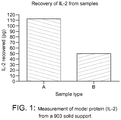
- Example 1 Direct measurement of interleukin (IL) from a solid support
- Recombinant IL-2 ⁇ carrier (R & D Systems; Cat. 202-IL-CF-10 ⁇ g; lot AE4309112 and Cat. 202-IL-10 ⁇ g; lot AE4309081 respectively) was dissolved in blood (TCS Biosciences) at 50 pg or 100 pg/ ⁇ l. Aliquots (1 ⁇ l containing, 50 (B) or 100 (A) pg of IL-2) were applied to Whatman 903 filter papers.
- Example 2 Model enzyme detection from cells or enzymes transferred to solid supports
- 1.2mm punches were taken from 106 human embryonic stem cells (GE Healthcare; cell line ref: WCB307 GEHC 28) which had been applied to FTA and 903 papers in 10 ⁇ l volumes as above. DNAse and RNase activity was measured as outlined below.
- 1.2mm punches were taken from 106 human embryonic stem cells (GE Healthcare; cell line ref: WCB307 GEHC 28) containing either 0.5 U of DNase or 10 ⁇ U of RNase added to these cells which had been applied to FTA and 903 papers in 10 ⁇ l volumes.
- Detection of DNase activity was carried out as follows using a cleavable fluorescent-labelled DNase substrate. Each punch was ejected into separate wells of 96-well plates. Lyophilized DNase Alert Substrate was dissolved in TE buffer (1 ml) and dispensed (10 ⁇ l) into the test wells of the 96-well plate. 10X DNase Alert Buffer (10 ⁇ l) and nuclease-free water (80 ⁇ l) was added and the test solution (100 ⁇ l) incubated for 60 minutes at 37°C.
- the DNase Alert QC System Substrate is a modified DNA oligonucleotide that emits a pink fluorescence when cleaved by DNase.
- RNase Ribonuclease
- RNA oligonucleotide that emits a green fluorescence when cleaved by RNase.
- LDH is a cytosolic enzyme present in many different types of cells. When the plasma membrane is damaged, LDH is released into the bathing medium surrounding cells. The released LDH can be quantified by a coupled enzymatic reaction. First, LDH catalyzes the conversion of lactate to pyruvate via reduction of NAD+ to NADH. Second, diaphorase uses NADH to reduce a tetrazolium salt (INT) to a red formazan product. Therefore, the level of formazan formation is directly proportional to the amount of released LDH in the medium.
- INT tetrazolium salt
- the assay is performed by transferring a punch from with the addition of cells or LDH enzyme or into a microplate and adding the kit reagents (LDH Cytotoxicity Assay Kit; Thermo Scientific, Product Code 88953). After incubation at room temperature for 30 minutes, reactions are stopped and LDH activity is determined by spectrophotometric absorbance at 490nm.
- kit reagents LDH Cytotoxicity Assay Kit; Thermo Scientific, Product Code 88953
- LDHB human ELISA Kit (abcam product code 116693).
- This system involves the quantitative measurement of human LDHB protein in cell and tissue lysates using a punch in system as above.
- the assay employs an antibody specific for human LDHB coated on a 96-well plate. Samples are pipetted into the wells and LDHB present in the sample is bound to the wells by the immobilized antibody. The wells are washed and an anti-LDHB detector antibody is added. After washing away unbound detector antibody, HRP-conjugated label specific for the detector antibody is pipetted to the wells.
- the wells are again washed, a TMB substrate solution is added to the wells and colour develops in proportion to the amount of LDHB bound.
- the developing blue colour is measured at 600 nm.
- the reaction can be stopped by adding hydrochloric acid which changes the colour from blue to yellow and the intensity can be measured at 450 nm.
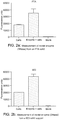
- Figures 3a and 3b show LDH measurement results, and demonstrate that LDH can be detected and quantified for solid supports.
- Thermo Scientific Phusion Blood Direct PCR Kit was demonstrated to support the amplification of DNA directly from blood samples stored on a range of solid supports including Whatman 903, FTA and FTA Elute cards (Chum and Andre 2013; Thermo Fisher Scientific).
- FTA and FTA elute cards are examples of chemically coated paper-based cards whilst 903 cards do not have any applied chemicals.
- In direct amplification workflows no prior DNA extraction or purification steps are needed and excised portions of the cards are simply added to the PCR reaction mixture. Blood was chosen as the biological sample as this is considered to be the most challenging sample type from which to generate PCR amplicons. This is due to the presence of heam which is a potent PCR inhibitor ( Akane et al 1994, J. Forensic Sci., 39, 362-372 ).
- Table II- PCR reaction mixtures Component 25 ⁇ L Reaction 50 ⁇ L Reaction Final Conc. H 2 O Add to 25 ⁇ L Add to 50 ⁇ L 2x Phusion Blood PCR Buffer 12.5 ⁇ L 25 ⁇ L 1x Primer F (Forward) x ⁇ L x ⁇ L 0.5 ⁇ M Primer R (Reverse] x ⁇ L x ⁇ L 0.5 ⁇ M Phusion Blood DNA Polymerase 0.5 ⁇ L 1 ⁇ L 903/FTA Card 1 mm punch 1 mm punch Optional Components for Reaction Optimization* 50 mM MgCl 2 0.75 ⁇ L 1.5 ⁇ L 50 mM EDTA 0.6 - 1.25 ⁇ L 1.25 - 2.5 ⁇ L DMSO 1.25 ⁇ L 2.5 ⁇ L 5% Table III- PCR thermo-cycling protcols- the two step protocol was used when primer Tm values were 69-72 degrees Celcius: 2-step Protocol 3-
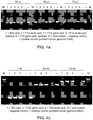
- Figure 4a shows direct amplification of a 500 bp genomic DNA fragment from human blood treated with heparin and preserved on various cards. Reactions were performed from 1 mm punches either rinsed or placed directly into PCR reactions of 50, 25 or 10 ⁇ l in volume. A 2-step PCR protocol was used. A key is shown under the figure.
- Figure 4b shows direct PCR of 1 kb, 3.8 kb and 7.5 kb gDNA amplicons from human blood treated with EDTA and preserved on various cards. Reactions were performed from 1 mm punches in 50 ⁇ l reactions (FTA Gene Card punches were rinsed as described in Materials and Methods for 7.5 kb fragment). A 2-step protocol was used for 1 kb and 7.5 kb fragments and a 3-step protocol for 3.8 kb amplicon. A key is provided under the figure.
- Example 5 Genotyping using biological samples applied to solid support materials.
- EWSR1 Ewing sarcoma breakpoint region 1
- Murine tissues from c57BL/6 mice and NOS3 null mice were applied to a range of different paper-based solid supports.
- the mice were euthanized and dissected to collect organs (blood, heart, brain, lung, liver, and kidney).
- the Organs were 'sandwiched' between two paper layers.
- Pressure was applied via a sterile pipette to imbed tissues in each of the cellulose matrices.
- tissue homogenate approximately 5 g of tissue was processed using a plastic dounce homogenizer in a 1.5 ml microfuge tube and then subsequently applied to the appropriate paper matrix. After application all the samples were allowed to air-dry for 2 hours prior to storage in a sealed pouch with desiccant. In some instances samples were stored up to 2 months before processing.
- a Harris disposable micro punch (1.2 mm or 3 mm diameter) was used to excise the dried tissue samples from the paper cards respectively in the form of punched disks.
- the sample disk was excised from the centre of the dried sample and placed in a clean DNase free-1.5 ml micro-centrifuge tube.
- Null or gene knockout NOS3 mice were identified by PCR amplification of genomic DNA with endothelial Nitric Oxide Synthases (eNOS) exon 10-specific forward primer (see sequence listing 1), eNOS Neo-specific forward primer (sequence listing 2), and eNOS exon 12-specific reverse primer (see sequence listing 3).
- eNOS endothelial Nitric Oxide Synthases
- Target DNA's were amplified with an initial 10 min denaturation step followed by 36 cycles of 94°C for 35 sec, 650C for 1 min, and 72°C for 1 min; followed by a final extension at 72°C for 5 min. using a MJ Research thermo-cycler.
- the resultant PCR products were visualized with using an Experion capillary electrophoresis system.
- Mouse DNA quantification was achieved using the Primer Design genomic DNA quantification kit for mouse samples (gDNA-mo-q-DD) following manufacturer's instructions.
- Individual wild type (WT) and NOS null tissue samples were applied separately to different paper cards. In order to exemplify the ability to differentiate genotypic variants from DNA stored on the paper matrices, PCR amplification of a region was carried out on WT and transgenic (NOS3 null, gene knock-out) mice.
- PCR amplicons are shown, associated with the NOS locus using DNA as an amplification template isolated from tissues from the paper cards.
- Lanes 1-5 are DNA isolated from WT mouse tissue (Heart, Liver, Brain, Lung, and Kidney respectively).
- Lanes 6-10 are DNA amplified from NOS mouse tissues (Heart, Liver, Brain, Lung, and Kidney respectively).
- Figure 5a and Table V above show the DNA amplification products derived from both the WT and NOS3 null gene knock-out mice respectively. Results indicate that for both sample sources, the correctly sized DNA amplicons were produced from DNA isolated from all organ/tissue sources applied to the solid paper-support matrix. These data indicate that 1.2 mm Harris micro-punches can excise sufficient DNA from tissue stored on the solid paper supports to differentiate two genetic variants.
- RNA quantitation was performed on an ABI 7900 real time PCR system utilizing the commercially-available mRNA quantification kits.
- RNAspin Mini filter column for subsequent removal of residual material. The column was centrifuged for 1 min at 11,000 x g. and the RNAspin Mini Filter discarded. The homogenized lysate contains the RNA and this filtrate was transferred to a new RNase-free 1.5 ml micro-centrifuge tube.
- Ethanol (70%; 350 ⁇ l) was added to the homogenized lysate and mixed by vortexing for 2 x 5 sec pulses.
- the lysate was pipette up-and-down 2-3 times, and applied to an RNA Mini-spin column placed in a 2 ml micro-centrifuge tube. The tubes were centrifuged for 30 sec at 8000 x g and the flow through discarded. The RNA spin column was transferred to a new collection tube.
- the illustra MDB buffer (350 ⁇ l) was added and the tube centrifuged at 11 000 x g for 1 min. Once again the flow-through was discarded and the column returned to the collection tube.
- a DNase reaction mixture was prepared according to manufacturer's instructions and was added to the surface of the filter contained within the RNAspin column. This DNAse incubation was performed at room temperature for 15 min.
- the wash buffer RA2 (200 ⁇ l) was applied to the RNA Mini-spin column and the column was centrifuged for 1 min at 11 000 x g. Once again the flow-through was discarded and the column returned to the collection tube.
- Buffer RA3 600 ⁇ l was applied to the RNA Mini-spin column and the column centrifuge for 1 min at 11 000 x g the flow-through was discarded and the column returned to the collection tube.
- An addition column wash with buffer RA3 (250 ⁇ l) was also performed. In order to dry the membrane completely, the column was centrifuged for 2 min at 11 000 x g and the column finally placed into a nuclease-free 1.5 ml micro-centrifuge tube.
- RNA quantification was accomplished according to manufacturer's instructions using either i) the ABI Taqman rodent GAPDH control kit (part # 4308313), ii) the Invitrogen real-time LUX mRNA primer sets for murine HPRT, GAPDH, and Beta-Actin genes (cat. 105M-02, 100M-02, and 101M-02 respectively) or iii) tissue specific gene primer sets from Applied Bio-systems.
- Figure 6a shows the relative expression levels of GADPH from several tissue sources using the ABI Taqman rodent GAPDH control kit.
- RNA levels derived from samples applied to solid support cards were determined by comparison to known values generated from a quantification titration curve from mouse RNA standard samples. Comparable GAPDH RNA levels were detected from RNA isolated from both paper types.
- RNA levels derived from samples applied to paper support material A were determined by comparison to known values generated from a quantification titration curve from mouse RNA standard samples.
- Murine RNA recovery data associated with the isolation of RNA is described in Figure 6b and demonstrate that is material is able to support the storage and stabilization of RNA from numerous tissue types. Similar observations were apparent for RNA stored on support material B.
- a suitable swab device which will include a solid support collector is described in more detail below with reference to Figures 7 to 12 .
- FIGs 7a and 7b show plan and side views respectively of a spine member 20 for a swab 10 (shown assembled in Figure 11a ).
- the spine 20 includes a handle portion 22 and an end paddle 24, which is wider than the handle 22 in plan, but about the same width as the handle when viewed from the side.
- the spine can be injection molded in one piece.
- Onto the paddle, adjacent the handle, on opposing sides is deposited pressure sensitive adhesive 26 of attaching a solid support for collecting biological material samples. In this case two strips 26 are employed.
- the handle 22, approximately half way along its length, has a protruding formation 28, for attaching a cover 40 shown in Figure 11a .
- Figures 7c and 7d show plan and side views respectively of an alternative spine member 21, which has the same configuration as the spine 20, expect that the spine 21 has a window 23 in the paddle 24.
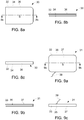
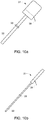
- Figure 8a shows a plan view of a solid support 30 , of the type described above, suitable for collecting saliva samples, and suitable for affixing to the paddle 24 by means of the adhesive strip(s) shown in Figures 7a and 7b .
- Figure 8b shows the paper in cross section along line 8b-8b shown in Figure 8a
- Figure 8c shows a side view of the solid support.
- the solid support is a cellulose paper sheet, for example of the type sold under the trade name Whatman 903, which has been folded and sealed at its edges.
- the paper has a line of weakness 34 and an end region 32 which is intended to be fixed to the paddle by means of adhesive 26.
- the end region 36 is used to collect a sample S.
- Figure 9a shows a plan view of a variant solid support 31, of the type described above, suitable for collecting saliva samples, and suitable for affixing to the paddle 24 by means of the adhesive strip(s) shown in Figures 7a to 7d .
- Figure 9b shows the paper in cross section along line 9b-9b shown in Figure 9a
- Figure 9c shows a side view of the solid support.
- the solid support is the same folded cellulose paper sheet.
- the paper has a perforated line of weakness 35 and an end region 33 which is intended to be fixed to the paddle by means of adhesive 26.
- a sample collection region 37 lies in the same area as the region 36.
- the variant includes a cord 39 which lies under the paper when folded, but protrudes beyond one edge, so that it can be grasped in use and pulled to tear the paper and release the sample region 39 in use.
- Figures 10a and 10b show plan and side views of the spine 20 and solid support 31 assembled, affixed together by means of adhesive 26 (not visible). An assembly with the solid support 30, although illustrated, would be the same.
- Figures 11a and 11b show plan and side views of the assembly shown in Figures 10a and 10b , covered with a removable cover 40, which is attached to the handle 22 at the protrusion 28 shown in Figure 7a .
- the swab 10 is held and manipulated by means of the handle 22.
- the cover can be removed to reveal the solid support 30 or 31 ready for use.
- a saliva sample can be taken (which could be a self-sample), and the cover replaced by the sample taker, for sending to a laboratory for further processing.
- the solid support can be removed from the remaining swab parts, and then a portion for the paper can be removed for testing, for example by using a punch. If the spine 21 is used, then the portion solid support can be removed without removing the solid support from the spine because a punch or similar can be made through the window 23.
- a drying rack 50 can be used as illustrated in Figures 12a and 12b , wherein multiple swabs 10 are place handle down in wells 52 in the rack, with their covers 40 removed.
- Each solid support 30/31 is tested ex vivo for the presence of two or more of the biomarkers of interest according to any one of the techniques described above, indicative of oral cancerous activity.
- FTA is pretreated with a stabilising reagent mix comprising: a weak base, and a chelating agent, uric acid or a urate salt, and an anionic surfactant, such as odium dodecyl sulphate (SDS) and/or sodium lauryl sarcosinate (SLS).
- FTA Elute is pretreated with stabilising reagent mix comprising a chaotropic salt in the form of guanidinium thiocyanate.
- the sapling technique may involve taking a saliva sample and then transferring it to the solid support to avoid direct contact between the oral cavity and the treated solid support.
- stabilising reagent it has been found that the addition of cyclodextrin in the detection step acts as a sequesterant, and thereby improves the efficiency of direct PCR, qPCR and other nucleic acid amplification techniques.
- a solid support formed from cellulose paper is preferred.
Landscapes
- Health & Medical Sciences (AREA)
- Life Sciences & Earth Sciences (AREA)
- Chemical & Material Sciences (AREA)
- Engineering & Computer Science (AREA)
- Immunology (AREA)
- Molecular Biology (AREA)
- Organic Chemistry (AREA)
- Analytical Chemistry (AREA)
- General Health & Medical Sciences (AREA)
- Hematology (AREA)
- Biomedical Technology (AREA)
- Wood Science & Technology (AREA)
- Zoology (AREA)
- Biotechnology (AREA)
- Physics & Mathematics (AREA)
- Biochemistry (AREA)
- Microbiology (AREA)
- Pathology (AREA)
- Urology & Nephrology (AREA)
- Proteomics, Peptides & Aminoacids (AREA)
- Genetics & Genomics (AREA)
- Biophysics (AREA)
- Bioinformatics & Cheminformatics (AREA)
- General Engineering & Computer Science (AREA)
- Food Science & Technology (AREA)
- General Physics & Mathematics (AREA)
- Medicinal Chemistry (AREA)
- Cell Biology (AREA)
- Chemical Kinetics & Catalysis (AREA)
- Hospice & Palliative Care (AREA)
- Oncology (AREA)
- Veterinary Medicine (AREA)
- Medical Informatics (AREA)
- Surgery (AREA)
- Animal Behavior & Ethology (AREA)
- Public Health (AREA)
- Pain & Pain Management (AREA)
- General Chemical & Material Sciences (AREA)
- Heart & Thoracic Surgery (AREA)
- Dermatology (AREA)
Claims (9)
- Ex-vivo-Verfahren zum Nachweis mehrerer Biomarker in biologischem Material, das in einer menschlichen Mundhöhle vorhanden ist, wenn eine orale Krebsaktivität in der Höhle vorhanden ist, wobei das Verfahren die folgenden Schritte umfasst:i) Bereitstellen eines festen Papierträgers auf Zellulosebasis zur Aufnahme einer Probe biologischen Materials aus der Mundhöhle;ii) Aufbringen einer Probe des biologischen Materials auf dem festen Träger,iii) Durchführen von mehreren Ex-vivo-Assays und Nachweis des Vorhandenseins des p53-Gen-Codons 63 in dem auf dem festen Träger aufgebrachten biologischen Material, wobei der Assay den Schritt des Entfernens eines Abschnitts des festen Trägers unter Verwendung eines Stanzwerkzeugs beinhaltet; und weiter einschließend den Schritt der Quantifizierung mindestens eines der mehreren Biomarker.
- Verfahren nach Anspruch 1, wobei die Biomarker eine Mehrfachauswahl aus den in Tabelle I aufgeführten Kandidaten sind.
- Verfahren nach Anspruch 1 oder 2, wobei die Mehrfachauswahl in Form von einer oder mehreren Nukleinsäuren und/oder einem oder mehreren Proteinen und/oder einem oder mehreren Enzymen oder anderen Analyten erfolgt, die die orale Krebsaktivität anzeigen.
- Verfahren nach einem der Ansprüche 1 bis 3, wobei der eine oder die mehreren Assays einen oder mehrere Assays beinhalten, ausgewählt aus der Gruppe bestehend aus: Genexpressions- oder Proteinexpressionsprofiling unter Verwendung von RT-PCR, Polymerase-Kettenreaktion (PCR), quantitativer PCR (qPCR), isothermer Amplifikation, immunologischer PCR, Microarray-Assays, enzymverknüpftem Immunosorbent-Assay (ELISA), immunologischen Techniken, Gelelektrophorese (2DE), Kapillarelektrophorese (TOF MS), Hochleistungsflüssigkeitschromatographie (HPLC), Massenspektrometrie (MS), Flammenphotometrie, Atomabsorptionsspektroskopie und Spektrophotometrie im sichtbaren Bereich.
- Verfahren nach einem der Ansprüche 1 bis 4, wobei der feste Träger optional chemisch mit einem stabilisierenden Reagenz oder Reagenziengemisch behandelt wird.
- Verfahren nach Anspruch 5, wobei das Reagenz oder die Reagenzmischung umfasst: eine schwache Base und ein Chelatisierungsmittel, optional Harnsäure oder ein Harnsalz, und optional ein anionisches Tensid, oder wobei es umfasst: eine chaotrope Substanz, wie ein chaotropes Salz, zum Beispiel Guanidiniumthiocyanat.
- Verfahren nach Anspruch 5 oder 6, bei dem der feste Träger chemisch behandelt wird, wobei der Schritt ii) von Anspruch 1 das Entnehmen einer Probe aus einer Mundhöhle und das Übertragen der Probe auf den chemisch behandelten festen Träger einschließt, ohne dass der chemisch behandelte feste Träger die Mundhöhle berührt.
- Verfahren nach Anspruch 7, wobei Schritt iii) von Anspruch 1 in Gegenwart von Cyclodextrin durchgeführt wird.
- Verfahren nach einem der Ansprüche 1 bis 8, weiter umfassend den Schritt des Bereitstellens eines Abstrichtupfers zum Befestigen des festen Trägers, wobei der Abstrichtupfer umfasst: ein Stäbchen einschließend einen Griffabschnitt und einen Paddelabschnitt an einem Ende des Griffs zum Halten eines festen Trägers.
Applications Claiming Priority (2)
| Application Number | Priority Date | Filing Date | Title |
|---|---|---|---|
| GBGB1417281.1A GB201417281D0 (en) | 2014-09-30 | 2014-09-30 | Methods and devices relating to the detection of oral cancer biomarkers |
| PCT/US2015/051498 WO2016053689A1 (en) | 2014-09-30 | 2015-09-22 | Methods and devices relating to the detection of oral cancer biomarkers |
Publications (3)
| Publication Number | Publication Date |
|---|---|
| EP3201312A1 EP3201312A1 (de) | 2017-08-09 |
| EP3201312A4 EP3201312A4 (de) | 2018-06-06 |
| EP3201312B1 true EP3201312B1 (de) | 2020-03-04 |
Family
ID=51901389
Family Applications (1)
| Application Number | Title | Priority Date | Filing Date |
|---|---|---|---|
| EP15847901.4A Active EP3201312B1 (de) | 2014-09-30 | 2015-09-22 | Verfahren und vorrichtungen im zusammenhang mit der detektion von mundkrebsmarkern |
Country Status (7)
| Country | Link |
|---|---|
| US (1) | US20170292954A1 (de) |
| EP (1) | EP3201312B1 (de) |
| JP (1) | JP2017536084A (de) |
| CN (1) | CN107075438B (de) |
| ES (1) | ES2782750T3 (de) |
| GB (1) | GB201417281D0 (de) |
| WO (1) | WO2016053689A1 (de) |
Families Citing this family (5)
| Publication number | Priority date | Publication date | Assignee | Title |
|---|---|---|---|---|
| CN106645678A (zh) * | 2016-12-21 | 2017-05-10 | 王乾 | 一种口腔拭子的检测方法 |
| JP2020195314A (ja) * | 2019-05-31 | 2020-12-10 | 医薬資源研究所株式会社 | 疾患・体質の分析方法、疾患・体質の分析システム、プログラムおよびコンピュータ読み取り可能な記録媒体 |
| CN112201356B (zh) * | 2020-10-09 | 2022-02-01 | 郑州大学第一附属医院 | 口腔鳞状细胞癌诊断模型的构建方法、标志物及其应用 |
| JP2025056803A (ja) * | 2022-02-22 | 2025-04-09 | 国立大学法人島根大学 | 検査方法及び検査装置 |
| CN117736257B (zh) * | 2023-12-18 | 2024-07-19 | 嘉华药锐科技(北京)有限公司 | 一种酪氨酸磷酸化多肽富集方法及其应用 |
Family Cites Families (16)
| Publication number | Priority date | Publication date | Assignee | Title |
|---|---|---|---|---|
| JPH0629740Y2 (ja) * | 1988-10-31 | 1994-08-10 | 富士レビオ株式会社 | 糞便中のヘモグロビン採取具 |
| CN1236102A (zh) * | 1998-05-20 | 1999-11-24 | 徐国光 | 唾液癌胚抗原快速检测试剂 |
| US6428962B1 (en) * | 2001-02-12 | 2002-08-06 | Dna Analysis, Inc. | Nucleic acid collection barrier method and apparatus |
| US7587793B2 (en) * | 2001-12-14 | 2009-09-15 | Bode Technology Group, Inc. | Evidence collection holder and storage method |
| JP4880484B2 (ja) * | 2004-02-20 | 2012-02-22 | ザ リージェンツ オブ ザ ユニバーシティ オブ カリフォルニア | 唾液mRNAプロファイリング、バイオマーカーならびに関連した方法およびキット |
| SG169395A1 (en) * | 2006-02-09 | 2011-03-30 | Univ South Florida | Detection of cancer by elevated levels of bcl-2 |
| US20070249961A1 (en) * | 2006-02-17 | 2007-10-25 | Morrison Allan D | Biological sample collection device |
| WO2007134189A2 (en) * | 2006-05-10 | 2007-11-22 | Board Of Regents, The University Of Texas System | Detecting tumor biomarker in oral cancer |
| US7748283B2 (en) * | 2007-02-16 | 2010-07-06 | Whatman, Inc. | Controlled transfer biological sample collection devices and methods of using such devices |
| AU2009206225B2 (en) * | 2008-01-25 | 2015-04-23 | Multivir Inc. | p53 biomarkers |
| US8652798B2 (en) * | 2008-05-20 | 2014-02-18 | The Regents Of The University Of California | Analysis of ex vivo cells for disease state detection and therapeutic agent selection and monitoring |
| US20110256592A1 (en) * | 2008-12-12 | 2011-10-20 | Eurogentec S.A | Use of cyclodextrins to improve the specificity, sensitivity and yield of nucleic acid amplification reactions |
| JP5290131B2 (ja) * | 2009-11-16 | 2013-09-18 | デンカ生研株式会社 | 生物学的検体の採取用スワブ、該スワブの製造方法及び該スワブを用いたキット |
| GB201020174D0 (en) * | 2010-11-29 | 2011-01-12 | Ge Healthcare Uk Ltd | Biological sample storage device |
| JP2014010132A (ja) * | 2012-07-03 | 2014-01-20 | Medibic:Kk | 検査用サンプル採取スワブ |
| GB201216387D0 (en) * | 2012-09-13 | 2012-10-31 | Ge Healthcare Uk Ltd | Solid matrix for one step nucleic acid amplification |
-
2014
- 2014-09-30 GB GBGB1417281.1A patent/GB201417281D0/en not_active Ceased
-
2015
- 2015-09-22 WO PCT/US2015/051498 patent/WO2016053689A1/en not_active Ceased
- 2015-09-22 US US15/511,977 patent/US20170292954A1/en not_active Abandoned
- 2015-09-22 CN CN201580052770.3A patent/CN107075438B/zh not_active Expired - Fee Related
- 2015-09-22 ES ES15847901T patent/ES2782750T3/es active Active
- 2015-09-22 EP EP15847901.4A patent/EP3201312B1/de active Active
- 2015-09-22 JP JP2017515211A patent/JP2017536084A/ja active Pending
Non-Patent Citations (1)
| Title |
|---|
| None * |
Also Published As
| Publication number | Publication date |
|---|---|
| EP3201312A1 (de) | 2017-08-09 |
| JP2017536084A (ja) | 2017-12-07 |
| GB201417281D0 (en) | 2014-11-12 |
| EP3201312A4 (de) | 2018-06-06 |
| ES2782750T3 (es) | 2020-09-16 |
| US20170292954A1 (en) | 2017-10-12 |
| WO2016053689A1 (en) | 2016-04-07 |
| CN107075438A (zh) | 2017-08-18 |
| CN107075438B (zh) | 2021-09-17 |
Similar Documents
| Publication | Publication Date | Title |
|---|---|---|
| US20250099965A1 (en) | Rapid sample temperature changing for assaying | |
| EP3201312B1 (de) | Verfahren und vorrichtungen im zusammenhang mit der detektion von mundkrebsmarkern | |
| Farragher et al. | RNA expression analysis from formalin fixed paraffin embedded tissues | |
| Raja et al. | Technology for automated, rapid, and quantitative PCR or reverse transcription-PCR clinical testing | |
| US12226769B2 (en) | Sample manipulation and assay with rapid temperature change | |
| CN104853802B (zh) | 用于检测和获取生物标志物的方法和装置 | |
| Valdes-Mora et al. | Prostate cancer epigenetic biomarkers: next-generation technologies | |
| Cheung et al. | The potential of circulating cell free RNA as a biomarker in cancer | |
| US20180031575A1 (en) | Detecting Dementia and Alzheimer's Disease Associated Biomarkers Stabilized on Solid Support Materials | |
| Panta et al. | Salivary biomarkers in oral cancer | |
| EP3237640B1 (de) | Dns-methylierungstest auf prostatakrebs | |
| Radpour et al. | Simultaneous isolation of DNA, RNA, and proteins for genetic, epigenetic, transcriptomic, and proteomic analysis | |
| Oh et al. | Development of an ammonium sulfate DNA extraction method for obtaining amplifiable DNA in a small number of cells and its application to clinical specimens | |
| Ralhan | Diagnostic potential of genomic and proteomic signatures in oral cancer | |
| JP7066093B2 (ja) | 生体試料コレクタおよびその取扱いの改良ならびにそれに関する改良 | |
| EP3161147B1 (de) | Räumliche molekulare profilierung von festen biologischen massen und profilspeicherung | |
| Andrew et al. | Next-generation liquid biopsy: tumor monitoring from droplet volumes of blood | |
| US20200087708A1 (en) | System and method for isolation and qualification of nucleic acids | |
| Surenthar et al. | Saliva in the" omics" era–A promising tool in the early diagnosis of oral cancer | |
| CN121826144A (zh) | 一种用于检测肝癌的甲基化标志物及其应用 | |
| CN120153091A (zh) | 检测rna相关疾病的非侵入性装置和方法 | |
| Chang et al. | Current and Evolving Technologies | |
| HK40027752B (zh) | 一种体液游离dna的文库构建方法及其应用 |
Legal Events
| Date | Code | Title | Description |
|---|---|---|---|
| STAA | Information on the status of an ep patent application or granted ep patent |
Free format text: STATUS: THE INTERNATIONAL PUBLICATION HAS BEEN MADE |
|
| PUAI | Public reference made under article 153(3) epc to a published international application that has entered the european phase |
Free format text: ORIGINAL CODE: 0009012 |
|
| STAA | Information on the status of an ep patent application or granted ep patent |
Free format text: STATUS: REQUEST FOR EXAMINATION WAS MADE |
|
| 17P | Request for examination filed |
Effective date: 20170308 |
|
| AK | Designated contracting states |
Kind code of ref document: A1 Designated state(s): AL AT BE BG CH CY CZ DE DK EE ES FI FR GB GR HR HU IE IS IT LI LT LU LV MC MK MT NL NO PL PT RO RS SE SI SK SM TR |
|
| AX | Request for extension of the european patent |
Extension state: BA ME |
|
| DAV | Request for validation of the european patent (deleted) | ||
| DAX | Request for extension of the european patent (deleted) | ||
| RIC1 | Information provided on ipc code assigned before grant |
Ipc: G01N 33/566 20060101ALI20180309BHEP Ipc: C12M 1/34 20060101AFI20180309BHEP |
|
| A4 | Supplementary search report drawn up and despatched |
Effective date: 20180509 |
|
| RIC1 | Information provided on ipc code assigned before grant |
Ipc: C12M 1/34 20060101AFI20180503BHEP Ipc: G01N 33/566 20060101ALI20180503BHEP |
|
| STAA | Information on the status of an ep patent application or granted ep patent |
Free format text: STATUS: EXAMINATION IS IN PROGRESS |
|
| 17Q | First examination report despatched |
Effective date: 20181214 |
|
| GRAP | Despatch of communication of intention to grant a patent |
Free format text: ORIGINAL CODE: EPIDOSNIGR1 |
|
| STAA | Information on the status of an ep patent application or granted ep patent |
Free format text: STATUS: GRANT OF PATENT IS INTENDED |
|
| INTG | Intention to grant announced |
Effective date: 20191022 |
|
| GRAS | Grant fee paid |
Free format text: ORIGINAL CODE: EPIDOSNIGR3 |
|
| GRAA | (expected) grant |
Free format text: ORIGINAL CODE: 0009210 |
|
| STAA | Information on the status of an ep patent application or granted ep patent |
Free format text: STATUS: THE PATENT HAS BEEN GRANTED |
|
| AK | Designated contracting states |
Kind code of ref document: B1 Designated state(s): AL AT BE BG CH CY CZ DE DK EE ES FI FR GB GR HR HU IE IS IT LI LT LU LV MC MK MT NL NO PL PT RO RS SE SI SK SM TR |
|
| REG | Reference to a national code |
Ref country code: GB Ref legal event code: FG4D |
|
| REG | Reference to a national code |
Ref country code: CH Ref legal event code: EP |
|
| REG | Reference to a national code |
Ref country code: AT Ref legal event code: REF Ref document number: 1240370 Country of ref document: AT Kind code of ref document: T Effective date: 20200315 |
|
| REG | Reference to a national code |
Ref country code: DE Ref legal event code: R096 Ref document number: 602015048331 Country of ref document: DE |
|
| REG | Reference to a national code |
Ref country code: IE Ref legal event code: FG4D |
|
| PG25 | Lapsed in a contracting state [announced via postgrant information from national office to epo] |
Ref country code: NO Free format text: LAPSE BECAUSE OF FAILURE TO SUBMIT A TRANSLATION OF THE DESCRIPTION OR TO PAY THE FEE WITHIN THE PRESCRIBED TIME-LIMIT Effective date: 20200604 Ref country code: FI Free format text: LAPSE BECAUSE OF FAILURE TO SUBMIT A TRANSLATION OF THE DESCRIPTION OR TO PAY THE FEE WITHIN THE PRESCRIBED TIME-LIMIT Effective date: 20200304 Ref country code: RS Free format text: LAPSE BECAUSE OF FAILURE TO SUBMIT A TRANSLATION OF THE DESCRIPTION OR TO PAY THE FEE WITHIN THE PRESCRIBED TIME-LIMIT Effective date: 20200304 |
|
| REG | Reference to a national code |
Ref country code: NL Ref legal event code: MP Effective date: 20200304 |
|
| RAP2 | Party data changed (patent owner data changed or rights of a patent transferred) |
Owner name: GLOBAL LIFE SCIENCES SOLUTIONS OPERATIONS UK LTD |
|
| PG25 | Lapsed in a contracting state [announced via postgrant information from national office to epo] |
Ref country code: GR Free format text: LAPSE BECAUSE OF FAILURE TO SUBMIT A TRANSLATION OF THE DESCRIPTION OR TO PAY THE FEE WITHIN THE PRESCRIBED TIME-LIMIT Effective date: 20200605 Ref country code: BG Free format text: LAPSE BECAUSE OF FAILURE TO SUBMIT A TRANSLATION OF THE DESCRIPTION OR TO PAY THE FEE WITHIN THE PRESCRIBED TIME-LIMIT Effective date: 20200604 Ref country code: SE Free format text: LAPSE BECAUSE OF FAILURE TO SUBMIT A TRANSLATION OF THE DESCRIPTION OR TO PAY THE FEE WITHIN THE PRESCRIBED TIME-LIMIT Effective date: 20200304 Ref country code: LV Free format text: LAPSE BECAUSE OF FAILURE TO SUBMIT A TRANSLATION OF THE DESCRIPTION OR TO PAY THE FEE WITHIN THE PRESCRIBED TIME-LIMIT Effective date: 20200304 Ref country code: HR Free format text: LAPSE BECAUSE OF FAILURE TO SUBMIT A TRANSLATION OF THE DESCRIPTION OR TO PAY THE FEE WITHIN THE PRESCRIBED TIME-LIMIT Effective date: 20200304 |
|
| REG | Reference to a national code |
Ref country code: LT Ref legal event code: MG4D Ref country code: DE Ref legal event code: R081 Ref document number: 602015048331 Country of ref document: DE Owner name: GLOBAL LIFE SCIENCES SOLUTIONS OPERATIONS UK L, GB Free format text: FORMER OWNER: GE HEALTHCARE UK LIMITED, LITTLE CHALFONT, BUCKINGHAMSHIRE, GB |
|
| REG | Reference to a national code |
Ref country code: ES Ref legal event code: FG2A Ref document number: 2782750 Country of ref document: ES Kind code of ref document: T3 Effective date: 20200916 |
|
| PG25 | Lapsed in a contracting state [announced via postgrant information from national office to epo] |
Ref country code: NL Free format text: LAPSE BECAUSE OF FAILURE TO SUBMIT A TRANSLATION OF THE DESCRIPTION OR TO PAY THE FEE WITHIN THE PRESCRIBED TIME-LIMIT Effective date: 20200304 |
|
| PG25 | Lapsed in a contracting state [announced via postgrant information from national office to epo] |
Ref country code: PT Free format text: LAPSE BECAUSE OF FAILURE TO SUBMIT A TRANSLATION OF THE DESCRIPTION OR TO PAY THE FEE WITHIN THE PRESCRIBED TIME-LIMIT Effective date: 20200729 Ref country code: IS Free format text: LAPSE BECAUSE OF FAILURE TO SUBMIT A TRANSLATION OF THE DESCRIPTION OR TO PAY THE FEE WITHIN THE PRESCRIBED TIME-LIMIT Effective date: 20200704 Ref country code: EE Free format text: LAPSE BECAUSE OF FAILURE TO SUBMIT A TRANSLATION OF THE DESCRIPTION OR TO PAY THE FEE WITHIN THE PRESCRIBED TIME-LIMIT Effective date: 20200304 Ref country code: SK Free format text: LAPSE BECAUSE OF FAILURE TO SUBMIT A TRANSLATION OF THE DESCRIPTION OR TO PAY THE FEE WITHIN THE PRESCRIBED TIME-LIMIT Effective date: 20200304 Ref country code: SM Free format text: LAPSE BECAUSE OF FAILURE TO SUBMIT A TRANSLATION OF THE DESCRIPTION OR TO PAY THE FEE WITHIN THE PRESCRIBED TIME-LIMIT Effective date: 20200304 Ref country code: CZ Free format text: LAPSE BECAUSE OF FAILURE TO SUBMIT A TRANSLATION OF THE DESCRIPTION OR TO PAY THE FEE WITHIN THE PRESCRIBED TIME-LIMIT Effective date: 20200304 Ref country code: RO Free format text: LAPSE BECAUSE OF FAILURE TO SUBMIT A TRANSLATION OF THE DESCRIPTION OR TO PAY THE FEE WITHIN THE PRESCRIBED TIME-LIMIT Effective date: 20200304 Ref country code: LT Free format text: LAPSE BECAUSE OF FAILURE TO SUBMIT A TRANSLATION OF THE DESCRIPTION OR TO PAY THE FEE WITHIN THE PRESCRIBED TIME-LIMIT Effective date: 20200304 |
|
| REG | Reference to a national code |
Ref country code: AT Ref legal event code: MK05 Ref document number: 1240370 Country of ref document: AT Kind code of ref document: T Effective date: 20200304 |
|
| REG | Reference to a national code |
Ref country code: DE Ref legal event code: R097 Ref document number: 602015048331 Country of ref document: DE |
|
| PLBE | No opposition filed within time limit |
Free format text: ORIGINAL CODE: 0009261 |
|
| STAA | Information on the status of an ep patent application or granted ep patent |
Free format text: STATUS: NO OPPOSITION FILED WITHIN TIME LIMIT |
|
| PG25 | Lapsed in a contracting state [announced via postgrant information from national office to epo] |
Ref country code: DK Free format text: LAPSE BECAUSE OF FAILURE TO SUBMIT A TRANSLATION OF THE DESCRIPTION OR TO PAY THE FEE WITHIN THE PRESCRIBED TIME-LIMIT Effective date: 20200304 Ref country code: AT Free format text: LAPSE BECAUSE OF FAILURE TO SUBMIT A TRANSLATION OF THE DESCRIPTION OR TO PAY THE FEE WITHIN THE PRESCRIBED TIME-LIMIT Effective date: 20200304 |
|
| 26N | No opposition filed |
Effective date: 20201207 |
|
| PG25 | Lapsed in a contracting state [announced via postgrant information from national office to epo] |
Ref country code: PL Free format text: LAPSE BECAUSE OF FAILURE TO SUBMIT A TRANSLATION OF THE DESCRIPTION OR TO PAY THE FEE WITHIN THE PRESCRIBED TIME-LIMIT Effective date: 20200304 Ref country code: SI Free format text: LAPSE BECAUSE OF FAILURE TO SUBMIT A TRANSLATION OF THE DESCRIPTION OR TO PAY THE FEE WITHIN THE PRESCRIBED TIME-LIMIT Effective date: 20200304 |
|
| PG25 | Lapsed in a contracting state [announced via postgrant information from national office to epo] |
Ref country code: MC Free format text: LAPSE BECAUSE OF FAILURE TO SUBMIT A TRANSLATION OF THE DESCRIPTION OR TO PAY THE FEE WITHIN THE PRESCRIBED TIME-LIMIT Effective date: 20200304 |
|
| REG | Reference to a national code |
Ref country code: CH Ref legal event code: PL |
|
| REG | Reference to a national code |
Ref country code: BE Ref legal event code: MM Effective date: 20200930 |
|
| PG25 | Lapsed in a contracting state [announced via postgrant information from national office to epo] |
Ref country code: LU Free format text: LAPSE BECAUSE OF NON-PAYMENT OF DUE FEES Effective date: 20200922 |
|
| PG25 | Lapsed in a contracting state [announced via postgrant information from national office to epo] |
Ref country code: CH Free format text: LAPSE BECAUSE OF NON-PAYMENT OF DUE FEES Effective date: 20200930 Ref country code: BE Free format text: LAPSE BECAUSE OF NON-PAYMENT OF DUE FEES Effective date: 20200930 Ref country code: LI Free format text: LAPSE BECAUSE OF NON-PAYMENT OF DUE FEES Effective date: 20200930 Ref country code: IE Free format text: LAPSE BECAUSE OF NON-PAYMENT OF DUE FEES Effective date: 20200922 |
|
| PGFP | Annual fee paid to national office [announced via postgrant information from national office to epo] |
Ref country code: IT Payment date: 20210811 Year of fee payment: 7 |
|
| REG | Reference to a national code |
Ref country code: GB Ref legal event code: 732E Free format text: REGISTERED BETWEEN 20211210 AND 20211215 |
|
| PGFP | Annual fee paid to national office [announced via postgrant information from national office to epo] |
Ref country code: ES Payment date: 20211006 Year of fee payment: 7 |
|
| PG25 | Lapsed in a contracting state [announced via postgrant information from national office to epo] |
Ref country code: TR Free format text: LAPSE BECAUSE OF FAILURE TO SUBMIT A TRANSLATION OF THE DESCRIPTION OR TO PAY THE FEE WITHIN THE PRESCRIBED TIME-LIMIT Effective date: 20200304 Ref country code: MT Free format text: LAPSE BECAUSE OF FAILURE TO SUBMIT A TRANSLATION OF THE DESCRIPTION OR TO PAY THE FEE WITHIN THE PRESCRIBED TIME-LIMIT Effective date: 20200304 Ref country code: CY Free format text: LAPSE BECAUSE OF FAILURE TO SUBMIT A TRANSLATION OF THE DESCRIPTION OR TO PAY THE FEE WITHIN THE PRESCRIBED TIME-LIMIT Effective date: 20200304 |
|
| PG25 | Lapsed in a contracting state [announced via postgrant information from national office to epo] |
Ref country code: MK Free format text: LAPSE BECAUSE OF FAILURE TO SUBMIT A TRANSLATION OF THE DESCRIPTION OR TO PAY THE FEE WITHIN THE PRESCRIBED TIME-LIMIT Effective date: 20200304 Ref country code: AL Free format text: LAPSE BECAUSE OF FAILURE TO SUBMIT A TRANSLATION OF THE DESCRIPTION OR TO PAY THE FEE WITHIN THE PRESCRIBED TIME-LIMIT Effective date: 20200304 |
|
| PGFP | Annual fee paid to national office [announced via postgrant information from national office to epo] |
Ref country code: GB Payment date: 20220804 Year of fee payment: 8 Ref country code: DE Payment date: 20220609 Year of fee payment: 8 |
|
| PGFP | Annual fee paid to national office [announced via postgrant information from national office to epo] |
Ref country code: FR Payment date: 20220808 Year of fee payment: 8 |
|
| P01 | Opt-out of the competence of the unified patent court (upc) registered |
Effective date: 20230526 |
|
| PG25 | Lapsed in a contracting state [announced via postgrant information from national office to epo] |
Ref country code: IT Free format text: LAPSE BECAUSE OF NON-PAYMENT OF DUE FEES Effective date: 20220922 |
|
| REG | Reference to a national code |
Ref country code: ES Ref legal event code: FD2A Effective date: 20231102 |
|
| PG25 | Lapsed in a contracting state [announced via postgrant information from national office to epo] |
Ref country code: ES Free format text: LAPSE BECAUSE OF NON-PAYMENT OF DUE FEES Effective date: 20220923 |
|
| PG25 | Lapsed in a contracting state [announced via postgrant information from national office to epo] |
Ref country code: ES Free format text: LAPSE BECAUSE OF NON-PAYMENT OF DUE FEES Effective date: 20220923 |
|
| REG | Reference to a national code |
Ref country code: DE Ref legal event code: R119 Ref document number: 602015048331 Country of ref document: DE |
|
| GBPC | Gb: european patent ceased through non-payment of renewal fee |
Effective date: 20230922 |
|
| PG25 | Lapsed in a contracting state [announced via postgrant information from national office to epo] |
Ref country code: GB Free format text: LAPSE BECAUSE OF NON-PAYMENT OF DUE FEES Effective date: 20230922 |
|
| PG25 | Lapsed in a contracting state [announced via postgrant information from national office to epo] |
Ref country code: GB Free format text: LAPSE BECAUSE OF NON-PAYMENT OF DUE FEES Effective date: 20230922 Ref country code: FR Free format text: LAPSE BECAUSE OF NON-PAYMENT OF DUE FEES Effective date: 20230930 Ref country code: DE Free format text: LAPSE BECAUSE OF NON-PAYMENT OF DUE FEES Effective date: 20240403 |