EP3202777B1 - Conotoxinpolypeptid-kappa-cptx-bt101 und anwendung davon - Google Patents
Conotoxinpolypeptid-kappa-cptx-bt101 und anwendung davon Download PDFInfo
- Publication number
- EP3202777B1 EP3202777B1 EP14903413.4A EP14903413A EP3202777B1 EP 3202777 B1 EP3202777 B1 EP 3202777B1 EP 14903413 A EP14903413 A EP 14903413A EP 3202777 B1 EP3202777 B1 EP 3202777B1
- Authority
- EP
- European Patent Office
- Prior art keywords
- conotoxin
- polypeptide
- cptx
- conotoxin polypeptide
- polypeptides
- Prior art date
- Legal status (The legal status is an assumption and is not a legal conclusion. Google has not performed a legal analysis and makes no representation as to the accuracy of the status listed.)
- Active
Links
Images

Classifications
-
- C—CHEMISTRY; METALLURGY
- C07—ORGANIC CHEMISTRY
- C07K—PEPTIDES
- C07K7/00—Peptides having 5 to 20 amino acids in a fully defined sequence; Derivatives thereof
- C07K7/04—Linear peptides containing only normal peptide links
- C07K7/08—Linear peptides containing only normal peptide links having 12 to 20 amino acids
-
- A—HUMAN NECESSITIES
- A61—MEDICAL OR VETERINARY SCIENCE; HYGIENE
- A61K—PREPARATIONS FOR MEDICAL, DENTAL OR TOILETRY PURPOSES
- A61K38/00—Medicinal preparations containing peptides
- A61K38/16—Peptides having more than 20 amino acids; Gastrins; Somatostatins; Melanotropins; Derivatives thereof
- A61K38/17—Peptides having more than 20 amino acids; Gastrins; Somatostatins; Melanotropins; Derivatives thereof from animals; from humans
- A61K38/1767—Peptides having more than 20 amino acids; Gastrins; Somatostatins; Melanotropins; Derivatives thereof from animals; from humans from invertebrates
-
- A—HUMAN NECESSITIES
- A61—MEDICAL OR VETERINARY SCIENCE; HYGIENE
- A61K—PREPARATIONS FOR MEDICAL, DENTAL OR TOILETRY PURPOSES
- A61K38/00—Medicinal preparations containing peptides
- A61K38/04—Peptides having up to 20 amino acids in a fully defined sequence; Derivatives thereof
- A61K38/10—Peptides having 12 to 20 amino acids
-
- A—HUMAN NECESSITIES
- A61—MEDICAL OR VETERINARY SCIENCE; HYGIENE
- A61P—SPECIFIC THERAPEUTIC ACTIVITY OF CHEMICAL COMPOUNDS OR MEDICINAL PREPARATIONS
- A61P25/00—Drugs for disorders of the nervous system
- A61P25/28—Drugs for disorders of the nervous system for treating neurodegenerative disorders of the central nervous system, e.g. nootropic agents, cognition enhancers, drugs for treating Alzheimer's disease or other forms of dementia
-
- A—HUMAN NECESSITIES
- A61—MEDICAL OR VETERINARY SCIENCE; HYGIENE
- A61P—SPECIFIC THERAPEUTIC ACTIVITY OF CHEMICAL COMPOUNDS OR MEDICINAL PREPARATIONS
- A61P29/00—Non-central analgesic, antipyretic or antiinflammatory agents, e.g. antirheumatic agents; Non-steroidal antiinflammatory drugs [NSAID]
-
- A—HUMAN NECESSITIES
- A61—MEDICAL OR VETERINARY SCIENCE; HYGIENE
- A61P—SPECIFIC THERAPEUTIC ACTIVITY OF CHEMICAL COMPOUNDS OR MEDICINAL PREPARATIONS
- A61P35/00—Antineoplastic agents
-
- C—CHEMISTRY; METALLURGY
- C07—ORGANIC CHEMISTRY
- C07K—PEPTIDES
- C07K1/00—General methods for the preparation of peptides, i.e. processes for the organic chemical preparation of peptides or proteins of any length
-
- C—CHEMISTRY; METALLURGY
- C07—ORGANIC CHEMISTRY
- C07K—PEPTIDES
- C07K1/00—General methods for the preparation of peptides, i.e. processes for the organic chemical preparation of peptides or proteins of any length
- C07K1/14—Extraction; Separation; Purification
- C07K1/145—Extraction; Separation; Purification by extraction or solubilisation
-
- C—CHEMISTRY; METALLURGY
- C07—ORGANIC CHEMISTRY
- C07K—PEPTIDES
- C07K14/00—Peptides having more than 20 amino acids; Gastrins; Somatostatins; Melanotropins; Derivatives thereof
- C07K14/435—Peptides having more than 20 amino acids; Gastrins; Somatostatins; Melanotropins; Derivatives thereof from animals; from humans
- C07K14/43504—Peptides having more than 20 amino acids; Gastrins; Somatostatins; Melanotropins; Derivatives thereof from animals; from humans from invertebrates
-
- G—PHYSICS
- G01—MEASURING; TESTING
- G01N—INVESTIGATING OR ANALYSING MATERIALS BY DETERMINING THEIR CHEMICAL OR PHYSICAL PROPERTIES
- G01N33/00—Investigating or analysing materials by specific methods not covered by groups G01N1/00 - G01N31/00
- G01N33/48—Biological material, e.g. blood, urine; Haemocytometers
- G01N33/50—Chemical analysis of biological material, e.g. blood, urine; Testing involving biospecific ligand binding methods; Immunological testing
- G01N33/68—Chemical analysis of biological material, e.g. blood, urine; Testing involving biospecific ligand binding methods; Immunological testing involving proteins, peptides or amino acids
- G01N33/6803—General methods of protein analysis not limited to specific proteins or families of proteins
- G01N33/6818—Sequencing of polypeptides
-
- A—HUMAN NECESSITIES
- A61—MEDICAL OR VETERINARY SCIENCE; HYGIENE
- A61K—PREPARATIONS FOR MEDICAL, DENTAL OR TOILETRY PURPOSES
- A61K38/00—Medicinal preparations containing peptides
Definitions
- the present invention relates to the field of biochemical and molecular biology, and in particular to a conotoxin polypeptide ⁇ -CPTx-btl01.
- An ion channel is a kind of special hydrophilic protein microchannel on the cell membrane, which is the material basis of the electrical activity of nerve and muscle cells. It was found that the functional and structural abnormalities of ion channels are related to the occurrence and development of many diseases. When its function becomes diminished or enhanced to varying degrees, there will lead to the overall physiological function disorder of the body and the formation of certain congenital or acquired diseases, mainly involving the nerve, muscle, heart, kidney and other systems and organs.
- Ion channels may be mainly classified into three categories: voltage-gated, ligand-gated and mechanically gated types. They also may be classified into Na + , K + , Ca 2+ , and Cl - ion channels according to the type of ions in and out.
- the sodium channels belong to voltage-gated type, and the function thereof is to maintain excitability of cell membrane and its conduction.
- the calcium channels may be classified into receptor-regulated type and voltage gated type.
- the potassium channels are ion channels selectively allowing K + to go across the membrane, which may be classified into voltage-dependent type and ligand-gated type, and the main function thereof is to regulate the membrane potential and excitability of the cell and systolic and diastolic activity of the smooth muscle.
- Ion channel drugs are mainly in the following categories: calcium channel drugs (calcium antagonists, channel activators), wherein the calcium antagonists generally belong to cardiovascular drugs, such as verapamil and nifedipine; sodium channel drugs, including local anesthetics (procaine) and antiarrhythmic drugs (quinidine); potassium channel drugs, having a potential therapeutic effect on angina pectoris, arrhythmia, hypertension, immunosuppression, urinary incontinence and other diseases.
- these drugs for current clinical application mainly are chemical drugs having relatively high toxic side effects.
- the polypeptide drugs have high activity, low toxic effect and high specificity, and thus have broad application prospects for development into a variety of ion channel drugs.
- Cone snail is also known as "chicken-heart-shaped snail". It is estimated that there are about 500 kinds of cone snails in the world, which mainly grow in the tropical sea area, generally live in the warm sea, and belong to Mollusca, Gastropoda, Prosobranchia, Neogastropoda, Conidae and Conus in taxonomy. There are about 100 kinds of cone snails found in China currently, which are mainly distributed in the sea area near Nansha Islands, Xisha Islands, Hainan Island and Taiwan, and a few distributed in Guangdong and Guangxi coast.
- Conopeptide is a class of biologically active polypeptide toxins obtained from cone snails, and is mainly used for anesthesia of prey, predation and defense of competitor. Studies have shown that each cone snail may contain 1000 kinds of conotoxin, i.e. there may be more than 500,000 kinds of conotoxins in the world. Conotoxin has the following characteristics: small relative molecular weight, rich in disulfide bonds, stable structure, high activity, high selectivity and ease of synthesis, and can highly efficiently and specifically act on acetylcholine receptors and various receptor subtypes of other neurotransmitters.
- conotoxin can selectively act on ion channels and other protein receptors, thereby affecting the nerve conduction, and resulting in different physiological effects.
- ⁇ -Conotoxin can specifically block the voltage-sensitive calcium channel, and thus has great application potential in analgesia, neuroprotection, anti-convulsion and relieving cough as a neurobiological probe.
- ⁇ -Conotoxin can specifically bind to various subtypes of sodium channels and change their function.
- the ⁇ -Conotoxin PIIIA isomers can block sodium channel NaV1.4, and thus is expected to be used in the field of analgesic treatment for cancer patients.
- ⁇ -Conotoxin specifically blocks voltage-sensitive potassium ion channels, and plays an important role in cell proliferation.
- ⁇ -Conotoxins-PVIIA can stably control a potassium ion channel protein (HERG) and has the potential to be developed into anti-cancer drug molecules.
- HERG potassium ion channel protein
- the analgesics MrIA (Xen2174) and CVID (AM336) are in the clinical stage I/II and II respectively, and some of the conotoxins are in the preclinical study stage.
- the ⁇ -Conotoxin SO3 and ⁇ -Conotoxin Lt14a are currently under research as analgesics.
- WO0121648 and Han et al. disclose some conotoxins and their uses in treating disorders linked with radical depolarization of excitable membranes such as asthma, ischemia etc by acting on ATP-sensitive K+ channels.
- the invention is defined by the appended claims.
- the present invention aims to find a new effect of a new conotoxin on ion channels and to provide a new conotoxin polypeptide ⁇ -CPTx-btl01, which can be used as a potassium channel blocker for treatment of arrhythmia, angina pectoris, hypertension and other diseases.
- the present invention provides a conotoxin polypeptide ⁇ -CPTx-bt101, wherein the conotoxin polypeptide is comprised of 18 amino acids, and has a molecular weight of 1872.72 daltons and a complete amino acid sequence of KCCTMSVCQPPPVCTCCA as shown in SEQ ID NO: 1.
- the present invention provides the conotoxin polypeptide ⁇ -CPTx-bt101 of the present invention for use in treating pain.
- the present invention provides the conotoxin polypeptide ⁇ -CPTx-bt101 of the present invention for use in the treatment of potassium ion channelopathies.
- a preparation method comprising: (1) extraction of conotoxin polypeptides; (2) detection of the conotoxin polypeptides; (3) enrichment of the conotoxin polypeptides; (4) separation, sequencing of the conotoxin polypeptides, and sequence selection of the conotoxin polypeptide of the present invention.
- the extraction of the conotoxin polypeptides comprises removing venom duct from conus betulinus, placing the same in a polypeptide extracting solution, mixing and separating by centrifugation, and then collecting the supernatant for lyophilization.
- the polypeptide extracting solution comprises a deionized solution containing 30% of acetonitrile and 0.1% of trifluoroacetic acid, and a protease inhibitor.
- the detection of the conotoxin polypeptides comprises: re-dissolving the extracted conotoxin polypeptides with an 8M urea solution and detecting the protein content and the molecular weight distribution of the conotoxin polypeptides.
- the enrichment of the conotoxin polypeptides comprises: subjecting the detected conotoxin polypeptides to a reductive alkylation treatment and then enriching the conotoxin polypeptides by extraction column.
- the reductive alkylation treatment comprises: adding dithiothreitol at a final concentration of 10 mM, reacting at 56 °C for 1 hour, followed by cooling to room temperature, afterwards, adding iodoacetamide at a final concentration of 55 mM, and then reacting in darkroom at room temperature for 45 min.
- the separation, sequencing of the conotoxin polypeptides, and sequence selection of the conotoxin polypeptide comprises: separating the enriched conotoxin polypeptides by strong cation exchange high performance liquid chromatography, performing mass spectrometry of polypeptides by nano-high performance liquid chromatography-mass spectrometry, and then conducting data analysis and bioinformatics analysis according to the mass spectrometric data generated by mass spectrometry to obtain the complete amino acid sequence of the conotoxin polypeptide.
- conotoxin polypeptide in inhibiting electric current of potassium ion channel and in analgesia, as well as the use of the conotoxin polypeptide in the drugs for treatment of pain, epilepsy, stroke, spasm, muscle relaxation, Parkinson's disease, senile dementia, depression, addiction, cardiovascular disease, cancer, and inflammatory disease.
- a conotoxin polypeptide has several beneficial effects, in that the polypeptide is derived from a naturally active animal resource, belongs to biologically active peptides, has higher safety and less side-effect than traditional small molecule chemical agents, rarely causes a serious immune response, and has high selectivity and specificity. It can be widely used in ion channel-related diseases due to its beneficial characteristics as follows: simple structure, ease of synthesis and high activity for acting on ion channels.
- conotoxin polypeptide ⁇ -CPTx-bt101 described herein can be used as a potassium channel blocker for treatment of arrhythmia, angina pectoris, hypertension and other diseases as compared with conotoxin BtX and ViTx, which have been reported as potassium channel opener.
- the conotoxin polypeptide ⁇ -CPTx-bt101 of the present invention is characterized in that it has a complete amino acid sequence of KCCTMSVCQPPPVCTCCA as shown in SEQ ID NO: 1.
- the conotoxin polypeptide ⁇ -CPTx-bt101 of the present invention is prepared as follows: Conus betulinus growing in Hainan are collected and dissected and their venom ducts are clipped, followed by being cut into pieces and put into polypeptide extracting solution (30% acetonitrile (ACN) and 0.1% TFA (trifluoroacetic acid) in deionized water, containing protease inhibitors), after vortex shock to mix well, centrifuged at 10000 g under 4°C for 10 min, and then the supernatant is removed and lyophilized.
- ACN acetonitrile
- TFA trifluoroacetic acid
- the purified conotoxin polypeptides are obtained by enrichment with Strata-X C18 extraction column.
- conotoxin polypeptides After the purified conotoxin polypeptides are enriched, components therein are separated by strong cation exchange high performance liquid chromatography (SCX-HPLC), and then subjected to mass spectrometry of polypeptides by nano-high performance liquid chromatography-mass spectrometry (nano LC-MS / MS). The mass spectrometric data generated by mass spectrometry are subjected to data analysis and bioinformatics analysis to obtain the complete amino acid sequence of the conotoxin polypeptide.
- SCX-HPLC strong cation exchange high performance liquid chromatography
- mass spectrometry of polypeptides by nano-high performance liquid chromatography-mass spectrometry (nano LC-MS / MS).
- nano LC-MS / MS nano-high performance liquid chromatography-mass spectrometry
- the obtained conotoxin polypeptide ⁇ -CPTx-bt101 is subjected to chemical synthesis and renaturation, and then its inhibitory activity on potassium channel is tested.
- the complete sequence of the conotoxin polypeptide is chemically synthesized by standard amino acid resin chemical synthesis method.
- the synthesized conotoxin polypeptide is redissolved, then detected by ESI-MS (Shimadzu LCMS-2010EV), and then purified through C18 column, and then the purity thereof is detected by RP-HPLC (Shimazu SPD-10AVP).
- the molecular weight and sequence are then further confirmed by MALDI-TOF MS / MS.
- the renaturation process of the conotoxin polypeptide specifically includes: the chemically synthesized conotoxin polypeptide with the primary structure is subjected to renaturation to restore its structure having active effect in natural state.
- the specific renaturation method is: dissolving the synthesized conotoxin polypeptide at a mass/volume ratio of 1:10 with a renaturation solution (0.1 M Tris-HCl, 0.1 M NaCl, 5 mM GSH, 0.5 mM GSSG, pH 7.4) and then reacting at 25 °C for 24-48 hours.
- the conotoxin polypeptide after renaturation is detected for the renaturation efficiency by MALDI-TOF-MS.
- the conotoxin polypeptide after renaturation is further purified by Strata-X C18 extraction column.
- the detection of inhibitory activity of the conotoxin polypeptide on the ion channels includes: using whole-cell patch clamp method to detect the effect of the conotoxin polypeptide on ion channels in dorsal root ganglion cells (DRG cells).
- DRG cells dorsal root ganglion cells
- DRG cells (dorsal root ganglion cells immediately isolated from SD rats and cultured) are removed from a thermostatic incubator and the culture medium in the culture dish is replaced with a well-balanced extracellular fluid at room temperature to prevent drastic changes in temperature of the solution.
- the extracellular fluid is gently added with a pipette along the wall of the dish to prevent the cells from falling off from the bottom of the dish.
- the cells after replacement of the medium are observed with an inverted microscope, and the cells with smooth cell membrane and homogeneous cytoplasm are selected for use in a patch clamp test at a room temperature of 20-25 °C.
- borosilicate chunk glass 100 ⁇ l of borosilicate chunk glass is selected as a glass microelectrode material.
- a two-step drawing is performed by a drawing instrument to make the diameter of the electrode tip be about 1.5-3.0 ⁇ m and the initial resistance of the glass microelectrode after entering a liquid be 2-4 M ⁇ . After the electrode is filled, installed and moved
- a continuous positive pressure is immediately applied to ensure that the electrode tip is clean, that is, to compensate for the liquid junction potential.
- a microelectrode is moved over the selected cell and close to the cell, the positive pressure is removed and a negative pressure is slightly applied for attraction.
- a Giga-Ohm G ⁇ seal with high impedance is formed between the electrode and the cell membrane, fast capacitance compensation of the electrode is conducted immediately.
- the cell is then clamped at -60 mV, a short and strong negative pressure is applied, thereby the cell membrane clamped in the microelectrode is rapidly broken, and then slow capacitance compensation is performed on the cell.
- the series resistance (Rs) is always constant within the range of ⁇ 10 M ⁇ during the experiment and the system series resistance compensation (Rseries compensation) is between 30% and 70%.
- the conotoxin polypeptide described herein is derived from a naturally active animal resource, belongs to biologically active peptides, has higher safety and less side-effect than traditional small molecule chemical agents, rarely causes a serious immune response, and has high selectivity and specificity. It can be widely used in ion channel-related diseases due to its beneficial characteristics as follows: simple structure, ease of synthesis and high activity for acting on ion channels.
- the specific preparation steps of the conotoxin polypeptide ⁇ -CPTx-bt101 are as follows: (1) Extraction of the conotoxin polypeptides Four Conus betulinus growing in Hainan were dissected after smashing their shells, and their venom ducts were clipped, simply rinsed by ddH 2 O and then put into 800 ⁇ l of pre-cooled extraction buffer (0.1% TFA, 30% ACN, and mixture of protein inhibitors). The venom ducts were cut into pieces and then venom therein was squeezed out with a tweezer and dissolved in the extraction buffer, vortexed and mixed well, and then centrifuged at 10000 g under 4 °C for 10 min.
- the extracted conotoxin polypeptides were redissolved with 8 M urea (0.1 M Tris-HCl, pH 8.5).
- the protein content of the conotoxin polypeptides was determined by the Bradford method. Specifically, 0,2 ⁇ g/ ⁇ l bovine serum albumin (BSA) solution was used as the mother liquor for preparing a group of BSA solutions with gradient concentration. The absorbances of the group of the solutions were detected at 595 nm and a standard curve of protein concentration vs. absorbance was plotted.
- BSA bovine serum albumin
- the absorbance of the sample with unknown protein concentration was detected and the protein concentration was obtained according to the standard curve.
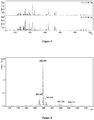
- the total protein concentration was 16.2 ⁇ g/ ⁇ l, as obtained from the standard curve, and the total volume was 400 ⁇ l, that is, the total protein amount was 6.48 mg, as shown in Figure 1 .
- the molecular weight distribution of the conotoxin polypeptides was determined by SDS-polyacrylamide gel. Specifically, a separating gel and a concentrating gel with a width of 7 cm and a thickness of 1 mm were formulated, and the gel concentrations of the two gels were 12% and 5% respectively.
- An electrophoresis process was conducted by using Bio Rad electrophoresis device, wherein the electrophoresis program was set as follows: 0-20 min, 80 V voltage for concentration electrophoresis; and 20-70 min, 120 V voltage for separation electrophoresis.
- the loading amounts of the marker (6-66 kDa) and the sample were 10 ⁇ g and 20 ⁇ g respectively.
- the gel was stained with Coomassie Brilliant Blue for 2 hours on a shaker and then decolored with a decolorization solution (8% acetic acid + 25% aqueous ethanol) for 3 times until the gel background became transparent.
- the above conotoxin polypeptides were diluted to 1 ml with 8 M urea. According to the standard operating procedures for enrichment with Strata-X C18, firstly, the column was activated with 1 ml methanol, then 1 ml of 0.1% FA was added to make it balanced, and then 1 ml of the conotoxin polypeptide sample was loaded thereon, followed by washing with buffer (5% ACN + 0.1% FA) for 3 times, and finally the conotoxin polypeptides were eluted with 100% ACN. The molecular weights and concentrations of the enriched conotoxin polypeptides were examined by MALDI-TOF-MS and Nanodrop (Thermo Scientific).
- the detection range of molecular weight by MALDI-TOF-MS is 700 to 3500 daltons. 1 ⁇ l of the sample was loaded on the plate and dried, then matrix (saturated CHCA) was added, and then the standard was loaded and dried, followed by detection. The specific detection results were shown in Figure 3 . The above steps were repeated to obtain two samples of T1 and T2. According to the standard operating procedures for polypeptide concentration determination with Nanodrop 8000, the concentration was detected at A280 and the results were shown in Table 1. Table 1.
- Buffer B further contained 500 mM potassium chloride on the basis of Buffer A.
- buffer B at 0-40% was used to separate at 1 ml/min for 10 min in a linear binary gradient, followed by reacting with Buffer B at a concentration of 40-90% for 2 min, and then with Buffer B at a concentration of 90% for 3 min, and finally, performing absorbance detection at 214 nm and collecting 10 fractions by gradient elution.
- the nanoLC-MS / MS analysis specifically includes the analyses with Shimadzu's nano HPLC chromatograph system and with AB Sciex's Triple TOF 5600 mass spectrometer system.
- Components of each pre-separated conotoxin polypeptide sample were separated by a self-made Ultimate capillary column with a length of 12 cm, an inner diameter of 75 ⁇ m, and filled with Welch Materials brand XB-C18 column material with a particle size of 3 ⁇ m and a pore size of 120A at a flow rate of 300 nl/min.
- the injection volume was 25 ⁇ l and the concentration of Buffer B was increased from 5% to 45% for 40 min gradually for a gradient elution.
- the electrospray voltage was 2.5 kV
- the auxiliary air pressure was 30 psi
- the sheath gas pressure was 15 psi
- the source temperature was 150 °C for mass spectrum acquisition.
- the first-order mass spectrum was acquired using a high-resolution mode greater than or equal to 30,000.
- the valence state of parent ions in the range of 2 charges to 5 charges was selected for acquisition of the second-order mass spectrum, before 30 successive second-order mass spectrometric fragmentation, the first-order mass spectrum was scanned once, as such 30 scans of the second-order spectrum daughter ions were completed in 250 ms, and more than 120 pieces of the second-order spectrums can be produced per second, and the total cycle time was 3.3 seconds.
- the original mass spectrometry data obtained by nanoLC-MS/MS detection was converted into MGF format and then Mascot search software was used for data search and identification.
- the conotoxin polypeptide ⁇ -CPTx-btl01 having a full length amino acid sequence of KCCTMSVCQPPPVCTCCA was selected by sequence characteristic analysis.
- the obtained conotoxin polypeptide ⁇ -CPTx-bt101 was subjected to chemical synthesis and renaturation, and then its inhibitory activity on potassium ion channel was tested.
- the renaturation process of the conotoxin polypeptide included: the chemically synthesized conotoxin polypeptide with the primary structure was subjected to renaturation to restore its structure having active effect in natural state.
- the specific renaturation method was: dissolving the synthesized conotoxin polypeptide at a mass/volume ratio of 1:10 using a renaturation solution (0.1 M Tris-HCl, 0.1 M NaCl, 5 mM GSH, 0.5 mM GSSG, pH 7.4) and then reacting at 25 °C for 24-48 hours.
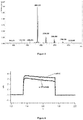
- the conotoxin polypeptide after renaturation was detected for the renaturation efficiency by MALDI-TOF-MS. The detection results were shown in Figure 5 .
- the conotoxin polypeptide after renaturation was further purified by Strata-X C18 extraction column.
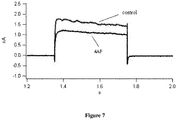
- the detection of inhibitory activity of the polypeptide on the ion channels by patch clamp included: the synthesized conotoxin polypeptide after renaturation was formulated into a solution at a final concentration of 10 ⁇ M for detection by a whole-cell patch clamp method.
- the effect of the conotoxin polypeptide ⁇ -CPTx-btl01 on DRG neuronal ion channels was detected.
- 4-aminopyridine (4AP) was used as the positive control, and the effect of 4-aminopyridine on DRG neuronal ion channels was also detected.
Landscapes
- Health & Medical Sciences (AREA)
- Chemical & Material Sciences (AREA)
- Life Sciences & Earth Sciences (AREA)
- Organic Chemistry (AREA)
- General Health & Medical Sciences (AREA)
- Medicinal Chemistry (AREA)
- Molecular Biology (AREA)
- Engineering & Computer Science (AREA)
- Proteomics, Peptides & Aminoacids (AREA)
- Biochemistry (AREA)
- Biophysics (AREA)
- Bioinformatics & Cheminformatics (AREA)
- Genetics & Genomics (AREA)
- Pharmacology & Pharmacy (AREA)
- Animal Behavior & Ethology (AREA)
- Public Health (AREA)
- Veterinary Medicine (AREA)
- Biomedical Technology (AREA)
- Immunology (AREA)
- Analytical Chemistry (AREA)
- General Chemical & Material Sciences (AREA)
- Chemical Kinetics & Catalysis (AREA)
- Nuclear Medicine, Radiotherapy & Molecular Imaging (AREA)
- Gastroenterology & Hepatology (AREA)
- Urology & Nephrology (AREA)
- Physics & Mathematics (AREA)
- Hematology (AREA)
- Neurosurgery (AREA)
- Neurology (AREA)
- Epidemiology (AREA)
- Zoology (AREA)
- Microbiology (AREA)
- Food Science & Technology (AREA)
- Pathology (AREA)
- General Physics & Mathematics (AREA)
- Bioinformatics & Computational Biology (AREA)
- Biotechnology (AREA)
- Cell Biology (AREA)
- Hospice & Palliative Care (AREA)
- Psychiatry (AREA)
Claims (3)
- Conotoxinpolypeptid κ-CPTx-bt101, dadurch gekennzeichnet, dass das Polypeptid die vollständige Aminosäuresequenz KCCTMSVCQPPPVCTCCA aufweist.
- Conotoxinpolypeptid wie in Anspruch 1 beschrieben zur Verwendung in der Schmerzbehandlung.
- Conotoxinpolypeptid wie in Anspruch 1 beschrieben zur Verwendung in der Behandlung von Kaliumionenkanalerkrankungen.
Applications Claiming Priority (1)
| Application Number | Priority Date | Filing Date | Title |
|---|---|---|---|
| PCT/CN2014/087971 WO2016049864A1 (zh) | 2014-09-30 | 2014-09-30 | 芋螺毒素多肽κ-CPTx-btl01、其制备方法及应用 |
Publications (3)
| Publication Number | Publication Date |
|---|---|
| EP3202777A1 EP3202777A1 (de) | 2017-08-09 |
| EP3202777A4 EP3202777A4 (de) | 2018-05-16 |
| EP3202777B1 true EP3202777B1 (de) | 2020-08-05 |
Family
ID=55629291
Family Applications (1)
| Application Number | Title | Priority Date | Filing Date |
|---|---|---|---|
| EP14903413.4A Active EP3202777B1 (de) | 2014-09-30 | 2014-09-30 | Conotoxinpolypeptid-kappa-cptx-bt101 und anwendung davon |
Country Status (4)
| Country | Link |
|---|---|
| US (1) | US10087216B2 (de) |
| EP (1) | EP3202777B1 (de) |
| CN (1) | CN107074909B (de) |
| WO (1) | WO2016049864A1 (de) |
Families Citing this family (2)
| Publication number | Priority date | Publication date | Assignee | Title |
|---|---|---|---|---|
| US10501498B2 (en) * | 2014-12-26 | 2019-12-10 | Bgi Shenzhen | Conotoxin peptide κ-CPTx-BTL01, preparation method therefor, and uses thereof |
| CN109942691A (zh) * | 2017-12-20 | 2019-06-28 | 海南医学院 | 芋螺毒素多肽CTx-btg01及其制备方法和应用 |
Family Cites Families (3)
| Publication number | Priority date | Publication date | Assignee | Title |
|---|---|---|---|---|
| US5672682A (en) | 1996-03-18 | 1997-09-30 | University Of Utah Research Foundation | Conotoxin peptide PVIIA |
| JP2003510257A (ja) * | 1999-09-22 | 2003-03-18 | コグネティックス・インコーポレイテッド | カッパ−コノトキシンpviiaの使用 |
| CN102190708B (zh) * | 2011-03-30 | 2013-05-08 | 中国人民解放军军事医学科学院生物工程研究所 | 一种桶形α芋螺多肽Bt1.3及其应用 |
-
2014
- 2014-09-30 WO PCT/CN2014/087971 patent/WO2016049864A1/zh not_active Ceased
- 2014-09-30 US US15/515,696 patent/US10087216B2/en active Active
- 2014-09-30 EP EP14903413.4A patent/EP3202777B1/de active Active
- 2014-09-30 CN CN201480082281.8A patent/CN107074909B/zh active Active
Non-Patent Citations (1)
| Title |
|---|
| None * |
Also Published As
| Publication number | Publication date |
|---|---|
| EP3202777A4 (de) | 2018-05-16 |
| US10087216B2 (en) | 2018-10-02 |
| WO2016049864A1 (zh) | 2016-04-07 |
| CN107074909A (zh) | 2017-08-18 |
| CN107074909B (zh) | 2020-11-27 |
| EP3202777A1 (de) | 2017-08-09 |
| US20170305970A1 (en) | 2017-10-26 |
Similar Documents
| Publication | Publication Date | Title |
|---|---|---|
| EP3202775B1 (de) | Conotoxinpolypeptid-kappa-cptx-bt104 und verfahren zur herstellung davon und anwendung davon | |
| EP3202778B1 (de) | Conotoxinpolypeptid kappa-cptx-bt105 und verfahren zur herstellung davon und anwendung davon | |
| EP3202777B1 (de) | Conotoxinpolypeptid-kappa-cptx-bt101 und anwendung davon | |
| EP3202782B1 (de) | Conotoxinpolypeptid-kappa-cptx-bt103 und verfahren zur herstellung davon und anwendung davon | |
| EP3202776B1 (de) | Conotoxinpolypeptid kappa-cptx-bt102 und verfahren zur herstellung davon und anwendung davon | |
| US20180170963A1 (en) | Conotoxin peptide k-cptx-btl04, preparation method therefor, and uses thereof | |
| EP3239168B1 (de) | Derivat des conotoxinpeptid-kappa-cptx-btl02, herstellungsverfahren dafür und verwendung davon | |
| CN107949567B (zh) | 三种芋螺毒素肽、其制备方法及应用 | |
| EP3239167B1 (de) | Derivat des conotoxinpeptid-kappa-cptx-btl01, herstellungsverfahren dafür und verwendung davon | |
| HK1239719B (zh) | 芋螺毒素多肽k-cptx-bt103、其制备方法及应用 | |
| HK1240243B (zh) | 芋螺毒素多肽κ-cptx-bt101、其制备方法及应用 | |
| EP3239169A1 (de) | Conotoxinpeptid -cptx-btl05, herstellungsverfahren dafür und verwendungen davon | |
| HK1239719A1 (en) | Conotoxin polypeptide κ-cptx-bt103, and method for preparation thereof and application thereof | |
| HK1247219B (zh) | 三种芋螺毒素肽、其制备方法及应用 |
Legal Events
| Date | Code | Title | Description |
|---|---|---|---|
| STAA | Information on the status of an ep patent application or granted ep patent |
Free format text: STATUS: THE INTERNATIONAL PUBLICATION HAS BEEN MADE |
|
| PUAI | Public reference made under article 153(3) epc to a published international application that has entered the european phase |
Free format text: ORIGINAL CODE: 0009012 |
|
| STAA | Information on the status of an ep patent application or granted ep patent |
Free format text: STATUS: REQUEST FOR EXAMINATION WAS MADE |
|
| 17P | Request for examination filed |
Effective date: 20170413 |
|
| AK | Designated contracting states |
Kind code of ref document: A1 Designated state(s): AL AT BE BG CH CY CZ DE DK EE ES FI FR GB GR HR HU IE IS IT LI LT LU LV MC MK MT NL NO PL PT RO RS SE SI SK SM TR |
|
| AX | Request for extension of the european patent |
Extension state: BA ME |
|
| DAX | Request for extension of the european patent (deleted) | ||
| RIC1 | Information provided on ipc code assigned before grant |
Ipc: A61P 9/00 20060101ALI20180404BHEP Ipc: C07K 1/00 20060101ALI20180404BHEP Ipc: A61P 25/24 20060101ALI20180404BHEP Ipc: A61P 25/16 20060101ALI20180404BHEP Ipc: A61P 35/00 20060101ALI20180404BHEP Ipc: A61K 38/10 20060101ALI20180404BHEP Ipc: C07K 7/08 20060101AFI20180404BHEP Ipc: A61P 25/08 20060101ALI20180404BHEP Ipc: A61P 25/28 20060101ALI20180404BHEP Ipc: A61P 21/00 20060101ALI20180404BHEP Ipc: A61P 29/00 20060101ALI20180404BHEP |
|
| A4 | Supplementary search report drawn up and despatched |
Effective date: 20180413 |
|
| STAA | Information on the status of an ep patent application or granted ep patent |
Free format text: STATUS: EXAMINATION IS IN PROGRESS |
|
| 17Q | First examination report despatched |
Effective date: 20190204 |
|
| REG | Reference to a national code |
Ref country code: DE Ref legal event code: R079 Ref document number: 602014068774 Country of ref document: DE Free format text: PREVIOUS MAIN CLASS: C07K0007080000 Ipc: A61K0038170000 |
|
| GRAP | Despatch of communication of intention to grant a patent |
Free format text: ORIGINAL CODE: EPIDOSNIGR1 |
|
| STAA | Information on the status of an ep patent application or granted ep patent |
Free format text: STATUS: GRANT OF PATENT IS INTENDED |
|
| RIC1 | Information provided on ipc code assigned before grant |
Ipc: C07K 14/435 20060101ALI20200124BHEP Ipc: A61P 29/00 20060101ALI20200124BHEP Ipc: A61K 38/17 20060101AFI20200124BHEP |
|
| INTG | Intention to grant announced |
Effective date: 20200225 |
|
| GRAS | Grant fee paid |
Free format text: ORIGINAL CODE: EPIDOSNIGR3 |
|
| GRAA | (expected) grant |
Free format text: ORIGINAL CODE: 0009210 |
|
| STAA | Information on the status of an ep patent application or granted ep patent |
Free format text: STATUS: THE PATENT HAS BEEN GRANTED |
|
| AK | Designated contracting states |
Kind code of ref document: B1 Designated state(s): AL AT BE BG CH CY CZ DE DK EE ES FI FR GB GR HR HU IE IS IT LI LT LU LV MC MK MT NL NO PL PT RO RS SE SI SK SM TR |
|
| REG | Reference to a national code |
Ref country code: GB Ref legal event code: FG4D |
|
| REG | Reference to a national code |
Ref country code: CH Ref legal event code: EP |
|
| REG | Reference to a national code |
Ref country code: AT Ref legal event code: REF Ref document number: 1297760 Country of ref document: AT Kind code of ref document: T Effective date: 20200815 |
|
| REG | Reference to a national code |
Ref country code: DE Ref legal event code: R096 Ref document number: 602014068774 Country of ref document: DE |
|
| REG | Reference to a national code |
Ref country code: IE Ref legal event code: FG4D |
|
| REG | Reference to a national code |
Ref country code: CH Ref legal event code: NV Representative=s name: DENNEMEYER AG, CH |
|
| REG | Reference to a national code |
Ref country code: LT Ref legal event code: MG4D |
|
| REG | Reference to a national code |
Ref country code: NL Ref legal event code: MP Effective date: 20200805 |
|
| REG | Reference to a national code |
Ref country code: AT Ref legal event code: MK05 Ref document number: 1297760 Country of ref document: AT Kind code of ref document: T Effective date: 20200805 |
|
| PG25 | Lapsed in a contracting state [announced via postgrant information from national office to epo] |
Ref country code: LT Free format text: LAPSE BECAUSE OF FAILURE TO SUBMIT A TRANSLATION OF THE DESCRIPTION OR TO PAY THE FEE WITHIN THE PRESCRIBED TIME-LIMIT Effective date: 20200805 Ref country code: FI Free format text: LAPSE BECAUSE OF FAILURE TO SUBMIT A TRANSLATION OF THE DESCRIPTION OR TO PAY THE FEE WITHIN THE PRESCRIBED TIME-LIMIT Effective date: 20200805 Ref country code: AT Free format text: LAPSE BECAUSE OF FAILURE TO SUBMIT A TRANSLATION OF THE DESCRIPTION OR TO PAY THE FEE WITHIN THE PRESCRIBED TIME-LIMIT Effective date: 20200805 Ref country code: GR Free format text: LAPSE BECAUSE OF FAILURE TO SUBMIT A TRANSLATION OF THE DESCRIPTION OR TO PAY THE FEE WITHIN THE PRESCRIBED TIME-LIMIT Effective date: 20201106 Ref country code: NO Free format text: LAPSE BECAUSE OF FAILURE TO SUBMIT A TRANSLATION OF THE DESCRIPTION OR TO PAY THE FEE WITHIN THE PRESCRIBED TIME-LIMIT Effective date: 20201105 Ref country code: PT Free format text: LAPSE BECAUSE OF FAILURE TO SUBMIT A TRANSLATION OF THE DESCRIPTION OR TO PAY THE FEE WITHIN THE PRESCRIBED TIME-LIMIT Effective date: 20201207 Ref country code: ES Free format text: LAPSE BECAUSE OF FAILURE TO SUBMIT A TRANSLATION OF THE DESCRIPTION OR TO PAY THE FEE WITHIN THE PRESCRIBED TIME-LIMIT Effective date: 20200805 Ref country code: BG Free format text: LAPSE BECAUSE OF FAILURE TO SUBMIT A TRANSLATION OF THE DESCRIPTION OR TO PAY THE FEE WITHIN THE PRESCRIBED TIME-LIMIT Effective date: 20201105 Ref country code: SE Free format text: LAPSE BECAUSE OF FAILURE TO SUBMIT A TRANSLATION OF THE DESCRIPTION OR TO PAY THE FEE WITHIN THE PRESCRIBED TIME-LIMIT Effective date: 20200805 Ref country code: HR Free format text: LAPSE BECAUSE OF FAILURE TO SUBMIT A TRANSLATION OF THE DESCRIPTION OR TO PAY THE FEE WITHIN THE PRESCRIBED TIME-LIMIT Effective date: 20200805 |
|
| PG25 | Lapsed in a contracting state [announced via postgrant information from national office to epo] |
Ref country code: PL Free format text: LAPSE BECAUSE OF FAILURE TO SUBMIT A TRANSLATION OF THE DESCRIPTION OR TO PAY THE FEE WITHIN THE PRESCRIBED TIME-LIMIT Effective date: 20200805 Ref country code: RS Free format text: LAPSE BECAUSE OF FAILURE TO SUBMIT A TRANSLATION OF THE DESCRIPTION OR TO PAY THE FEE WITHIN THE PRESCRIBED TIME-LIMIT Effective date: 20200805 Ref country code: NL Free format text: LAPSE BECAUSE OF FAILURE TO SUBMIT A TRANSLATION OF THE DESCRIPTION OR TO PAY THE FEE WITHIN THE PRESCRIBED TIME-LIMIT Effective date: 20200805 Ref country code: LV Free format text: LAPSE BECAUSE OF FAILURE TO SUBMIT A TRANSLATION OF THE DESCRIPTION OR TO PAY THE FEE WITHIN THE PRESCRIBED TIME-LIMIT Effective date: 20200805 Ref country code: IS Free format text: LAPSE BECAUSE OF FAILURE TO SUBMIT A TRANSLATION OF THE DESCRIPTION OR TO PAY THE FEE WITHIN THE PRESCRIBED TIME-LIMIT Effective date: 20201205 |
|
| PG25 | Lapsed in a contracting state [announced via postgrant information from national office to epo] |
Ref country code: RO Free format text: LAPSE BECAUSE OF FAILURE TO SUBMIT A TRANSLATION OF THE DESCRIPTION OR TO PAY THE FEE WITHIN THE PRESCRIBED TIME-LIMIT Effective date: 20200805 Ref country code: SM Free format text: LAPSE BECAUSE OF FAILURE TO SUBMIT A TRANSLATION OF THE DESCRIPTION OR TO PAY THE FEE WITHIN THE PRESCRIBED TIME-LIMIT Effective date: 20200805 Ref country code: EE Free format text: LAPSE BECAUSE OF FAILURE TO SUBMIT A TRANSLATION OF THE DESCRIPTION OR TO PAY THE FEE WITHIN THE PRESCRIBED TIME-LIMIT Effective date: 20200805 Ref country code: DK Free format text: LAPSE BECAUSE OF FAILURE TO SUBMIT A TRANSLATION OF THE DESCRIPTION OR TO PAY THE FEE WITHIN THE PRESCRIBED TIME-LIMIT Effective date: 20200805 Ref country code: CZ Free format text: LAPSE BECAUSE OF FAILURE TO SUBMIT A TRANSLATION OF THE DESCRIPTION OR TO PAY THE FEE WITHIN THE PRESCRIBED TIME-LIMIT Effective date: 20200805 |
|
| REG | Reference to a national code |
Ref country code: DE Ref legal event code: R097 Ref document number: 602014068774 Country of ref document: DE |
|
| PG25 | Lapsed in a contracting state [announced via postgrant information from national office to epo] |
Ref country code: AL Free format text: LAPSE BECAUSE OF FAILURE TO SUBMIT A TRANSLATION OF THE DESCRIPTION OR TO PAY THE FEE WITHIN THE PRESCRIBED TIME-LIMIT Effective date: 20200805 Ref country code: MC Free format text: LAPSE BECAUSE OF FAILURE TO SUBMIT A TRANSLATION OF THE DESCRIPTION OR TO PAY THE FEE WITHIN THE PRESCRIBED TIME-LIMIT Effective date: 20200805 |
|
| PLBE | No opposition filed within time limit |
Free format text: ORIGINAL CODE: 0009261 |
|
| STAA | Information on the status of an ep patent application or granted ep patent |
Free format text: STATUS: NO OPPOSITION FILED WITHIN TIME LIMIT |
|
| REG | Reference to a national code |
Ref country code: BE Ref legal event code: MM Effective date: 20200930 |
|
| PG25 | Lapsed in a contracting state [announced via postgrant information from national office to epo] |
Ref country code: LU Free format text: LAPSE BECAUSE OF NON-PAYMENT OF DUE FEES Effective date: 20200930 Ref country code: SK Free format text: LAPSE BECAUSE OF FAILURE TO SUBMIT A TRANSLATION OF THE DESCRIPTION OR TO PAY THE FEE WITHIN THE PRESCRIBED TIME-LIMIT Effective date: 20200805 |
|
| 26N | No opposition filed |
Effective date: 20210507 |
|
| GBPC | Gb: european patent ceased through non-payment of renewal fee |
Effective date: 20201105 |
|
| PG25 | Lapsed in a contracting state [announced via postgrant information from national office to epo] |
Ref country code: IT Free format text: LAPSE BECAUSE OF FAILURE TO SUBMIT A TRANSLATION OF THE DESCRIPTION OR TO PAY THE FEE WITHIN THE PRESCRIBED TIME-LIMIT Effective date: 20200805 |
|
| PG25 | Lapsed in a contracting state [announced via postgrant information from national office to epo] |
Ref country code: SI Free format text: LAPSE BECAUSE OF FAILURE TO SUBMIT A TRANSLATION OF THE DESCRIPTION OR TO PAY THE FEE WITHIN THE PRESCRIBED TIME-LIMIT Effective date: 20200805 Ref country code: IE Free format text: LAPSE BECAUSE OF NON-PAYMENT OF DUE FEES Effective date: 20200930 Ref country code: BE Free format text: LAPSE BECAUSE OF NON-PAYMENT OF DUE FEES Effective date: 20200930 |
|
| PG25 | Lapsed in a contracting state [announced via postgrant information from national office to epo] |
Ref country code: GB Free format text: LAPSE BECAUSE OF NON-PAYMENT OF DUE FEES Effective date: 20201105 |
|
| PG25 | Lapsed in a contracting state [announced via postgrant information from national office to epo] |
Ref country code: IS Free format text: LAPSE BECAUSE OF FAILURE TO SUBMIT A TRANSLATION OF THE DESCRIPTION OR TO PAY THE FEE WITHIN THE PRESCRIBED TIME-LIMIT Effective date: 20201205 Ref country code: TR Free format text: LAPSE BECAUSE OF FAILURE TO SUBMIT A TRANSLATION OF THE DESCRIPTION OR TO PAY THE FEE WITHIN THE PRESCRIBED TIME-LIMIT Effective date: 20200805 Ref country code: MT Free format text: LAPSE BECAUSE OF FAILURE TO SUBMIT A TRANSLATION OF THE DESCRIPTION OR TO PAY THE FEE WITHIN THE PRESCRIBED TIME-LIMIT Effective date: 20200805 Ref country code: CY Free format text: LAPSE BECAUSE OF FAILURE TO SUBMIT A TRANSLATION OF THE DESCRIPTION OR TO PAY THE FEE WITHIN THE PRESCRIBED TIME-LIMIT Effective date: 20200805 |
|
| PG25 | Lapsed in a contracting state [announced via postgrant information from national office to epo] |
Ref country code: MK Free format text: LAPSE BECAUSE OF FAILURE TO SUBMIT A TRANSLATION OF THE DESCRIPTION OR TO PAY THE FEE WITHIN THE PRESCRIBED TIME-LIMIT Effective date: 20200805 |
|
| REG | Reference to a national code |
Ref country code: DE Ref legal event code: R081 Ref document number: 602014068774 Country of ref document: DE Owner name: BGI AGRICULTURAL AND CIRCULAR ECONOMIC TECH CO, CN Free format text: FORMER OWNER: BGI SHENZHEN CO., LIMITED, SHENZHEN, GUANGDONG, CN |
|
| P01 | Opt-out of the competence of the unified patent court (upc) registered |
Effective date: 20230708 |
|
| REG | Reference to a national code |
Ref country code: DE Ref legal event code: R082 Ref document number: 602014068774 Country of ref document: DE Representative=s name: DENNEMEYER & ASSOCIATES RECHTSANWALTSGESELLSCH, DE |
|
| REG | Reference to a national code |
Ref country code: CH Ref legal event code: U11 Free format text: ST27 STATUS EVENT CODE: U-0-0-U10-U11 (AS PROVIDED BY THE NATIONAL OFFICE) Effective date: 20251001 |
|
| PGFP | Annual fee paid to national office [announced via postgrant information from national office to epo] |
Ref country code: DE Payment date: 20250916 Year of fee payment: 12 |
|
| PGFP | Annual fee paid to national office [announced via postgrant information from national office to epo] |
Ref country code: FR Payment date: 20250929 Year of fee payment: 12 |
|
| PGFP | Annual fee paid to national office [announced via postgrant information from national office to epo] |
Ref country code: CH Payment date: 20251001 Year of fee payment: 12 |