EP3205166B1 - Direktzugriffskanalkonfiguration - Google Patents
Direktzugriffskanalkonfiguration Download PDFInfo
- Publication number
- EP3205166B1 EP3205166B1 EP14781881.9A EP14781881A EP3205166B1 EP 3205166 B1 EP3205166 B1 EP 3205166B1 EP 14781881 A EP14781881 A EP 14781881A EP 3205166 B1 EP3205166 B1 EP 3205166B1
- Authority
- EP
- European Patent Office
- Prior art keywords
- random access
- wireless communication
- access channel
- communication device
- network node
- Prior art date
- Legal status (The legal status is an assumption and is not a legal conclusion. Google has not performed a legal analysis and makes no representation as to the accuracy of the status listed.)
- Not-in-force
Links
Images

Classifications
-
- H—ELECTRICITY
- H04—ELECTRIC COMMUNICATION TECHNIQUE
- H04W—WIRELESS COMMUNICATION NETWORKS
- H04W56/00—Synchronisation arrangements
- H04W56/004—Synchronisation arrangements compensating for timing error of reception due to propagation delay
- H04W56/0045—Synchronisation arrangements compensating for timing error of reception due to propagation delay compensating for timing error by altering transmission time
-
- H—ELECTRICITY
- H04—ELECTRIC COMMUNICATION TECHNIQUE
- H04W—WIRELESS COMMUNICATION NETWORKS
- H04W74/00—Wireless channel access
- H04W74/002—Transmission of channel access control information
- H04W74/006—Transmission of channel access control information in the downlink, i.e. towards the terminal
-
- H—ELECTRICITY
- H04—ELECTRIC COMMUNICATION TECHNIQUE
- H04W—WIRELESS COMMUNICATION NETWORKS
- H04W74/00—Wireless channel access
- H04W74/08—Non-scheduled access, e.g. ALOHA
- H04W74/0833—Random access procedures, e.g. with 4-step access
-
- H—ELECTRICITY
- H04—ELECTRIC COMMUNICATION TECHNIQUE
- H04W—WIRELESS COMMUNICATION NETWORKS
- H04W4/00—Services specially adapted for wireless communication networks; Facilities therefor
- H04W4/70—Services for machine-to-machine communication [M2M] or machine type communication [MTC]
Definitions
- the present invention relates generally to the field of configuration of radio resources for wireless transmission. More particularly, it relates to configuration of radio resources for random access transmissions.
- a wireless communication device associated with the system and wishing to communicate through the system needs to transmit a random access (RA) message (or similar) to the system, thereby requesting radio resources for communication.
- RA random access
- the random access message itself may be able to carry some data (apart from the random access request) from the wireless communication device and may, thus, be used to convey smaller amount of data without a connection having to be set up.
- the random access message should typically be transmitted over a random access channel (RACH) defined in association with the wireless communication system.
- RACH random access channel
- a wireless communication device is required to have a certain time and/or frequency synchronization accuracy vis-à-vis the system (e.g. a network node of the system).
- Synchronization is typically achieved by having the wireless communication device listen to the downlink from a network node at regular time intervals (order of seconds) even when the wireless communication is not actively connected to the system.
- the Critical-MTC concept may need to address design trade-offs regarding e.g., end-to-end latency, transmission reliability, system capacity and deployment.
- the Critical-MTC system should provide for radio resource management that allows coexistence between different classes of applications, for example, applications with sporadic data requiring ultra-low latency (e.g., alert messages) along with applications with real-time periodic data requiring normal latency and/or applications with data under best-effort requirements.
- Alert messages represent one potentially important type of messages that may benefit from the Critical-MTC application.
- Alarms are typically rare events.
- the wireless communication device e.g. a sensor
- the wireless communication device may be of a type associated with low power and/or low cost.
- such a type of wireless communication device may not be actively connected or synchronized to the network node continuously.
- it may be battery driven with a requirement that the battery should last for a long period of time (order of years) and such a requirement may be impossible to fulfill (due to the associated power consumption) if repeatedly listening to the downlink for synchronization.
- the wireless communication device first needs to acquire the appropriate synchronization before it may transmit the alarm using the random access channel, which may substantially delay the transmission more than required by the ultra-low delay criterion of Critical-MTC.
- the prior-art patent application US 2012/0099543 A1 provides a communication method of a base station for random access resource allocation, the communication method including broadcasting system information (SI) that includes information about an extra physical random access channel (xPRACH) of a machine type communication (MTC) terminal and information about a physical random access channel (PRACH) of a general terminal, each of the xPRACH of the MTC terminal and the PRACH of the general terminal having a separated resource space, and receiving a random access attempt from the MTC terminal in response to the broadcast.
- SI system information
- xPRACH extra physical random access channel
- MTC machine type communication
- PRACH physical random access channel
- this is achieved by a method of a network node of a wireless communication system.
- the method comprises configuring a first random access channel for transmission of random access messages from a first wireless communication device having a first synchronization accuracy vis-à-vis the network node and configuring a second random access channel for transmission of random access messages from a second wireless communication device having a second synchronization accuracy vis-à-vis the network node, wherein the second synchronization accuracy is lower than the first synchronization accuracy.
- the method also comprises transmitting configuration information of at least the second random access channel configurations to the first wireless communication device and to the second wireless communication device.
- the first and second synchronization accuracy may, for example, be in respect of synchronization in time, synchronization in frequency, or synchronization in time and frequency.
- the first wireless communication device and the second wireless communication device may be the same wireless communication device or may be different wireless communication devices.
- the same first random access channel may be configured for one wireless communication device only or for several wireless communication devices.
- the same second random access channel may be configured for one wireless communication device only or for several wireless communication devices.
- the method may further comprise transmitting configuration information of the first random access channel to the first wireless communication device and to the second wireless communication device.
- the first and second random access channels may typically comprise one or more radio resources to be used for transmission of random access messages.
- the second random access channel may comprise a frequency resource dedicated specifically to the second random access channel.
- the second random access channel may comprise a frequency resource shared with other communication of the wireless communication system.
- the second random access channel may further comprise a spreading code dedicated specifically to the second random access channel.
- the method may further comprise monitoring the second random access channel, and (if a random access message transmitted from the second wireless communication device is detected on the second random access channel) determining a synchronization error of the second wireless communication device and transmitting a random access response to the second wireless communication device, wherein the transmission is compensated based on the determined synchronization error.
- the synchronization error may, for example, comprise one or more of a frequency error and a timing error.
- a second aspect is a method of a wireless communication device wherein a first random access channel is for transmission of random access messages from the wireless communication device when it has a first synchronization accuracy vis-à-vis the network node and a second random access channel is for transmission of random access messages from the wireless communication device when it has a second synchronization accuracy vis-à-vis the network node.
- the second synchronization accuracy is lower than the first synchronization accuracy.
- the method comprises receiving configuration information of at least the second random access channel from a network node of a wireless communication system.
- the method may further comprise receiving configuration information of the first random access channel from the network node.
- the method may, according to some embodiments, further comprise (when a random access message is to be transmitted due to pending data) determining whether or not the pending data is to be transmitted under requirements that are associated with the second random access channel.
- the method may further comprise transmitting the random access message to the network node on the second random access channel.
- the method may further comprise transmitting the random access message to the network node on the first random access channel.
- the requirements may, for example, comprise one or more of:
- the method may, in some embodiments, further comprise (after transmitting the random access message to the network node on the second random access channel) obtaining the first synchronization accuracy vis-à-vis the network node and receiving a random access response from the network node.
- a third aspect is a computer program product comprising a computer readable medium, having thereon a computer program comprising program instructions.
- the computer program is loadable into a data-processing unit and adapted to cause execution of the method according to any of the first and second aspect when the computer program is run by the data-processing unit.
- an arrangement is provided for a network node of a wireless communication system.
- the arrangement comprises a random access configuration unit adapted to configure a first random access channel for transmission of random access messages from a first wireless communication device having a first synchronization accuracy vis-à-vis the network node and a second random access channel for transmission of random access messages from a second wireless communication device having a second synchronization accuracy vis-à-vis the network node, wherein the second synchronization accuracy is lower than the first synchronization accuracy.
- the arrangement also comprises a transmitter adapted to transmit configuration information of at least the second random access channel to the first wireless communication device and to the second wireless communication device.
- the transmitter may be further adapted to transmit configuration information of the first random access channel to the first wireless communication device and to the second wireless communication device.
- the arrangement may further comprise a random access monitor adapted to monitor the second random access channel, and a synchronization error determiner adapted to determine a synchronization error of the second wireless communication device if a random access message transmitted from the second wireless communication device is detected on the second random access channel.
- the transmitter may be further adapted to transmit a random access response to the second wireless communication device.
- the transmission of the random access response to the second wireless communication device may be compensated based on the determined synchronization error.
- a fifth aspect is a network node of a wireless communication system comprising the arrangement according to the fourth aspect.
- an arrangement for a wireless communication device, wherein a first random access channel is for transmission of random access messages from the wireless communication device when it has a first synchronization accuracy vis-à-vis the network node and a second random access channel is for transmission of random access messages from the wireless communication device when it has a second synchronization accuracy vis-à-vis the network node.
- the second synchronization accuracy is lower than the first synchronization accuracy.
- the arrangement comprises a receiver adapted to receive configuration information of at least the second random access channel from a network node of a wireless communication system.
- the receiver may be further adapted to receive configuration information of the first random access channel from the network node.
- the arrangement may, according to some embodiments, further comprise a determiner adapted to determine (when a random access message is to be transmitted due to pending data) whether or not the pending data is to be transmitted under requirements that are associated with the second random access channel, and a transmitter adapted to (if it is determined that the pending data is to be transmitted under requirements that are associated with the second random access channel) transmit the random access message to the network node on the second random access channel.
- a determiner adapted to determine (when a random access message is to be transmitted due to pending data) whether or not the pending data is to be transmitted under requirements that are associated with the second random access channel
- a transmitter adapted to (if it is determined that the pending data is to be transmitted under requirements that are associated with the second random access channel) transmit the random access message to the network node on the second random access channel.
- the arrangement may further comprise a synchronizer adapted to (after transmitting the random access message to the network node on the second random access channel) obtain the first synchronization accuracy vis-à-vis the network node after transmission by the transmitter of the random access message to the network node on the second random access channel.
- the receiver may be further adapted to receive a random access response from the network node according to some embodiments.
- a seventh aspect is a wireless communication device comprising the arrangement according to the sixth aspect.
- An eighth aspect is an arrangement comprising a processor, wherein the processor is specifically adapted to carry out (or cause execution of) method steps of the method according to any of the first and second aspect.
- a ninth aspect and a tenth aspect are a network node and a wireless communication device, respectively, comprising the corresponding arrangement of the eight aspect.
- the third, fourth, fifth, sixth, seventh, eighth, ninth and tenth aspects may additionally have features identical with or corresponding to any of the various features as explained above for the first and second aspect, respectively.
- the second aspect may additionally have features identical with or corresponding to any of the various features as explained above for the first aspect, and vice versa.
- An advantage of some embodiments is that random access may be used without having to achieve system default synchronization accuracy vis-à-vis the network node.
- Another advantage of some embodiments is that application of the random access procedure requires very low power consumption.
- Yet another advantage of some embodiments is random access with low latency may be achieved.
- Still another advantage of some embodiments is that a resource efficient and reliable way to accommodate time critical communication and regular communication within the same system.
- a network node of a wireless communication system configures at least a first random access channel and second random access channel.
- the first and second random access channels are for transmission of random access messages from wireless communication devices operating in association with the wireless communication system.
- the first random access channel is for use by one or more wireless communication devices having a first synchronization accuracy vis-à-vis the network node and the second random access channel is for use by one or more wireless communication devices having a second synchronization accuracy vis-à-vis the network node, wherein the second synchronization accuracy is lower than the first synchronization accuracy.
- the first synchronization accuracy would be a "normal" synchronization accuracy, i.e. an accuracy that a wireless communication device is required to achieve before sending a random access request message over the first (also typically "normal") random access channel according to a typical scenario of the standard applied by the wireless communication system.
- the second random access channel may typically be configured for wireless communication devices with low power requirements and/or low latency requirements (e.g. to achieve one or more of the advantages described above).
- a wireless communication device with low power requirements may not be continuously synchronized to the network node.
- the wireless communication device first needs to acquire the appropriate synchronization before it may transmit its message using the first random access channel, which may substantially delay the transmission. Such delay may be violating a low latency requirement of the transmission (e.g. for Critical-MTC having an ultra-low delay criterion).
- the random access procedure typically used by the wireless communication device for initial access to the network node needs to be designed such that low latency transmissions by low power devices (e.g. rare alarm events) may be transmitted with high reliability.
- the second random access channel (requiring a lower than normal synchronization vis-à-vis the network node) represents such a random access procedure design.
- a wireless communication system may be configured with two types of random access channels.
- the first random access channel type may be in accordance with "normal" random access approaches (with a preconfigured random access time/frequency resource which cannot be used without proper time-frequency synchronization).
- the wireless communication device needs to be synchronized with at least the downlink of the serving/camping cell provided by the network node to use the first random access channel.
- the second random access channel type may be designed for time-critical applications (alarms, etc.) where latency needs to be as low as possible.
- the second random access channel type may allow transmission (e.g. a RA preamble) by the wireless communication device even if it is not time-frequency synchronized with the network node to the extent required for "normal" random access approaches.
- the second random access channel may, for example, be configured to be transmitted on a separate frequency resource within the total system bandwidth only allocated for such time critical random access.
- the second random access channel may, for example, be configured to be of code-spreading type (spread over the total system bandwidth or large subset thereof).
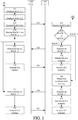
- Figure 1 illustrates example method steps and signaling, according to some embodiments, between a network node (NWN) 110 a wireless communication system executing a method 120 and a wireless communication device (UE) 150 executing a method 160.
- NWN network node
- UE wireless communication device
- the network node configures a first random access channel (RACH_1), which is for transmission of random access messages from a wireless communication device having a first synchronization accuracy vis-à-vis the network node.
- RACH_1 a first random access channel
- the network node configures a second random access channel (RACH_2), which is for transmission of random access messages from a wireless communication device having a second (lower than the first) synchronization accuracy vis-à-vis the network node.
- RACH_2 second random access channel
- the configuration (steps 121 and 122) may be done during an admission control phase when the wireless communication device 150 detects the network node 110 and joins the wireless communication network.
- the network node 110 transmits configuration information (RACH info) 191 to the wireless communication device 150 (and possibly also to other wireless communication devices) in step 123, and the configuration information (RACH info) 191 is received by the wireless communication device in step 161.
- the transmission of the configuration information may be over a broadcast channel.
- the configuration information comprises at least information regarding the second random access channel configuration.
- the configuration information may also comprise information regarding the first random access channel configuration. Different or the same configuration information may be sent to other wireless communication devices.
- the network node After having transmitted the configuration information 191, the network node monitors the configured random access channels (at least RACH_2, but typically both RACH_1 and RACH_2) as illustrated in step 124.
- the configured random access channels at least RACH_2, but typically both RACH_1 and RACH_2
- Monitoring the configured second random access channel may, for example, comprise searching for signal signatures specified for the second random access channel.
- signal signatures are typically configured (and thereby known) by the network node and, hence, matched filter techniques may be used for detection of the signal signatures.
- the signal signature may, for example, be code-spreading signals. Alternatively or additionally, other suitable transmission techniques may be envisioned.
- the wireless communication device determines (in step 162) whether to use the first (RACH_1) or second (RACH_2) random access channel.
- step 162 may comprise considering under which requirements the data are to be transmitted. For example, RACH_2 may be used if one or more of the following requirements are fulfilled:
- the determination of step 162 may depend on the radio bearer the data is to be transmitted over (e.g. a different radio bearer configured for different random access channels). Yet alternatively or additionally, the determination of step 162 may be based on a message size. For example, a message threshold may be configured by the network or may be fixed in a standard, wherein the threshold determines if the first or second random access channel should be used.
- a wireless communication device bases the determination in step 162 on an elapsed time since the wireless communication device was last synchronized (e.g. related to a requirement on maximum drift of the oscillator). For example, the wireless communication device may determine to use RACH_1 if the maximum drift of a clock driven by the oscillator is less than a (e.g. predefined) time interval (e.g. the slot time).
- a network node detecting activity on RACH_2 (step 125, which will be described in the following) may utilize knowledge regarding how long the wireless communication device has been inactive (which implies a minimum drift at the wireless communication device) to improve the accuracy (e.g. compensate a random access response transmission).
- the wireless communication device transmits (in step 163) a random access message 192 to the network node on the second random access channel (RACH_2).
- the random access message transmitted using the second random access channel (RACH_2) may, for example, comprise a preamble with a sequence associated with the wireless communication device (e.g. sensor ID).
- the message may comprise a message field (e.g. following the preamble).
- the message field may be indicative of information related to a time-critical event triggering the network node access (RA) attempt.
- the network node detects the activity (transmission of the random access message 192) on the monitored RACH_2 in step 125 and transmits a random access (RA) response 193 in step 126 (if a random access response (RAR) is to be transmitted for the particular random access message 192).
- RA random access response
- time/frequency configured RAR resources may be used in step 126.
- non-time aligned resources may be used in step 126 (e.g. using a pre-configured frequency or code-spread over the entire (or most of) the DL system bandwidth). This approach may, for example, be applicable if the response latency should be minimized.
- the timing and the carrier frequency used may, for example, be relative to the timing and detected frequency of the second random access channel detection (e.g. a detected RACH_2 signature).
- the wireless communication device may monitor for a random access (RA) response in step 164 (if a random access response is to be transmitted for the particular random access message 192) and receive such a response 193 in step 165.
- RA random access
- the wireless communication device makes sure it obtains the first synchronization accuracy vis-à-vis the network node in step 166 before transmitting (in step 167) the random access message 194 to the network node on the first random access channel (RACH_1).
- the network node detects the activity (transmission of the random access message 194) on the monitored RACH_1 in step 127 and transmits a random access (RA) response 195 in step 128 (if a random access response is to be transmitted for the particular random access message 194, compare with step 126).
- RA random access
- the wireless communication device may monitor for a random access (RA) response in step 168 (if a random access response is to be transmitted for the particular random access message 194) and receive such a response 195 in step 169.
- RA random access
- the RA detection may imply other actions to be made by the network node (not shown in Figure 1 ).
- the other actions may, for example, be related to a received RA sequence identity (ID), which may define which wireless communication device (e.g. sensor) sent the random access message (e.g. an alarm).
- ID may define which wireless communication device (e.g. sensor) sent the random access message (e.g. an alarm).
- the other actions may, for example, comprise one or more of performing an immediate stopping of a function or process associated with the network node, and immediately transmitting a report with high priority to another node (e.g. a server) associated with the network node.
- Figure 2 illustrates an example method step 226 that may, for example, be implemented under step 126 of Figure 1 .
- the network node (after having detected activity on the second random access channel) determines a synchronization error (e.g. a frequency error) of the wireless communication device in step 231 (for example based on a received random access message, compare with 192) and then, in step 232, adjusts transmission of a random access response (compare with 193) based on the determined synchronization error such that the transmission is compensated for the determined synchronization error.
- a synchronization error e.g. a frequency error
- Figure 3 illustrates an example method step 364 that may, for example, be implemented under step 164 of Figure 1 .
- the method step 341 of Figure 3 is particularly applicable if a random access response is expected or if more transmissions (apart from a random access message already transmitted using RACH_2) are expected to be done in the near future.
- the wireless communication device (after having transmitted a random access message on the second random access channel) obtains the first synchronization accuracy vis-à-vis the network node in step 341 and then, in step 342, monitors for a random access response based on the first synchronization accuracy.
- step 341 may be performed in parallel to step 163 of Figure 1 .
- Figure 2 and 3 are not implemented together. That is, either the random access response is compensated by the network node as illustrated by Figure 2 or the wireless communication device obtains the higher synchronization accuracy before receipt of the random access response as illustrated by Figure 3 . However, combinations are not excluded.
- Figures 4 and 5 illustrate example resource use in relation to the first and second random access channels (RACH_1 and RACH_2) according to some embodiments.
- the principles of Figures 4 and 5 may, for example, be applied together with any of the methods as described in connection to Figures 1-3 .
- the random access (first random access channel, RACH_1) is allocated in dedicated time/frequency resources as schematically illustrated by 411, 412, 413, 511, 512, 513.
- the wireless communication device In addition to having to obtain certain synchronization accuracy before being able to use the first random access channel, the wireless communication device also needs to wait for the time instant of the allocated time/frequency resource before being able to transmit its random access message. This waiting time may introduce additional latency.
- the second random access channel comprises a time resource (typically over a part of or over the entire system bandwidth 410), which is illustrated by 400 of Figure 4 .
- the time and/or frequency synchronization required to use the second random access channel are typically not very precise.
- the time resource may be dedicated specifically to the second random access channel or may be shared with other communication of the wireless communication system.
- the second random access channel comprises a frequency resource (typically a part of the system bandwidth 510), which is illustrated by 500 of Figure 5 .
- a frequency resource typically a part of the system bandwidth 510
- 500 of Figure 5 there are no time restrictions to using the second random access channel.
- a random access message may be transmitted at any time, which provides for a low latency.
- the frequency resource may be dedicated specifically to the second random access channel or may be shared with other communication of the wireless communication system.
- the second random access channel may also comprise a spreading code dedicated specifically to the second random access channel. This provides for low interference between the second random access channel and the other communication of the wireless communication system.
- the network may, for example, assign a different spreading code to each wireless communication device to be used for crucial communication (e.g. alarm signals). Potentially this can be a different interleaver in case of IDMA (interleave division multiple access) where the same spreading code is used by all devices and only the interleaver is used to differentiate between them.
- IDMA interleave division multiple access
- Another (shared) spreading code may be used by all devices for regular traffic which is scheduled in advance by the network.
- N+1 codes or interleavers
- each device will have two spreading codes (or interleavers), one for crucial communication and one for regular traffic.
- the second random access channel may be used without exact knowledge of the frequency and downlink timing of the network node.
- a frequency error of up to 10-20 ppm may be allowed (where 10-20 ppm is a typical worst case scenario for a low cost/low power (cold start, i.e. without any prior knowledge of NW node carrier frequency) crystal oscillator in typical wireless communication devices).
- frequency errors up to 10 ths of ppm may be tolerated (e.g. 10-30 kHz at 1-10 GHz carrier).
- the first random access channel may typically not be used without exact knowledge of the frequency and downlink timing of the network node.
- a time synchronization level of microseconds and a frequency synchronization of 100 ths of Hz is required.
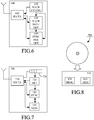
- Figure 6 illustrates an example arrangement 600 according to some embodiments.
- the arrangement 600 may, for example, be comprised in a network node of a wireless communication system (e.g. NWN 110 of Figure 1 ).
- the arrangement 600 may, for example, be adapted to perform the method 120 of Figure 1 .
- the arrangement 600 comprises a transceiver (RX/TX) 610, a random access configuration unit (RACH CONFIG) 620, a random access monitor (RACH MON/DET) 630 and a synchronization error determiner (SYNCH ERR DET) 640.
- RX/TX transceiver
- RACH CONFIG random access configuration unit
- RACH MON/DET random access monitor
- SYNCH ERR DET synchronization error determiner
- the random access configuration unit 620 is adapted to configure (compare with steps 121 and 122 of Figure 1 ) a first random access channel for transmission of random access messages from a wireless communication device having a first synchronization accuracy vis-à-vis the network node and a second random access channel for transmission of random access messages from a wireless communication device having a second synchronization accuracy vis-à-vis the network node, wherein the second synchronization accuracy is lower than the first synchronization accuracy.
- the transmitter of the transceiver 610 is adapted to transmit configuration information to one or more wireless communication devices (compare with step 123 of Figure 1 ).
- the random access monitor 630 is adapted to monitor the random access channels (compare with step 124 of Figure 1 ) and to detect activity on the random access channels (compare with steps 125 and 127 of Figure 1 ).
- the synchronization error determiner 640 is adapted to determine a synchronization error of the second wireless communication device (compare with step 231 of Figure 2 ).
- the transmitter for the transceiver 610 is adapted to transmit a random access response to the second wireless communication device (compare with steps 126 and 128 of Figure 1 and step 226 of Figure 2 ). In some embodiments, the transmission is compensated based on the determined synchronization error of the synchronization error determiner 640 (compare with step 232 of Figure 2 ).
- Figure 7 illustrates an example arrangement 700 according to some embodiments.
- the arrangement 700 may, for example, be comprised in a wireless communication device (e.g. UE 150 of Figure 1 ).
- the arrangement 700 may, for example, be adapted to perform the method 160 of Figure 1 .
- the arrangement 700 comprises a transceiver (RX/TX) 710, a determiner (DET) 730, a transmission buffer 720, a synchronizer (SYNC) 740 and a monitor (MON) 750.
- RX/TX transceiver
- DET determiner
- SYNC synchronizer
- MON monitor
- the receiver of the transceiver 710 is adapted to receive configuration information of at least a second random access channel (and possibly also of a first random access channel) from a network node of a wireless communication system (compare with step 161 of Figure 1 ).
- the determiner 730 is adapted to determine, when a random access message is to be transmitted due to pending data in the transmission buffer 720, whether or not the pending data is to be transmitted under requirements that are associated with the second random access channel (compare with step 162 of Figure 1 ).
- the transmitter of the transceiver 710 is adapted to transmit random access messages to the network node on the first or second random access channel, as determined by the determiner 730 (compare with steps 163 and 167 of Figure 1 ).
- the monitor 750 is adapted to monitor for a random access response (compare with steps 164 and 168 of Figure 1 and steps 364 and 342 of Figure 3 ), and the receiver of the transceiver 710 is adapted to receive such a response (compare with steps 165 and 169 of Figure 1 ).
- the synchronizer 740 is adapted to (after a random access message has been transmitted on the second random access channel) obtain the first synchronization accuracy vis-à-vis the network node (compare with step 341 of Figure 3 ).
- DSP digital signal processors
- CPU central processing units
- FPGA field-programmable gate arrays
- ASIC application-specific integrated circuits
- Embodiments may appear within an electronic apparatus (such as a wireless communication device or a network node) comprising circuitry/logic or performing methods according to any of the embodiments.
- an electronic apparatus such as a wireless communication device or a network node
- a computer program product comprises a computer readable medium such as, for example, a diskette or a CD-ROM as illustrated by 800 of Figure 8 .
- the computer readable medium 800 may have stored thereon a computer program comprising program instructions.
- the computer program may be loadable into a data-processing unit (PROC) 820, which may, for example, be comprised in a wireless communication device or network node 810.
- PROC data-processing unit
- the computer program When loaded into the data-processing unit, the computer program may be stored in a memory (MEM) 830 associated with or integral to the data-processing unit.
- the computer program may, when loaded into and run by the data-processing unit, cause the data-processing unit to execute method steps according to, for example, the methods shown in any of the Figures 1 , 2, and 3 .
Landscapes
- Engineering & Computer Science (AREA)
- Computer Networks & Wireless Communication (AREA)
- Signal Processing (AREA)
- Mobile Radio Communication Systems (AREA)
Claims (19)
- Verfahren eines Netzwerkknotens eines drahtlosen Kommunikationssystems, umfassend:Konfigurieren (121) eines ersten Direktzugriffkanals zur Übertragung von Direktzugriffsnachrichten von einer ersten drahtlosen Kommunikationsvorrichtung mit einer ersten Synchronisierungsgenauigkeit gegenüber dem Netzwerkknoten;Konfigurieren (122) eines zweiten Direktzugriffkanals für Übertragung von Direktzugriffsnachrichten von einer zweiten drahtlosen Kommunikationsvorrichtung mit einer zweiten Synchronisierungsgenauigkeit gegenüber dem Netzwerkknoten, wobei die zweite Synchronisierungsgenauigkeit niedriger ist als die erste Synchronisierungsgenauigkeit;Übertragen (123) von Konfigurationsinformationen von mindestens den zweiten Direktzugriffkanalkonfigurationen zur ersten drahtlosen Kommunikationsvorrichtung und der zweiten drahtlosen Kommunikationsvorrichtung;Überwachen (124) des zweiten Direktzugriffkanals; und falls eine Direktzugriffnachricht, die von der zweiten drahtlosen Kommunikationsvorrichtung übertragen wird, auf dem zweiten Direktzugriffkanal erfasst wird (125):Ermitteln (231) eines Synchronisierungsfehlers der zweiten drahtlosen Kommunikationsvorrichtung; undÜbertragen (232) einer Direktzugriffantwort zur zweiten drahtlosen Kommunikationsvorrichtung, wobei die Übertragung basierend auf dem ermittelten Synchronisierungsfehler kompensiert ist.
- Verfahren nach Anspruch 1, ferner umfassend Übertragen (123) von Konfigurationsinformationen des ersten Direktzugriffkanals zur ersten drahtlosen Kommunikationsvorrichtung und der zweiten drahtlosen Kommunikationsvorrichtung.
- Verfahren nach einem der Ansprüche 1 bis 2, wobei der zweite Direktzugriffkanal eine Frequenzressource umfasst, die ausdrücklich für den zweiten Direktzugriffkanal dediziert ist.
- Verfahren nach einem der Ansprüche 1 bis 2, wobei der zweite Direktzugriffkanal eine Frequenzressource umfasst, die mit anderer Kommunikation des drahtlosen Kommunikationssystems geteilt wird.
- Verfahren nach Anspruch 4, wobei der zweite Direktzugriffkanal ferner einen Spreizcode umfasst, der ausdrücklich für den zweiten Direktzugriffkanal dediziert ist.
- Verfahren einer drahtlosen Kommunikationsvorrichtung, wobei:ein erster Direktzugriffkanal zur Übertragung von Direktzugriffnachrichten von der drahtlosen Kommunikationsvorrichtung dient, wenn er eine erste Synchronisationsgenauigkeit gegenüber dem Netzwerkknoten hat; undein zweiter Direktzugriffkanal zur Übertragung von Direktzugriffnachrichten von der drahtlosen Kommunikationsvorrichtung dient, wenn er eine zweite Synchronisationsgenauigkeit gegenüber dem Netzwerkknoten hat, wobei die zweite Synchronisationsgenauigkeit niedriger ist als die erste Synchronisationsgenauigkeit;das Verfahren umfassend:
Empfangen (161) von Konfigurationsinformationen von mindestens dem zweiten Direktzugriffkanal von einem Netzwerkknoten eines drahtlosen Kommunikationssystems; wenn eine Direktzugriffnachricht aufgrund ausstehender Daten zu übertragen ist:Ermitteln (162), ob oder ob nicht die ausstehenden Daten unter Anforderungen zu übertragen sind, die dem zweiten Direktzugriffkanal zugehörig sind; undfalls ermittelt wird, dass die ausstehenden Daten unter Anforderungen, die dem zweiten Direktzugriffkanal zugehörig sind, zu übertragen sind, Übertragen (163) der Direktzugriffnachricht an den Netzwerkknoten auf dem zweiten Direktzugriffkanal. - Verfahren nach Anspruch 6, ferner umfassend Empfangen (161) von Konfigurationsinformationen des ersten Direktzugriffkanals vom Netzwerkknoten.
- Verfahren nach einem der Ansprüche 6 bis 7, ferner umfassend, nach Übertragen der Direktzugriffnachricht an den Netzwerkknoten auf dem zweiten Direktzugriffkanal:Erhalten (341) der ersten Synchronisationsgenauigkeit gegenüber dem Netzwerkknoten; undEmpfangen (165) einer Direktzugriffantwort vom Netzwerkknoten.
- Computerprogrammprodukt, umfassend ein computerlesbares Medium (800) mit einem Computerprogramm darauf, das Programmanweisungen umfasst, wobei das Computerprogramm in eine Datenverarbeitungseinheit (820) geladen werden kann und angepasst ist, eine Durchführung des Verfahrens nach einem der Ansprüche 1 bis 8 zu veranlassen, wenn das Computerprogramm von der Datenverarbeitungseinheit ausgeführt wird.
- Anordnung für einen Netzwerkknoten eines drahtlosen Kommunikationssystems, die Anordnung umfassend:eine Direktzugriffkonfigurationseinheit (620), angepasst zum:Konfigurieren eines ersten Direktzugriffkanals zur Übertragung von Direktzugriffsnachrichten von einer ersten drahtlosen Kommunikationsvorrichtung mit einer ersten Synchronisierungsgenauigkeit gegenüber dem Netzwerkknoten; undKonfigurieren eines zweiten Direktzugriffkanals für Übertragung von Direktzugriffsnachrichten von einer zweiten drahtlosen Kommunikationsvorrichtung mit einer zweiten Synchronisierungsgenauigkeit gegenüber dem Netzwerkknoten, wobei die zweite Synchronisierungsgenauigkeit niedriger ist als die erste Synchronisierungsgenauigkeit;einen Sender (610), der angepasst ist, Konfigurationsinformationen von mindestens dem zweiten Direktzugriffkanal zur ersten drahtlosen Kommunikationsvorrichtung und der zweiten drahtlosen Kommunikationsvorrichtung zu übertragen;ein Direktzugriffüberwachungsgerät (630), das angepasst ist, den zweiten Direktzugriffkanal zu überwachen; und einen Synchronisierungsfehlerermittler (640), der angepasst ist, einen Synchronisierungsfehler der zweiten drahtlosen Kommunikationsvorrichtung zu ermitteln, falls eine Direktzugriffnachricht, die von der zweiten drahtlosen Kommunikationsvorrichtung übertragen wird, auf dem zweiten Direktzugriffkanal erfasst wird;wobei der Sender (610) ferner angepasst ist zum Übertragen einer Direktzugriffantwort zur zweiten drahtlosen Kommunikationsvorrichtung, wobei die Übertragung basierend auf dem ermittelten Synchronisierungsfehler kompensiert ist.
- Anordnung nach Anspruch 10, wobei der Sender (610) ferner angepasst ist, Konfigurationsinformationen des ersten Direktzugriffkanals zur ersten drahtlosen Kommunikationsvorrichtung und der zweiten drahtlosen Kommunikationsvorrichtung zu übertragen.
- Anordnung nach einem der Ansprüche 10 bis 11, wobei der zweite Direktzugriffkanal eine Frequenzressource umfasst, die ausdrücklich für den zweiten Direktzugriffkanal dediziert ist.
- Anordnung nach einem der Ansprüche 10 bis 11, wobei der zweite Direktzugriffkanal eine Frequenzressource umfasst, die mit anderer Kommunikation des drahtlosen Kommunikationssystems geteilt wird.
- Anordnung nach Anspruch 13, wobei der zweite Direktzugriffkanal ferner einen Spreizcode umfasst, der ausdrücklich für den zweiten Direktzugriffkanal dediziert ist.
- Netzwerkknoten eines drahtlosen Kommunikationssystems, umfassend die Anordnung nach einem der Ansprüche 10 bis 14.
- Anordnung für eine drahtlose Kommunikationsvorrichtung, wobei
ein erster Direktzugriffkanal zur Übertragung von Direktzugriffnachrichten von der drahtlosen Kommunikationsvorrichtung dient, wenn er eine erste Synchronisationsgenauigkeit gegenüber dem Netzwerkknoten hat; und
ein zweiter Direktzugriffkanal zur Übertragung von Direktzugriffnachrichten von der drahtlosen Kommunikationsvorrichtung dient, wenn er eine zweite Synchronisationsgenauigkeit gegenüber dem Netzwerkknoten hat, wobei die zweite Synchronisationsgenauigkeit niedriger ist als die erste Synchronisationsgenauigkeit;
die Anordnung umfassend:einen Empfänger (710), der angepasst ist, Konfigurationsinformationen von mindestens dem zweiten Direktzugriffkanal von einem Netzwerkknoten eines drahtlosen Kommunikationssystems zu empfangen;einen Ermittler (730), der angepasst ist, wenn eine Direktzugriffnachricht aufgrund ausstehender Daten zu übertragen ist, zu ermitteln, ob oder ob nicht die ausstehenden Daten unter Anforderungen zu übertragen sind, die dem zweiten Direktzugriffkanal zugehörig sind; undeinen Sender (710), der angepasst ist, falls ermittelt wird, dass die ausstehenden Daten unter Anforderungen, die dem zweiten Direktzugriffkanal zugehörig sind, zu übertragen sind, die Direktzugriffnachricht an den Netzwerkknoten auf dem zweiten Direktzugriffkanal zu übertragen. - Anordnung nach Anspruch 16, wobei der Empfänger (710) ferner angepasst ist, Konfigurationsinformationen des ersten Direktzugriffkanals vom Netzwerkknoten zu empfangen.
- Anordnung nach einem der Ansprüche 16 bis 17, ferner umfassend:einen Synchronisierer (740), der angepasst ist, die erste Synchronisierungsgenauigkeit gegenüber dem Netzwerkknoten nach Übertragung durch den Sender der ersten Direktzugriffnachricht an den Netzwerkknoten auf dem zweiten Direktzugriffkanal zu erhalten, undwobei der Empfänger (710) ferner angepasst ist, eine Direktzugriffantwort vom Netzwerkknoten zu empfangen.
- Drahtlose Kommunikationsvorrichtung, umfassend die Anordnung nach einem der Ansprüche 16 bis 18.
Applications Claiming Priority (1)
| Application Number | Priority Date | Filing Date | Title |
|---|---|---|---|
| PCT/EP2014/071545 WO2016055103A1 (en) | 2014-10-08 | 2014-10-08 | Random access channel configuration |
Publications (2)
| Publication Number | Publication Date |
|---|---|
| EP3205166A1 EP3205166A1 (de) | 2017-08-16 |
| EP3205166B1 true EP3205166B1 (de) | 2019-05-22 |
Family
ID=51688062
Family Applications (1)
| Application Number | Title | Priority Date | Filing Date |
|---|---|---|---|
| EP14781881.9A Not-in-force EP3205166B1 (de) | 2014-10-08 | 2014-10-08 | Direktzugriffskanalkonfiguration |
Country Status (4)
| Country | Link |
|---|---|
| US (1) | US10349447B2 (de) |
| EP (1) | EP3205166B1 (de) |
| CN (1) | CN106797622B (de) |
| WO (1) | WO2016055103A1 (de) |
Families Citing this family (4)
| Publication number | Priority date | Publication date | Assignee | Title |
|---|---|---|---|---|
| KR102027047B1 (ko) | 2015-01-23 | 2019-11-04 | 텔레폰악티에볼라겟엘엠에릭슨(펍) | 이벤트-트리거된 전송을 위한 무선 네트워크 내의 선제적인 리소스 할당 |
| JP6556950B2 (ja) * | 2015-10-30 | 2019-08-07 | 華為技術有限公司Huawei Technologies Co.,Ltd. | 信号送信装置、信号受信装置、シンボルタイミング同期方法、及びシステム |
| EP3539349A4 (de) * | 2017-01-05 | 2020-06-17 | Telefonaktiebolaget LM Ericsson (PUBL) | Direktzugriffsverfahren und -vorrichtung in einem drahtloskommunikationssystem |
| EP3711427A1 (de) | 2017-11-18 | 2020-09-23 | Lenovo (Singapore) Pte. Ltd. | Direktzugriffskonfiguration |
Family Cites Families (19)
| Publication number | Priority date | Publication date | Assignee | Title |
|---|---|---|---|---|
| DE10038256B4 (de) * | 2000-08-04 | 2007-03-22 | Siemens Ag | Zugriffsverfahren in Kommunikationssystemen mit unterschiedlichen Leistungsklassen und Kommunikationssystem |
| US8000305B2 (en) | 2006-01-17 | 2011-08-16 | Motorola Mobility, Inc. | Preamble sequencing for random access channel in a communication system |
| TW200805910A (en) | 2006-06-19 | 2008-01-16 | Interdigital Tech Corp | Method and apparatus for performing random access in a wireless communication system |
| CN101527700B (zh) | 2008-03-05 | 2012-04-25 | 华为技术有限公司 | 正交频分多址系统中反向接入信道rach信号的接收方法及装置 |
| US20120302254A1 (en) * | 2009-12-14 | 2012-11-29 | Nokia Corporation | Apparatus and method for determining a location of wireless communication devices |
| US8976763B2 (en) | 2009-12-21 | 2015-03-10 | Telecommunications Research Laboratories | Method and system for allocation guaranteed time slots for efficient transmission of time-critical data in IEEE 802.15.4 wireless personal area networks |
| US9736865B2 (en) | 2010-04-27 | 2017-08-15 | Ajou University Industry-Academic Cooperation Foundation | Random access method and apparatus in wireless communication system |
| JP5589558B2 (ja) * | 2010-05-26 | 2014-09-17 | ソニー株式会社 | 無線通信装置および無線通信方法 |
| WO2012031389A1 (en) | 2010-09-08 | 2012-03-15 | Nokia Corporation | Random access channel design in machine type communications |
| KR20120041932A (ko) | 2010-10-22 | 2012-05-03 | 한국전자통신연구원 | 랜덤 액세스 자원 할당을 위한 기지국의 통신 방법 및 랜덤 액세스 자원 할당을 이용한 단말의 통신 방법 및 그 장치 |
| GB2484921B (en) * | 2010-10-25 | 2014-10-08 | Sca Ipla Holdings Inc | Communications device and method |
| EP2684303A4 (de) * | 2011-03-09 | 2014-12-31 | Intel Corp | Basisstation und kommunikationsverfahren für maschine-maschine-kommunikation |
| JP5990586B2 (ja) * | 2011-08-19 | 2016-09-14 | エスシーエー アイピーエルエー ホールディングス インコーポレイテッド | 無線通信システム、方法、コンピュータプログラム、記憶媒体および装置 |
| WO2013044497A1 (en) | 2011-09-30 | 2013-04-04 | Nokia Corporation | Selection between random access and dedicated scheduling request resources |
| US9480000B2 (en) | 2012-04-17 | 2016-10-25 | Telefonaktiebolaget Lm Ericsson (Publ) | Method and communication device for controlling access to a wireless access network |
| CN104813639B (zh) | 2012-10-01 | 2017-05-17 | Abb研究有限公司 | 用于对工业无线网络中的分组的发送区分优先次序的方法及装置 |
| CN109327822B (zh) * | 2012-10-05 | 2022-10-25 | 交互数字专利控股公司 | 增强机器类型通信(mtc)设备覆盖的方法和装置 |
| GB2509070B (en) | 2012-12-19 | 2018-04-11 | Sony Corp | Telecommunications apparatus and methods |
| US20140241272A1 (en) * | 2013-02-25 | 2014-08-28 | Qualcomm Incorporated | Interface between low power node and macro cell to enable decoupled uplink and downlink communication |
-
2014
- 2014-10-08 EP EP14781881.9A patent/EP3205166B1/de not_active Not-in-force
- 2014-10-08 US US15/517,607 patent/US10349447B2/en active Active
- 2014-10-08 CN CN201480082594.3A patent/CN106797622B/zh not_active Expired - Fee Related
- 2014-10-08 WO PCT/EP2014/071545 patent/WO2016055103A1/en not_active Ceased
Also Published As
| Publication number | Publication date |
|---|---|
| WO2016055103A1 (en) | 2016-04-14 |
| EP3205166A1 (de) | 2017-08-16 |
| US20170257891A1 (en) | 2017-09-07 |
| CN106797622B (zh) | 2020-05-12 |
| US10349447B2 (en) | 2019-07-09 |
| CN106797622A (zh) | 2017-05-31 |
Similar Documents
| Publication | Publication Date | Title |
|---|---|---|
| US10575184B2 (en) | Method and device for using unlicensed carrier in transmitting and receiving signal | |
| US10390339B2 (en) | User apparatus, and control channel reception method | |
| US11381954B2 (en) | User apparatus, base station, and different frequency D2D monitoring method | |
| EP3391696B1 (de) | Funkruf einer drahtlosen vorrichtung | |
| EP3100586B1 (de) | Redundante planungsinformationen zur direkten kommunikation | |
| KR102209453B1 (ko) | 데이터 전송 방법 및 장치 | |
| EP3235319B1 (de) | Planungsberechtigungssteuerung | |
| US9980293B2 (en) | Random access procedure | |
| WO2015018044A1 (en) | Methods and devices for random access | |
| JP7386873B2 (ja) | 送信及び受信処理を実行するユーザ装置及びシステム | |
| EP3205166B1 (de) | Direktzugriffskanalkonfiguration | |
| CN102711272B (zh) | 一种专网通信中的数据传输方法和装置 | |
| US10009204B2 (en) | Random access preamble signal construction | |
| US10932277B2 (en) | Low latency transmission configuration | |
| US11064520B2 (en) | PUCCH resource allocation for URLLC support | |
| CN116615937A (zh) | 一种寻呼指示方法及装置 | |
| EP3251456A1 (de) | Verfahren und anordnungen zur ermöglichung des uplink-funkzugriffs in geclusterten alarmszenarien |
Legal Events
| Date | Code | Title | Description |
|---|---|---|---|
| STAA | Information on the status of an ep patent application or granted ep patent |
Free format text: STATUS: THE INTERNATIONAL PUBLICATION HAS BEEN MADE |
|
| PUAI | Public reference made under article 153(3) epc to a published international application that has entered the european phase |
Free format text: ORIGINAL CODE: 0009012 |
|
| STAA | Information on the status of an ep patent application or granted ep patent |
Free format text: STATUS: REQUEST FOR EXAMINATION WAS MADE |
|
| 17P | Request for examination filed |
Effective date: 20170421 |
|
| AK | Designated contracting states |
Kind code of ref document: A1 Designated state(s): AL AT BE BG CH CY CZ DE DK EE ES FI FR GB GR HR HU IE IS IT LI LT LU LV MC MK MT NL NO PL PT RO RS SE SI SK SM TR |
|
| AX | Request for extension of the european patent |
Extension state: BA ME |
|
| DAX | Request for extension of the european patent (deleted) | ||
| GRAP | Despatch of communication of intention to grant a patent |
Free format text: ORIGINAL CODE: EPIDOSNIGR1 |
|
| STAA | Information on the status of an ep patent application or granted ep patent |
Free format text: STATUS: GRANT OF PATENT IS INTENDED |
|
| RIC1 | Information provided on ipc code assigned before grant |
Ipc: H04W 74/00 20090101AFI20190211BHEP Ipc: H04W 4/00 20180101ALN20190211BHEP Ipc: H04W 74/08 20090101ALI20190211BHEP Ipc: H04W 56/00 20090101ALI20190211BHEP |
|
| INTG | Intention to grant announced |
Effective date: 20190226 |
|
| GRAS | Grant fee paid |
Free format text: ORIGINAL CODE: EPIDOSNIGR3 |
|
| GRAA | (expected) grant |
Free format text: ORIGINAL CODE: 0009210 |
|
| STAA | Information on the status of an ep patent application or granted ep patent |
Free format text: STATUS: THE PATENT HAS BEEN GRANTED |
|
| RIN1 | Information on inventor provided before grant (corrected) |
Inventor name: HESSLER, MARTIN Inventor name: BRAHMI, NADIA Inventor name: YILMAZ, OSMAN NURI CAN Inventor name: ERIKSSON, ERIK Inventor name: LINDOFF, BENGT |
|
| AK | Designated contracting states |
Kind code of ref document: B1 Designated state(s): AL AT BE BG CH CY CZ DE DK EE ES FI FR GB GR HR HU IE IS IT LI LT LU LV MC MK MT NL NO PL PT RO RS SE SI SK SM TR |
|
| REG | Reference to a national code |
Ref country code: GB Ref legal event code: FG4D |
|
| REG | Reference to a national code |
Ref country code: CH Ref legal event code: EP |
|
| REG | Reference to a national code |
Ref country code: IE Ref legal event code: FG4D |
|
| REG | Reference to a national code |
Ref country code: DE Ref legal event code: R096 Ref document number: 602014047300 Country of ref document: DE |
|
| REG | Reference to a national code |
Ref country code: AT Ref legal event code: REF Ref document number: 1137649 Country of ref document: AT Kind code of ref document: T Effective date: 20190615 |
|
| REG | Reference to a national code |
Ref country code: NL Ref legal event code: MP Effective date: 20190522 |
|
| REG | Reference to a national code |
Ref country code: LT Ref legal event code: MG4D |
|
| PG25 | Lapsed in a contracting state [announced via postgrant information from national office to epo] |
Ref country code: LT Free format text: LAPSE BECAUSE OF FAILURE TO SUBMIT A TRANSLATION OF THE DESCRIPTION OR TO PAY THE FEE WITHIN THE PRESCRIBED TIME-LIMIT Effective date: 20190522 Ref country code: NL Free format text: LAPSE BECAUSE OF FAILURE TO SUBMIT A TRANSLATION OF THE DESCRIPTION OR TO PAY THE FEE WITHIN THE PRESCRIBED TIME-LIMIT Effective date: 20190522 Ref country code: HR Free format text: LAPSE BECAUSE OF FAILURE TO SUBMIT A TRANSLATION OF THE DESCRIPTION OR TO PAY THE FEE WITHIN THE PRESCRIBED TIME-LIMIT Effective date: 20190522 Ref country code: ES Free format text: LAPSE BECAUSE OF FAILURE TO SUBMIT A TRANSLATION OF THE DESCRIPTION OR TO PAY THE FEE WITHIN THE PRESCRIBED TIME-LIMIT Effective date: 20190522 Ref country code: FI Free format text: LAPSE BECAUSE OF FAILURE TO SUBMIT A TRANSLATION OF THE DESCRIPTION OR TO PAY THE FEE WITHIN THE PRESCRIBED TIME-LIMIT Effective date: 20190522 Ref country code: SE Free format text: LAPSE BECAUSE OF FAILURE TO SUBMIT A TRANSLATION OF THE DESCRIPTION OR TO PAY THE FEE WITHIN THE PRESCRIBED TIME-LIMIT Effective date: 20190522 Ref country code: AL Free format text: LAPSE BECAUSE OF FAILURE TO SUBMIT A TRANSLATION OF THE DESCRIPTION OR TO PAY THE FEE WITHIN THE PRESCRIBED TIME-LIMIT Effective date: 20190522 Ref country code: PT Free format text: LAPSE BECAUSE OF FAILURE TO SUBMIT A TRANSLATION OF THE DESCRIPTION OR TO PAY THE FEE WITHIN THE PRESCRIBED TIME-LIMIT Effective date: 20190922 Ref country code: NO Free format text: LAPSE BECAUSE OF FAILURE TO SUBMIT A TRANSLATION OF THE DESCRIPTION OR TO PAY THE FEE WITHIN THE PRESCRIBED TIME-LIMIT Effective date: 20190822 |
|
| PG25 | Lapsed in a contracting state [announced via postgrant information from national office to epo] |
Ref country code: GR Free format text: LAPSE BECAUSE OF FAILURE TO SUBMIT A TRANSLATION OF THE DESCRIPTION OR TO PAY THE FEE WITHIN THE PRESCRIBED TIME-LIMIT Effective date: 20190823 Ref country code: LV Free format text: LAPSE BECAUSE OF FAILURE TO SUBMIT A TRANSLATION OF THE DESCRIPTION OR TO PAY THE FEE WITHIN THE PRESCRIBED TIME-LIMIT Effective date: 20190522 Ref country code: RS Free format text: LAPSE BECAUSE OF FAILURE TO SUBMIT A TRANSLATION OF THE DESCRIPTION OR TO PAY THE FEE WITHIN THE PRESCRIBED TIME-LIMIT Effective date: 20190522 Ref country code: BG Free format text: LAPSE BECAUSE OF FAILURE TO SUBMIT A TRANSLATION OF THE DESCRIPTION OR TO PAY THE FEE WITHIN THE PRESCRIBED TIME-LIMIT Effective date: 20190822 |
|
| REG | Reference to a national code |
Ref country code: AT Ref legal event code: MK05 Ref document number: 1137649 Country of ref document: AT Kind code of ref document: T Effective date: 20190522 |
|
| PG25 | Lapsed in a contracting state [announced via postgrant information from national office to epo] |
Ref country code: EE Free format text: LAPSE BECAUSE OF FAILURE TO SUBMIT A TRANSLATION OF THE DESCRIPTION OR TO PAY THE FEE WITHIN THE PRESCRIBED TIME-LIMIT Effective date: 20190522 Ref country code: AT Free format text: LAPSE BECAUSE OF FAILURE TO SUBMIT A TRANSLATION OF THE DESCRIPTION OR TO PAY THE FEE WITHIN THE PRESCRIBED TIME-LIMIT Effective date: 20190522 Ref country code: RO Free format text: LAPSE BECAUSE OF FAILURE TO SUBMIT A TRANSLATION OF THE DESCRIPTION OR TO PAY THE FEE WITHIN THE PRESCRIBED TIME-LIMIT Effective date: 20190522 Ref country code: CZ Free format text: LAPSE BECAUSE OF FAILURE TO SUBMIT A TRANSLATION OF THE DESCRIPTION OR TO PAY THE FEE WITHIN THE PRESCRIBED TIME-LIMIT Effective date: 20190522 Ref country code: SK Free format text: LAPSE BECAUSE OF FAILURE TO SUBMIT A TRANSLATION OF THE DESCRIPTION OR TO PAY THE FEE WITHIN THE PRESCRIBED TIME-LIMIT Effective date: 20190522 Ref country code: DK Free format text: LAPSE BECAUSE OF FAILURE TO SUBMIT A TRANSLATION OF THE DESCRIPTION OR TO PAY THE FEE WITHIN THE PRESCRIBED TIME-LIMIT Effective date: 20190522 |
|
| REG | Reference to a national code |
Ref country code: DE Ref legal event code: R097 Ref document number: 602014047300 Country of ref document: DE |
|
| PG25 | Lapsed in a contracting state [announced via postgrant information from national office to epo] |
Ref country code: SM Free format text: LAPSE BECAUSE OF FAILURE TO SUBMIT A TRANSLATION OF THE DESCRIPTION OR TO PAY THE FEE WITHIN THE PRESCRIBED TIME-LIMIT Effective date: 20190522 Ref country code: IT Free format text: LAPSE BECAUSE OF FAILURE TO SUBMIT A TRANSLATION OF THE DESCRIPTION OR TO PAY THE FEE WITHIN THE PRESCRIBED TIME-LIMIT Effective date: 20190522 |
|
| PLBE | No opposition filed within time limit |
Free format text: ORIGINAL CODE: 0009261 |
|
| STAA | Information on the status of an ep patent application or granted ep patent |
Free format text: STATUS: NO OPPOSITION FILED WITHIN TIME LIMIT |
|
| PG25 | Lapsed in a contracting state [announced via postgrant information from national office to epo] |
Ref country code: TR Free format text: LAPSE BECAUSE OF FAILURE TO SUBMIT A TRANSLATION OF THE DESCRIPTION OR TO PAY THE FEE WITHIN THE PRESCRIBED TIME-LIMIT Effective date: 20190522 |
|
| 26N | No opposition filed |
Effective date: 20200225 |
|
| PG25 | Lapsed in a contracting state [announced via postgrant information from national office to epo] |
Ref country code: PL Free format text: LAPSE BECAUSE OF FAILURE TO SUBMIT A TRANSLATION OF THE DESCRIPTION OR TO PAY THE FEE WITHIN THE PRESCRIBED TIME-LIMIT Effective date: 20190522 |
|
| PG25 | Lapsed in a contracting state [announced via postgrant information from national office to epo] |
Ref country code: MC Free format text: LAPSE BECAUSE OF FAILURE TO SUBMIT A TRANSLATION OF THE DESCRIPTION OR TO PAY THE FEE WITHIN THE PRESCRIBED TIME-LIMIT Effective date: 20190522 Ref country code: SI Free format text: LAPSE BECAUSE OF FAILURE TO SUBMIT A TRANSLATION OF THE DESCRIPTION OR TO PAY THE FEE WITHIN THE PRESCRIBED TIME-LIMIT Effective date: 20190522 |
|
| REG | Reference to a national code |
Ref country code: CH Ref legal event code: PL |
|
| PG25 | Lapsed in a contracting state [announced via postgrant information from national office to epo] |
Ref country code: LI Free format text: LAPSE BECAUSE OF NON-PAYMENT OF DUE FEES Effective date: 20191031 Ref country code: LU Free format text: LAPSE BECAUSE OF NON-PAYMENT OF DUE FEES Effective date: 20191008 Ref country code: CH Free format text: LAPSE BECAUSE OF NON-PAYMENT OF DUE FEES Effective date: 20191031 |
|
| REG | Reference to a national code |
Ref country code: BE Ref legal event code: MM Effective date: 20191031 |
|
| PG25 | Lapsed in a contracting state [announced via postgrant information from national office to epo] |
Ref country code: BE Free format text: LAPSE BECAUSE OF NON-PAYMENT OF DUE FEES Effective date: 20191031 |
|
| PG25 | Lapsed in a contracting state [announced via postgrant information from national office to epo] |
Ref country code: IE Free format text: LAPSE BECAUSE OF NON-PAYMENT OF DUE FEES Effective date: 20191008 |
|
| PG25 | Lapsed in a contracting state [announced via postgrant information from national office to epo] |
Ref country code: CY Free format text: LAPSE BECAUSE OF FAILURE TO SUBMIT A TRANSLATION OF THE DESCRIPTION OR TO PAY THE FEE WITHIN THE PRESCRIBED TIME-LIMIT Effective date: 20190522 |
|
| PG25 | Lapsed in a contracting state [announced via postgrant information from national office to epo] |
Ref country code: IS Free format text: LAPSE BECAUSE OF FAILURE TO SUBMIT A TRANSLATION OF THE DESCRIPTION OR TO PAY THE FEE WITHIN THE PRESCRIBED TIME-LIMIT Effective date: 20190922 |
|
| PG25 | Lapsed in a contracting state [announced via postgrant information from national office to epo] |
Ref country code: MT Free format text: LAPSE BECAUSE OF FAILURE TO SUBMIT A TRANSLATION OF THE DESCRIPTION OR TO PAY THE FEE WITHIN THE PRESCRIBED TIME-LIMIT Effective date: 20190522 Ref country code: HU Free format text: LAPSE BECAUSE OF FAILURE TO SUBMIT A TRANSLATION OF THE DESCRIPTION OR TO PAY THE FEE WITHIN THE PRESCRIBED TIME-LIMIT; INVALID AB INITIO Effective date: 20141008 |
|
| PGFP | Annual fee paid to national office [announced via postgrant information from national office to epo] |
Ref country code: GB Payment date: 20211027 Year of fee payment: 8 Ref country code: DE Payment date: 20211027 Year of fee payment: 8 |
|
| PGFP | Annual fee paid to national office [announced via postgrant information from national office to epo] |
Ref country code: FR Payment date: 20211025 Year of fee payment: 8 |
|
| PG25 | Lapsed in a contracting state [announced via postgrant information from national office to epo] |
Ref country code: MK Free format text: LAPSE BECAUSE OF FAILURE TO SUBMIT A TRANSLATION OF THE DESCRIPTION OR TO PAY THE FEE WITHIN THE PRESCRIBED TIME-LIMIT Effective date: 20190522 |
|
| REG | Reference to a national code |
Ref country code: DE Ref legal event code: R119 Ref document number: 602014047300 Country of ref document: DE |
|
| GBPC | Gb: european patent ceased through non-payment of renewal fee |
Effective date: 20221008 |
|
| PG25 | Lapsed in a contracting state [announced via postgrant information from national office to epo] |
Ref country code: FR Free format text: LAPSE BECAUSE OF NON-PAYMENT OF DUE FEES Effective date: 20221031 Ref country code: DE Free format text: LAPSE BECAUSE OF NON-PAYMENT OF DUE FEES Effective date: 20230503 |
|
| PG25 | Lapsed in a contracting state [announced via postgrant information from national office to epo] |
Ref country code: GB Free format text: LAPSE BECAUSE OF NON-PAYMENT OF DUE FEES Effective date: 20221008 |