EP3206451A1 - Ressourcenplanungsverfahren und -vorrichtung - Google Patents
Ressourcenplanungsverfahren und -vorrichtung Download PDFInfo
- Publication number
- EP3206451A1 EP3206451A1 EP15854544.2A EP15854544A EP3206451A1 EP 3206451 A1 EP3206451 A1 EP 3206451A1 EP 15854544 A EP15854544 A EP 15854544A EP 3206451 A1 EP3206451 A1 EP 3206451A1
- Authority
- EP
- European Patent Office
- Prior art keywords
- paired
- rru
- user attribute
- service
- determining
- Prior art date
- Legal status (The legal status is an assumption and is not a legal conclusion. Google has not performed a legal analysis and makes no representation as to the accuracy of the status listed.)
- Granted
Links
Images


Classifications
-
- H—ELECTRICITY
- H04—ELECTRIC COMMUNICATION TECHNIQUE
- H04B—TRANSMISSION
- H04B7/00—Radio transmission systems, i.e. using radiation field
- H04B7/02—Diversity systems; Multi-antenna system, i.e. transmission or reception using multiple antennas
- H04B7/022—Site diversity; Macro-diversity
-
- H—ELECTRICITY
- H04—ELECTRIC COMMUNICATION TECHNIQUE
- H04W—WIRELESS COMMUNICATION NETWORKS
- H04W72/00—Local resource management
- H04W72/12—Wireless traffic scheduling
-
- H—ELECTRICITY
- H04—ELECTRIC COMMUNICATION TECHNIQUE
- H04B—TRANSMISSION
- H04B17/00—Monitoring; Testing
- H04B17/30—Monitoring; Testing of propagation channels
- H04B17/309—Measuring or estimating channel quality parameters
- H04B17/318—Received signal strength
- H04B17/328—Reference signal received power [RSRP]; Reference signal received quality [RSRQ]
-
- H—ELECTRICITY
- H04—ELECTRIC COMMUNICATION TECHNIQUE
- H04W—WIRELESS COMMUNICATION NETWORKS
- H04W72/00—Local resource management
- H04W72/50—Allocation or scheduling criteria for wireless resources
- H04W72/51—Allocation or scheduling criteria for wireless resources based on terminal or device properties
-
- H—ELECTRICITY
- H04—ELECTRIC COMMUNICATION TECHNIQUE
- H04W—WIRELESS COMMUNICATION NETWORKS
- H04W72/00—Local resource management
- H04W72/50—Allocation or scheduling criteria for wireless resources
- H04W72/54—Allocation or scheduling criteria for wireless resources based on quality criteria
- H04W72/542—Allocation or scheduling criteria for wireless resources based on quality criteria using measured or perceived quality
-
- H—ELECTRICITY
- H04—ELECTRIC COMMUNICATION TECHNIQUE
- H04W—WIRELESS COMMUNICATION NETWORKS
- H04W72/00—Local resource management
- H04W72/50—Allocation or scheduling criteria for wireless resources
- H04W72/56—Allocation or scheduling criteria for wireless resources based on priority criteria
- H04W72/566—Allocation or scheduling criteria for wireless resources based on priority criteria of the information or information source or recipient
-
- H—ELECTRICITY
- H04—ELECTRIC COMMUNICATION TECHNIQUE
- H04W—WIRELESS COMMUNICATION NETWORKS
- H04W88/00—Devices specially adapted for wireless communication networks, e.g. terminals, base stations or access point devices
- H04W88/08—Access point devices
- H04W88/085—Access point devices with remote components
Definitions
- the present invention relates to the field of communications technologies, and in particular, to a resource scheduling method and apparatus.
- a single-frequency network is generally used in an LTE (Long Term Evolution, Long Term Evolution) system, and consequently, relatively severe inter-cell interference is caused, and particularly in a network whose site density is high, interference is more obvious.
- a multi-RRU (Remote Radio Unit, remote radio unit) cell technology is generally used in the LTE system for scheduling a resource, to reduce interference when sites are deployed densely and obtain a combination gain.
- a logical cell is formed by using multiple RRUs
- interference intensity of each UE is determined by measuring an uplink RSRP (Reference Signal Receiving Power, reference signal received power) at which the UE (User Equipment, user equipment) in the logical cell arrives at each RRU in the cell
- RSRP Reference Signal Receiving Power, reference signal received power
- a user attribute of each UE is determined according to the interference intensity of the UE, where the user attribute is all joint-scheduling UE, partial joint-scheduling UE, or independent-scheduling UE, so that resource scheduling is performed on each UE according to the user attribute of the UE.
- the user attribute of the UE is all joint-scheduling UE, all UEs in the logical cell are collectively served by one RRU, and a resource is scheduled for the UE, or when the user attribute of the UE is partial joint-scheduling UE, some UEs having relatively strong interference in the logical cell are collectively served by one RRU, and a resource is scheduled for the UE; when the user attribute of the UE is an independent-scheduling user, an RRU having the weakest interference in the logical cell is used as a serving RRU of the UE, and a resource is scheduled for the UE.
- user attributes of different users are determined mainly depending on a condition for detecting a signal and interference intensity, and users having different user attributes are processed without differentiation, causing relatively severe inter-cell interference and low resource utilization efficiency.
- embodiments of the present invention provide a resource scheduling method and apparatus.
- the technical solutions are as follows:
- a resource scheduling apparatus includes:
- the acquiring module is configured to: determine each RRU providing a service to the UE, to acquire the working RRU set formed by the RRUs, or determine, according to an isolation range of the UE, each RRU providing a service to the UE, to acquire the working RRU set formed by the RRUs.
- the second generation module is configured to: acquire UE served by each RRU in the first paired RRU set, and form the paired UE set by using the UEs served by the RRUs in the first paired RRU set, or acquire UE served by each RRU in the first paired RRU set, screen out a BF user from the UE served by each RRU, and form a paired UE set by using the BF users screened out.
- the apparatus further includes:
- the second determining module includes:
- the apparatus further includes:
- the third determining module includes:
- the user attribute is an all joint-scheduling user, a partial joint-scheduling user, or an independent-scheduling user; and the first determining unit includes:
- the apparatus further includes:
- a resource scheduling apparatus includes:
- the processor when acquiring the working RRU set of the UE, is specifically configured to: determine each RRU providing a service to the UE, to acquire the working RRU set formed by the RRUs; or when acquiring the working RRU set of the UE, the processor is specifically configured to: determine, according to an isolation range of the UE, each RRU providing a service to the UE, to acquire the working RRU set formed by the RRUs.
- the processor when generating a paired UE set based on the first paired RRU set, is specifically configured to: acquire UE served by each RRU in the first paired RRU set, and form the paired UE set by using the UEs served by the RRUs in the first paired RRU set; or when generating the paired UE set based on the first paired RRU set, the processor is specifically configured to: acquire UE served by each RRU in the first paired RRU set, screen out a beamforming BF user from the UE served by each RRU, and form the paired UE set by using the BF users screened out.
- the processor is further configured to: when an RRU providing a service to the UE does not exist in the first paired RRU set, determine that the actual user attribute of the UE is the initial user attribute.
- the processor when determining the second paired RRU set of the UE according to the first paired RRU set and the paired UE set, is specifically configured to: determine a priority of each UE according to a service type of each UE in the paired UE set; perform correlation calculation on each paired UE in the paired UE set and the UE; sequentially determine, according to the priorities in descending order, whether each paired UE has a correlation with the UE; when paired UE having the highest priority has a correlation with the UE, acquire a working RRU of the paired UE having the highest priority, and delete the working RRU of the paired UE having the highest priority from the first paired RRU set, to obtain the second paired RRU set; and when the paired UE having the highest priority does not have a correlation with the UE, sequentially determine, according to the priorities in descending order, whether rest paired UEs in the paired UE set have a correlation
- the processor is further configured to: when UE having a correlation with the UE does not exist in the rest paired UEs in the paired UE set, determine that the actual user attribute of the UE is the initial user attribute.
- the processor when determining the actual user attribute of the UE according to the second paired RRU set and the initial user attribute of the UE, is specifically configured to: when an RRU providing a service to the UE does not exist in the second paired RRU set, determine the actual user attribute of the UE according to the initial user attribute of the UE; and when an RRU providing a service to the UE exists in the second paired RRU set, according to priorities in descending order, redetermine a new second paired RRU set according to rest paired UEs in the paired UE set and the first paired RRU set, until an RRU providing a service to the UE does not exist in the new second paired RRU set.
- the user attribute is an all joint-scheduling user, a partial joint-scheduling user, or an independent-scheduling user; and when determining the actual user attribute of the UE according to the initial user attribute of the UE, the processor is specifically configured to: when the initial user attribute of the UE is an all joint-scheduling user, determine that the actual user attribute of the UE is a partial joint-scheduling user; and when the initial user attribute of the UE is a partial joint-scheduling user, determine that the actual user attribute of the UE is an independent-scheduling user.
- the processor is further configured to: when the UE is a BF user, perform weighted processing on a beam direction of the UE.
- a resource scheduling method includes:
- the acquiring a working RRU set of UE includes:
- the generating a paired UE set based on the first paired RRU set includes:
- the method further includes:
- the determining a second paired RRU set of the UE according to the first paired RRU set and the paired UE set includes:
- the method further includes:
- the determining an actual user attribute of the UE according to the second paired RRU set and an initial user attribute of the UE includes:
- the user attribute is an all joint-scheduling user, a partial joint-scheduling user, or an independent-scheduling user; and the determining the actual user attribute of the UE according to the initial user attribute of the UE includes:
- the method further includes:
- An RRU having the highest signal strength of UE is determined, and a working RRU set is screened based on the RRU having the highest signal strength to obtain a first paired RRU set of the UE. Then a paired UE set is generated based on the first paired RRU set.
- a second paired RRU set of the UE is determined according to the first paired RRU set and the paired UE set.
- an actual user attribute of the UE is determined according to the second paired RRU set and an initial user attribute, so that a resource is scheduled for the UE according to the actual user attribute of the UE. Because the actual user attribute of the UE can reflect a status of interference between the UE and another UE, a resource is scheduled for the UE according to the actual user attribute of the UE, thereby not only reducing inter-cell interference, but also improving resource utilization efficiency.
- a multi-RRU cell technology is generally used to perform resource scheduling.
- scheduling is performed mainly depending on a user attribute that is determined by using a condition for detecting a signal and interference intensity.
- resource utilization efficiency of a joint-scheduling user is not high, and interference between independent-scheduling users is relatively strong.
- an embodiment of the present invention provides a resource scheduling apparatus. Referring to FIG. 1 , the apparatus is configured to perform the following resource scheduling method in any one of embodiments in FIG. 3 to FIG. 7 , and the apparatus includes:
- the acquiring module 101 is configured to: determine each RRU providing a service to the UE, to acquire the working RRU set formed by the RRUs, or determine, according to an isolation range of the UE, each RRU providing a service to the UE, to acquire the working RRU set formed by the RRUs.
- the second generation module 104 is configured to: acquire UE served by each RRU in the first paired RRU set, and form the paired UE set by using the UEs served by the RRUs in the first paired RRU set, or acquire UE served by each RRU in the first paired RRU set, screen out a beamforming BF user from the UE served by each RRU, and form a paired UE set by using the BF users screened out.
- the apparatus further includes:
- the second determining module 106 includes:
- the apparatus further includes:
- the third determining module 107 includes:
- the user attribute is an all joint-scheduling user, a partial joint-scheduling user, or an independent-scheduling user; and the first determining unit includes:
- the apparatus further includes:
- the apparatus determines an RRU having the highest signal strength of UE, screens a working RRU set based on the RRU having the highest signal strength, to obtain a first paired RRU set of the UE; then generates a paired UE set based on the first paired RRU set, and when an RRU providing a service to the UE exists in the first paired RRU set, determines a second paired RRU set of the UE according to the first paired RRU set and the paired UE set; and further, determines an actual user attribute of the UE according to the second paired RRU set and an initial user attribute, so that a resource is scheduled for the UE according to the actual user attribute of the UE. Because the actual user attribute of the UE can reflect a status of interference between the UE and another UE, a resource is scheduled for the UE according to the actual user attribute of the UE, thereby not only reducing inter-cell interference, but also improving resource utilization efficiency.
- FIG. 2 shows a resource scheduling apparatus according to an embodiment of the present invention, and the apparatus includes:
- the processor 201 when acquiring the working RRU set of the UE, is specifically configured to: determine each RRU providing a service to the UE, to acquire the working RRU set formed by the RRUs; or when acquiring the working RRU set of the UE, the processor 201 is specifically configured to: determine, according to an isolation range of the UE, each RRU providing a service to the UE, to acquire the working RRU set formed by the RRUs.
- the processor 201 when generating the paired UE set based on the first paired RRU set, is specifically configured to: acquire UE served by each RRU in the first paired RRU set, and form the paired UE set by using the UEs served by the RRUs in the first paired RRU set; or when generating the paired UE set based on first paired RRU set, the processor 201 is specifically configured to: acquire UE served by each RRU in the first paired RRU set, screen out a BF user from the UE to which each RRU provides a service, and form the paired UE set by using the BF users screened out.
- the processor 201 is further configured to: when an RRU providing a service to the UE does not exist in the first paired RRU set, determine that the actual user attribute of the UE is the initial user attribute.
- the processor 201 when determining the second paired RRU set of the UE according to the first paired RRU set and the paired UE set, is specifically configured to: determine a priority of each UE according to a service type of each UE in the paired UE set; perform correlation calculation on each paired UE in the paired UE set and the UE; sequentially determine, according to the priorities in descending order, whether each paired UE has a correlation with the UE; when paired UE having the highest priority has a correlation with the UE, acquire a working RRU of the paired UE having the highest priority, and delete the working RRU of the paired UE having the highest priority from the first paired RRU set, to obtain the second paired RRU set; and when the paired UE having the highest priority does not have a correlation with the UE, sequentially determine, according to the priorities in descending order, whether rest paired UEs in the first paired RRU set have a correlation with the UE; and when paired UE having
- the processor 201 is further configured to: when UE having a correlation with the UE does not exist in the rest paired UEs in the paired UE set, determine that the actual user attribute of the UE is the initial user attribute.
- the processor 201 when determining the actual user attribute of the UE according to the second paired RRU set and the initial user attribute of the UE, is specifically configured to: when an RRU providing a service to the UE does not exist in the second paired RRU set, determine the actual user attribute of the UE according to the initial user attribute of the UE; and when an RRU providing a service to the UE exists in the second paired RRU set, according to priorities in descending order, redetermine a new second paired RRU according to rest paired UEs in the first paired set and the first paired RRU, until an RRU providing a service to the UE does not exist in the new second paired RRU set.
- the user attribute is an all joint-scheduling user, a partial joint-scheduling user, or an independent-scheduling user; and when determining the actual user attribute of the UE according to the initial user attribute of the UE, the processor 201 is specifically configured to: when the initial user attribute of the UE is an all joint-scheduling user, determine that the actual user attribute of the UE is a partial joint-scheduling user; and when the initial user attribute of the UE is a partial joint-scheduling user, determine that the actual user attribute of the UE is an independent-scheduling user.
- the processor 201 is further configured to: when the UE is a BF user, perform weighted processing on a beam direction of the UE.
- the apparatus determines an RRU having the highest signal strength of UE, screens a working RRU set based on the RRU having the highest signal strength, to obtain a first paired RRU set of the UE; then generates a paired UE set based on the first paired RRU set, and when an RRU providing a service to the UE exists in the first paired RRU set, determines a second paired RRU set of the UE according to the first paired RRU set and the paired UE set; and further, determines an actual user attribute of the UE according to the second paired RRU set and an initial user attribute, so that a resource is scheduled for the UE according to the actual user attribute of the UE. Because the actual user attribute of the UE can reflect a status of interference between the UE and another UE, a resource is scheduled for the UE according to the actual user attribute of the UE, thereby not only reducing inter-cell interference, but also improving resource utilization efficiency.
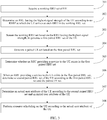
- An embodiment of the present invention provides a resource scheduling method. Referring to FIG. 3 , a procedure of the method provided in this embodiment includes:
- an RRU having the highest signal strength of UE is determined, and a working RRU set is screened based on the RRU having the highest signal strength, to obtain a first paired RRU set of the UE. Then a paired UE set is generated based on the first paired RRU set, and when an RRU providing a service to the UE exists in the first paired RRU set, a second paired RRU set of the UE is determined according to the first paired RRU set and the paired UE set. Further, an actual user attribute of the UE is determined according to the second paired RRU set and an initial user attribute, so that a resource is scheduled for the UE according to the actual user attribute of the UE. Because the actual user attribute of the UE can reflect a status of interference between the UE and another UE, a resource is scheduled for the UE according to the actual user attribute of the UE, thereby not only reducing inter-cell interference, but also improving resource utilization efficiency.
- the acquiring a working RRU set of UE includes:
- the generating a paired UE set based on the first paired RRU set includes:
- the method further includes:
- the determining a second paired RRU set of the UE according to the first paired RRU set and the paired UE set includes:
- the method further includes:
- the determining an actual user attribute of the UE according to the second paired RRU set and an initial user attribute of the UE includes:
- the user attribute is an all joint-scheduling user, a partial joint-scheduling user, or an independent-scheduling user; and the determining the actual user attribute of the UE according to the initial user attribute of the UE includes:
- the method further includes:
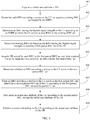
- an embodiment of the present invention provides a resource scheduling method. For example, resource scheduling is performed on current to-be-scheduled UE.
- a procedure of the method provided in this embodiment includes:
- the initial user attribute can reflect a status of interference between the current to-be-scheduled UE and another UE, which is important reference for scheduling a resource for the current to-be-scheduled UE, and therefore, before resource scheduling is performed by using the method provided in this embodiment, an initial user attribute of the current to-be-scheduled UE needs to be first acquired.
- the initial user attribute is an all joint-scheduling user, a partial joint-scheduling user, an independent-scheduling user, or the like, and the initial user attribute is not specifically limited in this embodiment.
- Determining the initial user attribute of the UE based on the logical cell formed by the multiple RRUs includes, but is not limited to, determining a user attribute of each UE according to a quantity of RRUs providing a service to each UE.
- the initial user attribute of the UE is an all joint-scheduling user
- the initial user attribute of the UE is a partial joint-scheduling user
- the initial user attribute of the UE is an independent-scheduling user
- a manner of determining the quantity of RRUs providing a service to each UE includes, but is not limited to, the following manner: acquiring location information of the UE, and determining, according to the location information of the UE, the quantity of RRUs providing a service to the UE.
- the initial user attribute of the UE is an all joint-scheduling user; if distances between the UE and some RRUs are less than a first preset distance, it is determined that some RRUs provide a service to the UE, and in this case, the initial user attribute of the UE is a partial joint-scheduling user; if a distance between the UE and one RRU is less than a first preset distance, it is determined that one RRU provides a service to the UE, and in this case, the initial user attribute of the UE is an independent joint-scheduling user.
- the first preset distance may be 30 meters, 50 meters, or the like, and the first preset distance is not specifically limited in this embodiment.
- the initial user attribute may also be determined according to interference intensity information.
- interference intensity between the UE and each RRU is greater than a first preset threshold, it is determined that all the RRUs provide a service to the UE, and in this case, the initial user attribute of the UE is an all joint-scheduling user; when interference intensity between the UE and some RRUs is greater than a first preset threshold, it is determined that some RRUs provide a service to the UE, and in this case, the initial user attribute of the UE is a partial joint-scheduling user; when interference intensity between the UE and one RRU is greater than a first preset threshold, it is determined that one RRU provides a service to the UE, and in this case, the initial user attribute of the UE is an independent joint-scheduling user.
- the first preset threshold may be 1, 2, 3, or the like, and the first preset threshold is not specifically limited in
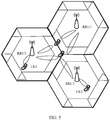
- FIG. 5 is a schematic diagram of a logical cell formed by multiple RRUs. It can be known from FIG. 5 that, the logical cell includes three RRUs, which are respectively an RRU1, an RRU2, and an RRU3, and the logical cell includes four UEs, which are respectively UE1, UE2, UE3, and UE4.
- RRUs providing a service to the UE1 are the RRU1 and the RRU2, RRUs providing a service to the UE2 are the RRU1, the RRU2, and the RRU3, an RRU providing a service to the UE3 is the RRU1, and an RRU providing a service to the UE4 is the RRU2, it is determined that the UE1 is a partial joint-scheduling user, the UE2 is an all joint-scheduling user, the UE3 is an independent-scheduling user, and the UE4 is an independent-scheduling user.
- RRUs providing a service to the UEs in the logical cell are also different. If a distance between the UE and each RRU in the logical cell is less than a second preset distance, and interference between all the RRUs is relatively severe, all the RRUs are used as serving RRUs of the UE, and a set formed by all the RRUs is used as the working RRU set of the UE; if distances between the UE and some RRUs in the logical cell are less than a second preset distance, and interference between these RRUs and another RRU is relatively severe, these RRUs are used as serving RRUs of the UE, and a set formed by these RRUs are used as the working RRU set of the UE; if a distance between the UE and one RRU in the logical cell is less than a second preset distance, and interference between the RRU and another RRU is not severe, the RRU is used as a serving RRU of the UE, and
- An RSRP in an LTE network may represent a key parameter of radio signal strength and one of physical layer measurement requirements, and is an average value of powers of signals received on all REs (resource element) in which a specific symbol carries a reference signal.
- the unit of the RSRP is dbm.
- the RRU having the highest signal strength is an RRU in which the UE receives the strongest signal.
- a manner of determining the RRU having the highest signal strength of the UE according to the RSRP at which the UE arrives at each RRU in the working RRU set includes, but is not limited to, first, receiving a test report that is sent by the UE and that carries the RSRP at which the UE arrives at each RRU in the working RRU set; and then, using an RRU that has the highest RSRP of the RSRP at which the UE arrives in the working RRU set is used as the RRU having the highest signal strength.
- a working RRU set of any UE includes four RRUs, which are respectively an RRU1, an RRU2, an RRU3, and an RRU4. If an RSRP at which the UE arrives at the RRU1 is 3 dbm, an RSRP at which the UE arrives at the RRU2 is 6 dbm, an RSRP at which the UE arrives at the RRU3 is 2 dbm, and an RSRP at which the UE arrives at the RRU4 is 7 dbm, it is determined that the RRU having the highest signal strength of the UE is the RRU4.
- the working RRU set is further screened based on the RRU having the highest signal strength, to generate the first paired RRU set.
- the screening the working RRU set based on the RRU having the highest signal strength, to generate a first paired RRU set of the UE includes, but is not limited to, deleting the RRU having the highest signal strength from the working RRU set, and forming the first paired RRU set by using rest RRUs in the working RRU set. For example, it is set in such a manner that a working RRU set of any UE includes four RRUs, which are respectively an RRU1, an RRU2, an RRU3, and an RRU4.
- the RRU1 is the RRU having the highest signal strength of the UE, and after the RRU1 is deleted from the working RRU set of the UE, the first paired RRU set is formed by using rest RRUs in the working RRU set: the RRU2, the RRU3, and the RRU4.
- paired UE that may be paired is mainly found from a paired UE set for the current to-be-scheduled UE, and then an initial user attribute of the current to-be-scheduled UE is changed, to implement resource scheduling for the UE, reduce inter-cell interference, and improve resource utilization efficiency. Therefore, before resource scheduling is performed, the paired UE set needs to be determined by using the method provided in this embodiment.
- each RRU in the first paired RRU set may be first acquired, then the UE served by each RRU is acquired, and further, the paired UE set is generated according to the UE to which each RRU provides a service, where the paired UE set includes the UE to which each RRU provides a service.
- the first paired RRU set includes the RRU1, the RRU2, and the RRU3, where UEs to which the RRU1 provides a service are the UE1 and the UE2, UE to which the RRU2 provides a service is the UE3, and UEs to which the RRU3 provides a service are the UE1 and the UE4.
- the paired UE set may be obtained according to the UE to which each RRU provides a service, so that the paired UE set includes the UE1, the UE2, the UE3, and the UE4.
- step 406 Determine whether an RRU providing a service to the UE exists in the first paired RRU set, and if yes, perform step 407.
- whether an RRU providing a service to the UE exists in the first paired RRU set determines whether paired UE paired with the UE can be found from the paired UE set.
- an RRU providing a service to the UE exists in the first paired RRU set, it indicates that paired UE paired with the UE can be found from the paired UE set, only this case is used as an example for description in this embodiment of the present invention, and for details, reference may be made to subsequent step 407 to step 409.
- an RRU providing a service to the UE when an RRU providing a service to the UE does not exist in the first paired RRU set, it indicates that paired UE paired with the UE cannot be found from the paired UE set, and in this case, it is determined that an actual user attribute of the UE is an initial user, so that a resource is scheduled for the UE according to the initial user attribute of the UE.
- a manner of determining the second paired RRU set of the UE according to the first paired RRU set and the paired UE set includes, but is not limited to, the following steps:
- a first step Determine a priority of each UE according to a service type of each UE in the paired UE set.
- a service type of UE is a low priority service, a high priority service, or the like, and the service type of the UE is not specifically limited in this embodiment.
- the priority of each UE is determined according to the service type of each UE in the paired UE set, the UEs in the paired UE set are first sorted in descending order of service priorities of the UEs in the paired set, and then the priority of each UE is determined according to a sorting result.
- the UEs included in the paired UE set are the UE1, the UE2, and the UE3, if a service type of the UE1 is a high priority, a service type of the UE2 is a low priority, and a service type of the UE3 is a relatively high priority, the UEs in the paired set are sorted according to the service priority of each UE in the paired UE set, and a sorting result: the UE1>the UE3>the UE2 may be obtained, so that it is determined, according to the sorting result, that an order of the priorities of the UEs in the paired UE set is: the UE1>the UE3>the UE2.
- a second step Perform correlation calculation on each paired UE in the paired UE set and the UE.
- a manner of performing correlation calculation on each paired UE in the paired UE set and the UE includes, but is not limited to, performing calculation by using an orthogonal coefficient Orthval formula.
- a third step Sequentially determine, according to the priorities in descending order, whether each paired UE has a correlation with the UE.
- each paired UE has a correlation with the UE, if a correlation ⁇ 2 between paired UE and the UE is greater than a second preset threshold, it is determined that the paired UE has a correlation with the UE, or if a correlation ⁇ 2 between paired UE and the UE is less than a second preset threshold, it is determined that the paired UE does not have a correlation with the UE.
- the second preset threshold may be 1, 2, 3, or the like, and the second preset threshold is not specifically limited in this embodiment.
- a fourth step If paired UE having the highest priority has a correlation with the UE, acquire a working RRU of the paired UE having the highest priority, and delete the working RRU of the paired UE having the highest priority from the first paired RRU set, to obtain the second paired RRU set.
- the paired UE having the highest priority When the paired UE having the highest priority has a correlation with the UE, it indicates that the paired UE having the highest priority and the UE can be successfully paired, and in this case, the working RRU of the paired UE having the highest priority may be acquired, and further, the working RRU of the paired UE having the highest priority is deleted from the first paired RRU set, and the second paired RUU set is formed by using rest RRUs in the first paired RRU set.
- the paired UE having the highest priority does not have a correlation with the UE, in this case, whether paired UE having the second highest priority has a correlation with the UE may be calculated. If the paired UE having the second highest priority has a correlation with the UE, a working RRU of the paired UE having the second highest priority is acquired, the working RRU of the paired UE having the second highest priority is deleted from the first paired RRU, and the second paired RRU set is formed by using rest RRUs in the first paired RRU set.
- the paired UE having the second highest priority does not have a correlation with the UE, it is sequentially determined whether rest paired UEs have a correlation with the UE, and if paired UE having a correlation with the UE exists in the rest paired UEs, the paired UE having a correlation with the UE of the rest paired UEs is processed in a manner of processing the paired UE having the highest priority to obtain the second paired RRU set. In this process, if all UEs of the rest paired UEs are traversed, there is no paired UE having a correlation with the UE, it may be determined that the actual user attribute of the UE is the initial user attribute.
- a manner of determining the actual user attribute of the UE according to the second paired RRU set and the initial user attribute of the UE includes, but is not limited to, the following two cases:
- a first case If an RRU providing a service to the UE does not exist in the second paired RRU set, the actual user attribute of the UE is determined according to the initial user attribute of the UE.
- the actual user attribute of the UE is determined according to the initial user attribute of the UE. Specifically, if the initial user attribute of the UE is an all joint-scheduling user, it is determined that the actual user attribute of the UE is a partial joint-scheduling user; if the initial user attribute of the UE is a partial joint-scheduling user, it is determined that the actual user attribute of the UE is an independent-scheduling user.
- the UE After the actual user attribute of the UE is determined, according to the method provided in this embodiment, it is further determined whether the UE is a BF user, and if the UE is a BF user, weighted processing is performed on a beam direction of the UE.
- a manner of performing weighted processing on the beam direction of the UE includes, but is not limited to, adjusting a coefficient of the beam direction in each dimension, so that null forming (Null Forming) adjusted by the UE faces the paired UE.
- a second case If an RRU providing a service to the UE exists in the second paired RRU set, a new second paired set is determined, so as to determine the actual user attribute of the UE according to the new second paired set.
- a new second paired RRU set is redetermined according to rest paired UEs and the first paired RRU set, until an RRU providing a service to the UE does not exist in the new second paired RRU set, and the UE can be paired successfully with the paired UE having a correlation.
- the new second paired RRU set that can make pairing of the UE successful cannot be determined, and the initial user attribute of the UE is used as the actual user attribute of the UE.
- a resource is scheduled for the UE based on the actual user attribute of the UE.
- the actual user attribute of the UE is an independent-scheduling user, in this case, there is one RRU providing a service to the UE, and when the UE needs a resource, the RRU may schedule and send the resource for the UE;
- the actual user attribute of the UE is a partial scheduling user, in this case, RRUs providing a service to the UE are some RRUs in a logical cell, and when the UE needs a resource, these RRUs may schedule and send the resource for the UE.
- an RRU having the highest signal strength of UE is determined, a working RRU set is screened based on the RRU having the highest signal strength, to obtain a first paired RRU set of the UE, then a paired UE set is generated based on the first paired RRU set, when an RRU providing a service to the UE exists in the first paired RRU set, a second paired RRU set of the UE is determined according to the first paired RRU set and the paired UE set, and further, an actual user attribute of the UE is determined according to the second paired RRU set and an initial user attribute, so that a resource is scheduled for the UE according to the actual user attribute of the UE. Because the actual user attribute of the UE can reflect a status of interference between the UE and another UE, a resource is scheduled for the UE according to the actual user attribute of the UE, thereby not only reducing inter-cell interference, but also improving resource utilization efficiency.
- a procedure of the method provided in this embodiment includes:
- step 401 A specific implementation manner of this step is the same as that of step 401, for details, refer to step 401, and details are not described herein again.
- each RRU providing a service to the UE, to acquire a working RRU set formed by RRUs.
- An isolation is a loss of a signal between an antenna port covered by a radio repeater and a donor antenna. Isolations may be classified into a vertical isolation and a horizontal isolation. The isolation is an important factor in a repeater application, and may reflect inter-cell interference.
- each RRU providing a service to the UE is further determined according to the isolation range of the UE, and the working RRU set is formed by using the RRUs providing a service to the UE, so as to acquire the working RRU set.
- each RRU providing a service to the UE includes, but is not limited to, determining according to an isolation calculation formula.
- a specific calculation process is as follows:
- 603 Determine an RRU having the highest signal strength of the UE according to an RSRP at which the UE arrives at each RRU in the working RRU set.
- step 403 A specific implementation manner of this step is the same as that of step 403, for details, refer to step 403, and details are not described herein again.
- step 404 A specific implementation manner of this step is the same as that of step 404, for details, refer to step 404, and details are not described herein again.
- step 405 A specific implementation manner of this step is the same as that of step 405, for details, refer to step 405, and details are not described herein again.
- step 406 A specific implementation manner of this step is the same as that of step 406, for details, refer to step 406, and details are not described herein again.
- step 407 A specific implementation manner of this step is the same as that of step 407, for details, refer to step 407, and details are not described herein again.
- step 408 A specific implementation manner of this step is the same as that of step 408, for details, refer to step 408, and details are not described herein again.
- step 409 A specific implementation manner of this step is the same as that of step 409, for details, refer to step 409, and details are not described herein again.
- an RRU having the highest signal strength of UE is determined, a working RRU set is screened based on the RRU having the highest signal strength, to obtain a first paired RRU set of the UE, then a paired UE set is generated based on the first paired RRU set, when an RRU providing a service to the UE exists in the first paired RRU set, a second paired RRU set of the UE is determined according to the first paired RRU set and the paired UE set, and further, an actual user attribute of the UE is determined according to the second paired RRU set and an initial user attribute of the UE, so that a resource is scheduled for the UE according to the actual user attribute of the UE. Because the actual user attribute of the UE can reflect a status of interference between the UE and another UE, a resource is scheduled for the UE according to the actual user attribute of the UE, thereby not only reducing inter-cell interference, but also improving resource utilization efficiency.
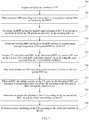
- an embodiment provides a resource scheduling based on the embodiment shown in FIG. 4 .
- a paired UE set is determined by using the resource scheduling method, UE served by each RRU in the first paired RRU set acquired in the embodiment shown in the FIG. 4 is screened, and the paired UE set is formed by using BF users screened out.
- a procedure of the method provided in this embodiment includes:
- step 401 A specific implementation manner of this step is the same as that of step 401, for details, refer to step 401, and details are not described herein again.
- step 402 A specific implementation manner of this step is the same as that of step 402, for details, refer to step 402, and details are not described herein again.
- step 403 A specific implementation manner of this step is the same as that of step 403, for details, refer to step 403, and details are not described herein again.
- step 404 A specific implementation manner of this step is the same as that of step 404, for details, refer to step 404, and details are not described herein again.
- each RRU in the first paired RRU set is acquired in this step based on step 704, the UE served by each RRU is acquired, and further, the BF user is screened out from the UE to which each RRU provides a service, so as to obtain the paired UE set according to the BF users screened out, where the paired UE set includes the BF users to which the RRUs provide a service.
- the first paired RRU set includes an RRU1, an RRU2, and an RRU3, where UEs to which the RRU1 provides a service are the UE1 and the UE2, UE to which the RRU2 provides a service is the UE3, and UEs to which the RRU3 provides a service are the UE1 and the UE4. If the UE1 and the UE3 are BF users, a set including the UE1 and the UE3 is used as the paired UE set.
- step 406 A specific implementation manner of this step is the same as that of step 406, for details, refer to step 406, and details are not described herein again.
- step 407 A specific implementation manner of this step is the same as that of step 407, for details, refer to step 407, and details are not described herein again.
- step 408 A specific implementation manner of this step is the same as that of step 408, for details, refer to step 408, and details are not described herein again.
- step 409 A specific implementation manner of this step is the same as that of step 409, for details, refer to step 409, and details are not described herein again.
- an RRU having the highest signal strength of UE is determined, a working RRU set is screened based on the RRU having the highest signal strength, to obtain a first paired RRU set of the UE, then a paired UE set is generated based on the first paired RRU set, when an RRU providing a service to the UE exists in the first paired RRU set, a second paired RRU set of the UE is determined according to the first paired RRU set and the paired UE set, and further, an actual user attribute of the UE is determined according to the second paired RRU set and an initial user attribute, so that a resource is scheduled for the UE according to the actual user attribute of the UE. Because the actual user attribute of the UE can reflect a status of interference between the UE and another UE, a resource is scheduled for the UE according to the actual user attribute of the UE, thereby not only reducing inter-cell interference, but also improving resource utilization efficiency.
- the resource scheduling apparatus provided in the foregoing embodiments performs resource scheduling
- division of the foregoing functional modules is merely used as an example for description.
- the foregoing functions can be allocated to different functional modules and implemented according to a requirement, that is, the internal structure of the resource scheduling apparatus is divided into different function modules, so as to complete all or some of the functions described above.
- the resource scheduling apparatus provided in the foregoing embodiment belongs to the same concept as the embodiments of the resource scheduling method. For a specific implementation process thereof, refer to the method embodiments, and details are not described herein again.
- the program may be stored in a computer readable storage medium.
- the storage medium may include: a read-only memory, a magnetic disc, or an optical disc.
Landscapes
- Engineering & Computer Science (AREA)
- Computer Networks & Wireless Communication (AREA)
- Signal Processing (AREA)
- Quality & Reliability (AREA)
- Physics & Mathematics (AREA)
- Electromagnetism (AREA)
- Mobile Radio Communication Systems (AREA)
Applications Claiming Priority (2)
| Application Number | Priority Date | Filing Date | Title |
|---|---|---|---|
| CN201410594772.2A CN105636219B (zh) | 2014-10-29 | 2014-10-29 | 资源调度方法和装置 |
| PCT/CN2015/092750 WO2016066065A1 (zh) | 2014-10-29 | 2015-10-23 | 资源调度方法及装置 |
Publications (3)
| Publication Number | Publication Date |
|---|---|
| EP3206451A1 true EP3206451A1 (de) | 2017-08-16 |
| EP3206451A4 EP3206451A4 (de) | 2017-11-08 |
| EP3206451B1 EP3206451B1 (de) | 2019-02-20 |
Family
ID=55856603
Family Applications (1)
| Application Number | Title | Priority Date | Filing Date |
|---|---|---|---|
| EP15854544.2A Active EP3206451B1 (de) | 2014-10-29 | 2015-10-23 | Ressourcenplanungsverfahren und -vorrichtung |
Country Status (6)
| Country | Link |
|---|---|
| US (1) | US10149312B2 (de) |
| EP (1) | EP3206451B1 (de) |
| JP (1) | JP6522749B2 (de) |
| KR (1) | KR101909968B1 (de) |
| CN (1) | CN105636219B (de) |
| WO (1) | WO2016066065A1 (de) |
Cited By (1)
| Publication number | Priority date | Publication date | Assignee | Title |
|---|---|---|---|---|
| CN109511156A (zh) * | 2018-11-29 | 2019-03-22 | 华为技术有限公司 | 一种选择prach资源的方法及装置 |
Families Citing this family (10)
| Publication number | Priority date | Publication date | Assignee | Title |
|---|---|---|---|---|
| EP3657882B1 (de) | 2014-06-09 | 2023-04-26 | Commscope Technologies LLC | Funkzugangsnetzwerke mehrere entfernte einheiten nutzend |
| WO2016145371A2 (en) | 2015-03-11 | 2016-09-15 | Phluido, Inc. | Distributed radio access network with adaptive fronthaul |
| WO2017070635A1 (en) * | 2015-10-22 | 2017-04-27 | Phluido, Inc. | Virtualization and orchestration of a radio access network |
| WO2018017468A1 (en) | 2016-07-18 | 2018-01-25 | Phluido, Inc. | Synchronization of radio units in radio access networks |
| WO2018072204A1 (zh) * | 2016-10-21 | 2018-04-26 | 华为技术有限公司 | 一种天线端口配置方法及装置 |
| CN111512661B (zh) | 2017-10-03 | 2023-03-28 | 康普技术有限责任公司 | C-ran中的动态下行链路重用 |
| US12016084B2 (en) | 2018-01-04 | 2024-06-18 | Commscope Technologies Llc | Management of a split physical layer in a radio area network |
| CN108135007A (zh) * | 2018-02-11 | 2018-06-08 | 京信通信系统(中国)有限公司 | 一种通信的方法及装置 |
| US11304213B2 (en) | 2018-05-16 | 2022-04-12 | Commscope Technologies Llc | Dynamic uplink reuse in a C-RAN |
| CN116133000B (zh) * | 2022-12-24 | 2023-12-08 | 深圳金信诺高新技术股份有限公司 | 空分复用方法、装置、计算机设备和存储介质 |
Family Cites Families (10)
| Publication number | Priority date | Publication date | Assignee | Title |
|---|---|---|---|---|
| EP2373076A1 (de) * | 2010-04-01 | 2011-10-05 | Alcatel Lucent | Anpassung einer Vielzahl von Parametern in einem drahtlosen Kommunikationsnetzwerk |
| KR101840642B1 (ko) * | 2011-06-07 | 2018-03-21 | 한국전자통신연구원 | 분산 안테나 무선 통신 시스템 및 그 방법 |
| WO2012169799A2 (ko) * | 2011-06-07 | 2012-12-13 | 한국전자통신연구원 | 분산 안테나 무선 통신 시스템 및 그 방법 |
| JP5959831B2 (ja) | 2011-11-24 | 2016-08-02 | 株式会社Nttドコモ | 無線通信システム、無線基地局装置及び無線通信方法 |
| KR20130101294A (ko) * | 2012-03-05 | 2013-09-13 | 삼성전자주식회사 | 협력 통신 방법 및 장치 |
| JP6374319B2 (ja) * | 2012-08-27 | 2018-08-15 | 富士通株式会社 | 無線通信方法および送信局 |
| CN103051370B (zh) * | 2012-12-28 | 2016-12-28 | 华为技术有限公司 | 一种用户设备的工作拉远射频单元选择方法和基站 |
| CN104080177B (zh) * | 2013-03-28 | 2019-01-11 | 株式会社Ntt都科摩 | 协作多点调度方法和基站 |
| CN103688585B (zh) * | 2013-06-07 | 2017-04-26 | 华为技术有限公司 | 多射频拉远单元rru共小区的信号传输方法及装置 |
| CN104066196B (zh) * | 2014-06-30 | 2018-07-13 | 华为技术有限公司 | 确定拉选射频单元rru的方法与设备 |
-
2014
- 2014-10-29 CN CN201410594772.2A patent/CN105636219B/zh active Active
-
2015
- 2015-10-23 EP EP15854544.2A patent/EP3206451B1/de active Active
- 2015-10-23 WO PCT/CN2015/092750 patent/WO2016066065A1/zh not_active Ceased
- 2015-10-23 KR KR1020177014383A patent/KR101909968B1/ko active Active
- 2015-10-23 JP JP2017523469A patent/JP6522749B2/ja active Active
-
2017
- 2017-04-28 US US15/581,582 patent/US10149312B2/en active Active
Cited By (3)
| Publication number | Priority date | Publication date | Assignee | Title |
|---|---|---|---|---|
| CN109511156A (zh) * | 2018-11-29 | 2019-03-22 | 华为技术有限公司 | 一种选择prach资源的方法及装置 |
| CN109511156B (zh) * | 2018-11-29 | 2021-06-04 | 华为技术有限公司 | 一种选择prach资源的方法及装置 |
| US12058607B2 (en) | 2018-11-29 | 2024-08-06 | Huawei Technologies Co., Ltd. | PRACH resource selection method and apparatus |
Also Published As
| Publication number | Publication date |
|---|---|
| KR20170077193A (ko) | 2017-07-05 |
| WO2016066065A1 (zh) | 2016-05-06 |
| EP3206451B1 (de) | 2019-02-20 |
| US20170230991A1 (en) | 2017-08-10 |
| US10149312B2 (en) | 2018-12-04 |
| JP6522749B2 (ja) | 2019-05-29 |
| EP3206451A4 (de) | 2017-11-08 |
| KR101909968B1 (ko) | 2018-10-19 |
| CN105636219B (zh) | 2019-04-05 |
| JP2017533667A (ja) | 2017-11-09 |
| CN105636219A (zh) | 2016-06-01 |
Similar Documents
| Publication | Publication Date | Title |
|---|---|---|
| EP3206451B1 (de) | Ressourcenplanungsverfahren und -vorrichtung | |
| EP2689627B1 (de) | Koordinierte mehrpuntkübertragung und empfang (comp) in einem drahtlosen kommunikationsnetz | |
| EP2785095B1 (de) | Standortauswahlverfahren und -vorrichtung | |
| EP2712231A1 (de) | Interferenzkoordinationsverfahren und basisstation dafür | |
| CN115336340B (zh) | 侧行链路波束扫描 | |
| EP2824984A1 (de) | Verfahren und vorrichtung zur interferenzkoordinierung | |
| EP2582194A1 (de) | Drahtloses zugriffsverfahren sowie vorrichtung und system dafür | |
| US20160309350A1 (en) | Control method and apparatus | |
| EP2941039B1 (de) | Verfahren zur auswahl einer arbeitenden entfernten funkeinheit für eine benutzervorrichtung durch eine basisstation | |
| EP3205032B1 (de) | Zellenformung in drahtloskommunikationsnetzen | |
| EP2381587B1 (de) | Verfahren und vorrichtung zur bestimmung eines antennenkooperationssets, verfahren und vorrichtung zur bestimmung einer basisstationskooperationssets | |
| CN102905277B (zh) | 一种选择协作节点的基站、系统及方法 | |
| CN108259094B (zh) | 一种lte网络上行干扰优化方法及装置 | |
| EP2809114A1 (de) | Verfahren und vorrichtung zur bestimmung der übertragungsleistung | |
| CN105451354B (zh) | 基于小区间干扰协调参数实现调度用户的方法与设备 | |
| CN108810950A (zh) | 一种识别可删除的小区的方法及相关设备 | |
| CN108271178B (zh) | 一种物理小区标识pci优化方法及装置 | |
| EP3346788B1 (de) | Verfahren und vorrichtung für ressourcenzuweisung | |
| EP3079426A1 (de) | Verfahren und vorrichtung zur zuweisung einer uplink-ressource und makrobasisstation | |
| CN105323777A (zh) | 一种下行联合发送控制方法、系统及相关装置 | |
| CN104955152A (zh) | 一种用于基于CoMP的进行资源分配的方法、装置和系统 | |
| US11234186B2 (en) | Scheduling apparatus and method, and program | |
| EP3337232A1 (de) | Verfahren und vorrichtung zur festlegung von mehrpunktübertragungsressourcen | |
| CN111246515B (zh) | 确定干扰源小区的上行干扰贡献度的方法和装置 | |
| CN109246727B (zh) | 一种切换带的优化处理方法及基站 |
Legal Events
| Date | Code | Title | Description |
|---|---|---|---|
| STAA | Information on the status of an ep patent application or granted ep patent |
Free format text: STATUS: THE INTERNATIONAL PUBLICATION HAS BEEN MADE |
|
| PUAI | Public reference made under article 153(3) epc to a published international application that has entered the european phase |
Free format text: ORIGINAL CODE: 0009012 |
|
| STAA | Information on the status of an ep patent application or granted ep patent |
Free format text: STATUS: REQUEST FOR EXAMINATION WAS MADE |
|
| 17P | Request for examination filed |
Effective date: 20170510 |
|
| AK | Designated contracting states |
Kind code of ref document: A1 Designated state(s): AL AT BE BG CH CY CZ DE DK EE ES FI FR GB GR HR HU IE IS IT LI LT LU LV MC MK MT NL NO PL PT RO RS SE SI SK SM TR |
|
| AX | Request for extension of the european patent |
Extension state: BA ME |
|
| A4 | Supplementary search report drawn up and despatched |
Effective date: 20171009 |
|
| RIC1 | Information provided on ipc code assigned before grant |
Ipc: H04W 72/12 20090101AFI20171003BHEP |
|
| DAV | Request for validation of the european patent (deleted) | ||
| DAX | Request for extension of the european patent (deleted) | ||
| GRAP | Despatch of communication of intention to grant a patent |
Free format text: ORIGINAL CODE: EPIDOSNIGR1 |
|
| STAA | Information on the status of an ep patent application or granted ep patent |
Free format text: STATUS: GRANT OF PATENT IS INTENDED |
|
| INTG | Intention to grant announced |
Effective date: 20180906 |
|
| GRAS | Grant fee paid |
Free format text: ORIGINAL CODE: EPIDOSNIGR3 |
|
| GRAA | (expected) grant |
Free format text: ORIGINAL CODE: 0009210 |
|
| STAA | Information on the status of an ep patent application or granted ep patent |
Free format text: STATUS: THE PATENT HAS BEEN GRANTED |
|
| AK | Designated contracting states |
Kind code of ref document: B1 Designated state(s): AL AT BE BG CH CY CZ DE DK EE ES FI FR GB GR HR HU IE IS IT LI LT LU LV MC MK MT NL NO PL PT RO RS SE SI SK SM TR |
|
| REG | Reference to a national code |
Ref country code: GB Ref legal event code: FG4D |
|
| REG | Reference to a national code |
Ref country code: CH Ref legal event code: EP |
|
| REG | Reference to a national code |
Ref country code: DE Ref legal event code: R096 Ref document number: 602015025125 Country of ref document: DE |
|
| REG | Reference to a national code |
Ref country code: AT Ref legal event code: REF Ref document number: 1099936 Country of ref document: AT Kind code of ref document: T Effective date: 20190315 |
|
| REG | Reference to a national code |
Ref country code: IE Ref legal event code: FG4D |
|
| REG | Reference to a national code |
Ref country code: NL Ref legal event code: FP |
|
| REG | Reference to a national code |
Ref country code: LT Ref legal event code: MG4D |
|
| PG25 | Lapsed in a contracting state [announced via postgrant information from national office to epo] |
Ref country code: PT Free format text: LAPSE BECAUSE OF FAILURE TO SUBMIT A TRANSLATION OF THE DESCRIPTION OR TO PAY THE FEE WITHIN THE PRESCRIBED TIME-LIMIT Effective date: 20190620 Ref country code: SE Free format text: LAPSE BECAUSE OF FAILURE TO SUBMIT A TRANSLATION OF THE DESCRIPTION OR TO PAY THE FEE WITHIN THE PRESCRIBED TIME-LIMIT Effective date: 20190220 Ref country code: NO Free format text: LAPSE BECAUSE OF FAILURE TO SUBMIT A TRANSLATION OF THE DESCRIPTION OR TO PAY THE FEE WITHIN THE PRESCRIBED TIME-LIMIT Effective date: 20190520 Ref country code: LT Free format text: LAPSE BECAUSE OF FAILURE TO SUBMIT A TRANSLATION OF THE DESCRIPTION OR TO PAY THE FEE WITHIN THE PRESCRIBED TIME-LIMIT Effective date: 20190220 Ref country code: FI Free format text: LAPSE BECAUSE OF FAILURE TO SUBMIT A TRANSLATION OF THE DESCRIPTION OR TO PAY THE FEE WITHIN THE PRESCRIBED TIME-LIMIT Effective date: 20190220 |
|
| PG25 | Lapsed in a contracting state [announced via postgrant information from national office to epo] |
Ref country code: BG Free format text: LAPSE BECAUSE OF FAILURE TO SUBMIT A TRANSLATION OF THE DESCRIPTION OR TO PAY THE FEE WITHIN THE PRESCRIBED TIME-LIMIT Effective date: 20190520 Ref country code: IS Free format text: LAPSE BECAUSE OF FAILURE TO SUBMIT A TRANSLATION OF THE DESCRIPTION OR TO PAY THE FEE WITHIN THE PRESCRIBED TIME-LIMIT Effective date: 20190620 Ref country code: LV Free format text: LAPSE BECAUSE OF FAILURE TO SUBMIT A TRANSLATION OF THE DESCRIPTION OR TO PAY THE FEE WITHIN THE PRESCRIBED TIME-LIMIT Effective date: 20190220 Ref country code: RS Free format text: LAPSE BECAUSE OF FAILURE TO SUBMIT A TRANSLATION OF THE DESCRIPTION OR TO PAY THE FEE WITHIN THE PRESCRIBED TIME-LIMIT Effective date: 20190220 Ref country code: GR Free format text: LAPSE BECAUSE OF FAILURE TO SUBMIT A TRANSLATION OF THE DESCRIPTION OR TO PAY THE FEE WITHIN THE PRESCRIBED TIME-LIMIT Effective date: 20190521 Ref country code: HR Free format text: LAPSE BECAUSE OF FAILURE TO SUBMIT A TRANSLATION OF THE DESCRIPTION OR TO PAY THE FEE WITHIN THE PRESCRIBED TIME-LIMIT Effective date: 20190220 |
|
| REG | Reference to a national code |
Ref country code: AT Ref legal event code: MK05 Ref document number: 1099936 Country of ref document: AT Kind code of ref document: T Effective date: 20190220 |
|
| PG25 | Lapsed in a contracting state [announced via postgrant information from national office to epo] |
Ref country code: CZ Free format text: LAPSE BECAUSE OF FAILURE TO SUBMIT A TRANSLATION OF THE DESCRIPTION OR TO PAY THE FEE WITHIN THE PRESCRIBED TIME-LIMIT Effective date: 20190220 Ref country code: RO Free format text: LAPSE BECAUSE OF FAILURE TO SUBMIT A TRANSLATION OF THE DESCRIPTION OR TO PAY THE FEE WITHIN THE PRESCRIBED TIME-LIMIT Effective date: 20190220 Ref country code: IT Free format text: LAPSE BECAUSE OF FAILURE TO SUBMIT A TRANSLATION OF THE DESCRIPTION OR TO PAY THE FEE WITHIN THE PRESCRIBED TIME-LIMIT Effective date: 20190220 Ref country code: SK Free format text: LAPSE BECAUSE OF FAILURE TO SUBMIT A TRANSLATION OF THE DESCRIPTION OR TO PAY THE FEE WITHIN THE PRESCRIBED TIME-LIMIT Effective date: 20190220 Ref country code: AL Free format text: LAPSE BECAUSE OF FAILURE TO SUBMIT A TRANSLATION OF THE DESCRIPTION OR TO PAY THE FEE WITHIN THE PRESCRIBED TIME-LIMIT Effective date: 20190220 Ref country code: DK Free format text: LAPSE BECAUSE OF FAILURE TO SUBMIT A TRANSLATION OF THE DESCRIPTION OR TO PAY THE FEE WITHIN THE PRESCRIBED TIME-LIMIT Effective date: 20190220 Ref country code: EE Free format text: LAPSE BECAUSE OF FAILURE TO SUBMIT A TRANSLATION OF THE DESCRIPTION OR TO PAY THE FEE WITHIN THE PRESCRIBED TIME-LIMIT Effective date: 20190220 Ref country code: ES Free format text: LAPSE BECAUSE OF FAILURE TO SUBMIT A TRANSLATION OF THE DESCRIPTION OR TO PAY THE FEE WITHIN THE PRESCRIBED TIME-LIMIT Effective date: 20190220 |
|
| REG | Reference to a national code |
Ref country code: DE Ref legal event code: R097 Ref document number: 602015025125 Country of ref document: DE |
|
| PG25 | Lapsed in a contracting state [announced via postgrant information from national office to epo] |
Ref country code: SM Free format text: LAPSE BECAUSE OF FAILURE TO SUBMIT A TRANSLATION OF THE DESCRIPTION OR TO PAY THE FEE WITHIN THE PRESCRIBED TIME-LIMIT Effective date: 20190220 Ref country code: PL Free format text: LAPSE BECAUSE OF FAILURE TO SUBMIT A TRANSLATION OF THE DESCRIPTION OR TO PAY THE FEE WITHIN THE PRESCRIBED TIME-LIMIT Effective date: 20190220 |
|
| PLBE | No opposition filed within time limit |
Free format text: ORIGINAL CODE: 0009261 |
|
| STAA | Information on the status of an ep patent application or granted ep patent |
Free format text: STATUS: NO OPPOSITION FILED WITHIN TIME LIMIT |
|
| PG25 | Lapsed in a contracting state [announced via postgrant information from national office to epo] |
Ref country code: AT Free format text: LAPSE BECAUSE OF FAILURE TO SUBMIT A TRANSLATION OF THE DESCRIPTION OR TO PAY THE FEE WITHIN THE PRESCRIBED TIME-LIMIT Effective date: 20190220 |
|
| 26N | No opposition filed |
Effective date: 20191121 |
|
| PG25 | Lapsed in a contracting state [announced via postgrant information from national office to epo] |
Ref country code: SI Free format text: LAPSE BECAUSE OF FAILURE TO SUBMIT A TRANSLATION OF THE DESCRIPTION OR TO PAY THE FEE WITHIN THE PRESCRIBED TIME-LIMIT Effective date: 20190220 |
|
| PG25 | Lapsed in a contracting state [announced via postgrant information from national office to epo] |
Ref country code: TR Free format text: LAPSE BECAUSE OF FAILURE TO SUBMIT A TRANSLATION OF THE DESCRIPTION OR TO PAY THE FEE WITHIN THE PRESCRIBED TIME-LIMIT Effective date: 20190220 |
|
| PG25 | Lapsed in a contracting state [announced via postgrant information from national office to epo] |
Ref country code: MC Free format text: LAPSE BECAUSE OF FAILURE TO SUBMIT A TRANSLATION OF THE DESCRIPTION OR TO PAY THE FEE WITHIN THE PRESCRIBED TIME-LIMIT Effective date: 20190220 |
|
| REG | Reference to a national code |
Ref country code: CH Ref legal event code: PL |
|
| PG25 | Lapsed in a contracting state [announced via postgrant information from national office to epo] |
Ref country code: CH Free format text: LAPSE BECAUSE OF NON-PAYMENT OF DUE FEES Effective date: 20191031 Ref country code: LU Free format text: LAPSE BECAUSE OF NON-PAYMENT OF DUE FEES Effective date: 20191023 Ref country code: LI Free format text: LAPSE BECAUSE OF NON-PAYMENT OF DUE FEES Effective date: 20191031 |
|
| REG | Reference to a national code |
Ref country code: BE Ref legal event code: MM Effective date: 20191031 |
|
| PG25 | Lapsed in a contracting state [announced via postgrant information from national office to epo] |
Ref country code: BE Free format text: LAPSE BECAUSE OF NON-PAYMENT OF DUE FEES Effective date: 20191031 |
|
| PG25 | Lapsed in a contracting state [announced via postgrant information from national office to epo] |
Ref country code: IE Free format text: LAPSE BECAUSE OF NON-PAYMENT OF DUE FEES Effective date: 20191023 Ref country code: FR Free format text: LAPSE BECAUSE OF NON-PAYMENT OF DUE FEES Effective date: 20191031 |
|
| PG25 | Lapsed in a contracting state [announced via postgrant information from national office to epo] |
Ref country code: CY Free format text: LAPSE BECAUSE OF FAILURE TO SUBMIT A TRANSLATION OF THE DESCRIPTION OR TO PAY THE FEE WITHIN THE PRESCRIBED TIME-LIMIT Effective date: 20190220 |
|
| PG25 | Lapsed in a contracting state [announced via postgrant information from national office to epo] |
Ref country code: MT Free format text: LAPSE BECAUSE OF FAILURE TO SUBMIT A TRANSLATION OF THE DESCRIPTION OR TO PAY THE FEE WITHIN THE PRESCRIBED TIME-LIMIT Effective date: 20190220 Ref country code: HU Free format text: LAPSE BECAUSE OF FAILURE TO SUBMIT A TRANSLATION OF THE DESCRIPTION OR TO PAY THE FEE WITHIN THE PRESCRIBED TIME-LIMIT; INVALID AB INITIO Effective date: 20151023 |
|
| PG25 | Lapsed in a contracting state [announced via postgrant information from national office to epo] |
Ref country code: MK Free format text: LAPSE BECAUSE OF FAILURE TO SUBMIT A TRANSLATION OF THE DESCRIPTION OR TO PAY THE FEE WITHIN THE PRESCRIBED TIME-LIMIT Effective date: 20190220 |
|
| PGFP | Annual fee paid to national office [announced via postgrant information from national office to epo] |
Ref country code: NL Payment date: 20250912 Year of fee payment: 11 |
|
| PGFP | Annual fee paid to national office [announced via postgrant information from national office to epo] |
Ref country code: GB Payment date: 20250904 Year of fee payment: 11 |
|
| PGFP | Annual fee paid to national office [announced via postgrant information from national office to epo] |
Ref country code: DE Payment date: 20250902 Year of fee payment: 11 |