EP3206708B1 - Méthodes et compositions pour le traitement de troubles liés à l'irradiation - Google Patents
Méthodes et compositions pour le traitement de troubles liés à l'irradiation Download PDFInfo
- Publication number
- EP3206708B1 EP3206708B1 EP15875865.6A EP15875865A EP3206708B1 EP 3206708 B1 EP3206708 B1 EP 3206708B1 EP 15875865 A EP15875865 A EP 15875865A EP 3206708 B1 EP3206708 B1 EP 3206708B1
- Authority
- EP
- European Patent Office
- Prior art keywords
- radiation
- cblb502
- entolimod
- hours
- composition
- Prior art date
- Legal status (The legal status is an assumption and is not a legal conclusion. Google has not performed a legal analysis and makes no representation as to the accuracy of the status listed.)
- Active
Links
Images





Classifications
-
- A—HUMAN NECESSITIES
- A61—MEDICAL OR VETERINARY SCIENCE; HYGIENE
- A61K—PREPARATIONS FOR MEDICAL, DENTAL OR TOILETRY PURPOSES
- A61K38/00—Medicinal preparations containing peptides
- A61K38/16—Peptides having more than 20 amino acids; Gastrins; Somatostatins; Melanotropins; Derivatives thereof
- A61K38/164—Peptides having more than 20 amino acids; Gastrins; Somatostatins; Melanotropins; Derivatives thereof from bacteria
-
- A—HUMAN NECESSITIES
- A61—MEDICAL OR VETERINARY SCIENCE; HYGIENE
- A61K—PREPARATIONS FOR MEDICAL, DENTAL OR TOILETRY PURPOSES
- A61K35/00—Medicinal preparations containing materials or reaction products thereof with undetermined constitution
- A61K35/66—Microorganisms or materials therefrom
- A61K35/68—Protozoa, e.g. flagella, amoebas, sporozoans, plasmodium or toxoplasma
-
- A—HUMAN NECESSITIES
- A61—MEDICAL OR VETERINARY SCIENCE; HYGIENE
- A61K—PREPARATIONS FOR MEDICAL, DENTAL OR TOILETRY PURPOSES
- A61K45/00—Medicinal preparations containing active ingredients not provided for in groups A61K31/00 - A61K41/00
- A61K45/06—Mixtures of active ingredients without chemical characterisation, e.g. antiphlogistics and cardiaca
-
- A—HUMAN NECESSITIES
- A61—MEDICAL OR VETERINARY SCIENCE; HYGIENE
- A61K—PREPARATIONS FOR MEDICAL, DENTAL OR TOILETRY PURPOSES
- A61K9/00—Medicinal preparations characterised by special physical form
- A61K9/0012—Galenical forms characterised by the site of application
- A61K9/0019—Injectable compositions; Intramuscular, intravenous, arterial, subcutaneous administration; Compositions to be administered through the skin in an invasive manner
-
- A—HUMAN NECESSITIES
- A61—MEDICAL OR VETERINARY SCIENCE; HYGIENE
- A61P—SPECIFIC THERAPEUTIC ACTIVITY OF CHEMICAL COMPOUNDS OR MEDICINAL PREPARATIONS
- A61P39/00—General protective or antinoxious agents
-
- A—HUMAN NECESSITIES
- A61—MEDICAL OR VETERINARY SCIENCE; HYGIENE
- A61K—PREPARATIONS FOR MEDICAL, DENTAL OR TOILETRY PURPOSES
- A61K35/00—Medicinal preparations containing materials or reaction products thereof with undetermined constitution
- A61K35/66—Microorganisms or materials therefrom
- A61K35/74—Bacteria
-
- A—HUMAN NECESSITIES
- A61—MEDICAL OR VETERINARY SCIENCE; HYGIENE
- A61N—ELECTROTHERAPY; MAGNETOTHERAPY; RADIATION THERAPY; ULTRASOUND THERAPY
- A61N5/00—Radiation therapy
-
- C—CHEMISTRY; METALLURGY
- C07—ORGANIC CHEMISTRY
- C07K—PEPTIDES
- C07K14/00—Peptides having more than 20 amino acids; Gastrins; Somatostatins; Melanotropins; Derivatives thereof
- C07K14/195—Peptides having more than 20 amino acids; Gastrins; Somatostatins; Melanotropins; Derivatives thereof from bacteria
-
- C—CHEMISTRY; METALLURGY
- C07—ORGANIC CHEMISTRY
- C07K—PEPTIDES
- C07K14/00—Peptides having more than 20 amino acids; Gastrins; Somatostatins; Melanotropins; Derivatives thereof
- C07K14/195—Peptides having more than 20 amino acids; Gastrins; Somatostatins; Melanotropins; Derivatives thereof from bacteria
- C07K14/24—Peptides having more than 20 amino acids; Gastrins; Somatostatins; Melanotropins; Derivatives thereof from bacteria from Enterobacteriaceae (F), e.g. Citrobacter, Serratia, Proteus, Providencia, Morganella, Yersinia
- C07K14/255—Salmonella (G)
-
- C—CHEMISTRY; METALLURGY
- C07—ORGANIC CHEMISTRY
- C07K—PEPTIDES
- C07K14/00—Peptides having more than 20 amino acids; Gastrins; Somatostatins; Melanotropins; Derivatives thereof
- C07K14/435—Peptides having more than 20 amino acids; Gastrins; Somatostatins; Melanotropins; Derivatives thereof from animals; from humans
- C07K14/705—Receptors; Cell surface antigens; Cell surface determinants
Definitions
- This invention relates, inter alia, to methods and compositions that are useful for the treatment or prevention of various disorders, including radiation-related disorders, such as acute radiation syndrome (ARS).
- ARS acute radiation syndrome
- MRC medical radiation countermeasures
- G-CSF granulocyte colony-stimulating factor
- IL-12 The inflammatory cytokine interleukin (IL)-12 has also been evaluated, but did not demonstrate consistently significant radiomitigation in animal studies, has substantial inflammatory toxicity in humans, has not undergone a defined animal-to-human dose-conversion plan, and is unapproved by FDA for any use.
- CBLB502 is a truncated derivative of the Salmonella flagellin protein that acts by triggering Toll-like receptor 5 (TLR5) signaling and has shown great promise in development as a MRC.
- TLR5 Toll-like receptor 5
- the efficacy of MRCs, including CBLB502, for preventing and/or mitigating the potentially lethal tissue damage caused by radiation exposure is difficult to assess since they cannot be ethically tested in humans. There remains a need for safe and effective doses of MRCs, like CBLB502.
- the present invention provides for compositions for use in preventing and/or mitigating the potentially lethal tissue damage caused by radiation exposure, including doses, regimens, and kits that comprise CBLB502 a/k/a/ entolimod and provide safe and effective treatment and/or prevention of ARS.
- the present invention provides a composition for use in treating or preventing ARS, said composition comprising an effective amount of CBLB502 for administering to a human patient in need thereof, where the effective amount of CBLB502 is 0.40 to 1 ⁇ g/kg, and wherein the CBLB502 comprises the amino acid sequence of SEQ ID NO: 1.
- the effective amount of CBLB502 is 0.4 to about 0.6 ⁇ g/kg (e.g. 0.4, or about 0.45, or about 0.5, or about 0.55, or about 0.6 ⁇ g/kg).
- the human patient has been exposed or is at risk of being exposed to a high dose of radiation.
- the treatment may reduce morbidity or mortality of an exposed population of human patients or accelerates recovery from symptoms of ARS.
- the human patient is to be administered CBLB502 within one or more of the triage, emergency care, and definitive care stages of radiation and combined injuries, for example CBLB502 may be administered within about 1 to about 48 hours, about 1 to about 25 hours, or about 5 to about 20 hours, or about 10 to about 15 hours of being exposed to radiation ( e.g. within about 48 hours of being exposed to radiation, or within about 25 hours of being exposed to radiation, i.e. 48 hours or less or 25 hours or less after being exposed to radiation).
- the dose of CBLB502 may be 0.4 ⁇ g/kg, or about 0.45 ⁇ g/kg, or about 0.5 ⁇ g/kg, or about 0.55 ⁇ g/kg, or about 0.6 ⁇ g/kg and may be slightly altered by the human patient's body weight (e.g. an absolute dose of CBLB502 of about 2 ⁇ g for a pediatric human patient of about 0 to about 5 kg ( e.g. about 0, or about 1, or about 2, or about 3, or about 4, or about 5 kg); or about 3 ⁇ g for a pediatric human patient of about 6 to about 8 kg ( e.g. about 6, or about 7, or about 8 kg), or about 5 ⁇ g for a pediatric human patient of about 9 to about 13 kg ( e.g.
- CBLB502 is to be administered by injection (e.g. intramuscular injection, or a single intramuscular injection).
- ARS comprises one of more of gastrointestinal syndrome; hematopoietic syndrome; neurovascular syndrome; apoptosis-mediated tissue damage, wherein the apoptosis is optionally attributable to cellular stress; and ionizing radiation induced apoptosis tissue damage.
- the high dose of radiation e.g. ionizing radiation
- the high dose of radiation is about 5 to about 30 Gy, or about 10 to about 25 Gy, or about 15 to about 20 Gy and, optionally, sufficient for a classification of Unit Radiation Exposure Status of RES 3.
- the high dose of radiation is the result of a radiation disaster and/or the human patient being treated has been exposed or is at risk of being exposed to a high dose of radiation as a result of one or more of a military operation or a first responder operation in a contaminated area; a nuclear explosion; a criticality accident; a radiotherapy accident; a terrorist attack; exposure from space travel; escape of radioactive waste; exposure to open source radiation; and a nuclear reactor malfunction.
- kits which is suitable for use upon exposure to a high dose of radiation, comprising CBLB502, optionally formulated for intramuscular injection, in one or more unit dosage forms of about 17.5 to about 47.5 ⁇ g (e.g. about 35 ⁇ g) and an injection needle.
- the kit further comprises instructions for use and/or one or more of a radioactivity detector, potassium iodide (KI) or potassium iodate (KIO 3 ), gloves, face mask, hood, and cleaning solutions, and cleaning wipes.
- the kit is suitable for military field operations.
- the present kits further comprise ibuprofen and/or a bottle of water for oral hydration.
- the present invention is based, in part, on the discovery of effective and safe doses of CBLB502 for use in humans for the treatment of ARS.
- the present inventors have surprisingly discovered that the human dose is less than 1 ⁇ g/kg, which is far less than conventional biologics (which are often administered in the mg/kg range) and far less than prior animal studies on CBLB502 ( e.g. Science 320, 226 (2008 ) and J Pharmacol Exp Ther. 343(2):497-508 (2012 ).
- the present invention provides a composition for use in treating or preventing ARS, said composition comprising an effective amount of CBLB502 for administering to a human patient in need thereof, where the effective amount of CBLB502 is 0.4 to 1 ⁇ g/kg.
- the effective amount of CBLB502 is 0.4 to about 0.6 ⁇ g/kg (e.g. 0.4, or about 0.45, or about 0.5, or about 0.55, or about 0.6 ⁇ g/kg).
- the effective amount of CBLB502 is about 2 ⁇ g/subject to about 45 ⁇ g/subject, or about 5 to about 40, or about 10 to about 30, or about 15 to about 25 ⁇ g/subject.
- a method of reducing the risk of death following exposure to potentially lethal irradiation (for instance, ⁇ 2 Gy) occurring as the result of a radiation disaster comprising administering an effective amount of CBLB502 to a human patient in need thereof.
- the effective amount of CBLB502 is 0.4 to about 0.6 ⁇ g/kg (e.g. 0.4, or about 0.45, or about 0.5, or about 0.55, or about 0.6 ⁇ g/kg).
- CBLB502 is a flagellin-related polypeptide (see , e.g., FIG. 7 of U.S. Patent Publication No. 2003/0044429 ).
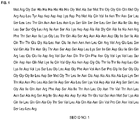
- CBLB502 (aka “Entolimod”) refers to a polypeptide which comprises the sequence of SEQ ID NO: 1.
- CBLB502 activates TLR5 signaling and, optionally, activation of TLR5 induces expression of the nuclear factor NF- ⁇ B, which in turn activates numerous targets, including inflammatory-related cytokines. In further embodiments, CBLB502 induces expression of proinflammatory cytokines. In further embodiments, CBLB502 induces expression of anti-inflammatory molecules. In another embodiment, CBLB502 induces expression of anti-apoptotic molecules. In yet a further embodiment, CBLB502 induces expression of anti-bacterial molecules.
- Targets of NF- ⁇ B include, but are not limited to, IL- ⁇ , TNF- ⁇ , IL-6, IL-8, IL-18, G-CSF, TNFSF13B, keratinocyte chemoattractant (KC), BLIMP1 /PRDM1, CCL5, CCL15, CCL17, CCL19, CCL20, CCL22, CCL23, CXCL1,CCL28, CXCL11, CXCL10, CXCL3, CXCL1, GRO-beta, GRO-gamma, CXCL1, ICOS, IFNG, IL-1A, IL-1B, IL1RN, IL-2, IL-9, IL-10, IL-11, IL-12, IL-12B, IL-12A, IL-13, IL-15, IL-17, IL-23A, IL-27, EBI3, IFNB1, CXCL5, KC, IiGp1, CXCL5, CXCL6, LTA, LTB, CCL
- Targets of NF- ⁇ B include, but are not limited to G-CSF and IL-6. In some embodiments, any of these targets find use as biomarkers (e.g. for dosing and/or determination of presence and/or extent of a radiation-based disorder). Further biomarkers include numbers, including relative numbers, of blood cell counts, including but not limited to, lymphocytes, neutrophils, platelets, and ratio of neutrophils to lymphocytes.
- CBLB502 is to be administered to a human patient at an effective amount (a.k.a. dose) of less than 1 ⁇ g/kg, for instance, 0.40 to about 0.60 ⁇ g/kg.
- the dose of CBLB502 is 0.40 ⁇ g/kg, or about 0.45 ⁇ g/kg, or about 0.50 ⁇ g/kg, or about 0.55 ⁇ g/kg, or about 0.60 ⁇ g/kg, or about 0.65 ⁇ g/kg, or about 0.70 ⁇ g/kg, or about 0.75 ⁇ g/kg, or about 0.80 ⁇ g/kg, or about 0.85 ⁇ g/kg, or about 0.90 ⁇ g/kg, or about 0.95 ⁇ g/kg or 1 ⁇ g/kg.
- the absolute dose of CBLB502 is about 2 ⁇ g/subject to about 45 ⁇ g/subject, or about 5 to about 40, or about 10 to about 30, or about 15 to about 25 ⁇ g/subject. In some embodiments, the absolute dose of CBLB502 is about 20 ⁇ g, or about 30 ⁇ g, or about 40 ⁇ g.
- the dose of CBLB502 may be determined by the human patient's body weight. For example, an absolute dose of CBLB502 of about 2 ⁇ g for a pediatric human patient of about 0 to about 5 kg (e.g. about 0, or about 1, or about 2, or about 3, or about 4, or about 5 kg); or about 3 ⁇ g for a pediatric human patient of about 6 to about 8 kg (e.g. about 6, or about 7, or about 8 kg), or about 5 ⁇ g for a pediatric human patient of about 9 to about 13 kg (e.g. 9, or about 10, or about 11, or about 12, or about 13 kg); or about 8 ⁇ g for a pediatric human patient of about 14 to about 20 kg (e.g.
- a pediatric human patient of about 21 to about 30 kg e.g. about 21, or about 23, or about 25, or about 27, or about 30 kg
- about 13 ⁇ g for a pediatric human patient of about 31 to about 33 kg e.g. about 31, or about 32, or about 33 kg
- about 20 ⁇ g for an adult human patient of about 34 to about 50 kg e.g. about 34, or about 36, or about 38, or about 40, or about 42, or about 44, or about 46, or about 48, or about 50 kg
- about 30 ⁇ g for an adult human patient of about 51 to about 75 kg e.g.
- CBLB502 is to be administered within about 1 to about 48 hours, or about 1 to about 25 hours, or about 5 to about 20 hours, or about 10 to about 15 hours of a human patient being exposed to radiation. In some embodiments, CBLB502 is to be administered within about 1, or about 2, or about 3, or about 4, or about 5, or about 6, or about 7, or about 8, or about 9, or about 10, or about 11, or about 12, or about 13, or about 14, or about 15, or about 16, or about 17, or about 18, or about 19, or about 20, or about 21, or about 22, or about 23, or about 24, or about 25, or about 26, or about 27, or about 28, or about 29, or about 30, or about 31, or about 32, or about 33, or about 34, or about 35, or about 36, or about 37, or about 38, or about 39, or about 40, or about 41, or about 42, or about 43, or about 44, or about 45, or about 46, or about 47, or about 48 hours of a human patient being exposed to radiation. In one embodiment, a human patient is to be administered CBLB
- CBLB502 is to be administered as part of the triage emergency care stages. For example, it may be used during a military field operation as described herein and, optionally, may find use in a kit. In various embodiments, CBLB502 is to be administered within one or more of the triage, emergency care, and definitive care stages of radiation and combined injuries.
- CBLB502 (and/or additional agents) described herein can, independently, be one to four times daily or one to four times per month or one to six times per year or once every two, three, four or five years. Administration can be for the duration of one day or one month, two months, three months, six months, one year, two years, three years, and may even be for the life of the human patient.
- the dosage may be administered as a single dose or divided into multiple doses.
- CBLB502 is administered about 1 to about 3 times ( e.g. 1, or 2 or 3 times). In some embodiments, CBLB502 is administered once.
- CBLB502 (and/or additional agents) described herein is to be administered as a slow IV infusion or drip (e.g. over about 0.5, or about 1, or about 1.5, or about 2, or about 2.5, or about 3, or about 5, or about 10 hours).
- CBLB502 is to be administered parenterally.
- CBLB502 is administered by injection, e.g. intramuscular injection.
- CBLB502 is to be administered by a single intramuscular injection.
- administration is to be accomplished using a kit as described herein ( e.g. via a unit dose form, e.g. a pre-loaded (a.k.a. pre-dosed or pre-filled) syringe or a pen needle injector (injection pen)).
- compositions are for use in the treatment or prevention of ARS.
- the treatments described herein may reduce morbidity or mortality of an exposed population of human patients or accelerates recovery from symptoms of ARS.
- ARS often presents as a sequence of phased symptoms, which may vary with individual radiation sensitivity, type of radiation, and the radiation dose absorbed. Generally, without wishing to be bound by theory, the extent of symptoms will heighten and the duration of each phase will shorten with increasing radiation dose.
- ARS can be divided into three phases: prodromal phase (a.k.a. N-V-D stage), latent period and manifest illness.
- CBLB502 as describe herein, may be administered to a human patient in any one of these three stages (i.e. CBLB502 may be administered to a human patient in the prodromal phase, CBLB502 may be administered to a human patient in latent period, or CBLB502 may be administered to a human patient in manifest illness stage).
- CBLB502 may be administered to a human patient in receiving an anti-emetic agent or CBLB502 may be administered to a human patient in combination with an anti-emetic agent.
- CBLB502 may also be added to the following antiemetic regimens: Ondansetron: initially 0.15 mg/kg IV; a continuous IV dose option consists of 8 mg followed by 1 mg/h for the next 24 hours. Oral dose is 8 mg every 8 hours as needed or Granisetron (oral dosage form): dose is usually 1 mg initially, then repeated 12 hours after the first dose. Alternatively, 2 mg may be taken as one dose. IV dose is based on body weight; typically 10 ⁇ g/kg (4.5 ⁇ g/lb) of body weight.
- a human patient may be relatively symptom free.
- the length of this phase varies with the dose.
- the latent phase is longest preceding the bone-marrow depression of the hematopoietic syndrome and may vary between about 2 and 6 weeks.
- the latent period is somewhat shorter prior to the gastrointestinal syndrome, lasting from a few days to a week. It is shortest of all preceding the neurovascular syndrome, lasting only a matter of hours. These times are variable and may be modified by the presence of other disease or injury. Manifest illness presents with the clinical symptoms associated with the major organ system injured (marrow, intestinal, neurovascular).
- Disclosed is the mitigation of, or protection of cells from, the effects of exposure to radiation.
- a method of mitigating and/or protecting a human patient from radiation comprising administering CBLB502 at the disclosed doses and regimens (and/or additional agents) described herein.
- the radiation may be ionizing radiation.
- the ionizing radiation may be sufficient to cause gastrointestinal syndrome or hematopoietic syndrome.
- the ARS comprises one of more of gastrointestinal syndrome; hematopoietic syndrome; neurovascular syndrome; apoptosis-mediated tissue damage, wherein the apoptosis is optionally attributable to cellular stress; and ionizing radiation induced apoptosis tissue damage.
- Hematopoietic syndrome (a.k.a. bone marrow syndrome) is characterized by loss of hematopoietic cells and their progenitors making it impossible to regenerate blood and lymphoid system. This syndrome is often marked by a drop in the number of blood cells, i.e., aplastic anemia. This may result in infections (e.g. opportunistic infections) due to a low amount of white blood cells, bleeding due to a lack of platelets, and anemia due to few red blood cells in the circulation. These changes can be detected by blood tests after receiving a whole-body acute dose. Conventional trauma and burns resulting from a bomb blast are complicated by the poor wound healing caused by hematopoietic syndrome, increasing mortality. Death may occur as a consequence of infection (result of immunosuppression), hemorrhage and/or anemia. Hematopoietic syndrome usually prevails at the lower doses of radiation and leads to the more delayed death than GI syndrome.
- infections e.
- Gastrointestinal syndrome is caused by massive cell death in the intestinal epithelium, predominantly in the small intestine, followed by disintegration of intestinal wall and death from bacteriemia and sepsis. Symptoms of this form of radiation injury include nausea, vomiting, loss of appetite, loss of absorptive capacity, hemorrhage in denuded areas, and abdominal pain. Illustrative systemic effects of gastrointestinal syndrome include malnutrition, dehydration, renal failure, anemia, sepsis, etc. Without treatment (including, for example, bone marrow transplant), death is common ( e.g. via infection from intestinal bacteria).
- CBLB502 at the doses and regimens described herein, may be used in combination with bone marrow transplant. In some embodiments, CBLB502, at the doses and regimens described herein, may be used in combination with one or more inhibitors of GI syndrome and/or any of the additional agents described herein.
- Neurovascular syndrome presents with neurological symptoms such as dizziness, headache, or decreased level of consciousness, occurring within minutes to a few hours, and with an absence of vomiting. Additional symptoms include extreme nervousness and confusion; severe nausea, vomiting, and watery diarrhea; loss of consciousness; and burning sensations of the skin. Neurovascular syndrome is commonly fatal.
- CBLB502 may be administered within 25 hours following radiation exposure.
- CBLB502 may be administered within 48 hours following radiation exposure.
- a method for reducing the risk of death following exposure to potentially lethal irradiation occurring as the result of a radiation disaster comprising administering CBLB502 within 25 hours following radiation exposure.
- a method for reducing the risk of death following exposure to potentially lethal irradiation occurring as the result of a radiation disaster comprising administering CBLB502 within 48 hours following radiation exposure
- CBLB502 at the disclosed doses and regimens may be used to treat a disorder linked to apoptosis which is attributable to cellular stress (see, e.g. US Patents No. 7,638,485 and 8,106,005 ).
- CBLB502 (and/or additional agents) described herein may be administered prior to, together with, or after the tissue damage.
- the cellular stress may be radiation.
- CBLB502 (and/or additional agents) may be administered in combination with any additional agent described herein, including but not limited to a radioprotectant (e.g. an antioxidant (e.g. amifostine and vitamin E), a cytokine ( e.g. a stem cell factor)), etc.
- a radioprotectant e.g. an antioxidant (e.g. amifostine and vitamin E), a cytokine ( e.g. a stem cell factor)
- CBLB502 and/or additional agents of the invention to a human patient in need thereof may suppress apoptosis in cells.
- CBLB502 (and/or additional agents) of the invention may be administered to a human patient to protect healthy cells from the damaging effects of the radiation treatment.
- Disclosed is a method for reducing apoptosis following exposure to irradiation. Disclosed is a method for reducing apoptosis of hematopoietic cells following irradiation. Disclosed is a method for reducing apoptosis of gastrointestinal cells following irradiation.
- CBLB502 at the disclosed dosages may stimulate and protect stem cells.
- the present composition may stimulate and protect hematopoietic stem cells including various hematopoietic progenitor cells.
- the present composition may stimulate and protect gastrointestinal stem cells such as intestinal crypt stem cells.
- the stem cells may be stimulated to proliferate and regenerate. Accordingly the present disclosure provides methods of expanding the number of stem cells such as hematopoietic stem cells or gastrointestinal stem cells in a patient. Hematopoietic progenitor cells or gastrointestinal progenitor cells may be expanded. Disclosed are methods and compositions that protect the stem cells or progenitors cells from cell death ( e.g., apoptosis or necrosis).
- compositions of the present invention significantly may enhance recovery of the hematopoietic and GI systems following irradiation.
- compositions of the present invention may enhance bone marrow recovery following irradiation.
- compositions of the present invention may enhance regeneration of the GI crypt.
- Exposure to ionizing radiation may be short- or long-term, and/or it may be experienced as a single or multiple doses and/or it may be applied to the whole body or locally.
- the present invention in some embodiments, pertains to nuclear accidents or military attacks, which may involve exposure to a single high dose of whole body irradiation (sometimes followed by a long-term poisoning with radioactive isotopes), as further described herein. The same is true (with strict control of the applied dose), for example, for pretreatment of patients for bone marrow transplantation when it is necessary to prepare hematopoietic organs for donor's bone marrow by "cleaning" them from the host blood precursors.
- Cancer treatment may involve multiple doses of local irradiation that greatly exceeds lethal dose if it were applied as a total body irradiation (e.g. a radiotherapy accident).
- Poisoning or treatment with radioactive isotopes results in a long-term local exposure to radiation of targeted organs (e.g., thyroid gland in the case of inhalation of 125 I).
- targeted organs e.g., thyroid gland in the case of inhalation of 125 I.
- Radiosensitivity of the organism is determined by pathological alterations developed in several sensitive tissues that include hematopoietic system, reproductive system and different epithelia with high rate of cell turnover.
- Acute pathological outcome of gamma irradiation leading to death is different for different doses and may be determined by the failure of certain organs that define the threshold of organism's sensitivity to each particular dose.
- lethality at lower doses occurs from bone marrow aplasia, while moderate doses kill faster by inducing a gastrointestinal (GI) syndrome.
- Very high doses of radiation can cause almost instant death eliciting neuronal degeneration.
- Organisms that survive a period of acute toxicity of radiation can suffer from long-term remote consequences that include radiation-induced carcinogenesis and fibrosis developing in exposed organs (e.g., kidney, liver or lungs) in the months and years after irradiation.
- Cellular DNA is a major target of IR that causes a variety of types of DNA damage (genotoxic stress) by direct and indirect (e.g. free radical-based) mechanisms. All organisms maintain DNA repair system capable of effective recovery of radiation-damaged DNA; errors in DNA repair process may lead to mutations.
- CBLB502 at the doses and regimens described herein, possesses strong pro-survival activity at the cellular level and on the organism as a whole.
- CBLB502 may inhibit both gastrointestinal and hematopoietic syndromes, which are major causes of death from acute radiation exposure.
- CBLB502 may be used to treat the effects of natural radiation events and nuclear accidents.
- CBLB502 can be used in combination with other radioprotectants, thereby, dramatically increasing the scale of protection from ionizing radiation.
- CBLB502 at the doses and regimens described herein, may be used as a radioprotective agent to extend the range of tolerable radiation doses by, for example, increasing radioresistance of human organism beyond the levels achievable by currently available measures (shielding and application of existing bioprotective agents) and drastically increase the chances of crew survival in case of nuclear accidents or large-scale solar particle events, for example.
- CBLB502 at the doses and regimens described herein, may inhibit radiation-induced programmed cell death or apoptosis in response to damage in DNA and other cellular structures.
- CBLB502 as described herein may not deal with damage at the cellular level and may not prevent mutations.
- Free radicals and reactive oxygen species (ROS) are the major cause of mutations and other intracellular damage.
- Antioxidants and free radical scavengers are effective at preventing damage by free radicals.
- CRS cutaneous radiation syndrome
- skin symptoms of radiation exposure e.g . redness (optionally associated with itching), blistering, ulceration, hair loss, damaged sebaceous and sweat glands, atrophy, fibrosis, decreased or increased skin pigmentation, ulceration or necrosis of the exposed tissue moist desquamation and collapse of the dermal vascular system after two months, resulting in the loss of the full thickness of the exposed skin.
- CBLB502 may reduce the incidence of wounds, septic complications, and microbial infections in patients following irradiation.
- the present human patients experience leukopenia and/or neutropenia (e.g . absolute neutrophil count (ANC) ⁇ 100 cells/ ⁇ L.
- the present compositions pertain to a human patient which presents a lymphocyte count reduction of about 50% within about 24 to about 48 hours.
- the human patient's lymphocyte count is less than about 1000 cells / ⁇ L, or about 900 cells / ⁇ L, or about 800 cells / ⁇ L, or about 700 cells / ⁇ L, or about 600 cells / ⁇ L, or about 500 cells / ⁇ L, or about 400 cells / ⁇ L, or about 300 cells / ⁇ L, or about 200 cells / ⁇ L, or about 100/ cells ⁇ L (e.g.
- the patient's lymphocyte profile is assessed by the Andrews Lymphocyte Nomogram (see Andrews GA, Auxier JA, Lushbaugh CC. The Importance of Dosimetry to the Medical Management of Persons Exposed to High Levels of Radiation. In Personal Dosimetry for Radiation Accidents. Vienna: International Atomic Energy Agency; 1965).
- the present methods and compositions pertain to a human patient which presents a thrombocyte count reduction of about 50% within about 24 to about 48 hours.
- the present human patients experience thrombocytopenia, anemia, and/or neutropenia. Thrombocytopenia is defined as a platelet count of below 50,000/ ⁇ L.
- thrombocytopenia may be characterized as grade 1 thrombocytopenia (i.e., platelet count of 75,000 to 150,000/ ⁇ L), grade 2 (i.e., platelet count of 50,000 to ⁇ 75,000 ⁇ L), grade 3 (platelet count of 25,000 to ⁇ 50,000/ ⁇ L), or grade 4 ( i.e., platelet count of below 25,000/ ⁇ L).
- Anemia may be diagnosed in men as having a hemoglobin content of less than 13 to 14 g/dL and in women as having a hemoglobin content of 12 to 13 g/dL.
- anemia is divided into various grades based on hemoglobin levels: grade 0 (within normal limits, ⁇ 12 g/dL); grade 1 (mild, 11.9 to 10 g/dL); grade 2 (moderate, 9.9 to 8 g/dL); grade 3 (serious/severe, 7.9 to 6.5 g/dL); and grade 4 (life-threatening, ⁇ 6.5 g/dL).
- Neutropenia may be defined as having an absolute neutrophil count (ANC) of less than 1,500 cells/mm 3 .
- neutropenia is graded as grade 1 (i.e., ANC of 1,500/mm 3 or less to more than 2,000/mm 3 ), grade 2 (ANC of 1,000/mm 3 or less to more than 1,500/mm 3 ), grade 3 (ANC of 500/mm 3 or less to more than 1,000/mm 3 ), or grade 4 (ANC of less than 500/mm 3 ).
- grade 1 i.e., ANC of 1,500/mm 3 or less to more than 2,000/mm 3
- grade 2 ANC of 1,000/mm 3 or less to more than 1,500/mm 3
- grade 3 ANC of 500/mm 3 or less to more than 1,000/mm 3
- grade 4 ANC of less than 500/mm 3
- the present compositions may reduce the duration and severity of thrombocytopenia, anemia, and/or neutropenia in a patient following irradiation.
- the high dose of radiation refers to a whole body dose. In various embodiments, the high dose of radiation may not be uniform. In various embodiments, the ARS is a result of a high dose of radiation. In various embodiments, the high dose of radiation is about 2 Gy, or about 2.5 Gy, or about 3 Gy, or about 3.5 Gy, or about 4 Gy, or about 4.5 Gy, or about 5 Gy, or about 10 Gy, or about 15 Gy, or about 20 Gy, or about 25 Gy, or about 30 Gy. In various embodiments, the high dose of radiation is about 5 to about 30 Gy, or about 10 to 25 Gy, or about 15 to 20 Gy.
- the high dose of radiation is assessed by one or more of physical dosimetry and/or biological dosimetry (e.g. multiparameter dose assessments), cytogenics (e.g . chromosomal analysis for, for example, blood samples (including, by way of non-limiting example, dicentric analysis).
- physical dosimetry and/or biological dosimetry e.g. multiparameter dose assessments
- cytogenics e.g . chromosomal analysis for, for example, blood samples (including, by way of non-limiting example, dicentric analysis).
- whole-body radiation doses can be divided into sublethal ( ⁇ 2 Gy), potentially lethal (2-10 Gy), and supralethal (>10 Gy).
- the radiation exposure status (RES) of a given unit is based on the operational exposure above normal background radiation. It is designed to be an average, based upon unit-level dosimeters. In various embodiments, the high dose of radiation is sufficient for a classification of Unit Radiation Exposure Status of RES 3.
- the radiation is ionizing radiation (e.g. one or more of alpha particles, beta particles, gamma rays, and neutrons)
- ionizing radiation e.g. one or more of alpha particles, beta particles, gamma rays, and neutrons
- This ionization may damage certain critical molecules or structures in a cell by direct and indirect action.
- the radiation may directly hit a particularly sensitive atom or molecule in the cell. The damage from this is irreparable; the cell either dies or is caused to malfunction.
- the radiation also can damage a cell indirectly by interacting with water molecules in the body. The energy deposited in the water leads to the creation of unstable, toxic hyperoxide molecules; these then damage sensitive molecules and afflict subcellular structures.
- the radiation may be caused by one or more of the following radioactive materials: Americium (e.g. 241 Am), Cesium (e.g. 137Cs), Cobalt ( e.g. 60 Co), Uranium ( e.g. depleted Uranium), Iodine ( e.g. 131,132,134,135 I), Phosphorus ( e.g. 32 P), Plutonium ( e.g. 238, 239 Pu), Radium ( e.g. 226 Ra), Strontium ( e . g . 90 Sr), Tritium (e.g. 3 H), and Uranium ( e.g. 235, 238, 239 U).
- Americium e.g. 241 Am
- Cesium e.g. 137Cs
- Cobalt e.g. 60 Co
- Uranium e.g. depleted Uranium
- Iodine e.g. 131,132,134,135 I
- the high dose of radiation is the result of a radiation disaster.
- the human patient is been exposed or is at risk of being exposed to a high dose of radiation, which may be a result of one or more of a military operation or a first responder operation in a contaminated area; a nuclear explosion; a criticality accident; a radiotherapy accident; a terrorist attack; exposure from space travel; escape of radioactive waste; exposure to open source radiation; and a nuclear reactor malfunction.
- the present compositions find use in accordance with military operations and/or are suitable for military operations. In some embodiments, the present methods and compositions find use in accordance with U.S. Field Manual (FM) 3-11.3, "MULTISERVICE TACTICS, TECHNIQUES, AND PROCEDURES FOR CHEMICAL, BIOLOGICAL, RADIOLOGICAL, AND NUCLEAR CONTAMINATION AVOIDANCE".
- FM Field Manual
- CBLB502 at the doses and regimens described herein may be used in combination with one or more additional agents.
- CBLB502 at the doses and regimens described herein may be used in a human patient undergoing treatment with one or more additional agent.
- CBLB502 may be used as an adjuvant or neoadjuvant to any of the additional agents described herein.
- Adjuvant therapy also called adjuvant care
- adjuvant therapy is treatment that is given in addition to the primary, main or initial treatment.
- adjuvant therapy may be an additional treatment usually given after primary care where there remains a statistical risk of relapse.
- neoadjuvant therapy refers to therapy to provide a beneficial effect prior to any primary care.
- the additional agents of the present invention include one or more of blood products, colony stimulating factors, cytokines and/or growth factors, antibiotics, diluting and/or blocking agents, mobilizing or chelating agents, stem cell transplants, antioxidants or free radicals, and radioprotectants.
- the blood product is one or more of hematopoietic growth factors, such as filgrastim (e.g. NEUPOGEN), a granulocyte colony-stimulating factor (G-CSF), which may be optionally pegylated ( e.g. NEULASTA); sargramostim (LEUKINE); and a granulocyte-macrophage colony-stimulating factor (GM-CSF) and a KSF.
- filgrastim e.g. NEUPOGEN
- G-CSF granulocyte colony-stimulating factor
- LEUKINE sargramostim
- GM-CSF granulocyte-macrophage colony-stimulating factor
- KSF granulocyte-macrophage colony-stimulating factor
- the additional agent is one or more cytokines and/or growth factors that may confer radioprotection by replenishing and/or protecting the radiosensitive stem cell populations. Radioprotection with minimal side effects may be achieved by the use of stem cell factor (SCF, c-kit ligand), Flt-3 ligand, and interleukin-1 fragment IL-1b-rd. Protection may be achieved through induction of proliferation of stem cells ( e.g. via all mentioned cytokines), and prevention of their apoptosis ( e.g. via SCF). The treatment allows accumulation of leukocytes and their precursors prior to irradiation thus enabling quicker reconstitution of the immune system after irradiation. SCF efficiently rescues lethally irradiated mice with a dose modifying factor (DMF) in range 1.3-1.35 and is also effective against gastrointestinal syndrome. Flt-3 ligand also provides strong protection in mice and rabbits.
- SCF stem cell factor
- c-kit ligand c-kit ligand
- 5-AED (5-androstenediol) is a steroid that stimulates the expression of cytokines and increases resistance to bacterial and viral infections.
- Synthetic compounds such as ammonium tri-chloro(dioxoethylene-O,O'-) tellurate (AS-101), may also be used to induce secretion of numerous cytokines and for combination with CBLB502. Growth factors and cytokines may also be used to provide protection against the gastrointestinal syndrome.
- Keratinocyte growth factor promotes proliferation and differentiation in the intestinal mucosa, and increases the post-irradiation cell survival in the intestinal crypts.
- Hematopoietic cytokine and radioprotectant SCF may also increase intestinal stem cell survival and associated short-term organism survival.
- CBLB502 may be added to a regimen of cytokines (e.g. for FILGRASTIM (G-CSF) 2.5-5 ⁇ g/kg/d QD s.c. (100-200 ⁇ g/m 2 /d); for SARGRAMOSTIM (GM-CSF) 5-10 ⁇ g/kg/d QD s.c. (200-400 ⁇ g/m 2 /d); and/or for PEGFILGRASTIM (pegG-CSF) 6 mg once s.c.).
- G-CSF FILGRASTIM
- SARGRAMOSTIM GM-CSF
- PEGFILGRASTIM pegG-CSF 6 mg once s.c.
- the additional agent is an interleukin, such as IL-12 (e.g. HEMAMAX (NEUMEDICINES, INC.)).
- IL-12 e.g. HEMAMAX (NEUMEDICINES, INC.)
- the antibiotic is one or more of an anti-bacterial (anti-gram positive and anti-gram negative agents), and/or anti-fungal, and/or anti-viral agent.
- the antibiotic may be a quinolone, e.g. ciprofloxacin, levofloxacin, a third- or fourth-generation cephalosporin with pseudomonal coverage: e.g., cefepime, ceftazidime, or an aminoglycoside: e.g. gentamicin, amikacin, penicillin or amoxicillin, acyclovir, vanomycin.
- the antibiotic targets Pseudomonas aeruginosa.
- the additional agent is a diluting and/or blocking agents.
- stable iodide compounds may be used (e.g . liquid (ThyroShield) and the tablet (Iosat) KI (NUKEPILLS), Rad Block, I.A.A.A.M., No-Rad, Life Extension (LEF), KI4U, NukeProtect, ProKI)).
- a 130 mg dose of daily of oral potassium iodide (KI) may be used in conjunction with CBLB502.
- the additional agent is a mobilizing or chelating agent.
- Illustrative mobilizing agents include propylthiouracil and methimazole, with may reduce the thyroid's retention of radioactive compounds.
- CBLB502 can be used alongside increasing oral fluids to a human patient to promote excretion.
- Illustrative chelating agents are water soluble and excreted in urine.
- Illustrative chelating agents include DTPA and EDTA. Dimercaprol forms stable chelates with mercury, lead, arsenic, gold, bismuth, chromium, and nickel and therefore may be considered for the treatment of internal contamination with the radioisotopes of these elements.
- Penicillamine chelates copper, iron, mercury, lead, gold, and possibly other heavy metals.
- the additional agent is a stem cell transplant (e.g. bone marrow transplant, PBSCT, MSCT).
- the stem cell transplant is Remestemcel-L (Osiris) of CLT -008 (Cellerant).
- the additional agent is an antioxidant or free radical.
- Antioxidants and free radical scavengers that may be used in the practice of the invention include, but are not limited to, thiols, such as cysteine, cysteamine, glutathione and bilirubin; amifostine (WR-2721); vitamin A; vitamin C; vitamin E; and flavonoids such as Indian holy basil (Ocimum sanctum), orientin and vicenin.
- the additional agent may be a radioprotectant e.g. an antioxidant (e.g. amifostine and vitamin E, gamma tocotrienol (a vitamin-E moiety), and genistein (a soy byproduct)), a cytokine (e.g. a stem cell factor), a growth factor (e.g. keratinocyte growth factor), a steroid ( e.g. 5-androstenediol), ammonium trichloro(dioxoethylene-O,O')tellurate, thyroid protecting agents (e.g. Potassium iodide (KI) or potassium iodate (KIO 3 ) ( e .g.
- an antioxidant e.g. amifostine and vitamin E, gamma tocotrienol (a vitamin-E moiety), and genistein (a soy byproduct)
- a cytokine e.g. a stem cell factor
- a growth factor e.g. ker
- Gastric lavage and emetics which can be used as additional agents, can be used to empty the stomach promptly and completely after the ingestion of poisonous materials.
- Purgatives, laxatives, and enemas which also can be used as additional agents, can reduce the residence time of radioactive materials in the colon.
- Further additional agents include ion exchange resins which may limit gastrointestinal uptake of ingested or inhaled radionuclides, ferric ferrocyanide (Prussian blue) and alginates, which have been used in humans to accelerate fecal excretion of cesium-137.
- the additional agent may be an agent used to treat radiation-related disorders, such as, for example, 5-AED (Humanetics), Ex-RAD (Onconova), Beclometasone Dipropionate (Soligenix), detoxified endotoxin, EA -230 (Exponential Biotherapies), ON-01210.Na (Onconova), Sothrombomodulin alfa (PAION), Remestemcel-L (Osiris), BIO-100, BIO-200, BIO-300, BIO-400, BIO-500 (Humanetics), CLT-008 (Cellerant), EDL-2000 (RxBio), Homspera (ImmuneRegen), MnDTEIP (Aeolus Pharmaceuticals), RLIP-76 (Terapio), and RX-100 and RX 101 (RxBio).
- 5-AED Humanetics
- Ex-RAD Onconova
- Beclometasone Dipropionate Soligenix
- detoxified endotoxin EA -230
- CBLB502 (and/or additional agents) can be used in combination with shielding; reduction of radiation exposure time; and use of agents to reduce body exposure (e.g. uses of gloves, face mask, hood, protective clothing (e.g. anticontamination suits such as TYVEK ANTI-C SUITS or MOPP-4)).
- agents to reduce body exposure e.g. uses of gloves, face mask, hood, protective clothing (e.g. anticontamination suits such as TYVEK ANTI-C SUITS or MOPP-4)).
- CBLB502 (and/or additional agents) described herein can possess a sufficiently basic functional group, which can react with an inorganic or organic acid, or a carboxyl group, which can react with an inorganic or organic base, to form a pharmaceutically acceptable salt.
- a pharmaceutically acceptable acid addition salt is formed from a pharmaceutically acceptable acid, as is well known in the art.
- Such salts include the pharmaceutically acceptable salts listed in, for example, Journal of Pharmaceutical Science, 66, 2-19 (1977 ) and The Handbook of Pharmaceutical Salts; Properties, Selection, and Use. P. H. Stahl and C. G. Wermuth (eds.), Verlag, Zurich (Switzerland) 2002 .
- salts include, by way of non-limiting example, sulfate, citrate, acetate, oxalate, chloride, bromide, iodide, nitrate, bisulfate, phosphate, acid phosphate, isonicotinate, lactate, salicylate, acid citrate, tartrate, oleate, tannate, pantothenate, bitartrate, ascorbate, succinate, maleate, gentisinate, fumarate, gluconate, glucaronate, saccharate, formate, benzoate, glutamate, methanesulfonate, ethanesulfonate, benzenesulfonate, p-toluenesulfonate, camphorsulfonate, pamoate, phenylacetate, trifluoroacetate, acrylate, chlorobenzoate, dinitrobenzoate, hydroxybenzoate, methoxybenzoate, methylbenzo
- Suitable bases include, but are not limited to, hydroxides of alkali metals such as sodium, potassium, and lithium; hydroxides of alkaline earth metal such as calcium and magnesium; hydroxides of other metals, such as aluminum and zinc; ammonia, and organic amines, such as unsubstituted or hydroxy-substituted mono-, di-, or tri-alkylamines, dicyclohexylamine; tributyl amine; pyridine; N-methyl, N-ethylamine; diethylamine; triethylamine; mono-, bis-, or tris-(2-OH-lower alkylamines), such as mono-; bis-, or tris-(2-hydroxyethyl)amine, 2-hydroxy-tert-butylamine, or tris-(hydroxy
- compositions described herein are in the form of a pharmaceutically acceptable salt.
- CBLB502 (and/or additional agents) described herein can be administered to a human patient as a component of a composition that comprises a pharmaceutically acceptable carrier or vehicle.
- Such compositions can optionally comprise a suitable amount of a pharmaceutically acceptable excipient so as to provide the form for proper administration.
- Pharmaceutical excipients can be liquids, such as water and oils, including those of petroleum, animal, vegetable, or synthetic origin, such as peanut oil, soybean oil, mineral oil, sesame oil and the like.
- the pharmaceutical excipients can be, for example, saline, gum acacia, gelatin, starch paste, talc, keratin, colloidal silica, urea and the like.
- auxiliary, stabilizing, thickening, lubricating, and coloring agents can be used.
- the pharmaceutically acceptable excipients are sterile when administered to a human patient. Water is a useful excipient when any agent described herein is administered intravenously.
- Saline solutions and aqueous dextrose and glycerol solutions can also be employed as liquid excipients, specifically for injectable solutions.
- suitable pharmaceutical excipients also include starch, glucose, lactose, sucrose, gelatin, malt, rice, flour, chalk, silica gel, sodium stearate, glycerol monostearate, talc, sodium chloride, dried skim milk, glycerol, propylene, glycol, water, ethanol and the like.
- Any agent described herein, if desired, can also comprise minor amounts of wetting or emulsifying agents, or pH buffering agents.
- the present invention includes the described CBLB502 (and/or additional agents) in various formulations.
- CBLB502 (and/or additional agents) described herein can take the form of solutions, suspensions, emulsion, drops, tablets, pills, pellets, capsules, capsules containing liquids, powders, sustained-release formulations, suppositories, emulsions, aerosols, sprays, suspensions, or any other form suitable for use.
- the composition is in the form of a capsule ( see , e.g., U.S. Patent No. 5,698,155 ).
- suitable pharmaceutical excipients are described in Remington's Pharmaceutical Sciences 1447-1676 (Alfonso R. Gennaro eds., 19th ed. 1995 ).
- CBLB502 (and/or additional agents) can also include a solubilizing agent.
- the agents can be delivered with a suitable vehicle or delivery device as known in the art.
- Combination therapies outlined herein can be co-delivered in a single delivery vehicle or delivery device.
- Compositions for administration can optionally include a local anesthetic such as, for example, lignocaine to lessen pain at the site of the injection.
- the formulations comprising CBLB502 (and/or additional agents) of the present invention may conveniently be presented in unit dosage forms, as further described herein, and may be prepared by any of the methods well known in the art of pharmacy. Such methods generally include the step of bringing the therapeutic agents into association with a carrier, which constitutes one or more accessory ingredients. Typically, the formulations are prepared by uniformly and intimately bringing the therapeutic agent into association with a liquid carrier, a finely divided solid carrier, or both, and then, if necessary, shaping the product into dosage forms of the desired formulation (e.g., wet or dry granulation, powder blends, etc., followed by tableting using conventional methods known in the art)
- a carrier which constitutes one or more accessory ingredients.
- the formulations are prepared by uniformly and intimately bringing the therapeutic agent into association with a liquid carrier, a finely divided solid carrier, or both, and then, if necessary, shaping the product into dosage forms of the desired formulation (e.g., wet or dry granulation, powder blends
- CBLB502 (and/or additional agents) described herein is formulated in accordance with routine procedures as a composition adapted for a mode of administration described herein (e.g. injection, for example, intramuscular injection).
- Routes of administration include, for example: intramuscular, intradermal, intraperitoneal, intravenous, subcutaneous, intranasal, epidural, oral, sublingual, intranasal, intracerebral, intravaginal, transdermal, rectally, by inhalation, or topically, particularly to the ears, nose, eyes, or skin.
- the administering is effected orally or by parenteral injection.
- the mode of administration can be left to the discretion of the practitioner and/or human patient ( e.g. in the case of emergency use). In most instances, administration results in the release of any agent described herein into the bloodstream.
- Dosage forms suitable for parenteral administration include, for example, solutions, suspensions, dispersions, emulsions, and the like. They may also be manufactured in the form of sterile solid compositions (e.g. lyophilized composition), which can be dissolved or suspended in sterile injectable medium immediately before use. They may contain, for example, suspending or dispersing agents known in the art.
- CBLB502 (and/or additional agents) described herein can also be administered orally.
- CBLB502 (and/or additional agents) can also be administered by any other convenient route, for example, by intravenous infusion or bolus injection, by absorption through epithelial or mucocutaneous linings ( e.g., oral mucosa, rectal and intestinal mucosa, etc .) and can be administered together with another biologically active agent. Administration can be systemic or local.
- Various delivery systems are known, e.g., encapsulation in liposomes, microparticles, microcapsules, capsules, etc., and can be used to administer.
- CBLB502 (and/or additional agents) described herein is formulated in accordance with routine procedures as a composition adapted for oral administration to humans.
- Compositions for oral delivery can be in the form of tablets, lozenges, aqueous or oily suspensions, granules, powders, emulsions, capsules, syrups, or elixirs, for example.
- Orally administered compositions can comprise one or more agents, for example, sweetening agents such as fructose, aspartame or saccharin; flavoring agents such as peppermint, oil of wintergreen, or cherry; coloring agents; and preserving agents, to provide a pharmaceutically palatable preparation.
- compositions can be coated to delay disintegration and absorption in the gastrointestinal tract thereby providing a sustained action over an extended period of time.
- Selectively permeable membranes surrounding an osmotically active driving CBLB502 (and/or additional agents) described herein are also suitable for orally administered compositions.
- fluid from the environment surrounding the capsule is imbibed by the driving compound, which swells to displace the agent or agent composition through an aperture.
- These delivery platforms can provide an essentially zero order delivery profile as opposed to the spiked profiles of immediate release formulations.
- a time-delay material such as glycerol monostearate or glycerol stearate can also be useful.
- Oral compositions can include standard excipients such as mannitol, lactose, starch, magnesium stearate, sodium saccharin, cellulose, and magnesium carbonate.
- the excipients are of pharmaceutical grade.
- Suspensions in addition to the active compounds, may contain suspending agents such as, for example, ethoxylated isostearyl alcohols, polyoxyethylene sorbitol and sorbitan esters, microcrystalline cellulose, aluminum metahydroxide, bentonite, agar-agar, tragacanth, etc., and mixtures thereof.
- any additional agent described herein as well as the dosing schedule can depend on various parameters, including, but not limited to, the human patient's general health, and the administering physician's and/or human patient's discretion.
- Any additional agent described herein can be administered prior to ( e.g., about 5 minutes, about 15 minutes, about 30 minutes, about 45 minutes, about 1 hour, about 2 hours, about 4 hours, about 6 hours, about 12 hours, about 24 hours, about 48 hours, about 72 hours, about 96 hours, about 1 week, about 2 weeks, about 3 weeks, about 4 weeks, about 5 weeks, about 6 weeks, 8 weeks, or about 12 weeks before), concurrently with, or subsequent to ( e.g., about 5 minutes, about 15 minutes, about 30 minutes, about 45 minutes, about 1 hour, about 2 hours, about 4 hours, about 6 hours, about 12 hours, about 24 hours, about 48 hours, about 72 hours, about 96 hours, about 1 week, about 2 weeks, about 3 weeks, about 4 weeks, about 5 weeks, about 6 weeks, about 8 weeks, or about
- any agent described herein is administered about 1 minute apart, about 10 minutes apart, about 30 minutes apart, less than about 1 hour apart, about 1 hour apart, about 1 hour to about 2 hours apart, about 2 hours to about 3 hours apart, about 3 hours to about 4 hours apart, about 4 hours to about 5 hours apart, about 5 hours to about 6 hours apart, about 6 hours to about 7 hours apart, about 7 hours to about 8 hours apart, about 8 hours to about 9 hours apart, about 9 hours to about 10 hours apart, about 10 hours to about 11 hours apart, about 11 hours to about 12 hours apart, no more than about 24 hours apart or no more than about 48 hours apart.
- CBLB502 The dose of CBLB502 is disclosed herein.
- the dose of any additional agent that is useful is known to those in the art.
- doses may be determined with reference Physicians' Desk Reference, 66th Edition, PDR Network; 2012 Edition (December 27, 2011 ).
- the present invention allows a patient to receive doses that exceed those determined with reference Physicians' Desk Reference.
- any additional agent described herein can depend on several factors including the severity of the condition, whether the condition is to be treated or prevented, and the age, weight, and health of the human patient to be treated. Additionally, pharmacogenomic (the effect of genotype on the pharmacokinetic, pharmacodynamic or efficacy profile of a therapeutic) information about a particular human patient may affect dosage used. Furthermore, the exact individual dosages can be adjusted somewhat depending on a variety of factors, including the specific combination of the agents being administered, the time of administration, the route of administration, the nature of the formulation, the rate of excretion, the particular disease being treated, the severity of the disorder, and the anatomical location of the disorder. Some variations in the dosage can be expected.
- delivery can be in a vesicle, in particular a liposome (see Langer, 1990, Science 249:1527-1533 ; Treat et al., in Liposomes in the Therapy of Infectious Disease and Cancer, Lopez-Berestein and Fidler (eds.), Liss, New York, pp. 353-365 (1989 ).
- a liposome see Langer, 1990, Science 249:1527-1533 ; Treat et al., in Liposomes in the Therapy of Infectious Disease and Cancer, Lopez-Berestein and Fidler (eds.), Liss, New York, pp. 353-365 (1989 ).
- CBLB502 and/or additional agents described herein can be administered by controlled-release or sustained-release means or by delivery devices that are well known to those of ordinary skill in the art. Examples include, but are not limited to, those described in U.S. Patent Nos. 3,845,770 ; 3,916,899 ; 3,536,809 ; 3,598,123 ; 4,008,719 ; 5,674,533 ; 5,059,595 ; 5,591,767 ; 5,120,548 ; 5,073,543 ; 5,639,476 ; 5,354,556 ; and 5,733,556 .
- Such dosage forms can be useful for providing controlled- or sustained-release of one or more active ingredients using, for example, hydropropylmethyl cellulose, other polymer matrices, gels, permeable membranes, osmotic systems, multilayer coatings, microparticles, liposomes, microspheres, or a combination thereof to provide the desired release profile in varying proportions.
- Suitable controlled- or sustained-release formulations known to those skilled in the art, including those described herein, can be readily selected for use with the active ingredients of the agents described herein.
- the invention thus provides single unit dosage forms suitable for oral administration such as, but not limited to, tablets, capsules, gelcaps, and caplets that are adapted for controlled- or sustained-release.
- Controlled- or sustained-release of an active ingredient can be stimulated by various conditions, including but not limited to, changes in pH, changes in temperature, stimulation by an appropriate wavelength of light, concentration or availability of enzymes, concentration or availability of water, or other physiological conditions or compounds.
- polymeric materials can be used (see Medical Applications of Controlled Release, Langer and Wise (eds.), CRC Pres., Boca Raton, Florida (1974 ); Controlled Drug Bioavailability, Drug Product Design and Performance, Smolen and Ball (eds.), Wiley, New York (1984 ); Ranger and Peppas, 1983, J. Macromol. Sci. Rev. Macromol. Chem. 23:61 ; see also Levy et al., 1985, Science 228:190 ; During et al., 1989, Ann. Neurol. 25:351 ; Howard et al., 1989, J. Neurosurg. 71:105 ).
- the dosing regimen of CBLB502 is disclosed herein.
- the dosage regimen for any additional agent described herein can be selected in accordance with a variety of factors including type, species, age, weight, sex and medical condition of the human patient; the severity of the condition to be treated; the route of administration; the renal or hepatic function of the human patient; the pharmacogenomic makeup of the individual; and the specific compound of the invention employed.
- CBLB502 (and/or additional agents) described herein can be administered in a single daily dose, or the total daily dosage can be administered in divided doses of two, three or four times daily.
- CBLB502 (and/or additional agents) described herein can be administered continuously rather than intermittently throughout the dosage regimen.
- the human patient is a pediatric human. In other embodiments, the human patient is an adult human. In other embodiments, the human patient is a geriatric human. As females tend to be more tolerant to radiation, in some embodiments, the human patient is a male.
- kits that can simplify the administration of CBLB502 and/or any additional agent described herein.
- An exemplary kit comprises CBLB502 and/or any additional agent described herein in unit dosage form.
- the unit dosage form may be a container, such as a pre-filled syringe, which can be sterile, containing any agent described herein and a pharmaceutically acceptable carrier, diluent, excipient, or vehicle.
- the kit can further comprise a label or printed instructions instructing the use of any agent described herein.
- the kit may also include a lid speculum, topical anesthetic, and a cleaning agent for the administration location.
- the kit can also further comprise one or more additional agent described herein.
- the kit may comprise a container containing an effective amount of CBLB502 as disclosed herein and an effective amount of another composition, such as an additional agent as described herein.
- kits suitable for use upon exposure to a high dose of radiation comprising CBLB502 in a unit dosage form.
- the kit may comprise CBLB502 in a unit dosage form of about 1 ⁇ g to about 50 ⁇ g (e.g. about 1, or about 3, or about 5, or about 10, or about 15, or about 20, or about 25, or about 30, or about 35, or about 40, or about 45, or about 45 ⁇ g).
- the kit may further comprise an injection needle (e.g. in a unit dose form, e.g. a pre-loaded (a.k.a. pre-dosed or pre-filled) syringe or a pen needle injector (injection pen)).
- the kit may comprise CBLB502 which is formulated for intramuscular injection.
- the kit may comprise CBLB502 (and/or any additional agent) in about 1 to about 3 unit doses.
- the present kits may further comprise ibuprofen and/or a bottle of water for oral hydration.
- the kit may be suitable for military field operations.
- the kit may further comprise one or more of a radioactivity detector (e.g. a Geiger counter, AN/VDR-2 , AN/PDR-77, ADM-300S or a similar device), potassium iodide (KI) or potassium iodate (KIO 3 ) (e.g.
- a radioactivity detector e.g. a Geiger counter, AN/VDR-2 , AN/PDR-77, ADM-300S or a similar device
- KI potassium iodide
- KIO 3 potassium iodate
- the term "about” when used in connection with a referenced numeric indication means the referenced numeric indication plus or minus up to 10% of that referenced numeric indication.
- the language “about 50” covers the range of 45 to 55.
- an “additional agent” as used herein is refers to any agent described herein in addition to CBLB502.
- an additional agent refers to an agent that can be used in a combination therapy with CBLB502 or the CBLB502 is administered to a human patient that is undergoing treatment with an additional agent.
- an “effective amount,” when used in connection with medical uses is an amount that is effective for providing a measurable treatment, prevention, or reduction in the rate of pathogenesis of a disease of interest.
- compositional percentages are by weight of the total composition, unless otherwise specified.
- the word "include,” and its variants is intended to be non-limiting, such that recitation of items in a list is not to the exclusion of other like items that may also be useful in the compositions and methods of this technology.
- the terms “can” and “may” and their variants are intended to be non-limiting, such that recitation that an embodiment can or may comprise certain elements or features does not exclude other embodiments of the present technology that do not contain those elements or features.
- the words "preferred” and “preferably” refer to embodiments of the technology that afford certain benefits, under certain circumstances. However, other embodiments may also be preferred, under the same or other circumstances. Furthermore, the recitation of one or more preferred embodiments does not imply that other embodiments are not useful, and is not intended to exclude other embodiments from the scope of the technology.
- therapeutic agents e.g. CBLB502 (and/or additional agents) described herein
- the therapeutic agents are given at a pharmacologically effective dose.
- a “pharmacologically effective amount,” “pharmacologically effective dose,” “therapeutically effective amount,” or “effective amount” refers to an amount sufficient to produce the desired physiological effect or amount capable of achieving the desired result, particularly for treating the disorder or disease.
- An effective amount as used herein would include an amount sufficient to, for example, delay the development of a symptom of the disorder or disease, alter the course of a symptom of the disorder or disease ( e.g., slow the progression of a symptom of the disease), reduce or eliminate one or more symptoms or manifestations of the disorder or disease, and reverse a symptom of a disorder or disease.
- Therapeutic benefit also includes halting or slowing the progression of the underlying disease or disorder, regardless of whether improvement is realized. Effective amounts of CBLB502 are disclosed herein.
- FIG. 2 shows a 60-day survival dose-dependent study in non-human primates.
- CBLB502 increased 60-day survival in a dose-dependent manner.
- Sixty-day survival was 27.5% in the placebo group and 75.0% in the 10 ⁇ g/kg dose group.
- CBLB502 (aka Entolimod) was expressed in E. coli and purified to >98% purity (at SynCo BioPartners, LLC, Amsterdam, The Netherlands) using a validated cGMP process involving 2-step (ion-exchange and hydrophobic interaction) chromatographic purification followed by endotoxin removal with a dedicated ion exchange column. Release testing indicates ⁇ 100 EU/mg endotoxin, ⁇ 5 ng/mg residual DNA, and ⁇ 100 ng/mg host cell protein content in the entolimod drug product. Absence of additional contaminating TLR ligands was confirmed using specific TLR-expressing reporter cell lines (InvivoGen, San Diego, CA).
- the vehicle for entolimod was Dulbecco's Phosphate-Buffered Saline (PBS; Gibco BRL, Life Technologies Inc., Grand Island, NY) in earlier studies and PBS-0.1% Tween 80 (O'Brien Pharmacy, Mission, KS) in later studies.
- Animals received a single injection of entolimod or vehicle in the quadriceps muscle, using a dose volume of 0.2 ml/kg, at 1, 4, 16, 25 or 48 hours after the end of irradiation.
- mice 2-5 year old rhesus macaques of both genders that weighed between 3 and 7 kg were used.
- the animals were research and irradiation naive, clinically healthy, and certified to be free of specific pathogenic microorganisms (such as Salmonella sp., Shigella sp., Mycobacterium tuberculosis, cercopithecine herpesvirus type I (B virus), and Toxoplasma gondii ) . All animals received helminthicide treatment at their breeding facilities.
- mice Approximately equal numbers of male and female animals were included in each study group. During the entire observation period (before and after irradiation), animals were housed in individual stainless steel cages in environment-controlled rooms with room temperature of 16-29 °C, relative humidity of 30-70%, and a 12 hour light/dark cycle. In addition to fresh fruits and vegetables daily, animals were fed either primate chow or commercial certified primate biscuits. Fresh drinking water was provided ad libitum.
- animals received 25 mg/kg pentobarbital sodium in the animal room to achieve mild anesthesia before transportation and an additional 8-10 mg/kg Ketamine injection during transit to the irradiation facility.
- sedated animals were restrained in plastic irradiation chairs. 5-11 animals were irradiated simultaneously, with balanced inclusion of animals from all study groups in each irradiation cohort. Male and female animals were irradiated separately. Animals were irradiated bilaterally using the cobalt-60 (60Co) gamma-ray sources located at Sichuan Atomic Energy Institute.
- 60Co cobalt-60
- the first source (used in studies Rs-03, Rs-04, Rs-06, and Rs-08) was a vertical bundle of vertically aligned 60Co rods.
- the second source (used in studies Rs-09 and Rs-14) was configured as a vertical rectangular array of vertically aligned 60Co rods.
- Dose rates in different experiments varied from ⁇ 0.8 to 1.1 Gy/min (0.94, 0.92, 0.83, 0.73, 1.06 and 1.03 Gy/min for studies Rs-03, Rs-04, Rs-06, Rs-08, Rs-09 and Rs-14, respectively) and animals received a total 6.5-6.75 Gy in-air dose (equivalent to 6.0-6.2 Gy midline dose for ⁇ 3-5 kg animals).
- Individual animal dosimetry was performed using thermoluminescent dosimeter (TLD) sets provided and evaluated by Global Dosimetry Solutions, Inc.
- TLD thermoluminescent dosimeter
- Food and fruit consumption was evaluated daily on a semiquantitative scale (good, fair, or poor). Following irradiation, no intensive individualized supportive care was provided other than oral rehydration, topical anti-infective treatment of lesions and general analgesia with fentanyl patches and/or buprenorphine when deemed necessary by the study veterinarian. No ketamine or opiates known to affect the immune system were used in the study after entolimod treatment. For nutritional support, animals were provided with water soaked biscuits and extra amount of fruit.
- Moribund animals were subjected to euthanasia based on pre-specified criteria: severe weight loss (>20% loss of initial weight over a 3-day period); complete anorexia (for >3 days, with signs of deterioration); weakness and inability to obtain food or water (for >24 hours); complete unresponsiveness; low core body temperature ( ⁇ 35.9°C) following a period of febrile neutropenia; severe rapidly developing acute anemia ( ⁇ 40 g/L hemoglobin, ⁇ 13% hematocrit, and a drop of ⁇ 7% in hematocrit between consecutive tests); and/or other signs of severe organ system dysfunction with a poor prognosis (as determined by a veterinarian).
- the euthanasia criteria were based on those generally recommended by veterinarian guidelines for studies involving terminal endpoints with addition of 2 ARS-specific criteria recommended by Armed Forces Radiobiology Research Institute (AFRRI), relating to the rapid onset of acute anemia or drop in core body temperature following a period of febrile neutropenia.. Similar criteria for moribund animal euthanasia were also applied by other groups conducting efficacy studies in the NHP model of ARS [27-29, 36, 37]. In studies with survival as the primary endpoint, all animals that survived to day 40 after TBI were subjected to scheduled euthanasia.
- AFRRI Armed Forces Radiobiology Research Institute
- GI tract morphology In studies aimed at evaluation of gastrointestinal (GI) tract morphology, animals were euthanized at 8 hours or 5-7 days after TBI (depending on the study). All animals that were euthanized or found dead were subjected to gross pathology examination, with samples of bone marrow (sternum), spleen, thymus, lymph nodes, and GI tract segments collected for histological examination. In Study Rs-14, bone marrow aspirates were collected from iliac crests for colony forming assays.
- Samples were examined using a Zeiss Axiolmager A1 microscope equipped an epifluorescent light source; images were captured with an AxioCam MRc digital camera and processed with a Zeiss Axio Imager Z1 microscope (Carl Zeiss, Germany).
- Cytokine levels in plasma were determined using Luminex multiplex immunological assays at Armed Forces Radiobiology Research Institute (Bethesda, MD), Baylor Institute for Immunology Research (Dallas, TX), or Millipore Corporation (St. Charles, MO).
- Entolimod levels in serum or plasma were determined using a sandwich ELISA method employing proprietary entolimod-specific polyclonal antibodies.
- Calculation of days with Grade 4 cytopenia/anemia definition of a study day as cytopenic/anemic was based on actual values when available, or on imputed values for days when samples were not collected. Imputation was performed by linear interpolation over time between actual measurements, or by using the last observation carried forward between the day of last available measured value and the day of death. Percentage of live days with Grade 4 cytopenia/anemia was calculated as number of days with cytopenia/anemia divided by number of days the animal was alive during the 40-day observation period.
- AUC values for cytokine and entolimod levels were calculated using the trapezoid rule. To eliminate the influence of differences in basal cytokine levels, AUC values were background-adjusted by subtracting the minimum observed factor concentration from all other concentrations before calculation.
- Entolimod treatment accelerates recovery of hematopoiesis in lethally irradiated NHPs
- Grade 4 neutropenia neutrophil count ⁇ 500 cells/ ⁇ L
- Irradiation dose Entolimod dose ⁇ g/kg Injection time(s) relative to TBI, h Group size (n) Mean % live days ⁇ SE with Grade 4 neutropenia P-value A Incidence of Grade 4 neutropenia P-value B Rs-03 ⁇ LD 75/40 (6.5 Gy) C 0 (vehicle) +1 10 56% ⁇ 6% - 100% - 40 +1 10 33% ⁇ 6% 0.01 90% >0.05 Rs-06 ⁇ LD 75/40 (6.5 Gy) C 0 (chicle) +16 8 60% ⁇ 6% - 100% - 40 +16 12 47% ⁇ 6% 0.13 100% >0.05 40 +25 10 44% ⁇ 6% 0.08 100% >0.05 40 +48 12 51% ⁇ 8% 0.35 100% >0.05 Rs-09 ⁇ LD 50/40 (6.75 Gy) D 0 (vehicle) -1 18
- Grade 4 thrombocytopenia platelet count ⁇ 10,000 cells/ ⁇ L
- Irradiation dose Entolimod dose ⁇ g/kg Injection time(s) relative to TBI, h Group size (n) Mean % live days ⁇ SE with Grade 4 thrombocytopenia P-value A Incidence of Grade 4 thrombocytopenia P-Value B Rs-03 ⁇ LD 75/40 (6.5 Gy) C 0 (vehicle) +1 10 20% ⁇ 4% - 80% - 40 -1 10 2% ⁇ 1% 0.003 20% 0.02 Rs-06 ⁇ LD 75/40 (6.5 Gy) C 0 (vehicle) +16 8 26% ⁇ 5% - 88% - 40 +16 12 6% ⁇ 3% 0.003 33% 0.03 40 +25 10 11% ⁇ 4% 0.02 60% >0.05 40 +48 12 13% ⁇ 4% 0.04 58% >0.05 Rs-09 ⁇ LD 50/40 (6.
- Grade 4 anemia hemoglobin level ⁇ 65g/L
- Irradiation dose Entolimod dose ⁇ g/kg Injection timer(s) relative to TBI, h Group size (n) Mean % live days ⁇ SE with Grade 4 anemia P-Value A Incidence of Grade 4 anemia P-value B Rs-03 ⁇ LD 75/40 (6.5 Gy C 0 (vehicle) +1 10 11% ⁇ 3% - 70% - 40 +1 10 6% ⁇ 3% 0.29 20% >0.05 Rs-06 ⁇ LD 75/40 (6.5 Gy) C 0 (vehicle) +16 8 8% ⁇ 5% - 25% - 40 +16 12 2% ⁇ 2% 0.25 8% >0.05 40 +25 10 6% ⁇ 4% 0.78 20% >0.05 40 +48 12 1% ⁇ 1% 0.20 0% >0.05 Rs-09 ⁇ LD 50/40 ⁇ LD 75/40 (6.75 Gy) D 0 (ve
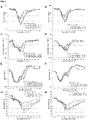
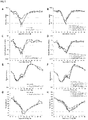
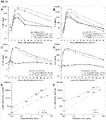
- anemia should be interpreted as a result of hemorrhage exacerbated by radiation-imposed suppression of compensating erythropoiesis ( FIG. 4 , panels E and F; and FIG. 5 ., panels E and F) since mature erythrocytes are radioresistant and their life span in the circulation of NHPs is 60 days.
- BM bone marrow
- BM morphology was normal or close to normal, although others still had slightly or moderately hypoplastic BM.
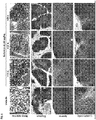
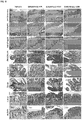
- BM of control NHPs was clearly less cellular and contained more adipose elements. Accelerated morphological recovery in entolimod-treated NHPs was also observed in lymphoid organs, including thymus, spleen and lymph nodes ( FIG. 6 ). These differences were statistically significant when blindly assigned semi-quantitative histological scores were compared (Table 7).
- mice were injected with vehicle or entolimod 25 hours after 9 Gy TBI ( ⁇ LD 50/30 ) and then euthanized for histological and other evaluations at different time points.
- TBI 9 Gy TBI
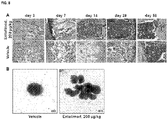
- panel A the first histological signs of active hematopoiesis were evident in the BM of entolimod-treated mice as early as 3 days after TBI (2 days after drug treatment), with full-scale hematopoiesis observed by day 14.
- CFC total colony forming cells
- BFU-E erythroid burst forming units
- CFU-Mk megakaryocyte colony forming units
- entolimod is a potent mitigator of radiation injury in the HP system, and acts via stimulation of accelerated hematopoietic recovery.
- Entolimod treatment reduces initial damage in the GI tract and accelerates its regeneration in lethally irradiated NHPs
- Acute high-dose irradiation sufficient to induce GI ARS results in high degrees of apoptosis in the GI tract mucosa and submucosal elements (lamina basement, mucosa muscularis, lymphoid accumulations), leading to atrophy, increased permeability, susceptibility to hemorrhage (especially on the background of thrombocytopenia) and/or intussusceptions. Histological analyses were used to evaluate the effects of entolimod treatment on these signs of radiation damage to the NHP GI tract.
- Sample-average scores were calculated for each sample over evaluated histological substructures (villi/epithelium crypts, lamina intestinal/submucosa, Brunner's glands). Mean sample-average scores per group are shown. B Student's t-test vs. vehicle, 2-tailed.
- Entolimod-treated (1 hour after TBI) NHPs showed improved morphology in all analyzed GI segments at 5 days after exposure to 6.5 Gy TBI compared to vehicle-treated controls ( FIG. 10 ).
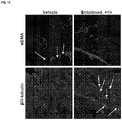
- entolimod-treated animals demonstrated better preservation of elements of the intestinal nervous system and muscularis mucosa ( FIG. 11 ).
- the mitigative effect of entolimod on radiation-induced injury to the GI tract was inversely proportional to the time interval between irradiation and drug administration, but was still clearly observed even when the drug was given 25 hours after TBI ( FiG. 10 ).
- entolimod effectively mitigates radiation injury to the GI system, likely acting via reduction of apoptosis and stimulation of regeneration.
- cytokines previously shown to be substantially influenced by entolimod in non-irradiated or sublethally irradiated (LD 20-30/40 TBI) NHPs, IL-8, with neutrophil-mobilizing activity, and IL-10, with anti-inflammatory activity, are also worth mentioning ( FIG. 13 ). Both factors were found to be strongly responsive to entolimod and, to some extent, also to TBI. However, the magnitude of their elevation by entolimod and its dependence on drug dose were less consistent among different studies compared to G-CSF or IL-6. Neither radiation nor entolimod elicited any apparent response in pro-inflammatory cytokines such as IL-2, IP-10, IL-12p70, IL-4, IFN ⁇ , or IL-3.
- pro-inflammatory cytokines such as IL-2, IP-10, IL-12p70, IL-4, IFN ⁇ , or IL-3.
- Binding of entolimod to TLR5 results in stimulation of a number of downstream pathways, including those regulated by the key TLR5-activated transcription factor, NF- ⁇ B. Ultimately, as shown in the non-limiting model in FIG. 15 , this engages multiple mechanisms of action against the multi-faceted toxic effects of ionizing radiation.
- ROS radiation-triggered reactive oxygen species
- SOD2 superoxide dismutase
- Anti-apoptotic effects of entolimod are likely mediated via induction of NF- ⁇ B and its downstream anti-apoptotic effectors, such as members of the IAP and Bcl-2 protein families. Additional anti-apoptotic mechanisms of entolimod may include direct activation of the PI3K pathway and of a specific anti-apoptotic phosphatase, MKP7, recently identified as an inhibitor of radiation-dependent GI cell apoptosis, both triggered by flagellin stimulation of TLR5. Entolimod was shown to reduce radiation-induced apoptosis of cells in GI tissues both in mice and NHPs.
- TLR5 may also attenuate apoptosis of other types of cells relevant to development of ARS such as inhibition of neutrophil apoptosis.
- stimulation of TLR5 is expected to inhibit radiation-induced aseptic inflammation involved in secondary apoptotic tissue damage e . g . via induction of an anti-inflammatory cytokine IL-10, IL-1 ⁇ antagonist (IL-1 ⁇ a) and stimulation of mesenchymal stem cells (MSC) known to express TLR5 and to have anti-inflammatory properties.
- IL-10 IL-1 ⁇ antagonist
- MSC mesenchymal stem cells
- entolimod's stimulatory effects on stem cells are likely mediated by induced cytokines, some of which are known to possess this activity.
- cytokines elevated in response to entolimod, two hematopoietic cytokines, G-CSF and IL-6, consistently showed the strongest induction.
- G-CSF and IL-6 two hematopoietic cytokines, G-CSF and IL-6, consistently showed the strongest induction.
- the importance of these cytokines for the radiomitigative activity of entolimod has been proven experimentally in vivo using neutralizing antibodies and is fully consistent with their defined biological activities as stimulators of granulo- and thrombopoiesis, respectively.
- flagellin Loss of tissue integrity due to TBI leads to development of wounds and septic complications, which are especially dangerous on the background of impaired tissue repair and immunosuppression.
- Anti-infective properties reported for flagellin are consistent with its general role as a trigger of TLR5-mediated innate immune response to bacterial infection. Indeed, flagellin was shown to induce secretion of antimicrobial factors, such as IL-17, S100A8/S100A9, hepcidin and other small peptides with antimicrobial activity, to support anti-infective defenses and tissue repair in the lungs, gut, skin and cornea.
- flagellin Direct anti-bacterial activity of flagellin (or a flagellin variant with a structure similar to that of entolimod) has been demonstrated in animal infection models. This activity was likely associated with the ability of flagellin/entolimod to elicit early neutrophil mobilization (observed even in irradiated NHPs within 24 hours following entolimod treatment - see FIG. 4 , C and D; and FIG. 5 , C and D) followed by neutrophil infiltration into tissues where they play an important role in local antibacterial responses. Mobilization and tissue deposition of neutrophils (especially in the lung and the liver) can be explained by both entolimod-dependent induction of IL-8 and by entolimod's direct action on TLR5 expressed on the surface of neutrophils.
- TLR5 activation also enhances the phagocytic capacity and the respiratory burst activity of airway neutrophils, which likely contributes to their antibacterial potency.
- entolimod-induced accelerated recovery from radiation cytopenias would also be expected to contribute to antibacterial immunity (via restored granulocyte/macrophage function) and wound healing (via restored blood clotting and tissue trophic function of platelets).
- Another mechanism through which entolimod may promote wound healing is direct stimulation of fibroblasts and MSC.
- CBLB502 is administered to human subjects on a weight-adjusted basis within specific ranges of body weights to 1) describe the safety profile of the drug using this regimen, and 2) assess the PD effects of the drug on relevant biomarkers (in particular G-CSF, IL-6, and fold-change in ANC) using this regimen.
- relevant biomarkers in particular G-CSF, IL-6, and fold-change in ANC
- Trial subjects are healthy adult male and non-pregnant female subjects ⁇ 18 years. Healthy subjects are considered a relevant population because the majority of the victims of a radiological event will have been healthy individuals prior to IR exposure. Subjects are enrolled in strata based on body weight and randomized in a 6:1 ratio to receive a single IM injection of CBLB502 or placebo according to the following Table 13:
- the study is performed at a specialized inpatient clinic located in the US that is experienced in the conduct of trials in healthy subjects. Subjects undergo screening medical history, physical examination, vital signs, laboratory evaluation, and electrocardiogram (ECG) assessments. Subjects are administered CBLB502 or placebo IM in the morning of Day 1 and then observed as inpatients for ⁇ 36 hours. Types of adverse events are coded using the standard Medical Dictionary for Regulatory Activities (MedDRA) and severity is graded using the Common Terminology Criteria for Adverse Events (CTCAE), Version 4.03. Adverse event frequency, timing of onset duration and relationship to study therapy is also recorded. Laboratory abnormalities are recorded.
- MedDRA Medical Dictionary for Regulatory Activities
- CCAE Common Terminology Criteria for Adverse Events
- Subjects undergo follow-up at Days 8 and 29 for assessment of vital signs, ECGs, safety, PD parameters, and anti-CBLB502 antibodies.
- the sample size for the study provides a large statistical sample ( i . e ., ⁇ 30 subjects) for each dosing regimen.
- Subject characteristics and study results are described by dosing group using tabular and graphical methods to support CBLB502 product labeling.
- Example 4 CBLB502 Can Reduce the Risk of Death Following Not Only LD70, But Also LD30 and LD50 Doses of Total Body Irradiation (TBI)
- NHPs ⁇ 1:1 male:female ratio
- TBI TBI: LD30/60
- LD50/60 Groups 3, 4: 30 animals/group
- the study is randomized, blinded, and placebo-controlled. 60-day survival is the primary endpoint.
Landscapes
- Health & Medical Sciences (AREA)
- Life Sciences & Earth Sciences (AREA)
- Animal Behavior & Ethology (AREA)
- Chemical & Material Sciences (AREA)
- Veterinary Medicine (AREA)
- Medicinal Chemistry (AREA)
- Public Health (AREA)
- General Health & Medical Sciences (AREA)
- Pharmacology & Pharmacy (AREA)
- Epidemiology (AREA)
- Proteomics, Peptides & Aminoacids (AREA)
- Immunology (AREA)
- Bioinformatics & Cheminformatics (AREA)
- Engineering & Computer Science (AREA)
- Gastroenterology & Hepatology (AREA)
- Dermatology (AREA)
- Tropical Medicine & Parasitology (AREA)
- Microbiology (AREA)
- Mycology (AREA)
- General Chemical & Material Sciences (AREA)
- Nuclear Medicine, Radiotherapy & Molecular Imaging (AREA)
- Organic Chemistry (AREA)
- Chemical Kinetics & Catalysis (AREA)
- Toxicology (AREA)
- Medicines That Contain Protein Lipid Enzymes And Other Medicines (AREA)
- Pharmaceuticals Containing Other Organic And Inorganic Compounds (AREA)
Claims (15)
- Composition pour une utilisation dans le traitement ou la prévention d'un syndrome d'irradiation aiguë (ARS), ladite composition comprenant une quantité efficace de CBLB502 à administrer à un patient humain en ayant besoin,
dans laquelle la quantité efficace de CBLB502 est de 0,4 à 1 µg/kg, et dans laquelle le CBLB502 comprend la séquence d'acides aminés de SEQ ID NO : 1. - Composition pour l'utilisation selon la revendication 1, dans laquelle le traitement réduit la morbidité ou la mortalité d'une population exposée de patients humains ou accélère la guérison des symptômes d'un syndrome d'irradiation aiguë.
- Composition pour l'utilisation selon l'une quelconque des revendications précédentes, dans laquelle le patient humain doit recevoir une administration de CBLB502 dans les 1 à 48 heures, 1 à 25 heures, ou 5 à 20 heures, ou 10 à 15 heures, ou dans les 48 heures, ou dans les 25 heures après avoir été exposé à un rayonnement.
- Composition pour l'utilisation selon l'une quelconque des revendications précédentes, dans laquelle le patient humain doit recevoir une administration de CBLB502 dans un ou plusieurs des stades de triage, de soin d'urgence et de soin définitif de lésions par irradiation et combinées.
- Composition pour l'utilisation selon l'une quelconque des revendications précédentes, dans laquelle la quantité efficace de CBLB502 est de 0,4 µg/kg, ou de 0,5 µg/kg, ou de 0,6 µg/kg, ou de 0,7 µg/kg, ou de 0,8 µg/kg, ou de 0,9 µg/kg, ou de 1 µg/kg.
- Composition pour l'utilisation selon l'une quelconque des revendications précédentes, dans laquelle la quantité efficace comprend une dose absolue de CBLB502 de 2 à 45 µg, facultativement sélectionnée parmi 10, ou 20, ou 30, ou 40, ou 45 µg, ou 30 µg pour un patient humain de 70 kg.
- Composition pour l'utilisation selon l'une quelconque des revendications précédentes, dans laquelle l'ARS résulte d'une dose élevée de rayonnement de 2 Gy, 2,5 Gy, 5 Gy, ou 10 Gy, ou de 15 Gy, ou de 20 Gy, ou de 25 Gy, ou de 30 Gy, ou de 5 à 30 Gy, ou de 10 à 25 Gy, ou de 15 à 20 Gy.
- Composition pour l'utilisation selon l'une quelconque des revendications précédentes, dans laquelle la dose élevée de rayonnement est suffisante pour une classification RES 3 de l'état d'exposition aux radiations unitaire.
- Composition pour l'utilisation selon l'une quelconque des revendications précédentes, dans laquelle le rayonnement est un rayonnement ionisant.
- Composition pour l'utilisation selon l'une quelconque des revendications précédentes, dans laquelle le CBLB502 doit être administré par injection, facultativement par injection intramusculaire, facultativement par une injection intramusculaire unique.
- Composition pour l'utilisation selon l'une quelconque des revendications précédentes, dans laquelle l'ARS comprend un ou plusieurs parmi un syndrome gastro-intestinal ; un syndrome hématopoïétique ; un syndrome neurovasculaire ; une lésion tissulaire médiée par l'apoptose, dans laquelle l'apoptose est facultativement attribuable à un stress cellulaire ; et une lésion tissulaire d'apoptose induite par un rayonnement ionisant.
- Composition pour l'utilisation selon l'une quelconque des revendications précédentes, dans laquelle la dose élevée de rayonnement résulte d'une catastrophe radiologique.
- Composition pour l'utilisation selon l'une quelconque des revendications précédentes, dans laquelle le patient humain est exposé ou risque d'être exposé à une dose élevée de rayonnement suite à un ou plusieurs parmi une opération militaire ou une opération de premier intervenant dans une zone contaminée ; une explosion nucléaire ; un accident de criticité ; un accident de radiothérapie ; une attaque terroriste ; une exposition lors d'un déplacement spatial; une fuite de déchet radioactif; une exposition à un rayonnement de source ouverte ; et un dysfonctionnement de réacteur nucléaire.
- Composition pour l'utilisation selon l'une quelconque des revendications précédentes, dans laquelle le patient humain présente une réduction de la numération lymphocytaire de 50 % 24 à 48 heures après avoir été exposé à un rayonnement, ou dans laquelle la numération lymphocytaire du patient humain est inférieure à 1 000/µl.
- Composition pour l'utilisation selon l'une quelconque des revendications précédentes, dans laquelle le traitement avec CBLB502 doit être utilisé comme adjuvant ou néoadjuvant aux efforts visant à réduire une exposition à un rayonnement sélectionné parmi un ou plusieurs parmi un blindage; une réduction du temps d'exposition ; et l'utilisation d'agents pour réduire l'exposition corporelle, ou à un ou plusieurs parmi des produits sanguins, des facteurs de stimulation de colonies, des cytokines et/ou des facteurs de croissance, des antibiotiques, des agents de dilution et/ou de blocage, des agents de mobilisation ou de chélation, des greffes de cellules souches, des antioxydants, et des radioprotecteurs.
Applications Claiming Priority (3)
| Application Number | Priority Date | Filing Date | Title |
|---|---|---|---|
| US201462064872P | 2014-10-16 | 2014-10-16 | |
| US201562214572P | 2015-09-04 | 2015-09-04 | |
| PCT/US2015/055986 WO2016109002A2 (fr) | 2014-10-16 | 2015-10-16 | Méthodes et compositions pour le traitement de troubles liés à l'irradiation |
Publications (3)
| Publication Number | Publication Date |
|---|---|
| EP3206708A2 EP3206708A2 (fr) | 2017-08-23 |
| EP3206708A4 EP3206708A4 (fr) | 2018-05-30 |
| EP3206708B1 true EP3206708B1 (fr) | 2022-11-02 |
Family
ID=56285136
Family Applications (1)
| Application Number | Title | Priority Date | Filing Date |
|---|---|---|---|
| EP15875865.6A Active EP3206708B1 (fr) | 2014-10-16 | 2015-10-16 | Méthodes et compositions pour le traitement de troubles liés à l'irradiation |
Country Status (4)
| Country | Link |
|---|---|
| US (3) | US10183056B2 (fr) |
| EP (1) | EP3206708B1 (fr) |
| IL (1) | IL251736B (fr) |
| WO (1) | WO2016109002A2 (fr) |
Cited By (1)
| Publication number | Priority date | Publication date | Assignee | Title |
|---|---|---|---|---|
| RU2851926C1 (ru) * | 2025-04-04 | 2025-12-01 | Василий Игоревич Пустовойт | Способ прогнозирования клинического исхода острой лучевой болезни |
Families Citing this family (4)
| Publication number | Priority date | Publication date | Assignee | Title |
|---|---|---|---|---|
| WO2016109002A2 (fr) * | 2014-10-16 | 2016-07-07 | Cleveland Biolabs, Inc. | Méthodes et compositions pour le traitement de troubles liés à l'irradiation |
| US10702534B2 (en) | 2017-03-31 | 2020-07-07 | AI Therapeutics, Inc. | Compositions and methods relating to the radioprotective effects of apilimod |
| IL274974B2 (en) | 2017-11-30 | 2025-03-01 | Enzychem Lifesciences Corp | Compositions for prevention or treatment of acute radiation syndrome |
| CA3097989A1 (fr) * | 2018-04-24 | 2019-10-31 | Genome Protection, Inc. | Procedes pour ameliorer la fragilite et le vieillissement |
Family Cites Families (55)
| Publication number | Priority date | Publication date | Assignee | Title |
|---|---|---|---|---|
| US3536809A (en) | 1969-02-17 | 1970-10-27 | Alza Corp | Medication method |
| US3598123A (en) | 1969-04-01 | 1971-08-10 | Alza Corp | Bandage for administering drugs |
| US3845770A (en) | 1972-06-05 | 1974-11-05 | Alza Corp | Osmatic dispensing device for releasing beneficial agent |
| US3916899A (en) | 1973-04-25 | 1975-11-04 | Alza Corp | Osmotic dispensing device with maximum and minimum sizes for the passageway |
| US4008719A (en) | 1976-02-02 | 1977-02-22 | Alza Corporation | Osmotic system having laminar arrangement for programming delivery of active agent |
| US4554101A (en) | 1981-01-09 | 1985-11-19 | New York Blood Center, Inc. | Identification and preparation of epitopes on antigens and allergens on the basis of hydrophilicity |
| US5399494A (en) | 1983-03-04 | 1995-03-21 | The University Of Maryland System | Vibrio cholerae strain CVD103Hgr, method of making same, and vaccines derived therefrom |
| IE58110B1 (en) | 1984-10-30 | 1993-07-14 | Elan Corp Plc | Controlled release powder and process for its preparation |
| US6130082A (en) | 1988-05-05 | 2000-10-10 | American Cyanamid Company | Recombinant flagellin vaccines |
| US5073543A (en) | 1988-07-21 | 1991-12-17 | G. D. Searle & Co. | Controlled release formulations of trophic factors in ganglioside-lipsome vehicle |
| IT1229203B (it) | 1989-03-22 | 1991-07-25 | Bioresearch Spa | Impiego di acido 5 metiltetraidrofolico, di acido 5 formiltetraidrofolico e dei loro sali farmaceuticamente accettabili per la preparazione di composizioni farmaceutiche in forma a rilascio controllato attive nella terapia dei disturbi mentali organici e composizioni farmaceutiche relative. |
| US5120548A (en) | 1989-11-07 | 1992-06-09 | Merck & Co., Inc. | Swelling modulated polymeric drug delivery device |
| DE59107966D1 (de) | 1990-09-28 | 1996-08-01 | Sulzer Innotec Ag | Hohlnadel zur medizinischen verwendung und verfahren zur herstellung derartiger hohlnadeln |
| US5698155A (en) | 1991-05-31 | 1997-12-16 | Gs Technologies, Inc. | Method for the manufacture of pharmaceutical cellulose capsules |
| US5580578A (en) | 1992-01-27 | 1996-12-03 | Euro-Celtique, S.A. | Controlled release formulations coated with aqueous dispersions of acrylic polymers |
| AU3630093A (en) | 1992-03-02 | 1993-10-05 | Biocine S.P.A. | Helicobacter pylori proteins useful for vaccines and diagnostics |
| US5591767A (en) | 1993-01-25 | 1997-01-07 | Pharmetrix Corporation | Liquid reservoir transdermal patch for the administration of ketorolac |
| IT1270594B (it) | 1994-07-07 | 1997-05-07 | Recordati Chem Pharm | Composizione farmaceutica a rilascio controllato di moguisteina in sospensione liquida |
| US5693476A (en) | 1995-02-24 | 1997-12-02 | The Board Of Trustees Of The Leland Stanford Junior University | Methods of screening for compounds capable of modulating vesicular release |
| EP0770397B1 (fr) | 1995-10-18 | 2004-04-21 | Akzo Nobel N.V. | Vaccin de combinaison contre la maladie de Newcastle |
| US20020009747A1 (en) | 1997-08-25 | 2002-01-24 | Freda Diane Miller | Methods and reagents for identifying modulators of neuronal apoptosis |
| US5994409A (en) | 1997-12-09 | 1999-11-30 | U.S. Bioscience, Inc. | Methods for treatment of neuro--and nephro--disorders and therapeutic toxicities using aminothiol compounds |
| AU4709401A (en) | 1999-11-29 | 2001-06-12 | Inotek Corporation | Composition and method for treating a microbial infection |
| JP2003527109A (ja) | 2000-01-31 | 2003-09-16 | ミューニン コーポレイション | ヒトcyr61 |
| US7300749B2 (en) | 2000-02-17 | 2007-11-27 | Millennium Pharmaceuticals, Inc. | Molecules of the pyrin domain protein family and uses thereof |
| WO2002044363A1 (fr) | 2000-11-28 | 2002-06-06 | Genesis Research And Development Corporation Limited | Procedes de modulation de la mort apoptotique de cellules |
| WO2002085933A1 (fr) | 2001-04-20 | 2002-10-31 | The Institute For Systems Biology | Ligands de recepteur de type 5 et procedes d'utilisation |
| US8703146B2 (en) | 2001-04-20 | 2014-04-22 | Institute For Systems Biology | Toll-like receptor 5 ligands and methods of use |
| WO2003028659A2 (fr) | 2001-10-02 | 2003-04-10 | University Of Chicago | Procedes et compositions de modulation d'apoptose |
| US7078165B2 (en) | 2003-03-27 | 2006-07-18 | Institut Pasteur | Method for modulating Nod1 activity, use of a MTP related molecule for modulating Nod1 activity, and therapeutic applications thereof |
| WO2005056054A2 (fr) | 2003-12-02 | 2005-06-23 | Cleveland Clinic Foundation | Procedes pour inhiber une apoptose au moyen d'inducteurs de nf-$g(k)b |
| EP1706133B1 (fr) | 2003-12-02 | 2010-10-06 | Cleveland Clinic Foundation | Methodes de protection contre les radiations au moyen de flagelline |
| US7638485B2 (en) | 2003-12-02 | 2009-12-29 | Cleveland Biolabs, Inc. | Modulating apoptosis |
| WO2005056041A2 (fr) | 2003-12-02 | 2005-06-23 | Cleveland Clinic Foundation | Methodes d'inhibition apoptotique au moyen de tgf$g(b) latent |
| US8580321B2 (en) | 2003-12-02 | 2013-11-12 | The Cleveland Clinic Foundation | Method for reducing the effects of chemotherapy using flagellin related polypeptides |
| US20050266391A1 (en) | 2004-01-15 | 2005-12-01 | Bennett Brydon L | Methods for preserving tissue |
| WO2006039701A1 (fr) | 2004-10-01 | 2006-04-13 | University Of South Florida | Adjuvants et vaccins a base de flagelline |
| WO2006081007A2 (fr) | 2004-12-16 | 2006-08-03 | Wake Forest University Health Sciences | Utilisation de flagelline en immunotherapie antitumorale |
| JP5285278B2 (ja) | 2004-12-22 | 2013-09-11 | クリーブランド クリニック ファウンデイション | フラゲリン関連ポリペプチドおよびその使用 |
| WO2007030581A2 (fr) | 2005-09-09 | 2007-03-15 | Oregon Health & Science University | Agents neuroprotecteurs |
| US20070269406A1 (en) | 2005-12-14 | 2007-11-22 | Ichim Thomas E | Transcatheter tumor immunoembolization |
| WO2007120368A2 (fr) | 2006-01-09 | 2007-10-25 | The Regents Of The University Of California | Combinaisons immunostimulatrices de tnfrsf, tlr, nlr, rhr, du récepteur purinergique et des agonistes du récepteur de la cytokine utilisées pour les vaccins et en immunothérapie anti-tumorale |
| US8389482B2 (en) | 2007-01-30 | 2013-03-05 | New York University | Short peptides useful for treatment of ischemia/reperfusion injury and other tissue damage conditions associated with nitric oxide and its reactive species |
| US20110182847A1 (en) | 2007-06-15 | 2011-07-28 | Randolph Noelle | Use of tlr agonists and/or type 1 interferons to alleviate toxicity of tnf-r agonist therapeutic regimens |
| EP2178896A1 (fr) | 2007-07-31 | 2010-04-28 | The Johns Hopkins University | Conjugué d'acide nucléique de polypeptide destiné à l'immunoprophylaxie ou à l'immunothérapie des troubles néoplasiques ou infectieux |
| US8236318B2 (en) | 2007-11-07 | 2012-08-07 | Celldex Therapeutics Inc. | Antibodies that bind human dendritic and epithelial cell 205 (DEC-205) |
| JP5577337B2 (ja) | 2008-08-01 | 2014-08-20 | クリーブランド バイオラブス, インコーポレイテッド | 再灌流傷害を治療するための方法 |
| CA2739454C (fr) | 2008-10-03 | 2018-05-01 | Emory University | Procedes pour le traitement d'une reaction de greffe contre hote |
| AU2010250923A1 (en) | 2009-05-21 | 2011-11-17 | Astrazeneca Ab | Novel pyrimidine derivatives and their use in the treatment of cancer and further diseases |
| US9950062B2 (en) | 2009-09-02 | 2018-04-24 | Glaxosmithkline Biologicals Sa | Compounds and compositions as TLR activity modulators |
| EP2486134B1 (fr) | 2009-10-06 | 2014-01-08 | Panacela Labs, Inc. | Utilisation de récepteur de type toll et agoniste pour le traitement du cancer |
| EP2833876A4 (fr) * | 2012-04-02 | 2015-09-09 | Health Research Inc | Compositions et procédés comprenant un récepteur de type toll (tlr) stimulant des agents pour la prophylaxie et la thérapie d'une lésion au niveau de l'épithélium dermique |
| WO2014098649A1 (fr) * | 2012-12-18 | 2014-06-26 | Obschestvo S Ogranichennoy Otvetstvennostyu "Panacela Labs" | Compositions et procédés à l'aide du récepteur 5 de type toll et d'un agoniste d'un récepteur de type toll |
| PL2968346T3 (pl) * | 2013-03-15 | 2024-11-04 | Cancer Research Technologies Llc | Sposoby i kompozycje do modulacji cyklu gamma-glutamylowego |
| WO2016109002A2 (fr) * | 2014-10-16 | 2016-07-07 | Cleveland Biolabs, Inc. | Méthodes et compositions pour le traitement de troubles liés à l'irradiation |
-
2015
- 2015-10-16 WO PCT/US2015/055986 patent/WO2016109002A2/fr not_active Ceased
- 2015-10-16 EP EP15875865.6A patent/EP3206708B1/fr active Active
- 2015-10-16 US US15/519,462 patent/US10183056B2/en active Active
-
2017
- 2017-04-13 IL IL25173617A patent/IL251736B/en active IP Right Grant
-
2018
- 2018-11-21 US US16/197,408 patent/US10857200B2/en active Active - Reinstated
-
2020
- 2020-11-05 US US17/090,237 patent/US20210275627A1/en not_active Abandoned
Cited By (1)
| Publication number | Priority date | Publication date | Assignee | Title |
|---|---|---|---|---|
| RU2851926C1 (ru) * | 2025-04-04 | 2025-12-01 | Василий Игоревич Пустовойт | Способ прогнозирования клинического исхода острой лучевой болезни |
Also Published As
| Publication number | Publication date |
|---|---|
| IL251736B (en) | 2019-11-28 |
| IL251736A0 (en) | 2017-06-29 |
| US20170239326A1 (en) | 2017-08-24 |
| WO2016109002A3 (fr) | 2016-09-01 |
| EP3206708A2 (fr) | 2017-08-23 |
| US20190142896A1 (en) | 2019-05-16 |
| US20210275627A1 (en) | 2021-09-09 |
| WO2016109002A2 (fr) | 2016-07-07 |
| US10183056B2 (en) | 2019-01-22 |
| US10857200B2 (en) | 2020-12-08 |
| EP3206708A4 (fr) | 2018-05-30 |
Similar Documents
| Publication | Publication Date | Title |
|---|---|---|
| US20210275627A1 (en) | Methods and compositions for the treatment of radiation-related disorders | |
| JP7132815B2 (ja) | 放射線防護及び放射線誘発性毒性緩和のためのil-12 | |
| Snoeij et al. | Dibutyltin and tributyltin compounds induce thymus atrophy in rats due to a selective action on thymic lymphoblasts | |
| Krivokrysenko et al. | The toll-like receptor 5 agonist entolimod mitigates lethal acute radiation syndrome in non-human primates | |
| Pietrofesa et al. | Radiation mitigating properties of the lignan component in flaxseed | |
| CN108498532A (zh) | 骨髓抑制的治疗 | |
| Satyamitra et al. | In vivo postirradiation protection by a vitamin E analog, α-TMG | |
| de Alencar et al. | Side‐effects of Irinotecan (CPT‐11), the clinically used drug for colon cancer therapy, are eliminated in experimental animals treated with latex proteins from Calotropis procera (Apocynaceae) | |
| Matsuura et al. | Successful treatment with benralizumab for allergic bronchopulmonary aspergillosis that developed after disastrous heavy rainfall in western Japan | |
| Barkaoui et al. | Long‐term follow‐up of children with risk organ‐negative Langerhans cell histiocytosis after 2‐chlorodeoxyadenosine treatment | |
| US20220054561A1 (en) | Lachnospiraceae mitigates against radiation-induced hematopoietic/gastrointestinal injury and death, and promotes cancer control by radiation | |
| AU2019385373B2 (en) | Application of chidamide in combination with R-CHOP, and drug combination | |
| JP2016026157A (ja) | 放射線被曝の処置のための組成物および方法 | |
| EP3292865A1 (fr) | Utilisation de curcumine et d'un sel pharmaceutiquement acceptable de cette dernière | |
| CN106038522A (zh) | 大黄酸在制备抗抑郁症药物中的用途 | |
| WO2010026602A2 (fr) | Compositions pharmaceutiques contenant des bloqueurs de canaux calciques pour le traitement de la tuberculose | |
| EP2049135A2 (fr) | Lactoferrine en tant qu'agent radioprotecteur | |
| Funcke et al. | Protective action of cyclandelate in hypoxia | |
| Watanaboonyongcharoen et al. | Safety and Efficacy of the Thai Red Cross Society Albumin Replacement for Therapeutic Plasma Exchange. | |
| Nishida et al. | Radiomitigative Effects of Approved Hematopoietic Drugs on Mice Exposed to Lethal Total-body Irradiation | |
| Brown | Investigating Docetaxel, Doxorubicin, and Cyclophosphamide (TAC)-Induced Inflammation on Cognitive Impairment | |
| Ayaz et al. | Comparison of the effects of local and uncontrolled levamisole preparations on mice naturally infected with Aspiculuris tetraptera | |
| US20100215699A1 (en) | Lactoferrin as a radioprotective agent | |
| RU2391967C1 (ru) | Способ лечения лучевой болезни служебных собак и способ профилактики лучевой болезни служебных собак | |
| Weynants et al. | 95 Concomitant high-dose chemotherapy (HDCt) and radiotherapy (Rt) with G-CSF and peripheral blood stem cell (PBSC) rescue for limited (LD) small cell lung cancer (SCLC) |
Legal Events
| Date | Code | Title | Description |
|---|---|---|---|
| STAA | Information on the status of an ep patent application or granted ep patent |
Free format text: STATUS: THE INTERNATIONAL PUBLICATION HAS BEEN MADE |
|
| PUAI | Public reference made under article 153(3) epc to a published international application that has entered the european phase |
Free format text: ORIGINAL CODE: 0009012 |
|
| STAA | Information on the status of an ep patent application or granted ep patent |
Free format text: STATUS: REQUEST FOR EXAMINATION WAS MADE |
|
| 17P | Request for examination filed |
Effective date: 20170504 |
|
| AK | Designated contracting states |
Kind code of ref document: A2 Designated state(s): AL AT BE BG CH CY CZ DE DK EE ES FI FR GB GR HR HU IE IS IT LI LT LU LV MC MK MT NL NO PL PT RO RS SE SI SK SM TR |
|
| AX | Request for extension of the european patent |
Extension state: BA ME |
|
| DAV | Request for validation of the european patent (deleted) | ||
| DAX | Request for extension of the european patent (deleted) | ||
| A4 | Supplementary search report drawn up and despatched |
Effective date: 20180503 |
|
| RIC1 | Information provided on ipc code assigned before grant |
Ipc: A61K 39/112 20060101ALI20180420BHEP Ipc: A61P 39/00 20060101ALI20180420BHEP Ipc: A61K 38/16 20060101AFI20180420BHEP |
|
| STAA | Information on the status of an ep patent application or granted ep patent |
Free format text: STATUS: EXAMINATION IS IN PROGRESS |
|
| 17Q | First examination report despatched |
Effective date: 20191218 |
|
| GRAP | Despatch of communication of intention to grant a patent |
Free format text: ORIGINAL CODE: EPIDOSNIGR1 |
|
| STAA | Information on the status of an ep patent application or granted ep patent |
Free format text: STATUS: GRANT OF PATENT IS INTENDED |
|
| INTG | Intention to grant announced |
Effective date: 20220527 |
|
| RIN1 | Information on inventor provided before grant (corrected) |
Inventor name: FEINSTEIN, ELENA Inventor name: KRIVOKRYSENKO, VADIM |
|
| GRAS | Grant fee paid |
Free format text: ORIGINAL CODE: EPIDOSNIGR3 |
|
| GRAA | (expected) grant |
Free format text: ORIGINAL CODE: 0009210 |
|
| STAA | Information on the status of an ep patent application or granted ep patent |
Free format text: STATUS: THE PATENT HAS BEEN GRANTED |
|
| AK | Designated contracting states |
Kind code of ref document: B1 Designated state(s): AL AT BE BG CH CY CZ DE DK EE ES FI FR GB GR HR HU IE IS IT LI LT LU LV MC MK MT NL NO PL PT RO RS SE SI SK SM TR |
|
| REG | Reference to a national code |
Ref country code: GB Ref legal event code: FG4D |
|
| REG | Reference to a national code |
Ref country code: CH Ref legal event code: EP Ref country code: AT Ref legal event code: REF Ref document number: 1528265 Country of ref document: AT Kind code of ref document: T Effective date: 20221115 |
|
| REG | Reference to a national code |
Ref country code: DE Ref legal event code: R096 Ref document number: 602015081475 Country of ref document: DE |
|
| REG | Reference to a national code |
Ref country code: IE Ref legal event code: FG4D |
|
| REG | Reference to a national code |
Ref country code: LT Ref legal event code: MG9D |
|
| REG | Reference to a national code |
Ref country code: NL Ref legal event code: MP Effective date: 20221102 |
|
| REG | Reference to a national code |
Ref country code: AT Ref legal event code: MK05 Ref document number: 1528265 Country of ref document: AT Kind code of ref document: T Effective date: 20221102 |
|
| PG25 | Lapsed in a contracting state [announced via postgrant information from national office to epo] |
Ref country code: SE Free format text: LAPSE BECAUSE OF FAILURE TO SUBMIT A TRANSLATION OF THE DESCRIPTION OR TO PAY THE FEE WITHIN THE PRESCRIBED TIME-LIMIT Effective date: 20221102 Ref country code: PT Free format text: LAPSE BECAUSE OF FAILURE TO SUBMIT A TRANSLATION OF THE DESCRIPTION OR TO PAY THE FEE WITHIN THE PRESCRIBED TIME-LIMIT Effective date: 20230302 Ref country code: NO Free format text: LAPSE BECAUSE OF FAILURE TO SUBMIT A TRANSLATION OF THE DESCRIPTION OR TO PAY THE FEE WITHIN THE PRESCRIBED TIME-LIMIT Effective date: 20230202 Ref country code: LT Free format text: LAPSE BECAUSE OF FAILURE TO SUBMIT A TRANSLATION OF THE DESCRIPTION OR TO PAY THE FEE WITHIN THE PRESCRIBED TIME-LIMIT Effective date: 20221102 Ref country code: FI Free format text: LAPSE BECAUSE OF FAILURE TO SUBMIT A TRANSLATION OF THE DESCRIPTION OR TO PAY THE FEE WITHIN THE PRESCRIBED TIME-LIMIT Effective date: 20221102 Ref country code: ES Free format text: LAPSE BECAUSE OF FAILURE TO SUBMIT A TRANSLATION OF THE DESCRIPTION OR TO PAY THE FEE WITHIN THE PRESCRIBED TIME-LIMIT Effective date: 20221102 Ref country code: AT Free format text: LAPSE BECAUSE OF FAILURE TO SUBMIT A TRANSLATION OF THE DESCRIPTION OR TO PAY THE FEE WITHIN THE PRESCRIBED TIME-LIMIT Effective date: 20221102 |
|
| PG25 | Lapsed in a contracting state [announced via postgrant information from national office to epo] |
Ref country code: RS Free format text: LAPSE BECAUSE OF FAILURE TO SUBMIT A TRANSLATION OF THE DESCRIPTION OR TO PAY THE FEE WITHIN THE PRESCRIBED TIME-LIMIT Effective date: 20221102 Ref country code: PL Free format text: LAPSE BECAUSE OF FAILURE TO SUBMIT A TRANSLATION OF THE DESCRIPTION OR TO PAY THE FEE WITHIN THE PRESCRIBED TIME-LIMIT Effective date: 20221102 Ref country code: LV Free format text: LAPSE BECAUSE OF FAILURE TO SUBMIT A TRANSLATION OF THE DESCRIPTION OR TO PAY THE FEE WITHIN THE PRESCRIBED TIME-LIMIT Effective date: 20221102 Ref country code: IS Free format text: LAPSE BECAUSE OF FAILURE TO SUBMIT A TRANSLATION OF THE DESCRIPTION OR TO PAY THE FEE WITHIN THE PRESCRIBED TIME-LIMIT Effective date: 20230302 Ref country code: HR Free format text: LAPSE BECAUSE OF FAILURE TO SUBMIT A TRANSLATION OF THE DESCRIPTION OR TO PAY THE FEE WITHIN THE PRESCRIBED TIME-LIMIT Effective date: 20221102 Ref country code: GR Free format text: LAPSE BECAUSE OF FAILURE TO SUBMIT A TRANSLATION OF THE DESCRIPTION OR TO PAY THE FEE WITHIN THE PRESCRIBED TIME-LIMIT Effective date: 20230203 |
|
| PG25 | Lapsed in a contracting state [announced via postgrant information from national office to epo] |
Ref country code: NL Free format text: LAPSE BECAUSE OF FAILURE TO SUBMIT A TRANSLATION OF THE DESCRIPTION OR TO PAY THE FEE WITHIN THE PRESCRIBED TIME-LIMIT Effective date: 20221102 |
|
| PG25 | Lapsed in a contracting state [announced via postgrant information from national office to epo] |
Ref country code: SM Free format text: LAPSE BECAUSE OF FAILURE TO SUBMIT A TRANSLATION OF THE DESCRIPTION OR TO PAY THE FEE WITHIN THE PRESCRIBED TIME-LIMIT Effective date: 20221102 Ref country code: RO Free format text: LAPSE BECAUSE OF FAILURE TO SUBMIT A TRANSLATION OF THE DESCRIPTION OR TO PAY THE FEE WITHIN THE PRESCRIBED TIME-LIMIT Effective date: 20221102 Ref country code: EE Free format text: LAPSE BECAUSE OF FAILURE TO SUBMIT A TRANSLATION OF THE DESCRIPTION OR TO PAY THE FEE WITHIN THE PRESCRIBED TIME-LIMIT Effective date: 20221102 Ref country code: DK Free format text: LAPSE BECAUSE OF FAILURE TO SUBMIT A TRANSLATION OF THE DESCRIPTION OR TO PAY THE FEE WITHIN THE PRESCRIBED TIME-LIMIT Effective date: 20221102 Ref country code: CZ Free format text: LAPSE BECAUSE OF FAILURE TO SUBMIT A TRANSLATION OF THE DESCRIPTION OR TO PAY THE FEE WITHIN THE PRESCRIBED TIME-LIMIT Effective date: 20221102 |
|
| REG | Reference to a national code |
Ref country code: DE Ref legal event code: R097 Ref document number: 602015081475 Country of ref document: DE |
|
| PG25 | Lapsed in a contracting state [announced via postgrant information from national office to epo] |
Ref country code: SK Free format text: LAPSE BECAUSE OF FAILURE TO SUBMIT A TRANSLATION OF THE DESCRIPTION OR TO PAY THE FEE WITHIN THE PRESCRIBED TIME-LIMIT Effective date: 20221102 Ref country code: AL Free format text: LAPSE BECAUSE OF FAILURE TO SUBMIT A TRANSLATION OF THE DESCRIPTION OR TO PAY THE FEE WITHIN THE PRESCRIBED TIME-LIMIT Effective date: 20221102 |
|
| PLBE | No opposition filed within time limit |
Free format text: ORIGINAL CODE: 0009261 |
|
| STAA | Information on the status of an ep patent application or granted ep patent |
Free format text: STATUS: NO OPPOSITION FILED WITHIN TIME LIMIT |
|
| 26N | No opposition filed |
Effective date: 20230803 |
|
| PG25 | Lapsed in a contracting state [announced via postgrant information from national office to epo] |
Ref country code: SI Free format text: LAPSE BECAUSE OF FAILURE TO SUBMIT A TRANSLATION OF THE DESCRIPTION OR TO PAY THE FEE WITHIN THE PRESCRIBED TIME-LIMIT Effective date: 20221102 |
|
| REG | Reference to a national code |
Ref country code: DE Ref legal event code: R119 Ref document number: 602015081475 Country of ref document: DE |
|
| PG25 | Lapsed in a contracting state [announced via postgrant information from national office to epo] |
Ref country code: IT Free format text: LAPSE BECAUSE OF FAILURE TO SUBMIT A TRANSLATION OF THE DESCRIPTION OR TO PAY THE FEE WITHIN THE PRESCRIBED TIME-LIMIT Effective date: 20221102 Ref country code: MC Free format text: LAPSE BECAUSE OF FAILURE TO SUBMIT A TRANSLATION OF THE DESCRIPTION OR TO PAY THE FEE WITHIN THE PRESCRIBED TIME-LIMIT Effective date: 20221102 |
|
| REG | Reference to a national code |
Ref country code: CH Ref legal event code: PL |
|
| REG | Reference to a national code |
Ref country code: BE Ref legal event code: MM Effective date: 20231031 |
|
| PG25 | Lapsed in a contracting state [announced via postgrant information from national office to epo] |
Ref country code: LU Free format text: LAPSE BECAUSE OF NON-PAYMENT OF DUE FEES Effective date: 20231016 |
|
| GBPC | Gb: european patent ceased through non-payment of renewal fee |
Effective date: 20231016 |
|
| PG25 | Lapsed in a contracting state [announced via postgrant information from national office to epo] |
Ref country code: LU Free format text: LAPSE BECAUSE OF NON-PAYMENT OF DUE FEES Effective date: 20231016 |
|
| PG25 | Lapsed in a contracting state [announced via postgrant information from national office to epo] |
Ref country code: GB Free format text: LAPSE BECAUSE OF NON-PAYMENT OF DUE FEES Effective date: 20231016 |
|
| PG25 | Lapsed in a contracting state [announced via postgrant information from national office to epo] |
Ref country code: CH Free format text: LAPSE BECAUSE OF NON-PAYMENT OF DUE FEES Effective date: 20231031 |
|
| PG25 | Lapsed in a contracting state [announced via postgrant information from national office to epo] |
Ref country code: GB Free format text: LAPSE BECAUSE OF NON-PAYMENT OF DUE FEES Effective date: 20231016 Ref country code: FR Free format text: LAPSE BECAUSE OF NON-PAYMENT OF DUE FEES Effective date: 20231031 Ref country code: DE Free format text: LAPSE BECAUSE OF NON-PAYMENT OF DUE FEES Effective date: 20240501 Ref country code: CH Free format text: LAPSE BECAUSE OF NON-PAYMENT OF DUE FEES Effective date: 20231031 |
|
| PG25 | Lapsed in a contracting state [announced via postgrant information from national office to epo] |
Ref country code: BE Free format text: LAPSE BECAUSE OF NON-PAYMENT OF DUE FEES Effective date: 20231031 |
|
| PG25 | Lapsed in a contracting state [announced via postgrant information from national office to epo] |
Ref country code: IE Free format text: LAPSE BECAUSE OF NON-PAYMENT OF DUE FEES Effective date: 20231016 |
|
| PG25 | Lapsed in a contracting state [announced via postgrant information from national office to epo] |
Ref country code: IE Free format text: LAPSE BECAUSE OF NON-PAYMENT OF DUE FEES Effective date: 20231016 |
|
| PG25 | Lapsed in a contracting state [announced via postgrant information from national office to epo] |
Ref country code: BG Free format text: LAPSE BECAUSE OF FAILURE TO SUBMIT A TRANSLATION OF THE DESCRIPTION OR TO PAY THE FEE WITHIN THE PRESCRIBED TIME-LIMIT Effective date: 20221102 |
|
| PG25 | Lapsed in a contracting state [announced via postgrant information from national office to epo] |
Ref country code: BG Free format text: LAPSE BECAUSE OF FAILURE TO SUBMIT A TRANSLATION OF THE DESCRIPTION OR TO PAY THE FEE WITHIN THE PRESCRIBED TIME-LIMIT Effective date: 20221102 |
|
| PG25 | Lapsed in a contracting state [announced via postgrant information from national office to epo] |
Ref country code: CY Free format text: LAPSE BECAUSE OF FAILURE TO SUBMIT A TRANSLATION OF THE DESCRIPTION OR TO PAY THE FEE WITHIN THE PRESCRIBED TIME-LIMIT; INVALID AB INITIO Effective date: 20151016 |
|
| PG25 | Lapsed in a contracting state [announced via postgrant information from national office to epo] |
Ref country code: HU Free format text: LAPSE BECAUSE OF FAILURE TO SUBMIT A TRANSLATION OF THE DESCRIPTION OR TO PAY THE FEE WITHIN THE PRESCRIBED TIME-LIMIT; INVALID AB INITIO Effective date: 20151016 |
|
| PG25 | Lapsed in a contracting state [announced via postgrant information from national office to epo] |
Ref country code: TR Free format text: LAPSE BECAUSE OF FAILURE TO SUBMIT A TRANSLATION OF THE DESCRIPTION OR TO PAY THE FEE WITHIN THE PRESCRIBED TIME-LIMIT Effective date: 20221102 |