EP3207120B1 - Supplémentation en cuivre pour la régulation de la glycosylation dans un procédé de culture cellulaire de mammifère - Google Patents
Supplémentation en cuivre pour la régulation de la glycosylation dans un procédé de culture cellulaire de mammifère Download PDFInfo
- Publication number
- EP3207120B1 EP3207120B1 EP15794371.3A EP15794371A EP3207120B1 EP 3207120 B1 EP3207120 B1 EP 3207120B1 EP 15794371 A EP15794371 A EP 15794371A EP 3207120 B1 EP3207120 B1 EP 3207120B1
- Authority
- EP
- European Patent Office
- Prior art keywords
- cell culture
- copper
- culture
- cell
- cells
- Prior art date
- Legal status (The legal status is an assumption and is not a legal conclusion. Google has not performed a legal analysis and makes no representation as to the accuracy of the status listed.)
- Active
Links
Images









Classifications
-
- C—CHEMISTRY; METALLURGY
- C12—BIOCHEMISTRY; BEER; SPIRITS; WINE; VINEGAR; MICROBIOLOGY; ENZYMOLOGY; MUTATION OR GENETIC ENGINEERING
- C12P—FERMENTATION OR ENZYME-USING PROCESSES TO SYNTHESISE A DESIRED CHEMICAL COMPOUND OR COMPOSITION OR TO SEPARATE OPTICAL ISOMERS FROM A RACEMIC MIXTURE
- C12P21/00—Preparation of peptides or proteins
- C12P21/005—Glycopeptides, glycoproteins
-
- C—CHEMISTRY; METALLURGY
- C07—ORGANIC CHEMISTRY
- C07K—PEPTIDES
- C07K16/00—Immunoglobulins [IG], e.g. monoclonal or polyclonal antibodies
- C07K16/18—Immunoglobulins [IG], e.g. monoclonal or polyclonal antibodies against material from animals or humans
- C07K16/28—Immunoglobulins [IG], e.g. monoclonal or polyclonal antibodies against material from animals or humans against receptors, cell surface antigens or cell surface determinants
- C07K16/2839—Immunoglobulins [IG], e.g. monoclonal or polyclonal antibodies against material from animals or humans against receptors, cell surface antigens or cell surface determinants against the integrin superfamily
-
- C—CHEMISTRY; METALLURGY
- C12—BIOCHEMISTRY; BEER; SPIRITS; WINE; VINEGAR; MICROBIOLOGY; ENZYMOLOGY; MUTATION OR GENETIC ENGINEERING
- C12N—MICROORGANISMS OR ENZYMES; COMPOSITIONS THEREOF; PROPAGATING, PRESERVING, OR MAINTAINING MICROORGANISMS; MUTATION OR GENETIC ENGINEERING; CULTURE MEDIA
- C12N5/00—Undifferentiated human, animal or plant cells, e.g. cell lines; Tissues; Cultivation or maintenance thereof; Culture media therefor
- C12N5/0018—Culture media for cell or tissue culture
-
- C—CHEMISTRY; METALLURGY
- C07—ORGANIC CHEMISTRY
- C07K—PEPTIDES
- C07K2317/00—Immunoglobulins specific features
- C07K2317/10—Immunoglobulins specific features characterized by their source of isolation or production
- C07K2317/14—Specific host cells or culture conditions, e.g. components, pH or temperature
-
- C—CHEMISTRY; METALLURGY
- C07—ORGANIC CHEMISTRY
- C07K—PEPTIDES
- C07K2317/00—Immunoglobulins specific features
- C07K2317/40—Immunoglobulins specific features characterized by post-translational modification
-
- C—CHEMISTRY; METALLURGY
- C07—ORGANIC CHEMISTRY
- C07K—PEPTIDES
- C07K2317/00—Immunoglobulins specific features
- C07K2317/40—Immunoglobulins specific features characterized by post-translational modification
- C07K2317/41—Glycosylation, sialylation, or fucosylation
-
- C—CHEMISTRY; METALLURGY
- C12—BIOCHEMISTRY; BEER; SPIRITS; WINE; VINEGAR; MICROBIOLOGY; ENZYMOLOGY; MUTATION OR GENETIC ENGINEERING
- C12N—MICROORGANISMS OR ENZYMES; COMPOSITIONS THEREOF; PROPAGATING, PRESERVING, OR MAINTAINING MICROORGANISMS; MUTATION OR GENETIC ENGINEERING; CULTURE MEDIA
- C12N2500/00—Specific components of cell culture medium
- C12N2500/05—Inorganic components
- C12N2500/10—Metals; Metal chelators
-
- C—CHEMISTRY; METALLURGY
- C12—BIOCHEMISTRY; BEER; SPIRITS; WINE; VINEGAR; MICROBIOLOGY; ENZYMOLOGY; MUTATION OR GENETIC ENGINEERING
- C12N—MICROORGANISMS OR ENZYMES; COMPOSITIONS THEREOF; PROPAGATING, PRESERVING, OR MAINTAINING MICROORGANISMS; MUTATION OR GENETIC ENGINEERING; CULTURE MEDIA
- C12N2500/00—Specific components of cell culture medium
- C12N2500/05—Inorganic components
- C12N2500/10—Metals; Metal chelators
- C12N2500/20—Transition metals
-
- C—CHEMISTRY; METALLURGY
- C12—BIOCHEMISTRY; BEER; SPIRITS; WINE; VINEGAR; MICROBIOLOGY; ENZYMOLOGY; MUTATION OR GENETIC ENGINEERING
- C12N—MICROORGANISMS OR ENZYMES; COMPOSITIONS THEREOF; PROPAGATING, PRESERVING, OR MAINTAINING MICROORGANISMS; MUTATION OR GENETIC ENGINEERING; CULTURE MEDIA
- C12N2511/00—Cells for large scale production
-
- C—CHEMISTRY; METALLURGY
- C12—BIOCHEMISTRY; BEER; SPIRITS; WINE; VINEGAR; MICROBIOLOGY; ENZYMOLOGY; MUTATION OR GENETIC ENGINEERING
- C12N—MICROORGANISMS OR ENZYMES; COMPOSITIONS THEREOF; PROPAGATING, PRESERVING, OR MAINTAINING MICROORGANISMS; MUTATION OR GENETIC ENGINEERING; CULTURE MEDIA
- C12N2513/00—3D culture
Definitions
- the present disclosure pertains to a cell culture medium comprising copper as a media supplement that was shown to control recombinant protein glycosylation and methods of using thereof.
- the present disclosure further pertains to a method of controlling or manipulating glycosylation of a recombinant protein of interest in a large scale cell culture, comprising controlling or manipulating the concentration of copper in the cell culture medium.
- Achievement of a robust, scalable production process includes more than increasing the product titer while maintaining high product quality.
- the process must also predictably require the main carbohydrate source remain constant, such that the feeding strategy does not need to change across scales.
- the time course of these three critical chemicals should also scale.
- US 2014/271622 describes methods of producing polypeptide preparations having target levels of glycans using copper.
- US 2012/276631 discloses methods for modulating the glycosylation profile of recombinantly-expressed proteins.
- WO 2015/026846 pertains to a cell culture medium comprising media supplements that are shown to control recombinant protein glycosylation.
- WO 2012/006591 discloses cell culture conditions for producing high molecular weight Von Willebrand Factor (VWF).
- VWF Von Willebrand Factor
- the present invention provides a method for achieving a predetermined galactosylation profile of an anti- ⁇ 4-integrin antibody, comprising (i) determining a copper concentration in a component of a cell culture medium, (ii) if the copper concentration is below a target copper concentration range, adding copper to the component of the cell culture medium to achieve a copper concentration within the target copper concentration range, (iii) producing a cell culture medium using the component of cell culture medium with the target copper concentration, and (iv) culturing a recombinant host cell producing an anti- ⁇ 4-integrin antibody in the cell culture medium comprising the cell culture medium component with the target copper concentration, wherein the target copper concentration range in the component of the cell culture medium is 1.0 ppm to 2.4 ppm, wherein the predetermined galactosylation profile of the anti-4-integrin antibody comprises 13 to 32% galactosylation, wherein the component of the cell culture medium is a yeast hydrolysate, and wherein the copper concentration in the cell culture medium
- the present invention is based on the recognition that cell culture media supplemented with copper provides the ability to control and manipulate the glycolsylation patterns of recombinant glycoproteins produced in eukaryotic cell cultures.
- Such glyclosylation patterns include, without limitation, the level of galactosylation, and variations in isoform levels.
- the present disclosure is also applicable to modifying the glycosylation of a recombinant glycoprotein of interest such that it falls within the quality attribute ranges for the desired product.
- the present invention is applicable to modifying the glycosylation profile of a recombinant glycoprotein of interest to more closely resemble, match, or substantially match the glycosylation pattern of a reference sample of the same glycoprotein. Differences between various manufacturing processes can result in glycoproteins with identical amino acid sequences having different glycosylation patterns depending on, for example, conditions for growth, cell line used to express the glycoprotein, etc.
- a method for achieving a predetermined galactosylation profile of an anti- ⁇ 4-integrin antibody comprising (i) determining a copper concentration in a component of a cell culture medium, (ii) if the copper concentration is below a target copper concentration range, adding copper to the component of the cell culture medium to achieve a copper concentration within the target copper concentration range, (iii) producing a cell culture medium using the component of cell culture medium with the target copper concentration, and (iv) culturing a recombinant host cell producing an anti- ⁇ 4-integrin antibody in the cell culture medium comprising the cell culture medium component with the target copper concentration, wherein the target copper concentration range in the component of the cell culture medium is 1.0 ppm to 2.4 ppm, wherein the predetermined galactosylation profile of the anti-4-integrin antibody comprises 13 to 32% galactosylation, wherein the component of the cell culture medium is a yeast hydrolysate, and wherein the copper concentration in the cell culture medium
- polypeptide or "protein” as used herein refers a sequential chain of amino acids linked together via peptide bonds. The term is used to refer to an amino acid chain of any length, but one of ordinary skill in the art will understand that the term is not limited to lengthy chains and can refer to a minimal chain comprising two amino acids linked together via a peptide bond. If a single polypeptide is the discrete functioning unit and does require permanent physical association with other polypeptides in order to form the discrete functioning unit, the terms “polypeptide” and “protein” as used herein are used interchangeably. If discrete functional unit is comprised of more than one polypeptide that physically associate with one another, the term “protein” as used herein refers to the multiple polypeptides that are physically coupled and function together as the discrete unit.
- glycoprotein refers to a polypeptide or protein coupled to at least one carbohydrate moiety, e.g., a polysaccharide or an oligosaccharide, that is attached to the protein via an oxygen-containing or a nitrogen-containing side chain of an amino acid residue, e.g., a serine or threonine residue ("O-linked") or an asparagine residue ("N-linked”).
- glycocan refers to a polysaccharide or an oligosaccharide, e.g., a polymer comprised of monosaccharides. Glycans can be homo- or heteropolymers of monosaccharide residues, and can be linear or branched.
- the "glycosylation pattern" of a recombinant glycoprotein of interest refers to various physical characteristics of the glycoprotein's polysaccharides or oligosaccharides, such as, e.g., the quantity and quality of various monosaccharides present, the degree of branching, and/or the attachment (e.g., N-linked or O-linked).
- the "glycosylation pattern" of a glycoprotein can also refer to the functional characteristics imparted by the glycoprotein's oligosaccharides and polysaccharides. For example, the extent to which the glycoprotein can bind to FcyRIIIa and induce antibody-dependent cellular cytotoxicity (ADCC).
- “Fucosylation” refers to the degree and distribution of fucose residues on polysaccharides and oligosaccharides, for example, N-glycans, O-glycans and glycolipids.
- Therapeutic glycoproteins e.g., antibodies or Fc fusion proteins, with non-fucosylated, or "afucosylated” N-glycans exhibit dramatically enhanced antibody-dependent cellular cytotoxicity (ADCC) due to the enhancement of FcyRIIIa binding capacity without any detectable change in complement-dependent cytotoxicity (CDC) or antigen binding capability.
- ADCC antibody-dependent cellular cytotoxicity
- CDC complement-dependent cytotoxicity
- non-fucosylated or "afucosylated” antibodies are desirable because they can achieve therapeutic efficacy at low doses, while inducing high cellular cytotoxicity against tumor cells, and triggering high effector function in NK cells via enhanced interaction with FcyRIIIa.
- enhanced ADCC and FcyRIIIa binding is not desirable, and accordingly therapeutic glycoproteins with higher levels of fucose residues in their N-glycans can be preferable.
- %afucose refers to the percentage of non-fucosylated N-glycans present on a recombinant glycoprotein of interest. A higher %afucose denotes a higher number of non-fucosylated N-glycans, and a lower %afucose denotes a higher number of fucosylated N-glycans.
- Sialylation refers to the type and distribution of sialic acid residues on polysaccharides and oligosaccharides, for example, N-glycans, O-glycans and glycolipids. Sialic acids are most often found at the terminal position of glycans. Sialylation can significantly influence the safety and efficacy profiles of these proteins. In particular, the in vivo half-life of some biopharmaceuticals correlates with the degree of oligosaccharide sialylation. Furthermore, the sialylation pattern can be a very useful measure of product consistency during manufacturing.
- NANA N-acetyl-neuraminic acid
- NGNA N-glycolylneuraminic acid
- Galactosylation refers to the type and distribution of galactose residues on polysaccharides and oligosaccharides.
- Galactose refers to a group of monosaccharides which include open chain and cyclic forms.
- An important disaccharide form of galactose is galactose-alpha-1,3-galactose ( ⁇ -gal).
- undesirable side effects refers to certain aspects and results of glycosylation which, under certain circumstances, are to be minimized or avoided.
- a side effect to be reduced or avoided is a substantial increase in the level of ⁇ -gal.
- a side effect to be reduced or avoided is a substantial reduction in sialic acid levels.
- the methods described herein achieve certain glycosylation patterns without substantially affecting culture density, cell viability level, or both.
- a "side effect" which might be undesirable in one glycoprotein e.g., a decrease in fucose levels (increases ADCC and FcyRIIIa binding) in an antibody used to treat an inflammatory disease
- a "side effect" which might be undesirable in one glycoprotein e.g., a decrease in fucose levels (increases ADCC and FcyRIIIa binding) in an antibody used to treat an inflammatory disease
- a "side effect" which might be undesirable in one glycoprotein e.g., a decrease in fucose levels (increases ADCC and FcyRIIIa binding) in an antibody used to treat an inflammatory disease
- another glycoprotein e.g., in an antibody used to treat cancer.
- antibody is used to mean an immunoglobulin molecule that recognizes and specifically binds to a target, such as a protein, polypeptide, peptide, carbohydrate, polynucleotide, lipid, or combinations of the foregoing etc., through at least one antigen recognition site within the variable region of the immunoglobulin molecule.
- the term encompasses intact polyclonal antibodies, intact monoclonal antibodies, antibody fragments (such as Fab, Fab', F(ab')2, and Fv fragments), single chain Fv (scFv) mutants, multispecific antibodies such as bispecific antibodies generated from at least two intact antibodies, monovalent or monospecific antibodies, chimeric antibodies, humanized antibodies, human antibodies, fusion proteins comprising an antigen determination portion of an antibody, and any other modified immunoglobulin molecule comprising an antigen recognition site so long as the antibodies exhibit the desired biological activity.
- antibody fragments such as Fab, Fab', F(ab')2, and Fv fragments
- scFv single chain Fv mutants
- multispecific antibodies such as bispecific antibodies generated from at least two intact antibodies, monovalent or monospecific antibodies, chimeric antibodies, humanized antibodies, human antibodies, fusion proteins comprising an antigen determination portion of an antibody, and any other modified immunoglobulin molecule comprising an antigen recognition site so long as the antibodies exhibit the desired biological activity.
- An antibody can be any of the five major classes of immunoglobulins: IgA, IgD, IgE, IgG, and IgM, or subclasses (isotypes) thereof (e.g., IgG1, IgG2, IgG3, IgG4, IgA1 and IgA2), based on the identity of their heavy-chain constant domains referred to as alpha, delta, epsilon, gamma, and mu, respectively.
- immunoglobulins e.g., IgD, IgE, IgG, and IgM, or subclasses (isotypes) thereof (e.g., IgG1, IgG2, IgG3, IgG4, IgA1 and IgA2), based on the identity of their heavy-chain constant domains referred to as alpha, delta, epsilon, gamma, and mu, respectively.
- antibody fragment refers to a portion of an intact antibody and refers to the antigenic determining variable regions of an intact antibody.
- antibody fragments include, but are not limited to Fab, Fab', F(ab')2, and Fv fragments, linear antibodies, single chain antibodies, and multispecific antibodies formed from antibody fragments.
- Recombinantly expressed glycoprotein and "recombinant glycoprotein” as used herein refer to a glycoprotein expressed from a host cell that has been genetically engineered to express that glycoprotein.
- the recombinantly expressed glycoprotein can be identical or similar to glycoproteins that are normally expressed in the mammalian host cell.
- the recombinantly expressed glycoprotein can also be foreign to the host cell, i.e. heterologous to peptides normally expressed in the mammalian host cell.
- the recombinantly expressed glycoprotein can be chimeric in that portions of the glycoprotein contain amino acid sequences that are identical or similar to glycoproteins normally expressed in the mammalian host cell, while other portions are foreign to the host cell.
- the recombinant glycoprotein comprises an antibody or fragments thereof.
- the terms "recombinantly expressed glycoprotein” and “recombinant glycoprotein” also encompasses an antibody produced by a hybridoma.
- the term "expression” or “expresses” are used herein to refer to transcription and translation occurring within a host cell.
- the level of expression of a product gene in a host cell can be determined on the basis of either the amount of corresponding mRNA that is present in the cell or the amount of the protein encoded by the product gene that is produced by the cell.
- mRNA transcribed from a product gene is desirably quantitated by northern hybridization, Sambrook et al., Molecular Cloning: A Laboratory Manual, pp. 7.3-7.57 (Cold Spring Harbor Laboratory Press, 1989 ).
- Protein encoded by a product gene can be quantitated either by assaying for the biological activity of the protein or by employing assays that are independent of such activity, such as western blotting or radioimmunoassay using antibodies that are capable of reacting with the protein, Sambrook et al., Molecular Cloning: A Laboratory Manual, pp. 18.1-18.88 (Cold Spring Harbor Laboratory Press, 1989 ).
- ADCC antibody-dependent cell-mediated cytotoxicity
- FcRs Fc receptors
- cytotoxic cells e.g. Natural Killer (NK) cells, neutrophils, and macrophages
- NK cells e.g. Natural Killer (NK) cells, neutrophils, and macrophages
- NK cells e.g. Natural Killer (NK) cells, neutrophils, and macrophages
- NK cells e.g. Natural Killer (NK) cells, neutrophils, and macrophages
- FcR expression on hematopoietic cells is summarized in Table 3 on page 464 of Ravetch and Kinet, Annu. Rev.
- ADCC activity of a molecule of interest can be assessed in vitro, such as that described in U.S. Pat. Nos. 5,500,362 or 5,821,337.
- Useful effector cells for such assays include peripheral blood mononuclear cells (PBMC) and Natural Killer (NK) cells.
- PBMC peripheral blood mononuclear cells
- NK Natural Killer
- ADCC activity of a molecule of interest may be assessed in vivo, e.g., in an animal model such as that disclosed in Clynes et al. PNAS (USA) 95:652-656 (1998 ).
- “Complement dependent cytotoxicity” or “CDC” refers to the lysis of a target cell in the presence of complement. Activation of the classical complement pathway is initiated by the binding of the first component of the complement system (Clq) to antibodies (of the appropriate subclass), which are bound to their cognate antigen.
- a CDC assay e.g., as described in Gazzano-Santoro et al., J. Immunol. Methods 202:163 (1996 ), may be performed.
- Polypeptide variants with altered Fc region amino acid sequences polypeptides with a variant Fc region
- increased or decreased C1q binding capability are described, e.g., in U.S. Pat. No. 6,194,551 B1 and WO 1999/51642 . See also, e.g., Idusogie et al. J. Immunol. 164: 4178-4184 (2000 ).
- basic media formulation or “basal media” as used herein refers to any cell culture media used to culture cells that has not been modified either by supplementation, or by selective removal of a certain component.
- additive refers to any supplementation made to a basal medium to achieve the goals described in this disclosure.
- An “additive” or “supplement” can include a single substance, e.g., copper II sulfate, or can include multiple substances, e.g., various copper salts.
- additive refer to all of the components added, even though they need not be added at the same time, and they need not be added in the same way.
- one or more components of an "additive” or “supplement” can be added as a single bolus or two or more boli from a stock solution, while other components of the same “additive” or “supplement” can be added as part of a feed medium.
- any one or more components of an “additive” or “supplement” can be present in the basal medium from the beginning of the cell culture.
- culture refers to a eukaryotic cell population, either surface-attached or in suspension that is maintained or grown in a medium (see definition of “medium” below) under conditions suitable to survival and/or growth of the cell population.
- medium see definition of “medium” below
- the terms “media”, “medium”, “cell culture medium”, “culture medium”, “tissue culture medium”, “tissue culture media”, and “growth medium” as used herein refer to a solution containing nutrients, which nourish growing cultured eukaryotic cells. Typically, these solutions provide essential and non-essential amino acids, vitamins, energy sources, lipids, and trace elements required by the cell for minimal growth and/or survival.
- the solution can also contain components that enhance growth and/or survival above the minimal rate, including hormones and growth factors.
- the solution is formulated to a pH and salt concentration optimal for cell survival and proliferation.
- the medium can also be a "defined medium” or “chemically defined medium”--a serum-free medium that contains no proteins, hydrolysates or components of unknown composition.
- defined media are free of animal-derived components and all components have a known chemical structure.
- a defined medium can comprise recombinant glycoproteins or proteins, for example, but not limited to, hormones, cytokines, interleukins and other signaling molecules.
- the cell culture medium is generally "serum free” when the medium is essentially free of serum, or fractions thereof, from any mammalian source (e.g. fetal bovine serum (FBS)).
- FBS fetal bovine serum
- essentially free is meant that the cell culture medium comprises between about 0-5% serum, preferably between about 0-1% serum, and most preferably between about 0-0.1% serum.
- serum-free "defined” medium can be used, wherein the identity and concentration of each of the components in the medium is known (i.e., an undefined component such as bovine pituitary extract (BPE) is not present in the culture medium).
- cell viability refers to the ability of cells in culture to survive under a given set of culture conditions or experimental variations.
- the term as used herein also refers to that portion of cells which are alive at a particular time in relation to the total number of cells, living and dead, in the culture at that time.
- cell density refers to that number of cells present in a given volume of medium.
- batch culture refers to a method of culturing cells in which all the components that will ultimately be used in culturing the cells, including the medium (see definition of "medium” below) as well as the cells themselves, are provided at the beginning of the culturing process.
- a batch culture is typically stopped at some point and the cells and/or components in the medium are harvested and optionally purified.
- fed-batch culture refers to a method of culturing cells in which additional components are provided to the culture at some time subsequent to the beginning of the culture process.
- a fed-batch culture can be started using a basal medium.
- the culture medium with which additional components are provided to the culture at some time subsequent to the beginning of the culture process is a feed medium.
- a fed-batch culture is typically stopped at some point and the cells and/or components in the medium are harvested and optionally purified.
- perfusion culture refers to a method of culturing cells in which additional components are provided continuously or semi-continuously to the culture subsequent to the beginning of the culture process.
- the provided components typically comprise nutritional supplements for the cells which have been depleted during the culturing process.
- a portion of the cells and/or components in the medium are typically harvested on a continuous or semi-continuous basis and are optionally purified.
- bioreactor refers to any vessel used for the growth of a mammalian cell culture.
- the bioreactor can be of any size so long as it is useful for the culturing of mammalian cells.
- the bioreactor will be at least 1 liter and can be 10, 50, 100, 250, 500, 1000, 2000, 2500, 3000, 5000, 8000, 10,000, 12,0000, 15,000, 20,000, 30,000 liters or more, or any volume in between.
- a bioreactor will be 10 to 5,000 liters, 10 to 10,000 liters, 10 to 15,000 liters, 10 to 20,000 liters, 10 to 30,000 liters, 50 to 5,000 liters, 50 to 10,000 liters, 50 to 15,000 liters, 50 to 20,000 liters, 50 to 30,000 liters, 1,000 to 5,000 liters, or 1,000 to 3,000 liters.
- a bioreactor can be a stirred-tank bioreactor or a shake flask.
- the internal conditions of the bioreactor for example, but not limited to pH and temperature, are typically controlled during the culturing period.
- the bioreactor can be composed of any material that is suitable for holding mammalian cell cultures suspended in media under the culture conditions of the present invention, including glass, plastic or metal.
- production bioreactor refers to the final bioreactor used in the production of the glycoprotein or protein of interest.
- the volume of the large-scale cell culture production bioreactor is typically at least 500 liters and can be 1000, 2000, 2500, 5000, 8000, 10,000, 12,0000, 15,000 liters or more, or any volume in between.
- the large scale cell culture reactor will be between about 500 liters and about 20,000 liters, about 500 liters and about 10,000 liters, about 500 liters and about 5,000 liters, about 1,000 liters and about 30,000 liters, about 2,000 liters and about 30,000 liters, about 3,000 liters and about 30,000 liters, about 5,000 liters and about 30,000 liters, or about 10,000 liters and about 30,000 liters, or a large scale cell culture reactor will be at least about 500 liters, at least about 1,000 liters, at least about 2,000 liters, at least about 3,000 liters, at least about 5,000 liters, at least about 10,000 liters, at least about 15,000 liters, or at least about 20,000 liters.
- One of ordinary skill in the art will be aware of and will be able to choose suitable bioreactors for use in practicing the present invention.
- stirred-tank bioreactor refers to any vessel used for the growth of a mammalian cell culture that has an impeller.
- shake flask refers to any vessel used for the growth of a mammalian cell culture that does not have an impeller.
- hybridoma refers to a cell created by fusion of an immortalized cell derived from an immunologic source and an antibody-producing cell.
- the resulting hybridoma is an immortalized cell that produces antibodies.
- the individual cells used to create the hybridoma can be from any mammalian source, including, but not limited to, rat, pig, rabbit, sheep, pig, goat, and human.
- the term also encompasses trioma cell lines, which result when progeny of heterohybrid myeloma fusions, which are the product of a fusion between human cells and a murine myeloma cell line, are subsequently fused with a plasma cell.
- the term is meant to include any immortalized hybrid cell line that produces antibodies such as, for example, quadromas (See, e.g., Milstein et al., Nature, 537:3053 (1983 )).
- osmolality is a measure of the osmotic pressure of dissolved solute particles in an aqueous solution.
- the solute particles include both ions and non-ionized molecules.
- Osmolality is expressed as the concentration of osmotically active particles (i.e., osmoles) dissolved in 1 kg of water (1 mOsm/kg H 2 O at 38° C. is equivalent to an osmotic pressure of 19 mm Hg).
- Osmolarity refers to the number of solute particles dissolved in 1 liter of solution.
- Solutes which can be added to the culture medium so as to increase the osmolality thereof include proteins, peptides, amino acids, non-metabolized polymers, vitamins, ions, salts, sugars, metabolites, organic acids, lipids, etc.
- concentration of amino acids and NaCl in the culture medium is increased in order to achieve the desired osmolality ranges set forth herein.
- mOsm means "milliosmoles/kg H 2 O".
- Titer refers to the total amount of recombinantly expressed glycoprotein or protein produced by a cell culture divided by a given amount of medium volume. Titer is typically expressed in units of milligrams of glycoprotein or protein per milliliter of medium or in units of grams of glycoprotein or protein per liter of medium.
- substantially similar denotes a sufficiently high degree of similarity between two numeric values (for example, one associated with an antibody of the invention and the other associated with a reference/comparator antibody), such that one of skill in the art would consider the difference between the two values to be of little or no biological and/or statistical significance within the context of the biological characteristic measured by said values (e.g., cellular viability).
- the difference between said two values is, for example, less than about 50%, less than about 40%, less than about 30%, less than about 20%, and/or less than about 10% as a function of the reference/comparator value.
- the methods are based on the recognition that growth of cells expressing a recombinant glycoprotein of interest in cell culture medium supplemented with copper can result in alterations to eukaryotic cell glycosylation patterns, such as the level of galactosylation.
- the copper added is copper (II) sulfate.
- the recombinant glycoprotein of interest comprises a predetermined galactosylation profile and the recombinant glycoprotein of interest comprising a predetermined galactosylation profile is an anti-a4-integrin antibody.
- the predetermined galactosylation profile of the anti- ⁇ 4-integrin antibody comprises 13 to 32% galactosylation.
- the predetermined galactosylation profile of the anti- ⁇ 4-integrin antibody comprises 13.4 to 31.8% galactosylation. In another embodiment, the predetermined galactosylation profile of the anti- ⁇ 4-integrin antibody comprises 15 to 31% galactosylation. In another embodiment, the predetermined galactosylation profile of the anti- ⁇ 4-integrin antibody comprises 20 to 28% or 22 to 25% galactosylation. In another embodiment, the predetermined galactosylation profile of the anti- ⁇ 4-integrin antibody comprises about 13, 14, 15, 16, 17, 18, 19, 20, 21, 22, 23, 24, 25, 26, 27, 28, 29, 30, 31 or 32% galactosylation. In another embodiment, the predetermined galactosylation profile of the anti- ⁇ 4-integrin antibody comprises 25% galactosylation.
- the copper concentration in the cell culture alters the levels of the isoform variants of the anti- ⁇ 4-integrin antibody. In one embodiment, the copper concentration in the cell culture alters the level of the Peak 4 isoform of the anti- ⁇ 4-integrin antibody. In one embodiment, the copper concentration in the cell culture alters the level of the Peak 5 isoform of the anti- ⁇ 4-integrin antibody. In one embodiment, the copper concentration in the cell culture alters the level of the Peak 6 isoform of the anti- ⁇ 4-integrin antibody. In one embodiment, the copper concentration in the cell culture alters the level of the Peak 8 isoform of the anti- ⁇ 4-integrin antibody.
- the copper concentration in the cell culture alters the level of the Peak 9 isoform of the anti- ⁇ 4-integrin antibody. In one embodiment, the copper concentration in the cell culture alters the level of the Peak 10 isoform of the anti- ⁇ 4-integrin antibody.
- the present disclosure is applicable to altering, manipulating, or controlling the glycosylation pattern of a recombinant glycoprotein of interest to match, substantially match, approach, or more closely resemble the glycosylation pattern of the same glycoprotein, but produced in a different cell culture system.
- Recombinant glycoproteins of interest can be produced according to the disclosure using various different cell culture systems, e.g., a batch culture, fed-batch culture a perfusion culture, a shake flask, and/or a bioreactor.
- cells expressing a recombinant glycoprotein of interest are cultured in basal medium to which the additive is introduced as a bolus, or two or more boli, from a stock solution.
- the additive is introduced as a component of a feed medium.
- the cell culture comprises a growth phase and a protein production phase, and the additive is introduced into the culture medium before, or at the same time as, or at some point after the initiation of the protein production phase.
- a medium described herein is a serum-free medium, animal protein-free medium or a chemically-defined medium. In a specific embodiment, a medium described herein is a chemically-defined medium.
- the method comprises adding CuSO 4 .
- the additive comprises CuSO 4 , which can be added as a component of a feed medium to achieve a CuSO 4 concentration in the culture medium between 0.2 ⁇ M to 0.5 ⁇ M at Day 11.
- the copper concentration is constantly monitored and maintained within the target copper concentration range.
- the target concentration is maintained through a feedback loop.
- the concentration of copper added to the cell culture is 1.0 ppm to 2.4 ppm.
- the present disclosure further provides a cell culture composition comprising a medium described herein and cells, produced by the methods provided herein.
- a cell culture composition produced by the provided methods can be a batch culture, fed-batch culture or a perfusion culture.
- a cell culture composition of the invention is a fed batch culture.
- a cell culture composition produced by the provided methods comprises eukaryotic cells.
- a cell culture composition produced by the provided methods comprises mammalian cells selected from the group consisting of CHO cells, HEK cells, NSO cells, PER.C6 cells, 293 cells, HeLa cells, and MDCK cells.
- a cell culture composition described herein comprises CHO cells.
- a cell culture composition described herein comprises HEK cells.
- a cell culture composition described herein comprises hybridoma cells.
- a cell culture composition produced by the provided methods can comprise cells that have been adapted to grow in serum free medium, animal protein free medium or chemically defined medium. Or it can comprise cells that have been genetically modified to increase their life-span in culture. In one embodiment, the cells have been modified to express an anti- ⁇ 4-integrin antibody. In a further embodiment, the cells have been modified to express natalizumab.
- the present disclosure provides a method of culturing cells, comprising contacting the cells with a medium disclosed herein, supplementing the medium as described above, or culturing cells in a medium supplemented as described above.
- the present invention is set out in the claims.
- Cell cultures can be cultured in a batch culture, fed batch culture or a perfusion culture.
- a cell culture according to a method of the present invention is a batch culture.
- a cell culture according to a method of the present invention is a fed batch culture.
- a cell culture according to a method of the present invention is a perfusion culture.
- the cell culture is maintained in a shake flask, in certain embodiments the cell culture is maintained in a bioreactor.
- a cell culture according to a method of the present invention is a serum-free culture.
- a cell culture according to a method of the present invention is a chemically defined culture.
- a cell culture according to a method of the present invention is an animal protein free culture.
- a cell culture produced by the provided methods is contacted with a medium described herein during the growth phase of the culture. In another embodiment, a cell culture is contacted with a medium described herein during the production phase of the culture.
- a cell culture produced by the provided methods is contacted with a feed medium described herein during the production phase of the culture.
- the culture is supplemented with the feed medium between about 1 and about 25 times during the second time period.
- a culture is supplemented with the feed medium between about 1 and about 20 times, between about 1 and about 15 times, or between about 1 and about 10 times during the first time period.
- a culture is supplemented with the feed medium at least once, at least twice, at least three times, at least four times, at least five times, at least 6 times, at least 7 times, at least 8 times, at least 9 times, at least 10 times, at least 11 times, at least 12 times, at least 13 times, at least 14 times, at least 15 times, at least 20 times, at least 25 times.
- the culture is a fed batch culture.
- the culture is a perfusion culture.
- a culture produced by the provided methods can be contacted with a feed medium described herein at regular intervals.
- the regular interval is about once a day, about once every two days, about once every three days, about once every 4 days, or about once every 5 days.
- the culture is a fed batch culture.
- the culture is a perfusion culture.
- a culture produced by the provided methods can be contacted with a feed medium described herein on an as needed basis based on the metabolic status of the culture.
- a metabolic marker of a fed batch culture is measured prior to supplementing the culture with a feed medium described herein.
- the metabolic marker is selected from the group consisting of: glucose concentration, lactate concentration, ammonium concentration, alanine concentration, glutamine concentration, glutamate concentration, cell specific lactate production rate to the cell specific glucose uptake rate ratio (LPR/GUR ratio), and Rhodamine 123 specific cell fluorescence.
- an LPR/GUR value of >0.1 indicates the need to supplement the culture with a feed medium described herein.
- a lactate concentration of >3g/L indicates the need to supplement the culture with a feed medium described herein.
- a culture according to the present invention is supplemented with a feed medium described herein when the LPR/GUR value of the culture is >0.1 or when the lactate concentration of the culture is >3g/L.
- the culture is a fed batch culture.
- the culture is a perfusion culture.
- a medium described herein is a feed medium for a fed batch cell culture.
- a fed batch cell culture can be contacted with a feed medium more than once.
- a fed batch cell culture is contacted with a medium described herein only once.
- a fed batch cell culture is contacted with a medium described herein more than once, for example, at least twice, at least three times, at least four times, at least five times, at least six times, at least seven times, or at least ten times.
- the total volume of feed medium added to a cell culture should optimally be kept to a minimal amount.
- the total volume of the feed medium added to the cell culture can be 1, 2, 3, 4, 5, 6, 7, 8, 9, 10, 15, 20, 25, 30, 35, 40, 45 or 50% of the volume of the cell culture prior to adding the feed medium.
- Cell cultures produced by the provided methods can be grown to achieve a particular cell density, depending on the needs of the practitioner and the requirement of the cells themselves, prior to being contacted with a medium described herein.
- the cell culture is contacted with a medium described herein at a viable cell density of 1, 5, 10, 15, 20, 25, 30, 35, 40, 45, 50, 55, 60, 65, 70, 75, 80, 85, 90, 95 or 99 percent of maximal viable cell density.
- the medium is a feed medium.
- Cell cultures produced by the provided methods can be allowed to grow for a defined period of time before they are contacted with a medium described herein.
- the cell culture is contacted with a medium described herein at day 0, 1, 2, 3, 4, 5, 6, 7, 8, 9, 10, 11, 12, 13, 14, 15, 16, 17, 18, 19, 20, 21, 22, 23, 24, 25, 26, 27, 28, 29, or 30 of the cell culture.
- the cell culture is contacted with a medium described herein at week 1, 2, 3, 4, 5, 6, 7, or 8 of the cell culture.
- the medium is a feed medium.
- Cell cultures produced by the provided methods can be cultured in the production phase for a defined period of time.
- the cell culture is contacted with a feed medium described herein at day 0, 1, 2, 3, 4, 5, 6, 7, 8, 9, 10, 11, 12, 13, 14, 15, 16, 17, 18, 19, 20, 21, 22, 23, 24, 25, 26, 27, 28, 29, or 30 of the production phase.
- a culture produced by the provided methods can be maintained in production phase for between about 1 day and about 30 days.
- a culture is maintained in production phase for between about 1 day and about 30 days , between about 1 day and about 25 days , between about 1 day and about 20 days, about 1 day and about 15 days, about 1 day and about 14 days, about 1 day and about 13 days, about 1 day and about 12 days, about 1 day and about 11 days, about 1 day and about 10 days, about 1 day and about 9 days, about 1 day and about 8 days, about 1 day and about 7 days, about 1 day and about 6 days, about 1 day and about 5 days, about 1 day and about 4 days, about 1 day and about 3 days, about 2 days and about 25 days, about 3 days and about 25 days, about 4 days and about 25 days, about 5 days and about 25 days, about 6 days and about 25 days, about 7 days and about 25 days, about 8 days and about 25 days, about 9 days and about 25 days, about 10 days and about 25 days, about 15 days and about 25 days, about 20 days and about 25 days
- a culture is maintained in production phase for at least about 1 day, at least about 2 days, at least about 3 days, at least about 4 days, at least about 5 days, at least about 6 days, at least about 7 days, at least about 8 days, at least about 9 days, at least about 10 days, at least about 11 days , at least about 12 days, at least about 15 days, at least about 20 days, at least about 25 days, or at least about 30 days.
- a culture is maintained in production phase for about 1 day, about 2 days, about 3 days, about 4 days, about 5 days, about 6 days, about 7 days, about 8 days, about 9 days, about 10 days, about 11 days, about 12 days, about 15 days, about 20 days, about 25 days, or about 30 days.
- the present disclosure further provides a method of producing a recombinant glycoprotein interest, comprising culturing cells engineered to express the recombinant glycoprotein of interest in a culture comprising a medium described herein; and recovering or isolating the recombinant glycoprotein of interest from the culture.
- the recombinant glycoprotein of interest is an antibody or a fragment thereof.
- the recombinant glycoprotein of interest is an anti- ⁇ 4-integrin antibody.
- the recombinant glycoprotein of interest is natalizumab.
- a method of producing a recombinant glycoprotein of interest produces a maximum glycoprotein titer of at least about 0.05 g/L , at least about 0.1 g/L, at least about 0.25 g/L, at least about 0.5 g/L, at least about 0.75 g/L, at least about 1.0 g/L, at least about 1.5 g/L, at least about 2 g/liter, at least about 2.5 g/liter, at least about 3 g/liter, at least about 3.5 g/liter, at least about 4 g/liter, at least about 4.5 g/liter, at least about 5 g/liter, at least about 6 g/liter, at least about 7 g/liter, at least about 8 g/liter, at least about 9 g/liter, or at least about 10 g/liter.
- the method according to the present disclosure produces a maximum glycoprotein titer of between about 1 g/liter and about 10 g/liter, about 1.5 g/liter and about 10 g/liter, about 2 g/liter and about 10 g/liter, about 2.5 g/liter and about 10 g/liter, about 3 g/liter and about 10 g/liter, about 4 g/liter and about 10 g/liter, about 5 g/liter and about 10 g/liter, about 1 g/liter and about 5 g/liter, about 1 g/liter and about 4.5 g/liter, or about 1 g/liter and about 4 g/liter.
- the glycoprotein is an antibody.
- the disclosure further provides a conditioned cell culture medium produced by a method described herein.
- a conditioned cell culture medium produced according to the provided methods comprises a recombinant glycoprotein of interest.
- a conditioned cell culture medium according to the disclosure comprises a recombinant glycoprotein of interest at a titer of at least about 2 g/liter, at least about 2.5 g/liter, at least about 3 g/liter, at least about 3.5 g/liter, at least about 4 g/liter, at least about 4.5 g/liter, at least about 5 g/liter, at least about 6 g/liter, at least about 7 g/liter, at least about 8 g/liter, at least about 9 g/liter, or at least about 10 g/liter, or a titer of between about 1 g/liter and about 10 g/liter, about 1.5 g/liter and about 10 g/liter, about 2 g/liter and about 10 g/liter, about 2.5 g/liter and about 10 g/liter, about 3 g/liter and about 10 g/
- a conditioned cell culture medium according to the disclosure comprises a recombinant glycoprotein at a higher titer than the titer obtained without the use of a medium described herein.
- the protein or polypeptide is an antibody.
- Antibodies are proteins that have the ability to specifically bind a particular antigen. Any anti- ⁇ 4-integrin antibody that can be expressed in a host cell can be used in accordance with the present invention. In one embodiment, the anti- ⁇ 4-integrin antibody to be expressed is a monoclonal antibody.
- anti- ⁇ 4-integrin antibodies can be made, for example, by preparing and expressing synthetic genes that encode the recited amino acid sequences or by mutating human germline genes to provide a gene that encodes the recited amino acid sequences. Moreover, these antibodies can be produced, e.g., using one or more of the following methods.
- One exemplary method includes screening protein expression libraries, e.g., phage or ribosome display libraries.
- Phage display is described, for example, U.S. Pat. No. 5,223,409 ; Smith (1985) Science 228:1315-1317 ; WO 92/18619 ; WO 91/17271 ; WO 92/20791 ; WO 92/15679 ; WO 93/01288 ; WO 92/01047 ; WO 92/09690 ; and WO 90/02809 .
- the display of Fab's on phage is described, e.g., in U.S. Pat. Nos. 5,658,727 ; 5,667,988 ; and 5,885,793 .
- a protein or a peptide thereof can be used as an antigen in a non-human animal, e.g., a rodent, i.e., a mouse, hamster, or rat.
- the non-human animal includes at least a part of a human immunoglobulin gene.
- a human immunoglobulin gene For example, it is possible to engineer mouse strains deficient in mouse antibody production with large fragments of the human Ig loci.
- antigen-specific monoclonal antibodies derived from the genes with the desired specificity can be produced and selected. See, e.g., XENOMOUSE TM , Green et al. (1994) Nature Genetics 7:13-21 , U.S. 2003-0070185 , WO 96/34096 , and WO 96/33735 .
- a monoclonal anti- ⁇ 4-integrin antibody is obtained from the non-human animal, and then modified, e.g., humanized or deimmunized.
- Winter describes an exemplary CDR-grafting method that can be used to prepare humanized antibodies described herein ( U.S. Pat. No. 5,225,539 ). All or some of the CDRs of a particular human antibody can be replaced with at least a portion of a non-human antibody. In one embodiment, it is only necessary to replace the CDRs required for binding or binding determinants of such CDRs to arrive at a useful humanized antibody that binds to an antigen.
- Humanized anti- ⁇ 4-integrin antibodies can be generated by replacing sequences of the Fv variable region that are not directly involved in antigen binding with equivalent sequences from human Fv variable regions.
- General methods for generating humanized antibodies are provided by Morrison, S. L. (1985) Science 229:1202-1207 , by Oi et al. (1986) BioTechniques 4:214 , and by U.S. Pat. No. 5,585,089 ; U.S. Pat. No. 5,693,761 ; U.S. Pat. No. 5,693,762 ; U.S. Pat. No. 5,859,205 ; and U.S. Pat. No. 6,407,213 .
- Those methods include isolating, manipulating, and expressing the nucleic acid sequences that encode all or part of immunoglobulin Fv variable regions from at least one of a heavy or light chain.
- Sources of such nucleic acid are well known to those skilled in the art and, for example, can be obtained from a hybridoma producing an antibody against a predetermined target, as described above, from germline immunoglobulin genes, or from synthetic constructs.
- the recombinant DNA encoding the humanized antibody can then be cloned into an appropriate expression vector.
- the expression vector comprises a polynucleotide encoding a glutamine synthetase polypeptide. (See, e.g., Porter et al., Biotechnol Prog 26(5):1446-54 (2010 ).)
- the anti- ⁇ 4-integrin antibody can include a human Fc region, e.g., a wild-type Fc region or an Fc region that includes one or more alterations.
- the constant region is altered, e.g., mutated, to modify the properties of the antibody (e.g., to increase or decrease one or more of: Fc receptor binding, antibody glycosylation, the number of cysteine residues, effector cell function, or complement function).
- the human IgG1 constant region can be mutated at one or more residues, e.g., one or more of residues 234 and 237.
- Antibodies can have mutations in the CH2 region of the heavy chain that reduce or alter effector function, e.g., Fc receptor binding and complement activation.
- antibodies can have mutations such as those described in U.S. Pat. Nos. 5,624,821 and 5,648,260 .
- Antibodies can also have mutations that stabilize the disulfide bond between the two heavy chains of an immunoglobulin, such as mutations in the hinge region of IgG4, as disclosed in the art (e.g., Angal et al. (1993) Mol. Immunol. 30:105-08 ). See also, e.g., U.S. 2005-0037000 .
- the anti- ⁇ 4-integrin antibody can be modified to have an altered glycosylation pattern (i.e., altered from the original or native glycosylation pattern).
- altered means having one or more carbohydrate moieties deleted, and/or having one or more glycosylation sites added to the original antibody. Addition of glycosylation sites to the presently disclosed antibodies can be accomplished by altering the amino acid sequence to contain glycosylation site consensus sequences; such techniques are well known in the art. Another means of increasing the number of carbohydrate moieties on the antibodies is by chemical or enzymatic coupling of glycosides to the amino acid residues of the antibody.
- the anti- ⁇ 4-integrin antibodies can be in the form of full length antibodies, or in the form of fragments of antibodies, e.g., Fab, F(ab') 2 , Fd, dAb, and scFv fragments. Additional forms include a protein that includes a single variable domain, e.g., a camel or camelized domain. See, e.g., U.S. 2005-0079574 and Davies et al. (1996) Protein Eng. 9(6):531-7 .
- the anti- ⁇ 4-integrin antibody is an antigen-binding fragment of a full length antibody, e.g., a Fab, F(ab')2, Fv or a single chain Fv fragment.
- a full length antibody e.g., a Fab, F(ab')2, Fv or a single chain Fv fragment.
- the anti- ⁇ 4-integrin antibody is a full length antibody.
- the anti- ⁇ 4-integrin antibody can be a monoclonal antibody or a mono-specific antibody.
- the anti- ⁇ 4-integrin antibody can be a human, humanized, CDR-grafted, chimeric, mutated, affinity matured, deimmunized, synthetic or otherwise in vitro-generated antibody, and combinations thereof.
- the heavy and light chains of the anti- ⁇ 4-integrin antibody can be substantially full-length.
- the protein can include at least one, and preferably two, complete heavy chains, and at least one, and preferably two, complete light chains or can include an antigen-binding fragment (e.g., a Fab, F(ab')2, Fv or a single chain Fv fragment).
- an antigen-binding fragment e.g., a Fab, F(ab')2, Fv or a single chain Fv fragment.
- the antibody has a heavy chain constant region chosen from, e.g., IgG1, IgG2, IgG3, IgG4, IgM, IgA1, IgA2, IgD, and IgE; particularly, chosen from, e.g., IgG1, IgG2, IgG3, and IgG4, more particularly, IgG1 ( e.g., human IgG1).
- the heavy chain constant region is human or a modified form of a human constant region.
- the antibody has a light chain constant region chosen from, e.g., kappa or lambda, particularly, kappa ( e.g., human kappa).
- any eukaryotic cell or cell type susceptible to cell culture can be utilized in accordance with the present invention.
- plant cells, yeast cells, animal cells, insect cells, avian cells or mammalian cells can be utilized in accordance with the present invention.
- the eukaryotic cells are capable of expressing a recombinant protein or are capable of producing a recombinant or reassortant virus.
- Non-limiting examples of mammalian cells that can be used in accordance with the present invention include BALB/c mouse myeloma line (NSO/1, ECACC No: 85110503); human retinoblasts (PER.C6 (CruCell, Leiden, The Netherlands)); monkey kidney CV1 line transformed by SV40 (COS-7, ATCC CRL 1651); human embryonic kidney line (293 or 293 cells subcloned for growth in suspension culture, Graham et al., J. Gen Virol., 36:59 (1977 )); baby hamster kidney cells (BHK, ATCC CCL 10); Chinese hamster ovary cells ⁇ DHFR (CHO, Urlaub and Chasin, Proc. Natl. Acad. Sci.
- BALB/c mouse myeloma line NSO/1, ECACC No: 85110503
- human retinoblasts PER.C6 (CruCell, Leiden, The Netherlands)
- mice sertoli cells TM4, Mather, Biol. Reprod., 23:243-251 (1980 )); monkey kidney cells (CV1 ATCC CCL 70); African green monkey kidney cells (VERO-76, ATCC CRL-1 587); human cervical carcinoma cells (HeLa, ATCC CCL 2); canine kidney cells (MDCK, ATCC CCL 34); buffalo rat liver cells (BRL 3A, ATCC CRL 1442); human lung cells (W138, ATCC CCL 75); human liver cells (Hep G2, HB 8065); mouse mammary tumor (MMT 060562, ATCC CCL5 1); TRI cells ( Mather et al., Annals N.Y. Acad.
- the present invention is used in the culturing of and expression of polypeptides from CHO cell lines.
- the CHO cell line is the DG44 CHO cell line.
- the CHO cell line is the DUXB11 CHO cell line.
- the CHO cell line comprises a vector comprising a polynucleotide encoding a glutamine synthetase polypeptide.
- the CHO cell line expresses an exogenous glutamine synthetase gene. (See, e.g., Porter et al., Biotechnol Prog 26(5):1446-54 (2010 ).)
- hybridoma cell lines that express polypeptides or proteins can be utilized in accordance with the present invention.
- hybridoma cell lines might have different nutrition requirements and/or might require different culture conditions for optimal growth and polypeptide or protein expression, and will be able to modify conditions as needed.
- the eukaryotic cells according to the present invention can be selected or engineered to produce high levels of protein or polypeptide, or to produce large quantities of virus.
- cells are genetically engineered to produce high levels of protein, for example by introduction of a gene encoding the recombinant glycoprotein of interest and/or by introduction of control elements that regulate expression of the gene (whether endogenous or introduced) encoding the recombinant glycoprotein of interest.
- the eukaryotic cells can also be selected or engineered to survive in culture for extended periods of time.
- the cells can be genetically engineered to express a polypeptide or polypeptides that confer extended survival on the cells.
- the eukaryotic cells comprise a transgene encoding the Bcl-2 polypeptide or a variant thereof. See, e.g., US 7,785,880 .
- the cells comprise a polynucleotide encoding the bcl-xL polypeptide. See, e.g., Chiang GG, Sisk WP. 2005. Biotechnology and Bioengineering 91(7):779-792 .
- the eukaryotic cells can also be selected or engineered to modify its posttranslational modification pathways.
- the cells are selected or engineered to modify a protein glycolsylation pathway.
- the cells are selected or engineered to express an aglycosylated protein, e.g., an aglycosylated recombinant antibody.
- the cells are selected or engineered to express an afucosylated protein, e.g., an afucosylated recombinant antibody.
- the eukaryotic cells can also be selected or engineered to allow culturing in serum free medium.
- the cell culture of the present invention is prepared in any medium suitable for the particular cell being cultured.
- the medium contains e.g., inorganic salts, carbohydrates (e.g., sugars such as glucose, galactose, maltose or fructose), amino acids, vitamins (e.g., B group vitamins (e.g., B12), vitamin A vitamin E, riboflavin, thiamine and biotin), fatty acids and lipids ( e.g., cholesterol and steroids), proteins and peptides (e.g., albumin, transferrin, fibronectin and fetuin), serum (e.g., compositions comprising albumins, growth factors and growth inhibitors, such as, fetal bovine serum, newborn calf serum and horse serum), trace elements (e.g., zinc, copper, selenium and tricarboxylic acid intermediates), hydrolysates (hydrolyzed proteins derived from plant or animal sources), and combinations thereof.
- carbohydrates e.g
- DMEM/F12 5x-concentrated DMEM/F12 (Invitrogen), CD OptiCHO feed (Invitrogen), CD EfficientFeed (Invitrogen), Cell Boost (HyClone), BalanCD CHO Feed (Irvine Scientific), BD Recharge (Becton Dickinson), Cellvento Feed (EMD Millipore), Ex-cell CHOZN Feed (Sigma-Aldrich), CHO Feed Bioreactor Supplement (Sigma-Aldrich), SheffCHO (Kerry), Zap-CHO (Invitria), ActiCHO (PAA/GE Healthcare), Ham's F10 (Sigma), Minimal Essential Medium ([MEM], Sigma), RPMI-1640 (Sigma), and Dulbecco's Modified Eagle's Medium ([DMEM], Sigma) are exemplary nutrient solutions.
- any of these media can be supplemented as necessary with hormones and/or other growth factors (such as insulin, transferrin, or epidermal growth factor), salts (such as sodium chloride, calcium, magnesium, and phosphate), buffers (such as HEPES), nucleosides (such as adenosine and thymidine), antibiotics (such as gentamycin), trace elements (defined as inorganic compounds usually present at final concentrations in the micromolar range) lipids (such as linoleic or other fatty acids) and their suitable carriers, and glucose or an equivalent energy source.
- the nutrient media is serum-free media, a protein-free media, or a chemically defined media. Any other necessary supplements can also be included at appropriate concentrations that would be known to those skilled in the art.
- the mammalian host cell is a CHO cell and a suitable medium contains a basal medium component such as a DMEM/HAM F-12 based formulation (for composition of DMEM and HAM F12 media, see culture media formulations in American Type Culture Collection Catalogue of Cell Lines and Hybridomas, Sixth Edition, 1988, pages 346-349 ) with modified concentrations of some components such as amino acids, salts, sugar, and vitamins, recombinant human insulin, hydrolyzed peptone, such as Primatone HS or Primatone RL (Sheffield, England), or the equivalent; a cell protective agent, such as Pluronic F68 or the equivalent pluronic polyol; gentamycin; and trace elements.
- the suitable medium contains yeast hydrolysate.
- the suitable medium contains yeastolate.
- the present invention provides a variety of media formulations that, when used in accordance with other culturing steps described herein, minimize or prevent decreases in cellular viability in the culture while retaining the ability to control glycosylation of recombinant glycoprotein of interest.
- a media formulation of the present invention that has been shown to be useful in manipulating glycosylation, while not having greatly negative impacts on metabolic balance, cell growth and/or viability or on expression of polypeptide or protein comprises the media supplement described herein.
- One of ordinary skill in the art will understand that the media formulations of the present invention encompass both defined and non-defined media.
- a nucleic acid sufficient to achieve expression (typically a vector containing the gene encoding the polypeptide or protein of interest and any operably linked genetic control elements) can be introduced into the host cell line by any number of well-known techniques. Typically, cells are screened to determine which of the host cells have actually taken up the vector and express the polypeptide or protein of interest.
- Traditional methods of detecting a particular polypeptide or protein of interest expressed by mammalian cells include but are not limited to immunohistochemistry, immunoprecipitation, flow cytometry, immunofluorescence microscopy, SDS-PAGE, Western blots, enzyme-linked immunosorbentassay (ELISA), high performance liquid chromatography (HPLC) techniques, biological activity assays and affinity chromatography.
- ELISA enzyme-linked immunosorbentassay
- HPLC high performance liquid chromatography
- the cell is propagated in culture by any of the variety of methods well-known to one of ordinary skill in the art.
- the cell expressing the polypeptide of interest is typically propagated by growing it at a temperature and in a medium that is conducive to the survival, growth and viability of the cell.
- the initial culture volume can be of any size, but is often smaller than the culture volume of the production bioreactor used in the final production of the polypeptide or protein of interest, and frequently cells are passaged several times in bioreactors of increasing volume prior to seeding the production bioreactor.
- the cell culture can be agitated or shaken to increase oxygenation of the medium and dispersion of nutrients to the cells.
- the cell density useful in the methods of the present invention can be chosen by one of ordinary skill in the art.
- the cell density can be as low as a single cell per culture volume.
- starting cell densities can range from about 2 ⁇ 10 2 viable cells per mL to about 2 ⁇ 10 3 , 2 ⁇ 10 4 , 2 ⁇ 10 5 , 2 ⁇ 10 6 , 5 ⁇ 10 6 or 10 ⁇ 10 6 viable cells per mL and higher.
- a cell culture size can be any volume that is appropriate for production of polypeptides.
- the volume of the cell culture is at least 500 liters.
- the volume of the production cell culture is 10, 50, 100, 250, 1000, 2000, 2500, 5000, 8000, 10,000, 12,000 liters or more, or any volume in between.
- a cell culture will be 10 to 5,000 liters, 10 to 10,000 liters, 10 to 15,000 liters, 50 to 5,000 liters, 50 to 10,000 liters, or 50 to 15,000 liters, 100 to 5,000 liters, 100 to 10,000 liters, 100 to 15,000 liters, 500 to 5,000 liters, 500 to 10,000 liters, 500 to 15,000 liters, 1,000 to 5,000 liters, 1,000 to 10,000 liters, or 1,000 to 15,000 liters.
- a cell culture will be between about 500 liters and about 30,000 liters, about 500 liters and about 20,000 liters, about 500 liters and about 10,000 liters, about 500 liters and about 5,000 liters, about 1,000 liters and about 30,000 liters, about 2,000 liters and about 30,000 liters, about 3,000 liters and about 30,000 liters, about 5,000 liters and about 30,000 liters, or about 10,000 liters and about 30,000 liters, or a cell culture will be at least about 500 liters, at least about 1,000 liters, at least about 2,000 liters, at least about 3,000 liters, at least about 5,000 liters, at least about 10,000 liters, at least about 15,000 liters, or at least about 20,000 liters.
- the production bioreactor for the culture can be constructed of any material that is conducive to cell growth and viability that does not interfere with expression or stability of the produced polypeptide or protein.
- the temperature of the cell culture will be selected based primarily on the range of temperatures at which the cell culture remains viable. For example, during the initial growth phase, CHO cells grow well at 37°C. In general, most mammalian cells grow well within a range of about 25°C to 42°C.
- nutrients or other medium components observed to have been depleted.
- hormones and/or other growth factors particular ions (such as sodium, chloride, calcium, magnesium, and phosphate), buffers, vitamins, nucleosides or nucleotides, trace elements (inorganic compounds usually present at very low final concentrations), amino acids, lipids, or glucose or other energy source.
- supplementary components including the amino acids
- these supplementary components can all be added to the cell culture at one time, or they can be provided to the cell culture in a series of additions.
- the supplementary components are provided to the cell culture at multiple times in proportional amounts.
- the cell culture is fed continually with these supplementary components.
- the total volume added to the cell culture should optimally be kept to a minimal amount.
- the total volume of the medium or solution containing the supplementary components added to the cell culture can be 1, 2, 3, 4, 5, 6, 7, 8, 9, 10, 15, 20, 25, 30, 35, 40, 45 or 50% of the volume of the cell culture prior to providing the supplementary components.
- the cell culture can be agitated or shaken during the subsequent production phase in order to increase oxygenation and dispersion of nutrients to the cells.
- it can be beneficial to control or regulate certain internal conditions of the bioreactor during the subsequent growth phase, including but not limited to pH, temperature, oxygenation, etc.
- pH can be controlled by supplying an appropriate amount of acid or base and oxygenation can be controlled with sparging devices that are well known in the art.
- the practitioner can find it beneficial or necessary to periodically monitor particular conditions of the growing cell culture. Monitoring cell culture conditions allows the practitioner to determine whether the cell culture is producing recombinant polypeptide or protein at suboptimal levels or whether the culture is about to enter into a suboptimal production phase.
- cell density can be measured using a hemacytometer, a Coulter counter, or Cell density examination (CEDEX).
- Viable cell density can be determined by staining a culture sample with Trypan blue. Since only dead cells take up the Trypan blue, viable cell density can be determined by counting the total number of cells, dividing the number of cells that take up the dye by the total number of cells, and taking the reciprocal.
- HPLC can be used to determine the levels of lactate, ammonium or the expressed polypeptide or protein.
- the level of the expressed polypeptide or protein can be determined by standard molecular biology techniques such as coomassie staining of SDS-PAGE gels, Western blotting, Bradford assays, Lowry assays, Biuret assays, and UV absorbance. It can also be beneficial or necessary to monitor the posttranslational modifications of the expressed polypeptide or protein, including phosphorylation and glycosylation.
- the practitioner can also monitor the metabolic status of the cell culture, for example, by monitoring the glucose, lactate, ammonium, and amino acid concentrations in the cell culture, as well as by monitoring the oxygen production or carbon dioxide production of the cell culture.
- cell culture conditions can be analyzed by using NOVA Bioprofile 100 or 400 (NOVA Biomedical, WA).
- the practitioner can monitor the metabolic state of the cell culture by monitoring the activity of mitochondria.
- mitochondrial activity can be monitored by monitoring the mitochondrial membrane potential using Rhodamine 123. Johnson LV, Walsh ML, Chen LB. 1980. Proceedings of the National Academy of Sciences 77(2):990-994 .
- the expressed polypeptide or protein is secreted into the medium and thus cells and other solids can be removed, as by centrifugation or filtering for example, as a first step in the purification process.
- the expressed polypeptide can be bound to the surface of the host cell.
- the media is removed and the host cells expressing the polypeptide or protein are lysed as a first step in the purification process. Lysis of mammalian host cells can be achieved by any number of means well known to those of ordinary skill in the art, including physical disruption by glass beads and exposure to high pH conditions.
- the polypeptide can be isolated and purified by standard methods including, but not limited to, chromatography (e.g., ion exchange, affinity, size exclusion, and hydroxyapatite chromatography), gel filtration, centrifugation, or differential solubility, ethanol precipitation or by any other available technique for the purification of proteins (See, e.g., Scopes, Protein Purification Principles and Practice 2nd Edition, Springer-Verlag, New York, 1987 ; Higgins, S. J. and Hames, B. D. (eds.), Protein Expression: A Practical Approach, Oxford Univ Press, 1999 ; and Deutscher, M. P., Simon, M. I., Abelson, J. N. (eds.), Guide to Protein Purification: Methods in Enzymology (Methods in Enzymology Series, Vol 182), Academic Press, 1997 .
- chromatography e.g., ion exchange, affinity, size exclusion, and hydroxyapatite chromatography
- the protein can be isolated by binding it to an affinity column comprising antibodies that were raised against that protein and were affixed to a stationary support.
- affinity tags such as an influenza coat sequence, poly-histidine, or glutathione-S-transferase can be attached to the protein by standard recombinant techniques to allow for easy purification by passage over the appropriate affinity column.
- Protease inhibitors such as phenyl methyl sulfonyl fluoride (PMSF), leupeptin, pepstatin or aprotinin can be added at any or all stages in order to reduce or eliminate degradation of the polypeptide or protein during the purification process.
- Protease inhibitors are particularly desired when cells must be lysed in order to isolate and purify the expressed polypeptide or protein.
- One of ordinary skill in the art will appreciate that the exact purification technique will vary depending on the character of the polypeptide or protein to be purified, the character of the cells from which the polypeptide or protein is expressed, and the composition of the medium in which the cells were grown.
- a polypeptide can be formulated as a pharmaceutical composition for administration to a subject, e.g., to treat or prevent a disorder or disease.
- a pharmaceutical composition includes a pharmaceutically acceptable carrier.
- pharmaceutically acceptable carrier includes any and all solvents, dispersion media, coatings, antibacterial and antifungal agents, isotonic and absorption delaying agents, and the like that are physiologically compatible.
- the composition can include a pharmaceutically acceptable salt, e.g., an acid addition salt or a base addition salt (See e.g., Berge, S. M., et al. (1977) J. Pharm. Sci. 66:1-19 ).
- a pharmaceutical composition is an immunogenic composition comprising a virus produced in accordance with methods described herein.
- compositions can be in a variety of forms. These include, for example, liquid, semi-solid and solid dosage forms, such as liquid solutions (e.g., injectable and infusible solutions), dispersions or suspensions, tablets, pills, powders, liposomes and suppositories.
- liquid solutions e.g., injectable and infusible solutions
- dispersions or suspensions tablets, pills, powders, liposomes and suppositories.
- the form can depend on the intended mode of administration and therapeutic application.
- compositions for the agents described herein are in the form of injectable or infusible solutions.
- the antibody is formulated with excipient materials, such as sodium chloride, sodium dibasic phosphate heptahydrate, sodium monobasic phosphate, and a stabilizer. It can be provided, for example, in a buffered solution at a suitable concentration and can be stored at 2-8°C.
- excipient materials such as sodium chloride, sodium dibasic phosphate heptahydrate, sodium monobasic phosphate, and a stabilizer. It can be provided, for example, in a buffered solution at a suitable concentration and can be stored at 2-8°C.
- compositions can be administered by a parenteral mode (e.g., intravenous, subcutaneous, intraperitoneal, or intramuscular injection).
- parenteral administration e.g., intravenous, subcutaneous, intraperitoneal, or intramuscular injection.
- parenteral administration e.g., intravenous, subcutaneous, intraperitoneal, or intramuscular injection.
- parenteral administration e.g., intravenous, subcutaneous, intraperitoneal, or intramuscular injection.
- parenteral administration e.g., intravenous, subcutaneous, intraperitoneal, or intramuscular injection.
- the composition can be formulated as a solution, microemulsion, dispersion, liposome, or other ordered structure suitable for stable storage at high concentration.
- Sterile injectable solutions can be prepared by incorporating an agent described herein in the required amount in an appropriate solvent with one or a combination of ingredients enumerated above, as required, followed by filtered sterilization.
- dispersions are prepared by incorporating an agent described herein into a sterile vehicle that contains a basic dispersion medium and the required other ingredients from those enumerated above.
- the methods of preparation are vacuum drying and freeze drying that yield a powder of an agent described herein plus any additional desired ingredient from a previously sterile-filtered solution thereof.
- the proper fluidity of a solution can be maintained, for example, by the use of a coating such as lecithin, by the maintenance of the required particle size in the case of dispersion and by the use of surfactants.
- Prolonged absorption of injectable compositions can be brought about by including in the composition an agent that delays absorption, for example, monostearate salts and gelatin.
- the polypeptide can be prepared with a carrier that will protect the compound against rapid release, such as a controlled release formulation, including implants, and microencapsulated delivery systems.
- a carrier that will protect the compound against rapid release
- Biodegradable, biocompatible polymers can be used, such as ethylene vinyl acetate, polyanhydrides, polyglycolic acid, collagen, polyorthoesters, and polylactic acid. Many methods for the preparation of such formulations are patented or generally known. See, e.g., Sustained and Controlled Release Drug Delivery Systems, J. R. Robinson, ed., Marcel Dekker, Inc., New York (1978 ).
- X-ray photons of sufficient energy strike an atom and dislodge an electron from one of the inner electron orbitals, typically the K and/or L shell. To regain stability, an electron from one of the outer orbitals fills this vacancy and, in the process, excess energy is released in the form of an X-ray photon. Because the quantum states of each atom's electrons are fairly unique, the energy of the emitted photons are characteristic of the elements present and the number of photons detected at a specific energy is proportional to the concentration of that element in the sample. Palmer, P.T. et al., J. Agr. Food Chem. 57(7):2605-2613 (2009 ).
- ICP-MS inductively coupled plasma mass spectrometry
- ICP-MS mostly utilizes noble gases, such as argon as plasma gas, in which the efficient vaporization, dissociation or atomization, excitation, and final ionization of the sample constituents to be analyzed takes place.
- noble gases such as argon as plasma gas
- this high temperature process leads to a complete fragmentation of every sample molecule, leaving only their detectable, atomic constituents, which could then be used as surrogates to also detect complex molecules.
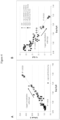
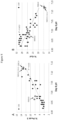
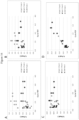
- Copper concentrations were found to vary from approximately 0.6 to 2.3 ppm among the different yeastolate lots. Strong correlations (R 2 > 0.58) were observed between the measured copper levels in yeastolate to LSM cell culture lactate/pH levels and Peak 5/Gal levels, as shown in Figures 5A-5D .
- Table 1 highlights the copper levels in two lots of IMF2.0v3 and NaHCO 3 powder, and their corresponding concentrations in the media, feed, and culture; the two lots shown for each raw material each had the highest and lowest copper concentrations out of 6 to 8 lots measured. Copper concentrations from yeastolate were also listed for comparison. It should be noted that the IMF formulation had a target copper concentration of 80 nM, which accounts for 73.3 nM of the copper measured in the prepared nutrient feed.
- the reported data provided a magnitude of the contribution of each raw material to additional copper in the culture, and of the copper variation among different lots. It was observed that trace copper contamination originating from IMF2.0v3 and NaHCO 3 were very low when compared to that from yeastolate.
- FIG. 6 shows the copper concentration measured in the nutrient feed for 3 Facility A and Facility B batches using the same yeastolate lot. The measured copper levels were compared to the calculated levels based on measurements in the yeastolate powder.
- Figure 12 shows the impact of high copper concentrations on Peak 5 and Peak 4.
- harvest material was processed over the TMAE column which reduces Peak 5 (average 2.9%) while enriching Peak 4 (average 6.9%).
- results were adjusted to account for Peak 5 reduction/Peak 4 enrichment for a better comparison to LSM data.
- TC yeastolate lots be supplemented with copper when needed.
- An acceptable range of copper concentration in yeastolate would be provided. It would be required that the copper concentration of each incoming lot of yeast extract would be measured through ICP-MS or XRF. All TC yeastolate lots with copper levels within the range provided would be accepted. For lots with copper levels below the acceptable range, it would be required that those lots be supplemented with copper (II) sulfate up to a target concentration, the lots be retested, and the final concentrations reported. Lots with copper levels above the controlled range would not be used. This method would allow for a tighter control of the raw material over an operating range that remains within experience.
- Figures 16A-16J shows plots of acidic and basic pI isoforms against copper concentration. Copper had no impact on acidic isoforms (Peaks 1 to 3). With the exception of Peaks 7 and 11, copper was observed to impact all other basic isoforms.
Landscapes
- Health & Medical Sciences (AREA)
- Life Sciences & Earth Sciences (AREA)
- Chemical & Material Sciences (AREA)
- Organic Chemistry (AREA)
- Engineering & Computer Science (AREA)
- Zoology (AREA)
- Wood Science & Technology (AREA)
- Biotechnology (AREA)
- Genetics & Genomics (AREA)
- Biomedical Technology (AREA)
- Bioinformatics & Cheminformatics (AREA)
- Biochemistry (AREA)
- General Health & Medical Sciences (AREA)
- General Engineering & Computer Science (AREA)
- Microbiology (AREA)
- Molecular Biology (AREA)
- Immunology (AREA)
- Chemical Kinetics & Catalysis (AREA)
- General Chemical & Material Sciences (AREA)
- Cell Biology (AREA)
- Biophysics (AREA)
- Proteomics, Peptides & Aminoacids (AREA)
- Medicinal Chemistry (AREA)
- Micro-Organisms Or Cultivation Processes Thereof (AREA)
- Preparation Of Compounds By Using Micro-Organisms (AREA)
Claims (13)
- Procédé pour obtenir un profil de galactosylation prédéterminé d'un anticorps anti-α4-intégrine, comprenant (i) la détermination d'une concentration en cuivre dans un composant d'un milieu de culture cellulaire, (ii) si la concentration en cuivre est inférieure à une plage de concentration en cuivre cible, l'ajout du cuivre au composant du milieu de culture cellulaire pour obtenir une concentration en cuivre dans la plage de concentration en cuivre cible, (iii) la production d'un milieu de culture cellulaire en utilisant le composant de milieu de culture cellulaire avec la concentration en cuivre cible, et (iv) la culture d'une cellule hôte recombinante produisant un anticorps anti-α4-intégrine dans le milieu de culture cellulaire comprenant le composant de milieu de culture cellulaire avec la concentration en cuivre cible,dans lequel la plage de concentration en cuivre cible dans le composant du milieu de culture cellulaire est de 1,0 ppm à 2,4 ppm,dans lequel le profil de galactosylation prédéterminé de l'anticorps anti-α4-intégrine comprend 13 à 32 % de galactosylation, dans lequel le composant du milieu de culture cellulaire est un hydrolysat de levure, etdans lequel la concentration en cuivre dans le milieu de culture cellulaire comprenant le composant est comprise entre 200 nM et 500 nM au jour 11.
- Procédé selon la revendication 1, dans lequel la concentration en cuivre cible est maintenue par une boucle de rétroaction.
- Procédé selon la revendication 1 ou la revendication 2, dans lequel la concentration en cuivre est constamment surveillée et maintenue dans la plage de concentration en cuivre cible.
- Procédé selon l'une quelconque des revendications 1 à 3, dans lequel l'hydrolysat est un extrait de levure.
- Procédé selon l'une quelconque des revendications 1 à 4, dans lequel la concentration en cuivre dans le milieu de culture cellulaire comprenant le composant est comprise entre 20 nM et 50 nM au jour 0 et est comprise entre 200 nM et 500 nM au jour 11.
- Procédé selon l'une quelconque des revendications 1 à 5, dans lequel la concentration en cuivre cible est atteinte avec une seule dose de cuivre.
- Procédé selon l'une quelconque des revendications 1 à 6, dans lequel l'anticorps anti-α4-intégrine est produit par une cellule hôte eucaryote.
- Procédé selon la revendication 7, dans lequel la cellule hôte eucaryote est une cellule hôte de mammifère.
- Procédé selon l'une quelconque des revendications 1 à 8, dans lequel l'anticorps anti-α4-intégrine est produit à une échelle de fabrication.
- Procédé selon l'une quelconque des revendications 1 à 9, dans lequel la concentration en cuivre modifie les taux des variants isoformes de l'anticorps anti-α4-intégrine.
- Procédé selon l'une quelconque des revendications 1 à 10, dans lequel l'anticorps anti-α4-intégrine est le natalizumab.
- Procédé selon l'une quelconque des revendications 1 à 11, dans lequel le profil de galactosylation prédéterminé de l'anticorps anti-α4-intégrine comprend 13,4 à 31,8 % ou 15 à 31 % ou 25 % de galactosylation.
- Procédé selon l'une quelconque des revendications 1 à 12, dans lequel le cuivre utilisé pour supplémenter le composant de milieu de culture cellulaire est le sulfate de cuivre (II).
Applications Claiming Priority (2)
| Application Number | Priority Date | Filing Date | Title |
|---|---|---|---|
| US201462065454P | 2014-10-17 | 2014-10-17 | |
| PCT/US2015/055856 WO2016061424A1 (fr) | 2014-10-17 | 2015-10-16 | Supplémentation en cuivre pour la régulation de la glycosylation dans un procédé de culture cellulaire de mammifère |
Publications (2)
| Publication Number | Publication Date |
|---|---|
| EP3207120A1 EP3207120A1 (fr) | 2017-08-23 |
| EP3207120B1 true EP3207120B1 (fr) | 2024-12-04 |
Family
ID=54541178
Family Applications (1)
| Application Number | Title | Priority Date | Filing Date |
|---|---|---|---|
| EP15794371.3A Active EP3207120B1 (fr) | 2014-10-17 | 2015-10-16 | Supplémentation en cuivre pour la régulation de la glycosylation dans un procédé de culture cellulaire de mammifère |
Country Status (4)
| Country | Link |
|---|---|
| US (2) | US11268119B2 (fr) |
| EP (1) | EP3207120B1 (fr) |
| MA (1) | MA41685A (fr) |
| WO (1) | WO2016061424A1 (fr) |
Families Citing this family (4)
| Publication number | Priority date | Publication date | Assignee | Title |
|---|---|---|---|---|
| MA41685A (fr) | 2014-10-17 | 2017-08-22 | Biogen Ma Inc | Supplémentation en cuivre pour la régulation de la glycosylation dans un procédé de culture cellulaire de mammifère |
| KR20250099137A (ko) * | 2022-11-02 | 2025-07-01 | 에프. 호프만-라 로슈 아게 | 당단백질 조성물의 생산 방법 |
| TW202504919A (zh) | 2023-05-30 | 2025-02-01 | 美商派拉岡醫療公司 | α4β7整合素抗體組合物及使用方法 |
| CN121889424A (zh) | 2023-08-14 | 2026-04-17 | 派拉冈医疗公司 | α4β7整联蛋白结合蛋白及使用方法 |
Family Cites Families (41)
| Publication number | Priority date | Publication date | Assignee | Title |
|---|---|---|---|---|
| US4560655A (en) | 1982-12-16 | 1985-12-24 | Immunex Corporation | Serum-free cell culture medium and process for making same |
| US4657866A (en) | 1982-12-21 | 1987-04-14 | Sudhir Kumar | Serum-free, synthetic, completely chemically defined tissue culture media |
| US4767704A (en) | 1983-10-07 | 1988-08-30 | Columbia University In The City Of New York | Protein-free culture medium |
| US4683195A (en) | 1986-01-30 | 1987-07-28 | Cetus Corporation | Process for amplifying, detecting, and/or-cloning nucleic acid sequences |
| GB8516415D0 (en) | 1985-06-28 | 1985-07-31 | Celltech Ltd | Culture of animal cells |
| WO1987005330A1 (fr) | 1986-03-07 | 1987-09-11 | Michel Louis Eugene Bergh | Procede pour ameliorer la stabilite des glycoproteines |
| US5225539A (en) | 1986-03-27 | 1993-07-06 | Medical Research Council | Recombinant altered antibodies and methods of making altered antibodies |
| US4927762A (en) | 1986-04-01 | 1990-05-22 | Cell Enterprises, Inc. | Cell culture medium with antioxidant |
| IL85035A0 (en) | 1987-01-08 | 1988-06-30 | Int Genetic Eng | Polynucleotide molecule,a chimeric antibody with specificity for human b cell surface antigen,a process for the preparation and methods utilizing the same |
| EP0307434B2 (fr) | 1987-03-18 | 1998-07-29 | Scotgen Biopharmaceuticals, Inc. | Anticorps alteres |
| EP0768377A1 (fr) | 1988-09-02 | 1997-04-16 | Protein Engineering Corporation | Production et sélection de protéines de liaison diversifiées de recombinaison |
| US5223409A (en) | 1988-09-02 | 1993-06-29 | Protein Engineering Corp. | Directed evolution of novel binding proteins |
| DE68925971T2 (de) | 1988-09-23 | 1996-09-05 | Cetus Oncology Corp | Zellenzuchtmedium für erhöhtes zellenwachstum, zur erhöhung der langlebigkeit und expression der produkte |
| US5530101A (en) | 1988-12-28 | 1996-06-25 | Protein Design Labs, Inc. | Humanized immunoglobulins |
| US5859205A (en) | 1989-12-21 | 1999-01-12 | Celltech Limited | Humanised antibodies |
| US5427908A (en) | 1990-05-01 | 1995-06-27 | Affymax Technologies N.V. | Recombinant library screening methods |
| GB9015198D0 (en) | 1990-07-10 | 1990-08-29 | Brien Caroline J O | Binding substance |
| CA2109602C (fr) | 1990-07-10 | 2002-10-01 | Gregory P. Winter | Methodes de production de membres de paires de liaison specifiques |
| US5122469A (en) | 1990-10-03 | 1992-06-16 | Genentech, Inc. | Method for culturing Chinese hamster ovary cells to improve production of recombinant proteins |
| ES2113940T3 (es) | 1990-12-03 | 1998-05-16 | Genentech Inc | Metodo de enriquecimiento para variantes de proteinas con propiedades de union alteradas. |
| DE69233769D1 (de) | 1991-03-01 | 2009-09-24 | Dyax Corp | Chimäres Protein mit Mikroprotein mit zwei oder mehr Disulfidbindungen und Ausgestaltungen davon |
| AU662148B2 (en) | 1991-04-10 | 1995-08-24 | Scripps Research Institute, The | Heterodimeric receptor libraries using phagemids |
| ATE255131T1 (de) | 1991-06-14 | 2003-12-15 | Genentech Inc | Humanisierter heregulin antikörper |
| DE4122599C2 (de) | 1991-07-08 | 1993-11-11 | Deutsches Krebsforsch | Phagemid zum Screenen von Antikörpern |
| PT1696031E (pt) | 1991-12-02 | 2010-06-25 | Medical Res Council | Produção de auto-anticorpos a partir de reportórios de segmentos de anticorpo e exibidos em fagos |
| US5667988A (en) | 1992-01-27 | 1997-09-16 | The Scripps Research Institute | Methods for producing antibody libraries using universal or randomized immunoglobulin light chains |
| US5869046A (en) | 1995-04-14 | 1999-02-09 | Genentech, Inc. | Altered polypeptides with increased half-life |
| EP0822830B1 (fr) | 1995-04-27 | 2008-04-02 | Amgen Fremont Inc. | Anticorps anti-IL-8 dérivés de xenosouris immunisées |
| WO1996034096A1 (fr) | 1995-04-28 | 1996-10-31 | Abgenix, Inc. | Anticorps humains derives de xeno-souris immunisees |
| ATE549918T1 (de) | 1996-12-03 | 2012-04-15 | Amgen Fremont Inc | Menschliche antikörper, die ausdrücklich menschliches tnf alpha binden |
| IL138608A0 (en) | 1998-04-02 | 2001-10-31 | Genentech Inc | Antibody variants and fragments thereof |
| US6194551B1 (en) | 1998-04-02 | 2001-02-27 | Genentech, Inc. | Polypeptide variants |
| EP2368578A1 (fr) | 2003-01-09 | 2011-09-28 | Macrogenics, Inc. | Identification et ingénierie d'anticorps avec régions FC de variante et procédés d'utilisation associés |
| US20050079574A1 (en) | 2003-01-16 | 2005-04-14 | Genentech, Inc. | Synthetic antibody phage libraries |
| US7537930B2 (en) | 2004-07-23 | 2009-05-26 | Immunomedics, Inc. | Mammalian cell lines for increasing longevity and protein yield from a cell culture |
| PT3626736T (pt) | 2010-07-08 | 2025-08-11 | Takeda Pharmaceuticals Co | Método de produção de fvw recombinante de elevado peso molecular na cultura celular |
| US9062106B2 (en) | 2011-04-27 | 2015-06-23 | Abbvie Inc. | Methods for controlling the galactosylation profile of recombinantly-expressed proteins |
| US20140271622A1 (en) * | 2013-03-14 | 2014-09-18 | Momenta Pharmaceuticals, Inc. | Methods of cell culture |
| US8956830B2 (en) * | 2013-03-14 | 2015-02-17 | Momenta Pharmaceuticals, Inc. | Methods of cell culture |
| PL3036320T5 (pl) | 2013-08-19 | 2024-06-10 | Biogen Ma Inc. | Kontrola glikozylacji białka poprzez parametry procesu suplementacji pożywki hodowlanej i hodowli komórkowej |
| MA41685A (fr) | 2014-10-17 | 2017-08-22 | Biogen Ma Inc | Supplémentation en cuivre pour la régulation de la glycosylation dans un procédé de culture cellulaire de mammifère |
-
2015
- 2015-10-15 MA MA041685A patent/MA41685A/fr unknown
- 2015-10-16 US US15/519,731 patent/US11268119B2/en active Active
- 2015-10-16 EP EP15794371.3A patent/EP3207120B1/fr active Active
- 2015-10-16 WO PCT/US2015/055856 patent/WO2016061424A1/fr not_active Ceased
-
2022
- 2022-02-02 US US17/591,171 patent/US11753668B2/en active Active
Also Published As
| Publication number | Publication date |
|---|---|
| WO2016061424A1 (fr) | 2016-04-21 |
| MA41685A (fr) | 2017-08-22 |
| EP3207120A1 (fr) | 2017-08-23 |
| US11753668B2 (en) | 2023-09-12 |
| US20170327861A1 (en) | 2017-11-16 |
| US20220315973A1 (en) | 2022-10-06 |
| US11268119B2 (en) | 2022-03-08 |
Similar Documents
| Publication | Publication Date | Title |
|---|---|---|
| EP3036320B2 (fr) | Régulation de la glycosylation des protéines par supplémentation du milieu de culture et par les paramètres du procédé de culture cellulaire | |
| US11753668B2 (en) | Copper supplementation for control of glycosylation in mammalian cell culture process | |
| US20210340584A1 (en) | Manganese supplementation for control of glycosylation in mammalian cell culture process | |
| EP3083933B1 (fr) | Utilisation de cultures de semences sous perfusion pour améliorer la capacité de production en alimentation programmée de produits biopharmaceutiques et la qualité des produits | |
| US10676772B2 (en) | Control of protein glycosylation by culture medium supplementation and cell culture process parameters | |
| KR102894782B1 (ko) | 세포 배양에서 생산된 재조합 당단백질의 글리코실화 프로파일의 변형 방법 | |
| TW202112819A (zh) | 用於抗體製備之細胞培養方法及組合物 | |
| US12441980B2 (en) | Methods for overcoming glutamine deprivation during mammalian cell culture | |
| US20150353883A1 (en) | Medium Supplements for Improved Process Performance | |
| CN114008191A (zh) | 哺乳动物细胞培养物产生的神经胚素抗体 | |
| HK40062719A (en) | Control of protein glycosylation by culture medium supplementation and cell culture process parameters | |
| US20170327786A1 (en) | Hypotaurine, GABA, Beta-Alanine, and Choline for Control of Waste Byproduct Accumulation in Mammalian Cell Culture Process | |
| CA3118604C (fr) | Procede de modification du profil de glycosylation d'une glycoproteine recombinante produite dans une culture cellulaire | |
| US20170029859A1 (en) | Medium supplements for improved process performance |
Legal Events
| Date | Code | Title | Description |
|---|---|---|---|
| STAA | Information on the status of an ep patent application or granted ep patent |
Free format text: STATUS: THE INTERNATIONAL PUBLICATION HAS BEEN MADE |
|
| PUAI | Public reference made under article 153(3) epc to a published international application that has entered the european phase |
Free format text: ORIGINAL CODE: 0009012 |
|
| STAA | Information on the status of an ep patent application or granted ep patent |
Free format text: STATUS: REQUEST FOR EXAMINATION WAS MADE |
|
| 17P | Request for examination filed |
Effective date: 20170517 |
|
| AK | Designated contracting states |
Kind code of ref document: A1 Designated state(s): AL AT BE BG CH CY CZ DE DK EE ES FI FR GB GR HR HU IE IS IT LI LT LU LV MC MK MT NL NO PL PT RO RS SE SI SK SM TR |
|
| AX | Request for extension of the european patent |
Extension state: BA ME |
|
| STAA | Information on the status of an ep patent application or granted ep patent |
Free format text: STATUS: EXAMINATION IS IN PROGRESS |
|
| 17Q | First examination report despatched |
Effective date: 20190919 |
|
| GRAP | Despatch of communication of intention to grant a patent |
Free format text: ORIGINAL CODE: EPIDOSNIGR1 |
|
| STAA | Information on the status of an ep patent application or granted ep patent |
Free format text: STATUS: GRANT OF PATENT IS INTENDED |
|
| INTG | Intention to grant announced |
Effective date: 20230214 |
|
| GRAJ | Information related to disapproval of communication of intention to grant by the applicant or resumption of examination proceedings by the epo deleted |
Free format text: ORIGINAL CODE: EPIDOSDIGR1 |
|
| STAA | Information on the status of an ep patent application or granted ep patent |
Free format text: STATUS: EXAMINATION IS IN PROGRESS |
|
| GRAP | Despatch of communication of intention to grant a patent |
Free format text: ORIGINAL CODE: EPIDOSNIGR1 |
|
| STAA | Information on the status of an ep patent application or granted ep patent |
Free format text: STATUS: GRANT OF PATENT IS INTENDED |
|
| INTC | Intention to grant announced (deleted) | ||
| INTG | Intention to grant announced |
Effective date: 20231027 |
|
| GRAJ | Information related to disapproval of communication of intention to grant by the applicant or resumption of examination proceedings by the epo deleted |
Free format text: ORIGINAL CODE: EPIDOSDIGR1 |
|
| STAA | Information on the status of an ep patent application or granted ep patent |
Free format text: STATUS: EXAMINATION IS IN PROGRESS |
|
| GRAP | Despatch of communication of intention to grant a patent |
Free format text: ORIGINAL CODE: EPIDOSNIGR1 |
|
| STAA | Information on the status of an ep patent application or granted ep patent |
Free format text: STATUS: GRANT OF PATENT IS INTENDED |
|
| INTC | Intention to grant announced (deleted) | ||
| INTG | Intention to grant announced |
Effective date: 20240626 |
|
| GRAS | Grant fee paid |
Free format text: ORIGINAL CODE: EPIDOSNIGR3 |
|
| GRAA | (expected) grant |
Free format text: ORIGINAL CODE: 0009210 |
|
| STAA | Information on the status of an ep patent application or granted ep patent |
Free format text: STATUS: THE PATENT HAS BEEN GRANTED |
|
| AK | Designated contracting states |
Kind code of ref document: B1 Designated state(s): AL AT BE BG CH CY CZ DE DK EE ES FI FR GB GR HR HU IE IS IT LI LT LU LV MC MK MT NL NO PL PT RO RS SE SI SK SM TR |
|
| RAP3 | Party data changed (applicant data changed or rights of an application transferred) |
Owner name: BIOGEN MA INC. |
|
| REG | Reference to a national code |
Ref country code: GB Ref legal event code: FG4D |
|
| RIN1 | Information on inventor provided before grant (corrected) |
Inventor name: HYDE-DERUYSCHER, ROBIN PARISH Inventor name: MONDIA, JESSICA Inventor name: HUGHES, ERIK HELLER Inventor name: MITCHELSON, FERNIE |
|
| REG | Reference to a national code |
Ref country code: CH Ref legal event code: EP |
|
| REG | Reference to a national code |
Ref country code: DE Ref legal event code: R096 Ref document number: 602015090567 Country of ref document: DE |
|
| REG | Reference to a national code |
Ref country code: IE Ref legal event code: FG4D |
|
| P01 | Opt-out of the competence of the unified patent court (upc) registered |
Free format text: CASE NUMBER: APP_64121/2024 Effective date: 20241203 |
|
| REG | Reference to a national code |
Ref country code: LT Ref legal event code: MG9D |
|
| REG | Reference to a national code |
Ref country code: NL Ref legal event code: MP Effective date: 20241204 |
|
| PG25 | Lapsed in a contracting state [announced via postgrant information from national office to epo] |
Ref country code: HR Free format text: LAPSE BECAUSE OF FAILURE TO SUBMIT A TRANSLATION OF THE DESCRIPTION OR TO PAY THE FEE WITHIN THE PRESCRIBED TIME-LIMIT Effective date: 20241204 |
|
| PG25 | Lapsed in a contracting state [announced via postgrant information from national office to epo] |
Ref country code: FI Free format text: LAPSE BECAUSE OF FAILURE TO SUBMIT A TRANSLATION OF THE DESCRIPTION OR TO PAY THE FEE WITHIN THE PRESCRIBED TIME-LIMIT Effective date: 20241204 |
|
| PG25 | Lapsed in a contracting state [announced via postgrant information from national office to epo] |
Ref country code: BG Free format text: LAPSE BECAUSE OF FAILURE TO SUBMIT A TRANSLATION OF THE DESCRIPTION OR TO PAY THE FEE WITHIN THE PRESCRIBED TIME-LIMIT Effective date: 20241204 |
|
| PG25 | Lapsed in a contracting state [announced via postgrant information from national office to epo] |
Ref country code: ES Free format text: LAPSE BECAUSE OF FAILURE TO SUBMIT A TRANSLATION OF THE DESCRIPTION OR TO PAY THE FEE WITHIN THE PRESCRIBED TIME-LIMIT Effective date: 20241204 |
|
| PG25 | Lapsed in a contracting state [announced via postgrant information from national office to epo] |
Ref country code: NO Free format text: LAPSE BECAUSE OF FAILURE TO SUBMIT A TRANSLATION OF THE DESCRIPTION OR TO PAY THE FEE WITHIN THE PRESCRIBED TIME-LIMIT Effective date: 20250304 |
|
| PG25 | Lapsed in a contracting state [announced via postgrant information from national office to epo] |
Ref country code: LV Free format text: LAPSE BECAUSE OF FAILURE TO SUBMIT A TRANSLATION OF THE DESCRIPTION OR TO PAY THE FEE WITHIN THE PRESCRIBED TIME-LIMIT Effective date: 20241204 Ref country code: GR Free format text: LAPSE BECAUSE OF FAILURE TO SUBMIT A TRANSLATION OF THE DESCRIPTION OR TO PAY THE FEE WITHIN THE PRESCRIBED TIME-LIMIT Effective date: 20250305 |
|
| PG25 | Lapsed in a contracting state [announced via postgrant information from national office to epo] |
Ref country code: RS Free format text: LAPSE BECAUSE OF FAILURE TO SUBMIT A TRANSLATION OF THE DESCRIPTION OR TO PAY THE FEE WITHIN THE PRESCRIBED TIME-LIMIT Effective date: 20250304 |
|
| PG25 | Lapsed in a contracting state [announced via postgrant information from national office to epo] |
Ref country code: NL Free format text: LAPSE BECAUSE OF FAILURE TO SUBMIT A TRANSLATION OF THE DESCRIPTION OR TO PAY THE FEE WITHIN THE PRESCRIBED TIME-LIMIT Effective date: 20241204 |
|
| REG | Reference to a national code |
Ref country code: AT Ref legal event code: MK05 Ref document number: 1748189 Country of ref document: AT Kind code of ref document: T Effective date: 20241204 |
|
| PG25 | Lapsed in a contracting state [announced via postgrant information from national office to epo] |
Ref country code: SM Free format text: LAPSE BECAUSE OF FAILURE TO SUBMIT A TRANSLATION OF THE DESCRIPTION OR TO PAY THE FEE WITHIN THE PRESCRIBED TIME-LIMIT Effective date: 20241204 |
|
| PG25 | Lapsed in a contracting state [announced via postgrant information from national office to epo] |
Ref country code: PL Free format text: LAPSE BECAUSE OF FAILURE TO SUBMIT A TRANSLATION OF THE DESCRIPTION OR TO PAY THE FEE WITHIN THE PRESCRIBED TIME-LIMIT Effective date: 20241204 |
|
| PG25 | Lapsed in a contracting state [announced via postgrant information from national office to epo] |
Ref country code: IS Free format text: LAPSE BECAUSE OF FAILURE TO SUBMIT A TRANSLATION OF THE DESCRIPTION OR TO PAY THE FEE WITHIN THE PRESCRIBED TIME-LIMIT Effective date: 20250404 |
|
| PG25 | Lapsed in a contracting state [announced via postgrant information from national office to epo] |
Ref country code: PT Free format text: LAPSE BECAUSE OF FAILURE TO SUBMIT A TRANSLATION OF THE DESCRIPTION OR TO PAY THE FEE WITHIN THE PRESCRIBED TIME-LIMIT Effective date: 20250404 |
|
| PG25 | Lapsed in a contracting state [announced via postgrant information from national office to epo] |
Ref country code: EE Free format text: LAPSE BECAUSE OF FAILURE TO SUBMIT A TRANSLATION OF THE DESCRIPTION OR TO PAY THE FEE WITHIN THE PRESCRIBED TIME-LIMIT Effective date: 20241204 |
|
| PG25 | Lapsed in a contracting state [announced via postgrant information from national office to epo] |
Ref country code: RO Free format text: LAPSE BECAUSE OF FAILURE TO SUBMIT A TRANSLATION OF THE DESCRIPTION OR TO PAY THE FEE WITHIN THE PRESCRIBED TIME-LIMIT Effective date: 20241204 Ref country code: AT Free format text: LAPSE BECAUSE OF FAILURE TO SUBMIT A TRANSLATION OF THE DESCRIPTION OR TO PAY THE FEE WITHIN THE PRESCRIBED TIME-LIMIT Effective date: 20241204 |
|
| PG25 | Lapsed in a contracting state [announced via postgrant information from national office to epo] |
Ref country code: SK Free format text: LAPSE BECAUSE OF FAILURE TO SUBMIT A TRANSLATION OF THE DESCRIPTION OR TO PAY THE FEE WITHIN THE PRESCRIBED TIME-LIMIT Effective date: 20241204 |
|
| PG25 | Lapsed in a contracting state [announced via postgrant information from national office to epo] |
Ref country code: CZ Free format text: LAPSE BECAUSE OF FAILURE TO SUBMIT A TRANSLATION OF THE DESCRIPTION OR TO PAY THE FEE WITHIN THE PRESCRIBED TIME-LIMIT Effective date: 20241204 |
|
| PG25 | Lapsed in a contracting state [announced via postgrant information from national office to epo] |
Ref country code: IT Free format text: LAPSE BECAUSE OF FAILURE TO SUBMIT A TRANSLATION OF THE DESCRIPTION OR TO PAY THE FEE WITHIN THE PRESCRIBED TIME-LIMIT Effective date: 20241204 |
|
| REG | Reference to a national code |
Ref country code: DE Ref legal event code: R097 Ref document number: 602015090567 Country of ref document: DE |
|
| PG25 | Lapsed in a contracting state [announced via postgrant information from national office to epo] |
Ref country code: SE Free format text: LAPSE BECAUSE OF FAILURE TO SUBMIT A TRANSLATION OF THE DESCRIPTION OR TO PAY THE FEE WITHIN THE PRESCRIBED TIME-LIMIT Effective date: 20241204 |
|
| PG25 | Lapsed in a contracting state [announced via postgrant information from national office to epo] |
Ref country code: DK Free format text: LAPSE BECAUSE OF FAILURE TO SUBMIT A TRANSLATION OF THE DESCRIPTION OR TO PAY THE FEE WITHIN THE PRESCRIBED TIME-LIMIT Effective date: 20241204 |
|
| PLBE | No opposition filed within time limit |
Free format text: ORIGINAL CODE: 0009261 |
|
| STAA | Information on the status of an ep patent application or granted ep patent |
Free format text: STATUS: NO OPPOSITION FILED WITHIN TIME LIMIT |
|
| REG | Reference to a national code |
Ref country code: CH Ref legal event code: L10 Free format text: ST27 STATUS EVENT CODE: U-0-0-L10-L00 (AS PROVIDED BY THE NATIONAL OFFICE) Effective date: 20251015 |
|
| PGFP | Annual fee paid to national office [announced via postgrant information from national office to epo] |
Ref country code: GB Payment date: 20250923 Year of fee payment: 11 |
|
| PGFP | Annual fee paid to national office [announced via postgrant information from national office to epo] |
Ref country code: FR Payment date: 20250923 Year of fee payment: 11 |
|
| PGFP | Annual fee paid to national office [announced via postgrant information from national office to epo] |
Ref country code: IE Payment date: 20250925 Year of fee payment: 11 |
|
| REG | Reference to a national code |
Ref country code: CH Ref legal event code: U11 Free format text: ST27 STATUS EVENT CODE: U-0-0-U10-U11 (AS PROVIDED BY THE NATIONAL OFFICE) Effective date: 20251101 |
|
| 26N | No opposition filed |
Effective date: 20250905 |
|
| PGFP | Annual fee paid to national office [announced via postgrant information from national office to epo] |
Ref country code: DE Payment date: 20250923 Year of fee payment: 11 |
|
| PGFP | Annual fee paid to national office [announced via postgrant information from national office to epo] |
Ref country code: CH Payment date: 20251101 Year of fee payment: 11 |
|
| VS25 | Lapsed in a validation state [announced via postgrant information from nat. office to epo] |
Ref country code: MA Free format text: LAPSE BECAUSE OF FAILURE TO SUBMIT A TRANSLATION OF THE DESCRIPTION OR TO PAY THE FEE WITHIN THE PRESCRIBED TIME-LIMIT; INVALID AB INITIO Effective date: 20151016 |