EP3207463B1 - Entfernte befüllung, verfolgung und überprüfung von arzneimittelversorgungsbehältern - Google Patents
Entfernte befüllung, verfolgung und überprüfung von arzneimittelversorgungsbehältern Download PDFInfo
- Publication number
- EP3207463B1 EP3207463B1 EP15851181.6A EP15851181A EP3207463B1 EP 3207463 B1 EP3207463 B1 EP 3207463B1 EP 15851181 A EP15851181 A EP 15851181A EP 3207463 B1 EP3207463 B1 EP 3207463B1
- Authority
- EP
- European Patent Office
- Prior art keywords
- pharmacy
- prescription order
- location
- prescription
- tag
- Prior art date
- Legal status (The legal status is an assumption and is not a legal conclusion. Google has not performed a legal analysis and makes no representation as to the accuracy of the status listed.)
- Active
Links
Images


Classifications
-
- G—PHYSICS
- G06—COMPUTING OR CALCULATING; COUNTING
- G06Q—INFORMATION AND COMMUNICATION TECHNOLOGY [ICT] SPECIALLY ADAPTED FOR ADMINISTRATIVE, COMMERCIAL, FINANCIAL, MANAGERIAL OR SUPERVISORY PURPOSES; SYSTEMS OR METHODS SPECIALLY ADAPTED FOR ADMINISTRATIVE, COMMERCIAL, FINANCIAL, MANAGERIAL OR SUPERVISORY PURPOSES, NOT OTHERWISE PROVIDED FOR
- G06Q10/00—Administration; Management
- G06Q10/08—Logistics, e.g. warehousing, loading or distribution; Inventory or stock management
- G06Q10/083—Shipping
-
- B—PERFORMING OPERATIONS; TRANSPORTING
- B65—CONVEYING; PACKING; STORING; HANDLING THIN OR FILAMENTARY MATERIAL
- B65B—MACHINES, APPARATUS OR DEVICES FOR, OR METHODS OF, PACKAGING ARTICLES OR MATERIALS; UNPACKING
- B65B57/00—Automatic control, checking, warning, or safety devices
- B65B57/10—Automatic control, checking, warning, or safety devices responsive to absence, presence, abnormal feed, or misplacement of articles or materials to be packaged
-
- G—PHYSICS
- G06—COMPUTING OR CALCULATING; COUNTING
- G06Q—INFORMATION AND COMMUNICATION TECHNOLOGY [ICT] SPECIALLY ADAPTED FOR ADMINISTRATIVE, COMMERCIAL, FINANCIAL, MANAGERIAL OR SUPERVISORY PURPOSES; SYSTEMS OR METHODS SPECIALLY ADAPTED FOR ADMINISTRATIVE, COMMERCIAL, FINANCIAL, MANAGERIAL OR SUPERVISORY PURPOSES, NOT OTHERWISE PROVIDED FOR
- G06Q10/00—Administration; Management
- G06Q10/08—Logistics, e.g. warehousing, loading or distribution; Inventory or stock management
- G06Q10/087—Inventory or stock management, e.g. order filling, procurement or balancing against orders
-
- G—PHYSICS
- G16—INFORMATION AND COMMUNICATION TECHNOLOGY [ICT] SPECIALLY ADAPTED FOR SPECIFIC APPLICATION FIELDS
- G16H—HEALTHCARE INFORMATICS, i.e. INFORMATION AND COMMUNICATION TECHNOLOGY [ICT] SPECIALLY ADAPTED FOR THE HANDLING OR PROCESSING OF MEDICAL OR HEALTHCARE DATA
- G16H20/00—ICT specially adapted for therapies or health-improving plans, e.g. for handling prescriptions, for steering therapy or for monitoring patient compliance
- G16H20/10—ICT specially adapted for therapies or health-improving plans, e.g. for handling prescriptions, for steering therapy or for monitoring patient compliance relating to drugs or medications, e.g. for ensuring correct administration to patients
- G16H20/13—ICT specially adapted for therapies or health-improving plans, e.g. for handling prescriptions, for steering therapy or for monitoring patient compliance relating to drugs or medications, e.g. for ensuring correct administration to patients delivered from dispensers
-
- G—PHYSICS
- G16—INFORMATION AND COMMUNICATION TECHNOLOGY [ICT] SPECIALLY ADAPTED FOR SPECIFIC APPLICATION FIELDS
- G16H—HEALTHCARE INFORMATICS, i.e. INFORMATION AND COMMUNICATION TECHNOLOGY [ICT] SPECIALLY ADAPTED FOR THE HANDLING OR PROCESSING OF MEDICAL OR HEALTHCARE DATA
- G16H70/00—ICT specially adapted for the handling or processing of medical references
- G16H70/40—ICT specially adapted for the handling or processing of medical references relating to drugs, e.g. their side effects or intended usage
Definitions
- automated prescription filling machines are known and in common use. These machines automatically count and dispense a desired medication into a container and apply a label containing customer identifying information. Some of these machines include automated verification systems, such as measuring the weight of the filled prescription and comparing it to a predetermined
- These systems can also include automated visual detection systems such as cameras or the like that can physically count the number of pills dispensed and the appearance of the pills and compare those detected values with predetermined criteria and flag any discrepancies detected.
- automated visual detection systems such as cameras or the like that can physically count the number of pills dispensed and the appearance of the pills and compare those detected values with predetermined criteria and flag any discrepancies detected.
- Exemplar automated filling system are shown in U.S. Pat. No. 8,275,481 to Rice et al. , U.S. Patent Application Serial No. 13/473,267 to Luciano, et al. , and U.S. Patent Application Serial No. 13/325,782 to Rhoads . These automated verification systems have proven themselves to be accurate and reliable.
- a licensed pharmacy technician or pharmacist is required to verify that a prescription for a customer has been properly filled.
- This verification usually includes verifying that the proper medication has been loaded into the correct locations within an automated filling machine, and that the proper amount of that medication has been placed in the container earmarked for the customer/patient, and that the customer's/patient's container is properly labeled. Labeling includes identifying information about the medication, quantity, how to take the medication contained therein and the customer/patient it is intended for.
- UMI Unique Drug Identity
- NDC National Drug Code
- DIN Drug Identification Number
- US 2005/049746 A1 , WO 2008/006203 A1 , and US 2011/146835 A1 disclose devices, systems and methods for dispensing drugs.
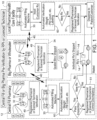
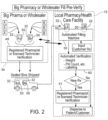
- FIGS. 1-5 A pharmacy filling system is shown in FIGS. 1-5 .
- a local pharmacy 10 or healthcare facility may use a central fill pharmacy 12 to assist with filling an individual prescription order 14 as shown in FIG. 1 , or it may fill the prescription order 14 within the local or retail pharmacy 10 itself as shown in FIG. 2 .
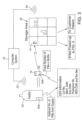
- FIGS. 3-5 show an exemplar prescription medication dispensing system 20 to a customer or patent with a computer system 22 monitored and verified "return to stock" feature that minimizes medication loss while preserving the Unique Drug Identifier ("UDI”) of medication that is returned to stock.
- UMI Unique Drug Identifier
- an automated filling machine or system 30 is used to fill the prescription orders 14.
- the automated filling system 30 is located at the central fill facility 12 in the embodiment of FIG. 1 , and at the local pharmacy 10 or healthcare facility in the embodiment in FIG. 2 .
- the automated filling system 30 is stocked with medication supply bins 32 that have been filled and verified by a pharmacist and/or licensed pharmacy worker 49 at a remote location 34 such as a wholesaler or the medication manufacturer.
- the local pharmacy 10 or healthcare facility is preferably in electronic or computer communication 40 with the remote location 34 and central fill facility 12, if applicable.
- the supply bins 32 are sealed and tagged at the remote location 34, preferably with an electronic tag 50 such as a barcode, RF tag, RFID tag, GPS tag, or the like, that travels with each supply bin 32.
- the tag 50 includes identifying information about the medication contained within the supply bin 32 to which it is attached.
- the tag 50 is in communication with a computer system 22 that includes one or more tag readers 52 that detect the presence of the tag to determine its location.
- the computer system 22 includes a database that may include detailed information about the medication contained within the supply bin 32 including its location as well as UDI information about the medication.
- the tag 50 is a radio-frequency identification tag (“RFID”), and includes Unique Drug Identity (“UDI”) information regarding the medication contained within the bin 32.
- RFID radio-frequency identification tag
- UPI Unique Drug Identity
- information can include the lot number, expiration date, drug name, drug strength, pedigree number, fill date, pharmacist/licensed pharmacy worker verification and identification, and the like for the medication contained in the bin.
- the sealed bins 32 are transported to their respective automated filling system 30, which is either the central fill pharmacy 12 in the embodiment of FIG. 1 , or the local pharmacy/health care facility 10 in the embodiment of FIG. 2 .
- a local worker installs the bins 32 into the automated filling system 30 by breaking the seal.
- a local tracking system in communication with the computer system 22, such as a system disclosed in U.S. Patent No. 8,479,988 to Louie, et al. or the like, uses a tag reader 52 or the like to automatically read the information contained on the tag 50 that is operably secured to the bin 32.
- the computer system 22 automatically verifies that the correct bin 32 has been placed in the correct location within the automated filling system 30 without requiring a local licensed pharmacy worker or pharmacists to verify the contents of the bin 32 or its proper location within the automated filling machine 30.
- the system 22 can alert a worker to correct the discrepancy or call of a licensed pharmacy worker or pharmacist to intervene to correct the situation.
- the supply bins 32 and the prescription orders 14 are tagged with electronic machine readable tags 50 that monitor and track their location within the pharmacy and include information about the prescription orders and/or supply bin contents (e.g. UDI's) as needed.
- the automated filling machine 30 may include standard automated filling verification systems 60 such as weight verification, label verification, pill count verification, video comparison of the pills to an image of the pill in a standard catalog of pills, and the like. These verification systems 60 verify that the automated filling machine 30 properly placed the correct medication and the correct amount of that medication into a container that has been properly labeled for a particular customer or patient. Should these systems detect a discrepancy, the system alerts a pharmacy worker of any discrepancies where that particular prescription order 14 is pulled from the system and manually inspected and corrected by a pharmacy worker before it is released to a customer or patient.
- standard automated filling verification systems 60 such as weight verification, label verification, pill count verification, video comparison of the pills to an image of the pill in a standard catalog of pills, and the like.
- a filled prescription order 14 for a refilled prescription may be dispensed to a customer with only one manual verification of the supply bins 32, by a healthcare worker, well upstream of the individual filling of the prescription 14.
- the downstream automated monitoring, testing, tracking and verification performed by the computer system 22 maintains the integrity of the supply bins 32 and the resulting filled prescription orders 14.
- the filling system can include additional inspection stations along the filling path as needed to comply with local pharmacy dispensing regulations. For example, if a prescription order 14 is new, and calls for new prescription handling or patient counseling, a registered pharmacy worker and/or pharmacist 51 can be called in to verify that particular order and counsel the customer or patient. Refilled orders can pass this step saving licensed pharmacy worker's and pharmacist's time.
- the pharmacist or licensed pharmacy worker 49 at a remote location 34 and/or the pharmacists or licensed pharmacy worker 51 at the local pharmacy 10 can each wear a tag 50 that is in communication with the computer system 22. This allows for the computer system 22 to monitor, track and document which workers performed which tasks related to both the supply bins 32 and individual prescription orders 14
- the computer system 22 can monitor and track the Unique Drug Identifier ("UDI") information about the medication in each supply container 33 within the system, such as lot number, manufacturer date, expiration date, drug name, drug strength, pedigree number, National Drug Code (“NDC”), Drug Identification Number (“DIN”) and the like.
- the supply container 33 may be from a previously packaged bin 32 or a separate container that arrived at the pharmacy by other methods. As shown in FIG. 3 , this UDI information can be transferred to each individual prescription order 14 when medication from that supply container 33 is transferred to an individual prescription order 14.
- the supply container can include a first machine readable tag 50a that is readable by a tag reader 52 in communication with a computer system 22.
- a second machine readable tag 50b can be operably secured to the individual prescription order 14.
- the first tag 50a can include UDI information about the medication contained in the supply container 33 including the remaining volume or number of pills contained therein.
- the computer system 22 can detect this activity and associate the individual prescription order 14 of that tagged individual prescription container to a customer or patent's prescription order.
- the computer system can transfer the resulting UDI information of the supply container 33 to the tag 50b associated with the individual prescription order 14. This UDI information from the supply container 33 travels with the individual prescription order 14 to a storage area 55 until that order is dispensed to a customer or patient.
- the system can track and store the UDI information about the returned medication, thereby allowing it to be re-dispensed without risk of it becoming expired or without knowing its exact pedigree.
- the computer system 22 can read the tag 50b associated with the returned prescription order 14 and the tag 50a associated with the supply container 33 and compare the UDI's of each. If key items of UDI's are identical, such as lot number, expiration date, NDC and pedigree number, the returned medication can be placed back into the supply container 33 without compromising the integrity of the supply container 33 as shown by arrow 72 in FIG. 4 .
- the system can activate one or more transducers if the transfer of the returned medication is not authorized and alert a pharmacy worker if the UDI of the supply container 33 has been compromised.
- the returned medication can remain within the storage area for use to fill a new prescription order as shown by arrow 74 in FIG. 4 .
- the computer system 22 can alert a pharmacy worker whether to use medication from the returned prescription order or from the supply container.
- step 90 An exemplar individual prescription filling system 80 taking full advantage of maintaining medication UDI information integrity throughout the filling process is shown in FIG. 5 .
- a new individual prescription order is provided to the pharmacy.
- the pharmacy first determines if there are qualifying returned to stock medications available to fill the new prescription order (Step 92). If there is, the system next determines if there is enough of the returned to stock medication to fill the new prescription order (Step 94) and if there is the new prescription order is filled with from the returned to stock supply (Step 96). In cases where the supply of returned medication is greater than the amount dispensed to the new individual prescription order the computer system may update the volume or quantity of medication in the returned to stock supply as medication is dispensed to fill the new prescription order.
- the system directs a pharmacy worker or an automated fill system to fill the new prescription order from the main stock supply container of the prescribed medication (Step 98).
- the computer system transfers the UDI information of the source supply to the computer readable tag associated with the individual prescription order (Step 100). More preferably, the computer system also monitors and tracks the volume or pill count in both the supply container and the volume or number of pills placed in the container of the individual prescription. For example, it consults the database associated with that customer/patient and determines the number of pills prescribed and deducts that amount from the selected supply container and adds them to the filled individual prescription order.
- the filled individual prescription order is then stored for dispensing to a customer or patient (Step 102), and a clock is initiated to track how long the individual prescription order remains in the storage area.
- the individual prescription is stored in an area that is in communication with the computer system 22 to automatically monitor, detect, and log user access.
- Step 104 if the individual prescription order is dispensed to a patient or customer within a predetermined time, further tracking of the UDI information and location tracking of the customer's order can stop (step 106).
- the UDI and other information can be stored in a database for further reference or documentation as needed.
- the medication within the individual prescription can be returned to stock (step 112).
- the system can flag the discrepancy to a pharmacy worker, such as by activating a transducer on the tag associated with that prescription order, who can correct the situation before the customer seeks to pick up the medication or before it is dispensed to a patient (step 111).
- the computer system 22 can further prevent dispensing of an expired medication to a patient or customer by taking additional security steps such as calling for a pharmacist override before it will unlock or locate the prescription order for the pharmacy worker, or by activating an audible warning alarm or the like.
- the computer system can also update the UDI information of the individual prescription order 14 and the supply container 33 with a user entered or pharmacy pre-selected configurable date.
- this configurable date is earlier than the expiration date of the medication contained in the respective individual prescription order 14 and supply container 33, and it is selected to give a patient or customer a reasonable time to use the medication before it will expire.
- the previously described flagging and warning system for expired medications could also be activated upon reaching this configurable date, thereby preventing the dispensing of medications that do not have a reasonable time to be used before they expire.
- the electronic tracking of pedigree information of medications in the supply container also allows the pharmacy to dispense medications that are closer to their expiration dates first, and avoid dispensing medications that are too close to their expiration dates to be meaningfully used by a customer or patient before they expire. Using the oldest inventory first and avoiding disposing of expired or nearly expired medications with this system also saves money for the pharmacy.
- the computer system first compares the UDI information of each individual prescription order with the UDI information of the supply container for that particular medication (step 114). If the UDI information is the same, the medication contained within the individual supply container can be returned to the supply container (step 116). The pill count or volume of medication in the individual prescription order returned to the supply container can be automatically added by the computer system to the UDI information of the supply container. Alternatively, if the UDI information between the individual prescription order differs from the UDI information of the supply container, the returned to stock medication can be stored and tracked for further use (step 118) as previously described. Of course, the worker may choose to store separately even if the UDI's match to save time.
- a pharmacy may fill only a partial amount of an individual prescription order from the returned to stock supply. If it does this, it can pull the remaining supply from the main stock of the medication supply. If it combines medication from these two sources of supply medication into one individual container, the UDI information of that container is compromised. Accordingly, the computer system will track this individual prescription order to ensure that it is not returned to stock for reuse.
- the pharmacy may provide two individual containers, each with an individual machine readable tag and each containing the UDI information of the supply source from which it was filled. In such case, the medication contained within each individual container may be returned to stock as previously described while maintaining UDI integrity of all the medications.
- the storage area 55 ( FIG. 3 ) for filled prescription orders 14 needs to be spaced apart from the storage area of the supply containers.
- the "return to stock" function can be purely electronic, whereby the computer system simply reclassifies that that individual prescription order as being returned to stock medication without that item actually being moved.
- any customer identifying labeling information would still need to be removed before the returned item could be dispensed to a new customer.
Landscapes
- Engineering & Computer Science (AREA)
- Business, Economics & Management (AREA)
- Economics (AREA)
- Health & Medical Sciences (AREA)
- Tourism & Hospitality (AREA)
- Theoretical Computer Science (AREA)
- Physics & Mathematics (AREA)
- Human Resources & Organizations (AREA)
- Marketing (AREA)
- General Physics & Mathematics (AREA)
- General Business, Economics & Management (AREA)
- Strategic Management (AREA)
- Medical Informatics (AREA)
- Development Economics (AREA)
- Quality & Reliability (AREA)
- Operations Research (AREA)
- Entrepreneurship & Innovation (AREA)
- Primary Health Care (AREA)
- General Health & Medical Sciences (AREA)
- Medicinal Chemistry (AREA)
- Bioinformatics & Cheminformatics (AREA)
- Chemical & Material Sciences (AREA)
- Epidemiology (AREA)
- Public Health (AREA)
- Accounting & Taxation (AREA)
- Finance (AREA)
- Pharmacology & Pharmacy (AREA)
- Toxicology (AREA)
- Mechanical Engineering (AREA)
- Medical Treatment And Welfare Office Work (AREA)
- Medical Preparation Storing Or Oral Administration Devices (AREA)
- Child & Adolescent Psychology (AREA)
Claims (17)
- Ein System zum Einlösen von Rezeptbestellungen für Apotheken, das Folgendes umfasst:eine automatische Rezepteinlösmaschine (30), die sich an einem ersten Ort befindet und die einzelne Rezeptbestellungen aus mindestens einem Behälter (32) ausgibt, der einen Vorrat an Medikamenten enthält;den mindestens einen Behälter (32), der funktionsfähig an einem computerlesbaren Etikett (50) in Kommunikation mit einem Computersystem (22) angebracht ist, wobei das computerlesbare Etikett (50) den Behälter (32) für das Computersystem (22) identifiziert;wobei das Computersystem (22) eine Datenbank enthält, die mindestens einen eindeutigen Arzneimittelidentifikator (UDI) für den in dem Behälter (32) enthaltenen Medikamentenvorrat enthält;der Behälter (32) mit dem Medikamentenvorrat gefüllt und an einem zweiten, von dem ersten Ort entfernten Ort versiegelt wird;der Behälter (32) vom zweiten Ort zum ersten Ort transportiert und in die automatische Rezepteinlösmaschine mit dem computerlesbaren Etikett (50) in Kommunikation mit dem Computersystem (22) eingesetzt wird;wobei das Computersystem (22) ein Etikettlesegerät (52) verwendet, um die auf dem computerlesbaren Etikett (50) enthaltenen Informationen automatisch zu lesen und die UDI automatisch dem Behälter zuzuordnen und die korrekte Platzierung des Behälters (32) in der automatischen Rezepteinlösmaschine (30) zu überprüfen;einen Vorratsbehälter (33), der ein erstes maschinenlesbares Etikett (50a) enthält, das von dem mit dem Computersystem (22) kommunizierenden Etikettleser (52) lesbar ist, wobei das erste Etikett (50a) UDI-Informationen über in dem Vorratsbehälter (33) enthaltene Medikamente enthält, einschließlich des verbleibenden Volumens oder der Anzahl der in dem Vorratsbehälter (33) enthaltenen Pillen, wobei der Vorratsbehälter (33) aus dem Behälter (32) oder einem separaten Behälter stammt;die automatische Rezepteinlösmaschine (30), die einen Rezeptbehälter (14) füllt, wobei der Rezeptbehälter (14) ein zweites maschinenlesbares Etikett (50b) aufweist, das daran befestigt ist; unddas Computersystem (22), wenn Medikamente aus dem Vorratsbehälter (33) in den Rezeptbehälter (14) übertragen werden, das Übertragen erkennt und als Reaktion auf das Erkennen des Übertragens zumindest einen Teil der UDI-Informationen von dem ersten Etikett (50a) auf das zweite Etikett (50b) überträgtwobei die UDI-Informationen mit dem Rezeptbehälter (14) zu einem Lagerbereich (55) wandern, bis der Rezeptbehälter (14) an einen Kunden oder Patienten ausgegeben wird;das Computersystem (22) bei der Rückgabe des Rezeptbehälters (14) das zweite Etikett (50b), das mit dem zurückgegebenen Rezeptbehälter (14) verbunden ist, und das erste Etikett (50a) des Vorratsbehälters (33) liest und die UDIs des ersten und zweiten Etiketts vergleicht;wenn die UDIs identisch sind, einschließlich der Chargennummer und des Verfallsdatums sowie des nationalen Arzneimittelcodes, kann der Inhalt des zurückgegebenen Rezeptbehälters (14) wieder in den Vorratsbehälter (33) gefüllt werden; undwenn die UDIs nicht übereinstimmen, kann der zurückgegebene Rezeptbehälter (14) im Lagerbereich (55) verbleiben, um für eine neue Rezeptbestellung verwendet zu werden.
- System zum Einlösen von Rezeptbestellungen für die Apotheke nach Anspruch 1, das ferner ein automatisches Verifizierungssystem (60) umfasst, das funktionsfähig mit der automatischen Rezepteinlösmaschine (30) verbunden ist, um die Rezeptbestellung vor der Ausgabe automatisch zu überprüfen.
- System zum Einlösen von Rezeptbestellungen für die Apotheke nach Anspruch 1, wobei die eingelöste Rezeptbestellung an einen Kunden oder Patienten am ersten Ort ausgegeben wird.
- System zum Einlösen von Rezeptbestellungen für die Apotheke nach Anspruch 3, wobei der erste Ort eine lokale Apotheke ist und der zweite Ort aus der Gruppe ausgewählt ist, die aus einem Medikamentengroßhändler, einer externen zentralisierten Nachfülleinrichtung, die speziell zum Kennzeichnen und Nachfüllen von Behältern ausgelegt ist, und einem Medikamentenhersteller besteht.
- System zum Einlösen von Rezeptbestellungen für die Apotheke nach Anspruch 3, wobei die örtliche Apotheke (10) eine Einzelhandelsapotheke ist.
- System zum Einlösen von Rezeptbestellungen für die Apotheke nach Anspruch 3, wobei die lokale Apotheke (10) eine Apotheke innerhalb einer Gesundheitseinrichtung ist.
- System zum Einlösen von Rezeptbestellungen für die Apotheke nach Anspruch 1, wobei die eingelöste Rezeptbestellung an einen Kunden oder Patienten an einem dritten Ort ausgegeben wird.
- System zum Einlösen von Rezeptbestellungen für die Apotheke nach Anspruch 7, wobei der erste Ort eine zentrale Abfüllapotheke (12) ist, der zweite Ort ein Medikamentengroßhändler, eine externe zentrale Nachfülleinrichtung, die speziell für die Kennzeichnung und das Nachfüllen von Behältern ausgelegt ist, oder ein Medikamentenhersteller ist und der dritte Ort eine Einzelhandelsapotheke, eine Apotheke innerhalb einer Gesundheitseinrichtung oder die Adresse eines Kunden ist.
- System zum Einlösen von Rezeptbestellungen für die Apotheke nach Anspruch 8, wobei der dritte Ort die Adresse eines Kunden ist und die eingelöste Rezeptbestellung vom ersten Ort an die Adresse des Kunden versandt wird.
- System zum Einlösen von Rezeptbestellungen für die Apotheke nach Anspruch 1, wobei jedes der ersten und zweiten maschinenlesbaren Etiketten ein Radiofrequenz-Identifikations- ("RFID"-) Etikett ist, und ferner ein erstes Etikettenlesegerät (52) in Kommunikation mit dem Computersystem (22), das an dem ersten Ort positioniert ist, und ein zweites Etikettenlesegerät in Kommunikation mit dem Computersystem, das an dem zweiten Ort positioniert ist, umfasst.
- System zum Einlösen von Rezeptbestellungen für die Apotheke nach Anspruch 10, das ferner eine Vielzahl von ersten Tag-Lesegeräten umfasst, die an dem ersten Ort voneinander beabstandet sind.
- System zum Einlösen von Rezeptbestellungen für die Apotheke nach Anspruch 1, wobeider Behälter (32) am zweiten Ort versiegelt wird und von einem zertifizierten Apothekenmitarbeiter inspiziert wird, der den Inhalt am zweiten Ort überprüft,wobei das System ferner ein drittes maschinenlesbares Etikett umfasst, das funktionsfähig an dem zertifizierten Apothekenmitarbeiter befestigt ist, und das Computersystem (22) in Kommunikation mit dem dritten Etikett steht, um den Standort des zertifizierten Apothekenmitarbeiters relativ zu dem Behälter während der Befüllung und Überprüfung des Behälters zu verfolgen und zu überwachen.
- System zum Einlösen von Rezeptbestellungen für die Apotheke nach Anspruch 1, wobei der Verschluss des Behälters ein hermetischer Verschluss ist.
- System zum Einlösen von Rezeptbestellungen für die Apotheke nach Anspruch 1, das ferner einen mit dem Computersystem (22) kommunizierenden Wandler enthält, der aktiviert wird, um einen Apothekenmitarbeiter zu alarmieren, wenn das Computersystem eine vorbestimmte Abweichung im Zusammenhang mit dem Einlösen des individuellen Rezepts feststellt.
- System zum Einlösen von Rezeptbestellungen für die Apotheke nach Anspruch 14, wobei die vorbestimmte Abweichung aus der Gruppe ausgewählt wird, die aus einer nicht ordnungsgemäßen Medikamentenabgabe aus der automatischen Rezepteinlösmaschine (30), einem nicht ordnungsgemäßen Vorratsbehälter, der in der automatischen Rezepteinlösmaschine positioniert ist, und einer nicht ordnungsgemäßen Entnahme eines ausgefüllten Rezepts aus einem Lagerbereich besteht.
- System zum Einlösen von Rezeptbestellungen für die Apotheke nach einem der Ansprüche 1 bis 15, wobei die eindeutige Arzneimittelinformation ein Verfallsdatum des in dem Behälter (32) enthaltenen Medikaments enthält.
- System zum Einlösen von Rezeptbestellungen für die Apotheke nach Anspruch 16, wobei das Computersystem (22) einen Apothekenmitarbeiter alarmiert, wenn das in dem Behälter (32) enthaltene Medikament kurz davor ist, das Verfallsdatum um eine vorbestimmte Zeitspanne zu überschreiten.
Applications Claiming Priority (2)
| Application Number | Priority Date | Filing Date | Title |
|---|---|---|---|
| US201462064911P | 2014-10-16 | 2014-10-16 | |
| PCT/US2015/056107 WO2016061559A1 (en) | 2014-10-16 | 2015-10-16 | Remote filling, tracking and verification of pharmacy supply containers |
Publications (4)
| Publication Number | Publication Date |
|---|---|
| EP3207463A1 EP3207463A1 (de) | 2017-08-23 |
| EP3207463A4 EP3207463A4 (de) | 2018-06-06 |
| EP3207463B1 true EP3207463B1 (de) | 2025-04-02 |
| EP3207463C0 EP3207463C0 (de) | 2025-04-02 |
Family
ID=55747467
Family Applications (1)
| Application Number | Title | Priority Date | Filing Date |
|---|---|---|---|
| EP15851181.6A Active EP3207463B1 (de) | 2014-10-16 | 2015-10-16 | Entfernte befüllung, verfolgung und überprüfung von arzneimittelversorgungsbehältern |
Country Status (4)
| Country | Link |
|---|---|
| US (2) | US20160110518A1 (de) |
| EP (1) | EP3207463B1 (de) |
| CA (1) | CA2964901C (de) |
| WO (2) | WO2016061559A1 (de) |
Families Citing this family (12)
| Publication number | Priority date | Publication date | Assignee | Title |
|---|---|---|---|---|
| JP2015529362A (ja) | 2012-08-24 | 2015-10-05 | パーセプティメッド インコーポレイテッドPerceptimed, Inc. | ポイントオブセール検証システム |
| US11423120B1 (en) * | 2016-01-15 | 2022-08-23 | Sentry Data Systems, Inc. | Multi-furcated allocation system |
| IT201700068513A1 (it) * | 2017-06-20 | 2018-12-20 | Nuova Ompi Srl | Metodo migliorato di monitoraggio in una linea di gestione di contenitori di farmaci e relativa linea di gestione di contenitori di farmaci |
| WO2019006196A1 (en) * | 2017-06-28 | 2019-01-03 | Perceptimed, Inc. | INVENTORY MANAGEMENT |
| CN109230158B (zh) * | 2018-09-28 | 2023-09-12 | 北京和利康源医疗科技有限公司 | 一种中药饮片柜的自动加药方法 |
| US11721420B1 (en) * | 2019-10-01 | 2023-08-08 | Tension International, Inc. | Product bundle and methods for distributing pharmaceuticals |
| US20210313031A1 (en) * | 2020-04-03 | 2021-10-07 | Innovation Associates, Inc. | System, methods, and apparatus for remote verification of pharmacy prescription preparation |
| US12580061B2 (en) | 2020-05-29 | 2026-03-17 | Cvs Pharmacy, Inc. | System and method for virtual verification in pharmacy workflow |
| US11508471B1 (en) | 2020-06-12 | 2022-11-22 | Express Scripts Strategic Development, Inc. | Methods and systems for managing prescriptions |
| US11389378B1 (en) | 2020-10-07 | 2022-07-19 | Express Scripts Strategic Development, Inc. | Medication verification method and system |
| USD973902S1 (en) | 2021-05-26 | 2022-12-27 | Cvs Pharmacy, Inc. | Counting and imaging tray |
| US20230214762A1 (en) * | 2021-12-31 | 2023-07-06 | Mckesson Corporation | Advanced prediction of shipping attributes of a package in a dispensing pharmacy |
Family Cites Families (10)
| Publication number | Priority date | Publication date | Assignee | Title |
|---|---|---|---|---|
| US5771657A (en) * | 1996-05-07 | 1998-06-30 | Merck Medco Managed Care, Inc. | Automatic prescription filling, sorting and packaging system |
| US6892941B2 (en) * | 2000-06-08 | 2005-05-17 | Mendota Healthcare, Inc. | Automatic prescription drug dispenser |
| US7747477B1 (en) * | 2000-11-16 | 2010-06-29 | Gsl Solutions, Inc. | Pharmacy supply tracking and storage system |
| US20050049746A1 (en) * | 2003-08-26 | 2005-03-03 | Ken Rosenblum | Automatic prescription drug dispenser |
| US7080755B2 (en) * | 2004-09-13 | 2006-07-25 | Michael Handfield | Smart tray for dispensing medicaments |
| ATE540662T1 (de) * | 2005-02-08 | 2012-01-15 | Katrina Susan Mcnamara And Paul Anthony Mcnamara As Trustees For The Mcnamara Family Trust | Arzneispendersystem |
| CA2655490A1 (en) * | 2006-07-11 | 2008-01-17 | Donald Craig Waugh | Method, system and apparatus for dispensing drugs |
| US8914148B2 (en) * | 2007-11-26 | 2014-12-16 | Micro Datastat, Ltd. | Pharmacy medication verification system |
| US7950206B2 (en) * | 2008-06-27 | 2011-05-31 | Qem, Inc. | Pill dispenser with canisters having electronically readable/writeable identification |
| US20110146835A1 (en) * | 2008-08-23 | 2011-06-23 | Robert Terzini | Automated pharmacy drug handling and prescription verification system and method |
-
2015
- 2015-10-16 EP EP15851181.6A patent/EP3207463B1/de active Active
- 2015-10-16 CA CA2964901A patent/CA2964901C/en active Active
- 2015-10-16 US US14/885,957 patent/US20160110518A1/en not_active Abandoned
- 2015-10-16 WO PCT/US2015/056107 patent/WO2016061559A1/en not_active Ceased
- 2015-10-16 WO PCT/US2015/056109 patent/WO2016061560A1/en not_active Ceased
- 2015-10-16 US US14/885,960 patent/US20160110519A1/en not_active Abandoned
Also Published As
| Publication number | Publication date |
|---|---|
| WO2016061560A1 (en) | 2016-04-21 |
| WO2016061559A1 (en) | 2016-04-21 |
| EP3207463A1 (de) | 2017-08-23 |
| US20160110518A1 (en) | 2016-04-21 |
| CA2964901C (en) | 2024-01-16 |
| EP3207463A4 (de) | 2018-06-06 |
| EP3207463C0 (de) | 2025-04-02 |
| US20160110519A1 (en) | 2016-04-21 |
| CA2964901A1 (en) | 2016-04-21 |
Similar Documents
| Publication | Publication Date | Title |
|---|---|---|
| EP3207463B1 (de) | Entfernte befüllung, verfolgung und überprüfung von arzneimittelversorgungsbehältern | |
| US20260074042A1 (en) | Pharmacy stock supply tracking system | |
| US12475985B2 (en) | Pharmacy stock supply tracking system | |
| US10657223B2 (en) | Controlled inventory refrigerated dispensing system | |
| US8479988B2 (en) | System for pharmacy tracking and customer id verification | |
| US20120209619A1 (en) | System and method for managing the tracking and dispensing of prescription medication | |
| GB2489646A (en) | Method and apparatus for accurate and secure product dispensing | |
| CA3201783A1 (en) | Methods and systems for automated pharmaceutical dispensing | |
| AU2003282953A1 (en) | Automated drug substitution, verification, and reporting system | |
| JP6701591B2 (ja) | 医薬品在庫管理システム及び、医薬品の在庫管理方法 | |
| JP6708342B2 (ja) | 医薬品在庫管理システム | |
| US20190006037A1 (en) | Inventory Assurance | |
| WO2019057690A1 (en) | SYSTEM AND METHOD FOR DISTRIBUTION, MONITORING AND INVENTORY MANAGEMENT | |
| WO2018075079A1 (en) | Pharmacy security system | |
| AU2024202588A1 (en) | A method and apparatus for securely transporting medication | |
| JP2003063535A (ja) | タグ付き医薬品包装体とその集積包装体および医薬品の入数確認方法並びに医薬品の保管管理方法 | |
| US12515829B2 (en) | Medication tracking system in a pharmacy | |
| Hardter et al. | Procurement and distribution of study medicines |
Legal Events
| Date | Code | Title | Description |
|---|---|---|---|
| STAA | Information on the status of an ep patent application or granted ep patent |
Free format text: STATUS: THE INTERNATIONAL PUBLICATION HAS BEEN MADE |
|
| PUAI | Public reference made under article 153(3) epc to a published international application that has entered the european phase |
Free format text: ORIGINAL CODE: 0009012 |
|
| STAA | Information on the status of an ep patent application or granted ep patent |
Free format text: STATUS: REQUEST FOR EXAMINATION WAS MADE |
|
| 17P | Request for examination filed |
Effective date: 20170516 |
|
| AK | Designated contracting states |
Kind code of ref document: A1 Designated state(s): AL AT BE BG CH CY CZ DE DK EE ES FI FR GB GR HR HU IE IS IT LI LT LU LV MC MK MT NL NO PL PT RO RS SE SI SK SM TR |
|
| AX | Request for extension of the european patent |
Extension state: BA ME |
|
| DAV | Request for validation of the european patent (deleted) | ||
| DAX | Request for extension of the european patent (deleted) | ||
| A4 | Supplementary search report drawn up and despatched |
Effective date: 20180504 |
|
| RIC1 | Information provided on ipc code assigned before grant |
Ipc: G06Q 10/08 20120101ALI20180427BHEP Ipc: G06F 19/00 20110101ALI20180427BHEP Ipc: G06F 17/00 20060101AFI20180427BHEP |
|
| STAA | Information on the status of an ep patent application or granted ep patent |
Free format text: STATUS: EXAMINATION IS IN PROGRESS |
|
| 17Q | First examination report despatched |
Effective date: 20200609 |
|
| RIC1 | Information provided on ipc code assigned before grant |
Ipc: G06Q 10/08 20120101ALI20240719BHEP Ipc: G06F 17/00 20060101AFI20240719BHEP |
|
| GRAP | Despatch of communication of intention to grant a patent |
Free format text: ORIGINAL CODE: EPIDOSNIGR1 |
|
| STAA | Information on the status of an ep patent application or granted ep patent |
Free format text: STATUS: GRANT OF PATENT IS INTENDED |
|
| INTG | Intention to grant announced |
Effective date: 20241021 |
|
| GRAS | Grant fee paid |
Free format text: ORIGINAL CODE: EPIDOSNIGR3 |
|
| GRAA | (expected) grant |
Free format text: ORIGINAL CODE: 0009210 |
|
| STAA | Information on the status of an ep patent application or granted ep patent |
Free format text: STATUS: THE PATENT HAS BEEN GRANTED |
|
| AK | Designated contracting states |
Kind code of ref document: B1 Designated state(s): AL AT BE BG CH CY CZ DE DK EE ES FI FR GB GR HR HU IE IS IT LI LT LU LV MC MK MT NL NO PL PT RO RS SE SI SK SM TR |
|
| REG | Reference to a national code |
Ref country code: GB Ref legal event code: FG4D |
|
| REG | Reference to a national code |
Ref country code: CH Ref legal event code: EP |
|
| REG | Reference to a national code |
Ref country code: IE Ref legal event code: FG4D |
|
| REG | Reference to a national code |
Ref country code: DE Ref legal event code: R096 Ref document number: 602015091362 Country of ref document: DE |
|
| U01 | Request for unitary effect filed |
Effective date: 20250410 |
|
| U07 | Unitary effect registered |
Designated state(s): AT BE BG DE DK EE FI FR IT LT LU LV MT NL PT RO SE SI Effective date: 20250416 |
|
| PG25 | Lapsed in a contracting state [announced via postgrant information from national office to epo] |
Ref country code: ES Free format text: LAPSE BECAUSE OF FAILURE TO SUBMIT A TRANSLATION OF THE DESCRIPTION OR TO PAY THE FEE WITHIN THE PRESCRIBED TIME-LIMIT Effective date: 20250402 |
|
| PG25 | Lapsed in a contracting state [announced via postgrant information from national office to epo] |
Ref country code: GR Free format text: LAPSE BECAUSE OF FAILURE TO SUBMIT A TRANSLATION OF THE DESCRIPTION OR TO PAY THE FEE WITHIN THE PRESCRIBED TIME-LIMIT Effective date: 20250703 Ref country code: NO Free format text: LAPSE BECAUSE OF FAILURE TO SUBMIT A TRANSLATION OF THE DESCRIPTION OR TO PAY THE FEE WITHIN THE PRESCRIBED TIME-LIMIT Effective date: 20250702 |
|
| PG25 | Lapsed in a contracting state [announced via postgrant information from national office to epo] |
Ref country code: PL Free format text: LAPSE BECAUSE OF FAILURE TO SUBMIT A TRANSLATION OF THE DESCRIPTION OR TO PAY THE FEE WITHIN THE PRESCRIBED TIME-LIMIT Effective date: 20250402 |
|
| PGFP | Annual fee paid to national office [announced via postgrant information from national office to epo] |
Ref country code: GB Payment date: 20250923 Year of fee payment: 11 |
|
| PG25 | Lapsed in a contracting state [announced via postgrant information from national office to epo] |
Ref country code: HR Free format text: LAPSE BECAUSE OF FAILURE TO SUBMIT A TRANSLATION OF THE DESCRIPTION OR TO PAY THE FEE WITHIN THE PRESCRIBED TIME-LIMIT Effective date: 20250402 |
|
| PG25 | Lapsed in a contracting state [announced via postgrant information from national office to epo] |
Ref country code: RS Free format text: LAPSE BECAUSE OF FAILURE TO SUBMIT A TRANSLATION OF THE DESCRIPTION OR TO PAY THE FEE WITHIN THE PRESCRIBED TIME-LIMIT Effective date: 20250702 |
|
| PG25 | Lapsed in a contracting state [announced via postgrant information from national office to epo] |
Ref country code: IS Free format text: LAPSE BECAUSE OF FAILURE TO SUBMIT A TRANSLATION OF THE DESCRIPTION OR TO PAY THE FEE WITHIN THE PRESCRIBED TIME-LIMIT Effective date: 20250802 |
|
| U20 | Renewal fee for the european patent with unitary effect paid |
Year of fee payment: 11 Effective date: 20251022 |
|
| PG25 | Lapsed in a contracting state [announced via postgrant information from national office to epo] |
Ref country code: SM Free format text: LAPSE BECAUSE OF FAILURE TO SUBMIT A TRANSLATION OF THE DESCRIPTION OR TO PAY THE FEE WITHIN THE PRESCRIBED TIME-LIMIT Effective date: 20250402 |
|
| PG25 | Lapsed in a contracting state [announced via postgrant information from national office to epo] |
Ref country code: CZ Free format text: LAPSE BECAUSE OF FAILURE TO SUBMIT A TRANSLATION OF THE DESCRIPTION OR TO PAY THE FEE WITHIN THE PRESCRIBED TIME-LIMIT Effective date: 20250402 |
|
| PG25 | Lapsed in a contracting state [announced via postgrant information from national office to epo] |
Ref country code: SK Free format text: LAPSE BECAUSE OF FAILURE TO SUBMIT A TRANSLATION OF THE DESCRIPTION OR TO PAY THE FEE WITHIN THE PRESCRIBED TIME-LIMIT Effective date: 20250402 |
|
| PLBE | No opposition filed within time limit |
Free format text: ORIGINAL CODE: 0009261 |
|
| STAA | Information on the status of an ep patent application or granted ep patent |
Free format text: STATUS: NO OPPOSITION FILED WITHIN TIME LIMIT |
|
| REG | Reference to a national code |
Ref country code: CH Ref legal event code: L10 Free format text: ST27 STATUS EVENT CODE: U-0-0-L10-L00 (AS PROVIDED BY THE NATIONAL OFFICE) Effective date: 20260211 |
|
| 26N | No opposition filed |
Effective date: 20260105 |