EP3208300A1 - Polymerzusammensetzungen mit polyolether und graphenoxid für polyurethananwendungen - Google Patents
Polymerzusammensetzungen mit polyolether und graphenoxid für polyurethananwendungen Download PDFInfo
- Publication number
- EP3208300A1 EP3208300A1 EP16382064.0A EP16382064A EP3208300A1 EP 3208300 A1 EP3208300 A1 EP 3208300A1 EP 16382064 A EP16382064 A EP 16382064A EP 3208300 A1 EP3208300 A1 EP 3208300A1
- Authority
- EP
- European Patent Office
- Prior art keywords
- polyol ether
- oxide
- graphene oxide
- polymer composition
- weight
- Prior art date
- Legal status (The legal status is an assumption and is not a legal conclusion. Google has not performed a legal analysis and makes no representation as to the accuracy of the status listed.)
- Withdrawn
Links
- RTZKZFJDLAIYFH-UHFFFAOYSA-N Diethyl ether Chemical compound CCOCC RTZKZFJDLAIYFH-UHFFFAOYSA-N 0.000 title claims abstract description 215
- 239000000203 mixture Substances 0.000 title claims abstract description 153
- OKTJSMMVPCPJKN-UHFFFAOYSA-N Carbon Chemical compound [C] OKTJSMMVPCPJKN-UHFFFAOYSA-N 0.000 title claims abstract description 143
- 229910021389 graphene Inorganic materials 0.000 title claims abstract description 135
- 229920005862 polyol Polymers 0.000 title claims abstract description 122
- 150000003077 polyols Chemical group 0.000 title claims abstract description 117
- 229920000642 polymer Polymers 0.000 title claims abstract description 107
- 229920002635 polyurethane Polymers 0.000 title claims abstract description 44
- 239000004814 polyurethane Substances 0.000 title claims abstract description 44
- 229920003171 Poly (ethylene oxide) Polymers 0.000 claims abstract description 47
- 229920005830 Polyurethane Foam Polymers 0.000 claims abstract description 28
- 239000011496 polyurethane foam Substances 0.000 claims abstract description 28
- 238000009472 formulation Methods 0.000 claims abstract description 25
- 238000002360 preparation method Methods 0.000 claims abstract description 12
- 238000004519 manufacturing process Methods 0.000 claims abstract description 7
- 239000004433 Thermoplastic polyurethane Substances 0.000 claims abstract description 5
- 229920002803 thermoplastic polyurethane Polymers 0.000 claims abstract description 5
- 239000006185 dispersion Substances 0.000 claims description 63
- 238000000034 method Methods 0.000 claims description 48
- IAYPIBMASNFSPL-UHFFFAOYSA-N Ethylene oxide Chemical group C1CO1 IAYPIBMASNFSPL-UHFFFAOYSA-N 0.000 claims description 38
- GOOHAUXETOMSMM-UHFFFAOYSA-N Propylene oxide Chemical group CC1CO1 GOOHAUXETOMSMM-UHFFFAOYSA-N 0.000 claims description 30
- XLYOFNOQVPJJNP-UHFFFAOYSA-N water Substances O XLYOFNOQVPJJNP-UHFFFAOYSA-N 0.000 claims description 24
- 230000008569 process Effects 0.000 claims description 23
- 239000002798 polar solvent Substances 0.000 claims description 20
- XSTXAVWGXDQKEL-UHFFFAOYSA-N Trichloroethylene Chemical compound ClC=C(Cl)Cl XSTXAVWGXDQKEL-UHFFFAOYSA-N 0.000 claims description 15
- 239000002270 dispersing agent Substances 0.000 claims description 14
- 239000005056 polyisocyanate Substances 0.000 claims description 14
- 238000006243 chemical reaction Methods 0.000 claims description 13
- 150000002009 diols Chemical group 0.000 claims description 12
- 229920001451 polypropylene glycol Polymers 0.000 claims description 12
- 238000002156 mixing Methods 0.000 claims description 9
- 125000004805 propylene group Chemical group [H]C([H])([H])C([H])([*:1])C([H])([H])[*:2] 0.000 claims description 3
- QQONPFPTGQHPMA-UHFFFAOYSA-N propylene Natural products CC=C QQONPFPTGQHPMA-UHFFFAOYSA-N 0.000 claims description 2
- 239000012948 isocyanate Substances 0.000 description 26
- 239000011159 matrix material Substances 0.000 description 22
- -1 polyol ethers Chemical class 0.000 description 22
- 150000002513 isocyanates Chemical class 0.000 description 20
- 238000002485 combustion reaction Methods 0.000 description 16
- 239000003063 flame retardant Substances 0.000 description 15
- 150000001875 compounds Chemical class 0.000 description 13
- 239000006260 foam Substances 0.000 description 13
- 238000002411 thermogravimetry Methods 0.000 description 13
- 239000003054 catalyst Substances 0.000 description 12
- 230000000052 comparative effect Effects 0.000 description 12
- 125000002887 hydroxy group Chemical group [H]O* 0.000 description 12
- 238000003756 stirring Methods 0.000 description 10
- FFBHFFJDDLITSX-UHFFFAOYSA-N benzyl N-[2-hydroxy-4-(3-oxomorpholin-4-yl)phenyl]carbamate Chemical compound OC1=C(NC(=O)OCC2=CC=CC=C2)C=CC(=C1)N1CCOCC1=O FFBHFFJDDLITSX-UHFFFAOYSA-N 0.000 description 9
- 229920001228 polyisocyanate Polymers 0.000 description 9
- 239000003381 stabilizer Substances 0.000 description 9
- 239000004604 Blowing Agent Substances 0.000 description 8
- 230000000694 effects Effects 0.000 description 8
- 229910002804 graphite Inorganic materials 0.000 description 8
- 239000010439 graphite Substances 0.000 description 8
- RNFJDJUURJAICM-UHFFFAOYSA-N 2,2,4,4,6,6-hexaphenoxy-1,3,5-triaza-2$l^{5},4$l^{5},6$l^{5}-triphosphacyclohexa-1,3,5-triene Chemical compound N=1P(OC=2C=CC=CC=2)(OC=2C=CC=CC=2)=NP(OC=2C=CC=CC=2)(OC=2C=CC=CC=2)=NP=1(OC=1C=CC=CC=1)OC1=CC=CC=C1 RNFJDJUURJAICM-UHFFFAOYSA-N 0.000 description 7
- CURLTUGMZLYLDI-UHFFFAOYSA-N Carbon dioxide Chemical compound O=C=O CURLTUGMZLYLDI-UHFFFAOYSA-N 0.000 description 6
- LYCAIKOWRPUZTN-UHFFFAOYSA-N Ethylene glycol Chemical compound OCCO LYCAIKOWRPUZTN-UHFFFAOYSA-N 0.000 description 6
- QVGXLLKOCUKJST-UHFFFAOYSA-N atomic oxygen Chemical compound [O] QVGXLLKOCUKJST-UHFFFAOYSA-N 0.000 description 6
- IQPQWNKOIGAROB-UHFFFAOYSA-N isocyanate group Chemical group [N-]=C=O IQPQWNKOIGAROB-UHFFFAOYSA-N 0.000 description 6
- 239000002114 nanocomposite Substances 0.000 description 6
- 229910052760 oxygen Inorganic materials 0.000 description 6
- 239000004014 plasticizer Substances 0.000 description 6
- 238000000527 sonication Methods 0.000 description 6
- 239000000126 substance Substances 0.000 description 6
- 239000004094 surface-active agent Substances 0.000 description 6
- DVKJHBMWWAPEIU-UHFFFAOYSA-N toluene 2,4-diisocyanate Chemical compound CC1=CC=C(N=C=O)C=C1N=C=O DVKJHBMWWAPEIU-UHFFFAOYSA-N 0.000 description 6
- UPMLOUAZCHDJJD-UHFFFAOYSA-N 4,4'-Diphenylmethane Diisocyanate Chemical compound C1=CC(N=C=O)=CC=C1CC1=CC=C(N=C=O)C=C1 UPMLOUAZCHDJJD-UHFFFAOYSA-N 0.000 description 5
- CSCPPACGZOOCGX-UHFFFAOYSA-N Acetone Chemical compound CC(C)=O CSCPPACGZOOCGX-UHFFFAOYSA-N 0.000 description 5
- PEDCQBHIVMGVHV-UHFFFAOYSA-N Glycerine Chemical compound OCC(O)CO PEDCQBHIVMGVHV-UHFFFAOYSA-N 0.000 description 5
- 238000005187 foaming Methods 0.000 description 5
- 239000007788 liquid Substances 0.000 description 5
- 239000001301 oxygen Substances 0.000 description 5
- 238000006116 polymerization reaction Methods 0.000 description 5
- KWYUFKZDYYNOTN-UHFFFAOYSA-M potassium hydroxide Substances [OH-].[K+] KWYUFKZDYYNOTN-UHFFFAOYSA-M 0.000 description 5
- 239000002904 solvent Substances 0.000 description 5
- 239000007858 starting material Substances 0.000 description 5
- FKTHNVSLHLHISI-UHFFFAOYSA-N 1,2-bis(isocyanatomethyl)benzene Chemical class O=C=NCC1=CC=CC=C1CN=C=O FKTHNVSLHLHISI-UHFFFAOYSA-N 0.000 description 4
- DNIAPMSPPWPWGF-UHFFFAOYSA-N Propylene glycol Chemical compound CC(O)CO DNIAPMSPPWPWGF-UHFFFAOYSA-N 0.000 description 4
- QAOWNCQODCNURD-UHFFFAOYSA-N Sulfuric acid Chemical compound OS(O)(=O)=O QAOWNCQODCNURD-UHFFFAOYSA-N 0.000 description 4
- 125000001931 aliphatic group Chemical group 0.000 description 4
- 230000004888 barrier function Effects 0.000 description 4
- 229910002092 carbon dioxide Inorganic materials 0.000 description 4
- 230000008859 change Effects 0.000 description 4
- 239000002666 chemical blowing agent Substances 0.000 description 4
- 239000003795 chemical substances by application Substances 0.000 description 4
- 239000007789 gas Substances 0.000 description 4
- 239000010410 layer Substances 0.000 description 4
- 230000009467 reduction Effects 0.000 description 4
- 238000002604 ultrasonography Methods 0.000 description 4
- 239000011701 zinc Substances 0.000 description 4
- YMWUJEATGCHHMB-UHFFFAOYSA-N Dichloromethane Chemical compound ClCCl YMWUJEATGCHHMB-UHFFFAOYSA-N 0.000 description 3
- LFQSCWFLJHTTHZ-UHFFFAOYSA-N Ethanol Chemical compound CCO LFQSCWFLJHTTHZ-UHFFFAOYSA-N 0.000 description 3
- KFZMGEQAYNKOFK-UHFFFAOYSA-N Isopropanol Chemical compound CC(C)O KFZMGEQAYNKOFK-UHFFFAOYSA-N 0.000 description 3
- ZMXDDKWLCZADIW-UHFFFAOYSA-N N,N-Dimethylformamide Chemical compound CN(C)C=O ZMXDDKWLCZADIW-UHFFFAOYSA-N 0.000 description 3
- SJRJJKPEHAURKC-UHFFFAOYSA-N N-Methylmorpholine Chemical compound CN1CCOCC1 SJRJJKPEHAURKC-UHFFFAOYSA-N 0.000 description 3
- HEMHJVSKTPXQMS-UHFFFAOYSA-M Sodium hydroxide Chemical compound [OH-].[Na+] HEMHJVSKTPXQMS-UHFFFAOYSA-M 0.000 description 3
- YXFVVABEGXRONW-UHFFFAOYSA-N Toluene Chemical compound CC1=CC=CC=C1 YXFVVABEGXRONW-UHFFFAOYSA-N 0.000 description 3
- 239000000654 additive Substances 0.000 description 3
- 230000015572 biosynthetic process Effects 0.000 description 3
- 125000003178 carboxy group Chemical group [H]OC(*)=O 0.000 description 3
- 239000007795 chemical reaction product Substances 0.000 description 3
- 239000003086 colorant Substances 0.000 description 3
- MTHSVFCYNBDYFN-UHFFFAOYSA-N diethylene glycol Chemical compound OCCOCCO MTHSVFCYNBDYFN-UHFFFAOYSA-N 0.000 description 3
- 125000005442 diisocyanate group Chemical group 0.000 description 3
- 238000007865 diluting Methods 0.000 description 3
- 238000005516 engineering process Methods 0.000 description 3
- 229940052303 ethers for general anesthesia Drugs 0.000 description 3
- 238000010438 heat treatment Methods 0.000 description 3
- 239000008240 homogeneous mixture Substances 0.000 description 3
- 239000000314 lubricant Substances 0.000 description 3
- 239000000463 material Substances 0.000 description 3
- 230000003647 oxidation Effects 0.000 description 3
- 238000007254 oxidation reaction Methods 0.000 description 3
- 239000002245 particle Substances 0.000 description 3
- 230000000087 stabilizing effect Effects 0.000 description 3
- RUELTTOHQODFPA-UHFFFAOYSA-N toluene 2,6-diisocyanate Chemical compound CC1=C(N=C=O)C=CC=C1N=C=O RUELTTOHQODFPA-UHFFFAOYSA-N 0.000 description 3
- 229920000428 triblock copolymer Polymers 0.000 description 3
- IMNIMPAHZVJRPE-UHFFFAOYSA-N triethylenediamine Chemical compound C1CN2CCN1CC2 IMNIMPAHZVJRPE-UHFFFAOYSA-N 0.000 description 3
- 229940008841 1,6-hexamethylene diisocyanate Drugs 0.000 description 2
- RGSFGYAAUTVSQA-UHFFFAOYSA-N Cyclopentane Chemical compound C1CCCC1 RGSFGYAAUTVSQA-UHFFFAOYSA-N 0.000 description 2
- VGGSQFUCUMXWEO-UHFFFAOYSA-N Ethene Chemical compound C=C VGGSQFUCUMXWEO-UHFFFAOYSA-N 0.000 description 2
- 239000005977 Ethylene Substances 0.000 description 2
- 239000005057 Hexamethylene diisocyanate Substances 0.000 description 2
- UFHFLCQGNIYNRP-UHFFFAOYSA-N Hydrogen Chemical compound [H][H] UFHFLCQGNIYNRP-UHFFFAOYSA-N 0.000 description 2
- SVYKKECYCPFKGB-UHFFFAOYSA-N N,N-dimethylcyclohexylamine Chemical compound CN(C)C1CCCCC1 SVYKKECYCPFKGB-UHFFFAOYSA-N 0.000 description 2
- OFBQJSOFQDEBGM-UHFFFAOYSA-N Pentane Chemical compound CCCCC OFBQJSOFQDEBGM-UHFFFAOYSA-N 0.000 description 2
- 239000004721 Polyphenylene oxide Substances 0.000 description 2
- WYURNTSHIVDZCO-UHFFFAOYSA-N Tetrahydrofuran Chemical compound C1CCOC1 WYURNTSHIVDZCO-UHFFFAOYSA-N 0.000 description 2
- ATJFFYVFTNAWJD-UHFFFAOYSA-N Tin Chemical compound [Sn] ATJFFYVFTNAWJD-UHFFFAOYSA-N 0.000 description 2
- GWEVSGVZZGPLCZ-UHFFFAOYSA-N Titan oxide Chemical compound O=[Ti]=O GWEVSGVZZGPLCZ-UHFFFAOYSA-N 0.000 description 2
- 239000012963 UV stabilizer Substances 0.000 description 2
- 239000000853 adhesive Substances 0.000 description 2
- 230000001070 adhesive effect Effects 0.000 description 2
- 150000001298 alcohols Chemical class 0.000 description 2
- 150000001412 amines Chemical class 0.000 description 2
- 239000011952 anionic catalyst Substances 0.000 description 2
- 125000003118 aryl group Chemical group 0.000 description 2
- 238000003556 assay Methods 0.000 description 2
- 229920001400 block copolymer Polymers 0.000 description 2
- HUCVOHYBFXVBRW-UHFFFAOYSA-M caesium hydroxide Chemical compound [OH-].[Cs+] HUCVOHYBFXVBRW-UHFFFAOYSA-M 0.000 description 2
- 239000001569 carbon dioxide Substances 0.000 description 2
- 125000005587 carbonate group Chemical group 0.000 description 2
- 150000001735 carboxylic acids Chemical class 0.000 description 2
- 239000003153 chemical reaction reagent Substances 0.000 description 2
- 238000000576 coating method Methods 0.000 description 2
- 238000004132 cross linking Methods 0.000 description 2
- DOIRQSBPFJWKBE-UHFFFAOYSA-N dibutyl phthalate Chemical compound CCCCOC(=O)C1=CC=CC=C1C(=O)OCCCC DOIRQSBPFJWKBE-UHFFFAOYSA-N 0.000 description 2
- 235000014113 dietary fatty acids Nutrition 0.000 description 2
- 238000009826 distribution Methods 0.000 description 2
- 229920001971 elastomer Polymers 0.000 description 2
- 239000000806 elastomer Substances 0.000 description 2
- 238000004299 exfoliation Methods 0.000 description 2
- 239000000194 fatty acid Substances 0.000 description 2
- 229930195729 fatty acid Natural products 0.000 description 2
- 239000012634 fragment Substances 0.000 description 2
- 235000011187 glycerol Nutrition 0.000 description 2
- RRAMGCGOFNQTLD-UHFFFAOYSA-N hexamethylene diisocyanate Chemical compound O=C=NCCCCCCN=C=O RRAMGCGOFNQTLD-UHFFFAOYSA-N 0.000 description 2
- 238000000265 homogenisation Methods 0.000 description 2
- 229910052739 hydrogen Inorganic materials 0.000 description 2
- 239000001257 hydrogen Substances 0.000 description 2
- 125000004435 hydrogen atom Chemical group [H]* 0.000 description 2
- 230000007062 hydrolysis Effects 0.000 description 2
- 238000006460 hydrolysis reaction Methods 0.000 description 2
- QWTDNUCVQCZILF-UHFFFAOYSA-N isopentane Chemical compound CCC(C)C QWTDNUCVQCZILF-UHFFFAOYSA-N 0.000 description 2
- 230000007246 mechanism Effects 0.000 description 2
- 239000002609 medium Substances 0.000 description 2
- BDAGIHXWWSANSR-UHFFFAOYSA-N methanoic acid Natural products OC=O BDAGIHXWWSANSR-UHFFFAOYSA-N 0.000 description 2
- 239000012299 nitrogen atmosphere Substances 0.000 description 2
- 150000002924 oxiranes Chemical class 0.000 description 2
- 229920001983 poloxamer Polymers 0.000 description 2
- 229920000570 polyether Polymers 0.000 description 2
- 238000012545 processing Methods 0.000 description 2
- 239000000565 sealant Substances 0.000 description 2
- 239000002356 single layer Substances 0.000 description 2
- 239000007787 solid Substances 0.000 description 2
- 238000012360 testing method Methods 0.000 description 2
- 229910052725 zinc Inorganic materials 0.000 description 2
- TXUICONDJPYNPY-UHFFFAOYSA-N (1,10,13-trimethyl-3-oxo-4,5,6,7,8,9,11,12,14,15,16,17-dodecahydrocyclopenta[a]phenanthren-17-yl) heptanoate Chemical compound C1CC2CC(=O)C=C(C)C2(C)C2C1C1CCC(OC(=O)CCCCCC)C1(C)CC2 TXUICONDJPYNPY-UHFFFAOYSA-N 0.000 description 1
- HJIAMFHSAAEUKR-UHFFFAOYSA-N (2-hydroxyphenyl)-phenylmethanone Chemical class OC1=CC=CC=C1C(=O)C1=CC=CC=C1 HJIAMFHSAAEUKR-UHFFFAOYSA-N 0.000 description 1
- BSRRYOGYBQJAFP-UHFFFAOYSA-N 1,1,1,2,2,3-hexafluorobutane Chemical compound CC(F)C(F)(F)C(F)(F)F BSRRYOGYBQJAFP-UHFFFAOYSA-N 0.000 description 1
- NVSXSBBVEDNGPY-UHFFFAOYSA-N 1,1,1,2,2-pentafluorobutane Chemical compound CCC(F)(F)C(F)(F)F NVSXSBBVEDNGPY-UHFFFAOYSA-N 0.000 description 1
- LVGUZGTVOIAKKC-UHFFFAOYSA-N 1,1,1,2-tetrafluoroethane Chemical compound FCC(F)(F)F LVGUZGTVOIAKKC-UHFFFAOYSA-N 0.000 description 1
- FRCHKSNAZZFGCA-UHFFFAOYSA-N 1,1-dichloro-1-fluoroethane Chemical compound CC(F)(Cl)Cl FRCHKSNAZZFGCA-UHFFFAOYSA-N 0.000 description 1
- IPEBJCNYCFJZHC-UHFFFAOYSA-N 1,2,3,4-tetrachloro-5,6-diisocyanatobenzene Chemical compound ClC1=C(Cl)C(Cl)=C(N=C=O)C(N=C=O)=C1Cl IPEBJCNYCFJZHC-UHFFFAOYSA-N 0.000 description 1
- ZWVMLYRJXORSEP-UHFFFAOYSA-N 1,2,6-Hexanetriol Chemical compound OCCCCC(O)CO ZWVMLYRJXORSEP-UHFFFAOYSA-N 0.000 description 1
- QKOWXXDOHMJOMQ-UHFFFAOYSA-N 1,3,5-tris(6-isocyanatohexyl)biuret Chemical compound O=C=NCCCCCCNC(=O)N(CCCCCCN=C=O)C(=O)NCCCCCCN=C=O QKOWXXDOHMJOMQ-UHFFFAOYSA-N 0.000 description 1
- RTTZISZSHSCFRH-UHFFFAOYSA-N 1,3-bis(isocyanatomethyl)benzene Chemical compound O=C=NCC1=CC=CC(CN=C=O)=C1 RTTZISZSHSCFRH-UHFFFAOYSA-N 0.000 description 1
- HDZCPPPEDHDKJM-UHFFFAOYSA-N 1,3-bis(isocyanomethyl)cyclohexane Chemical compound [C-]#[N+]CC1CCCC(C[N+]#[C-])C1 HDZCPPPEDHDKJM-UHFFFAOYSA-N 0.000 description 1
- WNXJIVFYUVYPPR-UHFFFAOYSA-N 1,3-dioxolane Chemical compound C1COCO1 WNXJIVFYUVYPPR-UHFFFAOYSA-N 0.000 description 1
- MURCRDIZBLOGAE-UHFFFAOYSA-N 1,3-ditert-butylcyclohexa-3,5-diene-1,2-diol Chemical compound CC(C)(C)C1=CC=CC(O)(C(C)(C)C)C1O MURCRDIZBLOGAE-UHFFFAOYSA-N 0.000 description 1
- 239000005059 1,4-Cyclohexyldiisocyanate Substances 0.000 description 1
- AGJCSCSSMFRMFQ-UHFFFAOYSA-N 1,4-bis(2-isocyanatopropan-2-yl)benzene Chemical compound O=C=NC(C)(C)C1=CC=C(C(C)(C)N=C=O)C=C1 AGJCSCSSMFRMFQ-UHFFFAOYSA-N 0.000 description 1
- ALQLPWJFHRMHIU-UHFFFAOYSA-N 1,4-diisocyanatobenzene Chemical compound O=C=NC1=CC=C(N=C=O)C=C1 ALQLPWJFHRMHIU-UHFFFAOYSA-N 0.000 description 1
- CDMDQYCEEKCBGR-UHFFFAOYSA-N 1,4-diisocyanatocyclohexane Chemical compound O=C=NC1CCC(N=C=O)CC1 CDMDQYCEEKCBGR-UHFFFAOYSA-N 0.000 description 1
- SBJCUZQNHOLYMD-UHFFFAOYSA-N 1,5-Naphthalene diisocyanate Chemical compound C1=CC=C2C(N=C=O)=CC=CC2=C1N=C=O SBJCUZQNHOLYMD-UHFFFAOYSA-N 0.000 description 1
- YXRKNIZYMIXSAD-UHFFFAOYSA-N 1,6-diisocyanatohexane Chemical compound O=C=NCCCCCCN=C=O.O=C=NCCCCCCN=C=O.O=C=NCCCCCCN=C=O YXRKNIZYMIXSAD-UHFFFAOYSA-N 0.000 description 1
- LFSYUSUFCBOHGU-UHFFFAOYSA-N 1-isocyanato-2-[(4-isocyanatophenyl)methyl]benzene Chemical compound C1=CC(N=C=O)=CC=C1CC1=CC=CC=C1N=C=O LFSYUSUFCBOHGU-UHFFFAOYSA-N 0.000 description 1
- YEVQZPWSVWZAOB-UHFFFAOYSA-N 2-(bromomethyl)-1-iodo-4-(trifluoromethyl)benzene Chemical class FC(F)(F)C1=CC=C(I)C(CBr)=C1 YEVQZPWSVWZAOB-UHFFFAOYSA-N 0.000 description 1
- GTEXIOINCJRBIO-UHFFFAOYSA-N 2-[2-(dimethylamino)ethoxy]-n,n-dimethylethanamine Chemical compound CN(C)CCOCCN(C)C GTEXIOINCJRBIO-UHFFFAOYSA-N 0.000 description 1
- BFSVOASYOCHEOV-UHFFFAOYSA-N 2-diethylaminoethanol Chemical compound CCN(CC)CCO BFSVOASYOCHEOV-UHFFFAOYSA-N 0.000 description 1
- DMKKMGYBLFUGTO-UHFFFAOYSA-N 2-methyloxirane;oxirane Chemical compound C1CO1.C1CO1.CC1CO1 DMKKMGYBLFUGTO-UHFFFAOYSA-N 0.000 description 1
- JMTMSDXUXJISAY-UHFFFAOYSA-N 2H-benzotriazol-4-ol Chemical class OC1=CC=CC2=C1N=NN2 JMTMSDXUXJISAY-UHFFFAOYSA-N 0.000 description 1
- WJIOHMVWGVGWJW-UHFFFAOYSA-N 3-methyl-n-[4-[(3-methylpyrazole-1-carbonyl)amino]butyl]pyrazole-1-carboxamide Chemical compound N1=C(C)C=CN1C(=O)NCCCCNC(=O)N1N=C(C)C=C1 WJIOHMVWGVGWJW-UHFFFAOYSA-N 0.000 description 1
- OSWFIVFLDKOXQC-UHFFFAOYSA-N 4-(3-methoxyphenyl)aniline Chemical compound COC1=CC=CC(C=2C=CC(N)=CC=2)=C1 OSWFIVFLDKOXQC-UHFFFAOYSA-N 0.000 description 1
- HVCNXQOWACZAFN-UHFFFAOYSA-N 4-ethylmorpholine Chemical compound CCN1CCOCC1 HVCNXQOWACZAFN-UHFFFAOYSA-N 0.000 description 1
- 229910018628 Al(CF3SO3)3 Inorganic materials 0.000 description 1
- XFXPMWWXUTWYJX-UHFFFAOYSA-N Cyanide Chemical compound N#[C-] XFXPMWWXUTWYJX-UHFFFAOYSA-N 0.000 description 1
- XDTMQSROBMDMFD-UHFFFAOYSA-N Cyclohexane Chemical compound C1CCCCC1 XDTMQSROBMDMFD-UHFFFAOYSA-N 0.000 description 1
- MQIUGAXCHLFZKX-UHFFFAOYSA-N Di-n-octyl phthalate Natural products CCCCCCCCOC(=O)C1=CC=CC=C1C(=O)OCCCCCCCC MQIUGAXCHLFZKX-UHFFFAOYSA-N 0.000 description 1
- 229920005682 EO-PO block copolymer Polymers 0.000 description 1
- 239000004593 Epoxy Chemical class 0.000 description 1
- JOYRKODLDBILNP-UHFFFAOYSA-N Ethyl urethane Chemical compound CCOC(N)=O JOYRKODLDBILNP-UHFFFAOYSA-N 0.000 description 1
- PIICEJLVQHRZGT-UHFFFAOYSA-N Ethylenediamine Chemical compound NCCN PIICEJLVQHRZGT-UHFFFAOYSA-N 0.000 description 1
- 229910004039 HBF4 Inorganic materials 0.000 description 1
- 229910004713 HPF6 Inorganic materials 0.000 description 1
- 239000005058 Isophorone diisocyanate Substances 0.000 description 1
- 239000002841 Lewis acid Substances 0.000 description 1
- 229920000877 Melamine resin Polymers 0.000 description 1
- JTDWCIXOEPQECG-UHFFFAOYSA-N N=C=O.N=C=O.CCCCCC(C)(C)C Chemical compound N=C=O.N=C=O.CCCCCC(C)(C)C JTDWCIXOEPQECG-UHFFFAOYSA-N 0.000 description 1
- QORUGOXNWQUALA-UHFFFAOYSA-N N=C=O.N=C=O.N=C=O.C1=CC=C(C(C2=CC=CC=C2)C2=CC=CC=C2)C=C1 Chemical compound N=C=O.N=C=O.N=C=O.C1=CC=C(C(C2=CC=CC=C2)C2=CC=CC=C2)C=C1 QORUGOXNWQUALA-UHFFFAOYSA-N 0.000 description 1
- GRYLNZFGIOXLOG-UHFFFAOYSA-N Nitric acid Chemical compound O[N+]([O-])=O GRYLNZFGIOXLOG-UHFFFAOYSA-N 0.000 description 1
- 229910019142 PO4 Inorganic materials 0.000 description 1
- RVGRUAULSDPKGF-UHFFFAOYSA-N Poloxamer Chemical compound C1CO1.CC1CO1 RVGRUAULSDPKGF-UHFFFAOYSA-N 0.000 description 1
- GNVMUORYQLCPJZ-UHFFFAOYSA-M Thiocarbamate Chemical compound NC([S-])=O GNVMUORYQLCPJZ-UHFFFAOYSA-M 0.000 description 1
- 229910021626 Tin(II) chloride Inorganic materials 0.000 description 1
- GSEJCLTVZPLZKY-UHFFFAOYSA-N Triethanolamine Chemical compound OCCN(CCO)CCO GSEJCLTVZPLZKY-UHFFFAOYSA-N 0.000 description 1
- ZJCCRDAZUWHFQH-UHFFFAOYSA-N Trimethylolpropane Chemical compound CCC(CO)(CO)CO ZJCCRDAZUWHFQH-UHFFFAOYSA-N 0.000 description 1
- 239000007983 Tris buffer Substances 0.000 description 1
- HCHKCACWOHOZIP-UHFFFAOYSA-N Zinc Chemical compound [Zn] HCHKCACWOHOZIP-UHFFFAOYSA-N 0.000 description 1
- UKLDJPRMSDWDSL-UHFFFAOYSA-L [dibutyl(dodecanoyloxy)stannyl] dodecanoate Chemical compound CCCCCCCCCCCC(=O)O[Sn](CCCC)(CCCC)OC(=O)CCCCCCCCCCC UKLDJPRMSDWDSL-UHFFFAOYSA-L 0.000 description 1
- YSCDKUPSJMMGGT-UHFFFAOYSA-L [dibutyl-[2-(6-methylheptylsulfanyl)acetyl]oxystannyl] 2-(6-methylheptylsulfanyl)acetate Chemical compound CC(C)CCCCCSCC(=O)O[Sn](CCCC)(CCCC)OC(=O)CSCCCCCC(C)C YSCDKUPSJMMGGT-UHFFFAOYSA-L 0.000 description 1
- 150000001279 adipic acids Chemical class 0.000 description 1
- 238000005054 agglomeration Methods 0.000 description 1
- 230000002776 aggregation Effects 0.000 description 1
- 238000004220 aggregation Methods 0.000 description 1
- 125000002947 alkylene group Chemical group 0.000 description 1
- 239000004411 aluminium Substances 0.000 description 1
- 229910052782 aluminium Inorganic materials 0.000 description 1
- XAGFODPZIPBFFR-UHFFFAOYSA-N aluminium Chemical compound [Al] XAGFODPZIPBFFR-UHFFFAOYSA-N 0.000 description 1
- 150000003863 ammonium salts Chemical class 0.000 description 1
- 150000008064 anhydrides Chemical class 0.000 description 1
- 239000012736 aqueous medium Substances 0.000 description 1
- 239000007900 aqueous suspension Substances 0.000 description 1
- 239000012298 atmosphere Substances 0.000 description 1
- RQPZNWPYLFFXCP-UHFFFAOYSA-L barium dihydroxide Chemical compound [OH-].[OH-].[Ba+2] RQPZNWPYLFFXCP-UHFFFAOYSA-L 0.000 description 1
- 230000008901 benefit Effects 0.000 description 1
- 230000001588 bifunctional effect Effects 0.000 description 1
- 239000004305 biphenyl Substances 0.000 description 1
- 125000006267 biphenyl group Chemical group 0.000 description 1
- BJQHLKABXJIVAM-UHFFFAOYSA-N bis(2-ethylhexyl) phthalate Chemical compound CCCCC(CC)COC(=O)C1=CC=CC=C1C(=O)OCC(CC)CCCC BJQHLKABXJIVAM-UHFFFAOYSA-N 0.000 description 1
- 238000009835 boiling Methods 0.000 description 1
- 239000004202 carbamide Substances 0.000 description 1
- 229910052799 carbon Inorganic materials 0.000 description 1
- 239000006229 carbon black Substances 0.000 description 1
- 239000003575 carbonaceous material Substances 0.000 description 1
- 239000004359 castor oil Substances 0.000 description 1
- 235000019438 castor oil Nutrition 0.000 description 1
- 230000015556 catabolic process Effects 0.000 description 1
- 239000011951 cationic catalyst Substances 0.000 description 1
- UOUJSJZBMCDAEU-UHFFFAOYSA-N chromium(3+);oxygen(2-) Chemical class [O-2].[O-2].[O-2].[Cr+3].[Cr+3] UOUJSJZBMCDAEU-UHFFFAOYSA-N 0.000 description 1
- 238000007796 conventional method Methods 0.000 description 1
- 125000004122 cyclic group Chemical group 0.000 description 1
- KQWGXHWJMSMDJJ-UHFFFAOYSA-N cyclohexyl isocyanate Chemical compound O=C=NC1CCCCC1 KQWGXHWJMSMDJJ-UHFFFAOYSA-N 0.000 description 1
- 238000000354 decomposition reaction Methods 0.000 description 1
- 238000006731 degradation reaction Methods 0.000 description 1
- GUJOJGAPFQRJSV-UHFFFAOYSA-N dialuminum;dioxosilane;oxygen(2-);hydrate Chemical compound O.[O-2].[O-2].[O-2].[Al+3].[Al+3].O=[Si]=O.O=[Si]=O.O=[Si]=O.O=[Si]=O GUJOJGAPFQRJSV-UHFFFAOYSA-N 0.000 description 1
- 150000004985 diamines Chemical class 0.000 description 1
- 239000012973 diazabicyclooctane Substances 0.000 description 1
- 125000000664 diazo group Chemical group [N-]=[N+]=[*] 0.000 description 1
- 239000012975 dibutyltin dilaurate Substances 0.000 description 1
- VLQWDCKTDZZUSU-KKUWAICFSA-L dibutyltin(2+);(z)-4-(6-methylheptoxy)-4-oxobut-2-enoate Chemical compound CC(C)CCCCCOC(=O)\C=C/C(=O)O[Sn](CCCC)(CCCC)OC(=O)\C=C/C(=O)OCCCCCC(C)C VLQWDCKTDZZUSU-KKUWAICFSA-L 0.000 description 1
- 229960004132 diethyl ether Drugs 0.000 description 1
- LWJWGXUXSVJWBY-UHFFFAOYSA-N dihydroxy-phenoxy-sulfanylidene-$l^{5}-phosphane Chemical compound OP(O)(=S)OC1=CC=CC=C1 LWJWGXUXSVJWBY-UHFFFAOYSA-N 0.000 description 1
- AFABGHUZZDYHJO-UHFFFAOYSA-N dimethyl butane Natural products CCCC(C)C AFABGHUZZDYHJO-UHFFFAOYSA-N 0.000 description 1
- FDPIMTJIUBPUKL-UHFFFAOYSA-N dimethylacetone Natural products CCC(=O)CC FDPIMTJIUBPUKL-UHFFFAOYSA-N 0.000 description 1
- XXBDWLFCJWSEKW-UHFFFAOYSA-N dimethylbenzylamine Chemical compound CN(C)CC1=CC=CC=C1 XXBDWLFCJWSEKW-UHFFFAOYSA-N 0.000 description 1
- 150000005125 dioxazines Chemical class 0.000 description 1
- USIUVYZYUHIAEV-UHFFFAOYSA-N diphenyl ether Natural products C=1C=CC=CC=1OC1=CC=CC=C1 USIUVYZYUHIAEV-UHFFFAOYSA-N 0.000 description 1
- SZXQTJUDPRGNJN-UHFFFAOYSA-N dipropylene glycol Chemical compound OCCCOCCCO SZXQTJUDPRGNJN-UHFFFAOYSA-N 0.000 description 1
- 239000000975 dye Substances 0.000 description 1
- 125000003700 epoxy group Chemical group 0.000 description 1
- 230000001747 exhibiting effect Effects 0.000 description 1
- 150000004665 fatty acids Chemical class 0.000 description 1
- 235000019253 formic acid Nutrition 0.000 description 1
- 239000003517 fume Substances 0.000 description 1
- 125000000524 functional group Chemical group 0.000 description 1
- ZEMPKEQAKRGZGQ-XOQCFJPHSA-N glycerol triricinoleate Natural products CCCCCC[C@@H](O)CC=CCCCCCCCC(=O)OC[C@@H](COC(=O)CCCCCCCC=CC[C@@H](O)CCCCCC)OC(=O)CCCCCCCC=CC[C@H](O)CCCCCC ZEMPKEQAKRGZGQ-XOQCFJPHSA-N 0.000 description 1
- 150000008282 halocarbons Chemical class 0.000 description 1
- UKACHOXRXFQJFN-UHFFFAOYSA-N heptafluoropropane Chemical compound FC(F)C(F)(F)C(F)(F)F UKACHOXRXFQJFN-UHFFFAOYSA-N 0.000 description 1
- DMEGYFMYUHOHGS-UHFFFAOYSA-N heptamethylene Natural products C1CCCCCC1 DMEGYFMYUHOHGS-UHFFFAOYSA-N 0.000 description 1
- 229930195733 hydrocarbon Natural products 0.000 description 1
- 150000002430 hydrocarbons Chemical class 0.000 description 1
- 150000004679 hydroxides Chemical class 0.000 description 1
- 230000006872 improvement Effects 0.000 description 1
- 238000010348 incorporation Methods 0.000 description 1
- 239000003999 initiator Substances 0.000 description 1
- 239000011256 inorganic filler Substances 0.000 description 1
- 230000003993 interaction Effects 0.000 description 1
- UQSXHKLRYXJYBZ-UHFFFAOYSA-N iron oxide Inorganic materials [Fe]=O UQSXHKLRYXJYBZ-UHFFFAOYSA-N 0.000 description 1
- 235000013980 iron oxide Nutrition 0.000 description 1
- VBMVTYDPPZVILR-UHFFFAOYSA-N iron(2+);oxygen(2-) Chemical class [O-2].[Fe+2] VBMVTYDPPZVILR-UHFFFAOYSA-N 0.000 description 1
- NIMLQBUJDJZYEJ-UHFFFAOYSA-N isophorone diisocyanate Chemical compound CC1(C)CC(N=C=O)CC(C)(CN=C=O)C1 NIMLQBUJDJZYEJ-UHFFFAOYSA-N 0.000 description 1
- 150000007517 lewis acids Chemical class 0.000 description 1
- JDSHMPZPIAZGSV-UHFFFAOYSA-N melamine Chemical compound NC1=NC(N)=NC(N)=N1 JDSHMPZPIAZGSV-UHFFFAOYSA-N 0.000 description 1
- 229910052751 metal Inorganic materials 0.000 description 1
- 239000002184 metal Substances 0.000 description 1
- 229910021645 metal ion Inorganic materials 0.000 description 1
- 229910001463 metal phosphate Inorganic materials 0.000 description 1
- AYLRODJJLADBOB-QMMMGPOBSA-N methyl (2s)-2,6-diisocyanatohexanoate Chemical compound COC(=O)[C@@H](N=C=O)CCCCN=C=O AYLRODJJLADBOB-QMMMGPOBSA-N 0.000 description 1
- 230000005012 migration Effects 0.000 description 1
- 238000013508 migration Methods 0.000 description 1
- 229910052901 montmorillonite Inorganic materials 0.000 description 1
- RCZLVPFECJNLMZ-UHFFFAOYSA-N n,n,n',n'-tetraethylpropane-1,3-diamine Chemical compound CCN(CC)CCCN(CC)CC RCZLVPFECJNLMZ-UHFFFAOYSA-N 0.000 description 1
- XFLSMWXCZBIXLV-UHFFFAOYSA-N n,n-dimethyl-2-(4-methylpiperazin-1-yl)ethanamine Chemical compound CN(C)CCN1CCN(C)CC1 XFLSMWXCZBIXLV-UHFFFAOYSA-N 0.000 description 1
- GKTNLYAAZKKMTQ-UHFFFAOYSA-N n-[bis(dimethylamino)phosphinimyl]-n-methylmethanamine Chemical class CN(C)P(=N)(N(C)C)N(C)C GKTNLYAAZKKMTQ-UHFFFAOYSA-N 0.000 description 1
- 229910017604 nitric acid Inorganic materials 0.000 description 1
- 229910052757 nitrogen Inorganic materials 0.000 description 1
- XZZXKVYTWCYOQX-UHFFFAOYSA-J octanoate;tin(4+) Chemical compound [Sn+4].CCCCCCCC([O-])=O.CCCCCCCC([O-])=O.CCCCCCCC([O-])=O.CCCCCCCC([O-])=O XZZXKVYTWCYOQX-UHFFFAOYSA-J 0.000 description 1
- 238000000879 optical micrograph Methods 0.000 description 1
- 238000000399 optical microscopy Methods 0.000 description 1
- 239000012766 organic filler Substances 0.000 description 1
- 239000012860 organic pigment Substances 0.000 description 1
- 150000002902 organometallic compounds Chemical class 0.000 description 1
- 125000002524 organometallic group Chemical group 0.000 description 1
- 125000004430 oxygen atom Chemical group O* 0.000 description 1
- MSSNHSVIGIHOJA-UHFFFAOYSA-N pentafluoropropane Chemical compound FC(F)CC(F)(F)F MSSNHSVIGIHOJA-UHFFFAOYSA-N 0.000 description 1
- UKODFQOELJFMII-UHFFFAOYSA-N pentamethyldiethylenetriamine Chemical compound CN(C)CCN(C)CCN(C)C UKODFQOELJFMII-UHFFFAOYSA-N 0.000 description 1
- 150000002978 peroxides Chemical class 0.000 description 1
- NBIIXXVUZAFLBC-UHFFFAOYSA-K phosphate Chemical compound [O-]P([O-])([O-])=O NBIIXXVUZAFLBC-UHFFFAOYSA-K 0.000 description 1
- 239000010452 phosphate Substances 0.000 description 1
- AQSJGOWTSHOLKH-UHFFFAOYSA-N phosphite(3-) Chemical class [O-]P([O-])[O-] AQSJGOWTSHOLKH-UHFFFAOYSA-N 0.000 description 1
- 150000003014 phosphoric acid esters Chemical class 0.000 description 1
- 230000000704 physical effect Effects 0.000 description 1
- 239000000049 pigment Substances 0.000 description 1
- 239000011148 porous material Substances 0.000 description 1
- VKJKEPKFPUWCAS-UHFFFAOYSA-M potassium chlorate Chemical compound [K+].[O-]Cl(=O)=O VKJKEPKFPUWCAS-UHFFFAOYSA-M 0.000 description 1
- 239000012286 potassium permanganate Substances 0.000 description 1
- 239000000843 powder Substances 0.000 description 1
- 239000002244 precipitate Substances 0.000 description 1
- 239000000047 product Substances 0.000 description 1
- 239000012429 reaction media Substances 0.000 description 1
- 239000011541 reaction mixture Substances 0.000 description 1
- 239000012744 reinforcing agent Substances 0.000 description 1
- 238000001878 scanning electron micrograph Methods 0.000 description 1
- 238000013112 stability test Methods 0.000 description 1
- 229940071182 stannate Drugs 0.000 description 1
- 125000005402 stannate group Chemical group 0.000 description 1
- 239000001119 stannous chloride Substances 0.000 description 1
- 235000011150 stannous chloride Nutrition 0.000 description 1
- UUCCCPNEFXQJEL-UHFFFAOYSA-L strontium dihydroxide Chemical compound [OH-].[OH-].[Sr+2] UUCCCPNEFXQJEL-UHFFFAOYSA-L 0.000 description 1
- 229910001866 strontium hydroxide Inorganic materials 0.000 description 1
- DHCDFWKWKRSZHF-UHFFFAOYSA-N sulfurothioic S-acid Chemical compound OS(O)(=O)=S DHCDFWKWKRSZHF-UHFFFAOYSA-N 0.000 description 1
- 239000003930 superacid Substances 0.000 description 1
- 150000003505 terpenes Chemical class 0.000 description 1
- 235000007586 terpenes Nutrition 0.000 description 1
- YLQBMQCUIZJEEH-UHFFFAOYSA-N tetrahydrofuran Natural products C=1C=COC=1 YLQBMQCUIZJEEH-UHFFFAOYSA-N 0.000 description 1
- 239000012974 tin catalyst Substances 0.000 description 1
- 150000003606 tin compounds Chemical class 0.000 description 1
- 239000004408 titanium dioxide Substances 0.000 description 1
- ITMCEJHCFYSIIV-UHFFFAOYSA-N triflic acid Chemical compound OS(=O)(=O)C(F)(F)F ITMCEJHCFYSIIV-UHFFFAOYSA-N 0.000 description 1
- 239000013638 trimer Substances 0.000 description 1
- 150000004072 triols Chemical class 0.000 description 1
Images

Classifications
-
- C—CHEMISTRY; METALLURGY
- C08—ORGANIC MACROMOLECULAR COMPOUNDS; THEIR PREPARATION OR CHEMICAL WORKING-UP; COMPOSITIONS BASED THEREON
- C08K—Use of inorganic or non-macromolecular organic substances as compounding ingredients
- C08K3/00—Use of inorganic substances as compounding ingredients
- C08K3/02—Elements
- C08K3/04—Carbon
Definitions
- the present invention refers to polymer compositions reinforced with graphene oxide to be used in the preparation of polyurethane formulations, and more particularly, polyurethane foams with improved thermal stability and fireproof properties.
- Polymer/layered compound nanocomposites also known as PLCN, are nanocomposites formed by a polymeric matrix and two-dimensional nanofillers, such as montmorillonite, layered double hydroxides, layer metal phosphate or layer carbon material.
- PLCNs exhibit superior flame retardancy compared to the corresponding pure polymers, due to the fact that layered compounds possess a barrier effect.
- the addition of layered compounds could not decrease the total heat release (THR) of PLCNs efficiently and, therefore they may be useful as a component of flame retardant systems but not an efficient flame retardant when used alone.
- THR total heat release
- Combinations of PLCNs with metal ions and traditional flame retardants are predicted to have high probability to enhance the fire safety of polymeric materials, since they can catalyze the charring process during combustion and restrain the release of combustible gases.
- the main parameters used to quantify the flame retardant properties of a polymeric material are the following: Peak Heat Release Rate (pHRR), Total Heat Release (THR), Time to Ignition (TTI), UL-94 and Limiting Oxygen Index (LOI).
- pHRR Peak Heat Release Rate
- THR Total Heat Release
- TTI Time to Ignition
- LOI Limiting Oxygen Index
- the mechanism of polymer/layered compound nanocomposites can be generally divided into three key points: the barrier effect, the migration effect, and the catalyzing charring effect.
- the pure polymer has high pHRR values, however, when these key points play a role in the condensed phase, the nanocomposites exhibited reduced pHRR, which is due to the previous three effects.
- the layered compounds could reduce the pHRR of the nanocomposites, the layered compounds contribute little to the reducing of THR.
- layered compounds should be combined with traditional flame retardants in order for the nanocomposite to exhibit high flame retardant efficiency, especially the
- Graphene and its derivatives are a particular case of two-dimensional nanofillers used in PLCNs. Graphene degrades in air below 600 °C, however it is very stable under nitrogen atmosphere (above 800 °C). Therefore, if an inert atmosphere is formed around the graphene sheets, there is a high probability to prevent its combustion and a graphitic sheet could be formed acting as O 2 barrier layer (intumescent effect).
- the graphene oxide can have a similar effect to that of expanded graphite.
- the sulfuric acid entrapped between the graphite sheets causes a chemical reaction by which CO 2 , H 2 O and SO 2 gases are released, expanding the graphite sheets and all acting as a barrier to oxygen.
- a concentration of about 15% by weight is necessary in order for itself to have fire retardant properties similar to expanded graphite. Therefore, the high content of graphene oxide in the polymer matrix renders the latter system economically unfeasible.
- EP 2871207 describes the preparation of polyurethane foams with a reduced flammability obtained from the reaction of a mixture comprising a polyetherol (polyol ether) and graphene oxide with a polyisocyanate.
- the polyetherol is defined as a function of very broad parameters, such as a molecular weight ranging from 400 to 150.000 g/mol, a hydroxyl number between 10 and 700 mg KOH/g and a functionality from 2 to 6, thus including almost any polyol ether.
- Particular mention is made to the dispersion of graphene oxide in the polymer however, there is no data related to particular polyol ethers used to disperse said graphene oxide.
- the application WO2013/154615 refers to a process for preparing an aqueous dispersion of graphene by the addition of graphite flakes to an aqueous medium comprising a polymer having polyethylene oxide groups, and subsequent sonication to exfoliate the graphene flakes.
- the polymers used are all based on di- or tri-block copolymers of ethylene oxide and propylene oxide, particularly those known as Pluronic or Tectronic.
- a polymer composition comprising a polyol ether having polyethylene oxide blocks as terminal groups and low molecular weight provides a better and more homogenous dispersion of graphene oxide throughout the whole polymer matrix, without the need of incorporating dispersants or agents that facilitate the dispersion of the graphene oxide in the polymer matrix.
- This improved dispersion of the graphene allows the use of said polymer composition to prepare polyurethane formulations, such as polyurethane foams, with an improved thermal stability, thus reducing the flammability and ameliorating the fireproof properties of the polyurethane formulations obtained from said polymer composition.
- a further aspect of the invention refers to a polymer composition obtainable by the process 1 as defined above.
- Another aspect of the invention relates to a process (from now onwards process 2) for preparing a polyurethane formulation, said process 2 comprises the reaction of a polymer composition as defined above with one or more di- or poly-isocyanates.
- a further aspect of the invention refers to a polyurethane formulation obtainable by the above referred process 2.
- Another aspect of the invention relates to the use of the polyurethane formulation in CASE (coatings, adhesives, sealants and elastomers) applications and in the preparation of polyurethane foams and thermoplastic polyurethanes.
- CASE coatings, adhesives, sealants and elastomers
- the present invention provides a polymer composition characterized by having graphene oxide sheets homogeneously dispersed in the polymer matrix, which allows the production of polyurethane formulations, such as polyurethane foams, with improved thermal stability and fireproof properties.
- the polymer composition comprises:
- the polyol ether comprised in the composition of the invention is characterized by having a chemical structure formed by a central backbone containing propylene oxide units, or propylene oxide and ethylene oxide units randomly distributed within said central backbone, and polyethylene oxide blocks as terminal groups.
- a particular and very basic structure of said polyol ether can be described as follows: wherein -[R-O] n is the central backbone of the polymer in which R can be propylene, thus providing a block of polypropylene oxide having n propylene oxide units; or ethylene and propylene units thus providing a backbone of n ethylene and propylene oxide units randomly distributed throughout it.
- the blocks HO-(CH 2 -CH 2 -O) m - and (CH 2 -CH 2 -O) p -H correspond to the terminal polyethylene oxide blocks present in the polyol ether which only comprises m and p repeating units of ethylene oxide.
- polyol ether is a diol, thus having two terminal hydroxyl groups.
- polyol ether according to the present invention also includes those having more than two hydroxyl groups, such as triols.
- An example of a triol is herewith provided: wherein -[R-O] n is as defined above and (CH 2 -CH 2 -O) m -H (CH 2 -CH 2 -O) p -H and (CH 2 -CH 2 -O) r -H correspond to the terminal polyethylene oxide blocks present in the polyol ether which only comprises m, p and r repeating units of ethylene oxide.
- the polyol ether is a diol or a triol.
- the total weight percentage of terminal polyethylene oxide groups with respect to the total weight of the polyol ether does not exceed 20 wt%.
- the values of the indexes m, p and r as described in the formulas above should be such that the total weight of the polyethylene oxide terminal blocks does not exceed 20 wt% with respect to the total weight of the polyol ether.
- the weight percentage of polyethylene oxide terminal blocks with respect to the total weight of the polyol ether ranges from 0.5 to 20 wt%, more preferably from 5 to 20 wt%, even more preferably from 10 to 20 wt%.
- the weight percentage of ethylene oxide in the polyol ether ranges from 10 to 90 wt%, more preferably from 10 to 80 wt%, even more preferably from 10 to 75 wt%. Up to 20 wt% of said weight percentages corresponds to polyethylene oxide terminal blocks, being the remaining weight, if any, ethylene oxide units randomly distributed throughout the central polymer backbone as defined above.
- the polyol ether comprises up to 20 wt% of ethylene oxide units, wherein all of them form the polyethylene oxide terminal blocks, the central polymer backbone thus consisting of a polypropylene oxide block.
- the polyol ether is a diol or triol having up to 20 wt% of polyethylene oxide terminal blocks, the remaining weight corresponds to a central backbone of polypropylene oxide.
- the polyol ether is a diol or triol having a central backbone of polypropylene oxide and ethylene oxide randomly distributed.
- the polyol ether comprised in the composition of the invention is also characterized by having an equivalent molecular weight equal to or less than 2,000 g/mol, more preferably the equivalent molecular weight ranges from 300 to 2,000 g/mol, even more preferably from 1,000 to 2,000 g/mol.
- equivalent molecular weight should be understood the ratio between the number average molecular weight and the functionality of the polyol ether, i.e., the number of hydroxyl terminal groups.
- the equivalent molecular weight is the number average molecular weight of the polyol ether divided by 2.
- the equivalent molecular weight is the number average molecular weight of the polyol ether divided by 3.
- the polyol ether comprised in the composition of the invention can be obtained from conventional methods known to those skilled in the art, for example as described in Ionescu, M. [Chemistry and Technology of Polyols for Polyurethanes, Rapra Technology Limited, 2005].
- Said polyol ether can be obtained by the polymerization of alkylene oxides, particularly propylene oxide and ethylene oxide, initiated by at least a polyol called starter or chain initiator, in the presence of a catalyst.
- the starter usually has active hydrogen-containing molecules, such as alcohols having two or three hydroxyl groups/mol and amines having at least two -NH 2 groups.
- active hydrogen-containing molecules such as alcohols having two or three hydroxyl groups/mol and amines having at least two -NH 2 groups.
- these starters include, without limitation, water, ethylene glycol, diethylene glycol, 1,2-propylene glycol, dipropylene glycol, glycerine, trimethylol propane, 1,2,6-hexanetriol, triethanolamine or ethylenediamine.
- the catalyst can be selected among anionic catalysts, such as KOH, NaOH, CsOH, Sr(OH) 2 or Ba(OH) 2 ; cationic catalysts, particularly Lewis acids and Brönstedt superacids, such as BF 3 , BF 5 , HPF 6 , HBF 4 , CF 3 SO 3 H, Al(CF 3 SO 3 ) 3 ; and co-ordinative catalyst, such as aluminium and zinc alkyls and alcoholates [Al(OR) 3 , Zn(OR) 2 ] or double metal cyanide (DMC) based on Zn 3 [Co(CN) 6 ] 2 .
- anionic catalysts such as KOH, NaOH, CsOH, Sr(OH) 2 or Ba(OH) 2
- cationic catalysts particularly Lewis acids and Brönstedt superacids, such as BF 3 , BF 5 , HPF 6 , HBF 4 , CF 3 SO 3 H, Al(CF 3 SO 3 ) 3
- the catalyst is an anionic catalyst, more preferably is KOH.
- polystyrene resin i.e. that having two hydroxyl groups
- a bifunctional starter i.e. that having two hydroxyl groups
- 1,2-propylene glycol or ethylene glycol leads to the formation of polyol ether diols.
- trifunctional starters i.e. those having three hydroxyl groups
- glycerol trifunctional starters
- a skilled person would know how to adapt said process to obtain a polyol ether with the particular features described above, more particularly a polyol ether comprising ethylene oxide units and propylene oxide units, wherein said polyol ether has an equivalent molecular weight equal to or less than 2,000 g/mol; from 10 to 90 wt% of ethylene oxide units; and polyethylene oxide blocks as terminal groups, wherein said polyethylene oxide blocks are present in the polyol ether in a weight proportion of up to 20 wt%.
- the polymer composition of the invention further comprises graphene oxide.
- graphene oxide is conveniently produced by oxidation of graphite or from the chemical exfoliation of graphite oxide by methods known as Staudenmaier method, Hofmann method, James M Tour method or Hummers method. These methods have been reviewed by Poh et al. (Nanoscale, 2012, 4, 3515-3522 ) and are described in US 2,798,878 , US 8,183,180 and Hummers and Offeman (Journal of American Chemical Society, 1958, 80(6), 1339-1346 ).
- Graphene oxide sheets are also commercially available, for example from Graphenea and Graphene Supermarket, Inc.
- graphene oxide possesses one-atom thick sheets with high surface-to-volume ratio and extraordinary physical properties.
- graphene oxide due to oxygen functional groups such as carboxyls, epoxides, and alcohols, graphene oxide is hydrophilic and can be readily dispersed within a polar and hydrogen-binding liquid, such as water, without the need for the addition of surface active agents such as dispersants, surfactants or stabilizing agents.
- the graphene oxide is readily commercially available in the form of an aqueous suspension.
- graphene oxide can exfoliate as single sheets when ultrasonicated in water.
- the average size of an individual graphene oxide sheet, dispersed in water may be from 10 2 to 10 6 nm 2 , with a thickness of from about 1 to about 1.5 nm.
- composition of the invention is characterized by having graphene sheets substantially uniformly dispersed throughout so that the sheets are in the most part relatively evenly distributed throughout the polymer composition.
- the polyol ether incorporated in the polymer composition of the invention provides a composition with an adequate viscosity and hydrophilicity to cause the right compatibility with graphene oxide, improving the dispersion thereof and, thus, allowing a more homogenous distribution of the graphene oxide throughout the polymer matrix.
- the polymer composition according to the invention can provide polyurethane formulations exhibiting significantly improved fireproof properties in comparison to other polymer compositions having no graphene oxide or produced from other polyol ethers.
- significant improvements in thermal stability and reduction of flammability have been demonstrated with the incorporation of relatively low weight percentages levels of graphene oxide.
- the composition of the invention comprises, on a dry weight basis, from 0.001 to 5 wt% of graphene oxide, more preferably from 0.05 to 2 wt%, even more preferably from 0.1 to 2 wt%, and most preferably 1 wt%, with respect to the total weight of the composition.
- a polyol ether with the particular features mentioned before provides a better and more homogenous dispersion of graphene oxide throughout the whole polymer matrix, without the need of incorporating dispersants or agents that facilitate the dispersion of the graphene oxide in the polymer matrix.
- the composition of the invention comprises a polyether polyol as defined above and graphene oxide, and is devoid of any dispersing agent or of any compound acting as dispersant.
- composition of the invention comprises a polyether polyol as defined above and graphene oxide, and is devoid of any dispersant, surfactant or stabilizing agent.
- the polymer composition of the invention further comprises a polyol ether based on propylene oxide units, i.e., a polyol ether having only propylene oxide units or polypropylene oxide.
- a polyol ether having only propylene oxide units or polypropylene oxide i.e., a polyol ether having only propylene oxide units or polypropylene oxide.
- the addition of this further component can improve even more the dispersion of graphene, also allowing the use of the polymer composition in many different applications.
- the present invention relates to a process 1 for preparing a polymer composition as described above, said process comprises:
- homogenous dispersion refers to a system in which particles or sheets of graphene oxide are dispersed in the liquid medium (polar solvent) and are assumed to be statistically distributed.
- the polar solvent is selected from water, tetrahydrofuran, dimethyl formamide, acetone and an alcohol such as ethanol or isopropyl alcohol. More preferably, the polar solvent is water, thus forming an aqueous dispersion of graphene oxide.
- the mixture of the polar solvent and graphene oxide is homogenized by using a mechanical stirrer, a high shear mixer and/or ultrasound techniques, so as single sheets of graphene oxide are exfoliated and dispersed in the liquid medium (polar solvent).
- the mixture is first stirred and then subjected to ultrasounds.
- more than 95 wt% of graphene oxide is in the form of monolayers, i.e., in the form of individual sheets homogeneously distributed or dispersed in the polar solvent.
- the dispersion comprises from 0.1 to 10 wt% of graphene oxide, more preferably from 0.2 to 8 wt%, even more preferably from 1 to 6 wt% of graphene oxide, with respect to the total weight of the dispersion including the polar solvent.
- the dispersion of graphene oxide is devoid of any dispersing agent. Even in another particular embodiment, the dispersion of graphene oxide is devoid of any dispersing, stabilizing or surfactant agent.
- the second step of the process 1 of the invention consists in the mixture of the polyol ether with the dispersion of graphene oxide.
- the polyol ether is characterized by having a chemical structure formed by a central backbone containing propylene oxide units, or propylene oxide and ethylene oxide units randomly distributed within said central backbone, and polyethylene oxide blocks as terminal groups.
- the polyol ether is a diol or a triol.
- the weight percentage of terminal polyethylene oxide groups with respect to the total weight of the polyol ether ranges from 5 to 20 wt%, more preferably from 10 to 20 wt%.
- the weight percentage of ethylene oxide in the polyol ether ranges from 10 to 90 wt%, more preferably from 10 to 80 wt%. Up to 20 wt% of said weight percentages corresponds to polyethylene oxide terminal blocks, being the remaining weight, if any, ethylene oxide units randomly distributed throughout the central polymer backbone as defined above.
- the polyol ether comprises up to 20 wt% of ethylene oxide units, wherein all of them form the polyethylene oxide terminal blocks, the central polymer backbone thus consisting of a polypropylene oxide block.
- the polyol ether is a diol or triol having up to 20 wt% of polyethylene oxide terminal blocks, the remaining weight corresponds to a central backbone of polypropylene oxide.
- the polyol ether used in the process 1 of the invention is also characterized by having an equivalent molecular weight equal to or less than 2,000 g/mol, more preferably the equivalent molecular weight ranges from 300 to 2,000 g/mol, even more preferably from 1,000 to 2,000 g/mol.
- the mixture is homogenized by means of a mechanical stirrer, a high shear mixer and/or ultrasound techniques.
- the mixture is homogenized in a high shear mixer, such as Turrax ® from IKA, for at least 10 minutes and using different stirring rates.
- a high shear mixer such as Turrax ® from IKA
- the mixture is initially stirred at a low rate and then gradually increased up to 10,000 rpm until the graphene oxide is properly dispersed in the entire volume of the mixture.
- the single sheets of graphene oxide are then exfoliated and dispersed in the polymer matrix.
- more than 95 wt% of graphene oxide is in monolayer form, i.e., in the form of individual sheets homogeneously distributed or dispersed in the polymer matrix.
- the mixture obtained after step b) of the process 1 of the invention is devoid of any dispersing agent.
- the mixture of graphene oxide and the polyol ether is devoid of any dispersing, stabilizing or surfactant agent.
- the last step of the process 1 of the invention is the removal of the polar solvent used to obtain the dispersion of graphene oxide in step a) This can be done by subjecting the mixture obtained in step b) to high temperature under vacuum conditions.
- the temperature applied will depend on the solvent used. The higher the boiling point of the polar solvent, the higher the temperature applied to the mixture. A skilled person would know how to adapt the temperature and pressure conditions in order to remove the solvent used.
- the mixture when the polar solvent is water, the mixture can be heated at a temperature up to 90°C under vacuum conditions.
- the use of a dispersion of graphene oxide to be mixed with the polyol ether, as in the present invention avoids the agglomeration of the graphene oxide in the polymer composition.
- the graphene oxide is already homogeneously dispersed in the polymer composition throughout the whole polymer matrix.
- a further aspect of the present invention refers to a polymer composition obtainable by the process 1 as described herein above.
- the polymer composition of the present invention can be processed by reaction with di- and/or polyisocyanates to give polyurethanes.
- another aspect of the present invention relates to a process (process 2) for the production of a polyurethane formulation, said process comprising the reaction of a polymer composition as defined above (polymer composition of the invention) with at least one di- or poly-isocyanate.
- the polyol ether comprised in the composition of the invention is the one reacting with the isocyanate compound to give the polyurethane formulation, whereas graphene oxide remains homogeneously distributed throughout the polymer matrix.
- polyol ether having a functionality of at least 2 are employed, more preferably the polyol ether is a diol or triol.
- This process for obtaining the polyurethane formulation can be carried out continuously or batchwise.
- the polyurethane producing reaction can be carried out in the absence of a reaction medium, or in the presence of a solvent non-reactive to the isocyanates.
- the isocyanate compound reacts with the reactive end groups of the polyol ether to render higher molecular weight structures through chain extension and/or cross-linking.
- the resulting polymer comprises a plurality of segments derived from the polyol ether linked via urethane bonds.
- the polymerization reaction can be carried out by mixing the polymer composition of the present invention with one or more di- or poly-isocyanates to cause the mixed components to be reacted with each other.
- the polyurethane components can be mixed in a batch, mixed and dispersed continuously, or mixed continuously in an extruder.
- the polyurethane is obtained by reacting the polyol ether as defined herein above with a stoichiometric excess of one or more di- or polyisocyanates.
- the degree of polymerization i.e., average number of polyol segments contained in the polymer chains
- the degree of polymerization can be modified by controlling the relative amount of isocyanate as well as the order of reagent addition and the reaction conditions.
- the polyurethane has an isocyanate content of from 3 to 30 wt%, more preferably from 5 to 25 wt%, even more preferably from 5 to 10 wt%, on average in the polymer.
- the isocyanate used to prepare said polymer comprises two or more isocyanate groups per molecule.
- the isocyanate is a di-isocyanate.
- the isocyanate is a higher polyisocyanate, such as a tri-isocyanate, a tetraisocyanate, a isocyanate polymer or oligomer, and the like, which are typically a minority component of a mix of predominantly diisocyanates.
- the isocyanate is an aliphatic or cycloaliphatic polyisocyanate or a derivative thereof or an oligomer of an aliphatic or cycloaliphatic polyisocyanate.
- the isocyanate is an aromatic polyisocyanate or a derivative thereof or an oligomer of an aromatic polyisocyanate.
- the isocyanate may comprise mixtures of any two or more of the above type of isocyanates.
- Suitable aliphatic and cycloaliphatic isocyanate compounds include, for example, 1,3-trimethylene diisocyanate; 1,4-tetramethylene diisocyanate; 1,6-hexamethylene diisocyanate; 2,2,4-trimethylhexamethylene disocyanate; 2,4,4-trimethylhexamethylene disocyanate; 1,9-nonamethylene diisocyanate; 1,10-decamethylene diisocyanate; 1,4-cyclohexane diisocyanate; isophorone diisocyanate; 4,4'-dicyclohexylmethane diisocyanate; 2,2'-diethylether diisocyanate; hydrogenated xylylene diisocyanate, and hexamethylene diisocyanate-biuret.
- the aromatic isocyanate compounds include, for example, p-phenylene diisocyanate; tolylene diisocyanate; xylylene diisocyanate; 4,4'-diphenyl diisocyanate; 2,4'-diphenylmethane diisocyanate; 1,5-naphthalene diisocyanate; 4,4'-diphenylmethane diisocyanate (MDI); 3,3'-methyleneditolylene-4,4'-diisocyanate; tolylenediisocyanatetrimethylolpropane adduct; triphenylmethane triisocyanate; 4,4'-diphenylether diisocyanate; tetrachlorophenylene diisocyanate; 3,3'-dichloro-4,4'-diphenylmethane diisocyanate; and triisocyanate phenylthiophosphate.
- MDI 4,4'-diphenyl diisocyanate
- the isocyanate is selected from the group consisting of 1,6-hexamethylaminediisocyanate (HDI); isophore diisocyanate (IPDI); 4,4-methylene bis(cyclohexyl isocyanate) (H12MDI); 2,4-toluene diisocyanate (TDI); 2,6-toluene diisocyanate (TDI); 4,4'-diphenylmethane diisocyaante (MDI); 2,4'-diphenylmethane diisocyaante (MDI); xylylene diisocyanate (XDI); 1,3-bis(isocyanmethyl)cyclohexane (H6-XDI); 2,2,4-trimethylhexamethylene diisocyaante; 2,4,4-trimethylhexamethylene diisocyaante (TMDI); m-tetramethylxylylene diisocyanate (TMXDI);
- HDI 1,6
- the isocyanate used to prepare the polyurethane polymer is 2,4-toluene diisocyanate (2,4-TDI) or 2,6-toluene diisocyanate (2,6-TDI).
- Isocyanates suitable for obtaining the polyurethane polymer can be synthesized according to procedures already known for a skilled in the art. However, they are also available commercially under different trade names in various grades and formulations. The selection of suitable commercially-available isocyanates as reagent to produce polyurethane polymers is within the capability of one skilled in the art of polyurethanes technology.
- the process for obtaining the polyurethane formulation further comprises the addition of a catalyst to the reaction mixture.
- a catalyst comprising an amine compound or a tin compound may be used to promote the polymerization reaction between the polymer composition of the invention and the isocyanate.
- urethane catalyst including tertiary amine compounds and organometallic compounds.
- tertiary amine compounds include triethylene diamine, N-methylmorpholine, N,N-dimethylcyclohexyl amine, pentamethyldiethylene triamine, tetramethylehtylene diamine, 1-methyl-4-dimethylaminoethylpiperazine, 3-methoxy-N-dimethylpropylamine, N-ethylmorpholine, diethylethanolamine, N,N-dimethyl-N,N'-dimethyl isopropylpropylene diamine, N,N-diethyl-3-diethylaminopropylamine, dimethylbenzylamine, DABCO, pentamethyldipropylenetriamine, bis(dimethylamino ethyl ether), dimethylcyclohexyl amine, DMT-30, triazabicyclodecene (TBD), N
- Suitable tin catalysts include stannous chloride; tin salts of carboxylic acids, such as dibutyltin dilaurate; dibutylbis(laurylthio) stannate, dibutyltinbis(isooctylmercapto acetate) and dibutyltinbis(isooctylmaleate) and tin octanoate.
- tin salts of carboxylic acids such as dibutyltin dilaurate; dibutylbis(laurylthio) stannate, dibutyltinbis(isooctylmercapto acetate) and dibutyltinbis(isooctylmaleate) and tin octanoate.
- Typical amounts of catalysts are 0.001 to 10 parts of catalyst per 100 parts by weight of total polyol in the mixture.
- Plasticizers may be used to modify the rheological properties to a desired consistency. Such plasticizers should be free of water, inert to isocyanate groups and compatible with a polymer. Suitable plasticizers are well known to those skilled in the art and include, but are not limited to, alkyl phthalates such as dioctylphthalate or dibutyl phthalate, partially hydrogenated terpene, trioctyl phosphate, epoxy plasticizers, toluene-sulfamide, chloroparaffins, adipic acid esters, castor oil, toluene and alkyl naphthalenes. The plasticizer is added to the composition in a sufficient amount to provide the desired rheological properties and to disperse any catalyst that may be present in the system.
- alkyl phthalates such as dioctylphthalate or dibutyl phthalate
- trioctyl phosphate epoxy plasticizers
- toluene-sulfamide chloro
- non-reactive liquids can be used to soften the thermoplastic polyurethane or to reduce its viscosity for improved processing.
- examples of lubricants include fatty acid esters and/or fatty acid amides.
- Stabilizers may include oxidation stabilizers, hydrolysis stabilizers and/or UV stabilizers.
- hydrolysis stabilizers include oligomeric and/or polymeric aliphatic or aromatic carbodiimides.
- UV stabilizers hydroxybenzotriazoles, zinc dibutyl thiocarbamate, 2,6-ditertiary butylcatechol, hydroxybenzophenones, hindered amines and phosphites can be used to improve the light stability of polyurethanes. Color pigments have also been used for this purpose.
- the polyurethane formulation of the invention may further comprise one or more suitable colorants.
- suitable colorants include, but are not limited to, titanium dioxide, iron oxides and chromium oxides.
- Organic pigments may include azo/diazo dyes, phthalocyanines and dioxazines as well as carbon black.
- the polyurethane formulation of the invention may further comprise one or more suitable flame retardants to reduce flammability.
- suitable flame retardants include chlorinated phosphate esters, chlorinated paraffins and melamine powders.
- the polyurethane obtained according to the process mentioned above may have hydroxyl or isocyanate terminal groups.
- the polyurethane thus obtained can be further polymerized linearly or in a three-dimensional network structure by reacting with a compound having at least two hydrogen atoms reactive to isocyanate groups per molecule, or a compound having two isocyanate groups per molecule.
- the polyurethane can be modified with a cross-linking structure introduced therein.
- Another aspect of the invention is directed to a polyurethane formulation obtainable by the process 2 as defined above.
- the polyurethane formulation as described above can be used in CASE applications, i.e., in the preparation of coatings, adhesives, sealants and elastomers. Furthermore, said polyurethane formulation can be used in the preparation of a thermoplastic polyurethane and a polyurethane foam, among many other possible applications.
- the polyurethane formulation is used to produce polyurethane foams.
- the polyurethane foams are prepared by a process comprising (i) reacting the polymer composition of the present invention with a blowing agent and with at least one di- or poly-isocyanate, and (ii) foaming up the reaction product obtained in step (i).
- steps (i) and (ii) take place simultaneously, that is, while the polyol ether present in the formulation of the invention, the blowing agent and the isocyanate are reacting with one another, the reaction product formed undergoes foaming. It is also possible for foaming of the reaction product to continue after the end of reaction as well.
- the reaction of the polymer composition, the blowing agent and the isocyanate is typically carried out at a temperature of 15 to 80 degrees centigrade, preferably of 20 to 60 degrees centigrade and more preferably from 20 to 35 degrees centigrade, optionally under elevated pressure.
- Mixing of all the components can be effected mechanically using a stirrer, using a stirred screw or by high-pressure mixing in a nozzle or mix head.
- the foaming step is subsequently executed by expanding the incorporated blowing agent under the stated reaction conditions.
- Foaming can be effected in appropriate molds in order that the polyurethane foam may be obtained in corresponding geometric shapes.
- the blowing agent can be a physical or chemical blowing agent.
- Chemical blowing agents include, for example, water, the reaction of which with isocyanate groups leads to CO 2 formation, or carboxylic acids, especially formic acid. Chemical blowing agents are generally used in an amount of 0.1 to 10 wt%, especially of 0.5 to 7 wt%, based on the total weight of the polyol ether comprised in the polymer composition of the invention.
- Physical blowing agents include but are not limited to carbon dioxide, acetone, hydrocarbons such as n-pentane, isopentane or cyclopentane, cyclohexane, or halogenated hydrocarbons such as methylene chloride, tetrafluoroethane, pentafluoropropane, heptafluoropropane, pentafluorobutane, hexafluorobutane or dichloromonofluoroethane.
- the amount of physical blowing agent is preferably in the range from 1 to 15 wt%, in particular from 1 to 10 wt%.
- the polyurethane foams obtained from the polymer composition of the present invention are characterized by having an improved thermal stability, having been observed a reduction in the flame growth and combustion time, thus ameliorating the fireproof properties thereof.
- a dispersion of graphene oxide containing 4.35 wt% of graphene oxide and 95.65 wt% of water was provided by Graphenea. 32 gr of said dispersion (1.37 gr of graphene oxide, the remaining weight being water) was homogenized for 10 min with a mechanical stirrer at high speed in a water bath at room temperature. The dispersion was subsequently subjected to sonication using cycles of 10 min with 60% of amplitude and 0.6 s pulses. The ultrasonic device used was Hielscher UP400S (400 watts, 24 kHz) at amplitude of 60-100%. UP400S device with sonotrodes of a diameter range from 3 to 22 mm was used for the sonication of sample volumes from 50 mL up to 2,000 mL.
- polyol A a polyol ether triol having the following properties was introduced:
- the dispersion of graphene oxide prepared according to the procedure described above was added to the polyol ether.
- the mixture was homogenized during at least 10 min in a Turrax ® T-10, first at low speed and gradually increasing the stirring speed up to the maximum allowed by the stirrer. After the stirring, a homogenous mixture is observed in which the graphene oxide is well dispersed. The mixture was left for 30 min without observing any change in the homogeneity and dispersion of the mixture.
- the mixture was then dehydrated in a rotary evaporator, first at 70 mbar and 75 rpm and then gradually increasing the vacuum and the temperature at 95°C until a moisture content lower than 900 ppm was obtained.
- compositions having 0.01 wt% of graphene oxide were also prepared following the same procedure as above but diluting correspondently the graphene oxide dispersion.
- polyol B a polyol ether triol having the following properties
- the dispersion of graphene oxide prepared according to the procedure described above was added to the polyol ether.
- the mixture was homogenized during at least 10 min in a Turrax ® T-10, first at low speed and gradually increasing the stirring speed up to the maximum allowed by the stirrer. After the stirring, a homogenous mixture is obtained in which the graphene oxide is well dispersed. The mixture was then left for 30 min without observing any change in the homogeneity and dispersion of the mixture.
- the mixture was then dehydrated in a rotary evaporator, first at 70 mbar and 75 rpm and then gradually increasing the vacuum and the temperature to 95°C until a moisture content lower than 900 ppm was obtained.
- compositions having 0.01 wt% of graphene oxide were also prepared following the same procedure as above but diluting correspondently the graphene oxide dispersion.
- the dispersion of graphene oxide prepared according to the procedure described above was added to the polyol ether.
- the mixture was homogenized during at least 10 min in a Turrax ® T-10, first at low speed and gradually increasing the stirring speed up to the maximum allowed by the stirrer. After the stirring, a homogenous mixture is obtained in which the graphene oxide is well dispersed. The mixture was then left for 30 min without observing any change in the homogeneity and dispersion of the mixture.
- the mixture was then dehydrated in a rotary evaporator, first at 70 mbar and 75 rpm and then gradually increasing the vacuum and the temperature at 95°C until a moisture content lower than 900 ppm was obtained.
- compositions having 0.01 wt% of graphene oxide were also prepared following the same procedure as above but diluting correspondently the graphene oxide dispersion.
- the dispersion of graphene oxide prepared according to the procedure described above was added to the polyol ether.
- the mixture was homogenized during at least 10 min in a Turrax ® T-10, first at low speed and gradually increasing the stirring speed up to the maximum allowed by the stirrer. The mixture was then left for 30 min.
- the mixture was then dehydrated in a rotary evaporator, first at 70 mbar and 75 rpm and then gradually increasing the vacuum and the temperature to 95°C until a moisture content lower than 900 ppm was obtained.
- a bad dispersion of graphene oxide was obtained as it precipitated.
- the resulting mixture had particle aggregates that formed deposits on the walls of the flask.
- these triblock copolymers are very viscous, nearly solid, having viscosities higher than 4.7x10 7 cps which avoid the removal of all the water contained therein, not being easily processed.
- solvents or other liquid components are required in order to facilitate the dispersion of the graphene oxide.
- Polyurethane foams were prepared from the polymer compositions A and B obtained according to the procedures described in examples 1 and 2, respectively.
- a polyurethane foam was also prepared from polymer composition D obtained according to the procedure described in comparative example 1.
- a predetermined amount of a polyisocyanate compound was added, followed by stirring and mixing by a high speed mixer for 5 seconds.
- the mixture was immediately poured into a mold of 400 mm in length, 400 mm in width and 100 mm in height. After curing, a flexible polyurethane foam was taken out and left to stand for at least 24 hours.
- the heating coming from an external source or from the combustion of the foam as such induces the decomposition of the foam giving rise to volatile and flammable fragments, as well as carbonate residues.
- said volatile and flammable fragments are oxidized in gas phase (oxygen + heating) and form the combustion products: fume, gases and heating.
- a slow combustion can also be induced if, in the second step, the oxidation of carbonate residues in solid state is produced.
- TGA Thermal Gravimetric Analysis
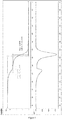
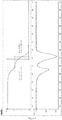
- FIGS 1 to 3 show the TGA results of the foams prepared according to the procedure of example 4. Said results were taken at 5°C/min under nitrogen atmosphere.
- the foam obtained from the composition B shows the best dispersion degree, being the one having the lowest mass lost and the longest combustion time as it has the highest degradation temperature.
- the foam obtained from comparative composition D degrades more rapidly as it burns in a few seconds with a high combustion rate.
Landscapes
- Chemical & Material Sciences (AREA)
- Health & Medical Sciences (AREA)
- Chemical Kinetics & Catalysis (AREA)
- Medicinal Chemistry (AREA)
- Polymers & Plastics (AREA)
- Organic Chemistry (AREA)
- Polyurethanes Or Polyureas (AREA)
- Compositions Of Macromolecular Compounds (AREA)
Priority Applications (1)
| Application Number | Priority Date | Filing Date | Title |
|---|---|---|---|
| EP16382064.0A EP3208300A1 (de) | 2016-02-17 | 2016-02-17 | Polymerzusammensetzungen mit polyolether und graphenoxid für polyurethananwendungen |
Applications Claiming Priority (1)
| Application Number | Priority Date | Filing Date | Title |
|---|---|---|---|
| EP16382064.0A EP3208300A1 (de) | 2016-02-17 | 2016-02-17 | Polymerzusammensetzungen mit polyolether und graphenoxid für polyurethananwendungen |
Publications (1)
| Publication Number | Publication Date |
|---|---|
| EP3208300A1 true EP3208300A1 (de) | 2017-08-23 |
Family
ID=55411337
Family Applications (1)
| Application Number | Title | Priority Date | Filing Date |
|---|---|---|---|
| EP16382064.0A Withdrawn EP3208300A1 (de) | 2016-02-17 | 2016-02-17 | Polymerzusammensetzungen mit polyolether und graphenoxid für polyurethananwendungen |
Country Status (1)
| Country | Link |
|---|---|
| EP (1) | EP3208300A1 (de) |
Cited By (6)
| Publication number | Priority date | Publication date | Assignee | Title |
|---|---|---|---|---|
| CN108545717A (zh) * | 2018-05-21 | 2018-09-18 | 广东工业大学 | 一种碳纳米管表面改性的方法和改性碳纳米管 |
| CN108795020A (zh) * | 2018-06-30 | 2018-11-13 | 杭州高烯科技有限公司 | 一种石墨烯-发泡聚氨酯复合材料及其制备方法 |
| CN108912304A (zh) * | 2018-07-25 | 2018-11-30 | 福州大学 | 一种高导热性改性tpu薄膜的制备方法 |
| CN110437407A (zh) * | 2019-09-19 | 2019-11-12 | 福建省天骄化学材料有限公司 | 一种氧化石墨烯改性醚酯的制备方法 |
| WO2022127745A1 (zh) * | 2020-12-14 | 2022-06-23 | 武汉材料保护研究所有限公司 | 一种聚氨酯改性石墨烯微片及其制备方法 |
| CN117352738A (zh) * | 2023-11-08 | 2024-01-05 | 丽岛新能源(安徽)有限公司 | 一种涂炭铝箔及其制备方法 |
Citations (6)
| Publication number | Priority date | Publication date | Assignee | Title |
|---|---|---|---|---|
| US2798878A (en) | 1954-07-19 | 1957-07-09 | Nat Lead Co | Preparation of graphitic acid |
| US20060293443A1 (en) * | 2005-06-28 | 2006-12-28 | Arne Reinheimer | Polyurethane-graphite oxide composite material, method for its preparation and its use as a flame retardant and as a fire-proof seal |
| US8183180B2 (en) | 2008-01-08 | 2012-05-22 | William Marsh Rice University | Graphene compositions and drilling fluids derived therefrom |
| WO2013154615A1 (en) | 2012-04-12 | 2013-10-17 | Northwestern University | High concentration aqueous dispersions of graphene using nonionic, biocompatible copolymers |
| CN103788323A (zh) * | 2014-01-07 | 2014-05-14 | 浙江伟星新型建材股份有限公司 | 一种氧化石墨烯/水性聚氨酯纳米复合材料的制备方法 |
| EP2871207A1 (de) | 2013-10-22 | 2015-05-13 | Politechnika Gdanska | Polyurethannanoverbundschaumstoff und Verfahren zur Herstellung |
-
2016
- 2016-02-17 EP EP16382064.0A patent/EP3208300A1/de not_active Withdrawn
Patent Citations (6)
| Publication number | Priority date | Publication date | Assignee | Title |
|---|---|---|---|---|
| US2798878A (en) | 1954-07-19 | 1957-07-09 | Nat Lead Co | Preparation of graphitic acid |
| US20060293443A1 (en) * | 2005-06-28 | 2006-12-28 | Arne Reinheimer | Polyurethane-graphite oxide composite material, method for its preparation and its use as a flame retardant and as a fire-proof seal |
| US8183180B2 (en) | 2008-01-08 | 2012-05-22 | William Marsh Rice University | Graphene compositions and drilling fluids derived therefrom |
| WO2013154615A1 (en) | 2012-04-12 | 2013-10-17 | Northwestern University | High concentration aqueous dispersions of graphene using nonionic, biocompatible copolymers |
| EP2871207A1 (de) | 2013-10-22 | 2015-05-13 | Politechnika Gdanska | Polyurethannanoverbundschaumstoff und Verfahren zur Herstellung |
| CN103788323A (zh) * | 2014-01-07 | 2014-05-14 | 浙江伟星新型建材股份有限公司 | 一种氧化石墨烯/水性聚氨酯纳米复合材料的制备方法 |
Non-Patent Citations (7)
| Title |
|---|
| BAO, C. ET AL., J. MAT. CHEM., vol. 22, 2012, pages 23057 - 23063 |
| HU, W. ET AL., FIRE SAFETY SCIENCE, 2014 |
| HUMMERS; OFFEMAN, JOURNAL OF AMERICAN CHEMICAL SOCIETY, vol. 80, no. 6, 1958, pages 1339 - 1346 |
| IONESCU, M., CHEMISTRY AND TECHNOLOGY OF POLYOLS FOR POLYURETHANES, 2005 |
| POH ET AL., NANOSCALE, vol. 4, 2012, pages 3515 - 3522 |
| YAN, Y ET AL., RCS ADVANCES, vol. 5, 2015, pages 40199 - 40204 |
| YAN, Y ET AL., RCS ADVANCES, vol. 5, 2015, pages 40199 - 40204, XP002759529 * |
Cited By (7)
| Publication number | Priority date | Publication date | Assignee | Title |
|---|---|---|---|---|
| CN108545717A (zh) * | 2018-05-21 | 2018-09-18 | 广东工业大学 | 一种碳纳米管表面改性的方法和改性碳纳米管 |
| CN108795020A (zh) * | 2018-06-30 | 2018-11-13 | 杭州高烯科技有限公司 | 一种石墨烯-发泡聚氨酯复合材料及其制备方法 |
| CN108912304A (zh) * | 2018-07-25 | 2018-11-30 | 福州大学 | 一种高导热性改性tpu薄膜的制备方法 |
| CN110437407A (zh) * | 2019-09-19 | 2019-11-12 | 福建省天骄化学材料有限公司 | 一种氧化石墨烯改性醚酯的制备方法 |
| WO2022127745A1 (zh) * | 2020-12-14 | 2022-06-23 | 武汉材料保护研究所有限公司 | 一种聚氨酯改性石墨烯微片及其制备方法 |
| CN117352738A (zh) * | 2023-11-08 | 2024-01-05 | 丽岛新能源(安徽)有限公司 | 一种涂炭铝箔及其制备方法 |
| CN117352738B (zh) * | 2023-11-08 | 2024-03-15 | 丽岛新能源(安徽)有限公司 | 一种涂炭铝箔及其制备方法 |
Similar Documents
| Publication | Publication Date | Title |
|---|---|---|
| EP3208300A1 (de) | Polymerzusammensetzungen mit polyolether und graphenoxid für polyurethananwendungen | |
| CN1238394C (zh) | 阻燃的韧性聚氨酯泡沫材料及其制造方法 | |
| CN1129620C (zh) | 聚氨酯预聚物组合物、由其制成的泡沫材料及各自的制备方法 | |
| KR0173787B1 (ko) | 활성 수소 함유 조성물 속의 폴리우레탄, 폴리우레아 또는 폴리우레탄과 폴리우레아로 이루어진 분산액, 이의 제조방법 및 당해 분산액과 폴리이소시아네이트와의 반응 생성물 | |
| EP2066717B1 (de) | Verfahren zur herstellung von polyurethan-hartschaumstoffen | |
| JP2018021211A (ja) | リグニンを含む分散状の組成物、その製造方法及びその使用 | |
| PT1758947E (pt) | Espuma de poliuretano flexível | |
| EP2875060B1 (de) | Verwendung von polyharnstoff-nanopartikeln als leistungsmodifikatoren in polyurethanmaterialien | |
| JPS6410552B2 (de) | ||
| EP3353223A1 (de) | Copolymerpolyol mit funktionellem additiv in der dispergierten phase | |
| JP7813708B2 (ja) | イソシアネート反応性組成物 | |
| EP2820058B1 (de) | Verfahren zur herstellung von polymerhartschäumen | |
| KR20090119372A (ko) | 나노 실리카-폴리우레탄 나노복합체 및 그 제조방법 | |
| WO2021030055A1 (en) | Polyurethane foam | |
| KR20180132678A (ko) | 단분산 분산된 폴리머 입자를 갖는 폴리머 폴리올을 제조하는 방법 | |
| JP4932727B2 (ja) | Pipaポリオールの製造方法 | |
| WO2019211200A1 (de) | Verfahren zur herstellung von geschlossenzelligem polyurethanschaum | |
| US3997449A (en) | Low viscosity flame retardant | |
| EP4286438A1 (de) | Komprimierter, offenzelliger, feinzelliger pur/pir-hartschaumstoff | |
| EP3519478B1 (de) | Polyolzusammensetzungen | |
| US20080161437A1 (en) | Novel polyisocyanurate foam materials containing CaCO3 filler | |
| DE10351268A1 (de) | Modifizierte Schichtsilikate und Polyurethane, enthaltend exfolierte Schichtsilikate | |
| EP2800767B1 (de) | Melamin-polyol-dispersionen und verwendung davon zur herstellung von polyurethan | |
| EP3269748A1 (de) | Verfahren zur herstellung von starrem polymerschaum | |
| US20080161434A1 (en) | Novel polyisocyanurate foam materials |
Legal Events
| Date | Code | Title | Description |
|---|---|---|---|
| PUAI | Public reference made under article 153(3) epc to a published international application that has entered the european phase |
Free format text: ORIGINAL CODE: 0009012 |
|
| AK | Designated contracting states |
Kind code of ref document: A1 Designated state(s): AL AT BE BG CH CY CZ DE DK EE ES FI FR GB GR HR HU IE IS IT LI LT LU LV MC MK MT NL NO PL PT RO RS SE SI SK SM TR |
|
| AX | Request for extension of the european patent |
Extension state: BA ME |
|
| STAA | Information on the status of an ep patent application or granted ep patent |
Free format text: STATUS: THE APPLICATION IS DEEMED TO BE WITHDRAWN |
|
| 18D | Application deemed to be withdrawn |
Effective date: 20180224 |