EP3209075A1 - Verfahren, vorrichtung und system zur datenübertragung - Google Patents
Verfahren, vorrichtung und system zur datenübertragung Download PDFInfo
- Publication number
- EP3209075A1 EP3209075A1 EP14905485.0A EP14905485A EP3209075A1 EP 3209075 A1 EP3209075 A1 EP 3209075A1 EP 14905485 A EP14905485 A EP 14905485A EP 3209075 A1 EP3209075 A1 EP 3209075A1
- Authority
- EP
- European Patent Office
- Prior art keywords
- scrambling code
- sequence
- operator
- seed
- specific sequence
- Prior art date
- Legal status (The legal status is an assumption and is not a legal conclusion. Google has not performed a legal analysis and makes no representation as to the accuracy of the status listed.)
- Granted
Links
Images

Classifications
-
- H—ELECTRICITY
- H04—ELECTRIC COMMUNICATION TECHNIQUE
- H04W—WIRELESS COMMUNICATION NETWORKS
- H04W72/00—Local resource management
- H04W72/04—Wireless resource allocation
- H04W72/044—Wireless resource allocation based on the type of the allocated resource
- H04W72/0466—Wireless resource allocation based on the type of the allocated resource the resource being a scrambling code
-
- H—ELECTRICITY
- H04—ELECTRIC COMMUNICATION TECHNIQUE
- H04J—MULTIPLEX COMMUNICATION
- H04J13/00—Code division multiplex systems
- H04J13/10—Code generation
-
- H—ELECTRICITY
- H04—ELECTRIC COMMUNICATION TECHNIQUE
- H04B—TRANSMISSION
- H04B1/00—Details of transmission systems, not covered by a single one of groups H04B3/00 - H04B13/00; Details of transmission systems not characterised by the medium used for transmission
- H04B1/69—Spread spectrum techniques
- H04B1/707—Spread spectrum techniques using direct sequence modulation
- H04B1/70712—Spread spectrum techniques using direct sequence modulation with demodulation by means of convolvers, e.g. of the SAW type
-
- H—ELECTRICITY
- H04—ELECTRIC COMMUNICATION TECHNIQUE
- H04B—TRANSMISSION
- H04B7/00—Radio transmission systems, i.e. using radiation field
- H04B7/14—Relay systems
- H04B7/15—Active relay systems
- H04B7/185—Space-based or airborne stations; Stations for satellite systems
- H04B7/18578—Satellite systems for providing broadband data service to individual earth stations
- H04B7/1858—Arrangements for data transmission on the physical system, i.e. for data bit transmission between network components
-
- H—ELECTRICITY
- H04—ELECTRIC COMMUNICATION TECHNIQUE
- H04J—MULTIPLEX COMMUNICATION
- H04J11/00—Orthogonal multiplex systems, e.g. using WALSH codes
-
- H—ELECTRICITY
- H04—ELECTRIC COMMUNICATION TECHNIQUE
- H04W—WIRELESS COMMUNICATION NETWORKS
- H04W72/00—Local resource management
- H04W72/20—Control channels or signalling for resource management
- H04W72/21—Control channels or signalling for resource management in the uplink direction of a wireless link, i.e. towards the network
-
- H—ELECTRICITY
- H04—ELECTRIC COMMUNICATION TECHNIQUE
- H04W—WIRELESS COMMUNICATION NETWORKS
- H04W72/00—Local resource management
- H04W72/20—Control channels or signalling for resource management
- H04W72/23—Control channels or signalling for resource management in the downlink direction of a wireless link, i.e. towards a terminal
-
- H—ELECTRICITY
- H04—ELECTRIC COMMUNICATION TECHNIQUE
- H04L—TRANSMISSION OF DIGITAL INFORMATION, e.g. TELEGRAPHIC COMMUNICATION
- H04L1/00—Arrangements for detecting or preventing errors in the information received
- H04L1/004—Arrangements for detecting or preventing errors in the information received by using forward error control
- H04L1/0056—Systems characterized by the type of code used
- H04L1/0061—Error detection codes
-
- H—ELECTRICITY
- H04—ELECTRIC COMMUNICATION TECHNIQUE
- H04W—WIRELESS COMMUNICATION NETWORKS
- H04W16/00—Network planning, e.g. coverage or traffic planning tools; Network deployment, e.g. resource partitioning or cells structures
-
- H—ELECTRICITY
- H04—ELECTRIC COMMUNICATION TECHNIQUE
- H04W—WIRELESS COMMUNICATION NETWORKS
- H04W16/00—Network planning, e.g. coverage or traffic planning tools; Network deployment, e.g. resource partitioning or cells structures
- H04W16/14—Spectrum sharing arrangements between different networks
-
- H—ELECTRICITY
- H04—ELECTRIC COMMUNICATION TECHNIQUE
- H04W—WIRELESS COMMUNICATION NETWORKS
- H04W48/00—Access restriction; Network selection; Access point selection
- H04W48/16—Discovering, processing access restriction or access information
Definitions
- the present invention relates to the communications field, and in particular, to a data transmission method, a device, and a system.
- Embodiments of the present invention provide a data transmission method, a device, and a system, so as to resolve a problem in the prior art that user equipment cannot correctly parse data or measure a channel due to incapability of identifying different operators.
- an embodiment of the present invention provides a data transmission method, including:
- the obtaining, by a first device, a scrambling code sequence includes:
- the generating, by the first device, a scrambling code seed according to the specific sequence of the operator to which the first device belongs includes:
- the generating, by the first device, a scrambling code seed according to the specific sequence of the operator to which the first device belongs includes:
- the method further includes:
- the data is a cyclic redundancy check code CRC.
- the specific sequence of the operator to which the first device belongs includes a mobile network code MNC and/or a mobile country code MCC.
- the data is data on a physical broadcast channel PBCH, a physical downlink shared channel PDSCH, a physical downlink control channel PDCCH, a physical control format indicator channel PCFICH, a physical multicast channel PMCH, a cell-specific reference signal CRS, an enhanced physical downlink control channel EPDCCH, a demodulation reference signal DM-RS, a positioning reference signal PRS, a channel state information-reference signal CSI-RS, a physical uplink shared channel PUSCH, a physical uplink control channel PUCCH, a sounding reference signal SRS, or a demodulation reference signal DM-RS for a physical uplink shared channel.
- the first device is a base station or user equipment.
- an embodiment of the present invention provides a data transmission method, including:
- the obtaining, by a second device, a scrambling code sequence includes:
- the generating, by the second device, a scrambling code seed according to the specific sequence of the operator to which the second device belongs includes:
- the generating, by the second device, a scrambling code seed according to the specific sequence of the operator to which the second device belongs includes:
- the obtaining, by a second device, a scrambling code sequence includes:
- the data is a cyclic redundancy check code CRC.
- the specific sequence of the operator to which the second device belongs includes a mobile network code MNC and/or a mobile country code MCC.
- the data is data on a physical broadcast channel PBCH, a physical downlink shared channel PDSCH, a physical downlink control channel PDCCH, a physical control format indicator channel PCFICH, a physical multicast channel PMCH, a cell-specific reference signal CRS, an enhanced physical downlink control channel EPDCCH, a demodulation reference signal DM-RS, a positioning reference signal PRS, a channel state information-reference signal CSI-RS, a physical uplink shared channel PUSCH, a physical uplink control channel PUCCH, a sounding reference signal SRS, or a demodulation reference signal DM-RS for a physical uplink shared channel.
- the second device is a base station or user equipment.
- an embodiment of the present invention provides a first device, including:
- the scrambling code unit is specifically configured to: generate a scrambling code seed according to the specific sequence of the operator to which the first device belongs, and generate the scrambling code sequence according to the scrambling code seed.
- the scrambling code unit is further specifically configured to represent the specific sequence of the operator to which the first device belongs as a k-bit binary number to be used as k bits of the scrambling code seed, where remaining bits of the scrambling code seed are 0, the scrambling code seed totally includes 31 bits, and k is an integer falling within a range of (0, 31].
- the scrambling code unit is further specifically configured to generate the scrambling code seed according to the specific sequence of the operator to which the first device belongs and a cell-specific sequence of the first device.
- the sending unit is further configured to send the scrambling code seed.
- the data is a cyclic redundancy check code CRC.
- the specific sequence of the operator to which the first device belongs includes a mobile network code MNC and/or a mobile country code MCC.
- the data is data on a physical broadcast channel PBCH, a physical downlink shared channel PDSCH, a physical downlink control channel PDCCH, a physical control format indicator channel PCFICH, a physical multicast channel PMCH, a cell-specific reference signal CRS, an enhanced physical downlink control channel EPDCCH, a demodulation reference signal DM-RS, a positioning reference signal PRS, a channel state information-reference signal CSI-RS, a physical uplink shared channel PUSCH, a physical uplink control channel PUCCH, a sounding reference signal SRS, or a demodulation reference signal DM-RS for a physical uplink shared channel.
- the first device is a base station or user equipment.
- an embodiment of the present invention provides a second device, including:
- the scrambling code unit is specifically configured to: generate a scrambling code seed according to the specific sequence of the operator to which the second device belongs, and generate the scrambling code sequence according to the scrambling code seed.
- the scrambling code unit is further specifically configured to represent the specific sequence of the operator to which the second device belongs as a k-bit binary number to be used as k bits of the scrambling code seed, where remaining bits of the scrambling code seed are 0, the scrambling code seed totally includes 31 bits, and k is an integer falling within a range of (0, 31].
- the scrambling code unit is further specifically configured to generate the scrambling code seed according to the specific sequence of the operator to which the second device belongs and a cell-specific sequence of the second device.
- the receiving unit is further configured to receive a scrambling code seed; and the scrambling code unit, is further configured to generate the scrambling code sequence according to the scrambling code seed received by the receiving unit.
- the data is a cyclic redundancy check code CRC.
- the specific sequence of the operator to which the second device belongs includes a mobile network code MNC and/or a mobile country code MCC.
- the data is data on a physical broadcast channel PBCH, a physical downlink shared channel PDSCH, a physical downlink control channel PDCCH, a physical control format indicator channel PCFICH, a physical multicast channel PMCH, a cell-specific reference signal CRS, an enhanced physical downlink control channel EPDCCH, a demodulation reference signal DM-RS, a positioning reference signal PRS, a channel state information-reference signal CSI-RS, a physical uplink shared channel PUSCH, a physical uplink control channel PUCCH, a sounding reference signal SRS, or a demodulation reference signal DM-RS for a physical uplink shared channel.
- the second device is a base station or user equipment.
- an embodiment of the present invention provides a first device, including a processor, a memory, a bus, and a transmitter, where the processor, the memory, and the transmitter are connected to each other by using the bus, where the processor is configured to obtain a scrambling code sequence, and scramble data according to the scrambling code sequence, where the scrambling code sequence is generated according to a specific sequence of an operator to which the first device belongs; and the transmitter is configured to send the data scrambled by the processor.
- the processor is specifically configured to: generate a scrambling code seed according to the specific sequence of the operator to which the first device belongs, and generate the scrambling code sequence according to the scrambling code seed.
- the processor is further specifically configured to represent the specific sequence of the operator to which the first device belongs as a k-bit binary number to be used as k bits of the scrambling code seed, where remaining bits of the scrambling code seed are 0, the scrambling code seed totally includes 31 bits, and k is an integer falling within a range of (0, 31].
- the processor is further specifically configured to generate the scrambling code seed according to the specific sequence of the operator to which the first device belongs and a cell-specific sequence of the first device.
- the transmitter is further configured to send the scrambling code seed.
- the data is a cyclic redundancy check code CRC.
- the specific sequence of the operator to which the first device belongs includes a mobile network code MNC and/or a mobile country code MCC.
- the data is data on a physical broadcast channel PBCH, a physical downlink shared channel PDSCH, a physical downlink control channel PDCCH, a physical control format indicator channel PCFICH, a physical multicast channel PMCH, a cell-specific reference signal CRS, an enhanced physical downlink control channel EPDCCH, a demodulation reference signal DM-RS, a positioning reference signal PRS, a channel state information-reference signal CSI-RS, a physical uplink shared channel PUSCH, a physical uplink control channel PUCCH, a sounding reference signal SRS, or a demodulation reference signal DM-RS for a physical uplink shared channel.
- the first device is a base station or user equipment.
- an embodiment of the present invention provides a second device, including a processor, a memory, a bus, and a receiver, where the processor, the memory, and the receiver are connected to each other by using the bus, where the processor is configured to obtain a scrambling code sequence, where the scrambling code sequence is generated according to a specific sequence of an operator to which the second device belongs; the receiver is configured to receive scrambled data; and the processor is further configured to demodulate, according to the obtained scrambling code sequence, the scrambled data received by the receiver.
- the processor is specifically configured to: generate a scrambling code seed according to the specific sequence of the operator to which the second device belongs, and generate the scrambling code sequence according to the scrambling code seed.
- the processor is further specifically configured to represent the specific sequence of the operator to which the second device belongs as a k-bit binary number to be used as k bits of the scrambling code seed, where remaining bits of the scrambling code seed are 0, the scrambling code seed totally includes 31 bits, and k is an integer falling within a range of (0, 31].
- the processor is further specifically configured to generate the scrambling code seed according to the specific sequence of the operator to which the second device belongs and a cell-specific sequence of the second device.
- the receiver is further configured to receive a scrambling code seed; and the processor is further configured to generate the scrambling code sequence according to the scrambling code seed received by the receiver.
- the data is a cyclic redundancy check code CRC.
- the specific sequence of the operator to which the second device belongs includes a mobile network code MNC and/or a mobile country code MCC.
- the data is data on a physical broadcast channel PBCH, a physical downlink shared channel PDSCH, a physical downlink control channel PDCCH, a physical control format indicator channel PCFICH, a physical multicast channel PMCH, a cell-specific reference signal CRS, an enhanced physical downlink control channel EPDCCH, a demodulation reference signal DM-RS, a positioning reference signal PRS, a channel state information-reference signal CSI-RS, a physical uplink shared channel PUSCH, a physical uplink control channel PUCCH, a sounding reference signal SRS, or a demodulation reference signal DM-RS for a physical uplink shared channel.
- the second device is a base station or user equipment.
- an embodiment of the present invention provides a wireless network system, including a first device and a second device, where the first device is the first device described in any one of the implementation manners of the third aspect to the eighth possible implementation manner of the third aspect, and the second device is the second device described in any one of the fourth aspect to the eighth possible implementation manner of the fourth aspect; or the first device is the first device described in any one of the implementation manners of the fifth aspect to the eighth possible implementation manner of the fifth aspect, and the second device is the second device described in any one of the sixth aspect to the eighth possible implementation manner of the sixth aspect.
- data is scrambled by using a scrambling code sequence that is generated according to a specific sequence of an operator to which a first device belongs.
- a scrambling code sequence that is generated according to a specific sequence of an operator to which a first device belongs.
- user equipment performs descrambling according to the corresponding scrambling code sequence, and data of another operator cannot be correctly descrambled and therefore can be directly discarded.
- Data of different operators is distinguished. Therefore, a problem that user equipment cannot correctly parse data or measure a channel due to incapability of identifying different operators is resolved.
- An embodiment of the present invention provides a data transmission method.
- the data transmission method is applicable to a first device in a wireless network.
- the first device may be a base station or user equipment.
- the first device may be another network device. This is not limited in the present invention.
- the name of the first device is only used for convenience of distinguishing, but is not used to limit the device.
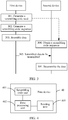
- the data transmission method provided in this embodiment includes the following steps.
- data is scrambled by using a scrambling code sequence that is generated according to a specific sequence of an operator to which a first device belongs.
- a scrambling code sequence that is generated according to a specific sequence of an operator to which a first device belongs.
- user equipment performs descrambling according to the corresponding scrambling code sequence, and data of another operator cannot be correctly descrambled and therefore can be directly discarded.
- Data of different operators is distinguished. Therefore, a problem that user equipment cannot correctly parse data or measure a channel due to incapability of identifying different operators is resolved.
- an embodiment of the present invention provides another data transmission method.
- the data transmission method is applied to a second device.
- the second device may be a base station or user equipment.
- the name of the second device is only used for convenience of distinguishing, but is not used to limit the device. Referring to FIG. 2 , the following steps are included.
- received scrambled data is scrambled according to a scrambling code sequence that is generated according to a specific sequence of an operator to which a second device belongs.
- user equipment performs descrambling according to the corresponding scrambling code sequence, and data of another operator cannot be correctly descrambled and therefore can be directly discarded. Operators are distinguished. Therefore, a problem that user equipment cannot correctly parse data or measure a channel due to incapability of identifying different operators is resolved.
- another embodiment of the present invention provides a data transmission method.
- the data transmission method is applied to the first device and the second device in the embodiments that correspond to FIG. 1 and FIG. 2 above.
- the first device and the second device belong to a same operator.
- the operator to which the first device and the second device belong and another operator share a first time-frequency resource.
- that the first device and the second device belong to a same operator is used as an example for description.
- the names of the first device and the second device are only used for convenience of distinguishing, but are not used to limit the devices.
- the first time-frequency resource may be a time-frequency resource in an unlicensed spectrum. A specific form of the first time-frequency resource is not limited in the present invention.
- the first device and the second device may be network side devices, for example, eNBs (evolved Node B, evolved Node B) in an LTE (Long Term Evolution, Long Term Evolution) system.
- the first device is a network side device
- the second device is user equipment.
- the first device and the second device are both user equipment.
- the first device and the second device communicate in a D2D (Device to Device, device to device) manner.
- D2D Device to Device, device to device
- the specific sequence of the operator to which the first device belongs may be an ID of the first operator.
- the ID of the first operator may include an MNC, or the ID of the operator to which the first device belongs includes an MNC and a mobile country code MCC.
- the specific sequence of the operator to which the first device belongs may be a PLMN (Public Land Mobile Network, public land mobile network) ID, and the PLMN ID includes an MNC and an MCC.
- PLMN Public Land Mobile Network, public land mobile network
- Specific content of the specific sequence of the operator to which the first device belongs is not limited in the present invention.
- the scrambling code seed totally includes 31 bits.
- the specific sequence of the operator to which the first device belongs is represented as a k-bit binary number to be used as k bits of the scrambling code seed. Remaining bits of the scrambling code seed are 0, and k is an integer falling within a range of (0, 31].
- the k-bit binary number represented by using the specific sequence of the operator to which the first device belongs is used as first k bits or last k bits of the scrambling code seed.
- the scrambling code seed is generated according to the specific sequence of the operator to which the first device belongs, a first seed, and a first algorithm.
- the first seed is a cell-specific sequence or an original seed.
- the original seed is a scrambling code seed originally used for scrambling in the prior art.
- the first algorithm is an exclusive OR algorithm.
- the first algorithm may be another algorithm. This is not limited in the present invention.
- the exclusive OR algorithm is used as an example.
- the scrambling code seed may be generated according to the specific sequence of the operator to which the first device belongs and a fourth formula.
- the scrambling code seed may be generated by using another operation. This is not limited in the present invention.
- a cell ID is used as an example.
- the scrambling code seed may be PLMN ID ⁇ cell ID (" ⁇ " represents connecting two specific serial numbers together), or the scrambling code seed may be MNC ⁇ cell ID.
- the two ID combination manners are not limited to simply connecting together.
- the first device may obtain the scrambling code seed by other means, and the scrambling code seed is not necessarily generated by the first device.
- generation of the scrambling code seed by the first device is not limited to the foregoing manners.
- the scrambling code seed may be generated by means of another operation, as long as different operators can be distinguished by using different scrambling code seeds.
- a specific form of the scrambling code seed is not limited in the present invention.
- the first device may send the scrambling code seed to the second device.
- the scrambling code seed may be sent by means of a broadcast, and this is not limited in the present invention.
- a third party device may separately send the scrambling code seed to the first device and the second device.
- data is scrambled by using a scrambling code sequence that is generated according to a specific sequence of an operator to which a first device belongs.
- a scrambling code sequence that is generated according to a specific sequence of an operator to which a first device belongs.
- user equipment performs descrambling according to the corresponding scrambling code sequence, and data of another operator cannot be correctly descrambled and therefore can be directly discarded.
- Data of different operators is distinguished. Therefore, a problem that user equipment cannot correctly parse data or measure a channel due to incapability of identifying different operators is resolved.
- an embodiment of the present invention provides a first device, to perform the data transmission method described in the embodiment that corresponds to FIG. 1 or FIG. 3 above.
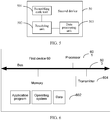
- the first device 40 includes a scrambling code unit 401, a data processing unit 402, and a sending unit 403.
- the first device 40 is a base station or user equipment.
- the scrambling code unit 401 is configured to obtain a scrambling code sequence, where the scrambling code sequence is generated according to a specific sequence of an operator to which the first device belongs.
- the data processing unit 402 is configured to scramble data according to the scrambling code sequence obtained by the scrambling code unit.
- the sending unit 403 is configured to send the data scrambled by the data processing unit.
- the scrambling code unit 401 is specifically configured to: generate a scrambling code seed according to the specific sequence of the operator to which the first device belongs, and generate the scrambling code sequence according to the scrambling code seed.
- the scrambling code unit 401 is further specifically configured to represent the specific sequence of the operator to which the first device belongs as a k-bit binary number to be used as k bits of the scrambling code seed, where remaining bits of the scrambling code seed are 0, the scrambling code seed totally includes 31 bits, and k is an integer falling within a range of (0, 31].
- the scrambling code unit 401 is further specifically configured to generate the scrambling code seed according to the specific sequence of the operator to which the first device belongs and a cell-specific sequence of the first device.
- the sending unit 403 is further configured to send the scrambling code seed.
- the data is a cyclic redundancy check code CRC.
- the specific sequence of the operator to which the first device belongs includes a mobile network code MNC and/or a mobile country code MCC.
- the data is data on a physical broadcast channel PBCH, a physical downlink shared channel PDSCH, a physical downlink control channel PDCCH, a physical control format indicator channel PCFICH, a physical multicast channel PMCH, a cell-specific reference signal CRS, an enhanced physical downlink control channel EPDCCH, a demodulation reference signal DM-RS, a positioning reference signal PRS, a channel state information-reference signal CSI-RS, a physical uplink shared channel PUSCH, a physical uplink control channel PUCCH, a sounding reference signal SRS, or a demodulation reference signal DM-RS for a physical uplink shared channel.
- data is scrambled by using a scrambling code sequence that is generated according to a specific sequence of an operator to which the first device belongs.
- a scrambling code sequence that is generated according to a specific sequence of an operator to which the first device belongs.
- an embodiment of the present invention provides a second device, to perform the data transmission method described in the embodiment that corresponds to FIG. 2 or FIG. 3 above.
- the first device 50 includes a scrambling code unit 501, a receiving unit 502, and a data processing unit 503.
- the second device 50 may be a base station or user equipment.
- the scrambling code unit is configured to obtain a scrambling code sequence, where the scrambling code sequence is generated according to a specific sequence of an operator to which the second device belongs.
- the receiving unit is configured to receive scrambled data.
- the data processing unit is configured to descramble, according to the scrambling code sequence obtained by the scrambling code unit, the scrambled data received by the receiving unit.
- the scrambling code unit is specifically configured to: generate a scrambling code seed according to the specific sequence of the operator to which the second device belongs, and generate the scrambling code sequence according to the scrambling code seed.
- the scrambling code unit is further specifically configured to represent the specific sequence of the operator to which the second device belongs as a k-bit binary number to be used as k bits of the scrambling code seed, where remaining bits of the scrambling code seed are 0, the scrambling code seed totally includes 31 bits, and k is an integer falling within a range of (0, 31].
- the scrambling code unit is further specifically configured to generate the scrambling code seed according to the specific sequence of the operator to which the second device belongs and a cell-specific sequence of the second device.
- the receiving unit is further configured to receive a scrambling code seed.
- the scrambling code unit is further configured to generate the scrambling code sequence according to the scrambling code seed received by the receiving unit.
- the data is a cyclic redundancy check code CRC.
- the specific sequence of the operator to which the second device belongs includes a mobile network code MNC and/or a mobile country code MCC.
- the data is data on a physical broadcast channel PBCH, a physical downlink shared channel PDSCH, a physical downlink control channel PDCCH, a physical control format indicator channel PCFICH, a physical multicast channel PMCH, a cell-specific reference signal CRS, an enhanced physical downlink control channel EPDCCH, a demodulation reference signal DM-RS, a positioning reference signal PRS, a channel state information-reference signal CSI-RS, a physical uplink shared channel PUSCH, a physical uplink control channel PUCCH, a sounding reference signal SRS, or a demodulation reference signal DM-RS for a physical uplink shared channel.
- received scrambled data is scrambled according to a scrambling code sequence that is generated according to a specific sequence of an operator to which the second device belongs.
- user equipment performs descrambling according to the corresponding scrambling code sequence, and data of another operator cannot be correctly descrambled and therefore can be directly discarded. Operators are distinguished. Therefore, a problem that user equipment cannot correctly parse data or measure a channel due to incapability of identifying different operators is resolved.
- the first device 60 provides a first device 60, to perform the data transmission method described in the embodiment that corresponds to FIG. 1 or FIG. 3 above.
- the first device 60 may be a base station or user equipment.
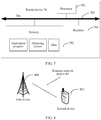
- the first device 60 includes: at least one processor 601, a memory 602, a bus 603, and a transmitter 604.
- the at least one processor 601, the memory 602, and the transmitter 604 are connected by using the bus 603 and complete communication between each other by using the bus 603.
- the bus 603 may be an ISA (Industry Standard Architecture, industry standard architecture) bus, a PCI (Peripheral Component Interconnect, peripheral component interconnect) bus, an EISA (Extended Industry Standard Architecture, extended industry standard architecture) bus, or the like.
- the bus 603 may be classified into an address bus, a data bus, a control bus, and the like.
- the bus in FIG. 6 is represented by using only one bold line, but it does not indicate that there is only one bus or only one type of bus.
- the memory 602 is used for application program code for executing the solution of the present invention.
- the application program code for executing the solution of the present invention is stored in the memory, and is controlled and executed by the processor 601.
- the memory may be a read-only memory ROM or a static storage device of another type that can store static information and an instruction; a random access memory RAM or a dynamic storage device of another type that can store information and an instruction; or an electrically erasable programmable read-only memory EEPROM, a compact disc read-only memory CD-ROM or another optical disk storage, optical disc storage (including a compact disc, a laser disc, an optical disc, a digital versatile disc, a Blu-ray disc, or the like), a disk storage medium or another magnetic storage device, or any other medium that can be used to carry or store expected program code in a form of an instruction or a data structure and can be accessed by a computer, but is not limited thereto.
- These memories are connected to the processor by using the bus.
- the processor 601 may be a central processing unit (Central Processing Unit, CPU for short), or an application specific integrated circuit (Application Specific Integrated Circuit, ASIC for short), or one or more integrated circuits configured to implement this embodiment of the present invention.
- CPU Central Processing Unit
- ASIC Application Specific Integrated Circuit
- the processor 601 is configured to invoke the program code in the memory 602. In a possible implementation manner, when the foregoing application program is executed by the processor 601, the following functions are implemented.
- the processor 601 is configured to obtain a scrambling code sequence, and scramble data according to the scrambling code sequence, where the scrambling code sequence is generated according to a specific sequence of an operator to which the first device belongs.
- the transmitter 604 is configured to send the data scrambled by the processor 601.
- the processor 601 is specifically configured to: generate a scrambling code seed according to the specific sequence of the operator to which the first device belongs, and generate the scrambling code sequence according to the scrambling code seed.
- the processor 601 is further specifically configured to represent the specific sequence of the operator to which the first device belongs as a k-bit binary number to be used as k bits of the scrambling code seed, where remaining bits of the scrambling code seed are 0, the scrambling code seed totally includes 31 bits, and k is an integer falling within a range of (0, 31].
- the processor 601 is further specifically configured to generate the scrambling code seed according to the specific sequence of the operator to which the first device belongs and a cell-specific sequence of the first device.
- the transmitter 604 is further configured to send the scrambling code seed.
- the data is a cyclic redundancy check code CRC.
- the specific sequence of the operator to which the first device belongs includes a mobile network code MNC and/or a mobile country code MCC.
- the data is data on a physical broadcast channel PBCH, a physical downlink shared channel PDSCH, a physical downlink control channel PDCCH, a physical control format indicator channel PCFICH, a physical multicast channel PMCH, a cell-specific reference signal CRS, an enhanced physical downlink control channel EPDCCH, a demodulation reference signal DM-RS, a positioning reference signal PRS, a channel state information-reference signal CSI-RS, a physical uplink shared channel PUSCH, a physical uplink control channel PUCCH, a sounding reference signal SRS, or a demodulation reference signal DM-RS for a physical uplink shared channel.
- data is scrambled by using a scrambling code sequence that is generated according to a specific sequence of an operator to which the first device belongs.
- a scrambling code sequence that is generated according to a specific sequence of an operator to which the first device belongs.
- another embodiment of the present invention provides a second device 70, to perform the data transmission method described in the embodiment that corresponds to FIG. 2 or FIG. 3 above.
- the second device 70 may be a base station or user equipment.
- the second device 70 includes: at least one processor 701, a memory 702, a bus 703, and a receiver 704.
- the at least one processor 701, the memory 702, and the receiver 704 are connected by using the bus 703 and complete communication between each other by using the bus 703.
- the bus 703 may be an ISA (Industry Standard Architecture, industry standard architecture) bus, a PCI (Peripheral Component Interconnect, peripheral component interconnect) bus, an EISA (Extended Industry Standard Architecture, extended industry standard architecture) bus, or the like.
- the bus 703 may be classified into an address bus, a data bus, a control bus, and the like.
- the bus in FIG. 7 is represented by using only one bold line, but it does not indicate that there is only one bus or only one type of bus.
- the memory 702 is used for application program code for executing the solution of the present invention.
- the application program code for executing the solution of the present invention is stored in the memory, and is controlled and executed by the processor 701.
- the memory may be a read-only memory ROM or a static storage device of another type that can store static information and an instruction; a random access memory RAM or a dynamic storage device of another type that can store information and an instruction; or an electrically erasable programmable read-only memory EEPROM, a compact disc read-only memory CD-ROM or another optical disk storage, optical disc storage (including a compact disc, a laser disc, an optical disc, a digital versatile disc, a Blu-ray disc, or the like), a disk storage medium or another magnetic storage device, or any other medium that can be used to carry or store expected program code in a form of an instruction or a data structure and can be accessed by a computer, but is not limited thereto.
- These memories are connected to the processor by using the bus.
- the processor 701 may be a central processing unit (Central Processing Unit, CPU for short), or an application specific integrated circuit (Application Specific Integrated Circuit, ASIC for short), or one or more integrated circuits configured to implement this embodiment of the present invention.
- CPU Central Processing Unit
- ASIC Application Specific Integrated Circuit
- the processor 701 is configured to invoke the program code in the memory 702. In a possible implementation manner, when the foregoing application program is executed by the processor 701, the following functions are implemented.
- the processor 701 is configured to obtain a scrambling code sequence, where the scrambling code sequence is generated according to a specific sequence of an operator to which the second device belongs.
- the receiver 704 is configured to receive scrambled data.
- the processor 701 is further configured to demodulate, according to the obtained scrambling code sequence, the scrambled data received by the receiver 704.
- the processor 701 is specifically configured to: generate a scrambling code seed according to the specific sequence of the operator to which the second device belongs, and generate the scrambling code sequence according to the scrambling code seed.
- the processor 701 is further specifically configured to represent the specific sequence of the operator to which the second device belongs as a k-bit binary number to be used as k bits of the scrambling code seed, where remaining bits of the scrambling code seed are 0, the scrambling code seed totally includes 31 bits, and k is an integer falling within a range of (0, 31].
- the processor 701 is further specifically configured to generate the scrambling code seed according to the specific sequence of the operator to which the second device belongs and a cell-specific sequence of the second device.
- the receiver 704 is further configured to receive a scrambling code seed.
- the processor 701 is further configured to generate the scrambling code sequence according to the scrambling code seed received by the receiver 704.
- the data is a cyclic redundancy check code CRC.
- the specific sequence of the operator to which the second device belongs includes a mobile network code MNC and/or a mobile country code MCC.
- the data is data on a physical broadcast channel PBCH, a physical downlink shared channel PDSCH, a physical downlink control channel PDCCH, a physical control format indicator channel PCFICH, a physical multicast channel PMCH, a cell-specific reference signal CRS, an enhanced physical downlink control channel EPDCCH, a demodulation reference signal DM-RS, a positioning reference signal PRS, a channel state information-reference signal CSI-RS, a physical uplink shared channel PUSCH, a physical uplink control channel PUCCH, a sounding reference signal SRS, or a demodulation reference signal DM-RS for a physical uplink shared channel.
- received scrambled data is scrambled according to a scrambling code sequence that is generated according to a specific sequence of an operator to which the second device belongs.
- user equipment performs descrambling according to the corresponding scrambling code sequence, and data of another operator cannot be correctly descrambled and therefore can be directly discarded. Operators are distinguished. Therefore, a problem that user equipment cannot correctly parse data or measure a channel due to incapability of identifying different operators is resolved.
- the wireless network system 80 includes a first device 801 and a second device 802.
- the first device and the second device may be network side devices, for example, eNBs in an LTE system.
- the first device is a network side device
- the second device is user equipment.
- the first device and the second device are both user equipment.
- the first device and the second device communicate in a D2D (Device to Device, device to device) manner.
- D2D Device to Device, device to device
- the first device is the first device described in the embodiment that corresponds to FIG. 4
- the second device is the second device described in the embodiment that corresponds to FIG. 5 .
- the first device is the first device described in the embodiment that corresponds to FIG. 6
- the second device is the second device described in the embodiment that corresponds to FIG. 7 .
- data is scrambled by using a scrambling code sequence that is generated according to a specific sequence of an operator to which a first device belongs.
- a scrambling code sequence that is generated according to a specific sequence of an operator to which a first device belongs.
- user equipment performs descrambling according to the corresponding scrambling code sequence, and data of another operator cannot be correctly descrambled and therefore can be directly discarded.
- Data of different operators is distinguished. Therefore, a problem that user equipment cannot correctly parse data or measure a channel due to incapability of identifying different operators is resolved.
- the present invention may be implemented by hardware, firmware or a combination thereof.
- the foregoing functions may be stored in a computer-readable medium or transmitted as one or more instructions or code in the computer-readable medium.
- the computer-readable medium includes a computer storage medium and a communications medium, where the communications medium includes any medium that enables a computer program to be transmitted from one place to another.
- the storage medium may be any available medium accessible to a computer.
- the computer readable medium may include a RAM (Random Access Memory, random access memory), a ROM (Read-Only Memory, read-only memory), an EEPROM (Electrically Erasable Programmable Read-Only Memory, electrically erasable programmable read-only memory), a CD-ROM (Compact Disc Read-Only Memory, compact disc read-only memory) or other optical disk storage, a disk storage medium or other disk storage, or any other medium that can be used to carry or store expected program code in a command or data structure form and can be accessed by a computer.
- any connection may be appropriately defined as a computer-readable medium.
- the coaxial cable, optical fiber/cable, twisted pair, DSL or wireless technologies such as infrared ray, radio and microwave are included in a definition of a medium to which they belong.
- a disk and a disc used by the present invention includes a CD (Compact Disc, compact disc), a laser disc, an optical disc, a DVD disc (Digital Versatile Disc, digital versatile disc), a floppy disk and a Blu-ray disc, where the disk generally copies data by a magnetic means, and the disc copies data optically by a laser means.
- CD Compact Disc, compact disc
- laser disc an optical disc
- DVD disc Digital Versatile Disc, digital versatile disc
- floppy disk Digital Versatile Disc, digital versatile disc
- Blu-ray disc where the disk generally copies data by a magnetic means, and the disc copies data optically by a laser means.
Landscapes
- Engineering & Computer Science (AREA)
- Computer Networks & Wireless Communication (AREA)
- Signal Processing (AREA)
- Physics & Mathematics (AREA)
- Astronomy & Astrophysics (AREA)
- Aviation & Aerospace Engineering (AREA)
- General Physics & Mathematics (AREA)
- Mobile Radio Communication Systems (AREA)
- Synchronisation In Digital Transmission Systems (AREA)
Applications Claiming Priority (1)
| Application Number | Priority Date | Filing Date | Title |
|---|---|---|---|
| PCT/CN2014/090565 WO2016070405A1 (zh) | 2014-11-07 | 2014-11-07 | 一种数据传输方法、设备及系统 |
Publications (3)
| Publication Number | Publication Date |
|---|---|
| EP3209075A1 true EP3209075A1 (de) | 2017-08-23 |
| EP3209075A4 EP3209075A4 (de) | 2017-11-22 |
| EP3209075B1 EP3209075B1 (de) | 2019-05-29 |
Family
ID=55908420
Family Applications (1)
| Application Number | Title | Priority Date | Filing Date |
|---|---|---|---|
| EP14905485.0A Active EP3209075B1 (de) | 2014-11-07 | 2014-11-07 | Verfahren, vorrichtung und system zur datenübertragung |
Country Status (6)
| Country | Link |
|---|---|
| US (1) | US10313044B2 (de) |
| EP (1) | EP3209075B1 (de) |
| JP (1) | JP2018501739A (de) |
| KR (1) | KR20170077197A (de) |
| CN (1) | CN106664686B (de) |
| WO (1) | WO2016070405A1 (de) |
Families Citing this family (8)
| Publication number | Priority date | Publication date | Assignee | Title |
|---|---|---|---|---|
| CN108988978B (zh) | 2017-06-01 | 2021-01-15 | 华为技术有限公司 | 扰码序列生成方法及装置 |
| WO2018219250A1 (zh) * | 2017-06-01 | 2018-12-06 | 华为技术有限公司 | 扰码序列生成方法及装置 |
| EP3644667B1 (de) * | 2017-06-23 | 2025-02-19 | Beijing Xiaomi Mobile Software Co., Ltd. | Verfahren und vorrichtungen zur bestimmung der zeit-frequenz-ressourcen |
| EP3644668B1 (de) | 2017-06-23 | 2025-05-21 | Beijing Xiaomi Mobile Software Co., Ltd. | Verfahren und vorrichtung zur bestimmung von zeit-frequenz-ressourcen und computer-lesbares speichermedium |
| CN108111444A (zh) * | 2017-11-17 | 2018-06-01 | 中兴通讯股份有限公司 | 信号加扰、解扰方法及装置 |
| US11558876B2 (en) * | 2020-02-20 | 2023-01-17 | Qualcomm Incorporated | Communication of a known payload to support a machine learning process |
| CN115225435A (zh) * | 2021-04-20 | 2022-10-21 | 华为技术有限公司 | 扰码序列的初始化状态的确定方法和装置 |
| US12191886B2 (en) * | 2023-03-30 | 2025-01-07 | Viavi Solutions Inc. | Recovering scrambling sequence initialization from frozen bits of an uncoded downlink control information vector |
Family Cites Families (20)
| Publication number | Priority date | Publication date | Assignee | Title |
|---|---|---|---|---|
| US7672285B2 (en) | 2004-06-28 | 2010-03-02 | Dtvg Licensing, Inc. | Method and apparatus for minimizing co-channel interference by scrambling |
| US7944980B2 (en) * | 2007-02-02 | 2011-05-17 | Research In Motion Limited | Apparatus, and associated method, for communicating a data block in a multi carrier modulation communication scheme |
| US7864875B2 (en) * | 2007-02-02 | 2011-01-04 | Research In Motion Limited | Apparatus, and associated method, for communicating a data block in a multi carrier modulation communication scheme together with an identification sequence superimposed thereon |
| CN102090012B (zh) * | 2008-05-09 | 2016-06-08 | 诺基亚通信公司 | 基于3g-lte的虚拟导频序列中的多小区信道估计 |
| US20100172235A1 (en) | 2009-01-06 | 2010-07-08 | Samsung Electronics Co., Ltd. | System and method for initialization of a scrambling sequence for a downlink reference signal |
| US8923905B2 (en) * | 2009-09-30 | 2014-12-30 | Qualcomm Incorporated | Scrambling sequence initialization for coordinated multi-point transmissions |
| WO2011041623A1 (en) | 2009-10-01 | 2011-04-07 | Interdigital Patent Holdings, Inc. | Uplink control data transmission |
| CN102957499B (zh) | 2011-08-25 | 2018-07-10 | 深圳市中兴微电子技术有限公司 | 一种加扰方法和装置 |
| CN103999375B (zh) * | 2011-12-16 | 2017-03-08 | Lg电子株式会社 | 针对多小区系统中的物理信道进行资源映射的方法和装置 |
| US10080210B2 (en) | 2012-01-31 | 2018-09-18 | Qualcomm Incorporated | Methods and apparatus for providing network-assisted paging of LTE devices via a common entity |
| CN107104781B (zh) * | 2012-02-11 | 2020-06-05 | Lg电子株式会社 | 接收和发送下行链路数据信道的方法及设备 |
| EP2856684B1 (de) * | 2012-05-28 | 2019-12-04 | Telefonaktiebolaget LM Ericsson (publ) | Verfahren, anordnung und detektor zur erfassung harq-bestätigungsinformationen |
| CN103686893B (zh) | 2012-09-26 | 2017-04-19 | 华为终端有限公司 | 控制信道传输方法和设备 |
| CN110535557B (zh) | 2012-10-31 | 2020-08-07 | 华为技术有限公司 | 一种通信方法、装置及存储介质 |
| WO2014116324A1 (en) * | 2013-01-28 | 2014-07-31 | Eden Rock Communications, Llc | System and method for scrambling code association |
| US9510208B2 (en) * | 2013-10-04 | 2016-11-29 | Qualcomm Incorporated | Sequence generation for shared spectrum |
| JP6203412B2 (ja) * | 2013-12-25 | 2017-09-27 | 華為技術有限公司Huawei Technologies Co.,Ltd. | スペクトルの使用を指示及び判定する方法、並びに装置 |
| US9444655B2 (en) * | 2014-03-25 | 2016-09-13 | Intel IP Corporation | Apparatus, method and system of scrambling a wireless transmission |
| WO2016036219A1 (ko) * | 2014-09-05 | 2016-03-10 | 엘지전자 주식회사 | 무선 통신 시스템에서 비 면허 대역 상의 신호 송수신 방법 및 장치 |
| CN106664636B (zh) | 2014-10-29 | 2020-06-16 | 华为技术有限公司 | 一种数据帧的传输方法及装置 |
-
2014
- 2014-11-07 EP EP14905485.0A patent/EP3209075B1/de active Active
- 2014-11-07 KR KR1020177014415A patent/KR20170077197A/ko not_active Ceased
- 2014-11-07 US US15/525,009 patent/US10313044B2/en active Active
- 2014-11-07 JP JP2017542230A patent/JP2018501739A/ja active Pending
- 2014-11-07 CN CN201480080956.5A patent/CN106664686B/zh not_active Expired - Fee Related
- 2014-11-07 WO PCT/CN2014/090565 patent/WO2016070405A1/zh not_active Ceased
Also Published As
| Publication number | Publication date |
|---|---|
| US10313044B2 (en) | 2019-06-04 |
| US20170324502A1 (en) | 2017-11-09 |
| KR20170077197A (ko) | 2017-07-05 |
| JP2018501739A (ja) | 2018-01-18 |
| CN106664686B (zh) | 2020-06-26 |
| WO2016070405A1 (zh) | 2016-05-12 |
| EP3209075B1 (de) | 2019-05-29 |
| EP3209075A4 (de) | 2017-11-22 |
| CN106664686A (zh) | 2017-05-10 |
Similar Documents
| Publication | Publication Date | Title |
|---|---|---|
| EP3209075B1 (de) | Verfahren, vorrichtung und system zur datenübertragung | |
| EP3624371B1 (de) | Verfahren und vorrichtung zur erzeugung einer verschlüsselungscodefolge | |
| US10912076B2 (en) | Physical downlink control channel transmission method and apparatus | |
| EP2827667B1 (de) | Endgerätevorrichtung, basisstationsvorrichtung und integrierte schaltung | |
| EP2827670B1 (de) | Endgerätevorrichtung, basisstationsvorrichtung und integrierte schaltung | |
| EP3402275B1 (de) | Benutzervorrichtung, basisstation, signalempfangsverfahren und signalübertragungsverfahren | |
| EP3817266B1 (de) | Datenverschlüsselungsverfahren und entsprechende vorrichtung | |
| US10476721B2 (en) | Information transmission method, device, and system using DCI configuration | |
| EP3076747A1 (de) | Verfahren für benutzergerät und benutzergerät | |
| EP3661142B1 (de) | Verfahren und vorrichtung zur konfiguration von verschlüsselungsfolgen, benutzervorrichtung und basisstation | |
| EP3148242A1 (de) | Datenübertragungsverfahren und -vorrichtung | |
| EP3451781A1 (de) | Datenübertragungsverfahren, netzwerkvorrichtung und benutzergerät | |
| EP3096543A1 (de) | D2d-datenübertragungsverfahren und -vorrichtung | |
| US9661513B2 (en) | Methods, systems, and computer readable media for enhanced channel control element (CCE) decoding in LTE networks | |
| WO2016070711A1 (zh) | 物理下行信道的处理方法及装置 | |
| EP4096133B1 (de) | Verfahren zum senden und empfangen von demodulationsreferenzsignalen eines sidelinks und endgerät | |
| EP3738283B1 (de) | Verschlüsselung von physikalischen kanälen in drahtlosen kommunikationsnetzen | |
| EP4561151A1 (de) | Referenzsignalübertragungsverfahren und kommunikationsvorrichtung | |
| EP3468247A1 (de) | Datenübertragungsverfahren und -vorrichtung | |
| EP3240321B1 (de) | Verfahren, vorrichtung und system zur informationsübertragung | |
| CN113271567B (zh) | 信息发送、接收方法、装置及终端 | |
| CN104410474B (zh) | 一种通讯系统与通讯方法 | |
| CN117394966A (zh) | 一种通信方法、系统、装置、电子设备及存储介质 | |
| CN121923962A (zh) | 通信方法、通信节点及存储介质 | |
| EP3282807A1 (de) | Informationsübertragungsverfahren, -vorrichtung und -system |
Legal Events
| Date | Code | Title | Description |
|---|---|---|---|
| STAA | Information on the status of an ep patent application or granted ep patent |
Free format text: STATUS: THE INTERNATIONAL PUBLICATION HAS BEEN MADE |
|
| PUAI | Public reference made under article 153(3) epc to a published international application that has entered the european phase |
Free format text: ORIGINAL CODE: 0009012 |
|
| STAA | Information on the status of an ep patent application or granted ep patent |
Free format text: STATUS: REQUEST FOR EXAMINATION WAS MADE |
|
| 17P | Request for examination filed |
Effective date: 20170517 |
|
| AK | Designated contracting states |
Kind code of ref document: A1 Designated state(s): AL AT BE BG CH CY CZ DE DK EE ES FI FR GB GR HR HU IE IS IT LI LT LU LV MC MK MT NL NO PL PT RO RS SE SI SK SM TR |
|
| AX | Request for extension of the european patent |
Extension state: BA ME |
|
| A4 | Supplementary search report drawn up and despatched |
Effective date: 20171023 |
|
| RIC1 | Information provided on ipc code assigned before grant |
Ipc: H04L 1/00 20060101ALI20171017BHEP Ipc: H04W 72/04 20090101AFI20171017BHEP Ipc: H04J 11/00 20060101ALI20171017BHEP Ipc: H04L 5/00 20060101ALI20171017BHEP |
|
| DAX | Request for extension of the european patent (deleted) | ||
| STAA | Information on the status of an ep patent application or granted ep patent |
Free format text: STATUS: EXAMINATION IS IN PROGRESS |
|
| 17Q | First examination report despatched |
Effective date: 20180726 |
|
| REG | Reference to a national code |
Ref country code: DE Ref legal event code: R079 Ref document number: 602014047698 Country of ref document: DE Free format text: PREVIOUS MAIN CLASS: H04W0072040000 Ipc: H04B0007185000 |
|
| GRAP | Despatch of communication of intention to grant a patent |
Free format text: ORIGINAL CODE: EPIDOSNIGR1 |
|
| STAA | Information on the status of an ep patent application or granted ep patent |
Free format text: STATUS: GRANT OF PATENT IS INTENDED |
|
| RIC1 | Information provided on ipc code assigned before grant |
Ipc: H04B 7/185 20060101AFI20181122BHEP Ipc: H04L 1/00 20060101ALN20181122BHEP Ipc: H04W 48/16 20090101ALN20181122BHEP |
|
| RIC1 | Information provided on ipc code assigned before grant |
Ipc: H04W 48/16 20090101ALN20181129BHEP Ipc: H04L 1/00 20060101ALN20181129BHEP Ipc: H04B 7/185 20060101AFI20181129BHEP |
|
| INTG | Intention to grant announced |
Effective date: 20181214 |
|
| GRAS | Grant fee paid |
Free format text: ORIGINAL CODE: EPIDOSNIGR3 |
|
| GRAA | (expected) grant |
Free format text: ORIGINAL CODE: 0009210 |
|
| STAA | Information on the status of an ep patent application or granted ep patent |
Free format text: STATUS: THE PATENT HAS BEEN GRANTED |
|
| AK | Designated contracting states |
Kind code of ref document: B1 Designated state(s): AL AT BE BG CH CY CZ DE DK EE ES FI FR GB GR HR HU IE IS IT LI LT LU LV MC MK MT NL NO PL PT RO RS SE SI SK SM TR |
|
| REG | Reference to a national code |
Ref country code: GB Ref legal event code: FG4D |
|
| REG | Reference to a national code |
Ref country code: CH Ref legal event code: EP |
|
| REG | Reference to a national code |
Ref country code: AT Ref legal event code: REF Ref document number: 1138879 Country of ref document: AT Kind code of ref document: T Effective date: 20190615 |
|
| REG | Reference to a national code |
Ref country code: DE Ref legal event code: R096 Ref document number: 602014047698 Country of ref document: DE |
|
| REG | Reference to a national code |
Ref country code: IE Ref legal event code: FG4D |
|
| REG | Reference to a national code |
Ref country code: NL Ref legal event code: MP Effective date: 20190529 |
|
| REG | Reference to a national code |
Ref country code: LT Ref legal event code: MG4D |
|
| PG25 | Lapsed in a contracting state [announced via postgrant information from national office to epo] |
Ref country code: FI Free format text: LAPSE BECAUSE OF FAILURE TO SUBMIT A TRANSLATION OF THE DESCRIPTION OR TO PAY THE FEE WITHIN THE PRESCRIBED TIME-LIMIT Effective date: 20190529 Ref country code: NO Free format text: LAPSE BECAUSE OF FAILURE TO SUBMIT A TRANSLATION OF THE DESCRIPTION OR TO PAY THE FEE WITHIN THE PRESCRIBED TIME-LIMIT Effective date: 20190829 Ref country code: HR Free format text: LAPSE BECAUSE OF FAILURE TO SUBMIT A TRANSLATION OF THE DESCRIPTION OR TO PAY THE FEE WITHIN THE PRESCRIBED TIME-LIMIT Effective date: 20190529 Ref country code: SE Free format text: LAPSE BECAUSE OF FAILURE TO SUBMIT A TRANSLATION OF THE DESCRIPTION OR TO PAY THE FEE WITHIN THE PRESCRIBED TIME-LIMIT Effective date: 20190529 Ref country code: AL Free format text: LAPSE BECAUSE OF FAILURE TO SUBMIT A TRANSLATION OF THE DESCRIPTION OR TO PAY THE FEE WITHIN THE PRESCRIBED TIME-LIMIT Effective date: 20190529 Ref country code: PT Free format text: LAPSE BECAUSE OF FAILURE TO SUBMIT A TRANSLATION OF THE DESCRIPTION OR TO PAY THE FEE WITHIN THE PRESCRIBED TIME-LIMIT Effective date: 20190930 Ref country code: LT Free format text: LAPSE BECAUSE OF FAILURE TO SUBMIT A TRANSLATION OF THE DESCRIPTION OR TO PAY THE FEE WITHIN THE PRESCRIBED TIME-LIMIT Effective date: 20190529 |
|
| PG25 | Lapsed in a contracting state [announced via postgrant information from national office to epo] |
Ref country code: BG Free format text: LAPSE BECAUSE OF FAILURE TO SUBMIT A TRANSLATION OF THE DESCRIPTION OR TO PAY THE FEE WITHIN THE PRESCRIBED TIME-LIMIT Effective date: 20190829 Ref country code: GR Free format text: LAPSE BECAUSE OF FAILURE TO SUBMIT A TRANSLATION OF THE DESCRIPTION OR TO PAY THE FEE WITHIN THE PRESCRIBED TIME-LIMIT Effective date: 20190830 Ref country code: RS Free format text: LAPSE BECAUSE OF FAILURE TO SUBMIT A TRANSLATION OF THE DESCRIPTION OR TO PAY THE FEE WITHIN THE PRESCRIBED TIME-LIMIT Effective date: 20190529 Ref country code: LV Free format text: LAPSE BECAUSE OF FAILURE TO SUBMIT A TRANSLATION OF THE DESCRIPTION OR TO PAY THE FEE WITHIN THE PRESCRIBED TIME-LIMIT Effective date: 20190529 |
|
| REG | Reference to a national code |
Ref country code: AT Ref legal event code: MK05 Ref document number: 1138879 Country of ref document: AT Kind code of ref document: T Effective date: 20190529 |
|
| PG25 | Lapsed in a contracting state [announced via postgrant information from national office to epo] |
Ref country code: SK Free format text: LAPSE BECAUSE OF FAILURE TO SUBMIT A TRANSLATION OF THE DESCRIPTION OR TO PAY THE FEE WITHIN THE PRESCRIBED TIME-LIMIT Effective date: 20190529 Ref country code: CZ Free format text: LAPSE BECAUSE OF FAILURE TO SUBMIT A TRANSLATION OF THE DESCRIPTION OR TO PAY THE FEE WITHIN THE PRESCRIBED TIME-LIMIT Effective date: 20190529 Ref country code: RO Free format text: LAPSE BECAUSE OF FAILURE TO SUBMIT A TRANSLATION OF THE DESCRIPTION OR TO PAY THE FEE WITHIN THE PRESCRIBED TIME-LIMIT Effective date: 20190529 Ref country code: EE Free format text: LAPSE BECAUSE OF FAILURE TO SUBMIT A TRANSLATION OF THE DESCRIPTION OR TO PAY THE FEE WITHIN THE PRESCRIBED TIME-LIMIT Effective date: 20190529 Ref country code: DK Free format text: LAPSE BECAUSE OF FAILURE TO SUBMIT A TRANSLATION OF THE DESCRIPTION OR TO PAY THE FEE WITHIN THE PRESCRIBED TIME-LIMIT Effective date: 20190529 Ref country code: AT Free format text: LAPSE BECAUSE OF FAILURE TO SUBMIT A TRANSLATION OF THE DESCRIPTION OR TO PAY THE FEE WITHIN THE PRESCRIBED TIME-LIMIT Effective date: 20190529 Ref country code: NL Free format text: LAPSE BECAUSE OF FAILURE TO SUBMIT A TRANSLATION OF THE DESCRIPTION OR TO PAY THE FEE WITHIN THE PRESCRIBED TIME-LIMIT Effective date: 20190529 |
|
| PG25 | Lapsed in a contracting state [announced via postgrant information from national office to epo] |
Ref country code: IT Free format text: LAPSE BECAUSE OF FAILURE TO SUBMIT A TRANSLATION OF THE DESCRIPTION OR TO PAY THE FEE WITHIN THE PRESCRIBED TIME-LIMIT Effective date: 20190529 Ref country code: SM Free format text: LAPSE BECAUSE OF FAILURE TO SUBMIT A TRANSLATION OF THE DESCRIPTION OR TO PAY THE FEE WITHIN THE PRESCRIBED TIME-LIMIT Effective date: 20190529 |
|
| REG | Reference to a national code |
Ref country code: DE Ref legal event code: R097 Ref document number: 602014047698 Country of ref document: DE |
|
| PG25 | Lapsed in a contracting state [announced via postgrant information from national office to epo] |
Ref country code: TR Free format text: LAPSE BECAUSE OF FAILURE TO SUBMIT A TRANSLATION OF THE DESCRIPTION OR TO PAY THE FEE WITHIN THE PRESCRIBED TIME-LIMIT Effective date: 20190529 |
|
| PLBE | No opposition filed within time limit |
Free format text: ORIGINAL CODE: 0009261 |
|
| STAA | Information on the status of an ep patent application or granted ep patent |
Free format text: STATUS: NO OPPOSITION FILED WITHIN TIME LIMIT |
|
| PG25 | Lapsed in a contracting state [announced via postgrant information from national office to epo] |
Ref country code: PL Free format text: LAPSE BECAUSE OF FAILURE TO SUBMIT A TRANSLATION OF THE DESCRIPTION OR TO PAY THE FEE WITHIN THE PRESCRIBED TIME-LIMIT Effective date: 20190529 |
|
| 26N | No opposition filed |
Effective date: 20200303 |
|
| PG25 | Lapsed in a contracting state [announced via postgrant information from national office to epo] |
Ref country code: SI Free format text: LAPSE BECAUSE OF FAILURE TO SUBMIT A TRANSLATION OF THE DESCRIPTION OR TO PAY THE FEE WITHIN THE PRESCRIBED TIME-LIMIT Effective date: 20190529 |
|
| REG | Reference to a national code |
Ref country code: CH Ref legal event code: PL |
|
| PG25 | Lapsed in a contracting state [announced via postgrant information from national office to epo] |
Ref country code: MC Free format text: LAPSE BECAUSE OF FAILURE TO SUBMIT A TRANSLATION OF THE DESCRIPTION OR TO PAY THE FEE WITHIN THE PRESCRIBED TIME-LIMIT Effective date: 20190529 Ref country code: CH Free format text: LAPSE BECAUSE OF NON-PAYMENT OF DUE FEES Effective date: 20191130 Ref country code: LU Free format text: LAPSE BECAUSE OF NON-PAYMENT OF DUE FEES Effective date: 20191107 Ref country code: LI Free format text: LAPSE BECAUSE OF NON-PAYMENT OF DUE FEES Effective date: 20191130 |
|
| REG | Reference to a national code |
Ref country code: BE Ref legal event code: MM Effective date: 20191130 |
|
| PG25 | Lapsed in a contracting state [announced via postgrant information from national office to epo] |
Ref country code: IE Free format text: LAPSE BECAUSE OF NON-PAYMENT OF DUE FEES Effective date: 20191107 Ref country code: ES Free format text: LAPSE BECAUSE OF FAILURE TO SUBMIT A TRANSLATION OF THE DESCRIPTION OR TO PAY THE FEE WITHIN THE PRESCRIBED TIME-LIMIT Effective date: 20190529 |
|
| PG25 | Lapsed in a contracting state [announced via postgrant information from national office to epo] |
Ref country code: BE Free format text: LAPSE BECAUSE OF NON-PAYMENT OF DUE FEES Effective date: 20191130 |
|
| PG25 | Lapsed in a contracting state [announced via postgrant information from national office to epo] |
Ref country code: CY Free format text: LAPSE BECAUSE OF FAILURE TO SUBMIT A TRANSLATION OF THE DESCRIPTION OR TO PAY THE FEE WITHIN THE PRESCRIBED TIME-LIMIT Effective date: 20190529 |
|
| PG25 | Lapsed in a contracting state [announced via postgrant information from national office to epo] |
Ref country code: IS Free format text: LAPSE BECAUSE OF FAILURE TO SUBMIT A TRANSLATION OF THE DESCRIPTION OR TO PAY THE FEE WITHIN THE PRESCRIBED TIME-LIMIT Effective date: 20190929 |
|
| PG25 | Lapsed in a contracting state [announced via postgrant information from national office to epo] |
Ref country code: HU Free format text: LAPSE BECAUSE OF FAILURE TO SUBMIT A TRANSLATION OF THE DESCRIPTION OR TO PAY THE FEE WITHIN THE PRESCRIBED TIME-LIMIT; INVALID AB INITIO Effective date: 20141107 Ref country code: MT Free format text: LAPSE BECAUSE OF FAILURE TO SUBMIT A TRANSLATION OF THE DESCRIPTION OR TO PAY THE FEE WITHIN THE PRESCRIBED TIME-LIMIT Effective date: 20190529 |
|
| PG25 | Lapsed in a contracting state [announced via postgrant information from national office to epo] |
Ref country code: MK Free format text: LAPSE BECAUSE OF FAILURE TO SUBMIT A TRANSLATION OF THE DESCRIPTION OR TO PAY THE FEE WITHIN THE PRESCRIBED TIME-LIMIT Effective date: 20190529 |
|
| PGFP | Annual fee paid to national office [announced via postgrant information from national office to epo] |
Ref country code: GB Payment date: 20250930 Year of fee payment: 12 |
|
| PGFP | Annual fee paid to national office [announced via postgrant information from national office to epo] |
Ref country code: FR Payment date: 20250930 Year of fee payment: 12 |
|
| PGFP | Annual fee paid to national office [announced via postgrant information from national office to epo] |
Ref country code: DE Payment date: 20250930 Year of fee payment: 12 |