EP3211709A1 - Procédé de chargement de batterie au lithium-ion - Google Patents
Procédé de chargement de batterie au lithium-ion Download PDFInfo
- Publication number
- EP3211709A1 EP3211709A1 EP17157677.0A EP17157677A EP3211709A1 EP 3211709 A1 EP3211709 A1 EP 3211709A1 EP 17157677 A EP17157677 A EP 17157677A EP 3211709 A1 EP3211709 A1 EP 3211709A1
- Authority
- EP
- European Patent Office
- Prior art keywords
- lithium ion
- ion battery
- charging
- anode
- lithium
- Prior art date
- Legal status (The legal status is an assumption and is not a legal conclusion. Google has not performed a legal analysis and makes no representation as to the accuracy of the status listed.)
- Granted
Links
Images

Classifications
-
- H—ELECTRICITY
- H02—GENERATION; CONVERSION OR DISTRIBUTION OF ELECTRIC POWER
- H02J—ELECTRIC POWER NETWORKS; CIRCUIT ARRANGEMENTS OR SYSTEMS FOR SUPPLYING OR DISTRIBUTING ELECTRIC POWER; SYSTEMS FOR STORING ELECTRIC ENERGY
- H02J7/00—Circuit arrangements for charging or discharging batteries or for supplying loads from batteries
- H02J7/90—Regulation of charging or discharging current or voltage
-
- H—ELECTRICITY
- H01—ELECTRIC ELEMENTS
- H01M—PROCESSES OR MEANS, e.g. BATTERIES, FOR THE DIRECT CONVERSION OF CHEMICAL ENERGY INTO ELECTRICAL ENERGY
- H01M4/00—Electrodes
- H01M4/02—Electrodes composed of, or comprising, active material
- H01M4/36—Selection of substances as active materials, active masses, active liquids
- H01M4/58—Selection of substances as active materials, active masses, active liquids of inorganic compounds other than oxides or hydroxides, e.g. sulfides, selenides, tellurides, halogenides or LiCoFy; of polyanionic structures, e.g. phosphates, silicates or borates
- H01M4/583—Carbonaceous material, e.g. graphite-intercalation compounds or CFx
- H01M4/587—Carbonaceous material, e.g. graphite-intercalation compounds or CFx for inserting or intercalating light metals
-
- H—ELECTRICITY
- H01—ELECTRIC ELEMENTS
- H01M—PROCESSES OR MEANS, e.g. BATTERIES, FOR THE DIRECT CONVERSION OF CHEMICAL ENERGY INTO ELECTRICAL ENERGY
- H01M10/00—Secondary cells; Manufacture thereof
- H01M10/05—Accumulators with non-aqueous electrolyte
- H01M10/052—Li-accumulators
- H01M10/0525—Rocking-chair batteries, i.e. batteries with lithium insertion or intercalation in both electrodes; Lithium-ion batteries
-
- H—ELECTRICITY
- H01—ELECTRIC ELEMENTS
- H01M—PROCESSES OR MEANS, e.g. BATTERIES, FOR THE DIRECT CONVERSION OF CHEMICAL ENERGY INTO ELECTRICAL ENERGY
- H01M10/00—Secondary cells; Manufacture thereof
- H01M10/42—Methods or arrangements for servicing or maintenance of secondary cells or secondary half-cells
- H01M10/44—Methods for charging or discharging
-
- H—ELECTRICITY
- H02—GENERATION; CONVERSION OR DISTRIBUTION OF ELECTRIC POWER
- H02J—ELECTRIC POWER NETWORKS; CIRCUIT ARRANGEMENTS OR SYSTEMS FOR SUPPLYING OR DISTRIBUTING ELECTRIC POWER; SYSTEMS FOR STORING ELECTRIC ENERGY
- H02J7/00—Circuit arrangements for charging or discharging batteries or for supplying loads from batteries
- H02J7/90—Regulation of charging or discharging current or voltage
- H02J7/96—Regulation of charging or discharging current or voltage in response to battery voltage
-
- H—ELECTRICITY
- H01—ELECTRIC ELEMENTS
- H01M—PROCESSES OR MEANS, e.g. BATTERIES, FOR THE DIRECT CONVERSION OF CHEMICAL ENERGY INTO ELECTRICAL ENERGY
- H01M4/00—Electrodes
- H01M4/02—Electrodes composed of, or comprising, active material
- H01M4/36—Selection of substances as active materials, active masses, active liquids
- H01M4/48—Selection of substances as active materials, active masses, active liquids of inorganic oxides or hydroxides
- H01M4/50—Selection of substances as active materials, active masses, active liquids of inorganic oxides or hydroxides of manganese
- H01M4/505—Selection of substances as active materials, active masses, active liquids of inorganic oxides or hydroxides of manganese of mixed oxides or hydroxides containing manganese for inserting or intercalating light metals, e.g. LiMn2O4 or LiMn2OxFy
-
- H—ELECTRICITY
- H01—ELECTRIC ELEMENTS
- H01M—PROCESSES OR MEANS, e.g. BATTERIES, FOR THE DIRECT CONVERSION OF CHEMICAL ENERGY INTO ELECTRICAL ENERGY
- H01M4/00—Electrodes
- H01M4/02—Electrodes composed of, or comprising, active material
- H01M4/36—Selection of substances as active materials, active masses, active liquids
- H01M4/48—Selection of substances as active materials, active masses, active liquids of inorganic oxides or hydroxides
- H01M4/52—Selection of substances as active materials, active masses, active liquids of inorganic oxides or hydroxides of nickel, cobalt or iron
- H01M4/525—Selection of substances as active materials, active masses, active liquids of inorganic oxides or hydroxides of nickel, cobalt or iron of mixed oxides or hydroxides containing iron, cobalt or nickel for inserting or intercalating light metals, e.g. LiNiO2, LiCoO2 or LiCoOxFy
-
- H—ELECTRICITY
- H01—ELECTRIC ELEMENTS
- H01M—PROCESSES OR MEANS, e.g. BATTERIES, FOR THE DIRECT CONVERSION OF CHEMICAL ENERGY INTO ELECTRICAL ENERGY
- H01M4/00—Electrodes
- H01M4/02—Electrodes composed of, or comprising, active material
- H01M4/36—Selection of substances as active materials, active masses, active liquids
- H01M4/58—Selection of substances as active materials, active masses, active liquids of inorganic compounds other than oxides or hydroxides, e.g. sulfides, selenides, tellurides, halogenides or LiCoFy; of polyanionic structures, e.g. phosphates, silicates or borates
- H01M4/5825—Oxygenated metallic salts or polyanionic structures, e.g. borates, phosphates, silicates, olivines
-
- Y—GENERAL TAGGING OF NEW TECHNOLOGICAL DEVELOPMENTS; GENERAL TAGGING OF CROSS-SECTIONAL TECHNOLOGIES SPANNING OVER SEVERAL SECTIONS OF THE IPC; TECHNICAL SUBJECTS COVERED BY FORMER USPC CROSS-REFERENCE ART COLLECTIONS [XRACs] AND DIGESTS
- Y02—TECHNOLOGIES OR APPLICATIONS FOR MITIGATION OR ADAPTATION AGAINST CLIMATE CHANGE
- Y02E—REDUCTION OF GREENHOUSE GAS [GHG] EMISSIONS, RELATED TO ENERGY GENERATION, TRANSMISSION OR DISTRIBUTION
- Y02E60/00—Enabling technologies; Technologies with a potential or indirect contribution to GHG emissions mitigation
- Y02E60/10—Energy storage using batteries
-
- Y—GENERAL TAGGING OF NEW TECHNOLOGICAL DEVELOPMENTS; GENERAL TAGGING OF CROSS-SECTIONAL TECHNOLOGIES SPANNING OVER SEVERAL SECTIONS OF THE IPC; TECHNICAL SUBJECTS COVERED BY FORMER USPC CROSS-REFERENCE ART COLLECTIONS [XRACs] AND DIGESTS
- Y02—TECHNOLOGIES OR APPLICATIONS FOR MITIGATION OR ADAPTATION AGAINST CLIMATE CHANGE
- Y02T—CLIMATE CHANGE MITIGATION TECHNOLOGIES RELATED TO TRANSPORTATION
- Y02T10/00—Road transport of goods or passengers
- Y02T10/60—Other road transportation technologies with climate change mitigation effect
- Y02T10/70—Energy storage systems for electromobility, e.g. batteries
Definitions
- the present invention generally relates to lithium ion batteries and, more particularly, relates to method for charging a lithium ion battery which can inhibit lithium precipitation at the anode and improve the safety performance and cycle life of the lithium ion battery.
- the existing method for charging a lithium ion battery usually includes charging the lithium ion battery at a constant current to a potential and then charging the lithium ion battery at a constant voltage at this potential.
- the existing method for charging a lithium ion battery may lead to increase of the cathode potential of the lithium ion battery and reduce of the anode potential of the lithium ion battery.
- the lithium ion When the anode potential is below 0V, the lithium ion will be reduced to lithium via precipitation at the surface of the anode. Especially in low temperature conditions, due to the decline of ion and electronic conductivity of the lithium ion battery, the charging process will cause increased polarization. A continuous charging will make the polarization more obvious and increase the possibility of lithium precipitation. The precipitation of lithium dendrite will be accumulated in the electrode surface, which threatens to the safety performance of lithium ion battery seriously.
- the safe charging region is certain, i.e. there is a maximum rate at which no lithium precipitation occurs at the anode.
- the charging rate is higher than the maximum rate, lithium precipitation occurs at the anode, thereby affecting the safety performance and service life of lithium ion battery.
- charging method can be optimized to inhibit lithium precipitation at the at high large rate, thereby expanding its safe charging range and improving the maximum charging rate of the anode at which no lithium precipitation occurs.
- One object of the present invention is to provide a method for charging a lithium ion battery which can inhibit lithium precipitation at the anode, so as to improve safe charging rate, safety performance and cycle life of the lithium ion battery.
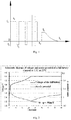
- a method for charging a lithium ion battery including the steps of:
- a current value of the constant current I 1 is 0.7C to 3C and the charging time t 1 is 0.1s to 20s.
- a current value of the constant current I 2 is 0 to 0.2C and the discharging time t 2 is 0.01s to 2s.
- the standing time t 3 is 1s to 10s.
- a current value of the constant current I 3 is 0.01C to 0.1C.
- the cutoff voltage V 0 satisfies 3.6V ⁇ V 0 ⁇ 4.5V.
- an anode of the lithium ion battery is selected from a group consisting of graphite, hard carbon, mesophase carbon microbeads; a maximum charge current I 0 of the anode at which no lithium precipitation occurs at the anode is 0.5C to 2.0C; and a lowest anode potential ⁇ at which no lithium precipitation occurs at the anode is -5mV to -100mV.
- the method is carried out at a temperature of 25 ⁇ 3°C.
- the method for charging a lithium ion battery of the present invention has the following advantages: the lithium ion battery is charged with a wide large current pulse and then discharged with a narrow small current pulse.
- the time in which the battery is below the lowest anode potential ⁇ when charged with high current is remarkably shortened. Increase of lithium ion concentration at the surface of the anode caused by the large current is reduced. Time in which the anode is at low potential is reduced, so as to avoid the safe problem caused by lithium precipitation at the anode.
- the lithium ion batteries of Examples 1 to 7 and Comparative examples 1 to 2 each has a cathode of LiCoO 2 and an anode of graphite.
- Each lithium ion battery also includes a separator, an electrolyte and a packaging case.
- Each lithium ion battery is prepared by assembling, forming and aging process.
- the cathode includes 96.7% of LiCoO 2 (as a cathode active material), 1.7% of PVDF (as a binder), and 1.6% of SP (as a conductive agent).
- the anode includes 98% of artificial graphite (as anode active material), 1.0% of SBR (as binder), and 1.0% of CMC (as thickener).
- the separator is a composite film of PP/PE/PP.
- the electrolyte includes organic solvent (30% EC + 30% PC + 40% DEC), 1 mol/L LiPF 6 and additives (0.5% VC, 5% FEC,
- the full charge capacity (SOC) of the lithium ion battery is 3400mAh (0.2C) and the cutoff voltage V 0 is 4.4V.
- the maximum charge current of the anode at which no lithium precipitation occurs is 1.3C and the lowest anode potential of the anode at which no lithium precipitation occurs is -70mV.
- a lithium ion battery is charged at 25 °C according to the method for charging a lithium ion battery of the present invention. As shown in Fig. 3 , the method for charging a lithium ion battery including the steps of:
- a lithium ion battery is charged at 25 °C according to the method for charging a lithium ion battery of the present invention.
- the method for charging a lithium ion battery including the steps of:
- a lithium ion battery is charged at 25 °C according to the method for charging a lithium ion battery of the present invention.
- the method for charging a lithium ion battery including the steps of:
- a lithium ion battery is charged at 25 °C according to the method for charging a lithium ion battery of the present invention.
- the method for charging a lithium ion battery including the steps of:
- a lithium ion battery is charged at 25 °C according to the method for charging a lithium ion battery of the present invention.
- the method for charging a lithium ion battery including the steps of:
- a lithium ion battery is charged at 25 °C according to the method for charging a lithium ion battery of the present invention.
- the method for charging a lithium ion battery including the steps of:
- a lithium ion battery is charged at 25 °C according to the method for charging a lithium ion battery of the present invention.
- the method for charging a lithium ion battery including the steps of:
- a lithium ion battery is charged at 25 °C according to a conventional method for charging a lithium ion battery.
- the conventional method for charging a lithium ion battery including the steps of:
- a lithium ion battery is charged at 25 °C according to a conventional method for charging a lithium ion battery.
- the conventional method for charging a lithium ion battery including the steps of:
- Table 1 presents comparison of charging parameters, lithium precipitation and charging time of lithium ion batteries including LiCoO 2 and graphite in Examples 1 to 7 and comparative Examples 1 to 2.
- Table 1 Comparison of charging parameters and charging effects of lithium ion batteries including LiCoO 2 and graphite in Examples and Comparative examples I 1 t 1 (s) I 2 t 2 (s) I 0 t 3 (s) I 3 Whether lithium precipitation occurs at the anode Charging time for reaching 80% SOC (min) Comparative example 1 / / / / 1.3C / 0.05C No 37.8 Comparative example 2 / / / / 1.8C / 0.05C Yes 32.7
- Example 1 2C 0.1 0.02C 0.01
- Example 2 1.5C 10 0.1C 0.2
- Example 3 1.5C 2 0.2C 0.05 1.3C 10 0.05C No 33.9
- Example 4 1.5C 20 0.1C 2 1.3C 10 0.05C No 34.8
- Example 5 2C 1 0.01
- the lithium ion batteries of Examples 8 to 14 and Comparative examples 3 to 4 each has a cathode of LiCoO 2 and an anode of hard carbon.
- Each lithium ion battery also includes a separator, an electrolyte and a packaging case.
- Each lithium ion battery is prepared by assembling, forming and aging process.
- the cathode includes 96.7% of LiCoO 2 (as a cathode active material), 1.7% of PVDF (as a binder), and 1.6% of SP (as a conductive agent).
- the anode includes 98% of hard carbon (as anode active material), 1.0% of SBR (as binder), and 1.0% of CMC (as thickener).
- the separator is a composite film of PP/PE/PP.
- the electrolyte includes organic solvent (30% EC + 30% PC + 40% DEC), 1 mol/L LiPF 6 and additives (0.5% VC, 5% FEC, 4% VEC
- the full charge capacity (SOC) of the lithium ion battery is 3150mAh (0.2C) and the cutoff voltage V 0 is 4.4V.
- the maximum charge current of the anode at which no lithium precipitation occurs is 2C, and the lowest anode potential of the anode at which no lithium precipitation occurs is -100mV.
- Examples 8 to 14 and Comparative examples 3 to 4 each is charged at 25 °C.
- Examples 8 to 14 each use the method for charging a lithium ion battery of the present invention
- Comparative example 3 to 4 each use a conventional method for charging a lithium ion battery at a constant current and voltage.
- Table 2 presents the relevant parameters of each Examples and Comparative examples.
- the lithium ion batteries of Examples 15 to 21 and Comparative examples 5 to 6 each includes a cathode of LiCoO 2 and an anode of mesophase carbon microbeads. Each lithium ion battery also includes a separator, an electrolyte and a packaging case. Each lithium ion battery is prepared by assembling, forming and aging process.
- the cathode includes 96.7% of LiCoO 2 (as a cathode active material), 1.7% of PVDF (as a binder), and 1.6% of SP (as a conductive agent).
- the anode includes 98% of MCMB (as anode active material), 1.0% of SBR (as binder), and 1.0% of CMC (as thickener).
- the separator is a composite film of PP/PE/PP.
- the electrolyte includes organic solvent (30% EC + 30% PC + 40% DEC), 1 mol/L LiPF 6 and additives (0.5% VC, 5% FEC
- the full charge capacity (SOC) of the lithium ion battery is 3250mAh (0.2C) and the cutoff voltage V 0 is 4.4V.
- the maximum charge current of the anode at which no lithium precipitation occurs is 1C, and the lowest anode potential of the anode at which no lithium precipitation occurs at the anode is -50mV.
- Examples 15 to 21 and Comparative examples 5 to 6 each is charged at 25 °C.
- Examples 15 to 21 each use the method for charging a lithium ion battery of the present invention
- Comparative example 5 to 6 each use a conventional method for charging a lithium ion battery at a constant current and voltage.
- Table 3 presents the relevant parameters of each Examples and Comparative examples.
- the lithium ion batteries of Examples 22 to 28 and Comparative examples 7 to 8 each includes a cathode of LiFePO 4 and an anode of graphite. Each lithium ion battery also includes a separator, an electrolyte and a packaging case. Each lithium ion battery is prepared by assembling, forming and aging process.
- the cathode includes 95.4% of LiFePO 4 (as a cathode active material), 2% of PVDF (as a binder), and 2.6% of SP (as a conductive agent).
- the anode includes 98% of artificial graphite (as anode active material), 1.0% of SBR (as binder), and 1.0% of CMC (as thickener).
- the separator is a composite film of PP/PE/PP.
- the electrolyte includes organic solvent (30% EC + 30% PC + 40% DEC), 1 mol/L LiPF 6 and additives (0.5% VC, 5% FEC, 4% VEC
- the full charge capacity (SOC) of the lithium ion battery is 3200mAh (0.2C) and the cutoff voltage V 0 is 3.7V.
- the maximum charge current of the anode at which no lithium precipitation occurs at the anode is 0.7C, and the lowest anode potential of the anode at which no lithium precipitation occurs at the anode is -20mV.
- Examples 22 to 28 and Comparative examples 7 to 8 each is charged at 25 °C.
- Examples 22 to 28 each use the method for charging a lithium ion battery of the present invention
- Comparative example 7 to 8 each use a conventional method for charging a lithium ion battery at a constant current and voltage.
- Table 4 presents the relevant parameters of each Examples and Comparative examples.
- the lithium ion batteries of Examples 29 to 35 and Comparative examples 9 to 10 each includes a cathode of LiFePO 4 and an anode of hard carbon. Each lithium ion battery also includes a separator, an electrolyte and a packaging case. Each lithium ion battery is prepared by assembling, forming and aging process.
- the cathode includes 95.4% of LiFePO 4 (as a cathode active material), 2% of PVDF (as a binder), and 2.6% of SP (as a conductive agent).
- the anode includes 98% of hard carbon (as anode active material), 1.0% of SBR (as binder), and 1.0% of CMC (as thickener).
- the separator is a composite film of PP/PE/PP.
- the electrolyte includes organic solvent (30% EC + 30% PC + 40% DEC), 1 mol/L LiPF 6 and additives (0.5% VC, 5% FEC, 4% VEC).
- the full charge capacity (SOC) of the lithium ion battery is 2800mAh (0.2C) and the cutoff voltage V 0 is 3.7V.
- the maximum charge current of the anode at which no lithium precipitation occurs at the anode is 1.2C and the lowest anode potential of the anode at which no lithium precipitation occurs at the anode is -20mV.
- Examples 29 to 35 and Comparative examples 9 to 10 each is charged at 25 °C.
- Examples 29 to 35 each use the method for charging a lithium ion battery of the present invention
- Comparative example 9 to 10 each use a conventional method for charging a lithium ion battery at a constant current and voltage.
- Table 5 presents the relevant parameters of each Examples and Comparative examples.
- the lithium ion batteries of Examples 36 to 42 and Comparative examples 11 to 12 each includes a cathode of LiFePO 4 and an anode of MCMB. Each lithium ion battery also includes a separator, an electrolyte and a packaging case. Each lithium ion battery is prepared by assembling, forming and aging process.
- the cathode includes 95.4% of LiFePO 4 (as a cathode active material), 2% of PVDF (as a binder), and 2.6% of SP (as a conductive agent).
- the anode includes of 98% of MCMB (as anode active material), 1.0% of SBR (as binder), and 1.0% of CMC (as thickener).
- the separator is a composite film of PP/PE/PP.
- the electrolyte includes organic solvent (30% EC + 30% PC + 40% DEC), 1 mol/L LiPF 6 and additives (0.5% VC, 5% FEC, 4% VEC
- the full charge capacity (SOC) of the lithium ion battery is 3000mAh (0.2C) and the cutoff voltage V 0 is 3.7V.
- the maximum charge current of the anode at which no lithium precipitation occurs at the anode is 0.5C and the lowest anode potential of the anode at which no lithium precipitation occurs at the anode is -20mV.
- Examples 36 to 42 and Comparative examples 11 to 12 each is charged at 25 °C.
- Examples 36 to 42 each use the method for charging a lithium ion battery of the present invention
- Comparative example 11 to 12 each use a conventional method for charging a lithium ion battery at a constant current and voltage.
- Table 6 presents the relevant parameters of each Examples and Comparative examples.
- the cathode includes 96.4% of NCX (as a cathode active material), 1.8% of PVDF (as a binder), and 1.8% of SP (as a conductive agent).
- the anode includes 98% of graphite (as anode active material), 1.0% of SBR (as binder), and 1.0% of CMC (as thickener).
- the separator is a composite film of PP/PE/PP.
- the electrolyte includes organic solvent (30% EC + 30% PC + 40% DEC), 1 mol/L LiPF 6 and additives (0.5% VC, 5% FEC, 4%
- the full charge capacity (SOC) of the lithium ion battery is 3000mAh (0.2C) and the cutoff voltage V 0 is 4.2V.
- the maximum charge current of the anode at which no lithium precipitation occurs at the anode is 1C and the lowest anode potential of the anode at which no lithium precipitation occurs at the anode is -40mV.
- Examples 43 to 49 and Comparative examples 13 to 14 each is charged at 25 °C.
- Examples 43 to 49 each use the method for charging a lithium ion battery of the present invention
- Comparative example 13 to 14 each use a conventional method for charging a lithium ion battery at a constant current and voltage.
- Table 7 presents the relevant parameters of each Examples and Comparative examples.
- the cathode includes 96.4% of NCX (as a cathode active material), 1.8% of PVDF (as a binder), and 1.8% of SP (as a conductive agent).
- the anode includes 98% of graphite (as anode active material), 1.0% of SBR (as binder), and 1.0% of CMC (as thickener).
- the separator is a composite film of PP/PE/PP.
- the electrolyte includes organic solvent (30% EC + 30% PC + 40% DEC), 1 mol/L LiPF 6 and additives (0.5% VC, 5% FEC, 4% V
- the full charge capacity (SOC) of the lithium ion battery is 2900mAh (0.2C) and the cutoff voltage V 0 is 4.2V.
- the maximum charge current of the anode at which no lithium precipitation occurs at the anode is 1.5C and the lowest anode potential of the anode at which no lithium precipitation occurs at the anode is -60mV.
- Examples 50 to 56 and Comparative examples 15 to 16 each is charged at 25 °C.
- Examples 50 to 56 each use the method for charging a lithium ion battery of the present invention
- Comparative example 15 to 16 each use a conventional method for charging a lithium ion battery at a constant current and voltage.
- Table 8 presents the relevant parameters of each Examples and Comparative examples.
- the cathode includes 96.4% of NCX (as a cathode active material), 1.8% of PVDF (as a binder), and 1.8% of SP (as a conductive agent).
- the anode includes 98% of MCMB (as anode active material), 1.0% of SBR (as binder), and 1.0% of CMC (as thickener).
- the separator is a composite film of PP/PE/PP.
- the electrolyte includes organic solvent (30% EC + 30% PC + 40% DEC), 1 mol/L LiPF 6 and additives (0.5% VC, 5% FEC,
- the full charge capacity (SOC) of the lithium ion battery is 2950mAh (0.2C) and the cutoff voltage V 0 is 4.2V.
- the maximum charge current of the anode at which no lithium precipitation occurs at the anode is 0.8C and the lowest anode potential of the anode at which no lithium precipitation occurs at the anode is -30mV.
- Examples 57 to 63 and Comparative examples 17 to 18 each is charged at 25 °C.
- Examples 57 to 63 each use the method for charging a lithium ion battery of the present invention
- Comparative example 17 to 18 each use a conventional method for charging a lithium ion battery at a constant current and voltage.
- Table 9 presents the relevant parameters of each examples and comparative examples.
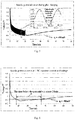
- Fig. 2 depicts a schematic diagram of voltage and anode potential of a full battery according to Example 1 of the present invention including LiCoO 2 and graphite charged at 1.3C.
- the lowest anode potential ⁇ of the lithium ion battery at which no lithium precipitation occurs at the anode is about -90mV.
- Tables 1 to 9 present the lithium precipitation and charging time for reaching 80% SOC in different examples and comparative examples. As can be seen, for a lithium ion battery charged at constant current and voltage according to the traditional method, if the charging current exceeds the maximum safe charging current the battery system can bear, lithium precipitation occurs at the anode.
- the method for charging a lithium ion battery of the present invention can increase the charging speed.
- Fig. 5 and Fig. 6 depict anodic potential curves of Example 1 and Comparative example 2 respectively.
- the time in which no lithium precipitation occurs below the lowest anode potential is about 28 min.
- the time in which no lithium precipitation occurs below the lowest anode potential is remarkably shortened (about 0.5 min).
- the lithium ion battery is charged with a large current pulse and discharged with a small current pulse. Therefore, increase of the lithium ion concentration at the surface of the anode caused by the large current charging is reduced and occurrence of lithium precipitation at the anode is avoided.
Landscapes
- Chemical & Material Sciences (AREA)
- Engineering & Computer Science (AREA)
- Chemical Kinetics & Catalysis (AREA)
- Electrochemistry (AREA)
- General Chemical & Material Sciences (AREA)
- Manufacturing & Machinery (AREA)
- Power Engineering (AREA)
- Materials Engineering (AREA)
- Inorganic Chemistry (AREA)
- Secondary Cells (AREA)
- Battery Electrode And Active Subsutance (AREA)
Applications Claiming Priority (1)
| Application Number | Priority Date | Filing Date | Title |
|---|---|---|---|
| CN201610099461.8A CN107104249B (zh) | 2016-02-23 | 2016-02-23 | 锂离子电池充电方法 |
Publications (2)
| Publication Number | Publication Date |
|---|---|
| EP3211709A1 true EP3211709A1 (fr) | 2017-08-30 |
| EP3211709B1 EP3211709B1 (fr) | 2019-09-11 |
Family
ID=58158936
Family Applications (1)
| Application Number | Title | Priority Date | Filing Date |
|---|---|---|---|
| EP17157677.0A Active EP3211709B1 (fr) | 2016-02-23 | 2017-02-23 | Procédé de chargement de batterie au lithium-ion |
Country Status (6)
| Country | Link |
|---|---|
| US (1) | US10164456B2 (fr) |
| EP (1) | EP3211709B1 (fr) |
| JP (1) | JP6254232B2 (fr) |
| KR (1) | KR101873329B1 (fr) |
| CN (1) | CN107104249B (fr) |
| WO (1) | WO2017143761A1 (fr) |
Cited By (3)
| Publication number | Priority date | Publication date | Assignee | Title |
|---|---|---|---|---|
| EP3787095A1 (fr) * | 2019-08-28 | 2021-03-03 | Beijing Xiaomi Mobile Software Co., Ltd. | Procédé et dispositif de chargement de batterie au lithium-ion |
| EP4236006A4 (fr) * | 2021-09-08 | 2024-05-22 | Contemporary Amperex Technology Co., Limited | Procédé de charge d'une batterie d'alimentation et système de gestion de batterie |
| EP4394998A4 (fr) * | 2022-04-21 | 2025-06-25 | LG Energy Solution, Ltd. | Appareil de commande de batterie et procédé de commande de batterie |
Families Citing this family (26)
| Publication number | Priority date | Publication date | Assignee | Title |
|---|---|---|---|---|
| CN107204493B (zh) * | 2017-04-28 | 2020-09-29 | 宁德时代新能源科技股份有限公司 | 电池充电方法、装置和设备 |
| KR20190025320A (ko) | 2017-09-01 | 2019-03-11 | 주식회사 엘지화학 | 리튬-황 이차전지의 수명특성 및 충전속도 개선방법 |
| CN109574090B (zh) * | 2017-09-28 | 2020-09-15 | 比亚迪股份有限公司 | 氢氧化镍钴锰和正极材料及其制备方法和锂离子电池 |
| MX2020009845A (es) | 2018-03-22 | 2020-10-15 | Tae Tech Inc | Sistemas y metodos para gestion y control de potencia. |
| CN109065989B (zh) * | 2018-07-27 | 2020-06-05 | 维沃移动通信有限公司 | 一种充电方法及充电装置 |
| FR3087057B1 (fr) * | 2018-10-09 | 2022-11-11 | Renault Sas | Procede et dispositif de regulation du niveau de charge d'une batterie de traction d'un vehicule electrique |
| CN109742466A (zh) * | 2018-11-23 | 2019-05-10 | 颍上北方动力新能源有限公司 | 一种锂电池充电方法 |
| CN111279573A (zh) * | 2018-12-21 | 2020-06-12 | 深圳市大疆创新科技有限公司 | 对锂电池进行充电的方法及相关装置 |
| CN110061315A (zh) * | 2019-03-29 | 2019-07-26 | 欣旺达电动汽车电池有限公司 | 一种锂离子电池快速充电方法 |
| US12556017B2 (en) | 2019-05-30 | 2026-02-17 | Tae Technologies, Inc. | Advanced battery charging on modular levels of energy storage systems |
| CN110556608B (zh) * | 2019-08-29 | 2020-11-03 | 清华大学 | 电池脉冲加热参数确定方法及参数确定系统 |
| DE102019216015A1 (de) * | 2019-10-17 | 2021-04-22 | Robert Bosch Gmbh | Verfahren zum Anpassen einer Anodenüberspannung einer Lithium-Ionen-Batterie, Verfahren zum Verbessern eines Kapazitätsalterungszustands der Lithium-Ionen-Batterie |
| KR102832843B1 (ko) | 2020-01-31 | 2025-07-10 | 주식회사 엘지에너지솔루션 | 배터리 충방전 제어 장치 및 방법 |
| CN111443296A (zh) * | 2020-03-17 | 2020-07-24 | 合肥国轩高科动力能源有限公司 | 一种锂离子电池回馈充电能力的验证方法 |
| CN112640185B (zh) * | 2020-08-04 | 2022-04-26 | 宁德新能源科技有限公司 | 电子装置、用于电化学装置的充电方法、终端和存储介质 |
| CN114285103B (zh) * | 2020-09-27 | 2024-12-10 | 比亚迪股份有限公司 | 基于析锂检测的电池充电方法、系统、汽车及介质 |
| US11955624B2 (en) * | 2020-10-29 | 2024-04-09 | Saft America | Blended cathode materials for secondary batteries |
| CN112098866B (zh) * | 2020-11-09 | 2021-02-19 | 天津力神电池股份有限公司 | 一种判断电池在循环过程中是否发生析锂的无损分析方法 |
| CN113036244B (zh) * | 2021-03-04 | 2022-04-19 | 江西安驰新能源科技有限公司 | 一种磷酸铁锂电池的低温充电方法 |
| CN114531928B (zh) * | 2021-03-25 | 2024-05-10 | 宁德新能源科技有限公司 | 充电方法、充电装置和充电设备 |
| EP4231483A4 (fr) * | 2021-09-08 | 2024-04-10 | Contemporary Amperex Technology Co., Limited | Procédé de charge de batterie d'alimentation et système de gestion de batterie |
| KR102913839B1 (ko) * | 2021-09-08 | 2026-01-16 | 컨템포러리 엠퍼렉스 테크놀로지 (홍콩) 리미티드 | 파워 배터리 충전 방법 및 배터리 관리 시스템 |
| EP4195448A4 (fr) | 2021-10-14 | 2023-12-20 | Contemporary Amperex Technology Co., Limited | Dispositif de charge, procédé de commande de charge, système de gestion d'alimentation et support de stockage |
| CN114268149B (zh) * | 2021-12-17 | 2024-01-23 | 上海瑞浦青创新能源有限公司 | 电池快充充电控制方法、系统及电池快充充电方法 |
| CN115441078B (zh) * | 2022-09-30 | 2026-02-17 | 浙江锋锂新能源科技有限公司 | 一种可提升循环寿命的锂金属电池放电控制方式 |
| CN115441077A (zh) * | 2022-09-30 | 2022-12-06 | 浙江锋锂新能源科技有限公司 | 一种可提升循环寿命的锂金属电池充电控制方式 |
Citations (5)
| Publication number | Priority date | Publication date | Assignee | Title |
|---|---|---|---|---|
| JPH07105983A (ja) * | 1993-09-30 | 1995-04-21 | Sanyo Electric Co Ltd | パック電池の充電方法 |
| JP3239040B2 (ja) * | 1995-04-11 | 2001-12-17 | 三洋電機株式会社 | 二次電池の充電方法 |
| KR20120121828A (ko) * | 2011-04-27 | 2012-11-06 | (주) 이이시스 | 에너지 회생 기능을 갖는 펄스형 배터리의 급속 충전기 및 그 충전기의 제어 방법 |
| US20140327406A1 (en) * | 2011-11-30 | 2014-11-06 | H-Tech Ag | Method and apparatus for charging rechargeable cells |
| WO2014184338A1 (fr) * | 2013-05-17 | 2014-11-20 | H-Tech Ag | Procédé et dispositif de charge d'éléments accumulateurs rechargeables |
Family Cites Families (24)
| Publication number | Priority date | Publication date | Assignee | Title |
|---|---|---|---|---|
| JPS5354754A (en) * | 1976-10-28 | 1978-05-18 | Shin Kobe Electric Machinery | Method of charging storage battery |
| JPH0636803A (ja) * | 1992-07-17 | 1994-02-10 | Mitsubishi Cable Ind Ltd | Li二次電池の充電方法 |
| US5550454A (en) * | 1994-02-02 | 1996-08-27 | Buckley; James P. | Charging regime for secondary lithium batteries |
| CN2198706Y (zh) * | 1994-09-06 | 1995-05-24 | 冶金工业部钢铁研究总院 | 一种高效率保护型充电器 |
| US6104165A (en) * | 1995-06-16 | 2000-08-15 | Zip Charge Corporation | Multi-stage battery charging system |
| KR100414979B1 (ko) * | 2000-03-13 | 2004-01-14 | 니폰 덴신 덴와 가부시끼가이샤 | 리튬이온전지의 용량추정방법, 열화판정방법 및열화판정장치, 및 리튬이온배터리 |
| JP2002125326A (ja) * | 2000-10-12 | 2002-04-26 | Honda Motor Co Ltd | バッテリの充電制御方法 |
| JP2003189498A (ja) * | 2001-12-14 | 2003-07-04 | Sogo Keikaku Kenkyusho:Kk | 二次電池の充電方法及び二次電池の充電器 |
| JP3926699B2 (ja) * | 2002-07-30 | 2007-06-06 | 株式会社リコー | 二次電池の充電装置及びその充電方法 |
| JP2004357481A (ja) * | 2003-05-30 | 2004-12-16 | Sanyo Electric Co Ltd | 複数のバッテリを充電する方法と放電する方法 |
| US7646171B2 (en) * | 2004-01-06 | 2010-01-12 | Sion Power Corporation | Methods of charging lithium sulfur cells |
| CN1655419A (zh) * | 2004-02-13 | 2005-08-17 | 合肥同智科技发展有限公司 | 蓄电池快/慢充电控制方法 |
| US20050264263A1 (en) * | 2004-06-01 | 2005-12-01 | Tsenter Boris I | Methods of charging, equalizing, and controlling Li-based batteries |
| CN201001045Y (zh) * | 2007-02-05 | 2008-01-02 | 詹炳只 | 一种电池充电器 |
| CN101051701B (zh) * | 2007-03-01 | 2010-08-11 | 华为技术有限公司 | 一种蓄电池脉冲快速充电方法及充电系统 |
| CN102356498A (zh) * | 2009-12-11 | 2012-02-15 | 松下电器产业株式会社 | 非水电解质二次电池及其充电方法 |
| CN102208699A (zh) * | 2011-04-12 | 2011-10-05 | 北京理工大学 | 一种带负脉冲放电的快速脉冲充电方法 |
| JP2012243455A (ja) * | 2011-05-17 | 2012-12-10 | Toyota Motor Corp | リチウムイオン二次電池 |
| JP5810868B2 (ja) | 2011-11-28 | 2015-11-11 | 三菱自動車工業株式会社 | 充電制御装置 |
| CN102569927A (zh) * | 2011-12-12 | 2012-07-11 | 华为技术有限公司 | 一种锂离子电池的充电方法和充电机 |
| JP2014158414A (ja) * | 2013-01-21 | 2014-08-28 | Semiconductor Energy Lab Co Ltd | 蓄電体を有する車両 |
| CN103269115B (zh) * | 2013-06-05 | 2015-07-08 | 浙江师范大学 | 一种便携式电动汽车智能充电机 |
| CN104821644B (zh) * | 2015-05-25 | 2017-07-14 | 青岛大学 | 一种机器人无线充电方法 |
| CN105186053B (zh) * | 2015-08-24 | 2018-01-12 | 长春理工大学 | 蓄电池变电流充电方法 |
-
2016
- 2016-02-23 CN CN201610099461.8A patent/CN107104249B/zh active Active
- 2016-08-04 JP JP2016154038A patent/JP6254232B2/ja active Active
- 2016-09-08 WO PCT/CN2016/098448 patent/WO2017143761A1/fr not_active Ceased
-
2017
- 2017-02-21 KR KR1020170022934A patent/KR101873329B1/ko active Active
- 2017-02-22 US US15/439,867 patent/US10164456B2/en active Active
- 2017-02-23 EP EP17157677.0A patent/EP3211709B1/fr active Active
Patent Citations (5)
| Publication number | Priority date | Publication date | Assignee | Title |
|---|---|---|---|---|
| JPH07105983A (ja) * | 1993-09-30 | 1995-04-21 | Sanyo Electric Co Ltd | パック電池の充電方法 |
| JP3239040B2 (ja) * | 1995-04-11 | 2001-12-17 | 三洋電機株式会社 | 二次電池の充電方法 |
| KR20120121828A (ko) * | 2011-04-27 | 2012-11-06 | (주) 이이시스 | 에너지 회생 기능을 갖는 펄스형 배터리의 급속 충전기 및 그 충전기의 제어 방법 |
| US20140327406A1 (en) * | 2011-11-30 | 2014-11-06 | H-Tech Ag | Method and apparatus for charging rechargeable cells |
| WO2014184338A1 (fr) * | 2013-05-17 | 2014-11-20 | H-Tech Ag | Procédé et dispositif de charge d'éléments accumulateurs rechargeables |
Cited By (5)
| Publication number | Priority date | Publication date | Assignee | Title |
|---|---|---|---|---|
| EP3787095A1 (fr) * | 2019-08-28 | 2021-03-03 | Beijing Xiaomi Mobile Software Co., Ltd. | Procédé et dispositif de chargement de batterie au lithium-ion |
| US11404896B2 (en) | 2019-08-28 | 2022-08-02 | Beijing Xiaomi Mobile Software Co., Ltd. | Method and device for charging lithium ion battery |
| EP4236006A4 (fr) * | 2021-09-08 | 2024-05-22 | Contemporary Amperex Technology Co., Limited | Procédé de charge d'une batterie d'alimentation et système de gestion de batterie |
| EP4394998A4 (fr) * | 2022-04-21 | 2025-06-25 | LG Energy Solution, Ltd. | Appareil de commande de batterie et procédé de commande de batterie |
| US12500435B2 (en) | 2022-04-21 | 2025-12-16 | Lg Energy Solution, Ltd. | Battery control apparatus and battery control method |
Also Published As
| Publication number | Publication date |
|---|---|
| KR101873329B1 (ko) | 2018-07-03 |
| JP2017152356A (ja) | 2017-08-31 |
| WO2017143761A1 (fr) | 2017-08-31 |
| CN107104249A (zh) | 2017-08-29 |
| KR20170099378A (ko) | 2017-08-31 |
| CN107104249B (zh) | 2019-08-30 |
| US20170244255A1 (en) | 2017-08-24 |
| JP6254232B2 (ja) | 2017-12-27 |
| US10164456B2 (en) | 2018-12-25 |
| EP3211709B1 (fr) | 2019-09-11 |
Similar Documents
| Publication | Publication Date | Title |
|---|---|---|
| EP3211709B1 (fr) | Procédé de chargement de batterie au lithium-ion | |
| US9793736B2 (en) | Fast charging method for battery | |
| CN109037811B (zh) | 一种石墨负极体系锂离子电池的充电方法 | |
| CN103441236B (zh) | 锂离子电池阴极片、锂离子电池及其制备方法 | |
| US20160104880A1 (en) | Rapid charge lithium-ion battery | |
| US10320038B2 (en) | Charging method for lithium ion secondary battery and charging control system therefor, and electronic apparatus and battery pack having charging control system | |
| EP3370299B1 (fr) | Procédé de charge à tension non constante de batterie lithium-ion pour la correction et la compensation de tension | |
| EP4123742A1 (fr) | Procédé d'amélioration de performances de cycle de batterie et appareil électronique | |
| CN109509927B (zh) | 一种锂离子电池的充电方式 | |
| US9312542B2 (en) | Electrode plate for nonaqueous electrolyte secondary battery, nonaqueous electrolyte secondary battery including the same, and method for manufacturing the same | |
| CN107706471A (zh) | 锂二次电池充电方法 | |
| WO2018188225A1 (fr) | Dispositif et procédé de charge de batterie | |
| CN106058326B (zh) | 一种可优化sei膜性能的锂离子电池化成方法 | |
| JP6067003B2 (ja) | 複合電気化学システムの組み立て方法 | |
| US10553914B2 (en) | Rapid forming of an electrode | |
| CN111384438B (zh) | 一种锂离子电池非水电解液及锂离子电池 | |
| CN110676514B (zh) | 锂离子电池单体及其化成方法 | |
| CN119093543A (zh) | 电池充电控制方法、装置及其存储介质 | |
| CN118315692A (zh) | 一种延长锂电池寿命的原位电化学方法 | |
| CN113632290B (zh) | 改善电池循环性能的方法和电子装置 | |
| CN118507872A (zh) | 一种电池化成工艺方法及其在钠离子电池中的应用 | |
| CN118431599A (zh) | 含硅体系电芯的化成方法和应用及含硅体系电芯 | |
| JP2023098227A (ja) | リチウムイオン電池の回復処理方法、充放電装置およびプログラム | |
| HK1193234B (en) | Method for assembling a hybrid supercapacitor based on lithium |
Legal Events
| Date | Code | Title | Description |
|---|---|---|---|
| PUAI | Public reference made under article 153(3) epc to a published international application that has entered the european phase |
Free format text: ORIGINAL CODE: 0009012 |
|
| STAA | Information on the status of an ep patent application or granted ep patent |
Free format text: STATUS: THE APPLICATION HAS BEEN PUBLISHED |
|
| AK | Designated contracting states |
Kind code of ref document: A1 Designated state(s): AL AT BE BG CH CY CZ DE DK EE ES FI FR GB GR HR HU IE IS IT LI LT LU LV MC MK MT NL NO PL PT RO RS SE SI SK SM TR |
|
| AX | Request for extension of the european patent |
Extension state: BA ME |
|
| STAA | Information on the status of an ep patent application or granted ep patent |
Free format text: STATUS: REQUEST FOR EXAMINATION WAS MADE |
|
| 17P | Request for examination filed |
Effective date: 20180227 |
|
| RBV | Designated contracting states (corrected) |
Designated state(s): AL AT BE BG CH CY CZ DE DK EE ES FI FR GB GR HR HU IE IS IT LI LT LU LV MC MK MT NL NO PL PT RO RS SE SI SK SM TR |
|
| GRAP | Despatch of communication of intention to grant a patent |
Free format text: ORIGINAL CODE: EPIDOSNIGR1 |
|
| STAA | Information on the status of an ep patent application or granted ep patent |
Free format text: STATUS: GRANT OF PATENT IS INTENDED |
|
| RIC1 | Information provided on ipc code assigned before grant |
Ipc: H01M 4/525 20100101ALN20190307BHEP Ipc: H02J 7/00 20060101ALN20190307BHEP Ipc: H01M 10/44 20060101AFI20190307BHEP Ipc: H01M 4/587 20100101ALI20190307BHEP Ipc: H01M 10/0525 20100101ALI20190307BHEP Ipc: H01M 4/505 20100101ALN20190307BHEP Ipc: H01M 4/58 20100101ALN20190307BHEP |
|
| INTG | Intention to grant announced |
Effective date: 20190402 |
|
| GRAS | Grant fee paid |
Free format text: ORIGINAL CODE: EPIDOSNIGR3 |
|
| GRAA | (expected) grant |
Free format text: ORIGINAL CODE: 0009210 |
|
| STAA | Information on the status of an ep patent application or granted ep patent |
Free format text: STATUS: THE PATENT HAS BEEN GRANTED |
|
| AK | Designated contracting states |
Kind code of ref document: B1 Designated state(s): AL AT BE BG CH CY CZ DE DK EE ES FI FR GB GR HR HU IE IS IT LI LT LU LV MC MK MT NL NO PL PT RO RS SE SI SK SM TR |
|
| REG | Reference to a national code |
Ref country code: GB Ref legal event code: FG4D |
|
| REG | Reference to a national code |
Ref country code: CH Ref legal event code: EP |
|
| REG | Reference to a national code |
Ref country code: AT Ref legal event code: REF Ref document number: 1179684 Country of ref document: AT Kind code of ref document: T Effective date: 20190915 |
|
| REG | Reference to a national code |
Ref country code: DE Ref legal event code: R096 Ref document number: 602017006834 Country of ref document: DE |
|
| REG | Reference to a national code |
Ref country code: IE Ref legal event code: FG4D |
|
| REG | Reference to a national code |
Ref country code: NL Ref legal event code: MP Effective date: 20190911 |
|
| REG | Reference to a national code |
Ref country code: LT Ref legal event code: MG4D |
|
| PG25 | Lapsed in a contracting state [announced via postgrant information from national office to epo] |
Ref country code: FI Free format text: LAPSE BECAUSE OF FAILURE TO SUBMIT A TRANSLATION OF THE DESCRIPTION OR TO PAY THE FEE WITHIN THE PRESCRIBED TIME-LIMIT Effective date: 20190911 Ref country code: SE Free format text: LAPSE BECAUSE OF FAILURE TO SUBMIT A TRANSLATION OF THE DESCRIPTION OR TO PAY THE FEE WITHIN THE PRESCRIBED TIME-LIMIT Effective date: 20190911 Ref country code: HR Free format text: LAPSE BECAUSE OF FAILURE TO SUBMIT A TRANSLATION OF THE DESCRIPTION OR TO PAY THE FEE WITHIN THE PRESCRIBED TIME-LIMIT Effective date: 20190911 Ref country code: BG Free format text: LAPSE BECAUSE OF FAILURE TO SUBMIT A TRANSLATION OF THE DESCRIPTION OR TO PAY THE FEE WITHIN THE PRESCRIBED TIME-LIMIT Effective date: 20191211 Ref country code: LT Free format text: LAPSE BECAUSE OF FAILURE TO SUBMIT A TRANSLATION OF THE DESCRIPTION OR TO PAY THE FEE WITHIN THE PRESCRIBED TIME-LIMIT Effective date: 20190911 Ref country code: NO Free format text: LAPSE BECAUSE OF FAILURE TO SUBMIT A TRANSLATION OF THE DESCRIPTION OR TO PAY THE FEE WITHIN THE PRESCRIBED TIME-LIMIT Effective date: 20191211 |
|
| PG25 | Lapsed in a contracting state [announced via postgrant information from national office to epo] |
Ref country code: ES Free format text: LAPSE BECAUSE OF FAILURE TO SUBMIT A TRANSLATION OF THE DESCRIPTION OR TO PAY THE FEE WITHIN THE PRESCRIBED TIME-LIMIT Effective date: 20190911 Ref country code: LV Free format text: LAPSE BECAUSE OF FAILURE TO SUBMIT A TRANSLATION OF THE DESCRIPTION OR TO PAY THE FEE WITHIN THE PRESCRIBED TIME-LIMIT Effective date: 20190911 Ref country code: AL Free format text: LAPSE BECAUSE OF FAILURE TO SUBMIT A TRANSLATION OF THE DESCRIPTION OR TO PAY THE FEE WITHIN THE PRESCRIBED TIME-LIMIT Effective date: 20190911 Ref country code: GR Free format text: LAPSE BECAUSE OF FAILURE TO SUBMIT A TRANSLATION OF THE DESCRIPTION OR TO PAY THE FEE WITHIN THE PRESCRIBED TIME-LIMIT Effective date: 20191212 Ref country code: RS Free format text: LAPSE BECAUSE OF FAILURE TO SUBMIT A TRANSLATION OF THE DESCRIPTION OR TO PAY THE FEE WITHIN THE PRESCRIBED TIME-LIMIT Effective date: 20190911 |
|
| REG | Reference to a national code |
Ref country code: AT Ref legal event code: MK05 Ref document number: 1179684 Country of ref document: AT Kind code of ref document: T Effective date: 20190911 |
|
| PG25 | Lapsed in a contracting state [announced via postgrant information from national office to epo] |
Ref country code: RO Free format text: LAPSE BECAUSE OF FAILURE TO SUBMIT A TRANSLATION OF THE DESCRIPTION OR TO PAY THE FEE WITHIN THE PRESCRIBED TIME-LIMIT Effective date: 20190911 Ref country code: IT Free format text: LAPSE BECAUSE OF FAILURE TO SUBMIT A TRANSLATION OF THE DESCRIPTION OR TO PAY THE FEE WITHIN THE PRESCRIBED TIME-LIMIT Effective date: 20190911 Ref country code: EE Free format text: LAPSE BECAUSE OF FAILURE TO SUBMIT A TRANSLATION OF THE DESCRIPTION OR TO PAY THE FEE WITHIN THE PRESCRIBED TIME-LIMIT Effective date: 20190911 Ref country code: PL Free format text: LAPSE BECAUSE OF FAILURE TO SUBMIT A TRANSLATION OF THE DESCRIPTION OR TO PAY THE FEE WITHIN THE PRESCRIBED TIME-LIMIT Effective date: 20190911 Ref country code: PT Free format text: LAPSE BECAUSE OF FAILURE TO SUBMIT A TRANSLATION OF THE DESCRIPTION OR TO PAY THE FEE WITHIN THE PRESCRIBED TIME-LIMIT Effective date: 20200113 Ref country code: NL Free format text: LAPSE BECAUSE OF FAILURE TO SUBMIT A TRANSLATION OF THE DESCRIPTION OR TO PAY THE FEE WITHIN THE PRESCRIBED TIME-LIMIT Effective date: 20190911 Ref country code: AT Free format text: LAPSE BECAUSE OF FAILURE TO SUBMIT A TRANSLATION OF THE DESCRIPTION OR TO PAY THE FEE WITHIN THE PRESCRIBED TIME-LIMIT Effective date: 20190911 |
|
| PG25 | Lapsed in a contracting state [announced via postgrant information from national office to epo] |
Ref country code: CZ Free format text: LAPSE BECAUSE OF FAILURE TO SUBMIT A TRANSLATION OF THE DESCRIPTION OR TO PAY THE FEE WITHIN THE PRESCRIBED TIME-LIMIT Effective date: 20190911 Ref country code: SK Free format text: LAPSE BECAUSE OF FAILURE TO SUBMIT A TRANSLATION OF THE DESCRIPTION OR TO PAY THE FEE WITHIN THE PRESCRIBED TIME-LIMIT Effective date: 20190911 Ref country code: IS Free format text: LAPSE BECAUSE OF FAILURE TO SUBMIT A TRANSLATION OF THE DESCRIPTION OR TO PAY THE FEE WITHIN THE PRESCRIBED TIME-LIMIT Effective date: 20200224 Ref country code: SM Free format text: LAPSE BECAUSE OF FAILURE TO SUBMIT A TRANSLATION OF THE DESCRIPTION OR TO PAY THE FEE WITHIN THE PRESCRIBED TIME-LIMIT Effective date: 20190911 |
|
| REG | Reference to a national code |
Ref country code: DE Ref legal event code: R097 Ref document number: 602017006834 Country of ref document: DE |
|
| PLBE | No opposition filed within time limit |
Free format text: ORIGINAL CODE: 0009261 |
|
| STAA | Information on the status of an ep patent application or granted ep patent |
Free format text: STATUS: NO OPPOSITION FILED WITHIN TIME LIMIT |
|
| PG2D | Information on lapse in contracting state deleted |
Ref country code: IS |
|
| PG25 | Lapsed in a contracting state [announced via postgrant information from national office to epo] |
Ref country code: DK Free format text: LAPSE BECAUSE OF FAILURE TO SUBMIT A TRANSLATION OF THE DESCRIPTION OR TO PAY THE FEE WITHIN THE PRESCRIBED TIME-LIMIT Effective date: 20190911 Ref country code: IS Free format text: LAPSE BECAUSE OF FAILURE TO SUBMIT A TRANSLATION OF THE DESCRIPTION OR TO PAY THE FEE WITHIN THE PRESCRIBED TIME-LIMIT Effective date: 20200112 |
|
| 26N | No opposition filed |
Effective date: 20200615 |
|
| PG25 | Lapsed in a contracting state [announced via postgrant information from national office to epo] |
Ref country code: SI Free format text: LAPSE BECAUSE OF FAILURE TO SUBMIT A TRANSLATION OF THE DESCRIPTION OR TO PAY THE FEE WITHIN THE PRESCRIBED TIME-LIMIT Effective date: 20190911 |
|
| REG | Reference to a national code |
Ref country code: CH Ref legal event code: PL |
|
| REG | Reference to a national code |
Ref country code: BE Ref legal event code: MM Effective date: 20200229 |
|
| PG25 | Lapsed in a contracting state [announced via postgrant information from national office to epo] |
Ref country code: LU Free format text: LAPSE BECAUSE OF NON-PAYMENT OF DUE FEES Effective date: 20200223 Ref country code: MC Free format text: LAPSE BECAUSE OF FAILURE TO SUBMIT A TRANSLATION OF THE DESCRIPTION OR TO PAY THE FEE WITHIN THE PRESCRIBED TIME-LIMIT Effective date: 20190911 |
|
| PG25 | Lapsed in a contracting state [announced via postgrant information from national office to epo] |
Ref country code: CH Free format text: LAPSE BECAUSE OF NON-PAYMENT OF DUE FEES Effective date: 20200229 Ref country code: LI Free format text: LAPSE BECAUSE OF NON-PAYMENT OF DUE FEES Effective date: 20200229 |
|
| PG25 | Lapsed in a contracting state [announced via postgrant information from national office to epo] |
Ref country code: IE Free format text: LAPSE BECAUSE OF NON-PAYMENT OF DUE FEES Effective date: 20200223 |
|
| PG25 | Lapsed in a contracting state [announced via postgrant information from national office to epo] |
Ref country code: BE Free format text: LAPSE BECAUSE OF NON-PAYMENT OF DUE FEES Effective date: 20200229 |
|
| PG25 | Lapsed in a contracting state [announced via postgrant information from national office to epo] |
Ref country code: TR Free format text: LAPSE BECAUSE OF FAILURE TO SUBMIT A TRANSLATION OF THE DESCRIPTION OR TO PAY THE FEE WITHIN THE PRESCRIBED TIME-LIMIT Effective date: 20190911 Ref country code: MT Free format text: LAPSE BECAUSE OF FAILURE TO SUBMIT A TRANSLATION OF THE DESCRIPTION OR TO PAY THE FEE WITHIN THE PRESCRIBED TIME-LIMIT Effective date: 20190911 Ref country code: CY Free format text: LAPSE BECAUSE OF FAILURE TO SUBMIT A TRANSLATION OF THE DESCRIPTION OR TO PAY THE FEE WITHIN THE PRESCRIBED TIME-LIMIT Effective date: 20190911 |
|
| PG25 | Lapsed in a contracting state [announced via postgrant information from national office to epo] |
Ref country code: MK Free format text: LAPSE BECAUSE OF FAILURE TO SUBMIT A TRANSLATION OF THE DESCRIPTION OR TO PAY THE FEE WITHIN THE PRESCRIBED TIME-LIMIT Effective date: 20190911 |
|
| P01 | Opt-out of the competence of the unified patent court (upc) registered |
Effective date: 20230531 |
|
| REG | Reference to a national code |
Ref country code: DE Ref legal event code: R082 Ref document number: 602017006834 Country of ref document: DE Representative=s name: MAIWALD GMBH, DE |
|
| PGFP | Annual fee paid to national office [announced via postgrant information from national office to epo] |
Ref country code: FR Payment date: 20251231 Year of fee payment: 10 |
|
| PGFP | Annual fee paid to national office [announced via postgrant information from national office to epo] |
Ref country code: GB Payment date: 20260106 Year of fee payment: 10 |
|
| PGFP | Annual fee paid to national office [announced via postgrant information from national office to epo] |
Ref country code: DE Payment date: 20260102 Year of fee payment: 10 |