EP3230249B1 - 2-dodécyl-6-méthoxycyclohexa-2,5-diène-1,4-dione utilisable en tant qu'agent anti-cancéreux - Google Patents
2-dodécyl-6-méthoxycyclohexa-2,5-diène-1,4-dione utilisable en tant qu'agent anti-cancéreux Download PDFInfo
- Publication number
- EP3230249B1 EP3230249B1 EP15866405.2A EP15866405A EP3230249B1 EP 3230249 B1 EP3230249 B1 EP 3230249B1 EP 15866405 A EP15866405 A EP 15866405A EP 3230249 B1 EP3230249 B1 EP 3230249B1
- Authority
- EP
- European Patent Office
- Prior art keywords
- dmdd
- cells
- breast cancer
- cancer
- dodecyl
- Prior art date
- Legal status (The legal status is an assumption and is not a legal conclusion. Google has not performed a legal analysis and makes no representation as to the accuracy of the status listed.)
- Active
Links
Images

Classifications
-
- A—HUMAN NECESSITIES
- A61—MEDICAL OR VETERINARY SCIENCE; HYGIENE
- A61K—PREPARATIONS FOR MEDICAL, DENTAL OR TOILETRY PURPOSES
- A61K31/00—Medicinal preparations containing organic active ingredients
- A61K31/12—Ketones
- A61K31/122—Ketones having the oxygen directly attached to a ring, e.g. quinones, vitamin K1, anthralin
-
- A—HUMAN NECESSITIES
- A23—FOODS OR FOODSTUFFS; TREATMENT THEREOF, NOT COVERED BY OTHER CLASSES
- A23L—FOODS, FOODSTUFFS OR NON-ALCOHOLIC BEVERAGES, NOT OTHERWISE PROVIDED FOR; PREPARATION OR TREATMENT THEREOF
- A23L2/00—Non-alcoholic beverages; Dry compositions or concentrates therefor; Preparation or treatment thereof
-
- A—HUMAN NECESSITIES
- A23—FOODS OR FOODSTUFFS; TREATMENT THEREOF, NOT COVERED BY OTHER CLASSES
- A23L—FOODS, FOODSTUFFS OR NON-ALCOHOLIC BEVERAGES, NOT OTHERWISE PROVIDED FOR; PREPARATION OR TREATMENT THEREOF
- A23L2/00—Non-alcoholic beverages; Dry compositions or concentrates therefor; Preparation or treatment thereof
- A23L2/52—Adding ingredients
-
- A—HUMAN NECESSITIES
- A23—FOODS OR FOODSTUFFS; TREATMENT THEREOF, NOT COVERED BY OTHER CLASSES
- A23L—FOODS, FOODSTUFFS OR NON-ALCOHOLIC BEVERAGES, NOT OTHERWISE PROVIDED FOR; PREPARATION OR TREATMENT THEREOF
- A23L23/00—Soups; Sauces; Preparation or treatment thereof
-
- A—HUMAN NECESSITIES
- A23—FOODS OR FOODSTUFFS; TREATMENT THEREOF, NOT COVERED BY OTHER CLASSES
- A23L—FOODS, FOODSTUFFS OR NON-ALCOHOLIC BEVERAGES, NOT OTHERWISE PROVIDED FOR; PREPARATION OR TREATMENT THEREOF
- A23L33/00—Modifying nutritive qualities of foods; Dietetic products; Preparation or treatment thereof
- A23L33/10—Modifying nutritive qualities of foods; Dietetic products; Preparation or treatment thereof using additives
-
- A—HUMAN NECESSITIES
- A23—FOODS OR FOODSTUFFS; TREATMENT THEREOF, NOT COVERED BY OTHER CLASSES
- A23L—FOODS, FOODSTUFFS OR NON-ALCOHOLIC BEVERAGES, NOT OTHERWISE PROVIDED FOR; PREPARATION OR TREATMENT THEREOF
- A23L33/00—Modifying nutritive qualities of foods; Dietetic products; Preparation or treatment thereof
- A23L33/10—Modifying nutritive qualities of foods; Dietetic products; Preparation or treatment thereof using additives
- A23L33/105—Plant extracts, their artificial duplicates or their derivatives
-
- A—HUMAN NECESSITIES
- A23—FOODS OR FOODSTUFFS; TREATMENT THEREOF, NOT COVERED BY OTHER CLASSES
- A23L—FOODS, FOODSTUFFS OR NON-ALCOHOLIC BEVERAGES, NOT OTHERWISE PROVIDED FOR; PREPARATION OR TREATMENT THEREOF
- A23L7/00—Cereal-derived products; Malt products; Preparation or treatment thereof
- A23L7/10—Cereal-derived products
-
- A—HUMAN NECESSITIES
- A61—MEDICAL OR VETERINARY SCIENCE; HYGIENE
- A61K—PREPARATIONS FOR MEDICAL, DENTAL OR TOILETRY PURPOSES
- A61K31/00—Medicinal preparations containing organic active ingredients
- A61K31/33—Heterocyclic compounds
- A61K31/335—Heterocyclic compounds having oxygen as the only ring hetero atom, e.g. fungichromin
- A61K31/337—Heterocyclic compounds having oxygen as the only ring hetero atom, e.g. fungichromin having four-membered rings, e.g. taxol
-
- A—HUMAN NECESSITIES
- A61—MEDICAL OR VETERINARY SCIENCE; HYGIENE
- A61K—PREPARATIONS FOR MEDICAL, DENTAL OR TOILETRY PURPOSES
- A61K31/00—Medicinal preparations containing organic active ingredients
- A61K31/33—Heterocyclic compounds
- A61K31/395—Heterocyclic compounds having nitrogen as a ring hetero atom, e.g. guanethidine or rifamycins
-
- A—HUMAN NECESSITIES
- A61—MEDICAL OR VETERINARY SCIENCE; HYGIENE
- A61K—PREPARATIONS FOR MEDICAL, DENTAL OR TOILETRY PURPOSES
- A61K31/00—Medicinal preparations containing organic active ingredients
- A61K31/33—Heterocyclic compounds
- A61K31/555—Heterocyclic compounds containing heavy metals, e.g. hemin, hematin, melarsoprol
-
- A—HUMAN NECESSITIES
- A61—MEDICAL OR VETERINARY SCIENCE; HYGIENE
- A61K—PREPARATIONS FOR MEDICAL, DENTAL OR TOILETRY PURPOSES
- A61K31/00—Medicinal preparations containing organic active ingredients
- A61K31/70—Carbohydrates; Sugars; Derivatives thereof
- A61K31/7028—Compounds having saccharide radicals attached to non-saccharide compounds by glycosidic linkages
- A61K31/7034—Compounds having saccharide radicals attached to non-saccharide compounds by glycosidic linkages attached to a carbocyclic compound, e.g. phloridzin
- A61K31/704—Compounds having saccharide radicals attached to non-saccharide compounds by glycosidic linkages attached to a carbocyclic compound, e.g. phloridzin attached to a condensed carbocyclic ring system, e.g. sennosides, thiocolchicosides, escin, daunorubicin
-
- A—HUMAN NECESSITIES
- A61—MEDICAL OR VETERINARY SCIENCE; HYGIENE
- A61K—PREPARATIONS FOR MEDICAL, DENTAL OR TOILETRY PURPOSES
- A61K33/00—Medicinal preparations containing inorganic active ingredients
- A61K33/24—Heavy metals; Compounds thereof
-
- A—HUMAN NECESSITIES
- A61—MEDICAL OR VETERINARY SCIENCE; HYGIENE
- A61K—PREPARATIONS FOR MEDICAL, DENTAL OR TOILETRY PURPOSES
- A61K33/00—Medicinal preparations containing inorganic active ingredients
- A61K33/24—Heavy metals; Compounds thereof
- A61K33/243—Platinum; Compounds thereof
-
- A—HUMAN NECESSITIES
- A61—MEDICAL OR VETERINARY SCIENCE; HYGIENE
- A61K—PREPARATIONS FOR MEDICAL, DENTAL OR TOILETRY PURPOSES
- A61K36/00—Medicinal preparations of undetermined constitution containing material from algae, lichens, fungi or plants, or derivatives thereof, e.g. traditional herbal medicines
- A61K36/18—Magnoliophyta (angiosperms)
- A61K36/185—Magnoliopsida (dicotyledons)
-
- A—HUMAN NECESSITIES
- A61—MEDICAL OR VETERINARY SCIENCE; HYGIENE
- A61K—PREPARATIONS FOR MEDICAL, DENTAL OR TOILETRY PURPOSES
- A61K45/00—Medicinal preparations containing active ingredients not provided for in groups A61K31/00 - A61K41/00
- A61K45/06—Mixtures of active ingredients without chemical characterisation, e.g. antiphlogistics and cardiaca
-
- A—HUMAN NECESSITIES
- A61—MEDICAL OR VETERINARY SCIENCE; HYGIENE
- A61P—SPECIFIC THERAPEUTIC ACTIVITY OF CHEMICAL COMPOUNDS OR MEDICINAL PREPARATIONS
- A61P35/00—Antineoplastic agents
-
- C—CHEMISTRY; METALLURGY
- C07—ORGANIC CHEMISTRY
- C07C—ACYCLIC OR CARBOCYCLIC COMPOUNDS
- C07C50/00—Quinones
- C07C50/02—Quinones with monocyclic quinoid structure
- C07C50/04—Benzoquinones, i.e. C6H4O2
-
- C—CHEMISTRY; METALLURGY
- C07—ORGANIC CHEMISTRY
- C07C—ACYCLIC OR CARBOCYCLIC COMPOUNDS
- C07C50/00—Quinones
- C07C50/26—Quinones containing groups having oxygen atoms singly bound to carbon atoms
- C07C50/32—Quinones containing groups having oxygen atoms singly bound to carbon atoms the quinoid structure being part of a condensed ring system having two rings
Definitions
- Averrhoa carambola L. (family Oxalidaceae) is a perennial herb widely distributed in Southeast Asia. Its roots have been employed in Traditional Chinese Medicine (TCM) for thousands of years as a remedy for arthralgia and chronic paroxysmal headaches.
- TCM Traditional Chinese Medicine
- DMDD 2-dodecyl-6-methoxycyclohexa-2,5-diene-1,4-dione
- the invention identifies 2-dodecyl-6-methoxycyclohexa-2,5-diene-1,4-dione (DMDD), for use in the treatment or prevention of breast cancer or a precancerous condition associated with breast cancer.
- DMDD 2-dodecyl-6-methoxycyclohexa-2,5-diene-1,4-dione
- the subject may be suffering from cancer or a precancerous condition, or may have a risk factor for developing cancer or a precancerous condition, such that DMDD can be administered prior to the development of a cancer or precancerous condition.
- the subject to whom DMDD is administered may additionally suffer from diabetes, prediabetes, metabolic syndrome, or other medical condition.
- a pharmaceutical composition comprising: 2-dodecyl-6-methoxycyclohexa-2,5-diene-1,4-dione (DMDD); and a pharmaceutically acceptable carrier for use in the treatment or prevention of breast cancer or a precancerous condition associated with breast cancer.
- DMDD 2-dodecyl-6-methoxycyclohexa-2,5-diene-1,4-dione
- the composition may include an extract prepared from the roots of Averrhoa carambola L , and may further include one or more of a pharmaceutically acceptable carrier or a second therapeutic agent.
- the second therapeutic agent can be a cytokine, a chemokine, a therapeutic antibody, an adjuvant, an antioxidant, or a chemotherapeutic agent, without limitation.
- a preferred second therapeutic agent is a chemotherapeutic drug for the treatment or prevention of breast cancer.
- a plant extract that includes 2-dodecyl-6-methoxycyclohexa-2,5-diene-1,4-dione (DMDD), or variant, derivative, analog, modification, or conjugate thereof, for use in the treatment or prevention of cancer or a precancerous condition, or for use in inhibiting the growth of a tumor.
- DMDD 2-dodecyl-6-methoxycyclohexa-2,5-diene-1,4-dione
- a plant extract comprising 2-dodecyl-6-methoxycyclohexa-2,5-diene-1,4-dione (DMDD), for use in the treatment or prevention of breast cancer or a precancerous condition associated with breast cancer.
- DMDD 2-dodecyl-6-methoxycyclohexa-2,5-diene-1,4-dione
- the plant extract is preferably from the plant Averrhoa carambola, more specifically Averrhoa carambola L., and is preferably in the form of a root extract.
- a pharmaceutical composition may include a first therapeutic agent comprising 2-dodecyl-6-methoxycyclohexa-2,5-diene-1,4-dione (DMDD) and a pharmaceutically acceptable carrier.
- a second therapeutic agent is included, such as, without limitation, doxorubicin (Adriamycin®), epirubicin (Ellence®), paclitaxel (Taxol®) docetaxel (Taxotere®), fluorouracil (5-FU), cyclophosphamide (Cytoxan®), trastuzumab (Herceptin®), Pertuzumab (Perjeta®), methotrexate, cisplatin, carboplatin, vinorelbine (Navelbine®), Capecitabine (Xeloda®), liposomal doxorubicin (Doxil®), gemcitabine (Gemzar®), mitoxantrone, ixabe
- a third therapeutic agent is optionally included, which can be, without limitation, a cytokine, a chemokine, a therapeutic antibody, an adjuvant, and an antioxidant.
- the pharmaceutical composition can contain one or more first therapeutic agent(s), one or more first and second therapeutic agents, one or more first and third therapeutic agents, or one or more first, second and third therapeutic agents.
- the 2-dodecyl-6-methoxycyclohexa-2,5-diene-1,4-dione may be in the form of a dietary supplement or a nutraceutical composition.
- exemplary nutraceutical compositions include, without limitation, cereals, beverages and soups.
- the present disclosure provides compounds, compositions and methods relating to the p- benzoquinone derivative, 2-dodecyl-6-methoxycyclohexa-2,5-diene-1,4-dione (DMDD) and its use in the treatment or prevention of breast cancer or a precancerous condition associated with breast cancer.
- DMDD 2-dodecyl-6-methoxycyclohexa-2,5-diene-1,4-dione
- DMDD 2-dodecyl-6-methoxy-cyclohexa-2,5-diene-1,4-dione; 2-dodecyl-6-methoxy- p -benzoquinone; 6-dodecyl-2-methoxy-1,4-benzoquinone; 2-dodecyl-6-methoxy-2,5-cyclohexadiene-1,4-dione; 2-lauryl-6-methoxy- p -benzoquinone; CAS No. 4075-01-8 ; and 6-DMBQ (PubChem).
- DMDD DMDD-methoxy-6-dodecyl
- the structure of DMDD was described by Schmalle et al. (Acta Crystallogr. Section C, Crystal Struct. Comm. 44(Pt 4):1988 pr 15, pp. 693-695 ), and is also described in the PubChem Substance (e.g., SID 76736811) and Compound (e.g., CID 193384) Databases. See also ChemSpider, CSID:167812, http://www.chemspider.com/Chemical-Structure.167812.html (accessed 20:44, Nov 10, 2014).
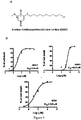
- DMDD is a cyclohexanedione having the following structure:
- Variants, derivatives or modifications of DMDD outside of the scope of the invention as claimed include, for example, 2-alkyl-6-methoxycyclohexa-2,5-diene-1,4-diones having an alkyl group at the C-2 ring position that can vary in length; for example, the 2-alkyl group can contain 18, 17, 16, 15, 14, 13, 12 (2-dodecyl, DMDD), 11, 10, 9, 8, 7, 6, 5 (e.g., primin), or fewer carbon atoms. More generally, the alkyl group can be positioned at any available ring carbon; for example, referring to the structure shown above, the alkyl group in various DMDD derivatives encompassed by the disclosure can be positioned at C-2, C-3 or C-5.
- the benzoquinone is substituted with alkoxy.
- alkoxy groups include but are not limited to ethoxy or methoxy; preferably the alkyoxy group is methoxy.
- the alkyoxy group is preferably at the C-6 ring position (6-alkoxy), although it can be positioned at any available ring carbon; for example, in the structure shown above, it could be positioned at C-3, C-5 or C-6.
- the alkoxy group is meta to the alkyl group; in some embodiments the alkoxy group is para to the alkoxy group; and in some embodiment the alkoxy group is ortho to the alkyl group.
- the available ring carbons can be derivatized with a functional group of interest.
- the DMDD derivative or variant can include, as additional ring substituents, a second alkyl group and/or a second alkyoxy group.
- DMDD and its variants and derivatives described above are substituted benzoquinones having a 1,4 ( para ) or 1,2 (ortho) diketone structure.
- a substituted cyclic diketone having a 1,3 ( meta ) diketone structure is also encompassed by the disclosure.
- Variants, derivatives, modifications, analogs and/or conjugates of DMDD are those which are non-naturally occurring; other embodiments of variants, derivatives, modifications, analogs and/or conjugates of DMDD may be naturally occurring.
- DMDD can be obtained from natural sources, or it can be chemically or enzymatically synthesized.
- a natural source for DMDD is from the Oxalidaceae family, genus Averrhoa, species Averrhoa carambola, more particularly Averrhoa carambola L., commonly known as starfruit.
- the genus Averrhoa also includes Averrhoa bilimbi (tree cucumber). While plant parts such as wood, seeds, leaves, stems, fruit or flowers, may contain DMDD, DMDD is preferably obtained from plant roots, particularly the roots of Averrhoa carambola L.
- a root extract that contains DMDD can be readily prepared, and DMDD can be optionally isolated and/or purified from some or all of the other components of the root extract.
- DMDD is a small organic molecule amenable to chemical synthesis.
- the synthetic methods described in Petronzi et al. which utilized HU-331, a quinone anticarcinogenic drug synthesized from cannabidiol, as a starting material for synthesis of various cyclohexa-2,5-diene-1,4-diones, can be adapted to synthesize DMDD or its derivatives, variants or conjugates.
- DMDD can be enzymatically synthesized, either in vitro or in a microbial system, by isolating and employing the appropriate plant enzymes or their microbial analogs.
- compositions and methods of the invention may include or utilize purified or partially purified forms of DMDD, as well as crude plant extracts, preferably root extracts, that contain DMDD.
- DMDD has been shown by others to exhibit hypoglycemic and anti-lipid peroxidative effects in diabetic mice, but the efficacy of DMDD against cancer cell lines was unknown prior to the present work.
- Example 1 demonstrates that DMDD has significant anti-cancer activity.
- DMDD can therefore be used, or formulated for use, as a therapeutic or prophylactic agent to treat or prevent breast cancer or a precancerous condition, or to arrest or inhibit the growth of a tumor associated therewith.
- DMDD can be used in the preparation of a medicament for the treatment or prevention of breast cancer or a precancerous condition, or for inhibiting the growth of a tumour associated therewith.
- Administration of DMDD to a subject in need thereof can occur before, during, or after the development of the cancer or the precancerous condition.
- DMDD can thus be administered therapeutically, to treat a subject suffering from breast cancer or a precancerous condition.
- DMDD can be administered to inhibit the growth of breast cancer or a tumor, malignant or benign, in a subject.
- Treatment is deemed therapeutic when it is initiated after the development of cancer, a precancerous condition, a tumor, or any other disease. Treatment initiated after the development of cancer may result in decreasing the severity of the symptoms of one of the conditions, or completely removing the symptoms.
- DMDD can also be administered prophylactically, to prevent or delay the development of breast cancer or a precancerous condition associated therewith in a subject.
- Treatment that is prophylactic for instance, can be initiated before a subject develops cancer or manifests cancer symptoms.
- An example of a subject that is at known risk of developing cancer is a person having a risk factor, such as a genetic marker, that is associated with the disease.
- genetic markers indicating a subject has a predisposition to develop certain cancers include alterations in the BRAC1 and/or BRAC2 genes (breast, prostate, or colon cancer) and HPC1 (prostate cancer).
- a precancerous condition can be a carcinoma in situ or an in situ neoplasm such as, in the case of breast tissue, a ductal carcinoma in situ or a lobular carcinoma in situ.
- a precancerous condition can be a dysplasia or a hyperplasia, such as an atypical hyperplasia, including atypical ductal hyperplasia or atypical lobular hyperplasia.
- a dysplasia or hyperplasia can occur in any tissue or organ; for example, a dysplasia can be an epithelial dysplasia.
- DMDD can be administered to a subject, preferably a human, having both cancerous or precancerous condition, and a diabetes-related condition such as diabetes, prediabetes and/or metabolic syndrome.
- DMDD can be administered to a subject having cancer-related diabetes.
- the diabetes can be Type I or Type II diabetes.
- the present disclosure also provides a pharmaceutical composition that includes, as an active agent, DMDD, or a modification, derivative, variant or conjugate thereof, and a pharmaceutically acceptable carrier.
- DMDD can be purified or partially purified, or it may be supplied as a plant extract.
- the pharmaceutically acceptable carrier can include, without limitation, an excipient, a diluent, a solvent, an accessory ingredient, a stabilizer, a protein carrier, or other biological compound.
- suitable protein or biological carriers include keyhole limpet hemocyanin (KLH), ovalbumin, glycosaminoglycan, proteoglycan, and serum albumin, e.g., bovine serum albumin (BSA) or human serum albumin (HSA).
- BSA bovine serum albumin
- HSA human serum albumin
- the carrier can be a synthetic compound, such as dimethyl sulfoxide or a synthetic polymer, such as a polyalkyleneglycol, for example polyethelyene glycol.
- the pharmaceutically acceptable carrier includes at least one compound that is not naturally occurring or a product of nature.
- the active agent DMDD is formulated in combination with one or more additional active agents, such an anticancer, antiangiogenic, immunostimulatory or chemotherapeutic compound. Any known therapeutic agent can be included as additional active agent.
- the action of the additional active agent in the combination therapy can be cumulative to DMDD or it can be complementary, for example to manage side effects or other aspects of the patient's medical condition.
- the additional therapeutic agent(s) can be naturally occurring, or non-naturally occurring.
- the combination therapy includes at least one compound that is not naturally occurring or a product of nature.
- Examples include an interferon such as IFN- ⁇ , IFN- ⁇ , or IFN- ⁇ or a chemokine such as MIP-1 ⁇ , MIP-1 ⁇ , MCP, RANTES or IP-10), a Toll-like receptor (TLR), or TLR adaptor molecule, or a cytokine such as interleukin-12 (IL-12), granulocyte-macrophage colony-stimulating factor (GM-CSF), interleukin-6 (IL-6), interleukin-18 (IL-18) and tumor necrosis factor (TNF); Toll like receptor (TLR1-9) and adaptor molecules (TRIF, Myd88, etc.).
- interferon such as IFN- ⁇ , IFN- ⁇ , or IFN- ⁇ or a chemokine such as MIP-1 ⁇ , MIP-1 ⁇ , MCP, RANTES or IP-10
- TLR Toll-like receptor
- TLR TLR adaptor molecule
- TLR tumor necrosis factor
- DMDD can generally be used in combination with any other general anticancer drug or any anticancer drug that is specific for a cancer such as breast cancer or ovarian cancer.
- Additional therapeutic agents that can be included in a pharmaceutical composition include treatment agents for diabetes, such as metformin.
- the active agent is formulated as a pharmaceutical composition and then administered to a mammal, such as a human patient, in any of a variety of forms adapted to the chosen route of administration.
- the formulations include those suitable for oral, rectal, vaginal, topical, nasal, ophthalmic or parental (including subcutaneous, intramuscular, intraperitoneal, intratumoral, and intravenous) administration.
- the formulations may be conveniently presented in unit dosage form and may be prepared by any of the methods well-known in the art of pharmacy. In general, the formulations are prepared by uniformly and intimately bringing the active compound into association with a liquid carrier, a finely divided solid carrier, or both, and then, if necessary, shaping the product into the desired formulations.
- Formulations suitable for oral administration can be presented as discrete units such as tablets, troches, capsules, lozenges, wafers, or cachets, each containing a predetermined amount of the active agent as a powder or granules, as liposomes, or as a solution or suspension in an aqueous liquor or non-aqueous liquid such as a syrup, an elixir, an emulsion, or a draught.
- the tablets, troches, pills, capsules, and the like can also contain one or more of the following: a binder such as gum tragacanth, acacia, corn starch or gelatin; an excipient such as dicalcium phosphate; a disintegrating agent such as corn starch, potato starch, alginic acid, and the like; a lubricant such as magnesium stearate; a sweetening agent such as sucrose, fructose, lactose, or aspartame; and a natural or artificial flavoring agent.
- a binder such as gum tragacanth, acacia, corn starch or gelatin
- an excipient such as dicalcium phosphate
- a disintegrating agent such as corn starch, potato starch, alginic acid, and the like
- a lubricant such as magnesium stearate
- a sweetening agent such as sucrose, fructose, lactose, or aspartame
- Various other materials can be present as coatings or to otherwise modify the physical form of the solid unit dosage form.
- tablets, pills, or capsules can be coated with gelatin, wax, shellac, sugar, and the like.
- a syrup or elixir can contain one or more of a sweetening agent, a preservative such as methyl- or propylparaben, an agent to retard crystallization of the sugar, an agent to increase the solubility of any other ingredient, such as a polyhydric alcohol, for example glycerol or sorbitol, a dye, and flavoring agent.
- the material used in preparing any unit dosage form is substantially nontoxic in the amounts employed.
- the active agent can be incorporated into sustained-release preparations and devices.
- Formulations suitable for parenteral administration conveniently include a sterile aqueous preparation of the active agent, or dispersions of sterile powders of the active agent, which are preferably isotonic with the blood of the recipient.
- Parenteral administration of DMDD e.g., through an I.V. drip
- Isotonic agents that can be included in the liquid preparation include sugars, buffers, and sodium chloride. Solutions of the active agent can be prepared in water, optionally mixed with a nontoxic surfactant.
- Dispersions of the active agent can be prepared in water, ethanol, a polyol (such as glycerol, propylene glycol, liquid polyethylene glycols, and the like), vegetable oils, glycerol esters, and mixtures thereof.
- the ultimate dosage form is sterile, fluid, and stable under the conditions of manufacture and storage.
- the necessary fluidity can be achieved, for example, by using liposomes, by employing the appropriate particle size in the case of dispersions, or by using surfactants.
- Sterilization of a liquid preparation can be achieved by any convenient method that preserves the bioactivity of the active agent, preferably by filter sterilization. Preferred methods for preparing powders include vacuum drying and freeze drying of the sterile injectable solutions.
- antimicrobial agents for example, antibacterial, antiviral and antifungal agents including parabens, chlorobutanol, phenol, sorbic acid, thimerosal, and the like.
- Absorption of the active agents over a prolonged period can be achieved by including agents for delaying, for example, aluminum monostearate and gelatin.
- Nasal spray formulations include purified aqueous solutions of the active agent with preservative agents and isotonic agents. Such formulations are preferably adjusted to a pH and isotonic state compatible with the nasal mucous membranes. Formulations for rectal or vaginal administration can be presented as a suppository with a suitable carrier such as cocoa butter, or hydrogenated fats or hydrogenated fatty carboxylic acids. Ophthalmic formulations are prepared by a similar method to the nasal spray, except that the pH and isotonic factors are preferably adjusted to match that of the eye. Topical formulations include the active agent dissolved or suspended in one or more media such as mineral oil, petroleum, polyhydroxy alcohols, or other bases used for topical pharmaceutical formulations.
- the active agent DMDD can be administered to a subject alone or in a pharmaceutical composition that includes the active agent and a pharmaceutically acceptable carrier.
- the active agent is administered to a patient, preferably a mammal, and more preferably a human, in an amount effective to produce the desired effect.
- DMDD can be administered in a variety of routes, including orally, parenterally, intraperitoneally, intravenously, intraarterially, transdermally, sublingually, intramuscularly, rectally, transbuccally, intranasally, liposomally, via inhalation, vaginally, intraoccularly, via local delivery by catheter or stent, subcutaneously, intraadiposally, intraarticularly, intrathecally, or in a slow release dosage form.
- DMDD can be introduced into the subject either systemically or at the site of a cancer or tumor.
- the formulations can be administered as a single dose or in multiple doses.
- Useful dosages of the active agents can be determined by comparing their in vitro activity and the in vivo activity in animal models. Methods for extrapolation of effective dosages in mice, and other animals, to humans are known in the art.
- Dosage levels of the active agent, including but not limited to DMDD, in the pharmaceutical compositions can be varied so as to obtain an amount of the active agent which is effective to achieve the desired therapeutic response for a particular subject, composition, and mode of administration, without being toxic to the subject.
- the selected dosage level will depend upon a variety of factors including the activity of the particular compound employed, or the ester, salt or amide thereof, the route of administration, the time of administration, the rate of excretion of the particular compound being employed, the duration of the treatment, other drugs, compounds and/or materials used in combination with the DMDD, the age, sex, weight, condition, general health and prior medical history of the subject being treated, and like factors well known in the medical arts.
- DMDD Dosages and dosing regimens suitable for therapeutic or prophylactic administration of DMDD can be readily determined by one of skill in the art.
- purified DMDD can be administered orally in an amount of between 10 mg and 1000 mg per day, as a medication, nutritional supplement, or food additive.
- DMDD can be administered in dosages ranging from 0.01 mg/kg to 10 mg/kg body weight, or higher; or in a form sufficient to provide a daily dosage of 0.03 mg/kg body weight to about 10 mg per/kg body weight of the subject to which it is to be administered, or alternatively for a total daily dosage of up to 1000 mg.
- the effective dosage of DMDD was found to be approximately 12.5-25mg/kg.
- a suitable dosage for human subjects can be calculated as approximately 10% of the dosage for mice, therefore an example of a calculated effective dose for a 60kg human is 75-150mg/person/day.
- Dosages and dosing regimens that are suitable for other cyclohexanediones may be suitable for therapeutic or prophylactic administration of DMDD.
- DMDD can also be administered as an extract obtained from a plant source, such as a root.
- DMDD can be administered as a powdered extract in loose, capsule or tablet form.
- a physician having ordinary skill in the art can readily determine and prescribe the effective amount of the pharmaceutical composition required.
- the physician can start doses of the DMDD employed in the pharmaceutical composition at levels lower than that required in order to achieve the desired therapeutic effect and gradually increase the dosage until the desired effect is achieved.
- DMDD can be administered alone or in combination with other therapeutics via a variety of routes of administration. Administration of DMDD can occur before, during, and/or after other treatments. Such combination therapy can involve the administration of DMDD before, during and/or after the use of other anti-cancer agents, for example, chemotherapeutic agents or radiation or both. Examples of combination therapy may involve two or more therapeutic agents being administered concurrently, or being separately administered in an alternating or other periodic fashion, or being administered in succession over time. DMDD may potentiate the effects of cytokines, chemotherapeutic agents, or gamma radiation. The administration of DMDD can be separated in time from the administration of other anti-cancer agents by hours, days, or even weeks. Additionally or alternatively, the administration of DMDD can be combined with other biologically active agents or modalities such as, but not limited to, an antineoplastic agent, and non-drug therapies, such as, but not limited to, surgery.
- other biologically active agents or modalities such as, but not limited to
- DMDD Combination therapy is often used for the treatment of breast cancer, and can also be used prophylactically for persons at high risk of developing breast cancer.
- chemotherapeutic agents that can be used in combination with DMDD include, without limitation, anthracyclines (such as doxorubicin/Adriamycin® and epirubicin/Ellence®); taxanes (such as paclitaxel/Taxol® and docetaxel/Taxotere®); fluorouracil (5-FU); cyclophosphamide (Cytoxan®); carboplatin; trastuzumab (Herceptin®) and Pertuzumab (Perjeta®).
- DMDD can be substituted for, or used in addition to, any of the commonly used drug combinations for breast cancer. Examples of commonly used combinations (in which DMDD can be substituted, or used in addition) used for early treatment of breast cancer include:
- chemotherapeutic agents useful in treating women with advanced breast cancer include docetaxel, paclitaxel, platinum agents (cisplatin, carboplatin), vinorelbine (Navelbine®), capecitabine (Xeloda®), liposomal doxorubicin (Doxil®), gemcitabine (Gemzar®), mitoxantrone, ixabepilone (Ixempra®), albumin-bound paclitaxel (nab-paclitaxel or Abraxane®) and eribulin (Halaven®).
- DMDD can be administered to a subject who has recovered from cancer, preferably breast cancer, as a maintenance medication after remission has been achieved, to help maintain remission.
- Nutritional supplement and food additive are provided.
- DMDD can be packaged as a nutritional, health or dietary supplement (e.g., in pill or capsule form). Additionally, DMDD can be added to a food product to yield what is commonly referred to as a "nutraceutical" food or “functional” food. Foods to which DMDD can be added include, without limitation, cereals, soups and beverages.
- the steps may be conducted in any feasible order. And, as appropriate, any combination of two or more steps may be conducted simultaneously.
- DMDD 2-Dodecyl-6-methoxycyclohexa-2,5-diene-1,4-dione
- DMDD 2-Dodecyl-6-methoxycyclohexa-2,5-diene-1,4-dione
- DMDD-induced cell apoptosis involved the activation of both the intrinsic mitochondrial pathway and the extrinsic receptor pathway.
- DMDD also increased the level of intracellular reactive oxygen species (ROS) and DMDD-induced ROS generation was found to be associated with the mitochondrial activity.
- ROS reactive oxygen species
- DMDD inhibited LPS induced TNF- ⁇ production, as well as TNF- ⁇ activated NF- ⁇ B translocation.
- DMDD suppresses the growth of breast carcinoma cells via induction of G0-G1 phase cell cycle arrest, apoptosis, oxidative stress, and inhibition of TNF- ⁇ production and NF- ⁇ B activation.
- Averrhoa carambola L. was collected from Linshan County, Guangxi Autonomous Region, China, in June 2010 and was identified by Prof. Lai Mao-xiang .
- the voucher specimen (No. 20100605) was deposited in the Guangxi Institute of Chinese Medicine & Pharmaceutical Science herbarium (Guangxi, China).
- the isolation of DMDD was performed as described by Zheng et al. (4).
- BT20 and MCF-7 human breast carcinoma cell lines (ATCC), were maintained in RPMI 1640 and Dulbecco's Modified Eagle Medium (DMEM) (Sigma), respectively.
- THP-1 a human monocytic leukemic cell line (ATCC), was maintained in RPMI 1640.
- HMEC a normal human mammary epithelial cell line (ATCC), was maintained in McCoy's 5A (ATCC). All mediums were supplemented with 10% fetal bovine serum (FBS) (Gibco) and 1% penicillin-streptomycin and all cells were incubated in a humidified atmosphere with 5% CO 2 at 37°C.
- FBS fetal bovine serum
- penicillin-streptomycin penicillin-streptomycin
- the proliferation inhibition potential of DMDD was determined in human breast cancer cell lines MCF-7 and BT20 by a fluorescence dye staining method with the normal cell line HMEC serving as a control.
- Cells were seeded at a density of 4 ⁇ 5 ⁇ 10 3 cells/well in a 96-well tissue culture-treated plate (Corning Costar) and were incubated overnight. They were then treated with DMDD at final concentrations of 320 ⁇ M, 100 ⁇ M, 32 ⁇ M, 10 ⁇ M, 3.2 ⁇ M, 1 ⁇ M, and 0.32 ⁇ M.
- An experimental control with cells only was also included. After incubation for 48 h, the viability of cells was assessed using PrestoBlue dye (Invitrogen) according to manufacturer's protocol.
- the fluorescence intensity was measured on a SpectraMax M2e microplate reader (Molecular Devices, Inc.) at a fluorescent excitation wavelength of 555 nm and emission wavelength of 590 nm. The results were expressed as a percentage, relative to untreated control cells, and the half maximal inhibitory concentration (IC 50 ) values were calculated using non-linear regression analysis.
- MCF-7 and BT20 cells were seeded in a 96-well plate (Corning Costar) at a density of 4,000 cells/well and subsequently treated with different concentrations (10, 32, 100 ⁇ M) of DMDD for 48 h.
- Non-treated cells and cells treated with 100 ⁇ M Valinomycin were used as negative (control) and positive controls, respectively.
- the cells were stained with a mixture of fluorescent dyes including Hoechst 33342, cell permeability dye and mitochondrial membrane potential dye (Thermo Scientific). These dyes indicated changes in nuclear morphology (Channel 1), cell membrane permeability (Channel 2) and mitochondrial transmembrane potential (Channel 3), respectively.
- the cells were fixed and washed, and images for each fluoroprobe were acquired at different channels using suitable filters with a 20X objective and analyzed on the Arrayscan VTI HCS Reader (Thermo Scientific).
- the Cell Health Profiling BioApplication was used for image acquisition and analysis. For each well, at least 400 cells were automatically acquired and analyzed. The average fluorescent intensity was used to quantify changes in each channel.
- MCF-7 and BT20 cells were seeded in a 96-well plate (Corning Costar) at a density of 8,000 cells/well and were subsequently treated with different concentrations (10, 32, 100 ⁇ M) of DMDD for 48 h. Afterwards, the cells were stained with Annexin V (Millipore) and 7-Aminoactinomycin (7-AAD) (Millipore), and analyzed on a Guava flow cytometer using InCyte software (Millipore).
- MCF-7 and BT20 cells were seeded in a 96-well plate (Corning Costar) at a density of 8,000 cells/well and were subsequently treated with 100 ⁇ M of DMDD for 48 h.
- the percentage of cells releasing cytochrome c from mitochondria was determined using the FlowCellect Cytochrome c Kit (Millipore) according to the manufacturer's protocol. Briefly, cells were permeabilized, fixed, and stained with either anti-IgG1-FITC Isotype control or anti-Cytochrome c -FITC dye. Data was acquired and analyzed using a Guava flow cytometer and InCyte software (Millipore).
- Caspase 3/7 and caspase 8 activities were analyzed using an in-situ luminescent maker in MCF-7 and BT20 cells respectively.
- Cells were seeded in a white 96-well plate (Greiner), treated with 100 ⁇ M DMDD for 4 h.
- Caspases activity was then determined using the Caspase-Glo 3/7 Assay (Promega) or the Caspase-Glo 8 Assay (Promega) according to the manufacturer's instructions. Briefly, cells were incubated with Caspase-Glo 3/7 substrate or Caspase-Glo 8 substrate and the luminescence of each sample was measured using a SpectraMax M2e Microplate Reader (Molecular Devices).
- MCF-7 and BT20 cells were seeded in a 96-well tissue culture-treated plate (Corning Costar) at a density of 8,000 cells/well and were subsequently treated with different concentrations (10, 32, 100 ⁇ M) of DMDD for 48 h.
- Non-treated cells served as negative control, and cells treated with 1 ⁇ M Retenone served as positive control.
- the cells were stained with Hoechst 33342 (Thermo Scientific) and dihydroethidium (DHE) (Sigma), fixed and evaluated on an ArrayScan VTI HCS Reader (Thermo Scientific).
- the generation of ROS in cells was quantified by the oxidation of non-fluorescent DHE to fluorescent ethidium, which subsequently binds to DNA.
- the Nuclear Translocation BioApplication software (Thermo Scientific) was used for image acquisition and analysis. For each well, at least 400 cells were automatically acquired and analyzed. Oxidative stress activation was assessed by the DHE staining in the nucleus and measured by the average intensity of fluorescent ethidium in the identified nuclear region (MEAN_CircAvgIntenCh2).
- MCF-7 and BT20 cells were first synchronized in the G0 phase by culturing cells for 24 h in serum-free medium, and then treated with 100 ⁇ M DMDD for 24 h.
- Cell cycle analysis was performed using propidium iodide (PI) (Millipore) staining as described (27). Cells were analyzed using a Guava flow cytometer with InCyte software (Millipore).
- THP-1 cells were seeded in a 96 well plate at a density of 5x10 5 cells/well, and incubated with 100 nM phorbol-12-myristate-13-acetate (PMA) (Sigma) for 72 h. After washing the wells with warm RPMI 1640 medium, cells were pretreated with various concentrations of DMDD (10, 32, 100 ⁇ M) for 30 minutes followed by 100ng/ml Salmonella enterica serotype typhimurium lipopolysaccharide (LPS) (Sigma). Dexamethasone at 1 ⁇ M (Sigma) was used as a positive control.
- PMA phorbol-12-myristate-13-acetate
- MCF-7 cells were seeded in a 96 well plate (Corning Costar) at a density of 8,000 cells/well and then treated with 100 ⁇ M DMDD for 2 h, followed by the addition of 10ng/ml tumor necrosis factor-alpha (TNF- ⁇ ) (Sigma). Untreated cells and cells treated with 10ng/ml TNF- ⁇ alone served as controls. Cells were fixed, permeabilized, and sequentially stained with Nuclear factor kappa B (NF- ⁇ B) primary antibody, Dylight 488-conjugated secondary antibody, and Hoechst 33342 dye. The Hoechst and DyLight fluorophores detect changes in nuclear morphology (blue fluorescence) and NF- ⁇ B distribution (green fluorescence), respectively.
- NF- ⁇ B Nuclear factor kappa B
- Dylight 488-conjugated secondary antibody and Hoechst 33342 dye.
- Hoechst and DyLight fluorophores detect changes in nuclear morphology (blue fluor
- the samples were analyzed on an Arrayscan VTI HCS Reader (Thermo Scientific).
- the Nuclear Translocation BioApplication (Thermo Scientific) was used for image acquisition and analysis. For each well, at least 400 cells were automatically acquired and analyzed.
- the translocation index was calculated by measuring the average intensity difference of NF- ⁇ B between the identified cytoplasmic region and nuclear region (MEAN_CircRingAvgIntenDiffCh2).
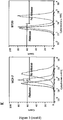
- DMDD exhibits anti-proliferation activity in human breast cancer cells but not normal cells.
- MCF-7 and BT20 cells A morphological examination of the MCF-7 and BT20 cells was performed using an inverted microscope.
- the MCF-7 and BT20 cells treated with DMDD for 24 and 48 h showed significant morphological changes, which are characteristic of apoptotic cells, such as cell shrinkage and reduced cell density (data not shown).
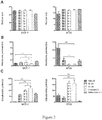
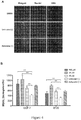
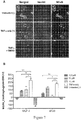
- DMDD causes nuclear condensation, increase of cell permeability and disruption of mitochondrial potential in cancer cells.
- DMDD treated cells including nuclear morphology, cell membrane permeability and mitochondria membrane potential ( ⁇ m), in parallel using high-content screening (HCS) analysis.
- the change of nuclear morphology was monitored by Hoechst dye staining.
- the cell membrane permeability was monitored by a permeability dye which stains nuclei in permeabilized cells.
- Mitochondrial integrity was examined by a mitochondrial membrane potential dye which accumulates in healthy mitochondria with intact membrane potential, but not in depolarized mitochondria.
- Untreated MCF-7 and BT20 cells displayed normal nuclear size, intact plasma membrane integrity and brightly labeled mitochondria.
- DMDD induces both the intrinsic and extrinsic apoptosis pathways in human breast cancer cells.
- caspase 3/7 which induces apoptosis, and caspase 8, an early apoptotic marker and initiator of the extrinsic pathway in mammalian cells (28), using luminescence assays.
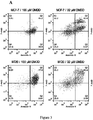
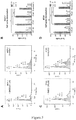
- panel C in MCF-7 and BT20 cells treated with DMDD for 4 h, the activities of caspase 3/7 increased significantly in a concentration-dependent manner compared to untreated cells.
- panel D in MCF-7 and BT20 cells treated with DMDD for 4 h, the activities of caspase 8 also increased about 2-5 fold depending on the concentration.
- cytochrome c was released from the mitochondria of the treated cells. As shown in Fig. 3 , panel E, cytochrome c was released from the MCF-7 and BT20 cells treated by DMDD for 48 h. Collectively our data suggests that DMDD induces apoptosis via both the extrinsic and intrinsic pathways.
- DMDD induces oxidative stress in human breast cancer cells.
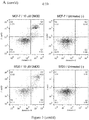
- DMDD arrests the cell cycle of cancer cells at G1 phase.
- DMDD DMDD induced a significant increase in the cell number at the G1 phase, with a corresponding decrease in the S and G2-M phases in both breast cancer cell lines.
- MCF-7 cells the percentage of G1 phase cells increased from 52% to 71%; and in BT20 cells, the percentage of G1 phase cells increased from 46% to 65%.
- DMDD inhibits TNF- ⁇ production in LPS induced THP-1 cells.
- TNF- ⁇ ELISA human TNF- ⁇ ELISA was used to assess the level of tumor-necrosis factor-alpha (TNF- ⁇ ) in the supernatant.
- THP-1 cells were pretreated with 12.5-50 ⁇ M of DMDD for 30 min followed by stimulation with 100 ng/ml LPS for 4 h. 1 uM of dexamethasone was used as a positive control for TNF- ⁇ inhibition. Cell integrity after the treatments was measured using AlamarBlue reagent to determine the viability of the cells.
- DMDD did not affect the viability of THP-1 cells after the treatment with or without LPS stimulation (data not shown).
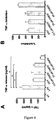
- Fig. 6 shows, DMDD caused a significant reduction of the TNF- ⁇ level in the supernatants of the cell cultures relative to the cells treated with LPS alone ( Fig. 6 , panels A and B).
- DMDD inhibits TNF- ⁇ activated NF- ⁇ B translocation.
- DMDD cyclohexanedione and their derivatives possess anticancer activities (8).
- DMDD inhibits the growth of human breast carcinoma cell lines MCF-7 and BT20, while causing little or no toxicity to the normal breast epithelial cell line HMEC or the differentiated human monocytic cell line THP-1.
- Zheng et al. (4) also showed that administration of a single dose of DMDD at 5,000 mg/kg body weight did not cause any acute toxicity.
- DMDD-induced apoptosis is selective and specific to cancer cells.
- Caspase-8 is an initiator caspase in the extrinsic pathway of apoptosis, and in this study we showed that caspase 8 was activated in DMDD-treated MCF-7 and BT20 cells, suggesting that DMDD induces apoptosis through the extrinsic pathway.
- cytochrome c The release of cytochrome c from mitochondria into the cytoplasm is the hallmark of the intrinsic pathway of apoptosis (30, 31).
- HCS analysis we showed that DMDD disrupted the mitochondria potential in a concentration dependent manner, and we further confirmed that the DMDD-induced apoptosis was accompanied by cytochrome c release using flow cytometry, suggesting that DMDD also induced the intrinsic pathway of apoptosis.
- ROS are common mediators of apoptosis, and excess ROS in the cells induce apoptosis (21).
- initial stress-induced damage does not kill cells directly, rather it triggers an apoptotic signaling program that leads to cell death (35).
- DMDD induced significant ROS accumulation in the MCF-7 and BT20 cancer cells at 10, 33 and 100 ⁇ M. It is likely that excess generation of ROS plays a role in DMDD-induced apoptosis in these breast carcinoma cells.
- mitochondria are one of the main sources of ROS in mammalian cells, and the generation of ROS has been suggested to be a representative pathway of mitochondrial disruption (36, 37).
- Oxidative stress causes oxidation of membrane lipids (lipid peroxidation) and lipid peroxides can prolong the G1 phase. Oxidative stress also inhibits the transition of cells from G1 to the S phase by inhibition of DNA synthesis (21). In MCF7 and BT20 breast cancer cells, DMDD was found to inhibit cell cycle progression by prolonging G1 phase and inhibiting the cell cycle transition from G1 to the S phase.
- NF- ⁇ B has been associated with cancer due to its ability to create a positive feedback loop of inflammation. While NF-kB is dormant in the cytosol of normal cells, many cancer cells have been shown to possess constitutively active NF- ⁇ B, either due to mutations in the NF- ⁇ B inhibitor I ⁇ B, or in NF-kB itself that allow for its continuous activation (38). Without regulation, this ongoing activation enhances cancer cell proliferation. Unfortunately, therapeutics that specifically inhibit NF- ⁇ B also inhibit activation of the immune system reducing their efficacy in treatment regimens (39). However, we have shown that DMDD induces apoptosis while reducing activation of NF- ⁇ B and its translocation, suggesting a potential important mechanism of action for cancer therapies.
- NF- ⁇ B may be activated from its inactive precursors by two signaling pathways: the canonical pathway (or classical pathway), which is activated in the presence of inflammatory cytokines or compounds, and the noncanonical pathway (or alternative pathway) which is activated during B cell development (23).
- the canonical pathway which is most usually associated with cancer, is mainly activated by TNF- ⁇ , IL-1, and LPS (39).
- DMDD significantly reduced the TNF- ⁇ level in the cells treated with LPS, as well as dramatically inhibiting NF- ⁇ B translocation from the cytoplasm to the nuclei.
- DMDD serves as an inhibitor to the canonical NF- ⁇ B pathway in human breast carcinoma cells, playing a role in preventing the initial inflammatory cascade in cancer cells that drives further proliferation.
- mild ROS levels can lead to modest NF- ⁇ B activation, excessive ROS level can inhibit NF- ⁇ B activation (17).
- most NF- ⁇ B inhibition seems to result from inhibition of proteolysis (41), it is possible the NF- ⁇ B inhibition could be mediated by ROS induced by DMDD.
- mTOR growth hormone
- IGF-1 insulin-like growth factor-1
- mTOR mammalian target of the rapamycin
- mTORC1 plays an essential role in tumorigenesis mainly by relieving the eIF4E-binding protein 1 (4E-BP1)-mediated inhibition of eukaryotic translation initiation factor 4E (eIF4E) and driving the translation of oncogenes, whereas mTORC2 activates Akt and other AGC family proteins which promote proliferation and survival (42, 44).
- E-BP1 eIF4E-binding protein 1
- eIF4E eukaryotic translation initiation factor 4E
- mTORC2 activates Akt and other AGC family proteins which promote proliferation and survival (42, 44).
- mTORC1 and mTORC2 regulate many processes involved in the promotion of cell growth and proliferation, including protein synthesis, autophagy, and metabolism (45).
- Metformin the anti-diabetic drug
- Metformin has been shown to significantly lower the risk of cancer as compared to patients treated with other anti-diabetic drugs in recent epidemiological studies (13, 14).
- Many studies show that the mechanism of action of metformin is through the regulation of the AMP activated protein kinase (AMPK)/mTOR pathway (46, 47) As Zheng et al.
- AMPK AMP activated protein kinase
- DMDD also has a significant hypoglycemic effect in vitro and in vivo (4), and taken together with the anticancer activity demonstrated in this study, raises the possibility that DMDD could exhibit efficacies similar to metformin.
- the ability of DMDD to inhibit the growth of human breast carcinoma cells without general toxicity indicates that DMDD is a promising candidate for cancer treatment.
- DMDD is of particular interest due to its potential benefits of reducing the risk of both cancer and diabetes.
Landscapes
- Health & Medical Sciences (AREA)
- Chemical & Material Sciences (AREA)
- Life Sciences & Earth Sciences (AREA)
- General Health & Medical Sciences (AREA)
- Veterinary Medicine (AREA)
- Public Health (AREA)
- Animal Behavior & Ethology (AREA)
- Medicinal Chemistry (AREA)
- Pharmacology & Pharmacy (AREA)
- Epidemiology (AREA)
- Engineering & Computer Science (AREA)
- Organic Chemistry (AREA)
- Nutrition Science (AREA)
- Food Science & Technology (AREA)
- Polymers & Plastics (AREA)
- Natural Medicines & Medicinal Plants (AREA)
- Mycology (AREA)
- Botany (AREA)
- Inorganic Chemistry (AREA)
- Biotechnology (AREA)
- Alternative & Traditional Medicine (AREA)
- Medical Informatics (AREA)
- Microbiology (AREA)
- Molecular Biology (AREA)
- Chemical Kinetics & Catalysis (AREA)
- General Chemical & Material Sciences (AREA)
- Nuclear Medicine, Radiotherapy & Molecular Imaging (AREA)
- Pharmaceuticals Containing Other Organic And Inorganic Compounds (AREA)
- Acyclic And Carbocyclic Compounds In Medicinal Compositions (AREA)
- Medicines That Contain Protein Lipid Enzymes And Other Medicines (AREA)
Claims (9)
- 2-dodécyl-6-méthoxycyclohexa-2,5-diène-1,4-dione (DMDD), pour une utilisation dans le traitement ou la prévention du cancer du sein ou d'une affection précancéreuse associée au cancer du sein.
- Composition pharmaceutique comprenant :2-dodécyl-6-méthoxycyclohexa-2,5-diène-1,4-dione (DMDD) ; etun excipient pharmaceutique acceptable, pour une utilisation dans le traitement ou la prévention du cancer du sein ou d'une affection précancéreuse associée au cancer du sein.
- Composition pharmaceutique selon la revendication 2 pour une utilisation telle que définie dans la revendication 1, comprenant en outre un ou plusieurs agents thérapeutiques sélectionnés dans le groupe constitué par une cytokine, une chimiokine, un anticorps thérapeutique, un adjuvant, un antioxydant et un agent chimiothérapeutique.
- Composition pharmaceutique selon la revendication 3 pour une utilisation telle que définie dans la revendication 1, dans laquelle l'agent chimiothérapeutique sélectionné dans le groupe constitué par doxorubicine (Adriamycin®), épirubicine (Ellence®), paclitaxel (Taxol®) docetaxel (Taxotere®), fluorouracil (5-FU), cyclophosphamide (Cytoxan®), trastuzumab (Herceptin®), pertuzumab (Perjeta®), méthotrexate, cisplatine, carboplatine, vinorelbine (Navelbine®), capécitabine (Xeloda®), doxorubicine liposomale (Doxyl®), gemcitabine (Gemzar®), mitoxantrone, ixabépilone (Ixempra®), paclitaxel lié à l'albumine (nab-paclitaxel ou Abraxane®) et éribuline (Halaven®).
- Extrait de plante comprenant la 2-dodécyl-6-méthoxycyclohexa-2,5-diène-1,4-dione (DMDD), pour une utilisation dans le traitement ou la prévention du cancer du sein ou d'une affection précancéreuse associée au cancer du sein.
- Extrait de plante selon la revendication 5 pour une utilisation telle que définie dans la revendication 5, dans lequel la plante est Averrhoa carambola et où l'extrait comprend un extrait de racine.
- Combinaison de 2-dodécyl-6-méthoxycyclohexa-2,5-diène-1,4-dione ou d'un extrait de plante comprenant 2-dodécyl-6-méthoxycyclohexa-2,5-diène-1,4-dione, avec un deuxième agent thérapeutique pour une utilisation dans le traitement ou la prévention du cancer du sein ou d'une affection précancéreuse associée au cancer du sein, dans laquelle le deuxième agent thérapeutique comprend un ou plusieurs agents parmi une cytokine, une chimiokine, un anticorps thérapeutique, un adjuvant, un antioxydant et un agent chimiothérapeutique.
- Combinaison selon la revendication 7 pour une utilisation telle que définie dans la revendication 7, dans laquelle le deuxième agent thérapeutique est un médicament chimiothérapeutique pour le traitement ou la prévention du cancer du sein.
- Combinaison selon la revendication 8 pour une utilisation telle que définie dans la revendication 7, dans laquelle le deuxième agent thérapeutique est sélectionné dans le groupe constitué par doxorubicine (Adriamycin®), épirubicine (Ellence®), paclitaxel (Taxol®) docétaxel (Taxotere®), fluorouracil (5-FU), cyclophosphamide (Cytoxan®), trastuzumab (Herceptin®), pertuzumab (Perjeta®), méthotrexate, cisplatine, carboplatine, vinorelbine (Navelbine®), capécitabine (Xeloda®), doxorubicine liposomale (Doxyl®), gemcitabine (Gemzar®), mitoxantrone, ixabépilone (Ixempra®), paclitaxel lié à l'albumine (nab-paclitaxel ou Abraxane®) et éribuline (Halaven®).
Applications Claiming Priority (2)
| Application Number | Priority Date | Filing Date | Title |
|---|---|---|---|
| US201462089578P | 2014-12-09 | 2014-12-09 | |
| PCT/US2015/064785 WO2016094554A1 (fr) | 2014-12-09 | 2015-12-09 | 2-dodécyl-6-méthoxycyclohexa-2,5-diène-1,4-dione utilisable en tant qu'agent anti-cancéreux |
Publications (3)
| Publication Number | Publication Date |
|---|---|
| EP3230249A1 EP3230249A1 (fr) | 2017-10-18 |
| EP3230249A4 EP3230249A4 (fr) | 2018-06-27 |
| EP3230249B1 true EP3230249B1 (fr) | 2020-04-08 |
Family
ID=56108126
Family Applications (1)
| Application Number | Title | Priority Date | Filing Date |
|---|---|---|---|
| EP15866405.2A Active EP3230249B1 (fr) | 2014-12-09 | 2015-12-09 | 2-dodécyl-6-méthoxycyclohexa-2,5-diène-1,4-dione utilisable en tant qu'agent anti-cancéreux |
Country Status (3)
| Country | Link |
|---|---|
| US (1) | US10993920B2 (fr) |
| EP (1) | EP3230249B1 (fr) |
| WO (1) | WO2016094554A1 (fr) |
Families Citing this family (1)
| Publication number | Priority date | Publication date | Assignee | Title |
|---|---|---|---|---|
| CN115252591A (zh) * | 2022-08-16 | 2022-11-01 | 广西医科大学 | Dmdd在制备抗乳腺癌药物方面的应用以及一种用dmdd制备的癌症靶向药物 |
Family Cites Families (4)
| Publication number | Priority date | Publication date | Assignee | Title |
|---|---|---|---|---|
| US20070248693A1 (en) | 2003-08-02 | 2007-10-25 | Elizabeth Mazzio | Nutraceutical composition and method of use for treatment / prevention of cancer |
| US20090004302A1 (en) | 2004-10-15 | 2009-01-01 | Biopharmacopae Design International Inc. | Methods and Therapeutic Compositions Comprising Plant Extracts for the Treatment of Cancer |
| AU2013329171A1 (en) * | 2012-10-10 | 2015-04-30 | Arizona Board Of Regents, On Behalf Of Arizona State University | Multifunctional radical quenchers |
| CN103948004A (zh) | 2014-03-25 | 2014-07-30 | 合肥市龙乐食品有限公司 | 一种果蔬牛肉酱及其制备方法 |
-
2015
- 2015-12-09 US US15/534,397 patent/US10993920B2/en active Active
- 2015-12-09 WO PCT/US2015/064785 patent/WO2016094554A1/fr not_active Ceased
- 2015-12-09 EP EP15866405.2A patent/EP3230249B1/fr active Active
Non-Patent Citations (1)
| Title |
|---|
| None * |
Also Published As
| Publication number | Publication date |
|---|---|
| WO2016094554A1 (fr) | 2016-06-16 |
| EP3230249A4 (fr) | 2018-06-27 |
| EP3230249A1 (fr) | 2017-10-18 |
| US20170360722A1 (en) | 2017-12-21 |
| US10993920B2 (en) | 2021-05-04 |
Similar Documents
| Publication | Publication Date | Title |
|---|---|---|
| Rojo et al. | In vitro and in vivo anti-diabetic effects of anthocyanins from Maqui Berry (Aristotelia chilensis) | |
| Ke et al. | Foeniculum vulgare seed extract induces apoptosis in lung cancer cells partly through the down-regulation of Bcl-2 | |
| Gao et al. | The resveratrol oligomers, cis-and trans-gnetin H, from Paeonia suffruticosa seeds inhibit the growth of several human cancer cell lines | |
| Gao et al. | Total tanshinones-induced apoptosis and autophagy via reactive oxygen species in lung cancer 95D cells | |
| Chen et al. | The apple dihydrochalcone phloretin suppresses growth and improves chemosensitivity of breast cancer cells via inhibition of cytoprotective autophagy | |
| Lin et al. | Malvidin-3-galactoside from blueberry suppresses the growth and metastasis potential of hepatocellular carcinoma cell Huh-7 by regulating apoptosis and metastases pathways | |
| Ye et al. | Isolation, chemotaxonomic significance and cytotoxic effects of quassinoids from Brucea javanica | |
| CN1398838A (zh) | 二苯乙烯类化合物制备以及它们在治疗和预防糖尿病中的应用 | |
| WO2020082495A1 (fr) | Composition d'inhibiteurs d'age, son utilisation, son procédé de préparation et sa formulation | |
| Li et al. | Advances in natural products modulating autophagy influenced by cellular stress conditions and their anticancer roles in the treatment of ovarian cancer | |
| KR20150136001A (ko) | Erk 신호활성 억제제를 유효성분으로 함유하는 암 줄기세포 성장 억제용 조성물 | |
| TW201136598A (en) | Protoilludance norsesquiterpenoid esters and uses thereof | |
| EP3230249B1 (fr) | 2-dodécyl-6-méthoxycyclohexa-2,5-diène-1,4-dione utilisable en tant qu'agent anti-cancéreux | |
| Wen et al. | Activation of PI3K/Akt mediates the protective effect of diallyl trisulfide on doxorubicin induced cardiac apoptosis | |
| KR102659740B1 (ko) | 해삼 생식선 추출물 또는 이로부터 유래된 화합물의 항암 용도 | |
| US8227512B2 (en) | Pharmaceutical composition containing daurinol for the prevention and treatment of cancers | |
| Liu et al. | Albaconol, a plant-derived small molecule, inhibits macrophage function by suppressing NF-κB activation and enhancing SOCS1 expression | |
| US10501472B2 (en) | Method to isolate inoscavin a from Fulviformes fastuosus and medicinal preparation thereof to treat rhabdomyosarcoma cancer conditions | |
| EP3197470B1 (fr) | Cis-gnetin h et trans-gnetin h en tant qu'agents thérapeutiques | |
| KR101332074B1 (ko) | 에스큘레틴을 유효성분으로 함유하는 골 손실 억제용 조성물 | |
| KR102693663B1 (ko) | 진토닌을 포함하는 근위축 또는 악액질의 예방 또는 치료용 약학적 조성물 | |
| CN105963304A (zh) | 一种二甲双胍与熊果酸及其衍生物的药物组合物及其在制备抗肿瘤药物中的应用 | |
| KR102348782B1 (ko) | 대추나무 뿌리 추출물을 포함하는 신장 질환의 예방 또는 치료용 조성물 | |
| CN104797296B (zh) | 克服化学治疗抗性的雷公藤提取物 | |
| US20150265669A1 (en) | Methods and compositions for inhibiting cancer cell growth |
Legal Events
| Date | Code | Title | Description |
|---|---|---|---|
| STAA | Information on the status of an ep patent application or granted ep patent |
Free format text: STATUS: THE INTERNATIONAL PUBLICATION HAS BEEN MADE |
|
| PUAI | Public reference made under article 153(3) epc to a published international application that has entered the european phase |
Free format text: ORIGINAL CODE: 0009012 |
|
| STAA | Information on the status of an ep patent application or granted ep patent |
Free format text: STATUS: REQUEST FOR EXAMINATION WAS MADE |
|
| 17P | Request for examination filed |
Effective date: 20170515 |
|
| AK | Designated contracting states |
Kind code of ref document: A1 Designated state(s): AL AT BE BG CH CY CZ DE DK EE ES FI FR GB GR HR HU IE IS IT LI LT LU LV MC MK MT NL NO PL PT RO RS SE SI SK SM TR |
|
| AX | Request for extension of the european patent |
Extension state: BA ME |
|
| DAV | Request for validation of the european patent (deleted) | ||
| DAX | Request for extension of the european patent (deleted) | ||
| A4 | Supplementary search report drawn up and despatched |
Effective date: 20180529 |
|
| RIC1 | Information provided on ipc code assigned before grant |
Ipc: A61K 31/122 20060101ALI20180523BHEP Ipc: C07C 50/04 20060101AFI20180523BHEP Ipc: A61P 35/00 20060101ALI20180523BHEP |
|
| STAA | Information on the status of an ep patent application or granted ep patent |
Free format text: STATUS: EXAMINATION IS IN PROGRESS |
|
| 17Q | First examination report despatched |
Effective date: 20190731 |
|
| REG | Reference to a national code |
Ref country code: DE Ref legal event code: R079 Ref document number: 602015050516 Country of ref document: DE Free format text: PREVIOUS MAIN CLASS: C07C0050040000 Ipc: A61K0031122000 |
|
| GRAP | Despatch of communication of intention to grant a patent |
Free format text: ORIGINAL CODE: EPIDOSNIGR1 |
|
| STAA | Information on the status of an ep patent application or granted ep patent |
Free format text: STATUS: GRANT OF PATENT IS INTENDED |
|
| RIC1 | Information provided on ipc code assigned before grant |
Ipc: A61K 31/704 20060101ALI20191011BHEP Ipc: A61K 31/555 20060101ALI20191011BHEP Ipc: A61K 31/337 20060101ALI20191011BHEP Ipc: A61P 35/00 20060101ALI20191011BHEP Ipc: A61K 31/395 20060101ALI20191011BHEP Ipc: A61K 31/122 20060101AFI20191011BHEP Ipc: C07C 50/04 20060101ALI20191011BHEP Ipc: A61K 45/06 20060101ALI20191011BHEP |
|
| INTG | Intention to grant announced |
Effective date: 20191028 |
|
| GRAS | Grant fee paid |
Free format text: ORIGINAL CODE: EPIDOSNIGR3 |
|
| GRAA | (expected) grant |
Free format text: ORIGINAL CODE: 0009210 |
|
| STAA | Information on the status of an ep patent application or granted ep patent |
Free format text: STATUS: THE PATENT HAS BEEN GRANTED |
|
| AK | Designated contracting states |
Kind code of ref document: B1 Designated state(s): AL AT BE BG CH CY CZ DE DK EE ES FI FR GB GR HR HU IE IS IT LI LT LU LV MC MK MT NL NO PL PT RO RS SE SI SK SM TR |
|
| REG | Reference to a national code |
Ref country code: AT Ref legal event code: REF Ref document number: 1253385 Country of ref document: AT Kind code of ref document: T Effective date: 20200415 Ref country code: CH Ref legal event code: EP |
|
| REG | Reference to a national code |
Ref country code: DE Ref legal event code: R096 Ref document number: 602015050516 Country of ref document: DE |
|
| REG | Reference to a national code |
Ref country code: IE Ref legal event code: FG4D |
|
| REG | Reference to a national code |
Ref country code: NL Ref legal event code: MP Effective date: 20200408 |
|
| REG | Reference to a national code |
Ref country code: LT Ref legal event code: MG4D |
|
| PG25 | Lapsed in a contracting state [announced via postgrant information from national office to epo] |
Ref country code: NO Free format text: LAPSE BECAUSE OF FAILURE TO SUBMIT A TRANSLATION OF THE DESCRIPTION OR TO PAY THE FEE WITHIN THE PRESCRIBED TIME-LIMIT Effective date: 20200708 Ref country code: IS Free format text: LAPSE BECAUSE OF FAILURE TO SUBMIT A TRANSLATION OF THE DESCRIPTION OR TO PAY THE FEE WITHIN THE PRESCRIBED TIME-LIMIT Effective date: 20200808 Ref country code: SE Free format text: LAPSE BECAUSE OF FAILURE TO SUBMIT A TRANSLATION OF THE DESCRIPTION OR TO PAY THE FEE WITHIN THE PRESCRIBED TIME-LIMIT Effective date: 20200408 Ref country code: NL Free format text: LAPSE BECAUSE OF FAILURE TO SUBMIT A TRANSLATION OF THE DESCRIPTION OR TO PAY THE FEE WITHIN THE PRESCRIBED TIME-LIMIT Effective date: 20200408 Ref country code: LT Free format text: LAPSE BECAUSE OF FAILURE TO SUBMIT A TRANSLATION OF THE DESCRIPTION OR TO PAY THE FEE WITHIN THE PRESCRIBED TIME-LIMIT Effective date: 20200408 Ref country code: PT Free format text: LAPSE BECAUSE OF FAILURE TO SUBMIT A TRANSLATION OF THE DESCRIPTION OR TO PAY THE FEE WITHIN THE PRESCRIBED TIME-LIMIT Effective date: 20200817 Ref country code: GR Free format text: LAPSE BECAUSE OF FAILURE TO SUBMIT A TRANSLATION OF THE DESCRIPTION OR TO PAY THE FEE WITHIN THE PRESCRIBED TIME-LIMIT Effective date: 20200709 Ref country code: FI Free format text: LAPSE BECAUSE OF FAILURE TO SUBMIT A TRANSLATION OF THE DESCRIPTION OR TO PAY THE FEE WITHIN THE PRESCRIBED TIME-LIMIT Effective date: 20200408 |
|
| REG | Reference to a national code |
Ref country code: AT Ref legal event code: MK05 Ref document number: 1253385 Country of ref document: AT Kind code of ref document: T Effective date: 20200408 |
|
| PG25 | Lapsed in a contracting state [announced via postgrant information from national office to epo] |
Ref country code: LV Free format text: LAPSE BECAUSE OF FAILURE TO SUBMIT A TRANSLATION OF THE DESCRIPTION OR TO PAY THE FEE WITHIN THE PRESCRIBED TIME-LIMIT Effective date: 20200408 Ref country code: HR Free format text: LAPSE BECAUSE OF FAILURE TO SUBMIT A TRANSLATION OF THE DESCRIPTION OR TO PAY THE FEE WITHIN THE PRESCRIBED TIME-LIMIT Effective date: 20200408 Ref country code: BG Free format text: LAPSE BECAUSE OF FAILURE TO SUBMIT A TRANSLATION OF THE DESCRIPTION OR TO PAY THE FEE WITHIN THE PRESCRIBED TIME-LIMIT Effective date: 20200708 Ref country code: RS Free format text: LAPSE BECAUSE OF FAILURE TO SUBMIT A TRANSLATION OF THE DESCRIPTION OR TO PAY THE FEE WITHIN THE PRESCRIBED TIME-LIMIT Effective date: 20200408 |
|
| PG25 | Lapsed in a contracting state [announced via postgrant information from national office to epo] |
Ref country code: AL Free format text: LAPSE BECAUSE OF FAILURE TO SUBMIT A TRANSLATION OF THE DESCRIPTION OR TO PAY THE FEE WITHIN THE PRESCRIBED TIME-LIMIT Effective date: 20200408 |
|
| REG | Reference to a national code |
Ref country code: DE Ref legal event code: R097 Ref document number: 602015050516 Country of ref document: DE |
|
| PG25 | Lapsed in a contracting state [announced via postgrant information from national office to epo] |
Ref country code: SM Free format text: LAPSE BECAUSE OF FAILURE TO SUBMIT A TRANSLATION OF THE DESCRIPTION OR TO PAY THE FEE WITHIN THE PRESCRIBED TIME-LIMIT Effective date: 20200408 Ref country code: IT Free format text: LAPSE BECAUSE OF FAILURE TO SUBMIT A TRANSLATION OF THE DESCRIPTION OR TO PAY THE FEE WITHIN THE PRESCRIBED TIME-LIMIT Effective date: 20200408 Ref country code: RO Free format text: LAPSE BECAUSE OF FAILURE TO SUBMIT A TRANSLATION OF THE DESCRIPTION OR TO PAY THE FEE WITHIN THE PRESCRIBED TIME-LIMIT Effective date: 20200408 Ref country code: EE Free format text: LAPSE BECAUSE OF FAILURE TO SUBMIT A TRANSLATION OF THE DESCRIPTION OR TO PAY THE FEE WITHIN THE PRESCRIBED TIME-LIMIT Effective date: 20200408 Ref country code: CZ Free format text: LAPSE BECAUSE OF FAILURE TO SUBMIT A TRANSLATION OF THE DESCRIPTION OR TO PAY THE FEE WITHIN THE PRESCRIBED TIME-LIMIT Effective date: 20200408 Ref country code: DK Free format text: LAPSE BECAUSE OF FAILURE TO SUBMIT A TRANSLATION OF THE DESCRIPTION OR TO PAY THE FEE WITHIN THE PRESCRIBED TIME-LIMIT Effective date: 20200408 Ref country code: AT Free format text: LAPSE BECAUSE OF FAILURE TO SUBMIT A TRANSLATION OF THE DESCRIPTION OR TO PAY THE FEE WITHIN THE PRESCRIBED TIME-LIMIT Effective date: 20200408 Ref country code: ES Free format text: LAPSE BECAUSE OF FAILURE TO SUBMIT A TRANSLATION OF THE DESCRIPTION OR TO PAY THE FEE WITHIN THE PRESCRIBED TIME-LIMIT Effective date: 20200408 |
|
| PGFP | Annual fee paid to national office [announced via postgrant information from national office to epo] |
Ref country code: GB Payment date: 20201228 Year of fee payment: 6 Ref country code: FR Payment date: 20201227 Year of fee payment: 6 |
|
| PLBE | No opposition filed within time limit |
Free format text: ORIGINAL CODE: 0009261 |
|
| STAA | Information on the status of an ep patent application or granted ep patent |
Free format text: STATUS: NO OPPOSITION FILED WITHIN TIME LIMIT |
|
| PG25 | Lapsed in a contracting state [announced via postgrant information from national office to epo] |
Ref country code: SK Free format text: LAPSE BECAUSE OF FAILURE TO SUBMIT A TRANSLATION OF THE DESCRIPTION OR TO PAY THE FEE WITHIN THE PRESCRIBED TIME-LIMIT Effective date: 20200408 Ref country code: PL Free format text: LAPSE BECAUSE OF FAILURE TO SUBMIT A TRANSLATION OF THE DESCRIPTION OR TO PAY THE FEE WITHIN THE PRESCRIBED TIME-LIMIT Effective date: 20200408 |
|
| 26N | No opposition filed |
Effective date: 20210112 |
|
| PG25 | Lapsed in a contracting state [announced via postgrant information from national office to epo] |
Ref country code: SI Free format text: LAPSE BECAUSE OF FAILURE TO SUBMIT A TRANSLATION OF THE DESCRIPTION OR TO PAY THE FEE WITHIN THE PRESCRIBED TIME-LIMIT Effective date: 20200408 |
|
| PGFP | Annual fee paid to national office [announced via postgrant information from national office to epo] |
Ref country code: DE Payment date: 20201229 Year of fee payment: 6 |
|
| REG | Reference to a national code |
Ref country code: CH Ref legal event code: PL |
|
| PG25 | Lapsed in a contracting state [announced via postgrant information from national office to epo] |
Ref country code: MC Free format text: LAPSE BECAUSE OF FAILURE TO SUBMIT A TRANSLATION OF THE DESCRIPTION OR TO PAY THE FEE WITHIN THE PRESCRIBED TIME-LIMIT Effective date: 20200408 |
|
| REG | Reference to a national code |
Ref country code: BE Ref legal event code: MM Effective date: 20201231 |
|
| PG25 | Lapsed in a contracting state [announced via postgrant information from national office to epo] |
Ref country code: LU Free format text: LAPSE BECAUSE OF NON-PAYMENT OF DUE FEES Effective date: 20201209 Ref country code: IE Free format text: LAPSE BECAUSE OF NON-PAYMENT OF DUE FEES Effective date: 20201209 |
|
| PG25 | Lapsed in a contracting state [announced via postgrant information from national office to epo] |
Ref country code: LI Free format text: LAPSE BECAUSE OF NON-PAYMENT OF DUE FEES Effective date: 20201231 Ref country code: CH Free format text: LAPSE BECAUSE OF NON-PAYMENT OF DUE FEES Effective date: 20201231 |
|
| PG25 | Lapsed in a contracting state [announced via postgrant information from national office to epo] |
Ref country code: TR Free format text: LAPSE BECAUSE OF FAILURE TO SUBMIT A TRANSLATION OF THE DESCRIPTION OR TO PAY THE FEE WITHIN THE PRESCRIBED TIME-LIMIT Effective date: 20200408 Ref country code: MT Free format text: LAPSE BECAUSE OF FAILURE TO SUBMIT A TRANSLATION OF THE DESCRIPTION OR TO PAY THE FEE WITHIN THE PRESCRIBED TIME-LIMIT Effective date: 20200408 Ref country code: CY Free format text: LAPSE BECAUSE OF FAILURE TO SUBMIT A TRANSLATION OF THE DESCRIPTION OR TO PAY THE FEE WITHIN THE PRESCRIBED TIME-LIMIT Effective date: 20200408 |
|
| PG25 | Lapsed in a contracting state [announced via postgrant information from national office to epo] |
Ref country code: MK Free format text: LAPSE BECAUSE OF FAILURE TO SUBMIT A TRANSLATION OF THE DESCRIPTION OR TO PAY THE FEE WITHIN THE PRESCRIBED TIME-LIMIT Effective date: 20200408 |
|
| REG | Reference to a national code |
Ref country code: DE Ref legal event code: R119 Ref document number: 602015050516 Country of ref document: DE |
|
| PG25 | Lapsed in a contracting state [announced via postgrant information from national office to epo] |
Ref country code: BE Free format text: LAPSE BECAUSE OF NON-PAYMENT OF DUE FEES Effective date: 20201231 |
|
| GBPC | Gb: european patent ceased through non-payment of renewal fee |
Effective date: 20211209 |
|
| PG25 | Lapsed in a contracting state [announced via postgrant information from national office to epo] |
Ref country code: GB Free format text: LAPSE BECAUSE OF NON-PAYMENT OF DUE FEES Effective date: 20211209 Ref country code: DE Free format text: LAPSE BECAUSE OF NON-PAYMENT OF DUE FEES Effective date: 20220701 |
|
| PG25 | Lapsed in a contracting state [announced via postgrant information from national office to epo] |
Ref country code: FR Free format text: LAPSE BECAUSE OF NON-PAYMENT OF DUE FEES Effective date: 20211231 |