EP3231223B1 - Verfahren zur bereitstellung von einfacherer netzwerkidentifizierung, zugangsknoten, verfahren zur netzwerkidentifizierung und benutzergerät - Google Patents
Verfahren zur bereitstellung von einfacherer netzwerkidentifizierung, zugangsknoten, verfahren zur netzwerkidentifizierung und benutzergerät Download PDFInfo
- Publication number
- EP3231223B1 EP3231223B1 EP14907856.0A EP14907856A EP3231223B1 EP 3231223 B1 EP3231223 B1 EP 3231223B1 EP 14907856 A EP14907856 A EP 14907856A EP 3231223 B1 EP3231223 B1 EP 3231223B1
- Authority
- EP
- European Patent Office
- Prior art keywords
- access node
- identity
- network
- layer
- physical
- Prior art date
- Legal status (The legal status is an assumption and is not a legal conclusion. Google has not performed a legal analysis and makes no representation as to the accuracy of the status listed.)
- Not-in-force
Links
- 238000000034 method Methods 0.000 title claims description 35
- 108010076504 Protein Sorting Signals Proteins 0.000 claims description 23
- 230000015654 memory Effects 0.000 description 16
- 238000004590 computer program Methods 0.000 description 15
- 238000005259 measurement Methods 0.000 description 10
- 238000010586 diagram Methods 0.000 description 9
- 238000001228 spectrum Methods 0.000 description 6
- 238000001514 detection method Methods 0.000 description 2
- 229920000767 polyaniline Polymers 0.000 description 2
- 230000001960 triggered effect Effects 0.000 description 2
- 230000001419 dependent effect Effects 0.000 description 1
- 230000006870 function Effects 0.000 description 1
- 230000007774 longterm Effects 0.000 description 1
- 238000013146 percutaneous coronary intervention Methods 0.000 description 1
- 230000001360 synchronised effect Effects 0.000 description 1
Images



Classifications
-
- H—ELECTRICITY
- H04—ELECTRIC COMMUNICATION TECHNIQUE
- H04W—WIRELESS COMMUNICATION NETWORKS
- H04W48/00—Access restriction; Network selection; Access point selection
- H04W48/16—Discovering, processing access restriction or access information
-
- H—ELECTRICITY
- H04—ELECTRIC COMMUNICATION TECHNIQUE
- H04W—WIRELESS COMMUNICATION NETWORKS
- H04W48/00—Access restriction; Network selection; Access point selection
- H04W48/08—Access restriction or access information delivery, e.g. discovery data delivery
- H04W48/10—Access restriction or access information delivery, e.g. discovery data delivery using broadcasted information
-
- H—ELECTRICITY
- H04—ELECTRIC COMMUNICATION TECHNIQUE
- H04W—WIRELESS COMMUNICATION NETWORKS
- H04W56/00—Synchronisation arrangements
- H04W56/001—Synchronization between nodes
- H04W56/0015—Synchronization between nodes one node acting as a reference for the others
-
- H—ELECTRICITY
- H04—ELECTRIC COMMUNICATION TECHNIQUE
- H04W—WIRELESS COMMUNICATION NETWORKS
- H04W88/00—Devices specially adapted for wireless communication networks, e.g. terminals, base stations or access point devices
- H04W88/08—Access point devices
Definitions
- the present disclosure relates to wireless communications, and more particularly, to a method for facilitating network identification, an access node, a method for network identification and a User Equipment (UE).
- UE User Equipment
- Access Nodes in a network typically share the entire spectrum available in the network.
- ANs Access Nodes
- mmW millimeter wave
- a number of "high-capacity coverage islands" are deployed and the entire spectrum available in the mmW network is reused by each of these islands.
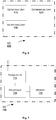
- Fig. 1 shows an exemplary scenario of spectrum reuse.
- Two networks, a network 110 and a network 120 are shown in Fig. 1 .
- the coverage area of the network 110 and the coverage area of the network 120 partially overlap each other, as shown by the dashed lines in Fig. 1 .
- the networks 110 and 120 may belong to different network operators and may be allocated with the same spectrum.
- the network 110 includes two ANs, AN 111 and AN 112, and the network 120 includes two ANs, AN121 and AN 122. All the ANs 111, 112, 121 and 122 in Fig. 1 share the same spectrum.
- Fig. 1 also shows three User Equipments (UEs) 101, 102 and 103.
- UEs User Equipments
- the UE 101 is served by the AN 111
- the UE 102 is served by the AN 112
- the UE 103 is served by the AN 122.
- the UE 102 is located in the overlapped area and it is assumed here that the UE 102 is within the coverage of each of the ANs 111, 112 and 121.
- operations performed by the UE 102 will be described as an example, without loss of generality.
- the UE 102 may need to obtain information related to a neighboring AN (if any), e.g., to discover a neighboring AN or to perform measurements related to a neighboring AN. Such neighbor discovery or measurement can be periodical or event-triggered.
- the UE 102 may need to measure a Reference Signal Received Power (RSRP) from an intra-network AN (i.e., an AN of its serving network 110), if any. In doing so, it first needs to listen to a beacon channel to detect if there is any beacon broadcast by a neighboring AN.
- RSRP Reference Signal Received Power
- a beacon broadcast by a particular AN contains a sync signal sequence (such as Primary Synchronization Signal (PSS) or Secondary Synchronization Signal (SSS) in Long Term Evolution (LTE) system), a reference signal (RS) sequence and system information.
- the system information includes a Network Identity (NI) which globally uniquely identifies the network the AN belongs to.
- a "network” can be a Public Land Mobile Network (PLMN) (in this case the NI can be a PLMN ID) and different "networks" are typically managed by different network operators.
- PLMN Public Land Mobile Network
- the system information further includes an AN Identity (Al) which uniquely identifies the AN locally within the network it belongs to.
- An example of the Al is the evolved NodeB (eNB) ID in LTE.
- the system information further includes a Physical AN Identity (PANI) associated with physical layer functions of the AN.
- PANI Physical AN Identity
- a PANI is uniquely associated with a combination of sync signal sequence and reference signal sequence (and their time and frequency locations) and such association is common among different networks.
- An example of the PANI is the Physical Cell ID (PCI) in LTE.
- the UE 102 If there is a beacon broadcast by the AN 121 on the beacon channel, the UE 102 first detects the sync signal sequence blindly. When the UE 102 successfully detects the sync signal sequence, it knows the PANI from the detected sync signal sequence and thus determines the reference signal sequence in the beacon based on the PANI. At that time, the UE 102 measures the received power of the reference signal sequence as the RSRP. Then, the UE 102 derives a channel estimation based on the determined reference signal sequence, and finally decodes the system information in the beacon based on the channel estimation.
- the UE 102 From the NI included in the system information, the UE 102 knows that the beacon is broadcast by the AN 121 which is an inter-network AN (i.e., an AN of a network different from its serving network 110) instead of an intra-network AN. Thus, the measured RSRP from the AN 121 will be discarded, without being reported to the AN 112.
- the AN 121 is an inter-network AN (i.e., an AN of a network different from its serving network 110) instead of an intra-network AN.
- the UE 102 if there is a beacon broadcast by the AN 111 on the beacon channel, the UE 102 also needs to detect the sync signal sequence blindly, determine the reference signal sequence, measure the RSRP and decode the system information. From the NI included in the system information, the UE 102 knows that the beacon is broadcast by the AN 111 which is an intra-network AN. Then, the measured RSRP from the AN 111 will be reported to the AN 112.
- the UE cannot identify whether a beacon it detects originates from an intra-network AN or an inter-network AN until it successfully decodes the system information.
- the RSRP from the inter-network AN is also measured, which is unnecessary and inefficient. This causes a certain amount of delay in the measurement-report process, which may be intolerable in some circumstances.
- the UE in order to support UE mobility in LTE, the UE is required in an event-triggered measurement to send a measurement report within a short period (e.g., 200 ms for intra-frequency non-DRX (Discontinuous Reception) scenario). The UE may fail to meet this requirement due to the delay.
- the UE 102 may fail to decode the system information.
- PANIs There are typically a limited number of PANIs available (i.e., 504 PCIs in LTE) and thus different ANs in the same or different network(s) may have the same PANI.
- PANIs typically a limited number of PANIs available (i.e., 504 PCIs in LTE) and thus different ANs in the same or different network(s) may have the same PANI.
- neighboring ANs of the same network can be allocated with different PANIs by the network operator.
- neighboring ANs from different networks e.g., AN 111 and AN 121) may have the same PANI due to lack of inter-operator coordination.
- the UE 102 when the UE 102 receives two beacons simultaneously, one from the AN 111 and the other from the AN 121 (it is assumed here that the AN 111 and the AN 121 are synchronized and thus the beacons are aligned with each other), the beacons from the AN 111 and the AN 121 contain the same sync signal sequence and the same reference signal sequence.
- the UE 102 cannot realize that it is receiving beacons from different ANs. Hence, it will successfully detect the sync signal sequence and accordingly measure a combined RSRP (which is meaningless) and derive a combined channel estimation of a channel between the UE 102 and the AN 111 and a channel between the UE 102 and the AN 121. With such combined channel estimation, the UE 102 cannot decode the system information in either of the beacons. In this case, it is impossible for the UE 102 to perform intra-network or inter-network measurement.
- US 2010/020710 is directed to a method of facilitating PCI assignment.
- Vodafone's "Country Border Issue in EUTRAN", 3GPP draft, April 2008 addresses the problem of PCI planning in country border areas.
- US 2010/0074235 discloses a method of grouping cells for neighbour information distribution.
- a method for facilitating network identification is provided according to Claim 1.
- a method for facilitating network identification is provided an access node according to Claim 5. Details of embodiments are provided in the dependent claims.
- a method for facilitating network identification comprises, at an access node of a first network: detecting a physical-layer-related identity of each of one or more neighboring access nodes; and decoding, for each of the one or more neighboring access nodes, a network identity of the neighboring access node based on the detected physical-layer-related identity of the neighboring access node.
- the method further comprises, for each of the one or more neighboring access nodes: determining whether the neighboring access node belongs to the first network or a different network based on the decoded network identity of the neighboring access node; and determining an identity group in which the detected physical-layer-related identity of the neighboring access node is included.
- the method further comprises: selecting, as a physical-layer-related identity of the access node, a physical-layer-related identity from an identity group other than any identity group in which a physical-layer-related identity of a neighboring access node belonging to a different network is included.
- the physical-layer-related identity of the access node is selected from an identity group in which a physical-layer-related identity of a neighboring access node belonging to the first network is included.
- the method further comprises: transmitting, to a User Equipment (UE), information indicating one or more identity groups associated with the first network.
- Each identity group includes at least the physical-layer-related identity of the access node or a physical-layer-related identity of at least one neighboring access node of the first network.
- UE User Equipment
- each access node its physical-layer-related identity is at least associated with a synchronization signal sequence used by that access node.
- an access node of a first network comprises: a detecting unit configured to detect a physical-layer-related identity of each of one or more neighboring access nodes; a decoding unit configured to decode, for each of the one or more neighboring access nodes, a network identity of the neighboring access node based on the detected physical-layer-related identity of the neighboring access node; a determining unit configured to, for each of the one or more neighboring access nodes: determine whether the neighboring access node belongs to the first network or a different network based on the decoded network identity of the neighboring access node; and determine an identity group in which the detected physical-layer-related identity of the neighboring access node is included; and a selecting unit configured to select, as a physical-layer-related identity of the access node, a physical-layer-related identity from an identity group other than any identity group in which a physical-layer-related identity of a neighboring access node belonging to a different network is included.
- available physical-layer-related identities are divided into a number of identity groups and such division is known to access nodes and UEs.
- An access node selects, as its physical-layer-related identity, a physical-layer-related identity from an identity group other than any identity group in which a physical-layer-related identity of a neighboring access node belonging to a different network is included.
- the access node and its neighboring access nodes of the first network are associated with one or more identity groups that are different from any identity group associated with any neighboring access node of any other network.
- a UE can determine whether an access node it detects belongs to its serving network or not based on the identity group in which the physical-layer-related identity of that access node is included. In this way, it is possible to identify an intra-network access node or an inter-network access node in a quicker and more efficient manner, without having to decode its network identity.
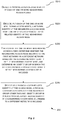
- Fig. 2 is a flowchart illustrating a method 200 for facilitating network identification according to an embodiment of the present disclosure.
- the method 200 can be performed at an access node of a first network (e.g., at AN 112 of the network 110 in Fig. 1 ).
- the access node can be an evolved NodeB (eNB) in an LTE network.
- eNB evolved NodeB
- the method 200 includes the following steps.
- step S210 a physical-layer-related identity of each of one or more neighboring access nodes is detected.
- a physical-layer-related identity is at least associated with a sync signal sequence used by that access node.
- a physical-layer-related identity can be a PANI as mentioned above.
- a "neighboring" access node of a particular access node has a coverage area that at least partially overlaps the coverage area of the particular access node.
- the detection in the step S210 is made by listening to a beacon channel and blindly detecting a sync signal sequence in a beacon broadcast by each neighboring access node on the beacon channel.
- the access node acts like a UE for AN discovery.
- a network identity of the neighboring access node is decoded based on the detected physical-layer-related identity of the neighboring access node.
- the network identity can be an NI as mentioned above and can be decoded in the same way as described above in connection with NI.
- step S230 for each of the one or more neighboring access nodes, it is first determined whether the neighboring access node belongs to the first network (e.g., the network 110 in Fig. 1 ) or a different network (e.g., the network 120 in Fig. 1 ) based on the decoded network identity of the neighboring access node.
- the first network e.g., the network 110 in Fig. 1
- a different network e.g., the network 120 in Fig. 1
- an identity group in which the detected physical-layer-related identity of the neighboring access node is included is determined.
- available physical-layer-related identities e.g., the entire PANI pool or a subset thereof
- identity groups are divided into a number of identity groups and such division is known to all access nodes and UEs. This determination can be made based on such knowledge.
- a physical-layer-related identity is selected from an identity group other than any identity group in which a physical-layer-related identity of a neighboring access node belonging to a different network is included, as a physical-layer-related identity of the access node. This ensures that any two neighboring access nodes belonging to different networks will never have their physical-layer-related identities selected from the same identity group.
- the physical-layer-related identity of the access node is selected from an identity group in which a physical-layer-related identity of a neighboring access node belonging to the first network is included. That is, it is preferred that two or more neighboring access nodes of the same network will have their physical-layer-related identities selected from the same identity group. In this way, the number of identity groups used by neighboring access nodes of a single network can be reduced.
- the method 200 further includes a step of transmitting, to a User Equipment (UE), information indicating one or more identity groups associated with the first network.
- UE User Equipment
- Each of the one or more identity groups includes the physical-layer-related identity of the access node and/or a physical-layer-related identity of at least one neighboring access node of the first network. This is not necessary if the access node and its neighboring access nodes of the first network have their physical-layer-related identities selected from the same identity group.
- the access node and its neighboring access nodes of the first network have their physical-layer-related identities selected from more than one identity group, since it allows the UE to quickly identify an intra-network access node having a physical-layer-related identity selected from a different identity group than its serving access node.
- Fig. 3 is a flowchart illustrating a method 300 for network identification according to an embodiment of the present disclosure.
- the method 300 can be performed at a User Equipment (UE) served by a first access node of a first network (e.g., at UE 102 served by the AN 112 of the network 110 in Fig. 1 ).
- UE User Equipment
- the method 300 includes the following steps.
- a physical-layer-related identity of a second access node is detected.
- its physical-layer-related identity is at least associated with a sync signal sequence used by that access node.
- the detection in the step S310 can be made by listening to a beacon channel and blindly detecting a sync signal sequence in a beacon broadcast by the second access node on the beacon channel.
- an identity group in which the detected physical-layer-related identity is included is determined. As described above in connection with the step S230 in Fig. 2 , available physical-layer-related identities are divided into a number of identity groups and such division is known to all access nodes and UEs. This determination can be made based on such knowledge.
- step S330 it is identified whether the second access node belongs to the first network based on the determined identity group.
- the first access node and its neighboring access nodes of the first network are associated with one or more identity groups that are different from any identity group associated with any neighboring access node of any other network.
- the identifying step S330 is performed by determining whether the determined identity group is identical to any of the one or more identity groups.
- the method 300 further includes a step of receiving, from the first access node, information indicating the two or more identity groups.
- the identifying in the step S330 facilitates measurement by the UE regarding the second access node.
- the second access node belongs to the first network and the UE needs to measure an RSRP from an intra-network access node (i.e., an access node of the first network), if any.
- the UE can determine that the second access node belongs to the first network simply because the physical-layer-related identity of the second access node is included in an identity group associated with the first access node or any of its neighboring access nodes. Then, the UE can measure the RSRP and report the RSRP measurement to the first access node when appropriate, without having to decode the network identity of the second access node.
- the UE can also avoid unnecessary measurement of RSRP from any inter-network access node. In this way, the delay in the measurement-report process can be reduced.
- the UE listens to the beacon channel, trying to discover any intra-network or inter-network neighboring access node, it can quickly determine whether a beacon is transmitted from an intra-network or inter-network neighboring access node with the above method 300.
- FIG. 4 is a block diagram of an access node 400 according to an embodiment of the present disclosure.
- the access node 400 is e.g., an eNB of a first network.
- the access node 400 includes a detecting unit 410 configured to detect a physical-layer-related identity of each of one or more neighboring access nodes.
- the access node 400 further includes a decoding unit 420 configured to decode, for each of the one or more neighboring access nodes, a network identity of the neighboring access node based on the detected physical-layer-related identity of the neighboring access node.
- the access node 400 further includes a determining unit 430 configured to, for each of the one or more neighboring access nodes: determine whether the neighboring access node belongs to the first network or a different network based on the decoded network identity of the neighboring access node; and determine an identity group in which the detected physical-layer-related identity of the neighboring access node is included.
- the access node 400 further includes a selecting unit 440 configured to select, as a physical-layer-related identity of the access node, a physical-layer-related identity from an identity group other than any identity group in which a physical-layer-related identity of a neighboring access node belonging to a different network is included.
- the physical-layer-related identity of the access node is selected from an identity group in which a physical-layer-related identity of a neighboring access node belonging to the first network is included.
- the access node 400 further includes a transmitting unit (not shown) configured to transmit, to a User Equipment (UE), information indicating one or more identity groups associated with the first network.
- UE User Equipment
- Each identity group includes the physical-layer-related identity of the access node and/or a physical-layer-related identity of at least one neighboring access node of the first network.
- each access node its physical-layer-related identity is at least associated with a sync signal sequence used by that access node.
- Each of the units 410-440 can be implemented as a pure hardware solution or as a combination of software and hardware, e.g., by one or more of: a processor or a micro processor and adequate software and memory for storing of the software, a Programmable Logic Device (PLD) or other electronic component(s) or processing circuitry configured to perform the actions described above, and illustrated, e.g., in Fig. 2 .
- PLD Programmable Logic Device
- Fig. 5 is a block diagram of an access node 500 according to another embodiment of the present disclosure.
- the access node 500 is e.g., an eNB of a first network.
- the access node 500 includes a transceiver 510, a processor 520 and a memory 530.
- the memory 530 contains instructions executable by the processor 520 whereby the access node 500 is operative to: detect a physical-layer-related identity of each of one or more neighboring access nodes; and decode, for each of the one or more neighboring access nodes, a network identity of the neighboring access node based on the detected physical-layer-related identity of the neighboring access node.
- the memory 530 further contains instructions executable by the processor 520 whereby the access node 500 is operative to: for each of the one or more neighboring access nodes: determine whether the neighboring access node belongs to the first network or a different network based on the decoded network identity of the neighboring access node; and determine an identity group in which the detected physical-layer-related identity of the neighboring access node is included.
- the memory 530 contains instructions executable by the processor 520 whereby the access node 500 is operative to: select, as a physical-layer-related identity of the access node, a physical-layer-related identity from an identity group other than any identity group in which a physical-layer-related identity of a neighboring access node belonging to a different network is included.
- a UE is provided.
- Fig. 6 is a block diagram of a UE 600 according to an embodiment of the present disclosure.
- the UE 600 is served by a first access node of a first network.
- the UE 600 includes a detecting unit 610 configured to detect a physical-layer-related identity of a second access node.
- the UE 600 further includes a determining unit 620 configured to determine an identity group in which the detected physical-layer-related identity is included.
- the UE 600 further includes an identifying unit 630 configured to identify whether the second access node belongs to the first network based on the determined identity group.
- the first access node and its neighboring access nodes of the first network are associated with one or more identity groups that are different from any identity group associated with any neighboring access node of any other network.
- the identifying unit 630 is configured to identify whether the second access node belongs to the first network by determining whether the determined identity group is identical to any of the one or more identity groups.
- the first access node and its neighboring access nodes of the first network are associated with two or more identity groups.
- the UE 600 further includes: a receiving unit (not shown) configured to receive, from the first access node, information indicating the two or more identity groups.
- each access node its physical-layer-related identity is at least associated with a sync signal sequence used by that access node.
- the identifying by the identifying unit 630 facilitates measurement by the UE 600 regarding the second access node.
- Each of the units 610-630 can be implemented as a pure hardware solution or as a combination of software and hardware, e.g., by one or more of: a processor or a micro processor and adequate software and memory for storing of the software, a Programmable Logic Device (PLD) or other electronic component(s) or processing circuitry configured to perform the actions described above, and illustrated, e.g., in Fig. 3 .
- PLD Programmable Logic Device
- Fig. 7 is a block diagram of a UE 700 according to another embodiment of the present disclosure.
- the UE 700 is served by a first access node of a first network.
- the UE 700 includes a transceiver 710, a processor 720 and a memory 730.
- the memory 730 contains instructions executable by the processor 720 whereby the UE 700 is operative to: detect a physical-layer-related identity of a second access node; determine an identity group in which the detected physical-layer-related identity is included; and identify whether the second access node belongs to the first network based on the determined identity group.
- the first access node and its neighboring access nodes of the first network are associated with one or more identity groups that are different from any identity group associated with any neighboring access node of any other network.
- the present disclosure also provides at least one computer program product in the form of a non-volatile or volatile memory, e.g., an Electrically Erasable Programmable Read-Only Memory (EEPROM), a flash memory and a hard drive.
- the computer program product includes a computer program.
- the computer program includes: code/computer readable instructions, which when executed by the processor 520 causes the access node 500 to perform the actions, e.g., of the procedure described earlier in conjunction with Fig. 2 ; or code/computer readable instructions, which when executed by the processor 720 causes the UE 700 to perform the actions, e.g., of the procedure described earlier in conjunction with Fig. 3 .
- the computer program product may be configured as a computer program code structured in computer program modules.
- the computer program modules could essentially perform the actions of the flow illustrated in Fig. 2 , or the actions of the flow illustrated in Fig. 3 .
- the processor may be a single CPU (Central processing unit), but could also comprise two or more processing units.
- the processor may include general purpose microprocessors; instruction set processors and/or related chips sets and/or special purpose microprocessors such as Application Specific Integrated Circuit (ASICs).
- ASICs Application Specific Integrated Circuit
- the processor may also comprise board memory for caching purposes.
- the computer program may be carried by a computer program product connected to the processor.
- the computer program product may comprise a computer readable medium on which the computer program is stored.
- the computer program product may be a flash memory, a Random-access memory (RAM), a Read-Only Memory (ROM), or an EEPROM, and the computer program modules described above could in alternative embodiments be distributed on different computer program products in the form of memories.
Landscapes
- Engineering & Computer Science (AREA)
- Computer Networks & Wireless Communication (AREA)
- Signal Processing (AREA)
- Computer Security & Cryptography (AREA)
- Mobile Radio Communication Systems (AREA)
Claims (8)
- Verfahren (200) zum Erleichtern der Netzwerkidentifikation, umfassend, an einem Zugangsknoten eines ersten Netzwerks:- Erkennen (S210), durch den Zugangsknoten,
einer auf eine physikalische Schicht bezogene Identität jedes einzelnen von einem oder mehreren benachbarten Zugangsknoten;- Decodieren (S220), durch den Zugangsknoten,
für jeden der einen oder mehreren benachbarten Zugangsknoten, einer Netzwerkidentität des benachbarten Zugangsknotens basierend auf der erkannten auf eine physikalische Schicht bezogenen Identität des benachbarten Zugangsknotens;- für jeden des einen oder der mehreren benachbarten Zugangsknoten:- Bestimmen (S230), durch den Zugangsknoten,
basierend auf der dekodierten Netzwerkidentität des benachbarten Zugangsknotens, ob der benachbarte Zugangsknoten zum ersten Netzwerk oder zu einem anderen Netzwerk gehört; und- Bestimmen (S230), durch den Zugangsknoten,
einer Identitätsgruppe, in der die erkannte auf eine physikalische Schicht bezogene Identität des benachbarten Zugangsknotens enthalten ist, basierend auf einem Wissen über eine Aufteilung von auf eine physikalische Schicht bezogenen Identitäten in Gruppen, die allen Zugangsknoten und UEs bekannt ist; und- Auswählen (S240), durch den Zugangsknoten,
als eine auf eine physikalische Schicht bezogene Identität des Zugangsknotens, eine auf eine physikalische Schicht bezogene Identität aus einer anderen Identitätsgruppe als einer Identitätsgruppe, in der eine auf eine physikalische Schicht bezogene Identität eines benachbarten Zugangsknotens, der zu einem anderen Netzwerk gehört, eingeschlossen ist. - Verfahren (200) nach Anspruch 1, wobei die auf eine physikalische Schicht bezogene Identität des Zugangsknotens ausgewählt ist aus einer Identitätsgruppe, in der eine auf eine physikalische Schicht bezogene Identität eines benachbarten Zugangsknotens, der zum ersten Netzwerk gehört, eingeschlossen ist.
- Verfahren (200) nach Anspruch 1 oder 2, ferner umfassend:- Übertragen, durch den Zugangsknoten,
an eine Benutzereinrichtung, UE, von Informationen, die eine oder mehrere dem ersten Netzwerk zugeordnete Identitätsgruppen angeben, wobei jede Identitätsgruppe mindestens die mit einer physikalischen Schicht verbundene Identität des Zugangsknotens oder eine mit einer physikalischen Schicht verbundene Identität von mindestens einem benachbarten Zugangsknoten des ersten Netzwerks einschließt. - Verfahren (200) nach einem der Ansprüche 1 bis 3, wobei für jeden Zugangsknoten seine auf eine physikalische Schicht bezogene Identität mindestens einer von diesem Zugangsknoten verwendeten Synchronisationssignalsequenz zugeordnet ist.
- Zugangsknoten (400) eines ersten Netzwerks, umfassend:- eine Erkennungseinheit (410), die dazu konfiguriert ist, eine auf eine physikalische Schicht bezogene Identität jedes einzelnen von einem oder mehreren benachbarten Zugangsknoten zu erkennen;- eine Decodiereinheit (420), die dazu konfiguriert ist, für jeden der einen oder mehreren benachbarten Zugangsknoten eine Netzwerkidentität des benachbarten Zugangsknotens basierend auf der erkannten auf eine physikalische Schicht bezogenen Identität des benachbarten Zugangsknotens zu decodieren;- eine Bestimmungseinheit (430), die dazu konfiguriert ist, für jeden der einen oder mehreren benachbarten Zugangsknoten:- zu bestimmen, basierend auf der dekodierten Netzwerkidentität des benachbarten Zugangsknotens, ob der benachbarte Zugangsknoten zum ersten Netzwerk oder zu einem anderen Netzwerk gehört; und- eine Identitätsgruppe zu bestimmen, in der die erkannte auf eine physikalische Schicht bezogene Identität des benachbarten Zugangsknotens eingeschlossen ist, basierend auf dem Wissen über eine Aufteilung von auf eine physikalische Schicht bezogenen Identitäten in Gruppen, die allen Zugangsknoten und UEs bekannt ist; und- eine Auswahleinheit (440), die dazu konfiguriert ist, als eine auf eine physikalische Schicht bezogene Identität des Zugangsknotens eine auf eine physikalische Schicht bezogene Identität aus einer anderen Identitätsgruppe als einer Identitätsgruppe, in der eine auf eine physikalische Schicht bezogene Identität eines benachbarten Zugangsknotens, der zu einem anderen Netzwerk gehört, enthalten ist auszuwählen.
- Zugangsknoten (400) nach Anspruch 5, wobei die auf eine physikalische Schicht bezogene Identität des Zugangsknotens aus einer Identitätsgruppe, in der eine auf eine physikalische Schicht bezogene Identität eines benachbarten Zugangsknotens, der zum ersten Netzwerk gehört, eingeschlossen ist, ausgewählt ist.
- Zugangsknoten (400) nach Anspruch 5 oder 6, ferner umfassend:- eine Übertragungseinheit, die dazu konfiguriert ist, an eine Benutzereinrichtung, UE, Informationen zu übertragen, die eine oder mehrere dem ersten Netzwerk zugeordnete Identitätsgruppen angeben, wobei jede Identitätsgruppe mindestens die mit einer physikalischen Schicht verbundene Identität des Zugangsknotens oder eine mit einer physikalischen Schicht verbundene Identität von mindestens einem benachbarten Zugangsknoten des ersten Netzwerks einschließt.
- Zugangsknoten (400) nach einem der Ansprüche 5 bis 7, wobei für jeden Zugangsknoten seine auf eine physikalische Schicht bezogene Identität mindestens einer von diesem Zugangsknoten verwendeten Synchronisationssignalsequenz zugeordnet ist.
Applications Claiming Priority (1)
| Application Number | Priority Date | Filing Date | Title |
|---|---|---|---|
| PCT/CN2014/093228 WO2016090526A1 (en) | 2014-12-08 | 2014-12-08 | Method for facilitating network identification, access node, method for network identification and user equipment |
Publications (3)
| Publication Number | Publication Date |
|---|---|
| EP3231223A1 EP3231223A1 (de) | 2017-10-18 |
| EP3231223A4 EP3231223A4 (de) | 2018-06-20 |
| EP3231223B1 true EP3231223B1 (de) | 2019-08-07 |
Family
ID=56106396
Family Applications (1)
| Application Number | Title | Priority Date | Filing Date |
|---|---|---|---|
| EP14907856.0A Not-in-force EP3231223B1 (de) | 2014-12-08 | 2014-12-08 | Verfahren zur bereitstellung von einfacherer netzwerkidentifizierung, zugangsknoten, verfahren zur netzwerkidentifizierung und benutzergerät |
Country Status (8)
| Country | Link |
|---|---|
| US (2) | US10299194B2 (de) |
| EP (1) | EP3231223B1 (de) |
| JP (1) | JP6445695B2 (de) |
| CN (1) | CN107005925B (de) |
| PH (1) | PH12017500804A1 (de) |
| RU (1) | RU2679720C2 (de) |
| WO (1) | WO2016090526A1 (de) |
| ZA (1) | ZA201702950B (de) |
Family Cites Families (24)
| Publication number | Priority date | Publication date | Assignee | Title |
|---|---|---|---|---|
| US7171203B2 (en) | 2004-01-07 | 2007-01-30 | Research In Motion Limited | Apparatus, and associated method, for facilitating selection by a mobile node of a network through which to communicate |
| US9775096B2 (en) | 2007-10-08 | 2017-09-26 | Qualcomm Incorporated | Access terminal configuration and access control |
| WO2009130582A1 (en) | 2008-04-22 | 2009-10-29 | Nokia Corporation | Grouping of cells for efficient neighbor cell information distribution |
| JP2011525089A (ja) * | 2008-06-18 | 2011-09-08 | テレフオンアクチーボラゲット エル エム エリクソン(パブル) | 通信ネットワークシステムにおける方法および装置 |
| US8391158B2 (en) * | 2008-07-25 | 2013-03-05 | Qualcomm Incorporated | Cell identifier assignment and selection |
| JP2010041652A (ja) * | 2008-08-08 | 2010-02-18 | Fujitsu Ltd | 端末装置、基地局装置検出方法、無線通信システム、及び基地局装置 |
| CN101651881A (zh) | 2008-08-13 | 2010-02-17 | 华为技术有限公司 | 发送标识、实现邻区关系的方法、系统和设备 |
| EP2316235B1 (de) * | 2008-08-18 | 2013-06-12 | Telefonaktiebolaget L M Ericsson (publ) | Verfahren zur übertragung von zellidentitätsinformationen |
| US8160590B2 (en) * | 2008-09-18 | 2012-04-17 | Infineon Technologies Ag | Method for determining the type of a mobile radio base station; radio communication terminal and network devices; radio communication smart card device |
| CN101888590B (zh) * | 2009-05-11 | 2014-08-13 | 中兴通讯股份有限公司 | 多载波系统中终端的寻呼方法和系统 |
| WO2011023234A1 (en) * | 2009-08-27 | 2011-03-03 | Nokia Siemens Networks Oy | Method and apparatus for operation of a communication network |
| US9294972B2 (en) * | 2010-04-28 | 2016-03-22 | Qualcomm Incorporated | Neighbor relation information management |
| EP2569990B1 (de) | 2010-05-11 | 2018-07-04 | Nokia Technologies Oy | Verfahren und vorrichtung zur identifikation von csg zellen |
| EP2625881A1 (de) | 2010-10-06 | 2013-08-14 | Nokia Siemens Networks Oy | Kommunikationskoordination von funkdienstbereichen |
| US9113368B2 (en) * | 2011-03-25 | 2015-08-18 | Qualcomm Incorporated | Maintaining neighbor cell list |
| WO2012134138A2 (ko) * | 2011-03-28 | 2012-10-04 | 엘지전자 주식회사 | 상향링크 신호 전송방법 및 수신방법과, 사용자기기 및 기지국 |
| US8848561B2 (en) * | 2011-04-05 | 2014-09-30 | Telefonaktiebolaget L M Ericsson (Publ) | Autonomous maximum power setting based on channel fingerprint |
| US8804561B2 (en) * | 2011-05-03 | 2014-08-12 | Telefonaktiebolaget Lm Ericsson (Publ) | Physical cell identifier (PCI) adaptation to mitigate interference in heterogeneous cellular network |
| EP3654700B1 (de) * | 2011-06-16 | 2022-04-13 | Huawei Technologies Co., Ltd. | Ecgi sende- und empfangsvorrichtungen |
| JP5943094B2 (ja) * | 2012-01-30 | 2016-06-29 | 富士通株式会社 | 無線通信システムにおける同期信号 |
| US9402256B2 (en) * | 2012-08-08 | 2016-07-26 | Blackberry Limited | Method and system having reference signal design for new carrier types |
| EP2897411B1 (de) * | 2012-09-11 | 2017-07-26 | Huawei Technologies Co., Ltd. | Verfahren und vorrichtung zur erfassung von nachbarzelleninformation |
| US9055390B2 (en) | 2012-10-19 | 2015-06-09 | Hong Kong Applied Science And Technology Research Institute Co., Ltd. | Apparatus, system, and method for peer group formation for mobile devices by proximity sensing |
| EP3751910A1 (de) * | 2013-11-21 | 2020-12-16 | Huawei Technologies Co., Ltd. | Systeme und verfahren für nichtzellularen drahtlosen zugang |
-
2014
- 2014-12-08 EP EP14907856.0A patent/EP3231223B1/de not_active Not-in-force
- 2014-12-08 JP JP2017524439A patent/JP6445695B2/ja active Active
- 2014-12-08 RU RU2017123941A patent/RU2679720C2/ru not_active IP Right Cessation
- 2014-12-08 WO PCT/CN2014/093228 patent/WO2016090526A1/en not_active Ceased
- 2014-12-08 CN CN201480083878.4A patent/CN107005925B/zh not_active Expired - Fee Related
- 2014-12-08 US US15/527,802 patent/US10299194B2/en active Active
-
2017
- 2017-04-26 ZA ZA2017/02950A patent/ZA201702950B/en unknown
- 2017-05-02 PH PH12017500804A patent/PH12017500804A1/en unknown
-
2019
- 2019-04-05 US US16/377,135 patent/US11071046B2/en not_active Expired - Fee Related
Non-Patent Citations (1)
| Title |
|---|
| None * |
Also Published As
| Publication number | Publication date |
|---|---|
| RU2017123941A3 (de) | 2019-01-10 |
| WO2016090526A1 (en) | 2016-06-16 |
| US20190239148A1 (en) | 2019-08-01 |
| RU2017123941A (ru) | 2019-01-10 |
| ZA201702950B (en) | 2018-08-29 |
| EP3231223A1 (de) | 2017-10-18 |
| US11071046B2 (en) | 2021-07-20 |
| US10299194B2 (en) | 2019-05-21 |
| EP3231223A4 (de) | 2018-06-20 |
| US20180352502A1 (en) | 2018-12-06 |
| PH12017500804A1 (en) | 2017-10-02 |
| CN107005925A (zh) | 2017-08-01 |
| JP2017538339A (ja) | 2017-12-21 |
| CN107005925B (zh) | 2020-07-17 |
| RU2679720C2 (ru) | 2019-02-12 |
| JP6445695B2 (ja) | 2018-12-26 |
Similar Documents
| Publication | Publication Date | Title |
|---|---|---|
| CN111727632B (zh) | 小区信息获取方法和装置 | |
| EP2842367B1 (de) | Vorrichtung und verfahren zur angabe von zelleninformationen in einem drahtlosen netzwerk | |
| US10681582B2 (en) | Information transmission method, base station, user equipment, and storage medium | |
| US20160165559A1 (en) | User apparatus, base station, discovery signal reception method and discovery signal transmission method | |
| US10517031B2 (en) | User apparatus, base station, cell selection control method, and parameter transmission method | |
| US11706588B2 (en) | Positioning method and apparatus for UE | |
| CN107852650B (zh) | 相邻小区测量方法、基站和终端设备 | |
| WO2019144399A1 (zh) | 一种小区重选方法及装置、计算机存储介质 | |
| US10517023B2 (en) | Methods and arrangements for supporting mobility of a communication device in a wireless communication network | |
| WO2013060141A1 (zh) | 小区识别的方法及装置、基站 | |
| US9986494B2 (en) | Small cell discovery method and system, base station, and user equipment, and communication apparatus | |
| US20200187138A1 (en) | Method, network apparatus, and terminal apparatus for indicating position of synchronization signal block | |
| US11071046B2 (en) | Method for facilitating network identification, access node, method for network identification and user equipment | |
| EP2911437B1 (de) | Zellmessverfahren, benutzervorrichtung und basisstation | |
| CN104025653B (zh) | 可缩放带宽小区的选择方法、装置和用户设备 | |
| EP3216286B1 (de) | Verfahren und netzwerkknoten zur koordination von bakenübertragungen | |
| HK1234937A1 (en) | Method for facilitating network identification, access node, method for network identification and user equipment | |
| CN101651881A (zh) | 发送标识、实现邻区关系的方法、系统和设备 | |
| JP2015216471A (ja) | 通信方法、及び通信システム | |
| WO2017082784A1 (en) | Enabling communication in a communication network |
Legal Events
| Date | Code | Title | Description |
|---|---|---|---|
| STAA | Information on the status of an ep patent application or granted ep patent |
Free format text: STATUS: THE INTERNATIONAL PUBLICATION HAS BEEN MADE |
|
| PUAI | Public reference made under article 153(3) epc to a published international application that has entered the european phase |
Free format text: ORIGINAL CODE: 0009012 |
|
| STAA | Information on the status of an ep patent application or granted ep patent |
Free format text: STATUS: REQUEST FOR EXAMINATION WAS MADE |
|
| 17P | Request for examination filed |
Effective date: 20170524 |
|
| AK | Designated contracting states |
Kind code of ref document: A1 Designated state(s): AL AT BE BG CH CY CZ DE DK EE ES FI FR GB GR HR HU IE IS IT LI LT LU LV MC MK MT NL NO PL PT RO RS SE SI SK SM TR |
|
| AX | Request for extension of the european patent |
Extension state: BA ME |
|
| DAX | Request for extension of the european patent (deleted) | ||
| A4 | Supplementary search report drawn up and despatched |
Effective date: 20180524 |
|
| RIC1 | Information provided on ipc code assigned before grant |
Ipc: H04W 48/16 20090101AFI20180517BHEP Ipc: H04W 88/08 20090101ALN20180517BHEP |
|
| STAA | Information on the status of an ep patent application or granted ep patent |
Free format text: STATUS: EXAMINATION IS IN PROGRESS |
|
| 17Q | First examination report despatched |
Effective date: 20190220 |
|
| GRAP | Despatch of communication of intention to grant a patent |
Free format text: ORIGINAL CODE: EPIDOSNIGR1 |
|
| STAA | Information on the status of an ep patent application or granted ep patent |
Free format text: STATUS: GRANT OF PATENT IS INTENDED |
|
| RIC1 | Information provided on ipc code assigned before grant |
Ipc: H04W 48/16 20090101AFI20190425BHEP Ipc: H04W 88/08 20090101ALN20190425BHEP |
|
| RIC1 | Information provided on ipc code assigned before grant |
Ipc: H04W 88/08 20090101ALN20190507BHEP Ipc: H04W 48/16 20090101AFI20190507BHEP |
|
| INTG | Intention to grant announced |
Effective date: 20190523 |
|
| GRAS | Grant fee paid |
Free format text: ORIGINAL CODE: EPIDOSNIGR3 |
|
| GRAA | (expected) grant |
Free format text: ORIGINAL CODE: 0009210 |
|
| STAA | Information on the status of an ep patent application or granted ep patent |
Free format text: STATUS: THE PATENT HAS BEEN GRANTED |
|
| AK | Designated contracting states |
Kind code of ref document: B1 Designated state(s): AL AT BE BG CH CY CZ DE DK EE ES FI FR GB GR HR HU IE IS IT LI LT LU LV MC MK MT NL NO PL PT RO RS SE SI SK SM TR |
|
| REG | Reference to a national code |
Ref country code: GB Ref legal event code: FG4D |
|
| REG | Reference to a national code |
Ref country code: CH Ref legal event code: EP Ref country code: AT Ref legal event code: REF Ref document number: 1165790 Country of ref document: AT Kind code of ref document: T Effective date: 20190815 |
|
| REG | Reference to a national code |
Ref country code: DE Ref legal event code: R096 Ref document number: 602014051597 Country of ref document: DE |
|
| REG | Reference to a national code |
Ref country code: IE Ref legal event code: FG4D |
|
| REG | Reference to a national code |
Ref country code: NL Ref legal event code: MP Effective date: 20190807 |
|
| REG | Reference to a national code |
Ref country code: LT Ref legal event code: MG4D |
|
| PG25 | Lapsed in a contracting state [announced via postgrant information from national office to epo] |
Ref country code: BG Free format text: LAPSE BECAUSE OF FAILURE TO SUBMIT A TRANSLATION OF THE DESCRIPTION OR TO PAY THE FEE WITHIN THE PRESCRIBED TIME-LIMIT Effective date: 20191107 Ref country code: NL Free format text: LAPSE BECAUSE OF FAILURE TO SUBMIT A TRANSLATION OF THE DESCRIPTION OR TO PAY THE FEE WITHIN THE PRESCRIBED TIME-LIMIT Effective date: 20190807 Ref country code: SE Free format text: LAPSE BECAUSE OF FAILURE TO SUBMIT A TRANSLATION OF THE DESCRIPTION OR TO PAY THE FEE WITHIN THE PRESCRIBED TIME-LIMIT Effective date: 20190807 Ref country code: NO Free format text: LAPSE BECAUSE OF FAILURE TO SUBMIT A TRANSLATION OF THE DESCRIPTION OR TO PAY THE FEE WITHIN THE PRESCRIBED TIME-LIMIT Effective date: 20191107 Ref country code: FI Free format text: LAPSE BECAUSE OF FAILURE TO SUBMIT A TRANSLATION OF THE DESCRIPTION OR TO PAY THE FEE WITHIN THE PRESCRIBED TIME-LIMIT Effective date: 20190807 Ref country code: LT Free format text: LAPSE BECAUSE OF FAILURE TO SUBMIT A TRANSLATION OF THE DESCRIPTION OR TO PAY THE FEE WITHIN THE PRESCRIBED TIME-LIMIT Effective date: 20190807 Ref country code: HR Free format text: LAPSE BECAUSE OF FAILURE TO SUBMIT A TRANSLATION OF THE DESCRIPTION OR TO PAY THE FEE WITHIN THE PRESCRIBED TIME-LIMIT Effective date: 20190807 Ref country code: PT Free format text: LAPSE BECAUSE OF FAILURE TO SUBMIT A TRANSLATION OF THE DESCRIPTION OR TO PAY THE FEE WITHIN THE PRESCRIBED TIME-LIMIT Effective date: 20191209 |
|
| REG | Reference to a national code |
Ref country code: AT Ref legal event code: MK05 Ref document number: 1165790 Country of ref document: AT Kind code of ref document: T Effective date: 20190807 |
|
| PG25 | Lapsed in a contracting state [announced via postgrant information from national office to epo] |
Ref country code: ES Free format text: LAPSE BECAUSE OF FAILURE TO SUBMIT A TRANSLATION OF THE DESCRIPTION OR TO PAY THE FEE WITHIN THE PRESCRIBED TIME-LIMIT Effective date: 20190807 Ref country code: LV Free format text: LAPSE BECAUSE OF FAILURE TO SUBMIT A TRANSLATION OF THE DESCRIPTION OR TO PAY THE FEE WITHIN THE PRESCRIBED TIME-LIMIT Effective date: 20190807 Ref country code: GR Free format text: LAPSE BECAUSE OF FAILURE TO SUBMIT A TRANSLATION OF THE DESCRIPTION OR TO PAY THE FEE WITHIN THE PRESCRIBED TIME-LIMIT Effective date: 20191108 Ref country code: IS Free format text: LAPSE BECAUSE OF FAILURE TO SUBMIT A TRANSLATION OF THE DESCRIPTION OR TO PAY THE FEE WITHIN THE PRESCRIBED TIME-LIMIT Effective date: 20191207 Ref country code: RS Free format text: LAPSE BECAUSE OF FAILURE TO SUBMIT A TRANSLATION OF THE DESCRIPTION OR TO PAY THE FEE WITHIN THE PRESCRIBED TIME-LIMIT Effective date: 20190807 Ref country code: AL Free format text: LAPSE BECAUSE OF FAILURE TO SUBMIT A TRANSLATION OF THE DESCRIPTION OR TO PAY THE FEE WITHIN THE PRESCRIBED TIME-LIMIT Effective date: 20190807 |
|
| PG25 | Lapsed in a contracting state [announced via postgrant information from national office to epo] |
Ref country code: TR Free format text: LAPSE BECAUSE OF FAILURE TO SUBMIT A TRANSLATION OF THE DESCRIPTION OR TO PAY THE FEE WITHIN THE PRESCRIBED TIME-LIMIT Effective date: 20190807 |
|
| PG25 | Lapsed in a contracting state [announced via postgrant information from national office to epo] |
Ref country code: PL Free format text: LAPSE BECAUSE OF FAILURE TO SUBMIT A TRANSLATION OF THE DESCRIPTION OR TO PAY THE FEE WITHIN THE PRESCRIBED TIME-LIMIT Effective date: 20190807 Ref country code: DK Free format text: LAPSE BECAUSE OF FAILURE TO SUBMIT A TRANSLATION OF THE DESCRIPTION OR TO PAY THE FEE WITHIN THE PRESCRIBED TIME-LIMIT Effective date: 20190807 Ref country code: RO Free format text: LAPSE BECAUSE OF FAILURE TO SUBMIT A TRANSLATION OF THE DESCRIPTION OR TO PAY THE FEE WITHIN THE PRESCRIBED TIME-LIMIT Effective date: 20190807 Ref country code: IT Free format text: LAPSE BECAUSE OF FAILURE TO SUBMIT A TRANSLATION OF THE DESCRIPTION OR TO PAY THE FEE WITHIN THE PRESCRIBED TIME-LIMIT Effective date: 20190807 Ref country code: AT Free format text: LAPSE BECAUSE OF FAILURE TO SUBMIT A TRANSLATION OF THE DESCRIPTION OR TO PAY THE FEE WITHIN THE PRESCRIBED TIME-LIMIT Effective date: 20190807 Ref country code: EE Free format text: LAPSE BECAUSE OF FAILURE TO SUBMIT A TRANSLATION OF THE DESCRIPTION OR TO PAY THE FEE WITHIN THE PRESCRIBED TIME-LIMIT Effective date: 20190807 |
|
| PG25 | Lapsed in a contracting state [announced via postgrant information from national office to epo] |
Ref country code: IS Free format text: LAPSE BECAUSE OF FAILURE TO SUBMIT A TRANSLATION OF THE DESCRIPTION OR TO PAY THE FEE WITHIN THE PRESCRIBED TIME-LIMIT Effective date: 20200224 Ref country code: CZ Free format text: LAPSE BECAUSE OF FAILURE TO SUBMIT A TRANSLATION OF THE DESCRIPTION OR TO PAY THE FEE WITHIN THE PRESCRIBED TIME-LIMIT Effective date: 20190807 Ref country code: SK Free format text: LAPSE BECAUSE OF FAILURE TO SUBMIT A TRANSLATION OF THE DESCRIPTION OR TO PAY THE FEE WITHIN THE PRESCRIBED TIME-LIMIT Effective date: 20190807 Ref country code: SM Free format text: LAPSE BECAUSE OF FAILURE TO SUBMIT A TRANSLATION OF THE DESCRIPTION OR TO PAY THE FEE WITHIN THE PRESCRIBED TIME-LIMIT Effective date: 20190807 |
|
| REG | Reference to a national code |
Ref country code: DE Ref legal event code: R097 Ref document number: 602014051597 Country of ref document: DE |
|
| PLBE | No opposition filed within time limit |
Free format text: ORIGINAL CODE: 0009261 |
|
| STAA | Information on the status of an ep patent application or granted ep patent |
Free format text: STATUS: NO OPPOSITION FILED WITHIN TIME LIMIT |
|
| PG2D | Information on lapse in contracting state deleted |
Ref country code: IS |
|
| REG | Reference to a national code |
Ref country code: CH Ref legal event code: PL |
|
| 26N | No opposition filed |
Effective date: 20200603 |
|
| REG | Reference to a national code |
Ref country code: BE Ref legal event code: MM Effective date: 20191231 |
|
| PG25 | Lapsed in a contracting state [announced via postgrant information from national office to epo] |
Ref country code: MC Free format text: LAPSE BECAUSE OF FAILURE TO SUBMIT A TRANSLATION OF THE DESCRIPTION OR TO PAY THE FEE WITHIN THE PRESCRIBED TIME-LIMIT Effective date: 20190807 Ref country code: SI Free format text: LAPSE BECAUSE OF FAILURE TO SUBMIT A TRANSLATION OF THE DESCRIPTION OR TO PAY THE FEE WITHIN THE PRESCRIBED TIME-LIMIT Effective date: 20190807 |
|
| PG25 | Lapsed in a contracting state [announced via postgrant information from national office to epo] |
Ref country code: LU Free format text: LAPSE BECAUSE OF NON-PAYMENT OF DUE FEES Effective date: 20191208 Ref country code: FR Free format text: LAPSE BECAUSE OF NON-PAYMENT OF DUE FEES Effective date: 20191231 Ref country code: IE Free format text: LAPSE BECAUSE OF NON-PAYMENT OF DUE FEES Effective date: 20191208 |
|
| PG25 | Lapsed in a contracting state [announced via postgrant information from national office to epo] |
Ref country code: BE Free format text: LAPSE BECAUSE OF NON-PAYMENT OF DUE FEES Effective date: 20191231 Ref country code: LI Free format text: LAPSE BECAUSE OF NON-PAYMENT OF DUE FEES Effective date: 20191231 Ref country code: CH Free format text: LAPSE BECAUSE OF NON-PAYMENT OF DUE FEES Effective date: 20191231 |
|
| PG25 | Lapsed in a contracting state [announced via postgrant information from national office to epo] |
Ref country code: CY Free format text: LAPSE BECAUSE OF FAILURE TO SUBMIT A TRANSLATION OF THE DESCRIPTION OR TO PAY THE FEE WITHIN THE PRESCRIBED TIME-LIMIT Effective date: 20190807 |
|
| PG25 | Lapsed in a contracting state [announced via postgrant information from national office to epo] |
Ref country code: HU Free format text: LAPSE BECAUSE OF FAILURE TO SUBMIT A TRANSLATION OF THE DESCRIPTION OR TO PAY THE FEE WITHIN THE PRESCRIBED TIME-LIMIT; INVALID AB INITIO Effective date: 20141208 Ref country code: MT Free format text: LAPSE BECAUSE OF FAILURE TO SUBMIT A TRANSLATION OF THE DESCRIPTION OR TO PAY THE FEE WITHIN THE PRESCRIBED TIME-LIMIT Effective date: 20190807 |
|
| PG25 | Lapsed in a contracting state [announced via postgrant information from national office to epo] |
Ref country code: MK Free format text: LAPSE BECAUSE OF FAILURE TO SUBMIT A TRANSLATION OF THE DESCRIPTION OR TO PAY THE FEE WITHIN THE PRESCRIBED TIME-LIMIT Effective date: 20190807 |
|
| PGFP | Annual fee paid to national office [announced via postgrant information from national office to epo] |
Ref country code: GB Payment date: 20221227 Year of fee payment: 9 |
|
| PGFP | Annual fee paid to national office [announced via postgrant information from national office to epo] |
Ref country code: DE Payment date: 20221228 Year of fee payment: 9 |
|
| REG | Reference to a national code |
Ref country code: DE Ref legal event code: R119 Ref document number: 602014051597 Country of ref document: DE |
|
| GBPC | Gb: european patent ceased through non-payment of renewal fee |
Effective date: 20231208 |
|
| PG25 | Lapsed in a contracting state [announced via postgrant information from national office to epo] |
Ref country code: DE Free format text: LAPSE BECAUSE OF NON-PAYMENT OF DUE FEES Effective date: 20240702 |
|
| PG25 | Lapsed in a contracting state [announced via postgrant information from national office to epo] |
Ref country code: GB Free format text: LAPSE BECAUSE OF NON-PAYMENT OF DUE FEES Effective date: 20231208 |
|
| PG25 | Lapsed in a contracting state [announced via postgrant information from national office to epo] |
Ref country code: GB Free format text: LAPSE BECAUSE OF NON-PAYMENT OF DUE FEES Effective date: 20231208 Ref country code: DE Free format text: LAPSE BECAUSE OF NON-PAYMENT OF DUE FEES Effective date: 20240702 |