EP3231877A1 - Isolement d'acides nucléiques - Google Patents
Isolement d'acides nucléiques Download PDFInfo
- Publication number
- EP3231877A1 EP3231877A1 EP17170672.4A EP17170672A EP3231877A1 EP 3231877 A1 EP3231877 A1 EP 3231877A1 EP 17170672 A EP17170672 A EP 17170672A EP 3231877 A1 EP3231877 A1 EP 3231877A1
- Authority
- EP
- European Patent Office
- Prior art keywords
- nucleic acid
- target
- sample
- stool
- capture
- Prior art date
- Legal status (The legal status is an assumption and is not a legal conclusion. Google has not performed a legal analysis and makes no representation as to the accuracy of the status listed.)
- Granted
Links
Images







Classifications
-
- B—PERFORMING OPERATIONS; TRANSPORTING
- B01—PHYSICAL OR CHEMICAL PROCESSES OR APPARATUS IN GENERAL
- B01L—CHEMICAL OR PHYSICAL LABORATORY APPARATUS FOR GENERAL USE
- B01L3/00—Containers or dishes for laboratory use, e.g. laboratory glassware; Droppers
- B01L3/50—Containers for the purpose of retaining a material to be analysed, e.g. test tubes
- B01L3/502—Containers for the purpose of retaining a material to be analysed, e.g. test tubes with fluid transport, e.g. in multi-compartment structures
- B01L3/5021—Test tubes specially adapted for centrifugation purposes
-
- C—CHEMISTRY; METALLURGY
- C12—BIOCHEMISTRY; BEER; SPIRITS; WINE; VINEGAR; MICROBIOLOGY; ENZYMOLOGY; MUTATION OR GENETIC ENGINEERING
- C12Q—MEASURING OR TESTING PROCESSES INVOLVING ENZYMES, NUCLEIC ACIDS OR MICROORGANISMS; COMPOSITIONS OR TEST PAPERS THEREFOR; PROCESSES OF PREPARING SUCH COMPOSITIONS; CONDITION-RESPONSIVE CONTROL IN MICROBIOLOGICAL OR ENZYMOLOGICAL PROCESSES
- C12Q1/00—Measuring or testing processes involving enzymes, nucleic acids or microorganisms; Compositions therefor; Processes of preparing such compositions
- C12Q1/68—Measuring or testing processes involving enzymes, nucleic acids or microorganisms; Compositions therefor; Processes of preparing such compositions involving nucleic acids
- C12Q1/6806—Preparing nucleic acids for analysis, e.g. for polymerase chain reaction [PCR] assay
-
- B—PERFORMING OPERATIONS; TRANSPORTING
- B01—PHYSICAL OR CHEMICAL PROCESSES OR APPARATUS IN GENERAL
- B01D—SEPARATION
- B01D33/00—Filters with filtering elements which move during the filtering operation
- B01D33/15—Filters with filtering elements which move during the filtering operation with rotary plane filtering surfaces
-
- B—PERFORMING OPERATIONS; TRANSPORTING
- B01—PHYSICAL OR CHEMICAL PROCESSES OR APPARATUS IN GENERAL
- B01D—SEPARATION
- B01D33/00—Filters with filtering elements which move during the filtering operation
- B01D33/15—Filters with filtering elements which move during the filtering operation with rotary plane filtering surfaces
- B01D33/155—Filters with filtering elements which move during the filtering operation with rotary plane filtering surfaces the filtering surface being parallel to the rotation axis
-
- B—PERFORMING OPERATIONS; TRANSPORTING
- B01—PHYSICAL OR CHEMICAL PROCESSES OR APPARATUS IN GENERAL
- B01L—CHEMICAL OR PHYSICAL LABORATORY APPARATUS FOR GENERAL USE
- B01L3/00—Containers or dishes for laboratory use, e.g. laboratory glassware; Droppers
-
- B—PERFORMING OPERATIONS; TRANSPORTING
- B03—SEPARATION OF SOLID MATERIALS USING LIQUIDS OR USING PNEUMATIC TABLES OR JIGS; MAGNETIC OR ELECTROSTATIC SEPARATION OF SOLID MATERIALS FROM SOLID MATERIALS OR FLUIDS; SEPARATION BY HIGH-VOLTAGE ELECTRIC FIELDS
- B03C—MAGNETIC OR ELECTROSTATIC SEPARATION OF SOLID MATERIALS FROM SOLID MATERIALS OR FLUIDS; SEPARATION BY HIGH-VOLTAGE ELECTRIC FIELDS
- B03C1/00—Magnetic separation
- B03C1/02—Magnetic separation acting directly on the substance being separated
- B03C1/30—Combinations with other devices, not otherwise provided for
-
- B—PERFORMING OPERATIONS; TRANSPORTING
- B04—CENTRIFUGAL APPARATUS OR MACHINES FOR CARRYING-OUT PHYSICAL OR CHEMICAL PROCESSES
- B04B—CENTRIFUGES
- B04B3/00—Centrifuges with rotary bowls in which solid particles or bodies become separated by centrifugal force and simultaneous sifting or filtering
-
- C—CHEMISTRY; METALLURGY
- C12—BIOCHEMISTRY; BEER; SPIRITS; WINE; VINEGAR; MICROBIOLOGY; ENZYMOLOGY; MUTATION OR GENETIC ENGINEERING
- C12N—MICROORGANISMS OR ENZYMES; COMPOSITIONS THEREOF; PROPAGATING, PRESERVING, OR MAINTAINING MICROORGANISMS; MUTATION OR GENETIC ENGINEERING; CULTURE MEDIA
- C12N15/00—Mutation or genetic engineering; DNA or RNA concerning genetic engineering, vectors, e.g. plasmids, or their isolation, preparation or purification; Use of hosts therefor
- C12N15/09—Recombinant DNA-technology
- C12N15/10—Processes for the isolation, preparation or purification of DNA or RNA
- C12N15/1003—Extracting or separating nucleic acids from biological samples, e.g. pure separation or isolation methods; Conditions, buffers or apparatuses therefor
- C12N15/1006—Extracting or separating nucleic acids from biological samples, e.g. pure separation or isolation methods; Conditions, buffers or apparatuses therefor by means of a solid support carrier, e.g. particles, polymers
-
- C—CHEMISTRY; METALLURGY
- C12—BIOCHEMISTRY; BEER; SPIRITS; WINE; VINEGAR; MICROBIOLOGY; ENZYMOLOGY; MUTATION OR GENETIC ENGINEERING
- C12N—MICROORGANISMS OR ENZYMES; COMPOSITIONS THEREOF; PROPAGATING, PRESERVING, OR MAINTAINING MICROORGANISMS; MUTATION OR GENETIC ENGINEERING; CULTURE MEDIA
- C12N15/00—Mutation or genetic engineering; DNA or RNA concerning genetic engineering, vectors, e.g. plasmids, or their isolation, preparation or purification; Use of hosts therefor
- C12N15/09—Recombinant DNA-technology
- C12N15/10—Processes for the isolation, preparation or purification of DNA or RNA
- C12N15/1003—Extracting or separating nucleic acids from biological samples, e.g. pure separation or isolation methods; Conditions, buffers or apparatuses therefor
- C12N15/1006—Extracting or separating nucleic acids from biological samples, e.g. pure separation or isolation methods; Conditions, buffers or apparatuses therefor by means of a solid support carrier, e.g. particles, polymers
- C12N15/1013—Extracting or separating nucleic acids from biological samples, e.g. pure separation or isolation methods; Conditions, buffers or apparatuses therefor by means of a solid support carrier, e.g. particles, polymers by using magnetic beads
-
- C—CHEMISTRY; METALLURGY
- C12—BIOCHEMISTRY; BEER; SPIRITS; WINE; VINEGAR; MICROBIOLOGY; ENZYMOLOGY; MUTATION OR GENETIC ENGINEERING
- C12N—MICROORGANISMS OR ENZYMES; COMPOSITIONS THEREOF; PROPAGATING, PRESERVING, OR MAINTAINING MICROORGANISMS; MUTATION OR GENETIC ENGINEERING; CULTURE MEDIA
- C12N15/00—Mutation or genetic engineering; DNA or RNA concerning genetic engineering, vectors, e.g. plasmids, or their isolation, preparation or purification; Use of hosts therefor
- C12N15/09—Recombinant DNA-technology
- C12N15/10—Processes for the isolation, preparation or purification of DNA or RNA
- C12N15/1003—Extracting or separating nucleic acids from biological samples, e.g. pure separation or isolation methods; Conditions, buffers or apparatuses therefor
- C12N15/1017—Extracting or separating nucleic acids from biological samples, e.g. pure separation or isolation methods; Conditions, buffers or apparatuses therefor by filtration, e.g. using filters, frits, membranes
-
- C—CHEMISTRY; METALLURGY
- C12—BIOCHEMISTRY; BEER; SPIRITS; WINE; VINEGAR; MICROBIOLOGY; ENZYMOLOGY; MUTATION OR GENETIC ENGINEERING
- C12Q—MEASURING OR TESTING PROCESSES INVOLVING ENZYMES, NUCLEIC ACIDS OR MICROORGANISMS; COMPOSITIONS OR TEST PAPERS THEREFOR; PROCESSES OF PREPARING SUCH COMPOSITIONS; CONDITION-RESPONSIVE CONTROL IN MICROBIOLOGICAL OR ENZYMOLOGICAL PROCESSES
- C12Q1/00—Measuring or testing processes involving enzymes, nucleic acids or microorganisms; Compositions therefor; Processes of preparing such compositions
- C12Q1/68—Measuring or testing processes involving enzymes, nucleic acids or microorganisms; Compositions therefor; Processes of preparing such compositions involving nucleic acids
- C12Q1/6876—Nucleic acid products used in the analysis of nucleic acids, e.g. primers or probes
- C12Q1/6883—Nucleic acid products used in the analysis of nucleic acids, e.g. primers or probes for diseases caused by alterations of genetic material
- C12Q1/6886—Nucleic acid products used in the analysis of nucleic acids, e.g. primers or probes for diseases caused by alterations of genetic material for cancer
-
- B—PERFORMING OPERATIONS; TRANSPORTING
- B01—PHYSICAL OR CHEMICAL PROCESSES OR APPARATUS IN GENERAL
- B01L—CHEMICAL OR PHYSICAL LABORATORY APPARATUS FOR GENERAL USE
- B01L2300/00—Additional constructional details
- B01L2300/06—Auxiliary integrated devices, integrated components
- B01L2300/0681—Filter
-
- C—CHEMISTRY; METALLURGY
- C12—BIOCHEMISTRY; BEER; SPIRITS; WINE; VINEGAR; MICROBIOLOGY; ENZYMOLOGY; MUTATION OR GENETIC ENGINEERING
- C12Q—MEASURING OR TESTING PROCESSES INVOLVING ENZYMES, NUCLEIC ACIDS OR MICROORGANISMS; COMPOSITIONS OR TEST PAPERS THEREFOR; PROCESSES OF PREPARING SUCH COMPOSITIONS; CONDITION-RESPONSIVE CONTROL IN MICROBIOLOGICAL OR ENZYMOLOGICAL PROCESSES
- C12Q2600/00—Oligonucleotides characterized by their use
- C12Q2600/158—Expression markers
-
- C—CHEMISTRY; METALLURGY
- C12—BIOCHEMISTRY; BEER; SPIRITS; WINE; VINEGAR; MICROBIOLOGY; ENZYMOLOGY; MUTATION OR GENETIC ENGINEERING
- C12Q—MEASURING OR TESTING PROCESSES INVOLVING ENZYMES, NUCLEIC ACIDS OR MICROORGANISMS; COMPOSITIONS OR TEST PAPERS THEREFOR; PROCESSES OF PREPARING SUCH COMPOSITIONS; CONDITION-RESPONSIVE CONTROL IN MICROBIOLOGICAL OR ENZYMOLOGICAL PROCESSES
- C12Q2600/00—Oligonucleotides characterized by their use
- C12Q2600/16—Primer sets for multiplex assays
-
- Y—GENERAL TAGGING OF NEW TECHNOLOGICAL DEVELOPMENTS; GENERAL TAGGING OF CROSS-SECTIONAL TECHNOLOGIES SPANNING OVER SEVERAL SECTIONS OF THE IPC; TECHNICAL SUBJECTS COVERED BY FORMER USPC CROSS-REFERENCE ART COLLECTIONS [XRACs] AND DIGESTS
- Y10—TECHNICAL SUBJECTS COVERED BY FORMER USPC
- Y10T—TECHNICAL SUBJECTS COVERED BY FORMER US CLASSIFICATION
- Y10T436/00—Chemistry: analytical and immunological testing
- Y10T436/14—Heterocyclic carbon compound [i.e., O, S, N, Se, Te, as only ring hetero atom]
- Y10T436/142222—Hetero-O [e.g., ascorbic acid, etc.]
- Y10T436/143333—Saccharide [e.g., DNA, etc.]
Definitions
- the technology relates to methods and kits for extracting nucleic acids from problematic samples such as stool.
- Isolating specific target nucleic acids from a sample is an important step for many medical diagnostic assays. For example, certain mutations and methylation states in known genes are correlated, associated, and/or predictive of disease. DNA harboring these genes can be recovered from a sample and tested for the presence of the particular mutations and methylation states.
- preparing such quantities and concentrations of DNA requires a large sample as input (e.g., having a mass of several grams, e.g., approximately 2-4 grams) to provide sufficient nucleic acid for detection, and thus requires a method that can prepare DNA from a large sample.
- assay inhibitors are often isolated and concentrated with the DNA preparation. Consequently, concentrated DNA preparations produced by conventional methods also often retain unacceptable concentrations of inhibitors, which are then introduced into a subsequent assay.
- the sensitivity of the assay is compromised because, as the preparation is divided into aliquots for testing, less extracted DNA from any one gene of the panel is present in the assay. If, on the other hand, all members of the panel are extracted and tested together and are thus present in the same assay mixture, the sensitivity of detecting any single particular target is compromised by the presence of the non-target DNA molecules.
- a particular diagnostic target is present in a complex sample, it will be present in a small amount relative to other materials - both nucleic acid and non-nucleic acid - in the sample, thus providing a challenge for analytical methods designed to detect it.
- analyses of DNA from stool samples is complicated by the fact that bacteria compose approximately 60% of the dry mass of feces and the remainder is largely the remains of plant and animal matter ingested as food by the subject.
- the human subject's cells which are only those that slough off the lining of the digestive tract, are a very small fraction of the stool and substantial amounts of nucleic acids from other sources are present.
- the technology relates to methods, systems, and kits for extracting and purifying nucleic acids from exfoliated intestinal cells in stool specimens for use in quantitative and sensitive assays.
- the technology is embodied in a novel method for purifying specific DNA from stool that utilizes inhibitor removal steps and direct capture of DNA from stool supernatant, or a combination of these steps.
- the technology further provides filtration devices suitable for use with complex and viscous samples, such as stool samples.
- a method for isolating a target nucleic acid from a sample comprising removing an assay inhibitor, if present, from the sample to produce a clarified sample; capturing the target nucleic acid, if present, from the clarified sample with a capture reagent to form a capture complex; isolating the capture complex from the clarified sample; and recovering the target nucleic acid, if present, from the capture complex in a nucleic acid solution.
- the method further comprises retaining the clarified sample after the capturing step; and repeating the isolating and recovering steps using the retained clarified sample and a second capture reagent.
- removing the inhibitor comprises homogenizing the sample to produce a homogenate; centrifuging the homogenate to produce a supernatant; treating the supernatant with an inhibitor-adsorbing composition to bind the inhibitor, if present, in an inhibitor complex; and isolating the inhibitor complex from the supernatant to produce a clarified sample.
- the inhibitor-adsorbing composition in some embodiments is a polyvinylpyrrolidone.
- the polyvinylpyrrolidone is insoluble and in some embodiments the polyvinylpyrrolidone is a polyvinylpolypyrrolidone.
- polyvinylpyrrolidone in a premeasured form, for example in some embodiments the polyvinylpyrrolidone is provided as a tablet.
- Various techniques are used to separate the inhibitor complex from the sample. For example, in some embodiments isolating the inhibitor complex comprises centrifuging to separate the inhibitor complex from the supernatant.
- the centrifuging comprises centrifuging through a spin column. Therefore, in some embodiments provided herein is technology relating to filtration and particularly, but not exclusively, to filters and methods for filtering by means of centrifugation. Specifically, some embodiments of the technology provided herein address the problem of spin filter clogging by providing technology in which both the bottom end and body of a spin filter are made from a porous or permeable material. That is, the walls of the spin filter are made of the same or similar material as that used for the filter means at the bottom end in conventional designs. As such, when the bottom portion of the filter becomes clogged during filtration, the walls provide additional surface through which the sample can be filtered.
- a spin filter comprising a hollow body, a bottom end, and an open top end opposite the bottom end, wherein the hollow body is made from a porous filtering material.
- the bottom end is made from a porous filtering material.
- the hollow body and bottom end of the spin filter assume any shape appropriate for the filtration application to which the filter is applied.
- the hollow body is a tube and in some embodiments the bottom end is a hemisphere.
- the bottom end is a disc, a cone, or a portion of an ellipsoid.
- the spin filter is made from any material that is appropriate for filtering a sample.
- the porous filtering material is polyethylene.
- Samples comprise varying sizes of particles, matter, precipitates, etc. that are to be removed by filtration.
- the filtering material can be selected to have physical properties that provide the desired separation.
- the porous filtering material has a nominal pore size of 20 micrometers.
- use of the filter produces a filtrate that a user retains for additional processing.
- some embodiments provide a spin filter assembly comprising a spin filter as described and a collection vessel adapted to receive the spin filter and collect the filtrate.
- Also provided herein are methods for producing a filtrate from a sample comprising placing a sample to be filtered into the spin filter and centrifuging the spin filter, wherein during centrifuging, a fraction of the sample passes through porous filtering material of said spin filter to produce a filtrate.
- kits for use in a sample separation comprise a spin filter as described and an instruction for use.
- the kit further comprises a collection vessel.
- a kit comprising a spin filter further comprises additional reagents and materials for sample preparation, e.g., for inhibitor removal and/or target nucleic acid isolation.
- the methods and systems of the technology comprise capturing a nucleic acid target.
- Capturing the target nucleic acid comprises exposing a sample, such as a clarified sample preparation, to a denaturing condition to produce a denatured sample; and binding target nucleic acid in the denatured sample to a capture reagent to form a capture complex.
- a sample such as a clarified sample preparation
- a denaturing condition to produce a denatured sample
- binding target nucleic acid in the denatured sample to a capture reagent to form a capture complex.
- Many treatments and conditions find use in denaturing macromolecules such as DNA.
- the denaturing condition comprises heating, e.g., in some embodiments the denaturing condition comprises heating at 90°C. Supplementing the sample to be denatured facilitates the denaturing; accordingly, in some embodiments, the clarified sample further comprises a denaturant.
- the denaturant comprises guanidine thiocyanate.
- the capture reagent comprises an oligonucleotide complementary to at least a portion of the target nucleic acid.
- the capture reagent comprises particle, e.g., a magnetic particle.
- the oligonucleotide in some embodiments of the technology, hybridizes to at least a portion of the target nucleic acid, and thus in some embodiments, the binding step comprises hybridizing the oligonucleotide and the target nucleic acid.
- Isolating the capture reagent is accomplished in some embodiments by exposing the capture reagent to a magnetic field; that is, in some embodiments provided herein, the isolating step comprises exposing the capture complex to a magnetic field and in some embodiments exposing the capture complex to the magnetic field localizes the target nucleic acid.
- the magnetic field is produced by any appropriate magnet or magnetic device for the method.
- the isolating step comprises placing the sample in a magnetic field produced by a first magnet oriented with its north pole in close proximity to the sample and a second magnet oriented with its south pole in close proximity to the sample; and waiting for a time sufficient to allow the magnetic field to move the magnetic particles to the desired location.
- a device for producing a strong magnetic field is described, for example, in U.S. Pat. Appl. Ser. No. 13/089,116 , incorporated by reference herein.
- recovering the target nucleic acid comprises eluting the target nucleic acid from the capture complex, e.g., in some embodiments, by heating.
- elution of the target nucleic acid from the capture complex comprises exposing the capture complex to high pH, e.g., in some embodiments, by adding a solution of sodium hydroxide.
- the technology provides methods, systems and kits for capturing multiple nucleic acids from a single sample, e.g., a stool sample.
- a single sample e.g., a stool sample.
- methods for isolating a nucleic acid from a stool sample comprising contacting a stool sample with a target-specific capture reagent; binding a target nucleic acid, when present, to the target-specific capture reagent to form a complex; isolating the complex comprising the target-specific capture reagent and the target nucleic acid, when present, from the stool sample; eluting the target nucleic acid, when present, from the complex to produce a target nucleic acid solution comprising the target nucleic acid, when present; and repeating the method using a different target-specific capture reagent.
- each eluted target nucleic acid is sufficiently purified, sufficiently concentrated, and sufficiently free of inhibitors such that each eluted target nucleic acid, when present, is detected by a quantitative PCR when the target nucleic acid solution composes up to approximately one-third of a volume of the quantitative PCR.
- the target nucleic acid is a human target nucleic acid.
- the target nucleic acid is a DNA.
- the target-specific capture reagent is a sequence-specific nucleic acid capture reagent.
- the sequence-specific nucleic acid capture reagent is an oligonucleotide and in some embodiments the oligonucleotide is covalently attached to a magnetic or paramagnetic particle.
- the method is not limited in the types of samples that are processed.
- the sample is a viscous sample, e.g., having a viscosity of more than ten centipoise in some embodiments and having a viscosity of more than twenty centipoise in some embodiments.
- the samples are of a wide range of sizes.
- the methods are used to process samples having, in some embodiments, a mass of more than one gram and in some embodiments the sample has a mass of more than five grams.
- the method provides that the nucleic acid solution comprises a first amount of the assay inhibitor that is less than a second amount of the assay inhibitor, wherein the second amount of the assay inhibitor inhibits PCR when five microliters of the nucleic acid solution are used in a PCR having a volume of twenty-five microliters.
- the nucleic acid solution comprises a first amount of the assay inhibitor that is less than a second amount of the assay inhibitor, wherein the second amount of the assay inhibitor inhibits PCR when one microliter of the nucleic acid solution is used in a PCR having a volume of twenty-five microliters.
- the technology is related to medical molecular diagnostics wherein querying the state, presence, amount, sequence, etc., of a biological substance (e.g., a molecule) is used to aid a medical assessment.
- a biological substance e.g., a molecule
- the target nucleic acid is correlated with a disease state selected from the set consisting of colon cancer and adenoma.
- kits for isolating a target nucleic acid from a sample comprising a capture reagent comprising an oligonucleotide covalently attached to a magnetic particle, an apparatus to produce a magnetic field, polyvinylpyrrolidone, and an instruction for use.
- the kit further comprises a homogenization solution.
- the kit further comprises an elution solution and in some embodiments the kit further comprises guanidine thiocyanate.
- the polyvinylpyrrolidone is provided in a tablet or capsule in some embodiments.
- Some embodiments of the kit provide a spin filter for removing polyvinylpyrrolidone.
- the target nucleic acid is isolated using a magnetic field.
- kits described herein provide an apparatus that produces a magnetic field.
- One device that is used to produce a magnetic field suitable for use with embodiments of the technology provided herein comprises two magnets or sets of magnets and places the north pole(s) of the first magnet or set of magnets in close proximity to the sample and the south pole(s) of the second magnet or set of magnets in close proximity to the sample.
- kits further provide a device for collecting a sample, e.g., a device having a body and a detachable sample capsule attached to the body, wherein the detachable sample capsule comprises a sample collection space adapted to enclose a sample (for example, as described in U.S. Pat. Appl. Ser. No. 61/476,707 ).
- a device for collecting a sample e.g., a device having a body and a detachable sample capsule attached to the body, wherein the detachable sample capsule comprises a sample collection space adapted to enclose a sample (for example, as described in U.S. Pat. Appl. Ser. No. 61/476,707 ).
- the kit provides vessels (e.g., a tube, a vial, ajar, and the like) used to process samples and hold various compositions used to process samples or that result from processing samples.
- the kit further comprises a vessel in which to hold the sample and in some embodiments the kit further comprises a vessel in which to hold the isolated target nucleic acid.
- the kit in some embodiments, is used at a location other than where the sample is processed and/or where the analyte is assayed. Accordingly, in some embodiments the kit further comprises a shipping container.
- the technology provided herein finds use in systems for preparing a nucleic acid from a sample.
- the system comprises polyvinylpyrrolidone for removing an inhibitor from the sample, a reagent for capturing a target nucleic acid from the sample, and a functionality for producing a magnetic field.
- the system further comprises a functionality for collecting the sample and in some embodiments the system further comprises a functionality for shipping the nucleic acid solution.
- the present technology is related to producing DNA samples and, in particular, to methods for producing DNA samples that comprise highly purified, low-abundance nucleic acids in a small volume (e.g., less than 100, less than 60 microliters) and that are substantially and/or effectively free of substances that inhibit assays used to test the DNA samples (e.g., PCR, INVADER, QuARTS, etc.).
- DNA samples find use in diagnostic assays that qualitatively detect the presence of, or quantitatively measure the activity, expression, or amount of, a gene, a gene variant (e.g., an allele), or a gene modification (e.g., methylation) present in a sample taken from a patient.
- some cancers are correlated with the presence of particular mutant alleles or particular methylation states, and thus detecting and/or quantifying such mutant alleles or methylation states has predictive value in the diagnosis and treatment of cancer.
- Some biological samples such as stool samples, contain a wide variety of different compounds that are inhibitory to PCR.
- the DNA extraction procedures include methods to remove and/or inactivate PCR inhibitors.
- technology relating to processing and preparing samples and particularly, but not exclusively, to methods, systems, and kits for removing assay inhibitors from samples comprising nucleic acids.
- a or “an” or “the” can mean one or more than one.
- a widget can mean one widget or a plurality of widgets.
- an “inhibitor” means any compound, substance, or composition, or combination thereof, that acts to decrease the activity, precision, or accuracy of an assay, either directly or indirectly, with respect to the activity, precision, or accuracy of the assay when the inhibitor is absent.
- An inhibitor can be a molecule, an atom, or a combination of molecules or atoms without limitation.
- filtration the process of passing a mixture through a filter is called "filtration".
- the liquid produced after filtering a suspension of a solid in a liquid is called “filtrate”, while the solid remaining in the filter is called “retentate”, “residue”, or “filtrand”.
- insoluble refers to the property that a substance does not substantially dissolve in water and is essentially immiscible therewith. Upon separation of an aqueous phase from a non-aqueous phase, an insoluble substance does not partition into or partition with the aqueous phase.
- the terms “subject” and “patient” refer to any animal, such as a dog, cat, bird, livestock, and particularly a mammal, preferably a human. In some instances, the subject is also a “user” (and thus the user is also the subject or patient).
- sample and “specimen” are used interchangeably, and in the broadest senses.
- sample is meant to include a specimen or culture obtained from any source, as well as biological and environmental samples.
- Biological samples may be obtained from animals (including humans) and encompass fluids, solids, tissues, and gases.
- Biological samples include blood products, such as plasma, serum, stool, urine, and the like.
- Environmental samples include environmental material such as surface matter, soil, mud, sludge, biofilms, water, crystals, and industrial samples. Such examples are not however to be construed as limiting the sample types applicable to the present invention.
- target when used in reference to a nucleic acid capture, detection, or analysis method, generally refers to a nucleic acid having a feature, e.g., a particular sequence of nucleotides to be detected or analyzed, e.g., in a sample suspected of containing the target nucleic acid.
- a target is a nucleic acid having a particular sequence for which it is desirable to determine a methylation status.
- target When used in reference to the polymerase chain reaction, “target” generally refers to the region of nucleic acid bounded by the primers used for polymerase chain reaction. Thus, the "target” is sought to be sorted out from other nucleic acid sequences that may be present in a sample.
- a “segment” is defined as a region of nucleic acid within the target sequence.
- sample template refers to nucleic acid originating from a sample that is analyzed for the presence of a target.
- locus refers to a particular position, e.g., of a mutation, polymorphism, or a C residue in a CpG dinucleotide, within a defined region or segment of nucleic acid, such as a gene or any other characterized sequence on a chromosome or RNA molecule.
- a locus is not limited to any particular size or length, and may refer to a portion of a chromosome, a gene, functional genetic element, or a single nucleotide or basepair.
- a locus refers to the C residue in the CpG dinucleotide.
- a "collection liquid” is a liquid in which to place a sample to preserve, stabilize, and otherwise maintain its integrity as a representative sample of the specimen from which the sample was taken. While not limited in the types of compositions that find use as collection liquids, examples of collection liquids are aqueous buffers optionally comprising a preservative and organic solvents, such as acetonitrile.
- a capture reagent refers to any agent that is capable of binding to an analyte (e.g., a target).
- a capture reagent refers to any agent that is capable of specifically binding to an analyte, e.g., having a higher binding affinity and/or specificity to the analyte than to any other moiety.
- Any moiety, such as a cell, a cellular organelle, an inorganic molecule, an organic molecule and a mixture or complex thereof can be used as a capture reagent if it has the requisite binding affinity and/or specificity to the analyte.
- the capture reagents can be peptides, proteins, e.g., antibodies or receptors, oligonucleotides, nucleic acids, vitamins, oligosaccharides, carbohydrates, lipids, small molecules, or a complex thereof.
- Capture reagents that comprise nucleic acids, e.g., oligonucleotides, may capture a nucleic acid target by sequence-specific hybridization (e.g., through the formation of conventional Watson-Crick basepairs), or through other binding interactions.
- hybridization may involve a portion of the oligonucleotide, or the complete oligonucleotide sequence, and the oligonucleotide may bind to a portion of or to the complete target nucleic acid sequence.
- PVP polyvinylpyrrolidone
- PVPP polyvinylpolypyrrolidone
- a magnet is a material or object that produces a magnetic field.
- a magnet may be a permanent magnet or an electromagnet.
- amplifying or “amplification” in the context of nucleic acids refers to the production of multiple copies of a polynucleotide, or a portion of the polynucleotide, typically starting from a small amount of the polynucleotide (e.g ., a single polynucleotide molecule), where the amplification products or amplicons are generally detectable.
- Amplification of polynucleotides encompasses a variety of chemical and enzymatic processes. The generation of multiple DNA copies from one or a few copies of a target or template DNA molecule during a polymerase chain reaction (PCR) or a ligase chain reaction (LCR; see, e.g., U.S. Patent No.
- 5,494,810 are forms of amplification. Additional types of amplification include, but are not limited to, allele-specific PCR (see, e.g., U.S. Patent No. 5,639,611 ; herein incorporated by reference in its entirety), assembly PCR (see, e.g., U.S. Patent No. 5,965,408 ; herein incorporated by reference in its entirety), helicase-dependent amplification (see, e.g., U.S. Patent No. 7,662,594 ; herein incorporated by reference in its entirety), hot-start PCR (see, e.g., U.S. Patent Nos.
- PCR polymerase chain reaction
- the mixture is denatured and the primers then annealed to their complementary sequences within the target molecule.
- the primers are extended with a polymerase so as to form a new pair of complementary strands.
- the steps of denaturation, primer annealing, and polymerase extension can be repeated many times (i.e. , denaturation, annealing and extension constitute one "cycle”; there can be numerous "cycles") to obtain a high concentration of an amplified segment of the desired target sequence.
- the length of the amplified segment of the desired target sequence is determined by the relative positions of the primers with respect to each other, and therefore, this length is a controllable parameter.
- PCR polymerase chain reaction
- nucleic acid detection assay refers to any method of determining the nucleotide composition of a nucleic acid of interest.
- Nucleic acid detection assay include but are not limited to, DNA sequencing methods, probe hybridization methods, structure specific cleavage assays (e.g., the INVADER assay, (Hologic, Inc.) and are described, e.g ., in U.S. Patent Nos. 5,846,717 , 5,985,557 , 5,994,069 , 6,001,567 , 6,090,543 , and 6,872,816 ; Lyamichev et al., Nat.
- target nucleic acid is amplified (e.g., by PCR) and amplified nucleic acid is detected simultaneously using an invasive cleavage assay.
- Assays configured for performing a detection assay e.g., invasive cleavage assay
- an amplification assay are described in US Patent Publication US 20090253142 A1 (App. Ser. No. 12/404,240 ), incorporated herein by reference in its entirety for all purposes.
- Additional amplification plus invasive cleavage detection configurations termed the QuARTS method, are described in U.S. Pat. App. Ser. Nos. 12/946,737 ; 12/946,745 ; and 12/946,752 , incorporated herein by reference in their entireties for all purposes.
- invasive cleavage structure refers to a cleavage structure comprising i) a target nucleic acid, ii) an upstream nucleic acid (e.g., an INVADER oligonucleotide), and iii) a downstream nucleic acid (e.g., a probe), where the upstream and downstream nucleic acids anneal to contiguous regions of the target nucleic acid, and where an overlap forms between the a 3' portion of the upstream nucleic acid and duplex formed between the downstream nucleic acid and the target nucleic acid.
- an upstream nucleic acid e.g., an INVADER oligonucleotide
- a downstream nucleic acid e.g., a probe
- an overlap occurs where one or more bases from the upstream and downstream nucleic acids occupy the same position with respect to a target nucleic acid base, whether or not the overlapping base(s) of the upstream nucleic acid are complementary with the target nucleic acid, and whether or not those bases are natural bases or non-natural bases.
- the 3' portion of the upstream nucleic acid that overlaps with the downstream duplex is a non-base chemical moiety such as an aromatic ring structure, e.g., as disclosed, for example, in U.S. Pat. No. 6,090,543 , incorporated herein by reference in its entirety.
- one or more of the nucleic acids may be attached to each other, e.g., through a covalent linkage such as nucleic acid stem-loop, or through a non-nucleic acid chemical linkage (e.g., a multi-carbon chain).
- a covalent linkage such as nucleic acid stem-loop
- a non-nucleic acid chemical linkage e.g., a multi-carbon chain
- the terms "complementary” or “complementarity” used in reference to polynucleotides refers to polynucleotides related by the base-pairing rules. For example, the sequence “5'-A-G-T-3',” is complementary to the sequence “3'-T-C-A-5'.”
- Complementarity may be “partial,” in which only some of the nucleic acids' bases are matched according to the base pairing rules. Or, there may be “complete” or “total” complementarity between the nucleic acids. The degree of complementarity between nucleic acid strands has significant effects on the efficiency and strength of hybridization between nucleic acid strands. This is of particular importance in amplification reactions, as well as detection methods that depend upon binding between nucleic acids.
- the term "primer” refers to an oligonucleotide, whether occurring naturally, as in a purified restriction digest, or produced synthetically, that is capable of acting as a point of initiation of synthesis when placed under conditions in which synthesis of a primer extension product that is complementary to a nucleic acid strand is induced ( e.g ., in the presence of nucleotides and an inducing agent such as a biocatalyst ( e.g ., a DNA polymerase or the like).
- the primer is typically single stranded for maximum efficiency in amplification, but may alternatively be partially or completely double stranded.
- the portion of the primer that hybridizes to a template nucleic acid is sufficiently long to prime the synthesis of extension products in the presence of the inducing agent.
- the exact lengths of the primers will depend on many factors, including temperature, source of primer and the use of the method. Primers may comprise labels, tags, capture moieties, etc.
- nucleic acid molecule refers to any nucleic acid containing molecule, including but not limited to, DNA or RNA.
- the term encompasses sequences that include any of the known base analogs of DNA and RNA including, but not limited to, 4 acetylcytosine, 8-hydroxy-N6-methyladenosine, aziridinylcytosine, pseudoisocytosine, 5-(carboxyhydroxyl-methyl) uracil, 5-fluorouracil, 5-bromouracil, 5-carboxymethylaminomethyl-2-thiouracil, 5-carboxymethyl-aminomethyluracil, dihydrouracil, inosine, N6-isopentenyladenine, 1-methyladenine, 1-methylpseudo-uracil, 1-methylguanine, 1-methylinosine, 2,2-dimethyl-guanine, 2-methyladenine, 2-methylguanine, 3-methyl-cytosine, 5-methylcytosine, N
- nucleobase is synonymous with other terms in use in the art including “nucleotide,” “deoxynucleotide,” “nucleotide residue,” “deoxynucleotide residue,” “nucleotide triphosphate (NTP),” or deoxynucleotide triphosphate (dNTP).
- oligonucleotide refers to a nucleic acid that includes at least two nucleic acid monomer units (e.g ., nucleotides), typically more than three monomer units, and more typically greater than ten monomer units.
- the exact size of an oligonucleotide generally depends on various factors, including the ultimate function or use of the oligonucleotide. To further illustrate, oligonucleotides are typically less than 200 residues long ( e.g ., between 15 and 100), however, as used herein, the term is also intended to encompass longer polynucleotide chains. Oligonucleotides are often referred to by their length.
- oligonucleotide For example a 24 residue oligonucleotide is referred to as a "24-mer".
- the nucleoside monomers are linked by phosphodiester bonds or analogs thereof, including phosphorothioate, phosphorodithioate, phosphoroselenoate, phosphorodiselenoate, phosphoroanilothioate, phosphoranilidate, phosphoramidate, and the like, including associated counterions, e.g ., H + , NH 4 + , Na + , and the like, if such counterions are present.
- oligonucleotides are typically single-stranded.
- Oligonucleotides are optionally prepared by any suitable method, including, but not limited to, isolation of an existing or natural sequence, DNA replication or amplification, reverse transcription, cloning and restriction digestion of appropriate sequences, or direct chemical synthesis by a method such as the phosphotriester method of Narang et al. (1979) Meth Enzymol. 68: 90-99 ; the phosphodiester method of Brown et al. (1979) Meth Enzymol. 68: 109-151 ; the diethylphosphoramidite method of Beaucage et al. (1981) Tetrahedron Lett. 22: 1859-1862 ; the triester method of Matteucci et al. (1981) J Am Chem Soc.
- a “sequence" of a biopolymer refers to the order and identity of monomer units (e.g ., nucleotides, amino acids, etc.) in the biopolymer.
- the sequence (e.g., base sequence) of a nucleic acid is typically read in the 5' to 3' direction.
- wild-type refers to a gene or gene product that has the characteristics of that gene or gene product when isolated from a naturally occurring source.
- a wild-type gene is that which is most frequently observed in a population and is thus arbitrarily designed the "normal” or “wild-type” form of the gene.
- modified refers to a gene or gene product that displays modifications in sequence and or functional properties (i.e. , altered characteristics) when compared to the wild-type gene or gene product. It is noted that naturally occurring mutants can be isolated; these are identified by the fact that they have altered characteristics when compared to the wild-type gene or gene product.
- the term "gene” refers to a nucleic acid (e.g., DNA) sequence that comprises coding sequences necessary for the production of a polypeptide, precursor, or RNA (e.g ., rRNA, tRNA).
- the polypeptide can be encoded by a full length coding sequence or by any portion of the coding sequence so long as the desired activity or functional properties (e.g ., enzymatic activity, ligand binding, signal transduction, immunogenicity, etc.) of the full-length or fragment polypeptide are retained.
- the term also encompasses the coding region of a structural gene and the sequences located adjacent to the coding region on both the 5' and 3' ends for a distance of about 1 kb or more on either end such that the gene corresponds to the length of the full-length mRNA. Sequences located 5' of the coding region and present on the mRNA are referred to as 5' non-translated sequences. Sequences located 3' or downstream of the coding region and present on the mRNA are referred to as 3' non-translated sequences.
- the term "gene” encompasses both cDNA and genomic forms of a gene.
- a genomic form or clone of a gene contains the coding region interrupted with noncoding sequences termed "introns” or “intervening regions” or “intervening sequences.”
- Introns are segments of a gene that are transcribed into nuclear RNA (e.g ., hnRNA); introns may contain regulatory elements (e.g ., enhancers). Introns are removed or "spliced out” from the nuclear or primary transcript; introns therefore are absent in the messenger RNA (mRNA) transcript.
- mRNA messenger RNA
- genomic forms of a gene may also include sequences located on both the 5' and 3' end of the sequences that are present on the RNA transcript. These sequences are referred to as "flanking" sequences or regions (these flanking sequences are located 5' or 3' to the non-translated sequences present on the mRNA transcript).
- the 5' flanking region may contain regulatory sequences such as promoters and enhancers that control or influence the transcription of the gene.
- the 3' flanking region may contain sequences that direct the termination of transcription, post-transcriptional cleavage and polyadenylation.
- kits refers to any delivery system for delivering materials.
- delivery systems include systems that allow for the storage, transport, or delivery of reagents and devices (e.g ., inhibitor adsorbants, particles, denaturants, oligonucleotides, spin filters etc. in the appropriate containers) and/or supporting materials (e.g ., buffers, written instructions for performing a procedure, etc.) from one location to another.
- reagents and devices e.g ., inhibitor adsorbants, particles, denaturants, oligonucleotides, spin filters etc. in the appropriate containers
- supporting materials e.g ., buffers, written instructions for performing a procedure, etc.
- enclosures e.g ., boxes
- fragmented kit refers to a delivery system comprising two or more separate containers that each contains a subportion of the total kit components.
- the containers may be delivered to the intended recipient together or separately.
- a first container may contain an materials for sample collection and a buffer, while a second container contains capture oligonucleotides and denaturant.
- fragmented kit is intended to encompass kits containing Analyte specific reagents (ASR's) regulated under section 520(e) of the Federal Food, Drug, and Cosmetic Act, but are not limited thereto.
- ASR's Analyte specific reagents
- any delivery system comprising two or more separate containers that each contains a subportion of the total kit components are included in the term “fragmented kit.”
- a “combined kit” refers to a delivery system containing all of the components of a reaction assay in a single container ( e.g ., in a single box housing each of the desired components).
- kit includes both fragmented and combined kits.
- system refers to a collection of articles for use for a particular purpose.
- the articles comprise instructions for use, as information supplied on e.g., an article, on paper, or on recordable media (e.g., diskette, CD, flash drive, etc.).
- instructions direct a user to an online location, e.g., a website.
- the term "information" refers to any collection of facts or data. In reference to information stored or processed using a computer system(s), including but not limited to internets, the term refers to any data stored in any format ( e.g ., analog, digital, optical, etc.).
- the term “information related to a subject” refers to facts or data pertaining to a subject (e.g., a human, plant, or animal).
- the term “genomic information” refers to information pertaining to a genome including, but not limited to, nucleic acid sequences, genes, percentage methylation, allele frequencies, RNA expression levels, protein expression, phenotypes correlating to genotypes, etc.
- Allele frequency information refers to facts or data pertaining to allele frequencies, including, but not limited to, allele identities, statistical correlations between the presence of an allele and a characteristic of a subject (e.g., a human subject), the presence or absence of an allele in an individual or population, the percentage likelihood of an allele being present in an individual having one or more particular characteristics, etc.
- the process comprises homogenizing a sample (e.g., a stool sample) in a suitable buffer and preparing a supernatant from the homogenate.
- the supernatant is treated with a composition (e.g., a cross-linked polyvinylpyrrolidone (PVP) such as polyvinylpolypyrrolidone (PVPP)) to remove inhibitors and produce a clarified supernatant.
- a composition e.g., a cross-linked polyvinylpyrrolidone (PVP) such as polyvinylpolypyrrolidone (PVPP)
- PVP polyvinylpolypyrrolidone
- PVPP polyvinylpolypyrrolidone
- DNA in the clarified supernatant is denatured, e.g., by adding guanidine thiocyanate (GTC) and/or by heating the sample.
- GTC guanidine thiocyanate
- a target capture reagent e.g., a magnetic bead to which is linked an oligonucleotide complementary to the target
- the solution is incubated under conditions (e.g., ambient temperature for an hour) that promote the association (e.g., by hybridization) of the target with the capture reagent to produce a target:capture reagent complex.
- the resulting solution is heated again to denature the remaining DNA in the clarified supernatant and another target capture reagent can be added to isolate another target.
- the process can be repeated, e.g., at least four times, to isolate as many targets as are required for the assay (e.g., a sequential or serial extraction).
- the isolated target:capture reagent complexes from each capture and isolation step are washed and the target DNAs are eluted using a small volume of buffer suitable for downstream analysis.
- the sample may be a sample of material that contains impurities that break down nucleic acids or inhibit enzymatic reactions.
- impurities inhibit the catalytic activity of enzymes that interact with nucleic acids, e.g., nucleases such as restriction endonucleases, reverse transcriptases, nucleic acid polymerases, ligases, etc., particularly enzymes that are used for polymerase chain reaction (PCR), LCR (ligase chain reaction), TMA (transcription-mediated amplification), NASBA (nucleic acid base specific amplification), 3SR (self-sustained sequence replication), and the like.
- PCR polymerase chain reaction
- LCR ligase chain reaction
- TMA transcription-mediated amplification
- NASBA nucleic acid base specific amplification
- 3SR self-sustained sequence replication
- inhibitors in a sample are removed by treatment with polyvinylpyrrolidone (see also, e.g., U.S. Pat. Appl. Ser. No. 61/485,338 , which is incorpated herein by reference).
- Polyvinylpyrrolidone (PVP) is a water-soluble polymer made from the monomer N -vinylpyrrolidone (see Figure 2 ).
- Polyvinylpolypyrrolidone (PVPP) is a highly cross-linked modification of PVP. The extent of cross-linking varies and there is no defined threshold establishing a division between PVP and PVPP.
- PVP is used herein to refer to PVP in various states of cross-linked polymerization, including preparations of PVP that may also be known in the art as PVPP.
- the synthesis and physical properties of PVP and PVPP are well-known in the art (e.g., see Haaf, Sanner, & Straub. Polymer of N-vinylpyrrolidone: synthesis, characterization, and uses. Polymer J. 17(1): 143 (1985 )).
- PVP has been used in many technical applications including use as a blood plasma expander; as a binder in many pharmaceutical tablets; as an adhesive in glue stick and hot melts; as an additive for batteries, ceramics, fiberglass, inks, inkjet paper and in the chemical-mechanical planarization process; as an emulsifier and disintegrant for solution polymerization; as photoresist; for production of membranes, such as dialysis and water purification filters; as a thickening agent in tooth whitening gels, etc.
- PVP has also found use in binding impurities and removing them from solutions, particularly in wine-making and beer-making to remove polyphenols (see, e.g., Redmanji, Gopal, & Mola. A novel stabilization of beer with Polyclar Brewbrite. MBAA TQ 39(1): 24 (2002 )).
- the use of soluble and insoluble forms of PVP has been described in relation to processing biological samples, for example, as a means to neutralize phenols (see, e.g., U.S. Pat. No. 7,005,266 ; Shames, et al. Identification of widespread Helicobacter hepaticus infection in feces in commercial mouse colonies by culture and PCR assay. J. Clin. Microbiol.
- the PVP is provided in forms that allow its introduction into a sample that is to be processed, e.g., as a powder, slurry, suspension, in granules, and the like.
- the PVP is provided premeasured in a ready-to-use form.
- the PVP is pressed into a tablet comprising the mass of PVP appropriate for treating a sample. Different sizes and shapes of tablets are provided for different volumes and types of samples.
- Inert binders, fillers, and other compositions may be added to the tablets to provide physical, thermal, chemical, and biological stability, or to provide other desired characteristics such as improved dispersion within the sample or controlled-release.
- Both the degree of cross-linking and the size of the PVP particles are parameters affecting the downstream assay of the resulting nucleic acid preparations.
- soluble PVP has been found to inhibit some downstream assays.
- the method benefits from using a PVP that is sufficiently insoluble (e.g., sufficiently cross-linked) to allow adequate removal of the PVP by downstream processing steps (e.g., centrifugation and/or spin filtration).
- downstream processing steps e.g., centrifugation and/or spin filtration.
- the cross-linked PVP particles are too small they pack too tightly in the spin column and restrict the effluent flow of the sample into the spin column collection space.
- a spin filter for example, as provided in U.S. Pat. Appl. Ser. No. 61/485,214 to filter PVP-treated samples treated to remove inhibitors bound to the PVP.
- some embodiments of the technology comprise using a clog-resistant spin filter.
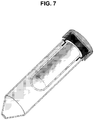
- Figures 3-8 depict various configurations of a clog-resistant spin filter in assembled and exploded views and associated with a collection tube. The clog-resistant filter is designed to allow the sample to be filtered through the body walls if the bottom end becomes clogged with residue from the sample.
- Spin filters appropriate for use with the technology provided herein are generally made from a material is inert with respect to the sample - that is, the material does not react with or otherwise contaminate or modify the sample, other than filtering it, in a way that affects a subsequent assay (e.g., causes degradation of the sample, causes its decomposition, or the like).
- a material is polyethylene.
- suitable materials are, e.g., nylon, cellulose-acetate, polytetrafluoroethylene (PTFE, also known as Teflon), polyvinylidene fluoride (PVDF), polyester, and polyethersulfone.
- Operating pressure, the chemical and physical characteristics of the composition to be filtered, the size of the entity to remove from the sample, and the mechanical properties of the material are factors that are considered when selecting an appropriate spin filter.
- Filters are manufactured to have various pore sizes appropriate for different filtering applications. For example, a filter with pore size of 0.2 micrometers is typically acknowledged to remove most bacteria while smaller pore sizes are required to remove viruses and bacterial spores. For removing larger particulates, a larger pore size is adequate. For example, while one aspect of the technology provided herein uses a spin filter having a 20-micrometer pore size, other pore sizes that find use in filtration applications are 0.22, 0.45, 10, 20, 30, and 45 micrometers. Accordingly, larger and smaller pore sizes are contemplated, as well as pore sizes intermediate within the intervals delimited by these particular values. For some filtration applications the filter is characterized by the average molecular weight of the molecules that are retained by the filter.
- a filter with a 5,000 Da molecular weight cutoff is designed to retain molecules and complexes having at least a molecular weight of approximately 5,000 Da.
- Filters can provide MWCOs of 10,000 Da; 30,000 Da; 50,000 Da; 100,000 Da, and other limits required for the filtration task.
- Operating pressure and the size of the entity to remove from the sample are factors to consider when choosing a pore size or cutoff value.
- the target nucleic acids are captured using a sequence-specific target capture reagent, e.g., a magnetic bead to which is linked an oligonucleotide complementary to the target.
- a sequence-specific target capture reagent e.g., a magnetic bead to which is linked an oligonucleotide complementary to the target.
- the solution is incubated under conditions that promote the association (e.g., by hybridization) of the target with the capture reagent to produce a target:capture reagent complex.
- the resulting solution is heated again to denature the remaining DNA in the clarified supernatant and another target capture reagent can be added to isolate another target (e.g., by hybridization and application of a magnetic field).
- the process can be repeated, e.g., at least four times, to isolate as many targets as are required for the assay (e.g., a sequential or serial isolation process as described, e.g., by U.S. Pat. Appl. Ser. No. 61/485,386 , which is incorporated herein by reference). Also, more than one target can be isolated in a capture step by using a capture reagent comprising multiple capture sequences.
- the methods provided herein relate to the use of capture reagents.
- capture reagents are molecules, moieties, substances, or compositions that preferentially (e.g., specifically and selectively) interact with a particular target sought to be isolated and purified.
- Any capture reagent having desired binding affinity and/or specificity to the analyte target is used in the present technology.
- the capture reagent is a macromolecule such as a peptide, a protein (e.g., an antibody or receptor), an oligonucleotide, a nucleic acid, (e.g., nucleic acids capable of hybridizing with the target nucleic acids), a vitamin, an oligosaccharide, a carbohydrate, a lipid, or a small molecule, or a complex thereof.
- a macromolecule such as a peptide, a protein (e.g., an antibody or receptor), an oligonucleotide, a nucleic acid, (e.g., nucleic acids capable of hybridizing with the target nucleic acids), a vitamin, an oligosaccharide, a carbohydrate, a lipid, or a small molecule, or a complex thereof.
- an avidin target capture reagent may be used to isolate and purify targets comprising a biotin moiety
- an antibody may be used to isolate and purify targets comprising the appropriate antigen or epitope
- an oligonucleotide may be used to isolate and purify a complementary oligonucleotide (e.g., a poly-dT oligonucleotide may be used to isolate and purify targets comprising a poly-A tail).
- nucleic acids including single-, double-, and triple-stranded nucleic acids, that are capable of binding, or specifically binding, to the target are used as the capture reagent in the present device.
- nucleic acids include DNA, such as A-, B- or Z-form DNA, and RNA such as mRNA, tRNA and rRNA, aptamers, peptide nucleic acids, and other modifications to the sugar, phosphate, or nucleoside base.
- DNA such as A-, B- or Z-form DNA
- RNA such as mRNA, tRNA and rRNA, aptamers, peptide nucleic acids, and other modifications to the sugar, phosphate, or nucleoside base.
- embodiments of the technology provided herein comprise using an oligonucleotide that is complementary to the target and that thus captures the target by specifically and selectively hybridizing to the target nucleic acid.
- target capture reagents comprise a functionality to localize, concentrate, aggregate, etc. the capture reagent and thus provide a way to isolate and purify the target when captured (e.g., bound, hybridized, etc.) to the capture reagent, e.g., when a target:capture reagent complex is formed.
- the portion of the target capture reagent that interacts with the target e.g., the oligonucleotide
- a solid support e.g., a bead, surface, resin, column
- the solid support allows the use of a mechanical means to isolate and purify the target:capture reagent complex from a heterogeneous solution.
- separation is achieved by removing the bead from the heterogeneous solution, e.g., by physical movement.
- the bead is magnetic or paramagnetic
- a magnetic field is used to achieve physical separation of the capture reagent (and thus the target) from the heterogeneous solution.
- Magnetic beads used to isolate targets are described in the art, e.g., as described in U.S. Pat. No. 5,648,124 and European Pat. Appl. No. 87309308 , incorporated herein by reference in their entireties for all purposes.
- the component of the capture reagent that interacts with the target e.g., an oligonucleotide
- the component of the capture reagent that provides for the localization, concentration, and/or aggregation (e.g., the magnetic bead) of the target:capture reagent complex e.g., an oligonucleotide
- exemplary embodiments of such covalently-linked capture reagents are provided by Stone, et al. ("Detection of rRNA from four respiratory pathogens using an automated Qß replicase assay", Molecular and Cellular Probes 10: 359-370 (1996 )), which is incorporated herein by reference in its entirety for all purposes.
- capture reagents find use in the sequential isolation of multiple specific targets from the same sample preparation. Moreover, these capture reagents provide for the isolation of DNA targets without many of the problems that are associated with other methods. For example, the use of a conventional streptavidin bead to capture a biotinylated target is problematic for processing samples that comprise large amounts of free biotin (e.g., a stool sample) because the free biotin interferes with isolation of the target.
- the target:capture reagent complexes are captured using a magnetic particle localizer.
- sample viscosity can have a profound effect on localization efficiency due to the viscous drag affecting the magnetic microparticles.
- Stool samples have viscosities ranging from 20 centipoise to 40 centipoise, whereas, for reference, water at 20°C has a viscosity of approximately 1 centipoise and honey at 20°C has a viscosity of approximately 3,000 centipoise.
- stronger magnetic fields may be preferred in order to provide for a more efficient isolation.
- one particularly effective arrangement provides two sets of magnets circularly arranged in parallel planar layers around the sample, with the magnets in one layer oriented all with their north poles toward the sample and the magnets in the other layer are all oriented with their south poles toward the sample (i.e., the "N-S" configuration, as opposed to other orientations such as the "N-N” orientation in which all north poles or all south poles in both layers are oriented toward the sample).
- An example of such a device is provided by Light and Miller, U.S. Patent Appl. Ser. No. 13/089,116 ("Magnetic Microparticle Localization Device"), which is incorporated herein in its entirety for all purposes.
- the magnets of the device are arranged around a hole into which a sample tube (e.g., a 50 milliliter conical tube) is placed, such that they produce a magnetic flux in the sample.
- the magnetic flux effects the movement of the magnetic particles in the solution such that they are aggregated, concentrated, and/or isolated in an area of the sample tube that facilitates removal of the recovery of the target DNA (Light, supra ).
- FIGS 11A and 11B show the effect of sample viscosity on the clearance of magnetic beads from solutions of 1 or 25 centipoise viscosity using conventional magnetic technology (11A) or the magnetic localization technology of Light and Miller (11B) (Light, supra ).
- a decrease in absorbance indicates a decreased concentration of microparticles suspended in solution.
- the data collected for the 25 centipoise solutions are shown with squares ( ⁇ ) and data collected for the 1 centipoise solution are shown with diamonds ( ⁇ ).
- chemistries and processes described above when used in combination, provide a system for the isolation of nucleic acids from complex and inhibitory samples, such as stool samples, that is significantly faster than previously used methods. Moreover, the system produces nucleic acid preparations that are substantially more free of inhibitory substances and results in a higher yield of target nucleic acid for, e.g., diagnostic testing. Further, embodiments of this system are readily integrated into the laboratory workflow for efficient sample processing for use with any downstream analysis or detection technology. A comparison of the workflow, timeline, and process yields of an embodiment of the instant system and an exemplary conventional system is shown in Figure 14 .
- kits comprise embodiments of the compositions, devices, apparatuses, etc. described herein, and instructions for use of the kit.
- Such instructions describe appropriate methods for preparing an analyte from a sample, e.g., for collecting a sample and preparing a nucleic acid from the sample.
- Individual components of the kit are packaged in appropriate containers and packaging (e.g., vials, boxes, blister packs, ampules, jars, bottles, tubes, and the like) and the components are packaged together in an appropriate container (e.g., a box or boxes) for convenient storage, shipping, and/or use by the user of the kit.
- liquid components may be provided in a lyophilized form to be reconstituted by the user.
- Kits may include a control or reference for assessing, validating, and/or assuring the performance of the kit.
- a kit for assaying the amount of a nucleic acid present in a sample may include a control comprising a known concentration of the same or another nucleic acid for comparison and, in some embodiments, a detection reagent (e.g., a primer) specific for the control nucleic acid.
- the kits are appropriate for use in a clinical setting and, in some embodiments, for use in a user's home.
- the components of a kit in some embodiments, provide the functionalities of a system for preparing a nucleic acid solution from a sample. In some embodiments, certain components of the system are provided by the user.
- PVP e.g., PVPP
- qPCR SYBR Green quantitative PCR
- the spin column filtration was tried as an alternative method to separate the PVP from the stool supernatant.
- the smaller particle size PVP could not be processed in this manner as the PVP apparently packed down so tightly in the spin column that the liquid stool supernatant could not pass through.
- the larger particle size PVP did not have this same problem and the sample preparation could easily be spin filtered.
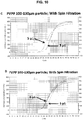
- the spin column contained a polyethylene frit (20-micrometer nominal pore size) to collect the PVP.
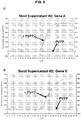
- the eluate volume in the qPCR could be increased to 5 microliters or 6 microliters without obvious inhibition (see Figures 10C and 10D ).
- Test solutions of the appropriate viscosity e.g., 1 or 25 centipoise were placed in a conventional device or an embodiment of the technology provided herein for testing. Samples were exposed to the magnetic field, the liquid was aspirated at the time intervals indicated for each sample, and the particles remaining in suspension were quantified by spectrometry. A decrease in absorbance indicates a decreased concentration of microparticles suspended in solution (i.e., more particles localized and removed from suspension by magnetic separation). Results for the conventional technology are provided below in Figure 11A . Results for the magnetic microparticle localization device are provided in Figure 11B . In Figures 11A and B , data collected for the 25 centipoise solution are shown with squares ( ⁇ ) and data collected for the 1 centipoise solution are shown with diamonds ( ⁇ ).
- the denaturation/hybridization/separation cycle (steps 4 - 6) can be repeated at least four or more times to serially extract different target DNAs from the same stool supernatant sample.
- a multi-marker stool test was performed that included four methylated genes ( vimentin , NDRG4, BMP3, and TFPI2), mutant KRAS, a reference gene beta-actin ( ACTB ), and hemoglobin.
- vimentin methylated genes
- NDRG4 mutant KRAS
- ACTB reference gene beta-actin
- hemoglobin a reference gene beta-actin
- Candidate genes were identified that individually or in combinations (e.g., KRAS + BMP3 + NDRG4 + TFPI2 + vimentin + reference and/or ACTB + hemoglobin) yielded nearly complete separation of colorectal neoplasia from normal mucosa.
- Four methylated gene markers emerged as the most discriminant - NDRG4, BMP3, vimentin, and TFPI2.
- Mutant KRAS and hemoglobin detection complement methylated gene markers detected in stool and, accordingly, were also evaluated in the marker panel.
- assay of the reference gene beta-actin ( ACTB ) was used to determine total human genome equivalents in stool and, as human DNA levels in stool increase with colorectal neoplasia, to serve as a candidate marker itself.
- Sera-Mag carboxylate modified beads (ThermoFisher Scientific, Waltham MA) functionalized with each oligonucleotide capture probe were subsequently added to denatured stool supernatant and incubated at room temperature for one hour.
- Sera-Mag beads were collected on a magnetic rack and washed three times using MOPS washing buffer (10 mM MOPS; 150 mM NaCl, pH 7.5), and then eluted in 60 microliters of nuclease free water with 20 nanograms per microliter tRNA (Sigma).
- Methylated markers were quantified by the QuARTS method, as we have previously described (see, e.g., U.S. Pat. App. Ser. Nos. 12/946,737 ; 12/946,745 ; and 12/946,752 , incorporated herein by reference in their entireties for all purposes).
- This method combines a polymerase-based target DNA amplification process with an invasive cleavage-based signal amplification process.
- the first triplex assay contained ACTB, vimentin, and NDRG4, and the second contained ACTB, BMP3, and TFPI2.
- Each QuARTS reaction incorporated 400-600 nM primers and detection probes, 100 nM invasive oligonucleotide, 600-700 nM each of FAM (Hologic, Madison WI), Yellow (Hologic), and Quasor 670 (BioSearch Technologies, Novato CA) fluorescence resonance energy transfer reporter cassettes (FRETs), 6.675 nanogram per microliter Cleavase 2.0 (Hologic), 1 unit hot-start GoTaq DNA polymerase (Promega, Madison WI), 10 mM MOPS, 7.5 mM MgCl 2 , and 250 ⁇ M each dNTP.
- QuARTS cycling conditions consisted of 95°C for 3 minutes, then 10 cycles each comprising 95°C for 20 seconds, 67°C for 30 seconds, and 70°C for 30 seconds, followed by 45 cycles each comprising 95°C for 20 seconds, 53°C for 1 minute, and 70°C for 30 seconds, and finally a 30-second hold at 40°C.
- the two methylation-specific primers and probe were as follows:
- Each plate included bisulfite-treated DNA samples, standard curve samples, positive and negative controls, and water blanks. Standard curves were made using 300 to 1000 target sequences cut from engineered plasmids. Bisulfite-treated CpGenome universal methylated DNA (Millipore, Billerica, MA) and human genomic DNA (Merck, Germany) were used as positive and negative controls. DNA strand number was determined by comparing the Cp of the target gene to the standard curve for the relevant assay. Percent methylation for each marker was determined by dividing the strand number of the methylated gene by the ACTB strand number and multiplying by 100.
- the KRAS gene was first PCR amplified with primers flanking codons 12/13 using 10 microliters of captured KRAS DNA as template. PCR was conducted with 1 ⁇ LightCycler ® 480 SYBR Green I Master (Roche, Germany) and 200 nM each primer. Cycling conditions were 95°C for 3 minutes, followed by 15 cycles each at 95°C for 20 seconds, 62°C for 30 seconds, and 72°C for 30 seconds. Primer sequences were:
- Each amplified sample was diluted 500-fold in nuclease free water.
- a 10-microliter aliquot of the 500-fold sample dilutions was added to a 96-well PCR plate with an automated liquid handler (epMotion, Eppendorf, Hauppauge NY). QuARTS assays were then used to evaluate seven mutations at codons 12/13 of the KRAS gene.
- Each mutation assay was designed as a singleplex assay.
- KRAS mutation-specific forward primers and probes were:
Landscapes
- Chemical & Material Sciences (AREA)
- Health & Medical Sciences (AREA)
- Engineering & Computer Science (AREA)
- Life Sciences & Earth Sciences (AREA)
- Genetics & Genomics (AREA)
- Biomedical Technology (AREA)
- Organic Chemistry (AREA)
- Zoology (AREA)
- Wood Science & Technology (AREA)
- Bioinformatics & Cheminformatics (AREA)
- Biotechnology (AREA)
- General Engineering & Computer Science (AREA)
- Analytical Chemistry (AREA)
- General Health & Medical Sciences (AREA)
- Biophysics (AREA)
- Microbiology (AREA)
- Molecular Biology (AREA)
- Biochemistry (AREA)
- Physics & Mathematics (AREA)
- Plant Pathology (AREA)
- Crystallography & Structural Chemistry (AREA)
- Chemical Kinetics & Catalysis (AREA)
- Proteomics, Peptides & Aminoacids (AREA)
- Immunology (AREA)
- Clinical Laboratory Science (AREA)
- Pathology (AREA)
- Hematology (AREA)
- Hospice & Palliative Care (AREA)
- Oncology (AREA)
- Measuring Or Testing Involving Enzymes Or Micro-Organisms (AREA)
- Apparatus Associated With Microorganisms And Enzymes (AREA)
- Preparation Of Compounds By Using Micro-Organisms (AREA)
- Saccharide Compounds (AREA)
- Investigating Or Analysing Biological Materials (AREA)
Applications Claiming Priority (6)
| Application Number | Priority Date | Filing Date | Title |
|---|---|---|---|
| US201161485386P | 2011-05-12 | 2011-05-12 | |
| US201161485338P | 2011-05-12 | 2011-05-12 | |
| US201161485214P | 2011-05-12 | 2011-05-12 | |
| US201161485448P | 2011-05-12 | 2011-05-12 | |
| PCT/US2012/037581 WO2012155072A2 (fr) | 2011-05-12 | 2012-05-11 | Isolement d'acides nucléiques |
| EP12782489.4A EP2707510B1 (fr) | 2011-05-12 | 2012-05-11 | Isolement d'acides nucléiques |
Related Parent Applications (2)
| Application Number | Title | Priority Date | Filing Date |
|---|---|---|---|
| EP12782489.4A Division EP2707510B1 (fr) | 2011-05-12 | 2012-05-11 | Isolement d'acides nucléiques |
| EP12782489.4A Division-Into EP2707510B1 (fr) | 2011-05-12 | 2012-05-11 | Isolement d'acides nucléiques |
Publications (2)
| Publication Number | Publication Date |
|---|---|
| EP3231877A1 true EP3231877A1 (fr) | 2017-10-18 |
| EP3231877B1 EP3231877B1 (fr) | 2019-12-04 |
Family
ID=47140037
Family Applications (2)
| Application Number | Title | Priority Date | Filing Date |
|---|---|---|---|
| EP12782489.4A Active EP2707510B1 (fr) | 2011-05-12 | 2012-05-11 | Isolement d'acides nucléiques |
| EP17170672.4A Active EP3231877B1 (fr) | 2011-05-12 | 2012-05-11 | Isolement d'acides nucléiques |
Family Applications Before (1)
| Application Number | Title | Priority Date | Filing Date |
|---|---|---|---|
| EP12782489.4A Active EP2707510B1 (fr) | 2011-05-12 | 2012-05-11 | Isolement d'acides nucléiques |
Country Status (8)
| Country | Link |
|---|---|
| US (13) | US9000146B2 (fr) |
| EP (2) | EP2707510B1 (fr) |
| JP (1) | JP6040226B2 (fr) |
| CN (3) | CN103649298A (fr) |
| AU (1) | AU2012253345B2 (fr) |
| CA (1) | CA2835345C (fr) |
| ES (2) | ES2773692T3 (fr) |
| WO (1) | WO2012155072A2 (fr) |
Families Citing this family (57)
| Publication number | Priority date | Publication date | Assignee | Title |
|---|---|---|---|---|
| EP2816122A1 (fr) | 2008-02-15 | 2014-12-24 | Mayo Foundation For Medical Education And Research | Détection de néoplasme d'un échantillon de selles |
| US20110236916A1 (en) | 2010-03-26 | 2011-09-29 | Mayo Foundation For Medical Education And Research | Methods and materials for detecting colorectal neoplasm |
| US8916344B2 (en) | 2010-11-15 | 2014-12-23 | Exact Sciences Corporation | Methylation assay |
| US8361720B2 (en) | 2010-11-15 | 2013-01-29 | Exact Sciences Corporation | Real time cleavage assay |
| US8808990B2 (en) | 2011-05-12 | 2014-08-19 | Exact Sciences Corporation | Serial isolation of multiple DNA targets from stool |
| CN103649298A (zh) | 2011-05-12 | 2014-03-19 | 精密科学公司 | 核酸的分离 |
| US8993341B2 (en) | 2011-05-12 | 2015-03-31 | Exact Sciences Corporation | Removal of PCR inhibitors |
| US8980107B2 (en) | 2011-05-12 | 2015-03-17 | Exact Sciences Corporation | Spin filter |
| ES2675584T3 (es) | 2012-01-30 | 2018-07-11 | Exact Sciences Development Company, Llc | Modificación de ADN en perlas magnéticas |
| US9212392B2 (en) | 2012-09-25 | 2015-12-15 | Exact Sciences Corporation | Normalization of polymerase activity |
| ES2859645T3 (es) | 2013-03-14 | 2021-10-04 | Mayo Found Medical Education & Res | Detección de neoplasia |
| WO2015008985A1 (fr) * | 2013-07-15 | 2015-01-22 | Seegene, Inc. | Détection d'une séquence cible d'acides nucléiques par clivage par pto et hybridation d'oligonucléotides immobilisés dépendant de l'extension |
| WO2015066695A1 (fr) | 2013-11-04 | 2015-05-07 | Exact Sciences Corporation | Calibreurs de commande multiple pour l'analyse quantitative d'adn |
| EP4209600A1 (fr) | 2013-12-19 | 2023-07-12 | Exact Sciences Corporation | Molécules de contrôle d'acides nucléiques synthétiques |
| CN106460046A (zh) | 2014-03-31 | 2017-02-22 | 梅奥医学教育和研究基金会 | 检测结直肠赘生物 |
| US20170029810A1 (en) * | 2014-04-11 | 2017-02-02 | Wako Pure Chemical Industries, Inc. | Nucleic acid purification method |
| US10144951B2 (en) | 2014-05-18 | 2018-12-04 | Glc Biotechnology, Inc. | Method and materials to deplete impurities for extraction and purification of nucleic acids from stool |
| US10184154B2 (en) | 2014-09-26 | 2019-01-22 | Mayo Foundation For Medical Education And Research | Detecting cholangiocarcinoma |
| US10465248B2 (en) * | 2014-12-12 | 2019-11-05 | Exact Sciences Development Company, Llc | Method of characterizing ZDHHC1 DNA |
| WO2016094839A2 (fr) | 2014-12-12 | 2016-06-16 | Exact Sciences Corporation | Compositions et méthodes pour mettre en oeuvre des dosages de détection de méthylation |
| US10030272B2 (en) | 2015-02-27 | 2018-07-24 | Mayo Foundation For Medical Education And Research | Detecting gastrointestinal neoplasms |
| WO2016160454A1 (fr) | 2015-03-27 | 2016-10-06 | Exact Sciences Corporation | Détection de troubles de l'œsophage |
| KR20250172724A (ko) | 2015-08-31 | 2025-12-09 | 메이오 파운데이션 포 메디칼 에쥬케이션 앤드 리써치 | 위 신생물 검출 방법 |
| CN105112529A (zh) * | 2015-09-15 | 2015-12-02 | 苏州工业园区为真生物医药科技有限公司 | 人ndrg4/tfpi2基因甲基化检测标志物及试剂盒 |
| KR20250073555A (ko) * | 2015-10-30 | 2025-05-27 | 이그잭트 사이언시즈 코포레이션 | 복합 증폭 검출 분석 및 혈장으로부터 dna의 분리 및 검출 방법 |
| CN105349686A (zh) * | 2015-12-14 | 2016-02-24 | 广州市康立明生物科技有限责任公司 | 一种结直肠癌检测试剂盒 |
| CN105543378A (zh) * | 2016-01-23 | 2016-05-04 | 广州市康立明生物科技有限责任公司 | 一组用于肠癌早期诊断的ndrg4基因甲基化检测引物和探针及其试剂盒 |
| US10370726B2 (en) | 2016-04-14 | 2019-08-06 | Mayo Foundation For Medical Education And Research | Detecting colorectal neoplasia |
| US11078543B2 (en) | 2016-04-14 | 2021-08-03 | Mayo Foundation For Medical Education And Research | Detecting pancreatic high-grade dysplasia |
| CN105803088B (zh) * | 2016-04-29 | 2019-09-06 | 广州市康立明生物科技有限责任公司 | 一组检测Kras基因突变的引物和探针及其试剂盒 |
| CN110951828B (zh) * | 2016-04-29 | 2025-01-03 | 广州康立明生物科技股份有限公司 | 一种引物和探针的设计方法 |
| CN116064796A (zh) | 2016-05-05 | 2023-05-05 | 精密科学公司 | 通过分析甲基化dna来检测肺肿瘤 |
| ES3035263T3 (en) | 2016-07-19 | 2025-09-01 | Exact Sciences Corp | Methylated control dna |
| JP7289264B2 (ja) | 2017-01-27 | 2023-06-09 | エグザクト サイエンシーズ コーポレーション | メチル化dnaの分析による結腸腫瘍の検出 |
| CN110431241B (zh) | 2017-02-28 | 2024-04-19 | 梅约医学教育与研究基金会 | 检测前列腺癌 |
| JP7277460B2 (ja) | 2017-11-30 | 2023-05-19 | マヨ ファウンデーション フォア メディカル エデュケーション アンド リサーチ | 乳癌の検出 |
| US10648025B2 (en) | 2017-12-13 | 2020-05-12 | Exact Sciences Development Company, Llc | Multiplex amplification detection assay II |
| SG11201903333SA (en) | 2017-12-29 | 2019-08-27 | Clear Labs Inc | Automated priming and library loading services |
| EP3797112A4 (fr) * | 2018-05-23 | 2022-03-23 | Hangzhou New Horizon Health Technology Co., Ltd. | Kit de dépistage du cancer colorectal et d'adénome avancé et son application |
| CN108949750A (zh) * | 2018-08-17 | 2018-12-07 | 上海锐翌生物科技有限公司 | 提取粪便dna的方法及试剂盒 |
| WO2020141144A1 (fr) * | 2018-12-31 | 2020-07-09 | Qiagen Gmbh | Procédé d'enrichissement pour séquençage |
| WO2020154665A1 (fr) | 2019-01-24 | 2020-07-30 | Mayo Foundation For Medical Education And Research | Détection du cancer de l'endomètre |
| US20230046033A1 (en) | 2019-09-16 | 2023-02-16 | Exact Sciences Corporation | Structure and temperature-dependent flap endonuclease substrates |
| US11702704B2 (en) | 2019-10-31 | 2023-07-18 | Mayo Foundation For Medical Education And Research | Detecting ovarian cancer |
| CN111197073A (zh) * | 2019-12-19 | 2020-05-26 | 武汉艾米森生命科技有限公司 | 从粪便中提取dna样本的方法和结直肠癌相关基因的甲基化检测方法 |
| CN115175985A (zh) * | 2019-12-20 | 2022-10-11 | 威廉马歇莱思大学 | 从未经处理的生物样本中提取单链dna和rna并测序的方法 |
| JP7853277B2 (ja) | 2020-07-29 | 2026-04-28 | エグザクト サイエンシーズ コーポレーション | スルホン化dnaの精製 |
| JP2023539128A (ja) | 2020-08-19 | 2023-09-13 | マヨ ファウンデーション フォア メディカル エデュケーション アンド リサーチ | 非ホジキンリンパ腫の検出 |
| CL2020002629A1 (es) | 2020-10-12 | 2021-01-15 | Taag Genetics S A | Nuevo dispositivo de biología molecular para extracción y purificación de ácidos nucleicos desde diferentes tipos de muestras biológicas que comprende resinas de adsorción |
| WO2022150385A1 (fr) * | 2021-01-06 | 2022-07-14 | Salus Discovery, LLC | Systèmes et procédés permettant d'isoler une cible d'un échantillon biologique |
| KR20230150814A (ko) | 2021-01-29 | 2023-10-31 | 메이오 파운데이션 포 메디칼 에쥬케이션 앤드 리써치 | 다양한 유형의 암에 대한 존재 또는 부재의 검출 |
| WO2022192490A1 (fr) * | 2021-03-10 | 2022-09-15 | Arthrex, Inc. | Systèmes et procédés pour la préparation de sérum enrichi |
| CN113680411A (zh) * | 2021-08-25 | 2021-11-23 | 杭州博日科技股份有限公司 | 采样盛装组件、采样移液头及采样过滤装置 |
| CN114107498B (zh) * | 2021-11-17 | 2023-10-03 | 武汉大学中南医院 | 结直肠癌血液检测标记物及其应用 |
| CN114807118A (zh) * | 2022-02-16 | 2022-07-29 | 上海长岛抗体诊断试剂有限公司 | 从粪便提取肠上皮细胞dna的方法 |
| WO2024095939A1 (fr) * | 2022-10-31 | 2024-05-10 | ニプロ株式会社 | Tube et récipient d'extraction d'acide nucléique |
| WO2026055641A1 (fr) | 2024-09-06 | 2026-03-12 | Exact Sciences Corporation | Procédés et compositions pour préparer des analytes biomoléculaires à partir d'échantillons complexes |
Citations (41)
| Publication number | Priority date | Publication date | Assignee | Title |
|---|---|---|---|---|
| US4458066A (en) | 1980-02-29 | 1984-07-03 | University Patents, Inc. | Process for preparing polynucleotides |
| US4683195A (en) | 1986-01-30 | 1987-07-28 | Cetus Corporation | Process for amplifying, detecting, and/or-cloning nucleic acid sequences |
| US4683202A (en) | 1985-03-28 | 1987-07-28 | Cetus Corporation | Process for amplifying nucleic acid sequences |
| US4965188A (en) | 1986-08-22 | 1990-10-23 | Cetus Corporation | Process for amplifying, detecting, and/or cloning nucleic acid sequences using a thermostable enzyme |
| US5011769A (en) | 1985-12-05 | 1991-04-30 | Meiogenics U.S. Limited Partnership | Methods for detecting nucleic acid sequences |
| US5124246A (en) | 1987-10-15 | 1992-06-23 | Chiron Corporation | Nucleic acid multimers and amplified nucleic acid hybridization assays using same |
| US5288609A (en) | 1984-04-27 | 1994-02-22 | Enzo Diagnostics, Inc. | Capture sandwich hybridization method and composition |
| US5338671A (en) | 1992-10-07 | 1994-08-16 | Eastman Kodak Company | DNA amplification with thermostable DNA polymerase and polymerase inhibiting antibody |
| US5403711A (en) | 1987-11-30 | 1995-04-04 | University Of Iowa Research Foundation | Nucleic acid hybridization and amplification method for detection of specific sequences in which a complementary labeled nucleic acid probe is cleaved |
| US5409818A (en) | 1988-02-24 | 1995-04-25 | Cangene Corporation | Nucleic acid amplification process |
| US5494810A (en) | 1990-05-03 | 1996-02-27 | Cornell Research Foundation, Inc. | Thermostable ligase-mediated DNA amplifications system for the detection of genetic disease |
| US5508169A (en) | 1990-04-06 | 1996-04-16 | Queen's University At Kingston | Indexing linkers |
| US5624802A (en) | 1987-10-15 | 1997-04-29 | Chiron Corporation | Nucleic acid multimers and amplified nucleic acid hybridization assays using same |
| US5639611A (en) | 1988-12-12 | 1997-06-17 | City Of Hope | Allele specific polymerase chain reaction |
| US5648124A (en) | 1993-07-09 | 1997-07-15 | Seradyn, Inc. | Process for preparing magnetically responsive microparticles |
| US5660988A (en) | 1993-11-17 | 1997-08-26 | Id Biomedical Corporation | Cycling probe cleavage detection of nucleic acid sequences |
| US5710264A (en) | 1990-07-27 | 1998-01-20 | Chiron Corporation | Large comb type branched polynucleotides |
| US5773258A (en) | 1995-08-25 | 1998-06-30 | Roche Molecular Systems, Inc. | Nucleic acid amplification using a reversibly inactivated thermostable enzyme |
| US5792614A (en) | 1994-12-23 | 1998-08-11 | Dade Behring Marburg Gmbh | Detection of nucleic acids by target-catalyzed product formation |
| US5846717A (en) | 1996-01-24 | 1998-12-08 | Third Wave Technologies, Inc. | Detection of nucleic acid sequences by invader-directed cleavage |
| US5851770A (en) | 1994-04-25 | 1998-12-22 | Variagenics, Inc. | Detection of mismatches by resolvase cleavage using a magnetic bead support |
| US5882867A (en) | 1995-06-07 | 1999-03-16 | Dade Behring Marburg Gmbh | Detection of nucleic acids by formation of template-dependent product |
| US5914230A (en) | 1995-12-22 | 1999-06-22 | Dade Behring Inc. | Homogeneous amplification and detection of nucleic acids |
| US5958692A (en) | 1994-04-25 | 1999-09-28 | Variagenics, Inc. | Detection of mutation by resolvase cleavage |
| US5965408A (en) | 1996-07-09 | 1999-10-12 | Diversa Corporation | Method of DNA reassembly by interrupting synthesis |
| US5985557A (en) | 1996-01-24 | 1999-11-16 | Third Wave Technologies, Inc. | Invasive cleavage of nucleic acids |
| US5994069A (en) | 1996-01-24 | 1999-11-30 | Third Wave Technologies, Inc. | Detection of nucleic acids by multiple sequential invasive cleavages |
| US6013170A (en) | 1997-06-12 | 2000-01-11 | Clinical Micro Sensors, Inc. | Detection of analytes using reorganization energy |
| US6063573A (en) | 1998-01-27 | 2000-05-16 | Clinical Micro Sensors, Inc. | Cycling probe technology using electron transfer detection |
| US6110684A (en) | 1998-02-04 | 2000-08-29 | Variagenics, Inc. | Mismatch detection techniques |
| US6150097A (en) | 1996-04-12 | 2000-11-21 | The Public Health Research Institute Of The City Of New York, Inc. | Nucleic acid detection probes having non-FRET fluorescence quenching and kits and assays including such probes |
| US6183960B1 (en) | 1995-11-21 | 2001-02-06 | Yale University | Rolling circle replication reporter systems |
| US6221583B1 (en) | 1996-11-05 | 2001-04-24 | Clinical Micro Sensors, Inc. | Methods of detecting nucleic acids using electrodes |
| US6235502B1 (en) | 1998-09-18 | 2001-05-22 | Molecular Staging Inc. | Methods for selectively isolating DNA using rolling circle amplification |
| WO2005023091A2 (fr) | 2003-09-05 | 2005-03-17 | The Trustees Of Boston University | Procede de diagnostic prenatal non effractif |
| US6872816B1 (en) | 1996-01-24 | 2005-03-29 | Third Wave Technologies, Inc. | Nucleic acid detection kits |
| US7005266B2 (en) | 2000-02-04 | 2006-02-28 | Qiagen Gmbh | Nucleic acid isolation from stool samples and other inhibitor-rich biological materials |
| US20070202525A1 (en) | 2006-02-02 | 2007-08-30 | The Board Of Trustees Of The Leland Stanford Junior University | Non-invasive fetal genetic screening by digital analysis |
| US20090253142A1 (en) | 2008-03-15 | 2009-10-08 | Hologic, Inc. | Compositions and methods for analysis of nucleic acid molecules during amplification reactions |
| US7662594B2 (en) | 2002-09-20 | 2010-02-16 | New England Biolabs, Inc. | Helicase-dependent amplification of RNA |
| WO2010028382A2 (fr) | 2008-09-05 | 2010-03-11 | Mayo Foundation For Medical Education And Research | Recueil et traitement de mélanges macromoléculaires complexes |
Family Cites Families (44)
| Publication number | Priority date | Publication date | Assignee | Title |
|---|---|---|---|---|
| US4683058A (en) | 1986-03-20 | 1987-07-28 | Costar Corporation | Filter for centrifuge tube |
| ZA877772B (en) | 1986-10-23 | 1988-04-20 | Amoco Corporation | Target and background capture methods and apparatus for affinity assays |
| US5019512A (en) * | 1989-03-17 | 1991-05-28 | Baxter International Inc. | Spin filter for removing substantially cell-free culture medium from suspension cell culture system |
| US5352775A (en) | 1991-01-16 | 1994-10-04 | The Johns Hopkins Univ. | APC gene and nucleic acid probes derived therefrom |
| SE9301759D0 (sv) * | 1993-05-21 | 1993-05-21 | Vincenzo Vassarotti | Centrifugal method for concentrating macromolecules from a solution and device for carrying out said method |
| US6156504A (en) * | 1996-03-15 | 2000-12-05 | The Penn State Research Foundation | Detection of extracellular tumor-associated nucleic acid in blood plasma or serum using nucleic acid amplification assays |
| US6133436A (en) * | 1996-11-06 | 2000-10-17 | Sequenom, Inc. | Beads bound to a solid support and to nucleic acids |
| US6391622B1 (en) * | 1997-04-04 | 2002-05-21 | Caliper Technologies Corp. | Closed-loop biochemical analyzers |
| US6406857B1 (en) * | 1997-06-16 | 2002-06-18 | Exact Sciences Corporation | Methods for stool sample preparation |
| US20010035375A1 (en) * | 1998-06-04 | 2001-11-01 | Humicke-Smith Scott P. | Filter for arrayable micro-centrifuge |
| US6221655B1 (en) * | 1998-08-01 | 2001-04-24 | Cytosignal | Spin filter assembly for isolation and analysis |
| DE19900638C2 (de) * | 1999-01-11 | 2002-12-19 | Max Planck Gesellschaft | Methode zur Isolierung von DNA aus biologischen Materialien |
| GB0011443D0 (en) * | 2000-05-13 | 2000-06-28 | Dna Research Instr Limited | Separation device |
| ATE336593T1 (de) * | 2002-06-04 | 2006-09-15 | Vitro Hellas S A | Hochsensitiver nachweis mittels geschachtelter pcr zum effizienten multiplex nachweis von mitgliedern des vitivirus, foveavirus und closteovirus genus in wein |
| PL376503A1 (en) * | 2002-11-01 | 2005-12-27 | Carrotech As | Assay method |
| WO2004108925A1 (fr) | 2003-06-04 | 2004-12-16 | Qiagen As | Methode d'isolation sequentielle d'adn et d'arn a partir du meme echantillon contenant des acides nucleiques |
| US20050026175A1 (en) * | 2003-07-31 | 2005-02-03 | John Link | Devices and methods for isolating RNA |
| JP4610967B2 (ja) * | 2004-08-23 | 2011-01-12 | オリンパス株式会社 | カプセル型医療装置回収装置およびカプセル型医療装置回収キット |
| WO2006088860A2 (fr) * | 2005-02-14 | 2006-08-24 | Beattie Kenneth L | Puces d'empreintes universelles et utilisations de celles-ci |
| US20060270843A1 (en) | 2005-05-26 | 2006-11-30 | Hall Gerald E Jr | Methods for isolation of nucleic acids |
| DE102005057334A1 (de) * | 2005-11-28 | 2007-06-06 | Aj Innuscreen Gmbh | Verfahren zur Isolierung von Nukleinsäuren aus beliebigen Ausgangsmaterialien |
| CN100368566C (zh) * | 2005-12-28 | 2008-02-13 | 中国科学院南海海洋研究所 | 水生动物粪样细菌dna提取试剂盒及方法 |
| US20080131887A1 (en) * | 2006-11-30 | 2008-06-05 | Stephan Dietrich A | Genetic Analysis Systems and Methods |
| GB0700374D0 (en) * | 2007-01-09 | 2007-02-14 | Oncomethylome Sciences S A | NDRG family methylation markers |
| WO2008150826A1 (fr) | 2007-05-31 | 2008-12-11 | Ge Healthcare Uk Limited | Colonne à centrifuger modifiée pour une extraction simple et rapide d'adn plasmidique |
| US20080299621A1 (en) | 2007-05-31 | 2008-12-04 | Ge Healthcare Uk Limited | Miniprep system for simple and rapid plasmid dna extraction |
| ES2565512T3 (es) * | 2007-07-19 | 2016-04-05 | bioMérieux | Procedimiento de ensayo de la proteína de unión a ácidos grasos del hígado, de ACE y de CA19-9 para el diagnóstico in vitro del cáncer colorrectal |
| FR2919063B1 (fr) | 2007-07-19 | 2009-10-02 | Biomerieux Sa | Procede de dosage du leucocyte elastase inhibitor pour le diagnostic in vitro du cancer colorectal. |
| CN101307311A (zh) * | 2008-07-14 | 2008-11-19 | 四川大学 | 一种猪粪样总dna的提取方法 |
| CN102132156B (zh) | 2008-08-01 | 2014-11-26 | 生物风险公司 | 用于物质的纯化、分离、脱盐或缓冲液/溶剂交换的装置和方法 |
| JP5704726B2 (ja) * | 2009-08-07 | 2015-04-22 | エリコン アドバンスド テクノロジーズ アーゲー | 全て固体の電気化学二重層スーパーキャパシタ |
| CN201482578U (zh) * | 2009-08-21 | 2010-05-26 | 照进机械有限公司 | 离心式过滤器的离心桶 |
| KR20120138766A (ko) * | 2010-02-16 | 2012-12-26 | 사이시스 다이애그노스틱스, 인크. | 복합 매트릭스로부터의 핵산 추출 |
| DK2588609T3 (en) * | 2010-06-29 | 2018-03-19 | Exscale Biospecimen Solutions Ab | METHOD AND KIT FOR SEQUENTIAL ISOLATION OF NUCLEOTIDE SPECIES FROM A SAMPLE |
| CN101935647B (zh) * | 2010-09-13 | 2012-07-25 | 原平皓(天津)生物技术有限公司 | 一种提取微生物dna的试剂盒及其方法 |
| US8361720B2 (en) | 2010-11-15 | 2013-01-29 | Exact Sciences Corporation | Real time cleavage assay |
| US8715937B2 (en) | 2010-11-15 | 2014-05-06 | Exact Sciences Corporation | Mutation detection assay |
| US8916344B2 (en) | 2010-11-15 | 2014-12-23 | Exact Sciences Corporation | Methylation assay |
| US8530228B2 (en) | 2010-12-28 | 2013-09-10 | Bexmart | Integrated versatile and systems preparation of specimens |
| US20120262260A1 (en) | 2011-04-18 | 2012-10-18 | Exact Sciences Corporation | Magnetic microparticle localization device |
| US8993341B2 (en) | 2011-05-12 | 2015-03-31 | Exact Sciences Corporation | Removal of PCR inhibitors |
| US8808990B2 (en) | 2011-05-12 | 2014-08-19 | Exact Sciences Corporation | Serial isolation of multiple DNA targets from stool |
| US8980107B2 (en) | 2011-05-12 | 2015-03-17 | Exact Sciences Corporation | Spin filter |
| CN103649298A (zh) | 2011-05-12 | 2014-03-19 | 精密科学公司 | 核酸的分离 |
-
2012
- 2012-05-11 CN CN201280034773.0A patent/CN103649298A/zh active Pending
- 2012-05-11 JP JP2014510505A patent/JP6040226B2/ja active Active
- 2012-05-11 CN CN201710674745.XA patent/CN107312774A/zh active Pending
- 2012-05-11 EP EP12782489.4A patent/EP2707510B1/fr active Active
- 2012-05-11 CA CA2835345A patent/CA2835345C/fr active Active
- 2012-05-11 EP EP17170672.4A patent/EP3231877B1/fr active Active
- 2012-05-11 AU AU2012253345A patent/AU2012253345B2/en active Active
- 2012-05-11 CN CN201410725039.XA patent/CN104450680A/zh active Pending
- 2012-05-11 ES ES17170672T patent/ES2773692T3/es active Active
- 2012-05-11 US US13/470,251 patent/US9000146B2/en active Active
- 2012-05-11 WO PCT/US2012/037581 patent/WO2012155072A2/fr not_active Ceased
- 2012-05-11 ES ES12782489.4T patent/ES2642683T3/es active Active
-
2013
- 2013-12-31 US US14/145,087 patent/US8999176B2/en active Active
- 2013-12-31 US US14/145,070 patent/US9169511B2/en active Active
- 2013-12-31 US US14/145,082 patent/US9163278B2/en active Active
- 2013-12-31 US US14/145,056 patent/US9057098B2/en active Active
-
2015
- 2015-05-15 US US14/713,289 patent/US9631228B2/en active Active
- 2015-11-12 US US14/939,925 patent/US9845491B2/en active Active
-
2017
- 2017-11-09 US US15/807,970 patent/US10047390B2/en active Active
-
2018
- 2018-07-26 US US16/046,669 patent/US10196676B2/en active Active
- 2018-12-06 US US16/212,143 patent/US10822639B2/en active Active
-
2020
- 2020-09-29 US US17/035,822 patent/US11674169B2/en active Active
-
2023
- 2023-05-01 US US18/310,266 patent/US12428669B2/en active Active
-
2025
- 2025-09-02 US US19/316,232 patent/US20260092305A1/en active Pending
Patent Citations (50)
| Publication number | Priority date | Publication date | Assignee | Title |
|---|---|---|---|---|
| US4458066A (en) | 1980-02-29 | 1984-07-03 | University Patents, Inc. | Process for preparing polynucleotides |
| US5288609A (en) | 1984-04-27 | 1994-02-22 | Enzo Diagnostics, Inc. | Capture sandwich hybridization method and composition |
| US4683202B1 (fr) | 1985-03-28 | 1990-11-27 | Cetus Corp | |
| US4683202A (en) | 1985-03-28 | 1987-07-28 | Cetus Corporation | Process for amplifying nucleic acid sequences |
| US5011769A (en) | 1985-12-05 | 1991-04-30 | Meiogenics U.S. Limited Partnership | Methods for detecting nucleic acid sequences |
| US4683195B1 (fr) | 1986-01-30 | 1990-11-27 | Cetus Corp | |
| US4683195A (en) | 1986-01-30 | 1987-07-28 | Cetus Corporation | Process for amplifying, detecting, and/or-cloning nucleic acid sequences |
| US4965188A (en) | 1986-08-22 | 1990-10-23 | Cetus Corporation | Process for amplifying, detecting, and/or cloning nucleic acid sequences using a thermostable enzyme |
| US5624802A (en) | 1987-10-15 | 1997-04-29 | Chiron Corporation | Nucleic acid multimers and amplified nucleic acid hybridization assays using same |
| US5124246A (en) | 1987-10-15 | 1992-06-23 | Chiron Corporation | Nucleic acid multimers and amplified nucleic acid hybridization assays using same |
| US5403711A (en) | 1987-11-30 | 1995-04-04 | University Of Iowa Research Foundation | Nucleic acid hybridization and amplification method for detection of specific sequences in which a complementary labeled nucleic acid probe is cleaved |
| US5409818A (en) | 1988-02-24 | 1995-04-25 | Cangene Corporation | Nucleic acid amplification process |
| US5639611A (en) | 1988-12-12 | 1997-06-17 | City Of Hope | Allele specific polymerase chain reaction |
| US5508169A (en) | 1990-04-06 | 1996-04-16 | Queen's University At Kingston | Indexing linkers |
| US5494810A (en) | 1990-05-03 | 1996-02-27 | Cornell Research Foundation, Inc. | Thermostable ligase-mediated DNA amplifications system for the detection of genetic disease |
| US5710264A (en) | 1990-07-27 | 1998-01-20 | Chiron Corporation | Large comb type branched polynucleotides |
| US5849481A (en) | 1990-07-27 | 1998-12-15 | Chiron Corporation | Nucleic acid hybridization assays employing large comb-type branched polynucleotides |
| US5338671A (en) | 1992-10-07 | 1994-08-16 | Eastman Kodak Company | DNA amplification with thermostable DNA polymerase and polymerase inhibiting antibody |
| US5648124A (en) | 1993-07-09 | 1997-07-15 | Seradyn, Inc. | Process for preparing magnetically responsive microparticles |
| US5660988A (en) | 1993-11-17 | 1997-08-26 | Id Biomedical Corporation | Cycling probe cleavage detection of nucleic acid sequences |
| US5958692A (en) | 1994-04-25 | 1999-09-28 | Variagenics, Inc. | Detection of mutation by resolvase cleavage |
| US5851770A (en) | 1994-04-25 | 1998-12-22 | Variagenics, Inc. | Detection of mismatches by resolvase cleavage using a magnetic bead support |
| US6121001A (en) | 1994-12-23 | 2000-09-19 | Dade Behring Marburg Gmbh | Detection of nucleic acids by target-catalyzed product formation |
| US5792614A (en) | 1994-12-23 | 1998-08-11 | Dade Behring Marburg Gmbh | Detection of nucleic acids by target-catalyzed product formation |
| US6110677A (en) | 1994-12-23 | 2000-08-29 | Dade Behring Marburg Gmbh | Oligonucleotide modification, signal amplification, and nucleic acid detection by target-catalyzed product formation |
| US5882867A (en) | 1995-06-07 | 1999-03-16 | Dade Behring Marburg Gmbh | Detection of nucleic acids by formation of template-dependent product |
| US5773258A (en) | 1995-08-25 | 1998-06-30 | Roche Molecular Systems, Inc. | Nucleic acid amplification using a reversibly inactivated thermostable enzyme |
| US6210884B1 (en) | 1995-11-21 | 2001-04-03 | Yale University | Rolling circle replication reporter systems |
| US6183960B1 (en) | 1995-11-21 | 2001-02-06 | Yale University | Rolling circle replication reporter systems |
| US5914230A (en) | 1995-12-22 | 1999-06-22 | Dade Behring Inc. | Homogeneous amplification and detection of nucleic acids |
| US6872816B1 (en) | 1996-01-24 | 2005-03-29 | Third Wave Technologies, Inc. | Nucleic acid detection kits |
| US6090543A (en) | 1996-01-24 | 2000-07-18 | Third Wave Technologies, Inc. | Cleavage of nucleic acids |
| US5846717A (en) | 1996-01-24 | 1998-12-08 | Third Wave Technologies, Inc. | Detection of nucleic acid sequences by invader-directed cleavage |
| US6001567A (en) | 1996-01-24 | 1999-12-14 | Third Wave Technologies, Inc. | Detection of nucleic acid sequences by invader-directed cleavage |
| US5994069A (en) | 1996-01-24 | 1999-11-30 | Third Wave Technologies, Inc. | Detection of nucleic acids by multiple sequential invasive cleavages |
| US5985557A (en) | 1996-01-24 | 1999-11-16 | Third Wave Technologies, Inc. | Invasive cleavage of nucleic acids |
| US6150097A (en) | 1996-04-12 | 2000-11-21 | The Public Health Research Institute Of The City Of New York, Inc. | Nucleic acid detection probes having non-FRET fluorescence quenching and kits and assays including such probes |
| US5965408A (en) | 1996-07-09 | 1999-10-12 | Diversa Corporation | Method of DNA reassembly by interrupting synthesis |
| US6221583B1 (en) | 1996-11-05 | 2001-04-24 | Clinical Micro Sensors, Inc. | Methods of detecting nucleic acids using electrodes |
| US6248229B1 (en) | 1997-06-12 | 2001-06-19 | Clinical Micro Sensors, Inc. | Detection of analytes using reorganization energy |
| US6013170A (en) | 1997-06-12 | 2000-01-11 | Clinical Micro Sensors, Inc. | Detection of analytes using reorganization energy |
| US6063573A (en) | 1998-01-27 | 2000-05-16 | Clinical Micro Sensors, Inc. | Cycling probe technology using electron transfer detection |
| US6110684A (en) | 1998-02-04 | 2000-08-29 | Variagenics, Inc. | Mismatch detection techniques |
| US6235502B1 (en) | 1998-09-18 | 2001-05-22 | Molecular Staging Inc. | Methods for selectively isolating DNA using rolling circle amplification |
| US7005266B2 (en) | 2000-02-04 | 2006-02-28 | Qiagen Gmbh | Nucleic acid isolation from stool samples and other inhibitor-rich biological materials |
| US7662594B2 (en) | 2002-09-20 | 2010-02-16 | New England Biolabs, Inc. | Helicase-dependent amplification of RNA |
| WO2005023091A2 (fr) | 2003-09-05 | 2005-03-17 | The Trustees Of Boston University | Procede de diagnostic prenatal non effractif |
| US20070202525A1 (en) | 2006-02-02 | 2007-08-30 | The Board Of Trustees Of The Leland Stanford Junior University | Non-invasive fetal genetic screening by digital analysis |
| US20090253142A1 (en) | 2008-03-15 | 2009-10-08 | Hologic, Inc. | Compositions and methods for analysis of nucleic acid molecules during amplification reactions |
| WO2010028382A2 (fr) | 2008-09-05 | 2010-03-11 | Mayo Foundation For Medical Education And Research | Recueil et traitement de mélanges macromoléculaires complexes |
Non-Patent Citations (32)
| Title |
|---|
| BALLABIO ET AL., HUMAN GENETICS, vol. 84, no. 6, 1990, pages 571 - 573 |
| BARANAY, PROC. NATL. ACAD. SCI USA, vol. 88, 1991, pages 189 - 93 |
| BEAUCAGE ET AL., TETRAHEDRON LETT., vol. 22, 1981, pages 1859 - 1862 |
| BIOTECHNOLOGY, vol. 10, 1992, pages 413 - 417 |
| BROWN ET AL., METH ENZYMOL., vol. 68, 1979, pages 109 - 151 |
| BUSTIN, S.A, J. MOLECULAR ENDOCRINOLOGY, vol. 25, 2000, pages 169 - 193 |
| CHAMBERLAIN ET AL., NUCLEIC ACIDS RESEARCH, vol. 16, no. 23, 1988, pages 11141 - 11156 |
| DA SILVA ET AL: "Fast and reliable extraction of protozoan parasite DNA from fecal specimens", MOLECULAR DIAGN, NAPERVILLE, IL, US, vol. 4, no. 1, 1 March 1999 (1999-03-01), pages 57 - 64, XP005235356, ISSN: 1084-8592, DOI: 10.1016/S1084-8592(99)80050-2 * |
| DON ET AL., NUCLEIC ACIDS RESEARCH, vol. 19, no. 14, 1991, pages 4008 |
| GUILFOYLE, R., NUCLEIC ACIDS RESEARCH, vol. 25, 1997, pages 1854 - 1858 |
| HAAF; SANNER; STRAUB: "Polymers ofN-vinylpyrrolidone: synthesis, characterization, and uses", POLYMER J., vol. 17, no. 1, 1985, pages 143 |
| HALL ET AL., PNAS, USA, vol. 97, 2000, pages 8272 |
| HAYDEN ET AL., BMC GENETICS, vol. 9, 2008, pages 80 |
| HECKER ET AL., BIOTECHNIQUES, vol. 20, no. 3, 1996, pages 478 - 485 |
| HERMAN ET AL., PNAS, vol. 93, no. 13, 1996, pages 9821 - 9826 |
| HIGUCHI ET AL., BIOTECHNOLOGY, vol. 11, 1993, pages 1026 - 1030 |
| HIGUCHI ET AL., NUCLEIC ACIDS RESEARCH, vol. 16, no. 15, 1988, pages 7351 - 7367 |
| KALININA ET AL., NUCLEIC ACIDS RESEARCH, vol. 25, 1997, pages 1999 - 2004 |
| LLOYD-JONES G ET AL: "Comparison of rapid DNA extraction methods applied to contrasting New Zealand soils", SOIL BIOLOGY AND BIOCHEMISTRY, vol. 33, no. 15, 1 July 2001 (2001-07-01) - 1 July 2001 (2001-07-01), pages 2053 - 2059, XP029990463, ISSN: 0038-0717, DOI: 10.1016/S0038-0717(01)00133-X * |
| LYAMICHEV ET AL., NAT. BIOTECH., vol. 17, 1999, pages 292 |
| MATTEUCCI ET AL., J AM CHEM SOC., vol. 103, 1981, pages 3185 - 3191 |
| MORGAN ET AL.: "Comparison of PCR and microscopy for detection of Cryptosporidium parvum in human fecal specimens: Clinical trial", J. CLIN. MICROBIOL., vol. 36, no. 4, 1998, pages 995 |
| NARANG ET AL., METH ENZYMOL., vol. 68, 1979, pages 90 - 99 |
| PERSOH D ET AL: "Towards a universally adaptable method for quantitative extraction of high-purity nucleic acids from soil", JOURNAL OF MICROBIOLOGICAL METHODS, ELSEVIER, AMSTERDAM, NL, vol. 75, no. 1, 1 September 2008 (2008-09-01), pages 19 - 24, XP023783182, ISSN: 0167-7012, [retrieved on 20080514], DOI: 10.1016/J.MIMET.2008.04.009 * |
| REDMANJI; GOPAL; MOLA: "A novel stabilization of beer with Polyclar Brewbrite", MBAA TQ, vol. 39, no. 1, 2002, pages 24 |
| ROUX, K., BIOTECHNIQUES, vol. 16, no. 5, 1994, pages 812 - 814 |
| SCHOUTEN ET AL., NUCLEIC ACIDS RESEARCH, vol. 30, no. 12, 2002, pages E57 |
| SHAMES ET AL.: "Identification of widespread Helicobacter hepaticus infection in feces in commercial mouse colonies by culture and PCR assay", J. CLIN. MICROBIOL., vol. 33, no. 11, 1995, pages 2968 |
| STONE B B ET AL: "Detection of rRNA from four respiratory pathogens using an automated Q beta replicase assay", MOLECULAR AND CELLULAR PROBES, ACADEMIC PRESS, LONDON, GB, vol. 10, no. 5, 1 October 1996 (1996-10-01), pages 359 - 370, XP002338112, ISSN: 0890-8508, DOI: 10.1006/MCPR.1996.0049 * |
| STONE ET AL.: "Detection of rRNA from four respiratory pathogens using an automated QB replicase assay", MOLECULAR AND CELLULAR PROBES, vol. 10, 1996, pages 359 - 370 |
| TRIGLIA, NUCLEIC ACIDS RES., vol. 16, 1988, pages 8186 |
| VOGELSTEIN; KINZLER, PROC NATL ACAD SCI USA., vol. 96, 1999, pages 9236 - 41 |
Also Published As
Similar Documents
| Publication | Publication Date | Title |
|---|---|---|
| US12428669B2 (en) | Isolation of nucleic acids | |
| US9657330B2 (en) | Serial isolation of multiple DNA targets from stool | |
| CA2967466C (fr) | Compositions et procedes pour effectuer des essais de detection de methylation | |
| US20110245483A1 (en) | Method For Purification Of Nucleic Acids, Particularly From Fixed Tissue | |
| AU2021329235A1 (en) | Purification of sulfonated DNA | |
| WO2020141144A1 (fr) | Procédé d'enrichissement pour séquençage | |
| EP4077716A1 (fr) | Procédés d'extraction et de séquençage d'arn et d'adn simple brin à partir de bio-échantillons non traités |
Legal Events
| Date | Code | Title | Description |
|---|---|---|---|
| PUAI | Public reference made under article 153(3) epc to a published international application that has entered the european phase |
Free format text: ORIGINAL CODE: 0009012 |
|
| STAA | Information on the status of an ep patent application or granted ep patent |
Free format text: STATUS: REQUEST FOR EXAMINATION WAS MADE |
|
| 17P | Request for examination filed |
Effective date: 20170511 |
|
| AC | Divisional application: reference to earlier application |
Ref document number: 2707510 Country of ref document: EP Kind code of ref document: P |
|
| AK | Designated contracting states |
Kind code of ref document: A1 Designated state(s): AL AT BE BG CH CY CZ DE DK EE ES FI FR GB GR HR HU IE IS IT LI LT LU LV MC MK MT NL NO PL PT RO RS SE SI SK SM TR |
|
| RIN1 | Information on inventor provided before grant (corrected) |
Inventor name: LIDGARD, GRAHAM P. Inventor name: BRUINSMA, JANELLE J. Inventor name: WEISBURG, WILLIAM G. Inventor name: SHENOI, HEMANTH D. Inventor name: ZOU, HONGZHI Inventor name: DOMANICO, MICHAEL J. Inventor name: LIGHT, JAMES P. II |
|
| STAA | Information on the status of an ep patent application or granted ep patent |
Free format text: STATUS: EXAMINATION IS IN PROGRESS |
|
| 17Q | First examination report despatched |
Effective date: 20180718 |
|
| REG | Reference to a national code |
Ref country code: DE Ref legal event code: R079 Ref document number: 602012066319 Country of ref document: DE Free format text: PREVIOUS MAIN CLASS: C12Q0001680000 Ipc: C12N0015100000 |
|
| GRAP | Despatch of communication of intention to grant a patent |
Free format text: ORIGINAL CODE: EPIDOSNIGR1 |
|
| STAA | Information on the status of an ep patent application or granted ep patent |
Free format text: STATUS: GRANT OF PATENT IS INTENDED |
|
| RIC1 | Information provided on ipc code assigned before grant |
Ipc: B01L 3/00 20060101ALI20190703BHEP Ipc: C12Q 1/6886 20180101ALI20190703BHEP Ipc: B03C 1/30 20060101ALI20190703BHEP Ipc: B04B 3/00 20060101ALI20190703BHEP Ipc: B01D 33/15 20060101ALI20190703BHEP Ipc: C12Q 1/6806 20180101ALI20190703BHEP Ipc: C12N 15/10 20060101AFI20190703BHEP |
|
| INTG | Intention to grant announced |
Effective date: 20190730 |
|
| RIN1 | Information on inventor provided before grant (corrected) |
Inventor name: LIDGARD, GRAHAM P. Inventor name: LIGHT, JAMES P. II Inventor name: WEISBURG, WILLIAM G. Inventor name: DOMANICO, MICHAEL J. Inventor name: SHENOI, HEMANTH D. Inventor name: ZOU, HONGZHI Inventor name: BRUINSMA, JANELLE J. |
|
| GRAS | Grant fee paid |
Free format text: ORIGINAL CODE: EPIDOSNIGR3 |
|
| GRAA | (expected) grant |
Free format text: ORIGINAL CODE: 0009210 |
|
| STAA | Information on the status of an ep patent application or granted ep patent |
Free format text: STATUS: THE PATENT HAS BEEN GRANTED |
|
| AC | Divisional application: reference to earlier application |
Ref document number: 2707510 Country of ref document: EP Kind code of ref document: P |
|
| AK | Designated contracting states |
Kind code of ref document: B1 Designated state(s): AL AT BE BG CH CY CZ DE DK EE ES FI FR GB GR HR HU IE IS IT LI LT LU LV MC MK MT NL NO PL PT RO RS SE SI SK SM TR |
|
| REG | Reference to a national code |
Ref country code: GB Ref legal event code: FG4D |
|
| REG | Reference to a national code |
Ref country code: CH Ref legal event code: EP |
|
| REG | Reference to a national code |
Ref country code: AT Ref legal event code: REF Ref document number: 1209441 Country of ref document: AT Kind code of ref document: T Effective date: 20191215 |
|
| REG | Reference to a national code |
Ref country code: DE Ref legal event code: R096 Ref document number: 602012066319 Country of ref document: DE |
|
| REG | Reference to a national code |
Ref country code: IE Ref legal event code: FG4D |
|
| REG | Reference to a national code |
Ref country code: NL Ref legal event code: MP Effective date: 20191204 |
|
| REG | Reference to a national code |
Ref country code: LT Ref legal event code: MG4D |
|
| PG25 | Lapsed in a contracting state [announced via postgrant information from national office to epo] |
Ref country code: LT Free format text: LAPSE BECAUSE OF FAILURE TO SUBMIT A TRANSLATION OF THE DESCRIPTION OR TO PAY THE FEE WITHIN THE PRESCRIBED TIME-LIMIT Effective date: 20191204 Ref country code: NO Free format text: LAPSE BECAUSE OF FAILURE TO SUBMIT A TRANSLATION OF THE DESCRIPTION OR TO PAY THE FEE WITHIN THE PRESCRIBED TIME-LIMIT Effective date: 20200304 Ref country code: GR Free format text: LAPSE BECAUSE OF FAILURE TO SUBMIT A TRANSLATION OF THE DESCRIPTION OR TO PAY THE FEE WITHIN THE PRESCRIBED TIME-LIMIT Effective date: 20200305 Ref country code: FI Free format text: LAPSE BECAUSE OF FAILURE TO SUBMIT A TRANSLATION OF THE DESCRIPTION OR TO PAY THE FEE WITHIN THE PRESCRIBED TIME-LIMIT Effective date: 20191204 Ref country code: BG Free format text: LAPSE BECAUSE OF FAILURE TO SUBMIT A TRANSLATION OF THE DESCRIPTION OR TO PAY THE FEE WITHIN THE PRESCRIBED TIME-LIMIT Effective date: 20200304 Ref country code: SE Free format text: LAPSE BECAUSE OF FAILURE TO SUBMIT A TRANSLATION OF THE DESCRIPTION OR TO PAY THE FEE WITHIN THE PRESCRIBED TIME-LIMIT Effective date: 20191204 Ref country code: LV Free format text: LAPSE BECAUSE OF FAILURE TO SUBMIT A TRANSLATION OF THE DESCRIPTION OR TO PAY THE FEE WITHIN THE PRESCRIBED TIME-LIMIT Effective date: 20191204 |
|
| PG25 | Lapsed in a contracting state [announced via postgrant information from national office to epo] |
Ref country code: HR Free format text: LAPSE BECAUSE OF FAILURE TO SUBMIT A TRANSLATION OF THE DESCRIPTION OR TO PAY THE FEE WITHIN THE PRESCRIBED TIME-LIMIT Effective date: 20191204 Ref country code: RS Free format text: LAPSE BECAUSE OF FAILURE TO SUBMIT A TRANSLATION OF THE DESCRIPTION OR TO PAY THE FEE WITHIN THE PRESCRIBED TIME-LIMIT Effective date: 20191204 |
|
| PG25 | Lapsed in a contracting state [announced via postgrant information from national office to epo] |
Ref country code: AL Free format text: LAPSE BECAUSE OF FAILURE TO SUBMIT A TRANSLATION OF THE DESCRIPTION OR TO PAY THE FEE WITHIN THE PRESCRIBED TIME-LIMIT Effective date: 20191204 |
|
| REG | Reference to a national code |
Ref country code: ES Ref legal event code: FG2A Ref document number: 2773692 Country of ref document: ES Kind code of ref document: T3 Effective date: 20200714 |
|
| PG25 | Lapsed in a contracting state [announced via postgrant information from national office to epo] |
Ref country code: PT Free format text: LAPSE BECAUSE OF FAILURE TO SUBMIT A TRANSLATION OF THE DESCRIPTION OR TO PAY THE FEE WITHIN THE PRESCRIBED TIME-LIMIT Effective date: 20200429 Ref country code: CZ Free format text: LAPSE BECAUSE OF FAILURE TO SUBMIT A TRANSLATION OF THE DESCRIPTION OR TO PAY THE FEE WITHIN THE PRESCRIBED TIME-LIMIT Effective date: 20191204 Ref country code: RO Free format text: LAPSE BECAUSE OF FAILURE TO SUBMIT A TRANSLATION OF THE DESCRIPTION OR TO PAY THE FEE WITHIN THE PRESCRIBED TIME-LIMIT Effective date: 20191204 Ref country code: EE Free format text: LAPSE BECAUSE OF FAILURE TO SUBMIT A TRANSLATION OF THE DESCRIPTION OR TO PAY THE FEE WITHIN THE PRESCRIBED TIME-LIMIT Effective date: 20191204 Ref country code: NL Free format text: LAPSE BECAUSE OF FAILURE TO SUBMIT A TRANSLATION OF THE DESCRIPTION OR TO PAY THE FEE WITHIN THE PRESCRIBED TIME-LIMIT Effective date: 20191204 |
|
| PG25 | Lapsed in a contracting state [announced via postgrant information from national office to epo] |
Ref country code: SM Free format text: LAPSE BECAUSE OF FAILURE TO SUBMIT A TRANSLATION OF THE DESCRIPTION OR TO PAY THE FEE WITHIN THE PRESCRIBED TIME-LIMIT Effective date: 20191204 Ref country code: IS Free format text: LAPSE BECAUSE OF FAILURE TO SUBMIT A TRANSLATION OF THE DESCRIPTION OR TO PAY THE FEE WITHIN THE PRESCRIBED TIME-LIMIT Effective date: 20200404 Ref country code: SK Free format text: LAPSE BECAUSE OF FAILURE TO SUBMIT A TRANSLATION OF THE DESCRIPTION OR TO PAY THE FEE WITHIN THE PRESCRIBED TIME-LIMIT Effective date: 20191204 |
|
| REG | Reference to a national code |
Ref country code: DE Ref legal event code: R097 Ref document number: 602012066319 Country of ref document: DE |
|
| REG | Reference to a national code |
Ref country code: AT Ref legal event code: MK05 Ref document number: 1209441 Country of ref document: AT Kind code of ref document: T Effective date: 20191204 |
|
| PLBE | No opposition filed within time limit |
Free format text: ORIGINAL CODE: 0009261 |
|
| STAA | Information on the status of an ep patent application or granted ep patent |
Free format text: STATUS: NO OPPOSITION FILED WITHIN TIME LIMIT |
|
| PG25 | Lapsed in a contracting state [announced via postgrant information from national office to epo] |
Ref country code: DK Free format text: LAPSE BECAUSE OF FAILURE TO SUBMIT A TRANSLATION OF THE DESCRIPTION OR TO PAY THE FEE WITHIN THE PRESCRIBED TIME-LIMIT Effective date: 20191204 |
|
| 26N | No opposition filed |
Effective date: 20200907 |
|
| PG25 | Lapsed in a contracting state [announced via postgrant information from national office to epo] |
Ref country code: AT Free format text: LAPSE BECAUSE OF FAILURE TO SUBMIT A TRANSLATION OF THE DESCRIPTION OR TO PAY THE FEE WITHIN THE PRESCRIBED TIME-LIMIT Effective date: 20191204 Ref country code: PL Free format text: LAPSE BECAUSE OF FAILURE TO SUBMIT A TRANSLATION OF THE DESCRIPTION OR TO PAY THE FEE WITHIN THE PRESCRIBED TIME-LIMIT Effective date: 20191204 Ref country code: SI Free format text: LAPSE BECAUSE OF FAILURE TO SUBMIT A TRANSLATION OF THE DESCRIPTION OR TO PAY THE FEE WITHIN THE PRESCRIBED TIME-LIMIT Effective date: 20191204 |
|
| PG25 | Lapsed in a contracting state [announced via postgrant information from national office to epo] |
Ref country code: LI Free format text: LAPSE BECAUSE OF NON-PAYMENT OF DUE FEES Effective date: 20200531 Ref country code: CH Free format text: LAPSE BECAUSE OF NON-PAYMENT OF DUE FEES Effective date: 20200531 Ref country code: MC Free format text: LAPSE BECAUSE OF FAILURE TO SUBMIT A TRANSLATION OF THE DESCRIPTION OR TO PAY THE FEE WITHIN THE PRESCRIBED TIME-LIMIT Effective date: 20191204 |
|
| REG | Reference to a national code |
Ref country code: BE Ref legal event code: MM Effective date: 20200531 |
|
| PG25 | Lapsed in a contracting state [announced via postgrant information from national office to epo] |
Ref country code: LU Free format text: LAPSE BECAUSE OF NON-PAYMENT OF DUE FEES Effective date: 20200511 |
|
| PG25 | Lapsed in a contracting state [announced via postgrant information from national office to epo] |
Ref country code: BE Free format text: LAPSE BECAUSE OF NON-PAYMENT OF DUE FEES Effective date: 20200531 |
|
| PG25 | Lapsed in a contracting state [announced via postgrant information from national office to epo] |
Ref country code: TR Free format text: LAPSE BECAUSE OF FAILURE TO SUBMIT A TRANSLATION OF THE DESCRIPTION OR TO PAY THE FEE WITHIN THE PRESCRIBED TIME-LIMIT Effective date: 20191204 Ref country code: MT Free format text: LAPSE BECAUSE OF FAILURE TO SUBMIT A TRANSLATION OF THE DESCRIPTION OR TO PAY THE FEE WITHIN THE PRESCRIBED TIME-LIMIT Effective date: 20191204 Ref country code: CY Free format text: LAPSE BECAUSE OF FAILURE TO SUBMIT A TRANSLATION OF THE DESCRIPTION OR TO PAY THE FEE WITHIN THE PRESCRIBED TIME-LIMIT Effective date: 20191204 |
|
| PG25 | Lapsed in a contracting state [announced via postgrant information from national office to epo] |
Ref country code: MK Free format text: LAPSE BECAUSE OF FAILURE TO SUBMIT A TRANSLATION OF THE DESCRIPTION OR TO PAY THE FEE WITHIN THE PRESCRIBED TIME-LIMIT Effective date: 20191204 |
|
| REG | Reference to a national code |
Ref country code: DE Ref legal event code: R082 Ref document number: 602012066319 Country of ref document: DE Representative=s name: FORRESTERS IP LLP, DE Ref country code: DE Ref legal event code: R082 Ref document number: 602012066319 Country of ref document: DE Representative=s name: KUEHR, VERA, DIPL.-BIOL., DE |
|
| P01 | Opt-out of the competence of the unified patent court (upc) registered |
Effective date: 20230612 |
|
| REG | Reference to a national code |
Ref country code: DE Ref legal event code: R082 Ref document number: 602012066319 Country of ref document: DE Representative=s name: FORRESTERS IP LLP, DE |
|
| PGFP | Annual fee paid to national office [announced via postgrant information from national office to epo] |
Ref country code: DE Payment date: 20250529 Year of fee payment: 14 |
|
| PGFP | Annual fee paid to national office [announced via postgrant information from national office to epo] |
Ref country code: ES Payment date: 20250602 Year of fee payment: 14 Ref country code: GB Payment date: 20250527 Year of fee payment: 14 |
|
| PGFP | Annual fee paid to national office [announced via postgrant information from national office to epo] |
Ref country code: IT Payment date: 20250521 Year of fee payment: 14 |
|
| PGFP | Annual fee paid to national office [announced via postgrant information from national office to epo] |
Ref country code: FR Payment date: 20250526 Year of fee payment: 14 |
|
| PGFP | Annual fee paid to national office [announced via postgrant information from national office to epo] |
Ref country code: IE Payment date: 20250527 Year of fee payment: 14 |