EP3233760B1 - Procédé de préparation d'un agent d'amélioration du sol contenant du soufre - Google Patents
Procédé de préparation d'un agent d'amélioration du sol contenant du soufre Download PDFInfo
- Publication number
- EP3233760B1 EP3233760B1 EP15817293.2A EP15817293A EP3233760B1 EP 3233760 B1 EP3233760 B1 EP 3233760B1 EP 15817293 A EP15817293 A EP 15817293A EP 3233760 B1 EP3233760 B1 EP 3233760B1
- Authority
- EP
- European Patent Office
- Prior art keywords
- sulphur
- slurry
- preventive
- scavenging additive
- soil
- Prior art date
- Legal status (The legal status is an assumption and is not a legal conclusion. Google has not performed a legal analysis and makes no representation as to the accuracy of the status listed.)
- Active
Links
Images
Classifications
-
- C—CHEMISTRY; METALLURGY
- C05—FERTILISERS; MANUFACTURE THEREOF
- C05D—INORGANIC FERTILISERS NOT COVERED BY SUBCLASSES C05B, C05C; FERTILISERS PRODUCING CARBON DIOXIDE
- C05D9/00—Other inorganic fertilisers
-
- C—CHEMISTRY; METALLURGY
- C05—FERTILISERS; MANUFACTURE THEREOF
- C05D—INORGANIC FERTILISERS NOT COVERED BY SUBCLASSES C05B, C05C; FERTILISERS PRODUCING CARBON DIOXIDE
- C05D9/00—Other inorganic fertilisers
- C05D9/02—Other inorganic fertilisers containing trace elements
-
- C—CHEMISTRY; METALLURGY
- C05—FERTILISERS; MANUFACTURE THEREOF
- C05G—MIXTURES OF FERTILISERS COVERED INDIVIDUALLY BY DIFFERENT SUBCLASSES OF CLASS C05; MIXTURES OF ONE OR MORE FERTILISERS WITH MATERIALS NOT HAVING A SPECIFIC FERTILISING ACTIVITY, e.g. PESTICIDES, SOIL-CONDITIONERS, WETTING AGENTS; FERTILISERS CHARACTERISED BY THEIR FORM
- C05G3/00—Mixtures of one or more fertilisers with additives not having a specially fertilising activity
-
- C—CHEMISTRY; METALLURGY
- C05—FERTILISERS; MANUFACTURE THEREOF
- C05G—MIXTURES OF FERTILISERS COVERED INDIVIDUALLY BY DIFFERENT SUBCLASSES OF CLASS C05; MIXTURES OF ONE OR MORE FERTILISERS WITH MATERIALS NOT HAVING A SPECIFIC FERTILISING ACTIVITY, e.g. PESTICIDES, SOIL-CONDITIONERS, WETTING AGENTS; FERTILISERS CHARACTERISED BY THEIR FORM
- C05G5/00—Fertilisers characterised by their form
- C05G5/20—Liquid fertilisers
- C05G5/23—Solutions
-
- C—CHEMISTRY; METALLURGY
- C05—FERTILISERS; MANUFACTURE THEREOF
- C05G—MIXTURES OF FERTILISERS COVERED INDIVIDUALLY BY DIFFERENT SUBCLASSES OF CLASS C05; MIXTURES OF ONE OR MORE FERTILISERS WITH MATERIALS NOT HAVING A SPECIFIC FERTILISING ACTIVITY, e.g. PESTICIDES, SOIL-CONDITIONERS, WETTING AGENTS; FERTILISERS CHARACTERISED BY THEIR FORM
- C05G5/00—Fertilisers characterised by their form
- C05G5/20—Liquid fertilisers
- C05G5/27—Dispersions, e.g. suspensions or emulsions
Definitions
- the present invention provides a process for the preparation of sulphur-containing compositions that are commonly used as fertilisers and/or soil improvers.
- Sulphur is regarded as an essential nutrient for plant growth therefore low crop yields and poor quality crops may often be attributed to deficiencies in sulphur levels in the soil.
- some soils such as alkaline soils, sodic soils, or sodic alkaline soils, have characteristics that make them unsuited or sub optimal for agriculture. Correcting the pH of such soils and/or restoring the ionic imbalance in the soil, and/or correcting both the pH and the ionic imbalance of the soil can restore the suitability of soils for agricultural use.
- sulphates Generally the nutrient value of sulphur and its acidifying characteristics is dependent upon it being in the form of sulphates, but a disadvantage of sulphates if applied directly is that they are mobile in the soil and easily leach out of the root zone, effectively making the sulphate nutrient unavailable to the plants.
- Elemental sulphur is known for use as a fertilizer or soil improver and is advantageous in that it is able to remain in the soil over extended periods gradually being degraded by soil bacteria into the plant-usable sulphate form. In this way, elemental sulphur can be regarded as a slow (timed) release form of plant nutrient that is less prone to leaching from the root zone. Elemental sulphur also offers further benefits in that it may also act as a fungicide against certain microorganisms, as a pesticide against certain soil and plant pests, and assists in the decomposition of plant residues. A particular benefit is that it may also improve phosphorus and nitrogen nutrient utilization in alkaline and calcareous soils.
- Elemental sulphur dispersions can be produced by mixing dry sulphur powder, such as milled sulphur or flowers of sulphur, in a dispersion medium, or by dispersing pre-aggregated sulphur particles in a dispersion medium. In each case, the preparation, transport and handling of free flowing or agglomerated sulphur powder presents a safety risk.
- WO 2014/009326 A1 disclose processes for preparing fertilizer comprising elemental sulphur.
- the present invention seeks to provide a safe and efficient method of producing finely divided sulphur compositions which are convenient and non-hazardous to handle, transport and apply.
- the invention provides a process for preparing an elemental sulphur-containing composition for use as a fertilizer and/or soil improver, the process comprising wet milling elemental sulphur in a liquid to produce a micronized sulphur slurry for application to soil, wherein the process further comprises adding a preventive scavenging additive for fixating sulphur dioxide and hydrogen sulphide gases that are released by the slurry downstream of the mill, wherein the preventive scavenging additive is added prior to or during application of the slurry to the soil.
- an end-to-end safe production process is achieved, with explosion hazards avoided by use of the wet milling technique and downstream exposure issues associated with the release of dangerous gases from the sulphur composition also eliminated.
- the resulting slurry can be stored, transported and applied to the soil whilst minimizing or preventing the aforementioned risks.
- the slurry produced according to the present invention may be applied directly to the soil, for example, using slurry/manure applications systems, or may be applied by dosing the slurry into irrigation water and applied through irrigation systems.
- the preventive scavenging additive may be introduced into the mill concomitantly with the addition of elemental sulphur or separately therefrom, either prior to, during or after the wet milling of the sulphur.
- the preventive scavenging additive is added in an amount sufficient to trap hydrogen sulphide and sulphur dioxide impurities that may be released from the slurry over time, for example, throughout the period from manufacture to handling, storage, transportation and application of the slurry.
- the maximum amount of hydrogen sulphide that could be released in the 51 gas cap is 340mg (68kg ⁇ 5mg/kg), or 10.0mmol (0.340g/34g.mol -1 ⁇ 1000) which is equivalent, under normal conditions of temperature and pressure (293.15Kelvin, 101325atm) to 0.24 litre of hydrogen sulphide gas in a 5 litre gas cap, equivalent to >48,000ppm, or >4.8%vol in the gas cap, which is well above generally accepted limits for safe handling of hydrogen sulphide containing gases.
- the rate and extent of hydrogen sulphide emissions from a dispersion mill used to wet mill elemental sulphur can vary widely, but are generally low; the transfer of dissolved gases from the sulphur is not quantitative and is time dependent. Further, wet milling involves the presence of a liquid phase in which gases can also be dissolved and subsequently released therefrom.
- Redispersion tests were carried out on 50wt% sulphur slurries prepared in a dispersion mill (manufactured by Kady International, model OC-30, stainless steel, cooling jacketed, 20-60 gallons working capacity, equipped with a 30 HP Drive and a variable frequency controller) and stored in circa 95% full 30 gallon drum for a couple days. Gas monitors were used to detect if further degassing had occurred in the drums and during recirculation. The slurry was recirculated by means of a drum pump to check its homogeneity.
- a preventive scavenging additive is included with the wet milled elemental sulphur, it is possible to prevent or minimize the exposure to hydrogen sulphide and sulphur dioxide from the resulting sulphur composition for a significant period of time and most preferably until its application to soils.
- preventive scavenging additive to add to the elemental sulphur slurry in the process according to the invention. It will be appreciated that the amount of preventive scavenging additive required to fixate sulphur dioxide and hydrogen sulphide gases depends on the additive or additives used.
- preventive scavenging additive as used herein is intended to embrace a single additive or a mixture of additives, each component thereof contributing to the gas fixation.
- the preventive scavenging additive is introduced in an amount up to and including 5 wt.%, preferably from 0.01, especially from 0.05, for example from 0.1, to 2 wt.%, based upon the total weight of the slurry.
- the preventive scavenging additive includes one or more compounds selected from bases, for chemically reacting with and trapping acids, wherein the bases are selected from caustic lime (calcium oxide), caustic potash (potassium hydroxide), caustic soda (sodium hydroxide) or aqua ammonia (ammonium hydroxide).
- bases are selected from caustic lime (calcium oxide), caustic potash (potassium hydroxide), caustic soda (sodium hydroxide) or aqua ammonia (ammonium hydroxide).
- bases are advantageous as not only can they scrub hydrogen sulphide and/or sulphur dioxide, they also help minimize or at least reduce the activity during handling and transportation of sulphur oxidizing bacteria, such as Thiobacillus, which are generally active in an acidic environment but are not active, or only moderately active, in a basic environment.
- sulphur oxidation is effectively prevented in the drums where the sulphur slurry is stored.
- the preventive scavenging additive basic material is added to the elemental sulphur in an amount to maintain the pH of the sulphur slurry within the range of pH 9 to 13.
- caustic lime as a preventive scavenging additive is particularly preferred if usage of the slurry for sodic soil remediation is envisaged, since caustic lime will supply calcium ions to the soil alongside sulphur when the slurry is applied, thereby further improving efficiency of sodicity control.
- the preventive scavenging additive comprises a nutrient and/or soil amendment for improving the soil to be treated with the sulphur slurry.
- Such preventive scavenging additives include, but are not limited to, KOH, NH 4 OH and CaO.
- the preventive scavenging additive is calcium-based since superior amelioration is to be expected.
- complexing agents that may be used as preventive scavenging additives in addition to basic materials.
- Such complexing agents react with dissolved gaseous impurities, hence trapping them.
- M II salts of transition metals like zinc and copper can bind with hydrogen sulphides to produce stable metal sulphides such as copper or zinc sulphide.
- concentration of the complexing agent, used alone or in conjunction with one or more basic materials is between 0.01 and 1g Metal per Kilogram Elemental Sulphur.
- additives may be incorporated in the slurry, for example by addition during or at the end of the milling process, or once the sulphur slurry has been transferred to a slurry tank for storage or transportation.
- Preferably one or more further agents are added to the mill during preparation of the sulphur slurry.
- additives are typically added in amounts in the range of from 0.001 to 5 wt.% based upon the total weight of the slurry.
- the elemental sulphur may be wet milled with one or more stabilizing agents.
- Addition of a stabilizing or thickening agent enables the resulting slurry to be stored for a period of time, for example for periods of 1 to 3 months, without requiring redispersion.
- Suitable thickening agents include, for example, xantham gum and agar; clays, such as bentonite clay, especially sodium bentonite clay, or attapulgite clays, preferably of the swelling type; and polymers such as polyethylene glycol.
- bentonite clays When bentonite clays are added, it is especially preferred to use pre-wetted bentonite. Use of dry bentonite may give rise to floating lumps on the surface of the slurry. Further, it is preferred to add bentonite towards the end of the micronization process.
- the stabilizing agent is added in an amount from 0.1 to 5 weight percent based on the total weight of the slurry.
- the process of the invention may take place in the presence of a milling aid.
- the elemental sulphur may be wet milled in the presence of a viscosity modifier. Addition of a viscosity modifier can increase the efficiency of the milling operation by substantially preventing any drastic increase in viscosity of the sulphur slurry during the milling cycle.
- the viscosity modifier may be added to the liquid before the elemental sulphur is wet milled, or may be added to the dispersion of milled elemental sulphur before or during the combination with other components.
- the viscosity modifier comprises one or more surfactants, especially an anionic surfactant, such as a lignosulphonate.
- an anionic surfactant such as a lignosulphonate.
- Calcium lignosulphonate and/or zinc lignosulphonate are especially preferred.
- the viscosity modifier is added in such an amount that the sulphur slurry comprises from 0.001 to 5.0 wt.% modifier, preferably from 0.1 to 1.5 wt.%, based on the total weight of the slurry.
- a nutrient and/or soil amendment is added to the sulphur slurry.
- plant micronutrients such as boron, selenium, sodium, zinc, manganese, iron, copper, molybdenum, cobalt, calcium, magnesium and combinations thereof.
- These nutrients may be supplied in elemental form or in the form of salts, for examples as sulphates, nitrates, oxides or halides. In this way, slurries enriched in plant nutrients are obtained.
- the amount of plant micronutrients introduced depends on the type of fertilizer needed and is typically in the range of from 0.1 to 5 wt.%, based on the total weight of the slurry.
- the preventive scavenging additive may be compounded, such as by blending, with one or more of the above stabilizing agents, viscosity modifiers, and any other ingredient in the slurry preparation.
- the elemental sulphur used in the process of the present invention may be obtained from any suitable source; for example, obtained from an industrial process, such as in the removal of unwanted sulphur components from natural gas.
- the elemental sulphur may be of high purity, as would be obtained via the Claus process (typically > 99.9%S), or of significantly lower purity, such as in the form of sulphur filter cake obtained from sulphur melting and filtration operations and sulphur obtained from various chemical and biological hydrogen sulphide gas removal processes.
- sulphur sources may contain between about 30 to 99.0 wt.%, preferably from 50 to 99.5 wt.%, more preferably from 60 to 99.9 wt.%, sulphur.
- Sulphur may be added to the dispersion mill as molten sulphur or as solid sulphur. Addition as solid sulphur is advantageous in that it avoids the requirement to maintain the sulphur at a high temperature (sulphur is molten above 120°C).
- the sulphur may be added as pastilles, prills or pellets, for example, rotoformed pellets of average size from 3 to 4mm.
- the liquid in which the sulphur is dispersed is preferably water, but may alternatively be an aqueous liquid, such as an aqueous solution or suspension, optionally comprising nutrients such as liquid fertilizer solutions and suspensions.
- the elemental sulphur may be wet milled in a liquid, such as an aqueous solution, comprising a urea-ammonium nitrate solution (UAN)as the liquid carrier, together with the preventive scavenging additive.
- UAN urea-ammonium nitrate solution
- Use of UAN in the process of the invention increases the pH of the composition and produces a nitrogen-sulphur liquid fertilizer especially suitable for application to the soil by irrigation.
- the amount of elemental sulphur in the resulting slurry is preferably from 10 to 90 wt.%, more preferably from 20 to 80 wt.%, most preferably from 30 to 70 wt.% based upon the total weight of the slurry.
- the balance of the slurry composition preferably comprises water, more preferably the slurry composition comprises at least 20 wt.% water based upon the total weight of the slurry.
- the process according to the invention can be achieved with any suitable milling equipment, and is preferably performed in a high shear dispersion mill, especially of the type in which a rotor turns within a slotted stator, thus facilitating the selection and control (or management) of the size and size distribution of the sulphur particles in the slurry.
- the actual size and size distribution of the sulphur particles within the slurry may be selected, for example, according to the agricultural environment for which the slurry fertilizer is intended, such as in relation to the local soil and/or climatic conditions.
- the operating conditions for the dispersing mill are selected to produce a sulphur slurry in which 100% of the sulphur particles are smaller than 500 ⁇ m, more preferably with >50% of the particles being smaller than 53 ⁇ m, most preferably with >60% being smaller than 53 ⁇ m.
- Operating parameters may also be varied also according to the desired sulphur content and thickness of the slurry.
- the dispersing mill itself as used in the process may be selected to suit the particular properties of the slurry to be produced.
- the invention resides in the use of a preventive scavenging additive to fixate sulphur dioxide and hydrogen sulphide gases in a sulphur slurry soil fertilizer, wherein the additive is combined with elemental sulphur in a wet milling process.
- the invention resides in the use of a sulphur slurry, when prepared by the process according to the first aspect of the invention, as a soil fertilizer for direct application to the soil using a slurry/manure application system or any other relevant application method, or for dosing into irrigation water and applying to the soil through an irrigation system.
- the invention resides in a soil fertilizer comprising a micronized sulphur slurry obtained by wet milling elemental sulphur, wherein the fertilizer further comprises a preventive scavenging additive for fixating sulphur dioxide and hydrogen sulphide gases in the slurry to avoid exposure of personnel to toxic levels of said gases during storage and handling of the slurry.
- a preventive scavenging additive for fixating sulphur dioxide and hydrogen sulphide gases in the slurry to avoid exposure of personnel to toxic levels of said gases during storage and handling of the slurry.
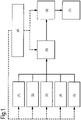
- Figure 1 shows a process block diagram of a process according to the present invention.
- FIG. 1 illustrates a process for preparing a sulphur slurry according to the present invention.
- the slurry components namely the aqueous solution (1), the elemental sulphur solid (2), the preventive scavenging additive (3), the viscosity modifier (4) and the thickening agent (5).
- Any of these components (1) to (5) can be fed separately to the wet milling device (6), prior to commencement of or during milling.
- some or all of the components (1) to (5) may be combined, such as by blending, prior to feeding to the milling device. Provision is also made to enable the components (3) to (5) to be fed to the micronized sulphur slurry once it has been transferred from the milling device (6) for storage.
- Macro or micro nutrient (8) may optionally be fed at any stage, as shown by dashed lines, for example to the wet milling device or to the micronized slurry after discharge from the milling device for storage (9). Thereafter, the sulphur slurry may be conveyed (7) for application as a soil improver either directly to the soil or following dilution and application by irrigation.
- the output from the mill may be directed to separate storage tanks so that the mill can be configured to give different slurry output in terms of particle size, particle grade, capacity or other mixing parameters. This affords a level of additional flexibility to the process that enables a plurality of separate and discrete product lines to be derived from a single common feedstream.
- the process of the present invention further provides for combined arrangements in which the elemental sulphur is wet milled in dispersion mills that are arranged in series, in parallel; or in series and in parallel. In so doing, the level of control over resulting slurry product can be optimized.
- the raw materials required for each test were weighed using a mechanical balance.
- the gum was premixed with water to obtain a 20% solution.
- Each test consisting of 2.5 L batches, was conducted by filling the milling vessel with a predetermined amount of water.
- the VFD Very Frequency Drive
- the frequency was increased to achieve a uniform flow pattern. Once the desired flow pattern was obtained, the manual addition of ES pastilles was started and wet milling was carried out.
- Table 1 Component as a percentage based on total weight of slurry
- Example 1 (reference)
- Example 2 (invention)
- Example 3 (reference)
- Example 4 (invention) Calculated Elemental Sulphur Content, % 50 50 50 50 50 Calculated calcium lignosulphonate Content (Dry Basis), % 0.10 0.10 0.10 0.10 Calculated Xanthan Gum Content, % 0.25 0.25 0.25 0.25 Calculated Xanthan Gum Solution, % 20 20 20 20 20 20 20 20 20 20 20 20 20 20 20 20 20 20 20 20 20 20 20 20 20 20 20 20 20 20 20 20 20 20 20 20 20 20 20 20 20 20 20 20 20 20 20 20 20 20 20 20 20 20 20 20 20 20 20 20 20 20 20 20 20 20 20 20 20 20 20 20 20 20 20 20 20 20 20 20 20 20 20 20 20 20 20 20 20 20 20 20 20 20 20 20 20 20 20 20 20 20 20 20 20 20 20 20 20 20 20 20 20 20 20 20 20 20 20 20 20 20 20 20 20 20 20 20 20 20 Calculated
- each test sample was then transferred quantitatively in four separated one gallon plastic buckets that were closed hermetically with a plastic lid fitted with a rubber stopper. This set-up enabled gas measurements to be performed on the gas cap of all the containers.
- H 2 S detection tests were conducted on the four samples. For H 2 S detection, a BUVECO Micro BUTOX 500 (MB), a BW Technologies by Honeywell (BW), and a Draeger X-am 5100 (DX) were used, and for SO 2 a BUVECO Gas Alert Micro 5 multiple gas detector (M5) was used. Each test sample was shaken for 10 seconds, the stopper was removed and then the gas detector was placed on top of the opening for 10 seconds before a reading was made.
- MB BUVECO Micro BUTOX 500
- BW BW Technologies by Honeywell
- DX Draeger X-am 5100
- M5 BUVECO Gas Alert Micro 5 multiple gas detector
- Example 2 Results After 6 Days Example 1 (reference) Example 2 (invention) Example 3 (reference) Example 4 (invention) SO 2 (M5) Not measured Not measured Not measured Not measured H 2 S (MB) 23-73ppm 0 ppm 0 ppm 0 ppm Table 3: Results After 9 Days Example 1 (reference) Example 2 (invention) Example 3 (reference Example 4 (invention) SO 2 (M5) Not measured Not measured Not measured Not measured H 2 S (MB) 70ppm - Off limit 0 ppm 0 ppm 0 ppm Table 4: Results After 13 Days Example 1 (reference) Example 2 (invention) Example 3 (reference) Example 4 (invention) SO 2 (M5) 38ppm / Off limit 0 ppm 0 ppm 1 ppm H 2 S (MB) 70ppm - Off limit 0 ppm 0 ppm 0 ppm H 2 S (DX) 138ppm / Off
- Example 1 (reference)
- Example 2 (invention)
- Example 3 (reference)
- Example 4 (invention) H 2 S (BW) 100ppm / Off limit 0ppm 0 ppm 0 ppm
- Example 3 the addition of the zinc oxide such that it was present during the wet milling phase meant that the powder became well dispersed through the slurry during milling and was able to fixate the toxic gases as they formed, or as they were released, during storage.
- Example 1 where zinc oxide has been added to an aged slurry, it is believed that the apparent lack of reduction of hydrogen sulphide is because dispersion was more difficult to achieve in the short time allowed, and it would take longer for a significant reduction effect to be achieved.
- Examples 2 and 4 both according to the invention show that addition of additives in solution form provides a significant effect to reduce the hydrogen sulphide gas, presumably through the increased short term dispersion possible through the slurry.
Landscapes
- Chemical & Material Sciences (AREA)
- Organic Chemistry (AREA)
- Life Sciences & Earth Sciences (AREA)
- Pest Control & Pesticides (AREA)
- Chemical Kinetics & Catalysis (AREA)
- Inorganic Chemistry (AREA)
- Dispersion Chemistry (AREA)
- Fertilizers (AREA)
Claims (11)
- Procédé de préparation d'une composition contenant du soufre élémentaire pour une utilisation en tant qu'engrais et/ou agent d'amélioration du sol, le procédé comprenant du soufre élémentaire de broyage humide dans un liquide afin de produire une bouillie de soufre micronisée pour l'application au sol ;le procédé comprenant en outre l'ajout d'un additif de piégeage préventif pour fixer du dioxyde de soufre et des gaz de sulfure d'hydrogène qui sont libérés par la bouillie en aval du broyeur ;l'additif de piégeage préventif étant ajouté avant ou pendant l'application de la bouillie au sol,l'additif de piégeage préventif comportant un ou plusieurs composés choisis parmi les bases ;l'additif de piégeage préventif étant utilisé en une quantité de 0,05 à 2 % en poids, sur la base du poids total de la bouillie ; etla base étant choisie parmi l'hydrate de calcium (oxyde de calcium), l'hydrate de potassium (hydroxyde de potassium), la soude caustique (hydroxyde de sodium), et l'ammoniaque (hydroxyde d'ammonium), ou n'importe quelle combinaison de ceux-ci.
- Procédé selon la revendication 1, dans lequel la base additive de piégeage préventif est ajoutée au soufre élémentaire en une quantité pour maintenir le pH de la bouillie de soufre dans la plage allant de pH 9 à 13.
- Procédé selon la revendication 1 ou la revendication 2, dans lequel l'additif de piégeage préventif est ajouté au liquide et au broyage humide avec le soufre.
- Procédé selon l'une quelconque des revendications 1 à 3, comprenant en outre l'ajout d'un lignosulfonate, de préférence de lignosulfonate de calcium et/ou de lignosulfonate de zinc, en tant que modificateur de viscosité en une quantité telle que la bouillie de soufre comprend de 0,001 à 5,0 % en poids de modificateur, de préférence de 0,1 à 1,5 % en poids, sur la base du poids total de la bouillie.
- Procédé selon l'une quelconque des revendications 1 à 4, comprenant en outre l'ajout d'un agent stabilisant choisi parmi : une gomme de xanthane et/ou de l'agar ; et/ou des argiles, telles que l'argile bentonite, notamment l'argile de sodium bentonite ou les argiles attapulgites, de préférence de type gonflant ; et/ou des polymères tels que le polyéthylène glycol ; en une quantité telle que la bouillie de soufre comprend de 0,1 à 5 % en poids de l'agent sur la base du poids total de la bouillie.
- Procédé selon l'une quelconque des revendications précédentes, dans lequel le soufre élémentaire est ajouté au broyeur en une quantité pour produire une bouillie comprenant de 10 à 90 % en poids, plus préférablement de 20 à 80 % en poids, le plus préférablement de 30 à 70 % en poids de soufre sur la base du poids total de la bouillie.
- Procédé selon l'une quelconque des revendications précédentes, dans lequel le liquide est de l'eau ou est une solution ou une suspension aqueuse, de préférence un engrais liquide ou une solution de nitrate d'urée-ammonium.
- Procédé selon l'une quelconque des revendications précédentes, dans lequel le soufre est broyé humide dans un broyeur de dispersion à cisaillement élevé du type ayant un rotor tournant au sein d'un stator à fente, de préférence ayant un rotor à fente à l'intérieur d'un stator à fente.
- Utilisation d'une bouillie de soufre avec un additif de piégeage préventif ajouté chaque fois préparé par le procédé selon l'une quelconque des revendications précédentes en tant qu'engrais au sol pour une application directe sur le sol à l'aide d'un système d'application de suspension/fumier, ou pour le dosage dans l'eau d'irrigation et l'application sur le sol à travers un système d'irrigation ;l'additif de piégeage préventif comportant un ou plusieurs composés choisis parmi les bases ;l'additif de piégeage préventif étant utilisé en une quantité de 0, 05 à 2 % en poids, sur la base du poids total de la bouillie ; etla base étant choisie parmi l'hydrate de calcium (oxyde de calcium), l'hydrate de potassium (hydroxyde de potassium), la soude caustique (hydroxyde de sodium) et l'ammoniaque (hydroxyde d'ammonium) ou toute combinaison de ceux-ci.
- Utilisation d'un additif de piégeage préventif pour fixer du dioxyde de soufre et des gaz de sulfure d'hydrogène dans un engrais au sol à suspension de soufre, dans lequel l'additif est combiné avec du soufre élémentaire dans un processus de broyage humide ;l'additif de piégeage préventif comportant un ou plusieurs composés choisis parmi les bases ;l'additif de piégeage préventif étant utilisé en une quantité de 0,05 à 2 % en poids, sur la base du poids total de la bouillie ; etla base étant choisie parmi l'hydrate de calcium (oxyde de calcium), l'hydrate de potassium (hydroxyde de potassium), la soude caustique (hydroxyde de sodium) et l'ammoniaque (hydroxyde d'ammonium) ou toute combinaison de ceux-ci.
- Engrais pour le sol comprenant une bouillie de soufre micronisée obtenue par broyage humide du soufre élémentaire dans un liquide, dans lequel l'engrais comprend en outre un additif de piégeage préventif pour fixer du dioxyde de soufre et des gaz de sulfure d'hydrogène dans la bouillie afin d'éviter une exposition du personnel à des niveaux toxiques desdits gaz pendant le stockage et la manipulation de la bouillie ;l'additif de piégeage préventif comportant un ou plusieurs composés choisis parmi les bases ;l'additif de piégeage préventif étant utilisé en une quantité de 0,05 à 2 % en poids, sur la base du poids total de la bouillie ; etla base étant choisie parmi l'hydrate de calcium (oxyde de calcium), l'hydrate de potassium (hydroxyde de potassium), la soude caustique (hydroxyde de sodium) et l'ammoniaque (hydroxyde d'ammonium) ou toute combinaison de ceux-ci.
Applications Claiming Priority (2)
| Application Number | Priority Date | Filing Date | Title |
|---|---|---|---|
| EP14199219 | 2014-12-19 | ||
| PCT/EP2015/080670 WO2016097378A1 (fr) | 2014-12-19 | 2015-12-18 | Procédé de préparation d'un agent d'amélioration de sol contenant du soufre |
Publications (2)
| Publication Number | Publication Date |
|---|---|
| EP3233760A1 EP3233760A1 (fr) | 2017-10-25 |
| EP3233760B1 true EP3233760B1 (fr) | 2023-01-11 |
Family
ID=52231909
Family Applications (1)
| Application Number | Title | Priority Date | Filing Date |
|---|---|---|---|
| EP15817293.2A Active EP3233760B1 (fr) | 2014-12-19 | 2015-12-18 | Procédé de préparation d'un agent d'amélioration du sol contenant du soufre |
Country Status (6)
| Country | Link |
|---|---|
| US (1) | US10676405B2 (fr) |
| EP (1) | EP3233760B1 (fr) |
| CN (1) | CN107001165B (fr) |
| CA (1) | CA2971078C (fr) |
| EA (1) | EA201791407A1 (fr) |
| WO (1) | WO2016097378A1 (fr) |
Families Citing this family (8)
| Publication number | Priority date | Publication date | Assignee | Title |
|---|---|---|---|---|
| MY191691A (en) | 2015-05-19 | 2022-07-07 | Sulvaris Inc | Fertilizer pellets with micronized sulphur |
| CA2941032C (fr) | 2016-07-22 | 2024-01-23 | Shell Internationale Research Maatschappij B.V. | Procede de reduction de la teneur en sulfure d'hydrogene dans des compositions de soufre non gazeuses au moyen d'un entraineur a base de zinc zinc |
| WO2019092671A1 (fr) * | 2017-11-13 | 2019-05-16 | Eni S.P.A. | Procédé d'ajustement des caractéristiques ioniques du sol et composition adaptée à cet effet |
| EP3801016B1 (fr) * | 2018-05-10 | 2024-06-05 | Sawant, Arun Vitthal | Nouvelle composition de nutrition et fortification des cultures |
| CN112204000A (zh) * | 2018-05-10 | 2021-01-08 | 阿鲁恩·维塔尔·沙旺特 | 新型作物营养与强化组合物 |
| MY194541A (en) * | 2018-05-10 | 2022-11-30 | Thankapan VADAKEKUTTU | Novel crop nutrition and fortification composition |
| MA54617A (fr) * | 2018-12-28 | 2022-04-06 | Sulvaris Inc | Poudre de soufre micronisé |
| PL248313B1 (pl) * | 2023-10-23 | 2025-11-24 | Sklad Rolny Spolka Z Ograniczona Odpowiedzialnoscia | Kompozycja koncentratu nawozu azotowo-siarkowego |
Family Cites Families (9)
| Publication number | Priority date | Publication date | Assignee | Title |
|---|---|---|---|---|
| HU184506B (en) * | 1982-02-19 | 1984-09-28 | Budapesti Vegyimuevek | Method for intensifying the growing of plough-land plants |
| AR046755A1 (es) * | 2003-12-10 | 2005-12-21 | Shell Int Research | Pellet de azufre que incluye un supresor h2s |
| IL172305A0 (en) * | 2005-12-01 | 2006-04-10 | Clue As | A method for the combined production of a sulfur oxide containing product and a fertilizer |
| US20090242461A1 (en) * | 2008-03-28 | 2009-10-01 | Sherif Eldin | Hydrogen sulfide scavengers and methods for removing hydrogen sulfide from asphalt |
| CA2663119A1 (fr) * | 2009-04-16 | 2010-10-16 | Sulphur Solutions Inc. | Pastilles dispersibles d'engrais soufre |
| EP2429975B1 (fr) * | 2009-05-07 | 2015-10-07 | Shell Internationale Research Maatschappij B.V. | Procédé pour la préparation d'un fertilisant contenant du soufre élémentaire |
| BR112013004620B1 (pt) * | 2010-08-27 | 2020-12-15 | Ccr Technologies, Ltd. | Método para produzir fertilizantes contendo enxofre micronizado disperso |
| WO2013098404A1 (fr) * | 2011-12-29 | 2013-07-04 | Shell Internationale Research Maatschappij B.V. | Procédés de préparation de compositions contenant du soufre et de compositions d'engrais contenant du soufre |
| MX361487B (es) * | 2012-07-09 | 2018-12-07 | Shell Int Research | Proceso de preparación de emulsión de partículas de azufre puro. |
-
2015
- 2015-12-18 WO PCT/EP2015/080670 patent/WO2016097378A1/fr not_active Ceased
- 2015-12-18 EA EA201791407A patent/EA201791407A1/ru unknown
- 2015-12-18 CN CN201580068621.6A patent/CN107001165B/zh active Active
- 2015-12-18 US US15/536,312 patent/US10676405B2/en active Active
- 2015-12-18 CA CA2971078A patent/CA2971078C/fr active Active
- 2015-12-18 EP EP15817293.2A patent/EP3233760B1/fr active Active
Also Published As
| Publication number | Publication date |
|---|---|
| CN107001165A (zh) | 2017-08-01 |
| EP3233760A1 (fr) | 2017-10-25 |
| CA2971078C (fr) | 2023-01-10 |
| CN107001165B (zh) | 2021-05-11 |
| US20170327430A1 (en) | 2017-11-16 |
| US10676405B2 (en) | 2020-06-09 |
| EA201791407A1 (ru) | 2017-10-31 |
| CA2971078A1 (fr) | 2016-06-23 |
| WO2016097378A1 (fr) | 2016-06-23 |
Similar Documents
| Publication | Publication Date | Title |
|---|---|---|
| EP3233760B1 (fr) | Procédé de préparation d'un agent d'amélioration du sol contenant du soufre | |
| US6461399B1 (en) | Organic material based uniprill fertilizer | |
| EP3447040B1 (fr) | Systèmes et procédés de conversion et de traitement de boues organiques pour la production de fertilisants à efficacité améliorée à granules accrédités uniques pour substances nutritives multiples | |
| JP2014524400A (ja) | 微量栄養素を含有する被圧縮塩化カリウム肥料及びその生産方法 | |
| AU2016305022A1 (en) | Acid treatment for fertilizers to increase zinc solubility and availability | |
| AU2014236424A1 (en) | Fertilizer composition and method for preparing the same | |
| WO2013098404A1 (fr) | Procédés de préparation de compositions contenant du soufre et de compositions d'engrais contenant du soufre | |
| US20150251962A1 (en) | Fertilizer compositions containing micronutrients and methods for preparing the same | |
| CN109258393B (zh) | 一种以淤泥固化制备的种植土及其应用 | |
| Saydullayev et al. | Influence of the amount and fineness of grinding of ammonium sulfate on the properties of sulfate-containing urea | |
| US7030061B2 (en) | Productive process for manufacturing an algal species-based organic complement for vegetal fertilization | |
| IL44097A (en) | Process for forming phosphorus glasses containing ferrous iron | |
| EP3966186B1 (fr) | Particules d'engrais comprenant du fer | |
| AU2011340784B2 (en) | An improved micronutrient fertiliser and method for producing same | |
| EP4261199A1 (fr) | Engrais composé à dissolution lente contenant du polyphosphate de potassium, son procédé de préparation et son application | |
| JP2013215184A (ja) | 海域利用向け土木資材 | |
| US8349184B2 (en) | Lowering viscosity of biosolids | |
| CN118139833A (zh) | 农用组合物 | |
| US7658780B2 (en) | Method of treatment of wood ash residue | |
| MX2008011042A (es) | Composiciones fertilizantes solidas fluidizantes, solubles y solubilizantes, y la preparacion de las mismas. | |
| RU2812198C2 (ru) | Частицы удобрения, содержащие железо | |
| CN110846044A (zh) | 一种高效土壤修复剂及其制备方法 | |
| RU2478599C1 (ru) | Способ получения комплексного азотно-фосфорно-сульфатного удобрения из фосфогипса (варианты) | |
| JP2012167238A (ja) | 発塵を抑制した土壌処理材とその製造方法 | |
| JP2000345156A (ja) | 土壌用pH改善剤およびその製造方法 |
Legal Events
| Date | Code | Title | Description |
|---|---|---|---|
| STAA | Information on the status of an ep patent application or granted ep patent |
Free format text: STATUS: THE INTERNATIONAL PUBLICATION HAS BEEN MADE |
|
| PUAI | Public reference made under article 153(3) epc to a published international application that has entered the european phase |
Free format text: ORIGINAL CODE: 0009012 |
|
| STAA | Information on the status of an ep patent application or granted ep patent |
Free format text: STATUS: REQUEST FOR EXAMINATION WAS MADE |
|
| 17P | Request for examination filed |
Effective date: 20170623 |
|
| AK | Designated contracting states |
Kind code of ref document: A1 Designated state(s): AL AT BE BG CH CY CZ DE DK EE ES FI FR GB GR HR HU IE IS IT LI LT LU LV MC MK MT NL NO PL PT RO RS SE SI SK SM TR |
|
| AX | Request for extension of the european patent |
Extension state: BA ME |
|
| DAV | Request for validation of the european patent (deleted) | ||
| DAX | Request for extension of the european patent (deleted) | ||
| RAP1 | Party data changed (applicant data changed or rights of an application transferred) |
Owner name: SHELL INTERNATIONALE RESEARCH MAATSCHAPPIJ B.V. |
|
| STAA | Information on the status of an ep patent application or granted ep patent |
Free format text: STATUS: EXAMINATION IS IN PROGRESS |
|
| 17Q | First examination report despatched |
Effective date: 20190412 |
|
| GRAP | Despatch of communication of intention to grant a patent |
Free format text: ORIGINAL CODE: EPIDOSNIGR1 |
|
| STAA | Information on the status of an ep patent application or granted ep patent |
Free format text: STATUS: GRANT OF PATENT IS INTENDED |
|
| RIC1 | Information provided on ipc code assigned before grant |
Ipc: C05G 5/27 20200101ALI20220923BHEP Ipc: C05G 5/23 20200101ALI20220923BHEP Ipc: C05G 3/00 20060101ALI20220923BHEP Ipc: C05D 9/02 20060101AFI20220923BHEP |
|
| INTG | Intention to grant announced |
Effective date: 20221102 |
|
| GRAS | Grant fee paid |
Free format text: ORIGINAL CODE: EPIDOSNIGR3 |
|
| GRAA | (expected) grant |
Free format text: ORIGINAL CODE: 0009210 |
|
| STAA | Information on the status of an ep patent application or granted ep patent |
Free format text: STATUS: THE PATENT HAS BEEN GRANTED |
|
| AK | Designated contracting states |
Kind code of ref document: B1 Designated state(s): AL AT BE BG CH CY CZ DE DK EE ES FI FR GB GR HR HU IE IS IT LI LT LU LV MC MK MT NL NO PL PT RO RS SE SI SK SM TR |
|
| REG | Reference to a national code |
Ref country code: GB Ref legal event code: FG4D |
|
| REG | Reference to a national code |
Ref country code: CH Ref legal event code: EP |
|
| REG | Reference to a national code |
Ref country code: DE Ref legal event code: R096 Ref document number: 602015082280 Country of ref document: DE |
|
| REG | Reference to a national code |
Ref country code: IE Ref legal event code: FG4D |
|
| REG | Reference to a national code |
Ref country code: AT Ref legal event code: REF Ref document number: 1543354 Country of ref document: AT Kind code of ref document: T Effective date: 20230215 |
|
| REG | Reference to a national code |
Ref country code: LT Ref legal event code: MG9D |
|
| REG | Reference to a national code |
Ref country code: NL Ref legal event code: MP Effective date: 20230111 |
|
| P01 | Opt-out of the competence of the unified patent court (upc) registered |
Effective date: 20230425 |
|
| REG | Reference to a national code |
Ref country code: AT Ref legal event code: MK05 Ref document number: 1543354 Country of ref document: AT Kind code of ref document: T Effective date: 20230111 |
|
| PG25 | Lapsed in a contracting state [announced via postgrant information from national office to epo] |
Ref country code: NL Free format text: LAPSE BECAUSE OF FAILURE TO SUBMIT A TRANSLATION OF THE DESCRIPTION OR TO PAY THE FEE WITHIN THE PRESCRIBED TIME-LIMIT Effective date: 20230111 |
|
| PG25 | Lapsed in a contracting state [announced via postgrant information from national office to epo] |
Ref country code: RS Free format text: LAPSE BECAUSE OF FAILURE TO SUBMIT A TRANSLATION OF THE DESCRIPTION OR TO PAY THE FEE WITHIN THE PRESCRIBED TIME-LIMIT Effective date: 20230111 Ref country code: PT Free format text: LAPSE BECAUSE OF FAILURE TO SUBMIT A TRANSLATION OF THE DESCRIPTION OR TO PAY THE FEE WITHIN THE PRESCRIBED TIME-LIMIT Effective date: 20230511 Ref country code: NO Free format text: LAPSE BECAUSE OF FAILURE TO SUBMIT A TRANSLATION OF THE DESCRIPTION OR TO PAY THE FEE WITHIN THE PRESCRIBED TIME-LIMIT Effective date: 20230411 Ref country code: LV Free format text: LAPSE BECAUSE OF FAILURE TO SUBMIT A TRANSLATION OF THE DESCRIPTION OR TO PAY THE FEE WITHIN THE PRESCRIBED TIME-LIMIT Effective date: 20230111 Ref country code: LT Free format text: LAPSE BECAUSE OF FAILURE TO SUBMIT A TRANSLATION OF THE DESCRIPTION OR TO PAY THE FEE WITHIN THE PRESCRIBED TIME-LIMIT Effective date: 20230111 Ref country code: HR Free format text: LAPSE BECAUSE OF FAILURE TO SUBMIT A TRANSLATION OF THE DESCRIPTION OR TO PAY THE FEE WITHIN THE PRESCRIBED TIME-LIMIT Effective date: 20230111 Ref country code: ES Free format text: LAPSE BECAUSE OF FAILURE TO SUBMIT A TRANSLATION OF THE DESCRIPTION OR TO PAY THE FEE WITHIN THE PRESCRIBED TIME-LIMIT Effective date: 20230111 Ref country code: AT Free format text: LAPSE BECAUSE OF FAILURE TO SUBMIT A TRANSLATION OF THE DESCRIPTION OR TO PAY THE FEE WITHIN THE PRESCRIBED TIME-LIMIT Effective date: 20230111 |
|
| PG25 | Lapsed in a contracting state [announced via postgrant information from national office to epo] |
Ref country code: SE Free format text: LAPSE BECAUSE OF FAILURE TO SUBMIT A TRANSLATION OF THE DESCRIPTION OR TO PAY THE FEE WITHIN THE PRESCRIBED TIME-LIMIT Effective date: 20230111 Ref country code: PL Free format text: LAPSE BECAUSE OF FAILURE TO SUBMIT A TRANSLATION OF THE DESCRIPTION OR TO PAY THE FEE WITHIN THE PRESCRIBED TIME-LIMIT Effective date: 20230111 Ref country code: IS Free format text: LAPSE BECAUSE OF FAILURE TO SUBMIT A TRANSLATION OF THE DESCRIPTION OR TO PAY THE FEE WITHIN THE PRESCRIBED TIME-LIMIT Effective date: 20230511 Ref country code: GR Free format text: LAPSE BECAUSE OF FAILURE TO SUBMIT A TRANSLATION OF THE DESCRIPTION OR TO PAY THE FEE WITHIN THE PRESCRIBED TIME-LIMIT Effective date: 20230412 Ref country code: FI Free format text: LAPSE BECAUSE OF FAILURE TO SUBMIT A TRANSLATION OF THE DESCRIPTION OR TO PAY THE FEE WITHIN THE PRESCRIBED TIME-LIMIT Effective date: 20230111 |
|
| REG | Reference to a national code |
Ref country code: DE Ref legal event code: R097 Ref document number: 602015082280 Country of ref document: DE |
|
| PG25 | Lapsed in a contracting state [announced via postgrant information from national office to epo] |
Ref country code: SM Free format text: LAPSE BECAUSE OF FAILURE TO SUBMIT A TRANSLATION OF THE DESCRIPTION OR TO PAY THE FEE WITHIN THE PRESCRIBED TIME-LIMIT Effective date: 20230111 Ref country code: RO Free format text: LAPSE BECAUSE OF FAILURE TO SUBMIT A TRANSLATION OF THE DESCRIPTION OR TO PAY THE FEE WITHIN THE PRESCRIBED TIME-LIMIT Effective date: 20230111 Ref country code: EE Free format text: LAPSE BECAUSE OF FAILURE TO SUBMIT A TRANSLATION OF THE DESCRIPTION OR TO PAY THE FEE WITHIN THE PRESCRIBED TIME-LIMIT Effective date: 20230111 Ref country code: DK Free format text: LAPSE BECAUSE OF FAILURE TO SUBMIT A TRANSLATION OF THE DESCRIPTION OR TO PAY THE FEE WITHIN THE PRESCRIBED TIME-LIMIT Effective date: 20230111 Ref country code: CZ Free format text: LAPSE BECAUSE OF FAILURE TO SUBMIT A TRANSLATION OF THE DESCRIPTION OR TO PAY THE FEE WITHIN THE PRESCRIBED TIME-LIMIT Effective date: 20230111 |
|
| PLBE | No opposition filed within time limit |
Free format text: ORIGINAL CODE: 0009261 |
|
| STAA | Information on the status of an ep patent application or granted ep patent |
Free format text: STATUS: NO OPPOSITION FILED WITHIN TIME LIMIT |
|
| PG25 | Lapsed in a contracting state [announced via postgrant information from national office to epo] |
Ref country code: SK Free format text: LAPSE BECAUSE OF FAILURE TO SUBMIT A TRANSLATION OF THE DESCRIPTION OR TO PAY THE FEE WITHIN THE PRESCRIBED TIME-LIMIT Effective date: 20230111 |
|
| 26N | No opposition filed |
Effective date: 20231012 |
|
| PG25 | Lapsed in a contracting state [announced via postgrant information from national office to epo] |
Ref country code: SI Free format text: LAPSE BECAUSE OF FAILURE TO SUBMIT A TRANSLATION OF THE DESCRIPTION OR TO PAY THE FEE WITHIN THE PRESCRIBED TIME-LIMIT Effective date: 20230111 |
|
| PG25 | Lapsed in a contracting state [announced via postgrant information from national office to epo] |
Ref country code: IT Free format text: LAPSE BECAUSE OF FAILURE TO SUBMIT A TRANSLATION OF THE DESCRIPTION OR TO PAY THE FEE WITHIN THE PRESCRIBED TIME-LIMIT Effective date: 20230111 |
|
| REG | Reference to a national code |
Ref country code: CH Ref legal event code: PL |
|
| PG25 | Lapsed in a contracting state [announced via postgrant information from national office to epo] |
Ref country code: LU Free format text: LAPSE BECAUSE OF NON-PAYMENT OF DUE FEES Effective date: 20231218 |
|
| PG25 | Lapsed in a contracting state [announced via postgrant information from national office to epo] |
Ref country code: MC Free format text: LAPSE BECAUSE OF FAILURE TO SUBMIT A TRANSLATION OF THE DESCRIPTION OR TO PAY THE FEE WITHIN THE PRESCRIBED TIME-LIMIT Effective date: 20230111 |
|
| REG | Reference to a national code |
Ref country code: BE Ref legal event code: MM Effective date: 20231231 |
|
| PG25 | Lapsed in a contracting state [announced via postgrant information from national office to epo] |
Ref country code: MC Free format text: LAPSE BECAUSE OF FAILURE TO SUBMIT A TRANSLATION OF THE DESCRIPTION OR TO PAY THE FEE WITHIN THE PRESCRIBED TIME-LIMIT Effective date: 20230111 Ref country code: LU Free format text: LAPSE BECAUSE OF NON-PAYMENT OF DUE FEES Effective date: 20231218 |
|
| REG | Reference to a national code |
Ref country code: IE Ref legal event code: MM4A |
|
| PG25 | Lapsed in a contracting state [announced via postgrant information from national office to epo] |
Ref country code: IE Free format text: LAPSE BECAUSE OF NON-PAYMENT OF DUE FEES Effective date: 20231218 |
|
| PG25 | Lapsed in a contracting state [announced via postgrant information from national office to epo] |
Ref country code: BE Free format text: LAPSE BECAUSE OF NON-PAYMENT OF DUE FEES Effective date: 20231231 |
|
| PG25 | Lapsed in a contracting state [announced via postgrant information from national office to epo] |
Ref country code: FR Free format text: LAPSE BECAUSE OF NON-PAYMENT OF DUE FEES Effective date: 20231231 |
|
| PG25 | Lapsed in a contracting state [announced via postgrant information from national office to epo] |
Ref country code: CH Free format text: LAPSE BECAUSE OF NON-PAYMENT OF DUE FEES Effective date: 20231231 |
|
| PG25 | Lapsed in a contracting state [announced via postgrant information from national office to epo] |
Ref country code: IE Free format text: LAPSE BECAUSE OF NON-PAYMENT OF DUE FEES Effective date: 20231218 Ref country code: FR Free format text: LAPSE BECAUSE OF NON-PAYMENT OF DUE FEES Effective date: 20231231 Ref country code: CH Free format text: LAPSE BECAUSE OF NON-PAYMENT OF DUE FEES Effective date: 20231231 Ref country code: BE Free format text: LAPSE BECAUSE OF NON-PAYMENT OF DUE FEES Effective date: 20231231 |
|
| PG25 | Lapsed in a contracting state [announced via postgrant information from national office to epo] |
Ref country code: BG Free format text: LAPSE BECAUSE OF FAILURE TO SUBMIT A TRANSLATION OF THE DESCRIPTION OR TO PAY THE FEE WITHIN THE PRESCRIBED TIME-LIMIT Effective date: 20230111 |
|
| PG25 | Lapsed in a contracting state [announced via postgrant information from national office to epo] |
Ref country code: BG Free format text: LAPSE BECAUSE OF FAILURE TO SUBMIT A TRANSLATION OF THE DESCRIPTION OR TO PAY THE FEE WITHIN THE PRESCRIBED TIME-LIMIT Effective date: 20230111 |
|
| PG25 | Lapsed in a contracting state [announced via postgrant information from national office to epo] |
Ref country code: CY Free format text: LAPSE BECAUSE OF FAILURE TO SUBMIT A TRANSLATION OF THE DESCRIPTION OR TO PAY THE FEE WITHIN THE PRESCRIBED TIME-LIMIT; INVALID AB INITIO Effective date: 20151218 |
|
| PG25 | Lapsed in a contracting state [announced via postgrant information from national office to epo] |
Ref country code: HU Free format text: LAPSE BECAUSE OF FAILURE TO SUBMIT A TRANSLATION OF THE DESCRIPTION OR TO PAY THE FEE WITHIN THE PRESCRIBED TIME-LIMIT; INVALID AB INITIO Effective date: 20151218 |
|
| PGFP | Annual fee paid to national office [announced via postgrant information from national office to epo] |
Ref country code: DE Payment date: 20250930 Year of fee payment: 11 |
|
| PGFP | Annual fee paid to national office [announced via postgrant information from national office to epo] |
Ref country code: GB Payment date: 20251001 Year of fee payment: 11 |
|
| PGFP | Annual fee paid to national office [announced via postgrant information from national office to epo] |
Ref country code: TR Payment date: 20251211 Year of fee payment: 11 |